Vitamins
now browsing by category
Benfotiamine in the Management of Insulin Resistance in Type II Diabetes: A Personal Account
Reproduced from original OMNS article (OrthoMolecular News Service):
http://orthomolecular.org/
Subscribe to the free Orthomolecular Newsletter: http://orthomolecular.org/subscribe.html
Go to the OMNS Archive: http://orthomolecular.org/resources/omns/index.shtml
Orthomolecular Medicine News Service, May 12, 2023
Commentary by Stuart Lindsey, PharmD
OMNS (May 12, 2023) It has been speculated that type II diabetes is actually a carbohydrate metabolism problem. I am also speculating that type II diabetes is more realistically a subject of insulin resistance as much as it is of insulin input. I think regulating insulin resistance can be accomplished by intake of benfotiamine.
Benfotiamine [C19H23N4O6PS] is basically a fat-soluble version of the water-soluble B-vitamin thiamine [vitamin B1, C12H17N4OS+]. Your body changes benfotiamine into thiamine. But because benfotiamine is better absorbed, it raises thiamine levels better than thiamine alone.
Regulating insulin resistance is better than using insulin injections for type II because insulin produces hyperinsulinemia which is not good for people. It is my contention that using benfotiamine to lower insulin resistance stops the side effects of hyperinsulinemia.
Thiamine loss can be caused by several circumstances. Having a diet heavy in processed cereals and white rice causes the body to eject thiamine when it is needed for heart output. Thiamine deficiency symptoms include weakened heart muscle and even heart failure.
A bit of backstory
I was in the hospital two years ago with an undiagnosed cardiovascular condition. While they were trying to figure out what was wrong with me they didn’t feed me for three days and gave me very little to drink in anticipation of me having a further problems. With a monitor over my head monitoring my vitals, I discovered something very interesting. My parameters that were out of line, including blood pressure and blood sugars, all went back to normal. Watching these values correct themselves left me suspecting that what was wrong with me was that I was overfed. I was suddenly suspicious of pharmaceutical medicine. When I told the doctors in the hospital to basically stay away from me, they wrote on my chart that they had an unusual situation: “We have a pharmacist in our care that doesn’t trust us.” Indeed I didn’t, especially when one of the consultant doctors actually recommended brain surgery. I am convinced that I had some kind of cardiomyopathy from having two Covid shots. Now, two years later, my doctor thinks I might be right.
I decided to quit taking my blood pressure meds and my sugar meds for a while to see what would happen in a longer time period. The only thing I continued to take was benfotiamine 500mg, four times daily and an occasional tramadol. I was discharged from the hospital with no diagnosis, but I continued to take benfotiamine and tramadol. A scheduled visit had my primary care doctor do my hemoglobin A1c. Everyone told me that me not taking my sugar meds was going to make me sick but 2 years this month I got my test results back and I’m 6.3 on the hemoglobin A1c scale. It looks like the benfotiamine had manipulated my insulin resistance.
Why it seems to work
My search of the literature indicates to me that benfotiamine has an effect on insulin resistance that thiamine by itself does not. Using benfotiamine to lower insulin resistance allows easier access for body sugars to reach the tissues. I think that easier access by the tissues allows stimulation of leptin (which controls satiety). This allows the side effect of benfotiamine of being a good appetite suppressant which, over a period of time, causes the loss of weight by ignoring some of your calories because you’re not hungry. In the 10 years that I have been taking benfotiamine I have lost almost 100 pounds. Illness caused some of my weight loss but that long term suppression of my appetite seems to have had a cumulative effect on my body weight. This reduction could also be a reason that my insulin resistance was more responsive; I have less weight to carry around to feed.
I have had feedback from some of my vitamin customers about taking their vitamins on the day that they were going to eat a holiday meal and they believed that the benfotiamine so successfully killed their appetites that it ruined their dinners for them. In other words, you’re just not hungry. What a side effect!
Additional benefits
I think using benfotiamine to help regulate heart output is like having it act like an active diuretic that lowers the kidney load and thus possibly lower need for dialysis. I have a friend who had a history of heart failure. I put him on to benfotiamine. His doctor said he was the first person in a thousand that he had seen removed from dialysis. Anything that may reduce need for dialysis deserves further investigation.
The issue of deemphasizing insulin brings up the practice of checking your blood sugar not only once a day but several times a day. Trying to monitor thiamine is not easy: there is no direct measurement of thiamine in the body. You have to do it indirectly by using thiamine pyrophosphate (TPP). But you know you have had too much thiamine when your urine starts to smell a bit “vitaminy.” Then you back off for a couple of days, and the smell of your urine will go away. I assume that your blood levels have a commensurate drop in their values because you brought it back into where there is no spillover into the urine.
The appetite suppression of benfotiamine is a function that does not appear right away. I did not look at the appetite suppression issue until my weight had already started to drop and I was not sure why it was dropping. It is not an immediate effect. For me it took 10 years, but again, I have lost almost 100 lbs. I conclude the appetite suppression is an indirect effect of benfotiamine slowly lowering your insulin resistance. This may indeed be a win-win situation.
(Readers may remember Dr. Stuart Lindsey as the Frustrated Pharmacist http://orthomolecular.org/resources/omns/v08n05.shtml with a special interest in type 2 diabetes http://www.doctoryourself.com/omns/v08n19.shtml . As with all OMNS releases, these essays are not meant to substitute for medical advice. Persons should consult their own doctor before making any health decision. – Andrew W. Saul, Editor)
For Further Reading:
1. Thornalley PJ: The potential role of thiamine (vitamin B-1) in diabetic complications. Curr Diabetes Rev, 2005; 1:287-298
2. Brighthope IE (2012) The Vitamin Cure for Diabetes: Prevent and Treat Diabetes Using Nutrition and Vitamin Supplementation. Basic Health Publications ISBN-13: 978-1591202905.
3. http://www.doctoryourself.com/diabetes.html
4. World Health Organization. Diabetes. Retrieved from
[ https://www.who.int/en/news-room/fact-sheets/detail/diabetes ]
5. Action to Control Cardiovascular Risk in Diabetes Study Group, Gerstein HC, Miller ME, Byington RP, et al: Effects of intensive glucose lowering in type II diabetes. N Engl J Med, 2008; 358: 2545-2559.
6. Substituting Vitamins and Supplements for Pharmaceuticals in Type 2 Diabetes. Orthomolecular Medicine News Service, May 28, 2012 http://www.doctoryourself.com/omns/v08n19.shtml
7. Confessions of a Frustrated Pharmacist by Stuart Lindsey, PharmD. (OMNS, Jan 30, 2012) http://www.doctoryourself.com/omns/v08n05.shtml
Nutritional Medicine is Orthomolecular Medicine
Orthomolecular medicine uses safe, effective nutritional therapy to fight illness. For more information: http://www.orthomolecular.org
Find a Doctor
To locate an orthomolecular physician near you: http://orthomolecular.org/resources/omns/v06n09.shtml
The peer-reviewed Orthomolecular Medicine News Service is a non-profit and non-commercial informational resource.
Editorial Review Board:
Albert G. B. Amoa, MB.Ch.B, Ph.D. (Ghana)
Seth Ayettey, M.B., Ch.B., Ph.D. (Ghana)
Ilyès Baghli, M.D. (Algeria)
Barry Breger, M.D. (Canada)
Ian Brighthope, MBBS, FACNEM (Australia)
Gilbert Henri Crussol, D.M.D. (Spain)
Carolyn Dean, M.D., N.D. (USA)
Ian Dettman, Ph.D. (Australia)
Susan R. Downs, M.D., M.P.H. (USA)
Ron Ehrlich, B.D.S. (Australia)
Hugo Galindo, M.D. (Colombia)
Gary S. Goldman, Ph.D. (USA)
Michael J. Gonzalez, N.M.D., Ph.D. (Puerto Rico)
William B. Grant, Ph.D. (USA)
Claus Hancke, MD, FACAM (Denmark)
Patrick Holford, BSc (United Kingdom)
Ron Hunninghake, M.D. (USA)
Bo H. Jonsson, M.D., Ph.D. (Sweden)
Dwight Kalita, Ph.D. (USA)
Felix I. D. Konotey-Ahulu, M.D., FRCP (Ghana)
Peter H. Lauda, M.D. (Austria)
Alan Lien, Ph.D. (Taiwan)
Homer Lim, M.D. (Philippines)
Stuart Lindsey, Pharm.D. (USA)
Pedro Gonzalez Lombana, M.D., Ph.D. (Colombia)
Victor A. Marcial-Vega, M.D. (Puerto Rico)
Juan Manuel Martinez, M.D. (Colombia)
Mignonne Mary, M.D. (USA)
Joseph Mercola, D.O. (USA)
Jorge R. Miranda-Massari, Pharm.D. (Puerto Rico)
Karin Munsterhjelm-Ahumada, M.D. (Finland)
Sarah Myhill, MB, BS (United Kingdom)
Tahar Naili, M.D. (Algeria)
Zhiyong Peng, M.D. (China)
Isabella Akyinbah Quakyi, Ph.D. (Ghana)
Selvam Rengasamy, MBBS, FRCOG (Malaysia)
Jeffrey A. Ruterbusch, D.O. (USA)
Gert E. Schuitemaker, Ph.D. (Netherlands)
Thomas N. Seyfried, Ph.D. (USA)
Han Ping Shi, M.D., Ph.D. (China)
T.E. Gabriel Stewart, M.B.B.CH. (Ireland)
Jagan Nathan Vamanan, M.D. (India)
Andrew W. Saul, Ph.D. (USA), Editor-In-Chief
Associate Editor: Robert G. Smith, Ph.D. (USA)
Editor, Japanese Edition: Atsuo Yanagisawa, M.D., Ph.D. (Japan)
Editor, Chinese Edition: Richard Cheng, M.D., Ph.D. (USA)
Editor, Norwegian Edition: Dag Viljen Poleszynski, Ph.D. (Norway)
Editor, Arabic Edition: Moustafa Kamel, R.Ph, P.G.C.M (Egypt)
Editor, Korean Edition: Hyoungjoo Shin, M.D. (South Korea)
Editor, Spanish Edition: Sonia Rita Rial, PhD (Argentina)
Editor, German Edition: Bernhard Welker, M.D. (Germany)
Associate Editor, German Edition: Gerhard Dachtler, M.Eng. (Germany)
Assistant Editor: Michael Passwater (USA)
Contributing Editor: Thomas E. Levy, M.D., J.D. (USA)
Contributing Editor: Damien Downing, M.B.B.S., M.R.S.B. (United Kingdom)
Contributing Editor: W. Todd Penberthy, Ph.D. (USA)
Contributing Editor: Ken Walker, M.D. (Canada)
Technology Editor: Michael S. Stewart, B.Sc.C.S. (USA)
Associate Technology Editor: Robert C. Kennedy, M.S. (USA)
Legal Consultant: Jason M. Saul, JD (USA)
Comments and media contact: drsaul@doctoryourself.com OMNS welcomes but is unable to respond to individual reader emails. Reader comments become the property of OMNS and may or may not be used for publication.
Click here to see a web copy of this news release: https://orthomolecular.activehosted.com/p_v.php?l=1&c=283&m=282&s=a8c8fe7bea3fdaa4efae896c7612b3de
This article may be reprinted free of charge provided 1) that there is clear attribution to the Orthomolecular Medicine News Service, and 2) that both the OMNS free subscription link http://orthomolecular.org/subscribe.html and also the OMNS archive link http://orthomolecular.org/resources/omns/index.shtml are included.
Riordan Clinic | Orthomolecular.org
3100 N Hillside Ave
Wichita, Kansas 67219
United States
A Silent Thief of Sight: Are You at Risk?
Reproduced from original article:
https://articles.mercola.com/sites/articles/archive/2023/05/03/glaucoma-risk-factors.aspx
The original Mercola article may not remain on the original site, but I will endeavor to keep it on this site as long as I deem it to be appropriate.
Analysis by Dr. Joseph Mercola Fact Checked May 03, 2023
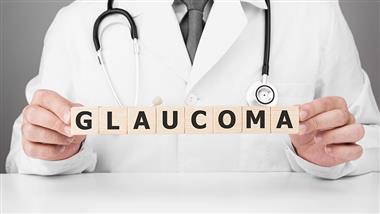
STORY AT-A-GLANCE
- Glaucoma is the second leading cause of blindness in the world. Worldwide, an estimated 80 million people are affected, and prevalence is on the rise
- Glaucoma develops when high pressure in your eye (ocular hypertension) damages the optic nerve. Peripheral vision is impacted first, followed by central vision. Vision loss is usually the only symptom
- Interocular pressure is a modifiable risk factor of glaucoma
- Aside from high eye pressure, other factors that influence your risk include old age, thin cornea, large optic nerve cup size and low peripheral vision test score. These factors can help your ophthalmologist determine your glaucoma risk
- Treatment options include eye pressure-lowering eye drops, oral medication and selective laser trabeculoplasty. Certain supplements can also be helpful, including melatonin, lutein (ideally from food), ginkgo biloba, Chinese skullcap, bilberry, green tea, curcumin and nicotinamide (B3)
Glaucoma is the second leading cause of blindness in the world. Worldwide, an estimated 80 million people are affected, and prevalence is rising.1 Glaucoma develops when high pressure in your eye (ocular hypertension2) damages the optic nerve. Peripheral vision is impacted first, followed by central vision.
Ocular hypertension occurs when the front of your eye fails to drain fluid properly, thereby causing pressure to build and put pressure on the optic nerve. Factors that raise your risk for ocular hypertension include:
| Family history of ocular hypertension or glaucoma | Diabetics and those with high blood pressure |
| People over 40 | Blacks and Hispanics |
| Myopia (nearsightedness) | Long-term steroid use |
| Previous eye injuries or eye surgeries | Those with pigment dispersion syndrome or pseudoexfoliation syndrome |
The only known way to prevent and/or stop the progression of glaucoma is to lower the pressure in the eye. Treatment options include drugs, lasers, laceration surgery, oral medications, nutritional supplements, herbs and other plant remedies, several of which I’ll review below.
Keep in mind that loss of vision is usually the first and only symptom of glaucoma, so it’s important to get a thorough eye exam by an ophthalmologist to determine if your ocular pressure is elevated, which could make you a candidate for glaucoma. Once vision loss occurs, the damage to your optic nerve is irreversible.
The Ocular Hypertension Treatment Study (OHTS)
Being diagnosed with ocular hypertension does not mean you’re destined to develop glaucoma, but it does significantly raise your risk, as it’s the primary underlying cause. The Ocular Hypertension Treatment Study (OHTS), which began in 1994, has also identified other risk factors that can help determine your risk for glaucoma. As reported by Harvard Health:3
“The researchers enrolled a diverse group of 1,636 participants with ocular hypertension from 22 sites across the US. To study glaucoma prevention, participants were randomly assigned to start either early eye pressure-lowering eye drops (medication group) or close observation (control group).
At five years the data showed that 4.4% of participants developed glaucoma in the medication group, compared to 9.5% in the control group. This tells us that early use of medicated eye drops helps delay over 50% of glaucoma cases in people with ocular hypertension.
During later phases of the study, the control group could receive eye pressure-lowering medications to see whether starting medication later could still delay glaucoma; it did.
At 20 years, about 49% of those in the control group and 42% of those in the medication group developed glaucoma. However, since the study was no longer randomized, the researchers were unable to compare the 20-year risk reduction between the initial starting groups …
Glaucoma risk, it turned out, did not depend solely on eye pressure and race, but on a combination of exam findings. This information helps guide clinicians in determining whether a person with ocular hypertension is at a low, medium, or higher risk for developing glaucoma. Having such information could help people decide when to begin using medicated eye drops to prevent vision loss or slow its progress.”
Aside from high eye pressure, other factors that influence an individual’s risk for developing glaucoma were found to include:
- Older age
- Thinner corneas
- Larger optic nerve cup sizes
- Low initial peripheral vision test scores
Treatment Alternatives
If you’re diagnosed with ocular hypertension, particularly if you also have other risk factors listed above, your ophthalmologist may prescribe eye pressure-lowering eye drops, oral medication and/or selective laser trabeculoplasty (SLT).4
SLT is a five-minute procedure performed at your ophthalmologist’s office, where a low-energy laser is pulsed into specific cells in your eye. Your body’s natural healing response then does the rest by rebuilding these cells. The rebuilding process automatically reduces the intraocular pressure and improves drainage.
Studies have also shown that certain herbal remedies, plant extracts5 and nutritional supplements can be helpful, although most conventional doctors know very little, if anything, about these products.

Download this Article Before it Disappears
Melatonin Lowers Intraocular Pressure
Melatonin, for example, has been shown to lower intraocular pressure in patients with glaucoma. Subjects who took 2 mg of melatonin daily at 10:30 p.m. for 90 days, experienced several benefits, including:6
- Increased stability of systemic circadian rhythm via improved phase alignment and alignment with intraocular pressure
- Decreased intraocular pressure
- Improved function of retinal ganglion cells in those with advanced glaucoma
- Improvements to sleep and mood, particularly in those with advanced glaucoma
Interestingly, these researchers7 suggested that glaucoma may, in fact, be a type of neurodegenerative disease, and damage to retinal ganglion cells affects not only vision but also circadian rhythms and sleep, which melatonin helps regulate.
Melatonin receptors exist in several areas of your eyes, including the retina, lens, and cornea. This hints at melatonin’s importance for regulating eye processes, particularly when pressure homeostasis is involved.
Its beneficial effects on the eyes can perhaps be explained best by the fact that melatonin receptors exist in several areas of your eyes, including the retina, lens and cornea.8 This hints at melatonin’s importance for regulating eye processes, particularly when pressure homeostasis is involved. As explained in a March 2020 paper published in Progress in Retinal and Eye Research:9
“Glaucoma, the most prevalent eye disease, also known as the silent thief of vision, is a multifactorial pathology that is associated to age and, often, to intraocular hypertension (IOP). Indeed IOP is the only modifiable risk factor …
Melatonin and analogues decrease IOP in both normotensive and hypertensive eyes. Melatonin activates its cognate membrane receptors, MT1 and MT2, which are present in numerous ocular tissues, including the aqueous-humor-producing ciliary processes.
Melatonin receptors belong to the superfamily of G-protein-coupled receptors and their activation would lead to different signaling pathways depending on the tissue … The current work highlights the important role of melatonin and its analogues in the healthy and in the glaucomatous eyes, with special attention to the control of intraocular pressure.”
Personally, I question the timing of the melatonin in the above study at 10:30 p.m. In my view that is far from an ideal time to sleep and about two hours later than I personally do. The other issue of concern is that it is unclear if these authors were aware that the greatest production of melatonin is not the pineal, but the mitochondria, when exposed to infrared light.
It would be interesting to compare the results of their 2 mg 10:30 p.m. protocol versus one hour of sunshine around solar noon in a warm climate.
Melatonin’s Effects Have Been Known for Decades
The effect of melatonin on intraocular pressure has been known for decades, yet most conventional doctors are still groping in the dark. In 1988, researchers with Oregon Health Sciences University exposed subjects to bright light to suppress serum melatonin levels, and then supplemented with melatonin to gauge its effect on intraocular pressure.10 A significant connection was found:11
“Our data suggests that during the period of melatonin’s greatest levels in the serum, IOP is lowest. All subjects had maximum pressures form 4 p.m. to 6 p.m. and most subjects had minimums from 2 a.m. to 5 a.m.
In experiment one, bright light suppression of melatonin secretion attenuated the early morning fall IOP. This was statistically significant at suggesting that melatonin is involved in lowering early morning IOP.
In experiment one, there was only partial suppression of melatonin production with bright light and consequently there was no significant difference in IOP between subjects exposed to dim light and bright light.
However, administering 200 micrograms (one-fifth of 1 mg) of melatonin orally caused a significant decrease in IOP. Intraocular pressure remained low for approximately four hours after the last dose.”
Lutein Protects Against Glaucoma and Other Eye Diseases
Lutein is another nutrient that is really important for eye health and helps to protect against age-related macular degeneration, cataracts, glaucoma and other eye diseases.
Lutein concentrates in your macula, which is the part of your retina responsible for central vision. Along with zeaxanthin and mesa-zeaxanthin (a metabolite of lutein), these three carotenoids form the retinal macular pigment, which not only is responsible for optimizing your visual performance but also serves as a biomarker for the risk of macular diseases.12
Lutein is also found in the lens, where it helps protect against cataracts and other age-related eye diseases. Among carotenoids, lutein is the most efficient at filtering out blue light — the type that comes from cellphones, computers, tablets and LED lights. Blue light induces oxidative stress in your eyes, which increases the risk of cataracts and macular diseases. Lutein, however, acts as a shield against it.
Your body cannot make lutein, so you must get it from your diet. Following are 10 foods that are particularly rich sources of lutein.
| Dark leafy greens | Carrots |
| Broccoli | Egg yolks |
| Red and yellow peppers | Sweet corn |
| Avocados | Raspberries |
| Cherries | Paprika |
Lutein and other carotenoids are fat-soluble, so to optimize absorption be sure to consume it along with a source of healthy fat, such as coconut oil or grass-fed butter. Because organic, pastured egg yolks contain fat, they’re among the healthiest sources of lutein.
Other Helpful Remedies
Certain herbs, plant extracts and vitamins have also shown promise in the treatment of glaucoma, including:13
| Ginkgo biloba — A 2013 study14 highlighted the benefits of ginkgo biloba, finding it slowed the progression of glaucoma. Forty-two patients with normal tension glaucoma received 80 mg of ginkgo biloba extract twice a day and underwent five or more visual field tests over the course of at least four years.
Mean follow-up was 12.3 years. While intraocular pressures remained largely the same after treatment, the visual field index significantly improved, especially central field vision. |
| Chinese skullcap — A 2021 study15 concluded that baicalein, a flavone found in skullcap root, effectively improved symptoms of glaucoma and reduced retinal ganglion cell apoptosis. |
| Bilberry — In animal research,16 bilberry extract was shown to prevent the death of retinal ganglion cells in mice whose optic nerves were crushed. The dosages given were 100 mg per kilo of bodyweight per day and 500 mg/kg/day. |
| Green tea — A 2019 animal study found green tea extract helped protect retinal ganglion cells during ischemic conditions (i.e., when blood flow is restricted). As such, green tea extract may be a viable therapeutic approach for glaucoma and optic neuropathies.
A more recent report,17 published in 2022, proposed that moderate consumption of green tea or 400 mg of concentrated green tea extract per day might benefit individuals with elevated intraocular pressure and those at risk for glaucoma. |
| Curcumin — According to animal research18 published in 2014, curcumin, a polyphenol found in the spice turmeric, can help treat glaucoma by limiting oxidative damage in the eye and lowering intraocular pressure. |
| Vitamin B3 (nicotinamide) — Research19 published in 2020 reported that glaucoma patients who took oral vitamin B3 experienced significant improvement in retinal function. Patients in the treatment group received 1.5 grams of nicotinamide per day for six weeks, followed by 3 grams a day for another six weeks. |
- 1, 5, 13 Epoch Times April 19, 2023 (Archived)
- 2 AAO.org Ocular Hypertension
- 3 Harvard Health September 22, 2022
- 4 Glaucoma Research Foundation Treating Glaucoma
- 6, 7 J Pineal Res. 2021 May;70(4):e12730. Discussion
- 8 Pharmacol Ther. 2007 Mar;113(3):507-22
- 9 Prog Retin Eye Res. 2020 Mar;75:100798
- 10, 11 Curr Eye Res. 1988 Jul;7(7):649-53
- 12 Nutrients. 2020 Jun; 12(6): 1721., 1.2 Distribution of Lutein in the Human Body
- 14 Journal of Glaucoma December 2013; 22(9): 780-784
- 15 Chinese Medicine 2021; 16, article number 124
- 16 Clinical Ophthalmology October 11, 2017; 11: 1825-1834
- 17 International Journal of Ophthalmology 2022; 15(5): 747-752
- 18 J Ocul Pharmacol Ther October 2014; 30(8): 657-664
- 19 Clinical & Experimental Ophthalmology July 28, 2020; 48(7): 903-914
Vitamin D Can Prevent and Treat Diabetes
Reproduced from original OMNS article (OrthoMolecular News Service):
http://orthomolecular.org/
Subscribe to the free Orthomolecular Newsletter: http://orthomolecular.org/subscribe.html
Go to the OMNS Archive: http://orthomolecular.org/resources/omns/index.shtml
Orthomolecular Medicine News Service, May 2, 2023
by Max Langen
OMNS (May 2, 2023) More than 460 million people, almost 6% of the world’s population, are suffering from type 2 diabetes, the most common form. Over 1 million deaths per year can be attributed to this condition, which makes it a leading cause of death. And the number of new cases is constantly increasing worldwide. By 2030, more than 7% will be suffering from type 2 diabetes. [1]
Besides the high number of fatalities caused by diabetes in “normal”, non-pandemic years, it is also one of the most important risk factors for severe or fatal courses of Covid-19. A new meta-analysis shows that diabetes is responsible for 17% of deaths from Covid-19. Diabetes is a strong risk factor for fatal courses of infectious diseases. To date, there are more than 7.5 million official Covid-deaths. Based on the results of the new meta-analysis, approx. 1.3 million of these deaths could have been avoided if no one in the world suffered from diabetes. [2]
Diabetes has various causes and risk factors, including an unhealthy pro-inflammatory diet, lack of physical activity, overweight/obesity, several micronutrient deficiencies, and mitochondrial dysfunction. [3] Diabetes can be greatly reduced and even reversed using a low-carbohydrate diet, a ketogenic diet, or intermittent fasting. [4-6] However, this article will focus on the role of vitamin D.
Type 2 diabetes
Recent evidence shows that a sufficient supply of vitamin D can protect from the most common forms of diabetes: type 2, type 1 and gestational diabetes. Meta-analyses of observational studies have shown that a low vitamin D level is an independent risk factor for the development of type 2 diabetes. [7] Individuals with a vitamin D level >25 ng/ml had a 43% lower risk of developing type 2 diabetes than those with a severely deficient level below 14 ng/ml. [8] Similarly, another study with people who had normal glucose levels or prediabetes showed that those with a level above 28 ng/ml had a 42% lower odds of developing or progressing to type 2 diabetes compared to those with a level below 18 ng/ml. [9]
However, the optimal range is well above 30 ng/ml. In a trial with women who were suffering from insulin resistance (which is the preliminary stage of type 2 diabetes) and had a deficiency of vitamin D, daily supplementation of 4000 IU for several months improved insulin resistance and insulin sensitivity more than a placebo. Importantly, insulin resistance was most strongly improved at or above 32 ng/ml. They found that the optimal level for the reduction of insulin resistance and thus for the prevention of type 2 diabetes was between 32 and 48 ng/ml. [10] In line with this finding, a study conducted by the health organization Grassrootshealth showed that a level of 41 ng/ml is associated with a 60% lower risk of developing type 2 diabetes compared with a level of 22 ng/ml. [11]
Several recent meta-analyses of RCTs (randomized controlled trials) showed that the association between a higher vitamin D level and a lower risk of type 2 diabetes is causal and dose-dependent. In patients with prediabetes, supplementation of vitamin D significantly reduced the risk of progressing to type 2 diabetes. [12,13] Supplementation to a higher vitamin D level (≥ 50 ng/ml vs. ≤ 30 ng/ml) reduced the risk for diabetes by a larger amount (76%). [14] The higher the level achieved, the more beneficial effect, up to ~60 ng/ml. This effect was more strongly pronounced in non-obese patients.
Since people with more weight or body fat need more vitamin D to reach a healthy level, it is likely that obese people did not receive the amount of vitamin D they required and therefore did not experience the same strong risk reduction as the non-obese people. Patients with prediabetes who received vitamin D also had a ~50% greater chance of reversing to a normal pre-diabetic state. The optimal vitamin D dose depends on many factors including the body weight and magnesium status. Vitamin D levels higher than 150 ng/ml can contribute to toxicity but are rare.
Direct mid-day summer sunlight on the skin can make adequate vitamin D with enough skin exposure. However sunlight does not cause vitamin D toxicity because at high vitamin D levels the body stops making it. Exposure to sunlight when the sun is less than 45 degrees above the horizon, or to sunlight through a glass window, though it can cause tanning, does not produce vitamin D (UVB light is required). Most of us don’t get enough vitamin D from our limited exposure to sunlight, especially in the winter. And although dermatologists warn that sun exposure can cause skin cancer, recent evidence suggests that moderate sun exposure (that produces vitamin D) may be protective against cancer.
Since 75% of the global adult population has an insufficient vitamin D level ( < 30 ng/ml ), [15] most are at increased risk of developing diabetes. Therefore it is not surprising that diabetes is on the rise worldwide. The vitamin D insufficiency situation is severely disease-promoting.
On the other hand, if all people had a very sunny level of vitamin D (40-60 ng/ml) probably most cases of type 2 diabetes could be prevented, which would also help to prevent many of the yearly 1 million deaths from diabetes. Further, as described above, more than a million deaths from Covid-19 are attributable to diabetes. Thus, a widespread correction of the worldwide vitamin D deficiency would have resulted in fewer deaths from infectious diseases like Covid-19.
Many doctors and researchers tried years ago to inform the public and governments about the “vitamin D deficiency pandemic”. [16-18] Unfortunately, there was hardly any interest in solving this tragedy. The reason is clearly described in an article by William Grant. [19] If your doctor tells you that a vitamin D level between 20 and 30 ng/ml is a “sufficient level”, refer to that article and explain that such levels are severely insufficient and strongly increase the risk of developing disease conditions such as infections and diabetes.
Besides lowering the risk of developing type 2 diabetes, vitamin D also helps to reverse the disease. In patients with type 2 diabetes and low vitamin D levels, supplementation with vitamin D significantly lowered blood glucose levels (fasting glucose level and long-term blood glucose value HbA1c) and improved insulin resistance. [20]
Type 2 diabetes is reversible with anti-diabetes drugs along with a protocol consisting of a temporal, slight caloric restriction, change to a healthy plant based diet, exercise and weight loss. After 12 months on such a protocol, approx. 50% of patients with type 2 diabetes achieved remission to a non-diabetic state and no longer required antidiabetic drugs. [21] Had the diabetic patients received ideal amounts of vitamin D as an addition to this program, the remission rate after 1 year would likely have been much higher.
Vitamin D also helps prevent and treat several of the complications that may arise from diabetes. For example, diabetics have twice the risk of developing depression compared with non-diabetics [22], and recent RCTs have shown that vitamin D effectively reduces depressive symptoms and may help prevent the development of major depressive disorder in patients with type 2 diabetes. [23,24] Diabetics also have increased cancer risks [25] and vitamin D has anti-cancer effects, with meta-analyses of RCTs showing that supplementation of vitamin D significantly reduces cancer mortality. [26]
About half of diabetics develop peripheral neuropathy, which is a form of nerve damage (due to increased glucose and decreased circulation) that affects limbs like legs, feet and arms and causes very uncomfortable and painful symptoms. [27] A deficiency of vitamin D seems to increase the risk of peripheral neuropathy. Supplementation with vitamin D in patients with diabetic peripheral neuropathy resulted in significantly reduced pain scores (up to 50% lower pain score after several months of continuous intake). [28]
Diabetic foot ulcers (a combination of neuropathy and ischemia) are one of the most devastating consequences of diabetes. Every year, millions of diabetics develop foot ulcers and up to 33% of all diabetics worldwide will suffer from a foot ulcer during their lifetime. Such ulcers often require amputation of lower limbs. Also, diabetics who develop foot ulcers have a 5-year mortality rate 2.5 times higher than those who did not develop such ulcers. [29]
A low vitamin D level is associated with a strongly increased risk of developing diabetic foot ulcers, suggesting that a sufficient level would reduce the incidence of this complication. [30] Also, vitamin D supplementation significantly hastened the healing process of diabetic foot ulcers. [31] Recent studies have confirmed that along with vitamin D, a sufficient supply of both magnesium and zinc is equally important to cure such ulcers. [32,33]
Cofactors of vitamin D also have an important role in the prevention of type 2 diabetes. Deficiencies of magnesium and vitamin K2 are very common among the public with almost half of the US population having an inadequate intake of magnesium [34] and up to 97% of older people suffering from an insufficiency of vitamin K2. [35] Type 2 diabetes is associated with low magnesium levels, [36] and a high dietary intake of magnesium was associated with a lower risk of developing type 2 diabetes. [37] Also, magnesium supplementation helps treat prediabetes and type 2 diabetes, and significantly reduced glucose parameters and improved insulin sensitivity in such patients. [37] Type 2 diabetics have significantly lower vitamin K2 levels than healthy controls, [38] and supplementation of K2 significantly reduced glucose levels (fasting glucose and HbA1c) in patients with diabetes. [39]
The incidence of type 2 diabetes would likely be drastically reduced if all people could get adequate amounts vitamin D and its most important cofactors like magnesium and vitamin K2.
Type 1 diabetes
Type 1 diabetes is an autoimmune disease, and recent evidence from the VITAL study shows that long term supplementation with vitamin D significantly reduces the risk of developing autoimmune diseases. [40,41] Regarding the specific diagnosis of type 1 diabetes, a sufficient level of vitamin D compared to the lowest levels reduces the risk of type 1 diabetes by approximately 60%. A level of ~45 ng/ml was associated with the lowest risk (72% lower) of type 1 diabetes. [42] A sunny level above 40 ng/ml seems to optimize protection against autoimmune conditions. Note again that world-wide, most adults have an insufficient level below 30 ng/ml — and it appears that most are unaware of this important information.
Other meta-analyses showed that supplementation of vitamin D during infancy is associated with ~30% lower risk of developing type 1 diabetes later in life, [43,44] suggesting that vitamin D helps the immune system to develop better.
The risk of developing type 1 diabetes can be reduced with a sufficient level of vitamin D. But even if the disease is already established, vitamin D should be considered as a treatment. RCTs show that vitamin D supplementation may attenuate the “natural history of the disease”, by improving fasting and stimulated C-peptide levels, allowing a lower required insulin dose. This indicates that the performance of the pancreas has improved due to vitamin D. [45]
Importantly, since type 1 diabetes is an autoimmune disease, it may be strongly improved or (depending on the stage) even brought into remission by the coimbra-protocol. The coimbra-protocol has shown to be a remarkably effective treatment for many forms of autoimmune conditions. Its central component is very high dose vitamin D. People who are interested in the coimbra-protocol should work together with a therapist or doctor who is trained in the protocol. Search for coimbra-doctors. The daily doses are much higher than what is typically recommended by vitamin D researchers and may lead to negative effects if they are not constantly adjusted based on several lab parameters. In order to make the treatment work and to prevent harm from high levels of vitamin D, the dose needs to be adjusted based on individual needs and testing results, the diet needs to be adapted (low calcium, etc.), and frequent blood examinations are required to make sure that no safety issues occur. However, contrary to some of the typical negative anti-vitamin D articles in the mainstream press, the experience of many coimbra-therapists around the world with thousands of strongly improved patients and published data of many individuals shows that the coimbra protocol is reliably safe if the patients are adequately supervised by trained coimbra-therapists/ physicians. [46] Those who use this protocol for the treatment of an autoimmune disease are likely to experience strong clinical improvements or even remission.
Gestational diabetes mellitus
In line with other forms of diabetes, the incidence of gestational diabetes mellitus (GDM) is increasing and affects millions of pregnant women worldwide. In the USA, up to 10% of pregnant women develop the condition. [47] It is one of the most common complications during pregnancy, and increases the risk of adverse pregnancy and neonatal outcomes like preterm delivery, cesarean delivery, or respiratory distress syndrome in the infant or requiring admission to the neonatal ICU. [48] Also, women who develop gestational diabetes (GDM) have a high risk of developing type 2 diabetes in the following years.
A deficiency of vitamin D seems to be an important cause. Women with a low level of 25(OH)D had a significantly higher risk of GDM than those with a sufficient level. [49] A meta-analysis of RCTs proved that supplementation of vitamin D during pregnancy improves blood glucose levels and reduces the risk of developing gestational diabetes by 58%. [50] Of note, a daily dose of > 2000 IU is required for the prevention of diabetes during pregnancy. [51] Many cases of GDM may be preventable with a sufficient supply of vitamin D.
In addition, vitamin D supplementation in pregnant women with GDM can massively reduce the risk of adverse neonatal outcomes. In fact, in women with GDM, supplementation of vitamin D decreased the risk of premature delivery by 63%. Similarly, the risk of the neonates requiring hospitalization after birth was reduced by 62% due to vitamin D supplementation during pregnancy. [52] This means vitamin D not only prevents GDM, but in women who have developed the condition it can also protect the unborn from harm caused by the disease and decrease the risk of negative fetal and neonatal health outcomes.
And importantly – independent from gestational diabetes- supplementation of sufficient amounts of vitamin D during pregnancy can also save many lives. A new meta-analysis of RCTs has shown that vitamin D supplementation in adequate doses during pregnancy reduced the risk of intrauterine or neonatal death by more than 30%, [53] which may allow thousands of unborn or neonates to survive if pregnant women achieved and maintained sufficient tissue levels of vitamin D.
Conclusion
The level of vitamin D and its cofactors magnesium and vitamin K2 are widely deficient in individuals throughout the world. These deficiencies attenuate the function of the body’s immune system and contribute to widespread disease and death that could be prevented with adequate supplements. In many cases, type 2 diabetes can be prevented and reversed with a protocol of essential nutrients that includes vitamin D, magnesium, vitamin K2, and mild dietary restriction in a low-sugar diet with colorful raw and cooked vegetables. Many people including medical professionals are unaware of the problem and its solution. Please spread the word!
References:
1. Khan MAB, Hashim MJ, King JK, et al. (2020) Epidemiology of Type 2 Diabetes – Global Burden of Disease and Forecasted Trends. J Epidemiol Glob Health. 10:107-111. https://pubmed.ncbi.nlm.nih.gov/32175717
2. Li R, Shen M, Yang Q, et al. (2023) Global Diabetes Prevalence in COVID-19 Patients and Contribution to COVID-19- Related Severity and Mortality: A Systematic Review and Meta-analysis. Diabetes Care. 46:890-897. https://pubmed.ncbi.nlm.nih.gov/36826982
3. Rovira-Llopis S, Bañuls C, Diaz-Morales N, et al. (2017) Mitochondrial dynamics in type 2 diabetes: Pathophysiological implications. Redox Biol. 11:637-645. https://pubmed.ncbi.nlm.nih.gov/28131082
4. Volek JS, Phinney SD, Krauss RM, et al. (2021) Alternative Dietary Patterns for Americans: Low-Carbohydrate Diets. Nutrients. 13:3299. https://pubmed.ncbi.nlm.nih.gov/34684300
5. Khalfallah M, Elnagar B, Soliman SS, et al. (2023) The Value of Intermittent Fasting and Low Carbohydrate Diet in Prediabetic Patients for the Prevention of Cardiovascular Diseases. Arq Bras Cardiol. 120(4):e20220606. https://pubmed.ncbi.nlm.nih.gov/37042857
6. Sethi S, Ford JM. (2022) The Role of Ketogenic Metabolic Therapy on the Brain in Serious Mental Illness: A Review. J Psychiatr Brain Sci. 7(5):e220009. https://pubmed.ncbi.nlm.nih.gov/36483840
7. Lucato P, Solmi M, Maggi S, et al. (2017) Low vitamin D levels increase the risk of type 2 diabetes in older adults: A systematic review and meta-analysis. Maturitas 100:8-15. https://pubmed.ncbi.nlm.nih.gov/28539181
8. Mitri J, Muraru MD, Pittas AG. (2011) Vitamin D and type 2 diabetes: a systematic review. Eur J Clin Nutr. 65:1005-1015. https://pubmed.ncbi.nlm.nih.gov/21731035
9. Deleskog, A., Hilding, A., Brismar, K. et al. (2012) Low serum 25-hydroxyvitamin D level predicts progression to type 2 diabetes in individuals with prediabetes but not with normal glucose tolerance. Diabetologia 55:1668-1678. https://pubmed.ncbi.nlm.nih.gov/22426800
10. von Hurst PR, Stonehouse W, Coad J. (2010) Vitamin D supplementation reduces insulin resistance in South Asian women living in New Zealand who are insulin resistant and vitamin D deficient – a randomised, placebo-controlled trial. Br J Nutr. 103:549-555. https://pubmed.ncbi.nlm.nih.gov/19781131
11. McDonnell SL, Baggerly LL, French CB, et al. (2016) Incidence rate of type 2 diabetes is >50% lower in GrassrootsHealth cohort with median serum 25-hydroxyvitamin D of 41 ng/ml than in NHANES cohort with median of 22 ng/ml. J Steroid Biochem Mol Biol. 155(Pt B):239-244. https://pubmed.ncbi.nlm.nih.gov/26151742
12. Zhang Y, Tan H, Tang J, et al. (2020) Effects of Vitamin D Supplementation on Prevention of Type 2 Diabetes in Patients With Prediabetes: A Systematic Review and Meta-analysis. Diabetes Care 43:1650-1658. https://pubmed.ncbi.nlm.nih.gov/33534730
13. Barbarawi M, Zayed Y, Barbarawi O, et al. (2020) Effect of Vitamin D Supplementation on the Incidence of Diabetes Mellitus. J Clin Endocrinol Metab. 105:dgaa335. https://pubmed.ncbi.nlm.nih.gov/32491181
14. Pittas AG, Kawahara T, Jorde R, et al. (2023) Vitamin D and Risk for Type 2 Diabetes in People With Prediabetes : A Systematic Review and Meta-analysis of Individual Participant Data From 3 Randomized Clinical Trials. Ann Intern Med. 176:355-363. https://pubmed.ncbi.nlm.nih.gov/36745886
15. Reddy P, Edwards LR. (2019) Magnesium Supplementation in Vitamin D Deficiency. Am J Ther. 26:e124-e132. https://pubmed.ncbi.nlm.nih.gov/28471760
16. grassrootshealth.net (2015) Scientists’ Call to D*action – The Vitamin D Deficiency Epidemic. https://www.grassrootshealth.net/project/our-scientists
https://www.grassrootshealth.net/wp-content/uploads/2017/12/scientists_call-to-daction_121817.pdf
17. Holick MF, Chen TC. (2008) Vitamin D deficiency: a worldwide problem with health consequences. Am J Clin Nutr. 87:1080S-1086S. https://pubmed.ncbi.nlm.nih.gov/18400738
18. Holick MF. (2017) The vitamin D deficiency pandemic: Approaches for diagnosis, treatment and prevention. Rev Endocr Metab Disord. 18:153-165. https://pubmed.ncbi.nlm.nih.gov/28516265
19. Grant WB (2018) Vitamin D acceptance delayed by Big Pharma following the Disinformation Playbook. Orthomolecular Medicine News Service. http://orthomolecular.org/resources/omns/v14n22.shtml
20. Farahmand MA, Daneshzad E, Fung TT, et al. (2023) What is the impact of vitamin D supplementation on glycemic control in people with type-2 diabetes: a systematic review and meta-analysis of randomized controlled trails. BMC Endocr Disord. 23:15. https://pubmed.ncbi.nlm.nih.gov/36647067
21. Lean ME, Leslie WS, Barnes AC, et al. (2018) Primary care-led weight management for remission of type 2 diabetes (DiRECT): an open-label, cluster-randomised trial. Lancet. 391:541-551. https://pubmed.ncbi.nlm.nih.gov/29221645
22. Anderson RJ, Freedland KE, Clouse RE, Lustman PJ. (2001) The prevalence of comorbid depression in adults with diabetes: a meta-analysis. Diabetes Care. 24:1069-1078. https://pubmed.ncbi.nlm.nih.gov/11375373
23. Putranto R, Harimurti K, Setiati S, et al. (2022) The Effect of Vitamin D Supplementation on Symptoms of Depression in Patients with Type 2 Diabetes Mellitus: A Systematic Review and Meta-Analysis of Randomized Controlled Trials. Acta Med Indones. 54:574-584. https://pubmed.ncbi.nlm.nih.gov/36624711
24. Omidian M, Mahmoudi M, Abshirini M, et al. (2019) Effects of vitamin D supplementation on depressive symptoms in type 2 diabetes mellitus patients: Randomized placebo-controlled double-blind clinical trial. Diabetes Metab Syndr. 13:2375-2380. https://pubmed.ncbi.nlm.nih.gov/31405646
25. Wojciechowska J, Krajewski W, Bolanowski M, et al. (2016) Diabetes and Cancer: a Review of Current Knowledge. Exp Clin Endocrinol Diabetes 124:263-275. https://pubmed.ncbi.nlm.nih.gov/27219686
26. Keum N, Lee DH, Greenwood DC, et al. (2019) Vitamin D supplementation and total cancer incidence and mortality: a meta-analysis of randomized controlled trials. Ann Oncol. 30:733-743. https://pubmed.ncbi.nlm.nih.gov/30796437
27. NIDDK, Peripheral Neuropathy. https://niddk.nih.gov/health-information/diabetes/overview/preventing-problems/nerve-damage-diabetic-neuropathies/peripheral-neuropathy
28. Putz Z, Tordai D, Hajdú N, et al. (2022) Vitamin D in the Prevention and Treatment of Diabetic Neuropathy. Clin Ther. 44:813-823. https://pubmed.ncbi.nlm.nih.gov/35428527
29. Edmonds M, Manu C, Vas P. (2021) The current burden of diabetic foot disease. J Clin Orthop Trauma. 17:88-93. https://pubmed.ncbi.nlm.nih.gov/33680841
30. Dai J, Jiang C, Chen H, Chai Y. (2019) Vitamin D and diabetic foot ulcer: a systematic review and meta-analysis. Nutr Diabetes. 9:8. https://pubmed.ncbi.nlm.nih.gov/30858355
31. Kinesya E, Santoso D, Gde Arya N, et al. (2023) Vitamin D as adjuvant therapy for diabetic foot ulcers: Systematic review and meta-analysis approach. Clin Nutr ESPEN. 54:137-143. https://pubmed.ncbi.nlm.nih.gov/36963855
32. Razzaghi R, Pidar F, Momen-Heravi M, et al. (2018) Magnesium Supplementation and the Effects on Wound Healing and Metabolic Status in Patients with Diabetic Foot Ulcer: a Randomized, Double-Blind, Placebo-Controlled Trial. Biol Trace Elem Res. 181:207-215. https://pubmed.ncbi.nlm.nih.gov/28540570
33. Momen-Heravi M, Barahimi E, Razzaghi R, et al. (2017) The effects of zinc supplementation on wound healing and metabolic status in patients with diabetic foot ulcer: A randomized, double-blind, placebo-controlled trial. Wound Repair Regen. 25:512-520. https://pubmed.ncbi.nlm.nih.gov/28395131
34. Gröber U, Schmidt J, Kisters K. (2015) Magnesium in Prevention and Therapy. Nutrients. 7:8199-8226. https://pubmed.ncbi.nlm.nih.gov/26404370
35. Langen, M (2023) Nutritional Risk Factors in Suicide: How Vitamin D Can Help. Orthomolecular Medicine News Service. http://orthomolecular.org/resources/omns/v19n18.shtml
36. Fang X, Han H, Li M, et al. (2016) Dose-Response Relationship between Dietary Magnesium Intake and Risk of Type 2 Diabetes Mellitus: A Systematic Review and Meta-Regression Analysis of Prospective Cohort Studies. Nutrients. 8:739. https://pubmed.ncbi.nlm.nih.gov/27869762
37. Veronese N, Dominguez LJ, Pizzol D, et al. (2021) Oral Magnesium Supplementation for Treating Glucose Metabolism Parameters in People with or at Risk of Diabetes: A Systematic Review and Meta-Analysis of Double-Blind Randomized Controlled Trials. Nutrients. 13:4074. https://pubmed.ncbi.nlm.nih.gov/34836329
38. Helmy MY, Elsaid NH, Gwad MMA. (2022) The Association of Vitamin K2 Level with the Glycaemic Status in Type 2 Diabetic Patients: A Case-Control Study. Indian J Endocrinol Metab. 26:87-92. https://pubmed.ncbi.nlm.nih.gov/35662764
39. Rahimi Sakak F, Moslehi N, Niroomand M, Mirmiran P. (2021) Glycemic control improvement in individuals with type 2 diabetes with vitamin K2 supplementation: a randomized controlled trial. Eur J Nutr. 60:2495-2506. https://pubmed.ncbi.nlm.nih.gov/33159574
40. Hahn J, Cook NR, Alexander EK, et al. (2022) Vitamin D and marine omega 3 fatty acid supplementation and incident autoimmune disease: VITAL randomized controlled trial. BMJ. 376:e066452. https://pubmed.ncbi.nlm.nih.gov/35082139
41. McCullough PJ, McCullough WP, Lehrer D, et al (2021) Oral and Topical Vitamin D, Sunshine, and UVB Phototherapy Safely Control Psoriasis in Patients with Normal Pretreatment Serum 25-Hydroxyvitamin D Concentrations: A Literature Review and Discussion of Health Implications. Nutrients 13:1511. https://pubmed.ncbi.nlm.nih.gov/33947070
42. Hou Y, Song A, Jin Y, et al. (2021) A dose-response meta-analysis between serum concentration of 25-hydroxy vitamin D and risk of type 1 diabetes mellitus. Eur J Clin Nutr. 75:1010-1023. https://pubmed.ncbi.nlm.nih.gov/33235321
43. Zipitis CS, Akobeng AK. (2008) Vitamin D supplementation in early childhood and risk of type 1 diabetes: a systematic review and meta-analysis. Arch Dis Child. 93:512-517. https://pubmed.ncbi.nlm.nih.gov/18339654
44. Dong JY, Zhang WG, Chen JJ, et al. (2013) Vitamin D intake and risk of type 1 diabetes: a meta-analysis of observational studies. Nutrients. 5:3551-3562. https://pubmed.ncbi.nlm.nih.gov/24036529
45. Gregoriou E, Mamais I, Tzanetakou I, Lavranos G, et al. (2017) The Effects of Vitamin D Supplementation in Newly Diagnosed Type 1 Diabetes Patients: Systematic Review of Randomized Controlled Trials. Rev Diabet Stud. 14:260-268. https://pubmed.ncbi.nlm.nih.gov/29145536
46. Amon U, Yaguboglu R, Ennis M, Holick MF, Amon J. (2022) Safety Data in Patients with Autoimmune Diseases during Treatment with High Doses of Vitamin D3 According to the “Coimbra Protocol”. Nutrients. 14:1575. https://pubmed.ncbi.nlm.nih.gov/35458137
47. Lende M, Rijhsinghani A. (2020) Gestational Diabetes: Overview with Emphasis on Medical Management. Int J Environ Res Public Health. 17:9573. https://pubmed.ncbi.nlm.nih.gov/33371325
48. Ye W, Luo C, Huang J, et al. (2022) Gestational diabetes mellitus and adverse pregnancy outcomes: systematic review and meta-analysis. BMJ. 377:e067946. https://pubmed.ncbi.nlm.nih.gov/35613728
49. Zhao R, Zhou L, Wang S, Xiong G, Hao L. (2022) Association between maternal vitamin D levels and risk of adverse pregnancy outcomes: a systematic review and dose-response meta-analysis. Food Funct. 13:14-37. https://pubmed.ncbi.nlm.nih.gov/34859252
50. Yin W, Jin D, Yao M, Yu W, Zhu P. (2019) [Effect of vitamin D supplementation on gestational diabetes mellitus:a Meta-analysis]. Wei Sheng Yan Jiu. 48:811-821. Chinese. https://pubmed.ncbi.nlm.nih.gov/31601326
51. Irwinda R, Hiksas R, Lokeswara AW, Wibowo N. (2022) Vitamin D supplementation higher than 2000 IU/day compared to lower dose on maternal-fetal outcome: Systematic review and meta-analysis. Womens Health (Lond). 18:17455057221111066. https://pubmed.ncbi.nlm.nih.gov/35796578
52. Wu C, Song Y, Wang X. (2023) Vitamin D Supplementation for the Outcomes of Patients with Gestational Diabetes Mellitus and Neonates: A Meta-Analysis and Systematic Review. Int J Clin Pract. 2023:1907222. https://pubmed.ncbi.nlm.nih.gov/36713951
53. Liu Y, Ding C, Xu R, et al. (2022) Effects of vitamin D supplementation during pregnancy on offspring health at birth: A meta-analysis of randomized controlled trails. Clin Nutr. 41:1532-1540. https://pubmed.ncbi.nlm.nih.gov/35667269
Nutritional Medicine is Orthomolecular Medicine
Orthomolecular medicine uses safe, effective nutritional therapy to fight illness. For more information: http://www.orthomolecular.org
Find a Doctor
To locate an orthomolecular physician near you: http://orthomolecular.org/resources/omns/v06n09.shtml
The peer-reviewed Orthomolecular Medicine News Service is a non-profit and non-commercial informational resource.
Editorial Review Board:
Albert G. B. Amoa, MB.Ch.B, Ph.D. (Ghana)
Seth Ayettey, M.B., Ch.B., Ph.D. (Ghana)
Ilyès Baghli, M.D. (Algeria)
Barry Breger, M.D. (Canada)
Ian Brighthope, MBBS, FACNEM (Australia)
Gilbert Henri Crussol, D.M.D. (Spain)
Carolyn Dean, M.D., N.D. (USA)
Ian Dettman, Ph.D. (Australia)
Susan R. Downs, M.D., M.P.H. (USA)
Ron Ehrlich, B.D.S. (Australia)
Hugo Galindo, M.D. (Colombia)
Gary S. Goldman, Ph.D. (USA)
Michael J. Gonzalez, N.M.D., Ph.D. (Puerto Rico)
William B. Grant, Ph.D. (USA)
Claus Hancke, MD, FACAM (Denmark)
Patrick Holford, BSc (United Kingdom)
Ron Hunninghake, M.D. (USA)
Bo H. Jonsson, M.D., Ph.D. (Sweden)
Dwight Kalita, Ph.D. (USA)
Felix I. D. Konotey-Ahulu, M.D., FRCP (Ghana)
Peter H. Lauda, M.D. (Austria)
Alan Lien, Ph.D. (Taiwan)
Homer Lim, M.D. (Philippines)
Stuart Lindsey, Pharm.D. (USA)
Pedro Gonzalez Lombana, M.D., Ph.D. (Colombia)
Victor A. Marcial-Vega, M.D. (Puerto Rico)
Juan Manuel Martinez, M.D. (Colombia)
Mignonne Mary, M.D. (USA)
Joseph Mercola, D.O. (USA)
Jorge R. Miranda-Massari, Pharm.D. (Puerto Rico)
Karin Munsterhjelm-Ahumada, M.D. (Finland)
Sarah Myhill, MB, BS (United Kingdom)
Tahar Naili, M.D. (Algeria)
Zhiyong Peng, M.D. (China)
Isabella Akyinbah Quakyi, Ph.D. (Ghana)
Selvam Rengasamy, MBBS, FRCOG (Malaysia)
Jeffrey A. Ruterbusch, D.O. (USA)
Gert E. Schuitemaker, Ph.D. (Netherlands)
Thomas N. Seyfried, Ph.D. (USA)
Han Ping Shi, M.D., Ph.D. (China)
T.E. Gabriel Stewart, M.B.B.CH. (Ireland)
Jagan Nathan Vamanan, M.D. (India)
Andrew W. Saul, Ph.D. (USA), Editor-In-Chief
Associate Editor: Robert G. Smith, Ph.D. (USA)
Editor, Japanese Edition: Atsuo Yanagisawa, M.D., Ph.D. (Japan)
Editor, Chinese Edition: Richard Cheng, M.D., Ph.D. (USA)
Editor, Norwegian Edition: Dag Viljen Poleszynski, Ph.D. (Norway)
Editor, Arabic Edition: Moustafa Kamel, R.Ph, P.G.C.M (Egypt)
Editor, Korean Edition: Hyoungjoo Shin, M.D. (South Korea)
Editor, Spanish Edition: Sonia Rita Rial, PhD (Argentina)
Editor, German Edition: Bernhard Welker, M.D. (Germany)
Associate Editor, German Edition: Gerhard Dachtler, M.Eng. (Germany)
Assistant Editor: Michael Passwater (USA)
Contributing Editor: Thomas E. Levy, M.D., J.D. (USA)
Contributing Editor: Damien Downing, M.B.B.S., M.R.S.B. (United Kingdom)
Contributing Editor: W. Todd Penberthy, Ph.D. (USA)
Contributing Editor: Ken Walker, M.D. (Canada)
Technology Editor: Michael S. Stewart, B.Sc.C.S. (USA)
Associate Technology Editor: Robert C. Kennedy, M.S. (USA)
Legal Consultant: Jason M. Saul, JD (USA)
Comments and media contact: drsaul@doctoryourself.com OMNS welcomes but is unable to respond to individual reader emails. Reader comments become the property of OMNS and may or may not be used for publication.
This article may be reprinted free of charge provided 1) that there is clear attribution to the Orthomolecular Medicine News Service, and 2) that both the OMNS free subscription link http://orthomolecular.org/subscribe.html and also the OMNS archive link http://orthomolecular.org/resources/omns/index.shtml are included.
Riordan Clinic | Orthomolecular.org
3100 N Hillside Ave
Wichita, Kansas 67219
United States
How to Improve Medical Care: Include Treatment with Nutritional Supplements
Reproduced from original OMNS article (OrthoMolecular News Service):
http://orthomolecular.org/
Subscribe to the free Orthomolecular Newsletter: http://orthomolecular.org/subscribe.html
Go to the OMNS Archive: http://orthomolecular.org/resources/omns/index.shtml
Orthomolecular Medicine News Service, April 28, 2023
by Michael Passwater and Richard Cheng, MD, PhD
OMNS (April 28, 2023) A recent Gallup poll showed the majority of American adults feel the quality of healthcare in the US is unfavorable. [1] The US has the greatest healthcare expense per person in the world at $12,914 per person. That’s more than $5,000 per person higher than the next most expensive country (Germany, $7,383 per person), and more than double the average expense per person among wealthy nations. The US spends $4.3 trillion per year on medical care (mostly on “rescue care” interventions). These expenses do not count the cost of medical buildings, medical equipment, and medical research. [2,3] The US also leads the world in per capita spending for retail prescription drugs, totaling $378 billion per year. [4] In spite of all of this spending, the 2022 Commonwealth Fund report reveals that among wealthy nations, the US has the highest infant mortality, maternal mortality related to childbirth, deaths from drug overdoses, obesity prevalence, and prevalence of people with multiple chronic conditions, and the lowest life expectancy at birth. [5] The public, and many medical providers, are seeking a better way to pursue health.
The answer to better health care can include adequate nutritional supplements. Although supplements of essential nutrients are effective and widely used, they represent a tiny fraction of health care expenditures. Surveys indicate that 77 – 86% of Americans take at least one of the over 29,000 dietary supplements on the market. Vitamin D, magnesium, omega-3, Coenzyme Q10, and multivitamin supplements are the most commonly purchased dietary supplements. Approximately one third of Americans take vitamin C supplements. People with increased age, wealth, and education are more likely to use dietary supplements. Americans spend $30 billion per year on dietary supplements. Yet this expenditure is actually less than 1% (0.7%) of the money spent annually on “healthcare,” and less than 10% (7.9%) of the money spent on retail prescription drugs). [6] Approximately 40,000 of the 209,000 family practice physicians in the US have invested in continuing education related to integrative medicine. [7]
Orthomolecular Medicine in Action
Here are a few snapshots from around the world showing glimpses of other approaches to care for some disease conditions. This list is not at all exhaustive, and is not meant to imply that perfect solutions have been found for these ailments. Hopefully they will stimulate discussion and provide encouragement that nutritional therapy supporting the body’s natural defenses and metabolism can help produce safe, effective, and less expensive outcomes. Together, we can keep finding better ways to care for one another.
A mother and her infant son sought treatment at a hospital for an upper respiratory infection while traveling in Astana, Kazakhstan. Covid-19 tests were negative. The mother was given IV vitamin C and ultraviolet light (UVB) treatment to stimulate vitamin D production. Both mother and child were prescribed vitamin C, vitamin D, and a decongestant. [Personal communication]
A 60-year diabetic man with severe Covid-19 and rapidly deteriorating disease recovered quickly after receiving antioxidant therapies including high dose vitamin C, vitamin D3 and glutathione. http://orthomolecular.org/resources/omns/v18n03.shtml
An elderly woman in China was in the ICU diagnosed with acute liver failure when her American daughter received notice from the hospital of her life-threatening condition. The patient received high dose IV vitamin C and liposomal vitamin C and recovered within days. [Practice, RZ Cheng]
In December 2022, when China suddenly relaxed its lockdown policy, a 5-year old boy with a high temperature (39.5C/103F) was diagnosed with Covid-19, but was unable to be admitted to a hospital due to a shortage of hospital beds. The boy received high dose antioxidant therapy including vitamin C, and recovered the next morning. [Practice, RZ Cheng]
An 86-year man with metastatic prostate cancer lived 6 more years on a ketogenic diet and nutritional supplementation including high dose IV Vit C. When he eventually passed away, there was no sign of his cancer. [Practice, RZ Cheng]
A young Norwegian man who had chest lymphoma found that the lymphoma disappeared after adopting a restrictive-ketogenic diet and nutritional supplementation including high dose vitamin C. http://www.drwlc.com/blog/2022/11/01/2351
A 62 year man with symptomatic CTA-confirmed atherosclerotic coronary artery stenosis saw his stenosis completely resolve after 20 months on a low carbohydrate diet and nutritional therapy including high dose vitamin C. [Practice, RZ Cheng]
A 63 year man with carotid artery stenosis, Hashimoto’s thyroiditis (with elevated autoantibodies) , cholecystitis changes on ultrasound, as well as multiple other health problems received an integrative protocol including low carbohydrate/ketogenic diet, detox and nutritional therapy including high dose vitamin C, saw carotid artery stenosis disappear (CT confirmed) in 8 months. His thyroid autoantibodies became normal and inflammatory changes in his gallbladder went away as well. [Practice, RZ Cheng]
Many patients with autoimmune diseases have seen their disease improve or reverse, including Hashimoto cases, psoriasis [8], vitiligo, eczema, idiopathic thrombocytopenic purpura (ITP), and inflammatory bowel diseases. http://www.drwlc.com/blog/2022/05/20/reversing-hashimotos-thyroiditis-with-orthomolecular-medicine
The Baylor College of Medicine reported a 44 year old woman with a life-threatening case of Thrombotic Thrombocytopenic Purpura (TTP), with ADAMTS-13 function < 10% of normal and ADAMTS-13 inhibitors present, was refractory to standard treatments and remained in a coma after 12 days of intensive care treatment. She became fully awake and responsive 18 hours after receiving 150 mg/Kg IV N-Acetyl Cysteine (NAC), a precursor to glutathione, on day 13 of her hospitalization. IV NAC was continued for 10 days along with UNUSED_going standard treatment, and she was discharged in good condition 31 days after admission. The ADAMTS-13 levels improved to 65% on day 28, and her platelet count and hemoglobin level normalized 7 days after discharge from the hospital (day 38 of treatment). [9]
During the Ebola epidemic in Liberia in 2014, Dr. Jerry Brown and his team of “Ebola Fighters” at the ELWA Hospital were recognized as Time Magazine’s “Person of the Year”. Dr. Brown was the last physician remaining in the area, and used an approach centered around isolation, hydration, multivitamins, and selenium supplements to keep his team healthy and to care for as many people as possible. More recently, as medical director for the 14th Military Hospital in Liberia, he again emphasized multivitamins and selenium supplements to help with Covid-19 outbreaks in the area. [10]
Dr. Marik, founder of the HAT (hydrocortisone, ascobic acid, and thiamine) treatment protocol for sepsis, and MATH+ (methylprednisolone, ascorbic acid, thiamine, heparin) treatment protocol for acute COVID-19, and 2022 recipient of a unanimous commendation from the Virginia House of Commons in 2022 for “his courageous treatment of critically ill COVID-19 patients and his philanthropic efforts to share his effective treatment protocols with physicians around the world.” discusses his vision for healthcare in an interview with Dr. Mercola: [11] https://covid19criticalcare.com/a-new-vision-for-health-care
https://www.bitchute.com/video/Ygqz05H6otqj
Conclusion
In the cases reported above, serious illness was successfully treated and/or reversed using high doses of nutritional supplements. The rationale for this life-saving treatment is that serious illness depletes the body’s essential nutrients (such as vitamins and minerals). When essential nutrients are depleted, the body organs that rely on those nutrients cannot function and will often proceed to dysfunction and death. But with adequate levels of vitamins and minerals, the body shows its amazing power for recuperation. In cases where symptoms are mild and not life-threatening, higher levels of vitamins and minerals than the minimum (e.g. MDR) are helpful for optimum health.
Healthcare in the USA could be greatly improved with the inclusion of nutritional supplements in adequate individualized doses and duration into the “standard care” given by medical professionals.
“Truth is great and will prevail if left to herself, that she is the proper and sufficient antagonist to error, and has nothing to fear from the conflict, unless by human interposition disarmed of her natural weapons, free argument and debate; errors ceasing to be dangerous when it is permitted freely to contradict them.” ― Thomas Jefferson
Education and free speech, not censorship, are the antidotes to misinformation.
Real learning and progress, including medical progress, depends on keeping an open mind, following the evidence, and sharing positive outcomes. The practice of preventing and treating disease by providing the body with optimal amounts of substances which are natural to the body – Orthomolecular Medicine – continues to provide a solid foundation for wellness and healing around the globe. [12]
References
1. McPhillips D (2023) New poll shows jump in adults who rate the quality of US health care as ‘poor’. CNN https://www.cnn.com/2023/01/19/health/us-health-care-poll-gallup/index.html
2. Centers for Medicare and Medicaid, National Health Expenditure data fact sheet. (2021) https://www.cms.gov/research-statistics-data-and-systems/statistics-trends-and-reports/nationalhealthexpenddata/nhe-fact-sheet
3. McGouth M, Telesford I, Rakshit S, et al. (2023) “How does health spending in the U.S. compare to other countries? ” Health System Tracker. Peterson Center on Healthcare and KFF. https://www.healthsystemtracker.org/chart-collection/health-spending-u-s-compare-countries
4. Prescription drug expenditure in the United States from 1960 to 2021. Statista, accessed 4/10/2023. https://www.statista.com/statistics/184914/prescription-drug-expenditures-in-the-us-since-1960
5. U.S. Health Care from a Global Perspective, 2022: Accelerating Spending, Worsening Outcomes. https://www.commonwealthfund.org/publications/issue-briefs/2023/jan/us-health-care-global-perspective-2022
6. Zippia. (2023) 25 Fascinating Supplements Industry Statistics (2023) Data + Trends. Zippia.com. https://www.zippia.com/advice/supplements-industry-statistics
7. Ventola CL (2010) Current Issues Regarding Complementary and Alternative Medicine (CAM) in the United States Part 1: The Widespread Use of CAM and the Need for Better-Informed Health Care Professionals to Provide Patient Counseling. P T. 35:461-468. https://pubmed.ncbi.nlm.nih.gov/20844696
8. McCullough PJ, McCullough WP, Lehrer D, et al. (2021) Oral and Topical Vitamin D, Sunshine, and UVB Phototherapy Safely Control Psoriasis in Patients with Normal Pretreatment Serum 25-Hydroxyvitamin D Concentrations: A Literature Review and Discussion of Health Implications. Nutrients 13:1511. https://pubmed.ncbi.nlm.nih.gov/33947070
9. Tokpah WN (2020) Liberia: COVID-19 Cases Decline, Dr. Jerry Brown Discloses As Insurance Company of Africa Donates Supplement to Battle the Virus. Front Page Africa. https://frontpageafricaonline.com/news/liberia-covid-19-cases-decline-dr-jerry-brown-discloses-as-insurance-company-of-africa-donates-supplement-to-battle-the-virus
10. Li GW, Rombally S, Kamboj J, et al. (2014) Treatment of refractory thrombotic thrombocytopenic purpura with N-acetylcysteine: a case report. Transfusion 54:1221-1224. https://pubmed.ncbi.nlm.nih.gov/24117464
11. Front Line COVID-19 Critical Care Alliance (FLCCC) https://covid19criticalcare.com/experts/paul-e-marik
12. Orthomolecular.org Therapeutic Nutrition Based Upon Biochemical Individuality. Accessed 4/10/2023. http://orthomolecular.org/library/definition/index.shtml
Nutritional Medicine is Orthomolecular Medicine
Orthomolecular medicine uses safe, effective nutritional therapy to fight illness. For more information: http://www.orthomolecular.org
Find a Doctor
To locate an orthomolecular physician near you: http://orthomolecular.org/resources/omns/v06n09.shtml
The peer-reviewed Orthomolecular Medicine News Service is a non-profit and non-commercial informational resource.
Editorial Review Board:
Albert G. B. Amoa, MB.Ch.B, Ph.D. (Ghana)
Seth Ayettey, M.B., Ch.B., Ph.D. (Ghana)
Ilyès Baghli, M.D. (Algeria)
Barry Breger, M.D. (Canada)
Ian Brighthope, MBBS, FACNEM (Australia)
Gilbert Henri Crussol, D.M.D. (Spain)
Carolyn Dean, M.D., N.D. (USA)
Ian Dettman, Ph.D. (Australia)
Susan R. Downs, M.D., M.P.H. (USA)
Ron Ehrlich, B.D.S. (Australia)
Hugo Galindo, M.D. (Colombia)
Gary S. Goldman, Ph.D. (USA)
Michael J. Gonzalez, N.M.D., Ph.D. (Puerto Rico)
William B. Grant, Ph.D. (USA)
Claus Hancke, MD, FACAM (Denmark)
Patrick Holford, BSc (United Kingdom)
Ron Hunninghake, M.D. (USA)
Bo H. Jonsson, M.D., Ph.D. (Sweden)
Dwight Kalita, Ph.D. (USA)
Felix I. D. Konotey-Ahulu, M.D., FRCP (Ghana)
Peter H. Lauda, M.D. (Austria)
Alan Lien, Ph.D. (Taiwan)
Homer Lim, M.D. (Philippines)
Stuart Lindsey, Pharm.D. (USA)
Pedro Gonzalez Lombana, M.D., Ph.D. (Colombia)
Victor A. Marcial-Vega, M.D. (Puerto Rico)
Juan Manuel Martinez, M.D. (Colombia)
Mignonne Mary, M.D. (USA)
Joseph Mercola, D.O. (USA)
Jorge R. Miranda-Massari, Pharm.D. (Puerto Rico)
Karin Munsterhjelm-Ahumada, M.D. (Finland)
Sarah Myhill, MB, BS (United Kingdom)
Tahar Naili, M.D. (Algeria)
Zhiyong Peng, M.D. (China)
Isabella Akyinbah Quakyi, Ph.D. (Ghana)
Selvam Rengasamy, MBBS, FRCOG (Malaysia)
Jeffrey A. Ruterbusch, D.O. (USA)
Gert E. Schuitemaker, Ph.D. (Netherlands)
Thomas N. Seyfried, Ph.D. (USA)
Han Ping Shi, M.D., Ph.D. (China)
T.E. Gabriel Stewart, M.B.B.CH. (Ireland)
Jagan Nathan Vamanan, M.D. (India)
Andrew W. Saul, Ph.D. (USA), Editor-In-Chief
Associate Editor: Robert G. Smith, Ph.D. (USA)
Editor, Japanese Edition: Atsuo Yanagisawa, M.D., Ph.D. (Japan)
Editor, Chinese Edition: Richard Cheng, M.D., Ph.D. (USA)
Editor, Norwegian Edition: Dag Viljen Poleszynski, Ph.D. (Norway)
Editor, Arabic Edition: Moustafa Kamel, R.Ph, P.G.C.M (Egypt)
Editor, Korean Edition: Hyoungjoo Shin, M.D. (South Korea)
Editor, Spanish Edition: Sonia Rita Rial, PhD (Argentina)
Editor, German Edition: Bernhard Welker, M.D. (Germany)
Associate Editor, German Edition: Gerhard Dachtler, M.Eng. (Germany)
Assistant Editor: Michael Passwater (USA)
Contributing Editor: Thomas E. Levy, M.D., J.D. (USA)
Contributing Editor: Damien Downing, M.B.B.S., M.R.S.B. (United Kingdom)
Contributing Editor: W. Todd Penberthy, Ph.D. (USA)
Contributing Editor: Ken Walker, M.D. (Canada)
Technology Editor: Michael S. Stewart, B.Sc.C.S. (USA)
Associate Technology Editor: Robert C. Kennedy, M.S. (USA)
Legal Consultant: Jason M. Saul, JD (USA)
Comments and media contact: drsaul@doctoryourself.com OMNS welcomes but is unable to respond to individual reader emails. Reader comments become the property of OMNS and may or may not be used for publication.
Click here to see a web copy of this news release: https://orthomolecular.activehosted.com/p_v.php?l=1&c=280&m=279&s=a8c8fe7bea3fdaa4efae896c7612b3de
This article may be reprinted free of charge provided 1) that there is clear attribution to the Orthomolecular Medicine News Service, and 2) that both the OMNS free subscription link http://orthomolecular.org/subscribe.html and also the OMNS archive link http://orthomolecular.org/resources/omns/index.shtml are included.
Riordan Clinic | Orthomolecular.org
3100 N Hillside Ave
Wichita, Kansas 67219
United States
Vitamin C deficiency accelerates bone loss
Reproduced from original article:
https://www.naturalhealth365.com/vitamin-c-deficiency-bone-health-1733.html
by: April 17, 2023
 (NaturalHealth365) Vitamin C is well known as a powerful antioxidant and valuable weapon against cancer and other disease. But this versatile vitamin can also prevent bone loss by preventing oxidative stress that destroys bone structure.
Bone loss, known as osteoporosis, strikes older adults and can have devastating effects on mobility and quality of life. By supplementing with vitamin C, and following a healthy lifestyle to avoid toxins and other stress, you can minimize the risk of bone loss.
The stakes are high: Don’t become a victim of poor bone health
The National Osteoporosis Foundation estimates that about 54 million Americans are suffering with, or at-risk of, osteoporosis and low bone mass. Osteoporosis occurs when the body loses too much bone or makes too little bone. In some cases, both scenarios are occurring simultaneously.
The result is a weakening of the bones, causing an increase in incidence of bone breakage, even from a relatively minor fall. In the most severe cases, victims of osteoporosis can break a bone simply by bumping into something around the house – or even from just sneezing. Osteoporosis is more widespread than many realize. About one in two women and as many as one in four men aged 50 and older will break a bone in because of osteoporosis.
Patients are being misguided and mistreated
There is a mountain of information about bone health and how to avoid osteoporosis. Unfortunately, nearly all of it is wrong. The most common mistake is the idea that calcium can reverse bone loss. This misconception no doubt came about because osteoporotic bone is definitely deficient in calcium. But consuming large amounts of calcium have no effect on improving the conditions of the disease.
While additional calcium in the diet may show some improvement on a bone density test, those results are deceiving. Calcium is merely improving the test results from a superficial standpoint. It is doing nothing to strengthen the bone from within and safeguard against fracture.
Is your doctor telling you the truth about poor bone health?
Osteoporosis is actually scurvy of the bones, a symptom of vitamin C deficiency. Its reversal is dependent on restoring an optimal balance of antioxidants, particularly vitamin C – which helps promote the growth of new, healthy bone. Appropriate mineral intake is also necessary for optimal function of these antioxidants within the bone.
Deficiencies in antioxidants cause oxidative stress, which affects the bone, decomposing it over time. Resolving this oxidative stress is not as simple as taking a supplement, however, since the cause of the stress should also be addressed. But vitamin C plays a key role in an overall approach to minimizing bone loss because of its incredible efficiency in relieving oxidative stress.
Good news about the power of vitamin C for bone strength
Supplementing with vitamin C has been shown to improve bone density test results with strong, structurally sound bones, as well as reduce the risk of fracture. Research has shown vitamin C plays a pivotal role within the structural matrix of the bone itself, forming and cross-linking collagen, developing other non-collagen bone matrix proteins, regulating cells that are forming collagen and cartilage in the bone, as well as differentiating stem cells into bone cells.
Researchers at Mount Sinai School of Medicine were the first to demonstrate in an animal model that vitamin C actively protects against osteoporosis. Researchers there found that supplementing with vitamin C prevented bone loss in mice. Similar findings were documented in the International Journal of Experimental Pathology by researchers at Kyungpook National University in Daigu, Korea, who found that vitamin C deficiency caused failure of collagen synthesis, leading to symptoms of scurvy, including spontaneous bone fracture.
Take a comprehensive approach to avoid osteoporosis
There are a number of steps you can take for preventing and reversing osteoporosis. This comprehensive approach will address oxidative stress as well as get at the cause of that stress:
1. Eradicate old infections, detoxify your body and minimize new toxin exposure.
2. Address any critical hormone deficiencies.
3. Optimize antioxidant levels by supplementing with vitamin C, preferably a high-quality powder and liposome encapsulated forms.
4. Consider additional recommended dietary supplements, including lysine and proline, complete B complex, beta carotene, vitamin D3, vitamin K2, omega-3 fatty acids, magnesium glycinate, and mixed tocopherols.
Sources for this article include:
COVID Doctor Who Left Hospital Job Has a Vision for Health Care
Reproduced from original article:
https://articles.mercola.com/sites/articles/archive/2023/04/16/covid-doctor-lost-job-new-vision-health-care.aspx
The original Mercola article may not remain on the original site, but I will endeavor to keep it on this site as long as I deem it to be appropriate.
Analysis by Dr. Joseph Mercola Fact Checked April 16, 2023
STORY AT-A-GLANCE
- Before the COVID pandemic, Dr. Paul Marik became well-known for his development of a highly effective sepsis protocol using intravenous vitamin C, which resulted in a dramatic reduction in mortality rates
- In 2020, he cofounded the Front Line COVID-19 Critical Care Alliance (FLCCC) and subsequently published one of the most comprehensive and effective protocols for treating COVID-19, called MATH+
- While COVID mortality in Marik’s ICU was half that of his peers, the hospital banned the protocol from being used
- Marik sued to get MATH+ reinstated, at which point he was put through a sham peer review. The hospital levied fabricated charges against him and his hospital privileges were immediately suspended
- After Marik’s long tenure with numerous accolades, the hospital reported him to the National Practitioner Data Bank, which makes it near-impossible to get a medical license again in any state. This effectively ended his clinical career. However, Marik is taking a new route. Having discovered the falsehoods that conventional medicine has been built upon, he’s now researching and developing health protocols using lifestyle modification, diet and repurposed drugs
Before the COVID pandemic, Dr. Paul Marik became well-known for his development of a highly effective sepsis protocol using intravenous vitamin C, which resulted in a dramatic reduction in mortality rates. Then, in 2020, he cofounded the Front Line COVID-19 Critical Care Alliance (FLCCC) and subsequently published one of the most comprehensive and effective protocols for treating COVID-19.
Despite a stellar career up to that point, the sin of insisting on early treatment for COVID-19, and sharing that information with the public, resulted in him being vilified, discredited and ultimately forced to resign. I’m a veteran of this too, so much so that the first two times I attempted to interview Marik, he turned down the invitation, in part because of how I was being portrayed by the media.
“I was still digesting what was happening and I was unsure,” Marik says. “I didn’t realize how important you are in telling the truth and standing up for the truth. I was a little bit protective. We have subsequently met and, obviously, you’re one of my heroes because you stand up for the truth and you’ve known about the dishonesty, the deceit, the deception for much longer than I have.
I had swallowed the Kool-Aid. I was a tenured professor of medicine. I was the only one tenured in my department, in fact. I believed the medical literature, I believed the narrative. I believed what I taught, and you can understand how disturbing it is to one’s very core when you discover that what you’ve been teaching and promoting is based on lies, falsehood and deception.”
Indeed, it’s a hard pill to swallow for anyone, and I applaud Marik for having the courage and moral fortitude to follow the real evidence and not back down from the truth once it dawned on him. Some can’t handle it and simply stick their head in the sand and pretend they don’t know what they know.
COVID Revealed What the Medical System Is All About
As noted by Marik, COVID changed not only the world but medicine as well. Before COVID, intensive care specialists were relatively insulated against the evils of Big Pharma and they had therapeutic freedom. Their job was to save the patient using whatever means available, and they did so.
That changed when COVID came around. Suddenly, doctors were told to send patients home, without treatment, until or unless they were unable to breathe, at which point they were to put them on mechanical ventilation and follow a strict drug protocol. Together, these treatments proved deadly for most patients.
Marik was among those who refused to accept this and set out to develop treatment protocols, one for use in-hospital and another for early outpatient treatment.
“We had a really successful protocol for treating COVID in the hospital,” he says. “That’s how we really started the MATH+ protocol. We knew it was effective. My results were better than any of my colleagues’. But the hospital decided to basically outlaw what I was doing.
I was using safe FDA approved drugs which have been shown to be effective for COVID, and the hospital I worked at, the Sentara Healthcare system, publicly made a statement that the pharmacy would no longer dispense the medications I had used …
Basically, all I was left with was remdesivir. As we know, the use of remdesivir was halted for Ebola because it was shown to be a toxic drug that killed people. We know that Gilead and the National Institutes of Health (NIH) and [Dr. Anthony ] Fauci committed scientific fraud in the conduction of the remdesivir study …
They committed out-and-out scientific fraud. We know, according to publicly available World Health Organization data, that remdesivir increases the risk of a patient developing renal failure 20-fold. We know it increases your risk of dying.
You can understand the situation that I was in. I was the director of the ICU. I had run the ICU for 15 years, and now I was told I can’t use safe and effective drugs to treat my patients. Rather, I must use a toxic drug for which the hospital gets an additional bonus.
That was a big awakening for me and it speaks to the depth, the breadth of corruption. Basically, the health care system is not patient-geared or health care-geared or geared to enlighten patients, improve their health, improve their lifespan, make them happy, improve their general health.
The system is designed to make money. Simple as that. Make money for Big Pharma. Make money for the hospitals and the system and therefore empower the NIH. That’s a brief overview of this journey that I’ve traveled. They have persecuted me professionally and personally. Their goal was to take me down and destroy my career.
They were somewhat successful in ending my clinical career, but I’m not going to give up. I will never give up because you have to fight for truth and honesty. I think now I have a much bigger role because I and you and many of us have revealed the deceit of the system, and we need to empower patients and health care providers to do what our Hippocratic duty is: To help patients. That’s what we’re here to do.”
The MATH+ Protocol
The initial MATH+ protocol the FLCCC developed in early 2020 got its name from:
- Intravenous Methylprednisolone
- Intravenous Ascorbic acid
- Thiamine (B1)
- Full dose low molecular weight Heparin
- Plus optional treatments zinc, vitamin D and melatonin
Since then, the protocol has been revised several times as more data became available. Additional protocols have also been developed, including one for long-COVID and COVID jab injuries. You can find them all on the FLCCC’s website.
Download this Article Before it Disappears
Duty to the Patient Led to Sepsis Treatment Discovery
As explained by Marik, the MATH+ protocol grew out of his HAT protocol for sepsis, developed four years earlier.
“HAT stands for hydrocortisone, ascorbic acid and thiamine. How did this start? I’m a bedside clinician and as [Sir William] Osler said, ‘You learn medicine at the bedside.’ Why? Because that’s where the patient is … That’s where some of the most important discoveries are made, at the bedside. [In] January 2016, I had a patient who had overwhelming sepsis. I think she was in her 50s.
She had biliary sepsis. She arrived in the ICU. She became intubated. She was in renal failure. She was on multiple doses of vasopressors. As a doctor, I knew she was going to die … and when you’re at the bedside, you have a duty to the patient. The doctor always thinks, ‘What can I do to help this patient? Is there a rabbit I can pull out of the hat to help her?’
It just so happened I had read some work on vitamin C by Dr. [Alpha] Fowler and I was really impressed by his work. He had done a preliminary study looking at vitamin C in sepsis and I thought, ‘You know what? Why don’t I try it?’ It’s available in the hospital. It’s FDA approved. I called my pharmacist; we had vitamin C. I told them what I wanted to do. I explained to the family what we were going do. I decided to use vitamin C.
I was unclear about what dose to use. I looked at Dr. Fowler’s study and in his paper, he used two different doses, 50 milligrams per kilogram per day and 200 … We started off on 100 mg per kg per day, which came out to 1.5 grams every six hours …
I was always very impressed with hydrocortisone for sepsis. More recently, like a week ago, we now have a paper proving the lifesaving benefit of hydrocortisone in pneumonia. So, this wasn’t something I sucked out of the air.
Then I added thiamine because of its multiple beneficial effects. At first I thought it would help protect against oxalosis with vitamin C, but that wasn’t true. But thiamine actually has important effects in intermediary metabolism, mitochondrial function, energy, metabolism, and patients with sepsis are often both vitamin C deficient and thymine deficient.
That was the initial rationale for this. I thought, ‘Well, what do we have to lose?’ I was convinced the next morning when I came to work, she would not be with us. I can tell you, I was completely dumbfounded and stunned. The next morning, she was sitting up in bed, she was off vasopressor agents. She got extubated. Her kidney function had improved, and she left the ICU three days later.
I was stunned. Our nurses were stunned. The residents were stunned. They’d never seen such a thing. This is a woman who we knew was going to die and she walked out of the hospital. When you see something like this, you say, ‘Wow, maybe that was just a fluke.’ But I did it again and again and again, and exactly the same thing happened.
We started this as a protocol in our ICU and this was endorsed by our nurses because they could see the dramatic effect. The nurses tell the truth. They’re the ones at the bedside … although the hospital tried to silence them.”
Marik’s Sepsis Protocol Proven to Save Lives
At one point, Marik considered doing a randomized study to test his sepsis protocol, but his nurses dissuaded him. They deemed it unethical to withhold a treatment that clearly had superior effectiveness from people in the placebo or conventional treatment group. In the end, he published a prospective observational study in which he compared his treatment to retrospective data.
“We used the same selection criteria and we showed a significant reduction in mortality from about 40% in the ICU to 8%,” he says. “At the beginning, I was a hero at the hospital. They thought this was the most wonderful thing. They supported me.
They endorsed me and the dean supported me. But with time, as the media and [other] forces started playing out, I became less and less and less popular, to the point when it came to COVID, I was a pariah and they wanted to destroy me.
At that time, in the early or late 2017, 2018, sepsis was … one of the indicators of the quality of hospital care, and CMS [the Centers for Medicare & Medicaid Services] had quality indicators. Hospital sepsis mortality was a big deal …
The CEO of the hospital at that time was a very nice man. He provided me with the [hospital mortality] data. This was independent data from a data analytics company, which showed that since I had introduced the protocol … the hospital mortality from sepsis fell from 20% to 8%.”
How Does Vitamin C Combat Sepsis?
As for how vitamin C works in sepsis,1 Marik points out that vitamin C is more of a stress hormone than a vitamin. All animals, with the exception of humans and guinea pigs, make vitamin C when stressed. It’s made predominantly by the liver and kidneys.
So, it’s very important for or during stress. It’s also a powerful antioxidant, and it’s required as a cofactor for the synthesis of many enzymes and proteins. It also plays an important role in your immune system, as it’s involved in white blood cell function and the production of interferon.
Unfortunately, humans do not make endogenous vitamin C like other animals. So, when we are under stress or experience acute illness or infection, we need vitamin C, and oftentimes more than we get from our diet. As explained by Marik:
“When patients are septic, they have exceedingly low vitamin C levels. Animal models show that when you replace the vitamin C, it improves the outcome. This is not rocket science.
Vitamin C is essential as a stress hormone. It’s an essential antioxidant. And sepsis is a potent prooxidant. It’s important for the immune system. It’s important for the synthesis of catecholamines. It’s essential for tissue repair. It just makes sense that it would be beneficial in sepsis.”
The Timing of Vitamin C Administration Matters
The timing of the vitamin C administration for sepsis appears to be crucial, however. In his paper, Marik stated that patients were treated within 24 hours. However, they were really treated within six hours of ICU admission, and this is probably why some attempts at replication have failed.
For example, in one, vitamin C was administered within a 10-hour window. Others waited days before giving it. In one of the largest studies, which sought to invalidate Marik’s data, they didn’t give the first dose until 18 hours or more had passed.
“In this large randomized study which so-called ‘disproved’ our paper, the time to initiation of therapy was exceedingly long. Most patients were more than 24 hours … And, the investigators had previously viciously attacked me. In fact, at an open meeting they implied that I was a snake oil doctor …
As you know, this is a war on repurposed drugs, and they will do whatever they can. When you look at the data, it seems that if [vitamin C] is given early, it works. I did somewhat of a dose-finding study with our initial patients, just based on the variation according to what the pharmacy did, and it seemed like 1.5 grams, if given early, makes a difference … If it’s given after six to 10 or 12 hours, I think you need a higher dose …
Dr. Pierre Kory has done work in his ICU and he found exactly the same thing, that when there’s a delay in the initiation of vitamin C, the mortality benefit disappears. The question is, if you give it later, can you use a higher dose? That’s what we now are suggesting — that if you miss that window of opportunity, you probably need to use a higher dose …
There was a randomized study done in Taiwan, but they couldn’t get it published because the results were so striking. They gave [vitamin C] within two hours and the mortality reduction was completely off the charts. So, I think there’s a relationship between time and dose … But what the optimal dose is, I’m not sure … We need better dose-finding studies …”
One of the reasons Marik is still cautious about giving high doses of IV vitamin C for sepsis is because at high doses, it can act as a prooxidant. This is particularly true when there are free metals and free iron, and with sepsis you do get release of ferritin.
Marik Falsely Accused of Data Fabrication
As mentioned, in 2020, the MATH+ protocol became an extension of the HAT therapy for sepsis. At that time, the NIH, the CDC and WHO all claimed there was no treatment for patients hospitalized with COVID, which, as Marik notes, “is completely absurd.”
“How can a doctor not treat a patient? We came up with the MATH+ protocol … We demonstrated a reduction in mortality.2 I had data from my own hospital showing the reduction in mortality. The first assault against me came when Kory, Dr. Jose Iglesias and I wrote a review paper on MATH+. We just reviewed the rational for MATH+. In it, I quoted the hospital mortality, just one line, which was 8.6% at that time.
The hospital mortality worldwide at that point was 20% and we’ve subsequently published data in a peer-reviewed journal showing the average hospital mortality for COVID was 20%.
Where did I get the data? The chief medical officer of the hospital personally gave me the data, the hospital mortality, at Norfolk General. This was Dr. Michael Hooper. [But] Sentara Healthcare system and Hooper basically complained to the medical school [saying] I had fabricated the data.
There was a big inquiry. In the end, the medical school agreed with me … Anyway, what happened is the hospital put pressure on the journal, the Journal of Intensive Care Medicine, and forced them to retract our paper because of ‘scientific fraud and misconduct.’
The journal followed what they said. Clearly there were other extraneous forces acting with the hospital, but they retracted our paper … That was really the first major attack on me personally, and on the MATH+ protocol and against what we were doing … It was immoral because what we had in the paper was the truth. I think this emphasizes the power that the hospital systems have, and these other forces.”
As mentioned earlier, even though the MATH+ protocol was saving lives, the hospital essentially banned its use, leaving only toxic remdesivir. “The first week I went to work after this ban, I had seven patients with COVID and all seven died because I was basically put in a position that I wasn’t able to treat my patients,” he says.
Sham Peer Reviews and Kangaroo Courts
At the recommendation of his legal counsel, Marik sued the hospital in an effort to get the MATH+ protocol reinstated. The same day they went to court, Marik received a letter accusing him of a host of outrageous crimes.
“What hospitals do to get rid of doctors who are inconvenient to them, or who want to tell the truth, is they basically falsify a number of accusations,” Marik explains.
“They accused me of seven most outrageous things, including that I was forcing nurses to give patients medications to which they were allergic. Can you imagine something as outrageous as that? I think you would have to be completely moronic to actually think that a doctor could ever do such a thing.
They claimed I was forcing nurses to put the medications down the NG [nasogastric] tube. These were outrageous accusations and there was no documentation. There were no names or patient records or anything to support these claims, and based on these outrageous claims, they suspended my hospital privileges immediately.
I was found guilty. There was no due process. I wasn’t allowed legal representation. They basically stopped me practicing medicine based on these false accusations.
At that time, I didn’t know what was going on but I recognized subsequently, it’s a process called ‘sham peer review,’3 where hospitals invent accusations against doctors, and the system is such that because you don’t have due process, you’re assumed to be guilty.
You can lose your license and your privileges, and they get away with it. I then went to a hearing, which was indeed a kangaroo court with about 25 hostile people, and I wasn’t allowed legal representation. They knew the previous charges were completely bogus. They did what sham peer review does. They changed the focus.
They didn’t focus on the previous terrible crimes that I had committed. Now they basically said that I was a horrible individual. I was promoting an atmosphere of retaliation, distrust. I had angered people. I had annoyed people. I was just an awful human being, which was somewhat surprising to me because I’d never had a patient complaint in my entire clinical career, ever.
I’d never had a complaint from a medical student. I’d never had a complaint from a resident. I had never had a complaint from a nurse. All my evaluations were glowing. Suddenly I was this awful, horrendous human being that was creating distrust in the hospital. They went out of the way to not reinstate my privileges.
They reported me to the National Practitioner Data Bank. When you get reported to the National Practitioner Data Bank, your name is there forever, and it makes it almost impossible to get a license again in any state. The hospital essentially ended my career based on fraud, falsification of data, deceit, dishonesty and unethical behavior.
And here I had data to prove that in my ICU, under my care, the mortality was at least half that of my colleagues. That was irrelevant. They had to get rid of me because I was challenging the system. Essentially, I was forced to resign because they have enormous power and influence … That essentially ended my career.”
Anonymous Career Undoer Strikes Again
In addition to all of that, after Marik’s resignation in March 2022, a letter was sent to the CHEST journal, which had published his sepsis study in 2017, questioning the scientific validity of that paper and accusing him of data fabrication, yet again. The journal insisted he take the allegation seriously.
“I responded to the journal very professionally. I actually still had my data. I provided the data, I provided the IRB approval [from the] Institutional Review Board. The protocol was approved both by my medical school as well as the health care system. I provided all the data.
In September 2022, I received a letter from them, which said, ‘After a thorough review of the statistical methods and facts of the case, no further action will be taken in response to these allegations.’ CHEST cleared me of these allegations. However, it goes on. ‘However, during the course of our investigation, we received a new allegation.’
There were now new allegations regarding the methodology in our paper, which they said would violate the journal’s ethical policies, if true.
Basically, what they said is, review of the institution’s records yielded a discrepancy in a number of patients meeting the inclusion and exclusion criteria … [they were] basically saying that I had cherry-picked the patients. I had manipulated the data. There’s only one place that this accusation could have come from, only one source.
CHEST did not reveal the source of the allegation, but you put two and two together and there’s absolutely no question of doubt where this allegation came from. This allegation came from Sentara Healthcare system, because they could in some fashion put together the data. There’s no question that the chief medical officer, Dr. Michael Hooper, and Sentara had again wanted to discredit me.
This is the third time now they’re going after me. Again, this went on from September 2022. I was absolutely convinced that much like the Journal of Internal Care Medicine, the editor would not show scientific integrity and would have our paper retracted.
However, I was really surprised that a few days ago, April 3, I actually received a letter from CHEST in which they basically said they found insufficient evidence to confirm all of these allegations.4 Essentially we were vindicated. What they did want us to do was to make two small changes to the methods section. The conclusions stayed the same …
These were really inconsequential changes. In a way they validated our study. They vindicated me. They vindicated the protocol. I was really pleased that CHEST actually drew a line in the sand and said, ‘You know what? We’re going to look at the data. We’re going to stand for the truth.’ Although CHEST had dragged their heels and weren’t that responsive, I’m really appreciative to CHEST and the editor for standing up for the truth …
As you know, if you challenge the narrative and show that your treatment is actually efficacious, safer, and cheaper than that being promoted by the CDC, the NIH, the federal government, you are an enemy of the state and they were going to do whatever they could to take me down.”
Near-Infrared Sauna Therapy for Long COVID
The FLCCC MATH+ protocol now also includes near-infrared sauna therapy, which I think is a phenomenal addition, as near-infrared activates the production of melatonin in the mitochondria. This is precisely where melatonin is needed most, because most of the oxidative stress is created in the electron transport chain during the production of ATP. Marik comments:
“At the beginning I was a little bit skeptical, but the reality is there’s an enormous body of science to support this. I think if something is valid, it will be out there. If you actually do a MEDLINE search in the National Library of Medicine, you’ll find over 6,000 publications on photobiomodulation. It’s truly astonishing. Really what it is, is harnessing the power of the sun.
I know you go for a walk in the sun every day. Absolutely, there’s enormous data on the curative powers of the sun. In fact, in 1918 during the influenza pandemic in Boston, they took patients who were in the hospital outside in the sun. They called this ‘open air therapy’ and they showed the mortality decreased from 40% to about 13%.
There’s data now going back over 100 years attesting to the power of the sun. Most of the sunshine is near-infrared and near-infrared has enormous health benefits … It’s anti-inflammatory, it energizes the mitochondria, improves your metabolic dysfunction. It’s really important.
The problem is people who live in an igloo or near the North Pole, that’s not conducive to going outdoors. But you can purchase infrared lamps, one in particular that mimics sunshine, and you can expose yourself to near-infrared every day indoors.
That’s what I do. It’s part of my protocol. When I sit working or watching TV, I expose myself to near-infrared … You really want to replicate the way that we’ve evolved.
Sunshine during the day. Eating sparingly during the day. Eating saturated fat, and then at night, you sit around a campfire. Campfire makes red light, which is infrared, and it doesn’t switch off melatonin … It’s really about getting back to basics and I think you are one of the leaders in this lifestyle change.”
Finding Truth Brought a Silver Lining: Better Health
As noted by Marik, what happened with COVID has shone a bright light on corruption, deceit and dishonesty in the medical system that had been there for decades. It just wasn’t obvious to most people.
Once Marik began looking at protocols to treat COVID, he discovered that much of what’s taught in medical school and published in medical journals is false. The fraud is perpetrated by Big Pharma, and it’s to the detriment of our health.
“Diabetes and metabolic dysfunction is part of that,” he says. “If you believe the narrative, Type 2 diabetes is a progressive metabolic disease that’ll result in cardiac complications. You’re going to lose your legs. You’re going to have kidney disease, and the only treatment is expensive pharma drugs. That is completely false. It’s a lie.
This becomes important because it’s projected that by the end of this decade, half of the world’s population are going to be obese and over 20% to 25% will have Type 2 diabetes. The implications are enormous. The bottom line is Type 2 diabetes is a metabolic disease due to bad lifestyle and really bad eating habits.
We eat all the time. We snack all the time. This is part of the food industry’s goal. Processed food, starch, becomes an addiction. Most of us are glucose addicted and it’s, in fact, more addictive than cocaine. It creates this vicious cycle of insulin resistance.
If you’re insulin resistant, it prevents leptin and the other hormones acting on your brain, so you’re continually hungry. If you are continually hungry, you eat more, which causes more insulin resistance. It causes this vicious cycle of overeating carbohydrates …
What I did was, I started intermittent fasting … I started eating real food, not processed food. I’ve significantly reduced my intake of carbohydrates. By changing my diet and lifestyle … I’m off my diabetes medicine. My fasting glucose is down to 100 where it used to be 150 or 160. My hemoglobin A1C, probably the best marker of diabetes went from 7.1 to 5.6 …
Through this journey, I have changed my lifestyle. I’ve changed the way I eat and hopefully we can help other people. I also discovered there is an ancient Chinese herb called berberine — it’s been used for 3,000 years — which is probably the most effective diabetic medication there is. It’s very effective and this has been demonstrated in really good, well-designed trials.
The reason most people don’t know about it is you can’t patent berberine, so no one can make money from selling berberine.
Therefore, there’s no financial incentive in promoting it. It’s cheap. It’s over the counter, you can get on the internet. The combination of changing my diet, changing what I eat, taking berberine, I’ve basically cured my diabetes and there are many people that have followed this path.
Again, it attests to the deceit and dishonesty of the medical system. They benefit from people being chronically ill, from chronically taking medications because that’s what generates their income. Actually, for the health care system, I’ve saved enormous money because you spend less money on food and no money on medication, and I’m not going to develop, hopefully, all these diabetic complications.”
More Information
Again, you can find all the different treatment protocols on the FLCCC website, including:
- Prevention protocols for COVID, influenza and RSV
- Early COVID treatment protocols for adults and children
- Acute treatment protocols for RSV and influenza as well as a hospital treatment protocol for COVID-19
- Recover protocols for long COVID
- Post-COVID jab protocol
They now even have a treatment protocol for insulin resistance. Marik is also working on a new cancer treatment protocol using a metabolic approach and repurposed drugs. “Much like diabetes, patients with cancer can empower themselves,” he says, adding:
“I’ll tell you about a remarkable peer-reviewed randomized controlled study — exactly what the ivory tower people want — that looked at three simple interventions to reduce the risk of cancer. Three. Vitamin B, omega-3 fatty acids and exercise — and not smoking. They showed that these simple interventions reduce your risk of cancer by 50%. Isn’t that important?
There are some other things I would add to the protocol. Melatonin is very important in preventing cancer. There’s really good data that people who have low melatonin levels have much higher risk of cancer, particularly breast cancer …
So, there are simple things people can do to empower themselves to both reduce their risk of getting cancer and if they have cancer, they can work with their oncologist in an integrative adjunctive way, which will allow a reduction in the doses of toxic chemotherapeutic drugs. I think this is a really exciting area of endeavor …
[Dr. Thomas Seyfried’s] book was the impetus of me going down this path. His book is brilliant. He is a true scientist. I’m absolutely astonished by the depth and breadth of his research. Once you read his book, it’s perfectly clear that this is a metabolic disease and it can be controlled by metabolic intervention.
I think he is a pioneer, and for me, he’s changed my direction. This is not based on hearsay or snake oil medicine. This is based on really high-level scientific investigation. His work gave me the springboard and the encouragement to follow this path.”
Cancer-causing or cancer-protective? What they don’t tell you about sunlight exposure
Reproduced from original article:
https://www.naturalhealth365.com/cancer-causing-or-cancer-protective-what-they-dont-tell-you-about-sunlight-exposure.html
by: April 12, 2023
 (NaturalHealth365) Common knowledge tells us that heavy sunlight is harmful to human health and causes worrisome issues like wrinkles, sunspots, and skin cancer (with estimates showing that more than 5.4 million cases of basal and squamous cell skin carcinomas are diagnosed each year in the United States, affecting roughly 3.3 million people). Accordingly, in theory, we must avoid too much sun exposure (especially at midday), and we should cover ourselves in layers and sunscreen – never mind that many conventional sunscreens contain cancer-causing chemicals!
But, what if we learned that sunlight has been shown to have a protective effect against cancer? What if there are benefits of sunlight that we might be missing out on because we’ve been too worried about getting too much?
Shedding a new light on the sun? INCREASING sunlight exposure may actually reduce risk of certain types of cancer by up to 50%
While it’s true that avoiding excess sun exposure may help us avoid skin cancer, it turns out that not getting enough has negative repercussions and may actually increase our risk of other types of cancer, including breast, colorectal, and prostate cancers.
How is this so? As current research suggests, allowing our skin to be exposed to sunlight is the best way for our body to produce vitamin D. This vitamin acts as a crucial hormone in the body and is involved in hundreds of key physiological processes that we need to survive and thrive – including immune function. It follows that low levels of vitamin D have been consistently associated with issues ranging from metabolic syndrome to cardiovascular disease to mood disorders … and the link between vitamin D and cancer has long been known, too.
According to a narrative review paper published last year in the peer-reviewed journal Nutrients, research from the late 1930s involving U.S. Navy found that sailors with high sun exposure had 8 times the typical rate of skin cancer but only 40% of the expected rate of internal cancers. And in the 1970s, American researchers picked up on an important geographic trend – rates of colon cancer were higher in northeastern states where there’s less sun in the winter (and what winter sun is available isn’t able to help us produce as much vitamin D because of its angle in the sky).
As subject matter expert Michael Holick wrote in his 2008 paper in the Clinical Journal of the American Society of Nephrology, data suggest that “there is a 30 to 50% reduction in risk for developing colorectal, breast, and prostate cancer by either increasing vitamin D intake to least 1,000 IU [per day] of vitamin D or increasing sun exposure to raise blood levels of [Vitamin D] >30 ng/ml.” The leading theory is that vitamin D helps key cancer-protective processes in the body, including the inhibition of tumor cell growth and spread.
By the way, ever wondered what is considered vitamin D deficiency? While many in the scientific community consider blood levels of less than 12 ng/mL as deficient, other experts put the number higher, anywhere from 20 to 29 ng/mL. If you’re curious, consider requesting a comprehensive blood test from a trusted healthcare provider, such as a functional medicine doctor or simply purchase a vitamin D test kit, yourself.
Cancer controversy or not, here are some other well-known benefits of sun exposure
The main takeaway here is that we don’t need to be afraid of the sun – just be savvy with the sun! Here are some known benefits of moderate sunlight exposure:
- Improved sleep – in fact, going outside to see the early morning sun can help normalize your body’s circadian rhythm (your “internal clock”) … meaning that if you want to fall asleep easier at night, you need to actually start with habit changes in the morning!
- Improved mood
- Improved bone health (likely by way of vitamin D production)
- The potential for additional protective benefits (also by way of vitamin D production) against other common chronic diseases, including hypertension, type I diabetes, rheumatoid arthritis, asthma, and multiple sclerosis (like certain cancers, many of these conditions are also found in higher incidences among populations living in more northern geographical latitudes)
So, how much is the “right” amount of sun exposure?
Keep in mind this depends on several factors, such as where you are located geographically and the color of your skin, given that these factors can affect how much vitamin D your body will be able to make in response to sunlight. But a general recommendation is about 10 to 20 minutes in the midday sun during spring and summer (or 25 to 40 minutes for people with darker skin) and upwards of two hours during the winter in northern climates (hence the importance of vitamin D supplementation for many people).
Let as much of your skin enjoy the sunlight: back, trunk, arms, and legs. And when it is time to put sunscreen on, be sure to choose one you trust that doesn’t contain harmful chemicals or simply cover your body with comfortable clothing.
Sources for this article include:
NIH.gov
NIH.gov
NIH.gov
Cancer.org
Harvard.edu
Sciencedirect.com
GoodRx.com
Therapeutic Benefits of Direct Application of Vitamin C
Reproduced from original OMNS article (OrthoMolecular News Service): http://orthomolecular.org/
Subscribe to the free Orthomolecular Newsletter: http://orthomolecular.org/subscribe.html
Go to the OMNS Archive: http://orthomolecular.org/resources/omns/index.shtml
Orthomolecular Medicine News Service, April 9, 2023
Physicians’ use of topical ascorbate began over 50 years ago
Editorial by Andrew W. Saul
OMNS (April 9, 2023) I kept wondering where the pustulous rash on my wrists and between my fingers was coming from. It appeared at the end of an afternoon of working in my back yard vegetable gardens. Suspecting some poison plants to be out there somewhere, I resolved to pinpoint and eradicate them. But my immediate need was to stop the really annoying itching. Necessity being the parent of invention, I decided to try topical application of vitamin C. It was quick and easy: I simply took a half teaspoon of ascorbic acid powder and added drops of water until it formed a paste. Generously applied to the rash, it relieved the itch in less than 15 minutes. A day or so of twice-daily repetition and the rash was gone. I learned that the offending plants in my yard were belladonna and poison sumac. I have also seen this work on poison oak and poison ivy. And I am now more diligent in wearing work gloves.
The general idea of using vitamin C topically did not come to me out of nowhere. Back in 1984, Robert F. Cathcart III, MD, published on how to make what he simply called “C-paste.” He used it for herpes simplex lesions and early Kaposi’s lesions. “C-paste is made with either ascorbic acid or sodium ascorbate and water applied directly to the skin and covered with a bandage. Frequently, one application will suffice for herpes. . . Frequently, applications to intact skin where the patient perceives an outbreak is about to occur will completely abort the attack. Several applications may be necessary to penetrate through the intact skin.” [1]
Topical vitamin C is a remarkable and versatile antiviral. Vitamin C paste applied directly to HSV or HPV lesions may make a visible difference, sometimes overnight. It is also effective on warts, which are viral. [2] If ascorbic acid C stings, one may use sodium ascorbate instead of ascorbic acid. I have seen both to work.
All this apparent antiviral property of concentrated vitamin C was an odd companion to the earlier antitoxic property I had experienced.
Preparation of a water-based vitamin C paste is simple. Slowly add a small amount of water to about half a teaspoon of vitamin C powder. Use just enough water to wet down the vitamin C. Using less water will make a thicker paste. Application with the fingertip or a cotton swab, several times daily, is easy. The water will evaporate in a few minutes and leave a plainly visible but temporary coat of vitamin C crystals on the skin.
It was soon to get even more interesting: I learned that vitamin C had been used to actually destroy cancer cells. How well it does so is easily and visibly demonstrated by twice-daily topical application directly onto basal cell skin carcinomas. There is no localized dose higher than that achieved by direct application. [3]
The use of topical vitamin C to kill basal cell carcinoma has been known at least since 1971. Frederick R. Klenner, MD, wrote: “We have removed several small basal cell epithelioma with a 30 percent ointment” of vitamin C. [4]
One person, who reported that a 2mm diameter spot on the nose would not heal for months, had it disappear within a week with twice-daily concentrated vitamin C applications. Another patient reported that after dermatologist-diagnosed multiple spots of basal cell carcinoma were coated with vitamin C, the spots fell off within two weeks. [5]
Common sense caution: First have your physician diagnose any suspected cancer-like blemish. Basal cell carcinomas are slow growing and it is rare for them to metastasize. This provides an opportunity for a therapeutic trial of vitamin C, provided one has proper medical diagnosis and follow-up. But malignant melanoma, for example, is fast-spreading and most definitely not to be home-treated.
Having read this far, you may or may not be ready for yet another therapeutic use: bleeding after tooth extraction.
“A woman of age 82 had a decayed lower incisor tooth removed by her dentist (resulting in) uncontrolled bleeding estimated at the time as 1 to 2 mL/min. Blood was oozing not only from the socket, but from a broad area of local gum tissue, particularly posteriorly. Direct pressure applied with several gauzes did not slow the continuous oozing. . . [With] application of a gauze dusted with buffered vitamin C powder [such as calcium ascorbate], bleeding slowed significantly. Then the entire bleeding surface of her gums was dusted with about 0.25 g of the powder. After the third application of a similar amount, the bleeding stopped.” [5]
Broad-spectrum utility of a pharmaceutical drug is generally lauded as a boon to humanity. Yet a vitamin demonstrating wide-ranging properties as an antitoxic, antiviral, anti-cancer, and anti-hemorrhagic agent has been largely dismissed by the medical profession.
There is a principle which is a bar against all information,
which is proof against all argument,
and which cannot fail to keep man in everlasting ignorance.
That principle is condemnation without investigation.
~ William Paley (1743-1805), often attributed to Herbert Spencer (1820-1903)
(Andrew W. Saul is in his 20th year as Editor-in-Chief of the Orthomolecular Medicine News Service. He is neither a virologist nor a physician. He is author or coauthor of a dozen books and has taught clinical nutrition and cell biology at the university level. Work directly with your own healthcare provider on any health issue.)
References
[1] Robert F. Cathcart III, MD. Medical Hypotheses, 14(4):423-433, Aug 1984. http://www.doctoryourself.com/aids_cathcart.html
[2] Topical vitamin C for HPV, genital herpes, and herpes simplex: Vitamin C as an antiviral. http://www.doctoryourself.com/herpes.html
[3] Topical vitamin C stops basal cell carcinoma. Orthomolecular Medicine News Service, November 9, 2007. http://orthomolecular.org/resources/omns/v03n12.shtml
[4] Fredrick R. Klenner, MD. Observations on the dose and administration of ascorbic acid when employed beyond the range of a vitamin in human pathology. Journal of Applied Nutrition Vol. 23, Nos 3 & 4, Winter 1971. http://yost.com/health/klenner/klenner-1971.pdf and http://www.doctoryourself.com/klennerpaper.html
[5] Age spots, basal cell carcinoma and solar keratosis. http://www.doctoryourself.com/news/v5n9.txt
[6] HD Riordan, and JA Jackson. Ascorbate stops prolonged bleeding from tooth extraction. Journal of Orthomolecular Medicine 1991, 6(3-4).
Nutritional Medicine is Orthomolecular Medicine
Orthomolecular medicine uses safe, effective nutritional therapy to fight illness. For more information: http://www.orthomolecular.org
Find a Doctor
To locate an orthomolecular physician near you: http://orthomolecular.org/resources/omns/v06n09.shtml
The peer-reviewed Orthomolecular Medicine News Service is a non-profit and non-commercial informational resource.
Editorial Review Board:
Albert G. B. Amoa, MB.Ch.B, Ph.D. (Ghana)
Seth Ayettey, M.B., Ch.B., Ph.D. (Ghana)
Ilyès Baghli, M.D. (Algeria)
Barry Breger, M.D. (Canada)
Ian Brighthope, MBBS, FACNEM (Australia)
Gilbert Henri Crussol, D.M.D. (Spain)
Carolyn Dean, M.D., N.D. (USA)
Ian Dettman, Ph.D. (Australia)
Susan R. Downs, M.D., M.P.H. (USA)
Ron Ehrlich, B.D.S. (Australia)
Hugo Galindo, M.D. (Colombia)
Gary S. Goldman, Ph.D. (USA)
Michael J. Gonzalez, N.M.D., Ph.D. (Puerto Rico)
William B. Grant, Ph.D. (USA)
Claus Hancke, MD, FACAM (Denmark)
Patrick Holford, BSc (United Kingdom)
Ron Hunninghake, M.D. (USA)
Bo H. Jonsson, M.D., Ph.D. (Sweden)
Dwight Kalita, Ph.D. (USA)
Felix I. D. Konotey-Ahulu, M.D., FRCP (Ghana)
Peter H. Lauda, M.D. (Austria)
Alan Lien, Ph.D. (Taiwan)
Homer Lim, M.D. (Philippines)
Stuart Lindsey, Pharm.D. (USA)
Pedro Gonzalez Lombana, M.D., Ph.D. (Colombia)
Victor A. Marcial-Vega, M.D. (Puerto Rico)
Juan Manuel Martinez, M.D. (Colombia)
Mignonne Mary, M.D. (USA)
Joseph Mercola, D.O. (USA)
Jorge R. Miranda-Massari, Pharm.D. (Puerto Rico)
Karin Munsterhjelm-Ahumada, M.D. (Finland)
Sarah Myhill, MB, BS (United Kingdom)
Tahar Naili, M.D. (Algeria)
Zhiyong Peng, M.D. (China)
Isabella Akyinbah Quakyi, Ph.D. (Ghana)
Selvam Rengasamy, MBBS, FRCOG (Malaysia)
Jeffrey A. Ruterbusch, D.O. (USA)
Gert E. Schuitemaker, Ph.D. (Netherlands)
Thomas N. Seyfried, Ph.D. (USA)
Han Ping Shi, M.D., Ph.D. (China)
T.E. Gabriel Stewart, M.B.B.CH. (Ireland)
Jagan Nathan Vamanan, M.D. (India)
Andrew W. Saul, Ph.D. (USA), Editor-In-Chief
Associate Editor: Robert G. Smith, Ph.D. (USA)
Editor, Japanese Edition: Atsuo Yanagisawa, M.D., Ph.D. (Japan)
Editor, Chinese Edition: Richard Cheng, M.D., Ph.D. (USA)
Editor, Norwegian Edition: Dag Viljen Poleszynski, Ph.D. (Norway)
Editor, Arabic Edition: Moustafa Kamel, R.Ph, P.G.C.M (Egypt)
Editor, Korean Edition: Hyoungjoo Shin, M.D. (South Korea)
Editor, Spanish Edition: Sonia Rita Rial, PhD (Argentina)
Editor, German Edition: Bernhard Welker, M.D. (Germany)
Associate Editor, German Edition: Gerhard Dachtler, M.Eng. (Germany)
Assistant Editor: Michael Passwater (USA)
Contributing Editor: Thomas E. Levy, M.D., J.D. (USA)
Contributing Editor: Damien Downing, M.B.B.S., M.R.S.B. (United Kingdom)
Contributing Editor: W. Todd Penberthy, Ph.D. (USA)
Contributing Editor: Ken Walker, M.D. (Canada)
Technology Editor: Michael S. Stewart, B.Sc.C.S. (USA)
Associate Technology Editor: Robert C. Kennedy, M.S. (USA)
Legal Consultant: Jason M. Saul, JD (USA)
Comments and media contact: drsaul@doctoryourself.com OMNS welcomes but is unable to respond to individual reader emails. Reader comments become the property of OMNS and may or may not be used for publication.
This article may be reprinted free of charge provided 1) that there is clear attribution to the Orthomolecular Medicine News Service, and 2) that both the OMNS free subscription link http://orthomolecular.org/subscribe.html and also the OMNS archive link http://orthomolecular.org/resources/omns/index.shtml are included.
Riordan Clinic | Orthomolecular.org
3100 N Hillside Ave
Wichita, Kansas 67219
United States
Nutritional Risk Factors in Suicide: How Vitamin D Can Help
Reproduced from original OMNS article (OrthoMolecular News Service):
http://orthomolecular.org/
Subscribe to the free Orthomolecular Newsletter: http://orthomolecular.org/subscribe.html
Go to the OMNS Archive: http://orthomolecular.org/resources/omns/index.shtml
Orthomolecular Medicine News Service, April 4, 2023
by Max Langen
OMNS (April 4, 2023) Globally, approximately 800,000 people die from suicide every year, [1,2] which seems shocking. This is more than the entire population of Seattle, Washington. In the age groups 15 to 29 and 15 to 44, suicide is the second and third leading cause of death. [2] According to experts, the number of attempted suicides is even 10 to 30 times higher (in some subgroups, it may even be up to 200 times higher). [2] In other words, there may be 8 to more than 24 million attempted suicides per year.
Besides the huge emotional pain the victims go through, almost all of these 800,000 people have relatives and friends who will often suffer from severe emotional trauma, shock, grief, pain, anger, guilt etc. after their loved one committed suicide. Thus, the amount of pain associated with and resulting from suicide and suicide attempts is immeasurably high. It is a worldwide emergency.
While suicide has many different causes and risk factors, many recent studies have suggested that low sunshine exposure and vitamin D deficiency may be a major factor in suicide. A recent meta-analysis of 20 studies showed a significant association between latitude and suicide. A higher latitude was associated with a higher prevalence of suicide. [1] In other words, more exposure to sunshine seems to be protective by reducing the risk of suicide.
Many additional studies have shown that vitamin D deficiency is associated with a higher risk of suicidal ideation, suicide attempts and completed suicide. [3-8] People who attempted suicide had significantly lower vitamin D levels than healthy controls. [6-8] A genetic predisposition to lower vitamin D levels was also associated with a higher risk of suicide attempts, which suggests that vitamin D may have a preventative potential against suicide attempts. [9] People with a genetic predisposition to lower vitamin D levels might require higher amounts of vitamin D to stay healthy.
A recent study of more than 1 million US veterans investigated whether there is an association between prescribed supplementation of vitamin D and suicide attempts or intentional self harm. The authors conducted a propensity score matching in order to reduce the risk of confounding and to make the vitamin D-treated groups and the control groups as comparable as possible. The results showed that vitamin D supplementation cut the risk of a suicide attempt or intentional self harm almost in half. [10]
Subgroup analyses also showed that those who had the lowest vitamin D levels pre supplementation had the strongest risk reduction with regard to suicide attempts or self harm. The stronger the deficiency, the greater the benefit from taking it. For example, in the group of veterans who had 0 to 19 ng/ml pre supplementation, the risk reduction due to supplementation of D3 was 64%. Among those who had a level of 20 to 39 ng/ml pre supplementation, each additional percentage point increase in average daily dosage of D3 was associated with a 9.6% reduction. Also, black veterans achieved an even higher reduction in risk due to supplementation of vitamin D than white veterans. This was likely due in part to the fact that dark skinned individuals get less vitamin D from sunlight so they tend to have a higher prevalence of deficiency, and thus benefit more from it. [10]
Our brain requires sufficient sunshine and vitamin D to function properly. With a deficiency of vitamin D and other nutrients, synthesis of neurotransmitters no longer functions correctly, inflammatory processes increase, [7] the brain no longer has the energy to adequately deal with the challenges in life, and thus depression may arise.
An insufficiency of vitamin D (< 30 ng/ml) affects 75% of the global adult population. [11,12] Since those who attempt suicide are more likely to have a deficiency of vitamin D, this suggests that a correction of this global vitamin D insufficiency might have the potential to help prevent hundreds of thousands of suicides and millions of suicide attempts per year.
This suggestion is further supported by five recent studies:
- A meta-analysis of 25 placebo-controlled RCTs with more than 7000 participants indicated that supplementation of vitamin D reduces negative emotions. [13]
- A meta-analysis of 3 RCTs with more than 150 diabetic patients showed that vitamin D improved depressive symptoms significantly more than a placebo. [14]
- A meta-analysis of 29 studies with more than 4500 participants showed that supplementation of vitamin D reduced the incidence of depression. A daily dose of >2800 IU was effective for the prevention and treatment of depression, especially among participants with low baseline levels. [15]
- A meta-analysis of 18 placebo-controlled RCTs confirmed that supplementation of vitamin D reduces symptoms of depression. Further, patients with more severe depression responded even better than those with less severe symptoms. [15]
- And finally, an umbrella meta-analysis showed that people with low vitamin D levels have a higher risk of developing depression than those with a sufficient level. Supplementation of (especially higher doses of) vitamin D reduced depression scores more than a placebo. [16]
Worldwide, more than 250 million people suffer from depression. The prevalence of depression among adults is estimated to be 5%. And this is the main cause of suicide. [2]
Unfortunately, while vitamin D deficiency is common among depressed patients and is likely one of the main causes of this severely disabling condition, many only receive antidepressants or psychotherapy. Without a doubt, antidepressants or psychotherapy may be helpful. However, such approaches do not correct nutrient deficiencies, which is why many patients do not respond to these therapies and don´t get well. These individuals will often be described as “treatment resistant”, which is a misleading statement that often causes them even more desperation. The reason they do not get well may be that the treatment they received is incorrect or incomplete. When severe nutrient deficiencies exist, the brain metabolism will not function correctly. Biochemical healing is only possible if all required nutrients are provided in adequate doses.
A double-blind placebo-controlled study showed that combined treatment with the antidepressant fluoxetine + vitamin D was significantly more effective in the treatment of depressive disorders than fluoxetine alone. [18] And interestingly, in a double-blind study with the omega-3 fatty acid EPA, the combination of fluoxetine + EPA was also significantly more effective for patients with major depressive disorder than fluoxetine monotherapy. [19]
“Dr. Carl C. Pfeiffer said that there is a nutritional alternative to nearly every drug, and Dr. Abram Hoffer cautioned that patients that use drugs only do not get well. I firmly agree.” — Andrew Saul, PhD.
When taking vitamin D, co-factors should not be forgotten. Without them, vitamin D can not be activated correctly and won’t work as intended. Also, if the cofactors are not considered, the risk of side effects is increased. Nutrients work together in the body, and the body requires all of them to support its metabolism (synergy). Therefore, in order to protect physical and mental health and make sure that all biochemical or metabolic processes (including in the brain) can be carried out as intended by nature, all nutrients need to be provided in adequate and coordinated doses.
Magnesium and vitamin K2 are among the most important cofactors. Half of all adults in the USA do not consume adequate magnesium, which explains why a deficiency of this mineral is extremely common, affecting many or most of the people in America and Europe. In fact, depending on the population, the rate of magnesium deficiency or insufficiency may range between 30 to 90%. [12,20] Something similar is true for vitamin K2. Up to 97% of older adults suffer from a deficiency or insufficiency of vitamin K2 [21] which is another huge public health challenge.
Interestingly, a deficiency of magnesium is another important cause of depression and treatment with magnesium has shown in RCTs to be effective. In recent studies, it significantly reduced symptoms of depression. [22,23] Thus the widespread undersupply of the cofactor magnesium is likely another major factor in suicidality. And even vitamin K2 is likely effective for depression. In a new RCT, supplementation of K2 significantly alleviated depression in women with polycystic ovary syndrome (PCOS). [24]
The protocol comprising vitamins D and K2, magnesium, and omega-3 fatty acids is helpful as a basis for excellent physical and mental health. If everyone got adequate amounts of these nutrients, we would likely see fewer cases of suicides and depression. Nutritional therapy / Orthomolecular medicine saves lives. The doses required are based on individual need. A qualified orthomolecular therapist who can provide medical advice may help finding the appropriate doses and can also help finding out whether individual contraindications exist. If the vitamin D blood level is known, this free vitamin D calculator can be used to help guide dosing: https://www.grassrootshealth.net/project/dcalculator
Long term supplementation of vitamin D (5000-10,000 IU/d) is safe for most adults. [25] This dose will bring the level of a typical adult up to 40-60 ng/ml, which will empower the body’s immune system to prevent viral infections and autoimmune disease, reduce the risk of cancer, and lower the risk of depression during the winter months. Also, the metabolism of vitamin D requires magnesium, so it is often helpful to take both together. [11,12] Magnesium (300-500 mg/d in citrate, malate, gluconate, or chloride form) and vitamin K2 (100 mcg/d for each 5000 – 10,000 IU/d D3) should be taken with vitamin D. It is best to find the appropriate dose for the individual, which can be based on lab testing. [11,12] Magnesium should be taken several hours apart from thyroid medications and some antibiotics.
And of course, several other nutrients also relevant for the prevention and treatment of depression. For example, niacin can be helpful for enhancing mental health. [26,27] Omega-3 fatty acids (walnuts, flaxseed meal/oil, and 300-600 mg/d of DHA & EPA) are helpful for health including brain function. [28-30] Eating disorders are a major risk factor in suicide. [31]
For people who are dealing with suicidal ideation, note that therapists who are working in this field often describe the experience that most of those who attempted suicide but survived are happy that they did! No matter how dark or hopeless things may look in a given moment, each situation can change and improve. There is always hope and everyone can find a new perspective or something worth living for. And please do not stay alone with these thoughts and feelings. You can talk (anonymously) to people or therapists who would really like to listen, to help you solve the challenges in life and find new perspectives. You can always find a good empathic person. Stay strong; the sun will come back to you.
In the United States, if someone you know is considering suicide, help is available by calling 988, available in English or Spanish every day 24 hours per day, or visit: https://988lifeline.org/help-someone-else. And here is a 4 minute Mayo Clinic Teen Suicide Prevention public service video: https://www.mayoclinic.org/vid-20141366
(Max Langen has found that his own health problems were greatly alleviated by orthomolecular medicine. He is currently working on a book about it, and has plans to qualify as a therapist.)
References:
1. An S, Lim S, Kim HW, et al. (2023) Global prevalence of suicide by latitude: A systematic review and meta-analysis. Asian J Psychiatr. 81:103454. https://pubmed.ncbi.nlm.nih.gov/36634498
2. Bachmann S (2018) Epidemiology of Suicide and the Psychiatric Perspective. Int J Environ Res Public Health 15:1425. https://pubmed.ncbi.nlm.nih.gov/29986446
3. Umhau JC, George DT, Heaney RP, et al. (2013) Low vitamin D status and suicide: a case-control study of active duty military service members. PLoS One. 8:e51543. https://pubmed.ncbi.nlm.nih.gov/23308099
4. Calderón Espinoza I, Chavarria-Avila E, Pizano-Martinez O, et al. (2022) Suicide Risk in Rheumatoid Arthritis Patients is Associated With Suboptimal Vitamin D Levels. J Clin Rheumatol. 28:137-142. https://pubmed.ncbi.nlm.nih.gov/35293886
5. Kim SY, Jeon SW, Lim WJ, et al. (2020) Vitamin D deficiency and suicidal ideation: A cross-sectional study of 157,211 healthy adults. J Psychosom Res. 134:110125. https://pubmed.ncbi.nlm.nih.gov/32388454
6. Gokalp G (2020) The association between low vitamin D levels and suicide attempts in adolescents. Ann Clin Psychiatry 32:106-113. https://pubmed.ncbi.nlm.nih.gov/32384132
7. Grudet C, Malm J, Westrin A, Brundin L (2014) Suicidal patients are deficient in vitamin D, associated with a pro-inflammatory status in the blood. Psychoneuroendocrinology 50:210-9. https://pubmed.ncbi.nlm.nih.gov/25240206
8. Atik D, Cander B, Dogan S, et al. (2020). Relationship between suicidal patients and vitamin D: A prospective case-control study. J Surg and Med. 4:766-770. https://dergipark.org.tr/en/pub/josam/issue/56766/727963
9. Wei YX, Liu BP, Qiu HM, et al. (2021) Effects of vitamin D-related gene polymorphisms on attempted suicide. Psychiatr Genet. 31:230-238. https://pubmed.ncbi.nlm.nih.gov/34412081
10. Lavigne JE, Gibbons JB. (2023) The association between vitamin D serum levels, supplementation, and suicide attempts and intentional self-harm. PLoS One. 18:e0279166. https://pubmed.ncbi.nlm.nih.gov/36724169
11. Reddy P, Edwards LR (2019) Magnesium Supplementation in Vitamin D Deficiency. American Journal of Therapeutics 26:e124-e132. https://pubmed.ncbi.nlm.nih.gov/28471760
12. Dean C (2017) The Magnesium Miracle. Ballantine Books. ISBN-13: 978-0399594441
13. Cheng YC, Huang YC, Huang WL. (2020) The effect of vitamin D supplement on negative emotions: A systematic review and meta-analysis. Depress Anxiety. 37:549-564. https://pubmed.ncbi.nlm.nih.gov/32365423
14. Putranto R, Harimurti K, Setiati S, et al. (2022) The Effect of Vitamin D Supplementation on Symptoms of Depression in Patients with Type 2 Diabetes Mellitus: A Systematic Review and Meta-Analysis of Randomized Controlled Trials. Acta Med Indones. 54:574-584. https://pubmed.ncbi.nlm.nih.gov/36624711
15. Xie F, Huang T, Lou D, et al. (2022) Effect of vitamin D supplementation on the incidence and prognosis of depression: An updated meta-analysis based on randomized controlled trials. Front Public Health. 10:903547. https://pubmed.ncbi.nlm.nih.gov/35979473
16. Srifuengfung M, Srifuengfung S, Pummangura C, et al. (2023) Efficacy and acceptability of vitamin D supplements for depressed patients: A systematic review and meta-analysis of randomized controlled trials. Nutrition 108:111968. https://pubmed.ncbi.nlm.nih.gov/36716601
17. Musazadeh V, Keramati M, Ghalichi F, et al. (2023) Vitamin D protects against depression: Evidence from an umbrella meta-analysis on interventional and observational meta-analyses. Pharmacol Res. 187:106605. https://pubmed.ncbi.nlm.nih.gov/36509315
18. Khoraminya N, Tehrani-Doost M, Jazayeri S, et al. (2013) Therapeutic effects of vitamin D as adjunctive therapy to fluoxetine in patients with major depressive disorder. Aust N Z J Psychiatry 47:271-275. https://pubmed.ncbi.nlm.nih.gov/23093054
19. Jazayeri S, Tehrani-Doost M, Keshavarz SA, et al. (2008) Comparison of therapeutic effects of omega-3 fatty acid eicosapentaenoic acid and fluoxetine, separately and in combination, in major depressive disorder. Aust N Z J Psychiatry 42:192-198. https://pubmed.ncbi.nlm.nih.gov/18247193
20. DiNicolantonio JJ, O’Keefe JH. (2021) Magnesium and Vitamin D Deficiency as a Potential Cause of Immune Dysfunction, Cytokine Storm and Disseminated Intravascular Coagulation in covid-19 patients. Mo Med. 118:68-73. https://pubmed.ncbi.nlm.nih.gov/33551489
21. Pizzorno L, Pizzorno J. (2022) Vitamin D (Like Every Nutrient) is a Team Player. Integr Med (Encinitas). 21:8-14. https://pubmed.ncbi.nlm.nih.gov/36644600
22. Afsharfar M, Shahraki M, Shakiba M, et al. (2021) The effects of magnesium supplementation on serum level of brain derived neurotrophic factor (BDNF) and depression status in patients with depression. Clin Nutr ESPEN. 42:381-386. https://pubmed.ncbi.nlm.nih.gov/33745609
23. Tarleton EK, Littenberg B, MacLean CD, et al. (2017) Role of magnesium supplementation in the treatment of depression: A randomized clinical trial. PLoS One 12:e0180067. https://pubmed.ncbi.nlm.nih.gov/28654669
24. Tarkesh F, Namavar Jahromi B, Hejazi N, Hoseini G. (2022) Effect of vitamin K2 administration on depression status in patients with polycystic ovary syndrome: a randomized clinical trial. BMC Womens Health 22:315. https://pubmed.ncbi.nlm.nih.gov/35883082
25. Grant WB (2021)Top Vitamin D Papers in 2021: Benefits ignored at a time they are most needed. Orthomolecular Medicine News Service http://orthomolecular.org/resources/omns/v18n02.shtml
26. OMNS (2005) Mental Health Treatment That Works. Orthomolecular Medicine News Service. http://orthomolecular.org/resources/omns/v01n11.shtml
27. Saul AW, Hoffer A, Foster HD (2023) Niacin: the Real Story, 2nd Ed. Basic Health Pub. ISBN-13: 978-1684429028
28. Healy-Stoffel M, Levant B (2018) N-3 (Omega-3) Fatty Acids: Effects on Brain Dopamine Systems and Potential Role in the Etiology and Treatment of Neuropsychiatric Disorders. CNS Neurol Disord Drug Targets. 17:216-232. https://pubmed.ncbi.nlm.nih.gov/29651972
29. Patrick RP, Ames BN (2015) Vitamin D and the omega-3 fatty acids control serotonin synthesis and action, part 2: relevance for ADHD, bipolar disorder, schizophrenia, and impulsive behavior. FASEB J. 29:2207-2222. https://pubmed.ncbi.nlm.nih.gov/25713056
30. Mehdi S, Manohar K, Shariff A, et al. (2023) Omega-3 Fatty Acids Supplementation in the Treatment of Depression: An Observational Study. J Pers Med. 13:224. https://pubmed.ncbi.nlm.nih.gov/36836458
31. Greenblatt JM (2011) Nutritional Risk Factors for Suicide. Psychology Today. https://www.psychologytoday.com/us/blog/the-breakthrough-depression-solution/201109/nutritional-risk-factors-suicide
Nutritional Medicine is Orthomolecular Medicine
Orthomolecular medicine uses safe, effective nutritional therapy to fight illness. For more information: http://www.orthomolecular.org
Find a Doctor
To locate an orthomolecular physician near you: http://orthomolecular.org/resources/omns/v06n09.shtml
The peer-reviewed Orthomolecular Medicine News Service is a non-profit and non-commercial informational resource.
Editorial Review Board:
Albert G. B. Amoa, MB.Ch.B, Ph.D. (Ghana)
Seth Ayettey, M.B., Ch.B., Ph.D. (Ghana)
Ilyès Baghli, M.D. (Algeria)
Barry Breger, M.D. (Canada)
Ian Brighthope, MBBS, FACNEM (Australia)
Gilbert Henri Crussol, D.M.D. (Spain)
Carolyn Dean, M.D., N.D. (USA)
Ian Dettman, Ph.D. (Australia)
Susan R. Downs, M.D., M.P.H. (USA)
Ron Ehrlich, B.D.S. (Australia)
Hugo Galindo, M.D. (Colombia)
Gary S. Goldman, Ph.D. (USA)
Michael J. Gonzalez, N.M.D., Ph.D. (Puerto Rico)
William B. Grant, Ph.D. (USA)
Claus Hancke, MD, FACAM (Denmark)
Patrick Holford, BSc (United Kingdom)
Ron Hunninghake, M.D. (USA)
Bo H. Jonsson, M.D., Ph.D. (Sweden)
Dwight Kalita, Ph.D. (USA)
Felix I. D. Konotey-Ahulu, M.D., FRCP (Ghana)
Peter H. Lauda, M.D. (Austria)
Alan Lien, Ph.D. (Taiwan)
Homer Lim, M.D. (Philippines)
Stuart Lindsey, Pharm.D. (USA)
Pedro Gonzalez Lombana, M.D., Ph.D. (Colombia)
Victor A. Marcial-Vega, M.D. (Puerto Rico)
Juan Manuel Martinez, M.D. (Colombia)
Mignonne Mary, M.D. (USA)
Joseph Mercola, D.O. (USA)
Jorge R. Miranda-Massari, Pharm.D. (Puerto Rico)
Karin Munsterhjelm-Ahumada, M.D. (Finland)
Tahar Naili, M.D. (Algeria)
Zhiyong Peng, M.D. (China)
Isabella Akyinbah Quakyi, Ph.D. (Ghana)
Selvam Rengasamy, MBBS, FRCOG (Malaysia)
Jeffrey A. Ruterbusch, D.O. (USA)
Gert E. Schuitemaker, Ph.D. (Netherlands)
Thomas N. Seyfried, Ph.D. (USA)
Han Ping Shi, M.D., Ph.D. (China)
T.E. Gabriel Stewart, M.B.B.CH. (Ireland)
Jagan Nathan Vamanan, M.D. (India)
Andrew W. Saul, Ph.D. (USA), Editor-In-Chief
Associate Editor: Robert G. Smith, Ph.D. (USA)
Editor, Japanese Edition: Atsuo Yanagisawa, M.D., Ph.D. (Japan)
Editor, Chinese Edition: Richard Cheng, M.D., Ph.D. (USA)
Editor, Norwegian Edition: Dag Viljen Poleszynski, Ph.D. (Norway)
Editor, Arabic Edition: Moustafa Kamel, R.Ph, P.G.C.M (Egypt)
Editor, Korean Edition: Hyoungjoo Shin, M.D. (South Korea)
Editor, Spanish Edition: Sonia Rita Rial, PhD (Argentina)
Editor, German Edition: Bernhard Welker, M.D. (Germany)
Associate Editor, German Edition: Gerhard Dachtler, M.Eng. (Germany)
Assistant Editor: Michael Passwater (USA)
Contributing Editor: Thomas E. Levy, M.D., J.D. (USA)
Contributing Editor: Damien Downing, M.B.B.S., M.R.S.B. (United Kingdom)
Contributing Editor: W. Todd Penberthy, Ph.D. (USA)
Contributing Editor: Ken Walker, M.D. (Canada)
Technology Editor: Michael S. Stewart, B.Sc.C.S. (USA)
Associate Technology Editor: Robert C. Kennedy, M.S. (USA)
Legal Consultant: Jason M. Saul, JD (USA)
Comments and media contact: drsaul@doctoryourself.com OMNS welcomes but is unable to respond to individual reader emails. Reader comments become the property of OMNS and may or may not be used for publication.
Click here to see a web copy of this news release: https://orthomolecular.activehosted.com/p_v.php?l=1&c=276&m=275&s=a8c8fe7bea3fdaa4efae896c7612b3de
This article may be reprinted free of charge provided 1) that there is clear attribution to the Orthomolecular Medicine News Service, and 2) that both the OMNS free subscription link http://orthomolecular.org/subscribe.html and also the OMNS archive link http://orthomolecular.org/resources/omns/index.shtml are included.
Riordan Clinic | Orthomolecular.org
3100 N Hillside Ave
Wichita, Kansas 67219
United States
Laughing Gas: Permanent Harm for Instant Euphoria?
Reproduced from original article:
The original Mercola article may not remain on the original site, but I will endeavor to keep it on this site as long as I deem it to be appropriate.
Analysis by Dr. Joseph Mercola Fact Checked April 01, 2023
STORY AT-A-GLANCE
- Nitrous oxide is a colorless gas used in several industries, and now gaining popularity as a recreational drug that offers one to two minutes of euphoria
- The gas inactivates vitamin B12 and exposes nerves to permanent damage that may lead to incontinence, inability to get an erection and/or difficulty or inability walking
- Although there is no consensus on the definition of heavy use, neurologist Alastair Noyce believes using roughly 10 to 15 canisters more than once a week could meet the criteria and could be enough to cause permanent damage
- Vitamin B12 is associated with neurological, cardiovascular and mental health; signs of deficiency include numbness and tingling in the hands, legs or feet, mouth sores or ulcers, blurry vision, and fatigue
- A minor deficiency can be adjusted with an increased intake of vitamin B12-rich foods, but for a more serious deficiency you may need vitamin B12 shots or daily high doses of vitamin B12 supplements using methylcobalamin, which is the naturally occurring form and more absorbable than cyanocobalamin, the form found in most supplements
Nitrous oxide is a colorless gas commonly used by dentists for sedation and pain relief. Recreational use is growing in popularity and, as it is, so are the number of people suffering from significant adverse effects.1 It is also used to make whipped cream and, in the car industry, to enhance engine performance.
Users describe the feeling of inhaling nitrous oxide as a feeling of floating or euphoria that dissipates within one to two minutes. On the street, nitrous oxide is also called balloons, hippie crack, nos, noz, chargers, laughing gas, buzz bomb, nangs and whippets.2,3
The effect is immediate. It can also cause dizziness and severe headache, and can stop you from thinking straight. Some people describe short-lived but intense feelings of paranoia that can be accompanied by auditory distortion and hallucination, which is when you hear and see things that are not there.
Nitrous oxide was first discovered in 1772 by Joseph Priestley and popularized by chemist Humphry Davy as an anesthetic and intoxicant. While some believe nitrous oxide is relatively innocuous as a recreational drug,4 others have experienced significant nerve damage related to the inactivation of vitamin B12 that it causes in your body.5
Nitrous Oxide Abuse a Growing Problem
The U.S., Australia and Europe report nitrous oxide has grown in popularity as a recreational drug.6 The gas can be purchased in lipstick-size capsules containing 0.2 ounces that are used to fill a balloon from which users inhale the gas. These are called “little crackers” and can have a bad taste. Nitrous oxide can also be purchased in large cylinders producing gas that is tasteless and has a stronger effect.
While The Guardian7 characterizes the gas used as “widespread … with relative safety,” Dr. David Nicholl from Sandwell and West Birmingham NHS Trust told Sky News:8
“Maybe once every five or six years, I’ll see a patient who’s had a stroke from taking cocaine. Yet, every week, I’m seeing this in my ward. So, from my point of view, this is actually a bigger problem.”
The U.K. is seeing a spike in use, which has triggered talks of stricter regulations around the sale and use of nitrous oxide gas. Sky News9 describes the experience of one 20-year-old young man who now faces life-changing consequences from a nitrous oxide habit that involved consuming multiple large canisters on nearly a daily basis. MRI scans show spinal cord abnormalities that may be irreversible.
Sky News sent a reporter undercover and found they could easily purchase canisters at shops where residents had seen school-age children inhaling the gas. With each purchase, the undercover investigator received a packet of party balloons (used to inhale the gas) and was not asked what they intended to do with the gas.
Nicholl reports a rising number of outpatient visits and admissions since the large canisters began flooding the market. Emergency calls in London tripled from 2021 to 2022 for incidents relating to nitrous oxide. Harry Sumnall, professor in substance abuse at Liverpool John Moores University, told Sky News10 there were currently more than 600,000 nitrous oxide users in the U.K.
Nitrous Oxide Laughing Gas Linked to Nerve Damage
Yahoo! News11 covered the story of Vito Oliveri, who first tried nitrous oxide in his twenties. He used it at parties for about a year and then stopped until 2020 when he moved to Portland. There he was exposed to supersize cylinders that contain 20 pounds of nitrous oxide, which is equal to approximately 1,600 individual canisters.
Oliveri consumed up to 500 0.2-ounce canisters a day for nearly a year. In April 2022, he noticed he couldn’t control his legs and struggled to stand still. One month later he needed an electric chair to get around. By June, Oliveri couldn’t walk and needed to be hospitalized and treated. He and his fiancé have tried multiple times to quit.
Alastair Noyce, a neurologist at a London Hospital, commented that he has seen patients disabled from using high quantities of nitric oxide, including needing to use a walker or wheelchair, experiencing incontinence or being unable to get an erection. According to Noyce, the severity of symptoms depends on how extensive the nerve damage is, which is caused by nitrous oxide inactivating vitamin B12.
Although it’s rare for people who use the drug infrequently to experience nerve damage, Noyce has also seen patients who had nerve damage after only one use. According to Noyce, there is no consensus on the definition of “heavy use” but using roughly 10 to 15 canisters more than once a week likely qualifies.
Users who develop neurological symptoms require prompt treatment with vitamin B injections. While it is the only known treatment for nitrous oxide nerve damage, it is not always successful. Noyce notes that some try to preventively use vitamin B12 tablets but this doesn’t appear to offset the neurological damage.12
Nitrous oxide inactivates vitamin B12 in the body. This B vitamin is essential to maintain the myelin sheath,13 which is a layer around nerves that protects them from damage and affects how quickly signals travel through the nerve cells. Multiple sclerosis is a well-known disease that also damages or destroys myelin.
Download this Article Before it Disappears
Lockdowns Precipitated Increased Substance Abuse
Researchers had identified a problem with nitrous oxide abuse well before the COVID-19 pandemic.14 Identifying toxicity from nitrous oxide abuse is a challenge since the symptoms are often general and may mimic other conditions.
Researchers caution physicians to have a high index of suspicion when patients present with subacute degeneration of the spinal cord.15
A 2019 paper16 discussed the presentation of nine patients, who presented with symptoms of myeloneuropathy and/or low levels of vitamin B12. The patients in this paper all recovered muscle strength within two months after being treated with vitamin B12, but five continued to have persistent sensory deficits.
News headlines worldwide acknowledged the COVID pandemic had fueled a major rise in drug use.17,18,19 One of the drugs that gained popularity during the COVID lockdowns was nitrous oxide. In one study20 published in the Journal of Neurology, spinal cord degeneration was present in four out of five the subjects, yet no patient had low vitamin B12 titers.
All five had elevated blood levels of homocysteine and methylmalonic acid, which reflects a functional deficit of vitamin B12. The scientists wrote: “We report an elevated incidence of neurological complications of nitrous oxide abuse occurring during the recent COVID-19 lockdown.”
Vitamin B12 Is Vital for Neurological and Heart Health
Besides being integral to your neurological health, vitamin B12 is also important for your cardiovascular health. A 2021 study21 assessed the effect of vitamins B6, B9 and B12 on homocysteine levels as it is also related to the risk of stroke, cardiovascular disorders and vascular death.
The intervention demonstrated a risk reduction of 11% among stroke patients for the three risks, a 13% reduction for stroke and a 17% reduction for vascular death. Vitamins B6 and B12 have also demonstrated properties that protect against peripheral neuropathy. A 2021 study22 sought to evaluate if B6 and B12 could prevent vincristine-induced peripheral neuropathy which occurs in 40% to 45% of patients receiving this chemotherapeutic agent.
Of the 102 patients enrolled, 81 completed the study during which the researchers found a significant difference in the incidence of peripheral neuropathy between the intervention and placebo groups. Data showed an absolute risk reduction of 30% and a relative risk reduction of 54% in the intervention group.
A 2021 paper23 published in BioMed Research International proposed that vitamins B1, B6 and B12 are key players in the protection of the neurological system against environmental influences. They suggest these vitamins may help nerve regeneration by supporting the development of cell structures.
Vitamin B12 Helps Combat Mental Illness
It stands to reason that since vitamin B12 helps protect the neurological system, it may also influence mental health. Depression affects 264 million people worldwide24 and in 2017, roughly 17.3 million U.S. adults experienced at least one major depressive episode.
A 2021 study25 using data from the Irish Longitudinal Study on Aging found those who had a vitamin B12 deficiency had an increased risk of symptoms of depression. The results showed a link between vitamin B12 deficiency, but not with folate deficiency. The researchers found that even after controlling for factors such as chronic disease, cardiovascular disease, antidepressant use, physical activity and vitamin D status, the results remained significant.26
Vitamin B12 is a common deficiency in the elderly population27 because of the high prevalence of malabsorption. The deficiency is often unrecognized because the symptoms are subtle and nonspecific. Yet, left untreated, the consequences can be serious. There is also a high prevalence rate of depression in the elderly. One 2021 meta-analysis28 of 42 relevant studies found the average prevalence worldwide was 31.74%, and found a higher prevalence in developing countries.
B12 has also been linked to reduced brain shrinkage. A 2013 study29 showed that not only do B vitamins slow brain shrinkage, but they specifically slow shrinkage in regions known to be most severely impacted by Alzheimer’s disease. Moreover, in those specific areas, the shrinkage is decreased by as much as seven times.
Signs You May Be Deficient in Vitamin B12
Symptoms of vitamin B12 deficiency often begin gradually and worsen over time, culminating in a variety of physical and mental symptoms, including:
| A numb, tingly, “pins and needles” sensation in your hands, legs or feet, which may indicate possible nerve damage |
| A red, swollen, “beefy” tongue with fewer papillae “bumps” containing taste buds |
| Mouth sores/ulcers |
| Blurry or double vision, or shadows in your field of vision, caused by optic nerve damage from a B12 deficiency |
| Yellow skin (jaundice), an indication that your red blood cells are degrading, which releases a yellow pigment in the process |
| Unstable, wobbly and dizzy feelings, which are signs there may not be enough oxygen in your blood, related to low B12 |
| Memory loss may be a red flag when it has no other potential cause |
| Anemia |
| Fatigue and weakness |
In adults, B12 deficiency can take six years to develop, which is how long it takes to deplete normal stores of B12.30 It’s important to be aware of your intake and catch a B12 deficiency early, as impaired brain and nerve development can be very difficult to correct once the damage is done.
The recommended dietary allowance (RDA) of vitamin B12 for adults is 2.4 micrograms (mcg) a day, but there is some controversy over whether this is enough, especially for the elderly.31 You don’t need to worry about overdosing on B12 because it’s water-soluble, so your body will simply flush out any excess.
If you have a minor deficiency, increasing B12-rich foods in your diet can help. Vitamin B12 is found almost exclusively in animal tissues, including foods like beef and beef liver, lamb, snapper, venison, salmon, shrimp, scallops, poultry, eggs and dairy products.32
Nutritional yeast is high in B12, and is highly recommended for vegetarians and vegans. One one-fourth cup serving contains from 8.3 mcg to 24 mcg of vitamin B12, depending on the brand.33
For more serious deficiency you may need weekly shots of vitamin B12 or daily high-dose B12 supplements. The type of B12 supplement that is best is methylcobalamin, which is the naturally occurring form found in food. It is more absorbable, and your body retains it in greater amounts than cyanocobalamin, the form of B12 found in most supplements.34
- 1, 5, 6, 11 Yahoo! News, March 18, 2023
- 2 Frank, Nitrous Oxide
- 3 Alcohol and Drug Foundation, November 10, 2021
- 4 The Guardian, November 27, 2021
- 7 The Guardian, November 27, 2021, last section first paragraph
- 8, 9, 10 Sky News, March 1, 2023
- 12 Clinical Toxicology, 2022;60(7)
- 13 Journal of Neurological Sciences, 2005;233(1-2)
- 14 American Journal on Addictions, 2016;25(5)
- 15 Journal of Neurology, 2018;265(5)
- 16 Brain Development, 2019;41(5)
- 17 United Nations, June 24, 2021
- 18 Senate RPC, March 15, 2022
- 19 American Psychological Association, March 1, 2021
- 20 Journal of Neurology, 2022;269(2)
- 21 Cureus, 2021;13(5)
- 22 Pharmaceutics and Pharmacology Research, 2021; doi: 10.31579/2693-7247/080
- 23 BioMed Research International, 2021; doi: 10.1155/2021/9968228
- 24 Anxiety and Depression Association of America
- 25 British Journal of Nutrition, 2021; doi: 10.1017/S0007114521004748
- 26 Trinity College Dublin, December 14, 2021
- 27 Hong Kong Medical Journal 2015;21(2)
- 28 Annals of General Psychiatry, 2021;20(55)
- 29 PNAS 2013 Jun 4;110(23):9523-8
- 30 Dietary Reference Intakes for Thiamin, Riboflavin, Niacin, Vitamin B6, Folate, Vitamin B12, Pantothenic Acid, Biotin, and Choline, Table N-1
- 31 Harvard Medical School April 2015
- 32 NIH, Vitamin B12
- 33 NIH, Vitamin B12 Table 2
- 34 Integrative Medicine, 2017;16(1)