Nutrition
now browsing by category
“Let food be thy medicine, and medicine be thy food” ~ Hippocrates.
Doctors should be taught this in medical school, as well as “First, do no harm”.
Three-Spice Combo Improves Chronic Knee Osteoarthritis
© December 2020 GreenMedInfo LLC. This work is reproduced and distributed with the permission of GreenMedInfo LLC.
Want to learn more from GreenMedInfo? Sign up for the newsletter here:
www.greenmedinfo.com/greenmed/newsletter
Reproduced from original article:
www.greenmedinfo.com/blog/three-spice-combo-improves-chronic-knee-osteoarthritis
Posted on: Tuesday, December 1st 2020 at 3:45 pm
Written By: GreenMedInfo Research Group
This article is copyrighted by GreenMedInfo LLC, 2020

Turmeric extract, when combined with gingerols in ginger and piperine in black pepper, shows promise for addressing osteoarthritis, with results similar to those achieved by a common anti-inflammatory medication
Osteoarthritis is a degenerative joint disorder that is the leading cause of disability in the elderly and a major contributor to chronic, debilitating pain.[i] It is a challenging disease with limited treatment options.
While medications like nonsteroidal anti-inflammatory drugs (NSAIDs), acetaminophen and opioids are widely used to relieve osteoarthritis pain, they usually come with side effects and are unable to reverse the cartilage damage that underlies this condition. This has positioned curcumin, the active ingredient in the spice turmeric, as a strategic way to address the inflammation and protect the joints.
A study further investigated curcumin and its effectiveness for knee osteoarthritis when paired with beneficial ingredients in ginger and black pepper, with promising results.[ii]
Spice Combo Works as Well as Drug Treatment
An August 2020 study investigated curcumin when combined with gingerols in ginger and piperine in black pepper, which may enhance and sustain its effect against the disorder, compared with the drug Naproxen.[iii]
The study subjects were randomly assigned to receive turmeric extract, ginger and black pepper together or Naproxen for four weeks. The results indicate that taking the three-spice combo twice daily for four weeks improved prostaglandin E2 (PGE2), a primary inflammatory mediator in osteoarthritis, levels similar to Naproxen. PGE2 decreased significantly in both groups, without any substantial difference between them.
A previous study found that over half of osteoarthritis pain studies and more than 80% of industry-funded ones used trial durations of less than six months.[iv] This despite the fact that the disorder and resulting chronic pain are progressive and represent a long-term burden on patients and health care systems.
Previous studies have also explored the role of curcumin in treating osteoarthritis. In one study involving patients with moderately severe symptoms that required treatment with an NSAID, the subjects were given the NSAID diclofenac — 50 milligrams (mg) twice daily — or curcumin, 500 mg three times daily.[v] Both treatments relieved arthritis symptoms and helped to a similar degree, with curcumin users reporting fewer side effects.
Sound Alternatives to Painkillers
There has been growing public awareness of the adverse effects linked to synthetic painkillers, thus providing the need for natural and evidence-based alternatives. Here are four clinically validated, natural alternatives that are worth considering for osteoarthritis and other sources of chronic pain:
- Arnica — In a 2007 study, topically applied arnica was found to be as effective as ibuprofen for relieving symptoms due to osteoarthritis of the wrist.[vi] It also led to fewer side effects.
- Thyme — A 2004 study found that thyme extract worked as effectively as ibuprofen in decreasing pain and spasm symptoms associated with dysmenorrhea, or menstrual cramps.[vii]
- Omega-3 fatty acids — In a 2006 study, omega-3 supplementation reduced neck and back pain patients’ need for pain medications, along with improving their overall pain and joint pain.[viii] The subjects saw results consistent with previous research, indicating outcomes at least as effective as ibuprofen.
- Cinnamon — A 2015 study concluded that cinnamon was as effective as ibuprofen for menstrual pain.[ix]
The GreenMedInfo.com database offers more than 3,000 abstracts related to turmeric research, as well as databases on natural anti-inflammatories and analgesics.

References
[i] Zhang W et al “Current research on pharmacologic and regenerative therapies for osteoarthritis” Bone Res. 2016; 4: 15040. Epub 2016 Mar 1.
[ii] Heidari-Beni M et al “Herbal formulation”turmeric extract, black pepper, and ginger versus Naproxen for chronic knee osteoarthritis: A randomized, double-blind, controlled clinical trial” Phytother Res. 2020 Aug ;34(8):2067-2073. Epub 2020 Mar 16.
[iii] Heidari-Beni M et al “Herbal formulation”turmeric extract, black pepper, and ginger versus Naproxen for chronic knee osteoarthritis: A randomized, double-blind, controlled clinical trial” Phytother Res. 2020 Aug ;34(8):2067-2073. Epub 2020 Mar 16.
[iv] Losina E et al “Studies of Pain Management in Osteoarthritis: Bedside to Policy” Osteoarthr Cartil. 2013 Sep; 21(9): 10.1016/j.joca.2013.04.013.
[v] Shep D et al “Safety and efficacy of curcumin versus diclofenac in knee osteoarthritis: a randomized open-label parallel-arm study” Trials. 2019; 20 (214). https://trialsjournal.biomedcentral.com/articles/10.1186/s13063-019-3327-2
[vi] Widrig R et al “Choosing between NSAID and arnica for topical treatment of hand osteoarthritis in a randomised, double-blind study” Rheumatol Int. 2007 Apr;27(6):585-91. Epub 2007 Feb 22.
[vii] Salmalian H et al “Comparative effect of thymus vulgaris and ibuprofen on primary dysmenorrhea: A triple-blind clinical study” Caspian J Intern Med. 2014 ;5(2):82-8.
[viii] Maroon J et al “Omega-3 fatty acids (fish oil) as an anti-inflammatory: an alternative to nonsteroidal anti-inflammatory drugs for discogenic pain” Surg Neurol. 2006 Apr;65(4):326-31.
[ix] Jaafarpour M et al “Comparative Effect of Cinnamon and Ibuprofen for Treatment of Primary Dysmenorrhea: A Randomized Double-Blind Clinical Trial” J Clin Diagn Res. 2015 Apr; 9(4): QC04–QC07. Epub 2015 Apr 1.

The Remarkable Benefits of Low-Dose Naltrexone
Reproduced from original article:
https://articles.mercola.com/sites/articles/archive/2020/11/29/low-dose-naltrexone-benefits.aspx
Analysis by Dr. Joseph Mercola Fact Checked November 29, 2020
INTERVIEW WITH DR. SARAH ZIELSDORF AND LINDA ELSEGOOD:
Dr Mercola’s Video Interview
Download the Interview Transcript
STORY AT-A-GLANCE
- Low-dose naltrexone, an opiate antagonist, can benefit most autoimmune and chronic pain conditions
- LDN is also being used as an adjunct for cancer. Research by professor Angus George Dalgleish and Dr. Wei Lou showed LDN could bring cancer cells into remission using pulsed dosing
- When microdosed, LDN can help potentiate long-term users of opioids, allowing them to reduce their dependence and lower their required opioid dose
- Naltrexone only briefly blocks the opioid receptor. Its chief clinical benefit is in the rebound effect, which includes an upregulation of your immune system and subsequent reduction in inflammation
- Other conditions being treated with LDN include Lyme disease and its co-infections, fibromyalgia, SIBO, restless leg syndrome, depression, dermatological issues and even infertility
In this interview, we review some of the remarkable benefits of low-dose naltrexone (LDN), including the surprising benefits of microdosed LDN. The two experts featured in this interview are Linda Elsegood, a Briton who founded the LDN Research Trust1 in 2004, and Dr. Sarah Zielsdorf, who has a medical practice in the Chicago area in the U.S.
Elsegood, who was diagnosed with MS in 2000, has been involved in LDN research and public education for 16 years. LDN is a powerful, safe and effective treatment for many autoimmune diseases, yet few, including most health care professionals, know anything about it. Remarkably, LDN may even be helpful in the fight against COVID-19, as it acts to normalize your immune system.2
Elsegood recently published a book on LDN called “The LDN Book, Volume Two: The Latest Research on How Low Dose Naltrexone Could Revolutionize Treatment for PTSD, Pain, IBD, Lyme Disease, Dermatologic Conditions and More.” Each chapter is written by a medical professional with clinical knowledge of the drug’s use. Zielsdorf is one of the contributing authors. Elsegood also hosts a radio show called The LDN Radio Show.3
In the interview, she tells the story of how she discovered LDN and the dramatic benefits she has experienced from it. In summary, beneficial effects became apparent after about three weeks on the drug and, after 18 months, her condition had significantly improved.
We use LDN for nearly all autoimmune conditions, as an adjunct for cancer, and as a treatment for chronic pain. We also use ultra-low dose naltrexone to help potentiate pain relief for people who are on opioids and help them to be less dependent on opioid medications. ~ Dr. Sarah Zielsdorf
Zielsdorf — who has an undergraduate degree in microbiology and a master’s degree in public health microbiology and emerging infectious disease — also has a personal health story that brought her to LDN. She was diagnosed with hypothyroidism (underactive thyroid) in 2003. Ten years later, she was diagnosed with Hashimoto’s, an autoimmune disorder that affects the thyroid.
“I learned about functional nutrition and triggers for autoimmunity, and started to do all of the things I needed to do to optimize my biomarkers, remove systemic inflammation, and was able to return to my [medical] training. I had been told that I could never have children and surprisingly became pregnant and had a daughter in my second year of training.
After having her, I [had a flareup]. It was then, in 2014, that a doctor put me on LDN. It changed my life … Once I graduated from residency, I started treating patients with a variety of issues with LDN. I’ve treated thousands of patients with LDN.”
Naltrexone — A Rare Gem of a Drug
Naltrexone in low or even microdoses is one of the few pharmaceutical drugs I wholeheartedly endorse. Not only is it remarkably safe, it’s also a profound adjunctive therapy for a wide variety of conditions. As explained by Zielsdorf:
“Naltrexone is one of the few things that actually enables our own bodies, our own immune systems, to be able to function better and really restore function.
After World War II, they were looking for more opioid medications. By accident, scientists figured out how to block the opioid receptor. They did the exact opposite of what they were supposed to do, which is to find morphine analogs for soldiers.
[In] the 1960s, they were able to synthesize naloxone and naltrexone … FDA approved it in the 1980s for opioid addiction at a dose of 50 to 100 milligrams, and then in the 1990s for alcohol dependence.
But it was Dr. Bernard Bihari and Dr. Ian Zagon in the 1970s that had this amazing idea that if you took a very small dose of naltrexone, compounding it in a clean way [down] to a few milligrams, if would briefly block the opioid receptor in the central nervous system — very briefly kissing that receptor and then unblocking it.
This upregulates the body’s immune system by increasing the opioid receptor’s own production of beta-endorphin and met-enkephalins. Beta-endorphins help with mood, pain, sleep and the immune system, and met-enkephalins are also known as opioid-derived growth factor, and there are receptors for these on many different tissues, including the thyroid.
We now use it for nearly all autoimmune conditions, as an adjunct for cancer, and as a treatment for chronic pain. We also use ultra-low dose [microdosed] naltrexone, which I wrote about, to help potentiate pain relief for people who are on opioids and help them to be less dependent on opioid medications.
I’ve actually been able to get patients off of fentanyl patches and get them off chronic oxycodone or Norco use where their pain specialists said, ‘You will never ever get off these pain medications.’ It’s been an incredible journey and I’m a huge advocate of it.”
Naloxone Versus Naltrexone
Naloxone (Narcan) is what is carried on ambulances and used in ERs and trauma bays as an antidote to an opioid overdose. When given at a high enough dose, naloxone or Narcan acts as a complete opioid blocker, which is why it’s used acutely when someone has taken too high a dose of an opioid.
Naltrexone blocks the opioid receptor only briefly, and by a different mechanism. When used in low dosages as LDN, the chief benefit is actually in the rebound effect, after the opioid receptor has been briefly blocked.
Foundational Treatment Strategies for Autoimmune Diseases
With regard to autoimmune diseases, it’s important to realize there are other, equally important, foundational strategies that will benefit most patients with a dysfunctional immune system. These include optimizing your vitamin D level and omega-3 index, for example.
It’s also important to eliminate potential triggers. The reason why people have an autoimmune disease is because they’re exposed to something in the environment which serves as an antigen that their body recognizes as a foreign invader, and as a result attacks it. If you can avoid those antigens, you can often suppress and frequently eliminate symptoms without anything, because you’ve removed the stimulus.
One common autoimmune trigger is lectins, found in many otherwise healthy vegetables. Zielsdorf will typically place her autoimmune patients on a Mediterranean-style paleo diet or an oligoantigenic elimination diet to optimize detoxification, liver and kidney function, and the microbiome.
Others may be placed on a nose-to-tail carnivore diet. As noted by Zielsdorf, it’s “a way of offloading and simplifying what antigens the body is seeing.” Other helpful diets in this respect include the autoimmune paleo diet and the low-histamine or low FODMAP diet.
“I am a microbiologist and I do a ton of advanced testing, and then we start looking deeper at triggers,” she says. “I used to put everybody on LDN first, but now we know that certain patients will flair because their immune system is so suppressed due to co-infections.
We see it most with Lyme disease and with yeast overgrowth. If I suspect or I have tests confirming that a patient has one of these things, or their immune system is super suppressed … I’ll work on their microbiome before I start LDN …
I test everybody’s gut, and what I see universally is you get this hyper intense intestinal permeability in these cases … What’s so interesting is a leaky gut equals a leaky brain, and we overwhelm our immune system. I do see this. The first step is getting them off the most common triggers, and sometimes I’ll be testing for lectins too.
Universally, for all of my autoimmune patients, is that they can’t eat wheat. There are over 150 antigens in wheat that you can be sensitive to … It is also desiccated with Roundup, glyphosate, right before processing, so we get that extra toxicity. I test my patients for their environmental toxic load, and I see a lot of patients with glyphosate toxicity.
The wheat that we used to eat 10,000 years ago at the beginning of agriculture is not the wheat [we now eat]. It’s not even the same chromosome number as what our bodies ate in small amounts as hunter gatherers.”
Why You Should Avoid Monogastric Animal Meats
As mentioned by Zielsdorf, a nose-to-tail carnivore diet can be an excellent intervention in some cases, especially for those whose immune function is severely suppressed. However, you should avoid monogastric animals, meaning animals that have only one stomach.
Whereas cows have two, chickens and pigs have only one. The reason for this recommendation is because conventionally factory farmed chicken and pork will be very high in the omega-6 fat linoleic acid. This is because they are typically fed corn, which is high in this type of fat. And a high linolenic acid diet can metabolically devastate your health. So, a diet high in chicken and bacon is not doing your body any favors.
Animals with two stomachs are able to fully process omega-6-rich grains and other foods, as they are equipped with gut bacteria that can break it down into a healthier fat. Aside from cows and steer, this includes buffalo, beef and lamb.
What Can LDN Treat?
Aside from autoimmune diseases, LDN is also used in the treatment of the following conditions. Bear in mind this is not a complete list. Some of these conditions have been featured in various documentaries4 produced by the LDN Research Trust. You can find links to those documentaries in the references.
| Cancer5 — Research by professor Angus George Dalgleish and his colleague Dr. Wei Lou showed LDN could bring cancer cells into remission using pulse dosing.6 LDN also works synergistically with cannabidiol (CBD), and works well for cancer, autoimmunity and pain conditions |
| Opioid addiction, dependence and recovery7 — Using microdoses of 0.001 milligrams (1 microgram), long-term users of opioids who have developed a tolerance to the drug are able to, over time, lower their opioid dose and avoid withdrawal symptoms as the LDN makes the opioid more effective.
For opioid dependence, the typical starting dose is 1 microgram twice a day, which will allow them to lower their opioid dose by about 60%. When the opioid is taken for pain, the LDN must be taken four to six hours apart from the opioid in order to not displace the opioid’s effects |
| Lyme disease and its coinfections8 |
| Fibromyalgia |
| Small intestinal bacterial overgrowth (SIBO) |
| Restless leg syndrome |
| Depression |
| Dermatological issues |
| Infertility |
General Dosing Guidelines
Dosing will, of course, depend on the condition being treated, but there are some general guidelines that can be helpful. Downloadable guides can be found on the LDN Research Trust site, and are available in several languages. Keep in mind that LDN is a drug, not something you can buy over the counter, and you need to work with a knowledgeable physician who can prescribe it and monitor your health.
“With a general pain condition, we may use 1.5 to 3 or 4.5 mg. With Hashimoto’s, we start lower and slower because patients with Hashimoto’s may actually have to reduce their thyroid hormone medication if they’re on it because they get reduction of that inflammation and they can produce more of their own thyroid hormone. So, we usually start at 0.5 mg.
For patients with mood conditions … 0.5 to 1 mg. There was an important paper that came out showing LDN is an important agent for depression, for patients who fail those meds or as an adjunct to antidepressants. PTSD patients may have to go higher. There are all sorts of strategies and you just need to find a doctor who’s well-versed in that condition.”
More Information
The LDN Research Trust’s website is an excellent resource for all things LDN. It has a variety of resources to guide patients, prescribing doctors and pharmacists alike. It also has a page where you can find LDN-literate prescribers around the world.
Of course, to learn more, be sure to pick up a copy of “The LDN Book, Volume Two: The Latest Research on How Low Dose Naltrexone Could Revolutionize Treatment for PTSD, Pain, IBD, Lyme Disease, Dermatologic Conditions and More,” and/or “The LDN Book: How a Little-Known Generic Drug ― Low Dose Naltrexone ― Could Revolutionize Treatment for Autoimmune Diseases, Cancer, Autism, Depression and More,” which is the first of the two volumes.
Both books are also available on the LDN Research Trust website, along with videos featuring all of the doctors that contributed chapters to the books. You can also check out The LDN Radio Show.9 Last but not least, LDN Research Trust is a nonprofit that depends on public donations, so if you would like to contribute to the Trust’s LDN research and education efforts, please make a donation.
- 1 LDN Research Trust
- 2 Lowdosenaltrexone.org March 22, 2020
- 3, 9 The LDN Radio Show
- 4 LDN Research Trust LDN Documentaries
- 5 LDN Research Trust, The Game Changer, LDN & Cancer
- 6 Angus George Dalgleish, Dalgleish The Role of LDN in the Treatment of Cancer
- 7 Vimeo, The Pain, Opioid and Ultra/Low Dose Naltrexone (LDN) Documentary
- 8 Vimeo, Bullseye – Low dose naltrexone and Lyme disease
“It’s in the diet:” How to LOWER the risk of cancer cell growth and brain damage
Reproduced from original article:
www.naturalhealth365.com/benefits-of-blueberries-3631.html
by: Lori Alton, staff writer | November 20, 2020
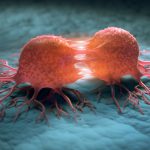 (NaturalHealth365) Cancer – second only to heart disease as a leading cause of death in the United States – claimed over 600,000 lives in 2019 alone. And Alzheimer’s disease, now the sixth leading cause of death, currently affects over 5 million Americans – a number that the Alzheimer’s Association predicts will skyrocket as the population ages, potentially tripling by the year 2050.
While these statistics are bleak (conventionally speaking), we are not helpless in the face of these two dreadful health conditions. In fact, scientific research supports the ability of a plant-based diet to help alleviate and even prevent both cancer cell growth and brain damage.
For example, blueberries – rich in disease-fighting flavonoids called anthocyanins – could be one of the most useful weapons in this defensive natural arsenal. Let’s take a closer look at the amazing actions of anthocyanins – and the powerful health benefits of blueberries.
Discover how blueberries can LOWER the risk of brain damage
Mild cognitive impairment (MCI), characterized by minor problems with memory, language, thinking or judgement, is a common consequence of aging. The American Academy of Neurology estimates that MCI is present in about 8 percent of people, as early as age 65 to 69.
However, in some cases, mild cognitive impairment precedes much more serious conditions, such as Alzheimer’s disease or other forms of dementia. And, experts generally agree that higher flavonoid intake, through dietary consumption of fresh fruits and vegetables, is associated with less cognitive impairment over a ten-year period in healthy adults.
In one peer-reviewed study, scientists unequivocally stated that “cognitive function is better preserved in healthy older adults with a diet rich in plant-based foods.”
Do NOT ignore the health dangers linked to toxic indoor air. These chemicals – the ‘off-gassing’ of paints, mattresses, carpets and other home/office building materials – increase your risk of headaches, dementia, heart disease and cancer.
Get the BEST indoor air purification system – at the LOWEST price, exclusively for NaturalHealth365 readers. I, personally use this system in my home AND office. Click HERE to order now – before the sale ends.
In a relatively recent (2017) study conducted at University of Exeter, researchers wanted to see how blueberries, specifically, fit into the picture. Blueberries, like all intensely-colored fruits and vegetables, are particularly rich in anthocyanins, a group of plant pigments which includes the compounds cyanidin and delphinidin.
If “delphinidin” brings to mind the flowers known as “delphiniums,” give yourself points for intuition. Delphinidin is indeed responsible for the beautiful blue coloration of these blooms.
This is how they went about it.
A group of healthy volunteers aged 65 to 77 was divided into two subgroups. One group drank 30 ml a day of concentrated blueberry juice for twelve weeks, while the other group received a placebo. The blueberry juice, which contained 387 mg of anthocyanins, was the equivalent of roughly 230 grams – about a cup and a half – of fresh blueberries a day.
Pre- and post-study, participants took cognitive tests which evaluated psychomotor function, visual processing, executive function, verbal memory and working memory. Meanwhile, MRI scanners monitored their brain function and brain blood flow.
The researchers also measured biomarkers of inflammation and oxidative stress.
Study leader Dr. Joanna Bowtell, head of Sport and Health Sciences at the University, noted that 12 weeks of drinking concentrated blueberry juice improved cognitive function, blood flow to the brain and brain activation in older adults. The blueberry juice’s beneficial effects were particularly associated with cognitive processes such as memory and executive function, which tend to deteriorate with age.
The researchers speculated that the anthocyanins could increase antioxidant activity and promote the availability of beneficial nitric oxide – thereby reducing oxidative stress, improving vascular capacity and reducing inflammation in the brain.
Key health point: It’s never too late to benefit from blueberries
If you are an older adult already affected by mild cognitive decline – a slight, age-related slippage of mental capabilities coupled with an increasing number of “senior moments” and “memory glitches” – don’t stress.
Blueberries may still be able to help!
An encouraging study showed that 12 weeks of supplementation with wild blueberry juice (the antioxidant-rich “gold standard” of blueberry juice) improved memory function and word list recall in adults with mild cognitive impairment.
Anthocyanins attack cancer on all fronts
But, preserving cognitive function isn’t the only gift conferred by blueberries. In an extensive review published in the well-regarded British Journal of Pharmacology, the authors credited anthocyanins with antioxidant effects that could work against the development of cancer.
Noting that “chronic inflammation is often a harbinger of a tumor,” the authors also highlighted anthocyanins’ anti-inflammatory capabilities as a weapon against cancer.
Due to their high levels of folate, anthocyanins may also help prevent cancer-causing mutations in cell DNA. In addition, they stimulate apoptosis (the pre-programmed “suicide” of cancer cells) and prevent cancer cell proliferation – all without harming healthy cells.
In one study, cyanidin (an anthocyanin found in good supply in blueberries) effectively inhibited the invasion and metastasis of breast cancer cells. Moreover, anthocyanins also inhibit angiogenesis, the growth of blood vessels needed to nourish new tumors.
Finally, anthocyanins seem to help reverse drug resistance in cancer cells and increase their sensitivity to chemotherapy.
Reap the benefits of blueberries with a daily bowl
To really rack up the dietary anthocyanins, natural health experts advise opting for fresh, organic blueberries – with wild blueberries, the “high ringers” of antioxidant capacity, constituting the best choice of all.
But, if fresh berries are too costly or inconvenient, no worries.
Powdered blueberries and liquid extracts can also provide benefits. However, some experts advise avoiding frozen or cooked blueberries, as there is some disagreement over whether freezing and baking can reduce precious anthocyanins.
Other anthocyanin-rich berry choices include blackberries, raspberries, bilberries and strawberries.
If berries aren’t your “thing,” you can also obtain anthocyanins by eating red cabbage, black plums, Concord grapes, dark, tart cherries, and purple corn. In fact, here’s a sweet tidbit: anthocyanins are even found in cocoa!
As if cancer – and dementia-fighting powers weren’t enough reason to include blueberries in your diet, these tasty, juicy little morsels are also packed with antioxidant vitamin C, disease-fighting manganese and beneficial dietary fiber. They can all help to lower blood pressure, discourage the development of type 2 diabetes, and combat obesity.
And, at a modest 85 calories per cup, the benefits of blueberries can be enjoyed with minimal caloric investment.
The scientific evidence is clear: When it comes to lowering the risk of cancer cell growth and brain damage … your first thought ought to be … “it’s in the diet.” Just because the answer may seem simple … doesn’t make it any less important.
Sources for this article include:
CDNSciencepub.com
NIH.gov
MedicalNewsToday.com
ClevelandClinic.org
Extra virgin olive oil boosts cognitive function, new trial
Reproduced from original article:
https://www.naturalhealth365.com/olive-oil-cognitive-function-3628.html
by: Joy Jensen, staff writer | November 17, 2020
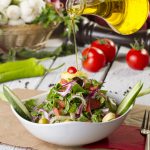 (NaturalHealth365) The Mediterranean diet has long been considered a heart-healthy diet, which consists of legumes, fruits, vegetables, nuts, whole grains, and healthy fats, including olive oil. And it turns out that olive oil could be key in the health benefits it offers.
A recent trial found that consuming extra virgin olive oil (EVOO) boosts cognitive function, making a case for using long-term intervention with the oil to boost brain health and performance. What was surprising was how supplementing with EVOO stacked up against following the Mediterranean diet alone.
Surprising brain function results delivered by using EVOO
According to researchers, whose work was published in the Journal of Alzheimer’s Disease in October 2020, they wanted to learn more about the effects of Greek High Phenolic Early Harvest (HP-EH) extra virgin olive oil as compared to moderate phenolic EVOO and simply following the Mediterranean diet in individuals dealing with mild cognitive impairment.
Scientists took three groups of people with mild cognitive impairment, gave one group the HP-EH extra virgin olive oil daily, another group the moderate phenolic EVOO daily, and the third group followed instructions for the Mediterranean diet.
At the end of the trial, they found that the group with the best performance was the group that was giving the HP-EH extra virgin olive oil each day. They had improved cognitive performance in nearly every area that was tested, leading researchers to conclude that long-term intervention with EVOO offers significant improvements in overall cognitive function.
Additional health benefits of extra virgin olive oil
Beyond boosting brain health and improving cognitive function, EVOO offers many other health benefits that make it worth adding to your diet or even taking as a supplement. Studies show that regular consumption of EVOO helps reduce triglyceride levels, an important step for preventing heart disease.
Do NOT ignore the health dangers linked to toxic indoor air. These chemicals – the ‘off-gassing’ of paints, mattresses, carpets and other home/office building materials – increase your risk of headaches, dementia, heart disease and cancer.
Get the BEST indoor air purification system – at the LOWEST price, exclusively for NaturalHealth365 readers. I, personally use this system in my home AND office. Click HERE to order now – before the sale ends.
It’s also been found to help prevent blood clots and strokes, supporting healthy cholesterol levels that can keep platelets from sticking together and causing clots. The monounsaturated fats found in the oil are anti-inflammatory as well, reducing inflammation and boosting the health of cardiovascular tissues, which helps lower the risk of heart disease.
Researchers have also discovered that EVOO has antimicrobial effects against the bacteria that cause peptic ulcers, while other studies show that regular olive oil consumption results in stronger bones and reduced risk of fractures. Previous studies also found that EVOO protects the brain from oxidative stress and inflammation, which may reduce the risk of Alzheimer’s disease.
What’s the best way to get the benefits of extra virgin olive oil? Experts usually recommend getting between one to four tablespoons daily.
You can use it on salads, drizzle it on veggies when you roast or sauté them, or use it when whipping up your favorite dips, spreads, pesto, or hummus. Just make sure you purchase extra virgin olive oil that’s been cold-pressed to ensure the valuable fatty acids, polyphenols, and nutrients aren’t destroyed during processing.
Editor’s note: You may be interested in this article, “The Top 5 olive oils to protect your heart” – which includes my favorite brand. And, no, I do not have any financial incentive to give you this information.
Sources for this article include:
EuropePMC.org
LifeExtension.com
NaturalHealth365.com
NaturalHealth365.com
NaturalHealth365.com
Top Five Traditional, Fermented Anti-Aging Foods
© 19th November 2020 GreenMedInfo LLC. This work is reproduced and distributed with the permission of GreenMedInfo LLC.
Want to learn more from GreenMedInfo? Sign up for the newsletter here:
www.greenmedinfo.com/greenmed/newsletter
Reproduced from original article:
https://www.greenmedinfo.com/blog/top-five-traditional-fermented-anti-aging-foods
Posted on: Tuesday, November 17th 2020 at 2:45 pm
Written By: GreenMedInfo Research Group
This article is copyrighted by GreenMedInfo LLC, 2020

Want a simple way to boost your brain power, heart health, digestion, disease resistance and energy level? If that all sounds too good to be true, it’s time you got acquainted with the top five traditional, fermented antiaging foods
If you are interested in optimizing and maintaining your health and vitality, eating a nutrient-dense diet is a critical piece to the puzzle. Consuming foods with high levels of essential vitamins, minerals and micronutrients provides cells with the building blocks for regeneration and disease prevention and is essential to long-term wellness.
One of the most potent sources of nutrition, bite-for-bite, are fermented foods. An ancient method of food preservation, fermentation is a natural process in which microbes, such as bacteria or yeast, convert sugars into acids or alcohol under anaerobic conditions. Fermentation produces “good” bacteria called probiotics, which confer a wealth of benefits to intestinal flora when consumed, enhancing the health of your gut microbiome and boosting your immune system.
Is Fermented Food the REAL Fountain of Youth?
With nearly 35% of the U.S. population aged 45 and older,[i] medical researchers are on the hunt for a real fountain of youth. Thanks to the enzymatic boost provided by living microbes in fermented foods, the secret to lifelong vitality may lie in adding these nutritional powerhouses to your dinner plate. The scientifically backed health benefits of eating probiotic-rich fermented foods include:
- Improved digestion[ii]
- Boosted immunity[iii]
- Enhanced weight loss[iv]
- Treatment and prevention of gastrointestinal diseases[v]
- Faster healing from colds and flus[vi]
- Reduced risk of heart disease[vii]
- Improved symptoms of anxiety and depression[viii]
- Antiaging effects[ix]
There are many delicious options for adding fermented foods and beverages to your diet. Fermenting foods imbues them with a complex flavor profile and a tart, tanginess that can be enjoyed at breakfast, lunch and dinner. If you’re new to fermented foods, start by adding a couple of teaspoons to your plate as an addition to regular meals.
You can work up to enjoying fermented foods as mainstays of your diet, and even create new recipes for you and your family to enjoy. Your body — and your microbiome — will thank you for it for years to come.
Top Five Traditional Fermented Foods
1. Yogurt
Yogurt is a popular fermented milk product with a sour taste and creamy texture. Most yogurts contain bacterial cultures, however products can vary in the amount of probiotics they contain, so be conscious when reading labels. If you purchase yogurt, look for “live and active cultures” on the container or a guaranteed minimum viable bacteria count, and avoid the many heavily sugared brands.
Yogurt is also remarkably simple to make at home, requiring only a saucepan or pressure cooker to boil the milk, and starter cultures to begin the fermentation process. Most commercial yogurts contain acidophilus bacterium or bifidobacterium lactis, which you can add using liquid or powdered probiotics or by adding a small amount of an existing batch of yogurt.
If you can’t drink milk without digestive upset and think yogurt is off limits, fermented dairy products may be an exception. Fermentation helps break down lactose, the natural sugar in milk, so even individuals with lactose intolerance may be able to digest yogurt and kefir without difficulty.[x] Kefir is a yogurt-like drink with a thinner consistency and higher protein than yogurt but possessing the same digestive benefits.[xi]
The benefits of fermented milk products are not exclusive to dairy milk. Vegans and dairy-averse individuals can find several varieties of non-dairy yogurt in most health food stores, including soy, almond, and coconut milk yogurts.
2. Fermented Vegetables
Fermenting vegetables is a great way to get the health benefits of probiotics in a way that suits your personal taste. Cultures from around the world have been fermenting native varieties of produce for centuries as a way to preserve food before modern refrigeration. While freshly picked vegetables may only be viable for a matter of days, fermenting vegetables in brine and storing in air-tight jars can increase shelf-life to several months.[xii]
You can find easy inspiration for your fermentation adventures from traditional multicultural recipes like Korean kimchi. A spicy pickled condiment made from cabbage and red chili, kimchi has been associated with anticancer properties.[xiii] Kimchi is also credited with antiaging effects due to its ability to decrease free radical production.[xiv]
Other traditional options for fermenting vegetables include raw sauerkraut and pickled cucumbers, cauliflower and even leafy greens like mustard and collard. Don’t forget to add flavorful spices such as dill and coriander, or for a spicier mix include garlic, ginger and chilis or hot peppers.
3. Kombucha
Kombucha is a tart, fizzy, fermented tea beverage that has become something of a cultural zeitgeist. Popular with health enthusiasts of all ages, you can step up to a kombucha bar in many urban centers and take classes on how to brew your own Instagram-worthy bottles in a multitude of exotic flavors.
Kombucha is brewed using a batch of sweetened tea and a bacteria and yeast pancake called a SCOBY (symbiotic culture of bacteria and yeast). Both green and black tea can be used, however black tea and white sugar are considered the finest mediums for traditional kombucha.[xv]
The SCOBY floats in the tea, feeding on the sugary elixir, growing in size and eventually sealing off the liquid at the top like a raft. This keeps potential harmful bacteria at bay and creates the ideal anaerobic conditions for fermentation. A ratio of 50 grams of sucrose per liter of purified water has been used in traditional recipes and is considered the optimal concentration of ethanol and lactic acid.[xvi]
Leave the brew in a lightly covered jar at room temperature (70° to 80°F) for one to three weeks; the longer the tea is allowed to ferment, the stronger and tarter it becomes. Once the brew has achieved desired strength, transfer the liquid into individual bottles where it can be flavored with fresh or candied fruits, ginger slices, raisins, vanilla and the like.
Transfer the now-larger SCOBY (it will add a layer with every batch) to a new container to begin the process again, or store it in a small amount of tea in a sealed jar in the refrigerator to slow the growth process. The bottled tea can be stored at room temperature for one to two weeks to encourage carbonation, after which time it should be refrigerated.
Experimenting with flavors and potency is part of the fun, and recipes can be modified to suit individual taste preferences. Be sure to use impeccably clean equipment in your process to ensure that no harmful bacteria are introduced.
Besides being delicious, healthful and fun to make, there are at least 18 healthy reasons to sip kombucha. Kombucha’s antioxidant activity has been found to be 100 times higher than vitamin C and 25 times higher than vitamin E.[xvii] Kombucha’s high levels of vitamin C boost immunity, and its antioxidant power protects against cell damage, inflammatory diseases, suppressed immunity and tumors.[xviii] Kombucha has also been shown to be effective for prevention against broad-spectrum metabolic and infective disorders.[xix]
4. Apple Cider Vinegar
Made by fermenting apple juice with yeast, apple cider vinegar, or ACV, is a staple of health food kitchens the world-over. Used to make salad dressing, marinades and baked goods, ACV is also used in many food-based personal care recipes due to its ability to add shine to hair and clarity to your complexion. Good bacteria from the yeast convert alcohol that develops during fermentation into acetic acid, which is responsible for ACV’s distinctive sharp, sour smell and taste.[xx]
ACV is attributed with antidiabetic and antioxidant effects that make it a useful ally in the fight against diabetes,[xxi] a common problem in the developed world. A 2017 study of obese rats found that a daily dose of ACV attenuated oxidative stress and reduced the risk of heart attack associated with obesity-related cardiovascular disease.[xxii]
Other beneficial metabolic effects attributed to small, daily doses of ACV include balancing cholesterol[xxiii] and offering natural antimicrobial activity,[xxiv] especially useful in our age of growing antibiotic resistance.
Because of its high acidity, consuming too much ACV can be irritating to your teeth, throat and stomach. As a supplement to daily health maintenance, it’s recommended to start with no more than 2 tablespoons of ACV diluted with equal parts water, taken on an empty stomach immediately upon waking as a jump-start to your daily digestive processes.
5. Miso
A traditional staple of the Japanese diet, miso — fermented soybean paste — is credited with saving the lives of 21 health care workers stationed less than 2 kilometers from ground zero, Nagasaki, Japan, on August 9, 1945.[xxv]
Dr. Tatuichiro Akizuki, a physician, credited this miracle to the fact that everyone was consuming daily cups of miso soup garnished with wakame seaweed.[xxvi] A 2003 study from the Research Institute for Radiation Biology and Medicine at Hiroshima University showed that miso does, in fact, have the ability to prevent radiation injury.[xxvii]
Made by combining a mash of soybeans and grains with sea salt and koji (a mold starter), the mixture is fermented for three months to three years, depending on the strength of flavor desired. The resulting enzyme-rich paste contains vitamins, salts, minerals, plant proteins, carbohydrates, fat and living microorganisms. The potent, salty flavor of miso makes it a great base for soups and sauces and for flavoring meat substitutes like tempeh.
Proof that not everything that’s good for you has to be bland, frequent, long-term consumption of miso soup has been associated with a reduced risk of breast cancer[xxviii] and reduced risk of heart disease.[xxix] Fermented soy products have also demonstrated effectiveness at staving off bone diseases like osteoporosis.[xxx]
[i] “United States Demographic Statistics.” Infoplease.com. U.S. Census Bureau, Census 2000 Summary File 1. Accessed 9.11.2020. www.infoplease.com/us/census/demographic-statistics.
[ii] Dimidi E, Christodoulides S, Fragkos KC, Scott SM, Whelan K. The effect of probiotics on functional constipation in adults: a systematic review and meta-analysis of randomized controlled trials. Am J Clin Nutr. 2014;100(4):1075-1084. doi: 10.3945/ajcn.114.089151
[iii] Maggini S, Wintergerst ES, Beveridge S, Hornig DH. Selected vitamins and trace elements support immune function by strengthening epithelial barriers and cellular and humoral immune responses. Br J Nutr. 2007;98 Suppl 1:S29-S35. doi: 10.1017/S0007114507832971
[iv] Sanchez M, Darimont C, Drapeau V, et al. Effect of Lactobacillus rhamnosus CGMCC1.3724 supplementation on weight loss and maintenance in obese men and women. Br J Nutr. 2014;111(8):1507-1519. doi: 10.1017/S0007114513003875
[v] Ritchie ML, Romanuk TN. A meta-analysis of probiotic efficacy for gastrointestinal diseases. PLoS One. 2012;7(4):e34938. doi: 10.1371/journal.pone.0034938
[vi] King S, Glanville J, Sanders ME, Fitzgerald A, Varley D. Effectiveness of probiotics on the duration of illness in healthy children and adults who develop common acute respiratory infectious conditions: a systematic review and meta-analysis. Br J Nutr. 2014;112(1):41-54. doi: 10.1017/S0007114514000075
[vii] Sonestedt E, Wirfält E, Wallström P, Gullberg B, Orho-Melander M, Hedblad B. Dairy products and its association with incidence of cardiovascular disease: the Malmö diet and cancer cohort. Eur J Epidemiol. 2011;26(8):609-618. doi: 10.1007/s10654-011-9589-y
[viii] Messaoudi M, Lalonde R, Violle N, et al. Assessment of psychotropic-like properties of a probiotic formulation (Lactobacillus helveticus R0052 and Bifidobacterium longum R0175) in rats and human subjects. Br J Nutr. 2011;105(5):755-764. doi: 10.1017/S0007114510004319
[ix] Gitishree Das, Spiros Paramithiotis, Bhagavathi Sundaram Sivamaruthi, Christofora Hanny Wijaya, Sigit Suharta, Nevin Sanlier, Han-Seung Shin, Jayanta Kumar Patra. Traditional fermented foods with anti-aging effect: A concentric review. Food Res Int. 2020 Aug ;134:109269. Epub 2020 Apr 23. PMID: 32517898
[x] Hertzler SR, Clancy SM. Kefir improves lactose digestion and tolerance in adults with lactose maldigestion. J Am Diet Assoc. 2003;103(5):582-587. doi: 10.1053/jada.2003.50111
[xi] Hertzler SR, Clancy SM. Kefir improves lactose digestion and tolerance in adults with lactose maldigestion. J Am Diet Assoc. 2003;103(5):582-587. doi: 10.1053/jada.2003.50111
[xii] Harvard Health Publishing, Harvard Medical School, Staying Healthy, Fermented foods can add depth to your diet. Published: July, 2018. https://www.health.harvard.edu/staying-healthy/fermented-foods-can-add-depth-to-your-diet
[xiii] Pounder RE, Ng D (1995). “The prevalence of Helicobacter pylori infection in different countries”. Aliment. Pharmacol. Ther. 9 (Suppl 2): 33-9. PMID: 8547526
[xiv] Park, Kun-Young, Jeong, Ji-Kang, Lee, Young-Eun, Daily III, James. 2014/01/24. Health Benefits of Kimchi (Korean Fermented Vegetables) as a Probiotic Food. 10.1089/jmf.2013.3083. Journal of medicinal food.
[xv] Jayabalan, R., Malbaša, R.V., Lončar, E.S., Vitas, J.S. and Sathishkumar, M. (2014), A Review on Kombucha Tea–Microbiology, Composition, Fermentation, Beneficial Effects, Toxicity, and Tea Fungus. Comprehensive Reviews in Food Science and Food Safety, 13: 538-550. doi: 10.1111/1541-4337.12073
[xvi] Jayabalan, R., Malbaša, R.V., Lončar, E.S., Vitas, J.S. and Sathishkumar, M. (2014), A Review on Kombucha Tea–Microbiology, Composition, Fermentation, Beneficial Effects, Toxicity, and Tea Fungus. Comprehensive Reviews in Food Science and Food Safety, 13: 538-550. doi: 10.1111/1541-4337.12073
[xvii] Adriani L, Mayasari N, Kartasudjana RA: “The effect of feeding fermented kombucha tea on HLD, LDL and total cholesterol levels in the duck bloods.” Biotechnol Anim Husb 2011;27:1749–1755. [AGRIS]
[xviii] Adriani L, Mayasari N, Kartasudjana RA: “The effect of feeding fermented kombucha tea on HLD, LDL and total cholesterol levels in the duck bloods.” Biotechnol Anim Husb 2011;27:1749–1755. [AGRIS]
[xix] Current Evidence on Physiological Activity and Expected Health Effects of Kombucha Fermented Beverage. Ilmāra Vīna, Pāvels Semjonovs, Raimonds Linde, and Ilze Deniņa. Journal of Medicinal Food 2014 17:2, 179-188. [PubMed]
[xx] WebMD, Diet & Weight Management, Reference, Apple Cider Vinegar, Accessed 9/11/2020. https://www.webmd.com/diet/apple-cider-vinegar-and-your-health#1
[xxi] Ben Hmad Halima, Khlifi Sarra, Ben Jemaa Houda, Gara Sonia, Aouidet Abdallah. Antidiabetic and Antioxidant Effects of Apple Cider Vinegar on Normal and Streptozotocin-Induced Diabetic Rats. Int J Vitam Nutr Res. 2019 May 29:1-11. Epub 2019 May 29. PMID: 31140380
[xxii] Ben Hmad Halima, Gara Sonia, Khlifi Sarra, Ben Jemaa Houda, Ben Slama Fethi, Aouidet Abdallah. Apple Cider Vinegar Attenuates Oxidative Stress and Reduces the Risk of Obesity in High-Fat-Fed Male Wistar Rats. J Med Food. 2017 Nov 1. Epub 2017 Nov 1. PMID: 29091513
[xxiii] Effects of apple cider vinegars produced with different techniques on blood lipids in high-cholesterol-fed rats. J Agric Food Chem. 2011 Jun 22;59(12):6638-44. doi: 10.1021/jf104912h. Epub 2011 May 18. PMID: 21561165
[xxiv] Darshna Yagnik, Vlad Serafin, Ajit J Shah. Antimicrobial activity of apple cider vinegar against Escherichia coli, Staphylococcus aureus and Candida albicans; downregulating cytokine and microbial protein expression. Sci Rep. 2018 Jan 29 ;8(1):1732. Epub 2018 Jan 29. PMID: 29379012
[xxv] Darshna Yagnik, Vlad Serafin, Ajit J Shah. Antimicrobial activity of apple cider vinegar against Escherichia coli, Staphylococcus aureus and Candida albicans; downregulating cytokine and microbial protein expression. Sci Rep. 2018 Jan 29 ;8(1):1732. Epub 2018 Jan 29. PMID: 29379012
[xxvi] Watanabe H. Beneficial biological effects of miso with reference to radiation injury, cancer and hypertension. J Toxicol Pathol. 2013;26(2):91-103. doi: 10.1293/tox.26.91
[xxvii] Shiraki K, Une K, Yano R, Otani A, Mineoka A, and Watanabe H. Inhibition by long-term fermented miso of induction of pulmonary adenocarcinoma by diisopropanolnitrosamine in Wistar rats. Hiroshima J Med Sci. 52: 9-13 2003. [PubMed]
[xxviii] Seiichiro Yamamoto, Tomotaka Sobue, Minatsu Kobayashi, Satoshi Sasaki, Shoichiro Tsugane,. Soy, isoflavones, and breast cancer risk in Japan. J Natl Cancer Inst. 2003 Jun 18;95(12):906-13. PMID: 12813174
[xxix] Kondo H, Sakuyama Tomari H, Yamakawa S, et al. Long-term intake of miso soup decreases nighttime blood pressure in subjects with high-normal blood pressure or stage I hypertension. Hypertens Res. 2019;42(11):1757-1767. doi: 10.1038/s41440-019-0304-9
[xxx] A Bitto, B P Burnett, F Polito, H Marini, R M Levy, M A Armbruster, L Minutoli, V Di Stefano, N Irrera, S Antoci, R Granese, F Squadrito, D Altavilla. Effects of genistein aglycone in osteoporotic, ovariectomized rats: a comparison with alendronate, raloxifene and oestradiol. Br J Pharmacol. 2008 Nov;155(6):896-905. Epub 2008 Aug 11. PMID: 18695641
Broccoli sprout extracts may help treat type 2 diabetes
Reproduced from original article:
www.naturalhealth365.com/broccoli-sprouts-diabetes-3626.html
by: Lori Alton, staff writer | November 16, 2020
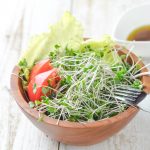 (NaturalHealth365) Type 2 diabetes, which occurs when the body’s supply of insulin is insufficient to control blood sugar, affects over 30 million Americans. In addition to raising the risk of heart disease and stroke, type 2 diabetes can cause nerve damage and kidney disease. And, while Western medicine attempts to control diabetes with medications such as metformin, these can cause toxic side effects, including kidney damage. Clearly, there is a pressing need for safer treatments – and research shows that broccoli sprouts just might fill the bill.
As it turns out, these slender little sprouts may even help fight the disease at the genetic level – a truly exciting development. Let’s take a look at an innovative new study showcasing the effects of broccoli sprouts against diabetes.
Discover the “secret weapon” inside broccoli sprouts
Despite their small size and unremarkable appearance, broccoli sprouts are true heavyweights when it comes to their content of sulphoraphane – a powerful antioxidant and anti-inflammatory plant compound found in cruciferous vegetables. When it comes to glucoraphanin – which is a vital precursor to sulphoraphane – broccoli sprouts contain 10 to 100 times more than their larger counterparts, including cabbage, kale, mature broccoli flowerets and Brussels sprouts.
Because of their rich sulphoraphane content, broccoli sprouts are currently being evaluated by researchers for their potential against nonalcoholic fatty liver disease, autoimmune disease, autism and cancer – particularly of the breast, bladder, prostate and lungs. Incidentally, sulphoraphane even inhibits the growth of H. pylori bacteria, a common culprit in stomach ulcers.
And, of course, a growing body of research supports the use of broccoli sprouts against diabetes. In fact, these little greens have shown so much promise against type 2 diabetes that many forward-thinking integrative doctors currently consider them supplementary treatments.
Study compares diabetes-fighting genetic profiles and ranks sulphoraphane at the top of the list
In a study conducted at the Lund University Diabetes Center in Sweden, scientists first created a “genetic signature” for type 2 diabetes, involving 50 different genes associated with the disease. They then compared this with the gene signatures for various compounds, hoping for one that could counteract the effects of diabetes.
Do NOT ignore the health dangers linked to toxic indoor air. These chemicals – the ‘off-gassing’ of paints, mattresses, carpets and other home/office building materials – increase your risk of headaches, dementia, heart disease and cancer.
Get the BEST indoor air purification system – at the LOWEST price, exclusively for NaturalHealth365 readers. I, personally use this system in my home AND office. Click HERE to order now – before the sale ends.
The most promising of all the candidates was sulphoraphane, which researchers said altered the expression of certain liver genes in a way that could benefit type 2 diabetes. In earlier studies, sulphoraphane had been shown to reduce amounts of glucose (blood sugar) produced by liver cells.
In addition, animal studies revealed that it was also able to improve both glucose tolerance and the expression of genes associated with type 2 diabetes. To conduct the latest study, which was published in Science Translational Medicine, 97 participants with type 2 diabetes were given either a placebo or a broccoli sprout extract for 12 weeks.
According to study leader Dr. Annika Axelsson, sulphoraphane led to “significant improvements” in fasting glucose levels, when used by obese participants with poorly controlled blood sugar. In other words, the compound did not reduce fasting glucose in patients whose diabetes was well controlled.
Encouragingly, the team noted that sulphoraphane decreased the production of key enzymes in gluconeogenesis – the production of new blood sugar.
Earlier studies agree: Broccoli sprouts fight diabetes by multiple mechanisms
While this study was the first to explore the genetic signature of sulphoraphane, it built upon previous research on the effects of broccoli sprouts against diabetes.
In a 2013 review published in Journal of Medicinal Foods, the authors reported that sulphoraphane increases antioxidant response while inactivating pro-inflammatory molecules, such as NF-kB and C-reactive protein. This means it can strike at the heart of the oxidative stress and inflammation that trigger diabetes.
They also credited sulphoraphane with the ability to combat dangerous complications from diabetes, stating that it “could prevent nephropathy (kidney damage), diabetes-induced fibrosis (scarring) and vascular complications.”
As if this weren’t enough, sulphoraphane from broccoli sprouts helps to lower triglycerides (fats) in the blood and reduce harmful LDL cholesterol, potentially allowing it to help prevent the heart disease that can result from type 2 diabetes.
Improve your mood with this nutrient-packed “superfood”
High in fiber, low in calories and packed with antioxidant vitamins C and A, broccoli sprouts also supply calcium and iron. Use broccoli sprouts to add texture and flavor to salads. Or you can layer them into sandwiches – or serve them on the side as a refreshing accent to cooked dishes.
For maximum benefit, broccoli sprouts should be eaten uncooked, and chewed thoroughly. The act of chewing releases myrosinase, a compound needed to unleash beneficial sulphoraphane.
As an added benefit: eating broccoli sprouts may even help your mood. Sulphoraphane has been shown in studies to reduce glutamate, an amino acid which has been linked to depression and other mental health issues.
Broccoli sprouts are generally available at health food stores, and at some supermarkets. If they are hard to come by, no problem: you can sprout your own. You can get information on “DIY” broccoli sprouts here.
Finally, broccoli sprouts are available as an extract.
Other helpful supplements for type 2 diabetes include ginseng, cinnamon and bitter melon. In addition, there is strong evidence that alpha lipoic acid (ALA) supplements can improve insulin resistance and reduce the pain of neuropathy.
Typically, ALA dosages are 600 mg a day, but – as always – consult your integrative doctor before supplementing with these natural nutrients for type 2 diabetes. Naturally, proper nutrition plays an important role in the control of type 2 diabetes, as well.
Diabetes-friendly foods include fatty fish, dark leafy greens, avocados, eggs, legumes, chia seeds, Greek yogurt and nuts. Naturally, it’s wise to banish processed foods, GMOs, refined sugars, fried foods and trans fats from your diet.
Bottom line: this exciting new research shows that sulphoraphane-packed broccoli sprouts can help score a “direct hit” against type 2 diabetes and its health consequences.
Sources for this article include:
13 Alternatives to Viagra That Won’t Fall Flat
© 18th November 2020 GreenMedInfo LLC. This work is reproduced and distributed with the permission of GreenMedInfo LLC.
Want to learn more from GreenMedInfo? Sign up for the newsletter here:
www.greenmedinfo.com/greenmed/newsletter
Reproduced from original article:
www.greenmedinfo.com/blog/13-alternatives-viagra-wont-fall-flat-1
Posted on: Saturday, July 19th 2014 at 7:15 pm
Written By: Sayer Ji, FounderThis article is copyrighted by GreenMedInfo LLC, 2019

Viagra is a multi-billion dollar blockbuster drug, but it has serious side effects. Thankfully evidence-based natural alternatives abound…
Erectile dysfunction is no trivial matter. In fact, Dr. Mercola correctly labeled it ‘the canary in the trousers,’ insofar as dysfunction ‘where it counts’ reflects body-wide endothelial dysfunction, a well known precursor to cardiovascular disease.
But putting aside its importance for overall health, the male ego depends in large part on the ability to ‘get it up,’ and when things don’t work out as planned, quite a lot can go wrong as far as intimacy is concerned. It has been said that when sexual issues emerge in a relationship, they take on 90% importance, but when they aren’t an issue, they only figure 10% in the overall success of the relationship.
Men, especially in the 35-45 range, also are faced with what is known as andropause, as the levels of key ‘erotic’ hormones such as testosterone and human growth hormone start to take a precipitous decline.
The pharmaceutical industry has capitalized heavily on this ‘change of life’ phase, with Viagra taking on a ‘pole position’ for several decades. But these pharmaceuticals have severe, if not sometimes deadly side effects. All the more reason why natural alternatives are in great need today.
Alternatives to Viagra
So, what does the ‘hard evidence’ itself have to say on the topic of natural alternatives. Take a moment to look at what we have found:
- L-arginine:
#1 on the list is the amino acid l-arginine. A precursor to nitric oxide, this conditionally non-essential amino acid is especially important in times of trauma or stress. What makes is ‘conditionally essential’ is that while the body can normally produce adequate quantities, during times of stress (including burn trauma), the body is unable to produce sufficient quantities, at which time supplementation is of key importance. Also, when the arteries undergo what is called ‘endothelial dysfunction,’ and are incapable of dilating sufficiently, adding additional l-arginine can correct the condition by inducing nitric oxide up-regulation, subsequently increasing blood flow, which can lead to resolution of cardiovascular dysfunction, including erectile dysfunction. We have indexed no less than six clinical studies on l-arginine, either alone or in combination with another nutraceutical, indicating it can contribute to a reversal of erectile dysfunction. You can view the studies here. - Pycnogenol:
This amazing substance has a wide range of health benefits. In fact, we have indexed over 80 evidence-based health applications here. When it comes to erectile dysfunction, pycnogenol figures as a profound synergist, working to amplify the benefits of l-arginine to the point where two separate clinical studies found the combination highly effective and safe in resolving erectile dysfunction.[1][2] - Panax Ginseng:
This amazing Asian herb has been used for thousands of years to increase stamina and longevity. There is now a sizable body of scientific evidence supporting its traditional folkoric use, with a 2008 meta-analysis of the extant research on the topic, which looked at 7 randomized clinical trials to ascertain its value in erectile dysfunction, concluding: “Collectively these RCTs provide suggestive evidence for the effectiveness of red ginseng in the treatment of erectile dysfunction.”[3] - Maca:
this South American tuber, both a food and medicine, and long identified as a means to increasing fertility and libido in both men and woman, was found in a 2009 clinical trial to have a significant effect “…on subjective perception of general and sexual well-being in adult patients with mild ED.”[4] - Tongkat Ali (Eurycoma longifolia):
Like most traditional herbs, Tongkat Ali has had a variety of traditional uses, including as an “antimalarial, aphrodisiac, antidiabetic, antimicrobial, and antipyretic [fever-reducer].”[5] As far as its libido enhancing properties, two preclinical trials have found it effective in the animal model at improving sexual performance, confirming its aphrodisiacal properites.[6],[7] - Saffron:
this sacred spice, highly prized as both a culinary ingredient and medicine, has been studied to have significant effects in reversing erectile dysfunction at doses of 200 mg a day. A 2009 study found: “Saffron showed a positive effect on sexual function with increased number and duration of erectile events seen in patients with ED even only after taking it for ten days.”[8] - Yohimbe:
This potent herb has been found effective when combined with l-arginine to improve erectile dysfunction. A 2002 study concluded: “oral administration of the L-arginine glutamate 6g and 6 mg yohimbine combination is effective in improving erectile function in patients with mild to moderate ED.”[9] [Warning: Yohimbe and its active ingredient yohimbine is a potent nutraceutical with possible severe side effects such as hypertension. It is advisable to use it only under the guidance of a physician or medical herbalist to avoid possible side effects, especially if already using prescription drugs.] - Tribulus:
This potent herb has libido enhancing properties for both men and women. We recently featured a study showing it helps women to increase their libido. The preclinical research on male libido is promising, with no less than three studies indicating its benefits for erectile dysfunction.[10],[11],[12] - Green Tea:
A highly provocative animal study from 2008 indicates that green tea may address both the origin of erectile dysfunction by diminishing atherosclerotic progression in the corpus cavernosum of the male rat penis, subsequently indicating improvement in both erectile dysfunction and cardiovascular health.[13] This is, in fact, not the first study to show that green tea can correct endothelial dysfunction.[14] - Exercise:
One of the best ways to improve your body image, self-esteem, and sexual vitality is through exercise. A 2009 study found that physical inactivity contributes to erectile dysfunction – essentially a no-brainer.[15] - A Sense of Humor:
Living life with a negative attitude, especially when afflicted with a health condition, doesn’t reflect well as far as sexuality is concerned. A remarkable 2008 study found that viewing humorous films in patients with atopic dermatitis leads to short-term improvement of erectile dysfunction.[16] While we don’t know for sure if this study extends to everyone with the condition, it is instructive, perhaps, to look at a degree of levity and light-heartedness as an essential precondition to alleviating some degree of sexual dysfunction. Sex should be fun, right? So lighten up by increasing you humor and joy, whenever possible. - AVOID STATIN DRUGS:
One of the primary precepts of functional medicine is to avoid the cause of disease, rather than just suppress the symptoms. Statin drugs are well-known to adversely affect the male gonads, as well as reducing both testosterone and libido, leading to the well known consequence of statin-induced erectile dysfunction. Take a look at these 7 clinical studies if you need convincing that this side effect is read. Were statins effective at preventing heart disease, it would be difficult to reject them. But the fact that they are cardiotoxic makes it all the more questionable to continue on them, especially considering the severe quality of life issues they generate, including erectile dysfunction. Please share with your physician our research page on the 300+ adverse effects of statins to come up with a more reasonable approach to cardiovascular disease prevention. - AVOID Anti-Depressants:
Perhaps surprisingly, antidepressant drugs have been found to be a major cause of sexual dysfunction. A 2006 study found that selective serotonin reuptake inhibitors (SSRIs), e.g. Prozac, Paxil, are associated with sexual dysfunction in 95.6% of women and 97.9% men.[17] What a misnomer! What could be more depressing than killing your sexual desire with a pharmaceutical Band-Aid?
Ultimately, sexual dysfunction begins in the brain. Nothing can eliminate a dysfunctional relationship or a lack of intimacy that often follows from it. While natural interventions exist – Ginseng, Arginine, Tribulus, etc. – it should be remembered that that erectile dysfunction stems from more than just physiological issues. A lack of desire may reflect a lack of appreciation for one’s own self, body image, or sense of sensuality. Nonetheless, it is good to know that alternatives to pharmaceuticals like Viagra exist, and are evidence-based, safer and time-tested. Moreover, it is important to acknowledge that the ‘canary in the trousers’ often reflects cardiovascular dysfunction body-wide, and the best way to address that is through a radical transformation of the diet, focusing on a grain and dairy-free ancestral diet rich in high nutrient, low carbohydrate vegetables, tubers and fruits and berries, as well as high quality natural fats and protein sources that are consistent with our biological heritage.
REFERENCES
[1] Andrea Ledda, Gianni Belcaro, Maria R Cesarone, Mark Dugall, Frank Schönlau. Investigation of a complex plant extract for mild to moderate erectile dysfunction in a randomized, double-blind, placebo-controlled, parallel-arm study. BJU Int. 2010 Feb 22. Epub 2010 Feb 22. PMID: 20184576
[2] Hiromitsu Aoki, Junji Nagao, Taro Ueda, Jeffry M Strong, Frank Schonlau, Song Yu-Jing, Yan Lu, Shigeo Horie. Clinical assessment of a supplement of Pycnogenol® and L-arginine in Japanese patients with mild to moderate erectile dysfunction. Phytother Res. 2012 Feb ;26(2):204-7. Epub 2011 May 27. PMID: 21618639
[3] Dai-Ja Jang, Myeong Soo Lee, Byung-Cheul Shin, Young-Cheoul Lee, Edzard Ernst. Red ginseng for treating erectile dysfunction: a systematic review. Br J Clin Pharmacol. 2008 Oct;66(4):444-50. Epub 2008 Jun 9. PMID: 18754850
[4] T Zenico, A F G Cicero, L Valmorri, M Mercuriali, E Bercovich. Subjective effects of Lepidium meyenii (Maca) extract on well-being and sexual performances in patients with mild erectile dysfunction: a randomised, double-blind clinical trial. Andrologia. 2009 Apr;41(2):95-9. PMID: 19260845
[5] Bhat, R; Karim, AA (2010). “Tongkat Ali (Eurycoma longifolia Jack): a review on its ethnobotany and pharmacological importance”. Fitoterapia 81 (7): 669–79. doi:10.1016/j.fitote.2010.04.006. PMID 20434529.
[6] P Zanoli, M Zavatti, C Montanari, M Baraldi. Influence of Eurycoma longifolia on the copulatory activity of sexually sluggish and impotent male rats. J Ethnopharmacol. 2009 Nov 12;126(2):308-13. Epub 2009 Aug 22. PMID: 19703544
[7] Hooi Hoon Ang, Kheng Leng Lee, Matsumoto Kiyoshi. Sexual arousal in sexually sluggish old male rats after oral administration of Eurycoma longifolia Jack. J Basic Clin Physiol Pharmacol. 2004;15(3-4):303-9. PMID: 15803965
[8] Ali Shamsa, Hossein Hosseinzadeh, Mahmood Molaei, Mohammad Taghi Shakeri, Omid Rajabi. Evaluation of Crocus sativus L. (saffron) on male erectile dysfunction: a pilot study. Phytomedicine. 2009 Aug;16(8):690-3. Epub 2009 May 9. PMID: 19427775
[9] Thierry Lebret, Jean-Marie Hervé, Philippe Gorny, Manuel Worcel, Henry Botto. Efficacy and safety of a novel combination of L-arginine glutamate and yohimbine hydrochloride: a new oral therapy for erectile dysfunction. Eur Urol. 2002 Jun;41(6):608-13; discussion 613. PMID: 12074777
[10] P G Adaikan, K Gauthaman, R N Prasad, S C Ng. Proerectile pharmacological effects of Tribulus terrestris extract on the rabbit corpus cavernosum. Ann Acad Med Singapore. 2000 Jan;29(1):22-6. PMID: 10748960
[11] Sung Chul Kam, Jung Mo Do, Jae Hwi Choi, Byeong Tak Jeon, Gu Seob Roh, Jae Seog Hyun. In vivo and in vitro animal investigation of the effect of a mixture of herbal extracts from Tribulus terrestris and Cornus officinalis on penile erection. J Sex Med. 2012 Oct ;9(10):2544-51. Epub 2012 Aug 20. PMID: 22906304
[12] Kalamegam Gauthaman, Adaikan P Ganesan. The hormonal effects of Tribulus terrestris and its role in the management of male erectile dysfunction–an evaluation using primates, rabbit and rat. Phytomedicine. 2008 Jan;15(1-2):44-54. PMID: 18068966
[13] D Neves, M Assunção, F Marques, J P Andrade, H Almeida. Does regular consumption of green tea influence expression of vascular endothelial growth factor and its receptor in aged rat erectile tissue? Possible implications for vasculogenic erectile dysfunction progression. Age (Dordr). 2008 Dec;30(4):217-28. Epub 2008 Apr 18. PMID: 19424845
[14] Greenmedinfo.com, Green Tea Corrects Endothelial Dysfunction
[15] Johanna L Hannan, M Tina Maio, Marina Komolova, Michael A Adams. Beneficial impact of exercise and obesity interventions on erectile function and its risk factors. J Sex Med. 2009 Mar;6 Suppl 3:254-61. PMID: 19170860
[16] Hajime Kimata. Short-term improvement of erectile dysfunction by viewing humorous films in patients with atopic dermatitis. J Sex Med. 2008 Sep;5(9):2107-10. Epub 2008 Feb 4. PMID: 18266651
[17] Anita Clayton, Adrienne Keller, Elizabeth L McGarvey. Burden of phase-specific sexual dysfunction with SSRIs. J Affect Disord. 2006 Mar;91(1):27-32. Epub 2006 Jan 20. PMID: 16430968

Disclaimer: This article is not intended to provide medical advice, diagnosis or treatment. Views expressed here do not necessarily reflect those of GreenMedInfo or its staff.
Milk thistle protects against nonalcoholic fatty liver disease
Reproduced from original article:
www.naturalhealth365.com/milk-thistle-liver-health-1942.html
by: Lori Alton, staff writer | August 20, 2016

(NaturalHealth365) Nonalcoholic fatty liver disease (NAFLD) is exactly what it sounds like – an accumulation of fat in the liver, along with a history of little or no drinking of alcoholic beverages. NAFLD is extremely common – some experts estimate its prevalence as up to 45 percent of the population in industrialized North America and Europe – and can be quite mild, with no noticeable symptoms. So let’s see how milk thistle, a natural herb, can help to prevent liver damage.
In severe cases, NAFLD is the start of a deadly progression that begins with excess fat in the liver, develops to non-alcoholic steatohepatitis – which involves liver inflammation and fibrosis – and ultimately results in such life-threatening complications as cirrhosis of the liver, liver cancer and liver failure.
Can milk thistle reduce the threat of NAFLD?
Milk thistle, scientifically known as Silybum marianum, has long been prized by herbalists and naturopaths as a tonic to help combat chronic liver and kidney problems. Now, animal and human studies have begun to reveal the extent of milk thistle’s healing powers and its multiple mechanisms of action – and supported its use as a safe and extremely promising treatment for NAFLD and its complications.
Metabolic syndrome is a leading cause of NAFLD; milk thistle’s mechanisms seem designed to guard against both conditions.
What is metabolic syndrome and how can milk thistle help protect the liver?
Metabolic syndrome is the overarching term for a laundry list of unhealthy conditions, which include abdominal obesity, high blood pressure, inadequate blood sugar control and excess fat in the bloodstream. Metabolic syndrome is particularly harmful to the liver – as your system’s first line of defense against toxins, your liver bears the brunt of the impact of damaging substances such as fats, sugars, free radicals and medications.
Simply put, milk thistle improves liver function across the board. More specifically, it detoxifies the liver, reduces the harm caused by oxidative stress, regulates the metabolism of fats and helps to clear the blood of toxins – thereby suppressing insulin resistance, inflammation and obesity that contribute to both metabolic syndrome and its likely consequence: NAFLD.
Do NOT ignore the health dangers linked to toxic indoor air. These chemicals – the ‘off-gassing’ of paints, mattresses, carpets and other home/office building materials – increase your risk of headaches, dementia, heart disease and cancer.
Get the BEST indoor air purification system – at the LOWEST price, exclusively for NaturalHealth365 readers. I, personally use this system in my home AND office. Click HERE to order now – before the sale ends.
In fact, in one animal study, silybin – a flavonoid found in milk thistle – was found to be more effective than the pharmaceutical antidiabetic medication rosiglitazone at stabilizing the energy-handling metabolism of liver cells.
Milk thistle extracts are capable of changing the very structure of liver cells in order to boost cell defense mechanisms – including increasing the amount and function of mitochondria in liver cells.
It is because of this cell-changing property that many researchers are crediting milk thistle with the ability to prevent liver fibrosis and the subsequent progression to cirrhosis.
I see references to both silybin and silymarin as milk thistle extracts, and the terms seem to be used interchangeably. Naturally, many people wonder ‘are they the same substance?’
Although silybin and silymarin are sometimes used as if they are synonymous, they are not quite the same thing. Silybin, which constitutes about 50 to 70 percent of silymarin extract, is one of 7 constituents that make up silymarin. An extremely strong antioxidant, silybin is considered the most active ingredient in silymarin.
What other studies support milk thistle extracts’ ability to treat NAFLD and its complications?
In a 2013 clinical study published in World Journal of Hepatology, the research team concluded that silybin is effective in reducing the biochemical, inflammatory and ultrasonic indices of fatty liver.
In an eight-week 2014 study published in Caspian Journal of Internal Medicine, patients with non alcoholic steatohepatitis were divided into two groups. All participants were given recommendations for lifestyle changes of diet and exercise, but only one group was given silybin, at the dosage of 210 mg per day. The silybin group had significantly greater reductions in serum enzymes overall than a control group that didn’t receive the extract.
Researchers recognized that silybin is a “useful” herbal treatment, and noted its safety and lack of adverse effects.
What’s the best way to use milk thistle extracts?
Look for non-GMO, non-irradiated milk thistle products that are standardized to contain 70 to 80 percent silymarin – usually available in dosages of 120 to 140 milligrams. Because silymarin and its constituents don’t dissolve well in water, look for silymarin-phosphatydalcholine complex; the lipid boosts absorption of the silymarin for maximum health benefits.
References:
https://www.ncbi.nlm.nih.gov/pubmed/25617046
https://umm.edu/health/medical/altmed/herb/milk-thistle
https://www.ncbi.nlm.nih.gov/pmc/articles/PMC3612568
https://www.ncbi.nlm.nih.gov/pmc/articles/PMC3098397
Berries: A Top Anti-Diabetes Food
© 12th November 2020 GreenMedInfo LLC. This work is reproduced and distributed with the permission of GreenMedInfo LLC.
Want to learn more from GreenMedInfo? Sign up for the newsletter here:
www.greenmedinfo.com/greenmed/newsletter
Reproduced from original article:
https://www.greenmedinfo.com/blog/berries-top-anti-diabetes-food
Posted on: Tuesday, November 10th 2020 at 4:30 pm
Written By: GreenMedInfo Research Group
This article is copyrighted by GreenMedInfo LLC, 2020

Berries aren’t called superfoods for nothing. A review covering 336 scientific articles on these fruits has shown that berry consumption can go a long way in preventing and managing Type 2 diabetes and its complications
From the hunter-gatherers of ancient times to modern humans, berries hold incredible health benefits that only get further proven and respected over time. Coming in different varieties and forms like raw, frozen and dried, these compact and versatile fruits can be easily incorporated into your diet year round.
Berries are chock-full of antioxidants, which are substances that help prevent the oxidation associated with inflammation, aging and the development of diseases such as heart disease and cancer.[i]
They are deemed “promising functional fruits” for their distinct therapeutic contents of anthocyanins, flavonoids, flavanols, alkaloids, organic acids and more — polyphenols that may be beneficial for oxidative stress, obesity, high blood pressure and diabetes.[ii]
In studies, polyphenols along with other berry components such as fiber and micronutrients have been linked with better cardiovascular health.[iii] Each type of berry has its specific “superpower,” from cranberry’s efficacy in treating and preventing urinary tract infections to strawberry’s outstanding vitamin C content to black currant’s support for brain power and efficacy against rheumatoid arthritis.
Polyphenol-Rich Berries Deter Diabetes and Its Complications
An August 2020 review discussed how consuming berries can prevent diabetes and its complications.[iv] Analyzing the differences in glucose and insulin levels after food intake in diabetic subjects, the reviewed studies found that consuming berries can be a reliable method to prevent and manage hyperglycemic and hyperlipidemic states.
The researchers examined berry consumption and the management of Type 2 diabetes by searching various scientific databases using keywords such as “berry consumption and diabetes,” “berries and high-glycemic diets” and individual berry names. This yielded 336 articles deemed relevant for the review.
Various berries have been probed for their potential diabetes benefits, including blueberries, bilberries, cranberries, raspberries, mulberries, lingonberries, blackberries, strawberries, goji berries, acai berries, chokeberries, black currants and maqui berries. The review showed berries’ various mechanisms of action against diabetes, including the following:
- Anthocyanins promoted glucose uptake and metabolism as well as inhibited weight gain and pro-inflammatory responses
- Berry intake led to improvements in insulin sensitivity and lowering glucose
- Berry consumption favorably altered gut microflora, thus assisting in diabetes management
The primary potential health-promoting bioactive compounds in berries include the following:
|
Glycosides |
Glucosides |
Catechins |
Epicatechins |
|
Quercetin |
Myricetin |
Flavanolds |
Flavonols |
|
Caffeic acids |
Phenolic acids |
Polysaccharides |
|
What will it take to obtain the healthful effects? According to the reviewed papers, the daily recommended dose of whole berry varies from 200 to 400 grams (0.875 to 1.69 cups) of berries for a 70-kilogram (154 pound) middle-aged person.
It’s fairly established in studies that the body needs less insulin for sugar balance after a meal if berries are consumed as well. A Finnish study among healthy women found that adding berries to white and rye bread significantly reduced the post-meal insulin spike. Strawberries, bilberries, lingonberries and chokeberries were considered effective.[v]
Other Berry Benefits Worth Noting
Berries work their wonder not just on diabetes but also on a wealth of other health issues:
- Hair loss — Antioxidant-rich and anti-inflammatory foods may help reverse hair loss suffered by both men and women. Some of those with the highest antioxidant potential include Indian gooseberry, bilberries, fresh black currants, blackberries, cranberries, crowberries, goji berries, strawberries and red sour berries.[vi]
- Anti-aging and improved brain health — An analysis of data on berry intake showed that mental decline slowed for women over age 70 who regularly consumed strawberries or blueberries.[vii] Subjects who had greater intakes of the berries had slower mental decline, with the estimated effects translating to a delay in cognitive aging by about 1.5 to 2.5 years.
- Cardiovascular wellness — A study published in the Journal of the Academy of Nutrition & Dietetics involving postmenopausal women concluded that eating 22 g of blueberry powder every day for eight weeks reduced blood pressure and arterial stiffness.[viii] This was likely due to increased nitric oxide production.
- Oral cancer and colorectal cancer — Animal studies have suggested that black raspberries may inhibit the growth of oral cancers.[ix] In a study on patients with biopsy-confirmed oral squamous cell carcinomas, researchers confirmed that the fruit may be effective for oral cancer chemoprevention, reducing adverse gene expression of the condition. Black raspberry may also help colorectal cancer patients including by altering amino acid metabolism, energy and lipid metabolism.[x]
- Breast cancer — Previous studies have associated a high intake of fruit during adolescence with a lower risk of breast cancer.[xi] In separate research, anticancer activity and lack of toxicity against normal cells indicate a chemopreventive potential of Goji berries in breast cancer treatment.[xii]
Find almost 1,000 abstracts about berries in the GreenMedInfo.com database to guide you in studying the nearly endless benefits of berries across various areas of well-being.

References
[i] Gropper S et al. Advanced Nutrition and Human Metabolism. 4th Ed. Belmont, CA: Thomson Wadsworth; 2005.
[ii] Hameed A et al “Select Polyphenol-Rich Berry Consumption to Defer or Deter Diabetes and Diabetes-Related Complication” Nutrients. 2020 Aug 21 ;12(9). Epub 2020 Aug 21.
[iii] Basu A et al “Berries: emerging impact on cardiovascular health” Nutr Rev. 2010 Mar; 68(3): 168–177.
[iv] Hameed A et al “Select Polyphenol-Rich Berry Consumption to Defer or Deter Diabetes and Diabetes-Related Complication” Nutrients. 2020 Aug 21 ;12(9). Epub 2020 Aug 21.
[v] Törrönen R et al “Berries reduce postprandial insulin responses to wheat and rye breads in healthy women” J Nutr. 2013 Apr ;143(4):430-6. Epub 2013 Jan 30.
[vi] Carlsen, M. et al “The total antioxidant content of more than 3100 foods, beverages, spices, herbs and supplements used worldwide” Nutr J. 9(3), doi: 10.1186/1475-2891-9-3
[vii] Elizabeth E Devore et al “Dietary intakes of berries and flavonoids in relation to cognitive decline” Ann Neurol. 2012 Jul ;72(1):135-43. Epub 2012 Apr 26.
[viii] Johnson SA et al “Daily Blueberry Consumption Improves Blood Pressure and Arterial Stiffness in Postmenopausal Women with Pre- and Stage 1-Hypertension: A Randomized, Double-Blind, Placebo-Controlled Clinical Trial” J Acad Nutr Diet. 2015 March;115(3):369-377
[ix] Knobloch T et al “Suppression of pro-inflammatory and pro-survival biomarkers in oral cancer patients consuming a black raspberry phytochemical-rich troche” Cancer Prev Res (Phila). 2015 Dec 23. Epub 2015 Dec 23.
[x] Pan Pan et al “Beneficial Regulation of Metabolic Profiles by Black Raspberries in Human Colorectal Cancer Patients” Cancer Prev Res (Phila). 2015 Aug ;8(8):743-50. Epub 2015 Jun 8.
[xi] Farvid M et al “Fruit and vegetable consumption in adolescence and early adulthood and risk of breast cancer: population based cohort study” BMJ. 2016 ;353:i2343. Epub 2016 May 11.
[xii] Wawruszak A et al “Anticancer effect of ethanol Lycium barbarum (Goji berry) extract on human breast cancer T47D cell line” Nat Prod Res. 2015 Nov 2:1-4. Epub 2015 Nov 2.
Watermelon LOWERS blood pressure: See how to avoid the risk of heart damage
Reproduced from original article:
https://www.naturalhealth365.com/watermelon-heart-disease-3617.html
by: Karen Sanders, staff writer | November 8, 2020
 (NaturalHealth365) Cardiovascular disease remains the leading cause of death in the United States with one person dying every 36 seconds from this avoidable health condition. No doubt, issues like obesity and high blood pressure fuel this ongoing crisis. Yet, Western medicine remains clueless about the heart protective value of natural foods like, watermelon. (The science is amazing!)
The need is great: About 60 percent of all Americans either have high blood pressure or are at risk of developing it. Diabetes, metabolic syndrome and fatty liver disease affect millions of people – with no end in sight. So, we need to get the word out about the healing power of foods like, watermelon.
New research suggest that watermelon can reduce the risk of heart disease
In a study published in the American Journal of Hypertension, researchers found that watermelon extracts significantly reduced blood pressure in overweight adults. And, the hypotensive effect held true whether the volunteers were under stress or at rest.
The volunteers were divided into two groups, with one receiving placebo and the other receiving L-citrulline and L-arginine – both amino acids derived from watermelon. They were then exposed to conditions that simulated the stress of being in cold weather, which can make the heart work harder and cause blood pressure to rise – the reason that obese, hypertensive people are at increased risk of stroke and heart attack when exposed to the cold.
Researchers found that the watermelon extracts reduced aortic blood pressure and myocardial oxygen demand – even when the volunteers were under cold-induced stress – and concluded that watermelon extracts provide cardioprotection by reducing overload to the heart, causing it to work more easily during stressful situations.
Science says the right nutrition can be good for the heart
This was not the first study in which watermelon extracts performed well in lowering blood pressure.
Do NOT ignore the health dangers linked to toxic indoor air. These chemicals – the ‘off-gassing’ of paints, mattresses, carpets and other home/office building materials – increase your risk of headaches, dementia, heart disease and cancer.
Get the BEST indoor air purification system – at the LOWEST price, exclusively for NaturalHealth365 readers. I, personally use this system in my home AND office. Click HERE to order now – before the sale ends.
In a six-week clinical study published in 2010 in American Journal of Hypertension, L-citrulline and L-arginine from watermelon improved arterial function and lowered aortic blood pressure in middle-aged subjects who were prehypertensive, or at risk for developing high blood pressure and cardiovascular disease.
Researchers concluded that watermelon’s vasodilatory effects qualified it as a functional food – meaning one that has been scientifically shown to prevent disease and promote health.
How exactly does this fruit lower blood pressure?
Animal studies have also supported the ability of watermelon to prevent heart disease. In a 2011 study performed at University of Kentucky, watermelon significantly reduced atherosclerotic lesions in mice, while reducing weight and body fat and lowering levels of unhealthy LDL cholesterol.
The key to watermelon’s hypotensive powers lie in the fact it contains more citrulline than any other food on the planet. Citrulline, an amino acid produced in the body from glutamine, helps convert toxic ammonia to urea.
Another feature of citrulline is that it can be used by the body to make arginine, which produces the nitric oxide vital to maintaining healthy vascular tone and blood pressure.
Watermelon is also rich in lycopene – an antioxidant carotenoid that can help scavenge harmful free radicals that contribute to heart disease – as well as the antioxidant vitamin C and A. In addition, a compound in watermelon called cucurbitacin E has potent anti-inflammatory effects, and can help combat the inflammation that has been linked with many serious diseases.
How much watermelon is best for me?
Due to watermelon’s sweet, delicate taste and refreshing texture, consuming this functional superfood should present no hardship. Look for organic, fresh, fully ripened watermelon, which can contain as much as 250 milligrams of citrulline per cup.
For maximum health benefits, the flesh should be a deep, vibrant red; unripe or pinkish-white watermelon contains virtually no lycopene.
When buying whole watermelons, look for firm, smooth, intact rinds, with a yellowish “ground spot” where the melon has been resting on the earth. Whole, uncut watermelon should be kept at 50 to 60 degrees Fahrenheit, while cut watermelon should be refrigerated in a sealed container.
Some natural health experts recommend taking citrulline malate supplements to help with high blood pressure and arterial stiffness, especially for those who are overweight, elderly or diabetic. Discuss this with your integrative physician – who can advise you as to proper amount.
With new research supporting its heart-healthy qualities, there’s no reason not to indulge in slices of sweet, luscious watermelon. Enjoy!
Sources for this article include:
CDC.gov
Sciencedaily.com
Oxfordjournals.org
NIH.gov
Sciencedaily.com