Nutrition
now browsing by category
“Let food be thy medicine, and medicine be thy food” ~ Hippocrates.
Doctors should be taught this in medical school, as well as “First, do no harm”.
Real Food Fights Disease with Sayer Ji & Dr. Berg [VIDEO]
© January 26th 2021 GreenMedInfo LLC. This work is reproduced and distributed with the permission of GreenMedInfo LLC.
Want to learn more from GreenMedInfo? Sign up for the newsletter here:
www.greenmedinfo.com/greenmed/newsletter
Reproduced from original article:
www.greenmedinfo.com/blog/real-food-fights-disease-sayer-ji-dr-berg-video1
Posted on: Tuesday, January 26th 2021 at 7:30 pm
Written By: Sayer Ji, Founder
This article is copyrighted by GreenMedInfo LLC, 2021
Dr. Berg, proprietor of one of the largest natural health friendly medical channels on Youtube [4.2 million followers] interviews Sayer Ji, founder of Greenmedinfo.com for a stimulating discussion!
Don’t miss this eye-opening interview with the renowned Sayer Ji of greenmedinfo.com. Timestamps:
0:00 Real food fights disease with Sayer Ji
0:32 Welcoming Sayer Ji
1:04 The power of garlic
7:30 Garlic and cruciferous vegetables for detoxification
8:46 Nutrigenomics
11:37 How to detox correctly with bile salts
14:40 The power of turmeric
15:45 How plants and humans benefit each other
20:18 Antiviral properties of garlic
22:50 What is the best food for your health?
25:54 What are meristematic cells? In this video, we’re going to talk with a special guest, Sayer Ji.
In this video, we’re going to talk with a special guest, Sayer Ji. Sayer has a website (https://www.greenmedinfo.com/) that serves as an incredible source for information on health and natural remedies. In this interview, Sayer Ji covers some important topics, including:
• The use of garlic for over 500 conditions, including cancer
• The importance of spices and herbs for preventing health issues
• Why garlic and cruciferous vegetables are vital to phase 1 and phase 2 detoxification
• How food affects the expression of your genes (nutrigenomics)
• How to avoid unnecessary problems while detoxing with bile salts
• The power of turmeric
• How plants and humans have worked together synergistically
• The antiviral properties of garlic
• The best foods and herbs for your health
• What are meristematic cells?
Learn more about natural health and Sayer Ji at greenmedinfo.com.
Dr. Eric Berg DC Bio: Dr. Berg, age 55, is a chiropractor who specializes in Healthy Ketosis & Intermittent Fasting. He is the author of the best-selling book The Healthy Keto Plan, and is the Director of Dr. Berg Nutritionals. He no longer practices, but focuses on health education through social media.
DR. BERG’S SHOP: https://shop.drberg.com/
Follow us on FACEBOOK: fb.me/DrEricBerg
Send a Message to his team: m.me/DrEricBerg
ABOUT DR. BERG: https://www.drberg.com/dr-eric-berg/bio Disclaimer: Dr. Eric Berg received his Doctor of Chiropractic degree from Palmer College of Chiropractic in 1988. His use of “doctor” or “Dr.” in relation to himself solely refers to that degree. Dr. Berg is a licensed chiropractor in Virginia, California, and Louisiana, but he no longer practices chiropractic in any state and does not see patients so he can focus on educating people as a full time activity, yet he maintains an active license. This video is for general informational purposes only. It should not be used to self-diagnose and it is not a substitute for a medical exam, cure, treatment, diagnosis, and prescription or recommendation. It does not create a doctor-patient relationship between Dr. Berg and you. You should not make any change in your health regimen or diet before first consulting a physician and obtaining a medical exam, diagnosis, and recommendation. Always seek the advice of a physician or other qualified health provider with any questions you may have regarding a medical condition. The Health & Wellness, Dr. Berg Nutritionals and Dr. Eric Berg, D.C. are not liable or responsible for any advice, course of treatment, diagnosis or any other information, services or product you obtain through this video or site.

Disclaimer: This article is not intended to provide medical advice, diagnosis or treatment. Views expressed here do not necessarily reflect those of GreenMedInfo or its staff.
Can an Onion a Day Keep the Doctor Away?
Reproduced from original article:
https://articles.mercola.com/sites/articles/archive/2021/01/11/can-an-onion-a-day-keep-the-doctor-away.aspx
Analysis by Dr. Joseph Mercola Fact Checked January 11, 2021

STORY AT-A-GLANCE
- The nutrient value in onions is likely the reason this savory vegetable is packed with health benefits; it is loaded with calcium, potassium, vitamin C and magnesium
- Onions are one of the richest sources of flavonoids, a group of polyphenols that play an important role in reducing the risk of diabetes, cancer and cardiovascular diseases
- Onions are a source of the water-soluble fiber inulin, an important prebiotic that supports your beneficial gut bacteria and has demonstrated the ability to promote weight loss and reduce liver fat cells
- Quercetin is another compound found in onions, and it’s linked to fat cell inhibition, immune system modulation and blood pressure reduction
- Pick your onions dry and firm and leave the root intact to reduce tearing while peeling
A 2019 survey of 2,000 people in the U.S. crowned corn the new favorite vegetable, with an approval rating of 91%.1 Onions followed not far behind with an approval rating of 87%, making it among the top five favorite vegetables. The survey found some of the least favorite vegetables included asparagus, mushrooms and eggplant.
Many experts believe that the first onions appeared in Central Asia. Most agree the vegetable has been cultivated for nearly 5,000 years and might be one of the first cultivated crops since they are easy to grow and transport, and have a long shelf life.2
Pliny the Elder catalogued how Romans used onions in Pompeii before being killed by the volcano. His documents showed that onions’ curative powers included the ability to induce sleep, heal toothaches and mouth sores and address vision problems. Others have documented their use in the treatment of headaches and heart disease.3
In the Middle Ages, onions were used to help relieve headaches, hair loss and help to pay the rent. The first pilgrims brought them on the Mayflower to America to cultivate, where they became one of the first products brought to market in New England.
Onions are a member of the allium family, which also includes garlic, leeks, shallots and chives.4 About 125,000 acres produce 6.2 billion pounds of onions each year in the U.S.5 The top producing states are California, Eastern Oregon, Idaho and Washington.
Other countries producing a large number of onions include Turkey, Pakistan, China and India. According to Live Science, the average person in the U.S. eats 20 pounds of onions each year.
Nutrient Value Basis of Onion’s Health Benefits
It’s likely the many health benefits derived from eating onions comes from the nutrient value of the vegetable. One small onion has just 28 calories, 6.5 grams (g) of carbohydrate and 1.1 g of total fiber. It also contains:6
- Calcium, 16.1 milligrams (mg)
- Magnesium, 7 mg
- Potassium, 102 mg
- Vitamin C, 5.18 mg
- Choline, 4.27 mg
Onions are also surprisingly high in beneficial polyphenols.7 This group of plant compounds plays an important role in the prevention and reduction of diabetes, cancer and cardiovascular diseases. In a comparison of the polyphenol and antioxidant capacity between red and yellow onions researchers found the outer layers of the onions had the highest number of total polyphenols and flavonoids.
The outer layers of both types of onions also had the highest antioxidant activity. However, overall, the red onion had better antioxidant activity, with a higher number of total polyphenols and flavonoids that were associated with antioxidant activity. Onions have over 25 varieties of flavonoids that help prevent cellular damage contributing to chronic diseases such as diabetes and heart disease.
In addition to the calcium content promoting strong bones, onions may also relieve oxidative stress, which in turn decreases bone loss and can help prevent osteoporosis.8 Onions are also good sources of vitamins A and K, which in addition to vitamin C help protect your skin from ultraviolet rays. Vitamin C also helps your body produce collagen, a structural support for your skin and hair.

Prebiotic Compound Has Multiple Benefits
Prebiotics are indigestible fiber that help nourish the beneficial bacteria in your body. In turn, these bacteria help with digestion and absorption of your food, as well as play a significant role in the function of your immune system. One of these prebiotics is inulin, a water-soluble form of dietary fiber that’s found in onions.9
Inulin is found in thousands of species of plants, but most experts agree that chicory root is the richest source with up to 20 g of inulin per 100 g in weight. Jerusalem artichokes, garlic, asparagus and raw onion are also significant sources, with Jerusalem artichokes measuring up to 19 g and raw onion measuring from 5 to 9 g.10
Your gut thrives on adequate amounts of fiber as it helps improve digestive health and relieves constipation. In one study, researchers found those who took inulin had bowel movements with improved stool consistency,11 and another four-week study showed older adults experienced better digestion with less constipation.12
In addition to feeding the beneficial bacteria in your gut microbiome, inulin also demonstrates the ability to promote weight loss and reduce liver fat cells in people who are prediabetic.13
Since inulin is colorless, has a neutral taste and is highly soluble, manufacturers are adding it to food products to help increase the fiber content of processed foods.14 In a review of inulin studies published in U.S. Pharmacist, the data showed inulin also has an effect on mineral absorption and a potential effect on lipid levels.15
Several studies showed it helps improve calcium absorption, which is highly beneficial in the onion since it is also a rich source of calcium. Overall, the data on the effect on lipids were mixed as most studies had a small number of participants. However, past research has shown that soluble fiber does lower lipid levels.16
In one study of women who had Type 2 diabetes, the researchers found those who used insulin had better glycemic control.17 It also appears that flavonoid-rich foods such as onions may help inhibit the growth of H. pylori, a type of bacteria responsible for most ulcers.18
Allium Vegetables Linked to Cancer Prevention
Allium vegetables are popular in different dishes worldwide and some epidemiological studies have found an association between people eating large amounts of allium vegetables and a reduced risk of cancer, particularly in the gastrointestinal tract.19
The majority of these studies have come from mechanistic research, or studies that are “designed to understand a biological or behavioral process, the pathophysiology of a disease, or the mechanism of action of an intervention.”20
Some of these have been clinical trials evaluating the mechanism sulfur compounds in allium vegetables have on bioactivation of carcinogens and antimicrobial activities. In a review of the literature, researchers found:21 “Allium vegetables and their components have effects at each stage of carcinogenesis and affect many biological processes that modify cancer risk.”
In early 2019, a study published in the Asia-Pacific Journal of Clinical Oncology revealed the results of an analysis of 833 patients with colorectal cancer who were matched against an equal number of healthy controls.22 Demographic and dietary data were collected using interviews.
After the analysis, the researchers found that adults who ate high amounts of allium vegetables had a 79% lower risk colorectal cancer. Dr. Zhi Li, of the First Hospital of China Medical University, was the senior author, who commented on the results saying:23
“It is worth noting that in our research, there seems to be a trend: the greater the amount of allium vegetables, the better the protection. In general, the present findings shed light on the primary prevention of colorectal cancer through lifestyle intervention, which deserves further in-depth explorations.”
Angela Lemond, spokesperson for the Academy of Nutrition and Dietetics, agrees that foods high in antioxidants and which are “one of the richest sources of dietary flavonoids,”24 are important to good health:25
“Foods that are high in antioxidants and amino acids allow your body to function optimally. Antioxidants help prevent damage, and cancer. Amino acids are the basic building block for protein, and protein is used in virtually every vital function in the body.”
Quercetin Linked to Blood Pressure and Immune Function
Quercetin is another compound found in onions that is linked to a large number of health benefits. This single antioxidant flavonoid is found in high concentrations in onions. Researchers have found some onions store quercetin in the outer layers and others have higher concentration in the inner layers.26
Red onions and chartreuse onions have the highest levels in the outer layers, whereas the highest levels of quercetin were detected in the inner layer of the yellow onion. In this study, data showed the yellow onions had more total quercetin than red onions, and chartreuse onions had the highest level overall.
The most common onions are red, yellow and white, whereas chartreuse is a relatively rare genetic genotype.27 There are two main classes of flavonoids in onions — anthocyanins that are responsible for the color of red onions and quercetin that is responsible for the yellow and brown skins of other varieties.28
In one review of the literature researchers evaluated the anti-obesity activity of onions and their effect on related comorbidities.29 Analysis revealed studies that demonstrated “quercetin-rich onion peel extract” could inhibit fat cell generation in the lab and an animal model.
Additionally, they found raw extract could reduce blood sugar in an animal model after 24 hours and had the potential for pancreatic beta cell regeneration. The benefits extended to overweight and obese patients with high blood pressure who used concentrations of quercetin extracted from onion skin.
In this study, a group of participants took three capsules each day and while there was no difference in blood pressure measurements in the total group, blood pressure was significantly reduced in the subgroup of participants who had high blood pressure.
As I’ve written in the past, quercetin in combination with vitamin C has a powerful effect on your immune system and specifically to help prevent COVID-19. Since 1 cup of chopped onions provides 13.11% of your recommended daily amount of vitamin C,30,31 onions are a healthy addition to your daily nutritional intake.32 The benefits to your immune system are extensive and include:33
“Quercetin is known for its antioxidant activity in radical scavenging and anti-allergic properties characterized by stimulation of immune system, antiviral activity, inhibition of histamine release, decrease in pro-inflammatory cytokines, leukotrienes creation, and suppresses interleukin IL-4 production.
It can improve the Th1/Th2 balance, and restrain antigen-specific IgE antibody formation. It is also effective in the inhibition of enzymes such as lipoxygenase, eosinophil and peroxidase and the suppression of inflammatory mediators.”
How to Pick, Peel and Store Your Onions
Whether you’re harvesting from your own garden or selecting onions at the grocery store, use those that are dry and firm. Although they have a long shelf life, once they reach the end the flesh begins to get soft and moist.34 The onion should have little or no scent before you begin cutting.
As you peel the onion, take off the least amount of skin from the outer layer. As with many other vegetables, the outer layers are packed with antioxidants, which are best used in your meal and not in the garbage or compost pile.
The chemical properties of onions that make them savory are the same that trigger your tears as you’re peeling and chopping. These are sulfur compounds the plant uses in chemical warfare against predators. As you slice an onion, it produces a sulfur-based gas. This reacts with your tears and forms the familiar irritation triggered by a sulfenic acid substrate.35
To reduce the effect, try standing farther away so as the gas is released it disperses before reaching your face. You can also try cutting onions in front of a fan that blows the gas away from you. Try refrigerating the onions for 30 minutes and leaving the roots intact as you’re cutting and peeling. According to the National Onion Association, the roots have the highest concentration of sulfur.36
Onions should be stored in a cool, dry and well-ventilated area. Instead of a plastic bag, consider wrapping each in a paper towel before placing in the refrigerator. The sweeter the onion, the higher the water content, which means sweet onions have a shorter shelf life than other types of onions.
If learning about the health benefits of eating onions has inspired you to include them in your meal planning, then you’ll want to check out the National Onion Association Guide to help choose the different types of onions, their flavors and how they are best prepared.37 You’ll also find this and more health information about onions in “Onion Power!”
- 1 Fox News, June 19, 2019
- 2 National Onion Association, Onion History
- 3, 32 The Sentinel, January 1, 2021
- 4 The Vegetarian Site, All About Allium Vegetables
- 5 LiveScience, May 9, 2017, Onion Facts
- 6 U.S. Department of Agriculture, Raw Onion
- 7 Czech Journal of Food Science, 2013;31(5)
- 8 Times of India, August 10, 2020; raw onions
- 9 Times of India, August 10, 2020
- 10 Carbohydrate Polymers April 8, 2016
- 11 Nutricion Hospitalaria, 2014;30(2)
- 12 International Journal of Food Science and Nutrition, 2011;62(2)
- 13 Nutrition and Metabolism, 2015;12:36
- 14 Washington Post, June 12, 2019
- 15 U.S. Pharmacist, 2006;10:109, Effect on Minerals, Effect on Lipids and Glucose
- 16 Current Atherosclerosis Reports, 2016;18(12)
- 17 Diabetes and Metabolism Journal 2013;37(2):140
- 18 Riley Children’s Hospital, Peptic ulcers, Gastritis and Helicobacter Pylori
- 19, 21 Cancer Prevention Research, 2015;8(3)
- 20 National Institute of Allergy and Infectious Diseases, May 20, 2020
- 22 Asia-Pacific Journal of Clinical Oncology, 2019; doi.org/10.1111/ajco.13133
- 23 Science Daily, February 21, 2019
- 24 Onions: A Source of Flavonoids, August 23, 2017
- 25 Livescience, May 9, 2017, para 8
- 26 Saudi Journal of Biological Science, 2017;24(6) 3.2
- 27 American Society for Horticultural Science, 2020;145(2)
- 28 Phytotherapy Research, 2002;16(7)
- 29 Molecules, 2019;24(1) 4.2. Adipogenesis Inhibition
- 30 Dietary Guidelines for Americans January 2021
- 31 USDA Food Data Raw Onions April 1, 2019
- 33 Molecules, 2016;21(5)
- 34 Medical News Today, November 15, 2019
- 35 ACS Chemical Biology, 2017;12(9)
- 36 National Onion Association, FAQs
- 37 National Onion Association
Phosphate ALERT: Why heart damage is triggered by fast food choices
Reproduced from original article:
www.naturalhealth365.com/phosphate-levels-heart-disease-3675.html
by: Karen Sanders, staff writer | December 28, 2020

(NaturalHealth365) Published research reveals how phosphate additives have been linked to higher blood pressure and heart disease. Phosphates, also called phosphorous additives, are customarily added to processed meats, processed cheeses and various types of soda to increase shelf life and intensify flavors. They also appear at high levels in fast food.
In a study published in EMBO Molecular Medicine, researchers found that large quantities of added phosphates cause the body to produce a hormone known as fibroblast growth factor 23, or FGF23 – responsible for controlling the excretion of phosphate through the kidneys.
When phosphate levels are too high, FGF23 levels go up as well, in an effort to excrete the excess phosphate. If even more phosphate additives are ingested, the effect is akin to that of throwing fat on the fire: levels of both phosphate and FGF23 increase even more – a vicious cycle that can lead to serious health problems, including damaging effects on the cardiovascular system.
WARNING for fast food lovers: Phosphates diminish our ability to balance vital minerals
FGF23 also controls the excretion of sodium through the kidneys. When phosphate levels are too high, this process is impaired, and blood pressure can spike as a result, putting strain on the heart. High phosphate levels present a particular threat to people with kidney disease, as they often have high blood pressure and elevated levels of phosphates and FGF23 to begin with.
In fact, so important are FGF23 levels in kidney patients that researchers say they can serve as an indication of life expectancy.
Do NOT ignore the health dangers linked to toxic indoor air. These chemicals – the ‘off-gassing’ of paints, mattresses, carpets and other home/office building materials – increase your risk of nasal congestion, fatigue, poor sleep, skin issues plus many other health issues.
Get the BEST indoor air purification system – at the LOWEST price, exclusively for NaturalHealth365 readers. I, personally use this system in my home AND office. Click HERE to order now – before the sale ends.
As if adversely affecting blood pressure, FGF23 and sodium levels weren’t damaging enough, high phosphate levels also cause an increased uptake of calcium, which can lead to ventricular calcification. Research teams in earlier phosphate studies warned that even healthy young men are at risk of coronary calcifications if high phosphate levels are present.
Don’t phosphates occur naturally in food and the body?
Yes, to both. Our bodies need a certain amount of phosphorous to maintain the health of teeth and bones, and many foods – including dairy foods, beans, grains and nuts – contain this mineral naturally.
However, researchers tell us that naturally-occurring, organic phosphates pose no health threat, as they are broken down entirely differently by the body, with only 40 to 60 percent being reabsorbed. Commercially added – or “free” – phosphates, on the other hand, have a reabsorption rate of almost 100 percent. (not good!)
Although this study explored the link between phosphate levels, FGF23 and coronary disease, it is by no means the only study to point out the dangers of phosphates. In fact, credible scientists and researchers worldwide have been trying to warn us for years.
German researchers sounded an emphatic alarm in 2012 with a landmark article in Duetsches Arzteblatt. The team stated that excessive phosphate consumption causes higher mortality rates in patients with kidney disease, increases risk of heart disease in otherwise healthy people, damages blood vessels and induces the aging process. They urgently called for labeling to identify phosphate additives, as well as the need for alerting both physicians and the general public to the dangers of phosphates.
In 2011, researchers in the UK showed a link between a high phosphate diet and atherosclerosis, noting that high phosphate consumption causes increased cholesterol deposits and subsequent narrowing of the arteries. The scientists called for reducing phosphate in the diet, and suggested the possible development of binding agents that could stop phosphate from being absorbed.
In a study published in 2010 in The FASEB Journal, one of the world’s most cited biology publications, phosphates were found to be toxic to mice, drastically reducing their lifespans. Remarking that phosphates caused accelerated signs of aging and worsened age-related diseases, the research team called for the public to avoid phosphate toxicity by eating less phosphate-laden foods.
Low income groups are disproportionately affected
As earlier as 2010, one study showed that high levels of these toxic additives are more than twice as common in low-income groups as in higher-income groups.
Due to limited food choices and access, low-income groups consume a disproportionate amount of the country’s fast food; as a result, they experience higher serum levels of phosphate, along with more kidney disease.
How can I avoid phosphate additives?
To keep ingestion of free phosphates to a minimum, you should avoid or sharply reduce your consumption of fast food, baked goods, processed meats – such as sausage and ham – and processed cheeses. Choose food that is fresh, organic and additive-free whenever possible.
Phosphates added to food are often added in the form of polyphosphates, which means you may see them listed as potassium (or calcium) phosphate and triphosphate.
Be wary of buying “enhanced” fresh meat or poultry … because these foods are sometimes injected with polyphosphates – a fact not always indicated on the label. In a 2009 study, products labeled as “enhanced” had an average phosphate concentration that was between 28 and 100 percent higher than that of additive-free foods.
Simply put, with an abundance of research documenting the dangers of phosphates, it’s time to give these harmful substances the gate. Chances are – we’ll live a lot longer and better.
Sources for this article include:
Sciencedaily.com
Sciencedaily.com
Sciencedaily.com
NIH.gov
Sciencedaily.com
Will You Eat Cultured Meat Grown From Human Cells?
Reproduced from original article:
https://articles.mercola.com/sites/articles/archive/2020/12/23/cultured-meat-from-human-steam-cells.aspx
Analysis by Dr. Joseph Mercola Fact Checked December 23, 2020
To view video, go to original site above.
STORY AT-A-GLANCE
- The fake meat industry poses tremendous risks to global health as ultraprocessed foods have been robustly linked to obesity, ill health and early death. It also threatens global food security through the patenting of food
- Imitation meats are ultraprocessed foods as they’re manufactured from start to finish and typically involve the use of man-made ingredients
- Once living animals are eliminated and replaced with patented plant-derived and cell-based lab-grown alternatives, private companies will effectively control the food supply in its entirety, and they will be the ones profiting from it rather than farmers
- Meat grown from human cells harvested from the inside of your cheek, which are then grown in a broth made from blood extracted from unborn calf fetuses or expired human blood, may eventually become available
- Start-ups are working on or have already launched meatless soy-based burgers and lab-grown steaks, shrimp, pork and chicken
According to the World Economic Forum — the private, technocratic group leading the global economic “reset” agenda — lab-grown, cultured meat is a more sustainable alternative to conventional livestock. As noted on its website:1
“As the world looks to reset its economy, along with food systems, in a cleaner way post-pandemic, one more sustainable solution coming to fruition is cultured meat … Cultured meat takes much less time to grow, uses fewer of the planet’s resources, and no animals are slaughtered.”
Fake Meat Is a Catastrophe for Your Metabolic Health
Excess omega-6 fat in the form of linoleic acid (LA) is one of the most significant contributors to metabolic dysfunction. It is literally a metabolic poison that, in my opinion, is the primary contributor to the epidemic in chronic disease we have seen in the past 150 years. I am so passionate about this topic, I’m currently writing a new book with Chris Knobbe about this that will be out next year.
Our LA consumption 150 years ago was between 2 and 3 grams per day. Today it is 10 to 20 times higher. This leads to severe mitochondrial dysfunction, insulin resistance, decreased NAD+ levels, obesity and a radical decrease in your ability to generate cellular energy.
It is obvious that fake meat requires basic substrates or building blocks to create the actual food. The genetic engineering is primarily done to reproduce the flavor and texture composition of real meat. What this process fails to do on steroids is reproduce the healthy fatty acid composition of real meat. Why?
Because they are using canola and safflower as the primary source of fats for their products. The safflower oil used in Beyond Meats is nearly 80% LA. The canola oil used in the Impossible Burger is only 21% LA, so it should be better but both are extraordinarily loaded with unhealthy levels of LA.2
You would be exponentially better served by selecting real meat that is organic and humanely raised. This is because the LA content of beef and bison is extraordinarily low and, in my view, one of the primary reasons they are so healthy for you.
This is largely because excess LA is extraordinarily susceptible to oxidation and causes very dangerous oxidation by products called OXLAMs (oxidative linoleic acid metabolites) that devastate your DNA, proteins, mitochondria and cellular membranes.
A half-pound serving of organic grass fed beef will provide less than HALF a gram of LA (500 mg). Compare this to a serving of an Impossible Burger or Beyond Meat burger, which have 10 to 20 times the amount of LA.3
So not only is fake meat failing all the measures discussed in the rest of this article but it is also adding to the catastrophic metabolic deterioration of your health caused by other processed and ultraprocessed foods. I recently interviewed Tucker Goodrich about the dangers of LA, so for more information, refer back to that interview.
Fake Meat Industry Offers No Real Solutions
Over the past several years, a growing number of start-up companies have joined the brave new world movement to replace real meat with ultraprocessed imitation meats “grown” through a variety of means.
Among them are the Israeli company Aleph Farms, which in mid-2019 introduced the first lab-grown steak,4 the Singaporean company Shiok Meats, which specializes in lab-grown shrimp,5 and Beyond Meat, which produces imitation beef, pork and chicken in its Chinese facilities.
Then there’s the Impossible Burger, made with genetically engineered (GE) soy, which is now available in burger chains,6 restaurants,7 grocers8 and Target stores9 across the U.S.
Despite claims of sustainability, a careful review of its 2019 Impact Report10 and other data11,12,13 reveals this soy-based “meat” actually causes greater environmental harm than organic grass fed beef production, which has net negative emissions after all relevant factors are taken into account.14
A Carbon Footprint Evaluation report15 for White Oak Pastures — an organic, grass fed livestock operation — shows that when you include enteric emissions, manure emissions, soil carbon capture, vegetation carbon, miscellaneous farm activities, slaughter and transport, the total net carbon emissions from this type of beef production has a negative 3.5 kilos of carbon emissions per kilo of fresh meat.
This makes this integrated, holistic system six times more carbon efficient than the average CAFO (confined animal feeding operation) production model.16 The same cannot be said for GE soy. Data also show GE soybean and corn farms are a primary source of water17 and air pollution,18 and are primary destroyers of grasslands and forests.19,20
Regenerative grazing is actually a key activity required for the optimal sequestering of carbon dioxide from the atmosphere into our rangelands and pasturelands, while GE soy production is associated with resistant super weeds21 and super pests and uncontrollable cross contamination.
Taken together, these data prove that if sustainability and environmental protection are in fact priorities, then regenerative farming practices that incorporate grazing herds are the way to go, not fake meat and junk food manufacturing.
Fake Meat Is Another Effort to Control Food Supply
Considering everything we know, why won’t our leaders support organic, regenerative, biodynamic farming proven to have a beneficial impact on the environment, climate and human health? It seems like doing so would be a no-brainer.
The answer, unfortunately, is that it’s not really about doing what’s best for the planet or its inhabitants. It’s about wealth and power building. In short, the rise of fake meat is yet another attempt at controlling the global food supply through patents, just like staple grains have been genetically altered and patented.
Once living animals are eliminated and replaced with patented plant-derived alternatives — just like tradable heirloom and conventional seeds were replaced with patented seeds you have to pay for each season — private companies will effectively control the food supply in its entirety, and they will be the ones profiting from it rather than farmers.
By controlling the food supply, private corporations will ultimately have the ability to control countries and entire populations. If we allow this trend to continue, biotech companies will eventually push farmers and ranchers out of the equation.
Looking down the road, it’s easy to see that patented foods actually threaten food security. They don’t strengthen it at all.
Environmentalist and anti-GMO activist Vandana Shiva, Ph.D., is an outspoken critic22 of the industrial food movement and the GE food takeover specifically, highlighting the many social and environmental problems a patented food system creates.
As noted by Shiva in a June 18, 2019, article,23 “Biodiversity-intensive and poison-free agriculture … produces more nutrition per acre while rejuvenating the planet. It shows the path to ‘Zero Hunger’ …” She also points out that while industrial agriculture uses 75% of available farmland, it produces just 30% of the food we actually eat.
“Meanwhile, small, biodiverse farms using 25% of the land provide 70% of the food,” she writes.24 “At this rate, if the share of industrial agriculture and industrial food in our diet is increased to 45%, we will have a dead planet. One with no life and no food.
The mad rush for Fake Food and Fake Meat, ignorant of the diversity of our foods and food cultures, and the role of biodiversity in maintaining our health, is a recipe for accelerating the destruction of the planet and our health.”
Fake Meat Is Ultraprocessed Food
Indeed, when it comes to nutrition and health, there’s absolutely no reason to believe any of these imitation meats will be better — or even equal — to real meat.
Products at the far end of the “significantly altered” spectrum have been robustly linked to obesity, ill health and early death.
Any food that isn’t directly from the vine, ground, bush, tree, body of water or an animal is considered processed. Depending on the amount of change the food undergoes, processing may be minimal or significant. A hallmark of ultraprocessed foods is their long ingredient lists.
Products at the far end of the “significantly altered” spectrum have been robustly linked to obesity,25 ill health and early death in a number of studies.26,27,28,29,30
For example, in one study,31,32,33,34 which included 104,980 participants followed for an average of five years, each 10% increase in ultraprocessed food intake raised the cancer rate by 12%, which worked out to nine additional cancer cases per 10,000 people per year. The risk of breast cancer specifically went up by 11% for every 10% increase in ultraprocessed food.
While sugar and unhealthy fats (vegetable oils) are key staple ingredients suspected of causing these effects, there’s every reason to believe fake meat has a similar impact as I referenced in the section above. If you click on the link to the reference I quoted, you can see all the unhealthy ingredients that are loaded into it. All of these factors place fake meat squarely in the higher-risk ultraprocessed category.
Enter Human Cell-Based Meat
Now, in a move reminiscent of something straight out of the dystopian film “Soylent Green,” scientists are even working on meat grown from human cells harvested from the inside of your cheek.35,36
The inventors of this grisly product — presented as “art,” for the time being — are Andrew Pelling, a scientist and founder of the biotech company Spiderwort, Grace Knight, an industrial designer, and Orkan Telhan, an artist. As reported by Tech Times, November 22, 2020:37
“A new ‘DIY meal kit’ that can be used to grow steaks that are made mostly from human cells was just recently nominated by the London-based Design Museum as the ‘design of the year.’38
Called ‘Ouroboros Steak,’ this is named right after the circular symbol of a snake known for eating itself tail-first. This hypothetical kit would later on come with everything that one person would need in order to use their own cells to grow miniature human meat steaks …”
The human-cell steak kits are not yet commercially available, but one wonders what possessed someone to even think this might be a viable idea. Would you eat a lump of meat made from your own body? Critics have raised questions about whether this would be considered cannibalism. Defenders of the concept claim it’s not, since it’s grown from your own cells.39
However, if this concept ever does become commercially available, what’s to prevent you from growing meat using other people’s cells? Is it only cannibalism if you eat the cloned meat of someone other than yourself? These tricky debates aside, the ick factor alone will likely prevent this concept from taking off.
Tech Times points out that this particular concept also isn’t nearly as animal-friendly as people might think, as the human cells are grown in fetal bovine serum — blood extracted from unborn calf fetuses.40 An alternative might be to use expired human blood from blood banks.41
Real Food = Life
In her 2019 article,42 Shiva discussed the progressive attempts at industrializing the global food system with more fake foods and fake meats, and the destruction that inevitably follows:
“Food is not a commodity, it is not ‘stuff’ put together mechanically and artificially in labs and factories. Food is life. Food holds the contributions of all beings that make the food web, and it holds the potential of maintaining and regenerating the web of life.
Food also holds the potential for health and disease, depending on how it was grown and processed … As an ancient Upanishad reminds us ‘Everything is food, everything is something else’s food’ Hippocrates said ‘Let food be thy medicine.’ In Ayurveda, India’s ancient science of life, food is called ‘sarvausadha’ the medicine that cures all disease.
Industrial food systems have reduced food to a commodity, to ‘stuff’ that can then be constituted in the lab. In the process both the planet’s health and our health has been nearly destroyed.
75% of the planetary destruction of soil, water, biodiversity, and 50% of greenhouse gas emissions come from industrial agriculture, which also contributes to 75% of food related chronic diseases.”
When you look at the whole ecological cycle — of which grazing herds are a crucial part — you can clearly see how industrial agriculture and fake meat manufacturing are key drivers of progressive destruction, yet this destructive cycle is defended in the name of affordable food and the need to feed a growing population.
While we certainly need to maximize food production in affordable ways, what’s being proposed is incredibly short-sighted as it shifts all food production into laboratories and factories that produce patented foods, the profits of which never reach the population at large.
One also has to wonder whether humans will be able to live long productive lives eating an all-fake diet. Think about it. Grain production is already dominated by patented GE grains. Add to that imitation “milk” and “egg” products and imitation beef, poultry and seafood and what real food do you have left?
Fruits and vegetables, basically, but even these foods will eventually become fair game for reengineering and patenting. It’s a dangerous trend that poses tremendous risks to food security and global health.
Choose Organic, Biodynamic and/or Grass Fed
For years, I have advocated for an organic (or better yet biodynamic) diet to optimize your health, avoid common health problems, help regenerate the environment and normalize climate. Choosing organic foods reduces your exposure to pesticides, herbicides, GE ingredients, synthetic food additives and nano ingredients, many of which do not appear on the food label.
In addition to protecting the environment and rebuilding soil, buying organic also supports animal welfare and promotes biodiversity of plants and wildlife. Although many see lab-created meat substitutes as the lesser of two evils when compared to the concentrated animal feeding operations currently dominating the market, altering the natural order of the lifecycle is not the answer.
Analyses on regenerative agriculture have demonstrated holistic herd management as having a positive impact on the environment and producing healthy meat and dairy products.
Ultimately, fake food contributes to the rising number of people who suffer from diet-related health conditions such as diabetes, heart disease and obesity. For health reasons, ecological reasons and your future, I recommend skipping meat alternatives and opting for real beef raised using regenerative farming practices.
When you do shop for meat, look for a local organic farmer or Demeter (biodynamic) and American Grassfed Association (AGA) certified meats. These accreditations designate foods produced under high-quality, sustainable and environmentally sound practices.
- 1 Weforum.com October 16, 2020
- 2 News Medical Life Sciences February 26, 2019
- 3 An investigation of the formulation and nutritional composition of modern meat analogue products Food Science and Human Wellness
- 4 Weforum.com July 23, 2019
- 5 Shiok Meats
- 6 Impossible Foods Burger King
- 7 Businesswire January 15, 2019
- 8 Businesswire August 25, 2020
- 9 Veg News September 4, 2020
- 10 Impossible Foods 2019 Impact Report
- 11, 23, 24, 42 Independent Science News June 18, 2019
- 12, 14, 15 Quantis, Carbon footprint evaluation of regenerative grazing at White Oak Pastures, February 25, 2019
- 13, 16 Savory Institute responds to Impossible Burger’s attack on regenerative agriculture
- 17 Natural Resources Defense Council, May 14, 2018
- 18 UVA Today September 14, 2016
- 19 Grist, December 31, 2009
- 20 TandF Online, March 31, 2016
- 21 Organic Consumers Association February 6, 2013
- 22 Encyclopedia Britannica
- 25 Cell Metabolism, 2019; doi.org/10.1016/j.cmet.2019.05.008
- 26 JAMA Internal Medicine February 11, 2019;179(4):490-498
- 27 BMJ February 14, 2018; 360
- 28 JAMA 2017;317(9):912-924
- 29 BMJ, 2019;365:I1451
- 30 BMJ, 2019;365:l1949
- 31 BMJ 2018; 360:k322
- 32 BBC News February 15, 2018
- 33 Time Magazine February 14, 2018
- 34 The Guardian February 14, 2018
- 35, 39, 41 Mysterious Universe November 17, 2020
- 36 Metro November 18, 2020
- 37, 40 Tech Times November 22, 2020
- 38 Design Museum, Ouroboros Steak
Slash your risk of cancer by eating more of this type of fruit, according to research
Reproduced from original article:
www.naturalhealth365.com/esophageal-cancer-risk-fruit-3661.html
by: Sara Middleton, staff writer | December 16, 2020
 (NaturalHealth365) According to the American Cancer Society, 1 in 125 men and 1 in 417 women will be diagnosed with esophageal cancer. While smoking significantly increases the risk of this potentially deadly disease – which has a 5-year survival rate of less than 50 percent – even people who have never smoked can develop it, especially if they drink a lot of alcohol, have a family history, have chronic acid reflux, or have other recognized risk factors.
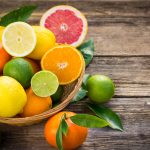
While esophageal cancer accounts for just 1 percent of all U.S. cancer cases, you still might be wondering how to reduce your cancer risk for this and other conditions. The good news? Protecting your health might involve something as sweet (and delicious) as simply eating more citrus fruit.
Eating citrus fruits may LOWER your risk of cancer by nearly 40 percent
Eating more oranges, clementines, grapefruits, tangerines, and other citruses may “significantly reduce [your] risk of esophageal cancer,” concluded the authors of a 2015 meta-analysis published in the peer-reviewed journal Medicine.
To come to this conclusion, the team of researchers assessed data from 19 studies looking at the link between esophageal cancer and intake of citrus fruits. By design, these studies (cohort and case-control) cannot be used to prove causation, but they are able to clarify the correlation between these two factors.
Specifically, it was determined that there was a significantly reduced esophageal cancer risk in people who reported eating more citrus fruits.
The researchers’ statistical analysis revealed an odds ratio of 0.63. Odds ratio is used to measure the relationship between exposure to a given variable (e.g., citrus intake) and a given outcome (esophageal cancer).
Do NOT ignore the health dangers linked to toxic indoor air. These chemicals – the ‘off-gassing’ of paints, mattresses, carpets and other home/office building materials – increase your risk of headaches, dementia, heart disease and cancer.
Get the BEST indoor air purification system – at the LOWEST price, exclusively for NaturalHealth365 readers. I, personally use this system in my home AND office. Click HERE to order now – before the sale ends.
In this case, an odds ratio of 0.63 means that the group who reported the highest level of citrus fruit intake had only 63% of the chances of developing esophageal cancer compared to people who report the lowest amount of citrus fruit. In other words, they were about 37 percent LESS likely to develop the deadly disease.
This research is corroborated by plenty of other studies, by the way, including one paper published in Cancer Epidemiology, Biomarkers & Prevention which found that a high intake of green veggies in addition to citrus fruits was also cancer-protective.
Citrus fruit has also been shown to reduce the risk of other types of cancer as well, including cancers of the prostate, breast, and pancreas.
Here are 3 key cancer-fighting plant properties in citrus fruits, according to science
Why is citrus so stellar for fighting cancer? Like other brightly colored plant foods (including green, yellow, orange, and red fruits and veggies), citrus fruits contain at least three bioactive compounds shown to offer health benefits. These include:
- Beta-carotene, a precursor to vitamin A and a powerful antioxidant that has also been shown to reduce the risk of a condition known as Barrett’s esophagus (precancerous damage to the lower portion of the esophagus, typically caused by chronic acid reflux)
- Vitamin C: A varsity-level immune supporter, vitamin C is involved in a number of physiological functions in the body and protects your cells against free radicals and inflammation
- Folate: an essential B vitamin, folate (or folic acid when in supplement form) is noted by the Academy of Nutrition and Dietieics as possibly protective against pancreatic, esophageal, and colorectal cancers, thanks in parts to its ability to make DNA and repair cells
The takeaway: Add citrus fruits into your weekly dietary rotation! Enjoy as snacks or topped over green salads.
Sources for this article include:
NIH.gov
NIH.gov
NIH.gov
Acacemic.oup.com
Cancer.net
Cancer.org
Cancer.org
Myfooddata.com
UW.edu
MSKCC.org
Oncologynutrition.org
Study Feeding Pigs Human Food Canceled for Cruelty
Reproduced from original article:
https://articles.mercola.com/sites/articles/archive/2020/12/19/study-feeding-pigs-human-food-canceled-for-cruelty.aspx
Analysis by Dr. Joseph Mercola Fact Checked December 19, 2020
STORY AT-A-GLANCE
- Meat scientist Eric Berg, Ph.D., stopped a study he was conducting with pigs that were fed what the average American eats because their health was rapidly failing
- Data show the average person gets 57.9% of their energy from ultraprocessed foods and 89.7% from added sugars, which may be a major contributor to 42.4% of adults being overweight
- The NOVA food classification system says ultraprocessed foods contain substances only found in foods such as potato chips, carbonated drinks, hot dogs, chicken nuggets and pizza
- Ultraprocessed foods can increase your risk of infection, cancer, obesity and death as they promote hunger, overeating and negatively impact your gut microbiome
The process by which your cereals, salads and meats reach your table has dramatically altered the overall nutrition in most people’s diets. The addition of vegetable oil and the growing popularity of fast-food restaurants have also contributed. When this same diet was fed to pigs as discussed in this short video, researchers stopped the study because it was deemed cruel to the animals.1
Survey data published in 2016 showed the average person got 57.9% of their energy from ultraprocessed foods and 89.7% from added sugars.2 A rigorous study published in the journal Cell Metabolism demonstrated the deleterious effect that ultraprocessed diets have on excess calorie intake, weight gain and the resulting obesity epidemic.3
According to data from the National Health and Nutrition Examination Survey in 2009-2010, more than 35.7% of adults were considered overweight,4 a number that had grown to 42.4% by 2018.5 While the effect a Western diet has on weight gain has been well-documented, when the same diet is fed to growing pigs, researchers found the results were disastrous.
Study Feeding Pigs Processed Foods Stopped When They Got Sick
Eric Berg, Ph.D., is an expert meat scientist at North Dakota State University who believes that pigs can substitute for humans when analyzing nutritive values of dietary intake. “Like humans, pigs are omnivores and their anatomy and physiology are very similar, Berg explains.”6
Since their gastrointestinal system and nutrient requirements are comparable to humans’, pigs are used to test human nutritional needs. In Berg’s experiments, he’s already learned that pigs do poorly on a diet that lacks protein with a good balance of amino acids in it.
“We’ve known for 100 years that it is not just protein that’s important, but the amino acids that make up the protein,” Berg says. “Corn can be high in protein, but it is low in availability of essential amino acids. We would never just feed corn to pigs, but balance their diet with a legume like soybeans to balance essential amino acids and then add vitamins and minerals.”
Berg has also found that when pigs are fed a typical Western diet, their growth is stunted, and they develop intramuscular fat as compared to pigs fed a typical porcine diet. Berg spoke with a reporter from Tristate Livestock News, noting that, while we seem to know a lot about animal nutrition we are way behind when it comes to adhering what’s best for us:7
“We would never just feed corn to pigs,” Berg said, “but balance their diet with a legume like soybeans to balance essential amino acids and then add vitamins and minerals … [Yet] we snack ourselves into non-nutrition. We may have a whole-grain bagel for breakfast and then snack on something else for lunch. As a result, our diet is out of balance.”
As noted by Tri-State Livestock News, Berg is recognized for his work in meat research, and has testified at hearings on the USDA Dietary Guidelines at the National Institutes of Health. During his interview in the video above, he shares his belief that using pigs as models can help reduce the error in the nutritional analysis, which can happen in human studies.
He discusses one study where they formulated the pig diet based on the National Health and Nutrition Examination Survey of the common American diet. They were forced to terminate the project when the pigs’ veterinarian told them it:8
“… was inhumane for our test subjects because they did not thrive on it. They got brittle bones and they stopped growing. They got fat, their hair fell out and they got pimples. So, it was a mess and that happened in three months.”
Researcher Calls for People to ‘Eat Like Pigs’
Ultraprocessed foods influence multiple organ systems, leading Berg to suggest humans should “eat like pigs.” While the statement seems inflammatory, Berg goes on to explain:9
“But this is not a mean spirited saying. We’re not comparing a group of people to the eating habits of an animal. We are using available scientific research that we already have on the animal agriculture side and we’re applying it at a biomedical level to save lives. To improve life. To expand life so that people can live it and live it abundantly.
My take home message today is this … we have an abundant supply of choices for nutrient-dense foods. There is no such thing as an essential carbohydrate. So … don’t dilute your nutrient-dense foods with all this unnecessary starch and sugar.”
To implement the recommendation that industry make obesity prevention a priority, the Institute of Medicine’s Health in Balance Report in 2005 recommended: “Food and beverage industries should develop product and packaging innovations that consider energy density, nutrient density, and standard serving sizes to help consumers make healthful choices.”10
However, instead of making changes to their products to reduce sugar and carbohydrate intake, the food industry became notorious for funding anti-obesity programs that moved the focus off what people were eating and on to physical activity, while research clearly shows that processed foods, sugary beverages and high-carbohydrate diets are the primary concern.11,12
Another researcher, Hans H Stein, Ph.D., from the University of Illinois, is a professor of animal science who has been working in the field for 30 years. Like Berg, he’s particularly interested in the role amino acids play to provide a healthy nutritive balance in protein. Nearly 10 years ago, he stepped in to help the U.N. Food and Agriculture Organization (FAO) evaluate nutrient digestibility, including amino acids.13
The new FAO index was known as the digestible indispensable amino acids score (DIAAS), for which Stein published the first paper in 2014. The FAO is using the data to identify high-quality protein to help improve the nutritional intake of the world’s most vulnerable populations.
From his work in the meat industry where the effects of a nutrient-poor diet are evident in months, Berg proposes that human nutrition is lagging behind animal nutrition.14 Although he suggests that the major source of balanced essential amino acids is found in red and processed meat, I would caution against processed meats in favor of grass fed red meat.
Is it Processed or Ultraprocessed?
While the terms processed and ultraprocessed are sometimes used interchangeably, they refer to two different food classifications, and one of them is ultra-serious. According to the NOVA food classification system designed by the Center for Epidemiological Studies in Health and Nutrition, ultraprocessed foods belong to Group 4.15
The definition includes substances that are found only in this category, such as additives, dyes, flavor enhancers and processing aids such as bulking and anti-bulking, anti-caking and emulsifiers that are not commonly found in regular cooking processes. According to the Group 4 description:
“The main purpose of industrial ultra-processing is to create products that are ready to eat, to drink or to heat, liable to replace both unprocessed or minimally processed foods that are naturally ready to consume, such as fruits and nuts, milk and water, and freshly prepared drinks, dishes, desserts and meals.
Common attributes of ultra-processed products are hyper-palatability, sophisticated and attractive packaging, multimedia and other aggressive marketing to children and adolescents, health claims, high profitability, and branding and ownership by transnational corporations.”
Foods that fall into this group are often cheap, convenient and designed to titillate your taste buds. Things like chips, carbonated soft drinks, instant sauces and many ready-to-heat products like pizza, chicken nuggets and hot dogs all fall into this category.
These often are heavy in refined carbohydrates and unhealthy fats. They’re also usually calorie-dense, which means you’ll eat more to get full. The BBC offers five ways to tell if the food is ultraprocessed:16
- The food has a long list of ingredients.
- The label may contain lists of unrecognizable ingredients such as additives designed to enhance flavor, color or even smell.
- The ingredient list begins with fat, sugar and salt at or near the top, which is where the most prevalent ingredients are listed.
- The product may appear to be fresh food, but will have an advertised long shelf life, indicating that may be full of preservatives.
- The product is advertised with an aggressive marketing campaign.
As the BBC comments: “Ever seen a high-profile marketing campaign for apples and pears? Thought not.”
Ultraprocessed Food Raises Jeopardy of Infection and Death
Two studies published in the BMJ have linked eating ultraprocessed foods with an increase in the risk of cardiovascular disease and death. One study gathered data from 19,899 participants from 1999 to 2014.17 They followed up with them every two years to gather data on food and beverage consumption and classify these foods using the NOVA classification system.
The primary outcome measurement was an association between ultraprocessed foods and all-cause mortality. Using the self-reported data, the participants were categorized into low, low-medium, medium-high or high consumption. Those eating the highest amount of ultraprocessed foods were eating greater than four servings each day and had the greatest risk for all-cause mortality.
The researchers found for every additional serving, the risk of all-cause mortality increased by 18%, which led them to conclude that four or more servings were independently associated with a 62% relative increased risk of death from all causes and for every additional serving the risk rose again by 18%.18
In the second study, researchers collected data from 105,159 people over a mean follow-up of 5.2 years, during which they found eating ultraprocessed food was associated with a higher risk of cardiovascular disease.19 The results remained statistically significant even after adjusting for known confounding factors and a second analysis.20
The current viral concern is SARS-CoV-2. However, based on historical data, it’s likely society will face other novel viral infections in the future, added to which each year society faces the cold and flu season and multiple types of bacterial infections.
Science has increasingly revealed the effect diet has on your gut microbiome and your subsequent ability to ward off disease. The more diverse your microbiome is with a healthy microbiota, the better it supports your immune system — which helps you fight viral illnesses like flu and SARS-CoV-2. According to Tim Spector, professor of genetic epidemiology at King’s College in London:21
“As well as mounting a response to infectious pathogens like coronavirus, a healthy gut microbiome also helps to prevent potentially dangerous immune over-reactions that damage the lungs and other vital organs. These excessive immune responses can cause respiratory failure and death.
The fine details of the interactions between the gut microbiome and the immune system are not fully understood. But there seems to be a link between the makeup of the microbiome and inflammation — one of the hallmarks of the immune response. Gut bacteria produce many beneficial chemicals and also activate vitamin A in food, which helps to regulate the immune system.”
Fermented foods and probiotics are the best route to optimal microbiome health, if they are traditionally made and unpasteurized. Healthy fermented choices include lassi (an Indian yogurt drink), fermented, grass fed organic milk (kefir), fermented soy or natto and different types of pickled fermentations of cabbage, turnips, eggplant, cucumbers, onions, squash and carrots.
Junk Food Promotes Hunger and Overeating
The average American diet that was used in the porcine study Berg discussed above, also promotes hunger, overeating and obesity. Through a variety of mechanisms, junk food can destroy your metabolism and affect your appetite control. As detailed in “The Extraordinary Science of Addictive Junk Food,” your body is designed to naturally regulate how much you eat and energy you burn.
However, manufacturers have figured out how to override your intrinsic control by engineering foods that are hyper rewarding.22 This stimulates such a strong response in your brain that it becomes easy to overeat. Some of the most addictive junk foods on the market are potato chips that hit all three bliss points: sugar from the potato (and sometimes from added sugar), salt and fat.23
Although the food industry does not like the word “addiction” when referencing their products, a study published in 2007 showed 94% of rats who were allowed to choose between sugar water and cocaine, chose sugar.24 Even rats that were previously addicted to cocaine switched their preference to sugar.
Another Australian study found just a single week of binge eating on fast food changed appetite control in 110 volunteers to the point they were more likely to desire junk food even after they just ate.25 The participants also scored lower on memory tests.
The resulting overeating contributes to the rising rate of obesity and the current likelihood that Millennials are more prone to obesity related cancers than were their parents. A study in the Lancet by the American Cancer Society showed the rates of obesity-related cancers are rising at a steeper rate among millennials than baby boomers.26
It is likely not a coincidence that as ultraprocessed food has become a norm for many Americans, so has chronic illness. Some experts estimate that as much as 40% of health care spending in the U.S. are for diseases that are directly related to the overconsumption of sugar.27
The differences in the amount of sugar in ultraprocessed food versus minimally processed is dramatic. Data from a cross-sectional study using information from the National Health and Nutrition Examination Survey showed 21.1% of calories in ultraprocessed foods comes from sugar and concluded that reducing ultraprocessed foods could reduce “the excessive intake of added sugars in the USA.”28
The food you eat is a key factor that determines health and longevity. I believe that eating a diet of 90% real food and 10% processed foods is achievable for most and it could make a significant difference in your weight and overall health. To help you get started, you’ll find more information and suggestions in “Processed Foods Lead to Cancer and Early Death.”
- 1 Meet Your Herdmates Appetizer, December 2, 2020
- 2 BMJ Open, 2016;6(3)
- 3 Cell Metabolism, 2019; doi.org/10.1016/j.cmet.2019.05.008
- 4 Centers for Disease Control and Prevention, January 2012
- 5 Centers for Disease Control and Prevention, February 2020
- 6 Tristate Livestock News, February 18, 2016
- 7 Tristate Livestock News, February 18, 2016 para 7,8 from paras more than 1 line
- 8 Meet Your Herdmates Appetizer, December 2, 2020, minute 00:17
- 9 You Eat Like a Pig, June 14, 2017
- 10 Progress in Preventing Childhood Obesity: How Do We Measure Up?
- 11 Vice, July 24, 2017
- 12 New York Times, August 9, 2015
- 13 Science Daily, September 21, 2020
- 14 Tristate Livestock News, February 18, 2016 para 8 from paras more than 1 line
- 15 World Nutrition, 2016;7(1)
- 16 BBC, What Is Ultraprocessed Food?
- 17, 18 BMJ, 2019;365
- 19 BMJ, 2019;365:l1451
- 20 CNN, May 30, 2019; More Research Needed
- 21 The Conversation March 19, 2020
- 22 Current Drug Abuse Reviews, 2011;4:140
- 23 Metro, May 22, 2017
- 24 PLOS|One, 2007;2(8)
- 25 Royal Society of Open Science February 19, 2020, DOI: 10.1098/rsos.191338
- 26 The Lancet, 2019;4(3):E137
- 27 Credit-Suisse October 22, 2013, Sugar Consumption at a Crossroads (PDF)
- 28 BMJ Open, 2016;6(3):e009892 Abstract/Results
Carnitine Improves Metabolism
Reproduced from original article:
https://articles.mercola.com/sites/articles/archive/2020/12/18/carnitine-metabolism.aspx
Analysis by Dr. Joseph Mercola Fact Checked December 18, 2020

STORY AT-A-GLANCE
- Carnitine is an amino acid crucial to fat metabolism that helps improve metabolic flexibility, and to reduce systolic blood pressure and waist circumference
- Athletes using carnitine boosted their performance by 11% measured in a 30-minute trial. Skeletal muscle uses fatty acids at rest and mild exercise, and the brain uses fat to meet up to 90% of its energy needs
- As gut bacteria metabolize choline and carnitine it raises TMAO levels, thought to trigger heart disease. However, some experts believe TMAO is a marker for hepatic insulin resistance, the real cause of the associated health conditions
- A cyclical ketogenic diet with intermittent fasting helps to normalize your weight, improves metabolic flexibility and reduces hepatic insulin resistance. Astaxanthin, krill oil and berberine supplements are also beneficial for liver insulin resistance
A recent meta-analysis found men and women experienced improvements in waist circumference and blood pressure, two biomarkers of metabolic syndrome, when taking carnitine supplements.1 Metabolic syndrome is a condition characterized by a cluster of physical factors, including:2
- Large waist circumference, indicative of high levels of visceral fat around the organs
- High blood pressure
- High blood sugar and or insulin resistance
- High triglycerides
- Low levels of high-density lipoprotein (HDL) cholesterol
Metabolic syndrome is diagnosed when a person has three or more of these factors, which sets the stage for multiple chronic diseases including Type 2 diabetes, cardiovascular disease, Alzheimer’s disease,3 nonalcoholic fatty liver disease (NAFLD)4 and more.
The presence of insulin resistance is a primary factor in metabolic syndrome, which has grown to epidemic proportions as the U.S. diet became more reliant on polyunsaturated fatty acids (PUFAs) and added sugars. You’ll find PUFAs in vegetable oils, edible oils, seed oils and plant oils, including sunflower, safflower, soybean, corn and other popular oils.
While recent research has identified how carnitine and choline may improve fat metabolism and metabolic flexibility, it’s important to note that taking a supplement cannot overcome the damage to your body from a poor diet high in processed sugars, PUFAs and processed foods.
Carnitine Found to Improve Factors of Metabolic Syndrome
Carnitine is an amino acid that’s found throughout the body. You get most of the carnitine your body uses from your diet or a supplement, and it is crucial to fat metabolism for energy.5 A recent review of the literature on carnitine was published in the journal Nutrients, in which the scientists analyzed the results of nine randomized controlled trials.6
The trials the researchers included in the analysis recorded measurements of waist circumference, fasting blood sugar, blood pressure, triglyceride levels or HDL cholesterol. The studies used dose supplementation between 0.75 grams (gm) and 3 gm per day for eight to 24 weeks.
The researchers found that supplementation was linked to a reduction in systolic blood pressure and waist circumference. They suggested biomarkers of metabolic syndrome (MetSyn) could improve with a dose of 1 gm to 3 gm per day of carnitine. The researchers wrote:7
“To date, no meta-analysis on the use of L-carnitine supplements has been conducted to improve the biomarkers of MetSyn. It is crucial to systematically review the existing evidence regarding L-carnitine intake in improving the biomarkers of MetSyn. This study is the first to investigate the effect of L-carnitine supplementation on the biomarkers of MetSyn.”
Carnitine Improves Impaired Fat Metabolism
Understanding how the body burns fuel has practical applications for athletic performance and to prevent metabolic conditions. There is a complex system that modulates how the body burns carbohydrates and fats. Carnitine plays an important role in fat metabolism and has been studied and used to improve exercise performance.
Researchers and athletes have found short term supplementation with carnitine has little effect on fat metabolism. However, in one study led by Dr. Benjamin Wall published in the Journal of Physiology, the data showed supplementation for six months raised levels of muscle carnitine by 21%.8
As described in another paper in the Journal of Physiology, the research demonstrated differences in lactate and carnitine levels after low-intensity exercise and high intensity exercise.9 It appeared during low-intensity exercise carnitine lowered the body’s use of glycogen and the activity of pyruvate dehydrogenase complex (PDC). This compound mediates carbohydrate metabolism.
In other words, individuals with higher levels of carnitine did not burn muscle glycogen, but instead continued to burn fat for energy. During high intensity exercise the muscles produced less lactate when the participant had more carnitine and PDC activity was increased. Starting in the 1980s, researchers began to develop a better understanding of the role lactate plays in exercise.
As the demand for energy increases with exercise, muscle fibers that burn glucose create pyruvate as a product of the reaction. When the production of pyruvate exceeds the muscles capacity to consume it, pyruvate is reduced to lactate and then transported to oxidative muscle fibers where it can be used as fuel.10
The study led by Wall has implications for athletic performance and prompted subsequent studies showing carnitine had an impact on improving metabolic flexibility. One study evaluated whether carnitine supplementation could change metabolic flexibility and insulin sensitivity in people who had documented impaired glucose tolerance.11
Eleven volunteers underwent a randomized, placebo-controlled, double-blind study in which they followed a 36-day regimen comparing a placebo or carnitine intervention. The data showed carnitine supplementation helped restore metabolic flexibility in people with impaired glucose tolerance.
Your Muscle Fibers Depend on Fat Metabolism
It is important to note that in the study led by Wall, participants taking carnitine supplements raised their athletic performance and work output by 11% in a 30-minute performance trial. The researchers explained this improvement “by the dual role of carnitine — glycogen sparing at low intensities and reduced muscle lactate accumulation at high intensities.”12
In other words, work output was more efficient, and performance was better when the muscles were burning fatty acids for energy. This is also demonstrated by the symptoms of carnitine deficiency which can include muscle weakness, fatigue, and shortness of breath or swelling if the heart is affected.13
Many cells in the body use fatty acids for energy production. In fact, your heart muscle cells use fat metabolism to meet up to 90% of the energy needs. During rest and mild intensity exercise, fat metabolism is the main energy source for your skeletal muscles.14 Thus, the ability to efficiently and effectively burn fat for fuel can improve your metabolic flexibility and reduce the potential risk of insulin resistance.
Both choline and carnitine help burn fat. In one study, scientists evaluated the effect on energy production with the supplementation of one or both, with and without exercise. The researchers engaged 19 female participants15 and found the interactive effects of the supplements previously documented in animal models was also present in human participants.
The scientists found that when the participants were supplemented with more choline than they would normally get from their diet, the body conserved carnitine in the tissue that enhanced fat metabolism in the participants.
When small amounts of carnitine were then supplemented for seven days, the urinary excretion of carnitine was normalized, which the researchers believed suggested the muscle stores of carnitine were adequate.
Interestingly, when exercise was added they had improved exercise performance and it decreased the participants body weight but not body fat. The data led the researchers to conclude sequencing the supplementation of choline and carnitine resulted in incomplete fat metabolism and energy wasting, which rose with mild exercise.
Does Choline and Carnitine Raise TMAO Levels?
Your gut microbiota metabolizes choline and carnitine to produce trimethylamine, which is further metabolized to trimethylamine n-oxide (TMAO). Some studies have linked the production of TMAO with an increased incidence of cardiovascular disease, prediabetes and thrombosis.16,17,18
However, in a paper published by James DiNicolantonio, Pharm.D., he and his colleagues showed the probable cause of elevated levels is not the ingestion of carnitine and choline, but is more likely hepatic insulin resistance.19 According to DiNicolantonio, a key factor is the significant elevation of TMAO through the flavin-containing monooxygenase-3 enzyme (FMO3). He writes:20
“Factors which upregulate hepatic expression and activity of FMO3, chiefly responsible for conversion of TMA to TMAO, therefore, fall under suspicion. In this regard, it is notable that subnormal hepatic insulin activity reflecting hepatic insulin resistance has been found to boost hepatic FMO3 expression.
Hepatic insulin resistance is typically induced by the excessive FFA influx associated with metabolic syndrome and visceral obesity, well-known risk factors for vascular disease and diabetes.”
DiNicolantonio proposes that elevated FMO3 activity in the liver can reflect insulin resistance in the organ, which in turn influences cardiovascular health risk. This, he believes, “can rationalize the epidemiology of TMAO.” He explains:21
“Hepatic insulin resistance, and its common concomitant hepatic steatosis, are associated with increased cardiovascular risk, as well as elevated risk for Type 2 diabetes — risks likewise associated with elevated TMAO.
It is therefore straightforward to postulate that TMAO can serve as a marker for hepatic insulin resistance, and that this explains at least a portion of the risk for cardiovascular events and diabetes linked to TMAO.”
Cyclical Ketogenic Diet Improves Metabolic Inflexibility
If elevated TMAO raises your cardiovascular disease risk and is indeed a reflection of hepatic insulin resistance after consuming foods high in carnitine, what can you do to correct it and lower your risk? To begin, you’ll want to normalize your weight.
Two strategies that are most helpful in to achieve this goal and improve your metabolic flexibility are a cyclical ketogenic diet and intermittent fasting. To achieve the best results, they should be done together. You can learn more about these strategies in “Boost Your Metabolism With a Cyclical Ketogenic Diet,” and “Why Intermittent Fasting Is More Effective Combined With Ketogenic Diet.”
In these articles you’ll discover how these powerful tools rejuvenate your health. You may also consider certain supplements that may be beneficial in the treatment of hepatic insulin resistance, and therefore reduce the potential damage from TMAO.22
• Berberine — In the body, this functions much like metformin, a commonly used medication for the treatment of diabetes.23 Both work at least in part, by activating adenosine monophosphate-activated protein kinase (AMPK). Known as the “metabolic master switch,” AMPK is an enzyme that controls how energy is produced in your body and how it’s used by the cells.24
By activating this enzyme, it helps regulate the biological activities that normalize lipid, glucose and energy imbalances. Berberine, used in Chinese medicine to treat diabetes, has also been shown to counteract hepatic insulin resistance in diabetic rodents.25,26
• Astaxanthin — This is a powerful carotenoid antioxidant, with activity like that of the cholesterol-lowering drug fenofibrate. It indirectly stimulates AMPK in your liver and has been shown to alleviate hepatic insulin resistance in animals fed high fat diets and lowers the risk of cardiovascular events in patients with metabolic syndrome.27,28
• Krill oil — This contains the esterified form of astaxanthin, which increases its bioavailability, along with long-chain omega-3 fats essential for good health, including heart health. As noted in DiNicolantonio’s paper:29
“Krill oil, even when compared to fish oil, suppresses hepatic steatosis in rodents. This may be due to its astaxanthin content, which is not found in fish oil.
Moreover, krill oil, but not fish oil, reduces diacylglycerol and ceramide content in the liver. The phospholipid fraction of krill oil has also been noted to reduce hepatic glucose production, unlike fish oil.
Thus, krill oil, being a source of highly bioavailable form of astaxanthin, appears to have additional advantages for reducing hepatic steatosis and hepatic insulin resistance compared to fish oil.”
- 1, 6 Nutrients, 2020;12(9):2795
- 2 PLOS|One, 2013;8(12)
- 3 JAMA Neurology, 2007;64(1)
- 4 Hippokratia, 2009;13(1)
- 5 Cedars Sinai, Carnitine Deficiency
- 7 Nutrients, 2020;12(9)
- 8 Journal of Physiology, 2011;589(pt. 4)
- 9 Journal of Physiology, 2011;589
- 10 Biology, 2016;5(4) 3.New Lactate Paradigm
- 11 EBioMedicine, 2019;49:318
- 12 Journal of Physiology, 2011;589(pt7)
- 13 Cedars Sinai, Carnitine Deficiency, What are the symptoms of carnitine deficiency?
- 14 Nature Education, 2010;3(9) Different Cell Types Require Different Fuel Molecules
- 15 The Journal of Nutrition, 2003;133(1)
- 16 Nature Medicine, 2013;19(5)
- 17 Circulation, 2017;135(17)
- 18 PLOS|One, 2020;15(1)
- 19 Open Heart 2019;6:e000890
- 20 Open Heart 2019;6:e000890 page 5, lft col.
- 21 Open Heart, 2019;6(1) Elevated hepatic FMO3
- 22 Open Heart, 2019;6(1)
- 23 Oncotarget, 2018;9(11)
- 24 American Journal of Physiology, 1999;277(1)
- 25 Journal of Ethnopharmacology, 2015;161:69
- 26 Evidence Based Complementary and Alternative Medicine, 2012;591654
- 27 Scientific Reports, 2015;5:17192
- 28 Molecules, 2012;17(2)
- 29 Open Heart, 2019;6(1) Correcting hepatic insulin resistance, para 6, line 16
NEW STUDY shows this extract reduces the harmful effects of EMF radiation
Reproduced from original article:
www.naturalhealth365.com/emf-damage-reduced-with-this-extract-3649.html
by: Edit Lang, staff writer | December 6, 2020
 (NaturalHealth365) Although the wireless industry claims that exposure to wireless radiation is “safe,” numerous studies have shown that EMF radiation is harmful to the human body. Each day, we are exposed to more wireless, cellular, microwave, and electric fields than ever before in history.
No matter how hard we try, it is impossible to completely avoid EMF exposure and still participate in our modern society. Thankfully, new research reveals an easy way to help protect ourselves against the damaging effects of EMF radiation.
Is 5G a breakthrough innovation or a threat to human health?
The use of radiofrequency (RF) EMF is on the rise, despite the overwhelming evidence revealing its potential to harm humans. One of the most alarming ways RF-EMF damages the body is by increasing oxidative stress. Free radical damage and oxidative stress are involved in cancer onset and numerous chronic diseases. Even though EMF safety is highly controversial, plenty of evidence exists to justify the WHO IARC’s decision to classify RF-EMF as a “possible human carcinogen.”
Many are concerned with the potential danger that 5G has in store for humankind. Governments around the world are aggressively rolling out their 5G infrastructure. The technology uses submillimeter and millimeter waves and relies on EHF (extremely high frequency) ranges between 6 GHz and 100 GHz – and beyond.
Although the physiological effects of 5G systems are unknown, preliminary observations showed that millimeter waves trigger a host of processes that can be devastating to our bodies. Hundreds of members of the international scientific community have been urging regulators to conduct further studies to explore how millimeter waves affect human health.
WARNING: EMF harms your health in many ways
A substantial body of evidence confirms that EMF exposures inflict widespread damage on the human body. EMFs attack our nervous and endocrine systems and produce oxidative stress. The radiation can alter our cells’ DNA, elevate programmed cell death, lower fertility, and even cause cancer.
Do NOT ignore the health dangers linked to toxic indoor air. These chemicals – the ‘off-gassing’ of paints, mattresses, carpets and other home/office building materials – increase your risk of headaches, dementia, heart disease and cancer.
Get the BEST indoor air purification system – at the LOWEST price, exclusively for NaturalHealth365 readers. I, personally use this system in my home AND office. Click HERE to order now – before the sale ends.
The risks are real, yet, most users are unaware of the potential harm. EMFs have also been linked to life-threatening cardiac effects, early-onset dementia, and even Alzheimer’s. Pregnant women and children are at particularly high risk. Evidence shows that EMF exposure before and shortly after birth can lead to ADHD and autism.
“FCC-compliant” radiation levels do not equal “safe”
Tragically enough, the over 2,000 peer-reviewed studies documenting the biological and health effects inflicted on humans by non-ionizing radiation were not enough to warrant the adoption of federal safety standards.
Hundreds of recent studies demonstrate adverse health effects from headaches to many types of cancer, including brain cancer caused by levels far lower than those considered acceptable by the FCC. Nonetheless, governing bodies conducted no long-term studies to ensure public safety. Instead, the US government issued “guidelines” developed by the industry, using outdated research.
Rosemary extract protects against the harmful effects of EMF
Although the repercussions of long-term EMF exposure can be severe, the good news is, you can help buffer your body against its damaging effects. A popular culinary herb may allow your cells to recover from overexposure and remove some of the radiation from your body.
Rosemary is a common herb that is well-known for its potent antioxidant and anti-inflammatory properties. In a 2020 study, scientists tested the antioxidant property of rosemary extract by exposing rats to electromagnetic fields. Results showed that rosemary extract reduced EMFs’ destructive effect, confirming its potential preventative benefits.
In a 2016 study, a group of researchers came to similar conclusions after exposing rats to mobile phone EMFs. In rats not treated with rosemary, EMF exposure induced structural changes in connective tissues, and increased oxidative stress. Rats treated with rosemary extract faired much better and experienced a boost in antioxidant activity.
How to use rosemary for EMF protection
You can take rosemary extract in a tincture or capsules. However, drinking a cup of rosemary tea daily may be the easiest way to benefit from the herb’s protective compounds.
Boil 1-2 cups of water. Add 1-2 inches of finely chopped rosemary leaves to your cup. Pour hot water over the leaves. Allow to steep for 10 minutes, strain, and enjoy!
Sources for this article:
NIH.gov
NaturalHealthResearch.org
NaturalHealth365.com
What is the Pepper Powerhouse Piperine?
© December 1st 2020 GreenMedInfo LLC. This work is reproduced and distributed with the permission of GreenMedInfo LLC.
Want to learn more from GreenMedInfo? Sign up for the newsletter here:
www.greenmedinfo.com/greenmed/newsletter
Reproduced from original article:
https://www.greenmedinfo.com/blog/what-pepper-powerhouse-piperine
Posted on: Tuesday, December 1st 2020 at 2:15 pm
Written By: Dr. Diane Fulton
This article is copyrighted by GreenMedInfo LLC, 2020

Did you know that black pepper, with its potent compound called piperine, can positively affect your health?
Black pepper, one of the most commonly used spices in the world, may be underappreciated for its health benefits. Piperine, a powerful compound found in black pepper, has gastroprotective, antioxidant, cardioprotective, neuroprotective, anti-inflammatory, immunomodulatory and anticancer properties that keep you healthier.[i],[ii]
Five Advantages of the Pepper Powerhouse Piperine
1. Improves Gut Health
Grinding fresh peppercorns is the best way to gain the health advantages of piperine. Recent research shows piperine increases digestive efficiency, enzymes and gut health.[iii],[iv] In a mouse study, black pepper showed effectiveness for treating gastrointestinal disorders.[v]
In addition, piperine increased the small intestine’s absorptive surface in a rat model, which suggests eating pepper may help more nutrients be released from the food you eat.[vi] In a mouse model, piperine reduced colon inflammation, a precursor to inflammatory bowel disease.[vii]
2. Protects Your Brain
Chronic inflammation plays a major role in the development of various neurodegenerative conditions such as Alzheimer’s disease, Parkinson’s disease, multiple sclerosis, epilepsy and depression. Piperine protects your brain by targeting inflammatory pathways.[viii], [ix]
Dementia is often associated with age-related lapses in memory, selective attention and emotional processing,[x] extensive neuroinflammation and oxidative stress in the brain.[xi] Piperine dramatically improved these factors in an aging mouse research study, within four weeks.[xii]
Quercetin (25 milligrams (mg)) combined with piperine (2.5 mg) for 28 days significantly enhanced antioxidant, anti-inflammatory and neuroprotective effects in an experimental Parkinson’s rat model when compared to quercetin alone.[xiii]
In a streptozotocin-induced Alzheimer’s rat model, piperine enhanced cognition. The rats increased their maze performance and path memory after taking piperine daily for two to three at a dose of 2.5 mg/kg. The improvements were similar to those achieved via 10 mg/kg of daily memantine, an Alzheimer’s drug.[xiv]
A similar Alzheimer’s mouse study showed piperine (2.5 to 10 mg/kg daily for 15 days) reversed oxidative stress, restored neurotransmissions, improved cognitive performance and reduced neuroinflammation.[xv] In another animal model, in addition to cognitive improvements, piperine restored the acetylcholinesterase enzyme balance affecting brain and muscle functions.[xvi]
In epilepsy research, piperine improved awareness, senses and mood. This chronic neurologic condition is characterized by seizures involving abnormal electrical discharges in the brain.[xvii] Antioxidant piperine inhibited monoamine oxidase, which lowers dopamine, norepinephrine and serotonin neurotransmitters, all linked to depression and anxiety,[xviii] and outperformed the antidepressant fluoxetine.[xix]
3. Anticancer
Cancer emerges from a microenvironment, where tumors and host cells evolve together, cells proliferate, grow and metabolize, and cause angiogenesis (growth of new blood vessels) and hypoxia (low blood oxygen).[xx]
In their research reviews, scientists found that piperine was chemopreventive, antioxidant (detoxified enzymes and suppressed cancer stem cells), inhibited cancer cells (stemmed blood and oxygen flow) and lowered multidrug resistance. [xxi], [xxii]
Studying human prostate cancer cells, piperine effectively blocked voltage gated K channels, which regulate cancer cell proliferation and apoptosis (cell death).[xxiii] In another human in vitro study, piperine was an antitumor agent in lung cancer without host toxicity.[xxiv]
Piperine demonstrated strong antitumor and antimetastatic effects through in vitro studies of human breast, [xxv] liver and lung cancer cells by inhibiting important signaling pathways and disrupting tumor progression.[xxvi]
In a colorectal cancer animal study, piperine enhanced curcumin’s effectiveness. Cancer-fighting enzymes increased fourfold with curcumin but sixfold with piperine and curcumin together, achieving a 50% cancer cell reduction.[xxvii] Combined piperine-curcumin positively affected breast cancer cell growth too.[xxviii]
4. Helps Prevent Heart Disease
Targeting metabolic syndrome, which involves the combined risks of obesity, high blood pressure, imbalanced cholesterol and diabetes, is one approach to preventing coronary heart disease.[xxix] Research on piperine shows strong cardioprotective, antioxidant and anti-inflammatory properties.[xxx]
Modelling human metabolic syndrome, scientists fed rats a high carbohydrate, high fat diet for 16 weeks and the animals developed high blood pressure, elevated oxidative stress and inflammation-induced cardiac changes, along with reduced responsiveness of aortic rings, impaired glucose tolerance and abdominal obesity together with liver fibrosis, fat deposits and increased plasma liver enzymes.
Piperine (30 mg) treatment improved all of these markers.[xxxi],[xxxii] In a human trial of 117 metabolic syndrome subjects, a daily curcuminoid (1 gram)-piperine (10 mg) combination for eight weeks significantly improved oxidative stress and inflammatory status.[xxxiii]
In a chemically-induced Type 2 diabetes rat model, piperine and quercetin were significant bioavailability enhancers of curcumin as a treatment to reduce plasma glucose and lipid profile and improve diabetic control over curcumin alone or the diabetes drug glibenclamide.[xxxiv]
Previous animal and in vitro studies showed piperine as an effective treatment for obesity, high cholesterol and Type 2 diabetes.[xxxv],[xxxvi],[xxxvii] In a randomized trial of 118 Type 2 diabetic patients, curcumin (1,000 mg) combined with piperine (10 mg) daily over 12 weeks significantly improved adipokine levels (a measure of obesity) and decreased inflammation compared to the control group.[xxxviii]
5. Boosts Immune System
A strong immune system helps your body fight infections and diseases, oxidative stress from environmental toxins and chemicals, or effects of chemotherapy, radiation and other drug treatments.[xxxix] Piperine has been shown to prevent and mitigate autoimmune diseases[xl] like rheumatoid arthritis,[xli],[xlii] lupus,[xliii] thyroid disorders[xliv] and psoriasis.[xlv]
In a study comparing piperine with curcumin in cell-damaged rats given a pesticide, piperine was better than curcumin under immunocompromised conditions due to its increased antioxidative, anti-apoptotic and chemoprotective properties.[xlvi]
Bacterial sepsis, a serious infection, decreased with piperine due to its significant inhibition of pyrotosis (proinflammatory programmed cell death)[xlvii] and systemic inflammation.[xlviii]
Power of Piperine in Black Pepper
Black pepper should remain a dining staple and be valued for its many health advantages. As a strong fighter for your brain, gut, heart and entire body, piperine boosts your immune system and inhibits inflammation. For scientific studies about this powerhouse, see GreenMedInfo.com’s piperine database.

References
[i] Meghwal M, Goswami TK. Piper nigrum and piperine: an update. Phytother Res. 2013 Aug;27(8):1121-30. doi: 10.1002/ptr.4972. Epub 2013 Apr 29. PMID: 23625885.
[ii] Christian Rafael Quijia & Marlus Chorilli (2020) Characteristics, Biological Properties and Analytical Methods of Piperine: A Review, Critical Reviews in Analytical Chemistry, 50:1, 62-77, doi.10.1080/10408347.2019.1573656
[iii] Christine T Peterson, Dmitry A Rodionov, Stanislav N Iablokov, Meredith A Pung, Deepak Chopra, Paul J Mills, Scott N Peterson. Prebiotic Potential of Culinary Spices Used to Support Digestion and Bioabsorption. Evid Based Complement Alternat Med. 2019 ;2019:8973704. Epub 2019 Jun 2. PMID: 31281405
[iv] Srinivasan K. Black pepper and its pungent principle-piperine: a review of diverse physiological effects. Crit Rev Food Sci Nutr. 2007;47(8):735-48. doi: 10.1080/10408390601062054. PMID: 17987447.
[v] Malik Hassan Mehmood, Anwarul Hassan Gilani. Pharmacological basis for the medicinal use of black pepper and piperine in gastrointestinal disorders. Anticancer Res. 2009 Dec;29(12):4981-8. PMID: 20828313
[vi] Usha N S Prakash, Krishnapura Srinivasan. Beneficial influence of dietary spices on the ultrastructure and fluidity of the intestinal brush border in rats. Br J Nutr. 2010 Feb 24:1-9. Epub 2010 Feb 24. PMID: 20178671
[vii] Donghua Hu, Yuguang Wang, Zhiwu Chen, Zengchun Ma, Qing You, Xianxie Zhang, Qiande Liang, Hongling Tan, Chengrong Xiao, Xianglin Tang, Yue Gao. The protective effect of piperine on dextran sulfate sodium induced inflammatory bowel disease and its relation with pregnane X receptor activation. J Ethnopharmacol. 2015 Jul 1 ;169:109-23. Epub 2015 Apr 21. PMID: 25907981
[viii] Kannappan R, Gupta SC, Kim JH, Reuter S, Aggarwal BB. Neuroprotection by spice-derived nutraceuticals: you are what you eat! Mol Neurobiol. 2011 Oct;44(2):142-59. doi: 10.1007/s12035-011-8168-2. Epub 2011 Mar 1. PMID: 21360003; PMCID: PMC3183139.
[ix] Chavarria D, Silva T, Magalhães e Silva D, Remião F, Borges F. Lessons from black pepper: piperine and derivatives thereof. Expert Opin Ther Pat. 2016;26(2):245-64. doi: 10.1517/13543776.2016.1118057. Epub 2015 Dec 5. PMID: 26560940.
[x] Jackson C.E. (2011) Cholinergic System. In: Kreutzer J.S., DeLuca J., Caplan B. (eds) Encyclopedia of Clinical Neuropsychology. Springer, New York, NY. https://doi.org/10.1007/978-0-387-79948-3_1113
[xi] Mylonas C, Kouretas D. Lipid peroxidation and tissue damage. In Vivo. 1999 May-Jun;13(3):295-309. PMID: 10459507.
[xii] Che Wang, Zhengxu Cai, Wei Wang, Min Wei, Xinhong Si, Yuting Shang, Zhaofei Yang, Tianbai Li, Huishu Guo, Song Li. Piperine regulates glycogen synthase kinase-3β-related signaling and attenuates cognitive decline in D-galactose-induced aging mouse model. J Nutr Biochem. 2020 Jan ;75:108261. Epub 2019 Oct 27. PMID: 31710934
[xiii] Shakshi Sharma, Khadga Raj, Shamsher Singh. Neuroprotective Effect of Quercetin in Combination with Piperine Against Rotenone- and Iron Supplement-Induced Parkinson’s Disease in Experimental Rats. Neurotox Res. 2019 Oct 25. Epub 2019 Oct 25. PMID: 31654381
[xiv] Mohsen Khalili-Fomeshi, Mohammad Golparvar Azizi, Mohammad Reza Esmaeili, Mohammad Gol, Sohrab Kazemi, Manouchehr Ashrafpour, Ali Akbar Moghadamnia, Soheila Hosseinzadeh. Piperine restores streptozotocin-induced cognitive impairments: Insights into oxidative balance in cerebrospinal fluid and hippocampus. Behav Brain Res. 2018 Jan 30 ;337:131-138. Epub 2017 Sep 20. PMID: 28939403
[xv] Che Wang, Zhengxu Cai, Wei Wang, Min Wei, Daqing Kou, Tianbai Li, Zhaofei Yang, Huishu Guo, Weidong Le, Song Li. Piperine attenuates cognitive impairment in an experimental mouse model of sporadic Alzheimer’s disease. J Nutr Biochem. 2019 Aug ;70:147-155. Epub 2019 May 24. PMID: 31207354
[xvi] Chonpathompikunlert P, Wattanathorn J, Muchimapura S. Piperine, the main alkaloid of Thai black pepper, protects against neurodegeneration and cognitive impairment in animal model of cognitive deficit like condition of Alzheimer’s disease. Food Chem Toxicol. 2010 Mar;48(3):798-802. doi: 10.1016/j.fct.2009.12.009. 2009 Dec 23. Epub 2009 Dec 23. PMID: 20034530
[xvii] Brain and Life, Disorders A to Z, Epilepsy. https://www.brainandlife.org/disorders-a-z/epilepsy/
[xviii] Drugs, Drug Class, Monoamine Oxidase Inhibitors. https://www.drugs.com/drug-class/monoamine-oxidase-inhibitors.html
[xix] Seon A Lee, Seong Su Hong, Xiang Hua Han, Ji Sang Hwang, Gab Jin Oh, Kyong Soon Lee, Myung Koo Lee, Bang Yeon Hwang, Jai Seup Ro, Piperine from the Fruits of Piper longum with Inhibitory Effect on Monoamine Oxidase and Antidepressant-Like Activity, Chemical and Pharmaceutical Bulletin, 2005, Volume 53, Issue 7, Pages 832-835, Released July 01, 2005, Online ISSN 1347-5223, Print ISSN0009-2363, https://doi.org/10.1248/cpb.53.832, https://www.jstage.jst.go.jp/article/cpb/53/7/53_7_832/_article/-char/en
[xx] Sagar SM, Yance D, Wong RK. Natural health products that inhibit angiogenesis: a potential source for investigational new agents to treat cancer-Part 1. Curr Oncol. 2006 Feb;13(1):14-26. PMID: 17576437; PMCID: PMC1891166.
[xxi] Stephanie C Casey, Amedeo Amedei, Katia Aquilano, Asfar S Azmi, Fabian Benencia, Dipita Bhakta, Alan E Bilsland, Chandra S Boosani, Sophie Chen, Maria Rosa Ciriolo, Sarah Crawford, Hiromasa Fujii, Alexandros G Georgakilas, Gunjan Guha, Dorota Halicka, William G Helferich, Petr Heneberg, Kanya Honoki, W Nicol Keith, Sid P Kerkar, Sulma I Mohammed, Elena Niccolai, Somaira Nowsheen, H P Vasantha Rupasinghe, Abbas Samadi, Neetu Singh, Wamidh H Talib, Vasundara Venkateswaran, Richard L Whelan, Xujuan Yang, Dean W Felsher. Cancer prevention and therapy through the modulation of the tumor microenvironment. Semin Cancer Biol. 2015 Apr 10. Epub 2015 Apr 10. PMID: 25865775
[xxii] Manayi A, Nabavi SM, Setzer WN, Jafari S. Piperine as a Potential Anti-cancer Agent: A Review on Preclinical Studies. Curr Med Chem. 2018;25(37):4918-4928. doi: 10.2174/0929867324666170523120656. PMID: 28545378.
[xxiii] Kiran George, Nisha Susan Thomas, Raman Malathi. Piperine blocks voltage gated K current and inhibits proliferation in androgen sensitive and insensitive human prostate cancer cell lines. Arch Biochem Biophys. 2019 Apr 29 ;667:36-48. Epub 2019 Apr 29. PMID: 31047869
[xxiv] Yi Lin, Jianping Xu, Hehe Liao, Lu Li, Lei Pan. Piperine induces apoptosis of lung cancer A549 cells via p53-dependent mitochondrial signaling pathway. Tumour Biol. 2014 Apr ;35(4):3305-10. Epub 2013 Nov 24. PMID: 24272201
[xxv] Minh Truong Do, Hyung Gyun Kim, Jae Ho Choi, Tilak Khanal, Bong Hwan Park, Thu Phuong Tran, Tae Cheon Jeong, Hye Gwang Jeong, Antitumor efficacy of piperine in the treatment of human HER2-overexpressing breast cancer cells, Food Chemistry, Volume 141, Issue 3, 2013, Pages 2591-2599, ISSN 0308-8146, https://doi.org/10.1016/j.foodchem.2013.04.125.
[xxvi] Leonardo Marques da Fonseca, Lucas Rodrigues Jacques da Silva, Jhenifer Santos Dos Reis, Marcos André Rodrigues da Costa Santos, Victoria de Sousa Chaves, Kelli Monteiro da Costa, Julliana de Nazareth Sa-Diniz, Celio Geraldo Freire de Lima, Alexandre Morrot, Tatiany Nunes Franklim, Douglas Chaves de Alcântara-Pinto, Marco Edilson Freire de Lima, Jose Osvaldo Previato, Lucia Mendonça-Previato, Leonardo Freire-de-Lima. Piperine Inhibits TGF-β Signaling Pathways and Disrupts EMT-Related Events in Human Lung Adenocarcinoma Cells. Medicines (Basel). 2020 Apr 8 ;7(4). Epub 2020 Apr 8. PMID: 32276474
[xxvii] Zeynep Busra Bolat, Zeynep Islek, Bilun Nas Demir, Elif Nur Yilmaz, Fikrettin Sahin, Mehmet Hikmet Ucisik. Curcumin- and Piperine-Loaded Emulsomes as Combinational Treatment Approach Enhance the Anticancer Activity of Curcumin on HCT116 Colorectal Cancer Model. Front Bioeng Biotechnol. 2020;8:50. Epub 2020 Feb 11. PMID: 32117930
[xxviii] Kakarala M, Brenner DE, Korkaya H, Cheng C, Tazi K, Ginestier C, Liu S, Dontu G, Wicha MS. Targeting breast stem cells with the cancer preventive compounds curcumin and piperine. Breast Cancer Res Treat. 2010 Aug;122(3):777-85. doi: 10.1007/s10549-009-0612-x. Epub 2009 Nov 7. PMID: 19898931; PMCID: PMC3039120.
[xxix] National Institute of Health, Health Topics, Coronary Heart Disease. https://www.nhlbi.nih.gov/health-topics/coronary-heart-disease
[xxx] Jie Yan, Si-Chi Xu, Chun-Yan Kong, Xiao-Yang Zhou, Zhou-Yan Bian, Ling Yan, Qi-Zhu Tang, Piperine Alleviates Doxorubicin-Induced Cardiotoxicity via Activating PPAR-γ in Mice. PPAR Research, vol. 2019, Article ID 2601408, 11 pages, 2019. https://doi.org/10.1155/2019/2601408.
[xxxi] Vishal Diwan, Hemant Poudyal, Lindsay Brown. Piperine Attenuates Cardiovascular, Liver and Metabolic Changes in High Carbohydrate, High Fat-Fed Rats. Cell Biochem Biophys. 2011 Oct 30. Epub 2011 Oct 30. PMID: 22038304
[xxxii] Shah SS, Shah GB, Singh SD, Gohil PV, Chauhan K, Shah KA, Chorawala M. Effect of piperine in the regulation of obesity-induced dyslipidemia in high-fat diet rats. Indian J Pharmacol. 2011 May;43(3):296-9. doi: 10.4103/0253-7613.81516. PMID: 21713094; PMCID: PMC3113382.
[xxxiii] Yunes Panahi, Mahboobeh Sadat Hosseini, Nahid Khalili, Effat Naimi, Muhammed Majeed, Amirhossein Sahebkar. Antioxidant and anti-inflammatory effects of curcuminoid-piperine combination in subjects with metabolic syndrome: A randomized controlled trial and an updated meta-analysis. Clin Nutr. 2015 Jan 7. Epub 2015 Jan 7. PMID: 25618800
[xxxiv] Ginpreet Kaur, Mihir Invally, Meena Chintamaneni. Influence of Piperine and Quercetin on Antidiabetic Potential of Curcumin. J Complement Integr Med. 2016 Jun 25. Epub 2016 Jun 25. PMID: 27343476
[xxxv] Parim BrahmaNaidu, Harishankar Nemani, Balaji Meriga, Santosh Kumar Mehar, Sailaja Potana, Sajjalaguddam Ramgopalrao. Mitigating efficacy of piperine in the physiological derangements of high fat diet induced obesity in Sprague Dawley rats. Chem Biol Interact. 2014 Sep 25 ;221:42-51. Epub 2014 Jul 31. PMID: 25087745
[xxxvi] Acharaporn Duangjai, Kornkanok Ingkaninan, Sakonwun Praputbut, Nanteetip Limpeanchob. Black pepper and piperine reduce cholesterol uptake and enhance translocation of cholesterol transporter proteins. J Nat Med. 2013 Apr ;67(2):303-10. Epub 2012 Jun 27. PMID: 22736065
[xxxvii] Shubham Atal, Sarjana Atal, Savita Vyas, Pradeep Phadnis. Bio-enhancing Effect of Piperine with Metformin on Lowering Blood Glucose Level in Alloxan Induced Diabetic Mice. Pharmacognosy Res. 2016 Jan-Mar;8(1):56-60. PMID: 26941537
[xxxviii] Amirhossein Sahebkar, Yunes Panahi, Nahid Khalili, Ebrahim Sahebi, Soha Namazi, Stephen L Atkin, Muhammed Majeed. Curcuminoids plus piperine modulate adipokines in type 2 diabetes mellitus. Curr Clin Pharmacol. 2018 Jan 3. Epub 2018 Jan 3. PMID: 29299989
[xxxix] Penn Medicine, Updates, Health and Wellness, What Is Means to be Immunocompromised. https://www.pennmedicine.org/updates/blogs/health-and-wellness/2020/may/what-it-means-to-be-immunocompromised
[xl] Carolyn D. Doucette, Anna L. Greenshields, Robert S. Liwski, David W. Hoskin, Piperine blocks interleukin-2-driven cell cycle progression in CTLL-2 T lymphocytes by inhibiting multiple signal transduction pathways, Toxicology Letters, Volume 234, Issue 1, 2015, Pages 1-12, ISSN 0378-4274, https://doi.org/10.1016/j.toxlet.2015.01.020.
[xli] Bang, J.S., Oh, D.H., Choi, H.M. et al. Anti-inflammatory and antiarthritic effects of piperine in human interleukin 1β-stimulated fibroblast-like synoviocytes and in rat arthritis models. Arthritis Res Ther 11, R49 (2009). https://doi.org/10.1186/ar2662
[xlii] M.R. Bhalekar, A.R. Madgulkar, P.S. Desale, G. Marium Formulation of piperine solid lipid nanoparticles (SLN) for treatment of rheumatoid arthritis. Drug Dev Ind Pharm, 43 (2017), pp. 1003-1010, 10.1080/03639045.2017.1291666
[xliii] Pannu, N., Bhatnagar, A. Combinatorial therapeutic effect of resveratrol and piperine on murine model of systemic lupus erythematosus. Inflammopharmacol 28, 401–424 (2020). https://doi.org/10.1007/s10787-019-00662-w
[xliv] Panda S, Kar A. Piperine lowers the serum concentrations of thyroid hormones, glucose and hepatic 5’D activity in adult male mice. Horm Metab Res. 2003 Sep;35(9):523-6. doi: 10.1055/s-2003-42652. PMID: 14517767.
[xlv] Web MD, A to Z Guides, Autoimmune Diseases. https://www.webmd.com/a-to-z-guides/autoimmune-diseases
[xlvi] Anoop Kumar, Neelima Sharma. Comparative efficacy of piperine and curcumin in deltamethrin induced splenic apoptosis and altered immune functions. Pestic Biochem Physiol. 2015 Mar ;119:16-27. Epub 2015 Mar 10. PMID: 25868812
[xlvii] Susan L. Fink, Brad T. Cookson. Apoptosis, Pyroptosis, and Necrosis: Mechanistic Description of Dead and Dying Eukaryotic Cells. Infection and Immunity. Mar 2005, 73 (4) 1907-1916; doi: 10.1128/IAI.73.4.1907-1916.2005.
[xlviii] Yi-Dan Liang, Wen-Jing Bai, Chen-Guang Li, Li-Hui Xu, Hong-Xia Wei, Hao Pan, Xian-Hui He, Dong-Yun Ouyang. Piperine Suppresses Pyroptosis and Interleukin-1β Release upon ATP Triggering and Bacterial Infection. Front Pharmacol. 2016 ;7:390. Epub 2016 Oct 20. PMID: 27812336
