Nutrition
now browsing by category
“Let food be thy medicine, and medicine be thy food” ~ Hippocrates.
Doctors should be taught this in medical school, as well as “First, do no harm”.
The Case Against Processed Vegetable Oils
Reproduced from original article:
https://articles.mercola.com/sites/articles/archive/2020/10/31/vegetable-oil-omega-6.aspx
Analysis by Dr. Joseph Mercola Fact Checked October 31, 2020
STORY AT-A-GLANCE
- One of the most damaging components in our modern diet is processed vegetable oils, as they contain excessive amounts of oxidized omega-6 linoleic acid, a polyunsaturated fat (PUFA). The biological damage they cause is even worse than that caused by refined sugar and high fructose corn syrup
- Virtually all chronic metabolic and degenerative diseases, including age-related macular degeneration, are primarily caused by a preponderance of industrial vegetable oils in the diet
- Vegetable oils degrade to extremely toxic oxidation products when heated, including cyclic aldehydes, which contribute to the development of heart disease and neurodegenerative diseases
- Two common stealth sources of harmful PUFAs are conventionally farmed chicken and pork. These animals are routinely fed grains such as corn. As a result, the meat becomes high in omega-6 linoleic acid, as corn is loaded with this type of fat
- Replacing processed vegetable oils (and the foods that contain them) with healthy fats can go a long way toward boosting your health and reducing your risk of chronic disease
Dr. Paul Saladino is the author of “The Carnivore Code.” I’ve previously interviewed him about the carnivore diet and the impact of metabolic health on COVID-19 outcomes. The video1 above features Saladino on a recent episode of the Joe Rogan podcast.
It’s a three-hour conversation, but my focus here is on Saladino’s viewpoints on omega-6 seed oils, and the surprising fact that conventional chicken and pork are significant stealth sources of oxidized omega-6 fats that can contribute to ill health by impairing vital mitochondrial signaling.
Vegetable Oils Are Responsible for Epidemic of Ill Health
In recent years, it’s become increasingly clear that one of the most damaging components in our modern diet is processed vegetable oils, as they contain excessive amounts of oxidized omega-6 linoleic acid, a polyunsaturated fat (PUFA). The biological damage they cause is even worse than that caused by refined sugar and high fructose corn syrup.
According to ophthalmologist Dr. Chris Knobbe, who has researched the matter extensively, virtually all chronic metabolic and degenerative diseases, including age-related macular degeneration, are primarily caused by a preponderance of industrial vegetable oils in the diet.
Replacing dangerous oils with healthy fats can go a long way toward boosting your health and reducing your risk of chronic disease.
The reason for this is because these oils trigger mitochondrial dysfunction that then drives the disease process, and several studies2,3,4,5,6,7,8 have demonstrated the truth of this. The good news is that simply replacing dangerous oils with healthy saturated fats can go a long way toward boosting your health and reducing your risk of chronic disease.
Unfortunately, many health authorities have insisted — and still insist — omega-6-rich oils like soybean, corn and canola oil are healthier than saturated animal fats such as butter and lard, and this myth has been a tough one to dismantle, despite the evidence against it.
How Processed Vegetable Oils Harm Your Health
There are many reasons to avoid or eliminate industrially processed seed oils from your diet. As mentioned, vegetable oils are a concentrated source of omega-6 linoleic acid, which can lead to a severe imbalance between the omega-6 to omega-3 ratio in your diet.
In fact, I’ve found it is extremely difficult to correct this imbalance simply by taking more omega-3. In fact, excess omega-3 can also contribute to ill health. Your first and most important step is to cut down on the omega-6s, or else you’re always going to be nutritionally lopsided.
Even organic, biodynamic olive oil can shift your ratio in the wrong direction, as olive oil is also a source of omega-6 linoleic acid. If, like me, you’re in the habit of eating olive oil, you may want to limit your intake to 1 tablespoon per day or less. The problem, really, is twofold:
- Most people get far too much omega-6 and too little omega-3, thus ending up with a lopsided ratio, and this ratio is what impacts health. Ideally, this ratio would be close to 1-to-1
- Most of the omega-6 people eat has been damaged and oxidized through processing
Then there’s the issue of direct toxicity from pesticides and herbicides. Most of the vegetable oils produced today — especially canola, corn and soy — are made from genetically engineered (GE) crops, and are therefore a significant source of toxic glyphosate exposure.
Thirdly, vegetable oils degrade to extremely toxic oxidation products when heated, including 4-hydroxynonenal (4HNE) cyclic aldehydes,9 which are what cause oxidized low-density lipoprotein (LDL) associated with heart disease. Aldehydes also crosslink tau protein and create neurofibrillary tangles, thereby contributing to the development of neurodegenerative diseases. Processed vegetable oils also harm health by:
| Increasing inflammation.10 |
| Damaging the endothelium (the cells lining your blood vessels) and causing an increase in penetration of LDL and very low-density lipoprotein (VLDL) particles into the subendothelium. In other words, these oils get integrated in your cell and mitochondrial membranes, and once these membranes are impaired, it sets the stage for all sorts of health problems.
As discussed in my July 2020 interview with Knobbe, the PUFAs from vegetable oils, seed oils and trans fats are primarily stored in your fat cells, opposed to being used for fuel, and have a half-life of 600 to 680 days.11 They also get incorporated into tissues, including your heart and brain. One result of this could be memory impairment and increased risk of Alzheimer’s disease, which is exactly what they found with canola oil.12 As reported in one 2017 study:13
|
| Damaging your mitochondria and DNA by making your cell membranes more permeable, allowing things to enter that shouldn’t. |
| Making the cell membrane less fluid, which impacts hormone transporters in the cell membrane and slows your metabolic rate. |
| Inhibiting cardiolipin, an important component of the inner membrane of your mitochondria that needs to be saturated in the omega-3 fat DHA to function properly.
Cardiolipin can be likened to a cellular alarm system that triggers apoptosis (cell death) by signaling caspase-3 when something goes wrong with the cell. If the cardiolipin is not saturated with DHA, it cannot signal caspase-3, and hence apoptosis does not occur. As a result, dysfunctional cells are allowed to continue to grow, which can turn into a cancerous cell. |
| Inhibiting the removal of senescent cells, i.e., aged, damaged or crippled cells that have lost the ability to reproduce and produce inflammatory cytokines that rapidly accelerate disease and aging. |
| Stripping your liver of glutathione (which produces antioxidant enzymes), thereby lowering your antioxidant defenses.14 |
| Inhibiting delta-6 desaturase (delta-6), an enzyme involved in the conversion of short-chained omega-3s to longer chained omega-3s in your liver.15 |
| Exposing you to toxic 4-hydroxynonenal (4HNE), which forms during the processing of most vegetable oils, even if the oil is obtained from organic crops — 4HNE is highly toxic, especially to your gut bacteria, and consumption of 4HNE has been correlated with having an obesogenic balance of gut flora. It also causes DNA damage and instigates free radical cascades that damage your mitochondrial membranes.16 |
The Molecular Biology of PUFAs
If you want to go deep and geek out on the molecular biology of what is going on with excessive linoleic acid (LA) intake, then I strongly advise watching the video above.
Saladino interviews veterinarian Peter Dobromylskyj, who maintains the Hyperlipid Blog.17 In it, they describe in great detail how eating these seed oils and other foods high in LA, like chicken and pork, destroy mitochondrial signaling in the adipocyte and disrupt your metabolic functioning.
One key point from this Dobromylskyj interview is the explanation of how PUFAs break your metabolic mechanism and contribute to obesity. As explained by Saladino, as he reviews a study on this topic:
“Let’s look at what happens when you give humans a bunch of polyunsaturated fats … You are supposed to be insulin resistant in ketosis. That’s how your body partitions glucose to the cells that need it.
And here you have a ketogenic diet based on … canola oil, safflower oil or soybean oil, and you see people remain insulin sensitive when they’re in ketosis. This is clear evidence that polyunsaturated fats are breaking your metabolism. Glucose is lower because it’s going into your cells; it’s making bigger cells. You’re getting fat.”
For clarity, does this mean a ketogenic diet, meaning a diet high in healthy fats and low in non-vegetable carbs, is fattening? No. The take-home message here is that a proper ketogenic diet must be based on healthy saturated fats, not destructive vegetable seed oils that are loaded with LA.
Eating a high-fat diet, when the fats are primarily LA from processed vegetable and seed oils, is far worse than eating a chronic high-carb diet. The type of fat is of crucial importance, as it impacts your mitochondrial, cellular and metabolic functioning.
Fats like LA can persist in your cell membranes for months to years, continuing to wreak havoc with your metabolism the entire time, while the sugar is quickly metabolized.
Aside from that, this also helps explain why processed foods are so fattening. It’s not just that they’re loaded with added sugars. They’re also loaded with LA that breaks your metabolic machinery and promotes fat accumulation and inflammation.
Choose Your Fats Carefully
Examples of healthy fats that belong in your diet include but are not limited to organic coconut oil, ghee, grass fed butter, lard, tallow, black seed oil (Nigella sativa), avocados, raw dairy products, olives, organic pastured eggs and raw nuts.
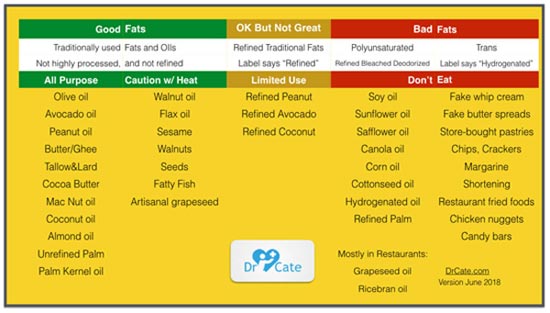
To learn more about the ins and outs of dietary fats, pick up a copy of my book “Superfuel: Ketogenic Keys to Unlock the Secrets of Good Fats, Bad Fats, and Great Health,” cowritten with James DiNicolantonio, Pharm.D., which gives more in-depth specifics on how to discriminate between healthy and harmful dietary fats. Dr. Catherine Shanahan’s list of good and bad cooking oils and fats is also useful.
Stealth Sources of Harmful PUFAs: Chicken and Pork
As explained by Saladino in the featured Rogan interview, aside from processed foods (which are loaded with vegetable oils) and vegetable cooking oils, there are also two common stealth sources of harmful PUFAs in the modern diet, namely conventionally farmed chicken and pork.
He shows a graph illustrating meat consumption, which has significantly risen over the decades. But it’s not the total consumption that is causing the problem, he notes. Specifically, the problem is not related to red meat consumption, which has actually gone down. Rather, it’s “lean white” meats, particularly chicken but also pork, that help drive the chronic disease trend.
Long thought of as a healthier type of meat, primarily because it’s leaner than red meat, the problem with conventional chicken (and pork) is that the animals are fed corn — typically GE varieties that are farmed with glyphosate.
And what happens when animals are fed corn? The meat becomes high in omega-6 linoleic acid, as corn is high in this type of fat.18 So, as Saladino points out, high chicken consumption actually adds to your vegetable oil consumption, and can therefore contribute to systemic inflammation, mitochondrial dysfunction and metabolic ill health.
“PUFAs act differently in our body,” Saladino says in the Rogan interview. “At the level of our mitochondria, it looks like this polyunsaturated fat, this linoleic acid-rich vegetable oil, is signaling things differently.
There’s a lot of compelling evidence to suggest linoleic acid is driving adipocyte hypertrophy — the fat cells are getting bigger. Fat cells can do two things. They can get bigger or they can divide. When fat cells get big, and don’t divide, they eventually start leaking inflammatory mediators.”
This doesn’t mean you cannot eat chicken or pork. However, unlike cows, buffalo and lambs, these animals have only one stomach and as such any omega-6 fats they eat are not metabolized and stored in their tissues. Since these animals, even healthy organically grown animals, are typically fed grains, they are loaded with omega-6 fats and may have 10 TIMES the LA content that beef, lamb or buffalo do.
That is why I think it is really a good strategy to avoid eating these meats and replace them with animals which have far lower LA content. If you want to know how much LA you are eating simply go to cronometer.com and carefully enter your food that is accurately weighed out and you can see precisely how much LA you are eating. It would be great to get your daily intake under 10 grams per day.
Safeguard Your Health by Ditching Vegetable Oils
To recap, if you want to avoid dangerous fats of all kinds, your best bet is to significantly reduce or eliminate the following from your diet:
- Processed foods of all kinds
- Industrially processed cooking oils such as corn oil, canola oil, soy and cottonseed oils
- Conventionally farmed chicken
- Conventionally farmed pork
My comprehensive nutrition plan offers helpful guidance for this process. When cooking, coconut oil, butter, lard and ghee are healthy options. Also be sure to swap out margarines and vegetable oil spreads for organic butter, preferably made from raw grass fed milk. Butter is a healthy whole food that has received an unwarranted bad rap.
To further balance your omega-3 to omega-6 ratio you may also need a high-quality source of animal-based omega-3 fat, such as krill oil, if you’re not in the habit of eating small, fatty fish such as sardines, anchovies and mackerel, and/or wild caught Alaskan salmon.
- 1 YouTube Joe Rogan Experience 1551 Paul Saladino
- 2 STAT April 19, 2017
- 3 BMJ 2016;353:i1246
- 4 NIH Grantome, Dietary Treatment of Hyperlipidemia in Women vs Men
- 5 Atherosclerosis, Thrombosis and Vascular Biology 2004;24:498–503
- 6 Journal of Nutrition, Health and Aging 2018;22(8):885-891
- 7 British Heart Journal 1995 Oct;74(4):449-54
- 8 The Lancet August 29, 2017; 390(10107): 2050-2062
- 9 Science Daily February 22, 2012
- 10 J Surg Res. 2012 Sep; 177(1): e35–e43
- 11 Journal of Lipid Research 1966 Jan;7(1):103-11
- 12 Medical News Today December 7, 2017
- 13 Scientific Reports 2017; 7, Article number 17134
- 14, 15, 16 Deep Nutrition: Why Your Genes Need Traditional Food by Dr. Cate Shanahan
- 17 Hyperlipid Blog
- 18 Journal of Dairy Science January 2018; 101(1): 222-232
Beets: Evidence-Based Health Benefits
© 28th October 2020 GreenMedInfo LLC. This work is reproduced and distributed with the permission of GreenMedInfo LLC.
Want to learn more from GreenMedInfo? Sign up for the newsletter here:
www.greenmedinfo.com/greenmed/newsletter
Reproduced from original article:
https://www.greenmedinfo.com/blog/beet-your-way-back-healthier-body-4
Posted on: Wednesday, October 28th 2020 at 10:00 am
Written By: Sayer Ji, Founder
This article is copyrighted by GreenMedInfo LLC, 2020

Beets have always been and remain one of the world’s most underutilized ‘super foods’ with a number of powerful, evidence-based health benefits
In an era where clever marketing has transformed exotic berries, tubers and plant extracts from geographically distant regions into “super foods,” ostensibly better (and that much more expensive!) than culinary standards found at your local supermarket, e.g. garlic, onion, and kale, we should be reminded that the true nutritional super heroes are too busy performing anonymous feats of healing to garnish that kind of attention.
Which leads us to beets. Anything we can eat that bleeds as red and readily as the beet deserves our immediate respect. In fact, this vegetable often leaves a veritable crime scene behind it, converting a spotless kitchen counter into a nutrient-dense blood bath in a matter of minutes. There is ancient wisdom buried in the ‘doctrine of signatures’ that reveals itself so bloodily in the beet: it nourishes our blood and circulatory system. Indeed, thanks to the burgeoning growth of food science on the topic, we now know that beets are one of Nature’s finest cardiovascular tonics…
Beet’s Blood Vessel Dilating Properties
A 2008 study published in the journal Hypertension found that beets contain pharmacologically significant quantities of blood vessel dilating nitrate. Three hours after ingesting 500 ml of beet juice study subjects experience a significant drop in blood pressure that could be directly correlated with increased plasma nitrate concentrations.[i] As endothelial dysfunction, or the inability of the blood vessels to dilate fully, is considered the ‘canary in the trousers,’ beets’ legendary ability in ancient times to enhance virility and act as an aphrodisiac now makes perfect scientific sense.
Beet Back Muscle Fatigue
But beets don’t just increase cardiovascular and ‘bedroom’ performance but athletic performance as well. In 2009, a study published in the Journal of Applied Physiology found that dietary nitrate supplementation in the form of beetroot juice reduced the oxygen cost of submaximal exercise and enhanced the tolerance to high-intensity exercise.[ii]
A follow up study published in the same journal in 2010 found that nitrate-rich beetroot juice also enhances muscle contractile efficiency during knee-extensor exercise in humans.[iii] The researchers hypothesized that the observed beneficial effect may be due to a reduced ATP cost of muscle force production.

Beet Back Infections
Consider that beets ‘live’ in the dirt, a place full of microbes which love a free meal. This means that nature has equipped the plant with natural defenses. No wonder that beet has been found to fight off the following infectious organisms:
- Beet pectin has been found to inhibit the synthesis of types A and B staphylococcal enterotoxins.[iv]
- Beet extract has been found to reduce influenza A infectivity and lethality.[v]
- Beet root has been found capable of inhibiting Epstein-Barr virus associated tumor formation.[vi]
Undoubtedly, future research will find beet to have a wider range of antimicrobial applications. But beet’s powers don’t end there. Other already researched properties include:
- Liver Damage: A 2006 study found that beet root has significant dose-dependent liver-protective properties against the chemical carbontetrachloride.[vii] More recently, research has found that it also protects against N-nitrosodiethylamine associated liver damage.[viii]
- Cardiovascular Disease: While the “LDL cholesterol is bad” myth is almost imbecilic in its simplicity, those looking for ways to modulate the lipid ratio naturally in favor of the medical establishment’s largely drug-company drafted lipid guidelines can rest assured that beet can help. A 2000 study found beet fiber was capable of simultaneously increasing HDL and lowering LDL levels; perhaps far more impressive, the study also found close to a 30% reduction in cholesterol plaque accumulation in the aorta of those animals fed beet fiber.[ix]
- Radiation Exposure: Compounds found in beets known as betalains have been found to reduce toxicity associated with gamma radiation exposure.[x]
- Cancer: Beetroot juice has been found to reduce adverse effects caused by DMBA, a chemical associated with mammary cancer risk.[xi] Beetroot has also been found to exhibit anti-cancer properties in prostate cancer cell lines at toxicity levels far lower than chemo-agents such as doxorubicin.[xii]
Beets, of course, have basic nutritional gifts to offer in addition to their aforementioned medicinal properties. They contain exceptionally high levels of folate at 148 mcg or 37% the Daily Value in just a one cup serving. They also sport an impressive 6.7 mg or 11% Daily Value of vitamin C, keeping in mind that vitamin C activity expressed through food its very different that isolate, semi-synthetic ascorbic acid; in other words, that 6.7 mg is worth far more than the story of molecular weight alone can tell. Another way to understand this is if you take a nutrient out of its natural context as a whole food, it behaves less like a nutrient and more like a chemical. For more information consult contributing writer Dr. Vic Shayne’s excellent book: Whole Food Nutrition: The Missing Link in Vitamin Therapy.
For a full list of beet’s nutritional components visit Nutritiondata.com’s page on beets here. For a full list of beet’s therapeutic properties on GreenMedinfo.com visit our Beet Health Benefits page. Finally, for those looking for beet recipes visit the FoodNetwork’s page on the topic, remembering to substitute organic versions of the ingredients listed whenever possible.
Resources
[i] Andrew J Webb, Nakul Patel, Stavrs Loukogeorgakis, Mike Okorie, Zainab Aboud, Shivani Misra, Rahim Rashid, Philip Miall, John Deanfield, Nigel Benjamin, Raymond MacAllister, Adrian J Hobbs, Amrita Ahluwalia. Acute blood pressure lowering, vasoprotective, and antiplatelet properties of dietary nitrate via bioconversion to nitrite. Hypertension. 2008 Mar;51(3):784-90. Epub 2008 Feb 4. PMID: 18250365
[ii] Stephen J Bailey, Paul Winyard, Anni Vanhatalo, Jamie R Blackwell, Fred J Dimenna, Daryl P Wilkerson, Joanna Tarr, Nigel Benjamin, Andrew M Jones. Dietary nitrate supplementation reduces the O2 cost of low-intensity exercise and enhances tolerance to high-intensity exercise in humans. J Appl Physiol. 2009 Oct;107(4):1144-55. Epub 2009 Aug 6. PMID: 19661447
[iii] Stephen J Bailey, Paul Winyard, Anni Vanhatalo, Jamie R Blackwell, Fred J Dimenna, Daryl P Wilkerson, Joanna Tarr, Nigel Benjamin, Andrew M Jones. Dietary nitrate supplementation reduces the O2 cost of low-intensity exercise and enhances tolerance to high-intensity exercise in humans. J Appl Physiol. 2009 Oct;107(4):1144-55. Epub 2009 Aug 6. PMID: 19661447
[iv] Stephen J Bailey, Paul Winyard, Anni Vanhatalo, Jamie R Blackwell, Fred J Dimenna, Daryl P Wilkerson, Joanna Tarr, Nigel Benjamin, Andrew M Jones. Dietary nitrate supplementation reduces the O2 cost of low-intensity exercise and enhances tolerance to high-intensity exercise in humans. J Appl Physiol. 2009 Oct;107(4):1144-55. Epub 2009 Aug 6. PMID: 19661447
[v] Stephen J Bailey, Paul Winyard, Anni Vanhatalo, Jamie R Blackwell, Fred J Dimenna, Daryl P Wilkerson, Joanna Tarr, Nigel Benjamin, Andrew M Jones. Dietary nitrate supplementation reduces the O2 cost of low-intensity exercise and enhances tolerance to high-intensity exercise in humans. J Appl Physiol. 2009 Oct;107(4):1144-55. Epub 2009 Aug 6. PMID: 19661447
[vi] Stephen J Bailey, Paul Winyard, Anni Vanhatalo, Jamie R Blackwell, Fred J Dimenna, Daryl P Wilkerson, Joanna Tarr, Nigel Benjamin, Andrew M Jones. Dietary nitrate supplementation reduces the O2 cost of low-intensity exercise and enhances tolerance to high-intensity exercise in humans. J Appl Physiol. 2009 Oct;107(4):1144-55. Epub 2009 Aug 6. PMID: 19661447
[vii] Stephen J Bailey, Paul Winyard, Anni Vanhatalo, Jamie R Blackwell, Fred J Dimenna, Daryl P Wilkerson, Joanna Tarr, Nigel Benjamin, Andrew M Jones. Dietary nitrate supplementation reduces the O2 cost of low-intensity exercise and enhances tolerance to high-intensity exercise in humans. J Appl Physiol. 2009 Oct;107(4):1144-55. Epub 2009 Aug 6. PMID: 19661447
[viii] Violetta Krajka-Kuźniak, Hanna Szaefer, Ewa Ignatowicz, Teresa Adamska, Wanda Baer-Dubowska. Beetroot juice protects against N-nitrosodiethylamine-induced liver injury in rats. Food Chem Toxicol. 2012 Jun ;50(6):2027-33. Epub 2012 Mar 24. PMID: 22465004
[ix] P Bobek, S Galbavý, M Mariássyová. The effect of red beet (Beta vulgaris var. rubra) fiber on alimentary hypercholesterolemia and chemically induced colon carcinogenesis in rats. Nahrung. 2000 Jun;44(3):184-7. PMID: 10907240
[x] Xiaoling Lu, Yuping Wang, Zesheng Zhang. Radioprotective activity of betalains from red beets in mice exposed to gamma irradiation. Eur J Pharmacol. 2009 Aug 1;615(1-3):223-7. Epub 2009 May 14. PMID: 19446548
[xi] Hanna Szaefer, Violetta Krajka-Kuźniak, Ewa Ignatowicz, Teresa Adamska, Wanda Baer-Dubowska. Evaluation of the Effect of Beetroot Juice on DMBA-induced Damage in Liver and Mammary Gland of Female Sprague-Dawley Rats. Phytother Res. 2013 Mar 1. Epub 2013 Mar 1. PMID: 23450834
[xii] Govind J Kapadia, Magnus A Azuine, G Subba Rao, Takanari Arai, Akira Iida, Harukuni Tokuda. Cytotoxic effect of the red beetroot (Beta vulgaris L.) extract compared to doxorubicin (Adriamycin) in the human prostate (PC-3) and breast (MCF-7) cancer cell lines. Anticancer Agents Med Chem. 2011 Mar ;11(3):280-4. PMID: 21434853

Studies Prove This Root Helps You Sleep and Manage Stress
Reproduced from original article:
https://articles.mercola.com/sites/articles/archive/2020/10/29/ashwagandha-helps-you-sleep-and-manage-stress.aspx
Analysis by Dr. Joseph Mercola Fact Checked October 29, 2020

STORY AT-A-GLANCE
- Ashwagandha is a powerful adaptogenic herb that helps your body adjust to stress and helps promote restful sleep
- People with insomnia experienced the most improvement in their sleep patterns using ashwagandha, which was well-tolerated in people of all health conditions and ages
- Ashwagandha reduced anxiety and stress, which can lead to poor performance and increase your risk of adverse health conditions if left unmanaged
- Traditional use for ashwagandha is for memory enhancement; it may also improve executive function, attention and information processing
Ashwagandha (Withania somnifera) is a powerful adaptogenic herb, which means it helps your body adapt to stress1 by balancing your immune system, metabolism and hormonal systems. It is known as a multipurpose herb and was used in ancient Ayurvedic and Chinese medicine.2 The plant is native to India and a member of the Solanaceae family, along with eggplant and tomato.3
A 2020 study tested ashwagandha for its ability to promote sleep. Based on the results, the researchers believe the herb could be an alternative treatment for insomnia.4 They gathered 80 participants, 40 of whom were healthy individuals without a sleep disorder and 40 who had a known diagnosis of insomnia.
Consider Ashwagandha to Improve Your Sleep Quality
Each group was further split into two groups: one intervention and one control group. The intervention group received ashwagandha and the control group received a placebo. The participants took the supplements for eight weeks during which assessments were done to evaluate sleep parameters, sleep quality and anxiety.
The results revealed that the groups of healthy individuals and those with insomnia who were taking ashwagandha demonstrated significant improvement in the study parameters. Those who had insomnia showed the most improvement. The researchers wrote the “root extract was well-tolerated by all the participants irrespective of their health condition and age.”5
The participants took 300 milligrams (mg) twice each day of the root extract KSM-66 sold by Ixoreal Biomed.6 The same supplement was tested in another study in which the researchers found it improved quality of sleep, quality of life and mental alertness in older adults.7
The researchers in the second study suggested the root extract may be effective in the elderly population as they tolerated the supplement well and “it was reported as safe and beneficial by the study participants.”8 Kartikeya Baldwa, CEO of Ixoreal Biomed Inc., commented on the results of the newest study to a reporter from NutraIngredients:9
“Sleep is critical to be healthy, to recover from exercise and to function optimally both physically and cognitively. Ashwagandha root has been referenced for centuries for its sleep benefits. This study is the first clinical study to evaluate the effect of ashwagandha root extract on sleep quality in both healthy adults and insomnia patients and demonstrates significant positive effects on sleep quality in the participants.
The paper is published in a prestigious journal and is a valuable contribution to the scientific literature. It substantiates the use of ashwagandha root extract as an adaptogen that helps reduce anxiety and promote restful sleep.”
Why Improving Your Sleep Quality Is Important
The importance of getting enough quality sleep each night cannot be overstated. You likely recognize that a good sleep schedule is a vital component of a healthy lifestyle. But, according to a survey from Mattress Firm, which revealed some disturbing facts about sleep patterns in America, getting a good night’s sleep may be challenging.10
The results showed the average adult who responded to the survey didn’t get the seven to eight recommended hours of sleep each night. Of those who responded, a total of 40% said their sleep was “not very good” or “not good at all.” This may be related to the activities people reported doing in bed, which included watching TV, eating and playing video games.
But it’s not only the number of hours that’s important, but also the quality. Fragmented sleep can trigger chronic inflammation and contribute to mental health conditions and neurological disorders such as major depression and Alzheimer’s disease.11
Fragmented sleep is also associated with atherosclerosis,12 a buildup of fatty plaque in the arteries sometimes called clogged or hardened arteries that can result in fatal heart disease.13
Experts estimate that up to 70 million people in the U.S. of all ages are plagued by sleep-related health conditions.14 They are common in both men and women and span all socioeconomic classes. The potential for being sleep deprived has risen significantly in the past 30 years, according to the American Sleep Apnea Association.
Contributing factors include digital technology and blurred lines between work and home. This may be exacerbated by the recent pandemic and an increasing number of people working remotely.
Ashwagandha Helps Lower Stress Markers
In addition to improving quality of sleep, the researchers found ashwagandha reduced the measure of anxiety in the participants.15 According to the Anxiety and Depression Association of America, there is a relationship between stress and anxiety. They define the difference as stress being a response to a threat, while anxiety is a response to the stress.16
Another study evaluated the effectiveness of a full-spectrum extract of ashwagandha root to help reduce stress and anxiety.17 Since stress can lead to poor performance and increase your risk for adverse health conditions, the researchers sought to evaluate the effectiveness of ashwagandha in adults who were known to be under stress.
They gathered 64 individuals who had a history of chronic stress. Before beginning the intervention, the participants underwent laboratory testing that included measuring serum cortisol and assessing their stress level using a standardized assessment questionnaire.
The group was randomized into a treatment group and control group. Those in the study group took 300 mg of ashwagandha root twice a day for 60 days. Analysis of the data revealed a significant reduction in stress assessment at the end of 60 days when compared to the placebo group.
People taking ashwagandha also had substantially lower serum cortisol levels. The group taking ashwagandha reported only mild adverse effects that were comparable to the placebo group. The results led the researchers to conclude that the root extract was safe and effective at improving resistance to stress and self-assessed quality of life.
A systematic literature review evaluating five human trials found similar results to the interventional study. The researchers concluded each of the five studies demonstrated ashwagandha resulted in greater improvement than a placebo when measuring anxiety or stress.18
Ashwagandha May Help Improve Nonrestorative Sleep
Nonrestorative sleep is a subjective feeling you have that your sleep had been “insufficiently refreshing.”19 This may happen despite appearing like you had slept through the night. It is one of the symptoms of insomnia that can be independent of other signs.
Difficulty with nonrestorative sleep plays an important role in medical conditions such as fibromyalgia, chronic fatigue syndrome, heart disease and obesity.20 Scientists have found it is associated with other sleep disorders such as restless leg syndrome, sleep apnea and periodic limb movement disorders.
Although it has been studied in people with sleep disturbances, one team of researchers published their study protocol and rationale to evaluate the role ashwagandha may have in nonrestorative sleep in the general population.21
Because nonrestorative sleep plays an important role in medical conditions that are linked to chronic inflammation and ashwagandha has demonstrated the ability to reduce stress and prepare for sleep, researchers hoped ashwagandha would help improve scores on a restorative sleep questionnaire given to participants taking the supplement for six weeks.
The results of the study were published in the journal Sleep Medicine. The scientists enrolled 144 individuals who completed the study and found there was a 72% improvement in sleep quality in those taking ashwagandha compared to 29% in the placebo group.22
The researchers monitored data that showed a significant improvement in sleep efficiency, time, latency and wakefulness after sleep. Quality of life scores were vastly improved in physical, psychological and environmental domains. Additionally, there were no adverse events reported.
More Benefits From Ashwagandha Include Cognitive Function
A traditional use for ashwagandha is memory enhancement, particularly the root of the plant. In 2017, a published study in the Journal of Dietary Supplements demonstrated the root extract helped improve memory and cognitive function in 50 people who had mild cognitive impairment.23
This is a slight decline in cognitive ability that is associated with an increased potential risk for developing other serious dementias, including Alzheimer’s disease.24 The participants were split into two groups either receiving 300 mg of ashwagandha root extract twice a day or placebo over eight weeks.
The participants taking ashwagandha also demonstrated improvement in executive function, information-processing speed and sustained attention.25 In addition to improving function, the root extract may help slow deterioration of brain cells in people diagnosed with dementia. In one review of Ayurvedic medicines, the researchers wrote:26
“The beneficial effects of Ashwagandha root constituents in neurodegenerative diseases may be due to their neurite promoting, antioxidant, anti-inflammatory, antiapoptotic, and anxiolytic activities, as well as their ability to improve mitochondrial dysfunction and restore energy levels and increase levels of antioxidant defenses such as reduced glutathione.”
Another study engaged 20 healthy men who were randomized to receive 500 mg of encapsulated root and leaf extract of ashwagandha or a placebo for 14 days.27 They were put through a battery of computerized psychometric testing and researchers found those taking ashwagandha showed significant improvements in their reaction time, card sorting testing and choice discrimination.
Considerations and Side Effects
If you choose to consider an ashwagandha supplement, talk to your holistic health care practitioner since even natural remedies, like herbs, can interact with other medications or supplements you may be taking.
Women who are pregnant or breastfeeding should avoid ashwagandha since it can cause spasmolytic activity in the uterus that may result in a premature birth. In general, ashwagandha is associated with only mild side effects, if any, and appears to be safe for most people.
Typical dosages can range from 125 mg to 1,250 mg each day. Many of the current studies provided participants with 600 mg of root extract each day. In addition to being taken internally, ashwagandha can also be useful in topical form as an essential oil diluted with a carrier oil.
- 1 Indian Journal of Psychological Medicine 2012;34(3):255
- 2 Alternative Medicine Review 2000;5(4):334
- 3 Herb Pharm Ashwagandha
- 4 Journal of Ethnopharmacology, 2020;264
- 5 Journal of Ethnnopharmacology, 2021, 264
- 6, 9, 15 Nutraingredients-USA, October 12, 2020
- 7, 8 Cureus, 2020; doi.org/10.7759/cureus.7083
- 10 Mattress Firm, pages 2,3,4
- 11, 13 Berkeley News June 4, 2020 para 2
- 12 Science Daily June 4, 2020 Para 1
- 14 American Sleep Apnea Association, The State of Sleep Health in America, para 3
- 16 Anxiety and Depression Association of America, Stress
- 17 Indian Journal of Psychological Medicine, 2012;34(3):255
- 18 Journal of Alternative and Complementary Medicine, 2014;20(12)
- 19 Journal of Clinical Sleep Medicine, 2013;9(9)
- 20 JAMA, 2005;165(1)
- 21 Medicine(Baltimore), 2018;97(26)
- 22 Sleep Medicine, 2020;72:28
- 23, 25 Journal of Dietary Supplements, 2017;14(6)
- 24 Neurology, 2014;82(4)
- 26 Evidence Based Complementary and Alternative Medicine, 2018;2018:2481076
- 27 Pharmacognosy Research 2014;6(1)
Least Favored Veggies Are Top for Your Heart
Reproduced from original article:
https://articles.mercola.com/sites/articles/archive/2020/10/30/cruciferous-vegetables-help-keep-your-heart-healthy.aspx
Analysis by Dr. Joseph Mercola Fact Checked October 30, 2020

STORY AT-A-GLANCE
- A recent study shows that eating just one-fourth cup to one-half cup of cruciferous vegetables such as broccoli, Brussels sprouts and cabbage per day can reduce the risk of calcium buildup in the aorta, the main artery that brings blood away from your heart, by as much as 46%
- Calcium buildup in the arteries is conventionally thought to be an underlying cause of heart attacks and strokes
- Decreasing calcium buildup could help reduce the number of people who die of heart disease, the leading cause of death of men and women in all racial and ethnic groups
- Cruciferous vegetables can also help prevent cancer, reduce the risk of metabolic diseases like diabetes, slow cognitive decline, prevent Alzheimer’s disease, combat obesity, reduce inflammation and prevent asthma
This likely isn’t the first time you’ve been advised to eat your vegetables, but I’m going to add a new declaration: Eat your vegetables, especially the ones you may not particularly like.
If you’re not a vegetable eater, you technically may get your two to three servings per day by fitting in things like potatoes, carrots and corn (which isn’t actually a vegetable, by the way). But while those may be some of your most favorite veggies,1 they’re not the most nutritious options even though they do have some health benefits.
Cruciferous vegetables such as broccoli and Brussels sprouts (one of America’s most hated vegetables), have a lot more to offer, including protection for your heart.
In a recent study published in the British Journal of Nutrition,2 researchers looked at data from 684 older Western Australian women and found that those who ate more cruciferous vegetables had a lower risk of extensive calcium buildup in their aortas, the main artery that carries blood away from the heart.
The women in the study who ate more than 45 grams of cruciferous vegetables every day, such as a quarter cup of cooked broccoli or half a cup of raw cabbage, for example, were 46% less likely to have calcium buildup in their aortas compared to women who ate little to no cruciferous vegetables.
This is significant because calcium buildup is one of the key markers for atherosclerosis and structural blood vessel disease. When calcium builds up in the arteries, it “hardens” the arteries, hinders blood flow and reduces the amount of blood that circulates around the body. This series of physiological changes is conventionally thought to be a primary underlying cause of heart attack or stroke.3
On a side note, there are other working theories, however, that discount and refute the blocked artery notion. In his 2004 book, “The Etiopathogenesis of Coronary Heart Disease,”4 the late Dr. Giorgio Baroldi wrote that the largest study done on heart attack incidence revealed only 41% of people who have a heart attack actually have a blocked artery.
And, of those, 50% of the blockages occur after the heart attack, not prior to it. This means at least 80% of heart attacks are not associated with blocked arteries at all.
According to Dr. Thomas Cowan, a practicing physician, founding board member of the Weston A. Price Foundation and author of “Human Heart, Cosmic Heart,” three of the core, underlying issues that cause heart attacks are decreased parasympathetic tone followed by sympathetic nervous system activation, collateral circulation failure (lack of microcirculation to the heart) and lactic acid buildup in the heart muscle due to impaired mitochondrial function.
You can learn more about Cowan and his thoughts on this in “A New Way of Looking at Heart Disease and Novel Treatment Options.”
Cruciferous Vegetables Help Keep Your Heart Healthy
Heart disease is the leading cause of death for men and women of all racial and ethnical groups in the U.S., killing one person every 37 seconds.5 Aside from all of the deaths attributed to heart disease, another 12.1% of Americans are living with some type of chronic heart condition.6
You may think that a lot of this comes down to your genetics, but while you may be predisposed to certain conditions, the study confirms that the development of heart disease largely has to do with your diet. This study is groundbreaking because it shows an actual mechanism for how cruciferous vegetables help prevent heart disease.
Lauren Blekkenhorst, Ph.D., one of the lead researchers on the study, explains that the high content of vitamin K in cruciferous vegetables helps inhibit calcification in the blood vessels.7 But there are other nutritional compounds that have a positive effect on your heart too.
One of the most notable is sulforaphane, an isothiocyanate compound that gives cruciferous vegetables their signature odor. If you’ve ever cooked broccoli or Brussels sprouts, you know that smell I’m referring to. While these compounds can certainly clear a room, they are just as powerful when it comes to your health.
Other than sulforaphane, the nutrients in cruciferous vegetables that have a positive effect on your heart health include:8
- Selenium
- Flavonoids
- Anthocyanins
- Polyphenols
- Antioxidant enzymes
Cruciferous Vegetables Can Help Prevent Cancer
Cruciferous vegetables are also rich in sulfur-containing compounds called glucosinolates. When you chew or chop cruciferous vegetables, the glucosinolates come into contact with plant enzymes that speed up their breakdown and produce secondary compounds that help prevent cancer.9
These compounds help eliminate carcinogens from your body so they don’t cause DNA damage that can result in cancer. They also prevent normal cells from developing into cancerous cells.
Several studies have also confirmed that the isothiocyanates in cruciferous vegetables, including sulforaphane, have distinct anti-cancer activity. The isothiocyanates spark hundreds of genetic changes, activating some genes that fight cancer and switch off others that fuel tumors.
In one study, sulforaphane was shown to reduce the incidence and rate of chemically induced mammary tumors in animals. It also inhibited the growth of cultured human breast cancer cells, leading to cell death.10 Lead author of the study, Olga Azarenko, said:11
“Breast cancer, the second leading cause of cancer deaths in women, can be protected against by eating cruciferous vegetables such as cabbage and near relatives of cabbage such as broccoli and cauliflower.”
According to Azarenko, sulforaphane works in a similar fashion to the anticancer drugs taxol and vincristine, but without the toxic side effects. Other studies have confirmed the protective benefits of these vegetables for other types of cancer as well, such as:
- Bladder cancer — Researchers found that the higher the intake of cruciferous vegetables, the lower the risk of bladder cancer12
- Lung cancer — Researchers found that smokers with a high intake of cruciferous vegetables had a lower risk of developing lung cancer13
- Prostate cancer — This study, published in PLOS ONE in 2008, discovered that just a few additional portions of broccoli each week could protect men from prostate cancer14
- Colon cancer — A review of epidemiological studies found a significant inverse relationship between intake of cruciferous vegetables and colon cancer risk.15 In other words, prospective studies show that eating a diet rich in cruciferous vegetables helps prevent the development of colon cancer
Other Health Benefits of Cruciferous Vegetables
While heart disease and cancer prevention are big benefits of cruciferous vegetables, they have a lot more to offer too. Studies show that eating cruciferous vegetables can also:16
| Prevent metabolic disorders and reduce the risk of Type 2 diabetes | Help control weight and reduce your risk of obesity |
| Prevent respiratory complications from human papilloma virus (HPV) | Reduce and prevent inflammation associated with respiratory disorders |
| Prevent oxidative stress, which can reduce the risk of Alzheimer’s disease | Slow down cognitive decline in older age |
| Exhibit antimicrobial effects against pathogenic bacteria like Pseudomonas aeruginosa, Enterobacter aerogenes, Salmonella serovar typhimurium, Escherichia coli and Shigella sonnei | Prevent asthma |
| Help boost your body’s natural detoxification pathways |
What Are Cruciferous Vegetables?
I’ve already mentioned broccoli, Brussels sprouts and cabbage, some of the most common cruciferous vegetables, but there are others too. The cruciferous vegetables, and vegetables that belong to the cruciferous family, include:17
| Cauliflower | Collard greens |
| Kale | Kohlrabi |
| Mustard greens | Rutabaga |
| Turnips | Bok choy |
| Chinese cabbage | Arugula |
| Horseradish | Radish |
| Wasabi | Watercress |
How Many Cruciferous Vegetables Should You Eat?
It’s currently recommended that adults eat between 2.5 and 3.5 cups of vegetables per day,18 which equals about three to seven servings. There currently is no USDA recommendation for cruciferous vegetables specifically, but adults should have one to three cups of vegetables, including cruciferous, each day, depending on your activity level.19
The way that cruciferous vegetables such as Brussels sprouts are prepared matters too. A 2011 study showed that not only can Brussels sprouts produce enzymes to detoxify your body from cancer-inducing properties but steaming them also brings out the best combination of benefits.20
Boiling, on the other hand, destroys the metabolic processes that release myrosinase and activate glucosinolates, which together generate metabolites.21 And, should you decide to eat them raw, then just the act of chewing can activate those glucosinolates, too.22
At some point, you may have heard that cruciferous vegetables can negatively affect thyroid health or even cause thyroid cancer, rather than prevent it. That’s because the breakdown of glucosinolates can create a compound called goitrin, which can block thyroid hormone production and cause hypothyroidism, or a low functioning thyroid.
The breakdown of glucosinolates also creates compounds that compete with iodine, and inadequate iodine can also lead to hypothyroidism. The cancer concern was raised in a study of Malaysian women who consumed large amounts of cruciferous vegetables.23,24 The women also had a low iodine intake and mild iodine deficiency, which researchers felt contributed to their cancer.
While this is not something to ignore, it’s important to remember that a balanced diet always works best — in other words, make your cruciferous veggies part of your diet, but not your main part, and you won’t have to worry about negative effects on your thyroid gland.
- 1 New York Post. June 17, 2019
- 2 Br J Nutr. 2020;1-9
- 3 JAMA June 7, 2000
- 4 Giorgio Baroldi, The Etiopathogenesis of Coronary Heart Disease, 2004
- 5 Centers for Disease Control and Prevention. June 22, 2020
- 6 Centers for Disease Control and Prevention. February 21, 2020
- 7 ScienceDaily. August 20, 2020
- 8, 16 Lancet Infect Dis. 2020;20(7):e148
- 9 Nutrition and Cancer 2001
- 10 Carcinogenesis. 2008;29(12):2360-8
- 11 UC Santa Barbara The Current. December 23, 2008
- 12 Mol Nutr Food Res. 2018;62(18):e1800079
- 13 BMC Cancer. 2010;10:162
- 14 PLoS ONE. 2008;3(7):e2568
- 15 Ann Oncol. 2013;24(4):1079-87
- 17, 23 Produce for Better Health Foundation. 2020
- 18, 19 USDA ChooseMyPlate
- 20 J Food Sci. 2011;76(3):C454-61
- 21, 22 Linus Pauling Institute Cruciferous Vegetables 2020
- 24 Cancer Causes & Control 2010 Aug;21(8):1183-92
Walnuts Can Help You Beat Stress
© 23rd October 2020 GreenMedInfo LLC. This work is reproduced and distributed with the permission of GreenMedInfo LLC.
Want to learn more from GreenMedInfo? Sign up for the newsletter here:
www.greenmedinfo.com/greenmed/newsletter
Reproduced from original article:
www.greenmedinfo.com/blog/walnuts-can-help-you-beat-stress1
Posted on: Sunday, February 17th 2013 at 5:00 am
Written By: GreenMedInfo Research Group
This article is copyrighted by GreenMedInfo LLC, 2020

If you’re feeling stressed out or you know that you’re in for a bad day, you might want to eat a handful of walnuts to relieve the pressure
According to one study by researchers at Penn State University, a diet rich in walnuts and walnut oil may prepare the body to deal better with stress.
The researchers wanted to examine how walnuts and walnut oil, which contain polyunsaturated fats, influence blood pressure at rest and under stress. That’s because people who have an exaggerated biological response to stress are at higher risk of heart disease. According to the researchers, they wanted to find out if omega 3-fatty acids from plant sources would blunt cardiovascular responses to stress.
In the study 22 healthy adults with elevated LDL cholesterol followed three different diets for six weeks each. The participants were subjected to stress either by giving a speech or immersing a foot in cold water. The results, published in the Journal of the American College of Nutrition, showed that when participants were following a diet that included walnuts and walnut oil, their blood pressure and stress responses were lower.
The “average” American diet does not include any nuts on a daily basis and the diet found to be effective to reduce the stress reaction included about 9 whole walnuts as an average serving. That may be all it takes for you to feel the calming effects.
A quarter cup of walnuts provides over 90% of the recommended daily value of omega-3 fats. Previous studies had already shown that omega-3 fatty acids like the alpha linolenic acid found in walnuts and flax seeds, can reduce LDL (the so-called “bad”) cholesterol, and may also reduce inflammation.
Walnuts are rich in healthy fats, dietary fiber, minerals, vitamins, antioxidants and phytosterols, and have long been associated with improved heart health. The U.S. Food and Drug Administration allows walnut providers to make the health claim that “eating 1.5 ounces per day of walnuts as part of a diet low in saturated fat and cholesterol may reduce the risk of heart disease.”
Besides its beneficial effects on blood pressure and inflammation, walnuts have also been shown to be an excellent source of antioxidants, help to prevent gallstones, improve sleep by boosting melatonin, protect bone health and prevent weight gain.
Now this study points out that walnuts and walnut oil reduce blood pressure during stressful periods. And since we can’t completely avoid all the stresses in our lives, it’s good to know that such a simple and convenient snack could help us deal with the pressure.
Amazingly, the walnut actually resembles the organ it nourishes: the brain.

Sayer Ji, founder of GreenMedInfo.com, discussed this amazing resemblence in a previous article: “Why Walnut Resembles the Brain It Nourishes“:
While commonly viewed as mere coincidence, it is difficult for me to acknowledge the exquisite design of the walnut, whose eerily skull-like shell encompasses the fatty-acid rich, bihemispheric “brain” of the nut, without opening myself to the possibility that mother nature wove metaphor, meaning, and a high degree of co-evolutionary non-arbitrariness into the natural order of things. Walnuts are well known to have a disproportionately higher amount of the very fatty acids, specifically the EPA/DHA omega 3 fatty acid substrate alpha linolenic acid that the brain requires for optimal health. Moreover, walnuts contain well-known neuroprotective compounds, such as gallic acid, vitamin E isomers, melatonin, folate, and polyphenols. Coincidence, or mother nature providing a clue so obvious we would have to be nuts (or nut deficient) in order to overlook it?”
For more research on the health benefits of walnuts, view our database on the topic.

Disclaimer: This article is not intended to provide medical advice, diagnosis or treatment. Views expressed here do not necessarily reflect those of GreenMedInfo or its staff.
Green Tea Compound Improves Zinc Absorption
Reproduced from original article:
https://articles.mercola.com/sites/articles/archive/2020/10/26/green-tea-benefits-for-skin-and-oral-health.aspx
Analysis by Dr. Joseph Mercola Fact Checked October 26, 2020

STORY AT-A-GLANCE
- A 2% green tea mouthwash helps reduce plaque and gingivitis; drinking it may boost the antibacterial action of your saliva
- One polyphenol found in green tea, Epigallocatechin-3-gallate (EGCG), helps zinc move into the cells where it can stop the replication of cold viruses
- Topical applications of green tea are effective against fungal infections including athlete’s foot; it also has a cure rate comparable to antibiotics for impetigo
- It does not harm gut bacteria but acts as a prebiotic to boost the number of beneficial bacteria, including Bifidobacterium
One of the key factors to your health and wellness is your nutrition. Hopefully, everyone who reads my newsletters is drinking plenty of pure water every day and abstaining from soda. After water, the most common beverages people drink are coffee and tea.
Unlike soda, organic coffee and tea are leading sources of beneficial antioxidant polyphenols. According to the Tea Association of the USA,1 tea is found in nearly 80% of all households and on any day, more than 159 million people in the U.S. are drinking it.
In 2019, 15% of 84 billion servings of tea was green tea and 84% was black tea. The U.S. is the third largest tea importer in the world and the only Western country growing in the amount of tea imported and consumed. However, while those across the pond take their tea hot,2 approximately 75% of Americans drink it iced.
The organization anticipates industry growth of up to 3%, which may be driven by the growing knowledge of its health benefits, convenience and high-end specialty teas.3 When brewed at home, tea costs about three cents per serving and even the more expensive kinds can be less than 10 cents per serving.
While more than 7,000 studies are recorded in PubMed under “tea and health,”4 only recently have scientists begun investigating the potential for using it as an antimicrobial. Its health benefits come from the leaves of the Camellia sinensis plant, from which all tea is derived.
There are four polyphenols found in green tea, of which epicatechin-3-gallate (ECG), epigallocatechin (EGC), and epigallocatechin-3-gallate (EGCG) have the greatest antimicrobial effects.5
EGCG Improves the Body’s Ability to Use Zinc
Coming into cold and flu season, and the potential for a new wave of COVID-19, many people are talking about the importance of zinc supplementation to thwart an infection. Zinc is an essential mineral found throughout the body and it is a cofactor for nearly 3,000 proteins.6
One of the effective treatments for early symptoms of COVID-19 has been the combination of hydroxychloroquine with zinc. Initially, a team of doctors from New York University used hydroxychloroquine and azithromycin.
Later, zinc sulfate was added to the protocol.7 To compare the outcomes between the two groups they completed a retrospective observational study and found that those who received the zinc sulfate went home more frequently and were less likely to need a ventilator.
As research has been published quickly during the pandemic, some have found that published results are not always accurately supported by the data. For example, the authors of a study published in the Lancet May 22, 2020, claimed a reduction in survival and an increase in ventricular arrhythmias with patients receiving hydroxychloroquine alone or with a macrolide antibiotic, such as azithromycin.
The results were later retracted,8 but not until after the World Health Organization stopped using the drug in their protocols and leaders of other trials announced the investigations were terminated.9 Hydroxychloroquine acts as a zinc ionophore, helping zinc to move into the cells where it can halt the progression of viral replication.10,11
Catechins May Be a Strategic Key to Good Health
There are several ways that the catechins in green tea influence your health. In one study of more than 50,000 participants, scientists found that ischemic heart disease and stroke were the leading causes of death and represented nearly 50% of all premature deaths.12 The simple habit of drinking green or black tea may help reduce your blood pressure; high blood pressure is a contributing factor to heart disease and stroke.13
In a literature review of 25 trials, another group of researchers found that those who drank green or black tea for 12 weeks had an average reduction of 2.6 mm Hg systolic blood pressure and 2.2 mm Hg diastolic blood pressure as compared to those who did not drink tea.14 Although green tea is less popular when compared to the sales of black tea, it provided the best results.
According to the authors, this reduction may be expected to lower risk by 8% for stroke, 5% for coronary artery disease mortality and 4% for all-cause mortality.15 The data support other research showing that drinking three to four cups of tea per day may reduce the risk of heart disease.16
Researchers have found that this amount of daily tea promotes heart and cardiovascular health and reduces the risk of heart attack and stroke through a beneficial effect on endothelial function.17,18
Drinking green tea can also inhibit amyloid-beta plaque formation in the brain, associated with the development of Alzheimer’s disease.19 Altering the structure of the amyloid fibrils can make them less toxic.20 Unfortunately, the concentrations used in the study were so high you couldn’t possibly consume that amount. Drinking green tea is also associated with:
| Lower risk of cancer21 | Weight loss22 |
| Lower risk of Type 2 diabetes23 | Enhanced brain function24 |
| Protection of the eyes25 | Improved exercise performance26 |
| Reduced pain and inflammation from rheumatoid arthritis27 | Lower risk of autoimmune diseases28 |
Struggling With Gingivitis? Consider Green Tea
The prevalence of periodontal disease varies among countries, but some experts estimate it affects nearly 50% of the global population.29 Risk factors include medications, poor oral hygiene, diabetes and stress. It’s believed that it may increase the risk of cardiovascular disease by 19% and treatment may help improve glycemic control in people with Type 2 diabetes.
According to the American Dental Association, brushing your teeth twice a day with toothpaste for 2 minutes helps remove food and plaque and reduces your risk of cavities.30 Unfortunately, proper teeth brushing techniques may not be followed frequently.
In one study of 13,070 people, researchers found an association between the development of diabetes and the number of times participants brushed their teeth.31 Those who brushed more often were at reduced risk for disease.
In another study from 2015, green tea was found to help with dental issues. The study group started with a plaque index of at least 1.5 and members were randomized into two groups.32 Those in the first group rinsed twice a day with a 2% green tea mouthwash and the other used a placebo mouthwash. After 28 days the differences were analyzed, and the data revealed that green tea was “effective in the reduction of plaque and gingivitis scores.”
Additionally, drinking green tea may boost the antibacterial capacity of saliva. In one study of Taekwondo athletes, researchers evaluated the ingestion of green tea after a two-hour training session.
Saliva samples were collected before and immediately after training and 30 minutes after drinking the tea. An analysis of the data showed that the antibacterial action of the saliva was not impacted by training, but green tea enhanced its capacity.33
Topical Infections Respond to Green Tea
Green tea has demonstrated effectiveness when consumed, but it is also effective when applied topically. The leaders of a laboratory study investigated the antifungal activity of EGCG and compared it to the drugs fluconazole and flucytosine.34
The action of EGCG was four times higher than that of fluconazole and up to 16 times higher than flucytosine, indicating an ability to inhibit pathogenic dermatophytes. The researchers suggested that EGCG could be used alone as an antifungal agent in dermatophytosis.35
Following up on the study, another group of scientists engaged 94 patients who had interdigital tinea pedis, or athlete’s foot.36 They were offered either a placebo treatment or a foot bath infused with green tea polyphenols (GTP).
The researchers evaluated the results after 12 weeks of treatment and found people in the intervention group had a significant decrease in the size of the infected area. Researchers concluded that green tea polyphenols were effective, suggesting that “GTP could have antifungal activity.”37
In a literature review gathering data from 145,028 children, researchers found that the median prevalence of impetigo was 12.3%, with a range of 4.2% to 19.4% depending on the area of the world where the study took place.38 The condition is typically treated with an antibiotic ointment or a topical cream.
However, data have shown that the topical application of green tea ointment has an effective cure rate of 81.3% for people with impetigo. This is presented in comparison to the cure rate of 72.2% with topical antibiotics and 78.6% with oral antibiotics.39
A 2% green tea lotion applied to mild to moderate acne also demonstrated effectiveness when it reduced the lesions and severity of the condition in 20 participants. The green tea lotion was applied twice a day for six weeks and the participants were evaluated every two weeks.40
Green Tea Antimicrobial Action Doesn’t Hurt Gut Microbiome
The antiviral and antifungal effects of green tea have been demonstrated against a number of viruses and health conditions. Yet, its polyphenols do not appear to exert the same antibacterial effect in your intestinal tract.41 However, there is evidence that it modulates the composition of the microbiota.
In one study, researchers investigated these changes in 12 healthy volunteers using saliva and fecal samples collected before the intervention, two weeks after participants had been drinking 400 milliliters per day and again one week later after a wash-out period.42
The purposes were to explore the effect that drinking green tea had on the microbiome and to test the theory that the alterations were consistent with anticancer activity. The researchers found data that suggested that the changes in the gut microbiome could persist past the time individuals were drinking the green tea.
The results of this study supported past data that demonstrated a tendency for a rising number of Bifidobacterium. After analysis of the data, the researchers found that “the change in proportion was induced, not by an interspecies transition, but by an intraspecies increase and/or decrease. In conclusion, green tea consumption might act as a prebiotic and improve the colon environment by increasing the proportion of the Bifidobacterium species.”43
Get the Most From Your Tea
There are three main varieties of tea: green, black and oolong. The differences have to do with how the leaves are processed. Interestingly, EGCG is sensitive to water temperature, so brewing in 80 degrees Celsius or 176 degrees Fahrenheit releases only 60% of the EGCG from the tea leaf.44 When measuring loose leaf tea, use a ratio of 1 tablespoon for every 8 ounces of water.45
Try drinking it hot while it’s freshly brewed to get the most health benefits, rather than tea that might have been sitting for a few hours. Instead of adding milk, which may reduce the potency of some of the antioxidants, try adding a spritz of lemon to boost the benefits and increase catechin absorption.46
- 1, 3 Tea Association of the USA
- 2 Huffington Post, December 1, 2016
- 4 PubMed
- 5 Frontiers in Microbiology, 2014, 5, 4:34
- 6 International Society for Zinc Biology
- 7 medRxiv, 2020; doi.org/10.1101/2020.05.02.20080036
- 8 The Lancet, June 5, 2020
- 9 Alliance for Human Research Protection, August 20, 2020
- 10 Cell Discovery, 2020; 6(16)
- 11 Plos|One, 2014;9(10)
- 12 BMJ Open, 2018, 8, e 02147 9
- 13, 14 British Journal of Nutrition October 2014: 112(7); 1043
- 15 Time October 21, 2014
- 16 European Journal of Clinical Nutrition January 2007;61(1):3
- 17 Journal of Biological Chemistry 2018; doi: 10.1074/jbc.RA118.002038
- 18 European Journal of Preventive Cardiology, 2008; doi.org/10.1097/HJR.0b013e3282f4832f
- 19 Infectious Agents and Cancer, 2017;12:36
- 20 New Atlas June 3, 2018
- 21 EurekAlert! December 1, 2004
- 22 Journal of Nutritional Biochemistry, 2019;67
- 23 Annals of Internal Medicine, 2006;144(8)
- 24 Science Daily, April 7, 2014
- 25 Journal of Agricultural and Food Chemistry 2010;58(3):1523
- 26 Frontiers in Physiology, 2018;9:1137
- 27 Science Daily, February 16, 2016
- 28 Journal of Inflammation, 2015;12(53)
- 29 International Journal of Health Sciences, 2017; 11(2)
- 30 Mayo Clinic, Adult Health
- 31 Journal of Cardiology, 2017;70(2)
- 32 Oral Health and Preventive Dentistry, 2015;13(3)
- 33 Plos|One 2014;9(1)
- 34 Yonsei Medical Journal, 2011;52(3) Abstract
- 35 Yonsei Medical Journal, 2011;52(3)
- 36, 37 Foot, 2013; 23(2)
- 38 Plos One 2015;10(8)
- 39 Journal of Dermatology, 2000; 27(11)
- 40 Journal of Drugs in Dermatology, 2009;8(4)
- 41 Nutrition Facts, October 6, 2020
- 42 Molecular Nutrition and Food Research, 2018;62(12)
- 43 Microbiology and Immunology, 2012;56(11)
- 44 Acne Einstein July 4, 2012
- 45 Teatulia
- 46 Molecular Nutrition and Food Research, 2007;51(9)
Healing Powers of Ancient Herb Andrographis
Reproduced from original article:
https://articles.mercola.com/sites/articles/archive/2020/10/19/andrographis-herb-healing-powers.aspx
Analysis by Dr. Joseph Mercola Fact Checked October 19, 2020

STORY AT-A-GLANCE
- Andrographis is an adaptogenic herb with health benefits that include antiviral, hypoglycemic, hepatoprotective and anti-inflammatory properties
- Andrographis has a calming and anti-anxiety effect and it helps improve memory, tremors, fatigue and incontinence in people with multiple sclerosis
- The “bitter reflex” is stimulated when you taste something bitter. Your body releases gastrin to strengthen digestive function and the reflex stimulates cell repair in the pancreas and intestines
Andrographis paniculata is a plant that grows throughout much of Asia. It has been traditionally used to treat infectious disease, liver complaints and fever. The adaptogenic herb1 has a bitter taste and is indigenous to China, India and Southeast Asia. It grows from 30 centimeters (11.8 inches) to 110 centimeters (3.6 feet) high and has a square stem and small white flowers.2
Adaptogens are plants that help your body to better handle physical and emotional stress. The plants have been used for hundreds of years in Eastern medicine to influence the body without overstimulating or inhibiting normal function.3
There are 26 formulations using Andrographis with other herbs in traditional Ayurvedic health. The common names are “king of bitters” and chiretta.4 The plant comes from the Acanthaceae family, which are mostly herbs and shrubs.5
Andrographis can be found in combination with other herbs in Kan Jang, Kold Kare, KalmCold and Paractin.6 The active components in Andrographis are diterpenoid lactones, which have anti-inflammatory effects by reducing both nitric oxide production and the expression of cyclooxygenase 2.
Researchers have found the plant exhibits multiple effects in humans. Dosing in clinical studies has ranged from 3 to 6 grams per day.7 Slightly higher doses were used in a trial with patients who had HIV, but it was discontinued when participants had adverse reactions.8
The Healing Strength of Andrographis
Bitter flavors are often the least appreciated and the least likely to be used in cooking. Yet, many of the bitter herbs and spices add valuable benefits to your overall health. According to the authors of a paper in the European Journal of Herbal Medicine:9
“With so many bitter herbs, most with a long history of medicinal use in multiple cultures, it is not surprising to read that ‘the urinary system seems to be the only system that does not derive direct benefit from the administration of bitters.’”
Typically, insects and mammals avoid bitter-tasting plants. One hypothesis is they have learned to correlate bitter taste with toxicity. Andrographis compounds and extract have been reported to have anti-inflammatory, antidiabetic, antimicrobial and hepato-renal protective properties.10
It may be among the more popular medicinal plants to treat a variety of diseases across Asia, America and the African continents. The bioactive ingredient is a diterpene, called andrographolide.11 There have been a number of studies conducted to evaluate the toxicity of Andrographis, but none has demonstrated acute toxicity in experiments involving animals.12
In much the same way that the bitter compounds can help protect plants from insects, they may also help your body by inhibiting microbial growth, inflammation and oxidation. These are some of the benefits researchers have discovered:
| Antiviral — The herb has been used in Traditional Chinese Medicine and Ayurveda to treat the common cold.13 A formulation that combines Andrographis and Siberian ginseng called Kan Jang has been studied in the treatment of colds,14 upper respiratory tract infections,15 sinusitis16 and flu.17 In each case the results were positive, showing effectiveness in treating the conditions.
The leaders of a randomized, double-blind study evaluated the efficacy of KalmCold, an extract of Andrographis paniculata in participants with an upper respiratory tract infection.18 The supplement was effective in reducing most symptoms of the infection, but not earaches. In a systematic review of 33 randomized controlled trials with 7,175 patients, the evidence demonstrated Andrographis helped relieve the symptoms of acute upper respiratory tract infections.19 It shortened the time for cough and sore throat as well, and it shortened sick leave. In another review of the literature, scholars found “strong evidence” that Andrographis was superior to a placebo in reducing the frequency and severity of coughs.20 |
| Lowers Blood Sugar — People have been using traditional plant treatments with Type 2 diabetes for centuries. The authors of one study found 419 useful recipes with hypoglycemic potential. They isolated 74 from Angiospermic families, including Andrographis, which ranked in the top 14 with the most hypoglycemic activity.21
In one clinical trial, researchers used an extract mixture of Andrographis alongside metformin over an eight-week period.22 They measured fasting blood glucose, body weight, blood pressure and markers of liver and kidney damage, as well as other markers during the study. They found there was a potential for beneficial effects with the extract when used as a complementary medicine with metformin in the treatment of Type 2 diabetes. |
| Inflammation and Cancer — Bioactive molecules from Andrographis have demonstrated anti-inflammatory and anticancer activities in laboratory and experimental animal models.23 Andrographolide also had anti-inflammatory effects on asthma, stroke and arthritis, and it reduced cytokines, chemokines and nitric oxide.
It has also inhibited cancer cell proliferation, metastasis and angiogenesis, leading researchers to believe it is a “promising strategy for the development of a novel class of anti-inflammatory and anticancer drugs.”24 The anti-inflammatory and antioxidant properties led researchers to evaluate Andrographis in individuals with osteoarthritis of the knee. They were treated with an andrographolide-containing supplement every day for 84 days. Compared to those in the placebo group, they demonstrated a significant reduction in pain throughout the study and higher scores on quality-of-life assessments.25 |
| Digestive disorders — Andrographis has demonstrated effectiveness against digestive disorders as well. When people with ulcerative colitis were treated with an extract, they were more likely to achieve a clinical response than people in the placebo group.26
In a study comparing Andrographis against mesalazine — a nonsteroidal anti-inflammatory drug used to treat ulcerative colitis — the data showed that remission and response in the colon were nearly identical, causing the researchers to conclude it “may be an efficacious alternative to mesalazine in ulcerative colitis.”27 |
| Hepatoprotective — Scientists using an extract of Andrographis in animal studies have shown that it has hepatoprotective activity. Andrographis was effective against induced liver damage in male mice.28
In a different study researchers found “Andrographolide was found to be more potent than silymarin, a standard hepatoprotective agent.”29 Andrographis has traditionally been used for liver disorders. In yet another study, researchers used an animal model to evaluate a combination of Andrographis with two other herbal medications used in Ayurveda. They found that the extract offered significant protection, as demonstrated by serum indices of liver injury.30 |
| Neurological system — Researchers interested in the use of adaptogenic herbs to reduce the effects of stress induced fatigue and impaired cognitive function in behavioral and age-related disorders used Andrographis paniculata and Withania somnifera in a six-week trial.31
They measured EEG frequency changes in 17 brain regions as well as an assessment of mood and sleep from standard questionnaires. The results showed that the supplement had calming and anti-anxiety effects. The authors of another literature review evaluated the use of herbal medications in multiple sclerosis. This condition impacts an individual’s cognition, sensory abilities and mobility. They found that natural herbs, including Andrographis, were effective in treating memory performance, tremor, spasticity, fatigue and incontinence.32 Individuals with multiple sclerosis commonly struggle with fatigue. The leaders of one clinical trial evaluated the effectiveness of Andrographis on fatigue in relapsing-remitting multiple sclerosis.33 Participants received the supplement for 12 months while also receiving interferon. While there were no observed differences for the relapse rate, those taking Andrographis had a significant reduction in fatigue as compared to those in the placebo group. |

Bitters and Your Gastrointestinal Tract
The stimulating effect on your digestive system is caused by what’s known as the “bitter reflex.” When you eat something bitter, your body releases gastrin. This hormone supports and strengthens digestive function by stimulating the secretion of saliva, hydrochloric acid, pepsin and intrinsic factor.34 Intrinsic factor is required by your body for the absorption of vitamin B12.35
The reflex also triggers your appetite and prepares your body for eating by triggering contractions in your intestines. It stimulates the flow of bile, which improves digestion and helps prevent the accumulation of waste in your liver. It also stimulates cell repair in the pancreas and intestinal wall.
When the integrity of the intestinal wall is compromised, it allows leakage of substances such as undigested food, bacteria and metabolic waste to enter your bloodstream. This is called leaky gut syndrome, which increases the inflammatory process in your body.
The action from the bitter reflex begins when you taste bitter on your tongue. According to the European Journal of Herbal Medicine, bypassing your taste receptors by taking bitters in capsule form will “render it virtually useless.”36
How to Add Bitters to Your Routine
Historically, people used bitters approximately 30 minutes before mealtime to stimulate the appetite and get the gastrointestinal tract ready to eat. There are commercially available bitter tinctures that basically concentrate extracts in an alcohol base.
Another option is to add bitter greens to your salads and to eat your salad first. These may include chicory, dandelion, arugula, radicchio, endive and burdock. This helps take advantage of the bitter reflex during meals.
While Andrographis is generally safe when it’s taken as directed, bitters should not be taken by pregnant or nursing women, those with depressed metabolism, chronic respiratory congestion or a serious erosive or ulcerative condition in the gastrointestinal tract.37
In clinical trials, there have been few adverse reactions noted. However, side effects have been recorded using andrographolide, including headache, rash, diarrhea, pruritus and a lowered sex drive.38
- 1 Journal of Traditional and Complementary Medicine, 2015;5(1)
- 2, 38 Drugs.com
- 3 Chiro.org
- 4 American Botanical Council
- 5 University of Hawaii
- 6 Memorial Sloan Kettering
- 7 Drugs.com Andrographis
- 8 Phytotherapy Research, 2000;14(5):333
- 9 European Journal of Herbal Medicine 6(2): 28
- 10, 12 Asian Pacific Journal of Tropical Disease, 2014;4(3)
- 11, 13 Examine, Andrographis paniculata
- 14 Phytotherapy Research, 2004;18(1)
- 15 Phytomedicine, 2000;7(5)
- 16 Phytomedicine, 2002;9(7)
- 17 Journal of Herbal Pharmacotherapy, 2003;3(1)
- 18 Phytomedicine, 2010;17(3)
- 19 PLoS One, 2017;12(8)
- 20 Forschende Komplementarmedizin, 2015;22(6)
- 21 Pakistan Journal of Pharmaceutical Sciences, 2014;27(5)
- 22 Phytomedicine, 2019;55:137
- 23, 24 Clinical and Experimental Pharmacology and Physiology, 2012;39(3)
- 25 Phytotherapy Research, 2019;33(5)
- 26 American Journal of Gastroenterology, 2013;108(1)
- 27 Alimentary Pharmacology and Therapeutics, 2011;33(2)
- 28 Indian Journal of Pharmacology, 2000
- 29 Journal of Ethnopharmacology, 1993;40(2)
- 30 Pharmacognosy Magazine, 2015;11(Suppl 3)
- 31 Pharmaceuticals, 2020;14(3)
- 32 CNS Drugs, 2017;31(10)
- 33 BMC Neurology, 2016;16:77
- 34, 36, 37 Herb Clip
- 35 Mayo Clinic, Vitamin Deficiency Anemia
Why Are NAD+ Precursors so Important?
Reproduced from original article:
https://articles.mercola.com/sites/articles/archive/2020/10/16/why-are-nicotinamide-adenine-dinucleotide-precursors-so-important.aspx
Analysis by Dr. Joseph Mercola Fact Checked October 16, 2020

STORY AT-A-GLANCE
- Nicotinamide riboside (NR) is a precursor to nicotinamide adenine dinucleotide (NAD+), a vital signaling molecule that’s also believed to play an important role in longevity
- NR has been shown to offer a variety of significant health benefits, including protecting against weight gain, heart failure and brain injury while offering antidiabetes effects
- NAD+ declines with age and may be depleted by 50% by the time you’re 60 (compared to in your 20s or 30s); when you’re 70 you may have only 10% of the amount you did when you were younger
- Single doses of 100, 300 and 1,000 milligrams (mg) of NR produced dose-dependent increases in NAD+ in humans
- In animal studies, restoring NAD+ levels in older or diseased individuals promoted better health ad extended lifespan, which suggests NAD-boosting molecules like NR have the potential to increase resilience, reduce disease and extend healthy lifespan in humans as well
Niacin is a precursor to nicotinamide adenine dinucleotide (NAD+), a vital signaling molecule1 that’s also believed to play an important role in longevity. This is partly due to its role as an essential substrate for sirtuins,2 which are enzymes related to healthy aging, as well as its role in DNA repair.
NAD+ modulates energy production and many enzymes and in so doing controls hundreds of processes in your body including the survival of cells and energy metabolism. NAD+ is influenced on a daily basis by what you eat, exercise levels and more, and also declines with age, leading to changes in metabolism and an increased risk of disease.3
Boosting NAD+ levels may be akin to a fountain of youth, which is where NR comes in. While there are many ways to increase NAD+, including time-restricted eating and exercise while fasting, supplementation with NAD+ precursors may also be useful.
Why Is NR so Beneficial?
There are multiple precursors to NAD+, each with its own physiologic effects. Nicotinamide riboside (NR) is a popular one with several notable benefits over other precursors like niacin (NA) and niacinamide (NAM). NA, for instance, may induce uncomfortable flushing, while NAM may inhibit sirtuin at high doses, both undesirable effects.4
“Therefore, administration of niacin or niacinamide is unlikely to be widely adopted for maintaining health and function with aging,” researchers wrote in Nature Communications.5 NR has also been shown to offer a variety of significant health benefits. Among them:6
| Life extension — In yeast, NR elevates NAD+ and increases sirtuin 2 (SIRT2) function.7 It’s through these increases in NAD+ and sirtuin 2 that calorie restriction is believed to help extend lifespan in mice as well.8 |
| Protects against weight gain — NR supplementation in mice increased NAD+ levels and activated SIRT1 and SIRT3, leading to enhanced oxidative metabolism and protecting against high-fat, diet-induced metabolic abnormalities, including obesity.
The researchers concluded, “Our results indicate that the natural vitamin NR could be used as a nutritional supplement to ameliorate metabolic and age-related disorders characterized by defective mitochondrial function.”9 |
| Heart failure — In a mouse study, NR preserved cardiac function in mice with heart failure.10 |
| Brain injury — NAD+ depletion is common in cases of neurodegeneration. In a mouse study, intracortical administration of NR helped protect against central brain injury.11 |
| Noise-induced hearing loss — Administration of NR, even after exposure to loud noise, prevents noise-induced hearing loss by reducing neurite degeneration.12 |
| Liver protection and antidiabetes effects — In prediabetic mice, NR improved glucose tolerance and reduced weight gain and liver damage. It also prevented fatty liver and helped prevent sensory neuropathy. The researchers concluded the results justified testing NR in humans with obesity and Type 2 diabetes.13 |
| Stem cell regeneration — Among mice exposed to radiation, oral NR improved survival and hematopoietic stem cell regeneration—a benefit that wasn’t seen with in mice given NA or NAM.14 |
| Reversal of chemotherapy-induced neuropathy — In rats, oral NR not only promoted resistance to chemotherapeutic neuropathy but also prompted its reversal.15 |
| Reproductive benefits — Female mice and rats given NR had increased lactation and offspring with a number of health advantages, including increased strength, better memory, less anxiety and enhanced body composition and hippocampal neurogenesis as adults.16 |
NR Is a Superior Choice Among NAD+ Precursors
Because of its unique profile of benefits and low risks, NR has emerged as a popular choice, especially by its discoverer, biochemist Charles Brenner, among the NAD+ precursors. In Scientific Reports, researchers noted:17
“Because NR does not cause flushing or inhibit sirtuins and the genes (NRK1 and NRK2) required for the metabolism of NR to NAD+ are upregulated in conditions of metabolic stress, NR has a particularly strong potential as a distinct vitamin B3 to support human wellness during metabolic stress and aging.”
Further, according to scientists, these things combined make NR a popular choice for boosting NAD+:18
“NR has unique properties that differentiate it from both niacin and nicotinamide. Unlike niacin, NR does not cause flushing — even at high doses, NR has been shown to be safe in human studies at doses as high as 2000mg/day and does not inhibit sirtuins like nicotinamide. In fact, NR has been shown to activate sirtuins in multiple preclinical studies.
Furthermore, a preclinical study published in Nature Communications, demonstrated that when all three forms of vitamin B3 (niacin, nicotinamide, and NR) were tested head-to-head, NR was not only the most effective at increasing NAD⁺ levels, but it was also the most effective at activating sirtuins.”
The Nature Communications study they referred to found, in fact, that single doses of 100, 300 and 1,000 milligrams (mg) of NR produced dose-dependent increases in NAD+ in humans. They also revealed that blood levels of NAD+ can rise as much as 2.7-fold after a single dose of NR.19
The scientists compared NR to a ski lift, citing that it provided a more direct route to increased NAD+ levels than NR or NAM:20
“NA and NAM both reach the top of the mountain (successfully produce NAD⁺), however, the paths are winding, and the path for NAM includes inefficiencies in the form of obstacles. Traveling these paths takes more time and energy, which ideally, we would like to conserve in efforts to maximize energy production. The path of NR to NAD⁺ is analogous to the ease of using a ski lift to reach the top of a mountain.
It is much more direct, saving both time and energy — ultimately resulting in the greatest increase in cellular energy production. This concept is further supported by both preclinical and clinical research that suggest NR is the most efficient and effective form of vitamin B3 at boosting NAD⁺ levels.”
Why Boosting NAD+ Is Important
As mentioned, the reason why researchers are so excited over NR is because it appears to efficiently and safely boost NAD+, which otherwise declines with age. In animal studies, restoring NAD+ levels in older or diseased individuals promoted better health ad extended life span, which suggests NAD-boosting molecules like NR have the potential to increase resilience, reduce disease and extend healthy lifespan in humans as well.21
As an aside, it may even have usefulness for COVID-19. According to David Sinclair with Harvard Medical School, the elderly tend to have higher levels of NLRP3 inflammasomes, which appear to be key culprits involved in cytokine storms, which can occur in COVID-19 patients. NLRP3 activity also appears to be influenced by NAD+ levels. Sinclair and colleagues explained in the journal Aging:22
“In older individuals, NLRP3 may be poised for hyperactivation by SARS-CoV-2 antigens. NLRP3 activity is under the direct control of sirtuin 2 (SIRT2), a member of the NAD+-dependent sirtuin family of deacetylases. During aging, NAD+ levels decline, reducing the activity of the sirtuins.
Old mice … have decreased glucose tolerance and increased insulin resistance. This decline, exacerbated by COVID-19, might promote hyperactivation of NLRP3 and the trigger [for] cytokine storms in COVID-19 patients.
Maintaining NAD+ levels may therefore alleviate COVID-19 symptoms, a possibility supported by recent data showing that SARS-CoV-2 proteins hyperactivate poly-ADP-ribose polymerases PARP9, -10, -12, and -14 and deplete cellular NAD+. Additionally, NAD+ precursors lower inflammation in human subjects.”
NAD+ May Be Depleted by 50% by Age 60
Research into NAD+ is still in its infancy, but James Clement, author of “The Switch: Ignite Your Metabolism With Intermittent Fasting, Protein Cycling, and Keto,”23 conducted his own research, starting with a clinical trial testing intravenous NAD+ in elderly people, in collaboration with Dr. John Sturges, who has integrated NAD therapy into his private practice.
Clement underwent the treatment himself, which involved an infusion of 1,000 mg of NAD+ per day for six straight days, and found it remarkably effective for tremors he’d had since he was 20 years old. In my interview with Clement, he stated:
“My hands would shake … It was just some neurological problem. It wasn’t the onset of Parkinson’s at 20 years old or anything else that anyone could point to. But surprisingly, within an hour or two of starting the IV infusion, my tremors went away completely, which I had had for the previous 40 years.
I noticed later that evening that I fell asleep and didn’t wake up during the middle of the night … I woke up way earlier than I normally would, completely refreshed and ready to get back to work. This was the same kind of experiences all of our elderly patients were telling us as well. We had several people who had tremors that went away.”
While he believes 1,000 mg may be too much for those who don’t have a severe NAD+ depletion — and is also cost prohibitive, at $1,000 per IV — he noted that many lifestyle factors can reduce your levels, including alcohol consumption.
Aging is another factor and, according to Clement, NAD+ may be depleted by 50% by the time you’re 60 (compared to in your 20s or 30s), and when you’re 70 you may only have 10% of the amount you did when you were younger.
“And then at 80, there’s almost none,” he said, adding that this will seriously impair your body’s ability to repair broken DNA. “You can see how this huge buildup of damaged DNA in every cell of your body is potentially one of the driving forces of these morbidities that you see with aging, heart disease, cancer [and] Alzheimer’s …”
How to Raise Your NAD+ Levels
I think it is best for everyone to make sure that they are getting about 25 mg of niacin per day. This can be done by using Chronometer.com, a free online nutrient analyzer, and/or taking a niacin supplement. Ideally it should be about 12.5 mg taken twice a day, which would be unlikely to cause flushing in most everyone.
Once you have done that you could use NR, but I believe NR has several major problems. One is that it is not inexpensive, although it certainly is less costly than using NAD+ directly. However, once you swallow it your liver detoxifies it and adds a methyl group to it so it tends not to form NAD+ as well in tissues outside the liver.
An alternative strategy would be to make a homemade rectal suppository and deliver the dose that way. This bypasses the liver and would supply the NR directly into your bloodstream. If you were to use NR this would be the better way to administer it.
If you’d prefer to avoid supplementation, there are additional strategies that can help. As mentioned, this includes exercise and time-restricted eating. It’s also important to remember that NR supplementation is not a magic potion.
To maximize its effects, you’ll want to use it in conjunction with an overall healthy lifestyle — one that involves optimizing your sleep, limiting EMF exposure, exercising, intermittently fasting and avoiding food for at least three hours before bed, lest your efforts all be in vain.
- 1, 2, 5 Nat Commun. 2018; 9: 1286
- 3, 21 Cell Metabolism, 28 Feb 2018, 27(3):529-547
- 4, 17 Scientific Reports volume 9, Article number: 9772 (2019)
- 6 Scientific Reports July 5, 2019
- 7, 8 Cell May 4, 2007
- 9 Cell Metabolism June 6, 2012
- 10 Circulation. 2018 May 22; 137(21): 2256–2273
- 11 The FASEB Journal August 21, 2017
- 12 Cell Metabolism December 2, 2014
- 13 Sci Rep. 2016 May 27;6:26933. doi: 10.1038/srep26933
- 14 Cell Stem Cell March 7, 2019
- 15 PAIN May 2017 – Volume 158 – Issue 5 – p 962-972
- 16 Cell Reports January 22, 2019
- 18, 20 About NAD+, NAD+ Precursors
- 19 Nature Communications October 10, 2016
- 22 Aging May 29, 2020; 12(10): 9959-9981
- 23 Amazon December 31, 2019
How Nitric Oxide Combats COVID-19
Reproduced from original article:
https://articles.mercola.com/sites/articles/archive/2020/10/16/coronavirus-nitric-oxide.aspx
Analysis by Dr. Joseph Mercola Fact Checked October 16, 2020
STORY AT-A-GLANCE
- Recent research shows nitric oxide (NO) has a direct antiviral effect on SARS-CoV-2, effectively blocking viral replication in vitro
- Inhaled NO has been shown to improve arterial oxygenation in hypoxemic patients by redistributing blood flow in the lung to better ventilated regions. It also counteracts blood clotting
- The SARS-CoV-2 main protease is a key enzyme in the virus’ life cycle, which makes it an attractive target for drug development. By targeting this enzyme, researchers believe you can effectively combat SARS-CoV-2, and that is precisely what NO does
- You may be able to boost your resilience against SARS-CoV-2 by implementing lifestyle strategies that increase your natural NO production
- Three strategies that will increase NO production in your body are blood flow restriction training and other high-intensity exercises, getting sensible sun exposure on large portions of your body and eating nitrate-rich plant foods
I’ve written many articles reviewing a wide variety of therapies demonstrated or hypothesized to have a positive impact on SARS-CoV-2 infection and COVID-19 disease progression. Now, we can add nitric oxide (NO) to the list — not to be confused with nitrous oxide (N2O, a sedative often referred to as laughing gas). According to Åke Lundkvist, a professor at Uppsala University who led the study1 in question:2
“To our knowledge, nitric oxide is the only substance shown so far to have a direct effect on SARS-CoV-2. Until we get a vaccine that works, our hope is that inhalation of NO might be an effective form of treatment. The dosage and timing of starting treatment probably play an important part in the outcome, and now needs to be explored as soon as possible.”
What Is Nitric Oxide?
Nitric oxide (NO) is a soluble gas continually produced from the amino acid L-arginine inside your cells. While NO is a free radical, it’s also an important biological signaling molecule that supports normal endothelial function and protects your mitochondria — the little “power stations” in your cells that produce a majority of your body’s energy in the form of ATP.
It’s stored in the lining of your endothelium (blood vessels), and can be triggered either through exercise or dietary means. NO is a potent vasodilator, helping relax and widen the diameter of your blood vessels.
NO has an antiviral effect against SARS-CoV-2 … Furthermore, inhaled NO improved arterial oxygenation in hypoxemic patients by redistributing blood flow in the lung to better ventilated regions, and counteracted blood clotting, both effects being of importance for COVID-19 patients. ~ Redox Biology 2020
Healthy blood flow in turn allows for efficient oxygenation of tissues and organs, and aids in the removal of waste and carbon dioxide. Importantly, NO infuses into areas that are hypoxic, meaning in need of oxygen, and both your heart and brain3,4 are heavy oxygen users. NO also:
| Improves your immune function, making your body better equipped to fight off foreign pathogens |
| Has powerful antibacterial potential |
| Protects your mitochondrial health |
| Helps maintain physiological homeostasis — For example, in your gut, NO regulates mucosal blood flow, intestinal motility and the thickness of mucus |
| Plays an important role in the homeostasis of reactive oxygen species, which can have a significant impact on metabolic pathways5 |
| Helps suppress inflammation |
| Promotes angiogenesis, the formation of new, healthy blood vessels6 |
| Helps improve your physical fitness — For example, raw beets have been shown to boost stamina during exercise by as much as 16% as a result of the increase in NO production7 |
| Improves brain neuroplasticity by improving oxygenation of the somatomotor cortex, a brain area that is often affected in the early stages of dementia8,9 |
| Helps reverse metabolic syndrome10 and has antidiabetic effects11,12 |
NO Effectively Inhibits SARS-CoV-2 Replication
As mentioned, NO is known to have broad-spectrum antimicrobial effects, and Swedish researchers have now demonstrated that NO effectively inhibits the replication of SARS-CoV-2 in vitro by targeting the SARS-CoV-2 main protease. The study13 in question was published in the October 2020 issue of Redox Biology. As explained in various sections of this paper:14
“Nitric oxide (NO) is a broad-spectrum antimicrobial and a potent vasodilator that has proved to be effective in reducing SARS-CoV replication and hypoxia in patients with severe acute respiratory syndrome …
NO has been demonstrated as an effective antiviral against SARS-CoV in vitro and in vivo by inhalation in very low concentrations in a small clinical trial.
Furthermore, inhaled NO improved arterial oxygenation in hypoxemic patients by redistributing blood flow in the lung to better ventilated regions, and counteracted blood clotting, both effects being of importance for COVID-19 patients.
The role of NO-inhalation in the prevention and treatment of COVID-19 has been proposed, but no clinical data has yet been reported. In the present study the antiviral effect of NO on SARS-CoV-2 infected cells was tested in vitro …
The NO-donor S-nitroso-N-acetylpenicillamine (SNAP) had a dose dependent inhibitory effect on SARS-CoV-2 replication … SNAP (NO donor), but not NAP (NO-lacking version of SNAP) showed a dose dependent reduction of SARS-CoV-2 viral RNA copy numbers, which proves that NO has an antiviral effect against SARS-CoV-2 and probably in the similar manner as previously described for SARS-CoV and other viruses …
Although the viral replication was not completely abolished (at 200 μM and 400 μM), SNAP delayed or completely prevented the development of viral cytopathic effect in treated cells, and the observed protective effect correlated with the level of inhibition of the viral replication.”
The image below compares and contrasts the cytopathic effects over time (24-hour intervals) between cells treated with SNAP (a NO donor) at 200 μM and 400 μM, and untreated controls. The cells are magnified 100 times.
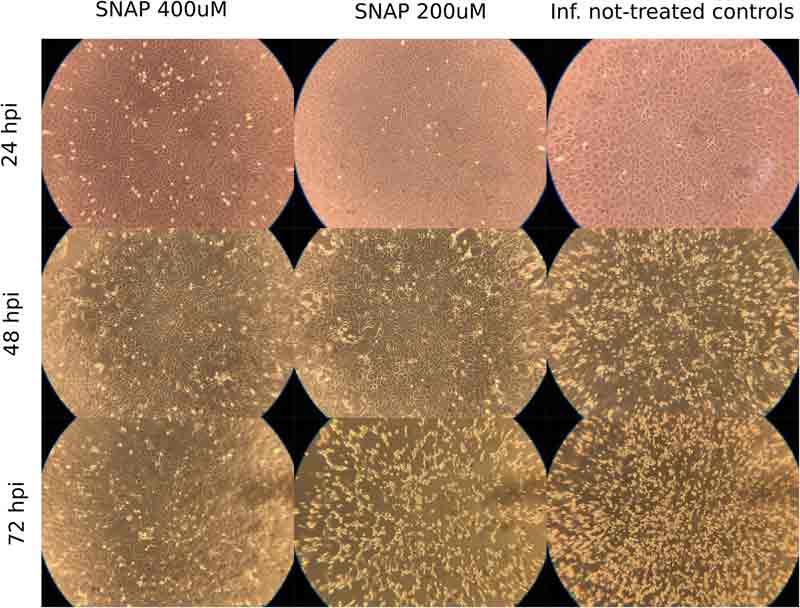
SARS-CoV-2 Main Protease Is an Attractive Drug Candidate
The SARS-CoV-2 main protease is a key enzyme in the virus’ life cycle,15 which makes it an attractive target for drug development.16 As explained in one Science paper,17 the SARS-CoV-2 main protease enzyme “cuts the polyproteins translated from viral RNA to yield functional viral proteins.”
By targeting this enzyme, researchers believe you can effectively combat SARS-CoV-2, and that is precisely what NO does. According to the Swedish researchers:18
“Based on this study and previous studies on SARS-CoV in vitro, and in a small clinical trial, we conclude that NO may be applied for clinical use in the treatment of COVID-19 and other human coronavirus infections.”
How to Increase NO Production Naturally
While the Swedish researchers suggest using NO inhalation therapy — which is already used for conditions such as hypoxic respiratory failure in adults19 and respiratory failure in neonates20 — you could also boost your resilience against the virus by implementing lifestyle strategies that increase your natural NO production.
For clarity, these strategies would not be of immediate help if you come down with a SARS-CoV-2 infection. Rather, by increasing your body’s production of NO on a regular basis, the virus may be less likely to gain a foothold if you’re exposed to it. That said, three strategies that will increase NO production in your body include:
- Blood flow restriction training (BFR)21
- Getting sensible sun exposure on large portions of your body, as NO is released into your bloodstream when sunlight hits your skin22,23
- Eating nitrate-rich plant foods24,25,26 such as arugula and red beets. NO production can be further magnified by combining these foods with probiotics27
BFR Boosts Vascular Function by Increasing NO
To give you some more details about these strategies, BFR has been shown to improve your vascular function, and one of the ways by which it does this is by increasing NO production. As explained in a 2012 study published in the International Journal of Vascular Medicine:28
“… after several minutes of arterial cuff occlusion at proximal or distal portion in any artery, for example, brachial and popliteal artery, immediate cuff deflation can lead to increase shear stress induced by reactive hyperemia and activate endothelial nitric oxide (NO) synthase (eNOS).
This activation leads to a shear-stress-mediated augmented NO production in endothelial cells … NO bioavailability in the endothelial cell … is an important factor and predictor in protecting against cardiovascular disease.”
The local muscle hypoxia brought on by BFR exercise also significantly increases vascular endothelial growth factor (VEGF), which act like “fertilizer” for your blood vessels. The medical term for this development of new blood vessels is angiogenesis. Angiogenesis, in turn, enhances NO bioavailability.
The following graph illustrates the vascular changes that occur in response to BFR. To learn more about BFR, including how to perform it properly, see “What You Need to Know About Blood Flow Restriction Training.”
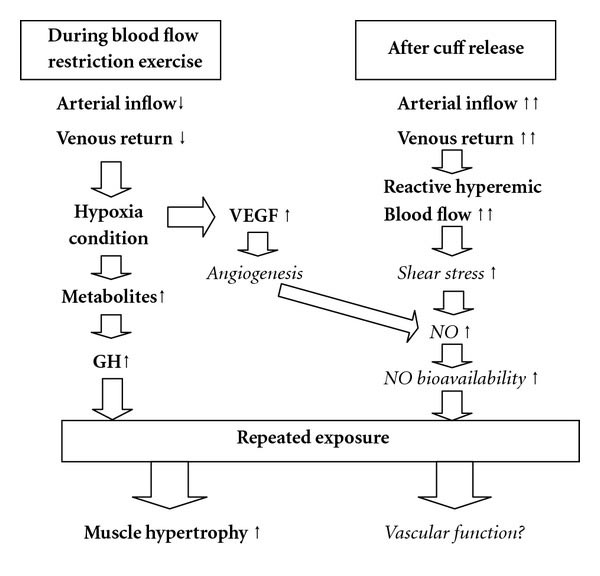
Whole Body UVA Irradiation Triggers NO Release
Next up: Sun exposure. It doesn’t get any easier than this, really. All you need to do is expose as much skin as possible to bright sunlight. As always, you’ll want to make sure you don’t stay out too long. Sunburn is counterproductive as it will only harm your skin. Once your skin turns the lightest shade of pink, move into the shade or put on clothing and a hat.
Ultraviolet A (UVA) and the near-infrared light spectrum both increase NO, so you’re getting that benefit from both ends of the light spectrum. As explained in a 2009 paper29 in the journal Circulation Research, when you expose your body to sunlight, photolabile NO derivates such as nitrite and S-nitroso thiols decompose and form vasoactive NO. (Photolabile means the compounds are altered or undergo chemical changes in response to light).
Eat a Nitrate-Rich Diet
Lastly, the dietary component. Dietary nitrates are converted into nitrites by oral bacteria during chewing. Once the nitrites are swallowed and come into contact with stomach acid, they get converted into NO. You can find more in-depth details about this conversion in “Top 9 Reasons to Optimize Your NO Production.” Nitrate-rich foods that can boost your NO level include:30,31,32
| Arugula | Red beets / fermented beets | Rhubarb |
| Cilantro | Butter leaf lettuce | Spring greens like mesclun mix |
| Basil | Oak leaf lettuce | Swiss chard |
As mentioned, taking a probiotic can optimize the NO production when eating nitrate-rich foods. The reason for this is because gut bacteria are involved in the first step of the NO metabolism chain. Probiotic bacteria such as Lactobacillus reduce nitrate to nitrite, the latter of which becomes a substrate for NO. So, by adding probiotics, you increase the NO substrate, which allows for higher levels of NO to be generated.
Aside from the many benefits already listed, NO has also been shown to improve muscle contractions in your diaphragm, thereby improving breathing. This, beside its antiviral effects, can have a direct benefit for COVID-19.
For the study,33 researchers split old mice into two groups. (For reference, the mice used in the study were 24 months old, which is equivalent to about 70 years of age in humans.) One group was given drinking water that contained sodium nitrate daily for 14 days. The other group was given plain water.
After the study period, they measured the isometric force and peak power of the diaphragm muscles in the mice and found that both significantly increased in the nitrate group. This increase in force and power translated to improved contraction of the diaphragm muscle, which can then improve lung function and breathing.
The increased power in the diaphragm could also help older people clear their lungs more effectively, which may help reduce the risk of developing infections. Your body’s ability to produce NO declines with age, so it’s important to take steps to increase your NO production as you get older. Respiratory muscle function also declines with age, contributing to breathing troubles, impaired airway clearance and a decreased quality of life.
Since nitrates can improve muscle function of the diaphragm, it may help improve the outlook for older populations with respiratory infections like COVID-19. Dietary nitrates also improve oxygen uptake by dilating the blood vessels and allowing more oxygen to be delivered to muscles, like the diaphragm, and other cells.34
How Molecular Hydrogen Impacts NO Production
In conclusion, I’d like to address the detrimental side of NO, and how this plays into COVID-19. As explained by Tyler W. LeBaron in a recent video lecture featured in “How Molecular Hydrogen Can Help Your Immune System,” most of the destruction wrought by SARS-CoV-2 is through reactive oxygen species (ROS) and systemic inflammation.
And, as mentioned earlier, NO is both a free radical and a signaling molecule. As such, it can have either positive or negative effects, depending on its levels and what else is going on.
ROS are molecules that cause oxidative damage. However, they’re not all bad all the time. Neutrophils that produce ROS also produce NO and superoxide. Superoxide helps kill pathogens, but you also don’t want too much of it, so it needs to be regulated. The same goes for NO.
While NO can inhibit viral replication and boost your immune system, you don’t want too much, because as levels of superoxide and NO rise, they combine and form peroxynitrites, which are extremely damaging. Peroxynitrites in turn form hydroxyl radicals, the most cytotoxic ROS.
Normally, when superoxide has done its job, it’s converted by superoxide dismutase into hydrogen peroxide, which in turn is converted into water and oxygen. This process is regulated by a transcription factor called Nrf2/keap1.
When this transcription factor is activated, it triggers your body’s natural antioxidants such as glutathione and catalase. Nrf2 — which is involved in phase 2 detoxification — regulates more than 200 protective proteins and enzymes. The problem is that when ROS is overabundant and out of control, the Nrf2 system is depleted and can no longer regulate the inflammatory process.
Molecular hydrogen (H2 gas) has the ability to activate the Nrf2/keap1 pathway, thereby replenishing your endogenous antioxidants. In so doing, H2 helps regulate and maintain homeostasis in the whole system, preventing the infection from getting out of control and causing cell death.
H2 can also lower excessive NO and superoxide production by downregulating NOX and NOS enzymes. In a scenario such as COVID-19, this would be good, as when these two molecules are excessively elevated they combine to create the pernicious peroxynitrite molecule.
Considering very high levels of NO appear to be part of the COVID-19 disease process in the later stages, it seems NO inhalation therapy might be best suited in the early stages of infection, not the more advanced stages when inflammation is running wild.
As noted by the Front-Line COVID-19 Critical Care (FLCCC) Alliance,35,36 peak viral replication takes place at the earliest signs of symptoms, which include cold/flu-like symptoms, loss of taste and smell, myalgia (muscle pain) and general malaise.
At this time, the focus should be on antiviral therapies — which is what NO inhalation therapy, in this case, could be designated as. As symptoms worsen, viral replication actually diminishes automatically, giving way to immune dysregulation, so at this point, NO might cause more problems than it solves.
Nebulized Hydrogen Peroxide — A Highly Effective Home Remedy
While unrelated to NO, I believe one of the most effective treatment options available is nebulized hydrogen peroxide. This is a home remedy I recommend everyone familiarize themselves with, as in many cases it can improve symptoms within mere hours. It is particularly effective in those who are in the later stages of the illness.
Dr. David Brownstein, who has successfully treated over 100 COVID-19 patients with nebulized hydrogen peroxide, published a case paper37 about this treatment in the July 2020 issue of Science, Public Health Policy and The Law. He also discusses its benefits in a recent interview I did with him.
In my April 2020 article, “Could Hydrogen Peroxide Treat Coronavirus?” I reviewed some of the basic science of how hydrogen peroxide works, as well as some of the studies assessing its therapeutic potential. The most relevant study38 was published in March 2020 in the Journal of Hospital Infection. They studied 0.5% hydrogen peroxide, and found it killed human coronaviruses, including the coronaviruses responsible for SARS and MERS.
Nebulized hydrogen peroxide is extremely safe. Brownstein has used it for 25 years with no ill effects being found. It’s also incredibly inexpensive, and you can administer it at home, without a prescription. In my view, it is one of the absolute best therapies for viral infections like SARS-CoV-2 or even worse respiratory viruses that will likely be unleashed in the future.
I strongly recommend buying a desktop nebulizer. It needs to produce a very fine mist, and desktop versions are stronger than handheld battery operated models. The one I use is the Pari Trek S Compressor Aerosol System with a face mask, (sold separately) not with the supplied mouth piece.
It is important to acquire the equipment and peroxide BEFORE you need it, as the sooner you treat the infection the better your results will be, although the testimonials are unbelievably impressive even in late stage illness. It is not necessary to treat yourself preventively, but only if you are sick or exposed to someone who is.
While I’ve been using a 0.1% dilution, Brownstein uses an even lower concentration of just 0.04%. Neither Brownstein nor I recommend using commercial 3% hydrogen peroxide found in most grocery stores, as it has potentially toxic chemical stabilizers in it. For optimal benefits, use food-grade peroxide and dilute it appropriately, using saline.
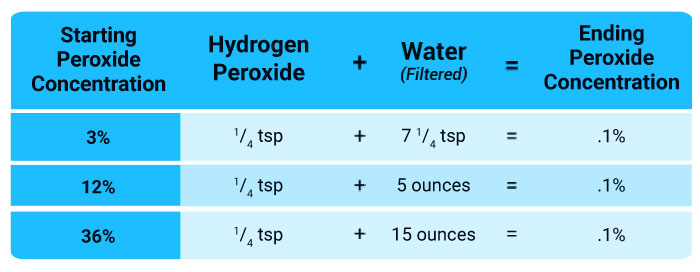
To dilute 35% food-grade peroxide into a 0.04% solution, first dilute it down to 3% by mixing 1 part peroxide with 10 parts sterile water, then take 3 cubic centimeters (CCs) of that 3% dilution and add it to a 250CC bag of normal saline. This brings it down to a .04% hydrogen peroxide concentration. In the video above, I go over the basics of how to do nebulized peroxide.
- 1, 13, 14, 18 Redox Biology 2020; 37: 101734
- 2 Science Daily, October 3, 2020
- 3 New York Daily News April 20, 2017
- 4 Express.co.uk April 20, 2017
- 5 Cell Metabolism 2018 Jul 3;28(1):9-22
- 6 American Journal of Cell Physiology 2017 Mar 1; 312(3): C254–C262
- 7 J Appl Physiol (1985). 2009 Oct;107(4):1144-55
- 8 Journals of Gerontology November 9, 2016, glw219
- 9 Neuroscience News April 19, 2017
- 10 PNAS October 12, 2010. 107 (41) 17716-17720
- 11 Free Radical Biology and Medicine September 2006; 41(5): 691-701
- 12 Hypertension 2008 Mar;51(3):784-90
- 15, 17 Science April 24, 2020; 368(6489): 409-412
- 16 Bioorg Med Chem Lett. 2020 Sep 1; 30(17): 127377
- 19 INOmax.com
- 20 NEJM 2006; 355:354-364
- 21, 28 International Journal of Vascular Medicine 012; 2012: 543218, 2.4. Flow Mediated Dilation
- 22 J Invest Dermatol. 2014 Jul;134(7):1839-1846
- 23 Circ Res. 2009 Nov 6;105(10):1031-40
- 24, 30 Morning Steel, Nitric Oxide Foods
- 25, 31 Anabolic Men, Nitric Oxide Foods
- 26, 32 Livestrong, Fruits and Vegetables High in Nitrates
- 27 PLOS One 2015; 10(3): e0119712
- 29 Circulation Research November 6, 2009;105(10):1031-40
- 33 J Physiol (2020)
- 34 Nutrients. 2017;9(1)
- 35 EVMS Medical Group, Critical Care COVID-19 Management Protocol (PDF)
- 36 Youtube,COVID-19 Patient Management with Dr. Paul Marik (Author of MATH+ Protocol)
- 37 Science, Public Health Policy and The Law July 2020; 1: 4-22 (PDF)
- 38 J Hosp Infect. 2020 Mar;104(3):246-251
Yikes! Aspirin warning will shock many cancer and heart disease patients, NEW study
Reproduced from original article:
www.naturalhealth365.com/baby-aspirin-cancer-3589.html
by:
 (NaturalHealth365) For many years, we’ve been told that taking a small amount of aspirin – also known as acetylsalicylic acid (ASA) – can help to prevent heart events like a heart attack or stroke. In fact, many physicians recommend that their patients over age 65 take a “baby” aspirin daily. But, it turns out that taking aspirin daily may have serious consequences.
A new study published in the Journal of the National Cancer Institute found that taking a low dose of this medication (daily) may actually speed up the spread and progression of cancer cell growth in adults over the age of 65. And previous studies have found that along with some serious health risks, that baby aspirin may not even offer protection against chronic disease conditions.
Aspirin linked to faster cancer cell growth and premature death in older adults
Researchers looked at the daily use of 100 mg of aspirin in 2,411 U.S (65 years old and older) and 16,703 Australian participants (70 years old and older). Participants in the study were free from heart disease, dementia, and other physical disabilities.
Among the group taking aspirin daily, there were 981 cancer events, while only 952 events occurred within the group taking a placebo. Deaths were especially high among those with an advanced case of cancer who were taking aspirin.
Not only did researchers find a link between taking aspirin daily and the occurrence of metastasis or the progression of cancer to a stage 4 diagnosis, but patients had a higher risk of dying if they had cancer that was presented at stage 3. According to the study’s authors, they believe that aspirin could suppress the immune or antitumor inflammatory responses essential to controlling the spread and growth of later-stage cancers.
This effect may be more pronounced among aging adults who already may have an antitumor immunity that’s compromised.
Do NOT ignore the health dangers linked to toxic indoor air. These chemicals – the ‘off-gassing’ of paints, mattresses, carpets and other home/office building materials – increase your risk of headaches, dementia, heart disease and cancer.
Get the BEST indoor air purification system – at the LOWEST price, exclusively for NaturalHealth365 readers. I, personally use this system in my home AND office. Click HERE to order now – before the sale ends.
Bad advice: You are NOT really being protected from disease symptoms
This isn’t the first time that the recommendation of taking a baby aspirin daily has been called into question. The Aspirin in Reducing Events in the Elderly (ASPREE) study previously found that the rates of heart disease, stroke, and dementia were similar among those taking this pain reducing medication and those who did not, which means that taking this commonly used drug doesn’t appear to offer much protection against disease, particularly in older adults.
Along with a lack of protection, data showed that bleeding incidents happened more frequently among those taking even a small amount of aspirin, leaving individuals at a greater risk for brain, stomach, and intestinal bleeding.
If you’re not taking aspirin, think twice before starting to take it daily. Eating a healthier (organic) diet, being physically active and making sure you get plenty of vitamin C, D and omega-3 fatty acids from foods and supplements are safe measures you can take to reduce your risk of heart disease.
For those already on a daily dose of pain relieving drugs, talk to an integrative physician about the potential dangers, and discuss the less risky options available for your medical situation.
Sources for this article include:
Medicalxpress.com
Drugs.com
Physiciansweekly.com
NaturalHealth365.com