Minerals
now browsing by category
COVID Vaccines and Neurodegenerative Disease
Reproduced from original article:
https://articles.mercola.com/sites/articles/archive/2022/03/17/covid-vaccines-and-neurodegenerative-disease.aspx
The original Mercola article may not remain on the original site, but I will endeavor to keep it on this site as long as I deem it to be appropriate, and will not be bullied into removing it.
Analysis by Dr. Joseph Mercola Fact Checked March 17, 2022
STORY AT-A-GLANCE
- Stephanie Seneff, a senior research scientist at the Massachusetts Institute of Technology (MIT), is speaking out about the risks of COVID-19 shots, including their link to neurodegenerative diseases and vaccine acquired immunodeficiency syndrome (VAIDS)
- Seneff believes that we can learn lessons from Parkinson’s disease about how the spike protein from COVID-19 shots could be leading to a prion-like disease, in part due to similarities between α-synuclein — the main protein found in Lewy body deposits in the brains of people with Parkinson’s disease — and spike protein
- Genetic modifications introduced by COVID-19 shots may induce immune cells to release large quantities of exosomes into circulation; exosomes are extracellular vesicles that may contain mRNA along with spike protein
- Seneff discusses the possibility that people who have received COVID-19 shots could shed vaccine particles to those around them, potentially leading to shot-induced disease or symptoms
- Eating a nutrient-dense, organic, sulfur-rich diet and getting regular sun exposure may help your body detox from COVID-19 shots
Stephanie Seneff, a senior research scientist at the Massachusetts Institute of Technology (MIT), is speaking out about the risks of COVID-19 shots, including their link to neurodegenerative diseases and vaccine acquired immunodeficiency syndrome (VAIDS).
Seneff is perhaps most well known for her studies on the chemical glyphosate. She determined that the increase in glyphosate usage in the U.S., as well as in Canada, is extremely well-correlated with the concurrent increase in the incidence of multiple diseases, including breast cancer, pancreatic cancer, kidney cancer, thyroid cancer, liver cancer, bladder cancer and myeloid leukemia.1
She also believes that glyphosate exposure may have worsened COVID-19 outcomes for many people, and could also lead to more severe reactions following COVID-19 shots, but as the pandemic progressed, she got involved in researching messenger RNA (mRNA) shots.
“It’s a technology that was extremely novel, that had never been used before, and I felt really worried about that,” Seneff told Zeee Media.2 “That degree of sophistication in the technology would normally take 12 years to get to market, and normally only 2% of products that were tried would actually make it to the market.”
This led Seneff, who holds a B.S. degree in biophysics, M.S. and E.E. degrees in electrical engineering and a Ph.D. in electrical engineering and computer science, to do a deep dive into mRNA shots.
Problems With mRNA Technology
mRNA COVID-19 shots teach your cells to produce a protein, or piece of protein, that triggers an immune response, including the production of antibodies.3 However, because natural mRNA is easily broken down, this means the experimental gene therapy needs a special delivery system to make it to the body’s cells.
The shots use lipid nanoparticles that contain polyethylene glycol (PEG)4 for this purpose. The mRNA is wrapped in lipid nanoparticles (LNPs) that carry it to your cells, and the LNPs are “PEGylated” — that is, chemically attached to PEG molecules to increase stability.5
Usually, if you were to inject RNA into your body, enzymes would immediately break it apart, but the COVID-19 shots are specifically designed so that doesn’t happen. Instead, the RNA doesn’t break down and quickly and efficiently begins producing protein. Seneff says:6
“They also basically redesigned the RNA itself, first of all to make it look like a human RNA rather than a viral one, so the cell does not realize it’s been invaded, because it looks like a human molecule … So they’ve done all of these things — everything they can think of — to make sure that it’s sturdy, that it sticks around, that it doesn’t degrade, and it keeps on making protein.”
In fact, Seneff states that recent studies show mRNA and the spike protein persists in the lymph nodes of people who’ve received COVID-19 shots at least 60 days later — something Seneff says is not only really shocking but also completely abnormal.7
Another important point is that, by injecting the mRNA, it bypasses barriers that a virus would face after natural exposure. The virus would be inhaled and pass through your nose into your lungs.
“If you have a strong immune system,” Seneff says, “it will stay in your lungs, it won’t go beyond that.” However, once it enters your tissues and bloodstream, it can cause systemic problems, which can occur in serious cases of natural infection as well as after receiving a COVID-19 injection.
Spike Protein Is Neurotoxic, Even Without the Virus
Spike protein is naturally found in SARS-CoV-2 and is also produced in your body when you receive a COVID-19 shot. In its native form in SARS-CoV-2, the spike protein is responsible for the pathologies of the viral infection.
It’s also been revealed that the spike protein on its own is enough to cause inflammation and damage to the vascular system, even independent of a virus.8 It’s also neurotoxic, according to Seneff, and spike proteins can circulate in your body after infection or injection, causing damage to cells, tissues and organs.
For instance, Pfizer’s biodistribution study, which was used to determine where the injected substances end up in the body, showed the COVID spike protein from the shots accumulated in “quite high concentrations” in the ovaries.9
Further, a Japanese biodistribution study for Pfizer’s jab found that vaccine particles move from the injection site to the blood, after which circulating spike proteins are free to travel throughout the body, including to the ovaries, liver, neurological tissues and other organs.10
Evidence the Shots May Affect the Brain
Seneff believes that we can learn lessons from Parkinson’s disease about how the spike protein from COVID-19 shots could be leading to a prion-like disease, in part due to similarities between α-synuclein — the main protein found in Lewy body deposits in the brains of people with Parkinson’s disease — and spike protein.
Writing in the International Journal of Vaccine Theory, Practice and Research, Seneff and Greg Nigh, who is involved in naturopathic oncology at Immersion Health in Oregon, explained the relevance of prion-protein-related amino acid sequences within the spike protein:11
“There are many parallels between α-synuclein and the spike protein, suggesting the possibility of prion-like disease following vaccination. We have already shown that the mRNA in the vaccine ends up in high concentrations in the liver and spleen, two organs that are well connected to the vagus nerve.
The cationic lipids in the vaccine create an acidic pH conducive to misfolding, and they also induce a strong inflammatory response, another predisposing condition. Germinal centers are structures within the spleen and other secondary lymphoid organs where follicular dendritic cells present antigens to B cells, which in turn perfect their antibody response.
Researchers have shown that mRNA vaccines, in contrast with recombinant protein vaccines, elicit a robust development of neutralizing antibodies at these germinal centers in the spleen. However, this also means that mRNA vaccines induce an ideal situation for prion formation from the spike protein, and its transport via exosomes along the vagus nerve to the brain.”
Genetic modifications introduced by COVID-19 shots may induce immune cells to release large quantities of exosomes into circulation. Exosomes are extracellular vesicles that contain protein, DNA, RNA and other constituents, and may contain mRNA along with spike protein. According to Seneff and colleagues:12
“[W]e present the evidence that vaccination, unlike natural infection, induces a profound impairment in type I interferon signaling, which has diverse adverse consequences to human health.
We explain the mechanism by which immune cells release into the circulation large quantities of exosomes containing spike protein along with critical microRNAs that induce a signaling response in recipient cells at distant sites.
We also identify potential profound disturbances in regulatory control of protein synthesis and cancer surveillance. These disturbances are shown to have a potentially direct causal link to neurodegenerative disease, myocarditis, immune thrombocytopenia, Bell’s palsy, liver disease, impaired adaptive immunity, increased tumorigenesis, and DNA damage.”
Shedding May Also Occur Via Exosomes
Seneff also discusses the possibility that people who have received COVID-19 shots could shed vaccine particles to those around them, potentially leading to shot-induced disease or symptoms.
Studies by Pfizer suggested, in fact, that secondary exposure to the vaccine could occur, using the examples of exposure by inhalation or skin contact, as well as “environmental exposure during pregnancy.”
One example given included: “A male family member or health care provider who has been exposed to the study intervention by inhalation or skin contact then exposes his female partner prior to or around the time of conception.”13 While this may seem hard to believe, Seneff said there is a plausible explanation of how COVID-19 shots could lead to shedding:14
“[T]here is a plausible process by which it could occur through the release of exosomes from dendritic cells in the spleen containing misfolded spike proteins, in complex with other prion reconformed proteins.
These exosomes can travel to distant places. It is not impossible to imagine that they are being released from the lungs and inhaled by a nearby person. Extracellular vesicles, including exosomes, have been detected in sputum, mucus, epithelial lining fluid, and bronchoalveolar lavage fluid in association with respiratory diseases.”
Further, experimental and observational evidence show that the human immune response to COVID-19 shots is very different from the response induced by exposure to SARS-CoV-2, and people who’ve received COVID-19 shots may have damage to their innate immune system that’s leading to a form of VAIDS, due to the impairment in interferon signaling.15
“Without the type I interferon response, the T cells don’t build up the way they should following infection or in response to cancer, so they become unable to control the infection because they’re not being produced. Their production is triggered by that type I interferon response that is not happening,” Seneff said.16
Simple Methods to Detox From the Shots
Seneff and colleagues are calling for comprehensive research and surveillance practices to monitor adverse events associated with mRNA shots as well as track biological effects via tests such as D-dimer, fibrinogen and C-reactive protein.
“Studies comparing populations who were vaccinated with the mRNA vaccines and those who were not to confirm the expected decreased infection rate and milder symptoms of the vaccinated group, while at the same time comparing the rates of various autoimmune diseases and prion diseases in the same two populations,” are also needed, she wrote, along with, “Studies to assess whether it is possible for an unvaccinated person to acquire vaccine-specific forms of the spike proteins from a vaccinated person in close proximity.”17
Fortunately, there are ways to help detoxify your body from COVID-19 shots. Most importantly, Seneff recommends eating a certified organic whole foods diet, to avoid glyphosate and other chemicals in food. In addition, focus on eating a nutrient-dense diet that concentrates on sulfur-rich foods like onions, garlic and cruciferous vegetables, as well as organic eggs, grass fed beef and seafood, with plenty of colorful fruits and vegetables.
In addition, Seneff recommends regular sunlight exposure to your skin and eyes, which helps you produce vitamin D as well as sulfate. A group of international doctors and holistic practitioners who have experience helping people recover from COVID-19 and post-injection illness compiled natural options for helping to reduce your body’s spike protein load. The following are spike protein inhibitors, which means they inhibit the binding of the spike protein to human cells:18
| Prunella vulgaris | Pine needles |
| Emodin | Neem |
| Dandelion leaf extract | Ivermectin |
They also compiled a list of spike protein neutralizers, which render it unable to cause further damage to cells. This includes:
| N-acetylcysteine (NAC) | Glutathione |
| Fennel tea | Star anise tea |
| Pine needle tea | St. John’s wort |
| Comfrey leaf | Vitamin C |
Many natural IL-6 inhibitors, or anti-inflammatories, exist and may also be useful for those seeking to detox from COVID-19 or COVID-19 injections:19
| Boswellia serrata (frankincense) | Dandelion leaf extract | Black cumin (Nigella sativa) |
| Curcumin | Krill oil and other fatty acids | Cinnamon |
| Fisetin | Apigenin | Quercetin |
| Resveratrol | Luteolin | Vitamin D3 (with vitamin K) |
| Zinc | Magnesium | Jasmine tea |
| Spices | Bay leaves | Black pepper |
| Nutmeg | Sage |
– Sources and References
- 1 Journal of Biological Physics and Chemistry January 2015, 15(3):121-159
- 2 Rumble, Zeee Media, March 4, 2022, 2:36
- 3 U.S. CDC December 18, 2020
- 4 Anthrax Vaccine January 11, 2021
- 5 Science December 21, 2020
- 6 Rumble, Zeee Media, March 4, 2022, 5:00
- 7 Rumble, Zeee Media, March 4, 2022, 8:00
- 8 Circulation Research March 31, 2021
- 9 Children’s Health Defense June 3, 2021
- 10 Rights and Freedoms, Confidential Pfizer Research Document
- 11 International Journal of Vaccine Theory, Practice and Research May 10, 2021, page 61
- 12 Research Gate January 2022
- 13, 14 International Journal of Vaccine Theory, Practice and Research May 10, 2021, page 62
- 15 The Exposé January 30, 2022
- 16 Rumble, Zeee Media, March 4, 2022, 47:15
- 17 International Journal of Vaccine Theory, Practice and Research May 10, 2021, page 67
- 18, 19 World Council for Health, Spike Protein Detox Guide
Without Magnesium, Vitamin D Supplementation May Backfire
Reproduced from original article:
https://articles.mercola.com/sites/articles/archive/2022/02/21/magnesium-vitamin-d-supplementation.aspx
The original Mercola article may not remain on the original site, but I will endeavor to keep it on this site as long as I deem it to be appropriate, and will not be bullied into removing it.
Analysis by Dr. Joseph Mercola Fact Checked February 21, 2022

STORY AT-A-GLANCE
- When taking high-dose vitamin D3, it’s important to also take extra vitamin K2 and magnesium to avoid complications associated with excessive calcification
- Magnesium, the fourth most abundant mineral in your body, is a component necessary for the activation of vitamin D, and without sufficient amounts of it, your body cannot properly utilize the vitamin D you’re taking
- As many as 50% of Americans taking vitamin D supplements may not get significant benefit, as the vitamin D simply gets stored in its inactive form due to magnesium deficiency
- The only way to determine how much sun exposure is enough and/or how much vitamin D3 you need to take is to measure your vitamin D level, ideally twice a year
- To assess your magnesium level, check your RBC magnesium level and track signs and symptoms of magnesium insufficiency to determine how much magnesium you need. Low potassium and calcium are also common laboratory signs indicating magnesium deficiency
This article was previously published March 12, 2018, and has been updated with new information.
I’ve previously written about the importance of taking vitamin K2 when you’re taking high-dose supplemental vitamin D to avoid complications associated with excessive calcification in your arteries. Now, research highlights the vital importance of also taking magnesium in combination with vitamin D.
Magnesium, the fourth most abundant mineral in your body, is a component necessary for the activation of vitamin D, and without sufficient amounts of it, your body cannot properly utilize the vitamin D you’re taking.1,2,3,4
This may actually help explain why many need rather high doses of vitamin D to optimize their levels — it could be that they simply have insufficient amounts of magnesium in their system to activate the vitamin D. As noted by coauthor Mohammed Razzaque, professor of pathology at Lake Erie College of Osteopathic Medicine in Pennsylvania:5
“People are taking vitamin D supplements but don’t realize how it gets metabolized. Without magnesium, vitamin D is not really useful. By consuming an optimal amount of magnesium, one may be able to lower the risks of vitamin D deficiency, and reduce the dependency on vitamin D supplements.”
Without Magnesium, Vitamin D Supplements May Be Ineffective
According to this scientific review,6 as many as 50% of Americans taking vitamin D supplements may not get significant benefit, as the vitamin D simply gets stored in its inactive form. As reported in the press release by the American Osteopathic Association:7
“… [C]onsumption of vitamin D supplements can increase a person’s calcium and phosphate levels even if they remain vitamin D deficient. The problem is people may suffer from vascular calcification if their magnesium levels aren’t high enough to prevent the complication. Patients with optimum magnesium levels require less vitamin D supplementation to achieve sufficient vitamin D levels …
Deficiency in either of these nutrients is reported to be associated with various disorders, including skeletal deformities, cardiovascular diseases, and metabolic syndrome. While the recommended daily allowance for magnesium is 420 mg for males and 320 mg for females, the standard diet in the United States contains only about 50 percent of that amount.
As much as half of the total population is estimated to be consuming a magnesium-deficient diet.”
Higher Magnesium Intake Lowers Risk of Vitamin D Deficiency
Indeed, previous research has indicated that higher magnesium intake helps reduce your risk of vitamin D deficiency — likely by activating more of it. As noted in one 2013 study:8
“Magnesium plays an essential role in the synthesis and metabolism of vitamin D and magnesium supplementation substantially reversed the resistance to vitamin D treatment in patients with magnesium-dependent vitamin-D-resistant rickets … High intake of total, dietary or supplemental magnesium was independently associated with significantly reduced risks of vitamin D deficiency and insufficiency respectively.
Intake of magnesium significantly interacted with intake of vitamin D in relation to risk of both vitamin D deficiency and insufficiency. Additionally, the inverse association between total magnesium intake and vitamin D insufficiency primarily appeared among populations at high risk of vitamin D insufficiency.
Furthermore, the associations of serum 25(OH)D with mortality, particularly due to cardiovascular disease and colorectal cancer, were modified by magnesium intake, and the inverse associations were primarily present among those with magnesium intake above the median. Our preliminary findings indicate it is possible that magnesium intake alone or its interaction with vitamin D intake may contribute to vitamin D status.”
Vitamin D Lowers Mortality Risk of Heart Disease
Vitamin D, a steroid hormone, is vital for the prevention of many diseases, including but not limited to Type 2 diabetes, age-related macular degeneration (the leading cause of blindness), Alzheimer’s disease, heart disease and well over a dozen different types of cancer (including skin cancer). Vitamin D also exhibits its infection-fighting abilities in the treatment of tuberculosis, pneumonia, colds and flu.
Studies have also linked higher vitamin D levels with lowered mortality from all causes.9,10,11 Most recently, a Norwegian study12 published in the Journal of Clinical Endocrinology and Metabolism found “a normal intake of vitamin D” significantly reduces your risk of death if you have cardiovascular disease.13
About 4,000 patients diagnosed with stable angina pectoris (chest pain caused by coronary heart disease) were followed for 12 years. The average age at the outset of the study was 62. Overall, those with vitamin D blood levels between 16.8 and 40 ng/mL (42 to 100 nmol/L) had the lowest mortality risk.
Vitamin D Deficiency Could Increase Your COVID-19 Risk by 12x
Mounting evidence demonstrates that vitamin D has important roles in regulating the immune system that should reduce COVID-19 risks; primarily by reducing survival and replication of the SARS-CoV-2 virus and by reducing the risks of “cytokine storms” by reducing proinflammatory cytokine production and increasing anti-inflammatory cytokine production.
In the comprehensive vitamin D report below — which has been reviewed by many vitamin D scientists for accuracy — I detail how vitamin D works to fight COVID. I consider this the most important paper I’ve ever written and you can access this paper, free, here.14
Evidence Suggests Higher Vitamin D Levels Are Better
Interestingly, these findings are actually at odds with mounting research showing 40 ng/mL is at the low end of optimal. The new target is 60 to 80 ng/mL, but even a level upward of 100 ng/mL appears safe and beneficial for certain conditions, especially cancer. For example:
- Having a serum vitamin D level of 40 ng/mL has been shown to reduce your risk for cancer by 67%, compared to having a level of 20 ng/ml or less; most cancers were found to occur in people with a vitamin D blood level between 10 and 40 ng/mL15,16
- Research published in 2005 showed women with vitamin D levels above 60 ng/mL had an 83% lower risk of breast cancer than those with levels below 20 ng/mL17
- A 2007 study found women over 55 who raised their average serum level to 38 ng/mL lowered their risk of all invasive cancers, including breast cancer, by 77%18
Other recent research19 has also highlighted the importance of vitamin D for the prevention and treatment of heart disease, showing it plays a vital role in protecting and repairing damage to your endothelium. The findings also suggest vitamin D3:
- Helps trigger production of nitric oxide — a molecule known to play an important signaling role in controlling blood flow and preventing blood clot formation in your blood vessels
- Significantly reduces oxidative stress in your vascular system, which is important to help prevent the development and/or progression of cardiovascular disease
According to vitamin D researcher Dr. Michael Holick, author of “The Vitamin D Solution: A Three-Step Strategy to Cure Our Most Common Health Problem,” vitamin D deficiency — defined as a level below 20 ng/mL — can raise your risk of heart attack by 50%. What’s worse, if you have a heart attack while vitamin D deficient, your risk of dying is nearly guaranteed.
Vitamin D Levels Below 20 ng/mL Are Inadequate
Vitamin D levels below 20 ng/mL have repeatedly been shown to raise your risk for a number of other problems as well, including depression20 and Type 2 diabetes. Research suggests 20 ng/mL is not even adequate for the prevention of osteomalacia (softening of your bones).
In the case of depression, studies have shown that vitamin D deficiency is linked to even mild depression,21 and evidence suggests vitamin D deficiency may be a significant driver of the rise we see in both mood and mental disorders such as psychotic22 and obsessive-compulsive23 disorders.
As for diabetes, an analysis24 by GrassrootsHealth reveals people with a median vitamin D level of 41 ng/mL have a diabetes rate of 3.7 per 1,000, whereas those with a median serum level of just 22 ng/mL have a diabetes rate of 9.3 per 1,000. In other words, raising your level above 40 ng/mL can lower your risk of Type 2 diabetes by nearly 60%.
All in all, there’s very little reason to believe that a level as low as 16 ng/mL would be protective against death if you have heart disease. Research also shows higher vitamin D levels can help prevent and/or treat:
| Dry eye syndromes25,26 and macular degeneration27,28 |
| Autoimmune diseases, including psoriasis |
| Gastrointestinal diseases29 |
| Infectious diseases, including influenza and HIV30,31 |
| Inflammatory rheumatic diseases32 such as rheumatoid arthritis |
| Osteoporosis and hip fractures |
| Neurological diseases such as Alzheimer’s disease33,34 and epilepsy. In one study,35 epileptics given a one-time megadose of vitamin D3, ranging from 40,000 IUs all the way up to 200,000 IUs, followed by a daily dose of 2,000 to 2,600 IUs a day for three months to bring each individual’s vitamin D status to at least 30 ng/mL, resulted in significant improvements.
Ten out of 13 had a decrease in the number of seizures, five of whom experienced more than a 50% reduction. Overall, the group had a 40% reduction in the number of seizures. |
| Lupus — According to researchers in Cairo,36 most patients with systemic lupus erythematosus have some level of vitamin D deficiency, defined as a level of 10 ng/mL or less, or insufficiency, a level between 10 and 30 ng/mL. |
| Obstructive sleep apnea — In one study, 98% of patients with sleep apnea had vitamin D deficiency, and the more severe the sleep apnea, the more severe the deficiency.37 |
| Falls, fractures, dental health and more — A 2006 review38 looking at vitamin D intakes and health outcomes such as bone mineral density, dental health, risk of falls, fractures and colorectal cancer, found “the most advantageous serum concentrations of 25(OH)D begin at 30 ng/mL, and the best are between 36 to 40 ng/mL.” |
| Obesity — Research39 has shown vitamin D supplementation (4,000 IUs/day) combined with resistance training helps decrease your waist-to-hip ratio — a measurement that is far better at determining your risk for Type 2 diabetes and heart disease than body mass index. |
| Neurodegenerative diseases, including multiple sclerosis (MS).40 Research shows MS patients with higher levels of vitamin D tend to experience less disabling symptoms.41 |
Assess Your Vitamin D and Magnesium Levels
The best way to optimize your vitamin D level is through sensible sun exposure. Unfortunately, this can be difficult for many, especially during the winter season and/or if you live in northern regions. If you cannot obtain sufficient amounts of vitamin D through sun exposure, taking a supplement is recommended.
Remember that the only way to determine how much sun exposure is enough and/or how much vitamin D3 you need to take is to measure your vitamin D level, ideally twice a year.
The D*Action Project by GrassrootsHealth is a cost-effective way to do this, while simultaneously progressing valuable research. To participate, simply purchase the D*Action Measurement Kit and follow the registration instructions included.
To assess your magnesium level, check your RBC magnesium level and track signs and symptoms of magnesium insufficiency to determine how much magnesium you need. Low potassium and calcium are also common laboratory signs indicating magnesium deficiency.
The Interplay of Vitamin D, Calcium, Magnesium and Vitamin K2
When supplementing, also remember to take synergistic effects with other nutrients into account. If you take high-dose vitamin D, you may also need to increase your intake of:
- Magnesium
- Vitamin K2
- Calcium
These four nutrients — vitamins D and K2, calcium and magnesium — all work in tandem, and rely on sufficient amounts of each to work optimally. Lack of balance between these four nutrients is why calcium supplements have become associated with increased risk of heart attack and stroke, and why some experience symptoms of vitamin D toxicity. Here’s a summary of some of the most important correlations between these nutrients:
•Excessive vitamin D in combination with lack of vitamin K2 may cause overabsorption of calcium, which in turn may result in calcium deposits in your heart and kidneys. Part of the explanation for these adverse side effects is that vitamin K2 keeps calcium in its appropriate place — in your teeth and bones and out of soft tissues and arteries.
While the optimal ratios between vitamin D and vitamin K2 have yet to be established, taking somewhere between 100 to 200 micrograms (mcg) of K2 is beneficial. Telltale signs of vitamin K2 insufficiency include osteoporosis, heart disease and diabetes. You’re also more likely to be deficient if you rarely eat vitamin K2-rich foods (see listing below).
•Vascular calcification is also a side effect of low magnesium, so when taking vitamin D3, you need both vitamin K2 and magnesium to make sure everything is working properly.
•Maintaining an appropriate calcium-to-magnesium ratio is also important, as magnesium helps keep calcium in your cells so they can function better. Based on your personal health needs an ideal ratio of calcium-to-magnesium may vary from 1-to-1 to an optimal 1-to-2.42,43
•Magnesium and vitamin K2 also complement each other, as magnesium helps lower blood pressure, which is an important component of heart disease.
Eat a Varied Diet and Get Sensible Sun Exposure
The take-home message is that anytime you’re taking supplemental magnesium, calcium, vitamin D3 or vitamin K2, you must take all the others into consideration as well. While supplements can be helpful in some instances, your best and safest bet is to simply eat more calcium-, magnesium- and vitamin K2-rich foods, along with sensible sun exposure.
Food-derived nutrition is typically going to be the most beneficial, and this is particularly true for calcium. When you take a biologically foreign form of calcium, or when your body’s ability to direct calcium to the right places becomes impaired (as when you are deficient in vitamin K2 and/or magnesium), calcium is deposited where it shouldn’t be, such as in your arteries.
It’s more likely your body can use calcium correctly if it’s plant-derived calcium. Here’s a quick summary of foods known to be high in these important nutrients:
• Vitamin K2 — Grass fed organic animal products such as eggs and butter, fermented foods such as natto, goose liver pâté and vitamin K2-rich cheeses such as Brie and Gouda
• Magnesium — Almonds and cashews, bananas, broccoli and Brussels sprouts, brown rice, free-range pastured egg yolk, flaxseed, grass fed raw milk, mushrooms, pumpkin seeds, sesame seeds, sunflower seeds and leafy green vegetables, especially spinach, Swiss chard, turnip greens, beet greens, collard greens, kale, Bok Choy and romaine lettuce
• Calcium — Raw milk from grass fed cows (who eat plants), leafy green vegetables, the pith of citrus fruits, carob and wheatgrass
- 1 Live Science February 26, 2018
- 2 Medicalxpress.com February 27, 2018
- 3 News-Medical.net February 26, 2018
- 4 Wellandgood.com February 26, 2018
- 5, 7 Eurekalert February 27, 2018
- 6 Journal of the American Osteopathic Association March 2018; 118: 181-189
- 8 BMC Medicine 2013; 11: 187
- 9 Institute of Medicine, Committee to Review Dietary Reference Intakes for Vitamin D & Calcium, Dietary Reference Intakes for Calcium & Vitamin D, 2011
- 10 J Clin Endocrinol Metab 2013;98:2160-2167
- 11 PLOS One 2013: 8(12); e82109
- 12 Journal of Clinical Endocrinology and Metabolism January 9, 2018, jc2017-02328
- 13 Medicalxpress.com March 1, 2018
- 14 Vitamin D in the Prevention of COVID-19
- 15 PLOS ONE 2016; 11 (4): e0152441
- 16 Oncology Nurse Advisor April 22, 2016
- 17 European Journal of Cancer 2005 May;41(8):1164-9
- 18 American Journal of Clinical Nutrition June 2007; 85(6): 1586-1591
- 19 International Journal of Nanomedicine January 19. 2018; 2018(13): 455-466
- 20 Issues Mental Health Nursing June 2010; 31(6): 385-393
- 21 Molecular Psychiatry 19, 444–451 (2014). April 9, 2013
- 22 Journal of Clinical Psychiatry 2017 Jul;78(7):e750-e757
- 23 Psychiatry Research August 2017; 254: 232-237
- 24 Grassrootshealth.net, Vitamin D for Diabetes
- 25 International Journal of Rheumatic Diseases August 13, 2015 DOI: 10.1111/1756-185X.12727
- 26 Endocrinology Advisor August 24, 2015
- 27 JAMA Ophthalmology August 27, 2015;133(10):1171-1179
- 28 Epoch Times September 2, 2015
- 29 Scientific Reports 10. Article number: 21641 (2020) December 10, 2020
- 30 Greensboro.com July 27, 2015
- 31 Scidev.net July 24, 2015
- 32 Intechopen Vitamin D in Rheumatic Diseases. August 8, 2019
- 33 The Journals of Geriontology 2012 Nov;67(11):1205-11
- 34 Vitamin D Council, April 23, 2012
- 35 Epilepsy and Behavior 2012 May;24(1):131-3
- 36 Healio September 4, 2015
- 37 Bel Marra Health May 3, 2016
- 38 American Journal of Clinical Nutrition July 2006: 84(1); 18-28
- 39 Clinical Nutrition September 3, 2012
- 40 PLOS Medicine August 25, 2015 DOI: 10.1371/journal.pmed.1001866
- 41 Reliawire December 31, 2015
- 42 Emerson Ecologics. The Importance of the Calcium Magnesium Ratio
- 43 Current Developments in Nutrition Volume 3, Issue Supplement_1, June 2019
A Hallmark of Covid-19: Cytokine Storm/Oxidative Stress and its Integrative Mechanism
Reproduced from original OMNS article (OrthoMolecular News Service):
https://orthomolecular.activehosted.com/
Subscribe to the free Orthomolecular Newsletter: http://orthomolecular.org/subscribe.html
Go to the OMNS Archive: http://orthomolecular.org/resources/omns/index.shtml
by Richard Z. Cheng, M.D., Ph.D.
OMNS (Jan. 22, 2022) Cytokine storm has recently been recognized as the key pathology responsible for the severe symptoms of Covid-19 and other viruses and non-viral agents. The underlying biochemical cause of cytokine storm is excessive oxidative stress. Cytokine storm and its associated oxidative stress appears to be a universal non-specific mechanistic pathway common among many causative agents, for example viruses, that leads to severe clinical disease.
A biochemical sequence known as “lipid peroxidase chain reaction” (LPCR) plays a critical role in oxidative stress and cytokine storm. Prevention and blocking the occurrence of cytokine storm/oxidative stress appears to be a logically sound and effective strategy to prevent the severe symptoms of Covid-19. If this could be performed world-wide, it could reduce the devastating medical, economic and societal impact of the Covid-19 pandemic. Preventing or blocking LPCR and the excessive oxidative stress requires intact antioxidant systems, especially the antioxidant vitamins and nutrients, including vitamins C, E, CoQ10, alpha lipoic acid, glutathione and niacin (to promote NADP+/NADP), selenium and others. Insufficiency or absence of any of these antioxidant agents may render these antioxidant systems ineffective, which may be responsible for the inconsistent results of antioxidant therapies in the literature.
Here we propose an integrative and systematic therapy that includes these antioxidant vitamins, minerals, and nutrients. The “universal and non-specific nature” of cytokine storm/oxidative stress makes possible a pre-emptive treatment to prevent or block cytokine storm/oxidative stress induced by severe diseases, even before full recognition of the underlying causative agent. This is very significant because it allows us to potentially prevent and block a pandemic of a new virus or a new viral mutant when it happens without requiring the extended time needed to develop a specific drug or vaccine treatment. With the seemingly endless mutations of SARS-Cov-2, we may still have time to apply this strategy to break the Covid-19 pandemic.
A key hallmark of Covid-19: Cytokine storm/oxidative stress
Cytokine storm with the underlying elevated oxidative stress is a key hallmark of severe Covid-19. [1-12] Cytokine storm was first described 28 years ago [13,14] and is a common mechanism leading to severe symptoms, not only in Covid-19, but also in other respiratory viral infections [15,16], HIV-related infections [17,18], sepsis [19], SARS [20], tick-borne SFTS syndrome [21], autoimmune and viral hepatitis [22,23], Ebola [24], yellow fever [25], and Coronaviral encephalitis [26], immunotherapies [27,28], as well as systemic diseases and anaphylaxis. [29]
Cytokine storm describes the explosive and excessive release of free radicals and cytokines (signaling molecules) in a short period of time, overwhelming the body’s innate antioxidant/anti-inflammatory mechanisms, leading to significant oxidative damage of biologically important molecules such as DNA, proteins and lipids, and severe cellular and organ damage. This can rapidly progress to multi-organ failure with a very high mortality rate. Hence, it is very important to recognize the early clinical signs of cytokine storm and prevent it from developing. If we can interrupt the cytokine storm/oxidative stress before it causes significant cellular and tissue damage, this will provide a way to prevent severe Covid-19 and other severe viral syndromes. One exciting possibility is to administer early and sufficient doses of antioxidants to strengthen the body’s antioxidant defenses. This can play a major role in prevention and intervention of cytokine storm/oxidative stress. [5,6] Antioxidant vitamins and nutraceuticals have been used for this purpose in the management of Covid-19. Some of these nutrients showed significant effectiveness in treating Covid-19 [30-33], and “Long Covid” symptoms. [34]
Lipid peroxidation plays a central and an important role in cytokine storm. Unlike oxidation of DNA and protein, lipid peroxidation is unique in that it usually happens rapidly, damaging many of the lipid molecules in a local cellular environment through a lipid peroxidation chain reaction (LPCR). It can continue until all the unsaturated lipid molecules in cell membranes are damaged or until LPCR is terminated by antioxidants, usually the body’s main lipophilic antioxidant, vitamin E. [35-38] The prevention of lipid peroxidation and termination of LPCR requires a series of antioxidants to work together in a systematic manner, like a cogwheel. Lacking or insufficiency of any one component may render the entire antioxidant cascade ineffective. There is little recognition of this “integrative or systematic” working relationship in the literature. [35] This lack of recognition may be responsible for the failure of some antioxidant studies to show clinical effectiveness.
The main purpose of this article is to analyze and present this “Integrative Antioxidant Therapies” concept.
Cytokine storm/oxidative stress is a pathobiological response that can be induced by various pathogens and by nature is non-pathogen-specific. Thus therapeutic strategies to prevent or block cytokine storm/oxidative stress may be a very effective general method to prevent/treat diseases involving cytokine storm/oxidative stress. This point may have a wide-reaching clinical significance, especially in the current global management of Covid-19 pandemic. Despite the various causes that may induce a cytokine storm and the varied cytokine responses that may happen in a cytokine storm, the associated elevated oxidative stress response for any particular causative agent is very likely similar. This makes it possible to develop an antioxidant therapy to prevent or block the severe diseases that result from the cytokine storm, including severe Covid-19 pneumonia. One of the difficulties in developing preventive treatments for pandemics like Covid-19 is the rapid mutations of these RNA viruses. But with cytokine storm as the common feature of such severe diseases, it may be possible to prevent these severe diseases with integrative antioxidant therapies to prevent or block the cytokine storm, even without detailed studies of new virus mutants. This applies not only to Covid-19; it may be applicable to other future epidemics, and other severe viral diseases. The clinical, societal and economic impact of this strategy is so profound that further research is urgently needed with top priority.
One of the key problems dealing with Covid-19 and other epidemic/pandemic-causing viruses is their rapid mutation rates, which can often obviate the few available virus specific vaccines and/or drugs. We propose an integrative viricidal and antioxidant therapy that may be universally applicable to Covid-19 and other viral infections, including various Covid-19 mutants and future mutants.
Lipid peroxidation chain reaction (LPCR), a key cascade of events in cytokine storm:
LPCR is well studied and established in the field of biochemistry. LPCR has 3 stages: the Initiation stage, the Propagation stage, and the final Termination stage. [39] LPCR not only damages lipid molecules, which make up the cell membrane, but the LPCR process also causes a number of very toxic oxidation products including lipid hydroperoxides (LOOH) and aldehydes such as malondialdehyde (MDA) and 4-hydroxynonenal (4-HNE). MDA is the most mutagenic product of lipid peroxidation and is commonly used as a biomarker for oxidative deterioration in omega-3 and omega-6 fatty acids. 4-HNE is the most toxic secondary product of lipid peroxidation.
Lipid peroxidation chain reaction (LPCR) is at the center of the cytokine storm, producing free radicals. [36,40-43] In turn, free radicals oxidize and damage DNA, proteins and lipids. The oxidation of lipids is biochemically called peroxidation. Once a lipid molecule is oxidized (this is called initiation), it becomes a lipid radical. The lipid radical can oxidize the next lipid molecule in the neighborhood very readily and rapidly until this chain event is terminated by antioxidants, especially vitamin E. Lipid peroxidation has been implicated in the development and progression of critical illnesses. [43] High levels of lipid peroxidation are associated with severe Covid-19 symptoms. [44-46] Protein adducts of lipid peroxidation products (4-HNE) were found to be higher in patients who died of severe Covid-19 symptoms than in those who survived Covid-19. [47]
Excessive oxidative stress is common in many, if not all, acute and chronic diseases, including Covid-19.
Oxidative stress describes biochemical reactions involving reactive molecules, including reactive oxygen species (ROS) and reactive nitrogen species (RNS), sometimes collectively abbreviated as RONS. Oxidative stress is an important part of redox signaling inherent in cell physiology. [48-50] Lipid peroxidation is also implicated in many chronic diseases, such as cardiovascular disease [51-56], cancer [57-60], Alzheimer’s, liver diseases, lung diseases (COPD), diabetes mellitus [61-68], autoimmune diseases [69-73], and also Covid-19, chronic Covid-19 symptoms (so-called “Long Covid”) and even Covid vaccine related injuries. [5,34,47,74-84] More advanced atherosclerosis is found to be associated with increased oxidized linoleic acid (LA) than with non-oxidized LA. [85]
Polyunsaturated fatty acids (PUFAs) are the targets of LPCR:
LPCR primarily targets the double bonds in lipid molecules. PUFAs are the fatty acids with unsaturated double bonds between the carbon molecules in their backbone. Hence PUFAs are the primary targets of LPCR. All fatty acids can be oxidized, but with increasing difficulty from PUFAs to MUFAs (monounsaturated fatty acids) to saturated fats. [86]
The double bonds in PUFAs are relatively unstable and can be readily broken by oxidative free radicals, causing damage to these lipids. Cell membranes, and the membrane of subcellular organelles such as mitochondria are made up mostly of lipids. Once these lipids are damaged, their functions are also impaired. Cardiolipin, e.g., an abundant lipid on the mitochondria membrane, plays a critical role in cellular energy production. Peroxidation of PUFAs in cardiolipin may contribute to age-related decline in the mitochondrial function. [86] Cardiolipin is found to be damaged in many cancer cells as well. [87-90]
Saturated fatty acids don’t have these double bonds, and MUFAs have only one such double bond. Hence saturated fats and MUFAs are more stable and less readily oxidized by free radicals.
The amount of dietary omega-6 polyunsaturated fatty acids (N6 PUFAs) has increased significantly over the past few decades:
Due to decades of widespread misinformation that saturated fats are unhealthy, the intake of unsaturated fats, especially in the form of N-6 rich seed oils has significantly increased in modern diets. [91-93] Although both N-3 and N-6 are essential fatty acids, N-6 PUFA has a pro-inflammation effect, while N-3 PUFA is anti-inflammatory. The N-6 to N-3 fatty acid ratio has increased significantly from a ratio of ~1:1 during prehistoric evolution to 20:1 or even higher in recent decades. The increased N6/N3 ratio has been found to be correlated with various chronic diseases. [39,91,93,94] Although the recent abnormally high N6/N3 ratio may not have a direct impact on LPCR and cytokine storm, the increased total PUFA in our body is a setup for potentially more explosive LPCR. These PUFAs are enriched in cell membranes [95] which allows the membranes to be more readily attacked by the free radicals. This happens especially in a cytokine storm, with a huge outburst of free radicals in a short period of time, which overwhelms the antioxidant capacity of cells, leading to the initiation and propagation of the lipid peroxidation chain reaction. This increase of dietary N-6 PUFA intake is especially found among those with metabolic diseases such as diabetes. [91-93] This may explain why patients with metabolic diseases are prone to severe Covid-19 diseases with a high risk of multiorgan failure and mortality.

Fig. 1 Significant increase of N-6 PUFA and its correlation with major chronic diseases.
Termination of LPCR:
Once LPCR is initiated, it can propagate until all the lipids are oxidized or until it is terminated by antioxidants, especially vitamin E (VE). [35,96-98] VE is the chief LPCR chain-breaking antioxidant. VE is a lipid soluble antioxidant vitamin and is located on cell membranes, sitting among the lipid molecules. These features make VE the key antioxidant vitamin to protect cell membranes from oxidation. Other antioxidants, such as vitamin C, the primary extracellular antioxidant, do not have this LCPR termination effect. [35]
Cascade of Antioxidants:
Vitamin E appears to be required to block the propagation of LPCR and to terminate LPCR. The oxidized VE will not in turn oxidize other lipid molecules, but instead, oxidized VE needs to be reduced by other antioxidants, especially vitamin C (VC). The oxidized VC needs to be reduced by alpha lipoic acid, CoQ10, glutathione, selenium and NADP+/NADP. The free radicals will be passed down onto NADP/NADPH cascade to be disposed of in water. These antioxidants work in a systematic manner (Fig. 2).

Fig 2. Antioxidant Cascade
(Adapted from https://www.robertbarrington.net/free-radicals-and-antioxidants)
Systematic and integrative nature of the antioxidant systems:
It should be noted that these antioxidants work in an integrative and systematic manner like a system of cogwheels. Each and every one of the components is required.
It’s been shown that in the absence of VE, VC is not able to prevent lipids from being attacked by LPCR. Sato et al. described in their study of LDP cholesterol that VE and VC together can prevent LDL oxidation. However, in the absence of VE, VC is unable to prevent the LDL oxidation. [35] A recent national survey found alarming high rates of vitamin deficiency among American adults: 45% of American adults are deficient in vitamin A, vitamin C (46% deficient), vitamin D (95% deficient), vitamin E (84% deficient) and zinc (15% deficient). [99] It is conceivable that when individuals deficient in antioxidant vitamins and nutrients are hit by cytokine storm, their innate LPCR prevention and termination mechanisms are severely impaired so they will suffer high rates of cytokine storm/oxidative stress damages, leading to severe diseases and death.
Antioxidation therapies of various single antioxidants or a combination of a selected few antioxidants have been used to clinically treat various diseases. The results have been mixed. Lack of understanding of this “integrative and systematic” nature of antioxidant cascade may be responsible for at least some of the failures observed in those clinical antioxidant studies.
The contribution of N-6 PUFA, LPCR, and the integrative nature of antioxidants in the prevention and termination of LPCR has not been previously addressed. To the best of my knowledge, this is the first time this concept is described. In fact, clinical attention of oxidation has been mostly given to DNA mutation, but hardly any attention has been given to the peroxidation of lipids and ways to prevent this life-threatening condition.
Systematic Antioxidant Therapy
The terms cytokine storm and oxidative stress are associated with many viral syndromes and other non-viral infections. Systematic Antioxidants Therapy may have wide clinical application, and deserves further clinical studies.
In summary, cytokine storm and associated oxidative stress appear to be a common mechanistic pathway leading to severe clinical diseases caused by viruses and other non-viral agents, including Covid-19. Lipid peroxidation is a central part of the cytokine storm. Prevention of the lipid peroxidation chain reaction and its termination requires an integrative and systematic antioxidant cascade including sufficient doses of vitamin C, vitamin E, CoQ10, alpha lipoic acid, glutathione and NAD+/NADP+ and others. Lacking or insufficiency of any of these components may render the antioxidant cascade ineffective, resulting in failure to prevent/block cytokine storm/oxidative stress. This mechanism is universal and non-specific to causative agents. Epidemics and pandemics are on the rise, despite the significantly improved global economy and technology. [7] This “universal and non-specific nature” makes it possible for preemptive therapy to prevent or block cytokine storm induced severe diseases from happening, even before full recognition of the underlying causative agent. This is important, because it potentially allows us to prevent and block a pandemic of a new virus or a new viral mutant when it occurs, without spending the long time needed for specific drug or vaccine research and development. With the seemingly endless mutations of SARS-Cov-2, we may still have time to apply this strategy to break the Covid-19 pandemic.
Based on the biochemistry and pathology, we recommend high doses and early administration of antioxidants. We recommend vitamin C; vitamin E , alpha lipoic acid, CoQ10, glutathione and other vitamins and nutrients such as B vitamins and mitochondrial nutrients. Vitamin B3 (niacin) is critical in NAD+ biogenesis. NAD+ is involved in the final step of scavenging of free radicals. The rapid recovery in the case presented below highlights this approach.
We recently consulted on a case of severe Covid-19 in a patient who rapidly recovered after the administration of this Integrative Antioxidant Therapy, based on the above understanding and analysis. Robert from Manila, the Philippines, was of advanced age with multiple comorbidities including type 2 diabetes mellitus, hypertension, obesity and history of chronic hepatitis B. Robert was diagnosed of Covid-19 in September 2021, admitted to ICU and received standard Covid-19 care in the hospital for a week without improvement. Instead, his symptoms deteriorated with decrease of oxygen saturation progressed down to as low as 90-92% and rapidly rising cytokine storm markers of CRP, D. Dimer and ferritin (Fig. 3-5). The family requested my consultation and I recommended Integrative Antioxidant Therapy (Fig. 6). However, due to policy restrictions of the hospital, Robert did not receive my recommended protocol. His clinical conditions worsened with continued rise of cytokine storm markers (Fig. 3-5) and I was consulted again 4 days later. At that time, Robert was on a verge of or already in a cytokine storm and his risks of developing multiorgan failure were very high. I strongly urged the attending physician to implement the Integrative Antioxidant Therapy Protocol. Finally, Robert received the recommended protocol (Fig. 6). He rapidly improved on Day 2 after the implementation of the Protocol. He didn’t need the supplemental oxygen on Day 3 to maintain adequate blood oxygen saturation. On Day 5, he was discharged to home care. I recommended continued integrative antioxidant therapy to ensure maximal repair of cellular and tissue oxidative damages and to prevent long term Covid-19 symptoms.

Fig. 3. Robert’s ferritin levels during his hospitalization. Orange line: upper limit of normal range. Blue line: patient’s ferritin values. Blue arrow: my recommendation of Integrative Antioxidant Therapy on my first consultation. Red arrow: implementation of Integrative Antioxidants Therapy. Black Arrow: discharge from hospital.

Fig. 4. Robert’s CRP levels during his hospitalization. Orange line: upper limit of normal range. Blue line: patient’s CRP values. Blue arrow: my recommendation of Integrative Antioxidant Therapy on my first consultation. Red arrow: implementation of Integrative Antioxidants Therapy. Black Arrow: discharge from hospital.

Fig. 5. Robert’s D. Dimer levels during his hospitalization. Orange line: upper limit of normal range. Blue line: patient’s D. Dimer values. Blue arrow: my recommendation of Integrative Antioxidant Therapy on my first consultation. Red arrow: implementation of Integrative Antioxidants Therapy. Black Arrow: discharge from hospital.

Fig. 6. Integrative Antioxidant Therapy Protocol
(The following recommendations should be implemented under the supervision of a qualified healthcare provider):
- Vitamin C [5,6,100] : Vitamin C powder is fine, although Liposomal VC is preferred for its better absorption, especially for severe Covid-19 or other severe illnesses. High dose Intravenous vitamin C (30 g/day or higher) is great, although this requires a physician’s supervision. If used early and in sufficient doses, the high dose regular vitamin C powder or good quality liposomal vitamin C suffice.
- Vitamin D3: regular vitamin D3 supplements available on the market should suffice. For severe cases, I often give high dose vitamin D3 (as high as 50,000 to 60,000 IU by mouth right away). Vitamin D3 actually is quite safe even at high doses.
- Vitamin E: Vitamin E consists of several different forms. Find a quality brand that you trust. A good natural form is “mixed tocopherols”.
- Magnesium: there are many forms of magnesium, what I usually use are two: the most common one that I use is a combination of magnesium glycinate and magnesium citrate. Magnesium glycinate is well absorbed into your blood stream. Magnesium citrate is a bit less well absorbed with some remaining in the GI tract, which has the advantage of promoting bowel movements as this is a common health problem for many people. Another form of magnesium is magnesium threonate which is unique in that it can penetrate through the Blood Brain Barrier (BBB) and reach a high concentration in the brain. I often recommend magnesium threonate as a sleep aid, for migraine headaches and even for seizure activities. Magnesium chloride is well absorbed, and does not cause a laxative effect.
- Hydrogen peroxide: Hydrogen peroxide (3%) nebulization is an excellent safe, effective and inexpensive for prevention and treatment of various types of viruses or bacteria, Covid-19 included. [101-104] Quite contrary to the common belief, hydrogen peroxide (3%) nebulization is actually quite safe, when used under the supervision of a qualified healthcare provider. Hydrogen peroxide has a history of clinical studies and has been found to be effective in tumor and heart disease. [105,106]
- Cortisol: a powerful natural anti-inflammatory molecule that regulates the immune system when under stress. It can assist vitamin C in providing its antioxidant function. Under the care of a doctor, high dose intravenous vitamin C therapy can be reinforced with hydrocortisone. [107]
Conclusion
In conclusion, oxidative stress plays a central role in severe Covid-19 diseases and other diseases involving cytokine storm and oxidative stress. Lipid peroxidation is a central part of the cytokine storm. The prevention and termination of the lipid peroxidation chain reaction requires an integrative and systematic antioxidant cascade including vitamin C, vitamin E, CoQ10, alpha lipoic acid, glutathione and NAD+/NADP+ and others. Lacking or insufficiency of any of these components may render the antioxidant cascade ineffective, resulting in failure to prevent/block cytokine storm/oxidative stress. This mechanism is universal and non-specific to pathogens. Recognition of this mechanism may have a wide clinical implication to many viral and non-viral diseases. Clearly further clinical studies are warranted.
References
1. Mulchandani R, Lyngdoh T, Kakkar AK. (2021) Deciphering the COVID-19 cytokine storm: Systematic review and meta-analysis. Eur J Clin Invest 51:e13429. https://pubmed.ncbi.nlm.nih.gov/33058143
2. Eljaaly K, Malibary H, Alsulami S, et al. (2021) Description and Analysis of Cytokine Storm in Registered COVID-19 Clinical Trials: A Systematic Review. Pathogens 10:692. https://pubmed.ncbi.nlm.nih.gov/34199506
3. Melo AKG, Milby KM, Caparroz ALMA, et al. (2021) Biomarkers of cytokine storm as red flags for severe and fatal COVID-19 cases: A living systematic review and meta-analysis. PLoS One 16:e0253894. https://pubmed.ncbi.nlm.nih.gov/34185801
4. Aucoin M, Cardozo V, McLaren MD, et al. (2021) A systematic review on the effects of Echinacea supplementation on cytokine levels: Is there a role in COVID-19? Metabol Open 11:100115. https://pubmed.ncbi.nlm.nih.gov/34341776
5. Cheng RZ. (2020) Can early and high intravenous dose of vitamin C prevent and treat coronavirus disease 2019 (COVID-19)? Medicine in Drug Discovery 5:100028. https://pubmed.ncbi.nlm.nih.gov/32328576
6. Cheng R, Kogan M, Devra D. (2020) Ascorbate as Prophylaxis and Therapy for COVID-19 — Update From Shanghai and U.S. Medical Institutions. Glob Adv Health Med 9:2164956120934768. https://pubmed.ncbi.nlm.nih.gov/32733775
7. Cheng RZ (2020) Protected Population Immunity, Not A Vaccine, Is The Way To Stop Covid-19 Pandemic. J Clin Immunol Immunother 6:1-4. http://news.drwlc.com/Documents/HCIIT-20-011.pdf
8. Huang I, Pranata R, Lim MA, et al. (2020) C-reactive protein, procalcitonin, D-dimer, and ferritin in severe coronavirus disease-2019: a meta-analysis. Ther Adv Respir Dis 14:1753466620937175. https://pubmed.ncbi.nlm.nih.gov/32615866
9. D’Errico S, Zanon M, Montanaro M, et al. (2020) More than Pneumonia: Distinctive Features of SARS-Cov-2 Infection. From Autopsy Findings to Clinical Implications: A Systematic Review. Microorganisms 8:1642. https://pubmed.ncbi.nlm.nih.gov/33114061
10. Olbei M, Hauteforte I, Modos D, et al. (2021) SARS-CoV-2 Causes a Different Cytokine Response Compared to Other Cytokine Storm-Causing Respiratory Viruses in Severely Ill Patients. Front Immunol 12:629193. https://pubmed.ncbi.nlm.nih.gov/33732251
11. Mosquera-Sulbaran JA, Pedreañez A, Carrero Y, Callejas D (2021) C-reactive protein as an effector molecule in Covid-19 pathogenesis. Rev Med Virol 31:e2221. https://pubmed.ncbi.nlm.nih.gov/34773448
12. Hu B, Huang S, Yin L (2021) The cytokine storm and COVID-19. J Med Virol 93:250-256. https://pubmed.ncbi.nlm.nih.gov/32592501
13. Ferrara JL, Abhyankar S, Gilliland DG (1993) Cytokine storm of graft-versus-host disease: a critical effector role for interleukin-1. Transplant Proc 25:1216-1217. https://pubmed.ncbi.nlm.nih.gov/8442093
14. Fajgenbaum DC, June CH (2020) Cytokine Storm. N Engl J Med 383:2255-2273. https://pubmed.ncbi.nlm.nih.gov/33264547
15. Khomich OA, Kochetkov SN, Bartosch B, Ivanov AV (2018) Redox Biology of Respiratory Viral Infections. Viruses 10:392. https://pubmed.ncbi.nlm.nih.gov/30049972
16. Oldstone MBA, Rosen H (2014) Cytokine storm plays a direct role in the morbidity and mortality from influenza virus infection and is chemically treatable with a single sphingosine-1-phosphate agonist molecule. Curr Top Microbiol Immunol 378:129-147. https://pubmed.ncbi.nlm.nih.gov/24728596
17. Parsi M, Dargan K (2020) Hemophagocytic Lymphohistiocytosis Induced Cytokine Storm Secondary to Human Immunodeficiency Virus Associated Miliary Tuberculosis. Cureus 12:e6589. https://pubmed.ncbi.nlm.nih.gov/32051801
18. Muema DM, Akilimali NA, Ndumnego OC, et al. (2020) Association between the cytokine storm, immune cell dynamics, and viral replicative capacity in hyperacute HIV infection. BMC Med 18:81. https://pubmed.ncbi.nlm.nih.gov/32209092
19. Chousterman BG, Swirski FK, Weber GF (2017) Cytokine storm and sepsis disease pathogenesis. Semin Immunopathol 39:517-528. https://pubmed.ncbi.nlm.nih.gov/28555385
20. Huang K-J, Su I-J, Theron M, et al. (2005) An interferon-gamma-related cytokine storm in SARS patients. J Med Virol 75:185-194. https://pubmed.ncbi.nlm.nih.gov/15602737
21. Sun Y, Jin C, Zhan F, et al. (2012) Host cytokine storm is associated with disease severity of severe fever with thrombocytopenia syndrome. J Infect Dis 206:1085-1094. https://pubmed.ncbi.nlm.nih.gov/22904342
22. Mbachu J, Bul V, Koppe SWP (2016) The Perfect (Cytokine) Storm: Autoimmune Hepatitis as a Catalyst for Macrophage Activation Syndrome: 1950. Am J Gastroenterol. 111:S930. https://journals.lww.com/ajg/Fulltext/2016/10001/The_Perfect__Cytokine__Storm__Autoimmune_Hepatitis.1950.aspx
23. Xie J, Wang M, Cheng A, et al. (2018) Cytokine storms are primarily responsible for the rapid death of ducklings infected with duck hepatitis A virus type 1. Sci Rep 8:6596. https://pubmed.ncbi.nlm.nih.gov/29700351
24. Younan P, Iampietro M, Nishida A, et al. (2017) Ebola Virus Binding to Tim-1 on T Lymphocytes Induces a Cytokine Storm. mBio 8:e00845-17. https://pubmed.ncbi.nlm.nih.gov/28951472
25. Monath TP (2008) Treatment of yellow fever. Antiviral Res 78:116-124. https://pubmed.ncbi.nlm.nih.gov/18061688
26. Savarin C, Bergmann CC (2018) Fine Tuning the Cytokine Storm by IFN and IL-10 Following Neurotropic Coronavirus Encephalomyelitis. Front Immunol 9:3022. https://pubmed.ncbi.nlm.nih.gov/30619363
27. Morgan RA, Yang JC, Kitano M, et al. (2010) Case report of a serious adverse event following the administration of T cells transduced with a chimeric antigen receptor recognizing ERBB2. Mol Ther 18:843-851. https://pubmed.ncbi.nlm.nih.gov/20179677
28. Hansel TT, Kropshofer H, Singer T, et al. (2010) The safety and side effects of monoclonal antibodies. Nat Rev Drug Discov 9:325-338. https://pubmed.ncbi.nlm.nih.gov/20305665
29. Lukan, N. (2020) “Cytokine storm”, not only in COVID-19 patients. Mini-review. Immunol Lett 228:38-44. https://pubmed.ncbi.nlm.nih.gov/33007369
30. Colunga Biancatelli RML, Berrill M, Catravas JD, Marik PE (2020) Quercetin and Vitamin C: An Experimental, Synergistic Therapy for the Prevention and Treatment of SARS-CoV-2 Related Disease (COVID-19). Front Immunol 11:1451. https://pubmed.ncbi.nlm.nih.gov/32636851
31. Holford P, Carr AC, Jovic TH, et al. (2020) Vitamin C-An Adjunctive Therapy for Respiratory Infection, Sepsis and COVID-19. Nutrients 12:3760. https://pubmed.ncbi.nlm.nih.gov/33297491
32. Alexander J, Tinkov A, Strand TA, et al. (2020) Early Nutritional Interventions with Zinc, Selenium and Vitamin D for Raising Anti-Viral Resistance Against Progressive COVID-19. Nutrients 12:2358. https://pubmed.ncbi.nlm.nih.gov/32784601
33. Corrao S, Bocchio RM, Lo Monaco M, et al. (2021) Does Evidence Exist to Blunt Inflammatory Response by Nutraceutical Supplementation during COVID-19 Pandemic? An Overview of Systematic Reviews of Vitamin D, Vitamin C, Melatonin, and Zinc. Nutrients 13:1261. https://pubmed.ncbi.nlm.nih.gov/33921297
34. Vollbracht C, Kraft K (2021) Feasibility of Vitamin C in the Treatment of Post Viral Fatigue with Focus on Long COVID, Based on a Systematic Review of IV Vitamin C on Fatigue. Nutrients 13:1154. https://pubmed.ncbi.nlm.nih.gov/33807280
35. Sato K, Niki E, Shimasaki H (1990) Free radical-mediated chain oxidation of low density lipoprotein and its synergistic inhibition by vitamin E and vitamin C. Arch Biochem Biophys 279:402-405. https://pubmed.ncbi.nlm.nih.gov/2350187
36. Ayala A, Muñoz MF, Argüelles S (2014) Lipid peroxidation: production, metabolism, and signaling mechanisms of malondialdehyde and 4-hydroxy-2-nonenal. Oxid Med Cell Longev 2014:360438. https://pubmed.ncbi.nlm.nih.gov/24999379
37. Niki E (1987) Antioxidants in relation to lipid peroxidation. Chem Phys Lipids 44:227-253. https://pubmed.ncbi.nlm.nih.gov/3311418
38. Babbs CF, Steiner MG (1990) Simulation of free radical reactions in biology and medicine: a new two-compartment kinetic model of intracellular lipid peroxidation. Free Radic Biol Med 8:471-485. https://pubmed.ncbi.nlm.nih.gov/2174816
39. Patterson E, Wall R, Fitzgerald GF, et al. (2012) Health Implications of High Dietary Omega-6 Polyunsaturated Fatty Acids. J Nutr Metab 2012:539426. https://pubmed.ncbi.nlm.nih.gov/22570770
40. Jancic S, et al. (2021) Lipid Peroxidation – an overview. ScienceDirect Topics. https://www.sciencedirect.com/topics/neuroscience/lipid-peroxidation
41. Repetto M, Semprine J, Boveris A (2012) Lipid Peroxidation: Chemical Mechanism, Biological Implications and Analytical Determination. Chapter 1 in: Catala A, Ed., Lipid Peroxidation, IntechOpen, 2012, ISBN-13: 978-9535107163. http://doi.org/10.5772/45943
42. Hassan HA, El-Aal MA (2012) Lipid Peroxidation End-Products as a Key of Oxidative Stress: Effect of Antioxidant on Their Production and Transfer of Free Radicals. Chapter 3 in: Catala A, Lipid Peroxidation, InTech: Rijeka, Croatia, 2012; pp. 63-88. ISBN-13: 978-9535107163. http://doi.org/10.5772/45944
43. Su L-J, Zhang J-H, Gomez H, et al. (2019) Reactive Oxygen Species-Induced Lipid Peroxidation in Apoptosis, Autophagy, and Ferroptosis. Oxid Med Cell Longev 2019:5080843. https://pubmed.ncbi.nlm.nih.gov/31737171
44. Potje SR, Costa TJ, Fraga-Silva TFC, et al. (2021) Heparin prevents in vitro glycocalyx shedding induced by plasma from COVID-19 patients. Life Sci 276:119376. https://pubmed.ncbi.nlm.nih.gov/33781826
45. Martín-Fernández M, Aller R, Heredia-Rodríguez M, et al. (2021) Lipid peroxidation as a hallmark of severity in COVID-19 patients. Redox Biology 48:102181. https://pubmed.ncbi.nlm.nih.gov/34768063
46. Laforge M, Elbim C, Frère C, et al. (2020) Tissue damage from neutrophil-induced oxidative stress in COVID-19. Nat Rev Immunol 20:515-516. https://pubmed.ncbi.nlm.nih.gov/32728221
47. Žarkovic N, Orehovec B, Milkovic L, et al. (2021) Preliminary Findings on the Association of the Lipid Peroxidation Product 4-Hydroxynonenal with the Lethal Outcome of Aggressive COVID-19. Antioxidants (Basel) 10:1341. https://pubmed.ncbi.nlm.nih.gov/34572973
48. Flohé, L. (2020) Looking Back at the Early Stages of Redox Biology. Antioxidants (Basel) 9:1254. https://pubmed.ncbi.nlm.nih.gov/33317108
49. Sies, H. (2017) Hydrogen peroxide as a central redox signaling molecule in physiological oxidative stress: Oxidative eustress. Redox Biol 11:613-619. https://pubmed.ncbi.nlm.nih.gov/28110218
50. Sies H, Berndt C, Jones DP (2017) Oxidative Stress. Annu Rev Biochem 86:715-748. https://pubmed.ncbi.nlm.nih.gov/28441057
51. Kattoor AJ, Pothineni NVK, Palagiri D, Mehta JL (2017) Oxidative Stress in Atherosclerosis. Curr Atheroscler Rep 19:42. https://pubmed.ncbi.nlm.nih.gov/28921056
52. Jenkins DJA, Kitts D, Giovannucci EL, et al. (2020) Selenium, antioxidants, cardiovascular disease, and all-cause mortality: a systematic review and meta-analysis of randomized controlled trials. Am J Clin Nutr 112:1642-1652. https://pubmed.ncbi.nlm.nih.gov/33053149
53. Dziegielewska-Gesiak, S. (2021) Metabolic Syndrome in an Aging Society – Role of Oxidant-Antioxidant Imbalance and Inflammation Markers in Disentangling Atherosclerosis. Clin Interv Aging 16:1057-1070. https://pubmed.ncbi.nlm.nih.gov/34135578
54. Hajizadeh-Sharafabad F, Sharifi Zahabi, E. (2020) Role of alpha-lipoic acid in vascular function: A systematic review of human intervention studies. Crit Rev Food Sci Nutr 2020 Dec 17,1-14. https://pubmed.ncbi.nlm.nih.gov/33327738
55. Lederer AM, Fredriksen PM, Nkeh-Chungag BN, et al. (2021) Cardiovascular effects of air pollution: current evidence from animal and human studies. Am J Physiol Heart Circ Physiol 320:H1417-H1439. https://pubmed.ncbi.nlm.nih.gov/33513082
56. Fadaei R, Safari-Faramani R, Hosseini H, et al. (2021) Increased the circulating levels of malondialdehyde in patients with obstructive sleep apnea: a systematic review and meta-analysis. Sleep Breath 25:1753-1760. https://pubmed.ncbi.nlm.nih.gov/33560487
57. Hayes JD, Dinkova-Kostova AT, Tew KD (2020) Oxidative Stress in Cancer. Cancer Cell 38:167-197. https://pubmed.ncbi.nlm.nih.gov/32649885
58. Sosa V, Moliné T, Somoza R, et al. (2013) Oxidative stress and cancer: An overview. Ageing Research Reviews 12:376-390. https://pubmed.ncbi.nlm.nih.gov/23123177
59. Arfin S, Jha NK, Jha SK, et al. (2021) Oxidative Stress in Cancer Cell Metabolism. Antioxidants 10:642. https://pubmed.ncbi.nlm.nih.gov/33922139
60. Storz, P. Oxidative Stress in Cancer. In Oxidative Stress and Redox Regulation (eds. Jakob, U. & Reichmann, D.) pp427-447 (Springer Netherlands, 2013). http://doi.org/10.1007/978-94-007-5787-5_15.
61. Mas-Bargues C, Escrivá C, Dromant M, et al. (2021) Lipid peroxidation as measured by chromatographic determination of malondialdehyde. Human plasma reference values in health and disease. Arch Biochem Biophys 709:108941. https://pubmed.ncbi.nlm.nih.gov/34097903
62. Daiber A, Hahad O, Andreadou I, et al. (2021) Redox-related biomarkers in human cardiovascular disease – classical footprints and beyond. Redox Biol 42:101875. https://pubmed.ncbi.nlm.nih.gov/33541847
63. Chen X, Kang R, Kroemer G, Tang D (2021) Broadening horizons: the role of ferroptosis in cancer. Nat Rev Clin Oncol 18:280-296. https://pubmed.ncbi.nlm.nih.gov/33514910
64. Chang Y-T, Chang W-N, Tsai N-W, et al. (2014) The Roles of Biomarkers of Oxidative Stress and Antioxidant in Alzheimer’s Disease: A Systematic Review. Biomed Res Int 2014:182303. https://pubmed.ncbi.nlm.nih.gov/24949424
65. Notarnicola M, Osella AR, Caruso MG, et al. (2021) Nonalcoholic Fatty Liver Disease: Focus on New Biomarkers and Lifestyle Interventions. Int J Mol Sci 22:3899. https://pubmed.ncbi.nlm.nih.gov/33918878
66. Gonzalo H, Brieva L, Tatzber F, et al. (2012) Lipidome analysis in multiple sclerosis reveals protein lipoxidative damage as a potential pathogenic mechanism. J Neurochem 123:622-634. https://pubmed.ncbi.nlm.nih.gov/22924648
67. Paliogiannis P, Fois AG, Sotgia S, et al. (2018) Circulating malondialdehyde concentrations in patients with stable chronic obstructive pulmonary disease: a systematic review and meta-analysis. Biomark Med 12:771-781. https://pubmed.ncbi.nlm.nih.gov/29865860
68. Kang Q, Yang C (2020) Oxidative stress and diabetic retinopathy: Molecular mechanisms, pathogenetic role and therapeutic implications. Redox Biol 37:101799. https://pubmed.ncbi.nlm.nih.gov/33248932
69. Cannavò SP, Riso G, Casciaro M, et al. (2019) Oxidative stress involvement in psoriasis: a systematic review. Free Radic Res 53:829-840. https://pubmed.ncbi.nlm.nih.gov/31392915
70. Noorimotlagh Z, Azizi M, Pan H-F, et al. (2020) Association between air pollution and Multiple Sclerosis: A systematic review. Environ Res 196:110386. https://pubmed.ncbi.nlm.nih.gov/33129851
71. Xie Z, Hou H, Luo D, et al. (2021) ROS-Dependent Lipid Peroxidation and Reliant Antioxidant Ferroptosis-Suppressor-Protein 1 in Rheumatoid Arthritis: a Covert Clue for Potential Therapy. Inflammation 44:35-47. https://pubmed.ncbi.nlm.nih.gov/32920707
72. Rodrigues P, Bochi GV, Trevisan G (2021) Advanced Oxidative Protein Products Role in Multiple Sclerosis: a Systematic Review and Meta-analysis. Mol Neurobiol 58:5724-5742. https://pubmed.ncbi.nlm.nih.gov/34392502
73. Jiang J, Chu C, Wu C, et al. (2021) Efficacy of probiotics in multiple sclerosis: a systematic review of preclinical trials and meta-analysis of randomized controlled trials. Food Funct 12:2354-2377. https://pubmed.ncbi.nlm.nih.gov/33629669
74. Kermani-Alghoraishi M, Pouramini A, Kafi F, Khosravi A (2021) Coronavirus Disease 2019 (COVID-19) and Severe Pericardial Effusion: From Pathogenesis to Management: A Case Report Based Systematic Review. Curr Probl Cardiol 47:100933. https://pubmed.ncbi.nlm.nih.gov/34404552
75. Wijeratne T, Gillard Crewther S, Sales C, Karimi L (2020) COVID-19 Pathophysiology Predicts That Ischemic Stroke Occurrence Is an Expectation, Not an Exception-A Systematic Review. Front Neurol 11:607221. https://pubmed.ncbi.nlm.nih.gov/33584506
76. Sengupta P, Leisegang K, Agarwal A (2021) The impact of COVID-19 on the male reproductive tract and fertility: A systematic review. Arab J Urol 19:423-436. https://pubmed.ncbi.nlm.nih.gov/34552795
77. Fakhrolmobasheri M, Mazaheri-Tehrani S, Kieliszek M, et al. (2021) COVID-19 and Selenium Deficiency: a Systematic Review. Biol Trace Elem Res. 2021 Nov 5;1-12 https://pubmed.ncbi.nlm.nih.gov/34739678
78. Skalny AV, Rossi Lima TR, Ke T, et al. (2020) Toxic metal exposure as a possible risk factor for COVID-19 and other respiratory infectious diseases. Food Chem Toxicol 146:111809. https://pubmed.ncbi.nlm.nih.gov/33069759
79. Ozdemir K (2021) Comparison of Oxidative Stress Parameters, Trace, Element and Quality of Life Levels in Healthy Women Before and After Covid-19 Vaccines. US Nat. Lib. Med. https://clinicaltrials.gov/ct2/show/NCT04751721.
80. Pierce JD, Shen Q, Cintron SA, Hiebert JB (2021) Post-COVID-19 Syndrome. Nurs Res. 2021 Oct 12; https://pubmed.ncbi.nlm.nih.gov/34653099
81. Mondelli V, Pariante CM (2021) What can neuroimmunology teach us about the symptoms of long-COVID? Oxf Open Immunol 2:iqab004. https://pubmed.ncbi.nlm.nih.gov/34192271
82. Cumpstey AF, Clark AD, Santolini J, et al. (2021) COVID-19: A Redox Disease-What a Stress Pandemic Can Teach Us About Resilience and What We May Learn from the Reactive Species Interactome About Its Treatment. Antioxid Redox Signal 35:1226-1268. https://pubmed.ncbi.nlm.nih.gov/33985343
83. Kalyanaraman, B. (2021) Reactive oxygen species, proinflammatory and immunosuppressive mediators induced in COVID-19: overlapping biology with cancer. RSC Chem Biol 2:1402-1414. https://pubmed.ncbi.nlm.nih.gov/34704045
84. Theoharides TC Conti P (2021) Be aware of SARS-CoV-2 spike protein: There is more than meets the eye. J Biol Regul Homeost Agents 35:833-838. https://pubmed.ncbi.nlm.nih.gov/34100279
85. DiNicolantonio JJ, O’Keefe JH (2018) Importance of maintaining a low omega-6/omega-3 ratio for reducing inflammation. Open Heart 5:e000946. https://pubmed.ncbi.nlm.nih.gov/30564378
86. Halliwell B, Gutteridge J (2015) Free radicals in biology and medicine. Oxford Univ Press, ISBN-13: 978-0198717485. https://usa1lib.org/book/2946453/86962c.
87. Mulkidjanian AY, Shalaeva DN, Lyamzaev KG, Chernyak BV (2018) Does Oxidation of Mitochondrial Cardiolipin Trigger a Chain of Antiapoptotic Reactions? Biochemistry (Mosc) 83:1263-1278. https://pubmed.ncbi.nlm.nih.gov/30472963
88. Seyfried TN, Arismendi-Morillo G, Mukherjee P, Chinopoulos C (2020) On the Origin of ATP Synthesis in Cancer. iScience 23:101761. https://pubmed.ncbi.nlm.nih.gov/33251492
89. Seyfried TN (2012) Cancer as a Metabolic Disease: On the Origin, Management, and Prevention of Cancer. Wiley, 2012. ISBN-13: 978-0470584927.
90. Seyfried, T. 癌症是一种代谢疾病:论癌症起源,治疗与预防。主译: 成长. (科学出版社, 2018).
91. Simopoulos AP (2002) The importance of the ratio of omega-6/omega-3 essential fatty acids. Biomed. Pharmacother. 56:365-379. https://pubmed.ncbi.nlm.nih.gov/12442909
92. Innes JK, Calder PC (2018) Omega-6 fatty acids and inflammation. Prostaglandins Leukot Essent Fatty Acids 132:41-48. https://pubmed.ncbi.nlm.nih.gov/29610056
93. Simopoulos AP (2016) An Increase in the Omega-6/Omega-3 Fatty Acid Ratio Increases the Risk for Obesity. Nutrients 8:128. https://pubmed.ncbi.nlm.nih.gov/26950145
94. Simopoulos AP (2008) The importance of the omega-6/omega-3 fatty acid ratio in cardiovascular disease and other chronic diseases. Exp Biol Med (Maywood) 233:674-688. https://pubmed.ncbi.nlm.nih.gov/18408140
95. Guyenet SJ, Carlson SE (2015) Increase in adipose tissue linoleic acid of US adults in the last half century. Adv Nutr 6:660-664. https://pubmed.ncbi.nlm.nih.gov/26567191
96. Huang H-Y, Appel LJ, Croft KD, et al. (2002) Effects of vitamin C and vitamin E on in vivo lipid peroxidation: results of a randomized controlled trial. Am J Clin Nutr. 76:549-555. https://pubmed.ncbi.nlm.nih.gov/12197998
97. Cadenas E, Sies H (1998) The lag phase. Free Radic Res 28:601-609. https://pubmed.ncbi.nlm.nih.gov/9736312
98. Barclay LR (1988) The cooperative antioxidant role of glutathione with a lipid-soluble and a water-soluble antioxidant during peroxidation of liposomes initiated in the aqueous phase and in the lipid phase. J Biol Chem 263:16138-16142. https://pubmed.ncbi.nlm.nih.gov/3182788
99. Reider CA, Chung RY, Devarshi PP, et al. (2020) Inadequacy of Immune Health Nutrients: Intakes in US Adults, the 2005-2016 NHANES. Nutrients 12:1735. https://pubmed.ncbi.nlm.nih.gov/32531972
100. Rasmussen, M. (2020) Vitamin C Evidence for Treating Complications of COVID-19 and other Viral Infections. Orthomolecular Medicine News Service. http://orthomolecular.org/resources/omns/v16n25.shtml
101. Levy TE (2021) Rapid Virus Recovery. Medfox Pub. ISBN-13: 978-0998312415. https://rvr.medfoxpub.com
102. Levy TE (2021) Hydrogen Peroxide Nebulization and COVID Resolution. Orthomolecular Medicine News Service. http://orthomolecular.org/resources/omns/v17n13.shtml
103. Caruso AA, Del Prete A, Lazzarino AI (2020) Hydrogen peroxide and viral infections: A literature review with research hypothesis definition in relation to the current covid-19 pandemic. Med Hypotheses 144:109910. https://pubmed.ncbi.nlm.nih.gov/32505069
104. Cervantes Trejo, A, Castañeda ID, Cortés Rodríguez A, et al. (2021) Hydrogen Peroxide as an Adjuvant Therapy for COVID-19: A Case Series of Patients and Caregivers in the Mexico City Metropolitan Area. Evid Based Complement Alternat Med. 2021:5592042. https://pubmed.ncbi.nlm.nih.gov/34335827
105. Nathan CF, Cohn ZA (1981) Antitumor effects of hydrogen peroxide in vivo. J Exp Med 154:1539-1553. https://pubmed.ncbi.nlm.nih.gov/7299347
106. Finney JW, Urschel HC, Balla GA, et al. (1967) Protection of the ischemic heart with DMSO alone or DMSO with hydrogen peroxide. Ann N Y Acad Sci 141:231-241. https://pubmed.ncbi.nlm.nih.gov/5232232
107. Levy TE (2021) Vitamin C and Cortisol: Synergistic Infection and Toxin Defense. Orthomolecular Medicine News Service. http://orthomolecular.org/resources/omns/v17n28.shtml
Nutritional Medicine is Orthomolecular Medicine
Orthomolecular medicine uses safe, effective nutritional therapy to fight illness. For more information: http://www.orthomolecular.org
Find a Doctor
To locate an orthomolecular physician near you: http://orthomolecular.org/resources/omns/v06n09.shtml
The peer-reviewed Orthomolecular Medicine News Service is a non-profit and non-commercial informational resource.
Editorial Review Board:
Albert G. B. Amoa, MB.Ch.B, Ph.D. (Ghana)
Seth Ayettey, M.B., Ch.B., Ph.D. (Ghana)
Ilyès Baghli, M.D. (Algeria)
Ian Brighthope, MBBS, FACNEM (Australia)
Gilbert Henri Crussol, D.M.D. (Spain)
Carolyn Dean, M.D., N.D. (USA)
Ian Dettman, Ph.D. (Australia)
Susan R. Downs, M.D., M.P.H. (USA)
Ron Ehrlich, B.D.S. (Australia)
Hugo Galindo, M.D. (Colombia)
Martin P. Gallagher, M.D., D.C. (USA)
Michael J. Gonzalez, N.M.D., D.Sc., Ph.D. (Puerto Rico)
William B. Grant, Ph.D. (USA)
Claus Hancke, MD, FACAM (Denmark)
Tonya S. Heyman, M.D. (USA)
Suzanne Humphries, M.D. (USA)
Ron Hunninghake, M.D. (USA)
Bo H. Jonsson, M.D., Ph.D. (Sweden)
Dwight Kalita, Ph.D. (USA)
Felix I. D. Konotey-Ahulu, MD, FRCP, DTMH (Ghana)
Jeffrey J. Kotulski, D.O. (USA)
Peter H. Lauda, M.D. (Austria)
Alan Lien, Ph.D. (Taiwan)
Homer Lim, M.D. (Philippines)
Stuart Lindsey, Pharm.D. (USA)
Pedro Gonzalez Lombana, MD, MsC, PhD (Colombia)
Victor A. Marcial-Vega, M.D. (Puerto Rico)
Charles C. Mary, Jr., M.D. (USA)
Mignonne Mary, M.D. (USA)
Jun Matsuyama, M.D., Ph.D. (Japan)
Joseph Mercola, D.O. (USA)
Jorge R. Miranda-Massari, Pharm.D. (Puerto Rico)
Karin Munsterhjelm-Ahumada, M.D. (Finland)
Tahar Naili, M.D. (Algeria)
W. Todd Penberthy, Ph.D. (USA)
Zhiyong Peng, M.D. (China)
Isabella Akyinbah Quakyi, Ph.D. (Ghana)
Selvam Rengasamy, MBBS, FRCOG (Malaysia)
Jeffrey A. Ruterbusch, D.O. (USA)
Gert E. Schuitemaker, Ph.D. (Netherlands)
T.E. Gabriel Stewart, M.B.B.CH. (Ireland)
Thomas L. Taxman, M.D. (USA)
Jagan Nathan Vamanan, M.D. (India)
Garry Vickar, M.D. (USA)
Ken Walker, M.D. (Canada)
Anne Zauderer, D.C. (USA)
Andrew W. Saul, Ph.D. (USA), Editor-In-Chief
Associate Editor: Robert G. Smith, Ph.D. (USA)
Editor, Japanese Edition: Atsuo Yanagisawa, M.D., Ph.D. (Japan)
Editor, Chinese Edition: Richard Cheng, M.D., Ph.D. (USA)
Editor, French Edition: Vladimir Arianoff, M.D. (Belgium)
Editor, Norwegian Edition: Dag Viljen Poleszynski, Ph.D. (Norway)
Editor, Arabic Edition: Moustafa Kamel, R.Ph, P.G.C.M (Egypt)
Editor, Korean Edition: Hyoungjoo Shin, M.D. (South Korea)
Editor, Spanish Edition: Sonia Rita Rial, PhD (Argentina)
Contributing Editor: Thomas E. Levy, M.D., J.D. (USA)
Contributing Editor: Damien Downing, M.B.B.S., M.R.S.B. (United Kingdom)
Assistant Editor: Helen Saul Case, M.S. (USA)
Technology Editor: Michael S. Stewart, B.Sc.C.S. (USA)
Associate Technology Editor: Robert C. Kennedy, M.S. (USA)
Legal Consultant: Jason M. Saul, JD (USA)
Comments and media contact: drsaul@doctoryourself.com OMNS welcomes but is unable to respond to individual reader emails. Reader comments become the property of OMNS and may or may not be used for publication.
This article may be reprinted free of charge provided 1) that there is clear attribution to the Orthomolecular Medicine News Service, and 2) that both the OMNS free subscription link http://orthomolecular.org/subscribe.html and also the OMNS archive link http://orthomolecular.org/resources/omns/index.shtml are included.
Riordan Clinic | Orthomolecular.org
3100 N Hillside Ave
Wichita, Kansas 67219
United States
Junk Food Promotes Hunger and Overeating
Reproduced from original article:
https://articles.mercola.com/sites/articles/archive/2022/01/19/junk-food-addiction.aspx
The original Mercola article may not remain on the original site, but I will endeavor to keep it on this site as long as I deem it to be appropriate, and will not be bullied into removing it.
Analysis by Dr. Joseph Mercola Fact Checked January 19, 2022

STORY AT-A-GLANCE
- While the food industry has become notorious for funding anti-obesity programs that focus on physical activity, research clearly shows that processed foods, sugary beverages and high-carbohydrate diets are a primary concern
- Processed vegetable oils, which are a staple ingredient in processed foods, also promote obesity and ill health. Soybean oil, the most widely consumed fat in the U.S., upregulates genes involved in obesity and is more obesogenic than fructose
- Sugar-rich diets generate excessive reward signals in your brain that can override normal self-control mechanisms and lead to addiction and overeating
- Research found a single week of bingeing on fast foods impaired appetite control, making the volunteers more likely to desire more junk food, even if they’d just eaten
- The more added sugar your diet contains, the lower your intake of important micronutrients such as calcium, folate, iron, magnesium, potassium, selenium, vitamin C, vitamin D and zinc
This article was previously published March 4, 2020, and has been updated with new information.
The struggle with weight gain and obesity is a common and costly health issue, leading to an increase in risk for heart disease, Type 2 diabetes and cancer, just to name a few.1
Obese individuals also have substantially higher medical expenses and indirect costs associated with lost productivity, transportation and premature mortality, and obesity is the reason why 1 in 3 fail to qualify for military service in the U.S.2
According to the 2019 State of Obesity report,3 18.5% of American children (ages 2 to 19) and 39.6% of adults are now obese, not just overweight. Between the 1988-1994 and 2015-2016 National Health and Nutrition Examination Surveys, the adult obesity rate rose over 70% and the childhood obesity rate rose by 85%, and there are no signs of this trend slowing or reversing.4
While the food industry has become notorious for funding anti-obesity programs that focus on physical activity, research clearly shows that processed foods, sugary beverages and high-carbohydrate diets are a primary concern. Sure, inactivity certainly contributes to the problem, but you cannot exercise your way out of a poor diet.
Processed vegetable oils, which are high in damaged omega-6 fats, are yet another reason why processed food diets are associated with higher rates of heart disease and other diseases.
Soybean oil, which is the most widely consumed fat in the U.S.,5 has been shown to play a significant role in obesity and diabetes, actually upregulating genes involved in obesity.6 Remarkably, soybean oil was found to be more obesogenic than fructose. It’s also been shown to cause neurological changes in the brain.7,8
Junk Foods Addiction Is Real
Processed junk food destroys your metabolism and promotes obesity through a variety of mechanisms. Among them is the way these kinds of foods affect your appetite control. Several studies have also demonstrated that processed foods are addictive.
As detailed in “The Extraordinary Science of Addictive Junk Food,” your body is designed to naturally regulate how much you eat and the energy you burn. Food manufacturers have figured out how to override these intrinsic regulators, engineering processed foods that are “hyper-rewarding.”
According to the food reward hypothesis of obesity, processed foods stimulate such a strong reward response in our brains that it becomes very easy to overeat. One of the guiding principles for the processed food industry is known as “sensory-specific satiety.”
In a 2013 New York Times article, investigative reporter Michael Moss described this as “the tendency for big, distinct flavors to overwhelm your brain.”9 The greatest successes, whether beverages or foods, owe their “craveability” to complex formulas that pique your taste buds without overwhelming them, thereby overriding your brain’s satiety signals.
Potato chips are among the most addictive junk foods on the market, containing all three “bliss-inducing” ingredients: sugar (from the potato and sometimes additional sugars in the seasoning), salt and fat. And while food companies abhor the word “addiction” in reference to their products, scientists have discovered that sugar, in particular, is just that. In fact, sugar has been shown to be more addictive than cocaine.
Research10 published in 2007 showed 94% of rats allowed to choose between sugar water and cocaine chose sugar. Even cocaine addicted rats quickly switched their preference to sugar once it was offered as an alternative. The rats were also more willing to work for sugar than for cocaine.
The researchers speculate that the sweet receptors (two protein receptors located on your tongue), which evolved in ancestral times when the diet was very low in sugar, have not adapted to modern times’ high-sugar consumption.
As a result, the abnormally high stimulation created by sugar-rich diets generates excessive reward signals in your brain, which have the potential to override normal self-control mechanisms and thus lead to addiction and overeating.
Junk Foods Interfere With Appetite Control
Most recently, Australian researchers found a single week of bingeing on fast foods impaired appetite control, making the volunteers more likely to desire more junk food, even if they’d just eaten.11 They also scored lower on memory tests, thus confirming previous findings12 showing a Western-style diet impairs learning and memory. As reported by Science Alert:13
“The findings suggest something is amiss in the hippocampus — a region of the brain that supports memory and helps to regulate appetite. When we are full, the hippocampus is thought to quieten down our memories of delicious food, thereby reducing our appetite. When it’s disrupted, this control can be seriously undermined.”
For this eight-day experiment, healthy volunteers between the ages of 17 and 35 with a body mass index14 between 17 and 26 (slightly underweight to mildly overweight) were instructed to eat:
- Two Belgian waffles on four days
- A main meal and a drink or dessert from a popular fast food chain on two days
On Days 1 and 8, the volunteers were given a toasted sandwich and milkshake for breakfast at the lab. The control group were given the same breakfast at the start and end of the study, but were instructed to eat normally during the remainder of the week.
On Days 1 and 8, participants also completed pre- and post-breakfast “wanting and liking tests,” in which they were first presented with six sugary breakfast foods and asked to rate how strong their desire to eat the food right now was. Next, they were instructed to consume the samples and rate how much they liked it, and how much more of it they thought they would be able to eat right then. As reported by the authors:15
“One week’s exposure to a WS-diet [Western-style diet] caused a measurable weakening of appetitive control, as measured by the two key ratings on the wanting and liking test.
Prior to the intervention, participants viewed palatable breakfast foods and judged how much they wanted to eat them, and then how much they liked their actual taste. This test was repeated after participants had eaten to satiety.
Across these pre- and post-meal tests, wanting ratings declined far more than ratings of taste liking. This manifestation of appetitive control — that is the expectation that food is less desirable than it actually tastes — changed in participants following the Western-style dietary intervention.”
High-Sugar Diets Lower Nutrient Absorption
If you eat a fast-food burger, you can easily take in close to half your daily caloric requirements. Add in fries and a soda and you may be nearing an entire day’s worth of required calories. However, you have not received the vitamins and minerals, the live enzymes and micronutrients, the healthy fats or high-quality protein that your body needs to function, let alone thrive.
This was recently demonstrated in a Swedish study,16,17 which found that the more added sugar your diet contains, the lower your micronutrient intake (i.e., vitamins and minerals).
To examine this relationship, the researchers examined dietary data collected in two Swedish population based studies (the National Swedish Food Survey and the Malmö Diet and Cancer Study).
Each individual’s added sugar intake was estimated by subtracting naturally-occurring fructose from the total sugar content of the diet as a whole. Energy intake for added sugar was then stratified into six groups:
| Less than 5% of energy intake from added sugar | 5% to 7.5% |
| 7.5% to 10% | 10% to 15% |
| 15% to 20% | Greater than 20% |
They also calculated the intake of calcium, folate, iron, magnesium, potassium, selenium, vitamin C, vitamin D and zinc, finding an inverse relationship between added sugar intake and intakes of all nine micronutrients. According to the authors:18
“These findings suggest that in two Swedish populations the higher the intake of added sugar in the diet, the more likely it is that the intake of micronutrients will be compromised …
However, although the trends are significant and consistent with those obtained in other studies on the subject, future studies are needed in order to build the necessary scientific knowledge to establish a threshold of added sugar intake based on micronutrient dilution.”
When fast food meals are consumed day in and day out, for months and years on end, weight gain is virtually guaranteed, yet your body may still be starving and malfunctioning for lack of essential nutrients.
Depression Is a Junk Food State of Mind
Aside from promoting obesity, processed food and fast food diets have also been strongly linked to depression, especially in teens. In a 2019 study,19 researchers at the University of Alabama at Birmingham looked into the role diet plays in symptoms of depression.
To do that, they analyzed the excretion of sodium and potassium in the urine of 84 urban, low‐income adolescents. Higher levels of sodium in the urine can be an indication of a diet high in sodium, such as processed foods and salty snacks. A low level of potassium, meanwhile, is indicative of a diet lacking in fruits, vegetables and other healthy potassium-rich foods.
As expected, higher sodium and lower potassium excretion rates were associated with more frequent symptoms of depression at follow up 1.5 years later. “This study was the first to demonstrate relationships between objective indicators of unhealthy diet and subsequent changes in depressive symptoms in youth,” the authors wrote.20
It’s possible that eating foods high in sodium and low in potassium may lead to depression by negatively influencing neurotransmitters and neural function during a time that is particularly vulnerable.
“Given the substantial brain development that occurs during adolescence, individuals in this developmental period may be particularly vulnerable to the effects of diet on the neural mechanisms underlying emotion regulation and depression,” the researchers said.
In addition, poor diet could influence depression by disturbing the gut microbiome, which could further influence brain function. Past studies have also confirmed the diet-depression link among children and teens.
For example, a systematic review21 of 12 studies involving children and adolescents also found an association between unhealthy diet and poorer mental health. Conversely, those with healthier diets had better mental health. The consumption of junk food has also been linked to a higher risk for psychiatric distress and violent behaviors in children and adolescents.22
Adults may also suffer mentally from a diet based on unhealthy foods. A 2016 study23 found women who ate a proinflammatory diet (which can include one high in processed foods), were more likely to have recurring depressive symptoms, and a 2018 systematic review and meta-analysis,24 which looked at data from 101,950 participants, also found an association between a pro-inflammatory diet and risk of depression.
The Scourge of Ultraprocessed Food
Unfortunately, Americans not only eat a preponderance of processed food, but 60% of it is ultraprocessed25 — products at the far end of the “significantly altered” spectrum, or what you could typically purchase at a gas station.
Any food that isn’t directly from the vine, ground, bush or tree, is considered processed. Depending on the amount of change the food undergoes, processing may be minimal or significant. For instance, frozen fruit is usually minimally processed, while pizza, soda, chips and microwave meals are ultra-processed foods.
The difference in the amount of sugar between foods that are ultraprocessed and minimally processed is dramatic. Research26 has shown 21.1% of calories in ultraprocessed foods come from added sugar, compared to just 2.4% of the calories in processed food and none in unprocessed foods.
In addition to obesity, depression and other chronic health problems, ultra-processed foods will also shorten your life span. French researchers found that for each 10% increase in the amount of ultraprocessed food an individual consumed, the risk of death rose by 14%.27
This link remained even after taking confounding factors such as smoking, obesity and low educational background into account. The primary factors driving the increased death rate was chronic diseases such as heart disease and cancer.
In my view, eating a diet consisting of 90% real food and only 10% or less processed foods is an achievable goal for most that could make a significant difference in your weight and overall health.
Ultraprocessed foods should be kept to an absolute minimum and consumed only rarely. As noted in a 2016 study,28 “Decreasing the consumption of ultraprocessed foods could be an effective way of reducing the excessive intake of added sugars in the USA.” To get started, consider the following basics. Here are some ideas for making your own nutrition plan:
• Focus on fresh foods, ideally organic, and avoid as many processed foods as possible (if it comes in a can, bottle or package and has a list of ingredients, it’s processed).
Severely restrict carbohydrates from refined sugars, fructose and processed grains, and increase healthy fat consumption. Examples of healthy fats include grass fed butter, ghee, lard, coconut oil and coconuts, avocados, nuts and seeds, raw cacao butter, extra virgin olive oil, organic pastured eggs.
You can eat an unlimited amount of nonstarchy vegetables. Because they are so low in calories, the majority of the food on your plate should be vegetables.
• Replace sodas and other sweetened beverages, including fruit juices, with pure, filtered water.
• Gradually reduce your eating window to six to eight hours with your last food intake at least three hours before bedtime.
• Shop around the perimeter of the grocery store where most of the whole foods reside, such as meat, fruits, vegetables, eggs and cheese. Not everything around the perimeter is healthy, but you’ll avoid many of the ultra-processed foods this way.
• Stress creates a physical craving for fats and sugar that may drive your addictive, stress-eating behavior. If you can recognize when you’re getting stressed and find another means of relieving the emotion, your eating habits will likely improve.
The Emotional Freedom Techniques (EFT) can help reduce your perceived stress, change your eating habits around stress and help you create new, healthier eating habits that support your long-term health. To discover more about EFT, how to do it and how it may help reduce your stress and develop new habits, see my previous article, “EFT is an Effective Tool for Anxiety.”
- 1, 2 State of Obesity 2019 (PDF), Page 7
- 3, 4 State of Obesity 2019 (PDF), Page 1
- 5, 8 Eurekalert January 17, 2020
- 6 PLOS ONE July 22, 2015, DOI: 10.1371/journal.pone.0132672
- 7 Endocrinology January 8, 2020, bqz044
- 9 New York Times February 20, 2013
- 10 PLOS ONE August 1, 2007; 2(8): e698
- 11 Royal Society of Open Science February 19, 2020, DOI: 10.1098/rsos.191338
- 12 PLOS ONE 2017; 12(2): e0172645
- 13 Science Alert February 20, 2020
- 14 Body Mass Index
- 15 Royal Society of Open Science February 19, 2020, DOI: 10.1098/rsos.191338, Discussion
- 16, 18 Nutrition and Metabolism February 11, 2020; 17, Article number: 15
- 17 MedicalXpress.com February 14, 2020
- 19, 20 Physiological Reports August 23, 2019; 7(16)
- 21 Am J Public Health October 2014; 104(10): e31–e42
- 22 Nutrition 2014 Nov-Dec;30(11-12):1391-7
- 23 Clin Psychol Sci. 2016 Nov;4(6):1125-1134
- 24 Clin Nutr. 2019 Oct;38(5):2045-2052
- 25 BMJ Open 2016; 6:e009892
- 26, 28 BMJ Open, 2016;6(3):e009892
- 27 JAMA Internal Medicine 2019;179(4):490-498
Top Tips for a Healthier 2022
Reproduced from original article:
https://articles.mercola.com/sites/articles/archive/2022/01/04/top-tips-for-a-healthier-2022.aspx
The original Mercola article may not remain on the original site, but I will endeavor to keep it on this site as long as I deem it to be appropriate, and will not be bullied into removing it.
Analysis by Dr. Joseph Mercola Fact Checked January 04, 2022
STORY AT-A-GLANCE
- The start of a new year is often a good time to take stock and plan out beneficial lifestyle changes. Included are 22 tips for making 2022 your healthiest year yet
- Top tips include optimizing your vitamin D, targeting your immune system with immune-boosting nutraceuticals, treating COVID symptoms early, improving your liver health, protecting your vision and combating inflammation and autoimmune diseases
- Items to eliminate include processed foods high in seed oils and processed sugar, as well as electromagnetic field exposures, freedom of speech robbers such as Google and Facebook, and toxic clothing
- Items to add include magnesium, collagen, filtered water, vision-enhancing nutrients, osteoporosis-busting exercise and healthy sleep
The start of a new year is often a good time to take stock and plan out beneficial lifestyle changes. Here are 22 tips for making 2022 your healthiest year yet. How many have you incorporated so far, and which ones can you add to your toolbox for the coming year?
Tip 1: Optimize Your Vitamin D
Vitamin D optimization is an absolute foundational strategy for fighting infections as it bolsters the first line of defense of your immune system. Ideally, test your vitamin D level twice a year, in the winter and summer, to make sure you’re in a healthy range of 60 ng/mL to 80 ng/mL year-round. (A compelling body of research suggests 40 ng/mL is the cutoff for sufficiency.)
Vitamin D can reduce your risk of COVID-19 and other respiratory infections by reducing the survival and replication of viruses, reducing inflammatory cytokine production, maintaining endothelial integrity and increasing ACE2 concentrations, which helps lower COVID-19 severity.
If your vitamin D levels are not optimal and you come down with COVID, it is best to take 0.5 mcg of calcitriol on the first day and then 0.25 mcg for a week, as this is the active form of vitamin D. Merely swallowing regular vitamin D capsules will not help with COVID for one to two weeks, which is why you must add calcitriol.
You can learn more about the mechanisms behind vitamin D in my June 2020 scientific report, available on StopCovidCold.com. October 31, 2020, I also published a scientific review1 in the peer-reviewed journal Nutrients — “Evidence Regarding Vitamin D and Risk of COVID-19 and Its Severity” — co-written with William Grant, Ph.D., and Dr. Carol Wagner, both of whom are part of the GrassrootsHealth expert vitamin D panel. You can read the paper for free here.
Tip 2: Up Your Intake of Key Immune-Boosting Nutrients
Many nutrients are known for their immune-boosting properties and ability to ward against encapsulated RNA viruses such as influenza and coronaviruses. A number of them were identified and listed in a February 2020 article in the journal Progress in Cardiovascular Diseases.2,3,4
A number of nutrients have also shown promise against the atypical symptoms associated with severe COVID-19, such as excessive, out of control inflammation and blood clots.
While these symptoms have become increasingly rare as the virus has mutated into milder strains (Omicron being a prime example), some early COVID-19 patients are still struggling with long-term symptoms, colloquially known as “long COVID.” For them, such nutraceuticals may be particularly helpful.
Here’s a summary of the nutritional supplements identified. (For suggested dosages, see the Progress in Cardiovascular Diseases paper.5)
| N-acetylcysteine (NAC) — Encourages glutathione production, thins mucus, lowers your chances of influenza infection and reduces your risk of developing severe bronchitis. |
| Elderberry extract — Known to shorten influenza duration by two to four days and reduce the severity of the flu. |
| Spirulina — Reduces severity of influenza infection severity and lowers influenza mortality in animal studies. In a human trial, spirulina significantly lowered the viral load in patients with HIV infection. |
| Beta-glucan — Reduces severity of influenza infection severity and lowers influenza mortality in animal studies. |
| Glucosamine — Upregulates mitochondrial antiviral-signaling protein (MAVS), reduces severity of influenza infection severity and lowers influenza mortality in animal studies. |
| Selenium — Selenium deficiency increases the rate at which viruses can mutate, promoting the evolution of more pathogenic strains. |
| Zinc — Supports “effective function and proliferation of various immune cells,” lowering mortality in the elderly by 27%. If treating acute COVID, it’s best taken with quercetin (500 mg) to drive the zinc into the cell to limit viral replication. |
| Lipoic acid — Helps boost type 1 interferon response, which activate intracellular antimicrobial programs, thereby limiting viral spread between cells, and modulate your innate immune responses, restraining pro-inflammatory pathways and inhibiting cytokine production. They also activate your adaptive immune system.6 |
| Sulforaphane — Helps boost type 1 interferon response. |
| Resveratrol — A 2005 study7 in The Journal of Infectious Diseases found resveratrol has the power to inhibit the replication of influenza A virus, significantly improving survival in influenza-infected mice. According to the authors, resveratrol “acts by inhibiting a cellular, rather than a viral, function,” which suggests it “could be a particularly valuable anti-influenza drug.” |
Tip 3: Treat COVID as FIRST Sign of Infection
Should you develop COVID symptoms, you simply MUST start treatment immediately. We now know early treatment is key for successful resolution of the infection. It could literally be the difference between life and death and I can’t stress that enough. It is far better to overtreat a cold like COVID than ignoring the symptoms and dismissing them.
There are several early treatment protocols available, most of which focus on similar remedies. I believe the Frontline COVID-19 Critical Care Alliance’s (FLCCCs) protocol is among the most comprehensive. You can find a listing of doctors who can prescribe necessary medicines on the FLCCC website.
There, you can also find downloadable PDFs in several languages for prevention and early at-home treatment, the in-hospital protocol and long-term management guidance for long-haul COVID-19 syndrome.
A slightly revised version of the FLCCC protocol is below. I’ve altered some of the dosages, and added a few more therapies that they have yet to include, such as nebulized hydrogen peroxide and intravenous ozone.
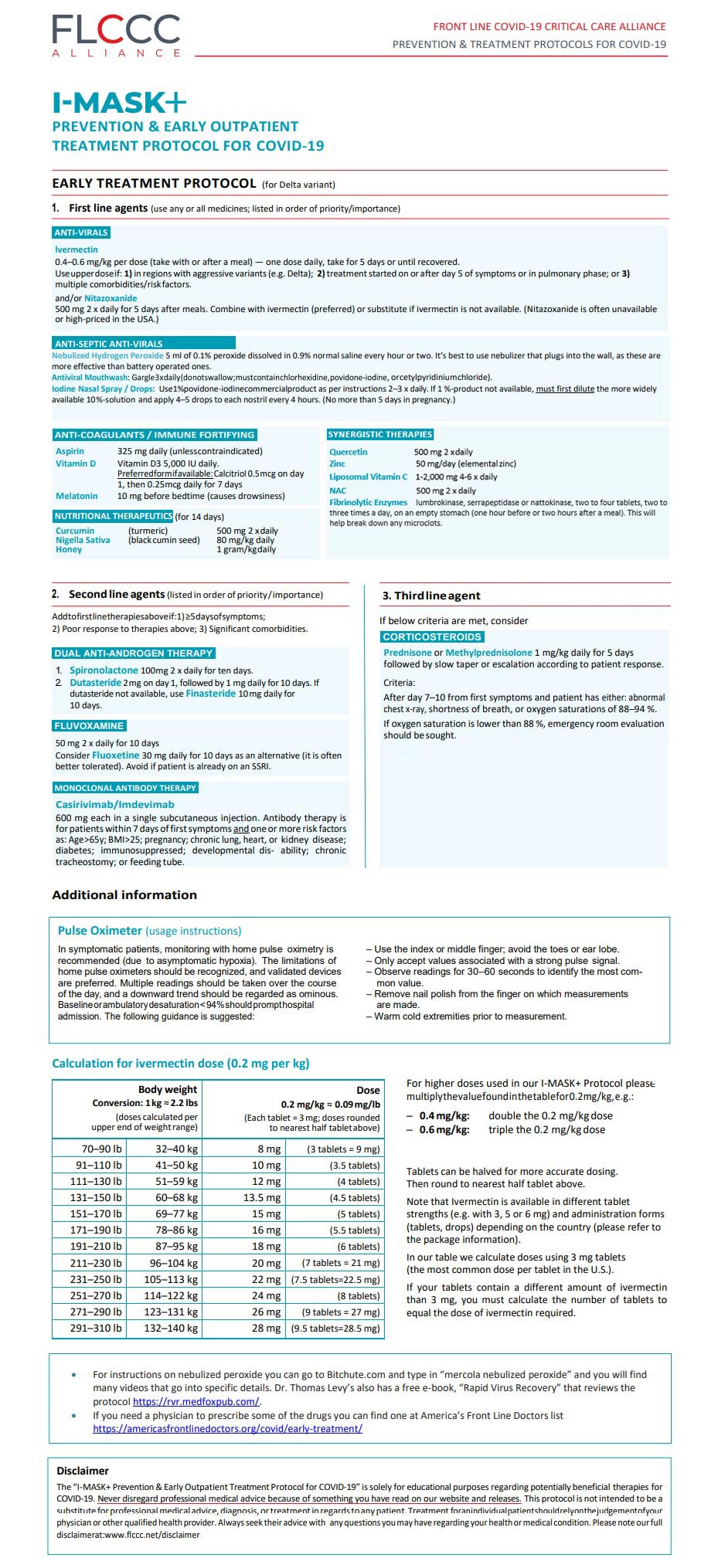
Tip 4: Optimize Your Health With Systemic Enzymes
Enzymes are proteins composed of individual amino acids necessary to speed up cellular functions and biological processes. Some of the bodily processes that require enzymes include energy production, oxygen absorption, toxic waste removal, breaking down fats in your blood, dissolving blood clots and fighting infections.
Proteolytic enzymes such as lumbrokinase and serrapeptase act as blood cleansers that combat inflammation and rebalance your immune system.
In the era of COVID, an enzyme called lumbrokinase may be of particular benefit, as it helps break down blood clots. If you’ve had COVID-19 in the past, and/or received one or more COVID injections, lumbrokinase may be helpful to prevent blood clotting issues.
Proteolytic enzymes such as lumbrokinase and serrapeptase serve to digest unwanted proteins in your blood, like blood clots. They also help combat inflammation and rebalance your immune system, facilitating the removal of inflammatory proteins, removing fibrin (a clotting material that restricts blood flow and prolongs inflammation), reducing edema in inflamed regions, and boosting the potency of macrophages and killer cells.
If you want these enzymes to work on the potentially damaging proteins in your blood and not the food in your stomach, you will need to take them on an empty stomach, either one hour before or two hours after a meal. Otherwise the enzymes will be used to digest your food and not work in your bloodstream.
Tip 5: Boost Your Liver Health With Choline
Nonalcoholic fatty liver disease (NAFLD) is a common condition caused by an unhealthy processed food diet. Aside from cutting out processed foods high in sugars and seed oils, adding in more choline can be helpful, as it appears to be a key controlling factor in arresting the development of fatty liver.
It does this by enhancing secretion of very low density lipoprotein (VLDL) particles in your liver, which are required to safely transport fat out of your liver. Choline deficiency may result in excess fat and cholesterol buildup. Choline also aids in DNA synthesis and is important for healthy mitochondrial function.
Choline-rich foods to consider loading up on include wild-caught Alaskan salmon, krill oil, organic pastured chicken, vegetables such as broccoli, cauliflower and asparagus, shiitake mushrooms, grass fed beef liver and pastured egg yolks.
A single hard-boiled egg can contain anywhere from 113 to 147 milligrams of choline, or about 25% of your daily requirement, making it one of the best choline sources in the American diet. Only grass fed beef liver beats it, with 430 milligrams of choline per 100-gram serving.
Tip 6: Eliminate ALL Seed (Vegetable) Oils
A compelling report in the journal Gastroenterology offers a radically novel yet logically sound explanation as to why some COVID-19 patients develop life-threatening organ failure, namely their high unsaturated fat intake. Since diet-related comorbidities are responsible for 94% of COVID-19-related deaths,8 taking control of your diet is a simple, common-sense strategy to lower the risks associated with this infection.
Simply put, high intake of polyunsaturated fats (PUFAs) — a primary source of which is industrial seed oils — is associated with increased mortality from COVID-19, while healthy saturated fats actually lower your risk of death.
Omega-6 linoleic acid (LA) makes up the bulk of the omega-6 consumed and is the primary contributor to nearly all chronic diseases, because when consumed in excessive amounts, LA acts as a metabolic poison radically limiting mitochondrial function and your ability to produce cellular energy.
The reason for this is because polyunsaturated fats such as LA are highly susceptible to oxidation. As the fat oxidizes, it breaks down into harmful sub-components such as advanced lipid oxidation end products (ALES) and oxidized LA metabolites (OXLAMs). These ALES and OXLAMs are actually what cause the damage.
While excess sugar is certainly bad for your health and should typically be limited to 25 grams per day or less, it doesn’t cause a fraction of the oxidative damage that LA does. Processed vegetable oils are a primary source of LA, but even food sources hailed for their health benefits contain it, and can be a problem if consumed in excess. Cases in point: olive oil and conventionally raised chicken, which are fed LA-rich grains.
Tip 7: Boost Your Magnesium Intake
Magnesium is required for the healthy function of most cells in your body. Deficiency will impede your cellular metabolic function and deteriorate mitochondrial function, which can result in more serious health problems. Deficiency is widespread, thanks to inadequate consumption of leafy greens, so if you rarely eat your veggies, you could probably benefit from supplementation.
Having low amounts of magnesium has also been shown to significantly increase your supplemental vitamin D requirement. Research by GrassrootsHealth9 shows you need 146% more vitamin D to achieve a blood level of 40 ng/ml (100 nmol/L) if you do not take supplemental magnesium, compared to taking your vitamin D with at least 400 mg of magnesium per day.
Your vitamin K2 intake can also affect your required vitamin D dosage. Data10 from nearly 3,000 individuals revealed 244% more oral vitamin D was required to get 50% of the population to achieve a vitamin D level of 40 ng/ml (100 nmol/L) if they weren’t concurrently also taking magnesium and vitamin K2. So, a simple way to optimize your vitamin D absorption is to take it in conjunction with magnesium and K2.
Foods with the highest magnesium levels include spinach, Swiss chard, turnip greens, beet greens, collard greens, broccoli, Brussels sprouts, kale, bok choy and romaine lettuce.
If you’re using a supplement, you may want to use magnesium threonate to provide at least some of your magnesium, as it appears to be most efficient at penetrating cell membranes, including your mitochondria and blood-brain barrier. Another effective way to boost your magnesium level is to take Epsom salt (magnesium sulfate) baths, as the magnesium will effectively absorb through your skin.
Tip 8: Improve Your Bowel Evacuation
Healthy evacuation of your bowels is a factor that many tend to ignore. The good news is that improving your bowel function can be as simple as changing how you sit on the toilet. Your puborectalis muscle helps control elimination during a bowel movement and prevent incontinence when you’re standing.
However, when you sit on a typical toilet, this muscle cannot fully relax, which is why you may need to push or even strain in order to have a bowel movement. While squatting, however, the muscle relaxes fully, making elimination easier.
Squatting on the toilet bowl can help you eliminate waste better if you are constipated. But this requires strength, flexibility and balance, especially if you’re not used to this method. Other options include using a simple footstool to help you get into a more “squatty” position or leaning forward as you sit on the toilet, with your hands on or near the floor.
Tip 9: Combat Chronic Inflammation
Chronic inflammation is a hallmark of virtually all disease, including cancer, obesity and heart disease. While inflammation is a perfectly normal and beneficial process that occurs when your body’s white blood cells and chemicals protect you from foreign invaders like bacteria and viruses, it leads to trouble when the inflammatory response gets out of hand and continues indefinitely.
Your diet plays a significant, if not primary, role in this chain of events and is the perfect place to start to address it. Certain nutritional supplements can also be helpful as add-ons. Here’s a summary of key principles:
• Limit or eliminate vegetable oils (seed oils) — A key part of an anti-inflammatory diet involves excluding refined vegetable oils, as they are clearly one of the most pernicious and pervasive poisons in the food supply. Simply avoiding all processed foods and most restaurant foods will go a long way toward helping you avoid them.
• Eat more veggies — Vegetables are a key anti-inflammatory staple. Ideally, opt for organic locally grown veggies that are in season, and consider eating a fair amount of them raw. If you struggle with autoimmune disease or have significant inflammation in your body, though, consider limiting vegetables with high lectin content. Some high- lectin foods can be made safer to eat through proper soaking and cooking, as well as fermenting and sprouting.
• Add in fermented foods — Traditionally fermented and cultured foods are other anti-inflammatory staples that work their “magic” by optimizing your gut flora. A majority of inflammatory diseases start in your gut as the result of an imbalanced microbiome.
Fermented foods such as kefir, natto, kimchi, miso, tempeh, pickles, sauerkraut, olives and other fermented vegetables will help reseed your gut with beneficial bacteria. Ideally, you’ll want to eat a wide variety of them as each contains a different set of beneficial bacteria (probiotics).
If you don’t like fermented vegetables, consider yogurt made from raw, organic milk from grass fed cows. Yogurt has been shown to reduce inflammation by improving the integrity of your intestinal lining, thereby preventing toxins in your gut from crossing into your bloodstream.
• Boost your omega-3 fat intake — Marine-based omega-3 fats found in fatty cold-water fish that are low in environmental toxins — such as wild Alaskan salmon, sardines and anchovies — are also important anti-inflammatories, particularly for brain and heart health. In fact, your omega-3 level is a powerful predictor of mortality. If you don’t enjoy these types of fish, consider using krill oil instead.
• Cook with herbs and spices — Ounce for ounce, herbs and spices are among the most potent anti-inflammatory ingredients available and making sure you’re eating a wide variety of them on a regular basis can go a long way toward preventing chronic illness. Among the most potent anti-inflammatory herbs and spices are cloves, cinnamon, Jamaican allspice, apple pie and pumpkin pie spice mixtures, oregano, marjoram, sage, thyme and Italian spice.
Tip 10: Filter Your Water
While the U.S. has many water quality concerns, it doesn’t really matter where you live anymore, as many dangerous chemicals find their way into the ecosystem, spreading from one continent to another. This is why filtering your household water is more a necessity than an option these days.
Filtering your drinking water is good practice, but equally important is filtering the water you use for bathing. This is because immersing yourself in contaminated water may be even more hazardous to your health than drinking it.
Chemicals absorbed through your skin go directly into your bloodstream, bypassing your digestive and internal filtration systems. Unfiltered water can also expose you to dangerous chlorine vapors and chloroform gas, which can cause dizziness, fatigue, asthma, airway inflammation and respiratory allergies.
Unless you can verify the purity of your water, you should seriously consider installing a high-quality, whole-house water filtration system. Ideally, filter the water both at the point of entry and at the point of use. This means filtering all the water that comes into the house, and then filtering again at the kitchen sink and shower. As for the type of filtration system to get, there are various options, most of which have both benefits and drawbacks.
Common options include reverse osmosis (RO), ion exchange, and granular carbon or carbon block filters. Ideally, you want a filtration system that uses a combination of methods to remove contaminants, as this will ensure the removal of the widest variety of contaminants.
Tip 11: Reduce Your EMF Exposure
One of the most dangerous kinds of pollution affecting your health is the invisible sea of electromagnetic fields (EMFs) your body swims in daily, both outdoors and in your home. Common sources include cell phones, cell towers, computers, smart meters and Wi-Fi, to name just a few. Strategies to reduce your EMF exposure include:
| Connect your computer to the internet via a wired connection and put it in airplane mode. Also opt for wired keyboards, trackballs, mice, printers and house phones. |
| If you must use Wi-Fi, be sure to shut it off whenever it’s not in use, especially at night. |
| Shut off the electricity to your bedroom at night to reduce electrical fields from the wires in your walls. |
| Use a battery-powered alarm clock, ideally one without any light. |
| Replace your microwave oven with a steam convection oven, which will heat your food quickly and far more safely. |
| Avoid “smart” appliances and thermostats that depend on wireless signaling, including smart TVs. Consider using a large computer monitor as your TV instead, as it doesn’t emit Wi-Fi. |
| Opt out of smart meters if you can or add a shield to an existing smart meter. |
| Avoid using a wireless baby monitor. Instead, move the baby’s bed into your bedroom, or use a hard-wired monitor. |
| Remove all fluorescent lights from your home and switch to incandescent bulbs. |
| Avoid carrying your cell phone on your body unless it’s in airplane mode, and never sleep with it in your bedroom. |
| Use the speakerphone on your cell phone, and hold it at least 3 feet away from you. Ideally, use your cell phone as little as possible. |
Even if you implement these strategies, you’re unlikely to eliminate all exposure, as EMFs saturate public places and can invade your home from your neighbors. To minimize the harmful effects, the following strategies can be helpful:
• Increase your magnesium intake — As a natural calcium channel blocker, magnesium can help reduce the effects of EMF on your voltage-gated calcium channels. Since many are deficient in magnesium, I believe you could benefit from as much as 1 to 2 grams of magnesium per day.
• Molecular hydrogen — Molecular hydrogen has been shown to target free radicals produced in response to radiation, such as peroxynitrites. Studies have shown molecular hydrogen can mitigate about 80% of this damage.
Molecular hydrogen will also activate Nrf2, a biological hormetic that upregulates superoxide dismutase, catalase and all the other beneficial intercellular antioxidants. This in turn lowers inflammation, improves your mitochondrial function and stimulates mitochondrial biogenesis.
• Protective spices — Cinnamon, cloves, ginger root, rosemary and turmeric have exhibited protective effects against EMF-induced damage.
Tip 12: Boost Your Collagen Production Naturally
Collagen is the most common and abundant of your body’s proteins. One of its primary purposes is to provide structural scaffolding for your various tissues to allow them to stretch while still maintaining tissue integrity.
As a compound of essential amino acids, there’s only one way to get collagen: Your body can’t produce it, so you must obtain it through your diet. Historically, traditional diets provided ample collagen in the form of broth made from boiled chicken feet or beef bones. These are by far your best alternatives.
If you decide to use a collagen supplement, it’s important to know what to look for. Laboratory testing has revealed many popular collagen and bone broth products contain potentially hazardous contaminants typically associated with concentrated animal feeding operations (CAFOs), so to avoid contaminants, make sure your collagen supplement is certified “100% Organic” by the U.S. Department of Agriculture (USDA).
Moreover, collagen supplements can be either unhydrolyzed (undenatured) or hydrolyzed (denatured). The processing that most collagen supplements undergo to become hydrolyzed can also result in questionable byproducts that are best avoided. My personal preference is to use a less denatured (unhydrolyzed) organic collagen supplement, as it has a more balanced amino acid profile.
That said, I still believe the natural approach is best. Making homemade bone broth using bones and connective tissue from grass fed, organically raised animals isn’t very complicated and will produce the best results.
Tip 13: Optimize Your Sleep
One of the most radical and recent discoveries revealing the importance of sleep for health is that each and every organ has its own biological clock. In your brain is a “master clock” that synchronizes these clocks and your bodily functions to match the 24-hour light and dark cycle.
When you upset your circadian rhythm by not getting enough sleep, the results can have far-reaching consequences, affecting everything from mood, creativity and brain detoxification to DNA expression, chronic disease risk — including dementia — and longevity. Helpful tips to optimize your sleep include:
| Sleep in complete darkness, or as close to it as possible, to avoid lowering melatonin production, which can interfere with your sleep. |
| Keep the temperature in your bedroom no higher than 70 degrees Fahrenheit. |
| Eliminate EMFs in your bedroom. |
| Keep all electronic devices at least 3 feet from your bed. |
| Adopt a neutral sleeping position by propping your pillow under your neck, not your head, to maintain a proper spinal curve. |
| Reserve your bed for sleeping and don’t keep a TV in your bedroom. |
| Consider separate bedrooms if sharing your bed with a partner impairs your sleep. Pets may also need to be kept in another room if they disturb your sleep. |
Tip 14: Ditch Google and Facebook Once and for All
Over the years, the government and business monopolies, including the likes of Big Tech, have formed a global alliance hell-bent on protecting and concentrating member profits. The price for keeping business going as usual is personal liberty and freedom of speech that may impact these fascist government-industrial complexes.
In recent times, we’ve seen unprecedented efforts to censor natural health topics in various online platforms, especially Google and Facebook, under the guise of protecting you against “misinformation.”
By censoring the voices that challenge mainstream information on crucial health topics like pharmaceutical drugs, vaccines, GMOs, pesticides, junk foods, artificial sweeteners and fake meat, Google and Facebook are able to protect the profits of its advertisers and stakeholders.
Across the board, Google only gives you the results they want you to see, while relevant articles and news they deem “harmful” are buried. Facebook, meanwhile, relies on so-called “fact checkers” to dissuade and redirect users away from anything that contradicts the mainstream narrative. We now have proof that Facebook’s “fact checks” are nothing more than opinion pieces, thanks to a lawsuit by journalist John Stossel,11,12,13 but they’re still presented as assertions of facts.
If you’re fed up with Google’s and Facebook’s exploitation and manipulation, the best way to break free is by being informed. If we work together to boycott them, Google and Facebook will crumble.
We have added a built-in sharing tool on top of each newsletter article to make it easier for you to share it to your friends and family via email or text. And, while the articles on my website are only viewable for 48 hours, we are in the process of transferring our entire archive over to the Censored Library on Substack. This will allow us to bring back my previously deleted articles in a liability-protected format.
For just $5 a month, or the discounted annual rate of $50 per year, you will have access to all of my articles, all the time, even after they’ve been deleted from Mercola.com.


Tip 15: Protect Your Eye Health
Your ocular health affects your overall well-being, so routine eye exams are an important health basic. Additionally, keep your eyes healthy and your vision sharp by:
• Removing trans fats from your diet — As with linoleic acid, processed foods and baked goods are primary sources of harmful trans fats.
• Removing high fructose corn syrup from your diet — High blood pressure can damage the small blood vessels in your retina, obstructing blood flow, and a key strategy to normalize your blood pressure is to dramatically reduce your fructose intake.
High sugar intake is also a primary culprit of elevated blood sugar readings. High blood sugar not only obstructs blood flow by damaging blood vessels in your retina but also pulls fluid from the lens of your eye, which can affect your ability to focus. As a general guide, I recommend keeping your total daily fructose consumption below 25 grams a day, including fructose from fruit.
• Eating your veggies — Consuming high amounts of carotenoid-rich vegetables, especially ones rich in lutein and zeaxanthin, can encourage healthy vision.
• Boosting your omega-3 fat intake — Omega-3 fats protect healthy vision. Good sources include wild-caught Alaskan salmon, sardines and anchovies. If you use a supplement, I recommend krill oil, which also contains astaxanthin, a potent antioxidant.
• Quitting smoking — Smoking increases free radical production throughout your body, putting you at risk for any number of health problems, including vision problems.
Aside from lutein and zeaxanthin, astaxanthin is one of the best antioxidants for eye health. It’s been shown to protect against a number of eye-related problems, including age-related macular degeneration, which is the No. 1 cause of blindness in the elderly, glaucoma, cataracts, inflammatory eye diseases, cystoid macular edema, retinal arterial occlusion, diabetic retinopathy and venous occlusion.
Astaxanthin also helps maintain appropriate eye pressure, energy levels and visual acuity. Because the above list includes several of the leading causes of blindness in the U.S., this powerful antioxidant becomes increasingly important.
Tip 16: Grow Your Own Food
Growing your own food has many rewards, from providing you with fresher, uncontaminated produce and cutting your grocery bill, to increasing your sense of well-being and slashing your risk of depression. Research14 also shows elderly individuals who garden on a regular basis have a 36% lower risk of dementia than non-gardeners.
There are many different ways to grow your own food, even if you live in an apartment. You can use virtually every square foot of your space, including vertical space, for growing food. Hanging baskets are ideal for a wide variety of foods, such as strawberries, leafy greens, runner beans, pea shoots, tomatoes and a variety of herbs. And, instead of flowers, window boxes can hold herbs, greens, radishes, scallions, bush beans, strawberries, chard and chilies, to name just a few.
Rule No. 1 for growing nutrient-dense food is building healthy soil. There are five basic principles to growing topsoil and building a healthy soil ecosystem, and these rules apply whether you’re working a farm or tending a small vegetable garden in your backyard:
- Avoid disturbing the soil microbiome — The less mechanical disturbance the better, which means no tillage, herbicides, pesticides or fungicides
2. Protect the soil’s surface — Use cover crops, untreated lawn clippings, mulch and wood chips to maintain soil biology, prevent water evaporation and lower soil temperature, which is particularly important on hot days
3. Diversify your crops — Having a diverse array of plant life is essential to healthy soil, and cover crops help fulfill this requirement
4. Maintain living roots in the ground as long as possible — Growing something at all times is key to soil vitality, so be sure to plant a cover crop after you harvest your vegetables
5. Integrate livestock and other animals, including insects — To mimic the impact of wild herds, regenerative farmers will pasture chickens, cows, lambs, pigs and other animals to benefit the soil and ensure a highly nutrient-dense finished product. While many homeowners cannot keep farm animals on their property, you can easily attract pollinators and predator insects to ward off garden pests by including lots of flowering plants
One of the simplest and most inexpensive gardening alternatives is to grow your own sprouts. They’re a particularly excellent choice during winter months, when outdoor gardening is limited or ruled out. They also grow quickly, allowing you to harvest in about a week, and you don’t have to cook them. Sprouts are also a perfect complement to fermented vegetables, which are also easy and inexpensive to make at home, from scratch.
Sprouts are actually among the most nutrient-dense foods out there. Topping the list are sunflower seed and pea sprouts, which are typically about 30 times more nutritious than organic vegetables. Sunflower and pea sprouts are among my own favorites. Broccoli sprouts, known for their anticancer activity, are another excellent choice.
Tip 17: Try Blood Flow Restriction (BFR) Training
Blood flow restriction (BFR) training, also known as vascular occlusion training, involves “partially restricting arterial inflow and fully restricting venous outflow” while working the occluded muscle. BFR training works on a very simple principle: It tricks your body into believing that it’s moving far heavier weights than you’re actually using, generating compensatory metabolic responses.
With BFR training, you’re able to significantly enhance your strength and muscle mass using a fraction of the weight typically used, in about half the time it would normally take.
Its ability to achieve such remarkable physiological benefits has to do with the fact that when you restrict the venous blood flow from the muscle group being engaged, you create a relatively hypoxic environment in the exercising muscle which then boosts beneficial metabolic responses, such as increasing muscle lactate and growth hormone, and inhibiting myostatin.
Venous flow restriction is achieved by wrapping the extremity being worked with an inflatable cuff or band. The band needs to be tight enough to shut down the venous return to the heart, allowing the venous blood to “pool” in the region of the limb that is being exercised, while loose enough to allow arterial flow-through.
With very light exercise, and in about 15 to 20 minutes, you get an exhaustive workout that sends a signal to your brain to help you “recover and adapt to it.” Your brain then sends out a wide variety of powerful hormonal responses that cause your muscles and blood vessels to grow.
BFR is particularly beneficial for the elderly, as it dramatically reduces the risk of injury while optimizing muscle growth beyond what strength training with heavy weights can actually do! To learn the ins and outs of BRF, be sure to download and read through my free BFR report.
Tip 18: Lower Your Risk for Autoimmune Disease
Autoimmune diseases are on the rise, so the earlier you take steps to prevent them, the better. The good news is that some of the strategies that can lower your risk of autoimmune problems are incredibly simple and inexpensive.
For example, drinking a solution of baking soda on a daily basis can help reduce inflammation associated with and caused by autoimmune conditions. Baking soda provides a signal to mesothelial cells — which line your internal organs — that your body is doing fine; it’s not under attack, so developing an aggressive immune system and/or a harmful autoimmune response is unnecessary.15
To try this strategy, simply add one-half teaspoon of baking soda to half a glass of water (about 4 ounces), stir until it’s completely dissolved, and repeat no more than three times per day, and no more than seven one-half teaspoons in any given 24-hour period.
Another strategy that costs nothing is to allow fevers to run their course, as long as they’re not above 103 degrees F. While most tend to rush to administer fever-reducing medicine at the first sign of a low-grade fever, this can actually backfire. Fever facilitates your detoxification process, with the aim of producing a cleaner system. Reducing the fever can effectively prevent or interrupt your body’s natural healing process.
A far better alternative would be to administer liposomal vitamin C, which will aid and speed the process, not stop it. Certain homeopathic medicines can also be beneficial. If you’ve suppressed fevers all your life, you may benefit from regular saunas, ideally one with low or no electromagnetic fields, as this will help detoxify your system. If you’ve been vaccinated, you probably need to take saunas on a regular basis as well.
Tip 19: Combat Osteoporosis
With osteoporosis — brittle bone — comes the risk of bone fractures due to a fall, and hip fractures in particular are notorious for raising an older individual’s risk of death. Low bone density, known as osteopenia, also raises your risk of fractures and may progress into osteoporosis. But before you turn to conventional drugs, you should know that there are far safer ways to address this problem, such as by loading up on nutrients that help promote bone growth. These include:
| Vitamin D | Vitamins K1 and K2 |
| Calcium | Magnesium |
| Collagen | Boron |
| Strontium |
Sufficiently load-bearing exercise is also important. Research suggests the load needed to trigger bone growth in the hip is 4.2 times your bodyweight. Unfortunately, conventional strength training comes nowhere near that — but BFR does! So, preventing osteoporosis is yet another reason to add BFR to your lifestyle tool kit.
Tip 20: ‘Green’ Up Your Wardrobe
Fast fashion is a major contributor to the global waste problem, as clothing is now the fastest growing category of waste. Across the board, throughout the distribution chain, whatever cannot be sold always ends up in a landfill. The textile industry is also a major environmental polluter.
The primary solution should be obvious: Buy less. Buying only what you actually need will allow you to spend more on high-quality items that last. If an item is still in good condition but for whatever reason doesn’t fit your body or lifestyle anymore, ask around to see if anyone wants or needs it first.
As a last-ditch resort, donate clothing that is still in good condition to a reputable charity that serves the needs of your local community. Local women’s shelters and crisis centers may accept your donations.
If you need to purchase new clothes, make sure to choose organic, GOTS-certified clothing made from sustainably grown fabrics. The SITO brand is an example of a GOTS-certified organic clothing brand, established by the biodynamic certification agency Demeter. SITO supports our global mission for improving fabric production and putting an end to fast fashion.
Tip 21: Take Control of Your Blood Pressure
In 2017, the American Heart Association (AHA) and the American College of Cardiology, along with nine other health organizations, changed the cutoff used to diagnose high blood pressure from 140/90 to 130/80.
This slight shift increased the number of people diagnosed with high blood pressure to include many who had previously been considered within the normal range. According to the AHA, an estimated 103 million U.S. adults today have high blood pressure (hypertension), and about 1 in 3 people has prehypertension.
According to medical physiology textbooks, as much as 95% of hypertension is called essential hypertension, meaning the underlying cause is unknown. However, a number of factors have been identified as contributing to high blood pressure, including but not limited to insulin and leptin resistance, potassium deficiency and elevated uric acid levels. The good news is that there are many techniques and lifestyle changes, including the following:
| Exercise — A comprehensive fitness program can go a long way toward regaining your insulin sensitivity and normalizing your blood pressure. In fact, exercise is considered a first line of treatment by several health authorities, including the World Health Organization, the International Society of Hypertension and the U.S. Joint National Committee on Detection, Evaluation and Treatment of High Blood Pressure.
If you are insulin resistant, you’ll also want to include weight training. When you work individual muscle groups, you increase blood flow to those muscles, and good blood flow will increase your insulin sensitivity. |
| Vitamin D optimization — Vitamin D deficiency is associated with both arterial stiffness and hypertension. For optimal health, maintain a vitamin D level between 60 ng/mL and 80 ng/mL year-round. |
| Time-restricted eating — Eating all your meals within a six- to eight-hour window each day is one of the most effective ways I’ve found to normalize your insulin/leptin sensitivity, which is a root cause of high blood pressure. |
| Stress management — It has been shown that people with heart disease can lower their risk of subsequent cardiac events by over 70% simply by learning to manage their stress. Suppressed negative emotions such as fear, anger and sadness can severely limit your ability to cope with the unavoidable every day stresses of life. It’s not the stressful events themselves that are harmful, but your lack of ability to cope. |
| Essential oils — A number of essential oils can be helpful, including lavender, ylang- ylang, marjoram, bergamot, rose, frankincense, rosemary, lemon balm and clary sage. |
| Beets — In one small placebo-controlled trial,16 one glass (250 milliliters or 8.5 ounces) of beetroot juice per day for one month reduced blood pressure in those diagnosed with hypertension by an average of 8 mmHg systolic and 4 mmHg diastolic pressure.
This 8/4 mmHg reduction is very close to that provided by blood pressure medications, which typically can reduce blood pressure by about 9/5 mmHg, and for many it was enough to bring their blood pressure down to normal levels. The treatment group also saw a 20% improvement in blood vessel dilation capacity and a 10% reduction in arterial stiffness. |
Tip 22: KetoFast
KetoFast is the term I coined to describe a protocol that combines three key strategies: a cyclical ketogenic diet, intermittent fasting and cyclical partial fasting. The first step to KetoFast is to make sure you stop eating at least three hours before bedtime to avoid creating unnecessary free radicals.
Next, compress your eating to a six- to eight-hour timeframe, meaning you eat all of your calories for the day during those six to eight hours. For the remaining 16 to 18 hours, you’re fasting. For example, delay your first meal of the day until 11 am or noon and stop eating by 7 pm.
Once you’ve followed this intermittent fasting schedule for a month, you can move into the second phase, which involves having a single reduced-calorie meal, ideally breakfast, followed by a 24-hour water-only fast, once or twice a week. This meal will typically be somewhere between 300 and 500 calories. This meal should consist of:
- Carbs — Less than 10 grams of net carbohydrates (total carbs minus fiber), primarily from nonstarchy vegetables, seeds or nuts.
- Protein — Half of your personalized daily protein requirement. If you’re younger than 60, a general recommendation for your daily protein requirement would be 0.8 grams of protein per kilogram of lean body mass, or 0.5 grams of protein per pound of lean body mass. The key here is not just lowering your overall protein intake but, rather restricting your intake of branched-chain amino acids such as leucine, found primarily in meat and dairy products.
- Fat — The remainder of your calories come from healthy fats such as coconut oil, avocado, MCT oil, butter, olive oil and raw nuts.
The day after your water-only fast, go ahead and feast. Now’s the perfect time to do hardcore strength training, and to load up on protein. Immediately after your workout is when you’ll want to eat that grass fed organic steak and/or whey protein, as now you’re in rebuilding mode.
The intermittent and partial fasting regimen described in KetoFast essentially mimics ancestral eating patterns, allowing your body to work optimally by allowing for periods of breakdown and cleanout, and periods of rebuilding and rejuvenation.
One way that your body promotes this is through autophagy, which is the body’s innate cleanout process, in which damaged mitochondria, proteins and cellular components are digested and then recycled during the regeneration phase, which occurs during refeeding. By upregulating autophagy, you may significantly lower your risk of most diseases, including cancer and neurodegeneration.
A common misconception is that because nutritional ketosis is so beneficial, it stands to reason that remaining in ketosis for the rest of your life would be the way to go. I disagree with this approach, having experienced the drawbacks of it firsthand.
Continuous keto can start wreaking havoc with your hormonal system, specifically your thyroid. It’s important to realize that nutritional ketosis is a catabolic process, meaning you’re breaking things down. This is a good and necessary process, but you also need to build your body back up! After some months on a continuous ketogenic diet, you start losing muscle mass, which is the complete opposite of what you’re looking for.
I strongly recommend cycling in and out of ketosis once you’ve regained your metabolic flexibility and are able to effectively burn fat for fuel. In other words, you stay in ketosis only long enough to make sure you’re burning fat, and then you move into a more balanced approach where you’re adding in higher amounts of healthy carbs once or twice a week.
- 1 Nutrients October 31, 2020;12, 3361; doi:10.3390/nu12113361
- 2 Prog Cardiovasc Dis. 2020 Feb 12. pii: S0033-0620(20)30037-2
- 3 EurekAlert! January 24, 2020
- 4 Elsevier.com January 24, 2020
- 5 Prog Cardiovasc Dis. 2020 Feb 12. pii: S0033-0620(20)30037-2, Table 1
- 6 Nat Rev Immunol. 2014 Jan; 14(1): 36–49
- 7 The Journal of Infectious Diseases May 15, 2005; 191(10): 1719-1729
- 8 CDC.gov August 26, 2020
- 9 GrassrootsHealth Is Supplemental Magnesium Important for Vitamin D Levels?
- 10 GrassrootsHealth Magnesium and Vitamin K2 Combined Important for Vitamin D Levels
- 11 wattsupwiththat.com John Stossel Lawsuit against Meta Platforms (PDF)
- 12 WND December 10, 2021
- 13 wattsupwiththat.com December 9, 2021
- 14 Medical Journal of Australia 2006 Jan 16;184(2):68-70
- 15 Science Daily April 25, 2018
- 16 Medical News Today February 22, 2018
Why Your Body Needs Zinc — and Top Zinc-Rich Foods
© GreenMedInfo LLC. This work is reproduced and distributed with the permission of GreenMedInfo LLC.
Want to learn more from GreenMedInfo? Sign up for the newsletter here:
www.greenmedinfo.com/greenmed/newsletter
Reproduced from original article:
www.greenmedinfo.com/blog/why-your-body-needs-zinc-and-top-zinc-rich-foods
Posted on: Thursday, May 20th 2021 at 1:30 pm
Written By: GreenMedInfo Research Group
This article is copyrighted by GreenMedInfo LLC

This unsung dietary hero is so essential your cells wouldn’t know what to do without it. Read on to learn why zinc is one mineral you just can’t afford to miss
Zinc is an important trace mineral found throughout your body, second only to iron in its prevalence in human cells and tissues. Zinc plays a part in critical processes like wound healing, immune system response and functions such as cellular growth and repair.
There’s even an established link between zinc levels and respiratory health, giving zinc added importance during cold and flu season and whenever your body is under stress.
Zinc: Why You Need It
Have you ever wondered why people take zinc lozenges at the first sign of a cold? Evidence suggests that supplementing with zinc within 24 hours of the onset of symptoms may help shorten the length of colds.[i] Oral supplementation in the form of zinc lozenges, capsules and syrup are preferable to intranasal zinc, which has been linked with loss of sense of smell in some individuals.[ii]
Another function of zinc is the regulation of metabolism. Found in more than 300 enzymes, zinc is critical to digestion, including the absorption and metabolism of essential micronutrients.[iii] Zinc deficiency can lead to malnutrition, which is an important problem worldwide.[iv]
Adequate zinc intake is especially important for children of all ages, and if you are pregnant or lactating. Deficiency of zinc during formational times could lead to retarded growth of biological systems like the gastrointestinal tract and skeletal, immune and reproductive systems.[v]
Top Zinc-Rich Foods
Unlike iron, which is contained inside cellular components in your body, zinc permeates cells and tissues, performing critical structural, catalytic and regulatory functions. This is why getting adequate intake of zinc through your diet or supplementation is so important.[vi]
Safeguarding against zinc deficiency means having a varied diet fortified with zinc-rich foods. Proteins like pastured beef and poultry, and sustainably harvested, wild-caught fish and oysters are all good sources of this essential mineral. Vegetarian sources include organic cereals, beans, nuts, oats and tofu.
While adults and seniors have the same average physiologic requirements for zinc, absorption can decrease as you age. High-quality, bioavailable supplements can ensure that you meet your body’s unique needs, especially during times of increased stress or poor eating.
Zinc: A Very Precious Metal
Research into zinc’s importance has identified several beneficial mechanisms through which zinc, a group 2B metal, can act on the human body:[vii]
- Antioxidant properties, protecting cells from damage by free radicals
- Stabilizes organelles, structures within a cell that control functions like growth and energy production
- Anti-apoptotic agent, protecting cells from death
- Important cofactor in the synthesizing of DNA strands
- Vital component of wound healing
- Anti-inflammatory agent
These vital functions make zinc supplementation important for anyone facing illness. For asthmatics and sufferers of respiratory tract infections, zinc may be one of your best dietary defensive strategies.
Zinc for Respiratory Health
A 2021 study, published in the journal BMJ Global Health, identified acute respiratory tract infections (ARIs) as a leading cause of illness and death worldwide.[viii] Meta-analysis of random effects of zinc supplementation were conducted to estimate the pooled effects of supplements of vitamins D and C, zinc and multiple micronutrients (MMS) on the occurrence of ARIs and the duration of ARI symptoms.
Results of multiple studies showed that vitamin D supplementation reduced the risk of ARI and shortened duration of symptoms by a value of -6%. Vitamin C had the same effects to a degree of -9%, with a greater effect among men than women, and in middle-income countries compared to high-income countries. While zinc in isolation did not reduce the risk of ARIs, it significantly decreased the duration of ARI symptoms.[ix]
Takeaways from this important micronutrient study spotlight the need for a varied, vitamin-rich diet and regular sun exposure or a high-quality, bioavailable supplement combining vitamins C and D with zinc and essential micronutrients for the greatest degree of protection for your lungs and airways.[x]
Ingesting too much zinc also carries risks; taking oral zinc in high doses over long periods may lead to copper deficiency.[xi] Symptoms of low copper levels include numbness and weakness in your extremities. The National Institutes of Health considers supplementation at 40 milligrams of zinc per day to be the upper limit for adults.[xii]

References [i] Mayo Clinic, Drugs & Supplements, Zinc, https://www.mayoclinic.org/drugs-supplements-zinc/art-20366112 [ii] Mayo Clinic, Drugs & Supplements, Zinc, https://www.mayoclinic.org/drugs-supplements-zinc/art-20366112 [iii] Food and Agriculture Organization of the United Nations, Chapter 16. Zinc, https://www.fao.org/3/y2809e/y2809e0m.htm [iv] Roohani N, Hurrell R, Kelishadi R, Schulin R. Zinc and its importance for human health: An integrative review. J Res Med Sci. 2013;18(2):144-157. PMID: 23914218 [v] Roohani N, Hurrell R, Kelishadi R, Schulin R. Zinc and its importance for human health: An integrative review. J Res Med Sci. 2013;18(2):144-157. PMID: 23914218 [vi] Roohani N, Hurrell R, Kelishadi R, Schulin R. Zinc and its importance for human health: An integrative review. J Res Med Sci. 2013;18(2):144-157. PMID: 23914218 [vii] Truong-Tran AQ, Carter J, Ruffin R, Zalewski PD. New insights into the role of zinc in the respiratory epithelium. Immunol Cell Biol. 2001;79(2):170-177. doi:10.1046/j.1440-1711.2001.00986.x [viii] Ajibola Ibraheem Abioye, Sabri Bromage, Wafaie Fawzi. Effect of micronutrient supplements on influenza and other respiratory tract infections among adults: a systematic review and meta-analysis. BMJ Glob Health. 2021 01 ;6(1). PMID: 33472840 [ix] Ajibola Ibraheem Abioye, Sabri Bromage, Wafaie Fawzi. Effect of micronutrient supplements on influenza and other respiratory tract infections among adults: a systematic review and meta-analysis. BMJ Glob Health. 2021 01 ;6(1). PMID: 33472840 [x] Ajibola Ibraheem Abioye, Sabri Bromage, Wafaie Fawzi. Effect of micronutrient supplements on influenza and other respiratory tract infections among adults: a systematic review and meta-analysis. BMJ Glob Health. 2021 01 ;6(1). PMID: 33472840 [xi] Mayo Clinic, Drugs & Supplements, Zinc, https://www.mayoclinic.org/drugs-supplements-zinc/art-20366112 [xii] Mayo Clinic, Drugs & Supplements, Zinc, https://www.mayoclinic.org/drugs-supplements-zinc/art-20366112

Florida Surgeon General Promotes Nutraceuticals for COVID
Reproduced from original article:
https://articles.mercola.com/sites/articles/archive/2021/12/13/florida-surgeon-general-promotes-vitamin-d-for-covid.aspx
The original Mercola article may not remain on the original site, but I will endeavor to keep it on this site as long as I deem it to be appropriate, and will not be bullied into removing it.
Analysis by Dr. Joseph Mercola Fact Checked December 13, 2021
STORY AT-A-GLANCE
- Dr. Joseph Ladapo was appointed Florida surgeon general and secretary of the Florida Department of Health by Gov. Ron DeSantis September 21, 2021
- Ladapo has now issued a statewide public service announcement in support of commonsense COVID prevention strategies such as optimizing your vitamin D, staying active, eating nutrient-dense foods and boosting your immune system with supplements such as vitamin C, quercetin and zinc
- Florida Health even highlights emerging treatments such as fluvoxamine and inhaled budesonide. Importantly, Florida Health now states that “Physicians should use their clinical judgment when recommending treatment options for patients’ individualized health care needs. This may include emerging treatment options with appropriate patient informed consent, including off-label use or as part of a clinical trial”
- Despite publishing a scientific review on vitamin D for COVID in the peer-reviewed journal Nutrients, and the paper being the second most downloaded article this year, I’ve been vilified and targeted by the U.S. Food and Drug Administration and the Federal Trade Commission for reporting its benefits
- The evidence for vitamin D against COVID-19 satisfies Hill’s criteria for causality in a biological system, and dozens of studies have demonstrated vitamin D helps reduce all risks associated with COVID
As a ray of hope in what appears to be an utterly broken medical system, Florida’s new surgeon general, Dr. Joseph Ladapo, has issued a statewide public service announcement in support of commonsense COVID prevention strategies such as optimizing your vitamin D, staying active, eating nutrient-dense foods and boosting your immune system with supplements.
The HealthierYouFL.org website1 now urges Floridians to “Talk to your health care provider about how certain supplements or foods containing vitamins and minerals might help boost your immune system, such as zinc, vitamin D, vitamin C and quercetin.” These are all well-known supplements that have been shown to have a positive impact on your COVID-19 risk.
The surgeon general also supports the use of monoclonal antibodies in acute cases, and as prevention in high-risk patients who have been exposed to COVID-19. Available treatment locations can be found on FloridaHealthCOVID19.gov.
Physicians should use their clinical judgment when recommending treatment options for patients’ individualized health care needs. This may include emerging treatment options with appropriate patient informed consent, including off-label use … ~ Florida Department of Health
‘Physicians Should Use Clinical Judgment’
Florida Health even highlights emerging treatments such as fluvoxamine and inhaled budesonide. Importantly, Florida Health now states that:2
“Physicians should use their clinical judgment when recommending treatment options for patients’ individualized health care needs. This may include emerging treatment options with appropriate patient informed consent, including off-label use or as part of a clinical trial.”
Well, no one could be happier about this than I. I’ve been calling for vitamin D recommendations since the earliest days of the pandemic — ideally nationwide, but statewide is at least a start, especially considering Florida is the sunshine state. Instead, I’ve been vilified and targeted by the U.S. Food and Drug Administration and mainstream media for reporting its benefits.3,4
The FDA specifically mentioned Vitamin C, Vitamin D and Quercetin in their warning letter. Now that the Florida surgeon general agrees, will they also be warned by the federal authorities?
Ladapo was appointed Florida surgeon general and secretary of the Florida Department of Health by Gov. Ron DeSantis September 21, 2021,5 and it’s refreshing to finally see COVID guidance that makes sense. In his acceptance speech, Ladapo said:6
“I am honored to have been chosen by Governor DeSantis to serve as Florida’s next Surgeon General. We must make health policy decisions rooted in data and not in fear …
I have observed the different approaches taken by governors across the country and I have been impressed by Governor DeSantis’ leadership and determination to ensure that Floridians are afforded all opportunities to maintain their health and wellness, while preserving their freedoms as Americans.”
Vitamin D Papers Top List of Most Popular Studies of the Year
October 31, 2020, I published a scientific review7 in the journal Nutrients, co-written with William Grant, Ph.D., and Dr. Carol Wagner, both of whom are part of the GrassrootsHealth expert vitamin D panel.
As of October 31, 2021, our paper, “Evidence Regarding Vitamin D and Risk of COVID-19 and Its Severity” — which you can download and read for free — was the second most downloaded study from this journal in the past 12 months. It was also No. 2 in citations and No. 4 for views.
The study with the most downloads in the past year and the all-time highest number of views was another vitamin D paper8 by Bhattoa et.al., which found vitamin D supplementation reduced the risk of influenza and COVID-19 infections and deaths. The coauthors of my paper, Grant and Baggerly, were coauthors on this paper as well.
A third vitamin D paper, by Annweiler et.al., also nabbed the No. 1 spot for most-cited study in the past 12 months. This study found vitamin D supplementation improved survival in frail elderly hospitalized with COVID-19.
Clearly, vitamin D has been on the forefront of many minds, and I’m glad the Florida surgeon general recognizes its importance as well. While mainstream media and many so-called health authorities still hold on to the ridiculous claim that there’s “no scientific basis” for the recommendation of vitamin D for COVID, that is just false.
As early as the end of September 2020, data from 14 observational studies — summarized in Table 1 of our paper9 — showed that vitamin D blood levels are inversely correlated with the incidence and/or severity of COVID-19. Many critics of vitamin D will claim that these associations are not causal. However, there are statistical tools such as Bradford Hill that can actually prove causation through these associations are strong enough.
The Bradford Hill criteria are a group of nine principles (i.e., strength of association, consistency of evidence, temporality, biological gradient, plausibility or mechanism of action, and coherence, although coherence still needs to be verified experimentally) that can be useful in establishing epidemiologic evidence of a causal relationship between a presumed cause and an observed effect.
It has been widely used in public health research and has determined that the vitamin D insufficiency for COVID is indeed causal.10
How Vitamin D Protects Against COVID
It’s important to realize that your body is well-equipped to handle just about any infection, provided your immune system is working properly, as that is your body’s first line of defense. Vitamin D receptors are found in a large number of different tissues and cells, including your immune cells. This means vitamin D plays an important role in your immune function specifically.
If vitamin D is lacking, your immune system will be impaired, which in turn makes you more susceptible to infections of all kinds, including COVID-19. As explained in our paper, having sufficient vitamin D in your system can reduce your risk of COVID-19 and other respiratory infections through several different mechanisms, including but not limited to the following:11
| Reducing the survival of viruses |
| Inhibiting the replication of viruses12 |
| Reducing inflammatory cytokine production |
| Maintaining endothelial integrity (endothelial dysfunction contributes to vascular inflammation and impaired blood clotting, two hallmarks of severe COVID-19) |
| Increasing angiotensin-converting enzyme 2 (ACE2) concentrations — Angiotensin II is a natural peptide hormone that increases blood pressure by stimulating aldosterone. ACE2 normally consumes angiotensin I, thereby lowering the concentration of angiotensin II. However, SARS-CoV-2 infection downregulates ACE2, resulting in excessive accumulation of angiotensin II, which worsens the infection |
| Boosting your overall immune function by modulating your innate and adaptive immune responses |
| Reducing respiratory distress13 |
| Improving overall lung function |
| Helping produce surfactants in your lungs that aid in fluid clearance14 |
| Boosting T cell immunity, which plays an important role in your body’s defense against viral and bacterial infections. When vitamin D signaling is impaired, it significantly impacts the quantity, quality, breadth and location of CD8 T cell immunity, resulting in more severe viral and bacterial infections.15
According to a December 11, 2020, paper,16 high-quality T cell response actually appears to be far more important than antibodies when it comes to providing protective immunity against SARS-CoV-2 specifically |
| Increasing expression of antimicrobial peptides in your monocytes and neutrophils — both of which play important roles in COVID-19 |
| Enhancing expression of an antimicrobial peptide called human cathelicidin, which helps defend respiratory tract pathogens |
From my perspective, vitamin D optimization is one of the easiest, least expensive and most impactful strategies to reduce your risk of serious SARS-CoV-2 infection and other respiratory infections.
Vitamin D optimization is particularly important for dark-skinned individuals (who tend to have lower levels than Caucasians unless they spend extended time in the sun), the elderly, and those with preexisting chronic health conditions. All of these are also risk factors for COVID-19, so population-wide optimization of vitamin D levels could significantly improve COVID outcomes among the most vulnerable.
How Vitamin D Influences Your COVID Risks
At this point, there’s no shortage of studies showing higher vitamin D levels beneficially impact all stages of COVID-19. It:
| Lowers your risk of testing positive for COVID — The largest observational study17 to date, which looked at data for 191,779 American patients, found that of those with a vitamin D level below 20 ng/ml (deficiency), 12.5% tested positive for SARS-CoV-2, compared to just 5.9% of those who had an optimal vitamin D level of 55 ng/ml or higher. This inverse relationship persisted across latitudes, races/ethnicities, sexes and age ranges. |
| Reduces your risk of symptomatic illness — SARS-CoV-2-specific investigations have found that COVID-19 is far more common in vitamin D deficient individuals.
In one such study,18,19,20 82.2% of COVID-19 patients tested were deficient in vitamin D, compared to 47.2% of population-based controls. (Mean vitamin D levels were 13.8 ± 7.2 ng/ml, compared to 20.9 ± 7.4 ng/ml in controls.) They also found that blood levels of vitamin D were inversely correlated to D-dimer levels (a measure of blood coagulation). Many COVID-19 patients have elevated D-dimer levels, which are associated with blood clots. This was particularly true with the original SARS-CoV-2 virus, but while less common with subsequent variants, some blood clotting, just less intense, can still occur. |
| Reduces infection severity — Our vitamin D paper21 also lists data from 14 observational studies that show vitamin D blood levels are inversely correlated with the incidence and/or severity of COVID-19. This is quite logical, considering vitamin D regulates inflammatory cytokine production — a lethal hallmark of COVID-19 — and is an important regulator of your immune system. |
| Reduces your risk of hospitalization — Reduced severity would translate into a lower risk for hospitalization, and that’s precisely what researchers have found.
A Spanish study22,23 found baseline vitamin D levels inversely correlated with the risk of ICU admission, and that giving supplemental vitamin D3 (calcifediol at 532 micrograms on the first day of admission followed by 266 mcg on days 3, 7, 15 and 30) to hospitalized patients with PCR-confirmed COVID-19 reduced ICU admissions by 82%. |
| Reduces your risk of death — COVID-19 patients with a vitamin D level between 21 ng/mL (50 nmol/L) and 29 ng/mL (75 nmol/L) had a 12.55 times higher risk of death than those with a level above 30 ng/mL in one study.24 Having a level below 20 ng/mL was associated with a 19.12 times higher risk of death.
Another study25,26 found the risk of severe COVID-19 and related deaths virtually disappeared when vitamin D levels were above 30 ng/mL (75 nmol/L). A third paper27 found a marked variation in mortality depending on whether the patients lived above or below 35 degrees North latitude. As noted by the authors, having adequate vitamin D “could be very important in preventing the cytokine storm and subsequent acute respiratory distress syndrome that is commonly the cause of mortality.”28 |
| Speeds viral clearance — While having enough vitamin D in your system will reduce your odds of infection and serious illness, taking oral vitamin D once infected can still help you recover faster.
Research29 published in November 2020 found oral vitamin D supplementation in SARS-CoV-2-positive individuals with mild symptoms who also had low vitamin D, helped speed up viral clearance. Participants were randomly assigned to receive either 60,000 IUs of oral cholecalciferol (nano-liquid droplets) or a placebo for seven days. The target blood level was 50 ng/mL. Anyone who had not achieved a blood level of 50 ng/mL after the first seven days continued to receive the supplement until they reached the target level. Periodically, all participants were tested for SARS-CoV-2 as well as fibrinogen, D-dimer, procalcitonin and CRP, all of which are inflammatory markers. The primary outcome measure of the study was the proportion of patients testing negative for COVID-19 before Day 21 of the study, as well as changes in inflammatory markers. Of the 16 patients in the intervention group, 10 (62.5%) tested negative by Day 21, compared to just five of the 24 controls (20.8%). Fibrinogen levels were also significantly decreased in the treatment group, indicating lower levels of clotting. |
How to Optimize Your Vitamin D Level
For optimal health, immune function and disease prevention, you want a vitamin D blood level between 60 ng/mL and 80 ng/mL year-round. In Europe, the measurements you’re looking for are 150 nmol/L and 200 nmol/L.
If you live in a sunny locale like Florida and practice sensible sun exposure year-round, you might not need any supplements. The DMinder app30 is a helpful tool to see how much vitamin D your body can make depending on your location and other individual factors.
Many, unfortunately, don’t get enough sun exposure for one reason or another, and in these cases, an oral vitamin D supplement may be required. Just remember that the most important factor here is your blood level, not the dose, so before you start, get tested so you know your baseline.
Here’s a summary of how to determine whether you might need an oral supplement, and your ideal dosage:
1.First, measure your vitamin D level — One of the easiest and most cost-effective ways of measuring your vitamin D level is to participate in the GrassrootsHealth’s personalized nutrition project, which includes a vitamin D testing kit. Once you know what your blood level is, you can assess the dose needed to maintain or improve your level.
2.Assess your individualized vitamin D dosage — To do that, you can either use the chart below, or use GrassrootsHealth’s Vitamin D*calculator. (To convert ng/mL into the European measurement (nmol/L), simply multiply the ng/mL measurement by 2.5.) To calculate how much vitamin D you may be getting from regular sun exposure in addition to your supplemental intake, use the DMinder app.31
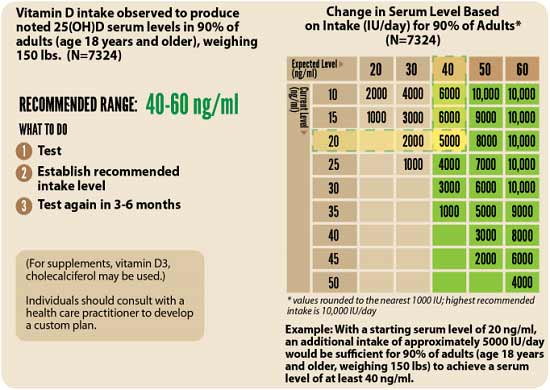
Factors that can influence your vitamin D absorption include your magnesium32 and vitamin K233 intake. Magnesium is required for the conversion of vitamin D into its active form.34,35,36,37 If your magnesium level is insufficient, the vitamin D you ingest orally may simply get stored in its inactive form.38,39
Research by GrassrootsHealth40 shows you need 146% more vitamin D to achieve a blood level of 40 ng/ml (100 nmol/L) if you do not take supplemental magnesium, compared to taking your vitamin D with at least 400 mg of magnesium per day.
Your best bet is to take your vitamin D with both magnesium and K2. According to GrassrootsHealth,41 “combined intake of both supplemental magnesium and vitamin K2 has a greater effect on vitamin D levels than either individually,” and “those taking both supplemental magnesium and vitamin K2 have a higher vitamin D level for any given vitamin D intake amount than those taking either supplemental magnesium or vitamin K2 or neither.”
Data42 from nearly 3,000 individuals revealed 244% more oral vitamin D was required to get 50% of the population to achieve a vitamin D level of 40 ng/ml (100 nmol/L) if they weren’t concurrently also taking magnesium and vitamin K2.
3.Retest in three to six months — Remeasure your vitamin D level in three to six months, to evaluate how your sun exposure and/or supplement dose is working for you.
4.Take activated vitamin D (calcitriol) if your level is low and you come down with an acute infection like COVID. The dose is 0.5 mcg on day one and then 0.25 mcg daily for seven days.
- 1, 2 Healthieryoufl.org
- 3 FDA.gov Mercola.com warning letter February 18, 2021
- 4 GospelNewsNetwork March 15, 2021
- 5, 6 FLgov.org September 21, 2021
- 7, 11, 21 Nutrients October 31, 2020;12, 3361; doi:10.3390/nu12113361
- 8 Nutrients 2020; 12(11):3377
- 9 Nutrients October 31, 2020;12, 3361; doi:10.3390/nu12113361, Table 1
- 10 Nutrients October 31, 2020;12, 3361; doi:10.3390/nu12113361, Table 3
- 12 Nutrients, 2020;12:988
- 13 Advances in Pharmacological Sciences 2018; 2018: 8494816
- 14 ATS Journals October 5, 2010; 183(10)
- 15 The Journal of Nutrition October 15, 2014; 144(12): 2073-2082
- 16 Vaccine: X December 11, 2020; 6: 1000076
- 17 PLOS ONE September 17, 2020 DOI: 10.1371/journal.pone.0239252
- 18 The Journal of Clinical Endocrinology & Metabolism October 27, 2020; dgaa733 [Epub ahead of print]
- 19 Endocrine.org October 27, 2020
- 20 Science Daily October 27, 2020
- 22 Preprints in The Lancet January 22, 2021
- 23 Preprints in The Lancet January 22, 2021 (PDF)
- 24 Emerginnova.com June 4, 2020
- 25 Infectious Diseases April 8, 2020 DOI: 10.21203/rs.3.rs-21211/v1
- 26 Orthomolecular Medicine News Service June 22, 2020
- 27, 28 Alimentary Pharmacology & Therapeutics, 2020; doi.org/10.1111/apt.15777
- 29 Postgraduate Medical Journal November 12, 2020 DOI: 10.1136/postgradmedj-2020-139065
- 30, 31 DMinder app
- 32 BMC Medicine 2013; 11: 187
- 33, 41, 42 GrassrootsHealth Magnesium and Vitamin K2 Combined Important for Vitamin D Levels
- 34 Live Science February 26, 2018
- 35 Medicalxpress.com February 27, 2018
- 36 News-Medical.net February 26, 2018
- 37 Wellandgood.com February 26, 2018
- 38 Journal of the American Osteopathic Association March 2018; 118: 181-189
- 39 Science Daily February 2018
- 40 GrassrootsHealth Is Supplemental Magnesium Important for Vitamin D Levels?
Simple Strategies That Will Improve Your Immunity
Reproduced from original article:
https://articles.mercola.com/sites/articles/archive/2021/11/14/how-to-improve-immune-system.aspx
The original Mercola article may not remain on the original site, but I will endeavor to keep it on this site as long as I deem it to be appropriate, and will not be bullied into removing it.
Analysis by Dr. Joseph Mercola Fact Checked November 14, 2021
STORY AT-A-GLANCE
- Many who end up with severe COVID-19 have reduced adaptive immune function. As a result, they don’t clear the virus quickly and end up having to rely on a more proinflammatory killing of the virus inside their cells instead, which damages healthy cells as well
- Reduced T cell function appears to be a primary cause of severe COVID-19
- Diet and nutritional supplementation are two key strategies that can help support your immune function. Topping the list of nutrients required are vitamin D, magnesium, zinc and selenium
- Melatonin is also important. It has the ability to freely pass into any cell where it upregulates Nrf2 transcription, thereby boosting endogenous antioxidant production
- Other strategies that help support your immunity through a variety of means include time-restricted eating, exercise and sauna
This article was previously published December 20, 2020, and has been updated with new information.
“The Immunity Fix: Strengthen Your Immune System, Fight Off Infections, Reverse Chronic Disease and Live a Healthier Life” is a book written by James DiNicolantonio, Pharm.D., with whom I co-wrote “Super Fuel,” and Siim Land, an esteemed biohacker and author of “Metabolic Autophagy.”
In it, they review how to improve and regulate your immunity — a topic that should be high on anybody’s list these days. The catalyst for this collaboration was a number of academic papers written by DiNicolantonio on the underlying reasons for why some people suffer worse COVID-19 outcomes.
Many who end up with severe illness produce low amounts of Type 1 interferon. There’s also a reduction in their adaptive immune system. As a result, they don’t clear the virus quickly and end up having to rely on a more proinflammatory killing of the virus inside their cells instead.
Immune System Basics
As a refresher, your immune system consists of two primary “arms”:
- The innate immune system, which is your first line defense made up of natural killer (NK) cells, macrophages and white blood cells like neutrophils
- The adaptive immune system — T cells, and B cells that produce antibodies
As explained by DiNicolantonio:
“We used to think that the adaptive immune system was this system that takes a while to kick in, and once you have immunity from your adaptive immune system, then you have a longer-term protection, which is true. However, the adaptive immune system also seems to have cross sensitivity, meaning if you’ve been exposed to previous coronaviruses, your T cells seem to have some cross sensitivity to SARS-COV-2.
So, essentially, what we see is a reduction in T cells, in the cytotoxicity of these CD8 T-killer cells, which kill viruses in a nice, apoptotic, controlled way.
When you have a reduction in those types of immune cells, you have to rely more on your proinflammatory innate immune system for clearing viruses — things like neutrophils, white blood cells, macrophages. They kill in a much more pro-inflammatory, non-specific way, and they end up killing healthy bystander cells.
What we think is going on is, essentially, you have this reduction in Type 1 interferons … which interfere with the virus. And at the same token, you have a reduction in B cells and T cells. So, what ends up happening is you don’t clear the virus as quickly, and you end up having this proinflammatory killing.
Siim and I collaborated because these things are complex. We need to get this in layman’s terms. What our book boils down to is that your diet and your lifestyle control those types of things, and there’s things that you can do to support your own immune system.”
Your T cell function tends to decline with age. It’s also reduced in those with chronic disease. Reduced T cell function appears to be a primary cause of severe COVID-19, seeing how those with the worst COVID-19 outcomes are the elderly and/or those with comorbidities such as diabetes, hypertension, metabolic syndrome and cardiovascular disease.
These factors worsen the proinflammatory response that you get from SARS-CoV-2, but they also weaken your immunity in general. “The Immunity Fix” reviews lifestyle strategies that help you sidestep and prevent this proinflammatory response. “It’s a very holistic approach to looking at the immune system,” Land notes.
Top Two Nutrient Deficiencies to Address
Diet and nutritional supplementation are two key strategies that can help boost your immune function. According to Land and DiNicolantonio, vitamin D may be the most important nutrient in this respect. Vitamin D activates more than 2,000 genes, DiNicolantonio notes, including vitamin K-dependent proteins and repair genes. It also helps your body produce powerful antimicrobial and antiviral peptides.
Those over the age of 60 have a ninefold greater risk of dying from COVID-19 than that of younger individuals. If you’re severely vitamin D deficient, your risk can be 15 fold greater. So, while you cannot change your age, you can certainly alter your vitamin D status, thereby potentially minimizing your risk.
However, in order to convert the vitamin D into its active form, you need magnesium, so magnesium would probably be the second-most important nutrient deficiency to address. Magnesium is also required for immune cell function, so if your magnesium level is low, your immune function could be impaired.
“People who have genetically low magnesium in their natural killer (NK) cells and their CD8 T-killer cells … their immune system is down. They have chronic activation of Epstein-Barr, which 95% of us are infected with, and they’re at a much higher risk of lymphoma,” DiNicolantonio says.
“And that’s just one nutrient. Being deficient in one nutrient can potentially cause this immunodeficiency essentially. So, in the book, we go through how nutrients and your immune system interact and why nutrient deficiencies are probably leading to a lot of these poor COVID-19 outcomes.”
Zinc and Selenium Are Also Important
In terms of importance, zinc would probably nab the third spot. Taking zinc lozenges at the first onset of cold symptoms has been shown to cut the duration of the common cold by six to seven days, but you have to take it correctly.
“If you’re using lozenges, you have to take it every two hours,” DiNicolantonio explains. “You got to take it within 24 hours of symptom onset. You have to take about 18 milligrams per dose, and you have to get the total daily dose over 75 milligrams.”
Fourth on the list would be selenium. Not only is selenium deficiency associated with a fivefold higher risk of dying from COVID-19 and a threefold higher risk of having a poor COVID-19 outcome, but it is also associated with coxsackievirus-induced cardiomyopathy (Keshan disease).
So, if you’re deficient in selenium, a nonvirulent RNA virus called coxsackievirus, which typically only causes hand, foot and mouth syndrome in certain children, can become much more virulent, leading to virally induced cardiomyopathy. Patients with this cardiomyopathy, known as Keshan disease, are typically given selenium. Selenium is also important for the production of glutathione, which appears to play a significant role in COVID-19.
The Importance of Melatonin
Another thing that is associated with improved COVID-19 outcomes is melatonin. DiNicolantonio explains:
“Melatonin is interesting. I kind of view it like molecular hydrogen but with some additional advantages. Melatonin can freely pass into any cell membrane, so that’s very key. If you want to get to the oxidative stress, you have to be able to access it and get into the mitochondria. Melatonin and molecular hydrogen are two molecules that can do that and really do that well …
Melatonin is not just this hormone we secrete in the brain. We synthesize it from serotonin, and it can be produced in many cells. So, it’s active throughout the entire day. What’s interesting is that it’s one of the only molecules that seems to increase the transcription of Nrf2.
Most plant polyphenols and all these other Nrf2 boosters only inhibit the inhibitor of Nrf2, which is KEAP1. Essentially, they’re making the current Nrf2 levels more active. When you add melatonin, that increases the transcription of Nrf2. Very few molecules can actually do that.
And Nrf2 is how we boost our endogenous antioxidant enzymes. Really, that’s the key. If you have acute respiratory distress, you want to boost your overall endogenous antioxidant systems, and the best way to do tha is through Nrf2 activators, particularly melatonin.”
High-Dose Melatonin Reduces COVID-19 Mortality
As for dosage, a recent case series involving 10 patients with COVID-19-related pneumonia used 36 to 72 mg of oral melatonin per day in four divided doses, which is far higher than recommended for sleep. DiNicolantonio comments:
“It’s so safe. Doses of melatonin up to 1,000 mg per day in humans have shown virtually no side effects besides grogginess and sleepiness … Melatonin use is associated with an 83% reduction in mortality from COVID-19, a 30 to 50% reduction in testing positive for SARS-COV-2, and in a case series of 10 COVID pneumonia patients, it cut the duration of hospital stay by five days.
And none of those patients who got melatonin ended up on a mechanical ventilator or died whereas in similar severe COVID-19 cases that were hospitalized at the same time, 25% to 40% of those individuals ended up on mechanical ventilators or died.”
As explained by DiNicolantonio, melatonin is actively produced throughout the day and is a master antioxidant, meaning it scavenges free radicals. It also binds to melatonin receptors that upregulate your innate antioxidant defense systems.
“Melatonin actually seems to concentrate in the bone marrow and that’s important because your immune system comes from stem cells produced from your bone marrow,” DiNicolantonio explains.
“From those stem cells, you get your immune cells. Some of your immune cells can even produce melatonin. We think it’s being concentrated in the bone marrow to protect immature stem cells and immune cells from oxidative damage, which actually makes a lot of sense.”
Nebulized Hydrogen Peroxide
While Land and DiNicolantonio hypothesized that inhaled molecular hydrogen at 2% or 3% would be a potential important strategy in COVID-19 patients requiring ventilation in a hospital, this can be significantly expensive. A better alternative, in my opinion, would be nebulized hydrogen peroxide, which you can do at home. This is my personal go-to strategy, and I’ve seen many recover from COVID-19 using this strategy. You can review my video below for more detailed in formation.
Nebulizing hydrogen peroxide into your sinuses, throat and lungs is a simple, straightforward way to augment your body’s natural expression of hydrogen peroxide to combat infections and can be used to support the immune system.
All you need is a desktop nebulizer, food-grade hydrogen peroxide and some saline. That way, you have everything you need and can begin treatment at home at the first signs of a respiratory infection. Keep in mind food grade hydrogen peroxide must be diluted down to a 0.1% dilution before use.
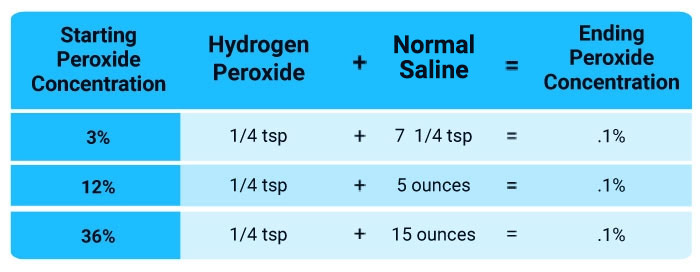
I believe the hydrogen peroxide works like a signaling molecule, and may even have some direct viricidal effect on the cells in the lining of the lungs and the sinuses where the virus takes hold initially. So, you’re potentially killing it directly, plus supporting your immune responses.
Address Your Metabolic Health
In addition to addressing nutrient deficiencies, in particular vitamin D, magnesium, zinc and selenium, Land stresses the importance of optimizing your metabolic health.
“Research [has found] that metabolic syndrome, obesity and diabetes, all those things, worsen the outcomes of COVID-19 as well as other infections like influenza. Obesity also increases the duration that you can carry the virus and share it for longer. So, it’s especially negative in a society that tends to be in poor metabolic health.
One interesting thing that we discovered during the writing of the book is that one of the molecules that gets activated during an infection is called HMGB1, which stands for High Mobility Box-1.
That gets activated during an infection, and it’s one of the key molecules that kind of offsets the cytokine storm by activating NFKB and NLRP3 inflammasome and eventually causes this massive pro-inflammatory cytokine response …
What we theorized based on this research, is that hyperglycemia, insulin resistance, elevated blood sugar will make it more likely that HMGB1 is going to get into the cell and turn on NFKB and these other pro-inflammatory cytokines that will eventually lead to the cytokine storm.”
The Case for a Low Linoleic Acid Diet
DiNicolantonio and I discussed the importance of avoiding seed oils in our book, “Superfuel.” In it, we dove deep into the importance of healthy fats for metabolic health, and the destructive nature of linoleic acid-rich vegetable oils.
Linoleic acid (LA) is one of the most perishable molecules in food, meaning it’s highly susceptible to damage. When it oxidizes, it turns into oxidative metabolites called oxidative linoleic acid metabolites or oxylipids or OXLAMs that damage proteins, DNA and cell membranes and are likely the primary culprit of chronic disease.
OXLAMs also activate pathways that destroy your immune response. What we didn’t fully appreciate at the time was that even healthy oils, such as olive oil, can have a negative impact, thanks to their LA content. LA is also high in conventionally raised chicken, as these animals are typically fed LA-rich grains.
If you exceed 10 grams of LA per day, and perhaps as little as 5 grams — regardless of their source — you may radically worsen your metabolic health. From a historical perspective, 150 years ago, the average consumption of LA was 2 to 3 grams. Today, many get more than 30 grams a day from their diet. In my view, an LA-restricted diet may be the single most important dietary intervention available. DiNicolantonio adds:
“That’s a great point, and I think from a COVID-19 perspective, the biggest thing you want to do is increase the resilience of your cells to oxidative stress. Unfortunately, if you’re consuming a diet high in LA, and if it doesn’t get burned for fuel and it gets stored in tissues, the half-life of LA is 680 days, and it can start oxidizing the cellular membranes, including on your immune cells as well.
If you increase your omega-6 intake, that affects the levels in your immune cells. And if you saturate your immune cells with this oxidized LA, you’re probably at a much higher risk of secreting more proinflammatory cytokines in your own cells, and your lungs and your arteries are probably much more susceptible to the damage that occurs when our body tries to kill off viruses.
I’m sure if we were to actually look at the blood levels of oxidized LA in severe COVID-19 patients, they would be sky high … So yeah, it’s likely a huge driver of overall inflammation.”
Simple Strategies to Improve Your NAD+ Level
Another important molecule is nicotinamide adenine dinucleotide (NAD+), which can be increased using precursors such as nicotinamide mononucleotide (NMN) and/or nicotinamide riboside (NR).
NMN appears to be the superior of the two, as it activates a salvage pathway. However, you don’t need to take an expensive supplement to improve your NAD+ level. Strategies such as exercise, hot or cold exposure and time-restricted eating — which costs you nothing — can get the job done. Land explains:
“A lot of the NAD that your body produces is recycled through the salvage pathway. Very little (less than 1%) of it is going to come from food, especially tryptophan or niacin.
The easiest way to prevent losing your NAD as you get older or as you get immunocompromised is to promote the salvage pathway, and one of the activators of this NAMPT enzyme that governs the salvage pathway is AMP protein kinase (AMPK), and AMPK gets primarily turned on by catabolic stressors in the body, such as exercise, sauna, cold, as well as fasting.
What I’ve concluded is that doing this regular intermittent fasting or timed eating is a very efficient way of keeping our energy levels high and preventing the lowering of the other things that lower NAD, like inflammation and oxidative stress.
The problem is that NAMPT is controlled by sirtuins and sirt1 especially. Sirtuins are longevity genes. Sirtuins also control your circadian rhythms. So, what I think is that if your circadian rhythms are misaligned, if you’re doing shift work or you’re jet lagged or something, then sirtuins are not going to be expressed, and you will also then inhibit NAMPT, which will then shut down the NAD salvage pathway.”
In other words, when sirtuins are suppressed from mismatched circadian rhythms, you also suppress NAMPT, as the NAMPT requires sirtuins to work. Sirtuins also consume NAD, so if your NAD level is low, you’re not going to get the benefits sirtuins provide.
“I think the supplemental NR and NMN are very useful if you’re in an NAD-deficient state because the problem is that if you’re already low in NAD, then it’s hard to raise that bar because you’re already so low and depleted,” Land says.
“If your NAD is high, then you experience the less negative side effects from inflammation oxidative stress because your body can repair and deal with it, whereas if you’re immunocompromised, you’re very old or you are just nutrient deficient and have low NAD, then it’s a vicious feedback loop. So, using something like a NAD precursor or a booster can be a quick fix to get yourself back on the right track.”
If you use an NAD or NMN supplement, consider getting it in suppository form. Other alternatives include subcutaneous or intranasal administration, all of which are more effective than oral supplements. That said, as noted by DiNicolantonio, if your NAD is low, your best bet is to address the underlying cause rather than simply adding supplements.
“Ultimately, any type of oxidative stress is going to deplete NAD. So, fix your metabolic dysfunction and improve your nutrient deficiencies first, and ultimately your NAD need is going to go down. Fix the things that are causing you to burn through your NAD.”
One of the most common sources of oxidative stress is electromagnetic field (EMF) exposure, which is the topic of my book “EMF*D.” Two primary enzymes consume NAD. One is poly ADP-ribose polymerases (PARP), which is also known as adenosine ribosyl transferase (ARTD). PARP is used to repair DNA damage, and every time PARP is activated, it uses up 150 molecules of NAD.
The good news is that strategies such as sauna, exercise and fasting not only will improve the production of NAD, but also will reduce the consumption of it. These strategies also lower inflammation, which in and of itself will lower your NAD consumption.
Other Benefits of Sauna Bathing
In addition to preserving your NAD, sauna bathing also mimics a fever, which is your body’s first-line defense against infections. DiNicolantonio explains:
“The reason why we induce a fever to fight an infection is because that allows our cells to secrete heat shock proteins. In order for a virus to replicate, it has to infect your cell, hijack your machinery, and it has to export its ribonucleoprotein complex out of the cell to replicate. In order for that complex to get exported, the M1 protein has to dock onto it.
Heat shock protein 70, which gets released during sauna sessions, can combine to the viral ribonucleoprotein complex preventing M1 protein from docking. [By] inhibiting the export of that viral ribonucleoprotein complex, [heat shock protein] essentially inhibits viral replication.”
According to Land, regular sauna bathing and exercise are among the best things you can do to strengthen your immune system and increase your body’s resilience. The two are also complementary.
Exercise causes preconditioning hormesis, so if you exercise before your sauna, then you significantly bolster your body’s ability to handle infection and other stresses. The heat will also promote recovery from the exercise by boosting growth hormone, repairing damaged proteins and reducing inflammation.
More Information
This interview merely touches on a small number of highlights of the information found in “The Immunity Fix,” so to learn more, be sure to pick up a copy. To connect with DiNicolantonio and Land, see their websites, DrJamesDinic.com and SiimLand.com. Both can also be found on Twitter and Instagram by searching for DrJamesDinic (@drjamesdinic) and Siim Land.
Should Iodized Salt Also Contain Potassium?
Reproduced from original article:
https://articles.mercola.com/sites/articles/archive/2021/11/13/should-iodized-salt-also-contain-potassium.aspx
The original Mercola article may not remain on the original site, but I will endeavor to keep it on this site as long as I deem it to be appropriate, and will not be bullied into removing it.
Analysis by Dr. Joseph Mercola Fact Checked
STORY AT-A-GLANCE
- Recent data show salt substitutes with 75% sodium and 25% potassium could help reduce the rate of stroke, major cardiovascular disease and death
- Low-salt recommendations parallel the rise in high blood pressure, obesity, diabetes and heart disease, which may be related to the vilification of salt while the food industry liberally added sugar to processed foods
- James DiNicolantonio, PharmD., believes you can’t overdose on salt if you have healthy kidneys. However, there are conditions that require greater attention, including Cushing’s syndrome, Liddle’s syndrome, bowel diseases, adrenal insufficiency, hypothyroidism and sleep apnea
- Low sodium levels also impact athletic performance and may be related to overtraining syndrome. Take care with your salt source, since sea salt from modern oceans is contaminated with plastics and heavy metal
A recent study published in the New England Journal of Medicine1 discovered that the rate of cardiovascular events and death were lower in the group of individuals who used a salt substitute with potassium than in those who used regular salt. The salt substitute was 75% sodium chloride and 25% potassium chloride.
In the interview above with James DiNicolantonio, PharmD., we discuss how salt has been vilified in the past several decades and the possible impact this had on the development of chronic diseases, including high blood pressure and obesity. The interview was in 2017, just after the publication of his book “The Salt Fix: Why the Experts Got It All Wrong — and How Eating More Might Save Your Life.”
In today’s culture, most people think of salt as seasoning for their food. But historically, salt was necessary for the preservation of food and was inextricably intertwined with trade.2 Salt was highly valued, and the word salary is actually derived from the word salt.
It was used as a method of currency and was crucially important economically to many cultures. According to historians, salt played a prominent role in the exploration of the Pacific Northwest in America, was used by the British as a leverage tool in the American Revolution and played a key role in defeating civilian and military morale in the South in the Civil War.
DiNicolantonio first became interested in salt when he was working as a community pharmacist.3 His patients were complaining of new symptoms after their physician put them on a low-salt diet for their high blood pressure. The symptoms included muscle fatigue, heart palpitations, muscle spasms and cramps.
He advised his patients to talk with their doctors and ask more questions about the necessity for using a low-salt diet. He also encouraged them to request a serum sodium blood test to determine if they had low salt levels.
His patients found that after adding salt back into their diet the symptoms disappeared. DiNicolantonio believed this was a real indication that low salt diets were not “panning out in the real world.”4
Potassium Salt Substitute Lowered Cardiovascular Events
The original “Dietary Approaches to Stop Hypertension” (DASH), was published in 1997 in the New England Journal of Medicine.5 The researchers enrolled 459 adults who had blood pressure of less than 160/95. After eating a control diet low in fruits and vegetables and dairy products for three weeks, they were randomly assigned to one of three diets.
One group of participants ate a diet rich in fruits and vegetables, the second ate the control diet and the third ate a combination of the two. The researchers concluded, “A diet rich in fruits, vegetables and low-fat dairy foods and with reduced saturated and total fat can substantially lower blood pressure.”6 At the time of publication, national guidelines also recommended a low-salt diet.
The intervention diet had a salt content of approximately 3 grams per day, with higher levels of potassium, magnesium and calcium. The researchers wrote, “Nonetheless, known diet-related determinants of blood pressure (sodium chloride, body weight and alcohol) could not have accounted for the reductions in blood pressure, because changes in these potential confounders were small and similar for all the diets.”7
In other words, they found that low-salt diets we’re likely not responsible for the reductions in blood pressure that were found in those eating a whole-food diet. But later they wrote it was “noteworthy” that reductions happened with a “sodium intake of approximately 3 grams per day and consumption of two or fewer alcoholic drinks per day.”8 Twenty years later the diet is still considered an important advance in nutritional science. According to one paper:9
“It emphasizes foods rich in protein, fiber, potassium, magnesium, and calcium, such as fruits and vegetables, beans, nuts, whole grains, and low-fat dairy. It also limits foods high in saturated fat and sugar. DASH is not a reduced-sodium diet, but its effect is enhanced by also lowering sodium intake.”
Yet it has been the salt consumption in the DASH diet that has received the greatest attention. The recent data are from the Salt Substitute and Stroke Study10 which sought to determine if using a salt substitute that contained 75% sodium and 25% potassium could have an effect on the rate of major cardiovascular events, stroke and death.
While the endpoint of the DASH diet was to measure blood pressure reduction in a small number of participants, the Salt Substitute study involved people in 600 villages across rural China and used endpoint measurements that clearly had an impact on health.
The researchers chose participants who were 60 years old and older and had high blood pressure. Others were chosen because they had a history of stroke. The researchers randomly assigned villages to use a salt substitute or regular salt11 and followed up for a mean of 4.74 years.12
Those consuming the salt substitute had a lower rate of stroke, major cardiovascular events and death. The rate of hyperkalemia, or high levels of potassium in the blood, was only slightly higher in those using a salt substitute.13 While these results are encouraging, the researchers did not measure whether the participants were first deficient in potassium, also crucial for cardiovascular health.
Low-Salt Recommendations Likely Does More Harm
The original studies linking a low salt diet to high blood pressure began in the 1940s with Dr. Lewis Dahl. At the time of his death, he was chief of staff at the Hospital of Medical Research Center, Brookhaven National Laboratory, New York. In 1956 he concluded that a high-salt diet was an important factor in high blood pressure.14
In my interview with DiNicolantonio, he referred to Dahl as “the Ancel Keys of salt,”15 in reference to the way Keys’ and Dahl’s studies were structured.16,17 The method behind Keys’ study was seriously flawed, with the biggest flaw being that Keys cherry-picked the countries he used to support his hypothesis.
According to DiNicolantonio, Dahl did virtually the same thing as he chose five populations from which he would draw a linear line from high blood pressure to salt intake. DiNicolantonio commented:18
“I don’t know what was in the water in the 1950s, but these doctors seemed to pick just five or six populations that fit their hypothesis, plot it out and show the association basically finding what they wanted to find.”
DiNicolantonio continued by describing the 1988 Intersalt study19 in which 52 populations were evaluated for the relationship between urinary electrolyte excretion and blood pressure measurements. Included in the 52 populations were four primitive cultures that did not consume salt.
An analysis of the data showed that when the four tribal populations are included in the total, the overall results show that salt reduction can help lower blood pressure. However, it is important to note that while those populations did not eat salt, they had a diet with high levels of potassium and magnesium. The people group also exercised more, drank no alcohol and ate no foods with processed sugar.
When that group was removed from the data, it demonstrated that the lower levels of salt did not have a positive effect on blood pressure. One of the reasons this may happen is because when salt is cut from the body, insulin resistance rises.
The combination of Dahl’s study and the DASH study lay the blame for high blood pressure, diabetes and kidney disease on salt. DiNicolantonio commented on the relationship between the study funding sources and the results:20
“When you look at the data and look at studies that didn’t have any conflicts with the food industry … There was one systematic review published a few years ago and it literally showed the opposite results.
The studies that didn’t have any conflicts, basically 80% showed that sugar is associated with obesity and gaining weight. And of course 80% of the studies that had conflicts with the industry showed exactly the opposite, which literally goes to show you that absolutely conflicts with the sugar industry and food industry can affect scientific results. That’s what was going on here.”
Conditions That Require Greater Attention to Sodium Levels
One of the best ways I have found to affect my mitochondrial health is through a cyclical ketogenic diet. When some people first begin this switch to ketosis, they can develop something called “keto flu.” This is often a transitory combination of symptoms that include nausea, fatigue and headaches.21
DiNicolantonio describes the process of how going into ketosis can deplete your body of salt, and thus result in some of these symptoms. He explains that your salt levels directly control levels of magnesium and calcium.22
As carbohydrates are cut from the diet, it reduces the amount of insulin in the body, raises glucagon and produces negatively charged ketone bodies. Each of these processes play a role in lowering sodium levels. DiNicolantonio also points out that there are certain subpopulations of people who are more salt sensitive, such as those with:
- High aldosterone levels — This hormone helps the body retain salt by reducing the amount excreted in the kidneys.23 At the same time it causes the body to remove more magnesium.24 This can happen with a benign tumor-secreting aldosterone.
- Cushing’s syndrome — In this disorder, your body makes too much cortisol. This can mimic the actions of aldosterone and cause the body to keep too much sodium and excrete more potassium.25
- Liddle’s Syndrome — In this rare condition people retain too much salt.26
A healthy body has a “salt thermostat”27 that helps control how much salt you should be eating. It basically is about listening to your own salt cravings. However, as DiNicolantonio describes, there are health conditions that contribute to poor sodium absorption or sodium loss. Those include:
- Bowel diseases — People with ulcerative colitis, celiac disease and irritable bowel syndrome do not absorb salt well. Individuals who have had surgical intervention in their gut may also have poor salt absorption. This could include those who have had bariatric surgery or had part of their intestines removed from cancer.
- Adrenal insufficiency — This is also called Addison’s disease and happens when the adrenal glands do not make enough cortisol.28 DiNicolantonio spoke of a paper published in JAMA in the 1940s describing a child who was eating a lot of salt to the point where the parents hospitalized the child. The child ended up dying a few days later from salt loss. People with adrenal insufficiency do not absorb sodium well.
- Hypothyroidism — Thyroid hormones help control metabolism and the kidneys’ ability to resorb salt.29 People with some type of thyroid dysfunction may need more salt.
- Sleep apnea — People with sleep apnea may be losing twice the amount of salt at night, which is why they’re often up during the night to urinate. The interruption in breathing can cause blood to enter the thorax, which increases central blood pressure. This tricks the body into thinking there is an overload of salt and causes the kidneys to excrete more salt and thus more urine during the night.
- Kidney diseases — Individuals with polycystic kidney disease, glomerulonephritis and interstitial damage to the tubules can negatively affect salt loss, leaving higher levels of sodium in the body.
Low Sodium Level Impacts Exercise Performance
DiNicolantonio calls salt “the sixth factor in fitness.”30 He described how Ancel Keys discovered the benefits of salt for individuals who exercise. In the 1940s Keys demonstrated that individuals who work out in the heat without adequate amounts of salt have a 10-fold increase in the potential risk of heat stroke.
As people are looking for ways to improve blood circulation, DiNicolantonio believes that taking a bit of salt before exercise is one of the best ways to improve performance and reduce the risk of dehydration. Before working out he takes a half-teaspoon of salt with enough lemon juice to cover the taste of the salt and 2 ounces of water. He uses this approximately 20 minutes before working out.
The benefits are that you immediately begin increasing blood volume, circulation and reducing heart rate. People who have adequate sodium levels also release more heat because salt is a good vasodilator and allows heat to escape the body. As the heat dissipates during exercise it reduces your core body temperature.
Overtraining syndrome is a challenge faced by many athletes. The literature describes it as a “maladapted response to excessive exercise without adequate rest, resulting in perturbations of multiple body systems coupled with mood changes.”31 DiNicolantonio describes the effect salt has on overtraining syndrome:32
“Overtraining syndrome is literally salt deficiency in the tissues. When your muscles are just losing salt it’s why you get muscle spasms, and twitches and if you just add salt back to the diet you can completely eliminate overtraining syndrome.”
Consider Your Salt Intake
As DiNicolantonio points out, our ancestors ate much more salt than we do, potentially up to 10 times more than we consume today.33 From a historical perspective it’s important to note that society did not suffer from the chronic diseases that are also common today. He believes that the rise in high blood pressure, diabetes and obesity parallels lower salt diets and may have been a contributor to the development of these diseases.
In his research DiNicolantonio finds that the average American consumes about 3,400 milligrams of sodium each day. He does not believe that a person with healthy kidneys can consume too much salt, since the kidneys will flush out the excess amount.
It’s crucial to consider the source of your sodium since sea salt from the modern oceans contains modern-day pollutants,34 like plastics and traces of heavy metals when compared to Himalayan Sea salt or Redmond salt from ancient oceans.
DiNicolantonio also points out that it’s important to get enough salt each day because a sodium deficiency can reduce vitamin C absorption, which indirectly affects bone health and strength due to the resultant vitamin C deficiency.35 The chloride in salt is also a necessary part of hydrochloric acid, which is a component of how food is broken down in the stomach.
One factor in lower amounts of hydrochloric acid in the gut, which contributes to acid reflux and gastroesophageal reflux disease, is there may not be enough salt to produce enough hydrochloric acid. Simply normalizing your salt intake is a classic example of how simple strategies have a considerable impact on health and wellness.
- 1, 12, 13 New England Journal of Medicine, 2021;385
- 2 Salt Works, History of Salt
- 3, 4, 15, 18, 20, 22, 27, 30, 32, 33 BitChute, October 26, 2021
- 5, 6, 7, 8 New England Journal of Medicine, 1997;336
- 9 JAMA, 2017;317(15)
- 10 Medical Dialogues, September 20, 2021
- 11 Medical Dialogues, September 20, 2021, para 4
- 14 New York Times, November 28, 1975
- 16 Seven Countries Study, Ancel Keys
- 17 The Wire, March 30, 2017
- 19 BMJ, 1988;297(6644)
- 21 Medical News Today, September 6, 2019
- 23 You and Your Hormones, Aldosterone
- 24 Clinical Physiology and Biochemistry, 1988;6(6)
- 25 Frontiers in Endocrinology, 2019; doi.org/10.3389/fendo.2019.00321
- 26 Integrated Blood Pressure Control, 2019;12
- 28 Johns Hopkins Medicine, Adrenal Insufficiency
- 29 European Journal of Endocrinology, 2017;176(1)
- 31 Sports Health, 2012;4(2)
- 34 USA Today, October 18, 2018
- 35 Missouri Medicine, 2018;115(3)
Black Seed Oil Evaluated for Chronic Inflammation
Reproduced from original article:
https://articles.mercola.com/sites/articles/archive/2021/11/12/black-seed-oil-covid.aspx
The original Mercola article may not remain on the original site, but I will endeavor to keep it on this site as long as I deem it to be appropriate, and will not be bullied into removing it.
Analysis by Dr. Joseph Mercola Fact Checked November 12, 2021

STORY AT-A-GLANCE
- Black seed oil may be an alternative herbal treatment for combating COVID-19
- The bioactive compounds have an antihistamine effect and anti-inflammatory properties that downregulate interferon regulatory factor 3 activation and promote autophagy
- Researchers hypothesize that several of the terpenes in the oil are similar in structure to chloroquine and may act as a zinc ionophore; evidence also suggests one compound may block ACE2 receptors, which the virus uses to release viral RNA into the cell
- Black seed oil has many traditional medicinal uses, including as an antidiabetic, antimicrobial, bronchodilator and antioxidant
- The Front Line doctors list black seed oil as an alternative therapeutic agent in the treatment of COVID-19. However, the oil is high in linoleic acid and so should not be used preventively against COVID
Black seed oil has been used for its therapeutic benefits for thousands of years. Since the pandemic began, researchers have been evaluating the effect it may have on COVID-19.1 The seeds come from the Nigella sativa (N. sativa) plant that grows in Southern Europe, Southwest Asia and the Middle East.2 Traditional medicine healers have used the seeds in different forms.
Black seed is coal-black with a dull surface and shaped like tiny Brazil nuts. The bioactive components include thymoquinone, α-hederin, alkaloids and omega-6 fatty acids.
Black seed oil has also been used for dermatological applications. For example, a review of the literature in the Journal of Dermatology & Dermatologic Surgery3 found black seed oil could promote wound healing in farm animals and reduce the impact of vitiligo in lizards.
In one clinical study4 in humans, lotion infused with 10% of N. sativa oil reduced acne vulgaris after two months with 67% of the patients fully satisfied and 28% partially satisfied with the results.
In the current research,5 scientists believe the oil may have promising benefits in the treatment and prevention of COVID-19. However, while short-term use for treatment may be advantageous, it is wise to avoid long-term use for prevention.
Black Seed Oil May Be a Promising Option for COVID-19
Historically, black seed oil has been used to help balance the inflammatory response in the body as well as reduce oxidative stress, inflammation and ischemia. Using recent computational findings, one research group found the active ingredients in N. sativa were “strongly suggestive of combating emerged COVID-19 pandemic.”6
The paper suggests that the active ingredients, especially thymoquinone, α-hederin, and nigellidine, may be an alternative herbal treatment in the combat against COVID-19. The paper reviews several pathways that the active ingredients in black seed oil may use to protect health.
For example, the researchers reviewed past studies that demonstrated the actions the active ingredients in black seed oil have on the immune system, which may help reduce the severity of COVID-19. The active compounds have a significant antihistamine effect in animal studies and thymoquinone downregulates interferon regulatory factor 3 activation, which plays a critical role in innate immune responses.7
Autophagy is a mechanism that clears out damaged cells in the body. Data has shown that COVID-19 suppresses autophagy and that pharmacological agents used to induce the process may therefore have an antiviral effect. One study8 published in 2018 indicated thymoquinone promotes autophagy in the heart muscle.
The researchers suggest that further study should be undertaken to determine if thymoquinone has a similar effect with COVID-19. Severe COVID-19 is characterized by cytokine storms that may require intensive care.9 Animal studies have demonstrated that the bioactive compound α-hederin has anti-inflammatory activity and can decrease histamine levels.
The researchers reported one study had found thymoquinone helped inhibit two enzymes that produce inflammatory leukotriene and prostaglandins. Researchers suggest that these actions may potentially make the active compounds in N. sativa useful in the treatment and prevention of SARS-CoV-2 viral infections.
Finally, in their review of comorbid conditions associated with COVID-19, the researchers found that N. sativa may have a positive effect against diabetes, high blood pressure, heart disease, autoimmune and auto inflammatory diseases and bacterial infections associated with COVID-19.
After a review of the evidence, the researchers suggest that further experiments with the active compounds found in black seed oil are required to determine if they have preventive potential or may provide a new treatment modality.10
Zinc Combinations Help Treat COVID-19
Research into medications that may influence COVID-19 have included antivirals. One such antiviral being studied is favipiravir. Data show the drug was approved and has been used for flu infections in Japan.11 In late 2020, a study published in PNAS12 revealed that when given in high doses to hamsters favipiravir had promising antiviral activity against SARS-CoV-2.
However, a computer-model molecular docking study published in Biological and Medicinal Chemistry13 revealed that the bioactive compounds nigellidine and α-hederin found in black seed oil were able to inhibit SARS-CoV-2 with a greater potential than favipiravir, chloroquine and hydroxychloroquine.
Evidence from a second paper that reviewed the biological effects of the active compounds in black seed oil suggested that thymoquinone may block ACE2 receptors,14 which is where the SARS-CoV-2 binds to the cell and releases the viral RNA into the cytoplasm.
Contrary to what the PNAS hamster study found, these researchers hypothesized that chloroquine, and potentially the derivative hydroxychloroquine, may also interfere with the virus’s ability to bind with the ACE2 receptors.
This is one pathway the researchers suggest that black seed oil may use in the treatment of COVID-19. Another pathway is as a zinc ionophore. The body uses zinc in several pathways to support the immune system, including:15
- Proliferation and activation of natural killer cells, macrophages, neutrophils, and T and B cells
- Mediating protection against reactive oxygen species produced during an inflammatory response
- Stopping recombinant RNA dependent RNA polymerase activity needed to replicate SARS-CoV-2
- Inhibiting replicase processing
Therefore, moving zinc into the cytoplasm is crucial to help prevent the replication of the SARS-CoV-2 virus and thus effectively stop infected cells from infecting other cells.
Oral supplementation of zinc alone is not sufficiently effective since zinc cannot move easily across the cell wall. It needs another compound to provide transportation. The second compound is called a zinc ionophore. The application of zinc with an ionophore has demonstrated improved outcomes in patients hospitalized with COVID.16
Research has identified several zinc ionophores, including chloroquine,17 hydroxychloroquine,18 quercetin and EGCG.19 Scientists have suggested that several of the terpenes in black seed oil, such as nigellimine, are similar in structure to chloroquine. They hypothesize that this may mean they can function in a similar manner as a zinc ionophore.20
Thus, recent data have shown that the active ingredients found in black seed oil may have greater potential in the treatment of COVID-19 than antiviral drugs, may act as a zinc ionophore and may help block the ACE2 receptors the virus uses to infect cells.
Black Seed Oil Has Traditional Medicinal Uses
N. sativa is a popular and traditional medicinal and has a long history of use in several diseases and ailments.21 Traditional medicine has used black seed oil as a diuretic, antidiarrheal, appetite stimulant, analgesic, lower blood pressure, liver tonic and skin disorder treatment.22 However, research has also explored the pharmacological activity of black seed oil and found it has many properties, including:23
| Antidiabetic | Anticancer | Immunomodulator |
| Analgesic | Antimicrobial | Anti-inflammatory |
| Spasmolytic | Bronchodilator | Hepato-protective |
| Renal protective | Gastro-protective | Antioxidant |
The immune-modulating activities of black seed oil help to regulate the immune system and maybe another pathway in the treatment for COVID-19. In addition to the studies using black seed oil, researchers have also separated the bioactive ingredients and evaluated their potential benefit against SARS-CoV-2.
A data review24 on thymoquinone was published in February 2021, in which the researchers reviewed the bioactivity of the compound found in past research. They wrote that thymoquinone increased the activity and number of natural killer cells, macrophages, lymphocytes and cytokines suppressors.
Additionally, they cite past research that showed the active ingredient had antiviral potential against other viruses, including human immunodeficiency virus, other coronaviruses, Epstein-Barr virus, cytomegalovirus and hepatitis C. In addition, they reviewed an Egyptian study in which thymoquinone demonstrated antiviral activity in a strain of SARS-CoV-2 isolated in patients and the inhibitory effect it has on the viral protease, which may reduce viral replication.
One study25 from Saudi Arabia evaluated the effectiveness of black seed oil as a supplement in patients with mild COVID-19 who were between 18 and 65 years. The intervention group received 500 mg of soft gel capsules twice daily for 10 days in addition to their standard treatment.
Initial results were published on Clinical Trials.26 The primary outcome measurement was the percentage of participants who showed clinical recovery within 14 days after treatment began. The team reported 62.1% of those receiving the black seed oil demonstrated recovery from mild COVID-19 while 36% of the control group recovered within 14 days.
Consider Oil for Short-Term Use to Reduce Health Risk
The Front Line COVID-19 Critical Care Alliance (FLCCC)27 lists black seed oil as an alternative for prevention and treatment of COVID-19. They stress there is no “magic bullet” for COVID-19, yet:28
“… a number of therapeutic agents have shown great promise for both the prevention and treatment of this disease including Ivermectin, Vitamin D, quercetin, melatonin, fluvoxamine, corticosteroids, curcumin (turmeric), Nigella sativa and antiandrogen therapy.”
The team recommends taking N. sativa with honey as they both have antimicrobial, antiviral, immunomodulatory and anti-inflammatory effects with proven safety profiles. They list N. sativa and honey in the prevention protocol for children and adolescents, and as an alternative for first-line treatment in the early treatment protocol at home.
While short-term use of black seed oil may be efficacious in the treatment of COVID-19, long-term use for prevention may have other unwanted effects. One study29 of the chemical composition of black seed oil shows that the majority of fatty acids are from linoleic acid, an omega-6 polyunsaturated fat or (PUFA).
As I have discussed in an interview with Tucker Goodrich,30 linoleic acid (LA) is likely the leading contributing cause of virtually all chronic diseases we have encountered in the last century.
When LA is consumed in excessive amounts, it acts as a metabolic poison. Chances are you’re getting an excess amount of this dangerous fat from foods that you may even consider healthy. For example, olive oil and chicken, which are fed LA-rich grains, increase your levels of omega-6 fatty acids.
Many are aware that the omega-3 to omega-6 ratio is important and should be close to equal. However, it is not as simple as raising omega-3 fatty acids. You need to minimize omega-6. fats A compelling report in the journal Gastroenterology31 has offered a logically sound explanation as to why some patients with COVID-19 develop life-threatening organ failure.
The data indicate that the mortality rates appear to be heavily influenced by the amount of unsaturated fats you eat, such as LA. To date, there have been no clinical studies on the treatment they believe may help reduce the rate of organ failure and ICU admissions, namely the administration of calcium and egg albumen. It appears these compounds can bind the unsaturated fats and reduce injury to vital organs.
Take Care to Lower Your Omega-6 Intake
Fortunately, you can analyze your food for LA from the convenience of your home. All you need to do is accurately enter your food intake into Cronometer — a free online nutrition tracker — and it will provide you with your total LA intake. The key is to carefully weigh your food with a digital kitchen scale so you can enter the weight of your food to the nearest gram.
Cronometer.com is free to use as a desktop version. If you feel the need to use your cellphone (which is not recommended), then you will need to purchase a subscription. Personally, I have used the desktop version exclusively for the last five years as it has greater functionality and allows me to avoid electromagnetic fields from my phone.
Ideally, it is best to enter your food before you eat it. The reason for this is quite simple: It’s impossible to delete the food once you have already eaten it, but you can easily delete it from your menu if you find something that pushes you over the ideal limit.
Once you’ve entered the food for the day, go to the “Lipid” section on the lower left side. To find out how much LA is in your diet for that day, you merely need to see how many grams of omega-6 are present since roughly 90% of the omega-6 you eat is LA.
Thus, you can see that chronic use of black seed oil for prevention against COVID-19 will likely increase your risk of other chronic diseases that increase your risk of severe disease. If you are interested in using black seed oil, consider the extracts of the bioactive ingredients and not the whole oil.
If you are seeking an alternative for prevention and treatment, consider a combination of quercetin and zinc. Quercetin also has antiviral properties32 and is a zinc ionophore.33 While safe to take for about two weeks when you’re ill, it is important you are careful with zinc supplements as you may offset your zinc/copper balance and negatively impact your immune system.34,35
- 1, 5, 6, 7, 9, 10 Phytotherapy Research, 2020; doi.org/10.1002/ptr.6895
- 2, 22, 23 Asian Pacific Journal of Tropical Biomedicine, 2013; 3(5)
- 3 Journal of Dermatology & Dermatologic Surgery, 2015; 19(2) 3, 4.2, 5.1
- 4 The Iraqi Postgraduate Medical Journal, 2010;9(2)
- 8 Cellular Biochemistry, 2018; 119(9)
- 11 Proceedings of the Japan Academy, 2017;93(7)
- 12 PNAS, 2020;117(43)
- 13 Biological and Medicinal Chemistry, 2020; doi.org/10.26434/chemrxiv.12055716.v1
- 14, 15, 20 Journal of Herbal Medicine, 2020; 23(100382)
- 16, 18 Journal of Medical Microbiology, 2020;69(10)
- 17 PLOS|One, 2014;9(10)
- 19, 33 Journal of Agricultural and Food Chemistry, 2014;62(32)
- 21 Iranian Journal of Basic Medical Sciences, 2014;17(12)
- 24 Dovepress, 2021; doi.org/10.2147/DDDT.S308863
- 25 BMC Trials, 2020; 21(703)
- 26 Clinical Trials, May 26, 2020
- 27, 28 FLCCC, An overview of the MATH+, I-MASK+ and I-RECOVER Protocols, Intro page 7
- 29 Natural Product Research, 2010;24(12)
- 30 Bitchute, December 11, 2020
- 31 Gastroenterology, 2020;159(3)
- 32 Natural Product Communications, 2020; doi.org/10.1177/1934578X20976293
- 34 Oregon State University, Zinc, bullet 5
- 35 Oregon State University, Copper, Bullets 1-3