

Minerals

now browsing by category


How Zinc Can Boost Your Immune Health


Reproduced from original article:
https://articles.mercola.com/sites/articles/archive/2021/10/11/how-zinc-can-boost-your-immune-health.aspx


Analysis by Dr. Joseph Mercola      Fact Checked      October 11, 2021

STORY AT-A-GLANCE

  • Zinc is essential for the normal development and function of your immune system as it protects against susceptibility to pathogens, mediates natural killer cells, activates T-lymphocytes, regulates macrophages and is central to DNA replication
  • Evidence shows zinc helps protect the body from COVID-19 by impairing viral replication in the cell, supporting ciliary growth and function in the respiratory system and improving the respiratory epithelial barrier
  • A zinc deficiency is associated with many of the comorbidities linked to COVID-19, including obesity, kidney disease, tobacco smoking, diabetes and autoimmune diseases
  • Using a zinc ionophore helps move zinc into the cells where it can impair viral replication. Zinc ionophores include hydroxychloroquine, quercetin and EGCG found in green tea
  • Zinc supplementation may trigger a zinc/copper imbalance. It is best to consistently get your zinc from food and use supplementation during an acute illness

In this short video by Dr. John Campbell, he reviews some of the science behind the association between zinc and the immune system. He believes it is one biological basis for an “altered resistance to infection.”1 But, beyond the immune functions I discuss below, it’s important to know that zinc plays other important biological roles.

For example, you have at least 300 enzymes that require zinc to function normally.2 The Centers for Disease Control and Prevention3 has identified several common human coronaviruses that are responsible for upper respiratory tract illnesses, like the common cold. Although a cold is usually a minor condition, it is also responsible for most doctor’s office visits every year.4

A cold can last as short as a week, but in children and the elderly it can last longer. Cold symptoms include stuffy head, runny nose, sore throat, headache and sometimes a fever.5 These are some of the same symptoms of influenza, but the symptoms are often worse and include fever and body chills.

It wasn’t until the work of Dr. Ananda Prasad in the 1970s that zinc was acknowledged as an essential mineral.6 A decade earlier, Prasad was studying young men who had grown up in Egypt and never attained their normal height.

After supplementing with zinc, the men grew “significantly taller.” In the 1970s, zinc was acknowledged by the National Academy of Sciences as a mineral fundamental to many aspects of health. Prasad collaborated with a scientist from the University of Michigan to demonstrate that zinc influences immunity.7

Research in the last decade has identified the crucial role that zinc plays in curtailing the length and severity of upper respiratory infections. A meta-analysis8 published in 2017 found those who took a zinc supplement of 80 to 92 milligrams (mg) each day at the beginning of cold symptoms saw a reduction in the length of their cold by 33%.

Although research has demonstrated the significantly positive effect zinc has on the immune system and on shortening upper respiratory infections caused by common cold viruses, further research in 2020 has demonstrated that zinc is crucial to immune system function and deficiency may be linked to individuals who have severe COVID-19 illness.9

Zinc Is Crucial for Normal Immune System Development

Since the 1970s, scientists have discovered several facts about zinc and how it plays a central role in the immune system. Your immune system is your body’s first line of defense. Whether this is against infectious disease, wound infections or chronic disease, your immune system plays a crucial role.

Researchers have spent decades studying the different ways that you can support your immune system to improve function. Nutrients play a vital role in supporting your immune system, and one of those nutrients is zinc. Swiss Policy Research (SPR), formerly known as Swiss Propaganda Research, describes itself as:10

“… an independent, nonpartisan and nonprofit research group investigating geopolitical propaganda. SPR is composed of independent academics and receives no external funding other than retrospective reader donations.”

The group has gathered evidence and information throughout the COVID-19 pandemic. The investigators believe that those who are either at high risk of getting COVID or at high risk for exposure to it should receive early or prophylactic treatment.11 They also propose that prophylaxis and treatment should contain zinc.12

Early and outpatient treatment from the Front Line COVID-19 Critical Care Alliance,13 contains zinc, as does the protocol recommended and prescribed by Dr. Vladimir Zelenko.14,15 Zelenko created a website to facilitate crowd-source medical data from frontline primary care doctors around the world.16

There are academics who also support Zelenko’s efforts, including some at the University of Texas, which hosts a download page describing the history and citations behind the Zelenko Protocol.17 Zelenko and the Front Line critical care doctors used their knowledge of the association between zinc and your immune system to develop their successful protocols. Data have shown:18

  • People who are deficient in zinc have an increased susceptibility to pathogens, including through the skin barrier.
  • Zinc mediates nonspecific immunity, including natural killer cells and neutrophils.
  • Zinc deficiency prevents the activation of T-lymphocytes, production of Th1 cytokine, and the ability of B lymphocytes to help. During deficiency, B lymphocyte development is also compromised.
  • Deficiency affects the function of macrophage cells, which can trigger cytokine production and dysregulated intracellular death.
  • Zinc is central to DNA replication, RNA transcription and cell activation and division.

Evidence Zinc Helps Protect Against COVID-19

Campbell describes several functions by which zinc helps protect the body from COVID-19, including helping to stop viruses from entering the cells.19 Another function that zinc performs is in supporting the growth and function of ciliary hairs in the respiratory system.

One study published in the American Journal of Rhinology and Allergy20 showed that zinc helps to stimulate the ciliary beat frequency and may help improve mucociliary clearance, which is essential for clearing the lungs of mucous. Another group of scientists found that supplementing animals deficient in zinc affected the length of the cilia and number of epithelial cells in the bronchus.21

Zinc also functions to improve the respiratory epithelial barrier,22 which past research also demonstrated.23 Evidence has shown that zinc influences interferon-gamma (IFN-γ), which plays a significant role in defending against intracellular pathogens.24 When there is a reduction in this cytokine it results in immunological impairment.

While the jury is still out on whether IFN-γ plays a role as an antitumor mechanism, some studies have shown that it does have a positive effect on patients’ survival of certain cancers.25

As you’ve likely heard throughout 2020, zinc also has a direct effect on viral replication inside the cells. Campbell describes some of the effects that zinc has inside the cells,26 including decreasing the effects of RNA-dependent RNA polymerase, often called replicase since it helps replicate the virus inside the cells.

Zinc Deficiency Linked to Multiple Health Conditions

As Campbell points out, a zinc deficiency can significantly impact your immune system, but it can also result in a hyper inflammatory response from proinflammatory cytokines.27 Thus, with a deficiency in zinc, you not only get more viral infections, but these trigger an increase in the hyper inflammatory response.

At approximately minute 14 in the video above, Campbell shows a Venn diagram of the overlapping health conditions in which a zinc deficiency is commonly associated, and which are known comorbidities for COVID-19. These conditions include:

Arteriosclerosis Autoimmune diseases Bronchial asthma
Cancer Chronic obstructive pulmonary disease (COPD) Diabetes
Diuretics Elderly Immunosuppression
Kidney disease and liver cirrhosis/damage Tobacco smoking Obesity

Interestingly, a study published in the journal Mayo Clinic Proceedings28 found that celiac disease, or a gluten sensitive enteropathy, is highly associated with a zinc deficiency. One in 141 people in the U.S. reportedly suffers from celiac disease29 and the prevalence has increased in the last 60 years.30

In the study, 59.4% of those diagnosed with celiac disease were zinc deficient.31 Dr. Adam Bledsoe, a gastroenterology fellow at Mayo Clinic’s Rochester campus and lead author of the study, noted in a Mayo Clinic news release:32

“It was somewhat surprising to see the frequency of micronutrient deficiencies in this group of newly diagnosed patients, given that they were presenting fewer symptoms of malabsorption …

Our study suggests that the presentation of celiac disease has changed from the classic weight loss, anemia and diarrhea, with increasing numbers of patients diagnosed with nonclassical symptoms.”

Zinc deficiency has also been associated with depression.33 Studies show that low serum levels of zinc in individuals who are depressed could trigger a chronically poor mood. Researchers have also found that zinc plays a role in maintaining normal levels of thyroid stimulating hormone and T3.34

Zinc Ionophores Improve Effectiveness

In this short MedCram video, Dr. Roger Seheult reviews the compelling evidence that suggests how zinc ionophores improve zinc uptake into the cell. This is a crucial component of stopping viral replication. As Seheult explains, the zinc cannot easily penetrate the fatty walls of the cell but needs to be inside the cell to stop viral replication.

There are several zinc ionophores that can do the job. In this video, Seheult describes the role that hydroxychloroquine and chloroquine play. Hydroxychloroquine is the ionophore that Zelenko uses in his protocol to move zinc into the cells. In his peer-reviewed study the researchers compared 141 treated patients against 377 untreated patients from the same community.35

The data collection showed only four of the 141 treated patients were hospitalized and 58 of the untreated patients were hospitalized. One patient in the treatment group died and 13 patients in the untreated group died. However, there are also other natural compounds that may work, except for perhaps in the most serious cases. Two that have been studied include quercetin and epigallocatechin gallate (EGCG), which is found in green tea.36

In a comparative study, researchers evaluated quercetin and EGCG as zinc ionophores. They demonstrated ionophore action on a lipid membrane system and concluded that these polyphenols may raise zinc levels in the cells and have a significant impact on the biological action of zinc.

Interestingly, quercetin is also a potent antiviral and quercetin and EGCG have the added advantage of inhibiting the 3CL protease.37 According to a 2020 study in the Journal of Enzyme Inhibition and Medicinal Chemistry,38 the ability to inhibit SARS coronaviruses “is presumed to be directly linked to suppress the activity of SARS-CoV 3CLpro in some cases.”

Zinc Supplementation May Trigger a Copper Imbalance

Zinc deficiency is not uncommon. Experts believe that about 17.3% of the global population are deficient39 and it is estimated most people over 65 consume just 50% of the recommended amount zinc.40

The deficit may in part be the result of soil depletion of zinc due to conventional farming methods and may also simply be that not enough zinc-rich foods are included in the diet. There are four common signs that your body may need more zinc:41

  • Lack of appetite
  • Mental lethargy
  • Impaired sense of taste or smell
  • Frequent colds, flu or infections
  • Hair loss42

Although more attention is being paid to zinc recently, Emily Ho, Ph.D., principal investigator with the Linus Pauling Institute at Oregon State University, has said,43 “Zinc deficiencies have been somewhat under the radar because we just don’t know that much about mechanisms that control its absorption, role or even how to test for it in people with any accuracy.”

While some tests used to identify deficiency include hair analysis,44 urine samples45 or an oral taste test,46 blood plasma tests are the most common.47 The oral taste test can be done at home through mail-order labs. It involves holding 10 milliliters of liquid zinc in your mouth for 10 seconds. Because the liquid zinc has an intense taste, if your zinc levels are normal, you likely will not be able to tolerate the strong taste for long.

In fact, you may want to immediately spit it out. If you’re deficient, you’ll likely be able to hold it in your mouth without any difficulty because it will taste like water. The absence of sufficient zinc in your body will somewhat disable your sense of taste and smell, which means you’re not affected by the intense taste.

However, the test is not specific to zinc.48 In other words, impaired taste for another reason will net the same result — you will not taste the zinc. Campbell list several groups of individuals who are at risk for zinc deficiency, including:49

  • Those with malnutrition
  • The elderly
  • People with inflammatory or autoimmune diseases
  • Vegetarians and vegans

Early zinc deficiency is largely subclinical — meaning you do not have clinical symptoms — yet it does impact the immune system. Zinc levels are impacted by copper. An imbalance in your zinc and copper levels can lead to other health conditions. For example, researchers postulate that the zinc deficiency associated with anxiety and depression may be the result of a zinc copper imbalance.50

Although you may be tempted to begin supplementing with zinc, it’s important to realize that your body has an intricate method of maintaining balance of trace minerals such as copper, iron, chromium and zinc. The best way to readily achieve proper balance is to get your minerals from real food.

Although it may be necessary to supplement during illness when your body needs more zinc, I recommend trying to meet your daily requirement from foods. These are some of the best food sources of zinc:51,52,53

Alaskan King crab Oysters Almonds
Cashews Kidney beans Pastured chicken
Lamb Chickpeas Oatmeal
Grass fed beef Cheddar or Swiss cheese Yogurt
Mushrooms Spinach Pork chops
Pumpkin seeds


– Sources and References

Moderna COVID shots halted in Japan, 1.6 million doses contaminated

Reproduced from original article:
www.naturalhealth365.com/moderna-shots-halted-in-japan-3960.html

by:  | September 3, 2021

moderna-shot-halted(NaturalHealth365) It’s not uncommon to hear about major drug recalls due to concerns over contamination.  Just three years ago we reported on a major recall by the U.S. Food and Drug Administration (FDA) over a high blood pressure medication found to be tainted with a cancer-causing chemical called NDEA.

In breaking news, drug contamination is the reason for a recent Japan recall of a batch of COVID shots, although regulators in the European Union (EU) are still allowing production to continue at the plant where these shots originated from.

COVID SHOT CONTAMINATION:  Japanese officials halt 1.6 million doses of Moderna shots due to presence of metal in product

On August 26, Japanese officials halted the use of 1.63 million doses of the Moderna COVID shot that were sent to over 860 jab centers across the nation.  This suspension occurred more than a week after the Japanese distributor Takeda Pharmaceutical found evidence of metal contaminants within many of the shot vials.

According to Japanese health ministry officials, the contaminant found within the botched shots was shown to react to magnets – a finding which certainly calls into question the media’s blanket dismissal of numerous accounts of people showing that their bodies were unusually magnetized following their COVID jab.

Moderna, meanwhile, insists these metal contaminants are “particulate matter” from manufacturing or production, and do not pose any safety or efficacy issue.

The contaminated shots distributed across Japan originally came from a plant in Spain run by pharmaceutical firm Rovi.  Interestingly, drug regulators from the European Union are not going to require the plant to halt production at this time, despite the fact that the investigation over the contamination is still ongoing.

Setting aside what shouldn’t be in Moderna jab – here’s at least one ingredient that comes with possible health concerns

Unknowingly putting metals into the body can have a variety of harmful health effects.  But it’s not just what shouldn’t be in these drugs that are concerning some.

For example, information from Moderna reveals that their COVID shot – which is now called Spikevax in the EU – contains an ingredient called polyethylene glycol/macrogol (PEG).

According to the PEG Safety Data Sheet, there is no information available on this chemical’s carcinogenic effects, mutagenic effects, endocrine-disrupting effects, teratogenicity effects, reproductive effects, OR developmental effects.  In other words, there isn’t enough evidence to prove that this chemical is safe for human consumption – yet it’s found in common household items including cleaners, baby wipes, and cosmetics.

There is some evidence pointing to PEG’s potential health hazards, however.  According to MadeSafe.org, PEG is often produced using another chemical called ethylene oxide, which causes cancer.  For this reason, it’s possible that PEG can be unintentionally contaminated with ethylene oxide.  (Chemicals made with ethylene oxide can also be contaminated with another carcinogen called 1,4-dioxane.)

As a “penetration enhancer,” PEG also makes it easier for other substances – both toxic and non-toxic to pass through the skin and enter the body.

It’s an eye-opening experience to look up the Safety Data Sheet information of each COVID shot ingredient.  For example, another compound found in the Moderna shot called Sodium Acetate Trihydrate has known mutagenic effects in animals (meaning it has shown to be able to mutate DNA).

Consider researching these ingredients yourself as you make informed decisions about your health.

Sources for this article include:

KHN.org
Madesafe.org
ModernaCOVID19global.com
NIH.gov
Reuters.com
Fishersci.com
Fishersci.com

Parsley: Five Top Benefits of This Easy-to-Grow Herb

© GreenMedInfo LLC. This work is reproduced and distributed with the permission of GreenMedInfo LLC.
Want to learn more from GreenMedInfo? Sign up for the newsletter here:
www.greenmedinfo.com/greenmed/newsletter
Reproduced from original article:
www.greenmedinfo.com/blog/parsley-five-top-benefits-easy-grow-herb
Posted on: Thursday, August 19th 2021 at 4:15 pm

Written By: GreenMedInfo Research Group
This article is copyrighted by GreenMedInfo LLC, 2021

Discover the many health benefits of parsley in its fresh and dried forms, from a rich antioxidant profile to natural properties against diabetes and eye disorders

Parsley is often used as a flavoring among the chopped greens in your salad and makes a rich addition to sauces for juicy steaks, or a trusty garnish on your favorite dishes.

However, it’s also a veritable medicine sitting in your pantry, perhaps as juice to relieve edema or a powerful antioxidant source. The possibilities are endless with Petroselinum crispum, an important culinary herb originating from the Mediterranean region.

Parsley contains a formidable lineup of constituents such as coumarins, carotenoids, ascorbic acids and flavonoids for a wide range of health uses. These constituents give parsley plenty of wellness benefits, from being antimicrobial and diuretic to antihypertensive and anticoagulant.[i]

In fact, it’s used in Morocco mostly as an elixir to treat arterial hypertension, diabetes, and cardiac and renal disorders. Here are some of the top benefits of parsley for better health.

1. Rich Nutrient Source

Parsley is a nutrient-dense food. A one-cup serving (60 grams) of fresh parsley provides 22 calories, 3.8 grams (g) of carbohydrates, 1.8 g of protein, 2 g of dietary fiber, 3.72 milligrams (mg) of iron or 22% of the reference daily intake, 332 mg of potassium or 7% of RDI, 79.8 mg of vitamin C and 82.8 mg of calcium.[ii]

Parsley can be used in many flexible forms as part of a healthy diet. You may add fresh parsley to your dressings, sauces and marinades, or simply chop a few sprigs to garnish meals or add the herb to the dish by the end of its cooking time.

You may dry your fresh parsley, too. Tie a bunch together, then hang it upside down in a cool and dry place.[iii] Once completely dry, remove the stems and store the leaves in an airtight container. You may also use a dehydrator or a slightly warm oven. Why not also use the herb as a natural breath freshener? It’s a proven folk remedy against halitosis in a number of places including Italy.[iv]

Parsley can be part of your own home garden; seeds can be planted outdoors in March or April, depending on your growing season, or in late summer for early growth the next spring.

2. Full of Antioxidants

Parsley is chock full of potent antioxidants, which are compounds that prevent cellular damage from free radicals and are required by the body to maintain optimal health.[v] Parsley and celery juices successfully restored antioxidant activity in animal models treated with the chemotherapy drug doxorubicin.[vi]

Further studies show that diets rich in antioxidants such as flavonoids may slash the risk of diseases, including colon cancer.[vii] And as oxidative stress plays a principal role in stress-induced gastric injury, parsley offers antioxidants such as flavonoids, carotenoids and ascorbic acid to combat it.[viii] It might interest you to know that dried parsley appeared in a study to be more antioxidant-rich than its fresh counterpart.[ix]

3. Antidiabetic Action

Many medicinal herbs and spices have been traditionally celebrated for helping to control glucose levels with minimal to no side effects.

Along with Egyptian balsam, parsley extract was found to exhibit antidiabetic and antioxidant properties in Type 1 diabetes mellitus cases.[x] The herbal preparations were found to significantly reduce mean blood glucose levels and significantly increase insulin and total antioxidant capacity in the treated diabetic groups versus the control group.

In a Turkish study, researchers found that parsley had a significant hepatoprotective effect in diabetic animal models, where those treated with the herb demonstrated substantially lower levels of blood glucose, among other markers.[xi]

In similar findings, a separate study concluded that due to its antioxidant properties, parsley extract had a protective effect comparable to diabetes drug glibornuride against hepatotoxicity from the disease.[xii]

4. Promotes Healthy Vision and Bones

Carotenoids such as lutein, beta carotene and zeaxanthin, all found in parsley, help protect the eyes and promote fully functioning vision. Consuming food rich in these carotenoids has been associated with a reduced likelihood of age-related macular degeneration and cataracts.[xiii]

In a study involving 77,466 female nurses ages 45 to 71, lutein and zeaxanthin, on top of foods rich in those carotenoids, were shown to reduce the risk of cataracts severe enough to require extraction.[xiv] Research also vouches for parsley’s bone health benefits. The plant is rich in vitamin K, which is essential for bone health, and in fact packs an impressive 820% of the RDI (984 micrograms) in a one-cup serving.[xv]

In a study, aqueous extracts of parsley as well as basil and chicory, showed bone protection against glucocorticoid-induced osteoporosis in animal subjects.[xvi]

5. Natural Cancer Fighter

Flavonoids possess antioxidant, anti-inflammatory and anticancer activities through multiple mechanisms, including inducing cancer cell death in breast, colorectal and prostate cancers as well as inhibiting malignant cell proliferation in various types of cancer.[xvii]

In a 2020 study, parsley showed anticancer action in human glioblastoma cells alongside an outstanding antioxidant profile. The methanol extract of the herb was also seen as a potential anti-proliferative.[xviii]

Research also showed that parsley may stop breast cancer tumor growth linked to synthetic hormone replacement therapy. In a study, animal subjects exposed to apigenin, a common flavonoid found in parsley, developed fewer tumors and had significant delays in tumor formation compared to subjects not exposed to the flavonoid.[xix]


Find more scientific research on parsley benefits on the GreenMedInfo.com database.


References

[i] Mahmood S et al “Critique of medicinal conspicuousness of Parsley(Petroselinum crispum): a culinary herb of Mediterranean region” Pak J Pharm Sci. 2014 Jan;27(1):193-202.


[ii] NutritionValue.org https://www.nutritionvalue.org/Parsley%2C_fresh_nutritional_value.html


[iii] CookingChannelTV.com https://www.cookingchanneltv.com/devour/2013/06/25-ways-to-use-parsley


[iv] Madhushankari G et al “Halitosis – An overview: Part-I – Classification, etiology, and pathophysiology of halitosis” J Pharm Bioallied Sci. 2015 Aug; 7(Suppl 2): S339-S343.


[v] Lobo V et al “Free radicals, antioxidants and functional foods: Impact on human health” Pharmacogn Rev. 2010 Jul-Dec; 4(8): 118-126.


[vi] Kolarovic J et al “Antioxidant activities of celery and parsley juices in rats treated with doxorubicin” Molecules. 2010 Sep 3 ;15(9):6193-204. Epub 2010 Sep 3.


[vii] Chang H et al “Dietary Flavonoids and the Risk of Colorectal Cancer: An Updated Meta-Analysis of Epidemiological Studies” Nutrients. 2018 Jul 23;10(7):950.


[viii] Akinci A et al “Petroselinum Crispum is Effective in Reducing Stress-Induced Gastric Oxidative Damage” Balkan Med J. 2017 Jan ;34(1):53-59. Epub 2017 Jan 5.


[ix] Opara E et al “Culinary Herbs and Spices: Their Bioactive Properties, the Contribution of Polyphenols and the Challenges in Deducing Their True Health Benefits” Int J Mol Sci. 2014, 15(10), 19183-19202

[x] Khalil N et al “Antidiabetic and Antioxidant Impacts of Desert Date (Balanites aegyptiaca) and Parsley (Petroselinum sativum) Aqueous Extracts: Lessons from Experimental Rats” J Diabetes Res. 2016 ;2016:8408326. Epub 2016 Feb 25.


[xi] Bolkent S et al “Effects of parsley (Petroselinum crispum) on the liver of diabetic rats: a morphological and biochemical study” Phytother Res. 2004 Dec;18(12):996-9.


[xii] Ozsoy-Sacan O et al “Effects of parsley (Petroselinum crispum) extract versus glibornuride on the liver of streptozotocin-induced diabetic rats” J Ethnopharmacol. 2006 Mar 8;104(1-2):175-81. Epub 2005 Oct 11.

[xiii] Abdel-Aal E et al “Dietary sources of lutein and zeaxanthin carotenoids and their role in eye health” Nutrients. 2013 Apr 9;5(4):1169-85.


[xiv] Chasan-Taber L et al “A prospective study of carotenoid and vitamin A intakes and risk of cataract extraction in US women” Am J Clin Nutr. 1999 Oct;70(4):509-16.


[xv] NutritionValue.org https://www.nutritionvalue.org/Parsley%2C_fresh_nutritional_value.html


[xvi] Hozayen W et al “Antiosteoporotic effect of Petroselinum crispum, Ocimum basilicum and Cichorium intybus L. in glucocorticoid-induced osteoporosis in rats” BMC Complement Altern Med. 2016 ;16(1):165. Epub 2016 Jun 2.


[xvii] Hazafa A et al “The Role of Polyphenol (Flavonoids) Compounds in the Treatment of Cancer Cells” Nutr Cancer. 2019 Jul 9:1-12. Epub 2019 Jul 9.


[xviii] Aissani N et al “Anticancer Effect in Human Glioblastoma and Antioxidant Activity ofL. Methanol Extract” Nutr Cancer. 2020 Oct 29:1-9. Epub 2020 Oct 29.


[xix] Mafuvadze B et al “Apigenin prevents development of medroxyprogesterone acetate-accelerated 7,12-dimethylbenz(a)anthracene-induced mammary tumors in Sprague-Dawley rats” Cancer Prev Res (Phila). 2011 Aug;4(8):1316-24. Epub 2011 Apr 19.


Disclaimer: This article is not intended to provide medical advice, diagnosis or treatment. Views expressed here do not necessarily reflect those of GreenMedInfo or its staff.

Might COVID Injections Reduce Lifespan?

The Truth About COVID-19 | A Bestselling Book by Dr. Joseph Mercola | Order Now

Reproduced from original article:
https://articles.mercola.com/sites/articles/archive/2021/07/04/covid-vaccine-risks.aspx

Analysis by Dr. Joseph Mercola    Fact Checked    July 04, 2021

STORY AT-A-GLANCE

  • Evidence suggests people who have received the COVID “vaccine” may have a reduced lifespan as a result of the acute, subacute and long-term effects from the COVID injection
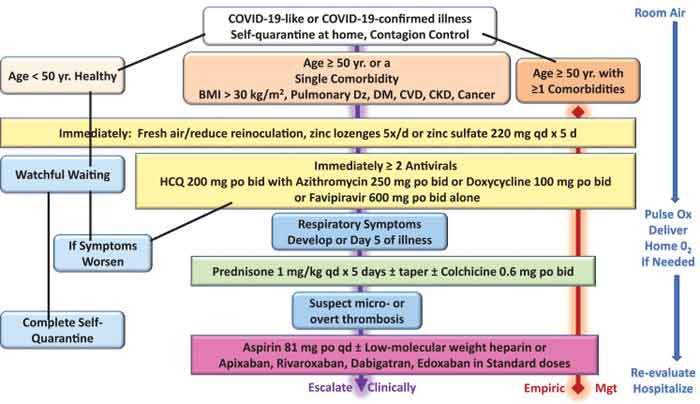
  • If you’ve gotten the COVID shot, consider yourself high risk for COVID and implement a daily prophylaxis protocol. This means optimizing your metabolic flexibility, vitamin D, and taking vitamin C, zinc and a zinc ionophore on a daily basis, at least throughout cold and flu season
  • Evidence shows NAC may be used to prevent blood clots and break up any that might already have formed
  • If you’re low risk for COVID and have not been vaccinated, make sure you have these items on hand and begin treating at the very first signs of cold or flu symptoms
  • Also buy yourself a tabletop jet nebulizer, some saline solution and food grade hydrogen peroxide. Nebulized peroxide is an excellent go-to both for prevention and treatment, regardless of the stage the respiratory infection is in. For prevention, nebulize every other day. For treatment, use at first signs of respiratory infection

In this interview, return guest Dr. Vladimir Zelenko discusses an incredibly serious concern, one shared with at least two other highly credible experts — Michael Yeadon, Ph.D., a life science researcher and former vice-president and chief scientist of allergy and respiratory research at Pfizer, and professor Luc Montagnier, a world-renowned virologist who won the Nobel prize for his discovery of HIV.

Yeadon, Montagnier and Zelenko all believe the COVID-19 shots could reduce life expectancy by several decades, depending on several factors, including whether you’re required to get booster shots. In fact, there may be reason to suspect that many who get the jabs and subsequent boosters could lose their lives within two to three years, as a result of pathogenic priming.1,2

Many may not realize that when I was a youngster I was a Boy Scout, but you might know their motto is “Be Prepared.” It is an approach that has served me well over the years. I am not stating unequivocally that dire outcome will materialize, as my interview next week with Dr. Peter McCullough goes into. However, it would seem prudent to have a good protocol in your hands in anticipation of a worst-case scenario.

So, on that note, Zelenko and I take a deep dive into what can be done to prevent such a fate. Zelenko categorizes the risks of COVID-19 “vaccines” into three categories: acute, subacute and long-term, so let’s begin by reviewing the primary risks found in each of these categories.

Risk Category No. 1 — Acute Risks

The acute phase of harm begins at the moment of injection and likely lasts for about three months or so. Based on reports filed with the U.S. Vaccine Adverse Event Reporting System (VAERS), it’s clear that many cannot survive past the acute phase.

About 6,000 deaths have been reported so far, and death commonly occurs within 48 hours of injection. Many serious disabling events also occur rather rapidly, typically within a few days or weeks. However, Zelenko has a very dismal perspective on the accuracy of the VAERS database. He explains:

“According to a paper published by the Salk Institute in San Diego, they’ve discovered that the spike protein that’s generated through the vaccination itself has negative health effects. It’s toxic … on its own …

There’s plenty of evidence that shows that it spreads from the injection site and goes to the bloodstream, and basically comes into every single cell in the body.3,4

mRNA has a half-life of around one to two weeks, depending on the mRNA, and during that interim, each mRNA molecule makes around 2,000 to 5,000 spike proteins. So, we’re talking about trillions and trillions of spike proteins.

Your entire body becomes a spike protein factory. Several orders of magnitude more than if you were to get COVID, because COVID infects the upper and lower airways primarily. Those are the cells that get infected and begin to produce spike proteins. But here we’re injecting the vaccine and it actually travels to every single cell in your body and converts every single cell in your body into a factory for spike proteins.”

As the mRNA disseminates through your vascular system, the cells lining your blood vessels begin producing spike protein. This is why we’re seeing such a staggering number of reports of people experiencing blood clots from these injections.

According to Zelenko, 40% of these events occur within the first two days after injection. The risk then diminishes, but vascular events such as heart attacks, strokes, renal infarcts and pulmonary infarcts don’t completely peter out until about three months after the last injection.

But these events of the past three months are not being reported to VAERS. It is, of course, possible that people simply aren’t connecting them to the COVID shot they got several months earlier.

How Many Have Actually Died From the COVID Shots?

As noted by Zelenko, underreporting is part of the problem we’re facing. The real number of side effects is impossible to determine, given the fact that the Food and Drug Administration didn’t insist on a robust post-vaccination data collection system, but it’s most certainly higher than what VAERS is listing.

“If you look at the VAERS [vaccine adverse event reporting system], which in my opinion is a piece of garbage … as of today, let’s say says there’s 6,000 deaths associated with taking the vaccine. Well, we need to understand what that actually means,” Zelenko says.

“If you look at the 2009 Harvard study on the VAERS system, they said only 1% of events are actually reported. So, OK … whatever the number is, it’s not 6,000. Maybe only 10% are being reported. I don’t know. But definitely it’s being underreported.

And then there’s two [additional] big problems. There’s evidence coming out that VAERS reports that have been filed are being erased off the server, No. 1. No. 2, I personally know of 2,000 cases of deaths associated with the vaccine, and the doctor and/or family members that tried to file a VAERS report, their reports were rejected due to some technicality.

The fact that they all couldn’t make a report, that raises my eyebrows. What percentage of the information are we actually seeing? The answer is, I estimate, there are already around 200,000 dead Americans, directly related to the vaccinations.”

To get to that number, Zelenko assumes only 10%5 of adverse effects are reported. Studies have indicated it could be as low as 1%.6,7 That gives us a death toll of about 60,000, to which he adds another 140,000 given the fact that reports are being scrubbed and refused.

“The point is that it should definitely raise eyebrows and have the public start screaming and saying, ‘We want to know the truth. We want to know the accurate numbers. Stop suppressing the truth … I want to be able to make an informed choice whether or not I want to take this injection.’ And that’s not being given to the people.

My problem is not with the vaccine. My problem is with the government, governing bodies and certain people that are obstructing the flow of life saving information and suppressing the truth from people, and then using coercion to force people to take this vaccine. That’s the nefarious part.

The suppression is so blatant and so overt that doctors with impeccable credentials are being deplatformed for just voicing an opinion. And then you couple that together with proven prehospital treatment approaches and protocols that have been proven to reduce hospitalization and death by 85%, and that information is being suppressed.

So here you have a dual censorship where the positive, hopeful, life-saving information is being suppressed and the dangerous outcomes of the vaccination approach is being suppressed. It’s a perfect setup for genocide.”

Risk Category No. 2 — Subacute Risks

The subacute risk phase, which begins around three months’ post-injection, is exceedingly difficult to quantify. At bare minimum, it’s likely to last several months to a couple of years. The primary concern now is antibody-dependent enhancement (ADE), also referred to as pathogenic priming and/or paradoxical immune enhancement (PIE) as it more accurately describes the disease mechanism.

Zelenko believes the mRNA will have degraded by this time, and your cells will hopefully no longer produce spike protein. I believe he may be overly optimistic here, as the synthetic mRNA has been genetically modified to be less perishable, plus it’s encased in a nanolipid to resist breakdown.

I suspect this modified mRNA may remain viable far longer than anyone suspects, thanks to its synthetic nature. What’s more, there’s a mechanism by which the mRNA can be reverse transcribed into your DNA, which would make the spike protein production permanent — and probably intergenerational. I describe this process in “The Many Ways in Which COVID Vaccines May Harm Your Health.”

If Zelenko is correct, then the primary disease agent now switches from the spike protein to the antibodies produced in response to the spike protein. We don’t know how long these antibodies will last, but chances are they’ll stick around for a number of months or years.

While antibody production is the primary purpose of these shots, and the response said to provide you an immune benefit, they can actually be the source of problems.

Animal trials in which conventional coronavirus vaccines were tested have shown coronavirus vaccines routinely cause ADE,8,9,10,11,12 so when the animals are challenged with the real virus they’ve been immunized against, they can get seriously ill and even die. If hospitals start filling up with vaccinated individuals this fall, you’ll know why. They’re suffering the effects of ADE.

“In other words, those antibodies that were produced with the vaccination were pathologic,” Zelenko says. “They were lethal and they led to an exaggerated immune response. That’s what it means, antibody-dependent enhancement. It’s an enhancement of your immune response in a way that it will kill you …

The question is, how safe is it long-term, or in the subacute [phase] from three months to three years? That is a big question mark. Based on animal models — and this is what Dr. Mike Yeadon is saying — it could be absolutely genocidal. It’s the biggest gamble on the survival of humanity in the history of humanity.”

However, as a counter to this view, Dr. Peter McCullough, who is in complete agreement with the engineering of this event and it being one of the most egregious crimes against humanity, is not convinced that there will be a massive die-off in the fall.

He is well-trained in the science and has essentially completed a fellowship in COVID-19 along with being the senior editor of two prestigious medical journals so his opinion also deserves consideration. We will be posting his interview next Sunday, July 11, 2021.

Why Is Humanity’s Survival Being Risked?

The questions on many people’s mind right now are, “Why are lifesaving early treatment approaches suppressed?” “Why are the toxic side effects and death rates of the vaccines being suppressed?” and “Why are entire continents being coerced into taking a vaccine that is both medically unnecessary and unproven in terms of safety and effectiveness?”

Taken together, none of it makes any sense, which is why people like Yeadon, Montagnier, Zelenko and others are raising concerns about global genocide. Is that what this is all about? Is there an alternative interpretation of what’s happening? When you consider the actual data, mass vaccination simply isn’t necessary, so why the frantic push to get a needle in every arm? Zelenko explains:

“There’s something called medical necessity. So, let’s analyze if there’s any medical necessity for this vaccine, and you have to do that in a systematic way based on demographics.

If you look at the CDC’s data, anyone 18 and younger has a 99.998% chance of recovery from COVID-19 with no treatment. [Their risk of dying is] 1 in a million. It’s safer than influenza virus. If you gave me a choice, I would rather my kids have COVID-19 than influenza. So, why would I immunize a demographic that has close to 100% chance of recovery with an experimental vaccine that has already killed more kids than the virus?

If you look at the demographic between 18 and 45, people who are healthy have a 99.95% chance of recovery with no treatment … according to the CDC. Same question, why would I vaccinate a demographic that recovers on its own with no treatment?

Third question, if someone has antibodies — and there’s a plethora of evidence [showing] naturally produced antibodies are much more effective in clearing future viruses than vaccine-induced antibodies … Natural immunity is much better, more effective and safer, than vaccine-induced immunity. So, someone who has antibodies already from having COVID before, why would I vaccinate them? …

Fear is an extremely useful tool in manipulating the behavior of people. And that fear has been used to create a psychological motivation to get vaccinated with a vaccine that, in my opinion, has no medical necessity, has tremendous amount of actual and potential risks, and very questionable efficacy.”

Risk Category No. 3 — Long-Term Risks

Beyond the two-to three-year mark are the long-term risks, which are even more difficult to predict. One particularly difficult risk to predict or quantify is infertility. It’ll take decades before we have the data on reproductive effects. Women in their 20s who get the jab might not get serious about trying to get pregnant until they’re in their 30s.

Teens and young children will have to wait decades before fertility can be ascertained. Of course, by then, it’ll be too late. The damage will be done, and hundreds of millions will be in the same boat.

Zelenko cites research published in The New England Journal of Medicine, which concluded COVID vaccination during pregnancy had no increased risk of miscarriage. However, a closer look at the data set revealed that this was only true for women who got vaccinated during their third trimester. Women who get the COVID jab in their first and second trimester have a 24-fold higher risk of miscarriage.

There are also reports of declining sperm counts and testicular swelling in men, and menstrual cycle disruptions in women of all ages. “There is an absolute effect on fertility,” Zelenko says. We just don’t know to what degree yet.

Overall life expectancy is likely to be affected across the board but, again, it’s very difficult to predict just how many years or decades will be lost. Zelenko, like many other doctors, suspect autoimmune diseases and cancer rates will go up as a result of the jabs. As noted by Zelenko:

“Whether you look at the acute spike protein-induced death, the miscarriages, or the myocarditis in young adults, or you look at the subacute pathogenic priming issue, or you look at the potential long-term effects of infertility, auto immune disease and cancer, you have an absolute setup for a genocide. And that’s why these world-leading thought leaders, scientists, are cautioning people …

Let’s do a thought experiment. If COVID-19 were to infect every single human being on this planet and was not to be treated, what would be the overall global death rate? The answer is less than 1%, and I’m not advocating for that, by the way. That’s a lot of people still.

Now, what is going to be the death rate from global vaccination? That is going to be several orders of magnitude greater. And it actually depends how far out you look. Because if someone’s meant to live 80 years and they live 60 years, how do you quantify that? …

We’re talking about 1.5 to 2 billion people [dying] for no reason, except the agendas of a few psychopaths or sociopaths. Why do I say that? It’s because there have been people advocating for population reduction for decades. I just saw a video from [U.K. prime minister] Boris Johnson’s father … advocating for the reduction of England’s population to 15 million …

This type of ideology exists. In this generation, it’s not really anti-Semitic. What it is, is there’s a small group of sociopaths that believe … they’ve evolved into a superhuman enlightened [state] that entitles them the right to dictate the course of history.

For example, Bill Gates in 2015 said the world population needs to be reduced by a certain percentage because of global warming or whatever. So, my question is a very simple question. He’s one of the main supporters and profiteers of global vaccination. Why would I take a vaccine for my health from someone is advocating for the reduction of the world population?

Another scary individual is Klaus Schwab, the founder of the World Economic Forum. He’s very influential. He wrote the book ‘COVID-19 The Great Reset.’ In 2016, in a French interview … Schwab made an announcement that within 10 years, all of humanity will be tagged with an identifier. If you look at the UN 2030 plan, which was crafted by the World Economic Forum, it says ‘America will no longer be a superpower.’

That’s a stated agenda. Then, my favorite is, ‘You’ll own nothing and you’ll be happy. You won’t eat any meat. Fossil fuels will be prohibited. There’ll be a billion refugees, which will have to be integrated into your societies.’ So, my question is, what sociopath feels entitled to make a statement like ‘You will own nothing and you will be happy’?

What entitles this type of individual, or group of individuals, to think that way? Well, they believe that they’re enlightened far beyond the average human or subhuman.”

War Against God

Zelenko, a devout Jew, believes the root of this global takeover is really a war against God. The implication is that life has sanctity, and if life has sanctity, we have human rights, “earned” by our birth alone. This is the source of natural law. And, if we have human rights, handed down by God, then no one has the right to decide how long any one of us should live, or how many people there should be on the planet.

“That’s God’s prerogative,” Zelenko says. “However, if you take that out and view people as no different than an animal, a Darwinist perspective or eugenics perspective, and basically survival of the fittest is the yardstick that you measure the dominance hierarchy of humanity, in that case, these people feel that they are on top of the pyramid, and that entitles them to decide if you and me should live …

I call the [COVID] vaccine ‘Zyklon-V.’ That is the gas the Nazis used to kill my relatives. So to express my sentiments, I call it Zyklon-V. It’s an absolute weapon of mass destruction. People are being lied to, and they’re running into the gas chambers themselves because of the pathogenic fear.”

How to Protect Your Health Post-Jab

If you or someone you know or love got the COVID jab and now have serious regrets, there are definite strategies you can use to protect your health.

It appears if you made it through the first three months OK, then your risk for blood clots is likely radically diminished. To counteract excessive clotting, an anticoagulant may be appropriate. A natural alternative with great promise is n-acetyl cysteine (NAC), as it has both anticoagulant13 and thrombolytic effects,14 meaning it may both prevent clots and break up clots that have already formed. Obviously, do not get any more booster shots.

In the subacute phase, your No. 1 goal will be to avoid ADE. The key to this is to avoid triggering a pathogenic immune reaction, and the only way to do that is to implement some sort of prophylactic protocol, i.e., a COVID, common cold and influenza prevention protocol.

This is especially important for anyone that has received the COVID jab as they are at a high risk of having complications and are under the false impression that they are “protected” when actually they are at increased risk now that they got the jab and need to take extraordinary precautions.

Any symptoms of upper respiratory infection should also be treated immediately, not later. COVID is a multi-phase disease. The first phase is the viral phase, which lasts five to seven days. This is when it’s most easily treated. After Day 7, the disease typically progresses into the inflammatory phase, which requires different treatment.

Zinc supplementation is an important component for prevention and early treatment in the viral stage, as it impairs viral replication. You need to take it with a zinc ionophore, however, such as quercetin, EGCG (green tea extract), hydroxychloroquine or ivermectin.

“The majority of the COVID protocols focus on inhibition of our RNA virus replication. What that means is that for a virus to make copies of itself, it needs to enter the human cell. In the case of RNA viruses, all the COVID, coronaviruses and even the influenza viruses, they use a common pathway called RNA dependent RNA polymerase. That’s a very important enzyme.

That enzyme is what makes copies of the viral genetic material, which then enables for new viruses to be formed and spread. So, if you inhibit the viral RNA replication process, you’ll eliminate viral spreading, viral growth. The beautiful thing about what we found with zinc is that zinc inhibits this enzyme extremely well, if there’s another zinc [molecule] inside the cell.

But zinc cannot really get into the cell on its own. That’s where the concept of zinc ionophores come in. Zinc ionophores opens the door in the cell membrane and allows for zinc to go from outside of the cell, to inside of the cell. And when you increase the concentration of zinc inside the cell, then it can effectively inhibit this enzyme, stopping most if not all, coronaviruses and influenza viruses from replicating.”

If you want to use either hydroxychloroquine or ivermectin and live in a state that restricts their use, look for online telehealth options. The American Frontline Doctors is one resource. They only charge $90 for a consultation and you will be able to get the prescription that you need. Do not use Ivermectin from veterinary sources as it may be contaminated and is not designed for human use.

In addition to zinc and a zinc ionophore, you also need to optimize your vitamin D level. The range you’re looking for is 60 ng/mL to 80 ng/mL year-round. The appropriate dose of oral vitamin D3 is the dose that gets you within that range.

Vitamin C is another important component, especially if you’re taking quercetin, as they have synergistic effects. To effectively act as a zinc ionophore, the quercetin needs vitamin C.

In an effort to make it easier for patients, Zelenko has developed an oral supplement that contains all four: vitamin C, quercetin, vitamin D3 and zinc. It’s called Z-Stack and can be purchased on zstacklife.com. For a downloadable “cheat sheet” of Zelenko’s protocol for COVID-19, visit VladimirZelenkoMD.com

The take-home message here is that if you’ve gotten the jab, consider yourself high risk for COVID and implement a daily prophylaxis protocol. This means optimizing your vitamin D, and taking vitamin C, zinc and a zinc ionophore on a daily basis, at least throughout cold and flu season.

It would also be useful to do a daily sauna. Ideally one that can heat up to 170 degrees Fahrenheit. The best saunas are far-infrared and have low EMFs. Sadly, I don’t know any that go to 170 degrees and are low EMF.

I use one that goes to 170 and then I turn it off and turn on the SaunaSpace four near IR bulb system in the sauna and go in for 20 minutes. This practice activates heat shock proteins which will help remove the spike proteins and improve other damaged proteins in your body.

If you’re low risk for COVID and have not been vaccinated, make sure you have these items on hand and begin treating at the very first signs of cold or flu symptoms.

Strategies to Lower Risk in Those Who Received COVID Jab

Nebulized hydrogen peroxide 0.1% Daily or more frequently if needed
NAC (N-acetyl Cysteine) 500 mg once a day
Zinc 15 mg once a day
Vitamin C 500 mg once a day or 250 mg twice a day
Eliminate ALL vegetable (seed) oils Goal is zero
Vitamin D Most adults need 8000 IU per day but it is imperative to check blood levels 60-80 ng/ml or 100-150 nmol/l
Daily sauna 20 minutes at 170 degrees will help destroy spike proteins
Time restricted eating Helps remove spike proteins through autophagy
Seek to eat organic only foods, especially avoid the dirty dozen This will help limit glyphosate intake

Nebulized Peroxide and Other Health Promoting Measures

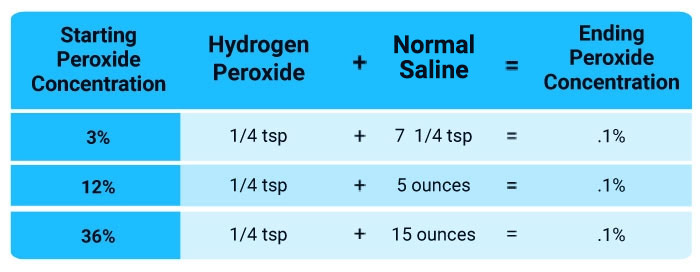
In addition to NAC (to prevent and break up clots), vitamin D, vitamin C, quercetin and zinc, buy yourself a tabletop jet nebulizer, some saline solution and food grade hydrogen peroxide. You’ll want to dilute the peroxide with saline to get a 0.1% solution.

Due to risks to my personal safety we had to remove the nebulized peroxide videos from the site but they are now up on our sustack site and you can view all of them here

hydrogen peroxide dilution chart

Nebulized peroxide is my personal go-to both for prevention and treatment, regardless of the stage the respiratory infection is in. To learn more, download Dr. Thomas Levy’s free e-book, “Rapid Virus Recovery.” As a preventive measure, simply nebulize every other day. Vitamin C is important here too, as it works as a catalyst for the peroxide. A daily dose of 500 milligrams would likely be sufficient for most.

We were forced to remove all the hydrogen peroxide videos that I had previously posted for liability reasons but fortunately they are all now posted on our Substack site. This is important as, in my view, this is the most important step you can take. I would recommend nebulizing a 0.1% solution every day as indicated in the videos, linked below.

There is no danger in doing it every day and likely there is a health benefit. As Dr. Tom Levy describes in one of the videos below, it seems to help improve your bowel movements, which may be a result of eliminating respiratory pathogens that were having negative impact on your microbiome.

hydrogen peroxide videos

Other important health-preserving strategies include the following:

•Make sure you’re metabolically flexible so that your body can seamlessly transition between burning fat and sugar as your primary fuel. This will allow your innate immune system to function optimally. Time-restricted eating is one surefire way to accomplish this.

•Avoid processed seed oils in your diet, such as sunflower oil, corn oil, safflower oil or avocado oils. All contain high levels of linoleic acid, which impairs your mitochondrial function, and in upper respiratory infections, it’s the precursor for the Leukotoxin that occurs in these infections.

•Focus on certified-organic foods to minimize your glyphosate exposure, and include plenty of sulfur-rich foods to keep your mitochondria and lysosomes healthy. Both are important for the clearing of cellular debris, including these spike proteins. You can also boost your sulfate by taking Epsom salt baths.

•To combat the toxicity of the spike protein, you’ll want to optimize autophagy, as this may help digest and remove the spike proteins. Time-restricted eating will upregulate autophagy, while sauna therapy, which upregulates heat shock proteins, will help refold misfolded proteins. They also tag damaged proteins and target them for removal.

It is important that your sauna is hot enough (around 170 degrees Fahrenheit) and does not have high magnetic or electric fields.

•If you’re having post-vaccination symptoms, you could consider:

◦Low-dose interferons such as Paximune, to stimulate your immune system

◦Peptide T (an HIV entry inhibitor derived from the HIV envelope protein gp120; it blocks binding and infection of viruses that use the CCR5 receptor to infect cells)

◦Cannabis, to strengthen Type I interferon pathways, which are part of your first line of defense against pathogens

◦Dimethylglycine or betaine (trimethylglycine) to enhance methylation, thereby suppressing latent viruses

◦Silymarin or milk thistle to help cleanse your liver

How zinc deficiency could be harming your health

Reproduced from original article:
www.naturalhealth365.com/zinc-deficiency-2293.html

by: | June 30, 2017
How zinc deficiency could be harming your health
(NaturalHealth365) Next to iron, zinc is the most common mineral in the body – and is absolutely essential to the functioning of more than 300 hormones and enzymes. Although serious zinc deficiency is rare in the ‘modern’ world, mild deficiencies are not and the effects are NOT good.

Did you know that a shortage of zinc can impair your sense of taste and smell, cause problems with cognition and memory, and virtually derail the immune system, leaving you vulnerable to disease? Let’s take a closer look at the signs and symptoms of zinc deficiency – and what you can do about it.

Zinc deficiency causes a reduction in disease-fighting cells

As zinc activates and supports T-lymphocytes – which target and destroy infected cells – a shortage of zinc can decrease the body’s supply, resulting in a lowered ability to fight infection and heal wounds.

Zinc deficiency is linked with many diseases and conditions, including anemia, impaired growth in children, higher incidence of diarrhea and pneumonia in infants, and higher infant mortality.

Zinc is also important in supporting the thymus gland, an important component of the immune system. The thymus decreases in size and function as people age, but new research suggests an encouraging finding – zinc can help maintain healthy function of the thymus gland in elderly people.

A University of Florida study found that healthy participants taking 15 mg of zinc a day had improved T-cell function, increasing their ability to ward off infection – and confirming that zinc strengthens the body’s immune defenses.

Do NOT ignore the health dangers linked to toxic indoor air.  These chemicals – the ‘off-gassing’ of paints, mattresses, carpets and other home/office building materials – increase your risk of nasal congestion, fatigue, poor sleep, skin issues plus many other health issues.

Get the BEST indoor air purification system – at the LOWEST price, exclusively for NaturalHealth365 readers.  I, personally use this system in my home AND office.  Click HERE to order now – before the sale ends.

In addition to supporting immune system function, zinc – a powerful antioxidant – scavenges free radicals which would otherwise damage lipids, proteins and cell DNA – and possibly trigger disease. It is a key constituent of copper/zinc superoxide dismutase, a powerful antioxidant enzyme associated with longevity.

Zinc deficiency can contribute to the growth of tumors

Studies have shown that zinc regulates production of the pro-inflammatory enzyme COX-2, which has been associated with the growth of certain cancers – particularly of the esophagus and tongue. Researchers say that patients with these types of cancer are often deficient in zinc, while displaying elevated COX-2 levels.

Animal studies have revealed that zinc deficiency encourages tumor growth and COX-2 – with the reverse also true. Bringing zinc levels up to optimal resulted in less production of COX-2 – and less incidence of tumors.

It almost sounds too easy – and good – to be true. But research supports the ability of healthy zinc levels to help prevent certain types of cancer.

Zinc deficiency causes slowed growth, cognitive deficits and depression

Zinc is necessary for normal growth and development, and shortages can cause cognitive deficits and slowed growth among males and females alike. Animal studies have shown that even moderate zinc deficiency causes disruptions in normal growth and maturation, with behavioral changes – such as lethargy – appearing before other symptoms are apparent.

This essential mineral is vital to learning and memory – and for the formation of new nerve connections. Lack of zinc can trigger changes in the hippocampus and prefrontal cortex, with animal studies showing that diets low in zinc cause depression, poor motivation and social withdrawal – along with decreased sense of taste and smell.

In humans, zinc deficiency is associated with impairments of normal bone mineralization, short stature and developmental delays.

The good news: these changes are reversible. Researchers conducting a review of clinical trials noted that zinc supplementation produced highly significant and positive responses in height and weight. In one study, researchers found that zinc supplementation promoted the production of insulin-like growth factor, as well as other proteins involved in bone development and overall growth.

Zinc supplementation can reduce the severity and duration of colds and respiratory infections

Zinc inhibits the ability of viruses to cling to respiratory tract cells and to reproduce – an important step in preventing infections from taking hold and causing symptoms.

Clinical trials with both children and adults support the ability of zinc lozenges to alleviate cold symptoms. If used within the first 24 hours of the development of symptoms, zinc can reduce symptoms as well as the length of the illness – not only reducing the need for antibiotics, but causing a decrease in overall colds contracted per year.

For maximum benefit, experts advise taking zinc lozenges within 24 hours of the appearance of the first symptoms. Of course, a nice amount of vitamin C – on a daily basis – can increase your protection against cold and flu symptoms.

Are you at risk for zinc deficiency?

Diets that are high in cereals and grains – and that exclude red meat, seafood and eggs – may cause zinc deficiencies, with vegetarians and vegans at particular risk.  Obviously, with whatever food you choose to eat, always be sure to maintain a mineral-rich diet.

Elderly people and those with chronic digestive disorders can also be low in zinc, along with athletes and those who perspire heavily.  Keep in mind, symptoms of zinc deficiency include brittle nails, white spots on the fingernails, hair loss, fatigue, low sex drive, body odor and adult acne.

Although the Institute of Medicine sets the zinc RDA at 11 mg a day for men and 8 mg a day for women, many natural health experts advise that women take up to 50 mgs a day of supplementary zinc, with men taking up to 75 mgs.

Before taking zinc supplements, consult with your healthcare provider to create a program that’s best for you.

Zinc is truly an anti-aging, disease-fighting “miracle mineral.” It would be wise to ensure we have adequate supplies of this amazing micronutrient.

References:

https://www.lifeextension.com/magazine/2006/12/aas/page-01
https://www.wellnessresources.com/wellness-blog/posts/zinc_more_than_just_the_common_cold_remedy
https://www.wellnessresources.com/health/articles/zinc_is_vital_for_learning_memory_synaptic_plasticity

Gluten-free “super seed” gives INCREDIBLE nutritional bang for your buck

Reproduced from original article:
www.naturalhealth365.com/teff-seeds-nutritional-benefits-3833.html

by:  | May 16, 2021

gluten-free-teff-seeds-nutritional-benefits(NaturalHealth365) Clearly, the demand for healthful, gluten-free foods has never been greater.  The Centers for Disease Control and Prevention (CDC) estimates that at least 3 million Americans live with celiac disease – an autoimmune condition triggered by gluten in wheat, barley, and rye.  (Celiac disease not only interferes with the absorption of essential nutrients but can lead to other serious conditions, including neurological problems, infertility, osteoporosis, and cancer).  In addition, BeyondCeliac.org reports that a surprising 18 million Americans are “gluten sensitive” – meaning they experience adverse effects from gluten despite testing negative for celiac disease.

While many people turn to gluten-free alternatives such as quinoa and amaranth, nutritionists maintain that these ancient grains, while healthy fare, still leave much to be desired when it comes to delivering hefty amounts of essential vitamins and minerals.  The solution?  Some researchers say that it’s high time to “say hello” to teff seeds – and their remarkable assets.  Recent research has shown that these tiny little packets of gluten-free nutrition carry oversized health benefits.

Cultivated for over 3,000 years, teff seeds have become the protein-rich fuel of champions

Botanically known as Eragrostis tef, teff is technically a seed and not a grain.  Teff seeds and teff flour are derived from a North African grass known as Williams’ lovegrass (aptly named, as teff offers much for health-conscious consumers to love).

Researchers report that citizens of Ethiopia, where teff has been cultivated for over 3,000 years, obtain about two-thirds of their daily protein from teff.  The seeds are traditionally ground into flour and used to make a sourdough flatbread known as injera.  Ethiopia, of course, has given the world a disproportionate amount of champion marathon runners and Olympian gold medalists – a fact not lost on American athletes, who are increasingly adopting teff as a training food.

While Ethiopia grows 90 percent of the world’s teff, the Ethiopian government forbids its export.  Because of this law, teff consumed in North America is typically grown in such locales as Idaho, India, Australia, and the Netherlands.

What makes teff seeds so special?

One of the most remarkable attributes of teff is its sky-high amount of protein, with a 150-gram serving of teff flour providing a generous 25 percent of the body’s daily needs.  Teff seeds and flour are also an excellent source of lysine, an amino acid that is an important precursor to protein.

In addition, teff is loaded with essential minerals.

The same 150-gram serving of teff provides almost 70 percent of the recommended daily value of magnesium, essential for regulating blood pressure.  It also contains 10 percent of the daily value of zinc – indispensable for immune system function and wound healing – and healthy amounts of easily absorbable iron.  In fact, a Cornell University study published just last October in Nutrition revealed that teff enhances absorption of iron and zinc – and may be the reason that dietary iron and zinc deficiencies are less prevalent in Ethiopia than in neighboring countries, where teff is not as popular.  Incidentally, study lead author Elad Tako, an associate professor of food science, praised teff grain as “extremely valuable”.

Finally, teff seeds are composed of a whopping 20 to 40 percent resistant starch, a beneficial dietary fiber that has been shown to help prevent colon cancer and manage blood sugar.

Teff’s nutritional value outshines other grains at every turn

The Cornell study is not the only recent research to showcase the benefits of teff.  A 2020 review published in the Journal of Food Quality highlighted teff’s nutritional superiority to other cereal grains, including wheat, maize, barley, and sorghum.

The researchers added that while quinoa and amaranth are gluten-free, they “cannot meet the recommended daily nutrient intake of celiac disease patients.”  (Translation: these grains can’t hold a candle to teff grains when it comes to providing micronutrients for celiac disease sufferers!)

According to the authors, teff is not only a great solution to this problem – but can actually help prevent and treat celiac disease.

And additional research supports this theory.  In an earlier study involving over 1,800 celiac disease patients and published in the Scandinavian Journal of Gastroenterology, the scientists noted that teff helped significantly lessen celiac symptoms.

By the way, the new Cornell study also showed that teff improves the composition and function of the gut microbiome, the community of beneficial bacteria in the intestinal tract.  A healthy, well-balanced gut microbiome is essential for digestive health.

Excellent news for diabetics:  Low-glycemic and nutrient-dense teff seeds help prevent and improve the disease

Type 2 diabetes, characterized by increased blood sugar levels and abnormal insulin regulation, verges on epidemic status in the United States – with over 30 million Americans suffering from the condition.  Driven by poor nutrition, obesity, and a sedentary lifestyle, type 2 diabetes can lead to eye and kidney damage, peripheral neuropathy, and increased risk of heart disease.  Fortunately, researchers have found that foods with a low glycemic index can reduce diabetes risk – and teff seeds, with a low score of 35, fill the bill neatly.

In addition, teff contains a whopping 123 mg of calcium per cup.  This high concentration of calcium means that teff may prevent the onset of disorders that set the stage for type 2 diabetes, including weight gain, accumulation of abdominal fat, and osteoporosis.  The impressed authors of the 2020 review ended with a bold prediction: that teff-based foods will make “outstanding” contributions to the prevention and amelioration of type 2 diabetes.

And that isn’t all.

The scientists noted that dietary iron deficiency causes the production of insufficient red blood cells, which causes problems with the transport of oxygen.  While supplements can increase iron intake, they may carry digestive side effects such as nausea, diarrhea, and constipation.  The reviewers noted that consumption of teff is a “safer strategy” to address anemia caused by iron deficiency.  Because heart failure, a life-threatening condition, is linked to iron deficiency, teff can clearly lead to improvements in cardiovascular health.

Discover a tasty alternative to wheat flour

Use teff flour to make muffins, pancakes, cookies – or add it to stews and stuffings for extra nutritional value.  Teff flour can also be mixed with other gluten-free flours such as amaranth and almond flour.

Or, prepare the seeds as a side dish by cooking a cup with 3 cups of water, then seasoning to taste with cinnamon, ginger, basil, cumin, or cardamom.

With a pleasant, nutty flavor, teff is available in both brown and white varieties.  While brown teff contains higher amounts of amino acids, both types offer substantial health benefits.

Teff isn’t a supermarket staple (yet) but can be purchased in health food stores and online.

Tiny but mighty teff seeds and teff flour offer a bonanza of health benefits for those looking to eliminate or cut back on gluten, which – according to a survey conducted by the Consumer Reports National Research Center – describes up to a third of all Americans.  Clearly, teff is taking its place in the spotlight as a healthful alternative.

Sources for this article include:

ScienceDaily.com
LifeExtension.com
Schaer.com
NIH.gov
Hindawi.com
BeyondCeliac.org


Manganese Deficiency Is Becoming More Common

PREORDER | The Truth About COVID-19 | A New Book by Dr.Joseph Mercola
Reproduced from original article:
https://articles.mercola.com/sites/articles/archive/2021/03/26/manganese-deficiency.aspx

Analysis by Dr. Joseph Mercola    Fact Checked    March 26, 2021

manganese

STORY AT-A-GLANCE

  • Glyphosate limits plant absorption of micronutrients like manganese after application and may lead to a reduction of manganese in the food supply
  • Crops that are normally high in manganese, such as soybeans, leafy vegetables, coffee, tea and whole grains, are commonly sprayed with glyphosate for weed control
  • Your body requires a balanced amount of manganese since too much can have neurotoxic effects and insufficiency may result in neuropathologies, such as Alzheimer’s disease, Parkinson’s and depression
  • Insufficiency may also affect bone health and reproductive function. The answer to reducing your risk is to eat certified organic foods whenever possible

Manganese is an essential trace element you must get from your food as your body cannot make it. However, evidence demonstrates that genetically engineered glyphosate-resistant plants are deficient in manganese, which translates to a manganese-deficient food supply.

Manganese is used as a cofactor for many enzymatic activities involved in carbohydrate metabolism, scavenging reactive oxygen species, reproduction, immune system response and bone formation.1

Your body absorbs manganese in the small intestines, after which some is stored in the tissue. Approximately 25% to 40% of the manganese in your body is stored in bone tissue. Your body uses regulatory control through absorption and excretion to maintain stable concentrations.

Up to 90% of the manganese absorbed in your intestinal tract may be excreted in bile through your intestinal tract. Manganese levels are difficult to measure and not routinely evaluated in clinical practice. Yet, since more of the food supply is manganese-deficient, it stands to reason that many more people are or are becoming manganese-deficient.

Glyphosate Creates Manganese Deficiency in Food Supply

Glyphosate was first approved in the U.S. in 1974 and subsequently introduced into crops. To date, the Environmental Protection Agency lists “no risks of concern to human health from current uses of glyphosate” on their website.2 Contrary to independent researchers and statements by the World Health Organization, they also say there is “no indication that glyphosate is an endocrine disruptor”3 and “no evidence that glyphosate causes cancer in humans.”4,5

What agricultural experts have discovered is that glyphosate does limit plant absorption of micronutrients like manganese.6 Soybean growers are familiar with yellowing of glyphosate-tolerant beans after application, also known as “yellow flash.” Glyphosate chelates with manganese, causing a deficiency within the plant and the resulting yellow leaves.

Researchers used field experiments from 1999 to 2001 to evaluate ways of reducing the impact on plant growth using liquid formulations of manganese.7 What they found in the early studies was that adding manganese into the herbicide solution reduced the effect of the herbicide on weed control. To overcome the reduced control, they experimented with larger applications.

The primary endpoint in the study was weed control and not the effect additional herbicide might have on plant growth or the safety of the soybean yield. In these field studies, the addition of manganese reduced weed control but did not influence soybean yield.8

Another study published in 20079 evaluated the different methods of manganese application to crops that might maintain weed control in glyphosate-resistant plants and improve yield. During the study, they found manganese application improved yield. Interestingly, the conventionally grown soybeans without glyphosate application did not increase yield with manganese fertilization.

This indicated the plants were not deficient without the application of glyphosate. The researchers also found the yield in the conventionally grown soybeans was greater than the yield of the glyphosate-resistant plants without manganese fertilizer. In other words, conventionally grown soybeans had a greater yield than glyphosate-resistant plants.

Click here to learn more

Manganese-Rich Foods Are Commonly Glyphosate Treated

According to the National Institutes of Health,10 manganese can be found in a wide variety of food types, including seafood such as clams, oysters and mussels. Agricultural crops that may be rich in manganese include soybeans, leafy green vegetables, coffee, tea and whole grains. Unfortunately, the list of agricultural crops is also commonly sprayed with the popular herbicide glyphosate.

The Environmental Working Group’s (EWG) Dirty Dozen for 202111 — a list of foods that contain higher levels of pesticides than others — includes spinach, kale, collard and mustard greens. They reported that more than 90% of the samples of leafy greens tested positive for two or more pesticides.

One sample of kale, collard and mustard greens tested positive for up to 20 different pesticides and spinach had 1.8 times more pesticide residue by weight than the other crops that were tested.

According to the University of Tennessee Extension,12 glyphosate, which is found in Roundup and other herbicides, is allowed in most vegetable plants. A greenhouse experiment from Sabanci University, Turkey,13 found applications of glyphosate reduced the concentration of calcium, magnesium and manganese, particularly in young leaves.

At plant maturation, the seed concentrations of calcium, magnesium, iron and manganese were significantly reduced by glyphosate, suggesting the herbicide interferes with the uptake and translocation of the minerals. Ultimately this affects seed quality and future crops.

Even your coffee and tea likely test positive for glyphosate. The herbicide is commonly used on coffee plantations to control weeds14 and testing has also found it in tea leaves.15

According to the National Wheat Foundation,16 33% of wheat fields in the U.S. have had glyphosate application. Yet, a study17 commissioned by EWG found glyphosate in over 95% of oat-based food samples and in all of the wheat-based foods that were tested, including dried pasta and cereals.

A study from Canada18 listed food items with the highest percentage of glyphosate in the samples tested, including 90% of pizza, 84% of crackers, 73% of couscous and 67% of lentils.19

Manganese Deficiency and Health

Since agricultural use of glyphosate is popular, it is difficult to avoid consuming foods contaminated with the herbicide unless you are seeking out organically grown and locally sourced produce, as well as steering clear of processed foods. As I said, manganese is required in small amounts but is essential for multiple functions.

One paper reported on an animal study in which cows were fed Roundup Ready feed. The animals developed a severe deficiency in serum manganese.20 Signs of manganese deficiency in animals can include impaired growth and reproductive function, altered carbohydrate and lipid metabolism, impaired glucose tolerance and skeletal abnormalities.21

In humans, manganese has a significant impact on physiology and gut dysbiosis. Since it is integral to many physiological processes it also influences neuropathologies such as Alzheimer’s disease, anxiety, Parkinson’s disease, depression and prion diseases.22

In some neuropathology, such as autism and Alzheimer’s disease, glutamate overexpression within the central nervous system can be explained by a manganese deficiency. Oxidative damage and mitochondrial dysfunction may result in a reduction of manganese superoxide dismutase, which functions to protect mitochondria from oxidative damage.

A deficiency in manganese may also lead to osteoporosis and osteomalacia since the synthesis of chondroitin sulfate is dependent on the presence of manganese. Lactobacillus, a beneficial bacterium in the gut microbiome, is dependent on manganese for antioxidant protection. A reduction in Lactobacillus in the gut is associated with anxiety,23 autism24 and chronic fatigue syndrome.25,26

Infertility rates and birth defects may also be affected by manganese deficiency since sperm motility is dependent on the essential element.27 However, even when there are optimal levels of manganese in the body, some researchers believe that glyphosate can promote toxic accumulation in the brainstem that ultimately leads to Parkinson’s disease and other prion diseases.28

Can You Get Too Much Manganese?

As stated, manganese is an essential element, but the body requires a specific balance for optimal health. In other words, you can have too little, but you can also get too much. In one study29 from a population-based sample of healthy Chinese men in six provinces in China, researchers found those who had a high serum manganese level appeared to have harmful effects on their sperm motility and morphology.

In several regions throughout Canada, the groundwater had naturally high levels of manganese, which triggered the question of whether this potentially neurotoxic element could affect the cognition of children living in the area. A research team from the University of Quebec, Montreal, Canada,30 studied children who had been exposed to high concentrations of manganese in their drinking water.

They evaluated the intellectual functioning of the children and compared them against those who had lower exposure to manganese.31 The results revealed that children who were drinking tap water that was in the upper 20% of concentrations had IQ tests that were six points below those who were drinking water that had little to no manganese.

One of the researchers explained, “We found significant deficits in the intelligence quotient (IQ) of children exposed to a higher concentration of manganese in drinking water. Yet, manganese concentrations were well below current guidelines.”32

Until this study in 2010, manganese was not on a list of inorganic substances that were being tested in drinking water. More recently, a paper published in the Journal of Biological Chemistry33 demonstrated that alterations in manganese homeostasis could alter neurological physiology and cognition, either through overexposure or insufficiency.

It is unlikely you would be overexposed to manganese unless, like the children in Quebec, your drinking water is contaminated. Other overexposures can come from working in mines and welding environments,34 having iron deficiency anemia35 or chronic liver disease,36,37 since the liver is responsible for filtering excess manganese in the body.

Glyphosate Damages Health in Many Ways

If there has been one thing that the events of 2020 have taught us, it is that we must fully evaluate the information being communicated to us over mainstream media. Each health and wellness decision may have an impact on your ability to withstand severe COVID-19 or the new iterations being considered in laboratories around the world. Exposure to glyphosate is one of those decisions.

Scientific evidence has demonstrated the highly damaging effects of endocrine disruption38,39,40 this ubiquitous chemical has on humans and other mammals, as well as the impact it has on plant health, food supply and your future.

In my interview with senior research scientist Stephanie Seneff, which you can watch at “The Troubling Role of Glyphosate in COVID-19,” we discuss the critical part glyphosate has played in the past years in overall health and during the current global pandemic. One of the issues has been the way in which your body may sometimes substitute glyphosate for glycine in the construction of proteins.

This leads to proteins that don’t function. Monsanto’s own research dating to the late 1980s showed that glyphosate accumulates in a variety of tissues, even though they claim it does not.41 Instead, the researcher proposes that “A significant portion of total sample radioactivity was found to be incorporated into proteins.” The result is a distorted protein that can’t work the way it’s supposed to.

Another compound in the body that is like manganese in the way it is essential in the right amount and toxic in excess amounts, is deuterium. In normal physiology, your mitochondrial cells help remove deuterium, which is a naturally occurring isotope of hydrogen.

But, when your mitochondria are damaged by glyphosate, they are unable to eliminate deuterium properly. When your body doesn’t have enough structured water to trap the deuterium and your mitochondria are damaged, the deuterium can impair energy production, cause mitochondrial dysfunction and contribute to the development of chronic diseases.

Tips to Reduce Your Glyphosate Exposure

Seneff and I discussed several ways in which glyphosate can affect your health and the overall function of your body. To reduce your potential risk of a manganese deficiency and the resulting neurological damage, the answer is to eat certified organic or biodynamically grown foods whenever possible.

Seneff is committed to buying only certified organic foods and related in the interview that she has seen health improvements since she and her family began doing that. Other dietary recommendations to help mitigate the risk of glyphosate toxicity including eating or drinking more:

Sulfur-containing foods such as organic eggs and wild-caught seafood Organic grass fed milk and butter. Butter is one of the lowest deuterium foods available
Glacier water, which is naturally low in deuterium Animal fats, which are also low in deuterium
Molecular hydrogen Probiotic-rich fermented foods such as sauerkraut and apple cider vinegar

To help “push” glyphosate out of your body and mitigate its toxicity, you can take an inexpensive glycine supplement. I take between 5 and 10 grams a day. It has a light, sweet taste, so you can use it as a sweetener. Seneff agreed in our interview, saying:

“It makes sense because it’s basically going to outnumber the glyphosate molecules. Remember, glyphosate’s going to compete with glycine in building the protein. If there’s a lot of glycine around, then it’s much less likely that glyphosate will get in there.”

– Sources and References

Usnic Acid Inhibits Viral Respiratory Infection


Reproduced from original article:
https://articles.mercola.com/sites/articles/archive/2021/02/09/usnic-acid-inhibits-viral-respiratory-infection.aspx

Analysis by Dr. Joseph Mercola      Fact Checked      February 09, 2021

usnic helps inhibit flu virus

STORY AT-A-GLANCE

  • Usnic acid is a metabolite of lichens and was first isolated in 1844; derivatives have demonstrated activity against influenza virus strains and a derivative modified with valine reduced deaths in infected animals without liver toxicity
  • Usnic acid has not prompted the development of resistant influenza as Tamiflu and other antiviral medications have done. Tamiflu reduces symptoms of flu by less than one day
  • Flu vaccines have not been effective as scientists must predict what strains will be most virulent the coming season and people who are routinely vaccinated shed over six times more virus in the air
  • There are strategies you can use at home to help prevent flu and treat upper respiratory infections if you get one, including optimizing vitamin D, nebulized hydrogen peroxide and taking zinc and quercetin

The influenza virus has a high rate of mutation and can develop drug resistance. Research has found derivatives of usnic acid can effectively inhibit the reproduction of the influenza virus in the lab and animal models.1

The influenza virus causes a contagious respiratory illness better known as flu.2 The virus infects your nose, throat and sometimes lungs triggering disease that can range from mild to severe. Symptoms include fever, cough, muscle or body aches, fatigue and sore throat. Children may experience vomiting and diarrhea with flu infection.

There are four types of influenza virus that are named by letters: A, B, C and D.3 Influenza D is not known to infect people but causes illness in cattle. Influenza A, B and C infect humans. Influenza A is the only type known to cause a pandemic. Influenza A and B can cause epidemics, and influenza C generally causes mild illness.

Influenza A and B cause most human flu illnesses, and each is classified and subclassified based on genetic sequencing.4 Each year experts attempt to match the flu vaccine by estimating the strains of virus expected in the U.S.5

The CDC estimates from 3% to 11% of the population will have symptomatic flu disease each season, although during the 2020-2021 flu season, infections have been almost nonexistent. Typically, however, up to 20% of the population can have asymptomatic or symptomatic illness.6 The estimated number of deaths from flu have ranged from 12,000 to 61,000 annually from 2010 to 2020, depending on the flu season.7

Since the influenza virus can affect millions of people each year, scientists have sought to develop an effective and safe antiviral treatment to reduce the burden of the illness. However, as I discuss below the results have not lived up to the promise.

Usnic Helps Inhibit Flu Virus Without Stimulating Resistance

Usnic acid was first isolated in 1844 and since then has been extensively studied as one of the few commercially available lichen metabolites.8 Lichen has been included in folk medicine from many countries.9 Early studies of lichen biological activity in New Zealand led to the identification of usnic acid “as the main antimicrobial, cytotoxic and antiviral component.”10

Subsequently, this led to a study of usnic acid and its derivatives against the H1N1 pandemic influenza virus.11 Isomers of usnic acid and the derivatives were tested and the results suggested derivatives should be considered for use against the influenza virus.

Usnic acid was also tested against the virulent influenza A virus and researchers found they could boost the activity by modifying the compound with chalcones.12 These are an important class of flavonoids that scientists have used to create derivatives and:13

“… improve pharmacological activity, gain selectivity for a particular receptor or enzyme with simultaneous reduction of certain adverse effects, or even for optimizing the pharmacokinetics of the lead candidate.”

Derivatives of usnic acid modified with chalcones demonstrated biological activity against the influenza virus in the lab and in an animal model.14 The researchers tested a broad range of viral strains and the results demonstrated activity against these strains.

Additionally, one compound modified with valine demonstrated the capacity to reduce the number of deaths in infected animals and did not trigger the development of a resistant strain of influenza. The researchers concluded that this modification increased the antiviral properties and lowered the potential for toxicity to liver tissue.15

Hepatotoxicity is an important consideration when using usnic acid. A patent review from 2000 to 2017 found applications for use were withdrawn secondary to liver toxicity.16 The results of animal studies have suggested the mechanism for injury is oxidative phosphorylation, increased oxidative stress and depletion of glutathione.17

Antimicrobial resistance is a significant challenge to modern medicine, and the influenza virus can also mutate to become resistant to antiviral drugs.18 As research has demonstrated, some usnic acid derivatives address several challenges of fighting flu, namely they are effective against influenza, do not prompt the development of resistant strains and have low hepatotoxicity.19

Click here to learn more

What Is Usnic Acid?

Usnic acid is a secondary metabolite produced exclusively by a variety of lichen species,20 which researchers have discovered has antiviral, anti-inflammatory, antioxidant, antifungicidal and antineoplastic activity.21

Secondary metabolites are organic molecules an organism produces that are not crucial for their reproduction, growth or development, but give a selective advantage.22 For example, secondary metabolites may slow the growth of a competing organism and secondary metabolites from fungi have produced antibiotics such as penicillin.

Usnic acid has strong antibacterial properties and for this reason has been incorporated into toothpaste, mouthwash, deodorant and moisturizing creams.23 It is also used as a preservative in cosmetic products. The antibacterial properties include the ability to inhibit staphylococcus aureus biofilm formation on medical devices and potentially inhibit other gram-positive organisms as well.24

Usnic acid has been promoted for weight loss, but the supplements sold are associated with severe liver toxicity. Topical use can also cause an allergic reaction or local irritation.25 Research has demonstrated the compound has environmental effects including antiherbivore and anti-insect properties.26

Studies Cast Doubt on Value, Safety of Flu Drugs Like Tamiflu

Antiviral flu drugs like Tamiflu (oseltamivir) and Relenza (zanamivir) are conventional medicine’s go-to option for treating the flu, despite their risk of serious side effects and unproven benefits. In fact, these drugs were stockpiled in many countries, including the U.S.,27 for treating and preventing seasonal and pandemic influenza.

In 2010, the World Health Organization (WHO) even classified Tamiflu as an “essential” medicine.28 In 2014, Dr. Mark H. Ebell from the college of public health at the University of Georgia published an editorial in The BMJ29 calling the events surrounding Tamiflu a “multisystem failure,” based on decisions by the CDC, WHO and EMA that included the failure to publish and recognize the limitation of the available data.

Subsequently, a Cochrane review was led by Oxford Centre for Evidence Based Medicine professor Tom Jefferson. Jefferson and his team published the only Cochrane review based solely on raw unpublished regulatory data.30,31 Ultimately, the results of the review demonstrated Tamiflu shortened the duration of symptoms from the influenza virus by less than one day.

The struggle to acquire the data was nearly as eye-opening as the results, which I recount in “Remdesivir Is a Scam Like Tamiflu.” In a later editorial published in The BMJ,32 Ebell outlines some of the lessons learned from this multibillion-dollar fiasco.

These lessons included the need for all available data to be made public and available for independent reanalysis. He added the money spent on stockpiling medication is only minimally effective and may be better spent on other public health priorities.33

Flu Vaccine Ineffective and Increases Viral Shedding

During the 2019-2020 flu season, the CDC reported 51.8% of people 6 months old and older had been vaccinated against flu, representing a 3.1% increase from the previous season.34 According to the interim estimates from the CDC, the 2018-2019 flu vaccine overall adjusted effectiveness against infections associated with acute respiratory illness that required medical attention was 47%.35

The same statistics for the 2019-2020 flu vaccine revealed 45% effectiveness.36 However, said another way, the flu vaccine failed to offer any protection more than half the time it was given.

For adults over 50, which is the group most vulnerable to severe flu illness, the 2018-2019 vaccine had a mere 24% effectiveness rate against all influenza and an abysmal 8% effectiveness against influenza A, which is the most virulent type.37

The effectiveness of 2019-2020 flu vaccine was higher for those over 50 years but had dropped to 25% in adults 18 to 49 years.38 The vaccine has three or four type A or B strains. Even if those strains are a perfect match for the circulating viruses during a given flu season, it does not prevent many other respiratory infections. As noted by the Cochrane Collaboration:39

“Over 200 viruses cause ILI (influenza-like illness), which produces the same symptoms (fever, headache, aches, pains, cough and runny nose) as influenza. Without laboratory tests, doctors cannot distinguish between ILI and influenza because both last for days and rarely cause serious illness or death.”

In addition to poor performance, people who are routinely vaccinated shed 6.3 times more of the influenza virus into the air.40 In the study from the University of Maryland, researchers revealed that repeated vaccinations increased the amount of virus released with each breath, noting:41

“Little is known about the amount and infectiousness of influenza virus shed into exhaled breath. This contributes to uncertainty about the importance of airborne influenza transmission. We show that sneezing is rare and not important for — and that coughing is not required for — influenza virus aerosolization.”

This is important, as it means that even someone who’s not actively sneezing or coughing can potentially transmit the influenza virus to others. Further, someone who’s recently received the live attenuated influenza vaccine (LAIV) may also potentially actively shed and transmit the virus.

There is little evidence to suggest that getting an annual flu vaccine is a good way to combat influenza. On the contrary, there is mounting literature questioning the validity of this public health measure, which I discussed in “Is the Flu Vaccine Really ‘Working Well’ This Year?”

At-Home Strategies to Reduce Risk of Viral Infections

There are strategies you can use at home to help prevent and treat the influenza virus if you are infected. In addition to protecting against flu, optimizing your vitamin D level also helps protect you against COVID-19.42 Studies have repeatedly demonstrated the track record for vitamin D in preventing respiratory infections, including a 2017 scientific review of 25 randomized controlled trials that concluded:43

“Vitamin D supplementation was safe and it protected against acute respiratory tract infection overall. Patients who were very vitamin D deficient and those not receiving bolus doses experienced the most benefit.”

As I discuss in a short video in “How Nebulized Peroxide Helps Against Respiratory Infections,” there is absolutely no question in my mind that nebulized hydrogen peroxide is the safest and most effective way to treat an acute upper respiratory infection.

I first wrote about this in the newsletter in April 2020 and have since received impressive testimonials from friends and acquaintances who got severely ill and used it. In the link to the article you can watch an interview with Dr. David Brownstein who has a clinic just outside Detroit.

At the time of the interview, he had successfully treated over 100 patients with nebulized hydrogen peroxide, having one patient hospitalized and no deaths. The treatment typically improves symptoms within hours.

In addition to using nebulized hydrogen peroxide at the first sign of a respiratory infection, I would also start taking quercetin and zinc to help fight the virus outside lung tissue. The earlier you start quercetin and zinc the more effective it will be since late in the course of the illness it is ineffective at inhibiting viral replication.

The key is to have everything you need available before flu season. An ounce of prevention is always worth a pound of cure. To read more about the relationship between quercetin and zinc, see “Zinc Is Key for COVID-19 Treatment and Prevention.”

– Sources and References

The Overlooked Vitamin That Improves Autoimmune Disease and Autonomic Dysfunction

© February 1st 2021 GreenMedInfo LLC. This work is reproduced and distributed with the permission of GreenMedInfo LLC.
Want to learn more from GreenMedInfo? Sign up for the newsletter here:
www.greenmedinfo.com/greenmed/newsletter
Reproduced from original article:
www.greenmedinfo.com/blog/overlooked-vitamin-improves-autoimmune-disease-and-autonomic-dysfunction
Posted on: Monday, February 1st 2021 at 4:45 am
Written By: Ali Le Vere, B.S., B.S. – Senior Researcher-Greenmedinfo
This article is copyrighted by GreenMedInfo LLC, 2021

Thiamin may be the missing link to treating autoimmune disease and autonomic dysfunction. Although deficiencies in this vitamin have long been considered eradicated, case studies show supplementation with this nutrient improves fatigue in autoimmune patients in a matter of hours to days

One of the common threads uniting disparate autoimmune disease labels, irrespective of diagnosis, is the debilitating fatigue that plagues patients. Although methylated B vitamins have been given ample fanfare, vitamin B1, or thiamin, has garnered far less attention in communities that emphasize the holistic management of autoimmune disease.

Functions of Thiamin

One of eight essential B vitamins, thiamin is a water-soluble vitamin that functions in the conversion of food into energy (1). The active form of thiamin, known as thiamin pyrophosphate or thiamin diphosphate, is an essential cofactor in both the citric acid cycle and pentose phosphate pathway, two enzyme-mediated pathways of carbohydrate metabolism (1). The citric acid cycle, for example, also known as the Kreb’s cycle, is a central metabolic pathway in the mitochondria that participates in the oxidative degradation of monosaccharides and other nutrients, which generates cellular energy currency in the form of adenosine triphosphate (ATP) to be used in a myriad of energy-demanding cellular reactions (1).

Inhibition of the two main enzymes of the Kreb’s cycle for which thiamin is a cofactor, pyruvate dehydrogenase complex (PDH) and alpha-ketoglutarate dehydrogenase (alpha-KGDH), leads to decreased brain levels of ATP (1). Suppression of brain ATP levels impairs degradation of dopamine in the prefrontal cortex, disrupts synthesis of the nerve-insulating myelin sheath, prevents production of the neurotransmitter acetylcholine, and reduces levels of the major inhibitory neurotransmitter gamma aminobutyric acid (GABA), which collectively leads to delirium, delusions, hallucinations, and cognitive impairment (1).

The transketolase enzyme of the cytosol-based pentose phosphate pathway (PPP), on the other hand, also requires thiamin as a cofactor (1). Transketolase converts glucose-6-phosphate into both ribose-5-phosphate and reduced nicotinamide adenine dinucleotide phosphate (NADPH), the latter of which is required to donate hydrogen atoms in chemical reactions that produce particular neurotransmitters, steroids, amino acids, fatty acids, and the master antioxidant of the body, glutathione (1). Given its centrality to these biochemical pathways which generate energy for the entire organism, the effects of thiamin deficiency are all-encompassing.

The Re-Emergence of Thiamin Deficiency Disorders

The relationship between food and berberi, the classical syndrome of thiamin deficiency, was first discovered by Japanese naval surgeon Takaki in the late nineteenth century, who found that nearly two-thirds of his crew were stricken with berberi after a long voyage. Two years later, when he loaded another warship with dry milk and meat, he noticed that a much smaller percentage of the crew succumbed to berberi, such that “Takaki concluded that the disease was caused by a lack of nitrogenous food in association with excessive intake of non-nitrogenous food” (2).

In addition to impaired reflexes, peripheral neuropathy, edema, cardiovascular abnormalities and hypesthesia, or a diminished capacity for physical sensation, signs of autonomic dysfunction such as sinus tachycardia, vasovagal syncope, mitral valve prolapse, hypotension, sweating, dermographia, and attention deficit are a prominent part of the clinical expression of berberi (2, 3). Other extreme manifestations of thiamin deficiency include Wernicke’s encephalopathy, which includes signs such as ataxia, weakness, paralysis, cognitive impairment, apathy, significant spatial and temporal disorientation, and problems with movement in the muscles around the eyes such as ocular palsies, nystagmus, and opthalmoplegia (1). These symptoms are caused by lesions in brain areas including the hypothalamic nuclei, tectal plate, periventricular nuclei, thalamus, pontine tegmentum, and abducens and oculomotor nuclei, and untreated, lead to coma and death (1).

Korsakoff’s psychosis is often a progression of Wernicke’s encephalopathy (4), and includes symptoms such as amnesia, decreased initiative, and confabulation, which means distorted, fabricated, or misinterpreted memories. Although thiamin deficiency, and its extreme incarnations in particular such as Wernicke’s encephalopathy and Korsakoff’s psychosis, is considered a medical emergency, 80% of the time these diagnoses are made during autopsy (5), mainly due to low index of suspicion, and the nonspecific clinical signs of these syndromes (1).

Although the benefit of thiamin in these classical syndromes of thiamin deficiency, which were recorded as far back as the ninth century, is uncontested, milder forms of thiamin deficiency often elude diagnosis. Marginal thiamin deficiency presents with vague symptomatology, including fatigue, irritability, abdominal pain, frequent headaches, and a decline in growth rate in children (6). The World Health Organization states, in fact, that, thiamin deficiency is a clinical diagnosis confirmed upon improvement with thiamin administration:

The symptoms of mild thiamin deficiency are vague and can be attributed to other problems, so that diagnosis is often difficult…The symptoms of mild thiamin deficiency clinically improve by the administration of thiamin.(7)

In the minds of conventional providers, deficiency diseases have been eradicated in the industrialized world; however, unbeknownst to the medical establishment, it is our Western diets that are facilitating the re-emergence of these diseases considered long-abolished:

Perhaps, in the light of more modern knowledge, it is possible to state that high simple carbohydrate malnutrition can cause symptoms of early beriberi. Since beriberi conjures up an unacceptable concept in the mind of many modern physicians it is probable that it would not be considered in differential diagnosis. It is very likely that many of the poorly understood symptomatology seen today that responds to nutrient therapy is caused by a mixture of marginal classic nutritional diseases, including beriberi, pellagra and scurvy.(2)

Efficacy of Thiamin in Inflammatory Bowel Disease

Especially encouraging are the results of a small open-label pilot study of thiamin use in patients with inflammatory bowel diseases (IBD), including Crohn’s disease and ulcerative colitis, who presented with fatigue and lingering extra-intestinal symptoms despite their diseases being characterized as quiescent or in remission (8). Patients, all of whom had normal thiamin levels at the commencement of the study, were treated orally with 600 milligrams per day of thiamin, with additional doses in increments of 300 mg per day for those cases in which regression of fatigue was not considered satisfactory, up to a total of 1,500 mg per day (8). In other words, the dose was defined empirically, with calibration based upon subject weight and according to symptomatic remission.

All but two of the twelve patients exhibited a complete regression of fatigue, and in the remaining two, near complete regression was observed (8). Moreover, one hundred percent of patients reported complete regression of symptoms associated with fatigue (8). Impressively, the majority of patients also displayed improvements in intestinal function, with marked reductions in the number of diarrhetic episodes (8).

Notably, in one of the series of case studies presented, fatigue disappeared completely after intramural thiamin injection, and authors mention that “within 20 days, the patient regained complete wellness” (8). This study confirmed findings by Magee and colleagues, who found that consumption of thiamin-rich foods decreases disease activity in patients with ulcerative colitis (9).

Effect of Thiamin in Hashimoto’s Thyroiditis

Another series of case reports published in The Journal of Alternative and Complementary Medicine chronicles the use of thiamin in patients with Hashimoto’s thyroiditis who had persistent symptoms such as fatigue, depression, anxiety, sleep disruption, impaired memory and concentration, dry skin, and cold intolerance despite normal thyroid parameters (10). Patients, all of whom exhibited normal blood levels of thiamin and TPP prior to treatment, were administered either 600 mg per day of oral thiamin or 100 mg per mL of thiamin administered parenterally every four days, depending on weight (10).

In the two patients given oral thiamin, complete regression of fatigue occurred within 3 to 5 days, whereas fatigue regressed within 6 hours in the patient given intramuscular thiamin therapy (10). Although case studies rank low on the hierarchy of evidence-based data, and underscore the need for higher quality research, the mechanism linking functional thiamin deficiency to autoimmune-based fatigue is so plausible that the study authors assert:

While further studies are necessary to confirm our findings, we strongly believe that our observations represent an important contribution to the relief of many patients.(10)

Reasons Underlying Thiamin Deficiency in Autoimmunity

As indicated by the IBD pilot study in which all patients exhibited normal levels prior to treatment, yet still responded favorably to thiamin supplementation, tests of thiamin and thiamin pyrophosphate (TPP), the active form of thiamin, may be of no value in identifying functional thiamin deficiency (8).

Normal serum levels of thiamin and TPP, in fact, indicate normal thiamin absorption by the small intestine (8). Researchers instead attribute the symptoms of thiamin deficiency that appeared in these autoimmune patients in both studies to either structural enzymatic defects or to dysfunction of the vitamin B1 active intracellular transport mechanism from the blood to the mitochondria (8). Administration of large quantities of vitamin B1, on the other hand, is able to circumvent this abnormality:

The administration of large quantities of vitamin B1 orally increases the concentration in the blood to levels in which the passive transport restores the normal glucose metabolism. The glucose metabolism of all organs goes back to normal values and fatigue disappears.(8)

As an alternative explanation, one author in the New England Journal of Medicine proposes that a deficiency in activity of one thiamin transporter can cause another to pick up the slack when high doses of thiamin are administered. This occurs because one member of the solute carrier (SLC) gene family of transporter proteins, which possess structural similarity, can substitute for the function of another.

In other words, at large doses, thiamin can induce expression of the solute carrier gene family member SLC19A2, which encodes the human thiamin-only transporter 1 (hTHTR1), in order to compensate for defects in SLC19A3, which encodes the human thiamin and biotin transporter 2 (hTHTR2) (11). Increasing the concentration of blood thiamin also augments the chances that it crosses the blood brain barrier (BBB) to correct neurological deficits, since thiamin penetration of the BBB occurs via passive diffusion, an energy-independent process, when there is a surplus of thiamin available (12).

Food-Based Sources of Thiamin

Only plants, bacteria, and fungi can synthesize thiamin, so humans must acquire thiamin from external food sources. Because they are nutrient-poor, breads and cereals are oftentimes fortified with thiamin, but ingestion of these foodstuffs for thiamin sufficiency is counter-intuitive, since simple carbohydrates increase the need for thiamin. Although data on thiamin content of foods is limited (13), whole-food sources of thiamin include liver and other sources of offal, meat, pork, poultry, fish, eggs, dried legumes, nuts, and whole grains such as brown rice and bran (2).

Additionally, other plants which have relatively high thiamin content include Nicaraguan cacao, black cohosh, spirulina, string beans, kidney beans, black beans, navy beans, green beans, peas, black-eyed peas, bael fruit, asparagus, macambo, sunflower seed, shepherd’s purse, okra, high mallow, sow thistle, mountain buchu, watercress, and garlic (14). However, cooking and heat-processing of food results in considerable thiamin losses, so preparation methods matter from a thiamin sufficiency perspective (2).

Thiamin Repletion: Correcting the Deficiency

Of note, is that the dose administered in the IBD study is much higher than that which can be obtained from food, and approximately 600-fold higher than the daily recommended intake for men and women older than ten years of age (1). Due to the supra-physiological nature of the dosing regimen, patients should consult with a naturopathic or integrative doctor prior to consuming a dose of this magnitude.

However, the safety profile of thiamin, as observed in the literature, demonstrates that this intervention is benign. Unlike other immunosuppressant drugs often administered for autoimmune diseases, which can be accompanied by catastrophic side effects such as infection and cancer, there are no collateral effects of thiamin administration, even when used at high doses long-term (10).

In fact, thiamin is nontoxic to the body even at excess amounts (15), and doses as high as 3 to 8 grams per day have been used to treat Alzheimer’s disease without adverse effects (8). Only mild tachycardia appeared in one patient in the IBD study, which abated upon reduction of the dose (8).

This safety profile stands in stark contrast to a drug like hydroxychloroquine (Plaquenil), which is often prescribed to improve fatigue in autoimmune diseases such as systemic lupus erythematosus, antiphospholipid syndrome, sarcoidosis, rheumatoid arthritis, and Sjögren’s syndrome, which poses the risk of potentially irreversible retinopathy (16) that may progress to blindness even 7 years after the drug has been discontinued (17). Similarly, newer generation biologic drugs such as antitumor necrosis factor (anti-TNF) therapy and anti-T cell strategies carry risk of autoimmune disease itself, causing the very diseases they are designed to treat in a cruel poetic irony (18).


Other considerations for using thiamin include integrating supplementation with a broad-spectrum low-dose B vitamin formulation to prevent any imbalances in B vitamins. Likewise, another factor often at play is magnesium deficiency, since the conversion process of thiamin to its metabolically active form requires magnesium as a cofactor (19). Therefore, magnesium deficiency should be corrected, since hypomagnesaemia can mimic thiamin deficiency (1).

Although scientists state, “We deem necessary a lifelong use of high doses of thiamin in affected subjects,” researchers are unable to clarify whether the aberration in thiamin transport is secondary to genetic mutations or to an autoimmune-inflammatory process (8), which raises the possibility that resolution of the underlying immune dysregulation, namely, through approaches that restore an evolutionarily appropriate diet and lifestyle template, may negate the need for high-dose thiamin long-term.

Forms of Thiamin

One potential limiting factor of thiamin use is its poor bioavailability and slower absorption as a supplement, which is why high doses of thiamin are prescribed for certain medical conditions (3). To circumvent this issue, researchers have developed fat-soluble derivatives of thiamin called allithiamines. Benfotiamine, one lipophilic derivative of thiamin which readily diffuses through biological membranes, has been shown to have clinical benefit in diabetic vascular complications (3).

Its mechanisms of action includes reduction of advanced-glycation end products (AGEs), highly oxidant compounds with pathogenic significance in aging and chronic disease states (20), and modulation of pathways that play roles in cell survival, death, and repair (3). Impressively, benfotiamine also reduces activation of the nuclear factor kappa beta (NFkB) signaling pathway, the gateway to inflammatory eicosanoid mediators, and mitigates signaling down the arachidonic acid pathway, inhibiting the same cyclooxygenase (COX) enzymes (3) exploited by non-steroidal anti-inflammatory drugs (NSAIDs) without the deleterious side effects.

In addition, benfotiamine has been found to have free radical-scavenging properties via its ability to modulate levels of enzymes involved in endogenous antioxidant defense, such as catalase (CAT), superoxide dismutase (SOD), and glutathione peroxidase (GPx) (3). Not only that, but benfotiamine reduces activity of glycogen synthase kinase 3 (GSK-3), which is involved in deposition of β-amyloid plaques in the brain in Alzheimer’s disease (3). Proof-of-concept of its neuroprotective abilities have been demonstrated in recent studies showing that benfotiamine reduces plaque accumulation, improves symptomatology (3), and inhibits progression of cognitive impairment in Alzheimer’s disease (21). Therefore, due to its pleiotropic effects, thiamin in this form has the potential to improve a host of chronic, inflammatory, and neurodegenerative conditions.

Removing Anti-Thiamin Agents

Predisposing factors for thiamin deficiency include malnutrition, acquired immunodeficiency syndrome (AIDS), gastrointestinal surgical procedures such as vertical banded gastroplasty, gastric bypass surgery, colectomy, and intragastric balloon, and psychiatric disorders including anorexia nervosa, bulimia, and binge-eating disorders (1). Certain medical conditions, such as pancreatitis, renal disease, thyrotoxicosis, celiac disease, cancer, peptic ulcers, and other gastrointestinal disorders are likewise associated with increased risk of thiamin deficiency (1).

However, chronic alcoholism poses special risk, since it interferes with the rate-limiting step of carrier-mediated thiamin absorption in the duodenum (22), alongside impairing the storage and phosphorylation of thiamin that is essential to its function (1). In addition, thiamin deficiency is under-recognized in obesity and is implicated in the progression of obesity-related chronic disease states (Maguire et al., 2018). Furthermore, people with type 1 and type 2 diabetes have plasma thiamin levels that are 76% and 50% to 75% lower, respectively, than healthy volunteers (24, 25).

Certain dietary factors, such as simple carbohydrates, also have anti-thiaminergic properties (9), which is referred to as high-calorie malnutrition when excessive intake produces thiamin deficiency. Carbohydrates increase the need for the vitamin since thiamin is a major factor in the metabolism of glucose (2). What’s more, polyphenolic compounds present in tea and coffee can inactivate thiamin (2).

Also problematic are sulfiting agents, including sulfites, sulfur dioxide, hydrogen sulfites, and metabisulfites, which are used as food preservatives to prevent microbial growth, food spoilage, and discoloration, and to extend the shelf life of the product (9). Sulfites, which are contained in foods such as wines, lager, non-organic processed meats such as sausage and burgers, sulfited seafoods, and soft drinks from concentrate, are problematic because of their anti-thiamin effects, since thiamin is readily cleaved by the sulfite ion, particularly at a colonic pH (9). The role of sulfites reinforces the thiamin-autoimmune connection, as studies of ulcerative colitis have elucidated a role of sulfited foods in the pathogenesis of the disease, with high sulfite foods producing worse sigmoidoscopy scores (9)—presumably due in part to thiamin depletion.

Therapeutic Potential for Thiamin in Autoimmune Disease

Researchers state that the role of thiamin as a medicinal agent is under-appreciated in Western civilization (26). Although deficiency disorders are considered afflictions of developing societies, the prevalence of subclinical thiamin deficiency has been demonstrated to be on the rise (3). In addition, because a response to thiamin therapy is considered diagnostic of thiamin deficiency, in concert with its excellent safety profile, a trial of thiamin poses little risk. As asserted by researchers in The Journal of Alternative and Complementary Medicine,

Our team is convinced that the fatigue correlated with all autoimmune inflammatory diseases is a manifestation of an intracellular mild thiamin deficiency likely due to thiamin transporter deficiency or to enzymatic dysfunctions.(8)

Not only does thiamin deficiency cause mitochondrial dysfunction, but it also results in oxidative stress, which is central to the pathophysiology and perpetuation of autoimmune disorders. Not only that, but some of the cardinal symptoms of thiamin deficiency are features of autonomic dysfunction, or dysautonomia, which 24% to 100% of autoimmune patients have been shown to experience (27). Therefore, restoration of thiamin status in autoimmune patients has the potential to ameliorate a vast array of symptoms, since the autonomic nervous system is responsible for a diversity of largely unconscious physiological activities including digestion, urination, defecation, heart rate, blood pressure, pupillary response, and sexual arousal.

Lastly, another line of reasoning connecting autoimmunity to thiamin deficiency is postural orthostatic tachycardia syndrome (POTS), a form of dysautonomia with suspected autoimmune etiology that is often comorbid with other autoimmune diseases (28). The symptoms of POTS, which has been shown to respond to thiamin supplementation in some cases (29), resemble berberi.

Given the ubiquity of anti-thiamin agents in the Western diet alongside problems with thiamin transport in autoimmune patients, these preliminary studies raise the possibility of thiamin as a potent therapeutic option for autoimmune disorders alongside a holistic regimen that addresses mindfulness, toxicity, diet, and lifestyle.


References

  1. Osiezagha, K. et al. (2013). Thiamin deficiency and delirium. Innovations in Clinical Neuroscience, 10(4), 26-32.
  2. Lonsdale, D. (2006). A Review of the Biochemistry, Metabolism and Clinical Benefits of Thiamin(e) and Its Derivatives. Evidence Based Complementary and Alternative Medicine, 3(1), 49-59.
  3. Raj, V. et al. (2018). Therapeutic potential of benfotiamine and its molecular targets. European Review for Medical and Pharmacological Sciences, 22, 3261-3273.
  4. Zubaran, C., Fernandes, J.G., & Rodnight, R. (1997). Wernicke-Korsakoff syndrome. Postgraduate Medical Journal, 73(85%), 27-31.
  5. Thomson, A.D., Guerrini, I., & Marshall, E.J. (2009). Wernicke’s encephalopathy: role of thiamine. Practices in Gastroenterology, 33(6), 21-30.
  6. Shikata, E. et al. (2000). “Iatrogenic” Wernicke’s encephalopathy in Japan. European Neurology, 44(3), 156–161.
  7. World Health Organization, United Nations High Commissioner for Refugees. (1999). Thiamin Deficiency and Its Prevention and Control in Major Emergencies. Retrieved from https://www.who.int/nutrition/publications/emergencies/WHO_NHD_99.13/en/
  8. Costantini, A., & Pala, M.I. (2013). Thiamin and Fatigue in Inflammatory Bowel Diseases: An Open-label Pilot Study. The Journal of Alternative and Complementary Medicine, 19(8), 704-708.
  9. Magee, E. et al. (2005). Association between diet and disease activity in ulcerative colitis patients using a novel method of data analysis. Nutrition Journal, 4(7).
  10. Costantini, A., & Pala, M.I. (2014). Thiamin and Hashimoto’s Thyroiditis: A Report of Three Cases. The Journal of Alternative and Complementary Medicine, 20(3), 208-2011.
  11. Kono, S. et al. (2009). Mutation in a thiamin-transporter gene and Wernicke’s like encephalopathy. New England Journal of Medicine, 360, 17921.
  12. Thomson, A.D. (2000). Mechanisms of vitamin deficiency in chronic alcohol misusers and the development of the Wernicke-Korsakoff syndrome. Alcohol & Alcoholism, 35(Suppl 1), 2–7.
  13. National Institutes of Health: Office of Dietary Supplements. (2018). Thiamin: Fact Sheet for Professionals. Retrieved from https://ods.od.nih.gov/factsheets/Thiamin-HealthProfessional/#en7
  14. United States Department of Agriculture, Agricultural Research Service. (1992-2016). Dr. Duke’s Phytochemical and Ethnobotanical Databases. Home Page, https://phytochem.nal.usda.gov/ https://dx.doi.org/10.15482/USDA.ADC/1239279
  15. Hope, L.C., Cook, C.C., & Thomson, A.D. (1999). A survey of the current clinical practice of psychiatrists and accident and emergency specialists in the United Kingdom concerning vitamin supplementation for chronic alcohol misusers. Alcohol and Alcoholism, 4(6), 862–867.
  16. Lehne, R.A. (2007). Pharmacology for Nursing Care. St. Louis, Missouri: Saunders-Elsevier Inc.
  17. Abdulaziz, N. et al. (2018). Hydroxychloroquine: balancing the need to maintain therapeutic levels with ocular safety: an update. Current Opinion in Rheumatology, 20(3), 249-255. doi: 10.1097/BOR.0000000000000500.
  18. Chandrashekara, S. (2012). The treatment strategies of autoimmune disease may need a different approach from conventional protocol: A review. Indian Journal of Pharmacology, 44(6), 665-671.
  19. Zieve, L. (1969). Influence of magnesium deficiency on the utilization of thiamin. Annals of the New York Academy of Science, 162(2), 732–743.
  20. Uribarri, J. (2010). Advanced Glycation End Products in Foods and a Practical Guide to Their Reduction in the Diet. Journal of the American Dietetic Association, 110(6), 911-916.e12.
  21. Pan, X. et al. (2016). Long-term cognitive improvement after benfotiamine administration in patients with Alzheimer’s disease. Neuroscience Bulletin, 32, 591-596.
  22. Todd, K.G., Hazell, A.S., & Butterworth, R.F. (1999). Alcohol-thiamin interactions: an update on the pathogenesis of Wernicke encephalopathy. Addiction Biology, 4(3), 261–272.
  23. Maguire, D. et al. (2018). The role of thiamine dependent enzymes in obesity and obesity related chronic disease states: A systematic review. Clinical Nutrition ESPEN, 25, 8-17.
  24. Thornalley, P.J. et al. (2007). High prevalence of low plasma thiamine concentration in diabetes linked to a marker of vascular disease. Diabetologia, 50, 2164-2170.
  25. Al-Attas, O.S. et al. (2012). Blood thiamine and its phosphate esters as measured by high-performance liquid chromatography: levels and associations in diabetes mellitus patients with varying degrees of microalbuminuria. Journal of Endocrinology Investigations, 35, 951-956.
  26. Lonsdale, D. (2011). Thiamin(e): The Spark of Life. Water Soluble Vitamins, 199-227.
  27. Stojanovich, L. (2009). Autonomic dysfunction in autoimmune rheumatic disease. Autoimmune Reviews, 8(7), 569-572.
  28. Blitshteyn, S. (2015). Autoimmune markers and autoimmune disorders in patients with postural tachycardia syndrome (POTS). Lupus, 24(13), 1364-1369.
  29. Blishteyn, S. (2017). Vitamin B1 deficiency in patients with postural tachycardia syndrome (POTS). Neurology Research, 39(8), 685-688.
Disclaimer: This article is not intended to provide medical advice, diagnosis or treatment. Views expressed here do not necessarily reflect those of GreenMedInfo or its staff.


Journal of Medicine Says HCQ + Zinc Reduces COVID Deaths


Reproduced from original article:
https://articles.mercola.com/sites/articles/archive/2021/02/01/hydroxychloroquine-and-zinc-for-coronavirus.aspx

Analysis by Dr. Joseph Mercola      Fact Checked      February 01, 2021

hydroxychloroquine and zinc for coronavirus

STORY AT-A-GLANCE

  • Early on in the COVID-19 pandemic, doctors around the world reported high success rates using an inexpensive treatment protocol of hydroxychloroquine (HCQ) and zinc, typically in combination with an antibiotic to treat secondary bacterial infections
  • A medical review in the January 2021 issue of The American Journal of Medicine now urges early use of HCQ and zinc to reduce hospitalizations and deaths from COVID-19
  • HCQ is a zinc ionophore, meaning it shuttles zinc into the cell, and there’s compelling evidence to suggest the primary benefit of the HCQ protocol actually comes from the zinc, which effectively inhibits viral replication
  • For patients with cardinal features of COVID-19 (fever, body aches, nasal congestion, loss of taste and smell) at-home treatment can be the same as those with confirmed COVID-19, the authors say
  • While media headlines have painted HCQ as a life-threatening drug, it actually has a very robust safety profile that goes back decades

Early on in the COVID-19 pandemic, doctors around the world reported high success rates using an inexpensive treatment protocol of hydroxychloroquine (HCQ) and zinc, typically in combination with an antibiotic to treat secondary bacterial infections.

Almost immediately, government health agencies and mainstream media started attacking the treatment, going so far as to ban the prescription and use of HCQ for COVID-19 in some areas. Over time, it became painfully clear that a concerted and coordinated effort to prevent its use was afoot.

One of the most obvious reasons for why certain individuals and companies might want to prevent the use of an inexpensive generic drug is because it might eliminate the need for a vaccine or other antiviral medication under development.1 Hundreds of millions of dollars have been invested, and drug companies were, and still are, counting on a massive payday. As noted by Dr. Meryl Nass in a June 27, 2020, blog post:2

“Hydroxychloroquine has been used safely for 65 years in many millions of patients. And so the message was crafted that the drug is safe for its other uses, but dangerous when used for COVID-19. It doesn’t make sense, but it seems to have worked. Were these acts carefully orchestrated? …

Might these events have been planned to keep the pandemic going? To sell expensive drugs and vaccines to a captive population? Could these acts result in prolonged economic and social hardship, eventually transferring wealth from the middle class to the very rich?”

Politicizing Medicine Has Grave Consequences

The fight over HCQ also appears to have had political underpinnings, and by politicizing medicine, the media has played a role that can readily be likened to agents of genocide. There’s no telling how many lives may have been saved had they done their due diligence and reported the science truthfully.

Most of us in the holistic field have been aware that the intent of censorship is to mislead people. After all, a majority of news outlets rely on revenue from advertisers, and drug companies tend to spend the most. As a result, what the drug industry wants is what the media deliver.

During this pandemic, conventional doctors have gotten a taste of what it’s like as well and, clearly, many have been absolutely floored by it. It’s certainly understandable, because to censor potentially lifesaving medical treatment during a global pandemic really brings it to a whole new level of evil.

As just one example among many, July 23, 2020, Dr. Harvey A. Risch, professor of epidemiology at Yale School of Public Health, published an op-ed in Newsweek in which he expressed his dismay and frustration:3

“I have authored over 300 peer-reviewed publications and currently hold senior positions on the editorial boards of several leading journals.

I am usually accustomed to advocating for positions within the mainstream of medicine, so have been flummoxed to find that, in the midst of a crisis, I am fighting for a treatment that the data fully support but which, for reasons having nothing to do with a correct understanding of the science, has been pushed to the sidelines.

As a result, tens of thousands of patients with COVID-19 are dying unnecessarily … I am referring, of course, to the medication hydroxychloroquine.

When this inexpensive oral medication is given very early in the course of illness, before the virus has had time to multiply beyond control, it has shown to be highly effective, especially when given in combination with the antibiotics azithromycin or doxycycline and the nutritional supplement zinc.”

In what appears to be an effort to change the tide, a medical review4 in the January 2021 issue of The American Journal of Medicine now urges early use of HCQ and zinc. The authors include Risch, as well as a long list of medical doctors from hospitals around the world.

Click here to learn more

The Importance of Early Outpatient Treatment

Risch’s paper, “Pathophysiological Basis and Rationale for Early Outpatient Treatment of SARS-CoV-2 (COVID-19) Infection,” points out that:5

“In the absence of clinical trial results, physicians must use what has been learned about the pathophysiology of SARS-CoV-2 infection in determining early outpatient treatment of the illness with the aim of preventing hospitalization or death …

Therapeutic approaches based on these principles include 1) reduction of reinoculation, 2) combination antiviral therapy, 3) immunomodulation, 4) antiplatelet/antithrombotic therapy, and 5) administration of oxygen, monitoring, and telemedicine.”

The authors stress that “Most patients who arrive to the hospital … with COVID-19 do not initially require forms of advanced medical care,” and that, therefore, “it is conceivable that some, if not a majority, of hospitalizations could be avoided with a treat-at-home first approach.”

They also stress that since it can take up to a week to get PCR test results back, it’s important to start treatment before results are known. “For patients with cardinal features of the syndrome (i.e., fever, body aches, nasal congestion, loss of taste and smell, etc.) … treatment can be the same as those with confirmed COVID-19,” they say.

The Case for HCQ and Zinc

In terms of early drug treatment for patients who are quarantining at home, the authors recommend using a combination of HCQ and zinc lozenges, along with several other drugs (depending on your symptoms).

While I will review those here, keep in mind that I do not necessarily recommend using all of them, as in some cases there are safer alternatives. At the end of this article, I will summarize my personal at-home treatment recommendation, which I believe is among the absolute safest and most effective.

That said, in his paper, Risch and his co-authors explain the rationale for using HCQ and zinc as follows:6

“Hydroxychloroquine (HCQ) is an antimalarial/anti-inflammatory drug that impairs endosomal transfer of virions within human cells. HCQ is also a zinc ionophore that conveys zinc intracellularly to block the SARS-CoV-2 RNA-dependent RNA polymerase, which is the core enzyme of the virus replication.

The currently completed retrospective studies and randomized trials have generally shown these findings:

1.when started late in the hospital course and for short durations of time, antimalarials appear to be ineffective

2.when started earlier in the hospital course, for progressively longer durations and in outpatients, antimalarials may reduce the progression of disease, prevent hospitalization, and are associated with reduced mortality …

A typical HCQ regimen is 200 mg bid for 5 days and extended to 30 days for continued symptoms. A minimal sufficient dose of HCQ should be used, because in excessive doses the drug can interfere with early immune response to the virus …

Zinc is a known inhibitor of coronavirus replication … This readily available nontoxic therapy could be deployed at the first signs of COVID-19. Zinc lozenges can be administered 5 times a day for up to 5 days and extended if needed if symptoms persist.

The amount of elemental zinc lozenges is <25% of that in a single 220-mg zinc sulfate daily tablet. This dose of zinc sulfate has been effectively used in combination with antimalarials in early treatment of high-risk outpatients with COVID-19.”

It’s worth noting that in areas where hydroxychloroquine is hard to get a hold of, the nutritional supplement quercetin may be a useful (and perhaps even better) substitute, as its primary mechanism of action is identical to that of the drug. It also has antiviral activity of its own.

You can learn more about this in “Is Quercetin a Safer Alternative to Hydroxychloroquine?” “Quercetin Boosts Interferon Response to Viruses and COVID-19” and “How to Improve Zinc Uptake with Quercetin to Boost Immune Health.”

Zinc Is a Crucial Key

While much attention is placed on HCQ, it in and of itself is not the answer. Zinc is. Both HCQ and quercetin are zinc ionophores, meaning they shuttle zinc into the cell,7,8 and there’s compelling evidence to suggest the primary benefit of the HCQ protocol actually comes from the zinc, which effectively inhibits viral replication.9

If given early, zinc along with a zinc ionophore should, at least theoretically, help lower the viral load and prevent the immune system from becoming overloaded. The problem is that zinc does not readily enter cells, which is why a zinc ionophore is needed.

Evidence of this was presented in a September 2020 study10 in the Journal of Medical Microbiology. In it, they compared outcomes in hospitalized COVID-19 patients treated with one of three regimens: HCQ alone, Azithromycin alone, or a triplet regimen of hydroxychloroquine, azithromycin and zinc.

While the addition of zinc had no impact on the length of hospitalization, ICU duration or duration of ventilation, univariate analyses showed it did:

  • Increase hospital discharge frequency
  • Decrease the need for ventilation
  • Decrease ICU admission rates
  • Decrease the rate of transfer to hospice for patients who were never admitted to the ICU
  • Decrease mortality

As noted by the authors:11

“After adjusting for the time at which zinc sulfate was added to our protocol, an increased frequency of being discharged home (OR 1.53 …) reduction in mortality or transfer to hospice remained significant (OR 0.449 …). This study provides the first in vivo evidence that zinc sulfate in combination with hydroxychloroquine may play a role in therapeutic management for COVID-19.”

Another paper that addressed the crucial role of zinc was published in the September 2020 issue of Medical Hypotheses:12

“Besides direct antiviral effects, CQ/HCQ [chloroquine and/or hydroxychloroquine] specifically target extracellular zinc to intracellular lysosomes where it interferes with RNA-dependent RNA polymerase activity and coronavirus replication.

As zinc deficiency frequently occurs in elderly patients and in those with cardiovascular disease, chronic pulmonary disease, or diabetes, we hypothesize that CQ/HCQ plus zinc supplementation may be more effective in reducing COVID-19 morbidity and mortality than CQ or HCQ in monotherapy. Therefore, CQ/HCQ in combination with zinc should be considered as additional study arm for COVID-19 clinical trials.”

Antibiotics, Steroids and Other Treatment Additions

In addition to HCQ and zinc, Risch13 et.al also recommend using one of two antibiotics — azithromycin or doxycycline — primarily to address secondary bacterial infections. Azithromycin also has antiviral properties and anti-inflammatory effects, while doxycycline has “multiple intracellular effects that may reduce viral replication, cellular damage, and expression of inflammatory factors.”

According to the authors, COVID-19 studies that used azithromycin found “markedly reduced durations of viral shedding, fewer hospitalizations, and reduced mortality combination with HCQ.”

People with known or suspected arrhythmias, and anyone taking a contraindicated medication, should get a thorough workup and review of baseline electrocardiogram though before receiving HCQ and/or azithromycin. In those worried about azithromycin’s effects on the heart, doxycycline is a better alternative as it has no ill effects on your heart. On the downside, it can cause gastrointestinal upset and esophagitis instead.

An important side note here is that while not addressed in this paper, all antibiotics have the drawback of disrupting your gut microbiome, and should therefore be used only if absolutely needed.

Risch14 et.al also recommend using corticosteroids, which have immunomodulating effects and help reduce the effects of cytokine storms. As explained in their paper:

“In COVID-19, some of the first respiratory findings are nasal congestion, cough, and wheezing. These features are due to excess inflammation and cytokine activation.

Early use of corticosteroids is a rational intervention for patients with COVID-19 with these features as they would be in acute asthma or reactive airways disease … One potential dosing scheme for outpatients starting on day 5 or the onset of respiratory symptoms is prednisone 1 mg/kg given daily for 5 days with or without a subsequent taper.”

Other treatment additions include:

  • Colchicine, a nonsteroidal antimitotic that has been shown to reduce D-dimer levels and improve outcomes in hospitalized COVID-19 patients
  • Antiplatelet agents such as aspirin (81 mg daily) or heparin to treat the abnormal blood clotting sometimes seen in COVID-19
  • Supplemental oxygen if needed

To reduce the risk of self-reinoculation (since the virus is airborne), they also recommend opening windows and/or spending long periods of time outdoors (away from others) without a face covering.

The figure below, from The American Journal of Medicine and republished in Science Direct,15 illustrates the different approaches to home care suggested depending on whether you are healthy, have a single comorbidity or several, and at which point in the disease process the various drugs should be administered.

Treatment algorithm for COVID-19-like and confirmed COVID-19 illness

Hydroxychloroquine Has a Proven Safety Profile

While media headlines have painted HCQ as a life-threatening drug, it actually has a very robust safety profile that goes back decades. In a paper published in the American Journal of Epidemiology,16 Risch reviewed several large-scale studies demonstrating the safety of the medication.

In his Newsweek article,17 he also pointed out that the adverse event reports cited by the U.S. Food and Drug Administration when it warned HCQ might cause cardiac arrhythmia, especially when administered with azithromycin, were from patients who had used HCQ for very long periods of time for the treatment of chronic conditions such as lupus or rheumatoid arthritis. The same risks simply do not apply when you’re taking HCQ for a few days or weeks.

“Even if the true rates of arrhythmia are tenfold higher than those reported, the harms would be minuscule compared to the mortality occurring right now in inadequately treated high-risk COVID-19 patients,” Risch wrote.18

“This fact is proven by an Oxford University study of more than 320,000 older patients taking both hydroxychloroquine and azithromycin, who had arrhythmia excess death rates of less than 9/100,000 users … A new paper in the American Journal of Medicine by established cardiologists around the world fully agrees with this.”

Indeed, the so-called evidence that HCQ causes lethal heart problems has been shown to be fraudulent. One study was retracted after it was discovered the data had been manufactured, and other large-scale trials were all using toxic doses.

While doctors reporting success with the drug were using standard doses around 200 mg per day for either a few days or maybe a couple of weeks, studies such as the Bill & Melinda Gates-funded19 Recovery Trial used 2,400 mg of hydroxychloroquine during the first 24 hours — three to six times higher than the daily dosage recommended20 — followed by 400 mg every 12 hours for nine more days for a cumulative dose of 9,200 mg over 10 days.

Similarly, the Solidarity Trial,21 led by the World Health Organization, used 2,000 mg on the first day, and a cumulative dose of 8,800 mg over 10 days. These doses are simply too high.

Meanwhile, a July 1, 2020, retrospective analysis22,23,24 of 2,541 patients in Michigan found use of hydroxychloroquine alone cut mortality by more than half, from 26.4% to 13.5%. Patients received 400 mg of hydroxychloroquine twice on day 1, followed by 200 mg twice a day for the next four days.

No adverse heart-related events were observed. Hydroxychloroquine in combination with azithromycin had a mortality rate of 20.1%, and azithromycin alone had a mortality rate of 22.4%. The azithromycin was dosed as 500 mg on day 1, followed by 250 mg once a day for the next four days.

According to the authors,25 “The combination of hydroxychloroquine + azithromycin was reserved for selected patients with severe COVID-19 and with minimal cardiac risk factors.” Unfortunately, zinc was not included in this trial.

“Physicians who have been using these medications in the face of widespread skepticism have been truly heroic,” Risch wrote in Newsweek.26 “They have done what the science shows is best for their patients, often at great personal risk.

I myself know of two doctors who have saved the lives of hundreds of patients with these medications, but are now fighting state medical boards to save their licenses and reputations. The cases against them are completely without scientific merit …

As all know, the medication has become highly politicized. For many, it is viewed as a marker of political identity, on both sides of the political spectrum. Nobody needs me to remind them that this is not how medicine should proceed … Reality demands a clear, scientific eye on the evidence and where it points”

With that in mind, evidence that HCQ could be useful against SARS-CoV-2 goes as far back as 2005, when the article “Chloroquine Is a Potent Inhibitor of SARS Coronavirus Infection and Spread” was published in the Virology Journal.27

Did Dr. Anthony Fauci, appointed to lead the White House Pandemic Response Team, know about this? One could argue he should have. And, if he did, why didn’t he say something? According to this study:28

“… chloroquine has strong antiviral effects on SARS-CoV infection of primate cells. These inhibitory effects are observed when the cells are treated with the drug either before or after exposure to the virus, suggesting both prophylactic and therapeutic advantage.”

In other words, chloroquine functioned as both a prophylactic (prevention) and a treatment against SARS coronavirus. This is precisely what many doctors have found with HCQ as well — a drug that is very similar to chloroquine but has a safer profile — when used against SARS-CoV-2.

Nebulized Peroxide — My Favorite Treatment Choice

While HCQ with zinc appears to be a very useful early treatment choice, my personal choice for the treatment of COVID-19 symptoms is nebulized peroxide. This is a home remedy I recommend everyone familiarize themselves with, as in many cases it can improve symptoms in mere hours. You can also use it as a preventive strategy if you know you’ve been exposed to someone who is ill.

Nebulizing hydrogen peroxide into your sinuses, throat and lungs is a simple, straightforward way to augment your body’s natural expression of hydrogen peroxide to combat infections and can be used both prophylactically after known exposure to COVID-19 and as a treatment for mild, moderate and even severe illness.

Dr. David Brownstein, who has successfully treated over 100 COVID-19 patients with nebulized peroxide, published a case paper29 about this treatment in the July 2020 issue of Science, Public Health Policy and The Law. He also reviews its benefits in “How Nebulized Peroxide Helps Against Respiratory Infections.”

Nebulized hydrogen peroxide is extremely safe, and all you need is a desktop nebulizer and food-grade hydrogen peroxide, which you’ll need to dilute with saline to 0.1% strength. I recommend buying these items beforehand so that you have everything you need and can begin treatment at home at the first signs of a respiratory infection.

hydrogen peroxide dilution chart

In the video above, I go over the basics of this treatment. Be sure to buy a nebulizer that plugs into an electrical outlet, as battery-driven ones are too low-powered to be truly effective. Also make sure your nebulizer comes with a face mask, not just a mouth piece. If it doesn’t come with a face mask, you can pick one up separately. Just search Amazon for “nebulizer face mask for adults.”