Minerals
now browsing by category
Holistic Treatment Options for Restless Legs Syndrome
Reproduced from original article:
https://articles.mercola.com/sites/articles/archive/2024/12/05/restless-legs-syndrome-holistic-treatment.aspx
Analysis by Dr. Joseph Mercola December 05, 2024
STORY AT-A-GLANCE
- Restless Legs Syndrome (RLS) affects 7% to 10% of Americans, causing an urge to move legs during rest. While medications are available, they may worsen symptoms long-term, prompting interest in alternative treatments
- A comprehensive review of 24 studies found that holistic therapies like exercise, yoga and reflexology significantly reduce RLS symptoms and improve sleep quality without medication side effects
- Traditional herbal medicines, particularly Dangguijakyak-san and Shihogyeji-tang, showed promising results in treating RLS, leading to a lasting reduction in symptoms
- Regular walking exercise performed three times weekly reduced RLS symptom severity by 21%, while stretching exercises decreased symptoms by 18% and improved overall quality of life
- Non-pharmacological treatments like electrical stimulation, pneumatic compression devices and lifestyle modifications (avoiding caffeine, alcohol) offer effective alternatives for managing RLS symptoms and improving sleep quality
Restless Legs Syndrome (RLS), or Willis-Ekbom Disease, is a neurological disorder characterized by an irresistible urge to move your legs, often accompanied by unpleasant sensations such as tingling or burning.1 These symptoms typically appear during periods of rest or inactivity, often worsening at night and significantly disrupting sleep and diminishing quality of life.
With an estimated 7% to 10% of the U.S. population affected2 — and 3 million new cases each year3 — finding effective treatments for this lifelong condition is urgent. While medications such as dopamine agonists are often used for symptom management, their long-term use may worsen symptoms or cause side effects.
Emerging research, including a recent review of 24 studies, offers promising evidence that holistic, non-pharmacological options may effectively alleviate RLS symptoms.4
Evidence Supports Holistic Therapies for RLS
The study, published in Cureus,5 focused on non-pharmacological treatments for RLS, revealing the efficacy of various physiotherapeutic modalities. The comprehensive review, which included studies dating from 2006 to 2024, evaluated how different therapeutic interventions, such as exercise, yoga, stretching and reflexology, impact the severity of RLS symptoms.
The review’s key findings suggest that certain holistic therapies significantly reduce the frequency and intensity of RLS symptoms. The studies revealed that strength training, stretching exercises and yoga helped improve sleep quality and reduce discomfort.
Additionally, therapies like reflexology — applying pressure to specific points on the feet to improve circulation and reduce muscle tension — and electrical stimulation were shown to enhance circulation and reduce muscle tension, both of which play a role in mitigating RLS symptoms.
The review concluded that these noninvasive treatments could serve as valuable alternatives or complements to conventional pharmaceutical approaches, offering fewer side effects and long-term benefits.6
The researchers also emphasized the role of magnesium and vitamin D in managing RLS symptoms. Magnesium supports nerve and muscle function, while vitamin D plays a role in dopamine regulation. Individuals with low levels of these nutrients often experience more severe RLS symptoms. Incorporating these nutrients was found to improve overall symptoms and sleep quality.
Exercise and Physical Therapy: Key Strategies for RLS Symptom Relief
Regular physical activity, specifically strength training and stretching, were also effective in reducing the severity of RLS symptoms. Several studies within the review demonstrated that low-impact exercises like walking, swimming and yoga significantly reduced symptoms for individuals with idiopathic RLS (RLS with no clear cause).7
Yoga and progressive muscle relaxation (PMR) were particularly effective in alleviating muscle tension and improving sleep. The controlled stretching and mindful breathing involved in yoga help reduce both the physical discomfort and the anxiety that often accompany RLS. PMR, which involves systematically tensing and relaxing different muscle groups, was also found to be beneficial in managing restlessness and promoting relaxation.
The review also examined the role of physiotherapeutic techniques, such as electrical stimulation and heat therapy, in managing RLS. Electrical stimulation improved blood flow and reduced muscle tension, offering significant symptom relief without the side effects of medication.8

Save This Article for Later – Get the PDF Now
Alternative Therapies: Acupuncture, Reflexology and Lifestyle Modification
The Cureus review also explored additional alternative therapies, such as acupuncture and reflexology, as potential treatments for RLS. Acupuncture, which involves inserting thin needles into specific points on your body, was shown to reduce symptoms by promoting blood flow and balancing energy. Reflexology was also found to provide relief by improving circulation and promoting relaxation.9
One of the most promising findings from the review was the effectiveness of pneumatic compression devices (PCDs), which apply controlled pressure to your legs, enhancing blood flow and reducing RLS symptoms. PCDs were particularly effective for individuals who experienced nighttime restlessness and difficulty falling asleep.
The review suggested that this noninvasive therapy could be a valuable addition to an overall treatment plan, particularly for those who prefer to avoid medication. Beyond the physical therapies and nutritional approaches discussed in the review, lifestyle changes were identified as a critical component of long-term RLS management.
Several studies emphasized the importance of avoiding triggers such as caffeine, alcohol and nicotine, which exacerbate RLS symptoms. Establishing a consistent sleep schedule and creating a relaxing bedtime routine were also shown to significantly improve sleep quality and reduce nighttime symptoms.
For individuals experiencing severe nighttime symptoms, the review suggested additional strategies, such as using weighted blankets or elevating your legs during sleep, which were found to reduce restlessness and improve sleep duration.10 While these lifestyle adjustments may not completely eliminate symptoms, they complement other treatments and significantly enhance your quality of life.
The Case for Traditional Herbal Medicine in Treating RLS
Traditional herbal medicines, like Dangguijakyak-san and Shihogyeji-tang, are also emerging as effective RLS treatments. A recent case report detailed the successful treatment of a 72-year-old woman who had suffered from chronic RLS for nearly 60 years.11
The patient, who had also been recovering from a stroke, experienced severe RLS symptoms that disrupted her ability to sleep. During the night, she woke up multiple times due to discomfort in her calves and thighs, which only subsided with movement.
After being diagnosed with chronic persistent RLS, traditional herbal treatments — Dangguijakyak-san (DS) and Shihogyeji-tang (ST) — were administered to address both her RLS and the underlying deficiencies identified through the principles of East Asian medicine, specifically Xue deficiency (blood deficiency) and Qi stagnation.
The results were impressive. Within one week of starting the herbal regimen, the patient noticed a reduction in her RLS symptoms. Over the course of 47 days, her symptoms steadily improved, with no need for further medication after discontinuing treatment. Even six months after stopping the herbal remedies, she reported no recurrence of symptoms, demonstrating the lasting benefits of these herbal remedies.12
How Dangguijakyak-san and Shihogyeji-tang Work
Dangguijakyak-san (DS) and Shihogyeji-tang (ST) are traditional herbal remedies that have long been used in East Asian medicine to address conditions involving blood and energy deficiencies. In the case of RLS, these herbal combinations target the underlying causes of discomfort and restless sensations by balancing your body’s blood and energy flow.13
The primary ingredient in both formulas, Paeoniae Radix, has demonstrated several pharmacological benefits that align with the needs of RLS patients. Paeoniae Radix, a component rich in the active ingredient paeoniflorin, works by activating the adenosine A1 receptor (A1R), a key player in brain metabolism.14
The activation of this receptor helps stabilize neurotransmitter activity, which is especially beneficial in addressing dopamine imbalances, a known factor in RLS. Dopamine is a neurotransmitter that helps regulate movement, and its dysfunction is often implicated in RLS. By enhancing dopamine activity, Paeoniae Radix aids in reducing the uncontrollable urges to move your legs at night, thus relieving symptoms of RLS.15
Unlike pharmaceutical treatments, which lead to withdrawal symptoms or worsening of symptoms with long-term use, DS and ST did not produce such side effects in the patient. Instead, she continued to experience relief even after the herbs were discontinued, suggesting a more sustainable and possibly permanent solution to managing RLS symptoms.16
Walking: A Pathway to RLS Relief
Another study, published in the journal Movement Disorders, focused on the effects of different exercise programs on RLS.17 It found that aerobic exercise such as walking, performed three times a week, significantly reduced symptom severity. Participants in the study followed a supervised aerobic exercise routine for eight weeks, which involved walking on a treadmill at increasing intensities based on their heart rate.
The severity of RLS symptoms decreased by 21%, and participants also reported improvements in their quality of life. Aerobic exercise enhances blood flow, releases endorphins and improves dopamine regulation, which are all key factors in managing RLS. Further, aerobic exercise improved sleep quality by reducing the time it takes to fall asleep and increasing overall sleep duration.
In the same study, participants who engaged in a stretching exercise routine also experienced notable improvements in RLS symptoms. Stretching exercises, performed three times a week, reduced symptom severity by 18% and significantly improved quality of life. Stretching helps relax muscles, improve flexibility and reduce the restlessness that often accompanies RLS, making it easier to fall asleep and stay asleep.
The stretching routine in the study included exercises that targeted the major muscles and tendons in the legs. Each exercise session lasted about 45 minutes, with multiple repetitions of stretches aimed at relieving muscle tension.18
The study found that stretching exercises, while not as effective as aerobic exercises in reducing wakefulness after sleep onset, were more beneficial in reducing overall sleep disturbances, making them an excellent option for improving sleep quality without intensive physical activity.
In addition to better sleep, exercise had a positive impact on participants’ overall well-being. Quality of life, which had been diminished due to the constant discomfort and sleep disturbances of RLS, improved by 46% in the aerobic exercise group and by 63% in the stretching group. This improvement demonstrates that regular exercise, such as walking, has profound effects on both physical and mental health, offering a holistic approach to managing RLS.
Embrace a Holistic Approach for Lasting Relief from RLS
If you’ve been living with RLS, you know firsthand how disruptive it is to your sleep and overall well-being. The constant urge to move your legs, especially at night, robs you of the restorative rest your body needs, leaving you exhausted and frustrated. But emerging research offers hope.
Rather than relying solely on pharmaceuticals that may worsen your symptoms over time, a holistic, noninvasive approach combining exercise, nutrition and traditional therapies offers lasting relief. By addressing the underlying imbalances that contribute to RLS, you take control of your symptoms, improve your sleep and ultimately enhance your quality of life.
The power of these natural treatments lies in their ability to work with your body, not against it. Whether through gentle movement, nourishing your body with essential nutrients or embracing traditional herbal remedies, these holistic strategies offer sustainable solutions.
You have options beyond conventional medications — options that treat the whole you, not just the symptoms. It’s time to rethink how you manage RLS and embrace a more comprehensive, natural approach to healing. With the right balance of care, relief is within reach.
- 1, 2 National Institute of Neurological Disorders and Stroke, Restless Legs Syndrome
- 3, 4, 5, 6, 7, 8, 9, 10 Cureus. 2023 Oct 10;15(10):e46779. doi: 10.7759/cureus.46779
- 11, 12, 13, 14, 15, 16 Medicine (Baltimore). 2021 Aug 6;100(31):e26800. doi: 10.1097/MD.0000000000026800
- 17, 18 Mov Disord Clin Pract. 2023 Jul 27;10(9):1349–1359. doi: 10.1002/mdc3.13833
What Is Molybdenum?
Reproduced from original article:
https://articles.mercola.com/sites/articles/archive/2024/11/28/molybdenum.aspx
Analysis by Dr. Joseph Mercola November 28, 2024

STORY AT-A-GLANCE
- Molybdenum is a trace mineral found in unfiltered water, cheese, grains, leafy greens and liver
- When plants fail to take up molybdenum properly, carcinogenic nitrosamines are produced because the enzyme nitrate reductase can’t perform properly without molybdenum
- Where there is little access to foods containing it, minimal dietary molybdenum is associated with esophageal and stomach cancers and other diseases
What’s found in unfiltered water, cheese, grains, leafy greens and liver? If you said molybdenum, you’re right, but few realize that this little-known trace element is essential to nearly every life form on Earth.
Molybdenum is an essential catalyst for enzymes to help metabolize fats and carbohydrates and facilitate the breakdown of certain amino acids in your body.1 Its role is essential to your health. Tooth enamel contains high amounts of molybdenum, and the mineral helps decrease tooth decay.
In humans, a molybdenum deficiency, albeit a rarity and usually exclusive to those who have to be fed intravenously, leads to issues such as headache, rapid heartbeat, mental health problems and even coma. Signs of deficiency include problems with uric acid production and decreased metabolism of sulfur-containing amino acids.
It’s a good thing it’s in all those foods listed above. However, the amount found in plant-based foods is in direct relation to how much is found in the soil in which they grow. Molybdenum is also available as a supplement in liquid and capsule form. Tetrathiomolybdate is a form of molybdenum that lowers copper levels in the body, so it’s effective in treating fibrotic, inflammatory and autoimmune diseases.
As reported by Livestrong, molybdenum is a necessary element in soil to prevent the production of cancer-causing agents known as nitrosamines in plant foods. Animal studies have also shown that:2,3
“[Molybdenum] dramatically inhibits pulmonary and liver fibrosis, which is thickening and scarring of tissue, helps prevent liver damage from acetaminophen and reduces heart damage from doxorubicin, a bacterial antibiotic. Tetrathiomolybdate also shows a partially protective effect against diabetes.”
In technical terms, for humans, molybdenum is known to function as a cofactor (a compound needed for an enzyme to do its job) for four enzymes:
- Sulfite oxidase — Vital for human health, this enzyme brings about the rapid change from sulfite to sulfate, a reaction that is necessary for the use in your body of sulfur-containing amino acids, the “building blocks” of proteins methionine and cysteine.
- Xanthine oxidase — This enzyme catalyzes the breakdown of nucleotides, precursors to DNA and RNA, which then form uric acid, helping to retain clotting factors in plasma and resist reactive oxygen species (ROS) for antioxidant capacity of the blood.
- Aldehyde oxidase and xanthine oxidase — These enzymes are involve a number of molecules with similar chemical structures and help metabolize drugs and toxins.
- Mitochondrial amidoxime-reducing component (mARC) — Relatively new in terms of discovery of its role in the body, mARC accelerates the removal of certain toxic substances.4
Molybdenum and Supplemental Amounts
One way molybdenum helps you stay healthy is by breaking down what you eat, including proteins. What’s not used immediately, it’s stored for future use but most of it leaves your body through urination. Interestingly, grazing animals known as ruminants, have multiple stomachs. In their digestive tracts, compounds containing sulfur and molybdenum form thiomolybdates, which prevent copper absorption and trigger fatal copper-dependent disorders.5
A similar problem happens in humans, so thiomolybdate therapy is sometimes used as a treatment for a genetic disorder called Wilson’s disease, which causes copper to build up and eventually damage your liver and brain. It’s also used for inflammatory diseases and certain types of cancer. According to the Linus Pauling Institute:6
“Copper is also a required cofactor for enzymes involved in inflammation and angiogenesis, known to accelerate cancer progression and metastasis. Copper depletion studies employing TM [thiomolybdate] have been initiated in patients with advanced malignancies with the aim of preventing disease progression or relapse.
These pilot trials showed promising results in individuals with metastatic kidney cancer, metastatic colorectal cancer and breast cancer with high risk of relapse.”
Most people in the U.S. obtain the molybdenum they need exclusively through their diets, which is preferable. But if this isn’t possible, supplementation is another option. Below are the recommended daily allowances (RDA) of molybdenum, according to the National Institute of Medicine. However, while these amounts will likely prevent a deficiency, there’s currently no scientific evidence that taking more is healthy; and too much has been proven to be harmful.
| Adults | 45 micrograms |
| Teenagers aged 14 to 18 | 43 micrograms |
| Children aged 9 to 13 | 34 micrograms |
| Children aged 4 to 8 | 22 micrograms |
| Below age 4 | 17 micrograms |
| Pregnant or lactating women | 50 micrograms |
Soil Lacking Molybdenum Linked to Cancer of the Esophagus
In areas where there is little access to molybdenum-rich foods, minimal dietary molybdenum is associated with esophageal and stomach cancer. For instance, in a small region of Northern China, cancer of the esophagus and stomach is 10 times higher than China’s national average and 100 times higher than the average in the U.S. According to one study:7
“The soil in this region is low in molybdenum and other mineral elements; therefore, dietary molybdenum intake is also low.
Studies conducted in other areas of low and high incidence of esophageal cancer showed that content of molybdenum and zinc in hair and nails is significantly lower in inhabitants of high-risk regions compared to cold spots.
Moreover, esophageal cancer patients display reduced content of the trace elements compared to healthy relatives.”
It’s thought that by adding ammonium molybdate to the soil, the cancer cases will decrease. However, dietary supplementation of minerals, including molybdenum, and vitamins in the Linxian area of China did nothing to decrease the cancer mortality rates over a five-year period.8
At the same time, Rugao, a county in the Chinese province of Jiangsu, is known for its octogenarian residents. Dietary habits, traditions and lifestyles are similar to surrounding areas, with this one difference — Rugao has a “large number” of different soil types, which may have something to do with the remarkable longevity of its residents. According to a study published in the journal Environmental Geochemistry and Health:9
“The ratio of people over 90 years old per 100,000 inhabitants (90-rate) based on the village (about 4,000 residents in 4 km(2)) was correlated with trace elements in soil, drinking water, and rice by means of correlation analysis … Similar relationships between the available elements in soils and elements in water and rice were found.
These results suggest that: (1) the available forms of elements in soil were more [essential] to elemental bioavailability in the ecosystem and human health than total elements in soil; and (2) the element association above might have affected the 90-rate positively and could be an important environmental geochemical factor influencing the longevity of humans.”
Save This Article for Later – Get the PDF Now
Nitrosamines and NMMG — Known Carcinogens
Scientists believe high incidences of certain cancers are linked to dietary or environmental factors including increased intake of nitrosamines, which are known carcinogens that are found more often in plant foods grown in molybdenum-deficient soils. Livestrong notes that:10
“When there’s a deficiency of molybdenum uptake in plants, nitrosamines are produced because nitrate reductase — an enzyme — can’t perform properly without its molybdenum cofactor.”
According to a National Toxicology Program report of the U.S. Department of Health and Human Services,11 in the case of tobacco use, saliva reduces nitrates to nitrites, which form these harmful compounds in the gastrointestinal tract, an internal formation that is a “major cause of human exposure to N-nitrosamines.”
Further, a derivative, MNNG (N-Methyl-N′-nitro-N-nitrosoguanidine) was shown to be “reasonably anticipated to be a human carcinogen based on sufficient evidence of carcinogenicity from studies in experimental animals.” It caused tumors in several different animals through different types of exposure.
According to the U.K.’s Department for Business, Enterprise and Regulatory Reform, nitrosamines are toxic in more animal species than any other category of chemical carcinogen.12 Health concerns from nitrosamines include cancer, organ system toxicity, endocrine disruption and more. Molybdenum’s antioxidant properties help break down toxins in your body, including cancer-causing nitrosamines from foods and other sources.
- 1 Dr. Weil March 4, 2013
- 2, 10 Livestrong, June 11, 2015 (Archived)
- 3 Journal of Inorganic Biochemistry May 2006, Volume 100, Issues 5-6, Pages 927-930
- 4 J Biol Chem. 2010 Nov. 26;285(48):37847-59
- 5 Adv Nutr. 2012 September 1;3(5):666-74
- 6 Linus Pauling Institute 2001-2016
- 7 Arch Iran Med. 2008 July;11(4):392-6
- 8 Free Radic Biol Med. 2011 Sept. 1;51(5):1068-84
- 9 Environ Geochem Health. 2009 June;31(3):379-90
- 11 National Toxicology Program, Report on Carcinogens (Fifteenth Edition)
- 12 Safe Cosmetics 2016
Low Magnesium Linked to Increased DNA Damage in Healthy Adults
Reproduced from original article:
https://articles.mercola.com/sites/articles/archive/2024/12/02/low-magnesium-dna-damage.aspx
Analysis by Dr. Joseph Mercola December 02, 2024
STORY AT-A-GLANCE
- Low magnesium levels, especially when combined with high homocysteine, significantly increase DNA damage in healthy adults, accelerating cellular aging and increasing the risk of chronic degenerative diseases
- Magnesium plays a crucial role in DNA replication, repair and stability. It acts as a cofactor for enzymes involved in these processes and helps maintain the double helix structure
- Magnesium is essential for brain health, regulating NMDA receptors, modulating immune responses and acting as an antioxidant. It also supports synaptic plasticity, learning and memory functions
- Adequate magnesium levels are vital for blood sugar control, insulin sensitivity and cellular energy production. Magnesium deficiency leads to insulin resistance and metabolic disorders like Type 2 diabetes
- To optimize magnesium levels, consider supplements like magnesium threonate, consume magnesium-rich foods and try alternative methods such as Epsom salt baths or topical application for better absorption
There’s a critical link between magnesium levels and the integrity of your DNA, according to research published in the European Journal of Nutrition.1 The study, conducted on healthy middle-aged Australians, revealed that low magnesium levels, especially when combined with high homocysteine, significantly increase DNA damage.
This finding underscores the vital role magnesium plays in maintaining your genetic health and staving off age-related diseases. As the fourth most abundant mineral in your body, magnesium is involved in over 600 enzymatic reactions, including those crucial for DNA replication and repair.
Ensuring adequate magnesium intake could be a key factor in protecting your genetic material and promoting healthy aging. In fact, by examining various biomarkers of DNA damage, researchers have shed light on how magnesium deficiency might accelerate cellular aging and increase your risk of developing chronic degenerative diseases.
The Hidden Dangers of Magnesium Deficiency
While magnesium’s importance for bone health and nerve function is well-known, its role in safeguarding your DNA is less recognized. The study found that participants with lower magnesium levels exhibited higher frequencies of micronuclei (MN) and nucleoplasmic bridges (NPBs) in their cells.2 These are telltale signs of DNA damage and chromosomal instability.
Essentially, when your body lacks sufficient magnesium, it struggles to efficiently replicate and repair DNA, leaving your genetic material vulnerable to damage. This vulnerability manifests as increased oxidative stress and a higher likelihood of DNA strand breaks. Over time, these effects accumulate, leading to premature aging of your tissues and organs.
The research suggests that chronic magnesium deficiency might create a state of persistent oxidative stress in your body, similar to the effects seen with deficiencies in other crucial micronutrients like zinc.3
The Homocysteine Connection: A Double-Edged Sword
The study didn’t just focus on magnesium; it also examined the interplay between magnesium levels and homocysteine, an amino acid linked to various health issues when present in high concentrations. Researchers discovered a significant negative correlation between magnesium and homocysteine levels. In other words, as magnesium levels decreased, homocysteine levels tended to increase.4
This relationship is noteworthy because elevated homocysteine is associated with an increased risk of neurodegenerative diseases, cardiovascular problems and pregnancy complications. Participants with both low magnesium and high homocysteine levels showed the highest frequency of DNA damage markers.
This synergistic effect suggests that the combination of magnesium deficiency and elevated homocysteine could be particularly detrimental to your genetic health, accelerating the aging process and increasing your susceptibility to age-related diseases.5
Save This Article for Later – Get the PDF Now
Unraveling the Mechanisms of Magnesium’s Protective Effects
To understand why magnesium is so crucial for your DNA’s integrity, it’s important to look at its role in various cellular processes. Magnesium acts as a cofactor for enzymes involved in DNA replication and repair, such as DNA polymerase and DNA ligases. When magnesium levels are low, these enzymes can’t function optimally, leading to errors in DNA replication and inefficient repair of damaged DNA.6
Additionally, magnesium plays a role in maintaining the stability of DNA and RNA structures. It helps neutralize the negative charges on DNA phosphate groups, contributing to the overall stability of the double helix structure.
The study also hints at magnesium’s involvement in epigenetic regulation and protein modification processes that are crucial for maintaining genomic integrity.7 By ensuring adequate magnesium levels, you’re providing your cells with the tools they need to protect and maintain your genetic material effectively.
Magnesium’s Role in Protecting Your Brain’s Delicate Balance
Your brain’s health depends on a delicate balance of various processes, and magnesium plays a key role in maintaining this equilibrium. Recent research reveals how magnesium acts as a gatekeeper for N-methyl-D-aspartate (NMDA) receptors, which are vital for learning and memory.8 By regulating these receptors, magnesium helps prevent excessive glutamate activity, which leads to inflammation and neuronal damage.
Additionally, magnesium has been found to influence the production of substance P, a neuropeptide involved in pain perception and inflammatory responses. Low magnesium levels increase substance P, exacerbating neuroinflammation.9 Furthermore, magnesium’s interplay with calcium in your neurons is critical. By limiting calcium influx, magnesium helps prevent a cascade of events that could otherwise result in intensified inflammation and neuronal injury.
This balancing act extends to magnesium’s role in modulating immune responses, particularly through its interaction with nuclear factor kappa-light-chain-enhancer of activated B cells (NF-κB), a key player in inflammatory processes. By inhibiting NF-κB activation, magnesium helps dampen the expression of proinflammatory genes, reducing overall brain inflammation.10
The Hidden Power of Magnesium as an Antioxidant
While not typically classified as an antioxidant, emerging research suggests that magnesium plays a role in your body’s defense against oxidative stress.11 This is particularly important for your brain health, as oxidative stress is a significant contributor to cognitive decline and neurodegenerative diseases.
Studies have shown that magnesium deficiency is associated with increased markers of oxidative stress, including modified lipids, proteins and DNA. Importantly, magnesium appears to support your body’s antioxidant defense mechanisms. One key way it does this is by stabilizing superoxide dismutase (SOD), a critical enzyme that converts harmful superoxide radicals into less reactive molecules.12
This stabilization of SOD provides a unique link between magnesium and your antioxidant defense system. Magnesium’s involvement in various cellular processes, including mitochondrial function and fatty acid metabolism, further contributes to its role in managing oxidative stress.
By supporting these fundamental processes, magnesium helps maintain cellular health and resilience against oxidative damage. This antioxidant-like activity of magnesium adds another layer to its neuroprotective properties, helping to slow the progression of age-related cognitive decline and neurodegenerative disorders.13
Magnesium’s Impact on Your Brain’s Plasticity and Memory
Recent discoveries have also unveiled magnesium’s role in synaptic plasticity, your brain’s ability to form and reorganize connections between neurons.14 This process is fundamental to learning, memory and cognitive flexibility.
Research has shown that presynaptic intracellular magnesium is instrumental in mediating the transition between two crucial synaptic configurations: one involved in encoding new information and learning, and another responsible for storing and recalling memories.15 This insight highlights magnesium’s importance not just in maintaining neural health but in actively shaping your cognitive processes.
Studies on animal models of Alzheimer’s disease have demonstrated that magnesium supplementation enhances cognitive function and synaptic plasticity. Moreover, in a rat model of Alzheimer’s, magnesium sulfate supplementation improved cognitive function, synaptic plasticity and even the morphology of dendritic spines — the tiny protrusions on neurons that receive input from other neurons.16
These findings suggest that maintaining optimal magnesium levels could be crucial for preserving cognitive function as you age.17
Magnesium for Blood Sugar Control and Cellular Energy Production
Your body’s intricate blood sugar control system also relies on magnesium. This essential nutrient is involved in the function of your pancreatic beta cells, which produce insulin to regulate blood glucose levels.18 When you eat, these cells respond by releasing insulin to help your body store glucose as glycogen, primarily in your liver and muscle cells.
Magnesium is vital for this process, acting as a cofactor for enzymes involved in glucose metabolism and insulin signaling. If your magnesium levels are low, your beta cells may struggle to produce and release insulin effectively, leading to blood sugar imbalances. Furthermore, magnesium deficiency impairs the activity of glucokinase, an enzyme that acts as a glucose sensor in beta cells and controls the rate of glucose entry into these cells.19
Without adequate magnesium, your body’s ability to sense and respond to changes in blood glucose levels may be compromised, setting the stage for metabolic disorders like Type 2 diabetes. Low magnesium levels also contribute to insulin resistance by altering the activity of the insulin receptor and its downstream signaling pathways. Conversely, insulin resistance leads to increased urinary magnesium loss, further depleting your body’s magnesium stores.20
This creates a self-perpetuating cycle that’s difficult to break. Studies have shown that individuals with Type 2 diabetes often have lower intracellular magnesium concentrations compared to those without diabetes.21
Beyond its effects on insulin and glucose metabolism, magnesium is essential for your cells’ energy production processes. It acts as a cofactor for numerous enzymes involved in glycolysis and the Krebs cycle, two key pathways in cellular energy generation. In the absence of sufficient magnesium, these enzymes may not function optimally, leading to reduced energy production and metabolic inefficiencies.22
It’s important to remember that magnesium’s benefits are far-reaching. Adequate magnesium intake helps maintain healthy blood pressure, support proper muscle and nerve function and promote strong bones.
There are also positive correlations between magnesium levels and other important nutrients like folate and vitamin B12, suggesting that magnesium status is an indicator of overall nutritional health.23 By prioritizing your magnesium intake, you’re not just protecting your DNA, brain or blood sugar; you’re supporting your body’s overall function and resilience.
How to Optimize Your Magnesium Levels
More than half of Americans don’t get enough magnesium daily,24 and this deficiency is even more widespread in certain groups. Various health conditions and lifestyle choices increase magnesium loss from your body. For example, if you have diabetes or drink alcohol regularly, you’re at higher risk of magnesium deficiency.
Your magnesium levels are also affected by lack of sleep and stress. Even short periods of stress might lower your magnesium. When it comes to supplements, I prefer magnesium threonate because it’s particularly good at entering cells, including those in your brain and mitochondria.
However, if you’re new to magnesium supplements, it’s best to start slowly with magnesium citrate to find the right dose for you. This method, called “bowel tolerance,” helps you determine how much magnesium your body needs. Like vitamin C, excessive oral magnesium results in loose stools, indicating that you’ve surpassed your optimal intake. This natural safeguard makes magnesium toxicity highly unlikely.
Start with 200 milligrams (mg) of magnesium citrate per day and gradually increase until you notice your stools becoming slightly loose. This indicates you’ve found your ideal dose. From there, try other types of magnesium if you want.
Take magnesium threonate with or without food. If you’re also taking calcium supplements, it’s good to take them together. Fitness enthusiasts might benefit from a pre-workout regimen that includes calcium and magnesium in a 1:2 ratio. While a 1:1 ratio of magnesium to calcium is often recommended, most diets are already high in calcium. So, you might need two to three times more magnesium than calcium in your supplements to balance things out.
Remember, blood tests aren’t always reliable for checking your magnesium levels, especially in muscles and bones. Instead, tracking what you eat is a more practical way to make sure you’re getting enough magnesium. Foods that are high in magnesium include:
| Raw milk and homemade yogurt | Broccoli |
| White rice | Bok choy |
| Potato | Turnip greens |
| Dried seaweed or agar | Brussels sprouts |
Aside from food and oral supplements, alternative methods to increase your magnesium levels include:
• Epsom salt baths — Soaking in magnesium sulfate-rich water enables transdermal (skin) absorption, circumventing your digestive system.
• Topical application — Create a concentrated Epsom salt solution using the following steps:
◦Heat 6 ounces of water and dissolve 7 tablespoons of Epsom salt
◦Once cooled, transfer to a dropper bottle
◦Apply directly to your skin
◦For enhanced absorption, follow with fresh aloe vera gel
As we continue to uncover the intricate ways in which nutrients interact with our genes and cellular processes, the importance of maintaining optimal magnesium levels becomes increasingly clear. To ensure healthy aging and disease prevention, prioritize getting an adequate intake of magnesium.
- 1, 2, 3, 4, 5, 6, 7, 23 European Journal of Nutrition June 12, 2024
- 8, 9, 10, 11, 12, 13, 14, 15, 16, 17 Front. Endocrinol., 25 September 2024 Sec. Cellular Endocrinology, Volume 15 – 2024
- 18, 19, 20, 21, 22 Front. Nutr., 25 September 2024 Sec. Nutritional Epidemiology, Volume 11 – 2024
- 24 Oregon State University, “Micronutrient Inadequacies in the US Population: An Overview” Micronutrient Deficiencies and Inadequacies
Osteoporosis warning: How bone loss signals inflammation and a risk of disease
Reproduced from original article:
https://www.naturalhealth365.com/osteoporosis-warning-how-bone-loss-signals-inflammation-and-a-risk-of-disease.html
by: November 23, 2024
 (NaturalHealth365) Osteoporosis, a disease in which bones become brittle and prone to breakage, is so widespread that 50 percent of all women over age 50 (and 25 percent of all over-50 men) will eventually suffer an osteoporosis-related bone fracture. A new study published in the Journal of Cachexia, Sarcopenia and Muscle reveals systemic inflammation and frailty as key contributors to osteoporosis and fracture risks.
Unfortunately, the consequences of osteoporosis extend even beyond the pain and disabling effect of broken bones. In fact, recent research highlights a shocking connection between osteoporosis and life-threatening conditions such as heart disease, Alzheimer’s disease, and cancer.
Fortunately, a combination of natural nutrients may help prevent osteoporosis – and offer protection against the devastating diseases that can accompany it.
Pro-inflammatory molecules released by bone loss are linked to increased risk of deadly diseases
The creation of bone is regulated by the actions of the body’s osteoblasts (bone cells that create new bone) and osteoclasts (cells that break down bone).
At about age 35, the “balancing act” begins to shift – and the rate of bone breakdown starts to overtake the rate of bone development, leading to bone loss. Researchers are now learning that aging bones contain more “senescent” cells – meaning they have stopped reproducing themselves and now exclusively promote the breakdown of bone tissue.
These senescent cells release pro-inflammatory molecules into the bloodstream, laying the groundwork for disease. Senescent bone cells have been found in plaque deposits in heavily calcified arteries.
And, having large numbers of senescent cells in the bones is linked in studies with accelerated aging – particularly affecting the brain. Finally, people with osteoporosis have an increased risk of cancer.
Keep in mind, when over-activated, the bone proteins that normally regulate bone maintenance and healing can lead to uncontrollable cell growth and replication.
Discover a natural way to strengthen your bones
The antioxidant vitamin C plays a critical role in preventing bone loss – which it does by preventing the oxidative stress that destroys bone structure. Vitamin C also plays a pivotal role in the formation and structure of bones by forming collagen and developing other bone proteins.
If the body’s need for vitamin C is unmet, insufficient collagen production can result – leading to easily fractured bones. Many natural health experts believe osteoporosis is a vitamin C deficiency or “scurvy of the bones.”
Bone-building vitamin C is found in citrus fruits, kiwi, strawberries, and bell peppers. However, supplementation may be necessary – especially if you have osteoporosis. By the way, for superior bioavailability (absorption), natural health experts advise using a liposomal form of vitamin C.
Boron reduces the loss of indispensable calcium from the bones
This little-known trace mineral packs a powerful punch when it comes to supporting bone health.
Simply put, boron helps the body produce and use vitamin D – a mainstay of bone health. The mineral also helps regulate calcium, magnesium, and phosphorus levels – all “MVPs” of bone maintenance and support.
A study published in the Federation of American Societies for Experimental Biology Journal showed that 3 mg of boron daily helped prevent calcium loss and bone demineralization in postmenopausal women.
Natural health experts may advise 3 to 6 mg of boron daily. You can increase your dietary boron intake by eating organic nuts, beans, avocados, and whole grains.
Calcium: The primary structural component of bones
Bones contain 99 percent of the body’s calcium stores – integral to bone building.
But, for your body to use calcium to build bone, you must have sufficient levels and adequate amounts of vitamin D. Deficiency in both minerals can cause bone loss and symptoms of muscle pain, muscle cramps, and weakness.
Calcium exists in sardines, including the bones, dark leafy greens, and cruciferous vegetables, such as Brussels sprouts. Most adults require between 1,000 and 1,200 mg of calcium a day.
Magnesium deficiency is a cause of “incalculable” suffering
Magnesium works in concert with calcium to suppress hormones that break down bones – while activating enzymes needed to produce new bone. Unfortunately, experts estimate that about half of all Americans fail to consume enough of this important mineral.
More than 40 percent of post-menopausal women have low magnesium blood levels, which can trigger excessive bone breakdown.
In one landmark study on magnesium benefits, the researchers lamented that the deficiency of such an “inexpensive, low-toxicity nutrient” is currently causing diseases that are a source of untold “suffering and expense” worldwide.
Eating organic dark leafy greens, potatoes, raisins, chocolate, pumpkin seeds, nuts, and avocados can help ramp up your dietary intake of magnesium. Of course, your holistic healthcare provider may recommend supplementing with magnesium to avoid shortfalls.
Most natural healers recommend 250 to 750 mg a day. Magnesium citrate, magnesium glycinate, and magnesium taurate are considered the most bioavailable forms.
Vitamin D helps improve calcium absorption
Vitamin D reduces the activity of the pro-inflammatory signaling molecules that are released from senescent bone cells during bone breakdown. Unsurprisingly, vitamin D shortfalls are bad news for your bones and the rest of your body.
Vitamin D deficiency has been identified as a major contributor to osteoporosis – as well as to cancer, heart disease, type 2 diabetes, and lowered cognitive functioning. This fat-soluble vitamin is found in cold-water fatty fish (like wild-caught salmon), as well as in mushrooms and egg yolks.
Because the body manufactures vitamin D in response to sunlight, many natural health experts advise getting 20 minutes of direct sunlight three or four times a week. However, supplementation may be necessary to maintain healthy vitamin D levels, especially in northern climates.
Just remember to opt for vitamin D3 (cholecalciferol) over vitamin D2.
Vitamin K2 directs calcium in the body
Vitamin K2’s job is to route calcium where it belongs – in the bones and teeth – while keeping it out of blood vessel walls (thereby helping to prevent heart disease).
Vitamin K2 improves bone mineral density and is particularly beneficial for improving bone mineral content of the femoral bone – which is particularly susceptible to fracture during falls. Researchers have found that vitamin K2 is synergistic with vitamin D3 – meaning that each nutrient enhances the beneficial effect of the other.
In an influential study published in Maturitas, supplementation with a combination of vitamins K2 and D3 protected and increased vertebral bone mass in postmenopausal women.
Food sources of vitamin K2 include liver, egg yolks, and natto, a food made from fermented soybeans.
Your doctor may recommend 100 mcg per day of vitamin K2 in the form of menaquinone-7, a highly available form of the nutrient.
Prescription drugs can jeopardize zinc supply
Zinc is needed for bone cells (osteoblasts) to create bone tissue – and is crucial for the entry of vitamin D into cells. And, yes, patients with osteoporosis have been found to have low levels of zinc.
Ironically, pharmaceutical osteoporosis drugs – such as Boniva and Reclast – actually rob the body of this important trace mineral. The RDA for zinc is 8 mg for women and 11 for men.
You can increase your dietary zinc intake by eating organic pumpkin seeds, chickpeas, nuts, yogurt, and cruciferous vegetables, such as broccoli. Grass-fed beef, oysters, and pasture raised poultry are also rich in zinc.
As with the other vitamins and minerals, consult your holistic doctor before supplementing with zinc.
With millions of people either suffering from osteoporosis – or at serious risk – it’s time to fight back. And, your best weapons in the battle to slow and reverse bone loss could be these non-toxic, natural micronutrients.
Sources for this article include:
NIH.gov
LifeExtension.com
SaveOurBones.com
UniversityHealthNews
Top 10 Natural Substances for Tissue Decalcification (Including the Pineal Gland)
© GreenMedInfo LLC. This work is reproduced and distributed with the permission of GreenMedInfo LLC.
Want to learn more from GreenMedInfo? Sign up for the newsletter here:
www.greenmedinfo.com/greenmed/newsletter
Reproduced from original article:
https://greenmedinfo.com/content/top-10-natural-substances-tissue-decalcification-including-pineal-gland
Posted on: Monday, November 4th 2024 at 2:00 pm

While soft tissue calcification has long been considered irreversible, emerging research reveals natural compounds capable of both preventing and potentially reversing this process.
Quick Summary:
- Pathological calcification affects multiple tissue types, with particular impact on cardiovascular health and endocrine function.
- Research identifies ten evidence-based natural substances showing significant potential for prevention and reversal of calcium deposits.
- Special attention to pineal gland calcification reveals promising therapeutic approaches through targeted intervention.
Pathological calcification of soft tissues represents a significant clinical concern, affecting up to 80% of adults over 60. Recent research demonstrates that this process, while common, may be more modifiable than previously understood. This review examines ten evidence-based natural interventions, with particular focus on their mechanisms of action and clinical applications.
Evidence-Based Natural Interventions
1. Magnesium
Studies demonstrate magnesium’s significant capacity to inhibit hydroxyapatite crystal formation in vascular tissue, with clinical trials showing up to 40% reduction in calcification markers. In vitro research confirms dose-dependent inhibition of calcification in vascular smooth muscle cells.1
2. Vitamin K2 (Menaquinone)
Prospective studies show high dietary menaquinone intake correlates with 52% reduction in coronary calcification. When combined with vitamin D3, research indicates enhanced calcium regulatory protein expression.2
3. Phytate
Acting as a crystallization inhibitor, phytate prevents calcium salt precipitation across multiple tissue types. Clinical studies demonstrate significant reduction in pathological calcification, particularly in renal and cardiovascular tissues.3
4. EPA (Eicosapentaenoic Acid)
Combined with alpha-lipoic acid, EPA shows remarkable potential in reducing aortic and kidney calcification. Research indicates modulation of both inflammatory mediators and calcium regulatory proteins.4
5. Melatonin
Beyond chronobiotic effects, melatonin demonstrates specific protective action against pineal gland calcification. Studies show particular efficacy in preventing fluoride-induced calcification.5
6. Vitamin D
Optimization of vitamin D status, particularly when combined with K2, demonstrates significant impact on calcium homeostasis. Clinical trials show dose-dependent effects on vascular calcification reduction.6
7. Selenium/Astragalus Complex
Research indicates significant reduction in calcium deposits, particularly in renal tissue. Mechanism involves modulation of crystal formation and inflammatory processes.7
8. Pomegranate Extract
Clinical studies demonstrate protective effects against calcium crystal formation, with particular efficacy in preventing kidney stone development.8
9. Citric Acid
Studies show significant decalcifying properties, particularly effective against established calcium deposits in cardiovascular tissue.9
10. Curcumin
Multiple mechanisms of action documented, including anti-inflammatory properties and direct inhibition of crystal formation.10
Pineal Gland Considerations
The pineal gland presents unique challenges in addressing calcification. Research indicates this endocrine organ’s susceptibility to calcium deposition increases with age, potentially affecting melatonin production and circadian rhythm regulation. Studies demonstrate three primary risk factors: fluoride exposure, artificial light exposure, and chronic stress.11
Electron microscopy studies reveal hydroxyapatite as the primary form of calcium deposition in pineal tissue. This finding proves particularly relevant as magnesium and phytate demonstrate specific inhibitory effects on hydroxyapatite crystal formation.12
Clinical Applications
Implementation of decalcification protocols requires systematic approach based on tissue type and calcification severity. Research supports a three-tiered intervention strategy:
Primary Prevention
Research demonstrates optimal outcomes when combining multiple agents, particularly magnesium with vitamin K2. Studies show 47% greater reduction in arterial calcification using this combination compared to single-agent therapy.13
Active Intervention
For established calcification, clinical trials support higher dosages of primary agents combined with supporting compounds. EPA combined with alpha-lipoic acid shows particular promise, demonstrating 38% reduction in calcification markers over 12 months.14
Maintenance Protocol
Long-term management focuses on prevention of recurrence through continued supplementation and modification of environmental risk factors. Studies indicate sustained benefits with ongoing intervention.15
Safety Considerations
While natural interventions demonstrate favorable safety profiles, monitoring remains essential. Research indicates particular attention to:
- Calcium Homeostasis: Regular monitoring prevents potential imbalances
- Renal Function: Especially important with higher supplement doses
- Coagulation Parameters: Relevant when using vitamin K2
- Hormone Levels: Particularly important for pineal gland protocols
Future Research Directions
Current investigations focus on molecular mechanisms of decalcification, optimization of combination protocols, and development of targeted delivery systems. Emerging research suggests potential for personalized protocols based on individual risk factors and calcification patterns.
Conclusion
Evidence supports the efficacy of natural compounds in addressing pathological calcification across multiple tissue types. The ten identified substances demonstrate significant potential through various mechanisms of action, with particular promise for pineal gland calcification. Understanding continues to evolve, suggesting increasingly refined therapeutic approaches.
References
1. Galliani I, Mongiorgi R. “Pineal gland calcification with calcium hydroxyapatite may be inhibited by magnesium.” Boll Soc Ital Biol Sper. 1991;67(9):837-844. PMID: 1725704.
2. Beulens JW, Bots ML, Atsma F, et al. “High dietary menaquinone (Vitamin K2) intake is associated with reduced coronary calcification.” Atherosclerosis. 2009;203(2):489-93. PMID: 18722618.
3. Grases F, Costa-Bauzà A, Prieto RM. “Inhibition of calcium oxalate crystallization and prevention of stone formation by phytate.” Taehan Kanho Hakhoe Chi. 2007;37(3):276-85. PMID: 19666212.
4. Schlemmer CK, Coetzer H, Claassen N, et al. “EPA and lipoic acid reduce kidney and aortic ectopic calcification in rats.” Prostaglandins Leukot Essent Fatty Acids. 1998;59(3):221-7. PMID: 9844996.
5. Luke J. “Fluoride deposits in the pineal gland with age and is associated with enhanced gland calcification.” Caries Res. 2001;35(2):125-8. PMID: 11275672.
6. Davis W, Rockway S, Kwasny M. “Omega-3 fatty acids and vitamin D supplementation results in a substantial reduction in coronary calcium scores.” Am J Ther. 2009;16(4):326-32. PMID: 19092644.
7. Huang F, Sun XY, Ouyang JM. “Selenized astragalus polysaccharide prevents calcium oxalate crystal formation.” Mater Sci Eng C Mater Biol Appl. 2020;110:110732. PMID: 32204043.
8. Tugcu V, Kemahli E, Ozbek E, et al. “Protective effect of pomegranate juice on kidney stone formation.” J Urol. 2010;184:1162-1168. PMID: 19025399.
9. Köse N, et al. “Citric acid as a decalcifying agent for the excised calcified human heart valves.” Anadolu Kardiyol Derg. 2008;8(2):94-8. PMID: 18400627.
10. Wang CL, et al. “Curcumin inhibits arterial calcification through anti-inflammatory and calcium regulatory pathways.” Front Pharmacol. 2020;11:826. PMID: 32733235.
11. Kaptsov VA, Gerasev VF, Deynego VN. “Light pollution may contribute to pineal gland calcification and other health conditions.” Gig Sanit. 2015;94(7):11-5. PMID: 26856133.
12. Mrvelj A, Womble MD. “These findings demonstrate that a fluoride-free diet encouraged pinealocyte proliferation and pineal gland growth in aged animals.” Biol Trace Elem Res. 2020;197(1):175-183. PMID: 31713773.
13. Geleijnse JM, Vermeer C, Grobbee DE, et al. “Dietary intake of menaquinone is associated with a reduced risk of coronary heart disease.” J Nutr. 2004;134(11):3100-5. PMID: 15514282.
14. Budoff MJ, Ahmadi N, Gul KM, et al. “Aged garlic extract supplemented with B vitamins, folic acid and L-arginine retards the progression of subclinical atherosclerosis.” Breast Cancer Res Treat. 2004;83(3):221-31. PMID: 19573556.
15. Song J. “Pineal gland dysfunction in Alzheimer’s disease: relationship with the immune-pineal axis, sleep disturbance, and neurogenesis.” Mol Neurodegener. 2019;14(1):28. PMID: 31296240.

This Silent Disease Affects Millions of Americans
Reproduced from original article:
https://articles.mercola.com/sites/articles/archive/2024/11/02/osteoporosis-silent-disease.aspx
Analysis by Dr. Joseph Mercola November 02, 2024

STORY AT-A-GLANCE
- Osteoporosis affects millions, often silently until a fracture occurs. Risk factors include age, diet, activity level, hormones and certain medications. DEXA scans diagnose it, and doctors often prescribed drugs immediately after routine examinations
- Calcium and vitamin D are crucial for bone health. Sunlight exposure boosts vitamin D, but caution is needed if linoleic acid intake is high. Magnesium and vitamin K2 also support bone mineral density
- Protein, especially collagen, is essential for bone strength. Balancing collagen and meat intake is important, as excessive red meat negatively impacts bone mass. Bone broth from organic sources is recommended
- Exercise strengthens bones through impact and resistance. Blood flow restriction training (KAATSU) improves bone density without lifting heavy weights, making it suitable for people with lower bone mineral density
- Whole-body vibration therapy shows promise in increasing bone mineral density and reducing fracture risk, particularly in postmenopausal women and the elderly. It also offers cognitive benefits
According to the U.S. Department of Health and Human Services, around 10 million people over the age of 50 have osteoporosis. An additional 43 million have low bone mineral density, putting them at risk for full-blown osteoporosis.1 This is a concerning number of people who have compromised skeletal health, as osteoporosis increases your risk of major fractures.
Spotting the Signs of Osteoporosis
Osteoporosis is referred to as the “silent disease” because it doesn’t present any symptoms until you suffer a fracture.2 But as it progresses, you’ll notice gradual changes in your body that indicate loss of skeletal rigidity:3
| Decreasing height | Rounded shoulders | Developing hump at the back |
| Head begins to protrude forward | Intermittent or constant upper, middle and/or lower back pain | Noticeable changes in body shape |
What causes this silent disease to occur in the first place? As you age, your body breaks down bone tissue faster than it replenishes,4 and this process is influenced by various factors. Examples include your diet (whether you’re getting the appropriate minerals or not), level of physical activity, hormonal changes and any medications you’re taking. Unhealthy habits such as smoking and heavy alcohol consumption affect your bone health, too.5
Doctors typically recommend a bone density scan when you have a family history of osteoporosis, or if you’re over 50 years old.6 The most common method of identifying osteoporosis is a DEXA (dual-energy X-ray absorptiometry) scan, which measures bone mineral density. However, as I’ve noted in my recent article “The Great Osteoporosis Scam,” once osteoporosis is diagnosed, doctors will typically prescribe drugs that do more harm than good.
The Problem with Osteoporosis Drugs
When a doctor confirms an osteoporosis diagnosis, the standard treatment is a prescription for bisphosphonates (Fosamax or Actonel), which inhibit osteoclasts (cells that break down bone).7 While the intention is good, there are two major problems:
- Bisphosphonates will disrupt your body’s bone-building process, resulting in the preservation of “old bone” rather than promoting healthy bone formation through natural methods (more on this later)
- Bisphosphonates have side effects,8 such severe musculoskeletal pain
If you were to take bisphosphonates, you’ll probably see an improvement in your DEXA scan score. But that won’t address the root cause of osteoporosis and won’t contribute to the long-term improvement of your bone mineral density.
Proton-pump inhibitors (PPIs), a class of drugs designed to relieve heartburn symptoms, are one of the most commonly prescribed drugs in the United States,9 and they contribute to the ever-growing osteoporosis epidemic as well. Plenty of published research have shown that PPIs negatively affect bone density by:
- Inducing hypochlorhydria (a state where production of hydrochloric acid production is absent or very low), which inhibits calcium absorption10
- Dysregulating bone resorption, which is essential for healthy bone11
- Gut microbiome alterations resulting in altered mineral absorption12
- Causing hypomagnesemia (low magnesium)13
Research shows that PPIs also affect bone health by affecting collagen synthesis. As noted in a 2020 study published in the Frontiers in Endocrinology:14
“PPIs may actually target the ECM [extracellular matrix] in general and members of the collagen family in particular to influence bone pathophysiology including increasing the risk of osteoporosis and osteoporotic fractures …”
Save This Article for Later – Get the PDF Now
The Interplay Between Calcium and Vitamin D
When it comes to promoting bone health, it’s important to start at the source — addressing nutrient deficiencies that contribute to weakened bones. A great starting point is increasing calcium, since almost 98% of this mineral present in your body is found in your bones.
Your body constantly needs calcium because your bones continuously remodel themselves.15 So, how much calcium does your body need? Here are the recommended intakes, according to the Office of Dietary Supplements:16
| Age | Male | Female |
|---|---|---|
| 0 to 6 months | 200 mg | 200 mg |
| 7 to 12 months | 260 mg | 260 mg |
| 1 to 3 years | 700 mg | 700 mg |
| 4 to 8 years | 1,000 mg | 1,000 mg |
| 9 to 13 years | 1,300 mg | 1,300 mg |
| 14 to 18 years | 1,300 mg | 1,300 mg |
| 19 to 50 years | 1,000 mg | 1,000 mg |
| 51 to 70 years | 1,000 mg | 1,200 mg |
| Over 70 years | 1,200 mg | 1,200 mg |
The best sources of calcium are milk and dairy products, preferably from grass fed cows. Yogurt, cheese and kefir are great choices. Drinking raw milk by itself is another great option.
Another vital piece of the equation is optimizing your vitamin D levels. Research has shown that vitamin D plays a role in helping with calcium absorption, and that boosting vitamin D levels helps improve bone mineral density.17
The best way to boost vitamin D levels is by getting regular sunlight exposure, ideally during solar noon when UVB rays are at their peak. To make sure you’re on the right path, have your blood tested too. For optimal health, aim for a range between 60 ng/mL and 80 ng/mL of vitamin D in your blood.
But before you go out for some sunlight, there are caveats that you need to consider. For example, if you’ve been eating a diet high in linoleic acid (LA), then it’s not safe for you to go out at peak noon.
When sunlight hits your skin, it will oxidize and break down the LA embedded there, causing inflammation and DNA damage. High LA intake is often the cause if you burn rapidly. The logical approach is to drastically reduce the LA in your body, which takes up to six months. Aim for a daily LA intake of less than 5 grams. If you can get below 2 grams, that’s even better.
During this transition period, limit your sun exposure to early morning or late afternoon. To protect your skin, I also recommend taking:
• Niacinamide — Also known as nicotinamide, a form of vitamin B3, will help against DNA damage caused by ultraviolet light exposure.
• Low-dose aspirin — Taking a small amount of aspirin 30 to 60 minutes before going under the sun helps prevent LA from turning into oxidized linoleic acid metabolites (OXLAMs), a primary contributor to inflammation and disease.
• Molecular hydrogen — This potent molecule reduces oxidative stress by eliminating harmful free radicals throughout your system.
Don’t Forget Magnesium and Vitamin K2
Rounding out the nutrients needed to combat osteoporosis are magnesium and vitamin K2. Research has shown that magnesium deficiency leads to brittle, fragile bones that lead to microfractures. Moreover, magnesium is needed to stimulate osteoblastic activity, and it influences skeletal homeostasis regulators — parathyroid hormone and vitamin D.18
As for vitamin K2, studies have shown that it promotes osteogenic differentiation. In other words, it directs your body to promote more healthy bone formation instead of failure. It also promotes osteoclastic resorption by suppressing osteoclast activity.19
Now that you know the importance of magnesium and vitamin K2, what are the best dietary sources? For magnesium, ideal sources include vegetables, such as spinach, broccoli and carrots.20
Meanwhile, vitamin K2 is found in fermented foods such as sauerkraut, kefir, cheese and yogurt.21 For an in-depth explanation of the recommended dosages for each nutrient (calcium, vitamin D and K2, and magnesium) for optimal results, read my article “Is Magnesium the Missing Link in Your Heart Healthy Routine?”
Bones Also Need Protein, Specifically Collagen
Amino acids, which are synthesized into protein, form the building blocks of your body. While most people think of protein in terms of muscle building, your entire body uses it in some way, including your bones. In fact, the human skeleton contains plenty of protein, particularly collagen for its elasticity.
Adequate collagen provides your bones “cushion,” helping them bend and yield to external forces instead of fracturing. As noted in a study published in Journal of Frailty, Sarcopenia & Falls:22
“Collagen and a variety of noncollagenous proteins form the organic matrix of bone, so an adequate dietary protein intake would seem to be essential for optimal acquisition and maintenance of adult bone mass.”
For optimal bone health, you need a balance of muscle meat and collagen amino acids. Red meat contains very little of the health-promoting amino acids (highlighted in green), which means that relying only on muscle meat will be insufficient for building strong connective tissues and maintaining bone strength.
Additionally, while the three primary amino acids in collagen are associated with anti-inflammatory and other health benefits, those found abundantly in red meat (highlighted in red) promote inflammation.
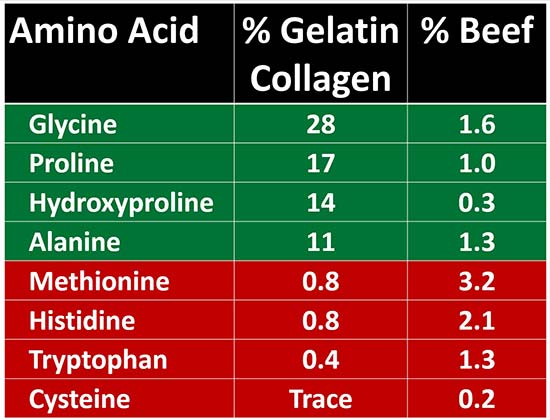
I recommend you get one-third of your protein intake from collagen or gelatin because solely focusing on meat alone will have a negative effect on your bone health. As noted in a study published in Proceedings of the Nutrition Society,23 “It is known that calcium excretion may rise with increased protein intake suggesting a detriment to bone mass.”
The best way to get more collagen into your diet is by making bone broth from organic grass fed animal bones. Slow-cooking or pressure cooking more gelatinous cuts of meat are another option, as are collagen and gelatin supplements.
The Impact Caused During Exercise Strengthens Your Bones
Most people are aware that exercise helps boost your overall fitness and even lowers your risk of cancer, diabetes and cardiovascular disease.24 Exercise is also a foundational way to strengthen your bones. As noted in a 2022 study published in Frontiers in Immunology,25 exercise exhibits a positive effect on osteoporosis. Specifically, the impact felt by your bones causes them to adapt, remodel and strengthen themselves:
“Mechanical forces applied to bone tissue induce the movement of interstitial fluid along tubules and bone cell pores, thereby causing cell-level shear stress and deformation of bone cell plasma membrane. These changes lead to the beginning of the bone remodeling process and stimulate bone resorption and formation cycles,” the study authors noted.
The researchers noted that resistance training, as well as aerobic training, positively benefits bone density by stimulating hormonal reactions to promote stronger bone reformation.26 In addition to these two, you also must pay attention to the intensity of the exercises you do. According to another study,27 exercise must be dynamic, and placing a load (such as weights) generates forces that will have a strong and consistent positive effect on bone development.
KAATSU Improves Bone Density Without Lifting Heavy Weights
While strength training can be risky for the elderly and those with already brittle bones, there’s a way to circumvent this risk. Blood flow restriction training, particularly the KAATSU method, allows you to get the benefits of resistance exercise without the need for heavy weights.
KAATSU works by restricting blood flow in your extremities in cycles, which creates intermittent hypoxia. This results in the production of anti-inflammatory myokines that build muscle strength while lifting lighter weights, which is a big benefit for those who have lower mineral density and are looking to ease into exercising. In my interview with Steven Munatones, an expert KAATSU practitioner, he explains how it works:
“KAATSU cycle is basically a very clever biohack that will allow the muscles to work and allow the vascular tissue to become more elastic. You don’t perceive the pain of heavy lifting, but your vascular tissue and muscle fibers are being worked out just as effectively, and you can do it for a longer period of time.”
Moreover, KAATSU will help boost bone mineral density, and this benefit has been documented in studies. In one example, published in Frontiers in Physiology,28 researchers observed participants who performed BFR training for six weeks.
After the test period was complete, results revealed that even at low intensity, BFR stimulated acute bone formation biomarkers. In another study,29 researchers noted that low-intensity BFR exercise was just as effective as high-intensity exercise in reducing biomarkers of bone destruction.
So, how do you incorporate KAATSU into your exercise routine? Simply wear the KAATSU bands while working out, either with or without weights. For additional information, read my article “How to Stay Fit for Life.” You’ll find an in-depth explanation of how KAATSU works, as well as specific exercises that take advantage of this amazing exercise innovation.
Mix Up Your Exercise Routine with a Vibration Plate
In addition to exercise and KAATSU, another way of combatting osteoporosis is whole-body vibration (WBV) therapy. Essentially, it’s a method wherein vibrations are sent throughout your body in small, controlled doses. This causes positive effects on your body, including increased bone mineral density. In a 2022 meta-analysis30 of 14 randomized controlled trials, researchers noted that WBV therapy exhibited positive effects on patients with knee osteoarthritis (OA):
“Meta-analysis showed that low-frequency and high-frequency whole-body vibration had additional positive effects compared with strengthening exercises alone on pain, knee extensor muscle strength, and physical function in individuals with knee OA. Whole-body vibration with strengthening exercises can be incorporated into treatment protocols.”
Another meta-analysis31 published similar results. Here, researchers showed that WBV therapy boosts bone mineral density in postmenopausal women and reduces the risk of bone fractures in healthy adults. Elderly people who intend to use a vibration plate to manage their osteoporosis will also enjoy other benefits, such as increased cognition.32
For a closer look into the mechanisms and history behind WBV therapy, read my article “Utilize the Power of Vibrations to Promote Wellness.” There, I also discuss exercises that are done on a vibration plate, as well as tips on how to choose the best product for your needs.
- 1 US HHS, “Osteoporosis Workgroup”
- 2 The Medical Independent, August 26, 2024
- 3, 6 Cleveland Clinic, “Osteoporosis”
- 4 The New York Times, July 22, 2024
- 5 NIH, “Osteoporosis”
- 7 Mayo Clin Proc. September 2008; 83(9): 1032–1045, Abstract
- 8 BMJ. 2008 January 19; 336(7636): 117
- 9 Eur J Clin Pharmacol. 2023; 79(9): 1159–1172, Background
- 10 Osteoporos Int. 2023; 34(11): 1917–1926, Discussion
- 11 Front Endocrinol (Lausanne). 2020; 11: 473, Background
- 12, 13 International Journal of Molecular Sciences September 2022; 23(18): 10733, Section 3
- 14 Front Endocrinol (Lausanne). 2020; 11: 473, Perspective
- 15, 16 ODS, “Calcium”
- 17 Human Nutrition & Metabolism Volume 34, December 2023, 200221, Introduction
- 18 Nutrients. 2013 Aug; 5(8): 3022–3033, Low Magnesium and Osteoporosis: Experimental Evidence
- 19 Nutrients 2023, 15(23), 4935, Mechanisms of Action
- 20 ODS, “Magnesium”
- 21 Cleveland Clinic, March 20, 2023
- 22 J Frailty Sarcopenia Falls. 2020 Mar; 5(1): 1–5, Introduction
- 23 Proc Nutr Soc. 2021 May;80(2):165-172, Catabolic Associations of Dietary Protein with Bone Health
- 24 BMC Public Health volume 20, Article number: 1724 (2020), Abstract
- 25, 26 Front Immunol. 2022; 13: 1005665, Mechanisms of Exercise in Alleviating OP
- 27 Front Endocrinol (Lausanne). 2021; 12: 704647, The Influence of Physical Activity on Bone Health
- 28 Front Physiol. 2022; 13: 837631, Abstract
- 29 J Birjand Univ Med Sci. 2021; 28(1):24-31, Abstract
- 30 J Rehabil Med. 2022; 54: 2032, Abstract
- 31 Complementary Therapies in Medicine Volume 65, May 2022, 102811, Abstract
- 32 AIMS Neurosci. 2023; 10(2): 130–143, Abstract
Billions Worldwide Face Micronutrient Deficiencies, Study Finds
Reproduced from original article:
https://articles.mercola.com/sites/articles/archive/2024/10/10/global-micronutrient-deficiencies.aspx
Analysis by Dr. Joseph Mercola October 10, 2024

STORY AT-A-GLANCE
- A balanced diet is important for proper nutrition, but many people fall short on essential micronutrients due to consuming energy-dense but nutrient-poor foods
- Micronutrient deficiencies lead to significant health issues like pregnancy complications, weakened immunity and increased risk of diseases
- A recent study published in The Lancet Global Health found that over half of the global population is lacking essential micronutrients, with deficiencies varying by age and gender
- The researchers found that more than 5 billion people are deficient in iodine (68%), vitamin E (67%) and calcium (66%), while over 4 billion lack iron (65%), riboflavin (55%), folate (54%) and vitamin C (53%)
- In the U.S., common nutrient deficiencies include vitamins D, B12, B1, B2, B3, A, C and E, as well as calcium, magnesium and iodine. Tips to address these deficiencies are included below
Food goes beyond providing energy — it’s essential for proper nutrition. Yet, many people fail to get the essential micronutrients they need. The problem often lies in food quality rather than quantity. People are consuming energy-dense, nutrient-poor foods, setting them up for an excess of omega-6 fats from seed oils as well as added sugars, while missing out on vital micronutrients.
Micronutrient deficiencies are a prevalent form of malnutrition, leading to serious consequences like pregnancy complications, weakened immunity and increased risk of diseases. While past studies have investigated nutrient deficiencies and supplies, there has been no comprehensive global assessment of micronutrient intake inadequacies until now.
A recent study published in The Lancet Global Health1 addresses this gap by evaluating whether current intake levels meet recommended health standards, focusing on deficiencies across different ages and genders. Their findings highlight an alarming trend — over half of the global population is deficient in the necessary micronutrients for optimal health.
Global Study Reveals Alarming Widespread Micronutrient Inadequacies
The study,2 conducted by researchers at Harvard T.H. Chan School of Public Health and the University of California, Santa Barbara (UCSB), used data from 31 countries to model global nutrient needs. They applied these models to a dataset from 185 countries, estimating nutrient deficiencies for 99.3% of the world’s population. Fifteen essential nutrients, including calcium, B vitamins and vitamin C, were evaluated across different age and gender groups.
“Our study is a big step forward,” said co-lead author Christopher Free, Ph.D., a research professor at the University of California, Santa Barbara (UCSB), in a news release.3 “Not only because it is the first to estimate inadequate micronutrient intakes for 34 age-sex groups in nearly every country, but also because it makes these methods and results easily accessible to researchers and practitioners.” According to the authors:4
“More than 5 billion people do not consume enough iodine (68% of the global population), vitamin E (67%) and calcium (66%). More than 4 billion people do not consume enough iron (65%), riboflavin (55%), folate (54%) and vitamin C (53%).
Within the same country and age groups, estimated inadequate intakes were higher for women than for men for iodine, vitamin B12, iron and selenium and higher for men than for women for magnesium, vitamin B6, zinc, vitamin C, vitamin A, thiamin and niacin.”
These results underscore the widespread nature of micronutrient deficiencies globally, revealing distinct patterns related to sex and geographic location. “We hope this analysis … improves understanding of global micronutrient inadequacy so that public health interventions can more effectively address deficiencies,” the researchers concluded.
Common Nutrient Deficiencies in the US
According to data from the National Health and Nutrition Examination Surveys (NHANES), an estimated 31% of the U.S. population is at risk of developing one or more micronutrient deficiencies.5 The most common nutrient deficiencies include vitamins D, B1, B2, B3 and B12, A, C, E, calcium, magnesium and iodine.
Although the study didn’t include vitamin D since it primarily focused on nutrients obtained through diet, vitamin D deficiency remains a significant concern in the U.S., impacting approximately 35% of the population.6 Vitamin D is a fat-soluble vitamin that is essential for various physiological functions, including calcium absorption, bone health and immune function.
While it’s found naturally in some foods, your body endogenously produces vitamin D when your skin is exposed to ultraviolet rays from the sun.
However, many factors limit this natural production, including living in northern latitudes, having darker skin, spending most time indoors or using sunscreen. Additionally, as people age, their skin becomes less efficient at producing vitamin D from sun exposure.7
The ideal way to increase your vitamin D levels is through sensible sun exposure. On a typical sunny day,8 your body produces up to 25,000 international units IU of vitamin D. However, it’s important to approach sun exposure with care, especially if your diet is high in seed oils (rich in linoleic acid, or LA).
These oils migrate to your skin and oxidize when exposed to sunlight, causing inflammation and DNA damage, which makes you more prone to sunburn. If you’re on a high-LA diet, I recommend avoiding intense sun exposure until you’ve reduced your seed oil intake for four to six months. As you reduce your LA intake, slowly increase your time outdoors. You’ll eventually be able to enjoy an hour or more during peak sunlight hours.
If you’re unable to get adequate sun exposure, vitamin D3 supplementation is a wise choice. For health and disease prevention, aim for a level between 60 ng/mL and 80 ng/mL. In Europe, the measurements you’re looking for are 150 to 200 nmol/L, respectively.
To determine how much vitamin D3 you need to take, measure your vitamin D level, ideally twice a year. Your ideal dose is whatever it takes to keep you within that 60 ng/mL to 80 ng/mL range. It’s also important to remember that calcium, vitamin D3, magnesium and vitamin K2 must be properly balanced, as these four nutrients work together.
Save This Article for Later – Get the PDF Now
Vitamin B1, B2 and B3
Vitamin B1, also known as thiamine, is used by nearly all your cells and is essential for several functions in the body, including energy production, nerve function, heart health, cognition, digestion and immune function.9
While thiamine deficiency is often the result of alcohol misuse, chronic infections, poor nutrition and/or malabsorption, research suggests vitamin B1 availability has dramatically declined throughout the food chain in recent years,10 and that naturally affects your ability to get sufficient thiamine from your diet.
Adult men and women need 1.2 and 1.1 milligrams (mg), respectively, each day.11 If you have symptoms of thiamine deficiency, you might need higher doses. For tips on how to boost your vitamin B1 levels, I recommend reading my article, “Common Signs of Vitamin B1 Deficiency.”
Similarly, vitamin B2, commonly known as riboflavin, is important for energy production, cellular function and metabolism. As a coenzyme in various redox reactions, riboflavin is essential for converting food into usable energy. It plays a central role in the electron transport chain, where it helps produce ATP, the primary energy source for the body. This makes riboflavin particularly important for overall energy levels and metabolic health.12,13
To increase your riboflavin levels, consume a diet rich in riboflavin sources. Good dietary sources include grass fed dairy products, lean meats like grass fed beef tenderloin, organic low-PUFA eggs, cremini and portabella mushrooms, and green leafy vegetables like spinach and beet greens.
Vitamin B3 exists in two primary forms — niacin (nicotinic acid) and niacinamide (nicotinamide). Both are essential to human health and play important roles in cellular metabolism, converting the food you eat into energy.
These forms of vitamin B3 also serve as precursors for the coenzymes nicotinamide adenine dinucleotide (NAD+) and nicotinamide adenine dinucleotide phosphate (NADP), which are vital for energy production, DNA repair and cell signaling.
For optimal health, I recommend taking 50 mg of niacinamide three times a day. This dosage has been shown to optimize energy metabolism and boost NAD+ levels.
The problem with taking too much vitamin B3, whether in the form of niacin or niacinamide, is that it might backfire and contribute to cardiovascular disease as demonstrated in a study conducted by the Cleveland Clinic.14 I talked more about this in my article, “Vitamin B3 Boosts Muscle Mass, Improves Glucose Control.” As for food sources, vitamin B3 is found in grass fed beef and beef liver, bananas and mushrooms.15
Vitamin B12
Also known as cobalamin, vitamin B12 is a water-soluble vitamin that plays a role in numerous biochemical reactions and neurological functions in your body, including DNA synthesis. Your body can’t make vitamin B12 on its own, so it must be obtained via your diet or supplementation.16
According to NHANES data, about 3.6% of U.S. adults aged 19 and older have a vitamin B12 deficiency, with the rate slightly increasing to 3.7% in those 60 and older. However, vitamin B12 insufficiency is more common, affecting around 12.5% of adults aged 19 and older and 12.3% of those 60 and older. During pregnancy, vitamin B12 levels often decrease, sometimes falling below normal levels.17
Vitamin B12 is found almost exclusively in animal foods, such as grass fed beef and beef liver, lamb, organic eggs and grass fed dairy products. The few plant foods that are sources of B12 are actually B12 analogs that block the uptake of true B12, so do not make the mistake of thinking you can rely on vegan sources for all your B12 needs.
If you rarely eat the foods listed, consider using nutritional yeast. It’s high in B12 and has a cheesy flavor that works well on any number of dishes. One 16-gram serving (just over 2 tablespoons) provides 24 micrograms of natural vitamin B12.18 Advancing age diminishes your body’s ability to absorb B12 from food, so you might want to consider supplementation as you get older.19
Vitamins A and C
An estimated 51% of adults are not consuming enough vitamin A,20 increasing their risk of degenerative diseases like macular degeneration, a leading cause of blindness in the U.S.21 Vitamin A is also responsible for immune system function as well as cellular growth and differentiation.22
Vitamin A is a group of nutrients that falls into two different categories — retinoids found in animal foods and carotenoids found in plant foods. The two are chemically different and provide different health benefits, but both are necessary for optimal health. Plant foods high in beta-carotene include sweet potatoes, carrots, cantaloupe and mangoes. Animal foods rich in vitamin A include liver, egg yolks and grass fed butter.23
Vitamin C, also known as ascorbic acid, is known for its potent antioxidant properties and role in numerous bodily functions, including tissue growth and repair, collagen synthesis, iron absorption and immune function.24
A wide variety of foods are high in vitamin C, including red pepper, parsley, broccoli, kiwi, strawberries, guava, tomato and all citrus fruits. You’ll get significant amounts of vitamin C from your diet if you eat these foods on a daily basis.
In addition to dietary sources, I highly recommend keeping liposomal vitamin C in your medicine cabinet, particularly for acute viral illnesses. If I were to become acutely ill, I would take 4 grams of liposomal vitamin C every hour until feeling better, then start decreasing the dosage slowly over a few days once symptoms improve.
Vitamin E
Vitamin E is a fat-soluble vitamin with potent antioxidant properties, protecting your cells from free radical damage. It also supports the production of red blood cells, regulates your body’s use of vitamin K (which is important for heart health) and is involved in your immune function and cell signaling.25 Additionally, it protects your body against damage caused by linoleic acid and estrogen.
In the U.S. alone, approximately 88.5% of the population fails to reach the recommended dietary allowance (RDA) of vitamin E.26 To increase vitamin E levels, eat foods rich in this nutrient, including spinach, pumpkin, asparagus, red bell peppers, tomatoes, kiwi and mango.27
Some health authorities recommend vegetable oils, seeds and nuts as good sources,28 but these are actually terrible due to their high LA content. Beans — another good source of vitamin E — are also problematic for many due to their high lectin content.
Supplementation is also an option to increase your levels, but it’s important to look for a real vitamin E supplement and not synthetic. What you’re looking for is “d alpha tocopherol.” I go into detail about this in “Vitamin E Helps Decrease Your Cancer Risk.”
Calcium and Magnesium
Over 40% of the U.S. population fails to meet their calcium needs through diet alone, putting them at increased risk of bone-related issues such as osteoporosis and fractures.29 Calcium is also essential for muscle contraction, nerve transmission and blood clotting.30
A deficiency in calcium coupled with excess phosphorus intake due to phosphate additives in processed food poses additional risk, as it disrupts your calcium-to-phosphorus ratio, which leads to calcification of the vascular system and cardiovascular problems.31
Some good dietary sources of calcium to increase your levels include grass fed dairy products like yogurt, milk and cheese made from animal rennet. Some vegetables contain this mineral as well, such as collard greens, spinach, turnip greens, kale, cooked taro root and bok choy.32
Estimates suggest that over half of the U.S. population also aren’t getting enough magnesium from their diet.33 While the minimum amount needed to avoid deficiency is about 150 to 180 milligrams per day, optimal levels are closer to 600 milligrams per day. For reference, the RDA ranges from 310 to 420 milligrams per day, depending on age and sex.34
Some good dietary sources of magnesium include dark chocolate, leafy greens, potatoes (peeled and boiled) and plain organic yogurt, to name a few. Avocados are also commonly recommended as a good source of this mineral, but they’re high in monounsaturated fat (MUFAs), which harms your metabolic function if consumed in excess.
Iodine
Iodine is an essential trace mineral that plays a role in the production of thyroid hormones, which regulate metabolism, growth and development. Adequate iodine intake is vital for maintaining healthy thyroid function and reducing the risk of disorders such as goiter and hypothyroidism. In addition, iodine is important for healthy bone and brain development during pregnancy and infancy.35
Foods that contain higher amounts of iodine include sea vegetables, such as kelp, kombu and wakame.36 Kelp has the highest amount of any food and just one serving gives you four times the recommended daily allowance. Organic, grass fed butter is another good source of iodine. Iodized salt also increases your levels if you don’t avoid eating it in the mistaken belief that it’s bad for your heart.
Will Taking a Multivitamin Help with Nutrient Deficiencies?
A diet rich in whole, nutrient-dense foods is key to avoiding nutrient deficiency. However, multivitamins help address gaps if you’re not eating right or if you suspect you have deficiencies. Research37 from Oregon State University found that older men who took multivitamins showed improved nutritional biomarkers compared to those who took a placebo.
In fact, some participants in the placebo group had decreased nutrition markers, indicating that diet alone might not be sufficient, particularly for maintaining vitamin and carotenoid levels.38 Multivitamins also benefit memory in older adults. One study39 found that daily use could improve memory performance comparable to reversing about three years of age-related decline compared to a placebo.
If you’re planning to take multivitamins, it’s generally recommended to take half your daily dose in the morning, with breakfast, and the other half with your main meal. Remember, though, that multivitamins should complement, not replace, a healthy diet.
Dietary supplements are meant to support a balanced lifestyle, not substitute for it. Consider consulting with a holistic health professional to identify specific nutrient deficiencies and tailor your supplement and food choices to address them.
- 1, 2, 4 Lancet Glob Health. 2024 Aug 29:S2214-109X(24)00276-6
- 3 EurekAlert! August 29, 2024
- 5 The Institute of Functional Medicine, The Hidden Hunger: Micronutrient Deficiencies
- 6 StatPearls [Internet]. Vitamin D Deficiency
- 7 Endocrine. 2023; 79(1): 31–44
- 8 Journal of Steroid Biochemistry and Molecular Biology, 2019;189
- 9 Biosci Rep. 2023 Oct 31;43(10):BSR20230374
- 10 The Science Times January 31, 2021
- 11 NIH Thiamin, February 9, 2023
- 12 NIH ODS, Riboflavin
- 13 StatPearls [Internet]. Biochemistry, Oxidative Phosphorylation
- 14 Nature Medicine volume 30, pages 424–434 (2024)
- 15 Harvard T.H. Chan School of Public Health, Niacin – Vitamin B3
- 16 StatPearls [Internet]. Vitamin B12 (Cobalamin)
- 17 Harvard T.H. Chan School of Public Health, Riboflavin — Vitamin B2
- 18 USDA FoodData Central, Nutritional Yeast
- 19 The New York Times, Vitamin B12 as Protection for the Aging Brain
- 20 Oregon State University, Micronutrient Inadequacies, Vitamin A
- 21 Front Nutr. 2022; 9: 914457
- 22, 23 NIH ODS, Vitamin A and Carotenoids
- 24 StatPearls [Internet]. Vitamin C (Ascorbic Acid)
- 25, 28 NIH ODS, Vitamin E
- 26 USA Today, April 1, 2023
- 27 HSPH, Vitamin E
- 29 Oregon State University, Micronutrient Inadequacies in the US Population: an Overview
- 30 StatPearls [Internet]. Physiology, Calcium
- 31 Arterioscler Thromb Vasc Biol. 2024 Mar;44(3):584-602
- 32 Dietary Guidelines for Americans, Food Sources of Calcium
- 33 Oregon State University, Micronutrient Inadequacies (Magnesium)
- 34 National Institutes of Health, Magnesium
- 35, 36 NIH ODS, Iodine
- 37 Nutrients 2023, 15(12), 2691; doi: 10.3390/nu15122691
- 38 Oregon State University June 14, 2023
- 39 The American Journal of Clinical Nutrition July 2023, Volume 118, Issue 1, Pages 273-282, Results
Magnesium’s Crucial Role in Cellular Energy Production Revealed
Reproduced from original article:
https://articles.mercola.com/sites/articles/archive/2024/10/07/magnesium-cellular-energy-production.aspx
Analysis by Dr. Joseph Mercola October 07, 2024

STORY AT-A-GLANCE
- Magnesium is essential for cellular energy production, acting as a molecular choreographer in the adenylate kinase (AK) enzyme, aligning molecules for optimal ATP generation
- Research reveals magnesium increases enzyme flexibility, allowing AK to open and close more efficiently during energy production, enhancing overall cellular energy metabolism
- Magnesium’s role in mitochondrial function is crucial, with over a third of cellular magnesium located in these energy-producing organelles, directly impacting ATP synthesis
- Magnesium acts as a natural anti-inflammatory agent, suppressing inflammatory cytokines and activating antioxidant defenses, reducing the risk of age-related diseases
- Magnesium improves insulin sensitivity and glucose metabolism, aiding weight management and reducing the risk of Type 2 diabetes. Various foods and supplementation methods are available to optimize intake
Magnesium is a crucial player in your body’s energy production, and new research is shedding light on its importance at the molecular level. A study published in Science Advances focused on adenylate kinase (AK), an enzyme vital for maintaining energy balance in your cells.1
This enzyme catalyzes a reversible reaction that produces two adenosine diphosphate (ADP) molecules from adenosine triphosphate (ATP) and adenosine monophosphate (AMP). While you might be familiar with ATP as the energy currency of your cells, you may not realize the intricate dance that occurs at the atomic level to make this energy available.
Scientists have now captured detailed images of AK in action, both before and after its reaction, with magnesium playing a starring role. These snapshots reveal how magnesium helps align the molecules involved in the reaction, much like a skilled dance instructor positioning partners for an intricate routine.

As shown in the Science Advances image above,2 without magnesium, the molecules are misaligned, making the reaction less efficient. This alignment is so precise that it changes the “reaction angle” from about 135 degrees without magnesium to nearly 170 degrees with it — a seemingly small change that makes a world of difference in how quickly and efficiently your body can produce and use energy.
Magnesium: The Molecular Choreographer
Magnesium’s role doesn’t stop at aligning molecules. The study revealed that it also influences the dynamic movements of the enzyme itself. Using sophisticated techniques like high-quality nuclear magnetic resonance (NMR) and electron paramagnetic resonance (EPR) spectroscopy, researchers observed that magnesium causes parts of the enzyme to become more flexible and mobile.3
This increased movement is crucial for the enzyme’s function, allowing it to open and close more readily as it binds to molecules and releases them after the reaction. Imagine your enzyme as a hand catching and releasing a ball. Without magnesium, the hand might be stiff and slow to open and close. With magnesium present, it becomes nimble and quick, able to catch and release the ball (or in this case, the molecules) much more efficiently.
This enhanced flexibility is so significant that its effects can be seen in parts of the enzyme structure located far from where the magnesium actually binds, highlighting how a small change can have far-reaching impacts on the enzyme’s overall function.
These findings underline the importance of maintaining adequate magnesium levels in your body, as it plays a crucial role not just in this specific enzyme, but in hundreds of other enzymatic reactions that keep your body running smoothly.
Magnesium’s Role in Enzyme Function
The study found that magnesium is important for making sure substances correctly come together at a specific area in an enzyme, a protein that speeds up chemical reactions. This happens because magnesium interacts with two specific parts of the enzyme, known as aspartic acid and glutamine.
When scientists replaced aspartic acid with a different component called alanine, the enzyme’s ability to speed up reactions greatly decreased. The rate of the enzyme’s reaction dropped from 330 reactions per second to only 1.8 per second. This also made it harder for the enzyme to work with a molecule called magnesium-ATP, which is crucial for the enzyme’s activity.
The study shows that magnesium needs to be precisely positioned in the enzyme to work best. It helps in two main ways: it first helps magnesium-ATP attach to the enzyme, and then it helps organize the setup to avoid ineffective configurations, with water playing a key role through its interaction with aspartic acid. Both steps are equally important for the enzyme to work efficiently.
Further, magnesium is vital in many of your body’s cellular processes. This essential mineral is involved in over 600 enzymatic reactions, but its role in energy production is particularly crucial.4 At the heart of this process is your mitochondria. Without adequate magnesium, your mitochondria can’t efficiently produce the energy your body needs to function optimally.
In fact, over a third of your cellular magnesium is located in the mitochondria, again highlighting its importance in energy metabolism. If you’re feeling constantly fatigued or lacking energy, it might be worth considering your magnesium intake. Ensuring adequate magnesium levels could help boost your cellular energy production, leading to improved overall energy levels and vitality.
Save This Article for Later – Get the PDF Now
Magnesium: Your Body’s Natural Anti-Inflammatory Agent
Chronic, low-grade inflammation is a hallmark of aging associated with numerous age-related diseases. Interestingly, magnesium plays a significant role in modulating your body’s inflammatory responses. When your magnesium levels are low, your body produces more inflammatory cytokines like IL-1, IL-6 and TNF-α. These inflammatory markers are linked to various chronic conditions, including cardiovascular disease and diabetes.5
On the flip side, adequate magnesium levels help suppress the production of these inflammatory substances. Magnesium also helps activate your body’s antioxidant defense systems, protecting your cells from oxidative stress and further reducing inflammation. Studies have shown that people with higher magnesium intake have lower levels of C-reactive protein, a key marker of inflammation.6
By ensuring you’re getting enough magnesium, you’re not just supporting your energy production — you’re also giving your body a powerful tool to combat chronic inflammation and reduce your risk of age-related diseases.
Magnesium and Your Brain: Neuroprotection and Cognitive Function
Your brain is a magnesium-hungry organ, and for good reason. This mineral plays crucial roles in neurotransmitter release, synaptic plasticity and overall brain health.7 Magnesium acts as a natural blocker of NMDA receptors, helping to prevent excessive neuronal excitation, which can lead to cell death.
This neuroprotective effect may help explain why adequate magnesium intake has been associated with a reduced risk of neurodegenerative diseases like Alzheimer’s.8 Moreover, magnesium is involved in the regulation of brain-derived neurotrophic factor (BDNF), a protein essential for learning, memory and overall cognitive function.
Low magnesium levels have been linked to increased risk of depression9 and anxiety, while supplementation has shown promise in improving mood and cognitive performance.
A comprehensive study involving 6,001 participants uncovered those individuals who incorporated approximately 550 milligrams (mg) of dietary magnesium daily exhibited more substantial gray matter and hippocampal volumes compared to those consuming the average intake of around 350 mg per day.10
This volumetric advantage in brain structure translates to a deceleration of cerebral aging by roughly one year, contrasting with those who have lower magnesium intake. Further bolstering these findings, a comprehensive meta-analysis encompassing 21 studies revealed a significant correlation between Alzheimer’s disease and diminished plasma magnesium levels.11
This growing body of research underscores the role of magnesium in maintaining cognitive health and mitigating age-related neurological decline. If you’re looking to support your brain health and maintain sharp cognitive function as you age, ensuring adequate magnesium intake should be high on your list of priorities.
The Magnesium-Metabolism Connection: Insulin Sensitivity and Diabetes Risk
Your body’s ability to regulate blood sugar and insulin sensitivity is also intricately linked to magnesium status. This mineral plays a key role in carbohydrate metabolism and is involved in the action of insulin, the hormone responsible for shuttling glucose into your cells. Low magnesium levels have been consistently associated with an increased risk of developing Type 2 diabetes.12
Magnesium helps improve insulin sensitivity, allowing your cells to more effectively use glucose for energy. It also supports the function of beta cells in your pancreas, which are responsible for producing insulin.
If you’re concerned about your metabolic health or diabetes risk, paying attention to your magnesium intake is a smart move. Incorporating magnesium-rich foods into your diet or considering supplementation may help improve your insulin sensitivity and reduce your risk of metabolic disorders.
Is Magnesium Your Secret Weapon Against Excess Weight?
Magnesium could be one key in unlocking your weight loss potential. Recent research has revealed fascinating connections between magnesium levels and body composition, particularly in relation to obesity and excess belly fat.13 A study analyzing data from the Mexican National Health and Nutrition Survey found that increased dietary magnesium intake was linked to lower body mass index (BMI) and reduced waist circumference.14
This suggests that simply ensuring adequate magnesium in your diet could help you maintain a healthier weight and body shape. But how does magnesium exert these effects? One crucial mechanism involves its role in insulin sensitivity. When magnesium levels are low, your body becomes less responsive to insulin, leading to increased fat storage, especially around your midsection.15
By maintaining optimal magnesium status, you support healthy insulin sensitivity, which helps prevent the accumulation of stubborn belly fat. Moreover, magnesium plays a vital role in activating enzymes involved in fat metabolism. Adequate magnesium levels can enhance lipolysis — the breakdown of fat stores for energy — aiding in weight loss efforts.
This mineral also supports the function of brown adipose tissue (BAT), a type of fat that burns calories to generate heat, further contributing to your body’s energy expenditure.16 This versatile mineral also plays a crucial role in maintaining proper bone density, glucose tolerance and blood pressure regulation.17
It also influences epigenetic processes in your body. It serves as a cofactor for enzymes involved in DNA methylation and demethylation, affecting gene expression patterns.18 This emerging area of research suggests that maintaining proper magnesium status could have long-lasting effects on your health through epigenetic mechanisms.
How to Optimize Your Magnesium Intake
In the U.S., 52.2% of the population does not meet the daily requirement for magnesium,19 and this may be higher in some populations. For instance, certain health conditions and lifestyle factors play a role in magnesium deficiency by increasing magnesium excretion. Diabetes is one example, as is alcohol consumption.
Sleep deprivation and your stress levels also affect magnesium, and chronic or even intermittent stress may lead to a decrease in magnesium levels. When considering supplements, my personal preference is magnesium threonate, as it stands out for its ability to cross cellular barriers, including the blood-brain barrier and mitochondrial membranes.
However, for those new to magnesium supplementation, a gradual approach starting with magnesium citrate is recommended to help you determine proper dosage. This method, known as “bowel tolerance,” helps identify your body’s optimal magnesium intake.
Begin with 200 mg of magnesium citrate daily, slowly increasing the dosage until you notice a mild laxative effect. Once you begin to have loose stools, you’ve established your ideal dose and can explore other forms of magnesium if desired.
Magnesium threonate can be ingested with or without meals. For those incorporating calcium supplements, combining the two is recommended. Fitness enthusiasts might benefit from a pre-workout regimen that includes calcium and magnesium in a 1:2 ratio.
Although a 1:1 magnesium-to-calcium balance is often considered ideal, it’s important to recognize that typical diets tend to be calcium-rich. Consequently, supplemental magnesium requirements may be two to three times higher than calcium to achieve equilibrium.
It’s important to note that blood tests aren’t reliably indicative of your body’s magnesium status, particularly in muscles and bones. Instead, diet tracking offers a more practical approach to ensuring adequate magnesium intake. Foods that are high in magnesium include:
| Raw milk and homemade yogurt | Broccoli |
| White rice | Bok choy |
| Potato | Turnip greens |
| Dried seaweed or agar | Brussels sprouts |
Interestingly, magnesium possesses an inherent safety mechanism against overconsumption. Like vitamin C, excessive oral magnesium results in loose stools, indicating that you’ve surpassed your optimal intake. This natural safeguard makes magnesium toxicity highly unlikely. Aside from food and oral supplements, alternative methods to increase your magnesium levels include:
• Epsom salt baths — Soaking in magnesium sulfate-rich water enables transdermal (skin) absorption, circumventing your digestive system.
• Topical application — Create a concentrated Epsom salt solution using the following steps:
◦Heat 6 ounces of water and dissolve 7 tablespoons of Epsom salt
◦Once cooled, transfer to a dropper bottle
◦Apply directly to your skin
◦For enhanced absorption, follow with fresh aloe vera gel
By combining thoughtful dietary choices with appropriate supplementation, you can work toward achieving optimal magnesium levels and reaping the associated health benefits.
– Sources and References
- 1, 3 Science Advances August 9, 2024, Vol 10, Issue 32
- 2 Science Advances August 9, 2024, Vol 10, Issue 32, Fig. 2
- 4, 5, 6, 7, 8, 12 Nutrients. 2024 Feb; 16(4): 496
- 9 Nutrients. 2022 May; 14(9): 1714
- 10 Eur J Nutr. 2023; 62(5): 2039–2051
- 11 Front Aging Neurosci. 2022 Jan 10:13:799824. doi: 10.3389/fnagi.2021.799824. eCollection 2021
- 13, 14, 15, 16, 17, 18 Antioxidants (Basel). 2024 Aug; 13(8): 893
- 19 Oregon State University, “Micronutrient Inadequacies in the US Population: An Overview” Micronutrient Deficiencies and Inadequacies
Crucial Nutrients to Support Your Skeleton as You Age
Reproduced from original article:
https://articles.mercola.com/sites/articles/archive/2024/09/27/nutrients-for-aging-bones.aspx
Analysis by Dr. Joseph Mercola September 27, 2024

STORY AT-A-GLANCE
- Osteoporosis is a growing problem in the U.S., affecting 10.2 million adults over 50, with an additional 43.3 million having low bone mass
- Calcium, vitamin D, vitamin K2 and magnesium are essential nutrients for maintaining strong bones, with natural sources being the preferred method of boosting intake
- Protein, particularly from collagen-rich foods like bone broth, is also crucial for the structural integrity and maintenance of your bones
- Weight-bearing exercise and maintaining a healthy weight are additional important factors that help promote bone health and strength
- REMS technology provides a more accurate and radiation-free alternative to DEXA scans for diagnosing and monitoring bone density
Osteoporosis, a bone disease characterized by low bone mineral density, is becoming more common among older Americans. According to the latest data from the U.S. Centers for Disease Control and Prevention (CDC), 10.2 million people over the age of 50 have osteoporosis. In addition, 43.3 million people have low bone mass, which is a precursor to osteoporosis.1
According to The New York Times,2 your body will break down more tissue than it can rebuild as you age. If this isn’t acted upon, it can make you more susceptible to fractures. Before your skeletal health reaches that point, consider increasing your intake of these nutrients, which are crucial to forming strong bones.
Calcium Is Your Skeleton’s Foundation
Calcium may be the most well-known mineral associated with bone health. In fact, research points out that 98% of your body’s calcium is stored in your bones. Moreover, your skeleton acts as a calcium reservoir, drawing from it whenever needed to maintain other biological processes. For example, calcium is also used for muscle contraction, as well as the receiving and sending of signals throughout the nervous system.3
Regarding calcium intake, the ideal amount depends on your age and other factors. Here are the recommended dietary allowances (RDAs) in milligrams (mg), according to the Office of Dietary Supplements:4
| Age | Male | Female |
|---|---|---|
| 0 to 6 months | 200 mg | 200 mg |
| 7 to 12 months | 260 mg | 260 mg |
| 1 to 3 years | 700 mg | 700 mg |
| 4 to 8 years | 1,000 mg | 1,000 mg |
| 9 to 13 years | 1,300 mg | 1,300 mg |
| 14 to 18 years | 1,300 mg | 1,300 mg |
| 19 to 50 years | 1,000 mg | 1,000 mg |
| 51 to 70 years | 1,000 mg | 1,200 mg |
| Over 70 years | 1,200 mg | 1,200 mg |
The New York Times recommends meeting your calcium RDA through your diet,5 and this is something I agree with, too. However, your body also needs other nutrients to metabolize calcium properly (more on this later).
As for dietary sources of calcium, The New York Times recommends dairy products, such as milk and yogurt (make sure they’re certified grass fed). Leafy greens such as kale and collard greens, as well as sardines are also viable sources.6 In addition to these, I also suggest adding more cheese to your diet.
When made the traditional way using animal rennet, cheese is a veritable superfood. As noted by Ashley Armstrong in her article “Cheese, the Ultimate Superfood,” it also contains beneficial bacteria, healthy fats and other nutrients that can support your health. Not to mention, cheese made this way tastes great.
Vitamin D Helps Improve Calcium Absorption
Optimizing your vitamin D level is important for overall health. Research shows it plays a role in a wide variety of processes, such as glucose metabolism, heart health and immune function.7 In the context of skeletal health, it’s been shown to influence calcium absorption. If you don’t get enough vitamin D, your risk for rickets, a disease marked by skeletal deformities, increases.8
While I’ve long recommended sun exposure as the ideal method of optimizing vitamin D levels, it must be done properly. Before embarking on a routine of sun exposure at solar noon, I recommend minimizing your intake of linoleic acid (LA) to less than 5 grams a day.
If you can get it below 2 grams, that’s even better. The reason for this is because when sunlight interacts with your skin, LA breaks down, which can lead to inflammation and DNA damage. This is one of the primary reasons for sunburn and, over time, skin cancer.
If you’ve been reducing your LA consumption, you can slowly begin to get sunlight exposure. However, avoid peak sunlight hour around solar noon until you’ve been off seed oils for at least four to six months. This means staying out of direct sunlight during 11 AM to 3 PM during Daylight Saving Time (10 AM to 2 PM Standard Time) during the U.S. summer.
The best way to gauge whether your sun exposure is appropriate is to monitor your skin. If you don’t notice the slightest hint of pink on your skin, that means your sunlight exposure was within a safe range. If you developed redness, you’ve been overexposed. As you reduce LA in your diet, your risk of sunburn and skin cancer will drop significantly, but stay cautious, especially during the transition period.
Everyone’s skin is different, but the common denominator signifying that damage has occurred is sunburn. If you need to spend time in the sun before your body has fully detoxed accumulated seed oils, these compounds can offer valuable support:
• Astaxanthin — This powerful antioxidant helps increase your skin’s resistance to sun damage. Taking 12 mg daily can neutralize free radicals and reduce inflammation, providing extra protection against UV radiation.
• Niacinamide cream (vitamin B3) — Applying niacinamide topically before going under the sun can help improve your skin’s barrier and protect against UV-induced DNA damage.
• Baby aspirin — When taken 30 to 60 minutes before sun exposure, it may help lower your risk of skin cancer by inhibiting the formation of harmful oxidized linoleic acid metabolites (OXLAMs) in your skin.
• Molecular hydrogen (H2) — H2 provides an extra layer of protection against sun damage and mitigates the effects of vegetable oils. It operates at the cellular level by neutralizing harmful free radicals, especially hydroxyl radicals. It can also penetrate cell membranes to target inflammation and oxidative damage directly at the source while preserving beneficial reactive oxygen species (ROS).
Beyond its protective role, H2 boosts energy levels and enhances recovery, making it a valuable support for cellular health, particularly when dealing with sun exposure and dietary challenges from vegetable oils.
Save This Article for Later – Get the PDF Now
Vitamin K2 Works in Tandem with Calcium
Vitamin K is a fat-soluble vitamin that comes in two bioactive forms — K1 (phylloquinone) and K2 (menaquinone). Vitamin K1 typically comes from leafy greens, while vitamin K2 is found in animal products, such as dairy.9
Vitamin K is known for its role in blood coagulation,10 but research has shown it also plays a role in bone formation. Specifically, it increases osteoblastogenesis (forming new bone tissue) and decreases osteoclast formation (the breakdown of old bone tissue).11,12
Along with calcium, leafy greens are also rich in vitamin K1. Sources include broccoli, Brussels sprouts, cabbage, lettuce, collard greens and kale.13 As for vitamin K2, it’s found in organic, grass fed animal foods such as eggs, liver, meat and dairy. Cheese is also a good source of both vitamin K2 and calcium.14
Remember Magnesium in the Equation
Magnesium is another crucial part of bone health. As noted by a study published in Biometals,15 deficiency in this mineral may reduce bone stiffness and increase osteoclast activity. Magnesium also plays an important role in vitamin D activation and synthesis.
Dark green leafy vegetables are reliable sources of magnesium. However, supplementation may be needed by most people, as factors such as alcohol consumption, prescription drug use, sweating and stress16 can affect magnesium homeostasis. Most soils are also depleted of magnesium, which means foods tend to be lower in magnesium today than in years past.
If you opt for an oral supplement, I recommend magnesium threonate, as it appears to be the most efficient in penetrating the cell membranes, including the blood-brain barrier. The RDA is around 310 to 420 mg per day, depending on your age and sex,17 but I believe a more ideal amount is 1,000 to 2,000 mg per day, due to the factors I just mentioned.
You can start with a small dose of 200 mg per day and gradually increase the dosage until you develop slightly loose stools. To use this method, you need to use magnesium citrate, as it’s known for having a laxative effect. Once you know your cutoff, you can switch to other forms of magnesium.
Your Bones Also Need Collagen and Protein
While most people frequently associate protein intake with muscle strength, your bones need it as well. In fact, the human skeleton contains lots of protein. A study18 published in the Journal of Frailty, Sarcopenia & Falls succinctly summarizes the role of protein in bone health:
“Protein makes up ~50% of bone volume and approximately one-third of its mass. It provides the structural matrix of bone, whereas calcium is the dominant mineral within that matrix.
Collagen and a variety of noncollagenous proteins form the organic matrix of bone, so an adequate dietary protein intake would seem to be essential for optimal acquisition and maintenance of adult bone mass.”
When it comes to collagen, the ideal source is homemade beef bone broth. Using a pressure cooker, you can prepare this scrumptious meal in as little as two to four hours. However, the devil’s in the details.
For the best, most nutritious bone broth, you want to make sure that the beef bones come from organic sources. Bones sourced from concentrated animal feeding operations (CAFOs) usually contain heavy metals, which can leach out during cooking.
Interestingly, certain bones are better sources of collagen than others. For example, chicken feet and the knuckle bones (knee joint) of cows are particularly high in collagen and are therefore excellent choices for making bone broth.
Now, what’s the ideal protein intake? Ideally, it should be about 15% of your daily calories, and of that, one-third should be collagen. I recommend a daily protein intake of 0.8 grams of protein per kilogram of ideal body weight (the weight you would ideally be, not necessarily the weight you are now), or approximately 0.36 grams of protein per kilogram.
Additional Strategies That Can Help Promote Optimal Bone Health
There’s more to supporting healthy bones other than just taking in the right nutrients. Dr. Sara Shippee, an orthopedic surgeon at the University of Chicago Medicine, shares other strategies that can help strengthen bones as you age:19
• Get regular exercise — Most of us are aware that exercise can boost our fitness level, but did you know that it can make your bones healthier?
“Weight-bearing exercise is particularly good for bone density and bone health and is actually good for your cartilage, too,” Wallace said. As one study20 published in 2021 noted, exercise is a crucial factor that can influence bone strength upon reaching adulthood.
Like muscles, bones are living organisms that constantly break themselves down to create newer, stronger bones. And just like muscles that get stronger through training, your bones receive the same benefit, too.
So, what kind of exercises can you do? Moderate-intensity exercise seems to be the best. High-intensity exercise is also viable, but take care not to overdo it.21 For specific exercises that you can do, read my article “How Exercise Can Help Promote Stronger Bones.”
• Maintain a healthy weight — In relation to the point above, you may have heard the advice that heavier weight may ward off osteoporosis due to the increased impact on your bones as you move.
This may make sense at first, but a closer look reveals that it’s not true at all. Obesity is a health issue that needs addressing as it can endanger your health. According to a 2020 study:22
“Mechanical loading has positive effects on bone health, but this may not suffice in obesity. Low-grade systemic inflammation is probably harmful to the bone and increased bone marrow adipogenesis may lead to decreased bone mass in obese individuals. Finally, visceral abdominal fat may exert different actions to the bone compared with the subcutaneous fat.”
• Get the proper routine scans — One of the most common ways osteoporosis is diagnosed is through DEXA (dual-energy X-ray absorptiometry) scans. However, as pointed out by A Midwestern Doctor in “The Great Osteoporosis Scam,” this method produces inconsistent results and repeated scans every other year won’t provide much benefit.
Moreover, the rise in doctors recommending DEXA scans suspiciously coincides with the release of drug that supposedly reduces the risk of developing osteoporosis.23
Instead, I recommend another way of diagnosing bone mineral density that will not expose your body to ionizing radiation — REMS (Radiofrequency Echographic Multi Spectrometry) technology. According to a study published in Diagnostics,24 REMS technology works by analyzing raw ultrasound signals, and that this approach may be a better alternative compared to DEXA scans.
- 1 CDC, March 2021
- 2, 5, 6 The New York Times, July 22, 2024
- 3, 4 NIH, “Calcium”
- 7 StatPearls [Internet], Vitamin D
- 8 OrthoInfo, “Vitamin D for Good Bone Health”
- 9 NIH, “Vitamin D” Introduction
- 10 Nutrition Reviews, Volume 80, Issue 4, April 2022, Pages 677–698, Introduction
- 11 Calcif Tissue Int. 2023; 112(2): 178–196, Abstract
- 12 Cleveland Clinic, “Osteoblasts and Osteoclasts”
- 13 Harvard T.H. Chan, Vitamin K
- 14 Nutr Rev. 2022 Apr; 80(4): 677–698, Abstract
- 15 Biometals. 2021; 34(4): 715–736, Introduction
- 16 Medical Hypotheses 2001 Feb;56(2):163-70, Abstract
- 17 NIH, Magnesium
- 18 J Frailty Sarcopenia Falls. 2020 Mar; 5(1): 1–5, Introduction
- 19 UChicagoMedicine, August 5, 2024
- 20 Front Endocrinol (Lausanne). 2021; 12: 704647, The Influence of Physical Activity on Bone Health
- 21 Aging Dis. 2023 Oct 1; 14(5): 1555–1582, Abstract
- 22 J Musculoskelet Neuronal Interact. 2020; 20(3): 372–381, Abstract
- 23 NPR, December 21, 2009
- 24 Diagnostics (Basel). 2023 May; 13(10): 1666, Abstract
Some Cases of Diabetes May Simply Be a Vitamin B6 Deficiency
Reproduced from original article:
https://articles.mercola.com/sites/articles/archive/2024/09/25/diabetes-vitamin-b6-deficiency.aspx
Analysis by Dr. Joseph Mercola September 25, 2024

STORY AT-A-GLANCE
- Vitamin B6 plays a crucial role in blood sugar regulation through “first responder” beta cells in the pancreas. Some cases of diabetes may be linked to vitamin B6 deficiency or dysfunction
- Vitamin D deficiency is associated with increased risk of Type 2 diabetes. Maintaining adequate vitamin D levels may improve glucose metabolism and reduce diabetes risk
- B vitamins, especially B6, B12 and folate, are important for both blood sugar control and mental health. They can help manage diabetes symptoms and reduce anxiety and depression
- Minerals like zinc, magnesium and chromium are essential for glycemic regulation and mental well-being. Deficiencies in these minerals are linked to diabetes progression and mood disorders
- Mitochondrial health is crucial for preventing chronic diseases like diabetes. Reducing exposure to toxins like seed oils, endocrine disruptors and EMFs can improve cellular energy production and overall health
Your body’s ability to regulate blood sugar relies on a complex dance between different cells in your pancreas. Research has uncovered a fascinating new player in this intricate process — “first responder” beta cells.1 These special cells are the quickest to react when glucose levels rise, triggering a cascade of activity throughout your pancreas.
Scientists have found that these first responders have a unique molecular signature, setting them apart from other beta cells.2 Intriguingly, they express higher levels of an enzyme called pyridoxamine 5′-phosphate oxidase (PNPO), which is crucial for producing vitamin B6.3
You may have heard of pyridoxal 5′-phosphate (PLP) which differs from pyridoxamine 5′-phosphate oxidase (PNPO). They both are vital for vitamin B6 metabolism, serving different and distinct roles. PNPO is an enzyme that converts other B6 forms into PLP, the active vitamin B6. PLP acts as a coenzyme in many metabolic processes like amino acid metabolism and neurotransmitter synthesis.
PNPO deficiency can lead to vitamin B6-dependent epilepsy, while PLP deficiency causes various neurological and metabolic issues. PLP is commonly used as a supplement due to its direct involvement in metabolism, whereas PNPO is not supplemented. PLP is light-sensitive and needs careful storage, unlike the stable PNPO enzyme.
This discovery suggests that vitamin B6 may play a more significant role in insulin secretion and blood sugar control than previously thought. By understanding the importance of these first responder cells and their reliance on vitamin B6, researchers are opening up new avenues for diabetes prevention and treatment.
Vitamin B6: The Unsung Hero of Blood Sugar Regulation
The study’s findings highlight the critical importance of vitamin B6 in maintaining healthy blood sugar levels. When researchers interfered with vitamin B6 production or function, they observed a dramatic impairment in the pancreas’s ability to respond to rising glucose levels.4
This effect was seen not only in zebrafish but also in mouse pancreatic tissue, suggesting that the mechanism is likely conserved across species, including humans. The implications of this discovery are profound. It raises the possibility that some cases of diabetes or prediabetes might be rooted in a deficiency or dysfunction related to vitamin B6 metabolism.
This new perspective could lead to more targeted and effective treatments for certain individuals struggling with blood sugar control. Rather than focusing solely on insulin or glucose metabolism, addressing vitamin B6 status could restore normal pancreatic function in some patients.
A New Understanding of Pancreatic Coordination
Your pancreas doesn’t just release insulin in a simple, uniform manner. Instead, it relies on a sophisticated hierarchy of cell communication. The research reveals that first responder cells act as leaders, coordinating the activity of surrounding beta cells. This organization allows for a rapid, synchronized response to rising blood sugar levels.
The study used cutting-edge techniques, including optogenetics, to manipulate individual cells within the pancreas of living zebrafish. By activating or silencing specific cells, the scientists could observe how the entire system responded. Remarkably, they found that interfering with just a single first responder cell could disrupt the entire pancreatic response to glucose.5
This demonstrates how crucial these vitamin B6-rich cells are to the overall function of your pancreas. Understanding this cellular hierarchy provides new insights into how diabetes might develop and offers potential targets for future treatments. While more research is needed, these findings suggest that ensuring adequate vitamin B6 status could be an important strategy for maintaining healthy blood sugar levels.
For some individuals, addressing a vitamin B6 deficiency might even be enough to restore normal pancreatic function and glucose regulation. Vitamin B6 is found abundantly in animal foods such as organic, pastured beef as well as dark leafy greens, papaya, oranges, cantaloupe and bananas.6 Nutritional yeast is another source.
Save This Article for Later – Get the PDF Now
Vitamin D Deficiency: A Hidden Risk Factor for Type 2 Diabetes
Research has also shed light on a fascinating connection between vitamin D levels and Type 2 diabetes.7 A study conducted in India examined the relationship between vitamin D and glycosylated hemoglobin (HbA1c), a key marker of long-term blood sugar control. The findings reveal that individuals with Type 2 diabetes tend to have significantly lower vitamin D levels compared to those without the condition.8
Further, there’s an inverse relationship between vitamin D and HbA1c levels — as vitamin D increases, HbA1c decreases. This suggests that maintaining adequate vitamin D levels may play a crucial role in managing blood sugar and reducing your risk of developing Type 2 diabetes. Sunlight exposure is a primary source of vitamin D, but many people struggle to maintain sufficient levels, even in tropical regions.
Factors such as indoor lifestyles, darker skin pigmentation and limited dietary sources contribute to widespread vitamin D deficiency, making it a global health concern. Vitamin D’s importance extends far beyond bone health.
This essential hormone influences many of your bodily functions, including cellular processes, neuromuscular activity and immune function. Deficiency in vitamin D has been linked to a host of health issues, ranging from rickets in children to osteoporosis, cancer9 and autism10 in adults.
While the exact mechanisms linking vitamin D to glucose metabolism are still being explored, emerging evidence suggests several potential pathways. Vitamin D may improve insulin sensitivity and reduce inflammation, both of which are crucial for maintaining healthy blood sugar levels.11
Vitamin D and Diabetes: Unraveling the Connection
By maintaining optimal vitamin D levels, you may be able to improve your glucose metabolism and reduce your risk of developing this chronic condition. Research has also shown that vitamin D deficiency negatively impacts insulin sensitivity and can directly influence insulin secretion from pancreatic β-cells.12 Supplementation with vitamin D has been found to significantly improve fasting blood glucose, insulin levels and insulin resistance in diabetic patients.13
Moreover, vitamin D’s role in modulating inflammation and oxidative stress makes it a key player in both diabetes and mental health in diabetics. In diabetes, vitamin D helps reduce systemic inflammation by hindering nuclear transcription and decreasing cytokine production. This anti-inflammatory effect is crucial, as inflammation is a significant factor in insulin resistance and β-cell dysfunction.14
People with diabetes are at an increased risk of mental disorders such as depression and anxiety, as well as cognitive decline.15 Vitamin D’s ability to downregulate oxidative stress-related events and influence antioxidant defense mechanisms is beneficial in this respect.
Studies have revealed a shared nutraceutical-gene network module between insulin resistance and depression, suggesting that addressing vitamin D deficiency could potentially prevent both conditions.16 Regular monitoring of vitamin D levels and appropriate sun exposure and supplementation, if necessary, may be beneficial for individuals at risk of or already dealing with diabetes and mental health issues.
The global prevalence of vitamin D deficiency (defined as a level of less than 20 ng/mL) and insufficiency (defined as a level of 20 to less than 30 ng/mL) is 40% to 100%,17 so many people are lacking. Globally, 76.6% of adults have vitamin D levels below 30 ng/mL (75 nmol/l).18
Further, 20 ng/mL has repeatedly been shown to be grossly insufficient for good health and disease prevention, which means the true prevalence of people without optimal levels of vitamin D is even greater. The only way to determine how much sun exposure is enough and/or how much vitamin D3 you need to take is to measure your vitamin D level, ideally twice a year.
Once you’ve confirmed your vitamin D levels by blood testing, it is important to adjust your sun exposure and/or vitamin D3 supplementation accordingly. Then, remember to retest in three to four months to make sure you’ve reached your target level.
The optimal level for health and disease prevention is between 60 ng/mL and 80 ng/mL (150 nmol/L to 200 nmol/L), while the cutoff for sufficiency appears to be around 40 ng/mL. In Europe, the measurements you’re looking for are 150 nmol/L to 200 nmol/L and 100 nmol/L respectively.
The Power of B Vitamins: More Than Just Blood Sugar Control
While vitamin B6 takes center stage in diabetes management, the entire B vitamin complex plays an important role in both blood sugar regulation and mental health. Recent studies have shown that B vitamins, particularly B6, B12 and folate, are essential for optimal brain function and the production of neurotransmitters like dopamine and GABA.19
A deficiency in these micronutrients has been linked to neurological disorders, including anxiety and depression,20 while high doses of vitamin B6 supplements have been found to significantly reduce anxiety, stress and depression symptoms. One study reported that adults supplementing with 25 milligrams (mg) of vitamin B6 twice daily for six months experienced improved mental well-being.21
Additionally, vitamin B6 has been found to effectively lower blood glucose levels in gestational diabetes and reduce postprandial blood glucose levels after consuming carbohydrates by inhibiting small-intestinal α-glucosidase enzyme activity.22 Furthermore, B vitamin complex supplementation has demonstrated the ability to enhance glycemic control and renal function in diabetic patients by reducing homocysteine levels.23
The Balancing Act of Minerals: Zinc, Magnesium and Chromium
Minerals play a vital role in maintaining both blood sugar balance and mental health. Zinc, for instance, is crucial for glycemic regulation and immune function. Studies have shown that zinc supplementation can improve fasting glucose concentrations and protect against oxidative damage in diabetes.24 Additionally, zinc deficiency has been linked to depression and anxiety, as zinc-containing neurons are found in brain regions affecting mood and cognitive ability.25
Magnesium, another essential mineral, is involved in over 300 enzymatic reactions, including those related to glucose metabolism. Hypomagnesemia, or low levels of magnesium, is strongly associated with Type 2 diabetes and can lead to more rapid disease progression. Magnesium supplementation, meanwhile, has been shown to enhance insulin sensitivity in diabetic patients and improve symptoms of depression and anxiety.26
Chromium, while less studied, has also shown promise in both diabetes management and mental health. Low chromium levels are associated with an increased risk of diabetes and elevated inflammation.27
Supplementation with chromium has been found to improve glycemic control and reduce carbohydrate cravings and mood swings in individuals with depressive symptoms.28 By ensuring adequate intake of these trace minerals through diet or targeted supplementation, you may be able to support both your blood sugar control and mental well-being.
Mitochondrial Health Is an Overlooked Key to Preventing Chronic Diseases Like Diabetes
The rise in chronic diseases, including diabetes, may be linked to more than just nutrient deficiencies like vitamin B6 and vitamin D. Three major mitochondrial toxins — linoleic acid in seed oils, endocrine-disrupting chemicals (EDCs) in plastics and other consumer products, and electromagnetic fields (EMFs) — play a significant role in compromising cellular energy production.
These toxins create an environment in the gut that favors endotoxin-producing bacteria, potentially contributing to a wide range of diseases including heart disease, cancer and obesity. The key to addressing these issues lies in restoring healthy energy production at the cellular level, which in turn helps maintain proper gut flora balance.
Contrary to popular belief, glucose is actually a superior fuel for your body compared to dietary fat. While refined sugar in large quantities is unhealthy, it’s less harmful than polyunsaturated fats (PUFAs) found in seed oils. Eliminating these oils, which are prevalent in ultraprocessed foods, is crucial for optimal health.
Excessive fat intake can lead your body to favor fat metabolism over glucose metabolism, resulting in suboptimal energy production. This is significant because every bodily process relies on adequate energy availability. By focusing on increasing mitochondrial energy production, many health issues can be addressed naturally.
Industrial toxins, like omega-6 fats from vegetable and seed oils, plastics with estrogen-like additives and EMFs, severely impact mitochondrial energy production. Addressing these factors, along with nutrient deficiencies like vitamin B6, vitamin D and trace minerals, may be key in preventing and managing chronic diseases, including diabetes.
Tired of Guessing About Your Health? Your Path to Clarity Starts with HOMA-IR
Are you insulin resistant? The HOMA-IR test is a powerful tool to determine this. Developed in 1985, the HOMA-IR test combines fasting glucose and insulin levels to give us a clear picture of how well your body responds to insulin. It’s a reliable and practical test for insulin resistance and prediabetes.
What sets the HOMA-IR apart is its accessibility and reliability. Unlike complex, invasive procedures, this test needs only a blood draw. This makes it convenient for patients and practical for use in clinics. The HOMA-IR gives a clear measure of insulin resistance. It helps people and doctors spot metabolic issues early and track improvements over time. The HOMA-IR formula is as follows:
HOMA-IR = (Fasting Glucose x Fasting Insulin) / 405, where
- Fasting glucose is measured in mg/dL
- Fasting insulin is measured in μIU/mL (microinternational units per milliliter), and
- 405 is a constant that normalizes the values
If you’re using mmol/L for glucose instead of mg/dL, the formula changes slightly:
HOMA-IR = (Fasting Glucose x Fasting Insulin) / 22.5, where
- Fasting glucose is measured in mmol/L
- Fasting insulin is measured in μIU/mL, and
- 22.5 is the normalizing factor for this unit of measurement
So, what’s considered a healthy HOMA-IR score? Anything below 1.0. If you’re above that, you’re considered insulin resistant. The higher your values, the greater your insulin resistance. Conversely the lower your HOMA-IR score, the less insulin resistance you have, assuming you are not a Type 1 diabetic who makes no insulin. Insulin resistance often exists long before obvious signs of trouble, silently disrupting your body’s balance and setting the stage for serious conditions later.
Incidentally, my personal HOMA-IR score is 0.2, which is incredibly low. In fact, it’s the lowest Dr. Cate Shanahan, who introduced me to HOMA-IR, has ever seen. The reason for this is that my body became more efficient at burning fuel, due to the increased availability of glucose. I consumed extra carbohydrates, which gave my cells energy. They could function better, which improved my metabolic health.
- 1, 2, 3, 4, 5 Science Advances, June 26, 2024
- 6 Harvard TH Chan, The Nutrition Source: Vitamin B6
- 7, 8, 11 Apollo Medicine, April 2024
- 9 World J Gastrointest Oncol. 2024 Jun 15;16(6):2394-2403. doi: 10.4251/wjgo.v16.i6.2394
- 10 Cureus. 2023 Oct 26;15(10):e47716. doi: 10.7759/cureus.47716. eCollection 2023 Oct
- 12, 13, 14, 15, 16, 19, 20, 21, 22, 23, 24, 25, 26, 27, 28 Nutrients. 2023 Sep; 15(18): 3929
- 17 Endocr Pract. 2021 May; 27(5): 484–493, Introduction
- 18 Frontiers in Nutrition, March 16, 2023