Brain
now browsing by category
The gut and the brain are not separate, they work together for optimal health.
Five Reasons to Eat More Sweet Potatoes
© GreenMedInfo LLC. This work is reproduced and distributed with the permission of GreenMedInfo LLC.
Want to learn more from GreenMedInfo? Sign up for the newsletter here:
www.greenmedinfo.com/greenmed/newsletter
Reproduced from original article:
https://greenmedinfo.com/blog/five-reasons-eat-more-sweet-potatoes
Posted on: Thursday, March 31st 2022 at 9:45 am
Written By: GreenMedInfo Research Group
This article is copyrighted by GreenMedInfo LLC, 2022

From cognitive protection to immune support here are five compelling reasons to incorporate sweet potatoes into your everyday diet
Sweet potatoes are more than just a popular staple food serving as a sweet appetizer, side dish or filling snack on their own. This starchy root vegetable has plenty to offer when it comes to achieving optimal health. Sweet potato is a common food source for many indigenous populations in Africa, Central and South Americas, the Caribbean and Hawaii.[i]
It’s an excellent source of natural compounds, including beta-carotene and anthocyanins. The high concentration of these compounds in the root crop, paired with its stable colors, make sweet potato a healthful alternative to synthetic coloring agents in food. Let’s take a closer look at five ways that sweet potatoes benefit overall wellness.
1. Rich Nutrition Profile
One cup of cubed sweet potatoes provides the following:[ii]
|
Water — 103 grams (g) |
Energy — 114 kilocalories (kcal) |
Protein — 2.09 g |
|
Carbohydrate — 26.9 g |
Fiber — 3.99 g |
Sugar — 5.56 g |
|
Calcium — 39.9 milligrams (mg) |
Iron — 0.811 mg |
Potassium — 448 mg |
|
Phosphorus — 62.5 mg |
Sodium — 73.2 mg |
Vitamin C — 3.19 mg |
The orange and purple varieties are rich in antioxidants such as beta-carotene, chlorogenic acid and vitamin C.[iii],[iv] There’s an abundance of colors of sweet potatoes worldwide, including white, yellow, orange and purple. In the American market, however, sweet potato typically has a deep-orange flesh color, a skin color of light to medium rose, copper or red, a sweet flavor and moist texture.[v]
2. Enhanced Memory and Cognitive Health
A 2013 study found that a purple sweet potato extract rich in caffeoylquinic acids led to a neuroprotective effect on the brain of animal models, potentially helping improve spatial learning and memory.[vi]
Purple sweet potato color comes from a class of naturally occurring anthocyanins that have strong antioxidant and neuroprotective activity.[vii] In animal subjects, it showed great promise in improving cognitive function. In further animal studies, purple sweet potatoes were shown to protect the brain by reducing inflammation.[viii]
3. Immune Support
Sweet potatoes with orange flesh are among the best natural sources of beta-carotene, which is converted to vitamin A in the body.[ix]
Vitamin A is critical to a healthy immune system. “It is not surprising that vitamin A deficiency is associated with impaired intestinal immune responses and increased mortality associated with gastrointestinal and respiratory infections,” researchers wrote in Nature Reviews Immunology.[x]
Purple sweet potatoes are also of particular interest in immune support, with polysaccharides including water-soluble polysaccharide, dilute alkali-soluble polysaccharide and concentrated alkali-soluble polysaccharide (CASP) evaluated for immune-enhancing effects.[xi]
All three polysaccharides evaluated were found to stimulate immune responses of macrophages as well as positively regulate the subjects’ adaptive immunity by enhancing immunoglobulin production. Separate research also indicates that purple sweet potato extract may address immune dysfunction by mobilizing antioxidant defenses.[xii]
4. Anticancer Potential
Anthocyanins, a group of antioxidants found in sweet potatoes, have been widely evaluated for their anticancer properties, particularly against colorectal, colon, bladder, breast and gastric cancers.[xiii],[xiv],[xv],[xvi]
Against colorectal cancer, sweet potatoes may induce cell-cycle arrest, antiproliferative and apoptotic, or cell death, mechanisms. In bladder cancer, sweet potato anthocyanins had an antitumor effect. Taiwanese purple-fleshed sweet potatoes, too, were found to have anticancer activities through their ability to inhibit the growth of cancer cell lines such as breast cancer, gastric cancer and colon adenocarcinoma.
Even sweet potato peel, usually discarded as waste, contains constituents that may help prevent various types of cancer from developing.[xvii]
5. Diabetes Control and Prevention
Anthocyanins can also serve as a functional food for diabetes. Antioxidants in general have been found to reduce oxidative stress due to hyperglycemia, and anthocyanins from purple sweet potatoes positively affected liver and renal activity as well as blood pressure in diabetic animal models.[xviii]
This class of antioxidants, found in purple sweet potato, also had beneficial effects on diabetes-induced endothelial dysfunction in animal subjects.[xix] You can learn more about sweet potatoes and their health benefits through studies on the GreenMedInfo.com database.
References [i] Bovell-Benjamin A “Sweet potato: a review of its past, present, and future role in human nutrition” Adv Food Nutr Res. 2007;52:1-59. [ii] USDA FoodData Central, Sweet Potato https://fdc.nal.usda.gov/fdc-app.html#/food-details/168482/nutrients [iii] Rautenbach F et al “Antioxidant capacity and antioxidant content in roots of 4 sweetpotato varieties” J Food Sci. 2010 Jun;75(5):C400-5. [iv] Philpott M et al “In situ and in vitro antioxidant activity of sweetpotato anthocyanins” J Agric Food Chem. 2004 Mar 24;52(6):1511-3. [v] USDA July 30, 2021 https://www.usda.gov/media/blog/2018/11/06/makings-good-sweet-potato [vi] Sasaki K et al “Caffeoylquinic acid-rich purple sweet potato extract, with or without anthocyanin, imparts neuroprotection and contributes to the improvement of spatial learning and memory of SAMP8 mouse” J Agric Food Chem. 2013 May 29 ;61(21):5037-45. Epub 2013 May 16. [vii] Juan Z et al “Purple sweet potato color protects against high-fat diet-induced cognitive deficits through AMPK-mediated autophagy in mouse hippocampus” J Nutr Biochem. 2018 Nov 12 ;65:35-45. Epub 2018 Nov 12. [viii] Wang Y et al “Purple sweet potato color suppresses lipopolysaccharide-induced acute inflammatory response in mouse brain” Neurochem Int. 2010 Feb;56(3):424-30. Epub 2009 Nov 24. [ix] Islam S et al “Carotenoids and β-carotene in orange fleshed sweet potato: A possible solution to vitamin A deficiency” Food Chem. 2016 May 15;199:628-31. doi: 10.1016/j.foodchem.2015.12.057. Epub 2015 Dec 12. [x] Mora J et al “Vitamin effects on the immune system: vitamins A and D take centre stage” Nat Rev Immunol. 2008 Sep; 8(9): 685-698. [xi] Tang C et al “Immune-enhancing effects of polysaccharides from purple sweet potato” Int J Biol Macromol. 2019 Feb 15 ;123:923-930. Epub 2018 Nov 19. [xii] Kim O et al “Immunomodulatory and Antioxidant Effects of Purple Sweet Potato Extract in LP-BM5 Murine Leukemia Virus-Induced Murine Acquired Immune Deficiency Syndrome” J Med Food. 2015 Jun 15. Epub 2015 Jun 15. [xiii] Lim S et al “Role of anthocyanin-enriched purple-fleshed sweet potato p40 in colorectal cancer prevention” Mol Nutr Food Res. 2013 Nov ;57(11):1908-17. Epub 2013 Jun 19. [xiv] Mazewski C et al “Comparison of the effect of chemical composition of anthocyanin-rich plant extracts on colon cancer cell proliferation and their potential mechanism of action using in vitro, in silico, and biochemical assays” Food Chem. 2018 Mar 1 ;242:378-388. Epub 2017 Sep 18. [xv] Li W et al “Purple sweet potato anthocyanin exerts antitumor effect in bladder cancer” Oncol Rep. 2018 May 8. Epub 2018 May 8. [xvi] Sugata M et al “Anti-Inflammatory and Anticancer Activities of Taiwanese Purple-Fleshed Sweet Potatoes (Ipomoea batatas L. Lam) Extracts” Biomed Res Int. 2015; 2015: 768093. Epub 2015 Oct 5. [xvii] Oluyori A et al “Sweet Potato Peels and Cancer Prevention” Nutr Cancer. Nov-Dec 2016;68(8):1330-1337. Epub 2016 Sep 27. [xviii] Herawati E et al “Protective Effects of Anthocyanin Extract from Purple Sweet Potato (L.) on Blood MDA Levels, Liver and Renal Activity, and Blood Pressure of Hyperglycemic Rats” Prev Nutr Food Sci. 2020 Dec 31 ;25(4):375-379. [xix] Sun C et al “Purple sweet potato color inhibits endothelial premature senescence by blocking the NLRP3 inflammasome” J Nutr Biochem. 2015 Oct ;26(10):1029-40. Epub 2015 May 15.

Weedkiller causes Parkinson’s Disease, 600+ lawsuits allege
Reproduced from original article:
https://www.naturalhealth365.com/weedkiller-causes-parkinsons-disease-600-lawsuits-allege.html
by: Stephanie Woods | April 2, 2022
 (NaturalHealth365) The Chinese-owned agrochemical company – Syngenta – based in Switzerland, has been the subject of much scrutiny in recent years as the research has stacked up against it. Numerous studies have found substantial links between its weedkiller – paraquat – and Parkinson’s disease – enough so that the company is facing massive litigation in federal court as more than 600 lawsuits call the company to the carpet for being fully aware of the product’s dangers and marketing it anyway.
Syngenta is not the first chemical company sued for selling toxic products. What’s happening in the agrochemical industry? How many people have been harmed by these deadly products?
History repeats itself: Chemical companies knowingly market products that harm humans
Just a few short years ago, another mega agro-company, Monsanto, was in the hot seat. The invincible giant wasn’t so invincible; it seems after allegations were made that its glyphosate weedkiller caused cancer, Monsanto actively hid those risks from the public.
Justice prevailed, and Monsanto lost. And that loss was followed by multiple others, leading Bayer AG, owner of Monsanto, to pay a settlement of more than $11 billion for cancer claims. And the legal battle still rages as Bayer juggles lawyers, angry public, and angry investors, as well as plans to remove Roundup and other glyphosate-based herbicides and products from the consumer market in the US.
Syngenta seems to be following Monsanto’s footsteps with its own weedkiller that endangers human health.
Syngenta receives legal backlash
With more than 600 lawsuits looming over Syngenta, top executives are being deposed, and some hard questions are being asked. Some of the key players questioned include:
- Philip Botham, Principal Science Advisor, Syngenta Product Safety Group
- Montague Dixon, U.S. Regulatory Portfolio Lead, Herbicides Regulatory, and Stewardship North America
- Clark Ouzts, Product Marketing Lead, Syngenta
- Clive, Campbell, Chief Medical Officer, Syngenta
Shouldn’t these people know better?
The attorneys representing the plaintiffs seem to think so as they ask hard-hitting questions like:
- What efforts, if any, has Syngenta taken to identify safety concerns regarding paraquat?
- What is the depth of knowledge that these key players for Syngenta have regarding specific studies on paraquat?
- What policies and procedures does Syngenta have in place for complaints or adverse health effects reported by product users?
- What are the safety procedures that Syngenta employs during the manufacturing process?
- What knowledge does Syngenta have of alternative chemicals?
- What are the breadth, scope, and content of marketing campaigns that Syngenta used about and related to paraquat?
Many of the people suing the company developed Parkinson’s disease after working in environments where they were exposed to paraquat. This includes ranches, schools, farms, and jobs for municipalities.
Parkinson’s Disease: A life sentence with no cure
What makes this all so devastating is the fact that Parkinson’s is currently incurable. It attacks the nervous system, causing tremors, mobility problems, gait issues, and loss of balance. These effects get increasingly worse as the disease progresses, and the victims are often severely debilitated until death.
Study after study has shown the link between Parkinson’s and paraquat, yet Syngenta continues to deny those claims. The almighty dollar may be a little more valuable than human life for this company.
Sources for this article include:
Aphasia can be caused by the COVID vaccine

How do we know Bruce Willis’ aphasia wasn’t caused by the vaccine? Nobody is talking about it.
2022-03-30

I wanted to make sure everyone knows aphasia is one of the thousands of symptoms whose reporting rates were elevated after the COVID vaccines rolled out.
It’s #1574 on that sorted list of symptoms elevated by the COVID vaccine that we calculated back in November 2021.
But I also very distinctly remember, very early on after the vaccines rolled out, a story from Dr. Byram Bridle of a teenage girl, perfectly healthy before getting the vaccine, who couldn’t speak shortly after getting vaccinated.
Of course, we now know this wasn’t just a coincidence.
The numbers of reports to the VAERS system bear this out.
Here’s a “baseline” year 2019 for all vaccines put together:

Here’s what the numbers are just for the COVID vaccine alone:

Bruce Willis is 67 and developed aphasia after being vaccinated. Could it just be a coincidence? Maybe, but how did Willis’ doctors rule out the vaccine being causal?
We aren’t told this. Why not?
340 vs. 12 for his age group… a factor of 28 higher reporting rate for the COVID vaccines.
Bad luck? I don’t think so.
Why aren’t they explaining to us why this couldn’t have been caused by the vaccine
The medical authorities always tell us they want to reduce vaccine hesitancy so why not tell us how the doctors ruled out the vaccine as causal in Willis’ case?
The actual case reports show people are normal before getting vaccinated and unable to talk shortly after.
If this isn’t causal, then how do you explain all these amazing coincidences? And why are the reports so much higher after the COVID vaccines vs. all other vaccines?
More troubling are the actual case reports.
Here are just the first three that came up in the search report:
VAERS ID: 906282 (history) Given the vaccine at 712 pm on 12/20/20. At approximately 715 pm, she began to clear her throat and then became unable to speak, followed by audible wheezes and short, shallow breaths. At 1923, Epinephrine was administered. At 1928, she was able to speak again and was transported to the ED. The patient reports after arrival to the ER, the symptoms returned. She was given PO Benadryl, followed by IV Benadryl, and then a 2nd dose of Epinephrine. She was admitted to the ICU for observation
VAERS ID: 907710 (history) About 30 minutes after injection felt brain fog and had a hard time finding words; About 30 minutes after injection felt brain fog and had a hard time finding words; It”s like we were having to concentrate more than usual to do routine stuff; This is a spontaneous report from a contactable consumer (patient himself). A 44-year-old male received BNT162B2 (PFIZER-BIONTECH COVID-19 VACCINE, Lot number Ej1685), intramuscular on the left arm, as first single dose on 20Dec2020 (at 06:30) for COVID-19 immunisation. The patient did not have a relevant medical history. No relevant concomitant medications were provided. About 30 minutes after injection felt brain fog and had a hard time finding words. Another nurse that got vaccinated at the same time felt the same way. It”s like we were having to concentrate more than usual to do routine stuff. The patient was not treated for the events. The patient did not perform COVID test before vaccination but after vaccination Nasal Swab, Rapid PCR, was Negative. He was recovering from the events.; Sender”s Comments: Linked Report(s) : US-PFIZER INC-2020504556 same drug, same event and different patient
VAERS ID: 911587 (history): 5 to 10 minutes after receiving vaccine started feeling “drunk”, anxious, paranoid. Muscles became mildly tense and teeth clenched. The physical aspects only lasted a short time (10-15 minutes)the anxiousness paranoia and “drunk” feeling lasted approximately another hour. An hour after receiving vaccine started experiencing nausea and vomiting with extreme muscle soreness that was generalized and fatigue. After napping the nausea and vomiting resolved. Woke up shivering in cold sweats and shivering. Began experiencing forgetfulness and having problems thinking correctly. Issues with finding words, conversing and conveying information to other people. Shortly after waking up began experiencing severe back pain in lower to mid left back. Pain was shooting and it did not seem to matter on positioning. Back pain has resolved. Day 2 still experiencing severe fatigue, extreme muscle soreness, forgetfulness and not thinking correctly. Having issues finding words to use and communicate. Thinking process seems slow. Occasional cold sweats and shivering. Day 3 still feeling of forgetfulness, unable to find words and communicate correctly, slow thinking process, occasional cold sweats and shivering, occasional bouts of anxiety (lasts only 2-3 minutes at a time), short bouts of shortness of breath with exertion resolved quickly. Some muscle soreness seems to be resolving.
Subscribe to Steve Kirsch’s newsletter
I write about COVID vaccine safety and efficacy, corruption, censorship, mandates, masking, and early treatments.
America is being misled by formerly trusted authorities.
A Mouth Guard as Effective as CPAP for Sleep Apnea?
Reproduced from original article:
https://articles.mercola.com/sites/articles/archive/2022/03/24/mouth-guard-for-sleep-apnea.aspx
The original Mercola article may not remain on the original site, but I will endeavor to keep it on this site as long as I deem it to be appropriate, and will not be bullied into removing it.
Analysis by Dr. Joseph Mercola Fact Checked March 24, 2022

STORY AT-A-GLANCE
- Continuous positive airway pressure (CPAP) often leaves the user feeling claustrophobic and may cause dry membranes in the mouth and eyes. Many are finding that mandibular advancement devices (MADs) are as effective with fewer side effects
- When the airway closes during sleep apnea it triggers a pause in breathing that may resume with a loud gasp. A MAD pushes the lower jaw forward, moving the tongue base away from the airway and reducing the potential for obstruction
- Adequate sleep helps maintain metabolic and biological homeostasis, supports the removal of toxic waste products from the brain and promotes memory formation. By contrast, sleep apnea increases the risk of high blood pressure, diabetes, obesity, Alzheimer’s disease and infection
- Sleep apnea and other sleep disorders also increase the risk of osteoporosis, pain perception, impaired sexual function, mental health dysfunction, premature aging and slowed reaction time
Doctors who practice sleep medicine are finding that mandibular advancement devices (MADs) or moveable mouth guards, are an effective alternative to CPAP machines for sleep apnea.1 Sleep apnea is a medical condition during which you intermittently stop breathing while you’re asleep.
The most common type of sleep apnea is obstructive sleep apnea, which often presents as snoring. Nearly 50% of the population snores.2 However, sleep apnea is more than just snoring. The throat muscles may intermittently relax during sleep, obstructing the airway and lowering the oxygen level in the blood.
As the brain registers that oxygen levels have declined, the person awakens briefly. Breathing may resume with a loud gasp or body jerk, yet the person does not remember waking during the night.3 A person may have mild, moderate or severe sleep apnea. Those with a severe condition can wake up more than 30 times every hour.
There are specific physical and clinical features that are common in individuals who have obstructive sleep apnea. For example, people with nasal obstruction, enlarged tonsils or a small jaw with an overbite are at higher risk of experiencing sleep apnea. Individuals who are overweight or obese also have an increased risk as the added weight can obstruct the upper airway.
Dr. Colleen Lance is a physician at Cleveland Clinic Sleep Disorders Center. She says “The higher your body mass index is, the less likely the dental appliance is going to work. Any extra weight is going to close that airway even more.”4
Mouth Guard May Improve Your Sleep Apnea
Lance says that CPAP remains the gold standard for treating sleep apnea.5 CPAP stands for continuous positive airway pressure. Continuous air pressure is produced by a small device that sends the air through a mask, which can cover a person’s mouth, nose or mouth and nose.6
The air pressure keeps the airway open, so it does not collapse during sleep. This helps prevent the drop in oxygen level during the night and improves sleep quality. The most common side effect of using CPAP is a feeling of claustrophobia when wearing the mask.
Other individuals may experience nasal congestion, dry mucous membranes in the mouth and eyes or sores where the mask applies pressure over the face during the night. Although CPAP is an effective strategy to reduce apnea, the discomfort and claustrophobia have prompted many people to turn to MADs and mouth guards to address the issue.7
MADs are custom fit by dentists in collaboration with sleep doctors. The device has two pieces that fit over your top and bottom teeth. They are connected on both sides by a mechanism that’s used to slowly push the lower jaw forward. By changing the position of the lower jaw, it moves the tongue base away from the airway and reduces the potential for obstruction.
The dentist does a physical examination and X-rays to calculate how many millimeters forward your lower jaw must be moved to keep the airway open. The adjustments are made very slowly so it doesn’t change your bite or create jaw pain. The difference between the over-the-counter models and those that are custom-molded is the fit.
One of the reasons people want to use a mouth guard instead of CPAP is that the CPAP can cause discomfort. Also, there’s always the likelihood they might pull the machine off during the night. If the mouth guard does not fit well, you can have the same issue of discomfort and not wearing it through the night. Lance reports that the oral devices are usually prescribed for people who have mild to moderate challenges with sleep apnea.8
One 2017 review of the literature9 found that CPAP and MADs produced similar results. In 2,342 patients the researchers found that CPAP improved the mental component score by 1.7 compared to the 2.4-point improvement in patients using MADs. There was a 1.7-point improvement in the physical component score in patients using CPAP as compared to the 1.5-point improvement in those using MADs.
In another study,10 researchers looked at the side effects of using a mandibular advancement splint to address sleep apnea. They found patients reported excessive salivation, temporomandibular joint pain, myofascial discomfort, bite changes and dry mouth. A third paper published in 201911 found that though the devices can reduce the severity of the condition, approximately 1 in 3 showed little improvement.
The researchers suggest that selecting the appropriate candidate may help reduce the number who do not find relief. Researchers12 have also sought to compare three different oral appliances that may be used to help reduce sleep apnea. They found the MAD was the best option for effective treatment as “the tongue retaining device and the soft palate lift could not achieve satisfactory results.”13
Sleep Is Essential
Common symptoms that are associated with obstructive sleep apnea include excessive daytime sleepiness, frequent loud snoring, decreased ability to concentrate and pay attention, dry mouth or headaches when waking and sexual dysfunction.14
To understand how sleep affects health, it’s important to understand what we know about why we sleep. For many ambitious individuals, sleep may seem like an annoyance without a clear purpose. However, far from being a waste of time, scientists have discovered that sleeping impacts nearly every area of your physical and mental health.
Matthew Walker, Ph.D., is a professor of neuroscience and psychology at the University of California-Berkeley, founder and director of the Center for Human Sleep Science and author of the book “Why We Sleep: The New Science of Sleep And Dreams.” He covers many of the benefits of sleep in his book, some of which include:15
• Maintaining metabolic homeostasis in your brain — Wakefulness is associated with mitochondrial stress and without sufficient sleep, neuron degeneration sets in, which can lead to dementia.16 In one animal study,17 mice lost 25% of the neurons located in their locus coeruleus,18 a nucleus in the brainstem associated with arousal, wakefulness and certain cognitive processes.
• Maintaining biological homeostasis — Your body contains an array of body clocks that regulate everything from metabolism to psychological functioning. The Nobel Prize in physiology or medicine in 201719 was awarded for the discovery of these body clocks.
All these clocks, while having slightly different rhythms, are synchronized to the master clock in your brain. When these clocks become desynchronized, a wide array of health problems can ensue.
• Removal of toxic waste from your brain through the glymphatic system — This system ramps up its activity during deep sleep, thereby allowing your brain to clear out toxins,20 including harmful proteins linked to brain disorders such as Alzheimer’s.
By pumping cerebral spinal fluid through your brain’s tissues that shrink during the night to allow greater flow,21 the glymphatic system flushes the waste from your brain, back into your body’s circulatory system. From there, the waste eventually reaches your liver, where it can be eliminated.22,23
• Memory formation and improving daytime performance — During sleep, your brain pulls together and extracts meaning from the day’s events. Dreams also play an important role. Tests reveal dreaming about performing an activity improves physical performance.24 In the dream state, your brain is processing information at multiple levels. Your whole brain is engaged.
Sleep Apnea Linked to Heart Disease and More
Diet and exercise may come quickly to mind when you think of methods to boost your heart health. Yet, a third crucial component is sleep. Research has connected a lack of sleep with subclinical atherosclerosis,25 which is a progressive inflammatory disease that manifests as coronary heart disease.
The link between sleep and heart health has also been associated with the number of hours you get per night.26 People who sleep less than seven hours or greater than nine hours have an increased risk of heart disease, regardless of other factors that influence heart health like age, weight, smoking and exercise.
Women with sleep apnea tend to have a higher level of troponin T, which is a protein marker for heart damage.27 They are also more likely to have an enlarged heart, which is another risk factor for heart disease. A lack of sleep can increase your risk for several more health problems, including:
• Blood pressure — When you sleep, your blood pressure naturally goes down, a phenomenon known as “nocturnal dipping.”28 Lack of sleep dampens this natural dipping, which may increase your risk of death from heart disease by at least 20%.
Lack of sleep is also known to increase nighttime blood pressure,29 and high blood pressure at night is an even better predictor of heart disease risk than daytime blood pressure.
• Type 2 diabetes — Too little sleep, poor sleep quality and sleep disorders such as insomnia and sleep apnea have all been associated with diabetes risk, via multiple mechanisms. Researchers wrote in Current Diabetes Reports:30
“Sleep is important for regulating many physiologic functions that relate to metabolism.
Because of this, there is substantial evidence to suggest that sleep habits and sleep disorders are related to diabetes risk. In specific, insufficient sleep duration and/or sleep restriction in the laboratory, poor sleep quality, and sleep disorders such as insomnia and sleep apnea have all been associated with diabetes risk.”
• Obesity — Research links not enough sleep with an increased risk of metabolic diseases, including obesity. One study31 found shorter sleep is associated with obesity and larger waist circumference. People who are overweight or obese are at an increased risk of heart disease.
• Alzheimer’s disease — In a similar vein, research published in the journal Neurobiology of Aging suggests people with chronic sleep problems develop Alzheimer’s disease sooner than those who sleep well.32
• Infection — Research33 has shown that sleep deprivation has the same effect on your immune system as physical stress. Getting adequate amounts of sleep has the potential to improve your body’s immune cell’s ability to attach to their target and destroy it.34
Study leader, Stoyan Dimitrov, a researcher from the University of Tubingen, Germany, advises that if you want your immune system to fight off pathogens, it’s important to avoid chronic stress and get adequate sleep each night.35
Sleep Disorders Disrupt More of Your Health and Productivity
Considering how important sleep is to your health, it’s easy to see how it affects a wide variety of health conditions. Lack of sleep also makes you more susceptible to infections and other health problems that include, but are not limited to:
| Increased risk of osteoporosis.36 | Increased risk of pain and pain-related conditions such as fibromyalgia.37 |
| Increased susceptibility to stomach ulcers.38 | Impaired sexual function.39 |
| Increased risk of depression, anxiety, post-traumatic stress disorder and suicide.40,41 | Premature aging by interfering with growth hormone production, normally released by your pituitary gland during deep sleep.42 |
| Increased risk of dying from any cause.43 | Impaired memory and reduced ability to learn new things.44 |
| Reduced productivity.45 | Reduced athletic performance.46 |
| Slowed reaction time, increasing your risk of accidents on the road and at work.47 | Impaired regulation of emotions and emotional perception.48 |
Optimizing Sleep Is Beneficial for Your Health
There’s simply no doubt that sleep needs to be a priority if you intend to live a long and healthy life. Anyone struggling with chronic disease — which is at least half of the American adult population49 — would be wise to take sleep seriously, as it can have a significant impact, not only contributing to the problem but also counteracting any other healthy lifestyle strategies you’re using to address it.
In conjunction with addressing challenges from sleep apnea, seek to get around eight hours of sleep every night. Anything below seven hours really starts to impact your health. For many, this means forgoing night-owl tendencies and getting to bed at a reasonable time. If you need to be up at 6 a.m., you must have a lights-out deadline of 9.30 or 10 p.m., depending on how quickly you tend to fall asleep.
Be sure you’re sleeping in complete darkness, as light (even that from a night light or alarm clock) can disrupt your internal clock and your production of melatonin and serotonin, and therefore interfere with your sleep.
At night, as the sun sets, darkness should signal to your body that it’s time to sleep. Keep the temperature cool in your bedroom, between 60 and 68 degrees Fahrenheit, and eliminate electromagnetic fields (EMFs). Ideally, shut down the electricity to your bedroom by pulling your circuit breaker before bed and turning off your Wi-Fi at night.
This is just a starting point. Other ways to improve your sleep include adopting a neutral sleeping position, going to bed earlier and considering a separate bedroom if your partner is interfering with your sleep. In the morning, bright, blue light-rich sunlight signals to your body that it’s time to wake up and shuts off your melatonin production.
- 1, 4 NewsMax, March 9, 2022
- 2 American sleep Association, best anti-snoring mouth guards, mouthpieces, and snoring devices
- 3 National Institute of Neurological Disorders and Stroke, Sleep Apnea
- 5, 7 NewsMax, March 9, 2022, 2nd section last paragraph
- 6 AAST, What Is CPAP Therapy
- 8 NewsMax, March 9, 2022, 7 para from bottom
- 9 Chest, 2017;151(4)
- 10 Sleep, 1999;22(2)
- 11 Healthcare, 2019;7(4)
- 12, 13 Sleep Medicine, 2000; 1(4)
- 14 National Heart, Lung, and Blood Institute, Sleep Apnea, Signs, Symptoms and Complications
- 15 YouTube, December 20, 2017
- 16 Journal of Neuroscience 19 March 2014, 34(12)
- 17 Penn Medicine Press Release March 18, 2014
- 18 Current Neuropharmacology, 2008;6(3) Abstract and 2.1.1 para 2
- 19 The Nobel Prize. October 2, 2017
- 20 Science News October 17, 2013
- 21 Kurzweill.com October 18, 2013, The incredible shrinking brain
- 22 University of Rochester Medical Center, October 17, 2013
- 23 Time October 17, 2013
- 24 J Sleep Res. 2019 Feb; 28(1): e12749
- 25 Journal of the American College of Cardiology, 2019;73(2)
- 26 Sleep, 2010;33(8)
- 27 Circulation 2015; 132
- 28 Chest. 2010 Aug; 138(2)
- 29 Science Daily, March 13, 2015
- 30 Current Diabetes Reports, 2016;16(11)
- 31 PLOS|One, 2017; doi.org/10.1371/journal.pone.01823195
- 32 Neurobiology of Aging 2014;35(8)
- 33 Sleep 2012 Jul 1; 35(7)
- 34 Science Daily, February 12, 2019
- 35 Reuters, February 12, 2019 para 4
- 36 PLOS|One, 2017; doi.org/10.1371/journal.pone.0176685
- 37 PLOS|One, 2019; doi.org/10.1371/journal.pone.0225849
- 38 Scientific Reports, 2016;6
- 39 World Journal of Men’s Health, 2019;37(3)
- 40 Int Rev Psychiatry, 2014; 26(2)
- 41 Nature and Science of Sleep, 2017;9
- 42 Lancet, 2000;356(9247)
- 43 Science Daily, June 15, 2010
- 44 Scientific American October 2015; 313(4)
- 45 Sleep Foundation, June 24, 2021
- 46 Current Sports Medicine Reports, 2017;16
- 47 Stanford Report, September 29, 1999
- 48 Psychology Today November 13, 2018
- 49 Centers for Disease Control and Prevention, Chronic Disease in America
COVID Vaccines and Neurodegenerative Disease
Reproduced from original article:
https://articles.mercola.com/sites/articles/archive/2022/03/17/covid-vaccines-and-neurodegenerative-disease.aspx
The original Mercola article may not remain on the original site, but I will endeavor to keep it on this site as long as I deem it to be appropriate, and will not be bullied into removing it.
Analysis by Dr. Joseph Mercola Fact Checked March 17, 2022
STORY AT-A-GLANCE
- Stephanie Seneff, a senior research scientist at the Massachusetts Institute of Technology (MIT), is speaking out about the risks of COVID-19 shots, including their link to neurodegenerative diseases and vaccine acquired immunodeficiency syndrome (VAIDS)
- Seneff believes that we can learn lessons from Parkinson’s disease about how the spike protein from COVID-19 shots could be leading to a prion-like disease, in part due to similarities between α-synuclein — the main protein found in Lewy body deposits in the brains of people with Parkinson’s disease — and spike protein
- Genetic modifications introduced by COVID-19 shots may induce immune cells to release large quantities of exosomes into circulation; exosomes are extracellular vesicles that may contain mRNA along with spike protein
- Seneff discusses the possibility that people who have received COVID-19 shots could shed vaccine particles to those around them, potentially leading to shot-induced disease or symptoms
- Eating a nutrient-dense, organic, sulfur-rich diet and getting regular sun exposure may help your body detox from COVID-19 shots
Stephanie Seneff, a senior research scientist at the Massachusetts Institute of Technology (MIT), is speaking out about the risks of COVID-19 shots, including their link to neurodegenerative diseases and vaccine acquired immunodeficiency syndrome (VAIDS).
Seneff is perhaps most well known for her studies on the chemical glyphosate. She determined that the increase in glyphosate usage in the U.S., as well as in Canada, is extremely well-correlated with the concurrent increase in the incidence of multiple diseases, including breast cancer, pancreatic cancer, kidney cancer, thyroid cancer, liver cancer, bladder cancer and myeloid leukemia.1
She also believes that glyphosate exposure may have worsened COVID-19 outcomes for many people, and could also lead to more severe reactions following COVID-19 shots, but as the pandemic progressed, she got involved in researching messenger RNA (mRNA) shots.
“It’s a technology that was extremely novel, that had never been used before, and I felt really worried about that,” Seneff told Zeee Media.2 “That degree of sophistication in the technology would normally take 12 years to get to market, and normally only 2% of products that were tried would actually make it to the market.”
This led Seneff, who holds a B.S. degree in biophysics, M.S. and E.E. degrees in electrical engineering and a Ph.D. in electrical engineering and computer science, to do a deep dive into mRNA shots.
Problems With mRNA Technology
mRNA COVID-19 shots teach your cells to produce a protein, or piece of protein, that triggers an immune response, including the production of antibodies.3 However, because natural mRNA is easily broken down, this means the experimental gene therapy needs a special delivery system to make it to the body’s cells.
The shots use lipid nanoparticles that contain polyethylene glycol (PEG)4 for this purpose. The mRNA is wrapped in lipid nanoparticles (LNPs) that carry it to your cells, and the LNPs are “PEGylated” — that is, chemically attached to PEG molecules to increase stability.5
Usually, if you were to inject RNA into your body, enzymes would immediately break it apart, but the COVID-19 shots are specifically designed so that doesn’t happen. Instead, the RNA doesn’t break down and quickly and efficiently begins producing protein. Seneff says:6
“They also basically redesigned the RNA itself, first of all to make it look like a human RNA rather than a viral one, so the cell does not realize it’s been invaded, because it looks like a human molecule … So they’ve done all of these things — everything they can think of — to make sure that it’s sturdy, that it sticks around, that it doesn’t degrade, and it keeps on making protein.”
In fact, Seneff states that recent studies show mRNA and the spike protein persists in the lymph nodes of people who’ve received COVID-19 shots at least 60 days later — something Seneff says is not only really shocking but also completely abnormal.7
Another important point is that, by injecting the mRNA, it bypasses barriers that a virus would face after natural exposure. The virus would be inhaled and pass through your nose into your lungs.
“If you have a strong immune system,” Seneff says, “it will stay in your lungs, it won’t go beyond that.” However, once it enters your tissues and bloodstream, it can cause systemic problems, which can occur in serious cases of natural infection as well as after receiving a COVID-19 injection.
Spike Protein Is Neurotoxic, Even Without the Virus
Spike protein is naturally found in SARS-CoV-2 and is also produced in your body when you receive a COVID-19 shot. In its native form in SARS-CoV-2, the spike protein is responsible for the pathologies of the viral infection.
It’s also been revealed that the spike protein on its own is enough to cause inflammation and damage to the vascular system, even independent of a virus.8 It’s also neurotoxic, according to Seneff, and spike proteins can circulate in your body after infection or injection, causing damage to cells, tissues and organs.
For instance, Pfizer’s biodistribution study, which was used to determine where the injected substances end up in the body, showed the COVID spike protein from the shots accumulated in “quite high concentrations” in the ovaries.9
Further, a Japanese biodistribution study for Pfizer’s jab found that vaccine particles move from the injection site to the blood, after which circulating spike proteins are free to travel throughout the body, including to the ovaries, liver, neurological tissues and other organs.10
Evidence the Shots May Affect the Brain
Seneff believes that we can learn lessons from Parkinson’s disease about how the spike protein from COVID-19 shots could be leading to a prion-like disease, in part due to similarities between α-synuclein — the main protein found in Lewy body deposits in the brains of people with Parkinson’s disease — and spike protein.
Writing in the International Journal of Vaccine Theory, Practice and Research, Seneff and Greg Nigh, who is involved in naturopathic oncology at Immersion Health in Oregon, explained the relevance of prion-protein-related amino acid sequences within the spike protein:11
“There are many parallels between α-synuclein and the spike protein, suggesting the possibility of prion-like disease following vaccination. We have already shown that the mRNA in the vaccine ends up in high concentrations in the liver and spleen, two organs that are well connected to the vagus nerve.
The cationic lipids in the vaccine create an acidic pH conducive to misfolding, and they also induce a strong inflammatory response, another predisposing condition. Germinal centers are structures within the spleen and other secondary lymphoid organs where follicular dendritic cells present antigens to B cells, which in turn perfect their antibody response.
Researchers have shown that mRNA vaccines, in contrast with recombinant protein vaccines, elicit a robust development of neutralizing antibodies at these germinal centers in the spleen. However, this also means that mRNA vaccines induce an ideal situation for prion formation from the spike protein, and its transport via exosomes along the vagus nerve to the brain.”
Genetic modifications introduced by COVID-19 shots may induce immune cells to release large quantities of exosomes into circulation. Exosomes are extracellular vesicles that contain protein, DNA, RNA and other constituents, and may contain mRNA along with spike protein. According to Seneff and colleagues:12
“[W]e present the evidence that vaccination, unlike natural infection, induces a profound impairment in type I interferon signaling, which has diverse adverse consequences to human health.
We explain the mechanism by which immune cells release into the circulation large quantities of exosomes containing spike protein along with critical microRNAs that induce a signaling response in recipient cells at distant sites.
We also identify potential profound disturbances in regulatory control of protein synthesis and cancer surveillance. These disturbances are shown to have a potentially direct causal link to neurodegenerative disease, myocarditis, immune thrombocytopenia, Bell’s palsy, liver disease, impaired adaptive immunity, increased tumorigenesis, and DNA damage.”
Shedding May Also Occur Via Exosomes
Seneff also discusses the possibility that people who have received COVID-19 shots could shed vaccine particles to those around them, potentially leading to shot-induced disease or symptoms.
Studies by Pfizer suggested, in fact, that secondary exposure to the vaccine could occur, using the examples of exposure by inhalation or skin contact, as well as “environmental exposure during pregnancy.”
One example given included: “A male family member or health care provider who has been exposed to the study intervention by inhalation or skin contact then exposes his female partner prior to or around the time of conception.”13 While this may seem hard to believe, Seneff said there is a plausible explanation of how COVID-19 shots could lead to shedding:14
“[T]here is a plausible process by which it could occur through the release of exosomes from dendritic cells in the spleen containing misfolded spike proteins, in complex with other prion reconformed proteins.
These exosomes can travel to distant places. It is not impossible to imagine that they are being released from the lungs and inhaled by a nearby person. Extracellular vesicles, including exosomes, have been detected in sputum, mucus, epithelial lining fluid, and bronchoalveolar lavage fluid in association with respiratory diseases.”
Further, experimental and observational evidence show that the human immune response to COVID-19 shots is very different from the response induced by exposure to SARS-CoV-2, and people who’ve received COVID-19 shots may have damage to their innate immune system that’s leading to a form of VAIDS, due to the impairment in interferon signaling.15
“Without the type I interferon response, the T cells don’t build up the way they should following infection or in response to cancer, so they become unable to control the infection because they’re not being produced. Their production is triggered by that type I interferon response that is not happening,” Seneff said.16
Simple Methods to Detox From the Shots
Seneff and colleagues are calling for comprehensive research and surveillance practices to monitor adverse events associated with mRNA shots as well as track biological effects via tests such as D-dimer, fibrinogen and C-reactive protein.
“Studies comparing populations who were vaccinated with the mRNA vaccines and those who were not to confirm the expected decreased infection rate and milder symptoms of the vaccinated group, while at the same time comparing the rates of various autoimmune diseases and prion diseases in the same two populations,” are also needed, she wrote, along with, “Studies to assess whether it is possible for an unvaccinated person to acquire vaccine-specific forms of the spike proteins from a vaccinated person in close proximity.”17
Fortunately, there are ways to help detoxify your body from COVID-19 shots. Most importantly, Seneff recommends eating a certified organic whole foods diet, to avoid glyphosate and other chemicals in food. In addition, focus on eating a nutrient-dense diet that concentrates on sulfur-rich foods like onions, garlic and cruciferous vegetables, as well as organic eggs, grass fed beef and seafood, with plenty of colorful fruits and vegetables.
In addition, Seneff recommends regular sunlight exposure to your skin and eyes, which helps you produce vitamin D as well as sulfate. A group of international doctors and holistic practitioners who have experience helping people recover from COVID-19 and post-injection illness compiled natural options for helping to reduce your body’s spike protein load. The following are spike protein inhibitors, which means they inhibit the binding of the spike protein to human cells:18
| Prunella vulgaris | Pine needles |
| Emodin | Neem |
| Dandelion leaf extract | Ivermectin |
They also compiled a list of spike protein neutralizers, which render it unable to cause further damage to cells. This includes:
| N-acetylcysteine (NAC) | Glutathione |
| Fennel tea | Star anise tea |
| Pine needle tea | St. John’s wort |
| Comfrey leaf | Vitamin C |
Many natural IL-6 inhibitors, or anti-inflammatories, exist and may also be useful for those seeking to detox from COVID-19 or COVID-19 injections:19
| Boswellia serrata (frankincense) | Dandelion leaf extract | Black cumin (Nigella sativa) |
| Curcumin | Krill oil and other fatty acids | Cinnamon |
| Fisetin | Apigenin | Quercetin |
| Resveratrol | Luteolin | Vitamin D3 (with vitamin K) |
| Zinc | Magnesium | Jasmine tea |
| Spices | Bay leaves | Black pepper |
| Nutmeg | Sage |
– Sources and References
- 1 Journal of Biological Physics and Chemistry January 2015, 15(3):121-159
- 2 Rumble, Zeee Media, March 4, 2022, 2:36
- 3 U.S. CDC December 18, 2020
- 4 Anthrax Vaccine January 11, 2021
- 5 Science December 21, 2020
- 6 Rumble, Zeee Media, March 4, 2022, 5:00
- 7 Rumble, Zeee Media, March 4, 2022, 8:00
- 8 Circulation Research March 31, 2021
- 9 Children’s Health Defense June 3, 2021
- 10 Rights and Freedoms, Confidential Pfizer Research Document
- 11 International Journal of Vaccine Theory, Practice and Research May 10, 2021, page 61
- 12 Research Gate January 2022
- 13, 14 International Journal of Vaccine Theory, Practice and Research May 10, 2021, page 62
- 15 The Exposé January 30, 2022
- 16 Rumble, Zeee Media, March 4, 2022, 47:15
- 17 International Journal of Vaccine Theory, Practice and Research May 10, 2021, page 67
- 18, 19 World Council for Health, Spike Protein Detox Guide
Soybean Oil May Cause Irreversible Changes in Your Brain
Reproduced from original article:
https://articles.mercola.com/sites/articles/archive/2022/03/09/soybean-oil-cause-genetic-changes-brain.aspx
The original Mercola article may not remain on the original site, but I will endeavor to keep it on this site as long as I deem it to be appropriate, and will not be bullied into removing it.
Analysis by Dr. Joseph Mercola Fact Checked March 09, 2022

STORY AT-A-GLANCE
- Vegetable oils and seed oils like soy, canola, sunflower, grapeseed, corn, safflower, peanut and rice bran oil are loaded with omega-6 linoleic acid (LA), which acts as a metabolic poison when consumed in excess. Anything over 10 grams a day will cause problems in the long run
- Seed oils are incredibly proinflammatory and drive oxidation in your body. This oxidation, in turn, triggers mitochondrial dysfunction that then drives the disease process
- Soybean oil has been shown to cause irreversible genetic changes in the brains of mice. This was true both for unmodified soybean oil and soybean oil modified to be low in LA. Both produced pronounced effects on the hypothalamus, which regulates metabolism and stress responses
- A number of genes in the mice that were fed soybean oil were not functioning correctly, including a gene that produces oxytocin, the “love hormone.” About 100 other genes also affected. These changes could have ramifications for energy metabolism, proper brain function and diseases such as autism and Parkinson’s disease
- Olive oil and avocado oil are commonly adulterated with cheaper seed oils, and even pure olive oil is loaded with LA. If you’re in the habit of eating olive oil, you may want to limit your intake to 1 tablespoon per day or less
Your choice of cooking oil can make a profound difference in your health. I’ve often warned against the use of soybean oil. Not only is partially hydrogenated soybean oil loaded with trans fat, which has been linked to heart disease,1 it’s also a source of an omega-6 fat called linoleic acid (LA), which is highly susceptible to oxidation and is typically from GMO seeds.
The problem results once you start to digest this fat, as you break it down into harmful sub-components called advanced lipid oxidation end products (ALEs) and oxidized LA metabolites (OXLAMs) that can cause significant damage at the cellular level. For example, an ALE called 4HNE is a mutagen known to cause DNA damage. Studies have shown there’s a definite correlation between elevated levels of 4HNE and heart failure.
Additionally, LA breaks down into 4HNE faster when the oil it is contained in is heated.2 This is largely why cardiologists recommend avoiding fried foods. ALEs and OXLAMs also play a very significant role in cancer and heart disease.
LA-Rich Soybean Oil Linked to Obesity and Diabetes
In 2015, a UC Riverside research team found soybean oil induced obesity, insulin resistance, diabetes and fatty liver in mice.3 Two years later, they confirmed this by showing soybean oil modified to be low in LA caused less obesity and insulin resistance than the unmodified soybean oil.4
The dogma is that saturated fat is bad and unsaturated fat is good. Soybean oil is a polyunsaturated fat, but the idea that it’s good for you is just not proven. ~ Frances Sladek, UC Riverside toxicologist
Then, in 2020, that same team published research5,6 showing soybean oil, both the modified and unmodified versions, actually produced genetic changes in the brains of mice, and they were not for the better. However, this time LA was not the primary culprit.
Soybean Oil Linked to Genetic Changes in the Brain
In this surprising study,7 the researchers compared diets high in three different types of fat.
- Soybean oil, which has a high LA content
- Soybean oil modified to be low in LA
- Coconut oil
It is surprising, because I would have thought that the LA produced the damaging effects, but LA was ruled out. So, they have identified yet another reason to avoid consuming soy products. As reported by the UC Riverside, the researchers:8
“… did not find any difference between the modified and unmodified soybean oil’s effects on the brain. Specifically, the scientists found pronounced effects of the oil on the hypothalamus, where a number of critical processes take place.
‘The hypothalamus regulates body weight via your metabolism, maintains body temperature, is critical for reproduction and physical growth as well as your response to stress,’ said Margarita Curras-Collazo, a UC Riverside associate professor of neuroscience and lead author on the study.
The team determined a number of genes in mice fed soybean oil were not functioning correctly. One such gene produces the ‘love’ hormone, oxytocin. In soybean oil-fed mice, levels of oxytocin in the hypothalamus went down.
The research team discovered roughly 100 other genes also affected by the soybean oil diet. They believe this discovery could have ramifications not just for energy metabolism, but also for proper brain function and diseases such as autism or Parkinson’s disease …
[T]he research team has not yet isolated which chemicals in the oil are responsible for the changes they found in the hypothalamus. But they have ruled out two candidates.
It is not linoleic acid, since the modified oil also produced genetic disruptions; nor is it stigmasterol, a cholesterol-like chemical found naturally in soybean oil. Identifying the compounds responsible for the negative effects is an important area for the team’s future research …
‘The dogma is that saturated fat is bad and unsaturated fat is good. Soybean oil is a polyunsaturated fat, but the idea that it’s good for you is just not proven,’ [UC Riverside toxicologist Frances] Sladek said.
Indeed, coconut oil, which contains saturated fats, produced very few changes in the hypothalamic genes. ‘If there’s one message I want people to take away, it’s this: reduce consumption of soybean oil,’ [assistant project scientist Poonamjot] Deol said …”
Seed Oils — A Most Harmful Ingredient in the Modern Diet
While that UC Riverside study claimed the genetic changes in the brain applied only to soybean oil and no other vegetable oils, there are loads of other research showing vegetable oils, also known as seed oils, are some of the most harmful foods you could eat.
In the video above,9 Dr. Chris Knobbe, an ophthalmologist and founder and president of the Cure AMD Foundation, a nonprofit dedicated to the prevention of age-related macular degeneration (AMD), gives an excellent synopsis of why seed oils are the unifying mechanism behind westernized chronic diseases like heart disease, obesity, cancer and diabetes. Some of the points he makes are:
Heart disease, now the leading cause of death in the U.S.,10 was virtually unknown in the 19th century. The same goes for cancer, which caused 0.5% of deaths in 1811 and 5.8% of deaths in 1900 — spiking to more than 31% of deaths in 2010.11
A similar pattern emerged for diabetes, which was rare in the 19th century and had a prevalence of 0.37% in 1935. By 2020, there was a 28-fold increase in 85 years, to a prevalence of 10.5%.
Obesity? Same story. With a prevalence of just 1.2% in the 19th century, obesity increased 33-fold in 115 years, to a prevalence of 39.8% in 2015.12 By 1990, meanwhile, 24% of U.S. adults were diagnosed with metabolic syndrome, which is a combination of high blood pressure, dyslipidemia, insulin resistance, hyperglycemia and visceral obesity.
By 2015, 88% of U.S. adults failed to meet five criteria for metabolic health, measured by blood glucose, triglycerides, HDL cholesterol, blood pressure and waist circumference.13
Macular degeneration and osteoarthritis followed similar striking increases, causing Knobbe to ask, “What was so ubiquitous during this time that could have prompted these changes?” Dietary history provides the answer, with the introduction of four primary processed foods — sugar, industrially processed seed oils, refined flour and trans fats — acting as the culprits.
Seed Oils Are Incredibly Proinflammatory
The problem with seed oils is that they’re incredibly proinflammatory14 and they increase excessive oxidative damage in your body. This oxidative stress, in turn, triggers mitochondrial damage and dysfunction that then drives the disease process. Several studies15,16,17,18,19,20,21 have demonstrated the truth of this.
The OXLAMs (LA metabolites) are also cytotoxic, genotoxic, mutagenic, carcinogenic, thrombogenic, atherogenic and obesogenic.22 Then, there’s the issue of direct toxicity from pesticides and herbicides.
Most of the vegetable oils produced today — especially canola, corn and soy — are made from genetically engineered crops and are therefore a significant source of toxic glyphosate exposure. According to Knobbe, the reason these oils have been able to remain in the food supply, despite their high toxicity, is because they’re not acute biological poisons, but chronic ones.23
Seed oils were introduced into the U.S. diet in 1866. By 2010, they made up 32% of Americans’ diet, which amounts to 80 grams per person per day.24 In contrast, in 1865, most people would have only about 2% to 3% of their caloric intake from omega-6 LA from butter, lard and beef tallow.
Ancestrally raised animals had very low omega-6, but this changed significantly once animals started being raised in concentrated animal feeding operations (CAFOs). CAFO pork, for example, can contain up to 20% omega-6 fats, thanks to them being fed a diet high in omega-6 grains.25 The results of this dietary change have been significant.
Today, omega-6 fats make up anywhere from 20% to 30% of the average person’s daily calories, with 80% of it being LA. Instead of 80 grams per day, your goal is to get it under 7 grams per day. That would but you into the healthy percentage range of LA that our ancestors from a mere 150 years ago consumed.
According to a report by Jeff Nobbs,26 6 in 10 Americans have a chronic disease, and heart disease, asthma, cancer and diabetes have increased 700% since 1935. During this time, Americans have been smoking and drinking less, exercising more and eating “healthier” according to conventional guidelines to lower saturated fat and sodium. Nobbs, too, believes seed oil is the missing link that explains why Americans keep getting sicker.
Processed Seed Oils Harm Your Health in Many Ways
Aside from oxidation, inflammation and mitochondrial dysfunction, processed seed oils and vegetable oils like soybean oil also harm your health in other ways. For example, they’ve been found to:27
| Damage the endothelium (the cells lining your blood vessels) and cause an increase in penetration of LDL and very low-density lipoprotein (VLDL) particles into the subendothelium.28
In other words, these oils get integrated in your cell and mitochondrial membranes, and once these membranes are damaged, it sets the stage for all sorts of health problems. With a half-life of 600 to 680 days,29 it can take years to clear them out of your body. They also get incorporated into tissues such as your heart and brain. One result of this could be memory impairment and increased risk of Alzheimer’s disease. Canola oil, in particular, has been linked to Alzheimer’s.30 |
| Make your cell membranes more permeable, allowing things to enter that shouldn’t. |
| Make your cell membranes less fluid, which impacts hormone transporters in the cell membrane and slows your metabolic rate. |
| Inhibit cardiolipin,31 an important fat in the inner membrane of your mitochondria that needs to have non-damaged fat to perform optimally and facilitate optimal function of the electron transport chain and production of ATP.
Cardiolipin also works like a cellular alarm system that triggers apoptosis (cell death) by signaling caspase-3 when something goes wrong with the cell. If the cardiolipin is not saturated with DHA, it cannot signal caspase-3, and hence apoptosis does not occur. As a result, dysfunctional cells are allowed to continue to grow, which can turn into a cancerous cell. |
| Inhibit the removal of senescent cells, i.e., aged, damaged or crippled cells that have lost the ability to reproduce and produce inflammatory cytokines that rapidly accelerate disease and aging. |
| Strip your liver of glutathione (which produces antioxidant enzymes), thereby lowering your antioxidant defenses.32 |
| Inhibit delta-6 desaturase (delta-6), an enzyme involved in the conversion of short-chained omega-3s to longer chained omega-3s in your liver.33 |
| Impair your immune function and increase mortality from COVID-19. Saturated fat, on the other hand, may lower your risk of death.34 The authors of that study noted that unsaturated fats “cause injury [and] organ failure resembling COVID-19.”
More specifically, unsaturated fats are known to trigger lipotoxic acute pancreatitis, and the sepsis and multisystem organ failure seen in severe cases of COVID-19 greatly resembles this condition. In short, linoleic acid contributes to the inflammatory domino effect that eventually kills some people with COVID-19. |
| Make your fat cells more insulin sensitive, thereby causing insulin resistance.35 |
How to Avoid These Dangerous Fats
Considering the profoundly serious damage they cause, eliminating seed and vegetable oils from your diet can go a long way toward improving your health. This includes soy, canola, sunflower, grapeseed, corn, safflower, peanut and rice bran oil.
Also, be mindful of olive oil and avocado oil, as both are commonly adulterated with cheaper seed oils. That said, even pure olive and avocado oil are loaded with LA. If, like me, you’re in the habit of eating olive oil, I would strongly encourage you to limit your intake to 1 tablespoon per day or less. In my view, olive oil is not a magic bullet and if you are already consuming 80 grams of LA per day, it will only worsen, not help, your health.
To avoid these oils, don’t cook with them, of course, but also avoid processed foods, condiments, fast foods and restaurant foods. If you eat out, you’re undoubtedly eating unhealthy amounts of seed oils, as most restaurant foods are loaded with it.
Fried foods, dressing and sauces tend to be key culprits. Your best bet is to prepare most of your food at home, so you know what you are eating and, in the case of seed oils, what you’re not.
Conventionally raised chicken and pork are also very high in LA, and therefore best avoided. As mentioned earlier, CAFO animals are routinely fed grains such as corn, and as a result, their meat becomes high in LA, as the corn is loaded with it. You can learn more about this in Joe Rogan’s interview with Dr. Paul Saladino, author of “The Carnivore Code.”
How Much Linoleic Acid Is Too Much?
Many now understand that your omega-6 to omega-3 ratio is very important, and should be about 1-to-1 or possibly up to 4-to-1, but simply increasing your omega-3 intake won’t counteract the damage done by excessive LA. You really need to minimize the omega-6 to prevent damage from taking place.
Ideally, consider cutting LA down to below 7 grams per day, which is close to what our ancestors used to get before all of these chronic health conditions, including obesity, diabetes, heart disease and cancer, became widespread. If olive oil puts you over the limit, consider cooking with tallow or lard instead.
If you’re not sure how much you’re eating, enter your food intake into Cronometer — a free online nutrition tracker — and it will provide you with your total LA intake. The key to accurate entry is to carefully weigh your food with a digital kitchen scale so you can enter the weight of your food to the nearest gram.
Cronometer will tell you how much omega-6 you’re getting from your food down to the 10th of a gram, and you can assume 90% of that is LA. Anything over 10 grams is likely to cause problems.
- 1 The Atlantic November 8, 2013
- 2 Science Daily February 22, 2012
- 3 PLOS ONE July 22, 2015 DOI: 10.1371/journal.pone.0132672
- 4, 6, 8 University of California January 23, 2020
- 5, 7 Endocrinology January 8, 2020; 161(2): bqz044
- 9, 31 YouTube, Omega-6 Apocalypse 2, Chris Knobbe August 25, 2021
- 10 U.S. CDC, Heart Disease Facts
- 11 YouTube, Omega-6 Apocalypse 2, Chris Knobbe August 25, 2021, 8:26
- 12 YouTube, Omega-6 Apocalypse 2, Chris Knobbe August 25, 2021, 9:21
- 13 YouTube, Omega-6 Apocalypse 2, Chris Knobbe August 25, 2021, 10:09
- 14 J Surg Res. 2012 Sep; 177(1): e35–e43
- 15 STAT April 19, 2017
- 16 BMJ 2016;353:i1246
- 17 NIH Grantome, Dietary Treatment of Hyperlipidemia in Women vs Men
- 18 Atherosclerosis, Thrombosis and Vascular Biology 2004;24:498–503
- 19 Journal of Nutrition, Health and Aging 2018;22(8):885-891
- 20 British Heart Journal 1995 Oct;74(4):449-54
- 21 The Lancet August 29, 2017; 390(10107): 2050-2062
- 22 YouTube, Omega-6 Apocalypse 2, Chris Knobbe August 25, 2021, 6:05
- 23 YouTube, Omega-6 Apocalypse 2, Chris Knobbe August 25, 2021, 5:10
- 24 YouTube, Omega-6 Apocalypse 2, Chris Knobbe August 25, 2021, 13:04
- 25 YouTube, Omega-6 Apocalypse 2, Chris Knobbe August 25, 2021, 15:01
- 26 Jeff Nobbs, What’s Driving Chronic Disease? March 28, 2020
- 27 Spotify Joe Rogan Podcast #1551 with Paul Saladino
- 28 Open Heart 2018;5:e000898
- 29 Journal of Lipid Research 1966 Jan;7(1):103-11
- 30 Medical News Today December 7, 2017
- 32, 33 Deep Nutrition: Why Your Genes Need Traditional Food by Dr. Cate Shanahan
- 34 Gastroenterology 2020 Sep; 159(3): 1015–1018.e4
- 35 YouTube June 23, 2020
Study Links Cellphone Radiation to Heart and Brain Tumors
Reproduced from original article:
https://articles.mercola.com/sites/articles/archive/2022/02/27/cellphone-radiation-linked-to-tumors.aspx
The original Mercola article may not remain on the original site, but I will endeavor to keep it on this site as long as I deem it to be appropriate, and will not be bullied into removing it.
Analysis by Dr. Joseph Mercola Fact Checked February 27, 2022

STORY AT-A-GLANCE
- In 2011, the International Agency for Research on Cancer, the cancer research arm of the World Health Organization, declared cellphones a Group 2B “possible carcinogen”
- Two government-funded studies brought renewed attention to this link in 2016. The studies, in which 3,000 animals were exposed to the type of radiation emitted by 2G and 3G cellphones, were said to be the most extensive to date
- Male rats were more likely to develop heart tumors, while female rats and newborns exposed to high levels of radiation during pregnancy and lactation were more likely to have low body weight
- DNA damage and damage to heart tissue was also observed in both male and female rats but not mice. Other types of tumors occurred in both types of animals, including brain, prostate, liver and pancreatic tumors
- The primary hazard of cellphone radiation is not brain cancer but, rather, systemic cellular and mitochondrial damage, which threatens health in general and can contribute to any number of health problems and chronic diseases
This article was previously published February 21, 2018, and has been updated with new information.
Mounting evidence suggests electromagnetic field (EMF) radiation from cellphones can trigger abnormal cell growth and cancer1,2 As early as 2011, the evidence was strong enough for the International Agency for Research on Cancer, the cancer research arm of the World Health Organization, to declare cellphones a Group 2B “possible carcinogen.”3 Two government-funded studies4 bring renewed attention to this link.5,6,7,8
The $25 million research conducted by the National Toxicology Program (NTP) — an interagency research program started by the U.S. Department of Health and Human Services (HHS) in 1978 and now housed at the National Institute of Environmental Health Sciences (NIEHS) — included two separate studies: one on mice and one on rats.
The studies, in which 3,000 animals were exposed to the type of radiation emitted by 2G and 3G cellphones, were said to be the most extensive to date.
Cellphone Radiation Linked to Brain and Heart Tumors
The researchers found male rats were more likely to develop heart tumors, while female rats and newborns exposed to high levels of radiation during pregnancy and lactation were more likely to have low body weight. DNA damage and damage to heart tissue were also observed in both male and female rats, but not mice.
Other types of tumors did occur in both types of animals, though, including brain, prostate, liver and pancreatic tumors. According to the researchers, if these results could be confirmed, then cellphone radiation may indeed be a “weak” carcinogen.
The animals in these studies were exposed to cellphone radiation for nine hours a day for two years (basically the full life span of a rat). According to the researchers, this level of exposure is far greater than what humans are exposed to, making it difficult to extrapolate the impact cellphone radiation might have on humans.
Personally, I disagree with this view, as many people, especially the younger generation, have their cellphones turned on and near their body 24/7. Many are literally sleeping with their phone beneath their pillow. Unless your phone is in a faraday bag, airplane mode or turned off completely, it is still emitting radiation, so you’re still exposing yourself to microwave radiation even when you’re not talking on the phone. I believe the fact that this reality is completely ignored is a serious oversight.
As noted by The New York Times,9 the heart tumors (malignant schwannomas) found in the study’s male rats are “similar to acoustic neuromas, a benign tumor in people involving the nerve that connects the ear to the brain, which some studies have linked to cellphone use.” The scientists also expressed surprise at the finding of DNA damage, as the conventional belief is that nonionizing radiofrequency radiation cannot harm DNA.
“We don’t feel like we understand enough about the results to be able to place a huge degree of confidence in the findings,” John Bucher, Ph.D.,10 senior scientist at the National Toxicology Program told reporters at the time. Bucher also noted that “[the] patterns of damage to brain tissues in these animals are not particularly consistent with tumor outcomes.”
To me, this statement offers no comfort whatsoever. Brain damage is brain damage, even if it doesn’t specifically lead to cancer!
Brain Tumors Are Not the Most Pressing Concern
In fact, the primary hazard of cellphone radiation is not brain cancer per se but rather systemic cellular and mitochondrial damage, which is harmful to health in general and can contribute to any number of health problems and chronic diseases. In 2018, an estimated 80,000 U.S. men, women and children were being diagnosed with a brain tumor each year.11
In 2022, experts anticipate that 88,970 will be diagnosed with a brain tumor.12 Meanwhile, 659,000 people die each year from heart disease,13 so the relative rarity of brain cancer may lead you to believe that your cellphone is safe.
After all, when 91 percent of the adult population of the U.S. carried a cellphone in 201814 and less than 0.02 percent15 developed a brain tumor, it may appear that using a cellphone is benign. The evidence shows it’s not.
Even these NIH studies revealed DNA and cellular damage, even though the researchers insisted there’s no explanation as to why. This, despite the fact that a number of other scientists and EMF specialists have presented evidence for a number of different mechanisms of harm.
For example, research16 by Allan Frey, Office of Naval Research, revealed that cellphone radiation weakens cell membranes and your blood-brain barrier. Some of his experiments showed that dye injected into animals was able to penetrate into the brain when exposed to pulsed digital signals from microwaves. This research was done in the 1960s, before the introduction of cellphones. At the time, radar and microwaves were the main focus.
Today, these findings are particularly notable since cellphones are held close to the brain. The take-home message is that radiation from your cellphone weakens your blood-brain barrier, allowing toxins in your blood to enter your brain, and into the cells of your entire body. But that’s not all. Following, I will summarize evidence produced by a number of other experts in the field, who claim to have identified one or more mechanisms of harm.
Same Data, Different Interpretations
Before I get into the mechanisms, it’s worth noting that when partial results from the NTP’s animal studies were initially released, the findings were followed by a public health warning. In fact, the preliminary findings were released early because the researchers deemed it too important to wait.
Christopher Portier, Ph.D., retired head of the NTP who was involved in the launch of the study, insisted the findings showed clear causation. “I would call it a causative study, absolutely,” he told Scientific American.17 “They controlled everything in the study. It’s [the cancer] because of the exposure.”
In November 2016, David McCormick, Ph.D., director of the Illinois Institute of Technology Research Institute where the study was conducted, was equally clear, telling reporters,18 “What we are saying here is that based on the animal studies, there is a possible risk cellphone RF [radio frequency] is potentially carcinogenic in humans.
These are uncommon lesions in rodents, so it is our conclusion that they are exposure related.” Although he admitted he wasn’t giving up his own cellphone, he added that it might take decades to “to see any and all damage done” by RF because of the relative newness of cellphones.
As noted by Microwave News,19 while some of the pathology data was updated after the initial release in 2016, the changes were minor. The interpretation, however, has changed rather dramatically. But, even though the findings didn’t changed, the NTP insisted it wasn’t “not a high-risk situation” and that the risk to human health is negligible.
Microwave News listed a number of possible political reasons for the sudden turnaround, including different NTP leadership, the current White House administration’s disdain for science that threatens big business, and the fact that the major telecommunications players today are Apple, Google and Microsoft — all major Wall Street darlings.
Whatever the reason, with 5G being rolled out in 2021 and 2022, it’s clear the NTP is downplaying findings that only a handful of years ago,were considered of significant importance for public health. Not only that, but 5G supporters in 2022 are now being boosted by mainstream media like USA Today, which “debunks” claims that 5G could be harmful.20
EMFs Produce Potent Oxidant Stressors
Martin Pall, Ph.D., has identified and published research describing the likely molecular mechanisms of how EMFs from cellphones and wireless technologies damage plants, animals and humans.21,22,23,24 The process begins when low-frequency microwave radiation activates voltage-gated calcium channels (VGCCs)25 — channels in the outer membrane of your cells. Once activated, the VGCCs open up, allowing an abnormal influx of calcium ions into the cell.
This increased intracellular calcium and the accompanying increase in calcium signaling appears to be responsible for a majority of the damage that occurs.
The excess calcium activates nitric oxide, and while nitric oxide has many health benefits, massively excessive nitric oxide reacts with superoxide, producing peroxynitrites, extremely potent oxidant stressors believed to be a root cause for many of today’s chronic diseases.26 Nitric oxide is the only molecule in your body produced at high enough concentrations to outcompete other molecules for superoxide and is a precursor for peroxynitrite.27
Inside your body, peroxynitrites modify tyrosine molecules in proteins to create a new substance, nitrotyrosine and nitration of structural protein.28 Changes from nitration are visible in human biopsy of atherosclerosis, myocardial ischemia, inflammatory bowel disease, amyotrophic lateral sclerosis and septic lung disease.29
Significant oxidative stress from peroxynitrites may also result in single-strand breaks of DNA.30 This pathway of oxidative destruction — triggered by low-frequency radiation emitted from mobile devices — may partially explain the unprecedented growth rate of chronic disease since 1990,31 and is a far greater concern than brain tumors.
Neurological, Heart, Fertility Problems More Likely With EMFs
According to Pall’s theory, the physical locations where VGCCs are the densest are indicative of the diseases you might expect from chronic excessive exposure to EMFs. As it turns out, the highest density of VGCCs are found in your nervous system, the pacemaker in your heart and in male testes. As a result, EMFs are likely to contribute to neurological and neuropsychiatric problems, heart and reproductive problems.
Indeed, studies dating back to the 1950s and ’60s show the nervous system is the organ most sensitive to EMFs. Some of these studies show massive changes in the structure of neurons, including cell death and synaptic dysfunction. When the VGCCs are activated in the brain they release neurotransmitters and neuroendocrine hormones.
In animals exposed to EMFs there are massive, cumulative effects in the brain. Genetic polymorphism studies also show that elevated VGCC activity in certain parts of the brain produces a variety of neuropsychiatric effects.
Hence, consequences of chronic EMF exposure to the brain include anxiety, depression, autism and Alzheimer’s disease, which Pall detailed in a 2016 paper.32 Research also suggests excessive EMF exposure is contributing to reproductive problems in both sexes.
In 2017, researchers showed prenatal exposure to power-frequency fields can nearly triple a pregnant woman’s risk of miscarriage.33
According to lead author and senior research scientist at Kaiser Permanente’s research division, Dr. De-Kun Li,34 “This study provides fresh evidence, directly from a human population, that magnetic field exposure in daily life could have adverse health impacts,” adding his findings “should bring attention to this potentially important environmental hazard to pregnant women.”
According to Li, at the time there were at least six other studies, in addition to two of his own, showing this link35,36,37,38,39 In February 2022, a systematic review published in the journal Heliyon40 found that “unmanaged, the absorption of EMF radiation by the maternal abdomen during pregnancy is associated with serious birth and infant outcomes.” Study authors urged further research to validate their findings, while concluding:
The current review found EMF radiation exposure to be linked to hormonal, thermal, and cardiovascular changes in adults. EMF radiation exposure has also been linked with miscarriages and alternations in fetal temperature, HRV, and infant anthropometric measurements.
EMF exposure may also play a significant role in testicular cancer and male infertility. Studies have linked low-level electromagnetic radiation exposure from cellphones to an 8% reduction in sperm motility and a 9% reduction in sperm viability41,42 Wi-Fi-equipped laptop computers have also been linked to decreased sperm motility and an increase in sperm DNA fragmentation after just four hours of use.43
Excessive Charges Alter Cellular Function
Alasdair Philips, founder of Powerwatch44 — a British organization committed to uncovering EMFs’ effects on health — believes there’s even more to it than what Pall has discovered. He references Gerald Pollack’s work on the fourth phase of water, so-called exclusion zone (EZ) water, which is the kind of water you have in your body.
“It’s a completely different model of how the cell functions,” Philips says. “The cell functions as a gel, if you like, held together by electric charge. The calcium-gated channel is part of that, but actually, it isn’t a membrane with a few things sticking through it.
It’s actually … electric charges on molecules. Yes, Pall’s [hypothesis] is very important and it’s probably one of the key mechanisms, but there’s a whole lot of things … [T]he cell is just malfunctioning because it’s got so much charge… [I]t’s an enormous incoming stream of electrons, and that changes completely what the cells are doing.”
EMFs Impair Proton Flow and ATP Production
Several years ago, Paul Héroux, Ph.D., professor of toxicology and health effects of electromagnetism at the faculty of medicine at McGill University in Montreal, also stressed the impact EMFs have on the water in your body. The mechanism of action proposed by Héroux involves the enzyme ATP synthase, which passes currents of protons through a water channel (similar to current passing through a wire).
The protons have to go through about 20 molecules of water to get through this channel. ATP synthase is extremely ancient and common to all living systems. It basically generates energy in the form ATP from ADP, using this flow of protons.
Magnetic fields can change the transparency of the water channel to protons, thereby reducing the current. As a result, you get less ATP, which can have system wide consequences, from promoting chronic disease and infertility to lowering intelligence. Héroux explained:
“When you impair the flow of protons to ATP synthase, you increase mitochondrial membrane polarization … If you increase the polarization of the mitochondria by 14 percent, you will have a 70 percent increase in the reactive oxygen species coming out of complex one, which is the leading edge of the oxidative phosphorylation chain.
Essentially, my explanation is that by physical action on water, you can change the transparency of the most critical enzyme in the human body, modulate the amount of ATP, increase the escape of electrons from complex one; thereby explaining practically all of the observations related to EMF.
Of course, the moment ATP is perturbed in a cell, there are calcium signals being emitted all over the place, because calcium is possibly the most critical intracellular messenger.”
While Pall’s work focuses on EMFs’ effects on calcium ions, Héroux focuses on its impact on electrons and protons, which are far more sensitive to magnetic fields. But although the mechanisms of action are slightly different, the end result is more or less identical and hinges on the fact that EMFs increase oxidative stress and decrease ATP.
In a nutshell, what we’re talking about here is the creation of excess oxidative stress, which in turn can damage cell membranes and proteins, and break DNA bonds. Interviews with Philips and Héroux should be released shortly, so keep your eyes open for them to learn more.
France Banned Cellphones in Schools
As you can see, a number of different mechanisms of harm have already been proposed, so the claim that there’s “no evidence” of harm, and that scientists have “no idea” of how harmful effects such as those found by the NIH and other research might occur, simply isn’t true.
There’s even evidence suggesting that since EMF radiation affects your skin microbiome, it may also affect your gut microbiome,45,46 turning what might otherwise be beneficial microbes pathogenic. This too can have far-ranging health effects, since we now know your microbiome plays an important role in health.
In 2018, France banned cellphone use by students during school hours.47,48 The ban, which affects primary and secondary schools. Students are not permitted to use their phones even at breaks, lunch or between classes. The year before, in 2017, California also issued consumer guidance on how to lower cellphone radiation exposure (after initially trying to cover up the hazards)49,50
What About 5G?
There was no doubt in my mind back then that EMF exposure was a significant health hazard that needs to be addressed if you’re concerned about your health and now, with 5G towers going up all over, I haven’t changed my mind. I’m not alone in my concerns: In a follow-up study in October 2019,51,52 the NTP found that:
RFR exposure was associated with an increase in DNA damage. Specifically, they found RFR exposure was linked with significant increases in DNA damage in:
- the frontal cortex of the brain in male mice,
- the blood cells of female mice, and
- the hippocampus of male rats.
Two years later, in August 2021, The BMJ53 published a commentary asking for a stop to the 5G rollout until its safety could be absolutely confirmed:
“It follows that, for the current 5G roll-out, there is a sound basis for invoking ‘the precautionary principle’. This is the environmental and occupation health principle by which significant doubt about the safety of a new and potentially widespread human exposure should be a reason to call a moratorium on that exposure, pending adequate scientific investigation of its suspected adverse health effects.
In short, one should ‘err on the side of caution’. In the case of 5G transmission systems, there is no compelling public health or safety rationale for their rapid deployment.
The main gains being promised are either economic (for some parties only, not necessarily with widely distributed financial benefits across the population) or related to increased consumer convenience. Until we know more about what we are getting into, from a health and ecological point of view, those putative gains need to wait.”
These are just two examples, but you can see why I’m concerned.
Contact Your Legislators to Express Your Concerns
Remember that you have power and can make a difference. You have done it in the past and can do it again. Let’s rise up en masse and express the massive whitewashing that is being catalyzed by the telecommunications industry to suppress the truth and expose you and your family to dangerous levels of EMF so they can increase their profits.
Begin by contacting your local commissioners and zoning departments to tell them you don’t want 5G towers in your neighborhood. Then write or call your state and federal legislators to ask them to take a step back until safety issues have been resolved. I am confident that with your support we can start to make a difference.
Protecting Yourself From Excessive EMF Is Important
In the meantime, here are several suggestions that will help reduce your EMF exposure:
| Connect your desktop computer to the internet via a wired Ethernet connection and be sure to put your desktop in airplane mode. Also avoid wireless keyboards, trackballs, mice, game systems, printers and portable house phones. Opt for the wired versions. |
| If you must use Wi-Fi, shut it off when not in use, especially at night when you are sleeping. Ideally, work toward hard-wiring your house so you can eliminate Wi-Fi altogether. If you have a notebook without any Ethernet ports, a USB Ethernet adapter will allow you to connect to the internet with a wired connection. |
| Shut off the electricity to your bedroom at night. This typically works to reduce electrical fields from the wires in your wall unless there is an adjoining room next to your bedroom. If that is the case you will need to use a meter to determine if you also need to turn off power in the adjacent room. |
| Use a battery-powered alarm clock, ideally one without any light. I use a talking clock for the visually impaired.54 |
| If you still use a microwave oven, consider replacing it with a steam convection oven, which will heat your food as quickly and far more safely. |
| Avoid using “smart” appliances and thermostats that depend on wireless signaling. This would include all new “smart” TVs. They are called smart because they emit a Wi-Fi signal, and unlike your computer, you cannot shut the Wi-Fi signal off. Consider using a large computer monitor as your TV instead, as they don’t emit Wi-Fi. |
| Refuse smart meters as long as you can, or add a shield to an existing smart meter, some of which have been shown to reduce radiation by 98 to 99%.55 |
| Consider moving your baby’s bed into your room instead of using a wireless baby monitor. Alternatively, use a hard-wired monitor. |
| Replace CFL bulbs with incandescent bulbs. Ideally remove all fluorescent lights from your house. Not only do they emit unhealthy light, but more importantly, they will actually transfer current to your body just being close to the bulbs. |
| Avoid carrying your cellphone on your body unless in airplane mode and never sleep with it in your bedroom unless it is in airplane mode. Even in airplane mode it can emit signals, which is why I put my phone in a Faraday bag.56 |
| When using your cellphone, use the speaker phone and hold the phone at least 3 feet away from you. Seek to radically decrease your time on the cellphone. I typically use my cellphone less than 30 minutes a month, and mostly when traveling. Instead, use VoIP software phones that you can use while connected to the internet via a wired connection. |
- 1 Pathophysiology March 2015;22(1):1-13
- 2 Proceedings of the National Academy of Science of the United States of America 2013;110(1):58
- 3 World Health Organization, Fact Sheet #193, October 2014
- 4 National Toxicology Program, Draft Reports on Cellphone Radiofrequency Radiation on Rats and Mice
- 5 Medical News Today February 6, 2018
- 6 Santafenewmexican.com February 4, 2018
- 7 Science Alert February 5, 2018
- 8 Tech Crunch February 2, 2018
- 9, 17 New York Times February 2, 2018
- 10 The Washington Post February 2, 2018
- 11 American Brain Tumor Association, Brain Tumor Statistics
- 12 National Brain Tumor Society
- 13 CDC. Heart Disease Facts. February 7, 2022
- 14 Pew Research Center, June 6, 2013
- 15 Reference, How Many Adults in the U.S.
- 16 Disconnect, by Dr. Devra Davis
- 18 Alesha Patterson Medium.com November 30, 2016
- 19 Microwave News February 7, 2018
- 20 USA Today January 30, 2022
- 21 Rev Environ Health. 2015;30(2):99-116
- 22 International Journal of Innovative Research in Engineering and Management, September 2015; 2(5)
- 23 J Cell Mol Med. 2013 Aug;17(8):958-65
- 24 Current Chemical Biology 2016; 10(1): 74-82
- 25, 30 Journal of Cellular and Molecular Medicine 2013; 17(8):958
- 26, 31 The Root Cause in the Dramatic Rise of Chronic Disease, May 2016
- 27, 28, 29 American Journal of Physiology 1996; 1(5): 1494
- 32 Journal of Chemical Neuroanatomy 2016 Sep;75(Pt B):43-51
- 33 Scientific Reports 2017; 7 Article number 17541
- 34 Microwave News December 18, 2017
- 35 American Journal of Epidemiology 1992 Nov 1;136(9):1041-51
- 36 Bioelectromagnetics 1993;14(3):229-36
- 37 PLoS ONE 8(12): e82113
- 38 Journal of Environmental Health Science and Engineering 2015; 13: 34
- 39 Chinese Journal of Integrative Medicine May 2017; 23(5): 345-349
- 40 Heliyon 2022 Feb; 8(2): e08915
- 41 Environ Int. 2014 Sep; 70C:106-112
- 42 Central European Journal of Urology 2014; 67(1): 65–71
- 43 Fertility and Sterility January 2012; 97(1): 39-45.e2
- 44 PowerWatch
- 45 EMF. Microbiota
- 46 All About Feed October 17, 2016
- 47 Telegraph December 2017
- 48 CNBC April 2, 2019
- 49 Fortune December 18, 2017
- 50 Fortune December 18, 2017
- 51 Environmental and Molecular Mutagenesis October 21, 2019
- 52 National Toxicology Program
- 53 The BMJ January 19, 2021
- 54 Amazon.com Talking Clock
- 55 The Global Healing Center November 13, 2014
- 56 Amazon.com Mission Darkness Faraday Bag for Phones
How Coconut Oil Can Benefit Your Health
Reproduced from original article:
https://articles.mercola.com/sites/articles/archive/2022/02/24/how-coconut-oil-can-benefit-your-health.aspx
The original Mercola article may not remain on the original site, but I will endeavor to keep it on this site as long as I deem it to be appropriate, and will not be bullied into removing it.
Analysis by Dr. Joseph Mercola Fact Checked February 24, 2022
STORY AT-A-GLANCE
- Saturated fats, and most particularly coconut oil, are an important part of the human diet. Research suggests coconut oil may help control Crohn’s disease by improving your gut microbiome
- Studies show coconut oil supports healthy thyroid function, promotes heart health and healthy brain function, boosts immune function and energy, aids weight loss and even disintegrates viral membranes of SARS-Co-V
- Coconut oil is an excellent choice for cooking, as it can resist heat-induced damage. Processed vegetable oils produce oxidized cholesterol and toxic cyclic aldehydes and acrylamide when heated
- Bulletproof coffee is a brain-boosting high-performance beverage you can easily make by adding MCT oil or coconut oil and grass fed, unsalted butter or ghee to black, organic coffee
- Coconut oil can also replace a number of pricy and potentially hazardous personal care products, including moisturizers, hair masks, shaving lotion, cleansers and makeup removers, body scrub, toothpaste and much more
This article was previously published January 22, 2018, and has been updated with new information.
Despite the fact that more than 2,000 studies1 have been performed on coconut oil, demonstrating a wide range of benefits, it continues to be wrongfully vilified to this day, mainly because 90% of its fat content is saturated fat. However, saturated fats, and most particularly coconut oil, are an important part of the human diet. If you have bought into the media hype that saturated fats are unhealthy and will raise your risk of heart disease, it may be time to reconsider your position.
Coconut products, particularly coconut oil, have been used by certain populations around the world for millennia, and in places where coconut oil is consumed as part of the standard diet, people seem to thrive.
Take the Polynesian populations of Pukapuka and Tokelau, for example, whose diets tend to be high in coconut and other saturated fats and low in cholesterol and sugar. Here, researchers found that “vascular disease is uncommon in both populations and there is no evidence of the high saturated fat intake having a harmful effect.”2
Another study3 focused on the Kitava in Papua New Guinea. Besides eating a lot of fish, fruit and tubers, coconut is also a prominent staple. None of the indigenous people in this study reported stroke, sudden death, chest pain or discomfort due to coronary heart disease (CHD).
In fact, the researchers concluded that stroke and CHD appeared to be absent in this population. Aside from its internal health benefits, coconut oil also has countless other uses. You can rely on it for topical beauty applications, for example, thereby avoiding any number of hazardous chemicals.
How Coconut Oil Can Benefit Your Health and Well-Being
Nutritionally speaking, the healthy fats found in coconut oil can have significant effects on your well-being. Research has shown it can:
| Support healthy thyroid function — Unlike soy oil and other vegetable oils, coconut oil does not interfere with thyroid function. It has anti-inflammatory properties that can help reduce inflammation that may lead to hypothyroidism and hyperthyroidism.4 |
| Promote heart health — Animal and human studies have found that heart disease risk factors such LDL and HDL cholesterol levels may be improved by taking coconut oil.5 In particular, coconut oil’s saturated fats may increase “good” HDL cholesterol, while also helping convert “bad” LDL cholesterol into a less harmful form.6 |
| Promote healthy brain function — Researchers found that ketones may work as an alternative energy source for malfunctioning brain cells, which has been found to reduce symptoms in patients with Alzheimer’s disease.7 |
| Boost immune function — The lauric acid, antimicrobial lipids, capric acid and caprylic acid that coconut oil contains are known for their antifungal, antibacterial and antiviral properties.8 Regularly using it may help prevent colds/flu, and alleviate illnesses like hepatitis C, herpes and the Epstein-Barr virus.9
Research published in March 2021 also showed that the lauric acid in coconut oil disintegrates viral membranes of SARS-Co-V, inhibits the virus’ maturation and prevents binding of viral proteins to host cell membranes.10 |
| Boost energy — The medium-chain fatty acids (MCTs) in coconut oil are immediately digested and converted into energy by your liver. |
| May support healthy metabolism — Some animal studies have shown coconut oil may raise metabolism.11 |
| Aid weight loss — Coconut oil provides an excellent fuel for your body and stimulates your metabolism to help you shed excess body fat. |
| Aid digestion — Coconut oil is easy on your digestive system and will not produce an insulin spike in your bloodstream. The MCTs can also be absorbed easily in your digestive tract, compared to longer chain fatty acids found in polyunsaturated vegetable oils. |
| Control Crohn’s disease — Research shows healthy plant-derived fats such as coconut oil can bring about positive changes in your gut bacteria, decreasing the symptoms of Crohn’s disease, an often debilitating condition. |
| Maintain healthy, youthful looking skin — Applying coconut oil topically benefits your skin, reducing the appearance of wrinkles and fine lines as the oil keeps your connective tissues strong and supple. Limited evidence also suggests it may boost collagen production,12 although the mechanism of action is unknown. |
| Control candida — A study published in mSphere found that mice given coconut oil had a tenfold drop in the colonization of Candida albicans yeast in their gut, compared to mice given soybean oil or beef tallow.13 |
| Promote oral health — One study found that massaging coconut oil on your gums for 10 minutes a day for three weeks significantly reduces plaque and decay-causing Streptococcus mutans.14 |
Use Coconut Oil for Cooking
Coconut oil is an excellent choice for cooking, as it can resist heat-induced damage. This way, you’re not consuming damaged, oxidized oils. Processed vegetable oils, on the other hand, such as soybean, corn, cottonseed and canola oil, produce oxidized cholesterol when heated, which increases thromboxane formation — a factor that clots your blood, as well as two toxins: cyclic aldehydes and acrylamide.
It’s beyond unfortunate that the American Heart Association (AHA) decided to slow down much-needed progress by sending out its international presidential advisory15 warning against the use of coconut oil and butter, reiterating its old recommendation to use polyunsaturated fatty acids (PUFAs) such as margarine and vegetable oil instead.
Overall, the AHA still recommends limiting your daily saturated fat intake to 5 to 6% of your daily calories, based on a 2,000 calorie-a-day diet.16 In my opinion, this is far below what your body needs for optimal health.
This advisory was sharply criticized by many health experts, and for good reason. For starters, the studies on which the advisory was based all date from the 1960s and early 1970s — the eras when the low-fat myth was born and grew to take hold. Many studies since then have demolished and refuted the science the AHA still clings to, but none of them were included.
According to Dr. Cate Shanahan,17 a family physician and author of “Deep Nutrition: Why Your Genes Need Traditional Food,” the AHA’s message “is not only false, it is dangerous,” noting that the AHA is actually making false claims since none of the studies included in their analysis involved coconut oil specifically.
It’s also worth noting that most of the early studies on coconut oil that found less than favorable results used partially hydrogenated coconut oil, not unrefined virgin coconut oil.18 Hydrogenated oil is not the same as unrefined oil, even when you’re talking about something as healthy as coconut. This little detail is what led to the undeserved vilification of coconut oil in the first place.
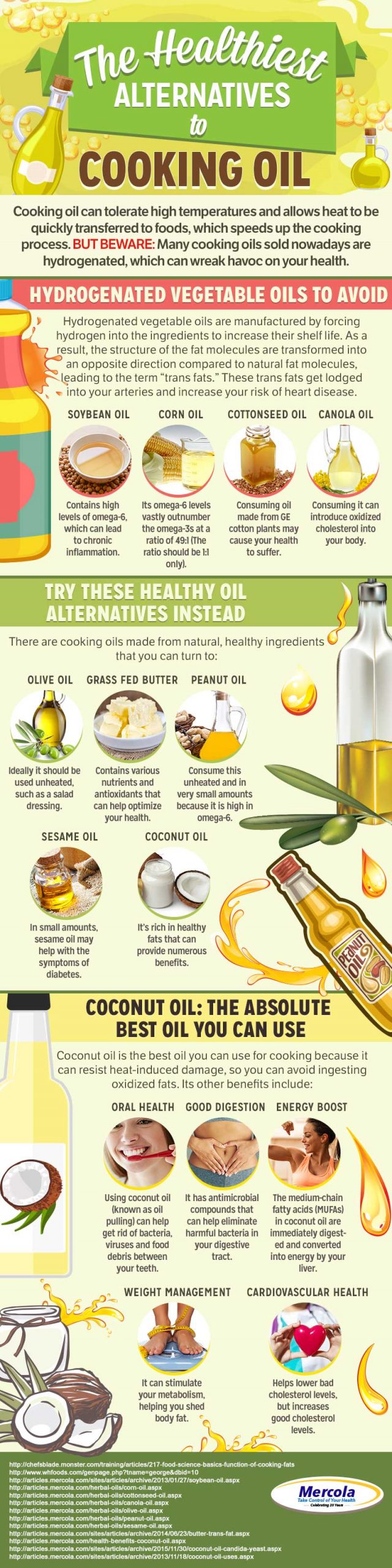
Why Vegetable Oils Are a Hazardous Choice
Modern research is just now starting to reveal what actually happens at the molecular level when you consume vegetable oil and margarine, and it’s clear that these fats are not doing your heart any favors.
For example, Sanjoy Ghosh,19 a biologist at the University of British Columbia, has shown your mitochondria cannot easily use PUFAs for fuel due to the fats’ unique molecular structure. Other researchers have shown the PUFA linoleic acid can cause cell death in addition to hindering mitochondrial function.20
PUFAs are also not readily stored in subcutaneous fat. Instead, they tend to get deposited in your liver, where they contribute to fatty liver disease, and in your arteries, where they contribute to atherosclerosis.
According to Frances Sladek,21 Ph.D., a toxicologist and professor of cell biology at UC Riverside, PUFAs behave like a toxin that builds up in tissues because your body cannot easily rid itself of them. When vegetable oils like sunflower oil and corn oil are heated, cancer-causing chemicals like aldehydes are also produced.22
So, in summary, if your aim is better heart health, ignore the AHA’s ignorant and prejudiced advice on dietary fats and cooking oils. It’ll lead you in the complete opposite direction.
While the AHA claims replacing saturated fats with PUFAs will cut your risk of heart disease, CHD rates have not improved in the decades that people have followed its recommendations on fat intake. Common sense tells us if the AHA’s advice hasn’t worked in the last 65 years, it’s not likely to start working now.
Medium-Chain Triglycerides and Their Health Benefits
Ninety percent of the fat in coconut oil is saturated and about two-thirds of the fats are medium-chain fats, also referred to as MCTs. MCTs get their name from their chemical structure, and can be divided into four groups based on their carbon length:
- 6 carbons (C6), caproic acid
- 8 carbons (C8), caprylic acid
- 10 carbons (C10), capric acid
- 12 carbons (C12), lauric acid
Clinical uses of MCT oil (typically a combination of C8 and C10, which increase ketone levels far more effectively than the others) include:
| Appetite reduction and weight loss23,24 |
| Improved cognitive and neurological function with possible implications in neurodegenerative diseases |
| Increased energy levels and improved athletic performance |
| Improved mitochondrial function and subsequent reduced risk for diseases such as atherosclerosis, diabetes, cancer, cardiovascular disease and autoimmune diseases |
| As part of a specialized dietary therapy for the treatment of epilepsy25 |
| Prevention of nonalcoholic fatty liver disease26 |
As a general rule, the shorter the carbon chain, the more efficiently the MCT is converted into ketones, which are an excellent mitochondrial fuel. Ketones can even pass the blood-brain barrier to supply your brain with energy. They’re a far preferable fuel than glucose, as they produce fewer reactive oxygen species and secondary free radicals when burned.
Ketones also help suppress the hunger hormone ghrelin, and as your ketone level rises, CCK, a satiety hormone, is activated. As a result, food cravings and hunger pangs vanish, which will go a long way toward avoiding unnecessary snacking. MCTs also:
- Have a thermogenic effect, which has a positive effect on your metabolism
- Are helpful for ridding your gut of harmful microorganisms like pathogenic bacteria, viruses, fungi and parasites
- Have antioxidant and anti-inflammatory properties
MCT Oil — Another Healthy Alternative
Coconut oil provides a mix of all of these MCTs, but the longer-chained C12 (lauric acid) makes up over 40% of it. (The exception is fractionated coconut oil, which contains primarily C8 and C10.27) Lauric acid is most well-known for its antibacterial, antimicrobial and antiviral properties. Since it’s a longer-chained molecule, it does not increase ketone levels to any significant degree.
While coconut oil provides a range of MCTs, for clinical uses such as those listed above, a more concentrated and potent MCT oil is recommended. Most commercial brands of MCT oil contain a 50/50 combination of C8 and C10. My personal preference is straight C8 (caprylic acid), as it converts to ketones the fastest. It also tends to be easier on your digestion.
Concentrated MCT oil and/or coconut oil can both be consumed daily, but start with a small amount. Taking high doses of MCT oil before you develop tolerance can cause loose stools and gastrointestinal side effects.
I recommend taking no more than 1 teaspoon of MCT oil to start. Have it at the same time as another fat, such as a handful of nuts, with ghee in your coffee, or as one of the oils in your salad dressing. Once your tolerance increases, you can slowly increase to as much as 4 tablespoons of MCT oil or coconut oil per day.
If you stop taking it for a while and then restart, begin with a small amount again to allow your digestive system to readjust. That said, MCT oil is often more easily digested by those struggling to digest other types of fat, such as those with malabsorption, leaky gut, Crohn’s disease or gallbladder impairment (such as an infection or if you had your gallbladder removed).
Upgrade Your Coffee Creamer
Many people who drink coffee do so with all kinds of additives, often referred to just as “cream and sugar”. Nondairy creamer can scarcely be called “cream” at all and is more aptly described as a synthetic combination of chemicals, trans fats, high-fructose corn syrup and artificial flavors. Give your coffee an upgrade by adding some grass fed butter, MCT oil or C8 to it. You can also make this brain-boosting high-performance beverage found on the Bulletproof blog:28
Procedure
- Brew 1 cup (8 to 12 ounces) of coffee using filtered water with 2 1/2 heaping tablespoons of freshly ground organic coffee beans. A French press will help preserve beneficial oils in the coffee that would otherwise be filtered out.
- Add anywhere from 1 teaspoon to 2 tablespoons of C8 MCT oil. Alternatively, you could use organic coconut oil.
- Add 1 to 2 tablespoons of grass fed, unsalted butter or grass fed ghee.
- Mix the ingredients in a blender for 20 to 30 seconds until it looks like a foamy latte.
Explore the Many Uses for Coconut Oil
Keeping a jar of organic coconut oil on hand could save you a lot of money since it replaces a wide variety of other products, both in the kitchen and elsewhere. As mentioned, coconut oil is not only a beneficial food. It can also replace a number of pricy and potentially hazardous personal care products, including moisturizers, hair masks, shaving lotion, cleansers and makeup removers, body scrub, toothpaste and much more.
If you’ve been fooled into going on a low-fat diet, or follow advice that recommends vegetable oils over coconut oil or butter, please look at the evidence and reconsider your options. Saturated fats will not make you pack on pounds; nor will it raise your risk for heart disease. On the contrary, saturated fat, such as that found in coconut oil, offers many health benefits, including improved heart health. If you don’t believe it, try it out for yourself.
Swap all of those margarine spreads and processed vegetable oils you’re using for coconut oil. After about three months or so, recheck your blood levels and compare your results. Chances are, you’ll find yourself in a lower risk category for heart disease than you were before, even if your total cholesterol (which says nothing about your heart disease risk) happens to go up. A simple way to get more coconut oil into your diet is to add it to your coffee or smoothie in the morning.
- 1 U.S. National Library of Medicine, PubMed Search Coconut Oil
- 2 American Journal of Clinical Nutrition 1981 Aug; 34(8): 1552-61
- 3 Journal of Internal Medicine 1993 Mar; 233(3): 269-75
- 4 Positive Med, September 16, 2015
- 5 BMJ Open 2018 Mar 6;8(3):e020167
- 6 Lipids 2009 Jul;44(7):593-601
- 7 BMC Neurosci. 2008; 9(Suppl 2): S16
- 8 Organic Facts, Health Benefits of Coconut Oil
- 9 Prev Nutr Food Sci. 2021 Mar 31; 26(1): 1–11
- 10 Prev Nutr Food Sci.2021 Mar 31; 26(1): 1–11
- 11 Science Direct Coconut Oil and Antioxidative Neuroprotection. 2020
- 12 Skin Pharmacol Physiol. 2010;23(6):290-7
- 13 mSphere November 18, 2015, DOI: 10.1128/mSphere.00020-15
- 14 J Indian Soc Periodontol. 2014 Jul;18(4):441-6.
- 15 Circulation, AHA Presidential Advisory June 15, 2017
- 16 American Heart Association. Saturated Fat. November 1, 2021
- 17 Drcate.com
- 18 New York Times March 1, 2011
- 19 University of British Columbia, Sanjoy Ghosh
- 20 Biochimica et Biophysica Acta September 10, 2002: 1555(1-3): 160-165
- 21 Scientia. Dr. Frances M. Sladek. Turning the Tables on ‘Healthy’ Fats. Febrjary 18, 2017
- 22 Telegraph November 7, 2015
- 23 Journal of the Academy of Nutrition and Dietetics 2015 Feb;115(2):249-63
- 24 Biochimie 2016 Jan;120:40-8
- 25 Mental Health Daily, MCT Oil Benefits
- 26 Experimental Biology and Medicine 2013 Feb;238(2):151-62
- 27 Science Direct. Coconut Oil. 2018
- 28 Bulletproof.com Bulletproof Coffee Recipe
Autophagy Finally Considered for Viral, Bacterial Treatment
Reproduced from original article:
https://articles.mercola.com/sites/articles/archive/2022/02/18/autophagy-health-benefits.aspx
The original Mercola article may not remain on the original site, but I will endeavor to keep it on this site as long as I deem it to be appropriate, and will not be bullied into removing it.
Analysis by Dr. Joseph Mercola Fact Checked February 18, 2022

STORY AT-A-GLANCE
- Autophagy refers to your body’s process of eliminating damaged cells by digesting them. It’s an essential cleaning out process that encourages proliferation of new, healthy cells, and is a foundational aspect of cellular rejuvenation and longevity
- Autophagy also destroys foreign invaders such as viruses, bacteria and other pathogens, and detoxifies the cell of harmful materials
- Autophagy slows down with age, and autophagy defects are known to contribute to a wide variety of diseases, including Alzheimer’s and Parkinson’s
- By activating autophagy, or repairing the mechanism in cases where dysfunction has set in, researchers believe neurodegenerative diseases such as Alzheimer’s and Parkinson’s can be successfully treated
- There are a number of ways to activate and increase autophagy, including fasting, exercising, eating autophagy-boosting foods and taking AMPK-activating supplements such as berberine and PQQ
This article was previously published June 27, 2018, and has been updated with new information.
Autophagy literally means “self-eating” and refers to your body’s process of eliminating damaged cells by digesting them. It’s an essential cleaning out process that encourages the proliferation of new, healthy cells, and is a foundational aspect of cellular rejuvenation and longevity.
Autophagy also destroys foreign invaders such as viruses, bacteria and other pathogens, and detoxifies the cell of harmful materials. Autophagy slows down with age, and autophagy defects are known to contribute to a wide variety of diseases, including Alzheimer’s and Parkinson’s. The good news is there are a number of different ways to activate and increase this natural process, thereby preventing many health problems before they begin.
Autophagy Activation Is a Powerful Way to Treat Many Diseases
Researchers are now also latching on to autophagy as a viable way to treat disease.1 As explained in the 2012 paper, “Autophagy Modulation as a Potential Therapeutic Target for Diverse Diseases:”2
“Autophagy occurs at a basal rate in most cells, eliminating protein aggregates and damaged organelles in order to maintain cytoplasmic homeostasis. This includes the degradation of dysfunctional mitochondria via mitophagy, a cytoprotective process that limits both the production of reactive oxygen species (ROS) and the release of toxic intramitochondrial proteins …
In addition to its vital homeostatic role, this degradation pathway is involved in various human disorders, including metabolic conditions, neurodegenerative diseases, cancers and infectious diseases … Autophagy may be dysregulated in several disorders, including metabolic diseases, neurodegenerative disorders, infectious diseases and cancer.
In some conditions, autophagy is inhibited and this can occur at different stages of the process to enhance disease, whereas in other cases autophagic activity may be permissive toward pathogenesis. In addition, the induction of autophagy has been shown to increase longevity in a large panel of species, thus raising the possibility that ageing and longevity may be therapeutic targets for autophagy induction.
Given these observations, pharmacological approaches to upregulate or inhibit this pathway are currently receiving considerable attention. For example, autophagy upregulation may be of therapeutic benefit in certain neurodegenerative diseases … whereas autophagy inhibition is being investigated as a strategy for treating some cancers.”
Autophagy May Be Used to Treat Parkinson’s Disease
In 2016, the Nobel Prize in medicine was given to the Japanese biologist Yoshinori Ohsumi3 for his discovery of the actual mechanisms of autophagy, i.e., how cells recycle their contents. As reported by The Conversation:4
“Ohsumi identified key genes and molecules behind autophagy. In so doing, he shifted scientific paradigms about cellular quality control. He opened the gate for researchers … to understand how defects in autophagy are associated with neurological diseases …
In neurodegenerative diseases, toxic proteins accumulate within brain cells called neurons. Neurons are irreplaceable. They must continue to recycle proteins and break them down into small amino acids to avoid a toxic buildup of abnormally large proteins. That is what autophagy lets them do.
The process works by sequestering unwanted proteins into pipelines called ‘autophagosomes.’ Then they dump those proteins into a part of the cell called a ‘lysosome,’ where they are recycled. When this process doesn’t work properly, harmful proteins can accumulate.”
Activating Autophagy Helps Prevent Neurological Degeneration
By activating autophagy, or repairing the mechanism in cases where dysfunction has set in, researchers believe neurodegenerative diseases such as Alzheimer’s and Parkinson’s can be successfully treated, as the autophagy process will naturally clear out harmful proteins.
Interestingly, researchers have demonstrated that certain cancer drugs can trigger autophagy by activating a protein called parkin. Parkin is involved in the autophagy process, and some cancer drugs specifically activate this protein. As reported by Charbel Moussa, assistant professor of neurology at Georgetown University:5
“Keep in mind that cancer drugs work by killing cancer cells and can also be toxic to other cells. So our first step was to find out how these drugs worked in cancer cells and neurons. Our initial observation in cell culture models was stunning: Cultured cancer cells died while cultured neurons survived after treatment with several autophagy-stimulating cancer drugs.
Next we introduced toxic proteins into cultured neuronal cells and treated them with several cancer drugs that activate autophagy and destroy tumors. The cells treated with these drugs survived and cleared their toxic proteins, while untreated cells died.
Activating autophagy is a double-edged sword. One the one hand, the process clears toxic or infectious materials from cells. On the other hand, if the autophagy process goes beyond ‘recycling’ and clearing out proteins, it can start to destroy the cell, leading to cell death. This means that autophagy must be carefully manipulated to avoid the death of nonrenewable and irreplaceable neurons.”
Cyclical Autophagy, the Natural Way to Improve Health
Likely the safest way to achieve these benefits is simply to boost autophagy naturally, and there are many healthy lifestyle strategies that will do just that. Perhaps one of the most important and most effective is fasting. As explained in “Autophagy Modulation as a Potential Therapeutic Target for Diverse Diseases:”6
“Autophagy is stimulated during various pathological and physiological states, such as starvation … Starvation induced autophagy, an evolutionarily conserved response in eukaryotes, enables the degradation of proteins, carbohydrates and lipids, which allows the cell to adapt its metabolism and meet its energy needs.
Indeed, the induction of autophagy in newborn mice has a major role in maintaining energy levels in various tissues after the maternal nutrient supply via the placenta ceases. Moreover, starvation-induced autophagy has a cytoprotective effect by blocking the induction of apoptosis by mitochondria.”
Longer water-only fasts are a form of “starvation” that will induce autophagy. As little as 200 calories can thwart the process, and the starvation period needs to be at least 16 hours or 72 hours or even longer, so it’s important to be strict if autophagy induction is your chief aim.
On the flip side, autophagy cannot remain continuously activated all the time. You also need to allow the cells to rebuild and rejuvenate, which occurs during the refeeding phase, which is why cyclical fasting and feeding is so important.
Fasting Is a Powerful Way to Activate Autophagy
Based on the research that has emerged in recent years, I’m now convinced that multiple-day water fasting is one of the most profound metabolic interventions you can do to radically improve your health, as it allows your body to upregulate autophagy and mitophagy to remove damaged senescent cells, including premalignant cells. It’s also an extremely effective way to shed excess weight and extend your life span.
For a refresher on how to do water fasting safely, check out the website7 of Dr. Jason Fung, whom I interviewed a few years ago after he wrote his book, “The Complete Guide to Fasting.” Many have irrational fears about water fasting, even for a few days, and Fung expertly shreds many outdated myths about fasting.
There are a few caveats, however. If you’re on medication, you need to work with your doctor to ensure safety, as some medications need to be taken with food and/or can become toxic when your body chemistry normalizes. Those taking hypoglycemic or antihypertensive medication are particularly at risk, as they may end up overdosing.
It’s also recommended to continue taking nutritional supplements during your fast. You also need to take a high-quality salt. Certain health conditions may also need more stringent medical supervision to ensure safety when fasting.
A gentler way that can still improve autophagy is intermittent fasting, provided you’re not eating for at least 16 hours at a stretch. This is the time needed to activate autophagy. That then means you need to eat all of your meals for the day within an eight-hour window, and not snack on anything during fasting hours.
If you want to try a water-only fast, I recommend starting out by intermittently fasting about 16 hours a day, and slowly working your way up to 20 hours a day. Once you’ve done that for a month, it will be a lot easier to do a water fast for five days.
Fasting Regenerates Your Pancreas
A powerful example of the regenerative power of fasting was demonstrated in a study8 that showed a fasting-mimicking diet — characterized by periods of feast and famine — can reverse diabetes and actually regenerate your pancreas. The experiment, conducted on mice, was led by Valter Longo, Ph.D., professor of gerontology and biological sciences and director of the USC Longevity Institute.
What they discovered was that by starving and refeeding the animals in cycles, insulin-producing beta cells were generated, resembling that observed during pancreatic development. Beta cells detect sugar in your blood and release insulin if blood sugar levels get too high. As a side effect of restoring pancreatic function, diabetic symptoms were also reversed. Insulin secretion and glucose homeostasis were restored in both Type 1 and Type 2 diabetes models. According to Longo:
“Our conclusion is by pushing the mice into an extreme state and then bringing them back — by starving them and then feeding them again —the cells in the pancreas are triggered to use some kind of developmental reprogramming that rebuilds the part of the organ that’s no longer functioning …
Medically, these findings have the potential to be very important because we’ve shown — at least in mouse models — that you can use diet to reverse the symptoms of diabetes. Scientifically, the findings are perhaps even more important because we’ve shown you can use diet to reprogram cells without having to make any genetic alterations.”
The fasting-mimicking diet developed by Longo involves restricting your calories to 75 percent less than your normal calories per day for five days each month. This approach greatly improves compliance, as many find a five-day, water-only fast to be too difficult. During these five days of calorie restriction, it’s important to select foods low in carbohydrates, low in protein and high in healthy fats.
The rest of the month, you are free to eat whatever you want. The goal is to mimic periods of feast and famine. However, while it may sound simple enough, Longo is quick to suggest this particular diet is best undertaken with medical guidance, as it’s far more sophisticated than most people realize.
Other Strategies That Will Activate Autophagy
• Cyclical exercise — Every other day, do 30 minutes of high-intensity interval training or resistance training.The acute stress of exercise triggers autophagy much in the same way as fasting.
• Eating autophagy-activating foods — In her New York Times best seller book, “Glow 15: A Science-Based Plan to Lose Weight, Revitalize Your Skin, and Invigorate Your Life,” Naomi Whittel includes 140 different types of foods that help activate autophagy — such as citrus bergamot tea, green tea and turmeric.
• Activating adenosine monophosphate-activated protein kinase (AMPK) through proper diet and nutritional supplements — AMPK is an enzyme that stimulates mitochondrial autophagy (mitophagy) and mitochondrial biogenesis, as well as five other critically important pathways: insulin, leptin, mammalian target of rapamycin (mTOR), insulin-like growth factor 1 and proliferator-activated receptor gamma co-activator 1-alpha.
It also increases nerve growth factor and helps protect against the type of oxidative stress that leads to Parkinson’s disease. With age, your AMPK levels naturally decline. Certain dietary habits, such as eating too much unhealthy fat and not enough of healthy fats and getting insufficient amounts of flavonoids (antioxidants) also inhibit AMPK activity. Insulin resistance is also a powerful inhibitor of AMPK.
So, keeping this enzyme activated through proper diet is another important factor for maintaining healthy autophagy. Two dietary supplements known to activate AMPK — thereby triggering mitophagy and mitochondrial biogenesis — are pyrroloquinoline quinone (PQQ) and berberine. Both of these supplements also benefit your mitochondrial function and health.
A Simple Way to Boost Health and Prevent Disease
Considering your health is dependent on well-functioning cells, addressing autophagy is of significant importance and can go a long way toward preventing disease, including neurodegenerative disorders and cancer. Without autophagy, your cells will eventually become gunked up with toxins and debris, and once they start to malfunction and/or die, your body will be unable to efficiently clear those cells out, which will further exacerbate the problem.
The good news is, it’s not very difficult to optimize autophagy. Fasting appears to be the most efficient way, but exercise and adding certain foods and supplements are also helpful strategies. If you’re truly dedicated, you’d do your best to incorporate all of these strategies.
Doctors see rise in intracranial infections since COVID vax rollout
Reproduced from original article:
www.naturalhealth365.com/brain-infections-on-the-rise-since-covid-shot-rollout-3533.html
by: Sara Middleton, staff writer | February 1, 2022
 (NaturalHealth365) Are COVID shots and prolonged mask-wearing increasing the incidence of serious and potentially fatal brain infections, especially among kids who are forced to cover their faces all day with unclean facial coverings?
Anecdotal evidence from several neurologists – the kind of evidence that is essential for identifying safety signals and triggering the need for further investigation – suggests yes.
“60-fold increase” in brain infections: Neurologists experience concerning trend potentially related to mask use, COVID shots, COVID tests
On his Substack, entrepreneur and philanthropist Steve Kirsch – who has been accused of spreading “misinformation” throughout the COVID-19 pandemic and is certainly no stranger to controversy – recently shared several alarming stories from neurologists, ER doctors, and neurosurgeons about a concerning uptick in brain infections.
These doctors (all unnamed, presumably for privacy reasons) share a common message: that there is a plausible link between rising brain infections and the excessive, inappropriate mask use that public health officials have been demanding of American citizens. The COVID shots, boosters, and even the COVID test (which requires a large swab to be stuck deep into a person’s nasal cavity) could also contribute.
One ER doctor, Kirsch shares, wrote to him that “so many patients were coming into the clinic with ‘sinusitis’… I said I thought it was the masks, but everyone shrugged it off. [But] we know that anytime there is obstruction of normal outflow from the body, bacteria tend to colonize that area. And in a few unlucky people, an infection can spread.” The doctor also alludes to the unusual demographics of some of his unfortunate patients with brain infections (young and healthy) when he says, “I have never [before] seen a brain abscess in someone who was not immunocompromised or an IV drug user.”
Kirsch also claims a pediatric neurosurgeon from the Midwest wrote to him that “it is raining intracranial infections here” and that they have treated up to 12 since October 2021 alone. “This is weird as it’s the wrong season for them. We get them in spring and only a sprinkling of them. ENT is having a similar issue with severe sinusitis in kiddies. We asked [Infectious Disease], and they just shrug their shoulders.”
Another neurosurgeon said she operated on five kids with brain infections in one month – where usually she sees only one of these cases per year.
Read through more firsthand accounts shared by Kirsch. Then, decide for yourself: are these accounts valid and worthy of further investigation?
Brain infections are typically rare, but early treatment improves outcomes – here are the signs and symptoms to look out for
A brain infection (also known as intracranial infection) usually develops when viruses, bacteria, fungi, or parasites get into the brain or surrounding tissue and cause infection. Infections can easily lead to brain abscesses, which are areas of swelling and pus. These infections can cause severe and potentially irreversible brain damage or even death, in part due to the associated swelling and inflammatory response in the brain (encephalitis).
In addition to medication, the surgical procedure craniotomy – in which part of a person’s skull is removed so that surgeons can see and access a person’s brain – is considered one of the best treatment methods for this dangerous condition.
In recent decades, the incidence of brain infections has remained relatively low, with an estimated rate of 0.3 to 1.3 cases per 100,000 per year, or fewer than 2,500 cases annually in the United States. Hopefully, this incidence rate will not rise, given the recent mass immunization program launched in the U.S. and elsewhere.
And though the risk of you or someone you know developing a brain infection is low, it’s still important to know that early treatment can improve outcomes – so being able to recognize the warning signs and symptoms could prove lifesaving.
The signs and symptoms of brain infection to look out for include:
- Severe headache, especially in a specific region or area of the head
- High temperature
- Stiff neck (“nuchal rigidity”)
- A feeling of being unwell (may include nausea, vomiting)
- Altered mental status (e.g., sudden confusion, difficulty speaking, or irritability)
- Unusual muscle weakness (e.g., slurred speech, trouble walking or holding objects)
- Seizures
- Visual disturbances (e.g., double vision, blurry vision, dizziness)
Other conditions, including potentially serious ones like stroke, can also cause these symptoms, and all should be treated as a medical emergency. Call 911 immediately if you or someone you know develops these issues.
Sources for this article include: