Supplements
now browsing by category
Why Your Multivitamin May Be Harming Your Health
© GreenMedInfo LLC. This work is reproduced and distributed with the permission of GreenMedInfo LLC.
Want to learn more from GreenMedInfo? Sign up for the newsletter here:
www.greenmedinfo.com/greenmed/newsletter
Reproduced from original article:
https://greenmedinfo.com/content/why-your-multivitamin-may-be-harming-your-health
Posted on: Thursday, November 7th 2024 at 12:15 pm
Written By: Sayer Ji, FounderThis article is copyrighted by GreenMedInfo LLC, 2024

What comes to mind when you think of toxic waste disposal? Biohazard suits, lead-lined vaults, and burial deep underground? You might be shocked to learn that a dumping ground for these chemicals is a product that many people consume daily to ensure good health – and it may be in your medicine cabinet.
When it comes to dietary supplements, all products are not created equal. A label can identify the presence of a specific ingredient without indicating if it’s from a natural, bioavailable and biocompatible source, or from a synthetic, inorganic source. This is despite the fact that our bodies may not recognize these synthetic ingredients as food.
When a supplement contains an ingredient that is not bioavailable, the body either will not absorb or utilize it correctly. The best one can hope for is that the substance will pass, inert, through the body. But with certain ingredients, the material from which they are extracted is highly toxic, rendering a substance that can do more bodily harm than good.
Industrial waste products such as fluoride (a byproduct of aluminum manufacturing and known neurotoxin), and cobalt-60, a radioactive waste material culled from nuclear reactors, have been used for decades in broad-reaching applications to make our water “healthier” and our food “safer.”
With FDA-approval and cherry-picked, manufacturer-sponsored studies as “proof”, the unsuspecting public is lulled into a sense of safety regarding these practices. And these aren’t the only such hoaxes being perpetrated on the American people.
Hidden in Plain Sight
As with most things in our modern world, understanding this logic requires you to follow the money trail. The economics are simple: chemical byproducts and industrial waste are environmentally hazardous and in abundant supply. This makes them both difficult and costly to dispose of properly. Selling these waste products as cheap, raw materials is a BIG win for manufacturers. And repackaging them as health supplements can be extremely profitable.
.jpg) One of the most popular health supplements by category is the multivitamin. Consumed by adults and children alike, multivitamins are sold as veritable health insurance. If you don’t get enough of the recommended daily allowance of essential vitamins and minerals, taking a quality multivitamin can fill this dietary gap.
One of the most popular health supplements by category is the multivitamin. Consumed by adults and children alike, multivitamins are sold as veritable health insurance. If you don’t get enough of the recommended daily allowance of essential vitamins and minerals, taking a quality multivitamin can fill this dietary gap.
But not all vitamins on supermarket shelves are actually good for you. Some manufacturers source “healthy nutrients” that are toxic to the body, even in small quantities. This confounding trend is not limited to off-brand manufacturers looking to produce cheap knock-offs of “the good stuff”. Some of the most trusted name brands use ingredients that show up on global watch lists of hazardous substances we’ve been instructed to avoid for health and safety.
Disguised as healthy nutrients, the following toxic imposters are listed on the labels of popular multivitamins Centrum, One-A-Day, and Flintstones for Kids. As you will see, some of the biggest dangers to consumers are hidden in plain sight!
Sodium selenate/Sodium selenite
Sodium selenate, a byproduct of copper metal refining, is four times more toxic than the known killing drug, cyanide. Yet, it is proudly listed as a “nutrient” in many common health products.
Based on animal studies, we know that a mere 100 milligrams of the stuff are a fatal dose to most humans. The amount found in Centrum is 55 micrograms (mcg); that’s 5 mcg more than the EPA allows in a liter of drinking water before declaring it unsafe for human consumption!
Organically-bound selenium is the vital human nutrient that sodium selenate can not replace. Selenium is found in foods like nuts, seeds, and organic produce grown in selenium-rich soil. This naturally-occurring trace mineral is very different than the unbound, synthetic form being put into some multivitamins.
Organic selenium is known for its ability to boost the immune system, improve thyroid function, protect against heart disease, and even prevent cancer. Sodium selenite/selenate, on the other hand, has been shown to cause DNA damage associated with cancer and birth defects.
.jpg)
This mass market vitamin reveals a litany of toxic chemicals sold as “nutrients’
Cupric oxide
Cupric oxide is one of several derivative forms of “dietary copper”, a micronutrient needed to ensure proper growth and development of bones and connective tissues, as well as for maintaining the health of vital organs such as the brain and heart.
Organically, copper is found in a variety of foods, including dark leafy greens, organ meats, beans, nuts, dried fruits, nutritional yeast, as well as oysters and shellfish. The synthetic derivations found in many multivitamins are an entirely different kettle of fish!
For decades, cupric oxide was the principal source of dietary copper in supplements sold for livestock and companion animals. But an array of studies conducted as far back as the 1980’s on the bioavailability of cupric oxide determined it was not fit for animal consumption. This hasn’t stopped it from being fed to humans!
A summary of these studies published by The American Society for Nutritional Sciences ascertained that cupric oxide is not bioavailable due to it’s inability to permeate the gut wall. The fact that this form of copper is still being used in human health supplements and even baby formula, is particularly troubling since an estimated 61% of people in the U.S., U.K., and Canada have dietary deficits of this essential nutrient. Copper deficits are linked to heart disease, osteoporosis, and poor blood sugar metabolism, among other troubling disorders.
The dangers of this supplement go beyond the nutritional deficits caused by this deceptive masquerade. Cupric oxide is listed on the European Union’s Dangerous Substance Directive as a hazardous substance, for humans and the environment. Not surprising, considering its use as a chemical in industrial applications such as the production of rayon fabric and dry cell batteries.
Ferrous fumarate (aka iron)
With a list of side effects a mile long including nausea, vomiting, gastrointestinal discomfort, constipation, diarrhea, blackened stools, tooth discoloration, and anorexia, it should come as no surprise that this is the one ingredient in Flintstones vitamins to precipitate the warning on the label:
Keep this product out of reach of children. In case of accidental overdose, call a doctor or poison control center immediately.
However, it might surprise you to learn that the amount of ferrous fumarate in one Centrum vitamin is six times higher than the maximum EPA allowed limit for 1 liter of drinking water!
(1).gif) Another tip-off that this isn’t the iron Popeye was getting from spinach, is the fact that it is impossible to die from too much iron obtained from food. But ferrous fumarate is so toxic that accidental overdose is “a leading cause of fatal poisoning in children under 6.”
Another tip-off that this isn’t the iron Popeye was getting from spinach, is the fact that it is impossible to die from too much iron obtained from food. But ferrous fumarate is so toxic that accidental overdose is “a leading cause of fatal poisoning in children under 6.”
Ferrous fumarate is an industrial mineral that is not found in nature as food. A byproduct of iron mining, ferrous fumarate has drawn even more criticism as a supplement due to its interaction with vitamin C leading to ulceration of the GI tract, chronic inflammatory diseases, and cancer.
Adding to these concerns are the high doses present in many health supplements. Studies found high concentrations of iron to be associated with several pathologies, including cancer, diabetes, liver and heart disease.
Dishonorable Mention
In addition to the offenders already mentioned, the following common multivitamin ingredients have disturbing toxic rap sheets, and are found in dangerously high concentrations in most multivitamins.
Stannous chloride (tin)
In a 1983 study, it was determined that stannous chloride was “readily taken up by white blood cells and can cause damage to DNA.”
In small doses, it’s known to cause side effects such as skin irritation, headache, nausea, vomiting, and fatigue. In larger doses, severe growth retardation and cancer. While the EPA says a mere 4 mcg is the high-end limit for one liter of water to become undrinkable, you will find 10 mcg in one dose of Centrum.
Manganese sulfate
Manganese sulfate is often promoted as a supplement to prevent bone loss and anemia. The organic form of this essential nutrient helps with blood clotting, the formation of bones and connective tissues, as well as hormone regulation. Found in nuts, beans, seeds, and leafy greens, manganese is considered an essential nutrient. Manganese sulfate’s other claim to fame is its pervasive use as a chemical pesticide.
Even low doses of this chemical present significant neurological risk over time, as evidenced by reports of workplace exposure. Affected field workers showed loss of coordination and balance, along with an increase in reporting mild symptoms such as forgetfulness, anxiety, or insomnia.
In high concentrations, this supplement becomes a neurotoxin, presenting with Parkinson’s disease-like symptoms, including tremors and permanent memory loss. So why is the standard dose in a single Centrum more than four times the EPA safe consumption limit?
It should be noted that even if there aren’t extraordinary large amounts of these metals and toxicants in the vitamins you are taking, the age old justification that small amounts of chemicals or heavy metals won’t hurt you, i.e. “the dose makes the poison,” is now an outdated and disproved toxicological risk model. For instance, recent discoveries indicate that exceedingly small amounts of the following metals: “aluminium, antimony, arsenite, barium, cadmium, chromium (Cr(II)), cobalt, copper, lead, mercury, nickel, selenite, tin and vanadate,” exhibit estrogen receptor binding and stimulating properties, which has lead to them being described as ‘metalloestrogens’ with the capability to induce hormone reponse related carcinogenicity. This concept that, in some cases, the lower the dose concentration, or the lower the energy state, the higher the damage, has also been demonstrated with x-ray mammography, toxicants like glyphosate, and nanoparticles, to name but a few examples.
Who is Minding the Store?
It may seem unfathomable that these harmful, toxic chemicals could be allowed into our food and drug supply. The truth is, no one is minding the store. Loopholes abound, allowable limits are questionable, and even our organic food supply is not safe from subterfuge. Even organic infant formula can skirt regulatory oversight thanks to the numbers game.
.jpg) According to the USDA’s National Organic Program guidelines, any multi-ingredient product that contains 95% or more organic ingredients may be labeled organic. That means even the copper sulfate in Similac’s Advance Organic formula falls within the “contains less than 2%” ingredient list guideline, giving this noxious chemical a free pass.
According to the USDA’s National Organic Program guidelines, any multi-ingredient product that contains 95% or more organic ingredients may be labeled organic. That means even the copper sulfate in Similac’s Advance Organic formula falls within the “contains less than 2%” ingredient list guideline, giving this noxious chemical a free pass.
The public has a right to expect that any substance that is suspected of being harmful will be held to a high-level of scrutiny before it is approved for mass consumption. This basic, precautionary principle would minimize public risk until all known toxicological data has been thoroughly examined. Only when a determination that no serious health risks are present can be made, should a substance be allowed into mass-market products.
However, it is essentially the reverse of this model that is in effect today. Only when a substance has repeatedly demonstrated harm in already exposed populations, is it subject to the level of scrutiny that can precipitate its removal from FDA-approved products on store shelves. This means lobbying and corporate interests often prevail through the off-loading of harmful substances that are considered “innocent until proven guilty.” Guilt, in this instance, means acute or large-scale sickness suffered by the public.
Currently, no law forbids the use of any of these questionable substances in dietary supplements, despite copious laboratory research demonstrating their toxicity in animals, and significant clinical data demonstrating their actual or potential toxicity in humans. Don’t wait for the fallout to affect you before you act. Look for high-quality, organic supplements with food-grade sources, and a proven supply chain. Also consider using whole food concentrates and focusing on improving the quality of your food instead of focusing on taking supplements to try to counterbalance a deficient diet.

This Silent Disease Affects Millions of Americans
Reproduced from original article:
https://articles.mercola.com/sites/articles/archive/2024/11/02/osteoporosis-silent-disease.aspx
Analysis by Dr. Joseph Mercola November 02, 2024

STORY AT-A-GLANCE
- Osteoporosis affects millions, often silently until a fracture occurs. Risk factors include age, diet, activity level, hormones and certain medications. DEXA scans diagnose it, and doctors often prescribed drugs immediately after routine examinations
- Calcium and vitamin D are crucial for bone health. Sunlight exposure boosts vitamin D, but caution is needed if linoleic acid intake is high. Magnesium and vitamin K2 also support bone mineral density
- Protein, especially collagen, is essential for bone strength. Balancing collagen and meat intake is important, as excessive red meat negatively impacts bone mass. Bone broth from organic sources is recommended
- Exercise strengthens bones through impact and resistance. Blood flow restriction training (KAATSU) improves bone density without lifting heavy weights, making it suitable for people with lower bone mineral density
- Whole-body vibration therapy shows promise in increasing bone mineral density and reducing fracture risk, particularly in postmenopausal women and the elderly. It also offers cognitive benefits
According to the U.S. Department of Health and Human Services, around 10 million people over the age of 50 have osteoporosis. An additional 43 million have low bone mineral density, putting them at risk for full-blown osteoporosis.1 This is a concerning number of people who have compromised skeletal health, as osteoporosis increases your risk of major fractures.
Spotting the Signs of Osteoporosis
Osteoporosis is referred to as the “silent disease” because it doesn’t present any symptoms until you suffer a fracture.2 But as it progresses, you’ll notice gradual changes in your body that indicate loss of skeletal rigidity:3
| Decreasing height | Rounded shoulders | Developing hump at the back |
| Head begins to protrude forward | Intermittent or constant upper, middle and/or lower back pain | Noticeable changes in body shape |
What causes this silent disease to occur in the first place? As you age, your body breaks down bone tissue faster than it replenishes,4 and this process is influenced by various factors. Examples include your diet (whether you’re getting the appropriate minerals or not), level of physical activity, hormonal changes and any medications you’re taking. Unhealthy habits such as smoking and heavy alcohol consumption affect your bone health, too.5
Doctors typically recommend a bone density scan when you have a family history of osteoporosis, or if you’re over 50 years old.6 The most common method of identifying osteoporosis is a DEXA (dual-energy X-ray absorptiometry) scan, which measures bone mineral density. However, as I’ve noted in my recent article “The Great Osteoporosis Scam,” once osteoporosis is diagnosed, doctors will typically prescribe drugs that do more harm than good.
The Problem with Osteoporosis Drugs
When a doctor confirms an osteoporosis diagnosis, the standard treatment is a prescription for bisphosphonates (Fosamax or Actonel), which inhibit osteoclasts (cells that break down bone).7 While the intention is good, there are two major problems:
- Bisphosphonates will disrupt your body’s bone-building process, resulting in the preservation of “old bone” rather than promoting healthy bone formation through natural methods (more on this later)
- Bisphosphonates have side effects,8 such severe musculoskeletal pain
If you were to take bisphosphonates, you’ll probably see an improvement in your DEXA scan score. But that won’t address the root cause of osteoporosis and won’t contribute to the long-term improvement of your bone mineral density.
Proton-pump inhibitors (PPIs), a class of drugs designed to relieve heartburn symptoms, are one of the most commonly prescribed drugs in the United States,9 and they contribute to the ever-growing osteoporosis epidemic as well. Plenty of published research have shown that PPIs negatively affect bone density by:
- Inducing hypochlorhydria (a state where production of hydrochloric acid production is absent or very low), which inhibits calcium absorption10
- Dysregulating bone resorption, which is essential for healthy bone11
- Gut microbiome alterations resulting in altered mineral absorption12
- Causing hypomagnesemia (low magnesium)13
Research shows that PPIs also affect bone health by affecting collagen synthesis. As noted in a 2020 study published in the Frontiers in Endocrinology:14
“PPIs may actually target the ECM [extracellular matrix] in general and members of the collagen family in particular to influence bone pathophysiology including increasing the risk of osteoporosis and osteoporotic fractures …”

Save This Article for Later – Get the PDF Now
The Interplay Between Calcium and Vitamin D
When it comes to promoting bone health, it’s important to start at the source — addressing nutrient deficiencies that contribute to weakened bones. A great starting point is increasing calcium, since almost 98% of this mineral present in your body is found in your bones.
Your body constantly needs calcium because your bones continuously remodel themselves.15 So, how much calcium does your body need? Here are the recommended intakes, according to the Office of Dietary Supplements:16
| Age | Male | Female |
|---|---|---|
| 0 to 6 months | 200 mg | 200 mg |
| 7 to 12 months | 260 mg | 260 mg |
| 1 to 3 years | 700 mg | 700 mg |
| 4 to 8 years | 1,000 mg | 1,000 mg |
| 9 to 13 years | 1,300 mg | 1,300 mg |
| 14 to 18 years | 1,300 mg | 1,300 mg |
| 19 to 50 years | 1,000 mg | 1,000 mg |
| 51 to 70 years | 1,000 mg | 1,200 mg |
| Over 70 years | 1,200 mg | 1,200 mg |
The best sources of calcium are milk and dairy products, preferably from grass fed cows. Yogurt, cheese and kefir are great choices. Drinking raw milk by itself is another great option.
Another vital piece of the equation is optimizing your vitamin D levels. Research has shown that vitamin D plays a role in helping with calcium absorption, and that boosting vitamin D levels helps improve bone mineral density.17
The best way to boost vitamin D levels is by getting regular sunlight exposure, ideally during solar noon when UVB rays are at their peak. To make sure you’re on the right path, have your blood tested too. For optimal health, aim for a range between 60 ng/mL and 80 ng/mL of vitamin D in your blood.
But before you go out for some sunlight, there are caveats that you need to consider. For example, if you’ve been eating a diet high in linoleic acid (LA), then it’s not safe for you to go out at peak noon.
When sunlight hits your skin, it will oxidize and break down the LA embedded there, causing inflammation and DNA damage. High LA intake is often the cause if you burn rapidly. The logical approach is to drastically reduce the LA in your body, which takes up to six months. Aim for a daily LA intake of less than 5 grams. If you can get below 2 grams, that’s even better.
During this transition period, limit your sun exposure to early morning or late afternoon. To protect your skin, I also recommend taking:
• Niacinamide — Also known as nicotinamide, a form of vitamin B3, will help against DNA damage caused by ultraviolet light exposure.
• Low-dose aspirin — Taking a small amount of aspirin 30 to 60 minutes before going under the sun helps prevent LA from turning into oxidized linoleic acid metabolites (OXLAMs), a primary contributor to inflammation and disease.
• Molecular hydrogen — This potent molecule reduces oxidative stress by eliminating harmful free radicals throughout your system.
Don’t Forget Magnesium and Vitamin K2
Rounding out the nutrients needed to combat osteoporosis are magnesium and vitamin K2. Research has shown that magnesium deficiency leads to brittle, fragile bones that lead to microfractures. Moreover, magnesium is needed to stimulate osteoblastic activity, and it influences skeletal homeostasis regulators — parathyroid hormone and vitamin D.18
As for vitamin K2, studies have shown that it promotes osteogenic differentiation. In other words, it directs your body to promote more healthy bone formation instead of failure. It also promotes osteoclastic resorption by suppressing osteoclast activity.19
Now that you know the importance of magnesium and vitamin K2, what are the best dietary sources? For magnesium, ideal sources include vegetables, such as spinach, broccoli and carrots.20
Meanwhile, vitamin K2 is found in fermented foods such as sauerkraut, kefir, cheese and yogurt.21 For an in-depth explanation of the recommended dosages for each nutrient (calcium, vitamin D and K2, and magnesium) for optimal results, read my article “Is Magnesium the Missing Link in Your Heart Healthy Routine?”
Bones Also Need Protein, Specifically Collagen
Amino acids, which are synthesized into protein, form the building blocks of your body. While most people think of protein in terms of muscle building, your entire body uses it in some way, including your bones. In fact, the human skeleton contains plenty of protein, particularly collagen for its elasticity.
Adequate collagen provides your bones “cushion,” helping them bend and yield to external forces instead of fracturing. As noted in a study published in Journal of Frailty, Sarcopenia & Falls:22
“Collagen and a variety of noncollagenous proteins form the organic matrix of bone, so an adequate dietary protein intake would seem to be essential for optimal acquisition and maintenance of adult bone mass.”
For optimal bone health, you need a balance of muscle meat and collagen amino acids. Red meat contains very little of the health-promoting amino acids (highlighted in green), which means that relying only on muscle meat will be insufficient for building strong connective tissues and maintaining bone strength.
Additionally, while the three primary amino acids in collagen are associated with anti-inflammatory and other health benefits, those found abundantly in red meat (highlighted in red) promote inflammation.
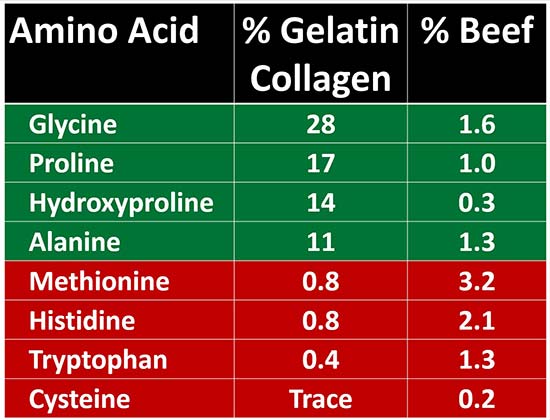
I recommend you get one-third of your protein intake from collagen or gelatin because solely focusing on meat alone will have a negative effect on your bone health. As noted in a study published in Proceedings of the Nutrition Society,23 “It is known that calcium excretion may rise with increased protein intake suggesting a detriment to bone mass.”
The best way to get more collagen into your diet is by making bone broth from organic grass fed animal bones. Slow-cooking or pressure cooking more gelatinous cuts of meat are another option, as are collagen and gelatin supplements.
The Impact Caused During Exercise Strengthens Your Bones
Most people are aware that exercise helps boost your overall fitness and even lowers your risk of cancer, diabetes and cardiovascular disease.24 Exercise is also a foundational way to strengthen your bones. As noted in a 2022 study published in Frontiers in Immunology,25 exercise exhibits a positive effect on osteoporosis. Specifically, the impact felt by your bones causes them to adapt, remodel and strengthen themselves:
“Mechanical forces applied to bone tissue induce the movement of interstitial fluid along tubules and bone cell pores, thereby causing cell-level shear stress and deformation of bone cell plasma membrane. These changes lead to the beginning of the bone remodeling process and stimulate bone resorption and formation cycles,” the study authors noted.
The researchers noted that resistance training, as well as aerobic training, positively benefits bone density by stimulating hormonal reactions to promote stronger bone reformation.26 In addition to these two, you also must pay attention to the intensity of the exercises you do. According to another study,27 exercise must be dynamic, and placing a load (such as weights) generates forces that will have a strong and consistent positive effect on bone development.
KAATSU Improves Bone Density Without Lifting Heavy Weights
While strength training can be risky for the elderly and those with already brittle bones, there’s a way to circumvent this risk. Blood flow restriction training, particularly the KAATSU method, allows you to get the benefits of resistance exercise without the need for heavy weights.
KAATSU works by restricting blood flow in your extremities in cycles, which creates intermittent hypoxia. This results in the production of anti-inflammatory myokines that build muscle strength while lifting lighter weights, which is a big benefit for those who have lower mineral density and are looking to ease into exercising. In my interview with Steven Munatones, an expert KAATSU practitioner, he explains how it works:
“KAATSU cycle is basically a very clever biohack that will allow the muscles to work and allow the vascular tissue to become more elastic. You don’t perceive the pain of heavy lifting, but your vascular tissue and muscle fibers are being worked out just as effectively, and you can do it for a longer period of time.”
Moreover, KAATSU will help boost bone mineral density, and this benefit has been documented in studies. In one example, published in Frontiers in Physiology,28 researchers observed participants who performed BFR training for six weeks.
After the test period was complete, results revealed that even at low intensity, BFR stimulated acute bone formation biomarkers. In another study,29 researchers noted that low-intensity BFR exercise was just as effective as high-intensity exercise in reducing biomarkers of bone destruction.
So, how do you incorporate KAATSU into your exercise routine? Simply wear the KAATSU bands while working out, either with or without weights. For additional information, read my article “How to Stay Fit for Life.” You’ll find an in-depth explanation of how KAATSU works, as well as specific exercises that take advantage of this amazing exercise innovation.
Mix Up Your Exercise Routine with a Vibration Plate
In addition to exercise and KAATSU, another way of combatting osteoporosis is whole-body vibration (WBV) therapy. Essentially, it’s a method wherein vibrations are sent throughout your body in small, controlled doses. This causes positive effects on your body, including increased bone mineral density. In a 2022 meta-analysis30 of 14 randomized controlled trials, researchers noted that WBV therapy exhibited positive effects on patients with knee osteoarthritis (OA):
“Meta-analysis showed that low-frequency and high-frequency whole-body vibration had additional positive effects compared with strengthening exercises alone on pain, knee extensor muscle strength, and physical function in individuals with knee OA. Whole-body vibration with strengthening exercises can be incorporated into treatment protocols.”
Another meta-analysis31 published similar results. Here, researchers showed that WBV therapy boosts bone mineral density in postmenopausal women and reduces the risk of bone fractures in healthy adults. Elderly people who intend to use a vibration plate to manage their osteoporosis will also enjoy other benefits, such as increased cognition.32
For a closer look into the mechanisms and history behind WBV therapy, read my article “Utilize the Power of Vibrations to Promote Wellness.” There, I also discuss exercises that are done on a vibration plate, as well as tips on how to choose the best product for your needs.
- 1 US HHS, “Osteoporosis Workgroup”
- 2 The Medical Independent, August 26, 2024
- 3, 6 Cleveland Clinic, “Osteoporosis”
- 4 The New York Times, July 22, 2024
- 5 NIH, “Osteoporosis”
- 7 Mayo Clin Proc. September 2008; 83(9): 1032–1045, Abstract
- 8 BMJ. 2008 January 19; 336(7636): 117
- 9 Eur J Clin Pharmacol. 2023; 79(9): 1159–1172, Background
- 10 Osteoporos Int. 2023; 34(11): 1917–1926, Discussion
- 11 Front Endocrinol (Lausanne). 2020; 11: 473, Background
- 12, 13 International Journal of Molecular Sciences September 2022; 23(18): 10733, Section 3
- 14 Front Endocrinol (Lausanne). 2020; 11: 473, Perspective
- 15, 16 ODS, “Calcium”
- 17 Human Nutrition & Metabolism Volume 34, December 2023, 200221, Introduction
- 18 Nutrients. 2013 Aug; 5(8): 3022–3033, Low Magnesium and Osteoporosis: Experimental Evidence
- 19 Nutrients 2023, 15(23), 4935, Mechanisms of Action
- 20 ODS, “Magnesium”
- 21 Cleveland Clinic, March 20, 2023
- 22 J Frailty Sarcopenia Falls. 2020 Mar; 5(1): 1–5, Introduction
- 23 Proc Nutr Soc. 2021 May;80(2):165-172, Catabolic Associations of Dietary Protein with Bone Health
- 24 BMC Public Health volume 20, Article number: 1724 (2020), Abstract
- 25, 26 Front Immunol. 2022; 13: 1005665, Mechanisms of Exercise in Alleviating OP
- 27 Front Endocrinol (Lausanne). 2021; 12: 704647, The Influence of Physical Activity on Bone Health
- 28 Front Physiol. 2022; 13: 837631, Abstract
- 29 J Birjand Univ Med Sci. 2021; 28(1):24-31, Abstract
- 30 J Rehabil Med. 2022; 54: 2032, Abstract
- 31 Complementary Therapies in Medicine Volume 65, May 2022, 102811, Abstract
- 32 AIMS Neurosci. 2023; 10(2): 130–143, Abstract
Cancer-causing benzene found in popular cough medicines
Reproduced from original article:
https://www.naturalhealth365.com/cancer-causing-benzene-found-in-popular-cough-medicines.html
by: October 27, 2024
 (NaturalHealth365) For decades, Americans have trusted over-the-counter (OTC) medications, believing them to be thoroughly tested and safe. Yet recent investigations have revealed a disturbing pattern of cancer-causing contaminants finding their way into our medicine cabinets.The latest revelation comes from a Bloomberg News analysis that exposed generic versions of the popular cough medication Mucinex® as containing benzene, a known carcinogenic chemical. To make matters worse, this isn’t an isolated incident.
How cancer-linked chemicals are slipping into everyday products, including medications
In 2022, Procter & Gamble recalled certain Pantene and Herbal Essences dry shampoo products due to benzene contamination. The year before, Johnson & Johnson recalled several Neutrogena and Aveeno sunscreen products after detecting benzene in their formulations. Even more alarming was the 2019 discovery of N-Nitrosodimethylamine (NDMA), another probable carcinogen, in the widely prescribed heartburn medication Zantac and its generic versions, leading to a complete market withdrawal.
These recurring incidents paint a troubling picture of pharmaceutical safety in America. While regulatory bodies like the FDA set strict standards for active ingredients, the presence of dangerous contaminants suggests our current oversight system may have dangerous blind spots. The Mucinex® case is particularly concerning because it involves a medication frequently recommended by healthcare professionals and used by millions of Americans, including children, during cold and flu season.
Medicine or poison?
Healthcare professionals routinely recommend generic versions of Mucinex®, assuring patients they’re “just as good but don’t cost so much.” However, recent testing revealed that store-brand versions sold at major retailers, including Walgreens, Target, Walmart, and CVS, contain benzene – a chemical known to cause cancer and typically found in household cleaners, rubber, and gasoline. Importantly, the brand name Mucinex® tested free of this dangerous contaminant.
The generic versions being called into question are sourced from New Jersey-based Amneal Pharmaceuticals, and the carbomer used in those medications contains benzene.
Once called to the carpet, an Amneal Pharmaceuticals spokesperson gave a touching song and dance about its commitment to patient safety as its “highest priority” as well as their “decades-long track record of industry-leading quality.”
They segued right into a spiel on the manufacturing of the products in accordance with all FDA-set limits. They also threw in compliance with company limits that are reportedly more stringent.
So, if these claims for patient safety and stringent company limits are true, why is there still benzene in the product?
A mad scramble: Too little too late
Amneal issued a statement promising changes to the formulation to manage the bad PR coming from this analysis. They claim they “immediately began reformulating” the medications, according to the reformulation guidance published by the FDA.
They claim to have plans to conduct FDA-required testing and submit the reformulation for approval by the FDA by the end of 2024. The new, reformulated products won’t hit store shelves until 2025. CVS gave a similar statement. Still, the medications appear to remain on store shelves.
This cannot be accidental
Reports like this are becoming all too common. It is becoming a regular occurrence for toxic chemicals to be found in our personal care products, household products, medication, and food. And let’s not even get started on fast food. It is happening too often, and it is too widespread for it to be an accident.
Generic Mucinex is not the only product that the Bloomberg analysis identified as having carbomers that contain benzene.
- Walgreens version of Anbesol
- Walmart’s Equate facial moisturizer containing sunscreen
- Rite Aid’s version of Bengay
In March 2024, the testing laboratory Valisure, based in New Haven, Connecticut, tested 66 products that listed benzoyl peroxide as a main ingredient and found that they all contained benzene in levels as much as 12 times the FDA’s guidelines. This includes acne creams from several big-name, trusted brands:
- Estee Lauder Clinique
- Clearasil
- Proactiv
- PanOxyl
- Equate Beauty acne cream
And the list just keeps growing.
Wake up! These companies do NOT have your best interest at heart
The pervasiveness of toxic chemicals in everyday products isn’t an accident – it’s the result of decades of corporations prioritizing profits over public health. These companies have operated with such impunity that finding safe alternatives has become a challenge for average consumers. While profits soar, public health suffers, and millions of Americans unknowingly expose themselves and their families to dangerous chemicals daily.
Breaking free from this toxic cycle requires decisive action. Yes, seeking out specialty stores or making your own products may seem inconvenient. Yes, choosing safer alternatives might cost more upfront. But consider the real price tag: the devastating emotional, physical, and financial toll of cancer and other chronic health conditions these chemicals can trigger.
The choice becomes clear when you weigh a few extra dollars against your family’s long-term health. The true cost isn’t in paying more for safer products – it’s in continuing to trust companies that have repeatedly proven they value their bottom line over your health.
The time for passive acceptance is over. Your health and your family’s health are worth investing in safer alternatives.
Sources for this article include:
The Multifaceted Benefits of Glycine on Aging and Chronic Inflammation
Reproduced from original article:
https://articles.mercola.com/sites/articles/archive/2024/10/26/health-benefits-of-glycine.aspx
Analysis by Dr. Joseph Mercola October 26, 2024

STORY AT-A-GLANCE
- Glycine, the smallest amino acid, plays an essential role in multiple physiological processes and has gained attention for its anti-inflammatory properties and ability to slow aging
- A systematic review of 50 studies, published in the journal GeroScience, found that glycine promotes healthy aging by improving cognitive functions and psychiatric symptoms
- Glycine supplementation was also shown to improve sleep quality, cognitive function and metabolic health in healthy adults, while also benefiting patients with chronic conditions
- Another recent study published in the International Journal of Molecular Sciences demonstrated glycine’s ability to reduce inflammation throughout the body, making it useful for managing chronic inflammatory conditions and supporting cellular repair mechanisms
- Practical ways to boost glycine intake include consuming collagen-rich foods and taking glycine powder; more tips are included below
Glycine is the simplest and smallest amino acid in your body, but don’t let its size fool you. This little molecule plays a big role in multiple physiological processes, from building proteins to supporting your immune system. A growing body of research also shows that glycine plays a far more significant role than previously thought.
Recently, glycine has gained attention in the scientific community for its anti-inflammatory properties and ability to slow down the aging process. This dual action makes glycine a compelling subject for those seeking natural ways to promote overall well-being and longevity, and transforms how we approach chronic diseases, aging and overall health maintenance.
Glycine’s Impact on Aging and Longevity
As the global population grows older, the need for safe interventions to maintain vitality becomes increasingly important. This prompted researchers to conduct a systematic review of 50 total studies to determine the effect of glycine administration on various physiological systems as we age. Published in GeroScience, the researchers noted:1
“Most studies (42 over 50) were randomized controlled trials (RCT), of which half were parallel-group trials. The majority of studies (41 over 50) reported oral glycine ingestion as the mode of delivery. Eighteen out of 50 studies were in healthy populations, 34 [out of] 50 in diseased populations and 2 [out of] 50 contained both healthy and diseased populations.
The mean or median age ranged from 21.5 to 41.4 years for healthy populations and 29.5 to 67 years for diseased populations. Glycine was administered for a period of one day (single bolus) to 14 days in healthy populations and up to 4 months in diseased populations.”
Their findings showed that glycine had the most pronounced effect on the nervous system, particularly in patients with psychiatric conditions. For instance, schizophrenic patients experienced notable improvements in psychiatric symptoms, cognition and sleep after long-term glycine supplementation.
This is largely attributed to glycine’s role as a co-agonist at the N-methyl-D-aspartate (NMDA) receptor, which is vital for neural communication and plasticity. The activation of NMDA receptors by glycine has been shown to enhance cognitive and neurological functions.
“Schizophrenia is hypothesized to result from the hypofunctioning of NMDA receptors. Several reports cited herein have particularly underscored the … effect of glycine on the NMDA receptor in eliciting positive neurological outcomes.”2
In addition to its effects on the nervous system, glycine demonstrated significant results in other physiological systems. In healthy populations, studies reported improved insulin responses, indicating benefits for metabolic health. For patients with chronic conditions, such as those undergoing hemodialysis, glycine supplementation improved handgrip strength and fat-free mass index, positively impacting muscle function and body composition.3
Glycine Improves Sleep and Cognitive Function in Healthy Adults
The GeroScience review4 also observed significant benefits of glycine supplementation on sleep quality and cognitive function in healthy individuals. Sleep disturbances become a common concern as you age, and glycine appears to offer a promising solution.
The researchers observed that those who took glycine before bedtime fell asleep faster and reported better sleep quality. They also experienced better cognitive function the next day. According to the authors:5
“Improved sleep quality, alertness and cognition, and decreased fatigue were observed in three populations receiving 3 grams per day oral administration of glycine 30 minutes to one hour before bedtime over two to four days.”
The study also highlighted glycine’s role in regulating body temperature, which is important for initiating and maintaining sleep. Glycine administration was found to promote hypothermia and vasodilation through its action on NMDA receptors in the suprachiasmatic nucleus (SCN), the master circadian pacemaker.6
Although these findings suggest that glycine may help maintain brain function as we age, the results were based on smaller studies, and the researchers acknowledged the need for larger, long-term trials to confirm these effects. Nevertheless, glycine’s ability to improve daytime cognitive function and promote restful sleep highlights it as a simple yet powerful tool for supporting healthy aging.7
Save This Article for Later – Get the PDF Now
Glycine — The Natural Solution to Chronic Inflammation
The quest for effective anti-inflammatory compounds has intensified in recent years, stemming from the alarming increase in chronic inflammatory conditions plaguing modern society. Traditional medications often come with unwanted side effects, leading researchers to explore nutritional approaches for managing inflammation. Glycine has emerged as a candidate in this search.
A paper published in the International Journal of Molecular Sciences,8 titled “Glycine: The Smallest Anti-Inflammatory Micronutrient,” highlights glycine’s ability to reduce inflammation throughout the body. These findings are important because inflammation is at the root of many chronic diseases. According to the authors:9
“Glycine could modulate the low-grade inflammatory process through pathways that involve some of its targets that have already been identified in different cells … For decades, glycine has been proposed as an anti-inflammatory agent and used as a therapeutic nutrient to treat inflammation related to diseases such as arthritis, gastric ulcers, melanoma, alcoholic liver disease and endotoxic shock.”
The study also references various clinical trials that underscore glycine’s therapeutic benefits. For instance, in patients with rheumatoid arthritis, glycine supplementation led to reduced joint pain and inflammation, with researchers noting that glycine decreased the production of inflammatory molecules in the body, leading to improved symptoms.10
Alcoholic liver disease is another condition where glycine shows benefits. In one clinical trial, patients with alcohol-induced liver damage who received glycine supplements saw improvements in liver function tests. Glycine appeared to protect liver cells from the harmful effects of alcohol, reducing inflammation and supporting the liver’s natural detoxification processes.11
Glycine’s impact extends to the nervous system, where it plays a neuroprotective role. By suppressing the activation of proinflammatory microglia cells, it helps prevent neuroinflammation.12 This protective effect on brain cells is beneficial for cognitive health as we age.
Metabolic health also benefits from glycine. In a clinical trial, individuals with metabolic syndrome who supplemented with glycine for three months saw improvements in several key health markers, including reduced inflammation, better insulin sensitivity and improved blood lipid profiles.13
Glycine’s influence on cellular repair mechanisms is particularly noteworthy. Glycine supports the production of glutathione, one of the body’s most powerful antioxidants.14 This boost in antioxidant capacity helps protect cells from damage caused by everyday stressors, slowing the aging process at a cellular level.
How Glycine Works Its Magic in Your Body
Glycine is efficient at calming down inflammation. According to the study in the International Journal of Molecular Sciences,15 it does this by putting the brakes on some important signals in your body that usually ramp up inflammation. Studies show it reduces the production of proinflammatory molecules like TNF-α and interleukin-6 while increasing anti-inflammatory factors such as IL-10. It also inhibits NF-κB from getting activated.
Glycine also binds to specific receptors in your cells called glycine-gated chloride channels.16 When these channels open, they allow chloride ions to flow into the cell, temporarily changing it to a negative electrical charge. This process, known as hyperpolarization, calms down overactive immune cells and nerve cells, which in turn is helpful for fighting inflammation and protecting your brain.
Glycine also aids your body in the production of an important antioxidant called glutathione, which protects your cells from damage.17 By helping your body make more glutathione, glycine is basically boosting your cellular defenses. Additionally, glycine influences the beneficial organisms living in your gut, known as your microbiome.18
A healthy gut microbiome is crucial for your overall health, from your immune system to your mood. So, to sum it up, here’s a quick list of how glycine boosts your health:
- Calms inflammation signals
- Inhibits overactive immune and nerve cells
- Boosts the production of protective antioxidants
- Helps balance your gut microbiome
Boosting Your Glycine Levels — Simple Strategies for Better Health
Here are some practical ways to increase your intake of this powerful amino acid:
- Eat more collagen- and gelatin-rich food — Glycine makes up nearly one-third of collagen and gelatin. Some good sources include homemade bone broth made with bones and connective tissue from grass fed, organically raised animals, and chicken broth made from organic chicken feet. The claws are particularly rich in collagen.
- Consider glycine supplements — Pure glycine is available in powder form, which has a mildly sweet flavor, offering an affordable, convenient way to boost your intake.
- Pair glycine with complementary nutrients — Vitamin C aids collagen synthesis, working synergistically with glycine. Foods rich in vitamin C include citrus fruits, bell peppers and leafy greens.
- Time your glycine intake strategically — For sleep benefits, take glycine about an hour before bedtime. If using glycine to support exercise recovery, consume it shortly after your workout.
- Support your body’s natural glycine production — Eating a varied diet rich in protein provides the building blocks your body needs to make glycine. Animal-based foods like lean meats and organic, pastured eggs from chickens fed a low-PUFA diet will raise your glycine levels, as they contain taurine, which increases glycine.
Remember, glycine is just one piece of the health puzzle. Combine these strategies with an anti-inflammatory diet, regular exercise and stress management techniques for maximum benefit.
- 1, 2, 3, 4, 5, 6, 7 GeroScience (2024) 46:219–239, doi: 10.1007/s11357-023-00970-8
- 8, 9, 10, 11, 12, 13, 14, 15, 16, 17, 18 Int J Mol Sci. 2023 Jul 8;24(14):11236. doi: 10.3390/ijms241411236
DMSO Is a Miraculous Therapy for Pain and Tissue Injury
Reproduced from original article:
https://articles.mercola.com/sites/articles/archive/2024/10/25/dmso-pain-tissue-injury.aspx
Analysis by A Midwestern Doctor October 25, 2024

STORY AT-A-GLANCE
- The standard approach for managing pain and musculoskeletal injuries often involves NSAIDs (e.g., ibuprofen), which are linked to serious risks, including tens of thousands of deaths annually
- DMSO is a highly effective, natural pain reliever that has helped individuals disabled by chronic pain (e.g., from failed spinal surgery or severe arthritis) regain their quality of life. It also addresses conditions that other therapies struggle to alleviate like complex regional pain syndrome
- DMSO is effective in promoting wound healing and healthy scar formation, making it remarkable for surgical recovery and burns
- DMSO has an 80% to 90% success rate for treating a wide range of musculoskeletal conditions, including arthritis, back and neck strains, sprains, bursitis, and traumatic injuries. Its rapid and dramatic effects have made it popular among professional athletes for quick recovery
Modern medicine often sidelines “miracle” drugs that work too well. Despite decades of evidence showing that the naturally occurring chemical Dimethyl Sulfoxide (DMSO) is a remarkably safe and versatile treatment for a range of challenging conditions — such as strokes, head trauma, spinal cord injuries, dementia, and even Down Syndrome — it has been largely overlooked.
This sidelining is particularly remarkable as DMSO is also one of the most effective treatments for acute and chronic pain, musculoskeletal injuries, and chronic degenerative conditions (e.g., arthritis).
DMSO, Nature’s Healer
DMSO is a powerful, natural compound with several unique properties that make it an incredibly versatile healing agent:
| Rapid absorption — When applied to the skin or ingested, DMSO quickly spreads throughout the body. |
| Cellular protection — It shields cells from lethal stressors like burns, frostbite, blood loss, radiation, and shockwaves, and can rescue already damaged cells on the verge of dying. |
| Safety profile — DMSO is extremely safe,1 and in almost all cases, its only side effects are temporary skin irritation or creating a garlic-like odor. In contrast, the standard of care (NSAIDs) kill tens of thousands of Americans each year and are the leading cause of drug induced hospital admissions. |
| Conduction blocking — DMSO selectively blocks pain signals from small nerve fibers (e.g., C fibers)2,3,4 which are often involved in chronic pain (e.g., DMSO is one of the most effective treatments for complex regional pain syndrome). This blocking effect is reversible and doesn’t cause tolerance. |
|
Choline esterase inhibition — By inhibiting acetylcholinesterase,5,6,7,8 DMSO boosts acetylcholine levels, enhancing parasympathetic function and reducing pain. |
| Anti-inflammatory action9 — DMSO is incredibly effective at rapidly reducing inflammation (e.g., it lowers inflammatory cytokines, scavenges free radicals, and drains edema that would otherwise compress tissues). |
| Muscle relaxation — DMSO rapidly relaxes skeletal muscles, easing pain from tension and spasms.10,11,12 |
DMSO and Tissue Healing
DMSO greatly improves wound healing (e.g., from burns or surgeries). For example:
• A study of 1371 chronic skin wounds that had often remained unhealed for years (e.g., infected ulcers or severe burns) found 95.04% had a rapid and complete recovery (e.g., no burn scars).13 Likewise, a systematic review found DMSO effectively treated ulcers.14
• Numerous studies show that DMSO accelerates limb regeneration in animals15 and surgical wound healing in humans.16 It also enhances the viability of skin grafts and flaps, offering benefits for plastic and reconstructive surgery.17,18,19,20,21,22
• Animal studies have shown DMSO increases the tensile strength of surgical scars23,24 (which significantly improves surgical outcomes), decreases experimentally induced intestinal adhesions25 (a common complication of abdominal surgeries) by 80%, prevents hypertrophic (excessive) scar formation.26
• Human studies show DMSO can flatten and loosen keloid scars27 and gradually eliminate subcutaneous fibrosis induced by radiation.28
• Finally, DMSO is also sometimes used to repair keloid scars. For example, in one study of ten people with keloids, applying 50% to 80% DMSO a couple of times a day induced scar flattening with the loosening of the collagen surrounding the fibrous bundles.29 Similarly, another study found DMSO eliminated (through a gradual softening and reduction of it).30
Save This Article for Later – Get the PDF Now
DMSO and Musculoskeletal Injuries
Many of the early adopters of DMSO went from skeptics to believers because of the rapid and dramatic improvements they saw from it healing acute injuries (e.g., as they had patients with debilitating bursitis in the shoulder recovering within minutes of receiving DMSO).
As it was far safer and more effective than any other way to treat musculoskeletal injuries, joint disorders or chronic pain, DMSO was rapidly adopted by doctors and pharmaceutical companies across the country (e.g., millions were invested to bring DMSO products to market and hundreds of thousands of Americans had life-changing benefits from it).
Unfortunately, as DMSO’s use was skyrocketing, on November 10, 1965, the FDA decided to globally ban all research on it by falsely claiming it was incredibly dangerous. Because of this, there was an explosion and then sudden disappearance of DMSO research, which sadly continued even with Congress repeatedly trying to get the FDA to overturn their indefensible prohibition of DMSO.
Note: A detailed review of DMSO’s extensive safety data and toxicology studies can be viewed here.
As a result, very little knowledge now exists of DMSO’s use in human musculoskeletal injuries other than it existing in a few FDA approved products (where it typically is combined with another agent). Remarkably however, it is fully permitted in veterinary medicine (which led to a lot of Americans using DMSO that was “meant for horses”) where it is frequently utilized for musculoskeletal injuries. Those forgotten studies include:
| A 1964 study,31 where 22 out of 25 patients with subacromial bursitis experienced a rapid improvement within 30 minutes of DMSO, while in chronic cases 32 of 40 patients improved and in some patients, a reduction in shoulder calcium deposits was also noted (which in a later 1967 study,32 were shown on X-ray to disappear following DMSO). |
This 1965 study:33
 |
This large 1967 study:34
 Note: In that study,35 many of the results were immediate and dramatic. For example, this was one bursitis patient.  |
This 1967 study:36
 |
This 1967 study:37
 |
A 1967 study that found:38
 Note: The miscellaneous conditions treated in this study by DMSO included 19 cases of sciatica, 6 cases of coccydynia, and 2 cases of lupus.39 |
Another 1967 study40 found:
 |
| A 1967 study41 gave PT and 70% DMSO to 7 people with frozen shoulders, 4 of whom had excellent pain relief and improved motion. |
A 1967 blinded study42 for acute musculoskeletal disorders (using 10% DMSO gel as a “placebo”) that found:
  In that study, its author (a former president of the Aerospace Medical Association43) remarked:
He then conducted a follow-up double-blind study44 on patients with sprains, strains, bursitis, or tendinitis which found DMSO significantly improved those conditions and reduced the time patients lost from work. |
| A 1994 blinded study45 gave 157 patients with acute tendinopathies (e.g., tennis elbow) 10% DMSO gel or a placebo ointment three times a day for 14 days within 3 days of symptoms starting. Pain of movement under loading and the mobility of the joints were significantly improved after, respectively, 3 and 7 days of treatment with DMSO. After 14 days on DMSO, a further improvement was observed, and 44% of the patients (and 9% of placebo) were pain-free.
Note: DMSO has also been reported to be effective for carpal tunnel syndrome46 (and other hand issues like trigger fingers). For those struggling with carpal tunnel syndrome, I discussed our approaches to the disorder here. |
Finally, a 1967 analysis47 of 76 studies using topically applied (90%) DMSO for musculoskeletal conditions found 72% improved. Specifically:
   Note: The review also included 102 Traumas (contusion, fracture, etc.), 29 Tenosynovitis, 27 Neuritis, 20 Muscle spasms, 20 unspecified types of arthritis, and 220 miscellaneous issues (e.g., fibrositis, epicondylitis, synovitis, calcific tendinitis). To quote the authors:
Finally, at a symposium on DMSO,48 data on 9,521 patients were presented, which showed DMSO was effective therapy in a wide variety of acute traumatic conditions, in acute and chronic subacromial bursitis, osteoarthritis, gouty arthritis, and in some patients with rheumatoid arthritis (along with other conditions such as early Dupuytren’s contracture). Note: A later 1981 study49 also found DMSO was superior to indomethacin in the treatment of gout. |
Sports Injuries
“What I like about DMSO is that you don’t have to interrupt your training every time you get a minor pull or sprain. It doesn’t pump you up like certain pills. It’s simply a very useful thing to use for simple athletic injuries.
Some people have told me that you shouldn’t use it because it might mask the pain of a serious injury, but a good athlete knows his body well. Even when I’m using DMSO, I know when I can push and when I can’t.” — Al Oerter, a discus thrower and the first American to win 4 consecutive Olympic gold medals.50
One of the greatest challenges professional athletes face are sports injuries which prevent them from returning to the field, particularly since many sports injuries are a product of micro-injuries building up until a critical point is passed (e.g., from adhesions and scars in the soft tissue).
In turn, since DMSO both heals micro-injuries and rapidly treats traumatic injury (returning them to full functionality), DMSO was rapidly adopted by professional athletes once they realized what it could do for their careers (and being off the field was often devastating to their careers).
In turn, due to the voice their position afforded them, a few professional athletes (e.g., Atlanta Falcons Quarterback June Jones51 — who now is a coach52) became some of the most impactful advocates for DMSO (e.g., Jones stated in Congressional testimony53 that “veterinary” DMSO was widely used but athletes were afraid of publicly discussing it). Likewise, in 2013, a Dallas Cowboys Lineman stated:54
“You get it [from] the veterinarian and it goes right to the bloodstream. It’s an ointment that’s like anti-inflammatory. You put it on your skin and you put it on a muscle, and I guarantee you, in about 30 minutes you’d feel it. It wasn’t on the list [of banned substances] … we used DMSO and people knew it. Everyone knew about it.”
Furthermore, in his riveting testimony, Jones provided cases that left the Congressmen in disbelief, such as a teammate with a bone chip and a torn ligament (which would require months of recovery and hence end their season) taking DMSO immediately after the injury and 7 or 8 days later returning to the field (with the bone chip remaining but no longer causing issues).
Likewise, at that Congressional hearing, the former team physician for the Oakland Raiders55 testified that he’d used 70% topical DMSO on a careful and controlled basis for his players 20 to 30 times a year for 5 years. From this, he observed that DMSO was the most beneficial when given in the first 3 to 4 days of an acute injury where a muscle or joint had severe swelling, particularly of the extremities, especially the ankle, elbow, hands, or wrist.
Overall, he stated that DMSO provided good to excellent results 70% to 80% of the time (e.g., through reduced pain and swelling) and the players felt they were able to return to play 50% to 75% faster than they had from similar injuries in the past. Conversely, they did not find DMSO was helpful for chronic injuries, but this may have been due to it not being used long enough for the effects to kick in.
Note: He also emphasized that DMSO would transform the field of occupational medicine. I fully agree with his assessment, especially given just how frequently Worker’s Comp fails to help its patients.
Similarly, podiatrist Lowell Scott Weil (who was the physician for both the Chicago Bears and the United States Olympic gymnastics team) used DMSO on a regular basis (particularly injured gymnasts).
After 12 years of using it, he shared,56 he’d seen it rapidly heal injuries (e.g., he had a gymnast who suffered an ankle sprain expected to end her season, but instead quickly recovered and made the U.S. Olympic team, and a football player who tore his hamstring but was able to rapidly return to the field).
Overall, he had a 60% treatment success rate and saw the best response to DMSO for tendinitis, myositis, and post-injury situations such as muscle pulls, ankle sprains, strains, and tears of the soft tissue (and conversely the only side effects he had were skin irritation). Additionally, he also used it for arthritic patients (especially rheumatoid arthritis) with many having dramatic relief. Many other compelling anecdotes exist.
For example, this book57 discusses the experience of an Oregon State track coach and early adopter of DMSO who had many amazing stories of DMSO treating hamstring and achilles tendon injuries such as an athlete being able to return to the field at full capacity 3 days after a normally disqualifying hamstring injury and the story of a blind long distance runner who was able to run due to DMSO fixing musculoskeletal injuries and (according to the author) then played a pivotal role in opening the sport to women.
Note: A major problem in certain sports like football is repeated concussions (which are now recognized to put them at risk for cognitive impairment and dementia later in life). As discussed in the first part of this series, in addition to treating strokes and spinal cord injuries, DMSO is also immensely helpful for mitigating the effects of concussions.
Research also directly demonstrates DMSO’s utility in sports medicine:
• A 1965 study58 treated 47 injured athletes from a wide range of sports (e.g., tennis, diving, or wrestling) by applying 90% DMSO applied to the injured areas 3 times a day initially and then after 2 days, twice a day. The 30 acute traumas (e.g., sprains, strains, dislocations, serious cuts) were observed to rapidly resolve, sometimes “so spectacularly as to compel us to urge our patients to observe greatest caution in order to avoid further damage to a joint.”
The 10 chronic conditions (e.g., tennis elbow) and 7 conditions resulting from prolonged immobilization also responded rapidly and those athletes were often able to quickly return to the field. These results and the lack of observed adverse events led the investigators to argue DMSO urgently needed to become the standard of care in sports medicine.
• A study59 of 78 patients (mostly athletes) with overstrained tendons received Dolobene gel (15% DMSO, dexpanthenol and heparin) for 2 to 3 weeks, with over 50% having a significant improvement of symptoms and those improvements including a 94% improvement in pain, a 55% improvement of swelling, 95% improvement of redness and 92% improvement of warmth.
• A study60 gave Dolobene gel to 30 athletes with soft tissue injuries of the upper and lower extremities twice daily for 4 weeks. There were 4 athletes with contusion of the shoulder, 8 with distortion and contusion of the knee joint, 8 with muscle, tendon and ligament lesions, and 10 with distortion of the ankle joint.
Following DMSO, 10 had an excellent response (improvement), 5 had an excellent to good response, 10 had a good response and 5 had a moderate response. Specifically, pain, inflammation, swelling, reabsorption of hematomas, tenderness and recovery time were assessed.
• A study61 gave Dolobene gel and ultrasound to 15 subjects who had received a blunt tissue trauma (without fracture) to the lower extremity within the last 24 hours. Compared to 15 placebos, the treatment resulted in a faster relief of pain, reduction of edema, and recovery of mobility.
• A 1966 study62 of 28 professional baseball players found that giving them DMSO after injuries caused their downtime be one third of what was observed by the treating physician in the previous year with 42 players.
Note: While not quite the same as getting tackled, I’ve also come across cases63 of individuals taking DMSO immediately after getting hit by a car while crossing the street (which caused injuries but no fractures) and immediately fully recovering.
Conclusion
Many of the benefits of DMSO are so extraordinary that they understandably invite a healthy degree of skepticism, and it is for that reason I have spent months carefully compiling the evidence behind it. Likewise, after presenting the initial case for DMSO to the readership of the Forgotten Side of Medicine, I put out a call for what those who’d tried DMSO had experienced.
In those comments, dozens of readers reported remarkable experiences of DMSO, many of which mirror those described throughout this article, but also other even more remarkable ones (e.g., for a child with Down Syndrome, a man with Parkinson’s and a woman who had severed her spinal cord).
The suppression of DMSO has always deeply bothered me, and in turn, I feel incredibly grateful to be alive at a time when the world is ready to learn of the suppressed medical truths many before me (e.g., the DMSO researchers) devoted their lives to bring to humanity.
Furthermore, I believe this is just the start, as beyond open platforms like Twitter (X) rapidly eroding the public’s trust in corrupt medical dogmas, I know through trusted confidants directly connected to RFK Jr. that the next four years offers an unprecedented opportunity to begin rectifying many of the previously insurmountable problems that have plagued our health care system and make America Healthy Again.
Author’s note: This is an abridged version of a longer article that goes into greater detail on the points mentioned here, others not as extensively covered (e.g., the wealth of evidence DMSO is a life-changing pain treatment), and guidance for topical DMSO use (e.g., dosing, therapeutic precautions and where to obtain it).
That article and its additional references can be read here (along with a companion article discussing DMSO’s remarkable utility for a variety of musculoskeletal injuries and chronic pain conditions and an article about how DMSO treats a variety of “incurable” autoimmune and genetic disorders).
A Note from Dr. Mercola About the Author
A Midwestern Doctor (AMD) is a board-certified physician from the Midwest and a longtime reader of Mercola.com. I appreciate AMD’s exceptional insight on a wide range of topics and am grateful to share it. I also respect AMD’s desire to remain anonymous since AMD is still on the front lines treating patients. To find more of AMD’s work, be sure to check out The Forgotten Side of Medicine on Substack.
- 1 The Forgotten Side of Medicine, October 12, 2024
- 2, 3 Exp Neurol. 1969 Jun;24(2):272-6
- 4 Neurosci Lett. 1993 Feb 19;150(2):145-8
- 5 ACS Chem Neurosci. 2017 Dec 20;8(12):2618-2625. doi: 10.1021/acschemneuro.7b00344. Epub 2017 Oct 16
- 6 Brain Res. 1991 Dec 6;566(1-2):329-32. doi: 10.1016/0006-8993(91)91719-h
- 7 Biochem Pharmacol. 1983 Jan 1;32(1):151-8
- 8 Nature. 1966 Oct 22;212(5060):405
- 9 The Forgotten Side of Medicine, September 29, 2024
- 10 Proc Soc Exp Biol Med. 1966 May;122(1):103-7
- 11 Ann N Y Acad Sci. March 1967, Volume 141, Issue 1, Pages 310-325
- 12 DMSO Symposium. Vienna: Berlin, Saladruck. Vol. 21. 1966
- 13 Ann N Y Acad Sci. 1975 Jan 27:243:408-11
- 14 Wounds UK 15(15):361-370, November 2003
- 15 Ann N Y Acad Sci. January 1975, Volume 243, Issue 1, Pages 257-268
- 16 Klin Khir (1962). 1988:(1):1-3
- 17 DMSO.org, March 12, 1993
- 18, 22 Aesthet Surg J. 2005 Mar-Apr;25(2):201-9
- 19 Otolaryngol Head Neck Surg. 1994 Feb;110(2):228-31
- 20, 21 Plast Reconstr Surg. 2007 Dec;120(7):1819-1822
- 23 Am Surg. 1966 Jun;32(6):421-4
- 24 La Presse Medicale, 01 Jan 1967, 75(1):20
- 25 Arch Surg. 1965 Dec;91(6):920-3
- 26 J Plast Reconstr Aesthet Surg. 2017 Apr;70(4):509-517
- 27, 29 Ann N Y Acad Sci. March 1967, Volume 141, Issue 1, Pages 638-645
- 28, 30 Ann N Y Acad Sci. 1967 Mar 15;141(1):603-12
- 31 Northwest Med. 1964 Mar:63:167-8
- 32, 34, 35 Ann N Y Acad Sci. March 1967, Volume 141, Issue 1, Pages 506-516
- 33 JAMA. 1965;192(4):309-313
- 36 Ann N Y Acad Sci. March 1967, Volume 141, Issue 1, Pages 586-598
- 37 Ann N Y Acad Sci. 1967 Mar 15;141(1):572-85
- 38 Ann N Y Acad Sci. March 1967, Volume 141, Issue 1, Pages 532-550
- 39 A Midwest Doctor, September 25, 2024
- 40 Ann N Y Acad Sci. 1967 Mar 15;141(1):599-602
- 41 Ann N Y Acad Sci. 1967 Mar 15;141(1):569-71
- 42 Ann N Y Acad Sci. March 1967, Volume 141, Issue 1, Pages 496-505
- 43 Aeropsace Medical Association
- 44 Curr Ther Res Clin Exp. 1971 Aug;13(8):536-40
- 45 Fortschr Med. 1994 Apr 10;112(10):142-6
- 46, 63 Amazon, The DMSO Handbook for Doctors
- 47, 48 Ann N Y Acad Sci. March 1967, Volume 141, Issue 1, Pages 517-523
- 49 Terapevticheskii Arkhiv, 01 Jan 1981, 53(7):127-129
- 50 Amazon, DMSO: The True Story of a Remarkable Pain-Killing Drug
- 51, 53 UPI Archives, December 17, 1981
- 52 Wikipedia, June Jones
- 54 New York Post, February 8, 2013
- 55 Dr. Graham Reedy (Archived)
- 56 Amazon, DMSO: Nature’s Healer
- 57 Amazon, The Persecuted Drug: The Story of DMSO
- 58 Gazz. Intern. Med. Chir. 70 (1965): 1605
- 59, 60, 61 Springer Book Archive, DMSO, 1985, Neue Erfahrungen in der Behandlung des Sehnenüberlastungssyndroms, Pages 54–57
- 62 DMSO Symposium. Saladruck, Berlin, 1966
Nutritional Pharmacology and Cancer: A Comprehensive Review
© GreenMedInfo LLC. This work is reproduced and distributed with the permission of GreenMedInfo LLC.
Want to learn more from GreenMedInfo? Sign up for the newsletter here:
www.greenmedinfo.com/greenmed/newsletter
Reproduced from original article:
https://greenmedinfo.com/content/nutritional-pharmacology-and-cancer-comprehensive-review
Posted on: Tuesday, October 1st 2024 at 3:00 am

Originally published on www.orthomolecular.org by Juan Manuel Martinez, M.D.
Introduction
Intravenous (IV) and oral nutritional pharmacology represents a rapidly evolving field within oncology, offering potential therapeutic benefits by delivering high concentrations of nutrients and pharmacological agents directly to patients. The integration of IV nutritional strategies into cancer management aims to mitigate the side effects of conventional treatments, enhance immune function, and potentially exhibit direct anti-cancer effects.
Compassion in Cancer Treatment: A Broader Perspective
Compassion in cancer treatment goes beyond standard clinical care to include a profound sensitivity to the emotional, psychological, and physical suffering of patients. It is an integral part of patient-centered care, especially in the context of serious illnesses like cancer, where patients often experience not just physical pain but also emotional and existential distress.
Compassionate care involves recognizing and addressing these multiple dimensions of suffering. It encourages healthcare providers to engage with patients on a deeper level, understanding their fears, concerns, and hopes. In practice, this means offering emotional support, facilitating open communication about treatment options and outcomes, and ensuring that patients feel respected and valued throughout their care journey.
From a nutripharmacological perspective, compassion also manifests in the personalized care plans that consider the unique nutritional and pharmacological needs of each patient. This might include customizing IV nutritional therapies to not only support the body’s physical health but also to enhance the patient’s overall well-being, reduce treatment-related side effects, and improve quality of life.
In integrative oncology, compassion might be reflected in the use of supportive therapies that address both the physical and emotional aspects of cancer treatment. For instance, alongside conventional cancer treatments, patients might receive nutritional counseling, stress management techniques, and therapies aimed at improving mental health, such as mindfulness and relaxation exercises. These complementary approaches can significantly improve the patient’s experience and outcomes, making compassion a cornerstone of holistic cancer care.
Vitamin C and Cancer
High-dose intravenous vitamin C (IVC) has garnered significant interest in cancer therapy. Early studies demonstrated that pharmacologic doses of ascorbate could selectively induce cytotoxicity in cancer cells without harming normal cells. This selective cytotoxicity is primarily attributed to the production of hydrogen peroxide in the extracellular space surrounding tumor cells, which is lethal to cancer cells but not to normal cells due to their higher antioxidant capacity [1]. Clinical investigations have shown that high-dose IVC can improve the quality of life and reduce chemotherapy side effects in cancer patients [2]. Recent research supports these findings, highlighting IVC’s potential as a promising multi-targeting agent in cancer treatment. Böttger et al. (2021) demonstrated the efficacy of high-dose IVC in targeting multiple cancer pathways, establishing it as a potent anti-cancer agent [3].
The idea that vitamin C could play a critical role in cancer therapy is not new. Over 60 years ago, William J. McCormick, M.D., proposed that deficient collagen formation, due to vitamin C deficiency, is a key factor in various conditions, including cancer [4]. McCormick hypothesized that nutritional vitamin C deficiency might underlie collagen diseases and, subsequently, cancer. His theory laid the groundwork for later studies, including those by Linus Pauling and Ewan Cameron, who explored high-dose vitamin C for cancer treatment. This historical perspective adds depth to our understanding of vitamin C’s potential in modern oncology.
Pharmaco-Nutrients and Immuno-Nutrients in Cancer
The concept of pharmaco-nutrients and immuno-nutrients has gained significant attention in cancer treatment, forming part of an integrative approach aimed at enhancing therapeutic outcomes. These nutrients, administered at pharmacological doses, exert effects beyond their basic nutritional roles, particularly in modulating the immune system and bolstering the body’s resilience against cancer.
Pharmaco-Nutrients in Cancer Therapy
Pharmaco-nutrients are nutrients administered in doses high enough to produce drug-like effects. Notable examples include:
- Omega-3 Fatty Acids: Omega-3 fatty acids, particularly eicosapentaenoic acid (EPA) and docosahexaenoic acid (DHA), have demonstrated anti-inflammatory and anti-cancer properties. These fatty acids inhibit the production of pro-inflammatory cytokines and reduce cancer cachexia risk by modulating inflammation-related pathways and preserving muscle mass [5].
- Glutamine: This amino acid is critical in maintaining gut integrity and supporting immune function during cancer treatment. For patients undergoing chemotherapy, glutamine has been shown to reduce the incidence of mucositis and other gastrointestinal side effects, thereby improving overall nutritional status [6].
- Curcumin: The active compound in turmeric, curcumin, exhibits anti-inflammatory, antioxidant, and anti-cancer properties. At pharmacological doses, curcumin can inhibit cancer cell proliferation, induce apoptosis, and enhance the efficacy of chemotherapy and radiotherapy [7].
Immuno-Nutrients in Cancer Therapy
Immuno-nutrients are specific nutrients that modulate the immune system, thereby improving the body’s defense mechanisms against cancer:
- Arginine: A conditionally essential amino acid, arginine enhances T-cell function, increases nitric oxide production, and improves wound healing. In the context of cancer, arginine supplementation supports immune function and enhances the response to immunotherapy [8].
- Nucleotides: As the building blocks of DNA and RNA, nucleotides play a crucial role in immune function. Supplementation with nucleotides has been shown to enhance immune responses, improve gut health, and support recovery in cancer patients [9].
- Vitamin D: Vitamin D is known for its immunomodulatory effects, which are crucial in cancer therapy. It enhances the pathogen-fighting capabilities of monocytes and macrophages while decreasing inflammation. Sufficient levels of vitamin D are associated with better outcomes in cancer patients, particularly in terms of survival and response to treatment [10].
Pleiotropic Effects of Pharmacological Intravenous Vitamin C in Oncology

Pharmacological intravenous vitamin C (IVC) has been increasingly studied in oncology for its pleiotropic effects-meaning it can exert multiple effects depending on the context, dosage, and specific cancer type. Understanding these effects is crucial to explaining the discrepancies in study outcomes, such as those between the Mayo Clinic’s study and the pioneering work of Dr. Linus Pauling and Ewan Cameron.
- Pro-Oxidant Activity: At pharmacological doses, IVC generates hydrogen peroxide in the extracellular fluid, selectively targeting cancer cells while sparing normal cells [11].
- Immune Modulation: IVC has shown potential in modulating the immune system by enhancing the function of various immune cells, including T-cells and natural killer cells. This modulation can lead to improved immune surveillance and possibly better tumor control [12].
- Collagen Synthesis: Vitamin C is crucial for collagen synthesis, which may help stabilize the extracellular matrix and potentially limit tumor invasion and metastasis [13].
- Anti-Inflammatory Effects: IVC has demonstrated the ability to reduce inflammation, a common feature in the tumor microenvironment. By lowering pro-inflammatory cytokines, IVC may help create a less conducive environment for cancer progression [14].
- Inhibition of Hypoxia-Inducible Factor (HIF-1): IVC may inhibit HIF-1, a key regulator in the cellular response to hypoxia, which is often upregulated in tumors. This inhibition can disrupt the metabolic flexibility of cancer cells and reduce their survival under low oxygen conditions [15].
- Enhancing Chemotherapy and Radiotherapy: IVC has been shown to enhance the efficacy of conventional cancer treatments like chemotherapy and radiotherapy. It can increase the sensitivity of cancer cells to these treatments while protecting normal cells from their toxic effects, highlighting its role as an adjuvant therapy [16].
Critical Comparison: Mayo Clinic and Pauling & Cameron’s Studies
The Mayo Clinic’s study on terminal cancer patients failed to replicate the results achieved by Dr. Linus Pauling and Ewan Cameron, who claimed that high doses of vitamin C could extend the lives of these patients. The primary reasons for this discrepancy lie in the differences in experimental design and methodology between the two studies, particularly in the administration routes of vitamin C-oral versus intravenous (IV)-and the broader implications within orthomolecular medicine and nutripharmacology.
- Study Design: Pauling and Cameron conducted non-controlled studies, while the Mayo Clinic performed randomized, double-blind, placebo-controlled trials. This rigorous design minimizes bias and could explain the differences in outcomes [17].
- Bioavailability and Pharmacokinetics: A critical difference between the studies was the method of vitamin C administration. Oral administration of vitamin C, as used in the Mayo Clinic’s study, is limited by the body’s intestinal absorption mechanisms, which become saturated at relatively low doses. This limitation prevents oral vitamin C from achieving the high plasma concentrations possible with intravenous administration [18]. Intravenous vitamin C, on the other hand, bypasses the digestive system entirely, allowing it to directly enter the bloodstream and reach pharmacological concentrations that can be more than tenfold higher than what is possible with oral dosing [19]. This distinction is crucial in orthomolecular medicine, where achieving these higher blood levels is believed to be necessary for therapeutic effects, especially in cancer treatment.
- Pharmacological Effects of High-Dose IV Vitamin C: Within the field of nutripharmacology, IV vitamin C is recognized for its unique properties that differ from those seen with dietary or oral vitamin C. At high plasma concentrations, vitamin C can act as a pro-oxidant, generating hydrogen peroxide selectively in tumor tissues, which can lead to cancer cell death while sparing normal cells [20]. This pharmacological effect is not observed with oral administration due to its inability to reach such high plasma levels [21]. The Mayo Clinic’s use of oral vitamin C, therefore, would not be expected to produce the same therapeutic outcomes as Pauling and Cameron’s use of IV vitamin C.
Nutritional Interventions in Cancer Cachexia
Cancer cachexia, characterized by weight loss, muscle atrophy, and inflammation, remains a significant challenge in oncology. Nutritional interventions, including IV administration of omega-3 fatty acids, amino acids, and micronutrients, have shown promise in improving nutritional status and attenuating the progression of cachexia [22]. These interventions not only provide essential nutrients but also modulate inflammatory pathways, which play a critical role in the pathogenesis of cachexia [23].
Nutritional Support During Chemotherapy
Adjuvant chemotherapy often results in various late toxicities, including fatigue, gastrointestinal disturbances, and immunosuppression. Nutritional approaches, particularly IV supplementation, can support patients undergoing chemotherapy by reducing the severity of these side effects. For instance, IV administration of antioxidants, such as vitamin C and glutathione, has been studied for its potential to protect normal tissues from oxidative damage caused by chemotherapy [24].
Comparative Analysis of Nutritional Pharmacology and Traditional Pharmaceuticals in Cancer Care
The following table compares the roles of nutritional pharmacology, specifically intravenous vitamin C, with traditional pharmaceutical approaches in oncology.
| Aspect | Intravenous Nutritional Pharmacology (e.g., Vitamin C) | Traditional Pharmaceuticals (e.g., Chemotherapy) |
|---|---|---|
| Mechanism of Action | Antioxidant, Pro-oxidant, Immune Modulation | Cytotoxicity, Inhibition of Cell Proliferation |
| Targeted Therapy | Selective for Cancer Cells | Broad Spectrum (Affects Healthy and Cancer Cells) |
| Side Effects | Minimal, Related to High-Dose Vitamin C | Significant, Including Immunosuppression and Organ Toxicity |
| Cost-Effectiveness | Cost-effective, Especially in High Doses | High Cost, Especially with Newer Agents |
| Patient Tolerability | High, With Fewer Side Effects | Low, Due to Severe Side Effects |

Here is the comparative chart showing the outcomes (tumor regression, survival improvement, and quality of life improvement) for conventional cancer therapies alone (chemotherapy, radiotherapy, immunotherapy) versus these therapies combined with intravenous nutri-pharmacological therapy (IVC). The chart clearly illustrates the enhanced outcomes when IVC is included in the treatment regimen
- IHR Magazine discusses how intravenous vitamin C (IVC) therapy, when combined with chemotherapy, can enhance treatment efficacy. It suggests that vitamin C sensitizes cancer cells to chemotherapy, potentially reducing tumor progression and improving patient outcomes. IHR Magazine. “Effectiveness of Intravenous Vitamin C in Combination with Conventional Chemotherapy in Cancer Treatment.”
- It refers to studies showing that IVC can improve tumor regression, survival rates, and overall quality of life, especially when used in combination with standard cancer treatments. Journal of Experimental & Clinical Cancer Research. “High-dose intravenous vitamin C, a promising multi-targeting agent in the treatment of cancer.” BioMed Central. Available at: Journal of Experimental & Clinical Cancer Research.
- The reference from the National Cancer Institute (NCI) highlights that IVC can achieve plasma concentrations significantly higher than oral administration, which might contribute to its ability to selectively kill cancer cells without harming normal cells. National Cancer Institute (NCI). “Intravenous High-Dose Vitamin C in Cancer Therapy.” Available at: NCI.
- The reference from Cancer Ireland notes that IVC has shown potential in stabilizing disease and prolonging survival, particularly in advanced or refractory cancers when combined with chemotherapy. Cancer Ireland. “Intravenous Vitamin C Therapy.” Available at: Cancer Ireland.
These findings highlight the potential of combining traditional cancer treatments with advanced therapies like IVC to achieve better clinical outcomes, although further research is needed to confirm long-term benefits.
Understanding Pleiotropic Effects and the Triage Theory
Pharmacological and Nutritional Targeting of Cancer Pathways
Recent advances in cancer biology have identified voltage-gated sodium channels as potential pharmacological targets in cancer treatment. Nutritional interventions, including specific micronutrients delivered intravenously, may inhibit these channels, thereby reducing cancer cell proliferation and metastasis [25]. This novel approach underscores the intersection of nutritional pharmacology and molecular oncology, providing a new avenue for cancer treatment [26].
Historical Background of Intravenous Vitamin C in Cancer Treatment
The concept of using high-dose vitamin C as a therapeutic agent dates back to the mid-20th century. In the 1950s, Dr. Frederick Klenner, a pioneer in the use of vitamin C, began utilizing high doses of intravenous vitamin C to treat a wide range of viral infections and chronic diseases [27]. Dr. Klenner’s groundbreaking work demonstrated that large doses of vitamin C could effectively treat conditions such as polio, hepatitis, and encephalitis [28]. Although his work initially focused on infectious diseases, it laid the foundation for later investigations into the use of vitamin C in cancer treatment.
The turning point in cancer therapy came with the pioneering work of Dr. Linus Pauling and Dr. Ewan Cameron in the 1970s. Linus Pauling, a two-time Nobel laureate, and Ewan Cameron, a Scottish surgeon, hypothesized that high doses of vitamin C, administered intravenously, could inhibit the growth of cancer cells and improve the quality of life for cancer patients [29].
Pauling and Cameron’s collaboration resulted in a series of studies that demonstrated prolonged survival in terminal cancer patients treated with high-dose vitamin C compared to those who received standard care. Their findings, published in several scientific journals, sparked considerable interest in the potential role of vitamin C in oncology. However, subsequent studies, particularly those conducted at the Mayo Clinic in the late 1970s, failed to replicate these results when vitamin C was administered orally [30]. This discrepancy was later attributed to differences in the administration route-intravenous vs. oral-and the pharmacokinetics of vitamin C.

The Work of Hugh Riordan and Michael Gonzalez
The legacy of Pauling and Cameron’s work was carried forward by Dr. Hugh Riordan and his colleagues, including Dr. Michael Gonzalez, who further investigated the therapeutic potential of intravenous vitamin C (IVC) in cancer treatment. Dr. Riordan, an advocate of orthomolecular medicine-a form of complementary and alternative medicine that emphasizes the use of naturally occurring substances in optimal amounts-was instrumental in developing protocols for the safe and effective administration of IVC in cancer patients [31].
Dr. Riordan’s research, conducted at the Riordan Clinic, provided compelling evidence that pharmacologic doses of vitamin C could exert cytotoxic effects on cancer cells while sparing normal cells [32]. This work was published extensively and has been widely cited in the fields of orthomolecular medicine and regenerative medicine [33]. Dr. Michael Gonzalez, a professor at the University of Puerto Rico, further expanded on this research, exploring the biochemical mechanisms underlying vitamin C’s anti-cancer effects and its role in enhancing the efficacy of conventional therapies [34].
Recent Advances and Current Perspectives
In recent years, the scientific community has revisited the potential of IVC in oncology, with a growing body of evidence supporting its use as an adjunctive therapy. Researchers have focused on optimizing IVC protocols, understanding the pharmacodynamics of high-dose vitamin C, and elucidating its role in modulating oxidative stress and immune responses in cancer patients [35].
The concept of ortho-regenerative medicine has also emerged, building on the principles of orthomolecular medicine to incorporate regenerative techniques that support the body’s natural healing processes [36]. IVC is now considered a key component of this approach, particularly in integrative oncology settings where it is used to enhance patient resilience and improve clinical outcomes [37].
Protocols of Metabolic Rehabilitation for Cancer
According to the protocols outlined by Dr. Juan Manuel Martínez Méndez, metabolic-mitochondrial rehabilitation for cancer requires an integrative and compassionate approach. These protocols aim to regulate and optimize all organic systems, selectively inducing apoptosis in cancer stem cells while generating positive pleiotropic effects, such as improving the quality of life, reducing oxidative stress, enhancing hepatic detoxification, and supporting overall cellular health. The protocols include high doses of sodium ascorbate (vitamin C), often exceeding 50 grams per infusion, combined with other therapies like alpha-lipoic acid, which together act as potent redox agents to combat oxidative stress in cancer patients.
The rehabilitation strategy also incorporates other therapies like bioresonance and magnetic field therapy, aimed at treating the patient holistically by addressing physical, emotional, and mental dimensions. The goal is to maximize the integral energy function of the body, leading to improved outcomes in the fight against cancer [38].
Conclusion
IV nutritional pharmacology presents a promising adjunct to conventional cancer therapies, offering benefits such as enhanced therapeutic efficacy, reduced toxicity, and improved patient outcomes. While more research is needed to fully understand the mechanisms and optimize protocols, current evidence supports the integration of these approaches in the comprehensive care of cancer patients. The history of intravenous vitamin C in cancer treatment is a testament to the persistence and innovation of researchers dedicated to exploring alternative and complementary therapies. From the early hypotheses of William J. McCormick, Pauling, Cameron, and Klenner to the contemporary work of Riordan and Gonzalez, IVC has evolved into a promising adjunctive therapy in cancer care. As research continues, the integration of IVC into comprehensive cancer treatment protocols holds potential for improving patient outcomes and advancing the field of ortho-regenerative medicine.
References
1. Levine, M., Padayatty, S. J., & Espey, M. G. (2011). Vitamin C: A concentration-function approach yields pharmacology and therapeutic discoveries. Advances in Nutrition. Retrieved from ScienceDirect.
2. Padayatty, S. J., Riordan, H. D., Hewitt, S. M., Katz, A., Hoffer, L. J., & Levine, M. (2006). Intravenously administered vitamin C as cancer therapy: three cases. Canadian Medical Association Journal. Retrieved from CMAJ.
3. Böttger, F., Vallés-Martí, A., Cahn, L., et al. (2021). High-dose intravenous vitamin C, a promising multi-targeting agent in the treatment of cancer. Journal of Experimental & Clinical Cancer Research, 40, 343. doi:10.1186/s13046-021-02134-y.
4. McCormick, W. J. (1959). Cancer: A Collagen Disease Secondary to a Nutritional Deficiency? Journal of Orthomolecular Medicine.
5. Lopez-Charcas, O., Pukkanasut, P., Velu, S. E., & Cunnane, S. C. (2021). Pharmacological and nutritional targeting of voltage-gated sodium channels in the treatment of cancers. iScience. Retrieved from Cell.
6. Savarese, D. M. F., Savy, G., Vahdat, L., Wischmeyer, P. E., & Corey, B. (2003). Prevention of chemotherapy and radiation toxicity with glutamine. Cancer Treatment Reviews, 29(6), 501-513.
7. Anand, P., Sundaram, C., Jhurani, S., Kunnumakkara, A. B., & Aggarwal, B. B. (2008). Curcumin and cancer: An “old-age” disease with an “age-old” solution. Cancer Letters, 267(1), 133-164.
8. Calder, P. C., et al. (2017). The impact of arginine metabolism on immune function in health and disease. Immunology Letters, 196, 25-36.
9. Grimble, G. K. (1996). Nutritional modulation of immune function. Proceedings of the Nutrition Society, 55(1B), 349-358.
10. Grant, W. B., et al. (2020). Vitamin D supplementation and cancer risk: A review of randomized controlled trials. Anticancer Research, 40(9), 4793-4800.
11. Cameron, E., & Pauling, L. (1976). Supplemental ascorbate in the supportive treatment of cancer: Prolongation of survival times in terminal human cancer. Proceedings of the National Academy of Sciences, 73(10), 3685-3689.
12. Levine, M., et al. (2008). Vitamin C Pharmacokinetics: Implications for Oral and Intravenous Use. Annals of Internal Medicine, 140(7), 533-537.
13. Levine, M., & Padayatty, S. J. (2016). Reevaluation of Ascorbate in Cancer Treatment: Emerging Evidence, Open Minds and Serendipity. Journal of the American College of Nutrition, 35(2), 93-100.
14. Fritz, H., Flower, G., Weeks, L., Cooley, K., & Auer, R. (2014). Intravenous vitamin C and cancer: a systematic review. Integrative Cancer Therapies, 13(4), 280-300. doi:10.1177/1534735414534463.
15. Rock, E., & DeMichele, A. (2003). Nutritional approaches to late toxicities of adjuvant chemotherapy in breast cancer survivors. The Journal of Nutrition. Retrieved from ScienceDirect.
16. Pauling, L., & Cameron, E. (1978). Supplemental Ascorbate in the Supportive Treatment of Cancer. Proceedings of the National Academy of Sciences of the United States of America, 73(10), 3685-3689.
17. Baracos, V., et al. (2011). Cancer-associated cachexia. Nature Reviews Disease Primers. Retrieved from ScienceDirect.
18. Padayatty, S. J., et al. (2004). Vitamin C Pharmacokinetics: Implications for Oral and Intravenous Use. Annals of Internal Medicine, 140(7), 533-537.
19. Mikirova, N., et al. (2013). Pharmacokinetics of Vitamin C: Insights into the Oral and Intravenous Administration in Humans. Journal of Translational Medicine, 11(1), 191.
20. Verrax, J., & Calderon, P. B. (2009). Pharmacologic Concentrations of Ascorbate Are Achieved by Parenteral Administration and Exhibit Antitumoral Effects. Free Radical Biology and Medicine, 47(1), 32-40.
21. Verrax, J., & Calderon, P. B. (2008). The Controversy of Antioxidant Use in Cancer Therapy: The Case of Vitamin C. Free Radical Research, 42(5), 563-570.
22. Gullett, N. P., Mazurak, V., Hebbar, G., & Ziegler, T. R. (2011). Nutritional interventions for cancer-induced cachexia. Cancer Problems. Retrieved from NCBI.
23. Klenner, F. R. (1974). Observations on the dose and administration of ascorbic acid when employed beyond the range of a vitamin in human pathology. Journal of Preventive Medicine, 6(3), 232-243.
24. Rock, E., & DeMichele, A. (2003). Nutritional approaches to late toxicities of adjuvant chemotherapy in breast cancer survivors. The Journal of Nutrition. Retrieved from ScienceDirect.
25. Lopez-Charcas, O., Pukkanasut, P., Velu, S. E., & Cunnane, S. C. (2021). Pharmacological and nutritional targeting of voltage-gated sodium channels in the treatment of cancers. iScience. Retrieved from Cell.
26. Riordan, H. D., & Hunninghake, R. (1998). The Riordan intravenous vitamin C protocol for cancer: A retrospective review of 24 cases. Journal of Orthomolecular Medicine, 13(3). Retrieved from Riordan Clinic.
27. Klenner, F. R. (1971). The Treatment of Poliomyelitis and Other Virus Diseases with Vitamin C. Southern Medical Journal, 41(10), 1154-1160.
28. Riordan, H. D., Jackson, J. A., & Riordan, N. H. (1990). Intravenous Ascorbate in the Treatment of Cancer. Journal of Orthomolecular Medicine, 5(1), 5-13.
29. Pauling, L. (1986). How to Live Longer and Feel Better. W. H. Freeman & Company.
30. Riordan, H. D., & Hunninghake, R. (1998). The Riordan intravenous vitamin C protocol for cancer: A retrospective review of 24 cases. Journal of Orthomolecular Medicine, 13(3). Retrieved from Riordan Clinic.
31. Gonzalez, M. J., & Miranda-Massari, J. R. (2014). Vitamin C and Cancer: What Can We Conclude – 1,609 Patients and 33 Years Later? Journal of Orthomolecular Medicine, 29(1), 56-60.
32. Gonzalez, M. J., Miranda-Massari, J. R., Mora, E. M., Guzman, A., Riordan, N. H., Riordan, H. D., & Casciari, J. J. (2005). Orthomolecular oncology review: Ascorbic acid and cancer 25 years later. Integrative Cancer Therapies, 4(1), 32-44. doi:10.1177/1534735404273861.
33. Muscaritoli, M., Arends, J., Bachmann, P., Baracos, V., Barthelemy, N., Bertz, H., … & Zupanec, V. (2021). ESPEN practical guideline: Clinical Nutrition in cancer. Clinical Nutrition, 40(3), 1411-1428. Retrieved from ScienceDirect.
34. Gonzalez, M. J., & Miranda-Massari, J. R. (2010). Vitamin C: The Real Story – The Remarkable and Controversial Healing Factor. Basic Health Publications, Inc.
35. Hoffer, L. J., et al. (2008). Ascorbate Pharmacokinetics in Humans: Implications for Oral and Intravenous Use. American Journal of Clinical Nutrition, 88(5), 1191-1197.
36. https://drjuanmanuelmartinezm.com/medicina-orto-regenerativa/
37. Levine, M., et al. (1996). Vitamin C Pharmacokinetics in Healthy Volunteers: Evidence for a Recommended Dietary Allowance. Proceedings of the National Academy of Sciences, 93(8), 3704-3709.
38. https://drjuanmanuelmartinezm.com/protocolos-de-rehabilitacion-metabolica-para-el-cancer-new-1-best/

Magnesium’s Crucial Role in Cellular Energy Production Revealed
Reproduced from original article:
https://articles.mercola.com/sites/articles/archive/2024/10/07/magnesium-cellular-energy-production.aspx
Analysis by Dr. Joseph Mercola October 07, 2024

STORY AT-A-GLANCE
- Magnesium is essential for cellular energy production, acting as a molecular choreographer in the adenylate kinase (AK) enzyme, aligning molecules for optimal ATP generation
- Research reveals magnesium increases enzyme flexibility, allowing AK to open and close more efficiently during energy production, enhancing overall cellular energy metabolism
- Magnesium’s role in mitochondrial function is crucial, with over a third of cellular magnesium located in these energy-producing organelles, directly impacting ATP synthesis
- Magnesium acts as a natural anti-inflammatory agent, suppressing inflammatory cytokines and activating antioxidant defenses, reducing the risk of age-related diseases
- Magnesium improves insulin sensitivity and glucose metabolism, aiding weight management and reducing the risk of Type 2 diabetes. Various foods and supplementation methods are available to optimize intake
Magnesium is a crucial player in your body’s energy production, and new research is shedding light on its importance at the molecular level. A study published in Science Advances focused on adenylate kinase (AK), an enzyme vital for maintaining energy balance in your cells.1
This enzyme catalyzes a reversible reaction that produces two adenosine diphosphate (ADP) molecules from adenosine triphosphate (ATP) and adenosine monophosphate (AMP). While you might be familiar with ATP as the energy currency of your cells, you may not realize the intricate dance that occurs at the atomic level to make this energy available.
Scientists have now captured detailed images of AK in action, both before and after its reaction, with magnesium playing a starring role. These snapshots reveal how magnesium helps align the molecules involved in the reaction, much like a skilled dance instructor positioning partners for an intricate routine.

As shown in the Science Advances image above,2 without magnesium, the molecules are misaligned, making the reaction less efficient. This alignment is so precise that it changes the “reaction angle” from about 135 degrees without magnesium to nearly 170 degrees with it — a seemingly small change that makes a world of difference in how quickly and efficiently your body can produce and use energy.
Magnesium: The Molecular Choreographer
Magnesium’s role doesn’t stop at aligning molecules. The study revealed that it also influences the dynamic movements of the enzyme itself. Using sophisticated techniques like high-quality nuclear magnetic resonance (NMR) and electron paramagnetic resonance (EPR) spectroscopy, researchers observed that magnesium causes parts of the enzyme to become more flexible and mobile.3
This increased movement is crucial for the enzyme’s function, allowing it to open and close more readily as it binds to molecules and releases them after the reaction. Imagine your enzyme as a hand catching and releasing a ball. Without magnesium, the hand might be stiff and slow to open and close. With magnesium present, it becomes nimble and quick, able to catch and release the ball (or in this case, the molecules) much more efficiently.
This enhanced flexibility is so significant that its effects can be seen in parts of the enzyme structure located far from where the magnesium actually binds, highlighting how a small change can have far-reaching impacts on the enzyme’s overall function.
These findings underline the importance of maintaining adequate magnesium levels in your body, as it plays a crucial role not just in this specific enzyme, but in hundreds of other enzymatic reactions that keep your body running smoothly.
Magnesium’s Role in Enzyme Function
The study found that magnesium is important for making sure substances correctly come together at a specific area in an enzyme, a protein that speeds up chemical reactions. This happens because magnesium interacts with two specific parts of the enzyme, known as aspartic acid and glutamine.
When scientists replaced aspartic acid with a different component called alanine, the enzyme’s ability to speed up reactions greatly decreased. The rate of the enzyme’s reaction dropped from 330 reactions per second to only 1.8 per second. This also made it harder for the enzyme to work with a molecule called magnesium-ATP, which is crucial for the enzyme’s activity.
The study shows that magnesium needs to be precisely positioned in the enzyme to work best. It helps in two main ways: it first helps magnesium-ATP attach to the enzyme, and then it helps organize the setup to avoid ineffective configurations, with water playing a key role through its interaction with aspartic acid. Both steps are equally important for the enzyme to work efficiently.
Further, magnesium is vital in many of your body’s cellular processes. This essential mineral is involved in over 600 enzymatic reactions, but its role in energy production is particularly crucial.4 At the heart of this process is your mitochondria. Without adequate magnesium, your mitochondria can’t efficiently produce the energy your body needs to function optimally.
In fact, over a third of your cellular magnesium is located in the mitochondria, again highlighting its importance in energy metabolism. If you’re feeling constantly fatigued or lacking energy, it might be worth considering your magnesium intake. Ensuring adequate magnesium levels could help boost your cellular energy production, leading to improved overall energy levels and vitality.
Save This Article for Later – Get the PDF Now
Magnesium: Your Body’s Natural Anti-Inflammatory Agent
Chronic, low-grade inflammation is a hallmark of aging associated with numerous age-related diseases. Interestingly, magnesium plays a significant role in modulating your body’s inflammatory responses. When your magnesium levels are low, your body produces more inflammatory cytokines like IL-1, IL-6 and TNF-α. These inflammatory markers are linked to various chronic conditions, including cardiovascular disease and diabetes.5
On the flip side, adequate magnesium levels help suppress the production of these inflammatory substances. Magnesium also helps activate your body’s antioxidant defense systems, protecting your cells from oxidative stress and further reducing inflammation. Studies have shown that people with higher magnesium intake have lower levels of C-reactive protein, a key marker of inflammation.6
By ensuring you’re getting enough magnesium, you’re not just supporting your energy production — you’re also giving your body a powerful tool to combat chronic inflammation and reduce your risk of age-related diseases.
Magnesium and Your Brain: Neuroprotection and Cognitive Function
Your brain is a magnesium-hungry organ, and for good reason. This mineral plays crucial roles in neurotransmitter release, synaptic plasticity and overall brain health.7 Magnesium acts as a natural blocker of NMDA receptors, helping to prevent excessive neuronal excitation, which can lead to cell death.
This neuroprotective effect may help explain why adequate magnesium intake has been associated with a reduced risk of neurodegenerative diseases like Alzheimer’s.8 Moreover, magnesium is involved in the regulation of brain-derived neurotrophic factor (BDNF), a protein essential for learning, memory and overall cognitive function.
Low magnesium levels have been linked to increased risk of depression9 and anxiety, while supplementation has shown promise in improving mood and cognitive performance.
A comprehensive study involving 6,001 participants uncovered those individuals who incorporated approximately 550 milligrams (mg) of dietary magnesium daily exhibited more substantial gray matter and hippocampal volumes compared to those consuming the average intake of around 350 mg per day.10
This volumetric advantage in brain structure translates to a deceleration of cerebral aging by roughly one year, contrasting with those who have lower magnesium intake. Further bolstering these findings, a comprehensive meta-analysis encompassing 21 studies revealed a significant correlation between Alzheimer’s disease and diminished plasma magnesium levels.11
This growing body of research underscores the role of magnesium in maintaining cognitive health and mitigating age-related neurological decline. If you’re looking to support your brain health and maintain sharp cognitive function as you age, ensuring adequate magnesium intake should be high on your list of priorities.
The Magnesium-Metabolism Connection: Insulin Sensitivity and Diabetes Risk
Your body’s ability to regulate blood sugar and insulin sensitivity is also intricately linked to magnesium status. This mineral plays a key role in carbohydrate metabolism and is involved in the action of insulin, the hormone responsible for shuttling glucose into your cells. Low magnesium levels have been consistently associated with an increased risk of developing Type 2 diabetes.12
Magnesium helps improve insulin sensitivity, allowing your cells to more effectively use glucose for energy. It also supports the function of beta cells in your pancreas, which are responsible for producing insulin.
If you’re concerned about your metabolic health or diabetes risk, paying attention to your magnesium intake is a smart move. Incorporating magnesium-rich foods into your diet or considering supplementation may help improve your insulin sensitivity and reduce your risk of metabolic disorders.
Is Magnesium Your Secret Weapon Against Excess Weight?
Magnesium could be one key in unlocking your weight loss potential. Recent research has revealed fascinating connections between magnesium levels and body composition, particularly in relation to obesity and excess belly fat.13 A study analyzing data from the Mexican National Health and Nutrition Survey found that increased dietary magnesium intake was linked to lower body mass index (BMI) and reduced waist circumference.14
This suggests that simply ensuring adequate magnesium in your diet could help you maintain a healthier weight and body shape. But how does magnesium exert these effects? One crucial mechanism involves its role in insulin sensitivity. When magnesium levels are low, your body becomes less responsive to insulin, leading to increased fat storage, especially around your midsection.15
By maintaining optimal magnesium status, you support healthy insulin sensitivity, which helps prevent the accumulation of stubborn belly fat. Moreover, magnesium plays a vital role in activating enzymes involved in fat metabolism. Adequate magnesium levels can enhance lipolysis — the breakdown of fat stores for energy — aiding in weight loss efforts.
This mineral also supports the function of brown adipose tissue (BAT), a type of fat that burns calories to generate heat, further contributing to your body’s energy expenditure.16 This versatile mineral also plays a crucial role in maintaining proper bone density, glucose tolerance and blood pressure regulation.17
It also influences epigenetic processes in your body. It serves as a cofactor for enzymes involved in DNA methylation and demethylation, affecting gene expression patterns.18 This emerging area of research suggests that maintaining proper magnesium status could have long-lasting effects on your health through epigenetic mechanisms.
How to Optimize Your Magnesium Intake
In the U.S., 52.2% of the population does not meet the daily requirement for magnesium,19 and this may be higher in some populations. For instance, certain health conditions and lifestyle factors play a role in magnesium deficiency by increasing magnesium excretion. Diabetes is one example, as is alcohol consumption.
Sleep deprivation and your stress levels also affect magnesium, and chronic or even intermittent stress may lead to a decrease in magnesium levels. When considering supplements, my personal preference is magnesium threonate, as it stands out for its ability to cross cellular barriers, including the blood-brain barrier and mitochondrial membranes.
However, for those new to magnesium supplementation, a gradual approach starting with magnesium citrate is recommended to help you determine proper dosage. This method, known as “bowel tolerance,” helps identify your body’s optimal magnesium intake.
Begin with 200 mg of magnesium citrate daily, slowly increasing the dosage until you notice a mild laxative effect. Once you begin to have loose stools, you’ve established your ideal dose and can explore other forms of magnesium if desired.
Magnesium threonate can be ingested with or without meals. For those incorporating calcium supplements, combining the two is recommended. Fitness enthusiasts might benefit from a pre-workout regimen that includes calcium and magnesium in a 1:2 ratio.
Although a 1:1 magnesium-to-calcium balance is often considered ideal, it’s important to recognize that typical diets tend to be calcium-rich. Consequently, supplemental magnesium requirements may be two to three times higher than calcium to achieve equilibrium.
It’s important to note that blood tests aren’t reliably indicative of your body’s magnesium status, particularly in muscles and bones. Instead, diet tracking offers a more practical approach to ensuring adequate magnesium intake. Foods that are high in magnesium include:
| Raw milk and homemade yogurt | Broccoli |
| White rice | Bok choy |
| Potato | Turnip greens |
| Dried seaweed or agar | Brussels sprouts |
Interestingly, magnesium possesses an inherent safety mechanism against overconsumption. Like vitamin C, excessive oral magnesium results in loose stools, indicating that you’ve surpassed your optimal intake. This natural safeguard makes magnesium toxicity highly unlikely. Aside from food and oral supplements, alternative methods to increase your magnesium levels include:
• Epsom salt baths — Soaking in magnesium sulfate-rich water enables transdermal (skin) absorption, circumventing your digestive system.
• Topical application — Create a concentrated Epsom salt solution using the following steps:
◦Heat 6 ounces of water and dissolve 7 tablespoons of Epsom salt
◦Once cooled, transfer to a dropper bottle
◦Apply directly to your skin
◦For enhanced absorption, follow with fresh aloe vera gel
By combining thoughtful dietary choices with appropriate supplementation, you can work toward achieving optimal magnesium levels and reaping the associated health benefits.
– Sources and References
- 1, 3 Science Advances August 9, 2024, Vol 10, Issue 32
- 2 Science Advances August 9, 2024, Vol 10, Issue 32, Fig. 2
- 4, 5, 6, 7, 8, 12 Nutrients. 2024 Feb; 16(4): 496
- 9 Nutrients. 2022 May; 14(9): 1714
- 10 Eur J Nutr. 2023; 62(5): 2039–2051
- 11 Front Aging Neurosci. 2022 Jan 10:13:799824. doi: 10.3389/fnagi.2021.799824. eCollection 2021
- 13, 14, 15, 16, 17, 18 Antioxidants (Basel). 2024 Aug; 13(8): 893
- 19 Oregon State University, “Micronutrient Inadequacies in the US Population: An Overview” Micronutrient Deficiencies and Inadequacies
Aspirin’s Forgotten Anticancer Function
Reproduced from original article:
https://articles.mercola.com/sites/articles/archive/2024/09/19/aspirin-anticancer.aspx
Analysis by Dr. Joseph Mercola September 19, 2024
STORY AT-A-GLANCE
- Aspirin, traditionally used for pain relief, shows promising anticancer properties. Recent research highlights its potential in cancer prevention and treatment, with a more potent analog, 2,6-dihydroxybenzoic acid, showing even greater promise
- Combining aspirin with vitamin C demonstrates superior results in shrinking tumors and extending survival times compared to either compound alone or conventional chemotherapy drugs, while being gentler on healthy cells
- Long-term, low-dose aspirin use (75 mg+ daily for several years) can significantly reduce colorectal cancer incidence and mortality, with benefits most pronounced for proximal colon cancers and after 20+ years of use
- Aspirin’s cancer-fighting potential extends beyond colorectal cancer, showing promise in reducing risks for esophageal, stomach, lung, prostate and breast cancers, with overall cancer incidence potentially reduced by 20% to 30% after three to five years of use
- For maximum benefit, choose immediate-release aspirin without additives. Optimal dosage ranges from 82 mg to 325 mg daily, taken with meals. Genetic testing may help personalize aspirin use for cancer prevention in the future
Aspirin is a staple in medicine cabinets worldwide, known primarily for its pain-relieving and anti-inflammatory properties. However, recent research is shedding light on a potentially game-changing role for this common medication: cancer prevention and treatment.1
While aspirin’s anticancer properties have been hinted at in various studies over the years,2 this function has largely been overlooked in favor of newer, more expensive drugs. Now, groundbreaking experiments are not only reaffirming aspirin’s potential in fighting cancer but also uncovering a more potent analog that could revolutionize our approach to cancer treatment.
This forgotten function of aspirin, and its even more powerful cousin, may offer new hope in the battle against one of humanity’s most persistent health challenges. Let’s explore the exciting developments that are causing researchers to take a fresh look at this familiar drug.
Aspirin and Cancer: Introducing 2,6-Dihydroxybenzoic Acid
In my interview with Georgi Dinkov, above, he discusses his experiments with mice using a combination of B vitamins — B1, B3 and B7 — and aspirin to combat a highly lethal form of human mantle cell lymphoma. He found that while the vitamins alone stopped tumor growth, adding aspirin at a human-equivalent dose of about 1.5 grams per day led to complete tumor regression in all three test subjects.
Building on the success with aspirin, Dinkov introduced a more potent analog of aspirin known as 2,6-dihydroxybenzoic acid. Not only is it much stronger, it’s also much more lipophilic, meaning it has a greater affinity for lipids (fats) than water. Lipophilic compounds tend to be more easily absorbed through cell membranes.
Dinkov explains the theoretical basis for using this compound, which is based on lowering intracellular pH to induce cancer cell death:3
“One of Ray [Peat]’s main theories was that … cancer cells … [are] metabolically dysfunctional, we all know that, and typically a cell like that commits apoptosis. But in order to commit apoptosis, that mechanism is controlled almost entirely by the intracellular pH. And in order for apoptosis to occur, it needs to be in the acidic range.
But the cancer cells are alkaline due to exporting lactate and hydrogen ions. So, if anything can drop the intracellular pH, those cancer cells, because they’re deranged, should actually disappear by themselves.
And one of Peat’s suggestions at the time was, ‘Why don’t you use the drug acetazolamide?’ which as a carbonic anhydrase inhibitor, increases carbon dioxide. Carbon dioxide is acidic, and then that should allow cancer cells to commit apoptosis.
There are some studies in vitro and in vivo showing that acetazolamide may work, but it didn’t really cure the tumors. It was a slower growth, partial regression, but it showed that the idea was on the right track.
So, I said, ‘Let’s find something that’s much more acidic than carbon dioxide.’ And that is this 2,6-dihydroxybenzoic acid, which is just one extra hydroxyl group on top of aspirin. Salicylic acid, really, which is 2-hydroxybenzoic acid. And then this thing is about 10 times more potent than aspirin.”
Follow-up studies have yielded promising results, with tumors regressing after one week. Dinkov notes that 2,6-dihydroxybenzoic acid is, “Freely available. No patent, nothing on it. Quite a few studies back in the day, but really a very generic molecule … Dirt cheap, too. Cheaper than aspirin.”4
Just as aspirin was developed from a natural source (willow bark), other natural compounds, including those derived from the leaves of the medicinal plant Lithraea molleoides,5 also show cytotoxic effects, adding to the growing body of evidence that plant-derived compounds can have significant anticancer potential. Compounds isolated from Mangifera zeylanica, a species of mango tree native to Sri Lanka, also have cytotoxic and apoptotic effects.6
Aspirin-Vitamin C Combination Treats Solid Tumors Better Than Chemo
While research suggests 2,6-dihydroxybenzoic acid could be a promising tool against cancer, aspirin also shows immense promise. Your body may benefit even more when aspirin is combined with vitamin C, which also has antitumor effects. Recent studies have shown that this combination can be more effective against cancer cells while remaining gentler on healthy cells compared to conventional chemotherapy drugs like doxorubicin.7
In laboratory tests, the aspirin-vitamin C combination showed a strong cytotoxic effect on liver cancer cells but was much less harmful to normal lung cells.8 This selectivity is crucial for reducing the side effects associated with cancer treatments. The synergy between these two common substances appears to enhance their individual anticancer properties, offering a safer alternative to harsh chemotherapies.
The potential of aspirin and vitamin C extends beyond the lab, with encouraging results in animal studies. When tested on rats with chemically induced liver cancer, the combination therapy showed remarkable results.9 After 90 days of treatment, the livers of treated rats had significant improvement in both appearance and function.
Importantly, most of the liver tissue appeared normal under microscopic examination. This combination therapy outperformed doxorubicin in restoring liver health and reducing tumor markers.
Save This Article for Later – Get the PDF Now
Aspirin Works Synergistically with Vitamin C
In another study, the combination of aspirin, also known as acetylsalicylic acid (ASA), and vitamin C, or ascorbate (AS), showed superior results in shrinking tumors compared to either compound alone.10 When mice with solid tumors were treated with the combination, their tumor volume decreased by 46%, versus 40% with ASA alone and 36% with AS alone.
This synergistic effect likely stems from combining aspirin’s anti-inflammatory properties with vitamin C’s potent antioxidant capabilities. The two compounds appear to work together to create a more hostile environment for cancer cells, impeding their growth and proliferation.
By attacking tumors through multiple mechanisms simultaneously, the aspirin-vitamin C combination may overcome some of the adaptations cancer cells typically develop to evade single-compound treatments.
Beyond just shrinking tumors, the aspirin-vitamin C combination significantly extended survival times and appeared to improve overall health in the tumor-bearing mice. Mice treated with the combination survived an average of 93.5 days, compared to just 54 days for untreated tumor-bearing mice — a 73% increase in lifespan.11
The combination also outperformed either compound alone in normalizing various biomarkers of liver, kidney and heart function that had been disrupted by the cancer. Notably, the combination was able to increase hemoglobin levels, potentially alleviating the anemia often associated with cancer.
These improvements in organ function and blood parameters suggest the aspirin-vitamin C treatment may have wide-ranging benefits for overall health and quality of life, beyond just its antitumor effects.
A key mechanism behind the aspirin-vitamin C combination’s effects appears to be its powerful modulation of oxidative stress and inflammation in the body. The study found that tumor-bearing mice had significantly elevated levels of oxidative stress markers like malondialdehyde (MDA) and nitric oxide (NO), along with depleted antioxidant defenses.
Treatment with aspirin and vitamin C dramatically reversed these imbalances, decreasing MDA and NO while boosting total antioxidant capacity, glutathione and catalase activity. By creating a less inflammatory, less oxidative environment in the body, the combination may make it harder for cancer cells to thrive and spread.
This rebalancing of the redox state could have far-reaching effects throughout the body, potentially explaining the improvements seen in multiple organ systems. The study’s findings underscore the importance of addressing chronic inflammation and oxidative stress as part of a comprehensive approach to cancer treatment and prevention.
Aspirin’s Promising Role in Colorectal Cancer Prevention
Aspirin may also significantly reduce the risk of colorectal cancer (CRC), one of the leading causes of cancer-related deaths worldwide. Studies have shown that taking at least 75 milligrams (mg) of aspirin daily for several years can decrease both the incidence and mortality of CRC.12
Interestingly, the beneficial effect appears to be most pronounced for proximal colon cancers, which are typically harder to prevent through standard screening methods like colonoscopy or sigmoidoscopy. Long-term aspirin use, particularly for over 20 years, has been associated with a remarkable 35% reduction in CRC incidence.13
These findings suggest that incorporating low-dose aspirin into your long-term health strategy could offer significant protection against this common form of cancer.
Beyond its preventive effects, aspirin may also improve outcomes for those already diagnosed with colorectal cancer. Research indicates that regular aspirin use after a CRC diagnosis is linked to reduced risks of both overall and CRC-specific mortality. This benefit appears to be particularly pronounced in tumors that overexpress cyclooxygenase-2 (COX-2).14 Moreover, aspirin’s protective effects aren’t limited to colorectal cancer alone.
Studies have shown that long-term aspirin use can reduce the 20-year risk of death from any cancer by 20%, with an even more substantial 35% reduction in gastrointestinal cancer deaths.15 These findings suggest that if you’re at increased risk for cancer or have already been diagnosed, aspirin use could be a valuable part of your treatment and prevention strategy.
Studies suggest aspirin may help suppress tumor growth, reduce metastasis and even enhance the effectiveness of other cancer treatments.16 This multi-pronged approach makes aspirin a particularly promising agent in the fight against colorectal cancer. For individuals at higher risk of CRC, such as those with a history of colorectal neoplasia or genetic predisposition, aspirin may offer even more promise.
A systematic review of studies involving people with previous colorectal neoplasia found a non-statistically significant reduction in advanced neoplasia with low-dose aspirin use.17 Additionally, for carriers of Lynch syndrome genes, high-dose aspirin for two years was associated with a decreased risk of colorectal cancer.18
Individuals with Lynch syndrome have a significantly higher lifetime risk of developing colorectal cancer. The National Institute for Health and Care Excellence recommends patients diagnosed with Lynch Syndrome begin daily aspirin therapy to reduce the risk of colorectal cancer.19
Aspirin’s Broad Cancer-Fighting Potential
Analyses of long-term cardiovascular trials have also revealed aspirin’s unexpected power in fighting cancer across multiple sites.20 Studies show significant reductions in deaths from esophageal and stomach cancers among long-term aspirin users, and data indicate it may also lower your risk of lung, prostate and breast cancers.
Perhaps most exciting is the potential for a 20% to 30% reduction in overall cancer incidence after just three to five years of daily low-dose aspirin use.21 Further, studies consistently show that low doses — as little as 75 mg to 100 mg daily — are just as effective as higher doses in reducing cancer risk.22
The effectiveness of low-dose regimens also points to a unique mechanism of action. Rather than directly affecting tissues throughout your body, aspirin may work by inhibiting platelets, which play a crucial role in both early cancer development and later metastasis.23 While some benefits of aspirin use may appear within a few years, other reductions in cancer risk emerge with long-term use.
Studies tracking participants for 20 years or more have found that aspirin’s protective effects against gastrointestinal cancers become more pronounced over time. For colorectal cancer, significant reductions in incidence and mortality were observed 10 to 20 years after the start of aspirin use.24 This long-lasting effect suggests that aspirin may be altering fundamental processes in cancer development, offering enduring protection against this disease.
Aspirin’s potential as a repurposed drug for cancer therapy is another exciting area of research.25 Aspirin works by inhibiting COX enzymes, particularly COX-1 and COX-2. This mechanism not only helps prevent heart attacks but may also combat cancer in multiple ways. By inhibiting COX-1, aspirin reduces platelet aggregation around tumor cells, making these malignant cells more visible to your immune system.26 This could help prevent cancer from spreading throughout your body.
Additionally, aspirin’s effect on COX-2 may directly impact tumor growth. COX-2 produces prostaglandin E2, which stimulates tumor cell growth. By reducing prostaglandin E2 production, aspirin could slow or prevent tumor development.27
The future of aspirin in cancer prevention may lie in personalized medicine. Emerging research has identified several genetic markers that could help predict who will benefit most from aspirin therapy. For example, certain variations in genes like UGT1A6 and ALOX12 have been associated with enhanced aspirin efficacy in reducing colorectal cancer risk.28
Additionally, your expression levels of enzymes like 15-PGDH may influence how well you respond to aspirin’s cancer-fighting properties.29 These genetic insights open up exciting possibilities for tailoring aspirin use to your individual genetic profile. In the coming years, genetic testing could become a routine part of determining whether aspirin is right for you and at what dose.
Willow Bark: Nature’s Time-Tested Pain Reliever
For those with aspirin sensitivity, salicylic acid or willow bark supplements may be alternatives worth considering. When you consume aspirin, your body converts the acetylsalicylic acid into salicylic acid, which is responsible for aspirin’s anti-inflammatory, analgesic and antithrombotic properties. Willow bark naturally contains this compound.
This ancient medicinal plant carries with it centuries of therapeutic wisdom, offering a compelling alternative to modern pharmaceuticals. Willow bark’s efficacy stems from its long-standing relationship with human physiology. Unlike laboratory-created drugs, the active compounds in willow bark have been interacting with our biochemistry for thousands of years.
This extended coexistence has fostered a natural compatibility that many synthetic medications struggle to achieve.
Our ancestors’ consistent, albeit minimal, consumption of these compounds over generations has allowed our bodies to develop an efficient means of processing and utilizing them. This evolutionary adaptation underscores the potential advantages of natural remedies over their synthetic counterparts. Further, research suggests that some of willow bark’s therapeutic properties are due to synergistic effects,30 offering benefits beyond those of salicylic acid alone.
The pharmaceutical industry’s development of aspirin in the 19th century marked a significant shift from nature-based to laboratory-derived medicine.31 While this transition led to the creation of a patentable product, it didn’t necessarily improve upon the original source material. In fact, the enduring popularity of willow bark serves as a testament to the power of plant-based remedies.
For those considering willow bark as an alternative to aspirin, particularly individuals with aspirin sensitivity, understanding proper dosage is important. While willow bark and aspirin share similar active compounds, their metabolism and bioavailability differ, necessitating distinct dosing strategies.
So, while 240 mg to 600 mg of willow bark extract (15% salicin) is often estimated to provide a salicin dose that is roughly equivalent to 325 mg of aspirin, the total amount of willow bark extract needed is typically larger:
- To approximate the effects of 81 mg of aspirin, a dose of 400 mg to 800 mg of willow bark extract (standardized to 15% salicin) is typically required.
- For effects similar to 111 mg of aspirin, a dose of 500 mg to 1 gram of willow bark extract (standardized to 15% salicin) is generally needed.
Tips for Aspirin Dosage and Duration
When selecting aspirin, choose immediate-release formulations rather than coated extended-release versions to avoid unnecessary additives. Immediate-release aspirin is available on Amazon. Examine the inactive ingredients list carefully; ideally, corn starch should be the only additive listed.
After extensive research, I identified a product meeting these specifications. The appropriate dosage ranges from 82 mg to 325 mg daily, taken with your largest meal, depending on your individual needs.
Based on my research into aspirin’s preventive benefits, I personally take 111 mg daily using Health Natura’s USP grade 60 gram aspirin powder, which costs less than $20. This 99% pure USP aspirin powder appeals to me due to its prometabolic, antilipolytic, anti-inflammatory, anticortisol and anti-estrogen effects. Its safety profile is well-established.
When it comes to cancer prevention, the dosage and duration of aspirin use appear to be crucial factors. Low doses of aspirin (75 to 300 mg/day) have been shown to be as effective as higher doses in reducing CRC-related mortality,32 suggesting that you don’t need to take large amounts to reap the potential benefits. However, consistency and long-term use seem to be key.
Studies indicate that the benefits of aspirin increase with duration of use, with the most significant reductions in cancer risk observed after five to 7.5 years of regular use.33 As research progresses, aspirin may prove to be a powerful new tool in your cancer prevention and treatment arsenal — one that’s been in your medicine cabinet all along.
- 1 Drugs R D. 2024 Jul 16. doi: 10.1007/s40268-024-00479-1. Online ahead of print
- 2, 20, 21, 22, 23, 24 Nature Reviews Clinical Oncology, 9(5), 259–267. doi: 10.1038/nrclinonc.2011.199
- 3, 4 Brighteon, Mercola, Exploring How Aspirin and 2,6-Dihydroxybenzoic Acid Impact Tumor Growth – Interview with Georgi Dinkov
- 5 Phytomedicine January 10, 2005
- 6 Biomedicine & Pharmacotherapy May 2017, Volume 89, Pages 194-200
- 7, 8, 9 BMC Cancer. 2023; 23: 175
- 10, 11 Drugs R D (2024). doi: 10.1007/s40268-024-00479-1
- 12, 13, 14, 15, 32, 33 Cureus. 2024 Feb; 16(2): e54658
- 16, 28, 29 Int J Mol Sci. 2023 Apr; 24(8): 7597
- 17, 18, 19 Aspirin Use to Prevent Cardiovascular Disease and Colorectal Cancer: An Evidence Update for the U.S. Preventive Services Task Force […]
- 25, 26, 27 Eur J Med Res. 2023; 28: 345
- 30 Front. Microbiol., 08 November 2023, Sec. Virology, Discussion
- 31 National Library of Medicine, The Story of Aspirin
Nature’s Cancer-Fighting Arsenal: How Plant Compounds Target Highly Malignant Cancer Stem Cells
© GreenMedInfo LLC. This work is reproduced and distributed with the permission of GreenMedInfo LLC.
Want to learn more from GreenMedInfo? Sign up for the newsletter here:
www.greenmedinfo.com/greenmed/newsletter
Reproduced from original article:
https://greenmedinfo.com/content/natures-cancer-fighting-arsenal-how-plant-compounds-target-highly-malignant-ca
Posted on: Saturday, September 14th 2024 at 3:00 am

Imagine a future where the key to defeating cancer’s most resilient cells lies not in a high-tech lab, but in the plants around us. A groundbreaking review published in the Journal of Clinical Medicine, along with supporting research from GreenMedInfo.com’s founder Sayer Ji, suggests this future may be closer than we think. As conventional treatments struggle to overcome treatment resistance, could nature’s pharmacy hold the answer?
The Achilles’ Heel of Cancer Treatment: Stem Cells
To understand why current cancer therapies often fall short, we must first grasp a fundamental concept: cancer stem cells (CSCs). Sayer Ji, founder of GreenMedInfo.com, explains: “CSCs represent a pluripotent heterogeneous population within tumor bulk, with self-renewal and differentiation abilities, contributing to the failure of conventional therapies and, therefore, to disease relapse and metastasis” (Ji, 2012).
In simpler terms, CSCs are the troublemakers of the tumor world. They can:
- Self-renew, creating more of themselves
- Differentiate into various types of cancer cells
- Resist traditional treatments
- Lie dormant, only to reactivate and cause relapse
This resilience makes CSCs a critical target in cancer treatment. But how do we combat such a formidable foe?
The Shortcomings of Conventional Approaches
Conventional cancer treatments like chemotherapy and radiation often appear effective initially, shrinking tumors and reducing cancer cell populations. However, this success may be misleading. Ji notes, “The reality is that the chemotherapy, even though it has reduced the tumor volume, by increasing the ratio of CSCs to benign daughter cells, has actually made the cancer more malignant” (Ji, 2012).
Even more alarming, a study published in the journal Cancer found that radiation treatment could make certain breast cancer cells up to 30 times more likely to form tumors (Ji, 2012). This phenomenon helps explain why many patients experience recurrence after seemingly successful initial treatments.
Nature’s Pharmacy: A New Hope
While conventional treatments struggle, researchers are uncovering promising alternatives in the natural world. The Journal of Clinical Medicine review highlights several plant compounds with the potential to target CSCs effectively:
- Curcumin (from turmeric): This golden spice does more than flavor curry. Studies show it can reduce CSC populations and impair their self-renewal capabilities.
- Resveratrol (found in grapes and berries): Famous for its presence in red wine, resveratrol shows promise in targeting breast cancer stem cells. Ji reports it can “impair mammosphere formation and xenograft tumor growth by inducing autophagy… and reducing the Wnt pathway” (Ji, 2023).
- Sulforaphane (from broccoli sprouts): This compound has demonstrated the ability to target and eliminate CSCs in various cancer types.
- Quercetin (abundant in onions): Research suggests quercetin can inhibit CSC self-renewal and reduce their viability.
- Genistein (found in soy and coffee): This isoflavone has shown promise in targeting CSCs and enhancing the effects of conventional treatments.
Mechanisms of Action: How Natural Compounds Target CSCs
These natural compounds work through multiple mechanisms to combat CSCs:
- Inhibition of self-renewal pathways: Many target signaling pathways crucial for CSC maintenance, such as Wnt, Notch, and Hedgehog.
- Induction of apoptosis: Some natural products trigger programmed cell death specifically in CSCs.
- Reduction of stemness markers: Compounds like curcumin and resveratrol have been shown to decrease the expression of proteins associated with stem-like properties.
- Sensitization to conventional therapies: Perhaps most promising, many natural compounds can make CSCs more vulnerable to standard cancer treatments.
The Advantage of Natural Approaches
Ji emphasizes three key advantages of natural compounds over conventional chemotherapy and radiotherapy:
- High margin of safety: Natural compounds are often orders of magnitude safer than harsh chemotherapy drugs.
- Selective cytotoxicity: They can target cancerous cells while largely sparing healthy ones.
- CSC targeting: Unlike many conventional treatments, these compounds can directly affect the treatment-resistant CSCs.
From Lab to Clinic: Challenges and Promise
While the pre-clinical data is exciting, translating these findings into approved treatments presents challenges. Bioavailability, optimal dosing, and delivery methods need to be addressed. However, some natural compounds are already being explored in clinical trials:
- Curcumin has been studied in combination with standard chemotherapy for colorectal cancer.
- Green tea extracts have shown promise in trials for prostate and breast cancers.
- Resveratrol is being investigated for its potential in various cancer types.
A Paradigm Shift in Cancer Care?
The potential of natural compounds to target cancer stem cells represents a significant shift in our approach to cancer treatment. By harnessing nature’s own defense mechanisms, we may be able to overcome some of cancer’s most stubborn resistance strategies.
Ji concludes, “If [safety, effectiveness, accessibility and affordability] were the criteria for drug selection, natural compounds would form an integral part of the standard of care in modern cancer treatment” (Ji, 2012).
As research progresses, we may see a future where traditional chemotherapy is complemented or even replaced by targeted, natural therapies. This “green revolution” in cancer care could lead to more effective treatments with fewer side effects, improving outcomes and quality of life for cancer patients worldwide.
The path forward will require continued research, innovative delivery methods, and rigorous clinical trials. But with each study, we move closer to unlocking the full potential of nature’s cancer-fighting arsenal.
Learn more about Cancer Stem Cells on our database dedicated to the subject here.
.jpg)
References
1. Ji, S. (2012). Are Cancer Stem Cells the Key to Discovering a Cure? GreenMedInfo.com. https://www.greenmedinfo.com/
2. Ji, S. (2012). Study: Radiation Therapy Can Make Cancers 30x More Malignant. GreenMedInfo.com. https://www.greenmedinfo.com/
3. Ji, S. (2023). Turmeric Extract Strikes To The Root Cause of Cancer Malignancy. GreenMedInfo.com. https://www.greenmedinfo.com/
4. Lo Iacono, M., Gaggianesi, M., Bianca, P., Brancato, O.R., Muratore, G., Modica, C., Roozafzay, N., et al. (2022). Destroying the Shield of Cancer Stem Cells: Natural Compounds as Promising Players in Cancer Therapy. Journal of Clinical Medicine, 11(23), 6996. https://doi.org/10.3390/

Green warriors: 14 overlooked plants revolutionizing cancer treatment and prevention
Reproduced from original article:
https://www.naturalhealth365.com/green-warriors-14-overlooked-plants-revolutionizing-cancer-treatment-and-prevention.html
by: September 29, 2024
 (NaturalHealth365) The plants around us are more than mere greenery. Traditional healers have recognized the powerful medicinal properties of various herbs and botanicals for centuries. Now, modern science is catching up, revealing the profound potential of these natural remedies in combating one of our most difficult health challenges: cancer.
A new study published in Pharmaceuticals in April 2024 sheds light on how specific medicinal plants may help prevent and even treat various types of cancer. From familiar herbs to exotic species, researchers have identified plant-based compounds with promising anti-tumorigenic properties.
Cultivating health: Medicinal plants with cancer-fighting potential
While not all these plants can be easily grown at home, understanding their benefits can inform your choices in herbal supplements and traditional remedies. Here are some of the medicinal plants highlighted in the study for their potential to combat abnormal cell growth:
1. Hibiscus
Hibiscus, a flowering plant, contains chemical components, including phenolic compounds. The dried extract of hibiscus is packed with phenols and saponins that inhibit the growth of prostate cancer cells.
Hibiscus also contains anthocyanin, which helps decrease the growth of cervical cancer cells. Aside from treating cancer, the plant also helps treat severe illness, neurological problems, and diabetes.
2. Moringa oleifera
This plant’s leaves, flowers, and pods are consumed raw or cooked. Moringa oleifera leaves contain minerals, vitamins, and essential amino acids.
Get access to health coaching from Jonathan Landsman and many other top health experts. Plus, our social community is full of great health information. Start chatting with our incredible health moderators + much more. Click here to learn more.
The plant’s chlorogenic acid, quinic acid, niacin, and other components help prevent the formation and spread of cancerous tumors.
3. Kalanchoe blossfeldiana
Kalanchoes are colorful houseplants that make stunning additions to dinner tables while also playing an important role in improving human health. Kalanchoe extract has cytotoxic potential that prevents the spread of ovarian cancer.
The flower’s extract stops the cancer cell cycle with an exceptionally potent ability to treat metastatic lung cancer.
4. Silybum marianum L.
This tree plant is commonly used as an herbal remedy in other parts of the world. Derived from milk thistle, Silybum marianum L. is loaded with polyphenolic compounds and more that prevent the formation of cancerous tumors.
The plant’s components are potent against prostate cancer.
5. Curcuma longa
This perennial plant hails from the same family as ginger. Curcuma longa is chock-full of several hundreds of active components you’ve undoubtedly tasted in curcumin.
Curcumin triggers apoptosis, meaning the death of cancer cells. Moreover, curcumin decreases the growth of tumor cells.
6. Withania somnifera
This immunological superstar, also called Indian ginseng, hails from the rugged mountainous terrain of Punjab. The plant’s derivative, Withaferin-A, helps defeat breast cancer.
This economical plant is also effective in the fight against a wide variety of oral cancers.
7. Glycyrrhiza glabra
Also known as licorice, glycyrrhiza glabra is commonly used by those who practice Ayurvedic medicine. This herbaceous plant contains hundreds of compounds, some of which prevent the expansion of carcinogenesis through cell cycle stimulation and additional processes.
Glycyrrhiza glabra is especially effective in the battle against breast cancer.
8. Nerium oleander
As a member of the Apocynaceae family, Nerium oleander is an ornamental plant with surprising medicinal utility. The plant has anticancer, anti-diabetes, and anti-inflammatory capabilities.
The plant’s extract is particularly potent in preventing the expansion of cancer cells, thwarting the growth of nearly all tested forms of carcinomas.
9. Catharanthus roseus
Also known as Madagascar periwinkle, Catharanthus roseus contains chemical constituents ranging from alkaloids to flavonoids. The plant also contains many other compounds that make it quite the potent cancer-prevention powerhouse.
To be more specific, the plant helps inhibit the spread of an inflammatory enzyme dubbed “sPLA2,” which is a common biomarker for breast cancer.
10. Arum palaestinum
This lovely flowering plant is laden with flavonols, C-glycosides, alkaloids, and more. Though often used for ornamental purposes in home gardens, the plant also provides utility for treating chronic illness, diabetes, stomach issues, and cancer.
The use of Arum palaestenium to treat hepatocellular carcinoma reveals the plant prevents cancerous cells from proliferating.
11. Soursop
This tropical plant is used to treat cancer and other illnesses. Soursop has bioactive substances, including phenolic compounds, alkaloids, and acetogenins, with inherent antioxidant properties that help in the battle against cancer.
12. Burdock
Burdock, a nearly ubiquitous plant, has medicinal components within its leaves, roots, and seeds. The plant contains B vitamins, minerals, amino acids, lignans, sterols, and phenols.
Burdock’s natural lignan lappaol F is a formidable cancer-fighting agent that thwarts the growth of cancerous tumor cells through the cessation of cell cycles. In particular, burdock is valuable for its inherent ability to inhibit the advancement of tumors including cancerous pancreatic tumors. Moreover, burdock has excelled in the battle against cancer cells that have resisted multiple drugs.
13. Stinging Nettle
Nettle is a medicinal plant that tastes surprisingly good. Add some homegrown nettles to your salad or soup, and you’ll receive an infusion of vitamins C, B, and A, along with beta-carotene, protein, magnesium, potassium, and iron that help fight cancer.
This medicinal plant’s anticancer qualities have proven effective against three cancer cell lines, including breast cancer.
14. Dandelion
Commonly used for medicinal purposes by various cultures, dandelion is loaded with vitamins D, A, B, and C. Moreover, dandelion’s zinc, manganese, magnesium and iron are also beneficial.
Data from Korean researchers reveals dandelion flavonoids and phenols help thwart the growth of cancer. Dandelion extract has proven especially helpful in combating the spread of breast cancer.
Tap into nature’s medicine cabinet by including these plants in your diet
The medicinal plants highlighted in this study offer intriguing possibilities for enhancing health and reducing cancer risk. While not all of these plants are common garden varieties or suitable for home cultivation, there are ways to incorporate their benefits into your life:
- Explore traditional herbal remedies: Many plants studied, such as Curcuma longa (turmeric) and Moringa oleifera, have long histories in traditional medicine. Consider incorporating these into your diet or exploring herbal supplements under the guidance of a healthcare professional.
- Embrace culinary herbs: Some cancer-fighting plants, like Curcuma longa (turmeric), can be easily included in your cooking. These add both flavor and potential health benefits to your meals.
- Seek out specialized products: For plants like Annona muricata (soursop) or Catharanthus roseus (Madagascar periwinkle), look for teas, extracts, or supplements from reputable sources.
- Grow what you can: While not all medicinal plants are suitable for home gardens, some, like Hibiscus, can be grown in pots or gardens, adding beauty and potential health benefits to your space.
Remember, while these plants show promise in cancer research, they’re not a substitute for professional medical care. Always consult with a holistic healthcare provider before making significant changes to your diet or starting new supplements, especially if you have existing health conditions or are undergoing cancer treatment.
Sources for this article include: