Supplements
now browsing by category
Curcumin stops cancer cell growth, new research confirms
Reproduced from original article:
https://www.naturalhealth365.com/curcumin-stops-cancer-cell-growth-new-research-confirms.html
by: January 11, 2025
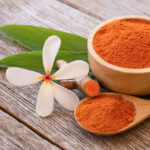 (NaturalHealth365) Turmeric, a kitchen spice from India and Southeast Asia, has long been treasured by natural healers for its ability to fight inflammation, regulate blood sugar, and combat infections. But turmeric benefits extend even beyond these traditional uses. Ongoing research suggests that its active ingredient – a plant pigment known as curcumin – could be a valuable weapon in the fight against cancer.Many studies have supported turmeric’s anticancer effects, including its ability to reduce the number and size of tumors. However, studies also revealed a dramatic and encouraging “twist:” turmeric can potentially target several particularly aggressive and lethal forms of cancer while leaving noncancerous cells unharmed. For instance, recent research has shown that curcumin may help fight colorectal cancer by influencing how cancer cells clean out damaged parts (autophagy) and self-destruct when unhealthy (apoptosis), offering new hope in combating this common and deadly disease.
An international team of scientists concludes that curcumin inhibits an enzyme involved in carcinogenesis
Researchers at the University of California, San Diego School of Medicine, Peking University, and Zhejiang University collaborated on a study published in the Proceedings of the National Academy of Sciences. The researchers used multiple models to show that turmeric can powerfully inhibit a specific enzyme called DYRK2 (or dual-specificity tyrosine-regulated kinase 2).
The team used cutting-edge X-ray crystallography to obtain 3D images – in which curcumin could be seen binding to the enzyme at the atomic level. This is significant because binding to and inhibiting DYRK2 impairs the activity of proteasomes – protein complexes involved in cancer development.
The team noted that inhibiting proteasome activity in cancer cells interfered with proliferation, reducing tumors, slower cancer growth, and an overall lessening of the cancer burden.
Curcumin targets the “Achilles heel” of lethal cancers
Some cancers – including triple-negative breast cancer and multiple myeloma – are classified by scientists as “proteasome-addicted,” meaning they are dependent on proteasome complexes. Impairing the activity of the proteasome inhibits tumor development, leading scientists to theorize that this dependency may well be the “Achilles’ heel” of these aggressive, hard-to-treat cancers.
Pharmaceutical proteasome inhibitors have already been developed and approved, but there is a catch: these medications damage noncancerous cells. In response, resourceful researchers have been focusing on inhibiting proteasome activity by identifying and manipulating proteasome regulators.
This is where the power of turmeric comes into play. By depleting DYRK2, curcumin suppresses proteasome activity – with very little damage to healthy cells in the area. Curcumin strengthens the cancer-fighting effects of pharmaceutical proteasome inhibitors – meaning that smaller dosages – and fewer side effects – may be possible.
When used with carfilzomib – an FDA-approved proteasome inhibitor used to treat multiple myeloma – curcumin increased apoptosis (cancer cell death) – while causing minimal harm to healthy cells.
Curcumin uses multiple pathways to target cancer
If curcumin’s only cancer-fighting abilities were impairing the DYRK2 enzyme and inhibiting proteasome activity, it would still be a promising area for study in cancer prevention and treatment. However, curcumin has an impressive variety of cancer-fighting pathways.
Curcumin helps inhibit angiogenesis, the growth and development of new blood vessels to nourish and support tumors. It also “switches off” genes that promote tumor development while helping the immune system identify and destroy malignant cells.
In addition, curcumin can help to protect your DNA from potentially cancer-causing mutations caused by radiation and environmental toxins. It also suppresses the production of MMPs or matrix metalloproteinases. These enzymes attack the extracellular matrix and facilitate the invasion of cancer cells.
Finally, by reducing the production of adhesion molecules that cling to cell walls, curcumin stops cancer cells from settling in place – effectively “throwing a monkey wrench” into the ability of cancer cells to metastasize. Additional research supports curcumin’s effectiveness.
In one study, curcumin supplementation caused a 36 percent reduction in the size of lung tumors. In another, it caused a 40 percent decrease in the development of colon tumors. And – in one particularly promising clinical study – curcumin cut the growth rate of prostate-specific androgen (a marker of tumor progression) in half.
How can I take curcumin?
Study co-author Sourav Banerjee, Ph.D., a postdoctoral scholar at UCSD School of Medicine, remarked on curcumin’s “chemical drawbacks,” noting that orally administered curcumin is broken down and eliminated by the human body very quickly. Dr. Banerjee says, “It (curcumin) needs to be modified to enter the bloodstream and stay in the body long enough to target the cancer.”
This is why experts say that adding turmeric to food may not provide enough bioavailable curcumin to obtain therapeutic results.
The best option currently is to seek a high-quality, high-potency organic curcumin extract standardized to contain at least 95 percent curcuminoids.
Note: Do not attempt to treat cancer or any other serious medical condition with turmeric or curcumin without the guidance of a qualified doctor. Before supplementing with curcumin, get the go-ahead from your trusted holistic healthcare provider.
Simply put, as scientists continue to discover curcumin’s multiple effects against cancer, this amazing flavonoid seems destined to play a major role in natural cancer therapies and cancer prevention.
Sources for this article include:
How Excess Iodine Is Undermining Thyroid Health and What to Do About It
Reproduced from original article:
https://articles.mercola.com/sites/articles/archive/2025/01/12/excess-iodine-thyroid-health.aspx
Analysis by Dr. Joseph Mercola January 12, 2025
STORY AT-A-GLANCE
- While iodine fortification in salt was introduced in the 1920s to prevent goiters, this intervention led to a dramatic increase in thyroid disease
- Modern food production and industry has created widespread iodine overload through multiple sources: iodized animal feed, dairy cleaning practices, processed foods, personal care products and supplements
- High iodine intake has been linked to increased breast cancer risk, particularly in populations with overexpressed sodium iodide symporters, contrary to earlier beliefs about iodine’s protective effects
- Thyroid antibodies are more predictive of thyroid symptoms than T4 or TSH levels alone, and genetic variations significantly influence how individuals metabolize iodine across generations
- To reduce iodine exposure, limit processed foods, choose dairy and eggs from non-iodine-supplemented sources, review your personal care products and track your overall iodine intake
I recently interviewed Dr. Alan Christianson, widely regarded as a premier expert on thyroid issues, and Ashley Armstrong, a regenerative farmer and founder of Angel Acres. Our discussion explored the intricate relationship between iodine intake and thyroid health, uncovering a paradox that has significant implications for your health.
To understand the current iodine dilemma, we must rewind to the early 20th century. In the 1920s, iodine was added to table salt as a public health measure to prevent goiters — a swelling of the thyroid gland. Christianson explained that before iodine fortification, autoimmune thyroid disease was a rarity in medicine. However, within a decade of adding iodine to foods, rates among adult women skyrocketed, increasing up to 26-fold.
This historical intervention, intended to correct deficiencies, inadvertently set the stage for widespread thyroid issues. Armstrong emphasized the interconnectedness of iodine fortification across the food chain, including the mistaken belief that “if humans are deficient in iodine, then animals must be deficient too.”1 So, iodine was added not just to human salt but also to animal feed, resulting in significantly higher iodine levels in animal products and processed foods.
Iodine Overload Is a Modern Epidemic
Fast forward to today, and the narrative around iodine has taken a troubling turn. While there was once a legitimate concern about iodine deficiency, modern food production systems have transformed iodine into a stealthy toxin.
Armstrong highlighted, “The iodine content, which impacts thyroid health, has significantly increased in our food production system over the last 20 to 30 years.” This over-supplementation has led to an epidemic of thyroid dysfunction, including autoimmune thyroid disease, where your body attacks its own thyroid gland.
Christianson added, “Iodine accumulation is a really big problem that our nation is facing. It’s one of those government interventions — oops — that have unintended consequences.”2 The excessive iodine intake is pervasive, stemming from various sources beyond fortified salt, making it difficult for individuals to control their iodine levels.
Sources of Excess Iodine Beyond Table Salt
The underlying sources of modern iodine overload isn’t limited to fortified table salt. Christianson and Armstrong shed light on various sources contributing to excessive iodine intake:
1. Animal feed — Conventionally raised livestock are routinely supplemented with iodine, significantly increasing iodine levels in animal products. Armstrong emphasized that if animals are supplemented with iodine, the iodine levels in products like eggs increase five to 10-fold.
2. Dairy cleaning practices — The dairy industry commonly uses iodine-based disinfectants to clean teats and equipment. Although a hot water rinse helps mitigate iodine residues, the pervasive use of iodine teat dips introduces an additional, often unnoticed source of iodine into dairy products.
3. Processed foods — Iodine additives in processed grains and salt heavily fortify the food supply, making it challenging to control individual iodine intake if you consume processed foods. Christianson noted that many processed grains contain iodized dough conditioners. Even those that don’t explicitly list iodine often have significant levels when tested.
4. Personal care products — Iodine is prevalent in numerous personal care products, including some acne treatments, contributing to daily iodine exposure without consumers’ awareness. Armstrong pointed out, “Many common acne treatments contain a lot of iodine because of its antifungal and antimicrobial properties.”
5. Seafood and kelp supplements — While ocean-based seafood is a natural iodine source, fishmeal is also a common protein source for cattle feed, which increases iodine levels in eggs and dairy products.

Save This Article for Later – Get the PDF Now
Balancing the Benefits and Risks of Thyroid Hormone Supplementation
The conversation naturally transitioned to thyroid hormone supplementation, a common treatment for hypothyroidism. Christianson provided an important perspective that taking thyroid hormones from outside your body, even in bioidentical forms, isn’t the same as your body producing them naturally. As a result, this often leads to long-term complications.
He distinguished between T4-only medications and combination therapies (T4 plus T3), noting that the latter often yield better patient outcomes. However, both forms present challenges, especially given the variability in iodine content of natural desiccated thyroid products. Armstrong raised concerns about historical and modern practices, including the fact that in the early 1900s, cattle weren’t supplemented with iodine, so their thyroids had low levels.
Today, livestock are overloaded with iodine, making natural desiccated thyroid supplements likely much higher in iodine than historical counterparts. Christianson explained the regulatory landscape, in that prescription forms of natural desiccated thyroid are standardized for iodine content, but over-the-counter versions often lack this quality control, leading to unpredictable iodine levels.
Unraveling the Connection Between Iodine and Breast Health
Our discussion also touched upon the role of iodine in breast tissue health. Christianson elaborated on studies linking high iodine intake to increased breast cancer risk, particularly in populations with overexpressed sodium iodide symporters in breast tissue. He explained that in pathologic breast tissue, the sodium iodide symporter is overexpressed, leading to heightened iodine uptake and cellular damage.
This overexpression correlates with higher breast cancer rates, debunking earlier theories that iodine supplementation might be protective. Therefore, recommendations that promote iodine supplementation as a protective measure against breast conditions are misguided.
Christianson clarified that while high-dose iodine temporarily reduces iodine uptake in fibroadenomatous breast disease, population studies indicate that higher iodine intake is associated with increased breast cancer risk. Thus, iodine is not a protective factor for breast tissue. He explains:
“In the case of breast cancers, there have been assays looking at Japanese women and contrasting their iodine excretion, their urinary iodine in groups with their overall breast cancer risk. And those in the highest quintiles and quartiles have proportionately higher risks for breast cancer. And there’s a linear relationship. So, the more they’re consuming, the greater their risks are.”
Exploring Thyroid Health from Antibodies and Autoimmunity to Epigenetics
Our conversation also focused on the role of thyroid antibodies in autoimmune thyroid disease. Christianson emphasized that thyroid antibodies, such as antithyroid peroxidase and antithyroglobulin, are more predictive of thyroid symptoms and risks than T4 or thyroid-stimulating hormone (TSH) levels alone.
Elevated thyroid antibodies indicate an autoimmune response, which is the primary driver of thyroid dysfunction today. Epigenetics are also involved, as early iodine exposure affects thyroid health across generations. Armstrong noted, imagine being born into a womb with higher iodine levels, then supplementing with iodine throughout life and consuming a high-iodine diet. This exposure leads to accumulated iodine generation over generation.
Christianson agreed, explaining that genetic variations significantly influence how individuals metabolize iodine. Those adapted to lower iodine environments are particularly susceptible to thyroid dysfunction when exposed to excess iodine. This epigenetic and genetic interplay complicates the iodine-thyroid relationship.
Further, basal body temperature is sometimes used as a metric for thyroid health, a practice championed by Dr. Broda Barnes. However, Christianson pointed out that the development of high-sensitive TSH assays and understanding of T3 metabolism shifted thyroid assessment away from basal body temperature. While it’s true that many overtly hypothyroid individuals have lower body temperatures, the relationship isn’t as linear or reliable as once thought. Christianson noted:3
“Since Barnes’ time, we’ve learned that the thyroid basal body temperature connections are very real, but they’re not as linear, they’re not as tight as one might think. So many who are overtly hypothyroid will have a lower basal body temperature.
And during hyperthyroid storm, people often elicit a febrile response, but there’s not a linear increase in basal body temperature as one moves further into hyperthyroidism. That wasn’t understood during Barnes’ time.”
Cellular Energy and Thyroid Function
Armstrong emphasized a holistic view of thyroid health, highlighting the multiple steps involved in cellular energy production:
“Metabolic health and cellular energy aren’t just about the thyroid gland. There are four different steps after the thyroid produces thyroid hormones — T4 is produced. Then there’s transporter proteins that have to take those thyroid hormones throughout the body.
That T4 must be converted to T3, cells must be able to accept that T3 and utilize it as the spark plug for energy production. So, there are a number of things that get in the way of cellular utilization of active thyroid hormone. Even if your thyroid is functioning well, using active thyroid hormone at various other parts of your body can be hindered.”
Christianson expanded on this, explaining that different body tissues have their own thyroid hormone ecosystem with different balances of thyronamines. This means that thyroid function at the cellular level is highly individualized and influenced by various factors like insulin levels, stress and nutrient intake.
Armstrong connected this to modern dietary practices, explaining that low-carb diets downregulate thyroid hormones, increasing reverse T3 and impairing cellular utilization of T3. High omega-6 polyunsaturated fatty acid (PUFA) consumption and stress further complicate this picture, reducing your body’s ability to use thyroid hormones effectively.
Thyroid hormone metabolism is influenced by many factors, including insulin levels, nutrient availability and overall metabolic health. So, addressing thyroid issues requires a comprehensive approach that considers these interconnected systems.
In a personal revelation, I also discussed my use of photobiomodulation (previously known as low-level laser therapy) to support thyroid health during my transition off thyroid medication. Christianson acknowledged the benefits, explaining that photobiomodulation helps improve antioxidant status in your thyroid, which is necessary for processing iodine without cellular damage.
Practical Tips to Avoid Excess Iodine
The interplay between iodine intake and thyroid function is complex and often misunderstood. Excess iodine, a byproduct of historical fortification efforts and modern agricultural practices, poses a significant threat to thyroid health, contributing to autoimmune diseases and other dysfunctions.
By implementing strategic dietary changes, choosing high-quality food sources and staying informed about iodine’s role in your body, you reclaim your ability to reach optimal thyroid health.
Christianson wrote “The Thyroid Reset Diet,” emphasizing a low-iodine regimen for one to three months to detoxify your body. While Armstrong shared her concerns about maintaining nutritional balance during this phase, particularly regarding nutrients like choline, biotin and calcium, Christianson suggested that selecting high-quality eggs and dairy that are low in iodine helps meet these nutritional needs without introducing excess iodine.
Armstrong elaborated on practical strategies to reduce your iodine intake, including: “Don’t eat out as much, don’t eat food with an ingredient list, prioritize home-cooked meals … assess your supplements, stop iodine supplementation and evaluate your personal care products.” Here are additional practical strategies to avoid excess iodine and protect your thyroid health:
1. Limit processed foods — Processed grains and packaged foods often contain high levels of iodine due to salt iodization and iodine-based additives. Prioritize whole, unprocessed foods to better control iodine intake. Further, a balanced diet rich in the right carbohydrates — and free of processed foods — supports cellular energy production, which is necessary for thyroid health.
Excess PUFA intake, including linoleic acid in seed oils, is a major culprit, as PUFAs interfere with your cell’s ability to use active thyroid hormone.
2. Choose high-quality dairy and eggs — Source dairy and eggs from farmers who do not supplement livestock with iodine or use iodine-based disinfectants. Pasture-raised and organic options are more likely to have lower iodine levels.
Armstrong noted that eggs from pasture-raised chickens without iodine in their diet have as low as 5 micrograms per egg, compared to eggs from chickens supplemented with iodine, which have up to 100 micrograms per egg.
3. Assess personal care products, supplements and medications — Review all supplements and medications for iodine content. Avoid iodine-rich supplements unless medically necessary. Many personal care items, such as acne treatments, contain iodine. Opt for iodine-free alternatives to reduce iodine exposure.
4. Conduct an iodine inventory — Utilize tools like Christianson’s iodineinventory.com to track your iodine intake from all sources, including diet, supplements and personal care products.
5. Explore additional therapies — Consider therapies like photobiomodulation to support thyroid health in conjunction with dietary adjustments.
Ginseng May Work Better Than Chemo and Radiation. Here’s How…
© GreenMedInfo LLC. This work is reproduced and distributed with the permission of GreenMedInfo LLC.
Want to learn more from GreenMedInfo? Sign up for the newsletter here:
www.greenmedinfo.com/greenmed/newsletter
Reproduced from original article:
https://greenmedinfo.com/blog/ginseng-may-work-better-chemo-and-radiation-heres-how
Posted on: Tuesday, January 22nd 2019 at 8:15 am
Written By: Sayer Ji, Founder
This article is copyrighted by GreenMedInfo LLC, 2019

Known for thousands of years as a powerful tonic for health, new research reveals that ginseng and other cancer stem cell killing plants may provide highly effective treatments for cancer.
Cancer stem cells are one of the keys to understanding both the root cause(s) and the most appropriate treatment approaches for cancer.
As we have explored in previous writings, cancer stem cells have been identified to be at the heart of most cancer malignancies. These extraordinarily resilient and proliferative cells, while only making up a minority of cells within a tumor (about 1 in 1,000), are relatively immortal and resistant to conventional treatments.
In fact, chemotherapy and radiation treatments have been found to increase the cancer stem cell populations by number and by their malignant/invasive intensity. In fact, radiotherapy has even been found to convert non-malignant breast cells into highly malignant breast cancer stem cells, resulting in increasing their malignancy by 30 fold. The use of these inappropriate treatments has resulted in an epidemic of iatrogenically caused secondary cancers, and patient deaths, that have largely gone unreported by the very medical system responsible for causing them, and which comes to no surprise by those who have been following our decade long reporting on the tragedy of cancer overdiagnosis and overtreatment, which has affected millions around the world.

Given this concerning backdrop, and our ongoing focus on unearthing and reporting on thousands of natural, evidence-based alternatives that address and resolve the root cause(s) of disease, it is exciting to report on research published last year, titled, “Functional mechanism of Ginsenosides on tumor growth and metastasis,” which summarizes the increasingly robust peer-reviewed literature on the role of ginseng in preventing and treating cancer. Within the review, the therapeutic properties of ginseng are discussed in light of the following effects:
-
Ginsenosides regulate tumor cell cycle
-
Ginsenosides induce tumor cell differentiation
-
Ginsenosides target tumor stem cells
-
Ginsenosides reduce the product of reactive oxygen species (ROS)
-
Ginsenosides suppress tumor angiogenesis
-
Ginsenosides downregulate the activity of matrix metalloproteinases (MMP) on tumor metastasis
Clearly, as with almost all time-tested, multi-culturally validated botanicals, there are a wide range of therapeutic properties operative within the highly complex plant extract — not only stem cell targeting effects. That said, stem cell targeting is an extremely important part of the equation. You can destroy 999 of 1,000 cancer cells in a tumor, but if the one left remaining is a cancer stem cell, it will have the ability and potential to grow an entirely new tumor all on its own. This is why stem cell targeting substances are so important in turning the tides against the increasingly violent and ineffective (albeit extremely profitable) war against cancer.
The authors of the ginseng study ended their review with the following optimistic conclusions:
“Given the increasing number of studies on ginsengs, ginsengs are likely to be used as antitumor drugs for controlling multiple types of cancer. Ginsenosides have been proven to regulate known oncogenes, such as Stat3. Since ginsenoside-induced death of cancer cells is achieved via multi-target pathways, it is difficult to some extent for cancer cells to develop drug resistance. Moreover, another advantage of ginsenosides is that the small side effect is shown when killing cancer cells. Thus ginsenosides may be considered as a good drug candidate for cancer treatment.”
But ginseng is only one of a wide range of newly identified cancer stem celling natural substances. Here is a list of an additional 25 cancer stem cell killing natural substances ‘smarter’ than chemo and radiation:
-
6-Gingerol – Ginger
-
β-Carotene – Carrot, Leafy Greens
-
Cyclopamine – Corn Lilly [we do not suggest consuming this plant; this simply illustrates natural components exist that kill cancer stem cells]
-
Delphinidin – Blueberry, raspberrry
-
Flavonoids (Genistein) – Soy, red clover, coffee
-
Gossypol – Cottonseed [we do not suggest consuming this plant; this simply illustrates natural components exist that kill cancer stem cells]
-
Guggulsterone – Commiphora (myrrh tree)
-
Isothiocyanates – Cruciferous vegetables
-
Linalool – Mint
-
Lycopene – Grapefruit, tomato
-
Parthenolide – Feverfew
-
Perylill alcohol – Mint, cherry, lavender
-
Piperine – Black pepper
-
Placycodon saponin – Playycodon grandifloruim
-
Psoralidin – Psoralea corylilyfolia
-
Quercetin – Capers, onion
-
Resveratrol – Grapes, plums, berries
-
Salinomycin – Streptomyces albus
-
Silibinin – Milk Thistle
-
Ursolic acid – Thyme, basil, oregano
-
Vitamin D3 – Fish, egg yolk, beef, cod liver oil
-
Withaferin A – Withania somnifera (ashwaganda)
Another substance not listed here is turmeric, which I have featured specifically in previous writings as a cancer stem cell killing herb, including this article: Turmeric Extract Strikes To The Root Cause of Cancer Malignancy.
To learn more about why these substances have not yet received the research dollars and support needed to elevate them to the level of clinical trial work and FDA drug approval, read my previous articles on the topic:

Unlocking the Power of Methylene Blue
Reproduced from original article:
https://articles.mercola.com/sites/articles/archive/2025/01/08/power-of-methylene-blue.aspx
Analysis by Dr. Joseph Mercola January 08, 2025
STORY AT-A-GLANCE
- Methylene blue enhances cellular energy production by integrating into the electron transport chain, cycling between oxidized and reduced forms to improve mitochondrial efficiency and resolve metabolic issues
- Clinical trials show methylene blue’s role in treating neurological conditions, including slowing progression of Alzheimer’s at doses of 16 mg daily
- Studies indicate methylene blue’s effectiveness in treating septic shock, reducing mortality rates, shortening hospital stays and improving blood pressure without significant adverse effects
- Research reveals methylene blue’s anticancer properties, particularly in chemoresistant ovarian tumors, by selectively targeting cancer cell mitochondria while sparing healthy cells from damage
- Safe dosage ranges from 5 mg to 50 mg daily, but requires medical supervision due to potential interactions with SSRIs and risks for those with kidney issues or G6PD deficiency
Few substances have captured my attention as profoundly as methylene blue. Earlier this year, I engaged in an in-depth discussion with Georgi Dinkov, a respected expert in metabolic health, who shed light on the multifaceted benefits of this remarkable compound.1
Methylene blue, a quinone-like molecule, is not just another supplement; it’s a powerful agent that can play an important role in cellular metabolism. By accepting and donating electrons, methylene blue enhances mitochondrial function, addressing issues like reductive stress that are often overlooked in conventional medicine.
This conversation with Dinkov highlights methylene blue’s role in reaching optimal health and treating a myriad of conditions, ranging from mental health disorders to acute medical emergencies.
Methylene Blue and the Electron Transport Chain
Methylene blue has the ability to integrate seamlessly into the electron transport chain (ETC), which plays a role in cellular energy generation. Unlike traditional antioxidants that either donate or accept electrons and subsequently require excretion, methylene blue possesses the unique capability to cycle between its oxidized and reduced forms indefinitely.
This continuous electron transfer process ensures sustained improvement in mitochondrial efficiency, which is key for energy production and overall cellular health. Dinkov emphasized that methylene blue acts as an emergency oxidant, stepping in to accept electrons even when essential co-actors like NAD+ are deficient.
This makes methylene blue capable of resolving metabolic issues associated with electron buildup and reductive stress. By maintaining the flow of electrons within the ETC, methylene blue prevents the stagnation that leads to cellular dysfunction and various health problems.
Methylene Blue for Enhanced Brain Health
The therapeutic potential of methylene blue is vast and varied, extending across a spectrum of neurological and psychological conditions. Dinkov shared insights into several studies where methylene blue, even at relatively low doses of 15 to 50 milligrams (mg), demonstrated significant benefits in treating treatment-resistant depression and psychosis.2
These findings are groundbreaking, suggesting that methylene blue enhances cognitive function and stabilizes mood by improving mitochondrial performance and reducing oxidative stress in the brain. Methylene blue enhances the benefits of niacinamide (vitamin B3) on brain health and metabolism.3 Furthermore, in terms of neurodegenerative diseases, methylene blue has shown remarkable promise.
A modified version of methylene blue, developed by a UK-based company, has been patented for Alzheimer’s treatment. Clinical trials have reported an astounding 80% reversal of Alzheimer’s symptoms in participants, according to Dinkov, highlighting methylene blue’s ability to not only halt but also reverse cognitive decline.4
These applications underscore the compound’s role in enhancing brain health by ensuring efficient energy production and mitigating the damaging effects of oxidative stress. A stabilized form of methylene blue known as hydromethylthionine (LMTM) also shows promise in treating mild to moderate Alzheimer’s disease.5
Unlike traditional methylene blue, LMTM is a stabilized dihydromesylate salt, which offers improved pharmacokinetic properties, including better brain uptake and longer half-life in humans. The study involved 1,162 patients across two Phase III trials and revealed a concentration-dependent activity of LMTM on cognitive decline and brain atrophy.
Notably, the optimal therapeutic dose was identified around 16 mg a day, which maximizes cognitive benefits without the diminishing returns observed at higher doses of 150 to 250 mg per day. This plateau effect underscores that beyond a certain concentration, no additional benefits are observed, aligning with the study’s findings that higher doses do not confer extra advantages.
Moreover, LMTM demonstrated significant benefits both alone and as an add-on to existing Alzheimer’s treatments. Patients receiving LMTM showed reduced cognitive decline and slower brain atrophy compared to those with lower plasma levels. This suggests that even at lower, more manageable doses, LMTM effectively slows the progression of Alzheimer’s by enhancing mitochondrial function.
Save This Article for Later – Get the PDF Now
Methylene Blue’s Life-Saving Benefits in Septic Shock
Expanding methylene blue’s therapeutic applications, a systematic review and meta-analysis published in Critical Care Explorations evaluated the efficacy and safety of methylene blue in patients with septic shock,6 a condition with high mortality rates.
The analysis included six randomized controlled trials encompassing 302 patients and sought to determine whether methylene blue administration could improve outcomes compared to placebo or usual care.
The findings suggest that methylene blue may significantly reduce short-term mortality, shorten the duration of vasopressor use by approximately 31 hours and decrease hospital length of stay by about two days.
Additionally, methylene blue was associated with an increase in mean arterial pressure at six hours post-administration. Importantly, the study did not find an increase in adverse events.
Methylene blue functions by inhibiting endothelial and inducible nitric oxide synthase, thereby counteracting the profound vasodilation characteristic of septic shock. By restoring vascular tone, methylene blue helps maintain adequate organ perfusion and oxygenation, which are necessary for patient survival.
Methylene Blue for Cancer Treatment — Targeting Ovarian Tumors
Research is also exploring methylene blue as a treatment for ovarian cancer, particularly in cases resistant to conventional chemotherapies. A study published in Cancers (Basel) used a carboplatin-resistant ovarian cancer tumor model in mice to assess the impact of methylene blue on tumor growth.7
The findings revealed a significant in vivo reduction in tumor proliferation among mice treated with methylene blue compared to those receiving carboplatin alone or no treatment. Specifically, methylene blue demonstrated superior tumor suppression, highlighting its effectiveness against chemoresistant ovarian tumors.
Further in vitro analyses provided insights into the mechanisms underlying methylene blue’s anticancer effects. The study examined the impact of methylene blue on mitochondrial energetics in both cancerous and normal cell lines. Methylene blue altered the oxygen consumption rate and mitochondrial membrane potential in the ovarian cancer cells, suggesting enhanced mitochondrial respiration and induction of apoptosis.
In contrast, normal cells exhibited a markedly different response, with less pronounced changes in mitochondrial function, indicating a selective targeting of cancer cell mitochondria by methylene blue.
The combination of methylene blue with a mixture of lipoic acid and hydroxycitrate and carboplatin was investigated to evaluate synergistic effects. While the combination therapy showed a modest enhancement in tumor response compared to methylene blue alone, the difference was not statistically significant. Importantly, the metabolic therapies did not induce toxicity or weight loss in the treated mice, underscoring the favorable safety profile of methylene blue-based treatments.
By targeting the altered mitochondrial function and inducing apoptosis in chemoresistant cancer cells, methylene blue offers a novel approach that could improve treatment outcomes for patients facing limited options. The differential response between cancerous and normal cells also suggests that methylene blue selectively targets tumor metabolism, minimizing harm to healthy tissues.
Methylene Blue in Emergency Situations, Including Heart Attack
Beyond its chronic health benefits, methylene blue proves invaluable in acute medical emergencies. Dinkov elaborated on its effectiveness in treating conditions such as cyanide and carbon monoxide poisoning. In these scenarios, methylene blue acts swiftly to restore cellular respiration by accepting electrons and facilitating the utilization of oxygen, thereby reversing the toxic effects of these poisons.
I also recommend having methylene blue readily available at home in case of a heart attack. While sudden death is the most common symptom of heart disease, surviving individuals face the serious threat of reperfusion injury, where cellular dysfunction and death may worsen following the restoration of blood flow.
Methylene blue administration significantly mitigates tissue damage; however, proper dosage is important to avoid overdose. Administer methylene blue within minutes of the cardiac event to meet the critical time threshold.
In cases of stroke or heart attack, even a single dose below 50 mg may be life-saving. This rapid benefit makes methylene blue an essential tool in emergency medicine, offering a quick and efficient means to counteract metabolic crises.
I strongly advocate for the inclusion of methylene blue in emergency kits, as its ability to stabilize metabolic function swiftly provides an additional layer of protection against sudden, life-threatening metabolic disturbances. The potential of methylene blue to act as a universal antidote in various poisoning scenarios underscores its significance in both medical and emergency settings.
Methylene Blue and Antiaging Benefits
The antiaging properties of methylene blue is another exciting frontier that Dinkov passionately discussed.8 Studies have indicated that methylene blue reverses aging in human cells by maintaining optimal mitochondrial function and reducing oxidative damage, which are key factors in the aging process. Daily doses ranging from 5 mg to 50 mg help achieve the necessary concentration for these benefits without causing discoloration in urine or tissues.
Moreover, when combined with red light therapy, methylene blue’s effects are significantly amplified. This synergy promotes cellular rejuvenation and longevity by enhancing mitochondrial efficiency and reducing oxidative stress, thereby combating the visible signs of aging and supporting overall cellular health.
Dinkov mentioned an innovative approach where methylene blue is used in a dilution similar to mouthwash as an oral rinse, offering antiseptic benefits without the harsh side effects of conventional mouthwashes.9 This application not only leverages methylene blue’s metabolic benefits but also integrates it into daily routines for enhanced health and longevity.
Beyond the primary benefits discussed, methylene blue exhibits several other promising properties that could significantly enhance various aspects of health and medicine. Dinkov mentioned that methylene blue acts as a powerful aromatase inhibitor at sub-micromolar concentrations, which could have implications in managing hormone-related conditions.10
Additionally, methylene blue’s ability to enhance the flow of electrons within the electron transport chain makes it a versatile supplement for addressing a wide range of metabolic disturbances. Dinkov also introduced the concept of the “Methylene Blue Test of Health,” where the dosage at which an individual’s urine begins to turn blue serves as an indicator of their metabolic health.11
A lower dosage threshold for this coloration suggests better metabolic function, while higher thresholds may indicate underlying health issues such as cancer or diabetes, which are characterized by extreme reduction states in cells.
This innovative approach provides a simple yet effective method for individuals to monitor their metabolic health and take proactive measures to address any issues. As research continues to unfold, the full spectrum of methylene blue’s benefits will likely expand, positioning it as a cornerstone in both preventative and therapeutic health strategies.
Safety and Dosage Considerations
While the benefits of methylene blue are substantial, Dinkov highlighted the importance of appropriate dosing to avoid severe adverse effects that may occur with high doses, particularly serotonin syndrome — a fatal condition caused by excessive serotonin levels in the brain.
Methylene blue is a potent monoamine oxidase type A (MAO-A) inhibitor, which may dangerously elevate serotonin levels when combined with selective serotonin reuptake inhibitors (SSRIs) or other serotonergic drugs. I would advise strong caution for anyone ever to take an SSRI drug, as I don’t believe anyone benefits from them.
Further, at doses exceeding 30 mg to 50 mg, methylene blue may cause temporary blue discoloration of urine and, occasionally, the tongue. Although harmless, this effect is startling if unexpected. High doses may also interfere with pulse oximeter readings, leading to inaccurate assessments of blood oxygen levels.
Individuals with severe renal insufficiency should use methylene blue with caution and under close medical supervision, as impaired kidney function affects drug clearance. Additionally, methylene blue is contraindicated for patients with glucose-6-phosphate dehydrogenase (G6PD) deficiency due to the risk of hemolytic anemia.
Common side effects associated with methylene blue include mild and transient gastrointestinal discomfort, such as nausea and diarrhea. Allergic reactions, ranging from skin rashes to life-threatening anaphylaxis, are also possible. Neurological effects like headaches and confusion may occur.
Cardiovascular effects, though less common, may include increased blood pressure and palpitations. Furthermore, methylene blue interacts with various medications, particularly antidepressants and antimalarials, altering their efficacy or causing adverse reactions.
To mitigate these risks, Dinkov recommends lower daily doses of methylene blue, typically between 5 mg to 15 mg, especially for long-term use. These dosages are sufficient to harness its metabolic benefits without significantly increasing the risk of serotonin syndrome. Additionally, Dinkov pointed out that while higher doses (up to 50 mg) have shown efficacy in certain therapeutic applications, they must be approached with caution and under professional supervision.
If you’re considering methylene blue supplementation, consult with a knowledgeable health care professional to tailor the dosage to your specific needs and avoid harmful interactions with other medications.
My Recommendations for Methylene Blue Use
There are three types of methylene blue typically sold — industrial-grade, chemical-grade (laboratory-grade) and pharmaceutical-grade. The only one you should use is the pharmaceutical-grade variety in solid, capsule or tablet form. Avoid using any solutions of methylene blue as dissolving it in water leads to a significant decrease in its effectiveness after 48 to 72 hours.
Methylene blue is a popular choice in aquarium maintenance due to its antifungal, antiparasitic and oxygen-transporting capabilities. It’s commonly used to alleviate fish stress, combat fungal infections and eliminate external parasites like Ich (white spot disease). However, aquarium-grade methylene blue often contains harmful contaminants, including heavy metals, which pose serious health risks to your aquatic pets.
To ensure the safety and well-being of your pets, I strongly advise against using methylene blue products designed for aquariums in any pet-related applications. Instead, choose pharmaceutical-grade methylene blue, which undergoes rigorous testing to confirm it is free from harmful impurities.
Personally, I have eliminated my regular intake of methylene blue, finding that daily walks by the ocean are an excellent way to manage reductive stress naturally. However, in scenarios where I might not have access to the ocean, I would consider taking 5 mg of methylene blue daily, adjusting to 3 mg if I were 75 pounds lighter in weight, and doing so six days a week.
It’s essential to emphasize that the appropriate and legal way to use methylene blue is through a prescription from a qualified physician. If you’re contemplating the use of methylene blue for your health, I strongly encourage you to consult with your doctor to determine if it’s suitable for your specific needs and circumstances.
Secret cause of heart damage revealed by European doctor
Reproduced from original article:
https://www.naturalhealth365.com/secret-cause-of-heart-attacks-revealed-by-european-doctor.html
by: January 6, 2025
 (NaturalHealth365) Over the last 100 years, cardiovascular disease has become a top cause of death in the United States (as well as many other places in the Western world), claiming millions of lives through fatal events such as heart attack and stroke. But, conventionally speaking, the cause of heart attacks – in particular – remains a ‘mystery’ to millions of people … until now.
While Western medicine attempts to treat the current epidemic of heart disease with a host of drugs – including beta blockers and statin drugs – these medications fail to address the root cause of the disease and (many times) offer toxic side effects. German doctor and researcher Matthias Rath, M.D., says he has discovered the real reason for heart disease and believes it can be prevented – and treated – with ‘Cellular Medicine.’
The true cause of heart attacks would surprise most conventionally trained health professionals
According to Dr. Rath, the founder of the Dr. Rath Research Institute, heart attacks and strokes are the natural outcome and consequence of a chronic vitamin deficiency.
Deficiencies of vitamin C and other vitamins can cause lesions and cracks in the protective arterial walls – which the body then tries to repair by depositing fat particles in the artery walls.
The accumulation of these artery-clogging deposits (also called plaque) can lead to a host of life-threatening problems, including irregular heartbeat, heart failure, heart attack, and stroke. In other words, the formation of excessive cholesterol is the body’s attempt to repair arterial wall damage – meaning high cholesterol is a symptom, not a cause, of heart disease.
Our bodies are being deprived of life-sustaining vitamins
Dr. Rath reports that cardiovascular disease is actually an early form of the disease scurvy, which is characterized by a severe, life-threatening shortage of vitamin C. While the standard American diet provides sufficient vitamin C to protect against scurvy, it is not enough to ensure the strong, stable arterial walls that help prevent atherosclerosis.
While most animals produce vitamin C in their bodies – (incidentally, the reason that animals do not suffer heart attacks as humans do) – people do not. Due to a genetic mutation, we lost this enviable ability long ago – and are now paying the price in heart health.
Thanks to the popularity of the standard American diet (with its insufficient consumption of plant-based foods) and the development of modern farming techniques, food processing, and storage, plus cooking, life-sustaining quantities of vitamin C are stripped from the diet.
Cellular medicine offers a safe, effective recipe for heart health
The mainstay of Cellular Medicine is a set of guidelines – Dr. Rath’s Cellular Health Recommendations – which advise supplementation with specific types and amounts of essential vitamins, minerals, and amino acids.
In addition to providing “cell fuel” and acting as “biocatalysts,” these nutrients stabilize blood vessel walls, reverse existing plaque deposits, and fight high blood pressure by relaxing and dilating blood vessels.
A routine of antioxidants, such as vitamins C, E, B-complex vitamins, and CoQ10, can support the heart by protecting the cardiovascular system from harmful oxidation. These vitamins also increase collagen production, protect against elevated homocysteine levels, and optimize heart muscle cells.
Dr. Rath maintains that the amino acids lysine and proline can act as natural “Teflon agents,” helping to rid artery walls of harmful lipoproteins – with no angioplasty or surgery.
Of course, quitting smoking, getting appropriate exercise, and striving for proper nutrition (more organic, plant-based foods and avoiding unhealthy fats and refined sugars) also provide valuable coronary benefits. Reducing harmful (vitamin C-depleting) stress through natural means such as biofeedback, meditation, and acupuncture also helps.
‘Putting the brakes’ on heart damage, according to a groundbreaking study
In a clinical study published in the Journal of Applied Nutrition, 55 patients with coronary deposits followed the cellular health recommendations for a year. The harmful deposits increased for the first six months – but at a much slower rate than previously.
Dr. Rath reports that the deposits stopped growing from the seventh through the twelfth month. The routine helped to “put the brakes on” coronary artery disease, slowing and then stopping the accumulation of dangerous atherosclerotic plaque.
Results varied depending on the severity of the disease. The deposits disappeared completely within a year in patients with early coronary disease. In patients with advanced coronary disease, further growth was stopped, and artery walls were stabilized – benefits that help prevent heart attacks.
The results were so dramatic that Dr. Rath reported that some patients who had been scheduled for bypass surgery were able to forego the procedure – a very encouraging development.
Additional studies confirm the benefits of optimal vitamin levels
Clinical studies show that optimum daily intake of vitamins can halt and even reverse the development of heart disease – and that higher vitamin C intake is associated with increases in lifespan of up to six years.
Research has shown that even modest amounts of vitamin C – 300 mg per day, as opposed to the paltry 50 mg a day offered by the standard American diet – can slash the risk of heart disease up to 50 percent in men and up to 40 percent in women.
What do European studies reveal about heart health?
Studies conducted in Europe have shown that people in Mediterranean countries have lower rates of cardiovascular disease than their Scandinavian counterparts. Scientists believe this is due to a higher dietary intake of fresh fruit and vegetables, which contain disease-fighting carotenoids, bioflavonoids, and antioxidant vitamins C and E.
The highly influential Nurses’ Health Study, launched in 1976 and published in the prestigious New England Journal of Medicine, demonstrated the benefits of vitamins E, B-complex, and C in decreasing the risk of cardiovascular disease, stroke, and heart attack.
In a 2016 review revisiting the NHS’s findings, the authors pointed to the association between vitamin C deficiency and earlier death from heart disease and credited vitamin C with its ability to prevent the oxidation of LDL cholesterol.
To no one’s surprise, big pharma is trying to protect its financial interests by continuing to block the spread of this potentially lifesaving information. The pharmaceutical giants would much rather push symptom-oriented, patentable substances than effective and safe natural therapies.
However, if Dr. Rath has anything to say about it, all will eventually adopt Cellular Medicine. And heart disease, he maintains, will become a thing of the past.
Sources for this article include:
Promising Results for Beta-Glucan Supplementation in Alleviating Chronic Fatigue Symptoms
© GreenMedInfo LLC. This work is reproduced and distributed with the permission of GreenMedInfo LLC.
Want to learn more from GreenMedInfo? Sign up for the newsletter here:
www.greenmedinfo.com/greenmed/newsletter
Reproduced from original article:
https://greenmedinfo.com/content/promising-results-beta-glucan-supplementation-alleviating-chronic-fatigue-symp
Posted on: Sunday, June 16th 2024 at 3:00 am

For the millions suffering from Myalgic Encephalomyelitis/Chronic Fatigue Syndrome (ME/CFS), a debilitating condition characterized by extreme exhaustion and cognitive impairments, effective treatments remain elusive. However, a recent randomized controlled trial has uncovered a promising natural remedy: yeast-derived beta-glucan supplementation. This prebiotic fiber may offer new hope for managing the cognitive symptoms that plague ME/CFS patients.
The Gut-Brain Connection in ME/CFS
ME/CFS is a complex disorder affecting an estimated 17 million people worldwide.1 Patients often experience persistent fatigue, cognitive dysfunction, sleep disturbances, and gastrointestinal issues.2 While the exact causes remain unclear, growing evidence points to a dysregulated gut-brain axis as a key factor in ME/CFS pathology.3
The gut microbiome, the collection of microbes residing in our intestines, plays a crucial role in regulating immune function, metabolism, and even brain health via the gut-brain axis.4 In ME/CFS, altered gut microbiota composition and increased intestinal permeability have been linked to systemic inflammation and neurological symptoms.5 Therefore, targeting the gut with prebiotic interventions like beta-glucan may help restore balance and alleviate ME/CFS manifestations.
What the Study Found
In this 36-week randomized controlled trial, 65 ME/CFS patients received either a daily supplement containing 250mg of yeast-derived beta-glucan, along with vitamin D3, B6, and zinc, or a placebo. The results were promising:
“The findings showed that the beta-glucan supplementation significantly improved cognitive fatigue (assessed with FIS-40 scores) after the 36-week treatment compared to the baseline (p = 0.0338).”6
Cognitive fatigue scores decreased by 5.7% in the beta-glucan group, suggesting this prebiotic may help combat the “brain fog” that many ME/CFS patients struggle with. While the mechanisms require further investigation, the authors propose that beta-glucan may work by modulating the gut microbiome, reducing inflammation, and supporting the gut-brain axis.
The Advantages of a Natural Approach
Conventional treatments for ME/CFS are limited and often come with unwanted side effects. Antidepressants, sleep aids, and pain medications may provide temporary relief but do not address the underlying imbalances contributing to symptoms.
In contrast, beta-glucan is a natural prebiotic fiber found in foods like oats, barley, and certain mushrooms. By promoting the growth of beneficial gut bacteria and increasing production of short-chain fatty acids like butyrate,7 beta-glucan supports a healthy gut environment. This, in turn, may help regulate the immune system, reduce inflammation, and improve gut-brain communication8 – all of which are disrupted in ME/CFS.
Furthermore, the beta-glucan supplement in this study was well-tolerated, with no serious adverse events reported. This highlights the safety advantage of using natural, food-derived compounds to manage chronic conditions like ME/CFS.
Empowering Patients with Knowledge
While more research is needed to fully understand the potential of beta-glucan for ME/CFS, these findings offer a glimmer of hope for those struggling with this challenging condition. By raising awareness about the gut-brain connection and the role of prebiotics, we can empower ME/CFS patients to make informed choices about their health.
Incorporating prebiotic-rich foods or considering a quality beta-glucan supplement, under the guidance of a knowledgeable healthcare provider, may be a gentle yet effective way to support cognitive function and overall well-being in ME/CFS. As always, a personalized approach that takes into account an individual’s unique needs and sensitivities is essential.
In Conclusion
The promising results of this beta-glucan trial underscore the importance of exploring natural, evidence-based solutions for complex conditions like ME/CFS. By supporting the gut-brain axis and promoting a balanced microbiome, prebiotics offer a safe and holistic approach to symptom management.
As we continue to unravel the intricacies of the human body and the interconnectedness of our systems, let us remain open to the healing potential of nature. With further research and a commitment to patient empowerment, we can pave the way for more effective, integrative strategies to help those with ME/CFS reclaim their vitality and thrive.
Learn more about natural approaches to chronic fatigue syndrome here.
Learn more about beta glucan’s studied potential therapeutic properties here and by watching our recent livestream: The Truth about Immunity here.

References
1. Estevez-Lopez, F., et al. “Systematic Review of the Epidemiological Burden of Myalgic Encephalomyelitis/Chronic Fatigue Syndrome Across Europe: Current Evidence and EUROMENE Research Recommendations for Epidemiology.” Journal of Clinical Medicine 9, no. 5 (2020): 1557. https://doi.org/10.3390/
2. Cortes Rivera, M., et al. “Myalgic Encephalomyelitis/Chronic Fatigue Syndrome: A Comprehensive Review.” Diagnostics 9, no. 3 (2019): 91. https://doi.org/10.3390/
3. Cryan, J.F., et al. “The Microbiota-Gut-Brain Axis.” Physiological Reviews 99, no. 4 (2019): 1877-2013. https://doi.org/10.1152/
4. Martin et al. “Increased gut permeability and bacterial translocation are associated with fibromyalgia and myalgic encephalomyelitis/chronic fatigue syndrome: Implications for disease-related biomarker discovery.” Frontiers in Immunology 14 (2023): 1253121. https://doi.org/10.3389/fimmu.
5. Guo, C., et al. “Deficient butyrate-producing capacity in the gut microbiome is associated with bacterial network disturbances and fatigue symptoms in ME/CFS.” Cell Host & Microbe 31, no. 2 (2023): 288-304.e8. https://doi.org/10.1016/j.
6. Lacasa, M., et al. “Yeast Beta-Glucan Supplementation with Multivitamins Attenuates Cognitive Impairments in Individuals with Myalgic Encephalomyelitis/Chronic Fatigue Syndrome: A Randomized, Double-Blind, Placebo-Controlled Trial.” Nutrients 15, no. 21 (2023): 4504. https://doi.org/10.3390/
7. Singh, R.P., and Bhardwaj, A. “beta-glucans: A potential source for maintaining gut microbiota and the immune system.” Frontiers in Nutrition 10 (2023): 1143682. https://doi.org/10.3389/fnut.
8. Hu, M., et al. “Three Different Types of β-Glucans Enhance Cognition: The Role of the Gut-Brain Axis.” Frontiers in Nutrition 9 (2022): 848930. https://doi.org/10.3389/fnut.

The Miracles of High-Dose Orthomolecular Nutrition: A Tribute to Dr. Bruce Ames
| Reproduced from original OMNS article (OrthoMolecular News Service): http://orthomolecular.org/ Subscribe to the free Orthomolecular Newsletter: http://orthomolecular.org/subscribe.html Go to the OMNS Archive: http://orthomolecular.org/resources/omns/index.shtml |
|
Orthomolecular Medicine News Service, December 27, 2024
Richard Z. Cheng, M.D., Ph.D.Dr. Bruce Ames, a trailblazer in biochemistry and a passionate advocate for nutrition and health, passed away recently at the age of 95. A distinguished member of the National Academy of Sciences and the recipient of numerous awards, including the National Medal of Science, he was inducted into the Orthomolecular Medicine Hall of Fame. Known for his groundbreaking scientific work and his commitment to improving public health, Dr. Ames leaves behind a remarkable legacy that has profoundly influenced how we think about nutrition and wellness. Over his long and productive career, Dr. Ames revolutionized our understanding of the relationship between nutrition, disease, and longevity. His contributions to the field of orthomolecular nutrition—the science of optimizing health through high doses of vitamins and minerals—have inspired countless researchers, doctors, and health advocates around the world. His vibrant 95-year life stands as a testament to the principles he championed, much like his peers Linus Pauling, Abram Hoffer, and Roger Williams, all of whom lived beyond 90 years and were pioneers of this transformative approach to health.
Dr. Bruce Ames: A Life Dedicated to Health and NutritionDr. Ames is perhaps best known for the Ames Test, a simple yet revolutionary tool for detecting harmful, DNA-damaging chemicals. But it was his later work in nutrition that cemented his reputation as a visionary. He introduced the Triage Theory, which proposed that when essential nutrients are in short supply, the body prioritizes immediate survival over long-term health. This theory has profound implications for understanding chronic diseases, aging, and how even small deficiencies in vitamins or minerals can have lasting effects on our health. Dr. Ames believed that optimizing nutrition wasn’t just about avoiding deficiencies; it was about thriving. He advocated for using high doses of key nutrients to repair cells, support energy production, strengthen the immune system, and even reduce the risk of diseases like heart disease, diabetes, and cancer. His message was simple but powerful: nutrition is the foundation of health and longevity. The Synergistic Roles of 40+ Vitamins and MicronutrientsDr. Ames often highlighted the intricate interplay of over 40 essential vitamins and minerals, emphasizing their synergistic roles in maintaining optimal health. He demonstrated how these nutrients work together to support countless biochemical processes essential for vitality and disease prevention. 1. Interconnected Biochemical PathwaysDr. Ames explained that micronutrients do not work in isolation. For example:
2. Addressing Subclinical DeficienciesHe stressed that even mild deficiencies in any single nutrient can disrupt these pathways, compounding health issues over time. For instance:
3. Comprehensive SupplementationDr. Ames championed comprehensive supplementation to ensure that all micronutrients are present in sufficient amounts. This approach aligns with his Triage Theory, which warns of the long-term consequences of nutrient scarcity:
“The Triage Theory provides a mechanistic rationale for such damage: shortage of a nutrient triggers a built-in rationing mechanism that allocates the scarce nutrient to proteins needed for immediate survival (survival proteins), at the expense of those needed for long-term survival (longevity proteins)” – Bruce Ames 4. Micronutrient Synergy and HealthspanBy ensuring an optimal balance of all 40+ essential vitamins and minerals, Dr. Ames showed that we could enhance energy production, reduce inflammation, and improve resilience against chronic diseases. What Is Orthomolecular Nutrition?Orthomolecular nutrition focuses on providing the body with optimal levels of essential nutrients to achieve the best possible health. While traditional dietary recommendations aim to prevent acute deficiency diseases like scurvy or rickets, orthomolecular nutrition goes a step further by addressing the nutrient levels needed for long-term health and vitality. Here are some of the ways high-dose nutrients can transform health: 1. Supporting Cellular HealthNutrients like vitamin C and vitamin E act as antioxidants, protecting cells from damage caused by stress and aging. For example:
“Folic acid deficiency does the same thing as radiation.” – Bruce Ames 2. Boosting Energy ProductionKey nutrients such as B vitamins, magnesium, and coenzyme Q10 support mitochondria, the powerhouses of our cells. By improving mitochondrial function, these nutrients enhance energy levels and reduce fatigue. 3. Strengthening the Immune SystemHigh-dose vitamin D helps regulate the immune system, while zinc supports the production of infection-fighting cells. Together, they fortify the body’s defenses against illness. “Vitamin D activates serotonin production in the brain.” – Bruce Ames 4. Preventing Chronic DiseaseDr. Ames’ Triage Theory highlights how even minor nutrient shortages can lead to DNA damage, accelerated aging, and chronic diseases like cancer, diabetes, and cardiovascular conditions. High-dose supplementation helps prevent these issues before they arise. Why Conventional Guidelines Aren’t EnoughThe standard dietary guidelines, like the Recommended Dietary Allowance (RDA), focus on preventing immediate nutrient deficiencies. However, these levels often fall short of what’s needed to support long-term health. Dr. Ames argued that most people suffer from subclinical deficiencies—nutrient levels that may not cause obvious symptoms but still contribute to chronic diseases over time. For example:
Orthomolecular nutrition bridges this gap by focusing on nutrient levels that promote optimal health rather than just preventing disease. Real-World Benefits of High-Dose Nutrition1. Managing Chronic ConditionsOrthomolecular approaches have shown success in managing and even reversing chronic diseases:
2. Cancer Prevention and SupportNutrients like selenium and vitamin C have been shown to reduce cancer risk. High-dose vitamin C, in particular, has a unique ability to target cancer cells while sparing healthy ones, offering a complementary approach to conventional treatments. 3. Enhancing LongevityOrthomolecular nutrition addresses the root causes of aging by repairing DNA damage, improving energy production, and reducing inflammation, helping people live longer, healthier lives. Honoring Dr. Ames’ Vision“An optimum intake of micronutrients and metabolites, which varies with age and genetic constitution, would tune up metabolism and give a marked increase in health, particularly for the poor and elderly, at little cost.” – Bruce Ames Dr. Ames dedicated his life to understanding how nutrition impacts our health at the deepest levels. His work in orthomolecular medicine has inspired a global movement to prioritize nutrition as the foundation of health and longevity. As we reflect on his contributions, we are reminded of the transformative power of optimal nutrition. Dr. Ames once emphasized that our diet profoundly shapes our health—a fundamental truth that underpins his life’s work. By embracing his vision of high-dose orthomolecular nutrition, we can continue his mission to create a healthier, more vibrant world for generations to come. With orthomolecular nutrition, we can not only Make America Healthy Again, but also Make the World Healthy Again. Orthomolecular MedicineOrthomolecular medicine uses safe, effective nutritional therapy to fight illness. For more information: http://www.orthomolecular.org Find a DoctorTo locate an orthomolecular physician near you: http://orthomolecular.org/resources/omns/v06n09.shtml The peer-reviewed Orthomolecular Medicine News Service is a non-profit and non-commercial informational resource. Editorial Review Board:Albert G. B. Amoa, MB.Ch.B, Ph.D. (Ghana) Andrew W. Saul, Ph.D. (USA), Founding Editor
|
|
| Riordan Clinic | Orthomolecular.org 3100 N Hillside Ave Wichita, Kansas 67219 United States |
|

What Is Molybdenum?
Reproduced from original article:
https://articles.mercola.com/sites/articles/archive/2024/11/28/molybdenum.aspx
Analysis by Dr. Joseph Mercola November 28, 2024

STORY AT-A-GLANCE
- Molybdenum is a trace mineral found in unfiltered water, cheese, grains, leafy greens and liver
- When plants fail to take up molybdenum properly, carcinogenic nitrosamines are produced because the enzyme nitrate reductase can’t perform properly without molybdenum
- Where there is little access to foods containing it, minimal dietary molybdenum is associated with esophageal and stomach cancers and other diseases
What’s found in unfiltered water, cheese, grains, leafy greens and liver? If you said molybdenum, you’re right, but few realize that this little-known trace element is essential to nearly every life form on Earth.
Molybdenum is an essential catalyst for enzymes to help metabolize fats and carbohydrates and facilitate the breakdown of certain amino acids in your body.1 Its role is essential to your health. Tooth enamel contains high amounts of molybdenum, and the mineral helps decrease tooth decay.
In humans, a molybdenum deficiency, albeit a rarity and usually exclusive to those who have to be fed intravenously, leads to issues such as headache, rapid heartbeat, mental health problems and even coma. Signs of deficiency include problems with uric acid production and decreased metabolism of sulfur-containing amino acids.
It’s a good thing it’s in all those foods listed above. However, the amount found in plant-based foods is in direct relation to how much is found in the soil in which they grow. Molybdenum is also available as a supplement in liquid and capsule form. Tetrathiomolybdate is a form of molybdenum that lowers copper levels in the body, so it’s effective in treating fibrotic, inflammatory and autoimmune diseases.
As reported by Livestrong, molybdenum is a necessary element in soil to prevent the production of cancer-causing agents known as nitrosamines in plant foods. Animal studies have also shown that:2,3
“[Molybdenum] dramatically inhibits pulmonary and liver fibrosis, which is thickening and scarring of tissue, helps prevent liver damage from acetaminophen and reduces heart damage from doxorubicin, a bacterial antibiotic. Tetrathiomolybdate also shows a partially protective effect against diabetes.”
In technical terms, for humans, molybdenum is known to function as a cofactor (a compound needed for an enzyme to do its job) for four enzymes:
- Sulfite oxidase — Vital for human health, this enzyme brings about the rapid change from sulfite to sulfate, a reaction that is necessary for the use in your body of sulfur-containing amino acids, the “building blocks” of proteins methionine and cysteine.
- Xanthine oxidase — This enzyme catalyzes the breakdown of nucleotides, precursors to DNA and RNA, which then form uric acid, helping to retain clotting factors in plasma and resist reactive oxygen species (ROS) for antioxidant capacity of the blood.
- Aldehyde oxidase and xanthine oxidase — These enzymes are involve a number of molecules with similar chemical structures and help metabolize drugs and toxins.
- Mitochondrial amidoxime-reducing component (mARC) — Relatively new in terms of discovery of its role in the body, mARC accelerates the removal of certain toxic substances.4
Molybdenum and Supplemental Amounts
One way molybdenum helps you stay healthy is by breaking down what you eat, including proteins. What’s not used immediately, it’s stored for future use but most of it leaves your body through urination. Interestingly, grazing animals known as ruminants, have multiple stomachs. In their digestive tracts, compounds containing sulfur and molybdenum form thiomolybdates, which prevent copper absorption and trigger fatal copper-dependent disorders.5
A similar problem happens in humans, so thiomolybdate therapy is sometimes used as a treatment for a genetic disorder called Wilson’s disease, which causes copper to build up and eventually damage your liver and brain. It’s also used for inflammatory diseases and certain types of cancer. According to the Linus Pauling Institute:6
“Copper is also a required cofactor for enzymes involved in inflammation and angiogenesis, known to accelerate cancer progression and metastasis. Copper depletion studies employing TM [thiomolybdate] have been initiated in patients with advanced malignancies with the aim of preventing disease progression or relapse.
These pilot trials showed promising results in individuals with metastatic kidney cancer, metastatic colorectal cancer and breast cancer with high risk of relapse.”
Most people in the U.S. obtain the molybdenum they need exclusively through their diets, which is preferable. But if this isn’t possible, supplementation is another option. Below are the recommended daily allowances (RDA) of molybdenum, according to the National Institute of Medicine. However, while these amounts will likely prevent a deficiency, there’s currently no scientific evidence that taking more is healthy; and too much has been proven to be harmful.
| Adults | 45 micrograms |
| Teenagers aged 14 to 18 | 43 micrograms |
| Children aged 9 to 13 | 34 micrograms |
| Children aged 4 to 8 | 22 micrograms |
| Below age 4 | 17 micrograms |
| Pregnant or lactating women | 50 micrograms |
Soil Lacking Molybdenum Linked to Cancer of the Esophagus
In areas where there is little access to molybdenum-rich foods, minimal dietary molybdenum is associated with esophageal and stomach cancer. For instance, in a small region of Northern China, cancer of the esophagus and stomach is 10 times higher than China’s national average and 100 times higher than the average in the U.S. According to one study:7
“The soil in this region is low in molybdenum and other mineral elements; therefore, dietary molybdenum intake is also low.
Studies conducted in other areas of low and high incidence of esophageal cancer showed that content of molybdenum and zinc in hair and nails is significantly lower in inhabitants of high-risk regions compared to cold spots.
Moreover, esophageal cancer patients display reduced content of the trace elements compared to healthy relatives.”
It’s thought that by adding ammonium molybdate to the soil, the cancer cases will decrease. However, dietary supplementation of minerals, including molybdenum, and vitamins in the Linxian area of China did nothing to decrease the cancer mortality rates over a five-year period.8
At the same time, Rugao, a county in the Chinese province of Jiangsu, is known for its octogenarian residents. Dietary habits, traditions and lifestyles are similar to surrounding areas, with this one difference — Rugao has a “large number” of different soil types, which may have something to do with the remarkable longevity of its residents. According to a study published in the journal Environmental Geochemistry and Health:9
“The ratio of people over 90 years old per 100,000 inhabitants (90-rate) based on the village (about 4,000 residents in 4 km(2)) was correlated with trace elements in soil, drinking water, and rice by means of correlation analysis … Similar relationships between the available elements in soils and elements in water and rice were found.
These results suggest that: (1) the available forms of elements in soil were more [essential] to elemental bioavailability in the ecosystem and human health than total elements in soil; and (2) the element association above might have affected the 90-rate positively and could be an important environmental geochemical factor influencing the longevity of humans.”
Save This Article for Later – Get the PDF Now
Nitrosamines and NMMG — Known Carcinogens
Scientists believe high incidences of certain cancers are linked to dietary or environmental factors including increased intake of nitrosamines, which are known carcinogens that are found more often in plant foods grown in molybdenum-deficient soils. Livestrong notes that:10
“When there’s a deficiency of molybdenum uptake in plants, nitrosamines are produced because nitrate reductase — an enzyme — can’t perform properly without its molybdenum cofactor.”
According to a National Toxicology Program report of the U.S. Department of Health and Human Services,11 in the case of tobacco use, saliva reduces nitrates to nitrites, which form these harmful compounds in the gastrointestinal tract, an internal formation that is a “major cause of human exposure to N-nitrosamines.”
Further, a derivative, MNNG (N-Methyl-N′-nitro-N-nitrosoguanidine) was shown to be “reasonably anticipated to be a human carcinogen based on sufficient evidence of carcinogenicity from studies in experimental animals.” It caused tumors in several different animals through different types of exposure.
According to the U.K.’s Department for Business, Enterprise and Regulatory Reform, nitrosamines are toxic in more animal species than any other category of chemical carcinogen.12 Health concerns from nitrosamines include cancer, organ system toxicity, endocrine disruption and more. Molybdenum’s antioxidant properties help break down toxins in your body, including cancer-causing nitrosamines from foods and other sources.
- 1 Dr. Weil March 4, 2013
- 2, 10 Livestrong, June 11, 2015 (Archived)
- 3 Journal of Inorganic Biochemistry May 2006, Volume 100, Issues 5-6, Pages 927-930
- 4 J Biol Chem. 2010 Nov. 26;285(48):37847-59
- 5 Adv Nutr. 2012 September 1;3(5):666-74
- 6 Linus Pauling Institute 2001-2016
- 7 Arch Iran Med. 2008 July;11(4):392-6
- 8 Free Radic Biol Med. 2011 Sept. 1;51(5):1068-84
- 9 Environ Geochem Health. 2009 June;31(3):379-90
- 11 National Toxicology Program, Report on Carcinogens (Fifteenth Edition)
- 12 Safe Cosmetics 2016
CoQ10 Triumphs Over Ubiquinol in Heart Health Battle
Reproduced from original article:
https://articles.mercola.com/sites/articles/archive/2024/12/12/coq10-ubiquinol-heart-health.aspx
Analysis by Dr. Joseph Mercola December 12, 2024

STORY AT-A-GLANCE
- CoQ10 supplementation shows significant benefits in heart failure patients, leading to lower cardiovascular death rates and improved cardiac function, making it more effective than the reduced form, ubiquinol
- CoQ10 aids in the early recovery of cardiac function post-myocardial infarction by reducing inflammation through the inhibition of CCR2+ macrophage recruitment and suppression of the NLRP3/IL1β inflammatory pathway
- Intravenous administration of CoQ10 demonstrates promise in emergency ischemic conditions by rapidly increasing tissue penetration, reducing infarct size, and enhancing antioxidant capacity, offering protection during acute ischemia and reperfusion
- CoQ10 reduces inflammation via the NLRP3/IL1β pathway, which is crucial for heart health, and its anti-inflammatory properties help improve cardiac function and reduce fibrosis and hypertrophy
- CoQ10’s antioxidant properties protect against oxidative stress, providing a promising alternative to conventional heart failure treatments with fewer side effects and long-term benefits
Heart failure is a significant health concern, especially among older adults. The average one-year case fatality rate for heart failure patients is 33%, highlighting the serious nature of this condition.1 Prevalence rates vary widely however, from as low as 0.2% in a Hong Kong hospital study to as high as 17.7% in a U.S. Medicare population aged 65 and older between 2002 and 2013.2
Coenzyme Q10 (CoQ10) has been extensively researched for its role in heart health, and numerous studies suggest CoQ10 supplementation can significantly reduce cardiovascular mortality and improve cardiac function. These benefits are crucial, given the high prevalence and mortality rates associated with heart failure.
Interestingly, in a surprising reversal of long-held beliefs, recent research suggests that CoQ10 (ubiquinone) is more effective for heart health than its reduced form, ubiquinol.3 For years, health experts and supplement manufacturers have advocated for ubiquinol, claiming its superior bioavailability made it the obvious choice for those seeking cardiovascular benefits.
Their recommendation seemed logical: since ubiquinol is the active form of CoQ10 in the body, taking it directly should provide better results. However, emerging evidence challenges this conventional wisdom, indicating that the body may actually use standard CoQ10 more effectively for cardiac function. As noted by the authors:4
“A slightly better water solubility and a lack of understanding absorption and transfer of CoQ10 and CoQH2 have led to misleading interpretations pushing CoQH2 as more bioactive form.”
This finding not only questions our understanding of CoQ10 supplementation but also highlights how assumptions about bioavailability don’t always translate to real-world therapeutic benefits.
I was absolutely thrilled to come across this new study, which confirms what I concluded after delving into Ray Peat’s work. It has helped me recognize that reductive stress is a significant factor contributing to reverse electron flow in the electron transport chain (ETC). The solution to reductive stress lies in the use of oxidants. Examples of effective oxidants that can help remove excess electrons include quinones such as vitamin K2, methylene blue, and ubiquinone (CoQ10).
When we were selling ubiquinol, the studies seemed to support its use, so I took the initiative to confront the company about it. After three months, their chief scientists produced a 30-page PowerPoint presentation in an attempt to convince me that ubiquinol was superior. However, the scientific evidence I presented indicated that the oxidized form was actually more effective.
Now, with this new study providing objective confirmation of my conclusions from two years ago, I finally have the proof I needed.
CoQ10 Mechanisms of Action
CoQ10 is a vital supplement for cardiovascular health, known for its role in energy production and antioxidant protection. This compound is essential for the production of ATP, the energy currency of cells, and plays a crucial role in maintaining mitochondrial function.
Mitochondria, often referred to as the powerhouses of the cell, rely on CoQ10 to shuttle electrons during the process of energy generation. This function is particularly important in heart cells, which have high energy demands.
Conventional treatments for heart failure often fall short, leaving patients with limited options and significant side effects. CoQ10 offers a promising alternative, providing cardiovascular benefits with fewer adverse effects. Its ability to reduce heart failure mortality and improve cardiac function makes it a key player in heart health management.
By improving mitochondrial function and energy production, CoQ10 supports the heart’s ability to pump efficiently. Additionally, its antioxidant properties protect against oxidative stress, a major contributor to heart disease. This dual action not only aids in the prevention of heart failure but also supports recovery in those already affected.
CoQ10 has also been shown to aid in the early recovery of cardiac function following a myocardial infarction, commonly known as a heart attack. By reducing inflammation and oxidative stress, CoQ10 helps to preserve heart tissue and improve overall cardiac health. This makes it an important supplement for those at risk of or recovering from heart-related events.
CoQ10 Proven Superior in Lowering Heart-Related Deaths
Importantly, a recent scientific review of 28 studies found that CoQ10 is more effective than its reduced form, ubiquinol, in reducing deaths related to heart diseases.5 Participants who took CoQ10 supplements showed significantly lower rates of cardiovascular mortality compared to those who took ubiquinol.
CoQ10 enhances mitochondrial function, which is crucial for energy production in heart cells. By improving how mitochondria operate, CoQ10 ensures that the heart muscle gets the energy it needs to pump blood efficiently. This improvement in energy production directly contributes to better heart health and reduced mortality rates.
Moreover, CoQ10 is more stable and bioavailable than ubiquinol. This means that CoQ10 is easier for the body to absorb and use effectively. Higher bioavailability ensures that more of the supplement reaches the heart cells where it is needed most, providing greater benefits.
Long-term studies have shown that the positive effects of CoQ10 persist over time, offering sustained protection against heart failure. In contrast, ubiquinol does not demonstrate the same level of long-term benefits, making CoQ10 the preferred choice for ongoing heart health management.
CoQ10 supplementation is particularly important if you’re on a statin drug. Statins block HMG coenzyme A reductase in your liver, which is how they reduce cholesterol. But this is also the same enzyme that makes CoQ10, making deficiency highly likely. Statin-induced CoQ10 deficiency is in many cases responsible for the myopathic side effects attributed to these drugs (i.e., side effects involving loss of muscle control).
Save This Article for Later – Get the PDF Now
CoQ10 Aids in Early Recovery of Cardiac Function Post-Myocardial Infarction
Other recent research found that CoQ10 significantly reduces inflammation by inhibiting the recruitment of CCR2+ macrophages. CCR2+ macrophages are a type of immune cell that contribute to inflammation in the heart after a myocardial infarction, making their reduction crucial for recovery.6
Additionally, CoQ10 suppresses the NLRP3/IL1β inflammatory pathway. This pathway plays a key role in the body’s inflammatory response, and its inhibition by CoQ10 helps decrease overall inflammation, promoting better heart function after an infarction.7
The research also demonstrated that CoQ10 improves cardiac function and reduces both fibrosis and hypertrophy. Fibrosis refers to the stiffening of heart tissue, while hypertrophy is the enlargement of heart muscle cells. By mitigating these factors, CoQ10 supports a healthier heart structure and more efficient pumping action.8
Furthermore, CoQ10 enhances survival rates in models of myocardial infarction. This improvement in survival underscores the compound’s potential to not only aid in recovery but also to increase the likelihood of long-term survival following a heart attack.
CoQ10’s anti-inflammatory properties are therefore crucial for heart health. By targeting specific inflammatory pathways and reducing harmful immune cell activity, CoQ10 helps maintain a balanced inflammatory state, which is essential for the heart’s healing process and overall function after ischemic injury.
Intravenous CoQ10 Administration Shows Promise in Emergency Ischemic Conditions
Yet another 2024 study found that administering CoQ10 directly into the bloodstream can quickly boost its levels in vital organs.9 This rapid increase is crucial because it allows CoQ10 to act swiftly during emergencies like heart attacks or strokes.
When CoQ10 is given intravenously, it reaches the affected tissues much faster than when taken orally. This speedy delivery ensures that organs under stress from a lack of blood flow receive the necessary protection immediately. By enhancing the heart’s ability to function during acute ischemia, CoQ10 helps maintain essential energy production and prevents further damage.
In emergency situations, CoQ10 plays a significant role in reducing the size of the damaged area, known as the infarct. Smaller infarct sizes mean that less heart muscle is lost, which directly improves the heart’s overall function and the patient’s chances of recovery.10 This reduction in damage is a key factor in improving long-term outcomes for patients experiencing severe heart conditions.
Additionally, intravenous CoQ10 boosts the body’s antioxidant defenses, which help neutralize harmful free radicals created during ischemic events. By reducing oxidative stress, CoQ10 protects cells from further injury and supports the healing process.11 This enhanced antioxidant capacity is vital for minimizing the overall impact of the ischemic event on the body.
Given these benefits, intravenous CoQ10 stands out as a valuable treatment option in acute medical settings. Its ability to rapidly increase tissue concentrations, protect against immediate damage, and support long-term heart function makes it an essential tool for managing emergency ischemic conditions.12
CoQ10 Counteracts Reductive Stress
As mentioned earlier, reductive stress is a major factor that contributes to reverse electron flow in the electron transport chain, and CoQ10, being a potent oxidant, helps remove excess electrons.
Reductive stress is an important topic because it’s fundamental to optimizing your biology. In a nutshell, reductive stress means you have too many mobile electrons in the cell. Think of your body’s cells as tiny engines that need to process fuel (from the food you eat) efficiently.
Just like a car needs the right mixture of fuel and air to run smoothly, your cells need the right balance of electrons (which come from breaking down food) and carriers (like NAD) to transport these electrons. These carriers work like taxis moving passengers (electrons) around the city (your cell).
Reductive stress happens when there’s too much fuel coming in. When all the electron carriers are full, new electrons have nowhere to go, creating a traffic jam in your cells. This typically occurs when we flood our system with too many calories. Just as a car engine runs poorly with too much fuel and not enough air (called a “rich” mixture), your cells can’t function properly when overwhelmed with too much energy input.
This cellular traffic jam is what scientists call reductive stress, and it’s a key feature of metabolic syndrome and other health issues.
To understand how oxidants like CoQ10 helps in this instance, think of it as a traffic controller for those electrons. When you have reductive stress, oxidants open up new routes to help move the traffic along.
CoQ10 specifically has a unique ability to accept backed-up electrons and safely transport them through the cellular machinery, helping to clear the congestion. By providing these alternative pathways for electron flow, oxidants like CoQ10 help restore balance to the system. They essentially help convert those backed-up electron carriers back into their empty form (NAD+), making them available to transport more electrons again.
Optimizing Your Heart Health with CoQ10
If you’re new to CoQ10 supplementation, an initial dose of 200 to 300 mg per day is recommended. After about three weeks, when plasma levels typically reach their optimal plateau, you can transition to a maintenance dose of 100 mg daily, which is sufficient for most healthy individuals. However, if you maintain an active lifestyle, exercise frequently, or experience high stress levels, you might benefit from continuing with 200 to 300 mg daily.
Special consideration must be given to certain health conditions. Those taking statin medications should supplement with at least 100 to 200 mg of CoQ10 daily, and possibly more. Similarly, individuals managing chronic conditions such as heart disease, diabetes, ALS, chronic fatigue, or autism may require higher doses.
For optimal absorption, split your daily dose into two or three portions rather than taking it all at once, and take it with a healthy source of fat since CoQ10 is fat-soluble. While these guidelines provide a general framework, working with an integrative physician can help determine the most appropriate dosage for your specific needs.
Additionally, given the varying quality of supplements available in the market, it’s crucial to select a CoQ10 product specifically formulated for maximum absorption and bioavailability.
CoQ10 Outshines Ubiquinol in Enhancing Heart Health
CoQ10 significantly reduces heart-related deaths more effectively than Ubiquinol. Studies demonstrate that individuals taking CoQ10 supplements experience lower rates of cardiovascular mortality due to improved mitochondrial function and efficient energy production in heart cells.
The stability and bioavailability of CoQ10 ensure it is easily absorbed and utilized by the body. This higher bioavailability allows more of the supplement to reach heart cells, providing consistent and long-lasting benefits that surpass those of Ubiquinol.
CoQ10 plays a crucial role in the early recovery of cardiac function after a myocardial infarction. It reduces inflammation by inhibiting specific immune cells and inflammatory pathways, which helps preserve heart tissue and improves overall heart health following a heart attack.
Intravenous administration of CoQ10 offers rapid elevation of its levels in vital organs during emergency ischemic conditions. This swift delivery protects the heart muscle, reduces the size of damaged areas, and supports better long-term recovery, making CoQ10 an essential treatment option in acute medical settings.
Incorporating CoQ10 into your daily routine can optimize heart health. By selecting a high-quality supplement, determining the appropriate dosage based on age, and maintaining consistent supplementation, you can enhance energy production, boost immune responses, and protect your heart from damage.
- 1, 2 Heart 2022;108:1351-1360
- 3, 4, 5 Current Cardiology Reports (2023) 25:1759–1767
- 6, 7, 8 BMC Cardiovascular Disorders (2024) 24:76
- 9, 10, 11, 12 Life 2024, 14(1); 134
Osteoporosis warning: How bone loss signals inflammation and a risk of disease
Reproduced from original article:
https://www.naturalhealth365.com/osteoporosis-warning-how-bone-loss-signals-inflammation-and-a-risk-of-disease.html
by: November 23, 2024
 (NaturalHealth365) Osteoporosis, a disease in which bones become brittle and prone to breakage, is so widespread that 50 percent of all women over age 50 (and 25 percent of all over-50 men) will eventually suffer an osteoporosis-related bone fracture. A new study published in the Journal of Cachexia, Sarcopenia and Muscle reveals systemic inflammation and frailty as key contributors to osteoporosis and fracture risks.
Unfortunately, the consequences of osteoporosis extend even beyond the pain and disabling effect of broken bones. In fact, recent research highlights a shocking connection between osteoporosis and life-threatening conditions such as heart disease, Alzheimer’s disease, and cancer.
Fortunately, a combination of natural nutrients may help prevent osteoporosis – and offer protection against the devastating diseases that can accompany it.
Pro-inflammatory molecules released by bone loss are linked to increased risk of deadly diseases
The creation of bone is regulated by the actions of the body’s osteoblasts (bone cells that create new bone) and osteoclasts (cells that break down bone).
At about age 35, the “balancing act” begins to shift – and the rate of bone breakdown starts to overtake the rate of bone development, leading to bone loss. Researchers are now learning that aging bones contain more “senescent” cells – meaning they have stopped reproducing themselves and now exclusively promote the breakdown of bone tissue.
These senescent cells release pro-inflammatory molecules into the bloodstream, laying the groundwork for disease. Senescent bone cells have been found in plaque deposits in heavily calcified arteries.
And, having large numbers of senescent cells in the bones is linked in studies with accelerated aging – particularly affecting the brain. Finally, people with osteoporosis have an increased risk of cancer.
Keep in mind, when over-activated, the bone proteins that normally regulate bone maintenance and healing can lead to uncontrollable cell growth and replication.
Discover a natural way to strengthen your bones
The antioxidant vitamin C plays a critical role in preventing bone loss – which it does by preventing the oxidative stress that destroys bone structure. Vitamin C also plays a pivotal role in the formation and structure of bones by forming collagen and developing other bone proteins.
If the body’s need for vitamin C is unmet, insufficient collagen production can result – leading to easily fractured bones. Many natural health experts believe osteoporosis is a vitamin C deficiency or “scurvy of the bones.”
Bone-building vitamin C is found in citrus fruits, kiwi, strawberries, and bell peppers. However, supplementation may be necessary – especially if you have osteoporosis. By the way, for superior bioavailability (absorption), natural health experts advise using a liposomal form of vitamin C.
Boron reduces the loss of indispensable calcium from the bones
This little-known trace mineral packs a powerful punch when it comes to supporting bone health.
Simply put, boron helps the body produce and use vitamin D – a mainstay of bone health. The mineral also helps regulate calcium, magnesium, and phosphorus levels – all “MVPs” of bone maintenance and support.
A study published in the Federation of American Societies for Experimental Biology Journal showed that 3 mg of boron daily helped prevent calcium loss and bone demineralization in postmenopausal women.
Natural health experts may advise 3 to 6 mg of boron daily. You can increase your dietary boron intake by eating organic nuts, beans, avocados, and whole grains.
Calcium: The primary structural component of bones
Bones contain 99 percent of the body’s calcium stores – integral to bone building.
But, for your body to use calcium to build bone, you must have sufficient levels and adequate amounts of vitamin D. Deficiency in both minerals can cause bone loss and symptoms of muscle pain, muscle cramps, and weakness.
Calcium exists in sardines, including the bones, dark leafy greens, and cruciferous vegetables, such as Brussels sprouts. Most adults require between 1,000 and 1,200 mg of calcium a day.
Magnesium deficiency is a cause of “incalculable” suffering
Magnesium works in concert with calcium to suppress hormones that break down bones – while activating enzymes needed to produce new bone. Unfortunately, experts estimate that about half of all Americans fail to consume enough of this important mineral.
More than 40 percent of post-menopausal women have low magnesium blood levels, which can trigger excessive bone breakdown.
In one landmark study on magnesium benefits, the researchers lamented that the deficiency of such an “inexpensive, low-toxicity nutrient” is currently causing diseases that are a source of untold “suffering and expense” worldwide.
Eating organic dark leafy greens, potatoes, raisins, chocolate, pumpkin seeds, nuts, and avocados can help ramp up your dietary intake of magnesium. Of course, your holistic healthcare provider may recommend supplementing with magnesium to avoid shortfalls.
Most natural healers recommend 250 to 750 mg a day. Magnesium citrate, magnesium glycinate, and magnesium taurate are considered the most bioavailable forms.
Vitamin D helps improve calcium absorption
Vitamin D reduces the activity of the pro-inflammatory signaling molecules that are released from senescent bone cells during bone breakdown. Unsurprisingly, vitamin D shortfalls are bad news for your bones and the rest of your body.
Vitamin D deficiency has been identified as a major contributor to osteoporosis – as well as to cancer, heart disease, type 2 diabetes, and lowered cognitive functioning. This fat-soluble vitamin is found in cold-water fatty fish (like wild-caught salmon), as well as in mushrooms and egg yolks.
Because the body manufactures vitamin D in response to sunlight, many natural health experts advise getting 20 minutes of direct sunlight three or four times a week. However, supplementation may be necessary to maintain healthy vitamin D levels, especially in northern climates.
Just remember to opt for vitamin D3 (cholecalciferol) over vitamin D2.
Vitamin K2 directs calcium in the body
Vitamin K2’s job is to route calcium where it belongs – in the bones and teeth – while keeping it out of blood vessel walls (thereby helping to prevent heart disease).
Vitamin K2 improves bone mineral density and is particularly beneficial for improving bone mineral content of the femoral bone – which is particularly susceptible to fracture during falls. Researchers have found that vitamin K2 is synergistic with vitamin D3 – meaning that each nutrient enhances the beneficial effect of the other.
In an influential study published in Maturitas, supplementation with a combination of vitamins K2 and D3 protected and increased vertebral bone mass in postmenopausal women.
Food sources of vitamin K2 include liver, egg yolks, and natto, a food made from fermented soybeans.
Your doctor may recommend 100 mcg per day of vitamin K2 in the form of menaquinone-7, a highly available form of the nutrient.
Prescription drugs can jeopardize zinc supply
Zinc is needed for bone cells (osteoblasts) to create bone tissue – and is crucial for the entry of vitamin D into cells. And, yes, patients with osteoporosis have been found to have low levels of zinc.
Ironically, pharmaceutical osteoporosis drugs – such as Boniva and Reclast – actually rob the body of this important trace mineral. The RDA for zinc is 8 mg for women and 11 for men.
You can increase your dietary zinc intake by eating organic pumpkin seeds, chickpeas, nuts, yogurt, and cruciferous vegetables, such as broccoli. Grass-fed beef, oysters, and pasture raised poultry are also rich in zinc.
As with the other vitamins and minerals, consult your holistic doctor before supplementing with zinc.
With millions of people either suffering from osteoporosis – or at serious risk – it’s time to fight back. And, your best weapons in the battle to slow and reverse bone loss could be these non-toxic, natural micronutrients.
Sources for this article include:
NIH.gov
LifeExtension.com
SaveOurBones.com
UniversityHealthNews