This article is copyrighted by GreenMedInfo LLC, 2019
Cancer has surpassed heart disease as the No. 1 cause of death in high-income countries, highlighting the urgent need to change the way this disease is prevented and treated. Rather than being a random result of DNA mutations, it’s possible that cancer could have much deeper roots that would be better targeted with natural therapies than toxicity
Cancer has dethroned heart disease to earn the nefarious title of leading cause of death in high-income and certain middle-income countries.[i] While heart disease remains the No. 1 cause of death globally among adults aged 35 to 70, in high-income countries, which included Saudi Arabia, United Arab Emirates, Canada and Sweden, cancer caused twice as many deaths as heart disease.[ii]
Some middle-income countries, which included the Philippines, Iran, South Africa, Colombia, China, Brazil, Malaysia, Turkey, Poland, Argentina and Chile, also saw cancer become the leading cause of death.
While the U.S. was not included in the new analysis, research published in 2018 suggested, “the United States is in the midst of an epidemiologic transition in the leading cause of death,” moving from heart disease to cancer.[iii]
That study, too, found that cancer was quickly outpacing heart disease as the top killer, with high-income counties transitioning first. In fact, while only 21% of U.S. counties had cancer as the leading cause of death in 2003, this rose to 41% in 2015.
“The shift to cancer as the leading cause of death was greatest in the highest-income counties,” the researchers explained,[iv] echoing the current study, which also cited “a transition in the predominant causes of deaths in middle-age” in high-income countries.[v]
“The world is witnessing a new epidemiologic transition among the different categories of noncommunicable diseases, with CVD [cardiovascular disease] no longer the leading cause of death in HIC [high-income countries],” lead author Dr. Gilles Dagenais, professor emeritus, Laval University, Quebec, Canada, said in a statement.[vi]
Why is Cancer a Top Killer?
The study suggested cancer is rising to the top because heart disease is better treated in high-income countries, saving more lives from heart disease and paving the way for cancer deaths to flourish. But perhaps a better question is why cancer continues to kill so many.
Even globally, cancer still comes in as the second leading cause of death behind heart disease, responsible for 26% of deaths worldwide.[vii] In the U.S., Americans have a 1 in 3 risk of developing cancer at some point in their lifetimes, along with a 1 in 5 risk of dying from the disease.[viii]
In early 2019, it was announced that cancer death rates in the U.S. declined 27% since 1991,[ix] a statistic that makes it seem as though we’re winning the “war on cancer.” But most of these declines can be attributed to reductions in smoking — and perhaps a limited measure of increased early detection and treatment — and are not a sign that conventional medicine’s model of surgery, chemotherapy and/or radiation to treat cancer is, on the whole, working.
While death rates from certain cancer have declined, others have increased. Overall, cancer deaths in the U.S. in 2016 were similar to those in 1930[x] — despite all the “advances” in detection and treatment.
Changing the Way We Think About Cancer
It’s becoming increasingly clear that in order to conquer cancer, it’s necessary to change the way we think about it. Cancer is found in virtually all animals, suggesting it has evolutionary significance.[xi] It’s possible that cancer is an ancient survival program unmasked — even a process the body undergoes in order to survive nutrient deprivation and exposure to toxins.
Rather than being the result of an accumulation of DNA mutations that create rogue cells that multiply out of control, cancer could be cells that have flipped an epigenetic switch into survival mode in the form of a tumor. In the journal Physical Biology, researchers theorized:[xii]
“[C]ancer is an atavistic [primitive] condition that occurs when genetic or epigenetic malfunction unlocks an ancient ‘toolkit’ of pre-existing adaptations, re-establishing the dominance of an earlier layer of genes that controlled loose-knit colonies of only partially differentiated cells, similar to tumors.”
If this is true, it makes sense that conventional cancer treatments aimed to poison or “kill” the cancerous cells may only make the problem worse by creating an even more toxic environment, which could trigger the cancer to reach back into its “ancient toolkit” to find additional means of survival.
This explanation may be overly simplistic, as there are many factors that contribute to cancer, but there is evidence to suggest that natural substances and therapies that support the body’s overall health can be useful in the fight against cancer.
Nearly 1,000 Natural Substances Have Anti-Cancer Potential
GreenMedInfo has a database of 986 substances that have been researched as potential cancer prevention and treatment strategies. There are undoubtedly many more out there that have yet to be discovered. At the top of the list is curcumin, the active ingredient in the curry spice turmeric, which targets cancer stem cells while leaving normal stem cells unharmed.[xiii]
Another top contender is vitamin D, which you can get for free from adequate sun exposure. Higher vitamin D levels are not only known to lower your cancer risk but also to improve outcomes if you’ve already been diagnosed.[xiv]Fiber, resveratrol, sulforaphane and vitamin E — all substances you can get from your diet — also show anti-cancer promise, as does coffee, perhaps because it improves the body’s ability to efficiently repair DNA damage.[xv]
So if there was one silver lining to the news that cancer is now the leading cause of death in some countries, it would be that it’s a condition that has many promising natural avenues for prevention and treatment. Current conventional cancer treatments are failing, but that doesn’t mean cancer is unstoppable — it means it’s time to broaden our research into and usage of traditional therapies.
Many natural substances, like noni leaf,[xvi] have even been shown to work better than chemotherapy, highlighting why, if we’re going to win the war against cancer, we’re going to need to do it with nature on our side.
For more on how to naturally fight Cancer, visit the GreenMedInfo database on the subject.
The GMI Research Group (GMIRG) is dedicated to investigating the most important health and environmental issues of the day. Special emphasis will be placed on environmental health. Our focused and deep research will explore the many ways in which the present condition of the human body directly reflects the true state of the ambient environment.
Disclaimer: This article is not intended to provide medical advice, diagnosis or treatment. Views expressed here do not necessarily reflect those of GreenMedInfo or its staff.
Three dietary components shown to promote dementia and Alzheimer’s disease are sugar (especially processed fructose), grains and trans fats
Research published in the October 2019 issue of Neurology found a strong link between trans fat consumption and incidence of dementia and its various subtypes, including Alzheimer’s disease
People in the highest quartile of trans fat levels were 74% more likely to develop dementia. Those in the second-highest quartile had a 52% higher risk
Diets rich in carbohydrates are associated with an 89% increased risk for dementia while diets high in healthy fats are associated with a 44% reduced risk
Up to half of all Alzheimer’s cases could also be prevented by addressing other modifiable lifestyle contributors such as physical inactivity, depression, smoking, high blood pressure, midlife obesity and diabetes
As noted by neurologist Dr. David Perlmutter, author of “Grain Brain” and “Brain Maker,” your diet and other lifestyle factors have major implications for your Alzheimer’s risk.
Indeed, according to research1,2 published in the journal Lancet Neurology in 2011, up to half of all Alzheimer’s cases could be prevented by addressing modifiable lifestyle contributors such as physical inactivity, depression, smoking, high blood pressure, midlife obesity and diabetes.
Three dietary components shown to promote this neurological degeneration are sugar (especially processed fructose), grains and trans fats. Research3,4 from the Mayo Clinic, published in the Journal of Alzheimer’s Disease in 2012, found diets rich in carbohydrates are associated with an 89% increased risk for dementia while diets high in healthy fats are associated with a 44% reduced risk.
As noted by the authors,5 “A dietary pattern with relatively high caloric intake from carbohydrates and low caloric intake from fat and proteins may increase the risk of MCI [mild cognitive impairment] or dementia in elderly persons.” Similarly, a 2013 study6 in the journal BioMed Research International reported that:
“Increasing epidemiological studies suggest that diet and nutrition might be important modifiable risk factors for AD [Alzheimer’s disease].
Dietary supplementation of antioxidants, B vitamins, polyphenols, and polyunsaturated fatty acids are beneficial to AD, and consumptions of fish, fruits, vegetables, coffee, and light-to-moderate alcohol reduce the risk of AD … Adherence to a healthy diet, the Japanese diet, and the Mediterranean diet is associated with a lower risk of AD.”
Trans Fat Consumption Increases Your Dementia Risk
Most recently, research7 published in the October 2019 issue of Neurology found a strong link between trans fat consumption and incidence of dementia and its various subtypes, which includes Alzheimer’s disease (AD).
The study included 1,628 Japanese seniors aged 60 and older. None had dementia at the outset of the study, which went on for 10 years. Levels of elaidic acid — a biomarker for industrial trans fat — in the participants’ blood were measured using gas chromatography/mass spectrometry.
Based on those levels, the hazard ratios for all-cause dementia, AD and vascular dementia were calculated using the Cox proportional hazards model. As reported by the authors:8
“Higher serum elaidic acid levels were significantly associated with greater risk of developing all-cause dementia and AD after adjustment for traditional risk factors. These associations remained significant after adjustment for dietary factors, including total energy intake and intakes of saturated and polyunsaturated fatty acids.”
This increase in risk was not slight. As reported by CNN,9 people in the highest quartile of elaidic acid levels were 74% more likely to develop dementia. Those in the second-highest quartile had a 52% higher risk. No association between trans fat and vascular dementia was found.
Of the various processed foods found to contribute to elevated elaidic acid levels, pastries were the biggest contributors, followed by margarine, candy, caramels, croissants, nondairy creamers, ice cream and rice cakes.10
Dr. Richard Isaacson, a neurologist and director of the Alzheimer’s Prevention Clinic at Weill Cornell Medicine in New York, who was not involved in the study, commented on the findings to CNN:11
“The study used blood marker levels of trans fats, rather than more traditionally used dietary questionnaires, which increases the scientific validity of the results. This study is important as it builds upon prior evidence that dietary intake of trans fats can increase risk of Alzheimer’s dementia.”
Advertisement
What Is Trans Fat?
As explained by CNN:12
“… artificial trans fats are created by an industrialized process that adds hydrogen to liquid vegetable oils to make them more solid (think of semi-soft margarine and shortening).
The food industry loves trans fats because they are cheap to produce, last a long time and give foods a great taste and texture. Besides fried foods, trans fats are found in coffee creamer, cakes, pie crusts, frozen pizza, cookies, crackers, biscuits and dozens of other processed foods.”
Trans fats are different from an unsaturated fat by a single hydrogen molecule on the opposite side of a carbon bond.13 This one positional change is responsible for the difference in characteristics of the fat, and the increased danger to your health.
Aside from dementia, strong evidence also links trans fats with inflammation and the development of insulin resistance and heart disease (all of which also happen to be risk factors for Alzheimer’s).
Faced with overwhelming evidence of harm, the U.S. Food and Drug Administration removed partially hydrogenated oils (a primary source of trans fat) from the list of “generally recognized as safe” (GRAS) list of food ingredients in 2015, and as of June 18, 2019, food manufacturers are no longer allowed to use partially hydrogenated oils in foods14 due to their health risks.
Processed foods manufactured before this date, however, are allowed to remain on the market until January 1, 2021.15 (Compliance dates vary depending on whether manufacturers had “limited use” permissions for partially hydrogenated oils, but these are the final dates where all use must cease.)
However, that doesn’t mean that trans fats have been entirely eliminated and are of no further concern. What’s more, as long as a food contains less than 0.5 grams of trans fat per serving, food manufacturers are allowed to label it as trans fat free.
The problem with this is that many experts agree there is no safe threshold below which trans fats are safe.16 To determine whether a product might still contain trans fats, carefully read the ingredients list.
Any item containing partially hydrogenated vegetable oil is bound to contain trans fat, even if the label says “0 Trans Fat.” Fried food and baked goods in general are also suspect.17,18 As lead study author Dr. Toshiharu Ninomiya, a professor at Kyushu University in Fukuoka, Japan, noted in a press release:19
“In the United States, the small amounts still allowed in foods can really add up if people eat multiple servings of these foods, and trans fats are still allowed in many other countries.”
Trans Fat Has Killed Millions
The rise of trans fat can be directly attributed to the wrongful vilification of saturated fats and cholesterol. We now have decades’ worth of data showing saturated fat and dietary cholesterol have no impact on heart disease and mortality. Meanwhile, studies have revealed the switch from saturated fat to trans fat-rich partially hydrogenated vegetable oils have led to the premature death of millions.
When New York severely limited the amount of trans fat allowed to be served at restaurants, it offered a unique opportunity for researchers to study20 the effects on residents and compare rates of heart attack and stroke before and after the restriction.
Three or more years after the restrictions were imposed on specific counties in New York City, researchers found a 6.2% reduction in heart attacks and stroke in those counties compared to areas of the city where the restrictions on trans fat were not imposed.
Considering trans fat has proliferated in the American diet since the late 1950s, the unnecessary death toll attributable to trans fat likely numbers in the millions each year, nationwide. Similar findings have been reported by Danish researchers. Denmark was the first country to act on research demonstrating the dangerous health effects of trans fat.
The study,21 published in 2016, found that in the three years after trans fats were regulated, which nearly eliminated it from the Danish food supply, the annual mean death toll from cardiovascular disease was reduced by an average of 14.2 deaths per 100,000 people per year.
We’ve Known Trans Fat Takes a Toll on Cognition for Years
One can only guess how many people have lost their minds thanks to trans fat over these past decades. The 2019 Neurology study certainly wasn’t the first to demonstrate a clear link between trans fat consumption and dementia risk.
For example, in a 2012 study,22 Dr. Gene Bowman, assistant professor of neurology at Oregon Health and Science University, reported a strong correlation between trans fat and cognitive performance.
People with high levels of trans fat in their blood performed significantly worse in cognitive testing and had reduced brain volume. Bowman commented on the results to HuffPost:23
“It’s clear that trans fats are bad — both for your heart and now, we see, for your brain. So I would recommend that people stay away from all trans fats.
If you aren’t sure whether something has them, just look at the ingredients … if there’s vegetable shortening, partially hydrogenated anything … just put it down. That’s the big message here.”
Similarly, a 2015 study24 led by Dr. Beatrice Golomb found trans fat intake was linked to memory impairment in people under the age of 45. Each gram of trans fat consumed per day was linked to a 0.76 word decrease in word recall.
In the highest trans fat group, participants could recall on average 11 fewer words than those with the lowest trans fat intake, who had an average word recall of 86 words. The research, while unable to establish cause and effect, suggests trans fats may act as a pro-oxidant, contributing to oxidative stress that causes cellular damage.
Oxidized Omega-6 — Another Harmful Fat to Beware Of
It is clearly important to avoid trans fat, but as you will find out next year in an interview I am doing with Dr. Chris Knobbe about his Ancestral Health Symposium presentation, it is processed oils that are the primary culprit for nearly all Western diseases. Assiduously avoiding them is the key to staying healthy.
This is largely related to the oxidized omega-6 fat found in many processed foods, which may actually be even worse than trans fat. Now, omega-6 fat (linolenic acid) in and of itself is not the problem. Linoleic acid is also found in foods such as nuts, seeds and eggs, and is important for health.
The problem is oxidized omega-6 fat, and the fact that most people eat far too much of it. Intakes of omega 6 fat more than century ago were typically below 5 to 10 grams a day, and most of us now eat FAR more than that. For years, I’ve stressed the importance of balancing your omega-3 to omega-6 intake to protect your health.
Eating too much damaged omega-6 fat (found in abundance in processed vegetable oils) and too little marine-based omega-3 sets the stage not just for Alzheimer’s but also for diabetes, cardiovascular disease, rheumatoid arthritis, cancer and depression — and that’s the short list.
It is very easy to overeat omega-6 fats. I recently switched from macadamia nuts to pecans, which are also low in carbs and protein, but I did not realize pecans are loaded with omega-6 fats, relative to macadamia nuts. I only discovered this by using the terrific nutrient tracker Cronometer.com. I have since realized that is not wise to eat more than a handful of nuts and not every day.
The ideal ratio of omega-3 to omega-6 fats ranges from 1-to-1 to 1-to-5, but the typical Western diet tends to be between 1-to-20 and 1-to-50. Most people, especially Americans, are guilty of this lopsided omega-3 to omega-6 ratio, and to correct it, you typically need to do two things:
1.Significantly decrease intake of damaged omega-6 by avoiding processed foods and foods cooked in vegetable oil at high temperatures. A number of studies25,26 have found that people who regularly eat deep-fried foods have a significantly increased risk of stroke and death.
Common sources of harmful omega-6 to avoid include corn oil, canola oil, soy oil, hydrogenated or partially hydrogenated fats, margarine and shortening.
2.Increase your intake of animal-based omega-3 fats. Ideal sources include small fatty fish such as sardines, anchovies and herring, along with wild-caught Alaskan salmon, or a supplement such as krill oil.
Examples of Healthy Fats to Eat More Of
When it comes to dietary fats, remember this simple ground rule: Natural is best. The tips that follow can help ensure you’re eating the right fats for your health:
•Use organic butter (preferably made from organic grass fed raw milk) instead of margarines and vegetable oil spreads — Butter is a healthy whole food that has received an unwarranted bad rap.
•Ghee is even better, as you remove the milk solids that many have problems with. Ghee is pure fat with no carbs and is what I personally use. The best way to make it is to place it in a glass container in a dehydrator and don’t heat it higher than 100 degrees F. to preserve the quality.
You can suck off the milk solids with a glass baster. Once you have the ghee you don’t even need to refrigerate it as it is stable at room temperature for many weeks.
•Use organic pastured pork lard for cooking and baking — A 2015 analysis27 of more than 1,000 raw foods ranked raw separated pork fat, also known as pork lard, as the eighth healthiest food on a list of 100.28 Valuable nutrients found in lard include:
◦Vitamin D29
◦Omega-3 fats30
◦Monounsaturated fats31 (the same fats found in avocados and olive oil32)
◦Saturated fats33
◦Choline34
•Coconut oil is another excellent cooking oil that is loaded with health benefits.
•To round out your healthy fat intake, be sure to eat raw fats, such as those from avocados, raw nuts, raw dairy products and olive oil. Also increase your animal-based omega-3 fat intake by eating more sardines, anchovies, mackerel, herring or wild-caught Alaskan salmon, or take a supplement such as krill oil.
Following my nutrition plan will automatically reduce your modified fat intake, as it will teach you to focus on healthy whole foods instead of processed junk food. You can also learn more in my interview with Dr. Cate Shanahan, author of “Deep Nutrition: Why Your Genes Need Traditional Food.”
In it, she delves deep into the pros and cons of various fats. The following chart was also created by her, which gives you a quick overview of the good, the bad and the ugly.
Eating Right Can Help Prevent Dementia
In closing, remember that, by and large, it is your everyday lifestyle choices that will determine whether your brain will maintain its function throughout your lifetime, or degenerate with age into a potentially deadly neurological disease like Alzheimer’s.
With regard to diet specifically, key factors that will promote lifelong brain health include the following. For a list that also includes other suggested lifestyle modifications, see “How Excess Iron Raises Your Risk for Alzheimer’s.”
Eat real food, ideally organic — Avoid processed foods of all kinds, as they contain a number of ingredients harmful to your brain, including refined sugar, processed fructose, grains (particularly gluten), vegetable oils, trans fats, genetically engineered ingredients and pesticides.
Ideally, keep your added sugar to a minimum and your total fructose below 25 grams per day, or as low as 15 grams per day if you already have insulin/leptin resistance or any related disorders.
Opting for organic produce will help you avoid synthetic pesticides and herbicides. Most will also benefit from a gluten-free diet, as gluten makes your gut more permeable, which allows proteins to get into your bloodstream where they sensitize your immune system and promote inflammation and autoimmunity, both of which play a role in the development of Alzheimer’s.
Replace refined carbs with healthy fats — It’s important to realize that your brain actually does not need carbs and sugars; healthy fats such as saturated animal fats and animal-based omega-3 are far more critical for optimal brain function.
A cyclical ketogenic diet has the double advantage of both improving your insulin sensitivity and lowering your Alzheimer’s risk. When your body burns fat as its primary fuel, ketones are created, which not only burn very efficiently and are a superior fuel for your brain, but also generate fewer reactive oxygen species and less free radical damage.
Pay close attention to the kinds of fats you eat — avoid all trans fats or hydrogenated fats that have been modified in such a way to extend their shelf life. This includes margarine, vegetable oils and various butter-like spreads. For examples of healthy fats to add to your diet, see the section above.
Time-restricted eating in a six- to eight-hour window — Intermittent fasting is a powerful tool to jump-start your body into remembering how to burn fat and repair the insulin/leptin resistance that is a primary contributing factor for Alzheimer’s.
Keep your fasting insulin levels below 3 — If your insulin is high, you’re likely consuming too much sugar and need to cut back.
Optimize your omega-3 level — High intake of the omega-3 fats EPA and DHA help prevent cell damage caused by Alzheimer’s disease, thereby slowing its progression and lowering your risk of developing the disorder.
Ideally, get an omega-3 index test done once a year to make sure you’re in a healthy range. Your omega-3 index should be above 8% and your omega 6-to-3 ratio between 1-to-1 to 5-to-1.
Optimize your vitamin D level — Sufficient vitamin D is imperative for proper functioning of your immune system to combat inflammation associated with Alzheimer’s and, indeed, research shows people living in northern latitudes have higher rates of death from dementia and Alzheimer’s than those living in sunnier areas, suggesting vitamin D and/or sun exposure are important factors.
If you are unable to get sufficient amounts of sun exposure, take daily supplemental vitamin D3 to reach and maintain a blood level of 60 to 80 ng/mL. That said, it’s important to recognize that sun exposure is important for reasons unrelated to vitamin D.
Your brain responds to the near-infrared light in sunlight in a process called photobiomodulation. Research shows near-infrared stimulation of the brain boosts cognition and reduces symptoms of Alzheimer’s, including more advanced stages of the disease.
Delivering near-infrared light to the compromised mitochondria synthesizes gene transcription factors that trigger cellular repair, and your brain is one of the most mitochondrial-dense organs in your body.
Optimize your magnesium levels — Preliminary research strongly suggests a decrease in Alzheimer symptoms with increased levels of magnesium in the brain. Keep in mind that the only magnesium supplement that appears to be able to cross the blood-brain barrier is magnesium threonate.
Vitamin B12 — According to a 2010 study published in the journal Neurology,35,36 people who consume foods rich in B12 may reduce their risk of Alzheimer’s in their later years. Very high doses of B vitamins have also been found to reduce memory loss by preventing brain shrinkage.37
Eat plenty of nitrate-rich foods — Beets and other nitrate-rich foods such as arugula provide powerful benefits for your brain and may be a powerful ally in the fight against Alzheimer’s disease.38
Your body transforms plant-based nitrates into nitric oxide,39 which enhances oxygenation, has beneficial impacts on your circulatory and immune systems, and serves as a signaling or messenger molecule in every cell of your body.
The betanin in beets also helps prevent oxidation, particularly oxidation caused when the beta-amyloid is bound to copper, which may help prevent the misfolding and aggregation of amyloid beta.40
Previous research41 has also shown raw beet juice helps improve neuroplasticity, primarily by increasing blood flow and tissue oxygenation. Nitric oxide, in its capacity as a signaling molecule, allows your brain cells to communicate with each other better. Importantly, the beets boosted oxygenation of the somatomotor cortex, a brain area that is often affected in the early stages of dementia.
Optimize your gut flora — To do this, avoid processed foods, antibiotics and antibacterial products, fluoridated and chlorinated water, and be sure to eat traditionally fermented and cultured foods, along with a high-quality probiotic if needed.
Remember that eating factory farmed meats will provide you with traces of antibiotics in each bite. Factory farmed meats are also a suspected route of prions, which are yet another culprit in Alzheimer’s. You can learn more about this in “Study Claims Alzheimer’s Disease Is a Double-Prion Disorder.”
Novel Treatments Are Being Explored
Diagnostic guidance and core treatment strategies are detailed in my interview with Dr. Dale Bredesen, featured in “ReCODE: The Reversal of Cognitive Decline.” (You can also download Bredesen’s full-text case paper,42 which details his ReCODE treatment program.)
On a side note, two promising treatment alternatives for Alzheimer’s include photobiomodulation, discussed in “Healing the Body With Photobiomodulation,” and a novel treatment developed at MIT using flickering lights and low frequency sound to stimulate gamma frequencies in the brain,43 which appears to reduce plaque formation.44
MIT neuroscientist Li-Huei Tsai discussed the experiments at a recent Society for Neuroscience meeting, saying the therapy appears to improve survival and health of neurons, improving neuronal connectivity and dilating blood vessels in the brain. His team is now investigating whether it might in fact slow Alzheimer’s disease in humans.45
Over the years, as more and more drug trials have failed to find an answer to Alzheimer’s, researchers are increasingly starting to realize that to be able to address this disease with any measure of success, we have to go back to basics.
There’s a wealth of data showing diet and lifestyle factors are where it’s at when it comes to Alzheimer’s prevention and treatment, and this puts the power right into your own hands. There’s a lot you can do to minimize your risk, and cleaning up your diet is the best place to start.
Written by Brenton Wight, Health Researcher
Copyright [c] 1999-[y] Brenton Wight. All Rights Reserved.
Updated 18th September 2020
Night Terrors can be a very emotional event for parents, especially if they become more common.
The good news is that there are things that will help, and most children “grow out of it” eventually. The average age for Night Terrors is from 3 to 12 years, although some start sooner and finish later.
Nightmares can happen at any age, often recurring in children at a particular age.
Difference between night terrors and nightmares
Children can have both, which makes things confusing, however, dealing with nightmares may be similar to the guidelines below for night terrors.
Night Terrors
Night terrors frighten the parents, and the children have little or no recollection in the morning. During the event, they are still in a very deep stage of sleep. Children appear to be awake, but are in fact still in deep sleep as they scream or run around violently. They may not recognise their parents and usually refuse any offer of help.
Because the child is so active and seems awake but distressed, parents attempt to calm the child, but as the child does not hear the parents because of the deep sleep, they usually do not respond.
Any calming attempts fail, and trying to awaken the child may cause even more stress.
Night Terrors may last from a minute to an hour, and if they wake up during the event, they are often confused, and have no memory of the Terror.
The best approach seems to be to carefully restrain them, ensure their safety where they sleep, allowing an eventual return to natural sleep.
Nightmares
Nightmares (scary dreams) can and do frighten children.
Often they remember their nightmares, which happen during REM (Rapid Eye Movement) sleep rather than Deep Sleep. During REM sleep, the child may more readily awaken during a nightmare.
This is the time for reassurance, and the child will respond to a hug and soft words.
What causes Night Terrors?
Night terrors can be caused by many things, including:
Junk food
Processed food
Dairy or Grain-based foods
Vitamin B group and or Niacin deficiency
Bad sleep quality
Sleep patterns out of routine
Sleep deprivation – bed time too late
Too hot or cold in bed
Noisy sleep environment
Stressful events – perhaps starting a new school, new teacher, new baby-sitter, bullying, etc
Listening to parents arguing
Watching violent TV (even the News)
Playing violent video games
Medication, especially antihistamines, decongestants, over-the-counter and prescription medication
Vaccinations
Genetics – children of Night-Terror parents are more likely to suffer
Fever
Central nervous system problems or immaturity
What causes Nightmares?
Somewhat similar to night terrors.
Remedies for both conditions
Calm the child before bed. Read a story (not Ghostbusters or Friday 13th!)
A heavy blanket has a “hugging” effect which improves the sense of security. In warm weather, a light blanket with weights sewn into the corners may be helpful. Discourage TV for an hour before bed.
Try to maintain a consistent routine and bed time each night. Make bed time early, as children and adults tend to wake up when the sun comes up, so late bed time means less sleep. Avoid junk food, improve nutrition
Avoid all processed food, especially those with a chemical number in the ingredients list.
Avoid all grain foods, especially wheat or wheat flour, as gluten sensitivity may be a problem. Even if the doctor says the child does not have coeliac disease, they may still have gluten sensitivity and/or Leaky Gut Syndrome. Avoid dairy products as lactose or casein intolerance may be a problem.
Get the child to place all worries into an imaginary (or real) garbage bag, tie it up and place it in the bin (real or imagined).
Place a “Dream Catcher” over the bed – generally a wire loop decorated with string, beads, etc with “magic dream-catching” properties. The child may feel better if something in the room is their friend. Lavender or other calming oils – a few drops on or under the pillow, or a sprig of real lavender. Snack before bed – this may help children who have unstable blood sugar during the night (usually caused by a bad diet with too much sugar). St.John’s Wort is a natural antidepressant (children’s dose only). Not to be used with any prescription medication as many meds use the same pathway in the body. B Complex vitamins may help, also Niacin (Prolonged Release) if there is a deficiency. GABA supplements have a calming effect and may help, especially if combined with 5-HTP. Vitamin D3 supplements may help, especially if the child does not get adequate direct sunshine in the middle of the day. This is a high dose, so once or twice a week is normally enough as this is a fat-soluble vitamin, not easily flushed away like the water-soluble vitamins. White noise – such as recording of ocean waves gently rolling onto the beach can have a calming effect. Even subtle noise from running a fan or ioniser may help. Classical music softly played during the night may help.
Written by Brenton Wight, Health Researcher
Copyright [c] 1999-[y] Brenton Wight. All Rights Reserved.
Updated 10th September 2020
What is Echinacea?
Echinacea is a flowering plant in the daisy family, also known as purple coneflower.
There are nine species, however only three are normally used as supplements:
Echinacea purpurea
Echinacea angustifolia
Echinacea pallida
Most commonly used as an over-the-counter remedy to build immunity for colds, allergies and flu, but also used for inflammation, pain, migraines and blood glucose.
Native to North America but cultivated almost anywhere.
Upper parts and roots are typically used in tablets, tinctures, extracts and teas.
Beneficial Compounds in Echinacea include:
Caffeic acid
Alkamides
Phenolic acid
Rosmarinic acid
Polyacetylenes
Suggested health benefits include:
Antioxidants, including flavonoids, cichoric acid and rosmarinic acid
Alkamides that enhance antioxidant activity
Immunity to infections and viruses. In studies, Echinacea lowered risk of colds by 50% and duration by one and a half days
Helps blood glucose control by suppression of carbohydrate-digesting enzymes, also increased insulin sensitivity, and helps stop glucose levels plummeting in hypoglycemia
Shown to help lower blood pressure, probably by helping to control blood glucose
Reduced anxiety due to action of alkamides, rosmarinic acid and caffeic acid
Anti-inflammatory, via compounds that reduce inflammatory markers
Reduced pain, especially in those who received no benefit from standard pain relief drugs
Reduced swelling
Improved skin hydration and reduced wrinkles with Echinacea cream
Acne (caused by Propionibacterium) suppressed with Echinacea cream
Eczema symptoms reduced by Echinacea cream
Shown to suppress cancer cell growth and trigger cancer cell death (Apoptosis), a benefit of the chicoric acid component
Shown to increase apoptosis in pancreas and colon cancer cells
Issues with cream products: Echinacea extract is difficult to incorporate into commercial skin care products due to short shelf life.
Side Effects
Echinacea has been shown safe and tolerated well for short-term use, but long-term studies have not been carried out. Rare side effects (mainly in those with allergies to daisies, chrysanthemums, marigolds, ragweed) include:
Stomach pain, nausea
Shortness of breath
Rashes, hives, itchy skin
Swelling
Those trying Echinacea for the first time should start with a tiny dose to test for any reaction.
Who should NOT consume Echinacea
Because Echinacea stimulates the immune system, those with any autoimmune disorder, or those taking immunosuppressive drugs (such as those for transplant rejection) should avoid taking Echinacea.
Dosage
No official dosage exists, partly because studies have varied in quantity and quality of the product used, and products sometimes do not contain the amount and/or strength specified, so it is wise to purchase products from trusted brands such as those recommended by LeanMachine in this article.
Studies in the immunity properties of Echinacea suggest the following doses:
Echinacea has a long and successful history of use in many countries, with rare allergy side-effects, and may help with immunity, allergies, anxiety, skin, cancer, blood pressure, pain, swelling and more.
There are many studies on Echinacea, but results are mixed, with some showing benefits and others showing none. Most studies were mouse studies, test tube studies, petri dish studies, etc and all were of short duration. However, LeanMachine suggests that the antioxidant benefits alone are worthwhile, and long-term studies are expected to show better health outcomes for seniors because their cardiovascular system should be in better shape, and their cancer risk should be lower.
Children
Generally safe for children over age 2 to take Echinacea supplements and drink Echinacea teas, and studies show benefits to children taking Echinacea.
Risk of drug interactions is relatively low, but some medications are affected by Echinacea.
Some interactions can be a life-or-death situation, so always inform the doctor if taking any herbal products, supplements, vitamins, minerals etc.
This article is copyrighted by GreenMedInfo LLC, 2019
There are plenty of “pink” products in support of breast cancer awareness, but why not just cut out the middle man and eat naturally pink anti-breast cancer foods?
We’re currently in Breast Cancer Awareness Month, when companies love to showcase pink packaging…but sometimes, what’s inside those packages isn’t so healthy. So we’ve rounded up 8 naturally pink foods that have all been shown to help keep away breast cancer. Always choose organic to avoid pesticides and toxins. Go, Mother Nature!
Red cabbage
A compound called indole-3-carbinol (also rich in cruciferous vegetables) is now being researched for its potential to significantly reduce the incidence of breast cancer.
Pomegranates
These gem-like fruits may prevent breast cancer, lab studies suggest, by blocking a certain enzyme (aromatase) that converts androgen to estrogen.
Beets
Extract of red beetroot has been shown to help suppress multi-organ tumors in lab tests, and experts are considering using them in combination with traditional anticancer drugs to reduce their toxic side effects.
Radishes
High in antioxidants, these have been shown to help reduce the spread of breast cancer cells. Additionally, a lab study with Japanese radish sprouts significantly lowered the incidence of mammary tumors.
Carrots
Full of beta carotene like their orange counterparts, the red and purple in these heirloom carrots indicates extra antioxidant power.
Apples
Red and pink peels indicate cancer-fighting anthocyanins…plus quercetin, a flavonol that inhibited breast cancer growth in a recent petri dish study.
Sweet potatoes
Not to be confused with yams, the pink-skinned or purple versions of these are high in antioxidants. Orange flesh indicates beta carotene–shown to reduce breast cancer risk by as much as 25% when eaten regularly. And a Japanese study on rats showed that sweet potato extracts reduced existing breast cancer tumors, and held back the growth of new ones.
Grapes
Choose red ones for the rich antioxidants in their skins: you’ll get the same cancer-fighting component as in wine, but without the alcohol, which some studies suggest can boost cancer risk.
For more information on breast cancer prevention please visit our Breast Cancer Prevention research dashboard which includes research on over 400 natural substances studied to prevent and even treat breast cancer. Visit the database here.
Originally published 2018-10-08
Updated 2019-10-30
Jamie is Managing Editor of Clean Plates. She served as Editor-in-Chief of healthy living email Vital Juice; Features and Entertainment Editor at Woman’s World; Managing Editor of Women’s News, and a features writer for National Geographic Kids. She is a graduate of Wellesley College.
Disclaimer: This article is not intended to provide medical advice, diagnosis or treatment. Views expressed here do not necessarily reflect those of GreenMedInfo or its staff.
The loss of muscle mass that occurs with age is known as sarcopenia, the most obvious cause of which is inactivity
Your muscles need sufficient amounts of protein. Poor digestion can impede your ability to absorb protein, thereby contributing to sarcopenia
Whey protein has been shown to stimulate muscle protein accretion and stave off sarcopenia the best, in part due to its higher leucine content, which helps regulate the turnover of protein in your muscle
Whey protein also contains the master antioxidant glutathione. Glutathione is thought to play an important role in sarcopenia specifically, as patients with sarcopenia tend to have higher levels of oxidative stress
The type of exercise you do can also make a big difference. Blood flow restriction (BFR) training is one of the best ways to prevent sarcopenia, and is the safest form of strength training for those who are frail and elderly
The loss of muscle mass that occurs with age is known as sarcopenia, the most obvious cause of which is inactivity. Sarcopenia can progress at a rate of approximately 0.8% skeletal muscle loss per year from the fifth decade in adult life.1 It has an estimated prevalence of 10% in adults older than 60 years,2 rising to more than 50% in adults older than 80 years.3,4
Your diet also plays a role, as your muscles need sufficient amounts of protein to stay viable, as does your ability to digest and absorb protein. As noted in a 2011 paper5 in the American Journal of Nutrition:
“Sarcopenia has been attributed to a diminished muscle protein synthetic response to food intake. Differences in digestion and absorption kinetics of dietary protein, its amino acid composition, or both have been suggested to modulate postprandial muscle protein accretion.”
In other words, while you need protein to build and maintain muscle, some protein is more easily digested and absorbed than others, so eating the right kind of protein can make a difference in your risk for sarcopenia.
Whey protein, a byproduct of cheese production, has long been acknowledged as an excellent source of protein. In this 2011 study, in which whey protein was compared to casein and casein hydrolysate, whey protein was found to stimulate muscle protein accretion (and hence stave off sarcopenia) the best — in part due to its higher leucine content.
The type of exercise you do can also make a big difference. I now believe blood flow restriction (BFR) training is one of the best ways to prevent sarcopenia. Taken together, leucine supplementation through whey and BFR can go a long way toward protecting your muscles as you age.
Leucine Regulates Protein Turnover in Muscle
One of the reasons why leucine is so important for the prevention of sarcopenia is because it helps regulate the turnover of protein in your muscle. According to a 1975 paper6 in The Journal of Clinical Investigation, leucine may also “play a pivotal role in the protein-sparing effect of amino acids.” As explained in a more recent study,7 published in 2017:
“Protein ingestion produces a strong anabolic stimulus that elevates muscle protein synthesis. The ability of a serving of protein to stimulate muscle protein synthesis (MPS) is dependent on absorption and blood kinetics of amino acids, amount of protein ingested, and the amino acid composition of the protein source.
Only the essential amino acids (EAA), especially leucine, initiate an immediate increase in MPS. Being a rapidly digested protein with a high leucine content, whey has been shown to stimulate MPS more than equal amounts of casein and soy in the first hours after exercise …
At the molecular level the mechanistic target of rapamycin complex 1 (mTORC1) and its substrates … are believed to largely be responsible for the protein synthetic response to resistance exercise and protein intake, with resistance exercise potentiating the effect of protein ingestion.”
In other words, the most effective way to optimize muscle building is to use a combination of resistance training followed by a protein meal, with leucine-rich whey being one of the most efficient.
Ori Hofmekler, author of “Unlock Your Muscle Gene: Trigger the Biological Mechanisms That Transform Your Body and Extend Your Life,” is an expert on how to use food to build muscle and improve your health, and we have previously discussed the profound benefits of whey protein for muscle building in particular.
It is important to understand, though, that simply taking leucine is likely to be ineffective, as demonstrated by a recent Harvard study.8 In it, men over the age of 65 with a daily intake of 0.8 grams of protein per kilo per day were compared to men receiving 1.3 grams of protein per kilo per day. They found the higher protein group did not increase lean body mass, muscle strength or physical function, most likely because they were not exercising.
Advertisement
The Importance of Glutathione for Prevention of Sarcopenia
Whey protein also contains another really important health component: glutathione. While many whole foods contain glutathione or its precursors, organic grass fed whey protein is one of the richest sources of this “master antioxidant.”
Glutathione is found in every cell of your body. It protects your cells from free radical damage, and is especially important for liver health. It differs from other antioxidants in that its intracellular and has the unique ability to optimize the activity of all other antioxidants.
It plays a crucial role in detoxification, and protects your cells form the damaging effects of radiation, chemicals and environmental pollutants. It’s also an essential factor in energy utilization and healthy immune function, and glutathione deficiency has been linked to a wide range of health problems, including Alzheimer’s9 and Parkinson’s,10 heart disease,11 autoimmune diseases,12 inflammatory conditions13 and mitochondrial dysfunction.14
Glutathione is thought to play an important role in sarcopenia specifically, as patients with sarcopenia tend to have higher levels of oxidative stress.15 As noted in the 2012 review,16 “Rationale for Antioxidant Supplementation in Sarcopenia:”
“Sarcopenia is an age-related clinical condition characterized by the progressive loss of motor units and wasting of muscle fibers resulting in decreased muscle function.
The molecular mechanisms leading to sarcopenia are not completely identified, but the increased oxidative damage occurring in muscle cells during the course of aging represents one of the most accepted underlying pathways.
In fact, skeletal muscle is a highly oxygenated tissue and the generation of reactive oxygen species is particularly enhanced in both contracting and at rest conditions.
It has been suggested that oral antioxidant supplementation may contribute at reducing indices of oxidative stress both in animal and human models by reinforcing the natural endogenous defenses …
Antioxidants are substances able to inhibit the rate of oxidation. Mainly, antioxidant enzymes (e.g., catalase, superoxide dismutase (SOD), glutathione peroxidase, glutathione reductase) work to maintain a state of balance preventing the transformation of ROS and to convert them into more stable molecules (like water and molecular oxygen).”
Prevent Muscle Wasting With BFR
While high-quality protein intake is important, to effectively build and maintain muscle you also need strength training. Unfortunately, many elderly individuals shy away from resistance training for fear of injury.
BFR is ideal in such situations, as the amount of weight you use is so low that your risk for injury is minimal. For a more detailed discussion of BFR and how it’d done, see “Build Muscle Faster, Safer and Easier With BFR Training.”
Please understand, though, that this article is a mere teaser. I will be providing a comprehensive report within the next month about how to do BFR, its history and instructional videos. I have been working on this for nearly six months now and it is nearly ready.
In the meantime it is important to know that BRF involves exercising your muscles while partially restricting arterial inflow and fully restricting venous outflow in either both proximal arms or legs.17 Venous flow restriction is achieved by using thin elastic bands on the extremity being exercised.
By restricting the venous blood flow, you create a relatively hypoxic (low oxygen) environment in the exercising muscle, which in turn triggers a number of physiological benefits, including the production of hormones such as growth hormone and IGF-1, commonly referred to as “the fitness hormones.”18
It also increases vascular endothelial growth factor (VEGF), which acts as “fertilizer” for growing more blood vessels and improving their lining (endothelium).
I believe BRF is one of the best strategies available to address the epidemic of sarcopenia,19 and for most people who are not competitive athletes it may be the only form of resistance training they need.
It’s important to realize that sarcopenia is not just cosmetic, and it’s not just about frailty. Your muscle tissue, which makes up about half of your body’s tissues, is a metabolic organ, an endocrine organ. Your muscle tissue makes cytokines and myokines, and is a sink for glucose.
Insulin resistance and Type 2 diabetes accelerate sarcopenia, and research shows glucose fluctuations are independently associated with this condition. As noted in one 2019 study,20 “glucose fluctuations were significantly associated with a low muscle mass, low grip strength, and slow walking speed.”
BFR Effectively Counteracts Sarcopenia
The effectiveness of BFR for the prevention and reversal of muscle wasting is directly addressed in an April 2019 study21 in the Journal of Cachexia, Sarcopenia and Muscle:
“Muscle wasting leads to significant decrements in muscle strength, cardiorespiratory, and functional capacity, which increase mortality rates. As a consequence, different interventions have been tested to minimize muscle wasting.
In this regard, blood flow restriction (BFR) has been used as a novel therapeutic approach to mitigate the burden associated with muscle waste conditions.
Evidence has shown that BFR per se can counteract muscle wasting during immobilization or bed rest. Moreover, BFR has also been applied while performing low intensity resistance and endurance exercises and produced increases in muscle strength and mass.
Endurance training with BFR has also been proved to increase cardiorespiratory fitness. Thus, frail patients can benefit from exercising with BFR due to the lower cardiovascular and join stress compared with traditional high intensity exercises.
Therefore, low intensity resistance and endurance training combined with BFR may be considered as a novel and attractive intervention to counteract muscle wasting and to decrease the burden associated with this condition.”
Leucine Dosage and Timing
As mentioned, leucine is a branched-chain amino acid that serves multiple functions, one of which is signaling the mTOR mechanism, which causes protein to be created and builds your muscle. However, according to Hofmekler, for optimal results you need far higher amounts of leucine than the recommended daily allowance.
The reason for this is because most of the leucine is used up as an energy substrate or building block rather than an anabolic agent. The typical requirement for leucine to maintain body protein is 1 to 3 grams daily. However, to optimize its anabolic pathway, Hofmekler insists (and research shows22) you need somewhere between 8 to 16 grams of leucine per day, in divided doses.23,24
Getting that amount of leucine from your regular diet could be pretty difficult. For example, 4.6 eggs will provide you with 2.5 grams of leucine,25 which means you’d have to eat nearly 15 eggs to reach the 8-gram minimum.
For most, that simply wouldn’t be possible and would overdose you on protein (105 grams of protein from the eggs alone). High-quality whey, on the other hand, contains about 10% leucine (10 grams of leucine per 100 grams of protein).26 So, 80 grams of whey protein will give you 8 grams of leucine.
Ideally you’ll want to consume the whey about 30 to 60 minutes before exercise, and again about an hour after your workout. This will help increase both fat burning and muscle building.
A 2010 study27 found that consuming whey protein (20 grams of protein per serving) 30 minutes before resistance training boosts your body’s metabolism for as much as 24 hours after your workout.
Other Health Benefits of Whey Protein
Whey protein has undergone extensive study, revealing an impressive array of benefits over and above its ability to support healthy muscle growth. For example, studies show whey consumption may also:
Help lower blood pressure and improve vascular function if you’re overweight and/or have high blood pressure28
Support normal blood sugar levels and boost insulin sensitivity in Type 2 diabetics29
Reduce inflammation,30 including inflammation associated with inflammatory bowel disease (IBD)31 — In the case of IBD, researchers have suggested its protective actions may be the due to its ability to stimulate intestinal mucin synthesis and modify the composition of the gut microbiome
Help normalize your weight — Not only is whey protein very filling, thereby reducing hunger pangs32,33,34 it also boosts metabolism35 (allowing you to burn more calories) and helps maintain lean muscle mass while shedding excess fat stores36
Guidelines for Buying High-Quality Whey
Whey derived from cheese manufacturing that uses raw grass fed milk is the highest quality whey you can possibly find today. One of the most important components of the whey is glycomacropeptides (GMP), which have amazing immuno components that are critically important for your gut flora.
However, only whey produced from raw milk cheese contains GMP. Other varieties do not. Whey isolate is a clearly inferior form of whey that should be avoided, because once the fat has been removed, you lose some of the most important components of its immunological properties. So, to ensure you’re getting a high-quality product, make sure the whey you’re buying is:
Organic (no hormones or genetically engineered ingredients)
Highly digestible — Look for medium chain fatty acids (MCTs), not long chain fatty acids
Sarcopenia Is Not an Inevitable Outcome of Aging
While muscle loss occurs with age, it’s not an inevitable outcome — provided you take proactive measures. To summarize, the way you prevent it is by regularly engaging in some form of resistance training, and BFR has many advantages that makes it an ideal choice.
This is especially true for those who are older, frail or struggling with a condition that makes regular strength training difficult or potentially dangerous. In addition to that, you’ll want to make sure you’re getting enough high-quality protein.
Organic grass fed whey protein is ideal, as it provides high amounts of both leucine and glutathione, both of which are important for muscle growth and maintenance.
(NaturalHealth365) Despite their high fat content, it’s long been understood that nuts can still have their place in a healthy diet. In fact, we now know that the ‘carb-craze’ of the last few decades had it all wrong. Healthy fats, like those found in walnuts, are essential for brain and heart function plus improved nutrient absorption.
But a new study at the University of California, Davis, provides further evidence supporting earlier research results indicating that walnuts, in particular, help to reduce levels of a hormone thought to increase the incidence of prostate and breast cancer.
What did the researchers discover about walnuts?
Lead researcher and nutritionist Paul Davis and fellow researchers wrote in the Journal of Medicinal Food that investigations focusing on the benefits of walnuts show that the nuts themselves, as well as walnut oil, not only reduce excess cholesterol and sensitivity to insulin, but also decrease levels of the hormone IGF-1 – which is linked to cancer of the prostate and other malignancies.
Davis, who has been studying the heart benefits of walnuts for years, said that the high fat content exhibited by nuts does not contribute to the growth of prostate cancer. Instead, he said, walnuts had quite the opposite impact when fed to mice in the study.
However, it isn’t the omega-3s acting alone that reduces cancer risk, but rather fats working in combination with whatever other substances make up walnut oil.
Why do walnuts reduce the risk of cancer?
It’s believed that decreased levels of IGF-1 restricts the cancer from growing as quickly as it normally would. In addition, avoiding excess cholesterol levels will reduce your risk of cancer, because high cholesterol levels can promote cancer cell growth.
Do NOT ignore the health dangers linked to toxic indoor air. These chemicals – the ‘off-gassing’ of paints, mattresses, carpets and other home/office building materials – increase your risk of headaches, dementia, heart disease and cancer. Get the BEST indoor air purification system – at the LOWEST price, exclusively for NaturalHealth365 readers. I, personally use this system in my home AND office. Click HERE to order now – before the sale ends.
Consumed in reasonable quantities, nuts have long been known to benefit the heart. Past research has shown nuts have the ability to reduce inflammation, which is known to be an underlying culprit behind heart disease plus many other health problems.
This reduction in inflammation also allows blood vessels to dilate as necessary, reducing the opportunity for unhealthy blood pressure spikes.
But beyond heart health, it is known that inflammation also contributes to the growth of many cancers. Davis reports that it is believed walnuts interfere with the production of a protein called endothelin, which is related to both blood pressure control as well as regulation of prostate growth.
Warning: Type-2 diabetes increases your risk of cancer
According to Michael Pollak, MD, a professor at the Department of Oncology and Director of the Cancer Prevention Research Unit at McGill University, “the trend emerging [in this area] is that the type-2 diabetes associated with high insulin levels is the biggest problem relating to cancer risk,”. But, he goes on to emphasize that the higher risk of cancer is ‘evident for everyone with prediabetes, which is a much larger group.’
According to the Centers for Disease Control and Prevention, about 40 percent of Americans have prediabetes – which is represented by too much insulin in the blood. The consumption of unhealthy, processed oils or trans fats can lead to metabolic syndrome, diabetes, obesity and many forms of cancer.
The solution is clear: Science is telling us – over and over again – to eat natural foods from their natural source to avoid chronic disease. Don’t be fooled into believing that all fats are created equal and need to be avoided. That’s a lie.
Moderate amounts of fat from grass-fed beef, eggs, coconut oil, avocados or walnuts, along with healthy sources of complex carbohydrates which come from whole grains like brown rice or millet can go a long way to preventing cancer plus many other degenerative disease conditions. And, of course, go organic – as much as you can – to avoid the unwanted exposure to chemicals.
Research has linked sweetened beverages — both sugar- and artificially-sweetened beverages — with an increased risk of depression, the highest risk being associated with diet fruit drinks and diet soda
Another study found adolescents who had elevated levels of sodium and low levels of potassium in their urine — two factors indicative of a diet high in junk food and processed food — had more frequent symptoms of depression
A 2019 study found dietary intervention can effectively treat depression in young adults. Those who ate a Mediterranean-style diet reported a significant reduction in depression symptoms after 21 days
A recent meta-analysis also concluded that “Dietary interventions hold promise as a novel intervention for reducing symptoms of depression across the population”
As a general guideline, eating a whole food diet can go a long way toward lowering your inflammation level and thus your risk of depression. A cornerstone of a healthy diet is limiting sugar of all kinds, ideally below 25 grams a day
Foods have an immense impact on your body and your brain, and eating whole foods as described in my nutrition plan is a good way to simultaneously support your mental and physical health. Avoiding sugar and artificial sweeteners is in my view, based on the evidence, a crucial aspect of preventing and/or treating depression.
Both contribute to chronic inflammation and can wreak havoc with your brain function. Recent research also shows how swapping processed junk food for a healthier diet can significantly improve depression symptoms, which really shouldn’t come as a great surprise.
The Sugar Trap
Research1,2 published in 2014 linked sweetened beverages — both sugar- and artificially-sweetened beverages — with an increased risk of depression. Those who drank more than four cans or glasses of soda had a 30% higher risk of depression compared to those who did not consume sweetened beverages of any kind.
Interestingly, fruit juices were even more hazardous. The same amount of sweetened fruit drinks (four glasses) was associated with a 38% higher risk of depression.
Overall, artificially sweetened so-called “diet” drinks were associated with the highest risks of depression, compared to beverages sweetened with sugar or high-fructose corn syrup. More specifically, compared to those who did not drink sweetened beverages:
Those who drank primarily diet soda were 31% more likely to suffer with depression, whereas regular soda was associated with a 22% increased risk
Those who drank primarily diet fruit drinks had a 51% higher risk for depression, while consuming regular fruit drinks was associated with a more modest 8% increased risk
Drinking primarily diet iced tea was associated with a 25% increased risk for depression, whereas those who drank regular sweetened iced tea actually had a 6% reduced risk
Similarly, recent research3 detailed in “The Link Between Fast Food and Teenage Depression” found adolescents who had elevated levels of sodium and low levels of potassium in their urine — two factors indicative of a diet high in junk food and processed food — had more frequent symptoms of depression.
According to the authors,4 “Given the substantial brain development that occurs during adolescence, individuals in this developmental period may be particularly vulnerable to the effects of diet on the neural mechanisms underlying emotion regulation and depression.”
Why Sugar Takes a Toll on Mental Health
There are at least four potential mechanisms through which refined sugar intake could exert a toxic effect on mental health:
Sugar (particularly fructose) and grains contribute to insulin and leptin resistance and impaired signaling, which play a significant role in your mental health
Sugar suppresses activity of a key growth hormone called brain derived neurotrophic factor (BDNF), which promotes healthy brain neurons. BDNF levels are critically low in both depression and schizophrenia, which animal models suggest might actually be causative
Sugar consumption also triggers a cascade of chemical reactions in your body that promote chronic inflammation. In the long term, inflammation disrupts the normal functioning of your immune system, which is linked to a greater risk of depression5
Sugar impairs the microbiome and its influence on the modulation of stress response, immune function, neurotransmission and neurogenesis
In 2004, British psychiatric researcher Malcolm Peet published a provocative cross-cultural analysis6 of the relationship between diet and mental illness. His primary finding was a strong link between high sugar consumption and the risk of both depression and schizophrenia. According to Peet:
“A higher national dietary intake of refined sugar and dairy products predicted a worse 2-year outcome of schizophrenia. A high national prevalence of depression was predicted by a low dietary intake of fish and seafood.
The dietary predictors of … prevalence of depression are similar to those that predict illnesses such as coronary heart disease and diabetes, which are more common in people with mental health problems and in which nutritional approaches are widely recommended.”
One of the key predictors of heart disease and diabetes is in fact chronic inflammation which, as Peet mentions, is also associated with poor mental health. Sugar is a primary driver of chronic inflammation in your body, so consuming excessive amounts of sugar can truly set off an avalanche of negative health events — both mental and physical.
Advertisement
Three-Week Dietary Intervention Lifts Depression
Most recently, a study7,8,9 published in the October 2019 issue of PLOS ONE said to be the first of its kind, found dietary intervention can effectively treat depression in young adults. The researchers enrolled 101 individuals aged 17 to 35, whose stress and depression scores indicated moderate to high levels of depression.
Participants were divided into two groups. One received dietary intervention while the other (controls) received no intervention. Dietary instructions were provided to the treatment group by a registered dietician via a 13-minute video, which could be revisited at will.
The dietary recommendations were based on the 2003 Australian Guide to Healthy Eating protocol “with additional recommendations to increase concordance with Mediterranean-style diets … and diet components (e.g., omega-3 fatty acids, cinnamon, turmeric) that have beneficial effects on neurological function.”10 More specifically, the treatment group was instructed to eat:
Five servings of vegetables per day
Two to three servings of fruit per day
Three servings of wholegrain cereal per day
Three servings of protein (such as lean meat, poultry, eggs or legumes) per day
Three servings of unsweetened dairy per day
Three servings of fish per week
3 tablespoons of nuts and seeds per day
2 tablespoons of olive oil per day
1 teaspoon of turmeric and cinnamon on most days
Refined carbohydrates, sugar, processed meats and soft drinks were to be avoided as much as possible. According to the authors:11
“There is strong epidemiological evidence that poor diet is associated with depression. The reverse has also been shown, namely that eating a healthy diet rich in fruit, vegetables, fish and lean meat, is associated with reduced risk of depression …
There was good compliance with the diet intervention recommendations assessed using self-report and spectrophotometry. The Diet group had significantly lower self-reported depression symptoms than the Control Group …
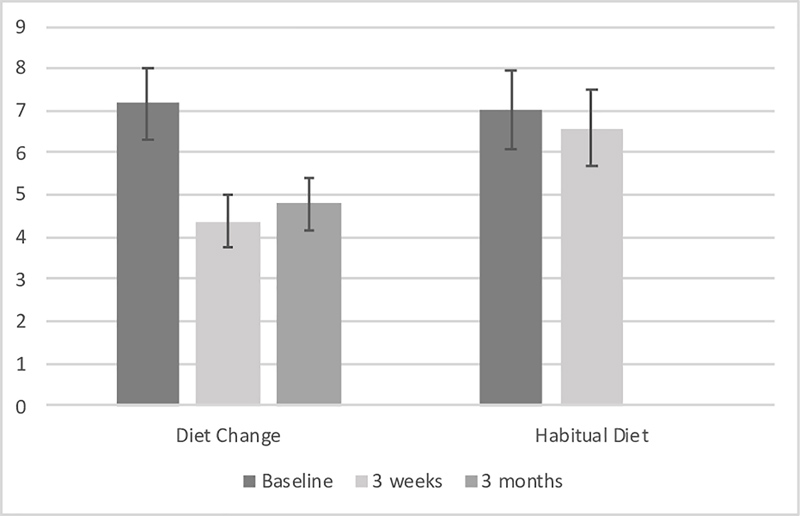
Reduced DASS-21 depression subscale scores were maintained on follow up phone call 3 months later. These results are the first to show that young adults with elevated depression symptoms can engage in and adhere to a diet intervention, and that this can reduce symptoms of depression.”
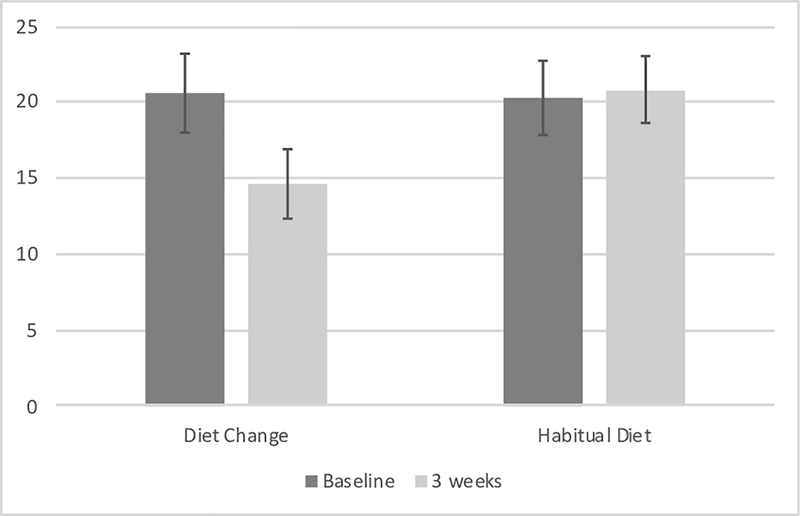
The first graph below illustrates the difference in primary depression scores (based on Centre for Epidemiological Studies Depression Scale or CESD-R) between the two groups. The second graph illustrates the difference between the two groups based on DASS-21 depression subscale scores.
Source: PLOS ONE October 9, 2019, Figure 212Source: PLOS One October 9, 2019, Figure 313
The researchers also report that the dietary intervention resulted in lower levels of anger. In the Discussion section of the paper, the authors make the following observations:14
“The results of this RCT provide support for improving diet as a useful adjunct treatment to reduce depressive symptoms … One of the most interesting findings is the fact that diet change was feasible in this population.
As the participants were young adults and university undergraduate students, we anticipated several potential barriers such as the perceived cost of the diet, the time demands of preparing food and/or reliance on others for food preparation (particularly if they lived at home).
Additionally, the participants were recruited based on self-reported symptoms of depression. We anticipated that the symptoms of depression, including low energy, reduced motivation and apathy, would present as barriers to eating well.
Despite these factors, there was a significant increase in the recommended foods and decrease in processed foods for the diet change group but not the habitual diet group.
Furthermore, within the diet change group, increase in recommended foods was associated with spectrophotometer readings. This provides objective evidence to support the participants’ self-reported compliance with the diet …
Even in the general population, adherence to diet advice is typically very poor, with over 80% of Australians reporting that they do not comply with dietary recommendations.
As a result, there is substantial nihilism regarding the ability to change people’s diets. The current study simply provided a brief 13-minute video, paper resources and minimal phone support.
The fact that this relatively low-cost intervention can result in a population of young adults adhering to diet recommendations is very promising. Furthermore, it is important to consider that participants in the current study did not need to adhere strictly to the diet recommendations to derive benefit.”
Other Studies Support Dietary Intervention for Mental Health
Another recent paper found similar results. The meta-analysis,15 published in the April 2019 issue of Psychosomatic Medicine, looked at 16 randomized controlled trials with outcome data — based on a variety of depression scores — for 45,826 participants ranging in age from 21 to 85. Interventions ranged from 10 days to three years.
While all but one examined nonclinical depression, dietary interventions were still found to significantly reduce symptoms of depression. Interestingly, women appeared to reap the greatest benefits, not only for depression but also anxiety. According to the authors, “Dietary interventions hold promise as a novel intervention for reducing symptoms of depression across the population.”
Interestingly, studies specifying the involvement of a nutritional professional had significantly better results than those in which the dietary advice was delivered without a professional’s involvement.
However, as shown in the featured PLOS ONE study, this doesn’t necessarily have to be a complicated affair. There, participants simply viewed a video in which a dietician gave the instructions.
Mechanisms of Action
In the Implications and Recommendations section of the Psychosomatic Medicine meta-analysis, the authors point out a number of possible mechanisms of action allowing depressed patients to benefit from nutritional intervention:16
“… diet may act via several pathways that are implicated in mental health. These include pathways related to oxidative stress, inflammation, and mitochondrial dysfunction, which are disrupted in people with mental disorders.
Gut microbiota dysbiosis has also been implicated because of emerging research demonstrating involvement of the microbiome in the modulation of stress response, immune function, neurotransmission, and neurogenesis. A healthy diet typically contains a wide variety of bioactive compounds that can beneficially interact with these pathways.
For example, vegetables and fruits contain, in addition to beneficial vitamins, minerals and fiber, a high concentration of various polyphenols that seem to be associated with reduced rates of depression … potentially because of their anti-inflammatory, neuroprotective, and prebiotic properties.
Furthermore, vitamins (e.g., B vitamins), fatty acids (e.g., omega 3 fatty acids), minerals (e.g., zinc, magnesium), and fiber (e.g., resistant starch) as well as other bioactive components (e.g., probiotics), which are typically abundant in healthy dietary patterns, may also be protective from mental illness.
Along with increasing the intake of beneficial nutrients, dietary interventions may also impact on mental well-being by reducing the consumption of unhealthy food associated with increased risk for depression, such as processed meats, refined carbohydrates, and other inflammatory foods.
Unhealthy diets are also high in other compounds that may negatively affect these pathways. For example, elements commonly found in processed foods such as saturated fatty acids, artificial sweeteners, and emulsifiers may alter the gut microbiome, which may activate inflammatory pathways.”
Nutritional Advice for Mental Health
Keeping inflammation in check is an important part of any effective mental health treatment plan. If you’re gluten sensitive, you will need to remove all gluten from your diet. A food sensitivity test can help ascertain this. Reducing lectins may also be a good idea.
As a general guideline, eating a whole food diet as described in my optimal nutrition plan can go a long way toward lowering your inflammation level. A cornerstone of a healthy diet is limiting sugar of all kinds, ideally to no more than 25 grams a day.
In one study,17 men consuming more than 67 grams of sugar per day were 23% more likely to develop anxiety or depression over the course of five years than those whose sugar consumption was less than 39.5 grams per day. Certain nutritional deficiencies are also notorious contributors to depression, especially:
•Marine-based omega-3 fats —Omega-3 fats have been shown to improve major depressive disorder,18 so make sure you’re getting enough omega-3s in your diet, either from wild Alaskan salmon, sardines, herring, mackerel and anchovies, or a high-quality supplement.
I recommend getting an omega-3 index test to make sure you’re getting enough. Ideally, you want your omega-3 index to be 8% or higher.
•B vitamins (including B1, B2, B3, B6, B9 and B12) — Low dietary folate can raise your risk of depression by as much as 304%.19,20 A 2017 study21,22 showing the importance of vitamin deficiencies in depression involved suicidal teens. Most turned out to be deficient in cerebral folate and all of them showed improvement after treatment with folinic acid.
•Magnesium — Magnesium supplements have been shown to improve mild-to-moderate depression in adults, with beneficial effects occurring within two weeks of treatment.23
•Vitamin D — Studies have shown vitamin D deficiency can predispose you to depression and that depression can respond favorably to optimizing your vitamin D stores,24 ideally by getting sensible sun exposure.
A double-blind randomized trial25 published in 2008 concluded that supplementing with high doses of vitamin D “seems to ameliorate [depression] symptoms indicating a possible causal relationship.” Research26 published in 2014 also linked low vitamin D levels with an increased risk for suicide.
The 2017 paper “Depression and Vitamin D Deficiency: Causality, Assessment and Clinical Practice Implications,” published in the journal of Neuropsychiatry, notes:27
“The Third National Health and Nutrition Examination Survey, which enrolled a sample of 7,970 non-institutionalized U.S. residents age 15 to 39, confirmed that people with serum vitamin D ≤50 nmol/L [20 ng/mL] are at a significantly higher risk of showing depression than individuals whose serum levels of vitamin D are greater or equal to 75 nmol/L [30 ng/mL] …
A … large cohort study28 showed an association between low vitamin D levels and both presence and severity of depression, this suggesting the possibility that hypovitaminosis D indicates an underlying biological susceptibility for depression.”
For optimal health, make sure your vitamin D level is between 60 and 80 ng/mL year-round. Ideally, get a vitamin D test at least twice a year to monitor your level.
A number of herbs and supplements can also be used in lieu of drugs to reduce symptoms of anxiety and depression, including the following:
St. John’s Wort (Hypericum perforatum) — This medicinal plant has a long historical use for depression, and is thought to work similarly to antidepressants, raising brain chemicals associated with mood such as serotonin, dopamine and noradrenaline.29
S-Adenosyl methionine (SAMe) — SAMe is an amino acid derivative that occurs naturally in all cells. It plays a role in many biological reactions by transferring its methyl group to DNA, proteins, phospholipids and biogenic amines. Several scientific studies indicate that SAMe may be useful in the treatment of depression.
5-Hydroxytryptophan (5-HTP) — 5-HTP is another natural alternative to traditional antidepressants. When your body sets about manufacturing serotonin, it first makes 5-HTP. Taking 5-HTP as a supplement may raise serotonin levels. Evidence suggests 5-HTP outperforms a placebo when it comes to alleviating depression,30 which is more than can be said about antidepressants.
XingPiJieYu — This Chinese herb, available from doctors of traditional Chinese medicine, has been found to reduce the effects of “chronic, unpredictable stress,” thereby lowering your risk of depression.31
In it, I also review a number of other treatment suggestions, such as phototherapy, cognitive behavioral therapy, the Emotional Freedom Techniques and the importance of limiting your electromagnetic field exposure.
Aside from diet, which I believe is foundational, the depression treatment with the most solid scientific backing is exercise. I discussed some of the mechanisms behind this effect in “How Exercise Treats Depression.”
I also review the evidence against antidepressants and provide a list of studies detailing the effectiveness of exercise for depression in “The Depression Pill Epidemic.”
This article is copyrighted by GreenMedInfo LLC, 2019
Originating as a medicine, and evolving into one of the world’s most popular beverages, green tea is of the most well-researched natural substances in the world. New research adds to an increasingly impressive body of science showing the consumption of this herbal beverage has profoundly neuroprotective properties.
Drinking tea holds wide-ranging benefits to human health, with over 450 distinct conditions researched in the medical literature thus far and indexed on the GreenMedInfo Green Tea database. Neuroprotection is one of its most well known benefits, as evidenced by over 50 studies which you can view and share with others here. A new study conducted by the National University of Singapore (NUS), evaluated brain imaging data of senior subjects. The researchers sought to add to the existing literature linking green tea consumption to improved brain function and found that regular tea drinkers had better organized brain regions – an established factor in healthy cognitive function – compared to non-tea drinkers.
Regular Tea Intake and Brain Organization in the Elderly
The NUS team, along with collaborators from the University of Essex and University of Cambridge, collected data on the health and lifestyles of 36 adults ages 60 and above.[1] The elderly subjects also participated in neuropsychological tests and MRI during the study, which ran from 2015 to 2018.
The results: those who consumed green tea, black tea, or oolong tea at least four times weekly for around 25 years had their brain regions interconnected more efficiently.
The researchers considered their results the first evidence of tea consumption’s positive impact on brain structure, suggesting a protective action against age-related cognitive decline.
To better understand this brain process, think of road traffic: the brain regions are the destinations, while the connections lying between those regions are the roads. A better organized road system makes for faster, more efficient movement among vehicles and pedestrians.
“Similarly, when the connections between brain regions are more structured, information processing can be performed more efficiently,” said Feng Lei, assistant professor at NUS and the group’s team leader.[2]
The team plans to conduct further research on the intricate workings between cognitive health and brain organization, such as how memory and similar functions emerge from circuits in the brain, and how cognition can therefore be better preserved during aging.
Previous Studies Echo the Brain-Related Perks
Scientific findings regularly echo what has been known for so many years about tea, which has transitioned from medicine to a beverage enjoyed by billions of people worldwide.
A 2009 study vouched for the link between tea and better cognitive performance in elderly men and women.[3] Results from more than 2,000 participants showed dose-dependent improvements in cognition among subjects who habitually consumed flavonoid-filled wine, tea, and chocolate.
In February, Japanese researchers discovered that long-term supplementation with Sunrouge, a Japanese green tea cultivar, helped prevent age-related cognitive decline in mouse subjects.[4]
Sunrouge is green tea rich in flavonoids, which are known for their antioxidant effects. A majority of green tea’s health benefits is attributed to flavonoids such as epigallocatechin gallate (EGCG) and other bioactive components such as quercetin, myricetin, cyanidin, and delphinidin.
Besides being widely studied for its ability to slow the aging process, green tea has also been found to induce programmed cell death or apoptosis in different cancer cell lines, including breast, colorectal, endometrial, skin, gastrointestinal and, unsurprisingly, brain cancers.
Black tea is oxidized green tea, retaining significant medicinal properties including powerful antioxidant activity. Like its more celebrated cousin, black tea boasts of its own lineup of evidence-based health benefits.
In a previous article written by GreenMedInfo founder, Sayer Ji, titled, “Green Tea May Have Brain Healing Properties,” an interesting mechanism was identified to account for some of the beneficial effects observed for green tea’s neurologically enhancing effects. It has been theorized that polyphenols in green tea known as catechins boost our endogenous production of brain-derived neurotrophic factor (BDNF), a so-called “neuritogenic” compound essential for the growth, maintenance and survival of neurons.
3. Eha Nurk et al “Intake of flavonoid-rich wine, tea, and chocolate by elderly men and women is associated with better cognitive test performance” J Nutr. 2009 Jan ;139(1):120-7. Epub 2008 Dec 3.
4. Masafumi Wasai et al “Long-term dietary supplementation with the green tea cultivar Sunrouge prevents age-related cognitive decline in the senescence-accelerated mouse Prone8” Biosci Biotechnol Biochem. 2019 Feb ;83(2):339-347. Epub 2018 Oct 8.
Disclaimer: This article is not intended to provide medical advice, diagnosis or treatment. Views expressed here do not necessarily reflect those of GreenMedInfo or its staff.
(NaturalHealth365) Magnesium is an essential mineral found throughout nature – including your own body. Most people know it as a natural remedy to help you sleep and relax. Plus, magnesium is an important player in building and maintaining healthy bones.
But, what most people don’t realize is that magnesium can prevent and manage type 2 diabetes as well as a related health issue known as insulin resistance. In fact, magnesium’s impact on blood sugar and insulin has been so well-studied, many informed physicians now advise their patients to incorporate more magnesium-rich foods into their diet or even consider a high quality supplement.
Most people remain uninformed about the dangers of insulin resistance
Insulin resistance happens when your body stops “listening” to this important hormone produced by your pancreas. Among its many roles, insulin shuttles sugar out of the blood and into liver and muscle cells, giving these cells energy to function.
In most people, insulin resistance develops as a result of multiple factors – especially poor diet and obesity – that cause blood sugar levels to go sky high. With so much blood sugar around, the pancreas pumps out more and more insulin in an attempt to do damage control.
Eventually, with so much available insulin, the body simply starts to “tune out” and insulin resistance occurs. Simply put, insulin resistance is not good.
Do NOT ignore the health dangers linked to toxic indoor air. These chemicals – the ‘off-gassing’ of paints, mattresses, carpets and other home/office building materials – increase your risk of headaches, dementia, heart disease and cancer. Get the BEST indoor air purification system – at the LOWEST price, exclusively for NaturalHealth365 readers. I, personally use this system in my home AND office. Click HERE to order now – before the sale ends.
It’s associated with an increased risk for diabetes, metabolic syndrome, chronic inflammation, and other health problems. But we now know magnesium plays a pivotal role in this balance between insulin and blood sugar.
For example, multiple studies show that a magnesium deficiency – which affects nearly 50% of all Americans – is associated with an increased risk of type 2 diabetes and insulin resistance. Additionally, hyperinsulinemia (high levels of insulin in the blood) increases the rate at which magnesium is excreted through the urine, further depleting you of this critical mineral.
It’s not entirely clear which direction the relationship goes – that is, whether insulin resistance contributes to low levels of magnesium or if low magnesium contributes to insulin resistance. It could be a bit of both. But the research is relatively clear about the health benefits of this natural remedy.
For example, magnesium supplementation can reduce insulin resistance even in non-diabetic people, as seen in a 2011 double-blind, placebo-controlled, randomized controlled trial published in Diabetes, Obesity & Metabolism.
Another study showed that supplementing with just 250 mg of magnesium per day for 3 months helped people with type 2 diabetes lower insulin resistance and improve glycemic control.
Studies show magnesium supplementation can lower blood sugar levels and reduce diabetes risk. Plus, this powerful mineral has even been shown to:
Boost athletic performance
Ease symptoms of depression
Improve bone and heart health
Lower blood pressure
Reduce the risk of chronic inflammation
Here’s how much magnesium you should consume per day – plus 7 great sources
According to the Food and Nutrition Board (FNB) at the Institute of Medicine of the National Academies, most adults need 310 to 420 mg of magnesium per day, but you may need more than this depending on your health, age, and lifestyle.
You can get a lot of this through magnesium-rich foods, including:
Almonds (just one handful has about 75 mg)
Brazil nuts
Figs
Collard greens
Avocado
Parsley
Garlic
Thinking about adding a magnesium supplement? Look for high quality ones that are well-absorbed by your body, including magnesium citrate and glycinate. If you can, avoid the cheaper and less bioavailable forms, including magnesium carbonate, sulfate, gluconate, and oxide.
Lastly, reduce your exposure to things that can lead to nutrient deficiency in order to protect what you’ve got and what you’re consuming – decrease stress, minimize your exposure to environmental toxins, and cut back on processed, sugary foods.
Editor’s note: The NaturalHealth365 Store offers the finest quality magnesium supplements on the market. Click here to shop today.
We use cookies to improve your experience on our site. By using our site, you consent to cookies.
This website uses cookies
Websites store cookies to enhance functionality and personalise your experience. You can manage your preferences, but blocking some cookies may impact site performance and services.
Essential cookies enable basic functions and are necessary for the proper function of the website.
Name
Description
Duration
Cookie Preferences
This cookie is used to store the user's cookie consent preferences.
30 days
These cookies are needed for adding comments on this website.
Name
Description
Duration
comment_author_email
Used to track the user across multiple sessions.
Session
comment_author_url
Used to track the user across multiple sessions.
Session
comment_author
Used to track the user across multiple sessions.
Session
These cookies are used for managing login functionality on this website.
Name
Description
Duration
wordpress_logged_in
Used to store logged-in users.
Persistent
wordpress_sec
Used to track the user across multiple sessions.
15 days
wordpress_test_cookie
Used to determine if cookies are enabled.
Session
Statistics cookies collect information anonymously. This information helps us understand how visitors use our website.
Clarity is a web analytics service that tracks and reports website traffic.
Contains information related to marketing campaigns of the user. These are shared with Google AdWords / Google Ads when the Google Ads and Google Analytics accounts are linked together.
90 days
__utma
ID used to identify users and sessions
2 years after last activity
__utmt
Used to monitor number of Google Analytics server requests
10 minutes
__utmb
Used to distinguish new sessions and visits. This cookie is set when the GA.js javascript library is loaded and there is no existing __utmb cookie. The cookie is updated every time data is sent to the Google Analytics server.
30 minutes after last activity
__utmc
Used only with old Urchin versions of Google Analytics and not with GA.js. Was used to distinguish between new sessions and visits at the end of a session.
End of session (browser)
__utmz
Contains information about the traffic source or campaign that directed user to the website. The cookie is set when the GA.js javascript is loaded and updated when data is sent to the Google Anaytics server
6 months after last activity
__utmv
Contains custom information set by the web developer via the _setCustomVar method in Google Analytics. This cookie is updated every time new data is sent to the Google Analytics server.
2 years after last activity
__utmx
Used to determine whether a user is included in an A / B or Multivariate test.
18 months
_ga
ID used to identify users
2 years
_gali
Used by Google Analytics to determine which links on a page are being clicked
30 seconds
_ga_
ID used to identify users
2 years
_gid
ID used to identify users for 24 hours after last activity
24 hours
_gat
Used to monitor number of Google Analytics server requests when using Google Tag Manager
1 minute
Clarity is a web analytics service that tracks and reports website traffic.





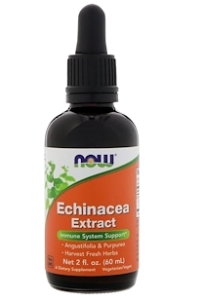


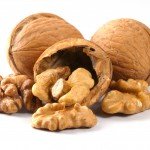 (