Nutrition
now browsing by category
“Let food be thy medicine, and medicine be thy food” ~ Hippocrates.
Doctors should be taught this in medical school, as well as “First, do no harm”.
Papaya Power: Healing Qualities of This Tropical Fruit
© GreenMedInfo LLC. This work is reproduced and distributed with the permission of GreenMedInfo LLC.
Want to learn more from GreenMedInfo? Sign up for the newsletter here:
www.greenmedinfo.com/greenmed/newsletter
Reproduced from original article:
www.greenmedinfo.com/blog/papaya-power-healing-qualities-tropical-fruit
Posted on: Tuesday, June 8th 2021 at 4:15 pm
Written By: GreenMedInfo Research Group
This article is copyrighted by GreenMedInfo LLC, 2021

Papaya is more than just a delicious treat, especially when served cold and juicy in its ripeness. It also provides a wealth of benefits against wounds, skin damage and gut problems, to name a few of its precious therapeutic effects lauded since ancient times
Papaya is a standout tropical fruit for abundant reasons. Since time immemorial, the whole plant — from the leaves and seeds to the ripe and unripe fruits — has been used as a traditional medicine. Today its multifaceted healing properties make the sweet, juicy papaya a nutraceutical fruit made for better health.[i]
A single small piece of papaya, weighing 152 grams (g), contains 15 g of carbohydrates, 3 g of fiber and 1 g of protein.[ii] It offers 157% of the recommended daily intake of vitamin C, 33% of the RDI of vitamin A and trace amounts of magnesium, calcium and vitamins such as B1, B3, B5, E and K.
From its diuretic and anti-hypertensive to wound healing and anti-tumor benefits, the papaya fruit offers not just delicious taste but also all-around wellness support.[iii] Here are some of its therapeutic benefits.
Wound Healing
A 2000 study examined the prevalence of the use of papaya as a topical ulcer dressing by nurses in Jamaica.[iv] Among the respondents, 75% reported using topical papaya, thought to promote desloughing, granulation and healing in chronic skin ulcers.
“It was cost effective. Papaya was considered to be more effective than other topical applications in the treatment of chronic ulcers,” the researchers wrote, although cited some difficulty in preparing the fruit and the occasional burning sensation reported by the patients.
In animal models, papaya extract caused a significant effect on the healing process of an incised oral wound.[v] On the 14th day, papaya extract with 75% concentration demonstrated “perfect epithelial layer and fibrillation,” according to a 2019 study. A separate study showed that Carica papaya promoted significant wound healing in diabetic rats, with the fruit extract exhibiting antimicrobial activity against five organisms tested.[vi]
Dried papaya latex as 1.0% and 2.5% hydrogels was also deemed effective in treating burns and thus supported the traditional use of the fruit for this benefit, based on the findings of 2005 research.[vii]
Improved Digestion
The enzyme called papain in papaya is believed to make protein easier to digest.[viii] In the tropics, papaya is deemed an effective remedy against constipation and the symptoms of irritable bowel syndrome (IBS).
In a study, subjects who took a papaya-based formula for 40 days experienced notable improvement in constipation as well as bloating.[ix] Even the seeds, roots and leaves have been shown to help treat ulcers in both humans and animals.[x]
Anticancer Action
The lycopene in papaya has been hailed for its potential to reduce cancer risk.[xi] The papaya leaf is also deemed a likely source of anticancer compounds.[xii]
Papaya has received attention particularly for its effects against breast cancer. A 2009 study found that among 14 fruits and vegetables famed for their antioxidant activities, only papaya had a significantly favorable effect when measured against the breast cancer cell line MCF-7.[xiii]
“Besides, papaya represents a very interesting fruit to explore its antineoplastic activities,” wrote the researchers, who also studied plants like avocado, guava, mango, pineapple, grapes and tomato.
Among Chinese women, consumption of fruits and vegetables such as papaya was inversely related with breast cancer risk.[xiv]
Skin Wellness
The vitamin C and lycopene in papaya are considered protective of skin and may help reduce the signs of aging.[xv] These skin issues include wrinkles, skin sagging and other forms of skin damage, all associated with excess free radical activity.[xvi]
Antifungal Properties
A 1997 study explored the potential therapeutic use of papaya latex sap combined with a synthetic antifungal and found that the formula worked synergistically to inhibit the growth of Candida albicans.[xvii]
In a separate study, papaya latex also inhibited the growth of candida when added to a culture in its exponential growth phase.[xviii] According to the team, “This fungistatic effect is the result of cell wall degradation due to a lack of polysaccharidic constituents in the outermost layers of the fungal cell wall and release of cell debris into the culture medium.”
Should You Eat Papaya Raw?
For all its scientifically documented health benefits, papaya has a unique taste and flavor that’s widely celebrated.
Ripeness, however, is a factor to consider if you’re planning to eat it raw. If ripe, papaya can be eaten raw. Otherwise, it should be cooked before consumption especially if you’re pregnant, as the unripe version is high in latex, which can stimulate contractions.[xix]
Whatever way you choose to enjoy papaya, the health perks from its strong nutrient and antioxidant offerings are here to stay.
References
[i] Parle M et al “Basketful benefits of papaya” Int Res J Pharm. 2011 July;2(7):6-12.
[ii] Nutrition Data https://nutritiondata.self.com/facts/fruits-and-fruit-juices/1985/2
[iii] Parle M et al “Basketful benefits of papaya” Int Res J Pharm. July 2011;2(7):6-12.
[iv] Hewitt H et al “Topical use of papaya in chronic skin ulcer therapy in Jamaica” West Indian Med J. 2000 Mar;49(1):32-3.
[v] Hakim R et al “Effect of Extract toward Incised Wound Healing Process in Mice () Clinically and Histologically” Evid Based Complement Alternat Med. 2019 ;2019:8306519. Epub 2019 Nov 19.
[vi] Nayak S et al “Wound healing activity of Carica papaya L. in experimentally induced diabetic rats” Indian J Exp Biol. 2007 Aug;45(8):739-43.
[vii] Gurung S et al “Wound healing properties of Carica papaya latex: in vivo evaluation in mice burn model” Acta Pharm. 2005 Dec;55(4):417-22.
[viii] Science Direct, Papain https://www.sciencedirect.com/topics/agricultural-and-biological-sciences/papain
[ix] Muss C et al “Papaya preparation (Caricol®) in digestive disorders” Neuro Endocrinol Lett. 2013;34(1):38-46.
[x] Pinto L et al “Antiulcerogenic activity of Carica papaya seed in rats” Naunyn Schmiedebergs Arch Pharmacol. 2015 Mar;388(3):305-17. doi: 10.1007/s00210-014-1069-y. Epub 2014 Nov 25.
[xi] Gajowik A et al “Lycopene – antioxidant with radioprotective and anticancer properties. A review” Rocz Panstw Zakl Hig. 2014;65(4):263-71.
[xii] Nguyen T et al “Chemical Characterization and in Vitro Cytotoxicity on Squamous Cell Carcinoma Cells of Carica Papaya Leaf Extracts” Toxins (Basel). 2015 ;8(1). Epub 2015 Dec 24.
[xiii] Garcia-Solis P et al “Screening of antiproliferative effect of aqueous extracts of plant foods consumed in Mexico on the breast cancer cell line MCF-7” Int J Food Sci Nutr. 2009 May 26:1-15.
[xiv] Zhang C et al “Greater vegetable and fruit intake is associated with a lower risk of breast cancer among Chinese women” Int J Cancer. 2009 Jul 1;125(1):181-8.
[xv] Schagen S et al “Discovering the link between nutrition and skin aging” Dermatoendocrinol. 2012 Jul 1;4(3):298-307.
[xvi] Kammeyer A et al “Oxidation events and skin aging” Ageing Res Rev. 2015 May;21:16-29.
[xvii] Giordani R et al “A synergistic effect of Carica papaya latex sap and fluconazole on Candida albicans growth” Mycoses. 1997 Dec;40(11-12):429-37.
[xviii] Giordani R et al “Fungicidal activity of latex sap from Carica papaya and antifungal effect of D(+)-glucosamine on Candida albicans growth” Appl Psychophysiol Biofeedback. 2005 Dec;30(4):375-87.
[xix] Adebiyi A et al “Papaya (Carica papaya) consumption is unsafe in pregnancy: fact or fable? Scientific evaluation of a common belief in some parts of Asia using a rat model” Br J Nutr. 2002 Aug;88(2):199-203.
 The GMI Research Group (GMIRG) is dedicated to investigating the most important health and environmental issues of the day. Special emphasis will be placed on environmental health. Our focused and deep research will explore the many ways in which the present condition of the human body directly reflects the true state of the ambient environment.
Protect against psychotic disorders by making sure you get enough of THIS important nutrient
Reproduced from original article:
www.naturalhealth365.com/nutrient-protects-against-psychotic-disorders-3862.html
by: Sara Middleton, staff writer | June 9, 2021
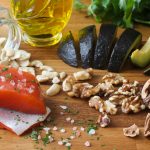 (NaturalHealth365) Could nutrients from your diet have a preventive effect against schizophrenia and related psychosis disorders? A new study indicates this is entirely possible.
The research comes from the Royal College of Surgeons in Ireland University of Medicine and Health Sciences and re-emphasizes just how important omega-3 fatty acids are for brain health and development. Keep reading for more information about the study and for a list of the top omega-3 sources.
Pay attention! Getting enough omega-3 fatty acids may be more important than previously thought
According to the Treatment Advocacy Center, schizophrenia is relatively rare, affecting just 1.1 percent of the U.S. adult population. Psychosis, which is a symptom and hallmark feature of schizophrenia as well as other psychotic disorders, is surprisingly more common. According to the National Alliance on Mental Illness, as many as 3 in 100 people will experience psychosis at some point in their lifetime, which can include hallucinations, delusions, and other forms of disconnection from reality.
Understandably, a psychotic disorder or psychotic episode can be incredibly disruptive to a person’s daily life. But this new research, published in May 2021 in Translational Psychiatry, suggests that giving adolescents plenty of omega-3 fatty acids in their diet may lower their risk of psychosis once they reach early adulthood.
The study assessed blood work results from over 3,800 people who were part of a cohort known as the Children of the 90s. Researchers specifically measured the blood levels of omega-3 fatty acids. They also looked at levels of omega-6 fatty acids, which tend to be pro-inflammatory and overabundant in the standard heavily processed Western diet.
A couple of key findings:
- People in their early 20s diagnosed with psychotic disorder, depressive disorder, or generalized anxiety disorder had higher levels of omega-6 than omega-3 fatty acids compared to people not diagnosed with these disorders
- Adolescents with higher blood levels of DHA, a type of omega-3 fatty acid, were significantly less likely to have psychotic disorders later in life compared to adolescents who had lower blood levels of DHA; the researchers estimated a risk reduction of more than 50 percent
These findings make clinical sense. We know that omega-3 fatty acids, and especially DHA, are essential for brain development. Omega-3 fatty acids also tend to have an anti-inflammatory effect on the body. So, they could have a protective effect against the pro-inflammatory action of excess omega-6 fatty acids.
What are the best sources of omega-3 fatty acids?
In honor of your child’s brain health (now and in the future), how much omega-3 fatty acids should they consume every day?
According to the National Institute of Health Office of Dietary Supplements, we actually don’t have an established recommended daily amount for omega-3 fatty acids in general. There is a recommended daily allowance for ALA, another type of omega-3 (the other is EPA), which is anywhere from 1 to 1.6 grams per day for 9- to 18-year-old individuals. Many organizations, including the World Health Organization, also recommend at least 250 to 500 milligrams of DHA daily.
Guidelines vary, but it’s clear that you should be paying attention to whether you and your family are getting enough. High-quality fish oil supplements are great omega-3 sources, but you can also find them in whole foods, including:
- Cold-water fatty fish like salmon, mackerel, herring, and sardines
- Flaxseed, chia seeds, and walnuts
Sources for this article include:
Eurekalert.org
Nature.com
Treatmentadvocacycenter.org
NAMI.org
NIH.gov
Hold the fries! Fried foods increase the risk of MULTIPLE chronic diseases, lead to deadly heart disease
Reproduced from original article:
www.naturalhealth365.com/fried-foods-3842.html
by: Lori Alton, staff writer | May 23, 2021
 (NaturalHealth365) Whether served as buckets of fried chicken, piles of French fries, bags of potato chips, or platters of breaded fish and shrimp, there’s no denying that fried foods have a prominent place in the diets of many Americans. But a new 2021 meta-analysis published in Heart may make fried foods seem a little less palatable – by linking them with an increased risk of life-threatening chronic diseases.
The CDC reports that about 655,000 Americans lose their lives to heart disease every year. Nutritionists have long identified the Standard American Diet – low in fruits, vegetables, and fiber and high in unhealthy fats, refined carbs, and sugar – as a major contributor to this grim toll. (It’s fitting that this destructive diet is abbreviated as SAD.) The new review goes a step further, evaluating the specific effects of fried foods on heart health – and on the incidence of heart attack and stroke. The jaw-dropping results may make you think twice about ordering that double serving of fries.
Multiple studies confirm the link between fried foods and cardiovascular disease
Researchers evaluated data from 17 different studies spanning 9.5 years and involving 754,873 participants to conduct the review.
The team found that the group with the highest intake of fried foods increased their risk of major cardiovascular events by 28 percent and their risk of coronary heart disease by 22 percent. The most eye-opening increase was in the risk of heart failure, which rose by an alarming 37 percent. Heart failure – which occurs when the heart can’t pump enough blood to meet the body’s needs – features a notoriously poor five-year survival rate.
Earlier studies also pointed to the ill effects of fried food. In a 2019 study of 155,000 military veterans published in Clinical Nutrition, the researchers noted that eating fried foods one to three times a week raised the risk of heart attack and stroke by 7 percent (compared to consuming these foods less than once a week). Eating fried food daily – reported by about 5 percent of the participants – caused the risk of these major cardiovascular events to soar 14 percent higher.
Nutritional NIGHTMARE: Levels of toxic fat and calories skyrocket in fried foods
Fried foods, which lose water and absorb fat in the cooking process, are much higher in calories and fat than their baked counterparts. For example, a 3.5-ounce serving of baked potatoes contains under 100 calories – and zero grams of fat. But, the calories in a 3.5-ounce serving of French-fried potatoes clock in at a hefty 319 – while fat content swells to a stunning 17 grams.
Clearly, fried foods can contribute to obesity, which is a primary risk factor for heart disease. And, fried foods don’t do your heart any favors when it comes to lipid profiles, either. Studies have suggested that they decrease levels of beneficial HDL cholesterol – while increasing blood pressure, to boot.
Fried foods from fast food and chain restaurants can be particularly problematic. Experts say they are a source of unhealthy “trans fats,” generated from the hydrogenated vegetable oils restaurants use for frying. These fats are difficult for the body to break down and are linked to heart disease, cancer, obesity, and type 2 diabetes. Re-using oil is particularly harmful, as the trans fats increase every time the oil is heated. Finally, fried fast food tends to be loaded with sodium and is often served with sugar-laden drinks – thereby forming the very definition of a “nutritional disaster.”
Good news: The Mediterranean diet is linked with longevity and improved heart health
In addition to avoiding processed, fried, fast foods and junk foods, you can promote heart health with the Mediterranean diet. This healthy way of eating features generous amounts of fruits, vegetables, and whole grains, a moderate to high intake of fish, a low intake of saturated fats (such as butter), and a high intake of healthy monounsaturated fats from olive oil, avocados, and nuts. Dairy products and meat are consumed in relatively low amounts. Some proponents of the diet recommend very modest consumption of red wine with meals.
Multiple studies have attested to the ability of the Mediterranean diet to help prevent chronic diseases. In fact, a University of Athens Medical School study of 74,607 European adults over age 60 showed that the Mediterranean diet could prolong life, with participants adhering most consistently to the diet living up to 14 percent longer than those who did not follow it closely.
Word to the wise: Watch out for “unidentified frying objects”
According to Dr. Eugenia Gianos, director of Women’s Heart Health at Lenox Hill Hospital in New York City, people often associate fried foods with crispy breading and batters. Yet, some fried foods – think chicken wings, potato chips, or doughnuts – don’t have external breading. Still, like fried foods, they have the same negative health impact.
Does the research mean that you should ban fried foods from your diet in the interests of heart health? Or is it still permissible to enjoy a few golden French fries?
Registered dietitian Dana Angelo White, an associate professor at Quinnipiac College in Hamden, Conn., puts it this way.
“Eating small amounts … (of fried food) isn’t the end of the world,” Dr. Gianos commented. “But,” she added, “the more you eat of fried foods, the worse it is for you.”
Maybe it’s time to start bypassing harmful frying with baking, steaming, grilling, roasting, or broiling. Your heart will thank you!
Sources for this article include:
ScienceDaily.com
BritishMedicalJournal.com
BBC.Co.uk
CDC.gov
Healthline.com
How zinc deficiency could be harming your health
Reproduced from original article:
www.naturalhealth365.com/zinc-deficiency-2293.html
by: Lori Alton, staff writer | June 30, 2017

(NaturalHealth365) Next to iron, zinc is the most common mineral in the body – and is absolutely essential to the functioning of more than 300 hormones and enzymes. Although serious zinc deficiency is rare in the ‘modern’ world, mild deficiencies are not and the effects are NOT good.
Did you know that a shortage of zinc can impair your sense of taste and smell, cause problems with cognition and memory, and virtually derail the immune system, leaving you vulnerable to disease? Let’s take a closer look at the signs and symptoms of zinc deficiency – and what you can do about it.
Zinc deficiency causes a reduction in disease-fighting cells
As zinc activates and supports T-lymphocytes – which target and destroy infected cells – a shortage of zinc can decrease the body’s supply, resulting in a lowered ability to fight infection and heal wounds.
Zinc deficiency is linked with many diseases and conditions, including anemia, impaired growth in children, higher incidence of diarrhea and pneumonia in infants, and higher infant mortality.
Zinc is also important in supporting the thymus gland, an important component of the immune system. The thymus decreases in size and function as people age, but new research suggests an encouraging finding – zinc can help maintain healthy function of the thymus gland in elderly people.
A University of Florida study found that healthy participants taking 15 mg of zinc a day had improved T-cell function, increasing their ability to ward off infection – and confirming that zinc strengthens the body’s immune defenses.
Do NOT ignore the health dangers linked to toxic indoor air. These chemicals – the ‘off-gassing’ of paints, mattresses, carpets and other home/office building materials – increase your risk of nasal congestion, fatigue, poor sleep, skin issues plus many other health issues.
Get the BEST indoor air purification system – at the LOWEST price, exclusively for NaturalHealth365 readers. I, personally use this system in my home AND office. Click HERE to order now – before the sale ends.
In addition to supporting immune system function, zinc – a powerful antioxidant – scavenges free radicals which would otherwise damage lipids, proteins and cell DNA – and possibly trigger disease. It is a key constituent of copper/zinc superoxide dismutase, a powerful antioxidant enzyme associated with longevity.
Zinc deficiency can contribute to the growth of tumors
Studies have shown that zinc regulates production of the pro-inflammatory enzyme COX-2, which has been associated with the growth of certain cancers – particularly of the esophagus and tongue. Researchers say that patients with these types of cancer are often deficient in zinc, while displaying elevated COX-2 levels.
Animal studies have revealed that zinc deficiency encourages tumor growth and COX-2 – with the reverse also true. Bringing zinc levels up to optimal resulted in less production of COX-2 – and less incidence of tumors.
It almost sounds too easy – and good – to be true. But research supports the ability of healthy zinc levels to help prevent certain types of cancer.
Zinc deficiency causes slowed growth, cognitive deficits and depression
Zinc is necessary for normal growth and development, and shortages can cause cognitive deficits and slowed growth among males and females alike. Animal studies have shown that even moderate zinc deficiency causes disruptions in normal growth and maturation, with behavioral changes – such as lethargy – appearing before other symptoms are apparent.
This essential mineral is vital to learning and memory – and for the formation of new nerve connections. Lack of zinc can trigger changes in the hippocampus and prefrontal cortex, with animal studies showing that diets low in zinc cause depression, poor motivation and social withdrawal – along with decreased sense of taste and smell.
In humans, zinc deficiency is associated with impairments of normal bone mineralization, short stature and developmental delays.
The good news: these changes are reversible. Researchers conducting a review of clinical trials noted that zinc supplementation produced highly significant and positive responses in height and weight. In one study, researchers found that zinc supplementation promoted the production of insulin-like growth factor, as well as other proteins involved in bone development and overall growth.
Zinc supplementation can reduce the severity and duration of colds and respiratory infections
Zinc inhibits the ability of viruses to cling to respiratory tract cells and to reproduce – an important step in preventing infections from taking hold and causing symptoms.
Clinical trials with both children and adults support the ability of zinc lozenges to alleviate cold symptoms. If used within the first 24 hours of the development of symptoms, zinc can reduce symptoms as well as the length of the illness – not only reducing the need for antibiotics, but causing a decrease in overall colds contracted per year.
For maximum benefit, experts advise taking zinc lozenges within 24 hours of the appearance of the first symptoms. Of course, a nice amount of vitamin C – on a daily basis – can increase your protection against cold and flu symptoms.
Are you at risk for zinc deficiency?
Diets that are high in cereals and grains – and that exclude red meat, seafood and eggs – may cause zinc deficiencies, with vegetarians and vegans at particular risk. Obviously, with whatever food you choose to eat, always be sure to maintain a mineral-rich diet.
Elderly people and those with chronic digestive disorders can also be low in zinc, along with athletes and those who perspire heavily. Keep in mind, symptoms of zinc deficiency include brittle nails, white spots on the fingernails, hair loss, fatigue, low sex drive, body odor and adult acne.
Although the Institute of Medicine sets the zinc RDA at 11 mg a day for men and 8 mg a day for women, many natural health experts advise that women take up to 50 mgs a day of supplementary zinc, with men taking up to 75 mgs.
Before taking zinc supplements, consult with your healthcare provider to create a program that’s best for you.
Zinc is truly an anti-aging, disease-fighting “miracle mineral.” It would be wise to ensure we have adequate supplies of this amazing micronutrient.
References:
https://www.lifeextension.com/magazine/2006/12/aas/page-01
https://www.wellnessresources.com/wellness-blog/posts/zinc_more_than_just_the_common_cold_remedy
https://www.wellnessresources.com/health/articles/zinc_is_vital_for_learning_memory_synaptic_plasticity
Gluten-free “super seed” gives INCREDIBLE nutritional bang for your buck
Reproduced from original article:
www.naturalhealth365.com/teff-seeds-nutritional-benefits-3833.html
by: Lori Alton, staff writer | May 16, 2021
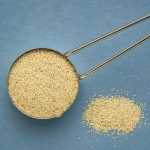 (NaturalHealth365) Clearly, the demand for healthful, gluten-free foods has never been greater. The Centers for Disease Control and Prevention (CDC) estimates that at least 3 million Americans live with celiac disease – an autoimmune condition triggered by gluten in wheat, barley, and rye. (Celiac disease not only interferes with the absorption of essential nutrients but can lead to other serious conditions, including neurological problems, infertility, osteoporosis, and cancer). In addition, BeyondCeliac.org reports that a surprising 18 million Americans are “gluten sensitive” – meaning they experience adverse effects from gluten despite testing negative for celiac disease.
While many people turn to gluten-free alternatives such as quinoa and amaranth, nutritionists maintain that these ancient grains, while healthy fare, still leave much to be desired when it comes to delivering hefty amounts of essential vitamins and minerals. The solution? Some researchers say that it’s high time to “say hello” to teff seeds – and their remarkable assets. Recent research has shown that these tiny little packets of gluten-free nutrition carry oversized health benefits.
Cultivated for over 3,000 years, teff seeds have become the protein-rich fuel of champions
Botanically known as Eragrostis tef, teff is technically a seed and not a grain. Teff seeds and teff flour are derived from a North African grass known as Williams’ lovegrass (aptly named, as teff offers much for health-conscious consumers to love).
Researchers report that citizens of Ethiopia, where teff has been cultivated for over 3,000 years, obtain about two-thirds of their daily protein from teff. The seeds are traditionally ground into flour and used to make a sourdough flatbread known as injera. Ethiopia, of course, has given the world a disproportionate amount of champion marathon runners and Olympian gold medalists – a fact not lost on American athletes, who are increasingly adopting teff as a training food.
While Ethiopia grows 90 percent of the world’s teff, the Ethiopian government forbids its export. Because of this law, teff consumed in North America is typically grown in such locales as Idaho, India, Australia, and the Netherlands.
What makes teff seeds so special?
One of the most remarkable attributes of teff is its sky-high amount of protein, with a 150-gram serving of teff flour providing a generous 25 percent of the body’s daily needs. Teff seeds and flour are also an excellent source of lysine, an amino acid that is an important precursor to protein.
In addition, teff is loaded with essential minerals.
The same 150-gram serving of teff provides almost 70 percent of the recommended daily value of magnesium, essential for regulating blood pressure. It also contains 10 percent of the daily value of zinc – indispensable for immune system function and wound healing – and healthy amounts of easily absorbable iron. In fact, a Cornell University study published just last October in Nutrition revealed that teff enhances absorption of iron and zinc – and may be the reason that dietary iron and zinc deficiencies are less prevalent in Ethiopia than in neighboring countries, where teff is not as popular. Incidentally, study lead author Elad Tako, an associate professor of food science, praised teff grain as “extremely valuable”.
Finally, teff seeds are composed of a whopping 20 to 40 percent resistant starch, a beneficial dietary fiber that has been shown to help prevent colon cancer and manage blood sugar.
Teff’s nutritional value outshines other grains at every turn
The Cornell study is not the only recent research to showcase the benefits of teff. A 2020 review published in the Journal of Food Quality highlighted teff’s nutritional superiority to other cereal grains, including wheat, maize, barley, and sorghum.
The researchers added that while quinoa and amaranth are gluten-free, they “cannot meet the recommended daily nutrient intake of celiac disease patients.” (Translation: these grains can’t hold a candle to teff grains when it comes to providing micronutrients for celiac disease sufferers!)
According to the authors, teff is not only a great solution to this problem – but can actually help prevent and treat celiac disease.
And additional research supports this theory. In an earlier study involving over 1,800 celiac disease patients and published in the Scandinavian Journal of Gastroenterology, the scientists noted that teff helped significantly lessen celiac symptoms.
By the way, the new Cornell study also showed that teff improves the composition and function of the gut microbiome, the community of beneficial bacteria in the intestinal tract. A healthy, well-balanced gut microbiome is essential for digestive health.
Excellent news for diabetics: Low-glycemic and nutrient-dense teff seeds help prevent and improve the disease
Type 2 diabetes, characterized by increased blood sugar levels and abnormal insulin regulation, verges on epidemic status in the United States – with over 30 million Americans suffering from the condition. Driven by poor nutrition, obesity, and a sedentary lifestyle, type 2 diabetes can lead to eye and kidney damage, peripheral neuropathy, and increased risk of heart disease. Fortunately, researchers have found that foods with a low glycemic index can reduce diabetes risk – and teff seeds, with a low score of 35, fill the bill neatly.
In addition, teff contains a whopping 123 mg of calcium per cup. This high concentration of calcium means that teff may prevent the onset of disorders that set the stage for type 2 diabetes, including weight gain, accumulation of abdominal fat, and osteoporosis. The impressed authors of the 2020 review ended with a bold prediction: that teff-based foods will make “outstanding” contributions to the prevention and amelioration of type 2 diabetes.
And that isn’t all.
The scientists noted that dietary iron deficiency causes the production of insufficient red blood cells, which causes problems with the transport of oxygen. While supplements can increase iron intake, they may carry digestive side effects such as nausea, diarrhea, and constipation. The reviewers noted that consumption of teff is a “safer strategy” to address anemia caused by iron deficiency. Because heart failure, a life-threatening condition, is linked to iron deficiency, teff can clearly lead to improvements in cardiovascular health.
Discover a tasty alternative to wheat flour
Use teff flour to make muffins, pancakes, cookies – or add it to stews and stuffings for extra nutritional value. Teff flour can also be mixed with other gluten-free flours such as amaranth and almond flour.
Or, prepare the seeds as a side dish by cooking a cup with 3 cups of water, then seasoning to taste with cinnamon, ginger, basil, cumin, or cardamom.
With a pleasant, nutty flavor, teff is available in both brown and white varieties. While brown teff contains higher amounts of amino acids, both types offer substantial health benefits.
Teff isn’t a supermarket staple (yet) but can be purchased in health food stores and online.
Tiny but mighty teff seeds and teff flour offer a bonanza of health benefits for those looking to eliminate or cut back on gluten, which – according to a survey conducted by the Consumer Reports National Research Center – describes up to a third of all Americans. Clearly, teff is taking its place in the spotlight as a healthful alternative.
Sources for this article include:
ScienceDaily.com
LifeExtension.com
Schaer.com
NIH.gov
Hindawi.com
BeyondCeliac.org
Maintain a Healthy Weight With These Natural Antiobesity Agents
© May 18th 2021 GreenMedInfo LLC. This work is reproduced and distributed with the permission of GreenMedInfo LLC.
Want to learn more from GreenMedInfo? Sign up for the newsletter here:
www.greenmedinfo.com/greenmed/newsletter
Reproduced from original article:
www.greenmedinfo.com/blog/maintain-healthy-weight-these-natural-antiobesity-agents
Posted on: Wednesday, May 12th 2021 at 4:00 pm
Written By: GreenMedInfo Research Group
This article is copyrighted by GreenMedInfo LLC, 2021

Achieving and maintaining a healthy weight may be tough, but these natural aids can help you lose unwanted pounds — and keep them off for good
Mother Nature is all about balance, but the pace of modern life can cause you to feel a bit tilted at times. If you are struggling with maintaining a healthy weight, or even if you have only a few pounds to lose, these six natural antiobesity agents can help you shift the scale into equilibrium.
1. Cinnamon
This warm, reddish-brown spice comes from the inner bark of trees from the genus Cinnamomum and is used to flavor sweet and savory foods and beverages the world over. What you may not know is that cinnamon is also a powerful metabolic catalyst.
A 2019 research paper published the results of a systematic review and meta-analysis of cinnamon’s effect on body weight, body mass index (BMI), waist circumference (WC), waist-hip ratio (WHR) and body fat mass. The review encompassed 1,480 participants from 21 randomized, controlled trials and found that cinnamon consumption significantly reduces BMI, body weight and WHR.[i]
Cinnamon has anti-hyperlipidemic and anti-hyperglycemic effects,[ii] making this common spice a potent ally for individuals with insulin sensitivity who wish to control their weight. Cinnamon may also stimulate the development of brown fat,[iii] a type of fat that is considered essential to healthy metabolism.
High percentages of brown fat are linked to reduced levels of branched chain amino acids (BCAAs), which, although essential for many body functions, are linked with obesity, insulin resistance and Type 2 diabetes at high levels.[iv]
2. Cocoa / Dark Chocolate
Dark chocolate is made from the solids and butter extracted from cacao beans. These prized beans are actually the dried, fermented seeds of the Theobroma cacao tree, a small evergreen native to Central and South America.
Food-grade extracts from the beans include powders, extracts, nibs, butters and solids, all packing enormous health benefits. When used in the making of dark chocolate, cocoa, which is made from cacao beans that have been roasted, may even help you fight obesity and overweight.
A 2018 review and meta-analysis on cocoa supplementation found that dark chocolate reduces body weight, BMI and waist circumference.[v] Dose and duration were important determinants for favorable effects.[vi] When shopping for healthy dark chocolate, it’s best to stick with organic cocoa beans with at least 70% cacao for optimal health effects.
3. Citrus and Citrus Extracts
A ubiquitous dietary trope is replacing a bacon-and-eggs breakfast with half a grapefruit when you’re on a diet. This symbolism was rooted in good sense — citrus fruits have been scientifically linked to fat-burning.[vii] But what is it about citrus that revs up your metabolic engine?
A 12-week study on overweight adults found that supplementation with a citrus extract powder resulted in a significant reduction in body fat compared to placebo.[viii] A 2008 study on a citrus-based dietary supplement saw participants lose weight and reduce their overall body fat.
Researchers opined that the weight loss may be attributable to the extract’s high polyphenol count,[ix] a benefit not available in average grocery store juices. A similar study on healthy women drinking commercial pasteurized orange juice for two months produced no change in body composition.[x]
4. Green Coffee Extract
Green coffee beans are exactly that — coffee beans that haven’t been roasted. These raw, nutty beans are developing a following for numerous health-promoting qualities, including a growing reputation as a weight-loss supplement. Loaded with antioxidant compounds called chlorogenic acids, raw green coffee beans may help rev up your weight loss efforts.
A 2020 review and meta-analysis on studies of green coffee extract (GCE) on anthropometric measures in adults found that the supplement had a beneficial effect on body weight, BMI and waist size. Researchers determined that GCE could provide a safe, cost-effective alternative in the treatment of obesity.[xi]
A separate meta-analysis reviewed 16 randomized controlled trials on GCE and found that the supplement improved obesity indices, including lowering BMI in obese and overweight individuals.[xii] To gain maximum benefit, supplementation periods of at least four weeks are indicated.[xiii]
5. Soup
Soup may be a broad category, but if you are overweight, including soup in your dietary routine can help turn your metabolism into a fat-burning furnace. A 2020 meta-analysis sought to determine the mechanisms behind this association by reviewing 1,873 scientific articles and seven cross-sectional studies on soup consumption and obesity. Incredibly, all studies in the review indicated a significant inverse correlation between soup consumption and obesity.[xiv]
For optimal weight-loss and health benefit, focus on soups with fresh, whole ingredients — not processed, canned varieties. Miso, vegetable stock and pastured chicken or beef broth are all highly nutritious ingredients on which to base a variety of soup recipes. Don’t forget to add vegetables like garlic, onion, carrots and celery to your soup stock. These sulfur-rich vegetables boost the nutritional profile of your stock and enhance flavors, ensuring your soup is a tasty, vitamin and mineral-rich lunch or dinner option.
6. Spirulina
Spirulina, or blue-green algae, is a nutritional powerhouse that is cultivated in both fresh and salt-water environments. With use that dates to the Aztecs, spirulina has stood the test of time as a nutritional supplement. Modern science has revealed that it may also be a potent ally in the modern fight against obesity.
There have been numerous studies on the use of spirulina as a weight-loss aid, including a 2019 systematic review and meta-analysis that found spirulina supplementation had a significant effect on body fat percentage and anthropometric indices such as waist circumference.[xv] A 2016 study found that three months of regular consumption of spirulina not only improves BMI and weight but also results in improvements in blood pressure and endothelial function.[xvi]
To effect optimal weight loss and keep it off, any supplementation regimen should be combined with dietary adjustments such as fasting or limiting overall caloric consumption and avoiding foods with excess sugar. In addition, including daily intentional movement will provide a boost to metabolism and may even enhance your mood.
When it comes to achieving and sustaining healthy weight, there is no magic pill. But there are helpful allies in the food-based medicine cabinet that can help you stay on course and feel your best while you watch the pounds melt away.
References
[i] Zeinab Yazdanpanah, Maryam Azadi-Yazdi, Hadis Hooshmandi, Nahid Ramezani-Jolfaie, Amin Salehi-Abargouei. Effects of cinnamon supplementation on body weight and composition in adults: A systematic review and meta-analysis of controlled clinical trials. Phytother Res. 2019 Dec 4. Epub 2019 Dec 4. PMID: 31800140
[ii] Zeinab Yazdanpanah, Maryam Azadi-Yazdi, Hadis Hooshmandi, Nahid Ramezani-Jolfaie, Amin Salehi-Abargouei. Effects of cinnamon supplementation on body weight and composition in adults: A systematic review and meta-analysis of controlled clinical trials. Phytother Res. 2019 Dec 4. Epub 2019 Dec 4. PMID: 31800140
[iii] Zeinab Yazdanpanah, Maryam Azadi-Yazdi, Hadis Hooshmandi, Nahid Ramezani-Jolfaie, Amin Salehi-Abargouei. Effects of cinnamon supplementation on body weight and composition in adults: A systematic review and meta-analysis of controlled clinical trials. Phytother Res. 2019 Dec 4. Epub 2019 Dec 4. PMID: 31800140
[iv] NIH.gov, Research Matters, How brown fat improves metabolism, https://www.nih.gov/news-events/nih-research-matters/how-brown-fat-improves-metabolism
[v] Hamed Kord-Varkaneh, Ehsan Ghaedi, Ali Nazary-Vanani, Hamed Mohammadi, Sakineh Shab-Bidar. Does_cocoa/dark_chocolate_supplementation_have_favorable_effect_on_body_weight,_body_mass_index_and_waist_circumference? A systematic review, meta-analysis and dose-response of randomized clinical trials. Crit Rev Food Sci Nutr. 2018 Mar 19:0. Epub 2018 Mar 19. PMID: 29553824
[vi] Hamed Kord-Varkaneh, Ehsan Ghaedi, Ali Nazary-Vanani, Hamed Mohammadi, Sakineh Shab-Bidar. Does_cocoa/dark_chocolate_supplementation_have_favorable_effect_on_body_weight,_body_mass_index_and_waist_circumference? A systematic review, meta-analysis and dose-response of randomized clinical trials. Crit Rev Food Sci Nutr. 2018 Mar 19:0. Epub 2018 Mar 19. PMID: 29553824
[vii] Xinjing Wang, Deming Li, Fang Liu, Yuan Cui, Xinli Li. Dietary citrus and/or its extracts intake contributed to weight control: Evidence from a systematic review and meta-analysis of 13 randomized clinical trials. Phytother Res. 2020 Mar 17. Epub 2020 Mar 17. PMID: 32182635
[viii] Xinjing Wang, Deming Li, Fang Liu, Yuan Cui, Xinli Li. Dietary citrus and/or its extracts intake contributed to weight control: Evidence from a systematic review and meta-analysis of 13 randomized clinical trials. Phytother Res. 2020 Mar 17. Epub 2020 Mar 17. PMID: 32182635
[ix] Xinjing Wang, Deming Li, Fang Liu, Yuan Cui, Xinli Li. Dietary citrus and/or its extracts intake contributed to weight control: Evidence from a systematic review and meta-analysis of 13 randomized clinical trials. Phytother Res. 2020 Mar 17. Epub 2020 Mar 17. PMID: 32182635
[x] Xinjing Wang, Deming Li, Fang Liu, Yuan Cui, Xinli Li. Dietary citrus and/or its extracts intake contributed to weight control: Evidence from a systematic review and meta-analysis of 13 randomized clinical trials. Phytother Res. 2020 Mar 17. Epub 2020 Mar 17. PMID: 32182635
[xi] Omid Asbaghi, Mehdi Sadeghian, Sepideh Rahmani, Mahnaz Mardani, Mahmoud Khodadost, Vahid Maleki, Aliyar Pirouzi, Sepide Talebi, Omid Sadeghi. The effect of green coffee extract supplementation on anthropometric measures in adults: A comprehensive systematic review and dose-response meta-analysis of randomized clinical trials. Complement Ther Med. 2020 Jun ;51:102424. Epub 2020 May 5. PMID: 32507437
[xii] Zahra Gorji, Hamed Kord Varkaneh, Sam Talaei, Ali Nazary-Vannani, Cain C T Clark, Somaye Fatahi, Jamal Rahmani, Shekoufeh Salamat, Yong Zhang. The effect of green-coffee extract supplementation on obesity: A systematic review and dose-response meta-analysis of randomized controlled trials. Phytomedicine. 2019 Jul 5 ;63:153018. Epub 2019 Jul 5. PMID: 31398662
[xiii] Zahra Gorji, Hamed Kord Varkaneh, Sam Talaei, Ali Nazary-Vannani, Cain C T Clark, Somaye Fatahi, Jamal Rahmani, Shekoufeh Salamat, Yong Zhang. The effect of green-coffee extract supplementation on obesity: A systematic review and dose-response meta-analysis of randomized controlled trials. Phytomedicine. 2019 Jul 5 ;63:153018. Epub 2019 Jul 5. PMID: 31398662
[xiv] Motonaka Kuroda, Kumiko Ninomiya. Association between soup consumption and obesity: A systematic review with meta-analysis. Physiol Behav. 2020 10 15 ;225:113103. Epub 2020 Jul 24. PMID: 32712209
[xv] Sajjad Moradi, Rahele Ziaei, Sahar Foshati, Hamed Mohammadi, Seyed Mostafa Nachvak, Mohammad Hossein Rouhani. Effects of Spirulina supplementation on obesity: A systematic review and meta-analysis of randomized clinical trials. Complement Ther Med. 2019 Dec ;47:102211. Epub 2019 Oct 17. PMID: 31780031
[xvi] A Miczke, M Szulińska, R Hansdorfer-Korzon, M Kręgielska-Narożna, J Suliburska, J Walkowiak, P Bogdański. Effects of spirulina consumption on body weight, blood pressure, and endothelial function in overweight hypertensive Caucasians: a double-blind, placebo-controlled, randomized trial. Eur Rev Med Pharmacol Sci. 2016 Jan ;20(1):150-6. PMID: 26813468
Nine Natural Substances for Type 2 Diabetes
© May 4th 2021 GreenMedInfo LLC. This work is reproduced and distributed with the permission of GreenMedInfo LLC.
Want to learn more from GreenMedInfo? Sign up for the newsletter here:
www.greenmedinfo.com/greenmed/newsletter
Reproduced from original article:
www.greenmedinfo.com/blog/nine-natural-substances-type-2-diabetes
Posted on: Tuesday, April 27th 2021 at 4:15 pm
Written By: GreenMedInfo Research Group
This article is copyrighted by GreenMedInfo LLC, 2021

Diagnosed with or at risk for Type 2 diabetes? These nine natural substances may help you reverse course for a healthier future
Type 2 diabetes develops when your body’s ability to process glucose for fuel becomes impaired, resulting in too much sugar circulating in your bloodstream. Type 2 diabetics may require daily insulin injections to compensate for a lack of adequate insulin production in the pancreas, a dangerous condition if left untreated.
Formerly called adult-onset diabetes, this chronic condition has become so ubiquitous in the U.S. that it is now common in younger people. Type 2 diabetes symptoms may go undetected for years and can include:
- Increased hunger and/or thirst
- Frequent urination
- Blurred vision
- Slow-healing sores and/or frequent infections
- Numbness or tingling of the hands and feet[i]
While there is no prescribed cure, Type 2 diabetes is highly responsive to lifestyle changes such as losing weight, getting regular exercise and making healthy dietary adjustments. We’ve compiled a list of nine natural substances for Type 2 diabetes that have been clinically shown to help improve the signs and potentially reverse the symptoms of this pervasive disorder.
1. Vitamin D
Vitamin D is a fat-soluble vitamin that is produced endogenously by your body when exposed to sunlight, and is present in certain foods and supplements. Vitamin D promotes numerous biological activities, including calcium absorption, bone growth and repair, and glucose metabolism.[ii] It is vitamin D’s positive impact on blood sugar that makes it a must-have nutrient to support diabetics and pre-diabetics.
A detailed meta-analysis of 37 studies found that vitamin D supplementation was associated with a significant improvement in fasting blood glucose and hemoglobin A1C in individuals with Type 2 diabetes, and an improvement in insulin resistance in Type 2 diabetics and pregnant diabetic women.[iii] Vitamin D may provide the added benefit of reducing inflammation in patients with Type 2 diabetes, according to a 2020 study.[iv]
2. Probiotics
Probiotics are a well-known gut-health supplement, but did you know they can support the health of diabetics? The subject of much research, probiotic supplementation has been shown to improve multiple biomarkers in diabetic patients, making probiotics, either from fermented foods or in supplement form, high on the list of safe adjunct therapies for Type 2 diabetes.
Published in the journal Pharmacological Research, a review and meta-analysis of randomized controlled trials on the effects of probiotic and prebiotic supplementation in diabetic patients found that they significantly decreased C-reactive proteins that mark oxidative stress compared to placebos.
In addition, probiotic and prebiotic supplementation was found to increase total antioxidant capacity among patients with diabetes.[v] Supplementation with a high-quality probiotic was associated in another study with significant improvement in glycated hemoglobin and fasting insulin levels in Type 2 diabetes patients.[vi]
3. Magnesium
It is estimated that 61% of U.S. adults are deficient in magnesium.[vii] Low intake of this critical nutrient is associated with increased risks for chronic diseases including cardiovascular disease, osteoporosis and Type 2 diabetes.[viii] Type 2 diabetics may be even more sensitive to deficiency since magnesium is required by the pancreas in insulin production.
Expounding on research showing that higher dietary intakes of magnesium (Mg) seem to correspond to lower diabetes rates, a 2016 study reviewed eligible randomized controlled trials and found that magnesium treatment reduced fasting plasma glucose and improved insulin-sensitivity parameters in patients with diabetes and in those at risk of diabetes.[ix]
Other studies show that magnesium deficiency can worsen symptoms of diabetes,[x] and high-dose supplementation can improve insulin resistance and may help prevent complications in Type 2 diabetic patients.[xi]
4. Vitamin C
Ascorbic acid, commonly known as vitamin C, is a powerful antioxidant that helps protect cells from free radicals, unstable molecules that are believed to cause cellular damage linked to illness and aging.[xii] As with all vitamins and minerals, consuming the recommended daily allowance of vitamin C is key for optimal health, especially for Type 2 diabetics and those at risk of diabetes.
Vitamin C deficiency is linked to chronic inflammation, joint pain and poor wound healing, symptoms that are also prevalent among Type 2 diabetes sufferers.[xiii] Supplementing with vitamin C has been shown to improve glycemic control and blood pressure in people with Type 2 diabetes,[xiv] and there is evidence to suggest that vitamin C intake is inversely associated with type 2 diabetes.[xv]
Ensuring that you consume adequate amounts of this critical vitamin is both easy and delicious. Besides a high-quality supplement, citrus fruits and berries are loaded with vitamin C, as are red and green peppers, tomatoes, and greens like broccoli and kale.
5. Omega-3 Fats
Omega-3 fats play an important role in your body and may be especially important for Type 2 diabetics. These essential fatty acids provide structure to cell membranes and are found in the brain, retina, and sperm in high concentrations.[xvi] Studies demonstrate that omega-3 fats may improve symptomology associated with Type 2 diabetes by enhancing metabolism and lowering risks of comorbidities.
A study on Type 2 diabetic patients who were fed liquid nutrition found that those who consumed a formula rich in omega-3s had significantly lower blood glucose responses compared with patients consuming the standard nutritional formula. They also demonstrated more energy with significantly lower insulin concentrations.[xvii]
Foods like wild-caught fatty fish, flaxseed and chia seeds are high in omega-3s. Walnuts are another great source and may even improve metabolic parameters in Type 2 diabetics.[xviii]
6. Curcumin
There are at least 2,736 scientific abstracts on curcumin research on GreenMedInfo.com, ranking this super-spice as one of the most potent natural substances for disease prevention, including Type 2 diabetes. Curcumin is the main active ingredient in turmeric spice, responsible for the bright orange color and possibly for turmeric’s notable anti-inflammatory effects.
A study from Japan found that curcuminoids and sesquiterpenoids (another terpene in turmeric) suppress increases in blood glucose levels in Type 2 diabetic mice.[xix] Another study published in the journal Diabetes Care found that curcumin may be an effective therapy to prevent Type 2 diabetes in prediabetic groups.[xx]
In the study, subjects were prescribed either a curcumin supplement or placebo for nine months. After the treatment period, 16.4% of subjects in the placebo group were diagnosed with Type 2 diabetes, whereas no one in the curcumin supplement group met the criteria for diagnosis.
Additionally, the curcumin supplement group showed a lower level of insulin resistance and had better cellular functioning according to the Homeostatic model assessment (HOMA).
7. Psyllium
Psyllium is a soluble plant fiber used to treat bowel disorders and encourage regularity, but it may also be a useful therapy for regulating both dietary cholesterol and blood sugar levels.
Benefits associated with the intake of these gel-forming fibers include reducing serum cholesterol and improving glycemic control in patients at risk for developing Type 2 diabetes, making a daily dose of psyllium an effective addition to a diabetes-prevention program.[xxi]
A 2002 study on psyllium in Type 2 diabetic patients indicated a beneficial therapeutic effect on metabolic control, as well as a decreased risk of coronary heart disease. Researchers concluded that consumption of psyllium did not adversely affect vitamin or mineral concentrations in patients, allaying a common fear that psyllium negates the benefits of vitamin and mineral supplements.[xxii]
8. Ginger
Ginger root has been used in both culinary and medicinal preparations for thousands of years. It is a popular home remedy for ailments such as the common cold, nausea and stomachache, but it can also be an aid for individuals with Type 2 diabetes.
An Iranian study on ginger supplementation found that 3 grams of powdered ginger daily for three months improved glycemic and lipoprotein indices and boosted total antioxidant capacity in prediabetic individuals.[xxiii]
Other studies support the use of ginger supplementation as an effective treatment for prevention of Type 2 diabetes complications.[xxiv],[xxv] Of course, you can add fresh or dried ginger root to smoothies, soups and other recipes, but it may be difficult to consume therapeutic quantities of this spicy herb without the addition of a supplement.
9. Cinnamon
Cinnamon gained notoriety as a useful therapy for Type 2 diabetes when a 2003 study suggested that a small amount of cinnamon each day could lower fasting blood glucose levels.[xxvi] While traditional medicine is loath to promote natural substances for health maintenance, cinnamon’s long history of use as an antidiabetic spice has forced science to recognize its potential.
A study published in the journal Diabetes, Obesity and Metabolism acknowledged this history as well as cinnamon’s potential as an antidiabetic adjunct therapy.[xxvii]
A 2011 meta-analysis of clinical studies on the effects of cinnamon intake on people with type 2 diabetes and/or prediabetes found that cinnamon consumption (whole or extract) results in a statistically significant lowering of fasting blood glucose levels.[xxviii] Cinnamon supplementation has also been found to significantly decrease systolic and diastolic blood pressure in patients with Type 2 diabetes.[xxix]

References
[i] Mayo Clinic, Diseases & Conditions, Type 2 diabetes, https://www.mayoclinic.org/diseases-conditions/type-2-diabetes/symptoms-causes/syc-20351193
[ii] National Institutes of Health, Office of Dietary Supplements, Fact Sheets, Vitamin-D, https://ods.od.nih.gov/factsheets/VitaminD-HealthProfessional/
[iii] Reza Sahebi, Majid Rezayi, Maryam Emadzadeh, Maryam Salehi, Maryam Tayefi, Seyed Mostafa Parizadeh, Negin Behboodi, Azam Rastgar-Moghadam, Jasmin Kharazmi Khorassani, Sara Kharazmi Khorassani, Akbar Mohammadi, Gordon A Ferns, Majid Ghayour Mobarhan. The effects of vitamin D supplementation on indices of glycemic control in Iranian diabetics: A systematic review and meta-analysis. Complement Ther Clin Pract. 2019 Feb ;34:294-304. Epub 2018 Dec 19. PMID: 30712741
[iv] Cynthia El Hajj, Stéphane Walrand, Mariana Helou, Kaissar Yammine. Effect of Vitamin D Supplementation on Inflammatory Markers in Non-Obese Lebanese Patients with Type 2 Diabetes: A Randomized Controlled Trial. Nutrients. 2020 Jul 9 ;12(7). Epub 2020 Jul 9. PMID: 32659891
[v] Hui Juan Zheng, Jing Guo, Jia Qi, Shan Huang Yi, Wei Jun Huang, Wen Ting Zhang, Fan Zhang, Wei Jing Liu, Yao Xian Wang. The effect of probiotic and synbiotic supplementation on biomarkers of inflammation and oxidative stress in diabetic patients: a systematic review and meta-analysis of randomized controlled trials. Pharmacol Res. 2019 Feb 19. Epub 2019 Feb 19. PMID: 30794924
[vi] Kecheng Yao, Linghai Zeng, Qian He, Wei Wang, Jiao Lei, Xiulan Zou. Effect of Probiotics on Glucose and Lipid Metabolism in Type 2 Diabetes Mellitus: A Meta-Analysis of 12 Randomized Controlled Trials. Med Sci Monit. 2017 Jun 22 ;23:3044-3053. Epub 2017 Jun 22. PMID: 28638006
[vii] Oregon State University, Linus Pauling Institute, Micronutrient Information Center, https://lpi.oregonstate.edu/mic/micronutrient-inadequacies/overview#magnesium
[viii] Oregon State University, Linus Pauling Institute, Micronutrient Information Center, https://lpi.oregonstate.edu/mic/micronutrient-inadequacies/overview#magnesium
[ix] N Veronese, S F Watutantrige, C Luchini, M Solmi, G Sartore, G Sergi, E Manzato, M Barbagallo, S Maggi, B Stubbs. Effect of magnesium supplementation on glucose metabolism in people with or at risk of diabetes: a systematic review and meta-analysis of double-blind randomized controlled trials. Eur J Clin Nutr. 2016 Aug 17. Epub 2016 Aug 17. PMID: 27530471
[x] Sonny Bherwani, Srushtee Bipin Jibhkate, A S Saumya, Sitendu Kumar Patel, Ritu Singh, L H Ghotekar. Hypomagnesaemia: a modifiable risk factor of diabetic nephropathy. Horm Mol Biol Clin Investig. 2016 Jul 14. Epub 2016 Jul 14. PMID: 27416617
[xi] M de Lordes Lima, T Cruz, J C Pousada, L E Rodrigues, K Barbosa, V Canguçu. The effect of magnesium supplementation in increasing doses on the control of type 2 diabetes. Diabetes Care. 1998 May;21(5):682-6. PMID: 9589224
[xii] National Institutes of Health, Office of Dietary Supplements, Fact Sheets, Vitamin C, https://ods.od.nih.gov/factsheets/VitaminC-Consumer/
[xiii] National Institutes of Health, Office of Dietary Supplements, Fact Sheets, Vitamin C, https://ods.od.nih.gov/factsheets/VitaminC-Consumer/
[xiv] Shaun A Mason, Michelle A Keske, Glenn D Wadley. Effects of Vitamin C Supplementation on Glycemic Control and Cardiovascular Risk Factors in People With Type 2 Diabetes: A GRADE-Assessed Systematic Review and Meta-analysis of Randomized Controlled Trials. Diabetes Care. 2021 Feb ;44(2):618-630. PMID: 33472962
[xv] Xiaoxiao Li, Xinliang Wang, Jie Wei, Tubao Yang. [Relationship between dietary vitamin C and Type 2 diabetes]. Zhong Nan Da Xue Xue Bao Yi Xue Ban. 2015 Oct 28 ;40(10):1109-14. PMID: 26541845
[xvi] National Institutes of Health, Dietary Supplement Fact Sheets, Omega-3 fatty acids, https://ods.od.nih.gov/factsheets/Omega3FattyAcids-HealthProfessional/
[xvii] Anne Coble Voss, Kevin C Maki, W Timothy Garvey, Deborah S Hustead, Carolyn Alish, Brenda Fix, Vikkie A Mustad. Effect of two carbohydrate-modified tube-feeding formulas on metabolic responses in patients with type 2 diabetes. Nutrition. 2008 Oct;24(10):990-7. Epub 2008 Aug 21. PMID: 18718737
[xviii] L C Tapsell, M J Batterham, G Teuss, S-Y Tan, S Dalton, C J Quick, L J Gillen, K E Charlton. Long-term effects of increased dietary polyunsaturated fat from walnuts on metabolic parameters in type II diabetes. Eur J Clin Nutr. 2009 Aug ;63(8):1008-15. Epub 2009 Apr 8. PMID: 19352378
[xix] Tozo Nishiyama, Tatsumasa Mae, Hideyuki Kishida, Misuzu Tsukagawa, Yoshihiro Mimaki, Minpei Kuroda, Yutaka Sashida, Kazuma Takahashi, Teruo Kawada, Kaku Nakagawa, Mikio Kitahara. Curcuminoids and sesquiterpenoids in turmeric (Curcuma longa L.) suppress an increase in blood glucose level in type 2 diabetic KK-Ay mice. J Agric Food Chem. 2005 Feb 23;53(4):959-63. PMID: 15713005
[xx] Somlak Chuengsamarn, Suthee Rattanamongkolgul, Rataya Luechapudiporn, Chada Phisalaphong, Siwanon Jirawatnotai. Curcumin extract for prevention of type 2 diabetes. Diabetes Care. 2012 Nov ;35(11):2121-7. Epub 2012 Jul 6. PMID: 22773702
[xxi] Roger D Gibb, Johnson W McRorie, Darrell A Russell, Vic Hasselblad, David A D’Alessio. Psyllium fiber improves glycemic control proportional to loss of glycemic control: a meta-analysis of data in euglycemic subjects, patients at risk of type 2 diabetes mellitus, and patients being treated for type 2 diabetes mellitus. Am J Clin Nutr. 2015 Nov 11. Epub 2015 Nov 11. PMID: 26561625
[xxii] M Sierra, J J García, N Fernández, M J Diez, A P Calle. Therapeutic effects of psyllium in type 2 diabetic patients. Eur J Clin Nutr. 2002 Sep;56(9):830-42. PMID: 12209371
[xxiii] Farzad Shidfar, Asadollah Rajab, Tayebeh Rahideh, Nafiseh Khandouzi, Sharieh Hosseini, Shahrzad Shidfar. The effect of ginger (Zingiber officinale) on glycemic markers in patients with type 2 diabetes. J Complement Integr Med. 2015 Feb 10. Epub 2015 Feb 10. PMID: 25719344
[xxiv] Tahereh Arablou, Naheed Aryaeian, Majid Valizadeh, Faranak Sharifi, Aghafatemeh Hosseini, Mahmoud Djalali. The effect of ginger consumption on glycemic status, lipid profile and some inflammatory markers in patients with type 2 diabetes mellitus. Int J Food Sci Nutr. 2014 Feb 4. Epub 2014 Feb 4. PMID: 24490949
[xxv] Natalia de Las Heras, María Valero-Muñoz, Beatriz Martín-Fernández, Sandra Ballesteros, Antonio López-Farré, Baltasar Ruiz-Roso, Vicente Lahera. Molecular factors involved in the hypolipidemic- and insulin-sensitizing effects of a ginger (Zingiber officinale Roscoe) extract in rats fed a high-fat diet. Appl Physiol Nutr Metab. 2017 Feb ;42(2):209-215. Epub 2016 Nov 2. PMID: 28125276
[xxvi] Cinnamon Improves Glucose and Lipids of People With Type 2 Diabetes. Alam Khan, Mahpara Safdar, Mohammad Muzaffar Ali Khan, Khan Nawaz Khattak, Richard A. Anderson. Diabetes Care. Dec 2003, 26 (12) 3215-3218;
DOI: 10.2337/diacare.26.12.3215
[xxvii] Kirkham S, Akilen R, Sharma S, Tsiami A. The potential of cinnamon to reduce blood glucose levels in patients with type 2 diabetes and insulin resistance. Diabetes Obes Metab. 2009 Dec;11(12):1100-13. doi: 10.1111/j.1463-1326.2009.01094.x. PMID: 19930003.
[xxviii] Paul A Davis, Wallace Yokoyama. Cinnamon intake lowers fasting blood glucose: meta-analysis. J Med Food. 2011 Sep ;14(9):884-9. Epub 2011 Apr 11. PMID: 21480806
[xxix] Navid Jamali, Mohammad Jalali, Javad Saffari-Chaleshtori, Mohammad Samare-Najaf, Ali Samareh. Effect of cinnamon supplementation on blood pressure and anthropometric parameters in patients with type 2 diabetes: A systematic review and meta-analysis of clinical trials. Diabetes Metab Syndr. 2020 Jan 30 ;14(2):119-125. Epub 2020 Jan 30. PMID: 32032898
The GMI Research Group (GMIRG) is dedicated to investigating the most important health and environmental issues of the day. Special emphasis will be placed on environmental health. Our focused and deep research will explore the many ways in which the present condition of the human body directly reflects the true state of the ambient environment.Food as Medicine — The Answer to Mounting Health Crises

Reproduced from original article:
https://articles.mercola.com/sites/articles/archive/2021/05/02/food-as-medicine.aspx
Analysis by Dr. Joseph Mercola Fact Checked May 02, 2021
STORY AT-A-GLANCE
- While modern medicine successfully treats acute problems, it has nothing to offer for chronic conditions, as the solution for chronic health problems requires real food
- Real food is medicine. Processed food is poison, and there’s no medicine that can undo the damage of processed food
- Two bulwarks against truth about health are the medical establishment, which doesn’t want to admit drugs cannot treat foundational causes of disease, and the food industry, which doesn’t want you to know that processed foods are inherently unhealthy
- To improve public health, we need education about the core problem — the overabundance of processed food in our diet — plus implementation of healthier eating, both on a personal level and a societal level, which will require societal intervention in the form of legislation or litigation
- Food companies can make money selling real food. The primary hindrance is the subsidizing of junk food ingredients (sugar, corn, wheat and soy)
Dr. Robert Lustig, a pediatric endocrinologist and Professor Emeritus at the University of California, San Francisco, has written a number of excellent books about health. His latest, “Metabolical: The Lure and the Lies of Processed Food, Nutrition, and Modern Medicine” goes deep into the details of how changes in our food supply have damaged our metabolic health. (The created term “metabolical” is actually a portmanteau of the words “metabolic” and “diabolical.”)
“I wrote it because nothing else has worked,” Lustig says. “Part of the problem is this is such a complicated issue. There are too many stakeholders and you have to find a method for making everyone happy. Until you do, you can’t solve it.
There is a way to actually solve this, [but] every stakeholder, whether it be the patient, the doctor, the food company, the insurance industry, the medical profession, Wall Street and Congress … has to understand the same thing. They all have to be working off the same set of facts. You see what happens when you don’t work off the same set of facts.
So, my job was to put all of this in one volume so that everyone had access to the same information, and then we can go from there. I lay out in the book what the argument for fixing the entire food system is, and how everyone can benefit from it, even the food industry.”
The Two Primary Keys
In summary, it boils down to two primary key issues or problems. The first is that the medical establishment doesn’t want you to know that drugs were never intended or designed to treat the foundational cause of chronic disease. They merely treat the symptoms.
“In the book, I make it very clear that modern medicine has two factions, two paradigms,” Lustig says. “One is treatment of acute disease, and for the most part, they’ve gotten it reasonably right. I was part of that system for 40 years and was comfortable within it.
But for chronic disease, Type 2 diabetes, hypertension, lipid problems, cardiovascular disease, cancer, dementia, nonalcoholic fatty liver disease, polycystic ovarian disease — all of which are chronic metabolic diseases, all of which are mitochondrial diseases — we don’t have anything. We have symptomatic relief only.
So, we have LDL lowering agents — and if LDL were the problem, that would be fine — except LDL is NOT the problem. LDL is a symptom of the problem. It is a manifestation of the metabolic dysfunction. Same thing with hyperglycemia.
Same thing with hypertension. Same thing with osteoporosis. Same thing with autoimmune disease. All of these, we have symptomatic treatments. We don’t cure or reverse the disease; we just treat the symptoms. And so the disease gets worse.
The way I describe it in the book is, it’s like giving an aspirin to a patient with a brain tumor because they have a headache. It might work today, but it’s not going to solve the problem. And that’s what modern medicine is throwing at people with chronic disease, and it is, of course, breaking the bank.”
The other problem is that the food industry doesn’t want you to know that virtually all foods are intrinsically good for you until they’re processed, and processed foods make up a majority of the foods people eat.
As noted by Lustig:
“The point I make in the book is that just because they call it processed food, doesn’t make it food. Calling it a processed food suggests that it is a subset of food. Michael Pollan [calls it] palatable food-like substances. The fact of the matter is, processed food is poison. Food is medicine, but processed food is poison, and there’s no medicine that can undo the damage of processed food.”
Indeed, once you understand the molecular pathways, when you understand the transcription factors and the actual mechanisms of action of various diseases, and the various drugs used to treat them, you can easily see that they do not treat the underlying problem. And that’s why people don’t get well.
“What I’m trying to do in this book is to separate food from processed food and explaining that processed food is the problem, and we will not solve the health care crisis or the environmental crisis until we solve processed food,” Lustig says.

The History of Medicine
In his book, Lustig does an excellent job of presenting the history of our food and medical systems, and the various pressures that led us down the path to where we are today. For example, a significant part of why medical doctors are so clueless about health today is because Big Pharma was placed in charge of their education. The drug industry, in turn, was a distinct profit-making scheme from its inception.
In 1910, Abraham Flexner, an educator, wrote the Flexner Report, which turned out to be a turning point in terms of creating evidence-based modern medicine, while simultaneously eliminating many health-related factors, including nutrition and preventive medicine. His brother, Simon Flexner, a pathologist and pharmacist, was the first president of Rockefeller University.
One of the reasons the Flexner Report eliminated certain aspects of medicine was because John D. Rockefeller, president of Standard Oil, was also in the pharmaceutical business. He was trying to sell coal tar, a byproduct of oil refining, as a treatment for a range of ailments.
So, Rockefeller was seeking new profit avenues. “He basically said we have to get drugs and especially coal tar into the hands of physicians who can prescribe it,” Lustig says. The only way to do that was by overhauling the medical system and shifting the focus to pharmaceuticals.
“So that was the start of Big Pharma. That’s not the story they want to tell, but that is in fact the case,” Lustig says. “Same thing with dentistry. Weston Price, perhaps the most famous of all dentists, knew this back in the 1920s and ’30s and actually said that sugar was the primary driver of chronic oral disease, whether it be periodontitis or dental caries.
Everything was going in that direction until 1945 with the advent of fluoride, and then promptly everything Weston Price had developed up to that point got deep-sixed. In fact, the dentists even said that if we got rid of dental caries, how are we going to make money? So, his work was basically forgotten.
The same thing in dietetics. It turns out that Lenna Cooper, co-founder of the American Dietetic Association, back in 1917, was the apprentice of John Harvey Kellogg. She didn’t even have a dietary degree … Kellogg was very much against meat. He was a Seventh-Day Adventist, and it turned out that the American Dietetic Association adopted the entire Seventh-Day Adventist religious paradigm.
To this day, we still see it in terms of vegan diets. So, people talk about vegan diets being appropriate for health, and they can be, but they are not by any means exclusive. They also talk about it being important for environmental health to try to reduce the methane from the cows.
It turns out the cows didn’t spew methane until we started giving them antibiotics, because we killed off the good bacteria in their guts and now they have quadruple the amount of methane compared to what they did in 1968 before the animal antibiotic craze got started. So, it’s not the cows, it’s what we do to the cows. All food is inherently good. It’s what we do to the food that’s not, and that’s what I show in the book.”
The adulteration of our food can actually be traced back to around 1850. In Great Britain, the industrial revolution was a turning point where two things happened at the same time.
One, people in sweatshops worked long days and didn’t have time to cook proper meals, so they ended up eating processed biscuits laden with sugar, which had become available from other British colonies like Barbados. This undernourished them in terms of antioxidants, fatty acids and other important nutrients. The second big dietary change was canning, which exposed people to lead poisoning as the cans were made of lead.
Why You Shouldn’t Focus on Food Labels
By now, you’ve probably trained yourself diligently to read food labels. The problem is that the label will not tell you what’s been done to the food. “This is one of the reasons why nobody’s getting better because there’s nothing to learn from the label that will actually help you,” Lustig says. According to Lustig, a food is healthy if it satisfies two criteria:
- It protects your liver
- It feeds your gut
A food that does neither is poison, and any food that does only one or the other, but not both, is somewhere in the middle. Real food, because it has fiber, protects your liver and nourishes your gut. Processed food is fiberless, and the reason for this is because fiber decreases shelf life. By removing the fiber from the food, it prevents it from going rancid, but it also makes it inherently unhealthy.
Essentially, “in an attempt to try to increase availability, decrease wastage, we turned our entire food supply on its head in order to create commodities rather than make food available,” Lustig says.
Then, in the 1970s, Richard Nixon told the U.S. agriculture secretary, Earl Butts, to come up with a plan to decrease food prices, as fluctuating food prices were causing political unrest. The result was the start of monoculture and chemical-driven farming.
“Now, we have nitrogen runoff destroying our environment and antibiotics in the feed in order to keep the animals alive, but basically killing off their own bacteria and ours, and also creating chronic disease and destroying the environment as well.
It’s basically built into our Western food system. And we’re not going to solve health care, we’re not going to solve chronic disease, we’re not going to solve the economics [or] the environmental problems until we recognize what the problem is,” Lustig says.
Refinement Makes Everything Worse
While Lustig argues that the refinement of carbohydrates is the primary culprit that makes processed food so bad for your health, I believe processed fats may be an even bigger contributor.
Omega-6 linoleic acid (LA), in particular, is a pernicious metabolic poison. In 1850, the LA in the average diet was about 2% of total calories. Today, it’s between 20% and 30%. While we do need some omega-6, since your body does not make it, the point is we need nowhere near the amount we’re now getting.
“I agree that omega-6s are a problem,” Lustig says. “No. 1, they’re proinflammatory by themselves and No. 2, they have enough unsaturated double bonds so that if you heat them high enough, you flip them and end up making trans fats. That’s the problem of all of these polyunsaturated fats. They’re not meant to be heated beyond their smoking point, and we do.”
In addition to those issues, polyunsaturated fats such as LA are highly susceptible to oxidation, and as the fat oxidizes, it breaks down into harmful sub-components such as advanced lipid oxidation end products (ALES) and oxidized LA metabolites (OXLAMS). These ALES and OXLAMS also cause damage.
One type of advanced lipid oxidation end product (ALE) is 4HNE, a mutagen known to cause DNA damage. Studies have shown there’s a definite correlation between elevated levels of 4HNE and heart failure. LA breaks down into 4HNE even faster when the oil is heated, which is why cardiologists recommend avoiding fried foods. LA intake and the subsequent ALES and OXLAMS produced also play a significant role in cancer.
HNE and other ALES are extraordinarily harmful even in exceedingly small quantities. While excess sugar is certainly bad for your health and should typically be limited to 25 grams per day or less, I believe LA is far more damaging overall. As explained by Lustig:
“We have a metabolic burden of reactive oxygen species (ROS) that are doing damage if you can’t quench them. That’s why we have antioxidants in our body — glutathione, vitamin E — [they’re] basically the sink for those reactive oxygen species. The fact of the matter is our mitochondria are making ROS every single minute of every single day.
It is a normal byproduct of metabolism. The point is we’re supposed to be able to quench them. You can only quench them if you get the antioxidants into you.
The problem is as soon as you’ve taken the germ out of the grain kernel, you’ve basically reduced your antioxidant consumption by tenfold. So, we are antioxidant deficient because of food processing, which then leaves us vulnerable to the ravages of ROS from multiple sources including our own mitochondria.”
Real Food Is the Answer
The key, then, is to eat whole food, which is naturally rich in fiber and low in sugar. On a side note, free radicals are not all bad. They’re also biological signaling molecules, and if you indiscriminately suppress them, which is the danger you run into when using very high amounts of antioxidant supplements, it can backfire.
The best way is to get your antioxidants from your food, and real food not only provides antioxidants, but also doesn’t create excessive ROS, so you get help from both ends, as it were. As for the type of diet you choose, any diet can work, provided it’s right for your metabolism. The only diet that does not work for anyone is a processed food diet.
Solutions, Solutions
Now that you know the root problems, what solutions does Lustig suggest? For starters, education alone is not enough, he says. We need education plus implementation. And that requires a different societal response.
“The way I describe it is that there’s personal intervention, which for the lack of a better word we can call rehab, and societal intervention, which for lack of a better word we can call laws. Rehab and laws for everything that is a hedonic substance — you need both.”
The first step of personal intervention is figuring out if you’re sick. “And don’t ask your doctor because they don’t know how to figure it out,” Lustig says. In Chapter 9 of his book, he lists clues that can help you self-diagnose.
In terms of addressing your health problems, your primary “treatment” will be to make, possibly significant, changes to how you shop and eat. As a general, easy-to-follow rule, if it has a label, don’t buy it. Real food does not have ingredient labels. Lustig’s book also includes guidance on how to read food labels in cases where you might not have an option.
“We also need societal intervention. The problem is the food industry doesn’t want any societal intervention because this is their gravy train. So, the question is, how do you do this?
Normally we would do it through legislation, but the food industry has completely co-opted the entire legislative branch; 338 out of 535 congressmen take money from the American Legislative Exchange Council (ALEC), and agriculture is their fourth [largest] contributor after petroleum, tobacco and pharma.”
Barring legislative success, we’re left with litigation. Already, there are a number of lawsuits in the works, several of which Lustig is a part of. Ultimately, we must restructure the entire food system so that all stakeholders benefit. “And we have to demonstrate to them how they can benefit,” Lustig says.
Subsidies Are the Biggest Hindrance to Change
Can the food industry make money selling real food? Lustig believes the answer is yes, and in his book, he details how real food makes both financial and ecological sense. The key is to remove subsidies, which currently grease the wheels of the processed food industry.
“The subsidies are the single biggest blockade,” Lustig says. “They’re the single biggest obstacle to being able to fix the food supply because that’s what’s making processed food cheap. The Giannini Foundation at UC Berkeley did a back of envelope calculation several years ago.
What would the price of food look like if we got rid of all food subsidies? It turns out that the price of food would not change. People say it would go up. No, it wouldn’t. It would not change except for two items. Two items would go up: Sugar and corn [used for high-fructose corn syrup]. So, basically, that would reduce consumption of the primary toxin in our diet that’s causing the most trouble …
The food industry … can make more money doing the right thing provided we get rid of the subsidies or make the subsidies for real food so that they can make money selling the right thing. This requires government. There’s no way around it. That’s why this book is complete. It’s laid out for all the stakeholders, including government, as to what has to happen and why.
I wrote this book for everyone to understand the same principles all at once, so that we can actually have an argument and a debate and hopefully come to the table about the facts, because until we do that, there will be no solving this problem. If everyone comes to the table, honestly, and admits to what the issue is, what the problem is, we can, in fact, solve it.”
To learn more, be sure to pick up a copy of Lustig’s book, “Metabolical: The Lure and the Lies of Processed Food, Nutrition, and Modern Medicine.” You can also find a wealth of information on his website, RobertLustig.com, including media appearances, audio recordings, video lectures, books, articles and upcoming events where you can hear him speak.
Should You Drink Lemon Water?
© April 25th 2021 GreenMedInfo LLC. This work is reproduced and distributed with the permission of GreenMedInfo LLC.
Want to learn more from GreenMedInfo? Sign up for the newsletter here:
www.greenmedinfo.com/greenmed/newsletter
Reproduced from original article:
www.greenmedinfo.com/blog/should-you-drink-lemon-water
Posted on: Wednesday, April 21st 2021 at 3:45 pm
Written By: GreenMedInfo Research Group
This article is copyrighted by GreenMedInfo LLC, 2021

Drinking lemon water is fast becoming a popular everyday trend among the health-conscious. Science vouches for this habit through a number of health benefits brought about by vitamin C and other protective agents in the citrus fruit
It’s fast becoming a familiar concept: lemon water for detox, or as a refreshing start to your day instead of a cup of joe or tea. Given lemon’s proven benefits such as being a powerful antioxidant, this drink has the potential to make meaningful changes to your health when consumed regularly.
Lemon water is simply the juice of the fruit mixed with water. The amount of lemon juice in it is mostly a personal preference, and the drink may be taken hot or cold. Some people add other components to lemon water, including mint leaf, honey, ginger, cinnamon or turmeric.
Lemons, along with other citrus fruits, are high in vitamin C, a leading antioxidant that helps protect against free radical damage.[i] According to the U.S. Department of Agriculture (USDA), 100 grams of raw lemon juice offers 38.7 milligrams (mg) of vitamin C, with the recommended daily amount for adults sitting at 65 to 90 mg.[ii]
Lemon water also helps enhance the taste and flavor of water, which remains the best beverage for hydration. This helps adults and children alike drink more every day. Here are five more compelling reasons to reach for a cup of lemon water today.
Five Reasons to Drink Lemon Water
1. Prevent Kidney Stones
Consuming certain fruit juices has been found to prevent stone formation as it increases urine volume as well as offers an abundance of potassium and citric acid.[iii]
Lemons have plenty of citric acid, where consuming just four ounces of lemon juice daily has been shown to significantly increase urine citrate levels without consequently increasing oxalate levels. Lemon water not only supplies citrate but also the water needed to flush out stones if they are already present.
2. It’s Heart-Friendly
In a 2015 study, researchers tested a lemon detox program involving a low-calorie diet supplemented with lemon juice in reducing body weight and body fat mass, thus lowering insulin resistance and other known cardiovascular risks.[iv]
After the 11-day study period — seven days with the lemon detox juice or placebo, and four days with transitioning food — the researchers noted that changes in body weight, body mass index, percentage of body fat as well as waist-hip ratio were notably greater in the group that took lemon detox juice or placebo than those who had no dietary changes.
The lemon detox program was found to slash body fat and insulin resistance due to calorie restriction, and therefore may have a potential benefit on risk factors for cardiovascular disease. In addition, those in the lemon group experienced reductions in C-reactive protein levels, a marker of inflammation. Plant compounds found in lemons, such as hesperidin, have also been found to help optimize cholesterol levels.[v]
3. Support Weight Loss
Water on its own may help you feel full longer, with research showing that drinking water with a meal may reduce hunger while increasing satiety.[vi] Low-calorie and accessible, lemon water can also promote fullness and reduce calorie intake the way regular water can.
In a study of 173 premenopausal overweight women ages 25 to 50, greater water intake translated to significant loss of body weight along with fat over time, regardless of their diet or physical exercise.[vii]
4. Antiviral and Antibacterial Properties
Lemon acts as a biocide against Vibrio cholerae, an agent responsible for cholera epidemics, and is deemed an efficient decontaminant without posing unnecessary harm to humans.[viii] Findings also point to citrate as a sound treatment against the human norovirus, a dominant cause of acute gastroenteritis worldwide.[ix] In fact, a number of norovirus disinfectants label citric acid as one of their active ingredients.
Lemon juice, along with lemongrass, has also been found to have therapeutic value in the treatment of oral thrush in HIV/AIDS patients.[x]
5. Anticancer Properties
A systematic review of 22 papers strongly corroborates the role of citrus juices and their derivative products as a potential tool against cancer.[xi] A 2000 study also suggested that intake of flavanone, a type of flavonoid, is inversely associated with esophageal cancer risk.[xii] Along with vitamin C in citrus fruits, it may account for protective effects against this kind of cancer.
To answer the question posed in the title means considering all these lemon water benefits and more and incorporating them in your daily routine. You can have a mug of warm lemon water in the morning to kick-start your day, or add a few lemon slices to your bottle or pitcher of water in the fridge for the entire day. Lemon ice cubes also come in handy for a glass of water as desired.
Lemon juice offers pro-heart, weight-friendly, antimicrobial and other holistic benefits that have been backed by science and, likely, more that are waiting to be discovered.

References
[i] Pehlivan F “Vitamin C: An Antioxidant Agent” DOI: 10.5772/intechopen.69660
[ii] USDA, Lemon Juice, Raw https://fdc.nal.usda.gov/fdc-app.html#/food-details/167747/nutrients
[iii] Gul Z et al “Medical and Dietary Therapy for Kidney Stone Prevention” Korean J Urol. 2014 Dec; 55(12): 775-779. Epub 2014 Nov 28.
[iv] Kim M et al “Lemon detox diet reduced body fat, insulin resistance, and serum hs-CRP level without hematological changes in overweight Korean women” Nutr Res. 2015 May ;35(5):409-20. Epub 2015 Apr 10.
[v] Sun Choi G et al “Evaluation of hesperetin 7-O-lauryl ether as lipid-lowering agent in high-cholesterol-fed rats” Bioorg Med Chem. 2004 Jul 1;12(13):3599-605. doi: 10.1016/j.bmc.2004.04.020.
[vi] Lappalainen R et al “Drinking water with a meal: a simple method of coping with feelings of hunger, satiety and desire to eat” Eur J Clin Nutr. 1993 Nov;47(11):815-9.
[vii] Stookey J et al “Drinking water is associated with weight loss in overweight dieting women independent of diet and activity” Obesity (Silver Spring). 2008 Nov;16(11):2481-8. Epub 2008 Sep 11.
[viii] De Castillo M et al “Bactericidal activity of lemon juice and lemon derivatives against Vibrio cholerae” Biol Pharm Bull. 2000 Oct;23(10):1235-8.
[ix] Koromyslova A et al “Treatment of norovirus particles with citrate” Virology. 2015 Aug 18 ;485:199-204. Epub 2015 Aug 18.
[x] Wright S et al “Treatment of oral thrush in HIV/AIDS patients with lemon juice and lemon grass (Cymbopogon citratus) and gentian violet” Phytomedicine. 2009 Mar;16(2-3):118-24. Epub 2008 Dec 23.
[xi] Cirmi S et al “Anticancer Potential of Citrus Juices and Their Extracts: A Systematic Review of Both Preclinical and Clinical Studies” Front Pharmacol. 2017; 8: 420. Epub 2017 Jun 30.
[xii] Rossi M et al “Flavonoids and risk of squamous cell esophageal cancer” Arch Intern Med. 2000 Apr 10;160(7):1009-13.
Five Reasons to Eat More Onions
© April 25th 2021 GreenMedInfo LLC. This work is reproduced and distributed with the permission of GreenMedInfo LLC.
Want to learn more from GreenMedInfo? Sign up for the newsletter here:
www.greenmedinfo.com/greenmed/newsletter
Reproduced from original article:
www.greenmedinfo.com/blog/five-reasons-eat-more-onions
Posted on: Wednesday, April 7th 2021 at 4:30 pm
Written By: GreenMedInfo Research Group
This article is copyrighted by GreenMedInfo LLC, 2021

Onions are an antioxidant, anti-inflammatory, anticancer and pro-heart powerhouse that come in various colors and types. Here are five of the vegetable’s important contributions to health
Vegetables are a crucial source of health and nutrition. There are, however, a few standout veggies, and onions — a staple in many American kitchens and cuisines worldwide — have offered some of the most outstanding benefits for many generations.
The type of onion may clue you in on its specific benefits. Red onions are known to be particularly rich in quercetin, a plant pigment or flavonoid present in many fruits, vegetables and grains. Found in a great variety of foods as well as beverages like tea and wine, flavonoids have antioxidant, anti-inflammatory and anti-carcinogenic properties, along with an ability to modulate cellular enzyme function.[i]
Other varieties such as green, brown and white boast their own sets of health benefits. Green onions, also commonly known as scallions, are traditionally used to treat colds, flu, abdominal pain, headache and heart disease.[ii] Let’s have a look at five impressive health benefits of onions.
1. Support Heart Health
Onions contain antioxidants that may support healthy cholesterol levels as well as help manage blood pressure, both of which may lower the risk of heart disease.
A study involving 70 overweight individuals with high blood pressure found that quercetin-rich onion extract, 162 milligrams (mg) per day in particular, notably pushed down systolic blood pressure by 3 to 6 mmHg versus a placebo.[iii]
Another study conducted in 54 patients with polycystic ovarian syndrome (PCOS) concluded that eating about 40 to 50 grams (g) per day of raw red onions (if overweight) and 50 to 60 g a day (if obese) for an eight-week period slashed total and LDL cholesterol, compared to a control group, which ate smaller amounts of onions.[iv]
2. Fight Oxidative Stress
Onions are an excellent antioxidant source, and in fact offer more than 25 different varieties of flavonoid antioxidants.[v]
Specifically, anthocyanins, which are special plant pigments that give red onions their color, have been associated with a lower likelihood of heart attacks. This was found in a study of 93,600 women with the highest intake of anthocyanin-filled foods.[vi] Additionally, anthocyanins offer protective effects against certain kinds of cancer.[vii]
In a 2012 study, quercetin displayed a protective effect against sodium fluoride-induced oxidative stress in the heart in an animal model.[viii] Consuming onion peel itself, found to contain quercetin in abundance, may also benefit obese individuals as a way to reduce oxidative stress to help prevent the onset of chronic disease.[ix]
3. Improve Skin and Hair Health
Onion extract gel may be useful for wound healing, showing promise in improving the cosmetic appearance of postsurgical scars.[x] A study showed that it significantly improved scar softness, redness, texture, as well as appearance at the excision site at weeks four, six and 10 during the research.
Applied topically, crude onion juice may assist in hair regrowth compared to tap water, potentially serving as an effective topical therapy for patchy alopecia areata.[xi]
4. Provide Anticancer Benefits
Onions contain the flavonoid antioxidant quercetin, which may inhibit the growth of tumors.[xii] In a 2006 study, a uniquely large data set from southern European populations showed an inverse association between the frequent consumption of allium vegetables, particularly onions and garlic, and the risk of several common cancers.[xiii]
Allium vegetables also surfaced in an analysis of a Northeast Chinese population and were linked to a reduced risk of colorectal cancer in both men and women.[xiv]
5. Help Fight Diabetes
Consuming onions may also bring about helpful effects on diabetics by helping lower blood sugar levels. A study in 42 Type 2 diabetics, for instance, showed that consuming 3.5 ounces of fresh red onion decreased fasting blood sugar levels by 40 mg/dl after four hours.[xv]
Quercetin, combined with hesperidin, may also play an effective role in the regulation of insulin metabolism in diabetes.[xvi] Justifying their strong antioxidant properties, garlic, white onion and purple onion display antidiabetes as well as antihypertensive properties.[xvii]
Quercetin also shows promise for preventing neurodegeneration in diabetic retinopathy, a severe complication of the disease and a leading cause of blindness in adults worldwide.[xviii] Discover additional onion health benefits and quercetin wellness benefits on GreenMedInfo.com.
References
[i] Panche A et al “Flavonoids: an overview” J Nutr Sci. 2016 Dec 29;5:e47. doi: 10.1017/jns.2016.41.
[ii] Young Sung Y et al “Aqueous and ethanolic extracts of welsh onion, Allium fistulosum, attenuate high-fat diet-induced obesity” BMC Complement Altern Med. 2018 Mar 20;18(1):105.
[iii] Brull V et al “Effects of a quercetin-rich onion skin extract on 24 h ambulatory blood pressure and endothelial function in overweight-to-obese patients with (pre-)hypertension: a randomised double-blinded placebo-controlled cross-over trial” Br J Nutr. 2015 Oct 28;114(8):1263-77. Epub 2015 Sep 2.
[iv] Ebrahimi-Mamaghani M et al “Effects of raw red onion consumption on metabolic features in overweight or obese women with polycystic ovary syndrome: a randomized controlled clinical trial” J Obstet Gynaecol Res. 2014 Apr;40(4):1067-76. Epub 2014 Mar 10.
[v] Slimestad R et al “Onions: a source of unique dietary flavonoids” J Agric Food Chem. 2007 Dec 12;55(25):10067-80. Epub 2007 Nov 13.
[vi] Cassidy A et al “High anthocyanin intake is associated with a reduced risk of myocardial infarction in young and middle-aged women” Circulation. 2013 Jan 15;127(2):188-96.
[vii] Lin B et al “Effects of anthocyanins on the prevention and treatment of cancer” Br J Pharmacol. 2017 Jun;174(11):1226-1243. Epub 2016 Oct 25.
[viii] Nabavi S et al “Protective effect of quercetin against sodium fluoride induced oxidative stress in rat’s heart” Food Funct. 2012 Feb 8. Epub 2012 Feb 8.
[ix] Kim K et al “Antioxidative Activity of Onion Peel Extract in Obese Women: A Randomized, Double-blind, Placebo Controlled Study” J Cancer Prev. 2015 Sep ;20(3):202-7.
[x] Draelos Z. “The ability of onion extract gel to improve the cosmetic appearance of postsurgical scars” J Cosmet Dermatol. 2008 Jun;7(2):101-4.
[xi] Sharquie K et al “Onion juice (Allium cepa L.), a new topical treatment for alopecia areata” J Dermatol. 2002 Jun;29(6):343-6.
[xii] Hashemzaei M et al “Anticancer and apoptosis-inducing effects of quercetin in vitro and in vivo” Oncol Rep. 2017 Aug; 38(2): 819-828.
[xiii] Galeone C et al “Onion and garlic use and human cancer” Am J Clin Nutr. 2006 Nov;84(5):1027-32.
[xiv] Wu X et al “Allium vegetables are associated with reduced risk of colorectal cancer: A hospital-based matched case-control study in China” Asia Pac J Clin Oncol. 2019 Feb 20. Epub 2019 Feb 20.
[xv] Eldin I et al “Preliminary Study of the Clinical Hypoglycemic Effects of Allium cepa (Red Onion) in Type 1 and Type 2 Diabetic Patients” Environ Health Insights. 2010; 4: 71-77. Epub 2010 Oct 14.
[xvi] Dokumacioglu E et al “The Effects of Hesperidin and Quercetin on Serum Tumor Necrosis Factor-Alpha and Interleukin-6 Levels in Streptozotocin-induced Diabetes Model” Pharmacogn Mag. 2018 Apr-Jun;14(54):167-173. Epub 2018 Apr 10.
[xvii] Oboh G et al “Inhibitory Effect of Garlic, Purple Onion, and White Onion on Key Enzymes Linked with Type 2 Diabetes and Hypertension” J Diet Suppl. 2018 Mar 9:1-14. Epub 2018 Mar 9.
[xviii] Ola M et al “Neuroprotective effects of quercetin in diabetic rat retina” Saudi J Biol Sci. 2017 Sep ;24(6):1186-1194. Epub 2016 Dec 3.