Nutrition
now browsing by category
“Let food be thy medicine, and medicine be thy food” ~ Hippocrates.
Doctors should be taught this in medical school, as well as “First, do no harm”.
Blunt TRUTH: Do NOT get deficient in THIS essential nutrient
Reproduced from original article:
https://www.naturalhealth365.com/magnesium-supplements-benefits-3797.html
by: Sara Middleton, staff writer | April 14, 2021
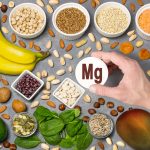 (NaturalHealth365) Magnesium is an important mineral that offers some impressive health benefits and is involved in hundreds of functions within the body. Without it, humans are at risk of a range of physical and even mental problems.
The challenging thing is, several magnesium supplements exist. Which is the best supplement for your health needs? Let’s look to the research to help guide us in the right direction.
Citrate, glycinate, and oxide – oh my! Here’s how to choose the best magnesium supplements!
According to the National Institutes of Health Office of Dietary Supplements, magnesium citrate, aspartate, lactate, and chloride appear to be more bioavailable than magnesium oxide and magnesium sulfate. This means they are more easily absorbed by the body and consequently can actually be put to use for good. (In addition to poor absorption rates, there may be another reason to avoid magnesium oxide as a dietary supplement. According to the NIH, this form – along with magnesium chloride and magnesium carbonate – is most likely associated with diarrhea and abdominal cramping.)
Magnesium citrate, in particular, appears to shine in terms of bioavailability. One older randomized and double-blinded study published in the aptly named scientific journal Magnesium Research found that this form was “superior” to magnesium oxide and another preparation known as amino-acid chelate.
Other crowd favorites among natural health and wellness circles include:
- Magnesium L-threonate
- Magnesium orotate
- Magnesium glycinate
- Magnesium malate
By the way, magnesium sulfate (aka Epsom salts) may enhance the soothing effects of your bath. Still, it’s unclear whether magnesium can effectively get absorbed through your skin, so you may not want to rely on this product to increase your intake.
Because the best supplement for you might vary depending on your particular health needs and goals – and because it is possible to develop magnesium toxicity from supplementing with too much of this mineral – it’s a good idea to chat with your medical provider before.
Avoid becoming deficient in magnesium – here’s how to get enough of this essential nutrient
Magnesium deficiency or even subclinical deficiency (insufficient but not so low to reach the formal definition of deficiency) is no joke. Not having enough of this mineral in your body may contribute to issues like headaches, muscle cramps, and impaired bone and nervous system health. A recent study published in the Journal of the American Osteopathic Association suggests that 50 percent of Americans don’t get enough magnesium which could even render another important nutrient, vitamin D, ineffective in the body.
So, there’s no question that you need to ensure you’re getting plenty of this nutrient into your body. As a reminder, the recommended daily intake of magnesium for adults is about 320 milligrams and 420 milligrams for women and men, respectively (and about 310 mg to 360 mg for pregnant or lactating women). And whether you choose to add a high-quality magnesium supplement to your routine, the NIH Office of Dietary Supplements also recommends eating magnesium-rich foods.
The following foods contain at least 42 mg of magnesium per serving, or about 10 percent of the recommended daily value:
- Pumpkin seeds
- Chia seeds
- Almonds
- Spinach
- Black beans
- Potatoes
- Plain yogurt
Sources for this article include:
NIH.gov
Healthline.com
ScienceDaily.com
NIH.gov
NIH.gov
NIH.gov
This TINY nutrient is essential for promoting a baby’s developing brain – here’s how much pregnant moms should get in their diet
Reproduced from original article:
www.naturalhealth365.com/dha-health-benefits-pregnancy-3804.html
by: Sara Middleton, staff writer | April 20, 2021
 (NaturalHealth365) For about 70 percent of women of childbearing age in the US, less than 5 percent of their total fatty acids in their blood are made up of a fatty acid known as DHA. Unfortunately, this is below what many experts recommend as a cut-off for pregnancy and breastfeeding. In other words, this little nutrient can have a huge impact on a child’s long-term health, and not getting enough of it could spell trouble.
Let’s take a look at some main health benefits of DHA for mom and baby and discuss how much you or your loved one should be getting.
Here’s why DHA is so beneficial for a growing baby’s health and how much you need when pregnant or breastfeeding
Docosahexaenoic acid (DHA) is one of three omega-3 fatty acids found in the diet. The other two types of omega-3 fatty acids are alpha-linolenic acid (ALA) eicosapentaenoic acid (EPA). Your body can convert ALA into small amounts of DHA, but the operative phrase here is “small amounts.” It’s really not enough to make a meaningful difference in your well-being.
For this reason, the National Institute of Health (NIH) states that “getting EPA and DHA from foods (and dietary supplements if you take them) is the only practical way to increase levels of these omega-3 fatty acids in your body.”
Here’s why you want DHA in your body especially as a pregnant woman:
- DHA is essential for promoting normal development of the brain, nervous system, and eyes in a growing fetus
- Supplementing with this nutrient has been linked to a reduced risk of early preterm birth
- Getting plenty of DHA may also support mom’s mood during the postpartum period, likely by ensuring women still have enough left to support their own brain health after giving so much of it to their infants via the placenta or breast milk
Because essential fatty acids like DHA are so critical for a growing baby’s health, many doctors and prenatal experts advise women who are pregnant, breastfeeding, or trying to become pregnant to take a high-quality DHA supplement. According to the NIH’s Office of Dietary Supplements, recommended amounts of EPA and DHA have not been established. However, a 2018 review published in the peer-reviewed journal Nutrients advises women to take 200 mg of DHA daily during pregnancy. Taking DHA before pregnancy may also be useful to ensure that a baby has all the essential fatty acids it needs from the moment of conception.
Do NOT ignore the health dangers linked to toxic indoor air. These chemicals – the ‘off-gassing’ of paints, mattresses, carpets and other home/office building materials – increase your risk of nasal congestion, fatigue, poor sleep, skin issues plus many other health issues.
Get the BEST indoor air purification system – at the LOWEST price, exclusively for NaturalHealth365 readers. I, personally use this system in my home AND office. Click HERE to order now – before the sale ends.
Eating fish during pregnancy? Here are the ones you should choose, according to the FDA
In addition to supplementation, you can also get this essential fatty acid straight from the source. In other words, it IS okay and, in fact, recommended to eat some amount of fish during pregnancy! In fact, the FDA advises pregnant and breastfeeding women to aim for 8 to 12 ounces per week. Just be sure to choose seafood sources that are known to be low in heavy metal toxins, including these “best choices”:
- Anchovies
- Herring
- Sardines
- Flounder
- Haddock
- Freshwater trout
- Salmon
- Cod
By the way, moms: it’s not just the DHA that makes fish so healthy for you and your baby. The FDA notes that fish is also a good source of protein, iron, selenium, zinc, iodine — and more vitamin B12 and vitamin D than any other type of food.
And if you’re vegan, you may be in luck. Recent research has found that this vital nutrient can be extracted from algae, and algae-oil DHA supplements may be as effective as fish oil capsules at increasing circulating DHA levels.
Sources for this article include:
FDA.gov
MarchofDimes.org
ACOG.org
OUP.com
NIH.gov
OD.NIH.gov
NIH.gov
Womensmentalhealth.org
70 Reasons To Eat More Flaxseed
© April 19th 2021 GreenMedInfo LLC. This work is reproduced and distributed with the permission of GreenMedInfo LLC.
Want to learn more from GreenMedInfo? Sign up for the newsletter here:
www.greenmedinfo.com/greenmed/newsletter
Reproduced from original article:
https://www.greenmedinfo.com/blog/70-reasons-eat-more-flaxseed-1
Posted on: Sunday, April 18th 2021 at 5:45 am
Written By: Sayer Ji, Founder
This article is copyrighted by GreenMedInfo LLC, 2021

The science has never been clearer: flaxseed deserves to be top of the list of the world’s most important medicinal foods. For just pennies a day it may protect against dozens of life-threatening health conditions
Many of us have been enculturated to think about the nutritional dimension of our food intake in terms of the government’s recommended daily allowances (RDAs), focusing on getting the “right” amounts of carbohydrate, proteins, fats, vitamins, and minerals. However, I believe this focus on the quantifiable dimensions of food versus the qualitative/informationl elements has profoundly lead us astray. We bear witness to this in the fact that Americans are some of the most overfed yet simultaneously malnourished people on the planet. It is no wonder that we we are dying by the droves, with heart disease and cancer representing the most common (and also most preventable) causes of premature death.
What if there was a nutrient-packed super-food which costs pennies a day that can greatly reduce the risk of dying not only these, but dozens of other life-threatening conditions? Would you take it? The good news is there already is: welcome to the amazing nutritional/medicinal potential of flaxseed!
70 Reasons To Consume Flaxseed Daily
Admittedly, the title of this article is a bit over the top. Wouldn’t five good reasons, or even just one good reason be enough to consume it more regularly? After all, think of the millions of people around the world who take aspirin daily only because it promises to reduce the risk for one condition: namely, prevention of heart attack. A practice, incidentally, that is dubious at best, and for which natural and likely far safer and effective alternatives may exist. If we can establish the preventive value of flaxseed in only one serious condition, perhaps this alone would be compelling enough to convince our readers to start incorporating it into their daily dietary regimen. However, for those nutrition geeks out there who like to read the first-hand research, here’s our flaxseed database page, wherein you will find all the abstracts we have gathered on the topic of this seed’s immense potential in preventing and/or treating up to 70 different health conditions.
7 Flaxseed Healing Highlights
Below you will find our top 7 reports on flaxseed’s immense health benefits, including their role in preventing and/or reversing the #1 and #2 killers, namely, cardiovascular disease and cancer.
- They Can Heal Your Arteries
- They Can Contain Beneficial Plant Estrogens
- They Can Reduce Your Breast Cancer Mortality by 70%
- They Can Protect Against Ovarian Cancer
- They Protect Against Radiation Toxicity
- They Can Dilate Your Arteries
- They Can Treat Carpal Tunnel Syndrome
For those who are interested in how best to take advantage of flaxseed’s many health benefits, but are unsure what is the best way to consume it, we address some of the most common questions below.

Should I Eat The Seeds Ground or Whole?
First, keep in mind that flaxseeds are Nature’s ingenious design for preserving the precious cargo inside: highly therapeutic, though fragile polyunsaturated fatty acids, amino acids, and other fat soluble vitamins. This also means that you don’t have to worry about refrigerating it. Once the seed is ground up and exposed to air, light, ambient fluctuations in temperature, and time, it begins to “go bad,” i.e. oxidize and degrade. This is why many make a daily practice of grinding up their own seeds in a coffee grinder to ensure maximum freshness. While I think this is a great idea, not everyone will have the time or desire to adhere to this daily routine. This is why some purchase pre-ground flaxseed. I am not against the practice. My only stipulation is that the buyer make sure the manufacturer has nitrogen-flushed the container so that oxygen didn’t get into the package at the time of manufacture.
The same rule applies to flaxseed oil. The company manufacturing the oil should maintain optimal freshness via nitrogen flushing the container, which will preferably be in non-chemical leaching glass. Also, opt for a high lignan form of the oil when available because you lose this valuable component of the seed material when you produce oil concentrate. Flaxseed has one of the highest levels of naturally occurring lignans known, and this is why if you are consuming the oil you may also wish to supplement with whole or ground flaxseed so that you benefit from these highly therapeutic compounds.
As far as whole flaxseed, make sure that you chew it well, if you primary objective is to obtain the beneficial nutrients, lignans, and fiber from them. Also, consider that flaxseed produces a very soothing mucilaginous gel when exposed and/or soaked in water. You can pre-soak a tablespoon in a glass of water overnight to produce a very good concoction for constipation by drinking it in the morning. Because flaxseed will naturally soak up water, remember not to consume too much dry, whole flaxseed without adequate hydration, as it could be a bit binding – the exact opposite effect that it will naturally have when consumed in the correct manner.

Which is Better? Flaxseed Oil or The Seed?
Hands down, this is the most common question I have fielded. The truth is that one is not better than the other for general preventive health purposes. For optimal protection I would suggest using both. However, there are some important things to consider when incorporating either of these forms into your diet:
- Never heat flaxseed oil: All oils rich in monounsaturated and polyunsaturated fatty acids are prone to enhanced oxidation (rancidity) when heated. This means that you would not cook with flaxseed oil, opting for naturally saturated (and therefore more heat stabile) fats like palm, coconut oil or ghee (clarified butter) instead.
- Get creative with flaxseed meal: Flaxseed meal is an excellent addition to smoothies or for sprinkling on foods that have a higher glycemic index, e.g. pasta, cereal. The flaxseed meal will slow the breakdown of the starchy carbohydrates and therefore blunt blood sugar spikes and concomitant elevations in insulin. Also, the fiber is excellent for helping to contribute to regularity (it is useful both for going too much and not enough). The key, of course, is to always stay hydrated when using flaxseed, as it can cause significant binding in a dehydrated individual.
- Flaxseed is full of good fats: Keep in mind that flaxseed is a potent source of omega-3 fatty acids, containing a 4:1 ratio of omega 3 to omega 6 fatty acids. This is a great way to balance out the predominant ratios in the Standard American Diet, which is so heavy in corn, canola, soy, and peanut oils, all of which have several orders of magnitude more omega 6 than omega 3.
How Much Should I Take?
Generally, a tablespoon or two of meal a day is a good dose for ensuring you are getting a physiologically significant amount. The same goes for the oil. I have personally consumed five tablespoons of meal a day without any harm, and have used a good amount of the flaxseed oil in place of olive oil as salad dressing (I happen to like the taste of flaxseed better). Everyone will be different, so go with your intuition if you are just experimenting. If you are sick, consult your health practitioner or dietary coach to obtain specific recommendations. Also, listen to your body. If you aren’t finding flaxseed agrees with you, then back off on the amount or stop it until you find another dietary intervention that does work for you. Another alternative that has many of the same health benefits is chia seed.
Just the Nutritional Facts
We’ll leave you with some nutritional snapshots of flaxseed from the more quantitative perspective, so that it is clear how valuable it is in human nutrition simply as a source of both macronutrients and micronutrients, above and beyond its clearly medicinal function (a reflection of what I would call it’s “therapeutic information” content) in the wide range of health conditions our database shows. The information below is based on 1 cup (168 grams) worth of flaxseed whole.
Flaxseed Protein and Amino Acid Content

Flaxseed Vitamin Content

Flaxseed Mineral Content

Flaxseed Fatty Acids

For more nutritional data on flaxseed, visit the Nutritiondata.com website.
 Sayer Ji is founder of Greenmedinfo.com, a reviewer at the International Journal of Human Nutrition and Functional Medicine, Co-founder and CEO of Systome Biomed, Vice Chairman of the Board of the National Health Federation, Steering Committee Member of the Global Non-GMO Foundation.
Can this berry truly protect YOU from heart disease and type 2 diabetes?
Reproduced from original article:
www.naturalhealth365.com/benefits-of-blueberries-3798.html
by: Lori Alton, staff writer | April 15, 2021
 (NaturalHealth365) With their lustrous indigo color and sweet-but-tart taste, ripe blueberries are perfect little globes of flavor and juiciness. Not only are blueberries delicious, but they are generally acknowledged as a true “superfood” by nutritionists, natural health experts, and physicians alike. But can the health benefits of blueberries really be confirmed? A steadily accumulating body of scientific evidence says, “yes!”
In a March 2020 review published in Advances in Nutrition, the authors credited regular blueberry consumption with reducing the risk of a host of serious diseases – including heart disease, diabetes, obesity, and Alzheimer’s disease. Let’s take a look at some of the ways in which these succulent berries lower the odds of developing life-threatening conditions.
Blueberries “rule the roost” in anthocyanin content
Anthocyanins – natural plant pigments responsible for the deep purples, blues, and reds in fresh fruits and vegetables – are the primary active constituent of blueberries. These disease-fighting plant compounds have potent antioxidant and anti-inflammatory effects – and may even have anticancer and anti-aging properties as well.
When it comes to supplying anthocyanins, blueberries leave other fruits and vegetables “in the dust.”
Red apples, for instance, contain 12 mg of anthocyanins for every 100-gram serving (roughly half of a large apple), while 100 grams of sweet cherries contain 122 mg. By contrast, a 100-gram serving – about two-thirds of a cup – of lowbush blueberries (Vaccinium angustifolium) contains a massive 487 mg of anthocyanins. Highbush blueberries (Vaccinium corymbosum, the type most commonly cultivated in the United States) clock in somewhat lower, with a still-impressive 387 mg. Blueberries’ nearest competitor in anthocyanin content, blackberries, feature 245 mg per 100 grams.
A DELICIOUS way to avoid the threat of heart disease
The researchers evaluated over 200 studies to perform the review, including observational and epidemiological studies on humans. And, they found plenty of evidence to support their reputation as a heart-healthy food.
Anthocyanins in blueberries excel at scavenging harmful free radicals that cause oxidative stress and trigger disease. And, their anti-inflammatory effects help them act against atherosclerosis, the deposits of calcified plaque artery-clogging plaque. In addition, blueberries support the health of the endothelium – the fragile lining of arteries – and promote the production of beneficial blood pressure-lowering nitric oxide.
In a 14-year study of 87,000 participants, anthocyanin-rich berries cut the odds of developing high blood pressure – a primary risk factor for heart disease – by 10 percent. In one eight-week study, obese people who had a high risk of heart disease noted a 4 to 6 percent reduction in blood pressure after eating a two-ounce serving of blueberries a day.
In addition, a trio of different studies showed that a higher intake of anthocyanins could cut the risk of coronary artery disease by up to 25 percent. When it came to preventing heart attacks, or myocardial infarctions, blueberries did even better. In a study published in Circulation, the official journal of the American Heart Association, the team found that higher intakes of blueberries, strawberries, and total anthocyanins were associated with cutting heart attack risk by up to a third!
But wait, your brain can benefit too! Blueberries protect cognitive function and ward off Alzheimer’s disease, according to study
Blueberries’ antioxidant qualities can protect the brain from oxidative stress, which speeds the aging process and impairs brain function.
In one small but influential placebo-controlled study published in Journal of Agriculture, Food and Chemistry, older adults with mild cognitive impairment drank 8 ounces of wild blueberry juice every day for twelve weeks. They experienced improvements in markers of brain function, included paired associate learning and word list recall. As if that weren’t helpful enough, depressive symptoms were reduced. The researchers reported that anthocyanins in blueberries are associated with increased signaling between brain cells, leading to better memory function. In another study, blueberry supplementation for 90 days led to improvements in memory in healthy older adults.
Researchers believe that blueberries’ neuroprotective effects may extend to helping prevent Alzheimer’s disease and dementia as well. This is welcome news, as the incidence of Alzheimer’s disease is expected to reach 16 million cases in the United States within the next 30 years.
GREAT news: Anthocyanins can also combat type 2 diabetes
Type 2 diabetes, which currently affects over 34 million Americans, is verging on epidemic status. But blueberries may be able to help.
In a clinical placebo-controlled trial of 58 patients with type 2 diabetes, an anthocyanin extract improved insulin sensitivity and lipid profiles while reducing oxidative stress markers. In a placebo-controlled study of obese, insulin-resistant adults, six weeks of blueberry supplementation improved insulin sensitivity.
Apparently, blueberries get to work right away on discouraging type 2 diabetes. In yet another study, a single serving of anthocyanins was found to lower blood sugar!
Blueberries also act against diabetes by helping to fight obesity, a primary trigger for the disease. In a promising trial of overweight young adults, replacing 50 grams of carbohydrates with the same amount of blueberries led to favorable reductions in body weight.
Word to the wise: Blueberries are also rich in vitamins and fiber
A cup of fresh blueberries (about 150 grams) contains a healthy 4 grams of fiber, along with a quarter of the recommended daily amount for antioxidant vitamin C and over a third of the RDA for vitamin K. Impressively, blueberries offer up these valuable nutrients at a scanty 84 calories a cup — about the same caloric cost as eating seven (yes, only seven) potato chips. (Obviously, blueberries are the better choice.)
Apparently, it’s not necessary to gobble berries in massive amounts to support health. Researchers report that even modest consumption of blueberries, such as a third of a cup a day, can rack up big health benefits.
If fresh berries are expensive or inconvenient, don’t stress: you can still access many of the benefits of blueberries by using them in powder or frozen form.
And, if berries just aren’t your “thing,” anthocyanins are available as a supplement. Natural healers typically advise amounts ranging from 50 mg to 350 a day – but check with your integrative doctor before supplementing.
While the review’s authors advised more study, they were clearly enthused by the therapeutic benefits of blueberries.
“It can be widely agreed that the regular consumption of tasty, ripe blueberries can be unconditionally recommended,” the scientists declared.
What could be simpler, or more delicious, than that?
Sources for this article include:
6 Bodily Tissues That Can Be Regenerated Through Nutrition
© March 15th 2021 GreenMedInfo LLC. This work is reproduced and distributed with the permission of GreenMedInfo LLC.
Want to learn more from GreenMedInfo? Sign up for the newsletter here:
www.greenmedinfo.com/greenmed/newsletter
Reproduced from original article:
www.greenmedinfo.com/blog/6-bodily-tissues-can-be-regenerated-through-nutrition1
Posted on: Tuesday, October 1st 2019 at 4:45 am
Written By: Sayer Ji, Founder
This article is copyrighted by GreenMedInfo LLC, 2021

It may come as a surprise to some, especially those with conventional medical training, but the default state of the body is one of ceaseless regeneration. Without the flame-like process of continual cell turnover within the body – life and death ceaselessly intertwined – the miracle of the human body would not exist
In times of illness, however, regenerative processes are overcome by degenerative ones. This is where medicine may perform its most noble feat, nudging the body back into balance with foods, herbs, nutrients, healing energies, i.e. healing intention. Today, however, drug-based medicine invariably uses chemicals that have not one iota of regenerative potential; to the contrary, they almost always interfere with bodily self-renewal in order to suppress the symptoms against which they are applied.
Despite the outright heretical nature of things which stimulate healing and regeneration vis-à-vis the conventional medical system which frowns upon, or is incredulous towards, spontaneous remission in favor of symptom suppression and disease management, over the course of the past few years of trolling MEDLINE we have collected a series of remarkable studies on the topic…

Nerve Regeneration – There are actually a broad range of natural compounds with proven nerve-regenerative effects. A 2010 study published in the journal Rejuvenation Research, for instance, found a combination of blueberry, green tea and carnosine have neuritogenic (i.e. promoting neuronal regeneration) and stem-cell regenerative effects in an animal model of neurodegenerative disease.[1] Other researched neuritogenic substances include:
- Curcumin
- Lion’s Mane Mushroom
- Apigenin (compound in vegetables like celery)
- Blueberry
- Ginseng
- Huperzine
- Natto
- Red Sage
- Resveratrol
- Royal Jelly
- Theanine
- Ashwaganda
- Coffee (trigonelline)
There is another class of nerve-healing substances, known as remyelinating compounds, which stimulate the repair of the protective sheath around the axon of the neurons known as myelin, and which is often damaged in neurological injury and/or dysfunction, especially autoimmune and vaccine-induced demyelination disorders. It should also be noted that even music and falling in love have been studied for possibly stimulating neurogenesis, regeneration and/or repair of neurons, indicating that regenerative medicine does not necessary require the ingestion of anything; rather, a wide range of therapeutic actions may be employed to improve health and well-being, as well.
[View the first-hand biomedical citations on these neuritogenic substance visit our Neuritogenic Research page on the topic]
Liver Regeneration – Glycyrrhizin, a compound found within licorice, and which we recently featured as a powerful anti-SARS virus agent, has also been found to stimulate the regeneration of liver mass and function in the animal model of hepatectomy. Other liver regenerative substances include:
- Carvacrol (a volatile compound in oregano)
- Curcumin
- Korean Ginseng
- Rooibos
- Vitamin E
[view the first-hand biomedical citations on the Liver Regeneration research page]
Beta-Cell Regeneration – Unfortunately, the medical community has yet to harness the diabetes-reversing potential of natural compounds. Whereas expensive stem cell therapies, islet cell transplants, and an array of synthetic drugs in the developmental pipeline are the focus of billions of dollars of research, annually, our kitchen cupboards and backyards may already contain the long sought-after cure for type 1 diabetes. The following compounds have been demonstrated experimentally to regenerate the insulin-producing beta cells, which are destroyed in insulin dependent diabetes, and which once restored, may (at least in theory) restore the health of the patient to the point where they no longer require insulin replacement.
- Gymenna Sylvestre (“the sugar destroyer”)
- Nigella Sativa (“black cumin”)
- Vitamin D
- Curcumin (from the spice Turmeric)
- Arginine
- Avocado
- Berberine (found in bitter herbs such as Goldenseal and Barberry)
- Bitter Melon
- Chard (yes, the green leafy vegetables)
- Corn Silk
- Stevia
- Sulforaphane (especially concentrated in broccoli sprouts)
[view the first-hand biomedical citations on the Beta Cell Regeneration research page]
Hormone Regeneration – there are secretagogues, which increase the endocrine glands’ ability to secrete more hormone, and there are substances that truly regenerate hormones which have degraded (by emitting electrons) into potentially carcinogenic “transient hormone” metabolites. One of these substances is vitamin C. A powerful electron donor, this vitamin has the ability to contribute electrons to resurrect the form and function of estradiol (estrogen; E2), progesterone, testosterone, for instance. [2] In tandem with foods that are able to support the function of glands, such as the ovaries, vitamin C may represent an excellent complement or alternative to hormone replacement therapy.
Cardiac Cell Regeneration – Not too long ago, it was believed that cardiac tissue was uniquely incapable of being regenerated. A new, but rapidly growing body of experimental research now indicates that this is simply not true, and there is a class of heart-tissue regenerating compounds known as neocardiogenic substances. Neocardiogenic substances are able to stimulate the formation of cardiac progenitor cells which can differentiate into healthy heart tissue, and they include the following:
- Resveratrol
- Siberian Ginseng (Eleuthero)
- Red Wine Extract
- Geum Japonicum
- N-acetyl-cysteine
Another remarkable example of cardiac cell regeneration is through what is known as fetomaternal trafficking of stem cells through the placenta. In a recent article we discussed the amazing process known as “fetal microchimerism” by which the fetus contributes stem cells to the mother which are capable of regenerating her damaged heart cells, and possibly a wide range of other cell types.
Cartilage/Joint/Spine Regeneration – Curcumin and resveratrol have been shown to improve recovery from spinal cord injury. Over a dozen other natural compounds hold promise in this area, which can be viewed on our Spinal Cord Injury page. As far as degenerative joint disease, i.e. osteoarthritis, there are a broad range of potentially regenerative substances, with 50 listed on our osteoarthritis research page.
Ultimately, regenerative medicine threatens to undermine the very economic infrastructure that props up the modern, drug-based and quite candidly degenerative medical system. Symptom suppression is profitable because it guarantees both the perpetuation of the original underlying disease, and the generation of an ever-expanding array of additional, treatment-induced symptoms.
This is the non-sustainable, infinite growth model which shares features characteristic of the process of cancer itself – a model, which by its very nature, is doomed to fail and eventually collapse. Cultivating diets, lifestyles and attitudes conducive to bodily regeneration can interrupt this pathological circuit, and help us to attain the bodily freedom that is a precondition for the liberation of the human soul and spirit, as well.
Additional related articles:
- Brain Regeneration: Why It’s Real & How To Do It
- How Music Can Support Brain Regeneration & Healing
- How WHOLE Turmeric Heals The Damaged Brain
- Boost Memory, Regenerate Neurons with This Ancient Plant
- Broccoli Can Stimulate Brain Regeneration
- The Flame of Cell Life-Death In The Miracle of Regeneration
Additional References
[1] NT-020, a natural therapeutic approach to optimize spatial memory performance and increase neural progenitor cell proliferation and decrease inflammation in the aged rat. Rejuvenation Res. 2010 Jun 29. Epub 2010 Jun 29. PMID: 20586644
[2] Photo-induced regeneration of hormones by electron transfer processes: Potential biological and medical consequences. Radiat Phys Chem Oxf Engl 1993. Updated 2011 Aug ;80(8):890-894. PMID: 21814301
Article originally published 2012
Article updated: 10-01-29
This ‘Deadly Carrot’ Has Major Antiviral Treatment Potential
Reproduced from original article:
https://articles.mercola.com/sites/articles/archive/2021/02/18/this-deadly-carrot-has-major-antiviral-treatment-potential.aspx
Analysis by Dr. Joseph Mercola Fact Checked February 18, 2021

STORY AT-A-GLANCE
- An experimental cancer compound, thapsigargin, derived from villous deadly carrot, is also a promising antiviral, which demonstrated preventive and treatment potential in the lab
- Thapsigargin appears to trigger the host immune system to fight a virus as opposed to having a direct impact on the virus, making it potentially valuable against mutant strains of the viruses tested, including influenza and SARS-CoV-2
- Thapsigargin was stable in stomach acid so it could be given orally and was more effective than antiviral pharmaceutical options in lab testing
Researchers from the University of Nottingham revealed an experimental cancer drug showed promising lab results against viral infections, and specifically against COVID-19.1
News about how to control or combat the SARS-CoV-2 virus has overtaken media outlets and public debate, to the detriment of addressing other public health issues. For example, during 2020 the rates of suicides,2 especially among young people, and drug overdoses3 have risen dramatically.
Recently, one focus is on debunking potential treatments that are not developed or manufactured by the pharmaceutical industry and encouraging the public to keep their eye squarely on the COVID-19 vaccine. News stories abound about where to get the vaccine, when and where the drug is being shipped and assurances that the side effects are minimal.
Recent research published in Viruses,4 however, revealed the drug thapsigargin may have broad-spectrum antiviral activity, including against coronaviruses like SARS-CoV-2.
Experimental Cancer Pill Shows Antiviral Activity
In a press release,5 the researchers stressed the significance of improving the clinical management of a variety of viruses since clinical presentation is often indistinguishable.
The lab results demonstrated thapsigargin was highly effective against SARS-CoV-2 as well as respiratory syncytial virus (RSV), influenza A and the common cold coronavirus OC43. During the study, the researchers found that thapsigargin’s “performance was significantly better than remdesivir and ribavirin in their respective inhibition of OC43 and RSV.”6
In the same study, researchers tested thapsigargin in mice against a lethal influenza strain. It appeared to protect the animals during the challenge and had the ability to inhibit “different viruses before or during active infection.”7 The researchers concluded thapsigargin or its derivatives are a promising inhibitor of the viruses tested.
Thapsigargin is derived from the “deadly carrot” thapsia plant,8 also known as villous deadly carrot.9 The drug has previously been tested against prostate cancer and the scientists found that in small doses it had antiviral properties.
In the press release,10 the researcher listed some of the key features from other cell and animal studies they believe make thapsigargin a promising antiviral option. This included effectiveness when it was used preventively or during an active infection, stability in an acidic pH so it could be administered orally and greater effectiveness than current antiviral pharmaceutical options.
Another of the benefits the researchers believe thapsigargin has compared to other antiviral medications is that the viruses tested didn’t appear to develop a resistance to the compound’s actions.
Thapsigargin appeared to trigger an effective immune response in the body as opposed to fighting the virus directly. These responses help disrupt viral replication and mean the drug is potentially valuable against mutant strains since effectiveness is not dependent on direct interaction with the virus. Kin-Chow Chang, Ph.D., a scientist on the research team, is quoted in the Daily Mail saying:11
“Given that future pandemics are likely to be of animal origin, where animal to human (zoonotic) and reverse zoonotic (human to animal) spread take place, a new generation of antivirals, such as thapsigargin, could play a key role in the control and treatment of important viral infections in both humans and animals.”
When considering the financial end of it, the Daily Mail12 reports that thapsigargin could be expensive, as it costs $104 per 1 milligram (mg) dose when used in experimental research. However, the cost may be reduced if it were brought into full production, which would be necessary for the drug to have wide application, as it was estimated doses may range from 200 mg to 800 mg as a flu antiviral.

Early Administration of Zinc Reduces Viral Replication
Your immune system is the first line of defense against all disease, especially infectious diseases. One nutrient that plays an important role is zinc, which has been shown to reduce the severity and duration of infections caused by viruses such as those that cause the common cold.13 Data have suggested that those with low levels of zinc are more likely to die from COVID-19 than those who have higher levels.14
Zinc appears to be the key ingredient in treatment protocols using hydroxychloroquine (HCQ), a known zinc ionophore.15,16 This means that HCQ helps your cells absorb more zinc and, once inside, zinc prevents viral replication.
This is also why treatment with zinc and zinc ionophores works best when taken early in the illness or as a prophylactic. Other zinc ionophores include quercetin and epigallocatechin-gallate (EGCG), which is found in tea.17
Support for the use of quercetin against COVID-19 has also been reported by the Green Stars Project.18 Using a supercomputer, researchers looked for molecules capable of inhibiting the COVID-19 spike protein from interacting with human cells. Quercetin is fifth on the list.19
Physicians, such as French prize-winning microbiologist and infectious disease expert Didier Raoult, report using hydroxychloroquine to treat COVID-19. Raoult reports a combination of HCQ and azithromycin in the early months of the pandemic led to the recovery and nondetection of SARS-CoV-2 in 91.7% of 1,061 patients within 10 days.20
A now infamous study published in The Lancet in May 2020,21 which has since been retracted, sought to smear the use of the cost-effective and time-tested drug HCQ. They declared that HCQ used alone or with a macrolide antibiotic like azithromycin was associated with a reduction in survival and an increase in ventricular arrhythmias.
But, when scientists took a closer look at the results, they discovered the integrity of the data collection was suspect, for example, the study included administering doses of the drug that were 100 times higher than FDA recommendations.22
Financial Incentives Driving Treatment Protocols
As doctors began speaking out about using hydroxychloroquine in combination with zinc and azithromycin in their practice, state medical licensing boards and congressional representatives began issuing threats.23 Dr. Vladimir Zelenko, a New York physician who successfully treated his patients with the hydroxychloroquine trio, characterized the fiasco in an interview with Del Bigtree from The Highwire, saying:24
“My personal opinion … anyone who got in the way of access to care, who got in the way of access to medication, committed crimes against humanity and are guilty of mass murder.”
One of the most obvious reasons why certain individuals and companies might want to prevent the use of an inexpensive generic drug such as HCQ is because it might eliminate the need for a vaccine or the development of antiviral medication.25 Hundreds of millions of dollars have been invested, and drug companies were, and still are, counting on a massive payday.
A paper recently published in The American Journal of Medicine by a team of scientists illustrated the pathophysiological basis and rationale for using HCQ and zinc.26 It is important to remember that while HCQ may have been politically vilified, the drug has been in use since the mid-1940s with a known side-effect history including nausea, vomiting, cramps or diarrhea27 that may happen in the first few days and disappear.
Less commonly, people may get tired, feel weak or have a headache, which again typically disappears with use. The CDC published a short list of the expected side effects of the COVID-19 vaccine including local pain, swelling and redness and flu symptoms such as chills, tiredness and headache.28
However, as I’ve recently written in “Side Effects and Data Gaps Raise Questions on COVID Vaccine,” it has also triggered anaphylactic reactions, chronic seizures and sudden death within hours or days (although health authorities deny there is any causal connection between the vaccine and the deaths).
The CDC reported that by December 18, 2020, of the 112,807 who had received the first dose, 3,150 had suffered one or more “health impact events,” defined as being “unable to perform normal daily activities, unable to work, required care from doctor or health care professional.”29 This definition likely does not include local pain and swelling or chills and headache.
These Strategies Help Reduce Your Risk of Viral Infection
While new antivirals like thapsigargin continue to be studied, you have several options to help protect yourself from viruses and treat them if you should get infected. Consider the following strategies you can implement at home.
| Supplement with vitamin D — Data from patients with confirmed COVID-19 infections have shown those with low levels of vitamin D have an increased risk of getting infected30 and experiencing a severe disease.31
In December 2020, a randomized, double-blind study32 demonstrated when critically ill patients with confirmed COVID-19 were given high doses of vitamin D it could significantly lower the number of days they spent in the intensive care unit and could reduce the need for ventilation. A team of researchers did a mathematical reanalysis of raw data from an earlier trial and concluded there is a “strong role for vitamin D in reducing ICU admission of hospitalized COVID-19 patients.”33 Past research has also demonstrated that “vitamin D supplementation can help protect against acute respiratory infections.”34 In the study,35 the investigators found that while all participants benefited from supplementation, those with a significant deficiency gained the most. |
| Support your overall immune function — Vitamin D also plays a significant role in supporting your overall immune system. Additional strategies you can use include getting enough quality sleep, staying hydrated, reducing stress levels, eating whole food and optimizing your gut microbiome. |
| Get adequate vitamin C — As reported in a landmark review published in Nutrients, “Vitamin C’s antioxidant, anti-inflammatory and immunomodulating effects make it a potential therapeutic candidate, both for the prevention and amelioration of COVID-19 infection, and as an adjunctive therapy in the critical care of COVID-19.”36
Yet as Dr. Andrew Saul, editor-in-chief of the Orthomolecular Medicine news service, presented at the Japanese Society for Orthomolecular Medicine,37 the importance of using vitamin C for disease treatment, including COVID-19, is being widely silenced using organized censorship. Many health authorities and mainstream media have ignored, if not outright opposed, the use of vitamin C and other supplements in the treatment of COVID-19. However, the review published in Nutrients supports the use of vitamin C. As the scientists noted, vitamin C has anti-inflammatory, antioxidant, antiviral and antithrombotic properties. In response to this review the Alliance for Natural Health launched an international vitamin C campaign. Founder and scientific director Rob Verkerk, Ph.D., noted there are several reasons to take supplemental vitamin C:38
|
| Take hydroxychloroquine, if your doctor will prescribe it, and zinc — This is another low-cost treatment that’s been maligned in the media but has proven effective in physician practices and studies. Hydroxychloroquine acts as a zinc ionophore,39 helping to move zinc into the cells where it can prevent the replication of viruses.
This is why it has such good results in shortening the common cold. As mentioned above, data from Raoult showed the combination with azithromycin led to the recovery of 91.7% of his patients within 10 days.40 Similar preventive and treatment benefits are available at home using quercetin and zinc, which you can read more about in “How to Improve Zinc Uptake with Quercetin.” |
| Ivermectin — As I discussed in “Can Ivermectin Help Prevent COVID-19 Deaths?” two states in India with high population rates are reporting41 the lowest and second-lowest fatality rates in all of India after having added ivermectin to their treatment protocols.
Clinical trials42 are underway to investigate the effectiveness demonstrated by the reduction in illness in India. One in-vitro study published in Antiviral Research43 showed a single treatment produced a 5,000-fold reduction in viral load measured at 48 hours in cell culture. |
| Nebulized hydrogen peroxide — My personal choice for treating upper respiratory illnesses, including COVID-19, is nebulized hydrogen peroxide. It’s a home remedy I recommend everyone familiarize themselves with, as in many cases it can improve symptoms in mere hours.
You can also use it as a preventive strategy if you know you’ve been exposed to someone who is ill. The recent events over the past year have aptly demonstrated how crucial it is for you to take control of your health. To read more about nebulized hydrogen peroxide and watch an interview with Dr. David Brownstein, see “How Nebulized Peroxide Helps Against Respiratory Infections.” |
- 1, 8, 12 Daily Mail, February 2, 2021
- 2 Roll Call, August 5, 2020
- 3 Centers for Disease Control and Prevention, December 17, 2020
- 4, 7 Viruses, 2021;13(2)
- 5, 10 EurekAlert! February 2, 2021
- 6 Viruses, 2021;13(2) Abstract
- 9 iNaturalist, Villous Deadly Carrot
- 11 Daily Mail, February 2, 2021, para 5 up from the bottom
- 13 JRSM Open, 2017;8(5):20542704
- 14 medRxiv, 2020; doi.org/10.1101/2020.10.07.20208645
- 15 PLOS ONE 2014; 9(10): e109180
- 16 Journal of Medical Microbiology, 2020;698:1228
- 17 Journal of Agriculture and Food Chemistry, 2014;32(62)
- 18 Greenstarsproject.org March 27, 2020
- 19 ChemRxiv.org March 11, 2020
- 20, 40 Travel Medicine and Infectious Disease May-June 2020;35:101738
- 21 The Lancet, 2020; doi:10.1016/S0140-6736(20)31180-6
- 22 Open Letter
- 23 Life Site, August 5, 2020
- 24 Bitchute, July 3, 2020 minute 43:30
- 25 Gates Notes April 30, 2020
- 26 The American Journal of Medicine, Volume 134, Issue 1, January 2021, Pages 16-22
- 27 Lupus Foundation of America
- 28 Center for Disease Control and Prevention, January 25, 2021
- 29 Centers for Disease Control and Prevention, ACIP
- 30 University of Chicago, September 3, 2020
- 31 News-Medical, January 21, 2021
- 32 European Journal of Integrative Medicine, 2020:101271
- 33 medRxiv December 21, 2020, title
- 34 Harvard Gazette, February 15, 2017
- 35 The BMJ, 2017;356
- 36 Nutrients, 2020;12(12)
- 37 Bitchute, November 27, 2020
- 38 Alliance for Natural Health December 16, 2020
- 39 PLOS|One, 2014;9(10)
- 41 Trial Site News January 9, 2021 The Power of One State
- 42 Clinical Trials, December 16, 2020
- 43 Antiviral Research, 2020;178:105787
Panax ginseng supports brain health in extraordinary ways, study suggests
Reproduced from original article:
https://www.naturalhealth365.com/panax-ginseng-benefits-3731.html
by: Lori Alton, staff writer | February 15, 2021
 (NaturalHealth365) Virtually everyone is familiar with the feeling of physical fatigue: the sense of tiredness, the heaviness in the limbs, the overwhelming desire to rest. But there is another kind of fatigue that can be just as debilitating: mental fatigue. Sometimes referred to as “brain fog,” this temporary – but frustrating – mental state is characterized by impaired concentration, “fuzzy” thinking, lack of mental focus, and difficulty with simple cognitive tasks that would ordinarily be easy to complete.
Recent research supports Panax ginseng’s ability, a staple of traditional Chinese medicine, to promote mental clarity and enhance performance and memory. If you are affected by mental fatigue and “brain fog” caused by overwork or stress, you may want to learn what the studies have revealed about this intriguing Asian herb.
Treasured Asian herb is a time-honored herbal therapy backed by modern science
Panax ginseng, treasured by natural practitioners of traditional Chinese medicine and the Ayurvedic healing system, has been used for over 2,000 years to treat various ills. Modern science has confirmed that ginseng is an adaptogen — a substance that helps the body deal with physical and emotional stress.
This fact comes as no surprise to natural healers, who have been aware of ginseng’s powerful benefits for centuries. However, they describe its qualities in a less clinical, more poetic way. In Ayurveda, Panax ginseng is revered as a “Rasayana” – a substance so extremely beneficial to health that it can slow the aging process and help prolong life. Incidentally, Panax ginseng is also known as Asian, Korean, and red ginseng.
A type of ginseng known as American ginseng (Panax quinquefolius) also confers health benefits but may be less potent when it comes to enhancing alertness and cognitive function.
Unique chemical compounds make this treasured herb more beneficial than you can imagine
Panax ginseng’s active constituents, a group of polyphenols known as ginsenosides, have potent antioxidant and anti-inflammatory properties. Ginseng also contains the disease-fighting flavonoids catechin and kaempferol. In addition to combating oxidative stress and free radical damage, Panax ginseng boosts levels of GABA. This neurotransmitter is essential for maintaining a calm, stable mood and can help reduce anxiety – which can contribute to mental fatigue.
Do NOT ignore the health dangers linked to toxic indoor air. These chemicals – the ‘off-gassing’ of paints, mattresses, carpets and other home/office building materials – increase your risk of nasal congestion, fatigue, poor sleep, skin issues plus many other health issues.
Get the BEST indoor air purification system – at the LOWEST price, exclusively for NaturalHealth365 readers. I, personally use this system in my home AND office. Click HERE to order now – before the sale ends.
And, on a cellular level, Panax ginseng helps increase the production of ATP (adenosine triphosphate). Often known as the “body’s batteries,” these vital energy molecules in cell mitochondria capture and release energy from food. ATP is so important to well-being that low levels are a primary cause of fatigue and depression.
Unfortunately, (as with so many other life-sustaining molecules), ATP activity declines with age. Ginseng, however, can help to restore it.
Looking for quick relief? A single serving of Panax ginseng improves mental clarity, study suggests
In a double-blind, placebo-controlled study published in the Journal of Psychopharmacology, a one-time 200-mg serving of Panax ginseng extract reduced mental fatigue in healthy volunteers while improving cognitive performance on mental arithmetic tasks.
Fortunately, Panax ginseng’s benefits are not confined to the young and healthy. A separate study, performed at the Department of Neurology at the Clinical Research Institute in South Korea, showed that Panax ginseng caused substantial improvements in mental performance in patients with Alzheimer’s disease – leading researchers to praise ginseng’s potential as a natural therapy for the condition.
With Alzheimer’s disease currently affecting close to 6 million Americans, this is exciting news indeed!
And Panax ginseng even seems to alleviate chronic fatigue syndrome, a condition that is notoriously difficult to treat. In a placebo-controlled study involving 90 participants and published in the well-regarded journal PLoS One, researchers gave CFS patients either 1 to 2 grams of Panax ginseng root a day or a placebo. What they found was encouraging.
The ginseng group experienced less physical and mental fatigue when compared to the placebo group, along with reductions in oxidative stress. Significantly, the Panax ginseng group displayed increased levels of glutathione, the body’s most important antioxidant, along with lower levels of reactive oxygen species (free radicals) and malondialdehyde, a marker of oxidative stress.
Finally, a study published in Human Psychopharmacology showed that 400 mg of ginseng extract for eight days improved working memory and promoted a calm mood.
Wait, there are even more benefits of this versatile herb you should know
It’s hard to think of a body system that ginseng doesn’t benefit. This versatile herb enhances the body’s defenses against disease and infection by regulating immune cells – including such important players as macrophages, natural killer cells, T cells, and B cells.
Strongly antibacterial and antiviral, ginseng has been shown to inhibit influenza, HIV, and rotavirus, and to reduce harmful bacteria found in the lungs. In fact, one animal study shows that ginseng can improve cystic fibrosis and COPD.
Studies have suggested that ginsenosides in ginseng can act against diabetes by lowering blood glucose levels, improving insulin sensitivity, and enhancing the uptake of blood sugar into tissues. Ginseng’s blood sugar-lowering properties were illustrated in a study in which participants were first given red ginseng – followed 30 minutes later by a hefty dose of glucose (25 grams of sugar).
As the researchers expected, participants who took the ginseng and glucose experienced improved performance on challenging, repeated cognitive tests, along with less fatigue. But the most promising part was that the ginseng lowered blood sugar (while the glucose, of course, “spiked” it). The researchers concluded that ginseng was “vastly superior to sugar as an energy-boosting supplement.”
Natural health experts say that ginseng can help heal adrenal fatigue, and studies have shown that it may speed up metabolism and act against obesity.
Finally, ginseng helps to fight the chronic inflammation that is at the root of virtually all degenerative diseases, including cancer. Early studies suggest that people taking ginseng extracts are less likely to develop cancers of the mouth, esophagus, stomach, colon, liver, and lung.
Here is how to banish brain fog and enhance mental clarity naturally
Because ginsenosides are poorly absorbed from the digestive tract, natural health experts point to the need for more bioavailable forms of ginseng. In other words, fresh or dried ginseng root, while still beneficial, might not provide enough ginsenosides for therapeutic effects. Opt for a high-quality ginseng extract from a reputable vendor, standardized to contain 2 to 3 percent total ginsenosides. For maximum benefit, take before meals.
In particular, a type of ginseng extract known as G115 has been used extensively in studies, and in a 2020 review in the Journal of Ginseng Research the authors credited this particular formulation with safety, efficacy and superior bioavailability.
To relieve fatigue, stress, and tension, natural healers might recommend servings of 200 mg to 400 mg of ginseng extract a day. Of course, consult your knowledgeable integrative doctor before supplementing with ginseng. Because this herb is not meant for long-term daily use, your practitioner may recommend taking occasional ginseng “breaks.”
When “brain fog” begins to set in, many people turn to energy drinks laden with caffeine, chemicals, and sugar. After a brief boost, there is usually a slump or even a “crash” to contend with.
In contrast, Panax ginseng offers a drug-free solution. By accessing its energizing benefits, you can avoid this vicious cycle – and achieve mental clarity naturally.
Sources for this article include:
Lifeextension.com
NIH.gov
NIH.gov
Why should eucalyptus be part of your natural medicine cabinet?
Reproduced from original article:
www.naturalhealth365.com/eucalyptus-essential-oil-benefits-3724.html
by: Sara Middleton, staff writer | February 9, 2021
 (NaturalHealth365) Eucalyptus is a type of evergreen tree that is well recognized for its array of medicinal properties. With over 400 separate species, the plant is native to Australia but has been used for centuries in traditional healing in cultures from around the world, including Greek, Chinese, and Ayurvedic – and thanks to modern scientific research espousing the many eucalyptus benefits, it’s easy to see why.
From alleviating stress to reducing inflammation, the eucalyptus plant and its essential oil appear to have many beneficial effects on the human body and mind.
Editor’s note: To learn more about how essential oils can help to improve lung (and heart) function plus much more … click here to get access to the Cardiovascular Docu-Class, hosted by Jonathan Landsman, creator of NaturalHealth365.
Keeping your airways clear is only one of the MANY ways eucalyptus supports your health
The eucalyptus plant contains a compound called eucalyptol or 1,8-cineole. This powerful compound is shown to reduce inflammation and control mucus production. For this reason, this incredible plant is often touted as a natural alleviator of common respiratory conditions like bronchitis, chronic obstructive pulmonary disease (COPD), asthma, and sinus infections. Simply breathing in the essential oil that has been diffused into the surrounding air can provide immediate symptomatic relief.
In fact, eucalyptus essential oil is often added into saunas or steam rooms at local spas – but you can also create this spa-like environment in your own bathroom. Simply hang a bundle of fresh or dried eucalyptus near your shower. The hot steam triggers the release of the plant’s essential oils, sending fragrant and healing compounds into the air for your enjoyment.
In addition to promoting a healthy airway, eucalyptus may also offer natural relief from pain and stress. One randomized controlled trial published in Evidence-Based Complementary and Alternative Medicine revealed that inhaling eucalyptus oil decreased anxiety in people who were waiting for surgery. Another study published in the same journal in 2013 found that patients who had undergone knee replacement surgery reported less pain and better blood pressure after inhaling the delicate fragrance.
Do NOT ignore the health dangers linked to toxic indoor air. These chemicals – the ‘off-gassing’ of paints, mattresses, carpets and other home/office building materials – increase your risk of nasal congestion, fatigue, poor sleep, skin issues plus many other health issues.
Get the BEST indoor air purification system – at the LOWEST price, exclusively for NaturalHealth365 readers. I, personally use this system in my home AND office. Click HERE to order now – before the sale ends.
Even the U.S. National Library of Medicine notes that eucalyptus contains natural plant compounds that offer antimicrobial, antifungal, and antibacterial properties. Eucalyptus leaves even contain chemicals that might help control blood sugar levels. And while current evidence isn’t fully conclusive, the U.S. National Library of Medicine notes that eucalyptus may also be useful for naturally alleviating conditions like gingivitis, dental plaque, bad breath, head lice, and headaches.
Want to incorporate eucalyptus in your natural health routine? Here are some of the best ways to use this medicinal plant
Aside from hanging eucalyptus in your shower, there are plenty of other ways to get the most out of this plant.
The U.S. National Library of Medicine notes that eucalyptus leaf is likely safe to consume in small amounts in food. You might consider looking for natural chewing gum containing approximately 0.3% to 0.6% of this plant extract.
Like most essential oils, eucalyptus essential oil is possibly unsafe when applied directly to the skin and may lead to skin irritation and redness – so be sure to dilute it in a carrier oil if applying topically. A general guideline is to dilute 12 drops of essential oil with one ounce of carrier oil, and it’s always a good idea to test a small area of your skin before applying it all over.
Lastly, you don’t have to wait for a hot shower to breathe in the aromatic plant. Add a few drops of essential oil to a high-quality diffuser and let the scent fill your home.
Sources for this article include:
NIH.gov
NIH.gov
MedicalNewsToday.com
NIH.gov
Medlineplus.gov
600 Reasons Turmeric May Be the World’s Most Important Herb
© February 5th 2021 GreenMedInfo LLC. This work is reproduced and distributed with the permission of GreenMedInfo LLC.
Want to learn more from GreenMedInfo? Sign up for the newsletter here:
www.greenmedinfo.com/greenmed/newsletter
Reproduced from original article:
www.greenmedinfo.com/blog/600-reasons-turmeric-may-be-worlds-most-important-herb
Posted on: Wednesday, July 10th 2013 at 9:30 am
Written By: Sayer Ji, Founder
This article is copyrighted by GreenMedInfo LLC, 2019

There is a medicinal spice so timelessly interwoven with the origins of human culture and metabolism, so thoroughly supported by modern scientific inquiry, as to be unparalleled in its proven value to human health and well-being
Indeed, turmeric turns the entire drug-based medical model on its head. Instead of causing far more side effects than therapeutic ones, as is the case for most patented pharmaceutical medications, turmeric possesses hundreds of potential side benefits, having been empirically demonstrated to positively modulate over 160 different physiological pathways in the mammalian body.
While no food or herb is right for everyone, and everything has the potential for unintended, adverse side effects, turmeric is truly unique in its exceptionally high margin of safety vis-à-vis the drugs it has been compared with, e.g. hydrocortisone, ibuprofen, chemotherapy agents. Furthermore, nothing within the modern-day pharmaceutical armamentarium comes even remotely close to turmeric’s 6,000 year track record of safe use in Ayurvedic medicine.[1]
Despite its vast potential for alleviating human suffering, turmeric will likely never receive the FDA stamp of approval, due to its lack of exclusivity, patentability and therefore profitability. Truth be told, the FDA’s “gold standard” for proving the value of a prospective medicinal substance betrays the age old aphorism: “he who owns the gold makes the rules,” and unless an investor is willing to risk losing the 800+ million dollars that must be spent upfront, the FDA-required multi-phased double-blind, randomized clinical trials will not occur. For additional details on this rather seedy arrangement read our article on the topic: Why The Law Forbids The Medicinal Use of Natural Substances.
Here at GreenMedInfo.com, we have reviewed over 5,000 study abstracts from the National Library of Medicine’s bibliographic database known as MEDLINE and have discovered over 600 potential health benefits of turmeric, and/or its primary polyphenol known as curcumin. These can be viewed on our turmeric research page which is dedicated to disseminating the research on the topic to a larger audience.
Some of the most amazing demonstrated properties include:
- Destroying Multi-Drug Resistant Cancer
- Destroying Cancer Stem Cells (arguably, the root of all cancer)
- Protecting Against Radiation-Induced Damage
- Reducing Unhealthy Levels of Inflammation
- Protecting Against Heavy Metal Toxicity
- Preventing and Reversing Alzheimer’s Disease Associated Pathologies
Again, what is so amazing is not that turmeric may have value in dozens of health conditions simultaneously, or that it may improve conditions that are completely resistant to conventional treatment, but that there are over six hundred additional health conditions it may also be valuable in preventing and/or treating. Consider also the fact that turmeric grows freely on the Earth, and you will understand why its very existence threatens billions of dollars in pharmaceutical industry revenue.
Learn more about this research in the video below (keeping in mind that it is several years old and needing some updating), and please spread the information to others who may benefit from learning more on the topic.
References
[1] The Genus Curcuma (Medicinal and Aromatic Plants – Industrial Profiles); CRC; March 2007
Disclaimer: This article is not intended to provide medical advice, diagnosis or treatment. Views expressed here do not necessarily reflect those of GreenMedInfo or its staff.
Reverse signs of aging naturally, by adding this fruit to your diet
Reproduced from original article:
www.naturalhealth365.com/blueberries-reverse-aging-3712.html
by: Karen Sanders, staff writer | January 30, 2021
 (NaturalHealth365) With millions of baby boomers closing in on age 65, the American population is aging at an unprecedented rate. The Federal Interagency Forum on Aging-Related Statistics predicts that by 2030, boomers over age 65 will be 72 million strong.
As they enter their “golden years,” they will be accompanied by an increased vulnerability to age-related conditions such as osteoarthritis, dementia, and congestive heart failure. Thankfully, nature offers powerful ways to help improve cognitive function and effectively reverse other signs of aging.
Slow down the aging process with this “superfood”
The good news is that a powerful weapon against degenerative diseases is already freely available and sold by the pint. And you don’t even need to visit a pharmacy to obtain it – it can be found in the produce aisle of your local market.
Vaccinium myrtillus, otherwise known as blueberry, has potent anti-inflammatory and antioxidant capabilities. In fact, it has the highest score for antioxidant capacity per serving of all fruits, vegetables, herbs, and spices tested to date – it’s no surprise that the USDA’s Human Nutrition Research Center on Aging has named blueberries one of the healthiest foods on the planet.
Blueberries reduce inflammation, fight MULTIPLE other diseases
By reducing free radical and inflammatory damage in the brain, blueberries help reverse the aging neurons’ degenerative changes. Their ability to neutralize free radical damage in the collagen matrix of tissues helps them ward off degenerative and inflammatory diseases such as arthritis. Their bluish-reddish pigments, or anthocyanins, improve the integrity of support structures in the joints.
They can also decrease the “stickiness” of blood platelets, making them important players in the fight against atherosclerosis.
Do NOT ignore the health dangers linked to toxic indoor air. These chemicals – the ‘off-gassing’ of paints, mattresses, carpets and other home/office building materials – increase your risk of nasal congestion, fatigue, poor sleep, skin issues plus many other health issues.
Get the BEST indoor air purification system – at the LOWEST price, exclusively for NaturalHealth365 readers. I, personally use this system in my home AND office. Click HERE to order now – before the sale ends.
Blueberries improve cognitive function in more than one way.
Numerous animal, test tube, and human studies have all supported blueberries’ ability to reduce signs of Alzheimer’s disease and other forms of dementia, alleviate age-related cognitive deficits and improve memory. In a 2006 animal study published in Neurobiology of Aging, researchers found that blueberry extracts helped older rats regain their ability to generate heat shock protein 70 – a substance that protects against stress and inflammation in the brain.
While young rats generate this substance in abundance in response to stress, elderly rats typically produce very little. After the elderly rats’ diet was supplemented with blueberry extracts for 10 weeks, their heat shock response was restored to that of youthful, vigorous rats, leading researchers to conclude that the antioxidant and anti-inflammatory effects of blueberries could alleviate age-related cognitive deficits.
A year earlier, a study published in Pharmacological Research demonstrated that rats given blueberry extracts for 30 days had significant improvements in cognitive function, causing researchers to conclude that blueberries could be beneficial in preventing age-related memory deficits.
Another 2005 study, published in Nutrition and Neuroscience, showed that blueberry extracts could cross the blood-brain barrier and localize in the sections of the brain responsible for memory and learning. Significantly, the more blueberry extracts found in the cortex of the brain, the more pronounced the improvement in cognitive performance.
It gets even better! Your brain is not the only organ that benefits from eating blueberries
Yes! In a small but controlled clinical study published in 2010 in the Journal of Agricultural and Food Chemistry, 12 weeks of daily consumption of wild blueberry juice caused improved recall, learning, and comprehension in elderly volunteers who had been diagnosed with age-related memory changes. Researchers credited anthocyanins in blueberries with increasing neuronal signaling and concluded that blueberries could afford cognitive benefits.
And the news keeps getting better…
Scientists have found that blueberries protect the endothelium, or inner cell wall of the arteries, thereby cutting atherosclerosis risk and the risk of heart attacks and strokes. Prevention of the oxidation of LDL cholesterol and reducing the aggregation of platelets – two more of blueberries’ gifts – also help delay or avoid the onset of atherosclerosis.
In a study published in 2010 in the Journal of Nutrition, blueberry powder given for 20 weeks caused rats to have smaller atherosclerotic lesions than those in the control group. Researchers noted that the blueberry powder boosted levels of antioxidant enzymes and reduced the oxidative stress and inflammation that contributes to atherosclerosis.
Combine blueberries with the right foods to protect against digestive diseases
Blueberries protect against inflammatory digestive diseases, such as ulcerative colitis and IBS – especially when eaten with probiotic foods.
In a 2010 study conducted at Lund University Faculty of Engineering in Sweden, researchers found that the protective effects of blueberries against ulcerative colitis were even more pronounced when the berries were eaten along with probiotics, such as the lactobacillus found in live yogurt cultures.
Combining blueberries and probiotics reduces inflammation-promoting bacteria in the gastrointestinal tract and raises blood levels of immune system-boosting butyric and propionic acids.
A blueberry is a blueberry, right? Not so fast.
Wild blueberries score highest for antioxidants and polyphenols, but farm-grown, cultivated blueberries aren’t too far behind. If you have access to wild blueberry plants, it can be very rewarding to harvest your own. Naturally, take care that the berries have been properly identified and that the area is free of pesticides and animal waste.
Many small, local blueberry farms allow you to pick your own berries; if this isn’t feasible, look for fresh, organic blueberries at your local market or produce stand. Select berries with intense, violet-blue coloration and a whitish “bloom” on the surface. Berries should be firm, plump and intact, and should move freely in their container when it’s shaken.
Avoid washing blueberries until right before you are ready to eat them, and opt for raw, whole berries rather than those that have been cooked, stewed, or preserved; heating them can lower their anthocyanin levels.
However, if you’ve picked or purchased too many berries, don’t hesitate to freeze them. Repeated experiments have shown that frozen blueberries retain virtually all their beneficial phytochemicals. And, finally, fresh, unwashed blueberries may be stored in the refrigerator in a tightly sealed container for up to three days.
Fresh blueberries, one of the gustatory pleasures of summer, are more than just a sweet, refreshing snack – researchers have shown that this superfood can help protect against chronic and degenerative disease. As an entire generation prepares to transition from “middle-aged” to “elderly,” the timing couldn’t be better.
Sources for this article include:
NIH.gov
Sciencedaily.com
Sciencedaily.com
NIH.gov