Nutrition
now browsing by category
“Let food be thy medicine, and medicine be thy food” ~ Hippocrates.
Doctors should be taught this in medical school, as well as “First, do no harm”.
Discover 3 powerful herbs that improve liver health
Reproduced from original article:
https://www.naturalhealth365.com/liver-health-3979.html
by: Natalie Robins, staff writer | September 20, 2021
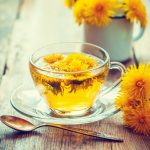 (NaturalHealth365) Along with the skin, kidneys, and intestinal tract, the liver is one of the body’s main organs for removing poisons from your body. The liver does a lot to keep toxins from building up inside your body and causing you harm, but you still need to take care of it so it can keep looking after you.
You can help with detoxification or by taking natural remedies to help improve liver health. Many natural health experts recommend three powerful herbs: burdock, dandelion greens, and milk thistle. In fact, convincing research supports the role these herbs have in promoting liver health, and you can easily add them into your daily routine.
Learn how to improve liver health quickly and naturally
The liver helps remove toxins from your body, allows metabolism to occur, and helps regulate hormone production. Common liver diseases include cirrhosis, hepatitis A, B, and C, plus fatty liver disease.
You can help protect your liver by eating organic food, proper hygiene, and cleaning up your immediate living space by avoiding personal care products loaded with toxic chemicals, plus purifying your air and water supply daily. But, in some cases, herbal remedies may be helpful.
Which herbs are best to help detoxify the body and improve liver health?
Burdock, or Arctium lappa, is an herb whose roots can be eaten as a vegetable like it is commonly done in Asia. It has a diuretic effect, and the excess urination it produces can help lower your blood pressure. It is also known as a diaphoretic – which means it increases sweating. Remember, one of the best ways to detoxify the body is through sweat.
Another important benefit of burdock root is its high antioxidant content. The antioxidants in burdock root can help protect the liver against poisonous substances. In addition, burdock can cleanse the liver, allowing it to do a better job of detoxifying the blood.
Dr. de Souza Predes from the Department of Biological Sciences at the Universidade Estadual do Paraná in Brazil and colleagues recently published research investigating the ability of burdock to improve liver health. The authors found that “the liver function indicators showed that A. lappa [burdock] protected the liver against cadmium toxicity damage.”
You can eat burdock root like a vegetable by cooking it. You can steam or roast it or make a stir fry dish, as Asian cultures might do, with toasted sesame oil, non-GMO soy sauce, and organic chili flakes.
Dandelion roots and leaves can help improve liver health, especially in the case of hepatitis C. Taraxin, the active compound in dandelion, is a choleretic, which means that it stimulates bile production by the liver. This aids in fat absorption and digestion, and another benefit is to fight constipation.
You can cook dandelion greens with other greens or on their own with onions and garlic. You can also use dandelion root to make tea. Just keep in mind, these greens are bitter to taste.
Milk thistle is another herb known for its liver health benefits. It has been used to help treat chronic liver disease and hepatitis B and C. Its active component is a compound called silymarin, and like dandelion, it is a choleretic.
Milk thistle seeds are most potent, but you can also eat the rest of the plant. For example, you can stew the stems and seeds after removing the prickles and roast or boil the roots.
It’s always best to remove any known toxic agents, from your life, before starting any supplemental routine. Of course, when dealing with a severe health condition, it’s best to work with an experienced healthcare provider to develop a plan of action. By taking better care of yourself, you can put your liver in a better position to take care of yourself.
Depending on your situation, plant remedies usually will provide a powerful yet safe way to improve overall health without harmful side effects.
Sources for this article include:
Massive ‘Horse’ Lies About Nobel Prize Winning Treatment
Reproduced from original article:
https://articles.mercola.com/sites/articles/archive/2021/09/13/horse-dewormer-ivermectin.aspx
Analysis by Dr. Joseph Mercola Fact Checked September 13, 2021
STORY AT-A-GLANCE
- KFOR news ran a fake story in which a doctor claimed emergency rooms in Oklahoma were inundated with people who used horse ivermectin paste as a treatment for COVID-19 and overdosed
- The story turned out to be pure fiction, as no such cases have occurred. Still, KFOR has not retracted the story or issued a correction
- The idea that ivermectin is a horse dewormer that poses a lethal risk to humans is a deceptive narrative aimed at dissuading people from using a safe and effective drug against COVID-19
- While ivermectin is used as a dewormer in animals, it is also a human drug, approved by the FDA since the mid-1990s. It’s on the World Health Organization’s list of essential medicines for several parasitic diseases and, like many other drugs, ivermectin is used off-label for other diseases and conditions
- In addition to being antiparasitic, ivermectin also has potent antiviral properties and has even been shown to protect against SARS-CoV-2 spike protein damage
In recent days, another big, fat lie has been allowed to circulate unchecked and unverified in headlines across the media landscape. “Ivermectin: Why Are U.S. Anti-Vaxxers Touting a Horse Dewormer as a Cure for COVID?” asks the Independent.1 Similar headlines — all focusing on “horse dewormer” — have been plastered across many other media outlets.
It appears Oklahoma’s KFOR news was the first to run a fake story that made this false narrative explode. September 1, 2021, KFOR reported that emergency rooms were overrun with patients who had overdosed on horse ivermectin. The claim was supposedly made by doctor Dr. Jason McElyea. According to KFOR:2
“Dr. McElyea said patients are packing his eastern and southeastern Oklahoma hospitals after taking ivermectin doses meant for a full-sized horse, because they believed false claims the horse de-wormer could fight COVID-19.’The ERs are so backed up that gunshot victims were having hard times getting to facilities where they can get definitive care and be treated,’ he said.”
Fake News Alert
Other media outlets ran with the story, including Rolling Stone magazine,3 The Daily Mail,4 the Independent,5 Newsweek,6 The Guardian,7 Yahoo News8 — which later published a story saying a hospital was “disputing” the claim — and MSNBC’s Rachael Madow.9
There was just one problem. It was a fake story. A few days after the story made major media rounds, the Sequoyah Northeastern Health System issued a public notice and posted it on its website homepage, dismissing McElyea’s claims as pure fiction:

However, rather than retract the article, which would be appropriate for a piece that turns out to be fictional from start to finish, Rolling Stone simply posted an “update” at the top of the article, noting Sequoyah’s rebuttal. KFOR has issued no correction at all, as of September 7, 2021. The Guardian issued an update at the bottom of its article, but did not include the hospital’s statement that NO patients have been treated for ivermectin overdose.
Hundreds of news articles have also brought attention to alleged rises in ivermectin-related calls to poison control centers around the U.S. These too, it turns out, are based on the flimsiest of data. For example, in Kentucky, poison control reports having received six calls relating to ivermectin paste overdose, compared to an average of one per year.
The department of health in Mississippi similarly noted that while calls to poison control involving ivermectin paste have seen a slight increase, all cases have been mild and none have required hospitalization due to toxicity.10 Clearly, people are not dying from horse ivermectin overdoses, and they’re certainly not dying from appropriately-dosed and prescribed oral ivermectin.
False Narrative Alert
This idea that ivermectin is a horse dewormer that poses a lethal risk to humans is pure horse manure, shoveled at us in an effort to dissuade people from using a safe and effective drug against COVID-19.
The intent is clear. What our so-called health agencies and the media are trying to do is confuse people into thinking of ivermectin as a “veterinary drug,” which simply isn’t true. Ultimately, what they’re trying to do is back up the Big Pharma narrative that the only thing at your disposal is the COVID shot. As noted in a recent HuffPost article:11
“Health experts ― the kind who practice on humans ― agree that the best way to prevent yourself from catching the virus is to get vaccinated, wear a face mask and stay out of crowds.”
In an August 21, 2021, Twitter post,12 the Food and Drug Administration said, “You are not a horse. You are not a cow. Seriously, y’all. Stop it,” linking to an FDA article on why you should not use ivermectin to prevent or treat COVID-19.
The MSNBC report in the video above is another perfect example of the deceptive narrative being spun around ivermectin. The host blatantly mixes data points together, talking about ivermectin horse paste in one breath and rising prescriptions for ivermectin in the other, as if doctors are now prescribing veterinary drugs just to appease desperate patients. He then goes on to refer to doctors’ success with ivermectin as “anecdotal.”
Comedian and podcast host Joe Rogan, who recently developed COVID-19 and treated it with ivermectin and a slew of other remedies, is also being badmouthed for daring to share his success story. NPR, for example, reported:13
“Joe Rogan has told his Instagram followers he has been taking ivermectin, a deworming veterinary drug formulated for use in cows and horses, to help fight the coronavirus. The Food and Drug Administration has warned against taking the medication, saying animal doses of the drug can cause nausea, vomiting and in some cases severe hepatitis.”
Did Rogan take horse ivermectin paste? No. Did he take animal doses of it? No. As you can see in the video above, Rogan talked with “multiple doctors” who told him to take it and, ultimately, he did take it and he got well, remarkably quickly. Yet NPR blatantly blends veterinary and human use together, as if to insinuate that he did take horse-level doses of it.
It’s worth noting that the FDA is not warning against low-dose oral ivermectin as routinely prescribed for human use. They’re warning against animal doses, which no licensed medical doctor would prescribe. In short, doctors are not prescribing ivermectin for horses, nor are they prescribing it at horse dosages.
Ivermectin Is an Essential Human Drug
While ivermectin is used as a dewormer in animals, it is also a human drug, approved by the FDA since the mid-1990s for the treatment of river blindness.14 It’s also on the World Health Organization’s list of essential medicines for several parasitic diseases.15
Like many other drugs, ivermectin is also used off-label for other diseases and conditions. Systemic lupus and papulopustolar rosacea,16 for example, are sometimes treated with ivermectin. In 2018, a patent was filed to treat certain autoimmune disorders with ivermectin.17
When used preventatively for COVID-19, or as treatment for acute SARS-CoV-2 infection, ivermectin is being used off-label, but there’s nothing unusual or suspect about this at all. Many drugs are used “off label.” So, when media warn that “ivermectin is not approved by the FDA for the treatment of COVID-19,” that essentially means nothing. It certainly doesn’t mean the drug isn’t FDA approved at all, or that it’s only approved for animals.
The fact is, ivermectin has several different properties. In addition to being antiparasitic, it also has potent antiviral properties and has even been shown to protect against SARS-CoV-2 spike protein damage.
Research shows ivermectin impairs the spike protein’s ability to attach to the ACE2 receptor on human cell membranes.18 The drug can also help prevent blood clots by binding to SARS-CoV-2 spike protein. This prevents the spike protein from binding to CD147 on red blood cells and triggering clumping.19
As for safety, more than 4 billion doses have been given to (human) patients since 1998, and only 28 cases of serious adverse events have been reported in that time.20 Yet the FDA now claims ivermectin should not be used for COVID-19 because the drug may cause “serious harm,” is “highly toxic” and may cause “seizures,” “coma and even death”21 — warnings that are far more applicable to COVID shots.
Ivermectin Suitable for All Treatment Stages
Since early on, the Frontline COVID-19 Critical Care Alliance (FLCCC) has been trying to get the truth out about ivermectin. The FLCCC’s prophylaxis and early outpatient COVID-19 protocol is known as I-MASK+22 while the hospital treatment is called I-MATH+.23 All include ivermectin. As noted by the FLCCC in a news release:24
“The data shows the ability of the drug Ivermectin to prevent COVID-19, to keep those with early symptoms from progressing to the hyper-inflammatory phase of the disease, and even to help critically ill patients recover.
… numerous clinical studies — including peer-reviewed randomized controlled trials — showed large magnitude benefits of Ivermectin in prophylaxis, early treatment and also in late-stage disease. Taken together … dozens of clinical trials that have now emerged from around the world are substantial enough to reliably assess clinical efficacy.”
FLCCC president and chief medical officer Dr. Pierre Kory has testified to the benefits of ivermectin before a number of COVID-19 panels, including the Senate Committee on Homeland Security and Governmental Affairs in December 202025 and the National Institutes of Health COVID-19 Treatment Guidelines Panel in January 2021.26
The two protocols — I-MASK+27 and I-MATH+28 — are available for download on the FLCCC Alliance website in multiple languages. The clinical and scientific rationale for the I-MATH+ hospital protocol has also been peer-reviewed and was published in the Journal of Intensive Care Medicine29 in mid-December 2020.
Strong Evidence for Ivermectin
April 24 through 25, 2021, Dr. Tess Lawrie, director of Evidence-Based Medicine Consultancy Ltd.,30 hosted the first International Ivermectin for COVID Conference online.31
Twelve medical experts32 from around the world — including Kory — shared their knowledge, reviewing mechanism of action, protocols for prevention and treatment, including so-called long-hauler syndrome, research findings and real world data. All of the lectures, which were recorded via Zoom, can be viewed on Bird-Group.org.33
A one-page summary of the clinical trial evidence for ivermectin is available on the FLCCC website,34 while a listing of all ivermectin trials done to date, with links to the published studies, can be found on c19Ivermectin.com.35 So, what does the evidence show? In summary, studies have demonstrated ivermectin:36
•Lowers viral load.
•Inhibits replication of many viruses, including SARS-CoV-2 and seasonal influenza viruses. An observational study37 from Bangladesh, which looked at ivermectin as a pre-exposure prophylaxis for COVID-19 among health care workers, found only four of the 58 volunteers who took 12 mg of ivermectin once per month for four months developed mild COVID-19 symptoms, compared to 44 of the 60 health care workers who had declined the medication.
•Inhibits inflammation through several pathways and protects against organ damage.
•Prevents transmission of SARS-CoV-2 when taken before or after exposure.
•Speeds recovery and lowers risk of hospitalization and death in COVID-19 patients — The average reduction in mortality, based on 18 trials, is 75%.38 A WHO-sponsored review39 suggests ivermectin can reduce COVID-19 mortality by as much as 83%.
Who’s Actually Following the Science?
As noted in an August 3, 2021, review paper in New Microbes New Infections, titled “Ivermectin: A Multifaceted Drug of Nobel-Prize Honored Distinction With Indicated Efficacy Against a New Global Scourge, COVID-19”:40
“In 2015, the Nobel Committee for Physiology or Medicine, in its only award for treatments of infectious diseases since six decades prior, honored the discovery of ivermectin (IVM), a multifaceted drug deployed against some of the world’s most devastating tropical diseases.
Since March 2020, when IVM was first used against a new global scourge, COVID-19, more than 20 randomized clinical trials (RCTs) have tracked such inpatient and outpatient treatments. Six of seven meta-analyses of IVM treatment RCTs reporting in 2021 found notable reductions in COVID-19 fatalities, with a mean 31% relative risk of mortality vs. controls.
During mass IVM treatments in Peru, excess deaths fell by a mean of 74% over 30 days in its ten states with the most extensive treatments. Reductions in deaths correlated with the extent of IVM distributions in all 25 states with p < 0.002.
Sharp reductions in morbidity using IVM were also observed in two animal models, of SARS-CoV-2 and a related betacoronavirus. The indicated biological mechanism of IVM, competitive binding with SARS-CoV-2 spike protein, is likely non-epitope specific, possibly yielding full efficacy against emerging viral mutant strains.”
Despite the evidence, the American Medical Association (AMA), the American Pharmacists Association (APhA) and the American Society of Health-System Pharmacists (ASHP) are now banding together to call on doctors to immediately stop prescribing ivermectin for COVID outside of clinical trials.41
Hopefully, doctors will evaluate the evidence for themselves and do what makes sense and is best for their patients, rather than cater to Big Pharma. Indeed, as the U.S. wants to eliminate all use of ivermectin, other countries are starting to use more of it. India, for example, has added ivermectin for COVID-19 to its list of essential medicines.
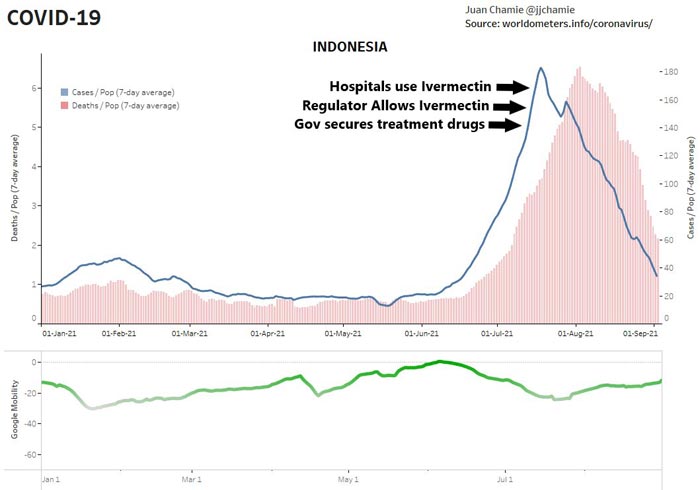
The Tokyo Metropolitan Medical Association also added ivermectin to its home treatment protocol August 13, 2021, and Indonesia’s government not only authorized the use of the drug but also created a website showing real-time availability of the drug. Hospitals in Indonesia started using ivermectin July 22, 2021. By the first week of August, cases and deaths were plummeting.42
The ‘Delta Variant’ Is Vaccine Injuries, Whistleblower Claims
In a recent Stew Peters program, a nurse blows the whistle on several commonly-held beliefs. She points out that her hospital was never, not even during the height of the pandemic 2020, over capacity due to COVID patients. Disturbingly, she notes that most hospital personnel are still unaware that the PCR test is completely unreliable, and care is all based on that test.
Even if you do not have any COVID symptoms, a positive test will land you on the COVID ward, where standard protocol calls for Remdesivir and, if you have low oxygen, being put on a ventilator. She says most patients get worse on Remdesivir, which has been shown to cause heart and kidney problems. She points out that for a short time, the drug was given in combination with ivermectin, and during that time, patient outcomes were much better. Ivermectin was then removed from the protocol.
As for the Delta variant, there are no commercial tests that will identify variants, although genetic sequencing in a research lab would be able to differentiate them. The nurse stresses that she’s never seen “Delta” specified on any patient chart — a claim that raises the question how officials are able to claim that most COVID-19 patients are now infected with the Delta variant.
She’s also reporting seeing a significant number of vaccine injuries, yet she’s not aware of a single instance where the injury was reported to the U.S. Vaccine Adverse Effect Reporting System (VAERS). Whenever she’s brought her suspicions to the doctor, she’s been rebuffed and the vaccine link has been dismissed.
The most shocking take-home from this interview is that the supposed surge in Delta cases are in fact mislabeled vaccine injuries, according to this whistleblower.
“The Delta variant is the vaccine injuries,” she tells Peters. “It’s common knowledge around the staff that is aware of what’s going on, [who are] paying attention [and] aren’t in denial.”
- 1 Independent September 7, 2021
- 2 KFOR September 1, 2021
- 3 Rolling Stone September 5, 2021
- 4 Daily Mail September 3, 2021
- 5 Independent September 4, 2021
- 6 Newsweek September 2, 2021
- 7 The Guardian September 5, 2021
- 8 Yahoo! News September 5, 2021
- 9 Twitter Rachel Maddow September 2, 2021
- 10 Desert Review September 6, 2021
- 11, 41 HuffPost September 2, 2021
- 12 Twitter FDA August 21, 2021
- 13 NPR September 1, 2021
- 14 Centerwatch Ivermectin
- 15 WHO Essential Medicines Ivermectin
- 16 American Family Physician Rosacea
- 17 Google Patents WO2019136211A1
- 18 In Vivo September-October 2020; 34(5): 3023-3026
- 19 The Journal of Antibiotics June 15, 2021 DOI: 10.1038/s41429-021-00430-5
- 20, 21 Wall Street Journal July 28, 2021 (Archived)
- 22, 27 FLCCC Alliance I-MASK+ Protocol
- 23, 28 FLCCC MATH+ Hospital Protocol
- 24 Newswise December 8, 2020
- 25 FLCCC December 8, 2020
- 26, 38 FLCCC January 7, 2021 Press Release (PDF)
- 29 Journal of Intensive Care Medicine December 15, 2020 DOI: 10.1177/0885066620973585
- 30 Evidence-Based Medicine Consultancy Ltd.
- 31 Ivermectin for COVID Conference
- 32 Ivermectin for COVID Conference Speakers List
- 33 Bird-group.org Conference videos
- 34, 36 FLCCC Summary of Clinical Trials Evidence for Ivermectin in COVID-19 (PDF)
- 35 c19Ivermectin.com
- 37 European Journal of Medical & Health Sciences 2020; 2(6)
- 39 Swiss Policy Research December 31, 2020
- 40 New Microbes New Infections August 3, 2021; 43: 100924
- 42 Naked Capitalism September 7, 2021
10 Natural Substances for Type 1 Diabetes
© GreenMedInfo LLC. This work is reproduced and distributed with the permission of GreenMedInfo LLC.
Want to learn more from GreenMedInfo? Sign up for the newsletter here:
www.greenmedinfo.com/greenmed/newsletter
Reproduced from original article:
https://www.greenmedinfo.com/blog/10-natural-substances-may-help-cure-type-1-diabetes
Posted on: Wednesday, June 26th 2013 at 9:00 am
Written By: Sayer Ji, Founder
This article is copyrighted by GreenMedInfo LLC, 2020

Could support for type 1 diabetes be as close as your kitchen cupboard? An accumulating body of scientific research appears to point in exactly that direction
One so-called “incurable disease” that afflicts millions of people around the world is type 1 diabetes. Unlike type 2 diabetes, where the body becomes resistant to its own insulin, type 1 is characterized by the inability of the body to produce enough insulin, as the beta cells within the pancreas, which are responsible for the production of insulin (and the proinsulin from which it is made), are either destroyed or seriously impaired. This can happen due to autoimmune issues, bacterial or viral infections, incompatible foods in the diet and chemical exposures (or a combination of any one or more of these factors), to name but a few major triggers.
And yet, plenty of peer-reviewed and published research indicates that plant compounds, including many found within commonly consumed foods, are capable of stimulating beta cell regeneration within the pancreas, and as a result may potentially provide a natural form of treatment — perhaps something the profit-based model of medicine, which thrives on the concept of the incurability of the disease-afflicted human body in favor of symptom management, isn’t eager to hear.
The discovery of the beta cell regenerative potential of various food and compounds is bound to upset a burgeoning diabetes industry, with millions of dollars of public and private money continually being poured into fundraising efforts for a future “cure;” A cure that will presumably be delivered through the prohibitively expensive pharmaceutical, vaccine or biologic (e.g., stem cells, islet cell xenotransplantation) pipeline, which by the very nature of the FDA drug approval process requires the promotion of synthetic (and therefore patentable) compounds over natural ones.
Let’s take a look at a preclinical study on the topic, published in the Canadian Journal of Physiology and Pharmacology[1]. An active fraction of flaxseed, which researchers named Linun usitassimum active fraction (LU6), was found to generate a wide range of benefits in a type 1 diabetes animal model, including the following:
- Improved glucose utilization in the liver
- Supported normalized glycogenesis (glucose forming activity) in the liver and muscle tissue
- Reduced pancreatic and intestinal glucosidase inhibitory activity, which translates into lower post-meal blood sugar elevations
Even more remarkable was the observation that this flaxseed compound normalized plasma insulin and C-peptide levels (C peptide is not C-reactive protein, rather it is a direct indicator of how much insulin is being produced by the beta cells in the body. Learn more), an indication that beta cell function was effectively restored. The researchers described the truly amazing results as follows:
Normalization of plasma insulin and C-peptide levels were observed in diabetic mice, indicating endogenous insulin secretion after the treatment with LU6. The histochemical and immunohistochemical analysis on pancreatic islets suggests the role of LU6 fraction in islet regeneration and insulin secretion as evident in increase functional pancreatic islets producing insulin. Furthermore, significant insulin producing islet formation was also observed in in vitro PANC-1 cells after LU6 treatment, indicating the cellular aggregates to be newly formed islets. This suggests the potential of LU6 fraction in the formation of new islets in vitro, as well as in vivo. Thus, LU6 can be used as a nutraceutical-based first-line treatment for diabetes. [emphasis added]
Keep in mind that this is not the first time that flaxseed has been found to improve blood sugar disorders. We have a few studies on GreenMedInfo.com already indexed on the topic that you can view here: Flaxseed and Diabetes.
Furthermore, we have found a broad range of natural substances experimentally confirmed to stimulate beta cell regeneration, 10 of which are listed below:
- Arginine: A 2007 study found that the amino acid L-arginine is capable of stimulating the genesis of beta cells in an animal model of alloxan-induced diabetes.[2]
- Avocado: A 2007 study found that avocado seed extract reduced blood sugar in diabetic rats. Researchers observed a restorative and protective effect on pancreatic islet cells in the treated group.[3]
- Berberine: A 2009 study found that this plant compound, commonly found in herbs such as barberry and goldenseal, induces beta cell regeneration in diabetic rats, which lends explanation for why it has been used for 1,400 years in China to treat diabetes.[4]
- Chard: A 2000 study found that chard extract given to diabetic rats stimulates the recovery of injured beta cells.[5]
- Corn Silk: A 2009 study found that corn silk reduces blood sugar and stimulates beta cell regeneration in type 1 diabetic rats.[6]
- Curcumin (from Turmeric): A 2010 study found that curcumin stimulates beta cell regeneration in type 1 diabetic rats.[7] Additionally, a 2008 study found that curcumin preserves pancreatic islet cell survival and transplantation efficiency.[8]
- Genistein (from soy, red clover): A 2010 study found that genistein induces pancreatic beta-cell proliferation through activation of multiple signaling pathways and prevents insulin-deficient diabetes in mice.[9]
- Honey: A 2010 human study found that long-term consumption of honey might have positive effects on the metabolic derangements of type 1 diabetes, including possible beta cell regeneration as indicating by increases in fasting C-peptide levels.[10]
- Nigella Sativa (black seed): A 2003 animal study found that black seed consumption led to partial regeneration/proliferation of the beta cells.[11] A 2010 human study also found that the consumption of 1 gram of black seed a day for up to 12 weeks had a broad range of beneficial effects in diabetics, including increasing beta cell function.[12]
- Stevia: A 2011 human study found that stevia has anti-diabetic properties, including revitalizing damaged beta cells, and compares favorably with the drug glibenclamide but without the adverse effects.[13]
For a full list of beta cell regenerating substances, view our page on the topic. The data is also available to download as a PDF, which members can acquire by using their membership tokens without paying the nominal fee.
For additional research on the topic of regenerative medicine and diabetes you can consult the articles 6 Bodily Tissues that Can Be Regenerated Through Nutrition and Diabetes: An Entirely Preventable and Reversible Disease. Or, visit our Health Guide on Blood Sugar Disorders.
References
[1] Menakshi Bhat Dusane, Bimba N Joshi. Beneficial effect of flax seeds in streptozotocin (STZ) induced diabetic mice: isolation of active fraction having islet regenerative and glucosidase inhibitory properties. Can J Physiol Pharmacol. 2013 May ;91(5):325-31. Epub 2013 Jan 16. PMID: 23656171
[2] Ana Vasilijevic, Biljana Buzadzic, Aleksandra Korac, Vesna Petrovic, Aleksandra Jankovic, Bato Korac.Beneficial effects of L-arginine nitric oxide-producing pathway in rats treated with alloxan. J Physiol. 2007 Nov 1;584(Pt 3):921-33. Epub 2007 Aug 23. PMID: 17717015
[3] Do Edem, Is Ekanem, Pe Ebong. Effect of aqueous extracts of alligator pear seed (Persea americana mill) on blood glucose and histopathology of pancreas in alloxan-induced diabetic rats. Transplantation. 2007 Jul 27;84(2):173-9. PMID: 19553173
[4] Jiyin Zhou, Shiwen Zhou, Jianlin Tang, Kebin Zhang, Lixia Guang, Yongping Huang, Ying Xu, Yi Ying, Le Zhang, Dandan Li. Protective effect of berberine on beta cells in streptozotocin- and high-carbohydrate/high-fat diet-induced diabetic rats. Eur J Pharmacol. 2009 Mar 15;606(1-3):262-8. Epub 2009 Jan 19. PMID: 19374872
[5] S Bolkent, R Yanardağ, A Tabakoğlu-Oğuz, O Ozsoy-Saçan. Effects of chard (Beta vulgaris L. var. Cicla) extract on pancreatic B cells in streptozotocin-diabetic rats: a morphological and biochemical study. J Ethnopharmacol. 2000 Nov;73(1-2):251-9. PMID: 11025163
[6] Jianyou Guo, Tongjun Liu, Linna Han, Yongmei Liu. The effects of corn silk on glycaemic metabolism. Nutr Metab (Lond).2009 Nov 23;6:47. PMID: 19930631
[7] Malee Chanpoo, Hattaya Petchpiboonthai, Busaba Panyarachun, Vipavee Anupunpisit. Effect of curcumin in the amelioration of pancreatic islets in streptozotocin-induced diabetic mice. J Med Assoc Thai. 2010 Nov;93 Suppl 6:S152-9. PMID: 21280528
[8] Meghana Kanitkar, Ramesh R Bhonde. Curcumin treatment enhances islet recovery by induction of heat shock response proteins, Hsp70 and heme oxygenase-1, during cryopreservation. Life Sci. 2008 Jan 16;82(3-4):182-9. Epub 2007 Nov 21. PMID: 18093618
[9] Zhuo Fu, Wen Zhang, Wei Zhen, Hazel Lum, Jerry Nadler, Josep Bassaganya-Riera, Zhenquan Jia, Yanwen Wang, Hara Misra, Dongmin Liu. Genistein induces pancreatic beta-cell proliferation through activation of multiple signaling pathways and prevents insulin-deficient diabetes in mice. Endocrinology. 2010 Jul ;151(7):3026-37. Epub 2010 May 19. PMID: 20484465
[10] Mamdouh M Abdulrhman, Mohamed H El-Hefnawy, Rasha H Aly, Rania H Shatla, Rasha M Mamdouh, Doaa M Mahmoud, Waheed S Mohamed. Metabolic Effects of Honey in Type 1 Diabetes Mellitus: A Randomized Crossover Pilot Study. J Med Food. 2012 Dec 20. Epub 2012 Dec 20. PMID: 23256446
[11] Mehmet Kanter, Ismail Meral, Zabit Yener, Hanefi Ozbek, Halit Demir. Partial regeneration/proliferation of the beta-cells in the islets of Langerhans by Nigella sativa L. in streptozotocin-induced diabetic rats. Tohoku J Exp Med. 2003 Dec;201(4):213-9. PMID: 14690013
[12] Abdullah O Bamosa, Huda Kaatabi, Fatma M Lebdaa, Abdul-Muhssen Al Elq, Ali Al-Sultanb. Effect of Nigella sativa seeds on the glycemic control of patients with type 2 diabetes mellitus. Indian J Physiol Pharmacol. 2010 Oct-Dec;54(4):344-54. PMID: 21675032
[13] Himanshu Misra, Manish Soni, Narendra Silawat, Darshana Mehta, B K Mehta, D C Jain. Antidiabetic activity of medium-polar extract from the leaves of Stevia rebaudiana Bert. (Bertoni) on alloxan-induced diabetic rats. J Pharm Bioallied Sci. 2011 Apr ;3(2):242-8. PMID: 21687353

6 INCREDIBLE probiotic foods to improve digestion and immunity
Reproduced from original article:
https://www.naturalhealth365.com/probiotic-foods-3958.html
by: Michelle Marks | September 1, 2021
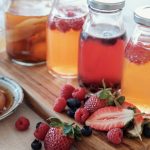 (NaturalHealth365) Probiotics are foods that help build the population of healthy bacteria in the gut. Why is this so important to human health? Because poor digestive health leads to a wide range of health issues from allergies to many forms of cancer.
Unfortunately, too many people have consumed synthetic antibiotics – which kill healthy bacteria. As healthy adults, we are supposed to carry around 3 to 4 pounds of “good” bacteria and yeast in our gut. But, every time we take antibiotics, we kill beneficial bacteria inside the digestive tract.
Dysbiosis has been linked to a multitude of chronic health conditions, scientific evidence suggests
Eventually, a condition called dysbiosis can occur – which can cause arthritis, autoimmune illness, vitamin B deficiency, chronic fatigue syndrome, food allergies, and food sensitivities, irritable bowel disorders plus skin problems like, eczema and psoriasis.
Naturally, antibiotics may be necessary – in some cases. But, if your doctor prescribes antibiotics without mentioning the need for probiotics, I would question his professional experience.
THESE are some of the best probiotic foods to improve digestive health
Try eating fresh sauerkraut and pickles. Finely shredded cabbage, which gets fermented, is a super-rich source of probiotics. A 2007 study published in the journal of Applied and Environmental Microbiology revealed that more than 13 different species of gut-friendly bacteria are present in sauerkraut. Naturally speaking, pickles and sauerkraut are some of the best probiotic foods to eat – especially after a heavy dose of antibiotics.
Fortunately, it’s quite easy to make your own sauerkraut at home by combining finely shredded cabbage with Himalayan sea salt. Just store it in a mason jar at room temperature. In the presence of sea salt, the cabbage releases water, and the surface bacteria on the cabbage helps in the process of fermentation.
If you want to buy sauerkraut, be sure to avoid the ‘commercial’ varieties that are heat-treated and pasteurized for obvious reasons. My personal favorite store brand is Real Pickles.
Miso soup is one of the mainstays of traditional Japanese medicine and is commonly used in macrobiotic cooking as a digestive regulator. Made from fermented rye, beans, rice, or barley – you can easily add a tablespoon of miso paste to hot water to make an excellent (quick), probiotic-rich soup. One of my favorite companies for quality miso paste is South River Miso Company.
Kefir, which is similar to yogurt, is a fermented dairy product. High in lactobacilli and bifidus bacteria, kefir is also rich in antioxidants. Look for a good, organic version at your local health food store to improve digestive health and help restore your microbiome.
Kombucha is a form of fermented tea that contains a high amount of healthy gut bacteria. This probiotic drink has been used for centuries as a natural way to boost energy levels, improve digestion and achieve weight loss goals. Just keep in mind that kombucha, with its natural sugars, may not be for everyone – especially if you suffer from candida.
Tempeh – as long as it’s non-GMO – is a probiotic-rich, fermented soybean product. It’s also a delicious meat substitute for vegetarians or vegans and a nice source of vitamin B12.
Kimchi is the Asian form of pickled sauerkraut. It’s actually an extremely spicy and sour fermented cabbage – typically served in Korea. Kimchi is rich in beta-carotene, calcium, iron, and vitamins A, C, B1, and B2, plus a great source of probiotics. However, proceed with a bit of caution, as this food has an intense spicy flavor.
But wait, that’s not all! THESE foods also offer probiotic benefits
Remember, to restore your gut bacteria, it is also important to consume a variety of raw fruits and vegetables – as often as possible. We say ‘raw’ because, although most produce gets washed before consumption, some bacteria clings to the surface, providing natural probiotic benefits.
Improving gut health is relatively inexpensive and loaded with health benefits like a stronger immune system and greater clarity of mind. If you suffer from serious health problems, work with an experienced healthcare provider to restore healthy bacteria today.
Sources used for this article:
Supercharge your brain with THESE powerful nutrients
Reproduced from original article:
www.naturalhealth365.com/supercharge-your-brain-3948.html
by: Wendy Miller, staff writer | August 23, 2021
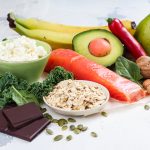 (NaturalHealth365) Your brain is the most complex organ in your body. It is responsible for not only your physical health but your mental and emotional health as well. When it comes to diet, most people think of the nutrients they need to build muscles, support the immune system, and boost their energy levels.
The fact is if we don’t provide our brains with the “supernutrients” they need to manage all of the systems within the body, one or more of those systems may eventually fail. Looking closer at the main components that make up most diets, you will be able to identify nutrients that target the brain and boost its performance.
Protein is one of the best “supernutrients” for your brain and here is why
Neurotransmitters in the brain are made up of proteins. Each protein connects to another like a wall of bricks allowing messages to be sent throughout the body. Different protein sources offer a wide range of nutrients vital to brain health and function.
THESE protein sources offer unique brain-supportive benefits
100% Grass-fed beef
Conventionally speaking, animal meat tends to get its bad rap for ‘increasing cholesterol levels,’ but it does provide a valuable source of B12. In fact, animal products provide one of the primary sources of B12 in our diet.
Along with the other B vitamins and amino acids, the entire network works together to keep the brain functioning efficiently and improve memory. Just remember, a healthy serving size only needs to be about 3-4 ounces.
By the way, if you don’t want to ‘eat meat for protein,’ take a look at the “6 positive health effects” of spirulina.
Pasture-raised dairy and eggs
Both raw dairy and cage free, pasture-raised eggs are good sources of protein. In addition, vitamin D – normally associated with healthy bones and teeth – also supports healthy brain function. But, never forget, the best source of vitamin D comes from adequate amounts of sun exposure on the skin.
In terms of eggs, this food is full of nutrients, including choline. Choline is related to the B-vitamins and is the precursor to acetylcholine. Acetylcholine is necessary for cognitive function and is known to boost memory and improved focus. Tryptophan is also found in eggs which has been shown to elevate mood.
Be sure, of course, to consume pasture-raised, organic eggs and organic dairy products whenever possible. And, no matter what, don’t overdo it.
Wild-caught fish
Fish is a “super food” in itself. It contains many vitamins, minerals, and natural oils that support efficient brain function and support memory, both short and long-term.
However, be mindful of the types of fish you choose to eat, as some contain significantly higher levels of heavy metals than others. Generally speaking, white meat fish and salmon are your best options.
Give your body and brain the fuel it needs by including plenty of high-quality carbs in your diet
Proteins are often thought of as the building material for the body. While proteins help to make up the structure, carbohydrates provide the fuel.
The majority of the body uses carbohydrates to burn calories. In the brain, however, it’s the nutrients within the carbs that make all the difference.
Organic fruits
Many fruits like the “berries” (cherries, blueberries, acai berries, etc.) contain high levels of antioxidants. By destroying free radicals that make their way into our bodies through the environment, processed foods, and excessive amounts of stress, antioxidants help the body to function more efficiently.
Berries are also known to have high levels of both vitamin C and vitamin A.
Organic vegetables
Vegetables, especially the green leafy kind, contain vital nutrients like lutein, beta carotene, and vitamin K that the brain must have to function. In addition, without vegetables in our diet, we would also lack vital minerals like selenium, zinc, and magnesium.
These minerals are essential for cognitive brain health. Some of your best choices will include: arugula, kale, collard greens, Swiss chard, dandelion and mustard greens.
The value of “healthy fats”
There are healthy fats out there that play a role in healthy brain function. Monounsaturated fatty acids (MUFAs) collect the bad fat cells as they flow through the bloodstream. MUFAs can be found in many different types of foods, including a few you may really look forward to.
A word about fatty acids
Fatty acids, most commonly known as omega 3, 6, and 9, are found in a variety of foods, including wild-caught salmon, coconut oil, avocados, nuts and seeds. Dark chocolate also falls into this category and, when eaten in moderation, offers a tasty ingredient for many of your favorite dishes.
What about olive oil?
Pure olive oil – from a reputable source – is one of nature’s finest creations. It’s not only a MUFA; it is also known as a powerful antiviral. Plus, it contains large amounts of antioxidants and vitamins K and E. Combined, these nutrients can supercharge the brain, supporting memory and cognitive function.
Hopefully, this brief overview will inspire you to include more foods that support brain health on every level. From cognitive function to improving memory, brain-healthy foods can elevate mood, prevent depression, and help you to minimize the risk of many forms of dementia.
Want a healthy brain, all the years of your life? Avoid toxic household products and non-organic food; exercise on a regular basis and add as many of the brain healthy foods to your diet, on a regular basis.
Sources for this article include:
Harvard.edu
WexnerMedical.osu.edu
NIH.gov
Parsley: Five Top Benefits of This Easy-to-Grow Herb
© GreenMedInfo LLC. This work is reproduced and distributed with the permission of GreenMedInfo LLC.
Want to learn more from GreenMedInfo? Sign up for the newsletter here:
www.greenmedinfo.com/greenmed/newsletter
Reproduced from original article:
www.greenmedinfo.com/blog/parsley-five-top-benefits-easy-grow-herb
Posted on: Thursday, August 19th 2021 at 4:15 pm

Discover the many health benefits of parsley in its fresh and dried forms, from a rich antioxidant profile to natural properties against diabetes and eye disorders
Parsley is often used as a flavoring among the chopped greens in your salad and makes a rich addition to sauces for juicy steaks, or a trusty garnish on your favorite dishes.
However, it’s also a veritable medicine sitting in your pantry, perhaps as juice to relieve edema or a powerful antioxidant source. The possibilities are endless with Petroselinum crispum, an important culinary herb originating from the Mediterranean region.
Parsley contains a formidable lineup of constituents such as coumarins, carotenoids, ascorbic acids and flavonoids for a wide range of health uses. These constituents give parsley plenty of wellness benefits, from being antimicrobial and diuretic to antihypertensive and anticoagulant.[i]
In fact, it’s used in Morocco mostly as an elixir to treat arterial hypertension, diabetes, and cardiac and renal disorders. Here are some of the top benefits of parsley for better health.
1. Rich Nutrient Source
Parsley is a nutrient-dense food. A one-cup serving (60 grams) of fresh parsley provides 22 calories, 3.8 grams (g) of carbohydrates, 1.8 g of protein, 2 g of dietary fiber, 3.72 milligrams (mg) of iron or 22% of the reference daily intake, 332 mg of potassium or 7% of RDI, 79.8 mg of vitamin C and 82.8 mg of calcium.[ii]
Parsley can be used in many flexible forms as part of a healthy diet. You may add fresh parsley to your dressings, sauces and marinades, or simply chop a few sprigs to garnish meals or add the herb to the dish by the end of its cooking time.
You may dry your fresh parsley, too. Tie a bunch together, then hang it upside down in a cool and dry place.[iii] Once completely dry, remove the stems and store the leaves in an airtight container. You may also use a dehydrator or a slightly warm oven. Why not also use the herb as a natural breath freshener? It’s a proven folk remedy against halitosis in a number of places including Italy.[iv]
Parsley can be part of your own home garden; seeds can be planted outdoors in March or April, depending on your growing season, or in late summer for early growth the next spring.
2. Full of Antioxidants
Parsley is chock full of potent antioxidants, which are compounds that prevent cellular damage from free radicals and are required by the body to maintain optimal health.[v] Parsley and celery juices successfully restored antioxidant activity in animal models treated with the chemotherapy drug doxorubicin.[vi]
Further studies show that diets rich in antioxidants such as flavonoids may slash the risk of diseases, including colon cancer.[vii] And as oxidative stress plays a principal role in stress-induced gastric injury, parsley offers antioxidants such as flavonoids, carotenoids and ascorbic acid to combat it.[viii] It might interest you to know that dried parsley appeared in a study to be more antioxidant-rich than its fresh counterpart.[ix]
3. Antidiabetic Action
Many medicinal herbs and spices have been traditionally celebrated for helping to control glucose levels with minimal to no side effects.
Along with Egyptian balsam, parsley extract was found to exhibit antidiabetic and antioxidant properties in Type 1 diabetes mellitus cases.[x] The herbal preparations were found to significantly reduce mean blood glucose levels and significantly increase insulin and total antioxidant capacity in the treated diabetic groups versus the control group.
In a Turkish study, researchers found that parsley had a significant hepatoprotective effect in diabetic animal models, where those treated with the herb demonstrated substantially lower levels of blood glucose, among other markers.[xi]
In similar findings, a separate study concluded that due to its antioxidant properties, parsley extract had a protective effect comparable to diabetes drug glibornuride against hepatotoxicity from the disease.[xii]
4. Promotes Healthy Vision and Bones
Carotenoids such as lutein, beta carotene and zeaxanthin, all found in parsley, help protect the eyes and promote fully functioning vision. Consuming food rich in these carotenoids has been associated with a reduced likelihood of age-related macular degeneration and cataracts.[xiii]
In a study involving 77,466 female nurses ages 45 to 71, lutein and zeaxanthin, on top of foods rich in those carotenoids, were shown to reduce the risk of cataracts severe enough to require extraction.[xiv] Research also vouches for parsley’s bone health benefits. The plant is rich in vitamin K, which is essential for bone health, and in fact packs an impressive 820% of the RDI (984 micrograms) in a one-cup serving.[xv]
In a study, aqueous extracts of parsley as well as basil and chicory, showed bone protection against glucocorticoid-induced osteoporosis in animal subjects.[xvi]
5. Natural Cancer Fighter
Flavonoids possess antioxidant, anti-inflammatory and anticancer activities through multiple mechanisms, including inducing cancer cell death in breast, colorectal and prostate cancers as well as inhibiting malignant cell proliferation in various types of cancer.[xvii]
In a 2020 study, parsley showed anticancer action in human glioblastoma cells alongside an outstanding antioxidant profile. The methanol extract of the herb was also seen as a potential anti-proliferative.[xviii]
Research also showed that parsley may stop breast cancer tumor growth linked to synthetic hormone replacement therapy. In a study, animal subjects exposed to apigenin, a common flavonoid found in parsley, developed fewer tumors and had significant delays in tumor formation compared to subjects not exposed to the flavonoid.[xix]
Find more scientific research on parsley benefits on the GreenMedInfo.com database.

References
[i] Mahmood S et al “Critique of medicinal conspicuousness of Parsley(Petroselinum crispum): a culinary herb of Mediterranean region” Pak J Pharm Sci. 2014 Jan;27(1):193-202.
[ii] NutritionValue.org https://www.nutritionvalue.org/Parsley%2C_fresh_nutritional_value.html
[iii] CookingChannelTV.com https://www.cookingchanneltv.com/devour/2013/06/25-ways-to-use-parsley
[iv] Madhushankari G et al “Halitosis – An overview: Part-I – Classification, etiology, and pathophysiology of halitosis” J Pharm Bioallied Sci. 2015 Aug; 7(Suppl 2): S339-S343.
[v] Lobo V et al “Free radicals, antioxidants and functional foods: Impact on human health” Pharmacogn Rev. 2010 Jul-Dec; 4(8): 118-126.
[vi] Kolarovic J et al “Antioxidant activities of celery and parsley juices in rats treated with doxorubicin” Molecules. 2010 Sep 3 ;15(9):6193-204. Epub 2010 Sep 3.
[vii] Chang H et al “Dietary Flavonoids and the Risk of Colorectal Cancer: An Updated Meta-Analysis of Epidemiological Studies” Nutrients. 2018 Jul 23;10(7):950.
[viii] Akinci A et al “Petroselinum Crispum is Effective in Reducing Stress-Induced Gastric Oxidative Damage” Balkan Med J. 2017 Jan ;34(1):53-59. Epub 2017 Jan 5.
[ix] Opara E et al “Culinary Herbs and Spices: Their Bioactive Properties, the Contribution of Polyphenols and the Challenges in Deducing Their True Health Benefits” Int J Mol Sci. 2014, 15(10), 19183-19202
[x] Khalil N et al “Antidiabetic and Antioxidant Impacts of Desert Date (Balanites aegyptiaca) and Parsley (Petroselinum sativum) Aqueous Extracts: Lessons from Experimental Rats” J Diabetes Res. 2016 ;2016:8408326. Epub 2016 Feb 25.
[xi] Bolkent S et al “Effects of parsley (Petroselinum crispum) on the liver of diabetic rats: a morphological and biochemical study” Phytother Res. 2004 Dec;18(12):996-9.
[xii] Ozsoy-Sacan O et al “Effects of parsley (Petroselinum crispum) extract versus glibornuride on the liver of streptozotocin-induced diabetic rats” J Ethnopharmacol. 2006 Mar 8;104(1-2):175-81. Epub 2005 Oct 11.
[xiii] Abdel-Aal E et al “Dietary sources of lutein and zeaxanthin carotenoids and their role in eye health” Nutrients. 2013 Apr 9;5(4):1169-85.
[xiv] Chasan-Taber L et al “A prospective study of carotenoid and vitamin A intakes and risk of cataract extraction in US women” Am J Clin Nutr. 1999 Oct;70(4):509-16.
[xv] NutritionValue.org https://www.nutritionvalue.org/Parsley%2C_fresh_nutritional_value.html
[xvi] Hozayen W et al “Antiosteoporotic effect of Petroselinum crispum, Ocimum basilicum and Cichorium intybus L. in glucocorticoid-induced osteoporosis in rats” BMC Complement Altern Med. 2016 ;16(1):165. Epub 2016 Jun 2.
[xvii] Hazafa A et al “The Role of Polyphenol (Flavonoids) Compounds in the Treatment of Cancer Cells” Nutr Cancer. 2019 Jul 9:1-12. Epub 2019 Jul 9.
[xviii] Aissani N et al “Anticancer Effect in Human Glioblastoma and Antioxidant Activity ofL. Methanol Extract” Nutr Cancer. 2020 Oct 29:1-9. Epub 2020 Oct 29.
[xix] Mafuvadze B et al “Apigenin prevents development of medroxyprogesterone acetate-accelerated 7,12-dimethylbenz(a)anthracene-induced mammary tumors in Sprague-Dawley rats” Cancer Prev Res (Phila). 2011 Aug;4(8):1316-24. Epub 2011 Apr 19.

Frankincense Superior to Chemotherapy in Killing Late-Stage Ovarian Cancer Cells
© GreenMedInfo LLC. This work is reproduced and distributed with the permission of GreenMedInfo LLC.
Want to learn more from GreenMedInfo? Sign up for the newsletter here:
www.greenmedinfo.com/greenmed/newsletter
Reproduced from original article:
www.greenmedinfo.com/blog/frankincense-superior-chemotherapy-killing-late-stage-ovarian-cancer-cells
Posted on: Saturday, December 21st 2013 at 6:00 am
Written By: Sinfully Wholesome
This article is copyrighted by GreenMedInfo LLC, 2017

Like the Magi, carrying myrrh, frankincense, and gold, researchers from the University of Leicester have, for the first time, demonstrated the potential of treating ovarian cancer using the Christmas gift frankincense.
The origins of frankincense can be traced to the Arabian Peninsula. According to Herodotus (5th century BC):
“Arabia is the only country which produces frankincense, myrrh, cassia, and cinnamon.. the trees bearing the frankincense are guarded by winged serpents of small size and various colors. (See this GreenMedInfo Summary).”
Frankincense, along with gold and myrrh, is one of the most famous Christmas presents in history, and is a fragrant plant resin extracted from the Boswellia sacra tree found across Africa and Arabia. Using the compound AKBA (acetyl-11-keto-beta-boswellic acid) derived from the resin, the research has successfully shown its potential effectiveness in targeting ovarian cancer.
More specifically, they have been able to demonstrate the ability of AKBA to combat cancer cells in late-stage ovarian cancer.
Lead researcher Kamla Al-Salmani, PhD student from the University’s Department of Cancer Studies and Molecular Medicine explained:
“After a year of studying the AKBA compound with ovarian cancer cell lines in vitro, we have been able to show it is effective at killing the cancer cells. Frankincense is taken by many people with no known side effects. This finding has enormous potential to be taken to a clinical trial in the future and developed into an additional treatment for ovarian cancer.”
Frankincense has been used as a folk medicine for centuries due to its anti-inflammatory properties, making it a viable treatment for asthma, skin conditions and gastroenteritis among others. Previous studies have also successfully linked AKBA as a potential treatment for many other cancers, including colon, breast and prostate cancer; however this is the first study to demonstrate its potential in combating ovarian cancer.
The researchers have shown that this frankincense compound is effective at killing ovarian cancer cells at realistic concentrations. What has been most surprising is that the cells we have tested which are resistant to chemotherapy have shown to be more sensitive to this compound, suggesting frankincense may indeed be able to help overcome drug resistance, and lead to an improved survival rate for patients with late-stage ovarian cancer.
Additional reading:
- Human bladder cancer cells and immortalized normal bladder cells were studied using Frankincense oil; Frankincense oil appears to distinguish cancerous from normal bladder cells and suppress cancer cell viability
- This study compares Boswellia sacra essential oil hydrodistilled at 100 °C vs 78 °C in inducing cancer cell death in cultured breast cancer cells; the oil prepared at 100 °C was more potent in inducing breast cancer cell-specific cytotoxicity
- Essential oil hand massage was used with hospice patients with terminal cancer with a positive effect on pain and depression
- Boswellia contains a compound (AKBA) which has inhibitory properties in meningioma cells
- Boswellia contains a compound which suppresses proliferation and induces programmed cell death in meningioma cells
SHOCKING revelation: Who is really in control of what you eat and how to take back control?
Reproduced from original article:
www.naturalhealth365.com/who-is-in-control-of-what-you-eat-3872.html
by: Damon Hines, staff writer | June 18, 2021
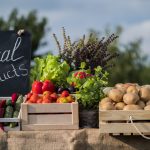 (NaturalHealth365) America’s food injustice has deep roots. Dig beneath the surface of a chicken nugget, chocolate bar, tuna sandwich, or apple pie, and chances are you’ll find exploitation, poverty, corrupt profit, and a conspiracy to fix prices. Generally speaking, the nation’s food system is controlled too much by Big Food monopolies … and this concentration of power and money decides what (and how) food is produced, where and by whom, and who gets to eat it.
For example, according to recent research published in the European Review of Agricultural Economics, the consolidation of food producers correlate with higher food prices. How? It’s actually quite simple: in a strategic effort to fleece consumers, these short list of companies simply match each other’s price increases rather than competing with them. And that’s just the appetizer to the main course, so to speak.
At each stage of the food chain, only a handful of players dominate, not just in primary agriculture but in food manufacturing and retailing. According to Oxfam, a global organization working to end the injustice of poverty, these dominant players “extract much of the value along the chain, while costs and risks cascade down on to the weakest participants, generally the farmers and laborers at the bottom.”
In truth, this is just the beginning of how big food producers threaten our health. Keep reading, for the (truly) “shocking” revelation – that many corporate food producers don’t want you to ever know.
When did our food system go so terribly wrong? Care to answer that … Big Food?
According to the United Nation’s food price index, global food prices rose for the 12th month in a row, with the sharpest monthly rise in over a decade occurring from April to May, with food prices spiking 4.8%
This is bad news for the 35 million Americans the U.S. Department of Agricultural has deemed “food insecure,” not to mention a significant blow to low-income countries around the world.
While the sharp rise of global food prices has been attributed to a variety of causes – from drought in Brazil’s sugar-growing regions to slowed vegetable oil production in Southeast Asia – the corporate consolidation of food production, processing, and distribution and the monopolistic practices exhibited by these corporations is the main reason. Simply put, less competition equals higher prices.
Mega-mergers and acquisitions have made food retailer Wal-Mart, food processor Nestle, and seed/chemical firm Bayer the feudal lords of the American food system, while the ABCD group of multinationals (ADM, Bunge, Cargill, and (Louis) Dreyfus) dominate global trade.
How to take back control of our food
So, what’s the (truly) “shocking” revelation about our food supply? Well, I truly believe – as we reach critical mass – that we (the people) have the power to change this for better … very fast! The power lies in our purchasing power. The best way to take control back from the Big Food cartels is to STOP buying into their horrible system that produces terrible food for our health. (Watch how fast they change … if enough people can appreciate what we’re saying here.)
Let’s just say the obvious: fast food companies make a multi-million dollar effort to deceive the public on a daily basis … and poison us with their terrible food ingredients. “Finger lickin good?” (KFC) “Happy Meal?” (McDonald’s) “Together Tastes Better?” (Coca-Cola) Are you kidding me?!
It’s time to get involved and take back our food supply. Research indicates that over the past 50 years, communities around the U.S. have established more than 1,900 urban farms. In addition, community-owned food co-ops are on the rise. And, of course, the growing popularity of locally-run, farmers markets are greatly improving the quality of the food we have access to. Generally speaking, decentralizing our food system provides a much more secure delivery system and it’s a great way to make new friends by locally purchasing higher quality (organic) food for your family. These are all positive steps.
More locally sourced food with shorter and less-centralized supply chains are what the world needs to create a more resilient food system, along with more locally-sourced farm programs, extensive state and federal incentives, better workers’ rights, and stronger antitrust policies. But, it all begins (and ends) with how we the people spend our hard earned money.
So, let’s do this together. Buy better quality (organic) food on a daily basis. Avoid the middle of the supermarket – which is filled with too many unhealthy (overly-processed) foods that damage our health. And, buy from local farms, as much as possible. These people work so hard to produce great quality food and they deserve our support.
As we make better food choices – one person at a time – watch how fast our world will change for the better. What are your thoughts?
Sources for this article include:
Childrenshealthdefense.org
CNN.com
Theguardian.com
LOWER high blood pressure by drinking THIS popular beverage
Reproduced from original article:
www.naturalhealth365.com/high-blood-pressure-3865.html
by: Sara Middleton, staff writer | June 12, 2021
 (NaturalHealth365) According to the U.S. Centers for Disease Control and Prevention (CDC), about 45 percent of Americans have high blood pressure (hypertension) or are taking a high blood pressure medication. Like other medications, antihypertensive drugs are no stranger to side effects; commonly reported ones include dizziness, diarrhea, and lightheadedness.
While you shouldn’t stop taking any medications without your doctor’s consent, switching out your morning cup of coffee for a mug of black tea or green tea may help you get better control of your blood pressure.
New study sheds light on why drinking green tea and black tea may help manage high blood pressure and improve heart health
It’s not unheard of in the medical and scientific community to hear that sipping on some green or black tea could improve one’s cardiovascular function. According to the American Heart Association (AHA), green and black tea contain antioxidants called polyphenols which are shown to support heart health and lower blood pressure. The AHA also notes tea preserves “good” HDL cholesterol while reducing “lousy” LDL cholesterol, as well as lowering blood sugar levels, all of which are important for heart health.
But regarding tea’s anti-hypertensive effects specifically, how does the second most consumed beverage in the world have such a powerful effect?
The new study in question, based out of the University of California, seeks to clarify this mystery. Publishing their results in the latest volume of Cellular Physiology and Biochemistry, the study’s authors performed lab tests to conclude that two flavonoids in green and black tea – called epicatechin gallate and epigallocatechin-3-gallate – activate an ion channel found within blood vessel walls. By activating this ion channel, potassium ions can leave cells, which ends up relaxing blood vessels.
In simplistic terms, the more relaxed blood vessels are, the lower the blood pressure.
A limitation of this study is that it was performed in a laboratory setting and was not a randomized controlled trial involving humans. Just because something can be produced in a lab doesn’t necessarily mean the results will translate to meaningful benefits on human lives. However, the study does add helpful context to the decades of prior research revealing a link between tea drinking and improved blood pressure.
Brew the perfect cup: Here’s how to select and prepare a great cup of green or black tea
Green and black tea come from the same plant but are processed differently (black tea leaves are rolled and exposed to air to trigger oxidation, whereas oxidation is prevented in green tea leaves). For the highest quality, look for organic tea leaves. If you’re not using loose-leaf teas, look for a product made with plastic-free tea bags.
For black tea, steep your leaves in boiling water for about 3 to 5 minutes. Green tea should be done steeping after 3 minutes, too. Don’t over-steep, as this can cause your tea to taste bitter.
Toss your teabags when done, or save for DIY hacks like a refreshing eye mask; many find that placing cool teabags on their eyes for a few minutes temporarily reduces the appearance of puffiness and dark circles, likely thanks to the tea’s caffeine content.
And on that note:
Even though black tea and green tea contain less caffeine than a regular cup of coffee, these teas still contain around 30 to 50 mg in every serving. If you’re sensitive to caffeine, avoid consuming these teas later in the day to avoid sleep issues.
Sources for this article include:
CDC.gov
AHAjournals.org
Rxlist.com
MayoClinic.org
ScienceDaily.com
NIH.gov
Heart.org
Cellphysiolbiochem.com
Slash your risk of cognitive decline with this simple dietary intervention
Reproduced from original article:
www.naturalhealth365.com/risk-of-cognitive-decline-slashed-3861.html
by: Lori Alton, staff writer | June 8, 2021
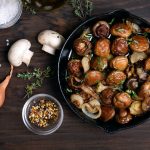 (NaturalHealth365) Mushrooms are prized by chefs for their meaty, smoky taste – and their ability to enhance recipes with the savory, rich quality known as “umami.” Nutritionists say mushrooms’ ability to evoke umami is due to their high content of an amino acid known as glutamate, which is also responsible for much of the flavor in meats, cheeses, simmering soups, and fish.
But, there is a lot more to these edible fungi than their umami. In a recent cross-sectional, community-based Chinese study, researchers discovered that eating mushrooms can help reduce the risk of cognitive decline by slashing the odds of developing mild cognitive impairment (MCI), which affects 15 to 20 percent of people aged 65 and older. Let’s take a closer look at the groundbreaking study and the remarkable benefits of mushrooms.
Warning: MCI is often a precursor to an even more severe and deadly disease
Mild cognitive impairment (MCI) involves slight but noticeable memory loss or forgetfulness, along with mild deficits in thinking skills, language, attention, and spatial abilities.
Unlike more serious forms of dementia, MCI is not disabling, and people with the condition can still carry out normal daily activities. However, the affected person is usually aware of a decline in cognitive abilities, which is often observed by family members and close friends as well. While not all people with MCI go on to develop Alzheimer’s disease, the Alzheimer’s Association reports that MCI increases the risk. In fact, many physicians view MCI as a transition between the decline of normal aging and the more serious impairments of dementia.
Here is what to eat to cut the odds of MCI by 50 percent
But, there’s good news.
In a six-year study involving over 600 adults over 60 and published in the highly regarded Journal of Alzheimer’s Disease, a team from the Departments of Psychological Medicine and Biochemistry at the Yong Loo Lin School of Medicine at the National University of Singapore investigated the effects of mushroom consumption on cognition. The scientists were careful to adjust for other factors that can influence MCI, including age, gender, education, cigarette smoking, alcohol consumption, hypertension, diabetes, heart disease, physical activities, and social life.
The study results were eye-opening.
The team found that older adults who consumed more than two portions of mushrooms a week reduced their odds of mild cognitive impairment by an astonishing 50 percent. (A portion was defined as about three-quarters of a cup of cooked mushrooms). Intriguingly, even smaller amounts of mushrooms – such as a single weekly serving – conferred benefits as well.
Lead author Lei Feng, an Assistant Professor at NUS Department of Psychological Medicine, called the results “surprising and encouraging” and the mushrooms’ effect on cognitive decline “dramatic.”
By the way, the researchers found that it didn’t seem to matter which type of mushrooms were consumed. Golden, oyster, shiitake, and white “button” mushrooms – as well as assorted canned and dried varieties – all appeared to have the same effect.
Researchers: Cognitive benefits of mushrooms may be due to unique compound
Researchers credited ergothioneine, an antioxidant and anti-inflammatory compound found in mushrooms, for the beneficial cognitive effects. In fact, the study was inspired by earlier research showing that ergothioneine deficiency could be a risk factor for neurodegenerative diseases.
And ergothioneine isn’t the only beneficial compound found in mushrooms. Scientists say that other constituents – including such tongue-twisting substances as hericenones, erinacines, scabronines, and dictyophorines – may help cut odds of cognitive impairment as well. And, another key to mushrooms’ ability to cause plunging odds of MCI is their choline content, an essential nutrient vital to learning and memory.
The team noted that further studies on the cognitive benefits of mushrooms would include randomized, controlled trials on ergothioneine. Trials are also ongoing to explore the effects of other neuroprotective nutrients, include L-theanine and catechins from tea leaves.
The humble mushroom packs a powerful nutritional punch
Mushrooms are rich in protein, vitamins, minerals, fiber, and disease-fighting polyphenols and carotenoids – yet low in calories and fat. They also contain potent antioxidants – including immune-boosting vitamin C and the mineral selenium – and B vitamins, such as folate, riboflavin, thiamin, and vitamin B12. (Since vitamin B12 is found almost exclusively in animal products, this makes mushrooms a particularly valuable addition to the diets of vegans and vegetarians).
In addition, mushrooms are the only vegan, non-fortified source of vitamin D on the planet – although the content may vary depending on how much light is used in the growing process. Some producers expose mushrooms to ultraviolet light to enhance vitamin D levels – and often feature this fact on the label. The minerals copper, iron, potassium, and phosphorous are also found in mushrooms.
In addition to their beneficial micronutrients, mushrooms contain up to a gram of dietary fiber per cup. Coupled with their satisfying, chewy consistency, the fiber in mushrooms may help create a sense of satiety or fullness that can help protect against binge eating and food cravings.
And, at a minimal 20 calories per cup – about a quarter of the calories in a small apple – mushrooms won’t break the daily caloric “bank.”
Incidentally, in addition to protecting against cognitive decline, the benefits of mushrooms include cardioprotective and cancer-fighting properties. According to researchers at Harvard T.H. Chan School of Public Health, beta-glucans in mushrooms may help to lower harmful LDL cholesterol. The scientists also credit mushrooms with stimulating the activity of immune cells and macrophages that can stop the spread of tumor cells.
Mushrooms have long been used for both culinary and therapeutic purposes, with medicinal mushrooms revered as a staple of Traditional Chinese Medicine. But, the Singapore study suggests that a mere two servings a week of ordinary, garden-variety mushrooms might be stronger “medicine” than anyone ever suspected.
Sources for this article include:
ScienceDaily.com
Iospress.com
MedicalNewsToday.com
AlzheimersAssociation.org
Harvard.edu