Linoleic Acid
now browsing by category
Kennedy Wants to End ‘War on Saturated Fats’ with New Dietary Guidelines
Reproduced from original article:
https://articles.mercola.com/sites/articles/archive/2026/01/31/new-dietary-guidelines-saturated-fats-whole-foods.aspx
Analysis by Dr. Joseph Mercola January 31, 2026

Story at-a-glance
- Nearly 90% of U.S. health care spending now goes toward chronic disease, much of it driven by dietary guidance that favored processed foods over real, nourishing meals
- The new Dietary Guidelines for Americans reverse decades of low-fat advice and no longer treat saturated fats from whole foods as dietary threats
- Highly processed foods and added sugars are now explicitly identified as harmful because they disrupt appetite control, energy balance, and long-term metabolic health
- Excess linoleic acid (LA) from seed oils damages mitochondria, and keeping intake under 3 grams per day supports brain function, energy production and overall resilience
- Building meals around real protein, natural fats, and personalized portions restores appetite regulation and gives you lasting control over your health
You followed the rules. You chose margarine over butter, skim milk over whole, and chicken breast over ribeye. And yet here we are: nearly 90% of U.S. health care spending now goes toward chronic disease.1 Federal health officials are finally admitting what you may have suspected — the rules were wrong.
If you feel frustrated that you followed advice that may have harmed you, you’re not alone. That single fact reframes the nutrition debate. When most medical dollars chase conditions that build slowly over years, the issue is not isolated choices or personal failure. It reflects a system of guidance and incentives that shaped how Americans eat every day.
In kitchens across America, people who believed they were doing everything right watched their health quietly deteriorate anyway. Weight creeps up. Energy crashes after meals. Blood sugar wobbles. These warning signs now appear in thirty-somethings — and progress silently for years before anyone calls it disease. These trends didn’t emerge overnight, and they didn’t arise from individual biology alone.
They followed decades of messaging that prioritized convenience, shelf life, and simplified rules over food quality and long-term physiology. For a long time, official advice encouraged people to fear certain foods while relying more heavily on manufactured alternatives. That framework influenced what showed up in cafeterias, pantries, and public programs nationwide.
Over time, it normalized eating patterns that supplied plenty of calories but failed to support the systems that regulate energy, appetite, and repair. Against this background, the latest Dietary Guidelines for Americans signal a clear change in direction. Federal agencies now acknowledge that earlier approaches missed the mark and contributed to today’s health crisis.
A Federal Reset That Rewrites What Healthy Eating Looks Like
An announcement released by the U.S. Department of Health and Human Services on January 7, 2026 details the Dietary Guidelines for Americans 2025–2030 as the most significant reset of U.S. nutrition policy in decades.2 Rather than focusing on single nutrients or calorie math, the guidance centers food quality and long-term health outcomes.
The document frames diet-driven chronic disease as a national emergency, not a personal failure. These guidelines shape school meals, military food, hospital menus and federal nutrition programs that influence what ends up on your plate.
• Chronic disease linked directly to past dietary guidance — Federal officials state that decades of nutrition advice emphasized low-quality, highly processed foods and pharmaceutical interventions instead of prevention. That guidance coincided with rising obesity, metabolic disease, and loss of physical readiness in young adults.
According to the report, diet-driven chronic disease now disqualifies many Americans from military service, limiting opportunity and national readiness. For everyday life, this explains why eating “by the rules” often failed to protect your health. If young adults can’t pass basic fitness requirements, imagine what’s happening inside the bodies of middle-aged Americans following the same dietary patterns.
• The population affected includes most American adults and children — The report highlights that more than 70% of American adults are overweight or obese and nearly 1 in 3 adolescents has prediabetes. Prediabetes means blood sugar stays chronically elevated, stressing organs and blood vessels long before diabetes appears.
Even at levels doctors don’t yet call diabetes, this elevated blood sugar quietly damages blood vessels, nerves, and organs, often for a decade before diagnosis. These conditions develop across the population, not just in high-risk groups. That framing removes blame and refocuses attention on food quality and policy decisions that affect everyone.
• A core finding is the return of protein as a dietary priority — The guidelines explicitly call for prioritizing protein at every meal.3 Protein-rich foods include meat, eggs, poultry, seafood and dairy, along with certain plant foods.
Adequate protein supports muscle mass, metabolic rate, and recovery, which directly affects how strong, resilient, and energetic you feel day to day. The document notes that earlier guidelines discouraged protein in favor of carbohydrates, a shift federal officials now describe as unsupported by modern nutrition science.
• Full-fat dairy and natural fats are no longer treated as dietary threats — Another key finding is the recommendation to consume full-fat dairy with no added sugars.4 Fat from whole foods improves satiety, meaning you feel satisfied sooner and stay full longer. This means you can stop white-knuckling your way through mid-afternoon cravings — your body will naturally tell you it’s had enough.
The guidance also calls for receiving most dietary fat from whole food sources such as meats, eggs, and dairy rather than industrial products. This reframes fat as a stabilizing part of meals instead of something to avoid or fear. But what makes whole foods fundamentally different from their processed counterparts? The answer lies in how your body actually processes them.
How Real Food Improves Health Outcomes
Federal officials emphasize that whole, nutrient-dense foods deliver proteins, fats, vitamins and minerals in forms your body recognizes and uses efficiently.5 Ultraprocessed foods, by contrast, supply unhealthy carbohydrates and additives that disrupt appetite control and metabolism. In simple terms, real food supports stable energy and repair, while processed food drives cycles of hunger and fatigue. That’s why food quality matters more than calorie counting.
• Highly processed foods and added sugars are clearly identified as harmful — For the first time, the guidelines directly call out highly processed packaged foods as dangerous to health. The announcement advises avoiding sugar-sweetened beverages such as soda and fruit drinks. It states that no amount of added sugar or artificial sweeteners like aspartame and sucralose is recommended as part of a healthy diet.
• Implementation focuses on personalization rather than rigid rules — The guidance stresses that people should eat the right amount for their age, sex, size and activity level. This approach recognizes individual differences instead of enforcing a single template and encourages adjustment based on feedback from energy levels, strength, and metabolic markers rather than blind adherence to numbers.
• The policy shift prioritizes prevention over treatment — The guidance states that food, not pharmaceuticals, should form the foundation of health. By focusing on real food, healthy fats, and reduced processing, the guidelines aim to lower disease burden and long-term costs. That focus directly affects your future health trajectory by emphasizing daily choices that compound over time.

Save This Article for Later – Get the PDF Now
Practical Steps to Fix the Real Problem, Not the Symptoms
Many people feel overwhelmed by nutrition advice because it focuses on rules instead of causes. The core issue is not calories, willpower, or genetics. The real problem is a food environment dominated by highly processed products that disrupt metabolism, weaken cellular energy, and crowd out real nourishment. When that foundation changes, health becomes easier to manage and far more predictable. Here is how those principles translate into clear, practical steps you can apply in daily life.
1. Eliminate linoleic acid (LA) to protect your mitochondria — While the new guidelines don’t specifically address seed oils, the underlying principle — prioritizing whole food fats over industrial alternatives — aligns with research on LA. Excess LA damages mitochondria, the structures inside your cells that produce energy, and this damage affects brain function, metabolic health, and long-term resilience.
When you consume excess LA, it gets incorporated into your cell membranes and mitochondrial membranes. Because LA is highly unstable (polyunsaturated), it oxidizes easily — think of it like a fat that goes rancid inside your cells. This oxidation creates harmful byproducts that impair your mitochondria’s ability to produce energy efficiently, leaving you fatigued and vulnerable to chronic disease.
To protect your health, LA intake needs to stay under 3 grams per day. That requires eliminating seed oils such as soybean, corn, sunflower, safflower, canola and cottonseed oils. It also means avoiding processed foods, fried foods and most restaurant meals, since these oils dominate commercial kitchens.
Stable fats — grass fed butter, ghee, and tallow — fuel your mitochondria cleanly, without the cellular rust that seed oils leave behind. To track intake accurately, downloading my Mercola Health Coach app once available allows you to use the Seed Oil Sleuth feature, which monitors LA intake down to a tenth of a gram.
2. Anchor every meal around real protein — Every meal works better when protein sets the foundation. Adequate protein stabilizes appetite, blood sugar, and energy. Meals built around grass fed meat, eggs, or dairy help you feel complete instead of leaving you hungry an hour later. When protein intake stays consistent throughout the day, hunger softens, cravings lose intensity and eating stops feeling urgent.
Most adults do best with about 0.8 grams of protein per pound of ideal body weight (about 1.76 grams per kilogram). Make sure roughly one-third of your protein comes from collagen-rich sources such as bone broth, pure gelatin powder without additives, oxtail, shanks, or grass fed ground beef that includes connective tissue.
3. Bring natural fats back onto your plate — Removing fat pushed people toward refined carbohydrates and constant snacking, which steadily damaged metabolic health. The low-fat era didn’t just remove butter; it replaced it with bagels, pretzels, and fat-free cookies loaded with sugar.
Restoring natural fats corrects that imbalance. Whole-food fats such as grass fed butter, ghee and tallow slow digestion and support satiety, while full-fat dairy improves nutrient absorption. As fats return, meals feel steadier and satisfaction lasts longer.
4. Eliminate highly processed foods at the source — Highly processed foods are designed to keep you eating past normal hunger cues, which is why trying to “just have less” usually fails. Removing them from your environment works more reliably than relying on restraint.
When the chips aren’t in the pantry, you can’t negotiate with yourself at 9 p.m. Remove the decision, and willpower becomes irrelevant. Replacing them with whole, recognizable foods allows your appetite and energy signals to normalize without constant effort.
5. Eat the right amount for your body, not a formula — Rigid calorie targets disconnect you from physical feedback. Eating the right amount restores that signal. Energy, warmth, strength, and recovery offer clearer guidance than numbers.
Constantly cold? Exhausted by 3 p.m.? Starving between meals? You’re probably eating too little. Feeling sluggish and heavy after eating? You may need simpler meals, not smaller ones. As a starting point, eat until you’re 80% full, then wait 20 minutes before deciding if you need more.
When you address the cause of poor health by rebuilding meals around real food, adequate protein, natural fats and low LA exposure, biology starts working with you instead of against you. That shift creates lasting leverage over health rather than an endless cycle of correction.
FAQs About the New Dietary Guidelines
Q: Does this mean butter is back?
A: It means federal dietary guidance no longer treats saturated fats from whole foods as dietary enemies. The new guidelines recognize that fats from foods like meat, eggs and full-fat dairy support satiety, nutrient absorption and metabolic stability, unlike industrial fats and refined carbohydrates that dominated earlier advice.
Q: Why did past dietary guidelines fail to protect health?
A: Earlier guidance emphasized highly processed foods and simplified rules rather than food quality and physiology. That approach coincided with rising obesity, prediabetes, and chronic disease, even among people who believed they were following official recommendations.
Q: Why is food quality more important than calorie counting?
A: Whole, nutrient-dense foods deliver protein, fats, vitamins, and minerals in forms your body uses efficiently. Highly processed foods disrupt appetite regulation and energy balance, leading to cycles of hunger and fatigue regardless of calorie intake.
Q: Why is eliminating LA so important?
A: Excess LA from seed oils damages mitochondria, the parts of cells that produce energy. Keeping intake under 3 grams per day by avoiding seed oils, fried foods and most restaurant meals protects brain function, metabolic health, and long-term resilience.
Q: What’s the simplest way to apply the new guidelines at home?
A: Build meals around real protein, use stable natural fats, eliminate highly processed foods, limit LA exposure and eat amounts that match your body’s energy and recovery signals rather than fixed formulas.
Are Processed Plant-Based Foods Bad for Your Heart? Here’s What Research Says
Reproduced from original article:
https://articles.mercola.com/sites/articles/archive/2026/02/03/processed-plant-based-foods-heart-disease-risk.aspx
Analysis by Dr. Joseph Mercola February 03, 2026

Story at-a-glance
- Not all plant-based foods support heart health — ultraprocessed items may actually increase cardiovascular risk despite their “vegan” label
- A large French cohort study of over 63,000 adults found an approximately 40% reduction in cardiovascular disease risk when participants ate minimally processed, nutrient-rich plant foods
- There was also a 38% increase in overall cardiovascular disease risk when diets were dominated by ultraprocessed, low-quality plant-based foods, even if they appeared “healthy”
- Key red flags include: high sodium in vegan meats and deli slices, seed oils that damage mitochondrial function, refined starches/sugars, and gut-disrupting additives like methylcellulose and gums
- The most protective plant-based diets are built from whole foods with minimal processing, like legumes, vegetables, fruits, and whole grains
You ordered the Impossible Burger. You’ve swapped whole milk for oat milk. You even started reading labels — so why did your latest blood work show warning signs your doctor didn’t expect?
Many health-conscious people assume a plant-based diet automatically protects their heart. They then turn to vegan or vegetarian products sold in supermarkets, including fake meats, nut milks, and packaged snacks. But watch out — some of these plant-based foods can actually do more damage to your health. Let’s dive into the reasons why most highly processed plant-based foods are bad for your heart.
What Do Recent Studies Say About Processed Plant-Based Diets and Heart Disease?
A large French study published in The Lancet found that it’s not just about what you eat — how your food is made matters just as much. The research, which was conducted as part of the large-scale, web-based NutriNet-Santé project, followed 63,835 adults for nearly a decade. The study authors wanted to answer an important question: Which plant-based diets actually protect against heart attacks and strokes and which ones don’t?1,2
What made this study different from most is that it didn’t just look at whether people ate more plants or less meat — it also looked at the nutritional quality of the plant-based foods. Most importantly, it looked at how processed those foods were. In other words, a diet made up of frozen veggie nuggets, flavored soy drinks, and processed plant-based snacks might be plant-based, but is it heart-healthy?
• The participants’ diets were evaluated — Through online questionnaires, participants provided detailed records of what they ate and drank over a period of at least three days. The researchers then categorized their diets by the proportion of plant- versus animal-based foods, while also factoring in nutritional quality and the degree of food processing.
• How the diets were scored — To analyze the data, the researchers used four different types of plant-based diets:
◦ Healthy plant-based and unprocessed (hPDI-UnPF) — Fresh veggies, fruits, legumes, etc.
◦ Healthy plant-based and ultraprocessed (hPDI-UPF) — Packaged “healthy” snacks and plant-based frozen meals
◦ Unhealthy plant-based and unprocessed (uPDI-UnPF) — Sugary drinks and white bread (but not heavily processed)
◦ Unhealthy plant-based and ultraprocessed (uPDI-UPF) — Sweets, chips, and sugary plant-based products
They then tracked the participants’ health over time to see which diet types led to more or fewer heart problems.
• The study revealed a clear pattern — The researchers found that the people who mostly consumed nutritious plant-based, minimally processed foods (hPDI-UnPF) had 44% lower risk of coronary heart disease and 32% lower risk of overall cardiovascular disease.
On the other hand, the uPDI-UPF diet was the worst for heart health. People who ate high amounts of unhealthy and heavily processed plant foods had a 46% higher risk of heart disease and 38% higher risk of overall cardiovascular disease.3
What Is an ‘Unhealthy’ Plant-Based Diet (UPDI), and How Is It Different from a Healthy One?
To put it simply, an Unhealthy Plant-Based Diet Index (uPDI) refers to a plant-based diet that includes mostly low-quality plant foods that are heavily processed or high in added sugars and refined carbs. While these foods technically come from plants, they don’t offer the same health benefits as whole, nutrient-rich plant foods.
A separate U.S. study, published in the American Journal of Preventive Cardiology, reinforced these findings — with an even more alarming twist. Conducted by researchers from Johns Hopkins Bloomberg School of Public Health and the University of Washington, the research took a deep dive into how plant-based diets relate to silent, early signs of heart disease.4,5
• Gathering the data — Between 1999 and 2004, researchers looked at data from 7,708 adults who participated in the National Health and Nutrition Examination Survey (NHANES), a large, nationally representative health study in the U.S. They took note of what the people ate over a 24-hour period.
• The diets were grouped into three plant-based indices — These were categorized based on how plant-based the diets were and whether the plant foods were mostly healthy or unhealthy:
◦ Overall Plant-Based Diet Index (PDI) — The total amount of plant foods eaten.
◦ Healthy Plant-Based Diet Index (hPDI) — Diets rich in whole plant foods like fruits, vegetables, whole grains, legumes, and nuts.
◦ Unhealthy Plant-Based Diet Index (uPDI) — Diets high in sugary drinks, sweets, refined grains, and fried starchy foods (like fries) and white bread.
• Measuring heart health — Instead of looking at full-blown heart attacks or disease, the researchers focused on “subclinical cardiovascular disease,” which are early signs of heart trouble that don’t yet cause symptoms but can be detected through biomarkers in the blood. Using blood samples from the participants, the researchers tested for:
◦ Cardiac Troponin I (cTnI), a marker for subtle heart muscle damage.
◦ Cardiac Troponin T (cTnT), another protein released during heart strain.
◦ NT-proBNP, a protein that is released when the heart is under stress, and is often used to detect or predict heart failure.
Elevated levels of these biomarkers suggest that the heart may be under strain — even if a person feels perfectly fine.
• What the study findings revealed — The results were stark: People whose diets were mostly made up of unhealthy plant foods had 65% higher odds of having elevated troponin I — the same biomarker of damage that doctors look for after a heart attack. Think of troponins like a smoke alarm for your heart — when heart muscle cells are stressed or damaged, they release these proteins into your bloodstream. Even small increases can be signs of subclinical (hidden) heart disease.
“Up to 50% of individuals with no apparent history of cardiac issues have subclinical levels of troponins. While these levels are not of immediate concern, they may be interpreted as a warning sign of potential future issues,” Medical News Today reports.6
On the other hand, people who had higher hPDI scores had a much lower risk of having elevated cTnI levels. Those in the highest group for healthy plant eating had about 50% lower odds of heart stress compared to those in the lowest group. This table summarizes these findings:
| Index | Focus | Examples | Health impact |
|---|---|---|---|
| hPDI | Nutrient-dense, minimally processed plant foods | Lentils, chickpeas, berries, and leafy greens | Supports lower cardiovascular risk |
| uPDI | Ultraprocessed, low-nutrient plant-based foods | Vegan pastries, sweetened plant milks, sugary cereals, fake meats | Linked to higher cardiac biomarkers |
| NOVA 4 | Industrially processed (UPFs) across all categories | Vegan nuggets, ready-to-eat meals, plant-based sodas, additive-laden bars | Strongly linked to chronic disease risk |
Take note that the table also includes the NOVA classification — a global system that sorts foods by their level of industrial processing. But why does this matter? Simply put, NOVA Group 4 is where most “plant-based” convenience foods live — and where the highest cardiovascular risks hide.
NOVA group 4 includes ultraprocessed foods (UPFs), which often carry the biggest risk due to added sugars, preservatives, emulsifiers, and other synthetic ingredients. Many uPDI-scoring foods fall into this group and both the French and U.S. studies back up this distinction.
The common thread between these two studies is simple but often missed: Eating “plant-based” doesn’t automatically protect your heart. It depends on what kind of plant-based foods you’re eating, how they’re made, and what else comes along with them. So what exactly is in these foods that makes them so harmful? Let’s break down the four biggest culprits.
Save This Article for Later – Get the PDF Now
Why Processed Vegan Foods Raise Cardiovascular Risk
The problem with many processed vegan foods isn’t that they’re plant-based — it’s how they’re made. The packaging might look clean and green, but what’s inside tells a different story. Excessively high sodium, polyunsaturated fats (PUFs), refined starches, and chemical additives all stack up to create a metabolic mess that quietly damages your heart.
• Let’s start with sodium — Although conventional medical advice recommends limiting sodium intake, the fact is you still need it to support various physiological functions, including helping generate and conduct the electrical signals that control your heartbeat. Hence, instead of completely limiting it, it’s best to acquire it from natural, unprocessed food sources and is balanced by a high potassium intake — this supports healthy physiology.
Unfortunately, most ultraprocessed, plant-based foods, such as meat substitutes in particular, have excessively high amounts, disrupting your sodium-to-potassium ratio. According to Dr. Jayne Morgan, a cardiologist at Hello Heart:
“Many plant-based meats are heavily seasoned to mimic meat flavors. This often means very high sodium levels, which is a major contributor to hypertension,” she said. “A plain chicken breast might have 70 mg of sodium [in four ounces of chicken], while a processed plant burger could have 400–600 mg of sodium!”7
• Linoleic acid (LA) is another major red flag — Many processed plant-based foods — especially vegan dressings, cheese alternatives, and “healthy” snacks — are made with seed oils like sunflower, safflower, or canola. These oils are extremely high in linoleic acid (LA), a polyunsaturated omega-6 fat that, in excess, disrupts mitochondrial function.
Your mitochondria are the energy factories inside every cell. When excess linoleic acid accumulates, it interferes with how these factories burn fuel — like putting the wrong gasoline in your car. The result is sluggish energy production and cellular debris that triggers inflammation.
Your body stores LA in fat tissue, where it gradually degrades into harmful byproducts. These compounds inflame blood vessel walls and sabotage your cells’ ability to produce energy efficiently. Most modern plant-based processed foods are loaded with LA, making them a hidden metabolic threat — even when labeled “heart-healthy.”
• Refined starches and sugars add another layer of concern — Packaged vegan pastries, sweetened plant drinks, and “healthy” granola bars spike blood sugar and insulin levels. Over time, this worsens triglyceride profiles and contributes to metabolic dysfunction (a state where your body struggles to properly regulate blood sugar, fat storage, and energy production), especially in people with poor gut health or underlying insulin resistance.
• And then there are the additives — Ingredients like methylcellulose, carrageenan, gums, and modified starches are often used to thicken, bind, or stabilize processed vegan products. There’s emerging evidence suggesting these compounds may disrupt the gut lining, alter the microbiome, and trigger inflammation, all of which contribute to cardiovascular stress over time.
• Processing also strips away fiber — While whole plant foods like legumes, vegetables, and fruits are naturally rich in fiber that supports digestion, satiety, and blood sugar balance, most processed vegan products strip that fiber out. When manufacturers refine grains, extract plant proteins, or create meat substitutes from isolates, they remove the fiber that feeds your gut bacteria and helps stabilize metabolic health.
What’s left is often a fast-digesting, low-fiber food that spikes blood sugar and leaves you hungrier sooner. Over time, a diet low in fiber and high in ultraprocessed foods contributes to microbiome imbalance, insulin resistance, and inflammation, which quietly accelerate cardiovascular disease.
Together, these factors paint a clear picture: Processed vegan foods often mimic the nutrient profile of ultraprocessed junk food. They’re marketed as healthy alternatives, but functionally they deliver the same metabolic and cardiovascular consequences as the products they aim to replace.
How Can You Spot Ultraprocessed Vegan Foods at the Store?
It’s easy to get fooled by packaging that screams “plant-based” or “100% vegan.” But beware, because many of these prepackaged foods are ultraprocessed — and that’s something you can’t spot from the front of the box. You’ve got to flip it over and read the label.
• Start with the ingredient list — A good rule of thumb is this: The longer it is, the more processed the food probably is. Look for short lists with five or fewer recognizable, whole-food ingredients. When you see words like methylcellulose, gums, carrageenan, or “natural flavors,” be cautious. These are often used in plant-based meats, cheeses, and snacks to create texture or enhance flavor and they indicate a high degree of industrial processing.
• Check the sodium content — A heart-healthy food ideally stays under 300 mg of sodium per serving. Many vegan deli slices, burgers, and cheese alternatives blow past that — some reaching 500 to 600 mg or more per serving. If you eat these items daily, your sodium intake can spike fast, especially if you’re stacking them with sauces or condiments that also pack a salty punch.
• Beware of seed oils — If you see sunflower oil, soybean oil, or safflower oil high on the ingredient list, that’s a sign to put the item back. Even if the front of the package says “plant-based” or “cholesterol-free,” these oils silently sabotage your cardiovascular health behind the scenes. Even in your home, consider eliminating all seed oils and switching to healthier fats instead like coconut oil, ghee, or grass fed butter.
• Don’t forget to look at sugars and starches — A surprising number of plant-based snacks are just refined carbs in disguise — vegan cookies, “clean” energy bars, sweetened nut milks, and grain-based cereals with added sugar. These products spike blood glucose and increase triglyceride levels over time.
Who Should Be Most Cautious with Processed Plant-Based Foods?
If you’re dealing with high blood pressure, heart failure, or chronic kidney disease (CKD), continuing to eat ultraprocessed vegan foods is a risky bet. The excessive sodium packed into vegan deli slices, faux meats, and convenience meals puts additional strain on your blood vessels and kidneys — systems that are already compromised in these conditions. Even “healthier” plant-based frozen meals can push your sodium intake well beyond safe daily limits, especially if you’re relying on them multiple times a week.
People with high LDL cholesterol, or those with a family history of cardiovascular disease, also need to read the fine print. Hydrogenated seed oils are routinely added to vegan cheeses, spreads, and mock meats to simulate richness or texture. But these oils aren’t neutral. They interfere with cholesterol metabolism and promote plaque buildup inside your arteries.
The same goes for athletes and highly active individuals who rely on convenience foods. You might assume that you’re making clean choices by going plant-based, but many of those grab-and-go options are metabolic landmines. High refined carb loads, low-quality protein blends, and oxidized fats found in bars, shakes, and prepackaged “performance” snacks can impair recovery and fuel systemic inflammation. If you’re training hard, your cells need clean-burning fuel — processed vegan snacks won’t give you that.
Even if you’re metabolically healthy, eating ultraprocessed plant-based foods daily carries risks that compound over time. The harm isn’t always immediate. Elevated cardiac biomarkers, insulin resistance, and triglyceride spikes (which cause plaque buildup) can build silently, especially when meals are built around processed items instead of whole, nourishing foods.
What to Eat Instead — A Whole-Food Plant-Forward Plan
If your goal is to eat in a way that supports your heart, metabolism, and long-term energy, then it’s time to move away from the processed plant-based hype and build meals around simple, whole ingredients. This doesn’t mean you need to give up on plant-forward eating — it just means you need to get smarter about which plants you’re eating and how they’re prepared.
Here’s what a single day of eating might look like if you’re focusing on nutrient-dense, minimally processed, low-PUF plant-forward meals (If you’re vegan, you can skip the eggs and dairy):
• Breakfast — Well-cooked rice porridge, topped with fresh berries and a drizzle of raw honey or maple syrup. Add a boiled egg or a slice of raw cheese for balanced protein.
• Lunch — Lentil and well-cooked vegetable bowl (carrots, squash, and greens) tossed in coconut oil, and served with sourdough bread. Sprinkle with fresh herbs for added flavor and color.
• Snack — An in-season piece of fruit with a drizzle of honey, paired with a cup of warm herbal tea.
• Dinner — Braised lentils or mung beans slow-cooked with caramelized onions, carrots, and fresh herbs, served over a bed of well-cooked root vegetables like turnips, beets, or sweet potatoes. Pair this with a side of sautéed dark leafy greens (such as collards or mustard greens) cooked gently in coconut oil, grass fed ghee, or butter for digestibility and better fat profile.
This type of eating plan emphasizes low-inflammatory fats, stable blood sugar, and digestible starches to support your mitochondria, gut lining, and cardiovascular system. There’s no reliance on fake meat, emulsified cheeses, or ultraprocessed snacks — just real food in real form, prepared in a way your body actually recognizes.
Frequently Asked Questions (FAQs) About Ultraprocessed Plant-Based Foods and Heart Health
Q: Are processed vegan foods bad for heart health?
A: Many are. Processed vegan foods often contain high amounts of sodium, polyunsaturated fats from seed oils, and inflammatory additives such as gums and emulsifiers. These compounds contribute to elevated blood pressure, impaired cholesterol profiles, and early cardiac stress markers. Even though they’re free from animal products, that doesn’t make them heart-safe.
Q: Is a whole-food plant-based diet good for your heart?
A: Yes — when built around minimally processed, nutrient-dense ingredients like legumes, leafy vegetables, fruit, and tubers. The NutriNet-Santé study showed a nearly 40% lower risk of cardiovascular disease in people who consistently ate high-quality, low-processed plant foods.
Q: Do plant-based meats have too much sodium?
A: Absolutely. Many meat alternatives contain 400 to 600 mg of sodium per patty, compared to around 70 mg in plain cooked chicken. That sodium load adds up quickly and can disrupt your sodium-to-potassium ratio, particularly if you’re eating these products more than once per day.
Q: What is the unhealthy plant-based diet index (uPDI)?
A: The uPDI is a research-based scoring system that classifies plant-based diets based on food quality. Diets high in ultraprocessed plant products like sweetened beverages, packaged snacks, and refined grains score higher on the uPDI and are associated with increased cardiovascular risk. In contrast, healthy versions (hPDI) emphasize whole, nutrient-dense foods and show protective effects.
Q: What processed foods count as plant-based?
A: Think: vegan nuggets, faux cheeses, snack bars, sweetened oat or almond milks, instant noodles labeled “plant-based,” and prepackaged deli slices. These may be meat-free but are still loaded with additives, unhealthy oils, and refined starches. Their level of industrial processing, not the absence of animal products, determines the risk.
Q: What are the risks of plant-based meats?
A: Beyond sodium and seed oils, these products often include inflammatory ingredients like methylcellulose and carrageenan. Over time, regular consumption raises your risk of heart disease, metabolic dysfunction, and digestive issues.
Q: Do processed plant-based snacks spike blood sugar?
A: Yes. Many vegan snack bars and cereals are built on refined grains and added sugars, which digest quickly and spike glucose levels. This contributes to insulin resistance and increased triglycerides — two key drivers of cardiovascular disease.
Q: Are plant-based burgers safe to eat daily?
A: They’re not ideal for everyday meals. Most are loaded with sodium, seed oils, and binding agents. Occasional use might be manageable, but a daily habit increases your intake of harmful fats and additives that undermine cardiovascular and metabolic health.
Do Fertility Drugs Pose Heart Risks for Women?
Reproduced from original article:
https://articles.mercola.com/sites/articles/archive/2026/01/28/fertility-drugs-women-heart-disease-risk.aspx
Analysis by Dr. Joseph Mercola January 28, 2026

Story at-a-glance
- About 13.4% of U.S. women of reproductive age struggle with infertility, leading many to pursue assisted reproductive technologies (ARTs) like in vitro fertilization
- ARTs help initiate pregnancy but raise concerns such as multiple births, high financial costs, ovarian hyperstimulation syndrome, elevated stress, and emerging evidence linking them to long-term heart disease risk
- A long-term study that followed women for 12 years found each additional ART cycle was associated with higher cardiovascular disease risk
- The increased cardiovascular risk centered on pulmonary embolism and deep vein thrombosis, showing that ART-related heart risk involves dangerous clot formation rather than gradual blood pressure or artery disease
- Programmed frozen embryo transfer cycles showed stronger heart disease associations, highlighting that hormone protocol choices during fertility treatment can influence long-term cardiovascular outcomes years after pregnancy
Are you trying to have children but have no luck? According to the latest statistics by the U.S. Centers for Disease Control and Prevention, 13.4% of all women in America of childbearing age are having trouble getting pregnant.1 In the wake of increasing infertility rates, more and more women are turning to assisted reproductive technologies (ARTs).
Examples of ARTs include in vitro fertilization (IVF), which is the most popular option. Here, a fertility expert takes an egg from the ovaries and then mixes it with a sperm. The fertilized egg is then returned into the woman’s uterus. The actual number of babies born via IVF is still very small — less than 2% of all total births each year.2
While ARTs can help initiate the first step to pregnancy, they are not without drawbacks. According to the Cleveland Clinic, they can increase the risk of having more than one baby, not to mention the financial cost. Moreover, ARTs have a small chance of inducing ovarian hyperstimulation syndrome. Increased stress levels are also expected, as it can take several tries for ARTs to be successful.3 Now, a new study adds another risk to the list — heart disease.
Could IVF Increase Heart Disease Risk?
A study published in the European Journal of Preventive Cardiology tested a hypothesis most women never hear about when it comes to ARTs: Could these methods affect long-term heart and blood vessel health?4
To perform the analysis, the researchers followed women born between 1965 and 2000 with a median follow-up of 12 years after fertility treatment. They used national health registry data, which allows long-term tracking without relying on memory or self-reporting. Then, they compared women who underwent ART with those who did not. They also analyzed how the risk shifted as the number of ART cycles increased.
• Risk adds up with each ART cycle — Each additional ART cycle was associated with a higher risk of cardiovascular disease overall. The increase per cycle was modest, but consistent. That’s an important piece of information because many women undergo more than one cycle, often back-to-back. When you stack exposures, small increases add up.
• Blood clots drive the cardiovascular risk — The increased risk was driven mainly by pulmonary embolism and deep vein thrombosis. For those who are unfamiliar with these terms, pulmonary embolism is a blood clot that travels to the lungs. Deep vein thrombosis refers to clots that form in deep veins, usually in the legs.
• Frozen embryo transfers pose greater risk — Programmed frozen embryo transfer cycles showed a stronger association with cardiovascular disease than other cycle types. In these cycles, the body’s natural hormone-producing structure after ovulation does not function the same way.
• Clotting, not general heart disease, is the core concern — When pulmonary embolism and deep vein thrombosis were removed from the analysis, the association between ART cycles and cardiovascular disease weakened substantially. That comparison reinforces the central takeaway — clotting is the main indicator. This clarity helps you focus on what to watch for and discuss with your clinician, rather than assuming a broad, nonspecific cardiovascular threat.
• Risk remains after accounting for age, health, and pregnancy — Even after adjustment, the association held. That strengthens confidence that the observed risk did not stem solely from pregnancy itself or from preexisting conditions. This supports the hypothesis that ARTs exposure adds their own layer of cardiovascular stress beyond pregnancy alone.
The authors explained that repeated high-dose hormonal stimulation during ARTs alters fluid balance, blood thickness, and vessel lining behavior. Hormones used to stimulate egg production shift the blood toward clot formation and weaken the natural anti-clotting properties of blood vessels. Over time, repeated exposure reinforces that shift.
• Repeated hormonal exposure alters blood flow and clotting — The endothelium is the inner lining of your blood vessels. Under normal conditions, it keeps blood flowing smoothly. Hormonal surges associated with ARTs disrupt this balance, increasing adhesion and clot formation. Once that lining loses its protective role, clot risk rises even years later.
Note that this study does not discourage women choosing ARTs. It merely raises awareness so that complete informed consent becomes clear for the patient. Again, knowing where risk appears allows targeted prevention, early recognition of warning signs, and smarter follow-up.
The researchers emphasized that monitoring cardiovascular health is a vital strategy to prevent further problems down the line. In addition, they noted that should a woman go through numerous ART cycles, health care practitioners are encouraged to match their patient’s cardiometabolic profile so that risk is kept to a minimum.
How to Weigh Cardiovascular Risks Across ART Options
Long-term cardiovascular data remain limited when it comes to ART-specific medication. That said, if you’re set on going with this approach to conceive, it’s important to be familiar with each one used. The table below provides an overview of common ARTs strategies, as well as the latest findings surrounding them. For further information, it’s best to consult with a fertility expert:
| Method | Current information | Recommendations |
|---|---|---|
| Gonadotropins and high-estrogen stimulation | Transient pro-thrombotic physiology; overall cardiovascular disease signal is clot-driven rather than heart attack-driven | Ask how your clinic mitigates ovarian hyperstimulation syndrome risk; confirm your personal venous thromboembolism risk factors |
| Programmed frozen embryo transfer (no corpus luteum) | Stronger association with cardiovascular disease risk per additional programmed frozen cycle in the registry study | Discuss whether a natural-cycle frozen embryo transfer is an option for you |
| Clomiphene | Limited high-quality long-term cardiovascular disease data; not singled out in the new registry analysis | Report chest pain, visual changes, or severe headache promptly during cycles |
| Letrozole | Limited long-term cardiovascular disease data; often used for ovulation induction | May be lower in estrogen than some stimulation protocols; still monitor symptoms |
| Progesterone/estrogen for luteal support | Short-term hormone exposure; no clear independent long-term cardiovascular disease signal | Use exactly as prescribed; watch for leg swelling or sudden breathlessness |
Save This Article for Later – Get the PDF Now
Who Should Get a Cardiology Check Before Undergoing ARTs?
Whatever form of ARTs a woman chooses, it would be wise to have her cardiovascular health assessed first. As it turns out, there could be underlying conditions that can worsen the outcome. This was shown in a study published in Expert Review of Cardiovascular Therapy.5
• Cardiovascular disease could already be there in the first place — The study population in the paper included women undergoing fertility treatment, many of whom already carried cardiometabolic risk factors before pregnancy even began. The researchers emphasized that infertility itself often overlaps with conditions such as polycystic ovary syndrome, obesity, insulin resistance, and hypertension.
• Fertility treatments stress the cardiovascular system beyond normal — One notable finding in the study was its comparison of cardiovascular strain during different reproductive states. Pregnancy alone raises cardiac output dramatically, meaning your heart pumps far more blood each minute than usual.
Fertility treatment increases the load further by raising the chance of multifetal gestation. Carrying twins or higher-order pregnancies requires substantially more cardiovascular output than a singleton pregnancy.
• Many cardiovascular risk factors remain under-recognized and under-monitored — Blood pressure, lipid levels, glucose control, and weight trajectory often receive less attention during fertility treatment because the focus stays on conception.
• Kidney health could also be at risk — According to the featured study, the risk of kidney injury, as well as arrhythmia, and ischemic stroke was highest in women who used ARTs to conceive and had preexisting cardiovascular risk factors.
How to Lower Cardiovascular Risk When Deciding to Pursue ART
Optimizing cardiovascular health is of utmost importance, ARTs or not. One foundational step that women (and everyone else for that matter) can implement is to minimize linoleic acid (LA) intake. As noted in my study published in the World Journal of Cardiology, LA produces reactive oxygen species (ROS) that hamper mitochondrial function, which injures the inner lining of your arteries.
• Be aware of the numerous LA sources — These include corn, soybean, safflower, and cotton oil, which are generally found in ultraprocessed foods, so avoid those. Less obvious sources of LA include conventionally raised pork and poultry because of their feed, which is typically high in LA.
Lower your intake to less than 5 grams a day. If you can keep it below 2 grams, that’s even better. The Mercola Health Coach app — coming soon — will include the Seed Oil Sleuth, a tool designed to help you track the LA in your food down to a tenth of a gram.
• Additional reminders — Going back to ART-related recommendations, here are some tips to keep in mind:
◦ Ask about protocols that reduce ovarian hyperstimulation syndrome risk, including step-down stimulation and, when appropriate, considering natural-cycle frozen embryo transfer instead of a programmed one.
◦ Track blood pressure at home if you have any hypertension history or risk factors. Bring your readings to visits.
◦ Review medicines and supplements with your medical team, especially anything that affects clotting.
◦ If you feel unwell, don’t hesitate to call your doctor. Remember that you and your team are partners managing a time-limited, slightly higher-risk period.
When Should You Seek Urgent Care vs. Calling the Clinic?
Finally, don’t hesitate to contact emergency services. Use this triage guide during and after ART cycles to help you decide:
• Call emergency services right away — Sudden severe chest pain and shortness of breath, one-sided leg swelling and pain, coughing up blood, and severe headache with neurologic symptoms all require immediate medical attention.
• Call your doctor within the day — If you experience persistent chest discomfort, new palpitations, repeated high blood pressure readings, worsening abdominal distension with rapid weight gain, and calf tenderness or swelling, make an appointment with your health care provider.
Frequently Asked Questions (FAQs) About Assisted Reproductive Technology (ART) and Heart Disease
Q: Does IVF increase a woman’s risk of heart disease?
A: Yes. IVF and other ARTs are linked to a higher long-term risk of cardiovascular disease, especially as the number of treatment cycles increases. The risk appears cumulative rather than one-time and is driven mainly by blood clot-related events.
Q: Are strokes more common after IVF or fertility drugs?
A: The research does not show that strokes are broadly more common after IVF for all women. It does note that ischemic stroke risk was higher in women who used ARTs and already had underlying cardiovascular risk factors, but it does not present stroke risk as a dominant or widespread outcome of IVF itself.
Q: Which fertility medications carry the highest blood clot risk?
A: The highest clot risk is associated with fertility protocols that involve gonadotropins and high-estrogen stimulation. These drugs increase clotting tendency in the blood, especially when they trigger ovarian hyperstimulation syndrome. Programmed frozen embryo transfer protocols also stand out as higher risk due to their hormonal design.
Q: If I have hypertension or preeclampsia risk, is IVF safe for me?
A: IVF requires extra caution if you already have hypertension or risk factors for preeclampsia. It would be wise to have a cardiovascular screening before treatment, close monitoring during cycles and pregnancy, and individualized risk assessment rather than treating IVF as automatically safe or unsafe.
Q: Do IVF hormones raise blood pressure?
A: IVF hormones are linked to higher rates of pregnancy-related hypertensive disorders, but the research shows that there is no clear increase in chronic hypertension after IVF.
Cancer Is Affecting More Younger People, and Big Pharma’s Treatments Are Making It Worse
Reproduced from original article:
https://articles.mercola.com/sites/articles/archive/2026/01/25/rising-cancer-rates-immune-health.aspx
Analysis by Dr. Joseph Mercola January 25, 2026
Story at-a-glance
- In an interview with Tucker Carlson, Dr. Patrick Soon-Shiong discusses rising cancer rates while emphasizing shifts toward younger patients
- Soon-Shiong explains COVID-19’s spike protein attaches to ACE2 receptors throughout the body, causing persistent inflammation that may contribute to various health issues, including cancer
- Soon-Shiong criticizes Big Pharma’s influence over regulatory processes, arguing this creates barriers for innovative treatments while favoring incremental changes to existing profitable drugs
- Natural killer cells require adequate sleep, sunlight exposure, and whole foods to function optimally, forming your body’s frontline defense against cancer cells
- Boosting your immune system is key in fighting against cancer. In addition to optimizing sleep, minimizing seed oil intake and optimizing your vitamin D levels are important strategies
Why are cancer rates still increasing despite advances in medical technology and increased awareness of risk factors? This topic was deeply explored in an episode of Tucker Carlson’s podcast, featured above. In this interview, Carlson directed this eye-opening inquiry to his guest, Dr. Patrick Soon-Shiong, a surgeon and a prominent businessman who also owns the Los Angeles Times.1
Setting the stage for the rest of the interview, Carlson noted that massive campaigns about the dangers of smoking should have helped cancer rates drop. However, this wasn’t the case.
Soon-Shiong answers by focusing on the age of the people getting sick. He says the troubling part isn’t only the increasing rates, but a population shift toward younger patients. All this and more were discussed in the interview. I encourage you to listen to the entire conversation, as it reveals insights that your doctor won’t tell you, including Big Pharma’s machinations on oncology treatment.
Could COVID-19 Contribute to Rising Cancer Rates?
Carlson raises a question many people already wonder about but rarely discussed openly: He says there is widespread public speculation about whether the COVID-19 infection or mRNA shots relate to rising cancer rates, and he asks Soon-Shiong if there is a connection.
Soon-Shiong answers by placing COVID into a broader historical pattern. He says that certain viruses have long been linked to cancer, namely hepatitis with liver cancer, human papillomavirus (HPV) with cervical cancer, and human immunodeficiency virus (HIV) with Kaposi sarcoma. The said viruses share key traits — they persist in the body, drive ongoing inflammation, and interfere with the body’s natural tumor-control systems. He explains that COVID-19 fits this same pattern more closely than most people realize.
• Why COVID-19 affects so many different organs — According to his analysis, the spike protein attaches wherever ACE2 receptors exist, which include blood vessels throughout your body. Soon-Shiong connects this to symptoms people report after getting the infection or the shot, including brain fog, gut problems, pancreatic issues, and heart trouble.
• The most serious concern is persistence — Research groups, including ones at the University of California, San Francisco (UCSF), have shown that parts of the virus remain in the body long after the initial illness, and that key immune defenders can go inactive.
When Carlson points out that billions of people were exposed, Soon-Shiong calls the situation “frightening” and says clearing the virus and stopping long-term inflammation is essential. He says persistence can last three to four years, and notes that chronic inflammation often causes no obvious symptoms, citing roughly 15 million Americans living with long COVID.
• Why Soon-Shiong never got infected — When asked if he ever got COVID-19, Soon-Shiong said that he didn’t. He credits this protection to a strong internal defense response rather than luck or isolation. Based on his own testing, his body already had a type of immune memory that recognized a core part of the virus. He says this response allowed the virus to clear quickly instead of settling in.
• Soon-Shiong took COVID-19 seriously before most people did — In early 2020, he had a conversation with California Governor Gavin Newsom, saying that COVID-19 was not just a respiratory illness but something far more dangerous. He says he shut down his organization and redirected everything toward COVID-19 research, treating it as a once-in-a-generation threat that demanded full focus.
• A core belief about protection — Clearing SARS-CoV-2 requires more than antibodies. Soon-Shiong says the only way to get better is through deeper immune optimization, and he criticizes the antibody-only mindset.
When Science Meets Strong Resistance
After discussing COVID-19, Carlson shifts the topic to the powers that be. Soon-Shiong notes that his work faced resistance from Big Pharma and the government, and that certain ideas were blocked not because they failed, but because they challenged accepted strategies.
Carlson also chimes in about public messaging, especially around COVID-19 mandates. He says people were told the shots would prevent transmission, and that claim shaped health policy and social pressure. Soon-Shiong responds saying that promise was not just wrong but also “knowingly untrue,” and he presents that statement as a turning point in the public eroding trust on institutions.
• Claims of direct interference — Soon-Shiong says he was offered a government role, declined it, and later learned of internal emails meant to block him from leadership at the National Institutes of Health (NIH). He also says efforts to test his product as a booster were stopped without clear explanation, and that access to key lab materials was restricted.
• When oversight and money collide — The conversation turns to how drugs and treatments are reviewed in the United States. Specifically, Carlson asks why the same companies that sell drugs also fund the people who review them, leading the system to become biased.
Soon-Shiong agrees with Carlson’s concern and pushes it further. He says the problem worsens when this structure blocks new ideas from smaller companies. In his view, we have a system that favors familiar products and familiar players, while outsiders with different approaches struggle to get heard.
• An insight into the regulatory process — Large drug companies pay major “user fees” to regulators, and that money helps cover the salaries of reviewers. Soon-Shiong argues this setup rewards small tweaks to existing drugs rather than real breakthroughs, because safe, familiar changes move faster and protect existing revenue. For smaller biotech groups, he says, the same system creates delays and barriers that slow progress.
• Medical research in America is being left behind — Soon-Shiong warns that China is moving faster in biomedical innovation and says companies like AstraZeneca are investing there specifically “for innovation.” He calls for a serious revamp of the U.S. Food and Drug Administration (FDA), with reviewers trained in modern science and open to new approaches. He frames this shift as a chance for a true reset — a period where patient outcomes matter more than profit.
Save This Article for Later – Get the PDF Now
Simple Habits That Strengthen Your Immune Defense
Carlson and Soon-Shiong’s discussion then shifts into a more practical line of thinking, specifically how you can boost your immune system. With everything that’s going on, Soon-Shiong explains that everyday actions, rather than complex treatments, have a bigger impact on your health.
• The central role of your immune system against cancer — Soon-Shiong centers his response on a group of immune defenders he says are often ignored, such as NK cells, which are ancient parts of your immune system yet were only recognized by modern medicine in the 1970s. He describes them as a frontline defense that responds quickly when your body senses trouble, and he says supporting their activity matters more than most people realize.
• Why proper sleep is a vital foundation of immunity — Soon-Shiong explains that your NK cells recharge when you sleep, and without enough rest, that renewal never fully happens. He then talks about light exposure, explaining that certain types of light, including red light, stimulate immune activity. He ties this to why illness and low mood rise in winter, when people spend less time outdoors.
• Diet is the next pillar — Whole foods support your immune system, while toxins and additives in ultraprocessed foods push your body toward constant stress.
Soon-Shiong also emphasizes gut health, explaining that signals from your gut bacteria influence whether your immune system stays alert or becomes suppressed. To drive the point home, he shares the story of ulcers once being blamed on stress until H. pylori was identified, using it as an example of how rigid thinking delays real understanding.
The Part of Cancer Care Most Oncologists Miss
Soon-Shiong also challenges what doctors typically focus on when treating cancer. He suggests a simple thought experiment: Call a group of oncologists or primary care doctors and ask what they watch closely in a standard blood test. His point is not to shame doctors, but to show how habits shape treatment choices.
• Doctors are looking at the wrong things — Most clinicians zero in on anemia, platelets, and neutrophils, then prescribe drugs or transfusions to fix those numbers. Soon-Shiong argues that while these steps support the body during treatment, they do not cure cancer. He claims the cells that actually eliminate cancer are barely discussed on everyday oncology visits, even though they appear in the same blood test under a broad label that gets little attention.
• Many standard cancer treatments weaken the very defenses needed to prevent relapse — Chemotherapy, radiation, steroids, and even newer immune drugs suppress or damage key cancer-fighting cells, creating a “win the battle, lose the war” pattern. In Soon-Shiong’s view, this explains why tumors often return after an initial response.
Soon-Shiong likens the fight against cancer to a moving target, not a one-step fix. He says the practical challenge is like a chess game, where you expose what’s hiding, boost the cells that attack, and lower the forces that shut those attacks down at the right times. He also takes a shot at the way modern medicine is organized, claiming key fields are siloed and don’t talk to each other, which he says leads to missed connections and weaker strategy.
• Soon-Shiong’s own strategy — When Carlson asks what Soon-Shiong would do if diagnosed with cancer tomorrow, he outlines his personal approach. He says the goal is to expose hidden cancer cells without wiping out your defenses, activate and train your body’s killers at the same time, and shut down forces that block them.
He emphasizes outpatient care and less suffering, and he describes a future where a patient’s own blood cells are expanded, stored, and reused, comparing it to an “American Red Cross of cancer.”
Strategies to Boost Your Immune System
Based on Carlson and Soon-Shiong’s conversation, it’s clear that the immune system plays a central role in your body’s ability to defend against cancer. While Soon-Shiong makes great points, they weren’t discussed in-depth. That said, here are additional strategies that strengthen your immune function further:
1. Minimize seed oil intake — Not just because it’s inflammatory, but because of what it does to one of the most vital parts of your cells: cardiolipin. This specialized fat lives in your mitochondria and plays a key role in keeping those energy producers functioning properly. Cardiolipin stabilizes mitochondrial membranes, supports efficient energy production, and helps regulate mitophagy — the cleanup and recycling of damaged mitochondria.
But cardiolipin is vulnerable to oxidation. And linoleic acid (LA), a highly unstable omega-6 fat found in soybean, corn, cottonseed, and safflower oils, is especially prone to oxidative damage. When you eat too much LA, it gets incorporated into your cardiolipin, making your mitochondria fragile and dysfunctional. That means less energy, more inflammation, and faster aging at the cellular level.
Aim to keep your daily LA intake under 5 grams. If you can get it below 2 grams, you’re giving your mitochondria a serious upgrade. The Mercola Health Coach app, which will be available soon, includes a feature called the Seed Oil Sleuth. It makes tracking your LA intake easy — calculating it down to a tenth of a gram. For now, you can use food labels and trusted databases, but the app will streamline the process once it launches.
2. Minimize exposure to harmful chemicals — If you’re constantly microwaving your food in plastic, touching printed receipts, or working a job that exposes you to toxic chemicals, immune function becomes disrupted. That’s because these chemicals enter your bloodstream, so make sure to protect yourself properly. For in-depth tips, read “Insecticide Exposure Could Impair Mental Function in Older Adults.”
3. Spend time outdoors and optimize your sleep habits — If your job has you staying up late while being glued to screens the whole day, your immune system hasn’t been properly recharging and working.
Just like your everyday routines, your immune system also has a body clock, which resets when exposed to natural light. Also, try sleeping at the same time each night in a cool, completely dark room. Even missing an hour or two of sleep can already affect your defenses.
4. Don’t get any more COVID-19 boosters — You need to end further assault on your health. If you’ve already developed an adverse event due to these shots, the next section has some more strategies to help you recover.
Why This Interview Changed My Approach to Aging
This may be the most important interview I’ve ever had the opportunity to review. When I first heard Soon-Shiong, in early 2025, explain that oncologists routinely ignore Natural Killer cells — the very cells that eliminate threats — while standard treatments actively destroy them, everything clicked into place.
The foundation of aging isn’t any single disease. It’s immune decline. When your NK cells stop functioning optimally, senescent “zombie cells” accumulate, chronic inflammation rises, and tissue function deteriorates.
Solve that, and you address aging at its root. This insight consumed my research last year, and the result is what I call the NK Reset Formula — a patented, surface-engineered nanoliposome system designed to support NK cell function through targeted delivery.
The Key Difference: Quantity vs. Quality
Soon-Shiong’s approach through ImmunityBio focuses on increasing the number of NK cells. His FDA-approved drug Anktiva (N-803) is an IL-15 superagonist that rescues and proliferates NK cells in cancer patients. It’s a pharmaceutical intervention requiring hospital administration, and cell-based cancer immunotherapies typically cost $300,000 to $500,000 or more per patient — far beyond what most people can afford.
My approach is fundamentally different: Instead of adding more cells, I focused on improving the quality of the NK cells you already have. Here’s the problem — a healthy NK cell might eliminate 5 to 10 target cells before running out of metabolic capacity. After that, it enters functional exhaustion, essentially dying after a few hours of activity. Most of your NK cells never reach their full potential.
The NK Reset Formula uses surface-engineered nanoliposomes to deliver metabolic support directly to NK cells at the moment they need it most — when they’re engaging targets. The payload includes mitochondrial enhancers (PQQ, urolithin A, niacinamide) and cellular support compounds (quercetin, fisetin, curcumin, resveratrol), all with GRAS status.
The theoretical result: Instead of exhausting after 5 to 10 eliminations, each NK cell could theoretically continue functioning through what would normally be many generations of conventional NK cell lifespans. The studies still need to be done, but the mechanism is sound.
Supporting Your Body’s Natural Senescent Cell Clearance
Your body already has a system for eliminating senescent cells: NK cell surveillance. The problem is this system weakens with age, and most interventions aimed at senescent cells ignore the immune component entirely.
Small-molecule senolytics may trigger senescent cell death, but without adequate NK cell function, the debris causes secondary inflammation. The NK Reset Formula takes a different approach — supporting the immune cells responsible for natural senescent cell elimination, rather than trying to bypass them. This isn’t treating a disease. It’s maintaining the surveillance system your body uses to keep itself clean.
I expect the NK Reset Formula to be available by summer 2026, at a price point of a few hundred dollars — accessible to virtually anyone who wants to support their immune function and healthy aging. Compare that to cell-based immunotherapies costing hundreds of thousands of dollars, requiring hospital stays and intensive medical supervision.
The NK Reset Formula is targeted nutritional support you can take at home, and it’s comprehensively protected by patent, representing a fundamentally new approach to supporting immune function as we age.
Additional Tips for COVID-Related Side Effects
In closing, if you or a loved one is suffering from the effects of long COVID or getting the shot, the following strategies can help:
• Protocols that put recovery at the center — I recommend you go over the I-RECOVER program by the Independent Medical Alliance (IMA), formerly known as the Front Line COVID-19 Critical Care Alliance (FLCCC). It contains in-depth instructions about treating long COVID2 and post-vaccine injuries.3
• Minimize electromagnetic field (EMF) exposure — Research shows that everyday EMF sources, such as your Wi-Fi router “can disturb the homeostasis of free radicals leading to dysfunctions such as the ‘cellular stress response.'”4 For an extensive list of EMF reduction techniques, read “10 Studies Detail Health Risks of 5G.”
• Optimize your vitamin D levels — Research shows that vitamin D deficiency is linked to an increased risk of cancer.5 In a previous article, I also showed how vitamin D helps prevent respiratory infections, which includes COVID-19.
I recommend that you increase your vitamin D levels to a range between 60 nanograms per milliliter (ng/mL) for optimal health. The best way to achieve this is through sun exposure; however, it would be wise to do it properly, especially if you’ve been eating a diet high in seed oils.
When sunlight hits your skin, LA oxidizes, leading to inflammation and skin damage. To avoid this, avoid high-intensity sun exposure (mid-day sun) until you’ve lowered your LA intake for six months or more. For a deeper explanation regarding this complex interplay, read “The Fast-Track Path to Clearing Vegetable Oils from Your Skin.”
Frequently Asked Questions About Rising Cancer Rates and the Role of Your Immune System
Q: Why are cancer rates rising even though smoking rates are dropping?
A: According to Dr. Patrick Soon-Shiong, the biggest concern isn’t just higher cancer rates, but a shift toward younger people getting cancer, which traditional explanations don’t fully address.
Q: Is there a link between COVID-19 and rising cancer rates?
A: Soon-Shiong says COVID follows patterns seen in other cancer-linked viruses, including long-term persistence in the body, chronic inflammation, and weakened immune control that normally suppresses tumors.
Q: Why does COVID-19 affect so many different parts of the body?
A: He explains that the virus interacts with receptors found throughout blood vessels and organs, which helps explain lingering symptoms like brain fog, gut issues, heart problems, and pancreas-related concerns.
Q: Why does Dr. Soon-Shiong believe the immune system is overlooked in cancer care?
A: He argues doctors focus on blood markers that support treatment side effects, while often ignoring immune cells that actually destroy cancer, which explains frequent relapse after standard therapies.
Q: What everyday habits can strengthen immune defenses against cancer?
A: Proper sleep, regular sunlight exposure, whole foods, and reducing toxin exposure are daily habits that can strongly support immune strength and long-term health.
– Sources and References
America’s Favorite Cooking Oil Shows Strong Link to Obesity
Reproduced from original article:
https://articles.mercola.com/sites/articles/archive/2026/01/22/soybean-oil-obesity-link.aspx
Analysis by Dr. Joseph Mercola January 22, 2026
Story at-a-glance
- Soybean oil dominates the U.S. food supply. Americans’ intake has increased from about 2% to nearly 10% of calories over a century, alongside sharp rises in obesity and diabetes
- A recent study published in the Journal of Lipid Research found soybean oil drives obesity independent of calories by generating liver oxylipins that track with weight gain, revealing LA metabolism, not food intake, as the key driver of fat accumulation
- Soybean oil promotes oxidative stress, mitochondrial damage, gut permeability, and long-lasting inflammatory byproducts that continue to affect your metabolism for years due to LA’s extended half-life in body fat
- Soy contains additional disruptive compounds, including phytoestrogens, phytic acid, enzyme inhibitors, lectins, saponins, and goitrogens, along with frequent glyphosate residues
- Reducing LA intake means eliminating sources of soybean and other vegetable oils from your diet, and replacing them with stable fats like ghee, tallow, butter, or coconut oil
From restaurant meals to packaged staples, soybean oil is almost everywhere in the modern diet. In the United States, it’s the most widely consumed oil, with intake climbing from roughly 2% of total calories to nearly 10% over the last century.1 During this period, adult obesity has surged to more than 42%, while Type 2 diabetes and other metabolic disorders have increased in parallel.2,3
Despite these trends, soybean oil and other vegetable oils rich in polyunsaturated fats (PUFs), particularly omega-6 linoleic acid (LA), have long been framed as “healthy” replacements for animal fats like butter and lard. Public health messaging has reinforced this idea for decades, and even as evidence has piled up against it, the myth has been hard to dismantle.
To get a clearer picture of what soybean oil is really doing inside the body, a team of researchers at the University of California, Riverside (UCR), recently set out to look beyond calorie content alone and examine the biological effects linked to consuming it. Their findings, published in the Journal of Lipid Research,4 provide more insights into why soybean oil has been consistently linked to the obesity epidemic.
New Insights on the Link Between Soybean Oil and Obesity
The UC Riverside team used two groups of male mice — normal mice and genetically modified mice with an altered version of a liver protein called HNF4α. This protein acts as a master regulator of metabolism in the liver, controlling which genes get turned on or off. The modified mice produce a different form of HNF4α than normal mice, and as a result, their livers produce much lower levels of certain enzymes that break down LA into other compounds.5
• Both groups were fed high-fat diets for up to 35 weeks — Some mice received a diet where 10% of calories came from LA using a mixture of soybean oil and coconut oil, while others received a diet based primarily on coconut oil, where only 2% of calories came from LA. A third group ate standard low-fat laboratory chow as a control. The total fat content and total calories were identical between the two high-fat diets.
• Normal mice gained far more weight despite identical food intake — Wild-type mice on the soybean oil diet gained back 411% of their starting weight compared to 370% on coconut oil. The modified mice, however, gained much less weight on the soybean oil diet than normal mice did, and their weight gain on soybean oil was essentially the same as on coconut oil. All the mice ate the same amount of food regardless of which diet they received, ruling out overeating as an explanation.
• Soybean oil drives obesity-linked oxylipins through LA metabolism — A key finding was the sharp contrast in oxylipin production. Oxylipins are oxidized metabolites derived from LA as well as alpha-linolenic acid, another fatty acid in soybean oil. Wild-type mice produced more oxylipins, which have been associated with weight gain, fatty liver disease, and metabolic dysfunction.
The study suggests the issue is not just LA intake but what the body converts it into, since wild-type mice generated proinflammatory oxylipins, while the genetically altered mice produced fewer of these compounds due to reduced expression of key enzyme families responsible for converting LA into oxylipins.
• Only liver oxylipins, not blood oxylipins, matched body weight — The researchers also found that oxylipins in liver tissue, not those in the bloodstream, tracked with body weight. That suggests standard blood tests miss early diet-driven metabolic shifts.
Even the lean modified mice showed elevated oxylipins on a low-fat diet, but without obesity. So oxylipins looked necessary for weight gain but not sufficient on their own, meaning other liver proteins decide whether oxylipins translate into visible metabolic harm.
• Blocking oxylipin production failed unless the key oxylipins were reduced — To test causality, researchers treated wild-type mice on soybean oil with a chemical that blocks a final step in oxylipin production. The treatment shifted some oxylipins, but not the four most tied to obesity.
Those levels stayed high, and treated mice gained as much weight as untreated soybean-oil mice. This supported the idea that these specific oxylipins are necessary for soybean oil’s fattening effect.
• The findings explain why seed oils hit some bodies harder than others — The study points to a mechanism where weight gain depends not on how much fat or how many calories you eat, but on what specific compounds your liver produces after you’ve eaten that fat.
Researchers are digging deeper to understand how oxylipins promote weight gain and to see if similar effects occur with other LA-rich oils like corn, sunflower, and safflower oils. According to Frances Sladek, a UCR professor of Cell Biology:
“It took 100 years from the first observed link between chewing tobacco and cancer to get warning labels on cigarettes. We hope it won’t take that long for society to recognize the link between excessive soybean oil consumption and negative health effects.”6
While LA is technically essential, modern consumption levels far exceed biological needs, and that overload creates biochemical damage that continues for years. It doesn’t simply act as a benign source of energy; it becomes raw material for metabolic byproducts that actively shape your weight and health outcomes over time.
How Does Soybean Oil Influence Weight?
Understanding how soybean oil might promote weight gain requires looking at what happens to LA once it enters your body. LA has multiple double bonds in its chemical structure, which make it highly reactive and vulnerable to damage from oxygen, heat, and normal metabolic processes. When LA is oxidized, it breaks down into compounds that can push your metabolism toward dysfunction. Aside from oxylipin, other LA byproducts include:7,8,9
• Oxidized linoleic acid metabolites (OXLAMs) create lasting cellular damage — OXLAMs are created when LA is exposed to oxidative stress. These include aldehydes, such as 4-hydroxynonenal (4-HNE), malondialdehyde (MDA), and acrolein, which bind to proteins, DNA, and membranes, altering their structure and function.
• LA overload destabilizes cardiolipin and weakens energy production — Cardiolipin is a key fat in the inner mitochondrial membrane that stabilizes energy generation. When LA intake is high, LA replaces more stable fats in cardiolipin, making the membrane fragile and vulnerable to oxidative damage. This disrupts energy production, leaving cells to either shut down or destroy damaged mitochondria altogether.
• LA disrupts your gut microbiome and weakens the intestinal barrier — High‑LA diets have been shown to kill off beneficial gut bacteria while allowing harmful strains to expand, making your gut more prone to inflammation. Researchers also found that LA causes the intestinal epithelial barrier to become porous, increasing gut permeability so toxins can move into circulation and raise susceptibility to inflammatory conditions such as colitis.
• Stored LA keeps producing inflammatory signals for years — Once incorporated into your body fat, LA has a long half-life of around two years. This means that even if you stop consuming soybean oil today, your tissues will continue producing inflammatory metabolites for months or even years afterward. This chronic exposure is what turns LA into a persistent metabolic disruptor.
Taken together, these pathways show how chronic high LA intake gradually shifts your metabolic terrain. For a deeper look at how industrial seed oils affect your health, read “Linoleic Acid and Its Links to Chronic Disease.”
Save This Article for Later – Get the PDF Now
Other Compounds in Soy That Threaten Your Health
The concerns around soybean oil go beyond its LA content and downstream metabolic effects. Soybeans contain a range of biologically active compounds — many of which remain present even after processing — that can interfere with nutrient absorption, hormone balance, digestion, and thyroid function, including:
• Phytoestrogens — These compounds mimic estrogen by binding to estrogen receptors in your body. Chronic intake may suppress testosterone, interfere with reproductive hormones, and contribute to hormone-sensitive cancers such as breast cancer.10
• Phytic acid — A compound that binds to minerals such as calcium, magnesium, iron, and zinc, reducing your ability to absorb them, which can affect your metabolic function, mitochondrial activity, and enzyme systems.11 Soybeans are among the highest sources of phytic acid, and standard cooking methods don’t reduce it significantly.
• Enzyme inhibitors — These compounds interfere with protein digestion by blocking key enzymes in your gut, limiting your ability to access essential amino acids needed for muscle repair, detoxification, neurotransmitter production, and immune health.
• Saponins, soyatoxin, lectins, and oxalates — All of these are antinutrients that irritate the gut lining, increase intestinal permeability, and may trigger immune responses. While small amounts may not pose a threat, the widespread inclusion of soy in processed foods means these compounds are consumed far more often than people realize.
• Goitrogens — Substances that interfere with iodine uptake and block the synthesis of thyroid hormones. This disrupts thyroid function over time, particularly in individuals with borderline iodine status or underlying thyroid issues. Goitrogens are present in all unfermented soy, whether organic or not.12
• GMO and glyphosate exposure — Around 95% of soybeans grown in the U.S. are genetically engineered to tolerate glyphosate, the active ingredient in Roundup. These GMO crops are heavily sprayed, increasing the likelihood of glyphosate residues in finished products, including soybean oil.13 Chronic glyphosate exposure is linked to microbiome disruption, impaired liver detoxification, and possible endocrine effects.14
If soybean oil shows up regularly in your dressings, baked goods, fried foods, or packaged snacks, then you’re likely being exposed to these disruptive bioactive compounds. Learn more about soybean oil’s side effects in “Soybean Oil Linked to Genetic and Neurological Damage.”
Smarter Dietary Choices and Simple Swaps to Lower Your LA Load
While you can’t undo years of accumulated LA overnight, you can stop adding more today. The goal is straightforward — reduce your intake of LA from all sources, with soybean oil being the most pervasive but far from the only culprit. I recommend keeping your total LA intake below 5 grams per day, and ideally under 2 grams. Here’s where to start:
1. Eliminate soybean oil from your diet — Cutting down on soybean oil begins with knowing where it shows up. It’s not just the bottle in your pantry — refined soybean oil is baked, fried, blended, and sprayed into a wide range of everyday foods. Manufacturers rely on it because it’s cheap, shelf-stable, and neutral in flavor.
Labels don’t always say “soybean oil” outright. Instead, you’ll see vague terms like “vegetable oil” or “soy lecithin,” often tucked into products marketed as organic, natural, or “heart-healthy.” Unless you check every ingredient list, it’s easy to miss. Here’s where soybean oil frequently hides in your diet:
| Category | Common Products That Contain Soybean Oil |
|---|---|
| Condiments and dressings | Mayonnaise, salad dressings, marinades, dipping sauces, and sandwich spreads |
| Packaged snacks | Chips, crackers, popcorn, pretzels, granola bars, and trail mix |
| Baked goods | Breads, bagels, muffins, cookies, tortillas, and pastries |
| Frozen and convenience foods | Pizza, microwave meals, frozen dinners, meat substitutes, and non-dairy creamer |
| Restaurant foods | Fried items, grilled foods, commercial breads, and buns, and salad dressings |
| Pantry staples | Peanut butter, powdered soup mixes, boxed rice, or pasta dishes |
| Health foods and supplements | Protein bars, energy drinks, plant-based shakes, and soy lecithin in capsules |
| Infant and toddler products | Baby formula, toddler snacks, and puffed cereals |
If you’re busy or overwhelmed, use a barcode-scanning grocery app or an AI ingredient checker to flag hidden seed oils fast. To track your intake, I recommend you download my Mercola Health Coach app when it’s available this year. It has a feature called the Seed Oil Sleuth, which monitors your LA intake to a tenth of a gram so you can stay in charge of your metabolism.
2. Replace your cooking fats with stable, low-LA options — Use fats like ghee, grass fed butter, beef tallow, or coconut oil for daily cooking. These options are low in linoleic acid and far more resistant to heat damage than vegetable oils. Coconut oil is well-suited for medium-heat cooking and baking, while ghee and tallow offer better stability at high temperatures and add rich flavor to roasted vegetables, stir-fries, and seared meats.
Here’s a quick guide to common cooking fats and oils, their typical smoke points, and how they hold up under heat:15,16,17
| Fat/Oil | Typical Smoke Point | Stability/Suitability for Cooking |
|---|---|---|
| Ghee (clarified butter) | ~ 485°F (≈ 252°C) | Highly heat‑stable saturated fat, good for high-heat cooking and searing |
| Beef tallow/lard | ~ 374-420°F (≈ 190-216°C) | More stable for roasting or frying than most seed oils |
| Coconut oil | ~ 350-400 °F (≈ 177-204 °C) | Reasonably stable for moderate heat cooking and baking, low in LA |
| Extra-virgin olive oil (EVOO) | ~ 375-405°F (≈ 191-207°C) | Suitable for low-heat cooking or finishing dishes, but high in MUF |
| Soybean oil (refined) | ~ 450-495°F (≈ 232-257°C) | Widely used seed oil; heat-stable, but exposes you to high LA load |
| Canola oil/generic vegetable oil (seed-oil blend) | ~ 400-450°F (≈ 204-232°C) | Common cooking oil; high LA/PUF load, stable under heat, but contributes to LA overconsumption |
| Refined sunflower oil | ~ 450°F (≈ 232°C) | Another common seed oil high in LA; similar issues as with soybean oil |
| Peanut oil (refined) | ~ 450°F (≈ 232°C) | Frequently used for frying, but still delivers high PUF and LA content |
3. Choose low-LA animal proteins and skip high-PUF meats — When buying meat, prioritize grass fed beef, lamb, and bison over chicken or pork. Ruminant animals like cows and sheep metabolize LA differently, converting it into more stable saturated fats rather than storing it.
In contrast, poultry and pigs deposit dietary LA directly into their fat and muscle tissue, meaning their meat reflects whatever corn- or soy-based feed they consumed. If you eat eggs, look for pasture-raised options from hens not fed corn or soy. These eggs are significantly lower in PUFs and a better match for a metabolically supportive diet.
4. Cut back on olive oil, nuts, and seeds — Many popular whole foods are surprisingly high in linoleic acid. Almonds, walnuts, pecans, sunflower seeds, pumpkin seeds, and most nut butters are all concentrated sources. If you’re regularly snacking on trail mix, blending nut butters into smoothies, or using seed oils in homemade recipes, it’s easy to push your LA intake far beyond safe limits.
Even macadamia nuts, though lower in LA, are still rich in oleic acid, a monounsaturated fat (MUF) that oxidizes easily during storage or cooking. Large amounts of MUFs have been shown to disrupt mitochondrial function and increase oxidative stress.
Olive oil, another common MUF source, comes with similar risks, especially when heated. The soybean oil vs. olive oil comparison is often used to frame olive oil as the better choice, but that doesn’t mean it’s ideal. Most commercially available olive oils are also diluted or adulterated with cheap, oxidized seed oils, making them far from clean.
5. Get your omega-3s and carbohydrates from cleaner sources — Flaxseed is often promoted as a plant-based omega-3 source, but in a high-LA environment, it’s largely ineffective. Excess LA blocks the enzymes your body needs to convert plant omega-3s into the usable forms EPA and DHA. Flax is also high in fragile PUFs and contains lignans, which are plant estrogens that can disrupt hormone balance when consumed in large amounts.
Instead, focus on small oily fish like sardines, mackerel and anchovies, as well as wild-caught salmon. These deliver preformed long-chain omega-3s without the need for conversion. When it comes to carbs, prioritize fruit, root vegetables, and white rice over packaged or fried products. If your digestion is strong, build in fiber-rich plant foods like legumes, cooked vegetables, and well-tolerated whole grains to support gut health and stable energy.
6. Take control when eating out — Most restaurant kitchens default to soybean or canola oil for frying, grilling, baking, and dressings. Ask what oils are used and request butter or no added fat when possible. Grilled foods may seem safe, but they’re often marinated or brushed with seed oil blends before hitting the heat.
For salads, bring your own dressing or stick to lemon juice, vinegar, and salt. Planning ahead is the only reliable way to stay clear of high-LA cooking oils when you’re not in charge of the kitchen.
Get more tips on how to lower your LA exposure in “Historical Rise of Cancer and Dietary Linoleic Acid — Mechanisms and Therapeutic Strategies.”
Frequently Asked Questions (FAQs) About Soybean Oil
Q: Does soybean oil cause weight gain?
A: Yes, animal studies show that soybean oil promotes weight gain independent of calorie intake. In the UC Riverside study, mice fed identical calorie amounts gained significantly more weight on a soybean oil-rich diet than those on a coconut oil-based diet. The difference wasn’t caused by eating more but by how their bodies metabolized LA, the dominant fat in soybean oil.
Q: Is soybean oil inflammatory?
A: Yes. Soybean oil is the largest dietary source of LA in the U.S., and high LA intake is strongly associated with chronic inflammation. When LA is oxidized — either during cooking or inside the body — it forms toxic byproducts like oxylipins and aldehydes (e.g., 4-HNE, MDA, and acrolein).
These byproducts damage mitochondria, activate inflammatory signaling, and continue circulating for years due to LA’s long half-life in fat tissue. LA also disrupts the gut microbiome and weakens the intestinal barrier, both of which contribute to systemic inflammation.
Q: Is high-oleic soybean oil different?
A: High-oleic soybean oil has been engineered to contain more MUF (oleic acid) and less LA. While it may generate fewer oxidized LA byproducts, it’s still not ideal. Oleic acid itself is prone to oxidation, especially with heat and long storage, and high intakes of MUFs have also been linked to impaired mitochondrial function.
Additionally, high-oleic oils still come from genetically modified soybeans and may carry similar risks related to glyphosate exposure and antinutrients unless explicitly purified.
Q: How much soybean oil is “okay”?
A: Ideally, none. LA is technically essential, but your biological requirement is extremely low — ideally under 2 grams per day. The average American consumes 10 times that amount. Removing soybean oil from your diet is the most effective way to stay within that range.
Q: What are good soybean oil alternatives?
A: Grass fed butter, ghee, beef tallow, and coconut oil are all excellent options for cooking. These fats resist oxidation, contain minimal PUFs, and support better mitochondrial and metabolic function. Avoid common substitutes like canola, corn, or sunflower oil, as they are also high in LA.
- 1, 6 UC Riverside, November 26, 2025
- 2 NIDDK, Overweight and Obesity Statistics
- 3 Life 2025, 15(6), 873
- 4, 5, 7 Journal of Lipid Research 28 October 2025, 100932
- 8 Nutrients. 2023 Jul 13;15(14):3129
- 9 Gut Microbes. 2023 Jul 3;15(1):2229945
- 10 Ger Med Sci. 2014 Dec 15;12:Doc18
- 11 J Food Sci Technol. 2013 Apr 24;52(2):676-684
- 12 Baillieres Clin Endocrinol Metab. 1988 Aug;2(3):683-702
- 13 Non GMO Project, May 26, 2023
- 14 Ecotoxicology and Environmental Safety Volume 271, February 2024, 115965
- 15 Evolving Table, October 19, 2023
- 16 Claudia’s Concept, Cooking Guidelines: Oil and Ghee Smoke Point
- 17 The Spruce Eats, June 6, 2024
Alternative Sweetener Sorbitol Drives Hidden Liver Fat Buildup
Reproduced from original article:
https://articles.mercola.com/sites/articles/archive/2026/01/15/sorbitol-liver-damage.aspx
Analysis by Dr. Joseph Mercola January 15, 2026

Story at-a-glance
- Sorbitol, a common sugar alcohol in sugar-free and “diet” products, drives liver fat buildup even when your gut bacteria are healthy, making it a hidden contributor to fatty liver disease
- When your microbiome is weakened from antibiotics, stress, or ultraprocessed foods, sorbitol slips through your gut unchanged and reaches your liver, where it triggers rapid fat production
- Sorbitol is converted into fructose inside your liver, bypassing normal metabolic controls and overwhelming your ability to process sugar safely
- Strengthening your gut bacteria, eliminating vegetable oils and alcohol, and increasing choline-rich foods help protect your liver from sorbitol-driven damage
- Simple daily steps — removing sorbitol-containing products, restoring gut balance, supporting vitamin D metabolism, and using whole-food carbs — give you direct control over your liver health
Fatty liver disease has become a major metabolic threat, and it often develops quietly while you feel nothing more than fatigue or vague abdominal discomfort. Fat starts building inside your liver long before symptoms feel serious, and if nothing interrupts that process, the damage moves toward inflammation, scarring, and even liver failure. Many people discover the problem only after it has already progressed.
A study published in Science Signaling points to an unexpected driver hiding in everyday foods.1 Sorbitol shows up in sugar-free gums, flavored waters, low-calorie snacks, and countless “diet” products many assume are safe, but the evidence shows this sweetener places significant strain on your metabolism.
Sorbitol shifts your internal chemistry quickly once it enters your system. Your gut and liver work together to handle sugar exposure, and when that balance breaks down, your metabolism changes. This turns hidden artificial sweeteners into a much bigger issue and highlights how strongly your gut health shapes your liver health. Once you see how sorbitol behaves inside your body, you can start using strategies that protect your liver instead of overwhelming it.
Sorbitol Overload Rewires Your Liver Within Days
The Science Signaling study investigated how sorbitol behaves inside the body and why it triggers fatty liver changes when gut bacteria fail to break it down.2 The researchers used adult zebrafish because these animals absorb sugar alcohols directly through their intestines, allowing scientists to watch sorbitol move through the gut-liver pathway in real time.
• High sorbitol intake triggers liver fat even with a healthy microbiome — The fish had intact metabolisms before the experiment, which allowed the team to isolate how sorbitol exposure altered liver function. They found that even standard diets triggered liver fat when gut microbes were removed via antibiotic treatment.
However, fish given high sorbitol doses developed the same fat buildup, even when their microbiome was still present. This means sorbitol exposure overwhelms your system enough to bypass normal defenses.
• The loss of gut bacteria caused sorbitol to build up rapidly in the intestines and bloodstream — Antimicrobial-treated fish showed a “substantial accumulation of lipid” in the liver after only seven days, indicating fatty liver.
Without microbiota, the intestine produced sorbitol from glucose and left it untouched, allowing it to move directly into the bloodstream. This means imbalanced gut microbiota or frequent antibiotic exposure increases your vulnerability to sorbitol-driven liver fat.
• The liver converted excess sorbitol into fructose, which triggered metabolic stress — Sorbitol overloaded the liver’s fructose-processing pathway and activated an enzyme called glucokinase, which accelerates glucose breakdown and fat production. Sorbitol tricks your liver into behaving as if you consumed a large dose of fructose, even if you didn’t. This increases the risk of liver fat accumulation, especially if you already deal with metabolic challenges.
• Sorbitol-derived fructose reached unusually high levels when gut bacteria were missing — Metabolic tracing revealed that fructose created from sorbitol was roughly 15 times higher in microbiome-depleted fish compared to controls. That means your gut bacteria act like a metabolic shield. When that shield weakens, sorbitol slips through and forces your liver into fat-storage mode.
• Excess sorbitol also pushed the liver to store more glycogen and create more fat — Sorbitol-driven activation of glucokinase boosted glucose storage and pushed remaining glucose into pathways that produce fatty acids and triglycerides. They measured increased expression of fat-production genes, confirming that sorbitol accelerates the exact biochemical steps that worsen liver disease.
How Sorbitol Overload Disrupts Metabolism
The study showed that an enzyme in your intestine turns glucose into sorbitol. Under normal conditions, your gut bacteria break down that sorbitol before it goes anywhere important. But when those bacteria are missing or weakened, the sorbitol slips through untouched and travels straight to your liver. Once it gets there, another enzyme turns it into fructose. This is a problem because fructose skips your body’s usual safety checks and pushes your liver to create fat very quickly, leaving it overloaded.
• Sorbitol flips a switch inside your liver that speeds up fat production — After sorbitol turns into fructose, a molecule called fructose-1-phosphate signals your liver to activate glucokinase, an enzyme that makes your liver process sugar faster and turn more of it into fat. This is why even short bursts of sorbitol exposure trigger noticeable changes in liver fat.
•The microbiome proved to be the deciding factor for protection — When the team reintroduced sorbitol-degrading Aeromonas bacteria into microbiome-depleted fish, liver fat storage decreased dramatically. This means your microbiome determines how well you handle sorbitol.
If your gut bacteria break it down, your liver stays protected. If they don’t, sorbitol reaches your liver and fuels fat accumulation. This gives you a powerful, actionable insight: protecting your gut diversity is one of the best defenses against hidden metabolic stressors like sorbitol.
Save This Article for Later – Get the PDF Now
Steps to Protect Your Liver from Sorbitol Overload
Your first priority is to stop the flood of sorbitol before it reaches your liver. The research shows that the real problem starts in your gut, not your liver, which means your daily choices determine whether sorbitol is broken down safely or whether it slips through and triggers fat buildup.
If you already struggle with bloating, irregular digestion, sugar cravings, fatigue, or a history of heavy antibiotic use, you’re more vulnerable to sorbitol escaping your gut and overwhelming your liver. The following steps help you remove the stressors creating the damage instead of simply working around the symptoms.
1. Reduce or eliminate sorbitol-containing processed foods — If you rely on sugar-free gum, flavored waters, low-calorie snacks, or “diabetic-friendly” packaged foods, you’re likely taking in more sorbitol than your system can handle. Removing these products lowers the strain on your microbiome and stops excess sorbitol from reaching your liver. You protect yourself immediately by choosing whole foods rather than processed ones with hidden artificial sweeteners.
2. Strengthen your gut bacteria so sorbitol breaks down before it reaches your liver — Your microbiome acts as your internal sorbitol filter, and when it’s depleted, sorbitol slips past your gut defenses. If you notice digestive issues, use antibiotics, or have a history of restrictive diets or ongoing stress, assume your gut bacteria need rebuilding.
Start by avoiding ultraprocessed foods, including vegetable oils, which are high in linoleic acid (LA), a polyunsaturated fat that oxidizes and injures your mitochondria. If your diet is filled with ultraprocessed foods, your gut microbes will be skewed toward the harmful strains.
In addition, your body’s preferred energy source is glucose, and that comes from carbs. Aim for a steady intake of around 250 grams of healthy carbs from fruit and rice to restore gut balance. Later, once your digestion is stronger, add root vegetables, legumes and well-tolerated whole grains.
3. Remove the major stressors that injure your liver in the first place — If your liver isn’t working the way it should, the goal is not just symptom relief — it’s removing what caused the damage. Your liver handles detoxification, hormone processing, and fat metabolism, and when it’s overloaded, everything else falls behind. The two biggest stressors are vegetable oils and alcohol. The LA in vegetable oils like soybean, canola, corn, sunflower, and generic “vegetable oil” is a mitochondrial poison.
Alcohol adds another layer of damage by breaking down into substances that injure liver cells directly. Alcohol and LA follow the same toxic pathway in your liver, creating harmful aldehydes that cause mitochondrial damage and fatty liver disease. Give your liver breathing room by removing both. For cooking, switch to grass fed butter, ghee, tallow, or coconut oil.
4. Move out liver fat by increasing choline intake — Your liver relies on choline to package and move fat out of its cells. Without enough choline, fat piles up inside the liver and triggers dysfunction. Pastured egg yolks and grass fed beef liver offer the highest levels. If you rarely eat these foods, assume your liver is working without enough support.
FAQs About Sorbitol and Your Liver
Q: What makes sorbitol harmful to your liver?
A: Sorbitol disrupts your metabolism by slipping past your gut bacteria and reaching your liver unchanged. Once there, your liver converts it into fructose, which triggers rapid fat creation and glycogen buildup. Even short-term exposure pushes your liver into fat-storage mode.
Q: Why does gut health determine how your body handles sorbitol?
A: Your gut bacteria normally break down sorbitol before it enters your bloodstream. If your microbiome is depleted from antibiotics, stress, restrictive dieting, or ultraprocessed foods, sorbitol passes through untouched and overwhelms your liver.
Q: Can sorbitol cause liver fat even if my gut bacteria are healthy?
A: Yes. High doses of sorbitol overwhelm your microbiome’s protective capacity. The study found that even fish with intact gut bacteria developed significant liver fat when sorbitol intake was high.
Q: What steps help protect my liver from sorbitol-driven damage?
A: You lower risk by removing sorbitol-containing products, rebuilding gut bacteria with balanced carbs and whole foods, eliminating vegetable oils and alcohol, increasing choline-rich foods, and supporting metabolic repair through sunlight and proper vitamin D balance.
Q: Why is sorbitol riskier than most people realize?
A: Sorbitol looks harmless on labels, but your gut and liver treat it very differently. When it bypasses your microbiome, your liver converts it into fructose and rapidly stores fat. This hidden metabolic load makes sorbitol far more damaging than many people expect.
How Urolithin A Drives Mitochondrial Renewal and Slows Immune Aging
Reproduced from original article:
https://articles.mercola.com/sites/articles/archive/2026/01/15/urolithin-a-immune-system-benefits.aspx
Analysis by Dr. Joseph Mercola January 15, 2026

Story at-a-glance
- As you age, your thymus produces fewer newly formed cells responsible for responding to unfamiliar pathogens, reducing your immune system’s adaptability. This shift, combined with persistent inflammation, defines the core features of immune aging
- Urolithin A, a postbiotic compound, stimulates mitochondrial renewal in aging immune cells. A recent study shows it can increase naïve-like T cells and strengthen immune surveillance in just four weeks of supplementation
- Clinical findings show that urolithin A boosts mitochondrial renewal pathways, increases markers linked to mitochondrial biogenesis, and improves immune cell metabolism
- Beyond immune health, studies reveal that urolithin A influences cancer pathways, enhances muscle strength and endurance, improves fatty liver markers, and reshapes metabolic signaling involved in obesity and insulin resistance
- Beyond using urolithin A, you can also support your mitochondria by lowering linoleic acid intake, eating the right carbohydrates, limiting environmental toxins, and supporting NAD⁺ production with niacinamide
Most people tend to think of immune health mainly as a defense against seasonal colds or infections. In reality, its influence runs deeper. A well-balanced immune system helps regulate inflammation, maintain internal stability, and support energy and vitality. As the years pass, however, the immune system undergoes natural changes that are part of the aging process itself.1
Mitochondrial breakdown drives much of this decline, yet effective strategies to address immune aging are still lacking. To address this gap, a recent study published in Nature Aging investigated whether urolithin A, a postbiotic compound, could stimulate mitochondrial clean-up and rebuilding, ultimately helping to renew aging immune cells from within.2
What Happens to Your Immune System as You Age?
As you grow older, your immune system undergoes what the Nature Aging study describes as “global remodeling of the immune system,” which involves several well-documented shifts that change how effectively your immune system responds to everyday challenges.3
• Thymic output declines, reducing newly formed T cells — One of the core shifts involves the thymus, the organ that produces naïve T cells. With age, thymic activity declines, leading to fewer newly formed T cells entering circulation. Because naïve T cells are your front-line responders to unfamiliar pathogens, this reduction makes it harder for your immune system to mount strong first-time responses.
• Memory T cells accumulate, limiting adaptability — As naïve T cells drop, memory T cells become a larger share of your immune system. Memory cells help with threats you have already encountered but bring little support when something new appears. This shift explains why older adults respond less robustly to vaccines and face more risk from novel infections.
• Inflammaging becomes a defining feature of later life — As immune cell patterns shift with age, the body enters a state of persistent, low-grade inflammation. This phenomenon, known as inflammaging, reflects higher levels of inflammatory mediators circulating at rest and is considered one of the central characteristics of an aging immune system. Learn more about this in “‘Inflammaging’ Is a Lifestyle Phenomenon, Not a Universal Aging Trait.”
Together, these changes outline the core features of immune aging. They show why an older immune system tends to be less flexible, slower to respond to new threats, and more prone to persistent inflammation.
New Insights Into Urolithin A’s Immune and Mitochondrial Actions
The featured study involved 50 healthy adults between 45 and 70 who received either 1,000 mg of urolithin A per day or a placebo for four weeks. Researchers collected blood at the beginning and end of the study to observe how immune cells shift over that short window. This made it possible to see whether mitochondrial support translates into measurable changes in immune cell composition and behavior.4
• Urolithin A increased naïve CD8 T cells — Participants who received urolithin A showed a significant increase in naïve CD8 T cells, which behave more like younger, freshly formed immune cells. These cells respond more reliably to threats and carry fewer markers of exhaustion. Alongside this shift, CD8 T cells also showed about a 15% increase in their ability to use fatty acids for energy, suggesting better metabolic flexibility.
• Innate immune cells showed stronger surveillance profiles — Urolithin A supplementation increased a subtype of natural killer (NK) cells known for being the most active in identifying and eliminating infected or abnormal cells. These NK cells deliver the strongest cytotoxic activity, so having more of them strengthens rapid-response immunity.
• Signs of increased mitochondrial biogenesis appeared within CD8 T cells — Participants who took urolithin A showed higher expression of markers associated with PGC-1α, the protein that guides mitochondrial growth and renewal.
This points to a process where immune cells were not only clearing out older, less efficient mitochondria but also strengthening their overall energy system, giving them a more reliable foundation when they activate or stay engaged for longer periods.
• Functional tests showed stronger immune responses — When researchers activated T cells in the lab, those from the urolithin A group produced more tumor necrosis factor (TNF), a cytokine that signals rapid immune engagement. Monocytes also demonstrated better uptake of E. coli particles, indicating improved ability to recognize and engulf microbial targets.
• Molecular programming shifts within immune cells — Single-cell analysis showed that urolithin A reshaped inflammatory and metabolic pathways across multiple immune cell types, pointing toward coordinated changes that support stronger, more balanced immunity as you age. As the researchers explained:
“Exploratory single-cell RNA sequencing demonstrated urolithin A (UA)-driven transcriptional shifts across immune populations, modulating pathways linked to inflammation and metabolism.
These findings indicate that short-term UA supplementation modulates human immune cell composition and function, supporting its potential to counteract age-related immune decline and inflammaging.”5
Taken together, the trial shows that urolithin A influences the immune system on several levels within a relatively short period of time. While the study was designed as an early investigation, its findings offer a clear indication that supporting mitochondrial health may play a meaningful role in maintaining immune resilience as you age.
Save This Article for Later – Get the PDF Now
Urolithin A’s Effects Across Different Conditions
Beyond immune aging, urolithin A has been studied for a variety of other health effects as well. Research shows that it interacts with several biological pathways relevant to long-term health, which has led scientists to examine its role in several conditions, including:6
• Cancer — Urolithin A shows anticancer activity mainly in preclinical work. Laboratory and animal studies report that it slows the growth of several tumor types, promotes cancer cell death (apoptosis), and interferes with pathways that support proliferation and invasion.
Reviews describe these effects in models of breast, pancreatic, oral, and other cancers, and highlight actions such as inhibiting NF-κB signaling, activating FOXO1 (a transcription factor that supports cellular stress responses and regulates genes involved in survival and repair), and triggering autophagy-related cell death in tumor cells.7
• Muscle strength — In a randomized clinical trial published in JAMA Network Open, older adults aged 65 to 90 were given 1,000 mg of urolithin A per day for four months. Results showed significantly improved muscle endurance, measured as the number of contractions until fatigue in both hand and leg muscles, compared with placebo.8
A separate trial in middle-aged adults, published in Cell Reports Medicine, found that daily urolithin A supplementation led to improvements in quadriceps strength, enhanced exercise performance, and favorable shifts in several biomarkers associated with mitochondrial health within a similar timeframe.9
• Fatty liver — In a mouse model of fructose-induced fatty liver disease, urolithin A supplementation reduced hepatic steatosis and improved the balance between fat creation and fat breakdown in the liver by impairing lipogenesis and enhancing β-oxidation.10 In parallel, a Biomedicines review notes that urolithin A attenuates inflammation in liver tissue in metabolic models, helping to stabilize the hepatic environment under stress.11
• Metabolic disorders — Urolithin A has been studied extensively in models of obesity, Type 2 diabetes, and metabolic syndrome. In laboratory and animal models, urolithin A reduced triglyceride accumulation in fat cells and liver cells by lowering genes that drive fat creation and activating AMPK, an energy-sensing pathway that shifts cells toward burning stored fat instead of stockpiling it.12
More detailed experiments in preadipocytes (the precursor cells that eventually mature into fat cells) found that urolithin A lowered triglyceride content and suppressed the expression of several key genes that help regulate fat storage, glucose transport, and fatty acid binding, so reducing their activity helps keep fat accumulation under control while still allowing fat cells to form normally.13
Several studies also showed that urolithin A protected mice and rats from high-fat diet-induced obesity and insulin resistance by supporting thermogenesis, increasing browning responses (a shift toward a more metabolically active type of fat cell), reducing oxidative stress, and lowering inflammatory activity within adipose tissue.14
Better Urolithin A Delivery Is Still Under Way
Before you try to increase your urolithin A levels, it’s important to understand how your body forms it, why many people produce very little, and what determines whether supplementation works as intended. Understanding these details helps you decide the most effective and practical way to support your mitochondrial renewal pathways.
• Urolithin A is naturally produced in your body — When you eat foods rich in ellagitannins, a class of polyphenols found in pomegranates and some berries, these plant compounds are first converted into ellagic acid and then transformed into different urolithins depending on which microbial species live in your gut.15
• Not everyone forms urolithin A efficiently — The ability to generate urolithin A depends entirely on your gut microbiota composition. Factors such as age, diet, medication use, and overall microbial diversity influence whether the conversion occurs.
Only about 40% of adults produce detectable levels after consuming ellagitannin-rich foods like pomegranate juice. Even among individuals who do produce it, output varies widely, which is why supplementation has become the most reliable way to achieve consistent levels.16
• How it’s delivered matters — Because urolithin A exerts its mitophagy action inside the mitochondria, it’s important to deliver it directly into the mitochondria. This is essential because mitochondria are constantly being damaged.
They contain the furnace of energy production, and because most people consume excess linoleic acid (LA) from seed oils, their mitochondria get destroyed prematurely. These damaged mitochondria need to be recycled; if they just accumulate, your cellular energy production collapses.
• Newer systems are being developed to improve this targeted delivery — Without mitochondrial targeting, much higher doses of urolithin A are required to reach the same intracellular effect (about 1,000-fold higher). Most formulations currently available do not include this targeting technology, but next-generation approaches are being designed to deliver urolithin A directly to the mitochondria so effective levels can be achieved with lower amounts.
• Urolithin A is also part of a paired approach — Urolithin A must be used in conjunction with PQQ (pyrroloquinoline quinone), which activates PGC-1α to stimulate mitochondrial biogenesis. This combination is important, as urolithin A clears out the damaged mitochondria while PQQ generates fresh replacements.
While better delivery systems are on the way, you already have practical ways to strengthen mitochondrial function, many of which support the same pathways urolithin A influences.
Practical Strategies to Improve Your Mitochondrial Health
Recognizing how strongly your mitochondria influence immune aging gives you a clearer sense of where to focus your efforts. The choices you make each day shape how well your mitochondria function, which in turn affects your metabolic stability and long-term immune resilience. Several practical steps can help you support these organelles and create a healthier foundation for cellular energy and overall health:
1. Remove processed foods and vegetable oils from your diet — Processed products are typically made with seed oils that contain large amounts of LA, which interferes with mitochondrial function and reduces your ability to generate energy efficiently. Nuts, seeds, and most restaurant meals contribute additional LA, since commercial kitchens rely heavily on these oils.
Chicken and pork often contain higher levels of LA as well, due to the way they are commonly raised and fed. Center your diet around whole foods and choose low-LA fats such as grass fed butter, tallow, and ghee. Aim to keep your daily LA intake under 5 grams, ideally aiming for less than 2 grams. Use an online nutrition tracker like the upcoming Mercola Health Coach App to monitor your intake.
2. Optimize your carbohydrate intake for cellular fuel — A balanced diet rich in the right carbs and free of ultraprocessed foods feeds your mitochondria with the glucose they’re designed to burn. Focus on whole fruits and white rice first, then gradually bring in root vegetables, legumes, and well-tolerated grains as your gut improves. Aim for 250 grams of healthy carbs daily to keep your thyroid working at full capacity.
3. Reduce exposure to environmental toxins — Your cells are exposed to synthetic chemicals every day. Substances such as endocrine-disrupting chemicals (EDCs) from plastics, estrogen-mimicking compounds like xenoestrogens, and widespread electromagnetic fields (EMFs) interfere with how efficiently your mitochondria produce energy. When these exposures accumulate, mitochondrial function declines.
Taking steps to limit this burden can make a meaningful difference. Choose household items made from natural materials whenever possible, and store food in glass instead of plastic. Creating a low-EMF sleeping environment is also helpful, as it allows your cells to recover overnight with less external stress. Collectively, these changes reduce the strain placed on your body.
4. Get proper sun exposure — Regular sun exposure supports cellular energy by stimulating the production of mitochondrial melatonin, which provides strong antioxidant protection inside your cells. However, it’s best to avoid direct sun during peak hours (typically 10 a.m. to 4 p.m. in most parts of the U.S.) until you have minimized seed oils in your diet for at least six months, as the buildup of LA in your tissues makes your skin more prone to sunburn.
5. Boost NAD+ Levels — Taking niacinamide at a dose of 50 mg three times a day helps raise your NAD+ levels, which supports mitochondrial energy production. Adequate NAD+ is essential for proper cell-death signaling and strengthens your immune system’s ability to recognize and clear damaged cells.
Frequently Asked Questions (FAQs) About Urolithin A
Q: What is urolithin A, and how does it work?
A: Urolithin A is a postbiotic compound that your body produces when gut bacteria break down ellagitannins from foods like pomegranates and berries.
It works by stimulating mitophagy, the process that clears out damaged mitochondria from your cells and promotes the growth of new, healthy ones. This mitochondrial renewal is particularly important for your immune cells, which need strong energy production to function effectively as you age.
Q: How does my immune system change as I get older?
A: As you age, your thymus produces fewer naïve T cells, which are your front-line responders to new threats. At the same time, memory T cells accumulate, making your immune system less adaptable to novel infections. You also experience persistent low-grade inflammation that becomes a defining feature of immune aging. Together, these changes make your immune system slower to respond and less flexible.
Q: Can my body produce urolithin A on its own?
A: Your body can produce urolithin A only if you eat foods that contain ellagitannins and you have the specific gut bacteria needed to convert them. Many adults lack the microbes required, which is why only about 40% produce detectable levels even after consuming ellagitannin-rich foods.
Q: What are the benefits of urolithin A beyond immune health?
A: Studies show effects in several areas, including muscle endurance, metabolic function, fat storage, and cellular stress responses. Preclinical research also reports anticancer activity, with urolithin A influencing pathways tied to tumor growth and autophagy. Human trials have confirmed gains in muscle performance and mitochondrial biomarkers.
Q: What other steps can I take to improve my mitochondrial function?
A: You can support your mitochondrial health through several practical daily choices. Lowering your LA intake by cutting back on seed oils and processed foods helps protect your mitochondria from ongoing oxidative damage. Eating the right kinds of carbohydrates also gives your cells the steady glucose they rely on for energy.
Reducing your exposure to environmental toxins and creating a low-EMF sleeping environment further lightens the stress placed on your cells each day. Regular sun exposure adds another layer of support by stimulating mitochondrial melatonin, and taking niacinamide helps raise your NAD⁺ levels, which your mitochondria rely on to function efficiently.
- 1 Timeline, October 31, 2025
- 2, 3, 4, 5 Nature Aging Volume 5, Pages 2309-2322 (2025)
- 6 Youth and Earth, February 16, 2025
- 7 Nanotheranostics. 2025 Apr 22;9(2):121-143
- 8 JAMA Netw Open 2022;5;(1):e2144279
- 9 Cell Reports Medicine Volume 3, Issue 5, 17 May 2022, 100633
- 10 Journal of Agricultural and Food Chemistry, 24 Feb 2023, 71(9):3967-3980
- 11, 12, 13, 14 Biomedicines 2021, 9(2), 192
- 15, 16 Front Nutr. 2025 May 16;12:1585922
Achilles Tendon Injuries Are Rising Among Athletes
Reproduced from original article:
https://articles.mercola.com/sites/articles/archive/2026/01/14/rising-achilles-tendon-injuries.aspx
Analysis by Dr. Joseph Mercola January 14, 2026

Story at-a-glance
- The Achilles tendon, the body’s longest and strongest connective tissue, links your calf muscles to the heel. It supports walking and jumping, withstands extreme loads, yet faces rising injury rates across populations
- National U.S. data from 2001 to 2020 show Achilles ruptures are the most common tendon injury, increasing about 3% annually, with higher risk in men and Black patients
- Research indicates Achilles ruptures develop from long-term overload and silent degeneration, worsened by sudden training changes, poor foot mechanics, limited recovery, and metabolic conditions like obesity and insulin resistance
- Certain medications, especially fluoroquinolone antibiotics and corticosteroids, directly weaken tendon collagen, sharply increasing rupture risk soon after use, particularly with higher or repeated doses
- Prevention focuses on gradual training progression, adequate rest, supportive footwear, metabolic health, and sufficient collagen intake from sources like bone broth to strengthen tendon structure before pain appears
The Achilles tendon is one of the most important connective tissues in your feet. Moreover, it’s the longest and strongest tendon in your entire body, connecting your calf muscles to the heel bone. In fact, it can withstand up to four times your body weight and allows plantar flexion of your feet — an essential movement allowing you to walk, run, and jump.1
However, experts are now noticing an uptick in Achilles tendon injuries from all walks of life. In a report from CNN, it’s not just professional athletes who are getting this injury. High-profile actors and ordinary people exercising at the gym have also torn their Achilles tendon.2 Numerous factors have been implicated in this issue, and a 2025 study shows that everyone, including you, could be at risk.
Data Confirms Achilles Ruptures Are Accelerating
A study published in The Orthopaedic Journal of Sports Medicine mapped out the rising rates in Achilles tendon ruptures in America. For the analysis, the researchers combed through data from 2001 through 2020. Specifically, they used the National Electronic Injury Surveillance System, a large federal database designed to track injury-related emergency visits across a representative sample of U.S. hospitals. This approach allowed the authors to estimate national trends rather than isolated regional snapshots.3
• The current state of Achilles tendon injuries — Across the study period, 235,189 emergency department visits for acute primary tendon ruptures were recorded. Among all tendon injuries, Achilles tendon ruptures stood out as the most common, accounting for 38.2% of cases. Other injuries included the biceps brachii (16.2%) and patellar tendon (12.7%).
• There is a clear, upward trend — The researchers calculated an average annual increase of about 3% in tendon rupture incidence over the 20-year analysis. Interestingly, that rise did not flatten out or reverse toward the end — it continued.
• A breakdown of risk by sex — Men experienced Achilles tendon ruptures at far higher rates than women, with an incidence rate of 2.46 per 100,000 person-years for men compared with just 0.48 for women. That translates to a male-to-female incidence rate ratio of roughly 5 to 1.
• Race-based differences — Black patients showed the highest overall incidence rate of tendon ruptures, at 4.78 per 100,000 person-years, compared with lower rates in White and other racial groups. The study did not specify an explanation for this gap, but it highlighted that tendon rupture risk does not distribute evenly across the population.
• Everyone could be at risk — A steadily rising injury rate over 20 years points to systemic drivers rather than isolated accidents. This means lifestyle changes, occupational demands, recreational exercise trends, and broader health factors likely shape tendon strength long before the rupture occurs. If you wait until pain forces you into an emergency room, the problem has already progressed too far.
The researchers also emphasized that the records were acute primary ruptures, not repeat injuries or complications from prior tears. That distinction matters because it shows the increase in injury rates does not come from poor recovery alone — it reflects a growing vulnerability in the population.
Mapping the Drivers Behind Achilles Rupture Risk
In a study published in the Journal of Orthopaedic Translation, researchers set out to identify why Achilles tendon ruptures continue to rise despite better awareness, training tools, and medical care. The researchers reviewed clinical evidence on rupture risk factors and prevention strategies, with a specific focus on how modern lifestyles affect tendon health.4
The paper focused on adults with Achilles tendon injuries across both athletic and non-athletic populations, reflecting real-world conditions rather than elite performers alone. The researchers also emphasized that ruptures increasingly affect people who exercise recreationally, work physically demanding jobs, or have metabolic disorders.
After analysis was complete, they noted that an Achilles tendon rupture is not a random event — it is the result of repeated tissue overload combined with biological weakening that goes unnoticed until failure occurs.
• Risk builds up long before pain appears — The researchers explained that many people develop silent tendon degeneration over time, meaning the tissue structure slowly weakens without obvious symptoms. This condition leaves the tendon vulnerable to sudden rupture during routine activity.
• Sudden changes in training patterns increase risk — Abrupt changes in physical load are a major driver of rupture risk. For example, sudden increases in running volume, intensity, or explosive movement place stress on the tendon fibers faster than they can repair.
• Foot and ankle mechanics also play a role — The authors described how abnormal foot alignment, limited ankle mobility, and poor force distribution increase localized strain within the Achilles tendon. Over time, this uneven stress degrades the collagen fibers.
• Metabolic health emerged as another overlooked factor — Conditions such as obesity, insulin resistance, and chronic inflammation impair tendon repair. Just like every other process in your body, the tendons also rely on steady nutrient delivery and efficient cellular repair. When those processes slow down, microscopic damage accumulates faster than your body fixes it.
• Drugs also weaken tendons — Certain drugs interfere with tendon cell function and collagen maintenance, making the tissue more fragile under normal loads. While the study didn’t go into detail about the mechanisms, it listed the following drugs as modifiable risk factors:
◦ Fluoroquinolones
◦ Antimicrobial drugs
◦ Statins
◦ Corticosteroids
◦ Aromatase inhibitors
◦ Anabolic steroids
◦ Isotretinoin
◦ Renin-angiotensin system drugs
◦ Thiazide diuretics and calcium channel blockers
• A comparison of compared modifiable and non-modifiable risk factors — Age, sex, and genetic structure fall outside your control, but training design, recovery time, metabolic support, and mechanical alignment do not. The review stressed that focusing only on unchangeable factors leads to missed prevention opportunities. In other words, the risk of injuring your Achilles tendon is something you can influence through choices, not chance or plain bad luck.
• The paper discussed why prevention often fails — Many people rely on pain as a warning sign, yet tendon degeneration progresses quietly. By the time discomfort appears, structural damage already exists.
• How tendon breakdown occurs at the microscopic scale — Collagen fibers lose organization, and enzymes that degrade connective tissue increase in activity. At the same time, oxidative stress rises inside tendon cells, reducing their ability to maintain strong fibers.
• Another mechanism involves blood supply — The Achilles tendon has limited circulation compared to muscle, which slows healing. When combined with metabolic strain or medication effects, this low blood flow leaves the tendon vulnerable. The researchers describe the process below:5
“[T]he middle Achilles tendon part is the least supplied with blood, relying on capillaries in the surrounding connective tissue for reperfusion. Under increased load, these areas are more prone to hypoxia and metabolic disturbances, leading to dystrophic changes.
Poorly supplied tendon parts exhibit higher temperature regimes, which increase the elastic component and significantly reduce tendon fiber strength.”
Save This Article for Later – Get the PDF Now
Could Taking Antibiotics Weaken Your Achilles Tendon?
As mentioned earlier, drugs are a factor in deteriorating tendon health. Now, a study published in the Journal of Sport and Health Science followed this angle, specifically investigating whether commonly prescribed oral fluoroquinolone antibiotics raised the risk of Achilles tendon injury compared with another widely used antibiotic, amoxicillin.6
The research team used a nationwide Danish health registry data in a nested case-control design, which means they compared people who experienced Achilles tendon lesions or ruptures with carefully matched individuals who did not. The goal was straightforward — determine how strong the association is, how quickly the risk appears after exposure, and whether dose matters.
• Risk quickly rises — Within the first 60 days after fluoroquinolone use, the risk was 3.6 times higher in the two months after taking the drug compared to amoxicillin. Even at 90 days, the risk remained high at 2.74, and in one year it stayed elevated at 1.49.
• The impact of dosage — The researchers measured cumulative defined daily doses, which reflects how much of the antibiotic a person consumed over time. Individuals who accumulated more than 10 defined daily doses had a significantly higher risk of Achilles tendon injury than those with lower exposure. This means that longer or repeated courses raise risk more than a short exposure, especially if prescriptions stack up over time.
• What happens when other medications enter the picture — People who experienced Achilles injuries more often have recent exposure to oral glucocorticoids compared with controls. Specifically, about 6% of cases had used glucocorticoids versus 2% of controls. Thus, if you’re an athlete taking both antibiotics and steroids within a short window, your Achilles tendon faces further increased risk.
• How fluoroquinolones affect tendon tissue directly — These drugs interfere with collagen synthesis, meaning they disrupt the process by which tendon cells maintain and repair their structural fibers. Collagen acts like tightly woven rope strands and when these weaken, the tendon loses tensile strength.
• Beware of antibiotics on your connective tissues — By quantifying how strongly and how quickly fluoroquinolones raise Achilles tendon rupture risk, this research adds a critical piece to the larger picture. It shows that modern injury patterns do not stem only from movement or training habits. Sometimes, the trigger comes from a prescription, quietly weakening tissue until the tendon reaches its breaking point.
Some Tips to Protect Your Achilles Tendon
Going back to the CNN report, it’s noted that everyone who is 35 to 50 years old can tear their Achilles tendon. However, there are several things you can do to lower the risk:7
• Get enough rest — After a strenuous game or exercise session, give your body enough time to recover, especially if you’ve been using your legs a lot.8 This tactic allows your tissues to adapt and preventing overuse injuries.9
• Gradually increase intensity — Slowly ramping up exercise intensity, coupled with proper rest, helps lower the risk of injuries.10
• Buy good shoes — Many people overlook the importance of proper footwear when it comes to preventing injuries. According to a study published in the Clinical Journal of Sport Medicine, high-top shoes can significantly reduce tension in the Achilles tendon compared to low-top shoes.11
In another study, shoes biased to forefoot landing was found to improve Achilles tendon loading, “and may be useful for progressing loading prior to introducing more advanced movements.”12
• Reduce vegetable oil consumption — As noted earlier, metabolic disorders have been identified as a risk factor, which is likely influenced by a diet high in linoleic acid (LA).
LA affects your overall metabolic health and ability to produce healthy cellular energy. That said, keep your intake to below 2 grams per day from all sources, such as soybean, cotton, and safflower oil. In addition, avoid ultraprocessed foods, as these also contain LA. Next, add in healthy fat sources, such as coconut oil and grass fed tallow or ghee.
To help monitor your intake, sign up for the upcoming Mercola Health Coach app. It contains the Seed Oil Sleuth, which helps monitor your LA intake to a tenth of a gram.
Support Your Achilles Tendon with Collagen
Collagen is the main structural protein found in your skin, tendons, and bones, as well as playing a crucial role in many bodily functions.13 Thus, proper collagen intake is essential to keeping your Achilles tendon strong and flexible, especially if you’re a high-level athlete or fitness enthusiast.
• A primer on collagen sources — For your body to produce collagen, your body will need the right amino acids from animal parts that have them. That’s because red meat alone won’t give your body the amino acids (highlighted in green below). In addition, a high intake of amino acids from red meat (highlighted in red below) can promote inflammation, as well as suppress thyroid function and metabolism.14
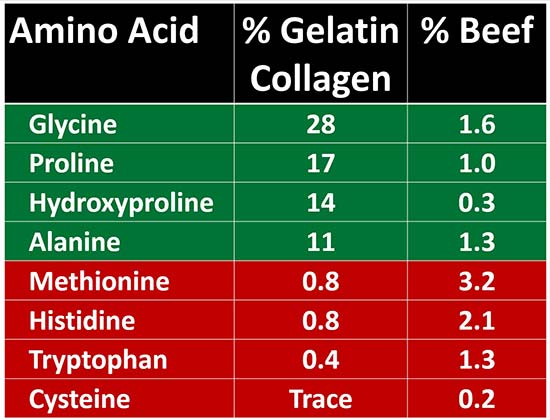
• Ideal collagen intake — I recommend that a third of your overall daily protein intake comes from collagen sources, as 30% of your body is comprised of this protein.
• Best source of collagen — For your body to make enough collagen, I recommend making your own bone broth using organic, grass fed animal bones. Gelatinous cuts of meat also work, and you can use slow-cooking or pressure-cooking to make them easier to eat. To learn how to make your own bone broth, read “The Ultimate Guide to Bone Broth: Nature’s Collagen Supplement.”
Frequently Asked Questions About Achilles Tendon Ruptures and Injuries
Q: Why are Achilles tendon injuries becoming more common?
A: Achilles tendon ruptures have increased steadily over the past two decades due to systemic factors like lifestyle changes, recreational exercise trends, metabolic health issues, and cumulative tissue overload, not just sports-related accidents.
Q: Who is most at risk for an Achilles tendon rupture?
A: Men face significantly higher risk than women, Black patients show higher incidence rates, and adults aged 35 to 50 are especially vulnerable, though rising trends suggest most people are at risk.
Q: Can Achilles tendon damage develop without warning signs?
A: Yes. Tendon degeneration often occurs silently over years, weakening collagen structure without pain, making sudden rupture possible during routine activities before any symptoms appear.
Q: Do medications affect Achilles tendon strength?
A: Certain drugs, especially fluoroquinolone antibiotics and corticosteroids, impair collagen synthesis and tendon repair, sharply increasing rupture risk shortly after use, particularly with higher or repeated doses.
Q: What steps can help protect the Achilles tendon?
A: Gradual training progression, adequate recovery, proper footwear, minimize LA intake, avoid antibiotics, and sufficient collagen consumption from natural sources like bone broth can strengthen tendon resilience and reduce injury risk.
- 1, 2, 7, 8 CNN, December 3, 2025
- 3, 4, 5, 9, 10 Journal of Orthopaedic Translation Volume 49, November 2024, Pages 289-307
- 6 J Sport Health Sci. 2024 Apr 2;13(6):749–750
- 11 Clinical Journal of Sport Medicine 20(5):p 344-349, September 2010
- 12 Clinical Biomechanics Volume 131, January 2026, 106684
- 13 Polymers (Basel). 2021 Nov; 13(22): 3868, Introduction
- 14 Optimising Nutrition, December 18, 2022
Reclaim Your Cellular Health with the Mitochondria Protocol
Reproduced from original article:
https://articles.mercola.com/sites/articles/archive/2026/01/11/mitochondria-protocol-cellular-health.aspx
Analysis by Dr. Joseph Mercola January 11, 2026
Story at-a-glance
- Linoleic acid embeds in mitochondrial membranes where free radicals are generated, producing toxic aldehydes like 4-HNE that damage the electron transport chain and accelerate metabolic degradation throughout the body
- Mitochondria form adaptive energy networks responding to sleep, exercise, and stress, producing your body weight in ATP daily while performing essential maintenance like clearing debris and supporting new brain cell growth
- Brain diseases like Alzheimer’s and Parkinson’s stem from failing mitochondria that struggle to produce energy, remove harmful proteins, and maintain cellular communication, leading to cognitive decline and movement problems
- Strengthen mitochondria through varied exercise routines (higher-intensity movement builds new mitochondria, cardio improves efficiency, strength training increases numbers), consistent sleep schedules, daytime-aligned eating, and cautious sauna use at moderate temperatures
- Minimize linoleic acid intake to less than 2 to 3 grams daily by avoiding vegetable oils and ultraprocessed foods. You can accelerate clearance using C15:0 fat from raw, grass fed dairy
How your mitochondria are currently working is deeply tied to the current state of your cellular health. If these energy producers are not working optimally, then your health ultimately suffers. According to a study published in 2024, damaged mitochondria become the foundation of chronic diseases like cardiovascular disease, metabolic syndrome, neurodegenerative disease and cancer.1
So, how do you fix your mitochondria? In her podcast, The Longevity Show, longevity expert Dr. Hillary Lin2 goes over a wealth of useful recommendations with the goal to helping you produce better, healthier cellular energy.3
While Lin makes great points, I would like to preface this article by highlighting one important component that she missed when it comes to improving mitochondrial health — minimizing your linoleic acid (LA) intake, as it embeds into your mitochondria.
I believe that excess LA intake is one of the biggest roadblocks to achieving optimal cellular health. In fact, I will go as far as saying that minimizing it takes precedence over the recommendations made by Lin. Once you have your LA consumption under control, her recommendations will fall into place — all of which are also helpful.
The Impact of Linoleic Acid on Your Mitochondrial Health
LA is one of the most damaging toxins affecting your cellular health. It’s in everyone’s best interest to make sure consumption is minimized, as it sets off a cascade of chronic disease:
• Excess LA intake is the primary driver of metabolic degradation — Your mitochondria generate approximately 90% of cellular reactive oxygen species (ROS), with the vast majority produced specifically at the electron transport chain in the inner mitochondrial membrane. This makes the inner mitochondrial membrane the single most critical site of ROS generation in the body.
Since approximately 0.2% to 2% of oxygen consumed by mitochondria is converted to superoxide (the precursor to other ROS), and given that almost all free radicals originate from electron leakage at Complexes I and III of the electron transport chain, having oxidation-prone LA molecules embedded directly in this membrane represents a catastrophic design flaw when LA is consumed in excess.
• Mechanism of damage — When you ingest LA, it eventually embeds itself in the inner mitochondrial membrane. From there, it precipitates metabolic degradation products, particularly reactive aldehydes such as 4-hydroxynonenal (4-HNE). These aldehydes damage the electron transport chain, which is the most precious biological machinery in your entire body responsible for ATP production.
• Why this process is uniquely dangerous — Almost all free radicals are generated within the electron transport chain itself. Now, LA is a highly fragile, perishable molecule extremely susceptible to oxidation. Having it embedded in the place where free radicals are generated is like storing gasoline beside a spark generator. In other words, it’s the worst possible place for such an oxidation-prone molecule.
• The cascade of damage in your health — When 4-HNE and other reactive aldehydes are generated, important systems such as the electron transport chain, mitochondrial DNA, nuclear DNA, and important intracellular proteins and hormones are affected.
Minimizing Your LA Intake Is the Most Vital Factor in Maintaining Optimal Mitochondrial Health
Again, the solution is to lower your LA consumption as much as possible. To start, it’s found in vegetable oils used for cooking, such as soybean, corn, safflower, and sunflower oils. In fact, these oils provide over 80% of LA found in Western diets. LA is widely used in ultraprocessed foods and restaurants as well, so avoid these products as much as possible. Focus on making healthy meals at home.
• I recommend keeping it below 2 to 3 grams per day — To help you monitor your intake, you can download my upcoming Mercola Health Coach app, which contains the Seed Oil Sleuth. This feature will help you calculate all the LA in your meals to a tenth of a gram.
• C15:0 helps clear LA from your body faster — LA has a half-life of about two years, so the damage stored in your system will take a long time to be purged. To help speed up this process, consider taking C15:0 fat, also known as pentadecanoic acid. It primarily comes from grass fed dairy, yet most people only consume 100 to 200 milligrams of it daily. The great thing about this approach is that it cuts LA clearance timeline in half.
For more information about this strategy, read “The Fast-Track Path to Clearing Vegetable Oils from Your Skin.” There, I go deep into the science of C15:0 and show you how to implement it into your lifestyle.
• Another tip is taking a beta-alanine supplement — In a previous article, I noted that it acts as a powerful antioxidant that helps neutralize oxidative damage caused by LA. It works by becoming a sacrificial target for ROS and advanced lipid peroxidation end products (ALEs) like 4-HNE. This spares DNA, mitochondria, and proteins from further harm.
Save This Article for Later – Get the PDF Now
The Mitochondria Form a Huge Energy Network
Moving on to Lin’s lecture, she starts by explaining that your everyday energy, thinking ability, and even how you age are shaped by your mitochondria. She says they work like a power plant, only there are billions of them inside your body that make constant decisions affecting your health. Instead of treating these structures as simple “batteries,” they’re more than that — they guide your energy, your repair processes, and even the lifespan of your cells.
• How your daily life shapes your mitochondria — Your mitochondria form “living networks” that respond to how you sleep, exercise, and manage stress. They constantly adjust their output based on what you put your body through each day. Because they react to your daily choices, your lifestyle directly shapes how well you create and use energy. And as I mentioned, excess LA intake is a major factor that cripples this energy network.
That said, Lin noted that you’re not stuck with the energy level you have now. Your habits influence how these networks behave, meaning that supporting your mitochondria through healthy lifestyle changes will help you improve how you feel, think, and even age. This is something I wholeheartedly agree with, too.
• A glimpse of the scale of energy flowing through you — Your mitochondria produce and recycle roughly your entire body weight in adenosine triphosphate (ATP) every single day.
In your brain, one cell alone uses billions of ATP molecules every second, like a tiny city lit up with millions of bulbs all switched on at once, and they do not just sit still. They move toward areas that need more energy and even fuse together to share resources, especially when you push your muscles or challenge your mind.
In your muscle cells, they form “power-generating networks” to keep your movement going, and during tough thinking tasks, your brain cells build similar networks to meet the higher demand.
• The entire power grid in your body is malleable, which has huge consequences for how you age — Your cellular energy system is like a city-wide power infrastructure, where both the quality of each plant and how well they link together matter. According to Lin, “mitochondrial function is not fixed,” and researchers now see that declining performance in these power plants shows up before many age-related diseases do.
Again, Lin stresses that this decline isn’t inevitable, and that specific lifestyle strategies will strengthen your cellular grid and even slow or reverse some aspects of cellular aging.
• Failing mitochondria impact brain health — Lin then goes into the topic of Alzheimer’s disease and offers a view that goes far beyond the typical focus on protein buildup in the brain. She explains that failing mitochondria can trigger this buildup. When your mitochondria falter, they not only struggle to make energy — they stop removing harmful proteins like amyloids and block communication lines between brain cells.
She describes your mitochondria as a “maintenance crew,” explaining that when they are healthy, it clears debris, protects the connections between neurons, and even supports the growth of new brain cells. When they weaken, the entire system becomes cluttered, slow, and unstable.
• How mitochondria function under Parkinson’s disease — Next, Lin explores the role of mitochondria in Parkinson’s disease. She highlights a gene called PTEN-induced kinase 1 (PINK1), which acts like an inspector that flags damaged mitochondria so they can be removed through mitophagy, a process she describes as “the eating of mitochondria.”
When PINK1 doesn’t work properly, damaged mitochondria pile up. This hits brain areas that steer movement, leading to the symptoms people recognize in Parkinson’s disease. Lin then connects mitochondrial stress to mood disorders, explaining that long-term psychological stress keeps your mitochondria running at maximum output.
Over time, this overload, also called mitochondrial allostatic load, wears the system down, lowering efficiency and causing problems to cascade through both your emotional and physical health.
• The brain responds positively when you care for its energy system — You’re not stuck with the mitochondrial health you have right now. Lin reveals that exercise boosts the creation of brand-new mitochondria in the brain, upgrading your internal power grid and improving your ability to think clearly under pressure.
She also noted that the bacteria in your gut send signals along the gut-brain axis that influence how your brain’s mitochondria function, showing how much your mental sharpness depends on habits outside your head as well.
•Sleep plays an important role — Your brain performs essential mitochondrial repairs during regular sleep cycles, and when those cycles break down, your energy system suffers. Disrupted sleep undermines mitochondrial repair, which is why poor sleep leaves you foggy, irritable, and less able to think clearly the next day.
Lin makes it clear that these everyday habits are more than healthy choices — they are tools for protecting your brain against fatigue, psychiatric conditions, and long-term diseases such as Alzheimer’s and Parkinson’s.
Actionable Steps Part 1 — How to Strengthen Your Inner Power Grid
After Lin lays down the science on how mitochondria work to create an energy network within your body, she introduces her own set of strategies designed to help you strengthen this very system using everyday habits. Again, focus on minimizing LA intake first, then you can try implementing her protocol.
• Get regular exercise and vary your routine — Lin describes high-intensity interval training (HIIT) as a way to activate PGC-1α, which she calls your body’s “general contractor” for building new mitochondria. For example, sprint intervals boost mitochondrial content “about 2.3 times more” than standard HIIT programs, making them the most powerful option for building new energy factories quickly.
Traditional cardio, by contrast, upgrades the efficiency of the mitochondria you already have, while strength training increases the number of mitochondria inside each muscle fiber.
• Improvements depend heavily on how well you recover — Lin warns that “more isn’t necessarily always better,” especially if you struggle with fatigue conditions. Your mitochondria need time to recycle damaged parts through a process she compares to cleanup and reconstruction, and sleep plays a major role in this.
During quality sleep, proteins such as Dynamin-related protein 1 (DRP1) act like inspectors that identify and remove damaged components, keeping your energy machinery running smoothly. She adds that you can improve this nightly repair system by sticking to consistent sleep-wake times and sleeping in a cool, dark room.
• Your eating schedule affects your energy production — Eating during the daytime (your natural active window) helps maintain strong mitochondrial rhythms. Even shorter periods of daytime-aligned eating help your cells switch between fuel types and stay resilient under stress.
Using herself as an example, Lin explains that she struggles with this problem while living in a “night-focused city,” making it clear that aligning eating habits with daylight hours is important for long-term energy stability.
Actionable Steps Part 2 — Utilizing Temperature to Train Mitochondria
Heat and cold are powerful training tools for your mitochondria. Lin explains that heat exposure, such as from a sauna, can boost your mitochondria’s respiratory capacity by nearly 25%. In fact, she says that this strategy is “almost like cheating,” because those gains match what you’d normally achieve through exercise alone.
• Heat activates special repair proteins — This helps your cells strengthen their energy production systems while also encouraging the formation of new mitochondria. Lin recommends 170 to 200 degrees Fahrenheit (F) for traditional sauna use when appropriate for your health.
While I agree with Lin regarding the benefits of using a sauna, I believe her recommended temperatures are on the extreme side. A good starting point for beginners is around 120 degrees F, three times per week. Personally, my body can handle temperatures up to 160 to 170 degrees F, and that level isn’t wise for beginners. If you’re just starting, keep it low and increase gradually.
For more information on how to safely use a sauna, read “Infrared Sauna After Training Speeds Recovery and Supports Athletic Performance.”
• Cold exposure creates a different type of adaptation — Lin noted that cold plunges, cold showers, and winter swimming can push your mitochondria to become better heat producers through a process called uncoupling.
This controlled form of stress teaches your energy system to work more efficiently under pressure and improves your ability to regulate temperature. She compares this to the natural cold exposure your ancestors experienced daily, making today’s deliberate cold practices a modern version of that challenge.
While the findings are sound, I generally don’t recommend this strategy. In a previous article, I noted that cold plunges activate stress hormones that may provide some temporary benefit, but I believe that it will lower your overall resilience. But if you’d still like to try it, listen to your body and have a buddy with you. If you start to feel weak, nauseated, or lightheaded, get out of the water and warm up immediately.
• A combined protocol that uses both heat and cold — If you think that the heat/cold strategy works for your case, you can follow Lin’s suggestion below, so you can make the most of it.
Begin with five to 20 minutes of heat, followed by one to three minutes of cold, starting small and adjusting as your body adapts. Lin gives an important warning — avoid cold exposure immediately after intense workouts if building muscle is your goal, because this temperature briefly reduces the signals your body needs for growth. However, if your goal is recovery, especially reducing inflammation, cold after exercise becomes helpful instead.
• Supplement recommendations — Lin touched on specific nutrients your mitochondria rely on for strength and repair. She noted that CoQ10 is “premium fuel,” alpha-lipoic acid as your “cleanup crew,” nicotinamide adenine dinucleotide (NAD+) precursors for ATP production, and omega-3 fatty acids as structural support for mitochondrial membranes.
Lin also highlights glycine, N-acetylcysteine (NAC), B vitamins, and newer options such as urolithin A and spermidine, which help maintain high-quality mitochondrial recycling and protein repair. Lastly, she emphasized that supplement choices are best personalized and not one-size-fits-all. If you’re considering taking any of these, consult with a health care expert first.
Actionable Steps Part 3 — Building Your Energy Upgrade Plan
Lin presents a step-by-step framework to help you apply her recommended strategies in a sustainable way, which is done in three phases:
• The first phase the foundation, lasting four to six weeks — During this stage, your focus is on basic routines that stabilize your energy system. These include consistent sleep, exercise appropriate for your current fitness, and nutritious eating with enough vegetables, some omega-3, and protein.
Lin suggests that a gentle 12-hour daytime eating window is an optional starting point if it fits your health needs. The goal here is not advanced training but building stability first.
• The second phase, lasting two to three months, emphasizes refinement — Here, you begin moving workouts earlier in your day, adding supplements that match your health profile, and creating an ideal sleep environment — cooler temperatures, dark rooms, and supportive bedding.
This is also where sauna sessions and temperature-contrast therapy become helpful additions. You can keep a 12-hour eating window or narrow it to around eight daytime hours if it feels comfortable and realistic for your lifestyle.
• The third phase is advanced optimization, intended for people who already feel stable — Increase your exercise intensity, add more targeted supplements, and fine-tune the timing of your habits — exercise, meals, heat, cold, and sleep — so they work together. Lin encourages people in this phase to monitor their progress and adjust with help from clinicians trained in mitochondrial biomarkers, since this stage involves more detailed tweaking of your energy system.
• Special guidance for long COVID and chronic fatigue — Lin acknowledges that these conditions require a gentler approach. She recommends “mitochondrial zone training,” which uses heart rate monitoring to keep exercise at a low, steady intensity below your aerobic threshold.
If you’re affected by long COVID or have fatigue issues, Lin points out you can try her three-phase protocol, but progress is, ideally, extremely slow. Sleep becomes the top priority, and supplements are introduced cautiously. Eating windows are looser, and temperature fluctuations are gentle rather than extreme.
The most important takeaway here is that pushing too hard early “can lead to greater damage long-term,” so Lin encourages planning your regimen to match your current capacity, not your ideal one.
Frequently Asked Questions (FAQs) About the Mitochondria Protocol
Q: Why are mitochondria so important for your overall health?
A: Mitochondria are your body’s energy producers, and when they stop working well, your cells fall into low power mode. A 2024 study showed that mitochondrial dysfunction is involved in major chronic diseases, including heart disease, brain disorders, metabolic issues, and cancer. This means your long-term health is closely tied to how well your mitochondria create and manage energy.
Q: What role does linoleic acid (LA) play in damaging mitochondrial health?
A: Excess LA — found heavily in vegetable oils and ultraprocessed foods — embeds into your mitochondrial membranes, where it breaks down and produces toxic chemicals like 4-HNE. These byproducts damage the electron transport chain, mitochondrial DNA, and your cell’s energy machinery. Reducing LA intake to less than 2 to 3 grams per day is one of the fastest ways to protect your mitochondria and restore healthier energy production.
Q: How do lifestyle habits influence mitochondrial performance?
A: Your mitochondria respond to how you sleep, eat, move, and manage stress. Exercise helps build new mitochondria; good sleep repairs them; and daytime-aligned eating supports steady energy rhythms. Poor habits — especially disrupted sleep — weaken your energy grid, affecting your thinking, mood, and resilience.
Q: What mitochondrial strategies does longevity expert Dr. Hillary Lin recommend?
A: Dr. Lin highlights three pillars — varied exercise (HIIT, cardio, and strength training), smart recovery (high-quality sleep and rest), and circadian-aligned eating. She also supports heat and cold exposure as energy-training tools and mentions nutrients like CoQ10, alpha-lipoic acid, NAD+ boosters, omega-3s, glycine, NAC, urolithin A, and spermidine for added support — though personalized guidance from an expert is recommended.
Q: How can someone safely improve mitochondrial health over time?
A: Lin outlines a three-phase plan — start with improving sleep quality, simple exercise, and balanced daytime nutrition; refine your routine with supplements and temperature therapy; and later optimize timing of meals, workouts, and heat/cold exposure. If you’re affected with long COVID or chronic fatigue, she emphasizes extremely gentle pacing and avoiding overexertion because pushing too hard can actually worsen mitochondrial damage.
Why Arthritis Gets Worse in the Winter Months
Reproduced from original article:
https://articles.mercola.com/sites/articles/archive/2025/12/30/why-arthritis-worsens-in-winter.aspx
Analysis by Dr. Joseph Mercola December 30, 2025

Story at-a-glance
- Cold weather worsens arthritis symptoms by thickening joint fluid, slowing blood flow, and tightening muscles, which amplifies pain and stiffness
- Drops in barometric pressure cause tendons and muscles to expand, adding extra pressure to already inflamed joints and increasing discomfort
- Reduced sunlight during winter lowers vitamin D levels, weakening bones and increasing inflammation, while inactivity further restricts circulation
- Eliminating seed oils, boosting vitamin K2, optimizing vitamin D, and sipping warm bone broth help reduce inflammation, strengthen cartilage, and restore flexibility
- Daily movement, heat therapy, and sunlight exposure keep joints lubricated, improve circulation, and help you stay active and pain-free all winter long
Arthritis is one of the most common causes of chronic pain worldwide, and for millions of people, the suffering intensifies when temperatures drop. Cold air doesn’t cause arthritis, but it changes how your body feels it. When the temperature falls, the thick fluid that keeps your joints gliding smoothly turns sluggish. That’s when your knees ache, your fingers feel tight, and simple tasks like standing or opening a jar remind you that your joints aren’t happy.
When the air gets colder, your circulation slows and your muscles tighten. You might notice that your hands feel clumsy, your knees ache a little sooner, or your morning routine takes longer than it used to. These small shifts reflect how your body adapts to the season — conserving heat but at the cost of flexibility and comfort. Add shorter days, less sunlight, and reduced activity, and your joints start to feel the strain.
The impact of winter on arthritis goes beyond temperature. It’s a story of how lifestyle, environment, and biology collide. Understanding that connection gives you a powerful advantage — because once you know why the pain worsens, you can do something about it.
Cold Weather Thickens Joint Fluid and Strains Your Joints
In a Cedars-Sinai article, Dr. Mariko Ishimori explains that your joints “operate best in temperate weather,” and when temperatures fall, the synovial fluid inside them thickens.1 This fluid acts like motor oil for your body — keeping your joints smooth and cushioned.
When it becomes thick, your movements feel stiff, and even simple actions like walking or gripping an object trigger discomfort. The colder air doesn’t damage joints directly, but it alters their performance, making existing inflammation more noticeable.
• Barometric pressure drops create internal pressure on swollen joints — Changes in barometric pressure — the force exerted by the atmosphere — cause tendons and muscles to expand, putting added strain on joints that already have limited space. “A drop in barometric pressure can cause muscles and tendons to expand, which can put more stress on an already crowded joint,” Ishimori explains.
This physical expansion presses against sensitive joint capsules, making the surrounding tissues feel tight and sore. Many people living with arthritis even notice that their joints start aching before a storm hits, because they sense these atmospheric shifts sooner than the weather forecast does.
• Reduced circulation in the cold slows recovery and heightens pain — Low temperatures constrict blood vessels, decreasing the flow of oxygen and nutrients to your joints. Poor circulation means slower healing and greater stiffness, especially in your knees, hips, and hands.
Staying warm — layering clothing and soaking in hot baths — is important to counteract this restricted blood flow. Warming your body helps relax muscles, improve joint lubrication, and reduce stiffness. Even moderate heat therapy supports better mobility throughout the day.
• Movement remains the best natural remedy for winter stiffness — Exercise, according to Dr. Ishimori, is “the single best thing you can do to stave off arthritis pain.” Regular movement strengthens the muscles supporting your joints, releases endorphins that act as natural painkillers, and improves flexibility.
Start small with gentle stretches or short walks and gradually increase activity levels. Stretching before outdoor activity helps prevent injury and warms up tight tissues. For example, rolling your wrists and ankles or bending your knees helps prepare your body to handle temperature changes more comfortably.
• Nutrition and vitamin D play a major role in pain management — Eating anti-inflammatory foods and maintaining vitamin D levels help significantly reduce winter pain. Vitamin D deficiency, common even in sunny climates, contributes to bone loss and greater joint discomfort. Optimizing your vitamin D levels supports bone strength and helps control inflammation.
Eating nutrient-rich foods such as leafy greens, and fermented products also helps maintain your body’s natural defenses against winter joint stress.
• Maintaining a healthy weight protects your joints from further damage — Every pound of excess body weight wears down cartilage faster, increasing pain and stiffness in weight-bearing joints. Staying active through low-impact exercises such as swimming or walking, while adopting a nutrient-dense diet, helps relieve this pressure naturally.
Small, consistent actions — such as cutting processed foods and seed oils — help balance metabolism while easing physical strain. Even modest weight loss significantly reduces pain, showing how lifestyle changes directly affect joint resilience.
Cold Weather Habits and Immune Changes Drive Winter Joint Pain
A report from Proliance Orthopedic Associates focuses on how colder weather triggers multiple biological and behavioral changes that worsen arthritis. This includes lifestyle factors — reduced movement, dietary changes, and immune activity — that amplify inflammation. People often move less, eat more inflammatory foods, and spend less time in the sun during the winter months. Together, these behaviors make joints ache, muscles tighten, and pain feel more pronounced.
• Decreased physical activity leads to weaker muscles and stiffer joints — Shorter days and low temperatures discourage people from maintaining daily movement routines, which directly affects joint function. When muscles lose strength, they provide less support and shock absorption for joints, creating more friction and pain.
Reduced circulation from inactivity slows oxygen delivery and waste removal, compounding inflammation. It’s important to stay active through indoor-friendly workouts — swimming, yoga, treadmill walking, or tai chi — that maintain mobility and help your joints stay lubricated, even when you don’t feel like going outside.
• Immune system shifts during winter fuel inflammation — Cold weather doesn’t just chill your skin — it activates your immune system in subtle but significant ways. In autoimmune conditions like rheumatoid arthritis, this immune reactivity intensifies inflammatory cascades that damage joint tissue.
This overactivity increases stiffness and swelling, especially when combined with stress or poor diet. Keeping your immune system balanced through regular movement, nutrient-dense food, and consistent sleep routines helps blunt these winter flare-ups.
• Heat therapies restore comfort and circulation naturally — Tools like paraffin baths, warm compresses, saunas, and hot tubs help relax stiff tissues and restore flexibility. Heat increases blood flow to inflamed joints, flushing out inflammatory compounds while supplying oxygen and nutrients. Regular heat exposure encourages a feedback loop of comfort and confidence — when your joints feel looser, you’re more likely to move, and that movement maintains long-term function.
• Self-care and proactive management reduce flare-ups year-round — Joint pain is often manageable through daily choices, even without medical intervention. Staying hydrated, dressing warmly, and keeping your environment comfortable all help reduce stiffness.
Save This Article for Later – Get the PDF Now
How to Stop Winter from Making Your Arthritis Worse
Cold weather makes joint pain feel sharper and stiffness last longer, but that doesn’t mean you’re powerless against it. Winter affects your body in predictable ways — it slows circulation, thickens joint fluid, tightens muscles, and lowers vitamin D. On top of that, most people move less, eat differently, and spend more time indoors surrounded by dry heat and artificial light.
All of these factors increase inflammation and strain your joints. The good news is that by addressing the real cause of winter flare-ups — cellular inflammation and sluggish metabolism — you can stay flexible, comfortable, and active through the cold months. Here’s where to start:
1. Warm up from the inside out to protect your joints — When your body temperature drops, the synovial fluid in your joints thickens, making every movement feel stiff. Staying warm isn’t just about comfort — it directly affects how easily your joints move. Dress in layers, use a heating pad before bed, and take warm baths or short sauna sessions to improve circulation.
If you work at a desk, keep a small hot water bottle nearby for added warmth. Think of it as “priming the oil” in your joints before you start your day. Once your muscles are warm, even a short walk or light stretch session feels smoother and less painful.
2. Remove inflammatory seed oils and switch to healthier fats — Vegetable oils like soybean, corn, safflower, and sunflower oil are high in linoleic acid (LA) that feeds inflammation that worsens in cold weather. They increase oxidative stress and damage mitochondria — the tiny engines that produce energy in your cells.
During winter, when your circulation slows, your body has an even harder time clearing those inflammatory byproducts. Replace those oils with nourishing fats like grass fed butter, ghee, and tallow. These fats strengthen cellular membranes, reduce oxidative damage, and keep you warm by supporting efficient energy production.
3. Get your vitamin D and K2 balance right to prevent winter joint stiffness — Less sunlight in winter means less vitamin D, which leads to weaker bones and stiffer joints. Vitamin D works best alongside vitamin K2 — which directs calcium into bones and out of soft tissues like cartilage — and magnesium.
I recommend getting daily sunlight whenever possible, even for 15 minutes, to optimize your vitamin D levels. Test your vitamin D levels every six months, and aim for a range between 60 and 80 ng/mL (150 to 200 nmol/L). If your levels are lower, adjust your daily sunlight or supplement with vitamin D3 accordingly.
4. Sip warm bone broth throughout the day for joint nourishment and circulation — Cold weather reduces blood flow to your extremities, starving your joints of nutrients. Bone broth helps reverse that. Made from grass fed bones and cartilage-rich cuts like oxtail, it contains collagen, glycine, glucosamine, and chondroitin — compounds that rebuild cartilage and reduce pain.
Sip it warm throughout the day instead of cold drinks. The warmth promotes circulation while the nutrients repair the tissues that cushion your joints. If your mornings feel achy, start your day with a mug of broth instead of coffee.
5. Move daily — but adapt your routine for winter — Staying active keeps inflammation under control, but cold weather changes how your body responds to exercise. If long outdoor walks feel too harsh, switch to indoor activities like yoga, stretching, or short resistance sessions, such as blood flow restriction (BFR) training.
Movement keeps your lymphatic system — your body’s built-in waste-removal system — active and prevents swelling around your joints. Try this rhythm: stretch indoors, step outside for sunlight exposure, then return to a warm environment. The temperature contrast boosts blood flow, improves flexibility, and helps your joints “remember” how to move freely, even in winter.
If you feel every cold snap in your knees or fingers, these steps aren’t just about comfort — they’re about taking back control. When you warm your body, nourish your joints, and protect your mitochondria, winter stops being something you endure and becomes something you move through with confidence.
FAQs About Why Arthritis Feels Worse in the Winter
Q: Why does arthritis feel worse during the winter months?
A: Cold weather thickens the lubricating fluid inside your joints and slows circulation, making your movements feel stiff and painful. Drops in barometric pressure also cause muscles and tendons to expand, which puts more pressure on inflamed joints. Combined with reduced sunlight, lower vitamin D levels, and less physical activity, this creates a perfect storm for pain and inflammation.
Q: What can I do to reduce arthritis pain when it’s cold outside?
A: Start by keeping your body warm from the inside out. Dress in layers, use heating pads or warm baths, and move your body daily to keep joints lubricated. Gentle indoor exercises like yoga or stretching are ideal. Staying hydrated and maintaining a steady room temperature also make a noticeable difference.
Q: How does diet affect joint pain in winter?
A: Certain fats make inflammation worse, especially LA in seed oils like soybean, corn, sunflower, and safflower oil. Replacing them with nourishing fats like grass fed butter, ghee, or tallow reduces oxidative stress and supports joint health. Adding more anti-inflammatory foods — such as leafy greens, fermented vegetables and grass fed animal products — helps your body control inflammation and maintain flexibility.
Q: Why are vitamin D and K2 so important for joint health in winter?
A: Less sunlight means less vitamin D, which weakens bones and raises inflammation levels. Vitamin D works together with vitamin K2 to move calcium into bones instead of soft tissues like cartilage. Keeping both in balance strengthens your joints and helps prevent stiffness. Aim for daily sun exposure when possible, or consider supplementing to maintain optimal levels.
Q: What are simple habits that keep arthritis under control all winter?
A: Warm your body daily, eat nutrient-rich foods, move regularly, and avoid sitting for long periods. Sip bone broth to nourish your joints, stretch before outdoor activity, and use heat therapies to improve flexibility. Small, consistent changes — such as cutting out seed oils, keeping your vitamin D levels up, and staying warm — help you stay active and pain-free all season long.
– Sources and References