Inflammation
now browsing by category
Stunning discovery reveals how to dramatically reduce several heart-risk factors naturally
Reproduced from original article:
https://www.naturalhealth365.com/surprising-discovery-about-a-common-fruit-leaves-researchers-stunned.html
by: March 2, 2026
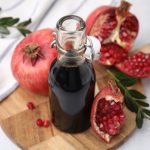 (NaturalHealth365) Most people walk right past this fruit in the produce aisle, drawn instead to whatever superfood has captured this month’s headlines. Yet researchers have spent decades quietly building a case that pomegranate can do something most cardiologists haven’t caught up with yet: directly target several of the most dangerous risk factors for heart disease simultaneously, without a prescription.
A systematic review and dose-response meta-analysis published in Nutrition, Metabolism and Cardiovascular Diseases has now delivered the most comprehensive verdict yet on this ancient fruit’s cardiovascular potential. Analyzing 53 randomized controlled trials involving 2,306 participants, researchers confirmed that regular pomegranate supplementation produces measurable, statistically significant improvements across multiple cardiovascular risk factors at once.
What 53 clinical trials are quietly telling us
The findings are difficult to dismiss. Pomegranate supplementation substantially reduced both systolic and diastolic blood pressure, lowered body weight, BMI, fasting blood glucose, and total cholesterol, while simultaneously raising HDL cholesterol, which helps keep arterial walls clean. Most pharmaceutical drugs are considered a clinical success if they move just one of these markers in isolation. Pomegranate moved all of them.
Blood pressure reductions were consistent across both healthy and at-risk participants, regardless of whether they used pomegranate juice, standardized extract, or peel. Higher amounts – 1,000 mg or more daily – tended to produce stronger effects, and benefits deepened the longer supplementation continued, with the most pronounced results appearing beyond ten weeks of consistent use.
Why researchers can no longer ignore what pomegranate does inside your arteries
The explanation isn’t coincidence or folk wisdom. The answer lies in biochemistry, an area modern research is only beginning to fully map. Pomegranate is extraordinarily rich in polyphenols, particularly anthocyanins and hydrolyzable tannins called punicalagins, whose antioxidant capacity exceeds that of vitamins E, A, and C combined, making this fruit one of the most potent natural defenders of the cardiovascular system ever studied.
These compounds go after the root causes of heart disease – oxidative stress and chronic inflammation – rather than masking symptoms after the damage has already taken hold.
What makes this particularly significant is that pomegranate’s polyphenols appear to work through several pathways simultaneously, relaxing blood vessel walls, improving blood flow, and reducing the oxidation of LDL cholesterol, a process that transforms ordinary plaque into something far more dangerous. Beyond the arteries themselves, emerging evidence suggests that pomegranate actively reshapes the gut microbiome in ways that further support metabolic and cardiovascular health, a connection that conventional cardiology has barely begun to explore, let alone discuss with patients.
Natural solutions for a stronger heart
Consider adding organic pomegranate juice or extract to your daily routine, and make organic the non-negotiable standard. Research suggests that around 8–10 ounces of pomegranate juice daily, or a standardized extract of 1,000 mg or more, produces the most meaningful cardiovascular benefits, though consistency matters.
Conventionally grown pomegranates are routinely treated with pesticides that accumulate in the fruit’s polyphenol-rich peel and juice, potentially undermining the very antioxidant pathways you’re trying to support, so always seek out certified organic sources. The data make clear that benefits accumulate over weeks, not days, which means this is a long-game strategy rather than a quick fix, and one that rewards patience.
Build an anti-inflammatory diet around pomegranate rather than treating this fruit as a standalone solution. Processed vegetable oils, excess fructose, and refined carbohydrates create the chronic inflammation that injures arterial walls in the first place, and no amount of supplementation fully compensates for a diet built on those foundations. Wild-caught fatty fish, organic dark leafy greens, and extra-virgin olive oil create the anti-inflammatory environment where pomegranate’s polyphenols can do their most meaningful work.
Strengthen your cardiovascular protocol with targeted nutrients that address what pomegranate alone cannot. Magnesium glycinate deserves serious attention, as research supports the mineral’s role in blood pressure regulation and the hundreds of enzymatic reactions the heart depends on daily.
CoQ10 is non-negotiable for anyone on statins for high cholesterol, since statins actively deplete this critical compound that fuels the heart muscle’s energy production – a fact most prescribing physicians fail to mention. Nattokinase rounds out a serious cardiovascular protocol by supporting healthy, unrestricted blood flow through the arterial system, addressing sluggish circulation that quietly increases the risk of clots over time.
What your cardiologist won’t bring up at your next appointment
Most cardiologists have 15 minutes with you, a prescription pad, and treatment guidelines shaped by pharmaceutical input. There is no slot in that appointment for a conversation about pomegranate polyphenols, functional lab tests that detect arterial damage years before a heart attack, or why the cholesterol number they’re fixated on may be the least important thing on your results sheet.
That gap is exactly what Jonathan Landsman’s Cardiovascular Docu-Class was built to fill. Thirty-two presentations from researchers and holistic healthcare providers who have spent their careers asking the questions conventional cardiology refuses to ask, including which specific nutrients are depleted by the most commonly prescribed heart medications, how gum disease silently drives cardiovascular risk, why your eyes may be the earliest warning system for heart failure, and what functional testing reveals about inflammation and arterial health that a standard lipid panel completely misses.
When pomegranate alone can move blood pressure, cholesterol, and blood sugar markers across 53 clinical trials, the potential of a comprehensive, root-cause approach to cardiovascular health – one that addresses the inflammation, oxidative stress, and nutrient deficiencies that actually drive heart disease – is worth taking seriously.
Bottom line: A rigorous analysis of 53 clinical trials confirms that pomegranate supplementation meaningfully improves blood pressure, cholesterol, blood sugar, and body composition – all at once, through root-cause mechanisms that pharmaceutical interventions rarely address. Most patients will never hear about this from their doctor, which makes understanding the full cardiovascular picture more important than ever.
Sources for this article include:
Cancer Is Affecting More Younger People, and Big Pharma’s Treatments Are Making It Worse
Reproduced from original article:
https://articles.mercola.com/sites/articles/archive/2026/01/25/rising-cancer-rates-immune-health.aspx
Analysis by Dr. Joseph Mercola January 25, 2026
Story at-a-glance
- In an interview with Tucker Carlson, Dr. Patrick Soon-Shiong discusses rising cancer rates while emphasizing shifts toward younger patients
- Soon-Shiong explains COVID-19’s spike protein attaches to ACE2 receptors throughout the body, causing persistent inflammation that may contribute to various health issues, including cancer
- Soon-Shiong criticizes Big Pharma’s influence over regulatory processes, arguing this creates barriers for innovative treatments while favoring incremental changes to existing profitable drugs
- Natural killer cells require adequate sleep, sunlight exposure, and whole foods to function optimally, forming your body’s frontline defense against cancer cells
- Boosting your immune system is key in fighting against cancer. In addition to optimizing sleep, minimizing seed oil intake and optimizing your vitamin D levels are important strategies
Why are cancer rates still increasing despite advances in medical technology and increased awareness of risk factors? This topic was deeply explored in an episode of Tucker Carlson’s podcast, featured above. In this interview, Carlson directed this eye-opening inquiry to his guest, Dr. Patrick Soon-Shiong, a surgeon and a prominent businessman who also owns the Los Angeles Times.1
Setting the stage for the rest of the interview, Carlson noted that massive campaigns about the dangers of smoking should have helped cancer rates drop. However, this wasn’t the case.
Soon-Shiong answers by focusing on the age of the people getting sick. He says the troubling part isn’t only the increasing rates, but a population shift toward younger patients. All this and more were discussed in the interview. I encourage you to listen to the entire conversation, as it reveals insights that your doctor won’t tell you, including Big Pharma’s machinations on oncology treatment.
Could COVID-19 Contribute to Rising Cancer Rates?
Carlson raises a question many people already wonder about but rarely discussed openly: He says there is widespread public speculation about whether the COVID-19 infection or mRNA shots relate to rising cancer rates, and he asks Soon-Shiong if there is a connection.
Soon-Shiong answers by placing COVID into a broader historical pattern. He says that certain viruses have long been linked to cancer, namely hepatitis with liver cancer, human papillomavirus (HPV) with cervical cancer, and human immunodeficiency virus (HIV) with Kaposi sarcoma. The said viruses share key traits — they persist in the body, drive ongoing inflammation, and interfere with the body’s natural tumor-control systems. He explains that COVID-19 fits this same pattern more closely than most people realize.
• Why COVID-19 affects so many different organs — According to his analysis, the spike protein attaches wherever ACE2 receptors exist, which include blood vessels throughout your body. Soon-Shiong connects this to symptoms people report after getting the infection or the shot, including brain fog, gut problems, pancreatic issues, and heart trouble.
• The most serious concern is persistence — Research groups, including ones at the University of California, San Francisco (UCSF), have shown that parts of the virus remain in the body long after the initial illness, and that key immune defenders can go inactive.
When Carlson points out that billions of people were exposed, Soon-Shiong calls the situation “frightening” and says clearing the virus and stopping long-term inflammation is essential. He says persistence can last three to four years, and notes that chronic inflammation often causes no obvious symptoms, citing roughly 15 million Americans living with long COVID.
• Why Soon-Shiong never got infected — When asked if he ever got COVID-19, Soon-Shiong said that he didn’t. He credits this protection to a strong internal defense response rather than luck or isolation. Based on his own testing, his body already had a type of immune memory that recognized a core part of the virus. He says this response allowed the virus to clear quickly instead of settling in.
• Soon-Shiong took COVID-19 seriously before most people did — In early 2020, he had a conversation with California Governor Gavin Newsom, saying that COVID-19 was not just a respiratory illness but something far more dangerous. He says he shut down his organization and redirected everything toward COVID-19 research, treating it as a once-in-a-generation threat that demanded full focus.
• A core belief about protection — Clearing SARS-CoV-2 requires more than antibodies. Soon-Shiong says the only way to get better is through deeper immune optimization, and he criticizes the antibody-only mindset.
When Science Meets Strong Resistance
After discussing COVID-19, Carlson shifts the topic to the powers that be. Soon-Shiong notes that his work faced resistance from Big Pharma and the government, and that certain ideas were blocked not because they failed, but because they challenged accepted strategies.
Carlson also chimes in about public messaging, especially around COVID-19 mandates. He says people were told the shots would prevent transmission, and that claim shaped health policy and social pressure. Soon-Shiong responds saying that promise was not just wrong but also “knowingly untrue,” and he presents that statement as a turning point in the public eroding trust on institutions.
• Claims of direct interference — Soon-Shiong says he was offered a government role, declined it, and later learned of internal emails meant to block him from leadership at the National Institutes of Health (NIH). He also says efforts to test his product as a booster were stopped without clear explanation, and that access to key lab materials was restricted.
• When oversight and money collide — The conversation turns to how drugs and treatments are reviewed in the United States. Specifically, Carlson asks why the same companies that sell drugs also fund the people who review them, leading the system to become biased.
Soon-Shiong agrees with Carlson’s concern and pushes it further. He says the problem worsens when this structure blocks new ideas from smaller companies. In his view, we have a system that favors familiar products and familiar players, while outsiders with different approaches struggle to get heard.
• An insight into the regulatory process — Large drug companies pay major “user fees” to regulators, and that money helps cover the salaries of reviewers. Soon-Shiong argues this setup rewards small tweaks to existing drugs rather than real breakthroughs, because safe, familiar changes move faster and protect existing revenue. For smaller biotech groups, he says, the same system creates delays and barriers that slow progress.
• Medical research in America is being left behind — Soon-Shiong warns that China is moving faster in biomedical innovation and says companies like AstraZeneca are investing there specifically “for innovation.” He calls for a serious revamp of the U.S. Food and Drug Administration (FDA), with reviewers trained in modern science and open to new approaches. He frames this shift as a chance for a true reset — a period where patient outcomes matter more than profit.

Save This Article for Later – Get the PDF Now
Simple Habits That Strengthen Your Immune Defense
Carlson and Soon-Shiong’s discussion then shifts into a more practical line of thinking, specifically how you can boost your immune system. With everything that’s going on, Soon-Shiong explains that everyday actions, rather than complex treatments, have a bigger impact on your health.
• The central role of your immune system against cancer — Soon-Shiong centers his response on a group of immune defenders he says are often ignored, such as NK cells, which are ancient parts of your immune system yet were only recognized by modern medicine in the 1970s. He describes them as a frontline defense that responds quickly when your body senses trouble, and he says supporting their activity matters more than most people realize.
• Why proper sleep is a vital foundation of immunity — Soon-Shiong explains that your NK cells recharge when you sleep, and without enough rest, that renewal never fully happens. He then talks about light exposure, explaining that certain types of light, including red light, stimulate immune activity. He ties this to why illness and low mood rise in winter, when people spend less time outdoors.
• Diet is the next pillar — Whole foods support your immune system, while toxins and additives in ultraprocessed foods push your body toward constant stress.
Soon-Shiong also emphasizes gut health, explaining that signals from your gut bacteria influence whether your immune system stays alert or becomes suppressed. To drive the point home, he shares the story of ulcers once being blamed on stress until H. pylori was identified, using it as an example of how rigid thinking delays real understanding.
The Part of Cancer Care Most Oncologists Miss
Soon-Shiong also challenges what doctors typically focus on when treating cancer. He suggests a simple thought experiment: Call a group of oncologists or primary care doctors and ask what they watch closely in a standard blood test. His point is not to shame doctors, but to show how habits shape treatment choices.
• Doctors are looking at the wrong things — Most clinicians zero in on anemia, platelets, and neutrophils, then prescribe drugs or transfusions to fix those numbers. Soon-Shiong argues that while these steps support the body during treatment, they do not cure cancer. He claims the cells that actually eliminate cancer are barely discussed on everyday oncology visits, even though they appear in the same blood test under a broad label that gets little attention.
• Many standard cancer treatments weaken the very defenses needed to prevent relapse — Chemotherapy, radiation, steroids, and even newer immune drugs suppress or damage key cancer-fighting cells, creating a “win the battle, lose the war” pattern. In Soon-Shiong’s view, this explains why tumors often return after an initial response.
Soon-Shiong likens the fight against cancer to a moving target, not a one-step fix. He says the practical challenge is like a chess game, where you expose what’s hiding, boost the cells that attack, and lower the forces that shut those attacks down at the right times. He also takes a shot at the way modern medicine is organized, claiming key fields are siloed and don’t talk to each other, which he says leads to missed connections and weaker strategy.
• Soon-Shiong’s own strategy — When Carlson asks what Soon-Shiong would do if diagnosed with cancer tomorrow, he outlines his personal approach. He says the goal is to expose hidden cancer cells without wiping out your defenses, activate and train your body’s killers at the same time, and shut down forces that block them.
He emphasizes outpatient care and less suffering, and he describes a future where a patient’s own blood cells are expanded, stored, and reused, comparing it to an “American Red Cross of cancer.”
Strategies to Boost Your Immune System
Based on Carlson and Soon-Shiong’s conversation, it’s clear that the immune system plays a central role in your body’s ability to defend against cancer. While Soon-Shiong makes great points, they weren’t discussed in-depth. That said, here are additional strategies that strengthen your immune function further:
1. Minimize seed oil intake — Not just because it’s inflammatory, but because of what it does to one of the most vital parts of your cells: cardiolipin. This specialized fat lives in your mitochondria and plays a key role in keeping those energy producers functioning properly. Cardiolipin stabilizes mitochondrial membranes, supports efficient energy production, and helps regulate mitophagy — the cleanup and recycling of damaged mitochondria.
But cardiolipin is vulnerable to oxidation. And linoleic acid (LA), a highly unstable omega-6 fat found in soybean, corn, cottonseed, and safflower oils, is especially prone to oxidative damage. When you eat too much LA, it gets incorporated into your cardiolipin, making your mitochondria fragile and dysfunctional. That means less energy, more inflammation, and faster aging at the cellular level.
Aim to keep your daily LA intake under 5 grams. If you can get it below 2 grams, you’re giving your mitochondria a serious upgrade. The Mercola Health Coach app, which will be available soon, includes a feature called the Seed Oil Sleuth. It makes tracking your LA intake easy — calculating it down to a tenth of a gram. For now, you can use food labels and trusted databases, but the app will streamline the process once it launches.
2. Minimize exposure to harmful chemicals — If you’re constantly microwaving your food in plastic, touching printed receipts, or working a job that exposes you to toxic chemicals, immune function becomes disrupted. That’s because these chemicals enter your bloodstream, so make sure to protect yourself properly. For in-depth tips, read “Insecticide Exposure Could Impair Mental Function in Older Adults.”
3. Spend time outdoors and optimize your sleep habits — If your job has you staying up late while being glued to screens the whole day, your immune system hasn’t been properly recharging and working.
Just like your everyday routines, your immune system also has a body clock, which resets when exposed to natural light. Also, try sleeping at the same time each night in a cool, completely dark room. Even missing an hour or two of sleep can already affect your defenses.
4. Don’t get any more COVID-19 boosters — You need to end further assault on your health. If you’ve already developed an adverse event due to these shots, the next section has some more strategies to help you recover.
Why This Interview Changed My Approach to Aging
This may be the most important interview I’ve ever had the opportunity to review. When I first heard Soon-Shiong, in early 2025, explain that oncologists routinely ignore Natural Killer cells — the very cells that eliminate threats — while standard treatments actively destroy them, everything clicked into place.
The foundation of aging isn’t any single disease. It’s immune decline. When your NK cells stop functioning optimally, senescent “zombie cells” accumulate, chronic inflammation rises, and tissue function deteriorates.
Solve that, and you address aging at its root. This insight consumed my research last year, and the result is what I call the NK Reset Formula — a patented, surface-engineered nanoliposome system designed to support NK cell function through targeted delivery.
The Key Difference: Quantity vs. Quality
Soon-Shiong’s approach through ImmunityBio focuses on increasing the number of NK cells. His FDA-approved drug Anktiva (N-803) is an IL-15 superagonist that rescues and proliferates NK cells in cancer patients. It’s a pharmaceutical intervention requiring hospital administration, and cell-based cancer immunotherapies typically cost $300,000 to $500,000 or more per patient — far beyond what most people can afford.
My approach is fundamentally different: Instead of adding more cells, I focused on improving the quality of the NK cells you already have. Here’s the problem — a healthy NK cell might eliminate 5 to 10 target cells before running out of metabolic capacity. After that, it enters functional exhaustion, essentially dying after a few hours of activity. Most of your NK cells never reach their full potential.
The NK Reset Formula uses surface-engineered nanoliposomes to deliver metabolic support directly to NK cells at the moment they need it most — when they’re engaging targets. The payload includes mitochondrial enhancers (PQQ, urolithin A, niacinamide) and cellular support compounds (quercetin, fisetin, curcumin, resveratrol), all with GRAS status.
The theoretical result: Instead of exhausting after 5 to 10 eliminations, each NK cell could theoretically continue functioning through what would normally be many generations of conventional NK cell lifespans. The studies still need to be done, but the mechanism is sound.
Supporting Your Body’s Natural Senescent Cell Clearance
Your body already has a system for eliminating senescent cells: NK cell surveillance. The problem is this system weakens with age, and most interventions aimed at senescent cells ignore the immune component entirely.
Small-molecule senolytics may trigger senescent cell death, but without adequate NK cell function, the debris causes secondary inflammation. The NK Reset Formula takes a different approach — supporting the immune cells responsible for natural senescent cell elimination, rather than trying to bypass them. This isn’t treating a disease. It’s maintaining the surveillance system your body uses to keep itself clean.
I expect the NK Reset Formula to be available by summer 2026, at a price point of a few hundred dollars — accessible to virtually anyone who wants to support their immune function and healthy aging. Compare that to cell-based immunotherapies costing hundreds of thousands of dollars, requiring hospital stays and intensive medical supervision.
The NK Reset Formula is targeted nutritional support you can take at home, and it’s comprehensively protected by patent, representing a fundamentally new approach to supporting immune function as we age.
Additional Tips for COVID-Related Side Effects
In closing, if you or a loved one is suffering from the effects of long COVID or getting the shot, the following strategies can help:
• Protocols that put recovery at the center — I recommend you go over the I-RECOVER program by the Independent Medical Alliance (IMA), formerly known as the Front Line COVID-19 Critical Care Alliance (FLCCC). It contains in-depth instructions about treating long COVID2 and post-vaccine injuries.3
• Minimize electromagnetic field (EMF) exposure — Research shows that everyday EMF sources, such as your Wi-Fi router “can disturb the homeostasis of free radicals leading to dysfunctions such as the ‘cellular stress response.'”4 For an extensive list of EMF reduction techniques, read “10 Studies Detail Health Risks of 5G.”
• Optimize your vitamin D levels — Research shows that vitamin D deficiency is linked to an increased risk of cancer.5 In a previous article, I also showed how vitamin D helps prevent respiratory infections, which includes COVID-19.
I recommend that you increase your vitamin D levels to a range between 60 nanograms per milliliter (ng/mL) for optimal health. The best way to achieve this is through sun exposure; however, it would be wise to do it properly, especially if you’ve been eating a diet high in seed oils.
When sunlight hits your skin, LA oxidizes, leading to inflammation and skin damage. To avoid this, avoid high-intensity sun exposure (mid-day sun) until you’ve lowered your LA intake for six months or more. For a deeper explanation regarding this complex interplay, read “The Fast-Track Path to Clearing Vegetable Oils from Your Skin.”
Frequently Asked Questions About Rising Cancer Rates and the Role of Your Immune System
Q: Why are cancer rates rising even though smoking rates are dropping?
A: According to Dr. Patrick Soon-Shiong, the biggest concern isn’t just higher cancer rates, but a shift toward younger people getting cancer, which traditional explanations don’t fully address.
Q: Is there a link between COVID-19 and rising cancer rates?
A: Soon-Shiong says COVID follows patterns seen in other cancer-linked viruses, including long-term persistence in the body, chronic inflammation, and weakened immune control that normally suppresses tumors.
Q: Why does COVID-19 affect so many different parts of the body?
A: He explains that the virus interacts with receptors found throughout blood vessels and organs, which helps explain lingering symptoms like brain fog, gut issues, heart problems, and pancreas-related concerns.
Q: Why does Dr. Soon-Shiong believe the immune system is overlooked in cancer care?
A: He argues doctors focus on blood markers that support treatment side effects, while often ignoring immune cells that actually destroy cancer, which explains frequent relapse after standard therapies.
Q: What everyday habits can strengthen immune defenses against cancer?
A: Proper sleep, regular sunlight exposure, whole foods, and reducing toxin exposure are daily habits that can strongly support immune strength and long-term health.
– Sources and References
How Molecular Hydrogen Fights Inflammation and Reverses Fatty Liver Disease
Reproduced from original article:
https://articles.mercola.com/sites/articles/archive/2025/12/28/hydrogen-therapy-reverses-fatty-liver-disease.aspx
Analysis by Dr. Joseph Mercola December 28, 2025
Story at-a-glance
- Molecular hydrogen acts as a selective antioxidant that targets only harmful free radicals, helping to calm inflammation without disrupting essential cellular signaling
- Research discussed by Tyler LeBaron shows that hydrogen therapy reverses non-alcoholic fatty liver disease (NAFLD) by restoring mitochondrial function and reducing fat accumulation in the liver
- Hydrogen’s small molecular size allows it to penetrate deep into cells, including mitochondria and your brain, where it supports energy production and reduces oxidative stress
- Short, pulsed use of hydrogen — through hydrogen-rich water or inhalation — produces stronger benefits than continuous exposure, improving your body’s ability to adapt and heal naturally
- Using hydrogen alongside simple lifestyle changes such as limiting seed oils, eating nutrient-dense foods, and getting daily sunlight enhances liver health, boosts energy, and supports long-term metabolic balance
Non-alcoholic fatty liver disease, or NAFLD, has become one of the fastest-growing metabolic disorders worldwide, quietly affecting millions of adults who often feel perfectly healthy. Unlike alcohol-related liver damage, this condition stems from excess fat stored in your liver due to modern lifestyle factors — poor diet, inactivity, and chronic stress — that overwhelm your body’s ability to manage oxidative stress.
What makes it so insidious is that most people have no idea it’s happening until significant damage has already occurred. You might notice subtle signs first — low energy, brain fog, or mild abdominal discomfort — but these are easy to dismiss. Beneath the surface, your liver is struggling to keep up with the flood of inflammation and metabolic waste that builds when your cells are out of balance.
Left unchecked, this dysfunction doesn’t stop at your liver. It sets the stage for diabetes, heart disease, and even neurodegenerative disorders, all rooted in the same cellular breakdown. Addressing that root cause requires more than symptom relief — it demands restoring cellular balance where the problem begins. That’s what makes molecular hydrogen so remarkable.
As Tyler LeBaron, MSc., Ph.D., founder of the Molecular Hydrogen Institute, explains on Chemaine’s Model Health podcast, this simple molecule helps your body repair itself by regulating oxidative stress and supporting mitochondrial energy production.1
I’ve interviewed LeBaron myself, and as he explains, molecular hydrogen acts as a precision tool for inflammation control, protecting healthy cells while allowing your immune system to function as designed. By understanding how molecular hydrogen rebalances these core cellular processes, you gain a powerful strategy for protecting your liver — and your overall health — from the ground up.
Hydrogen Restores Cellular Balance and Protects Against Inflammation
In the discussion, LeBaron explains that molecular hydrogen (H2) is far more than a simple antioxidant. Unlike conventional antioxidants that indiscriminately neutralize free radicals, hydrogen works selectively. It targets the most harmful species — especially hydroxyl radicals — without disturbing the free radicals your body actually needs for signaling and immune defense. This precision allows it to calm inflammation without suppressing necessary repair processes.
• Hydrogen therapy has profound protective effects during stroke and cardiac injury — In the 2007 Nature Medicine study that inspired LeBaron’s research path, rats exposed to a stroke model were given low concentrations of hydrogen gas (about 2%).2
This small dose reduced brain injury dramatically by limiting oxidative damage. LeBaron notes that this finding ignited the entire field of hydrogen research, as it showed hydrogen could be administered safely and still exert measurable, therapeutic effects on living tissue.
• Molecular hydrogen has been studied as a treatment for NAFLD — LeBaron describes research showing that hydrogen-rich water reduced fat accumulation in animal models of fatty liver. Low-dose hydrogen water offered minimal benefit, but higher concentrations significantly improved liver function and reduced inflammation. Follow-up clinical trials mirrored these results in humans, showing measurable drops in liver fat and improved body composition within weeks.
• Participants with metabolic syndrome saw major after consuming hydrogen water three times daily — This group — characterized by abdominal obesity, high triglycerides, and insulin resistance — experienced reduced oxidative stress and enhanced mitochondrial efficiency, along with improvements in body fat, lipid profiles, and inflammation markers.
• Hydrogen’s effects involve fine-tuned control of oxidative and inflammatory pathways — Hydrogen activates the body’s master antioxidant switch. When turned on, this switch increases the production of protective enzymes like glutathione and superoxide dismutase — your cells’ natural shields against oxidative stress.
At the same time, hydrogen inhibits a signaling molecule that triggers chronic inflammation. The result is not immune suppression but recalibration: inflammation quiets where it’s excessive yet stays strong when needed for healing.
• Hydrogen’s selective action helps prevent cell death caused by oxidative overload — This process is known as apoptosis. In studies where cells were stressed with toxins or lack of oxygen, hydrogen exposure reduced apoptosis rates dramatically.
This protective effect stems from its ability to neutralize unstable molecules that attack DNA, proteins, and cell membranes. By eliminating only these harmful radicals, hydrogen spares beneficial molecules like nitric oxide, which are vital for blood flow and immune communication.
Hydrogen Therapy Is Easy to Use and Safe, Even at High Doses
Tablets that produce hydrogen when dropped into water create a cloudy, effervescent drink. LeBaron explains that the cloudiness shows active hydrogen gas in solution and that drinking it while still cloudy ensures the highest dose.
Room temperature water dissolves hydrogen best, and consuming it immediately after the tablet finishes dissolving maximizes benefits. Unlike other therapies that require IV drips or expensive devices, hydrogen offers an accessible, nontoxic option you can use daily at home.
• The molecule’s small size gives it a unique advantage — It diffuses through cell membranes, crosses your blood-brain barrier, and reaches mitochondria directly. LeBaron points out that hydrogen’s bioavailability is unmatched — it penetrates areas where larger antioxidants, such as vitamins C or E, can’t go.
Once inside your mitochondria — the energy factories of your cells — it helps restore normal energy production. This mitochondrial support is key for chronic fatigue, liver disease, and metabolic decline, all of which share a common thread: energy dysfunction caused by oxidative stress.
• Hydrogen’s anti-inflammatory benefits extend beyond your liver — They also support neurological, cardiovascular, and immune function. LeBaron reports that animal and human studies reveal improvements in cognitive performance, reduced anxiety, and faster recovery after injury.
Hydrogen’s adaptogenic nature — its ability to help your body adapt to stress — means it raises antioxidant defenses when needed but steps back when balance is restored. This prevents the “overcorrection” that often happens with high-dose antioxidant supplements.
• For those living with chronic pain, fatigue, or inflammatory conditions, hydrogen therapy represents a way to take back control — It doesn’t replace a healthy lifestyle, but it enhances your body’s ability to repair itself.
When paired with other energy-supportive habits like adequate sunlight, nutrient-rich foods, and reduced seed oil intake, hydrogen accelerates recovery and resilience. LeBaron’s research underscores a key point: the route to healing chronic inflammation isn’t suppression — it’s restoration of balance at the cellular level.
• Hydrogen works because it aligns with how your body naturally regulates stress and energy production — Unlike drugs that target one pathway or symptom, hydrogen communicates with your body’s own systems, teaching them to recalibrate. This precision makes it effective for a wide range of issues, from NAFLD and cardiovascular damage to neuroinflammation and fatigue.
Save This Article for Later – Get the PDF Now
Less Is More When It Comes to Benefits
It’s tempting to think that more hydrogen equals faster healing, but in this case, less is often more. Hydrogen therapy works best when it’s pulsed — periods of exposure followed by periods without. This intermittent approach enhances your body’s adaptive response and prevents tolerance, where your cells stop reacting as strongly.
• Pulse your intake — Drink hydrogen-rich water at specific times instead of sipping it throughout the day.
• Time your inhalation — Keep hydrogen gas sessions short (one to three hours) rather than continuous exposure.
• Take breaks — Give your body several hours each day without hydrogen supplementation so it recalibrates its signaling pathways.
• Not all hydrogen products deliver therapeutic doses — Measuring hydrogen concentration accurately requires gas chromatography, something most companies don’t do.
So, for those using molecular hydrogen at home, you’ll need to be cautious about product claims. The most reliable way to verify claims is to cross-reference methods verified in clinical trials. These include certain hydrogen-generating tablets that have been shown to produce therapeutic levels of hydrogen.
When used with intention, molecular hydrogen is one of the simplest, safest, and most effective ways to calm inflammation, repair your liver, and restore energy from the inside out. Your body already knows how to heal — hydrogen just gives it the spark to remember how.
How to Use Molecular Hydrogen to Heal Inflammation and Fatty Liver
If you’re dealing with chronic inflammation, fatigue, or a sluggish liver, it’s not just about easing discomfort — it’s about restoring energy at the cellular level. When oxidative stress overwhelms your system, your cells lose the ability to generate clean energy, setting the stage for insulin resistance and liver fat buildup.
Molecular hydrogen helps reset that system by teaching your body how to regulate inflammation, repair mitochondria, and restore balance from the inside out. Here’s how to make it work for you — safely, effectively, and sustainably.
1. Start with hydrogen-rich water daily to restore cellular balance — Drop one hydrogen tablet into a glass of room temperature water and drink it immediately after the tablet fully dissolves and the water turns cloudy. That cloudy look signals the presence of active hydrogen gas — the component that triggers healing.
If you’re dealing with liver inflammation, brain fog, or chronic fatigue, take hydrogen-rich water two to three times per day, at least an hour apart. This rhythmic “pulsing” gives your cells time to adapt and strengthens their internal defense systems rather than overwhelming them.
2. Use the right delivery method and timing — Hydrogen-rich water made from properly formulated tablets offers the most consistent and convenient way to supplement. Drink it immediately after preparation — don’t let it sit, or the hydrogen gas will dissipate.
If you prefer inhalation, keep sessions short — around one to three hours — rather than continuous exposure. Research and experience from experts like LeBaron show that pulsed use leads to better long-term results, as your cells respond more effectively when hydrogen is introduced intermittently rather than constantly.
3. Combine hydrogen therapy with habits that lower oxidative stress — Even the most powerful molecule can’t offset daily damage from poor diet, alcohol, and inactivity. Limit linoleic acid (LA) from seed oils to less than 3 grams per day and avoid alcohol — it’s a mitochondrial toxin that directly impairs liver recovery. Get natural sunlight exposure daily to recharge your cellular energy production. Pair hydrogen with these habits, and you’ll multiply its benefits, improving liver function, focus, and energy throughout the day.
4. Support your liver’s energy metabolism instead of depriving it — Starving your body with restrictive diets or extended fasting weakens mitochondrial function — the very system hydrogen helps heal. Focus on feeding your liver with healthy carbohydrates to maintain steady energy and promote fat metabolism — about 250 grams daily.
If your digestion is weak, start with easy-to-digest options like fruit and white rice before adding more fiber-rich whole foods. Once your liver has the energy and nutrients it needs, hydrogen will amplify its repair and detox capacity more efficiently.
5. Use hydrogen before mental or physical stress — Timing hydrogen intake around stressful events — such as before exercise, travel, or emotionally intense days — helps significantly reduce oxidative stress buildup. Drink hydrogen-rich water about 30 minutes before those stressors to buffer free radical surges. This approach gives your body extra resilience when it needs it most, improving energy, focus, and recovery afterward.
FAQs About Molecular Hydrogen
Q: What makes molecular hydrogen different from other antioxidants?
A: Unlike conventional antioxidants that indiscriminately neutralize all free radicals, molecular hydrogen targets only the most harmful species — particularly hydroxyl radicals — while preserving the beneficial ones your body needs for normal signaling and immune function. This selective action reduces inflammation without disrupting vital repair processes, making it safer and more effective for long-term use.
Q: How does molecular hydrogen help reverse fatty liver disease?
A: Hydrogen works by restoring balance at the cellular level. It reduces oxidative stress, calms inflammation, and improves mitochondrial energy production — the root causes of fat buildup in the liver. Studies show that hydrogen-rich water decreases liver fat and inflammation, while improving metabolism and body composition within weeks.
Q: What’s the best way to take molecular hydrogen?
A: Hydrogen-rich water made from properly formulated tablets is the most reliable and convenient delivery method. Drink it as soon as the tablet fully dissolves and the water turns cloudy — this ensures you’re getting active hydrogen gas.
Q: Is more hydrogen always better?
A: No. Hydrogen therapy works best when used intermittently or “pulsed.” Your body responds more effectively when hydrogen exposure alternates with rest periods. Drink it at specific times rather than continuously throughout the day, and limit inhalation sessions to one to three hours. This pattern enhances your body’s adaptive response and prevents tolerance.
Q: What lifestyle habits make hydrogen therapy more effective?
A: Hydrogen works best when paired with supportive lifestyle choices. Limit LA from seed oils to under 3 grams per day, avoid alcohol, and get daily sunlight exposure to boost mitochondrial energy production. Eat nourishing carbohydrates to keep your liver fueled, and use hydrogen before stressful events or exercise to reduce oxidative stress. These habits amplify hydrogen’s ability to restore energy, calm inflammation, and protect your liver and brain.
How Metabolic Health and Inflammation Influence Cancer Risk
Reproduced from original article:
https://articles.mercola.com/sites/articles/archive/2025/12/21/metabolic-health-inflammation-cancer-risk.aspx
Analysis by Dr. Joseph Mercola December 21, 2025
Story at-a-glance
- Chronic inflammation and broken metabolism create the conditions that allow cancer cells to grow, spread, and overwhelm your body’s natural defenses
- Stress hormones like cortisol block glucose use and flood your system with fatty acids, forcing your cells into a backup energy mode that fuels tumors
- A combination of vitamins B1, B3, and B7 restored clean energy production in lab models, stopping tumor growth and showing promise for shifting metabolism back toward health
- Adding aspirin to this vitamin trio moved tumors from remission to complete disappearance in animal studies, with historical evidence showing these doses can be used safely
- Simple daily choices — such as reducing seed oils, supporting vitamin D, calming gut inflammation, and balancing hormones — help lower chronic stress signals and protect long-term health
Cancer doesn’t appear out of nowhere — it develops in an environment your body has been shaping for years. One of the most overlooked factors is the way everyday stressors gradually push your system out of balance. When your body is constantly under pressure, the signals that control repair, growth, and immunity start working against you instead of for you.
You might not notice it at first. A little more tired than usual, a few pounds gained or lost without explanation, aches that seem to linger — these are all signs your body is stuck in a cycle of strain. Left unchecked, this state doesn’t just wear you down, it lays the groundwork for serious disease.
This connection between chronic stress, energy disruption, and cancer risk was explored in detail during a discussion hosted by Chemaines Model Health, featuring bioenergetic researcher Georgi Dinkov.1 Their conversation revealed how cancer cells hijack broken energy pathways and why controlling stress and inflammation is central to prevention.
Inflammation and Metabolism Work Together to Drive Cancer
During the discussion, Dinkov explored why cancer diagnoses appear to be accelerating and explained that medicine now acknowledges chronic inflammation as a root cause of nearly all major diseases, including cancer, diabetes, heart disease, Alzheimer’s, and Parkinson’s.2 He pointed out that inflammation is not just a background problem — it directly sets the stage for cancer to appear and progress.
• Stress hormones connected to tumor growth — Cortisol, often called the stress hormone, is a double-edged sword. While it temporarily suppresses inflammation, Dinkov noted it also increases fatty acids in your blood and blocks glucose from being used properly.
This sets off a chain reaction where cells shift into glycolysis — a backup, less efficient energy system known as the cancer metabolism. This highlights why managing stress is not only about feeling better but about preventing the very metabolic changes that help tumors spread.
• Why tumors grow faster under these conditions — Dinkov explained that when your cells burn fatty acids instead of glucose, they generate what’s called reductive stress. This means electrons pile up in the cell instead of combining with oxygen, choking the system.
Over time, cells stop maintaining the machinery needed for efficient energy production and fall back on glycolysis, which produces lactic acid and fuels cancer progression. For your health, this shows why supporting glucose metabolism with proper diet and lifestyle is central to cancer prevention.
• How these pathways damage DNA repair. One enzyme designed to fix damaged DNA depends on a molecule called NAD+. When metabolism shifts away from glucose oxidation, NAD+ levels drop, leaving DNA damage unrepaired. This allows cancerous mutations to spread unchecked. Nurturing healthy metabolism isn’t just about energy — it protects the integrity of your DNA.
• Modern triggers keep inflammation active — According to Dinkov, synthetic spike proteins from mRNA injections accumulate in organs like your ovaries, testes, liver, kidneys, and even your heart, where they drive ongoing inflammation. He argued that this process doesn’t just create discomfort — it transforms normal tissue into fertile ground for tumors.
Dinkov described how most people over 30 already have small, dormant tumors discovered during autopsies, but these usually remain harmless when inflammation is low. When inflammation rises, however, your immune system weakens, and dormant tumors reactivate and become aggressive.
Cancer risk is not only about genes or random bad luck — it’s about how your body manages inflammation and metabolism daily. By lowering chronic stress, eating to support glucose metabolism, and avoiding inflammatory triggers, you give your body the upper hand.
From Dormancy to Disappearance with Targeted Metabolism Support
The second half of the discussion pivots to measurable tumor control.3 Dinkov described how adding biotin (vitamin B7) to thiamine (B1) and niacinamide (B3) locked tumor growth in place in mouse models — no shrinkage, but no further growth either, a state he called functional remission.4 These nutrients feed the enzymes that allow cells to return to clean, oxygen-based energy production.
He referenced human data in progressive multiple sclerosis showing higher carbon dioxide output — a sign of cleaner, oxygen-based energy — lower lactate (less “backup” sugar burning), and reduced free fatty acids and triglycerides when high-dose biotin was used — clues that metabolism shifted toward glucose oxidation and away from fatty acid burning.
• Dose details and a tighter blueprint make the findings practical — Dinkov noted his mouse-to-human equivalent biotin range of roughly 150 to 200 milligrams (mg) per day — versus 300 mg used in the multiple sclerosis research — alongside B1 and B3, which together arrested tumor growth in the mice.
Specifically, B-vitamin inputs — B1 for the glucose “gate,” B3 to restore NAD+ and curb fat release, B7 to supply a bypass entry into the energy cycle — map to specific energy problems, giving you targeted options rather than guesswork.
• Aspirin turned remission into full regression in his lab series — After layering aspirin on top of B1, B3, and B7, Dinkov reported that three mice with human lymphoma xenografts experienced complete tumor disappearance; even the injection-site scar faded with continued treatment, and the tumors did not return after stopping therapy.
He translated the mouse dose to about 13 mg per kilogram in humans — roughly 1 to 1.2 grams daily for a typical adult — pointing out historical rheumatology regimens that used higher amounts and modern trials that use about 1.3 grams without the feared harms. This implies that anti-inflammatory pressure — applied precisely — pairs with metabolic support to move beyond “stable” toward “gone.”
• A stronger form of aspirin and hormone support offer new options — Dinkov explained how a breakdown product of aspirin, called 2,6-dihydroxybenzoic acid, worked about 10 times better at getting into tissues and doing its job than regular aspirin. In older studies from the 1950s, this form gave people with severe arthritis relief at just one-tenth the usual aspirin dose.
Early cancer experiments are showing that it stops breast tumors from growing and even starts shrinking them when used alone or combined with key vitamins and aspirin. He also described prostate cancer models where tumors completely disappeared when treated with natural hormones like dihydrotestosterone — a strong form of testosterone — or natural progesterone, especially when paired with drugs that lower estrogen.
This challenges the long-held belief that male hormones fuel prostate cancer and instead points to hormone balancing as a powerful treatment path.
• Real-world guardrails address aspirin fears and improve tolerability — Dinkov emphasized evidence that widely publicized aspirin bleeding risks are overstated when you review the totality of human studies and noted that aspirin users show lower mortality if hospitalized for major bleeds, including brain and gastrointestinal bleeds.
He also shared practical protectors — pairing aspirin with vitamin K, glycine/gelatin, baking soda, or using twice-weekly dosing for prevention — to reduce stomach irritation while preserving cardiometabolic and anticancer benefits.
• Simple tools help calm inflammation and restore clean energy — Dinkov pointed out that everyday options like vitamin D, natural progesterone, aspirin, certain antihistamines, molecular hydrogen, baking soda, and cutting back on vegetable oils all work in different ways to lower inflammation and steady your metabolism.
Together with B vitamins, these approaches help your cells burn fuel cleanly, protect DNA repair, and prevent tumors from feeding on stress-driven signals. The goal is simple: keep your energy systems running smoothly while shutting down the “fuel lines” cancer relies on.
Save This Article for Later – Get the PDF Now
How to Target Inflammation and Restore Clean Energy
The goal isn’t just to quiet symptoms — it’s to strike at the roots of what allows cancer to take hold: chronic inflammation and broken energy metabolism. When your body is locked in stress mode, cells burn fuel inefficiently, inflammation runs high, and cancer cells exploit the chaos.
By restoring clean, glucose-based energy and shutting down the fuel lines that tumors rely on, you shift the terrain in your favor. What follows are five practical steps that show you how to reduce inflammation, steady your metabolism, and reclaim control over your long-term health.
1. Reduce seed oils and add support with molecular hydrogen — Industrial seed oils such as soybean, corn, safflower, sunflower, and generic “vegetable” oils flood your body with unstable fats such as linoleic acid that fuel inflammation and oxidative stress. These fats damage mitochondria and become the raw material for inflammatory chemicals and toxic byproducts.
Swapping them for stable fats like grass fed butter, ghee, and tallow helps protect your tissues. Molecular hydrogen acts like a selective antioxidant, directly neutralizing harmful byproducts of seed oil breakdown. A simple starting point is to clear seed oils from your pantry and replace them with healthier fats. Tracking “seed-oil-free days” creates accountability and helps lock in the habit.
2. Rebuild glucose metabolism with the B1-B3-B7 trio — Fatigue, brain fog, and stubborn weight are often signs that your cells are struggling to burn fuel efficiently. Vitamin B1 helps open the doorway that lets your food turn into usable energy.
Vitamin B3 restores a key helper molecule (NAD+) your cells need to keep that energy flowing while also slowing down the release of too much fat into your blood. Vitamin B7 gives your body a backup route to feed fuel into the energy cycle, keeping things running smoothly.
In animal studies, the combination of these three vitamins stopped tumor growth cold — no spread, no progression — while human data linked high-dose biotin to better energy output, lower lactate, and reduced fats in the blood. A practical way to build consistency is to track your daily intake for 30 days, noting changes in mood, energy, and digestion.
3. Add targeted anti-inflammatory pressure with aspirin — When layered onto the B-vitamin trio, aspirin moved tumors from “stable” to “gone” in mouse models. The human equivalent of the doses tested was around 1 to 1.2 grams daily, an amount historically used safely in other conditions.
Aspirin works by lowering prostaglandins — molecules that drive inflammation and tumor signaling. To minimize irritation, it can be paired with vitamin K drops, glycine or gelatin, or even a small pinch of baking soda. For prevention, twice-weekly use has been shown to provide a similar protective effect as daily dosing while reducing stomach risk.
Choose immediate-release aspirin formulations rather than coated extended-release versions to avoid unnecessary additives. Immediate-release aspirin is available on Amazon. Examine the inactive ingredients list carefully; ideally, corn starch should be the only additive listed.
For those with aspirin sensitivity, salicylic acid or willow bark supplements are alternatives worth considering. When you take aspirin, your body changes it into a form called salicylic acid. This is what actually works to reduce pain and swelling, and to keep your blood from clotting too much. Willow bark is a natural source of this compound that’s been used for centuries across different cultures. Common dosing guidelines for standardized willow bark extract (15% salicin) include:
• To approximate 81 mg of aspirin, take 400 mg to 800 mg of willow bark extract
• To approximate 111 mg of aspirin, take 500 mg to 1 gram of willow bark extract
4. Strengthen hormone balance and vitamin D support — Your hormones set the tone for how your body handles stress and illness. Vitamin D helps your body make a special protein that boosts immune function. Natural hormones like progesterone, along with tools that lower stress hormones such as cortisol, protect against damage caused by constant stress.
Research in prostate cancer models has even shown that supporting male hormones while lowering estrogen shrinks tumors, challenging long-standing medical beliefs. Getting regular sunlight and maintaining healthy vitamin D levels is a simple way to strengthen this system. You can track your progress by keeping tabs on sleep quality and calm focus.
5. Calm your gut and lower stress signals — Digestive health plays a major role in controlling inflammation throughout your body. When your gut is out of balance, it produces endotoxins that keep stress signals elevated and disrupt normal repair. This often shows up as bloating, irregular bowel movements, or poor sleep.
Keeping your carbohydrate intake steady with easy-to-digest options like fruit and white rice is also key. When carbs are too low or inconsistent, your body shifts into stress mode and burns fat in ways that damage metabolism. By focusing on digestion and steady fuel, you create a healthier rhythm that reduces stress signals and lowers the burden of inflammation.
FAQs About Metabolic Health, Inflammation, and Cancer Risk
Q: How are inflammation and metabolism linked to cancer risk?
A: Chronic inflammation keeps your body in a constant state of damage and repair, which weakens immunity and allows tumors to grow. At the same time, when your cells can’t burn glucose efficiently, they fall back on a less effective energy process (glycolysis) that cancer cells exploit. This combination — high inflammation and broken metabolism — creates the perfect environment for cancer to progress.
Q: What role do stress hormones play in tumor growth?
A: Cortisol, your main stress hormone, briefly lowers inflammation but also floods your blood with fatty acids and blocks glucose from being used properly. This forces cells into glycolysis, producing lactic acid and fueling tumor growth. High stress means your body is stuck in this harmful cycle, leaving cancer cells with the advantage.
Q: How did B vitamins and aspirin impact tumors in research?
A: In mouse models, a combination of vitamins B1, B3, and B7 stopped tumor growth, creating a state of remission. When aspirin was added to the mix, tumors didn’t just stop growing — they disappeared completely and did not return after treatment ended. The human-equivalent aspirin dose was around 1 to 1.2 grams daily, similar to amounts historically used safely in other conditions.
Q: Are hormones like testosterone really dangerous in prostate cancer?
A: Contrary to the common belief that testosterone fuels prostate cancer, Dinkov shared evidence that supporting male hormones while lowering estrogen actually shrank prostate tumors. This challenges mainstream dogma and points to hormone balancing — not suppression — as a promising treatment path.
Q: What simple steps lower inflammation and support clean energy?
A: Practical strategies include: rebuilding glucose metabolism with vitamins B1, B3, and B7; adding aspirin or willow bark; supporting vitamin D and natural progesterone; avoiding seed oils while adding protective compounds like molecular hydrogen; and improving gut health with balanced carbs. Each of these supports cleaner energy, steadier metabolism, and fewer inflammatory signals that cancer cells rely on.
A Breakthrough in Understanding Long COVID
Reproduced from original article:
https://articles.mercola.com/sites/articles/archive/2025/12/20/microclots-long-covid.aspx
Analysis by Dr. Joseph Mercola December 20, 2025

Story at-a-glance
- People with long COVID experience persistent fatigue, breathlessness, and brain fog. Research links these effects to fibrin microclots intertwined with neutrophil extracellular traps that obstruct microvessels and impair oxygen delivery
- SARS-CoV-2 pushes blood into a hypercoagulable state, damaging endothelium, activating platelets, and inflammatory cytokines. This causes clot risk to persist for months, even after mild infections and hospital discharge
- Long COVID essentially boils down to mitochondrial dysfunction. Management includes proteolytic enzymes to help clear spike protein, while the I-RECOVER protocol guides detoxification, inflammation control, and mitochondrial repair to restore overall function
- Protecting cardiolipin, the mitochondrial membrane fat, requires limiting easily oxidized linoleic acid (LA) from seed oils, processed foods, nuts, seeds, and grain-fed meats
- Methylene blue may enhance mitochondrial respiration at low doses. Additionally, correcting copper deficiency and lowering excess iron through blood donation support energy production
The COVID-19 pandemic has undoubtedly changed the course of countless lives. And for many of those who have contracted the disease, the effects can still be felt even if they’ve “officially” recovered.1
Commonly known as long COVID, this side effect of the SARS-CoV-2 infection affects millions worldwide, and many struggle with symptoms for more than a year.2 For a few years, researchers have been hitting dead ends as to what causes these long-term issues. Now, a new study has uncovered strong evidence that can answer their longstanding theories — microclots.3
New Research Deepens Understanding of Long COVID
In a study published in the Journal of Medical Virology, researchers set out to learn what makes long COVID so persistent. Trying a new angle, they focused on the blood itself, and found that those with long COVID carry abnormal microscopic structures. Specifically, fibrin microclots fused with immune cell debris.4
To perform the analysis, the team used advanced imaging to determine how the microclot structures form, what they contain, and how they differ from healthy blood. For the study population, they selected adults with long COVID who continued to struggle with problems such as exhaustion, shortness of breath, brain fog, dizziness, and chest tightness long after the initial infection had been resolved.
• There were stark differences in blood structure — According to the researchers, the test samples consistently showed larger, denser, and more complex microclot structures than those seen in healthy controls.
Digging deeper into the data, they discovered that the microclots were intertwined with neutrophil extracellular traps, or NETs. These are sticky webs of DNA and enzymes that neutrophils release when activated. NET-rich clots resist normal breakdown processes, which means your body winds up with lingering blockages at the microvascular level.
• The impact of NETs — The researchers reported major increases in several NETs markers — myeloperoxidase, neutrophil elastase, and circulating cell-free DNA — in the long COVID group. These are enzymes and DNA fragments that act like glue inside the clots. The more NET material the researchers found, the more microclots appeared, and the larger those clots became.
• Another noteworthy detail is the sheer density of the structures — Under fluorescence microscopy, the microclots in long COVID blood showed thick, tangled layers that looked compact and resistant to breakdown. Healthy controls also had microclots, but they were sparse and far less structured.
• How deeply embedded the NET components were within the clots — They were not lightly attached to the surface. Instead, DNA strands and neutrophil enzymes were woven through the interior of the fibrin structures. This is important because fibrin-based clots normally break down with the help of enzymes like plasmin.
When DNA and neutrophil proteins are interlaced throughout the clot, the breakdown process becomes inefficient and slow, which explains why long COVID lasts for months — or even years.
• Different markers also showed different strengths of association with microclot formation — For example, circulating DNA strongly paralleled microclot density, whereas some other markers rose but did not track as precisely with clot burden. It means future testing may rely on specific markers to help identify which biological processes are driving persistent symptoms. It also opens the door for individualized interventions.
• NETs act as scaffolding — When neutrophils eject their DNA and enzymes, they create long, sticky strands designed to trap pathogens. In long COVID, these strands latch onto fibrin — a protein involved in clotting — and build layered, tangled structures. Once formed, they float through the bloodstream, lodging in tiny vessels and creating micro-obstructions. The result is impaired microcirculation and reduced oxygen transfer.
• Another mechanism the researchers described involves the resistance of these clots to fibrinolysis — Because NET components stiffen and reinforce the fibrin structure, the body’s usual cleanup systems struggle to dissolve them. This leads to chronic retention of microclots, continued vascular stress, and prolonged symptoms.
• The amount of NET material increased directly alongside the amount of microclots — This means the immune and clotting systems are interacting in a loop, each one pushing the other. Over time, this loop drains your energy, stresses your cardiovascular system, and keeps inflammation alive long after the virus is gone.
You’re Already at Risk of Blood Clots Once You Get Infected
In an earlier study published in Hematology Reports, researchers reviewed evidence on how the SARS-CoV-2 virus can trigger dangerous clotting problems during the infection and long after someone tests negative. Their goal was to identify how the virus flips the body into a clot-forming state, why this risk lasts for months, and which biological events drive the damage.5
The researchers reviewed how both acute and long-term clotting problems interfere with blood flow, stress the cardiovascular system, and set the stage for health issues that perfectly match with the descriptions of long COVID.
• Rates of clotting complications — Deep-vein thrombosis and pulmonary embolism increased dramatically among hospitalized COVID patients, and the researchers reported that many cases appeared even while patients received anticoagulant therapy designed to prevent clots.
• What happened after people left the hospital — Extended clotting risk showed up in multiple studies, with patients showing clot formation weeks to months after the initial infection had passed.
• A comparison of clot complications across different groups — The authors noted that those with preexisting cardiovascular disease, diabetes, obesity, or advanced age were more likely to experience severe clotting events, but younger and previously healthy people were not exempt.
• SARS-CoV-2 creates imbalance between clot formation and clot breakdown — Under normal conditions, your body constantly forms tiny clots and dissolves them. But according to the researchers, COVID disrupts this balance by releasing clot-promoting chemicals, damaging vessel walls, and activating platelets at unusually high rates. Once this imbalance begins, your body forms clots faster than it dissolves them.
• Biological mechanisms that tie the processes together — The paper explains how the virus infects endothelial cells, which are the thin linings inside your blood vessels. When these cells are damaged, they release substances that encourage clotting, narrow the vessel opening, and attract platelets to the injury site.
The result is a chain reaction — damaged endothelium signals inflammation, inflammation triggers platelet activation, and activated platelets send more clotting signals.
• The immune system’s involvement — COVID-19 stimulates a wave of inflammatory cytokines, which are chemical messengers that tell the body to mount a defense. When these cytokines rise too high, your clotting system receives constant signals to activate. This is why some people feel as if their bodies never shut off even after the infection is gone. Their inflammatory and clotting pathways remain switched on, draining energy and straining the heart, lungs, and muscles.
• How platelet behavior changes during and after infection — Platelets are tiny cell fragments that help your blood clot when you’re injured. According to the researchers, the SARS-CoV-2 virus drives platelets into a highly activated state where they clump together more easily, interact abnormally with immune cells, and release clot-promoting substances.
That heightened reactivity does not always return to normal right away. If you have lingering symptoms, this platelet activation is part of the reason your blood flow feels impaired even when scans or standard tests look fine.
Save This Article for Later – Get the PDF Now
Strategies to Help Manage Long COVID Better
At its core, long COVID is a matter of mitochondrial dysfunction. If these energy factories inside your cells don’t function at an optimal rate, your energy levels will ultimately be affected. If you know someone who is suffering from this condition, these strategies can help:
1. Proteolytic enzymes — Whenever I encounter someone who is experiencing long COVID symptoms, one of the first things I tell them is to take proteolytic enzymes, which help clear residual spike protein from the body. Nattokinase, lumbrokinase, and serrapeptase are among the best-studied enzymes for this purpose. They help dismantle remaining spike fragments, ease inflammation and give the brain and tissues space to recover.
Lumbrokinase is significantly more potent — roughly 30 times stronger than nattokinase and about 300 times stronger than serrapeptase — so, it’s typically my preferred choice. These enzymes are best taken on an empty stomach, at least an hour before, or two hours after, consuming protein. If taken with food, they will be diverted into digesting your meal instead of clearing problematic proteins from the bloodstream.
2. Follow the I-RECOVER protocol — The Independent Medical Alliance (IMA), previously known as the FLCCC, offers a detailed plan called the I-RECOVER protocol. It’s one of the most thorough guides available for addressing post-vaccine and post-infection complications. It outlines strategies for detoxification, calming inflammation, and restoring mitochondrial function — all foundational steps for improving health after COVID-related injuries.
3. Reduce intake of linoleic acid (LA) — Your mitochondria rely on a unique lipid called cardiolipin,6 which is located within the inner membrane structures (cristae) where energy is produced. The quality and stability of cardiolipin are influenced by the fats in your diet. This is more important than most people realize, as the wrong dietary fats distort cristae structure and hinder energy production.
Cardiolipin also acts as an internal safety system, signaling damaged cells to initiate apoptosis by activating caspase-3. When cardiolipin becomes oxidized, especially from excess LA consumption, it loses this ability. Without proper signaling, dysfunctional cells persist and may eventually become cancerous.
LA is found in excess in vegetable oils (which are used heavily in ultraprocessed and restaurant foods), condiments, nuts and seeds, adulterated olive and avocado oils, and animal products from grain-fed livestock such as conventional chicken and pork. That said, I recommend you to download my Mercola Health Coach app once it’s available. It has a feature called the Seed Oil Sleuth, which monitors your LA intake to a tenth of a gram.
4. Methylene blue — This solution can be very effective for the exhaustion and neurological challenges that linger after COVID infection or getting the shot. It functions as an electron carrier, essentially acting like a rechargeable energy source. Unlike many compounds that perform a similar role, it does not promote harmful oxidative reactions.
When mitochondrial respiration or oxygen utilization is impaired, methylene blue can reroute electron flow, restoring energy production even when normal pathways are blocked. It can also compensate for reduced blood flow by improving mitochondrial efficiency when tissues aren’t receiving enough oxygenated hemoglobin.
Its benefits extend beyond the time it remains in the body — methylene blue induces biochemical changes that enhance oxygen-processing pathways and may even promote the formation of new mitochondria over time.
Dosing is hermetic. Low amounts provide benefits that high amounts can negate. Most experts recommend relatively high doses for longer-term treatments, such as 0.5 milligram (mg) to 1 mg per kilogram of body weight for cognitive support. For a person weighing 150 pounds, that would be a dose of 34 to 68 milligrams. I believe this is excessive and unnecessary.
Doses of more than 3 to 5 milligrams are likely never needed unless you are undergoing treatment for a life-threatening condition such as carbon monoxide or cyanide poisoning.
The average dose for most adults that reduces or eliminates reductive stress is only 5 mg, once a day, regardless of weight. It has a half-life of over twelve hours and will gradually build up if you take it every day, so higher doses are not needed. Only use pharmaceutical-grade methylene blue in capsule or tablet form, as industrial and chemical varieties frequently contain contaminants like heavy metals. Taking it with vitamin C can enhance absorption.
To learn more, read “The Surprising Health Benefits of Methylene Blue.” It features an interview with methylene blue expert Francisco Gonzalez-Lima, Ph.D., who has spent many years studying this drug.
5. Check your iron levels — Excess iron is another major disruptor of mitochondrial function, and many people — aside from menstruating women or individuals with significant blood loss — tend to accumulate too much. In contrast, copper deficiency is widespread.
Iron and copper need to be in balance because they depend on each other for proper metabolism. Low ferritin does not necessarily mean you are low in iron. More often, it reflects inadequate copper, which is required to recycle iron efficiently. Copper is also essential for mitochondrial energy production, detoxification, and overall metabolic health.7 You can learn more about this in “The Poorly-Understood Role of Copper in Anemia.”
You can increase copper by supplementing with 4 to 10 mg of copper bisglycinate daily or by consuming copper-rich foods like bee pollen, grass fed beef liver, and acerola cherry (which contains the copper-dense enzyme tyrosinase).
To reduce excess iron, routine blood donation is a simple and effective method. This usually involves donating two to four times annually, or removing smaller amounts monthly (shown below) if large donations aren’t well-tolerated. If you have severe chronic obstructive pulmonary disease (COPD) or congestive heart failure, consult a physician first. But most people can safely follow this recommendation to maintain healthier iron levels.
| Men | Postmenopausal women | Premenopausal women |
|---|---|---|
| 150 ml | 100 ml | 50 ml |
Frequently Asked Questions (FAQs) About Microclots in Long COVID Blood
Q: What is the main biological cause recently identified behind long COVID symptoms?
A: Research shows that long COVID is strongly linked to fibrin microclots mixed with immune cell debris, especially neutrophil extracellular traps (NETs). These dense, abnormal clots restrict microcirculation and reduce oxygen delivery, driving fatigue, breathlessness, brain fog, and other persistent symptoms.
Q: How do NETs make long COVID microclots harder for the body to clear?
A: NETs form sticky webs of DNA and enzymes that bind to fibrin, creating thick, compact clots that resist normal breakdown. Because the body struggles to dissolve them, these microclots accumulate, prolonging vascular stress and maintaining symptoms for months or years.
Q: Does COVID increase clotting risk even after mild illness or recovery?
A: Yes. Evidence shows that even mild cases trigger inflammation, endothelial injury, and hypercoagulation, causing clotting risks that persist long after testing negative. Many people continue developing clots weeks to months after infection, which explains post-recovery chest tightness, fatigue, and shortness of breath.
Q: Is long COVID rooted in mitochondrial dysfunction?
A: Long COVID disrupts mitochondria through microvascular blockages, inflammation, and oxidative stress. This energy deficit explains fatigue, post-exertional crashes, and slow recovery, and supports treatments focused on restoring mitochondrial function.
Q: What strategies can help improve long COVID?
A: Commonly recommended approaches include proteolytic enzymes to clear residual proteins, the I-RECOVER protocol, reducing linoleic acid intake to optimize mitochondrial health, using pharmaceutical-grade methylene blue, and balancing iron and copper levels through diet or blood donation.
- 1 The Independent, November 17, 2025
- 2 Infectious Diseases Now Volume 53, Issue 4, June 2023, 104673
- 3 Science Daily, November 13, 2025
- 4 J Med Virol. 2025 Oct;97(10):e70613. doi: 10.1002/jmv.70613
- 5 Hematol Rep. 2023 Apr 3;15(2):225–243
- 6 Youtube, Ancestry Foundation, August 25, 2021
- 7 Kansas State University, Select cardiac copper chaperone proteins are up-regulated by dietary copper deficiency
Severe Diverticulitis Is Rising Rapidly Among Younger Adults
Reproduced from original article:
https://articles.mercola.com/sites/articles/archive/2025/12/18/early-onset-diverticulitis-young-adults.aspx
Analysis by Dr. Joseph Mercola December 18, 2025

Story at-a-glance
- Diverticulitis, once considered a disease of aging, is now surging among adults under 50, with younger patients facing more severe and complicated cases than ever before
- Researchers from UCLA and Vanderbilt University found that early-onset diverticulitis hospitalizations rose sharply from 2005 to 2020, while procedures like abscess drainage more than doubled
- Younger adults have an 82% lower risk of death compared to older patients, but far higher odds of requiring invasive interventions — proof that the disease is becoming more disruptive, not less
- Processed foods, seed oils, chronic stress, and disrupted gut bacteria are key drivers of early inflammation in your colon, damaging your intestinal barrier and setting the stage for diverticulitis
- You can protect your gut by removing seed oils, eating easy-to-digest whole foods, rebuilding beneficial bacteria like Akkermansia, and supporting mitochondrial energy production to restore gut balance and long-term colon health
Diverticulitis has quietly become a younger person’s disease. Once linked almost exclusively to aging, it’s now showing up with growing frequency in adults who are decades away from retirement. Many people in their 30s and 40s are discovering that persistent abdominal discomfort, bloating, or unpredictable bowel habits aren’t just stress or diet-related annoyances but signs of deeper inflammation brewing in the colon.
At its core, diverticulitis is inflammation in small pouches that develop along weak spots in your colon wall. These pouches often remain harmless for years, but when inflammation sets in, they become painful and disruptive. If left unaddressed, infection or rupture can follow, setting off a cascade of complications that demand urgent care. What’s changed is how early in life this process begins — and how aggressively it’s progressing.
The reality is that younger adults are living in an environment that strains gut health at every level — ultraprocessed foods, chronic stress, poor sleep, and environmental toxins all chip away at the delicate balance of bacteria and energy production that keeps your colon strong. This imbalance fuels inflammation, weakens intestinal barriers, and sets the stage for diseases that used to appear only later in life.
This reversal in age trends mirrors what’s happening with colorectal cancer, which is also rising among younger adults. The parallel patterns raise serious questions about what’s driving gut inflammation across the population — from diet and environmental toxins to microbiome disruption.
Understanding why this pattern is emerging — and what’s driving the increase in serious colon inflammation among younger adults — is the first step toward reversing it. The latest research sheds light on exactly how this change unfolded and what it reveals about the health habits shaping modern digestion.
Younger Adults Now Face a Faster, Harder-Hitting Form of Diverticulitis
A comprehensive analysis published in Diseases of the Colon & Rectum examined over 5.2 million hospital admissions for diverticulitis between 2005 and 2020.1 The research, led by UCLA’s Shineui Kim and Vanderbilt University’s Dr. Aimal Khan, sought to understand how diverticulitis is changing across generations. What they discovered marks a major shift in who this disease affects.
While diverticulitis was once considered a disorder of aging, the study found that 16% of all hospitalizations were now in adults under 50 — a number that has grown steadily year after year.2 Even more alarming, complicated cases in this younger group — those involving abscesses, perforations, or other severe infections — increased from 18.5% to 28.2% over the study period.
• Younger patients are being hospitalized more often — and with more serious disease — The data show a clear trend toward earlier and more aggressive forms of diverticulitis. Younger adults are ending up in hospitals not for mild inflammation, but for the kind that leads to dangerous internal infections. Complicated diverticulitis is far more serious than the uncomplicated type, which is often treated at home with dietary adjustments.
The complicated form frequently requires procedures like percutaneous drainage — where a radiologist inserts a tube through your skin to remove infected fluid — or even colectomy, surgery to remove a portion of the colon. The sharp rise in these serious cases indicates that whatever is driving this disease is becoming more potent in younger populations.
• Fewer younger adults are undergoing colon removal, but more are requiring invasive drainage procedures — Interestingly, colectomy rates among younger patients fell dramatically — from 34.7% to 20.3% — while the number needing drainage procedures more than doubled, climbing from 12.7% to 28.6%.
This shift suggests that while physicians are becoming more skilled at saving healthy colon tissue, they’re treating increasingly complex infections that require high-tech interventions. These patients recover faster and leave the hospital sooner, but the disease itself appears more aggressive and unpredictable.
• Hospital stays are shorter, costs are lower — but the disease is hitting a younger, more active population — The study found that younger adults with diverticulitis had 0.28 fewer days in the hospital on average and paid roughly $1,900 less per visit than older patients. On the surface, this sounds like an improvement, but it hides a deeper concern.
These are people in their working years, with careers and families, now sidelined by a disease that was once associated with retirement age. The direct costs of shorter stays don’t reflect the broader loss of productivity, chronic gut discomfort, or the emotional toll of recurring flare-ups.
• Younger patients show lower death rates but higher odds of needing serious interventions — Mortality among younger patients was significantly lower than in older adults, with early-onset diverticulitis linked to an 82% lower risk of death during hospitalization. However, younger patients had 29% higher odds of needing colectomy and 58% higher odds of requiring percutaneous drainage.
This combination — low mortality but high intervention rates — points to a disease that is less deadly but far more disruptive. That means the risk isn’t necessarily dying from diverticulitis but living with its complications or undergoing repeated hospitalizations.
• The findings reveal an unsettling connection between lifestyle and gut inflammation — There are several possible drivers behind this generational shift. Diets high in processed foods, refined carbohydrates, and seed oils inflame your colon and weaken its structure. Sedentary behavior and chronic stress further strain gut function, while obesity increases pressure inside your colon.
Over time, these factors could trigger the formation of weak spots where diverticula — tiny bulging pouches — develop. Once inflamed or infected, they cause pain, bloating, and fever. Without prompt management, these weak spots can rupture, leading to severe infection or sepsis.
A Growing Overlap with Early-Onset Colorectal Cancer Raises Urgent Questions
This rise in early-onset diverticulitis mirrors the concerning increase in colorectal cancer among younger Americans.3 Both conditions involve inflammation, bacterial imbalance, and damage to the lining of your colon. This parallel trend hints at shared underlying causes — perhaps linked to environmental toxins, gut microbiome disruption, or long-term dietary changes that promote chronic inflammation. If you’ve ever assumed colon problems only develop later in life, this research proves that assumption is dangerously outdated.
• Modern living could be reshaping your microbiome in ways that set the stage for inflammation — While the paper didn’t focus on microbiome analysis, it raises logical questions about the role of gut bacteria in this disease shift. Processed diets, excessive alcohol use, and exposure to seed oils damage the delicate balance of bacteria in your colon.
When oxygen-loving bacteria dominate, they release endotoxins that irritate your colon wall. Over time, this weakens the tissue, forming small outpouchings that become infection sites during stress, illness, or constipation. This imbalance might explain why younger people — who grew up during the rise of ultraprocessed foods — are increasingly vulnerable.
• New management approaches reflect progress, but prevention remains the real goal — Doctors are now reserving surgery for the most severe cases, focusing instead on targeted antibiotics and minimally invasive drainage techniques. These improvements have reduced hospital stays and costs, but they do nothing to address why more young adults are getting sick in the first place.
• Your everyday choices influence whether this disease progresses — or doesn’t start at all — The findings underscore how daily habits — what you eat, how long you sit, and how you manage stress — affect the health of your colon. Reducing processed foods, avoiding seed oils, and eating easy-to-digest carbohydrates that nourish beneficial bacteria protect against early colon inflammation.
Taking control of your gut health isn’t about reacting to disease — it’s about preventing it. The data from UCLA and Vanderbilt offer both a warning and an opportunity: the disease is getting younger, but awareness gives you the power to stay ahead of it.
Save This Article for Later – Get the PDF Now
How to Protect Your Gut and Stop Diverticulitis Before It Starts
If you’ve ever felt a dull ache or pressure in your abdomen after eating, or dealt with unexplained bloating and constipation that just won’t go away, you’re not alone. Diverticulitis doesn’t appear out of nowhere — it builds slowly as inflammation damages your colon wall and your gut bacteria fall out of balance.
The cause almost always traces back to a disrupted microbiome and low cellular energy production. Your gut health depends on how well your cells generate energy to maintain an oxygen-free environment where beneficial bacteria thrive. When that energy falters, harmful bacteria take over, inflammation rises, and diverticulitis follows. Below are five focused steps to rebuild your gut, restore balance, and support lasting colon health.
1. Eliminate inflammatory fats and restore cellular energy — The first step to healing your colon is to stop consuming the fats that destroy it. Seed oils — corn, soybean, sunflower, safflower, and canola — contain linoleic acid (LA), which accumulates in your tissues and breaks down into toxic byproducts that damage your gut lining.
When consumed in excess, these oils also disrupt your mitochondria — the tiny energy factories inside your cells — making it harder for your gut to stay oxygen-free. Without that oxygen-free balance, harmful bacteria begin to dominate.
Replace seed oils with tallow, ghee, or grass fed butter. By doing this, you lower oxidative stress, protect mitochondrial function, and give your gut the energy it needs to repair. Aim to keep daily LA intake under 5 grams, ideally closer to 2 grams. When my Mercola Health Coach app launches, the Seed Oil Sleuth feature will help you track this down to the tenth of a gram.
2. Rebuild your gut microflora to lower inflammation — Your gut is the command center of your metabolism, and when it’s inflamed, every system in your body feels it. Low energy, brain fog, mood swings, and poor digestion all trace back to one root problem — a damaged microbiome. The first step is to restore your gut terrain before you overload it with fiber or raw vegetables.
Fiber has value once your gut is healed, but in a damaged state it fuels the wrong bacteria, triggering more inflammation instead of repair.
Start simple. Fruit and white rice are gentle carb sources that nourish your cells without feeding endotoxin-producing microbes. Once your digestion steadies, layer in cooked root vegetables, then legumes, and finally whole grains. Healing always follows sequence — your gut needs to calm before it can handle complexity.
As balance returns, beneficial bacteria like Akkermansia muciniphila begin to flourish. Akkermansia produces mucin, a gel-like barrier that protects your intestinal wall and prevents toxins from leaking into your bloodstream. As it grows, it encourages colonies of other species that generate butyrate — the short-chain fat that heals your gut lining, lowers inflammation, and stabilizes your appetite.
To support this ecosystem, eat polyphenol-rich fruits such as blueberries, pomegranates, and cherries. Avoid seed oils and ultraprocessed foods that poison Akkermansia and destroy your microbial diversity. The goal is simple: rebuild your gut’s protective terrain so beneficial bacteria thrive and endotoxin-producing strains starve.
3. Support your mitochondria to maintain a healthy gut environment — Your gut health depends on energy — specifically, the energy your mitochondria produce inside every cell lining your digestive tract. When mitochondrial output drops, your colon loses its ability to maintain the oxygen-free environment your beneficial bacteria depend on.
Oxygen leaks in, suffocating the good and empowering the bad. Those oxygen-tolerant pathogens release endotoxins that inflame your gut and further choke off energy production, locking you into a vicious metabolic loop. To break that loop, you need to restore your energy metabolism.
Aim for roughly 250 grams of healthy carbohydrates each day. Glucose is your body’s preferred fuel, and your mitochondria cannot function optimally without it. The problem isn’t carbs — it’s eating them when your gut terrain is still inflamed. If you feel bloated, sluggish, or tired after meals, that’s a signal your gut is releasing too many endotoxins and your mitochondria are underperforming.
Once your digestion steadies, those same carbohydrates — from fruits, root vegetables, and properly prepared starches — become therapeutic. They feed butyrate-producing microbes, which in turn fuel your colon cells directly. This closed loop — carbs feeding bacteria, bacteria producing butyrate, butyrate energizing cells — is how you repair your gut from the inside out.
When your mitochondria and microbiome are synchronized, oxygen stays where it belongs, inflammation recedes, and your colon regains its natural rhythm and resilience. That’s how true healing begins: by restoring the flow of energy through every level of your biology.
4. Use targeted therapies to calm inflammation and revive damaged cells — Certain natural compounds help lower inflammation and protect cellular health. Dimethyl sulfoxide (DMSO) is one example. It enhances circulation, reduces oxidative stress, and stabilizes damaged tissues, making it useful for inflammatory conditions that affect your gut.
DMSO penetrates deeply into cells and acts as a carrier molecule, helping oxygen and nutrients reach areas where circulation is poor while easing swelling and discomfort.
When used properly, it helps restore your colon’s integrity and reduce the inflammation that drives diverticulitis. Pair this with magnesium to relax your gut muscles and ease spasms, and you support both cellular repair and smoother digestion.
5. Reinforce daily habits that nurture your colon long term — Healing your gut isn’t a quick fix — it’s the result of consistent daily choices. Limit antibiotics to absolute necessity, as they wipe out both harmful and beneficial bacteria. Eat slowly, chew thoroughly, and avoid eating late at night to give your digestive system time to rest.
Move your body throughout the day; walking after meals improves blood flow and reduces internal pressure on your colon wall. Manage stress with proper breathing, restorative sleep and positive thinking.
If you stay consistent with these steps, you’ll feel your digestion shift — less bloating, steadier energy, and a calmer gut. You’ll be rebuilding your microbiome, recharging your mitochondria, and strengthening your body’s most powerful defense against diverticulitis: a colon that’s energized, balanced, and resilient from the inside out.
FAQs About Diverticulitis in Young Adults
Q: Why are more younger adults developing diverticulitis?
A: Hospital data show a sharp rise in early-onset diverticulitis, meaning adults under 50 are now being hospitalized more often — and with more severe cases. This shift is linked to lifestyle and environmental changes such as diets high in processed foods and seed oils, chronic stress, poor sleep, and disrupted gut microbiomes. These factors weaken your intestinal barrier, fuel inflammation, and trigger infection in your colon’s weak spots much earlier in life.
Q: What are the warning signs of diverticulitis I should look for?
A: Common symptoms include abdominal pain (often on the lower left side), bloating, constipation, diarrhea, and occasional bleeding. In more advanced or “complicated” cases, you might experience fever, chills, or severe tenderness in your abdomen — signs that an abscess or infection could be forming. If these occur, immediate medical attention is required.
Q: How can I lower my risk of developing diverticulitis?
A: Focus on rebuilding your gut terrain and supporting mitochondrial energy production. Remove seed oils from your diet, since LA from these oils inflames and weakens your colon wall. Eat easy-to-digest carbohydrates such as fruit and white rice while your gut heals, then reintroduce root vegetables, legumes, and whole grains slowly. Movement and stress management also play major roles in maintaining gut health.
Q: What role do gut bacteria like Akkermansia and compounds like butyrate play in gut healing?
A: Akkermansia muciniphila strengthens your intestinal barrier by producing mucin, a protective gel that shields your gut lining. As it thrives, it supports other beneficial bacteria that create butyrate — a short-chain fatty acid that repairs your gut lining, lowers inflammation, and stabilizes appetite and blood sugar. Together, they help restore a balanced, oxygen-free environment where healthy microbes flourish.
Q: What practical steps can I take today to prevent or manage diverticulitis naturally?
A: Start by cutting all seed oils and ultraprocessed foods. Replace them with whole, nutrient-dense meals using tallow, ghee, or grass fed butter. Support your microbiome with polyphenol-rich fruits like blueberries and pomegranates, and move your body regularly to reduce pressure inside your colon. Manage stress daily and get restorative sleep. Consistency is key — these habits lower inflammation, strengthen your gut barrier, and protect against future flare-ups.
Butyrate’s Impact on Your Immune System
Reproduced from original article:
https://articles.mercola.com/sites/articles/archive/2025/12/15/butyrate-immune-system.aspx
Analysis by Dr. Joseph Mercola December 15, 2025

Story at-a-glance
- Butyrate, a short-chain fatty acid produced when gut bacteria ferment dietary fiber, serves as both an energy source for colon cells and an important signaling molecule for immune regulation
- By inhibiting histone deacetylases (HDAC) and suppressing the NF-κB pathway, butyrate acts as a powerful anti-inflammatory agent, helping prevent chronic inflammation that contributes to various diseases
- Butyrate promotes regulatory T cell development while modulating other immune cells, helping maintain immune tolerance and preventing autoimmune responses while supporting balanced immune function
- Butyrate plays a significant role in managing chronic diseases like IBD, multiple sclerosis and Type 2 diabetes by reducing inflammation and supporting gut barrier function
- Emerging research suggests that butyrate influences brain health by modulating the gut-brain axis; it reduces neuroinflammation and supports cognitive function, and plays a supporting role in the prevention of neurological disorders like Alzheimer’s disease and depression
Your body is an intricate and remarkably efficient system constantly working to maintain a state of balance and health. A crucial component of this complex network is the immune system, your body’s primary defense against a constant barrage of external threats, including bacteria, viruses, fungi and parasites.
Intriguingly, a seemingly simple molecule produced within your gut, known as butyrate, plays a surprisingly significant and multifaceted role in regulating this complex defense system.
Butyrate is a short-chain fatty acid (SCFA) produced when beneficial gut bacteria ferment dietary fiber in your colon. It is a primary energy source for colonocytes, the cells lining the colon, and plays a pivotal role in maintaining intestinal integrity.1 Butyrate is more than just fuel for the gut — it is a powerful signaling molecule that impacts immune regulation, inflammation and systemic health.
Butyrate and Inflammation — Quelling the Internal Fire
Inflammation is a natural and essential bodily response to injury, infection or irritation. It is your body’s way of signaling that something is amiss and initiating the healing process. However, when inflammation becomes chronic, persisting for extended periods, it contributes to a wide array of health problems, including cardiovascular disease, arthritis, Type 2 diabetes, certain cancers and autoimmune disorders.2
Butyrate acts as a potent natural immunomodulatory agent, helping to regulate this vital response and prevent it from spiraling out of control.3 One primary pathway involves the inhibition of histone deacetylases (HDACs), enzymes that influence gene expression by modifying histones.4
Histones are proteins that package DNA, and their modifications either activate or silence specific genes. By inhibiting HDACs, butyrate promotes the expression of anti-inflammatory genes while suppressing proinflammatory signals, maintaining a balanced immune response.5
Another crucial mechanism through which butyrate dampens inflammation is by suppressing the NF-κB (nuclear factor kappa B) pathway.6 NF-κB is a protein complex that serves as a master regulator of the inflammatory response, controlling the production of numerous proinflammatory cytokines, including tumor necrosis factor-alpha (TNF-α), interleukin-6 (IL-6) and interleukin-1β (IL-1β).7
These cytokines act as messengers, recruiting immune cells to the site of inflammation. Butyrate inhibits NF-κB activation, thereby dampening the inflammatory cascade and promoting immune homeostasis.8 Butyrate also influences the activity of immune cells within the gut, particularly macrophages, which play a dual role in inflammation.9
These cells either promote inflammation or support tissue repair and healing, depending on their activation state. Butyrate encourages macrophages to adopt an anti-inflammatory phenotype, thereby reducing tissue damage and fostering recovery.10 In addition to its direct effects on inflammatory pathways, butyrate strengthens your gut barrier, preventing the translocation of harmful bacteria and toxins into your bloodstream.11
Butyrate Orchestrates Your Immune Response
Your immune system relies on a vast array of specialized cells working in coordination to defend your body against harmful invaders while maintaining tolerance to self-antigens. Among these cells, T cells play a particularly important role in orchestrating adaptive immunity. Butyrate profoundly influences T cell function, shaping immune responses and maintaining balance between proinflammatory and anti-inflammatory pathways.12
One of butyrate’s most important roles is its ability to promote the differentiation and proliferation of regulatory T cells (Tregs), particularly peripherally derived Tregs (pTregs) in your gut. Tregs are essential for maintaining immune tolerance and preventing your immune system from attacking your body’s own tissues. By increasing the expression of the transcription factor Foxp3, which is required for Treg development, butyrate enhances the population of these cells.
Butyrate-induced pTreg cells are primarily localized in the colon, where they help maintain gut homeostasis and suppress inflammatory responses. This localized action depends on direct butyrate exposure, as dietary supplementation with butyrate-rich foods or butyrate enemas has been shown to significantly increase colonic pTreg populations.13
Butyrate also modulates the activity of effector T cells, particularly Th1 and Th17 cells.14 Th1 cells are essential for defending against intracellular pathogens,15 while Th17 cells play a role in combating extracellular bacteria and fungi.16 However, overactivation of either subset contributes to chronic inflammation and autoimmunity.17 Butyrate’s ability to suppress the differentiation and function of Th1 and Th17 cells further underscores its immunoregulatory properties.
In addition to its effects on T cells, butyrate influences dendritic cells (DCs), which are key players for bridging innate and adaptive immunity. DCs capture antigens and present them to T cells, initiating adaptive immune responses.
Butyrate modulates the maturation and activation of DCs, reducing their ability to trigger proinflammatory T cell responses. This ensures that immune activation occurs only when necessary and prevents excessive or inappropriate immune reactions.18
Save This Article for Later – Get the PDF Now
Butyrate Is a Key Player in Managing Chronic Inflammatory Conditions
Chronic inflammatory conditions arise when your body’s immune or inflammatory responses become dysregulated, leading to prolonged inflammation, tissue damage and debilitating symptoms. Given its ability to modulate immune responses and reduce inflammation, butyrate has been established as a therapeutic agent for preventing and managing chronic diseases.
Inflammatory bowel disease (IBD), including Crohn’s disease and ulcerative colitis, is among the most extensively studied autoimmune conditions in the context of butyrate therapy. These diseases involve chronic inflammation of the digestive tract, driven by an overactive immune response to gut microbiota.
Butyrate’s anti-inflammatory properties and its ability to enhance gut barrier function provide effective management for IBD. Research demonstrates that butyrate supplementation reduces inflammation in the intestinal lining, promotes tissue repair and improves overall gut health.19
In multiple sclerosis (MS), an autoimmune disease targeting the central nervous system, butyrate plays a role in modulating immune responses and has been shown to reduce inflammation. It’s also been shown to prevent damage to myelin, the protective sheath surrounding nerve fibers, a hallmark of MS pathology.20
In Type 2 diabetes, which involves progressive dysfunction of insulin-producing beta cells in the pancreas, butyrate has been shown to preserve beta-cell function by protecting against proinflammatory cytokine-induced damage. Butyrate regulates glucose-stimulated insulin secretion (GSIS), reduces inflammatory gene expression and mitigates the functional impairments caused by cytokines such as IL-1β.21
Systemic lupus erythematosus (SLE), a complex autoimmune disease affecting multiple organs, is another condition linked to dysregulated gut microbiota and reduced butyrate production. Restoring butyrate levels through dietary or supplemental interventions ameliorates gut dysbiosis and decreases the severity of lupus-related symptoms.22
The Role of Butyrate in Gut-Associated Lymphoid Tissue (GALT)
Your gut is not only responsible for nutrient absorption but also serves as your body’s largest site of immune activity, with approximately 70% of immune cells residing within the gut-associated lymphoid tissue (GALT).23 This specialized network samples antigens from the intestinal lumen and orchestrates immune responses that balance defense against pathogens with tolerance to dietary antigens and beneficial microbes.24
Butyrate plays a pivotal role in maintaining this balance by modulating immune activity within GALT. Its localized effects ensure that immune responses remain controlled, preventing chronic inflammation and autoimmunity that result from overreactive defenses. A key mechanism involves butyrate’s ability to enhance the development and function of regulatory T cells.25
The integrity of the gut barrier, a single layer of epithelial cells that prevents harmful microbes and toxins from entering the bloodstream, is another important aspect of GALT’s function. Butyrate strengthens this barrier by increasing the expression of tight junction proteins that seal gaps between cells.26
Dendritic cells (DCs) within GALT, which are responsible for sampling and presenting antigens, are also influenced by butyrate. By modulating DC maturation and activity, butyrate ensures immune responses remain appropriate, reducing the likelihood of unnecessary inflammation or autoimmunity.27,28
Your gut microbiota further shapes GALT activity, with butyrate-producing bacteria like Faecalibacterium prausnitzii and Roseburia fostering a balanced microbial ecosystem that supports immune regulation.29 Dysbiosis, or a disruption in microbial balance, is often associated with reduced butyrate levels and impaired GALT function.30
Butyrate — A Small Molecule with Far-Reaching Implications
Butyrate, produced by gut bacteria during fiber fermentation, plays a vital role in immune regulation, inflammation control and overall health. Its ability to support gut integrity and influence immune cell function highlights its therapeutic potential for addressing autoimmune diseases and other chronic conditions.
By supporting a healthy gut microbiome, you’ll be able to naturally promote butyrate production and strengthen your immune defenses. To increase butyrate production, it’s essential to nourish the beneficial bacteria in your colon that produce it, a process that occurs only in the colon.
As I explain in my book “Your Guide to Cellular Health,” eliminating environmental mitochondrial poisons creates a terrain where these bacteria thrive, producing butyrate to nourish colonocytes and optimize your gut health.
- 1, 4, 5, 18 Front Immunol. 2021 Feb 15;12:628453
- 2 Cleveland Clinic, Inflammation
- 3 Journal of Inflammation Research 2021:14, 6025–6041
- 6, 12, 19 Nutrients. 2023 May 11;15(10):2275
- 7 Experimental Hematology & Oncology Volume 13, Article number: 68 (2024)
- 8 Int J Mol Sci. 2019 Nov 28;20(23):6008
- 9, 25, 26, 27 J Inflamm Res. 2021 Nov 18;14:6025–6041
- 10 Biomedicine & Pharmacotherapy. Volume 165, September 2023, 115276
- 11 Immune Netw. 2020 Feb 4;20(2):e15
- 13 Nature Reviews Immunology Volume 14, Pages 2–3 (2014)
- 14, 17 Biomedicine & Pharmacotherapy Volume 161, May 2023, 114483
- 15 Science Direct, Th1 Cell
- 16 British Society for Immunology, Th17 Cells
- 20 Cell Reports Medicine. Volume 2, Issue 4, 20 April 2021, 100246
- 21 Int J Mol Sci. 2021 Sep 27;22(19):10427
- 22 Front Nutr. 2020 Nov 11;7:604283
- 23 Clin Exp Immunol. 2008 Sep;153 Suppl 1(Suppl 1):3-6
- 24 Mucosal Immunology Volume 14, Issue 4, July 2021, Pages 793-802
- 28, 29 Fermentation 2023, 9(3), 205
- 30 Inflamm Bowel Dis. 2016 May;22(5):1137–1150
DMSO — The Remarkable Compound That Heals the Eye from the Inside Out
Reproduced from original article:
https://articles.mercola.com/sites/articles/archive/2025/11/21/dmso-treats-eye-conditions.aspx
Analysis by A Midwestern Doctor November 21, 2025

Story at-a-glance
- DMSO is an “umbrella remedy” capable of treating a wide range of challenging ailments. It has a unique affinity for the eyes, resulting in DMSO frequently treating a wide range of visual disorders that frequently cannot be treated with conventional therapeutic options — including blindness
- DMSO’s potent anti-inflammatory properties allow it to treat a variety of challenging inflammatory eye conditions throughout the eye, including uveitis, iridocyclitis, and iritis, along with releasing the troublesome adhesions (synechia) associated with them
- DMSO’s ability to restore fluid circulation and protect compromised nerves allows it to rapidly reduce intraocular pressure and protect the optic nerves of glaucoma patients
- DMSO’s unique ability to stabilize proteins and solubilize misfolded ones allows it to eliminate a variety of pathologic protein deposits in the eyes, such as floaters and cataracts. Likewise, users often report that their eyes become much sharper and clearer as less obvious deposits are eliminated
- DMSO’s ability to normalize the shape of the eyes also frequently results in users reporting their eyes regain the ability to focus and glasses no longer being needed (particularly for nearsightedness). This article will review how DMSO can treat these conditions and how those healing properties allow it to treat many other challenging eye conditions, such as eye strain, dry eyes, vision loss, and macular degeneration
Dimethyl sulfoxide (DMSO) is a simple compound with a remarkable blend of therapeutic properties. Over the last year, I’ve compiled thousands of studies showing how it treats a wide range of conditions including:
• Neurological disorders such as strokes, dementia, paralysis, and neuropathies (discussed here).
• Circulatory disorders such as Raynaud’s, varicose veins, and hemorrhoids (discussed here).
• Chronic pain (e.g., from disc herniations, bursitis, or complex regional pain syndrome) and tissue injuries, such as sprains, concussions, burns, surgical incisions, and spinal cord injuries (discussed here).
• Autoimmune, protein, and contractile disorders, such as arthritis, scleroderma, amyloidosis, and interstitial cystitis (discussed here).
• Head conditions, such as tinnitus, ear infections, dental problems, and sinusitis (discussed here).
• Internal organ diseases such as prostate enlargement, pancreatitis, and cirrhosis (discussed here).
• Respiratory disorders, including asthma, COPD, and pulmonary fibrosis (discussed here).
• Many different gastrointestinal disorders, such as bowel inflammation, cirrhosis, and pancreatitis (discussed here).
• Skin conditions such as hair loss, acne, ulcers, skin cancer, or psoriasis (discussed here).
• Infections, such as onychomycosis, herpes, and shingles, and many antibiotic-resistant infections (discussed here).
• Many aspects of cancer, including eliminating cancers, enhancing chemotherapy, reducing the toxicity of mainstream cancer treatments, and reducing cancer pain (discussed here).
Because of how effective DMSO was for a wide range of “incurable” conditions, after being discovered in the 1960s, DMSO quickly became the most demanded drug in the country — at which point the FDA did everything they could to suppress it.
The FDA succeeded, and DMSO’s incredible utility became largely forgotten. However, due to its remarkable efficacy and the extensive evidence corroborating its medical utility, once I brought attention to DMSO (in a post-COVID world where widespread skepticism exists towards the medical establishment), it rapidly went viral, and there is now a similar interest in DMSO to what was seen in the 1960s.
Because of this, I have now received over 5,000 reports from readers who’ve benefitted from DMSO1 (which I compiled here), most of which match the effects typically attributed to DMSO (e.g., rapid healing from an injury or eliminating debilitating chronic pain). However, I also come across some that are quite extraordinary, such as this 75 year old man who regained sight in his eye after being blind since birth after using DMSO to eliminate a chronic sinus infection.
Murray’s story (and hundreds more I’ve received from readers) illustrates one of the least appreciated facets of DMSO — it is exceptionally well suited to treating a wide range of eye conditions — many of which are considered incurable within conventional medicine.
Note: The German DMSO community (including DMSO utilizing ophthalmologists) has also reported that DMSO has an extraordinary affinity for treating a wide range of eye conditions.
DMSO and the Eyes
Ophthalmologist Norbert J. Becquet, M.D. reported in May 1980 that he had great success using DMSO in treating cataracts and other eye problems. “I’ve treated two hundred patients in the last year for macular degeneration, macular edema, and traumatic uveitis.”2
Note: DMSO has been repeatedly shown to enhance the penetration of drugs into the eyes,3,4,5,6 potentiate certain ocular medications (e.g., anesthetic eye drops7 or 5-IDU to treat shingles8) and authors have proposed using these combinations to enhance the efficacy of ophthalmologic medications and bypass the need to inject them into the eyes.9 Likewise, doctors like Norbert Becquet used topical DMSO nutraceutical combinations to treat otherwise “incurable” eye conditions.
DMSO’s uses for the eyes originally emerged after participants in early clinical trials noted that their vision frequently improved when an unrelated issue was being treated (due to DMSO’s tendency to concentrate within the eyes). Likewise, readers have repeatedly reported to me that vision significantly improves after DMSO is applied to another part of the body (e.g., the ankle).
Note: Due to the intense scrutiny DMSO was subjected to, its safety within the eyes was extensively studied — after which no one detected eye toxicity other than temporary irritation from higher doses applied directly to the eyes.
I will now review how DMSO’s therapeutic properties and its ability to travel through tissues make it suited to treat a wide range of disorders within the eyes.
Eye Inflammation
DMSO’s robust anti-inflammatory properties make it well suited for treating inflammation within the eyes. For example:
• In an extensive study, numerous forms of eye inflammation responded to DMSO including four severe cases of episcleritis that had previously failed to respond to the use of corticosteroids.10
• A study induced uveitis in dogs and found that subsequently giving DMSO decreased intraocular pressure and fibrin production.11
• DMSO (with its delivery augmented by ultrasound) was found to treat endogenic iridocyclitis (inflammation around the iris).12,13
Note: DMSO has been repeatedly shown to treat a wide range of inflammatory and infectious conditions on the surface of the eyes.
Readers likewise have reported excellent results for uveitis, retinitis, and iritis:14,15,16,17,18
“I used to struggle with uveitis and for years had synechia (adhesions) in my eyes related to my (now past rheumatoid arthritis).19 I used DMSO for a couple of months after your initial articles and haven’t had any bouts of uveitis since, despite engaging in the reading style that often triggers synechia induced spasms (and then iritis).
Since all my symptoms have resolved I stopped using steroid drops and haven’t had anyone look again for synechia that I finally don’t feel anymore … doesn’t seem like much of a point. I read for a living so I really enjoy using my eyeballs better.” — James Miller MD
Note: In chronically inflamed eyes, DMSO was found to decrease fibrin production.20
“I had been dealing with recurring iritis in my right eye for about a year and a half.21 My ophthalmologist had prescribed prednisolone (steroid) drops which cleared up the symptom of cloudiness in my vision in that eye but it would always recur in a week or two. [After 2 months of DMSO applied to the eyes] my iritis is permanently gone now.
DMSO works better than dexamethasone for uveitis. It saved my sight and normalised my eye pressure.”22
Note: In many cases, DMSO can also treat the underlying systemic autoimmune disorder that triggers eye inflammation.
Save This Article for Later – Get the PDF Now
Glaucoma and Intraocular Pressure
“I am 2 months into using 99.9% pharmaceutical grade DMSO for loss of vision due to glaucoma based on your article. I felt like I had nothing to lose since my vision in one eye was reduced to blurs. I haven’t been able to read letters in over two years with that eye. This week, I can now begin to see specific letters and numbers on my computer and the television screen.
I am still amazed that this is real. Sure, it burns like hell for about 15 seconds [as he used a high dose]. But that pales to the orbital bone pain from one of the 4 glaucoma eyedrops I used multiple times daily … not to mention the 2 surgeries.”23
Glaucoma is peripheral vision loss resulting from optic nerve degeneration (the cause of which is unknown) that occurs in association with elevated intraocular pressure (IOP). As such, glaucoma is managed by lowering eye pressure (often with increasingly invasive methods) and hoping that this is enough to keep the vision loss at bay for the remainder of the patient’s life (which doesn’t always work). DMSO hence, is well-suited to addressing glaucoma as it:
•Protects and restores the function of compromised nerves, thereby allowing it to counteract the glaucoma disease process directly.
•Excels at reducing edema (including within the cornea24 or pressure within the brain — which also contributes to IOP), transporting fluids, and removing obstructions to fluid drainage (including adhesions within the eye) — all of which allow DMSO to normalize eye pressure.25
For example, in rabbits, a DMSO-brinzolamide gel designed to treat glaucoma (as brinzolamide lowers IOP) effectively reduced intraocular pressure and showed no toxicity.26 Likewise, in another rabbit study, DMSO alone was shown to effectively lower IOP:27

Readers have also reported that DMSO improved or resolved their glaucoma,28,29,30,31,32,33,34,35,36,37,38 including in a cat.39 I’ve found numerous online reports of DMSO rapidly reducing glaucoma pressure pain, or allowing patients to no longer need eye medications to control their IOP.
Floaters and Cataracts
Many complex diseases result from misfolded proteins clumping together and depositing in the body. Fortunately, DMSO’s unique ability to both stabilize normal protein folding and to dissolve pathologic protein deposits makes it able to treat a variety of challenging conditions (e.g., dozens of studies show DMSO treats amyloidosis).
In the case of the eyes, once proteins lose their normal shape, they often turn opaque and scatter light, impairing vision (e.g., this is what causes cataracts and floaters). As these proteins are within the eyes, it is often challenging to remove them (e.g., for cataracts, with surgery, the lens can typically be removed and replaced with an artificial cataract-free one, whereas floaters lack any widely accepted, low-risk treatment).
Since DMSO’s properties seem naturally indicated to treat cataracts, this has been extensively explored, with numerous doctors reporting at conferences40,41 that they had a high rate of success treating cataracts with various DMSO combinations, and many online likewise reporting significant cataract improvement from various DMSO combinations (including DMSO authors working with the German ophthalmology community).
Conversely, I have seen virtually no mentions of floaters in the DMSO literature (with the few that did using the formal terminology, “vitreous opacities”).
Within the reports I’ve received, floaters have had a remarkable response to DMSO (far better than any other therapy I know of), with 27 readers sharing that DMSO improved or eliminated their floaters and only one stating it didn’t help. Additionally, in many cases, this improvement was an incidental occurrence (e.g., after DMSO was applied to the leg).42,43,44,45,46,47,48,49,50,51,52,53,54,55,56,57,58,59,60,61,62,63,64,65,66,67,68
“I started DMSO maybe 4 months ago topically for muscle spasms and it’s amazing! I have not required a muscle spasm pill since I started.69 I used to take 1 to 2 a day. It happens to have other huge advantages I was unaware of. My eyes no longer burn. I used to use eyedrops everyday. I no longer need them. I had several moderate eye floaters. My ophthalmologist told me it was age. Nothing could be done. Well … The floaters are GONE!”
After I shared this remarkable success rate with a colleague, he decided to test it and recently shared with me that:
“Ok so 1.5 weeks of ocular DMSO each day. My floaters are almost completely transparent and don’t block my vision anymore.70 Visual blurring when fatigued is much less and if I do get it I can close my eyes for 5 mins and the sharpness is back. You’ve convinced me to try this on my patients.”
Likewise, to quote a DMSO using colleague:
“In one of the ladies in my trial for cataracts, while it’s too soon to say for that, her floaters that were present have completely vanished. So far, we are definitely seeing the greatest response to floaters.”
Note: I also received one report of DMSO being used for a vitreous detachment (after which there were less floaters and flashes, and the field of vision became much clearer).71
Likewise, numerous readers have reported success treating cataracts with DMSO,72,73,74,75,76,77,78,79,80,81,82,83 including in dogs,84,85 with reports including:
“[4 months of DMSO] saved my husband from cataract surgery.”86
“I have a diabetic dog that went blind from cataracts and have been giving him DMSO eye drops and it has cleared most of his eyes up and he can see again!”87
“My January eye checkup showed cataracts, early stage glaucoma and peripheral vision loss. Monday’s (July) follow up all in normal ranges! She said keep doing what I’m doing.”88
“I have been using DMSO eye drops for cataracts for several months and have seen a noticeable improvement in my vision.”89
However, unlike floaters, I’ve noticed that about half of the readers report DMSO not improving their cataracts — which is likely due to how it’s applied, what DMSO is combined with, and the type of cataract present.
Note: Many DMSO users also report their eyes being much clearer and sharper — something I suspect results from DMSO removing opacities throughout the eyes which obstruct vision.
Focusing
“I used DMSO cream on my jawline at night and noticed my eyesight was noticeably better the next day. I kept using it daily and completely eliminated my eyeglasses — I’d worn them for 25 years. I no longer need glasses for reading OR driving.”90
Many readers shared that after taking DMSO, their vision initially seemed worse — only to discover their eyes’ focusing ability had sharply improved, making their old prescription too strong, leading to them switching to weaker lenses or ditching glasses entirely. For example:
“I’ve always been near-sighted and was starting to need bifocals. One day I couldn’t see clearly through my reading glasses and thought my eyes were getting worse. Took them off — could suddenly read the smallest print perfectly. I’m 60 and have never needed reading glasses since.”91
“My husband’s eyesight was deteriorating fast — he’s 43 and already in bifocals. I was putting DMSO on his ingrown toenail 3x/day. In two weeks his eyes healed so much he only needs glasses for very close work now.”92
“After reading the EENT article and successfully using DMSO to treat my patients, I noticed ghosting in my right eye. Put 2 DMSO drops in the affected eye before bed. Woke up — completely corrected. Still my go-to if anything feels off.”93
“Near-sighted since teens (L -2.25, R -1.5), stable since early 20s. Used DMSO on my face on/off for 6 to 8 months. Contacts started irritating, went in expecting stronger Rx. New Rx: L -1.5, R -1.25. Optometrist was surprised!”94
“Just had my annual eye exam. For the first time since I was a kid, my astigmatism is gone. Distance is 20/20 one eye, better than 20/20 the other. Happened really fast after starting DMSO — I was shocked.”95
“My friend no longer needs her glasses to read texts on her phone after putting DMSO on her eyelids each night.”96
Note: Many more readers have also reported improvements in focus.97,98,99,100,101,102,103,104,105,106,107,108,109,110,111
Additionally in most cases, I noticed the focusing issue that improved was nearsightedness and then discovered the German DMSO community had made the same observation.

Since nearsightedness results from the eye becoming longer and narrower, this suggests DMSO (a muscle relaxant) relaxes the muscle responsible for that motion (the ciliary muscle located at the front of the eye), and that our tendency to stare at screens all the time locks the muscle into a chronic state of tension.
Separately, DMSO’s ability to reduce fluid congestion within the eye (which lengthens and narrows the eye) may also play a role in DMSO’s ability to restore normal focusing, as does DMSO’s ability to loosen the fibrosis at the back of the eye, which locks in this near-sighted state (which, like its muscle relaxing properties, may explain why DMSO works so well with eye exercises).
Conclusion
DMSO’s ability to heal every single part of the eye (particularly the retina and optic nerve) is extraordinary. It has made me realize many eye conditions we are trained in medical school to view as largely incurable in reality have simple, gentle, and widely available options which can allow us to adapt to the incredible strain the modern electronic-focused world places upon the eyes.
I never expected to see blind eyes open again, floaters vanish in weeks, or 60-year-olds ditch bifocals they’d worn since childhood. Yet that’s exactly what readers keep reporting to me — hundreds of times now. It is astounding that simple knowledge like this, backed by decades of clinical use and thousands of suppressed studies, could be lost for two generations. But what’s even more incredible is that we are now in the one narrow window where it can suddenly sprout from the ashes.
The decades of dedicated research by the DMSO pioneers aren’t gathering dust anymore. They’re saving sight, one reader at a time. And nothing the authorities did in the 1960s can stop what’s happening right now.
Author’s Note: This is an abridged version of a longer article that discusses the evidence presented here in more detail along with how DMSO can be used with natural therapies to treat the conditions discussed in this article (e.g., floaters, cataracts, and nearsightedness) along with a variety of other eye disorders (e.g., macular degeneration, dry eyes, and chronic eye strain). That article, along with additional links and references, can be read here.
A Note from Dr. Mercola About the Author
A Midwestern Doctor (AMD) is a board-certified physician from the Midwest and a longtime reader of Mercola.com. I appreciate AMD’s exceptional insight on a wide range of topics and am grateful to share it. I also respect AMD’s desire to remain anonymous since AMD is still on the front lines treating patients. To find more of AMD’s work, be sure to check out The Forgotten Side of Medicine on Substack.
Endotoxin/LPS Is a Major Driver of Blood Clotting, Sepsis, Heart Attacks, and Strokes
Reproduced from original article:
https://articles.mercola.com/sites/articles/archive/2025/11/19/endotoxin-blood-clots-gut-health-heart-attacks.aspx
Analysis by Dr. Joseph Mercola November 19, 2025

Story at-a-glance
- Endotoxin, a toxic molecule released by bacteria in your gut, enters your bloodstream and directly triggers blood clot formation — even in people with no signs of infection or heart disease
- Researchers have shown that certain bacterial types, such as E. coli, are especially effective at setting off your body’s clotting response, mimicking what happens during sepsis and other life-threatening events
- Everyday habits that weaken your gut barrier — including eating seed oils, ultraprocessed foods, and alcohol, or living under chronic stress — make endotoxin exposure common, keeping your blood in a “primed” state to clot
- Chronic, low-grade exposure to bacterial toxins links gut health to cardiovascular problems, explaining why heart attacks, strokes, and clotting disorders often strike people who appear healthy
- Supporting your gut with easy-to-digest foods, antioxidants like niacinamide and vitamin E, and natural binders such as raw carrot salad or activated charcoal helps neutralize endotoxin and keep your blood flowing freely
Blood clots are meant to save your life — not threaten it. Yet when your body’s natural repair system misfires, the results are often catastrophic. Clots that form inside healthy vessels block oxygen to vital organs, causing strokes, heart attacks, and tissue damage that often strike without warning. What’s more troubling is that these events are rising among people with no classic risk factors like obesity, suggesting that something deeper is driving the body’s clotting machinery into overdrive.
In recent years, scientists have begun to uncover what that “something” is — and it starts in your gut, not your heart. Hidden inside your intestines are trillions of bacteria that constantly interact with your immune and circulatory systems. When your delicate gut barrier becomes leaky, fragments of bacterial toxins enter your bloodstream, where they trigger the same inflammatory and clotting pathways seen in severe infection.
It’s a process that unfolds quietly for years before symptoms appear, linking everyday digestive health to cardiovascular events once thought to be unrelated. This new understanding shifts the focus from damaged arteries to disrupted biology.
It explains why so many people with “normal” test results still experience clotting issues and why conventional treatments often miss the mark. The following sections explore how researchers traced this invisible connection between gut toxins, inflammation, and blood coagulation — and what that means for your long-term health.
Different Types of Bacterial Endotoxin Trigger Blood Clotting in Distinct Ways
In a study published in the Journal of Biological Chemistry, researchers discovered how bacterial toxins directly trigger blood clots.1 They showed that lipopolysaccharide (LPS) — the toxic outer coating found on certain bacteria, like E. coli, activates your body’s clotting system.
These bacterial toxins, called endotoxins, interact with proteins in your blood that are responsible for starting the clotting process. When this happens, your blood begins forming clots even without injury — a reaction that’s meant to protect you but becomes dangerous when it happens inside healthy blood vessels.
• Some bacterial types are far more dangerous than others — Researchers compared several common forms of E. coli to see which caused the strongest reaction. They found that one particular type was especially effective at turning on the body’s clotting process all by itself.
In their experiments, this bacterial toxin set off a rapid chain reaction in the blood, similar to what happens during sepsis — a severe, life-threatening condition where clots form throughout the body and block blood flow to organs.
• The shape of the bacterial toxin determines how harmful it is — The team discovered that the structure of each LPS type — its shape and electrical charge — determined how strongly it affected clotting. When the LPS molecules clumped together into small clusters, they created perfect “landing pads” for blood proteins to latch onto and activate clot formation.
But when the LPS molecules were single, floating molecules, they did very little. This explains why even small amounts of bacterial debris in your blood cause serious clotting, while purified forms in lab conditions might not.
• Clotting started quickly after exposure to bacteria — In animal studies, the researchers observed that blood clotting began within hours after being exposed to E. coli. As the endotoxins entered the bloodstream, the proteins responsible for clotting switched on in sequence, showing a direct link between toxin levels and clot formation. This rapid response mirrors what doctors see in people with sepsis, where inflammation and clotting accelerate within hours of infection.
• Even bacterial fragments — not just infections — cause clotting — The study showed that it doesn’t take a full-blown infection to trigger this process. Even fragments of dead bacteria circulating in your blood act like magnets for clotting proteins. This suggests that bacterial toxins leaking from your gut or mouth quietly activate your body’s clotting system over time, even when you feel healthy.
• This discovery helps explain why gut health affects your heart and circulation — Continuous, low-level exposure to endotoxins could keep your blood in a “primed” state — ready to clot at the slightest trigger. This constant activation increases your risk for heart attacks and strokes. Their findings highlight the importance of keeping your gut barrier strong and your microbiome balanced, since a healthy gut limits how much of these toxins escape into your bloodstream.
Everyday Gut Endotoxin Exposure Primes Your Blood to Clot
In his commentary on the Journal of Biological Chemistry study, bioenergetic researcher Georgi Dinkov explained how the same endotoxin mechanism described in the paper also occurs in everyday life.2
He noted that LPS — the bacterial fragment identified in the study — isn’t only a factor in sepsis, but also seeps into your bloodstream in smaller amounts after ordinary meals. According to Dinkov, these post-meal surges in LPS activate the same clotting pathways observed in the lab, linking gut leakiness and bacterial toxins to common cardiovascular events such as heart attacks and strokes.
• Even healthy people experience post-meal clotting from endotoxin exposure — Commenting on the Journal of Biological Chemistry findings, Dinkov observed that “even minor increases in endotoxin/LPS in the bloodstream led to activation of all four plasma clotting factors within minutes,” and that this reaction “persisted for hours.”
He emphasized that this process occurs even in healthy individuals after eating, driving a state known as hypercoagulability — meaning your blood clots too easily. Dinkov argued that this phenomenon, which unfolds silently and repeatedly throughout the day, is likely a key reason why many cardiovascular events happen in people without obvious vascular disease.
• Modern lifestyle factors make LPS exposure nearly unavoidable — Most people are constantly exposed to small amounts of endotoxin because modern habits compromise gut integrity. Poor diet, seed oils, alcohol, and chronic stress all weaken your intestinal barrier, allowing bacteria and their toxins to leak into your bloodstream — a state known as endotoxemia.
Once in your bloodstream, endotoxin triggers the release of serotonin and excessive nitric oxide — two signaling molecules that, under stress, disrupt normal circulation. This imbalance damages blood vessel linings, promotes platelet clumping, and leads to tiny clots that restrict oxygen flow long before a heart attack or stroke ever occurs.
• Conventional sepsis treatments fail because they ignore the endotoxin root cause — Dinkov pointed out that the standard medical response to sepsis — high-dose glucocorticoids — misses the real problem. These drugs suppress inflammation without addressing the bacterial toxins driving it. “Glucocorticoids not only do not address the endotoxin angle,” he wrote, “some of them further promote clotting.”
This oversight helps explain why sepsis mortality remains around 40%, despite aggressive hospital interventions. The key, he argued, is targeting endotoxin at its origin in the gut rather than chasing downstream inflammation once the damage is done.
• Simple natural interventions reduce endotoxin and protect against clotting — Dinkov offered practical, low-cost strategies for lowering endotoxin levels. He recommended eating easily digestible foods that don’t ferment in your gut, avoiding resistant starches that feed harmful bacteria, and using raw carrot salad or small amounts of activated charcoal two to three times weekly to bind and remove intestinal toxins.
Niacinamide (vitamin B3) and vitamin E are important nutrients that support gut lining repair and reduce oxidative stress throughout your body.
• Hormone balance and metabolism play a central role in protection — Metabolism and hormone balance determine how efficiently your body neutralizes endotoxin. Dinkov explained that bioidentical progesterone binds to LPS and reduces its toxicity, while optimal thyroid function and stomach acid production keep gut bacteria under control.
Maintaining strong digestion and metabolic health, he noted, minimizes endotoxin release and helps your blood flow freely — giving you far greater control over cardiovascular risk than drugs that treat symptoms after the fact.
Save This Article for Later – Get the PDF Now
5 Studies That Connect Gut Toxins to Stroke, Sepsis, and Systemic Inflammation
You’ve already seen how endotoxin sparks clotting at the molecular level, but it’s not an isolated finding. A growing body of research from across the globe confirms that the same bacterial toxin driving lab-based coagulation also fuels real-world diseases — from silent inflammation to full-blown sepsis and stroke.
• Multiple studies reveal that endotoxin is a silent driver of chronic inflammation — A broad overview published in the Iranian Journal of Basic Medical Sciences described how LPS acts as a chronic inflammatory trigger throughout your body.3 When LPS leaks into your bloodstream, it activates immune receptors that switch on cytokine production — chemical messengers that cause fever, swelling, and oxidative stress.
The review linked this immune overactivation to diseases such as arthritis, diabetes, and cardiovascular disorders. This means that even low-level gut leakiness could be fueling ongoing inflammation that ages your tissues faster and increases your risk of clotting-related illness.
• Genetic evidence ties endotoxin exposure directly to stroke and blood clots — In the Journal of the American Heart Association, researchers analyzed genetic data from thousands of participants and found that people with gene variants linked to higher endotoxin levels had significantly greater odds of thromboembolism and stroke.4
The researchers concluded that endotoxin-related inflammation contributes to thicker, stickier blood. This suggests that your inherited response to bacterial toxins influences how easily your blood forms clots, even if you appear healthy.
• Advanced imaging and molecular tools are redefining how endotoxin is detected in sepsis — A review in Diagnostics (Basel) explained that conventional LPS tests are outdated, often missing low-level or chronic exposure.5 New “omics” technologies — genomics, proteomics, and metabolomics — reveal endotoxin’s fingerprints across hundreds of metabolic and immune pathways.
This research supports the idea that LPS-induced clotting and inflammation start long before sepsis becomes life-threatening. The takeaway is that by the time sepsis is diagnosed, the molecular damage from endotoxin has already been building for days or even weeks. Detecting these subtle changes earlier could transform prevention and treatment.
• In septic shock, endotoxin triggers a cascade that overwhelms the cardiovascular system — A report in Critical Care described how patients in septic shock experience a surge of endotoxin that activates white blood cells and coagulation factors simultaneously.6 The resulting storm of inflammation and microclots impairs circulation, forcing your heart to work harder as blood pressure collapses.
Researchers emphasized that this same mechanism — though slower and less dramatic — also underlies chronic diseases associated with low-grade endotoxemia. It’s the same biological script playing out at different speeds: sudden and deadly in sepsis, gradual and silent in everyday life.
• Your body’s own clotting system traps endotoxin — but at a cost — Research published in PLOS One revealed that blood clots actually bind to LPS molecules as a defense mechanism, effectively “capturing” bacterial toxins to prevent their spread.7
While this protects you in the short term, it also means that repeated exposure to endotoxin leads to more clotting activity, thicker blood, and reduced oxygen delivery. Over time, this protective process backfires — turning into a vicious cycle of inflammation and clot formation.
How to Lower Endotoxin Load and Keep Your Blood Flowing Smoothly
If your blood is prone to clotting, the real problem often starts in your gut, not your veins. When the lining of your intestines becomes leaky, toxins from bacteria enter your bloodstream and trigger your body’s clotting response.
You have far more control over this process than you’ve been led to believe. By improving your digestion, supporting your gut barrier, and reducing bacterial waste before it leaks into your circulation, you keep your blood thin, your energy stable, and your cardiovascular system strong. Here’s where to start:
1. Rebuild your gut barrier with easily digested foods — High-quality carbs contain fermentable fibers that feed beneficial microbes, which produce short-chain fatty acids such as butyrate — meaning fuel that strengthens your intestinal barrier, lowers inflammation, and supports immune balance.
Just be aware of the fiber paradox: fiber is necessary, but if you consume it when your gut is unhealthy, it increases endotoxins and makes symptoms worse. To avoid this, choose foods that your body breaks down easily, starting with fruit and white rice. These produce less bacterial fermentation and endotoxin.
If your gut feels irritated after high-fiber or resistant-starch foods, such as raw cruciferous vegetables or whole grains, take a break from them until your gut health improves. Once your gut barrier is stable again, layer in root vegetables, beans, and then whole grains. Aim for roughly 250 grams of quality carbs daily.
2. Neutralize endotoxin before it enters your bloodstream — Use natural binders that soak up bacterial toxins in your gut. If your gut is healthy, a daily raw carrot salad, eaten with a small amount of coconut oil and vinegar, helps remove endotoxin and waste before they circulate. A few times a week, small doses of activated charcoal does the same. These work like sponges — grabbing toxins and carrying them safely out of your body.
3. Support intestinal repair with key nutrients — Niacinamide and vitamin E both strengthen your gut lining and reduce the inflammatory effects of endotoxin. Niacinamide supports cellular energy production, while vitamin E protects delicate intestinal cells from oxidative stress. Think of these nutrients as your body’s internal repair team — keeping your gut barrier tight and your circulation clear.
4. Balance your hormones to reduce clotting risk — Low thyroid function, estrogen dominance, and stress hormones all increase clotting and slow metabolism. If your hands or feet are often cold or you feel sluggish after meals, you likely need metabolic support. A balanced metabolism — supported by adequate thyroid function, magnesium-rich foods, and natural progesterone — helps your body restore cellular energy, neutralize endotoxin efficiently, and maintain steady blood flow.
5. Eliminate hidden sources of gut inflammation — Alcohol, seed oils, ultraprocessed foods, and long-term fasting weaken your gut barrier and increase bacterial endotoxin production. Replace seed oils with grass fed butter, ghee, or tallow. Avoid alcohol and focus on eating consistent, balanced meals that stabilize your blood sugar and energy.
Every meal is a chance to lower your clotting risk and build healthier blood. These steps don’t just lower inflammation — they restore control over your body’s natural rhythm. By healing your gut and calming your clotting system, you’re building a foundation for stronger immunity, sharper thinking, and longer-lasting vitality.
FAQs About Endotoxins and Blood Clots
Q: What’s the main link between gut health and blood clotting?
A: When your gut barrier weakens, bacterial toxins known as endotoxins leak into your bloodstream. These toxins activate your body’s clotting response, leading to thicker, stickier blood that limits oxygen flow and raises your risk for heart attacks, strokes, and sepsis.
Q: How does everyday lifestyle contribute to this problem?
A: Modern habits such as eating processed foods, consuming seed oils and alcohol, and living under chronic stress damage your gut lining. This constant irritation allows bacterial toxins to enter your blood daily, quietly “priming” your system for clotting even if you appear healthy.
Q: What did research uncover about bacterial toxins and clot formation?
A: Studies published in journals such as the Journal of Biological Chemistry8 and the Journal of the American Heart Association9 revealed that endotoxins from common gut bacteria directly trigger blood-clotting reactions. One strain of E. coli was especially potent, showing how small amounts of bacterial debris rapidly activate clotting pathways that mirror those seen in sepsis.
Q: Why do standard medical treatments for sepsis often fail?
A: Conventional sepsis care focuses on suppressing inflammation instead of eliminating the bacterial toxins that cause it. Drugs like glucocorticoids calm symptoms temporarily but don’t stop the release of endotoxins from your gut, which is why mortality rates remain high even with intensive treatment.
Q: How can I lower my endotoxin load and protect against clotting?
A: You can take practical steps to heal your gut and reduce clot risk. Eat easily digested foods like fruit and white rice, avoid seed oils and alcohol, and use natural detox aids such as raw carrot salad or small doses of activated charcoal. Supporting your gut lining with niacinamide, vitamin E, and healthy hormone balance helps keep your blood flowing smoothly and your cardiovascular system strong.
- 1, 8 Journal of Biological Chemistry January 2025, Volume 301, Issue 1
- 2 To Extract Knowledge from Matter October 2, 2025
- 3 Iranian Journal of Basic Medical Sciences 2025;28(5):553–564
- 4, 9 Journal of the American Heart Association October 20, 2021, Volume 10, Number 21
- 5 Diagnostics (Basel). 2022 Dec 27;13(1):79
- 6 Critical Care October 19, 2023
- 7 PLOS One November 25, 2013
Heart Scan Study Finds Low-Fiber Diets Raise Risk of Dangerous Artery Plaque
Reproduced from original article:
https://articles.mercola.com/sites/articles/archive/2025/08/19/low-fiber-diets-dangerous-artery-plaque-risk.aspx
Analysis by Dr. Joseph Mercola August 19, 2025

Story at-a-glance
- A heart scan study found that low-fiber diets are strongly linked to dangerous, rupture-prone plaques in people with no diagnosed heart disease
- Participants with the worst diets had up to 97% higher odds of having soft, unstable plaques, making silent heart attacks far more likely
- High blood pressure, large waist size, and elevated triglycerides amplified the risk, acting as biological bridges between diet and plaque formation
- People who looked and felt healthy still had widespread plaque in key heart arteries, showing the damage builds long before symptoms show up
- Repairing the damage starts with healing your gut, avoiding fermentable fiber until digestion stabilizes, and then reintroducing resistant starches and other fiber that supports anti-inflammatory gut bacteria
You won’t always feel heart disease coming. In fact, many people don’t know there’s a problem until it’s too late. That’s because the real danger often lies in the type of plaque building silently in your arteries, not just how much of it is there.
Soft, unstable plaques, especially the kind that don’t contain calcium, are the most dangerous. They’re more likely to rupture, triggering sudden clots that block blood flow to your heart. These aren’t just rare medical anomalies. They’re increasingly common in people who appear otherwise healthy on the surface.
What drives the formation of these high-risk plaques isn’t random. Diet plays a central role in shaping both the structure and behavior of what accumulates in your arteries. The foods you eat influence inflammation, gut health, metabolic balance, and the stability of the plaque itself. The wrong combination — like low fiber intake, frequent processed meat, and blood sugar instability — creates a perfect storm.
If you’ve been told your blood pressure is “a little high,” your triglycerides are “something to watch,” or you’re just getting older, don’t dismiss those signs. They’re often the red flags of underlying arterial inflammation and metabolic dysfunction that starts in your gut, spreads through your bloodstream, and quietly raises your cardiac risk.
What’s inside your arteries has more to do with what’s on your plate than you might think. Let’s break down what the newest heart scan data reveals, and why the absence of symptoms doesn’t mean the absence of risk.
Low-Fiber Diets Silently Load Your Arteries with Dangerous Plaque
Research published in Cardiovascular Research analyzed coronary artery scans from 24,079 middle-aged Swedish adults with no known cardiovascular disease to find out how dietary habits affect heart plaque.1 Using imaging, researchers were able to not only see the presence of plaque but also assess how dangerous it looked based on its size, structure, and whether it was calcified or soft.
The study focused specifically on how low-fiber diets, marked by high intake of processed meat and sugar-sweetened beverages, compared to fiber-rich, plant-heavy diets in relation to plaque risk.
• Those with the worst diets had the most dangerous plaque features — Researchers divided participants into dietary score groups based on their intake of anti-inflammatory foods like whole grains, fruits, and vegetables. The lowest-scoring group (those with the poorest diet) had more plaque, more blocked arteries, and higher calcium levels in the arteries compared to those with the best diets.
Even more concerning, this group was also much more likely to have high-risk plaques — soft, unstable deposits that block blood flow and are more likely to rupture. These individuals didn’t just have more buildup; they had the kind of buildup most likely to trigger heart attacks.
• Heart plaque risks rose as diet quality declined — The odds of having dangerous coronary plaque jumped dramatically in those with the lowest diet quality scores. Compared to the healthiest eaters, those in the lowest tier had:
◦23% higher odds of having soft, non-calcified plaques
◦37% higher odds of having calcified plaques with mild artery narrowing
◦67% higher odds of having non-calcified plaques causing major blockage
◦Up to 97% higher odds of having the most dangerous high-risk plaques in unadjusted models
This means you’re significantly more likely to develop the worst kind of plaque just by following a low-fiber, highly processed diet.
• Diet influenced how many segments of the heart had plaque — Researchers also tracked how many segments of the coronary arteries were affected. The worst diets were linked to more widespread plaque, meaning more branches of the heart’s vascular system were impacted. The scan data showed more advanced blockages and greater overall burden among those eating the least fiber-rich foods. The problem wasn’t limited to a single artery. It was systemic.
• Specific arteries were more vulnerable to poor diet — Plaques showed up most often in the right coronary artery and left anterior descending artery — two key areas that supply large portions of the heart. These are the arteries you don’t want compromised. The diet’s impact wasn’t evenly spread across the heart, suggesting some regions are especially vulnerable to poor dietary patterns.
Diet-Driven Plaques Showed Up in People with No Known Heart Problems
One of the most important parts of the study is that all participants were considered “healthy” with no diagnosed heart disease. This means people are walking around with ticking time bombs in their arteries without any clue. They likely feel fine. Their doctor might say everything looks good. But the damage is already underway.2
• Inflammation and diet were directly linked — People with the lowest dietary scores also had the highest levels of high-sensitivity C-reactive protein (hsCRP), a common marker of systemic inflammation. This confirms that inflammatory foods don’t just affect your gut or blood sugar — they light a fire in your cardiovascular system that alters how plaques form in your arteries.
• Biggest plaque risks tracked with waist size, blood pressure, and triglycerides — Waist circumference, high blood pressure, and high triglycerides were the strongest links between bad diets and dangerous plaques.
In fact, waist size alone explained up to 56.7% of the increased risk for high-risk plaque types in low-quality diets. Triglycerides explained up to 39.8%, and high blood pressure up to 32.1%. These three markers acted like biological bridges, translating your food choices directly into plaque formation.
• The damage is likely cumulative and starts long before symptoms appear — The findings support the idea that dietary damage builds up slowly and silently. Even small changes in diet quality showed noticeable differences in plaque type and location. And while this was a cross-sectional study, meaning it only took a snapshot in time, the associations were strong enough to suggest that poor diet is a key driver of dangerous, symptomless atherosclerosis.
Save This Article for Later – Get the PDF Now
How to Repair the Damage and Protect Your Heart with Fiber
You don’t have to guess whether your diet is putting your heart at risk. The damage shows up in your arteries long before you ever feel a symptom. If you’ve been eating a highly processed, low-fiber diet — or struggling with bloating, constipation, or blood sugar swings — it’s time to step back and rebuild your gut and heart health from the ground up.
I’m not going to tell you to just “eat more fiber” and hope for the best. That kind of advice ignores one of the most common problems I see: a damaged gut microbiome that can’t handle fermentable fiber in the first place. You’ve got to fix the root before layering more fiber on top of dysfunction. Here’s where to begin.
1. Start by checking your gut’s current condition — If you regularly feel bloated after meals, struggle with gas, go days without a bowel movement, or swing between constipation and loose stools, your gut is telling you something. These are signs your microbiome is imbalanced, your gut lining is inflamed, or both. Adding a bunch of fiber at this stage is like pouring fuel on a fire.
2. Avoid fermentable fibers until your digestion calms down — You’ve probably heard that fiber “feeds good bacteria,” but that only works if your microbiome is balanced to begin with. When it’s not, fiber feeds the overgrowth, especially oxygen-tolerant bacteria that thrive in a leaky, inflamed gut. That’s the fiber paradox — and it leads to more endotoxin, more inflammation, and even more plaque-promoting damage.
For now, skip the leafy greens, raw vegetables, beans, and whole grains. Focus on easy-to-digest carbs like fruit and white rice. These provide clean fuel that doesn’t ferment too fast or feed the wrong bacteria.
3. Reintroduce the right types of fiber slowly and strategically — Once your bloating has subsided and your digestion becomes more regular, you’ve likely turned a corner. This is your green light to start feeding your fiber-fermenting bacteria again, but only with specific foods, in small doses.
Start with resistant starches like cooked-and-cooled white potatoes, green bananas, or white rice that’s been chilled. These feed butyrate-producing bacteria — the kind that nourish your colon cells, lower inflammation, and promote metabolic health. Then add small amounts of garlic, leeks, and onions, which are rich in prebiotic compounds.
4. Support the bacteria that make butyrate, your gut’s anti-inflammatory fuel — Butyrate is a short-chain fatty acid (SCFA) made when fiber is fermented by the right kind of bacteria. It fuels colonocytes (cells that line your colon), tightens your gut barrier, and reduces systemic inflammation — the exact mechanisms that protect your arteries from plaque buildup.
Once you tolerate fermentable fiber, emphasize foods that increase butyrate naturally. That means adding in prebiotic foods slowly, staying consistent, and avoiding things that kill off good microbes like alcohol, vegetable oils high in linoleic acid (LA), and processed junk.
5. Build your tolerance and personalize your fiber intake — Not everyone needs the same amount or type of fiber. If you’re healing from gut damage, your tolerance will change over time. This is where personalization matters. You’ll need to listen to your symptoms and track how you respond to new foods.
Increase variety slowly, one ingredient at a time. Keep portions small at first. If you tolerate cooled potatoes, try a spoonful of lentils. If leeks go down well, try adding cooked organic oats. Give your microbiome time to adjust and rebuild the bacterial species that protect your heart and gut.
Fiber isn’t the enemy, but it’s not always your friend either, especially if your gut is compromised. Get your digestion back on track first, then add in healthy, fiber-rich foods. You’ll not only avoid the kind of plaque that triggers heart attacks — you’ll also feel stronger, lighter, and more stable in the process.
FAQs About Low-Fiber Diets and Heart Health
Q: What did the heart scan study reveal about low-fiber diets?
A: A large Swedish study using advanced heart scans found that people who ate the least amount of fiber and the most processed meat had significantly more dangerous types of plaque in their arteries. These soft, non-calcified plaques are more likely to rupture and trigger heart attacks, even in people without any known heart disease.
Q: Can heart disease develop even if I feel fine and have no symptoms?
A: Yes. The study involved over 24,000 adults who appeared healthy but still had high-risk plaque silently building in their arteries. These individuals had no diagnosed heart conditions, showing that dangerous plaque buildup occurs long before any symptoms appear.
Q: What are the biggest risk factors that made the plaque worse?
A: The worst plaque risks were seen in people with larger waistlines, higher blood pressure, and elevated triglycerides. These markers, especially when combined with a low-fiber, inflammatory diet, acted like biological messengers that translated poor food choices directly into dangerous plaque formation.
Q: Should I just eat more fiber to fix the problem?
A: Not necessarily. If your gut is already damaged, jumping into a high-fiber diet will backfire. You need to check for signs of poor digestion, like bloating, constipation, or loose stools, before adding fermentable fibers. The first step is restoring gut balance with easier-to-digest foods before reintroducing specific fibers in small amounts.
Q: What are the best steps to protect my heart and repair my gut?
A: Start by cutting out inflammatory foods and focusing on simple carbs like fruit and white rice if your digestion is impaired. Once symptoms improve, introduce resistant starches and prebiotic-rich foods slowly. Support the bacteria that produce butyrate — an anti-inflammatory compound that protects your colon and your arteries — by personalizing your fiber intake and staying consistent.