This article is copyrighted by GreenMedInfo LLC, 2024
For the millions suffering from Myalgic Encephalomyelitis/Chronic Fatigue Syndrome (ME/CFS), a debilitating condition characterized by extreme exhaustion and cognitive impairments, effective treatments remain elusive. However, a recent randomized controlled trial has uncovered a promising natural remedy: yeast-derived beta-glucan supplementation. This prebiotic fiber may offer new hope for managing the cognitive symptoms that plague ME/CFS patients.
The Gut-Brain Connection in ME/CFS
ME/CFS is a complex disorder affecting an estimated 17 million people worldwide.1 Patients often experience persistent fatigue, cognitive dysfunction, sleep disturbances, and gastrointestinal issues.2 While the exact causes remain unclear, growing evidence points to a dysregulated gut-brain axis as a key factor in ME/CFS pathology.3
The gut microbiome, the collection of microbes residing in our intestines, plays a crucial role in regulating immune function, metabolism, and even brain health via the gut-brain axis.4 In ME/CFS, altered gut microbiota composition and increased intestinal permeability have been linked to systemic inflammation and neurological symptoms.5 Therefore, targeting the gut with prebiotic interventions like beta-glucan may help restore balance and alleviate ME/CFS manifestations.
What the Study Found
In this 36-week randomized controlled trial, 65 ME/CFS patients received either a daily supplement containing 250mg of yeast-derived beta-glucan, along with vitamin D3, B6, and zinc, or a placebo. The results were promising:
“The findings showed that the beta-glucan supplementation significantly improved cognitive fatigue (assessed with FIS-40 scores) after the 36-week treatment compared to the baseline (p = 0.0338).”6
Cognitive fatigue scores decreased by 5.7% in the beta-glucan group, suggesting this prebiotic may help combat the “brain fog” that many ME/CFS patients struggle with. While the mechanisms require further investigation, the authors propose that beta-glucan may work by modulating the gut microbiome, reducing inflammation, and supporting the gut-brain axis.
The Advantages of a Natural Approach
Conventional treatments for ME/CFS are limited and often come with unwanted side effects. Antidepressants, sleep aids, and pain medications may provide temporary relief but do not address the underlying imbalances contributing to symptoms.
In contrast, beta-glucan is a natural prebiotic fiber found in foods like oats, barley, and certain mushrooms. By promoting the growth of beneficial gut bacteria and increasing production of short-chain fatty acids like butyrate,7 beta-glucan supports a healthy gut environment. This, in turn, may help regulate the immune system, reduce inflammation, and improve gut-brain communication8 – all of which are disrupted in ME/CFS.
Furthermore, the beta-glucan supplement in this study was well-tolerated, with no serious adverse events reported. This highlights the safety advantage of using natural, food-derived compounds to manage chronic conditions like ME/CFS.
Empowering Patients with Knowledge
While more research is needed to fully understand the potential of beta-glucan for ME/CFS, these findings offer a glimmer of hope for those struggling with this challenging condition. By raising awareness about the gut-brain connection and the role of prebiotics, we can empower ME/CFS patients to make informed choices about their health.
Incorporating prebiotic-rich foods or considering a quality beta-glucan supplement, under the guidance of a knowledgeable healthcare provider, may be a gentle yet effective way to support cognitive function and overall well-being in ME/CFS. As always, a personalized approach that takes into account an individual’s unique needs and sensitivities is essential.
In Conclusion
The promising results of this beta-glucan trial underscore the importance of exploring natural, evidence-based solutions for complex conditions like ME/CFS. By supporting the gut-brain axis and promoting a balanced microbiome, prebiotics offer a safe and holistic approach to symptom management.
As we continue to unravel the intricacies of the human body and the interconnectedness of our systems, let us remain open to the healing potential of nature. With further research and a commitment to patient empowerment, we can pave the way for more effective, integrative strategies to help those with ME/CFS reclaim their vitality and thrive.
Learn more about natural approaches to chronic fatigue syndrome here.
Learn more about beta glucan’s studied potential therapeutic properties here and by watching our recent livestream: The Truth about Immunity here.
References
1. Estevez-Lopez, F., et al. “Systematic Review of the Epidemiological Burden of Myalgic Encephalomyelitis/Chronic Fatigue Syndrome Across Europe: Current Evidence and EUROMENE Research Recommendations for Epidemiology.” Journal of Clinical Medicine 9, no. 5 (2020): 1557. https://doi.org/10.3390/jcm9051557.
2. Cortes Rivera, M., et al. “Myalgic Encephalomyelitis/Chronic Fatigue Syndrome: A Comprehensive Review.” Diagnostics 9, no. 3 (2019): 91. https://doi.org/10.3390/diagnostics9030091.
4. Martin et al. “Increased gut permeability and bacterial translocation are associated with fibromyalgia and myalgic encephalomyelitis/chronic fatigue syndrome: Implications for disease-related biomarker discovery.” Frontiers in Immunology 14 (2023): 1253121. https://doi.org/10.3389/fimmu.2023.1253121.
5. Guo, C., et al. “Deficient butyrate-producing capacity in the gut microbiome is associated with bacterial network disturbances and fatigue symptoms in ME/CFS.” Cell Host & Microbe 31, no. 2 (2023): 288-304.e8. https://doi.org/10.1016/j.chom.2022.12.006.
6. Lacasa, M., et al. “Yeast Beta-Glucan Supplementation with Multivitamins Attenuates Cognitive Impairments in Individuals with Myalgic Encephalomyelitis/Chronic Fatigue Syndrome: A Randomized, Double-Blind, Placebo-Controlled Trial.” Nutrients 15, no. 21 (2023): 4504. https://doi.org/10.3390/nu15214504.
7. Singh, R.P., and Bhardwaj, A. “beta-glucans: A potential source for maintaining gut microbiota and the immune system.” Frontiers in Nutrition 10 (2023): 1143682. https://doi.org/10.3389/fnut.2023.1143682.
8. Hu, M., et al. “Three Different Types of β-Glucans Enhance Cognition: The Role of the Gut-Brain Axis.” Frontiers in Nutrition 9 (2022): 848930. https://doi.org/10.3389/fnut.2022.848930.
The GMI Research Group (GMIRG) is dedicated to investigating the most important health and environmental issues of the day. Special emphasis will be placed on environmental health. Our focused and deep research will explore the many ways in which the present condition of the human body directly reflects the true state of the ambient environment.
Disclaimer: This article is not intended to provide medical advice, diagnosis or treatment. Views expressed here do not necessarily reflect those of GreenMedInfo or its staff.
A clinical study published Nov. 26 in BMC Medicine builds on growing evidence that carrageenan, a common additive in ultraprocessed foods, may damage the lining of the small intestine and the body’s ability to process blood sugar (insulin resistance).
These harms can potentially lead to serious chronic conditions such as Crohn’s disease and increase the risk of Type 2 diabetes and cardiovascular disease — especially in people with higher body weight (BMI), the researchers say.
“Our study performed in healthy young men is unique as it indicates that already a short-term and moderately increased intake of carrageenan may have pro-inflammatory effects in the gut in humans, which can particularly lead to metabolic problems in those being overweight,” says lead author Dr. Robert Wagner of the German Diabetes Center.
The study adds, “The results warrant caution with carrageenan-containing foods, especially in individuals who are prone to develop type 2 diabetes.”
Previous studies have shown that carrageenan has similar effects in animals. Studies have also suggested direct associations in humans between type 2 diabetes, cardiovascular disease and cancer and exposure to various food additives widely used in ultraprocessed foods.
Research has also shown that removing carrageenan may improve insulin signaling and glucose tolerance.
In this study, researchers found in lab tests with 20 men that moderate intake of carrageenan in those with higher BMI can weaken the lining of the small intestine, most likely due to pro-inflammatory mechanisms in the gut. It may also contribute to insulin resistance.
Increased risk of intestinal and metabolic disease
A weakened intestinal lining is significant because it reduces the protective mucus layer and allows toxins into the bloodstream (intestinal permeability, or “leaky gut”). Intestinal permeability is associated with chronic diseases of the intestine, such as inflammatory bowel disease, including Crohn’s disease and ulcerative colitis.
“Our investigation suggests that the consumption of carrageenan, similar to what has been observed in animal studies, can impair the barrier function of the intestine,” says Wagner.
“This could have long-term health consequences and increase the risk of inflammatory diseases.”
Researchers found participants with higher BMI showed a reduction in the effectiveness of the hormone insulin, which lowers blood sugar (glucose). That can lead to problems with how the body processes energy to function (metabolism), says Wagner.
Those with higher BMI who had higher carrageenan intake also showed markers of increased inflammation in the blood and hypothalamus — the brain region that helps regulate sugar metabolism and appetite.
What is carrageenan?
Carrageenan (pronounced ker-ah-ghee-nen) is an FDA-approved food additive, also known as E407, that is derived from red seaweed and consists of large sugar molecules.
It is increasingly used to thicken, blend or stabilize foods, especially dairy products and ultraprocessed foods, to improve their texture and extend their shelf life. Carrageenan also serves as a fat substitute in some low-calorie and low-fat products.
Measuring the effects of carrageenan
To gauge its impact on human health, the researchers ran a series of tests to measure different aspects of metabolism, insulin sensitivity, and gut health. They specifically looked at its effects on liver fat, body fat distribution, blood sugar levels, gut bacteria and inflammation markers.
Study participants included only men who did not have higher weight, obesity or chronic disease. They were given either a placebo or carrageenan in addition to their normal diet, in an amount roughly equivalent to two to three times the daily dose consumed in the U.S. Both groups were observed over two weeks between October 2015 and December 2016.
Because gut barrier problems are more common in people with a high-fat diet, high blood sugar or obesity, the effects of carrageenan on glucose metabolism and inflammation may have been harder to detect among study participants, the researchers say.
In addition, only young, healthy men participated, so results may not apply to older or less healthy groups, the researchers note. The study also did not see potential longer-term metabolic effects.
Understanding food additive harms
Choosing minimally processed foods and reading labels can help reduce exposure.
“Our data support that the reduction of carrageenan intake is important,” Stefan says.
Pamela Ferdinand is an award-winning journalist and former MIT Knight Science Journalism fellow who covers the commercial determinants of public health (private sector activities that affect our health).
Apple cider vinegar (ACV) is believed to help with blood sugar control and weight management, offering benefits for those managing diabetes and obesity
Containing acetic acid, ACV possesses antimicrobial and antioxidant properties, which could aid in preventing infections and reducing oxidative stress
Some studies suggest that ACV improves cholesterol levels and support heart health, though more research is needed to confirm these effects
ACV is often used as a natural remedy for various ailments, but scientific evidence supporting these uses is limited
Side effects of ACV include tooth enamel erosion and digestive issues if consumed improperly, highlighting the importance of proper usage and moderation
Could apple cider vinegar (ACV) be the key to better managing your diabetes and cholesterol levels? According to a recent study, it might be more effective than you think.1
According to a 2023 study,2 participants who consumed ACV regularly experienced significant reductions in HbA1c and fasting blood sugar. Additionally, total cholesterol and triglycerides showed noticeable improvements, suggesting ACV could be a valuable addition to your diabetes management plan.
But the benefits don’t end there. Other scientific investigations are discovering ACV’s advantages for weight management, protecting against harmful bacteria and promoting gut health.
An Overview of Apple Cider Vinegar
Vinegar is a widely used product that’s been revered for thousands of years, dating back to 5,000 BC.3 There are numerous types used today, but one that’s gaining a lot of attention is apple cider vinegar. A type of vinegar produced from fermenting apples,4 ACV is now a staple in many kitchens, and is revered for its tangy flavor and health benefits. According to an article in the South China Morning Post:
“Apple cider vinegar … is mostly water — nearly 94% — and also contains a tiny bit of iron, calcium, magnesium, zinc, sodium, sugar and potassium.
Apple cider vinegar was considered to have healing powers to disinfect wounds and treat infections or insect bites. More recently, it gained attention during the COVID-19 pandemic as a potential immunity booster. It is also sold in powder, tablet, capsule and gummy form.”5
The interest in ACV has surged, especially for its role in controlling blood sugar and improving cholesterol profiles. The acetic acid in ACV, which comprises 5% to 6% of the vinegar,6 is believed to be the key component responsible for these benefits, acting as an antimicrobial agent and weight management aid.
Scientific studies are beginning to shed light on the health benefits of apple cider vinegar. Research indicates that ACV can indeed help control blood sugar levels, particularly in Type 2 diabetics.7,8 Acetic acid enhances the uptake of glucose by your body’s cells, promoting more stable blood sugar levels throughout the day.
Beyond blood sugar regulation, apple cider vinegar is also associated with modest weight loss and improved satiety. Consuming it with meals appears to enhance metabolism and fat oxidation, thereby supporting weight management efforts.
The antimicrobial properties of ACV are another area of interest. It has been shown to kill harmful bacteria and fungi, aiding in infection prevention. Its role in gut health is also noteworthy, as the fermentation process of ACV aids nutrient absorption and digestion, enhancing digestive enzyme activity and gut motility.
While the benefits of apple cider vinegar are promising, it’s important to approach its use with caution. ACV is best incorporated as part of a balanced diet, not as a standalone remedy. Understanding both the advantages and the safe practices of ACV consumption is essential for maximizing its benefits.
Apple Cider Vinegar Lowers Blood Sugar and Cholesterol in Diabetics
A recent study published in the Frontiers in Clinical Diabetes and Healthcare9 also found that incorporating ACV into the daily diet of Type 2 diabetics led to significant reductions in HbA1c, cholesterol and triglycerides. By reducing these lipid levels, ACV contributes to better cardiovascular health, offering a dual benefit for individuals managing diabetes.10 According to the researchers:
“The results of our study showed a significant decrease in FBG, HbA1C, total cholesterol, LDL, LDL/HDL ratio, cholesterol/HDL ratio, and an increase in insulin hormone in ACV group. In addition, we observed an increasing tendency in HDL levels … It seems that consuming ACV as a functional food along with medications can reduce cardiovascular disease risk factors in diabetic patients.”
The mechanism behind these effects is again primarily attributed to the acetic acid present in ACV. Acetic acid slows down the process of gastric emptying, which in turn prevents rapid spikes in blood glucose levels after meals. These properties make ACV a valuable addition to diabetes management strategies, helping reduce reliance on conventional medications.11
ACV Enhances Weight Loss and Reduces Caloric Intake
Studies12,13 have also found that incorporating apple cider vinegar (ACV) into daily meals significantly aids in weight loss and improves feelings of fullness. In a 2019 study published in the Nutrients journal,14 participants who consumed ACV alongside their meals reported a noticeable reduction in hunger, leading them to consume fewer calories overall.
The mechanism behind this effect also lies in the acetic acid present in ACV. Acetic acid is known to boost the metabolic rate, which means your body burns more calories even while at rest. Additionally, it enhances fat oxidation, the process by which your body breaks down fat for energy. This dual action supports weight management and contributes to a healthier body composition over time.15,16
Moreover, ACV helps regulate appetite.17 By promoting a sense of satiety, ACV helps reduce the temptation to snack on unhealthy foods between meals. This regulation of hunger signals helps you to be more mindful of your food intake, making it easier to maintain a balanced and calorie-controlled diet.
Regular consumption of ACV can lead to modest but consistent weight loss and a reduction in body fat percentage. These changes are particularly beneficial for individuals striving to achieve or maintain a healthy weight. By integrating ACV into their daily routine, individuals will support their weight management goals more effectively.18
ACV’s Antimicrobial Benefits Support Skin Health
Other research shows that apple cider vinegar (ACV) has strong antimicrobial properties, effectively killing harmful bacteria and fungi that lead to infections.19 Published in the Scientific Reports journal, the researchers found that ACV helps protect against pathogenic bacteria like E. coli, Candida albicans and Staphylococcus aureus. According to the authors:
“ACV can have multiple antimicrobial effects directly on E. coli, S. aureus and C. albicans. ACV addition can also decrease induced inflammatory cytokine release during mononuclear leukocyte infection and increases monocyte phagocytic capacity. Mechanisms include alteration of the microbial protein physiology destroying structural pathogenic proteins and metabolic enzymes.
Collectively our results highlight the potent antimicrobial and therefore beneficial actions of ACV.”20
The acidity in ACV helps maintain the skin’s natural pH balance, creating an environment that discourages the growth of unwanted microbes. This balance is crucial for preventing skin infections and promoting overall skin health.21
ACV Supports Gut Health by Enhancing Probiotics and Digestion
ACV is a fermented product, which means it contains natural probiotics — good bacteria that are essential for a healthy gut microbiome. These probiotics help maintain a balance of gut bacteria, which is crucial for effective digestion and overall immune function.
The acetic acid in ACV also has prebiotic properties, which are essential in increasing the growth of good gut bacteria. By introducing these beneficial microbes into your digestive system, ACV aids in breaking down food more efficiently, allowing your body to absorb essential nutrients better.
Regular consumption of ACV can therefore lead to a healthier gut environment, which is linked to numerous health benefits, including better immune response and improved mental health. A balanced gut microbiome supports the body in fighting off harmful bacteria and reduces inflammation, contributing to overall wellness. According to an article in Good Rx:
“[W]hen you have a healthy mix of these bacteria, it can strengthen your immune system. This means your body can tell the difference between bad germs and helpful ones. And this helps prevent sickness and diseases, like autoimmune disorders.”22
How to Incorporate ACV Into Your Daily Routine
Despite these benefits, it’s important to recognize that ACV must not be considered as a treatment for the aforementioned health conditions, but rather incorporated as part of a balanced diet and healthy lifestyle.
Combining ACV consumption with regular exercise and a nutritious diet provides more comprehensive support for your blood sugar and cholesterol levels, gut health and weight management efforts. In a CNET article, Marisa Moore, MBA, RDN, LD, a registered dietitian nutritionist, advises:
“It’s important to remember that no one food is a silver bullet. If you choose to incorporate apple cider vinegar, do so safely and with a focus on maintaining a balanced whole diet for your overall health and well-being.”23
You must remember that the acetic acid in apple cider vinegar is corrosive, and when ingested in undiluted forms frequently, can damage your teeth, throat and mouth.24 Instead of consuming straight ACV, dilute it in a glass of water or fresh juice before drinking it — this will make it more palatable. Here are a few more tips to help you use ACV safely:25
Avoid ingesting more than 4 tablespoons a day. If you’re new to this, start with 1 tablespoon daily to prevent digestive issues.
Consider using a straw when drinking diluted ACV to keep it from harming your teeth.
Gargle with water after drinking, just to make sure your teeth enamel is safe from its corrosive effects.
It’s best to ingest ACV raw, as adding it to your food while cooking will damage most of the beneficial acetic acid.
Carbohydrates are essential for gut health. They protect your gut barrier by supporting the production of gastrointestinal mucus
Adequate carbohydrate intake improves thyroid function, which enhances gut motility and helps prevent conditions like Small Intestinal Bacterial Overgrowth (SIBO)
Whole food carbohydrates provide fiber that increases stool frequency and bulk, aiding in the elimination of toxins and maintaining gut health
A balanced gut microbiome requires a low-oxygen environment, which is supported by the metabolism of carbohydrates and production of short-chain fatty acids
Low-carb diets can provide short-term relief but may lead to reduced thyroid function and metabolic rate, negatively impacting digestive health in the long run
In recent years, carbohydrates have become the ultimate dietary scapegoat, blamed for everything from obesity to chronic disease. The rise of various low-carb diet trends has painted carbohydrates as the enemy of gut health and weight management, leading many to severely restrict or eliminate this essential macronutrient from their diets.
This villainization has been particularly prominent in both weight loss and gut health circles, where carbohydrates are often unfairly accused of being the primary culprit behind not only the obesity epidemic but also digestive disorders. A common misconception in gut health communities is that carbohydrates primarily “feed bad bacteria,” leading to dysbiosis and digestive issues.
However, this oversimplified view ignores the complex role carbohydrates play in human health, particularly in maintaining a healthy gut ecosystem. Scientific evidence consistently demonstrates their crucial role in maintaining gut health and overall digestive function. Understanding how carbohydrates support our gut health reveals why they’re not just beneficial, but essential for optimal wellness.
And of course when we say ‘carbs’ we are referring to whole food, real, single-ingredient carb sources like potatoes, rice, fruit, and quality-made bread. Processed, packaged ‘carbs’ contain a LOT more ingredients than just carbs … Plus, the calories that come from fat are often HIGHER than the calories that come from carbs for these foods.
For example — for a Krispy Kreme doughnut, the total calories are 190, total fat is 11 grams, total carbs is 22 grams, and total protein is 3 grams. 88 calories come from carbs, and 99 calories come from fat. So, is it really the “carbs”? Or do we need to separate and distinguish whole-food carbs and ultraprocessed foods?
Five Reasons Why Carbohydrates Improve Gut Health
1. Protect the gut barrier — One of the most crucial yet often overlooked benefits of carbohydrates is their role in protecting the gut endothelium. Glucose, the basic unit of carbohydrates, actively protects the gut endothelium against stress and helps maintains gut barrier integrity.1
This specialized tissue layer is fundamental to our health, controlling what passes between our bloodstream and gut tissue while supporting proper immune function and nutrient absorption. Proper function of the gut endothelium is essential for digestion and maintaining a balance in the gut microbiome.
2. Produce protective gastrointestinal mucous — Appropriate levels of mucus in the gut is vital for maintaining a healthy gut environment and supporting overall digestive health. Five important roles of mucus in the gut include:
• Protection — Mucus acts as a barrier that protects the intestinal lining from mechanical damage, pathogens, and toxins.
• Lubrication — It helps facilitate the passage of food and waste through the digestive tract, making digestion and excretion smoother.
• Immune function — Mucus contains antibodies and antimicrobial proteins that help defend against infections by neutralizing harmful bacteria and viruses.
• Microbiome support — It provides a habitat for beneficial gut bacteria, which are essential for digestion, nutrient absorption, and overall gut health.
• Hydration — Mucus helps maintain moisture in the gut, which is important for proper digestive function.
Well, carbs (and protein!) are the building block of this important mucus layer.
“The major building blocks in mucus are mucins, which are large, highly glycosylated proteins. Typically, these mucins are >80% carbohydrate, and are concentrated into mucin domains.”2
Glycosylated proteins are proteins that have sugar molecules (glycans) attached to them.
3. Speed up transit time — A lesser-known but significant aspect of carbohydrate consumption is its positive impact on thyroid health, which directly influences digestive function. Research consistently shows that carbohydrate consumption improves thyroid health,3 and better thyroid health leads to faster gastric emptying times.4,5
Proper gut motility and a relatively fast emptying time is crucial for preventing conditions like Small Intestinal Bacterial Overgrowth (SIBO). Poor gut motility leads to stagnation, which then results in bacterial overgrowth and fermentation in the wrong spots along the digestive tract, leading to pain, bloating, food intolerances and other digestive issues.
Thyroid hormones play a crucial role in gut motility by modulating the enteric nervous system, altering smooth muscle function, and regulating the Migrating Motor Complex (MMC).6,7 The MMC is a series of muscle contractions that occur in our gut during fasting periods between meals. The primary function of the MMC is to clean up the digestive tract after we’ve finished processing a meal.
Just as we clean the kitchen after cooking, our body needs to “clean up shop” before the next meal. This process is crucial for maintaining a healthy digestive environment.
Understanding the relationship between energy production and gut health is crucial. As Dr. Ray Peat noted, “Energy and structure are interdependent, at every level.” Proper function requires adequate structure, and adequate structure requires sufficient energy. So, proper functioning of the digestive tract relies on adequate systemic energy production.
4. Increases poop frequency and bulk — Pooping every single day is a must! Poop isn’t just food waste; it contains a variety of other components, including:
• Bacteria — A significant portion of stool is made up of bacteria, both living and dead, which play a role in digestion and overall gut health.
• Cellular debris — This includes dead cells from the intestinal lining and immune cells.
• Toxins — The body eliminates certain toxins and waste products through the intestines, including substances that may have been processed by the liver.
• Used hormones — Hormones that are no longer needed or have been metabolized can also be excreted in feces.
• Bile salts — Bile, produced by the liver and stored in the gallbladder, aids in fat digestion and is excreted in stool, giving it its characteristic color.
So, your poop is a complex mixture of materials that the body needs to eliminate to maintain homeostasis and health.
Without pooping every day, 90% to 95% of bile, which contains toxins, mycotoxins, pesticides, xenobiotics and excess hormones can be recirculated in your body through a process called enterohepatic recirculation.
When consuming whole food carbohydrate sources such as potatoes, fruits, starches, and sourdough bread, you aren’t just boosting thyroid health, but you’re also getting beneficial fiber. Both soluble and insoluble fiber play crucial roles in gut health. Soluble fiber binds to bile acids, helps eliminate used hormones, and assists in removing fat-soluble toxins.
Insoluble fiber adds bulk to stool, supports regular bowel movements, and helps maintain gut transit time.
You don’t have to go out of your way to go cray overboard in consuming fiber, but moderate amounts through the consumption of whole foods is well documented in the literature to support and improve overall gut health.8,9,10
5. Keep the microbiome balanced, naturally — While it is near impossible to define what the ideal microbiome should look like (resident microbes are highly diverse, vary between individuals, and change with diet), recent evidence supports that the ideal gut microbiome should be dominated by obligate anaerobic bacteria that can break down nonusable fibers, with lower levels of facultative organisms.11
Obligate anaerobic bacteria specialize in fiber consumption and help maintain the right internal conditions to support healthy gut bacteria. Facultative anaerobic bacteria, on the other hand, may interfere with host nutrition and produce problematic endotoxins.
Now, we will always have some amount of both obligate and facultative species, but balanced gut microbiomes are characterized by the dominance of obligate organisms, while an expansion of facultative organisms is a common marker of gut dysbiosis.
We want more obligate anaerobic bacteria, but these beneficial species cannot survive in high oxygen environments. (While facultative anaerobes, on the other hand, grow well in the presence of oxygen.) So, maintaining a LOW oxygen environment and thus a HIGH CO2 environment in our gut helps keep the microbiome in check.
And how do we maintain a low oxygen environment? The metabolism of the cells that line your gut, meaning how they make energy, changes the internal environment of the gut, thus impacting the types of bacteria that can thrive.
These cells have two options for energy production: beta oxidation or glycolysis. Ideally, they perform oxidative phosphorylation through beta oxidation of short chain fatty acids (SCFAs) — that can come from our diet but are largely produced from obligate anaerobes breaking down fiber in our gut.
The oxidation of SCFAs consumes high amounts of oxygen, which then maintains a low oxygen environment inside the colon. So, it is important to maintain high levels of SCFAs in the gut!
During gut homeostasis (left), b-oxidation of microbiota-derived butyrate causes epithelial hypoxia, which maintains anaerobiosis in the lumen of the large bowel. In turn, luminal anaerobiosis drives a dominance of obligate anaerobic bacteria within the gut microbiota. During gut dysbiosis (right), surface colonocytes obtain energy by anaerobic glycolysis, which leads to increased epithelial oxygenation. This epithelial dysfunction disrupts anaerobiosis in the lumen, thereby driving an expansion of facultative anaerobic Proteobacteria by aerobic respiration. The color scale shown at the bottom (O2 gradient) indicates oxygen availability. Image from: COMICR Volume 39, October 2017, Pages 1-6.
Recent research has revealed that lowering dietary carbohydrate intake can decrease the concentration of SCFAs and SCFA producing bacteria.12 Low-carb, high-protein diets have also been shown to foster a pathogenic and proinflammatory microbiota profile, increase ammonia, phenol, and hydrogen sulfide production, and drive mucosal inflammation and other intestinal issues.13
While low-carb diets can provide short-term relief, in the long-term cutting carbs is a band-aid approach to avoid dealing with a slow metabolism. It’s not fixing the underlying metabolic problem and low energy state that led to the gut problems to begin with.
Low-carb diets increase stress hormones and there is an abundance of research showing that low-carb diets result in reduced active thyroid hormone T3,14 increase thyroid blocking hormone rT3, and reduce metabolic rate and energy production — all of which will negatively impact digestive health in the long run.15
Avoid Restrictive Extremes
The common ‘starving’ approach to gut problems may provide temporary relief but the condition will return because you didn’t address the initial reason why the imbalance occurred — low metabolic rate.
Plus, you can NEVER win the war against bacteria by trying to starve it. Bacteria multiply by 2 every 12 hours. So, if you starve the bacteria, the stuff that grows back will be all replicas of the bacteria that is immune to starvation. This is evolution at its finest and nature will always win.
Rather than taking extreme measures or attempting to micromanage the gut microbiome, a more balanced, holistic approach is recommended:
Focus on improving overall metabolic rate and systemic function, which involves including dietary carbs, that will address intestinal motility
Remove gut-irritating foods for your unique gut
Temporarily eliminate individual trigger foods
Provide adequate energy and nutrients
Allow the body’s natural healing mechanisms to work
So, what carbs work best for you? The goal here is to identify foods that can be more fully digested and thus minimize digestive discomfort. Not all carbs will work for everyone! If certain foods don’t agree with you right now (which can totally change as gut health and thyroid health improves), avoid them for the time being.
Try to select foods that you objectively do well with, but we don’t want to be super restrictive with carbs or overall calorie intake as this can negatively impact thyroid health.
One of the most encouraging aspects of gut health is its ability to regenerate and adapt quickly! The gut lining is replaced every three days16 and the gut microbiome can change within a single day based on dietary choices.17
When increasing carbohydrate intake, it’s important to start slowly and focus on whole food sources. Pay attention to your individual response to avoid digestive discomfort and try to maintain consistent as you reintroduce. Best sources of gut-friendly carbohydrates:
Rice
Sourdough bread, or quality made bread using well-sourced grains
Root vegetables like potatoes and sweet potatoes (if you can find Japanese sweet potatoes or purple sweet potatoes, they taste so much better than the orange variety!)
Fresh, ripe fruits
Masa harina, or traditionally made tortillas
Some people also do well with soaked and well-cooked legumes. Not all carb sources will work for everyone! Individual responses to different types of carbohydrates can vary significantly, as the state of our own microbiome will determine the effect different types of fibers have on us. So, it is important to focus on the carb sources that work well for you!
Signs of Healthy Gut Function
Indicators of good gut health (and what we are shooting for) include:
Regular bowel movements (1 to 3 times daily)
Minimal bloating or discomfort
The ability to digest a wide variety of food
Good energy levels
Proper nutrient absorption
With a well-functioning metabolism, the above IS possible!
Conclusion
Carbohydrates play a vital role in maintaining gut health through multiple mechanisms. From protecting the gut barrier and supporting thyroid function to feeding beneficial bacteria and maintaining proper motility, carbohydrates are essential for optimal digestive function.
The key lies in choosing the right types of carbohydrates that work for you and understanding that gut health is part of a larger systemic picture involving energy production and metabolism. By taking a balanced, informed approach to carbohydrate consumption, we can support our gut health while avoiding the pitfalls of extreme dietary restrictions and food fear.
Remember that the goal isn’t to manipulate the microbiome directly but to provide the body with the tools and resources it needs to maintain optimal gut health naturally. When we support our body’s natural processes through proper nutrition, including adequate carbohydrate intake, we give the body the tools it needs to create the conditions for optimal gut health and overall well-being.
Transform Your Health — One Step at a Time
Ashley and her sister Sarah have put together a truly groundbreaking step-by-step course called “Rooted in Resilience.” They have compiled what clearly is the best application of Dr. Ray Peat’s work on Bioenergetic Medicine that I have ever seen.
It is so good that I am using the core of their program to teach the many Health Coaches that I am in the process of training for the new Mercola Health Clinics I am opening this fall. It took these women working nearly full-time on this project for a year to create it.
This has to be one of the absolute best values for health education I have ever seen. If you want to understand why you struggle with health problems and then have a clear program on how to reverse those challenges, then this is the course for you.
It is precisely the type of program I wish I would have had access to when I got out of medical school. I fumbled around for decades before I reached the conclusion they discuss in the course and share with you so you can restore your cellular energy production and recover your health.
Select and eat the right foods to heal your metabolism and improve glucose utilization
Balance your hormones to help reduce anxiety, weight gain and sleep disturbances
Use reverse dieting to increase your calories without gaining weight and tanking your metabolism, all while improving your energy levels
Heal your gut for proper immune function, mood and weight management
Tweak your diet and lifestyle habits to improve your mindset and mental health
Crush your fitness goals with ease and get your life back on track
Master the most essential habits for health with bonus guides, including over 100 meal plans to take the stress out of meal time planning and shopping, and so much more!
About the Author
Ashley Armstrong is the co-founder of Angel Acres Egg Co., which specializes in low-PUFA (polyunsaturated fat) eggs that are shipped to all 50 states (join waitlist here), and Nourish Cooperative, which ships low-PUFA pork, beef, cheese, A2 dairy and traditional sourdough to all 50 states. Waitlists will reopen shortly.
Contrary to popular belief, scientific evidence shows that dairy does not increase mucus production or exacerbate respiratory conditions
Dairy products contain milk fat globule membrane (MFGM), which strengthens the gut lining, reduces inflammation, and promotes a healthier microbiome
Raw dairy contains living bacteria that act as natural probiotics, potentially improving digestion and overall gut health. Additionally, lactoferrin, a protein found in dairy, promotes beneficial bacteria growth, maintains gut lining integrity, and helps prevent endotoxins from entering the bloodstream
A2 milk, which lacks the A1 beta-casein protein, is easier to digest for individuals sensitive to conventional dairy
The push towards plant-based dairy alternatives is partly driven by higher profit margins, but these products often lack the nutritional benefits of real dairy
In recent years, dairy has found itself at the center of a nutritional controversy. Once hailed as a dietary staple, it now faces skepticism and misconceptions in some diet camps. But the tide is turning, and science and consumers are rediscovering the incredible benefits of dairy, especially for your gut health. Let’s dive into the creamy world of dairy and explore why this ancient superfood can improve microbiome and gut function.
It’s worth noting that the recent push towards plant-based dairy alternatives isn’t just about health or “environmental” concerns. Big food companies have discovered that these alternatives are often more profitable than traditional dairy products.
Plant-based milks typically have lower production costs, longer shelf lives, and higher profit margins. This financial incentive has led to increased marketing and availability of these products, potentially influencing consumer perceptions about dairy.
However, as we’ll explore, the nutritional value of these alternatives often falls short of natural dairy, especially when it comes to gut health. Plant-based dairy alternatives do NOT compare nutritionally to the real deal.
Debunking the Mucus Myth
One of the most persistent myths about dairy is that it increases mucus production. You’ve probably heard someone say, “I can’t drink milk; it makes me phlegmy.” But is there any truth to this claim?
A fascinating Australian study surveyed 345 random shoppers about their views on milk’s health qualities. The results were eye-opening:
46% of whole milk drinkers believed milk causes mucus
25% of reduced-fat milk drinkers held this belief
11% of soy milk drinkers agreed with the mucus myth
Even more surprising, 20% of whole milk drinkers, 8% of reduced-fat milk drinkers, and 5% of soy milk drinkers believed milk caused asthma.1 These beliefs aren’t limited to Australia. A U.S. study of 330 parents in a pediatric respiratory clinic2 found that:
59% believed drinking milk increases mucus production
22% thought it did not
20% were uncertain
With such widespread beliefs, you might think there must be some truth to the mucus myth. However, there is zero scientific evidence that milk and dairy consumption lead to excess mucus secretion. Multiple studies have debunked this misconception, proving that dairy does not increase mucus production or exacerbate respiratory conditions.3,4
The Plant-Based Pitfall
In recent years, many people have turned to plant-based “milk” alternatives in an attempt to avoid dairy. While these options can be suitable for those with severe dairy allergies, they often come with their own set of problems:
Added seed oils — Many plant-based milk alternatives contain added oils, which can be proinflammatory and potentially harmful to gut health.
Emulsifiers — These additives, used to improve texture and shelf life, have been shown to negatively impact gut health by disrupting the gut microbiome and potentially leading to inflammation.5
When compared to the natural, gut-friendly composition of dairy, many plant-based alternatives fall short in terms of nutritional value and potential health benefits.
Humans have been making and consuming dairy products for over 7,000 years. Our ancestors recognized the value of this nutrient-dense food long before modern nutritional science existed.6,7,8
Cheese, in particular, has played a crucial role in human history. Historians have documented how milk, dairy, and fermented dairy products like cheese served as a storable, calorie-dense food source. This allowed early explorers to travel safely and expand their communities, leading to significant demographic shifts and the development of diverse farming communities.
But why has dairy stood the test of time? The answer lies in its incredible nutritional profile and its positive impact on our gut health.
The Gut-Loving Goodness of Dairy
Let’s delve into the science behind dairy’s gut health benefits:
1. Milk fat globule membrane (MFGM) — Milk contains a component called milk fat globule membrane (MFGM), which is a true gut health superhero. Here’s what MFGM does for your digestive system:
Strengthens your gut lining
Lowers endotoxemia-associated inflammation
Improves glucose tolerance
Promotes a healthier microbiome environment
These benefits contribute to overall gut health and can help prevent issues like leaky gut syndrome and metabolic disorders.9
2. Lactoferrin: The gut’s guardian — Dairy is rich in lactoferrin, a multifunctional protein that acts as a guardian for your gut. Lactoferrin:
Promotes the growth of beneficial bacteria
Keeps harmful bacteria in check
Helps maintain the integrity of your gut lining10
Binds to endotoxins, preventing them from leaking into your bloodstream and lymph system11
By fostering a balanced gut microbiome and protecting your gut lining, lactoferrin plays a crucial role in maintaining digestive health and supporting your immune system.
3. Living bacteria: Mother nature’s probiotic — While all dairy can be beneficial, raw dairy takes these benefits to the next level. Many people report improved digestion and overall health when consuming raw dairy products. But why is raw dairy so special?
Raw dairy is teeming with living bacteria that provide numerous health benefits.12 It’s essentially Mother Nature’s probiotic, transferring beneficial microbes directly to your gut microbiome.
While it’s a common misconception that raw milk contains the lactase enzyme, it does contain lactobacillus bacteria and other lactase-producing bacteria. These microorganisms significantly aid in lactose digestion, making raw dairy more tolerable for many people who struggle with lactose intolerance.
Raw dairy also contains butyrate-producing bacteria, which can increase the concentration of these beneficial microbes in our guts.13
Butyrate is a short-chain fatty acid that serves as the primary energy source for the cells lining our gut (colonocytes), improving the function of tight junctions and regulating mucosal layer thickness, which all make for a healthy, non-leaky gut.
Raw dairy is also rich in digestive enzymes like peptidases, lipases, and proteases. These enzymes can aid in the breakdown of dairy proteins and fats, potentially making raw dairy easier to digest for some individuals.
It’s important to note that the benefits of raw dairy are partly due to the higher quality of the product. Farmers producing raw dairy for consumption must maintain stringent quality standards to ensure safety, resulting in a superior product.
When it comes to raw dairy, safety is a common concern — which is valid, you should know where your food is coming from! However, it’s important to put the risks in perspective. According to realmilk.com, you are 35,000 times more likely to get sick from other foods than you are from raw milk.14
That being said, it’s crucial to source raw dairy from a farmer you trust. Never source raw dairy from a Concentrated Animal Feeding Operation (CAFO). These large-scale operations with thousands of cows simply cannot produce raw milk safely!
Remember, raw dairy has been consumed for millennia before the invention of pasteurization. With proper sourcing and handling, it can be a safe and incredibly nutritious addition to your diet.
The A2 Advantage
Dairy sourcing can play a huge role in determining an individual’s tolerance to dairy products. Many people who experience discomfort with conventional dairy find that they can better tolerate milk, cheese, and other dairy products from specific sources.
For instance, A2 milk, which comes from cows that produce only A2 beta-casein protein, is often easier to digest for those sensitive to A1 protein. A2 casein is the original form of beta-casein that cows produced before a genetic mutation occurred thousands of years ago. Some studies suggest that A2 milk may be easier to digest and less likely to cause gastrointestinal discomfort compared to A1 milk.
If you’ve had trouble with dairy in the past, trying A2 milk or dairy products might be worth a shot! Similarly, raw milk or dairy from grass fed cows may be more easily tolerated due to their different enzymatic profiles and nutrient content. Goat and sheep milk products are also frequently better tolerated than cow’s milk due to their unique protein structures and fat compositions.
The processing method, such as fermentation in yogurt or cheese-making, can also enhance digestibility. By exploring various dairy sources, individuals may discover options that allow them to enjoy dairy without the typical adverse reactions.
Conclusion: Embracing Dairy for Gut Health
As we’ve explored, dairy is far more than just a calcium source — it’s a complex, nutrient-dense food that can significantly benefit your gut health. From the MFGM and lactoferrin in all dairy to the living bacteria and enzymes in raw dairy, these products offer a wealth of gut-friendly compounds.
While it’s important to choose high-quality sources and listen to your body’s individual needs, don’t let unfounded myths scare you away from this nutritional powerhouse. Whether you opt for traditional dairy, raw dairy, or A2 products, you’re tapping into a food source that has nourished humans for thousands of years.
So, the next time you pour a glass of milk, spread some butter on your toast, or indulge in a piece of raw cheese, remember — you’re not just enjoying a tasty treat. You’re providing your gut with a feast of beneficial compounds that support your overall health and well-being.
Looking for the highest quality cheese you can find to boost your dietary calcium? You can now buy the cheese that Dr. Mercola eats every single day with the Mercola Artisanal Cheese Boxes! Check out what Carol had to say about her recent exclusive Mercola Cheese Box order:
“Hello, I just wanted to let you know that I received my first shipment of your cheese. I have had a severe lactose intolerance for over 20 years. I always got serious cramps and twice fainted before figuring out what was causing it. I listened to your interview with Dr. Mercola and thought maybe cheese wasn’t the real problem, but rather the composition of most commercially sold cheese.
I have been cautious in sampling your cheese. I started with just one small bite. I’ve graduated to cheese sticks. I love the taste! I’m so happy to be able to finally enjoy cheese again. Thanks so much!!!”
How awesome! The SOURCE of dairy can really impact its digestibility! The highest quality cheese you can find is restocked every Sunday evening, delivering dietary calcium, fat soluble vitamins and deliciousness directly to your door! What makes this cheese special?
Raw cheese with all nutrients and enzymes intact
100% grass fed
GMO free, animal rennet only (NO use of Pfizer’s microbial rennet)
Tested A2A2
Amish produced
Artisan, small-batch cheese
About the Author
Ashley Armstrong is the co-founder of Angel Acres Egg Co., which specializes in low-PUFA (polyunsaturated fat) eggs that are shipped to all 50 states (join waitlist here), and Nourish Cooperative, which ships low-PUFA pork, beef, cheese, A2 dairy and traditional sourdough to all 50 states. Waitlists will reopen shortly.
Dr. Ahvie Herskowitz, a former UCSF professor, treats complex health issues by addressing root causes. He believes microbiome problems and leaky gut are fundamental to many diseases, including cancer and autoimmune disorders
Chronic diseases often result from accumulated toxicities and nutritional deficiencies. Herskowitz estimates 80% to 90% of Americans have metabolic syndrome, largely due to processed foods and environmental toxins
“Nuisance symptoms” like toenail fungus or indigestion may indicate underlying health issues. Herskowitz found Alzheimer’s patients had 2.5 times more such symptoms compared to healthy individuals
To measure biological age, Herskowitz uses tests for oxidative stress, chronic immune function, mitochondrial function, and senescent cells. He also emphasizes the importance of monitoring serum ferritin levels
Herskowitz describes an innovative cancer test that analyzes tumor genomics to guide chemotherapy decisions. He believes this approach could revolutionize cancer treatment in the United States
I recently interviewed Dr. Ahvie Herskowitz, former clinical professor of medicine at the University of California, San Francisco, and founder of Anatara Medicine, a multidisciplinary integrative center in San Francisco.1 Herskowitz, an internist, has a deep foundational knowledge and science background that’s ideal for treating complicated health care cases.
We may be collaborating on a project in the future, but in the meantime at his center, they’re using advanced techniques to help people restore their health, including strategies for longevity and treatments for very ill patients, including those with autoimmunity, gut problems, cancer and more.
Microbiome Issues, Leaky Gut Causing Failure to Thrive
Herskowitz treats illness by looking at the foundational causes of disease. We discussed that a leading cause of death is, in my view, endotoxemia resulting in septic shock. This occurs when you secrete endotoxin from facultative anaerobes, otherwise called oxygen-tolerant bacteria, which shouldn’t be in your gut.
These pathogenic bacteria secrete a very virulent form of endotoxin, also known as lipopolysaccharides (LPS), which can cause inflammation if they translocate across the compromised gut barrier into the systemic circulation. Leaky gut, or a disturbed microbiome, is therefore one of the foundational causes of all disease.
Herskowitz explains, “I think that everyone that’s doing poorly and failing to thrive has a biome issue and a leaky gut issue, almost 100% … And in the standard allopathic intensive care units, it’s not considered a foundational issue.” When Herskowitz treats cancer patients, he says, they’re often in a state of failure to thrive.
“They’ve gotten so burdened by so many different layers of toxicity, that their system cannot keep up anymore enough,” he says. “And … that’s eventually due to mitochondrial failure throughout the body.”
Patients Overwhelmed by Toxicity and Nutritionally Depleted
Chronic diseases often result due to a buildup of toxicities and a lack nutrition and healing in the body to compensate for them. “All these toxicities affect every cell of the body simultaneously,” Herskowitz says.
“So, we all have relative strengths and weaknesses. And that comes up as to what organ is going to be the most involved. But we all have to almost decide whether we’re going to release these toxins on a day-to-day basis, otherwise our concept of longevity is going to be badly estimated.”
Herskowitz estimates that 80% to 90% of the U.S. population has metabolic syndrome, which increases the risk of heart disease, stroke and Type 2 diabetes. Obesity is another epidemic. Both are due to several factors, including toxicity that started more than 50 years ago as the food supply became increasingly processed. Herskowitz explains:
“This is where you get to the concept of an infinite number of toxicities, feeding a system that only has a finite way of cellular responses … it’s the seed oils [containing] linoleic acid, it’s the ultraprocessed foods and snacks. So, when you go to a general store today …
The overwhelming majority of the food that’s sold there is not to be for human consumption … and then the concept of our farming system has evolved toward efficiency … listen, industry is not our friend. It’s not our partner … their job is to sell more stuff, and to do so in an efficient way.
… I watched it over 45 years, I mean, ‘70s, ‘80s, 90s, this stuff is getting worse. Now the most difficult group to get an appointment with in the hospital is not the cardiology department, because it’s usually the largest department, but it’s endocrine and rheumatology, neurology.”
In other words, exposure to ultraprocessed foods and other toxicities is wreaking havoc in the body, leading to widespread chronic disease. “It causes havoc within the communications network, so that hormones go awry, inflammation goes awry and the detoxification system is overwhelmed,” Herskowitz explains.
“This leads to all the different disorders … it’s a straightforward thing … you have this nutrient depletion, which obviously … you’re more susceptible to everything. And then each of us is reaching our limit, so to speak.”
Why You Should Pay Attention to ‘Nuisance Symptoms’
Herskowitz often sees patients when they’re very ill — but they don’t start out this way. He often looks back into their medical records over 25 years to see their past medical history. People who end up with serious diseases like Alzheimer’s disease often have far more “nuisance symptoms” over the years. This includes symptoms such as toenail fungus, indigestion, occasional diarrhea, hyperactivity or even high blood pressure.
In Herskowitz’s experience, his Alzheimer’s patients had 2.5 times more nuisance symptoms compared to a control group that didn’t have Alzheimer’s. “It’s consistent with this toxicity type of concept,” he says. “When you’re toxic, you have all these little things going on, and you don’t pay attention to them, because they’re not severe.”
However, they’re clues that something is off balance in your body, which can likely be addressed in the early stages. Unfortunately, most physicians aren’t looking for these types of systemic problems.
Tests to Measure How Old You Really Are
One of the challenges facing longevity medicine is figuring out what to measure in order to get an idea of how old you really are — meaning your biological age, which is how well your body is functioning compared to your chronological age, the actual number of years you’ve been alive. Biological age can be younger or older than your chronological age depending on your lifestyle, environmental factors and genetics.
Herskowitz believes oxidative stress is one useful measure to show where you are in a given moment in time over time. At his center, they use a urine test called 8-hydroxy-2-deoxyguanosine (8-OHdG) as a biomarker for oxidative damage and they use the lipid peroxides as a marker. He also uses tests to measure chronic immune function, mitochondrial function and senescent cells.
Senescent cells are cells that have stopped dividing and entered a state of permanent growth arrest without undergoing cell death. These cells can no longer replicate, but they remain metabolically active.
Senescence is a natural part of the cellular lifecycle and serves as a mechanism to prevent the proliferation of damaged cells, which can lead to cancer. However, the accumulation of senescent cells over time can contribute to aging and various age-related diseases. According to Herskowitz:
“[We look for] concepts of the subtlety of how the immune system is being suppressed. And it’s not the current CBC [complete blood count]. It’s more on the chronic side. So how does it deal with biological toxins? And that’s more a journey into the complement immune cascade, which deals with chronic infection, chronic biological toxins and how to deal with it.
So, measures of complement cascades for autoimmunity as well. And then probably the biggest one, other than mitochondrial function and oxidative stress, to me is if we can measure the number of senescent cells we have in our body at any time. The higher it is, the worse you’re doing.”
Herskowitz also uses markers of metabolic pathways that measure glucose metabolism. “It’s not as simple as glucose,” he says. “It’s more inflammatory/metabolic/hormonal,” or the fact that patients are so nutrient deficient that their system isn’t generating sufficient energy. Further, on a day-to-day basis, Herskowitz uses serum ferritin level as an important marker of health.
I have also long stated that serum ferritin, which measures stored iron, is one of the most important tests that everyone should have done on a regular basis as part of a preventive, proactive health screen.
Innovative Test for Cancer Treatment
Meanwhile, Herskowitz described an innovative test for tumors that can improve treatment decisions. Many people with cancer capitulate to taking chemotherapy, either because of fear, their own choice or direction from loved ones or their oncologist.
Many alternative practitioners treating cancer patients say their biggest challenge is the fact that virtually no one comes to see them before they take chemotherapy, which often destroys their body’s healing abilities.
Herskowitz, who uses antioxidants, nutrition, photobiomodulation, intravenous therapies and other strategies for cancer, details a test he believes may change the way chemotherapy is given in the U.S.:
“There’s a new innovation you should be aware of. And that’s taking a slice of the tumor itself on the biopsy side, articulating the various genomic mutations, and looking for the same genomic mutations in the peripheral blood. Now, it’s not a new generation of circulating tumor cell counts, and this is all different generation. So, the goal here is, say, I’m on chemo.
I don’t want to be on it, unless it’s working. Whether it’s high dose chemo, or even low dose chemo, I want it to be working on my behalf. And unless these markers are going down, I’m going to switch. I can tell my oncologist to switch because the genomic data are universally accepted by any oncologist in any university setting.
And I think that’s going to change the way chemotherapy is given in the United States over time. These are approved tests for advanced cancers, and now they’re moving to get approvals for all cancers of any kind.”
Cellular Function Is Becoming Less Efficient
In his decades of clinical experience, Herskowitz says he’s seen our overall capacity for cellular function becoming less efficient. “Practicing now is just different,” he says. For instance, less than 2% of the population used to have autoimmunity, but now he believes it’s somewhere between 10% and 20% — and we may be reaching a tipping point.
“I don’t know where we’re going to be in 10 years … people are still functioning, which is remarkable … [but] I think that we’ve lost most of our reserves. Our reserve function is relatively gone So, maybe more than 50% of our reserve function has now gone over the last four decades,” he says, referring to not only biological resiliency but also metabolic and mitochondrial function. Fortunately, there’s still hope to turn health around.
“Mitochondrial biogenesis is possible, at some point, so I think we still have a lot of hope that right now we can reverse by going clean. And the cleaner you go, the better you’ll feel anyway,” Herskowitz explains. The fact is, your body has unbelievable resiliency provided you identify what’s causing your problems and address it, including by eliminating ultraprocessed foods from your diet and reducing your exposure to other toxicities.
You can find out more about Herskowitz’s strategies for longevity and chronic disease at his website Anataramedicine.com. As mentioned, we’re going to be working together in the future so Herskowitz can further direct his knowledge and insights into correcting the faults in the system. He adds:
“I can tell you one thing. I’ll end it like this. There’s a lot of secrets going on, there’s a lot of mystery. There’s a lot of things we don’t know very much about. And the worst thing a doctor can do is have an arrogant attitude. They understand everything. And I think that as long as we remain open and honest now, and remain lifelong learners, we will all be in better shape.”
Gut bacteria may trigger binge eating and weight gain. Studies show similarities in microbiome patterns between humans and mice with compulsive eating behaviors, including increased Proteobacteria and decreased Actinobacteria and Blautia
The gut-brain axis plays a crucial role in food addiction and binge eating disorders. Gut microbiota can produce substances affecting appetite and mood, potentially influencing eating behaviors through the vagus nerve
Research has identified distinct neural pathways for fat and sugar cravings originating in the gut. When activated simultaneously, these pathways lead to increased dopamine release, potentially driving overeating
Akkermansia muciniphila, a beneficial gut bacterium, is associated with improved metabolic health and weight management. It enhances gut barrier function, reduces inflammation, and may help regulate appetite through effects similar to GLP-1 medications
Healing the gut microbiome may help break food addiction. Nurturing beneficial oxygen-intolerant bacteria strengthens intestinal defenses, while imbalances can lead to leaky gut syndrome and contribute to binge eating behaviors
If you’ve ever experienced symptoms of food addiction, like intense cravings for specific (usually unhealthy) foods or eating to the point that you feel sick, your gut bacteria could be to blame. Both humans and mice who engage in compulsive eating share similar microbiome patterns, including an increase in Proteobacteria and a decrease in Actinobacteria and bacteria called Blautia.1
The findings, published in the journal Gut,2 suggest that addressing your gut health may be instrumental in curbing binge eating and its associated weight gain.
“We speculate that the gut talks with the brain,” study author Elena Martin-Garcia, an associate professor at the Universitat Pompeu Fabra in Barcelona, Spain, told NBC News. “And that may change the function of some brain areas, such as the prefrontal cortex, which is involved in self-control.”3
Gut Microbiota May Trigger Food Addiction
The Gut study uncovered a potential link between gut microbiota and food addiction, a disorder characterized by loss of control over food intake. It’s estimated that up to 20% of adults may struggle with food addiction,4 which can lead to compulsive eating behaviors that are similar to drug addiction.
Researchers used the Yale Food Addiction Scale 2.0 to identify food addiction. While human participants answered 35 questions, mice were observed for signs of food addiction, including persistent food-seeking, compulsive behavior and high motivation for food.5
Gut bacteria were then compared among humans and mice who were and were not addicted to food. The study revealed striking similarities in gut microbiota signatures linked to food addiction in both mice and human cohorts. Bacteria belonging to the Proteobacteria phylum were associated with potentially harmful effects, while Actinobacteria showed potential protective effects against food addiction development.6
Notably, a decreased abundance of the Blautia genus was observed in food addicted humans and mice. Researchers found that feeding non-digestible carbohydrates like lactulose and rhamnose, prebiotics known to promote Blautia growth, led to increased Blautia abundance in mice feces. Further, this change occurred along with significant improvements in food addiction symptoms. Similar positive results were found after the mice were given Blautia wexlerae orally as a probiotic.7
The study suggests that specific gut microbiota content may serve as a biomarker for food addiction vulnerability, opening new avenues for diagnosis and treatment. It also paves the way for innovative treatments using beneficial microbes and dietary supplementation. This new understanding could revolutionize approaches to managing food addiction and potentially contribute to addressing the broader issue of weight gain and obesity. According to Martin-Garcia:8
“We have demonstrated for the first time a direct interaction between the gut composition and brain gene expression, revealing the complex and multifactorial origin of this important behavioral disorder related to obesity. Understanding the crosstalk between alterations in behavior and bacteria in the gut constitutes a step forward for future treatments for food addiction and related eating disorders.”
Disrupted Gut Microbiome Linked to Binge Eating Disorder
Binge eating disorder (BED), a condition defined by recurrent episodes of eating large amounts of food in a short time, shares many similarities with food addiction, including a link to gut microbiota.
It’s likely that the gut microbiome is influencing eating behaviors through the microbiota-gut-brain axis. This is a complex communication system between your gut and your brain. Your microbiome can produce various substances, like short-chain fatty acids and neurotransmitters, that affect your appetite and mood. For instance, some gut bacteria produce molecules that mimic your body’s own appetite-regulating hormones.9
The vagus nerve, which connects your gut to your brain, also plays a crucial role in this communication. Recent studies have shown that certain metabolites produced by gut bacteria can interact with receptors on the vagus nerve, potentially influencing your eating behaviors.
One such metabolite, kynurenic acid (KYNA), has been found to be lower in individuals with bulimia nervosa, which involves binge eating behaviors. When researchers administered KYNA to mice prone to binge eating, it reduced their preference for palatable food and overall calorie intake.10
Brain imaging studies have revealed that individuals with BED show differences in brain activity, particularly in areas involved in reward processing, motivation and decision-making. These differences might explain why people with BED have stronger food cravings, make riskier decisions around food and have difficulty controlling their eating.
“Emerging evidence corroborates the notion that dysbiosis of gastrointestinal microbiome and its metabolites, alteration of gut-brain axis, as well as malfunctioning central circuitry regulating motivation, execution and reward all contribute to the pathology of binge eating,” researchers explained in Gut Microbes.11
Separate research also highlights the complex interplay between your gut, your brain and your desire to eat — or overeat. The study, by scientists from the Monell Chemical Senses Center in Philadelphia, uncovered distinct neural pathways for fat and sugar cravings that originate in the gut.12
When the pathways were simultaneously activated, it led to significantly more dopamine release, setting the stage for cravings and, potentially, overeating. Study author Guillaume de Lartigue, Ph.D., explained in a news release:13
“Food is nature’s ultimate reinforcer. But why fats and sugars are particularly appealing has been a puzzle. We’ve now identified nerve cells in the gut rather than taste cells in the mouth are a key driver. We found that distinct gut-brain pathways are recruited by fats and sugars, explaining why that donut can be so irresistible.
… It’s like a one-two punch to the brain’s reward system. Even if the total calories consumed in sugar and fats stays the same, combining fats and sugars leads to significantly more dopamine release and, ultimately, overeating in the mice … The communication between our gut and brain happens below the level of consciousness … We may be craving these types of food without even realizing it.”
In another example, obesity also alters the gut microbiome, which in turn influences the host’s metabolism, including appetite.14 In a study published in the journal Microbiome, researchers used fecal transplants from lean or obese mice to recipient mice, revealing that gut microorganisms influence food reward mechanisms, including the desire for and learning associated with pleasurable eating.
These microbes may be responsible for an excessive drive to obtain sugar pellets and changes in dopamine and opioid indicators in brain regions linked to reward. The researchers identified 3-(3′-hydroxyphenyl)propanoic acid (33HPP) — a metabolite produced by certain gut microbes through the breakdown of dietary compounds — as strongly correlated with this heightened motivation. When they gave mice this compound, it affected their desire for food.
“Our data suggest that targeting the gut microbiota and its metabolites would be an interesting therapeutic strategy for compulsive eating, preventing inappropriate hedonic food intake,” the scientists explained.15 By better understanding how the gut microbiome influences eating behaviors, therapies that target the microbiome may one day help manage binge eating disorders. However, you can take steps now to help heal a damaged gut.
Gut Microbe Akkermansia Benefits Metabolic Health and Weight Management
Akkermansia muciniphila is a beneficial bacterial species naturally found in the human gut. Ideally, Akkermansia should make up about 3% to 5% of a healthy gut microbiome. However, genetic analyses indicate that approximately one-third of individuals have low or undetectable levels of Akkermansia, possibly due to compromised mitochondrial function leading to increased oxygen in the gut environment.
Akkermansia has been tested in overweight and obese individuals with promising initial results. Akkermansia is associated with several positive health outcomes, including:16
Improved gut barrier function
Decreased inflammation
Better metabolic health
Potential weight loss effects
Interestingly, the effects of Akkermansia on glucagon-like peptide-1 (GLP-1) are similar to those of medications like Ozempic. GLP-1 plays a role in insulin regulation and may also affect the nervous system, potentially leading to reduced appetite. Given its significant health implications, Akkermansia is expected to remain an important focus of scientific research in the coming years.17
Akkermansia, a Gram-negative, anaerobic bacterium, grows in the absence of oxygen and colonizes the human gut early in life through breast milk. It’s benefits stem largely from its ability to break down mucin, a key component of gut mucus. This process stimulates increased mucin production, enhancing intestinal barrier integrity.18
The bacterium also boosts the expression of tight junction proteins and reduces gut lipopolysaccharide (LPS) production, leading to anti-inflammatory effects.19 Studies in rodents showed that administering Akkermansia led to less weight gain, improved glucose tolerance and reduced diet-induced endotoxemia. Meanwhile, in humans, Akkermansia improved insulin sensitivity and liver function markers, and decreased body weight and fat mass.20
There are some quality concerns with Akkermansia, however, as many manufacturers use AFU (Active Fluorescent Units) instead of the more traditional CFU (Colony-Forming Units) to measure the bacteria in their products. CFU is the gold standard in the industry, counting only the viable bacteria that can grow, multiply and form colonies within your digestive system.
When a company uses AFU, they’re not just counting the live bacteria; they’re also including cells that might be potentially viable or even dead; this can lead to inflated numbers that don’t accurately represent the true potency of the probiotic.
Healing Your Gut May Help You Break Food Addiction
The gut microbiome’s influence on binge eating can be understood through the intricate balance of bacteria in your intestines. A healthy gut hosts a diverse community of microorganisms that work in harmony to protect your overall health. Nurturing beneficial oxygen-intolerant bacteria, such as the crucial species Akkermansia, strengthens your intestinal defenses and helps create an environment that supports overall well-being.
These beneficial bacteria break down dietary fibers to produce short-chain fatty acids (SCFAs), particularly butyrate. This compound fuels colonic epithelial cells, strengthening the intestinal barrier. SCFAs also stimulate mucin production, forming a protective layer against harmful bacteria.
When oxygen-intolerant bacteria decrease, it can lead to leaky gut syndrome. This condition allows toxins, undigested food and harmful microbes to enter your bloodstream, potentially triggering systemic inflammation and chronic illnesses.
Oxygen-intolerant bacteria are crucial for converting indigestible plant fibers into beneficial fats. They thrive in an oxygen-free environment, which requires adequate cellular energy to maintain. However, modern factors like seed oil consumption and exposure to toxins like endocrine-disrupting chemicals in plastics can compromise this energy production, making it difficult to maintain the ideal no-oxygen gut environment.
This can cause a shift from oxygen-intolerant to oxygen-tolerant species. Importantly, oxygen-tolerant bacteria produce more potent endotoxins. As a result, individuals with more oxygen-tolerant gut bacteria may experience stronger negative reactions to plant carbohydrates due to increased endotoxin exposure. In the context of binge eating, this bacterial imbalance could contribute to the disorder in several ways:
Mood and behavior — Increased inflammation from endotoxins can affect brain function, potentially influencing mood and eating behaviors.
Gut-brain axis disruption — The compromised gut barrier might alter your gut-brain communication, affecting appetite regulation and emotional responses to food.
Stress response — The chronic low-grade inflammation from a compromised gut can heighten stress responses, potentially leading to stress-induced binge eating.
Understanding the relationship between cellular energy production, gut oxygen levels and microbial diversity is crucial for overall wellness, including balanced eating behaviors. Improving mitochondrial function and maintaining a healthy gut ecosystem can promote beneficial bacteria growth while reducing harmful endotoxin effects, potentially helping to mitigate factors contributing to binge eating.
(NaturalHealth365) Most people don’t think of burdock root (if they’ve heard of it at all) as a particularly well-known or popular vegetable. Yet, anyone who enjoys Asian cuisine has probably experienced its mild, nutty flavor and crunch. Botanically known as Arctium lappaa, burdock root is not only a nutritious staple of Asian cuisine but also a valued herb in traditional Chinese medicine, where it is used to speed wound healing.
Packed with antioxidant compounds like chlorogenic acid, quercetin, and luteolin, burdock root is now being studied for its therapeutic potential – with encouraging results. Promising new research in the journal Molecules highlights the ability of chlorogenic acid to ameliorate factors involved with nonalcoholic fatty liver disease (NAFLD) – which is currently nearing epidemic proportions in the United States. Let’s see how compounds in this crispy veggie may help put NAFLD on the run.
Liver-friendly burdock root is uniquely positioned to help slow the progression of NAFLD
NAFLD – characterized by excessive fat and inflammation in the liver – currently affects up to 25 percent of all American adults. While many cases are mild (sometimes to the point of being asymptomatic), NAFLD can progress to a more serious condition known as nonalcoholic steatohepatitis (NASH), which in turn heightens the risk of cirrhosis, liver failure, and liver cancer. According to a chilling statistic published in 2023 in Chemico-Biological Reactions, 59 percent of NAFLD patients will eventually progress to NASH.
Many researchers believe that burdock root’s antioxidant and anti-inflammatory qualities can help delay the progression of NAFLD. Also helpful is burdock root’s ability to increase the production of glutathione, an important antioxidant and detoxifier produced in the liver. Clearly, burdock root has the potential to be a helpful ally against NAFLD, and preliminary research has highlighted therapeutic effects.
Chlorogenic acid in burdock root may help ease nonalcoholic steatohepatitis
According to the researchers who conducted the new study, chlorogenic acid has already been found to benefit liver injury through its antioxidant and anti-inflammatory actions. However, the new study took a closer look at the multiple mechanisms of chlorogenic acid – with encouraging results. It showed that chlorogenic acid enhanced the oxidation of fatty acids, thereby protecting against steatosis (excess fat) in liver cells.
It also reduced liver enzymes and inhibited the death of liver cells, leading the impressed scientists to remark that chlorogenic acid offers “excellent efficacy in improving NASH.”
Chlorogenic acid helps to increase insulin sensitivity and promote microbial balance
The new study also suggested that chlorogenic acid could reduce fats in the blood and lower blood glucose. This normalizing effect on blood sugar allows chlorogenic acid to act against obesity and insulin resistance, which play a role in liver disease by damaging the intestinal barrier. Keep in mind, a weakened intestinal barrier can cause toxins to travel to the liver, creating oxidative stress, inflammation, and steatosis.
Finally, a 2021 study published in Frontiers in Pharmacology showed that chlorogenic acid may improve NAFLD by balancing and regulating the gut microbiome, essential for healthy metabolism and immune system function. Researchers credited the compound with increasing the number of friendly bacteria, such as Bifidobacterium, while discouraging pathogenic bacteria, like E. coli.
Burdock root shines in soups and stews
With its mild, parsnip-like taste, burdock root is a versatile, nutritious, and flavorful recipe ingredient. Burdock aficionados report that it can be braised, boiled, sauteed, roasted, and even pickled. You can often find fresh burdock root in Asian groceries and health food stores. Worth mentioning: although burdock grows in vacant lots and fields over most of the United States, herbalists advise against harvesting it yourself due to its close resemblance to belladonna, an extremely toxic plant that often grows next to burdock.
Burdock root is available in powders and liquid extracts and also in the form of burdock tea. To brew your own, add one teaspoon of dried burdock root to 8 ounces of boiling water, then let it steep for five to 20 minutes – cool, strain, and sip. Good to know: burdock tea is said to help control binge eating by increasing levels of leptin, an appetite-reducing hormone.
Before supplementing with burdock, consult your holistic doctor. And, don’t use burdock to address NAFLD – or any other medical condition – unless under the guidance of a qualified healthcare professional. Incidentally, turmeric, milk thistle, and artichoke leaf are additional liver-friendly nutrients your doctor may advise for NAFLD.
Packed with nutrients, fiber, antioxidants, and beneficial phenolic acids, burdock root might be “the best superfood you’ve never heard of.” Maybe it’s time to support your liver with this functional food.
I recently interviewed U.K. clinician Keith Littlewood about endocrine health, revealing important details that may help you boost your well-being and vitality
Littlewood, who splits his time between consulting with patients and completing a Ph.D. in endocrine research, bases his work on that of scientists like Ray Peat and has extensive clinical experience
Littlewood believes estrogen dominance and estrogen excess are among the primary causes of thyroid disruption
Littlewood recommends targeting your diet first to address your thyroid health, including getting enough protein, calories and healthy carbohydrates, and making sure you can utilize those carbohydrates
Fixing thyroid problems involves a comprehensive approach that addresses what you’re eating — avoiding low-carb and low-calorie diets — your stress levels and your exposure to environmental pollutants, like endocrine-disrupting chemicals, along with exercise, such as walking
Endocrinology is a branch of medicine that focuses on the study of hormones and the glands and tissues that produce them. It addresses the intricate balance of hormones that regulate many of your body’s essential functions, and how to keep them in the proper equilibrium. I recently interviewed U.K. clinician Keith Littlewood on this topic, revealing important details that may help you boost your well-being and vitality.
Littlewood, who splits his time between consulting with patients and completing a Ph.D. in endocrine research, bases much of his work on Ray Peat and has extensive clinical experience on how to improve energy, metabolism, digestion, sleep, fertility and other key foundations of optimal health.
The Importance of Understanding Thyroid Physiology
One of Littlewood’s areas of focus is looking at how endocrine disruptors affect thyroid physiology at the molecular level and the super molecular level. Of the many hormones in your body, thyroid hormones are perhaps the most important, as they regulate your metabolism and are required for nearly every physiological process in your body. When your thyroid levels are unbalanced, it can spell serious trouble.
An imbalance can lead to significant health issues, including fibromyalgia, irritable bowel syndrome, eczema, gum disease and autoimmune disorders, just to name a few. This is because your thyroid impacts various parts of your body, making the symptoms of dysfunction diverse. Your hypothalamus secretes thyrotropin-releasing hormone (TRH) that triggers your pituitary gland to release thyroid stimulating hormone (TSH) that then causes your thyroid to release T4.
Nearly 90% of your thyroid hormone is released in an inactive form of T4. Your liver then converts T4 to T3 with the help of an enzyme. Thyroid problems may exist, however, even when standard thyroid function tests show normal results. Littlewood says:
“TSH can be just a completely redundant test for multiple reasons … even abundance of T4 can be problematic and stimulate certain pathways. And that’s really why … T3 should be being looked at as opposed to TSH because stressed people have generally suppressed TSH values.
Chronic dieters can have suppressed TSH values. There are hormone-disrupting chemicals in the environment that can suppress how thyroid function is being modulated.
And I think that makes it even more complex when a clinician would just look at TSH and T4 and go, ‘Well, your blood tests are completely normal, let’s move on to something else or it’s in your head.’ This is a common theme that I’ve seen well over a decade now with clients who’ve had their blood tests and just because they looked at these two markers, they’re euthyroid [normal thyroid function] rather than potentially hypothyroid.
… just looking at TSH and T4 on its own, it can be very muddy water to look into. That’s why the relatively crude test of temperature and pulse can be pretty useful. But again, you want other markers as well. You want cholesterol, you might want to look at prolactin, other hormone levels, you might want to look at lactate, all of these other markers that could be useful in getting you to understand what thyroid is actually doing.”
While people with subclinical hypothyroidism will often have normal lab work, if your body temperature and pulse rate are off, that’s a tipoff that your thyroid is not functioning properly. Also, even if your TSH is low (which is what you want), it could be suppressed by cortisol and adrenaline. Checking your temperature and pulse after eating is one way to double-check that.
A cholesterol test can also be helpful. High cholesterol (mid- to high-200s) is often a sign that your thyroid is not converting cholesterol to steroid hormones. Conversely, low cholesterol can be a sign of infection.
The Primary Causes of Thyroid Disruption
While there are dozens of factors that may disrupt thyroid function, Littlewood believes estrogen dominance and estrogen excess are among the primary causes.
“I think if we look to the major kind of cohort who tend to suffer the most, it’s women … estrogen will suppress thyroid function and when there’s an estrogen dominance and estrogen excess, it will suppress how much thyroid hormone is being produced,” he says. “This kind of state will need supplementing with thyroid hormone because thyroid hormone will help increase estrogen metabolism.”
However, other factors, including diet and environmental pollution, also need to be addressed. “The diet becomes intricately involved with trying to resolve this. You can’t just throw thyroid hormones and expect that you’re going to, A, lose weight and B, resolve all those issues because if you don’t have enough energy in the tank, then you’re not going to be able to function at that point as well,” Littlewood says.
He mentions Brassica vegetables, such as cabbage, Brussels sprouts, broccoli and cauliflower, which contain thiocyanates that may suppress thyroid function in large quantities, as one example. However, he adds that environmental pollutants can also be damaging, particularly if you have a genetic predisposition for thyroid problems or your diet isn’t ideal. These factors can come together creating the “perfect storm” for disease:
“If you’ve got poor inheritable traits … your nutrition’s not in good order … you’re under lots of stress and you’re exposing yourself to certain endocrine disruptors … [via] food choices, certain pesticides, very polluted environments in the city, perhaps even wireless exposure … All of these things can create a perfect storm. So, it becomes almost like a clinical ecology exercise to start with.
What can you remove from your environment that might be damaging you? And that could be a thousand different things for a thousand different people. So that’s where it becomes quite useful to do your due diligence about what somebody needs. It’s a needs analysis to get people to where they want to be. There’s no point in just saying, ‘Hey, his thyroid hormone, everything’s going to work out right,’ because it never happens like that.”
Many lifestyle factors can contribute to low thyroid function, including stress, inadequate light exposure and exposures to endocrine-disrupting chemicals. In terms of diet, high polyunsaturated fat (PUFA) intake, including linoleic acid, is a major culprit, as PUFAs interfere with your cell’s ability to use active thyroid hormone.
With so many factors potentially affecting your endocrine health, where should you begin to get it all sorted out? Littlewood recommends targeting your diet first:
“One of the most common themes that I’ve found — and my practice is probably about 70% females overall — it’s getting enough protein in, it’s getting enough calories in, it’s getting enough carbohydrates in and making sure that you can utilize those carbohydrates quite well … what you should be able to do is utilize carbohydrates as a fuel, everybody should be able to do it.”
Low-carb diets can wreak havoc with your thyroid. For healthy thyroid function, you need to make sure T4 can be efficiently converted into T3.
To encourage the conversion of T4 to T3, eat a diet of whole, unprocessed or minimally processed foods and make sure you include enough protein and healthy, easily digested carbs that won’t cause intestinal irritation or endotoxin production, such as whole fruit. Littlewood explains that he often sees issues among his patients who have followed low-carb diets:
“This is something that I’ve seen with lots of females coming in who’ve gone keto, they’ve gone carnivore and they’re experiencing more disturbed menstrual cycles, increased hair loss. You can see that they’re progesterone deficient. You see that estrogen taking a hold, and this is where it becomes problematic and you start to see the sleep, the digestion, the mood, energy, all of these things that tend to go out of whack.
So, I would say that the diet is the base for everybody to get that right. A lot of people are unsure of some of the chemicals that are around, and they tend to become more aware of that as the process goes on.
So, I do think it’s getting the diet right first of all. I think it’s becoming aware of the things that could potentially disrupt thyroid, decrease progesterone, increase estrogen, and then you could start to look at that straight away. But it’s certainly something, I often work for at least a month or two, getting the diet right before you even consider entertaining them to think about thyroid hormone.”
Fixing your gut health is also important. “Digestion goes hand in hand with thyroid. It goes hand in hand with regulating thyroid, absorbing thyroid from the gut as well, and also how to regulate insulin as well. And if you can’t digest your nutrients, you are always going to have a problem with supporting the thyroid,” Littlewood says.
The Estrogen Connection
Many people believe that they are low in estrogen due to bloodwork, when they actually have high levels in their organs. This is because serum estrogen levels are not representative of estrogen that’s stored in tissues. Estrogen can be low in plasma, but high in tissues.1
Estrogen inhibits the conversion of T4 to T3, and is one of the major contributors to cancer in my view, but many clinicians assume serum levels are equivalent to tissue levels — and they’re not. So, many people get false low results when their estrogen levels are actually high.
“The highest amount of T3 is found intracellularly. It’s not in serum. So, if you apply that rationale to estradiol, for example, and maybe the other weaker estrogens like estrone and estriol, they are going to be in the tissues. Now, bear in mind, if you have any amount of adipose tissue, you are generating estrogen by default, and the amount of aromatase that’s being produced will convert testosterone and other hormones also to estrogen,” Littlewood explains.
A better option for gauging estrogen levels in fat and tissues is a prolactin blood test. Estrogen promotes the production of prolactin, which is a hormone produced by the pituitary gland:
“Prolactin can be very, very useful. I think keeping prolactin round about 10 milligrams per deciliter is the general idea. I think the average reference range is anywhere from 20 up to a couple of hundred … when you start to see prolactin that high, you start to infer that there’re going to be some problems probably related to high estrogen.
Sometimes you can actually look at someone and tell whether they’re estrogen dominant. You can certainly see it in guys drinking a lot of beer, a lot of phytoestrogens. You will tend to see a combination of weight gain that is promoted by high phytoestrogen exposure.
And in females, you can see that too. There are certainly estrogen-like traits with increased adiposity, certainly hormone dysregulation, which can go from dysregulated cycles to heavy clotting to dysmenorrhea, amenorrhea.
It can go both ways. And there are, again, the mixing or muddying of the water tends to be conflated by the increased estradiol will suppress thyroid hormone, will suppress progesterone … I think keeping prolactin as low as possible is great. And … progesterone will do that. It is predominantly a female hormone, but men do need it as well.”
How to Use Progesterone
Before you consider using progesterone it is important to understand that it is not a magic bullet and you get the most benefit by implementing a Bioenergetic diet approach that allows you to effectively burn glucose as your primary fuel without backing up electrons in your mitochondria that reduces your energy production. My new book, Cellular Health the Unified Theory of All Disease for Ultimate Longevity and Joy comes out very soon and covers this process in great detail.
Once you have dialed in your diet, an effective strategy that can help counteract estrogen excess is to take transmucosal progesterone (not oral or transdermal), which is a natural estrogen antagonist. Progesterone is one of only four hormones I believe many adults can benefit from. (The other three are thyroid hormone T3, DHEA and pregnenolone.)
I do not recommend transdermal progesterone, as your skin expresses high levels of 5-alpha reductase enzyme, which causes a significant portion of the progesterone you’re taking to be irreversibly converted primarily into allopregnanolone and cannot be converted back into progesterone.
Ideal Way to Administer Progesterone
Please note that when progesterone is used transmucosally on your gums as I advise, the FDA believes that somehow converts it into a drug and prohibits any company from advising that on its label.
However, please understand that it is perfectly legal for any physician to recommend an off-label indication for a drug to their patient. In this case progesterone is a natural hormone and not a drug and is very safe even in high doses. This is unlike synthetic progesterone called progestins that are used by drug companies, but frequently, and incorrectly referred.
Dr. Ray Peat has done the seminal work in progesterone and probably was the world’s greatest expert on progesterone. He wrote his Ph.D. on estrogen in 1982 and spent most of his professional career documenting the need to counteract the dangers of excess estrogen with low LA diets and transmucosal progesterone supplementation.
He determined that most solvents do not dissolve progesterone well and discovered that vitamin E is the best solvent to optimally provide progesterone in your tissue. Vitamin E also protects you against damage from LA. You just need to be very careful about which vitamin E you use as most supplemental vitamin E on the market is worse than worthless and will cause you harm not benefit.
It is imperative to avoid using any synthetic vitamin E (alpha tocopherol acetate — the acetate indicates that it’s synthetic). Natural vitamin E will be labeled “d alpha tocopherol.” This is the pure D isomer, which is what your body can use. There are also other vitamin E isomers, and you want the complete spectrum of tocopherols and tocotrienols, specifically the beta, gamma, and delta types, in the effective D isomer.
There are also other vitamin E isomers, and you want the complete spectrum of tocopherols and tocotrienols, specifically the beta, gamma, and delta types, in the effective D isomer. As an example of an ideal vitamin E you can look at the label on our vitamin E in our store. You can use any brand that has a similar label.
You can purchase pharmaceutical grade bioidentical progesterone as Progesterone Powder, Bioidentical Micronized Powder, 10 grams for about $40 on many online stores like Amazon. That is nearly a year’s supply, depending on the dose you choose. It is currently unavailable on Amazon and does not show up. Check back later.
However, you will need to purchase some small stainless steel measuring spoons as you will need a 1/64 tsp which is 25 mg and a 1/32 tsp which is 50 mg. A normal dose is typically 25-50 mg and is taken 30 minutes before bed as it has an anti-cortisol function and will increase GABA levels for a good night’s sleep.
If you are a menstruating woman, you should take the progesterone during the luteal phase or the last half of your cycle, which can be determined by starting 10 days after the first day of your period and stopping the progesterone when your period starts.
If you are a male or non-menstruating woman you can take the progesterone every day for four to six months and then cycle off for one week. The best time of day to take progesterone is 30 minutes before bed as it has an anti-cortisol function and will increase GABA levels for a good night’s sleep.
This is what I have personally doing for over a year with very good results. I am a physician so do not have any problems doing this. If you aren’t a physician you should consult one before using this therapy, as transmucosal progesterone therapy requires a doctor’s prescription.
A Comprehensive Approach Works Best
Littlewood emphasizes that fixing your thyroid problems isn’t as simple as taking thyroid hormones. You need to use a comprehensive approach that addresses what you’re eating — avoiding low-carb and low-calorie diets — your stress levels and your exposure to environmental pollutants, like endocrine-disrupting chemicals.
“You can throw light deficiency with that as well, inadequate vitamin D,” Littlewood says. “All of these things contribute to it.” Often, it’s the most fundamental, simple changes that make the biggest difference in your health. To that end, Littlewood also recommends regular exercise and movement, especially walking, to address endocrine issues and take your health to the next level:
“Very simple strategies can lead to some amazing results, and some of these things just get wrapped up in medical diagnosis, overtreatment, overdiagnosis, and I think this is still a huge problem. And like the ideas that we talked about, what are some of the things that Ray [Peat said that] have stuck with me? It’s understanding that you don’t need to go through this kind of overdiagnosis and overcomplication.
… exercise, I think, is key … I don’t think he [Peat] placed exercise as high up there as he might’ve done. But again, he talked about living a life that had a lot of contentment to it and doing things that were useful and interesting, rather than spending a life of overexercising and breathless exercise, which would lead to this hyperthyroid state anyway.
… the right amount of exercise, it’s not too much, certainly not too little, and that’s, again, something you tend to see — people who’ve been exercising five, six days a week push themselves into a hole. So yeah, adequate strength training, mobility training, moderate amount of cardiovascular exercise through regular walking I think is where most people need to be.”
Nearly 18% of the world’s population experiences bloating at least once a week
The microbiome, which consists of trillions of microorganisms living in your digestive tract, plays a crucial role in digestion; an imbalance in these microorganisms can contribute to various digestive issues, including bloating
Most people have dysfunctional mitochondria, making it difficult to create cellular energy efficiently enough to ensure a healthy gastrointestinal tract
Optimizing mitochondrial health and energy production is key to improving your gut health; excess intake of linoleic acid and estrogen dominance are the leading contributors to mitochondrial dysfunction
Fiber and starches can worsen symptoms by feeding bad bacteria if your gut health is poor; start with organic fruit juices and slowly work in more fibrous carbs and starches, along with increasing your intake of fermented foods
Nearly 18% of the world’s population experiences bloating at least once a week,1 particularly women, who are twice as likely to feel bloated as men. In the U.S., nearly 1 in 7 Americans have experienced bloating in the past week.2
Characterized by a feeling of fullness, tightness or swelling in your abdomen, bloating often occurs due to the buildup of gas in your digestive tract and may occur alongside abdominal pain, discomfort and visible distention of your stomach. While feeling bloated is common, it’s not a normal state for your digestive tract and may signal that your gut health is off-kilter.
Bloating Is a Sign of an Unhealthy Gut
“If you’re bloated or you have lots of gas, you may have a disrupted composition and function of the gut microbiome,” microbiome researcher Gail Cresci told CNET.3 The microbiome, which consists of trillions of microorganisms living in your digestive tract, plays a crucial role in digestion, immune function and overall health. An imbalance in these microorganisms, known as dysbiosis, can contribute to various digestive issues, including bloating.
Your age, health status, diet and environment all influence the numbers and diversity of microorganisms in your gut.4 If an imbalance occurs, it could lead to bloating in a number of ways, such as triggering inflammation or reduced diversity. In people with irritable bowel syndrome (IBS), for instance, who often struggle with dysbiosis, bloating is common.
One study found that 60% of IBS patients rated bloating as the most bothersome symptom.5 Generally speaking, microbial diversity in your gut is beneficial, while decreased diversity in the gut microbiome has been linked to chronic conditions such as obesity and Type 2 diabetes. In comparison to the Yanomami people in the Amazon jungle, who have high bacterial diversity, people in the U.S. have already lost 50% of their microbial diversity.6
Further, gut microbial diversity decreases with age,7 but even younger people are being affected. The overuse of antibiotics, elective C-sections and processed foods have been described as primary factors “driving the destruction of our inner ecology.”8
Dramatic increases in chronic diseases, including Type 1 diabetes, asthma, obesity, gastroesophageal reflux disease and inflammatory bowel disease, are also linked to the loss of bacterial diversity in our guts — caused by the overuse of antibiotics.9
Consumption of whole foods, meanwhile, is linked to higher gut microbiota diversity,10 as is consuming herbs and spices, for instance.11 But processed foods, which are devoid of fiber needed to feed a healthy microbiome, contain chemicals such as the herbicide glyphosate that also disrupt microbes.
From electromagnetic fields (EMFs) and air pollution12 to antibacterial soap, your microbiome is under constant assault from the world around you. As noted in a review published in Gastroenterology & Hepatology:
“Approximately 500 different species of bacteria reside within the colon, and nearly all of these species are anaerobes. Colonic microflora varies from individual to individual and reflects multiple factors, including diet, antibiotic use, and method of feeding as an infant. The number of bacteria in the GI tract is thought to exceed 1014 [100 trillion], which is more than the total number of cells in the human body.
Because less than 10% of these bacteria can be cultured, our understanding of them is limited. Research over the past decade has shown that these bacteria play a vital role in gut immune function, mucosal barrier function, metabolism of drugs, and production of short-chain fatty acids and vitamins.
Even minor disturbances in gut microflora can lead to significant changes in gut function, including gas production [a common cause of bloating].”
Proper Energy Production Is Necessary for Gut Health
Most people have dysfunctional mitochondria, and if you don’t have enough mitochondria, you can’t create cellular energy efficiently enough to ensure a healthy gastrointestinal tract. Your gut contains primarily two types of gram-negative bacteria: beneficial and pathogenic.
The beneficial ones include obligate anaerobes, which cannot survive in the presence of oxygen and are essential for health. They do not produce harmful endotoxins and contribute positively by producing SCFAs like butyrate, propionate and glucagon-like peptide-1 (GLP-1).
Proper gut function requires energy to maintain an oxygen-free environment in the large intestine, where 99% of gut microbes reside. Insufficient energy leads to oxygen leakage, which harms obligate anaerobes while not impacting the facultative anaerobes, thereby disrupting the balance of the microbiome.
Pathogenic bacteria, or facultative anaerobes, can survive in oxygen and are harmful, as they possess endotoxins in their cell walls. In short, enhancing mitochondrial energy production is crucial for maintaining a healthy gut environment. When you do that, it helps suppress the growth of pathogenic bacteria and support beneficial microbial populations, which in turns reduces your risk of digestive issues, including bloating.
Optimized Mitochondrial Health Is Essential for a Healthy Gut
Optimizing your mitochondrial function is one of the most important strategies to optimize your cellular energy, so it’s at the core of almost everything that you do to improve your health. “Your energetic state impacts your internal environment, and your internal environment impacts how your body (and gut) functions,” explains Ashley Armstrong, cofounder of Angel Acres Egg Co. She continues:
“We will always have some amount of both obligate and facultative species, but balanced gut microbiomes are characterized by the dominance of obligate organisms, while an expansion of facultative organisms is a common marker of gut dysbiosis. Ideally, you want more obligate anaerobic bacteria, but these beneficial species cannot survive in high oxygen environments.
Facultative anaerobes, on the other hand, grow well in the presence of oxygen. So, maintaining a LOW oxygen environment and thus a HIGH CO2 environment in your gut helps keep your microbiome in check. And you cannot maintain a high CO2 level without a high metabolic rate and good energy production.
Fixing how your body produces energy at the systemic level will improve gut health. Understanding systemic energy production is also FREEING — as there is nothing wrong with you! You are just slightly out of balance. Every part of the digestive process requires cellular energy, so every part of digestive function can be impacted with low energy production.”
How to Fix Your Gut Health
If you’re suffering from frequent bloating, your digestive system isn’t functioning properly. Just like every system in your body, digestion is energy dependent. As such, you’ve got to tend to your mitochondrial health and energy production to improve your gut health.
Excess intake of linoleic acid (LA) — found in the seed oils used in most ultraprocessed foods — and estrogen dominance, I believe, are the leading contributors to mitochondrial dysfunction. Exposure to EMFs is another contributing factor. However, LA and estrogen negatively impact your body in similar ways. They both:
Increase free radicals that cause oxidative stress and damage your mitochondria’s ability to produce energy
Increase calcium inside the cell that causes an increase in nitric oxide and superoxide that increases peroxynitrite that also increases oxidative stress
Cause an increase in intracellular water causing your body to retain water
Slow down your metabolic rate and suppress your thyroid gland
In addition to lowering your LA intake by avoiding ultraprocessed foods, seed oils, chicken, pork, seeds and nuts, a healthy gut microbiome depends on the consumption of fermented foods. A study assigned 36 adults to consume a diet high in fermented foods or high-fiber foods for 10 weeks. Those consuming fermented foods had an increase in microbiome diversity as well as decreases in markers of inflammation.13
While fiber and starches are often recommended for gut health, they can worsen symptoms by feeding bad bacteria if your gut health is poor. Excess fiber consumption with SLOW motility feeds bacteria along the digestive tract, leading to conditions like small intestinal bacterial overgrowth (SIBO), which is often associated with bloating, along with excess endotoxin production.
So, it’s important to start with organic fruit juices and slowly work in more fibrous carbs and starches, along with increasing your intake of fermented foods. This will go a long way to help repair your gut by addressing mitochondrial function and energy production.
Solutions to Restore Mitochondrial Function
Additional solutions to improve or restore your mitochondrial function include:
Make sure you’re eating healthy carbs such as ripe fruit, raw honey and maple syrup.
Decrease lactate production and increase carbon dioxide, as they have opposing effects.4 You can learn more about this in “The Biology of Carbon Dioxide.”
Reduce your stress, as chronic stress promotes cortisol release, which is a potent suppressor of mitochondrial function and biogenesis. Progesterone can be quite helpful here, as it’s a potent cortisol blocker. You can learn more about this in “What You Need to Know About Estrogen and Serotonin.”
Take supplemental niacinamide, as your mitochondria cannot make energy without it. I recommend taking 50 milligrams of niacinamide three times a day.
Incorporating prebiotics, probiotics and postbiotics into your daily diet can also significantly enhance your gut health and overall well-being. Prebiotics, the non-digestible fibers, serve as nourishment for beneficial bacteria. Probiotics, the live microorganisms, directly contribute to a healthy gut microbiome. Postbiotics, the bioactive compounds produced during fermentation, offer additional health benefits.
The relationship between prebiotics, probiotics and postbiotics is symbiotic, meaning they work together to support and maintain optimal gut health. Prebiotics fuel the growth of probiotics, which in turn produce postbiotics that offer additional health benefits. “If you have a bad diet, and you want to keep eating a bad diet but want to improve your microbiome, a probiotic isn’t gonna help you,” Cresci pointed out. “You have to do the other part too.”14
If you’re feeling bloated and are looking for more immediate relief, try chewing on a small handful of fennel seeds, which are a natural remedy for bloating and digestive support.15 Compounds in fennel essential oil help regulate the motility of smooth muscles in the intestine and reduce gas at the same time. Additional spices to relieve bloating include ginger, cumin, black pepper and cinnamon.
We use cookies to improve your experience on our site. By using our site, you consent to cookies.
This website uses cookies
Websites store cookies to enhance functionality and personalise your experience. You can manage your preferences, but blocking some cookies may impact site performance and services.
Essential cookies enable basic functions and are necessary for the proper function of the website.
Name
Description
Duration
Cookie Preferences
This cookie is used to store the user's cookie consent preferences.
30 days
These cookies are needed for adding comments on this website.
Name
Description
Duration
comment_author_email
Used to track the user across multiple sessions.
Session
comment_author_url
Used to track the user across multiple sessions.
Session
comment_author
Used to track the user across multiple sessions.
Session
These cookies are used for managing login functionality on this website.
Name
Description
Duration
wordpress_logged_in
Used to store logged-in users.
Persistent
wordpress_sec
Used to track the user across multiple sessions.
15 days
wordpress_test_cookie
Used to determine if cookies are enabled.
Session
Statistics cookies collect information anonymously. This information helps us understand how visitors use our website.
Clarity is a web analytics service that tracks and reports website traffic.
Contains information related to marketing campaigns of the user. These are shared with Google AdWords / Google Ads when the Google Ads and Google Analytics accounts are linked together.
90 days
__utma
ID used to identify users and sessions
2 years after last activity
__utmt
Used to monitor number of Google Analytics server requests
10 minutes
__utmb
Used to distinguish new sessions and visits. This cookie is set when the GA.js javascript library is loaded and there is no existing __utmb cookie. The cookie is updated every time data is sent to the Google Analytics server.
30 minutes after last activity
__utmc
Used only with old Urchin versions of Google Analytics and not with GA.js. Was used to distinguish between new sessions and visits at the end of a session.
End of session (browser)
__utmz
Contains information about the traffic source or campaign that directed user to the website. The cookie is set when the GA.js javascript is loaded and updated when data is sent to the Google Anaytics server
6 months after last activity
__utmv
Contains custom information set by the web developer via the _setCustomVar method in Google Analytics. This cookie is updated every time new data is sent to the Google Analytics server.
2 years after last activity
__utmx
Used to determine whether a user is included in an A / B or Multivariate test.
18 months
_ga
ID used to identify users
2 years
_gali
Used by Google Analytics to determine which links on a page are being clicked
30 seconds
_ga_
ID used to identify users
2 years
_gid
ID used to identify users for 24 hours after last activity
24 hours
_gat
Used to monitor number of Google Analytics server requests when using Google Tag Manager
1 minute
Clarity is a web analytics service that tracks and reports website traffic.








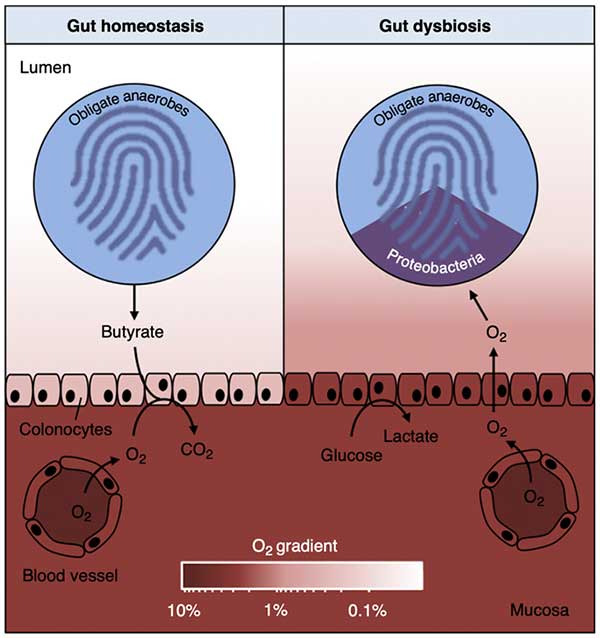




 (
(

