Enzymes
now browsing by category
NIACIN for COVID
Reproduced from original OMNS article (OrthoMolecular News Service):
http://orthomolecular.org/resources/omns/v18n25.shtml
Subscribe to the free Orthomolecular Newsletter: http://orthomolecular.org/subscribe.html
Go to the OMNS Archive: http://orthomolecular.org/resources/omns/index.shtml
Orthomolecular Medicine News Service, September 20, 2022
How niacin, niacinamide, and NAD can help with Long COVID-19
by W. Todd Penberthy, PhD
OMNS (Sept. 20, 2022) Just 1,000 milligrams per day of niacinamide, which costs about 5 cents, has been shown to clearly reduce mortality in patients with COVID-19 related acute kidney injury (AKI) by 25% [1] Investigators observed that “niacinamide administered for the prevention of COVID-19-related AKI progression was safe and associated with reduced estimated risk of death or the need for renal replacement therapy compared with historical controls. The association was strongest in severe AKI.”
Given that niacinamide and/or niacin (vitamin B3) are routinely dosed at much higher levels, typically involving 1,000 mg taken 3x/d (T.I.D.) and also that these higher levels provide greater benefits, it is likely that even greater COVID-19 benefits may occur when using these higher niacin/niacinamide doses after regular administration for patients with COVID19. [2]
Higher needs addressed by higher doses
I personally take 2,000 mg T.I.D., totaling 6,000 mg/day niacin — and my lipids are always perfect and also my liver enzymes are fine. In fact niacin is now known to reduce fatty liver and it is under development to treat non-alcoholic fatty liver disease. [3,4] So do not be misled by the myth that niacin is toxic to the liver. This was only shown for timed release formulations and not for the most common form, the less expensive immediate release form. [5]
As Stephen McConnell and I detailed in a previous orthomolecular publication, 500 mg of niacin 3x daily (TID) can effectively reverse the stages of chronic kidney disease, especially when used together with sodium bicarbonate (baking soda). [6] This activity has been proven in multiple clinical trials and in case studies. Still, the use of these common pennies-a-day agents are unfortunately not common in nephrology practice as somehow myths persist that it must be more complicated.
Without equivocation, the benefits of high doses of vitamin B3 as niacinamide or niacin for treating both COVID-19 and CKD are now proven. Moreover, these are safe therapeutics that have been used for over 50 years with unparalleled safety. In fact, niacin is so important to basic human health that the U.S. government mandated fortification of processed flour and rice in the 1940s, saving countless thousands of lives. [7]
Network pharmacology points to niacin
In the emerging field of network pharmacology, the benefit of treating multi-morbidity with niacin has been identified as exceptionally promising. The network pharmacology and bioinformatics screen was performed with criteria set to identify small molecules that may have favorable anti-viral, anti-inflammatory, and immunomodulatory activities. Niacin treatment was prominently identified based on five core desirable targets and the expression of 14 genes that it favorably modified. [8] The investigators concluded that niacin may provide therapeutic benefit as a treatment for patients with COVID-19 based on favorable effects on important signaling pathways controlling outcome, thus paving the way for clinical trials.
COVID-19 basics & NAD
Viral infectious disease like coronavirus disease 2019 (COVID-19), caused by severe acute respiratory syndrome coronavirus 2 (SARS-CoV-2) stimulate an immune response that can have a disastrous effect when uncontrolled, leading to deadly cytokine storms. Ultimately this process actively depletes NAD (nicotinamide adenine dinucleotide) in infected cells. Accordingly, many NAD precursors have been tested to combat this virus-caused deficiency of the essential NAD molecule. [9]
Risk factors for increased susceptibility to COVID-19 are age, insulin resistance, and diabetes. Low NAD concentrations are commonly observed with aging and in diabetes. Depletion of NAD has been reported in severe COVID-19 patients. Moreover, the expression of genes controlling NAD biosynthesis from precursors (vitamin B3s) are known to be changed after infection with SARS-CoV-2. [10] Many cellular enzymes utilize NAD in their biochemical reactions. When these enzymes are modulated with drugs, NAD can control the immune responses, so investigators conclude that boosting NAD is “an actionable component.” Pennies-a-day niacin administered in divided doses may serve best to prevent catastrophic NAD deficiency.
Standard medical practice and the lack of trials examining the basics
Unfortunately, in standard of care medicine there is often little scientific consideration of the possibility that we simply need more of what keeps most of us from even succumbing to COVID-19 sickness in the first place. Adequate amounts of essential nutrients and sufficient high quality sleep can enable the body to recover from virus-induced deficiencies of essential molecules and prevent death due to sepsis.
The majority of COVID-19 clinical drug trials are primarily profit-driven and involve patentable xenobiotic small molecules or biologics, with relatively little systemic investigation of the basics that are responsible for keeping the non-COVID-19-succumbing population resistant to developing disease.
With only a few exceptions, patients are served best if we start by following the acronym K.I.S.S. (“keep it simple, stupid”), making certain that all biochemical pathways are replete with all requisite co-factors and essential molecules. By following a basic K.I.S.S. orthomolecular approach, we are assisting all the steps in any given biochemical pathway needed to optimally fight pathogens in a manner consistent with a healthy functioning immune system. Monotherapeutic approaches are needed for making advances in basic science, but they rarely benefit patients, and are of ethical concern in clinical trial settings. Again, it is best to make sure adequate levels of all essential nutrients are present so multi-step biochemical pathways can function through to completion.
Vitamin B3 to NAD
Niacin and niacinamide are precursors for the NAD molecule, which is required for over 400 different gene functions, many of which are essential for keeping the cell alive. [11] Genetic polymorphisms within the NAD-binding domain confer different vitamin B3 dependencies. Some individuals have genes that endow a lower than usual binding affinity for the enzyme binding to the NAD molecule. Accordingly, these individuals need higher amounts of vitamin B3 to achieve the higher levels of NAD required to achieve competent gene function. [12]
Mechanisms of depletion
Vitamin B3 is unique and our knowledge of it distinguished compared to the other vitamins in the amount of relevant scientific research. Perhaps more is known about the molecular details of protein degradations actively causing acute and chronic depletion of NAD levels from vitamin B3 than for any other vitamin. In contrast, the consequences of vitamin B1 (thiamine) deficiency and the mechanisms thereof are woefully understudied. Much more attention should be devoted to these questions especially given that deficiencies of vitamin B1 clearly cause a clinical presentation that resembles Alzheimer’s disease, a condition for which we have almost no effective treatment.
One function of NAD is to serve as a substrate in the poly ADP-ribose polymerase (PARP) reaction, which is involved in many essential cell functions including repair of DNA in response to DNA damage. However, hyper-activation of PARP1 rapidly depletes NAD leading to catastrophic cell death. It has long been known that PARP1 hyper-activated cell death due to ischemic shock, DNA damage, or other stimuli can be prevented by pre-incubation or supplementation with vitamin B3 as NAD or niacin or niacinamide. This effect is particularly dramatic in neurons which are energetically demanding. SARS-CoV-2 has been shown experimentally to upregulate PARP enzymes, which degrade NAD. [10] Again, the most rational intervention would be to increase NAD+ supply. This may be accomplished inexpensively by supplemental niacin or niacinamide.
Knowledge of the mechanisms causing active depletion of NAD and even genetically inherited greater dependence on NAD is increasingly garnered as research on NAD biology advances. COVID-19 is a disease condition in which known pathways are activated to cause a greater requirement for vitamin B3. However, many other pathways requiring high levels of vitamin B3 are also known.
Three major mechanisms causing NAD depletion are well understood. Firstly, depletion of NAD is likely most acutely caused by hyper-activation of poly-ADP ribose polymerase (PARP1) enzyme, which can rapidly cause depletion of NAD in the PAR polymerization reaction, ultimately leading to quick cell death. PARP1 activity is stimulated by DNA damage. Many other stresses and under defined conditions cell death can be prevented by either increasing NAD levels or by inhibiting the PARP1 enzyme.
Secondly, a slower decrease in NAD levels is likely caused by persistent activation of the enzyme indoleamine 2,3-dioxygenase (IDO), which depletes the source of de novo NAD biosynthesis. IDO enzyme activity is elevated in COVID-19, sepsis, and severe inflammatory response syndrome with higher values predicting mortality. [13,14] IDO is also excessively and persistently activated in autoimmune diseases and cancer — and for these many IDO-targeted therapeutics are under development. [15] This pathway likely may be involved in some of the symptoms of long COVID-19.
Thirdly, NAD is depleted via activation of CD38 enzyme expressed on many white blood cells. Therefore, CD38 is likely to be exceptionally significant in the context of infectious disease and so investigators have been targeting it as a potential approach to treat a variety of conditions.
Genetic aspect of greater dependency
Everyone has their own unique needs for vitamin B3 and, by extension, the NAD needed to enable approximately 400 gene functions. Some individuals need much greater doses of vitamin B3 to achieve the higher levels of NAD required to achieve competent gene function. [12] These individuals are said to have a greater “dependency on vitamin B3” in order to avoid symptoms of deficiency. This biochemical aspect of genetics is an advanced concept — at the peak of western biomedical scientific achievements — but it is not generally taught in medical schools with only a few exceptions, such as with glucose-6-phosphate dehydrogenase.
However, with advances in genetics and associated biochemistry, more examples of the variety of vitamin B3 dependencies are regularly discovered. One of the most impressive and important to consider is the mitochondrial aldehyde dehydrogenase (ALDH2) enzyme, which functions to remove toxic acetaldehyde after drinking alcohol. As many as 50% of the Asian population have the Glu487→Lys variant, which confers a roughly 150-fold reduced affinity for NAD. Accordingly, the ALDH2 Glu487→Lys variant enzyme requires much higher NAD concentrations to function at a healthy level and ultimately prevent hyper-sensitivity to drinking alcohol.
Abram Hoffer, MD. PhD treated thousands of patients with schizophrenia by using high doses of niacin in over 40 years of clinical practice (1950s-1990s). Hoffer finally settled on the observation that some patients required as much as 18,000 mg of niacin a day to avoid schizophrenic symptoms. [16] He described this genetic response as an inter-individual dependence. This dose of 18,000 mg for good health is more than one-thousand-fold higher than the RDA of 16mg for adult males. Accordingly, we can expect that these inter-individual variations may play prominent roles in controlling COVID19 susceptibility.
Not surprisingly, schizophrenia has been determined to be the second highest risk factor for dying of COVID-19, just after age. [17,18] Again, the evidence strongly supports that high doses of niacin should be administered after a COVID-19 or related diagnosis. It is safe and may be the difference that saves lives.
SARS-CoV-2 COVID19 basics, pathogenesis
One of the potential catastrophic activities initiated by SARS-CoV-2 infection is a cytokine storm. The levels of circulating proinflammatory factors IL-1, IL-6, and TNFα are strongly associated with mortality in COVID-19 patients. Niacin (pennies-a-day doses) is well known to reduce IL-6 and TNF alpha. Meanwhile, IL-6 antibodies costing thousands of dollars are being tested for use against COVID-19. [19]
A great amount of focus has been devoted to the NAD precursors nicotinamide mononucleotide (NMN) and/or nicotinamide riboside (NR) in many clinical trials owing to their potential for return on financial investments. However, the truth is that in the rare occasions that plain old niacin or niacinamide (both discovered in the 1930s) are tested alongside these precursors, these older largely non-patentable forms of NAD precursor often give superior results.
In my own experience directing research comparing all NAD precursors, I observed the most impressive ischemic stress-associated zebrafish embryo life-saving activities using preincubations with niacin as compared to NMN, NR, tryptophan, quinolinic acid, or NAD itself (unpublished experimental observations). These various molecules cross the intestinal mucosa. Their molecular sizes, cell-specific transporters, ability to cross the blood-brain barrier, and more are all factors controlling their ultimate activities in addressing disease that must be empirically compared and tested. Biochemical evolutionary studies of niacin suggest that it is among the oldest of all NAD precursors.
Between 1945 and 1961 several studies found vitamin B3 to be useful in the treatment of TB of the lung, but this potential role was superseded by modern antibiotics. More recently it has been investigated and found to be promising for the treatment of HIV. A recent paper stated, “… this small molecule could emerge at the beginning of the 21st century either as a therapeutic agent in itself or as the lead compound for a new class of agents with activity against both TB and HIV.” [20]
Metabolic analysis of SARS-CoV-2 of COVID-19 patients determined that there is a tryptophan deficiency caused by infection with a correlative increase in pathogenic interleukin-6 (IL-6) levels. [21] Decreased tryptophan causes decreased NAD biosynthesis with concomitant NAD deficiency. High dose niacin supplementation can correct this NAD+ deficiency and the multitude of associated clinical presentations. Chronic fatigue syndrome may be an IDO trap, the result of constant NAD deficiency causing symptoms similar to long COVID-19 that are likely to be preventable with regular high doses of niacin taken in divided doses. [22]
Niacin addressing specific aspects of COVID pathogenesis
Investigators based in South Africa reviewed changes of macrophages in the context of sepsis with consideration of COVID-19 and pointed out the important role of the immunosuppressive molecule IDO in depleting vitamin B3-derived NAD concluding “…we strongly suggest that vitamin B3 be investigated as a therapy for sepsis, including that caused by COVID-19, ideally as a single agent at high dose rather than within a multivitamin,” which is likely to be insufficient. [13]
Hallmark features of pathological SARS-CoV-2 infection are marked elevations in pro-inflammatory cytokines and chemokines-including, most notably, interleukin-6 (IL-6), in addition to interleukin-1β (IL-1β), tumor necrosis factor-α (TNF-α), and monocyte chemoattractant protein-1 (MCP-1). Thus, a commonly proposed effective treatment of COVID-19 is targeting the blockade of IL-6, through inhibition of its most prominent transcription factor, nuclear factor kappa B (NF-κB) ). [23]
Sufficient doses of niacin have consistently been shown to markedly reduce production of pro-inflammatory cytokines (IL-6, TNF-α, MCP-1) in human monocytes, and can substantially inhibit TNF-α-induced NF-κB activation along with MCP-1 secretion in cultured human aortic endothelial cells. Niacin also suppresses TNF-α and IL-6 expressions through down-regulation of the NF-κB pathway. [24] Since vitamin B3 is highly lung protective, it should be used as soon as coughing begins.
Physicians in India have recommended “the mass scale distribution and use of nicotinamide (NAM) supplementation to decrease COVID- 19 prevalence,” based on recent Phase II clinical studies observing that nicotinamide supplementation with the standard of care demonstrably reduced COVID-19 patient recovery time by nearly 30% compared to standard of care alone. [25]
In a mouse model COVID-19 study, injected NAD kept them alive. [26] Investigators examining the effect of treatment with NAD+ found that the pneumonia phenotypes, including excessive inflammatory cell infiltration and embolization in SARS-CoV-2 infected lungs were significantly rescued by boosting NAD+ levels. Most notably, cell death was suppressed by greater than 65% with NAD+ supplementation!
Niacin attenuates lung inflammation and improves survival during sepsis by down-regulating the nuclear factor-κB pathway. A pilot phase of the COVID-19 trial showed an effect of nicotinamide on the time to complete resolution of COVID-19 symptoms.
Landmark clinical trials completed recently in Finland proved that niacin cures systemic NAD deficiency, reduces fatty liver, and also improves muscle performance. [27] Why this study isn’t yet common knowledge in clinical practice may be due to the unfortunate excessive distraction of life in 2022. However, the results of this Finnish study were unparalleled in their positive outcome — the data supporting once again that more research needs to be focused on better determining the full range of clinical indications that respond favorably to high doses of niacin, e.g. 1,000 mg taken 2-3x/d.
Conclusion and doses
The ideal niacin dosage varies depending on an individual’s genetics and their infections and/or stresses. Ultimately, perhaps the best gauge of the most effective niacin dosage regimen may involve the flush response. The niacin-eliciting flush pathway is known to be independent of the NAD biosynthetic pathway in our understanding thus far, and the niacin dose that just causes flushing is currently known to be exceptionally therapeutic for several indications. Still, some will flush with as little as 50 mg while others still do not even experience a flush after taking 4,000 mg at one time! The latter situation is expected to involve an individual with other health problems.
A simple straightforward recommendation is to take whatever dosage of niacin that elicits a flush response, starting with low doses and increasing gradually over several days to weeks until a flush appears. Remember that 1,000 mg taken 3 times a day in the plain old immediate release form has been successfully used in medical practice for over 50 years. It reproducibly corrects the lipodystrophic profile favorably, to reduce cardiovascular events and is expected to provide benefits in the context of COVID-19 — and much more!
(OMNS Contributing Editor W. Todd Penberthy received his PhD in biochemistry from the University of Tennessee College of Medicine in 1997. He then conducted research and taught at the university level. He is presently a continuing medical education writer https://https://www.cmescribe.com/resume/ who prepares courses for physicians to maintain their certification.)
References
1. Raines NH, Ganatra S, Nissaisorakarn P, et al. (2021) Niacinamide May Be Associated with Improved Outcomes in COVID-19-Related Acute Kidney Injury: An Observational Study. Kidney360 2:33-41. https://pubmed.ncbi.nlm.nih.gov/35368823
2. Pieper JA (2002) Understanding niacin formulations. Am J Manag Care 8:S308-S314. https://pubmed.ncbi.nlm.nih.gov/12240702
3. Kashyap ML, Ganji S, Nakra NK, et al. (2019) Niacin for treatment of nonalcoholic fatty liver disease (NAFLD): novel use for an old drug? J Clin Lipidol. 13:873-879. https://pubmed.ncbi.nlm.nih.gov/31706905
4. Ganji S, Hoa N, Kamanna J, et al. (2022) Niacin regresses collagen content in human hepatic stellate cells from liver transplant donors with fibrotic non-alcoholic steatohepatitis (NASH). Am J Transl Res. 14:4006-4014. https://pubmed.ncbi.nlm.nih.gov/35836902
5. Guyton JR. (2007) Niacin in cardiovascular prevention: mechanisms, efficacy, and safety. Curr Opin Lipidol. 18:415-420. https://pubmed.ncbi.nlm.nih.gov/17620858
6. McConnell S, Penberthy WT (2021) Reversing Chronic Kidney Disease with Niacin and Sodium Bicarbonate. Orthomolecular Medical News Service. http://orthomolecular.org/resources/omns/v17n22.shtml
7. Park YK, Sempos CT, Barton CN, et al. (2000) Effectiveness of food fortification in the United States: the case of pellagra. Am J Public Health 90:727-738. https://pubmed.ncbi.nlm.nih.gov/10800421
8. Li R, Li Y, Liang X, et al. (2021) Network Pharmacology and bioinformatics analyses identify intersection genes of niacin and COVID-19 as potential therapeutic targets. Brief Bioinform. 22:1279-1290. https://pubmed.ncbi.nlm.nih.gov/33169132
9. Zheng M, Schultz MB, Sinclair DA. (2022) NAD+ in COVID-19 and viral infections. Trends Immunol. 43:283-295. https://pubmed.ncbi.nlm.nih.gov/35221228
10. Heer CD, Sanderson DJ, Voth LS, et al. (2020) Coronavirus infection and PARP expression dysregulate the NAD metabolome: An actionable component of innate immunity. J Biological Chem. 295:17986-17996. https://pubmed.ncbi.nlm.nih.gov/33051211
11. Penberthy WT, Axelsen KB. (2022) Table of NAD-Utilizing Enzymes. https://www.cmescribe.com/vitamin-dependent-gene-databases
12. Ames BN, Elson-Schwab I, Silver EA. (2002) High-dose vitamin therapy stimulates variant enzymes with decreased coenzyme binding affinity (increased K(m)): relevance to genetic disease and polymorphisms. Am J Clin Nutr. 75:616-658. https://pubmed.ncbi.nlm.nih.gov/11916749
13. Suchard MS, Savulescu DM. (2022) Nicotinamide pathways as the root cause of sepsis – an evolutionary perspective on macrophage energetic shifts. FEBS J. 289:955-964. https://pubmed.ncbi.nlm.nih.gov/33686748
14. de Assis Barros D’Elia Zanella LGF, de Lima Galvão L (2021) The COVID-19 Burden or Tryptophan Syndrome: Autoimmunity, Immunoparalysis and Tolerance in a Tumorigenic Environment. J Infect Dis Epidemiol. 7:195. https://doi.org/10.23937/2474-3658/1510195
15. Penberthy WT. (2007) Pharmacological targeting of IDO-mediated tolerance for treating autoimmune disease. Curr Drug Metab. 8:245-66. https://pubmed.ncbi.nlm.nih.gov/17430113
16. Hoffer A, Prousky J. (2008) Successful treatment of schizophrenia requires optimal daily doses of vitamin B3. Altern Med Rev. 13:287-291. https://www.researchgate.net/publication/24036385_The_proper_treatment_of_schizophrenia_requires_optimal_daily_doses_of_vitamin_B3
17. Nemani K, Li C, Olfson M, et al. (2021) Association of Psychiatric Disorders With Mortality Among Patients With COVID-19. JAMA Psychiatry 78:380-386. https://pubmed.ncbi.nlm.nih.gov/33502436
18. Dembosky A. (2022) Having schizophrenia is the second biggest risk factor for dying from COVID-19. NPR. https://www.npr.org/2022/03/20/1087766160/having-schizophrenia-is-the-second-biggest-risk-factor-for-dying-from-covid-19
19. NIH COVID-19 Treatment Guidelines. (2022) Interleukin-6 Inhibitors. https://www.covid19treatmentguidelines.nih.gov/therapies/immunomodulators/interleukin-6-inhibitors
20. Murray MF. (2003) Nicotinamide: an oral antimicrobial agent with activity against both Mycobacterium tuberculosis and human immunodeficiency virus. Clin Infect Dis. 36:453-460. https://pubmed.ncbi.nlm.nih.gov/12567303
21. Thomas T, Stefanoni D, Reisz JA, et al. (2020) COVID-19 infection alters kynurenine and fatty acid metabolism, correlating with IL-6 levels and renal status. JCI Insight 5:e140327. https://pubmed.ncbi.nlm.nih.gov/32559180
22. Kashi AA, Davis RW, Phair RD. (2019) The IDO Metabolic Trap Hypothesis for the Etiology of ME/CFS. Diagnostics (Basel) 9:82. https://pubmed.ncbi.nlm.nih.gov/31357483
23. Kats D. (2021) Sufficient Niacin Supply: The Missing Puzzle Piece to COVID-19, and beyond? Preprint. https://doi.org/10.31219/osf.io/uec3r
24. Kwon WY, Suh GJ, Kim KS, et al. (2011) Niacin attenuates lung inflammation and improves survival during sepsis by downregulating the nuclear factor-κB pathway. Crit Care Med. 39:328-334. https://pubmed.ncbi.nlm.nih.gov/20975550
25. Gharote M. (2021) POTENTIAL ROLE OF NICOTINAMIDE SUPPLEMENTATION IN PREVENTION OF COVID-19 TRANSMISSION-A PERSPECTIVE. https://www.researchgate.net/publication/350800103_POTENTIAL_ROLE_OF_NICOTINAMIDE_SUPPLEMENTATION_IN_PREVENTION_OF_COVID-19_TRANSMISSION-A_PERSPECTIVE
26. Jiang Y, Deng Y, Pang H, et al. (2022) Treatment of SARS-CoV-2-induced pneumonia with NAD+ and NMN in two mouse models. Cell Discov. 8:38. https://pubmed.ncbi.nlm.nih.gov/35487885
27. Pirinen E, Auranen M, Khan NA, et al. (2020) Niacin Cures Systemic NAD+ Deficiency and Improves Muscle Performance in Adult-Onset Mitochondrial Myopathy. Cell Metab. 31:1078-1090.e5. https://pubmed.ncbi.nlm.nih.gov/32386566
Nutritional Medicine is Orthomolecular Medicine
Orthomolecular medicine uses safe, effective nutritional therapy to fight illness. For more information: http://www.orthomolecular.org
Find a Doctor
To locate an orthomolecular physician near you: http://orthomolecular.org/resources/omns/v06n09.shtml
The peer-reviewed Orthomolecular Medicine News Service is a non-profit and non-commercial informational resource.
Editorial Review Board:
Albert G. B. Amoa, MB.Ch.B, Ph.D. (Ghana)
Seth Ayettey, M.B., Ch.B., Ph.D. (Ghana)
Ilyès Baghli, M.D. (Algeria)
Ian Brighthope, MBBS, FACNEM (Australia)
Gilbert Henri Crussol, D.M.D. (Spain)
Carolyn Dean, M.D., N.D. (USA)
Ian Dettman, Ph.D. (Australia)
Susan R. Downs, M.D., M.P.H. (USA)
Ron Ehrlich, B.D.S. (Australia)
Hugo Galindo, M.D. (Colombia)
Martin P. Gallagher, M.D., D.C. (USA)
Michael J. Gonzalez, N.M.D., D.Sc., Ph.D. (Puerto Rico)
William B. Grant, Ph.D. (USA)
Claus Hancke, MD, FACAM (Denmark)
Tonya S. Heyman, M.D. (USA)
Patrick Holford, BSc (United Kingdom)
Suzanne Humphries, M.D. (USA)
Ron Hunninghake, M.D. (USA)
Bo H. Jonsson, M.D., Ph.D. (Sweden)
Dwight Kalita, Ph.D. (USA)
Felix I. D. Konotey-Ahulu, MD, FRCP, DTMH (Ghana)
Jeffrey J. Kotulski, D.O. (USA)
Peter H. Lauda, M.D. (Austria)
Alan Lien, Ph.D. (Taiwan)
Homer Lim, M.D. (Philippines)
Stuart Lindsey, Pharm.D. (USA)
Pedro Gonzalez Lombana, MD, MsC, PhD (Colombia)
Victor A. Marcial-Vega, M.D. (Puerto Rico)
Juan Manuel Martinez, M.D. (Colombia)
Mignonne Mary, M.D. (USA)
Jun Matsuyama, M.D., Ph.D. (Japan)
Joseph Mercola, D.O. (USA)
Jorge R. Miranda-Massari, Pharm.D. (Puerto Rico)
Karin Munsterhjelm-Ahumada, M.D. (Finland)
Tahar Naili, M.D. (Algeria)
Zhiyong Peng, M.D. (China)
Isabella Akyinbah Quakyi, Ph.D. (Ghana)
Selvam Rengasamy, MBBS, FRCOG (Malaysia)
Jeffrey A. Ruterbusch, D.O. (USA)
Gert E. Schuitemaker, Ph.D. (Netherlands)
Han Ping Shi, M.D., Ph.D. (China)
T.E. Gabriel Stewart, M.B.B.CH. (Ireland)
Thomas L. Taxman, M.D. (USA)
Jagan Nathan Vamanan, M.D. (India)
Garry Vickar, M.D. (USA)
Anne Zauderer, D.C. (USA)
Andrew W. Saul, Ph.D. (USA), Editor-In-Chief
Associate Editor: Robert G. Smith, Ph.D. (USA)
Editor, Japanese Edition: Atsuo Yanagisawa, M.D., Ph.D. (Japan)
Editor, Chinese Edition: Richard Cheng, M.D., Ph.D. (USA)
Editor, Norwegian Edition: Dag Viljen Poleszynski, Ph.D. (Norway)
Editor, Arabic Edition: Moustafa Kamel, R.Ph, P.G.C.M (Egypt)
Editor, Korean Edition: Hyoungjoo Shin, M.D. (South Korea)
Editor, Spanish Edition: Sonia Rita Rial, PhD (Argentina)
Contributing Editor: Thomas E. Levy, M.D., J.D. (USA)
Contributing Editor: Damien Downing, M.B.B.S., M.R.S.B. (United Kingdom)
Contributing Editor: W. Todd Penberthy, Ph.D. (USA)
Contributing Editor: Ken Walker, M.D. (Canada)
Assistant Editor: Helen Saul Case, M.S. (USA)
Technology Editor: Michael S. Stewart, B.Sc.C.S. (USA)
Associate Technology Editor: Robert C. Kennedy, M.S. (USA)
Legal Consultant: Jason M. Saul, JD (USA)
Comments and media contact: drsaul@doctoryourself.com OMNS welcomes but is unable to respond to individual reader emails. Reader comments become the property of OMNS and may or may not be used for publication.
This article may be reprinted free of charge provided 1) that there is clear attribution to the Orthomolecular Medicine News Service, and 2) that both the OMNS free subscription link http://orthomolecular.org/subscribe.html and also the OMNS archive link http://orthomolecular.org/resources/omns/index.shtml are included.
Riordan Clinic | Orthomolecular.org
3100 N Hillside Ave
Wichita, Kansas 67219
United States
The Healthy Sugar Substitute You’ve Likely Never Heard About
Reproduced from original article:
https://articles.mercola.com/sites/articles/archive/2022/03/28/what-is-nadph-and-nox.aspx
The original Mercola article may not remain on the original site, but I will endeavor to keep it on this site as long as I deem it to be appropriate, and will not be bullied into removing it.
Analysis by Dr. Joseph Mercola – Expert Review by James DiNicolantonio, Pharm.D Fact Checked

STORY AT-A-GLANCE
- Glycine is mildly sweet and can be used as a sugar substitute in tea or coffee
- Glycine and collagen (an outstanding source of glycine) inhibit the consumption of NADPH, thereby lowering inflammation and oxidative damage
- NADPH oxidase is typically abbreviated as NOX. Inhibiting NOX is an effective way to increase NADPH and your cells’ ability to reduce oxidative stress
- NADPH is used as a reductive reservoir of electrons to recharge antioxidants once they become oxidized. NADPH is also necessary to make your steroid hormones and fats
- Preventing many chronic diseases requires finding a means of inhibiting or modulating NOX. Such strategies include avoiding fructose, practicing nutritional ketosis and supplementing with spirulina, niacin, glycine and collagen
- Glycine supplementation may be beneficial for the prevention and/or treatment of metabolic syndrome, complications from diabetes, cardiac hypertrophy and alcoholic and nonalcoholic liver disorders
This article was previously published February 4, 2019, and has been updated with new information.
As you probably know, inflammation and oxidative damage are primary drivers of most chronic diseases. What you may not be aware of is the importance of nicotinamide adenine dinucleotide phosphate hydrogen (NADPH) and NADPH oxidase, typically abbreviated as NOX, in these processes.
In a recent paper,1James DiNicolantonio, who co-wrote my book, “Superfuel,” details the importance of collagen and glycine for the inhibition of NADPH breakdown. DiNicolantonio, also co-wrote a book with Jason Fung, called “The Longevity Solution,” which takes a deep dive into how collagen and glycine may help promote longevity.
Without sufficient amounts of NADPH, your body cannot recharge glutathione once it becomes oxidized. As you know, glutathione is crucial for detoxification, and both collagen and glycine effectively raises your NADPH level by inhibiting the enzyme that breaks down NADPH.
Considering the importance of NADPH for optimal health and chronic disease prevention, this is really important information that could make a big difference for many, as collagen and glycine are both easily obtainable and relatively inexpensive. But before we delve into the specifics of how glycine affects NOX and NADPH, let’s review some of the basics.
What Is NADPH and NOX?
NADPH is the reduced form of NADP+. It’s a reducing agent necessary for anabolic reactions, including lipid and nucleic acid synthesis. NOX is an enzyme complex that is bound to the cellular membrane, facing the extracellular space. Inhibiting NOX is a useful strategy to increase NADPH and your cells’ ability to counter oxidative stress.
NOX is activated in a large number of pathological conditions that generate a great deal of oxidative stress. In fact, according to DiNicolantonio, NOX overactivity appears to play a significant role in a wide range of health conditions, including but not limited to:
| Vascular diseases and vascular complications of other diseases (diabetes, kidney failure, blindness and heart disease for example) |
| Insulin resistance |
| Neurodegenerative disorders such as Alzheimer’s and Parkinson’s |
| Cancer |
| Glaucoma |
| Pulmonary fibrosis |
| Erectile dysfunction |
As explained by DiNicolantonio in a paper2 detailing bilirubin’s ability to inhibit NOX complexes and downregulate NOX activity, and the benefits of spirulina for this purpose:
“Activation of NADPH oxidase [NOX] is a key mediator of proinflammatory microglial activation … Oxidative stress in adipocytes, stemming largely from NADPH oxidase activity, appears to play a key role in the induction of insulin resistance and the skewing of adipokine and cytokine production in hypertrophied adipocytes.”
Six Ways to Inhibit NOX and Increase NADPH
NADPH is used as a reductive reservoir of electrons for antioxidants that become oxidized and nonfunctional. NADPH is also necessary to make your steroid hormones and fats. When you have low levels, you are in deep trouble.
That said, NADPH appears to be a biological molecule that can be helpful or harmful depending on how much of it is circulating at the time, so it needs to be carefully regulated by your body. For example, although NOX lowers NADPH, it also plays an important role in helping your immune system fight bacteria, and helps your T-cells to function properly.
It follows then, that preventing many chronic diseases would require finding a means of inhibiting or modulating NOX. The good news is there are several ways of doing this that are neither costly nor cumbersome, including the following:
• Niacinamide — Taking nicotinamide can also help increase your NADPH level.3
• Lowering your glucose level and avoiding fructose — Excess glucose is converted to fructose and lowers your NAD+,4 so keeping your glucose low and avoiding fructose is part of the equation.
• Nutritional ketosis — Ketone metabolism increases the negative redox potential of your family of NAD coenzyme redox molecules, which helps control oxidative damage by increasing NADPH and promoting transcription of enzymes of the antioxidant pathways though activation of FOXO3a.5
• Glycine and collagen — As detailed in the featured paper, glycine and collagen (which also contains glycine) also have NOX-inhibiting effects, thereby raising your NADPH level.
The way glycine inhibits NOX superoxide production is by bringing chloride into the cell, which reduces the cell’s ability to push out chloride ions (since it’s pushing against a higher chloride gradient). Chloride ions are required to bring in electrons to generate superoxide, so by minimizing chloride ions, glycine helps minimize oxidative stress.
Glycine Upregulates NADPH and Has Anticancer Activity
According to the featured paper,6 supplemental glycine may be useful for the “prevention and control of atherosclerosis, heart failure, angiogenesis associated with cancer or retinal disorders and a range of inflammation-driven syndromes, including metabolic syndrome.” Glycine may also be an excellent complement to spirulina, as both suppress NOX.
The featured paper also details the anti-angiogenic activity of glycine, which refers to its ability to inhibit the growth of blood vessels that feed tumors. Animal studies, for example, have shown mice with cancer that are fed glycine exhibit suppressed angiogenesis and tumor growth, even though glycine does not affect the proliferation of cancer cells directly.
DiNicolantonio and his team hypothesize that one of the reasons for this antitumor effect has to do with the fact that glycine increases the chloride level in endothelial cells, thereby limiting the export of chloride from the endosome. This in turn inhibits activation of NOX, which has pro-angiogenic activity (meaning it promotes the growth of blood vessels to tumors). According to this paper:7
“This might explain the well-documented anti-angiogenic effects of boosting plasma glycine to the high physiological range. The possibility that supplemental glycine may have clinical utility as an anti-angiogenic agent for cancer control merits evaluation — albeit the concurrent effects of glycine on anticancer immune surveillance should be considered.
The anti-angiogenic effects of glycine might also find application in prevention or treatment of the choroidal neovascularization associated with diabetic retinopathy and age-related macular degeneration. It will be of interest to determine whether retinal pigment epithelium expresses glycine receptors.”
Glycine Also Supports Vascular Health
NOX activation also plays an important role in heart disease, and by inhibiting NOX (which raises NADPH), glycine may also offer protection against cardiovascular problems. DiNicolantonio and his team explain:
“The role of [NOX] complex activation in promoting pro-inflammatory behavior of vascular endothelium is well documented; in particular, endothelial [NOX] plays a mediating role in atherogenesis. It is reasonable to postulate that a high proportion of this [NOX] activation occurs in endosomes, and is susceptible to modulation by cytosolic chloride level.
If so, then we could expect elevated plasma glycine, via stimulation of glycine-activated chloride channels, to suppress endothelial inflammation by opposing endosomal [NOX] activity. Moreover, the hyperpolarizing impact of glycine on endothelium might also promote vascular health by boosting calcium influx into endothelial cells, thereby enhancing the protective activity of the endothelial nitric oxide synthase.
It also seems not unlikely, given the documented impact of glycine on macrophages, that supplemental glycine could oppose atherogenesis and plaque instability via anti-inflammatory effects on intimal macrophages and foam cells … Glycine may also provide antioxidant protection to heart muscle … Moreover, in mice subjected to cardiac pressure overload or angiotensin II administration, glycine supplementation lessens the ensuing cardiac hypertrophy.”
Glycine Supplementation May Improve Your Health
Considering how important it is to minimize inflammation and oxidative stress, and the role NOX and NADPH play in these processes, glycine supplementation holds great promise as a simple and inexpensive aid. I personally take one-quarter teaspoon (about 1 gram) twice a day.
Since glycine is mildly sweet, you could even use it as a healthy sugar substitute in tea or coffee. As noted by DiNicolantonio, “Intakes as high as 31 grams daily have proved safe. It is therefore ideal for incorporation into functional foods and beverages.” The paper also cites a number of studies showing glycine supplementation may be beneficial for the prevention and/or treatment of:8
- Metabolic syndrome — As noted in DiNicolantonio’s paper, “In humans with metabolic syndrome supplemented with 15 grams glycine per day (5 grams thrice daily), plasma markers of oxidative stress declined by 25 percent relative to placebo”
- Complications from diabetes
- Alcoholic and nonalcoholic liver disorders
- Cardiac hypertrophy
Glycine supplementation may also:9
| Help improve sleep |
| Maintain cartilage integrity |
| Moderate the adverse metabolic effects of high-fructose diet |
| Boost glutathione synthesis, especially when used in combination with a N-acetylcysteine (NAC) supplement |
| Improve oxidant-scavenging activity by converting to pyruvate, which is a direct scavenger of hydrogen peroxide and inhibits formation of age-advanced glycation end-products |
| Have antioxidant effects by increasing synthesis of heme and bilirubin, although evidence of this is still lacking, and the effect is likely to be modest |
| Help detoxify glyphosate — Glyphosate is an analog of the amino acid glycine.10 It attaches in places where you need glycine. Importantly, glycine is used up in the detoxification process, hence many of us do not have enough glycine for efficient detoxification.
To eliminate glyphosate, you need to saturate your body with glycine. Dr. Dietrich Klinghardt, who is a specialist in metal toxicity and its connection to chronic infections, recommends taking 1 teaspoon (4 grams) of glycine powder twice a day for a few weeks and then lowering the dose to one-fourth teaspoon (1 gram) twice a day. This forces the glyphosate out of your system, allowing it to be eliminated through your urine |
While glycine powder is an inexpensive option, collagen is another alternative that is extremely rich in glycine. If going this route, I recommend looking for organic grass fed collagen.
- 1, 6, 7, 8, 9 Medical Hypotheses January 15, 2019 [Epub ahead of print]
- 2 BMJ Open Heart 2018;5:e000914 (PDF)
- 3 Antioxid Redox Signal 2019 Feb 20;30(6):890-905
- 4 Pyridine Dinucleotides from Molecules to Man 2018; 28(3)
- 5 IUMB Life 2017; 69.5 DOI: 10.1002/iub.1627
- 10 Journal of Biological Physics and Chemistry
Top Tips for a Healthier 2022
Reproduced from original article:
https://articles.mercola.com/sites/articles/archive/2022/01/04/top-tips-for-a-healthier-2022.aspx
The original Mercola article may not remain on the original site, but I will endeavor to keep it on this site as long as I deem it to be appropriate, and will not be bullied into removing it.
Analysis by Dr. Joseph Mercola Fact Checked January 04, 2022
STORY AT-A-GLANCE
- The start of a new year is often a good time to take stock and plan out beneficial lifestyle changes. Included are 22 tips for making 2022 your healthiest year yet
- Top tips include optimizing your vitamin D, targeting your immune system with immune-boosting nutraceuticals, treating COVID symptoms early, improving your liver health, protecting your vision and combating inflammation and autoimmune diseases
- Items to eliminate include processed foods high in seed oils and processed sugar, as well as electromagnetic field exposures, freedom of speech robbers such as Google and Facebook, and toxic clothing
- Items to add include magnesium, collagen, filtered water, vision-enhancing nutrients, osteoporosis-busting exercise and healthy sleep
The start of a new year is often a good time to take stock and plan out beneficial lifestyle changes. Here are 22 tips for making 2022 your healthiest year yet. How many have you incorporated so far, and which ones can you add to your toolbox for the coming year?
Tip 1: Optimize Your Vitamin D
Vitamin D optimization is an absolute foundational strategy for fighting infections as it bolsters the first line of defense of your immune system. Ideally, test your vitamin D level twice a year, in the winter and summer, to make sure you’re in a healthy range of 60 ng/mL to 80 ng/mL year-round. (A compelling body of research suggests 40 ng/mL is the cutoff for sufficiency.)
Vitamin D can reduce your risk of COVID-19 and other respiratory infections by reducing the survival and replication of viruses, reducing inflammatory cytokine production, maintaining endothelial integrity and increasing ACE2 concentrations, which helps lower COVID-19 severity.
If your vitamin D levels are not optimal and you come down with COVID, it is best to take 0.5 mcg of calcitriol on the first day and then 0.25 mcg for a week, as this is the active form of vitamin D. Merely swallowing regular vitamin D capsules will not help with COVID for one to two weeks, which is why you must add calcitriol.
You can learn more about the mechanisms behind vitamin D in my June 2020 scientific report, available on StopCovidCold.com. October 31, 2020, I also published a scientific review1 in the peer-reviewed journal Nutrients — “Evidence Regarding Vitamin D and Risk of COVID-19 and Its Severity” — co-written with William Grant, Ph.D., and Dr. Carol Wagner, both of whom are part of the GrassrootsHealth expert vitamin D panel. You can read the paper for free here.
Tip 2: Up Your Intake of Key Immune-Boosting Nutrients
Many nutrients are known for their immune-boosting properties and ability to ward against encapsulated RNA viruses such as influenza and coronaviruses. A number of them were identified and listed in a February 2020 article in the journal Progress in Cardiovascular Diseases.2,3,4
A number of nutrients have also shown promise against the atypical symptoms associated with severe COVID-19, such as excessive, out of control inflammation and blood clots.
While these symptoms have become increasingly rare as the virus has mutated into milder strains (Omicron being a prime example), some early COVID-19 patients are still struggling with long-term symptoms, colloquially known as “long COVID.” For them, such nutraceuticals may be particularly helpful.
Here’s a summary of the nutritional supplements identified. (For suggested dosages, see the Progress in Cardiovascular Diseases paper.5)
| N-acetylcysteine (NAC) — Encourages glutathione production, thins mucus, lowers your chances of influenza infection and reduces your risk of developing severe bronchitis. |
| Elderberry extract — Known to shorten influenza duration by two to four days and reduce the severity of the flu. |
| Spirulina — Reduces severity of influenza infection severity and lowers influenza mortality in animal studies. In a human trial, spirulina significantly lowered the viral load in patients with HIV infection. |
| Beta-glucan — Reduces severity of influenza infection severity and lowers influenza mortality in animal studies. |
| Glucosamine — Upregulates mitochondrial antiviral-signaling protein (MAVS), reduces severity of influenza infection severity and lowers influenza mortality in animal studies. |
| Selenium — Selenium deficiency increases the rate at which viruses can mutate, promoting the evolution of more pathogenic strains. |
| Zinc — Supports “effective function and proliferation of various immune cells,” lowering mortality in the elderly by 27%. If treating acute COVID, it’s best taken with quercetin (500 mg) to drive the zinc into the cell to limit viral replication. |
| Lipoic acid — Helps boost type 1 interferon response, which activate intracellular antimicrobial programs, thereby limiting viral spread between cells, and modulate your innate immune responses, restraining pro-inflammatory pathways and inhibiting cytokine production. They also activate your adaptive immune system.6 |
| Sulforaphane — Helps boost type 1 interferon response. |
| Resveratrol — A 2005 study7 in The Journal of Infectious Diseases found resveratrol has the power to inhibit the replication of influenza A virus, significantly improving survival in influenza-infected mice. According to the authors, resveratrol “acts by inhibiting a cellular, rather than a viral, function,” which suggests it “could be a particularly valuable anti-influenza drug.” |
Tip 3: Treat COVID as FIRST Sign of Infection
Should you develop COVID symptoms, you simply MUST start treatment immediately. We now know early treatment is key for successful resolution of the infection. It could literally be the difference between life and death and I can’t stress that enough. It is far better to overtreat a cold like COVID than ignoring the symptoms and dismissing them.
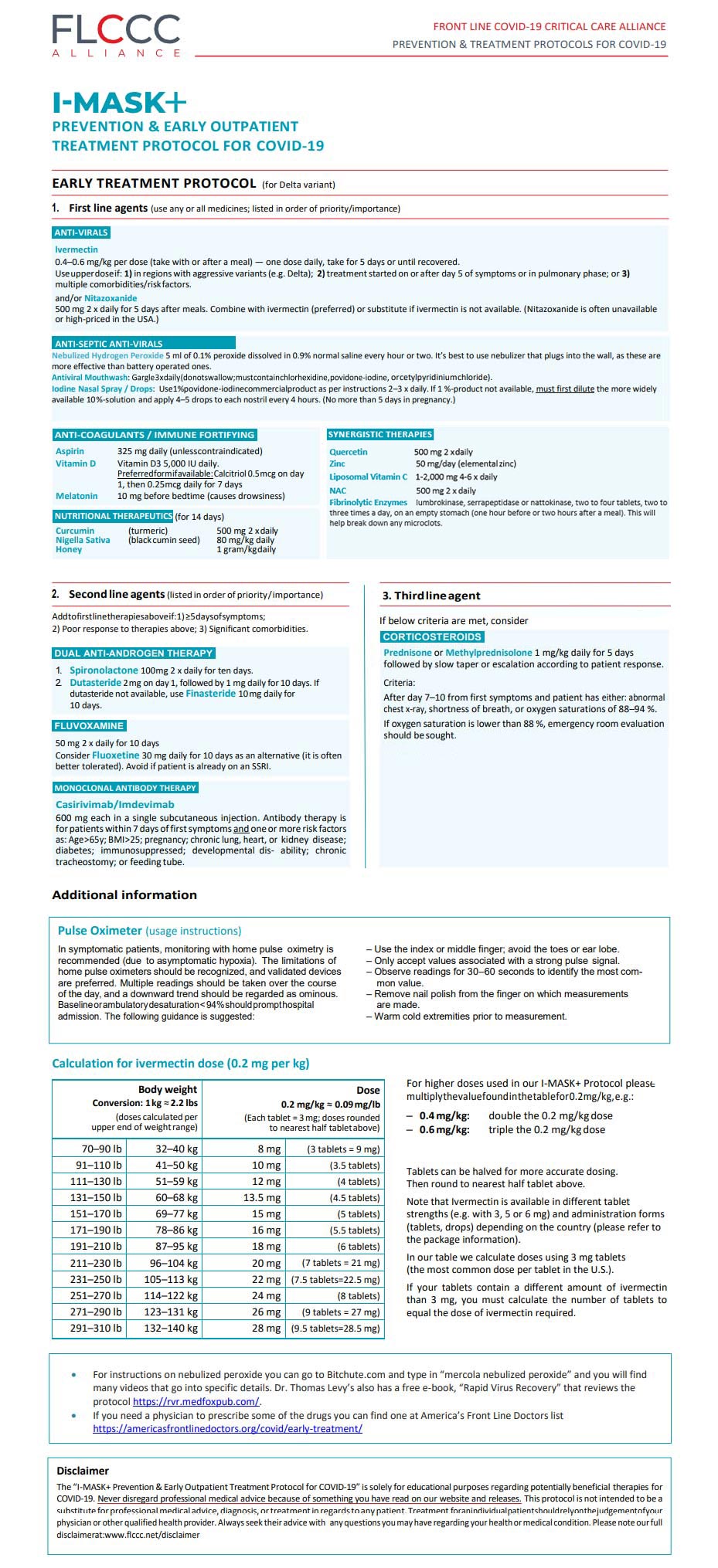
There are several early treatment protocols available, most of which focus on similar remedies. I believe the Frontline COVID-19 Critical Care Alliance’s (FLCCCs) protocol is among the most comprehensive. You can find a listing of doctors who can prescribe necessary medicines on the FLCCC website.
There, you can also find downloadable PDFs in several languages for prevention and early at-home treatment, the in-hospital protocol and long-term management guidance for long-haul COVID-19 syndrome.
A slightly revised version of the FLCCC protocol is below. I’ve altered some of the dosages, and added a few more therapies that they have yet to include, such as nebulized hydrogen peroxide and intravenous ozone.
Tip 4: Optimize Your Health With Systemic Enzymes
Enzymes are proteins composed of individual amino acids necessary to speed up cellular functions and biological processes. Some of the bodily processes that require enzymes include energy production, oxygen absorption, toxic waste removal, breaking down fats in your blood, dissolving blood clots and fighting infections.
Proteolytic enzymes such as lumbrokinase and serrapeptase act as blood cleansers that combat inflammation and rebalance your immune system.
In the era of COVID, an enzyme called lumbrokinase may be of particular benefit, as it helps break down blood clots. If you’ve had COVID-19 in the past, and/or received one or more COVID injections, lumbrokinase may be helpful to prevent blood clotting issues.
Proteolytic enzymes such as lumbrokinase and serrapeptase serve to digest unwanted proteins in your blood, like blood clots. They also help combat inflammation and rebalance your immune system, facilitating the removal of inflammatory proteins, removing fibrin (a clotting material that restricts blood flow and prolongs inflammation), reducing edema in inflamed regions, and boosting the potency of macrophages and killer cells.
If you want these enzymes to work on the potentially damaging proteins in your blood and not the food in your stomach, you will need to take them on an empty stomach, either one hour before or two hours after a meal. Otherwise the enzymes will be used to digest your food and not work in your bloodstream.
Tip 5: Boost Your Liver Health With Choline
Nonalcoholic fatty liver disease (NAFLD) is a common condition caused by an unhealthy processed food diet. Aside from cutting out processed foods high in sugars and seed oils, adding in more choline can be helpful, as it appears to be a key controlling factor in arresting the development of fatty liver.
It does this by enhancing secretion of very low density lipoprotein (VLDL) particles in your liver, which are required to safely transport fat out of your liver. Choline deficiency may result in excess fat and cholesterol buildup. Choline also aids in DNA synthesis and is important for healthy mitochondrial function.
Choline-rich foods to consider loading up on include wild-caught Alaskan salmon, krill oil, organic pastured chicken, vegetables such as broccoli, cauliflower and asparagus, shiitake mushrooms, grass fed beef liver and pastured egg yolks.
A single hard-boiled egg can contain anywhere from 113 to 147 milligrams of choline, or about 25% of your daily requirement, making it one of the best choline sources in the American diet. Only grass fed beef liver beats it, with 430 milligrams of choline per 100-gram serving.
Tip 6: Eliminate ALL Seed (Vegetable) Oils
A compelling report in the journal Gastroenterology offers a radically novel yet logically sound explanation as to why some COVID-19 patients develop life-threatening organ failure, namely their high unsaturated fat intake. Since diet-related comorbidities are responsible for 94% of COVID-19-related deaths,8 taking control of your diet is a simple, common-sense strategy to lower the risks associated with this infection.
Simply put, high intake of polyunsaturated fats (PUFAs) — a primary source of which is industrial seed oils — is associated with increased mortality from COVID-19, while healthy saturated fats actually lower your risk of death.
Omega-6 linoleic acid (LA) makes up the bulk of the omega-6 consumed and is the primary contributor to nearly all chronic diseases, because when consumed in excessive amounts, LA acts as a metabolic poison radically limiting mitochondrial function and your ability to produce cellular energy.
The reason for this is because polyunsaturated fats such as LA are highly susceptible to oxidation. As the fat oxidizes, it breaks down into harmful sub-components such as advanced lipid oxidation end products (ALES) and oxidized LA metabolites (OXLAMs). These ALES and OXLAMs are actually what cause the damage.
While excess sugar is certainly bad for your health and should typically be limited to 25 grams per day or less, it doesn’t cause a fraction of the oxidative damage that LA does. Processed vegetable oils are a primary source of LA, but even food sources hailed for their health benefits contain it, and can be a problem if consumed in excess. Cases in point: olive oil and conventionally raised chicken, which are fed LA-rich grains.
Tip 7: Boost Your Magnesium Intake
Magnesium is required for the healthy function of most cells in your body. Deficiency will impede your cellular metabolic function and deteriorate mitochondrial function, which can result in more serious health problems. Deficiency is widespread, thanks to inadequate consumption of leafy greens, so if you rarely eat your veggies, you could probably benefit from supplementation.
Having low amounts of magnesium has also been shown to significantly increase your supplemental vitamin D requirement. Research by GrassrootsHealth9 shows you need 146% more vitamin D to achieve a blood level of 40 ng/ml (100 nmol/L) if you do not take supplemental magnesium, compared to taking your vitamin D with at least 400 mg of magnesium per day.
Your vitamin K2 intake can also affect your required vitamin D dosage. Data10 from nearly 3,000 individuals revealed 244% more oral vitamin D was required to get 50% of the population to achieve a vitamin D level of 40 ng/ml (100 nmol/L) if they weren’t concurrently also taking magnesium and vitamin K2. So, a simple way to optimize your vitamin D absorption is to take it in conjunction with magnesium and K2.
Foods with the highest magnesium levels include spinach, Swiss chard, turnip greens, beet greens, collard greens, broccoli, Brussels sprouts, kale, bok choy and romaine lettuce.
If you’re using a supplement, you may want to use magnesium threonate to provide at least some of your magnesium, as it appears to be most efficient at penetrating cell membranes, including your mitochondria and blood-brain barrier. Another effective way to boost your magnesium level is to take Epsom salt (magnesium sulfate) baths, as the magnesium will effectively absorb through your skin.
Tip 8: Improve Your Bowel Evacuation
Healthy evacuation of your bowels is a factor that many tend to ignore. The good news is that improving your bowel function can be as simple as changing how you sit on the toilet. Your puborectalis muscle helps control elimination during a bowel movement and prevent incontinence when you’re standing.
However, when you sit on a typical toilet, this muscle cannot fully relax, which is why you may need to push or even strain in order to have a bowel movement. While squatting, however, the muscle relaxes fully, making elimination easier.
Squatting on the toilet bowl can help you eliminate waste better if you are constipated. But this requires strength, flexibility and balance, especially if you’re not used to this method. Other options include using a simple footstool to help you get into a more “squatty” position or leaning forward as you sit on the toilet, with your hands on or near the floor.
Tip 9: Combat Chronic Inflammation
Chronic inflammation is a hallmark of virtually all disease, including cancer, obesity and heart disease. While inflammation is a perfectly normal and beneficial process that occurs when your body’s white blood cells and chemicals protect you from foreign invaders like bacteria and viruses, it leads to trouble when the inflammatory response gets out of hand and continues indefinitely.
Your diet plays a significant, if not primary, role in this chain of events and is the perfect place to start to address it. Certain nutritional supplements can also be helpful as add-ons. Here’s a summary of key principles:
• Limit or eliminate vegetable oils (seed oils) — A key part of an anti-inflammatory diet involves excluding refined vegetable oils, as they are clearly one of the most pernicious and pervasive poisons in the food supply. Simply avoiding all processed foods and most restaurant foods will go a long way toward helping you avoid them.
• Eat more veggies — Vegetables are a key anti-inflammatory staple. Ideally, opt for organic locally grown veggies that are in season, and consider eating a fair amount of them raw. If you struggle with autoimmune disease or have significant inflammation in your body, though, consider limiting vegetables with high lectin content. Some high- lectin foods can be made safer to eat through proper soaking and cooking, as well as fermenting and sprouting.
• Add in fermented foods — Traditionally fermented and cultured foods are other anti-inflammatory staples that work their “magic” by optimizing your gut flora. A majority of inflammatory diseases start in your gut as the result of an imbalanced microbiome.
Fermented foods such as kefir, natto, kimchi, miso, tempeh, pickles, sauerkraut, olives and other fermented vegetables will help reseed your gut with beneficial bacteria. Ideally, you’ll want to eat a wide variety of them as each contains a different set of beneficial bacteria (probiotics).
If you don’t like fermented vegetables, consider yogurt made from raw, organic milk from grass fed cows. Yogurt has been shown to reduce inflammation by improving the integrity of your intestinal lining, thereby preventing toxins in your gut from crossing into your bloodstream.
• Boost your omega-3 fat intake — Marine-based omega-3 fats found in fatty cold-water fish that are low in environmental toxins — such as wild Alaskan salmon, sardines and anchovies — are also important anti-inflammatories, particularly for brain and heart health. In fact, your omega-3 level is a powerful predictor of mortality. If you don’t enjoy these types of fish, consider using krill oil instead.
• Cook with herbs and spices — Ounce for ounce, herbs and spices are among the most potent anti-inflammatory ingredients available and making sure you’re eating a wide variety of them on a regular basis can go a long way toward preventing chronic illness. Among the most potent anti-inflammatory herbs and spices are cloves, cinnamon, Jamaican allspice, apple pie and pumpkin pie spice mixtures, oregano, marjoram, sage, thyme and Italian spice.
Tip 10: Filter Your Water
While the U.S. has many water quality concerns, it doesn’t really matter where you live anymore, as many dangerous chemicals find their way into the ecosystem, spreading from one continent to another. This is why filtering your household water is more a necessity than an option these days.
Filtering your drinking water is good practice, but equally important is filtering the water you use for bathing. This is because immersing yourself in contaminated water may be even more hazardous to your health than drinking it.
Chemicals absorbed through your skin go directly into your bloodstream, bypassing your digestive and internal filtration systems. Unfiltered water can also expose you to dangerous chlorine vapors and chloroform gas, which can cause dizziness, fatigue, asthma, airway inflammation and respiratory allergies.
Unless you can verify the purity of your water, you should seriously consider installing a high-quality, whole-house water filtration system. Ideally, filter the water both at the point of entry and at the point of use. This means filtering all the water that comes into the house, and then filtering again at the kitchen sink and shower. As for the type of filtration system to get, there are various options, most of which have both benefits and drawbacks.
Common options include reverse osmosis (RO), ion exchange, and granular carbon or carbon block filters. Ideally, you want a filtration system that uses a combination of methods to remove contaminants, as this will ensure the removal of the widest variety of contaminants.
Tip 11: Reduce Your EMF Exposure
One of the most dangerous kinds of pollution affecting your health is the invisible sea of electromagnetic fields (EMFs) your body swims in daily, both outdoors and in your home. Common sources include cell phones, cell towers, computers, smart meters and Wi-Fi, to name just a few. Strategies to reduce your EMF exposure include:
| Connect your computer to the internet via a wired connection and put it in airplane mode. Also opt for wired keyboards, trackballs, mice, printers and house phones. |
| If you must use Wi-Fi, be sure to shut it off whenever it’s not in use, especially at night. |
| Shut off the electricity to your bedroom at night to reduce electrical fields from the wires in your walls. |
| Use a battery-powered alarm clock, ideally one without any light. |
| Replace your microwave oven with a steam convection oven, which will heat your food quickly and far more safely. |
| Avoid “smart” appliances and thermostats that depend on wireless signaling, including smart TVs. Consider using a large computer monitor as your TV instead, as it doesn’t emit Wi-Fi. |
| Opt out of smart meters if you can or add a shield to an existing smart meter. |
| Avoid using a wireless baby monitor. Instead, move the baby’s bed into your bedroom, or use a hard-wired monitor. |
| Remove all fluorescent lights from your home and switch to incandescent bulbs. |
| Avoid carrying your cell phone on your body unless it’s in airplane mode, and never sleep with it in your bedroom. |
| Use the speakerphone on your cell phone, and hold it at least 3 feet away from you. Ideally, use your cell phone as little as possible. |
Even if you implement these strategies, you’re unlikely to eliminate all exposure, as EMFs saturate public places and can invade your home from your neighbors. To minimize the harmful effects, the following strategies can be helpful:
• Increase your magnesium intake — As a natural calcium channel blocker, magnesium can help reduce the effects of EMF on your voltage-gated calcium channels. Since many are deficient in magnesium, I believe you could benefit from as much as 1 to 2 grams of magnesium per day.
• Molecular hydrogen — Molecular hydrogen has been shown to target free radicals produced in response to radiation, such as peroxynitrites. Studies have shown molecular hydrogen can mitigate about 80% of this damage.
Molecular hydrogen will also activate Nrf2, a biological hormetic that upregulates superoxide dismutase, catalase and all the other beneficial intercellular antioxidants. This in turn lowers inflammation, improves your mitochondrial function and stimulates mitochondrial biogenesis.
• Protective spices — Cinnamon, cloves, ginger root, rosemary and turmeric have exhibited protective effects against EMF-induced damage.
Tip 12: Boost Your Collagen Production Naturally
Collagen is the most common and abundant of your body’s proteins. One of its primary purposes is to provide structural scaffolding for your various tissues to allow them to stretch while still maintaining tissue integrity.
As a compound of essential amino acids, there’s only one way to get collagen: Your body can’t produce it, so you must obtain it through your diet. Historically, traditional diets provided ample collagen in the form of broth made from boiled chicken feet or beef bones. These are by far your best alternatives.
If you decide to use a collagen supplement, it’s important to know what to look for. Laboratory testing has revealed many popular collagen and bone broth products contain potentially hazardous contaminants typically associated with concentrated animal feeding operations (CAFOs), so to avoid contaminants, make sure your collagen supplement is certified “100% Organic” by the U.S. Department of Agriculture (USDA).
Moreover, collagen supplements can be either unhydrolyzed (undenatured) or hydrolyzed (denatured). The processing that most collagen supplements undergo to become hydrolyzed can also result in questionable byproducts that are best avoided. My personal preference is to use a less denatured (unhydrolyzed) organic collagen supplement, as it has a more balanced amino acid profile.
That said, I still believe the natural approach is best. Making homemade bone broth using bones and connective tissue from grass fed, organically raised animals isn’t very complicated and will produce the best results.
Tip 13: Optimize Your Sleep
One of the most radical and recent discoveries revealing the importance of sleep for health is that each and every organ has its own biological clock. In your brain is a “master clock” that synchronizes these clocks and your bodily functions to match the 24-hour light and dark cycle.
When you upset your circadian rhythm by not getting enough sleep, the results can have far-reaching consequences, affecting everything from mood, creativity and brain detoxification to DNA expression, chronic disease risk — including dementia — and longevity. Helpful tips to optimize your sleep include:
| Sleep in complete darkness, or as close to it as possible, to avoid lowering melatonin production, which can interfere with your sleep. |
| Keep the temperature in your bedroom no higher than 70 degrees Fahrenheit. |
| Eliminate EMFs in your bedroom. |
| Keep all electronic devices at least 3 feet from your bed. |
| Adopt a neutral sleeping position by propping your pillow under your neck, not your head, to maintain a proper spinal curve. |
| Reserve your bed for sleeping and don’t keep a TV in your bedroom. |
| Consider separate bedrooms if sharing your bed with a partner impairs your sleep. Pets may also need to be kept in another room if they disturb your sleep. |
Tip 14: Ditch Google and Facebook Once and for All
Over the years, the government and business monopolies, including the likes of Big Tech, have formed a global alliance hell-bent on protecting and concentrating member profits. The price for keeping business going as usual is personal liberty and freedom of speech that may impact these fascist government-industrial complexes.
In recent times, we’ve seen unprecedented efforts to censor natural health topics in various online platforms, especially Google and Facebook, under the guise of protecting you against “misinformation.”
By censoring the voices that challenge mainstream information on crucial health topics like pharmaceutical drugs, vaccines, GMOs, pesticides, junk foods, artificial sweeteners and fake meat, Google and Facebook are able to protect the profits of its advertisers and stakeholders.
Across the board, Google only gives you the results they want you to see, while relevant articles and news they deem “harmful” are buried. Facebook, meanwhile, relies on so-called “fact checkers” to dissuade and redirect users away from anything that contradicts the mainstream narrative. We now have proof that Facebook’s “fact checks” are nothing more than opinion pieces, thanks to a lawsuit by journalist John Stossel,11,12,13 but they’re still presented as assertions of facts.
If you’re fed up with Google’s and Facebook’s exploitation and manipulation, the best way to break free is by being informed. If we work together to boycott them, Google and Facebook will crumble.
We have added a built-in sharing tool on top of each newsletter article to make it easier for you to share it to your friends and family via email or text. And, while the articles on my website are only viewable for 48 hours, we are in the process of transferring our entire archive over to the Censored Library on Substack. This will allow us to bring back my previously deleted articles in a liability-protected format.
For just $5 a month, or the discounted annual rate of $50 per year, you will have access to all of my articles, all the time, even after they’ve been deleted from Mercola.com.


Tip 15: Protect Your Eye Health
Your ocular health affects your overall well-being, so routine eye exams are an important health basic. Additionally, keep your eyes healthy and your vision sharp by:
• Removing trans fats from your diet — As with linoleic acid, processed foods and baked goods are primary sources of harmful trans fats.
• Removing high fructose corn syrup from your diet — High blood pressure can damage the small blood vessels in your retina, obstructing blood flow, and a key strategy to normalize your blood pressure is to dramatically reduce your fructose intake.
High sugar intake is also a primary culprit of elevated blood sugar readings. High blood sugar not only obstructs blood flow by damaging blood vessels in your retina but also pulls fluid from the lens of your eye, which can affect your ability to focus. As a general guide, I recommend keeping your total daily fructose consumption below 25 grams a day, including fructose from fruit.
• Eating your veggies — Consuming high amounts of carotenoid-rich vegetables, especially ones rich in lutein and zeaxanthin, can encourage healthy vision.
• Boosting your omega-3 fat intake — Omega-3 fats protect healthy vision. Good sources include wild-caught Alaskan salmon, sardines and anchovies. If you use a supplement, I recommend krill oil, which also contains astaxanthin, a potent antioxidant.
• Quitting smoking — Smoking increases free radical production throughout your body, putting you at risk for any number of health problems, including vision problems.
Aside from lutein and zeaxanthin, astaxanthin is one of the best antioxidants for eye health. It’s been shown to protect against a number of eye-related problems, including age-related macular degeneration, which is the No. 1 cause of blindness in the elderly, glaucoma, cataracts, inflammatory eye diseases, cystoid macular edema, retinal arterial occlusion, diabetic retinopathy and venous occlusion.
Astaxanthin also helps maintain appropriate eye pressure, energy levels and visual acuity. Because the above list includes several of the leading causes of blindness in the U.S., this powerful antioxidant becomes increasingly important.
Tip 16: Grow Your Own Food
Growing your own food has many rewards, from providing you with fresher, uncontaminated produce and cutting your grocery bill, to increasing your sense of well-being and slashing your risk of depression. Research14 also shows elderly individuals who garden on a regular basis have a 36% lower risk of dementia than non-gardeners.
There are many different ways to grow your own food, even if you live in an apartment. You can use virtually every square foot of your space, including vertical space, for growing food. Hanging baskets are ideal for a wide variety of foods, such as strawberries, leafy greens, runner beans, pea shoots, tomatoes and a variety of herbs. And, instead of flowers, window boxes can hold herbs, greens, radishes, scallions, bush beans, strawberries, chard and chilies, to name just a few.
Rule No. 1 for growing nutrient-dense food is building healthy soil. There are five basic principles to growing topsoil and building a healthy soil ecosystem, and these rules apply whether you’re working a farm or tending a small vegetable garden in your backyard:
- Avoid disturbing the soil microbiome — The less mechanical disturbance the better, which means no tillage, herbicides, pesticides or fungicides
2. Protect the soil’s surface — Use cover crops, untreated lawn clippings, mulch and wood chips to maintain soil biology, prevent water evaporation and lower soil temperature, which is particularly important on hot days
3. Diversify your crops — Having a diverse array of plant life is essential to healthy soil, and cover crops help fulfill this requirement
4. Maintain living roots in the ground as long as possible — Growing something at all times is key to soil vitality, so be sure to plant a cover crop after you harvest your vegetables
5. Integrate livestock and other animals, including insects — To mimic the impact of wild herds, regenerative farmers will pasture chickens, cows, lambs, pigs and other animals to benefit the soil and ensure a highly nutrient-dense finished product. While many homeowners cannot keep farm animals on their property, you can easily attract pollinators and predator insects to ward off garden pests by including lots of flowering plants
One of the simplest and most inexpensive gardening alternatives is to grow your own sprouts. They’re a particularly excellent choice during winter months, when outdoor gardening is limited or ruled out. They also grow quickly, allowing you to harvest in about a week, and you don’t have to cook them. Sprouts are also a perfect complement to fermented vegetables, which are also easy and inexpensive to make at home, from scratch.
Sprouts are actually among the most nutrient-dense foods out there. Topping the list are sunflower seed and pea sprouts, which are typically about 30 times more nutritious than organic vegetables. Sunflower and pea sprouts are among my own favorites. Broccoli sprouts, known for their anticancer activity, are another excellent choice.
Tip 17: Try Blood Flow Restriction (BFR) Training
Blood flow restriction (BFR) training, also known as vascular occlusion training, involves “partially restricting arterial inflow and fully restricting venous outflow” while working the occluded muscle. BFR training works on a very simple principle: It tricks your body into believing that it’s moving far heavier weights than you’re actually using, generating compensatory metabolic responses.
With BFR training, you’re able to significantly enhance your strength and muscle mass using a fraction of the weight typically used, in about half the time it would normally take.
Its ability to achieve such remarkable physiological benefits has to do with the fact that when you restrict the venous blood flow from the muscle group being engaged, you create a relatively hypoxic environment in the exercising muscle which then boosts beneficial metabolic responses, such as increasing muscle lactate and growth hormone, and inhibiting myostatin.
Venous flow restriction is achieved by wrapping the extremity being worked with an inflatable cuff or band. The band needs to be tight enough to shut down the venous return to the heart, allowing the venous blood to “pool” in the region of the limb that is being exercised, while loose enough to allow arterial flow-through.
With very light exercise, and in about 15 to 20 minutes, you get an exhaustive workout that sends a signal to your brain to help you “recover and adapt to it.” Your brain then sends out a wide variety of powerful hormonal responses that cause your muscles and blood vessels to grow.
BFR is particularly beneficial for the elderly, as it dramatically reduces the risk of injury while optimizing muscle growth beyond what strength training with heavy weights can actually do! To learn the ins and outs of BRF, be sure to download and read through my free BFR report.
Tip 18: Lower Your Risk for Autoimmune Disease
Autoimmune diseases are on the rise, so the earlier you take steps to prevent them, the better. The good news is that some of the strategies that can lower your risk of autoimmune problems are incredibly simple and inexpensive.
For example, drinking a solution of baking soda on a daily basis can help reduce inflammation associated with and caused by autoimmune conditions. Baking soda provides a signal to mesothelial cells — which line your internal organs — that your body is doing fine; it’s not under attack, so developing an aggressive immune system and/or a harmful autoimmune response is unnecessary.15
To try this strategy, simply add one-half teaspoon of baking soda to half a glass of water (about 4 ounces), stir until it’s completely dissolved, and repeat no more than three times per day, and no more than seven one-half teaspoons in any given 24-hour period.
Another strategy that costs nothing is to allow fevers to run their course, as long as they’re not above 103 degrees F. While most tend to rush to administer fever-reducing medicine at the first sign of a low-grade fever, this can actually backfire. Fever facilitates your detoxification process, with the aim of producing a cleaner system. Reducing the fever can effectively prevent or interrupt your body’s natural healing process.
A far better alternative would be to administer liposomal vitamin C, which will aid and speed the process, not stop it. Certain homeopathic medicines can also be beneficial. If you’ve suppressed fevers all your life, you may benefit from regular saunas, ideally one with low or no electromagnetic fields, as this will help detoxify your system. If you’ve been vaccinated, you probably need to take saunas on a regular basis as well.
Tip 19: Combat Osteoporosis
With osteoporosis — brittle bone — comes the risk of bone fractures due to a fall, and hip fractures in particular are notorious for raising an older individual’s risk of death. Low bone density, known as osteopenia, also raises your risk of fractures and may progress into osteoporosis. But before you turn to conventional drugs, you should know that there are far safer ways to address this problem, such as by loading up on nutrients that help promote bone growth. These include:
| Vitamin D | Vitamins K1 and K2 |
| Calcium | Magnesium |
| Collagen | Boron |
| Strontium |
Sufficiently load-bearing exercise is also important. Research suggests the load needed to trigger bone growth in the hip is 4.2 times your bodyweight. Unfortunately, conventional strength training comes nowhere near that — but BFR does! So, preventing osteoporosis is yet another reason to add BFR to your lifestyle tool kit.
Tip 20: ‘Green’ Up Your Wardrobe
Fast fashion is a major contributor to the global waste problem, as clothing is now the fastest growing category of waste. Across the board, throughout the distribution chain, whatever cannot be sold always ends up in a landfill. The textile industry is also a major environmental polluter.
The primary solution should be obvious: Buy less. Buying only what you actually need will allow you to spend more on high-quality items that last. If an item is still in good condition but for whatever reason doesn’t fit your body or lifestyle anymore, ask around to see if anyone wants or needs it first.
As a last-ditch resort, donate clothing that is still in good condition to a reputable charity that serves the needs of your local community. Local women’s shelters and crisis centers may accept your donations.
If you need to purchase new clothes, make sure to choose organic, GOTS-certified clothing made from sustainably grown fabrics. The SITO brand is an example of a GOTS-certified organic clothing brand, established by the biodynamic certification agency Demeter. SITO supports our global mission for improving fabric production and putting an end to fast fashion.
Tip 21: Take Control of Your Blood Pressure
In 2017, the American Heart Association (AHA) and the American College of Cardiology, along with nine other health organizations, changed the cutoff used to diagnose high blood pressure from 140/90 to 130/80.
This slight shift increased the number of people diagnosed with high blood pressure to include many who had previously been considered within the normal range. According to the AHA, an estimated 103 million U.S. adults today have high blood pressure (hypertension), and about 1 in 3 people has prehypertension.
According to medical physiology textbooks, as much as 95% of hypertension is called essential hypertension, meaning the underlying cause is unknown. However, a number of factors have been identified as contributing to high blood pressure, including but not limited to insulin and leptin resistance, potassium deficiency and elevated uric acid levels. The good news is that there are many techniques and lifestyle changes, including the following:
| Exercise — A comprehensive fitness program can go a long way toward regaining your insulin sensitivity and normalizing your blood pressure. In fact, exercise is considered a first line of treatment by several health authorities, including the World Health Organization, the International Society of Hypertension and the U.S. Joint National Committee on Detection, Evaluation and Treatment of High Blood Pressure.
If you are insulin resistant, you’ll also want to include weight training. When you work individual muscle groups, you increase blood flow to those muscles, and good blood flow will increase your insulin sensitivity. |
| Vitamin D optimization — Vitamin D deficiency is associated with both arterial stiffness and hypertension. For optimal health, maintain a vitamin D level between 60 ng/mL and 80 ng/mL year-round. |
| Time-restricted eating — Eating all your meals within a six- to eight-hour window each day is one of the most effective ways I’ve found to normalize your insulin/leptin sensitivity, which is a root cause of high blood pressure. |
| Stress management — It has been shown that people with heart disease can lower their risk of subsequent cardiac events by over 70% simply by learning to manage their stress. Suppressed negative emotions such as fear, anger and sadness can severely limit your ability to cope with the unavoidable every day stresses of life. It’s not the stressful events themselves that are harmful, but your lack of ability to cope. |
| Essential oils — A number of essential oils can be helpful, including lavender, ylang- ylang, marjoram, bergamot, rose, frankincense, rosemary, lemon balm and clary sage. |
| Beets — In one small placebo-controlled trial,16 one glass (250 milliliters or 8.5 ounces) of beetroot juice per day for one month reduced blood pressure in those diagnosed with hypertension by an average of 8 mmHg systolic and 4 mmHg diastolic pressure.
This 8/4 mmHg reduction is very close to that provided by blood pressure medications, which typically can reduce blood pressure by about 9/5 mmHg, and for many it was enough to bring their blood pressure down to normal levels. The treatment group also saw a 20% improvement in blood vessel dilation capacity and a 10% reduction in arterial stiffness. |
Tip 22: KetoFast
KetoFast is the term I coined to describe a protocol that combines three key strategies: a cyclical ketogenic diet, intermittent fasting and cyclical partial fasting. The first step to KetoFast is to make sure you stop eating at least three hours before bedtime to avoid creating unnecessary free radicals.
Next, compress your eating to a six- to eight-hour timeframe, meaning you eat all of your calories for the day during those six to eight hours. For the remaining 16 to 18 hours, you’re fasting. For example, delay your first meal of the day until 11 am or noon and stop eating by 7 pm.
Once you’ve followed this intermittent fasting schedule for a month, you can move into the second phase, which involves having a single reduced-calorie meal, ideally breakfast, followed by a 24-hour water-only fast, once or twice a week. This meal will typically be somewhere between 300 and 500 calories. This meal should consist of:
- Carbs — Less than 10 grams of net carbohydrates (total carbs minus fiber), primarily from nonstarchy vegetables, seeds or nuts.
- Protein — Half of your personalized daily protein requirement. If you’re younger than 60, a general recommendation for your daily protein requirement would be 0.8 grams of protein per kilogram of lean body mass, or 0.5 grams of protein per pound of lean body mass. The key here is not just lowering your overall protein intake but, rather restricting your intake of branched-chain amino acids such as leucine, found primarily in meat and dairy products.
- Fat — The remainder of your calories come from healthy fats such as coconut oil, avocado, MCT oil, butter, olive oil and raw nuts.
The day after your water-only fast, go ahead and feast. Now’s the perfect time to do hardcore strength training, and to load up on protein. Immediately after your workout is when you’ll want to eat that grass fed organic steak and/or whey protein, as now you’re in rebuilding mode.
The intermittent and partial fasting regimen described in KetoFast essentially mimics ancestral eating patterns, allowing your body to work optimally by allowing for periods of breakdown and cleanout, and periods of rebuilding and rejuvenation.
One way that your body promotes this is through autophagy, which is the body’s innate cleanout process, in which damaged mitochondria, proteins and cellular components are digested and then recycled during the regeneration phase, which occurs during refeeding. By upregulating autophagy, you may significantly lower your risk of most diseases, including cancer and neurodegeneration.
A common misconception is that because nutritional ketosis is so beneficial, it stands to reason that remaining in ketosis for the rest of your life would be the way to go. I disagree with this approach, having experienced the drawbacks of it firsthand.
Continuous keto can start wreaking havoc with your hormonal system, specifically your thyroid. It’s important to realize that nutritional ketosis is a catabolic process, meaning you’re breaking things down. This is a good and necessary process, but you also need to build your body back up! After some months on a continuous ketogenic diet, you start losing muscle mass, which is the complete opposite of what you’re looking for.
I strongly recommend cycling in and out of ketosis once you’ve regained your metabolic flexibility and are able to effectively burn fat for fuel. In other words, you stay in ketosis only long enough to make sure you’re burning fat, and then you move into a more balanced approach where you’re adding in higher amounts of healthy carbs once or twice a week.
- 1 Nutrients October 31, 2020;12, 3361; doi:10.3390/nu12113361
- 2 Prog Cardiovasc Dis. 2020 Feb 12. pii: S0033-0620(20)30037-2
- 3 EurekAlert! January 24, 2020
- 4 Elsevier.com January 24, 2020
- 5 Prog Cardiovasc Dis. 2020 Feb 12. pii: S0033-0620(20)30037-2, Table 1
- 6 Nat Rev Immunol. 2014 Jan; 14(1): 36–49
- 7 The Journal of Infectious Diseases May 15, 2005; 191(10): 1719-1729
- 8 CDC.gov August 26, 2020
- 9 GrassrootsHealth Is Supplemental Magnesium Important for Vitamin D Levels?
- 10 GrassrootsHealth Magnesium and Vitamin K2 Combined Important for Vitamin D Levels
- 11 wattsupwiththat.com John Stossel Lawsuit against Meta Platforms (PDF)
- 12 WND December 10, 2021
- 13 wattsupwiththat.com December 9, 2021
- 14 Medical Journal of Australia 2006 Jan 16;184(2):68-70
- 15 Science Daily April 25, 2018
- 16 Medical News Today February 22, 2018
Treating Long-Haul Syndrome
Reproduced from original article:
https://articles.mercola.com/sites/articles/archive/2021/11/20/treating-long-haul-syndrome.aspx
The original Mercola article may not remain on the original site, but I will endeavor to keep it on this site as long as I deem it to be appropriate, and will not be bullied into removing it.
Analysis by Dr. Joseph Mercola Fact Checked November 20, 2021
Sorry, YouTube have censored this video.
STORY AT-A-GLANCE
- Long-haul syndrome refers to symptoms that persist for four or more weeks after an initial COVID-19 infection
- Board-certified internist and cardiologist and editor of two medical journals Dr. Peter McCullough discusses potential treatments for long-haul syndrome
- McCullough uses full-dose aspirin — 325 milligrams a day — in almost everyone with long COVID syndrome who doesn’t have a major blood clot, in addition to other medications
- A better alternative to aspirin is digestive fibrinolytic enzymes like lumbrokinase and serrapeptase; anyone who had COVID-19, especially with significant symptoms, should consider taking digestive fibrinolytic enzymes to be sure you don’t have any clotting
- An alternative to determine if clotting is occurring is a test called D-dimer, although it can be pricey
- FLCCC’s I-RECOVER protocol can be downloaded in full, giving you step-by-step instructions on how to treat long-haul COVID syndrome and/or reactions from COVID-19 injections
Long COVID, also known as long-haul COVID, chronic COVID or long-haul syndrome, refers to symptoms that persist for four or more weeks after an initial COVID-19 infection.1 Board-certified internist and cardiologist Dr. Peter McCullough discusses potential treatments for long-haul COVID in the video above,2 including which tests may be necessary and when to seek emergency medical care.
Many of the symptoms can also mirror those caused by COVID-19 shots, and McCullough details the four categories of COVID-19 shot-injury syndromes that he’s seen in his practice. While anyone can experience long COVID, those who are sick enough to be hospitalized in the ICU are most often affected.
According to McCullough, 50% of this group will have manifestations of long COVID syndrome. “So the sicker someone is, and the longer the duration of COVID, the more likely they are to have long COVID syndrome. That’s the reason why we like early treatment. We shorten the duration of symptoms and there’s less of a chance for long COVID syndrome.”3
Common Symptoms of Long COVID
Signs and symptoms of long COVID, which persist for four weeks or more after you’ve been diagnosed with COVID-19, include:4
| Fatigue | Shortness of breath or difficulty breathing |
| Cough | Joint pain |
| Chest pain | Memory, concentration or sleep problems |
| Muscle pain or headache | Fast or pounding heartbeat |
|
Loss of smell or taste |
Depression or anxiety |
| Fever | Dizziness when you stand |
| Worsened symptoms after physical or mental activities |
These symptoms are a result of damage to the following body systems:5
- Pulmonary/lungs
- Immune/allergy
- Mitochondria/energy system
- Heart
- Central/Peripheral nervous system
According to McCullough, a paper presented by Dr. Bruce Patterson at the International COVID Summit in Rome, September 12 to 14, 2021, showed that in “individuals who’ve had significant COVID illness, 15 months later the s1 segment of the spike protein is recoverable from human monocytes.” He added:6
“That means the body literally has been sprayed with the virus and it spends 15 months, in a sense, trying to clean out the spike protein from our tissues. No wonder people have long COVID syndrome.”
Be on the Lookout for Blood Clots for 90 Days
If you’ve had COVID-19, especially if it was a severe case, be aware that blood clots and heart problems, including heart attack, can occur for 90 days or more. It’s believed that remnants of the virus remain in the nervous system, the lungs, the heart and other organs.
If the symptoms include major shortness of breath, cough with blood in it or pain on one side when you take a deep breath, it could be due to a late pulmonary embolism or a blood clot going to the lungs. “We’ve seen this on more than one occasion,” McCullough said.7
In this case, McCullough recommends a chest CT with contrast and, if a blood clot is found, oral blood thinners for three to six months. McCullough also uses full-dose aspirin — 325 milligrams a day — in almost everyone with long COVID syndrome who doesn’t have a major blood clot, in addition to other medications.
However, a safer and likely equally effective alternative to aspirin is digestive fibrinolytic enzymes like lumbrokinase and serrapeptase. You can alternate between the two enzymes — one day take lumbrokinase and the next take serrapeptase — because you’ll need to be on it for about three months and you can develop a sensitivity to them over time.
Anyone who had COVID-19, especially with significant symptoms, should consider taking digestive fibrinolytic enzymes to be sure you don’t have any clotting. An alternative to determine if clotting is occurring is a test called D-dimer, although it can be pricey. D-dimer is a protein fragment produced by the body when a blood clot dissolves.
It’s typically undetectable or present only at very low levels, buts its level may significantly rise when the body is forming and breaking down blood clots.8 If your d-dimer test is low, then you don’t need to take the enzymes. Likewise, if you had a very mild, cold-like case, of COVID-19, you probably don’t need them.
Aside from a CT scan to rule out pulmonary embolism if you’re having symptoms and possibly a D-dimer test, McCullough suggests a high-sensitivity C-reactive protein (CRP) test, which provides a general index of inflammation. Keep in mind, though, as McCullough said:
“This pursuit of a blood clot is very important. I’ve seen multiple cases now where blood clots have been missed … this is now almost a daily occurrence, particularly within the first 90 days after COVID-19. I think after that period of time it becomes progressively less likely.”
Heart Problems and Neurological Issues Are Common
Inflammation around the lining of the heart — pericarditis — and the lining of the lungs — pleuritis — may also occur in long COVID. “The virus can set up inflammation and the spike protein is in the body, it’s triggered inflammation and, importantly, that’s really a clinical diagnosis,” McCullough said.9 He prescribes steroids and colchicine, an anti-inflammatory drug commonly used for gout to reduce high uric acid, in such cases.
There’s a real risk for heart attack or stroke to occur without warning in long COVID, so McCullough warns those recovering to “be on your guard,” especially if you have a heart stent or carotid stenosis.
Neurologic syndromes in long COVID also occur, although they aren’t well described. Symptoms include joint and muscle pain, headaches, brain fog and tinnitus (ringing in the ears). Some people also have changes in the autonomic nervous system, such as elevated heart rate, and sensory neuropathies, including numbness and weakness in the legs.
McCullough’s host in the video, Dr. Al Johnson, recommends using a foam roller on your back, three to five times a day, to relax your nervous system, as well as to relieve rib pain from all the coughing. McCullough has had some success treating neurologic symptoms with an older SSRI called fluvoxamine.
Supplements That Play a Role in Long COVID Syndrome
Dr. Johnson recommends several supplements to support healing from long COVID. Among them:
- Vitamin C, because it helps calm down inflammation
- Vitamin D, for both prevention and long haulers
- Glutathione, because it helps calm down inflammatory processes
- N-acetylcysteine (NAC), a precursor to glutathione
McCullough, an enlightened allopathic physician, recognizes the role that dietary and integrative therapies play in helping people recover from long COVID:10
“As an allopathic doctor, I’m not skilled in understanding how to use vitamins and supplements like our integrative, holistic and naturopathic colleagues, but they’ve played a big role in COVID-19. I’ll just make the observation that COVID-19 is an enormous catabolic strain … the weight loss is tremendous.
It is such a strain on the body … we want to avoid sugary foods. When someone has acute COVID-19 and moves into the long COVID, post-COVID syndrome, we want to stay away from sugary foods … the sugar seems to feed the virus. It seems to feed inflammatory processes.”
McCullough has also referred some patients to chiropractors in his area, noting that “long COVID syndrome, out of all the illnesses we face, is one for collaborative care, for integrative care. There’s a lot of elements to it.”11 Likewise, Johnson suggests a combination of physical therapy and exercise — but not overexercising — to get back normal function of your musculoskeletal system.
Support a Healthy Microbiome
Research by Dr. Sabine Hazan has shown that your microbiome plays an incredible role in COVID-19.12 According to McCullough, she’s figured out that one reason why certain people within the same household don’t develop COVID-19 while others do comes down to the gut. A healthy microbiome score is protective against developing COVID-19. Bifidobacterium, McCullough notes, is among the leading bacteria that appear to fight off COVID-19.13
“COVID-19 is clearly a GI syndrome,” he said. SARS-CoV-2 collects in your nose and mouth, and as you swallow it’s introduced to your GI tract. According to Forbes, Li Tongzeng, deputy director of the respiratory and infectious diseases department at Beijing You An Hospital, cited research that SARS-CoV-2 survives longer in the anus and feces than in the respiratory tract.
Due to this, an anal swab may be able to more accurately detect mild or asymptomatic cases than a nose or throat test.14
Staying away from irritants to the GI tract is important, and Johnson recommends eating a clean diet with organic food and glass-bottled spring water, if possible. Eating fermented foods, or taking a high-quality probiotic, is also essential for gut health, as is avoiding unnecessary antibiotics usage and processed foods.
Chronic Fatigue and Sleep Disturbances
Chronic fatigue is a major problem for many with long-haul COVID, and for this Johnson recommends hyperbaric oxygen therapy (HBOT). One of the reasons I’m fascinated by HBOT, in particular, is because of its ability to improve mitochondrial function.15 As Johnson explained, “Toxins affect the mitochondria … the little engines in our body that create ATP, which is our energy system.”16
HBOT protects against mitochondrial dysfunction,17 speeding up the mitochondria and ATP production, which helps increase energy while decreasing brain fog and fatigue. Further, Johnson added, it helps heal body tissues like your lungs, heart and muscles while decreasing inflammation and lessening symptoms.
If sleep disturbances are an issue — and they often are for long haulers — McCullough recommends avoiding alcohol for at least a month, as “just one drink in 28 days will destroy sleep architecture.” The Front Line COVID-19 Critical Care Working Group (FLCCC) has a management protocol — I-RECOVER18 — for long haul COVID-19 syndrome that includes melatonin, which can also help with sleep disturbances.
Shot-Induced Myocarditis Is Worse Than COVID’s
McCullough detailed the non-fatal syndromes that are occurring after COVID-19 shots, which cause symptoms similar to that of long COVID in many cases. The shot-induced syndromes fall into four areas, the first being cardiac.
Myocarditis is a recognized effect of both COVID-19 and COVID-19 shots, but they’re completely different, McCullough said. “A child is more likely to be hospitalized with myocarditis after a Pfizer or Moderna [shot] than actually being hospitalized with COVID-19,” he said. Further:19
“The myocarditis in COVID-19 is mild. It’s inconsequential. I don’t want anyone to think that the myocarditis we’re seeing with the natural infection is anything like what we’re seeing with the [shots] … there are studies suggesting the lipid nanoparticles actually go right into the heart, the heart expresses the spike protein, the body attacks the heart.
There are dramatic EKG changes. The troponin, the blood test for heart injury with the vaccine myocarditis, is 10 to 100 volts higher than the troponin we see with the natural infection. It’s a totally different syndrome. When the kids get myocarditis after the vaccine, 90% have to be hospitalized … so vaccine-induced myocarditis is a big deal, and in children it’s way more serious and more prominent than a post-COVID myocarditis.”
In addition to myocarditis, atrial fibrillation in young people and pericarditis can also occur post-COVID-19 shot. The second category of shot-induced syndromes is neurologic, which causes neurological symptoms similar to those among COVID-19 long haulers, as well as additional, more serious, effects. This includes Guillain-Barré syndrome, which can be fatal, bell’s palsy, seizures, persistent headaches and blood clots in the brain.
The third category is immunologic, which includes suppression of lymphocyte count and reactivation of other viral syndromes, including Epstein-Barr virus and shingles. The fourth category — hematologic — occurs about two weeks after the shot and describes vaccine-induced thrombocytopenic purpura.
Signs include bruising all over the body, bleeding from the gums and nose and dark urine. If you notice these signs in the weeks after receiving a COVID-19 injection, get to a hospital immediately.
“What happens,” McCullough says, “is the [shot] tricks the body and gives excessive antigenic presentation of platelets to the spleen, the spleen produces an antibody that actually pins platelets against blood vessel walls … and that’s what drives vaccine-induced thrombocytopenic purpura.”
For those suffering from these shot-induced syndromes, FLCCC’s I-RECOVER20 protocol for long-haul COVID syndrome has been used to treat shot-induced symptoms with similar success. The protocol can be downloaded in full,21 giving you step-by-step instructions on how to treat long-haul COVID syndrome and/or reactions from COVID-19 injections.
- 1 CDC, COVID-19, Post-COVID Conditions September 16, 2021
- 2 YouTube October 25, 2021
- 3 YouTube October 25, 2021, 5:43
- 4 Mayo Clinic, COVID-19 Long-term effects
- 5 YouTube October 25, 2021, 6:04
- 6 YouTube October 25, 2021, 6:15
- 7 YouTube October 25, 2021, 6:51
- 8 Lab Tests Online, D-dimer
- 9 YouTube October 25, 2021, 8:36
- 10 YouTube October 25, 2021, 15:19
- 11 YouTube October 25, 2021, 18:30
- 12 YouTube July 5, 2021
- 13 medRxiv September 6, 2021
- 14 Forbes January 27, 2021
- 15 CNS Neurosci Ther. 2019 Aug;25(8):815-823. doi: 10.1111/cns.13124. Epub 2019 Apr 11
- 16 YouTube October 25, 2021, 24:46
- 17 Neuroscience. 2003;120(1):113-20. doi: 10.1016/s0306-4522(03)00244-6
- 18, 20, 21 FLCCC Alliance, I-RECOVER
- 19 YouTube October 25, 2021, 33:17
This important enzyme is key to unlock carrots’ full potential
Reproduced from original article:
https://www.naturalhealth365.com/carrots-enzyme-health-benefits-3696.html
by: Joy Jensen, staff writer | January 16, 2021
 (NaturalHealth365) Beta-carotene is the compound in carrots that give them their brilliant orange color. This bioactive compound is a precursor to vitamin A, which is essential for many body processes.
Vitamin A is essential for preserving eyesight and protects against age-related vision decline. Studies show it lowers the risk of certain types of cancer, including bladder, cervical, and lung cancers. It is also key to a healthy immune system and supports bone health.
While carrots offer an excellent source of beta-carotene, which can be transformed into vitamin A, a new study found that the body requires an active enzyme to produce the vitamin and unlock the health benefits of carrots.
Enzyme helps convert beta-carotene into vitamin A, but it’s less active in some people
Researchers uncovered evidence that shows beta-carotene helps protect against atherosclerosis development by reducing bad cholesterol levels. However, scientists have conducted further studies to better understand the impact of beta-carotene on heart health. They discovered that a special enzyme – beta-carotene oxygenase 1 (BCO1) – aids in converting beta-carotene into vitamin A within the body. A specific genetic variation determines whether individuals have a less active or more active version of this enzyme.
Researchers looked more closely at the link between BCO1 activity and cholesterol levels to get a better idea of how the enzyme affects different individuals’ ability to unlock the benefits of beta-carotene. They discovered that individuals who had a more active version of the BCO1 enzyme had lower cholesterol levels. Cholesterol was higher among those who had lower levels of vitamin A.
While about 50 percent of the population has the more active BCO1 enzyme that makes it easier for the body to convert beta-carotene into vitamin A, the other half has the less-active variant of this enzyme. This means that their body will produce vitamin A at a slower rate from plant sources.
Do NOT ignore the health dangers linked to toxic indoor air. These chemicals – the ‘off-gassing’ of paints, mattresses, carpets and other home/office building materials – increase your risk of nasal congestion, fatigue, poor sleep, skin issues plus many other health issues.
Get the BEST indoor air purification system – at the LOWEST price, exclusively for NaturalHealth365 readers. I, personally use this system in my home AND office. Click HERE to order now – before the sale ends.
You may need vitamin A from additional sources
These findings show that some people may need to make sure they get vitamin A from other sources instead of just plants. Some excellent non-plant sources of vitamin A include:
- Cod liver oil
- Beef liver
- Salmon
- Goose liver pate
- King mackerel
- Butter
- Goat cheese
- Trout
- Hard-boiled eggs
- Caviar
Keep in mind that vitamin A happens to be a fat-soluble vitamin. This means that it is stored in the body, and consuming too much can result in toxic levels of the vitamin. In addition, when it comes to animal food sources (listed above), always consider the value of buying wild, grass-fed, pasture-raised and/or organic options to avoid unwanted toxins.
Of course, toxic levels are rarely caused by excessive dietary intake and are usually a result of overconsumption of supplements or medicines. Always talk to your healthcare professional before taking a vitamin A supplement.
Sources for this article include:
MedicalExpress.com
OUP.com
Healthline.com
Are Enzymes a Key to COVID Endothelial Injury?
Reproduced from original article:
https://articles.mercola.com/sites/articles/archive/2020/11/30/coronavirus-enzymes.aspx
Analysis by Dr. Joseph Mercola Fact Checked November 30, 2020

STORY AT-A-GLANCE
- Studies suggest damage to the endothelium, which are cells covering blood vessels, is contributing to the development of blood clots, or thrombosis, in the blood vessels of severely ill COVID-19 patients
- Enzymes may turn out to be the missing link in helping to break up clusters of clotting proteins involved in this dangerous thrombosis, which is linked to increased mortality in COVID-19
- Levels of Von Willebrand factor (VWF), a clotting protein released by endothelial cells, were found to be significantly elevated in COVID-19 patients in advanced stages of the disease
- Proteolytic enzymes such as lumbrokinase, serrapeptase and nattokinase also act as natural anticoagulants by breaking down the fibrin that forms blood clots
Enzymes catalyze many biological reactions in your body. They regulate the rate of these chemical reactions, speeding them up so necessary functions like digestion, muscle contractions and other aspects of cellular metabolism can occur.1
Enzymes are also emerging as key players in COVID-19, as studies suggest damage to the endothelium, which are cells covering blood vessels, is contributing to the development of blood clots, or thrombosis, in the blood vessels of severely ill COVID-19 patients.2 Enzymes may turn out to be the missing link in helping to break up clusters of clotting proteins involved in this dangerous thrombosis.
Endothelium Damage Found in Critically Ill COVID-19 Cases
After noticing blackened fingers and toes — signs of what appeared to be microvascular thrombosis, or tiny blood clots in small blood vessels — in COVID-19 patients in advanced stages of the disease, physicians at the Yale School of Medicine began running clotting tests on their patients.3
Levels of Von Willebrand factor (VWF), a clotting protein released by endothelial cells, were found to be significantly elevated, which suggested to hematologist Alfred Lee that damaged endothelial cells may be releasing large quantities of VWF, leading to clots.4 This prompted the team to screen for additional markers of endothelial cell and platelet activation in critically and noncritically ill COVID-19 patients.
The study, which was conducted in April 2020, included 68 hospitalized patients with COVID-19 and 13 asymptomatic controls. VWF antigen was significantly elevated in COVID-19 patients admitted to the intensive care unit (ICU) compared to non-ICU COVID-19 patients,5 as was soluble platelet selectin (sP-selectin), which is sometimes used as a biomarker for infection and mortality.6
Specifically, mean VWF was 565% among ICU patients and 278% among non-ICU patients while soluble P-selectin was 15.9 ng/mL compared to 11.2 ng/mL.7 “Our findings show that endotheliopathy is present in COVID-19 and is likely to be associated with critical illness and death. Early identification of endotheliopathy and strategies to mitigate its progression might improve outcomes in COVID-19,” the researchers concluded.8
Likely not coincidentally, endothelial dysfunction is also associated with insulin resistance and plays a role in the vascular complications of diabetes,9 as well as being involved in obesity and high blood pressure,10 conditions that raise the risk of severe COVID19.
Even mild obesity may raise the risk of COVID-19 severity — COVID-19 patients with mild obesity had a 2.5 times greater risk of respiratory failure and a five times greater risk of being admitted to an ICU compared to nonobese patients. Those with a BMI of 35 and over were also 12 times more likely to die from COVID-19.11
Another study looking into the impact of coexisting health conditions like high blood pressure, heart disease and diabetes on COVID-19 outcomes found they’re linked to “poorer clinical outcomes,” such as admission to an intensive care unit, a need for invasive ventilation or death.12
It’s possible that the endothelial damage in all of these conditions plays a role in worsening COVID-19 outcomes, but it’s unclear which comes first — endothelial damage or COVID-19.
Endothelial Cells Are the ‘Main Target’ of SARS-CoV-2
Imperial College London cardiologist Thomas Lüscher told The Scientist that the endothelium is the main target of SARS-CoV-2, the virus that causes COVID-19.13 Under healthy conditions, blood cells can pass through the endothelium lining blood vessels, but when exposed to viral infections and other inflammatory agents, the endothelium becomes sticky and releases VWF.
The end result is a cascade of clotting and inflammation, both characteristics of severe COVID-19. According to a case report published April 8, 2020, “A hallmark of severe COVID-19 is coagulopathy, with 71.4% of patients who die of COVID-19 meeting … criteria for disseminated intravascular coagulation (DIC) while only 0.6% of patients who survive meet these criteria.”14
Writing in the European Heart Journal, Lüscher argues, “COVID-19, particularly in the later complicated stages, represents an endothelial disease,”15 which may help explain why multiple organ systems, including the lungs, heart, brain, kidney and vasculature, may be affected.
An additional study by Canadian researchers, published in Critical Care Explorations in September 2020, also revealed elevated VWF and soluble P-selectin levels in COVID-19 patients, along with higher glycocalyx-degradation products,16 a sign of damage to the glycocalyx, which envelops the endothelium.17 This can also be a sign of sepsis. Taken together, the research suggests that therapies targeting the endothelium may be useful for COVID-19, which is where enzymes come in.
Enzymes Used to Treat COVID-19
With the role of coagulopathy in severe COVID-19 becoming clearer, researchers have experimented with enzymes in the treatment of the disease. Fibrinolytic therapy, which uses drugs or enzymes to break up blood clots, has been used in a Phase 1 clinical trial that showed the treatment reduced mortality and led to improvements in oxygenation.18 Further, researchers wrote in the Journal of Thrombosis and Haemostasis:19
“There is evidence in both animals and humans that fibrinolytic therapy in acute lung injury and acute respiratory distress syndrome (ARDS) improves survival, which also points to fibrin deposition in the pulmonary microvasculature as a contributory cause of ARDS.
This would be expected to be seen in patients with ARDS and concomitant diagnoses of DIC on their laboratory values such as what is observed in more than 70% of those who die of COVID‐19.”
The researchers reported three case studies of patients with severe COVID‐19 respiratory failure who were treated with tissue plasminogen activator (TPA), a serine protease enzyme found on endothelial cells that’s involved in fibrinolysis, or the breakdown of blood clots.20
All three patients benefited from the treatment, with partial pressure of oxygen/FiO2 (P/F) ratios, a measure of lung function, improving from 38% to 100%.21 While it should be noted that several of the authors have patents pending related to both coagulation/fibrinolysis diagnostics and therapeutics, the results suggest such treatments deserve further evaluation in certain COVID-19 patients.
An evaluation of organ tissues from people who died from COVID-19 also revealed extensive lung damage, including clotting, and long-term persistence of virus cells in pneumocytes and endothelial cells.22
The findings indicate that virus-infected cells may persist for long periods inside the lungs, contributing to scar tissue. In an interview with Reuters, study co-author Mauro Giacca, a professor at King’s College London, described “really vast destruction of the architecture of the lungs,” with healthy tissue “almost completely substituted by scar tissue,”23 which could be responsible for cases of “long COVID,” in which symptoms persist for months.
“It could very well be envisaged that one of the reasons why there are cases of long COVID is because there is vast destruction of lung (tissue),” he told Reuters. “Even if someone recovers from COVID, the damage that is done could be massive.”24 Dissolving scar tissue is another area where enzymes, particularly proteolytic enzymes, may be useful.
Three Top Enzymes Act as Natural Anticoagulants
Holistic prophylactic alternatives that might be beneficial against blood clots include proteolytic enzymes such as lumbrokinase, serrapeptase and nattokinase, all of which act as natural anticoagulants by breaking down the fibrin that forms the blood clot. Fibrin is a clotting material that restricts blood flow, found both in your bloodstream and connective tissue such as your muscles. Fibrin accumulation is also responsible for scar tissue.
It is important to understand that when using these enzymes for fibrinolytic therapy they need to be taken on an empty stomach, at least one hour before or two hours after meals. Otherwise these enzymes will be wasted in the digestion of your food and will be unable to serve their fibrinolytic purpose.
As noted in Scientific Reports, some of the key mechanisms by which proteolytic enzymes exert their anticoagulant effect include “defibrinogenation, inhibition of platelet aggregation, and/or interference with components of the blood coagulation cascade.”25 Here’s a closer look at these important enzymes, all of which are available in supplement form or, in the case of nattokinase, via the food natto.
1. Lumbrokinase — This enzyme is about 300 times stronger than serrapeptase and nearly 30 times stronger than nattokinase,26 making it my strong personal preference and recommendation if you are using a fibrinolytic enzyme. Extracted from earthworms, lumbrokinase is a highly effective antithrombotic agent that reduces blood viscosity and platelet aggregation27 while also degrading fibrin, which is a key factor in clot formation.
2. Serrapeptase — Also known as serratiopeptidase, serrapeptase is produced in the gut of newborn Bombyx mori silkworms, allowing them to dissolve and escape from their cocoons. Research has shown it can help patients with chronic airway disease, lessening viscosity of sputum and reducing coughing.28 Serrapeptase also breaks down fibrin and helps dissolve dead or damaged tissue without harming healthy tissue.29
3. Nattokinase — Produced by the bacteria Bacillus subtilis during the fermentation of soybeans to produce natto,30 nattokinase is a strong thrombolytic31 comparable to aspirin but without the serious side effects.32
It’s been shown to break down blood clots and reduce the risk of serious clotting33 by dissolving excess fibrin in your blood vessels,34 improving circulation and decreasing blood viscosity. Interestingly, in one in vitro study, the thrombolytic activity of equivalent amounts of nattokinase and TPA were found to be identical35 — TPA, remember, is the enzyme that led to improvement in the three COVID-19 case studies.36
- 1 Britannica, Enzyme
- 2, 3, 4, 13, 17 The Scientist November 3, 2020
- 5, 7, 8 The Lancet Haematology June 30, 2020
- 6 Biomark Insights. 2017; 12: 1177271916684823
- 9 Diabetes Obes Metab. 1999 May;1 Suppl 1:S17-22. doi: 10.1046/j.1463-1326.1999.0010s1017.x.
- 10 Circulation July 27, 2020
- 11 U.S. News & World Report July 23, 2020
- 12 medRxiv February 27, 2020
- 14 J Thromb Haermost Case Reports April 8, 2020 DOI: 10.1111/jth.14828
- 15 European Heart Journal, Volume 41, Issue 32, 21 August 2020, Pages 3038–3044, https://doi.org/10.1093/eurheartj/ehaa623
- 16 Critical Care Explorations: September 2020 – Volume 2 – Issue 9 – p e0194 doi: 10.1097/CCE.0000000000000194
- 18, 19, 21, 36 J Thromb Haemost. 2020 May 11 : 10.1111/jth.14828
- 20 Diapharma, Tissue Plasminogen Activator
- 22 EBioMedicine November 3, 2020
- 23, 24 Reuters November 3, 2020
- 25 Scientific Reports 2018; 8, Article Number 6210
- 26 Townsend Letter May 2018
- 27 Chinese Journal of Neurology and Psychiatry 1993; 4(26) (PDF), Abstract
- 28 Respirology 2003 Sep;8(3):316-20
- 29 International Journal of Surgery, 2013 Apr;11(3):209-217
- 30 Int J Mol Sci. 2017 Mar; 18(3): 523
- 31, 34 Biol Pharm Bull. 1995 Oct;18(10):1387-91
- 32 Lab Anim Res December 2013; 29(4): 221-225
- 33 Scientific Reports 2015; 5: 11601
- 35 Article Number 6210, Lunathrombase has in vitro thrombolytic potency but is devoid of hemolytic activity or cytotoxicity against mammalian cells