Cardiovascular
now browsing by category
Without our heart, we die, so why do people insult our heart with poor nutrition?
Cheese, the Ultimate Superfood
Reproduced from original article:
https://articles.mercola.com/sites/articles/archive/2024/08/06/cheese-ultimate-superfood.aspx
Analysis by Ashley Armstrong August 06, 2024

STORY AT-A-GLANCE
- Cheese is a nutrient-dense superfood that has been consumed for over 7,000 years, offering numerous health benefits beyond just taste
- Raw cheese is rich in lactoferrin, a multifunctional protein with antimicrobial, anti-inflammatory, and gut health-promoting properties. It’s also an excellent source of dietary calcium, which is crucial for bone health and may help prevent soft tissue calcification when consumed adequately, and tyrosine, an amino acid that supports neurotransmitter production, stress management, and thyroid function
- Contrary to popular belief, the saturated fats in cheese can support metabolism and provide health benefits, including newly discovered odd-chain fatty acids
- Hard cheeses are one of the best sources of Vitamin K2, which directs calcium to bones and teeth while preventing arterial calcification
- When choosing cheese, opt for raw, grass fed varieties made with animal rennet and from A2 milk sources for optimal nutritional benefits and digestibility
Let’s chat about something that’s been gracing our tables for over 7,000 years — cheese.1 Now, I know what you’re thinking. “Cheese? Isn’t that just a guilty pleasure?” Well, buckle up, because we’re about to dive into why cheese isn’t just delicious, it’s a bonafide superfood that deserves a prime spot in your diet.
Before we get started, let’s address the elephant in the room — dairy-free alternatives. Sure, they might mimic the texture of cheese, but nutritionally? They don’t hold a candle to the real deal. So, let’s explore why cheese is truly a superfood and why you might want to consider making it a regular part of your diet.

What makes cheese a superfood? Well, it’s packed with an impressive array of nutrients that support overall health. We’re talking about:
- Lactoferrin
- Calcium
- Healthy fats
- Vitamin K2
- Tyrosine
- Beneficial bacteria
- Bioavailable protein
- And let’s not forget — deliciousness!

Let’s break these down one by one.
Raw Cheese: A Lactoferrin Powerhouse
First up on our list is lactoferrin. “Lacto-what?” you might ask. Lactoferrin is a powerful protein found in milk that’s particularly abundant in raw cheese. And let me tell you, this little protein packs a serious punch when it comes to health benefits.
Lactoferrin is like the Swiss Army knife of proteins. It has antimicrobial properties that can help fight off overgrowths of bacteria, viruses, fungi, and even parasites. Lactoferrin binds to iron, which is an essential nutrient for microbial growth.
By hoarding all the iron, lactoferrin creates an environment where those pesky microbes can’t thrive. It’s been shown to inhibit the growth of pathogenic bacteria like E. coli, Salmonella, Listeria, and Staphylococcus aureus2 helping maintain a natural balance in the body.
Lactoferrin is also a champion when it comes to managing inflammation in your body. It blocks proinflammatory cytokines (those are molecules that promote inflammation) and boosts anti-inflammatory ones.3
Now, let’s talk about the gut health benefits. Well, lactoferrin is like a personal trainer for your gut. It promotes the growth of good bacteria while keeping the troublemakers in check. It also helps maintain the integrity of your gut lining,4 by binding to those nasty endotoxins and preventing them from leaking into your bloodstream and lymph system.5
Lactoferrin is also a bone health superstar. It plays a crucial role in bone remodeling by regulating various cells involved in bone formation and breakdown. Some studies have even shown that lactoferrin supplementation can promote bone fracture repair and potentially reverse osteoporosis in animal models.6
And for anyone looking for a brain boost — lactoferrin has been shown to improve cognitive function. It does this by reducing inflammation in the brain, repairing the gut barrier, and increasing beneficial bacteria. All of this leads to an improved gut-brain axis, which is crucial for cognitive health.7
Last but not least, lactoferrin has shown some promising anticancer activity,8 and might even be helpful as a supportive treatment for conditions like obesity, diabetes, and cardiovascular diseases.9
Cheese: A Healthy Fat Powerhouse
Now, let’s talk about dietary fats. Cheese is rich in saturated fat, which, contrary to popular belief, actually supports your metabolism. And cheese has a pretty impressive fatty acid profile: 64% saturated fat, 28% monounsaturated fat (MUFA), and only 2.5% polyunsaturated fat (PUFA). While mainstream nutrition advice often demonizes saturated fat, most research shows health benefits when consuming dairy fats.10
One particular type of saturated fat found in cheese is stearic acid, which can improve mitochondrial health,11 reduce estrogen overload and hormonal imbalance,12 and amongst numerous other health benefits.
Cheese is also a source of some newly discovered healthy fats called odd-chain fatty acids, specifically C15:0 and C17:0. Recent research suggests that these fatty acids might have some pretty impressive health effects.13
Studies have shown that higher levels of these odd-chain fatty acids are associated with a decreased risk of cardiovascular diseases. People with higher levels of C15:0 and C17:0 in their blood have been found to have a lower risk of heart attacks and coronary heart disease.14,15
The EPIC-InterAct study found an inverse relationship between these odd-chain fatty acids and diabetes risk, suggesting they might have broader metabolic benefits.16 They’ve also shown anti-inflammatory capabilities in animal and lab studies.17

Save This Article for Later – Get the PDF Now
Calcium: Not Just for Your Bones
Now, let’s talk about calcium. I know, you’re probably thinking, “Calcium? That’s old news.” But hear me out, because there’s more to the calcium story than you might think.
You might have heard that too much calcium can lead to hardened deposits in your soft tissues and arteries (calcification). But here’s the kicker: it’s not dietary calcium that’s the problem. In fact, it’s quite the opposite.
“It is extremely important to realize that calcium deposits in soft tissues become worse when the diet is low in calcium … It is counterproductive to eat a calcium-deficient diet, since that leads to an increase in intracellular calcium at the expense of calcium from the bones …
There are several such paradoxes: As bones lose calcium, the soft tissues calcify; when less calcium is eaten, blood calcium may increase, along with calcium in many organs and tissues; if an organ such as the heart is deprived of calcium for a short time, its cells lose their ability to respond normally to calcium, and instead they take up a large, toxic amount of calcium.” — Dr. Ray Peat
In other words, when you don’t get enough calcium from your diet, your body starts to “steal” it from your bones, which can lead to all sorts of problems. And guess what? Cheese is one of the best sources of dietary calcium out there!
Unfortunately, dietary calcium deficiency is a big problem worldwide — leading to bone problems and increased calcification of soft tissues.18
But calcium isn’t just about preventing problems. It’s also about promoting good dental health. Regular cheese consumption can aid in the remineralization process of your teeth, making them more resistant to decay and erosion.19 It can even reduce your chances of developing cavities.20
The Vitamin K2 Connection
Hard cheeses are one of the best sources of this vital nutrient, and trust me, you want to make sure you’re getting enough of it!
Vitamin K2 is like a traffic cop for calcium in your body. It makes sure calcium goes where it’s supposed to (like your bones and teeth) and doesn’t end up where it shouldn’t (like your arteries and kidneys). This is crucial for both bone health and cardiovascular health.
When it comes to bone health, Vitamin K2 activates a protein called osteocalcin, which helps bind calcium to your bone matrix. This improves bone mineral density and strength, potentially reducing your risk of osteoporosis and fractures.
But the benefits of K2 don’t stop with your bones. By directing calcium to your bones, K2 also helps prevent it from building up in your arteries. This can reduce arterial stiffness and lower your risk of cardiovascular diseases.21
In fact, one study followed nearly 5,000 people from 1990 to 2000. They found that people who had the highest intakes of vitamin K2 had the lowest risk of arterial calcification and were the least likely to suffer or die from a heart attack.22

Vitamin K2 also plays a role in the regulation of blood clotting, which is crucial for wound healing and preventing excessive bleeding.23
And if that wasn’t enough, it can even help with energy production by supporting mitochondrial function and energy production. “Mitochondrial dysfunction was rescued by vitamin K(2) that serves as a mitochondrial election carrier, helping to maintain normal ATP production.”24
The Power of Tyrosine
Now, let’s talk about an often-overlooked nutrient that cheese is rich in: tyrosine. This amino acid is a bit of an unsung hero when it comes to your health.
Tyrosine is a precursor for important neurotransmitters like dopamine, norepinephrine, and epinephrine. These neurotransmitters are like the chemical messengers in your brain, regulating mood, supporting stress response, and boosting cognitive function. These neurotransmitters are critical for the body’s stress response and energy metabolism.
Some studies suggest that higher tyrosine intake correlates with better cognitive performance, regardless of age,25 and it plays a role in mood regulation. As a precursor to dopamine, tyrosine may help support feelings of pleasure, reward, and motivation.
Tyrosine is also a team player when it comes to stress management.26 It may help individuals experiencing stressful situations by replenishing neurotransmitters involved in stress response, potentially promoting a more balanced mood and emotional well-being.
Last but not least, tyrosine plays a role in thyroid function. It’s a precursor for thyroid hormone synthesis, which means consuming tyrosine-rich foods like cheese may help support optimal thyroid function. And since your thyroid plays a crucial role in metabolism, tyrosine is important for optimal metabolic function.
Cheese: A Probiotic Powerhouse
You might associate probiotics with yogurt or supplements, but did you know that cheese, especially raw cheese, is also a great source of these beneficial bacteria?
The beneficial bacteria in raw dairy products have been shown to transfer to your gut microbiome,27 supporting digestive health and microbiome balance. It’s worth noting that these probiotic benefits are most pronounced in raw cheese, as pasteurization can destroy many of these beneficial bacteria.28
Cheese consumption has been associated with increased levels of short-chain fatty acids (SCFAs) in the gut, possibly induced by stimulation of beneficial gut microbiota.29 SCFAs are like superfood for the cells lining your colon, helping maintain proper structure and function of your gut lining.
The Importance of Sourcing
Now that we’ve covered some of the amazing health benefits of cheese, let’s talk about how to make sure you’re getting the best cheese possible. Because let’s face it, not all cheese is created equal.
When it comes to cheese sourcing, there are four main factors to consider: whether it’s raw or pasteurized, A1 vs. A2, the type of rennet used, and what the animals ate and how they were raised.
1. Raw vs. pasteurized — Well first, it tastes better! Many people prefer the flavor and texture of raw cheese, which can be more complex and nuanced due to the presence of natural bacteria and enzymes. Raw cheese often has a richer, more varied taste and may develop unique characteristics depending on the aging process.
But the benefits of raw cheese go beyond just taste. Raw cheese contains live probiotic bacteria that can support digestive health and immune function. It also contains natural enzymes that may make it easier to digest.
Raw cheese also has higher levels of lactoferrin, since pasteurization significantly reduces lactoferrin levels.30 And if you’re getting your cheese from grass fed cows, raw cheese will have a better fatty acid balance, with less omega-6s and higher levels of conjugated linoleic acid (CLA), which has anti-inflammatory and metabolism-boosting properties.
2. A1 vs. A2 — Milk contains protein, and two of the main types include casein (~80% of the protein) and whey (~20%). In cheese, most of the whey is removed and the predominant protein is casein.
The two main subtypes of casein include A1 and A2, and there is quite a bit of scientific data documenting that A2 may be easier for you to digest.31,32
The ONLY difference between A1 and A2 molecules is a single amino acid at position 67. But this change can make a huge difference for some people, as it changes the behavior of this protein during digestion.
Many commercial cow breeds will contain more A1. And then dairy goats, sheep, some cow breeds (need testing), buffalo and human breast milk contain exclusively A2. So if you have trouble with conventional cheese, sourcing an A2 cheese source (either tested A2 cow cheese, or sheep or goat cheese) may improve your cheese digestion!
3. The rennet question — Traditionally, cheese was made using just four ingredients: milk, salt, starter culture, and animal rennet (which is used as the clotting agent to curdle the milk into cheese). Unfortunately, over 90% of the cheese made in the US uses enzymes from genetically modified organisms.
While this is cheaper than animal rennet, it comes with potential toxicity, allergen, and digestive concerns. I discussed this extensively in a previous article which you can check out here.
Ideally, you want to look for cheese made using animal rennet, NOT ‘microbial rennet’ or ‘vegetable rennet’. I personally notice a huge difference in digestion between different rennet sources, and I do much better with cheese made using animal rennet.
Tip — Sourcing authentic parmigiano reggiano or pecorino romano is likely always good quality as this cheese recipe can only be made with animal rennet!
4. The importance of what the cows eat — Most nonorganic cheese produced in the U.S. is made from the milk of cows that are fed genetically modified feed that are raised in confinement barns. But the highest quality cheese will come from cows that are grazing on diverse pastures, which leads to a wider nutrient intake and thus a higher nutrient content in the cheese.
In fact, health-promoting phytonutrients found in fruits and vegetables are high in grass fed dairy products.33 This is because the dairy animals consume these nutrients in pasture and pass them into the milk.
Wrapping It Up
So there you have it, folks. Cheese isn’t just a guilty pleasure — it’s a nutritional powerhouse that can support your health in numerous ways. From the antimicrobial and anti-inflammatory properties of lactoferrin, to the bone-building and heart-protecting effects of Vitamin K2, to the cognitive-boosting power of tyrosine, cheese has a lot to offer.
Of course, as with any food, quality matters. Opt for raw, grass fed cheese when possible, and pay attention to the type of rennet used. Your body (and your taste buds) will thank you.
So the next time someone gives you a hard time about your cheese habit, you can confidently tell them that you’re not just indulging — you’re nourishing your body with one of nature’s most complete foods. Now, if you’ll excuse me, I have a date with a cheese board!
About the Author
The article was written by Ashley Armstrong, who is on a mission to change the food system to produce the highest quality food possible (free of chemicals).
Armstrong is the cofounder of Angel Acres Egg Co., which specializes in low-PUFA (polyunsaturated fat) eggs. Angel Acres Egg Co ships low-PUFA eggs to all 50 states — but there is currently a waiting list as she slowly increases the number of chickens within the network to fulfill the demand. More egg boxes will be available very soon this fall — join the waitlist for low-PUFA egg boxes here.
Armstrong also co-founded Nourish Cooperative which ships the best low-PUFA pork, low-PUFA chicken, vaccine free beef, raw A2 cheese made with animal rennet, and traditional sourdough to all 50 states. They are also close to accepting new members to the farm cooperative — join the waitlist here: nourishcooperative.com.
For both Angel Acres and Nourish Cooperative, Armstrong and her team have livestock AND row crop farm partners, so that they can have control of every step of their food production, from seed to fork. She has regenerative row crop farm partners that not only produce the heritage wheat for their sourdough products, but also feed ingredients for all their livestock (chickens, dairy goats, and hogs). Thus, bridging the gap between livestock and row crop regenerative farming.
Stay Tuned for an Exciting Offer
Be on the lookout for an exciting new offer later this month where the highest quality cheese will be readily accessible and delivered directly to your door. More information coming soon!
- 1 Phys.org, September 5, 2018, Evidence of 7,200-year-old cheese making found on the Dalmatian Coast
- 2 Pharmaceutics. 2023 Jun; 15(6): 1569, doi: 10.3390/pharmaceutics15061569
- 3 Front Nutr. 2021 Apr 16:8:660598. doi: 10.3389/fnut.2021.660598. eCollection 2021
- 4 Pharmaceutics. 2023 May 23;15(6):1569. doi: 10.3390/pharmaceutics15061569
- 5 Cell Mol Life Sci. 2005 Nov;62(22):2549-59. doi: 10.1007/s00018-005-5370-2
- 6 Front Endocrinol (Lausanne). 2023 Aug 23:14:1218148. doi: 10.3389/fendo.2023.1218148
- 7 Curr Res Food Sci. 2023 Jun 15:7:100533. doi: 10.1016/j.crfs.2023.100533. eCollection 2023
- 8 Biomolecules. 2020 Mar; 10(3): 456, doi: 10.3390/biom10030456
- 9 Foods. 2023 Jan; 12(1): 70, doi: 10.3390/foods12010070
- 10 Med J Islam Repub Iran. 2017 Dec 18:31:110. doi: 10.14196/mjiri.31.110. eCollection 2017
- 11 Nat Commun. 2018; 9: 3129, doi: 10.1038/s41467-018-05614-6
- 12 Freie Universität Berlin, Modulation of estrogen receptor alpha function through dietary fatty acids
- 13 Discover C15:0
- 14, 16 PLoS One. 2017; 12(5): e0178192, doi: 10.1371/journal.pone.0178192
- 15, 17 AOCS, New essential dietary lipids? October 2021
- 18 J Bone Miner Metab. 2000;18(4):234-6. doi: 10.1007/pl00010637
- 19 World Journal of Dentistry, Volume 14, Issue 12, Year 2023, doi: 10.5005/jp-journals-10015-2342
- 20 Aust Dent J. 1991 Apr;36(2):120-5. doi: 10.1111/j.1834-7819.1991.tb01340.x
- 21 Journal of the American Heart Association, Volume 10, Number 16, doi: 10.1161/JAHA.120.020551
- 22 J Nutr. 2004 Nov;134(11):3100-5. doi: 10.1093/jn/134.11.3100
- 23 U.S. Pharmacist, January 20, 2012, The Emerging Role of Vitamin K2
- 24 Science. 2012 Jun 8;336(6086):1306-10. doi: 10.1126/science.1218632. Epub 2012 May 10
- 25 Psychol Res. 2019; 83(6): 1097–1106, doi: 10.1007/s00426-017-0957-4
- 26 Food Components to Enhance Performance: An Evaluation of Potential Performance-Enhancing Food Components for Operational Rations
- 27, 28 Nature Communications, Volume 10, Article number: 1286 (2019)
- 29 J. Agric. Food Chem. 2015, 63, 10, 2830–2839
- 30 Pediatrics & Neonatology, Volume 54, Issue 6, December 2013, Pages 360-366
- 31 Nutr J. 2016 Apr 2:15:35. doi: 10.1186/s12937-016-0147-z
- 32 Nutrients. 2020 Dec; 12(12): 3855, doi: 10.3390/nu12123855
- 33 Front. Sustain. Food Syst., 01 February 2021 Sec. Agroecology and Ecosystem Services, Volume 4 – 2020, doi: 10.3389/fsufs.2020.555426
How Methylene Blue Can Help Promote Healthier Skin
Reproduced from original article:
https://articles.mercola.com/sites/articles/archive/2024/07/31/methylene-blue-skin-health.aspx
Analysis by Dr. Joseph Mercola July 31, 2024

STORY AT-A-GLANCE
- Methylene blue is a versatile medicine with multiple health benefits, including promoting skin health, boosting brain function and managing conditions like osteoarthritis. It works by enhancing mitochondrial function and acting as an antioxidant
- Research suggests methylene blue can help promote youthful skin by reducing reactive oxygen species, stimulating cell proliferation and upregulating antioxidant defenses. It may also aid in wound-healing through photodynamic therapy
- Beyond skin health, methylene blue shows promise in boosting brain health, managing osteoarthritis pain, providing general pain relief, reducing risk of vasoplegia after heart surgery and promoting overall mitochondrial health
- Methylene blue may help mitigate tissue damage after a heart attack by reducing reperfusion injury. For nonacute treatments, low doses of 0.5 to 1 mg per kilogram of body weight are recommended
- When using methylene blue, it’s crucial to select pharmaceutical-grade (USP) product, as other grades contain impurities. Proper dosing is typically 0.5 to 1 mg per kilogram of body weight, with an upper limit of 4 mg for acute treatment
Methylene blue may be one of the most important medicines people need to have in their homes. In fact, it’s on the World Health Organization’s “Model List of Essential Medicines.”1
First synthesized in 1876 by German chemist Heinrich Caro,2 methylene blue can help save lives. In fact, it’s found in every hospital in the world, and used in surgeries, treating methemoglobinemia and as a staining tool for experiments. But that’s not all — research suggests that it may help promote healthy skin and even overall wellness.
How Methylene Blue Works to Benefit Your Health
Before diving into how methylene blue can help promote skin health, it’s important to have a basic understanding of how it works. In my interview with Francisco Gonzalez-Lima, Ph.D., an expert on methylene blue, he mentions that this drug has several mechanisms of action, but the most notable one is its effect on the electron transfer chain, which can promote mitochondrial health. He explains:
“Our body uses electrons as part of the electron transport chain that happens inside mitochondria, and these electrons, moved along through the mitochondria, are generated from electron donors that we produce by the foods that we eat.
All the foods that we eat, the only way they contribute to energy is by producing electron donors. They donate these electrons to the electron transport inside the mitochondria. The ultimate electron acceptor in nature is oxygen. That’s why the process of removing electrons from a compound is referred to as oxidation.
In mitochondria, this process is called oxidative phosphorylation. The electron transport is coupled with the phosphorylation of adenosine to eventually produce the adenosine triphosphate molecule (ATP). Methylene blue is an electron cycler. It’s an auto-oxidizing compound.
So, methylene blue donates its electrons directly to the electron transport chain, it obtains electrons from surrounding compounds, and maintains oxygen consumption and energy production. By doing this, it helps oxygen to be fully reduced into water.
So, it becomes two things that are often not found together. It acts as an antioxidant, because oxygen is neutralized into water by donating electrons to the electron transport, and it produces energy, because when the electron transport pumps are moving along oxidative phosphorylation, you have an increase in ATP formation.”
Methylene Blue Can Help Promote Youthful Skin
In a study3 published in Scientific Reports, researchers sought to learn how methylene blue can help promote skin health. What prompted this line of thought was a prior study, wherein they discovered methylene blue “stimulated cell proliferation and delayed senescence in skin fibroblasts from patients with Hutchinson-Gilford progeria syndrome,” a rare genetic disorder that causes accelerated aging.
To test the hypothesis, the researchers applied methylene blue on 2D primary dermal fibroblasts, as well as reconstructed 3D human skin models. They also tested other well-known reactive oxygen species (ROS) scavengers — N-Acetyl-L-cysteine (NAC), MitoQ and MitoTEMPO — to serve as a baseline for the effectiveness of methylene blue.4
What they discovered about methylene blue’s potential was nothing short of striking. According to their findings, methylene blue was “the most effective in reducing mitochondrial ROS and promoting skin cell proliferation.”5
In addition, they found that methylene blue may help delay or reverse phenotypes from skin cells from elderly participants. Using a different test, they extracted two dermal fibroblast lines from participants over 80 years old and treated these with methylene blue for four weeks. They discovered that methylene blue helped suppress gene expression related to aging, as well as reduced mitochondrial superoxide (believed to be the original ROS6) levels similar to young cells.7
Aside from these findings, the researchers noted that methylene blue can help upregulate Nrf2 expression, an “essential regulator of antioxidant defense system,” which contributes to reduced overall ROS.
“In summary, MB at nanomolar concentration is potent to scavenge free radicals and stimulate cell proliferation in both young and old dermal fibroblasts.
MB treatment on 3D reconstructed skin models provides strong evidence of its potential for improving skin viability, increasing skin hydration and thickness, promoting skin elastin and collagen synthesis, and protecting the skin matrix through the inhibition of enzymatic degradation by MMP. Altogether, our study suggests that MB can be a promising agent for use in antiaging cosmetics,” they concluded.
Other published research support these findings. In one example, published in The FASEB Journal,8 methylene blue was found to help increase the lifespan of fibroblast samples and cell proliferation, all the while reducing aging markers.9
Save This Article for Later – Get the PDF Now
Methylene Blue May Also Help Facilitate Wound-Healing
Making you appear youthful is not the only application of methylene blue. In a 2020 study,10 researchers noted that it may be used as a photosensitizer to treat infected wounds via photodynamic therapy (PDT).
For the experiment, five patients of varying ages were selected, and all of them had infected wounds lasting between one and three months. Before PDT was administered, the wounds were cleaned, then methylene blue was applied to the affected area and covered with film before being exposed to light. After repeated sessions, researchers noted reduced wound secretions, suggesting that the process also helped eliminate antibiotic-resistant bacteria.11
For context, PDT is a two-stage treatment that uses light energy (typically a laser) to activate a photosensitizer, an inert drug that becomes toxic to cancerous tissue once exposed to light. But as noted by the Mayo Clinic, PDT can also be used to eliminate viruses, fungi and bacterial infections.12
Other Beneficial Applications of Methylene Blue
Methylene blue has also been shown to have several other health benefits, including:
| Boosting brain health — Research13 suggests that methylene blue’s ability to cross the blood-brain barrier makes it a promising aid for Alzheimer’s disease, Parkinson’s disease and brain injuries.
Methylene blue has been found to bypass the Complex I/III activity in the electron transfer chain and directly reducing the production of free radicals rather than scavenging them. Animal tests also suggest that it can partially restore the membrane in Complex III-inhibited mitochondria.14 |
| Managing osteoarthritis — In a 2021 study,15 researchers recommended methylene blue for treating osteoarthritis. Using animal test models, they discovered that it helped reduce pain and joint deterioration. The test group that received methylene blue also had a lower number of osteophytes (bone spurs), which form when bone is damaged by arthritis.16
In another study,17 osteoarthritic test animals injected with methylene blue experienced better weight distribution between each knee, as well as reduced swelling. Methylene blue also helped suppress biomarkers related to the progression of osteoarthritis, such as tumor necrosis factor alpha and interleukin 6. Pain was also reduced. |
| Relieving pain — In connection with the benefit mentioned above, research suggests that methylene blue may generally alleviate pain. According to a study18 published in Frontiers in Neuroscience, methylene blue inhibits suppresses nitric oxide (NO) production (since NO is a proinflammatory mediator) that can lead to pain relief. |
| Reducing risk of vasoplegia — A complication that can occur after heart surgery, vasoplegia is characterized by low blood pressure despite a normal heartbeat,19 and methylene blue seems to help in this regard.
In a 2010 review,20 researchers noted that intravenous administration of methylene blue before cardiac surgery can help lower the risk of vasoplegic syndrome in high-risk patients. If complications do occur, severity is lessened. Methylene blue was also shown to be used for post-cardiac operations, helping decrease mortality. It’s believed that methylene blue applies these benefits by inhibiting guanylate cyclase, a class of enzymes that control bacteria in humans,21 thus lowering vascular smooth muscle relaxation. |
| Promoting mitochondrial health — Methylene blue may help boost your body’s antioxidant capabilities, according to a study22 published in the International Journal of Molecular Sciences.
Researchers noted that upon administration, methylene blue helped boost hydrogen peroxide production and subsequent activation of the Nrf2/ARE signaling pathway. This resulted in the activation of antioxidant genes that helped decrease mitochondrial DNA damage in the context of cisplatin administration, a drug used for cancer treatment that can damage kidney function.23 |
| Preventing further environmental damage of sunscreens — I generally don’t recommend using sunscreen, as it will hamper vitamin D production. Instead, it’s far better to cover up your skin with clothing once you’ve reached your ideal sun exposure time.
However, if you absolutely want to use a sunscreen, such as if you’re going to be outdoors for long periods of time, your safest bet is to use a product containing zinc oxide and/or titanium dioxide that doesn’t contain nanosized particles. In addition to these ingredients, consider a sunscreen that has methylene blue, as it has been shown to be safe for coral reefs. Most sunscreens sold today contain oxybenzone, a chemical that can damage aquatic ecosystems.24 |
Methylene Blue May Help After a Heart Attack
While heart attack can cause sudden death, survivors face the serious threat of reperfusion injury, where cellular dysfunction and decay may worsen following the restoration of blood flow. Administering methylene blue can help mitigate this tissue damage, but it’s important to avoid overdose.
For nonacute, longer-term treatments, including managing dementia and post-stroke, as well as cognitive enhancement and overall health optimization, low doses of 0.5 milligrams (mg) to 1 mg per kilogram of body weight are recommended.
Additionally, keep 10 mg of sublingual melatonin on hand. Like methylene blue, it can minimize reperfusion injury when taken immediately after a heart attack or stroke. According to a report from The Conversation:25
“Laboratory studies of heart attack … have shown that melatonin does indeed protect the heart from damage after a heart attack. Similar studies have shown that when rats’ hearts are deprived of oxygen, as occurs in a heart attack, providing the heart with melatonin had a protective effect.”
The Correct Methylene Blue Matters
Based on what’s been published about methylene blue, it’s a compound well worth having in your medicine cabinet. But, don’t just go out and get any methylene blue you can find. Selecting the right product is important, and there are three types typically sold — industrial-grade, chemical-grade (laboratory-grade) and pharmaceutical-grade.
The only one you should use is the pharmaceutical-grade variety. Other types of methylene blue, such as the one found in pet stores, are meant for keeping aquariums clean. Industrial-grade methylene blue contains impurities, and only 10% to 25% is real methylene blue.
Chemical-grade methylene blue is used for staining experiments by laboratories. While it has higher purity, it’s still not suitable for health applications, as it can contain lead, cadmium and arsenic. When ingested, these impurities can accumulate in your body over time, causing toxicity.
Pharmaceutical-grade methylene blue is 99% pure, and is the one used for intravenous administration and oral ingestion. They are marked USP, or United States Pharmacopeia. However, you may need a prescription to purchase it. Once you have this type, I recommend buying a stainless-steel spoon that measures 8 to 10 mg for accurate measurements.
Generally, dosing is between 0.5 mg and 1 mg per kilogram of body weight, with an upper limit of 4 mg for acute treatment of things like cyanide poisoning, for which methylene blue is the only antidote. It has a half-life of 12 to 13 hours, so taking it once a day is sufficient.
According to Gonzalez-Lima, USP methylene blue has better purity than the European pharmaceutical-grade one. Moreover, taking it with ascorbic acid can improve absorption. You probably won’t find pharmaceutical-grade methylene blue at your local pharmacy, but many compounding pharmacies carry them. If you have trouble finding a reliable source, simply ask your physician to write you a prescription to a compounding pharmacy.
With regard to cosmetic use, a small number of companies have started manufacturing topical creams and lotions that contain methylene blue.
- 1 WHO Model List of Essential Medicines 2023, page 4
- 2 D J Med Sci 2020;6(3):136-145 (PDF)
- 3 Scientific Reports volume 7, Article number: 2475 (2017), Abstract
- 4, 5 Scientific Reports volume 7, Article number: 2475 (2017), Results
- 6 J Clin Biochem Nutr. 2015 Jan; 56(1): 1–7, Abstract
- 7 Scientific Reports volume 7, Article number: 2475 (2017), MB Reduces Aging Signs in Old Skin Cells
- 8 FASEB J. 2008 Mar;22(3):703-12, Abstract
- 9 Cells. 2021 Dec; 10(12): 3379, MB in Skin Aging
- 10, 11 Photodiagnosis and Photodynamic Therapy Volume 32, December 2020, 102051, Abstract
- 12 Mayo Clinic, Photodynamic Therapy
- 13 Cells. 2021 Dec; 10(12): 3379, MB in Brain Aging
- 14 Antioxidants (Basel). 2021 Feb; 10(2): 305, Abstract
- 15 Acta Pharmacologica Sinica volume 43, pages 417–428 (2022), Result
- 16 NHS, Osteophyte (Bone Spur)
- 17 Exp Ther Med. 2018 Apr; 15(4): 3856–3864, Abstract
- 18 Front Neurosci. 2021; 15: 663650, The MB-Induced Interruption of iNOS/NO-NF-κB Signaling
- 19 Critical Care volume 22, Article number: 174 (2018), Abstract
- 20 J Anaesthesiol Clin Pharmacol. 2010 Oct-Dec; 26(4): 517–520, Methylene Blue in Catecholamine Refractory Vasoplegia
- 21 Cellular Signalling Volume 23, Issue 12, December 2011, Pages 1921-1926, Conclusions and Perspectives
- 22, 23 Int J Mol Sci. 2023 Apr; 24(7): 6118, Abstract
- 24 Personal Care Insights, March 2, 2022
- 25 The Conversation, March 30, 2022
All About Phytic Acid and Phytates – Good and Bad
Reproduced from original article:
https://www.precisionnutrition.com/all-about-phytates-phytic-acid
By Ryan Andrews, MS, MA, RD, RYT, CSCS
Phytic acid – the storage form of phosphorus – is one of those pesky “anti-nutrients” the Paleo community keeps telling you to avoid.
It’s often considered an anti-nutrient because it binds minerals in the digestive tract, making them less available to our bodies.
Yet these same anti-nutrient properties can also help in the prevention of chronic disease.
What is phytic acid?
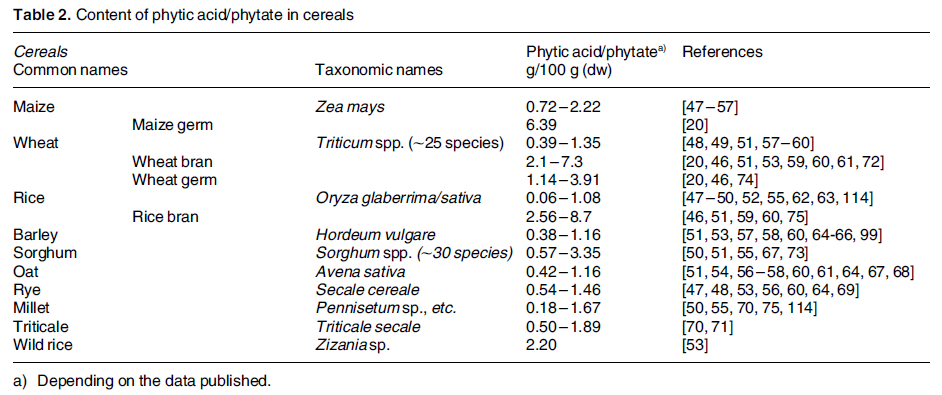
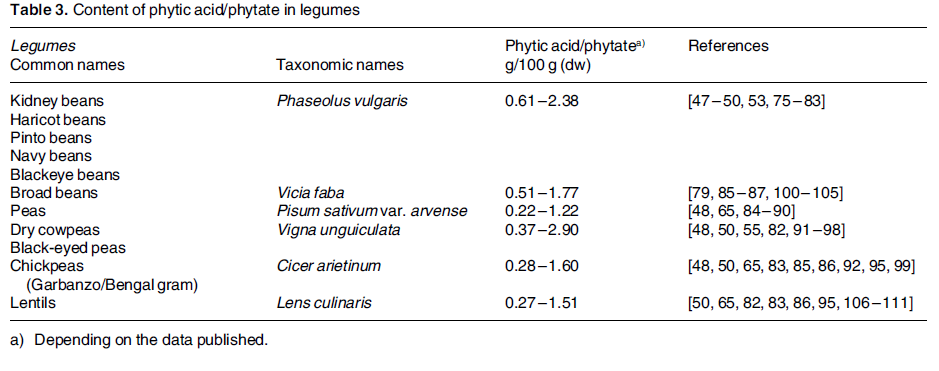
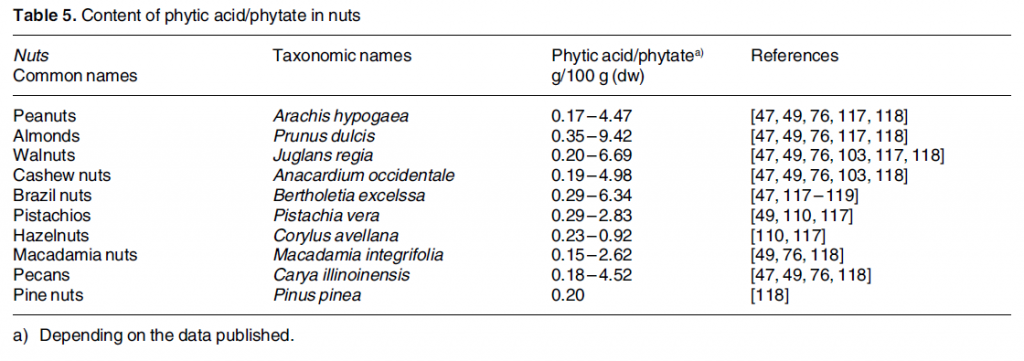
Seeds — such as nuts, edible seeds, beans/legumes, and grains — store phosphorus as phytic acid. When phytic acid is bound to a mineral in the seed, it’s known as phytate.
The tables below compare various seed types according to their phytic acid/phytate content.
Whole grains
Legumes
Nuts
Oil seeds
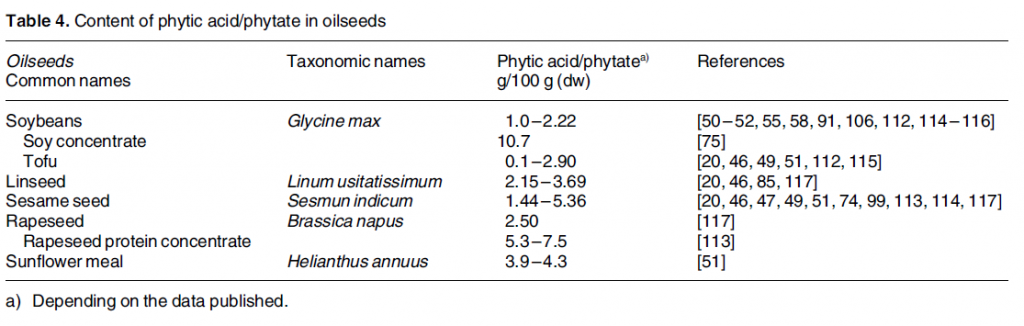
As you can see, phytic acid content varies greatly among plants. This is due to the type of seed, environmental condition, climate, soil quality, how phytate is measured in the lab, and so forth.
Roots, tubers, and other vegetables may also contain phytic acid, but usually in lower amounts.
The most concentrated sources tend to be whole grains and beans. Phytic acid is isolated in the aleurone layer in most grains, making it more concentrated in the bran. In legumes, it’s found in the cotyledon layer (where the protein is).
Phytate = phytic acid bound to a mineral
Phytates perform an essential role in plants, as they are an energy source for the sprouting seed. When a seed sprouts, phytase enzymes break down the stored phytates.
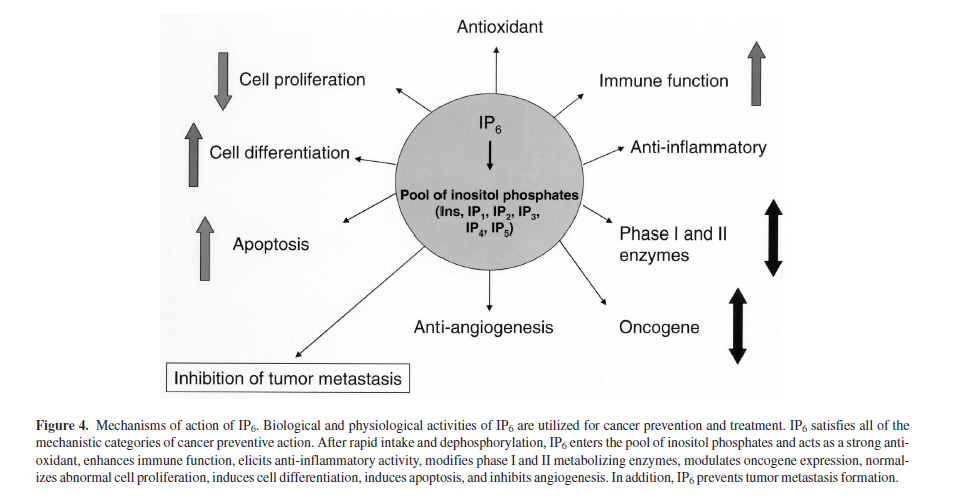
When we eat the plant, phytates are hydrolyzed during digestion to myo-inositol-1,2,3,4,5,6-hexkisphosphate (IP6) and lower inositol polyphosphates including IP1 through IP5 (these are phytate degradation products).
Who’s eating phytic acid?
Everyone who eats plants consumes some phytic acid. It’s all a question of degree.
As you can imagine, intake tends to be much higher among those who follow non-Westernized diets. In developing countries, plants are staple foods, which means people eat more of them, and therefore get more phytic acid.
In developed countries, plant-based or vegetarian eaters tend to consume more phytic acid than omnivores. Further, males usually consume more phytic acid than females, simply because they eat more food.
Phytate digestion
Most phytate (37-66%) is degraded in the stomach and small intestines.
Ordinarily, our bodies regulate phytate levels pretty well, adjusting uptake in the gut and excretion until body levels come into balance.
Vitamin D status in the body seems to influence how much phytate is actually retained. The more vitamin D, the more phytate retained; the less vitamin D, the less phytate retained.
Potential problems with phytic acid
Phytic acid can bind minerals in the gut before they are absorbed and influence digestive enzymes. Phytates also reduce the digestibility of starches, proteins, and fats.
Here’s an example.
Vegan eaters often consume more iron than omnivores. Yet, they also consume more anti-nutrients, including phytates, and these reduce the amount of iron available to their bodies. Consuming 5-10 mg of phytic acid can reduce iron absorption by 50%.
This is why vegetarian eaters should eat more iron than omnivores (33 mg for veg eaters vs. 18 mg for omnivores).
Daily iron loss for men & women
- Adult men lose ~1 mg of iron per day
- Adult menstruating women lose ~1.4 mg/day
- Postmenopausal women lose ~0.8 mg/day
- Lactating women lose ~1.1 mg/day
While in the intestines, phytic acid can bind the minerals iron, zinc, and manganese. Once bound, they are then excreted in waste.
This can be a good or bad thing, depending on the condition. It’s a bad thing if you’re having trouble building up iron stores in the body and have developed iron-deficiency anemia.
When is it a good thing? Keep reading – you’ll find potential benefits of phytic acid below.
Potential benefits of phytic acid
Despite its potential drawbacks, phytic acid is similar in some ways to a vitamin, and metabolites of phytic acid may have secondary messenger roles in cells.
Some experts even suggest that it’s the phytic acid in whole grains and beans that lends them their apparent protective properties against cardiovascular disease, cancer, and diabetes.
(Remember, the grains with little to no phytic acid are the refined ones.)
The supplement industry has caught on to this. Have you even seen a bottle of inositol hexaphosphate, or IP6? That’s simply a supplemental source of phytic acid.
When phytic acid binds minerals in the gut, it prevents the formation of free radicals, thus making it an antioxidant. Not only that, but it seems to bind heavy metals (e.g., cadmium, lead) helping to prevent their accumulation in the body
Phytic acid’s preventative properties
Cancer
Foods higher in phytic acid seem to enhance the activity of natural killer cells and inhibit tumor growth.
Those who consume more phytic acid are less likely to succumb to breast and prostate cancer. Exposing the colon to less iron seems to decrease the risk of colon cancer. And phytic acid might reduce the side effects of chemotherapy.
Cardiovascular disease
Phytic acid helps prevent hardening of the arteries and platelet formation.
Kidney stones
With some phytate being excreted in the urine, this may improve kidney health and prevent stones.
Insulin resistance
Phytic acid plays a role in pancreatic function and insulin secretion. And it may reduce the glycemic response from meals, meaning you feel full for longer.
Hemochromatosis
Hemochromatosis, or iron overload, is a common genetic disorder that phytic acid’s iron-binding properties can protect against or reduce.
In the balance
Is phytic acid worth worrying about? Maybe not, for most of us.
One study showed that subjects consuming a Mediterranean-style diet that included 1000-2000 mg of phytic acid per day did not suffer from reduced mineral bioavailability.
At the same time, certain people might have to be more wary.
In particular, iron intake and absorption can be critical for infants nearing six months of age. So when plants are added to infants’ diets, it may be important to adopt strategies to reduce phytic acid and enhance iron absorption.
Overcoming phytic acid as an antinutrient
Luckily, it’s possible to overcome the anti-nutrient effects of phytic acid in our foods while still getting the benefits of a plant-rich diet. Here are a few strategies that my be more or less helpful depending on the specific situation:
Heat
Heating foods can destroy small amounts of phytic acid. (Note: heat can also destroy phytase and vitamin C.)
Processing
Milling grains and removing the bran decreases phytic acid. Unfortunately, milling also tends to remove many of the minerals! Removing the bran and then enriching a food with minerals might allow for enhanced nutrient absorption in the body.
Soaking
Soaking beans and grains can reduce phytic acid (and other antinutrients).
Fermenting
Fermentation and bread leavening (using yeast) can help to break down phytic acid due to the activation of native phytase enzymes, reducing the number of phosphate groups.
This is big stuff since myo-inositol phosphates with fewer than five phosphate groups don’t inhibit zinc absorption (IP1 to IP4). And those with fewer than three phosphate groups don’t inhibit iron absorption (IP3 to IP2).
Also, some of the acids produced during fermentation might actually boost absorption of certain minerals.
Sprouting
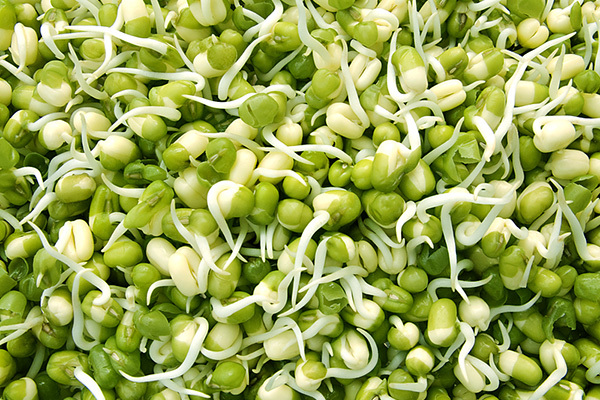
Sprouting and malting enhances native phytase activity in plants and thus decreases phytic acid.
Vitamin C
Vitamin C appears strong enough to overcome phytic acid. In one study, adding 50 mg of vitamin C counteracted the phytic acid load of a meal. In another study, 80 mg of ascorbic acid (vitamin C) counteracted 25 mg of phytic acid.
Protein powders
During processing of plant-based protein powders, it’s possible to de-phytinize (via addition of microbial phytase). Also, protein isolates and concentrates can be treated with dialysis or ultrafiltration to remove phytic acid.
Seed breeding
Scientists are working on seed breeds containing less phytic acid. There are modern seed hybrids of grain and legume plants that contain less phytic acid.
Animal protein
Animal protein may enhance absorption of zinc, iron, and copper. Adding small amounts of animal protein might increase the absorption of these minerals in the body. (Well, except for dairy/casein, as it also seems to hinder iron and zinc absorption.)
Gut health
A low pH in the gut enhances iron absorption. Balancing the level of beneficial bacteria in the GI tract might help with this. See All About Probiotics.
Bonus: Can other animals digest phytic acid?
Ruminant animals (e.g., cattle, sheep, goats, buffalo) possess phytase producing flora for digesting phytic acid.
Non-ruminant animals (e.g., pigs, chickens, dogs, cats) don’t have phytase producing flora, so phytic acid passes through them undigested and makes its way into the soil.
Feeding livestock too much grain can inhibit mineral absorption and increase phosphorus excretion, leading to pollution. Ever heard of the Dead Zone in the Gulf of Mexico?
Summary and recommendations
In healthy people eating balanced diets, phytic acid’s effects on iron, zinc, and manganese status is minimal and it doesn’t seem to cause nutrient deficiencies.
To argue that some plant foods are “unhealthy” because of their phytic acid content seems mistaken, especially when phytic acid’s potential negative effects on mineral assimilation may be offset by its health benefits.
So we should aim to reduce phytic acid rather than eliminate it.
To reduce the anti-nutrient effects of phytic acid in foods, try the following:
- Soak, sprout, ferment, and cook plant foods.
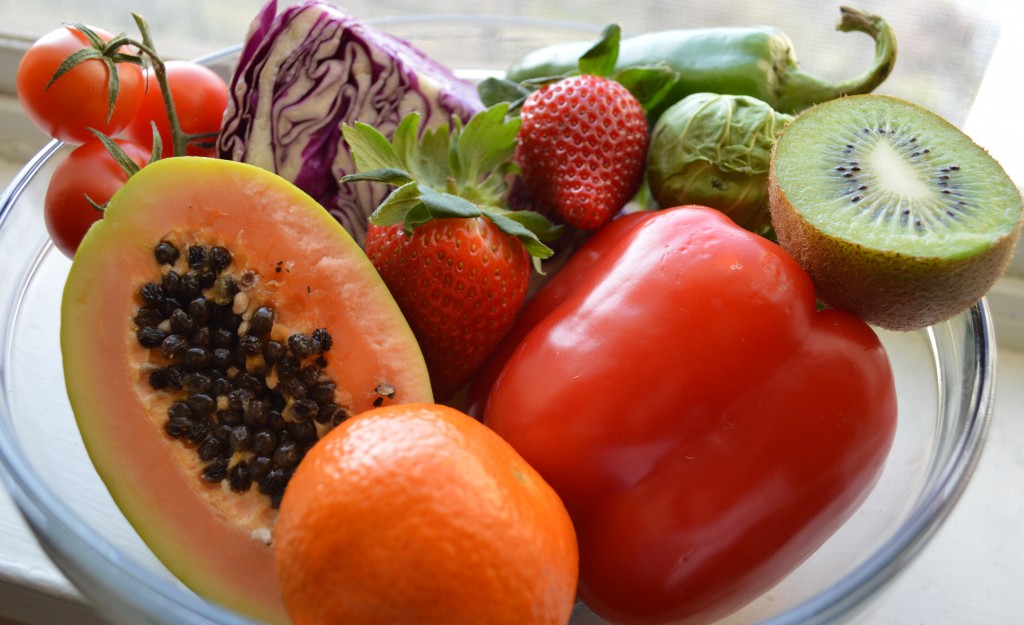
- Consume vitamin C-rich foods with meals that contain phytic acid. Dense source of vitamin C include guava, bell pepper, kiwi, oranges, grapefruit, strawberries, Brussels sprouts, cantaloupe, papaya, broccoli, sweet potato, pineapple, cauliflower, kale, lemon juice, and parsley.
- Use vinegar in salad dressings and cooking to enhance mineral absorption and offset phytic acid.
- Supplement with phytase enzymes if necessary.
- Eat mineral fortified foods if necessary
- Supplement minerals if there is still a shortfall in your diet.
- If you’re eating a plant-based diet and have confirmed nutrient deficiencies, and you’ve tried all the above strategies with no success, adding small amounts of animal foods on occasion might boost stores of necessary minerals in your body.
New research connects microplastics in blood clots to higher heart attack and stroke risk
Reproduced from original article:
https://www.naturalhealth365.com/new-research-connects-microplastics-in-blood-clots-to-higher-heart-attack-and-stroke-risk.html
by: July 16, 2024
 (NaturalHealth365) Recent reports of microplastics discovered in male reproductive organs have sparked widespread discussion on social media. While the medical community is still uncertain about the long-term effects on human offspring, the increasing exposure to plastics raises alarm bells among researchers and the public alike.
The concern doesn’t stop there. A new study published in eBioMedicine has uncovered a troubling link between microplastics in blood clots and serious health issues, including strokes and heart attacks.
Microplastics: An unwelcome guest in our bloodstream
Researchers conducted an in-depth study to better understand the impact of microplastic pollution on human health. They examined blood clots from patients who had experienced strokes, deep vein thrombosis, or heart attacks, using advanced spectrometry techniques to identify and measure various types of microplastic particles.
The findings were striking: 80% of the analyzed blood clots contained microplastics. More concerning still, the study suggested a correlation between higher concentrations of microplastics and an increased risk of thrombotic events and more severe health outcomes.
The study results reveal microplastics consisting of polymers with surprisingly diverse physical characteristics were found in varying concentrations within the thrombi of veins and arteries. Though a small amount of microplastics within thrombi might not be problematic, their accumulation is linked to ischemic strokes.
The bigger picture: Microplastics and environmental health
While the focus on human health is crucial, it’s important to consider the wider environmental impact of microplastics. These tiny particles aren’t just a problem for our bodies; they’re infiltrating ecosystems worldwide, from the depths of our oceans to the soil beneath our feet. This is where the problem begins.
Microplastics have been found in marine animals ranging from tiny plankton to large whales. Fish and seabirds often mistake these particles for food, leading to malnutrition and potential toxic effects. This contamination doesn’t just affect marine life – it also poses risks to humans who consume seafood.
Recent studies have shown that microplastics are accumulating in agricultural soils, potentially affecting crop growth and soil health. This contamination can occur through various routes, including the use of plastic mulch in farming and the application of sewage sludge as fertilizer.
But microplastics aren’t just in our water and food – they’re in the air, too. Urban areas, in particular, have shown high concentrations of airborne microplastics, which can be inhaled and potentially cause respiratory issues.
Practical steps to reducing your exposure
While it’s nearly impossible to avoid microplastics entirely, there are ways to minimize your exposure:
- Limit the use of plastic packaging, especially for food storage.
- Avoid heating food in plastic containers.
- Choose glass or stainless steel water bottles over plastic ones.
- Be aware that certain foods, like honey, salt, beer, and fish, may contain higher levels of microplastics.
- Opt for products in glass or paper packaging when possible.
- Use reusable cloth bags instead of plastic for shopping.
As awareness of the microplastic problem grows, so does the need for further research and policy action. Scientists are calling for more comprehensive studies to understand the long-term health effects of microplastic exposure and to develop effective strategies for reducing pollution. Policymakers are also beginning to take notice, with several countries implementing bans on single-use plastics and growing calls for stricter regulations on plastic production and disposal.
Everything from milk jugs to plastic bottles, plastic shopping bags, and even some toiletries are likely to contain high levels of microplastics. Scrapping plastic bags for paper or a tote bag and always choosing glass bottles over plastic can help minimize exposure to microplastics.
By making these small changes in our daily lives, we can reduce our exposure to microplastics and potentially mitigate their impact on our health. As research continues, staying informed and making conscious choices will be key in navigating this significant health concern.
Editor’s note: Discover the best strategies to avoid a heart attack or stroke, own the Cardiovascular Docu-Class created by NaturalHealth365 Programs.
Sources for this article include:
Vitamin D3 Versus D2
Reproduced from original article:
https://articles.mercola.com/sites/articles/archive/2024/05/04/vitamin-d3-versus-d2.aspx
Analysis by Dr. Joseph Mercola May 04, 2024
STORY AT-A-GLANCE
- Contrary to popular belief, vitamin D2, derived from plants, and D3, from animal products, do not have equal nutritional value, and deficiency is gaining ground, so study authors are asking governments to consider updating current guidelines
- Researchers found vitamin D3 to be twice as effective in raising levels in the body in comparison to D2
- More than 1 in 5 people in the U.K. have low levels of vitamin D; as an essential nutrient, it’s not a vitamin your body produces, so it must be attained from an outside source: via sunlight, food or supplementation
- Told by officials that D2 and D3 were basically the same, retail outlets led to believe one was just as viable as the other added vitamin D2 to their products, which did nothing to help people increase their levels
It’s something I’ve been encouraging for several years now — making sure you’re getting adequate levels of vitamin D, not only because it’s a crucial nutrient, but because so many people are deficient and don’t realize it.
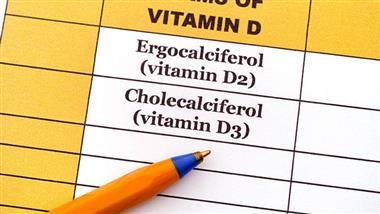
But a study has emerged dispelling the idea many scientists and health care providers have had for many years, the upshot being that there is a vast difference between vitamin D2, which is plant-based (notably from mushrooms), and vitamin D3, which is derived from animal products.
The two do not, as some have believed, have a similar nutritional value. Health authorities are calling for official recommendations for vitamin D intake to be changed in accordance with this information, which is not actually new, as we’ve related this important distinction for some time. The “groundbreaking” study from the University of Surrey was conducted to determine, between vitamins D2 and D3, which was more effective in raising levels in the body.
The trial was funded by the Biotechnology and Biological Sciences Research Council (BBSRC) — “the largest U.K. public funder of nonmedical bioscience” — and the Diet and Health Research Industry Club (DRINC). Susan Lanham-New, principal investigator of the trial, called the results a “very exciting discovery which will revolutionize how the health and retail sector views vitamin D,” EurekAlert! reported.1
She added, “Vitamin D deficiency is a serious matter, but this will help people make a more informed choice about what they can eat or drink to raise their levels through their diet.” Serious is right: One study shows that more than 40% of the American population is deficient in vitamin D,2 and some experts say the problem is serious enough to call it a pandemic.3
Vitamin D2 and D3: Not Interchangeable
Vitamin D is produced by your body after exposure to the sun, and because winter is the period during which sunshine is least available, vitamin D levels are typically at their lowest during this time.
The 335 South Asian and white European women who participated in the study over two winters were divided into five groups and given either juice containing vitamin D2 or D3, a biscuit with the same or a placebo. At the conclusion of the study, researchers found vitamin D3 to be twice as effective in raising levels in the body in comparison to D2. EurekAlert! reported:4
“Vitamin D levels in women who received vitamin D3 via juice or a biscuit increased by 75 percent and 74 percent respectively compared to those who were given D2 through the same methods. Those given D2 saw an increase of 33 percent and 34 percent over the course of the 12-week intervention.
The research also found that nutrient levels of both vitamin D2 and D3 rose as a result of both food and acidic beverages such as juice, which were found to be equally as effective. Those who received the placebo experienced a 25 percent reduction in the vitamin over the same period.”
What’s interesting, as mentioned, is that the information from this study is not new news. A similar study published in 2011 is one of several instances where vitamin D3 has been shown to have a much greater significance for your health compared to D2. One study5 shows D3 to:
- Convert to its active form 500% faster
- Be 87% better at raising and maintaining vitamin D levels
- Produce two to three times greater storage of the vitamin than D2
Recommendations for Vitamin D Outdated and Unsafe
Here’s where it gets problematic: Several governments around the world, including the U.S. National Institutes of Health, assert there’s no difference between vitamins D2 and D3 and that interchanging the two makes no difference whatsoever in your body’s levels.
However, information from Public Health England reveals that more than 1 in 5 people in the U.K. have low levels of vitamin D, so the intake they recommend is 10 micrograms per day, all year long, for everyone beginning at age 4.
EurekAlert! notes that daily intake of vitamin D3 — but not vitamin D2 — will allow the population to avoid such health problems as rickets, osteoporosis and a higher risk of developing heart disease, all associated with individuals with insufficient levels of vitamin D in their bodies.
What the scientists found influences public health but also retail markets in that many have added vitamin D2 to their products because they were led to believe it was just as viable in the body to increase people’s “D” levels as taking D3. Lead study author and dietitian Laura Tripkovic explained:6
“The importance of vitamin D in our bodies is not to be underestimated, but living in the U.K. it is very difficult to get sufficient levels of it from its natural source, the sun, so we know it has to be supplemented through our diet. However, our findings show that vitamin D3 is twice as effective as D2 in raising vitamin D levels in the body, which turns current thinking about the two types of vitamin D on its head.”
Tripkovic explained that people who eat vitamin D3-rich foods or take supplements are two times more likely to raise their vitamin D profile than when consuming the equivalent in vitamin D2 foods such as mushrooms, D2-fortified bread or taking D2 supplements.
Save This Article for Later – Get the PDF Now
Downsides of Low Vitamin D Versus Benefits of Optimal Levels
Vitamin D is involved in the biology of all cells in your body, including your immune cells. A large number of studies have shown raising your vitamin D level can significantly reduce your risk of cancer and many other chronic diseases. So, what happens when someone isn’t getting the amount of vitamin D that they should? Daily Mail7 notes that lack of vitamin D:
- Can cause your bones to become thin, brittle or misshapen
- Is linked to an increased risk of multiple sclerosis
- Is linked to a growing prevalence for children to develop rickets, shown in many cases to cause malformed and/or broken bones
- Appears to play a role in insulin resistance, high blood pressure and immune function, related to heart disease and cancer
People who are obese, older than age 65 and/or housebound may have lower levels of vitamin D due to their diets, little sun exposure and other factors, and among dark-skinned individuals in the U.S, only 3% among thousands have enough vitamin D.8 Beyond cancer prevention, a Swiss study9 from 2013 lists several of the more dramatic benefits of getting the right amount of vitamin D:
- The development, function and maintenance of healthy bones and regulation of calcium homeostasis throughout life
- The basis for the prevention and management of osteoporosis, a disease producing brittle bones that are prone to fractures
- The regulation of neuromuscular function, reducing the risk of falls, a major cause of bone fractures
- Possibly a central component of musculoskeletal health through vitamin D’s beneficial effects on muscle function and bone stability
- May show favorable effects in many organs and play a significant role in the maintenance of general health
The Significance of Getting Adequate Sunlight
Another reason vitamin D levels are so important is that hepatic mitochondria and their associated microsomal enzymes metabolize vitamin D, whatever the source, Pharmacy Times noted, adding:10
“When patients consume too much vitamin D2 or vitamin D3, this process is completely unregulated and patients’ vitamin D levels will rise proportionally to their intake. On the other hand, cutaneous synthesis from sun exposure allows patients levels to reach a preset point, and after that, additional sun exposure will not increase vitamin D levels.”
This means the best way to make sure you’re getting enough vitamin D is to get regular sensible exposure to direct sunlight on your body each day. Depending on your locale, in the winter when the sun hides behind clouds and temperatures are often so chilly you’re forced to wear long sleeves and galoshes, this may be difficult if not impossible, however.
Alternatively, adding vitamin D3 supplements to your regimen can help you achieve optimal vitamin D levels. The foods you eat can also make a difference in helping to make or break your health (if not your bones). The best foods for increasing your vitamin D intake via your diet are animal-based and quite limited:
- Raw milk
- Eggs, particularly the yolk from organic, pastured eggs
- Wild-caught Alaskan salmon and other healthy fish such as mackerel and sardines, preferably from cold waters, and not farmed
Get Your Vitamin D Levels Tested
If you decide your vitamin D3 should be taken in supplement form, it’s your serum level, or how much D3 your blood contains, that determines how much you should take until your levels are optimized to between 60 and 80 nanograms per milliliter, or ng/ml.
Studies done by Grassroots Health11 recommend an upper limit of about 8,000 IUs (the International Unit by which fat-soluble vitamins are measured) daily of vitamin D3. Children need a minimum of 2,000 IUs per day;12 however, getting your blood tested is the only way to know for sure whether your vitamin D levels are within the optimal range and, consequently, how much oral vitamin D3 you may need. Also be sure the vitamin D you take is correctly balanced with vitamin K2.
An Atlanta-based Emory University School of Medicine study published in the Journal of the American College of Cardiology outlined vitamin D’s association with cardiovascular disease prevention.13
The upshot is that levels below 20 ng/ml are simply not enough to maintain bone health, let alone provide the other disease-prevention benefits that vitamin D has to offer. As mentioned, I recommend you achieve 60 to 80 ng/ml of vitamin D in your blood.
- 1, 4, 6 EurekAlert! July 5, 2017
- 2 Nutr Res. 2011 Jan;31(1):48-54
- 3 Science Direct Vol. 52, Issue 24, December 9, 2008, pp. 1949-1956
- 5 JCEM March 2011
- 7 Daily Mail July 4, 2017
- 8 JAMA Network March 23, 2009
- 9 Int J Vitam Nutr Res. 2013;83(2):92-100
- 10 Pharmacy Times July 6, 2017
- 11 Grassroots Health 2017
- 12 GrassrootsHealth, “From the D*action Panel of Vitamin D Scientists/Researchers”
- 13 J Am Coll Cardiol. 2017 Jul 4;70(1):89-100, Abstract
The Vital Role of NAD+ and Niacin in Longevity and Well-being
Reproduced from original OMNS article (OrthoMolecular News Service):
http://orthomolecular.org/
Subscribe to the free Orthomolecular Newsletter: http://orthomolecular.org/subscribe.html
Go to the OMNS Archive: http://orthomolecular.org/resources/omns/index.shtml
Orthomolecular Medicine News Service, March 22, 2024
Richard Z. Cheng, Sarah Myhill and Atsuo Yanagisawa
OMNS (Mar 22, 2024)
Abstract
The paper delves into the critical role of NAD+ and its precursor, niacin, in health, aging, and disease management. It highlights the decline in NAD+ levels with aging, associated with age-related diseases, and the potential therapeutic benefits of restoring NAD+ through precursors like niacin. Boosting NAD+ levels have shown significant improvements in cardiovascular health by reducing blood pressure and arterial stiffness. Moreover, niacin supplementation exhibits anti-inflammatory effects and plays a crucial role in neurological health conditions like Alzheimer’s and Parkinson’s diseases. Studies also suggest that niacin may have a preventive effect on cancer and contribute to longevity by enhancing immune function and metabolic homeostasis. Overall, the research underscores the pivotal impact of NAD+ and niacin on well-being, longevity, and disease prevention, emphasizing the need for further exploration into targeted strategies for maintaining NAD+ availability through supplementation with its precursors including niacin.
NAD+ levels decline with aging
NAD+ decline is a key feature of aging and cancer, and its restoration through precursors may offer therapeutic benefits (Demarest 2019, Khaidizar 2021). NAD+ levels decline with aging, a phenomenon attributed to increased consumption by NAD+-consuming enzymes such as PARPs, SARM1, sirtuins, and CD38 (Schultz 2016, Strømland 2021). This decline has been observed in various species, including humans, and is associated with age-related diseases (Peluso 2021, Clement 2019). The decline in NAD+ levels is accompanied by an increase in the reduced form of NAD+ and NADP+ (Clement 2019). This age-related decline in NAD+ levels is linked to metabolic dysfunction and age-related diseases (Chini 2017). However, the evidence for this decline is limited and often restricted to a single tissue or cell type (Peluso 2021). Further research is needed to better understand the role of NAD+ in aging and to develop targeted strategies to maintain its availability (McReynolds 2020).
Boosting NAD+ levels improve cardiovascular health
A growing body of research suggests that boosting NAD+ levels can improve cardiovascular health. Chronic supplementation with NAD+ precursors, such as nicotinamide riboside, is well-tolerated and effectively elevates NAD+ levels in healthy middle-aged and older adults, potentially reducing blood pressure and arterial stiffness (Martens 2018, Rotllan 2021, Freeberg 2023). NAD+ precursors are safe and can increase NAD+ levels in multiple tissues (Freeberg 2023). Boosting NAD+ metabolism in cardiovascular diseases has the potential benefits (Matasic 2018). NAD+ repletion can induce health benefits in age-related cardiovascular and metabolic disease models (Kane 2018). The positive effects of NAD+ replenishment in preclinical models of cardiovascular diseases were noted (Abdellatif 2021), including the potential of nicotinamide mononucleotide as a nutraceutical against cardiac aging (Wei 2021). Mechanistic evidence, showing that boosting NAD+ levels can improve mitochondrial respiration and reduce proinflammatory activation in heart failure patients was shown (Zhou 2020).
NAD precursors and hallmarks of aging
NAD+ is a critical metabolite that declines with aging and is associated with age-related diseases (Lautrup 2023). Its depletion contributes to mitochondrial dysfunction, a hallmark of aging (McReynolds 2019). NAD+ precursors, such as niacin, nicotinamide riboside and nicotinamide mononucleotide, have shown potential in promoting healthy aging and improving neurodegeneration (Reiten 2021). These precursors have also been linked to lifespan extension and redox homeostasis (Lin 2015, Braidy 2019). Boosting NAD+ levels may counter aging-associated pathologies and age-related diseases (Aman 2018). The NAD+-mitophagy axis, which regulates mitochondrial homeostasis, is a promising therapeutic target for aging and neurodegenerative diseases (Aman 2018). NAD+ precursors have been shown to improve glucose and lipid metabolism, reduce weight gain, and protect the heart from ischemic injury (Bhasin 2023). Age-related changes in NAD+ metabolism in the brain have been linked to Alzheimer’s disease (Braidy 2010).
Comparison of NAD+ Precursors in Biological and Therapeutic Effects
NAD+ precursors, including niacin, niacinamide (NAM), and NMN, play crucial roles in cellular processes and have garnered attention for their therapeutic potential. Here is a comparison of these precursors based on their biological effects and FDA approval status:
- Niacin (NA):
- Niacin has been established as an approved drug for the treatment of certain conditions (Yaku 2023).
- It is known for its role in redox reactions and as a signaling molecule that controls key processes like energy metabolism and cell survival (Rajman 2018).
- Niacin has been shown to delay the onset of diabetes mellitus type 1 in experimental models and prevent inflammation and atherosclerosis in animals (Rotllan 2021).
- Niacinamide (NAM):
- Niacinamide has demonstrated neuroprotective effects and reduced infarct size in experimental models (Rajman 2018).
- Studies have shown that NAM administration did not cause adverse effects and prevented inflammation and atherosclerosis in animals (Rotllan 2021).
- Nicotinamide Mononucleotide (NMN):
- NMN has shown promising therapeutic effects, including reducing infarct size in experimental models (Rajman 2018).
- Recent evidence suggests that NMN treatment replicated the neuroprotective effects seen with NAM administration (Rajman 2018).
In summary, all three NAD+ precursors have shown beneficial effects in various studies. While niacin is an approved drug with established benefits, niacinamide and NMN have demonstrated neuroprotective effects and potential therapeutic applications. Further research is needed to fully understand the efficacy of these precursors in humans and optimize their therapeutic outcomes.
Comparison of niacin and NAM, NMN on lipid metabolism
Niacin and its derivatives, such as NAM and NMN, have shown effects on reducing LDL-cholesterol and increasing HDL-cholesterol levels. Niacin, in pharmacological doses, acts as a lipid-modulating drug that increases HDL levels, which are crucial for cholesterol scavenging and transport to the liver (Rajman 2018). It has been found to reduce non-HDL cholesterol levels and cardiovascular events (Rajman 2018). Niacin also plays a role in stabilizing ApoA-I and preventing the uptake of HDL in the liver, thereby increasing HDL availability for cholesterol scavenging (Rajman 2018).
On the other hand, NAM supplementation has shown significant effects on improving lipid metabolism, particularly in patients with cardiovascular disease and dyslipidemia (Zhong 2022). While NAM itself may not directly improve lipid metabolism, it is essential in the NAD+ pathway, which influences lipid levels. NMN, another precursor, has been linked to improving muscle performance and increasing NAM levels in the body (Pirinen 2020).
In summary, niacin has a direct impact on lipid metabolism by increasing HDL levels and reducing non-HDL cholesterol, while NAM and NMN play roles in the NAD+ pathway that indirectly affect lipid metabolism. Each of these compounds offers unique benefits in managing cholesterol levels.
Advantages of Niacin Over NAM and NMN
Niacin, a well-known NAD+ precursor, offers distinct advantages over nicotinamide (NAM) and nicotinamide mononucleotide (NMN) based on various studies and research findings:
- Metabolic Bypass Therapy:
- Niacin serves as a metabolic “by-pass” therapy, providing functional benefits through the suppression of mTOR signaling (Pirinen 2020).
- This unique characteristic of niacin highlights its potential in metabolic regulation and cellular processes.
- Approved Drug Status:
- Niacin has been established as an approved drug for specific therapeutic applications (Yaku 2023).
- Its approval status signifies its recognized efficacy and safety profile in clinical settings.
- Lipid Modulation and Health Benefits:
- Niacin has been shown to increase the use of lipids as energy substrates, improve cholesterol profiles, and promote SIRT1-target gene expression in adipose tissues (Romani 2019).
- These lipid-modulating effects of niacin contribute to its potential benefits for cardiovascular health and metabolic functions.
In summary, niacin’s unique metabolic effects, approved drug status, and lipid-modulating properties distinguish it from NAM and NMN. While all three precursors play essential roles in NAD+ metabolism, niacin stands out for its established therapeutic benefits and specific mechanisms of action that make it a valuable option in promoting cellular health and metabolic balance.
Niacin supplementation improves cardiovascular health.
Niacin supplementation has been shown to improve cardiovascular health through various mechanisms. It inhibits acute vascular inflammation and improves endothelial function, independent of changes in plasma lipid levels (Wu 2010). It also improves the distribution of lipoprotein particle sizes and reduces inflammatory markers in patients with coronary artery disease (Kuvin 2006). Furthermore, niacin has been associated with a reduction in cardiovascular events, including coronary artery revascularization, nonfatal myocardial infarction, and stroke (Duggal 2010). However, the efficacy of niacin in reducing cardiovascular disease events has been challenged by the results of the AIM-HIGH trial (Lavigne 2013. Despite these conflicting findings, niacin has consistently shown benefits in preventing or treating atherosclerotic cardiovascular disease in various clinical trials (Guyton 1998). However, the role of niacin in managing cardiovascular disease outcomes in current practice remains uncertain (D’Andrea 2019, Garg 2017).
Niacin and inflammation
Niacin supplementation has been shown to have anti-inflammatory effects in various studies. Niacin was found to reduce oxidative stress and inflammation in rats with chronic renal failure (Cho 2009), to inhibit acute vascular inflammation and improved endothelial function (Wu 2010, Wu 2012), to alter lipoprotein particle size and distribution, and to reduce inflammatory markers in patients with coronary artery disease (Kuvin 2006). Niacin increased anti-inflammatory markers and decreased pro-inflammatory markers in mice with high-fat diet-induced obesity and rats with ulcerative colitis, respectively (Wanders 2013, Salem 2017). These findings were further supported by the findings that show that niacin downregulated the nuclear transcription factor-κB signaling pathway and attenuated lung inflammation in guinea pigs and rats with sepsis (Si 2014, Kwon 2011).
Niacin improves renal insufficiency
Niacin supplementation has shown promising results in ameliorating oxidative stress, inflammation, proteinuria, and hypertension in rats with chronic renal failure (Cho 2009). It has also been found to improve renal lipid metabolism and slow the progression of chronic kidney disease (Cho 2009b). Furthermore, niacin has been suggested as a potential treatment for dyslipidemia and hyperphosphatemia associated with chronic renal failure (Ahmed 2010). In patients with chronic kidney disease, low-dose niacin supplementation has been found to improve dyslipidemia, lower serum phosphorus levels, and increase glomerular filtration rate (Kang 2013). McConnell and Penberthy (McConnell 2021) reported improvement or reversal of renal insufficiency in more than 2 dozen patients with various stages of renal insufficiency by taking niacin along with sodium bicarbonate.
Niacin’s effects on neurological health
Niacin plays a crucial role in neurological health, particularly in conditions like Alzheimer’s disease (AD), Parkinson’s disease (PD), emotional disorders, and schizophrenia.
- 1. Alzheimer’s Disease.
- Association with AD: Dietary niacin intake has been inversely associated with AD, suggesting a potential protective effect against cognitive decline (Gasperi 2019).
- Biological Mechanisms: Niacin influences key biological processes like energy metabolism, mitochondrial functions, and calcium homeostasis, which are vital for brain functions such as neurotransmission, learning, and memory (Gasperi 2019).
- Clinical Trials: Studies have shown that niacin supplementation may help limit Alzheimer’s progression by modulating microglial activity in the brain (Manjarrez 2022).
- Parkinson’s Disease
- Niacin’s Role: Increased niacin intake enhances striatal dopamine synthesis and restores optimal NAD+/NADH ratio in PD patients (Gasperi 2019).
- Clinical Trials: Research suggests that niacin enhancement can potentially maintain or improve quality of life in PD patients and slow disease progression (Chong 2021).
- Emotional Disorders and Schizophrenia
- Symptom Management: Niacin supplementation has been shown to combat symptoms like psychosis, disorientation, memory loss, and confusion in conditions resembling AD (Fricker 2018).
- Neuro-Inflammation: Niacin has been found to ameliorate neuro-inflammation in PD through specific receptors like GPR10 (Fricker 2018).
Niacin’s effects on cancer
Niacin has been studied for its potential role in cancer prevention and treatment. Niacin supplementation increased the latency of carcinogenesis in rats, suggesting a protective effect (Boyonoski 2002). Niacin intake was found to be associated with reduction of risks of squamous cell carcinoma risks (Park 2017) and leukemia (Bartleman 2008). Niacin seems to have a protective effect on skin cancer in mice, possibly through its role in DNA repair and immune system regulation (Gensler 1999). These findings are consistent with the hypothesis that niacin deficiency may enhance carcinogenesis (Kirkland 2003, Jacobson 1995). Jacobson further developed a biomarker for assessing niacin status, which could be used to evaluate its potential role in cancer prevention (Jacobson 1993).
Niacin’s effects on longevity
Niacin, a precursor to NAD+ and a key player in cellular metabolism, has been linked to longevity and improved health in several studies. Niacin has important roles in immune function, cellular metabolism and metabolic homeostasis, inflammation, oxidative stress and antioxidant defense, all of which are crucial for aging and age-related diseases (Li 2006, Cho 2009a, Mocchegiani 2008, Yaku 2018). Niacin supplementation can increase lifespan and reduce mortality, particularly in the context of cardiovascular health (Preuss 2011, Canner 1986). Niacin inhibits vascular inflammation and improves endothelial function, independent of changes in plasma lipids (Wu 2010). These findings collectively suggest that niacin supplementation may have a positive impact on longevity and health span, particularly in the context of cardiovascular health and cellular metabolism.
Niacin on energy metabolism, endurance and muscle health
Research on NAD+ boosters, particularly niacin, has shown promising results in improving energy metabolism, exercise endurance, and muscle health. Studies have demonstrated that niacin supplementation can increase NAD+ levels in both blood and muscle, leading to improvements in muscle strength, mitochondrial biogenesis, and body composition (Pirinen 2020, Remie 2020). However, the effects of niacin on insulin sensitivity, mitochondrial function, and other metabolic health parameters are still under investigation (Remie 2020). Niacin has also been found to have anti-inflammatory effects, which could be beneficial for muscle health (Elhassan 2019). Despite these positive findings, some studies have reported no significant effects of niacin supplementation on exercise performance (Stocks 2020, Kourtzidis 2016). Further research is needed to fully understand the potential of niacin as an NAD+ booster in improving energy metabolism, exercise endurance, and muscle health.
Contribution of Drs. Abram Hoffer, Andrew W Saul, and Other Orthomolecular Medicine Experts on Niacin
Dr. Abram Hoffer and Dr. Andrew W. Saul, along with other orthomolecular medicine experts, have made significant contributions to the understanding and utilization of niacin in healthcare. Dr. Hoffer, born in 1917, was a pioneer in the field, emphasizing the therapeutic benefits of niacin in treating various conditions like schizophrenia, arthritis, high blood cholesterol, learning disorders, and more (Passwater 2017). His extensive research and publications have revolutionized medical approaches towards natural healing and reduced reliance on pharmaceuticals.
Abram Hoffer, M.D., Ph.D., founder of the International Society for Orthomolecular Medicine (ISOM.Ca) (Carter 2019), was a pioneer in the field, emphasizing the therapeutic benefits of niacin in treating various conditions like schizophrenia, arthritis, high blood cholesterol, learning disorders, and more (Passwater 2017). His extensive research and publications have revolutionized medical approaches towards natural healing and reduced reliance on pharmaceuticals.
Niacin plays a crucial role in various metabolic pathways in the body. Hoffer’s work highlighted the benefits of niacin in preventing atherosclerosis, hyperlipidemia, and related coronary diseases (Smith 2023). He emphasized that niacin is essential for optimal health due to its role as a precursor to NAD, an enzymatic co-factor in metabolic processes (Smith 2023). Hoffer’s research suggested that high doses of niacin can be particularly beneficial for individuals with specific genetic backgrounds or health conditions, as it can help prevent and reverse diseases like schizophrenia, depression, cardiovascular issues, and even conditions like Alzheimer’s and cancer (Smith 2023).
Moreover, Hoffer’s studies indicated that niacin therapy could have positive effects on various health conditions such as arthritis, ADHD, mental illnesses, and even COVID-19 recovery (Smith 2023). He also explored the use of niacin to improve circulatory health and potentially address erectile dysfunction (Smith 2023). Hoffer’s approach involved individualizing niacin doses based on each person’s needs, with typical daily doses ranging up to 3,000 mg divided into three doses. He noted that niacin is generally safe and not toxic at tolerable doses but can cause flushing in some individuals (Hoffer 2015).
Hoffer’s work on megavitamin therapy and orthomolecular medicine, although controversial in mainstream medical circles, has contributed significantly to understanding the potential benefits of high-dose niacin therapy for various health conditions (Wikipedia). While his ideas have faced criticism and skepticism from some quarters of the medical community, his research laid the foundation for exploring the therapeutic potential of niacin and other nutrients in treating diseases like schizophrenia and cancer (Wikipedia).
Abram Hoffer’s research on niacin underscores its importance in maintaining overall health and its potential therapeutic benefits for a range of conditions. His work has shed light on the significant impact of niacin supplementation on disease prevention and treatment.
Dr. Saul, a prominent figure in orthomolecular medicine, has collaborated with Dr. Hoffer on several books, including “Niacin: The Real Story,” (Saul 2023) which delves into the healing properties of niacin and its role in cardiovascular health (Saul 2023, Passwater 2017). Their work highlights the effectiveness of niacin in lowering cholesterol levels and preventing heart disease, emphasizing lifestyle changes alongside niacin supplementation for optimal health outcomes (Passwater 2017).
The research conducted by these experts underscores the importance of niacin as a vital nutrient with diverse health benefits. Their advocacy for natural healing approaches and the therapeutic potential of niacin has significantly impacted medical practices and continues to offer valuable insights into holistic healthcare solutions (Saul 2017).
Summary and Conclusion
In the realm of integrative medicine, the significance of NAD boosters like niacin in chronic disease management and anti-aging protocols cannot be overstated. The research presented underscores the pivotal role of NAD+ and niacin in promoting health, combating age-related diseases, and enhancing longevity. Niacin’s ability to boost NAD+ levels, improve cardiovascular health, exhibit anti-inflammatory effects, impact neurological health positively, and potentially prevent cancer aligns seamlessly with the principles of integrative medicine. Incorporating NAD boosters like niacin into integrative medical management protocols offers a holistic approach to addressing chronic diseases by targeting underlying metabolic dysfunctions and age-related pathologies. The therapeutic potential of niacin in maintaining redox homeostasis, enhancing cellular metabolism, and modulating inflammation underscores its importance in anti-aging medicine. Therefore, integrating NAD boosters like niacin into integrative medical protocols can be a valuable strategy for optimizing health outcomes, managing chronic diseases, and promoting healthy aging.
Niacin stands out as a superior NAD booster compared to other alternatives due to its extensive history of research, FDA approval status, and well-documented health benefits. With a long-standing legacy in medical research, niacin has been extensively studied and endorsed by prominent figures in integrative and orthomolecular medicine like Abram Hoffer, MD. Niacin’s FDA approval status and established safety profile further solidify its position as a reliable and effective NAD booster. The wealth of evidence supporting niacin’s efficacy across various health domains positions it as a cornerstone in holistic approaches to health and longevity.
Niacin has been part of the integrative protocols for orthomolecular medicine practitioners such as one of the authors (RZC) for chronic disease management and anti-aging medicine on hundreds if not thousands of patients with excellent results. The usual dosages RZC recommends are between 500-2,000 mg/day. The dosage may be increased on certain conditions such as emotional or psychiatric disorders such as depression, anxiety, or schizophrenia. First, no significant side effects have been reported, except “niacin flush” which is expected and probably desired response. Improvements ranging from anxiety, depression even improvement in schizophrenia have been observed. Not being a trained psychiatrist, RZC was pleasantly surprised to be able to help psychiatric patients. RZC has also seen several cases of improvement of renal insufficiency. Niacin is also part of RZC’s standard integrative cancer protocol and RZC has many cancer patients happily maintained on the integrative cancer management protocol, with at least improved quality of life and probably prolonged survival. RZC has a high number of autoimmune disease patients under his care. Reversal or significant improvement of autoimmune diseases with niacin as part of the integrative protocol is common among RZC’s patients.
Atherosclerotic cardiovascular disease (ASCVD) is one of the most interested areas for RZC simply because it’s the world’s No. 1 killer. RZC has improved/reversed 6 cases ASCVD so far (Cheng 2023). RZC himself personally takes between 2,000 – 3,000 mg of niacin (the plain instant release form) with a meal, as part of his own nutrition supplement package. He has seen his lipid profile improving and insulin resistance markers (HOMA-IR, T/HDL, TyG) completely reversed to normal levels. Very importantly, his physical strength and endurance have improved significant which allows him (a 64-year man) to be able to compete with young men often 10-30 years younger on badminton courts for 2-3 hours each time and 3 times a week.
References:
1. Abdellatif M, Sedej S, Kroemer G. NAD+ Metabolism in Cardiac Health, Aging, and Disease. Circulation. 2021 Nov 30;144(22):1795-1817. doi: 10.1161/CIRCULATIONAHA.121.056589. Epub 2021 Nov 29. PMID: 34843394.
2. Ahmed MH. Niacin as potential treatment for dyslipidemia and hyperphosphatemia associated with chronic renal failure: the need for clinical trials. Ren Fail. 2010 Jun;32(5):642-6. doi: 10.3109/08860221003753323. PMID: 20486851.
3. Aman et al. Therapeutic potential of boosting NAD+ in aging and age-related diseases, Translational Medicine of Aging, Volume 2, 2018, Pages 30-37. https://doi.org/10.1016/j.tma.2018.08.003.
4. Bartleman AP, Jacobs R, Kirkland JB. Niacin supplementation decreases the incidence of alkylation-induced nonlymphocytic leukemia in Long-Evans rats. Nutr Cancer. 2008;60(2):251-8. doi: 10.1080/01635580701649628. PMID: 18444158.
5. Boyonoski AC, Spronck JC, Jacobs RM, Shah GM, Poirier GG, Kirkland JB. Pharmacological intakes of niacin increase bone marrow poly(ADP-ribose) and the latency of ethylnitrosourea-induced carcinogenesis in rats. J Nutr. 2002 Jan;132(1):115-20. doi: 10.1093/jn/132.1.115. PMID: 11773517.
6. Braidy N, Berg J, Clement J, Khorshidi F, Poljak A, Jayasena T, Grant R, Sachdev P. Role of Nicotinamide Adenine Dinucleotide and Related Precursors as Therapeutic Targets for Age-Related Degenerative Diseases: Rationale, Biochemistry, Pharmacokinetics, and Outcomes. Antioxid Redox Signal. 2019 Jan 10;30(2):251-294. doi: 10.1089/ars.2017.7269. Epub 2018 May 11. PMID: 29634344; PMCID: PMC6277084.
7. Carter S. Origins of Orthomolecular Medicine. Integr Med (Encinitas). 2019 Jun;18(3):76-77. PMID: 32549819; PMCID: PMC7217386.
8. Canner PL, Berge KG, Wenger NK, Stamler J, Friedman L, Prineas RJ, Friedewald W. Fifteen year mortality in Coronary Drug Project patients: long-term benefit with niacin. J Am Coll Cardiol. 1986 Dec;8(6):1245-55. doi: 10.1016/s0735-1097(86)80293-5. PMID: 3782631.
9. Cheng, R. (2023) Reversal of cardiovascular disease, sharing a few cases. https://www.drwlc.com/blog/2023/01/22/reversal-of-cardiovascular-diseases-sharing-a-few-cases/; https://youtu.be/0oeZeJRp0WY?si=XtYekUNYsrAg_QGk
10. Chini CCS, Tarragó MG, Chini EN. NAD and the aging process: Role in life, death and everything in between. Mol Cell Endocrinol. 2017 Nov 5;455:62-74. doi: 10.1016/j.mce.2016.11.003. Epub 2016 Nov 5. PMID: 27825999; PMCID: PMC5419884.
11. Cho KH, Kim HJ, Rodriguez-Iturbe B, Vaziri ND. Niacin ameliorates oxidative stress, inflammation, proteinuria, and hypertension in rats with chronic renal failure. Am J Physiol Renal Physiol. 2009 Jul;297(1):F106-13. doi: 10.1152/ajprenal.00126.2009. Epub 2009 May 6. PMID: 19420110.
12. Cho KH, Kim HJ, Kamanna VS, Vaziri ND. Niacin improves renal lipid metabolism and slows progression in chronic kidney disease. Biochim Biophys Acta. 2010 Jan;1800(1):6-15. doi: 10.1016/j.bbagen.2009.10.009. Epub 2009 Oct 28. PMID: 19878707.
13. Chong R, Wakade C, Seamon M, Giri B, Morgan J, Purohit S. Niacin Enhancement for Parkinson’s Disease: An Effectiveness Trial. Front Aging Neurosci. 2021 Jun 17;13:667032. doi: 10.3389/fnagi.2021.667032. PMID: 34220485; PMCID: PMC8245760.
14. Clement J, Wong M, Poljak A, Sachdev P, Braidy N. The Plasma NAD+ Metabolome Is Dysregulated in “Normal” Aging. Rejuvenation Res. 2019 Apr;22(2):121-130. doi: 10.1089/rej.2018.2077. Epub 2018 Oct 23. PMID: 30124109; PMCID: PMC6482912.
15. D’Andrea E, Hey SP, Ramirez CL, Kesselheim AS. Assessment of the Role of Niacin in Managing Cardiovascular Disease Outcomes: A Systematic Review and Meta-analysis. JAMA Netw Open. 2019 Apr 5;2(4):e192224. doi: 10.1001/jamanetworkopen.2019.2224. PMID: 30977858; PMCID: PMC6481429.
16. Demarest et al. NAD+ Metabolism in Aging and Cancer. Annual Review of Cancer Biology 2019 3:1, 105-130
17. Duggal JK, Singh M, Attri N, Singh PP, Ahmed N, Pahwa S, Molnar J, Singh S, Khosla S, Arora R. Effect of niacin therapy on cardiovascular outcomes in patients with coronary artery disease. J Cardiovasc Pharmacol Ther. 2010 Jun;15(2):158-66. doi: 10.1177/1074248410361337. Epub 2010 Mar 5. PMID: 20208032.
18. Elhassan YS, Kluckova K, Fletcher RS, Schmidt MS, Garten A, Doig CL, Cartwright DM, Oakey L, Burley CV, Jenkinson N, Wilson M, Lucas SJE, Akerman I, Seabright A, Lai YC, Tennant DA, Nightingale P, Wallis GA, Manolopoulos KN, Brenner C, Philp A, Lavery GG. Nicotinamide Riboside Augments the Aged Human Skeletal Muscle NAD+ Metabolome and Induces Transcriptomic and Anti-inflammatory Signatures. Cell Rep. 2019 Aug 13;28(7):1717-1728.e6. doi: 10.1016/j.celrep.2019.07.043. PMID: 31412242; PMCID: PMC6702140.
19. Gensler HL, Williams T, Huang AC, Jacobson EL. Oral niacin prevents photocarcinogenesis and photoimmunosuppression in mice. Nutr Cancer. 1999;34(1):36-41. doi: 10.1207/S15327914NC340105. PMID: 10453439.
20. Freeberg KA, Udovich CC, Martens CR, Seals DR, Craighead DH. Dietary Supplementation With NAD+-Boosting Compounds in Humans: Current Knowledge and Future Directions. J Gerontol A Biol Sci Med Sci. 2023 Dec 1;78(12):2435-2448. doi: 10.1093/gerona/glad106. PMID: 37068054; PMCID: PMC10692436.
21. Fricker RA, Green EL, Jenkins SI, Griffin SM. The Influence of Nicotinamide on Health and Disease in the Central Nervous System. Int J Tryptophan Res. 2018 May 21;11:1178646918776658. doi: 10.1177/1178646918776658. PMID: 29844677; PMCID: PMC5966847.
22. Garg A, Sharma A, Krishnamoorthy P, Garg J, Virmani D, Sharma T, Stefanini G, Kostis JB, Mukherjee D, Sikorskaya E. Role of Niacin in Current Clinical Practice: A Systematic Review. Am J Med. 2017 Feb;130(2):173-187. doi: 10.1016/j.amjmed.2016.07.038. Epub 2016 Oct 26. PMID: 27793642.
23. Gasperi V, Sibilano M, Savini I, Catani MV. Niacin in the Central Nervous System: An Update of Biological Aspects and Clinical Applications. Int J Mol Sci. 2019 Feb 23;20(4):974. doi: 10.3390/ijms20040974. PMID: 30813414; PMCID: PMC6412771.
24. Guyton JR. Effect of niacin on atherosclerotic cardiovascular disease. Am J Cardiol. 1998 Dec 17;82(12A):18U-23U; discussion 39U-41U. doi: 10.1016/s0002-9149(98)00767-x. PMID: 9915658.
25. Hoffer A. Niacin: The Real Story: Learn About the Wonderful Healing Properties of Niacin. 2015. Basic Health Publications, Inc.
26. Kane AE, Sinclair DA. Sirtuins and NAD+ in the Development and Treatment of Metabolic and Cardiovascular Diseases. Circ Res. 2018 Sep 14;123(7):868-885. doi: 10.1161/CIRCRESAHA.118.312498. PMID: 30355082; PMCID: PMC6206880.
27. Khaidizar FD, Bessho Y, Nakahata Y. Nicotinamide Phosphoribosyltransferase as a Key Molecule of the Aging/Senescence Process. Int J Mol Sci. 2021 Apr 2;22(7):3709. doi: 10.3390/ijms22073709. PMID: 33918226; PMCID: PMC8037941.
28. Kirkland JB. Niacin and carcinogenesis. Nutr Cancer. 2003;46(2):110-8. doi: 10.1207/S15327914NC4602_02. PMID: 14690785.
29. Kuvin JT, Dave DM, Sliney KA, Mooney P, Patel AR, Kimmelstiel CD, Karas RH. Effects of extended-release niacin on lipoprotein particle size, distribution, and inflammatory markers in patients with coronary artery disease. Am J Cardiol. 2006 Sep 15;98(6):743-5. doi: 10.1016/j.amjcard.2006.04.011. Epub 2006 Jul 26. PMID: 16950175.
30. Kwon WY, Suh GJ, Kim KS, Kwak YH. Niacin attenuates lung inflammation and improves survival during sepsis by downregulating the nuclear factor-κB pathway. Crit Care Med. 2011 Feb;39(2):328-34. doi: 10.1097/CCM.0b013e3181feeae4. PMID: 20975550.
31. Hoffer, Abram. https://www.tpauk.com/main/article/vitamin-b3-niacin-therapy-as-used-by-abram-hoffer-m-d/
32. Kang et al. Kidney Res Clin Pract. 2013 Mar;32(1):21-6. doi: 10.1016/j.krcp.2012.12.001. Epub 2012 Dec 31. PMID: 26889433; PMCID: PMC4716108.
33. Jacobson EL. Niacin deficiency and cancer in women. J Am Coll Nutr. 1993 Aug;12(4):412-6. doi: 10.1080/07315724.1993.10718330. PMID: 8409103.
34. Jacobson EL, Dame AJ, Pyrek JS, Jacobson MK. Evaluating the role of niacin in human carcinogenesis. Biochimie. 1995;77(5):394-8. doi: 10.1016/0300-9084(96)88152-1. PMID: 8527495.
35. Lavigne PM, Karas RH. The current state of niacin in cardiovascular disease prevention: a systematic review and meta-regression. J Am Coll Cardiol. 2013 Jan 29;61(4):440-446. doi: 10.1016/j.jacc.2012.10.030. Epub 2012 Dec 19. PMID: 23265337.
36. Lautrup S, Hou Y, Fang EF, Bohr VA. Roles of NAD+ in Health and Aging. Cold Spring Harb Perspect Med. 2024 Jan 2;14(1):a041193. doi: 10.1101/cshperspect.a041193. PMID: 37848251; PMCID: PMC10759992.
37. Li F, Chong ZZ, Maiese K. Cell Life versus cell longevity: the mysteries surrounding the NAD+ precursor nicotinamide. Curr Med Chem. 2006;13(8):883-95. doi: 10.2174/092986706776361058. PMID: 16611073; PMCID: PMC2248696.
38. Lin, J., Pan, Y. & Wang, J. NAD+ and its precursors in human longevity. Quant Biol 3, 193-198 (2015). https://doi.org/10.1007/s40484-015-0055-9
39. Manjarrez, Alejandra Apr 11, 2022. https://www.the-scientist.com/could-vitamin-supplementation-help-alzheimer-s-patients-69897
40. Martens CR, Denman BA, Mazzo MR, Armstrong ML, Reisdorph N, McQueen MB, Chonchol M, Seals DR. Chronic nicotinamide riboside supplementation is well-tolerated and elevates NAD+ in healthy middle-aged and older adults. Nat Commun. 2018 Mar 29;9(1):1286. doi: 10.1038/s41467-018-03421-7. PMID: 29599478; PMCID: PMC5876407.
41. Matasic DS, Brenner C, London B. Emerging potential benefits of modulating NAD+ metabolism in cardiovascular disease. Am J Physiol Heart Circ Physiol. 2018 Apr 1;314(4):H839-H852. doi: 10.1152/ajpheart.00409.2017. Epub 2017 Dec 22. PMID: 29351465; PMCID: PMC5966770.
42. McConnell, Stephen, Penberthy, W. Todd. Reversing Chronic Kidney Disease with Niacin and Sodium Bicarbonate. Orthomolecular Medical News Service 2021. http://orthomolecular.org/resources/omns/v17n22.shtml
43. McReynolds MR, Chellappa K, Baur JA. Age-related NAD+ decline. Exp Gerontol. 2020 Feb 22;134:110888. doi: 10.1016/j.exger.2020.110888. Epub ahead of print. PMID: 32097708; PMCID: PMC7442590.
44. Mocchegiani E, Malavolta M, Muti E, Costarelli L, Cipriano C, Piacenza F, Tesei S, Giacconi R, Lattanzio F. Zinc, metallothioneins and longevity: interrelationships with niacin and selenium. Curr Pharm Des. 2008;14(26):2719-32. doi: 10.2174/138161208786264188. PMID: 18991691.
45. Park SM, Li T, Wu S, Li WQ, Weinstock M, Qureshi AA, Cho E. Niacin intake and risk of skin cancer in US women and men. Int J Cancer. 2017 May 1;140(9):2023-2031. doi: 10.1002/ijc.30630. Epub 2017 Feb 14. PMID: 28152570; PMCID: PMC5937269.
46. Peluso A, Damgaard MV, Mori MAS, Treebak JT. Age-Dependent Decline of NAD+-Universal Truth or Confounded Consensus? Nutrients. 2021 Dec 27;14(1):101. doi: 10.3390/nu14010101. PMID: 35010977; PMCID: PMC8747183.
47. Kourtzidis IA, Stoupas AT, Gioris IS, Veskoukis AS, Margaritelis NV, Tsantarliotou M, Taitzoglou I, Vrabas IS, Paschalis V, Kyparos A, Nikolaidis MG. The NAD(+) precursor nicotinamide riboside decreases exercise performance in rats. J Int Soc Sports Nutr. 2016 Aug 2;13:32. doi: 10.1186/s12970-016-0143-x. PMID: 27489522; PMCID: PMC4971637.
48. Passwater R. 2017. https://www.wholefoodsmagazine.com/articles/8635-niacin-the-original-megavitamin-is-more-important-than-ever
49. Pirinen E, Auranen M, Khan NA, Brilhante V, Urho N, Pessia A, Hakkarainen A, Kuula J, Heinonen U, Schmidt MS, Haimilahti K, Piirilä P, Lundbom N, Taskinen MR, Brenner C, Velagapudi V, Pietiläinen KH, Suomalainen A. Niacin Cures Systemic NAD+ Deficiency and Improves Muscle Performance in Adult-Onset Mitochondrial Myopathy. Cell Metab. 2020 Jun 2;31(6):1078-1090.e5. doi: 10.1016/j.cmet.2020.04.008. Epub 2020 May 7. Erratum in: Cell Metab. 2020 Jul 7;32(1):144. PMID: 32386566.
50. Preuss HG, Echard B, Clouatre D, Bagchi D, Perricone NV. Niacin-bound chromium increases life span in Zucker Fatty Rats. J Inorg Biochem. 2011 Oct;105(10):1344-9. doi: 10.1016/j.jinorgbio.2011.01.005. Epub 2011 Feb 1. PMID: 21930012.
51. Rajman L, Chwalek K, Sinclair DA. Therapeutic Potential of NAD-Boosting Molecules: The In Vivo Evidence. Cell Metab. 2018 Mar 6;27(3):529-547. doi: 10.1016/j.cmet.2018.02.011. PMID: 29514064; PMCID: PMC6342515.
52. Reiten OK, Wilvang MA, Mitchell SJ, Hu Z, Fang EF. Preclinical and clinical evidence of NAD+ precursors in health, disease, and ageing. Mech Ageing Dev. 2021 Oct;199:111567. doi: 10.1016/j.mad.2021.111567. Epub 2021 Sep 10. PMID: 34517020.
53. Remie CME, Roumans KHM, Moonen MPB, Connell NJ, Havekes B, Mevenkamp J, Lindeboom L, de Wit VHW, van de Weijer T, Aarts SABM, Lutgens E, Schomakers BV, Elfrink HL, Zapata-Pérez R, Houtkooper RH, Auwerx J, Hoeks J, Schrauwen-Hinderling VB, Phielix E, Schrauwen P. Nicotinamide riboside supplementation alters body composition and skeletal muscle acetylcarnitine concentrations in healthy obese humans. Am J Clin Nutr. 2020 Aug 1;112(2):413-426. doi: 10.1093/ajcn/nqaa072. PMID: 32320006; PMCID: PMC7398770.
54. Romani M, Hofer DC, Katsyuba E, Auwerx J. Niacin: an old lipid drug in a new NAD+ dress. J Lipid Res. 2019 Apr;60(4):741-746. doi: 10.1194/jlr.S092007. Epub 2019 Feb 19. PMID: 30782960; PMCID: PMC6446705.
55. Rotllan N, Camacho M, Tondo M, Diarte-Añazco EMG, Canyelles M, Méndez-Lara KA, Benitez S, Alonso N, Mauricio D, Escolà-Gil JC, Blanco-Vaca F, Julve J. Therapeutic Potential of Emerging NAD+-Increasing Strategies for Cardiovascular Diseases. Antioxidants (Basel). 2021 Dec 3;10(12):1939. doi: 10.3390/antiox10121939. PMID: 34943043; PMCID: PMC8750485.
56. Salem HA, Wadie W. Effect of Niacin on Inflammation and Angiogenesis in a Murine Model of Ulcerative Colitis. Sci Rep. 2017 Aug 2;7(1):7139. doi: 10.1038/s41598-017-07280-y. PMID: 28769047; PMCID: PMC5541000.
57. Saul AW. (2017) Abram Hoffer Centenary. http://orthomolecular.org/resources/omns/v13n19.shtml
58. Saul AW, Hoffer A, Foster HD. (2023) Niacin, the Real Story (2nd Ed). Basic Health Publications, Inc.
59. Schultz MB, Sinclair DA. Why NAD(+) Declines during Aging: It’s Destroyed. Cell Metab. 2016 Jun 14;23(6):965-966. doi: 10.1016/j.cmet.2016.05.022. PMID: 27304496; PMCID: PMC5088772.
60. Si Y, Zhang Y, Zhao J, Guo S, Zhai L, Yao S, Sang H, Yang N, Song G, Gu J, Qin S. Niacin inhibits vascular inflammation via downregulating nuclear transcription factor-κB signaling pathway. Mediators Inflamm. 2014;2014:263786. doi: 10.1155/2014/263786. Epub 2014 May 27. PMID: 24991087; PMCID: PMC4058495.
61. Smith, R. 2023. Niacin: The Real Story (2nd Edition) by Abram Hoffer, Andrew W. Saul, and Harry D. Foster https://isom.ca/article/niacin-the-real-story-2nd-edition-review/
62. Stocks B, Ashcroft SP, Joanisse S, Dansereau LC, Koay YC, Elhassan YS, Lavery GG, Quek LE, O’Sullivan JF, Philp AM, Wallis GA, Philp A. Nicotinamide riboside supplementation does not alter whole-body or skeletal muscle metabolic responses to a single bout of endurance exercise. J Physiol. 2021 Mar;599(5):1513-1531. doi: 10.1113/JP280825. Epub 2021 Jan 29. PMID: 33492681.
63. Strømland Ø, Diab J, Ferrario E, Sverkeli LJ, Ziegler M. The balance between NAD+ biosynthesis and consumption in ageing. Mech Ageing Dev. 2021 Oct;199:111569. doi: 10.1016/j.mad.2021.111569. Epub 2021 Sep 9. PMID: 34509469.
64. Velagapudi V, Pietiläinen KH, Suomalainen A. Niacin Cures Systemic NAD+ Deficiency and Improves Muscle Performance in Adult-Onset Mitochondrial Myopathy. Cell Metab. 2020 Jun 2;31(6):1078-1090.e5. doi: 10.1016/j.cmet.2020.04.008. Epub 2020 May 7. Erratum in: Cell Metab. 2020 Jul 7;32(1):144. PMID: 32386566.
65. Wanders D, Graff EC, White BD, Judd RL. Niacin increases adiponectin and decreases adipose tissue inflammation in high fat diet-fed mice. PLoS One. 2013 Aug 13;8(8):e71285. doi: 10.1371/journal.pone.0071285. PMID: 23967184; PMCID: PMC3742781.
66. Wei Z, Chai H, Chen Y, Cheng Y, Liu X. Nicotinamide mononucleotide: An emerging nutraceutical against cardiac aging? Curr Opin Pharmacol. 2021 Oct;60:291-297. doi: 10.1016/j.coph.2021.08.006. Epub 2021 Sep 8. PMID: 34507029.
67. Wikipedia. https://en.wikipedia.org/wiki/Abram_Hoffer
68. Wu BJ, Yan L, Charlton F, Witting P, Barter PJ, Rye KA. Evidence that niacin inhibits acute vascular inflammation and improves endothelial dysfunction independent of changes in plasma lipids. Arterioscler Thromb Vasc Biol. 2010 May;30(5):968-75. doi: 10.1161/ATVBAHA.109.201129. Epub 2010 Feb 18. PMID: 20167660.
69. Wu BJ, Chen K, Barter PJ, Rye KA. Niacin inhibits vascular inflammation via the induction of heme oxygenase-1. Circulation. 2012 Jan 3;125(1):150-8. doi: 10.1161/CIRCULATIONAHA.111.053108. Epub 2011 Nov 17. PMID: 22095827.
70. Yaku K, Nakagawa T. NAD+ Precursors in Human Health and Disease: Current Status and Future Prospects. Antioxid Redox Signal. 2023 Dec;39(16-18):1133-1149. doi: 10.1089/ars.2023.0354. Epub 2023 Aug 4. PMID: 37335049.
71. Yaku K, Okabe K, Nakagawa T. NAD metabolism: Implications in aging and longevity. Ageing Res Rev. 2018 Nov;47:1-17. doi: 10.1016/j.arr.2018.05.006. Epub 2018 Jun 5. PMID: 29883761.
72. Zhong O, Wang J, Tan Y, Lei X, Tang Z. Effects of NAD+ precursor supplementation on glucose and lipid metabolism in humans: a meta-analysis. Nutr Metab (Lond). 2022 Mar 18;19(1):20. doi: 10.1186/s12986-022-00653-9. PMID: 35303905; PMCID: PMC8932245.
73. Zhou B, Wang DD, Qiu Y, Airhart S, Liu Y, Stempien-Otero A, O’Brien KD, Tian R. Boosting NAD level suppresses inflammatory activation of PBMCs in heart failure. J Clin Invest. 2020 Nov 2;130(11):6054-6063. doi: 10.1172/JCI138538. PMID: 32790648; PMCID: PMC7598081.
Nutritional Medicine is Orthomolecular Medicine
Orthomolecular medicine uses safe, effective nutritional therapy to fight illness. For more information: http://www.orthomolecular.org
Find a Doctor
To locate an orthomolecular physician near you: http://orthomolecular.org/resources/omns/v06n09.shtml
The peer-reviewed Orthomolecular Medicine News Service is a non-profit and non-commercial informational resource.
Editorial Review Board:
Albert G. B. Amoa, MB.Ch.B, Ph.D. (Ghana)
Seth Ayettey, M.B., Ch.B., Ph.D. (Ghana)
Ilyès Baghli, M.D. (Algeria)
Barry Breger, M.D. (Canada)
Ian Brighthope, MBBS, FACNEM (Australia)
Gilbert Henri Crussol, D.M.D. (Spain)
Carolyn Dean, M.D., N.D. (USA)
Ian Dettman, Ph.D. (Australia)
Susan R. Downs, M.D., M.P.H. (USA)
Ron Ehrlich, B.D.S. (Australia)
Hugo Galindo, M.D. (Colombia)
Gary S. Goldman, Ph.D. (USA)
William B. Grant, Ph.D. (USA)
Claus Hancke, MD, FACAM (Denmark)
Patrick Holford, BSc (United Kingdom)
Ron Hunninghake, M.D. (USA)
Bo H. Jonsson, M.D., Ph.D. (Sweden)
Dwight Kalita, Ph.D. (USA)
Felix I. D. Konotey-Ahulu, M.D., FRCP (Ghana)
Peter H. Lauda, M.D. (Austria)
Fabrice Leu, N.D., (Switzerland)
Alan Lien, Ph.D. (Taiwan)
Homer Lim, M.D. (Philippines)
Stuart Lindsey, Pharm.D. (USA)
Pedro Gonzalez Lombana, M.D., Ph.D. (Colombia)
Victor A. Marcial-Vega, M.D. (Puerto Rico)
Juan Manuel Martinez, M.D. (Colombia)
Mignonne Mary, M.D. (USA)
Joseph Mercola, D.O. (USA)
Jorge R. Miranda-Massari, Pharm.D. (Puerto Rico)
Karin Munsterhjelm-Ahumada, M.D. (Finland)
Sarah Myhill, MB, BS (United Kingdom)
Tahar Naili, M.D. (Algeria)
Zhiyong Peng, M.D. (China)
Isabella Akyinbah Quakyi, Ph.D. (Ghana)
Selvam Rengasamy, MBBS, FRCOG (Malaysia)
Jeffrey A. Ruterbusch, D.O. (USA)
Gert E. Schuitemaker, Ph.D. (Netherlands)
Thomas N. Seyfried, Ph.D. (USA)
Han Ping Shi, M.D., Ph.D. (China)
T.E. Gabriel Stewart, M.B.B.CH. (Ireland)
Jagan Nathan Vamanan, M.D. (India)
Andrew W. Saul, Ph.D. (USA), Founding Editor
Richard Cheng, M.D., Ph.D. (USA), Editor-In-Chief
Associate Editor: Robert G. Smith, Ph.D. (USA)
Editor, Japanese Edition: Atsuo Yanagisawa, M.D., Ph.D. (Japan)
Editor, Chinese Edition: Richard Cheng, M.D., Ph.D. (USA)
Editor, Norwegian Edition: Dag Viljen Poleszynski, Ph.D. (Norway)
Editor, Arabic Edition: Moustafa Kamel, R.Ph, P.G.C.M (Egypt)
Editor, Korean Edition: Hyoungjoo Shin, M.D. (South Korea)
Editor, Spanish Edition: Sonia Rita Rial, PhD (Argentina)
Editor, German Edition: Bernhard Welker, M.D. (Germany)
Associate Editor, German Edition: Gerhard Dachtler, M.Eng. (Germany)
Assistant Editor: Michael Passwater (USA)
Contributing Editor: Thomas E. Levy, M.D., J.D. (USA)
Contributing Editor: Damien Downing, M.B.B.S., M.R.S.B. (United Kingdom)
Contributing Editor: W. Todd Penberthy, Ph.D. (USA)
Contributing Editor: Ken Walker, M.D. (Canada)
Contributing Editor: Michael J. Gonzalez, N.M.D., Ph.D. (Puerto Rico)
Technology Editor: Michael S. Stewart, B.Sc.C.S. (USA)
Associate Technology Editor: Robert C. Kennedy, M.S. (USA)
Legal Consultant: Jason M. Saul, JD (USA)
This article may be reprinted free of charge provided 1) that there is clear attribution to the Orthomolecular Medicine News Service, and 2) that both the OMNS free subscription link http://orthomolecular.org/subscribe.html and also the OMNS archive link http://orthomolecular.org/resources/omns/index.shtml are included.
Riordan Clinic | Orthomolecular.org
3100 N Hillside Ave
Wichita, Kansas 67219
United States
How blue and purple plant pigments battle cancer, heart disease, and stroke
Reproduced from original article:
https://www.naturalhealth365.com/how-blue-and-purple-plant-pigments-battle-cancer-heart-disease-and-stroke.html
by: March 25, 2024
 (NaturalHealth365) The ketogenic diet, the “Paleo” diet, the Mediterranean diet, the DASH diet – it seems there is no end to the head-spinning variety of diets, all touted to support well-being and longevity. However, regardless of which diet they favor, scientists, nutritionists, conventionally trained physicians, and holistic doctors generally acknowledge that multiple studies link higher intakes of “colorful” foods (mainly fruits and vegetables) with lower rates of life-threatening cancers and heart disease.
It turns out that the natural plant pigments in fruits and vegetables contribute more than an attractive “pop” of color. Multiple studies and reviews attest that plant pigments have antioxidant and anti-inflammatory capacities that can help sustain health and even prevent cancer. In addition, according to a new study published in the peer-reviewed Journal of Nutrition, a group of pigments known as anthocyanins is linked with lower rates of ischemic stroke. Read on to discover what’s behind their new place in the scientific spotlight.
Antioxidant benefits found in hundreds of varieties of THIS natural plant compound
Simply put, anthocyanins are natural plant compounds that contribute to red, orange, violet, and blue coloration. They can be found in purple grapes, dark cherries, and blueberries – and in less obvious foods such as black beans, Russet potatoes, and red onions.
And when it comes to studying anthocyanins, researchers have their work cut out for them. Recent reviews have revealed over 500 different types, with delphinidin, cyanidin, and pelargonidin among the most significant. In addition to appearing naturally in many “superfoods,” anthocyanins are currently used in the food industry instead of artificial synthetic colorants.
Anthocyanins help ward off breast cancer
The number one killer of female cancer patients, breast cancer, claimed the lives of over 42,000 Americans in 2020 (the last year for which statistics were available). While the causes of cancer can be complex, scientists say that roughly 35 percent of all cancer-related mortality is dependent on lifestyle – meaning that diet can play an important role.
It appears that anthocyanins’ antioxidant and anti-inflammatory qualities can pay off in anticancer health dividends. In a review published in 2022 in Nutrition Research, the authors reported: “Managing inflammation and reducing amounts of dangerous free radicals through antioxidant-rich fruits and vegetables can be a strategy to prevent the onset of breast cancer.”
And, it is not only breast cancer risk that may be lowered. A recent study published in Food Research International shows that higher intakes of dietary anthocyanins are associated with a lower rate of colorectal cancer.
Anthocyanins target cancer cells through multiple mechanisms
While human studies are limited, cell and animal studies have illustrated the anticancer effects of anthocyanins. Studies have suggested that these beneficial compounds help to inhibit matrix metalloproteinases, enzymes that make it easier for cancer to spread. They also suppress cancer cell growth and even encourage apoptosis, the pre-programmed “suicide” of cancer cells.
In addition, anthocyanins increase the activity of natural detoxification enzymes, such as glutathione and superoxide dismutase, and help to discourage the growth of blood vessels that carry life-sustaining oxygen to tumors. Of course, many of these studies used highly concentrated amounts of anthocyanins. Ongoing research focuses on making anthocyanins more biologically available – in other words, delivering them in such a way that the body can access their full benefits.
Protective effects for the heart and brain
Studies show that anthocyanins can increase flow-mediated dilation, the ability of blood vessels to widen, and promote efficient circulation. In one twelve-week study published in the European Journal of Nutrition, older adults with mild to moderate dementia were given six ounces of cherry juice a day. This intervention appeared to improve verbal fluency, cognition, and long-term memory and significantly lowered systolic and diastolic blood pressure.
In a recent review in Frontiers in Pharmacology, researchers found that higher intake of anthocyanins substantially lowered the risk of heart attack and heart disease-related death in young and middle-aged women. The research also suggested that a diet rich in anthocyanins can lower LDL cholesterol and have beneficial antiobesity effects.
In addition to dark cherries, black beans, and purple grapes, other good sources of dietary anthocyanins include mulberries, elderberries, and blue corn. And don’t forget lustrous, blue-black eggplants! For maximum benefit, eat organic fruit and vegetables to avoid unwanted chemicals and, of course, be sure to wash your food well before eating.
While scientists aren’t claiming that dietary natural plant pigments can treat or cure cancer and other chronic diseases, the latest cutting-edge research suggests that a diet high in anthocyanins can help prevent them. In the long run, this proves just as valuable. The takeaway? It makes good sense to “eat the rainbow!” where a “jackpot” of health benefits awaits.
Sources for this article include:
Sciencedirect.com
Sciencedirect.com
MDPI.com
NIH.gov
Healthline.com
NIH.gov
How Ginkgo Biloba Can Help Cognitive Recovery After a Stroke
Reproduced from original article:
https://articles.mercola.com/sites/articles/archive/2024/03/18/ginkgo-biloba-stroke-cognitive-recovery.aspx
The original Mercola article may not remain on the original site, but I will endeavor to keep it on this site as long as I deem it to be appropriate.
Analysis by Dr. Joseph Mercola March 18, 2024

STORY AT-A-GLANCE
- Ginkgo has been used as a cardio- and cerebrovascular nutraceutical for centuries
- Ginkgo shows promise for improving cognitive recovery when used in the early days following stroke
- After 14 days, people treated with ginkgo diterpene lactone meglumine (GDLM) injections daily following ischemic stroke had greater signs of cognitive improvement
- If the findings are confirmed, GDLM injections could become part of routine care for cognitive function following an ischemic stroke
- GDLM also improves overall prognosis after ischemic stroke; those who received a combination of GDLM and aspirin for 14 days fared better than those given aspirin alone
Ginkgo biloba, which comes from one of the oldest known tree species, may hold secrets to boosting cognitive function, even after stroke. In the U.S., someone has a stroke every 40 seconds. In 87% of those cases, the stroke is ischemic, meaning blood flow to the brain is blocked.1
Cognitive impairment is a common consequence, with up to 60% of stroke survivors suffering from post-stroke cognitive impairment (PSCI) within one year. While about 20% of mild cases may resolve, up to one-third go on to develop dementia over the next five years.2 Ginkgo shows promise for improving cognitive recovery when used in the early days following stroke.3
Ginkgo May Help Improve Cognition After Stroke
Ginkgo has been used as a cardio- and cerebrovascular nutraceutical for centuries in Asian countries, and is a revered part of traditional Chinese medicine.4 Studies are ongoing looking into the effect of the ginkgo compound ginkgolide B to prevent cerebrovascular diseases, including ischemia stroke,5 but it also appears its components are useful for post-stroke recovery.
In 2023, researchers with the Beijing Tiantan Hospital of the Capital Medical University in Beijing revealed that people treated with ginkgo diterpene lactone meglumine (GDLM) injections daily following ischemic stroke had better overall recovery.6,7 The scientists then conducted a preliminary study to analyze cognitive recovery, specifically.
The study involved 3,163 stroke survivors who were treated for mild to moderate ischemic stroke. Within 48 hours, about half of them began receiving daily injections of GDLM (25 milligrams (mg)) for 14 days, while the rest received placebo injections. At the start of the study, most of the stroke survivors had moderate cognitive impairment, with an average score of 17 out of 30.
But by day 14, those who received GDLM, a combination of biologically active compounds in ginkgo, were showing greater signs of improvement, with cognitive scores an average of 3.93 points higher, compared to 3.62 points in the placebo group. After 90 days, the improvements continued, with the ginkgo groups improving by an average of 5.51 points, compared to 5.04 points for the control group.8
“The proportion of patients who reached a clinically significant level of improvement was 20% higher in the GDLM group, indicating that GDLM injections may improve cognitive function in patients with acute ischemic stroke,” study author Anxin Wang said in a news release. “Since the follow-up time in this study was only 90 days, the longer-term effect of GDLM injections requires longer-term research.”9
If the research, which was presented at the American Stroke Association’s International Stroke Conference 2024, is confirmed in future trials, GDLM injections could become part of routine care for cognitive function following an ischemic stroke. As for how it works, Wang said:10
“GDLM has shown a neuroprotective effect through multiple mechanisms, such as expanding brain blood vessels and improving brain cells’ tolerance to hypoxia (inadequate oxygen) and increasing cerebral blood flow. GDLM also has neuroprotective antioxidation, anti-inflammation and anti-apoptosis (cell death) properties.
Additionally, laboratory studies have previously indicated that GDLM may promote secretion of chemicals associated with avoiding neurodegenerative diseases, such as Parkinson’s disease and Alzheimer’s disease.”
GDLM also improves overall prognosis after ischemic stroke. In a study of 70 acute ischemic stroke (AIS) patients, those who received a combination of GDLM and aspirin for 14 days fared better than those given aspirin alone. “In summary, GDLI [ginkgo diterpene lactone meglumine injection] has antiplatelet effect and can improve the prognosis of AIS patients,” the researchers explained.11
Ginkgo Has Impressive Neuroprotective Effects
The sole survivor of trees from 270 million years ago, ginkgo releases all its leaves in a golden explosion in just one day.12 Ginkgetin is the first biflavonoid isolated, and it comes from ginkgo’s yellow leaves.13 Biflavonoids are known for valuable therapeutic properties against neurodegenerative diseases, and ginkgetin is no exception. A review of ginkgetin’s neuroprotective potential, published in Life (Basel), explains:14
“Ginkgetin is a compound found in ginkgo whose standardized extract (EGb 761) has been used for many years as a supportive therapy and to prevent cognitive impairment. Ginkgo extract can slow the progression of memory loss in AD [Alzheimer’s disease], usually at a high dose of 240 mg or more per day, and may have supportive and/or protective effects in the treatment of PD [Parkinson’s disease].”
In animal studies, ginkgetin also protected against neuronal injury caused by ischemic stroke and likely helps neurodegenerative diseases, in part, by buffering oxidative stress.15 It may also help protect your brain against aluminum toxicity, which plays a role in neurodegenerative diseases.
In one animal study, published in the journal Nutrition, ginkgo biloba was shown to alleviate oxidative stress and some of the neurotransmitter changes induced by aluminum chloride.16 Rats given aluminum chloride had significant increase in thiobarbituric acid reactive substance (TBARS), which signals damage produced by oxidative stress.
In contrast, rats administered both ginkgo biloba and aluminum chloride had lower TBARS and more of the antioxidants catalase, glutathione and superoxide dismutase in brain and testis tissue. Overall, the research demonstrates that ginkgo biloba plays a positive role in protecting the brain neurons of rats from oxidative stress caused by the intake of aluminum chloride, likely due to its antioxidant properties:17
“The leaf extract of Ginkgo biloba (EGb 761) has antioxidant and free radical scavenger properties that work by increasing the endogenous antioxidants and inhibiting free radical formation. Ginkgo biloba extract (GbE) is also used in treating cerebral disorders that result from aging and hypoxia [low oxygen].
In addition, the psychological and physiological benefits of Ginkgo biloba are based on its primary action of regulating neurotransmitters and exerting neuroprotective effects.”
Additional benefits of ginkgo include:
- Initiates synaptosomal uptake of dopamine — These actions improve cognitive function18 and 5-hydroxytryptamine (serotonin),19 a neurotransmitter known for mobilizing your brain and body for action, linked to positive effects on cognition and attention.
- Inhibition of platelet-activating factor — This factor prevents blood coagulation and keeps plaque from forming inside the arterial walls.20
- Enhances nitric oxide (NO) production in vessels — This promotes healthy endothelial function and subsequent positive effects on peripheral and cerebral blood.21
Save This Article for Later – Get the PDF Now
Quercetin — Another Natural Compound With Stroke Benefits
Nature is full of powerful compounds with health potential — ginkgo is just one of them. Another to keep on your radar is quercetin, one of more than 4,000 known flavonoids,22 compounds that contribute to the bitterness, astringency, flavor, aroma and oxidative stability of many fruits, berries and vegetables.
I recommend keeping quercetin in your medicine chest for times when you feel you’re coming down with something, such as a cold or influenza. Another benefit to quercetin, however, is its potential to lower uric acid levels,23 elevated levels of which are linked to an increased risk of heart disease and stroke,24 not to mention gout insulin resistance and Type 2 diabetes. Dr. David Perlmutter told Yahoo:25
“While we’ve known for decades about how uric acid increases the risk of gout, this new understanding about the role it plays in stroke is really encouraging, since there’s so much we can do to bring our uric acid levels under control. In fact, there’s great research showing how the nutrient quercetin can substantially lower uric acid levels.”
Quercetin also improves metabolic syndrome, a cluster of conditions (including high blood pressure, high blood sugar, high triglyceride levels and fat accumulation around the waist) that raise your risk for Type 2 diabetes, heart disease and stroke.26 Epidemiological studies also link quercetin with a reduced risk of coronary heart disease and stroke.27
What Increases Your Stroke Risk?
Prevention is better than treatment, which is why looking at some of the underlying triggers of stroke is important. High blood pressure is the greatest one, increasing risk of stroke by two- to fourfold.28 This is where quercetin is also helpful, as it may help significantly decrease blood pressure.29
Stress also increases your risk of heart attack and stroke by causing overactivity in your amygdala.30 Known as your brain’s fear center, this almond-shaped brain region, located in your temporal lobe, is activated in response to both real and perceived threats.
Based on brain scans, researchers were able to conclude that those with higher activity in the amygdala were at an elevated risk of a cardiac event, such as heart attack, stroke or angina (chest pain).31 As it turns out, there appears to be a significant correlation between amygdala activity and arterial inflammation (which is a risk factor for heart attack and stroke).
Environmental factors, like exposure to radon, are another culprit. In a study of 158,910 women followed for an average of 13 years,32 those in the highest radon exposure group had a 14% increased risk of stroke compared to those in the lowest. But even those in the middle exposure group had a 6% increased risk.33
Sleep is another contributing factor. Most strokes occur in the first hours of the day, a time during sleep when blood pressure patterns dip, then surge in the morning. “This morning blood pressure surge has been suggested to lead to increased cardiovascular and cerebrovascular events in the morning by disrupting vulnerable plaques, leading to rupture and thrombosis,” researchers explained in the journal Frontiers in Neurology.34
Sleep duration is also associated with an increased risk of high blood pressure, a leading risk factor for stroke. One study revealed, for instance, that sleeping for less than seven or more than eight hours per night is associated with an increased risk of high blood pressure.35
Disrupted sleep, including that caused by sleep apnea or limb movements during sleep, can also raise stroke risk, as noted in the Journal of Stroke, perhaps because it puts extra stress on your cardiovascular system:36
“Any causes of sleep curtailment or fragmentation such as sleep restriction, sleep apnea, insomnia, periodic limb movements during sleep, and shift work, not only impair cardiovascular restoration but also impose a stress on the cardiovascular system. Sleep disturbances have been reported to play a role in the development of stroke and other cardiovascular disorders.”
Ginkgo may be a useful herb to support cognitive function and stroke recovery, but to lower your stroke risk be sure to follow an anti-stroke lifestyle, which includes regular exercise and daily movement, proper high-quality sleep, stress management and avoidance of contributing factors like artificial sweeteners, statins and hormone replacement therapy and birth control pills.
- 1 U.S. CDC, Stroke Facts
- 2 Stroke May 1, 2023
- 3, 7, 8, 9, 10 Science Daily February 1, 2024
- 4, 5 Acta Pharm Sin B. 2024 Jan; 14(1): 1–19
- 6 JAMA Netw Open. 2023 Aug; 6(8): e2328828
- 11 Phytother Res. 2023 May;37(5):1986-1996. doi: 10.1002/ptr.7720. Epub 2023 Jan 6
- 12 X, Khai, photo by Han Fei
- 13, 14 Life (Basel). 2023 Feb; 13(2): 562
- 15 Life (Basel). 2023 Feb; 13(2): 562., 4. Ginkgetin for the Treatment of Neurodegenerative Diseases
- 16, 17 Nutrition March 2017; 35: 93-99
- 18 British Journal of Pharmacology 2010 Feb 1;159(3):659-68
- 19 Journal of Pharmacy and Pharmacology 1992 Nov;44(11):943-5
- 20 Phytomedicine. 2005 Jan;12(1-2):10-6
- 21 Cellular and Molecular Life Sciences 2007 Jul;64(13):1715-22
- 22 Nutrients. 2010 Dec; 2(12): 1231–1246., 2. Classification of Polyphenols
- 23 British Journal of Nutrition January 20, 2016
- 24 Cureus. 2021 Sep; 13(9): e18172
- 25 Yahoo September 22, 2023
- 26 Phytotherapy Research March 8, 2019; 33(5)
- 27 Journal of Nutrition 2007 Nov;137(11):2405-11
- 28 National Institute of Neurological Disorders and Stroke, Brain Basics: Preventing a Stroke, What are the treatable risk factors?
- 29 Nutrition Reviews January 6, 2020 DOI: 10.1093/nutrit/nuz071
- 30, 31 The Lancet, DOI: 10.1016/S0140-6736(16)31714-7
- 32 Neurology February 2024, 102(4)
- 33 Science Daily January 31, 2024
- 34 Front Neurol. 2017; 8: 392, Hypertension
- 35 Sleep. 2006 Aug;29(8):1009-14
- 36 J Stroke. 2018 Jan; 20(1): 12–32
Side Benefits, Not Side Effects
Reproduced from original OMNS article (OrthoMolecular News Service):
http://orthomolecular.org/
Subscribe to the free Orthomolecular Newsletter: http://orthomolecular.org/subscribe.html
Go to the OMNS Archive: http://orthomolecular.org/resources/omns/index.shtml
Orthomolecular Medicine News Service, February 22, 2024
A personal report by Hans W. Diel
OMNS (Feb 22, 2024) My 5-year-long self-experiment with lipoprotein(a) therapy — to cure my heart disease — has not been without side effects. [1] However, these side effects are not ones that I would ask my doctor or pharmacist about. (The familiar statement “For risks and side effects, read the package leaflet and ask your doctor or pharmacist,” which I am alluding to here, is obligatory for advertising medicines in the media). These side effects are also not the ones that most doctors over-caution about: for example, hypervitaminosis, toxicity, heart damage, inflammation of the stomach lining, and even carcinogenic effects.
No, to the contrary, during my self-experiment I experienced a whole series of miraculous healthy side effects that I only mentioned in passing in the documentation of my experiment with Linus Pauling’s vitamin therapy. [1,2]
Here, I refer to the successful treatment or prevention of sometimes serious illnesses as “side effects” because the threats and arrogance of pharma-fixated doctors towards the use of natural remedies is annoying and deceptive. Often they say hardly a word about the sometimes very serious side effects of the drugs they prescribe as standard. Of course, the term “side effects” does not do justice to my personal experience in disease treatment and prevention. Each successful experience is a reason to provide more detail.
The most gratifying “list of successes”:
- Raynaud’s syndrome cured
- High blood pressure (arterial hypertension) disappeared
- Cardiac arrhythmias no longer occur
- Heart rate significantly reduced
- Vitiligo stopped
- No coronavirus infection
How can the successes be explained? Here is a brief explanation:
I am convinced that the decisive basis is the “therapy package” that I put together as part of my experiment with the Pauling therapy, supplemented by recommendations from the German physician Dr Ulrich Strunz. [3] First, I got blood tests and identified a combination of micronutrients to compensate for nutrient deficiencies in my body. Then I took adequate doses of nutrient supplements every day, based on my body’s needs. The blood testing has become routine for me. It helps me to maintain the right, optimum level.
I have not taken any medication, not a single one.
OMNS readers will likely know which individual essential nutrients played a particular role in my success. They include adequate doses of vitamins C,D,E, and the B vitamins, along with minerals such as magnesium, zinc, and selenium, as well as omega-3 fatty acids. How and to what extent what actually worked cannot be traced in detail because my self-experiment had a different goal, namely to cure my heart disease, and was not specifically focused on these “side effects”. However, according to my findings, the following assumptions are reasonable:
With Raynaud’s syndrome (a circulatory disorder of the fingers or toes caused by paroxysmal vasospasms, which are particularly noticeable when exposed to cold. Named after its discoverer, the French doctor Maurice Raynaud. Individual fingers become white and numb, as if they are dying. Painful and frightening), magnesium, as well as the amino acids arginine and citrulline are likely to have been the key factors. As already mentioned, the disease is cured.
Blood pressure has been significantly and persistently reduced, especially after increased intake of arginine, citrulline, taurine, potassium and magnesium, and is now regularly in the range of 120 to 65 mmHg.
The cardiac arrhythmia (ventricular arrhythmia), which was particularly evident under stress, has not occurred for five years now, as observed by regular cardiological examinations. Magnesium, potassium, taurine and probably also omega-3 have likely contributed significantly to this. I have raised my omega-3 index to 14%. (Dyerberg/Passwater have reported on the effect of omega-3 on arrhythmias in their book “The Missing Wellness Factors – EPA and DHA” [4] and William Sears/James Sears in “The Omega-3 Effect” [5]).
I attribute the calming of the heart rate (now 55 – 60 bpm) primarily to magnesium, potassium, taurine and an adequate salt intake, which I have based on the recommendations of Brownstein “Salt Your Way to Health” [6] and Dinicolantonio “The Salt Fix” [7], controlled by measuring the sodium level. My exercise and meditation sessions certainly also played a part. I did not take the beta blockers prescribed to relieve my heart “as part of heart failure therapy”. For most individuals, eating plentiful servings of vegetables and fruits can provide adequate potassium.
For the last 10 years, the spread of vitiligo (an autoimmune skin disease in which white patches form on the skin due to the loss of pigment cells in various parts of the body) has been halted. The complete therapy package certainly plays a fundamental role here too. However, I suspect that the high-dose vitamin D intake makes a decisive contribution. My vitamin D level has improved from 18 ng/ml – measured after my first heart attack – to 100 ng/ml. Jeff Bowles had similar experiences with vitamin D in his unconventional experiment (described in the book “The Miraculous Results of Extremely High Doses of the Sunshine Hormone Vitamin D3”. [8]. Michael Holick also discusses autoimmune diseases and vitamin D in his book “The Vitamin D Solution” [9].
In the last 6 years I have not had a cold or flu. I attribute this in particular to the high-dose intake of vitamin C and vitamin D in particular, but also to the combined effect with magnesium and the other micronutrients that strengthen the immune system (e.g. zinc, selenium). I have also been spared coronavirus-related illnesses.
All of this seems an unbelievable result for conventional medicine that mainly relies on drugs from pharmaceutical companies. I am tempted to illustrate the helplessness of this medicine with the advice of one of its representatives. To deal with Raynaud’s syndrome, he advised me to place my hands under my armpits or buttocks to protect them when it is cold, e.g. in the car. He himself would always do this with his hands, which are also affected by this condition. Apart from wishing him a safe journey at all times, there is nothing more to add.
Disclaimer
I am not a doctor and therefore advise you to consult your doctor if you wish to use any of the experiences I have gained from my self-experiment. These are my personal experiences and do not constitute medical advice. Do not discontinue any medication without the consent of your doctor.
( Hans W. Diel has been dealing specifically with the issue of lipoprotein(a) and the question of effective treatment options since his heart attack 12 years ago. After a second heart attack, he carried out a 5-year self-experiment on lipoprotein(a) therapy and the healing of his heart disease with natural remedies. He is the author of the book “Lipoprotein(a) – Der größte Risikofaktor für Herzinfarkt und Schlaganfall?” You can contact the author by email: hwdiel@icloud.com )
References
1. Diel HW (2022) Lipoprotein(a): The biggest factor for heart attack and stroke? My self-experiment with the Pauling therapy and vitamin C. Orthomolecular Medicine News Service, http://orthomolecular.org/resources/omns/v18n27.shtml
2. Pauling L (1986) How to Live Longer and Feel Better. (2006 Revised Ed) OSU Press, ISBN 9780870710964.
3. Diel H, Maki J (2022) Lipoprotein(a) – Der größte Risikofaktor für Herzinfarkt und Schlaganfall? (translated: Lipoprotein(a) – The biggest risk factor for heart attack and stroke?) Druckpunkt Ruhr, ISBN 9783982424507.
4. Dyerberg J, Passwater R. (2012) The Missing Wellness Factors – EPA and DHA. Basic Health Publications, ISBN 9781591203001.
5. Sears W, Sears J (2012) The Omega-3 Effect. Little Brown and Co., ISBN 9780316196840.
6. Brownstein D (2006) Salt Your Way to Health. Medical Alternative Press, ISBN 978-0966088243.
7. Dinicolantonio J (2017) The Salt Fix. Piatkus, ISBN 9780349417387.
8. Bowles J (2014) The Miraculous Results of Extremely High Doses of the Sunshine Hormone Vitamin D3. Jeff T Bowles Publishing LLC, ASIN B005FCKN25.
9. Holick M (2010) The Vitamin D Solution. Plume Books, ISBN 9780452296886.
Nutritional Medicine is Orthomolecular Medicine
Orthomolecular medicine uses safe, effective nutritional therapy to fight illness. For more information: http://www.orthomolecular.org
Find a Doctor
To locate an orthomolecular physician near you: http://orthomolecular.org/resources/omns/v06n09.shtml
The peer-reviewed Orthomolecular Medicine News Service is a non-profit and non-commercial informational resource.
Editorial Review Board:
Albert G. B. Amoa, MB.Ch.B, Ph.D. (Ghana)
Seth Ayettey, M.B., Ch.B., Ph.D. (Ghana)
Ilyès Baghli, M.D. (Algeria)
Barry Breger, M.D. (Canada)
Ian Brighthope, MBBS, FACNEM (Australia)
Gilbert Henri Crussol, D.M.D. (Spain)
Carolyn Dean, M.D., N.D. (USA)
Ian Dettman, Ph.D. (Australia)
Susan R. Downs, M.D., M.P.H. (USA)
Ron Ehrlich, B.D.S. (Australia)
Hugo Galindo, M.D. (Colombia)
Gary S. Goldman, Ph.D. (USA)
William B. Grant, Ph.D. (USA)
Claus Hancke, MD, FACAM (Denmark)
Patrick Holford, BSc (United Kingdom)
Ron Hunninghake, M.D. (USA)
Bo H. Jonsson, M.D., Ph.D. (Sweden)
Dwight Kalita, Ph.D. (USA)
Felix I. D. Konotey-Ahulu, M.D., FRCP (Ghana)
Peter H. Lauda, M.D. (Austria)
Fabrice Leu, N.D., (Switzerland)
Alan Lien, Ph.D. (Taiwan)
Homer Lim, M.D. (Philippines)
Stuart Lindsey, Pharm.D. (USA)
Pedro Gonzalez Lombana, M.D., Ph.D. (Colombia)
Victor A. Marcial-Vega, M.D. (Puerto Rico)
Juan Manuel Martinez, M.D. (Colombia)
Mignonne Mary, M.D. (USA)
Joseph Mercola, D.O. (USA)
Jorge R. Miranda-Massari, Pharm.D. (Puerto Rico)
Karin Munsterhjelm-Ahumada, M.D. (Finland)
Sarah Myhill, MB, BS (United Kingdom)
Tahar Naili, M.D. (Algeria)
Zhiyong Peng, M.D. (China)
Isabella Akyinbah Quakyi, Ph.D. (Ghana)
Selvam Rengasamy, MBBS, FRCOG (Malaysia)
Jeffrey A. Ruterbusch, D.O. (USA)
Gert E. Schuitemaker, Ph.D. (Netherlands)
Thomas N. Seyfried, Ph.D. (USA)
Han Ping Shi, M.D., Ph.D. (China)
T.E. Gabriel Stewart, M.B.B.CH. (Ireland)
Jagan Nathan Vamanan, M.D. (India)
Richard Cheng, M.D., Ph.D. (USA), Editor-In-Chief
Associate Editor: Robert G. Smith, Ph.D. (USA)
Editor, Japanese Edition: Atsuo Yanagisawa, M.D., Ph.D. (Japan)
Editor, Chinese Edition: Richard Cheng, M.D., Ph.D. (USA)
Editor, Norwegian Edition: Dag Viljen Poleszynski, Ph.D. (Norway)
Editor, Arabic Edition: Moustafa Kamel, R.Ph, P.G.C.M (Egypt)
Editor, Korean Edition: Hyoungjoo Shin, M.D. (South Korea)
Editor, Spanish Edition: Sonia Rita Rial, PhD (Argentina)
Editor, German Edition: Bernhard Welker, M.D. (Germany)
Associate Editor, German Edition: Gerhard Dachtler, M.Eng. (Germany)
Assistant Editor: Michael Passwater (USA)
Contributing Editor: Thomas E. Levy, M.D., J.D. (USA)
Contributing Editor: Damien Downing, M.B.B.S., M.R.S.B. (United Kingdom)
Contributing Editor: W. Todd Penberthy, Ph.D. (USA)
Contributing Editor: Ken Walker, M.D. (Canada)
Contributing Editor: Michael J. Gonzalez, N.M.D., Ph.D. (Puerto Rico)
Technology Editor: Michael S. Stewart, B.Sc.C.S. (USA)
Associate Technology Editor: Robert C. Kennedy, M.S. (USA)
Legal Consultant: Jason M. Saul, JD (USA)
This article may be reprinted free of charge provided 1) that there is clear attribution to the Orthomolecular Medicine News Service, and 2) that both the OMNS free subscription link http://orthomolecular.org/subscribe.html and also the OMNS archive link http://orthomolecular.org/resources/omns/index.shtml are included.
Riordan Clinic | Orthomolecular.org
3100 N Hillside Ave
Wichita, Kansas 67219
United States
Coffee Is Even More Beneficial for Those Over 45
Reproduced from original article:
https://articles.mercola.com/sites/articles/archive/2024/02/21/coffee-beneficial-to-middle-aged-people.aspx
The original Mercola article may not remain on the original site, but I will endeavor to keep it on this site as long as I deem it to be appropriate.
Analysis by Dr. Joseph Mercola February 21, 2024

STORY AT-A-GLANCE
- Research has emerged showing benefits for regular coffee drinkers, but particular advantages were found for individuals age 45 and older
- Among those aged 45 and over, every two cups of daily coffee lowered the risk of dying during the study period by 30%; no such association was seen in younger adults
- The study also noted a 22% decreased risk of all-cause mortality when study participants who drank four cups a day added two additional cups of coffee per day to their regimen
If you’ve ever heard of people who drink a lot of coffee every day on a regular basis and thought, “Whoa — that can’t be good,” you may not be right after all. Some may think drinking four to six cups a day is too much, but scientists say it actually might be good for you. Keep in mind, though that a true “cup” — an actual measure of 16 tablespoons — is an important distinction, because some of the giant mugs many like to use often hold twice that and more.
The remarkable thing for coffee lovers is that your attachment to your cup of joe is even better for them after age 45. In fact, a 10-year study presented at the European Society of Cardiology Congress in Barcelona showed that people who drank four cups of coffee per day had a 64% decrease in their risk of dying from any cause.
Among those aged 45 and over, however, every two cups of daily coffee lowered the risk of dying during the study period by 30%; no such association was seen in younger adults.
In a study of 19,896 participants from the Mediterranean region,1 which hadn’t been the subject of a coffee-related study as so many other regions have been, researchers found that coffee not only is good for you but also shows an inverse association between coffee consumption and all-cause mortality. It began in 1999 with the purpose of discovering how a decade of coffee consumption would impact their health. According to the study:
“On entering the study, participants completed a previously validated semi-quantitative food frequency questionnaire to collect information on coffee consumption, lifestyle and sociodemographic characteristics, anthropometric measurements, and previous health conditions. Patients were followed-up for an average of 10 years.”2
As it is with most other studies of this type, factors such as gender, lifestyle, overall health, diet and other sociodemographic information was considered along with such health-impacting lifestyle choices as whether or not the participants smoked or added sugar to their coffee, but in all the cases, such factors didn’t impact the lowered death risk for coffee drinkers.
Coffee Is Good for You, Especially if You’re Middle-Aged
The 64% lower mortality risk was observed for the study subjects who drank at least four cups of coffee per day in comparison with people who never drank it. Here’s another interesting factoid: The study also noted a 22% decreased risk of all-cause mortality when those who drank four cups a day added another two cups on top of it, indicating a protective effect.
While participants’ average age at the beginning of the study was just over 37, those who were at least 45 when the study began stood out for benefits received — a 30% lower risk of death in the next 10 years for every two cups of coffee consumed daily.3 In people younger than 45, there didn’t seem to be any significant impact on either lowering or increasing the study participants’ mortality.
However, Time noted that the study couldn’t necessarily prove a cause-and-effect relationship between coffee drinking and mortality rates. Lead study author Dr. Adela Navarro, a cardiologist at Hospital de Navarra in Pamplona, Spain, explained that the outcomes of their research were most advantageous for healthy people.
One of Navarro’s observations following the study was that no matter what inroads are made to benefit health, observed from the number of lives that may have been lengthened due to this one diet decision — drinking coffee — “Even a small health effect could have important public health consequences.”
However, as Medicine Net observed, “Research presented at medical meetings should be viewed as preliminary because they haven’t been published in a peer-reviewed medical journal.”4
What Other Coffee Studies Have Discovered
The results of the study in Spain echoes what other researchers have found, Time5 noted, citing several studies conducted over the past few years. Food and Chemical Toxicology6 published a study in early 2017, reporting that up to four 8-ounce cups of coffee per day (or about 400 milligrams of caffeine) is safe for most people.
While that study also suggested pregnant women can drink three cups a day without incurring health risks, I strongly recommend pregnant women avoid coffee and other sources of caffeine. However, for most people organic coffee can be a healthy beverage choice. Health.org quoted the study’s lead author, Daniele Wikoff, Ph.D., who reported:
“After decades of research and thousands of papers, we know a lot about caffeine. And what our findings truly confirm is that having caffeine as part of your daily diet is still acceptable and without adverse effects.”7
Two studies published in the Annals of Internal Medicine in mid-2017 also found a link between regular coffee consumption and a lower mortality risk. One was conducted among a varied group of individuals in the U.S, including Latinos, African-Americans, Caucasians, Native Hawaiians and Japanese-Americans. Interestingly, higher coffee consumption was linked to a lower risk for death for everyone except Native Hawaiians.8
The second took place among people in 10 countries throughout Europe and involved more than 521,000 people. Among Europeans, the researchers reported an association between coffee consumption and lowered risk of death from any cause, and the relationship had no variance between countries.9
People who drank more coffee were found to have a 7% to 12% lower risk of dying prematurely, including decreased heart-related conditions such as stroke and digestive diseases, the study revealed. The results included people who drank decaffeinated coffee, not just the leaded variety.
Download this Article Before it Disappears
What’s so Great About Coffee?
Just like other plant-based foods, coffee has its own unique set of phytonutrients and beneficial compounds that can positively impact your health, such as those already known to fight inflammation, one of the most common and insidious contributors to age-related health challenges.
One thing many people aren’t yet aware of is that dark roast coffee, as opposed to light or medium roast coffees, may be more effective at reducing body weight, in restoring red blood cell vitamin E and glutathione concentrations, one study notes.10
HealthLine11 notes several other valuable health benefits you can get from that good-morning brew, which Statistic Brain says is enjoyed by 54% of the American population, which would be a cool 100 million.12
Coffee is said to improve energy levels and block an inhibitory neurotransmitter called adenosine. This in turn boosts other neurotransmitters such as norepinephrine and dopamine, leading to enhanced firing of neurons. The upshot is that brain function is improved, along with memory and general cognitive function.13
Coffee can help you burn fat because it boosts your metabolism14 and drastically improves physical performance, not just in increased adrenaline for sharper “fight or flight” skills — or agility and stamina during exercise15 — but because it breaks down body fat and turns it into fuel.16
As studies have it, drinking coffee may lower your risk of Type 2 diabetes, which affects about 300 million people globally,17 as well as your risk of developing Parkinson’s disease by as much as 60%.18 Additionally, coffee contains phytonutrients that enhance your health in several different ways, including providing healthy amounts of riboflavin, pantothenic acid, potassium, magnesium, manganese and niacin in every cup.19
Having four or more cups of coffee a day may also help you fight depression, improve your liver health and lower your risk of several types of cancer, as well as the possibility of heart disease and stroke. It may also supply more antioxidants than anything else in the standard Western diet.20
It’s Not Coffee That’s Harmful; It’s Not Even Caffeine — It’s the Bad Additives
As I’ve said before, it’s important to understand that it’s not the caffeine that compromises your health when you drink coffee (provided you don’t overdo it); it’s all the things people routinely put in it, along with the pesticides in conventionally grown varieties, that has the potential to make it really bad for you. As Health.com explains:
“Plain coffee … is rich in antioxidants and may reduce the risk of heart disease, stroke and diabetes. Soda and fancy coffee concoctions, on the other hand, can be high in calories or contain artificial sweeteners, while energy drinks can contain sugar and other stimulants that have been associated with health risks.”21
But if you’re like many people, black coffee isn’t your cup of tea. You might prefer some flavor and a little sweetness, which can be had without harming your health if you use a little cinnamon for a warming flavor, and stevia for sweetness rather than sugar, as it’s a completely natural, plant-derived sweetener with zero calories, doesn’t raise your glucose index, and is not linked to the many dangers artificial sweeteners have been shown to cause.
Then there’s fake coffee creamer, which often doesn’t even have dairy in it and is usually loaded with sugar, or, worse, artificial sweeteners such as that cleverly named concoction meant to sound much like sugar, or sucrose, known as sucralose.
If you’re one of the millions who love the little jolt they get from caffeine, which may translate at least to some degree to weight loss due to increased energy expenditure, you may want to take a look at MCT (medium-chain triglycerides) oil added to your coffee, which offers a kick of much-desired fat-burning capability. Here’s how to make fat-burning Keto coffee (and watch for yourself in the video below):
Place 1 tablespoon of MCT oil in a small food processor. Add 1 tablespoon of raw, grass fed butter and pour in 1 cup of organic, shade-grown coffee. Process for 20 to 30 seconds, and pour your pleasantly creamy, tasty coffee back into your mug to enjoy.
Finally, be aware that conventionally grown coffee is one of the most chemically contaminated foods in the world. In contrast, organic coffee contains no chemicals or synthetic fertilizers. The beans have a richer flavor and come with natural antioxidants. It’s healthy for you, more sustainable for the farms that grow it and vastly better for the planet.
Additionally, coffee is a shade-loving plant, but growers often strip forests to make growing and harvesting easier. This destroys the ecological habitat of many natural pest deterrents, such as birds and lizards, while the pests flourish, resulting in additional pesticide use. For both your health and the environment, organic, shade-grown coffee is far preferable to conventionally grown varieties.
- 1, 4, 9 European Heart Journal. Coffee Consumption and All-Cause Mortality. August 29, 2017
- 2 European Society of Cardiology August 27, 2017
- 3, 5 Time August 29, 2017
- 6 Food and Chemical Toxicology April 21, 2017
- 7, 21 Health.com April 26, 2017 (Archived)
- 8 Annals of Internal Medicine Association of Coffee Consumption With Total and Cause-Specific Mortality Among Nonwhite Populations August 15, 2017
- 10 Mol Nutr Food Res. 2011 Oct;55(10):1582-6
- 11, 12 Johns Hopkins. 9 Reasons Why (the Right Amount of) Coffee Is Good for You
- 13 Brain Res Brain Res Rev. 1992 May-Aug;17(2):139-70
- 14 Am J Clin Nutr January 2004 Volume 79, No. 1, pp 40-46
- 15 Med Sci Sports Exerc. 1994 Apr;26(4):453-8
- 16 Clin Pharmacol Ther. 1980 Sep;28(3):398-403
- 17 Arch Intern Med. 2009;169(22):2053-2063
- 18 Front Neurosci. 2020; 14: 602697. December 17, 2020
- 19 Nutrition Data Coffee 2014 (Archived)
- 20 J Nutr. March 1, 2004 Volume 134, No. 3, pp 562-567