Brain
now browsing by category
The gut and the brain are not separate, they work together for optimal health.
Weight Training Protects Against Dementia in Older Adults
Reproduced from original article:
https://articles.mercola.com/sites/articles/archive/2025/05/24/weight-training-protects-against-dementia.aspx
Analysis by Dr. Joseph Mercola May 24, 2025

Story at-a-glance
- A study from Brazil’s State University of Campinas found twice-weekly weight training for six months preserved brain regions vulnerable to Alzheimer’s in older adults with mild cognitive impairment
- In this research, five of the 22 people in the resistance training group improved enough to no longer meet clinical criteria for cognitive impairment
- Exercise protects the brain through multiple mechanisms. It stimulates growth factors like BDNF, reduces inflammation, improves cerebral blood flow, and regulates stress hormones that contribute to cognitive decline
- For optimal longevity benefits, research suggests limiting strength training to 40 to 60 minutes weekly; exceeding 130 to 140 minutes may reverse health gains and even shorten your life
- Mind-body exercises like yoga and tai chi also benefit brain health. They lower cortisol, reduce anxiety, and improve executive function, attention, and processing speed
As the global population grows older, dementia cases are expected to double every two decades, rising to 78 million by 2030 and 139 million by 2050.1 It often begins subtly, with memory lapses like forgetting names or misplacing items. These early symptoms are classified as mild cognitive impairment (MCI), a condition that affects 10% to 20% of adults over 65 and significantly raises the risk of developing Alzheimer’s disease.2
With no cure for Alzheimer’s and limited pharmaceutical options, scientists are exploring how lifestyle interventions help preserve cognitive health. A research team at the State University of Campinas in Brazil recently investigated whether weight training helps protect the brain from the structural decline seen in people with MCI, and their findings were promising.3
Weight Training Slows Brain Aging and Protects Against Alzheimer’s
The featured study, published in the GeroScience journal in January 2025,4 focused on whether weight training prevents brain shrinkage and memory loss before full-blown dementia takes hold. The study involved 44 older adults with mild cognitive impairment, randomly assigned to either twice-weekly supervised resistance training or a non-exercising control group. Training sessions lasted six months and used moderate to high-intensity weights with progressive loading.
• Exercise preserved brain regions that are most vulnerable to Alzheimer’s — The researchers focused on two brain areas often damaged in the early stages of Alzheimer’s disease — the hippocampus, which is key for forming new memories, and the precuneus, which plays a role in attention, visual processing, and sense of self.
After six months, the group that exercised saw no volume loss in the right side of either region, unlike the control group, which experienced significant shrinkage in both. This suggests weight training can help physically preserve brain tissue in areas most vulnerable to Alzheimer’s.
• White matter and nerve fiber health also improved — Beyond just preserving brain volume, weight training also improved the quality of the brain’s white matter, which serves as the communication network between different brain regions. The study also found an increase in fractional anisotropy, an indicator of healthier, more organized nerve fibers, in the training group.
In contrast, the control group saw a decrease in the same metric, showing a steady decline. The training group also saw a decrease in axial diffusivity, which indicates less damage along nerve fibers, while the control group’s white matter degraded.
• Some participants improved enough to no longer qualify as cognitively impaired — Participants in the resistance training group scored higher on tests of verbal episodic memory, which is the ability to recall words or stories from recent conversations or events.
Remarkably, by the end of the study, five of 22 participants in the training group had improved so much that they no longer met the clinical criteria for mild cognitive impairment. Meanwhile, memory declined further in the non-exercising group.5
• Long-term resistance training could offer more dramatic improvements — Although the study spanned just six months, the researchers believe that longer-term strength training could yield even greater benefits, reversing early cognitive decline rather than merely slowing it. Isadora Ribeiro, the lead author of the study, noted:
“All the individuals in the bodybuilding group showed improvements in memory and brain anatomy … This leads us to imagine that longer training sessions, lasting three years, for example, could reverse this diagnosis or delay any kind of dementia progression. It’s certainly something to be hopeful about and something that needs to be studied in the future.”6
• Exercise may work by reducing inflammation and boosting brain-healing proteins — These findings point to two likely reasons why resistance training helped. First, it stimulates the release of brain-protective molecules like brain-derived neurotrophic factor (BDNF) and irisin, both of which support nerve growth and repair.
Second, it lowers overall inflammation in the body, including the brain, which is known to accelerate cognitive decline. High levels of inflammation are linked to the buildup of abnormal proteins that damage neurons, a hallmark of Alzheimer’s disease. Exercise works by shifting the immune response toward anti-inflammatory signals, giving the brain a better chance to heal and adapt.7
• Resistance training is a low-cost intervention with high impact — Dr. Marcio Balthazar, one of the lead researchers of the study, highlighted:
“For example, the new anti-amyloid drugs approved in the United States indicated for the treatment of dementia and for people with mild cognitive impairment, cost around USD 30,000 a year. That’s a very high cost. These non-pharmacological measures, as we’ve shown is the case with weight training, are effective, not only in preventing dementia but also in improving mild cognitive impairment.”8
Learn more about the benefits of exercise for brain health in “Exercise Transforms Your Brain and Protects Against Cognitive Decline.”
Why Exercise Should Be Part of Every Brain Health Plan
Beyond weight training, a wide range of exercises have been shown to protect brain health. A review published in the Journal of Aging Research9 analyzed findings from multiple meta-analyses to determine how various forms of physical activity impact cognition in older adults who do not yet have cognitive impairment.
• Exercise cuts Alzheimer’s risk — Research consistently showed that people who exercised were up to 45% less likely to develop Alzheimer’s and had a 28% lower risk of dementia overall. Even those with mild memory problems benefited.
The strongest effects came from aerobic training, resistance training, or a combination of the two. Exercises like Tai chi and yoga were also found to be effective, especially in enhancing executive function, attention, and processing speed.
• Exercise activates four powerful brain-protective pathways — The review highlights four key biological mechanisms that explain how exercise protects the brain. First, it boosts levels of growth factors like BDNF and insulin-like growth factor 1 (IGF-1), which help brain cells grow, repair, and communicate more efficiently.
Exercise also helps regulate the immune system by lowering chronic inflammation, which contributes to cognitive decline. Moreover, it improves blood flow and oxygen delivery to the brain by strengthening the heart and blood vessels. Finally, it helps stabilize the body’s stress system, particularly the hypothalamic-pituitary-adrenal (HPA) axis, which becomes overactive with age and damages brain tissue.
• Different exercises benefit your biological systems in unique ways — Aerobic exercise, such as brisk walking or cycling, was more likely to raise BDNF levels, especially in older adults over 65. In contrast, resistance training had a stronger effect on IGF-1. Interestingly, the more complex the movement, such as dancing or Tai chi, the stronger the improvements in brain flexibility and multitasking skills.
• Exercise lowers inflammation, a major driver of brain aging — Inflammation also plays a major role in brain aging, and exercise directly combats it. In one review of 13 trials, older adults who exercised showed significant reductions in interleukin-6 (IL-6) and tumor necrosis factor alpha (TNF-alpha), two inflammatory markers linked to memory loss.
The researchers also observed that those with lower inflammation had larger hippocampal volumes and better performance on attention and memory tests. It’s believed that muscle contractions during exercise release anti-inflammatory molecules that help shield brain cells from damage.
• Cognitive gains occur even without improvements in cardiovascular fitness — While heart and blood vessel health are clearly important, not all brain benefits from exercise are tied to improvements in cardiovascular fitness. Some studies found that even when aerobic capacity didn’t improve, cognitive function still did.
In one trial, older adults who exercised for 12 weeks had increased blood flow in the brain’s decision-making regions and performed better on memory tasks despite no change in physical endurance. This suggests that exercise influences brain function through multiple pathways, not just by getting the heart pumping.
• Mind-body exercises like yoga improve stress regulation and memory — The review emphasized the importance of stress reduction. As we age, our ability to recover from stress weakens, and high cortisol levels are linked to faster cognitive decline. Exercise helps regulate the body’s stress response and even restores balance to the nervous system.
Yoga and Tai chi, for instance, have been shown to lower cortisol and anxiety while improving mental clarity. In one study, an eight-week yoga program not only reduced cortisol but directly improved test scores in memory and decision-making tasks. This underscores the role of mind-body exercise in supporting emotional and cognitive resilience.
Beyond cognitive health, the benefits of weight training span every major system of your body. Read “Weightlifting for an Hour a Week Cuts Risk for Stroke and Heart Attack Up to 70%” to learn more.

Save This Article for Later – Get the PDF Now
The Sweet Spot for Strength Training
Keep in mind that more isn’t always better, especially when it comes to lifting weights. While resistance training is a critical tool for protecting muscle, bone, and brain health as we age, recent evidence suggests that overdoing it may actually shorten your lifespan.
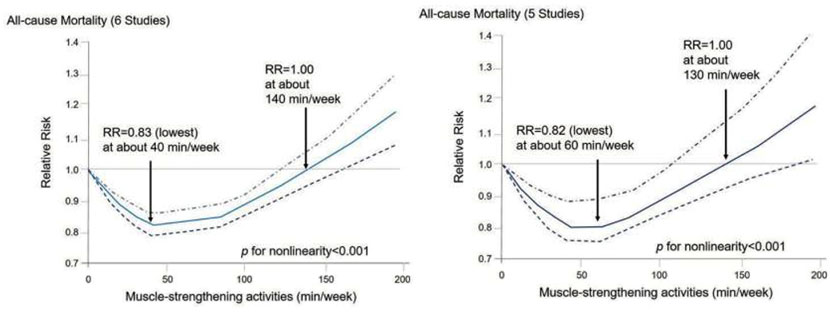
• Longevity benefits peak at 40 to 60 minutes of lifting per week — In my interview with cardiologist James O’Keefe, he discussed findings from his research,10 wherein he observed that vigorous exercise backfires, especially when done in high volumes.
As shown in the graph below, strength training has a J-shaped dose-response with all-cause mortality. Its benefits max out at around 40 to 60 minutes per week. Beyond that, the benefits plateau and eventually reverse.
• How excessive exercise reduces your lifespan — Prolonged intense physical activity places chronic stress on the body, leading to issues like cardiac overuse injury and an increased risk of musculoskeletal injuries. Overtraining also impairs recovery, causing fatigue, reduced performance and a weakened immune system.
• Training over two hours weekly negates the advantage — When you’re doing strength training for a total of 130 to 140 minutes per week, the longevity benefits of exercise go down to the point as if you’re not exercising at all. In short, if you train for three to four hours a week, your long-term survival is worse than people who don’t do strength training at all.
• Excessive lifting leaves you worse off than being sedentary — Again, when you’re doing intense vigorous exercise in excess, you’re still better off than people who are sedentary. But for some (yet undetermined) reason, excessive strength training leaves you worse off than being sedentary.
• Aim for 20 minutes twice a week, not more — The lesson here is to keep strength training to 20 minutes twice a week on non-consecutive days, or 40 minutes once a week. Moreover, it’s just an add-on to your exercise regimen — don’t center your entire exercise sessions around it. Moderate-intensity exercise such as walking gives you far greater benefits.
• Even short weekly sessions protect against aging — Interestingly, this moderate amount of strength training aligns with findings from the Brigham Young University study,11 which showed that even small doses of resistance training — around 10 to 50 minutes weekly — result in measurable benefits to telomere length, slowing biological aging without the risks associated with overtraining.
To learn more about the benefits of weight training for older adults and how to incorporate it into your workout routine, read “Strength Training Turns Back the Clock on Your Biological Age.”
Frequently Asked Questions (FAQs) About Weight Training and Alzheimer’s
Q: Does weight training help prevent Alzheimer’s disease?
A: Yes. The study published in GeroScience showed that just six months of weight training twice a week preserved critical brain areas like the hippocampus and precuneus in older adults with mild cognitive impairment (MCI). These areas usually shrink early in Alzheimer’s, and the exercise group showed no volume loss, unlike the non-exercising control group.
Q: How does exercise protect the brain at a biological level?
A: Exercise activates several protective pathways:
•It boosts brain-derived neurotrophic factor (BDNF) and IGF-1, which help brain cells grow and repair.
•It reduces chronic inflammation, a major driver of cognitive decline.
•It improves blood flow and oxygen delivery to the brain.
•It regulates the HPA axis, lowering stress hormones like cortisol.
Q: What other brain benefits does strength training offer besides memory protection?
A: In addition to preserving brain volume, resistance training improves white matter integrity, supports nerve fiber health, and enhances verbal episodic memory. In the Brazilian study, five out of 22 participants in the training group improved so much they no longer met clinical criteria for MCI.
Q: How much strength training is enough to see brain and longevity benefits?
A: The sweet spot appears to be 20 to 40 minutes twice a week, or 40 to 60 minutes total per week. Research led by cardiologist Dr. James O’Keefe found that this level of training maximizes longevity benefits. Exceeding 130 to 140 minutes per week actually reverses these gains, increasing inflammation, injury risk, and stress on the body.
Q: Are lighter exercises like yoga or Tai chi also effective for brain health?
A: Yes. Mind-body exercises such as yoga and Tai chi lower cortisol and anxiety, improve mental clarity, and enhance executive function. One study showed that yoga not only reduced cortisol but also improved decision-making and memory test performance, demonstrating how gentle movement supports emotional and cognitive resilience.
- 1 Alzheimer’s Disease International, Dementia Statistics
- 2 Alzheimer.gov, What Is Mild Cognitive Impairment?
- 3, 4 GeroScience (2025), doi: 10.1007/s11357-024-01483-8
- 5, 6, 7, 8 News Medical, April 1, 2025
- 9 J Aging Res. 2020 May 14;2020:1407896
- 10 Mo Med. 2023 Mar-Apr;120(2):155–162
- 11 Biology 2024, 13(11), 883
How Cognitive Shuffling Helps Quiet Racing Thoughts and Support Better Sleep
Reproduced from original article:
https://articles.mercola.com/sites/articles/archive/2025/05/15/cognitive-shuffling.aspx
Analysis by Dr. Joseph Mercola May 15, 2025

STORY AT-A-GLANCE
- Cognitive shuffling helps transition your mind to sleep by mimicking your brain’s natural shift from focused thinking to random, dreamlike patterns
- Instead of trying to clear your mind, choose a simple word and think of other words starting with each letter to gently redirect overthinking
- The technique works by providing just enough mental distraction without stimulation, making it ideal for people with racing bedtime thoughts
- Adding visualization and coordinated breathing enhances the effectiveness by engaging your senses and activating your body’s relaxation response
- With consistent practice, your brain learns to associate the shuffling process with winding down, creating a sustainable sleep routine without sleep aids
Many people struggle to fall asleep not because of pain, noise or light — but because their minds won’t shut off. The internal noise of planning, worrying or reliving conversations keeps your brain in a state of high alert, long past the moment your head hits the pillow. It’s not just frustrating. Sleep deprivation has been linked to anxiety, depression, cognitive decline and even heart disease.
You lie in bed exhausted, but your thoughts feel like a ping-pong match between memory and future stress. Conventional advice like “just relax” or “clear your mind” often backfires, intensifying the stress. Instead of trying to silence your brain completely, there’s a smarter approach that works with how your mind naturally transitions into sleep.
Luc Beaudoin, a cognitive scientist at Simon Fraser University, developed a technique called cognitive shuffling to mimic your brain’s natural shift into disorganized, dreamy thought patterns.
Rather than demanding stillness, it steers your thinking toward low-stakes, random associations that gently ease your nervous system into rest. If your mind is constantly busy at night, cognitive shuffling offers a practical, accessible way to break the cycle — and tonight might be the right time to try it.
Cognitive Shuffling Gives Your Brain Something Better to Do Than Overthink
An article by Calm explains that when you’re on the edge of sleep, your brain naturally shifts from focused, linear thinking to random, fragmented images and ideas.1 This is your brain’s way of loosening its grip on reality and preparing for dream states. Cognitive shuffling nudges this process along by introducing random, emotionally neutral words into your thoughts, helping your brain shift gears sooner.
• Cognitive shuffling is simple and requires no training or tools — All you have to do is choose a short, boring word — like “lamp” — and then think of other words that start with each of its letters. For “L,” you might think of “lemon,” “ladder” or “lint.” Once you run out of “L” words, you move to “A,” then “M,” then “P.” This exercise uses just enough mental energy to keep you from spiraling into anxious thoughts, but not so much that it keeps you awake.
• It’s designed to gently override your overactive mind — The goal isn’t to clear your mind — it’s to give it something else to do. Calm explains that trying to force your thoughts to stop usually makes you more awake. Instead, cognitive shuffling works by steering your brain into the exact kind of scattered thinking that happens naturally when you’re falling asleep. It’s a redirect, not a shutdown.
• You don’t need to be good at it for it to work — This is not a concentration game. If you forget the word you started with, lose track of where you are in the letter sequence or fall asleep mid-list, you’re doing it right. The randomness of the process is the point — it mimics the way dreams begin and distracts your brain just enough to let sleep take over.
Cognitive Shuffling Rewires Your Sleep Routine Through Repetition and Rhythm
For many people, bedtime becomes a performance: You’re trying to fall asleep, watching the clock, worrying about the next day and judging yourself when you fail. Cognitive shuffling removes the performance aspect. There’s no success or failure — just a quiet, low-effort distraction. Calm points out that this technique is forgiving, repeatable and adaptable to your preferences and mood each night.2
• Consistency helps your brain learn the routine — Calm notes that cognitive shuffling doesn’t always work instantly. It’s often a gradual process, especially for people who are used to being mentally active at night. But with regular use, your brain starts to associate the word-listing process with winding down. Over time, it becomes a cue for sleep, helping you build a healthy routine without needing supplements or sleep aids.
• The method uses natural brain rhythms to support rest — Beaudoin discovered that the mind transitions into sleep by becoming disorganized — flashes of disconnected ideas and images replace structured thoughts. By mimicking this disorganization intentionally, cognitive shuffling gets ahead of the curve and helps you enter the pre-sleep state faster.
• It aligns with cognitive load management principles — The strategy works because it respects how your brain processes information under stress. Instead of demanding mental silence — which increases cognitive strain — cognitive shuffling reduces your brain’s workload to something simple and rhythmic. This drop in cognitive load encourages your nervous system to relax, making it easier for you to fall asleep.
• Gamifying sleep makes it less stressful — Calm suggests choosing a new word every night to keep the process interesting and playful. Turning the exercise into a sort of mental puzzle adds novelty, which keeps your attention just enough to hold off stress. This light gamification introduces a small sense of fun into your sleep routine, which makes a big difference in how your body responds.
Save This Article for Later – Get the PDF Now
Mental Overactivity Blocks Sleep by Hijacking Your Executive Brain
An article by Renée Miller, perinatal clinical psychologist with the Antenatal & Postnatal Psychology Network in Australia, explains how your brain’s executive functions — planning, evaluating, remembering and problem-solving — keep your mental engines running long after you’re physically exhausted.3 Beaudoin developed the term “mental perturbance” to describe this persistent overactivation that hijacks your ability to relax at night.
• Busy parents and overstimulated adults are especially affected — The article focuses on parents trying to fall asleep after a long day — when the house is finally quiet and it’s supposed to be “your time.” But rather than shutting down, your brain starts sorting tasks, reliving mistakes or strategizing the next day.
This isn’t simple stress — it’s the result of an executive system that doesn’t know when to quit. That’s where cognitive shuffling offers a practical way to break the cycle.
• Adding visualization deepens the effect and calms your body — The technique is more powerful when you not only think of the words but also picture them. If your word is “broom,” you imagine the broom. Then the next “B” word, like “beach,” you picture that too.
Visualization helps draw your attention away from internal dialogue and creates a sensory experience that mimics dreaming. This visual layering enhances the disorganization that helps your brain drift off.
• Breath control is a hidden part of the shuffle’s success — You can also use intentional breathing as part of the technique. Try breathing in while thinking of the word and breathing out while visualizing it. Longer exhales naturally activate your parasympathetic nervous system — your body’s “rest and digest” mode — making the process even more physically relaxing.
How to Use Cognitive Shuffling to Quiet Your Mind and Fall Asleep Faster
If your mind feels like it’s running a marathon the moment you lie down, you’re not alone. Racing thoughts don’t just keep you awake — they trigger your stress response, keep cortisol elevated, and pull your brain into high-alert mode when it should be shifting into sleep. The root of the issue is that your brain’s executive system doesn’t know how to shut down without help.
Instead of trying to force silence, the smarter move is to redirect that mental energy with a technique that mimics how your brain naturally falls asleep. That’s where cognitive shuffling comes in. This isn’t meditation. It’s not about clearing your mind or focusing on your breath.
It’s about giving your brain something harmless, simple and disorganized to do — so it stops trying to solve tomorrow’s problems at 11 p.m. If you’re wired at night or wake up and can’t get back to sleep, try these five steps:
1. Start with your sleep environment — Get your bedroom as calm, dark and quiet as possible. Turn out all lights, power down your devices — or better yet your Wi-Fi — and keep the temperature cool. If you live in a noisy area or your partner snores, turn on a fan or try a white noise machine to block out distractions. The less stimulation you have from the outside, the easier it is for your brain to switch gears.
2. Pick a simple, neutral word to start the shuffle — Choose something ordinary that doesn’t trigger emotion or memories. Words like “lamp,” “chair” or “apple” work well. You want something familiar but boring — nothing connected to your work, relationships or problems. If you’re a visual thinker, try picking a word you can picture clearly, like “ball” or “tree.”
3. Break the word into letters and think of other words — For each letter of your chosen word, think of new words that start with that letter. If your word is “blanket,” for example, you’d start with “B” and think of “book,” “bird,” “bucket,” etc. Then move to “L” and do the same. Don’t worry if you run out of words or forget where you were — that’s actually a good sign your brain is losing steam.
4. Add visualization and breath to deepen the effect — Picture each word you think of in your mind. If you think of “balloon,” imagine the shape, color and how it floats. Breathe in when the word comes to mind. Breathe out as you visualize it. The longer exhale helps your body relax and settle into rest. This adds a physical layer of calm on top of the mental distraction.
5. Repeat with a new word if needed — If you’re still awake after one round, don’t get frustrated. Just pick a new word and start again. The goal isn’t perfection — it’s distraction. The more you practice, the more your brain learns to associate this shuffle with winding down. Over time, it becomes a cue for your body to enter sleep mode, just like brushing your teeth or turning off the light.
This technique gives your mind something to do that doesn’t involve stress, problem-solving or memory. It works with your biology instead of against it. And best of all, it’s something you can try tonight — no tools, no tracking, just you and your thoughts, gently shuffled into sleep. For more help, review my 50 Tips to Improve Your Sleep.
FAQs About Cognitive Shuffling
Q: What is cognitive shuffling, and how does it help with sleep?
A: Cognitive shuffling is a mental technique that uses random, neutral word associations to gently distract your brain and help you fall asleep. Instead of forcing your mind to go blank, you give it a light, non-stimulating task — like thinking of words that start with each letter of a chosen word. This mimics your brain’s natural transition into sleep and reduces nighttime overthinking.
Q: Why do racing thoughts keep me awake at night?
A: When your brain’s executive functions — like planning, evaluating or problem-solving — stay active, they prevent your body from entering a restful state. Cognitive shuffling interrupts that cycle by scrambling structured thinking and encouraging your brain to let go.
Q: How do I practice cognitive shuffling?
A: Start by choosing a simple word, such as “lamp” or “table.” Then, think of other words that begin with each letter of your chosen word. Add visualization by picturing each new word, and coordinate it with slow breathing — in on the thought, out on the image. If you lose track or fall asleep mid-process, that’s a sign it’s working.
Q: What makes cognitive shuffling different from other relaxation techniques?
A: Unlike meditation or breathing exercises that require focus or stillness, cognitive shuffling uses mild mental stimulation to redirect your thoughts. It’s a practical, low-effort technique that doesn’t rely on silence or concentration — and it’s especially helpful for people who struggle to shut off their minds at night.
Q: Can cognitive shuffling work for everyone, including children or anxious sleepers?
A: Yes. This method is simple, adaptable and doesn’t require any special tools or training. It works well for adults, busy parents and even children. You can personalize it by choosing different words each night or turning it into a mental game. The key is consistency — over time, your brain will associate the technique with bedtime, making it easier to fall asleep.
Transcending Fear — Surgeon General of Florida Speaks Out
Reproduced from original article:
https://articles.mercola.com/sites/articles/archive/2025/05/14/transcend-fear.aspx
Analysis by Dr. Joseph Mercola May 14, 2025
STORY AT-A-GLANCE
- Dr. Joe Ladapo, surgeon general of Florida, has released a book, “Transcend Fear: A Blueprint for Mindful Leadership in Public Health”
- Ladapo suffered the effects of traumatic events that occurred in his childhood well into adulthood. It wasn’t until just before the COVID pandemic that he experienced a breakthrough and was able to release old fear-based reactions
- Releasing old fears allowed him to see through the lies of the pandemic narrative
- Stress and trauma have the effect of making it difficult to think straight, see the truth and stand against what you know to be wrong. Healing such psycho-emotional wounds will make you more resistant to brainwashing
- In his book, Ladapo reveals his own experiences with trauma-based fear, his journey of recovery, and how you can address challenges in a way that is consistent with who you actually desire to be
In this interview, Dr. Joe Ladapo discusses his book, “Transcend Fear: A Blueprint for Mindful Leadership in Public Health,” and how he ended up being appointed surgeon general of Florida. Ladapo was working at the Ronald Reagan UCLA Medical Center when, in May 2020, Gov. Gavin Newsom first locked down the state.
“I witnessed the mayhem in the hospital,” Ladapo says. “I’d never seen anything like it in terms of how frantic people were, and how frantic the leadership was. From there, my wife and I were chatting about it constantly and we had a different take than the take that UCLA and most everyone else was pushing.
So, I wrote an article. It was accepted in USA Today. I shared it with one of the members of The Wall Street Journal editorial board, Holman Jenkins, who’d also been writing about COVID in a way that was not similar to how other people were writing, and he liked it. Their team liked it.
I wrote another article a few weeks later about the lockdowns. That was the first of several articles that ended up being published there, which I’m grateful for because it was like going into the Twilight Zone — like you think about those two years, or almost two years, of deep COVID theater.”
Uprooting Trauma-Based Fear
Ladapo’s childhood was less than idyllic. His father, himself a victim of childhood abuse, did not shy away from corporal punishment. “One of the tough things about trauma is that it disconnects people from themselves,” Ladapo says.
Ladapo was also a victim of sexual abuse by a babysitter when he was 4 years old. In adulthood, he was able to heal the scars, “but I only got the opportunity by chance and really by [God’s] grace,” he says. His wife played a big part in that healing, as she kept encouraging him to seek help. The final breakthrough happened shortly before the pandemic:
“We finally were having kids and these problems that I was having were driving my poor wife nuts … The kids were only making it more complicated because kids tend to bring up stuff too for people that they haven’t dealt with.
So, it was like literally at the lowest point — which happened right before the pandemic — [my wife] Brianna told me she found someone she thought I should see … His name is Christopher Maher and he’s a former Navy Seal. He was the last guy I worked with and I don’t need to work with anyone else because of him.
Basically, he used this combination of Chinese medicine principles — Chinese meridian theory and stuff related to Chi — involving physical manipulations and other types of exercises and activities to help free me from the effects [of] my traumatic experience with the babysitter; stuff related to my family … and helped me get free of those things.
It was all essentially grounded in fear … I was literally reborn. I don’t understand it. It’s the closest thing to a miracle that I’ve ever experienced. But it happened, and it happened in December of 2019, right before the pandemic.
Then the pandemic rolled around, and had I not had that experience, I would never have been able to do the things that I did; being able to see clearly and to do things that, in the past, I would’ve been too afraid to do or too muddled in my own personal BS to be able to see and identify.”
Fear Is a Prerequisite for Effective Brainwashing
In short, in the process of erasing these deep-seated, largely unconscious fears, Ladapo also became “immune” to the irrational brainwashing propaganda that erupted during the pandemic and the social pressures surrounding it.
“It would’ve been impossible for me to have a clear vision and be able to stay clearly on a goal, or be able to stay within myself when everyone’s throwing all this junk at me, as you certainly know firsthand, all the junk that [comes at you] when you’re sharing a message that people don’t like.
Really, what that means is that they’re threatened by it. When people are threatened by something, they throw their junk on you in terms of their projections. And I would never have been able to withstand any of that and remain within myself if I had not had that experience,” Ladapo says.
He then goes on to talk about what he saw happening in California during the height of the pandemic.
“California was quite miserable. The leadership were pouring the Kool-Aid … and everyone was drinking it. You have to stay inside. You can’t socialize with people. You must wear a mask. All of this stuff is very serious, especially for the kids.
I wanted to burn down these stupid little barriers they put around the [local] playground. It was just so frustrating. And they removed the rims on the basketball courts. It was maddening, honestly … I almost wanted to cry sometimes because it was such an assault on people’s humanity …
I’m thinking about it and it brings tears to my eyes because it was such harm with zero benefit and real harm. You know, these are things that are part of the fabric that connect humans to other humans.
Anyone who’s played pickup basketball knows that. Strangers become friends and bonds are made. Those were just examples of the general syndrome that California health officials were propagating and were trying to get everyone else to buy into …
It was sad that people did that to other people; and it was also sad that so many people were willing to go along with it. Truly some people thought it was the right thing to do, but a lot of people knew that it wasn’t the right thing to do. And it made me sad that they still went along with it.”
Save This Article for Later – Get the PDF Now
Responsibilities of the State Surgeon General
In addition to the federally appointed surgeon general, five states (Arkansas, California, Pennsylvania, Michigan and Florida) also have a state surgeon general, who is the operational head and senior spokesperson on public health. Ladapo was appointed to the position by Gov. Ron DeSantis in September 2021.
As surgeon general, Ladapo oversees the Department of Health in Florida, which has upward of 15,000 to 16,000 employees. All 67 counties have their own county health departments, and the Florida Department of Health works with and oversees all of them. He also works closely with the governor and his staff.
In contrast, the federal surgeon general is more of a figurehead, and during the pandemic, the surgeon general has basically just promoted the official narrative, rather than making real assessments about what is truly best for public health. As noted by Ladapo:
“We had two years of hardcore pandemic and to the best of my knowledge, not a single word about exercise, about weight loss, sun exposure. Things that we think, or very clearly know, are important factors in helping you live longer and survive, not just this virus, but other viruses and other conditions.
Talk about a wasted opportunity. I mean, it’s absurd that that wasn’t a major part of the public health conversation over the last two or two and a half years. It’s a real shame, and it’s a mistake that we’re not making here in Florida …
I’m a huge believer in personal empowerment and personal health. So, one of the things I appreciate about the work that you do is that you encourage people to take as much responsibility for their own health as possible. It’s so important. Prevention is really important and doing things that can prevent the onset of disease is huge.
And you don’t do that by staying in your house, not being around other people or wearing stupid things over your mouth. That’s not going to make you a stronger, healthier person.”
Florida’s Response to Monkeypox
The World Health Organization’s director-general made the unilateral decision to declare monkeypox a public health emergency of international concern, even though his advisory committee voted 9 to 6 against it. President Biden followed suit and declared it a public health emergency as well.
The declaration of yet another pandemic was predictable. The question is: Will the people of the world allow themselves to be fooled into irrational countermeasures that don’t work a second time?
In Florida, the response to monkeypox involves identifying areas with higher rates of transmission, and areas with higher rates of high-risk individuals, and providing them education about how the infection is transmitted. Florida is also offering the monkeypox vaccine to individuals who really want it.
“That’s basically the plan,” Ladapo says. “What we’ve seen is this playbook at the federal level, and at some states, is sort of disconnected from reality. So, for example, in Florida, as in the rest of the nation, something like 99% of the cases are in men and almost all of those are in gay men. It may not remain that way, that remains to be seen, [but in the meantime] we are just having very plain public health messaging about that.
Unfortunately, people are so wrapped up in their politics that … they can’t speak plainly. There’s been all this debate about talking to people about their sexual risk factors. It’s been so convoluted. I mean, I can’t even keep up with it. What we’ve done is we’ve been very clear in our language.
And the thing is, if you’re not judgmental toward people, if you’re not biased against people, it’s a lot easier just to be honest and truthful and not worry about how it’s going to be received exactly, or if you’re going to offend someone or make someone think that you’re trying to say something about who they are, and we’re not. We’ve just been very clear about what the risk factors are.
Our strategy is to do the best we can to help reduce the transmission. So, we’ve been very straightforward about that and not pushing the hysteria and all the political junk that we’re seeing come up.”
The Blood Sport of Modern Politics
When asked what has surprised him the most after taking on the role as Florida’s surgeon general, Ladapo replies:
“Probably the politics has been the biggest surprise … it’s a blood sport and it’s really treated that way in terms of the politics and the games that are played, the spinning of words, the creation of words and the creation of narratives, the outright false statements.
And how willing some people are to say whatever they want to say, irrespective of what the truth is … What you find in politics, which I see firsthand, is self-interest. That’s like the name of the game.”
Parents Overwhelmingly Reject COVID Jab for Their Children
On the other side of the coin, what he enjoys the most is the ability to “push something forward that you think is the right thing to do, and to be able to do it in a way that you feel was effective, particularly when you’re disrupting some essentially false narrative or false beliefs that that have come in.”
“I get so much satisfaction from the fact that that we just completely rejected all of the lies that were being pushed about the COVID-19 vaccines in children, specifically healthy children.
I’m so satisfied, so pleased and so grateful that I had a platform from which I could exclaim something opposite of that total mirage. I mean, it was a completely specious story that the CDC and the federal administration was trying to push …
And honestly, it really lightens my heart that so many parents see it for what it is, which is a total lie — this notion that children need this [COVID shot]. The data are quite weak. None of the clinical randomized trial data show a clinical benefit. There’s not a single study that I’ve seen that shows a clinical benefit in healthy children, even in the over 5-year-old age group.
It’s been hard for me personally, just watching the CDC [Centers for Disease Control and Prevention] and the federal leadership spit out pure lies, false statements, and unfortunately a lot of people gobbled it up and interpreted it as the truth. So, it’s very refreshing to see parents say, ‘No, I don’t think so.'”
Can Public Health Establishment Survive?
The lies and deceit by our public health agencies have been so egregious and so blatant over the last couple of years, I find it hard to believe they’ll survive in the long term. The damage they’ve done to their credibility is, in my view, irreparable. Ladapo agrees:
“You’re absolutely right. A lot of confidence has been lost … Still from the studies I’ve seen, a good amount of Democrats and Liberals still think everything that was done was the right thing. So, it’s interesting.
I don’t know if [health agencies] are going to regain [trust and credibility] back during my lifetime. I mean, people are not going to forget what happened in terms of all the egregious violations of human rights and human sovereignty over these past couple years.
That’s actually part of what my book is about — [the] central theme … is shaking off the BS … Stress and trauma have effects on people, and then … people have a hard time seeing straight, seeing the truth, and standing up when they do recognize that something wrong is happening.
But those things have to happen for someone to take real responsibility, and accepting responsibility for transgressions; only that will be accepted by the public. Short of that, you will never re-earn people’s trust.”
Ladapo also agrees there’s been a total whitewashing of safety concerns surrounding the COVID jabs, and that we really need to get to the bottom of why disability rates, all-cause mortality and sudden adult deaths have skyrocketed since the introduction of these experimental shots.
More Information
I highly recommend reading Ladapo’s book, “Transcend Fear: A Blueprint for Mindful Leadership in Public Health.” In it, he discusses his own experience with trauma-based fear, his journey of recovery, and how you can address challenges in a way that is consistent with who you actually desire to be.
“That’s a major theme of the book,” he says, “and everyone has their own journey. I think I was lucky because I ended up finding my way. I was looking to get better, but not quite going down the right way, and I hope the book can help more people who are on that journey find the right way.”
He also, of course, discusses the COVID pandemic, and how public health decisions based on fear have hurt more than they’ve helped.
“I have a chapter about hydroxychloroquine, for example, and an unbiased look at the evidence there. I talk about how to approach public health decision-making and how that approach would have averted some of the worst decisions we made. Probably the worst [was] school closures.
I talk a little bit about my friend, Dr. Simone Gold … [a] good old-fashioned political prisoner, a doctor who only tried to help people during her career and disagrees with some mainstream ideas. She’s a good friend of mine and I appreciate her commitment to freedom.”
Risking It All Opens the Door to Divine Providence
Fear can make you make horrible decisions, and I reckon many were fooled into taking the COVID jab for fear of getting sick and dying, losing their job, losing their career or any number of other fear-based reasons. Without doubt, having to make the decision between taking a fatal or disabling medical therapy you don’t want or need, or getting fired and losing your retirement benefits is a tough one.
It’s a decision no one should ever have to make, yet many millions have now had to do just that. Sadly, the trap many fall into is the belief that they can’t overcome the negative consequences of choosing freedom and saying no to tyranny.
In reality, when you stand up for what is right and true, your life has a tendency to vector into opportunities you would never have encountered otherwise. I have a deep sadness about the people whose fears didn’t allow them to make that difficult choice and experience the joy of finding and forging a new path for themselves.
“I feel the same,” Ladapo says. “It is a tragedy. There were a few people who were like, ‘Hell, no. I’m not going to do this.’ But a lot of people felt they didn’t have a choice and they didn’t want to open that door.
You’re right, it’s essentially providence, in terms of where your life takes you when you make a choice like that. On its face, you do your arithmetic and it doesn’t make sense. But it’s God’s path and it’s a gracious [divine] path.”
Inflammation Alters Mood and Behavior
Reproduced from original article:
https://articles.mercola.com/sites/articles/archive/2025/05/10/inflammation-alters-mood-and-behavior.aspx
Analysis by Dr. Joseph Mercola May 10, 2025

STORY AT-A-GLANCE
- New research shows inflammation directly influences mood and behavior by sending chemical signals that activate anxiety circuits in the brain, helping to explain emotional aftereffects of illness
- Specific inflammatory cytokines stimulate neurons in brain regions responsible for processing fear, while anti-inflammatory signals calm these same neural pathways
- Scientists discovered that certain immune molecules function like neurotransmitters in the brain, influencing social behavior and emotional states independently of inflammation
- Blocking inflammation incorrectly backfires; it triggers more intense anxiety as the body produces additional inflammatory messengers that overstimulate fear circuitry
- Managing inflammation-related mood issues requires reducing linoleic acid (LA) intake from vegetable oils, supporting mitochondrial function, getting safe sun exposure, avoiding alcohol and monitoring emotional symptoms after illness
After a physical illness, emotional aftershocks are more common than most people realize. Mood swings, irritability and even social withdrawal often surface without warning — and they don’t always go away when the fever breaks or the rash fades. These shifts are frequently dismissed as psychological or stress-related, but there’s more going on under the surface.
Emerging science is redefining how we understand these post-illness changes. Rather than being side effects of recovery, they appear to be part of a complex feedback loop between your immune system and your brain. It’s not just about fighting infection. Your body is sending signals that shape how you feel, how you think and how you connect with others.
For years, the biological link between the immune response and emotional state was a mystery. Doctors observed the patterns but lacked a clear explanation for why recovering patients often reported feeling emotionally unwell. That’s beginning to change.
Recent research is uncovering exactly how immune activity interacts with brain circuits involved in mood and behavior, offering new clues — and new hope — for addressing anxiety, depression and social disconnection at the source.
A set of studies, published in Cell in April 2025, offers a detailed look at this immune-brain connection.1,2 These findings move us beyond theory and into practical understanding of how immune molecules affect your emotional wiring in real time.
Inflammation Hijacks Your Brain’s Anxiety Center
The first study investigated how inflammation affects anxiety by mapping how immune molecules called cytokines interact with brain circuits.3 The researchers focused on two inflammatory signals and how they stimulated neurons in a region of the brain responsible for processing fear and emotional memories. In animal models, the team looked at how changes in immune activity led to shifts in anxiety-related behaviors.
• Researchers identified brain cells that react to both pro- and anti-inflammatory signals — The key discovery was that certain brain cells respond to both types of immune messengers. These cells are constantly listening for cues. If the message is inflammatory, anxiety circuits rev up; if the message is anti-inflammatory, those same circuits calm down. Your mood, in other words, is closely tied to which immune signals your brain is getting at any given time.
• The findings explain why you feel more anxious during or after illness — When inflammatory cytokines rose, mice became more anxious. They avoided open spaces, explored less and showed clear signs of being on edge. Even more surprising, when researchers tried to block these inflammatory signals, it made things worse. The body responded by producing even more inflammation, which overstimulated the brain’s fear circuitry.
• Blocking inflammation the wrong way triggered rebound anxiety — In the study, interfering with inflammatory signaling didn’t reduce anxiety — it backfired. The body overcorrected by flooding the system with more inflammatory messengers, creating even more excitability in fear-processing neurons. This highlights how delicate the system is and why simply trying to “shut off” inflammation won’t work without understanding the underlying balance.
Calming Signals Work Through the Same Brain Pathway
The same brain cells that react to inflammatory signals also respond to anti-inflammatory cues. When those calming signals were increased, the anxious behavior disappeared. The mice became calmer, more balanced and less reactive to their environment. These results show that your immune system has its own internal checks and balances — you just have to support them.
• One calming molecule suppresses anxious brain activity — A specific anti-inflammatory signal works like a brake for your brain’s fear response. When this molecule interacts with the neurons in your brain’s anxiety center, it lowers their activity. That makes them fire less often, which slows the brain’s anxiety feedback loop. In other words, your brain becomes less hyperreactive and more emotionally stable.
• These immune messengers act instantly — Your immune system sends out real-time signals that shift your emotional state within minutes. That’s why anxiety often feels like it comes out of nowhere. A spike in inflammation, whether from an infection, injury or stress, changes how your brain behaves almost immediately.
• Fear-processing cells get stuck in overdrive — When inflammatory messengers dominate, the neurons in your brain’s fear center become overly excitable. They start firing too often and too intensely, feeding a loop of anxiety and worry. This makes it harder for your body’s natural calming systems to keep up. Your stress response becomes harder to shut off.
• The same neurons receive both calming and fear signals — The exact same brain cells can be told to panic or to relax, depending on which immune molecule they hear from. If your system is inflamed, those calming signals get drowned out. But if you support your immune balance, those neurons switch back to a more stable, regulated state.
• This is physical, not just psychological — Anxiety isn’t just mental. It’s physical. It’s rooted in your biology, your immune response and the real-time signals your body is sending to your brain. When inflammation is high, your emotional resilience takes a hit. When it’s balanced, your mood stabilizes.
Save This Article for Later – Get the PDF Now
Cytokines Boost Social Behavior by Acting Like Brain Chemicals
The second study focused on a lesser-known cytokine and how it interacts with specific brain receptors to influence social behavior.4 Researchers wanted to know which immune-related signals show up in the brain and how they affect behavior when triggered. Instead of focusing on how these signals trigger inflammation, the team explored their role as brain messengers — working more like mood-regulating chemicals to shift behavior in real time.
• Researchers identified a brain signal that increases sociability and curiosity — A specific chemical message activates a part of the brain responsible for social behavior. When this signal was triggered, mice that usually avoided others and repeated the same actions over and over began behaving more normally.
They explored their surroundings, showed interest in new mice and became more socially engaged. According to the researchers, this signal helped restore a more natural pattern of social connection.
• This chemical signal is made inside the brain, not just by the immune system — In a major discovery, researchers found that this social signal isn’t just produced by immune cells; it’s also made directly by neurons inside the brain. That’s a big deal, because it puts this molecule in the same category as familiar brain chemicals like serotonin and dopamine. It’s not just reacting to the immune system — it’s helping control mood and behavior from within.
• Your brain and immune system use the same language to control behavior — This finding challenges the old belief that immune signals only work outside the brain. In reality, the brain uses some of the exact same molecules your immune system does — just in a different context.
These shared messages help manage emotional behavior, including how connected, curious or socially withdrawn you feel. In this case, boosting the signal helped correct withdrawn behavior in mice genetically inclined toward social avoidance.
• Cytokines influence emotional state and behavior without needing to enter the brain — One of the most important takeaways from the research is that immune molecules don’t have to cross the blood-brain barrier to affect how you feel. The research showed that cytokines act on brain areas that already receive immune signals.5
These findings are part of a broader effort to understand how your brain and immune system work together — and sometimes against you — to shape your mood.
• Scientists are also questioning how inflammation impacts the blood-brain barrier itself — A lingering question could hold the key to better treatments: Does chronic inflammation weaken the blood-brain barrier, making it more permeable to damaging substances? If so, then long-term inflammation wouldn’t just influence mood temporarily; it could change how vulnerable your brain is to future damage.6
What to Do About Chronic Inflammation That Alters How Your Brain Processes Mood and Behavior
If your anxiety, mood swings or social withdrawal feel worse after getting sick — or seem to come out of nowhere — it’s time to take a closer look at the root cause: chronic inflammation. You don’t fix this by numbing symptoms. You fix it by restoring balance to your immune system and protecting your brain’s delicate communication circuits.
The goal is to stop the runaway signaling that hijacks your emotional centers and rewires your behavior from the inside out. These five steps target the biological triggers, including cytokine signaling, mitochondrial stress and brain inflammation, so you start feeling like yourself again.
1. Cut linoleic acid (LA) down to under 5 grams per day — ideally below 2 — If you only do one thing, make it this. LA in vegetable oils drives inflammation like gasoline on a fire. It hides in nearly every processed food: restaurant meals, sauces, chips, crackers, even “healthy” organic snacks. Swap all vegetable oils for healthier fats like grass-fed butter, ghee or tallow.
Stay away from olive and avocado oil, as they’re often cut with cheaper vegetable oils and still too high in monounsaturated fat, which causes similar mitochondrial dysfunction. I recommend tracking your LA intake for a few days using a free online food tracker. You’ll be shocked by what you uncover.
2. Support your mitochondria by giving them the fuel they actually need — Your mood is tied directly to how much energy your cells produce. Cytokines disrupt this energy flow, which leaves you feeling drained, foggy or emotionally reactive. To repair that, you need to restore production of adenosine triphosphate (ATP), your body’s main energy currency that your cells need to survive and repair.
Start by increasing your carbohydrate intake with easy-to-digest sources like fruit juice with pulp, white rice and whole fruit. If you have unbalanced gut bacteria, or dysbiosis, avoid fiber, including whole grains, until your gut is healed. Ultimately, most adults need about 250 grams of healthy carbs daily. Starving your mitochondria will only prolong the problem.
3. Boost your anti-inflammatory signals naturally with sun exposure — Sunlight helps your cells produce energy more efficiently and triggers your body to make key anti-inflammatory molecules. It also helps regulate mood through melatonin and vitamin D production. But don’t just sunbathe randomly.
The safest and most effective exposure happens after you’ve eliminated seed oils from your diet for at least six months. Until then, stick to morning and late-afternoon light — no harsh midday sun.
4. Avoid alcohol, as it destroys mitochondrial function and inflames your brain — Alcohol is a metabolic poison. Even small amounts disrupt mitochondrial energy production and increase oxidative stress in the brain. The idea that moderate drinking is protective was based on flawed studies. Don’t let marketing override your biology.
5. Watch for delayed emotional symptoms after illness and adjust early — If you’re someone who experiences mood swings after getting sick, or during stressful immune events like a dental procedure or vaccine, start tracking your mood in a journal. Note when symptoms begin, how long they last and what symptoms show up, like irritability, social withdrawal or fatigue.
This helps you link emotional shifts to immune activity and gives you a clear signal when it’s time to double down on your recovery strategies.
The earlier you respond, the faster you recover. When your immune system is in balance, your brain calms down. You think more clearly, connect more easily with others and feel more like yourself again.
FAQs About Inflammation and Mood
Q: How does inflammation affect your mood and behavior?
A: Inflammation sends chemical messengers called cytokines into your bloodstream, some of which directly activate anxiety circuits in your brain. These signals make you feel anxious, withdrawn or emotionally unstable, especially after illness or during immune system flare-ups.
Q: What role do immune signals play in emotional regulation?
A: Some immune signals increase anxiety by overstimulating the part of your brain that processes fear. Others send calming messages to those same brain cells, helping reduce anxious behavior. Your emotional state depends on which of these signals is stronger at any given time.
Q: Can immune signals influence social behavior too?
A: Yes. One specific immune signal was shown to increase social interest and reduce repetitive behavior in mice that typically avoided interaction. What makes it unique is that it’s also produced by brain cells, not just the immune system, so it acts more like familiar brain chemicals such as serotonin or dopamine.
Q: What’s the connection between chronic illness and mood swings?
A: New research shows that mood changes following infections or autoimmune episodes are the result of immune-brain cross talk. Inflammatory cytokines activate specific brain circuits almost immediately, reshaping how you process fear, emotion and social interaction.
Q: What helps lower cytokine-driven mood issues?
A: Start by removing vegetable oils and processed foods that drive inflammation. Support cellular energy with digestible carbs like fruit and white rice. Get safe sun exposure to activate your body’s anti-inflammatory pathways and avoid alcohol, which impairs mitochondrial function and inflames your brain.
Want to Quit Smoking? Brain Stimulation with Exercise Helps
Reproduced from original article:
https://articles.mercola.com/sites/articles/archive/2025/04/20/quit-smoking-with-exercise-and-brain-stimulation.aspx
Analysis by Dr. Joseph Mercola April 20, 2025

STORY AT-A-GLANCE
- A study found that combining gentle electrical brain stimulation with aerobic exercise reduced smoking cravings by over 50%, and lowered smoking rates more than either method alone
- This combined approach changed brain activity related to cravings in just five sessions, making it a promising option for those who have struggled to quit with other methods
- Even without brain stimulation, regular exercise helps your body detox and reduces your brain’s reactivity to smoking triggers, offering a simple way to manage cravings
- Brief coaching calls were very effective in helping young adults quit vaping, with coaching alone achieving similar success rates to adding apps or nicotine replacement
- Simple, consistent strategies like short daily sessions of exercise and support, tracking progress and celebrating small achievements significantly boosts your chances of successfully quitting smoking or vaping
Smoking is the leading cause of preventable death worldwide,1 yet most smokers struggle to quit, often failing multiple times despite a deep desire to stop. The addictive nature of nicotine and other chemicals in cigarettes hijacks your brain’s reward system. It lowers activity in the part of your brain responsible for impulse control and decision-making.
At the same time, it overstimulates the area linked to cravings and emotional reactions. This combination fuels compulsive behavior and makes it incredibly difficult to quit. The longer you smoke, the stronger this cycle becomes.
Quitting isn’t just about willpower. Even when people try nicotine patches, prescription medications or counseling, relapse rates remain high. Many smokers light up again within weeks. But what if you could change the way your brain responds to cigarettes altogether? That’s exactly what researchers in a 2025 study published in Scientific Reports decided to find out.2
Brain Stimulation and Exercise Make It Easier to Quit Smoking
The study explored whether combining brain stimulation, using a transcranial direct current stimulation device, and exercise can help smokers quit. The researchers tested 41 adult smokers using gentle electrical brain stimulation, aerobic exercise, both methods, or a placebo version. Each person did five daily sessions while researchers tracked cravings, smoking habits and brain activity.
• People who got both treatments had the biggest improvements — Those who did both brain stimulation and exercise had cravings drop by 50.4% — much more than the approximately 9% seen in the groups that used just one method. They also smoked less, showed lower carbon monoxide levels (a sign of reduced smoking) and felt more motivated to quit.
• The benefits happened quickly — Just five sessions produced major changes in smoking behavior and brain activity. This fast, simple approach is especially helpful for people who’ve failed with longer programs.
• Their brains showed less craving activity — Brain scans revealed that the combined group had lower brain activity tied to cravings when exposed to cigarette triggers. This drop means their brains were less reactive to smoking cues.
Exercise and Brain Stimulation Help Retrain Your Brain
Smoking affects brain areas that control habits and impulses. Gentle brain stimulation activates the prefrontal cortex, helping you think clearly and resist urges. Exercise boosts blood flow and primes your brain to respond better to stimulation.
• Together, they help your brain make new connections — This process — called neuroplasticity — is how your brain changes habits. Both brain stimulation and exercise impact brain chemicals that play a role in addiction and motivation.
• Using brain stimulation alone didn’t help — and might even backfire — Those who used brain stimulation without exercise had higher brain reactivity during smoking cues, showing that stimulation alone isn’t enough and could stir up more craving activity.
• Exercise helped clear smoke and calm cravings — Even on its own, exercise helped lower carbon monoxide levels, suggesting the body was detoxing. But when paired with brain stimulation, it also helped the brain stop chasing the next cigarette.
Save This Article for Later – Get the PDF Now
Coaching Calls Help Young Adults Quit Vaping — Even Without Extra Tools
In related research, a study published in the American Journal of Preventive Medicine investigated how to help young adults quit vaping.3 The researchers tested different ways to support people ages 18 to 24 who regularly used electronic cigarettes (e-cigarettes) and wanted to stop.
• Each person got two coaching calls, with extra tools added for some — After the first call, participants were randomly placed into one of four groups:
1. Coaching calls only
2. Coaching calls plus a mobile app
3. Coaching calls plus nicotine patches or gum sent by mail
4. Coaching calls plus both the app and nicotine patches
• Nearly half of the participants quit vaping within three months — Coaching alone worked almost as well as the added tools. Specifically, quitting rates were:
◦ 41% for coaching only
◦ 43% for coaching plus app
◦ 48% for coaching plus nicotine patches
◦ 48% for coaching plus both tools
People who got the app or nicotine replacement didn’t quit at much higher rates than those who only got the coaching calls. That means the coaching itself had the biggest impact.
• Even small efforts make a big impact — Just two phone calls helped many young adults stop vaping. That makes this approach simple, affordable and easy to scale. The results suggest that “quitlines” — helplines for quitting — are a smart way to reach people and help them stop vaping.
• Public health programs should take note — Straightforward support like coaching calls could be a powerful tool in reducing vaping among young adults — and should be part of future strategies.
Combining Movement and Brain Training to Break the Habit
If you’ve struggled to quit smoking — or even tried multiple times without lasting success — you’re not alone. Nicotine hijacks your brain, rewires how you respond to stress and makes the habit incredibly hard to break. But there’s hope in new, nondrug approaches that work directly on your brain’s craving circuits. Based on the recent findings, pairing aerobic exercise with brain stimulation shows real promise.
Even more encouraging, brief interventions such as coaching calls are another useful intervention, proving that you don’t need a long or expensive program to take control. Keep in mind that engaging in a healthy lifestyle, including a whole-food diet, daily activity, proper sleep and stress relief, will support your overall health and ability to quit smoking successfully. Here’s how to start making real change, one step at a time.
1. Retrain your brain with movement and stimulation — The combination of aerobic exercise and brain stimulation worked better than either therapy alone. Look into safe, home-based transcranial direct current stimulation devices — some are now available to consumers. But don’t skip the movement.
A 30-minute session of moderate aerobic exercise — like brisk walking, biking or dancing — just before brain stimulation enhances the benefits by increasing blood flow and priming your brain for change.
Another excellent supportive tool, especially for dealing with cravings that come with quitting smoking, is the Emotional Freedom Techniques (EFT). This helps you reprogram your body’s reactions to cravings, helping you quit smoking successfully.
2. Use short workouts to reduce cravings and detox faster — Even if you’re not using brain stimulation, regular physical activity still helps. In the study, people who exercised had lower carbon monoxide levels — a direct sign that their bodies were clearing out smoke. Exercise also lowered reactivity to smoking cues in the brain.
So, if you’re someone who smokes more under stress or out of boredom, a quick workout gives your brain a break from that craving loop. Try exercising at times when you’d normally light up — your brain will start forming new patterns.
3. Schedule short daily sessions and keep them consistent — The most effective changes in the study came from five days of consistent, short interventions. Each session lasted less than an hour. That tells you something important: big change doesn’t require huge time investments.
Start by blocking off just one hour per day for five days in a row. Use that time for a walk or a bike ride and, if available to you, pair it with a brain stimulation session. Short, daily commitment builds momentum. Your brain responds best to consistent routines when forming new habits.
4. Boost your quitting success with coaching — even brief calls help — Just two coaching calls helped nearly half of young adults quit vaping. Even those who didn’t receive nicotine patches or digital apps saw strong results. If you’re quitting smoking, don’t underestimate the power of talking to someone who keeps you accountable.
Look for a local or national quitline (many are free) or ask someone you trust to check in with you during your first few weeks. Sometimes just knowing someone is going to follow up with you is enough to keep you from reaching for a cigarette.
5. Track your progress and celebrate small achievements — Use a simple notebook or app to log how many cigarettes you smoke, how strong your cravings are and how you’re feeling. Celebrate every day you smoke less or go without. The act of tracking your behavior boosts awareness, and awareness builds control. It also helps you notice patterns — like which times of day are toughest — so you can prepare ahead and make smarter choices.
Taking charge of your smoking habit doesn’t require a prescription or a months-long program. It starts with understanding your brain, moving your body and creating a plan that works for your life. If you’re ready to quit, there’s never been a better time — or better tools — to support you.
FAQs About Quitting Smoking
Q: What makes it so hard to quit smoking, even if I want to?
A: Nicotine changes the way your brain works. It weakens your ability to resist cravings and overstimulates a brain region tied to emotions and urges. This combination reinforces compulsive smoking behavior, making it very difficult to quit through willpower alone.
Q: How does combining brain stimulation with exercise help people quit smoking?
A: When brain stimulation is paired with aerobic exercise, it significantly reduces cravings — by more than 50% in just five sessions. Brain stimulation boosts brain regions involved in self-control, while exercise increases blood flow and brain responsiveness, helping rewire the circuits that drive nicotine addiction.
Q: What kind of results did people see from this brain-exercise combo?
A: Participants who used both tDCS and exercise reduced their smoking, lowered their carbon monoxide levels by over 60%, and felt more motivated to quit. They also showed reduced brain activity in areas linked to cravings, meaning their brains became less reactive to cigarette cues like the smell or sight of smoke.
Q: Do I need expensive equipment or long-term treatment to quit?
A: No. The study showed that major benefits came from just five short sessions. Another study found that even two simple coaching calls helped nearly half of young adults stop vaping — no medication, apps or long programs required.
Q: What are some first steps I can take if I want to quit smoking?
A: Start with consistent exercise to reduce cravings and help your body detox. Consider using a quitline or support call to stay accountable and track your progress daily. Small steps, taken consistently, lead to lasting change.
New research confirms fluoride exposure in drinking water linked to serious neurodevelopmental disorders
Reproduced from original article:
https://www.naturalhealth365.com/new-research-confirms-fluoride-exposure-in-drinking-water-linked-to-serious-neurodevelopmental-disorders.html
by: April 5, 2025
 (NaturalHealth365) Just when health advocates thought they couldn’t be more concerned about widespread water fluoridation practices, alarming new research delivers a devastating blow to proponents of this dubious public health intervention. A brand new study published, in BMC Pediatrics, reveals the true extent of damage fluoridated water inflicts on our children’s developing brains.
This comprehensive longitudinal study examined a massive dataset spanning over two decades (1990-2012), tracking more than 73,000 children enrolled in Florida’s Medicaid system for their first ten years of life. What researchers David A. Geier and Mark R. Geier uncovered should send shockwaves through communities still blindly accepting fluoride in their drinking water.
Fluoride exposure dramatically increases autism and intellectual disability risks
The findings are nothing short of alarming. Children exposed to fluoridated water showed a staggering 6.26-fold increased risk of autism spectrum disorder compared to unexposed children. They also experienced a 2.02-fold greater risk of intellectual disability and a 1.24-fold increase in specific developmental delays.
Even more troubling, these associations were dose-dependent – meaning the more fluoride children were exposed to, the greater their risk of developing these life-altering conditions. This directly contradicts the establishment narrative that has downplayed fluoride’s dangers for decades.
Government agencies continue ignoring mounting evidence
Despite this damning new evidence, the U.S. Centers for Disease Control and Prevention (CDC) still maintains water fluoridation is “one of the ten greatest public health achievements of the 20th Century” – a claim that appears increasingly disconnected from scientific reality.
This willful ignorance is nothing new. The study authors point out that previous research by the CDC examining fluoridation and dental claims in Louisiana Medicaid from 1995-1996 completely failed to conduct any safety assessments. This pattern of evaluating supposed benefits while deliberately avoiding investigating potential harms has characterized fluoride promotion for decades.
The truth can no longer be suppressed
Dr. Hardy Limeback, former head of preventive dentistry at the University of Toronto, questions the establishment’s priorities: “How many IQ points were lost in Medicaid kids living in fluoridated communities? How many more autistic kids can be blamed on fluoride exposure from birth to age 10?”
Karl Jablonowski, a senior research scientist quoted in the study, puts the findings in stark perspective: “In terms of absolute risk, if this study is correct, out of every thousand children, water fluoridation induces autism in 11, intellectual disability in 5, and specific developmental delay in 49.”
He adds, “That is a trade-off no parent would make, no doctor would recommend, and no society would allow.”
Fluoride damages developing brains even at low exposures
The study confirms what independent researchers have warned about for years – fluoride is a potent neurotoxin that can cause significant harm even at the low levels typically found in municipal water supplies.
Recent studies from Canada, Mexico, and the U.S. consistently show associations between higher fluoride exposure and worse neurocognitive outcomes. A meta-analysis published in January demonstrated that fluoride exposure is associated with significant reductions in children’s IQ scores.
These effects shouldn’t be surprising. The researchers explain that “fluoride-associated neurotoxicity is associated with increased oxidative stress, synaptic and neurotransmission dysfunction, disruption of mitochondrial/energy metabolism, and calcium channel dysregulation.” In other words, fluoride interferes with the fundamental biological processes necessary for proper brain development.
What you can do to protect your family
With approximately 75% of U.S. public drinking water contaminated with fluoride, protecting your family requires immediate action:
- Install a high-quality water filtration system specifically designed to remove fluoride (many standard filters don’t address this toxin)
- Avoid fluoridated toothpaste and dental products, especially for children
- Be aware that children can only excrete about 45% of fluoride through their kidneys – the very organs damaged by fluoride exposure
This latest research adds to the overwhelming evidence that fluoride represents a clear and present danger to children’s neurological development. As more independent studies confirm these risks, the practice of adding this industrial waste product to our drinking water increasingly appears as one of the most reckless and harmful public health experiments ever conducted.
Sources for this article include:
Fluoridealert.org
Biomedcentral.com
Childrenshealthdefense.org
Mitochondrial Dysfunction in Neurodegenerative Disorders
Reproduced from original article:
https://articles.mercola.com/sites/articles/archive/2025/03/31/mitochondrial-dysfunction-neurodegeneration.aspx
Analysis by Dr. Joseph Mercola March 31, 2025

STORY AT-A-GLANCE
- Mitochondrial dysfunction is a key driver of neurodegeneration, with research showing that a single resting cortical neuron requires 4.7 billion ATP molecules every second for energy
- When mitochondria lose their efficient shape, electrons escape and form reactive oxygen species (ROS), triggering cellular damage and stress that particularly affects brain cells
- Research shows 42% of adults over 55 develop dementia by age 95, with projected new cases expected to double from 514,000 in 2020 to 1 million by 2060
- Mitochondria act as cellular calcium buffers — when this function fails, calcium floods cells and triggers the mitochondrial permeability transition pore, leading to widespread neuron death
- Key mitochondrial health strategies include eliminating seed oils, optimizing carbohydrate intake, reducing environmental toxin exposure, getting proper sun exposure and boosting NAD⁺ levels through supplements
You might be startled to learn that 42% of adults over 55 develop dementia by age 95.1 Dementia is characterized by memory loss, difficulties with language and reasoning, and an overall decline in the ability to perform everyday tasks. Left unmanaged, it spirals into more severe neurodegenerative disorders that undermine independence and quality of life.
A review published in Neurotherapeutics further highlights that a single resting cortical neuron consumes 4.7 billion adenosine triphosphate (ATP) molecules every second, underscoring how energy demands in your brain are immense and ongoing.2
I see this as direct evidence of why supporting cellular powerhouses — your mitochondria — is so central to preserving cognitive health. Chronic disruptions in those energy processes impose relentless stress on nerve cells, paving the way for memory problems and other neurological setbacks.
Mitochondrial Dysfunction Is at the Root of Neurodegeneration
The Neurotherapeutics review3 examined how different forms of disrupted energy processes in brain cells set the stage for progressive neurological disease. The researchers looked at various research findings that link faulty mitochondrial function to disorders affecting cognition, motor control and other higher-level tasks.
Their central goal was to pinpoint how malfunctioning mitochondria trigger the chain reactions seen in conditions such as Alzheimer’s disease, Parkinson’s disease and multiple other neurological syndromes.
• Evidence reveal how mitochondrial dysfunction drives brain changes — Investigators in this review did not limit their analysis to a specific group of patients. Instead, they consolidated evidence from a broad range of laboratory experiments and clinical observations targeting aging populations, individuals with rare mitochondrial disorders and those carrying known genetic mutations that alter mitochondrial function.
By weaving these areas together, the authors hoped to create a clearer picture of how compromised energy production leads to characteristic brain changes.
• Even small changes lead to significant damage — One of the paper’s most striking observations is how tiny structural shifts inside the mitochondria snowball into large-scale damage.4 When these organelles lose their efficient shape, electrons slip out of the normal energy pathway and team up with oxygen to form corrosive molecules called reactive oxygen species (ROS).
That surge in ROS sets off a cascade of biochemical stressors throughout brain cells, including direct attacks on important proteins and fats.
• The mitochondrion’s structure has a substantial role in neurofunction — As the authors state, “Excessive ROS production damages a variety of cellular components including proteins, lipids and DNA.”5 In short, the mitochondrion’s shape and integrity hold more power over neurofunction than many imagine.
Apart from the physical shape, researchers also honed in on the role of calcium balance. Healthy mitochondria function as a buffer by absorbing and releasing calcium ions to keep cells in balance.6
• The mitochondrial permeability transition pore leads to cell death — Once there’s a glitch, calcium floods the cell, and an emergency process called the mitochondrial permeability transition pore springs open.
The paper emphasizes that an uncontrolled opening of this pore triggers a wave of cell death, especially in your brain’s vulnerable neurons, where energy demands are already sky-high. It’s like watching a dam collapse because the main floodgate jammed.
Another intriguing angle involves how failing mitochondria disturb normal protein cleanup processes in the cell.7 The authors detail a scenario in which damaged mitochondria release proinflammatory signals, slowing down or outright blocking autophagy, the system cells use to clear out junk.
This slowdown contributes to the buildup of toxic plaques and misfolded proteins that characterize several neurodegenerative conditions. In practical terms, it means that your body’s usual housekeeping can’t keep up with the mess, and your brain is the unfortunate casualty.
Mitochondrial Dysfunction Tied to Parkinson’s, Alzheimer’s and Other Disorders
Throughout the review, there’s a clear focus on how each neurodegenerative disease taps into similar mitochondrial weaknesses.8 For instance, while Parkinson’s disease involves a breakdown in dopamine-producing neurons, and Alzheimer’s centers on beta-amyloid plaques, both conditions involve disruption of electron transport inside the mitochondria.
• One targeted intervention can influence many conditions — By comparing these processes side by side, the authors illustrate how one targeted intervention has benefits across multiple disorders. It’s a refreshing perspective that encourages looking beyond siloed research for cures or therapies. The researchers also address how the paper’s findings reflect on the broader population and our understanding of age-related memory and motor decline.9
• The connection between normal aging and mitochondrial collapse — They connect the dots between normal aging, which often features mild mitochondrial dysfunction, and more severe mitochondrial collapse seen in advanced disease states.
That means many people could be slipping down this slope long before typical symptoms even appear. According to the paper, identifying biomarkers of mitochondrial damage helps clinicians detect disease pathways early enough for effective interventions.
• ROS production modifies cellular signals — The authors also describe an intricate sequence of oxidative reactions that damage DNA, disrupt telomeres — the protective caps at the ends of chromosomes — and even alter the way genes are expressed.10
The review suggests that once ROS production speeds up, it doesn’t just drain energy — it also modifies cellular signals that keep neurons alive and functional. These modifications eventually tip cells into an energy crisis they cannot recover from, leading to unstoppable cell loss.
• Antioxidants help stabilize electron transport — Additionally, there’s discussion of how certain antioxidant strategies might stabilize electron transport by shielding the delicate proteins and lipids inside mitochondria.11
Some early-phase clinical trials, the paper notes, show promise in using compounds that block the worst of the oxidative assaults. While these lines of research are still evolving, they shine a bright light on the possibility of halting mitochondrial problems before serious neurological damage becomes entrenched.
Overall, this review underscores that protecting your cell’s power plants is a direct route to preserving brain function.12 By mapping the many crossroads where mitochondrial decline intersects with cognitive decline, researchers open doors to therapies that restore healthy energy production and help you maintain sharper memory, better coordination and greater resilience in the face of escalating demands on your brain.
Save This Article for Later – Get the PDF Now
The Growing Alzheimer’s Risk in Aging Populations
Understanding mitochondrial dysfunction’s role in neurodegeneration becomes urgent in the face of rising dementia cases. A study published in Nature Medicine13 tackled a massive data set on dementia, focusing on which groups are diagnosed most often, how early in life it occurs and how these trends shift over time.
Rather than exploring microscopic changes in the brain, this work looked closely at how social, genetic and age-related elements determine whether someone develops cognitive decline.
• Identifying the role of APOE ε4 in dementia development — Investigators pulled from a community-based study of thousands of participants, each free of dementia at the start, but varying in age, background and genetic traits.14 Their top priority was to measure how a person’s chances of developing dementia changed when factors such as sex, race and a specific genetic marker known as APOE ε4 came into play.
• Differences were seen between genders — By layering in long-term follow-up data and population statistics, they aimed to predict how many new dementia diagnoses would appear each year over the next several decades. A closer look revealed some dramatic differences between men and women.15
The paper found that women’s overall risk for dementia was higher than men’s when viewed across a lifetime, even though men often faced a greater likelihood of dying from other causes before cognitive problems fully manifested.
• Hormonal factors amplify the toll — In simpler language, men did not always reach the ages at which dementia most commonly appears. This gap sparked questions about how unique hormonal factors and longer lifespans amplify the toll on older women.
The same research found that Black adults were diagnosed with dementia at higher rates than White adults.16 This trend kicked in earlier, hinting that certain structural or social conditions accelerate the onset of memory loss.
• Certain factors affect dementia development — The paper noted that higher burdens of vascular complications, challenges with health care access and long-standing inequities could be part of the reason more Black adults developed dementia at younger ages. Investigators highlighted yet another twist: the APOE ε4 gene variant.17
This genetic factor often signals a heightened risk of Alzheimer’s disease, which falls under the broader dementia umbrella. Individuals carrying one copy showed a higher likelihood of facing cognitive problems, and those carrying two copies saw their odds jump even further.
• Dementia cases can rise to 1 million by 2060 — Looking ahead, the paper revealed a stark projection: around 514,000 new dementia cases occurred in 2020, but that total is expected to hit roughly 1 million by 2060.18 This doubling in newly diagnosed individuals points to significant population aging, where large segments of people are moving into the higher-risk age brackets at once.
Overall, the Nature Medicine paper19 suggests that the growing number of new dementia cases will not slow unless older adults gain more consistent access to early detection, better lifestyle options and interventions that protect their cognitive abilities — including optimizing your mitochondrial function.
How to Support Mitochondrial Health
You deserve straightforward ways to tackle an actual cause of neurodegeneration: a drop in cellular energy that wears down your nerve cells. I believe that if you support your mitochondria properly, you strengthen your brain and spare yourself from many issues that come with mitochondrial dysfunction. Below are five steps that focus on restoring mitochondrial health to boost your cellular power:
1. Eliminate processed foods and seed oils — I recommend shifting your diet away from seed oils like corn, soybean, safflower or canola. These oils contain linoleic acid (LA), a mitochondrial poison that compromises your cellular energy production. Aim to center your meals around wholesome foods such as fresh vegetables, grass fed butter or tallow, and clean collagen-rich proteins.
If you’re eating out, confirm what kind of oil they use in the kitchen — and opt out if it’s seed oil. This step helps protect your mitochondria from damage that accumulates over time, ultimately preserving your brain’s vitality.
2. Optimize your carbohydrate intake — Certain carbs are essential for steady energy output, especially keeping your neurons fueled. If you have a compromised gut, it’s important to start with easier-to-digest options, like white rice or slowly sipping dextrose water.
Over time, work in whole fruits and other nutrient-dense carbs. If you’re active, your needs are higher, so tailoring your intake ensures you’re not draining your mitochondria by consuming a low-carb diet.
3. Reduce exposure to environmental toxins — Your cells get bombarded by synthetic chemicals daily. Exposure to endocrine-disrupting chemicals (EDCs) in plastic, estrogen and pervasive electromagnetic fields (EMFs) impairs your cells’ ability to generate energy efficiently. As these pollutants build up, the mitochondria lose efficiency.
That’s why I recommend being proactive about reducing your exposure to environmental toxins. Consider household products made from natural materials and glass storage for leftovers. Sleeping in an EMF-free environment is also important, as it gives your cells a breather while your body recharges overnight. All of this lowers the stress your body must handle.
4. Get proper sun exposure — Daily sun exposure is important as it promotes cellular energy production by stimulating mitochondrial melatonin, offering powerful antioxidant protection. Avoid direct sunlight during peak hours (from 10 a.m. to 4 p.m. in most U.S. regions) until you’ve eliminated seed oils from your diet for at least six months, because accumulated LA in your tissues make you sunburn more easily.
5. Boost NAD+ Levels — Take niacinamide (50 milligrams three times daily) to increase NAD+ production, which helps your mitochondria generate more energy. NAD+ enables proper cell death signaling and supports your immune system’s ability to identify and remove damaged cells.
Frequently Asked Questions (FAQs) About Mitochondrial Dysfunction
Q: Why are mitochondria so important for brain health?
A: Mitochondria are the brain’s energy powerhouses, with a single resting cortical neuron using 4.7 billion ATP molecules every second. Mitochondrial dysfunction leads to energy deficits, oxidative stress, and neuron damage — all contributing to neurodegenerative diseases.
Q: How does mitochondrial dysfunction contribute to neurodegenerative disorders like Alzheimer’s and Parkinson’s?
A: Damaged mitochondria release reactive oxygen species (ROS) and disrupt calcium balance, triggering cell death and blocking cellular cleanup systems. This process causes toxic buildup and accelerates conditions such as Alzheimer’s and Parkinson’s.
Q: How widespread is dementia, and what are future projections?
A: Currently, 42% of adults over 55 develop dementia by age 95. New dementia cases are projected to double from 514,000 in 2020 to around 1 million by 2060 due to an aging population and genetic risk factors like the APOE ε4 gene variant.
Q: What lifestyle factors help protect mitochondrial function and reduce neurodegeneration risk?
A: Key strategies include eliminating seed oils, optimizing healthy carbohydrates, minimizing exposure to environmental toxins, getting proper sun exposure, and boosting NAD+ levels through niacinamide supplementation.
Q: What early signs and interventions are emphasized in preventing cognitive decline?
A: Detecting mitochondrial damage early through biomarkers, along with antioxidant therapies and targeted lifestyle changes, can help slow or prevent the onset of neurodegenerative diseases and age-related memory decline.
- 1, 13, 14, 15, 16, 17, 18, 19 Nature Medicine January 13, 2025
- 2, 3, 4, 5, 6, 7, 8, 9, 10, 11, 12 Neurotherapeutics December 19, 2023;21(1):e00292
Probiotics Offer New Hope for Alzheimer’s and Other Neurodegenerative Diseases
Reproduced from original article:
https://articles.mercola.com/sites/articles/archive/2025/03/20/probiotics-alzheimers-neurodegenerative-diseases.aspx
Analysis by Dr. Joseph Mercola March 20, 2025

STORY AT-A-GLANCE
- Probiotics may influence brain function through the gut-brain axis, offering benefits for neurodegenerative diseases like Alzheimer’s and Parkinson’s by improving gut health and reducing inflammation
- Studies suggest a link between gut health and cognitive function, indicating that an improved gut microbiome enhances mental health and may reduce inflammation associated with neurodegeneration
- Research indicates that probiotics could play a role in managing Alzheimer’s and Parkinson’s, offering a noninvasive treatment option that helps slow or reverse cognitive decline
- Biologically, the action of probiotics involves several interconnected pathways. By restoring a healthy balance of gut bacteria, probiotics reduce the production of harmful substances like lipopolysaccharides (LPS) that trigger inflammation in the brain
- Further studies are needed to confirm the long-term benefits of probiotics in neurodegenerative disease management, emphasizing the importance of continued research in this area
Neurodegenerative diseases (NDs) are disorders characterized by the progressive loss of structure or function of neurons, leading to their eventual death. This decline disrupts essential brain functions, resulting in symptoms that significantly impair daily living and overall quality of life.
Common neurodegenerative diseases include Alzheimer’s disease, Parkinson’s disease, and amyotrophic lateral sclerosis (ALS).1 Individuals affected by these conditions often experience memory loss, impaired movement, and difficulties with speech and coordination. As the diseases advance, patients may face severe cognitive and physical challenges, necessitating extensive care and support.
Neurodegenerative diseases now affect millions worldwide, with Alzheimer’s alone responsible for approximately 60% to 70% of dementia cases.2 On the other hand, the prevalence of Parkinson’s disease is expected to double by 2040, underscoring a growing public health concern.3 Additionally, ALS affects about 2 per 100,000 people in Europe and the U.S., with no known cure currently available.4
Risk Factors Associated with Neurodegenerative Diseases
Understanding the underlying causes of NDs is complex, as they often involve a combination of factors. For example, genetic mutations can predispose individuals to conditions like Alzheimer’s and Parkinson’s. According to a review published in the NPJ Parkinson’s Disease journal, genetic factors are linked to 56% to 79% of the risk for developing Alzheimer’s disease.5
• Environmental toxins — Exposure to heavy metals and pesticides, may contribute to neuronal damage. According to the aforementioned study:
“Several studies have suggested that lead (Pb), arsenic (As), and methyl mercury (MeHg) are also neurotoxins and can disrupt brain function, cause cognitive dysfunction, and increase the risk of AD and PD by disrupting mRNA splicing, the ubiquitin-proteasome system, the electron transport chain, and oxidative stress.”6
• Lifestyle factors — Poor diet, lack of exercise and chronic stress exacerbate NDs by affecting overall brain health and function. The progression from these underlying causes to full-blown NDs involves a cascade of biological events. Neurons, the brain’s communication cells, begin to lose their structure and function due to factors like oxidative stress and inflammation.
This deterioration disrupts the brain’s ability to process information, leading to symptoms such as memory loss and impaired motor skills. Over time, the cumulative effect of these disruptions results in the characteristic decline associated with NDs.
• Diagnosing NDs can be challenging — Often, symptoms overlap with other conditions, making it difficult to pinpoint the exact disease. For instance, memory loss could be attributed to normal aging, stress, or other medical issues, leading to potential misdiagnosis. Additionally, the lack of definitive biomarkers for many NDs means that diagnosis often relies on clinical assessments and patient history, which can be subjective and vary between practitioners.
• Limitations in diagnostic tools complicate the process — Imaging techniques like MRI and CT scans show brain changes, but these are not always specific to NDs. Blood tests and genetic screenings may offer clues but are not conclusive.
As a result, patients may undergo a lengthy diagnostic journey, experiencing uncertainty and anxiety while seeking answers. This underscores the need for more precise and reliable diagnostic methods to improve early detection and treatment outcomes.
Beyond the immediate symptoms, neurodegenerative diseases lead to profound emotional and financial burden for patients and their families. The progressive nature of these disorders often results in loss of independence, increased healthcare costs and emotional stress. Addressing these multifaceted challenges is crucial in improving patient outcomes and enhancing the quality of life for those affected.
Breakthrough Research Shows Probiotics’ Role in Alzheimer’s Disease Management
A recent study published in the journal Nutrients7 investigated the impact of probiotics on individuals diagnosed with Alzheimer’s disease. The research, conducted by Taiwanese researchers, aimed to determine whether introducing specific beneficial bacteria could influence cognitive function and reduce disease markers.
• Investigating the effects of probiotics — The study involved 60 elderly participants who were diagnosed with Alzheimer’s disease. They were assigned to either a probiotic treatment group or a placebo group over a 12-week period.
The probiotic group consumed a milk product containing strains such as Lactobacillus acidophilus, Lactobacillus casei, Bifidobacterium bifidum, and Lactobacillus fermentum. The primary goal was to assess any changes in cognitive function and Alzheimer’s disease markers as a result of the probiotic intervention.
• Probiotics improve cognitive function — Significant improvements were seen in the group that received probiotics compared to the placebo group. The probiotic group showed a notable increase in their Mini-Mental State Examination (MMSE) scores, indicating enhanced cognitive function. In contrast, those who took the placebo experienced a decline in their MMSE scores over the same period.
• Probiotics’ positive effects against inflammation — The probiotic group demonstrated a reduction in inflammation markers, which are often elevated in Alzheimer’s patients. “Considering these findings, specific probiotics demonstrate robust and effective antioxidant capabilities,” the study authors report.8
Save This Article for Later – Get the PDF Now
Probiotics Reduce Inflammation and Oxidative Stress
The mechanism behind these improvements is believed to involve the gut-brain axis, a communication network between the gastrointestinal tract and the brain.
• Probiotics balance your gut health — Probiotics help maintain a healthy balance of gut microbiota, which in turn influence brain function. By promoting a diverse and balanced microbiome, probiotics may reduce systemic inflammation and oxidative stress, both of which are implicated in the progression of Alzheimer’s disease. For more information on how gut health affects your mental health, read “Gut Health’s Impact on Mental Well-Being.”
• Benefits of SCFAs — Short-chain fatty acids (SCFAs) are metabolites produced by beneficial bacteria in the gut. SCFAs have been shown to support brain health by providing energy to neurons and reducing inflammation. The increased abundance of Lactobacillus species in the probiotic group likely contributed to higher SCFA levels, fostering an environment conducive to cognitive stability and improvement.
• Benefits are observed in a short amount of time — Cognitive improvements were observed after just 12 weeks of probiotic supplementation, suggesting that the benefits of probiotics can manifest relatively quickly. This rapid response underscores the potential of probiotics as a viable intervention for slowing or even reversing aspects of cognitive decline in Alzheimer’s patients.
Comparing the effects of probiotics to other variables in the study, probiotics consistently outperformed the placebo in all measured outcomes. While both groups participated in the same environment and received similar care apart from the probiotic intervention, only the probiotic group showed meaningful improvements in physiological markers related to brain health. This stark contrast emphasizes the specific role that probiotics play in enhancing brain health.
Probiotics’ Mechanisms of Action Against Neurodegenerative Disorders
Biologically, the action of probiotics involves several interconnected pathways. By restoring a healthy balance of gut bacteria, probiotics reduce the production of harmful substances like lipopolysaccharides (LPS) that trigger inflammation in the brain.9
• Enhancing the integrity of the gut barrier — They prevent the leakage of proinflammatory agents into the bloodstream, which could otherwise reach the brain and exacerbate neuroinflammation.10
• Affecting neurotransmitter production — Probiotics influence the production of neurotransmitters such as dopamine and gamma-aminobutyric acid (GABA).11 These chemicals are crucial for mood regulation and cognitive function. By increasing the levels of these neurotransmitters, probiotics contribute to improved mental health and cognitive resilience against the degenerative processes of Alzheimer’s disease.
Four Ways to Support Your Brain Through Gut Health
Your gut microbiome acts as a second brain, directly influencing your cognitive function and neurological health, and how you nourish it plays a significant role in your risk for neurodegenerative conditions. For example, a study published in Scientific Reports showed that certain bacterial strains in the gut, such as Collinsella, Lachnospira, and Veillonella, increased the risk of Alzheimer’s disease.12
However, they also identified strains that provide protective benefits against Alzheimer’s disease, such as Eubacterium nodatum and Eisenbergiella. These produce short-chain fatty acids (SCFAs), particularly butyrate, from dietary carbohydrates.
Butyrate nourishes your colonic epithelial cells, reinforcing the intestinal barrier. SCFAs also stimulate mucin production, creating a protective shield against harmful bacteria. Akkermansia muciniphila also produces SCFAs, and research has shown that Alzheimer’s patients tend to have very low levels of this important keystone species.13 Here are four proven strategies geared toward optimizing the Akkermansia in your gut to enhance your brain health:
1. Increase Akkermansia through targeted diet and supplementation — Prioritize foods and supplements that promote the growth of Akkermansia. Include well-cooked, prebiotic-rich vegetables and fiber sources that nourish this crucial bacterium.
Consider high-quality supplements specifically designed to enhance Akkermansia levels, supporting gut barrier integrity and reducing brain inflammation. Avoid processed foods and high-fat diets that can hinder Akkermansia growth.
2. Enhance beneficial short-chain fatty acids — Focus on increasing butyrate-producing bacteria alongside Akkermansia to protect against amyloid buildup in the brain. Incorporate fermented foods and resistant starches that feed these beneficial microbes.
Tailor your carbohydrate intake to support your unique microbiome, aiming for at least 250 grams of targeted carbs daily, and adjust based on your activity level to optimize Akkermansia and short-chain fatty acid production.
3. Support your gut-brain connection — Optimize your gut barrier integrity to prevent inflammatory compounds from reaching your brain. This includes removing inflammatory processed foods and supporting the growth of protective bacteria like Akkermansia, which strengthens your intestinal lining.
Maintain a balanced diet with sufficient carbohydrates tailored to your microbiome, and use pharmaceutical-grade supplements as needed to sustain Akkermansia levels.
4. Address systemic inflammation by promoting Akkermansia diversity — Lower inflammation throughout your body by enhancing microbiome diversity, with a specific emphasis on increasing Akkermansia.
Eliminate vegetable oils and other proinflammatory fats that damage gut bacteria, and incorporate foods that reduce inflammatory markers while supporting Akkermansia growth. Regularly monitor biomarkers such as C-reactive protein levels to track your progress in reducing systemic inflammation and maintaining a healthy gut microbiome.
Additional Strategies to Prevent Alzheimer’s Disease
Aside from optimizing your gut health and Akkermansia levels, there’s a plethora of helpful Alzheimer’s prevention strategies, several of which are outlined below:
• Avoid gluten and casein (primarily wheat and pasteurized dairy, but not dairy fat, such as butter) — As noted in a 2022 study,14 your blood-brain barrier is negatively affected by gluten. When bacteria enter your bloodstream, the risk of Alzheimer’s disease increases. Other cognitive disorders are linked to a weakened blood-brain barrier as well, such as Parkinson’s disease, anxiety and depression.
• Make sure you’re getting enough animal-based omega-3 fats — Omega-3 fats, namely EPA and DHA, help by preventing cell damage caused by Alzheimer’s disease, thereby slowing down its progression and lowering your risk of developing the disorder. That said, omega-3s are PUFAs, so don’t overdo it.
• Optimize your vitamin D level with safe sun exposure — Strong links between low levels of vitamin D in Alzheimer’s patients and poor outcomes on cognitive tests have been revealed. In a 2023 study,15 increasing vitamin D reduced dementia risk by 40%.
The best way to get vitamin D is through sensible sun exposure, aiming for a blood level between 60 and 80 ng/mL. However, you need to purge vegetable oils from your body before going into the sun at solar noon. The LA in your skin oxidizes when exposed to sunlight, causing inflammation and skin damage.
To protect your skin, avoid sun exposure during solar noon for four to six months as you work on removing LA from your body. Stick to sunlight during early morning and late afternoon in the meantime. For additional skin defense, you can take astaxanthin, a low-dose aspirin or molecular hydrogen. Niacinamide cream will also lower your risk of skin damage.
• Keep your fasting insulin levels below 3 — Insulin resistance is linked to accelerated brain aging, as well as neurodegeneration.16
• Eat a nutritious diet, rich in folate — Vegetables, without question, are your best form of folate. Avoid supplements like folic acid, which is the inferior synthetic version of folate. Research shows that folate is a protective factor against Alzheimer’s disease.17
• Avoid and eliminate mercury and aluminum from your body — Dental amalgam fillings, which are 50% mercury by weight, are one of the major sources of heavy metal toxicity. Make sure you use a biological dentist to have your amalgams removed. Sources of aluminum include antiperspirants, nonstick cookware and vaccine adjuvants.
• Make sure your iron isn’t elevated and donate blood if it is — A study18 published in Aging Medicine shows that excess iron increases your risk of Alzheimer’s disease by initiating the Fenton reaction, leading to increased oxidative stress.
• Exercise regularly — Exercise triggers beneficial changes that support cognitive function. Particularly, it’s been shown to improve blood flow to the brain, leading to an increase in biomarkers related to improved neuronal plasticity and better cell survival.19
• Eat blueberries and other antioxidant-rich foods — Wild blueberries, which have high anthocyanin and antioxidant content, are known to guard against neurological diseases.
• Challenge your mind daily — Mental stimulation, such as learning to play a musical instrument, is associated with a decreased risk of Alzheimer’s.20
• Avoid anticholinergics and statin drugs — Drugs that block acetylcholine, a nervous system neurotransmitter, have been shown to increase your risk of dementia. These drugs include certain nighttime pain relievers, antihistamines, sleep aids, certain antidepressants, medications to control incontinence, and certain narcotic pain relievers.
Statin drugs are particularly problematic because they suppress the synthesis of cholesterol, deplete your brain of CoQ10 and neurotransmitter precursors, and prevent adequate delivery of essential fatty acids and fat-soluble antioxidants to your brain by inhibiting the production of the indispensable carrier biomolecule known as low-density lipoprotein.
Frequently Asked Questions (FAQs) About Probiotics and Neurodegenerative Diseases
Q: How do probiotics impact neurodegenerative diseases like Alzheimer’s?
A: Probiotics influence brain function through the gut-brain axis by restoring gut microbiome balance, reducing inflammation, and improving cognitive function. Studies suggest that beneficial bacteria can slow or even reverse aspects of cognitive decline in conditions like Alzheimer’s and Parkinson’s.
Q: What research supports the benefits of probiotics for Alzheimer’s patients?
A: A study published in Nutrients found that Alzheimer’s patients who took probiotics for 12 weeks showed improved cognitive function and reduced inflammation compared to a placebo group. These improvements were measured using the Mini-Mental State Examination (MMSE) and inflammatory markers.
Q: What mechanisms make probiotics beneficial for brain health?
A: Probiotics help reduce inflammation by lowering harmful substances like lipopolysaccharides (LPS), enhancing gut barrier integrity, and influencing neurotransmitter production (e.g., dopamine and GABA). They also promote the production of short-chain fatty acids (SCFAs), which support brain health.
Q: Can improving gut health help prevent neurodegenerative diseases?
A: Yes. A diverse gut microbiome, particularly the presence of beneficial bacteria like Akkermansia muciniphila, plays a crucial role in reducing inflammation and protecting against neurodegeneration. Consuming prebiotic-rich foods, fermented foods, and maintaining a fiber-rich diet can support gut health.
Q: What other lifestyle changes can support brain health and reduce Alzheimer’s risk?
A: In addition to probiotics, strategies like avoiding processed foods, eliminating heavy metal exposure (e.g., mercury and aluminum), maintaining optimal vitamin D and omega-3 levels, exercising regularly, and engaging in mental stimulation activities can help prevent cognitive decline and support brain health.
- 1 Int J Mol Sci. 2020 Dec 14;21(24):9500
- 2, 7, 8 Nutrients. 2023 Dec 20;16(1):16
- 3 Clinical Medicine, Volume 20, Issue 4, July 2020, Pages 393-398
- 4 Amyotrophic Lateral Sclerosis and Frontotemporal Degeneration, 20(3–4), 264–274
- 5, 6 NPJ Parkinsons Dis. 2021 Aug 11;7:70
- 9 Front Immunol. 2021 Feb 26;12:578386
- 10 Front Immunol. 2023 Apr 24;14:1143548
- 11 Front Microbiol. 2023 Aug 17;14:1216674
- 12 Scientific Reports, Volume 13, Article number: 5258 (2023)
- 13 Critical Reviews in Microbiology, 49(2), 151–176
- 14 Am J Lifestyle Med. 2022 Jan 11;16(1):32–35, Abstract
- 15 Alzheimers Dement (Amst). 2023 Mar 1;15(1):e12404, Highlights
- 16 Int J Mol Sci. 2021 Sep 15;22(18):9987, Abstract
- 17 Front Neurosci. 2021 Apr 14;15:661198, Abstract
- 18 Aging Med (Milton). 2024 Oct 22;7(5):649–667, Iron Overload/Accumulation and Increase Risk of AD
- 19 Front Aging Neurosci. 2023 Aug 4;15:1243869
- 20 Aging Ment Health. 2021 Apr;25(4):593-601
Plyometric Exercises Help Older Adults Build Strength and Prevent Falls
Reproduced from original article:
https://articles.mercola.com/sites/articles/archive/2025/03/08/benefit-of-plyometric-exercises-for-adults.aspx
Analysis by Dr. Joseph Mercola March 08, 2025

STORY AT-A-GLANCE
- Plyometric training, which includes jumping and hopping exercises, helps older adults improve muscle strength and balance, as well as bone density, reducing their risk of falls and fractures
- Older adults who engage in supervised plyometric exercises experience significant improvements in lower-body power, making everyday movements like standing up and walking safer and easier
- Even short-term plyometric training — lasting as little as four weeks — results in measurable gains in strength, agility and balance, with the most significant results seen in those who start with lower baseline strength
- Upping the intensity of exercise stimulates bone growth by triggering your body’s natural bone-building processes, making plyometric training an effective way to combat osteoporosis and maintain skeletal health
- When combined with resistance training, plyometric exercises provide the best overall benefits for muscle function and fall prevention, helping older adults maintain independence and mobility as they age
Plyometric exercises were originally practiced by athletes to improve their muscle strength and overall fitness.1 Interestingly, research has shown that these movements benefit older adults as well, who are at risk for mobility issues.
Age-related muscle loss, known as sarcopenia, is a primary reason why older adults struggle with mobility and experience an increased risk of falls. By the time someone reaches 70, they’ve already lost up to 30% of their muscle mass, which translates to weaker legs, slower reaction times and difficulty maintaining balance.2 Muscle loss, though often perceived as inevitable, directly impacts mobility, and is largely preventable.
When mobility decreases, everyday tasks like climbing stairs, getting up from a chair or walking on uneven ground become dangerous. Falls become more frequent, and once an older adult suffers a fracture — particularly at the hip — their risk of permanent disability or even death skyrockets.3
The good news is that plyometric exercises can significantly reduce these risks. They offer older adults a way to maintain muscle strength and prevent falls, in addition to other time-tested solutions such as weightlifting.4
Plyometric Training Is Safe and Effective for Older Adults
Writing for The Conversation, Justin Keogh from Bond University and Mandy Hagstrom from The University of South Wales compiled studies regarding plyometric exercises and their benefits to the general population, including fitness enthusiasts and young people.5
• Exploring the benefits of plyometric training for older adults — One notable systematic review, published in Sports Medicine, focused on older adults.6 In this study, researchers examined whether plyometric training — impact exercises that require generating large amounts of force in short periods7 — improve strength, balance and overall function in the elderly. They also assessed the safety of these exercises for this demographic.8
• The different plyometric exercises involved — The total population was 289 adults, both men and women between 58 and 79 years old. Some of them were healthy and others were diagnosed with osteopenia. The training programs ranged from four weeks to 12 months, and exercises varied from basic jumps to more complex movements such as bounding and box jumps.9
• Plyometric training, when done properly, are safe for older adults — Some interventions focused exclusively on plyometrics, while others combined them with strength or balance exercises. Despite the perceived risk of high-impact movements for older adults, none of the studies included in the review reported a higher incidence of injury, indicating that when done properly, these exercises are, in fact, safe to perform.10
The Benefits of Plyometric Training
The Sports Medicine review also found significant improvements in several key areas, most notably lower-body strength, power and balance.
• Stronger muscles — Participants who engaged in plyometric training experienced greater gains in muscle power compared to those performing traditional strength exercises. This means that not only did their muscles become stronger, but they were also able to generate force quicker — an essential ability for preventing falls and reacting to sudden balance changes.11
• Improved balance — Better balance was another major finding. Several studies within the review demonstrated that plyometric training enhanced postural stability, which refers to the body’s ability to maintain an upright position and prevent falls.
In particular, participants who included jumping exercises in their routine performed better on balance assessments such as the Berg Balance Test (a test used to determine an adult’s ability to balance their body12) and force plate measurements, compared to those who only did standard strength training or no exercise at all.
• It takes time for the benefits to appear — The timeline for improvement varied across studies, but some benefits emerged in as little as four weeks. In one study, older adults who performed plyometric exercises five times per week saw a 49% increase in hip extension strength within a month.13 Another study that lasted 12 weeks found that participants improved their jumping performance and agility by over 25%.14
• Guidance is important — Another notable finding was that supervised exercise programs led to better results than unsupervised ones. When exercises were performed under the guidance of a trainer or physical therapist, participants had higher gains in strength and balance, highlighting the importance of proper instruction, especially if you’ll be attempting plyometric movements.15
Save This Article for Later – Get the PDF Now
Why Does Plyometric Training Work?
The reason plyometric exercises are so effective lies in how they activate your brain, muscles and bones in different ways.
• Your muscles stretch and contract — When you jump, land and immediately jump again, you engage what’s known as the “stretch-shortening cycle.” This is a process where muscles first lengthen (eccentric phase) and then rapidly contract (concentric phase), creating powerful movements. This rapid force production helps your muscles become more explosive and reactive — key qualities needed to prevent falls.16
• Your brain and body work together — In terms of balance, plyometrics force your body to stabilize during landing. Each jump challenges your neuromuscular system, requiring quick adjustments to maintain posture.
• Your spatial awareness improves — Over time, plyometric training improves proprioception — your body’s ability to sense its position in space — which translates to better stability in daily life.
According to the researchers, “As muscle spindles are stretched during plyometric training, a neuromuscular reflex likely occurs, which may activate higher threshold motor units that would normally not be used. Long-term exposure to such stimuli may decrease neuromuscular inhibition, which would likely result in greater muscle activity and, in turn, greater strength.”17
Another Benefit of Plyometric Exercises — Your Skeletal Health
Based on the research published, it’s clear that plyometric exercises promote stronger muscles. But they also have a positive impact on bone health. As people age, bone mineral density (BMD) declines due to various factors, leading to osteoporosis and an increased risk of fractures when falling.
• Exercise boosts BMD — This benefit was observed in a study published in the journal Bone. Here, researchers noted that postmenopausal women who engaged in moderate- and high-intensity exercise had improved hip and spinal bone density, which reduces their long-term risk of fractures.18
• Impact strengthens your bones — According to another study, the impact (such as leaping to a box) activates specialized cells in your body that trigger bone growth. As noted by the researchers, “From a mechanically centric point of view, activities that generate higher intensity or quicker loads (such as resistance training and leaping) are excellent for promoting bone health because they stimulate existing bone cells in a significant way.”19
Going deeper into the mechanisms linking exercise and BMD, impact exercises like jumping stimulate osteogenic processes, resulting in newer, tougher bone cells due to repeated impact. This explains why participants who engaged in consistent plyometric training for a year saw measurable improvements in bone mineral density, reducing their risk of fractures.20
The Basics (and Risks) of Plyometric Exercises
Whether you’ve been exercising regularly or just starting out, plyometric exercises are a good way to keep things interesting. Examples of plyometric exercises include:21
• Box jumps — Repeatedly leaping on and off a training box.
• Lateral skater hops — Moving side to side quickly like an ice skater.
• Medicine ball throws — Picking up and throwing a medicine ball against a wall or the ground.
• Single leg hops — Hopping on a single spot or through an obstacle course.
• Squat jumps — Squatting then jumping into the air repeatedly.
However, remember that these kinds of exercises cause your body to absorb more impact than usual. Done incorrectly, your risk of muscular or skeletal injury increases. For example, missing a landing could cause a sprain or muscle tear. To prevent injuries like these, I recommend working with a fitness trainer who specializes in this area — something the research also noted.
In addition to the tips mentioned above, The Conversation provides some basic guidelines to help you ease into plyometric exercises:22
- Start with one to three plyometric sessions weekly.
- Do five to 10 repetitions per set of your chosen plyometric exercise.
- Take a one- to three-minute rest period between sets to ensure complete muscle recovery.
Additional Tips to Maximize Plyometric Exercises and Prevent Injury
To maximize the benefits of plyometric exercises, here are some additional suggestions:
• Pair plyometrics with resistance training — Strength training builds muscle, while plyometric training enhances power and reaction time. Merging the two is an effective way to maintain your mobility to prevent falls. Once you’re able, try pairing squats with jump squats, or lunges with jumping lunges. This combination helps maintain both bone density and muscle responsiveness especially as you age.
• Don’t overdo it — You need to put some effort into plyometric exercises. As noted in another Bone study, “low-intensity exercise was not an effective stimulus to increase bone mass.”23
That said, you don’t want to overdo it. According to a study published in Aging and Disease, “Excessive high-intensity exercise does not benefit bone health but induces a high level of oxidative stress in the body, which has a negative impact on bone tissue.”24 The key word there is “excessive.” To maximize longevity benefits, keep high-intensity exercise like plyometrics to a max of 75 minutes per week and strength training to 40 minutes a week.
• Stay consistent and make exercising a habit — Your body responds to what you do regularly, not what you do once in a while. Aim for at least two to three sessions per week, including both resistance training and plyometrics. Over time, this will improve your strength, balance, and bone health, keeping you active and independent well into your later years.
Frequently Asked Questions on Plyometric Exercises
Q: Are plyometric exercises safe for older adults?
A: Yes, research shows that when done correctly, plyometric exercises are safe and effective for older adults. Research has found no increased injury risk when exercises are properly supervised and tailored to individual abilities. These exercises help improve muscle strength, balance and bone density, reducing the risk of falls and fractures.
Q: How do plyometric exercises help prevent falls in older adults?
A: Plyometric exercises improve lower-body strength, power and reaction time, which are essential for maintaining balance and preventing falls. They also enhance postural stability, proprioception (spatial awareness) and neuromuscular coordination, helping older adults react quickly to sudden balance changes.
Q: Can plyometric training improve bone health?
A: Yes, studies show that impact exercises like jumping stimulate bone growth by triggering osteogenic processes, leading to stronger bones. Postmenopausal women who engaged in plyometric training experienced improved bone mineral density in their hips and spine, reducing the risk of osteoporosis and fractures.
Q: What are some plyometric exercises recommended for older adults?
A: Some beginner-friendly plyometric exercises include:
• Box jumps – Leaping onto a sturdy box and stepping down.
• Lateral skater hops – Jumping side to side like an ice skater.
• Squat jumps – Squatting and jumping repeatedly.
• Medicine ball throws – Throwing a weighted ball against a wall or the ground.
• Single leg hops – Hopping on one foot to improve balance.
Q: How can older adults start plyometric training safely?
A: To begin safely, Start with one to three sessions per week with five to 10 repetitions per set. Remember to take one- to three-minute rest periods between sets for optimal recovery and avoid overtraining — limit high-intensity exercises to a total of 75 minutes per week.
In addition, combine plyometrics with resistance training for better muscle strength and mobility. If you don’t have a clue on how to begin, work with a fitness professional to learn proper form and minimize injury risk.
- 1 ISSA, December 16, 2024
- 2 Tufts Now, February 9, 2021
- 3 University of Oxford, September 30, 2022
- 4 Frontiers in Sports and Active Living, July 18, 2022
- 5, 21, 22 The Conversation, January 21, 2025
- 6, 8, 9, 10, 11, 15, 16, 17, 20 Sports Medicine (2019) 49:113-131
- 7 SELF, August 4, 2023
- 12 Brandeis University, “Berg Balance Scale”
- 13 J. Phys. Ther. Sci. 24: 1345–1348, 2012
- 14 Int J Sports Med. 2012 Dec;33(12):962-9
- 18 Bone. 2021 Feb:143:115697
- 19 Front Immunol. 2022; 13: 1005665, Mechanisms of Exercise in Alleviating OP
- 23 Bone. 2021 Feb:143:115696, Abstract
- 24 Aging Dis. 2023 Oct 1;14(5):1555-1582
The Antidepressant Properties of Lycopene
Reproduced from original article:
https://articles.mercola.com/sites/articles/archive/2025/03/08/lycopene-antidepressant-properties.aspx
Analysis by Dr. Joseph Mercola March 08, 2025

STORY AT-A-GLANCE
- Research reveals lycopene’s antidepressant properties, showing it reverses stress-induced synaptic damage and enhances brain plasticity, thereby improving mood and emotional resilience
- Lycopene demonstrates significant anticancer effects against multiple types of cancer, including pancreatic, ovarian, cervical, and liver cancers
- Lycopene offers powerful protection for digestive and neurological health, including combating H. pylori infections, preventing peptic ulcers and reducing age-related cognitive decline, memory loss and neuroinflammation
- Lycopene has benefits for cardiovascular health, including reducing inflammation markers, improving blood pressure and protecting against heart damage while enhancing vascular health
- Studies indicate lycopene effectively combats metabolic disorders by neutralizing harmful reactive oxygen species and reducing inflammatory mediators, making it a natural intervention for conditions like obesity and Type 2 diabetes
Lycopene, the vibrant red pigment that gives tomatoes their characteristic hue, is a powerful carotenoid that has been increasingly recognized for its diverse health benefits, ranging from cardiovascular support to cancer prevention. Beyond these well-established roles, emerging research suggests another application for lycopene: mental well-being, as it has antidepressant properties.
Specifically, scientists suggest this natural compound could play a surprising role in lifting your mood and bolstering your emotional resilience. However, lycopene’s reach doesn’t stop at mental health. Its potent antioxidant actions extend far beyond, acting as a cellular bodyguard throughout your body. By neutralizing harmful free radicals and reducing oxidative stress, lycopene contributes to a foundational level of wellness.
Adding another layer to its impressive profile, research is increasingly highlighting lycopene’s beneficial role in digestive health and metabolic disorders. By consuming more of this natural compound, readily accessible in everyday foods, you could unlock a more balanced and healthier life.
Lycopene Found to Lift Mood in Animal Study
A study published in Food Science & Nutrition explored the ability of lycopene to act as an antidepressant1 by using a model of chronic stress in mice. This type of stress, known as chronic social defeat stress, is designed to mimic conditions that lead to depression-like symptoms in humans.
• Lycopene helped alleviate depression in mice subjects — Symptoms exhibited by the stressed mice included a noticeable reduction in social interaction, and a marked loss of pleasure, a condition known as anhedonia. However, when the mice were treated with lycopene, they saw significant improvements in these depression-like behaviors as well as improvement in their overall demeanor.
• Researchers examined how lycopene achieved these effects — Stress wreaks havoc on the intricate connections in your brain, specifically at the points called synapses. Think of synapses as communication junctions between brain cells that are essential for everything from daily mood regulation to your ability to think clearly. The study showed that stress reduced important synaptic proteins in the mice brains, and lycopene reversed this damage.
• Lycopene enhances synaptic plasticity — This is your brain’s ability to reorganize itself by forming new neural connections. Synaptic plasticity occurs throughout life, and allows nerve cells in your brain to compensate for injury and disease, and adjust their activities in response to new situations or changes in the environment.
This improvement suggests that lycopene helps the brain become more resilient and adaptable, which is key to overcoming the negative impacts of stress.
• Lycopene also affects brain pathways — The research highlighted lycopene’s influence on a brain pathway known as BDNF-TrkB. BDNF, or brain-derived neurotrophic factor, acts like fertilizer for your brain cells, promoting their growth, survival and the formation of new synapses. TrkB is essentially the receptor for BDNF, the docking station on brain cells that allows BDNF to exert its beneficial effects.
The study found that lycopene increases the levels of BDNF and the activity of its TrkB receptor, strengthening the very system within your brain that’s involved in maintaining mental health and emotional balance. So, this research indicates that lycopene helps alleviate depression symptoms by promoting healthier synaptic plasticity through the BDNF-TrkB pathway.
What Are the Other Health Benefits of Lycopene?
A 2024 review published in the Journal of Nutrition and Metabolism highlights the wide range of health benefits attributed to lycopene.2 It emphasizes lycopene’s role as a potent antioxidant, underscoring its capacity to neutralize harmful free radicals within your body.
• Lycopene combats oxidative stress — This process is implicated in numerous health problems and the aging process itself. Lycopene stands out in this regard, offering stronger protection than many other antioxidants you may be familiar with.
• It has cancer-protective benefits — The review details how research consistently links lycopene consumption to a reduced risk of serious conditions that are heavily influenced by oxidative stress, including pancreatic cancer, ovarian cancer, cervical cancer and hepatocellular carcinoma, a type of liver cancer. Studies mentioned in the review show that lycopene has demonstrated anticancer effects in both animal models and human cell lines.
For instance, in rat models, lycopene was shown to slow down the progression of ovarian cancer. Human studies even suggest that lycopene can enhance the effectiveness of chemotherapy treatments for cervical cancer. Further, lycopene suppresses the development of liver cancer in animal models and has toxic effects against colorectal cancer cells in lab settings.
• Lycopene supports your digestive health — Beyond cancer prevention and support, the review explores lycopene’s protective effects on your digestive system. Peptic ulcers are often caused or worsened by factors like stress, alcohol and certain medications. Here, lycopene emerged as a gastroprotective agent, with animal studies showing that lycopene shields the stomach lining from alcohol-induced injury.
Moreover, lycopene combats Helicobacter pylori infection, a common bacterial culprit in peptic ulcers.
• It plays a role in safeguarding your neurological health — Neurodegenerative diseases, which are characterized by the gradual loss of neurons, represent a major health challenge worldwide. Alzheimer’s and Parkinson’s are just two examples from a long list.
Research highlighted in the review suggests that lycopene mitigates memory loss, cognitive decline and neuronal damage often associated with aging. It also combats age-related oxidative stress in the brain by reducing lipid peroxidation — damage to fats in cells — and boosting the activity of antioxidant enzymes. Dietary lycopene is even linked to a reduction in age-related neuroinflammation.
• Your cardiovascular health also stands to benefit from lycopene intake — Epidemiological studies, as outlined in the review, consistently link lycopene intake with a lower risk of cardiovascular disease. Lycopene supplementation reduces markers of inflammation like C-reactive protein and interleukin-6, improves blood pressure and enhances vascular health.
Studies in animal models further reveal lycopene’s ability to protect against heart damage induced by toxins and mitigate vascular arteriosclerosis, a condition involving the hardening of arteries.
The review also details lycopene’s lung-protective properties and benefits for sperm quality and fertility, skin health and vision. Further, lycopene has been shown to offer protection against various toxins, including bacterial and chemical toxins, pesticides, herbicides and fluoride.
In short, the review positions lycopene as a powerful, naturally derived compound with far-reaching implications for human health and disease prevention.
Save This Article for Later – Get the PDF Now
How Does Lycopene Help Combat Metabolic Disorders?
Another 2024 review published in the journal Nutrients explores the connection between lycopene and a cluster of related conditions, specifically metabolic syndrome, obesity and Type 2 diabetes.3 As it turns out, lycopene, with its notable antioxidant and anti-inflammatory properties, offers a natural way to improve metabolic health as well.
• Lycopene helps prevent metabolic conditions — The paper emphasizes the significant role of both oxidative stress and chronic inflammation in the development of metabolic illnesses. These processes, the review explains, contribute to a range of metabolic dysfunctions, setting the stage for conditions like insulin resistance, high blood pressure and unhealthy blood lipid levels.
• It excels at neutralizing reactive oxygen species (ROS) — These are harmful molecules that contribute to oxidative stress. This ability to combat ROS is attributed to lycopene’s unique chemical structure, packed with conjugated double bonds. These bonds enable lycopene to effectively scoop up and neutralize these damaging free radicals, thereby reducing oxidative stress throughout your body.
• Study highlights lycopene’s anti-inflammatory effects — The Nutrients review also points to numerous studies showing that lycopene effectively reduces inflammation in the context of metabolic diseases, both in animal models and human trials. Lycopene acts by regulating signaling pathways that are involved in the production of inflammatory mediators — essentially, it helps to turn down the volume on your body’s inflammatory responses.
Specifically, it reduces the levels of pro-inflammatory cytokines, such as IL-6, IL-1β and TNF-α. These cytokines are like messengers that promote inflammation, and lycopene helps to dampen their activity. Additionally, lycopene reduces the expression of pro-inflammatory mediators like COX-2 and iNOS and also reduces nitric oxide production, all of which contribute to the overall inflammatory burden in metabolic disorders.
Four Easy Ways to Boost Your Lycopene Intake
If you’re looking to harness the mood-boosting and health-protecting power of lycopene, incorporating more of it into your daily diet is a straightforward approach. It’s all about making simple, delicious choices in your everyday meals. You can easily increase your lycopene consumption by focusing on foods that are naturally rich in this beneficial compound. Here are five practical tips to help you get started:
1. Make cooked tomatoes a dietary staple — Tomatoes are an excellent source of lycopene, especially when cooked, as cooking them makes the lycopene more bioavailable. Think rich tomato sauces, hearty tomato-based soups and stews, or even simple roasted tomatoes as a side dish. By making cooked tomato dishes a regular part of your meals, you add a natural lycopene source to your meal rotation.
2. Snack on watermelon — Beyond tomatoes, watermelon is another tasty way to get lycopene. While it doesn’t contain as much lycopene as tomatoes, watermelon is still a good source, and it’s both hydrating and enjoyable, especially during warmer months. Choose ripe watermelon for the best lycopene content and enjoy it as a snack regularly. If you are someone who enjoys fruit for dessert, watermelon is a particularly beneficial choice.
3. Vary your lycopene-rich fruits and vegetables — Don’t rely on just one type of lycopene-containing food. To ensure you’re getting a broad spectrum of nutrients and making your diet more interesting, actively vary your choices. Incorporate options like guava, which provides a surprising amount of lycopene, alongside your tomatoes and watermelon.
Pink grapefruit and papaya are also excellent choices. Enjoy half a pink grapefruit or add slices of papaya to your breakfast or smoothies. Bell peppers, particularly red ones, also contribute to your lycopene intake and are easily added to many dishes. By rotating between these different fruits and vegetables, you’ll not only boost your lycopene levels but also enjoy a wider range of flavors and textures in your diet.
4. Combine lycopene-rich foods with healthy fats — To maximize lycopene absorption, pair your lycopene-rich foods with healthy fats. Lycopene is fat-soluble, meaning it’s absorbed best when consumed alongside healthy fats such as grass fed butter, ghee or tallow. Remember, small changes in how you prepare and combine your meals make a big difference in boosting your lycopene intake and reaping its many health rewards.
Frequently Asked Questions (FAQs) About Lycopene
Q: What is lycopene, and how does it benefit mental health?
A: Lycopene is a powerful antioxidant and carotenoid responsible for the red color in tomatoes and other foods. Research suggests it has antidepressant properties, as it helps reverse stress-induced synaptic damage, enhances brain plasticity and supports emotional resilience. Lycopene increases levels of brain-derived neurotrophic factor (BDNF), which promotes neural growth and improves mental well-being.
Q: How does lycopene help prevent and fight cancer?
A: Lycopene has been shown to provide anticancer effects against multiple cancers, including pancreatic, ovarian, cervical and liver cancers. Studies suggest it slows tumor growth, enhances the effectiveness of chemotherapy and protects cells from oxidative stress. Lycopene’s antioxidant properties help neutralize harmful free radicals, which can contribute to cancer development.
Q: What are lycopene’s benefits for digestive and neurological health?
A: Lycopene supports gut health by preventing peptic ulcers and combating Helicobacter pylori (H. pylori) infections, a common cause of stomach issues. It also helps protect the brain from age-related cognitive decline, memory loss and neuroinflammation, making it beneficial for preventing neurodegenerative diseases like Alzheimer’s and Parkinson’s.
Q: How does lycopene support cardiovascular and metabolic health?
A: Lycopene improves heart health by reducing inflammation, lowering blood pressure and protecting blood vessels. It also plays a role in preventing metabolic disorders, such as obesity and Type 2 diabetes, by reducing oxidative stress, controlling inflammatory markers and supporting insulin regulation.
Q: What are the best ways to increase lycopene intake?
A: To boost lycopene levels, include cooked tomatoes (sauces, soups and stews) in your diet, eat lycopene-rich fruits like watermelon, guava, papaya and pink grapefruit, and pair these foods with healthy fats (e.g., grass fed butter, ghee or tallow) for better absorption.