UTI – Urinary Tract Infection

now browsing by category

UTI – Urinary Tract Infections are becoming more common, but there are natural ways to deal with this unpleasant condition with correct nutrition.


The Surprising Health Benefits of Methylene Blue


Reproduced from original article:
https://articles.mercola.com/sites/articles/archive/2022/04/17/methylene-blue-health-benefits.aspx
The original Mercola article may not remain on the original site, but I will endeavor to keep it on this site as long as I deem it to be appropriate, and will not be bullied into removing it.


Analysis by Dr. Joseph Mercola     
Fact Checked     April 17, 2022
Sorry, this video no longer available…

STORY AT-A-GLANCE

  • Methylene blue helps mitochondrial respiration and improves brain energy metabolism. By doing that, it can improve cognitive performance and prevent neurodegeneration
  • Methylene blue is the parent molecule for hydroxychloroquine and chloroquine, off-patent drugs commonly used to treat not only malaria but also COVID-19
  • Emergency rooms around the world use it, as it’s the only known antidote for metabolic poisons causing methemoglobinemia, which is when a metabolic poison interferes with the transport of oxygen in hemoglobin
  • Methylene blue is a hormetic drug, so low doses have the opposite effect of high doses
  • Low doses, 0.5 mg to 1 mg per kilo of bodyweight, are recommended for nonacute, longer-term treatments. Uses include the prevention and treatment of dementia, post-stroke and other brain injuries, cognitive enhancement, and the general optimization of health if you’re already healthy

In this interview, Francisco Gonzalez-Lima, Ph.D., discusses a really powerful strategy to improve your mitochondria, which generate the vast majority of the energy your cells produce from food.

Gonzalez-Lima is an expert on methylene blue, which helps mitochondrial respiration and improves brain energy metabolism. By doing that, it can improve cognitive performance and prevent neurodegeneration.

“With methylene blue, we have been able to show all of those [benefits],” Gonzalez-Lima says. “Our group was the first to map the effects of methylene blue in the brain of humans and show its effects on improving brain metabolism, blood flow and memory function.”

What Is Methylene Blue?

Methylene blue is the parent molecule for hydroxychloroquine and chloroquine, off-patent drugs commonly used to treat not only malaria but also COVID-19. Best known as a fish tank antiseptic and textile dye for blue jeans, it was actually the first synthetic drug in modern history, developed in 1876. Since then, we’ve discovered it has many really important medicinal benefits.

The first medical application of methylene blue was for malaria. In 1890, Paul Ehrlich, a scientist at the famous Charité Hospital in Berlin, Germany, discovered methylene blue inhibits an enzyme that weakens the malaria parasite.

One of the first antipsychotic medications was also made from methylene blue. Other drugs developed from or with it include antibiotics and antiseptics. In the past, it was commonly used to treat urinary tract infections. It’s also been used as an antiviral agent in blood used for transfusions.

To this day, methylene blue is found in every hospital in the world, as it’s the only known antidote for metabolic poisons (any poison that interferes with oxygen transport or displaces oxygen, either from the blood or from the mitochondria).

For example, if you’re admitted for carbon monoxide poisoning, they’ll give you methylene blue intravenously. Cyanide is another example. The only known antidote for cyanide poisoning is methylene blue. It’s also been speculated that methylene blue might be useful in the treatment of acute lung infections such as SARS-CoV-2.

Importantly, methylene blue is a hormetic drug, which means that low doses have the opposite effect as high doses. For example, it’s primarily used in emergency rooms at the upper dosage limit (3 milligrams to 4 mg per kilo of bodyweight) for methemoglobinemia, which is when a metabolic poison interferes with the transport of oxygen in hemoglobin, by the iron in hemoglobin being oxidized to +3 rather than its normal reduced +2 state.

However, if you take too high a dose, you produce methemoglobinemia. At dosages in between, there’s no effect. Likewise, while low dosages have an antioxidant effect, high doses are pro-oxidative and can kill bacteria and tumor cells.

Methylene Blue, an Antioxidant and Energy Producer

Gonzalez-Lima’s research has primarily focused on low-dose benefits for nonacute purposes over the longer term — such as neuroprotective benefits and cognitive enhancement. While it has several mechanisms of action, a unique feature is that it acts on the level of electrons. He explains:

“Our body uses electrons as part of the electron transport chain that happens inside mitochondria, and these electrons, moved along through the mitochondria, are generated from electron donors that we produce by the foods that we eat.

All the foods that we eat, the only way they contribute to energy is by producing electron donors. They donate these electrons to the electron transport inside the mitochondria. The ultimate electron acceptor in nature is oxygen. That’s why the process of removing electrons from a compound is referred to as oxidation.

In mitochondria, this process is called oxidative phosphorylation. The electron transport is coupled with the phosphorylation of adenosine to eventually produce the adenosine triphosphate molecule (ATP). Methylene blue is an electron cycler. It’s an autooxidizing compound.

So, methylene blue donates its electrons directly to the electron transport chain, it obtains electrons from surrounding compounds, and maintains oxygen consumption and energy production. By doing this, it helps oxygen to be fully reduced into water.

So, it becomes two things that are often not found together. It acts as an antioxidant, because oxygen is neutralized into water by donating electrons to the electron transport, and it produces energy, because when the electron transport pumps are moving along oxidative phosphorylation, you have an increase in ATP formation.

Oftentimes, we have things that improve energy metabolism, but then they lead to oxidative stress. In the case of methylene blue, that’s not the case.

You can increase oxygen consumption rates, increase ATP production for energy metabolism, and at the same time reduce oxidative stress which, of course, will lead to reduction in oxidative damage at the level of mitochondria, then at the level of the other parts of the cells, and eventually membranes of the cells, and reactions that are cascades of this oxidative damage.”

Basically, as an electron cycler, methylene blue acts like a battery, but unlike other compounds that do the same thing, it doesn’t cause damaging oxidation in the process. If anything interferes with oxygenation or cellular respiration, such as cyanide, methylene blue is able to bypass that point of interference through electron cycling, thus allowing mitochondrial respiration, oxygen consumption and energy production to function as it normally would.

Improved Mitochondrial Respiration Improves Health, Cognition

Methylene blue can also be helpful in instances where you have impaired blood flow that prevents the delivery of oxygenated hemoglobin to the tissues. In this case, methylene blue helps counteract the reduced blood flow by optimizing the efficiency of mitochondrial respiration.

Healthy blood flow is particularly important for brain function, and many older people have chronic hypoperfusion that contributes to neurodegeneration and memory problems. These issues, Gonzalez-Lima says, can be prevented by methylene blue.

In summary, inside the electron transport chain in your mitochondria are five complexes, the primary purpose of which is to conduct the electrons generated from food, primarily carbohydrates and fat, in the form of acetyl CoA. Sometimes the electron transport chain gets blocked or impaired, and methylene blue is able to bypass such blockages.

When you’re perfectly healthy, low doses of methylene blue will enhance oxygen consumption, mitochondrial respiration and ATP production above baseline, basically optimizing the whole system. So, it acts as a metabolic enhancer and not just an antidote for metabolic poisons and other inhibitory processes.

The most important complex, Cytochrome c Oxidase, which catalyzes the reaction of oxygen becoming water, is blocked by cyanide. But methylene blue can insert electrons wherever there is a blockage.

What’s more, when you’re perfectly healthy, low doses of methylene blue will enhance oxygen consumption, mitochondrial respiration and ATP production above baseline, basically optimizing the whole system. So, it acts as a metabolic enhancer and not just an antidote for metabolic poisons and other inhibitory processes.

Methylene blue’s action on mitochondrial respiration is also coupled with biochemical upregulation of your oxygen consumption machinery in general, and hemodynamic processes that increase local blood supply to tissues.

And, as detailed by Gonzalez-Lima in the interview, this upregulation remains even after the methylene blue is expelled from your system (primarily through urination unchanged as your body minimally metabolizes it), and over time, it can actually increase the number of mitochondria. In your brain, this will benefit cognition, as your brain is the most energy-dependent organ in your body.

Methylene blue also activates the Nrf2 pathway. Nrf2 is a transcription factor that, when activated, goes into the cell’s nucleus and binds to the antioxidant response element (AREs) in the DNA. It then induces the transcription of further cytoprotective enzymes such as glutathione, superoxide dismutase catalase, glutathione peroxidase, phase II enzymes, heme-1 oxygenase and many others.

Methylene Blue for Brain Health

Perhaps one of the most revolutionary benefits of methylene blue is for the prevention and treatment of dementia, neurodegenerative diseases such as Alzheimer’s and Parkinson’s, and neural injuries caused by stroke and traumatic brain injuries (TBIs). This is particularly important as the COVID jabs have radically increased strokes. As explained by Gonzalez-Lima:

“Any process where increasing oxygen-based energy production plays a major role, methylene blue will have a role to play. One of the first studies we did that was very impressive [was on] a model in the eye. The reason we used the eye was because the retina in animals is readily accessible so that we can inject into the retina.

Rotenone [a broad-spectrum pesticide and Complex 1 inhibitor] inhibits mitochondrial respiration, subsequently there is atrophy and degeneration of the retinal layer, which is very dramatic. If methylene blue is on board, we can prevent this process because the mitochondrial respiration can continue, so the tissue is not affected.

This was a model called an optic neuropathy due to mitochondrial defects. It’s the most common form of blindness in younger people, so we did this to verify in vivo that [methylene blue] could have this neuroprotective effect. Then we did it in other things like brains. We found a similar phenomenon …

Methylene blue can be protective in ischemic and hemorrhagic strokes. We’ve also published a study with a hypoxia. In other words, we reduced the amount of oxygen delivered to the animals, and we could use an fMRI, noninvasively, in the animals to see that we were able to increase the amount of cerebral metabolic rate for oxygen consumption in the presence of methylene blue under hypoxic conditions.

With respect to dementia, by the time you see the tau protein inside neurons, those neurons are metabolically, essentially, dead, so it is too late. By acting on that, you cannot recover the metabolic machinery and the health of the neurons.

So, those neurons are not rescued in any way that is functionally meaningful. Generally speaking, biomarkers are not good therapeutic targets because they may or may not have any causal relationship with the disease.”

In biohacker circles, low-dose methylene blue is used as a nootropic, meaning a compound that helps improve cognitive function. However, while some promote sublingual or buccal application (under your tongue or on the inside of your cheek), the best way is to swallow it, as the acid in your stomach makes it more bioavailable.

Urinary Tract Infections in the Elderly

In my mind, this is one of the most important uses: It is a highly effective agent against urinary tract infections (UTIs). Many elderly are put on antibiotics, which disrupts their microbiome. Methylene blue was used for many decades at a dose of 65 mg per day and was even sold in pharmacies as Urolene Blue.

Since your body doesn’t really metabolize it, it is excreted by your kidneys into your bladder where it reaches very high concentrations over time and becomes a potent oxidant stress that kills virtually any pathogen in the bladder. Plus, it has the additional “side effect” of improving brain health and reducing dementia. In my mind, it is reprehensible medical malpractice not to use methylene blue in UTIs in the elderly. It clearly is the safest and most effective drug of choice.

Contraindications

While methylene blue is very safe, there are some contraindications. One is G6PD deficiency, which is also a contraindication for high-dose ascorbic acid treatments, which could be deadly. Methylene blue is also a mild monoamine oxidase (MAO) inhibitor, so taking high doses with a selective serotonin reuptake inhibitor (SSRI) antidepressant could potentially lead to serotonin syndrome, which is not good. The risk of this, however, is very small. Gonzalez-Lima explains:

“With respect to the warning about the SSRIs, the problem is not methylene blue but the amount of SSRI. The problem was in a specific application of methylene blue where they use it for parathyroid surgery as a stain …

To my knowledge, there’s never been more than five cases, where the patients were anesthetized, and they still had SSRIs [in their system], and they did repeated flushing in the open neck with methylene blue, which exceeded these doses that we have been talking about.

The U.S. FDA reacted with this warning. But this has been reviewed by both surgeons and pharmacologists at the Mayo Clinic, and they wrote a rebuttal paper where they indicate that there is no evidence to suggest oral methylene blue has any interaction with the therapeutic dosing of serotonergic compounds, especially SSRIs, and that this was something that happened under these specific [surgical] conditions.

Canada limits the warning to that particular application, but our FDA went beyond that to any kind of serotonergic drug. I think there is absolutely no evidence for oral methylene blue having interactions in this low-dose range with any SSRIs.

And when they talk about the MAO inhibitor function, it really only works as an MAO inhibitor in the higher concentration of the higher dose range, not the low-dose range. So, the effects of methylene blue as an antidepressant — only to a very limited extent, if you repeat it cumulative treatments — can be due to any kind of a MAO inhibitor role.

In addition, it is due to its metabolic enhancing function, so it antagonizes some of the depression symptoms like the low energy that is experienced with depression. So yes, it is effective to reduce symptoms of depression. Unfortunately, this warning is going to make some physicians scared of using it in combination with SSRIs.”

Dosing Suggestions

As mentioned, methylene blue is a hormetic, so low dosages have the opposite effect of high dosages. While every possible dose response has not been tested, as a general guideline, the benefits Gonzalez-Lima discusses in this interview are based on dosages between 0.5 milligram per kilogram of bodyweight to 4 mg per kg. He admits lower doses may work but he hasn’t tested them.

For an acute treatment, the upper limit is between 3 mg to 4 mg per kg, which is typically the range given as an IV antidote for methemoglobinemia. For nonacute, more long-term treatment, 0.5 mg to 1 mg per kg per day works better. It has a half-life of 12 to 13 hours, so once-a-day dosing is fine. He gives the following example of how methylene blue has been used in the treatment of fears and phobias:

“One of the processes in which a memory formation can be used therapeutically is when you form a memory to extinguish fear. Individuals who have a phobia, you can expose them to the specific situation that is involved in the phobia, and there is a learning called extinction learning that happens that you extinguish your response.

In that situation, we only give methylene blue once after this extinction learning to facilitate the process of memory consolidation. What happens after you go through the learning is the process of consolidation, which requires energy.

So, by facilitating the energy availability during the consolidation phase, which happens over a number of hours, then the next time [you’re exposed to fear-evoking stimuli, you’ve] consolidated that extinction memory more effectively.

We’ve done this also with post-traumatic stress disorder (PTSD), where you use prolonged exposure therapy. In that situation, you can give the methylene blue after different sessions where you see that there is a good extinction learning.

In other words, where people are learning through exposure to reduce their fear levels, that’s when you want to reinforce that therapeutic learning by giving them the methylene blue right after the session.”

For brain health, nootropic effects and the prevention or treatment of dementia, 0.5 mg to 1 mg per kg per day (or when needed) is the dose Gonzalez-Lima recommends and uses.

How to Select a High-Quality Product

Last but not least, selecting the correct product is of crucial importance, in addition to getting the dosing right. There are three basic types of methylene blue: industrial, chemical and pharmaceutical-grade.

The only version you’ll want to use medicinally is pharmaceutical-grade. Do not ingest methylene blue from the pet store that is meant for fish tanks. Industrial-grade methylene blue has lots of impurities, and typically contain only 10% to 25% methylene blue.

Chemical or laboratory grade, which is used for staining purposes on laboratories, has a much higher purity, but it’s still not suitable for medicinal purposes as it typically has heavy metal contaminants like lead, cadmium and arsenic. Over time, the impurities can accumulate in your body, resulting in toxicity.

Pharmaceutical grade is 99%+ pure. This is the kind used when injected intravenously for antidote purposes, or used orally. These products will be marked USP, which stands for United States Pharmacopeia.

According to Gonzalez-Lima, USP is better in terms of purity than the European pharmaceutical grade, which has fewer requirements. Taking the methylene blue with some ascorbic acid (vitamin C) facilitates absorption. You won’t find methylene blue at your local pharmacy but many compounding pharmacies can obtain the pharmaceutical grade.

“Ascorbic acid is a way to facilitate the cycling of methylene blue by promoting its reduction,” he explains. Considering the importance of mitochondrial health, methylene blue appears to be a simple and remarkably effective way to improve your overall health and cognitive function.

Nature’s Best UTI Fighters

© GreenMedInfo LLC. This work is reproduced and distributed with the permission of GreenMedInfo LLC.
Want to learn more from GreenMedInfo? Sign up for the newsletter here:
www.greenmedinfo.com/greenmed/newsletter
Reproduced from original article:
www.greenmedinfo.com/blog/natures-best-uti-fightersPosted on: Wednesday, June 9th 2021 at 4:15 pm

Written By: GreenMedInfo Research Group
This article is copyrighted by GreenMedInfo LLC, 2021


Stay a step ahead of urinary tract infections by boosting your diet with nature’s best UTI fighting foods

A urinary tract infection, or UTI, occurs when infection is present in either the upper urinary tract, including the kidneys, or lower urinary tract, involving the bladder. Infections of the lower urinary tract are a more common problem, especially among women.

Lower UTIs are typically not severe, although they can cause mild to moderate pain and discomfort. Symptoms of a lower UTI may include an urgent or more frequent need to urinate, a burning sensation when urinating and pelvic pain.

While antibiotics are typically prescribed to combat a urinary tract infection, there are several effective home remedies that can help you fight back symptoms and may even support you in preventing UTIs, naturally.

1. Increase Your Water Intake

Staying properly hydrated is always important, but it takes on extra significance when you’re fighting illness. Drinking at least four to six cups of water per day, and two to three cups per hour if you’re sweating heavily, is a good general rule for healthy adults,[i] but if you suspect you have a UTI, upping your water intake can support healing in several key ways.

First, urinating more often helps flush bacteria out of the urethra, which can ease symptoms and speed healing. Secondly, increasing your water intake helps to dilute the bacteria in urine that could aggravate UTI symptoms.

For this reason, never resist the urge to pee if you have or suspect you may have a UTI. Finally, urinating before and after sexual intercourse is a useful practice that has been clinically shown to protect against UTI.[ii]

2. Consume Real Cranberries

Perhaps the most widely known home remedy for treating a UTI, drinking cranberry juice is more than just a superstition — it’s scientifically proven to support urinary tract health.

The American cranberry bush thrives in the cooler Northern Hemisphere, producing tart, red berries with a sour flavor profile. Known for their bright red color, cranberries are loaded with polyphenols, plant-based nutrients that deliver a potent antioxidant punch. Polyphenols are associated with protection against a host of health problems, including the development of certain cancers, cardiovascular diseases and more.[iii]

Cranberries, eaten whole or as a natural juice beverage, help prevent UTIs by inhibiting bacteria from attaching to the lining of the urinary tract.[iv] The Cranberry Institute recommends drinking eight to 16 ounces of pure cranberry juice daily as a preventative, especially if you are prone to urinary tract infections.[v]

If you opt for whole berries, adding orange peels to the cooking mixture provides a naturally sweet essence that complements these tart berries. You can also toss a handful into your fruit smoothie to balance the sour nature of cranberries and appease even the sweetest of palates.

3. Eat More Garlic

Garlic is a popular natural remedy used to treat a wide array of physical ailments like viral, fungal and bacterial infections. Garlic has even proven effective against E. coli, the bacteria most often associated with UTIs.[vi]

Garlic’s UTI-preventative properties are attributed to the antibacterial activity of allicin, the sulphuric compound that is produced when garlic is pressed or chopped.[vii] A 2009 study showed that garlic blocks urinary tract and kidney infections caused by the bacteria Pseudomonas aeruginosa, which is associated with the use of catheters.[viii]

Garlic is so effective at suppressing bacteria, it has been used by Ayurvedic and Greek systems of medicine as an aid in fighting tuberculosis since ancient times.[ix] Allicin and garlic supplements are considered safe for most people and are available in extract and capsule forms, often without odorous side effects. You can also consume garlic cloves, but make sure to chop or chew them first for optimal benefits.

4. Supplement With Grapefruit Seed

The over-prescription of antibiotic drugs has led to a public health crisis. The growing problem of drug resistant UTIs has made what used to be a simple treatment — a short course of a common antibiotic — into a complex health consideration.

Natural medicines are sometimes regarded as less strong or effective than pharmaceutical drugs like antibiotics. In the case of grapefruit seed extract, however, it’s not only potent, it may even be more effective at treating antibiotic resistant UTIs.

A 2005 study published in the Journal of Alternative and Complementary Medicine observed treatment of three middle-aged men and one female diagnosed with urinary tract infections. All four patients were treated orally with grapefruit seed extract (GSE) for two weeks.

Three of the patients were relieved of symptoms in that timeframe, while the fourth patient experienced the reversal of a pattern of antibiotic resistance after suppressed growth of bacteria that had been resistant to three strains of antibiotics.[x]

Researchers concluded that treatment with GSE at a dosage of five to six seeds or equivalent extract every eight hours is comparable in effect to proven antibacterial drugs.[xi]


5. Boost Vitamin C

Vitamin C is one of the best go-to vitamins when you start feeling under the weather. Consuming citrus and foods that are high in vitamin C has an energizing effect that is useful when you are fighting back illness. But vitamin C’s antibacterial properties are another reason to keep oranges and grapefruits — and other vitamin-C-rich foods like kiwi, bell peppers and broccoli — on standby.

One of vitamin C’s functional mechanisms is making urine more acidic, which helps prevent bacteria from growing in the urethra. Vitamin C (ascorbic acid) supplements taken at a dose of 100 milligrams (mg) daily has been clinically shown to significantly reduce the frequency of UTIs among pregnant women, a population group that is especially susceptible to this type of infection.[xii]

Vitamin C can be consumed in supplement form, or you can increase the amount of vitamin C-rich foods like citrus fruits and leafy green vegetables in your daily diet.[xiii]

*WARNING: Always consult a medical herbalist or your health care practitioner when using both natural and pharmaceutical medicines for any diagnosed condition. This article is for informational purposes only and not intended to be used as medical advice.


References

[i] Harvard Health Publishing, Staying Healthy, How much water should you drink? https://www.health.harvard.edu/staying-healthy/how-much-water-should-you-drink. March 25, 2020.


[ii] Foxman B, Chi JW. Health behavior and urinary tract infection in college-aged women. J Clin Epidemiol. 1990;43(4):329-37. doi: 10.1016/0895-4356(90)90119-a. PMID: 2324774.


[iii] Pandey KB, Rizvi SI. Plant polyphenols as dietary antioxidants in human health and disease. Oxid Med Cell Longev. 2009;2(5):270-278. doi:10.4161/oxim.2.5.9498


[iv] Howell AB, Reed JD, Krueger CG, Winterbottom R, Cunningham DG, Leahy M. A-type cranberry proanthocyanidins and uropathogenic bacterial anti-adhesion activity. Phytochemistry. 2005 Sep;66(18):2281-91. doi: 10.1016/j.phytochem.2005.05.022. PMID: 16055161.


[v] The Cranberry Institute, About Cranberries, FAQ, https://www.cranberryinstitute.org/about-cranberries/frequently-asked-questions


[vi] Bayan L, Koulivand PH, Gorji A. Garlic: a review of potential therapeutic effects. Avicenna J Phytomed. 2014 Jan;4(1):1-14. PMID: 25050296; PMCID: PMC4103721.


[vii] Viswanathan V, Phadatare AG, Mukne A. Antimycobacterial and Antibacterial Activity of Allium sativum Bulbs. Indian J Pharm Sci. 2014;76(3):256-261. PMCID: PMC4090836.


[viii] Kusum Harjai, Ravi Kumar, Sukhvinder Singh. Garlic blocks quorum sensing and attenuates the virulence of Pseudomonas aeruginosa. FEMS Immunol Med Microbiol. 2009 Sep 18. PMID: 19878318


[ix] Viswanathan V, Phadatare AG, Mukne A. Antimycobacterial and Antibacterial Activity of Allium sativum Bulbs. Indian J Pharm Sci. 2014;76(3):256-261. PMCID: PMC4090836.


[x] Oyelami OA, Agbakwuru EA, Adeyemi LA, Adedeji GB. The effectiveness of grapefruit (Citrus paradisi) seeds in treating urinary tract infections. J Altern Complement Med. 2005 Apr;11(2):369-71. doi: 10.1089/acm.2005.11.369. PMID: 15865506.


[xi] Oyelami OA, Agbakwuru EA, Adeyemi LA, Adedeji GB. The effectiveness of grapefruit (Citrus paradisi) seeds in treating urinary tract infections. J Altern Complement Med. 2005 Apr;11(2):369-71. doi: 10.1089/acm.2005.11.369. PMID: 15865506.


[xii] Gonzalo Javier Ochoa-Brust, Alma Rosa Fernández, Gerson Jesús Villanueva-Ruiz, Raymundo Velasco, Benjamín Trujillo-Hernández, Clemente Vásquez. Daily intake of 100 mg ascorbic acid as urinary tract infection prophylactic agent during pregnancy. J Ethnopharmacol. 2009 Mar 18;122(2):320-6. Epub 2008 Dec 27. PMID: 17611821


[xiii] Harvard Health Publishing, Aging, Stay a step ahead of urinary tract infections, https://www.health.harvard.edu/aging/stay-a-step-ahead-of-urinary-tract-infections


GMI Research Group

Disclaimer: This article is not intended to provide medical advice, diagnosis or treatment. Views expressed here do not necessarily reflect those of GreenMedInfo or its staff.

The ‘design flaw’ that can cause UTIs in women

Published with the permission of Jean Hailes for Women’s Health 27 APR 2021

That burning sensation as you pee – it could be a sign that you have a urinary tract infection (UTI). Unfortunately, UTIs are very common in women – one in three women in Australia before the age of 24 will have at least one that needs treatment with antibiotics, and one in two will experience at least one in their lifetime.

UTIs are often described as ‘honeymoon cystitis’; that is because frequent penetrative sex increases the risk of bacteria moving around the genital area, entering the urethra, and triggering an infection. There are many causes of UTIs but according to Jean Hailes Women’s Health GP, Dr Kerryn Rae, the main issue is a “design flaw” in women.

“Basically, the urethra is too short,” she explains.

The length of the female urethra is about 4cm, while the male urethra is around 20cm. A woman’s urethra sits in front of the vagina and is very close to the bowel. For women, this means it’s a very short journey for bacteria to travel into a woman’s urinary tract.

What causes them?

UTIs are usually caused by bacteria. The most common one is E coli (Escherichia coli), and there are a number of ways these clever bugs can enter the urinary tract. Sex is an obvious way, but they can also be introduced by wiping from back to front after peeing (urinating) or pooing (having a bowel movement). It’s important for women and girls to always wipe from front to back after going to the toilet.

A UTI can affect the bladder, kidneys or urethra. In addition to a stinging sensation while peeing, other symptoms include a need to pee more often than normal and feeling pressure low in the belly over the bladder. Other telltale signs of infection are blood in the pee (urine), and smelly pee.

If the infection moves into the kidneys, symptoms can be more serious and can include shivers, back pain, fever, vomiting and a feeling of being very unwell.

Who is at risk?

All of us – women, men, children, even babies – can get UTIs. Diabetes or a family history of these infections, including a history of childhood UTIs, put women at increased risk.

Pregnant women are vulnerable. Their smooth muscles, which are located throughout the urinary tract, relax during pregnancy and this makes it easier for bacteria to enter the urinary tract.

Menopausal women are at risk too, due to the falling oestrogen levels that accompany menopause. As oestrogen decreases, the vaginal and urinary tract tissue begins to thin, making it more vulnerable to bacterial infection.

As women grow older, they are also less likely to present with any symptoms at all. They can be asymptomatic. “Someone in a nursing home may get confused and a UTI may be the cause,” says Dr Rae.

Some sexually transmissible infections (STIs) such as chlamydia or herpes may also cause UTI symptoms such as pain when peeing. “This is why it’s important for women to be up to date with their STI screening,” says Dr Rae.

Honeymoon cystitis is also real, she adds. It is generally more common over summer because women can forget to stay well hydrated.

Diagnosis

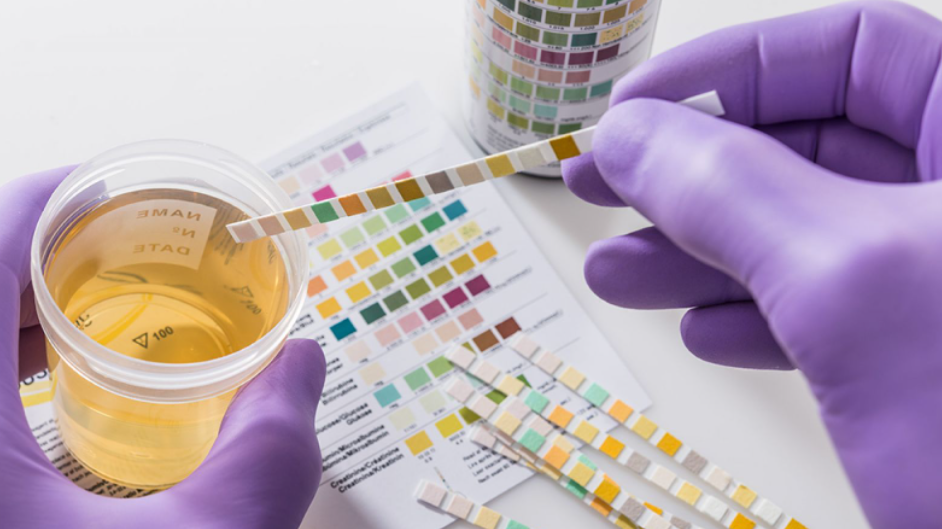
A rapid dipstick test, also known as a urine test strip, will be done by the GP, who will then probably prescribe an antibiotic to stop the infection from spreading further up the urinary tract to the bladder or kidneys.

However, the GP will also probably ask the woman to give a urine sample, which will then be tested in a laboratory to identify the bug that is causing the infection. This will make it easier for the doctor to ensure the correct antibiotic has been prescribed. While the bacteria can be successfully treated with one antibiotic, they can be resistant to another.

Dr Rae suggests that if women do not see an improvement in their condition after three days, they need to go back to their doctor.

Recurrent UTIs

About 20% of women will suffer from recurrent UTIs. This means they will experience two or more infections in six months, or three or more in a year. If this happens, it’s important to see your doctor to find out why this is happening.

An investigation might involve an ultrasound of the bladder and urethra. If any abnormalities are found, the GP would then refer the woman to a urologist or urogynaecologist, consultants who specialise in the treatment of these sorts of issues.

As a preventative treatment, women with recurrent UTIs are often treated with a low-dose antibiotic that might be taken for up to three months. Dr Rae says antibiotics can also be prescribed after intercourse for women vulnerable to UTIs.

Cranberry capsules and Hiprex capsules are also used for chronic or recurrent UTIs.

Sepsis

This is rare in young women, but older women need to be aware of sepsis. Also known as blood poisoning, it can be life-threatening, and it can be triggered by an infection, including a UTI.

When the body detects an infection, our immune system kicks in to fight it. However, the immune system can sometimes stop fighting the infection and instead turn on itself, damaging tissue and organs. This is the start of sepsis.

Reducing your risk of a UTI

Tips to reduce your risk of UTIs include:

  • never ignore symptoms – see your doctor
  • stay hydrated so you can pee regularly. This helps to flush out bacteria
  • pee after sex to flush out any bacteria
  • always wipe from front to back after peeing or pooing
  • avoid douching (washing inside the vagina) and spermicides, as they can upset the balance of the normal vaginal bacteria.

Where to go for more information

Find more information on UTIs.

What is Sarcoidosis?

Written by Brenton Wight, Health Researcher, LeanMachine
Copyright [c] 1999-[y] Brenton Wight. All Rights Reserved.
This site is non-profit, existing only to help people improve health and immunity
Updated 7th March 2022

Sarcoidosis

Sarcoidosis (sar-koy-DO-sis) is an inflammatory granulomatous disease, an auto-immune condition that can involve almost any organ or part of the nervous system, but most often the lymph glands and lungs. 10% to 30% of patients with sarcoidosis develop progressive pulmonary disease.
Among those with pulmonary sarcoidosis, the rate of spontaneous remission ranges from 10% to 82%,but lung disease progression occurs in more than 10% of patients and can result in fibrocystic architectural distortion of the lung, associated with a mortality rate of 12% to 18% within 5 years. Overall, the mortality rate for sarcoidosis is approximately 7% within a 5-year follow-up period. Worldwide, more than 60% of deaths from sarcoidosis are due to pulmonary involvement; however, but in Japan, over 70% of sarcoidosis deaths are due to cardiac involvement.
More common in people 20 to 50 years old, peaking in the range 20 to 29, particularly women, but can occur at any age and to either sex.
Women over 50 are in a second high-risk age group.
All races are affected, with an average incidence world-wide of 19 per 100,000 in women, and 16.5 per 100,000 in men.
Australia has an average rate of around 6 per 100,000 and generally the cases are mild compared to other countries.
Northern European countries have a higher rate, with 60 per 100,000 in Sweden and Iceland.
In the United States, people of African or especially Afro-Caribbean descent have a higher rate of 35.5 per 100,000 compared to Caucasians with 10.9 per 100,000.
South America, Spain, India, and Canada have much lower rates.
One of the lowest rates in the world is in the Philippines (where coconuts form a major part of the diet – see more below).
Actual cases may be much higher, as many remain un-diagnosed. The majority will clear up without medical intervention, sometimes in 1 to 3 months, sometimes up to 2 or 3 years.
A study of fire-fighters in the USA revealed a higher rate than expected, I suspect from toxic chemicals such as:

  • Chemicals used in fire-fighting
  • Chemicals used in flame-proofing clothing, furniture, paint, etc
  • Chemicals released from burning materials

If a person from a low-risk country moves to a high-risk country, they then inherit the same risk as others in that country.
70% of patients with advanced pulmonary sarcoidosis develop precapillary pulmonary hypertension, which is associated with a 5-year mortality rate of around 40%.

The Inflammation Connection
The immune system protects the body from invaders by sending special white blood cells to the invaded area, which release chemicals that recruit other cells to destroy all invaders.
Inflammation is the result, and in a healthy body the invader is destroyed, then the cells and inflammation disappear.
In Sarcoidosis, the inflammation remains, allowing immune system cells to cluster, forming lumps (granulomas) in various organs and other parts of the body.

The Genetic Connection
Identical twins are more likely to both have Sarcoidosis than paternal twins, confirming the genetic link.
Some people, especially African-Americans and Northern Europeans have the gene HLA-DRB1 *03:01 and *03:02 which has been verified to be a significant sarcoidosis risk.
Also the gene HLA-DRB1*1101 is more common in sarcoidosis patients.
The HLA group of genes are primarily involved in the immune system.
Another gene, IL23R is linked to uveitis (when sarcoidosis affects the eyes). This gene can be blocked with the drug Stelara (Ustekinumab).
IL23R is also linked to ankylosing spondylitis, psoriasis/psoriatic arthritis, Crohn’s disease, ulcerative colitis, autoimmune thyroid disease, breast cancer and systemic lupus erythematosus.
It is found in multi system sarcoidosis that is difficult to treat.
Ustekinumab is used to help control interleukin 12 and interleukin 23, which are involved in immune-mediated inflammatory disorders such as Sarcoidosis, Psoriasis and MS (Multiple Sclerosis).
More gene info here

Observation  Patients with sarcoidosis and precapillary pulmonary hypertension should be treated with therapies such as phosphodiesterase inhibitors and prostacyclin analogues. Although optimal doses of oral glucocorticoids for pulmonary sarcoidosis are unknown, oral prednisone typically starting at a dose of 20 mg/d to 40 mg/d for 2 to 6 weeks is recommended for patients who are symptomatic (cough, dyspnea, and chest pain) and have parenchymal infiltrates and abnormal pulmonary function test results. Oral glucocorticoids can be tapered over 6 to 18 months if symptoms, pulmonary function test results, and radiographs improve. Prolonged use of oral glucocorticoids may be required to control symptoms and stabilize disease. Patients without adequate improvement while receiving a dose of prednisone of 10 mg/d or greater or those with adverse effects due to glucocorticoids may be prescribed immunosuppressive agents, such as methotrexate, azathioprine, or an anti–tumor necrosis factor medication, either alone or with glucocorticoids combined with appropriate microbial prophylaxis for Pneumocystis jiroveci and herpes zoster. Effective treatments are not available for advanced fibrocystic pulmonary disease.

Conclusions and Relevance  Sarcoidosis has a mortality rate of approximately 7% within a 5-year follow-up period. More than 10% of patients with pulmonary sarcoidosis develop progressive disease and more than 60% of deaths are due to advanced pulmonary sarcoidosis. Oral glucocorticoids with or without another immunosuppressive agent are the first-line therapy for symptomatic patients with abnormal pulmonary function test results and lung infiltrates. Patients with sarcoidosis and precapillary pulmonary hypertension should be treated with therapies such as phosphodiesterase inhibitors and prostacyclin analogues.

Why do some people suffer and others do not?

If the immune system is compromised, and the patient has a genetic pre-disposition, they are more likely to have a reaction to the bacteria by forming a granuloma (lump).
The lump is called a Sarcoidosis granulomatous condition, sometimes mistaken for cancer, but Sarcoidosis is definitely not cancer or cancer-related.
I believe the high rates in cold climates, women and those of African descent is partly due to low vitamin D3 levels, common in all of those groups, which compromises the immune system.
That does not mean that those Sarcoidosis patients low on vitamin D3 should supplement – the reverse can be true, more on this complex issue later.

What causes Sarcoidosis

The absolute cause has not been determined.
Granulomas form when lymphocytes (a type of white blood cell, part of the immune system) and macrophages (a different white blood cell which engulfs and “eats” debris, infections and invaders, also part of the immune system), get out of control attacking whatever the foreign invader is, and form the lump.
There are many risk factors:

  • Viral or bacterial infection (Sarcoidosis is not contagious, but resembles tuberculosis)
  • Defect in the immune system (auto-immune or abnormal immune response, low vitamin D3)
  • Unidentified toxic substance, possibly mercury, aluminium, lead, aersenic, etc
  • Unknown environmental cause (chemicals, pollutants, radiation, etc)
  • Genetic or inherited cause – see HLA genes above
  • High-carbohydrate diet (sugar, grains, starchy vegetables)
  • Diet low in healthy fats
  • Overweight or obese
  • Tick bites (often causing Lyme disease which can have some similar symptoms)
  • Mycotoxins (mouldy food)
  • Environmental Fungi – exposure to fungi at home is higher among sarcoidosis patients, and the more fungi, the more serious the condition.
  • Defective Mannose Receptor Gene
  • Exposure to smoke, chemicals in air, e.g. fire-fighters
  • Existing Lupus, MS (Multiple Sclerosis), RA(Rheumatoid Arthritis), Hepatitis C, Osteoporosis, Ankylosing Spondylitis
  • Living in an area or country where people are more prone to Sarcoidosis
  • Living in an agricultural area (maybe higher exposure to agricultural chemicals?)
  • Exposure to Beryllium or other metal dust
  • Exposure to fumes or mouldy materials (may also cause lung disease, sometimes mistaken for Sarcoidosis)
  • High Estradiol and Prolactin, typical in pregnancy

Sarcoidosis, Lyme Disease and Tick Bites

Ticks tend to harbour a variety of bacteria and viruses, the most famous causing Lyme Disease.
Unfortunately, in Australia, doctors refuse to admit that we have Lyme disease in our country, yet many people succumb to this disease and have to send their samples to the USA for testing as there are no Lyme certified labs in Australia.
But the test results come back positive, and Australian doctors have no idea how to treat this condition.
Although Lyme Disease and Sarcoidosis are two distinct conditions, there are remarkable similarities between the two.
People may suffer a fever and pain for days or weeks from a tick, other insect bite, or bacteria from another source, but Sarcoidosis inflammation, symptoms and diagnosis may not happen for years afterwards.
Doctors usually treat the fever with antibiotics, and when the fever disappears they claim a cure, but in those with a genetic pre-disposition to Sarcoidosis, a tiny granuloma can form, allowing bacteria to continue thriving.
A healthy immune system rejects the bacteria, and remission is the result, but an abnormal immune system or genetic predisposition can allow a lifetime of inflammation.
Swedish scientists published images in 2002 of bacteria from a tick-borne disease in 30 people with Sarcoidosis.
The bacteria, from the genus Rickettsia were living and replicating in the granulomas of all 30.
This bacteria causes Rocky Mountains spotted fever in the USA, and the same disease in Asia is called Scrub typhus.
Since then, other bacteria has shown to be involved in Sarcoidosis.
People in agricultural areas are more prone to Sarcoidosis, possibly because of greater exposure to tick-borne disease (ticks are found in long grass) and possibly exposure to toxic chemicals.

Symptoms

Symptoms vary. Different people can have different symptoms.
Some people have very mild symptoms, others can have life-threatening symptoms.
Diagnosis can be difficult because Sarcoidosis symptoms can mimic symptoms of diabetes, hypopituitarism, optic neuritis, meningitis, tumours, or neurologic disorders.
Some sarcoidosis patients have Lofgren’s syndrome with symptoms such as fever, enlarged lymph nodes, arthritic ankles, erythema nodosum.
Erythema nodosum is a rash on the ankles and/or shins, red or red-purple bumps, often warm and tender.
Sufferers can have any or all of the following symptoms, and some of these symptoms may be caused by other conditions:

  • Nodules (lumps, granulomas)
  • Constant fatigue
  • Glandular problems
  • Swollen or painful lymph nodes
  • Vision problems
  • Tiredness and lethargy
  • Facial swelling
  • Painful red lumps called erythema nodosum on the front of the legs.
  • Dry mouth, often very dry
  • Metallic taste in the mouth
  • Constant thirst
  • Increased Urinary Frequency
  • Dry Eye
  • A slight, moderate, or high fever
  • Occasional or frequent unexplained fevers
  • Sudden shortness of breath
  • Chronic or recent productive cough
  • Chronic or recent non-productive cough
  • Chest pain or discomfort
  • Arthritis, joint pain, swelling or stiffness
  • Skin rashes, sometime red or blue patches
  • Hyperprolactinemia (high prolactin)
  • Hyperparathyroidism (too much parathyroid hormone)
  • Monocytes Elevated
  • Headaches
  • Neuritis or Neuropathy (pins and needles or numbness)
  • Pulmonary Fibrosis
  • Interstitial Lung Disease
  • Cardiovascular problems
  • Enlarged spleen
  • Enlarged liver
  • Enlarged gall bladder
  • Blocked bile duct
  • Nervous system disorders

Complications and Prognosis

Lung and lymph node involvement is the most common problem, occurring in up to 90% of cases.

X-Rays, CT scans and lung biopsies are often used to confirm the diagnosis.
Sometimes only the lymph nodes are swollen with no other symptoms.
Involvement is not uncommon in the liver, blood, skin, musculoskeletal, eyes, kidneys and endocrine and reproductive organs.
Although most patients find the symptoms disappear by themselves, medical supervision is required. Left untreated, serious problems with any or all organs affected can cause complications.
Cardiovascular involvement may occur, where granulomas form in and around the heart.
ECG / EKG (Electrocardiogram) generally does not help the diagnosis, but MRI, Echocardiography, or even Endomyocardial biopsy may be required.
Although rare, this can be serious with symptoms leading to heart arrhythmia, palpitations, chest pain, or even sudden cardiac arrest.
Neurological involvement occurs in around 5% of cases, and can cause mild to serious problems in the CNS (Central Nervous System) and related areas if left untreated.
High calcium in the blood and urine can cause kidney stones, kidney damage, blocked blood vessels and osteoporosis.

Hypercalcemia

Sarcoidosis patients often suffer from Hypercalcemia (excess calcium in the blood).
However, other diseases can also cause hypercalcemia, including:

  • Tuberculosis
  • Berylliosis
  • Coccidioidomycosis
  • Histoplasmosis
  • Candidiasis
  • Crohn’s disease
  • Langerhans-cell histiocytosis (also Histiocytosis X, often with Eosinophilic Granuloma)
  • Silicone-induced granulomas
  • Cat-scratch disease
  • Wegener’s granulomatosis
  • Pneumocystis carinii pneumonia

Hypercalcemia, Hypercalciuria, Vitamin D2/D3, Parathyroid Hormone and Phosphates

Up to 50% of Sarcoidosis patients may have hypercalciuria (excess calcium in the urine).
Up to 20% may have hypercalcemia (excess calcium in the blood).
First, it is important to understand how the body makes and regulates Vitamin D3.
There are many stages and forms of vitamin D, and this is the simplest explanation I can put together, although by no means complete:
7-Dehydrocholesterol is made in the liver and migrates to the epidermis layer of the skin, where it is changed by UVB (Ultra-Violet in the B range) from sunlight into:
Cholecalciferol which then migrates back to the liver, where it is hydroxylated into: calcifediol, or 25-hydroxyvitamin D3 or 25-hydroxycholecalciferol or 25(OH).
The process of hydroxylation is adding the hydroxide (OH) molecule to the vitamin D molecule.
Calcifediol then migrates to the kidneys, where the enzyme 1-alpha-hydroxylase produces yet another hydroxylation process, (adding yet another hydroxide molecule, making it a dihydroxy form), converting into the active form calcitriol, or 1,25-dihydroxyvitamin D3, or 25(OH)2D
Vitamin D2 (and to a lesser extent D3) are also taken in from the diet, but in smaller quantities, and dietary D2 and D3 are poorly absorbed in the intestine.
Note that if prescription statin medication is taken, this prevents the liver from manufacturing as much 7-Dehydrocholesterol, preventing enough vitamin D from being made, regardless of the amount of sunlight exposure.
The pre-storage (un-hydroxylated) version of D3 can be called:

  • Calcifediol
  • Cholecalciferol
  • Calciferol (can refer to D2 and D3 collectively)
  • Toxiferol
  • Calciol

The storage form can be called several names, such as:

  • 25(OH)D
  • 25(OH)D3
  • 25(OH) vitamin D
  • 25-hydroxyvitamin D3
  • 25-hydroxycholecalciferol
  • Calcidiol

Vitamin D2 – mostly artificial supplements in “vitamin D fortified” foods and some natural foods.
This version is to be avoided because it displaces the real vitamin D3 which is superior for immunity.
Vitamin D2 is acquired from plant food by the body, and this is the version that is VERY BAD for Sarcoidosis.
Unfortunately, when doctors prescribe supplemental vitamin D, it is almost always the worst kind: Vitamin D2, which must be avoided, even for healthy people.
D2 does nothing for bones, and nothing for immunity, and makes Sarcoidosis worse.
Other names for D2:

  • Vitamin D2
  • Ergocalciferol

D2 is converted in the liver to become:

  • 25-hydroxyergocalciferol
  • 25-hydroxyvitamin D2
  • 25(OH)D2

The active form of vitamin D3 has many names:

  • 1,25-D
  • 1,25 2D
  • 1,25 2(OH) D
  • 1,25-dihydroxyvitamin D3
  • 1,25 dihydroxycholecalciferol
  • Calcitriol

In normal, healthy people, cytokines (macrophages, special white blood cells), also process Calcidiol into Calcitriol, increasing the active D3.
When the patient has Sarcoidosis, this process is magnified, especially in the granulomas where the macrophages accumulate.
The normal immune system has become compromised, leading to an over-abundance of the active D3, in turn raising calcium levels in blood and urine, “stealing” the calcium from the bones (and teeth).
Because Sarcoidosis granules increase production of 1,25-dihydroxyvitamin D (the active metabolite form of vitamin D), increased intestinal calcium absorption is induced.
Higher 1,25 dihydroxyvitamin D increases bone resorption, where the body’s osteoclast cells break down bone into it’s constituent minerals, releasing the minerals into the bloodstream.
This can be aggravated by sunlight exposure and/or supplements, which produce even more vitamin D.
In healthy people, 25(OH) vitamin D (calcidiol) is converted to 1,25 dihydroxyvitamin D (calcitriol) by the enzyme 1-alpha-hydroxylase in the kidneys.
The conversion process is controlled by:

  • PTH (Parathyroid Hormone)
  • Fibroblast growth factor 23 (FGF23)
  • Serum phosphate concentration

Normally, as calcium levels rise, the Parathyroid glands suppress the release of PTH (Parathyroid Hormone), which reduces 1,25 dihydroxyvitamin D production (calcitriol).
All hormones in the body are regulated. If too much or too little is produced, other hormones or enzymes come in to fix the problem, and for the most part, the system works well.
For Sarcoidosis patients, macrophage cells, typically in the granulomas in lungs and lymph nodes, convert 25(OH) or calcidiol into 1,25 dihydroxyvitamin D or calcitriol, without the normal control of PTH (Parathyroid Hormone).
This unregulated production of 1,25-dihydroxyvitamin D can cause hypercalciuria (high calcium in urine), or if the level of 1,25-dihydroxyvitamin D goes over 43.5 pg/ml (pica-grams per ml of blood), causes hypercalcemia (high blood calcium) because at this level, calcium is mobilised from bones into the blood.
If blood calcium levels are high, and parathyroid hormone levels are low, and 1,25-dihydroxyvitamin D is high, then Sarcoidosis or other granular disease may well be the diagnosis.
When 25(OD)D drops too low, the body increases 1,25D to increase calcium absorption, because the body needs calcium for the blood.
Calcium levels in blood are normally low in healthy people, but very important in the blood for electrical and clotting ability.
If we get more 25(OH)D from sunlight or supplements, this forces up 1,25(OH)2D.
The body is then fooled into believing it is low in calcium, and moves calcium from bones to blood, which increases fracture risk.
In this case, PTH (Parathyroid Hormone) will be low, telling the body it has more D and calcium than it needs.
Sarcoidosis patients typically have low PTH (Parathyroid Hormone), slowing production of 25(OH)D, because of the extra source of 1,25D from granulomas.
If the patient has high urine calcium levels, even if both vitamin D levels are normal and serum calcium is normal, high urine calcium is bad.
Blood calcium can be normal is because the kidneys are excreting excess calcium in the urine.
If the kidneys were not able to do this, the patient would have a high blood calcium and become sick.
Even if both vita,in D’s are low, high urine calcium means that no additional vitamin D or calcium supplements should be taken until urine calcium is resolved.
Nearly 60% of Sarcoidosis patients will have high urine calcium at some stage, which is not a concern if the rise in urine calcium is temporary.
If high urine calcium is persistently elevated, it must be treated, otherwise this can cause kidney stones, and eventually can lead to calcification of kidneys and loss of kidney function.
Parathyroid levels show if the body is suppressing vitamin D production as a response to increased blood calcium, which must be filtered out by the kidneys and excreted into the urine.
High blood calcium levels signal the parathyroid gland to decrease liver production of vitamin 25D, whose precursors come from food and from sunlight on skin.
This is why vitamin D levfels aree kept low.
Vitamin D increases calcium absorption from food, and if there is high blood calcium, the parathyroid reduces production of vitamin D to reduce blood calcium.
Excretion of calcium and reduced vitamin D is the body’s protective mechanism for high blood calcium.
However, without treatment, this cannot be kept up permanently, as kidney failure would eventually happen, perhaps 5 to 20 years down the track.
Many symptomless sarcoidosis patients who were never treated suddenly get symptoms of kidney failure, sometimes 20 years after original diagnosis.
During that time, silent hypercalciuria was occurring, was never tested, and then kidney damage becomes apparent.
Hypercalciuria is a silent and insidious symptom of sarcoidosis.
Generally, Sarcoidosis patients do not need to avoid calcium, as calcium is so abundant in so many foods.
But oxalates and phosphates must be avoided.
Phosphorus is also in almost every food we eat.
Phosphorus levels can rise when the kidneys are attempting to lower blood calcium levels.
When blood phosphorus levels are high, calcium and phosphorus bind together to form crystals, which can be deposited anywhere, but often in arteries, causing calcification of atherosclerotic or cholesterol plaques, also can increase stiffening of blood vessels.
Keep off the beach, water, snow and ice, where reflections magnify the suns rays, and limit exposure to the sun.
Carbonated soft drinks contain high phosphorus, especially colas, also chocolate, coffee, tea and orange juice are best avoided.
Doctors often forget the phosphate problems and only concentrate on calcium, but phosphorus is insidious in its actions and has fewer symptoms than calcium when it is high.

Diagnosis

Unfortunately there are no absolute tests available for a conclusive diagnosis, but there are tests which, combined with symptoms and/or visible nodules, can lead to diagnosis.
Often, the nodules are visible, but when they are internal, ultrasounds and blood tests become more important.
If nodules are easily accessible, they can be surgically removed and a biopsy performed.
One of the dangers of Sarcoidosis in Hypercalcemia (too much calcium in the blood) There are several essential blood tests:

  • 25(OH) vitamin D3
  • 1,25 (OH)2D (active vitamin D3)
    Note:
    We need BOTH 25(OH) and 1,25 (OH)2D tested because the kidneys and the nodules can make extra 1,25(OD)2D so this may be high, even when the regular test 25(OH) comes in low.
    Without this knowledge we do not know whether to supplement Vitamin D3 or to totally abstain from D3
  • ACE (Angiotensin Converting Enzyme) – often elevated with sarcoidosis, used to diagnose and monitor sarcoidosis, and monitor response to treatment.
  • Liver Panel or CMP (Comprehensive Metabolic Panel) – to evaluate liver and/or kidney function and to determine if those organs are affected.
  • CBC (Complete Blood Count) – to evaluate red and white blood cell changes
  • ESR (Erythrocyte Sedimentation Rate) – to detect inflammation
  • PTH (Parathyroid Hormone)
  • Calcium
  • Phosphates
  • Albumin
  • Calculation of estimated ionised calcium level
  • hs-CRP (high-sensitivity C-Reactive Protein) – monitors inflammation levels
    And 24-hour urine tests (IMPORTANT):
  • Calcium
  • Creatinine
    Note: Serum (blood) Calcium level tests are not enough, as this varies considerably even in healthy people. We need the 24-hour urine calcium test to determine the extent of any Hypercalcemia, which can cause kidney stones, kidney damage, blocked arteries, etc.
    Other tests:
  • CSF analysis – evaluates cerebrospinal fluid when brain or nervous system involvement is suspected
  • AFB cultures, sputum cultures, fungal tests – to distinguish between sarcoidosis and other lung or granuloma conditions
  • Chest X-ray – to detect granulomas in lungs, sometimes found in people who have an X-ray for some other reason.
  • Lung function test – to evaluate lung involvement, lung capacity, and condition severity.
  • CT (Computed Tomography), MRI (Magnetic Resonance Imaging), Gallium scan – to help diagnose and evaluate sarcoidosis
  • EKG / ECG (electrocardiogram) – when heart involvement is suspected
  • If Cardiac involvement is suspected, heterogeneous myocardial FDG uptake may be a useful diagnostic marker of disease activity
  • SAA (serum amyloid A protein – a measure if inflammation, normally corresponds with CRP
  • sIL2R(soluble interleukin-2 receptor) – perhaps a better measure of inflammation, mainly used to measure and monitor problems in lungs

Interpretation of test results

This is where we need a doctor experienced in treating Sarcoidosis, as most General Practitioners just do not know or may get it wrong.
If Parathyroid hormone is low and 25(OH) vitamin D3 is low, then no supplemental vitamin D3 should be taken.
PTH stimulates 1,25 D production in the kidneys.
If PTH (Parathyroid Hormone) is high (hyperparathyroidism) and blood calcium is high (hypercalcemia) then corticosteroids should be prescribed, but if the hypercalcemia fails to resolve, then further investigation is required.
If tests detect renal (kidney) impairment, hypercalcemia or significant hypercalcuria (over 400 mg per 24 hours), then a 24-hour creatinine clearance test should be carried out.
Also abdominal ultrasound investigations should be performed to exclude urolithiasis (stones in the kidney, bladder, or urethra) or nephrocalcinosis (calcium deposits in the kidneys).
Hypercalcemia in patients formally diagnosed with acute sarcoidosis require no further testing, and corticosteroid therapy with monitored response is the next step.
Hypercalcemia in patients without confirmation of sarcoidosis require more testing because lymphoma can cause lymphadenopathy (swollen or enlarged lymph nodes) and raise serum calcium levels.
If normal blood tests show no hypercalcemia (high blood calcium), this does not exclude hypercalcuria (high calcium excreted in the urine), so the 24-hour urine calcium test must always be carried out in every patient.
If liver tests show abnormal results, an ultrasound should be performed to exclude any damage to the liver.
If C-Reactive Protein levels are high or increasing, attention should be paid to reducing levels, through Sarcoidosis treatment, and using traditional CRP supplements:

Although Homocysteine is another marker of inflammation, there appears to be no correlation with Sarcoidosis.
High homoscsteine is generally used as a marker for future cardiovascular events.

Treatment

In most people, no treatment is required and the condition disappears, sometimes in a few weeks, months, or years.
Around one third of patients will have no more symptoms within 3 years, and another third will have no more symptoms within ten years.
Those with mild symptoms may not need treatment, but must be monitored to ensure the condition does not get worse.
The main goal is to decrease inflammation, relieve symptoms, and minimize organ damage.
Those with moderate to severe symptoms or at risk for organ damage are usually given corticosteroids such as Prednisone.
Corticosteriods are anti-inflammatory medications, given orally, topically, injected, or through an inhaler.
Corticosteroids mimic the hormones of the adrenal glands, which sit on top of the kidneys. This suppresses inflammation, reducing Sarcoidosis symptoms.
Also reduces symptoms of arthritis, asthma, lupus, allergies, etc and help excrete excess calcium.
The immune system is also suppressed, helping prevent diseases where the body’s immune system attacks it’s own healthy cells.
Other immune-suppressing medications may also be prescribed.
Long-term corticosteroid use will bring significant side-effects.
Side effects – Oral corticosteroids:

  • Glaucoma (elevated pressure in the eyes)
  • Fluid retention, causing swelling in lower legs
  • Increased blood pressure
  • Weight gain, fat deposits or swelling, mainly in abdomen, face (moon face) back of neck, fingers, hands, feet or lower legs
    And oral medications taken long-term:
  • Cataracts (clouding of the lens in one or both eyes)
  • Diabetes (high blood sugar)
  • Increased infection risk
  • Osteoporosis (thinning bones, fracture risk)
  • Suppressed adrenal gland hormone production
  • Thin skin, bruising, poor wound healing
  • Insomnia
  • Hunger leading to weight gain
  • Agitation, anger, depression, mood swings, increased risk of suicidal behaviour
  • Neuropsychiatric disorders
  • Potassium loss
  • Muscle weakness
  • Peptic ulcers, intestinal bleeding
  • Pounding in the ears
  • Shortness of breath, troubled breathing at rest
  • Trouble thinking, speaking, or walking
  • Sluggishness (or hyperactivity)
    Side effects – Inhaled corticosteroids:
    When using an inhaler, corticosteroids may deposit in the mouth and throat, on it’s way to the lungs, causing:
  • Oral Thrush (fungal infection in the mouth)
  • Hoarseness
    Avoid these problems by a gargle and rinse with water (do not swallow) after each puff of the inhaler
    Inhaled corticosteroid drugs for asthma slow growth rates in children, although they do not appear to affect their final adult height.
    Side effects – Topical corticosteroids:
  • Thin skin
  • Red skin lesions
  • Acne
    Side effects – Injected corticosteroids:
    Near the site of the injection, effects may include:
  • Pain
  • Infection
  • Shrinking of soft tissue
  • Loss of skin colour
    Corticosteroid injections are generally limited to 3 to 4 annually.
    To minimise side effects:
  • Try lower doses or intermittent dosing
  • Use low-dose, short-term medications
  • Use oral corticosteroids rather than injections as the dose can be varied daily
  • For lung problems, the inhaled version go directly to the lungs, limiting exposure to the rest of the body
  • Reduce calories and increase exercise to prevent weight gain
  • Exercise will reduce muscle weakness and osteoporosis risk
  • Eat an alkaline-forming diet to avoid acids leaching calcium from the bones
  • Get sunlight and/or Vitamin D supplements if there is no hyperglycemia
  • Discontinue slowly so that adrenal glands can recover

HP Acthar gel
Normally injected to help regulate adrenal gland function.
In the past, used to treat allergy-related conditions, breathing, blood, endocrine issues, arthritis, skin or eye problems, bowel inflammation, MS (multiple sclerosis), some cancers, and more recently for Sarcoidosis, either with or without corticosteroids.
HP Acthar gel is an adrenal hormone, and stimulates the body to produce more adrenocortical hormones including corticosteroids and glucocorticoids.

NSAIDs (nonsteroidal anti-inflammatory drugs) like ibuprofen are used for pain and inflammation (again with side-effects).
Methotrexate and other immune-suppressing drugs are used for lung, skin, or eye involvement.
Hydroxychloroquine (anti-malarial drug) used for skin and nervous system involvement, especially in those with high calcium levels.
Other prescription medications include Remicade (Infliximab) and Enbrel (Etanercept).
Most people can be successfully treated, but medications may be required for extended periods.
Very rarely, patients may need an organ transplant if lungs, liver or kidneys are severely damaged.
If Sarcoidosis is found in chest x-rays, corticosteroids are usually given, even if there are no other symptoms.
Arthritis and muscle weakness can be helped with physiotherapy or mobility aids.
ARB (Angiotensin Receptor Blockers) are normally used to control high blood pressure, it is involved in the inflammation of the granulomas.
ARBs may help reduce severity of symptoms.
Antibiotics – Low-dose, pulsed, bacteriostatic antibiotics can often help the immune system defeat Sarcoidosis.
ARB – Angiotensin Receptor Blockers are commonly used to control high blood pressure, but have shown benefit for Sarcoidosis patients.
Anti-Fungal Treatment – Beta-Glucan is a constituent of fungal cell walls, and has been found in BAL (broncho-alveolar lavage) fluid in sarcoidosis patients.
Anti-fungal medication may be prescribed for newly diagnosed, mild cases. More studies are required before higher anti-fungal doses are given to more severe cases.

Natural Treatments

There are many natural treatments, and most will reduce severity, speed recovery and reduce chances of a relapse, and can be used in conjunction with prescription medication.
Given that fungi may be a issue, steps taken to reduce fungi around the home or work environment may help:

  • Allow plenty of light and fresh air into the building to reduce mould.
  • Replace old carpets with tiles, floating timber or other clean floors
  • Use a central vacuum system to exhaust all air outside the building
  • Avoid having animals in the home, as they bring in fungi on their feet and fur.

Oregano Oil has excellent anti-fungal properties.
Brushing teeth with a mixture of a few drops of oil diluted with a quantity of grapeseed oil is enough to impact fungi, parasites and bad bacteria in the mouth, where the immune system starts.
Garlic an odourless capsule or a natural food contains Ajoene which has potent antifungal properties.
Garlic is also anti-bacterial, anti-viral and can help lower blood pressure and improve cardiovascular health.
Coconut Oil is another natural anti-fungal product, also anti-bacterial, anti-viral, and helps reduce excess body fat, as it contains MCT (Medium Chain Triglycerides) which go straight to the liver to be burnt as fuel, and cannot be stored as fat in the body.
Grapefruit Seed Extract has powerful anti-fungal properties, but works best in conjunction with others above rather than alone.

Other Natural Treatments

d-Mannose is a form of sugar, but is safe for diabetics, and reports by Sarcoidosis patients claim relief of symptoms.

UTI – Urinary Tract Infections

There can be a relationship between Urinary Tract Infections and Sarcoidosis.
UTI tests are available from the doctor.
Some Sarcoidosis patients have a genetic variant in MRC1 (Mannose Receptor gene) called carbohydrate-deficient glycoprotein syndrome, an inherited metabolic disorder, and supplementing with d-Mannose may help control UTI.
The active ingredient in Cranberries (and juice) contains natural d-Mannose, which is a type of sugar, but unlike sugar, it has almost zero effect on blood glucose levels, so is safe for diabetics, and shown to improve UTI (Urinary Tract Infections), and safer than cranberries which also contain fructose and other sugars.
The benefit for UTI appears to be it’s ability to affect the lining on the internal walls of the bladder, urethra and related areas to prevent harmful bacteria from “sticking” to those walls, preventing colonisation by allowing them to be flushed away in the urine.
Many reports by Sarcoidosis patients claim relief of symptoms.
Sarcoidosis patients, especially women over 60, and those on corticosteroids, are more prone to UTI.
UTI is mainly caused by the bacteria E.coli which attaches to the walls of the bladder and urinary passages, and in serious cases can work it’s way up to the kidneys, where it can cause more serious damage.
Mannan-Binding Lectin (MBL), also called Mannose-binding Lectin, Mannose-Binding Protein or Mannan-Binding Protein (MBP), is a lectin that is important for correct immune function.
The function of MBL appears to be pattern recognition in the immune system.
MBL recognizes carbohydrate patterns which are found on the surface of many pathogenic micro-organisms such as including bacteria, viruses, protozoa and fungi.
MBL then binds to carbohydrates found on the surfaces of these pathogens, preventing them from attaching to parts of the body.
In the case of urinary infections, E.coli is attracted to the lectins instead of the urinary linings, allowing the urine system to then flush away the bound E.coli and this is a more effective and safer treatment than antibiotics which is the normal treatment given by doctors.
Note that in the Marshall Protocol (see below), d-Mannose is prohibited, but I believe Marshall is wrong.
All of the science indicates d-Mannose> improves inflammation, regulation of the immune system, and removal of:

  • Bacteria such as Salmonella, Streptococci, E.coli
  • Yeasts such as Candida Albicans
  • Viruses such as HIV, Coronavirus and Influenza A
  • Parasites like Leishmania

More info: Mannan Binding Lectin

Stem Cell Therapy

Promising results with stem cell treatment so far for patients with lung damage, but it may be some time before this therapy is widely available.
Currently it is several thousand dollars, and most Health Insurance companies will not cover this treatment.
CytoSorb® – a Cytokine Filter CytoSorb® is used in immunotherapy to improve ability to prevent multiple organ failure, which is a leading cause of death in the ICU (intensive care unit).
In response to serious sepsis, infection, trauma, burns, lung injury, pancreatitis, and inflammation, the body can over-react by producing a massive “cytokine storm”.
Cytokines normally help an injured body, but cytokine storms drive major inflammation and severe pathophysiologic cell damage, organ failure and even death.
Cytokine storm reduction can help limit the cascading of events, helping patients to survive.
In the past, there was no significant method to control cytokine storms, but CytoSorb® is an extracorporeal cytokine adsorber, now approved in the European Union.
Use in any condition where cytokines are elevated, such as Sarcoidosis, and compatible with hemodialysis machines and blood pumps.
Blood is pumped from the body, through the CytoSorb® cartridge, and purified blood is retuned to the patient.
In six hours, the entire blood volume can be filtered 20 times.

Oxalates and Kidney Stones

Avoid foods high in oxalates. Kidney stones can cause excruciating pain, and Sarcoidosis patients with high calcium are more prone to kidney stones.
Also, a diet high in oxalates increases kidney stone risk for even normal, healthy people.
Many foods contain oxalates, but the following are the foods proven to increase kidney stone risk:

  • Beets (beetroot)
  • Spinach
  • Rhubarb
  • Strawberries
  • Nuts
  • Chocolate
  • Tea
  • Wheat bran
  • All beans (fresh, canned, or cooked), excluding lima and green beans

Alternative Protocols

Stop Sarcoidosis Physician’s Treatment Protocol.
Marshall protocol developed Trevor Marshall, an electrical engineer.
Marshall hypothesizes that bacteria lacking cell walls can live inside immune cells and thus evade detection and elimination by the immune system.
Not accepted by most doctors and supported only through anecdotal evidence, but worth reading.
Aden Protocol
Said by many to be a scam because to only way to obtain it is to buy the e-book at around US$37 but still contains some useful information.
Most reports I have read say it does not work, but I agree with the Serrapeptase supplementation and some of the other foods to include and avoid.
Serrapeptase has the ability to break down cysts, dead cells, granulomas and some tumours.

Risk factors

The best way of preventing Sarcoidosis is to reduce risk of the condition starting:
Ensure healthy levels of vitamin D3 (but reduce vitamin D3 if diagnosed)
Lose excess weight
Eat a healthy diet of fresh vegetables, especially leafy greens for vitamin K2, or supplement with K2 and B12.
Avoid processed foods, excess carbohydrates, all added sugar, mouldy food
Build a solid immune system by:

  • Incorporate fresh, natural food in the diet, avoid all processed food
  • Avoid sugar and high-carbohydrate foods
  • Work on oral hygiene as the mouth is the first line of defense against invaders
  • Improve intestinal health, the second and most important part of the immune system: Acidophilus Probiotic Blend


References

Erythema Nodosum – lumps on legs Confusion with Vitamin D The production of vitamin D (which is actually not a vitamin, but a steroid hormone) is a complex process, but the process is different in those with sarcoidosis.
I will attempt to explain the difference:
If the doctor orders a vitamin D blood test, the standard test is called 25(OH) which is not vitamin D, but a precursor to the ACTIVE form of vitamin D (1,25(OH)2D).
In normal, healthy people, this is not a problem, but the Vitamin D creation process is a long and complex, and many things can go wrong along the way.
In sarcoidosis patients who are untreated, the normal test of 25(OD)D comes back as low, and it is low because of the sarcoidosis disease process.
However, doctors must test the 1,25D because in untreated sarcoidosis, it is usually high.
Unfortunately, doctors inexperienced in treating sarcoidosis don’t do the correct test and don’t understand the difference even if they do.
The D3 hormone
Because vitamin D3 is essentially a steroid hormone and not a vitamin, it follows hormone rules in the body, meaning there is always a feedback system for all hormones.
If there is a low hormone level, a signal is sent to increase production of that hormone.
If there is a high hormone level, another signal is sent to slow or stop production, and this feedback system results in a state of equilibrium, or homeostasis.
Vitamin D3 receptors
In healthy people, almost all of the 60 trillion cells in the body have Vitamin D3 receptors.
This means that every time a D3 molecule goes past a cell, there is a special “key” in D3 which exactly fits the corresponding “lock” on the cell, and the two unite.
The cell now has much greater benefits for immunity, bone building and many other health benefits.
But this process allows a gene transcription of CYP24, an enzyme which can break down excess 1,25 D.
In sarcoidosis patients, the vitamin D3 receptor is blocked, often by 25D which attenuates inflammation and immunity, which is good thing in moderation.
However, the 25D is converted into 1,25 to excess, causing weight gain, fluid retention, headaches, nausea, and sometimes anorexia or neuropathies, all sarcoidosis symptoms.
With 25D blocking the VDR it cannot work properly to transcribe the genes which perform other body functions like making enzymes, antibacterial peptides or regulation of the hormone system generally.
This is those with sarcoidosis may have problems with menstrual periods or have thyroid issues.
Another reason why 25D is low in sarcoidosis patients is that where 1,25D normally binds to vitamin D receptors, it instead binds to PXR receptors.
The 1,25D binds where the 25D should bind and vice versa, and when PXR is activated by 1,25D it causes the CYP27A1 enzyme to be produced, stopping liver production of 25D from pre-D3.
Further, 25D is low because a another enzyme CYP27B1 produced by sarcoidosis granulomas, activated by PKA (Protein Kinase A), increases the conversion rate of 25D into 1,25D, so any available 25D is quickly converted into 1,25 D.
If the doctor prescribes vitamin D3 supplements, it blocks the VDR, stopping production of gene transcription for thousands of bodily functions, because PKA produced in the granulomas will cause enzymatic action to rapidly convert more 25D into 1,25 D.
Because the VDR is blocked, the enzyme CYP24 which breaks down excess 1,25 D cannot be transcribed, resulting in excess 1,25D, leading to development of calcium metabolism. problems.
When 1,25D reaches a high level in blood, osteoclasts in the bone are stimulated to release calcium, and the intestines are also stimulated to absorb more calcium, leading to high calcium levels in both urine and blood.
In sarcoidosis PTH has little effect, and often PTH is low when urine calcium is high, and less often, blood calcium is also high.
High calcium can lead to bone loss, osteoporosis and osteopenia, and calcium can be deposited in organs, especially kidneys, where calcium causes kidney stones or worse, blocked tubules causing kidney failure.
Calcium may also deposit in the brain, blood vessels, skin and other organs. Medication can help prevent excess calcium buildup by blocking the enzyme actions.
Prednisone, hydroxychloroquine and ketoconazole all help. Prednisone or hydroxychloroquine can bring down 1,25 D levels to normal.
Bisphosphonates are sometimes given to postmenopausal women but they are ineffective if given with supplemental vitamin D, and are not recommended for premenopausal women in any case.
Giving vitamin D supplements or cod liver oil to an untreated sarcoidosis patient can cause a hypercalcaemic state in a few weeks, and because few symptoms will appear until hypercalcemia is well advanced, urine and blood testing is essential.
LeanMachine does not recommend bisphosphonates in any case, as the method of action is to prevent osteoclasts from breaking down old bone. This will increase bone density, but makes bones more brittle, as it prevents osteoblasts from building new bone, as the bones become full of old bone.
Bones become “dead” allowing infection to become a problem, and many patients on bisphosphonates have lost their bottom jaw, which is not a pleasant thing.

Vitamin D Summary

If the patient has low vitamin D and a corresponding low PTH (parathyroid hormone), they should NOT take vitamin D.
In healthy people, if vitamin D is low, PTH increases, instructing kidneys to provide extra hydroxylation of 1,25D.
With sarcoidosis, PTH remains low because 1,25D is high even though 25D is high.
If we are truly deficient in 1.25D, PTH would never be low.
So if PTH is high, supplemental vitamin D3 is indicated, but if PTH is low, vitamin D3 must be avoided because it can make the sarcoidosis worse.
Extra D3 will add to the extra 1,25D produced by granulomatous inflammation, and will not broken down because 25D blocks the receptors that 1,25D should be binding to.

Outlook

Over 50% of patients recover within three years, and up to 70% recover in 10 years, with little or no problems.
Sarcoidosis may return a year or more after recovery, but generally in less than 5% of cases.
Lofgren’s syndrome patients usually all recover fully.
Sarcoidosis can damage organs in around 33% of cases, usually where the condition is untreated where damage takes many years and involves multiple organs.
Death is rare, usually as a result of complications with the lungs, heart, brain, or related to another condition.

Risk Factors for untreated Sarcoidosis


  • Chronic, long-term Sarcoidosis
  • Lung scarring, heart or brain complications
  • Lupus pernio, a skin condition caused by Sarcoidosis
  • Eye, brain, heart, liver damage


Eye problems

Annual eye exams are important for all Sarcoidosis patients.
For changes in vision or poor eyesight or poor colour definition, seek medical assistance immediately.
Any eye symptoms like burning, itching, tearing, pain, or light sensitivity also require medical assistance.
.

Risk factors for increased calcium and vitamin D in sarcoidosis

  • Disease is not in remission
  • Disease is spread to organs outside of hilar lymph nodes
  • Disease currently active and receiving no treatment
  • Disease is currently active and being treated with drugs other than prednisone and/or plaquenil
  • Male Gender
  • Previous history of kidney stones
  • Previous history of hypercalcemia
  • Working outdoors
  • Taking supplemental vitamin D or calcium
  • Has uncontrolled diabetes
  • Has uncontrolled kidney disease
  • Diet high in phosphorus and/or calcium and/or oxalate
  • Dehydration

The more things apply to the patient, the higher the risk for even worse Sarcoidosis.

Prescription Medication

Drugs that can interact negatively with sarcoidosis, including some common blood pressure drugs.
Search this list for any medication you are taking: www.ehealthme.com/symptom/sarcoidosis

Testing for Sarcoidosis

There is no definitive single test to diagnose Sarcoidosis.
Generally, a diagnosis is made after evaluating family history, symptoms, and various tests which may not mean much on their own, but point to Sarcoidosis when all of the facts and results are put together.
Sarcoidosis is different again when blood tests, urine tests and symptoms differ between individuals and differ also depending on the severity or mildness of the condition.

Ruling out what it is NOT

Part of the diagnosis is to rule out other things.
For example, Sarcoidosis is a CTD (Connective Tissue Disease), but there are a number of other diseases with often similar symptoms such as Wegener’s granulomatosis, RA (Rheumatoid Arthritis), SLE (Systemic Lupus Erythematosus), Polymyositis, CREST (Calcinosis, Raynaud disease, Esophageal motility disorder, Sclerodactyly, and Telangiectasia), CNS (Central Nervous System), Sjögren syndrome, Scleroderma, or different combinations of everything.
See the diagnostic road map (where Sarcoidosis is not even mentioned): Mayo Medical Laboratories)
Wegener’s granulomatosis is a connective tissue disease but has different symptoms: Blood flow is restricted when the vessels swell.
Common symptoms are nosebleeds, sinus pain, inflammation, constantly runny nose, pus-filled nasal discharge.


8 ways to avoid urinary tract infections naturally

Reproduced from original article:
https://www.naturalhealth365.com/urinary-tract-infections-3257.html

urinary-tract-infections(NaturalHealth365) No doubt, urinary tract infections are unpleasant, painful and (sadly) too common for many people.  As a general rule, the chances of developing a urinary tract infection (UTI) are higher among females with the U.S. Department of Health and Human Services estimating that up to 60 percent of all women will experience a UTI at some point in their lives.And, while Western medicine addresses UTIs with antibiotics, these can cause toxic side effects – as well as contributing to the emerging public health crisis of antibiotic resistance. Clearly, non-toxic, natural methods of prevention and treatment are needed.

Today, we’ll focus on a variety of natural nutrients, herbs and simple strategies that can help you to avoid a UTI – or help prevent a recurrence.

Warning: Untreated UTIs can progress to serious kidney infections

UTIs are primarily caused by pathogenic bacteria, with two types – E. coli and S. saphrophyticus – accounting for about 80 percent of all cases.

UTIs generally fall into two categories – lower and upper. While lower urinary tract infections may clear up on their own, untreated lower UTIs can occasionally lead to more serious upper urinary tract infections – which involve the kidneys and ureters. These can, in turn, lead to life-threatening sepsis.

Symptoms of a lower UTI include burning pain on urination, frequent urination and urine that is cloudy, dark, reddish or odorous. Pelvic pain and fever may also be present.

Do NOT ignore the health dangers linked to toxic indoor air.  These chemicals – the ‘off-gassing’ of paints, mattresses, carpets and other home/office building materials – increase your risk of headaches, dementia, heart disease and cancer.

Get the BEST indoor air purification system – at the LOWEST price, exclusively for NaturalHealth365 readers.  I, personally use this system in my home AND office.  Click HERE to order now – before the sale ends.

Symptoms of an upper urinary tract infection include vomiting, fever and pain in the flanks.

It should be noted: The above symptoms call for an immediate physician to a medical professional for diagnosis and treatment. Don’t stop taking any prescribed medications unless advised to do so by your healthcare provider – and check first with a trusted, integrative doctor before adding any of the following supplements to your health routine.

Don’t overlook the value of cranberry juice

Studies have shown that cranberry juice consumption is linked to fewer UTIs – and that it combats infection by multiple mechanisms.  First, cranberries are rich in disease-fighting anthocyanins – which have powerful antioxidant and anti-inflammatory qualities.

In addition, studies suggest that quinic acid in cranberries increases levels of hippuric acid – a natural antibacterial agent – in urine.  But cranberry juice’s main gift to urinary tract health is that it prevents the adhesion of bacteria to mucous membranes, allowing them to be flushed harmlessly from the system.

This quality also helps to prevent large communities of bacteria from accumulating, thereby preventing the growth of treatment-resistant biofilms.  For maximum benefit, seek out unsweetened, pure, organic cranberry juice. Avoid cranberry juice “cocktails,” which may be composed of inferior juices.

In addition, natural health experts advise drinking around 12 ounces a day of cranberry juice to help prevent UTIs.  By the way, if fresh cranberry juice is too pricey for you, cranberry tablets can be just as effective for some people.

Eliminate the threat of UTIs with vitamin C

Having optimal vitamin C levels is one of the keystones of disease prevention and good health, as this water-soluble essential vitamin is absolutely vital for a healthy immune system. Vitamin C, also known as ascorbic acid, fights disease through its remarkable antioxidant and anti-inflammatory properties.

Vitamin C is a particularly valuable ally when it comes to warding off UTIs – which it does by acidifying the urine, a process which converts bacterial nitrites into bacteria-killing nitric oxide.

Many natural health experts recommend vitamin C amounts in the range of 1,000 mg to 2,000 mg a day – but check first with your integrative doctor regarding supplementation, as individual vitamin C requirements may vary.

One health tip you may find useful: liposomal vitamin C tends to deliver much more vitamin C into the cells without any bowel issues.

Get proactive with probiotics

Probiotics, live organisms that help to promote the survival and function of beneficial bacteria, can be your best friend when it comes to urinary tract health.  Many studies show that probiotics can perform a “hat trick” against UTIs, combating them in three different ways.

Simply put, probiotics prevent bacteria from adhering to uterine cells, while producing natural antibacterial chemicals (bacteriocins).  And, finally, probiotics compete with pathogenic bacteria for resources.

For maximum effect, your probiotic blend should contain bacteria in the Lactobacillus family, as these have been shown in clinical studies to specifically prevent UTIs.  In fact, a study comparing Lactobacillus bacteria to the antibiotic combination trimethoprim-sulfamethoxazole showed that the probiotics performed almost as well as the antibiotics – without increasing the risk of antibiotic resistance.

You can help ward off UTIs by eating healthy amounts of probiotic foods, such as kombucha, miso, fresh sauerkraut, raw cheeses and yogurt with live cultures.

For probiotic supplementation, look for a high-quality formulation containing at least 100 billion CFUs (colony forming units).  But, no matter which brand you choose, most natural health experts will suggest at least 10 to 20 billion CFUs per day.

Get help from hibiscus

Colorful hibiscus blooms are more than just eye-catching additions to subtropical landscaping. The flowers and leaves of the hibiscus plant contain antibacterial, antifungal and antioxidant compounds that can help discourage UTIs.

Hibiscus extracts also have a diuretic effect, helping to flush out bacteria and cleanse the urinary system.

But hibiscus’ own special superpower against UTIs may be its content of the strong natural antibacterial agent gossypetin – which has been shown to be effective against common UTI-causing bacteria.

Note: In one impressive study, researchers found that women taking hibiscus extracts experienced a whopping 77 percent reduction in UTI occurrence.  And, yes, hibiscus extracts are available in tablets, capsules or, if you like, tea form.

Protect urinary health with pumpkin seed extracts

Snacking regularly on pumpkin seeds – or taking pumpkin seed extracts – may offer some protection against UTIs.

It turns out that the fatty acids in these tasty little seeds have disease-fighting antioxidant and anti-inflammatory effects. Not only that, but they have been shown to improve bladder tone and support healthy bladder function and urination.

Natural healers typically recommend amounts of 500 mg a day of pumpkin seed oil to fight UTIs.

Are you going to the bathroom like you should?

Some days are so overwhelmingly busy that it even seems difficult to find the time for bathroom breaks.

However, “holding it” is not the best policy for bladder health. Simply put, when you feel the need to urinate, it’s time for a visit to the lavatory.  In fact, it’s ideal to be urinating at least once every 2-3 hours per day to ensure the proper removal of unwanted waste products.

This is a particularly important caveat if you are female. Studies have shown that women who delay urination for more than one hour post-urge have an increased risk of UTIs.

Healthful hydration: Use “liquid therapy” against UTIs

Here’s a low-tech, simple strategy for defeating UTIs: drink plenty of purified water throughout the day.  The reason, of course, is that this helps to flush bacteria from the urinary tract.

And, it’s scientifically sound: the opposite of good hydration – low fluid intake, and resultant infrequent urination – is directly linked to an increased risk of UTIs.

Get comfortable with the clothes you wear

Experts also advise promoting urinary tract health by avoiding tight-fighting, restrictive undergarments and opting for comfortable, “breathable” (organic) cotton underwear.

Note:  although it might feel luxurious to lounge in mountains of artificially-scented bath bubbles – avoid commercial bubble baths, which can have distinctly uncomfortable consequences. The harsh chemicals can trigger allergic reactions, causing irritation that often sets the stage for the entry of bacteria.

One final tip: after using the bathroom, wipe from front-to-back—the “gold standard” of old-fashioned (yet practical) advice for avoiding pesky UTIs.

UTIs are uncomfortable, unpleasant events that can pose serious health hazards. Fortunately, these non-toxic nutrients, herbs and strategies can help you dramatically cut your risk of experiencing them.

Sources for this article include:

LifeExtension.com
Healthline.com
NIH.gov

See also:

https://www.leanmachine.com.au/4-herbal-remedies-designed-to-eliminate-the-threat-of-urinary-tract-infections/

4 herbal remedies designed to eliminate the threat of urinary tract infections

Reproduced from original article:
www.naturalhealth365.com/urinary-tract-infections-3143.html

urinary-tract-infections

(NaturalHealth365) Urinary tract infections (UTIs) are the most common form of bacterial infection, triggering emergency room visits for roughly a million Americans every year.  Women are far more susceptible than men, with fully one third of women experiencing a UTI by age 24.

Western medicine attempts to treat UTIs with broad-spectrum antibiotics – which can cause a variety of toxic side effects, as well as contributing to the growing global epidemic of antibiotic resistance. These dangerous drawbacks have caused many scientists to stress the urgent need for alternate, natural therapies for UTIs.

Below, you will find four time-honored herbal remedies, the benefits of which have been validated by recent scientific research.

Discover the leading natural preventative option for urinary tract infections

Cranberries have a well-earned reputation for helping to ward off UTIs. Extensive scientific studies are now revealing their intriguing method of action.  And, while researchers used to credit the benzoic acid in these tart berries with creating an environment in the bladder that is unfriendly to the growth of pathogens, many now believe that benzoic acid must share the infection-fighting credit with the proanthocyanidins.

Proanthocyanidins, a group of natural pigments and antioxidants, are found in intensely-colored fruits and vegetables – and are in particularly good supply in cranberries.

The primary cause of UTIs – a bacterium known as E.coli – makes its way from the anus to the urethra, where it then adheres to mucosal cells in the urinary tract.  Researchers have discovered that the proanthocyanidins in cranberries actually attack and disable the structures on the surfaces of the bacteria that make cell adhesion possible.

Do NOT ignore the health dangers linked to toxic indoor air.  These chemicals – the ‘off-gassing’ of paints, mattresses, carpets and other home/office building materials – increase your risk of headaches, dementia, heart disease and cancer.
Get the BEST indoor air purification system – at the LOWEST price, exclusively for NaturalHealth365 readers.  I, personally use this system in my home AND office.  Click HERE to order now – before the sale ends.

Without attaching to the urethral lining, the infection fails to take hold.

In one impressive study involving female adult participants with chronic urinary tract infections (an average of six a year), 400 mg of cranberry extract a day completely eliminated UTI incidence – with no side effects.  How’s that for effectiveness?!

Cranberry appears to be equally beneficial when taken in the form of juice.  In recent research, cranberry juice performed nearly as well in preventing UTIs as trimethoprim, an antibiotic.  If you decide to go the “juice route,” opt for unsweetened, organic cranberry juice – in the amount of at least two cups per day.

Cranberry extracts, however, have the advantage of being more cost-effective than fresh juice.  But, ultimately, the best way to access the benefits of cranberries depends on your personal taste – and your financial situation.

Marshmallow root is a potent anti-inflammatory, antioxidant and diuretic

Revered in herbal medicine for its ability to ease sore throats and coughs, marshmallow root is also gaining traction among integrative healthcare providers as a treatment for UTIs – and for good reason.

This natural herb is high in mucilage, a natural tissue-soother.  It also has potent anti-inflammatory effects to alleviate swelling in the mucous membranes lining the urinary tract – thereby making tissues stronger and less susceptible to toxins, infections and damage.

In addition, marshmallow root increases urine flow, helping to flush toxins, and also combats bacteria – making it a useful ally against E. coli.  And, finally, marshmallow root contains high levels of antioxidant glucuronoxylan – which helps to protect against disease-causing oxidative damage.

While marshmallow root is indeed an ingredient in the sugary white confection roasted over bonfires, you need a more concentrated supply to get the herb’s full benefits.  An integrative physician may recommend addressing UTIs with one to two teaspoons of powdered marshmallow root per day, taken with at least 8 ounces of liquid.

Alternately, marshmallow root is available as a tea, which can be sipped in the amount of one-half to one cup, four times a day.

Uva ursi contains a host of infection-fighting phytochemicals

Uva ursi, also known as bearberry, has been used by herbal healers for close to two thousand years to treat infections and inflammations of the bladder and kidneys.  A natural diuretic and antiseptic, uva ursi alleviates inflammation and strengthens the lining of the urinary tract.

But that isn’t all.

The herb is also rich in tannic acid – which has proven antifungal and antibacterial properties – and contains a compound called arbutin that helps regulate the pH balance of urine.

Finally, uva ursi contains allantoin, which is often used as a healing, skin-soothing ingredient in lotions and ointments.  Uva ursi is available in capsules (or powders) and natural health experts advise a formulation standardized to 400 to 800 mg of arbutin.

You can also make uva ursi tea by simmering a tablespoon of dried leaves in 2 cups of water for 40 minutes, then straining and cooling. Drink three to four times a day.

Keep in mind: Uva ursi should not be used long-term, or in high dosages. As with the other three remedies, always consult your integrative doctor before taking it.

Corn silk: An old-fashioned herbal remedy exhibits therapeutic powers in clinical studies

Corn silk, long treasured in folk medicine as a home remedy for UTIs, has some serious scientific credibility backing up its low-tech, homey image.  In fact, it turns out that these silky fibers have powerful anti-inflammatory and antibacterial properties.

In a study published in Journal of Complementary Medicine Research, 42 adult participants with UTIs were treated with an aqueous extract of corn silk, and followed up after 5 days, 10 days and 20 days.

The patients experienced significant reductions in the pain and in the frequent, urgent urination that can accompany UTIs – along with a decrease in the number of pus cells (a sign of infection) in the urine.

There were no reports of side effects, leading the team to characterize corn silk as “effective and safe.”

Corn silk can be easily brewed into a tea. Simply add a tablespoon of dried strands to a cup of almost-boiling water, let the mixture steep for 15 to 20 minutes, then strain, cool and drink.  Plus, natural healers may advise drinking one or two cups of corn silk tea, two to three times a day, to combat UTIs.

Remember, don’t attempt to treat urinary tract infections – or any other medical condition – with these natural remedies without first consulting an experienced healthcare provider.  UTIs can sometimes progress to serious kidney infections, manifested by fever, chills and lower back pain – which require immediate medical attention.

To prevent UTIs from taking hold in the first place, natural health experts advise staying well hydrated, avoiding antibiotic overuse, wearing cotton underwear and avoiding irritating bubble baths and commercial vaginal hygiene products.  Of course, eliminating refined sugars from your diet can also lower the risk of these uncomfortable infections.

Marshmallows, cranberries, corn silk and bearberry (uva ursi) may lack the multi-syllabic, official-sounding monikers of the latest drugs cooked up by big pharma.  But, these herbal strategies can still offer wonderful results.

Sources for this article include:

GlobalHealingCenter.com
Bibliomed.org
HerbalWisdomInstitute.com
LifeExtension.com

Grapefruit Seeds Treat Antibiotic-Resistant UTIs

© August 13th 2019 GreenMedInfo LLC. This work is reproduced and distributed with the permission of GreenMedInfo LLC. Want to learn more from GreenMedInfo? Sign up for the newsletter here: www.greenmedinfo.com/greenmed/newsletter
Reproduced from original article:
This article is copyrighted by GreenMedInfo LLC, 2019

Grapefruit Seeds Treat Antibiotic-Resistant UTIs

Antibiotic resistant urinary tract infections are increasingly common, leaving many looking for natural alternatives. Grapefruit seed extract may be an effective treatment that is safe, affordable and easily accessible

Urinary tract infections (UTIs) are a common nuisance, disproportionately afflicting women, most of who will have a UTI at some point in their lives. UTIs when left untreated or when conventional treatment with antibiotics fail, can progress to more serious kidney infections. They are also of great concern for pregnant women, as the changes in prostaglandins and cytokines they induce can contribute to preterm delivery.

Conventional antibiotics are notorious for killing both the “good” and the “bad” bacteria within the body, as well as leading to the overgrowth of fungi like Candida albicans, which can lead to yeast infections. Moreover, even when conventional antibiotics suppress acute symptoms of infection, they can drive the survival of even more virulent antibiotic resistant bacteria. These surviving colonies form biofilm enabling them to lay dormant and grow back with even greater virulence when the infection recurs post-treatment.

This is why natural alternatives are becoming increasingly popular, especially those within the food category, like cranberry, whose safety is assured relative to what are often highly toxic conventional antibiotics such as the fluoride-based ciprofloxacin.  You can view our Urinary Tract Infection database for over 20 natural substances that show promise as anti-urinary tract infection agents.

Grapefruit is perhaps the most interesting anti-urinary infection agent we have yet stumbled upon in our research. A remarkable case study published in the Journal of Alternative and Complementary medicine in 2005 titled, “The effectiveness of grapefruit (Citrus paradisi) seeds in treating urinary tract infections,” found that the seeds of the grapefruit were highly effective in killing antibiotic-resistant UTIs:

“Three middle-aged males and one female were diagnosed as having urinary tract infections (UTIs) between 2001 and 2003 in the Wesley Guild Hospital, Ilesa, a unit of Obafemi Awolowo University Teaching Hospitals Complex, Ile Ife, Osun State, Nigeria. Of the 4 patients, only the female was asymptomatic. The 3 males had Pseudomonas aeruginosa, Klebsiella species, and Staphylococcus aureus, respectively, in their urine samples, while the female had Escherichia coli. All 4 patients were treated with grapefruit seeds (Citrus paradisi) orally for 2 weeks and they all responded satisfactorily to the treatment except the man with P. aeruginosa isolate. However, the initial profuse growth of Pseudomonas isolate in the patient that was resistant to gentamicin, tarivid, and augmentin later subsided to mild growth with reversal of the antibiotic resistance pattern after 2 weeks’ treatment with grapefruit seeds. These preliminary data thus suggest an antibacterial characteristic of dried or fresh grapefruit seeds (C. paradisi) when taken at a dosage of 5 to 6 seeds every 8 hours, that is comparable to that of proven antibacterial drugs.”

The authors concluded that based on these case studies, “The adequate clinical response of these patients suggest that the 8-hourly dosage of 5 to 6 seeds of grapefruit seeds taken for a 2-week period may have an effect that is comparable to other proven antibacterial drugs.”

They also referenced research on grapefruit seed extract’s effectiveness at inhibiting bacteria:

“Recently, it has been confirmed that grapefruit seed extract (GSE) has antimicrobial properties against a wide range of gram-negative and gram-positive organisms at dilutions found to be safe. With the aid of scanning transmission electron microscopy (STEM), the mechanism of GSE’s antibacterial activity was revealed (Heggers et al., 2002). It was evident that GSE disrupts the bacterial membrane and liberates the cytoplasmic contents within 15 minutes after contact even at more dilute concentrations. It has also been found that GSE appeared to have a somewhat greater inhibitory effect on gram-positive organisms than on gram-negative organisms; however, its comparative effectiveness against a wide range of bacterial biotypes is significant  (Reagor et al., 2002).”

Indeed, our database contains a number of citations on grapefruit seed extract’s anti-microbial activity, including against MRSA. Also, the more salient difference between GSE is that it also has potent anti-fungal activity, making it superior to conventional antibiotics.

The really amazing thing here is that even if conventional antibiotics were safe, effective, available and inexpensive (which they are not), not everyone in the world has access to them. Grapefruit, and related “medicinal foods,” are far easier to acquire, and also provide significant nutritional benefits, which supports the underlying immune system whose status is responsibility for determining susceptibility to infection. We’ve reported on a similar case study on the use of black seed (nigella sativa) in putting an HIV patient into remission, as well as a case of temporary remission of incurable leukemia using cannabis.

Case studies always provide a powerful window into the role of ancient food-based healing interventions, which, owing to their non-patentability, will likely never receive the massive capital influxes required to fund the RCTs needed to legitimize them in the eyes of a medical model beholden to pharmaceutical interests.

Article originally published: 2015-08-04

Article updated: 2019-08-13

Disclaimer: This article is not intended to provide medical advice, diagnosis or treatment. Views expressed here do not necessarily reflect those of GreenMedInfo or its staff.