Supplements
now browsing by category
Astaxanthin Is a Longevity Promoter
Reproduced from original article:
https://articles.mercola.com/sites/articles/archive/2024/06/29/astaxanthin-longevity-promoter.aspx
Analysis by Dr. Joseph Mercola June 29, 2024

STORY AT-A-GLANCE
- An astaxanthin compound, CDX-085, has been found to significantly increase the expression of the FOXO3 gene, which can in turn increase longevity
- One in 3 individuals possesses a version of the FOXO3 gene linked to longevity, but by activating the FOXO3 gene common in all humans, scientists can make it behave like the “longevity” gene, and astaxanthin is the mystery component that activates it
- Found in shrimp, lobster and salmon, as well as in algae and krill, or from synthesis, astaxanthin is a naturally occurring chemical and one of the world’s most potent antioxidants, with powerful benefits throughout your entire body
- Astaxanthin has been found to reduce inflammation, heart and liver damage and stroke risk in animal studies, and in humans also lowers inflammation and triglycerides
Discovering the fountain of youth has been one of the world’s most sought-after but elusive endeavors. Published information suggests that enhanced metabolism may be a valuable key for improved health and longevity.
Scientists at the University of Hawaii John A. Burns School of Medicine and the life sciences company Cardax collaborated on a study aimed at evaluating a naturally occurring chemical with promise for antiaging therapy.
FOXO3 is a gene that’s been proven to improve longevity, and the astaxanthin compound CDX-085 was instrumental in this venture.
Dr. Bradley Willcox, director of research at the Department of Geriatric Medicine for the Kuakini Honolulu Heart Program, and Richard Allsopp, Ph.D., associate professor and researcher with the Institute of Biogenesis Research, were principal researchers on the study.
The ‘Longevity Gene’ and How It’s Activated
According to Willcox, everyone has the FOXO3 gene, which is associated with aging in humans, but 1 in 3 individuals possesses a version of the gene associated with longevity. However, by activating the FOXO3 gene common in all humans, scientists can make it behave like the “longevity” gene, and astaxanthin is the mystery component that activates it.
Researchers already knew from a large number of animal studies that astaxanthin lowers inflammation, heart and liver damage and risk of stroke. In humans, astaxanthin goes the extra mile by lowering inflammation and triglycerides. This study was the first of its kind, Allsopp said.
In the context of the study, mice were given regular food, food containing low amounts of the astaxanthin compound CDX-085, or food with a high dose of the same. As a result, the heart tissue of the mice in the latter group showed a significant spike in activation of the FOXO3 gene. In fact, it was a spike of nearly 90%. Biz Journals reported:
“The scientists plan more studies into other tissues where FOX[O]3 is expressed, including in the liver, muscle and brain. Also planned are human clinical trials of whether, for example, astaxanthin supplements could improve cognitive function in people with early dementia.”1
Astaxanthin, FOXO3 and Your Mitochondria
There are 700-odd naturally occurring carotenoids, which provide the bright colors in many foods, but also act as incredibly powerful antioxidants. Further, scientists believe astaxanthin is the most powerful antioxidant in nature. Astaxanthin is a naturally occurring compound, existing in nature without any artificial or chemical assistance.
As a supplement to help support your immune system, astaxanthin, which also protects against DNA damage and improves brain function, shows a dramatic effect on your mitochondria. Mitochondria have been described as the powerhouse of your cells, with the primary job of performing cell respiration. Soft Schools explains:
“This means it takes in nutrients from the cell, breaks it down and turns it into energy. This energy is then in turn used by the cell to carry out various functions.
Each cell contains a different number of mitochondria. The number present is dependent upon how much energy the cell requires. The more energy a cell needs the more mitochondria that will be present.
Cells have the ability to produce more mitochondria as needed. They also can combine mitochondria to make larger ones.”2
Mitochondria can produce as much as 95% of your body’s energy, so it makes sense that it’s present in your muscle tissue. However, while it’s busy producing energy, with subsequent free radical generation your cells can become damaged, leading to tired, achy muscles.
When astaxanthin is ingested, such as in supplement form, those symptoms diminish, and your stamina is improved. In comparison with other antioxidants, studies show astaxanthin to be 64 times more potent than vitamin C and 54 times more potent than beta-carotene, plus many other benefits.
One study shows that FOXO3 (from Forkhead box O) may also increase your mitochondrial reactive oxygen species (ROS) levels, but is also instrumental in apoptosis (programmed cell death) and cell cycle arrest. Further:
“In neuronal tumor cells, FOXO3 triggers ROS-accumulation as a consequence of transient mitochondrial outer membrane permeabilization, which is essential for FOXO3-induced apoptosis in these cells …
Cellular ROS levels are affected by the FOXO targets Bim, BclxL and Survivin. All three proteins localize to mitochondria and affect mitochondrial membrane potential, respiration and cellular ROS levels.”3
Bim, for example, “mediates mitochondria-regulated particulate matter-induced apoptosis in alveolar epithelial cells,”4 while surviving inhibits apoptosis.5

Save This Article for Later – Get the PDF Now
Astaxanthin and How to Include More of It in Your Diet
While many antioxidants can be obtained by eating plenty of fresh, organic fruits and vegetables, “real” astaxanthin is derived only by microalgae called Haematococcus pluvialis. When this type of algae’s water supply dries up, it has a sort of “survival mechanism” or “force field” to protect itself from intense sunlight, ultraviolet radiation and low nutrition.
That said, that means there are two natural astaxanthin sources — the microalgae that produce it and the sea creatures that consume the algae, such as salmon and krill. The best resources for these foods are wild-caught Alaskan salmon and krill oil supplements, which offer a large number of other nutritional benefits.
As a fish food supplement, synthetic astaxanthin is often used to give farmed salmon a pink or orange-red hue. However, because synthetic astaxanthin is made from petrochemicals (obtained from petroleum and natural gas), it’s best to avoid this version. In referencing food as medicine for longevity, The Huffington Post noted that:
“Certain micronutrients found in Okinawan sweet potatoes, turmeric and marine-based carotenoid-rich foods (e.g., seaweeds and kelp) are particularly potent …
One marine carotenoid in the Okinawan diet that holds particular promise is astaxanthin, a natural product which is available as a supplement, derived mainly from micro-algae. The compound has powerful, broad-ranging anti-oxidative and anti-inflammatory properties.
Research indicates astaxanthin may benefit those suffering from inflammation-related conditions including arthritis and rheumatoid disorders [and] metabolic disease, as well as cardiovascular, neurological and liver diseases.”6
Additionally, astaxanthin is completely safe.
“One of the most intriguing characteristics about astaxanthin is what [it] doesn’t do. It doesn’t have the nasty side effects that conventional anti-inflammatory therapies such as steroids and aspirin (and related compounds) exhibit. Its safety profile is strong …
Over 1,000 peer-reviewed publications are available on astaxanthin and more than several hundred have been published in just the last three years, reflecting a growing scientific interest.”7
Besides the fact that it may increase your muscle capacity and stamina, decrease the time it takes to recover from a workout8 and diminish muscle pain,9 astaxanthin has other multiple and highly impressive health benefits:
| Reduces inflammation10 | Protects your vision | Combats cancer |
| Boosts your immune system | Balances your blood sugar | Enhances your heart health |
| Decreases oxidative stress11 | Protects against sunburn |
The study involved CDX-085, which is a synthetically manufactured form of astaxanthin. Astaxanthin decreased triglycerides by 72%, as well as atherosclerosis (also known as hardening of the arteries) and blood clots.
Additionally, there’s “extra protection” against the risk of death as you get older for people with the FOXO3 “G” genotype, compared to those without the gene. According to EurekAlert:
“Researchers found that people with this FOXO3 gene have an impressive 10% reduced risk of dying overall and a 26% reduced risk of death from coronary heart disease over a 17-year period.
Data are based on a 17-year prospective cohort study of 3,584 older American men of Japanese ancestry from the Kuakini HHP cohort study and a 17-year prospective replication study of 1,595 white and 1,056 African-American elderly individuals from the Health ABC cohort.”12
How Your Mitochondria Affect Your Health — And Your Longevity
Eating for optimal health is one of the best ways to lengthen your life. One of the most important reasons lies within your mitochondria. Understanding how your mitochondria function is also a way to effectively balance your metabolism and fight cancer.
The primary source of energy for your body, mitochondria ensures that your organs function as they should. It stands to reason that the best way to do this is to make sure your body is getting plenty of nutrients and antioxidants, including astaxanthin, which help your body fight disease.
- 1 Biz Journals March 28, 2017
- 2 Softschools 2005-2017
- 3, 5 Front Physiol. 2013;4:147
- 4 FEBS Lett. 2007 September 4;581(22):4148-4152
- 6, 7 The Huffington Post September 4, 2014
- 8 Antioxidants in Sports Nutrition
- 9 Mol Nutr Food Res. 2011, 55, 150-165
- 10, 11 Nutrition & Metabolism March 2010;7(1):18
- 12 EurekAlert! March 28, 2017
What You Need to Know About Melatonin
Reproduced from original article:
https://articles.mercola.com/sites/articles/archive/2024/06/23/what-you-need-to-know-about-melatonin.aspx
Analysis by Dr. Joseph Mercola June 23, 2024
STORY AT-A-GLANCE
- Melatonin is one of the most important antioxidant molecules and certainly the most ancient, as it has been part of biological life for over 3 billion years. It’s present in prokaryotes, which are bacteria, and even in plants
- In the human body melatonin not only has independent direct antioxidant effects on its own, but it also stimulates the synthesis of glutathione and other important antioxidants like superoxide dismutase and catalase
- Mitochondrial melatonin production is one of the reasons why regular sun exposure is so crucial. The near-infrared spectrum, when hitting the skin, trigger the generation of melatonin in your mitochondria
- Considering melatonin’s function within the mitochondria, and the fact that mitochondrial dysfunction is a hallmark of most chronic disease, it makes sense that melatonin would be helpful against a number of different diseases, including the two most common — heart disease and cancer
- Melatonin and methylene blue belong in every emergency medical kit. In cases of an acute heart attack or stroke, melatonin can help limit the damage, while methylene blue augments cytochromes to allow the continued production of ATP even without the use of oxygen, which also helps minimize cell death and tissue damage
In this interview, Russel Reiter, Ph.D. — a world-class expert on melatonin — discusses some of the biological activities and health benefits of this important molecule. With some 1,600 papers to his credit, as well as three honorary doctor of medicine1 degrees, he’s published more studies on melatonin than anyone else alive.
Melatonin 101
Melatonin is one of the most important antioxidant molecules and certainly the most ancient, as it has been part of biological life for over 3 billion years. It’s present in prokaryotes, which are bacteria, and even in plants. In the human body — aside from having direct antioxidant effects — it also stimulates the synthesis of glutathione and other important antioxidants like superoxide dismutase and catalase. Reiter continues:
“Melatonin has been here forever … and its functions have evolved. It has learned to work successfully with other molecules during this three-billion-year evolution. One of the molecules with which it collaborates is glutathione … But the antioxidant activity of melatonin is extremely diverse.
It in fact is a very good radical scavenger. There are other radical scavengers — vitamin C, vitamin E and so forth — but melatonin is superior to those. But beyond that, it stimulates antioxidative enzymes, especially in mitochondria. Mitochondria are small organelles in the cell that generate the bulk of the free radicals.
So, it’s very important to have a good antioxidant at the level of the mitochondria and melatonin happens to be located and is, in fact, synthesized in the mitochondria. Melatonin scavenges radicals that are generated, but it also stimulates something called sirtuin-3, which activates or deacetylates super oxide dismutase (SOD), which is a very important antioxidative enzyme.
It also removes free radicals and prevents the degeneration of the mitochondria, and why this is so important is because mitochondria are really the center of the action within a cell. In other words, there’s strong evidence that aging, frailty of aging, senescence of cells as we age, relate to molecular damage at the level of the mitochondria, and melatonin seems to be very efficient at protecting mitochondria from that damage.”
Melatonin increases glutathione through a genomic effect on the enzyme that regulates the synthesis of gamma glutamylcysteine synthase, the rate limiting enzyme in glutathione synthesis. Melatonin activates that enzyme.
Glutathione tends to be found in high concentrations in cells, although some is also found, to a lesser degree, in the extracellular space and the mitochondria. Meanwhile, 95% of the melatonin in your body is concentrated within the mitochondria inside the cells.
Its antioxidant effects are quite diverse, but include preventing free radical generation by enhancing the efficiency of the electron transport chain so fewer electrons leach onto oxygen molecules to generate super oxide antiradical.
How Mitochondrial Melatonin Is Generated
Mitochondrial melatonin production is one of the reasons why regular sun exposure is so crucial. Most people understand that sun exposure on bare skin generates vitamin D, courtesy of UVB (ultraviolet B radiation). Few, however, understand that the near-infrared spectrum, when hitting your skin, triggers the generation of melatonin in your mitochondria. Reiter explains:
“Near-infrared radiation penetrates relatively easily the skin and subcutaneous tissues. Every one of those cells contains mitochondria and it appears that near-infrared radiation that is detected in fact induces melatonin production. That is important, because we now think that melatonin within mitochondria is inducible under a lot of stressful conditions.
That is not definitively proven, but it appears that under stress, all cells may upregulate their ability to produce melatonin because it’s so highly productive. And typically, under stress, free radicals are generated. That is emphasized by the [fact] that in plants … that happens.
In other words, if you expose plants to drought, heat, cold, to metal toxicity, the first thing they do is upregulate their melatonin, because all of those situations generate free radicals. And we suspect, although that has not yet been definitely proven, in animal cells as well, including human [cells].”
Identifying the specific wavelengths that trigger melatonin production can be tricky, but generally speaking, it’s likely to be the range between 800 to 1,000 nanometers (nm). This range of near-infrared is invisible, and has the ability to penetrate tissue. Visible wavelengths generally do not penetrate the skin, and therefore cannot stimulate your mitochondria.
Anytime your skin is exposed to natural sunlight, however, you can be sure you’re receiving the necessary wavelengths of near-infrared to generate melatonin in your mitochondria. Conversely, when indoors under artificial lighting, you can be certain you’re not getting any. This is because most window glass is low-e and filters out a good portion of the near-infrared, so even sitting near a window is not going to provide you with this benefit.
To compensate for time spent indoors, I use a 250-watt Photo Beam near-infrared bulb from SaunaSpace in my office. I keep it lit when I’m in my office and have my shirt off. Considering most people spend most of their days indoors, mitochondrial melatonin deficiency is likely rampant. And, since many also do not get enough sleep, they also have a deficiency in the melatonin synthesized in the pineal gland in response to darkness.
Save This Article for Later – Get the PDF Now
The Two Types of Melatonin
As hinted at above, there are two types of melatonin in your body: The melatonin produced in your pineal gland, which traverses into your blood, and subcellular melatonin produced inside your mitochondria.
Importantly, the melatonin that your mitochondria produces does not escape your mitochondria. It doesn’t go into your blood. So, you’re not going to directly increase your blood or serum level of melatonin by sun exposure. But, bright sun exposure around solar noon will indirectly help your pineal gland to produce melatonin during the night.
It is important to understand that your blood level of melatonin is indicative of the melatonin produced in your pineal gland, and/or oral supplementation. Conversely, the melatonin produced by your pineal gland cannot enter into the mitochondria, which is why it is so important to get regular sun exposure. Reiter explains:
“In other words, if you surgically remove the pineal gland from an animal or human, blood levels of melatonin are essentially zero. Not totally zero — I think what happens is that the mitochondria in other cells continue to produce melatonin and some of that leaks out into the blood and gives you a residual — but you have no circadian rhythm.
Melatonin production in the pineal gland is highly rhythmic, depending on the light-dark cycle. This is not true for melatonin in mitochondria. It’s not cyclic. It’s not impacted by the light dark environment. It may be affected by certain wavelengths of energy, but it’s not affected by the light dark environment.
So, blood levels are derived from the pineal gland, and this rhythm is very important for setting circadian rhythms. In other words, the function of that melatonin is quite different from the function of the mitochondrial produced melatonin. It sets the rhythm. Of course, there’s always some scavenging by that melatonin as well, but the real scavenging s involved with mitochondrial-produced melatonin.”
Oral Supplementation Neutralizes Free Radicals
Oral supplementation, however, can enter your cells and mitochondria. This is a detail I was wrong about before, and which Reiter clarifies in this interview:
“If you supplement with melatonin, it can also enter cells and get into the mitochondria as well. And that is also very important … As you age, mitochondrial melatonin diminishes. If you supplement with melatonin, it will get into your mitochondria and, in fact, do what melatonin does — neutralize free radicals and protect the mitochondria’s function.”
Melatonin Is Vital to Heart Attack and Stroke Recovery
Considering melatonin’s function within your mitochondria, and the fact that mitochondrial dysfunction is a hallmark of most chronic disease, it makes sense that melatonin would be helpful against a number of different diseases, including the two most common — heart disease and cancer.
As explained by Reiter, one of the situations that is most devastating for the heart and brain is temporary interruption of the blood supply as a result of a cardiac arrest or stroke. This deprives the tissues of oxygen, and without oxygen, they rapidly deteriorate.
When the blood vessel reopens, which is called reperfusion, and oxygen flows back into those oxygen-deprived cells, this tends to be the time of maximum damage, as loads of free radicals are generated once the blood starts flowing again.
“There’s a large host of studies, including some in humans, where if you give melatonin to induced heart attack in animals or an accidental heart attack in humans, you can preserve or reduce the amount of cardiac infarct, the amount of damage that occurs in the heart,” Reiter says.
“There’s a very famous cardiologist in the Canary Islands, professor Dominguez-Rodriguez, whom I worked with. And we, about three years ago, published a paper where we infused melatonin directly into the heart after the vessel was opened. That reduced cardiac damage by roughly 40%.
The other thing that happens in a heart attack is that cardiac cells do not regenerate. Once you lose a cardiac cell, they’re done … and are replaced by fibrous tissue. Of course, fibrous tissue is not contractile, so you get heart failure.
We just published a paper, again with this same cardiologist, showing that if people who are potentially suffering with heart failure because of a damaged heart, they survive better and longer if they are given melatonin on a regular basis. It’s a small study … but I think that would be a worthwhile field to exploit.”
Dosage Suggestions for Acute Heart Attack
In terms of dosage, it’s difficult to translate doses used in animal studies onto human subjects. In animals, doses between 5 to 10 milligrams per kilogram of bodyweight are used. In humans, however, the dose is calculated on the basis of surface area rather than on body size, and that significantly reduces the amount of melatonin that you have to give.
That said, Reiter stresses that melatonin has no known toxic threshold, so even though we don’t know what the ideal dose is, we do know it’s safe even at high doses. Additionally, the timing of the dose will be important. The first dose should be taken immediately, but subsequent melatonin dosing should follow circadian biology, so around 10 a.m., 4 p.m., and before bed.
“If I had a heart attack and I had melatonin on my person, I would take melatonin,” Reiter says. “The question is how much? … This is not a recommendation to any of your patients, but I would not be hesitant about taking 50 milligrams at the time, and some subsequently for the next 24 hours, even during the day. Because you don’t want to lose any more heart cells than is absolutely necessary …
I have suggested this a number of times. In other words, an emergency medical technician goes out, picks up a patient who has clearly a heart attack. I think on site, immediately, melatonin should be given intravenously rather than orally. It’d be difficult to give it orally. That would be my recommendation.”
Emergency Medical Kit for Acute Heart Attack or Stroke
In cases of an acute heart attack or stroke (which have virtually identical tissue damage mechanisms, just one affects the heart and the other your brain), I would also add methylene blue. Methylene blue is well-documented to be highly beneficial for reperfusion injuries,2 especially if you do it right at the beginning of the event, because it augments cytochromes to allow the continued production of ATP even without the use of oxygen.
Melatonin and methylene blue belong in every emergency medical kit. In cases of an acute heart attack or stroke, melatonin can help limit the damage, while methylene blue augments cytochromes to allow the continued production of ATP even without the use of oxygen, which also helps minimize cell death and tissue damage.
So, together, methylene blue and melatonin could act as a one-two punch if you’ve got a stroke or heart attack. They really should be part of every emergency kit.
As an interesting side note, melatonin can also be useful in people with Type 2 diabetes. Reiter notes he has diabetic colleagues who take 1 gram of melatonin daily to counteract the free radical damage caused by hyperglycemia. Keep in mind that melatonin does not treat the cause of the diabetes. It only helps to counteract the damage being caused.
Half Life and Bioavailability of Melatonin
The half life of melatonin in the blood is only about 40 minutes. Within cells, the half life varies according to the level of oxidative stress present. If oxidative stress is high, the melatonin is destroyed much faster, and oxidative stress is low, it remains within the cell much longer.
Reiter also notes that in addition to being a free radical scavenger, all of melatonin’s metabolic kin — its active metabolites, such as N-acetyl-5-methoxytryptamine — are also excellent scavengers. While quickly used up in the presence of high oxidative stress, melatonin is also rapidly taken up when used orally, hence the suggestion to take multiple doses spread out.
Ideally, you’d want to use sublingual or intravenous melatonin, because it’ll enter your bloodstream much faster. Another option is to make your own rectal suppositories. If you swallow it, it needs to pass through and be metabolized by your liver.
Melatonin Is Also a Potent Antiviral
In addition to its antioxidant potency, melatonin also has antiviral capacity. These two features combined is thought to be why it’s been so useful against COVID-19.
“I’m going to give you a very specific example,” Reiter says. “Here’s a local physician, Dr. Richard Neil, whom I have known for a number of years. When COVID-19 became common, he called me, we discussed it, he started giving 1 mg per kilogram of body weight (once a day) for about five days, at the time of diagnosis. He has now treated more than 2,000 patients, very successfully, with melatonin.
The importance of melatonin in reference to COVID is that it is not specifically for [the original Wuhan strain]. The variants, Delta, Omicron, they’re viruses we think will respond. We currently have a paper in press where we showed that in animals, Zika virus toxicity is also prevented by melatonin, and we’ve checked four different coronaviruses in pigs.
That paper also shows that melatonin prevents the damage — the consequence — of those viruses. I think [melatonin] is generally a quite good antiviral agent and should be considered as useful. When President Trump was hospitalized with COVID, one of the molecules he was given was melatonin. Obviously, the physicians treating him knew this literature.”
So, to summarize, if you have symptoms of COVID, you could consider taking oral or sublingual melatonin 30 to 45 minutes before bedtime, first thing in the morning, at 10 a.m. and again at 4 p.m. You clearly want to avoid it a few hours before and after solar noon, as taking supplementation during that time will likely impair pineal nighttime melatonin secretion.
Reiter points out that slow-release melatonin has not been widely studied, and he generally doesn’t recommend it for that reason.
Melatonin for Cancer
Melatonin can also be useful in the prevention and treatment of cancer. Reiter explains:
“Cancer cells are clever. They do everything they can to permit their continued survival. It seems counterintuitive, but what they do is they prevent pyruvate from entering the mitochondria, and that reduces ATP production. But as a consequence of doing that, they accelerate something called glycolysis and that’s very inefficient in producing ATP, but it does it very rapidly. So, then they have sufficient energy.
The importance of preventing pyruvate from entering the mitochondria, we now think is the fact that pyruvate is a precursor to something called acetyl coenzyme A. Acetyl coenzyme A is a cofactor for the enzyme that regulates melatonin production in the mitochondria.
So, by eliminating or preventing pyruvate from getting into the mitochondria, [the cancer cells] prevent or reduce melatonin production, because they don’t allow the necessary cofactor to be produced. In other words, we predicted about four years ago that, in fact, the mitochondria of cancer cells would produce less melatonin.
We have subsequently shown that in two studies, both uterine cancers. Clearly, melatonin levels and the activity of the enzymes in the mitochondria of these types of cancer cells are at least about half what they would normally be. The prevention of pyruvate into the mitochondria, that’s Warburg type metabolism.
The other thing is the pyruvate is metabolized into lactic acid. It escapes the cell and produces an acidic environment for the cancer cell, and cancer cells like that acidic environment. So, if you can reduce the Warburg type metabolism, you may be able to limit the growth of cancer cells and perhaps also the metastasis …
Some cancer cells may only be part-time cancerous because [during nighttime] when they have high melatonin, then they avoid Warburg type metabolism. The interesting thing about Warburg type metabolism [is that] … many pathological cells, inflammatory cells, cells that are affected by amyloid beta in the brain, exhibit this specific type metabolism …
And we know that inflammatory cells — M2 and M1 inflammatory cells — can be converted back and forth by melatonin. The inflammatory cells can be prevented by giving them melatonin [because of] its effect on Warburg type metabolism. So, Warburg type metabolism is common in many, many pathological cells.”
The Link Between Metabolic Flexibility, Melatonin and Cancer
One of the reasons for why cancer is so prevalent likely has to do with the fact that 93% of Americans are metabolically inflexible and cannot seamlessly transition between burning carbs and fats for fuel.3 Glucose (sugar) is one of the primary fuels that most people have. Glucose has six carbons and is metabolized into pyruvate, which is a three-carbon molecule. Pyruvate, in turn, is metabolized in the mitochondria to acetyl-CoA.
The reason the Warburg Effect works is b pecauseyruvate dehydrogenase kinase (PDK) inhibits the inflow of pyruvate into the mitochondria so it cannot be converted into acetyl-CoA, and acetyl-CoA is not only needed in the production of melatonin, but is also used to efficiently produce ATP in the mitochondria and is how glucose is used in the mitochondria.
Another source of acetyl-CoA is beta oxidation of fats, which breaks down the fat to the two carbon molecule acetyl-CoA, which enters the mitochondria an active transport molecule, courtesy of MCT (mono carboxylase transporter). My point here is that when you are metabolically inflexible, the Warburg Effect becomes massive. But if you’re cardiometabolically healthy and can burn fat, you can effectively bypass that defect.
Prior to my interview with Reiter, I certainly knew that limiting carbs and preventing the Warburg effect was important in cancer treatment, but I hadn’t realized that one of the metabolic byproducts of acetyl-CoA was needed to produce melatonin. So, being metabolically flexible not only impairs the Warburg effect, but also supplies melatonin to combat the excessive oxidative stress in cancer.
This is why I would strongly encourage each and every one of you to regularly engage in two activities the rest of your life. First, expose as much of your skin as you can to an hour of sunshine a day around solar noon.
Second, you have to eliminate all seed oils from your diet, as excess seed oils are the primary reason why most people are metabolically inflexible. While the average person’s consumption of these oils is around 25% to 30% of total daily calories, it should only be about 1% to 2% (mine is 1.5%).
Schisandra — China’s Most Potent Medicinal Berry
Reproduced from original article:
https://articles.mercola.com/sites/articles/archive/2024/06/05/schisandra-berry.aspx
Analysis by Dr. Joseph Mercola June 05, 2024

STORY AT-A-GLANCE
- Grown primarily in China’s Upper Yangtze region, the small, red schisandra berry has been used for centuries in traditional Chinese medicine and is becoming well-known worldwide for its many health benefits
- Clinical studies show schisandra berries may be useful for improving cognitive function, enhancing libido, reducing stress, enhancing athletic performance, improving heart function and possibly fighting cancer
- Researchers showed villagers how future schisandra berry yields depended on harvesting only the bottom two-thirds of the vines so birds and other wildlife could continue “seeding” the mountain forests
- Several entities worked together to create the FairWild Standard, a verification system to improve environmental conditions and labor practices, possibly saving the schisandra berry and other rare, wild plants used for food and medicine
While it may sound like a fantasy planet or a prescription drug, schisandra (Schisandra chinensis) is neither, but it may end up affecting the reliance some have on medications. That’s because schisandra, a berry that grows on woody, climbing vines in the cool subtropical forests of China’s Upper Yangtze region and parts of Russia, is a bona fide superfood.
Known as a traditional curative for chronic coughs, incontinence, night sweats and insomnia for 2,000 years, the berry is gaining attention. Modern-day restaurants in China offer alcohol with a base of saturated schisandra berries, which patrons top up from tall glass containers, like lemonade at an American picnic.
But the flavor is not for the faint of heart. Amazingly, schisandra berries (sometimes spelled with a “z”) feature all five of the taste senses at once, each denoting its own medicinal application, which experts at Learning Herbs1 say can be determined by the flavor:
- Sweet — Sweet herbs can help restore energy and balance your immune system.
- Salty — High in minerals, an example of a salty herb is nettle, which is used for its nourishing and diuretic effects.
- Sour — A perfect model for the sour taste, lemon water helps promote digestion and build strength and stamina.
- Bitter — As herbs, “bitters” are used to help stimulate digestion, modulate inflammation by exerting a cooling, draining effect on your body, akin to drinking coffee.
- Pungent — This taste is warming and spicy, awakening your senses; cayenne is a good example.
Schisandra berry is also called “five-flavored berry,” or Wu Wei Zi. It’s mainly used for medicinal applications, even though it’s also been used as a base for everything from jams to juice. But as the Medicine Hunter2 notes, unlike goji or acai berries, “Nobody eats this stuff with yogurt.”
A Berry With Mental and Physical Benefits
Therapeutically speaking, the schisandra berry is especially revered in Traditional Chinese medicine (TCM) because of its astounding health benefits. However, it first gained recognition in Russia in the 1960s, after 20 years of studies helped place it in the National Pharmacopoeia of the USSR and in the State Register of Drugs.
Its initial notoriety was as an adaptogen, which the Global Healing Center3 describes as a natural substance that helps your body adapt to stress. A Swedish study reports:4
“Pharmacological studies on animals have shown that Schizandra [sic] increases physical working capacity and affords a stress-protective effect against a broad spectrum of harmful factors including heat shock, skin burn, cooling, frostbite, immobilization, swimming under load in an atmosphere with decreased air pressure, aseptic inflammation, irradiation and heavy metal intoxication.
The phytoadaptogen exerts an effect on the central nervous, sympathetic, endocrine, immune, respiratory, cardiovascular, gastrointestinal systems, on the development of experimental atherosclerosis, on blood sugar and acid-base balance, and on uterus myotonic (atrophying) activity.”
Medicine Hunter5 lists several of the physical and mental effects provided by the schisandra berry, as studies have indicated:
| Slow signs of aging | Increase energy | Enhance athletic performance |
| Prevent mental fatigue | Reduce stress | Enhance your libido |
| Promote endurance | Improve concentration | Improve mental health |
| Maintain healthy cells | Sharpen memory | Prolong life |
Learning Herbs6 cites studies that indicate the schisandra berry also helps promote sleep, relieve anxiety, ease digestive troubles such as chronic diarrhea and support your immune system, even in cases of severe hepatitis B.
Illnesses and Conditions Improved by Schisandra Berries
The list of diseases, disorders and conditions this little red berry is said to help treat successfully is truly remarkable. Many of them are based on its potency as an antioxidant, including:
• Cancer protection — The International Journal of Molecular Medicine published a study7 that revealed schisandrin C, a phytochemical found in schisandra berries, as a “promising” anticancer agent, as it inhibited human leukemia cell growth.
• Improved heart function — While the drug adriamycin is used to stop breast cancer cell proliferation, it can cause cardiotoxicity, decreased heart function, abnormal accumulation of fluid in the abdominal cavity and congested liver.
The active ingredients in schisandra berry, however, reportedly have beneficial effects on cardiotoxicity in rats due to free radicals, which are unstable molecules that can damage healthy cells. It also helped inhibit lipid peroxidation and reduced mortality in rats.8
• Helps lower the risk for liver damage — A study9 in the journal Food and Chemical Toxicology noted that Schisandra chinensis protects against liver injury from the cancer-causing agent carbon tetrachloride.
Mice were treated with carbon tetrachloride to induce liver injury, then treated with a schisandra pollen extract. Results showed elevated antioxidant activity, inhibiting increased liver enzymes (higher levels of liver enzymes indicate liver disease) and lowered free radical formation in the animals’ livers.
• Anti-inflammatory advantages — One study10 indicated that adding schisandra berries to your diet may protect you from inflammation and that supplementation may be useful for preventing inflammatory diseases.
The attention on the plant that produces tiny, bright red berries represents more than just its medicinal importance. The schisandra berry’s home is known as one of the most biodiverse areas on the planet, which is now undergoing a “dramatic new approach to conservation,” according to the Food and Environment Reporting Network (FERN).11
Save This Article for Later – Get the PDF Now
How to Save an Ecosystem and the ‘Gatherers’ Who Serve the World
Not so long ago, a sad ending for the schisandra vine looked imminent. In China, portions of farmland are allotted to families. In the Upper Yangtze, farmers began pooling their resources to grow crops on the mountain slopes to sell for extra cash. As forests were logged out to make way for more farmlands, mudslides began decimating the mountains and forests, destroying many of the rare medicinal plants.
Commercial harvest of magnolia bulbs (used for inflammation, anxiety, stroke and asthma12), and angelica roots (aka dong quai, popular as an aphrodisiac and a balancing agent for hormones13), were destroyed, as well as the fragile habitat for the endangered giant panda.
Eventually, the 1990s brought government bans on hillside timber harvest, and then on farm operation on the mountain slopes in an initiative they called “Grain for Green,” but it backfired. The problem escalated rather than being resolved, according to FERN:14
“It was salvation for the forests, but the farmers had to scramble to replace the lost income. Families started gathering more wild plants than ever, ripping entire schisandra vines from trees to get as many berries as possible. This not only killed the plants, but also spread the foragers’ human scent, scaring panda mothers who then abandoned their babies.”
It looked like the end of the story for the schisandra berry, and a new period of trouble for the villagers, until Josef Brinckmann, an ethnobotanist and research fellow in medicinal plants at Traditional Medicinals tea company, arrived in 2008. His remedy for the situation was to encourage wild harvest, not prohibit it.
Wild Plant Gathering — A New Chapter for Schisandra Berries
According to a report from Kew Gardens’ State of the World’s Plants, two-fifth of the world’s plant species is facing threats of extinction.15 As Brinckmann put it, “The biggest threat to biodiversity is farming and development, not over-harvesting wild plants.”
Brinckmann was on a team that included members of the World Wildlife Federation and the Swiss and German governments in the creation of the FairWild Standard, the first verification system in the native plant industry to focus on improving both environmental conditions and labor practices.
FairWild’s investment in overseeing sustainable practices of the Upper Yangtze villagers impacted whole communities and possibly saved not only schisandra berry but other natural, plant-based foods and medicines as well. As a result, FERN continues:
“Around the world, 19 plant species in 10 countries are now certified under FairWild, and at least 1,000 households in Central Europe and Asia are involved. That amounts to about 300 tons of plant material each year, with Roma collectors in Hungary and Bosnia filling sacks with rose hips and nettles, while families in Kazakhstan dig for licorice roots.”16
Something else occurred that turned villagers’ receding incomes into a national crisis — a massive earthquake that hit the Upper Yangtze in 2008 and not only killed 69,000 people but left nearly 5 million homeless. At that point, harvesting wild plants became a national priority.
How Schisandra Berry Harvest Practices Became ‘Sustainable’
Rather than tearing out every schisandra berry vine they could find, Brinckmann and fellow researchers explained to villagers how imperative it was for future yields to harvest only the bottom two-thirds of the vines so that birds and other wildlife could continue “seeding” the mountain forests.
At the same time, collectors also learned that giant panda breeding areas should be avoided. After a 17% rise in the panda population, experts cheerfully reported their effort “seems to be working,” as the beloved animal’s status moved upward from “endangered” to “threatened.”
Indigenous groups around the world are still being trained under FairWild in sustainable harvesting techniques. As contractors, they’re now able to sell their products for what they’re worth. Further, villagers are compensated for protecting the land — and as keepers of the local, botanical expertise, that’s often as ancient as their native cultures.
Some of the contractors are elderly, as well as women and children who would struggle to survive otherwise, and they take responsibility for many rare plants that around 80% of the world relies on for food and medicine.
The schisandra berry project alone is now a cooperative between 23 villages, involving buyer contracts that give families a 30% profit above market rate. Additionally, when one wants to add new plants to the FairWild list, they’re responsible for designing not only a plan to manage its harvest, but also the entire microecosystem in which it grows.
Schisandra Berry Supplementation
From all the above information, it’s easy to see why these little berries are becoming so well-known in the West and so desirable as a supplement. As Medicine Hunter notes:17
“You can find schisandra in a couple of forms. In Chinese groceries and medicine shops, you can find dried schisandra berries. Just a few dried berries daily will impart the benefits described there. Or, you can also find schisandra supplements. Look for ones that are standardized to the schisandrins, which are active compounds.”
- 1, 6 Learning Herbs October 22, 2015
- 2, 5, 17 Medicine Hunter 2010-2012
- 3 Global Healing Center 1998-2017
- 4 J Ethnopharmacol. 2008 July 23;118(2):183-212
- 7 International Journal of Molecular Medicine, 2009;24(4):495-502
- 8 Chang Gung Med J. 2006 Jan-Feb;29(1):63-70
- 9 Food Chem Toxicol. 2013 May:55:234-40
- 10 J Cancer Prev. 2014 December;19(4):279-287
- 11, 14, 16 The Fern April 26, 2017
- 12 Int J Mol Sci. 2016 Oct;17(10):1629
- 13 Focus (Am Psychiatr Publ). Winter 2018;16(1):19–23
- 15 BBC, September 30, 2020
5 Potent Nootropic Herbs to Supercharge Memory and Concentration
Reproduced from original article:
https://articles.mercola.com/sites/articles/archive/2024/05/20/nootropic-herbs-memory-concentration.aspx
Analysis by Dr. Joseph Mercola May 20, 2024

STORY AT-A-GLANCE
- Focus and concentration issues can significantly impact quality of life, affecting everything from daily routines to overall mental health
- Nootropic herbs are known for their ability to enhance cognitive function, including memory and concentration. Five notable nootropic herbs for enhancing cognitive function include Bacopa monnieri, Ginkgo biloba, Rhodiola rosea, Panax ginseng, and ashwagandha
- Elevated levels of serotonin have been linked to an increased risk of dementia in numerous studies. Another hazard is linoleic acid, which when consumed in excess can result in inefficient cellular energy production within the brain
- GABA’s role in the brain as a neurotransmitter helps in calming neural activity and can mitigate the harmful effects of too much linoleic acid and serotonin
- Nootropic herbs, GABA, and tailored lifestyle interventions can be incorporated as a comprehensive strategy to check cognitive decline and address both memory and concentration issues
Nootropics are sometimes called “smart drugs” since they enhance cognitive performance and especially executive functions like memory, focus and creativity. Naturally occurring nootropics support focus and concentration by improving neural mechanisms related to learning and memory.
Nootropic herbs have long been a staple of Ayurveda, Siddha, Unani and other traditional medicine practices. They have gained wide recognition in alternative and complementary medicine for their ability to boost mental processes. Rooted in centuries of traditional use, nootropic herbs form a bridge between ancient wisdom and contemporary natural health.
Among the most widely used and extensively researched nootropic herbs are Bacopa monnieri, Ginkgo biloba, Panax ginseng, and Rhodiola rosea. Each herb has a unique profile of benefits, from improving memory retention and speeding up reaction times to reducing mental fatigue and enhancing overall brain function.
In combination with lion’s mane mushrooms and GABA, which are not nootropic herbs, nootropic herbs can help promote mental clarity without the harsh side effects often associated with pharmaceutical cognitive enhancers. Each possesses unique properties and components worth further examination.
Consider These Five Nootropic Powerhouses
The rich tradition of herbal remedies is an effective solution for individuals seeking natural ways to support their focus and concentration. These powerhouse nootropics can serve as a cornerstone to a natural approach to cognitive enhancement and neuroprotection.
• Bacopa monnieri — Also referred to as brahmi or water hyssop, this perennial and non-aromatic herb is hailed in Ayurvedic medicine for its memory-enhancing properties. Studies suggest it can improve cognitive function and facilitate better communication between brain cells.1
The bioactive phytochemical constituents of Bacopa monnieri are alkaloids, saponins, flavonoids, triterpenes, and cucurbitacin. Bacopa monnieri contains a compound called bacosides, which are the principal active ingredient and play a pivotal role in neuroprotection. They contribute to the herb’s ability to enhance brain function and protect neural structures.2
Enhanced memory acquisition, verbal learning, reduced anxiety and general cognitive improvement were found in clinical trials of Bacopa monnieri.3 Both Bacopa monnieri and its extracts are famous for their antioxidant powers, working along several pathways to shield your brain from oxidative damage and help prevent cognitive decline in older adults.
The brain-boosting benefits of this potent herb likely come from the antioxidant properties found in both extracts and bacosides.4 Based on animal studies, the B. monnieri extract and bacosides were shown to enhance antioxidant status in the brain region of the hippocampus, frontal cortex, and striatum.5
• Ginkgo biloba — Often celebrated as one of the oldest living tree species, Ginkgo biloba is renowned for its powerful antioxidant properties and its ability to enhance cerebral blood flow, improve oxygen delivery and protect against damage from free radicals. Ginkgo biloba is one of the best-known nootropic herbs.
It has been used for thousands of years in Traditional Chinese Medicine (TCM) to treat a variety of ailments. Today, it is best known for its capacity to improve cognitive functions, particularly in the elderly. Compounds found in Ginkgo biloba, such as flavonoids and terpenoids, contribute to its neuroprotective effects, helping to combat cognitive decline and increase attention span and memory processing.6
Flavanol glycosides are primarily responsible for the antioxidant activity of Ginkgo biloba. Oxidative stress contributes to neurodevelopmental disorders, causing changes to the protein structure, lipid denaturation, and DNA damage. Since Ginkgo biloba has such strong antioxidant activity it is being studied and applied as a treatment modality for ADHD.
Ginkgo biloba also significantly improves attention and memory, making it a staple in natural cognitive enhancement.7
In a comprehensive review, Ginkgo biloba extracts were shown to have a positive impact on cognitive function, memory, and the overall quality of life in patients with cognitive impairment, highlighting its significance in supporting brain health and combating age-related cognitive decline. While ideal for improving memory and concentration, we have only scratched the surface of its potential.8
• Rhodiola rosea — This adaptogenic herb has been used for centuries to enhance memory and concentration. Rhodiola rosea also goes by the names golden root and arctic root. By reducing fatigue and improving resilience to stress, it addresses factors that significantly affect cognitive functions.9
Packed with active ingredients like rosavins and salidroside, it’s a powerhouse for boosting your brain’s dopamine levels. Not only does it enhance neurotransmitter function, but it also fights back against stress-induced cognitive fog, helping to promote a clear and focused mind. Rosavins have been specifically tied to reducing oxidative stress.
Depression is a prevalent mental disorder that manifests through a low mood, sluggish thinking, and notably slower speech and movement. Clinical studies reveal that Rhodiola rosea extract shows remarkable potential for its antidepressant properties in individuals experiencing mild to moderate depression.
Studies have demonstrated rhodiola’s capability to increase attention to detail, cognitive processing speed, and overall ability to multitask efficiently.10 This herb’s adaptogenic qualities make it particularly effective for those under stress, ultimately contributing to improved cognitive outcomes and productivity.
• Panax ginseng — This herb is often referred to as Asian or Korean ginseng. It stands out as a potent adaptogenic herb with significant cognitive enhancement potential. Revered for centuries in TCM, this root possesses strong anti-inflammatory and antioxidant properties.
This makes it an excellent nootropic for improving memory, concentration, and mental clarity. Ginsenosides are the active components in Panax ginseng and have been extensively studied for their ability to modulate neurotransmitter activity, while increasing brain-derived neurotrophic factor (BDNF) levels.
The role of BDNF in diseases of the central nervous system provides a window into the mechanism through which Panax ginseng mitigates stress on the brain and thereby enhances cognitive function and mental performance.11
Panax ginseng is a popular choice among students and professionals looking to boost their mental clarity and focus in a natural, sustained manner. Its benefits extend beyond temporary cognitive improvement, suggesting potential long-term effects in brain health and function.12
• Ashwagandha — Known scientifically as Withania somnifera, ashwagandha is another highly regarded herb within traditional medicine, celebrated for its adaptogenic properties. It is often referred to as Indian ginseng and has been used for centuries in Ayurvedic medicine to bolster memory and improve concentration.
Its potent effects on mental acuity are attributed to a reduction in excessive cortisol levels, a stress hormone, which can adversely impact cognitive functions.13
Ashwagandha supports the regeneration of brain cells and stabilizes the chemicals responsible for learning and memory. By mitigating stress and anxiety, it creates an optimal environment for enhancing cognitive functions.
Clinical studies suggest that consistent supplementation with ashwagandha may lead to significant improvements in task performance, attention, and memory, validating its use to naturally enhance cognition.
Its antioxidants also protect against neural oxidative stress, further supporting brain health and cognitive longevity. This makes ashwagandha a pivotal addition to an herbal arsenal for those aiming to support their mental performance and cognitive capacities.14
Lion’s Mane Stimulates Production of Nerve Growth Factor
While not technically an herb, Lion’s mane mushrooms are also associated with improved mental acuity, concentration, and memory. The core of this power packed mushroom are hericenones and erinacines.15
Lion’s mane mushroom stands at the forefront of natural cognitive enhancers due to its unique ability to stimulate the production of nerve growth factor (NGF). NGF is a protein that plays a crucial role in the maintenance, survival, and regeneration of neurons.16
By promoting the production of NGF, lion’s mane directly contributes to the enhancement of neuroplasticity — your brain’s ability to reorganize itself by forming new neural connections. This capacity is fundamental to improving cognitive functions such as memory and concentration.17
Furthermore, animal studies have demonstrated that the bioactive compounds within lion’s mane, hericenones and erinacines, can cross the blood-brain barrier, directly facilitating the growth and development of brain cells. This direct action not only helps in sharpening focus and recall but also in potentially slowing the cognitive decline associated with aging.18
Save This Article for Later – Get the PDF Now
Serotonin — The Unhappy Hormone
Understanding the role of serotonin is another crucial component in a comprehensive strategy to optimize your memory and concentration. Often dubbed the “happy hormone,” the role of serotonin in dementia has been completely misconstrued in media coverage.
Serotonin is an antimetabolite, putting the brakes on your body’s energy production within the mitochondria’s electron transport chain. High levels of serotonin might leave you feeling fatigued, slow your metabolism, and even lead to weight gain.
The pharmaceutical industry, however, has a vested interest in keeping the darker side of serotonin under wraps. After all, the narrative that low serotonin levels in your brain lead to depression fuels the sale of most antidepressants on the market today.
Risk of Elevated Serotonin Levels
In the quest to balance and potentially mitigate elevated serotonin levels, GABA emerges as a natural ally. This neurotransmitter functions as a counterbalance to excitatory neurotransmitters in the brain like serotonin. Elevated levels of serotonin can lead to a range of undesirable effects such as fatigue and slowed metabolism, as previously mentioned.
The calming effect of GABA on the brain supports relaxation, reduces stress, and can help improve sleep quality — all of which are beneficial for cognitive function and overall mental health.
By promoting a more balanced neurological environment, GABA supplementation can indirectly support improved memory, concentration, and mental clarity, making it a critical component in the holistic approach to enhancing cognitive performance and mitigating the adverse effects of excessive serotonin.19
Linoleic Acid Increases Inflammation and Lowers Cognitive Performance
Diet is a crucial aspect of maintaining and improving cognitive function. Slashing or eliminating your intake of linoleic acid (LA), a common polyunsaturated fatty acid (PUFA) found in seed oils such as soybean, corn, and sunflower oils is crucial.
The overconsumption of LA can lead to a cascade of health problems that impact brain health. Excessive intake of LA has been associated with increased inflammation and oxidative stress, conditions that are detrimental to brain cells and can impair cognitive functions such as memory and concentration.
Moderating your intake of LA by reducing the consumption of seed oils rich in PUFAs and instead focusing on a diet that includes healthy fats from sources like avocados and fatty fish, and “clean carbs” like ripe fruit and white rice can support brain health. These healthy fats contribute to the maintenance of cell membrane integrity and fluidity, facilitating optimal neuronal communication and cognitive function, while healthy carbs provide the needed fuel for optimal brain function.
Boost Your Cognitive Function and Brain Health With Nootropics
The pursuit of naturally enhanced memory and concentration encompasses a diverse array of powerful nootropics. The combination of these powerful natural compounds can help you optimize your mental performance and support long-term brain health.
A multi-pronged approach can also utilize GABA to mitigate high-serotonin levels, and include replacing PUFAs with healthy fats and clean carbs to optimize mitochondrial energy production, without which cognition will be compromised.
- 1 Frontiers in Nutrition, 2022; 9: 97237, Paragraph 2
- 2 Frontiers in Nutrition, 2022; 9: 97237, Paragraph 1
- 3 STATPEARLS, 2023; 3, Table 1
- 4 Annals of Neuroscience, 2017 May; 24(2): 111–122, Brahmi on Cerebral Blood Flow
- 5 Phytotherapy Research, 2000, May; 14, 174-9, Abstract
- 6 Neurotherapeutics, 2019, Jul; 16 (3), 666-674, Pharmacological Importance
- 7 Human Psychopharmacology, 2002 Aug;17(6):267-77, Abstract
- 8 Ginkgo Biloba, Mount Sinai Health, Memory and thinking
- 9 Molecules, 2022 Jun 17;27(12):3902, Abstract
- 10 Molecules, 2022 Jun; 27(12): 3902, Neuroprotective Effects
- 11 Neural Plasticity, Vol. 2017, Introduction
- 12 Journal of Ginseng Research, 2013 Apr; 37(2): 144–166, Table 3
- 13 Journal of Ayurvedic Integrated Medicine, 2022 Apr-Jun 13(2), Introduction, Discussion
- 14 Indian Journal of Psychological Medicine, 2012 Jul-Sep; 34(3): 255–262., Discussion
- 15 Journal of Neurochemistry, 2023 January 20, Figure 6, 7
- 16, 17 International Journal of Medicinal Mushrooms, 2013;15(6):539-54, Abstract
- 18 Behavioral Neurology, 2018 May 21, Protection against Alzheimer’s Disease, Table 2, Conclusion
- 19 Frontiers in Neuroscience, 2020 Sept 17, Introduction
Glutathione: Meet the master antioxidant for optimal health
Reproduced from original article:
https://www.naturalhealth365.com/glutathione-meet-the-master-antioxidant-for-optimal-health.html
by: May 25, 2024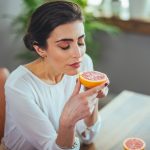 (NaturalHealth365) Researchers and scientists have dubbed it “the master antioxidant,” “the body’s premier antioxidant,” and even “the mother of all antioxidants.” And, no matter how complimentary the labels, glutathione richly deserves any of them.
This indispensable antioxidant helps to neutralize toxins in the body, eliminate dangerous free radicals, detoxify the liver, and support the overall functioning of the entire immune system. Today, we’ll take a closer look at this powerful substance and, more importantly, how to boost glutathione levels within the body.
Glutathione is produced naturally by the body – but levels fall with age
Researchers have known of glutathione since 1889, but it is only over the last thirty years that they have begun to understand and explore its functions.
A small protein molecule, glutathione, is synthesized in the body from three different amino acids: L-cysteine, L-glutamic acid, and glycine. Although it exists in every cell, the vast majority of glutathione is in the liver.
Glutathione regulates cell growth, fights the oxidation of circulating fats in the bloodstream, synthesizes and repairs DNA, helps to transport amino acids in and out of cells and has a whole arsenal of detoxifying and immune-boosting effects.
Unfortunately, glutathione levels begin to fall at midlife and can plummet as low as only 50 percent of what the body needs for optimal health. In addition to aging, low glutathione can also result from overconsumption of heavily processed foods, environmental toxins, drugs, illness, infections, and stress.
Low glutathione levels are linked with chronic health problems
Low glutathione levels inhibit cellular function, allowing dangerous free radicals to cause oxidative damage. Oxidative damage caused by free radicals is at the root of many chronic health issues.
Now, researchers are finding that low levels of glutathione can cause free radical-induced degenerative conditions such as heart disease and cancer – respectively, the number one and number two killers in the United States. Of course, other countries in the Western world show similar grim statistics.
In a study published in the New England Journal of Medicine, researchers found that heart disease patients with low blood levels of glutathione were 30 percent more likely to suffer a heart attack than those with optimal levels.
Other conditions linked to glutathione deficiency include autoimmune diseases, chronic fatigue syndrome, diabetes, Alzheimer’s disease, Parkinson’s disease, autism, arthritis, kidney failure, and liver disease – to name just a few.
Glutathione has major immune system-boosting and detoxifying effects
Glutathione plays such a major role in detoxification and immune system function that it is not altogether far-fetched to picture it as a dragon-slaying hero, rushing to battle and defeat toxins and pathogens wherever these threats may be found.
Glutathione must be balanced in lymphoid cells for the immune system to function properly. Its cysteine molecule makes the reproduction of T-cells possible. Glutathione also actively helps macrophages in the bloodstream fight off pathogens and bacterial invasions and detoxifies reactive oxygen radicals created by ultraviolet light radiation.
In addition, glutathione helps regenerate and recycle other important antioxidants, including vitamin C and vitamin E.
As the major detoxifying agent in the body, glutathione chemically transforms carcinogens, toxins, and drugs into unreactive, harmless compounds that can be eliminated without damaging cell DNA. In the case of heavy metals such as mercury and lead, glutathione neutralizes them by binding with them.
How do I raise my glutathione levels?
Grapefruit, melons, peaches, spinach, and asparagus are good sources of glutathione. These foods should be eaten raw and organic whenever possible. Heating them will deplete their glutathione content.
However, as a protein, glutathione is quickly digested and broken down into individual amino acids. In fact, several studies have shown that dietary intake alone may not be sufficient to increase circulating glutathione levels.
Experts say the best way to increase levels is to supplement with glutathione precursors – the amino acids your body uses as building blocks to produce glutathione.
Foods rich in cysteine – such as cage-free (pasture raised) organic eggs, unsweetened non-GMO whey protein made from non-denatured proteins, garlic, and onions – are excellent choices. Foods that contain sulforaphane – organic cruciferous vegetables like cabbage, Brussels sprouts, and broccoli – can also raise glutathione levels.
As for supplementation, both N-acetyl-cysteine and alpha lipoic acid have been shown to improve glutathione levels in cases of deficiency. Other substances that may help boost glutathione levels include curcumin, melatonin from dark cherries, milk thistle, and the mineral selenium.
Considering all the vital functions glutathione performs, it can be wise to boost glutathione levels to ensure that you have enough of this irreplaceable molecule. Your body will thank you for it.
Sources for this article include:
NIH.gov
NIH.gov
ImmuneHealthScience.com
ImmuneHealthScience.com
Is Horseradish Nature’s Best Antibiotic?
Reproduced from original article:
https://articles.mercola.com/sites/articles/archive/2024/05/25/natural-antibiotic-horseradish.aspx
Analysis by Dr. Joseph Mercola May 25, 2024

STORY AT-A-GLANCE
- Used as a medieval medicine as well as a popular condiment on beef, horseradish has a long list of compounds that can help fight and even lower the risk of disease
- Respiratory ailments, from colds to pneumonia, can be alleviated using horseradish, and research shows it can also help treat urinary tract infections, skin disorders and intestinal parasites
- Horseradish contains powerful isothiocyanates (ITCs) such as glucosinolates broken down from the volatile oil sinigrin, found to help protect against lung, breast, colon and bladder cancers
- You can make your own horseradish preparations to help combat sinus infections, colds and skin disorders, help boost your immune system and potentially lower the risk of headaches, gout, colic and gallbladder problems
A wonderfully zesty condiment to add to prime rib or other cuts of grass fed beef, horseradish has an unmistakable heat that radiates not so much in your mouth as in your nose.
While its exact origin isn’t certain, horseradish probably originated in the Mediterranean region, which alludes to its long, rich history.1 Greek mythology, for instance, considered horseradish to be worth its weight in gold.2
Cooks and healers continued making use of this root veggie in 15th century England, and centuries later the earliest American presidents grew it in their gardens. About 60% to 85% of the world’s horseradish production comes from the U.S., specifically Illinois.3
One rule of culinary thumb recommends that horseradish be red when it’s used for shrimp (typically mixed with a tomato base) and white when it’s made into a sauce to spread on beef. But as is true with many plant-based foods, both in ancient times and now, part of this pungent root’s value has been its medicinal capability.
Clinical evidence has indicated that horseradish has worked just as well or better than chemically concocted medicines. Horseradish has been successful in helping manage diseases, as well. Healthy and Natural World notes:
“Empirical research has now proved what our ancestors intuitively already knew. When treating certain conditions, horseradish is just as effective as chemically-synthesized antibiotics and it can sometimes even be superior to over-the-counter drugs.
Horseradish is particularly potent in the treatment of sinusitis and it clears upper respiratory passages, which helps with cold, influenza and lung congestion … When used as a natural drug, it comes without any side effects. At the same time, it provides us with some distinct culinary enjoyment.”4
However, it’s important to remember that heating horseradish can significantly alter the strength of the many healing compounds it contains, so eating it raw is recommended.
Horseradish Contains Compounds With Health-Enhancing Horsepower
It’s probably no surprise that one of the best uses for horseradish is that it can open up the stuffiest sinuses. This harkens back to one of its most popular uses as a throat-coat for hoarseness. Other conditions it remedies range from colds to urinary tract infections to kidney stones.
According to the Baseline of Health Foundation,5 horseradish may be helpful for relieving symptoms of several serious diseases and disorders, including high blood pressure, cancer and sinus infections. It may also help boost immune system function and fight other infections. Mother Earth News even asserted:
“Ounce for ounce, horseradish contains more medicinally active compounds than most other spices.
And they are very active — they can clear congestion, thin mucous, reduce inflammation, squelch cell-damaging oxidants, fight bacteria and viruses, relax muscles, stimulate the immune system — and even battle cancer. That makes the humble horseradish one special spice.”6
Variations of Healing Compounds in Horseradish
One book on the topic lists several healing compounds, and notes that “Horseradish has been reported to have antimicrobial, spasmolytic, cytotoxic, antiseptic, diuretic, stimulant and antioxidant properties.”7
Subfeed adds that horseradish also “acts as an antiviral, antibacterial, antifungal and antiparasitic medicine.”8 Clinical evidence notes that it’s these compounds that infuse it with health-enhancing potential.9
Oddly, horseradish root doesn’t have much of an odor until it’s nicked, cut or chewed, at which point its intensity becomes immediately evident. The smell indicates the presence of some potent, but completely natural, chemicals that impart such dramatic healing capability.
As a member of the Brassicaceae family along with mustard, wasabi and cabbage, horseradish comes with a storehouse of isothiocyanates (ITCs) such as glucosinolates (found only in Brassica plants) broken down from the volatile oil sinigrin and found to protect against cancer.10
The Ohio State University College of Food, Agricultural and Environmental Sciences11 says laboratory studies released by the American Institute for Cancer Research found that the presence of glucosinolates in food can:
- Decrease inflammation associated with many chronic illnesses, including cancer and cardiovascular disease
- Suppress enzymes known to activate carcinogens
- Stimulate enzymes that deactivate carcinogens and decrease the ability of cancer cells to spread
In a study conducted at the University of Illinois, horseradish was found to deliver 10 times more glucosinolate enzymes than broccoli.12 Lead researcher and associate professor in crop sciences Mosbah Kushad disclosed that just a little “dab” on your steak can communicate benefits and may provide the same health benefits as broccoli.
Sinigrin has a distinguished set of skills, as well. Another study links it with inhibiting lipid peroxidation by 71%, and it plays several roles in reducing the risk of several cancers.13
Save This Article for Later – Get the PDF Now
Horseradish Can Impact Several Types of Cancer
Further, the ITCs in horseradish (as well as wasabi root) were found in clinical trials to help reduce colon and lung cancer cell activity, and the higher the dosage, the weaker the cancer cells became — 30% to 68% weaker for colon cancer and 30% to 71% weaker for lung cancer cells.14
Horseradish contains more than two dozen other cancer-combating compounds. Researchers in England, Austria and New Zealand investigated one they called horseradish peroxidase (HRP), which was targeted as a treatment to help control the growth of breast and bladder cancer cells.15
After ingesting the volatile oil of horseradish, tests on human urine have shown that it can kill the bacteria that cause urinary tract infections. In fact, German herbal remedies suggest it kills gram-positive and gram-negative bacteria and candida and successfully treated many viral, bacterial, parasitic and fungal diseases.
The reduction in symptoms from chronically recurrent urinary tract infections (UTIs) after consumption of an herbal medicinal product containing horseradish has been reported as “statistically significant,” another study said.16
Healing and Immune-Boosting Horseradish Recipes
Used in combination with other healing herbs and plants with medicinal capabilities such as ginger, garlic, turmeric and apple cider vinegar, horseradish preparations have numerous applications. As always, use organic ingredients whenever possible.
One recipe calls for a 6-inch horseradish root peeled and grated into the juice of one lemon and a tablespoon of raw, organic honey and sealed in an airtight jar for 24 hours. One tablespoon, undiluted and taken three to four times a day is a heady concoction to soothe your throat and loosen your sinus congestion.
The Master Tonic recipe, which Subfeed17 says is a basic, all-around tonic dating back to medieval Europe, is used as an antibiotic to purify your blood, kill bacteria and increase blood and lymph circulation throughout your body, can be added to olive oil for use as a salad dressing or applied to wounds and infections.
Master Tonic
Ingredients
- 24 ounces organic apple cider vinegar
- 1/4 cup coarsely chopped garlic
- 1/4 cup chopped onion
- 2 fresh hot peppers, such as habaneros
- 1/4 cup grated fresh ginger
- 2 tablespoons horseradish
- 2 tablespoons turmeric powder (or the equivalent in turmeric root)
Procedure
Process the ingredients in a food processor but note that the apple cider vinegar is added later.
- Process the ingredients, then transfer the mixture to a Mason jar, filling it about two-thirds full.
- Pour in enough apple cider vinegar to fill the jar to the top.
- Close tightly and shake the jar until it’s well-combined. Do this several times a day while storing it in a cool, dry place for up to two weeks.
- After 14 days, strain the liquid through gauze or cheese cloth, squeezing the solid bits and setting them aside for use in recipes. The liquid part is then ready for medicinal use.
This mixture can be gargled and swallowed as a sore throat remedy. Take 1 tablespoon per day to strengthen your immune system and fight colds and flu. Master Tonic is safe for use by children and pregnant women in small doses, but take it with food until you’re used to it.
One thing to keep in mind when you’re handling horseradish, whether in food preparation or to make a tonic to treat health problems, is to wear plastic gloves for the same reason you do when handling some of the hottest peppers, such as jalapenos or habanero peppers. Also, keep it as far from your nose as possible!
- 1 Britannica, “Horseradish”
- 2 Horseradish.org, “Horseradish History”
- 3 St. Louis Magazine, May 17, 2018
- 4 Healthy and Natural World 2017
- 5 Baseline of Health Foundation, July 1, 2017
- 6 Mother Earth News March 31, 2014
- 7 Antioxidant Properties of Spices, Herbs and Other Sources, Horseradish, 01 January 2012, pp 347–351, Abstract
- 8, 17 Subfeed, “This Is The Most Powerful Natural Antibiotic Ever – Kills Any Infections In The Body” (Archived)
- 9 Journal of Agroalimentary Processes and Technologies 2013, 19(1), 111-115, Abstract
- 10 Eur J Nutr. 2008 May;47 Suppl 2:73-88
- 11 OSU January 15, 2016
- 12 Science Daily May 17, 2016
- 13 Nutr Cancer. 2004; 48(2):207-13
- 14 J Agric Food Chem. 2005 March 9;53(5):1440-4
- 15 Cancer Med. 2016 June;5(6):1194-203
- 16 Curr Med Res Opin. 2007 October;23(10):2415-22
5 Potent Nootropic Herbs to Supercharge Memory and Concentration
Reproduced from original article:
https://articles.mercola.com/sites/articles/archive/2024/05/20/nootropic-herbs-memory-concentration.aspx
Analysis by Dr. Joseph Mercola May 20, 2024
STORY AT-A-GLANCE
- Focus and concentration issues can significantly impact quality of life, affecting everything from daily routines to overall mental health
- Nootropic herbs are known for their ability to enhance cognitive function, including memory and concentration. Five notable nootropic herbs for enhancing cognitive function include Bacopa monnieri, Ginkgo biloba, Rhodiola rosea, Panax ginseng, and ashwagandha
- Elevated levels of serotonin have been linked to an increased risk of dementia in numerous studies. Another hazard is linoleic acid, which when consumed in excess can result in inefficient cellular energy production within the brain
- GABA’s role in the brain as a neurotransmitter helps in calming neural activity and can mitigate the harmful effects of too much linoleic acid and serotonin
- Nootropic herbs, GABA, and tailored lifestyle interventions can be incorporated as a comprehensive strategy to check cognitive decline and address both memory and concentration issues
Nootropics are sometimes called “smart drugs” since they enhance cognitive performance and especially executive functions like memory, focus and creativity. Naturally occurring nootropics support focus and concentration by improving neural mechanisms related to learning and memory.
Nootropic herbs have long been a staple of Ayurveda, Siddha, Unani and other traditional medicine practices. They have gained wide recognition in alternative and complementary medicine for their ability to boost mental processes. Rooted in centuries of traditional use, nootropic herbs form a bridge between ancient wisdom and contemporary natural health.
Among the most widely used and extensively researched nootropic herbs are Bacopa monnieri, Ginkgo biloba, Panax ginseng, and Rhodiola rosea. Each herb has a unique profile of benefits, from improving memory retention and speeding up reaction times to reducing mental fatigue and enhancing overall brain function.
In combination with lion’s mane mushrooms and GABA, which are not nootropic herbs, nootropic herbs can help promote mental clarity without the harsh side effects often associated with pharmaceutical cognitive enhancers. Each possesses unique properties and components worth further examination.
Consider These Five Nootropic Powerhouses
The rich tradition of herbal remedies is an effective solution for individuals seeking natural ways to support their focus and concentration. These powerhouse nootropics can serve as a cornerstone to a natural approach to cognitive enhancement and neuroprotection.
• Bacopa monnieri — Also referred to as brahmi or water hyssop, this perennial and non-aromatic herb is hailed in Ayurvedic medicine for its memory-enhancing properties. Studies suggest it can improve cognitive function and facilitate better communication between brain cells.1
The bioactive phytochemical constituents of Bacopa monnieri are alkaloids, saponins, flavonoids, triterpenes, and cucurbitacin. Bacopa monnieri contains a compound called bacosides, which are the principal active ingredient and play a pivotal role in neuroprotection. They contribute to the herb’s ability to enhance brain function and protect neural structures.2
Enhanced memory acquisition, verbal learning, reduced anxiety and general cognitive improvement were found in clinical trials of Bacopa monnieri.3 Both Bacopa monnieri and its extracts are famous for their antioxidant powers, working along several pathways to shield your brain from oxidative damage and help prevent cognitive decline in older adults.
The brain-boosting benefits of this potent herb likely come from the antioxidant properties found in both extracts and bacosides.4 Based on animal studies, the B. monnieri extract and bacosides were shown to enhance antioxidant status in the brain region of the hippocampus, frontal cortex, and striatum.5
• Ginkgo biloba — Often celebrated as one of the oldest living tree species, Ginkgo biloba is renowned for its powerful antioxidant properties and its ability to enhance cerebral blood flow, improve oxygen delivery and protect against damage from free radicals. Ginkgo biloba is one of the best-known nootropic herbs.
It has been used for thousands of years in Traditional Chinese Medicine (TCM) to treat a variety of ailments. Today, it is best known for its capacity to improve cognitive functions, particularly in the elderly. Compounds found in Ginkgo biloba, such as flavonoids and terpenoids, contribute to its neuroprotective effects, helping to combat cognitive decline and increase attention span and memory processing.6
Flavanol glycosides are primarily responsible for the antioxidant activity of Ginkgo biloba. Oxidative stress contributes to neurodevelopmental disorders, causing changes to the protein structure, lipid denaturation, and DNA damage. Since Ginkgo biloba has such strong antioxidant activity it is being studied and applied as a treatment modality for ADHD.
Ginkgo biloba also significantly improves attention and memory, making it a staple in natural cognitive enhancement.7
In a comprehensive review, Ginkgo biloba extracts were shown to have a positive impact on cognitive function, memory, and the overall quality of life in patients with cognitive impairment, highlighting its significance in supporting brain health and combating age-related cognitive decline. While ideal for improving memory and concentration, we have only scratched the surface of its potential.8
• Rhodiola rosea — This adaptogenic herb has been used for centuries to enhance memory and concentration. Rhodiola rosea also goes by the names golden root and arctic root. By reducing fatigue and improving resilience to stress, it addresses factors that significantly affect cognitive functions.9
Packed with active ingredients like rosavins and salidroside, it’s a powerhouse for boosting your brain’s dopamine levels. Not only does it enhance neurotransmitter function, but it also fights back against stress-induced cognitive fog, helping to promote a clear and focused mind. Rosavins have been specifically tied to reducing oxidative stress.
Depression is a prevalent mental disorder that manifests through a low mood, sluggish thinking, and notably slower speech and movement. Clinical studies reveal that Rhodiola rosea extract shows remarkable potential for its antidepressant properties in individuals experiencing mild to moderate depression.
Studies have demonstrated rhodiola’s capability to increase attention to detail, cognitive processing speed, and overall ability to multitask efficiently.10 This herb’s adaptogenic qualities make it particularly effective for those under stress, ultimately contributing to improved cognitive outcomes and productivity.
• Panax ginseng — This herb is often referred to as Asian or Korean ginseng. It stands out as a potent adaptogenic herb with significant cognitive enhancement potential. Revered for centuries in TCM, this root possesses strong anti-inflammatory and antioxidant properties.
This makes it an excellent nootropic for improving memory, concentration, and mental clarity. Ginsenosides are the active components in Panax ginseng and have been extensively studied for their ability to modulate neurotransmitter activity, while increasing brain-derived neurotrophic factor (BDNF) levels.
The role of BDNF in diseases of the central nervous system provides a window into the mechanism through which Panax ginseng mitigates stress on the brain and thereby enhances cognitive function and mental performance.11
Panax ginseng is a popular choice among students and professionals looking to boost their mental clarity and focus in a natural, sustained manner. Its benefits extend beyond temporary cognitive improvement, suggesting potential long-term effects in brain health and function.12
• Ashwagandha — Known scientifically as Withania somnifera, ashwagandha is another highly regarded herb within traditional medicine, celebrated for its adaptogenic properties. It is often referred to as Indian ginseng and has been used for centuries in Ayurvedic medicine to bolster memory and improve concentration.
Its potent effects on mental acuity are attributed to a reduction in excessive cortisol levels, a stress hormone, which can adversely impact cognitive functions.13
Ashwagandha supports the regeneration of brain cells and stabilizes the chemicals responsible for learning and memory. By mitigating stress and anxiety, it creates an optimal environment for enhancing cognitive functions.
Clinical studies suggest that consistent supplementation with ashwagandha may lead to significant improvements in task performance, attention, and memory, validating its use to naturally enhance cognition.
Its antioxidants also protect against neural oxidative stress, further supporting brain health and cognitive longevity. This makes ashwagandha a pivotal addition to an herbal arsenal for those aiming to support their mental performance and cognitive capacities.14
Lion’s Mane Stimulates Production of Nerve Growth Factor
While not technically an herb, Lion’s mane mushrooms are also associated with improved mental acuity, concentration, and memory. The core of this power packed mushroom are hericenones and erinacines.15
Lion’s mane mushroom stands at the forefront of natural cognitive enhancers due to its unique ability to stimulate the production of nerve growth factor (NGF). NGF is a protein that plays a crucial role in the maintenance, survival, and regeneration of neurons.16
By promoting the production of NGF, lion’s mane directly contributes to the enhancement of neuroplasticity — your brain’s ability to reorganize itself by forming new neural connections. This capacity is fundamental to improving cognitive functions such as memory and concentration.17
Furthermore, animal studies have demonstrated that the bioactive compounds within lion’s mane, hericenones and erinacines, can cross the blood-brain barrier, directly facilitating the growth and development of brain cells. This direct action not only helps in sharpening focus and recall but also in potentially slowing the cognitive decline associated with aging.18
Save This Article for Later – Get the PDF Now
Serotonin — The Unhappy Hormone
Understanding the role of serotonin is another crucial component in a comprehensive strategy to optimize your memory and concentration. Often dubbed the “happy hormone,” the role of serotonin in dementia has been completely misconstrued in media coverage.
Serotonin is an antimetabolite, putting the brakes on your body’s energy production within the mitochondria’s electron transport chain. High levels of serotonin might leave you feeling fatigued, slow your metabolism, and even lead to weight gain.
The pharmaceutical industry, however, has a vested interest in keeping the darker side of serotonin under wraps. After all, the narrative that low serotonin levels in your brain lead to depression fuels the sale of most antidepressants on the market today.
Risk of Elevated Serotonin Levels
In the quest to balance and potentially mitigate elevated serotonin levels, GABA emerges as a natural ally. This neurotransmitter functions as a counterbalance to excitatory neurotransmitters in the brain like serotonin. Elevated levels of serotonin can lead to a range of undesirable effects such as fatigue and slowed metabolism, as previously mentioned.
The calming effect of GABA on the brain supports relaxation, reduces stress, and can help improve sleep quality — all of which are beneficial for cognitive function and overall mental health.
By promoting a more balanced neurological environment, GABA supplementation can indirectly support improved memory, concentration, and mental clarity, making it a critical component in the holistic approach to enhancing cognitive performance and mitigating the adverse effects of excessive serotonin.19
Linoleic Acid Increases Inflammation and Lowers Cognitive Performance
Diet is a crucial aspect of maintaining and improving cognitive function. Slashing or eliminating your intake of linoleic acid (LA), a common polyunsaturated fatty acid (PUFA) found in seed oils such as soybean, corn, and sunflower oils is crucial.
The overconsumption of LA can lead to a cascade of health problems that impact brain health. Excessive intake of LA has been associated with increased inflammation and oxidative stress, conditions that are detrimental to brain cells and can impair cognitive functions such as memory and concentration.
Moderating your intake of LA by reducing the consumption of seed oils rich in PUFAs and instead focusing on a diet that includes healthy fats from sources like avocados and fatty fish, and “clean carbs” like ripe fruit and white rice can support brain health. These healthy fats contribute to the maintenance of cell membrane integrity and fluidity, facilitating optimal neuronal communication and cognitive function, while healthy carbs provide the needed fuel for optimal brain function.
Boost Your Cognitive Function and Brain Health With Nootropics
The pursuit of naturally enhanced memory and concentration encompasses a diverse array of powerful nootropics. The combination of these powerful natural compounds can help you optimize your mental performance and support long-term brain health.
A multi-pronged approach can also utilize GABA to mitigate high-serotonin levels, and include replacing PUFAs with healthy fats and clean carbs to optimize mitochondrial energy production, without which cognition will be compromised.
- 1 Frontiers in Nutrition, 2022; 9: 97237, Paragraph 2
- 2 Frontiers in Nutrition, 2022; 9: 97237, Paragraph 1
- 3 STATPEARLS, 2023; 3, Table 1
- 4 Annals of Neuroscience, 2017 May; 24(2): 111–122, Brahmi on Cerebral Blood Flow
- 5 Phytotherapy Research, 2000, May; 14, 174-9, Abstract
- 6 Neurotherapeutics, 2019, Jul; 16 (3), 666-674, Pharmacological Importance
- 7 Human Psychopharmacology, 2002 Aug;17(6):267-77, Abstract
- 8 Ginkgo Biloba, Mount Sinai Health, Memory and thinking
- 9 Molecules, 2022 Jun 17;27(12):3902, Abstract
- 10 Molecules, 2022 Jun; 27(12): 3902, Neuroprotective Effects
- 11 Neural Plasticity, Vol. 2017, Introduction
- 12 Journal of Ginseng Research, 2013 Apr; 37(2): 144–166, Table 3
- 13 Journal of Ayurvedic Integrated Medicine, 2022 Apr-Jun 13(2), Introduction, Discussion
- 14 Indian Journal of Psychological Medicine, 2012 Jul-Sep; 34(3): 255–262., Discussion
- 15 Journal of Neurochemistry, 2023 January 20, Figure 6, 7
- 16, 17 International Journal of Medicinal Mushrooms, 2013;15(6):539-54, Abstract
- 18 Behavioral Neurology, 2018 May 21, Protection against Alzheimer’s Disease, Table 2, Conclusion
- 19 Frontiers in Neuroscience, 2020 Sept 17, Introduction
Black Seed Oil — A Natural Ally in Maintaining Disease-Free Living
Reproduced from original article:
https://articles.mercola.com/sites/articles/archive/2024/05/15/black-seed-oil-health-benefits.aspx
Analysis by Dr. Joseph Mercola May 15, 2024

STORY AT-A-GLANCE
- Studies have shown black seed oil’s impressive potential to help protect against cancer, as well as other disorders like diabetes, asthma and even respiratory ailments
- Thymoquinone (TQ), black seed oil’s main bioactive component, is the primary compound responsible for its many benefits. This monoterpene molecule helps alter certain molecular and signaling pathways related to cancer and other inflammatory and degenerative diseases
- Thymoquinone helps reduce the risk of cancer by inhibiting cell proliferation, triggering apoptosis (cancer cell death) and preventing cancer cell migration, but without harming healthy cells
- Black seed oil contains 1.7 grams of linoleic acid per teaspoon, so only take it as a supplement
Herbal oils have a long history of use in traditional medicine, and one particular example that has stood the test of time is black seed oil. Not to be confused with black cumin (Bunium bulbocastanum),1 black seed oil comes from the Nigella sativa (N. sativa) plant, which grows in Southern Europe, Southwest Asia and the Middle East.2 The seeds are shaped like tiny Brazil nuts and coal-black (as their name implies).
Black seed oil is regarded for its potential to help protect against diseases and heal ailments — it has antidiabetic, analgesic, anti-inflammatory, antimicrobial and antioxidant properties, to name a few.3 Studies have also shown its impressive potential to help protect against cancer.
Studies Demonstrate Black Seed Oil’s Anticancer Effects
In his COVID Intel4 Substack article, Canadian physician William Makis posted a summary of five papers that focus on the anticancer potential of black seed oil. According to the studies,5,6,7,8,9 N. sativa may help protect against different types of cancer in humans, including:
- Breast cancer — A study in Fitoterapia10 found that the combination of phytochemicals thymoquinone (TQ), carvacrol and trans-anethole in black seed oil, even in small doses, was more efficient in preventing breast cancer cells from spreading, as opposed to using individual but higher concentrations of these chemicals.
- Pancreatic cancer — Published in the Frontiers of Oncology journal, the study11 notes that thymoquinone “regulates the occurrence and development of pancreatic cancer at multiple levels and through multiple targets that communicate with each other.”
- Colorectal cancer — The researchers noted12 that TQ-LNCs (thymoquinone lipid nanocapsules) helped reduce tumor size in mice with colorectal cancer.
- Prostate and colon cancers — According to the study,13 N. sativa oil helped slow down the growth of prostate and colon cancer cells, especially when higher doses of thymoquinone were administered.
- Hepatic cancer, cervical cancer, leukemia and more — Using nanotechnology, the researchers14 observed the anticancer efficacy of TQ on its own or when combined with other cancer treatments.
The five studies highlight black seed oil’s main bioactive component, thymoquinone (TQ), as the primary compound responsible for its anticancer benefits.
Thymoquinone’s Mechanism of Action
Chemically known as 2-methyl-5-isopropyl-1, 4-benzoquinone, thymoquinone is a monoterpene molecule that’s been found to alter certain molecular and signaling pathways related to cancer and other inflammatory and degenerative diseases.15
According to the featured research,16 thymoquinone helps reduce the risk of cancer by inhibiting cell proliferation, triggering apoptosis (cancer cell death) and preventing cancer cell migration, but without harming healthy cells. One study notes:17
“TQ [thymoquinone] is the main bioactive constituent in N. sativa that has been intensively investigated in vitro and in vivo and shown to have several therapeutic properties, including anticancer activity. Its effectiveness on cancers is demonstrated in murine model studies in which TQ enhances higher survival rates, reduced tumor volume, reduced pro-cancerous molecules and elevated anti-tumorigenesis biomarkers.
Meanwhile, in in vitro studies, TQ has shown the ability to inhibit cancer staging such as migration, proliferation, and invasion or apoptosis induction by repressing the activation of vital pathways, such as JAK/STAT and PI3K/AKT/mTOR.”
In the featured article,18 Makis summarizes the mechanisms of action of thymoquinone, explaining that this phytochemical’s unique feature is its ability to activate certain proteins that prevent tumors from forming. It also turns off oncogenes, which are genes that promote cancer growth.
Considering that cancer is now the leading cause of death worldwide — with 10 million people dying in 2020 from this illness, according to the World Health Organization (WHO)19 — the rise of natural interventions like black seed oil is certainly an advantage, especially since conventional cancer treatments today are rife with side effects.
“Cancer continues to threat [sic] mortal alongside scientific community with burgeoning grasp. Most efforts directed to tame Cancer such as radiotherapy or chemotherapy, all came at a cost of severe side effects.
The plant derived bioactive compounds on the other hand carries an inevitable advantage of being safer, bioavailable & less toxic compared to contemporary chemotherapeutics,” one of the studies reports.20
Save This Article for Later – Get the PDF Now
Black Seed Oil May Also Protect Against COVID-19
During the height of the COVID-19 pandemic, N. sativa was found to be one of the natural remedies that may be potentially beneficial against the viral infection. One study21 published in 2021 reviewed the active ingredients in black seed oil, mainly thymoquinone, α-hederin, and nigellidine, and found that they may help combat COVID-19.22
Aside from having significant antihistamine effects, these black seed oil compounds help downregulate interferon regulatory factor-3 activation, which is essential in innate bacterial and viral immune responses.23
Thymoquinone may also help promote autophagy, which is the body’s mechanism of eliminating damaged cells. A 2018 study24 found that thymoquinone can help promote autophagy in the heart muscle. This is crucial, as COVID-19 was found to suppress autophagy; therefore, thymoquinone’s effects on autophagy are indicative of its antiviral potential.
In addition, the researchers noted that thymoquinone may help inhibit enzymes that can produce leukotriene and prostaglandins,25 which are both inflammatory agents.
“Considering the anti-inflammatory actions of N. sativa seed and its different extracts, these might be potentially used for the prevention as well as cure of SARS‐CoV‐2 viral infection,” the researchers report.26
Black seed oil is listed as one of the Front Line COVID-19 Critical Care Alliance’s (FLCCC) recommended first-line treatments for COVID-19,27 along with ivermectin, hydroxychloroquine (HCQ) and zinc.
What Else Can Black Seed Oil Do for You?
In different cultures, N. sativa has been used for centuries to help ease ailments. The Indians consider it an important element in their Unani and Ayurvedic traditional systems of medicine. Meanwhile, the Muslims value it as one of the “greatest forms of healing medicine.” In fact, the Prophetic Hadith — the compilations of the teachings of Muhammad — refer to black seed as “the remedy for all diseases except death.”28
To give you an idea of just how useful black seed oil is, here’s a list of ways it can benefit your health:
• Helps ease asthma and other respiratory problems — Diffusing the oil may help ease asthma attacks. A 2019 study noted its potential for treating allergies as well as obstructive lung disorders.29
• Promotes normal blood pressure levels — A double-blind, randomized experiment published in the Phytotherapy Research30 found that participants who were given black seed oil daily had decreased systolic and diastolic blood pressure levels compared to those who were only given a placebo.
• May help in diabetes management — A Malaysian study31 looked at N. sativa’s ability to repair pancreatic damage related to Type 1 diabetes in animal subjects. They found that those that were given the oil had increased serum insulin levels and reduced blood glucose levels.
• Helps protect against the toxic effects of aflatoxins — These are substances produced by certain types of mold, particularly Aspergillus flavus and Aspergillus parasiticus. Aflatoxin exposure may lead to an increased risk of liver cancer.32
In a study published in the International Journal of Health Sciences, animal subjects that were exposed to aflatoxins and given black seed oil had reduced effects on their kidneys and liver, showing its cytoprotective effects.33
Black Seed Oil May Also Help With Dermatological Conditions
N. sativa oil may also help with skin ailments and promote a healthier complexion. In one review of the literature published in the Journal of Dermatology and Dermatologic Surgery,34 black seed oil was found to help promote wound healing in farm animals as well as reduced the effects of vitiligo in lizards.
“In a randomized double blind clinical study, patients applied N. sativa oil to lesions of vitiligo twice daily for 6 months had a significant decrease in the vitiligo area scoring index with no significant side effects,” the researchers noted.35
Another clinical study,36 this time on humans, found that a 10% black seed oil lotion reduced acne vulgaris after two months of use, mainly due to its anti-inflammatory, immunomodulatory and antimicrobial properties. The study says 67% of patients were “fully satisfied” and 28% were “partially satisfied” with the treatment.
“The 10% Nigella sativa oil lotion showed no side effects, and can be considered very safe when compared with other topical therapies like tretinoin and benzoyl peroxide that are commonly associated with local and systemic side effect such as local irritation, burning sensation, dryness of skin, peeling and teratogenic effects.
The present study recommends the use of 10% Nigella sativa oil lotion as a topical therapy for acne vulgaris, as it is a natural plant extract,” the researchers conclude.37
However, remember that black seed oil may still have certain side effects on sensitive individuals when applied topically. One study notes that the oil caused contact dermatitis in two persons.38 No adverse effects were reported when the oil was used internally, though. To be safe, dilute pure black seed oil with a safe carrier oil and apply a small amount on your skin to check for any adverse reactions.
Black Seed Oil Contains Linoleic Acid, So Be Mindful of Dosage
Since it is a seed oil, N. sativa contains unsaturated fatty acids, with linoleic acid (LA) as the primary constituent, making up 50% to 60%. Other fatty acids include oleic acid (20%), eicosadienoic acid (3%) and dihomolinoleic acid (10%).39
Although it’s advisable to avoid omega-6 fats, particularly LA, you shouldn’t be too worried if you’re only using black seed oil as a supplement (as opposed to consuming ultraprocessed foods or deep-fry foods in seed oils, which exposes you to excessively high amounts of LA).
Each teaspoon of black seed oil contains about 1.7 grams of LA, so avoid taking higher amounts than that. Ideally, you’ll want to limit your LA intake to 5 grams a day or less, which is closer to what our ancestors used to get. Black seed oil also contains oleic acid, which is nearly as damaging as LA.
Use an online tool like Cronometer.com to help you track your food and LA intake. The key is to use a digital scale to carefully weigh your food, so you can enter the exact amount to the nearest gram.
Once you’ve entered your food for the day, go to the “Lipid” section on the lower left side. You just need to look at how many grams of omega-6 are present to find out how much LA is in your diet for that day. Roughly 90% of the omega-6 you eat is LA. To learn more about the dangers of excessive linoleic acid, I advise you to read my article, “Linoleic Acid — The Most Destructive Ingredient in Your Diet.”
- 1 Ethnobotanical review of Bunium bulbocastanum (Black Cumin) for the treatment of diseases: The clinical and mechanistic evidence, April 2022
- 2, 3 Asian Pacific Journal of Tropical Biomedicine, 2013, 3(5)
- 4, 16, 18 COVID Intel, April 29, 2024
- 5, 10 Fitoterapia, September 2023, 169(105601)
- 6, 11 Front. Oncol., January 4, 2023, 12(2022)
- 7, 8 Cancer Cell International, 2023, 23(320)
- 9, 13 Genes 2023, 14(9):1730
- 12 Cancer Cell International, 2023, 23(320), TQ and colorectal cancer
- 14 Pharmaceuticals 2021, 14(4):369
- 15 Front. Pharmacol., September 21, 2017, Volume 8 – 2017
- 17 Pharmaceuticals 2021, 14(4):369, Conclusions
- 19 World Health Organization, February 3, 2022
- 20 Fitoterapia, September 2023, 169(105601), Abstract
- 21, 22 Phytotherapy Research, 2021, 35(3):1329-1344
- 23 Phytotherapy Research, 2021, 35(3), 1329-1344, Immune response
- 24 J Cell Biochem., September 2018, 119(9):7212-7217
- 25 Planta Med., February 1995, 61(1):33-6
- 26 Phytotherapy Research, 2021, 35(3):1329-1344, Inflammation and cytokine storm
- 27 FLCC Alliance, I-CARE Early COVID Treatment Summary, February 1, 2024
- 28 Asian Pac J Trop Biomed. May 2013; 3(5): 337–352, Introduction
- 29 Avicenna J Phytomed. May-June 2019;9(3):195-212
- 30 Phytother Res. December 2013;27(12):1849-53
- 31 Global Journal of Pharmacology, January 2013, 7(1):14-19
- 32 National Cancer Institute, Aflatoxins, December 5, 2022
- 33 Int J Health Sci (Qassim). July 2008; 2(2): 26–44
- 34 Journal of Dermatology & Dermatologic Surgery, July 2015, 19(2): 92-98
- 35 Journal of Dermatology & Dermatologic Surgery, July 2015, 19(2): 92-98, Vitiligo
- 36 The Iraqi Postgraduate Medical Journal, 2010, 9(2)
- 37 The Iraqi Postgraduate Medical Journal, 2010, 9(2), Discussion
- 38 Phytotherapy Research, April 2003, 17(4): 299-305
- 39 Asian Pac J Trop Biomed. May 2013, 3(5): 337–352
Vitamin B3 Boosts Muscle Mass, Improves Glucose Control
Reproduced from original article:
https://articles.mercola.com/sites/articles/archive/2024/05/06/vitamin-b3-muscle-mass-glucose-control.aspx
Analysis by Dr. Joseph Mercola May 06, 2024
STORY AT-A-GLANCE
- Getting enough vitamin B3 could help maintain muscle mass and strength as you age, while also helping control body fat and blood sugar levels
- A study found consuming more niacin was linked to stronger hand grip, increased muscle mass and higher bone mineral content
- People with higher niacin intake also had less body fat and a lower risk of losing muscle mass as they age
- Niacin also helped with blood sugar control, showing benefits in reducing insulin resistance and keeping fasting blood sugar and insulin levels in check, especially in people without diabetes
- For optimal health, I recommend taking 50 milligrams of niacinamide — one form of vitamin B3 — three times per day
Vitamin B3 comes in two primary forms: niacin, also known as nicotinic acid, and niacinamide (NAM), which is sometimes referred to as nicotinamide. Both forms of vitamin B3 are essential to human health and play important roles in cellular metabolism, converting the food you eat into energy.
These forms of vitamin B3 also serve as precursors for the coenzymes nicotinamide adenine dinucleotide (NAD+) and nicotinamide adenine dinucleotide phosphate (NADP), which are vital for energy production, DNA repair and cell signaling. Increasing your intake of vitamin B3 as you age may also be useful for supporting optimal health, with research showing it not only improves body composition but also glucose control.
Vitamin B3 Increases Muscle Mass, Decreases Fat and Improves Glucose Homeostasis
A study published in The Journal of Nutrition, Health and Aging suggests getting enough vitamin B3 in your diet could help maintain muscle mass and strength as you age, while also helping control body fat and blood sugar levels.1
The study involved people aged 40 and older, with researchers analyzing information from three data sets: one focusing on hand grip strength, with 3,772 participants, another on body composition like muscle and fat, with 3,279 participants, and a third on how the body handles glucose, or blood sugar, with 9,189 participants.
The scientists looked at niacin intake and other factors like physical activity and diet, then used various statistical methods to see how they related to muscle strength, muscle mass, fat levels, bone health, insulin resistance, blood sugar levels and the risk of losing muscle mass with age, or sarcopenia.
Consuming more niacin was linked to stronger hand grip, increased muscle mass and higher bone mineral content. People with higher niacin intake also had less body fat and a lower risk of losing muscle mass as they age. Further, niacin seemed to help with blood sugar control, showing benefits in reducing insulin resistance and keeping fasting blood sugar and insulin levels in check, especially in people without diabetes.
Vitamin B3 Increases NAD+ and NADP Levels, Leading to Significant Health Gains
One reason why vitamin B3 may be so useful as you age is due to its ability to increase NAD+ and NADP levels. As noted in the blog To Extract Knowledge From Matter, which is inspired by the work of the late Ray Peat:2
“The study is epidemiological and it did not distinguish between the various forms of vitamin B3 available through the diet or supplements. However, it was well-controlled and its findings match the known biochemical effects of vitamin B3, which the study authors cite themselves as the likely reasons for the observed results.
Namely, vitamin B3 increases NAD and NADP levels, which results in improved glucose metabolism as well as higher tissue anabolism (through NADP).”
NAD+ modulates energy production and many enzymes and in so doing controls hundreds of processes in your body including the survival of cells and energy metabolism. NAD+ is influenced on a daily basis by what you eat, exercise levels and more, and also declines with age, leading to changes in metabolism and an increased risk of disease.3
Boosting NAD+ levels may be akin to a fountain of youth, which is where vitamin B3 — as an NAD+ precursor — comes in. Supplementation with NAM has been found to improve insulin sensitivity in models of human diabetes, for instance, and it also decreases oxidative stress and prevents fatty liver.4
It also shows impressive promise for fighting obesity and associated diseases, including stroke, cardiovascular diseases, diabetes and certain cancers, which have reached epidemic levels worldwide.5
Writing in The Journal of Nutritional Biochemistry, researchers from Tsinghua University, Beijing, revealed that NAM reprograms adipose cellular metabolism and increases mitochondrial biogenesis to ameliorate obesity.6 In a study on obese mice, NAM supplementation led to significant reductions in fat mass and improved glucose tolerance, while increasing mitochondrial biogenesis in fat tissue.7
Save This Article for Later – Get the PDF Now
‘Striking’ Dose-Dependent Effects — But Only to a Point
The featured Journal of Nutrition, Health and Aging study found that niacin improves insulin resistance and glucose homeostasis at doses commonly consumed in the U.S. diet.8 However, it also revealed a strong dose-dependent effect. As reported by To Extract Knowledge From Matter:9
“Perhaps the most useful finding of the study was the striking dose-dependence of the effects it discovered — i.e., for every extra 1 mg/kg of weight of daily vitamin B3 consumed, a person lost 60 g of fat and gained 60 g of muscle. Oh, and if this was not already a spectacular result, the effects of vitamin B3 were the strongest in people with obesity (high BMI), hypertension, or advanced age — precisely the people who need benefits the most.”
The researchers pointed out that high doses of niacin may cause undesirable effects, including promoting insulin resistance. This is due to its dosage:10
“Some previous studies have suggested that niacin promotes insulin resistance, which is a significant side effect when niacin is used as a lipid-lowering drug. The reason for this inconsistent result lies in the dosage of niacin. When niacin is used as a lipid-lowering drug, its daily dose is 2-6 g, which far exceeds the daily dietary dose.”
To Extract Knowledge From Matter further explained:11
“Now, the study did have a cutoff in its vitamin B3 intake range. The maximum intake included in the study was about 238 mg daily. We don’t know if the benefits of vitamin B3 hold beyond those daily intake levels, but animal studies seem to suggest at least the metabolic benefits hold until at least a human-equivalent dose (HED) of 5mg/kg daily.
Since muscle and fat mass are largely a function of the metabolic rate, the study seems to suggest that an intake of vitamin B3 up to 5mg/kg daily may be even more beneficial.
The study does caution that when vitamin B3 is used as a lipid-lowering agent (i.e. in doses of 2g+ daily) negative effects and even reversal of the benefits may occur, so I’d suggest careful experimentation until the optimal daily dose is found, which will probably be different for each person.”
As I’ve explained in previous articles, however, too much niacinamide can backfire. A dose of just 50 milligrams (mg) three times per day will provide the fuel for nicotinamide phosphoribosyltransferase (NAMPT), the rate limiting enzyme for NAD+. Nichola Conlon, Ph.D., a molecular biologist, antiaging specialist and founder of a nutraceutical company that produces an NAD+ boosting supplement, explained in our past interview:12
“The reason the salvage pathway declines with age is because of this one key enzyme. NAMPT actually recycles niacinamide and converts it into NMN [nicotinamide mononucleotide], which then gets converted back into NAD. The rate limiting step, the bottleneck in that process, is NAMPT. And lo and behold, that is the key enzyme that declines as we get older.
Studies have demonstrated that you get a 50% decrease in this enzyme between the ages of 45 and 60. That’s a significant decline considering how important this is for new NAD production. The decline in the levels of this enzyme again correlate with the decline in NAD that we experience.
Many diseases and issues that are associated with NAD decline are found to be because of a reduction in this enzyme. So, it’s absolutely critical to try and improve the activation and expression of this enzyme in the body to enhance NAD. It worked brilliantly to give us high NAD levels when we were younger, so why not restore it back to that?”
Tips for Vitamin B3 Intake
For optimal health, I recommend taking 50 mg of niacinamide three times per day. This dosage has been shown to optimize energy metabolism and boost NAD+ levels, which are foundational for everything else to work. It can be taken four times a day if you space them out. Take a dose as soon as you get up, another before going to bed, and two more evenly spaced between those times.
The problem with taking too much vitamin B3, whether in the form of niacin or niacinamide, is that it might backfire and contribute to cardiovascular disease as documented by the Cleveland Clinic.13 Also, please note that although niacinamide and niacin are both forms of vitamin B3, niacin will not activate NAMPT like niacinamide, so it is best to use niacinamide. Additionally, niacinamide, unlike niacin, will not cause flushing, which is due to a large release of histamine.
It would also be helpful to make sure you’re getting all the other B vitamins, as they too are crucial for good health, including optimal mitochondrial function — especially regular niacin, riboflavin and folate. Decreased mitochondrial function is often due to a deficiency in B vitamins, and that’s easy to fix with a low-dose, high-quality B complex.
As for food sources, vitamin B3 is found in grass fed beef, mushrooms and avocados.14 Vitamin B6 is plentiful in grass fed beef, potatoes, bananas and avocados.15 You can find folate, or vitamin B9, in spinach, broccoli, avocado and asparagus.16 Vitamin B12-rich foods include grass fed beef liver, wild rainbow trout and wild sockeye salmon.
- 1, 8, 10 The Journal of Nutrition, Health and Aging September 2023, Volume 27, Issue 9, Pages 709-718
- 2, 9, 11 To Extract Knowledge From Matter February 23, 2024 (Archived)
- 3 Cell Metabolism, 28 Feb 2018, 27(3):529-547
- 4, 5 The Journal of Nutritional Biochemistry May 21, 2022, Introduction
- 6 The Journal of Nutritional Biochemistry May 21, 2022
- 7 The Journal of Nutritional Biochemistry May 21, 2022, Abstract
- 12 Substack March 28, 2022
- 13 Nature Medicine February 19, 2024; 30: 424-434
- 14 My Food Data, Top 10 Foods Highest in Vitamin B3 (Niacin) April 25, 2024
- 15 My Food Data, Top 10 Foods Highest in Vitamin B6 April 25, 2024
- 16 My Food Data, Top 10 Foods Highest in Vitamin B9 (Folate) April 25, 2024
Vitamin D Shows Promise in Targeting Aging’s Biological Mechanisms, Study Finds
Reproduced from original article:
https://articles.mercola.com/sites/articles/archive/2024/05/06/vitamin-d-aging.aspx
Analysis by Dr. Joseph Mercola May 06, 2024

STORY AT-A-GLANCE
- Vitamin D may help modulate many of the 12 hallmarks of aging, which is crucial in older adults who make less vitamin D, activate less vitamin D from food, supplements and sunshine, and need more vitamin D as an effective strategy to slow aging and protect health
- Each of the 12 hallmarks of aging may be discussed independently, but most act synergistically with one or more other hallmarks. Optimal levels of vitamin D may improve genomic instability, reduce epigenetic alterations associated with disease, improve mitochondrial function, decrease cellular senescence and improve gut dysbiosis
- Measurement of DNA methylation is a more accurate measure of biological health than telomere length and is positively influenced by vitamin D optimization
- Consistent sunshine exposure is the best option to raise insufficient vitamin D levels. In northern climates, this can be challenging so you might consider near-infrared light therapy or oral vitamin D3 supplementation
A 2024 paper1 published in Nutrients by Italian scientists summarized the current knowledge of how vitamin D might modulate some of the hallmarks of aging. Vitamin D, also called calciferol, is present in some foods. However, more is produced by your body after exposure to sunlight.
In the initial stage,2 the vitamin D you get from supplements, foods, or sun exposure must undergo two changes to be activated and used. The first happens in the liver where vitamin D is converted to 25-hydroxyvitamin D and the second happens in the kidney where it forms 1, 25-dihydroxyvitamin D, also called calcitriol.
Importance of Aging and Vitamin D Deficiency
Long before the COVID-19 pandemic, researchers were concerned about vitamin D deficiency. According to a 2011 paper,3 based on data from the National Health and Nutrition Examination Survey 2005 to 2006, found 41.6% of the general population had deficient serum concentrations, defined as of 20 nanograms per milliliter (ng/mL) or less. The highest rate of deficiency was seen in Blacks at 82.1% and Hispanics at 69.2%.
Using data that spanned 1998 to 2005, a 2021 paper reported that the prevalence of vitamin D deficiency may range from 40% to 100%, and correcting this deficiency would be “a cost-effective intervention.”4 Yet, despite evidence to the contrary, mainstream media, such as the New York Times,5 advises readers “to get absolutely no sun this summer.”
The American Academy of Dermatology Association also recommends sunscreen on any bit of skin not covered by clothing anytime you’re outside.6 In the following discussion of how vitamin D may mitigate some of the hallmarks of aging, it’s important to note that as you age, the production of the active form of vitamin D is typically reduced by 50% due to age-related decline in renal function.7
The results of the 5th International Conference “Controversies in Vitamin D” held in September 2021 was a consensus statement by physicians on vitamin D supplementation in older individuals. The scientists agreed “Of three possible strategies to establish vitamin D sufficiency — sunshine exposure, food fortification, and supplementation — the latter seems to be the most effective and practical in the aging population.”8
What Processes Contribute to Aging?
The aging process is marked by a decline in organ function and the development of age-related illness. Researchers in the current study noted that aging is a multifactorial process characterized by 12 hallmarks:9
| Genomic instability — Increased mutation frequency in the genome | Telomere attrition — Telomere shortening leads to cellular aging and dysfunction |
| Epigenetic alterations — Changes in gene expression without DNA modification | Loss of proteostasis — Disruption in the dynamic regulation of proteins |
| Disabled macroautophagy — Impaired process of recycling cellular components | Deregulated nutrient sensing — Disruption of cellular response to nutrients impairing metabolism |
| Mitochondrial dysfunction — Impaired energy production and increased oxidative stress | Cellular senescence — Cessation of cell division |
| Stem cell exhaustion — Depletion of stem cells, impairing tissue repair and regeneration | Altered intercellular communication — Disrupted signaling, leading to inflammation and tissue dysfunction |
| Chronic inflammation — Persistent, low-grade inflammation triggering tissue damage | Dysbiosis — Imbalanced microbial communities affecting health and disease |
The featured research noted that while these manifestations can be discussed independently, they do not act as a single cause but are highly interrelated. Either independently or synergistically they lead to molecular and cellular damage. By understanding the relationships, researchers hope to identify interventions that could mitigate the processes.
Vitamin D has a significant impact on musculoskeletal structure and function, and other studies have noted the role it plays in multiple other organs and systems, including endothelial cells, cardiomyocytes, neural stem cells, neurons, osteoblasts, monocytes, macrophages, and epithelial cells adipocytes. These actions have suggested that vitamin D may attenuate some pathological changes associated with the aging process.
Save This Article for Later – Get the PDF Now
How Optimal Vitamin D Levels May Target the Hallmarks of Aging
Past research has identified the impact vitamin D has on aging adults, finding that older individuals have a risk of suboptimal vitamin D levels resulting from decreased synthesis and intake.10 Lower levels are associated with signs of aging, such as depression, heart disease, cancer and cognitive decline.
Research in the International Journal of Molecular Sciences characterizes aging as “a physiological progression of biomolecular damage and the accumulation of defective cellular components, which trigger and amplify the process, toward whole-body function weakening.”11 The review identified the biomolecular pathways that are the foundation of immunosenescence and inflammaging as biotargets of vitamin D.
They caution that while research has progressed, limitations still exist in being able to translate this knowledge into clinical practice. The researchers in the featured study12 identified the changes that vitamin D supplementation makes on the main hallmarks of aging and detailed those descriptions from past studies.
For example, the potential for modulating genomic instability has been evaluated in Type 2 diabetes, finding that vitamin D supplementation leads to a decrease in nitric oxide and an increase in reduced glutathione, which decreases oxidative processes overall.
A positive correlation was identified between telomere length and serum levels of 25(OH)D, which equated to a five-year difference in telomeric aging.13 An analysis of older adults found a positive association at baseline but an inconsistent relationship at later measurements. Further studies found no causal effect. Supplementation did increase telomerase activity, supporting the theory that vitamin D beneficially affects telomere wellness.
Epigenetic alterations are associated with several diseases,14 the cumulative effects of which are highly correlated with chronological age. In one study of pregnant women, vitamin D supplementation was associated with bone mass in the infant and had implications for the development of the lung, metabolic and nervous systems.
Additionally, the researchers found evidence in past studies15 that vitamin D significantly impacts mitochondrial function, including reducing oxidative stress, mitigating damage in neurodegenerative and heart diseases, and improving muscle and lung function.
The research16 also identified the impact vitamin D supplementation might have on decreasing cellular senescence and senescence-associated secretory phenotype (SASP). SASP is a phenomenon where senescent cells do not die but begin to secrete inflammatory cytokines, proteases and other molecules into the surrounding environment.
This can influence the behavior of nearby cells and contribute to a variety of physiological and pathological processes. The data has shown that vitamin D supplementation shows promise in reducing these effects. Researchers also identified data that showed vitamin D counteracts dysbiosis in individuals with HIV-1 infection.17
Biological Aging and DNA Methylation
As researchers in the featured study noted, the hallmarks of aging have a strong connection to each other, contributing to and exacerbating the effects of others. One of those effects is mitochondrial dysfunction and a rise in reactive oxygen species (ROS) that induces epigenetic changes through DNA methylation.18
In my interview19 with Ryan Smith, founder of TruDiagnostic, a commercial testing system that tests your biological age, he discussed the idea of DNA methylation. Every cell in your body has the same DNA but expresses it in different ways. That expression is regulated, in part, epigenetically. With differentiation, cells change their epigenetic expression to regulate the genes that are turned off and turned on.
DNA methylation silences gene transcription. At the beginning of a DNA strand is a promoter site and methylation is measured at those sites. The level of methylation correlates to the degree of actual expression of DNA. In the past, telomere length had been used to measure biological aging. However, Smith and I agree that epigenetic clocks are far superior.
The first low-risk strategy Smith recommends that lowers your biological age is vitamin D optimization. Ideally, you want to maintain a blood level of 60 ng/mL to 80 ng/mL. In the interview, Smith cited an interventional trial20 in which overweight individuals reduced their biological age by 1.85 years on average by taking 4,000 international units (IUs) of oral vitamin D each day for 16 weeks.
There were 51 participants included in that short-term study. After adjustments of multi-covariates, serum concentrations of 25(OH)D were significantly associated with a reduction in Horvath ∆Age, also called delta age. The Horvath epigenetic clock is a biomarker that measures the methylation of specific DNA sites to estimate biological age.
Supplementation Is Acceptable in Northern Climates but Sunshine Is Better
As noted in the featured study:
“Considering how much VitD is related to several chronic inflammatory diseases and how negatively low-grade chronic inflammation impacts general health, adequate VitD storage should be a priority.”21
The ideal way to optimize your vitamin D level is by getting regular sun exposure on bare skin. There are also health benefits associated with sun exposure that go far beyond vitamin D production. I highly encourage you to read the article “Benefits of Sunshine on Your Bare Skin,” in which I detail many of those benefits.
For example, sunlight can positively affect your microbiome, mitochondria and melatonin production. Yet, depending on where you live, your ability to get good sun exposure may be limited to just three to four months each year.
When you can’t get outside, your next-best choice may be red and near-infrared light therapy, which can mimic some of the benefits of natural sunlight. In my interview with Ari Whitten, author of “The Ultimate Guide to Red Light Therapy,” we discuss how red light and near-infrared light are forms of nutrition for the body.
Photoreceptors on your mitochondria capture photons of red and near-infrared light to produce energy more efficiently. Light therapy might also help modulate gene expression, one of the hallmarks of aging.
As Ari explains, one of the biggest challenges with sun exposure is the infrequency of exposure, which tends to be more problematic than being outdoors regularly. Intermittent exposure increases your likelihood of burning and causing damage to the skin, while regular exposure ameliorates the risk and engages your innate adaptive systems explicitly designed to prevent DNA damage from UV light exposure.
Before jumping into building your red light or near-infrared light therapy box at home, I encourage you to watch the interview and read about “The Benefits of Red Light and Near-Infrared Light Therapy.” In the interview, we talk about the fallacy that more is better. That’s a hazardous assumption since you can overdo the effects of light therapy.
If you can’t get enough sun exposure and don’t have access to a red light or near-infrared light sauna, consider taking an oral vitamin D3 supplement. In “Magnesium and K2 Optimize Your Vitamin D Supplementation,” I discuss the supplements that can be taken together to boost your vitamin D absorption and activation within your body.
Long-term deficiency is known to contribute to health problems like rickets, heart disease and autoimmune diseases, but even insufficiency can contribute to depression, slow wound healing, muscle weakness, fatigue and impaired cognition. In the article hyperlinked above are clear guidelines on how to determine your vitamin D level and the approximate dosage that can get you into the optimal range of 60 ng/mL to 80 ng/mL.
- 1 Nutrients, 2024; 16 (6)
- 2 National Institutes of Health, Vitamin D para 1, 2
- 3 Nutrition Research, 2011 Jan;31(1):48-54, Abstract
- 4 Endocrine Practice, 2021; 27 (5), Introduction
- 5 The New York Times May 29, 2023
- 6 AAD, Sunscreen FAQs, When Should I Use Sunscreen?
- 7 Endocrinology and Metabolism Clinics of North America, 2013; 42(2), Abstract
- 8 Springer Link, 2022; 79, Conclusions
- 9 Nutrients, 2024; 16 (6), Introduction para 2
- 10 Journal of Aging and Gerontology, 2014; 2(2)
- 11 International Journal of Molecular Sciences, 2023;24(5)
- 12 Nutrients, 2024;16(6) Section 4.1
- 13 Nutrients, 2024;16(6) Section 4.2
- 14 Nutrients, 2024;16(6) Section 4.3
- 15 News Medical Life Sciences, March 26, 2024 section 3 para 9
- 16 Nutrients, 2024;16(6) Section 4.6
- 17, 21 Nutrients, 2024;16(6) Section 4.10
- 18 Nutrients, 2024;16(6), Section 3 para 2
- 19 Bitchute, January 26, 2022
- 20 The Journal of Gerontology Series A, 2019;74(1)