Skin
now browsing by category
Resveratrol Can Help Repair Skin Damage
Reproduced from original article:
https://articles.mercola.com/sites/articles/archive/2021/07/21/resveratrol-can-help-repair-skin-damage.aspx
Analysis by Dr. Joseph Mercola Fact Checked July 21, 2021

STORY AT-A-GLANCE
- Evidence shows topical resveratrol can speed wound healing, improve scarring and reduce photoaging; scientists have now begun to identify the specific mechanisms through which this positive effect on wound healing occurs
- Resveratrol is found naturally in the skin of grapes, blue and purple berries and dark chocolate. It crosses the blood-brain barrier, which may help regulate neurological inflammation and reduce the development of neurodegenerative diseases
- The compound helps slow the cognitive decline in those with Alzheimer’s, improves brain circulation to reduce the potential of vascular dementia and helps stabilize blood sugar, another factor in the development of dementia
- Resveratrol supports your immune system, including reducing the effect of mitochondrial damage and boosting natural killer cells. Although made from grapes, wine does not deliver enough to get the benefits and negatively affects brain aging and DNA damage
An animal study1 published in July 2021 demonstrated one mechanism through which resveratrol positively affected skin wound healing. This is significant since chronic wounds are a considerable health challenge and affect more people, with a far greater financial health burden, than has been appreciated in the past.
One study2 published in 2018 aimed to determine the cost of chronic wound care for individuals who receive Medicare benefits. They used a retrospective analysis of the data to estimate that Medicare spends from $28.1 billion to $96.8 billion on wound care, including infection costs, in just one year.
The most expensive appeared to be surgical wounds, followed closely by diabetic foot ulcers. The researchers concluded that expenditures for wound care were “far greater than previously recognized.”3 The data revealed there were approximately 8.2 million people who “had at least one type of wound or infection.”
One paper4 published in 2019 evaluated the results of 28 studies and found analyses aligned with past research, identifying the vast majority of wounds as chronic leg ulcers, a common complication of Type 2 diabetes. Some of the identified factors that affect wound healing include hydration, blood circulation, obesity, smoking, nutrition and diabetes.5,6
As discussed below, resveratrol addresses several of the factors that have a negative impact on wound healing and may potentially reduce the number of chronic wounds and positively impact wound closure. Data from the most recent study7 are encouraging.
Resveratrol May Promote Wound Healing
Researchers have been investigating skin healing properties of resveratrol for years. The focus of study has moved from demonstrating that resveratrol has a positive impact on wound healing to trying to identify the specific mechanisms through which the positive effects occur.
Resveratrol has demonstrated the ability to increase granulation and wound healing in animal studies,8 and has demonstrated improvement in cutaneous healing, scarring and photoaging in a review of 41 studies.9
In 2020, a lab study10 demonstrated that resveratrol increased mesenchymal stem cell secretion of growth factors that improved impaired wound healing in a dose-dependent manner. In the same year, authors of another paper proposed that after reviewing the benefits of resveratrol on the skin, they believed the:11
“Evidence suggests that topical resveratrol could be a valuable alternative not only for daily skin care, but also for the prevention and treatment of various cutaneous disorders.”
Topical administration of resveratrol in mice with Type 2 diabetes improved chemical responses that correlated with higher blood vessel density, which suggested that resveratrol could promote endothelial cell proliferation in those with diabetes.12
The 2021 study13 published in Laboratory Investigation, sought to analyze one pathway that resveratrol uses to regulate skin repair. They used both a lab model and an animal wound healing model, through which they evaluated cell viability and apoptosis. The aim was to measure the correlation between microRNA-212 (miR-212) and caspase 8 (CASP8).
CASP8 are cysteine protein cases that are involved in apoptosis and cytokine processing.14 miR-212 are single strand, noncoding RNA molecules that play a role in regulating gene expression.15
The researchers measured the wound area to determine the effectiveness of resveratrol on healing. They also found that it promoted cell proliferation and migration by increasing miR-212. When used to treat miR-212 knockdown mice, the wound healing was reduced. The researchers found this suggested that resveratrol:16
“… facilitates cell proliferation and migration in LPS-treated HaCaT cells and promotes skin wound-healing in a mouse model by regulating the miR-212/CASP8 axis.”
Neuroprotective Effects Support Brain Health
The compound resveratrol is found naturally in the skin of grapes, blue and purple berries and dark chocolate.17 Evidence suggests it can cross the blood-brain barrier.18 This is a natural barrier your body uses to protect the brain from substances that may have a toxic effect on the central nervous system.
Since resveratrol can cross the blood-brain barrier it may help regulate brain inflammation, which is a significant factor in the development of many neurodegenerative diseases.19 According to a report from Georgetown University Medical Center,20 giving resveratrol to individuals with Alzheimer’s helps restore the blood-brain barrier integrity and reduces the ability of harmful immune molecules to infiltrate the brain tissue.
By slowing the inflammation of the brain cells, it slowed the cognitive decline of individuals, as compared to a matched group of placebo-treated patients with Alzheimer’s. Another animal study involving resveratrol had interesting effects, including increased aerobic activity and running time, protection against diet-induced obesity and insulin resistance, regulated metabolic function and stable health.21
Improvements in aerobic activity and reduction in insulin resistance and obesity are also neuroprotective. Resveratrol was found to suppress inflammatory effects in certain brain cells by inhibiting different proinflammatory cytokines and key signaling molecules.22 Later, another group of scientists confirmed the anti-inflammatory properties have neuroprotective effects.23
There’s also solid data that it helps to clear out the plaque in your brain that leads to Alzheimer’s disease. One study published in the Journal of Biological Chemistry found resveratrol to exert “potent anti-amyloidogenic activity.”24
A Chinese animal study25 also found that resveratrol can lower the risk for vascular dementia, the second most common form of dementia after Alzheimer’s.26 Unlike Alzheimer’s, vascular dementia results from impaired blood flow. One study27 in 2010 found the single dose may improve blood flow to the brain, following scientists’ findings in 2017:28
“… resveratrol suppresses vascular smooth muscle cell proliferation, promotes autophagy, and has been investigated in the context of vascular senescence.
Pre-clinical models unambiguously demonstrated numerous vasculoprotective effects of resveratrol. In clinical trials, resveratrol moderately diminished systolic blood pressure in hypertensive patients, as well as blood glucose in patients with diabetes mellitus.”
Other studies29 showed it also activates autophagy and inhibits neuronal apoptosis, working to improve cognitive function.30 A human study in 2020 showed that:31
“… regular consumption of resveratrol can enhance cognitive and cerebrovascular functions in postmenopausal women, with the potential to slow cognitive decline due to ageing and menopause.”
Resveratrol Improves Bone Density, Blood Sugar and Immunity
Evidence suggests resveratrol has many other health benefits. Studies have demonstrated it has anti-inflammatory, cardioprotective, antioxidant, antiaging and chemoprotective properties.32 Additional blood flow to the brain has demonstrated it can improve learning,33 mood and memory.34
One 2019 study35 published in the journal Nutrients also finds it helps prevent chronic diseases or progression of chronic diseases through several immune pathways. The researchers wrote:36
“… resveratrol regulates immunity by interfering with immune cell regulation, proinflammatory cytokines’ synthesis, and gene expression … it targets sirtuin, adenosine monophosphate kinase, nuclear factor- κB, inflammatory cytokines, antioxidant enzymes along with … gluconeogenesis, lipid metabolism, mitochondrial biogenesis, angiogenesis, and apoptosis.
Resveratrol can suppress the toll-like receptor (TLR) and pro-inflammatory genes’ expression. The antioxidant activity of resveratrol and the ability to inhibit enzymes involved in the production of eicosanoids contribute to its anti-inflammation properties.”
The immune-boosting potential has spawned an outgrowth of research into the possible effect it may have on cancers.37 Researchers wrote some of the mechanisms resveratrol uses that may alter the immune system include reducing the effects of mitochondrial damage, diminishing abnormal T-cell activation and boosting natural killer cells.38
Resveratrol also has an effect on your bone density and quality of bone. In postmenopausal women, osteoporosis is a widespread and serious condition. As bones become more fragile and porous, they are at greater risk of fracture. Of all people over age 50, approximately 50% of women and 25% of men may suffer a fracture in the years to come.39
One study40 from the University of Newcastle in New South Wales found improvements in bone density in postmenopausal women who were given resveratrol. The participants took 75 milligrams (mg) twice daily or a placebo for 12 months. Bone density was measured with dual-energy X-ray absorptiometry scans, commonly called DEXA scans.
One author in the study said the modest increase at the femoral neck resulted in improvements and “a reduction in the 10-year probability of major fracture risk.”41 Doctors prescribe replacement hormones and bisphosphonates to treat osteoporosis but, as mentioned in a study in Nutrients,42 their side effects can be so dangerous that they may outweigh the benefits.
The compound has also been found to improve blood sugar in those with Type 2 diabetes.43 After just eight weeks of supplementation, fasting blood sugar declined, high-density lipoproteins increased, and insulin levels improved.
The study was done on 71 overweight patients with Type 2 diabetes and a body mass index between 25 and 30. The participants received either 1,000 mg per day of trans-resveratrol or methylcellulose (placebo) for eight weeks. A second study with 56 participants who had Type 2 diabetes and coronary heart disease found similarly encouraging results. The researchers concluded:44
“Resveratrol reduced fasting glucose, insulin and insulin resistance and significantly increased insulin sensitivity when compared with the placebo. Resveratrol also significantly increased HDL-cholesterol levels and significantly decreased the total-/HDL-cholesterol ratio when compared with the placebo.”
Seek a Healthy Source of Resveratrol
Resveratrol is a polyphenol designed to increase the lifespan of the plant by helping it resist disease and stressors related to changes in the climate, such as too much ultraviolet light. However, while grapes are a source of resveratrol, you’ll not get the neuroprotective and antiaging benefits by drinking red wine.
Gregorio Valdez, Ph.D., is an assistant professor at Virginia Tech Carilion Research Institute. He explained that the resveratrol in wine is in such small amounts that you can’t drink enough of it to get the benefits.45 Additionally, as I’ve written before, alcohol has several significant negative effects on your health, including sleep, brain aging and damage to your DNA.
One way to access the benefits of resveratrol is by eating muscadine grapes, which contain the highest concentration among foods, especially in the skin. Mulberries and blueberries are other good sources.
Limit your intake to one-half cup per day, however, because fruit also contains fructose. A whole food resveratrol supplement containing bits of muscadine grape skin is another option.
- 1, 7, 13, 16 Laboratory Investigation, 2021; doi.org/10.1038/s41374-021-00621-6
- 2, 3 Value in Health, 2018;21
- 4 Annals of Epidemiology, 2019;29
- 5 Journal of Dental Research, 2010;89(3)
- 6 Wound Source, September 29, 2016
- 8 Modern Care Journal, 2017;14(4)
- 9 International Wound Journal, 2021; doi.org/10.1111/iwj.13601
- 10 Artificial Cells, Nanomedicine, and Biotechnology, 2020;48(1)
- 11 Evidence Based Complementary and Alternative Medicine, 2020;2020
- 12 Frontiers in Pharmacology, 2019; doi.org/10.3389/fphar.2019.00421
- 14 IUBMB Life, 2000;50(2):85
- 15 Frontiers in Endocrinology, 2018; doi.org/10.3389/fendo.2019.00402
- 17 Live Science, August 23, 2013
- 18 Biochimica et Biophysica Acta (BBA) – Molecular Basis of Disease, 2015;1852(6) Bioavailability and clinical efficacy of resveratrol
- 19 Frontiers in Pharmacology, 2019; doi.org/10.3389/fphar.2019.01008 Neuroinflammation in AD
- 20 Georgetown University Medical Center, July 27, 2016
- 21 Cell Volume, 2006;127(6)
- 22 Journal of Neuroinflammation, 2010;7(46)
- 23 Oxidative Medicine and Cellular Longevity, 2018;2018:8152373
- 24 Journal of Biological Chemistry, 2005;280(45)
- 25 Neural Regeneration Research, 2013;8(22)
- 26 John Hopkins Medicine, Vascular Dementia
- 27 American Journal of Nutrition, 2010;91(6)
- 28 International Journal of Molecular Sciences, 2019;20(7)
- 29 Physiology and Behavior, 2019;201(15)
- 30 Frontiers in Neuroscience, 2019; doi.org/10.3389/fnins.2019.00859
- 31 Nutrients, 2020;12(3)
- 32 Antioxidants, 2020;9(2)
- 33 Nutrients, 2017;9(1)
- 34 Scientific Reports, 2015;5(8075)
- 35, 36, 38 Nutrients, 2019;11(5)
- 37 International Journal of Molecular Sciences, 2017;18(12)
- 39 National Osteoporosis Foundation
- 40 Journal of Bone and Mineral Research, 2020; doi.org/10.1002/jbmr.4115
- 41 Endocrine Today July 8, 2020
- 42 Nutrients, 2017;9(5)
- 43 Phytotherapy Research, 2019;33(12)
- 44 Food and Function, 2019;10(1)
- 45 Virginia Tech, March 7, 2017
Five Reasons to Eat More Onions
© April 25th 2021 GreenMedInfo LLC. This work is reproduced and distributed with the permission of GreenMedInfo LLC.
Want to learn more from GreenMedInfo? Sign up for the newsletter here:
www.greenmedinfo.com/greenmed/newsletter
Reproduced from original article:
www.greenmedinfo.com/blog/five-reasons-eat-more-onions
Posted on: Wednesday, April 7th 2021 at 4:30 pm
Written By: GreenMedInfo Research Group
This article is copyrighted by GreenMedInfo LLC, 2021

Onions are an antioxidant, anti-inflammatory, anticancer and pro-heart powerhouse that come in various colors and types. Here are five of the vegetable’s important contributions to health
Vegetables are a crucial source of health and nutrition. There are, however, a few standout veggies, and onions — a staple in many American kitchens and cuisines worldwide — have offered some of the most outstanding benefits for many generations.
The type of onion may clue you in on its specific benefits. Red onions are known to be particularly rich in quercetin, a plant pigment or flavonoid present in many fruits, vegetables and grains. Found in a great variety of foods as well as beverages like tea and wine, flavonoids have antioxidant, anti-inflammatory and anti-carcinogenic properties, along with an ability to modulate cellular enzyme function.[i]
Other varieties such as green, brown and white boast their own sets of health benefits. Green onions, also commonly known as scallions, are traditionally used to treat colds, flu, abdominal pain, headache and heart disease.[ii] Let’s have a look at five impressive health benefits of onions.
1. Support Heart Health
Onions contain antioxidants that may support healthy cholesterol levels as well as help manage blood pressure, both of which may lower the risk of heart disease.
A study involving 70 overweight individuals with high blood pressure found that quercetin-rich onion extract, 162 milligrams (mg) per day in particular, notably pushed down systolic blood pressure by 3 to 6 mmHg versus a placebo.[iii]
Another study conducted in 54 patients with polycystic ovarian syndrome (PCOS) concluded that eating about 40 to 50 grams (g) per day of raw red onions (if overweight) and 50 to 60 g a day (if obese) for an eight-week period slashed total and LDL cholesterol, compared to a control group, which ate smaller amounts of onions.[iv]
2. Fight Oxidative Stress
Onions are an excellent antioxidant source, and in fact offer more than 25 different varieties of flavonoid antioxidants.[v]
Specifically, anthocyanins, which are special plant pigments that give red onions their color, have been associated with a lower likelihood of heart attacks. This was found in a study of 93,600 women with the highest intake of anthocyanin-filled foods.[vi] Additionally, anthocyanins offer protective effects against certain kinds of cancer.[vii]
In a 2012 study, quercetin displayed a protective effect against sodium fluoride-induced oxidative stress in the heart in an animal model.[viii] Consuming onion peel itself, found to contain quercetin in abundance, may also benefit obese individuals as a way to reduce oxidative stress to help prevent the onset of chronic disease.[ix]
3. Improve Skin and Hair Health
Onion extract gel may be useful for wound healing, showing promise in improving the cosmetic appearance of postsurgical scars.[x] A study showed that it significantly improved scar softness, redness, texture, as well as appearance at the excision site at weeks four, six and 10 during the research.
Applied topically, crude onion juice may assist in hair regrowth compared to tap water, potentially serving as an effective topical therapy for patchy alopecia areata.[xi]
4. Provide Anticancer Benefits
Onions contain the flavonoid antioxidant quercetin, which may inhibit the growth of tumors.[xii] In a 2006 study, a uniquely large data set from southern European populations showed an inverse association between the frequent consumption of allium vegetables, particularly onions and garlic, and the risk of several common cancers.[xiii]
Allium vegetables also surfaced in an analysis of a Northeast Chinese population and were linked to a reduced risk of colorectal cancer in both men and women.[xiv]
5. Help Fight Diabetes
Consuming onions may also bring about helpful effects on diabetics by helping lower blood sugar levels. A study in 42 Type 2 diabetics, for instance, showed that consuming 3.5 ounces of fresh red onion decreased fasting blood sugar levels by 40 mg/dl after four hours.[xv]
Quercetin, combined with hesperidin, may also play an effective role in the regulation of insulin metabolism in diabetes.[xvi] Justifying their strong antioxidant properties, garlic, white onion and purple onion display antidiabetes as well as antihypertensive properties.[xvii]
Quercetin also shows promise for preventing neurodegeneration in diabetic retinopathy, a severe complication of the disease and a leading cause of blindness in adults worldwide.[xviii] Discover additional onion health benefits and quercetin wellness benefits on GreenMedInfo.com.
References
[i] Panche A et al “Flavonoids: an overview” J Nutr Sci. 2016 Dec 29;5:e47. doi: 10.1017/jns.2016.41.
[ii] Young Sung Y et al “Aqueous and ethanolic extracts of welsh onion, Allium fistulosum, attenuate high-fat diet-induced obesity” BMC Complement Altern Med. 2018 Mar 20;18(1):105.
[iii] Brull V et al “Effects of a quercetin-rich onion skin extract on 24 h ambulatory blood pressure and endothelial function in overweight-to-obese patients with (pre-)hypertension: a randomised double-blinded placebo-controlled cross-over trial” Br J Nutr. 2015 Oct 28;114(8):1263-77. Epub 2015 Sep 2.
[iv] Ebrahimi-Mamaghani M et al “Effects of raw red onion consumption on metabolic features in overweight or obese women with polycystic ovary syndrome: a randomized controlled clinical trial” J Obstet Gynaecol Res. 2014 Apr;40(4):1067-76. Epub 2014 Mar 10.
[v] Slimestad R et al “Onions: a source of unique dietary flavonoids” J Agric Food Chem. 2007 Dec 12;55(25):10067-80. Epub 2007 Nov 13.
[vi] Cassidy A et al “High anthocyanin intake is associated with a reduced risk of myocardial infarction in young and middle-aged women” Circulation. 2013 Jan 15;127(2):188-96.
[vii] Lin B et al “Effects of anthocyanins on the prevention and treatment of cancer” Br J Pharmacol. 2017 Jun;174(11):1226-1243. Epub 2016 Oct 25.
[viii] Nabavi S et al “Protective effect of quercetin against sodium fluoride induced oxidative stress in rat’s heart” Food Funct. 2012 Feb 8. Epub 2012 Feb 8.
[ix] Kim K et al “Antioxidative Activity of Onion Peel Extract in Obese Women: A Randomized, Double-blind, Placebo Controlled Study” J Cancer Prev. 2015 Sep ;20(3):202-7.
[x] Draelos Z. “The ability of onion extract gel to improve the cosmetic appearance of postsurgical scars” J Cosmet Dermatol. 2008 Jun;7(2):101-4.
[xi] Sharquie K et al “Onion juice (Allium cepa L.), a new topical treatment for alopecia areata” J Dermatol. 2002 Jun;29(6):343-6.
[xii] Hashemzaei M et al “Anticancer and apoptosis-inducing effects of quercetin in vitro and in vivo” Oncol Rep. 2017 Aug; 38(2): 819-828.
[xiii] Galeone C et al “Onion and garlic use and human cancer” Am J Clin Nutr. 2006 Nov;84(5):1027-32.
[xiv] Wu X et al “Allium vegetables are associated with reduced risk of colorectal cancer: A hospital-based matched case-control study in China” Asia Pac J Clin Oncol. 2019 Feb 20. Epub 2019 Feb 20.
[xv] Eldin I et al “Preliminary Study of the Clinical Hypoglycemic Effects of Allium cepa (Red Onion) in Type 1 and Type 2 Diabetic Patients” Environ Health Insights. 2010; 4: 71-77. Epub 2010 Oct 14.
[xvi] Dokumacioglu E et al “The Effects of Hesperidin and Quercetin on Serum Tumor Necrosis Factor-Alpha and Interleukin-6 Levels in Streptozotocin-induced Diabetes Model” Pharmacogn Mag. 2018 Apr-Jun;14(54):167-173. Epub 2018 Apr 10.
[xvii] Oboh G et al “Inhibitory Effect of Garlic, Purple Onion, and White Onion on Key Enzymes Linked with Type 2 Diabetes and Hypertension” J Diet Suppl. 2018 Mar 9:1-14. Epub 2018 Mar 9.
[xviii] Ola M et al “Neuroprotective effects of quercetin in diabetic rat retina” Saudi J Biol Sci. 2017 Sep ;24(6):1186-1194. Epub 2016 Dec 3.

Hawthorn Berries Can Benefit Your Heart, Liver and Skin

Reproduced from original article:
https://articles.mercola.com/sites/articles/archive/2021/03/08/hawthorn-berry-health-benefits.aspx
Analysis by Dr. Joseph Mercola Fact Checked March 08, 2021

STORY AT-A-GLANCE
- Hawthorn berries have been used as far back as 659 AD to support heart health. Research demonstrates the extract has anti-atherosclerotic effects and antioxidation, anti-inflammatory and endothelial protective properties
- The berries have traditionally been used for digestive issues. In animal studies, they have reduced the effects of nonalcoholic fatty liver disease (NAFLD) and improved liver function
- The antiaging and photoprotective properties may be associated with the high polyphenol content. Hawthorn extract has demonstrated improvement in skin characteristics such as density, roughness and elasticity
- The plant is native to North America, growing wild and as a cultivated ornamental plant. Although most of the plant is edible, the seeds produce deadly hydrogen cyanide in your intestines
The rich flavonoid content found in hawthorn berries (genus Crataegus) has helped reverse the effects of cardiovascular disease, improve skin and support digestion and liver metabolism.1
Nearly 6 in every 10 adults living in the U.S. have at least one chronic disease and 4 of every 10 have two or more, which are the leading causes of death and disability.2 You can make a difference in your overall health and reduce your risk of many chronic diseases through lifestyle choices. In some cases, you’ll choose to stop something, and in others, you’ll choose to start.
According to the American Heart Association,3 nearly 50% of all adults living in the U.S. are affected by cardiovascular disease. This umbrella term includes several conditions, including heart disease, atherosclerosis, stroke, heart failure, high blood pressure and cardiac arrhythmias.4
Cardiovascular diseases affect the heart and supportive tissues that deliver blood, oxygen and nutrients throughout your body. According to the Centers for Disease Control and Prevention,5 heart disease is the leading cause of death in the U.S. and stroke is No. 5. Atherosclerosis is a significant factor associated with cardiovascular disease.
Yet, there are choices you can make that have an impact on your health, even after chronic diseases have developed. Consuming hawthorn berries or their extract may be one of those choices.
Hawthorn Berries Are Good for Your Heart
The medicinal use of hawthorn berries dates back to 659 AD in China.6 By the early 1800s, doctors in the U.S. were using it to treat heart conditions, including high blood pressure, heart failure and atherosclerosis.7
Modern research studies have found hawthorn berry extract demonstrates anti-atherosclerotic effects that may be related to signaling pathways affecting inflammation and apoptosis.8 Scientists have discovered four principal pathways in which hawthorn berries influence the cardiovascular system.9 These include antioxidation, anti-inflammatory, endothelial protection and lipid-lowering properties.
A review of the literature found the flavones in hawthorn demonstrated the ability to mitigate endothelial impairment following a coronary bypass graft operation. Hawthorn extract has also demonstrated the ability to maintain normal endothelial function in the lab and in vivo.
The extract helps reduce lipid retention and vascular plaque formation. This starts a process that ultimately reduces the production of inflammatory cytokines and reactive oxygen species (ROS). In turn, this helps maintain normal function and protect the vascular system from infiltration of circulating macrophages and monocytes, thus continuing to reduce inflammation.
Several human trials have demonstrated that participants taking hawthorn extract could increase their working capacity and reduce the symptoms of congestive heart failure.10 In one study11 of 952 patients with documented heart failure, researchers found those who received hawthorn as an add-on therapy for two years demonstrated significantly fewer symptoms of congestive heart failure — fatigue, dyspnea and palpitations.
Vascular protection also includes the ability to support calcium signaling activity in the heart and blood vessels.12 Several animal studies have shown that hawthorn acts as a vasodilator,13 including acting to raise levels of nitric oxide.14,15
In one 16-week study16 of individuals with Type 2 diabetes and high blood pressure, participants took 1,200 milligrams (mg) of hawthorn extract each day or a placebo. Those taking the extract demonstrated greater improvements in blood pressure over the placebo group. The researchers reported no interactions with the drugs the patients were already taking and there were only minor health complaints in both groups.

Liver Metabolism Benefits From Hawthorn Berries
Hawthorn berries also have traditionally been used to treat digestive issues, including constipation. The berries contain fiber that acts as a prebiotic to feed your healthy gut bacteria. In one animal study, those treated with hawthorn extract reduced the transit time of food in the digestive tract.17
In another animal study using rats with stomach ulcers, the extract showed protective effects on the stomach lining similar to those of an anti-ulcer medication.18 Hawthorn extract has also demonstrated the ability to lessen fat accumulation within the liver in animals fed a high-fat diet.
Fat accumulation in the liver that occurs without alcohol use is called nonalcoholic fatty liver disease (NAFLD).19 A more severe form is called nonalcoholic steatohepatitis (NASH), which triggers swelling and permanent damage to the organ.
Liver diseases are emerging as a global health concern, and NAFLD and alcoholic liver disease are the two most common.20 Although there is a wide variation found from country to country, the pooled prevalence globally is 25.24% of the population.
The highest prevalence has been found in the Middle East and South American countries, and the lowest prevalence is found in Africa. In the U.S. and North America, the prevalence is between 21% and 24.7%. In one animal study,21 researchers found that hawthorn leaf flavonoids, the most bioactive extracts found in hawthorn leaves, had a positive influence over diet-induced hepatic steatosis.
They also discovered the supplementation lowered the animals’ body weight and liver weight, and improved serum parameters and liver function. It appeared this was the result of increasing circulating adiponectin levels, which is a hormone involved in the regulation of glucose and fatty acid breakdown.
In addition, it activated AMPK. This led the researchers to conclude that hawthorn leaf extract helps ameliorate “hepatic steatosis by enhancing the adiponectin/AMPK pathway in the liver of HFD [high fat diet] induced NAFLD rats.”22
Antiaging Benefits Include Protection Against Wrinkles
Polyphenols have long been studied for the contribution they make helping to protect your skin from ultraviolet light and modulating skin characteristics. While hawthorn berry is rich in flavonoids, it is highest in proanthocyanidins, oligomeric proanthocyanidin (OPCs) or procyanidolic oligomers (PCOs).23 An analysis of hawthorn extract using high-performance liquid chromatography showed it was also high in epicatechins.24
The combination of chlorogenic acid, proanthocyanidins B2 and epicatechins accounted for 51.4% of the total amount of polyphenols in the fruit. These compounds are strong antioxidants. Like other areas of your body, the connective tissue in your skin is subject to the damaging effects of chronic inflammation and reactive oxygen species.25
Studies have demonstrated the powerful effects that epicatechins and proanthocyanidins have on photoprotection and the structure and function of your skin. One study26 evaluated the effect hawthorn extract has on skin aging triggered by UVB light that increases matrix metalloproteinase (MMP) production and the degradation of collagen.
This combination of damage from UVB light leads to the formation of wrinkles. Using an animal model, the researchers found treatments reversed epidermal thickening and damage caused by UVB light, which “suppressed MMP expression and stimulated the production of type I procollagen.”27 This suggested to the researchers that hawthorn extract may help “prevent UVB radiation-induced skin photoaging.”28
Another review of the literature29 found PCO and quercetin are specific bioflavonoids that are beneficial to connective tissue as they are associated with increased local circulation and promote the development of a strong collagen matrix.
Catechins are also strong antioxidants that have demonstrated anti-inflammatory and antimicrobial properties. In one study30 using green tea polyphenols, researchers engaged 60 women in a 12-week, double-blind, placebo-controlled study. The intervention group drank a beverage with 1,402 mg of total catechins per day.
Their skin structure, function and photoprotection were measured throughout the study. After exposure to a solar simulator, researchers found that those drinking the polyphenol beverage had better oxygen delivery and blood flow to the skin. The structural characteristics of the skin that were positively affected in the experimental group included density, elasticity, roughness and scaling.
What Is Hawthorn Berry?
The hawthorn plant is native to Northern temperate zones and commonly found in North America. It grows wild and is also cultivated as a garden ornamental.31 It’s commonly called a thornapple in reference to the apple-like fruit and thorns that protect the plant. They are sometimes planted as a thorny hedged barrier against livestock.
The plant is a member of the rose family. In the early spring, the plant has white or pink flowers that are followed by small apple-like fruit, which can range in color from red to black. Although the fruit can vary in flavor and texture, depending on the hawthorn plant, they are edible and, as I already mentioned, often used as herbal medicine.
Depending on the species, the plants can grow as a shorter rounded bush or a tree, reaching up to 25 feet tall. You’ll find hawthorn trees at nurseries as either seedlings or grafted trees.32 The plants enjoy full or partial sun and are susceptible to a number of diseases.33
If you decide to plant one in your garden, look for a variety that is disease-resistant. If you’re not using it as a barrier, avoid planting a tree with thorns as the thorns can grow up to 3 inches long. Although the trees don’t need much pruning, it’s wise to remove the suckers that come from the base of the trunk as they increase the size and density of the plant as it ages.
At one time, the hawthorn tree was known as the “bread and cheese tree” since the flowers, berries and leaves are safe to eat and it was a lifesaver during times of famine.34 The berries are also sometimes used to make wine, jam or syrup.
Easy Steps to Add Hawthorn to Your Diet
Hawthorn berries are likely going to be difficult to find at your local grocery store. However, you may find them sold at farmers markets, online or at specialty health food stores. There are several different ways you can incorporate them into your diet. The raw berries have a slightly sweet, yet tart taste and make a great snack.35
However, while the berries are not poisonous, the seeds are. The seeds contain amygdalin, which converts to deadly hydrogen cyanide in your small intestines.36 An adult may tolerate one or two seeds, but even this small amount in a child may be lethal.
You can also find hawthorn tea made with leaves or berries, or you can dry them and make your own tea at home.37 Hawthorn supplements are also available. According to a paper in the Journal of the American College of Cardiology38 from the Foundation Task Force on Clinical Expert Consensus Documents, the minimum effective dose of hawthorn extract for cardiac performance is 300 mg per day.
The authors found that the maximum benefit in most of the trials they reviewed was found after six to eight weeks of taking the supplement. Improved exercise tolerance in individuals with congestive heart failure was demonstrated in several studies they reviewed. The preparation was also found to be “well-tolerated and safe.”39
- 1 Wellness Resources, February 22, 2021
- 2 Centers for Disease Control and Prevention, Chronic Diseases in America
- 3 American Heart Association, January 31, 2019
- 4 American Heart Association, What Is Cardiovascular Disease?
- 5 Centers for Disease Control and Prevention, Leading Causes of Death
- 6, 9 Frontiers in Pharmacology, 2020;11:118
- 7 Mount Sinai Hospital, Hawthorn
- 8 Chinese Journal of Integrative Medicine, 2018;25(2)
- 10 Preventive Cardiology, 2007; doi.org/10.1111/j.1520-037X.2000.80355.x
- 11 Multicenter Study Forsch Komplementarmed Klass Naturheilkd, 2004;11(Supp 1): 36
- 12 Journal of Molecular and Cellular Cardiology, 2012;53(4):567
- 13 Cardiovascular Drugs and Therapy, 2006;20(3)
- 14 Life Sciences, 2000;67(2)
- 15 Life Sciences, 1998;63(22)
- 16 British Journal of General Practice, 2006;56:527
- 17 Food Chemistry, 2018;246:41
- 18 Journal of Agricultural and Food Chemistry, 2008;56(17)
- 19 American Liver Foundation, Nonalcoholic Fatty Liver Disease
- 20 Translational Gastroenterology and Hepatology, 2020;5:16
- 21, 22 International Journal of Clinical and Experimental Medicine, 2015;8(10)
- 23 Kaiser Permanente, Proanthocyanidins
- 24, 26, 27, 28 Journal of Agricultural and Food Chemistry, 2018;66(32):8537
- 25 Journal of Orthopaedic & Sports Physical Therapy, 2002; 32(7):357
- 29 Journal of Orthopaedic & Sports Physical Therapy, 2002; 32(7):357 Conclusion Para 1
- 30 Journal of Nutrition, 2011;141(6)
- 31 Britannica, Hawthorn
- 32 Gardening Channel, How to Grow Hawthorn Trees, Planting Hawthorn Trees
- 33 Gardening Know How, Types of Hawthorn Trees
- 34 The Epoch Times, January 28, 2016
- 35 One Acre Farm, November 3, 2013
- 36 Reference, March 24, 2020
- 37 SustainableYum, 4 Simples Ways to Harness the Healing Power of Hawthorn
- 38, 39 Journal of the American College of Cardiology, 2005;46(1)
This Is the Primary Benefit of Niacin (B3)
Reproduced from original article:
https://articles.mercola.com/sites/articles/archive/2020/11/16/niacin-benefits.aspx
Analysis by Dr. Joseph Mercola Fact Checked November 16, 2020
STORY AT-A-GLANCE
- Niacin plays an important role in photoprotection from the effect of UV radiation on DNA damage and oxidative stress and helps guard against the rising prevalence of skin cancer
- Some research has also found long-term benefits from taking niacin that lower your risk of all-cause mortality
- B vitamins help support your immune system. B3 is a precursor to NAD and may help prevent some of the worst COVID-19 outcomes from cytokine and bradykinin storms
- Seek to get your B3 from food; high dose supplements may trigger a niacin flush in which your skin will get red and tingle. Although it is irritating, it is harmless
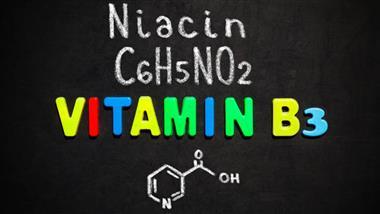
Niacin, also called vitamin B3, is a water-soluble vitamin that is found naturally in foods, is added to processed foods and can be bought as a supplement. Niacin plays a vital role in over 400 enzymes, and one study suggests that a diet rich in niacin could protect your skin against ultraviolet (UV) radiation.1
A severe niacin deficiency called pellagra is ultimately a lethal disease. While it was common in the early 20th century, pellagra is uncommon in industrialized populations where most processed foods are fortified with niacin. Currently, pellagra is limited to people living in poverty whose diets are low in niacin and protein.2
The disease is marked by the four D’s: diarrhea, dermatitis, dementia and death. Symptoms of the condition include a brown discoloration on skin exposed to sunlight, a bright red tongue and vomiting, constipation and/or diarrhea. Neurological symptoms include headache, fatigue, loss of memory and depression.
Without treatment, the disease progresses until a person exhibits paranoid and suicidal behaviors with visual and auditory hallucinations and dies. Although this deficiency is rare in industrialized nations, insufficiency contributes to several disease entities and researchers have found:3
“Benefits of niacin supplementation have been observed in experimental models of cancer, cardiovascular disease, skin health, mental health, and oxidant lung injury.”
Niacin Protects Your Skin From UV Radiation
There are three main forms of niacin, which are dietary precursors to nicotinamide adenine dinucleotide (NAD). These are nicotinamide riboside, nicotinic acid and nicotinamide.4 Researchers in Italy studied skin cells from nonmelanoma skin cancers and treated them with different doses of nicotinamide for 48, 24 and 18 hours, after which they were exposed to UV light.
The lab studies showed the cells that were pretreated with nicotinamide were protected from oxidative stress, including damage to DNA from ultraviolet rays. In addition, the data showed niacin reduced local inflammation and the production of reactive oxygen species. Laura Camillo participated in the study and commented in a press release:5
“Our study indicates that increasing the consumption of vitamin B3, which is readily available in the daily diet, will protect the skin from some of the effects of UV exposure, potentially reducing the incidence of non-melanoma skin cancers. However, the protective effect of vitamin B3 is short-acting, so it should be consumed no later than 24 to 48 hours before sun exposure.”
The current lab study supported data from past studies demonstrating similar results. In an animal model, nicotinamide helps prevent photocarcinogenesis and protected the skin against UVA and UVB light.6 Researchers also tested nicotinamide supplements twice-daily in a human trial with people who had actinic keratosis, a precursor to skin cancer.
The nicotinamide supplements reduced the actinic keratosis by 35% relative to the placebo used in the study when it was measured at two and four months. The results were presented at the 41st European Society for Dermatological Research Annual Meeting 2011.
In a paper published in American Health & Drug Benefits, the author reported on one study investigating the use of oral nicotinamide in people who were at high risk for skin cancer.7 The data showed the supplement reduced the rate of new diagnosis of basal cell and squamous cell carcinoma after one year by 23% when the results were compared against a placebo.
Niacin also lowered the risk the participant would develop actinic keratosis. It was estimated the use of this inexpensive supplement could reduce health care costs by approximately $4.8 million each year. The investigators stressed the results were in individuals who had been diagnosed with skin cancer in the past and may not apply to other populations.
In addition, the researchers believe vitamin B3 could be used as a preventive strategy and not treatment. The lead investigator from the University of Sydney also warned the prevention did not take the place of routine care and skin examinations, commenting:8
“This form of prevention is safe and inexpensive, costing around $10 per month, and it is widely available. It is ready to go straight to the clinic for high-risk patients with a track record of skin cancer. This is a new opportunity for skin cancer prevention.”
Prevalence of Skin Cancer Is Rising
Approximately 20% of people living in the U.S. will have skin cancer by age 70.9 Experts estimate nearly 9,500 people receive a diagnosis of skin cancer every day in the U.S.10 There are four main types of skin cancer, including basal cell carcinoma, squamous cell carcinoma, Merkel cell carcinoma and melanoma.
Of the nonmelanoma types of skin cancer, nearly 80% are basal cell, which develop more often on the head and neck. These types of cancer grow slowly and rarely spread. Nearly 20% are squamous cell carcinomas that can be found in areas of the skin that had been burned, exposed to X-rays or damaged by chemicals. Merkel cell is a rare and highly aggressive form of cancer.
Experts estimate over 100,000 adults in the U.S. are diagnosed with invasive melanoma each year and it is the fifth most common cancer that can develop in any age person.11 From 1982 until 2011, the rate of melanoma in the U.S. doubled.12 Since then, the number of people diagnosed has continued to rise.13
Long-Term Heart Benefits of Niacin
Nicotinic acid has been used for more than 40 years to help control dyslipidemia.14 Supplementation with nicotinic acid from 1,000 milligrams (mg) to 2,000 mg have been used daily to increase HDL and lower LDL cholesterol in carefully monitored studies. However, doses this high can produce side effects.
Some clinical trials have demonstrated patients on niacin therapy have a lower number of cardiovascular events and deaths. Other trials were not as positive. After a review of the literature, the U.S. Food and Drug Administration concluded:15
“… scientific evidence no longer supports the conclusion that a drug-induced reduction in triglyceride levels and/or increase in HDL-cholesterol levels in statin-treated patients results in a reduction in the risk of cardiovascular events.”
As I’ve written before, it is the relationship between HDL, LDL and triglycerides that is a greater predictor of heart health and not the absolute numbers of each. This means the FDA statement supports lowering LDL cholesterol with dangerous statin medications but suggests altering HDL and triglyceride levels with an inexpensive and safe supplement would have no effect on heart health.
In one study published in the Journal of the American College of Cardiology, researchers evaluated data from 1966 to 1975, looking at the effectiveness and safety of five drugs in a population of 8,341 men.16
Two medications were discontinued early in the study because of adverse events. The niacin treatment showed modest benefit in reducing the number of heart attacks, but did not reduce all-cause mortality. However, researchers followed up with the group 15 years later, nearly nine years after the participants stopped using the interventions.
They found all-cause mortality was similar to the placebo group in all drugs except niacin. Nine years after the participants stopped taking niacin, it continued to have a positive effect on their health, lowering all-cause mortality by 11% over the placebo group.
B Vitamins May Lower Risk of Worst COVID Outcomes
In the past, I have reviewed how nutrients such as vitamins C and D play a role in the treatment of COVID-19. A recently published paper has also highlighted the potential value of B vitamins.17 The paper was an international collaborative effort among researchers from the University of Oxford, United Arab Emirates University and the University of Melbourne Australia.18
Although there are no studies evaluating the efficacy of B vitamins on patients with COVID-19, the scientists advocate for research into the group of vitamins, stressing their importance to the immune system and immune competence. The paper does not suggest that B vitamins could prevent or treat COVID-19 alone.
However, as scientists have discovered many times, a single vitamin or nutritional supplement does not work alone, but in concert with others. COVID-19 has been dangerous for those with underlying medical conditions or older adults as it triggers an overactivation of your immune system and a cytokine or bradykinin storm.
Niacin and nicotinamide are important to your immune health as they are precursors to NAD+. This is a crucial signaling molecule that naturally declines with age. According to David Sinclair with Harvard Medical School, higher levels of NLRP3 inflammasomes are culprits in cytokines storms and are influenced by NAD+ levels.19
Niacin is a building block of NAD and NADP. This component is vital when combating inflammation, such as what happens during a viral infection like COVID-19. The scientists advocating for research into B vitamins explain:20
“NAD+ is released during the early stages of inflammation and has immunomodulatory properties, known to decrease the pro-inflammatory cytokines, IL-1β, IL-6 and TNF-α.
Recent evidence indicates that targeting IL-6 could help control the inflammatory storm in patients with COVID-19. Moreover, niacin reduces neutrophil infiltration and exhibits an anti-inflammatory effect in patients with ventilator-induced lung injury …
In addition, nicotinamide reduces viral replication (vaccinia virus, human immunodeficiency virus, enteroviruses, hepatitis B virus) and strengthens the body’s defense mechanisms. Taking into account the lung protective and immune strengthening roles of niacin, it could be used as an adjunct treatment for COVID-19 patients.”
Be Aware of a Niacin Flush
Niacin can be found in a wide variety of foods, including animal-based foods such as poultry, beef and fish, and nuts and grains.21 Many processed foods such as breads, cereals and infant formulas are fortified with niacin.
One of the highest sources of B3 is grass fed beef liver, and even a half a cup of chopped onions has 0.1 mg of niacin per serving. Other rich sources include brown rice, beef, pork and sockeye salmon.
If you are considering using a niacin supplement, be aware that one of the common side effects is a niacin flush. This most often happens when the vitamin is taken in large doses and usually only when using nicotinic acid. Niacinamide does not commonly produce the flushing side effect, but also does not have the same effect on cholesterol levels.22
A niacin flush doesn’t happen when you eat foods high in niacin. The condition is marked by symptoms of a burning or tingling sensation in the chest, neck and face.23 Your skin can feel warm to the touch and take on a flushed, red appearance. For some, as little as a 50 mg supplement can trigger the reaction.
Although it is irritating, and sometimes alarming, it is nonetheless harmless. Some find using a time release supplement, taking it with meals or drinking plenty of fluid can reduce the flushing effect. Taking smaller doses spread throughout the day may also reduce the potential of a reaction.
- 1 India Times, November 2, 2020
- 2 National Institutes of Health, Niacin, Niacin Deficiency
- 3 Advances in Nutrition, 2016;7(3) Niacin Deficiencies last line
- 4 Oregon State University, Niacin, bullet 1
- 5 EurekAlert! October 31, 2020 Second last para
- 6 F1000 Research, September 23, 2011
- 7, 8 American Health & Drug Benefits, 2015;8(Spec Issue)
- 9 Skin Cancer Foundation, Skin Cancer Facts And Statistics
- 10 American Academy of Dermatology Association, Skin Cancer
- 11 Cancer.net, Melanoma Statistics
- 12 American Academy of Dermatology Association, Skin Cancer, Incidence rates, bullet 8
- 13 Skin Cancer Foundation, Skin Cancer Facts And Statistics, Melanoma
- 14 Harvard TH Chan School of Public Health, Niacin Vitamin B3, Niacin And Health
- 15 Federal Register, April 18, 2016, II Withdrawal under section 505
- 16 Journal of the American College of Cardiology, 1986; 8(6) abstract
- 17 Maturitas, 2020; doi.org/10.1016/j.maturitas.2020.08.007
- 18 MSN, August 28, 2020 para 2
- 19 Aging, 2020; doi.org/10.18632/aging.103344 Increased inflammation and cytokine storms in the aged first line para 7
- 20 Maturitas, 2020; doi.org/10.1016/j.maturitas.2020.08.007 1.3 Vitamin B3
- 21 National Institutes of Health, Niacin, Food sources
- 22 MedlinePlus, Niacinamide, how does it work para 3
- 23 British Columbia Drug and Poison Information Centre,Niacin: The Facts on Flushing
Selenium in your cancer prevention program
by: July 20, 2019

(NaturalHealth365) What does selenium have to do with your health? The answer may surprise you (and motivate you – in a whole new way!)
Let’s start with a discussion about cancer – the second leading cause of death in the United States, right behind heart disease. Experts predict that cancer will soon surpass heart disease as the leading killer of American adults.
No doubt, we can all agree: the need for a safe (non-toxic) methods of preventing and treating this deadly disease is truly urgent. This brings us to why we – at NaturalHealth365 – are pleased to feature studies like this one – from Nutrition and Cancer highlighting the importance of consuming enough selenium – on a regular basis. (Note: PubMed has over 1,500 studies on “selenium and cancer prevention.”)
An essential trace element found in various foods, soil and water, selenium helps to prevent cancer by enhancing our immune system, increasing protection against stress and disease plus suppressing the growth of cancerous cells.
Selenium enhances the power of a “master antioxidant” to help detoxify the body
One of selenium’s most vital functions is to help create antioxidant enzymes, or selenoproteins, that recycle glutathione, the body’s “master antioxidant” and detoxifier. In this way, selenium strikes a blow against the disease-causing oxidative stress – which contributes to chronic degenerative disease.
But selenium also has many more “tricks up its sleeve” when it comes to fighting cancer.
Do NOT ignore the health dangers linked to toxic indoor air. These chemicals – the ‘off-gassing’ of paints, mattresses, carpets and other home/office building materials – increase your risk of headaches, dementia, heart disease and cancer.
Unlike therapies that address only one specific stage or type of cancer, selenium is pleiotropic. This means that it combats cancer through multiple pathways and mechanisms, allowing it to target the disease in various forms and stages.
So important is selenium that low levels are linked with an eight-fold increased risk of cancers of the bladder, lungs, stomach, esophagus and liver.
And, supplementation has been shown to lower cancer risk, particularly cancers of the bladder, lung and colon.
Selenium’s extensive therapeutic “toolkit” allows it to prevent cancerous cells from developing into tumors
In addition to preserving the selenoproteins that recycle antioxidants, selenium regulates inflammatory molecules that contribute to cancer growth.
This versatile nutrient also helps to boost the immune system, detoxify carcinogens and heavy metals, protect DNA from cancer-causing mutations and inactivate molecules crucial to the development of cancer cells.
In addition, selenium induces apoptosis – the programmed death of cancer cells – meaning it may help check the uncontrolled reproduction that can help cancer spread so swiftly.
Finally, selenium regulates sex hormone receptors used by some cancers, thereby helping to suppress tumor invasion and growth. Peer-reviewed research has documented reductions in cancer risk through selenium supplementation.
One recent meta-analysis involving nine randomized controlled clinical trials and over 152,000 participants showed that selenium supplementation can cut cancer risk by 26 percent.
Participants who had low levels of selenium at the beginning of the study experienced an even larger (36 percent) reduction in risk – and those in high-risk populations experienced a sizeable 34 percent decrease as well.
Great NEWS: Three different forms of selenium join forces to fight cancer “across the board”
Selenium exists in three distinct forms, each with its own unique capabilities against cancer. While their names can be tongue-twisters, it’s worth noting their individual benefits.
Inorganic sodium selenite destroys the mitochondria that exist in tumor cells – while leaving the mitochondria of healthy cells unharmed. It also helps repair damaged DNA while boosting the immune response.
While it is not absorbed as well as organic forms of selenium, sodium selenite seems to do the best job of boosting crucial glutathione activity.
The second form, selenium-methyl L-selenocysteine, is an organic complex of selenium that contains the sulfur-containing amino acid cysteine.
This form suppresses tumor growth by inhibiting angiogenesis – the creation of new blood vessels that carry nutrients to tumors. It also induces the destruction of cancer cells, and has been shown to boost the effectiveness of chemotherapy drugs.
The third form, L-selenomethionine, is an organic compound of selenium that contains the amino acid L-methionine. This is the form most frequently used in clinical trials – and it has yielded extremely promising results.
In a landmark 1996 University of Arizona study, participants were given 200 mcg of L-selenomethionine a day in order to discern whether the complex could prevent skin cancer. The study did not yield any evidence at all that L-selenomethione could prevent basal or squamous cell skin cancer, per se.
But what it did do – slash the incidence of death from all cancers, by 50 percent – caused researchers to do a double take.
The results were so impressive that the team did something that is almost unprecedented in medical research: stopped the “blinded” phase of the study cold – so that all participants could immediately begin to take advantage of maximum protection against cancer.
And that’s not all.
A separate study showed that L-selenomethionine could reduce risk of prostate cancer by 63 percent – when a prior history of cancer existed – and by a whopping 74 percent in those with normal levels of PSA (prostate-specific androgen, which researchers use as a marker of prostate cancer).
How to decrease your risk of bladder cancer by nearly 40 percent
Over 70,000 Americans will be diagnosed with bladder cancer over this year alone – and 14,000 will lose their lives to the disease.
A recent review shows that selenium can substantially decrease the risk of the disease.
In a meta-analysis involving over 17,000 participants and published in Cancer Epidemiology and Prevention Biomarkers, the authors noted that selenium supplementation was associated with a 39 percent decrease in the risk of bladder cancer – when averaged out over both sexes.
When the researchers looked at the effects of selenium supplementation on women alone, they found that it reduced bladder cancer risk by a robust 45 percent. The team called for more study to further explore the benefits of selenium supplementation.
Proper nutrition can help raise selenium levels
The USDA advises that the adult daily allowance for selenium is 55 mcg a day.
You can increase your selenium levels by eating organic cage-free eggs, wild-caught salmon, halibut, poultry and grass-fed beef.
Vegans and vegetarians can obtain selenium through sunflower seeds and Brazil nuts. In fact, with a whopping 607 micrograms of selenium per cup, Brazil nuts are the single best source of this essential mineral.
If you think selenium supplementation might be right for you, check with your integrative healthcare provider before adding it to your health routine – to best advise you on the proper forms and dosages to take.
Sources for this article include: