Natural Medicine

now browsing by category


Massive ‘Horse’ Lies About Nobel Prize Winning Treatment


Reproduced from original article:
https://articles.mercola.com/sites/articles/archive/2021/09/13/horse-dewormer-ivermectin.aspx

Analysis by Dr. Joseph Mercola      Fact Checked      September 13, 2021

STORY AT-A-GLANCE

  • KFOR news ran a fake story in which a doctor claimed emergency rooms in Oklahoma were inundated with people who used horse ivermectin paste as a treatment for COVID-19 and overdosed
  • The story turned out to be pure fiction, as no such cases have occurred. Still, KFOR has not retracted the story or issued a correction
  • The idea that ivermectin is a horse dewormer that poses a lethal risk to humans is a deceptive narrative aimed at dissuading people from using a safe and effective drug against COVID-19
  • While ivermectin is used as a dewormer in animals, it is also a human drug, approved by the FDA since the mid-1990s. It’s on the World Health Organization’s list of essential medicines for several parasitic diseases and, like many other drugs, ivermectin is used off-label for other diseases and conditions
  • In addition to being antiparasitic, ivermectin also has potent antiviral properties and has even been shown to protect against SARS-CoV-2 spike protein damage

In recent days, another big, fat lie has been allowed to circulate unchecked and unverified in headlines across the media landscape. “Ivermectin: Why Are U.S. Anti-Vaxxers Touting a Horse Dewormer as a Cure for COVID?” asks the Independent.1 Similar headlines — all focusing on “horse dewormer” — have been plastered across many other media outlets.

It appears Oklahoma’s KFOR news was the first to run a fake story that made this false narrative explode. September 1, 2021, KFOR reported that emergency rooms were overrun with patients who had overdosed on horse ivermectin. The claim was supposedly made by doctor Dr. Jason McElyea. According to KFOR:2

“Dr. McElyea said patients are packing his eastern and southeastern Oklahoma hospitals after taking ivermectin doses meant for a full-sized horse, because they believed false claims the horse de-wormer could fight COVID-19.’The ERs are so backed up that gunshot victims were having hard times getting to facilities where they can get definitive care and be treated,’ he said.”

Fake News Alert

Other media outlets ran with the story, including Rolling Stone magazine,3 The Daily Mail,4 the Independent,5 Newsweek,6 The Guardian,7 Yahoo News8 — which later published a story saying a hospital was “disputing” the claim — and MSNBC’s Rachael Madow.9

There was just one problem. It was a fake story. A few days after the story made major media rounds, the Sequoyah Northeastern Health System issued a public notice and posted it on its website homepage, dismissing McElyea’s claims as pure fiction:

northeast health system

However, rather than retract the article, which would be appropriate for a piece that turns out to be fictional from start to finish, Rolling Stone simply posted an “update” at the top of the article, noting Sequoyah’s rebuttal. KFOR has issued no correction at all, as of September 7, 2021. The Guardian issued an update at the bottom of its article, but did not include the hospital’s statement that NO patients have been treated for ivermectin overdose.

Hundreds of news articles have also brought attention to alleged rises in ivermectin-related calls to poison control centers around the U.S. These too, it turns out, are based on the flimsiest of data. For example, in Kentucky, poison control reports having received six calls relating to ivermectin paste overdose, compared to an average of one per year.

The department of health in Mississippi similarly noted that while calls to poison control involving ivermectin paste have seen a slight increase, all cases have been mild and none have required hospitalization due to toxicity.10 Clearly, people are not dying from horse ivermectin overdoses, and they’re certainly not dying from appropriately-dosed and prescribed oral ivermectin.

False Narrative Alert

This idea that ivermectin is a horse dewormer that poses a lethal risk to humans is pure horse manure, shoveled at us in an effort to dissuade people from using a safe and effective drug against COVID-19.

The intent is clear. What our so-called health agencies and the media are trying to do is confuse people into thinking of ivermectin as a “veterinary drug,” which simply isn’t true. Ultimately, what they’re trying to do is back up the Big Pharma narrative that the only thing at your disposal is the COVID shot. As noted in a recent HuffPost article:11

“Health experts ― the kind who practice on humans ― agree that the best way to prevent yourself from catching the virus is to get vaccinated, wear a face mask and stay out of crowds.”

In an August 21, 2021, Twitter post,12 the Food and Drug Administration said, “You are not a horse. You are not a cow. Seriously, y’all. Stop it,” linking to an FDA article on why you should not use ivermectin to prevent or treat COVID-19.

The MSNBC report in the video above is another perfect example of the deceptive narrative being spun around ivermectin. The host blatantly mixes data points together, talking about ivermectin horse paste in one breath and rising prescriptions for ivermectin in the other, as if doctors are now prescribing veterinary drugs just to appease desperate patients. He then goes on to refer to doctors’ success with ivermectin as “anecdotal.”

Comedian and podcast host Joe Rogan, who recently developed COVID-19 and treated it with ivermectin and a slew of other remedies, is also being badmouthed for daring to share his success story. NPR, for example, reported:13

“Joe Rogan has told his Instagram followers he has been taking ivermectin, a deworming veterinary drug formulated for use in cows and horses, to help fight the coronavirus. The Food and Drug Administration has warned against taking the medication, saying animal doses of the drug can cause nausea, vomiting and in some cases severe hepatitis.”

This video contains uncensored dialogue

Did Rogan take horse ivermectin paste? No. Did he take animal doses of it? No. As you can see in the video above, Rogan talked with “multiple doctors” who told him to take it and, ultimately, he did take it and he got well, remarkably quickly. Yet NPR blatantly blends veterinary and human use together, as if to insinuate that he did take horse-level doses of it.

It’s worth noting that the FDA is not warning against low-dose oral ivermectin as routinely prescribed for human use. They’re warning against animal doses, which no licensed medical doctor would prescribe. In short, doctors are not prescribing ivermectin for horses, nor are they prescribing it at horse dosages.

Ivermectin Is an Essential Human Drug

While ivermectin is used as a dewormer in animals, it is also a human drug, approved by the FDA since the mid-1990s for the treatment of river blindness.14 It’s also on the World Health Organization’s list of essential medicines for several parasitic diseases.15

Like many other drugs, ivermectin is also used off-label for other diseases and conditions. Systemic lupus and papulopustolar rosacea,16 for example, are sometimes treated with ivermectin. In 2018, a patent was filed to treat certain autoimmune disorders with ivermectin.17

When used preventatively for COVID-19, or as treatment for acute SARS-CoV-2 infection, ivermectin is being used off-label, but there’s nothing unusual or suspect about this at all. Many drugs are used “off label.” So, when media warn that “ivermectin is not approved by the FDA for the treatment of COVID-19,” that essentially means nothing. It certainly doesn’t mean the drug isn’t FDA approved at all, or that it’s only approved for animals.

The fact is, ivermectin has several different properties. In addition to being antiparasitic, it also has potent antiviral properties and has even been shown to protect against SARS-CoV-2 spike protein damage.

Research shows ivermectin impairs the spike protein’s ability to attach to the ACE2 receptor on human cell membranes.18 The drug can also help prevent blood clots by binding to SARS-CoV-2 spike protein. This prevents the spike protein from binding to CD147 on red blood cells and triggering clumping.19

As for safety, more than 4 billion doses have been given to (human) patients since 1998, and only 28 cases of serious adverse events have been reported in that time.20 Yet the FDA now claims ivermectin should not be used for COVID-19 because the drug may cause “serious harm,” is “highly toxic” and may cause “seizures,” “coma and even death”21 — warnings that are far more applicable to COVID shots.

Ivermectin Suitable for All Treatment Stages

Since early on, the Frontline COVID-19 Critical Care Alliance (FLCCC) has been trying to get the truth out about ivermectin. The FLCCC’s prophylaxis and early outpatient COVID-19 protocol is known as I-MASK+22 while the hospital treatment is called I-MATH+.23 All include ivermectin. As noted by the FLCCC in a news release:24

“The data shows the ability of the drug Ivermectin to prevent COVID-19, to keep those with early symptoms from progressing to the hyper-inflammatory phase of the disease, and even to help critically ill patients recover.

… numerous clinical studies — including peer-reviewed randomized controlled trials — showed large magnitude benefits of Ivermectin in prophylaxis, early treatment and also in late-stage disease. Taken together … dozens of clinical trials that have now emerged from around the world are substantial enough to reliably assess clinical efficacy.”

FLCCC president and chief medical officer Dr. Pierre Kory has testified to the benefits of ivermectin before a number of COVID-19 panels, including the Senate Committee on Homeland Security and Governmental Affairs in December 202025 and the National Institutes of Health COVID-19 Treatment Guidelines Panel in January 2021.26

The two protocols — I-MASK+27 and I-MATH+28 — are available for download on the FLCCC Alliance website in multiple languages. The clinical and scientific rationale for the I-MATH+ hospital protocol has also been peer-reviewed and was published in the Journal of Intensive Care Medicine29 in mid-December 2020.

Strong Evidence for Ivermectin

April 24 through 25, 2021, Dr. Tess Lawrie, director of Evidence-Based Medicine Consultancy Ltd.,30 hosted the first International Ivermectin for COVID Conference online.31

Twelve medical experts32 from around the world — including Kory — shared their knowledge, reviewing mechanism of action, protocols for prevention and treatment, including so-called long-hauler syndrome, research findings and real world data. All of the lectures, which were recorded via Zoom, can be viewed on Bird-Group.org.33

A one-page summary of the clinical trial evidence for ivermectin is available on the FLCCC website,34 while a listing of all ivermectin trials done to date, with links to the published studies, can be found on c19Ivermectin.com.35 So, what does the evidence show? In summary, studies have demonstrated ivermectin:36

•Lowers viral load.

•Inhibits replication of many viruses, including SARS-CoV-2 and seasonal influenza viruses. An observational study37 from Bangladesh, which looked at ivermectin as a pre-exposure prophylaxis for COVID-19 among health care workers, found only four of the 58 volunteers who took 12 mg of ivermectin once per month for four months developed mild COVID-19 symptoms, compared to 44 of the 60 health care workers who had declined the medication.

•Inhibits inflammation through several pathways and protects against organ damage.

•Prevents transmission of SARS-CoV-2 when taken before or after exposure.

•Speeds recovery and lowers risk of hospitalization and death in COVID-19 patients — The average reduction in mortality, based on 18 trials, is 75%.38 A WHO-sponsored review39 suggests ivermectin can reduce COVID-19 mortality by as much as 83%.

Who’s Actually Following the Science?

As noted in an August 3, 2021, review paper in New Microbes New Infections, titled “Ivermectin: A Multifaceted Drug of Nobel-Prize Honored Distinction With Indicated Efficacy Against a New Global Scourge, COVID-19”:40

“In 2015, the Nobel Committee for Physiology or Medicine, in its only award for treatments of infectious diseases since six decades prior, honored the discovery of ivermectin (IVM), a multifaceted drug deployed against some of the world’s most devastating tropical diseases.

Since March 2020, when IVM was first used against a new global scourge, COVID-19, more than 20 randomized clinical trials (RCTs) have tracked such inpatient and outpatient treatments. Six of seven meta-analyses of IVM treatment RCTs reporting in 2021 found notable reductions in COVID-19 fatalities, with a mean 31% relative risk of mortality vs. controls.

During mass IVM treatments in Peru, excess deaths fell by a mean of 74% over 30 days in its ten states with the most extensive treatments. Reductions in deaths correlated with the extent of IVM distributions in all 25 states with p < 0.002.

Sharp reductions in morbidity using IVM were also observed in two animal models, of SARS-CoV-2 and a related betacoronavirus. The indicated biological mechanism of IVM, competitive binding with SARS-CoV-2 spike protein, is likely non-epitope specific, possibly yielding full efficacy against emerging viral mutant strains.”

Despite the evidence, the American Medical Association (AMA), the American Pharmacists Association (APhA) and the American Society of Health-System Pharmacists (ASHP) are now banding together to call on doctors to immediately stop prescribing ivermectin for COVID outside of clinical trials.41

Hopefully, doctors will evaluate the evidence for themselves and do what makes sense and is best for their patients, rather than cater to Big Pharma. Indeed, as the U.S. wants to eliminate all use of ivermectin, other countries are starting to use more of it. India, for example, has added ivermectin for COVID-19 to its list of essential medicines.

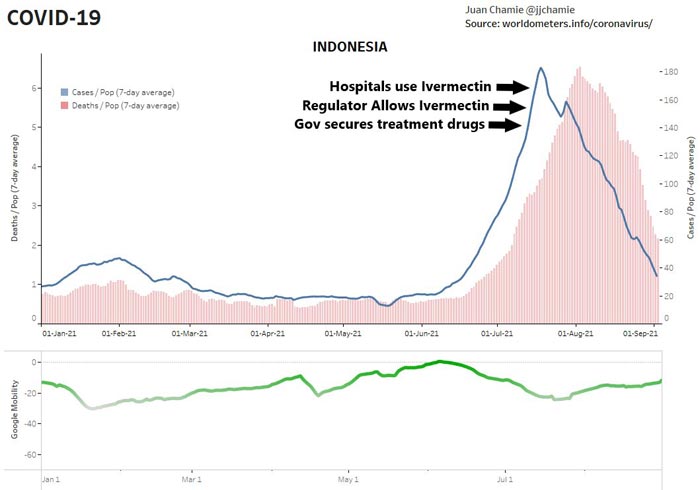
The Tokyo Metropolitan Medical Association also added ivermectin to its home treatment protocol August 13, 2021, and Indonesia’s government not only authorized the use of the drug but also created a website showing real-time availability of the drug. Hospitals in Indonesia started using ivermectin July 22, 2021. By the first week of August, cases and deaths were plummeting.42
ivermectin graph

The ‘Delta Variant’ Is Vaccine Injuries, Whistleblower Claims

In a recent Stew Peters program, a nurse blows the whistle on several commonly-held beliefs. She points out that her hospital was never, not even during the height of the pandemic 2020, over capacity due to COVID patients. Disturbingly, she notes that most hospital personnel are still unaware that the PCR test is completely unreliable, and care is all based on that test.

Even if you do not have any COVID symptoms, a positive test will land you on the COVID ward, where standard protocol calls for Remdesivir and, if you have low oxygen, being put on a ventilator. She says most patients get worse on Remdesivir, which has been shown to cause heart and kidney problems. She points out that for a short time, the drug was given in combination with ivermectin, and during that time, patient outcomes were much better. Ivermectin was then removed from the protocol.

As for the Delta variant, there are no commercial tests that will identify variants, although genetic sequencing in a research lab would be able to differentiate them. The nurse stresses that she’s never seen “Delta” specified on any patient chart — a claim that raises the question how officials are able to claim that most COVID-19 patients are now infected with the Delta variant.

She’s also reporting seeing a significant number of vaccine injuries, yet she’s not aware of a single instance where the injury was reported to the U.S. Vaccine Adverse Effect Reporting System (VAERS). Whenever she’s brought her suspicions to the doctor, she’s been rebuffed and the vaccine link has been dismissed.

The most shocking take-home from this interview is that the supposed surge in Delta cases are in fact mislabeled vaccine injuries, according to this whistleblower.

“The Delta variant is the vaccine injuries,” she tells Peters. “It’s common knowledge around the staff that is aware of what’s going on, [who are] paying attention [and] aren’t in denial.”


– Sources and References

10 Natural Substances for Type 1 Diabetes

© GreenMedInfo LLC. This work is reproduced and distributed with the permission of GreenMedInfo LLC.
Want to learn more from GreenMedInfo? Sign up for the newsletter here:
www.greenmedinfo.com/greenmed/newsletter
Reproduced from original article:
https://www.greenmedinfo.com/blog/10-natural-substances-may-help-cure-type-1-diabetes
Posted on: Wednesday, June 26th 2013 at 9:00 am
Written By: Sayer Ji, Founder
This article is copyrighted by GreenMedInfo LLC, 2020

10 Natural Substances That Could Help Cure Type 1 Diabetes
Could support for type 1 diabetes be as close as your kitchen cupboard? An accumulating body of scientific research appears to point in exactly that direction

One so-called “incurable disease” that afflicts millions of people around the world is type 1 diabetes. Unlike type 2 diabetes, where the body becomes resistant to its own insulin, type 1 is characterized by the inability of the body to produce enough insulin, as the beta cells within the pancreas, which are responsible for the production of insulin (and the proinsulin from which it is made), are either destroyed or seriously impaired. This can happen due to autoimmune issues, bacterial or viral infections, incompatible foods in the diet and chemical exposures (or a combination of any one or more of these factors), to name but a few major triggers.

And yet, plenty of peer-reviewed and published research indicates that plant compounds, including many found within commonly consumed foods, are capable of stimulating beta cell regeneration within the pancreas, and as a result may potentially provide a natural form of treatment — perhaps something the profit-based model of medicine, which thrives on the concept of the incurability of the disease-afflicted human body in favor of symptom management, isn’t eager to hear.

The discovery of the beta cell regenerative potential of various food and compounds is bound to upset a burgeoning diabetes industry, with millions of dollars of public and private money continually being poured into fundraising efforts for a future “cure;” A cure that will presumably be delivered through the prohibitively expensive pharmaceutical, vaccine or biologic (e.g., stem cells, islet cell xenotransplantation) pipeline, which by the very nature of the FDA drug approval process requires the promotion of synthetic (and therefore patentable) compounds over natural ones.

Let’s take a look at a preclinical study on the topic, published in the Canadian Journal of Physiology and Pharmacology[1]. An active fraction of flaxseed, which researchers named Linun usitassimum active fraction (LU6), was found to generate a wide range of benefits in a type 1 diabetes animal model, including the following:

  • Improved glucose utilization in the liver
  • Supported normalized glycogenesis (glucose forming activity) in the liver and muscle tissue
  • Reduced pancreatic and intestinal glucosidase inhibitory activity, which translates into lower post-meal blood sugar elevations

Even more remarkable was the observation that this flaxseed compound normalized plasma insulin and C-peptide levels (C peptide is not C-reactive protein, rather it is a direct indicator of how much insulin is being produced by the beta cells in the body. Learn more), an indication that beta cell function was effectively restored. The researchers described the truly amazing results as follows:

Normalization of plasma insulin and C-peptide levels were observed in diabetic mice, indicating endogenous insulin secretion after the treatment with LU6. The histochemical and immunohistochemical analysis on pancreatic islets suggests the role of LU6 fraction in islet regeneration and insulin secretion as evident in increase functional pancreatic islets producing insulin. Furthermore, significant insulin producing islet formation was also observed in in vitro PANC-1 cells after LU6 treatment, indicating the cellular aggregates to be newly formed islets. This suggests the potential of LU6 fraction in the formation of new islets in vitro, as well as in vivo. Thus, LU6 can be used as a nutraceutical-based first-line treatment for diabetes. [emphasis added]

Keep in mind that this is not the first time that flaxseed has been found to improve blood sugar disorders. We have a few studies on GreenMedInfo.com already indexed on the topic that you can view here: Flaxseed and Diabetes.

Furthermore, we have found a broad range of natural substances experimentally confirmed to stimulate beta cell regeneration, 10 of which are listed below:

  1. Arginine: A 2007 study found that the amino acid L-arginine is capable of stimulating the genesis of beta cells in an animal model of alloxan-induced diabetes.[2]
  2. Avocado: A 2007 study found that avocado seed extract reduced blood sugar in diabetic rats. Researchers observed a restorative and protective effect on pancreatic islet cells in the treated group.[3]
  3. Berberine: A 2009 study found that this plant compound, commonly found in herbs such as barberry and goldenseal, induces beta cell regeneration in diabetic rats, which lends explanation for why it has been used for 1,400 years in China to treat diabetes.[4]
  4. Chard: A 2000 study found that chard extract given to diabetic rats stimulates the recovery of injured beta cells.[5]
  5. Corn Silk: A 2009 study found that corn silk reduces blood sugar and stimulates beta cell regeneration in type 1 diabetic rats.[6]
  6. Curcumin (from Turmeric): A 2010 study found that curcumin stimulates beta cell regeneration in  type 1 diabetic rats.[7] Additionally, a 2008 study found that curcumin preserves pancreatic islet cell survival and transplantation efficiency.[8]
  7. Genistein (from soy, red clover): A  2010 study found that genistein induces pancreatic beta-cell proliferation through activation of multiple signaling pathways and prevents insulin-deficient diabetes in mice.[9]
  8. Honey: A 2010 human study found that long-term consumption of honey might have positive effects on the metabolic derangements of type 1 diabetes, including possible beta cell regeneration as indicating by increases in fasting C-peptide levels.[10]
  9. Nigella Sativa (black seed): A 2003 animal study found that black seed consumption led to partial regeneration/proliferation of the beta cells.[11] A 2010 human study also found that the consumption of 1 gram of black seed a day for up to 12 weeks had a broad range of beneficial effects in diabetics, including increasing beta cell function.[12]
  10. Stevia: A 2011 human study found that stevia has anti-diabetic properties, including revitalizing damaged beta cells, and compares favorably with the drug glibenclamide but without the adverse effects.[13] 

For a full list of beta cell regenerating substances, view our page on the topic. The data is also available to download as a PDF, which members can acquire by using their membership tokens without paying the nominal fee.


For additional research on the topic of regenerative medicine and diabetes you can consult the articles 6 Bodily Tissues that Can Be Regenerated Through Nutrition and Diabetes: An Entirely Preventable and Reversible Disease. Or,  visit our Health Guide on Blood Sugar Disorders.


References

[1] Menakshi Bhat Dusane, Bimba N Joshi. Beneficial effect of flax seeds in streptozotocin (STZ) induced diabetic mice: isolation of active fraction having islet regenerative and glucosidase inhibitory properties. Can J Physiol Pharmacol. 2013 May ;91(5):325-31. Epub 2013 Jan 16. PMID: 23656171

[2] Ana Vasilijevic, Biljana Buzadzic, Aleksandra Korac, Vesna Petrovic, Aleksandra Jankovic, Bato Korac.Beneficial effects of L-arginine nitric oxide-producing pathway in rats treated with alloxan. J Physiol. 2007 Nov 1;584(Pt 3):921-33. Epub 2007 Aug 23. PMID: 17717015

[3] Do Edem, Is Ekanem, Pe Ebong. Effect of aqueous extracts of alligator pear seed (Persea americana mill) on blood glucose and histopathology of pancreas in alloxan-induced diabetic rats. Transplantation. 2007 Jul 27;84(2):173-9. PMID: 19553173

[4] Jiyin Zhou, Shiwen Zhou, Jianlin Tang, Kebin Zhang, Lixia Guang, Yongping Huang, Ying Xu, Yi Ying, Le Zhang, Dandan Li. Protective effect of berberine on beta cells in streptozotocin- and high-carbohydrate/high-fat diet-induced diabetic rats. Eur J Pharmacol. 2009 Mar 15;606(1-3):262-8. Epub 2009 Jan 19. PMID: 19374872

[5] S Bolkent, R Yanardağ, A Tabakoğlu-Oğuz, O Ozsoy-Saçan. Effects of chard (Beta vulgaris L. var. Cicla) extract on pancreatic B cells in streptozotocin-diabetic rats: a morphological and biochemical study. J Ethnopharmacol. 2000 Nov;73(1-2):251-9. PMID: 11025163

[6] Jianyou Guo, Tongjun Liu, Linna Han, Yongmei Liu. The effects of corn silk on glycaemic metabolism. Nutr Metab (Lond).2009 Nov 23;6:47. PMID: 19930631

[7] Malee Chanpoo, Hattaya Petchpiboonthai, Busaba Panyarachun, Vipavee Anupunpisit. Effect of curcumin in the amelioration of pancreatic islets in streptozotocin-induced diabetic mice. J Med Assoc Thai. 2010 Nov;93 Suppl 6:S152-9. PMID: 21280528

[8] Meghana Kanitkar, Ramesh R Bhonde. Curcumin treatment enhances islet recovery by induction of heat shock response proteins, Hsp70 and heme oxygenase-1, during cryopreservation. Life Sci. 2008 Jan 16;82(3-4):182-9. Epub 2007 Nov 21. PMID: 18093618

[9] Zhuo Fu, Wen Zhang, Wei Zhen, Hazel Lum, Jerry Nadler, Josep Bassaganya-Riera, Zhenquan Jia, Yanwen Wang, Hara Misra, Dongmin Liu. Genistein induces pancreatic beta-cell proliferation through activation of multiple signaling pathways and prevents insulin-deficient diabetes in mice. Endocrinology. 2010 Jul ;151(7):3026-37. Epub 2010 May 19. PMID: 20484465

[10] Mamdouh M Abdulrhman, Mohamed H El-Hefnawy, Rasha H Aly, Rania H Shatla, Rasha M Mamdouh, Doaa M Mahmoud, Waheed S Mohamed. Metabolic Effects of Honey in Type 1 Diabetes Mellitus: A Randomized Crossover Pilot Study. J Med Food. 2012 Dec 20. Epub 2012 Dec 20. PMID: 23256446

[11] Mehmet Kanter, Ismail Meral, Zabit Yener, Hanefi Ozbek, Halit Demir. Partial regeneration/proliferation of the beta-cells in the islets of Langerhans by Nigella sativa L. in streptozotocin-induced diabetic rats. Tohoku J Exp Med. 2003 Dec;201(4):213-9. PMID: 14690013

[12] Abdullah O Bamosa, Huda Kaatabi, Fatma M Lebdaa, Abdul-Muhssen Al Elq, Ali Al-Sultanb. Effect of Nigella sativa seeds on the glycemic control of patients with type 2 diabetes mellitus. Indian J Physiol Pharmacol. 2010 Oct-Dec;54(4):344-54. PMID: 21675032

[13] Himanshu Misra, Manish Soni, Narendra Silawat, Darshana Mehta, B K Mehta, D C Jain. Antidiabetic activity of medium-polar extract from the leaves of Stevia rebaudiana Bert. (Bertoni) on alloxan-induced diabetic rats. J Pharm Bioallied Sci. 2011 Apr ;3(2):242-8. PMID: 21687353

Sayer Ji

Disclaimer: This article is not intended to provide medical advice, diagnosis or treatment. Views expressed here do not necessarily reflect those of GreenMedInfo or its staff.

Frankincense Superior to Chemotherapy in Killing Late-Stage Ovarian Cancer Cells

© GreenMedInfo LLC. This work is reproduced and distributed with the permission of GreenMedInfo LLC.
Want to learn more from GreenMedInfo? Sign up for the newsletter here:
www.greenmedinfo.com/greenmed/newsletter
Reproduced from original article:
www.greenmedinfo.com/blog/frankincense-superior-chemotherapy-killing-late-stage-ovarian-cancer-cells
Posted on: Saturday, December 21st 2013 at 6:00 am
Written By: Sinfully Wholesome
This article is copyrighted by GreenMedInfo LLC, 2017

Like the Magi, carrying myrrh, frankincense, and gold, researchers from the University of Leicester have, for the first time, demonstrated the potential of treating ovarian cancer using the Christmas gift frankincense.

The origins of frankincense can be traced to the Arabian Peninsula. According to Herodotus (5th century BC):

“Arabia is the only country which produces frankincense, myrrh, cassia, and cinnamon.. the trees bearing the frankincense are guarded by winged serpents of small size and various colors. (See this GreenMedInfo Summary).”

Frankincense, along with gold and myrrh, is one of the most famous Christmas presents in history, and is a fragrant plant resin extracted from the Boswellia sacra tree found across Africa and Arabia. Using the compound AKBA (acetyl-11-keto-beta-boswellic acid) derived from the resin, the research has successfully shown its potential effectiveness in targeting ovarian cancer.

More specifically, they have been able to demonstrate the ability of AKBA to combat cancer cells in late-stage ovarian cancer.

Lead researcher Kamla Al-Salmani, PhD student from the University’s Department of Cancer Studies and Molecular Medicine explained:

“After a year of studying the AKBA compound with ovarian cancer cell lines in vitro, we have been able to show it is effective at killing the cancer cells.  Frankincense is taken by many people with no known side effects. This finding has enormous potential to be taken to a clinical trial in the future and developed into an additional treatment for ovarian cancer.”

Frankincense has been used as a folk medicine for centuries due to its anti-inflammatory properties, making it a viable treatment for asthma, skin conditions and gastroenteritis among others. Previous studies have also successfully linked AKBA as a potential treatment for many other cancers, including colon, breast and prostate cancer; however this is the first study to demonstrate its potential in combating ovarian cancer.


The researchers have shown that this frankincense compound is effective at killing ovarian cancer cells at realistic concentrations. What has been most surprising is that the cells we have tested which are resistant to chemotherapy have shown to be more sensitive to this compound, suggesting frankincense may indeed be able to help overcome drug resistance, and lead to an improved survival rate for patients with late-stage ovarian cancer.

Additional reading:

Disclaimer: This article is not intended to provide medical advice, diagnosis or treatment. Views expressed here do not necessarily reflect those of GreenMedInfo or its staff.

The Power of Peppermint: 15 Health Benefits Revealed

© GreenMedInfo LLC. This work is reproduced and distributed with the permission of GreenMedInfo LLC.
Want to learn more from GreenMedInfo? Sign up for the newsletter here:
www.greenmedinfo.com/greenmed/newsletter
Reproduced from original article:
www.greenmedinfo.com/blog/power-peppermint-15-health-benefits-revealed1
Posted on: Tuesday, May 21st 2019 at 5:30 pm
Written By: Sayer Ji, Founder
This article is copyrighted by GreenMedInfo LLC, 2020

A favorite herbal medicine of the ancients, peppermint leaves have been found in Egyptian pyramids dating back to 1,000 BC. Modern scientific investigations have now confirmed that this remarkable plant has over a dozen healing properties.

In our continuing effort to educate folks to the vast array of healing agents found in the natural world around us, we are excited to feature peppermint, a member of the aromatic mint family that you may already have squirreled away somewhere in your kitchen cupboard. While most have experienced peppermint as a flavoring agent, or perhaps as a comforting cup of herbal tea, few are aware of its wide range of experimentally confirmed therapeutic properties.

The ancients certainly were aware of the mint family’s medicinal value, having been used as herbal medicines in ancient Egypt, Greek and Rome thousands of years ago.[i]  Dried peppermint leaves have even been found in several Egyptian pyramids carbon dating back to 1,000 BC.

Today, modern scientific investigations are revealing an abundance of potential health benefits associated with the use of different components of the peppermint plant, including aromatherapeutic, topical and internal applications.

Most of the human research on peppermint performed thus far indicates this plant has great value in treating gastrointestinal disorders, including:

  • Irritable Bowel Syndrome – Since the late 90’s it was discovered that enteric-coated peppermint oil capsules are safe and effective in the treatment of this increasingly prevalent disorder.[ii]  This beneficial effect extends to the pediatric community. In one children’s trial 75% of those receiving peppermint oil had reduced severity of pain associated with IBS within 2 weeks.[iii] Another 2005 trial in adults concluded that “Taking into account the currently available drug treatments for IBS Peppermint oil (1-2 capsules t.i.d. over 24 weeks) may be the drug of first choice in IBS patients with non-serious constipation or diarrhea to alleviate general symptoms and to improve quality of life.”[iv]  In another 2007 trial 75% of patients receiving peppermint oil saw an impressive 50% reduction of “total irritable bowel syndrome score.”[v] Most recently, a study published January of this year found that peppermint oil was effective in relieving abdominal pain in diarrhea predominant irritable bowel syndrome.[vi]
  • Colonic spasm – Peppermint oil has been studied as a safe and effective alternative to the drug Buscopan for its ability to reduce spasms during barium enemas.[vii] [viii]
  • Gastric Emptying Disorders – Peppermint has been found to enhance gastric emptying, suggesting its potential use in a clinical setting for patients with functional gastrointestinal disorders.[ix]
  • Functional dyspepsia – A 2000 study published in the journal Ailment Pharmacology and Therapy found that 90 mg of peppermint oil and 50 mg of caraway oil resulted in 67% of patients reporting “much or very much improved” in their symptoms of functional dyspepsia. [x]
  • Infantile Colic: A 2013 study found that peppermint is at least as effective as the chemical simethicone in the treatment of infantile colic.[xi]

Other studied applications include

  • Breastfeeding Associated Nipple Pain and Damage: A 2007 study found that peppermint water prevented nipple cracks and nipple pain in breastfeeding mothers.[xii]
  • Tuberculosis: A 2009 study found that inhaled essential oil of peppermint was able to rapidly regress tuberculous inflammation, leading the authors to conclude: “This procedure may be used to prevent recurrences and exacerbation of pulmonary tuberculosis.”[xiii]
  • Allergic rhinitis (hay fever): A 2001 preclinical study found that extracts of the leaves of peppermint  inhibit histamine release indicating it may be clinically effective in alleviating the nasal symptoms of allergic rhinitis.[xiv]
  • Shingles Associated Pain (Post-Herpetic Neuralgia): A 2002 case study found that topical peppermint oil treatment resulted in a near immediate improvement of shingles associated neuropathic pain symptoms; the therapeutic effects persisted throughout the entire 2 months of follow-up treatment. [xv]
  • Memory problems: A 2006 study found that the simple aroma of peppermint enhances memory and increases alertness in human subjects.[xvi]
  • Chemotherapy-Induced Nausea: A 2013 study found that peppermint oil was found to be effective in reducing chemotherapy-induced nausea, and at reduced cost versus standard drug-based treatment.[xvii]
  • Prostate Cancer: Preclinical research indicates that peppermint contains a compound known as menthol which inhibits prostate cancer growth.[xviii] [xix]
  • Radiation Damage: Preclinical research indicates peppermint protects against radiation-induced DNA damage and cell death.[xx]  [xxi]
  • Herpes Simplex  Virus Type 1: Peppermint has been found to have inhibitory activity against acyclovir-resistant Herpes Simplex virus type 1.[xxii] [xxiii]
  • Dental Caries/Bad Breath: Peppermint oil extract has been found to be superior to the mouthwash chemical chlorhexidine inhibiting Streptococus mutans driven biofilm formation associated with dental caries.[xxiv] [xxv] This may explain why powdered peppermint leaves were used in the Middle Ages to combat halitosis and whiten teeth.

The Power of Peppermint: 15 Health Benefits RevealedPeppermint is actually a hybridized cross between Water Mint (Mentha aquatica) and Spearmint (Mentha spicata),[xxvi] the latter of which has also been researched to possess remarkable therapeutic properties, such as the ability to exert significant anti-androgenic effects in polycystic ovarian syndrome[xxvii] and ameliorating the related condition of mild hirsutism, marked by excessive hair growth in females.[xxviii]

Like all plant medicines, extreme caution must be exercised when using extracts and especially essential oils.  Also, remember that more is not always better. A recent study on the use of rosemary in improving cognitive performance in the elderly found that a lower ‘culinary’ dose (750 mg) was not only more effective in improving cognition (as measured by memory speed) than a higher dose, but the highest dose (6,000 mg) had a significant memory impairing effect.[xxix] This illustrates quite nicely how less can be more, and why an occasional nightly cup of peppermint tea may be far superior as preventive strategy than taking large ‘heroic’ doses of an herb only after a serious health problem sets in.


Resources

  • [i] A. Sustrikova, I. Salamon, Essential oil of peppermint (Mentha x piperita L.) from fields in Eastern Slovakia., 2004: Zahradnictvi Horticultural Science 31(1): 31-36

Originally published: 2018-08-31

Article updated: 2019-05-21


Disclaimer: This article is not intended to provide medical advice, diagnosis or treatment. Views expressed here do not necessarily reflect those of GreenMedInfo or its staff.

Resveratrol Can Help Repair Skin Damage

Reproduced from original article:
https://articles.mercola.com/sites/articles/archive/2021/07/21/resveratrol-can-help-repair-skin-damage.aspx

Analysis by Dr. Joseph Mercola     Fact Checked     July 21, 2021

resveratrol can help repair skin damage

STORY AT-A-GLANCE

  • Evidence shows topical resveratrol can speed wound healing, improve scarring and reduce photoaging; scientists have now begun to identify the specific mechanisms through which this positive effect on wound healing occurs
  • Resveratrol is found naturally in the skin of grapes, blue and purple berries and dark chocolate. It crosses the blood-brain barrier, which may help regulate neurological inflammation and reduce the development of neurodegenerative diseases
  • The compound helps slow the cognitive decline in those with Alzheimer’s, improves brain circulation to reduce the potential of vascular dementia and helps stabilize blood sugar, another factor in the development of dementia
  • Resveratrol supports your immune system, including reducing the effect of mitochondrial damage and boosting natural killer cells. Although made from grapes, wine does not deliver enough to get the benefits and negatively affects brain aging and DNA damage

An animal study1 published in July 2021 demonstrated one mechanism through which resveratrol positively affected skin wound healing. This is significant since chronic wounds are a considerable health challenge and affect more people, with a far greater financial health burden, than has been appreciated in the past.

One study2 published in 2018 aimed to determine the cost of chronic wound care for individuals who receive Medicare benefits. They used a retrospective analysis of the data to estimate that Medicare spends from $28.1 billion to $96.8 billion on wound care, including infection costs, in just one year.

The most expensive appeared to be surgical wounds, followed closely by diabetic foot ulcers. The researchers concluded that expenditures for wound care were “far greater than previously recognized.”3 The data revealed there were approximately 8.2 million people who “had at least one type of wound or infection.”

One paper4 published in 2019 evaluated the results of 28 studies and found analyses aligned with past research, identifying the vast majority of wounds as chronic leg ulcers, a common complication of Type 2 diabetes. Some of the identified factors that affect wound healing include hydration, blood circulation, obesity, smoking, nutrition and diabetes.5,6

As discussed below, resveratrol addresses several of the factors that have a negative impact on wound healing and may potentially reduce the number of chronic wounds and positively impact wound closure. Data from the most recent study7 are encouraging.

Resveratrol May Promote Wound Healing

Researchers have been investigating skin healing properties of resveratrol for years. The focus of study has moved from demonstrating that resveratrol has a positive impact on wound healing to trying to identify the specific mechanisms through which the positive effects occur.

Resveratrol has demonstrated the ability to increase granulation and wound healing in animal studies,8 and has demonstrated improvement in cutaneous healing, scarring and photoaging in a review of 41 studies.9

In 2020, a lab study10 demonstrated that resveratrol increased mesenchymal stem cell secretion of growth factors that improved impaired wound healing in a dose-dependent manner. In the same year, authors of another paper proposed that after reviewing the benefits of resveratrol on the skin, they believed the:11

“Evidence suggests that topical resveratrol could be a valuable alternative not only for daily skin care, but also for the prevention and treatment of various cutaneous disorders.”

Topical administration of resveratrol in mice with Type 2 diabetes improved chemical responses that correlated with higher blood vessel density, which suggested that resveratrol could promote endothelial cell proliferation in those with diabetes.12

The 2021 study13 published in Laboratory Investigation, sought to analyze one pathway that resveratrol uses to regulate skin repair. They used both a lab model and an animal wound healing model, through which they evaluated cell viability and apoptosis. The aim was to measure the correlation between microRNA-212 (miR-212) and caspase 8 (CASP8).

CASP8 are cysteine protein cases that are involved in apoptosis and cytokine processing.14 miR-212 are single strand, noncoding RNA molecules that play a role in regulating gene expression.15

The researchers measured the wound area to determine the effectiveness of resveratrol on healing. They also found that it promoted cell proliferation and migration by increasing miR-212. When used to treat miR-212 knockdown mice, the wound healing was reduced. The researchers found this suggested that resveratrol:16

“… facilitates cell proliferation and migration in LPS-treated HaCaT cells and promotes skin wound-healing in a mouse model by regulating the miR-212/CASP8 axis.”

Neuroprotective Effects Support Brain Health

The compound resveratrol is found naturally in the skin of grapes, blue and purple berries and dark chocolate.17 Evidence suggests it can cross the blood-brain barrier.18 This is a natural barrier your body uses to protect the brain from substances that may have a toxic effect on the central nervous system.

Since resveratrol can cross the blood-brain barrier it may help regulate brain inflammation, which is a significant factor in the development of many neurodegenerative diseases.19 According to a report from Georgetown University Medical Center,20 giving resveratrol to individuals with Alzheimer’s helps restore the blood-brain barrier integrity and reduces the ability of harmful immune molecules to infiltrate the brain tissue.

By slowing the inflammation of the brain cells, it slowed the cognitive decline of individuals, as compared to a matched group of placebo-treated patients with Alzheimer’s. Another animal study involving resveratrol had interesting effects, including increased aerobic activity and running time, protection against diet-induced obesity and insulin resistance, regulated metabolic function and stable health.21

Improvements in aerobic activity and reduction in insulin resistance and obesity are also neuroprotective. Resveratrol was found to suppress inflammatory effects in certain brain cells by inhibiting different proinflammatory cytokines and key signaling molecules.22 Later, another group of scientists confirmed the anti-inflammatory properties have neuroprotective effects.23

There’s also solid data that it helps to clear out the plaque in your brain that leads to Alzheimer’s disease. One study published in the Journal of Biological Chemistry found resveratrol to exert “potent anti-amyloidogenic activity.”24

A Chinese animal study25 also found that resveratrol can lower the risk for vascular dementia, the second most common form of dementia after Alzheimer’s.26 Unlike Alzheimer’s, vascular dementia results from impaired blood flow. One study27 in 2010 found the single dose may improve blood flow to the brain, following scientists’ findings in 2017:28

“… resveratrol suppresses vascular smooth muscle cell proliferation, promotes autophagy, and has been investigated in the context of vascular senescence.

Pre-clinical models unambiguously demonstrated numerous vasculoprotective effects of resveratrol. In clinical trials, resveratrol moderately diminished systolic blood pressure in hypertensive patients, as well as blood glucose in patients with diabetes mellitus.”

Other studies29 showed it also activates autophagy and inhibits neuronal apoptosis, working to improve cognitive function.30 A human study in 2020 showed that:31

“… regular consumption of resveratrol can enhance cognitive and cerebrovascular functions in postmenopausal women, with the potential to slow cognitive decline due to ageing and menopause.”

Resveratrol Improves Bone Density, Blood Sugar and Immunity

Evidence suggests resveratrol has many other health benefits. Studies have demonstrated it has anti-inflammatory, cardioprotective, antioxidant, antiaging and chemoprotective properties.32 Additional blood flow to the brain has demonstrated it can improve learning,33 mood and memory.34

One 2019 study35 published in the journal Nutrients also finds it helps prevent chronic diseases or progression of chronic diseases through several immune pathways. The researchers wrote:36

“… resveratrol regulates immunity by interfering with immune cell regulation, proinflammatory cytokines’ synthesis, and gene expression … it targets sirtuin, adenosine monophosphate kinase, nuclear factor- κB, inflammatory cytokines, antioxidant enzymes along with … gluconeogenesis, lipid metabolism, mitochondrial biogenesis, angiogenesis, and apoptosis.

Resveratrol can suppress the toll-like receptor (TLR) and pro-inflammatory genes’ expression. The antioxidant activity of resveratrol and the ability to inhibit enzymes involved in the production of eicosanoids contribute to its anti-inflammation properties.”

The immune-boosting potential has spawned an outgrowth of research into the possible effect it may have on cancers.37 Researchers wrote some of the mechanisms resveratrol uses that may alter the immune system include reducing the effects of mitochondrial damage, diminishing abnormal T-cell activation and boosting natural killer cells.38

Resveratrol also has an effect on your bone density and quality of bone. In postmenopausal women, osteoporosis is a widespread and serious condition. As bones become more fragile and porous, they are at greater risk of fracture. Of all people over age 50, approximately 50% of women and 25% of men may suffer a fracture in the years to come.39

One study40 from the University of Newcastle in New South Wales found improvements in bone density in postmenopausal women who were given resveratrol. The participants took 75 milligrams (mg) twice daily or a placebo for 12 months. Bone density was measured with dual-energy X-ray absorptiometry scans, commonly called DEXA scans.

One author in the study said the modest increase at the femoral neck resulted in improvements and “a reduction in the 10-year probability of major fracture risk.”41 Doctors prescribe replacement hormones and bisphosphonates to treat osteoporosis but, as mentioned in a study in Nutrients,42 their side effects can be so dangerous that they may outweigh the benefits.

The compound has also been found to improve blood sugar in those with Type 2 diabetes.43 After just eight weeks of supplementation, fasting blood sugar declined, high-density lipoproteins increased, and insulin levels improved.

The study was done on 71 overweight patients with Type 2 diabetes and a body mass index between 25 and 30. The participants received either 1,000 mg per day of trans-resveratrol or methylcellulose (placebo) for eight weeks. A second study with 56 participants who had Type 2 diabetes and coronary heart disease found similarly encouraging results. The researchers concluded:44

“Resveratrol reduced fasting glucose, insulin and insulin resistance and significantly increased insulin sensitivity when compared with the placebo. Resveratrol also significantly increased HDL-cholesterol levels and significantly decreased the total-/HDL-cholesterol ratio when compared with the placebo.”

Seek a Healthy Source of Resveratrol

Resveratrol is a polyphenol designed to increase the lifespan of the plant by helping it resist disease and stressors related to changes in the climate, such as too much ultraviolet light. However, while grapes are a source of resveratrol, you’ll not get the neuroprotective and antiaging benefits by drinking red wine.

Gregorio Valdez, Ph.D., is an assistant professor at Virginia Tech Carilion Research Institute. He explained that the resveratrol in wine is in such small amounts that you can’t drink enough of it to get the benefits.45 Additionally, as I’ve written before, alcohol has several significant negative effects on your health, including sleep, brain aging and damage to your DNA.

One way to access the benefits of resveratrol is by eating muscadine grapes, which contain the highest concentration among foods, especially in the skin. Mulberries and blueberries are other good sources.

Limit your intake to one-half cup per day, however, because fruit also contains fructose. A whole food resveratrol supplement containing bits of muscadine grape skin is another option.

– Sources and References

7 Natural Options to Relieve Cluster Headaches

If you suffer from the intense pain of cluster headaches, you don’t have to reach for narcotic pain relievers. Try these seven natural options to relieve cluster headache pain without addictive medications

Cluster headaches are a type of cyclical headache that occur in groupings over a period of weeks or months. These cluster periods are characterized by sharp, stabbing pains that are generally present on one side of the head or around one eye. A cluster headache sufferer may experience one to eight severe headaches per day when a cluster cycle is in effect.

According to the American Migraine Foundation, cluster pain is often described as a “burning” pain, “like a hot poker in the eye,” and is considered one of the most painful of all headaches.[i] Shorter in duration than migraine headaches, a cluster attack typically lasts anywhere from 15 minutes to three hours.

While migraine pain is generally accompanied by the need to lie down in the dark, cluster pain makes lying down nearly impossible, with sufferers often pacing or rocking to try and distract from the pain. It is speculated that as many as 1 million people are living with cluster pain in the U.S.[ii]

Causes of Cluster Headaches

While cluster headaches may be misdiagnosed as migraine, a cluster headache is a unique type of primary headache disorder. Cluster headaches are signaled by the hypothalamus, the part of the brain responsible for your biological clock and maintaining sleeping and waking cycles. The signal triggers a nerve pathway at the base of the brain called the trigeminal nerve, which is responsible for sending sensations of heat or pain to the face.[iii]

The study of cluster headaches is still a relatively recent discipline, but it is believed there may be a genetic component to the disease, with some families passing down the tendency.[iv] Cluster headaches also tend to occur around the same time of year, causing sufferers to mistake them for allergy symptoms or work or life stress.[v]

Cluster headaches generally onset between the ages of 20 and 40 and affect men and women at about the same rates.[vi] Cluster headaches may go into periods of remission lasting for months or years, or these attacks may cease permanently for no known reason.[vii]

Natural Remedies for Cluster Headaches

When it comes to relieving headache pain, pharmaceutical options generally rely on highly addictive narcotic-based pain medications or steroidal drugs like prednisone. If you are a natural health advocate, you’ll be relieved to find multiple, non-addictive options that can help take the edge off the pain and restore you to normal functioning.

1. Melatonin

Melatonin is the hormone most associated with the sleep-wake cycle. As a supplement, melatonin has gained popularity for insomnia support, helping your body to fall asleep naturally, especially when issues like jet lag or late-night shift work disrupt your normal sleep rhythm.

Melatonin as an adjunct therapy for headache disorders has received scientific validation, including a 2006 study by the Brain Research Institute in Brazil. Researchers expounded on prior research that found decreased melatonin levels in sufferers of both migraine and cluster-type headaches.

They found that melatonin has numerous mechanisms that work to relieve or prevent headaches, including an anti-inflammatory effect, toxic free-radical scavenging, reduction of pro-inflammatory cytokine upregulation and opioid analgesia potentiation, meaning it can enhance the effect of other pain medications.[viii]

2. Thiamine

Also known as vitamin B1, thiamine is one of eight essential B vitamins that helps regulate the conversion of food into energy. Naturally present in certain foods, thiamine is absorbed by the small intestine and stored primarily in the liver, but only in trace amounts, making it crucial to provide a continuous supply from your diet.[ix]

One of the risk factors of thiamine deficiency is headaches,[x] leading researchers to explore what may link these phenomena. Headache pain may cause a person to experience nausea and therefore avoid eating, causing a mild thiamine deficiency.[xi] Further, B vitamins as a group have been shown to affect clinical symptoms of migraine headaches.[xii]

To ensure you are getting adequate amounts of thiamine in your diet, eat foods such as macadamia nuts, lentils, pastured pork and grass fed beef, and vegetables like organic leafy greens, beets and potatoes.

3. Kudzu

When you think of kudzu, you probably think of the invasive vine that grows unchecked along many U.S. highways. What you may not know is that kudzu’s root, flower and leaf are used to make traditional herbal remedies for ailments such as alcoholism, upset stomach, dizziness, vomiting and — you guessed it — headaches.

Kudzu goes by many names in many regions of the world, including Japanese arrowroot. A staple of traditional Chinese medicine, studies on kudzu supplementation have been primarily focused on the plant’s unique ability to cure an alcohol hangover. Since headaches are a common hangover symptom, perhaps it was this connection that led researchers to explore self-treatment options for cluster headaches.

A 2009 analysis of kudzu extract use by cluster headache sufferers found that the extract, available over-the-counter at most herbal apothecaries and drug stores, was useful in alleviating the symptoms of cluster headaches: 69% of participants experienced decreased intensity of attacks, 56% experienced decreased headache frequency and 31% experienced decreased duration of pain.[xiii]

4. Hyperbaric Oxygen Therapy

Hyperbaric oxygen therapy is a treatment that was originally pioneered to assist deep-sea divers with a way to decompress safely after rapid resurfacing, a potentially life-threatening maneuver. In a hyperbaric oxygen chamber, the air pressure is increased to two to three times that of normal, allowing your lungs to take in much more oxygen than would be possible under normal conditions.

When this extra oxygen circulates in the bloodstream, it creates a healing opportunity that helps fight infection and can stimulate the growth of new, healthy cells. When it comes to treating cluster headaches, hyperbaric oxygen (HBO) interrupts these attacks when they happen and can even help prevent their recurrence for a period of several days.[xiv]

A controlled study published in Undersea Hyperbaric Medicine found that the subgroup treated with HBO experienced pain relief compared to the control group and determined that HBO can effectively act on serotonergic pathways of pain, calming the neurons along specific brain pathways that are affected in cluster attacks.[xv]

5. CAM

Short for Complementary and Alternative Medicine, CAM refers to the category of therapeutic applications that fall outside the scope of standard medical care. Therapies and treatments that focus on holistic wellness, i.e., treating the whole person, are considered CAM, as opposed to Western medicine that focuses treatment on individual symptoms in isolation.

In 2008, a survey was conducted on multiple headache treatment centers in Italy. Results showed that between 8% and 28% of cluster headache sufferers who tried CAM treatments experienced relief from those therapies.[xvi] Examples of CAM therapies that may relieve headache pain include electromyographic (EMG) biofeedback, yoga, acupuncture and integrative medicine.[xvii]

6. Psilocybin

Psilocybin is a compound in certain mushrooms — often referred to as magic mushrooms — that may have the ability to relieve cluster headaches. A study of 53 patients with cluster headaches who had used either psilocybin or LSD (lysergic acid diethylamide) for relief found that 25 of 48 patients who used psilocybin reported that their cluster period ended after treatment with psilocybin.[xviii]

Further, 18 of 19 psilocybin users reported an extended remission period after dosing with the mushrooms.[xix] Research into the therapeutic properties of psilocybin has led to multiple decriminalization measures in several states and to the development of medical research centers, including one at Johns Hopkins University,[xx] that are exclusively focused on psychedelic substances and their potential medical value.


7. Hawaiian Baby Woodrose

An ornamental plant in the morning glory family, Hawaiian baby woodrose seeds are used to make medicine for pain relief.[xxi] Combined with their analgesic quality, these seeds have a hallucinogenic effect that may help stop the pain of a cluster headache attack.

A case report was published in the Journal of Psychoactive Drugs in 2020 that documented an individual who used Hawaiian baby woodrose to successfully alleviate symptoms of cluster headache.[xxii] This individual also suffered from mental health problems and claimed to have benefitted from the use of psychedelics in the past.

This is the first case report to concurrently examine the analgesic and psycho-spiritual effects of Hawaiian baby woodrose, with the results highlighting the need for further research into the use of psychedelics in the management of cluster headache and mental illness.[xxiii]

*WARNING: Always consult a medical herbalist or your health care practitioner when using both natural and pharmaceutical medicines for any diagnosed condition. This article is for informational purposes only and not intended to be used as medical advice.


References

[i] American Migraine Foundation, Resource Library, Cluster Headache 2, https://americanmigrainefoundation.org/resource-library/cluster-headache-2/

[ii] American Migraine Foundation, Resource Library, Cluster Headache 2, https://americanmigrainefoundation.org/resource-library/cluster-headache-2/

[iii] WebMD, Migraine & Headaches, Cluster Headaches, https://www.webmd.com/migraines-headaches/cluster-headaches

[iv] American Migraine Foundation, Resource Library, Cluster Headache 2, https://americanmigrainefoundation.org/resource-library/cluster-headache-2/

[v] WebMD, Migraine & Headaches, Cluster Headaches, https://www.webmd.com/migraines-headaches/cluster-headaches

[vi] American Migraine Foundation, Resource Library, Cluster Headache 2, https://americanmigrainefoundation.org/resource-library/cluster-headache-2/

[vii] WebMD, Migraine & Headaches, Cluster Headaches, https://www.webmd.com/migraines-headaches/cluster-headaches

[viii] Mario F P Peres, Marcelo R Masruha, Eliova Zukerman, Carlos Alberto Moreira-Filho, Esper A Cavalheiro. Potential therapeutic use of melatonin in migraine and other headache disorders. Expert Opin Investig Drugs. 2006 Apr;15(4):367-75. PMID: 16548786

[ix] NIH.gov, Thiamin Fact Sheet, https://ods.od.nih.gov/factsheets/Thiamin-HealthProfessional/

[x] Prakash S, Kumar Singh A, Rathore C. Chronic Migraine Responding to Intravenous Thiamine: A Report of Two Cases. Headache. 2016 Jul;56(7):1204-9. doi: 10.1111/head.12838. Epub 2016 May 20. PMID: 27197607

[xi] Prakash S, Kumar Singh A, Rathore C. Chronic Migraine Responding to Intravenous Thiamine: A Report of Two Cases. Headache. 2016 Jul;56(7):1204-9. doi: 10.1111/head.12838. Epub 2016 May 20. PMID: 27197607

[xii] Faraji H, Paknahad Z, Chitsaz A. Dietary Intake of Thiamine in Migraine Patients and Healthy Subjects: a Case-Control Study. Clin Nutr Res. 2018;7(1):40-47. doi: 10.7762/cnr.2018.7.1.40

[xiii] R Andrew Sewell. Response of cluster headache to kudzu. Headache. 2009 Jan;49(1):98-105. PMID: 19125878

[xiv] F Di Sabato, B M Fusco, P Pelaia, M Giacovazzo. Hyperbaric oxygen therapy in cluster headache. Cancer Lett. 2006 Nov 28;244(1):61-70. Epub 2006 Jan 18. PMID: 8455970

[xv] F Di Sabato, M Rocco, P Martelletti, M Giacovazzo. Hyperbaric oxygen in chronic cluster headaches: influence on serotonergic pathways. Undersea Hyperb Med. 1997 Jun;24(2):117-22. PMID: 9171470

[xvi] Paolo Rossi, Paola Torelli, Cherubino Di Lorenzo, Grazia Sances, Gian Camillo Manzoni, Cristina Tassorelli, Giuseppe Nappi. Use of complementary and alternative medicine by patients with cluster headache: results of a multi-centre headache clinic survey. Complement Ther Med. 2008 Aug;16(4):220-7. Epub 2007 Jul 2. PMID: 18638713

[xvii] WebMD, Migraines & Headaches, Alternative and Complementary Treatments for Headaches and Migraines, https://www.webmd.com/migraines-headaches/nontraditional-headache-treatments

[xviii] R Andrew Sewell, John H Halpern, Harrison G Pope. Response of cluster headache to psilocybin and LSD. Neurology. 2006 Jun 27 ;66(12):1920-2. PMID: 16801660

[xix] R Andrew Sewell, John H Halpern, Harrison G Pope. Response of cluster headache to psilocybin and LSD. Neurology. 2006 Jun 27 ;66(12):1920-2. PMID: 16801660

[xx] Johns Hopkins Medicine, Psychiatry and Behavioral Sciences, Psychedelics Research and Psilocybin Therapy, https://www.hopkinsmedicine.org/psychiatry/research/psychedelics-research.html

[xxi] WebMD, Vitamins & Supplements, Hawaiian Baby Woodrose, https://www.webmd.com/vitamins/ai/ingredientmono-325/hawaiian-baby-woodrose

[xxii] Shevaugn Johnson, Quentin C Black. Can Psychedelics Alleviate Symptoms of Cluster Headache and Accompanying Mental Health Problems? A Case Report Involving Hawaiian Baby Woodrose. J Psychoactive Drugs. 2020 May 7:1-5. Epub 2020 May 7. PMID: 32375602

[xxiii] Shevaugn Johnson, Quentin C Black. Can Psychedelics Alleviate Symptoms of Cluster Headache and Accompanying Mental Health Problems? A Case Report Involving Hawaiian Baby Woodrose. J Psychoactive Drugs. 2020 May 7:1-5. Epub 2020 May 7. PMID: 32375602

GMI Research Group

Disclaimer: This article is not intended to provide medical advice, diagnosis or treatment. Views expressed here do not necessarily reflect those of GreenMedInfo or its staff.

Calm Anxiety Naturally: 7 Top Substances

© GreenMedInfo LLC. This work is reproduced and distributed with the permission of GreenMedInfo LLC.
Want to learn more from GreenMedInfo? Sign up for the newsletter here:
www.greenmedinfo.com/greenmed/newsletter
Reproduced from original article:
www.greenmedinfo.com/blog/calm-anxiety-naturally-7-top-substances
Posted on: Tuesday, June 22nd 2021 at 3:45 pm
Written By: GreenMedInfo Research Group
This article is copyrighted by GreenMedInfo LLC, 2021

In the face of the mounting costs of anxiety in the U.S. and globally, here are seven substances that act as natural anti-anxiety agents and may make a difference in addressing the unprecedented levels of stress people are facing today, in the wake of the COVID crisis. 

In the U.S., nearly 1 in 3 individuals will experience an anxiety disorder in their lifetime, and diagnoses are surging among young people in particular.[i] Direct health care costs go above $40 billion every year, and its recurring nature leads to sustained costs for individuals, families and entire societies.

The good news is nature offers anxiety relief in abundance. Here are some substances to calm your mind naturally.

1. Kava

Scientifically known as Piper methysticum, kava is a crop of the Pacific islands with an anxiolytic effect, mainly from modulating GABA activity in your brain. It’s available over the counter in countries such as the U.S., Australia and New Zealand.[ii]

A meta-analysis of three trials suggests that kava extract is superior to placebo as a symptomatic treatment for anxiety.[iii] In a different study, the herbal therapy has been found to be an effective treatment alternative to pharmaceuticals in non-psychotic anxiety disorders, with greater effectiveness seen in females and younger patients.[iv]

2. Lavender, Rose, Bergamot and Orange Essential Oils

Aromatherapy through the use of essential oils has been widely studied around the world for its ability to relieve anxiety, stress and depression.[v] Some leading essential oils for this purpose are lavender, rose, bergamot, orange and lemon, to name a few.

Subjects of a study that had blended essential oil consisting of lavender and bergamot oils, applied topically to skin, rated themselves as “more calm” and “more relaxed” than control subjects.[vi] They had to rate their emotional state in terms of parameters such as relaxation, vigor, calmness, attentiveness, mood and arousal.

In a review of 14 studies, lavender and rose oils were also found effective for attenuating anxiety in various animal anxiety models.[vii] And even the mere ambient odors of orange and lavender slashed anxiety and improved mood in a dental office.[viii] While more studies are recommended, a set of results indicated an acute anti-anxiety effect from sweet orange aroma, supporting its use as a tranquilizer by aromatherapists.[ix]

3. Cannabidiol (CBD)

Both animal and human studies indicate that cannabidiol, or CBD, a major component of cannabis, offers not just pain relief but also anti-anxiety properties.

Results from a study among individuals with general social anxiety disorder (SAD) suggest that CBD reduces anxiety in SAD through its effects on the activity occurring in the limbic and paralimbic areas of the brain.[x]

In the case of a 10-year-old girl who was sexually abused and had little parental supervision under age 5, pharmaceutical drugs offered partial and short-lived results, with major side effects.[xi] A trial of CBD oil led to “a maintained decrease” in anxiety as well as steady improvement in her sleep quality and quantity amid her post-traumatic stress disorder.

4. Psilocybin

A powerful psychedelic, psilocybin is the active ingredient of magic mushrooms or shrooms.

“Stimulation of serotonergic neurotransmission by psilocybin has been shown to shift emotional biases away from negative towards positive stimuli,” wrote researchers in the journal NeuroImage: Clinical, noting that reduced amygdala activity during threat processing might be key to the substance’s effect on emotional processing.[xii]

In a double-blind trial on patients with advanced-stage cancer and anxiety, researchers used a moderate dose of 0.2 milligrams per kilogram (mg/kg) of psilocybin, revealing a trend toward improved mood and anxiety.[xiii] Psilocybin may also be useful in treating drug dependence, anxiety and mood disorders, particularly in treatment-resistant subjects.[xiv]

5. Gotu Kola

Also referred to as brahmi and Indian pennywort, gotu kola is a perennial flowering plant from the Apiaceae family. Native to the Asian wetlands, it is useful both as a vegetable and therapeutic herb, used in Ayurveda and traditional Chinese medicine for centuries to alleviate anxiety and depression.[xv]

Compared with placebo, gotu kola exhibited significant anti-anxiety activity in humans as measured by the acoustic startle response (ASR).[xvi] This shows its potential in treating anxiety syndromes, according to researchers.

6. Chamomile

Who would forget a favorite tea at night to quiet your mind and calm your tired body? The first controlled clinical trial of chamomile extract for generalized anxiety disorder (GAD) found it may have moderate benefits in patients with mild to moderate cases.[xvii]

In separate research, chamomile also improved cortisol patterns in subjects with moderate to severe GAD.[xviii] The response to chamomile therapy may be partly attributed to normalizing stress biology dysfunction. On top of its established anti-anxiety effect, chamomile may also have “clinically meaningful” antidepressant activity.[xix]

7. Passionflower

Another natural anti-anxiety compound is Passiflora incarnata, more popularly known as passionflower, maypop and wild passion vine. In the 16th century, Spanish explorers in South America learned of the plant and brought it to Europe, where it was widely cultivated and became part of European folk medicine.[xx]

In managing GAD, passionflower proved effective, with the added bonus of low incidence of impaired job performance compared to the anxiety drug oxazepam.[xxi] Among outpatient surgery patients, passionflower served as an effective premedication in reducing anxiety without acting as a sedative.[xxii] Discover more natural anti-anxiety agents with the nearly 500 abstracts on GreenMedInfo.com.


References

[i] Shackman A et al “Two Decades of Anxiety Neuroimaging Research: New Insights and a Look to the Future” Am J Psychiatry. Epub 2021 Feb 1.

[ii] Sarris J et al “Kava: a comprehensive review of efficacy, safety, and psychopharmacology” Aust N Z J Psychiatry. 2011 Jan;45(1):27-35. Epub 2010 Nov 15.

[iii] Pittler M et al “Efficacy of kava extract for treating anxiety: systematic review and meta-analysis” J Clin Psychopharmacol. 2000 Feb;20(1):84-9.

[iv] Witte S et al “Meta-analysis of the efficacy of the acetonic kava-kava extract WS1490 in patients with non-psychotic anxiety disorders” Phytother Res. 2005 Mar;19(3):183-8.

[v] Barati F et al “The Effect of Aromatherapy on Anxiety in Patients” Nephrourol Mon. 2016 Sep; 8(5): e38347. Epub 2016 Jul 31.

[vi] Hongratanaworakit T “Aroma-therapeutic effects of massage blended essential oils on humans” Nat Prod Commun. 2011 Aug ;6(8):1199-204.

[vii] Tsang H et al “A systematic review on the anxiolytic effects of aromatherapy on rodents under experimentally induced anxiety models” Rev Neurosci. 2010;21(2):141-52.

[viii] Lehrner J et al “Ambient odors of orange and lavender reduce anxiety and improve mood in a dental office” Physiol Behav. 2005 Sep 15;86(1-2):92-5.

[ix] Goes T et al “Effect of sweet orange aroma on experimental anxiety in humans” J Altern Complement Med. 2012 Aug ;18(8):798-804. Epub 2012 Jul 31.

[x] Crippa J et al “Neural basis of anxiolytic effects of cannabidiol (CBD) in generalized social anxiety disorder: a preliminary report” J Psychopharmacol. 2010 Sep 9. Epub 2010 Sep 9.

[xi] Shannon S et al “Effectiveness of Cannabidiol Oil for Pediatric Anxiety and Insomnia as Part of Posttraumatic Stress Disorder: A Case Report” Perm J. 2016 Oct 12 ;20(4). Epub 2016 Aug 12.

[xii] Kraehenmann R et al “The mixed serotonin receptor agonist psilocybin reduces threat-induced modulation of amygdala connectivity” Neuroimage Clin. 2016 ;11:53-60. Epub 2015 Aug 22.

[xiii] Grob C et al “Pilot study of psilocybin treatment for anxiety in patients with advanced-stage cancer” Arch Gen Psychiatry. 2011 Jan ;68(1):71-8. Epub 2010 Sep 6.

[xiv] Dos Santos R et al “Antidepressive, anxiolytic, and antiaddictive effects of ayahuasca, psilocybin and lysergic acid diethylamide (LSD): a systematic review of clinical trials published in the last 25 years” Ther Adv Psychopharmacol. 2016 Jun ;6(3):193-213. Epub 2016 Mar 18.

[xv] Bradwejn J et al “A double-blind, placebo-controlled study on the effects of Gotu Kola (Centella asiatica) on acoustic startle response in healthy subjects” J Clin Psychopharmacol. 2000 Dec;20(6):680-4.

[xvi] Bradwejn J et al “A double-blind, placebo-controlled study on the effects of Gotu Kola (Centella asiatica) on acoustic startle response in healthy subjects” J Clin Psychopharmacol. 2000 Dec;20(6):680-4.

[xvii] Amsterdam J et al “A randomized, double-blind, placebo-controlled trial of oral Matricaria recutita (chamomile) extract therapy for generalized anxiety disorder” J Clin Psychopharmacol. 2009 Aug;29(4):378-82.

[xviii] Keefe J et al “An exploratory study of salivary cortisol changes during chamomile extract therapy of moderate to severe generalized anxiety disorder” J Psychiatr Res. 2018 01 ;96:189-195. Epub 2017 Oct 16.

[xix] Amsterdam J et al “Chamomile (Matricaria recutita) may provide antidepressant activity in anxious, depressed humans: an exploratory study” Altern Ther Health Med. 2012 Sep-Oct;18(5):44-9.

[xx] National Center for Complementary and Integrative Health https://www.nccih.nih.gov/health/passionflower

[xxi] Akhondzadeh S et al “Passionflower in the treatment of generalized anxiety: a pilot double-blind randomized controlled trial with oxazepam” Clin Pharm Ther. 2001 Oct;26(5):363-7.

[xxii] Movafegh A et al “Preoperative oral Passiflora incarnata reduces anxiety in ambulatory surgery patients: a double-blind, placebo-controlled study” Anesth Analg. 2008 Jun;106(6):1728-32.


Disclaimer: This article is not intended to provide medical advice, diagnosis or treatment. Views expressed here do not necessarily reflect those of GreenMedInfo or its staff.

Do you suffer from chronic pain? Try THESE drug-free, non-invasive natural interventions to get relief

Reproduced from original article:
www.naturalhealth365.com/chronic-pain-3869.html

by:  | June 15, 2021

chronic-pain(NaturalHealth365) Over 20 percent of American adults suffer from chronic pain – defined as pain lasting longer than three months, or pain that persists beyond the normal healing time for an underlying condition or injury.  A debilitating and frustrating condition, chronic pain exacts a serious toll on sleep, job performance, interpersonal relationships, and quality of life.

While researchers report that chronic pain is one of the leading reasons for individuals to seek medical care, all too often the treatment they receive appears to be sadly inadequate.  A newly published study shows that the number of people living with chronic pain significantly increased across every US adult demographic in the years 2002 through 2018, with researchers calling the rise “steep, sustained and pervasive.”

STAGGERING statistics: The number of chronic pain sufferers exceeds those affected by heart disease, cancer, and diabetes combined, study reveals

In a study involving over 400,000 participants ages 25 to 84 and published in Demography, the researchers relied on data and questionnaires from the National Health Interview Survey.  The survey asked about five common sites of pain: the lower back, the neck, the face and jaw, the joints, and the head.  Researchers took into consideration the following factors: age, gender, race, ethnicity, education, and income.

The team found that chronic pain increased “across the board” in the years of the study.  While it rose the most among people of lower income, those of more comfortable means weren’t immune.  People with household incomes of roughly twice the poverty level saw an increase of 42 percent in chronic pain, while people whose household income was four times the poverty level saw a 14 percent increase.

The results were apparently not what the researchers had been expecting.

“You might think that with medical advances, we’d be getting healthier and experiencing less pain, but the data strongly suggest the exact opposite,” commented co-author Dr. Hanna Grol-Prokopcyk, associate professor of sociology at the University of Buffalo College of Arts and Sciences.

The joints and the lower back were the most prevalent sources of pain, researchers found.  And, reports of chronic pain increased by 10 percent during the study period, which represents 10.5 million more people in pain.  The Institutes of Medicine reported that the number of people experiencing chronic pain exceeds those affected by heart disease, cancer, and diabetes combined.

While pain increased for all groups, factors for chronic pain varied by age brackets

Older participants, those between 65 and 84 years, had physical health issues associated with their chronic pain – such as obesity, diabetes, kidney issues, and high blood pressure.  (In fact, 20 percent of pain increase in people aged 45 to 64 are due to arthritis, which becomes more common as people age).

Younger and middle-aged people “felt the hurt” through mental health issues such as distress and alcohol abuse.  Dr. Grol-Prokopcyk said that the results involving younger age groups demonstrated that pain can be as much a mental health problem as a physical issue.  She called for healthcare providers to focus on prevention and management of pain – rather than procedures and medications – and urged an interdisciplinary approach.

The “dark side” of prescription medications features abuse, addiction, and toxic side effects

While Western medicine attempts to treat chronic pain with medications such as opioids and non-steroidal anti-inflammatory drugs (NSAIDs) the side effects of these can be severe.  Long-term acetaminophen use has been linked to heart attacks, gastrointestinal bleeding, and liver problems, while NSAIDs increase the risk of stomach ulcers, kidney failure, and stroke.

Opioids can not only cause constipation, fatigue, and dizziness but carry the potential for abuse, overdose, and addiction. Ironically, studies have shown that opioids may be ultimately ineffective for chronic pain – and may even worsen it.  In fact, the team noted that opioids “may have contributed” to the rise of pain prevalence in the United States.

It’s no wonder that many people have turned to natural and alternative methods of pain control.  While there is no one solution for the complex problem of chronic pain, natural methods can often help provide a measure of relief.

Manage chronic pain naturally with drug-free, non-invasive techniques

Relaxation techniques – such as guided meditation, biofeedback, and deep breathing exercises – can promote the release of endorphins, neurotransmitters with pain-killing properties.  These techniques have been shown in some studies to alleviate muscle tension, muscle spasms, aches, and pains.

Tai Chi – a system of slow, continuous movements combined with breathing and relaxation techniques – can improve strength, joint stability, and balance.  One review published in Scientific Reports showed that Tai Chi was associated with improvements in chronic pain from arthritis and lower back pain.

Other recent studies and reviews have demonstrated beneficial effects from yoga, a combination of specific poses, deep breathing, and relaxation.  In one study, “hot” yoga, performed in a heated room, showed particularly promising results.

And – while it may be the last thing you feel like doing when suffering from an aching back – moderate aerobic exercise (such as walking, jogging, dancing, and swimming) has been shown to improve chronic pain.  (Conversely, inactivity appears to worsen chronic pain).  Of course, seek the advice of an integrative physician familiar with your condition before trying a new exercise regimen.

Lavender essential oil, inhaled through a diffuser, was shown in one study to lessen the use of painkillers after surgery.  And, in one encouraging study, topically applied lavender oil was comparable to the effect of tramadol, a prescription analgesic.  Finally, bergamot essential oil aromatherapy has been shown to reduce neuropathic (nerve) pain.  For topical application, natural health experts advise blending 10 drops of essential oil to each tablespoonful of carrier oil, such as olive or coconut oil.

Chronic pain is not only a leading cause of disability – but may even impact longevity.  And, it imposes a huge financial burden.  Treating chronic pain carried a staggering $600 billion price tag in 2012, the last year for which statistics were available.

Clearly, there is much room for improvement in the treatment of chronic pain.  Hopefully, emerging and traditional natural techniques will receive more attention as a tool against this serious public health problem.  Of course, as a final thought, never underestimate the value of eating an “anti-inflammatory diet” – which includes staying well-hydrated with clean (pure) water and eating lots of organic vegetables and some fresh fruit.

Sources for this article include:

MedicalNewsToday.com
NIH.gov
NIH.gov
MedicalNewsToday.com
NIH.gov


WARNING: Popular over-the-counter medication increases risk of strokes, heart attack, according to FDA

Reproduced from original article:
https://www.naturalhealth365.com/over-the-counter-medication-increases-risk-of-stroke-3863.html

by:  | June 10, 2021

over-the-counter-medication-increases-risk-of-stroke(NaturalHealth365) Can you guess one of the most commonly prescribed medications in the world?  It’s non-steroidal anti-inflammatory drugs (NSAIDs).  Indeed, NSAIDs – prescription and over-the-counter – account for nearly 10 percent of all drugs prescribed – yet millions of Americans experience adverse effects from this class of drugs every year.

Of course, many have heard that excessive NSAID use could be harmful to the kidneys and liver.  But if you have NSAIDs in your medicine cabinet, you should also know these drugs are implicated in an increased risk of serious health problems like stroke.

Over-the-counter NSAIDs increase risk of deadly stroke, heart attack, even within “first few weeks of use”

NSAIDs, including ibuprofen (Advil, Motrin) and naproxen (Aleve) are commonly used to temporarily relieve aches, pains, and fever.  The attitude toward this class of drugs is practically casual, as if “popping a pill” is just no big deal.  Yet in 2015, the U.S. Food and Drug Administration (FDA) quietly strengthened the warning label on over-the-counter NSAIDs.

The warning?

Taking these drugs can elevate the risk of potentially deadly stroke and heart attack, especially for people with cardiovascular disease – who make up almost half of all American adults, according to the American Heart Association.

This black box warning label had already been on prescription NSAIDs since 2005.  But due to increasing evidence of harm, the FDA made the decision to strengthen the warning for over-the-counter options, too.

What’s more, the FDA noted in their announcement that the increased risk of deadly stroke and heart attack can occur even after just a few weeks of over-the-counter NSAID use.  Said Judy Racoosin, M.D., M.P.H., deputy director of FDA’s Division of Anesthesia, Analgesia, and Addiction Products, “There is no period of use shown to be without risk.”

More recently, NSAIDs made the news over concerns they might increase the risk of adverse events in patients with COVID-19.  Though the World Health Organization concluded in April 2020 that there was “no evidence” suggesting these drugs posed an elevated hazard for people sick with COVID-19, they admit using “no direct evidence” to come to this conclusion – while also omitting in their concluding statements that people with cardiovascular diseases are among the more likely to fall ill with the pandemic illness.

As if elevated risk of stroke isn’t worrisome enough, here are other common side effects of NSAIDs (plus some ideas on drug-free pain relief)

In addition to increasing your risk of heart attack and stroke, taking NSAIDs could also expose you to a number of other known adverse effects, including:

  • Gastrointestinal upset like stomachaches, diarrhea, and stomach ulcers
  • Headaches
  • Drowsiness
  • Kidney and liver problems

So, do you frequently reach for NSAIDs when you’re experiencing everyday aches and pains?  If so, it might be time to consider another strategy.  Some leading drug-free pain relief interventions include:

  • Physical therapy
  • Exercise
  • Deep breathing exercises
  • An anti-inflammatory diet (featuring lots of fruit, veggies, and healthy fats like fish, while low in/free from dairy and grains)
  • Psychotherapy

These recommendations are well-supported by research.  The U.S. Centers for Disease Control and Prevention (CDC) acknowledges in its 2016 guidelines regarding opioids (another notorious pain reliever) that “many non-pharmacologic therapies, including physical therapy, weight loss for knee osteoarthritis, [and] psychological therapies such as CBT (cognitive behavioral therapy)” can alleviate chronic pain.  They add that “high-quality evidence” supports exercise therapy for improving pain and function in people with conditions like hip or knee osteoarthritis, low back pain, and fibromyalgia.

We remind all readers never to make any changes to your medication routine without speaking with your physician first.

Sources for this article include:

FDA.gov
WHO.int
NHS.uk
AHA.org
Painmanagement.org
USPharmacist.com
Rxlist.com
CDC.gov
ClevelandClinic.org
CDC.gov


How to Radically Transform Your Life with Natural Medicine

© January 20th 2021 GreenMedInfo LLC. This work is reproduced and distributed with the permission of GreenMedInfo LLC.
Want to learn more from GreenMedInfo? Sign up for the newsletter here:
www.greenmedinfo.com/greenmed/newsletter
Reproduced from original article:
https://www.greenmedinfo.com/blog/how-radically-transform-your-life-natural-medicine
Posted on: Wednesday, January 20th 2021 at 3:00 pm
Written By: Isa Herrera
This article is copyrighted by GreenMedInfo LLC, 2021


As women, we’re often taught that we’re not enough.

From a very young age, society has shown us that we should be waiting for someone to come and save us. Sure, we continue to make strides — but only 46 years ago single women couldn’t get a credit card without a male cosigner!

These kinds of inequalities have had their subtle and not-so-subtle effects on how women see themselves.

For the most part, we don’t realize it.

It’s just how things “are.”

But after treating thousands of women in my clinic and many more in my online programs, I notice it more than most.

I see women when they are in a very vulnerable state…and I often have to remind them of the power they hold within to heal.

They’ve been broken by a medical system that was never made for them to begin with.

They’ve been let down by treatments that don’t work or even make things worse — like mesh surgeries, bladder slings, injections, or pain pills. (1,2,3)

It’s so easy for me to see the possibilities and promise you hold within you, beautiful Queen.

But I want you to just as easily see that magic for yourself. 

We Can’t Count On Doctors To Save Us

I have great respect for medicine and science…but in many ways, the system has flat out failed women. Especially when it comes to pelvic floor dysfunction. It’s a system built not on consent and care but one of dismissal and intimidation.

We’re taught that we’re meant to walk into a sterile, completely white environment, take the elevator and do whatever the man in the lab coat tells you to do while he examines you under the glare of a dozen fluorescent lights.

Is that really how the female body was meant to be treated?

Frankly, the whole experience of seeking answers to your pelvic floor disorder within the framework of the traditional medical system is pretty much folly. Their pills, potions, and surgeries really don’t work.

We’ve got no choice but to take our bodies and our healing into our own hands.

But the whole experience leaves us feeling powerless and confused.

Which makes finding our strength and sovereignty that much harder.

You Have The Power Within To Heal

When you’re looking at a system that repeatedly conveys to you that you’re not enough it can be easy to look for other external sources of healing when the medical establishment fails you.

We turn to Dr. Google.

Or Nurse YouTube.

We hide away behind our computer, endlessly searching for the answers. All alone.

But here’s the thing…you don’t actually need the advice on the internet.

You have everything you need within you to heal.

>> You just need a clear plan and ideally, other women to support you in your quest. <<

When you can push past the negativity that’s shoved at you, find your voice, and embrace your power inside — there’s nothing you can’t accomplish, Queen.

Harnessing The Power Of Natural Medicine

Over the years, I’ve seen countless women ditch their pills, build up the courage to refuse surgery, and heal themselves.

And that’s what I want for you too.

Instead of external modalities like medications and injections, let’s talk about what *actually* works to heal pelvic floor dysfunction.

Kegels

They aren’t right for everyone or every pelvic problem, but when done the right way, Kegels are extremely effective. (4,5)

There are actually a dozen different types of Kegels — did you know that? I’m a fan of each kind, but chances are good that you’re not doing these pelvic power moves 100% correctly if a professional pelvic floor therapist hasn’t taught you the ropes.


Here’s what’s amazing about Kegels — and don’t let anyone with their Kegel devices tell you differently — the only thing you need to improve your pelvic floor with them is YOU. Some mindful commitment to activating and connecting with your pelvic muscles is the only thing you need to start healing.

Massage

This *might* be a tad bit uncomfortable to talk about. Why?

Well, women, and their reproductive body parts, are still something we aren’t supposed to discuss. And because we’ve been shamed for thousands of years, it’s become embedded in our psyche that vaginas are an off-limit topic in polite conversation.

Heck, most women that I’ve seen in my career spanning 20+ years have never seen their own vagina, let alone massaged it.

But when we connect with our divine feminine power and simply massage our muscles (just like we might do with a  back muscle or leg muscle) amazing things can happen in the healing process.

Core Work

The pelvic floor is the center of our power and the center of the body. It’s the foundation of our entire core.

When we strengthen our core, we help relieve some of the strain on our pelvic floor muscles. (6)

And it’s completely natural and simple to do — you can make massive progress in just a few minutes each day with nothing but your body weight.

Let’s Go Deeper

Has this article awakened something in you?

Did you feel even a little bit connected to these truths in a way you can’t quite explain?

Then let me show you in even greater detail the healing modalities I’ve talked about here.

I can only do so much in one short blog post.

And to be honest, teaching live is my superpower.

Which is why I want you to join me on February 10th, 11th, or 12th for my Happy Lady Parts Masterclass.

If you’ve never attended one of my free masterclasses before — prepare to have your feminine power awakened and get ready to learn more about the pelvic floor than most gynecologists on the planet.

We’ll talk about specific ways you can tap into your body’s natural healing center and banish leaking, prolapse, or pelvic pain for good.

You can sign up to save your seat here…and hurry, these usually fill up to capacity pretty quickly.


References

1. “Urogynecologic Surgical Mesh Implants | FDA.” 16 Apr. 2019, https://www.fda.gov/medical-devices/implants-and-prosthetics/urogynecologic-surgical-mesh-implants.

2. “Bladder Sling Complications | Pain, Mesh Erosion & Perforation.” https://www.drugwatch.com/transvaginal-mesh/bladder-sling/.

3. “Patterns of Prescription Opioid Use in Women With ….” https://journals.lww.com/greenjournal/Fulltext/2019/06000/Patterns_of_Prescription_Opioid_Use_in_Women_With.8.aspx.

4. “Kegel Exercises – StatPearls – NCBI Bookshelf.” 29 May. 2020, https://www.ncbi.nlm.nih.gov/books/NBK555898/.

5. “The impact of pelvic floor muscle training on the quality of life ….” 17 May. 2018, https://www.ncbi.nlm.nih.gov/pmc/articles/PMC5962309/.

6. “Effect of diaphragm and abdominal muscle training … – Nature.” 16 Dec. 2019, https://www.nature.com/articles/s41598-019-55724-4.

Disclaimer: This article is not intended to provide medical advice, diagnosis or treatment. Views expressed here do not necessarily reflect those of GreenMedInfo or its staff.