Immunity
now browsing by category
Two New Studies Show Quercetin Improves COVID Outcomes
Reproduced from original article:
https://articles.mercola.com/sites/articles/archive/2021/10/14/quercetin-improves-covid-outcomes.aspx
Analysis by Dr. Joseph Mercola Fact Checked October 14, 2021
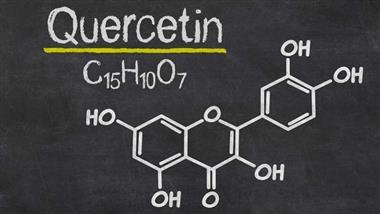
STORY AT-A-GLANCE
- Two recently published studies confirm quercetin is useful as an adjunct therapy in the early outpatient treatment of mild SARS-CoV-2 infection
- In one study, COVID patients who received quercetin in addition to analgesics and an antibiotic cleared the virus faster than those who only received analgesics and antibiotics, and a greater number of patients reported reduced symptoms
- In the second study, daily quercetin supplementation for one month reduced the frequency and length of hospitalization, the need for noninvasive oxygen therapy, intensive care and deaths
- Quercetin has antiviral, anti-blood clotting, anti-inflammatory and antioxidant properties, all of which are important in the treatment of SARS-CoV-2 infection
- Quercetin also inhibits binding of specific spike proteins to your ACE2 receptors, thereby blocking the virus’ ability to infect your cells. It’s also been shown to directly neutralize viral proteins that are critical in the replication of SARS‐CoV‐2
In an August 21, 2021, newsletter,1 Dr. Michael Murray discussed the use of quercetin for respiratory infection symptoms. In November 2020, he’d suffered a “very mild and brief bout of COVID-19,” and one of his “secret weapons,” he believes, might have been quercetin.
He also recounts an anecdotal story of a friend who developed suspicious respiratory symptoms. His friend had been taking a number of supplements said to offer protection, but was still feeling awful.
As it turns out, the one thing he’d not taken was quercetin, and as soon as he did, that same day, his symptoms started to dissipate. This experience, Murray says, “is consistent with the results from two clinical trials” that were recently published.
Quercetin seems to be a safe, far less expensive, and easier-to-obtain alternative to hydroxychloroquine, and it works by a similar mechanism, driving zinc into the cells to stop viral replication.
Statistical Improvement in Clinical Outcomes
In the first study,2 42 COVID-19 outpatients were divided into two groups. One group of 21 patients received standard medical therapy consisting of analgesics and an antibiotic (acetaminophen 500-milligram (mg) to 1,000-mg dose if body temperature was higher than 37.5 degrees C — 99.5 F — with a maximum daily dosage of 3 grams, and 500 mg azithromycin for three consecutive days).
The other group of 21 patients received standard therapy plus the equivalent of 600 mg of quercetin per day (divided into three doses) for seven days, followed by another seven-day course of 400 mg of quercetin per day (divided into two doses).
The quercetin used was a brand name formulated with sunflower lecithin, which has been demonstrated to increase absorption in the gut by as much as 20 times, compared to pure quercetin formulations.
The main outcomes being evaluated were virus clearance and symptoms. After one week of treatment, 16 of the 21 patients in the quercetin group tested negative for SARS-CoV-2 and 12 reported that all symptoms had diminished.
In the standard care group, only two tested negative and four had partially improved symptoms. By the end of Week 2, the five remaining patients in the quercetin group tested negative. In the standard care group, 17 of the 19 remaining patients tested negative and one had died.
As noted by the authors, quercetin supplementation “statistically shortens the timing of molecular test conversion from positive to negative, reducing at the same time symptoms severity and negative predictors of COVID-19.”
“These results are impressive and hopefully additional studies will be conducted on hospitalized patients to see how quercetin might be helpful in more severe cases,” Murray wrote in his newsletter.
Quercetin Reduces Hospitalizations and Deaths
The second study3 — a prospective, randomized, controlled and open-label trial — gave 152 COVID-19 outpatients a daily dose of 1,000 mg of quercetin for 30 days to evaluate its adjuvant effects in the treatment of early symptoms and the prevention of severe infection. According to the authors:
“The results revealed a reduction in frequency and length of hospitalization, in need of non-invasive oxygen therapy, in progression to intensive care units and in number of deaths. The results also confirmed the very high safety profile of quercetin and suggested possible anti-fatigue and pro-appetite properties.
QP (Quercetin Phytosome®) is a safe agent and in combination with standard care, when used in early stage of viral infection, could aid in improving the early symptoms and help in preventing the severity of COVID-19 disease. It is suggested that a double-blind, placebo-controlled study should be urgently carried out to confirm the results of our study.”
Mechanisms of Action
As noted in the first study4 above, quercetin was chosen based on the fact that it has antiviral, anti-blood clotting, anti-inflammatory and antioxidant properties, all of which are important in the treatment of SARS-CoV-2 infection. In the second study, more detailed mechanisms of action are reviewed. According to the authors:5
“SARS-CoV-2 proteases, like 3-chymotrypsin-like protease (3CLpro), papain-like pro-tease (PLpro), RNA-dependent RNA polymerase, spike (S)protein and human angiotensin-converting enzyme 2 (hACE2) are considered possible targets for developing effective anti-COVID-19 drugs.
Recently, molecular docking studies have suggested the possible binding interaction of quercetin with the 3CLpro, PLpro, and S-hACE2 complex. Some recent results, obtained by biophysical techniques, appear to support the results of the molecular docking studies.
Quercetin, a flavonol not naturally present in the human body, is the most abundant polyphenol in fruits and vegetable and is widely used as a dietary supplement to boost the immune system and promote a healthy lifestyle.
Quercetin is characterized by three crucial properties: antioxidant, anti-inflammatory and immunomodulatory. The combination of these actions allows quercetin to be a potential candidate to support all unhealthy conditions where oxidative stress, inflammation and immunity are involved.”
Initially, quercetin gained attention as a potential treatment against SARS-CoV-2 infection because it’s a zinc ionophore, meaning it shuttles zinc — which has well-known antiviral effects — into your cells just like the drug hydroxychloroquine.
Some proposed the primary reason hydroxychloroquine and quercetin worked was because of this feature. Of course, you also had to take zinc along with either of them. To effectively act as a zinc ionophore, the quercetin also needs vitamin C.
Since then, other studies, including the two reviewed here, have shown quercetin has other actions that makes it useful against SARS-CoV-2 as well. As reported by Murray in his newsletter:
“In particular, quercetin exerts significant inhibition on the binding of specific spike proteins to ACE-2 receptors, thereby blocking the ability of the virus to infect human cells. Quercetin has also been shown to directly neutralize viral proteins the are critical in the replication of SARS-CoV-2.”
In some studies, quercetin has also been shown to inhibit the release of inflammatory cytokines, which could help alleviate infection-related symptoms and suppress excessive inflammatory responses from occurring. Its antioxidant effects may also help prevent tissue damage caused by scavenging free radicals, thereby aiding in the recovery process of viral infections.6
Quercetin’s Antiviral Properties
Quercetin’s antiviral properties have been attributed to three main mechanisms of action:
- Inhibiting the virus’ ability to infect cells
- Inhibiting replication of already infected cells
- Reducing infected cells’ resistance to treatment with antiviral medication
For example, research7 funded by the U.S. Defense Advanced Research Projects Agency (DARPA), published in 2008, found it lowers your risk of viral illness such as influenza and boosts mental performance following extreme physical stress, which might otherwise undermine your immune function and render you more susceptible to infections.
Here, cyclists who received a daily dose of 1,000 mg of quercetin in combination with vitamin C (which enhances plasma quercetin levels8,9) and niacin (to improve absorption) for five weeks were significantly less likely to contract a viral illness after bicycling three hours a day for three consecutive days, compared to untreated controls. While 45% of the placebo group got sick, only 5% of the treatment group did.
Quercetin Works Against Many Common Viruses
Before the COVID-19 pandemic struck, several studies had highlighted quercetin’s ability to prevent and treat the common cold and seasonal influenza.10,11,12,13,14,15,16,17,18 By attenuating oxidative damage, it also lowers your risk of secondary bacterial infections,19 which is actually the primary cause of influenza-related deaths.
Importantly, quercetin increases mitochondrial biogenesis in skeletal muscle, which suggests part of its antiviral effects are due to enhanced mitochondrial antiviral signaling.20 Quercetin also works against other viruses, as demonstrated in the following studies:
•A 1985 study found quercetin inhibits infectivity and replication of herpes simplex virus type 1, polio-virus type 1, parainfluenza virus type 3 and respiratory syncytial virus (RSV).21
•A 2016 animal study22 found quercetin inhibited mouse dengue virus and hepatitis virus.
•Other studies have confirmed quercetin’s power to inhibit both hepatitis B23 and C24 infection.
•A March 2020 study25 found quercetin provides “comprehensive protection” against Streptococcus pneumoniae infection, both in vitro and in vivo, primarily by neutralizing pneumolysin (PLY),26 one of the toxins released from pneumococci that encourages S. pneumoniae infection to blossom in the first place.
Streptococcus pneumoniae is responsible not only for pneumonia, but can also be involved in some ear and sinus infections, meningitis and certain blood infections.27 As reported by the authors of this study:28
“The results indicated that quercetin significantly reduced PLY-induced hemolytic activity and cytotoxicity via repressing the formation of oligomers.
In addition, treatment with quercetin can reduce PLY-mediated cell injury, improve the survival rate of mice infected with a lethal dose of S. pneumoniae, alleviate the pathological damage of lung tissue and inhibit the release of cytokines (IL-1β and TNF-α) in bronchoalveolar lavage fluid.
Considering the importance of these events in antimicrobial resistant S. pneumoniae pathogenesis, our results indicated that quercetin may be a novel potential drug candidate for the treatment of clinical pneumococcal infections.”
How Quercetin Combats Inflammation and Boosts Immunity
Aside from its antiviral activity, quercetin is also known for boosting immunity and combating inflammation. As noted in a 2016 study29 in the journal Nutrients, mechanisms of action include (but is not limited to) the inhibition of:30
- Lipopolysaccharide (LPS)-induced tumor necrosis factor α (TNF-α) production in macrophages. TNF-α is a cytokine involved in systemic inflammation, secreted by activated macrophages, a type of immune cell that digests foreign substances, microbes and other harmful or damaged components
- LPS-induced mRNA levels of TNF-α and interleukin (IL)-1α in glial cells, which results in “diminished apoptotic neuronal cell death”
- The production of inflammation-producing enzymes
- Calcium influx into the cell, which in turn inhibits pro-inflammatory cytokine release, as well as histamine and serotonin release from intestinal mast cells31
According to this paper, quercetin also stabilizes mast cells, has cytoprotective activity in the gastrointestinal tract, and “a direct regulatory effect on basic functional properties of immune cells,” which allows it to inhibit “a huge panoply of molecular targets in the micromolar concentration range, either by down-regulating or suppressing many inflammatory pathways and functions.”32
Some Brands Offer Greater Bioavailability
While quercetin does have potent antiviral effects, in order for it to work effectively you need sufficiently high dosages to raise the level of quercetin in your body’s tissues.
The relatively low absorption rate of quercetin is why a sunflower lecithin formulation, sold under the brand name Quercetin Phytosome® was used in the two featured studies discussed at the beginning of this article. That’s not your only option though.
Research33 published in the July-December 2021 issue of the Journal of Natural Health Products Research, found Quercetin LipoMicel Matrix™ has the same total absorption rate as Quercetin Phytosome — and higher peak blood levels.
“Since both of these forms of quercetin produce similar blood levels, they should produce the same effects at equal dosages based upon quercetin content,” Murray wrote in his newsletter, adding:
“My dosage recommendation as part of a nutritional supplement program to support immune function in the prevention of COVID-19 is Quercetin LipoMicel Matrix™ 250 mg twice daily.
And in patients with active COVID-19, my recommendation is … six capsules of Quercetin LipoMicel Matrix™ twice a day providing a total of 3,000 mg of quercetin in this enhanced form. This high dosage should be taken for at least 10 days and then reduced to a maintenance dosage of 250 mg twice daily …
[This] high dosage may not be necessary. But my dosage calculations are based upon likely tissue concentrations needed to exert the strongest antiviral effects. And given the safety of quercetin, there is no harm at this level.”
Early Treatment Protocol Using Quercetin
One doctor who early on in the COVID pandemic brought quercetin into the limelight was Dr. Vladimir Zelenko. As hydroxychloroquine became difficult to obtain, Zelenko switched to recommending quercetin instead, as it’s readily available as an over-the-counter supplement. For a downloadable “cheat sheet” of Zelenko’s protocol for COVID-19, visit VladimirZelenkoMD.com.
Other Health Benefits of Quercetin
There are also other lesser known benefits and uses for quercetin, including the prevention and/or treatment of:34
| High blood pressure35,36 |
| Cardiovascular disease37 |
| Obesity38 and metabolic syndrome39 (a cluster of conditions including high blood pressure, high blood sugar, high triglyceride levels and fat accumulation around the waist that raise your risk for Type 2 diabetes, heart disease and stroke) |
| Certain kinds of cancer, in particular leukemia, and to a lesser degree breast cancer40 |
| Nonalcoholic fatty liver disease (NAFLD)41 |
| Gout42 |
| Arthritis43 |
| Mood disorders44 |
| Aluminum-induced neurodegenerative changes, such as those seen in Alzheimer’s, Parkinson’s and amyotrophic lateral sclerosis (ALS).45 |
| Longevity, thanks to its senolytic benefits (clearing out damaged and worn-out cells)46,47 |
Research has also highlighted quercetin’s epigenetic influence and ability to:48
- Interact with cell-signaling pathways
- Modulate gene expression
- Influence the activity of transcription factors
- Modulate microRNAs
MicroRNAs used to be considered “junk” DNA. But far from being useless, research has revealed so-called “junk” DNA is actually microRNA and plays a crucial role in regulating genes that make the proteins that build your body.
The microRNA function as “on/off” switches for the genes. Depending on the microRNA input, a single gene can code for any of more than 200 protein products. Quercetin’s ability to module microRNA may also help explain its cytotoxic effects, and why it appears to improve cancer survival (at least in mice).
- 1 Drmurray.com
- 2, 4 International Journal of General Medicine June 2021; 14: 2807-2816
- 3 International Journal of General Medicine June 8, 2021; 14: 2359-2366
- 5 International Journal of General Medicine June 8, 2021; 14: 2359-2366 (Full)
- 6 Journal of Natural Health Product Research July-December 2021; 3(2) Rationale for Quercetin as a Potential Supplement to Increase Resistance to COVID
- 7 American Journal of Physiology August 1, 2008
- 8 Journal of the American Dietetic Association 2011 Apr;111(4):542-9
- 9, 10, 19, 20 Journal of Infectious Diseases and Preventive Medicine May 24, 2014; 2: 111
- 11 Antiviral Research June 2012; 94(3): 258-271
- 12 Journal of Ancient Diseases & Preventive Remedies 2014
- 13 Viruses 2016 8(1), 6
- 14 European Journal of Pharmaceutical Sciences June 28, 2009; 37(3-4): 329-333
- 15 Antiviral Research 2010 Nov;88(2):227-35
- 16 Experimental Lung Research 2005; 31(5)
- 17 Journal of Agricultural and Food Chemistry 2016; 64(21): 4416-4425
- 18 Viruses 2016 Jan; 8(1): 6
- 21 Journal of Medical Virology January 1985 DOI: 10.1002/jmv.1890150110
- 22 Asian Pacific Journal of Tropical Medicine January 2016; 9(1): 1-7
- 23 Virologica Sinica August 2015; 30(4): 261-268
- 24 Hepatology 2009 Dec;50(6):1756-64
- 25, 28 Microbial Pathogenesis March 2020; 140: 103934
- 26 Clinical & Experimental Immunology November 2004; 138(2): 195-201
- 27 CDC Pneumococcal Disease
- 29 Nutrients 2016 Mar; 8(3): 167, 5.2.1 Animal Models
- 30, 32 Nutrients 2016 Mar; 8(3): 167, 5.1.2 Mechanism of Action
- 31 Nutrients 2016 Mar; 8(3): 167, Table 1: Mast cell
- 33 Journal of Natural Health Product Research July-December 2021; 3(2)
- 34 Genetic Lifehacks December 17, 2019
- 35 J Am Heart Assoc. 2016 Jul 12;5(7). pii: e002713
- 36 Nutrition Reviews January 6, 2020 DOI: 10.1093/nutrit/nuz071
- 37 Int J Mol Sci. 2019 Dec 3;20(23). pii: E6093
- 38 Obesity (Silver Spring). 2008 Sep;16(9):2081-7
- 39 Phytotherapy Research March 8, 2019; 33(5)
- 40 Scientific Reports April 12, 2016; 6 Article Number: 24049
- 41 Phytotherapy Research August 26, 2019 DOI: 10.1002/ptr.6486
- 42 Br J Nutr. 2016 Mar 14;115(5):800-6
- 43 J Am Coll Nutr. 2017 Jan;36(1):9-15
- 44 Fitoterapia 2015 Oct;106:256-71
- 45 Neuroscience 2016 Jun 2;324:163-76
- 46 EBioMedicine. 2019 Sep;47:446-456
- 47 BMB Rep. 2019;52(1):47–55
- 48 Molecules 2019 Dec 23;25(1). pii: E63
Preserve your muscle mass by consuming THIS vitamin
Reproduced from original article:
www.naturalhealth365.com/muscle-mass-3401.html
by: Lori Alton, staff writer | October 10, 2021
 (NaturalHealth365) Vitamin C, also known as ascorbic acid, is so essential for protecting and enhancing immune function that it is often referred to as “the muscle of the immune system.” However, new research published in The Journal of Nutrition shows that it may also help people over 50 retain muscle mass.
For the graying population of the United States, this could be welcome news indeed. Experts say that people over age 50 lose up to one percent of their skeletal muscle each year, potentially leading to age-related loss of muscle mass and muscle wasting. While natural healers have long lauded vitamin C for its antioxidant, anti-inflammatory, and immune system-boosting properties, the study is among the first to investigate the importance of dietary vitamin C intake for older people. So let’s take a look.
Large study highlights the ability of vitamin C to protect muscle mass
The study, which involved more than 13,000 middle- and older-aged participants between the age of 42 and 82, examined whether people eating more vitamin C had more muscle mass than other people. Maintaining muscle mass is increasingly important as we grow older – as age-related muscle wasting (known as sarcopenia) is associated with physical disability, frailty, increased likelihood of falling, type 2 diabetes, and increased mortality.
Researchers at the University of East Anglia analyzed data from the EPIC (European Prospective Investigation into Cancer and Nutrition) study, using information from a seven-day food diary to analyze dietary intake, along with bioelectrical impedance analysis to analyze muscle mass. Incidentally, the team classified blood levels under 50 umol/L (micromoles per liter) of vitamin C as “insufficient,” with levels of 50 or above categorized as “sufficient.”
The scientists found that people with the highest amount of vitamin C in their diets or blood had the greatest estimated skeletal muscle mass (compared to those with the lowest amounts), leading the team to conclude that vitamin C may be “useful for reducing age-related muscle loss.”
Researchers credit vitamin C’s antioxidant effects
Scientists know that harmful free radicals can contribute to the destruction of muscle and speed age-related decline. But this is where vitamin C can come to the rescue. Study leader Professor Alisa Welch, a researcher at UAE’s Norwich Medical School, noted, “As people age, they lose skeletal muscle mass and strength. Vitamin C helps defend the cells and tissues …. from potentially harmful free radical substances.”
Because the body does not produce vitamin C, it must be obtained through diet. (Hence, its designation as an essential vitamin.) While severe deficiencies are rare in developed nations, it’s not uncommon for people to have low or “insufficient” levels of vitamin C. For example, the researchers found that nearly 60 percent of the men and 50 percent of the women in the study fell short in consuming the Recommended Daily Allowance for vitamin C, which is advised by medical authorities as 75 to 90 mg a day for adults. (Smokers are advised to consume an extra 35 mg a day).
The team pointed out that vitamin C is easily available in fruits and vegetables – as well as in supplementary form – and called improving intake “relatively straightforward.”
Vitamin C accomplishes a major “to-do” list of life-sustaining functions
When it comes to preserving health, vitamin C juggles many tasks. For example, this important micronutrient is needed for the production of collagen, which promotes healthy skin and keeps arteries flexible and supple, thereby helping to prevent narrowing of the arteries and the development of atherosclerosis. And, vitamin C is not only a powerful antioxidant in its own right but helps to regenerate other essential antioxidants in the body, including vitamin E and the “master antioxidant” glutathione.
In addition, vitamin C also improves iron absorption and boosts immune function while promoting the production of beneficial nitric oxide.
Research shows that vitamin C helps to limits the formation of carcinogens – such as nitrosamines – in the body. And, as the study shows, it helps prevent oxidative damage that may trigger the development of cancer and heart disease.
Increasing vitamin C intake can pay a wealth of health dividends
It pays to stay “topped up” on vitamin C. Epidemiological studies have suggested that high intakes of vitamin C-rich fruits and vegetables are associated with a reduced risk of many well-known (unwanted) health conditions. And a review published in Annals of Nutrition and Metabolism showed that having healthy levels of vitamin C can reduce symptoms and shorten the duration of respiratory tract issues.
You can increase dietary intake of vitamin C by eating healthy amounts of citrus fruits, kiwifruits, strawberries, and broccoli. (Sweet red peppers – at 120 mg of vitamin C per cup – are the official “high-ringers”). Other good sources are raspberries, cantaloupe, Brussels sprouts, and even baked potatoes. For maximum benefit, seek out organic fare whenever possible.
Many natural health experts reject the recommendation of the National Institutes of Health (75 to 90 mg a day for adults) as far too low. Natural healers and integrative doctors typically recommend vitamin C supplementation at levels of up to 1,000 to 3,000 mg a day. And, in some cases, it may even be more – depending on your health status.
However, check first with your trusted health practitioner before adding vitamin C to your health routine.
Experts often advise a liposomal vitamin C formulation – which is better for cellular absorption and can help to avoid the uncomfortable digestive side effects associated with higher amounts in powder or tablet form. Another important point: always look for a high-quality formulation free of fillers, additives, added sugars, and gluten.
As the saying goes, “Getting old ain’t for wimps.” But, it’s good to know that vitamin C appears to be an effective, convenient, and safe substance for preserving all-important muscle mass, as we age.
Sources for this article include:
How Zinc Can Boost Your Immune Health
Reproduced from original article:
https://articles.mercola.com/sites/articles/archive/2021/10/11/how-zinc-can-boost-your-immune-health.aspx
Analysis by Dr. Joseph Mercola Fact Checked October 11, 2021
STORY AT-A-GLANCE
- Zinc is essential for the normal development and function of your immune system as it protects against susceptibility to pathogens, mediates natural killer cells, activates T-lymphocytes, regulates macrophages and is central to DNA replication
- Evidence shows zinc helps protect the body from COVID-19 by impairing viral replication in the cell, supporting ciliary growth and function in the respiratory system and improving the respiratory epithelial barrier
- A zinc deficiency is associated with many of the comorbidities linked to COVID-19, including obesity, kidney disease, tobacco smoking, diabetes and autoimmune diseases
- Using a zinc ionophore helps move zinc into the cells where it can impair viral replication. Zinc ionophores include hydroxychloroquine, quercetin and EGCG found in green tea
- Zinc supplementation may trigger a zinc/copper imbalance. It is best to consistently get your zinc from food and use supplementation during an acute illness
In this short video by Dr. John Campbell, he reviews some of the science behind the association between zinc and the immune system. He believes it is one biological basis for an “altered resistance to infection.”1 But, beyond the immune functions I discuss below, it’s important to know that zinc plays other important biological roles.
For example, you have at least 300 enzymes that require zinc to function normally.2 The Centers for Disease Control and Prevention3 has identified several common human coronaviruses that are responsible for upper respiratory tract illnesses, like the common cold. Although a cold is usually a minor condition, it is also responsible for most doctor’s office visits every year.4
A cold can last as short as a week, but in children and the elderly it can last longer. Cold symptoms include stuffy head, runny nose, sore throat, headache and sometimes a fever.5 These are some of the same symptoms of influenza, but the symptoms are often worse and include fever and body chills.
It wasn’t until the work of Dr. Ananda Prasad in the 1970s that zinc was acknowledged as an essential mineral.6 A decade earlier, Prasad was studying young men who had grown up in Egypt and never attained their normal height.
After supplementing with zinc, the men grew “significantly taller.” In the 1970s, zinc was acknowledged by the National Academy of Sciences as a mineral fundamental to many aspects of health. Prasad collaborated with a scientist from the University of Michigan to demonstrate that zinc influences immunity.7
Research in the last decade has identified the crucial role that zinc plays in curtailing the length and severity of upper respiratory infections. A meta-analysis8 published in 2017 found those who took a zinc supplement of 80 to 92 milligrams (mg) each day at the beginning of cold symptoms saw a reduction in the length of their cold by 33%.
Although research has demonstrated the significantly positive effect zinc has on the immune system and on shortening upper respiratory infections caused by common cold viruses, further research in 2020 has demonstrated that zinc is crucial to immune system function and deficiency may be linked to individuals who have severe COVID-19 illness.9
Zinc Is Crucial for Normal Immune System Development
Since the 1970s, scientists have discovered several facts about zinc and how it plays a central role in the immune system. Your immune system is your body’s first line of defense. Whether this is against infectious disease, wound infections or chronic disease, your immune system plays a crucial role.
Researchers have spent decades studying the different ways that you can support your immune system to improve function. Nutrients play a vital role in supporting your immune system, and one of those nutrients is zinc. Swiss Policy Research (SPR), formerly known as Swiss Propaganda Research, describes itself as:10
“… an independent, nonpartisan and nonprofit research group investigating geopolitical propaganda. SPR is composed of independent academics and receives no external funding other than retrospective reader donations.”
The group has gathered evidence and information throughout the COVID-19 pandemic. The investigators believe that those who are either at high risk of getting COVID or at high risk for exposure to it should receive early or prophylactic treatment.11 They also propose that prophylaxis and treatment should contain zinc.12
Early and outpatient treatment from the Front Line COVID-19 Critical Care Alliance,13 contains zinc, as does the protocol recommended and prescribed by Dr. Vladimir Zelenko.14,15 Zelenko created a website to facilitate crowd-source medical data from frontline primary care doctors around the world.16
There are academics who also support Zelenko’s efforts, including some at the University of Texas, which hosts a download page describing the history and citations behind the Zelenko Protocol.17 Zelenko and the Front Line critical care doctors used their knowledge of the association between zinc and your immune system to develop their successful protocols. Data have shown:18
- People who are deficient in zinc have an increased susceptibility to pathogens, including through the skin barrier.
- Zinc mediates nonspecific immunity, including natural killer cells and neutrophils.
- Zinc deficiency prevents the activation of T-lymphocytes, production of Th1 cytokine, and the ability of B lymphocytes to help. During deficiency, B lymphocyte development is also compromised.
- Deficiency affects the function of macrophage cells, which can trigger cytokine production and dysregulated intracellular death.
- Zinc is central to DNA replication, RNA transcription and cell activation and division.
Evidence Zinc Helps Protect Against COVID-19
Campbell describes several functions by which zinc helps protect the body from COVID-19, including helping to stop viruses from entering the cells.19 Another function that zinc performs is in supporting the growth and function of ciliary hairs in the respiratory system.
One study published in the American Journal of Rhinology and Allergy20 showed that zinc helps to stimulate the ciliary beat frequency and may help improve mucociliary clearance, which is essential for clearing the lungs of mucous. Another group of scientists found that supplementing animals deficient in zinc affected the length of the cilia and number of epithelial cells in the bronchus.21
Zinc also functions to improve the respiratory epithelial barrier,22 which past research also demonstrated.23 Evidence has shown that zinc influences interferon-gamma (IFN-γ), which plays a significant role in defending against intracellular pathogens.24 When there is a reduction in this cytokine it results in immunological impairment.
While the jury is still out on whether IFN-γ plays a role as an antitumor mechanism, some studies have shown that it does have a positive effect on patients’ survival of certain cancers.25
As you’ve likely heard throughout 2020, zinc also has a direct effect on viral replication inside the cells. Campbell describes some of the effects that zinc has inside the cells,26 including decreasing the effects of RNA-dependent RNA polymerase, often called replicase since it helps replicate the virus inside the cells.
Zinc Deficiency Linked to Multiple Health Conditions
As Campbell points out, a zinc deficiency can significantly impact your immune system, but it can also result in a hyper inflammatory response from proinflammatory cytokines.27 Thus, with a deficiency in zinc, you not only get more viral infections, but these trigger an increase in the hyper inflammatory response.
At approximately minute 14 in the video above, Campbell shows a Venn diagram of the overlapping health conditions in which a zinc deficiency is commonly associated, and which are known comorbidities for COVID-19. These conditions include:
| Arteriosclerosis | Autoimmune diseases | Bronchial asthma |
| Cancer | Chronic obstructive pulmonary disease (COPD) | Diabetes |
| Diuretics | Elderly | Immunosuppression |
| Kidney disease and liver cirrhosis/damage | Tobacco smoking | Obesity |
Interestingly, a study published in the journal Mayo Clinic Proceedings28 found that celiac disease, or a gluten sensitive enteropathy, is highly associated with a zinc deficiency. One in 141 people in the U.S. reportedly suffers from celiac disease29 and the prevalence has increased in the last 60 years.30
In the study, 59.4% of those diagnosed with celiac disease were zinc deficient.31 Dr. Adam Bledsoe, a gastroenterology fellow at Mayo Clinic’s Rochester campus and lead author of the study, noted in a Mayo Clinic news release:32
“It was somewhat surprising to see the frequency of micronutrient deficiencies in this group of newly diagnosed patients, given that they were presenting fewer symptoms of malabsorption …
Our study suggests that the presentation of celiac disease has changed from the classic weight loss, anemia and diarrhea, with increasing numbers of patients diagnosed with nonclassical symptoms.”
Zinc deficiency has also been associated with depression.33 Studies show that low serum levels of zinc in individuals who are depressed could trigger a chronically poor mood. Researchers have also found that zinc plays a role in maintaining normal levels of thyroid stimulating hormone and T3.34
Zinc Ionophores Improve Effectiveness
In this short MedCram video, Dr. Roger Seheult reviews the compelling evidence that suggests how zinc ionophores improve zinc uptake into the cell. This is a crucial component of stopping viral replication. As Seheult explains, the zinc cannot easily penetrate the fatty walls of the cell but needs to be inside the cell to stop viral replication.
There are several zinc ionophores that can do the job. In this video, Seheult describes the role that hydroxychloroquine and chloroquine play. Hydroxychloroquine is the ionophore that Zelenko uses in his protocol to move zinc into the cells. In his peer-reviewed study the researchers compared 141 treated patients against 377 untreated patients from the same community.35
The data collection showed only four of the 141 treated patients were hospitalized and 58 of the untreated patients were hospitalized. One patient in the treatment group died and 13 patients in the untreated group died. However, there are also other natural compounds that may work, except for perhaps in the most serious cases. Two that have been studied include quercetin and epigallocatechin gallate (EGCG), which is found in green tea.36
In a comparative study, researchers evaluated quercetin and EGCG as zinc ionophores. They demonstrated ionophore action on a lipid membrane system and concluded that these polyphenols may raise zinc levels in the cells and have a significant impact on the biological action of zinc.
Interestingly, quercetin is also a potent antiviral and quercetin and EGCG have the added advantage of inhibiting the 3CL protease.37 According to a 2020 study in the Journal of Enzyme Inhibition and Medicinal Chemistry,38 the ability to inhibit SARS coronaviruses “is presumed to be directly linked to suppress the activity of SARS-CoV 3CLpro in some cases.”
Zinc Supplementation May Trigger a Copper Imbalance
Zinc deficiency is not uncommon. Experts believe that about 17.3% of the global population are deficient39 and it is estimated most people over 65 consume just 50% of the recommended amount zinc.40
The deficit may in part be the result of soil depletion of zinc due to conventional farming methods and may also simply be that not enough zinc-rich foods are included in the diet. There are four common signs that your body may need more zinc:41
- Lack of appetite
- Mental lethargy
- Impaired sense of taste or smell
- Frequent colds, flu or infections
- Hair loss42
Although more attention is being paid to zinc recently, Emily Ho, Ph.D., principal investigator with the Linus Pauling Institute at Oregon State University, has said,43 “Zinc deficiencies have been somewhat under the radar because we just don’t know that much about mechanisms that control its absorption, role or even how to test for it in people with any accuracy.”
While some tests used to identify deficiency include hair analysis,44 urine samples45 or an oral taste test,46 blood plasma tests are the most common.47 The oral taste test can be done at home through mail-order labs. It involves holding 10 milliliters of liquid zinc in your mouth for 10 seconds. Because the liquid zinc has an intense taste, if your zinc levels are normal, you likely will not be able to tolerate the strong taste for long.
In fact, you may want to immediately spit it out. If you’re deficient, you’ll likely be able to hold it in your mouth without any difficulty because it will taste like water. The absence of sufficient zinc in your body will somewhat disable your sense of taste and smell, which means you’re not affected by the intense taste.
However, the test is not specific to zinc.48 In other words, impaired taste for another reason will net the same result — you will not taste the zinc. Campbell list several groups of individuals who are at risk for zinc deficiency, including:49
- Those with malnutrition
- The elderly
- People with inflammatory or autoimmune diseases
- Vegetarians and vegans
Early zinc deficiency is largely subclinical — meaning you do not have clinical symptoms — yet it does impact the immune system. Zinc levels are impacted by copper. An imbalance in your zinc and copper levels can lead to other health conditions. For example, researchers postulate that the zinc deficiency associated with anxiety and depression may be the result of a zinc copper imbalance.50
Although you may be tempted to begin supplementing with zinc, it’s important to realize that your body has an intricate method of maintaining balance of trace minerals such as copper, iron, chromium and zinc. The best way to readily achieve proper balance is to get your minerals from real food.
Although it may be necessary to supplement during illness when your body needs more zinc, I recommend trying to meet your daily requirement from foods. These are some of the best food sources of zinc:51,52,53
| Alaskan King crab | Oysters | Almonds |
| Cashews | Kidney beans | Pastured chicken |
| Lamb | Chickpeas | Oatmeal |
| Grass fed beef | Cheddar or Swiss cheese | Yogurt |
| Mushrooms | Spinach | Pork chops |
| Pumpkin seeds |
- 1 Youtube, September 11, 2021, Description
- 2 The Journal of Nutrition, 2000;130(5) Abstract first line
- 3, 5 Centers for Disease Control and Prevention, February 13, 2020
- 4 American Lung Association, Facts About the Common Cold, Bullets 2,3
- 6 NPR, February 10, 2020
- 7 NPR, February 10, 2020, para 12
- 8 JRSM Open, 2017;8(5)
- 9 Journal of Infectious Disease, 2020:100
- 10 Swiss Policy Research, About
- 11 Swiss Policy Research, Facts About COVID-19, #2
- 12 Swiss Policy Research, On the Treatment of COVID-19
- 13 Front Line COVID-19 Critical Care Alliance, iMASK
- 14 Vladimir Zelenko MD
- 15, 35 International Journal of Antimicrobial Agents, 2020;56(6):106214
- 16 Crowd Protocol
- 17 University of Texas, The Zelenko Protocol
- 18 The American Journal of Clinical Nutrition, 1998;68(2)
- 19 Youtube, September 11, 2021
- 20 American Journal of Rhinology and Allergy, 2010;24(1)
- 21 The Indonesian Biomedical Journal, 2020;12(1)
- 22 International Journal of Molecular Medicine, 2020;46(1) Abstract
- 23 International Journal of Chronic Obstructive Pulmonary Disease, 2017;12
- 24 Journal of Trace Elements in Medicine and Biology, 2020;62(126598)
- 25 Frontiers in Immunology, 2018; doi.org/10.3389/fimmu.2018.00847
- 26 Youtube, September 11, 2021, Minute 9:00
- 27 Nutrients, 2017;9(12)
- 28 Mayo Clinic Proceedings, 2019;94(7)
- 29, 31, 32 Science Daily June 24, 2019
- 30 Gastroenterology July 1, 2009; 137(1) 88-93
- 33 Iranian Journal of Psychiatry, 2013;8(2)
- 34 Journal of Diabetes, Metabolic Disorders & Control, 2017;5(1)
- 36 Journal of Agricultural Food Chemistry 2014; 62(32):8085
- 37, 38 Journal of Enzyme Inhibition and Medicinal Chemistry 2020; 35(1): 145–151
- 39 PLOS|One, 2012;7(11) Methodology and Principal Findings
- 40 Pathobiology of Aging & Age-Related Diseases, 2015;5
- 41 National Institutes of Health, Zinc, zinc deficiency
- 42 Merck Manuals Zinc Deficiency June 2020
- 43 PreventDisease.com January 5, 2017, Zinc Deficiency Common
- 44 Pediatric Gastroenterology, Hepatology and Nutrition, 2016;19(4)
- 45 Nutrients 2015 May; 7(5): 3252–3263
- 46 Clin Nutr ESPEN 2016 Feb;11:e21-e25
- 47 Food and Nutrition Bulletin Vol 22 2001
- 48 Journal of Alternative and Complementary Medicine, 2012;18(6)
- 49 YouTube, September 11, 2021, Minute 4:30
- 50 Nutrition and Metabolic Insights, 2011; 4
- 51 National Institutes of Health, Zinc, Table 2
- 52 HealthDirect, Foods High in Zinc
- 53 My Food Data, July 28, 2021
The Pandemic Cause No One Wants to Talk About
Reproduced from original article:
https://articles.mercola.com/sites/articles/archive/2021/10/02/toxic-stressor-exposure.aspx
Analysis by Dr. Joseph Mercola Fact Checked October 02, 2021

STORY AT-A-GLANCE
- Toxic stressor exposures, which can be chemical, physical, biological or psychological in nature, hinder your immune system’s ability to fight off viruses, and they deserve greater recognition in the fight against COVID-19 and future pandemics
- Most (95%) of COVID-19 deaths have other comorbidities and underlying conditions that contributed to the death, such as heart disease, high blood pressure, obesity, cancer or diabetes
- Many of these underlying conditions that increase the risk of severe COVID-19 and death are caused by toxic exposures, such as poor diet, environmental chemicals, inactivity and stress
- The COVID-19 pandemic response has focused on short-term emergency measures like quarantines, lockdowns and injections, which do nothing to address the long-term outlook for helping humans fight pathogenic viral diseases
- The reason that SARS-CoV-2 was singled out as the only toxic stressor to target, according to the study, has to do with political and financial reasons, not scientific ones, protecting major production and consumption stakeholders like the pharmaceutical industry, food industry and biotech industry
- In order to protect the public in the long-term, a “quarantine” from toxins like ultraprocessed foods, environmental chemicals, wireless radiation and much more would be far more effective than quarantining from one virus
The COVID-19 pandemic has focused on a singular target — SARS-CoV-2 — and how to neutralize it using an injection. But the issue of viral illness is so much larger than a single virus or one pandemic. Humans and viruses coexist. It’s a daily reality that you’ll be exposed to one or more of them, but not everyone will get sick.
What determines how you fare when exposed to any given virus is a complex mix of genetics and toxic stressors that degrade your immune system. Those “toxic stressor exposures,” which can be chemical, physical, biological or psychological in nature, hinder your immune system’s ability to fight off viruses,1 and they deserve greater recognition in the fight against COVID-19 and future pandemics.
As noted by a team of researchers in the journal Food and Chemical Toxicology, the role of toxic substance exposures is under-reported in the COVID-19 pandemic:2
“Coronavirus disease 2019 (COVID-19) and previous pandemics have been viewed almost exclusively as virology problems, with toxicology problems mostly being ignored.
This perspective is not supported by the evolution of COVID-19, where the impact of real-life exposures to multiple toxic stressors degrading the immune system is followed by the SARS-CoV-2 virus exploiting the degraded immune system to trigger a chain of events ultimately leading to COVID-19.”
Viruses Won’t Be Going Away
The notion of injecting our way out of viral illness ignores the crucial fact that viruses are all around us, and it’s impossible to develop an injection for every one that’s dangerous. Currently, there are about 263 viruses from 25 viral families known to infect humans.3 But this is just the tip of the iceberg. More than 1,100 viruses have been identified in animals and humans, but even this doesn’t give the full picture of how many viruses are circulating around us.
The Global Virome Project revealed that about 1.67 million viral species may have yet to be discovered in mammals and birds, and up to 827,000 of them have zoonotic potential, meaning they’re capable of being transmitted from animals to humans.4 It should be noted that viruses aren’t all bad.
Some of them may offer beneficial effects, like helping to regulate gut microbiota and to protect against noninfectious diseases. Further, the very exposure to viruses is a necessary evil, one that primes, maintains and strengthens your optimal immune response:5
“The mammalian virome includes diverse commensal and pathogenic viruses that evoke a broad range of immune responses from the host. A subset of the virome (in particular, zoonotic viruses that appear to be pathogenic in humans) challenges the immune system continually.
This process appears to be a dual-edged sword. Healthy immune systems respond optimally to viral challenges and are further strengthened by the continual challenges, offering additional protection against other viral challenges.”
Chronic Conditions Linked to COVID-19 Severity, Death
According to data from the U.S. Centers for Disease Control and Prevention, only about 5% of COVID-19 deaths list only COVID-19 on the death certificate.6 The other 95% have other comorbidities and underlying conditions that contributed to the death, such as heart disease, high blood pressure, obesity, cancer or diabetes.
Many of these underlying conditions that increase the risk of severe COVID-19 and death are caused by toxic exposures, such as poor diet, environmental chemicals, inactivity and stress.
“In short, it is the pervasive, constant exposure to toxic stressors in our environment, in combination with genetic factors, that cause us to develop diseases that impair our immune systems and make us susceptible to serious COVID-19 infection,” reported the Alliance for Natural Health. As the researchers noted, this includes factors such as:7
- Lifestyle — This includes physical inactivity, smoking, excessive alcohol consumption, poor diet including ultraprocessed foods and refined grains and chronic sleep deprivation.
- Pharmaceuticals and other iatrogenic causes — Among adults 65 and older, 54% take four or more prescription drugs.8,9 Immunosuppressants, nonsteroidal anti-inflammatory drugs (NSAIDs), acetaminophen, surgical stress, anesthesia, antidepressants, antibiotics, nanomedicine products, adjuvanted vaccines and ionizing radiation therapy can all degrade the immune system.
- Biotoxins and biomaterials — These refer to mold including aflatoxin, as well as viruses and bacteria.
- Occupational and environmental exposures — This type of exposure can include endocrine disrupting chemicals, microplastics, heavy metals, pesticides, air pollution, radiation, cell phones and Wi-Fi, heavy metals, PFAS, fine particulate matter, disinfection byproducts and more.
- Psychosocial and socioeconomic factors — From depression to chronic stress, social isolation, stressful life events and childhood adversity, these issues can also contribute to poor health.
For instance, researchers from the Alma Mater Studiorum University of Bologna in Italy analyzed 482 COVID-19 patients hospitalized between March 1, 2020, and April 20, 2020.10 “Obesity is a strong, independent risk factor for respiratory failure, admission to the ICU and death among COVID-19 patients,” they wrote, and the extent of risk was tied to a person’s level of obesity.
Even patients with mild obesity had a 2.5 times greater risk of respiratory failure and a five times greater risk of being admitted to an ICU compared to non-obese patients. Those with a BMI of 35 and over — moderate or severe obesity — were also 12 times more likely to die from COVID-19.11
Also, as with many viral infections, COVID-19 appears to have a nutritional component, by which you may lower your risk of severe outcomes by using vitamins and minerals therapeutically, but nutrient deficiencies continue to be ignored as official risk factors for COVID-19. COVID-19 patients given a combination of vitamin D, magnesium and vitamin B12, for instance, were significantly less likely to require oxygen therapy or ICU care compared to patients who did not.12
Focusing Only on Virology Misses the Importance of Toxicology
The COVID-19 pandemic response has focused on short-term emergency measures like quarantines, lockdowns and injections, which do nothing to address the long-term outlook for helping humans fight pathogenic viral diseases. Strategies that focus on boosting the immune system, however, are inexpensive, numerous and readily available, and could save lives now and in future pandemics:13
“There are strong misconceptions about the role played by SARS-CoV-2 in the emergence of COVID-19, especially the severity of COVID-19 in selected demographic groups. These misconceptions result in treatments focused on virology without any consideration of toxicology: containing/attenuating SARS-CoV-2 exposure/viral loads rather than intrinsically strengthening the immune system.
These virology-based actions do not address the underlying toxicology-based problems that must be addressed properly in order to decrease human vulnerability to infectious diseases, including COVID-19.”
Infectious diseases like COVID-19, SARS and influenza have a lot in common, including that only a small fraction who are exposed develop symptoms and, of them, an even smaller percentage die from the infection, often due to pneumonia or acute respiratory distress syndrome.14
Those most likely to die from these infectious diseases include the elderly with underlying conditions. Having a comorbidity such as heart disease, chronic respiratory disease, cancer, obesity or diabetes is a more reliable indicator of impaired immunity than even chronological age among older adults, the Food and Chemical Toxicology researchers explained.
Toxic stressor exposures contribute not only to these underlying conditions but also to metabolic stress and, with chronic conditions often comes elevated baseline inflammation, which further increases the risk of dying when exposed to a virus like SARS-CoV-2. All of these factors add up to increased vulnerability to infectious disease — vulnerability that likely could be prevented:15
“The most severe consequences from COVID-19 and influenza stem from a degraded/dysfunctional immune system, and the exploitation of the degraded immune system by the virus. For a healthy immune system, the virus would be unable to overcome its strong defenses, and would be neutralized.”
The Public Should ‘Quarantine’ From Toxic Stressors
The study used a hypothetical scenario that it would take exposure to four hazardous elements during the COVID-19 pandemic to result in fatal pneumonia. These might be pesticides, poor diet, wireless radiation and SARS-CoV-2. “Assume that any combination of three of the four hazardous elements would not be sufficient to result in pneumonia, and would result in no symptoms,” they noted.16
Yet, public health officials targeted only one potential hazard, SARS-CoV-2, ignoring the myriad other toxic stressors that, together, have a much greater presence and impact on public health. “The key concept here is that the virus-toxic stressors combination nexus is determining the ultimate health outcome, not necessarily any one of the constituents in isolation,” they said.17
The reason that SARS-CoV-2 was singled out as the only toxic stressor to target, according to the study, has to do with political and financial reasons, not scientific ones, protecting major production and consumption stakeholders like the pharmaceutical industry, food industry and biotech industry.
In order to protect the public, however, a “quarantine” from the toxins listed above — ultraprocessed foods, environmental chemicals, wireless radiation and much more — would be far more effective than quarantining from one virus:18
“Assigning responsibility for the pandemic to Mother Nature rather than to those who bear the major responsibility for laying the pandemic groundwork ensures that these harmful practices and their associated pandemics (including the annual deaths of the most vulnerable demographic related to the so-called influenza epidemics/pandemics) will continue unabated.
Why are not any of the other constituents of the virus-toxic stressors combination nexus being placed under effective ‘quarantine’ from the public? Why are not smoking, or air pollution, or excess alcohol, or wireless radiation, or agrochemicals, or industrial chemicals, being placed under quarantine?
There is no lack of evidence of linkages between these environmental pollutants and immune-related diseases.”
Rather than waiting for “official” advice to make common sense, positive changes in your life that will bolster your immune response, let this be your motivation. The more you avoid toxic exposures like unhealthy food, chemicals, unnecessary pharmaceuticals, social isolation, inactivity and pesticides, the better your immune system will function, and the healthier you’ll be in the event of any viral exposure that may come your way.
For long-term pandemic prevention, the researchers believe, and I would strongly agree, that toxicology-based approaches should be given priority over virology-based approaches. They added:19
“Since current COVID-19 treatments globally ignore the toxicology component almost completely, only limited benefits can be expected from these treatments.
… A more protective quarantine (for the current pandemic and against future pandemics) would be to impose effective ‘quarantines’ for the public against the intrinsically toxic constituents of the virus-toxic stressors combination nexus (e.g., pesticides, PFOS, PCBs, nerve agents, wireless radiation, etc.).
… If such a strategy had been followed consistently in the past, it could have prevented/minimized the incidence and outcome of COVID-19.”
- 1, 9 Alliance for Natural Health, September 2, 2021
- 2, 3, 4, 5, 7, 13, 14, 15, 16, 17, 18, 19 Food and Chemical Toxicology, August 14, 2020
- 6 U.S. CDC, COVID-19 Provisional Counts
- 8 KFF August 9, 2019
- 10 Eur J Endocrinol. 2020 Jul 1;EJE-20-0541.R2. doi: 10.1530/EJE-20-0541. Online ahead of print
- 11 U.S. News & World Report July 23, 2020
- 12 medRxiv June 10, 2020
11 Reasons to Love Plums
© GreenMedInfo LLC. This work is reproduced and distributed with the permission of GreenMedInfo LLC.
Want to learn more from GreenMedInfo? Sign up for the newsletter here:
www.greenmedinfo.com/greenmed/newsletter
Reproduced from original article:
https://www.greenmedinfo.com/blog/11-reasons-love-plums
Posted on: Wednesday, September 15th 2021 at 4:00 pm
Written By: GreenMedInfo Research Group
This article is copyrighted by GreenMedInfo LLC, 2021

More than just a juicy fruit that’s a seasonal delight in the kitchen, plums have a lot to offer in health benefits and wellness support, offering nutrients that influence everything from constipation to cognition
They can be easily transformed into sauces, jams and chutneys; they can also add a nice sweet touch to your meat dishes or turnovers. Plums, though, aren’t just a tasty treat whether eaten fresh or dried. They also offer a bevy of health-promoting properties that are hard to ignore.
Mounting research on plums shows promising outcomes on their anti-inflammatory, antioxidant and memory-improving qualities.[i] Researchers are particularly drawn to this fruit for its high phenolic content, primarily antioxidants called anthocyanins. Here’s a rundown of 11 reasons to love and eat plums with gusto today.
11 Top Health Benefits of Plums
1. Promote Bone Health
Dried plum or prunes, scientifically known as Prunus domestica L., are believed to be effective in preventing and reversing bone loss.
To test this, researchers recruited 236 women, one to 10 years postmenopausal, to their study and found that dried plum significantly reduced the blood levels of bone turnover markers in the subjects.[ii] They concluded that dried plum can improve bone mineral density in postmenopausal women partly by suppressing the rate of bone turnover.
Similar findings on dried plums emerged in male animal models, where they increased bone mass, suppressed pro-inflammatory cytokines and promoted peak bone mass.[iii] They also prevented bone loss in a male osteoporosis model via varying pathways.[iv]
2. Support Cognition
Consuming fruits and vegetables potentially protects against age-related cognitive decline, particularly when it comes to high-antioxidant produce. In a study on aging animal subjects, those that drank plum juice from 19 to 21 months of age showed improved working memory in an activity.[v] Those fed dried plum powder weren’t different from the control group, likely because of the smaller quantity of phenolics in the powder form.
3. Relieve Constipation
Consuming prunes may effectively aid in treating constipation. People who ate 2 ounces or 50 grams of prunes daily for three weeks reported having better stool consistency as well as frequency versus the psyllium group.[vi]
Be careful, however, as consuming too many prunes may lead to unwanted effects, such as diarrhea. Make sure, too, that there aren’t added sugars if you’re consuming prune juice for the bowel benefits.
4. May Inhibit Breast Cancer
Previous studies highlighted plum’s anti-mutagenic effects. Researchers tested an acetone extract of immature Chinese plum fruit and found it offered higher levels of total phenolics and condensed tannins compared to mature plums.[vii]
The extract from immature fruit possessed cytotoxic effects, indicating potential to be a safe, promising dietary intervention against the development of breast cancer.
5. Support Heart Health
In one study, participants drank prune juice and consumed three or six prunes every morning for eight weeks, or drank only a glass of water on an empty stomach.[viii] The prune and prune juice group experienced significantly lower blood pressure, total cholesterol and LDL cholesterol versus the water group.
In another study, men diagnosed with high cholesterol had lower LDL cholesterol levels after they consumed 12 prunes every day for eight weeks.[ix] In a separate study, consuming polyphenol-rich peach and plum juice prevented risk factors for obesity-related metabolic disorders as well as cardiovascular disease in animal models.[x]
6. May Fight Liver Cancer
In a study published in 2009, immature plum extracts strongly inhibited cancer cell growth in HepG2 cells, which are implicated in liver cancer.[xi] Immature plum and its active compound, epicatechin, were deemed “a natural resource for developing novel therapeutic agents for cancer prevention and treatment” by the researchers.
7. Antibacterial and Anti-Inflammatory Properties
Prunus domestica, in a study, demonstrated “remarkable power” in antibacterial tests, especially against Staphylococcus aureus and Escherichia coli, for two extracts studies.[xii]
A separate study assessed the antioxidant activity in plums that mediates its anti-inflammatory benefits, finding that chlorogenic acids were a major source of the antioxidant activity in the fruit.[xiii] Consuming fresh plums may be a challenge as they are seasonal, so converting the juice extract into powder is a common strategy.
Drying, however, may affect the polyphenols present and influence the various ways plum inhibits the growth of foodborne pathogens.[xiv] Plum extract powders, for instance, showed greater anti-inflammatory activity depending on the treatment and temperature used in the drying process.
8. Lung Cancer Benefits
In probing the underlying effects of purified plum polyphenols on human lung cancer cells, scientists concluded that there is a potential for the polyphenols to be an effective dietary intervention for cancer or during chemotherapy.[xv]
9. Weight Loss Support
In a study, researchers evaluated the effects of water-extracted plum on adiposity and inflammation in cells, analyzing aspects such as total phenolic and flavonoid content along with antioxidant activity.[xvi]
Their results emphasized the potential for plum to be a natural agent in preventing and improving obesity. Snacking on dried plums may also increase satiety as well as decrease subsequent food intake, helping control obesity.[xvii]
10. Maintain Blood Sugar
In vitro, animal and some human studies have highlighted functional foods’ ability to influence insulin resistance and underlying oxidative stress and inflammatory processes leading to diabetes. In a study, data indicated that a functional foods-based diet, including plums, may help manage Type 2 diabetes.[xviii] Plums also have the potential to increase levels of the hormone adiponectin, which plays a role in regulating blood sugar.[xix]
11. May Combat Colon Cancer
Tested in vitro on colon cancer cells, a polyphenol-enriched plum extract inhibited the growth of cancer cells and attenuated cancer-induced cell damage.[xx] It also appears to protect muscle cells from tumor-induced cytotoxicity, the researchers wrote.
References
[i] Igwe O et al “A Systematic Review on the Health Effects of Plums (Prunus domestica and Prunus salicina)” Phytother Res. 2016 May;30(5):701-31. Epub 2016 Mar 16.
[ii] Hooshmand S et al “Comparative effects of dried plum and dried apple on bone in postmenopausal women” Br J Nutr. 2011 May 31:1-8. Epub 2011 May 31.
[iii] Shahnazari M et al “Dietary dried plum increases bone mass, suppresses proinflammatory cytokines and promotes attainment of peak bone mass in male mice” J Nutr Biochem. 2016 08 ;34:73-82. Epub 2016 May 10.
[iv] Franklin M et al “Dried plum prevents bone loss in a male osteoporosis model via IGF-I and the RANK pathway” Bone. 2006 Dec;39(6):1331-42. Epub 2006 Aug 4.
[v] Shukitt-Hale B et al “Plum juice, but not dried plum powder, is effective in mitigating cognitive deficits in aged rats” Nutrition. 2009 May;25(5):567-73. Epub 2008 Dec 18.
[vi] Attaluri A et al “Randomised clinical trial: dried plums (prunes) vs. psyllium for constipation” Aliment Pharmacol Ther. 2011 Apr;33(7):822-8. doi: 10.1111/j.1365-2036.2011.04594.x. Epub 2011 Feb 15.
[vii] Yu M et al “Induction of apoptosis by immature fruits of Prunus salicina Lindl. cv. Soldam in MDA-MB-231 human breast cancer cells” Int J Food Sci Nutr. 2007 Feb;58(1):42-53.
[viii] Ahmed T et al “Use of prunes as a control of hypertension” J Ayub Med Coll Abbottabad. Jan-Mar 2010;22(1):28-31.
[ix] Tinker L et al “Consumption of prunes as a source of dietary fiber in men with mild hypercholesterolemia” Am J Clin Nutr. 1991 May;53(5):1259-65.
[x] Noratto G et al “Consumption of polyphenol-rich peach and plum juice prevents risk factors for obesity-related metabolic disorders and cardiovascular disease in Zucker rats” J Nutr Biochem. 2015 Jun ;26(6):633-41. Epub 2015 Feb 26.
[xi] Yu M et al “Induction of apoptosis by immature plum in human hepatocellular carcinoma” J Med Food. 2009 Jun;12(3):518-27.
[xii] Belhadj F et al “ANTIOXIDANT, ANTIHEMOLYTIC AND ANTIBACTERIAL EFFECTS OF DRIED AND FRESH PRUNUS DOMESTICA L” 2014 Jan.
[xiii] Chun O et al “Contribution of individual polyphenolics to total antioxidant capacity of plums” J Agric Food Chem. 2003 Dec 3;51(25):7240-5.
[xiv] Silvan J et al “Modulation of Antibacterial, Antioxidant, and Anti-Inflammatory Properties by Drying ofL. Plum Juice Extracts” Microorganisms. 2020 Jan 15 ;8(1). Epub 2020 Jan 15.
[xv] Li W et al “New Insights into the Mechanisms of Polyphenol from Plum Fruit Inducing Apoptosis in Human Lung Cancer A549 Cells Via PI3K/AKT/FOXO1 Pathway” Plant Foods Hum Nutr. 2021 Mar ;76(1):125-132. Epub 2021 Feb 27.
[xvi] Choe W et al “Water-extracted plum () attenuates adipogenesis in murine 3T3-L1 adipocyte cells through the PI3K/Akt signaling pathway” Exp Ther Med. 2018 Feb ;15(2):1608-1615. Epub 2017 Nov 27.
[xvii] Stacewicz-Sapuntzakis M “Dried plums and their products: composition and health effects–an updated review” Crit Rev Food Sci Nutr. 2013;53(12):1277-302.
[xviii] Mirmiran P et al “Functional foods-based diet as a novel dietary approach for management of type 2 diabetes and its complications: A review” World J Diabetes. 2014 Jun 15; 5(3): 267-281. Epub 2014 Jun 15.
[xix] Mirmiran P et al “Functional foods-based diet as a novel dietary approach for management of type 2 diabetes and its complications: A review” World J Diabetes. 2014 Jun 15; 5(3): 267-281. Epub 2014 Jun 15.
[xx] Alsolmei F et al “Polyphenol-Enriched Plum Extract Enhances Myotubule Formation and Anabolism while Attenuating Colon Cancer-induced Cellular Damage in C2C12 Cells” Nutrients. 2019 May 15 ;11(5). Epub 2019 May 15.

Study Shows Vaccine Will Enhance Delta Infectivity
Reproduced from original article:
https://articles.mercola.com/sites/articles/archive/2021/09/14/study-shows-vaccine-enhance-delta-infectivity.aspx
Analysis by Dr. Joseph Mercola Fact Checked September 14, 2021

STORY AT-A-GLANCE
- A group of Japanese researchers released research showing that the SARS-CoV-2 Delta variant “is poised to acquire complete resistance” to existing COVID-19 jabs
- When four common mutations were introduced to the Delta variant, Pfizer’s mRNA injection enhanced its infectivity, causing it to become resistant
- A Delta variant with three mutations has already emerged, which suggests it’s only a matter of time before a fourth mutation develops, at which point complete resistance to Pfizer’s jab may be imminent
- A number of experts have raised concerns that COVID-19 jabs and the mass vaccination program could worsen the pandemic by triggering the development of new variants, via a concept known as antigenic, or immune, escape
- Another study found that a worst-case scenario can develop when a large percentage of a population is vaccinated but viral transmission remains high, driving the development of resistant strains
COVID-19 jabs continue to be pushed as the only solution to the pandemic, even as “breakthrough” infections increasingly occur. A group of Japanese researchers has also released research showing that the SARS-CoV-2 Delta variant “is poised to acquire complete resistance” to existing COVID-19 jabs like Pfizer and BioNTech’s BNT162b2,1 now being sold as Comirnaty.
What’s more, when four common mutations were introduced to the Delta variant, Pfizer’s mRNA injection enhanced its infectivity, causing it to become resistant. A Delta variant with three mutations has already emerged,2 which suggests it’s only a matter of time before a fourth mutation develops, at which point complete resistance to Pfizer’s jab may be imminent.
mRNA COVID-19 Injection Made Delta Variant More Infectious
The spike protein used in mRNA COVID-19 vaccines consists of the original SARS-CoV-2 spike protein, without mutations. Multiple variants of concern (VOC) have emerged, however, which have numerous mutations and are highly infectious. As mutations increase, so do concerns over vaccine resistance and enhanced infectivity. As the researchers explained in bioRxiv, the preprint server for biology:3
“The receptor binding domain (RBD) of the spike protein binds to the host cell receptor ACE2, and the interaction mediates membrane fusion during SARS-CoV-2 infection.
Neutralizing antibodies against SARS-CoV-2 are mainly directed to the RBD and block the interaction between the RBD and ACE2. Most SARS-CoV-2 variants have acquired mutations in the neutralizing antibody epitopes of the RBD, resulting in escape from neutralizing antibodies.”
When a single mutation was added to the Delta spike, most of the anti-RBD antibodies still recognized it. This wasn’t the case with four mutations, however, which the researchers called Delta 4+. Not only was Delta 4+ not recognized, but infectivity was enhanced:4
“… we analyzed the Delta 4+ pseudovirus with four additional RBD mutations. Surprisingly, most BNT162b2-immune sera enhanced infectivity of the Delta 4+ pseudovirus in a dose-dependent manner at relatively low concentrations of BNT162b2-immune sera, but showed weak neutralization only at the highest concentration of the sera.
Especially, PFZ7 greatly enhanced the infectivity at relatively low serum concentration. Some sera, such as PFZ13 and PFZ14, did not show neutralizing activity even at the highest concentration of the sera.”
In short, while Pfizer’s COVID-19 jab still neutralized the Delta variant, when four common mutations were introduced to the RBD, the vaccine lost the ability to neutralize the variant and instead enhanced its infectivity.
Although Pfizer-BioNTech BNT162b2-immune sera neutralized the Delta variant, when four common mutations were introduced into the receptor binding domain (RBD) of the Delta variant (Delta 4+), some BNT162b2-immune sera lost neutralizing activity and enhanced the infectivity. This has implications for booster shots on the horizon as well, which are unlikely to be effective.
“A third round of booster immunization with the SARS-CoV-2 vaccine is currently under consideration,” the researchers explained. “Our data suggest that repeated immunization with the wild-type spike may not be effective in controlling the newly emerging Delta variants.”5
Despite the growing recognition that increasing injections may only make matters worse, President Biden said he has spoken with Dr. Anthony Fauci about giving booster shots at the five-month mark after the initial round of injections rather than waiting eight months, as previously suggested.6
Immune Escape: How the Injections Could Make Variants Worse
A number of experts have raised concerns that COVID-19 jabs and the mass vaccination program could worsen the pandemic by triggering the development of new variants, via a concept known as antigenic, or immune, escape.
A general principle in biology, vaccinology and microbiology is that if you put living organisms like bacteria or viruses under pressure, via antibiotics, antibodies or chemotherapeutics, for example, but don’t kill them off completely, you can inadvertently encourage their mutation into more virulent strains. Those that escape your immune system end up surviving and selecting mutations to ensure their further survival.
Geert Vanden Bossche, Ph.D., a vaccinology expert and former global director of vaccine programs, including work for the Bill & Melinda Gates Foundation, is among those who have warned about immune escape due to the pressure being placed upon the virus during mass vaccination.
“It will have a very tough time … and a lot of these microorganisms will die,” Bossche says. “But if you cannot really kill them all, if you cannot prevent, completely, the infection and if there are still some microorganisms that can replicate despite this huge pressure, they will start to select mutations that enable them to survive.”7
COVID-19 has a high capacity for mutation but, according to Bossche, if the virus isn’t under pressure, it won’t necessarily see a need to select mutations to, for instance, become more infectious. But if you put it under pressure, as is occurring during the mass vaccination campaign — or as Bossche calls it the “one big experiment” — this may change.
Dr. Peter McCullough — an internist, cardiologist, epidemiologist and a full professor of medicine at Texas A&M College of Medicine in Dallas, who is also the editor of two medical journals and has published hundreds of studies in the literature — is also concerned about immune escape:8
“If we keep this up with the injections, there is going to be one variant after another … We’re playing with fire here with this mass vaccination … My interpretation as an internist and cardiologist — I’m a trained epidemiologist, I’ve literally done a year of intense COVID research and training — I’m going to tell you, I think this Delta outbreak that we have right now is the product of mass vaccination.
If we didn’t have the jab, we would have been better off. We had already treated this down to a very acceptable level.”
Mass Vaccination Driving Vaccine-Resistant Mutants
Another study — this one based on a mathematical model — simulates how vaccination rates and the rate of viral transmission influence SARS-CoV-2 variants.9 They found that a worst-case scenario can develop when a large percentage of a population is vaccinated but viral transmission remains high — much as it is now. This represents the prime scenario for the development of resistant mutant strains. As noted in the study, published in Scientific Reports:10
“… [A] counterintuitive result of our analysis is that the highest risk of resistant strain establishment occurs when a large fraction of the population has already been vaccinated but the transmission is not controlled.
Similar conclusions have been reached in a SIR model of the ongoing pandemic and a model of pathogen escape from host immunity. Furthermore, empirical data consistent with this result has been reported for influenza.”
It’s very similar to the development of antibiotic resistance, during which bacteria mutate and get stronger to survive the assault of antibacterial agents. COVID-19 shots do not block infection completely; they allow infection to occur and may lessen symptoms, but during that time viruses can mutate to evade the immune system.
In an unvaccinated person, the virus does not encounter the same evolutionary pressure to mutate into something stronger but, according to Paul Bieniasz, a Howard Hughes investigator at the Rockefeller University, partially vaccinated individuals “might serve as sort of a breeding ground for the virus to acquire new mutations.”11
Mu, Lambda Variants Showing Resistance
Already, variants have emerged that are showing signs of vaccine resistance. August 30, 2021, the World Health Organization highlighted the mu variant as a variant of interest (VOI), stating it has “a constellation of mutations that indicate potential properties of immune escape.”12
As of August 31, 2021, 39 countries had reported mu cases.13 The lambda variant, which WHO designated as a VOI on June 14, 2021,14 also shows signs of increased infectivity and resistance to vaccines. Writing in medRxiv, researchers from Chile noted:15
“Our results indicate that mutations present in the spike protein of the Lambda variant of interest confer increased infectivity and immune escape from neutralizing antibodies elicited by CoronaVac.
These data reinforce the idea that massive vaccination campaigns in countries with high SARS-CoV-2 circulation must be accompanied by strict genomic surveillance allowing the identification of new isolates carrying spike mutations and immunology studies aimed to determine the impact of these mutations in immune escape and vaccines breakthrough.”
Is Natural Immunity Superior for Variants?
As further evidence of COVID shots’ waning effectiveness and the superiority of natural immunity, data presented July 17, 2021, to the Israeli Health Ministry revealed that, of the more than 7,700 COVID-19 cases reported since May 2021, only 72 occurred in people who had previously had COVID-19 — a rate of less than 1%. In contrast, more than 3,000 cases — or approximately 40% — occurred in people who had received a COVID-19 vaccine.16
In other words, those who were vaccinated were 6.72 times — nearly 700% — more likely to develop COVID-19 than those who had natural immunity from a prior infection. Speaking with journalist Daniel Horowitz, pathologist Dr. Ryan Cole explained that natural immunity produces broad immunity that can’t be matched by vaccination:17
“A natural infection induces hundreds upon hundreds of antibodies against all proteins of the virus, including the envelope, the membrane, the nucleocapsid, and the spike. Dozens upon dozens of these antibodies neutralize the virus when encountered again.
Additionally, because of the immune system exposure to these numerous proteins (epitomes), our T cells mount a robust memory, as well. Our T cells are the ‘marines’ of the immune system and the first line of defense against pathogens. T cell memory to those infected with SARSCOV1 is at 17 years and running still.”
A retrospective observational study published August 25, 2021,18 also found that natural immunity is superior to immunity from COVID-19 jabs, with researchers stating, “This study demonstrated that natural immunity confers longer lasting and stronger protection against infection, symptomatic disease and hospitalization caused by the Delta variant of SARS-CoV-2, compared to the BNT162b2 two-dose vaccine-induced immunity.”
Further, according to a team of researchers from the Washington University School of Medicine, if you’ve had COVID-19 — even a mild case — you’re likely to be immune for life, as is the case with recovery from many infectious agents.19
Unfortunately, health officials aren’t making a distinction for those who have recovered from COVID-19 and continue to recommend injections for all, which may be adding fuel to the fire instead of extinguishing it.
- 1, 2, 3, 4, 5 bioRxiv August 23, 2021
- 6 Twitter Jennifer Jacobs August 27, 2021
- 7 YouTube, The Discernable Interviews March 9, 2021
- 8 BitChute, Episode 20 of Perspectives on the Pandemic, August 26, 2021
- 9, 10 Scientific Reports July 30, 2021
- 11 NPR February 9, 2021
- 12, 13 Newsweek September 6, 2021
- 14 WHO, Tracking SARS-CoV-2 Variants
- 15 medRxiv July 1, 2021
- 16 Israel National News July 13, 2021
- 17 The Blaze July 14, 2021
- 18 medRxiv August 25, 2021
- 19 Nature May 24, 2021
Study: COVID Shot Enhances Delta Infectivity
Reproduced from original article:
https://articles.mercola.com/sites/articles/archive/2021/09/06/covid-shot-enhances-delta-infectivity.aspx
Analysis by Dr. Joseph Mercola Fact Checked September 06, 2021
STORY AT-A-GLANCE
- According to the U.S. Centers for Disease Control and Prevention, people who got the COVID shot early are now at increased risk for severe COVID disease
- This may be a sign that antibody dependent enhancement (ADE) is occurring, or it may simply indicate that the protection offered is limited to a few months, at best
- Recent research warns the Delta variant “is posed to acquire complete resistance to wild-type spike vaccines.” This could turn into a worst-case scenario that sets up those who have received the Pfizer shots for more severe illness when exposed to the virus
- To “stay ahead of the virus,” the Biden administration is now considering recommending a booster shot five months after the initial two doses rather than waiting eight months, as previously suggested
- Israeli data show Pfizer’s shot went from a 95% effectiveness at the outset to 39% by late July 2021, when the Delta strain became predominant. The U.S. Food and Drug Administration’s expectation for any vaccine is an efficacy rate of at least 50% compared to placebo
The official COVID-19 vaccine narrative changes rapidly these days. It took just one month for it to go from “if you’re vaccinated you’re not going to get COVID,”1 including the Delta variant,2 to “people who got vaccinated early are at increased risk for severe COVID disease.”3
From the get-go, I and many other medical experts have warned of the possibility of these shots causing antibody dependent enhancement (ADE), a situation in which the shot actually facilitates a cascade of disease complications rather than protects against it. As a result, you may suffer more severe illness when encountering the wild virus than had you not been “vaccinated.”
While we don’t yet have definitive proof that ADE is occurring, we are seeing suspicious signs that it might be. Data showing those who got the shot early this year are now at increased risk of severe infection could be such a sign. At bare minimum, it’s an indication that the protection you get from these shots is very temporary, lasting only a few months.
This makes sense when you consider they program your body to produce just one type of antibody against a specific spike protein. Once the spike protein, or other elements in the virus, starts to mutate, protection radically diminishes. Worse, the vaccine facilitates the actual production of the variants because it is “leaky” and provides only partial ineffective immune protection.
Natural immunity is far superior, as when you recover from the infection, your body makes antibodies against all five proteins of the virus, plus memory T cells that remain even once antibody levels diminish. This gives you far better protection that will likely be lifelong, unless you have impaired immune function.
Real-world data from Israel confirms this, showing those who have received the COVID jab are 6.72 times more likely to get infected than people with natural immunity.4,5,6
CDC Admits ‘Vaccine’ Immunity Doesn’t Last
In an August 20, 2021, report, BPR noted:7
“’The data we will publish today and next week demonstrate the vaccine effectiveness against SARS COVID 2 infection is waning,’ the CDC director [Rochelle Walensky] began … She cited reports of international colleagues, including Israel ‘suggest increased risk of severe disease amongst those vaccinated early.’
Fear not, the same people who tried to sell Americans immunity through a jab and promised to hand back the freedoms they impeded on have a plan, and they’re not leaving much room for personal choice.
‘In the context of these concerns, we are planning for Americans to receive booster shots starting next month to maximize vaccine induced protection. Our plan is to protect the American people and to stay ahead of this virus,’ Walensky shared …
The CDC director appears to all but admit that the vaccine’s efficacy rate has a strict time limit, and its protections are limited in the ever-changing environment.
‘Given this body of evidence, we are concerned that the current strong protection against severe infection, hospitalization and death could decrease in the months ahead. Especially among those who are higher risk or those who were vaccinated earlier during the phases of our vaccination roll out,’ Walensky explained …
Starting September 20, Americans who completed their two doses of the Pfizer or Moderna vaccine at least eight months ago will be eligible for a booster shot. The goalposts back to a ‘normal’ society continue to be moved further and further. When will Americans, especially those who complied with initial vaccinations, have had enough?”
Data Reveal Rapidly Waning Immunity From Shots
Indeed, Israeli data show Pfizer’s shot went from a 95% effectiveness at the outset, to 64% in early July 2021 and 39% by late July, when the Delta strain became predominant.8,9 Meanwhile, the U.S. Food and Drug Administration’s expectation for any vaccine is an efficacy rate of at least 50%.
Pfizer’s own trial data even showed rapidly waning effectiveness as early as March 13, 2021. BMJ associate editor Peter Doshi discussed this in an August 23, 2021, blog.10
By the fifth month into the trial, efficacy had dropped from 96% to 84%, and this drop could not be due to the emergence of the Delta variant since 77% of trial participants were in the U.S., where the Delta variant didn’t emerge until months later. This suggests the COVID shot has a very temporary effectiveness regardless of new variants.
What’s more, while Israeli authorities claim the Pfizer shot is still effective at preventing hospitalization and death, many who are double-jabbed do end up in the hospital, and we’re already seeing a shift in hospitalization rates from the unvaccinated to those who have gotten one or two injections. For example, by mid-August, 59% of serious COVID cases were among Israelis who had received two COVID injections.11
Vaxxed Over Age 50 at Increased Risk for Serious Infection
Data from the U.K. show a similar trend among those over the age of 50. In this age group, partially and fully “vaccinated” people account for 68% of hospitalizations and 70% of COVID deaths.12
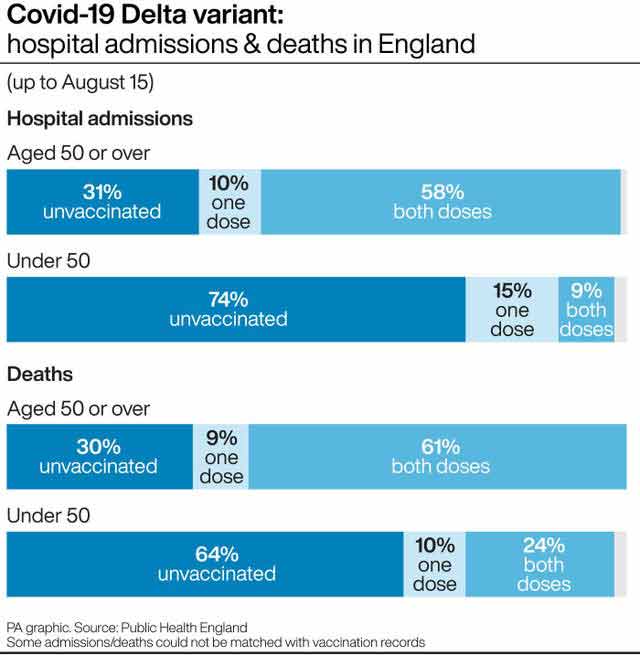
80% of COVID Hospitalizations in Massachusetts Were Vaxxed
Data13 from the U.S. Centers for Disease Control and Prevention also raise questions about the usefulness of the COVID shots. Between July 6 and July 25, 2021, 469 COVID cases were identified in a Barnstable County, Massachusetts, outbreak.
Of those who tested positive, 74% had received two COVID injections and were considered “fully vaccinated.” Even despite using different diagnostic standards for non-jabbed and jabbed individuals, a whopping 80% of COVID-related hospitalizations were also in this group.14,15
The CDC also confirmed that fully vaccinated individuals who contract the infection have as high a viral load in their nasal passages as unvaccinated individuals who get infected, proving there’s no difference between the two, in terms of being a transmission risk.16
If vaccination status has no bearing on the potential risk you pose to others, why do we need vaccine passports? According to Harvard epidemiologist Martin Kulldorff, this evidence demolishes the case for passports.17 They clearly cannot ensure safety, as evidenced by outbreaks where the vaccination rate was 100%. Examples include outbreaks onboard a Carnival cruise liner18 and the HMS Queen Elizabeth, a British Navy flagship.19
Study Predicts Pfizer Shot Will Enhance Delta Infectivity
A study20 posted August 23, 2021, on the preprint server bioRxiv now warns the Delta variant “is posed to acquire complete resistance to wild-type spike vaccines.” This could essentially turn into a worst-case scenario that sets up those who have received the Pfizer shots for more severe illness when exposed to the virus. As explained by the authors:21
“Although Pfizer-BioNTech BNT162b2-immune sera neutralized the Delta variant, when four common mutations were introduced into the receptor binding domain (RBD) of the Delta variant (Delta 4+), some BNT162b2-immune sera lost neutralizing activity and enhanced the infectivity.
Unique mutations in the Delta NTD were involved in the enhanced infectivity by the BNT162b2-immune sera. Sera of mice immunized by Delta spike, but not wild-type spike, consistently neutralized the Delta 4+ variant without enhancing infectivity.
Given the fact that a Delta variant with three similar RBD mutations has already emerged according to the GISAID database, it is necessary to develop vaccines that protect against such complete breakthrough variants.”
Proactive Use of COVID Shots Drive Dangerous Mutations
It’s now clear that early warnings against mass vaccination during an active outbreak are being realized. It’s not the unvaccinated that are driving mutations; it’s the vaccinated, as the injections simply do not prevent infection.
The end result, if we keep going, will be a treadmill of continuous injections to keep up with the merry-go-round of waning effectiveness in general combined with the emergence of vaccine-resistant variants. As reported by Live Science:22
“Vaccine-resistant coronavirus mutants are more likely to emerge when a large fraction of the population is vaccinated and viral transmission is high … In other words, a situation that looks a lot like the current one in the U.S.
The mathematical model,23 published July 30 in the journal Scientific Reports, simulates how the rate of vaccination and rate of viral transmission in a given population influence which SARS-CoV-2 variants come to dominate the viral landscape …
If viral transmission is low, any vaccine-resistant mutants that do emerge get fewer chances to spread, and thus, they’re more likely to die out, said senior author Fyodor Kondrashov, who runs an evolutionary genomics lab at the Institute of Science and Technology Austria.”
These findings come as no surprise to those familiar with previous research showing the same exact thing. As explained in “Vaccines Are Pushing Pathogens to Evolve,” published in Quanta Magazine,24 “Just as antibiotics breed resistance in bacteria, vaccines can incite changes that enable diseases to escape their control.”
The article details the history of the anti-Marek’s disease vaccine for chickens, first introduced in 1970. Today, we’re on the third version of this vaccine, as within a decade, it stops working. The reason? The virus has mutated to evade the vaccine. As a result of these leaky vaccines, the virus is becoming increasingly deadly and more difficult to treat.
A 2015 paper25 in PLOS Biology tested the theory that vaccines are driving the mutation of the herpesvirus causing Marek’s disease in chickens. To do that, they vaccinated 100 chickens and kept 100 unvaccinated. All of the birds were then infected with varying strains of the virus. Some strains were more virulent and dangerous than others.
Over the course of the birds’ lives, the unvaccinated ones shed more of the least virulent strains into the environment, while the vaccinated ones shed more of the most virulent strains. As noted in the Quanta Magazine article:26
“The findings suggest that the Marek’s vaccine encourages more dangerous viruses to proliferate. This increased virulence might then give the viruses the means to overcome birds’ vaccine-primed immune responses and sicken vaccinated flocks.”
Vaccinated People Can Serve as Breeding Ground for Mutations
Before 2021, it was quite clear that vaccines push viruses to mutate into more dangerous strains. The only question was, to what extent? Now all of a sudden, we’re to believe conventional science has been wrong all along. Here’s another example: NPR as recently as February 9, 2021, reported that “vaccines can contribute to virus mutations.” NPR science correspondent Richard Harris noted:27
“You may have heard that bacteria can develop resistance to antibiotics and, in a worst-case scenario, render the drugs useless. Something similar can also happen with vaccines, though, with less serious consequences.
This worry has arisen mostly in the debate over whether to delay a second vaccine shot so more people can get the first shot quickly. Paul Bieniasz, a Howard Hughes investigator at the Rockefeller University, says that gap would leave people with only partial immunity for longer than necessary.”
According to Bieniasz, partially vaccinated individuals “might serve as sort of a breeding ground for the virus to acquire new mutations.” This is the exact claim now being attributed to unvaccinated people by those who don’t understand natural selection.
It’s important to realize that viruses mutate continuously and if you don’t have a sterilizing vaccine that blocks infection completely, then the virus mutates to evade the immune response within that person. That is one of the distinct features of the COVID shots — they’re not designed to block infection. They allow infection to occur and at best lessen the symptoms of that infection. As noted by Harris:28
“This evolutionary pressure is present for any vaccine that doesn’t completely block infection … Many vaccines, apparently, including the COVID vaccines, do not completely prevent a virus from multiplying inside someone even though these vaccines do prevent serious illness.”
In short, like bacteria mutate and get stronger to survive the assault of antibacterial agents, viruses can mutate in vaccinated individuals who contract the virus, and in those, it will mutate to evade the immune system.
In an unvaccinated person, on the other hand, the virus does not encounter the same evolutionary pressure to mutate into something stronger. So, if SARS-CoV-2 does end up mutating into more lethal strains, then mass vaccination is the most likely driver.
What NFL Outbreak Can Tell Us
As reported August 27, 2021, by MSN,29 as players were encouraged to get the COVID shot for everyone’s safety, separate testing rules were put into place. Players who have gotten the jab only need to test every two weeks, while unvaccinated players undergo daily testing.
The relaxed testing requirement for double-jabbed players was used as incentive to go ahead and get the shot. As reported by MSN, “Conversely, the continued daily testing would become part of a punitive system that would make life so annoying for the unvaccinated that they would eventually get on board.”30
Well, this didn’t work out as planned. Nine Titans players and head coach Mike Vrabel have now tested positive, showing it really doesn’t matter if you’re double-jabbed or not. The infection spreads among the vaxxed just the same. As noted by MSN:31
“The pandemic is in a phase where the unvaccinated are facing the vengeance of a more aggressive strain of COVID-19. It’s also an era when the vaccinated are grappling with the reality that their shots are mitigating their symptoms and medical complications, but not completely preventing them from becoming infected or transmitting COVID to others.”
To remedy the matter, the NFL Players Association, the union representing players of the National Football League, is now calling for a return to daily testing of all players, regardless of COVID jab status. Time and again, we find that incentives fall far short of their initial promise. This has been the case for masks as well.
First, we were told that if we got the COVID shot, we didn’t need to wear masks anymore. Of course, universal mask recommendations returned full force when it became apparent that breakthrough infections were still occurring at a surprising rate.
Now, routine testing with a test known to produce false positives at a rate of about 97%32 is promoted again, regardless of injection status, and there’s no reason to assume the same won’t happen with vaccine passports. We’re promised freedom if we give up medical autonomy, but freedom will never actually be granted. They’ll just continue to move the goal post.
It is highly likely, in fact even predictable, that despite its dramatic ineffectiveness, the requirement for one or two COVID jabs will soon be turned into three, and vaccine passport holders who don’t want to get that third shot will be back at Square 1. They’ll be just as undesirable as those who got no shots.
Considering the speed at which SARS-CoV-2 is mutating, you can be assured there’ll be a fourth shot, and a fifth and, well, you get the idea. Vaccine passports and COVID jab requirements will simply lead to a situation where you have to keep getting additional shots or lose all your privileges.
Of course, every single injection comes with health risks, and the risk for an adverse event will probably get bigger and bigger with each additional shot, and you don’t need to be a modern-day Nostradamus to see where this will lead us.
Five-Month Booster Shot Now Under Consideration
Unfortunately, rather than accepting reality — which is that SARS-CoV-2 is here to stay, just like any number of other common cold and influenza viruses — and stopping the merry-go-round of injections that only make matters worse, President Biden said he’d spoken with Dr. Anthony Fauci about giving booster shots at the five-month mark after the initial round of injections rather than waiting eight months, as previously suggested.33
While Fauci quickly responded34 that eight months was still the goal, he also said that “we are open to data as they come in” if the Food and Drug Administration and the Advisory Committee on Immunization Practices determine a sooner timeline is necessary.
Israel began administering a third booster shot to people over the age of 60 July 30, 2021. August 19, eligibility for a booster was expanded to include people over the age of 40, as well as pregnant women, teachers and health care workers, even if they’re younger than 40. Initial reports suggest the third dose has improved protection in the over-60 group, compared to those who only got two doses of Pfizer.35 According to Reuters:36
“Breaking down statistics from Israel’s Gertner Institute and KI Institute, ministry officials said that among people aged 60 and over, the protection against infection provided from 10 days after a third dose was four times higher than after two doses. A third jab for over 60-year-olds offered five to six times greater protection after 10 days with regard to serious illness and hospitalization.”
Anyone who thinks one or more booster shots are the answer to SARS-CoV-2 is likely fooling themselves though. I look forward with trepidation to data on hospitalization and death rates, not to mention side effect rates, in the months to come.
Knowing what we already know about the risks of these shots and their tendency to encourage mutations, it seems reasonable to suspect that all we’re doing is digging ourselves an ever-deeper, ever-wider hole that’s going to be increasingly difficult to get out of.
- 1 Townhall July 22, 2021
- 2 World Economic Forum July 7, 2021
- 3, 7 BPR August 20, 2021
- 4 David Rosenberg 7 July 13, 2021
- 5 Sharylattkisson.com August 8, 2021
- 6 Sharylattkisson.com August 6, 2021
- 8 CNBC July 23, 2021
- 9, 10 The BMJ Opinion August 23, 2021
- 11 Science August 16, 2021
- 12 Evening Standard August 20, 2021
- 13, 14 CDC MMWR July 30, 2021; 70
- 15 CNBC July 30, 2021
- 16 NBC News August 7, 2021
- 17 FEE August 30, 2021
- 18 FBA News August 9, 2021
- 19 BBC July 14, 2021
- 20, 21 bioRxiv August 23, 2021 DOI: 10.1102/2021.08.11.457114
- 22 Live Science August 6, 2021
- 23 Scientific Reports July 30, 2021; 11 Article number 15729
- 24, 26 Quanta Magazine Vaccines Are Pushing Pathogens to Evolve
- 25 PLOS Biology July 27, 2015 DOI: 10.1371/journal.pbio.1002198
- 27, 28 NPR February 9, 2021
- 29, 30, 31 MSN August 21, 2021
- 32 Clinical Infectious Diseases September 28, 2020; ciaa1491
- 33 Twitter Jennifer Jacobs August 27, 2021
- 34 Insider August 29, 2021
- 35, 36 Reuters August 22, 2021
6 INCREDIBLE probiotic foods to improve digestion and immunity
Reproduced from original article:
https://www.naturalhealth365.com/probiotic-foods-3958.html
by: Michelle Marks | September 1, 2021
 (NaturalHealth365) Probiotics are foods that help build the population of healthy bacteria in the gut. Why is this so important to human health? Because poor digestive health leads to a wide range of health issues from allergies to many forms of cancer.
Unfortunately, too many people have consumed synthetic antibiotics – which kill healthy bacteria. As healthy adults, we are supposed to carry around 3 to 4 pounds of “good” bacteria and yeast in our gut. But, every time we take antibiotics, we kill beneficial bacteria inside the digestive tract.
Dysbiosis has been linked to a multitude of chronic health conditions, scientific evidence suggests
Eventually, a condition called dysbiosis can occur – which can cause arthritis, autoimmune illness, vitamin B deficiency, chronic fatigue syndrome, food allergies, and food sensitivities, irritable bowel disorders plus skin problems like, eczema and psoriasis.
Naturally, antibiotics may be necessary – in some cases. But, if your doctor prescribes antibiotics without mentioning the need for probiotics, I would question his professional experience.
THESE are some of the best probiotic foods to improve digestive health
Try eating fresh sauerkraut and pickles. Finely shredded cabbage, which gets fermented, is a super-rich source of probiotics. A 2007 study published in the journal of Applied and Environmental Microbiology revealed that more than 13 different species of gut-friendly bacteria are present in sauerkraut. Naturally speaking, pickles and sauerkraut are some of the best probiotic foods to eat – especially after a heavy dose of antibiotics.
Fortunately, it’s quite easy to make your own sauerkraut at home by combining finely shredded cabbage with Himalayan sea salt. Just store it in a mason jar at room temperature. In the presence of sea salt, the cabbage releases water, and the surface bacteria on the cabbage helps in the process of fermentation.
If you want to buy sauerkraut, be sure to avoid the ‘commercial’ varieties that are heat-treated and pasteurized for obvious reasons. My personal favorite store brand is Real Pickles.
Miso soup is one of the mainstays of traditional Japanese medicine and is commonly used in macrobiotic cooking as a digestive regulator. Made from fermented rye, beans, rice, or barley – you can easily add a tablespoon of miso paste to hot water to make an excellent (quick), probiotic-rich soup. One of my favorite companies for quality miso paste is South River Miso Company.
Kefir, which is similar to yogurt, is a fermented dairy product. High in lactobacilli and bifidus bacteria, kefir is also rich in antioxidants. Look for a good, organic version at your local health food store to improve digestive health and help restore your microbiome.
Kombucha is a form of fermented tea that contains a high amount of healthy gut bacteria. This probiotic drink has been used for centuries as a natural way to boost energy levels, improve digestion and achieve weight loss goals. Just keep in mind that kombucha, with its natural sugars, may not be for everyone – especially if you suffer from candida.
Tempeh – as long as it’s non-GMO – is a probiotic-rich, fermented soybean product. It’s also a delicious meat substitute for vegetarians or vegans and a nice source of vitamin B12.
Kimchi is the Asian form of pickled sauerkraut. It’s actually an extremely spicy and sour fermented cabbage – typically served in Korea. Kimchi is rich in beta-carotene, calcium, iron, and vitamins A, C, B1, and B2, plus a great source of probiotics. However, proceed with a bit of caution, as this food has an intense spicy flavor.
But wait, that’s not all! THESE foods also offer probiotic benefits
Remember, to restore your gut bacteria, it is also important to consume a variety of raw fruits and vegetables – as often as possible. We say ‘raw’ because, although most produce gets washed before consumption, some bacteria clings to the surface, providing natural probiotic benefits.
Improving gut health is relatively inexpensive and loaded with health benefits like a stronger immune system and greater clarity of mind. If you suffer from serious health problems, work with an experienced healthcare provider to restore healthy bacteria today.
Sources used for this article:
Why Do Public Health Agencies Reject Natural Immunity?
Reproduced from original article:
https://articles.mercola.com/sites/articles/archive/2021/08/26/why-do-public-health-agencies-reject-natural-immunity.aspx
Analysis by Dr. Joseph Mercola Fact Checked August 26, 2021

STORY AT-A-GLANCE
- According to U.S. Surgeon General Dr. Vivek Murthy, if you’ve already recovered from a bout of COVID-19, the immunity mounted by your body may not be enough to prevent reinfection with the Delta variant, so your best bet is to get the COVID shot
- August 6, 2021, the U.S. Centers for Disease Control and Prevention published a case control study claiming that unvaccinated people are “more than twice as likely to be reinfected with COVID-19 than those who were fully vaccinated after initially contracting the virus”
- One of several drawbacks of this study is that it did not look at illness severity. It doesn’t tell us whether more vaccinated people were symptomatic than the unvaccinated, or vice versa
- A far better gauge of how well the COVID jabs are working would be serious infection, hospitalization and death rates, and when we look at those, a different picture emerges
- In Israel — where data suggest those who have received the COVID jab are 6.72 times more likely to get infected than people who have recovered from natural infection — a majority of serious cases and deaths are occurring among those injected with two doses of Pfizer’s mRNA jab
According to U.S. Surgeon General Dr. Vivek Murthy, if you’ve already recovered from a bout of COVID-19, the full-spectrum immunity mounted by your body may not be enough to prevent reinfection with the Delta variant, so your best bet is to get the COVID shot. Mid-August 2021 he told CNN:1
“… what we’ve understood, actually, from the studies about natural immunity, we are seeing more and more data that tells us that while you get some protection from natural infection, it’s not nearly as strong as what you get from the vaccine, especially with the Delta variant, which is the hardiest and most contagious variant we’ve seen to date. We need all the protection that we can get. That’s why the vaccines are so effective.”
Data Analysis Claims Unvaccinated More Prone to Reinfection
August 6, 2021, the U.S. Centers for Disease Control and Prevention published a case control study2,3 claiming that unvaccinated people are “more than twice as likely to be reinfected with COVID-19 than those who were fully vaccinated after initially contracting the virus.”
The study used data reported to Kentucky’s National Electronic Disease Surveillance System (NEDSS) to assess SARS-CoV-2 reinfection rates in Kentucky during May through June 2021 among those who’d had confirmed SARS-CoV-2 infection between March and December 2020.
The NEDSS data were then imported into a REDCap database that tracks new COVID-19 cases. A case-patient was defined as a resident with laboratory-confirmed SARS-CoV-2 infection in 2020 and a subsequent positive test result during May 1, 2021, through June 30, 2021.
Vaccination status was determined using data from the Kentucky Immunization Registry. Patients were considered fully vaccinated if a single dose of Johnson & Johnson or a second dose of an mRNA vaccine (Pfizer or Moderna) had been administered at least 14 days before reinfection. Compared to fully vaccinated residents, unvaccinated residents were 2.34 times more likely to test positive for SARS-CoV-2 reinfection.
The Obvious Flaw in CDC’s Study
The elephant in the room, however, is the absence of actual symptomatic illness. The study only looked at positive test results, and we do not know whether more vaccinated people were symptomatic than the unvaccinated, or vice versa.
As has been explained many times before, a positive test result is not the same as active infection. A person with natural immunity may be re-exposed to the virus, and traces of it may show upon testing, but their immune system has effectively killed the virus and prevented illness.
So, merely looking at positive test results is not the best way to ascertain whether the COVID jab actually provides better protection than natural immunity. And there are many reasons to suspect that it does not.
Other Shortcomings
The study authors also admit there are several other limitations to the findings, including the following:4
“First, reinfection was not confirmed through whole genome sequencing, which would be necessary to definitively prove that the reinfection was caused from a distinct virus relative to the first infection …
Second, persons who have been vaccinated are possibly less likely to get tested. Therefore, the association of reinfection and lack of vaccination might be overestimated. Third, vaccine doses administered at federal or out-of-state sites are not typically entered in KYIR, so vaccination data are possibly missing for some persons in these analyses …
Fourth, although case-patients and controls were matched based on age, sex, and date of initial infection, other unknown confounders might be present. Finally, this is a retrospective study design using data from a single state during a 2-month period; therefore, these findings cannot be used to infer causation.”
It is correct that association does not equate to causation, and we’ve been repeatedly told to dismiss Vaccine Adverse Event Reporting System (VAERS) data for this very reason. Perhaps the same standard should be applied to this CDC investigation, as it tells us very little about the actual risk associated with reinfection.
For all we know, those with natural immunity tested positive for reinfection but had no symptoms, while vaccinated people tested positive and were actually ill. Which, in that case, would be the preferable outcome?
Hospitalization and Mortality Rates Are a Better Gauge
A far better gauge of how well the COVID jabs are working would be serious infection, hospitalization and death rates, and when we look at those, a different picture emerges.
In Israel, where vaccine uptake has been very high due to restrictions on freedom for those who don’t comply,5 data show those who have received the COVID jab are 6.72 times more likely to get infected than people who have recovered from natural infection.6,7,8
That too refers to test results, so let’s look at hospitalization rates instead. Here, we find a majority of serious cases and deaths are in fact occurring among those injected with two doses.
The following is a screenshot of graphs posted on Twitter.9 The red is unvaccinated, yellow refers to partially “vaccinated” and green fully “vaccinated” with two doses. The charts speak for themselves.
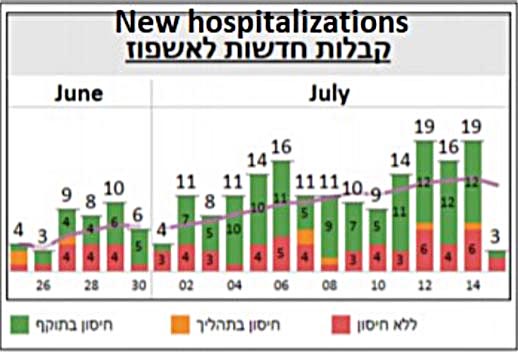
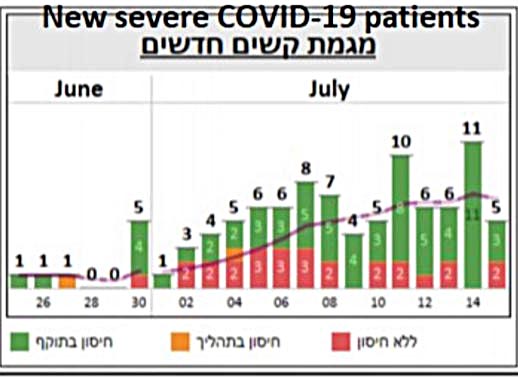
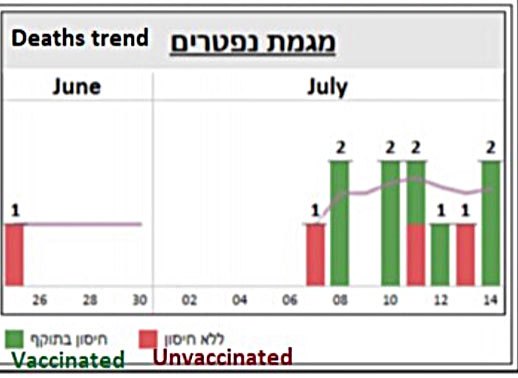
Do not be deceived by claims that unvaccinated patients make up 99% of COVID-19 deaths and 95% of COVID-related hospitalizations in the United States.10
These statistics were manufactured by looking at hospitalization and mortality data from January through June 2021 — a time frame when COVID jab rates were low. January 1, 2021, only 0.5% of the U.S. population had received a COVID shot so, clearly, unvaccinated made up the bulk of COVID-related hospitalizations last winter. By mid-April, an estimated 31% had received one or more shots,11 and as of June 30, just 46.9% were “fully vaccinated.”12
Why COVID Shot Cannot End COVID Outbreaks
Overall, it doesn’t appear as though COVID-19 gene modification injections have the ability to effectively eliminate COVID-19 outbreaks, and this makes sense, seeing how it’s mathematically impossible for them to do so.
The four available COVID shots in the U.S. provide an absolute risk reduction between just 0.7% and 1.3%.13,14 (Efficacy rates of 67% to 95% all refer to the relative risk reduction.) Meanwhile, the noninstitutionalized infection fatality ratio across age groups is a mere 0.26%.15
Since the absolute risk that needs to be overcome is lower than the absolute risk reduction these injections can provide, mass vaccination simply cannot have a favorable impact, even with a vaccination rate of 100%.
Don’t believe it? There’s proof. July 14, 2021, BBC News reported16 there’d been an outbreak on the British Defense aircraft carrier HMS Queen Elizabeth. Despite the entire crew being fully injected, 100 crew members tested positive. (It’s unclear whether any of them actually had symptoms.)
The recent outbreak onboard a Carnival cruise line ship is another example. All crew and passengers had presented proof of being jabbed, yet that didn’t prevent an outbreak from taking place.17
The reason is very simple. Just as we have been telling you from the beginning, the shot does not prevent you from getting infected with the virus or spreading it around. “Vaccinated” individuals have actually been shown to be just as infectious as unvaccinated people. Even if they have fewer or milder symptoms, their viral load is just as great when infected, according to the CDC.18
There’s No Control Group to Compare Against Anymore
For some reason, government leaders and health officials want a needle in every arm, and they don’t care what the side effects of the shots might be. This is evident by the fact that we now have tens of thousands of reported deaths (according to one whistleblower, 45,000 deaths have occurred within three days of injection19,20) and well over half a million injury reports following COVID “vaccination,”21 yet no action is taken to slow down or halt the campaign.
Historically, mass vaccination campaigns have been halted and drugs withdrawn after 25 to 50 deaths (depending on the product). We’re so far past that now, one wonders if there actually is a threshold at which authorities will take action to protect the public from unnecessary medical injury and death.
VAERS is tricky to maneuver, so the easiest way to get a glimpse into the current status is to go to OpenVAERS.com, where you get a simple summary breakdown of current COVID-related reports.
Equally telling is the fact that all control groups have been eliminated from the still-ongoing injection trials,22 with full support from a World Health Organization Expert Working Group23 so, in the end, we’ll have no way of really evaluating side effects.
This is the perfect way to hide the truth about these shots, and it violates the very basics of what a safety trial has always been required to have. You simply must incorporate a control group to compare the effects of the drug against in the long term, otherwise you will have no clue as to what complications have arisen.
Safety evaluations have also been intentionally undermined by the U.S. Food and Drug Administration, which chose not to require vaccine makers to implement robust post-injection data collection and follow-up on the general public.
On top of that, the trials also do not appear to have oversight boards, which is standard practice for all human clinical trials. There’s no Data Safety Monitoring Board, no Clinical Event Committee and no Clinical Ethics Committee. How could this be?
If vaccine makers simply forgot to follow standard practices, it would mean we’re dealing with a truly staggering level of incompetence, as all COVID jab developers have made the same mistake. Which might be worse in this case? Intentional negligence or unintentional incompetence?
COVID-19 Shots Confer Narrow Immunity
Getting back to the issue of whether the COVID jab actually confers better protection against SARS-CoV-2 and its variants, this is highly unlikely seeing how the shot confers a very narrow and specific kind of protection, whereas natural immunity is broad.
When it comes to SARS-CoV-2 — which is clearly a genetically manipulated virus designed to attack your cardiovascular system and basic immune function — the spike protein is the most dangerous part and acts as a toxin in and of itself. This is why the spike protein was chosen as the antigen in these shots, but it’s also why so many are having side effects from them.
When you get a COVID shot, your body is instructed to manufacture the spike protein. In response, your body then produces antibodies against that spike protein. Those antibodies recognize only the spike protein and not other parts of the virus.
When you recover from a natural infection, your body has antibodies against all parts of the virus, so the spike protein plus four other proteins. In addition to that, you have memory T cells, which appear even more important than antibodies when it comes to battling viruses.
Does it make sense that one type of antibody would be more effective against a virus that may have mutated one or more of its proteins? Or is it more likely that having several types of antibodies plus memory T cells will offer greater protection?
If you pay attention, you will find that no one ever offers a sensible explanation as to why a single anti-spike antibody would be better than T cells and antibodies against all parts of the virus.
Natural Immunity Is Robust and Long-Lasting
Many studies have been published demonstrating that natural immunity against SARS-CoV-2 is both robust and long-lasting. For example, a May 2020 study24,25 found 70% of samples from patients who had recovered from mild cases of COVID-19 had resistance to SARS-CoV-2 on the T-cell level.
Interestingly, 40% to 60% of people who had not been exposed to SARS-CoV-2 also had resistance to the virus on the T-cell level. According to the authors, this suggests there’s “cross-reactive T cell recognition between circulating ‘common cold’ coronaviruses and SARS-CoV-2.”
A German paper26 came to a similar conclusion. Here, they found helper T cells that targeted the SARS-CoV-2 spike protein in 15 of 18 patients hospitalized with COVID-19. Yet another study,27,28,29 this one by Singaporean researchers, found common colds caused by the betacoronaviruses OC43 and HKU1 might make you more resistant to SARS-CoV-2 infection.
What’s more, they found that patients who became infected with the original SARS virus back in 2003 still had memory T cell immunity against SARS-CoV-2, despite the virus being only 80% similar. This study suggests natural immunity is likely to last decades, not months, like the COVID shot.
Unvaccinated Falsely Accused of Being ‘Disease Factories’
While mainstream media are now pushing the idea that those who refuse the COVID shot are to blame for the emergence of SARS-CoV-2 variants, a number of health experts have warned that the complete opposite scenario would occur — that mass injections, causing a very narrow band of antibodies, will force more rapid mutations of the virus.30
A general principle in biology, vaccinology and microbiology is that if you put living organisms like bacteria or viruses under pressure, via antibiotics or antibodies, for example, but don’t kill them off completely, you can inadvertently encourage their mutation into more virulent strains. Those that escape your immune system end up surviving and selecting mutations to ensure their further survival.
If an individual who does not have a narrow band of antibodies becomes infected, then, if mutation does occur, it’s far less likely to result in a more aggressive virus. So, while mutation can occur in both vaccinated and unvaccinated people, vaccinated individuals are actually far more likely to pressure the virus into a mutation that strengthens it and makes it more dangerous.
CDC Misrepresents Data to Push Jab on Those With Immunity
So far, the CDC has refused to change its stance on the matter. Instead, officials at the agency seem to have doubled down and actually go out of their way to misrepresent data in an effort to harass those with natural immunity to inappropriately take the jab, which is clinically unnecessary and potentially dangerous.
In a report issued by the CDC’s Advisory Committee on Immunization Practices (ACIP) December 18, 2020, the Pfizer-BioNTech COVID-19 vaccine was said to have “consistent high efficacy” of 92% or more among persons with underlying medical conditions as well as among participants with evidence of previous SARS-CoV-2 infection.31
After looking at the Pfizer trial data, Rep. Thomas Massie — a Republican Congressman for Kentucky and an award-winning scientist — discovered that’s completely wrong. In a January 30, 2021, Full Measure report, investigative journalist Sharyl Attkisson described how Massie tried, in vain, to get the CDC to correct its error. According to Massie:32,33
“There is no efficacy demonstrated in the Pfizer trial among participants with evidence of previous SARS-CoV-2 infections and actually there’s no proof in the Moderna trial either … It [the CDC report] says the exact opposite of what the data says.”
After multiple phone calls, CDC deputy director Dr. Anne Schuchat finally acknowledged the error and told Massie it would be fixed. “As you note correctly, there is not sufficient analysis to show that in the subset of only the people with prior infection, there’s efficacy. So, you’re correct that that sentence is wrong and that we need to make a correction of it,” Schuchat said in the recorded call.
January 29, 2021, the CDC issued its supposed correction, but rather than fix the error, they simply rephrased the mistake in a different way. This was the “correction” they issued:
“Consistent high efficacy (≥92%) was observed across age, sex, race, and ethnicity categories and among persons with underlying medical conditions. Efficacy was similarly high in a secondary analysis including participants both with or without evidence of previous SARS-CoV-2 infection.”
As you can see, the “correction” still misleadingly suggests that vaccination is effective for those previously infected, even though the data showed no such thing.
I don’t know why the surgeon general insists the COVID jab offers better protection against variants than natural immunity. I don’t see how it could. The lack of rational medical explanation is suspicious, and perhaps that’s why 40% of the American population has yet to take the jab.34
- 1 MSN August 17, 2021
- 2, 4 CDC MMWR August 13, 2021; 70(32): 1081-1083
- 3 CDC.gov August 6, 2021
- 5 Our World in Data, Data for Israel
- 6 David Rosenberg 7 July 13, 2021
- 7 Sharylattkisson.com August 8, 2021
- 8 Sharylattkisson.com August 6, 2021
- 9 Twitter Alex Berenson July 18, 2021
- 10 The New York Times July 16, 2021
- 11 Bloomberg COVID Vaccine Tracker
- 12 Mayo Clinic COVID Vaccine Tracker
- 13 Medicina 2021; 57: 199
- 14 The Lancet Microbe July 1, 2021; 2(7): E279-E280
- 15 Annals of Internal Medicine September 2, 2020 DOI: 10.7326/M20-5352
- 16 BBC News July 14, 2021
- 17 FBA News August 9, 2021
- 18 NBC News August 7, 2021
- 19 US District Court of Alabama Civil Action No. 2:21-cv-00702-CLM (PDF)
- 20 The Defender July 20, 2021
- 21 Open VAERS
- 22 NPR February 19, 2021
- 23 Nature Medicine March 16, 2021; 27: 569-570
- 24 Cell May 14, 2020 DOI: 10.1016/j.cell.2020.05.015
- 25 Wall Street Journal June 12, 2020 (Archived)
- 26 Medrxiv DOI: 10.1101/2020.04.17.20061440
- 27 Biorxiv preprint DOI: 10.1101/2020.05.26.115832 (PDF)
- 28 Daily Mail June 12, 2020
- 29 Science Times June 12, 2020
- 30 Geert Vanden Bossche, DMV PhD Open Letter
- 31 MMWR December 18, 2020
- 32 Full Measure After Hours Podcast January 30, 2021
- 33 Full Measure News January 31, 2021
- 34 Mayo Clinic COVID Vaccine Tracker, as of 8/18, 60.1% have received 1 dose
Is Natural Immunity More Effective Than the COVID Shot?
Reproduced from original article:
https://articles.mercola.com/sites/articles/archive/2021/08/18/covid-19-natural-immunity.aspx
Analysis by Dr. Joseph Mercola Fact Checked August 18, 2021

STORY AT-A-GLANCE
- According to Centers for Disease Control and Prevention data, COVID-19 “cases” have trended downward since peaking during the first and second week of January 2021. At first glance, this decline appears to be occurring in tandem with the rollout of COVID shots. However, “cases” were on the decline before a meaningful number of people had been vaccinated
- COVID-19 “cases” peaked January 8, 2021, when more than 300,000 new positive test results were recorded on a daily basis. By February 21, that had declined to a daily new case count of 55,000
- COVID-19 gene modification injections were granted emergency use authorization at the end of December 2020, and by February 21, only 5.9% of American adults had been fully injected with two doses. Despite such a low injection rate, new “cases” had declined by 82%
- The best explanation for a declining COVID-19 case rate appears to be natural immunity from previous infections. A study by the National Institutes of Health suggests COVID-19 prevalence was 4.8 times higher than previously thought, thanks to undiagnosed infection
- The survivability of COVID-19 outside of nursing homes is 99.74%. If you’re under the age of 40, your chance of surviving a bout of COVID-19 is 99.99%. You can’t really improve your chances of surviving beyond that, so COVID shots cannot realistically end the pandemic
According to Centers for Disease Control and Prevention data,1 COVID-19 “cases” have trended downward since peaking during the first and second week of January 2021.
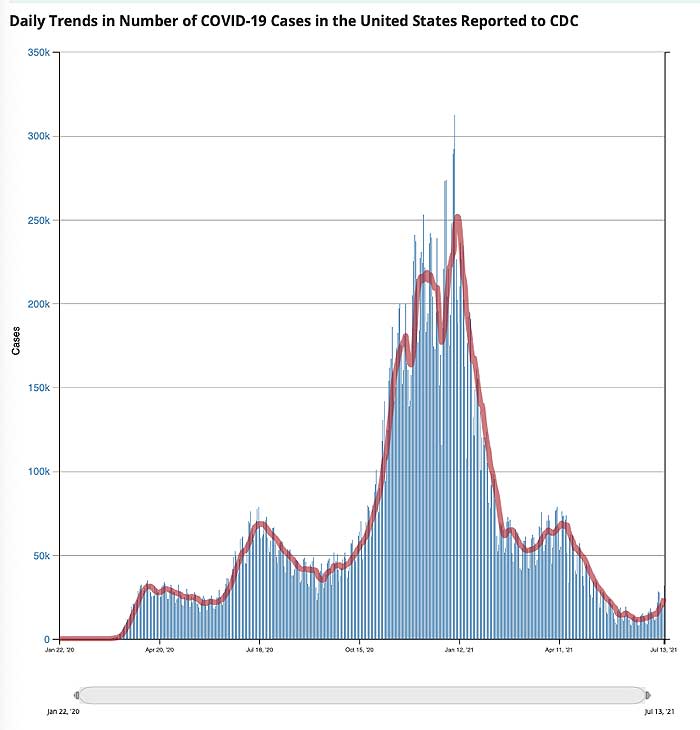
At first glance, this decline appears to be occurring in tandem with the rollout of COVID shots. January 1, 2021, only 0.5% of the U.S. population had received a COVID shot. By mid-April, an estimated 31% had received one or more shots,2 and as of July 13, 48.3% were fully “vaccinated.”3
However, as noted in a July 12, 2021, STAT News article,4 “cases” had started their downward trend before COVID shots were widely used. “Following patterns from previous pandemics, the precipitous decline in new cases of Covid-19 started well before a meaningful number of people had been vaccinated,” Robert M. Kaplan, Professor Emeritus at the UCLA Fielding School of Public Health, writes. He continues:
“Nearly 50 years ago, medical sociologists John and Sonja McKinlay examined5 death rates from 10 serious diseases: tuberculosis, scarlet fever, influenzae, pneumonia, diphtheria, whooping cough, measles, smallpox, typhoid, and polio. In each case, the new therapy or vaccine credited with overcoming it was introduced well after the disease was in decline.
More recently, historian Thomas McKeown noted6 that deaths from bronchitis, pneumonia, and influenza had begun rapidly falling 35 years before the introduction of new medicines that were credited with their conquest. These historical analyses are relevant to the current pandemic.”
‘Case’ Decline Preceded Widespread Implementation of Jab
As noted by Kaplan, COVID-19 “cases” peaked in early January 2021. January 8, more than 300,000 new positive test results were recorded on a daily basis. By February 21, that had declined to a daily new case count of 55,000. COVID-19 gene modification injections were granted emergency use authorization at the end of December 2020, but by February 21, only 5.9% of American adults had been fully vaccinated with two doses.
Despite such a low vaccination rate, new “cases” had declined by 82%. Considering health authorities claim we need 70% of Americans vaccinated in order to achieve herd immunity and stop the spread of this virus, this simply makes no sense. Clearly, the COVID shots had nothing to do with the decline in positive test results.
To be clear, reported cases mean positive test results, and we now know the vast majority of positive PCR tests have been, and still are, false positives. They’re not sick. They simply had a false “positive.” Right now, we’re also faced with yet another situation that complicates attempts at data analysis, and Kaplan understandably did not address any of these confounding factors.
But just so you’re aware, if you have been fully “vaccinated,” then the CDC recommends running the PCR test at a cycle threshold (CT) of 28 or lower, which dramatically lowers your chance of a false positive result, but if you are unvaccinated, the PCR test is recommended to be run at a CT of 40 or higher, virtually guaranteeing a false positive.
This is just one way by which the CDC is manipulating data to make the COVID shots appear more effective than they are. This also allows them to falsely claim that the vast majority of new cases are among the unvaccinated.
Naturally, if unvaccinated are tested in such a way as to maximize false positives, then they’re going to make up the bulk of the so-called caseload. In reality, though, the vast majority of them aren’t sick.
Meanwhile, those who have received the jabs only count as a COVID case if they’re hospitalized and/or die with a positive test result. These widely differing testing strategies skew the data and allow for false interpretations to be made.
Natural Immunity Explains Decline in Cases
As noted by Kaplan, the most reasonable explanation for declining rates of SARS-CoV-2 appears to be natural immunity from previous infections, which vary considerably from state to state.7 He goes on to cite a study8 by the National Institutes of Health, which suggests SARS-CoV-2 prevalence was 4.8 times higher than previously thought, thanks to undiagnosed infection.
In other words, they claim that for every reported positive test result, there were likely nearly five additional people who had the infection but didn’t get a diagnosis. To analyze this data further, Kaplan calculated the natural immunity rate by dividing the new estimated number of people naturally infected by the population of any given state. He writes:9
“By mid-February 2021, an estimated 150 million people in the U.S. (30 million times five) may have had been infected with SARS-CoV-2. By April, I estimated the natural immunity rate to be above 55% in 10 states: Arizona, Iowa, Nebraska, North Dakota, Oklahoma, Rhode Island, South Dakota, Tennessee, Utah, and Wisconsin.
At the other end of the continuum, I estimated the natural immunity rate to be below 35% in the District of Columbia, Hawaii, Maine, Maryland, New Hampshire, Oregon, Puerto Rico, Vermont, Virginia, and Washington …
By the end of 2020, new infections were already rapidly declining in nearly all of the 10 states where the majority may have had natural immunity, well before more than a minuscule percentage of Americans were fully vaccinated. In 80% of these states, the day when new cases were at their peak occurred before vaccines were available.
In contrast, the 10 states with lower rates of previous infections were much more likely to experience new upticks in Covid-19 cases in March and April … By the end of May, states with fewer new infections had significantly lower vaccination rates than states with more new infections.”
COVID Shots Cannot Eliminate COVID-19
So, SARS-CoV-2 cases were actually higher in states where natural immunity was low but vaccination rates were high. Meanwhile, in states where natural immunity due to undiagnosed exposure was high, but vaccination rates were low, the daily new caseload was also lower.
This makes sense if natural immunity is highly effective (which, historically it has always been and there’s no reason to suspect SARS-CoV-2 is any different in that regard). It also makes sense if the COVID shots aren’t really offering any significant protection against infection, which we also know is the case.
Vaccine manufacturers have already admitted these COVID shots will not provide immunity, meaning they will not prevent you from being infected. The idea behind these gene modification injections is that if/when you do get infected, you’ll hopefully experience milder symptoms, even though you’re still infectious and can spread the virus to others.
Kaplan ends his analysis by saying that COVID shots are a safer way to achieve herd immunity, and that they are “the best tool available for assuring that the smoldering fire of [COVID-19] is extinguished.” I disagree, based on two major issues.
First, and perhaps most importantly, this is an untested “vaccine” and we have no idea of the short-term let alone long-term damage it will cause, as any reasonable effort at collecting this data has been actively suppressed. Secondly, the survivability of COVID-19 outside of nursing homes is 99.74%. If you’re under the age of 40, your chance of surviving a bout of COVID-19 is 99.99%.10,11,12
You can’t really improve your chances of surviving beyond that, so COVID shots cannot realistically end the pandemic. Meanwhile, the COVID shots come with an ever-growing list of potential side effects that can take years if not decades off your natural life span. The shots are particularly unnecessary for anyone with natural immunity,13 yet that’s what the CDC recommends.14
Why Push COVID Jab on Those with Natural Immunity?
In January 2021, Dr. Hooman Noorchashm, a cardiac surgeon and patient advocate, sent a public letter15 to the U.S. Food and Drug Administration commissioner detailing the risks of vaccinating individuals who have previously been infected with SARS-CoV-2, or who have an active SARS-CoV-2 infection.
He urged the FDA to require prescreening for SARS-CoV-2 viral proteins to reduce the risk of injuries and deaths following vaccination, as the vaccine may trigger an adverse immune response in those who have already been infected with the virus. In March 2021, Fox TV host Tucker Carlson interviewed him about these risks. In that interview, Noorchashm said:16
“I think it’s a dramatic error on part of public health officials to try to put this vaccine into a one-size-fits-all paradigm … We’re going to take this problem we have with the COVID-19 pandemic, where a half-percent of the population is susceptible to dying, and compound it by causing totally avoidable harm by vaccinating people who are already infected …
The signal is deafening, the people who are having complications or adverse events are the people who have recently or are currently or previously infected [with COVID]. I don’t think we can ignore this.”
In an email to The Defender, Noorchashm fleshed out his concerns, saying:17
“Viral antigens persist in the tissues of the naturally infected for months. When the vaccine is used too early after a natural infection, or worse during an active infection, the vaccine force activates a powerful immune response that attacks the tissues where the natural viral antigens are persisting. This, I suggest, is the cause of the high level of adverse events and, likely deaths, we are seeing in the recently infected following vaccination.”
Despite being widely ignored, Noorchashm continues to push for the implementation of prevaccine screening using PCR or rapid antigen testing to determine whether the individual has an active infection, and an IgG antibody test to determine past infection.
If either test is positive, he recommends delaying vaccination for a minimum of three to six months to allow your IgG levels to wane. At that point, he recommends testing your blood IgG level and use that as a guide to decide the timing of your vaccination.
Those with Natural Immunity Have Higher Risk of Side Effects
Mere weeks after Noorchashm’s letter to the FDA, an international survey18 confirmed his concerns. After surveying 2,002 people who had received a first dose of COVID-19 vaccine, they found that those who had previously had COVID-19 experienced “significantly increased incidence and severity” of side effects, compared to those who did not have natural immunity.
The mRNA COVID-19 vaccines were linked to a higher incidence of side effects compared to the viral vector-based COVID-19 vaccines, but tended to be milder, local reactions. Systemic reactions, such as anaphylaxis, flu-like illness and breathlessness, were more likely to occur with the viral vector COVID-19 vaccines.
Like Noorchashm before them, the researchers called on health officials to reevaluate their vaccination recommendations for people who’ve had COVID-19:19
“People with prior COVID-19 exposure were largely excluded from the vaccine trials and, as a result, the safety and reactogenicity of the vaccines in this population have not been previously fully evaluated. For the first time, this study demonstrates a significant association between prior COVID19 infection and a significantly higher incidence and severity of self-reported side effects after vaccination for COVID-19.
Consistently, compared to the first dose of the vaccine, we found an increased incidence and severity of self-reported side effects after the second dose, when recipients had been previously exposed to viral antigen.
In view of the rapidly accumulating data demonstrating that COVID-19 survivors generally have adequate natural immunity for at least 6 months, it may be appropriate to re-evaluate the recommendation for immediate vaccination of this group.”
CDC Misrepresents Data to Push Jab on Those with Immunity
So far, the CDC has refused to change its stance on the matter. Instead, officials at the agency seem to have doubled down and actually go out of their way to misrepresent data in an effort to harass those with natural immunity to inappropriately take the jab, which is clearly clinically unnecessary.
In a report issued by the CDC’s Advisory Committee on Immunization Practices (ACIP) December 18, 2020, the Pfizer-BioNTech COVID-19 vaccine was said to have “consistent high efficacy” of 92% or more among people with evidence of previous SARS-CoV-2 infection.20
After looking at the Pfizer trial data, Rep. Thomas Massie — a Republican Congressman for Kentucky and an award-winning scientist in his own right — discovered that’s completely wrong. In a January 30, 2021, Full Measure report, investigative journalist Sharyl Attkisson described how Massie tried, in vain, to get the CDC to correct its error. According to Massie:21,22
“There is no efficacy demonstrated in the Pfizer trial among participants with evidence of previous SARS-CoV-2 infections and actually there’s no proof in the Moderna trial either …
It [the CDC report] says the exact opposite of what the data says. They’re giving people the impression that this vaccine will save your life, or save you from suffering, even if you’ve already had the virus and recovered, which has not been demonstrated in either the Pfizer or the Moderna trial.”
After multiple phone calls, CDC deputy director Dr. Anne Schuchat finally acknowledged the error and told Massie it would be fixed. “As you note correctly, there is not sufficient analysis to show that in the subset of only the people with prior infection, there’s efficacy. So, you’re correct that that sentence is wrong and that we need to make a correction of it,” Schuchat said in the recorded call.
January 29, 2021, the CDC issued its supposed correction, but rather than fix the error, they simply rephrased the mistake in a different way. This was the “correction” they issued:
“Consistent high efficacy (≥92%) was observed across age, sex, race, and ethnicity categories and among persons with underlying medical conditions. Efficacy was similarly high in a secondary analysis including participants both with or without evidence of previous SARS-CoV-2 infection.”
As you can see, the “correction” still misleadingly suggests that vaccination is effective for those previously infected, even though the data showed no such thing. Children of ever-younger ages are also being pushed to get the COVID jab, even though they have the absolute lowest risk of dying from COVID-19 of any group.
Data23 from the first 12 months of the pandemic in the U.K. show just 25 people under the age of 18 died from or with COVID-19.24 In all, 251 children under 18 were admitted to intensive care between March 2020 and February 2021. The absolute risk of death from COVID-19 in children is 2 in 1 million.
Vaccine Provides Far Less Protection Than Natural Immunity
While some claim vaccine-induced immunity offers greater protection against SARS-CoV-2 infection than natural immunity, historical and current real-world data simply fail to support this non-common sense assertion.
As recently reported by Attkisson25,26 and David Rosenberg 7 Israeli National News,27 recent Israeli data show those who have received the COVID jab are 6.72 times more likely to get infected than people who have recovered from natural infection.
Among the 7,700 new COVID cases diagnosed so far during the current wave of infections that began in May 2021, 39% were vaccinated (about 3,000 cases), 1% (72 patients) had recovered from a previous SARS-CoV-2 infection and 60% were neither vaccinated nor previously infected. Israeli National News notes:28
“With a total of 835,792 Israelis known to have recovered from the virus, the 72 instances of reinfection amount to 0.0086% of people who were already infected with COVID.
By contrast, Israelis who were vaccinated were 6.72 times more likely to get infected after the shot than after natural infection, with over 3,000 of the 5,193,499, or 0.0578%, of Israelis who were vaccinated getting infected in the latest wave.”
Breakthrough Infections Are on the Rise
Other Israeli data also suggest the limited protection offered by the COVID shot is rapidly eroding. August 1, 2021, director of Israel’s Public Health Services, Dr. Sharon Alroy-Preis, announced half of all COVID-19 infections were among the fully vaccinated.29 Signs of more serious disease among fully vaccinated are also emerging, she said, particularly in those over the age of 60.
Even worse, August 5, Dr. Kobi Haviv, director of the Herzog Hospital in Jerusalem, appeared on Channel 13 News, reporting that 95% of severely ill COVID-19 patients are fully vaccinated, and that they make up 85% to 90% of COVID-related hospitalizations overall.30
Other areas where a clear majority of residents have been vaccinated are also seeing spikes in breakthrough cases. In Gibraltar, which has a 99% COVID jab compliance rate, COVID cases have risen by 2,500% since June 1, 2021.31
US Outbreak Shatters ‘Pandemic of Unvaccinated’ Narrative
An investigation by the CDC32,33 also dispels the narrative that we’re in a “pandemic of the unvaccinated.” An outbreak in Barnstable County, Massachusetts, resulted in 469 new COVID cases among residents who had traveled into town between July 3 and July 17, 2021.
Of these cases, 74% were fully vaccinated, as were 80% of those requiring hospitalization.Most, but not all, had the Delta variant of the virus. The CDC also found that fully vaccinated individuals who contract the infection had as high a viral load in their nasal passages as unvaccinated individuals who got infected.34 This means the vaccinated are just as infectious as the unvaccinated. According to Attkisson:35
“CDC’s newest findings on so-called ‘breakthrough’ infections in vaccinated people are mirrored by other data releases. Illinois health officials recently announced36 more than 160 fully-vaccinated people have died of Covid-19, and at least 644 been hospitalized; 10 deaths and 51 hospitalizations counted in the prior week …
In July, New Jersey reported 49 fully vaccinated residents had died of Covid; 27 in Louisiana; 80 in Massachusetts … Nationally, as of July 12, CDC said it was aware of more than 4,400 people who got Covid-19 after being fully vaccinated and had to be hospitalized; and 1,063 fully vaccinated people who died of Covid.”
It is important to note this data is over 1 month old now and it is likely that many thousands of fully “vaccinated” have now died from COVID-19.
Natural Immunity Appears Robust and Long-Lasting
An argument we’re starting to hear more of now is that even though natural immunity after recovery from infection appears to be quite good, “we don’t know how long it’ll last.” This is rather disingenuous, seeing how natural immunity is typically lifelong, and studies have shown natural immunity against SARS-CoV-2 is at bare minimum longer lasting than vaccine-induced immunity.
Here’s a sampling of scholarly publications that have investigated natural immunity as it pertains to SARS-CoV-2 infection. There are several more in addition to these:37
| Science Immunology October 202038 found that “RBD-targeted antibodies are excellent markers of previous and recent infection, that differential isotype measurements can help distinguish between recent and older infections, and that IgG responses persist over the first few months after infection and are highly correlated with neutralizing antibodies.” |
| The BMJ January 202139 concluded that “Of 11, 000 health care workers who had proved evidence of infection during the first wave of the pandemic in the U.K. between March and April 2020, none had symptomatic reinfection in the second wave of the virus between October and November 2020.” |
| Science February 202140 reported that “Substantial immune memory is generated after COVID-19, involving all four major types of immune memory [antibodies, memory B cells, memory CD8+ T cells, and memory CD4+ T cells]. About 95% of subjects retained immune memory at ~6 months after infection. Circulating antibody titers were not predictive of T cell memory.
Thus, simple serological tests for SARS-CoV-2 antibodies do not reflect the richness and durability of immune memory to SARS-CoV-2.” A 2,800-person study found no symptomatic reinfections over a ~118-day window, and a 1,246-person study observed no symptomatic reinfections over 6 months. |
| A February 2021 study posted on the prepublication server medRxiv41 concluded that “Natural infection appears to elicit strong protection against reinfection with an efficacy ~95% for at least seven months.” |
| An April 2021 study posted on medRxiv42 reported “the overall estimated level of protection from prior SARS-CoV-2 infection for documented infection is 94.8%; hospitalization 94.1%; and severe illness 96·4%. Our results question the need to vaccinate previously-infected individuals.” |
| Another April 2021 study posted on the preprint server BioRxiv43 concluded that “following a typical case of mild COVID-19, SARS-CoV-2-specific CD8+ T cells not only persist but continuously differentiate in a coordinated fashion well into convalescence, into a state characteristic of long-lived, self-renewing memory.” |
| A May 2020 report in the journal Immunity44 confirmed that SARS-CoV-2-specific neutralizing antibodies are detected in COVID-19 convalescent subjects, as well as cellular immune responses. Here, they found that neutralizing antibody titers do correlate with the number of virus-specific T cells. |
| A May 2021 Nature article45 found SARS-CoV-2 infection induces long-lived bone marrow plasma cells, which are a crucial source of protective antibodies. Even after mild infection, anti-SARS-CoV-2 spike protein antibodies were detectable beyond 11 months’ post-infection. |
| A May 2021 study in E Clinical Medicine46 found “antibody detection is possible for almost a year post-natural infection of COVID-19.” According to the authors, “Based on current evidence, we hypothesize that antibodies to both S and N-proteins after natural infection may persist for longer than previously thought, thereby providing evidence of sustainability that may influence post-pandemic planning.” |
| Cure-Hub data47 confirm that while COVID shots can generate higher antibody levels than natural infection, this does not mean vaccine-induced immunity is more protective. Importantly, natural immunity confers much wider protection as your body recognizes all five proteins of the virus and not just one. With the COVID shot, your body only recognizes one of these proteins, the spike protein. |
| A June 2021 Nature article48 points out that “Wang et al. show that, between 6 and 12 months after infection, the concentration of neutralizing antibodies remains unchanged. That the acute immune reaction extends even beyond six months is suggested by the authors’ analysis of SARS-CoV-2-specific memory B cells in the blood of the convalescent individuals over the course of the year.
These memory B cells continuously enhance the reactivity of their SARS-CoV-2-specific antibodies through a process known as somatic hypermutation. The good news is that the evidence thus far predicts that infection with SARS-CoV-2 induces long-term immunity in most individuals.” |
| Another June Nature paper concluded that “In the absence of vaccination antibody reactivity [to the receptor binding domain (RBD) of SARS-CoV-2], neutralizing activity and the number of RBD-specific memory B cells remain relatively stable from 6 to 12 months.” According to the authors, the data suggest “immunity in convalescent individuals will be very long lasting.” |
What Makes Natural Immunity Superior?
The reason natural immunity is superior to vaccine-induced immunity is because viruses contain five different proteins. The COVID shot induces antibodies against just one of those proteins, the spike protein, and no T cell immunity. When you’re infected with the whole virus, you develop antibodies against all parts of the virus, plus memory T cells.
This also means natural immunity offers better protection against variants, as it recognizes several parts of the virus. If there are significant alternations to the spike protein, as with the Delta variant, vaccine-induced immunity can be evaded. Not so with natural immunity, as the other proteins are still recognized and attacked.
Not only that but the COVID jabs actually actively promote the production of variants for which they provide virtually no protection at all, while those with natural immunity do not cause variants and are nearly universally protected against them.
If we are to depend on vaccine-induced immunity, as public health officials are urging us to do, we’ll end up on a never-ending booster treadmill. Boosters will absolutely be necessary, as the shot offers such narrow protection against a single protein of the virus. Already, Moderna has publicly stated that the need for additional boosters is expected.49
Ultimately It’s About Wealth Transfer, Power and Control
Government agencies typically don’t issue recommendations without ulterior motives. Since current recommendations make absolutely no sense from a medical and scientific standpoint, what might the reason be for these illogical and reprehensibly unethical recommendations to inject people who don’t need it with experimental gene modification technology?
Why are they so hell-bent on getting a needle in every arm? And why are they refusing to perform any kind of risk-benefit analysis?
Data already indicate these COVID-19 injections could be the most dangerous medical product we’ve ever seen, and a June 24, 2021, peer-reviewed study published in the medical journal Vaccines warned we are in fact killing nearly as many with the shots as would die from COVID-19 itself.50
Using data from a large Israeli field study and two European drug reactions databases, they recalculated the NNTV for Pfizer’s mRNA shot. To prevent one case of COVID-19, anywhere between 200 and 700 had to be injected. To prevent a single death, the NNTV was between 9,000 and 50,000, with 16,000 as a point estimate.
Meanwhile, the number of people reporting adverse reactions from the shots was 700 per 100,000 vaccinations. For serious side effects, there were 16 reports per 100,000 vaccinations, and the number of fatal side effects was 4.11 per 100,000 vaccinations.
The final calculation suggested that for every three COVID-19 deaths prevented, two died from the shots. “This lack of clear benefit should cause governments to rethink their vaccination policy,” the authors concluded.
As has become the trend, a letter expressing “concern” about the study was published June 28, 2021, resulting in the paper being abruptly retracted July 2, 2021, against the authors’ objections. They disagreed with the accusation that their data and subsequent conclusion were misrepresentative, but the paper was retracted before they had time to publish a rebuttal.
Based on everything we’ve discovered so far, it seems a pandemic virus industrial complex is running the show, with a goal to eliminate medical rights and personal freedoms in order to centralize power, control and wealth.
By the looks of things, the COVID-19 mass psychosis and loss of any rational thinking by nearly half the population will continue to persist as long as the propaganda continues. Fear will continue and if need be, other engineered viruses may be released, for which they’ll create even more gene modification injections.
If they get their way, we’ll be stuck on a vaccine treadmill that may radically reduce the population. One of the most obvious solutions that anyone can do is to just say no to these shots. At bare minimum, wait. I believe the truth will eventually be so overwhelming, it’ll sweep away the confusion and the lies.
- 1 COVID.CDC.gov, COVID Cases in the US Reported to the CDC, Viewed July 15, 2021
- 2 Bloomberg COVID Vaccine Tracker, see US Vaccinations vs Cases graph, top portion
- 3 Mayo Clinic COVID Vaccine Tracker
- 4, 7, 9 STAT News July 12, 2021
- 5 Health and Society 1977; 55(3): 405-428
- 6 Population Studies, A Journal of Demography 1975; 29(3): 391-422
- 8 NIH.gov June 22, 2021
- 10 Annals of Internal Medicine September 2, 2020 DOI: 10.7326/M20-5352
- 11 Greek Reporter June 27, 2020
- 12 WFAE.org July 2, 2020
- 13 medRxiv June 1, 2021
- 14 U.S. CDC, COVID-19 Vaccination FAQs April 30, 2021
- 15 Medium February 15, 2021
- 16, 17 The Defender March 23, 2021
- 18 Life 2021; 11(3): 249
- 19 Life 2021; 11(3): 249, Discussion
- 20 MMWR December 18, 2020
- 21 Full Measure After Hours Podcast January 30, 2021
- 22 Full Measure News January 31, 2021
- 23 Research Square July 7, 2021
- 24 BBC July 9, 2021
- 25 Sharylattkisson.com August 8, 2021
- 26, 35 Sharylattkisson.com August 6, 2021
- 27, 28 David Rosenberg 7 July 13, 2021
- 29 Bloomberg August 1, 2021 (Archived)
- 30 American Faith August 8, 2021
- 31 Big League Politics August 4, 2021
- 32 CDC MMWR July 30, 2021; 70
- 33 CNBC July 30, 2021
- 34 NBC News August 7, 2021
- 36 NBC Chicago July 28, 2021
- 37 Reddit COVID-19 and Immunity
- 38 Science Immunology October 8, 2020; 5(52): eabe0367
- 39 BMJ 2021;372:n99
- 40 Science February 5, 2021; 371(6529): eabf4063
- 41 medrxiv February 8, 2021 DOI: 10.1101/2021.01.15.21249731
- 42 medRxiv April 24, 2021 (PDF)
- 43 BioRxiv April 29, 2021 DOI: 10.1101/2021.04.28.441880
- 44 Immunity June 16, 2020; 52(6): 971-977.E3
- 45 Nature 2021; 595: 421-425
- 46 E Clinical Medicine 2021; 36: 100902 (PDF)
- 47 Cure-hub June 11, 2021
- 48 Nature June 14, 2021
- 49 The Hill August 5, 2021
- 50 Vaccines 2021; 9(7): 693