GMO
now browsing by category
The Deadliest Chemical in US Agriculture Goes on Trial

STORY AT-A-GLANCE
- Glyphosate — the active ingredient in the broad-spectrum herbicide RoundUp — is commonly used off-label as a desiccant and/or preharvest treatment to speed ripening. This is why even non-GMO foods often contain glyphosate
- Paraquat and diquat are registered desiccants that have been used in U.S. agriculture since 1962, and as bad as glyphosate is, these “quats” may be even worse
- More than 3,000 farmers with Parkinson’s disease are suing Syngenta, the lead manufacturer of paraquat, and Chevron, a key distributor, arguing the chemical caused their disease. The first federal trial is set for October 2023. More than 100 lawsuits have also been filed in California state courts, where trials are set to begin in June 2023
- In 2021, the U.S. Environmental Protection Agency (EPA) reapproved paraquat for another 15 years. Earth Justice sued the EPA claiming the agency has “understated the extent of paraquat’s adverse effects.” The EPA is now re-reviewing its paraquat data and has until December 2023 to draft its reanalysis
- Research suggests plant lectins are the key link between paraquat and the damage resulting in Parkinson’s disease. Lectins are proteins found in many grains, legumes, and beans — the very crops most-often treated with paraquat. Paraquat can trigger Parkinson’s disease when combined with plant lectins as the lectins transport the toxin straight into the brain
As previously reported in “Preharvest Use of Glyphosate Poisons Kids’ Food,” testing has revealed alarmingly high levels of glyphosate in the vast majority (43 out of 45) breakfast products and snacks made with oats.
Glyphosate — the active ingredient in the broad-spectrum herbicide RoundUp — is commonly used on genetically engineered (GE) crops to kill weeds, but high levels of the chemical is also found in non-GE foods. The reason for this is because it’s also used as an off-label desiccant and/or preharvest treatment to speed ripening.1
The Monsanto pamphlet “Preharvest Staging Guide”2 clearly states that Roundup formulation “should not be used as a desiccant,” but many farmers use it that way anyway,3 despite the known risks.
That said, other registered desiccants certainly aren’t any safer, and food is not tested for them either. This raises questions about whether desiccants ought to be allowed at all. It’s a sticky problem though, for a number of reasons. For example, many farmers today do not own their own harvesting equipment. They hire companies that come in and do it.
It’s costly, so to make sure the grain is ready for harvesting on a specific date, they pretreat it with a desiccant to ensure it’s sufficiently dry in time for harvesting.
Desiccating also eliminates excess green plant material, which reduces wear and tear on machinery, and improves profits, as farmers are penalized when the grain contains too much moisture. The greater the moisture content of the grain at sale, the lower the price they get.
Paraquat and Diquat to Face Trial
Paraquat and diquat are two herbicides and registered desiccants used in U.S. agriculture since 1962, and as bad as glyphosate is, these “quats” may be even worse. As reported by Civil Eats:4
“… paraquat is still one of the most popular herbicides in the U.S., applied in the greatest quantities to fields of soybeans, cotton, and grapes, according to the U.S. Geological Survey.5 It’s also the deadliest pesticide used in U.S. agriculture, capable of killing a human with just a sip, as the U.S. Environmental Protection Agency (EPA) warns.6
As far back as 1983, the journalist Andrew Revkin warned that ‘the potent weedkiller is killing people,’ as he starkly detailed7 its link to suicides and accidental deaths. A considerable body of evidence8 links the toxicant to Parkinson’s disease, a progressive neurological condition with no cure.”
While 50 countries have banned paraquat due to its adverse effects on health, the chemical remains legal in the U.S., provided farmers receive training on its application. Soon, that may change, however, as more than 3,000 farmers with Parkinson’s disease are now suing Syngenta, the lead manufacturer, and Chevron, a key distributor, arguing paraquat caused their disease.
“The lawsuits, which were consolidated to pool evidence, have led to a trove of hundreds of documents9 … including evidence that the companies knew — as early as the 1960s — about paraquat’s potential risks to the brain and feared the potential of lawsuits,” Civil Eats reports.10
The first federal trial is set for October 2023. More than 100 lawsuits filed in California state courts have also been consolidated and are set to begin in June 2023.
EPA’s Paraquat Analysis Is Being Challenged
In 2021, the U.S. Environmental Protection Agency (EPA) reapproved paraquat for another 15 years. The approval was challenged by Earth Justice, which filed a lawsuit against the EPA claiming the agency “repeatedly understated the extent of paraquat’s adverse effects.”
In response to that lawsuit, the EPA asked the Ninth Circuit Court of Appeals to allow it to revisit its analysis of paraquat. In December 2022, the court granted its request. The EPA now has until December 2023 to draft its reanalysis. If the EPA does a thorough-enough job, paraquat may end up being restricted or banned. Civil Eats continues:11
“‘The initial paraquat risk assessment was scientifically and legally baseless,’ said Jonathan Kalmuss-Katz, a senior attorney at Earthjustice, which in 2021 challenged the EPA’s registration on behalf of other petitioners, including the Center for Biological Diversity, Farmworker Justice, and the California Rural Legal Assistance Foundation.
‘The key question now is whether EPA uses this new opportunity to follow the science and protect the public from this incredibly dangerous pesticide’ …
The lawsuit challenged a range of oversights, claiming the EPA considered the economic risk to growers more heavily than the health risk to farmers and farmworkers, in violation of federal pesticides law …
The agency, petitioners claimed, also overlooked the medical evidence relating to Parkinson’s disease, citing research12 by the National Health Institute, the nation’s main medical research agency, which ‘found that people who applied paraquat were more than twice as likely to develop Parkinson’s disease as those who applied other pesticides.'”
According to Majed Nachawati, the co-lead attorney of the state court litigation in California, the core argument in all these lawsuits is that paraquat exposure — both topical exposure and inhalation — is indeed causally linked to Parkinson’s.

Download this Article Before it Disappears
Paraquat Augments Lectin Toxicity
Interestingly, research13 strongly suggests plant lectins are the key link between paraquat and the damage resulting in Parkinson’s disease. Lectins are sugar-binding plant proteins found in many grains, legumes and beans. High-lectin foods include peanuts, soy, lentils, rice, potatoes and wheat, just to name a few.
Lectins attach to your cell membranes, and some experts, including Dr. Steven Gundry,14 author of “The Plant Paradox,” argue that plant lectins are a hidden culprit behind many health problems as they can cause severe inflammation, damage nerves, kill cells, interfere with gene expression and disrupt endocrine function.
Lectins are proteins found in many grains, legumes and beans — the very crops most-often treated with paraquat. Paraquat can trigger Parkinson’s disease when combined with plant lectins as the lectins transport the toxin straight into the brain.
What’s worse, researchers have found that paraquat can trigger Parkinson’s disease when combined with plant lectins,15 as the lectins can transport the toxin straight into the brain. The cruel irony here is that paraquat is widely used as an herbicide and desiccant on crops rich in lectins, including wheat, soybeans, potatoes, cereal grains and beans.
In other words, while lectins can cause severe health problems in and of themselves, by spraying paraquat on lectin-rich crops, those crops are made exponentially more hazardous, as the lectins act as transport vehicles for the toxic herbicide. As reported by Medical News Today in 2018:16
“[P]araquat, once in the stomach, causes alpha-synuclein to be misfolded and then helps it travel to the brain. Scientists believe that alpha-synuclein runs along the vagus nerve, which itself runs between the stomach and the brain.
In fact, recent studies have shown that the vagus nerve has a direct connection with the substantia nigra, making it a prime suspect in Parkinson’s disease. This direct link also helps explain why digestive problems often precede the motor symptoms of Parkinson’s by several years.
To investigate, the researchers fed rats small doses of paraquat for 7 days. They also fed them lectins … As expected, they identified Parkinson’s-related changes … As study co-author Prof. Thyagarajan Subramanian explains:
‘We were able to demonstrate that if you have oral paraquat exposure, even at very low levels, and you also consume lectins […] then it could potentially trigger the formation of this protein — alpha-synuclein — in the gut. Once it’s formed, it can travel up the vagus nerve and to the part of the brain that triggers the onset of Parkinson’s disease.’
This series of experiments demonstrates how the interplay between two ingested compounds can conspire to create and then transport toxic protein structures from the gut to the brain.”
Diquat May Pose Similar Risks
Diquat, while generally considered less toxic than paraquat, is still thought to have similar health risks. As noted in a 2015 study,17 diquat causes cell death by producing reactive oxygen species independently of the mitochondria, and appears to be quite hazardous to brain tissue. According to the authors:
“Evidence indicates that Parkinson’s disease (PD), in addition to having a genetic aetiology, has an environmental component that contributes to disease onset and progression …
Given its similarity to paraquat, an agrochemical removed from registration in the EU for its suspected potential to cause PD, we have investigated the in vitro capacity of the related herbicide Diquat to cause PD-like cell death.
Diquat showed greater toxicity towards SH-SY5Y neuroblastoma cells and human midbrain neural cells than paraquat and also MPTP, which was independent of dopamine transporter-mediated uptake.
Diquat caused cell death independently of caspase activation … with only a minor contribution from apoptosis, which was accompanied by enhanced reactive oxygen species production in the absence of major inhibition of complex I of the mitochondrial respiratory chain …
Diquat may, therefore, kill neural tissue by programmed necrosis rather than apoptosis, reflecting the pathological changes seen following high-level exposure, although its ability to promote PD is unclear.”
Take-Home Message
The take-home message from all this is that the hazards of desiccation are not limited to glyphosate. Paraquat has been linked to the development of Parkinson’s disease by attaching to lectins in the foods, and diquat may also have similar effects.
These herbicides are considered the “best” drying option for legumes, which are also particularly high in lectins. As a result, many foods that vegetarians and vegans rely on may pose significant health hazards in more ways than one.
You can reduce lectin concentration by pressure cooking, for example, but if you’re using an unclean source, you’re dealing with extra-toxic kinds of lectins. To avoid or at least minimize these hazards, it’s important to buy organic beans, peas, potatoes and other high-lectin foods from a reputable source, ideally a local farmer you can trust.
- 1 JAMA. 2017;318(16):1610-1611
- 2 Roundup.ca, Preharvest Staging Guide
- 3 Environmental Sciences Europe 2016; 28(1): 3
- 4, 10, 11 Civil Eats March 22, 2023
- 5 USGS Estimated Annual Pesticide Use
- 6 EPA Paraquat Risk Message
- 7 Public Eye, Paraquat
- 8, 12 NIH February 11, 2011
- 9 The New Lede Paraquat Papers Library
- 13, 15 NPJ Parkinson’s Disease 2018; 4: 3
- 14 Drgundry.com Lectin Guide
- 16 Medical News Today December 10, 2018
- 17 Archives of Toxicology October 2015; 89(10): 1811-1825
Is the COVID-19 pandemic the greatest scam in human history?
Reproduced from original article:
www.naturalhealth365.com/is-the-covid-19-pandemic-the-greatest-scam-in-human-history.html
by: | June 27, 2022
 (NaturalHealth365) The word “scamdemic” has been thrown around a lot over the past two and a half years, not long after words like SARS-CoV-2, Wuhan, COVID-19, and social distancing became global household terms. The word scamdemic, of course, is more of a tongue-in-cheek barb at the inconsistencies, hypocrisies, and lies coming from public health officials, Big Pharma talking heads, celebrities and MD influencers who are getting paid to push vax propaganda.
But perhaps the tongue-in-cheek dig is more accurate than we realize. A retired neurosurgeon recently shared his thoughts and observations about why he believes the COVID-19 fiasco is little more than a monstrous scam.
Pandemic marred by “blackouts of truth,” doctor argues
Russell L. Blaylock, MD is a retired Neurosurgeon and founder of the company Theoretical Neuroscience Research, LLC.
In an impassioned article published in the journal Surgical Neurology International, he argues that “the COVID-19 pandemic is one of the most manipulated infectious disease events in history, characterized by official lies in an unending stream lead by government bureaucracies, medical associations, medical boards, the media, and international agencies.”
“For the first time in history,” Blaylock continues, “medical treatment, protocols are not being formulated based on the experience of the physicians treating the largest number of patients successfully, but rather individuals and bureaucracies that have never treated a single patient – including Anthony Fauci, Bill Gates, EcoHealth Alliance, the CDC, WHO, state public health officers and hospital administrators.”
In his article, Blaylock offers several other criticisms to reflect on, including:
- The suppression of early and alternative treatments for COVID-19 – and the punishment of doctors who risked their careers and medical licenses to offer such early treatments to patients
- The financial incentive that hospitals received from the federal government to put COVID-positive patients on ventilators and admit them to the intensive care unit
- The retractions of scientific papers detailing research that doesn’t fit the mainstream narrative surrounding topics like vaxxes, early treatment, etc. (and the rising prevalence of Pharma-sponsored articles appearing in top clinical journals instead)
- The obvious inability of the COVID jabs to prevent SARS-CoV-2 transmission – jabs which include technology (mRNA) that are “essentially untested” in humans prior to this pandemic – and why mandating such ineffective products is not only nonsensical but dangerous (to say nothing of the known and unknown short- and long-term health risks of these drugs)
He also outlines a detailed list of things that were once labeled as “myths” or misinformation that later turned out to be entirely true, including:
- That asymptomatic vaccinated individuals spread the virus equally to unjabbed symptomatic infected.
- That COVID vax can cause blood clots, myocarditis, and other serious side effects
- That vax passports will become a reality
- That there will be internment camps for the unjabbed (see: Australia)
- That the COVID vax will be pushed for small children and babies (it seems just a matter of time before the mRNA shot makes the official CDC childhood vax schedule)
Dare to question the mainstream pandemic narrative? Prepare to be pigeonholed as a “conspiracy theorist”
Labeled by the Genetic Literacy Project as a “conspiracy theorist and pseudoscience peddler,” Blaylock is a former clinical assistant professor of neurosurgery at the University of Mississippi Medical Center and a current visiting professor in the biology department at Belhaven College.
Beyond COVID-19, Blaylock’s professional views and insights – which have been labeled as “inconsistent with the scientific consensus” – include the following:
- Certain food additives (e.g., aspartame and MSG) have an “excitotoxic” effect on the brain
- Genetically modified organisms are hazardous to human health
- The H1N1 influenza (swine flu) vax is riskier than the swine flu itself
Of course, to say these claims are inconsistent with scientific consensus may indeed be true – but that says nothing of how much veracity these claims hold.
If there’s anything that this pandemic has taught people, however, it is that appeals to authority can be fraught with uncertainty. For example, the CDC, the World Health Organization, and others used to be widely considered “reputable” resources, but this pandemic has done nothing to instill more trust in these organizations.
In the same vein, just because someone has a medical license or holds a public office position doesn’t necessarily mean their information should always be accepted at face value, no matter which side of an argument they align with. Furthermore, the idea that people should blindly “follow the science” flies in the face of what scientific methodology is all about, which involves questioning, researching, hypothesizing, testing, and analyzing.
This leaves us – private citizens trying to make informed decisions about our health and our children’s health – to depend on a few things: ongoing research, exposure to different ideas, the unassailable right to bodily autonomy that is not compromised by medical coercion, and a government that won’t censor different or dissenting opinions.
Sources for this article include:
NIH.gov
Geneticliteracyproject.org
Medmaps.org
10 Reasons Behind Most Chronic Health Issues
Reproduced from original article:
https://articles.mercola.com/sites/articles/archive/2022/04/20/10-reasons-behind-most-chronic-health-issues.aspx
The original Mercola article may not remain on the original site, but I will endeavor to keep it on this site as long as I deem it to be appropriate, and will not be bullied into removing it.
Analysis by Dr. Joseph Mercola Fact Checked April 20, 2022
STORY AT-A-GLANCE
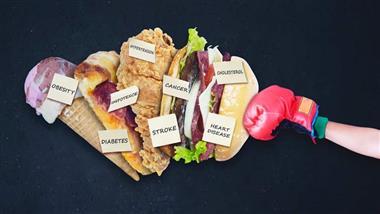
- Obesity is a driving force behind preventable chronic diseases, and diet is a major factor in maintaining a healthy weight. Just 10 food companies control the manufactured food in your grocery store, most of which is ultraprocessed and high in sugar
- Many of those foods are made with genetically modified crops, which make up 70% of crops grown in the U.S. and 70% of the American diet is processed food, leading to many of the current chronic diseases
- Some doctors have become legalized drug dealers, overprescribing pharmaceutical products as a symptom of a larger issue in medicine, in which doctors are more influenced by Big Pharma than by the health care needs of their patients
- Government policies began favoring large corporate farmers in the 1970s, and now Big Pharma also controls agriculture and seed supplies, which means they control the food you eat and when you get sick, supply you with drugs to treat your chronic disease
- Replacing saturated fat with sugar, whole grain and vegetable and seed oils has had a significant effect on the rising number of people with obesity and chronic illness. With each passing year, it becomes more important to be aware of the food choices you make as they impact your health and wellness
The 2015-2016 National Health and Nutrition Examination Survey (NHANES) recorded the highest rate of obesity ever documented by the survey — 39.6% of adults with obesity.1 Those numbers only continue to grow. The Centers for Disease Control and Prevention2 recorded 42.5% of adults 20 and over with obesity in 2017-2018.
When the percentage of people who are overweight is included, that percentage rises dramatically to 73.6% of the population. The adult obesity prevalence map3 shows the highest prevalence of obesity and overweight in the Midwest and southern states with greater than 40% of the population recorded as obese.
The exception is Florida, where the percentage of the population who are obese ranges between 25% and 30%. The greatest challenge to maintaining a healthy weight is your diet. There are other factors that contribute to weight gain, including a lack of physical activity.
But it’s important to recognize that you’ll never out-exercise a poor diet. So, it’s the first factor you should address if you want to maintain a healthy weight, which is important as obesity is one of the major triggers for preventable disease.4
According to the U.S. Centers for Disease Control and Prevention,5 6 of every 10 adults in the U.S. have at least one chronic health condition, such as heart disease, cancer or Type 2 diabetes. These are also the leading causes of death in the U.S.,6 and obesity and overweight are significant risk factors for them.7
One 10-year study8 showed there was a dose-response relationship between being overweight or obese and the development of several chronic health conditions including golf including gallstones, type 2 diabetes, high blood pressure, colon cancer, and heart disease.
There are significant challenges within the food supply that make it more and more difficult each month for people to make healthy choices. @MrSollozzo from the Meat Mafia Podcast created an informative graphic tweet9 in which he lists many of the diet and food-related challenges faced by Americans today, such as:
1. 10 Companies Control Almost All Manufactured Food
Oxfam America is a nonprofit organization that focuses on the inequalities that drive poverty and Injustice. In 201410 they created a powerful graphic image demonstrating how 10 companies control nearly every food product and beverage you find in the grocery store. Between them, revenues add up to more than $1 billion every day.
These companies include CocaCola, Mars, Nestle, Kellogg, General Mills, Wrigley and Wonka. They have a vested interest in ensuring loyal customers and engaging new customers each year using advertising to promote their products as healthy, wise diet choices for foods or as a fun dessert splurge.
It is difficult for many to ignore the hot buttons11 they push in their advertising campaigns, which include featuring catchy packaging,12 funding nutrition studies13 and publishing enticing print and video campaigns.14
Advertising drives people’s preferences and eating habits, which supports a company’s financial return, and in turn, drives the obesity epidemic. If you think your hands are tied, though, you still have a voice in what these companies market as you can vote with your pocketbook by refusing to purchase their products.
2. 70% of All Crops Are Genetically Modified (GM)
When you’re looking through the produce aisle for tonight’s meal, consider the fact that nearly 70% of crops grown in the U.S. are from genetically modified seeds. According to data15 from the International Service for the Acquisition of Agri-biotech Applications (ISAAA) the most popular GM crops are soybeans, maize, cotton and canola.
Soybeans, corn and canola are products used in many processed and ultraprocessed foods on grocery store shelves. There are two types of genetically engineered seed: herbicide-tolerant (HT) and insect-resistant (Bt).16 The USDA finds the adoption rate for both is increasing, and the adoption of stacked seed varieties, which has both traits, has accelerated in recent years.
The implications for your health after exposure to GM plants are significant and tied to the use of the herbicide glyphosate,17 which has increased dramatically in the last 20 years.18 Your gut flora is extremely important to your health and is negatively impacted by glyphosate. Experts have tied exposure to glyphosate and GM plants to an imbalance in gut bacteria19 and a variety of chronic diseases, including obesity.20
3. Meat Packers Underpay Ranchers and Overcharge Consumers
In 2020, the Department of Justice began formally investigating antitrust violations of the four largest beef packers in the U.S.,21 following complaints from several states and agricultural organizations. The “Big 4” companies are Cargill, Tyson Foods, JBS and National Beef, and they are responsible for processing 85% of all beef made into steaks, roasts and other cuts.22
When hamburger is factored into the equation, the Big 4 processes 70% of beef production. The four firms gained greater control of the industry in the early 1990s when USDA data showed the market share of slaughtered animals rose from 25% in 1977 to 71% in 1992. Several incidents brought attention to the consolidation that gave just four companies controlling interest in the market.
Cattle ranchers are frustrated by the price drops they experience when a meatpacking plant closes, while the packing companies benefit from rising meat prices. In the short term, this impacts the rancher’s livelihood and ability to stay in business. In the long-term, rising prices at the grocery store from lower supply levels may move more people to purchase plant-based fake “meat”.
4. 70% of the American Diet Is Processed Food
When you investigate the links between obesity and chronic illness, roughly 70% of the crops grown in the U.S. are genetically modified; 73.6% of the population is overweight or obese;23 roughly 60% of the population has at least one chronic disease and, according to data from two studies,24,25 consumption of ultraprocessed and processed foods is just over 70% in the general population.
There are well over 40,000 on grocery store shelves, with the majority being processed and ultraprocessed foods.26 One study27 found that 57.9% of foods eaten were ultraprocessed and contributed 89.7% of calories from added sugar. Data also show that an excess of sugar in the diet may lead to a decrease in satiety, an increase in calorie intake and impaired energy production in your body.28
One model tracked the link between rising sugar consumption and obesity rates, finding that “past U.S. sugar consumption is at least sufficient to explain adult obesity change in the past 30 years.”29
5. Doctors Have Become Legalized Drug Dealers
@MrSollozzo calls doctors “legalized drug dealers,”30 as many frequently overprescribe medications31 rather than help patients change lifestyle habits to avoid chronic disease. Examples can be found in patients who are overprescribed pain medication, proton pump inhibitors, antidepressants,32 antibiotics33 and medications to manage the side effects of other medications.34
This is a symptom of a larger condition in which a physician’s care appears to be highly influenced by the pharmaceutical industry and not by a focus on the prevention or treatment of physical conditions that include nutritional and lifestyle alterations.
6. Big Pharma Controls Agriculture and the Seed Supply
In the 1990s, laws were introduced to protect bioengineered crops. In 2021, four large corporations owned more than 50% of the world’s seeds, which is a staggering monopoly that dominates the global food chain.35 One of those companies is Bayer, which acquired Monsanto in 2018.36
Monsanto is an agrochemical and agricultural biotechnology company, owned by a pharmaceutical company that controls a significant portion of the world’s seed supply, namely GM seed.37 Essentially, this means that Monsanto controls the GE food you eat, and Bayer supplies you with the drugs you need to treat your chronic disease triggered by that food.
7. Government Policies Favor Corporate Farming
Earl Butz was secretary of the USDA in the 1970s. It was his vision to create a centralized food system which, as Grist writes, “plunged a pitchfork into New Deal agricultural policies that sought to protect farmers from the big agribusiness companies whose interests he openly pushed.”38 At the time he was appointed to the USDA, he had served as a board member for several large firms, including Ralston Purina.
Critics predicted that these ties might compromise his ability to function objectively, and the prophecy was fulfilled when he forced agribusiness and large farming conglomerates on the national interest. His legacy continues to thrive as small farmers are gradually forced out of business and large conglomerates buy up huge tracts of land, expanding the reach of GE produce and concentrated animal feeding operations (CAFOs).
Most people have likely never shaken the hand of their local farmer, who may sell produce and meat at local farmers markets, to small grocers or directly to you, the consumer. One of the best things about these local food suppliers is that they are incentivized to provide you with the best quality food to stay in business.
8. ‘Science’ Replaced Saturated Fat With Refined Sugar
Research known as the Seven Countries Study was conceived by the late Ancel Keys, a mid-20th century physiologist who promoted polyunsaturated fats over natural, saturated dietary fats.39 He launched the study in 1958 with the intent of identifying dietary patterns that impact heart disease.40
The results of the study changed government dietary recommendations for decades, with recommendations to eliminate saturated fats from your diet. Along with the addition of polyunsaturated fats to replace the missing natural fats, the food industry also added sugar and whole grains to the mix of processed foods meant to tempt your palate.
Yet, as science has demonstrated, this move has had a broad impact on health and instead of helping to decrease heart disease, actually increased many people’s risk of coronary heart disease as replacement leads to:41
“… changes in LDL, high-density lipoprotein (HDL), and triglycerides that may increase the risk of CHD.
Additionally, diets high in sugar may induce many other abnormalities associated with elevated CHD risk, including elevated levels of glucose, insulin, and uric acid, impaired glucose tolerance, insulin and leptin resistance, non-alcoholic fatty liver disease, and altered platelet function. A diet high in added sugars has been found to cause a 3-fold increased risk of death due to cardiovascular disease.”
As a result of the new processed foods, average Americans developed a sweet tooth so strong that many experts believe they are consuming as much as 130 pounds of sugar each year.42,43,44 Sugar has become so cheap and ubiquitous, that it’s in nearly every processed and ultra-processed food.
9. Natural Fats Replaced With Factory-Produced Vegetable Oils
According to the USDA, consumption per year of added fat and oil rose by 30 pounds from 1970 to 2010. However, the amount of saturated animal fat declined while the rate of vegetable fat from seed oils increased.45 These are industrial vegetable and seed oils that are likely behind the majority of diseases diagnosed in this past century.
The number of people diagnosed with heart disease, cancer, high blood pressure, diabetes, obesity, metabolic syndrome, Alzheimer’s disease and stroke has all risen dramatically in the last decades and they all are linked to the consumption of seed oil.
In a 45-minute presentation titled, “Diseases of Civilization: Are Seed Oil Excesses the Unifying Mechanism?” Dr. Chris Knobbe reveals startling evidence that seed oils, so prevalent in modern diets, are the reason for most of today’s chronic diseases.46
His research indicts the high consumption of omega-6 seed oil in everyday diets as the major unifying driver of the chronic degenerative diseases of modern civilization. He calls the inundation of Western diets with harmful seeds oils “a global human experiment … without informed consent.”47
10. Fake Meat Plant Foods Sold as Healthier Choice
Although many fake meat products are sold as a healthier choice for you and the environment, it turns out that this is yet another smokescreen to control the food supply. As meat prices rise, more people may consider a choice they may not have before: to eat fake meat.
Total revenues for the plant-based Beyond Meat brand have grown steadily from $16.2 million in 2016 to $87.9 million in 201848 and exceeded expectations in 2020, hitting $406.8 million.49 The rising market share is a testament to how well their branding and advertising has convinced the public that they are healthier than pure animal protein.
Yet, it’s widely known that ultraprocessed foods are the enemies of good health, even increasing the risk of premature death by 62% when eaten in quantities of more than four servings each day, with each added serving increasing the risk by another 18%.50
So what is plant-based “meat,” anyway? “It’s not food; it’s software, intellectual property — 14 patents, in fact, in each bite of Impossible Burger with over 100 additional patents pending for animal proxies from chicken to fish,” says Seth Itzkan, environmental futurist and cofounder and co-director of Soil4Climate.51
He suggests fake meat products are destroying the environment by perpetuating a harmful reliance on genetically engineered (GE) grains while accelerating soil loss and detracting from regenerative agriculture.
Buyer Beware
Controlling the food supply is one more way of controlling your health and your future. With every passing year, it becomes more important to be aware of the food choices you make each day as they impact your health and wellness.
Your nutrition dictates how well your body works, and therefore how well you feel each day. As summer approaches, make a commitment to make smart choices for your health and visit local farmers markets for produce, seek out regeneratively-grown produce, meat and dairy products and consider buying your meat and dairy directly from local farmers.
– Sources and References
- 1 Trust for America’s Health, The State of Obesity 2018
- 2 Centers for Disease Control and Prevention, Obesity and Overweight
- 3 Centers for Disease Control and Prevention, Adult Obesity Prevalence Map
- 4 Polish Journal of Food and Nutrition Science, 2019;69(3)
- 5 Centers for Disease Control and Prevention, March 21, 2022
- 6 Centers for Disease Control and Prevention, Leading Causes of Death
- 7 University of Mississippi Medical Center, Obesity and Chronic Disease
- 8 JAMA, 2001;161(13)
- 9, 30 Twitter, MrSollozzo, April 11, 2022
- 10 Oxfam America, December 10, 2014
- 11 Zen Business, Hot Button Marketing
- 12 Nutrients, 2019;11(5)
- 13 BMJ, 2020;371
- 14 Pan American Health Organization, Marketing of Ultra-processed and Processed Food and Non-alcoholic Drink Products
- 15 International Service for the Acquisition of Agri-biotech Applications, July 23, 2018
- 16 USDA, Recent Trends in GE Adoption
- 17 Environmental Health, 2016;15(19)
- 18 Environmental Sciences Europe, 2016;28(3)
- 19 Neurotoxicology, 2019;75:1
- 20 Impact of Genetically Modified Organisms on Environment and Health, 2021
- 21 Bloomberg, June 4, 2020
- 22 Reuters, June 17, 2021
- 23 CDC Obesity and Overweight September 10, 2021
- 24, 27 BMJ Open, 2016;6:e009892
- 25 American Journal of Clinical Nutrition, 2021;115(1)
- 26 Troy Media, December 26, 2019
- 28 BMJ Open Heart, 2016;3:e000469
- 29 Economics & Human Biology, 2020;36(100818)
- 31 StatNews, April 2, 2019
- 32 Journal of Clinical Medicine Research, 2019;11(9)
- 33 Centers for Disease Control and Prevention, May 3, 2016
- 34 BBC, September 22, 2021
- 35 DW, August 4, 2021
- 36 Fierce Pharma, August 29, 2019
- 37 Leaders in Wildlife Conservation, March 30, 2021
- 38 Grist, February 8, 2008
- 39 Seven Countries Study, Ancel Keys, top paras
- 40 Seven Countries Study, About the Study, para 1
- 41 Progressive Cardiovascular Disease, 2016;58(5) Abstract
- 42 Smithsonian, May 2017
- 43 Daily Health Post, July 25, 2019
- 44 DailyInfographic, March 25, 2015
- 45 USDA, January 2017
- 46 YouTube, June 13, 2020
- 47 YouTube, June 13, 2020, minute 10:36
- 48 Forbes August 28, 2020
- 49 Beyond Meat 2020 Financial Results February 25, 2021
- 50 BMJ 2019;365:l1949
- 51 Medium, May 25, 2020
VICTORY for food safety? Multiple GMO seeds to be phased out over the next few years
Reproduced from original article:
www.naturalhealth365.com/gmo-seeds-3748.html
by: Damon Hines, staff writer | March 2, 2021
 (NaturalHealth365) Long-billed as “seeds of hope” and the technological solution to food production and global hunger, the $55 billion genetically modified food industry is finally being seen for what it’s always been: a deceptive, capitalist example of The Emperor’s New Clothes. As popular products of biotechnology are no longer offering the same protection against strains of insects and pests, a growing number of farmers are turning to organic and regenerative methods of agriculture, and the Environmental Protection Agency (EPA) might finally be waking up to the horror of what resistant insects and pests really mean for the future of agriculture.
So are the days of GMO seeds numbered? Maybe. In an effort to stave off insect resistance, the EPA is proposing phasing out over 40 products, including many Bt corn hybrids and Bt cotton varieties, over the next three to five years.
Right now, however, the phase-out plan is only a proposal. But it’s a step in the right direction, a small recognition that GMO seeds yield something far more dangerous and destructive than “increased agricultural productivity.”
The EPA’s proposed phase-out of Bt corn hybrids and Bt cotton varieties isn’t the first victory for organic and regenerative farming
In January 2021, Mexico banned genetically modified corn and plans to phase out GMO corn imports and the use of glyphosate by 2024. According to the government decree, “the objective is to contribute to food security and sovereignty and protect native corn, cornfields, bio-cultural wealth, farming communities, gastronomic heritage and the health of Mexicans.”
Incubated futures, high yield seeds, and the problem with food tech
Has food tech ever cared about how people eat or what they really put in their mouths? No … the bottom line is always money. In the guise of innovation and invention, mega-corporations and industry giants are continually attempting to create a reliance on their products, fostering solutions to problems that they created.
It’s an idea playing out in Ethiopia, where according to journalist Britt H. Young, local chickens are being replaced by a hybrid meant to encourage people to eat a more “resilient” chicken, a buzzword referencing the animal’s ability to survive harsh and uncertain climate conditions.
Do NOT ignore the health dangers linked to toxic indoor air. These chemicals – the ‘off-gassing’ of paints, mattresses, carpets and other home/office building materials – increase your risk of nasal congestion, fatigue, poor sleep, skin issues plus many other health issues.
Get the BEST indoor air purification system – at the LOWEST price, exclusively for NaturalHealth365 readers. I, personally use this system in my home AND office. Click HERE to order now – before the sale ends.
It’s an idea playing out in Malawi, too, where according to Timothy A. Wise in the book Eating Tomorrow: Agribusiness, Family Farmers, and the Battle for the Future of Food, high yield seeds developed by scientists in the Global North are replacing heirloom seeds. The catch: the “high yields” decline year after year, forcing Malawi farmers who typically save seeds and trade them with their neighbors to buy new seeds.
Similarly, the GMO seed technology developed by Big Biotech has always been a money grab designed to work with a system of agriculture that yields toxic effects, whether it is toxic pesticides that threaten human life, depleted and eroded soils, polluted waterways, or excessive greenhouse gas emissions.
The good news is that a seed industry independent of Bayer, Corteva, and Syngenta is growing and worth an estimated $10 billion. While we aren’t GMO-free yet, we are trending in the right direction.
Sources for this article include:
Forests Are About to Become Genetically Modified
Reproduced from original article:
https://articles.mercola.com/sites/articles/archive/2020/11/04/forests-are-about-to-become-genetically-modified.aspx
Analysis by Dr. Joseph Mercola Fact Checked November 04, 2020
STORY AT-A-GLANCE
- Scientists have been working since the early 1990s to develop a genetically altered American chestnut tree resistant to a fungus that all but wiped out the species
- The forests along the U.S. east coast were once home to billions of American chestnut trees that provided sustenance for animals and humans
- Farmers used to fatten their hogs and cows by allowing them to forage for chestnuts in the fall; people in the Appalachian Mountains would harvest and sell the chestnuts
- A release of GE trees would open the door to release other genetically engineered plants in the forest. It is impossible to monitor the GE trees or predict how they will impact the environment
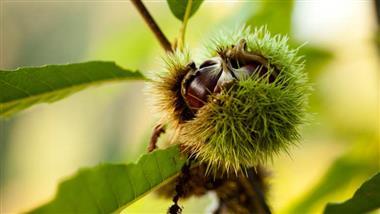
Since long before the first settlers arrived in North America until the mid-1950s, there were billions of American chestnut trees (Castanea dentata) blanketing the forests from Maine to Florida.1 The deciduous trees could grow more than 100 feet tall and span 9 feet around. In fact, a lone chestnut estimated at 100 years old, was discovered in Maine in 2015, measuring out to a towering 115 feet tall.2
Although majestic to see, the trees also produced edible nuts that could be ground into flour, stewed into puddings or roasted and eaten out of the shell. Early Native Americans used the leaves for medicinal treatments and the wood was the first choice for pioneer log cabins.
Many times, the first 50 feet of the trunk was clean, without branches or knots, making it a builder’s dream.3 The trees grow fast and did not rot, so were a good choice for telephone poles and railroad ties.
The New York Times reports that in 1915, one author estimated it was the “single-most-cut tree” in America. As North America was settled, the American chestnut trees were the basis of Appalachian subsistence farming. New York Times reports that in 2005, historian Donald Davis wrote:4
“With the death of the chestnut, an entire world did die, eliminating subsistence practices that had been viable in the Appalachian Mountains for more than four centuries.”
The American chestnut tree also provided food for animals in the forest, including deer, squirrels and bears.5 Unlike oak trees with irregular acorn cycles,6 chestnut trees produce every year. Local farmers would send their hogs and cattle to forage on the chestnuts that had ripened and fallen to the ground in the late fall.7
Chestnut Blight Reduced Majestic Trees to Shrubs
Near the turn of the 20th century, a fungus that has all but eradicated the mature American chestnut trees was introduced into the U.S. through infected, imported nursery stock from China.8,9 The U.S. Department of Agriculture National Invasive Species Information Center reports the blight was identified for the first time on dying chestnut trees in the Bronx Zoo.
The fungus was named Cryphonectria parasitica and may have arrived as early as 1893.10 It wasn’t long afterward that states began reporting dying American chestnut trees.11 Currently, the trees are so rare that discovery of an American chestnut tree in the wild rates a report in the national press.
However, as The American Chestnut Foundation reports, the tree has not gone completely extinct but, rather, is considered “functionally extinct” since the fungus does not affect the root system.12 The American chestnut is highly susceptible to the fungus as is the European chestnut. But the Chinese chestnut tree has some resistance to the infection as it causes only a small canker in the bark.13
The fungus is an ascomycete,14 also known as sac fungi since it has a sac-like structure with four to eight ascospores in the sexual stage. Some of the largest and more commonly known ascomycetes are morel mushrooms and truffles. Other pathogens in the same group include those that cause Dutch elm disease and apple scab.15
The fungus can infect a tree through small injuries to the bark, some as small as those created by insects.16 The fungus then grows under the bark and produces yellow-brown blisters. The infection eventually makes its way around the trunk, cutting off nutrients and water.17
The infection is called a blight, potentially because the branches die quickly. However, the fungus can infect branches, stems and a trunk of any size. It grows rapidly and continues to grow after the tree has died.18
Since the disease does not affect the roots of the tree, the species continues to survive by sending up sprouts through the stump. Inevitably, however, they succumb to the disease. Yet, a USDA Forest Service survey found there may be 60 million of these sprouts growing in the forests of New York state.19
How Genetically Engineered Chestnut Trees Were Birthed
Although the U.S. has lost other plants and animals to extinction, the American chestnut tree appears to have an emotional hook that has driven some to produce a genetic modification in the hope of bringing back large stands of the trees. The New York Times reports this may have started in 1989 when Herb Darling received a call telling him of an American chestnut tree on his property.20
The tree was five stories high and about two feet wide, but also was dying from the fungal disease. Unable to save the tree, he decided to save the seeds. But since the tree wasn’t making any, he went about finding a male tree to fertilize the flowers in the spring.
After one failed attempt to fertilize the flowers, the tree produced about 100 nuts. He planted some and sent the others to Charles Maynard and William Powell, tree geneticists from State University of New York College of Environmental Science and Forestry. Thus began the movement to engineer a new American chestnut tree that might be resistant to the blight.
Although the intent may be rooted in the desire to see these trees begin to repopulate the forests, ultimately the results may be disastrous. Initially, Darling looked for support from The American Chestnut Foundation, but the group was wary of genetic engineering.
The first attempt at inserting an antimicrobial compound into the tree genes originated from frogs. After several years, this was abandoned when the team feared the public would have problems with a tree containing amphibian genetics. The next step was to look for a single resistance gene in the Chinese chestnut tree that didn’t have trouble with the fungus.
However, as the scientists discovered, the Chinese chestnut tree is a complex organism that uses multiple genes to protect against the blight.21 In 1997, Powell found a scientific paper describing how the insertion of one gene from wheat expressed oxalate oxidase that protected a plant against oxalate-producing fungus, which the chestnut fungus produced.
Scientists Frustrated by Regulations to Protect the Forest
In 2013, the team announced their success in creating a version of the American chestnut tree that could defend against Cryphonectria parasitica.22 Each successive iteration of the tree has been named after Darling. This one is the Darling 58.
In 2018, Powell spoke at a chapter meeting of The American Chestnut Foundation to talk about his three-decadeslong research project. He warned the attendees that as many of the technical obstacles of producing a transgenic tree resistant to Chestnut blight had been overcome, they now face their biggest challenge: approval to plant a transgenic tree in the wild.
The approval process began with a 3,000-page report to the branch at the USDA responsible for regulating genetically engineered plants. The team also plans to file petitions so the FDA can examine the food safety of the nuts and with the EPA to review the impact the tree may have under Federal pesticide law. The New York Times reported a conversation during the meeting:23
“‘This is more complicated than science!’ someone in the audience said. ‘It is,’ Powell agreed. ‘Science is fun. This is frustrating.’ (‘Being regulated by three different agencies is kind of overkill,’ he told me later. ‘That really stifles innovation in environmental conservation.’)”
It is crucial to remember that releasing genetically engineered organisms into the wild comes with a risk. While researchers may be frustrated by the regulations, without at least the minimal oversight now in effect, the food supply could be sorely impacted.
As it is, there is a significant percentage of the foods you purchase at the grocery store that contain some form of genetically engineered ingredients. The Center for Food Safety lists potential unexpected health risks that may be posed by genetically altering human and animal food. These include:24
- Toxicity
- Allergic reactions
- Antibiotic resistance
- Immunosuppression and cancer
- Lack of nutrition
Scientists Have Not Identified the Impact of GE Trees
However, while the scientists told The New York Times they plan to submit a report to the FDA for judgment about food safety of the chestnuts, Gary Ruskin, co-director of US Right to Know, writes that the FDA has repeatedly made it clear that they do not test whether genetically engineered foods are safe.25
“As Jason Dietz, a policy analyst at FDA explains about genetically engineered food: ‘It’s the manufacturer’s responsibility to insure that the product is safe.’ Or, as FDA spokesperson Theresa Eisenman said, ‘it is the manufacturer’s responsibility to ensure that the [GMO] food products it offers for sale are safe …’”
In a white paper produced by The Campaign to STOP GE Trees, Biofuelwatch and Global Justice Ecology Project, they propose the GE American chestnut tree is a test case to determine if the public will “support biotechnology for forest conservation,” paving the way for more GE trees. They quote geneticist David Suzuki, who says:26
“We’re still at the very beginning of understanding what we’re doing. The rush to apply these [genetic engineering] ideas is absolutely dangerous, because we don’t have a clue what the long-term impacts of our manipulations are going to be.”
As Powell and Maynard push forward with the current support of The American Chestnut Foundation and others interested in populating the forest with genetically engineered trees, The Campaign to STOP GE Trees brings to light many of the questions regarding safety and the future of the environment that have not been addressed.27
“Locating and monitoring the progress of all the GE AC trees and their progeny will be near impossible, especially over a long period of time. There has been some discussion of planting the GE trees slowly, in stages, to improve the potential for monitoring. However, common sense and past experience with genetically engineered crops suggests that monitoring is not feasible.
A release of GE AC trees into natural forests raises some important questions and concerns about potential risks. For example: Will the nuts from GE AC be safe to eat? Will GE AC be safe for soils, waterways, fungi, pollinators, and other animal and plant species in the forest ecosystems where they grow?
Will inhaling pollen from GE chestnut be harmful? Will introducing GE AC present risks to the few remaining native AC trees, or those in hybrid backcross breeding program orchards?
Bees, butterflies, squirrels, birds and humans can carry away tree nuts and pollen, and pollen can also be blown on the wind. Once the engineered trees are released into forests, the GE AC ‘experiment’ will be irreversible. There is no way to prevent the trees from spreading, including across cultural or jurisdictional boundaries.
Before we can evaluate the risks, we must first ask: do we have the tools, information, time and wisdom to conduct adequate risk assessments? Only then can we determine whether the risks are worth taking.”
Biotechnology May Derail Natural Initiatives
Anne Petermann wrote in the Scranton Times-Tribune that planting these genetically altered trees opens the door for other risky genetically engineered plants. The fact is a wild tree cannot be replaced by a genetically altered facsimile. Peterman says this is “not restoration, but an uncontrolled experiment with our forests.”28
It is impossible to have the American chestnut trees in numbers that were living in the early 1900s. However, there are other areas of research currently underway to help the species recover. The first is breeding for resistance. Researchers have experimented with crossbreeding Chinese chestnut trees with the American chestnut.29
However, the Chinese chestnut is much shorter and spreads wide instead of going tall and straight. While the process has been slow, The American Chestnut Foundation has had some success in developing a hybrid that is 15/16 American chestnut with selection for resistance and form. They are boosting seed production of a line of trees that appear to be blight-resistant to plant at test sites.
Another line of research has been aimed at lowering the virulence of the fungi. Experiments with infected European chestnut trees show the fungi had developed hypovirulence or had become less toxic to the trees. Researchers found double-stranded RNA within the fungi they later discovered was a virus. The virus caused the fungus to become less virulent.
This treatment has shown some promise in Europe and Michigan. Unfortunately, it has not had the same success along the eastern shores of North America. Researchers have been able to therapeutically treat individual infections, but using this strategy at a population level depends on nature. Petermann believes the genetically altered trees threaten to derail the reintroduction of natural trees.30
“Because the GE chestnuts were developed in a lab in a way that could never occur in nature (forcing genes from unrelated wheat plants into the DNA of trees), there is no way to know how they will respond in nature.
In fact, the researchers who promote these trees have done no long-term risk assessments to determine how these trees will interact in a natural forest over time, or how they will impact human health.”
The petition to deregulate the Darling 58 American Chestnut tree was submitted to the USDA January 17, 2020.31 The Campaign to STOP GE Trees developed several talking point samples to be used when the Animal and Plant Health Inspection Service was accepting comments.32 The deadline for public comments was October 19, 2020. At this time the USDA is reviewing the comments before making their ruling.
- 1, 16 Timeline, January 25, 2017
- 2 The Salt December 17, 2015
- 3, 4, 5, 11, 17, 20, 21, 22, 23 New York Times, April 30, 2020
- 6 New York Botanical Garden, Why are there so many acorns this year?
- 7 The American Chestnut Foundation, History of the American Chestnut
- 8, 10, 14, 18 Forest Pathology, Chestnut Blight
- 9 BMC Plant Biology 9, Article number: 51 (2009) May 9, 2009
- 12 The American Chestnut Foundation, History of the American Chestnut, para last
- 13 USDA National Invasive Species Information Center, Chestnut Blight
- 15 Britannica, Ascomycota
- 19 SUNY College of Environmental Science and Forestry, Background on American Chestnut and Chestnut Blight
- 24 Center for Food Safety, GE Food and Your Health
- 25 US Right to Know, The FDA Does Not Test Whether GMOs Are Safe
- 26, 27 The Campaign to STOP GE Trees, Biofuelwatch and Global Justice Ecology Project, Biotechnology for Forest Health
- 28 The Campaign to STOP GE Trees, July 15, 2020 3 para from the bottom
- 29 Forest Pathology, Chestnut Blight, Management
- 30 The Campaign to STOP GE Trees, July 15, 2020
- 31 APHIS, January 17, 2020
- 32 The Campaign to STOP GE Trees
Bill Gates Secretly Dictates Global Food Policy Too
Reproduced from original article:
https://articles.mercola.com/sites/articles/archive/2020/08/21/food-and-agriculture-policy-bill-gates-foundation.aspx
Analysis by Dr. Joseph Mercola Fact Checked August 21, 2020

STORY AT-A-GLANCE
- Bill Gates wields powerful influence over global food and agriculture policy through his funding of a large number of organizations involved in agricultural development and policy making
- Eleven of just 12 people urging the UN to retain Agnes Kalibata, the president of the Alliance for a Green Revolution in Africa (AGRA), as its special envoy to the 2021 United Nations Food Systems Summit, were funded by Gates
- This is in stark contrast to those who opposed Kalibata: 176 civil society organizations and farmer groups, plus 500 additional signatories, called for withdrawal of her appointment due to her clear conflicts of interest with corporate actors
- Gates’ massive investments in global food production have failed to solve any real problems. The solutions he backs are “Band-Aid solutions” that only deepen the root problems
- Examples include the funding of the development of GMOs. These crops end up replacing local diversity with just a few GE varieties that don’t take local conditions into account. By pushing GE crops, malnutrition actually deepens, as biodiversity is reduced
- Gates is a perfect example of a philanthrocapitalist. He has “donated” tens of billions of dollars over the years, yet his net worth hasn’t dropped — it has doubled, and this is largely because his donations are treated as tax deductible investments
Bill Gates has built a global empire around his technologies and “philanthropic” endeavors, the magnitude of which is now becoming increasingly clear. His sheer wealth has allowed him to become a veritable superpower in his own right. He’s not only risen to become the largest funder of the World Health Organization and the unelected global COVID-19 health czar but he’s also a secret powerbroker of the global food system.
As revealed in the AGRA Watch report,1 “The Man Behind the Curtain: The Gates Foundation’s Influence on the UN Food Systems Summit,” published August 2020, Gates wields powerful influence over global food and agriculture policy through his funding of a large number of organizations involved in agricultural development and policy making.
Gates-Funded Organizations Defend Gates-Funded UN Envoy
While Gates is just one man, his clout is significantly leveraged and magnified by the fact that he funds such a large number of companies and organizations that can then do his bidding on the sly.
When you see long lists of groups, you automatically think there are many players in the game when, in fact, Gates is the singular thread running through most or all of them. The AGRA Watch report2 makes a perfect case in point with the story of Agnes Kalibata.
Kalibata is the president of Alliance for a Green Revolution in Africa (AGRA), an organization funded by the Bill & Melinda Gates Foundation. In December 2019, Kalibata was appointed special envoy to the 2021 United Nations Food Systems Summit by the secretary general of the UN, Antonio Guterres.
In response, 176 civil society organizations and farmer groups from 83 countries urged Guterres to withdraw the appointment of Kalibata due to her clear conflicts of interest with corporate actors. A second statement, signed by more than 500 academics and organizations, also opposed Kalibata’s appointment to, and her organization of, the Summit.
The Gates Foundation seeks to exercise influence not only through its funding of projects and shaping of expertise, but also in funding the governance platforms that determine food and agricultural policy. ~ AGRA Watch
That’s significant pushback, illustrating there’s widespread concern about Kalibata’s appointment. Coming forward in her defense were a dozen individuals representing development banks, academic institutions and the private sector.
They urged Guterres to retain Kalabata, citing her leadership qualities and work ethic, among other things. However, of those 12 defenders, “11 had past or current connections to the Gates Foundation,” AGRA Watch says, adding:3
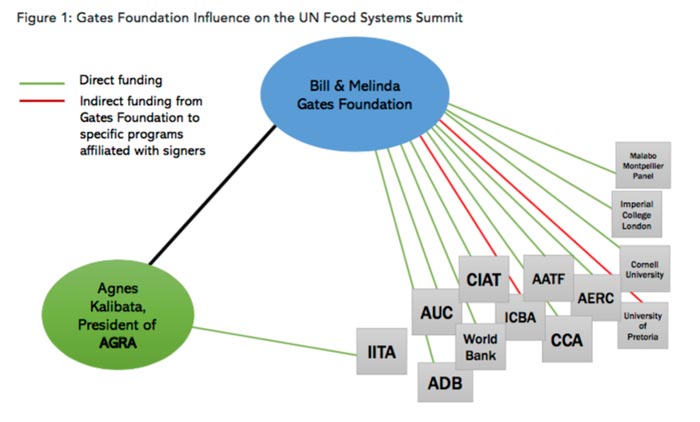
“In some instances, the organizations were directly funded by the Gates Foundation, and in others, the Gates Foundation funded specific programs in which the signers had played roles. One organization was funded by AGRA, which is funded by the Gates Foundation.”
Gates’ Undue Influence Over UN Food Systems Summit
In other words, while it may look like Kalabata had support from a dozen separate and independent individuals or groups, in reality, there are really only two voices speaking in her defense. It’s just that Gates’ voice is magnified times 11. What’s more, his name is never actually mentioned, so to the uninitiated, it would appear he has nothing to do with it at all.
“These findings illustrate the influence of the Bill and Melinda Gates Foundation (BMGF) on global food and agricultural policy. AGRA Watch has continually documented the role of the BMGF in influencing agricultural development, which has grown immensely in recent years,” AGRA Watch writes.
“The Gates Foundation seeks to exercise influence not only through its funding of projects and shaping of expertise, but also in funding the governance platforms that determine food and agricultural policy. This role of the BMGF in driving policy decisions based on its proprietary and technological model of agricultural development is often overlooked …
In this report, we have demonstrated just some of the connections between the Gates Foundation and those who have supported Kalibata’s appointment as head of the UN Food Systems Summit.
While hundreds of civil society organizations called for her removal, only twelve signatories were willing to support her appointment, almost all of whom were direct beneficiaries of the Gates Foundation. This raises critical questions about the role of Bill Gates in shaping the agenda of the UN Food Systems Summit as well as its outcomes.”
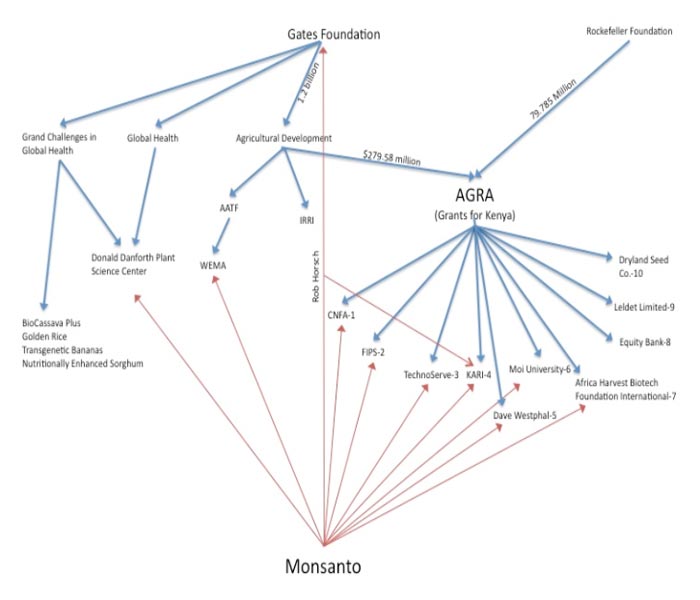
The following graphic, included in the AGRA Watch report, illustrates the direct and indirect funding ties between the Gates Foundation and the UN Food Systems Summit’s special envoy, Kalibata.

Gates Foundation’s Revolving Door to Monsanto
AGRA Watch has raised concerns about the Gates Foundation’s influence on the agribusiness for many years.
For example, among its many research reports4 is the 2010 report “The Revolving Door: Monsanto-Gates Links,”5 which details the direct links between the Gates Foundation and Monsanto representatives Rob Horsch, Florence Wambugu, Don Doering,6 the late Sam Dryden and Lawrence Kent. Another 2010 report, “Gates Foundation Links to Monsanto and GE Crops Development in Kenya,” points out:7
“AGRA Watch formed in 2008 to challenge the Gates Foundation’s participation in the problematic Alliance for a Green Revolution in Africa (AGRA), and to support sustainable agro-ecological alternatives already practiced in Africa.
We have witnessed acceleration in the push for genetic engineering (GE) as a ‘solution’ to hunger in Africa, a criminalization of GE’s opponents as eco-imperialists unwilling to accept scientific advancements, and a misplaced reverence for philanthropic support for corporate solutions to global food issues. Corporate interests are clearly exhibited in the AGRA agenda, as seen below.”
Gates Foundation Isn’t in It to Solve Real-World Problems
In its 2014 report,8 “Three Examples of Problems with Gates Foundation Grants,” AGRA Watch highlights why Gates’ massive investments in global food production have failed to solve any of the very real problems we face. First and foremost, many of the solutions that he backs are “Band-Aid solutions” that in fact worsen the root problems.
Examples include the funding of the development of genetically engineered (GE) foods designed to be higher in certain nutrients. The problem is that these crops then end up replacing local diversity with just a few GE varieties that don’t even take local conditions into account. So, by pushing for “fortified” crop varieties, malnutrition actually deepens, as biodiversity is reduced.
Secondly, “a stubborn focus on yield” is at odds with research showing that low yield or insufficient production is not causing world hunger. “There is ample evidence today that the problem instead is poverty and lack of access, which is deepened by destruction of local food systems and commercialization of food,” AGRA Watch notes, adding:
“Grants by the Gates’ Foundation and AGRA continue to focus on yield, priming Africa for a system suited to the needs of the profit-seeking, yield-oriented commercial farmer rather than the peasant or small farmer producing diverse crops for a local community.”
A third problem highlighted in the report is Gates’ funding of European and American research organizations and scientists rather than African ones, even though the programs are being implemented in Africa.
According to AGRA Watch, “This may not be a result of conscious intentions but of a deeply embedded structural bias that casts African scientists and scientific institutions as not qualified or legitimate enough to receive grant funding.”
Gates’ Specialty: Philanthrocapitalism
Additional observations can be found in the AGRA Watch article9 “Philanthrocapitalism: The Gates Foundation’s African Programs Are Not Charity,” published December 2017, in which philanthrocapitalism is described as “an attempt to use market processes to do good,” but which is inherently problematic “as markets are ill-suited to producing socially constructive ends.”
Put another way, Gates’ brand of philanthropy creates several new problems for each one it solves. As noted in the article, advocates of philanthrocapitalism:
“… often expect financial returns or secondary benefits over the long term from their investments in social programs. Philanthropy becomes another part of the engine of profit and corporate control. The Gates Foundation’s strategy for ‘development’ actually promotes neoliberal economic policies and corporate globalization:
‘It is … likely that Bill Gates, who has regular access to world leaders and is in effect personally bankrolling hundreds of universities, international organizations, NGOs and media outlets, has become the single most influential voice in international development.
Closer examination of the BMGF is critical given that its influence is vast, indeed greater than most donor governments. The BMGF provides more aid to global health than any country donor and is the fifth largest donor to agriculture in developing countries.
In 2013, only 11 countries spent more on aid than the BMGF, making it the world’s 12th largest donor. The Gates Foundation has become a bigger donor than countries such as Belgium, Canada, Denmark, Ireland and Italy.’10“
Gates’ Medical Plan: Global Immunization and Surveillance
One of the reasons many are now becoming aware of just how powerful Gates has become is because of his frequent appearances as the COVID-19 expert du jour. It’s an odd choice, considering his complete and total lack of formal medical training. It’s particularly perplexing in light of how the opinions of actual medical doctors, award-winning scientists and researchers who conflict with his views are being scrubbed off the internet.
Gates has repeatedly stated that life cannot go back to normal until and unless we vaccinate the entire global population against COVID-19. This, despite the fact that scientists and medical researchers have discovered a variety of safe, simple and inexpensive strategies to prevent and treat COVID-19.
The fact that Gates’ irrational and scientifically unsound opinions are shaping pandemic responses around the globe while real medical professionals are being censored by mainstream media and social media platforms is proof positive that we’re no longer operating from a base of science and medical truth.
Instead, the whole world is expected to fall into line with the self-serving agenda created by Gates and his many allies in technology and medicine. In an April 30, 2020, GatesNotes post,11,12 Gates even states he “suspect[s] the COVID-19 vaccine will become part of the routine newborn immunization schedule” — a nice little piece of predictive programming, if you ask me.
Mind you, the mRNA vaccines being developed against COVID-19 will alter your genetic expression, turning your body into a viral protein factory. Is it really wise to consider using such a novel vaccine on newborns? In a sane and rational world, the answer would be a resounding no. Unfortunately, we now live in a world run by Gates’ goons, and thus reason and logic have largely vanished from the equation.
In predictable Hegelian dialectic problem-reaction-solution fashion, the problem of COVID-19 led to illogical and ill-conceived pandemic responses such as mask mandates and house arrest of healthy people, followed by the “ultimate solution” of a hastily thrown together vaccine using novel mRNA technology.
Radical as all of that may seem, Gates’ plans for the world do not stop here. He’s also pushing for the implementation of a vast, global surveillance system to track and trace everyone’s infection and vaccination status. He’s even funding the contact tracing group Partners in Health, along with George Soros. (The William J. Clinton Foundation has also funded Partners in Health in the past.13)
Not surprisingly, Gates’ recommendations end up benefiting himself most of all. As discussed in “Bill Gates — Most Dangerous Philanthropist in Modern History?” the Bill & Melinda Gates Foundation donates billions to the very same companies and industries that the Foundation owns stocks and bonds in.
Using nonprofit money to advance research for companies you’re invested in is illegal, yet he’s been getting away with this for many years. At the same time, his Foundation gets tax breaks for the charitable donations it makes money from.
Remember, he has “donated” tens of billions of dollars over the years, yet his net worth hasn’t dropped — it has doubled, and this is largely because his donations are treated as tax deductible investments. It’s philanthrocapitalism at its finest.
Gates Is Major Benefactor of Pandemic Fear-Mongering
The COVID-19 pandemic is undoubtedly Gates’ biggest philanthrocapitalist project to date, and he stands to cash in big, as he’s funding/investing in both therapeutics and COVID-19 vaccines.
In March 2020, the Gates Foundation announced14 a new partnership, dubbed “The COVID-19 Therapeutics Accelerator,” with Wellcome and Mastercard to “coordinate R&D efforts and remove barriers to drug development.” According to the press release:15
“The COVID-19 Therapeutics Accelerator will play a catalytic role by accelerating and evaluating new and repurposed drugs and biologics to treat patients with COVID-19 in the immediate term, and other viral pathogens in the longer-term.”
The Gates Foundation has also teamed up with Serum Institute of India (SII) to manufacture 100 million doses of COVID-19 vaccines developed by AstraZeneca and Novavax. The vaccines, which will cost less than $3 per dose, are slated for delivery to low-income countries.16,17
The funding is being funneled as an interest-free forgivable loan to Gavi, the Vaccine Alliance, founded by the Gates Foundation in 2000, which will then provide the needed capital to SII. Over the next five years, the Foundation has also pledged to provide Gavi with a total of $1.6 billion in additional funds.18
Gates’ Attempt to Improve Education Was a Massive Failure
Having an overarching influence over technology, food and medicine (vaccines in particular) still doesn’t adequately describe Gates’ influence on our daily lives. He’s also had a profound influence over education. The much-criticized Common Core curriculum was the Gates Foundation’s attempt at remaking American education,19 and most parents can tell you how dumb that was.20
Despite that abysmal failure, May 6, 2020, New York Gov. Andrew Cuomo announced the state is partnering with the Bill & Melinda Gates Foundation to develop “a smarter education system” for the post-COVID world that will focus on online learning and permanently integrate technology into every aspect of civic life.21
The state is also partnering with Google, and Cuomo has asked former Google CEO Eric Schmidt to head a new panel to plan the state’s technological infrastructure.22 As noted by The Intercept,23 the surveillance apparatus that consumers have been railing against is now being rebranded as the answer to everyone’s health concerns.
Gates Is the Most Visible Figurehead of Modern Technocracy
Whether preplanned or not, the COVID-19 pandemic is clearly being used to usher in highly controversial changes that are unmistakably totalitarian-building, including the private take-over of government through public-private partnerships.
Surveillance has become the biggest for-profit industry on the planet, and your entire existence is now being targeted for profit. Among those who stand to profit the most is Gates himself.
For a better understanding of what you’re giving up by going along with the mainstream narrative that we need Big Tech to save us, see my article about social psychologist and Harvard professor Shoshana Zuboff and her extraordinary book, “The Age of Surveillance Capitalism.”
You also won’t want to miss my recent interview with Patrick Wood, featured in “The Pressing Dangers of Technocracy.” I’ve embedded that interview below for your convenience.
He paints a picture that can be hard to swallow, especially if you’re just coming around to hearing about all of this for the first time, but it’s really crucial that everyone begin to understand what we’re facing. Time is running out. To have any chance of stopping it, we must understand our trajectory, and unite to change the course Gates and others like him have set for us.
– Sources and References
- 1, 2, 3 The Man Behind the Curtain: The Gates Foundation’s Influence on the UN Food Systems Summit (PDF)
- 4 CAGI.org AGRA Watch Media
- 5 CAGI.org The Revolving Door: Monsanto and the Bill and Melinda Gates Foundation (PDF)
- 6 The Gray Zone July 8, 2020
- 7 CAGI.org Gates Foundation Links to Monsanto and GE Crop Development in Kenya (PDF)
- 8 CAGI.org Three Examples of Problems with Gates Foundation Grants July 21, 2014
- 9 Third World Network, Philanthrocapitalism: The Gates Foundation’s African Programs Are Not Charity
- 10 Global Justice Now January 2016
- 11 GatesNotes April 30, 2020
- 12 BGR May 1, 2020
- 13 National File May 12, 2020
- 14, 15 Gates Foundation March 10, 2020
- 16 Wall Street Journal August 7, 2020
- 17, 18 Barrons August 10, 2020
- 19 Bill & Melinda Gates Foundation Common Core Inc
- 20 Philanthropy Daily November 1, 2017
- 21, 23 The Intercept May 8, 2020
- 22 The Guardian May 14, 2020
Genetically Engineered Food – the Lie That Won’t Die
Reproduced from original article:
https://articles.mercola.com/sites/articles/archive/2020/03/03/genetically-engineered-food.aspx


STORY AT-A-GLANCE
- Biotech industry promised genetically engineered foods would reduce pesticide use, increase the nutritional content of food, boost farmers’ profits and feed the world by increasing yields
- In reality, GM crops have turned glyphosate into one of the most widely and recklessly used herbicides in history and monoculture has led to a loss of biodiversity
- GM crops have also failed to live up to expected increases in crop yields and, nutritionally, GMOs primarily provide cheap, unhealthy ingredients for ultraprocessed ready meals, prepackaged foods and fast food restaurants
- More than 40,000 people in the U.S. have filed lawsuits alleging exposure to Roundup is the cause of their cancer. Once a rare cancer, non-Hodgkin lymphoma is now the seventh most common cancer in U.S. men and women
- The agricultural biotech industry continues to advance with a new suite of genetic engineering technologies known as gene editing, which includes techniques such as CRISPR as well as synthetic biology and gene drives
Promises, promises, promises. The toxic world of genetically modified organisms (GMOs) and industrial agriculture is built on false promises. For nearly 30 years we have been listening to the propaganda of the big biotech companies like Monsanto/Bayer, Syngenta, DuPont/Pioneer, BASF and others about how genetic engineering will transform farming and food production.
We’ve heard how it will reduce the environmental impact of farming by lowering pesticide use. We’ve been promised that it will increase the nutritional content of food. We’ve been told how it will boost farmers’ profits by increasing yields, and that those increased yields will help “feed the world.”
As the problem of man-made climate change has moved to the top of the global agenda, new promises have emerged about how GMOs will fight climate change and how genetic engineering will make plants more resilient to drought and flooding. The huckster promises keep on coming, but what has the biotech industry actually delivered over nearly three decades?
Increasing Pesticide Use
First and foremost, GMO crops were sold as a way of reducing on-farm pesticide use. But since GM crops were introduced, there has been a dramatic increase in pesticide use on those crops worldwide.
Most GM crops fall into one of two types. Pesticide “resisters,” or “Roundup Ready” crops, mostly corn and soya, are genetically engineered to withstand the spraying of Monsanto’s Roundup herbicide, the active ingredient of which is glyphosate. Most recently, pesticide resisters have also been engineered to resist other highly toxic pesticides like dicamba and 2,4-D.
GM crops have turned glyphosate into one of the most widely and recklessly used herbicides in history. According to the USDA,1 more than 90% of the soybeans harvested on U.S. farms are genetically engineered to withstand herbicides like Roundup.
Pesticide “producers,” or Bt plants, which include corn and soya but also cotton, produce their own insecticides. When an agricultural pest eats the crop, in theory, it will be poisoned and die.
But weeds and insects rapidly evolve2 to be immune to these poisons. Most agricultural weeds have become resistant to Roundup, causing farmers to spray more each year. The heavier use of herbicides creates ever more “superweeds” and even higher herbicide use.
The increase was first seen in pesticide resisters. A 2012 study3 out of Washington State University found that planting GM crops quickly resulted in herbicide-resistant “superweeds” and, as a result, increased herbicide use.
By 2016, research from University of Virginia confirmed that glyphosate-resistant weeds have led to a 28% hike in herbicide use on GM soybeans4 compared with non-GM. This rise has also been reported in other countries such as Canada,5 Brazil6 and Argentina7.
More recently, insects have begun to become resistant8 to the insecticides bred into pesticide products, causing farmers to use even more and more dangerous mixtures of pesticides to try and keep them under control.

Loss of Biodiversity
Right now, more than ever, we need a healthy, biodiverse and functioning ecosystem — one that depends on a rich diversity of plants, animals and insects.
Agricultural land that is biodiverse is more productive and more able to cope with unexpected changes, for instance, in climate or cyclical levels of plant diseases or invasive species. Studies show that healthy soil can absorb and hold more CO29 than damaged soil.
But today’s modern industrial farming involves often-large tracts of land devoted to a single crop, known as monocultures. In monocultures diversity is discouraged by the use of pesticides which keep every living thing, except the valuable crop, off the land.
In the U.S., land converted to soy production has typically been pre-existing agricultural land10 and so is not linked to deforestation, as it is in South America.
But, increasing demand for soy is destroying American prairies and analysis of satellite data has shown that between 2006 and 2011, farmers in the Dakotas, Minnesota, Iowa and Nebraska had converted 1.3 million acres of grassland into soybean11 and corn production. Research by the USDA’s Economic Research Service12 echoes this finding.
No Benefit to Farmers
These monocultures are bad news for wildlife, reducing habitats for a wide range of wild creatures, from ground-nesting birds to pollinators like bees and butterflies. They also are bad for farmers.
An in-depth investigation by The New York Times13 in 2016 revealed that, in addition to increasing pesticide use, genetic modification in the U.S. and Canada has failed to bring the expected increases in crop yields.
This resonates with the findings of a 2016 National Academy of Sciences report that found “there was little evidence”14 that the introduction of genetically modified crops in the United States had led to yield gains beyond those seen in conventional crops.
Most recently, U.S. farmers have been suffering from a glut of soy,15 linked to ongoing trade disputes with China, which have resulted in low prices and farm bankruptcies.
Equally important is the fact that GMOs have failed to feed the world. The main by-products of GMOs are fats and sugars. GMOs, when they’re not being turned into biofuels, are being turned into corn, soya and even cottonseed oil and sugars such as high-fructose corn syrup and beet sugar.
In other words, what GMOs have most successfully done is provide cheap, unhealthy ingredients for ultraprocessed “ready” meals, prepackaged foods and fast food restaurants.
A Poisoned Plate
All those monoculture crops and all that spraying, especially with glyphosate, have consequences for the food we eat. GMO crop monocultures lead to “monodiets.”
Today just a handful of crops now dominant diets around the world.16 This new monodiet has more calories and less nutrition. It’s a dietary disaster that is accelerating the worldwide rise in noncommunicable diseases such as obesity, heart disease and diabetes.
That global diet is also more poisoned than ever before. Glyphosate (Roundup), is sprayed liberally on GM crops. It is also regularly sprayed on non-GMO crops, such wheat, oats, maize and barley but also soya, rapeseed, sunflower seeds and chick peas, as a desiccant, to dry them out, before harvest.
There is also evidence that glyphosate and its toxic breakdown product AMPA (α-amino-3-hydroxy-5-methyl-4-isoxazolepropionic acid) accumulates in foods like GM soy.17 Laboratory tests in both the U.S.18 and Europe19 have found it in the popular ice cream brand Ben & Jerry’s, likely due to its cookie, cake and other cereal ingredients. It is also a contaminant in honey20 and in popular oat-based cereals and multiple other foods,21 especially those containing soy.
A recent laboratory analysis by Moms Across America found glyphosate residues in the new recipe Impossible Burger. The levels of glyphosate and AMPA22 were low (11ppb) but evidence from animal feed studies indicates that just 0.1 ppb of glyphosate can destroy gut bacteria.23
Hardly surprising, then, that tests show 93% of Americans tested were positive for glyphosate.24 Worryingly high levels have been found in the breastmilk and urine25 of American mothers, as well as in their drinking water.
Passed on to babies through breastmilk or the water used to make formula, this could impact infant health since glyphosate is a suspected hormone disrupter.
Other studies of animals fed GM foods and/or glyphosate show worrying trends including damage to vital organs26 like the liver and kidneys, damage to gut tissues and gut flora, immune system disruption, reproductive abnormalities and even tumors.
In March 2015, when glyphosate was classified by the World Health Organization as “probably carcinogenic to humans,”27 not many could have been surprised.
Judgment Day
Agrichemical companies continue to claim that glyphosate is safe. But juries across the U.S. say otherwise. Currently more than 40,000 people in the U.S. have filed lawsuits28 alleging exposure to Roundup is the cause of their cancer and in particular, lymphomas. Once a rare cancer, the most common type of lymphoma, Non-Hodgkin Lymphoma, is now the seventh most common cancer in U.S. men and women.29,30
The first three cases to go to trial resulted in a combined $2.424 billion in jury verdicts31 (though this was subsequently reduced by judges). The science supports these verdicts.
A recent study showed convincing evidence32 of a link between glyphosate-based herbicides and endocrine disruption and genetic alterations commonly associated with the development of lymphomas.
One shocking fallout from the first glyphosate case to go to trial, that of Dewayne Johnson,33 was the unsealing of several previously classified documents.34 The documents detailed Monsanto’s efforts to collude with the U.S. Environmental Protection Agency to cover up glyphosate’s cancer risks.
Out of 14 glyphosate studies reviewed by the EPA, which looked specifically at cancer in animals, eight found elevated cancer rates in at least one organ or tissue. Yet the EPA chose to dismiss these findings, and conclude that glyphosate is “unlikely to cause cancer.”
Most recently another Monsanto legacy pesticide, dicamba, has hit the headlines. In 2017-18, “dicamba drift” was responsible for damage to an estimated 5 million acres of non-GM soybeans35 in 24 states, and numerous specialty crops and wild plants.
In February 2020, in the first U.S. dicamba trial, a Missouri jury awarded $265 million in damages36 to peach producers Bader Farms when drift from a nearby GM soybean field killed their trees. All these trials point to a health and environmental emergency and, yet, action at the federal level to curb the use of these toxic chemicals is sorely lacking.
Taking matters into their own hands, some states and local communities are beginning to ban or restrict the use of chemicals like glyphosate. In 2018, both Portland37 and the city of Austin38 banned it. In 2019 Miami39 and Los Angeles County40 approved their own bans on city property, while Seattle41 agreed to restrict its use.
Beyond U.S. borders, more than two dozen countries42 including Canada, Argentina, France, Germany, Italy, Portugal and the U.K. have put bans and/or restrictions in place.
Consumer Awareness Rising
Ever since the first genetically modified (GMO) foods and animal drugs, the Flavr Savr tomato43 and recombinant Bovine Growth Hormpne (rBGH), came onto the U.S. market in 1994, the biotech industry has been waging a public relations war to get the public to accept genetically engineered food.
But studies continue to show that the public doesn’t buy it, and doesn’t want to eat it. Most are concerned about health,44 and rightly so. Others are worried about the damage these crops cause to the environment. These are legitimate concerns, as are those about corporate control of our food.
In fact, in the past few years some big and consequential mergers have taken place in the agri-biotech sector. With these mergers the “Big Six” (Monsanto, Bayer, BASF, Syngenta, Dow and DuPont) became the Big Four45 (Bayer-Monsanto, DowDuPont/Corteva, ChemChina-Syngenta, BASF) further concentrating the majority of the power and profits of the seed and GM technology market into even fewer hands.
Media response to the proposed mergers has turned up a few surprises. For instance, the normally ultraconservative and financially focused Bloomberg online news channel focused more on the dubious histories of Bayer and Monsanto,46 than on any benefits of the deal.
A more sober article in the Wall St Journal47 suggested this might be a good time to reconsider the path we are on, agriculturally speaking. In the face of superweeds, higher seed prices and dropping yields, it argued, the GMO crop “boom” could well be over.
But the boom isn’t over yet and independent testing which reveals how much glyphosate is in our bodies and in our foods has become widespread. Likewise, the Non-GMO Verified48 label is now as important as the organic label for consumers wanting to avoid GMOs in their foods. It’s a testimony to the vehemence of public rejection, and the shameful inaction of government, that the importance of these independent backstops has grown.
The Lie That Won’t Die
In spite of all this, the agricultural biotech industry continues to advance with a new suite of genetic engineering technologies known as gene editing, which includes techniques such as CRISPR as well as synthetic biology and gene drives.
What makes these GMO 2.049 technologies different is they can create genetically engineered organisms more cheaply and more quickly than ever before.
Fronting up to critics and the farmers who are abandoning the GMO lie,50 proponents of synthetic biology claim we no longer need farmers to produce food.51 By creating novel food products, including meat substitutes, from genetically engineered microbes in big vats in anonymous warehouses, we can improve the efficiency and sustainability of food production.
For anyone who believes that food should come from a living and connected ecosystem this is the grimmest of grim promises — a world without farmers and without farm animals, where the land is used for … what, exactly?
This grim vision of food production has been given the nickname, the “dark food chain,”52 because it doesn’t need sunlight. Further alarm bells are ringing as the biotech industry moves into other areas of the natural world.
A recent and alarming report53 from the International Union for the Conservation of Nature (IUCN) suggests that gene drives and synthetic biology could be used to revive declining or even extinct species,54 eradicate invasive species, improve soil55 by re-engineering soil microbes and therefore improve plant health and biodiversity.
It could engineer trees to absorb more carbon56 or to be resistant to diseases, such as the invasive fungus that plagues the American chestnut tree,57 and re-engineer insects58 for pest management.
Farming is part of the much larger, connected web of nature. What happens “out there” directly and indirectly affects what happens on the farm, which is why we need to challenge this troubling direction of travel for GMOs.
Regulatory Apathy
Strong regulation is there to protect us all — or it should be. But new methods and proposed uses for GMOs have brought greater complexity to the regulatory sphere.
In some cases, as with the new gene-edited Calyno soybean oil,59 which can be sold without labeling, regulators have given in. In others, such as with proposed gene-edited farm animals, regulators really don’t know what to do.60 USDA’s vague and confusing ‘bioengineered’ labeling scheme61 is a yet another case in point.
Biotech companies argue there is no point in regulating GMO 2.0 anyway since its products are so close to “natural” they no longer need to be tested or labeled as GMO.62
This new “naturalness,” they claim, makes it impossible to tell gene-edited products from conventionally produced ones anyway. This is absolutely not true.63 When genetic engineers create new GMOs, they must also create the processes to identify them — if only to monitor and verify their work.
Anyone can use these processes. That’s just what happened in a U.S. Food and Drug Administration study,64 originally published in 2016 and republished in February 2020, which found numerous off-target effects in gene-edited “hornless” cattle, including a strand of bacterial DNA which could pass on antibiotic resistance.
It concluded “that both scientists and regulators need to be alert to the potential for such unintended alterations to take place.” A frank accompanying editorial65 explained further why regulation was important.
Following on from this, Belinda Martineau, Ph.D., developer of the Flavr Savr tomato, noted66 that the GMO cow developers had the tools to find these mistakes for themselves, but incompetently failed to use them.
“Such big mistakes made during the development of these ‘poster children’ GMOs,” she wrote, “make one wonder how carefully other, more run-of-the-mill GMOs have been developed over the last 25 years as well.”
Marteau went on to say that the data justify, in her mind, “FDA’s intention to carry out mandatory premarket review of all gene-edited livestock and thereby regulate these GE products based on the fact that they were created using genetic engineering,” adding “I also think FDA should require premarket review of all GE crops as well.”
Regenerative Agriculture — Action, Not Promises
If, to coin a phrase, “a promise is a debt unpaid” then the biotech companies are racking up some serious ethical, moral and environmental IOUs to society.
Out of their failure, however, has emerged the regenerative organic agriculture movement, a response to the growing awareness of the connection between agriculture and health, environmental destruction and climate change. Regenerative agriculture67 refers to farming and grazing practices such as:
- Reduction/elimination of tillage and use of synthetic chemicals
- The use of cover crops, crop rotations, compost and animal manures
- Integrating animals with perennial and annual plants to create a biologically diverse ecosystem on the farm
- Grazing and pasturing animals on grass and, more specifically, using a planned multi-paddock rotation system
- Raising animals in conditions that mimic their natural habitat
It’s what every diligent farmer should be doing anyway and, formalized into a growing movement, these practices can improve biodiversity on the farm, enhance productivity, and even help tackle climate change by rebuilding soil organic matter and improving both carbon drawdown and improved water infiltration and storage in soils.
The truth is that conventional (i.e., chemical and GMO-based) farming needs to change. The problems farmers face now — failing soils, lower yields, toxic working environments — can’t be “magicked” away with genetic engineering. In fact, GMOs just drive farming deeper into a failing, exploitative, chemically-dependent, industrial model.
In contrast, many see regenerative organic farming as the next evolving stage of organic farming, free-range livestock grazing and eco-system restoration. Rather than promising future benefits, regenerative farming can be put into practice and deliver measurable benefits right now. For the future’s sake, this is the path we need to take.
- 1 USDA September 18, 2019
- 2 Food and Water Watch
- 3 Environmental Sciences Europe volume 24, Article number: 24 (2012)
- 4 Science Advances Vol 2 No 8 August 31, 2016
- 5 cban September 2016
- 6 SciElo October 2017
- 7 Grain January 22, 2009
- 8 Nature Biotechnology volume 35, pages926–935(2017)
- 9 MSU Today July 23, 2019
- 10 Union of Concerned Scientists October 9, 2015
- 11 PNAS March 5, 2013
- 12 USDA June 2011
- 13 New York Times October 29, 2016
- 14 Genetically Engineered Crops (Free PDF) 2016
- 15 The Western Producer February 21, 2019
- 16 PNAS January 29, 2014
- 17 Food Chemistry Vol 153, Pages 207-215, June 15, 2014
- 18 New York Times May 25, 2017
- 19 The Guardian October 9, 2017
- 20 HuffPost Sepember 16, 2017
- 21 EWG February 28, 2019
- 22 Health Research Institute Laboratories May 6, 2019
- 23 Curr Microbiol November 15, 2012
- 24 Organic Consumers Association May 25, 2016
- 25 Moms Across America April 7, 2014
- 26 earthopensource 2nd Edition Version 1, 2014
- 27 IARC
- 28, 31 Baum Hedlund Arestei Goldman
- 29 National Cancer Institute February 21, 2019
- 30 American Cancer Society 2019
- 32 Mutation Research/Reviews in Mutation Research Pages 186-206 July-September 2019
- 33 US Right to Know October 1, 2018
- 34 New York Times March 14, 2017
- 35 The Center for Investigative Reporting November 13, 2018
- 36 Common Dreams February 17, 2020
- 37 City of Portland January 3, 2018
- 38 TexPIRG June 28, 2018
- 39 Miami New Times March 1, 2019
- 40 EWG March 21, 2019
- 41 Seattle.gov August 23, 2019
- 42 Baum Hedlund Aristei Goldman February 2020
- 43 Beyond GM February 5, 2016
- 44 Food Insight June 27, 2018
- 45 europeanseed February 27, 2019
- 46 Bloomberg September 14, 2016
- 47 Wall Street Journal September 14, 2016
- 48 Non-GMO Project
- 49 Beyond GM May 2018
- 50 Bloomberg January 25, 2019
- 51 RethinkX
- 52 ACS Publications January 14, 2019
- 53 International Union for the Conservation of Nature 2019
- 54 National Geographic September 20, 2015
- 55 Science April 4, 2017
- 56 iNews July 11, 2019
- 57 Independent Science News June 11, 2019
- 58 Journal of Responsible Innovation December 7, 2017
- 59 Wired March 28, 2019
- 60 Organic Consumers Association June 21, 2019
- 61 Consumer Reports December 20, 2018
- 62 Beyond GM January 23, 2018
- 63 GM Watch January 2, 2019
- 64 Nature Biotechnology February 7, 2020 (Reprint)
- 65 Nature Biotechnology February 7, 2020
- 66 Biotech Salon February 17, 2020
- 67 Regeneration International February 24, 2017