DNA
now browsing by category
How Your Microbiome Influences Your Dietary Recommendations
Reproduced from original article:
https://articles.mercola.com/sites/articles/archive/2024/04/21/sugar-microbiome-endotoxin.aspx
Analysis by Dr. Joseph Mercola April 21, 2024
STORY AT-A-GLANCE
- Contrary to popular belief among followers, Ray Peat, Ph.D., did not advocate for high consumption of sugar. While sugar is acceptable in moderation, refined sugar, particularly in large amounts, can be problematic due to its impact on the microbiome. There’s also a debate over the best source of carbohydrates. Fruit is traditionally favored over starch. However, starch is likely superior, provided you have a healthy gut microbiome, which most people lack
- Efficient mitochondrial function is crucial as it provides the energy needed to maintain an optimal gut environment. Poor mitochondrial function can lead to an imbalance in gut microbiota, favoring pathogenic over beneficial bacteria
- Akkermansia, a highly beneficial bacteria in your large intestine, plays a crucial role in maintaining gut health and should constitute about 10% of the gut microbiome. However, it is absent in many individuals, likely due to inadequate mitochondrial function and resultant oxygen leakage in the gut. Widespread use of antibiotics can also disrupt the microbiome by killing both beneficial and harmful bacteria, leading to a dominance of pathogenic bacteria which produce harmful endotoxins
- Collagen supports skin health, joint strength, and gut health due to its amino acid profile. Collagen should ideally comprise about 5% of your daily calorie intake. Avoid going above 10% as it can be problematic
- Investigators using a pro-metabolic (energy-enhancing) approach are currently experimenting with vitamins and an aspirin analog to target cancer metabolism by inducing apoptosis through lowering intracellular pH. Preliminary studies show promising results in stopping tumor growth and even regressing tumors
In the ever-evolving field of bioenergetic medicine, the relationship between our diet, microbiome, and overall health continues to unveil complex and intriguing connections. At the heart of this exploration is the legacy of Ray Peat, Ph.D., whose theories on sugar intake and metabolic function have sparked widespread debate and interest among researchers and health enthusiasts alike.
In this interview, repeat guest Georgi Dinkov, a bioenergetic medicine researcher and I delve into the nuanced understanding of how our microbiome influences dietary choices, particularly the contentious decision between starch and fruit as preferable sources of carbohydrates. Dinkov also reviews groundbreaking research and innovative treatments that aim to manipulate cellular energy pathways to combat cancer.
My Take on the Fruit Versus Starch Controversy
Many of Peat’s followers believe that he advocated large amounts of sugar, but that’s not the case. Sugar, or glucose more specifically, is necessary for cellular health. Refined sugar can be a problem, especially in large amounts.
The issue really boils down to your microbiome, which Peat didn’t really understand as many technical advances have been made since he was actively learning. He certainly warned about the hazards of endotoxin, but I suspect he may not have fully appreciated the power of the microbiome.
The contention within the bioenergetic medicine community is that it’s wise to avoid starch and replace it with ripe fruit. They mostly believe fruit is the ultimate carbohydrate, but I now suspect starch may be the ideal type of carb, but only if your gut microbiome is optimal.
Since most people have poor gut health they don’t do well when eating a significant amount of starch. Most also have dysfunctional mitochondria, and if you don’t have enough mitochondria, you can’t create cellular energy efficiently enough to ensure a healthy gastrointestinal tract.
Your gut contains primarily two types of gram-negative bacteria: beneficial and pathogenic. The beneficial ones include obligate anaerobes, which cannot survive in the presence of oxygen and are essential for health. They do not produce harmful endotoxins and contribute positively by producing short-chain fatty acids, like butyrate, propionate, and glucagon-like peptide-1 (GLP-1).
Proper gut function requires energy to maintain an oxygen-free environment in the large intestine, where 99% of gut microbes reside. Insufficient energy leads to oxygen leakage, which harms obligate anaerobes while not impacting the facultative anaerobes, thereby disrupting the balance of the microbiome.
Pathogenic bacteria, or facultative anaerobes, can survive in oxygen and are harmful, as they possess endotoxins in their cell walls. Feeding these bacteria with starch can exacerbate their growth, leading to health issues.
The only carbohydrate that does not promote these bacteria is fruit juice, which some people may tolerate better than whole fruit. Polyphenols, found in high amounts in fruits but not starches, also has beneficial effects on the gut microbiome.
In short, enhancing mitochondrial energy production is crucial for maintaining a healthy gut environment. When you do that, it helps suppress the growth of pathogenic bacteria and support beneficial microbial populations.
The bacterium Akkermansia is particularly beneficial and should ideally constitute about 10% of your gut microbiome. However, DNA analyses suggest about one-third of people have few to no Akkermansia at all, and I suspect this is due to insufficient energy production (low metabolism) and resulting oxygen leakage in the gut.
Antibiotics Can Worsen an Already Bad Situation
As noted by Dinkov, the high prevalence of antibiotics in our food supply also has a detrimental effect on the microbiome by indiscriminately killing off both good and bad bacteria. Pathogenic bacteria tend to rebound faster, resulting in a predominance of endotoxin-producing bacteria that destroy the intestinal barrier.
A robust intestinal barrier can prevent bacterial fragments from entering the bloodstream, whereas a compromised barrier allows these harmful fragments through while blocking beneficial compounds like short-chain fatty acids (SCFAs).
The overall health impact of the microbiome, therefore, significantly depends on the integrity of the intestinal barrier, and the strength and function of the intestinal barrier, in turn, is determined by the presence or absence of endotoxins.
Considering the adverse effects of antibiotics on gut health, I do not support Peat’s recommendation to use antibiotics to kill off pathogenic bacteria. It’s not an ideal solution. What you need to do is restructure your microbiome, and the most effective way to do that, I believe, is through eating foods that support Akkermansia and other beneficial bacteria, and avoid foods like linoleic acid that destroy these bacteria.
One of the reasons Akkermansia is so important is because it produces mucin, a thick, protective gel-like substance that lines various parts of the body, including the gastrointestinal tract. Mucin forms a protective barrier on the gut lining, shielding the epithelial cells of the intestinal wall from mechanical damage, chemical irritation from stomach acids and digestive enzymes, and pathogenic organisms like bacteria and viruses.
Mucin also supports the immune system by trapping potential pathogens and other foreign particles, which are then expelled from the body through the digestive process. It also contains antibodies and antimicrobial peptides that help fight off infections.
Lastly, mucin serves as a food source for other beneficial gut bacteria. This relationship is essential for digestive health, as the bacteria fed by Akkermansia aid in digestion, produce essential nutrients, and help maintain an overall balance of gut flora.

Save This Article for Later – Get the PDF Now
Intestinal Motility Is Dependent on Your Metabolic Rate
As noted by Dinkov, there’s also a tight relationship between intestinal motility — the frequency and quality of bowel movements — and metabolic rate, particularly in relation to thyroid function. Historically, frequent bowel movements (nearly after every meal) were considered normal and were used as a diagnostic indicator of thyroid health.
Currently, however, the accepted norm for bowel movements has shifted to once a day or even once every two days without concern, unless constipation extends beyond a week. Ideally, you should have at least one or two bowel movements per day.
The composition of your stool can also provide insights into your hydration status and gut fermentation processes, which are indicative of the overall health of the colon and reflect your metabolic rate. Patterns in urination and bowel movements can also serve as indicators of metabolic health, with infrequent bowel movements and excessive urination suggesting a low metabolic rate.
The Importance of Collagen
Another one of Peat’s recommendations that I don’t think he stressed enough is the value of collagen (or gelatin). Collagen and gelatin are related substances, but they differ in structure and uses due to how they are processed and prepared. Gelatin, I think, is an inferior form of collagen.
They contain the same amino acids, and are known to support skin health, strengthen joints and bones, and improve digestive health. However, because collagen peptides are smaller and more bioavailable, they may be more efficiently absorbed by the body than gelatin.
About 30% of your bone is collagen, making it an essential dietary component to prevent osteoporosis (age-related bone loss). Your muscle fibers also contain loads of collagen, not to mention your tendons and ligaments, so you can’t build muscle if you don’t have enough collagen. Collagen intake can also help lower your risk of insulin resistance. As noted by Dinkov:
“Several studies have demonstrated that if you ingest collagen with a very large amount of glucose, it doesn’t trigger nearly the same insulin response because the collagen can fill in for a lot of the insulin. Some of the peptides are very similar in structure. So, it’s like you’re ingesting insulin and you don’t have to trigger your pancreas to produce as much. So, you directly improve your insulin sensitivity with every meal.”
Unfortunately, many who are following a carnivore diet fail to realize that most of the protein should be in the form of collagen, NOT red meat. An all-meat diet will only accelerate your demise, as most of the amino acids in muscle meat — methionine, histidine, tryptophan and cysteine — promote inflammation and suppress thyroid function and metabolism.1

According to Dinkov, tryptophan is also directly carcinogenic. Collagen, meanwhile, contains radically higher levels of glycine, proline, hydroxyproline and alanine, which are essential for health. Dinkov comments:
“Glycine is an actual neurotransmitter. It’s the major inhibitory neurotransmitter in the spinal cord and one of the major neurotransmitters that regulates gastrointestinal motility. So, without sufficient amounts of glycine in the body, you’ll have problems with digestion even if you don’t have an inflamed gastrointestinal tract.”
Bone Broth Is an Ideal Source of Collagen
The best source of collagen is homemade bone broth, which you can whip up in four hours using a pressure cooker, such as the Instant Pot. Simply place the bones in the pressure cooker, fill the pot with pure, filtered water — just enough to cover the bones — add salt and other spices to taste, then set it to cook on high for two hours if the bones are CAFO (from animals raised in a concentrated animal feeding operation), and four hours if organic and grass fed.
Organic grass fed beef bones are the best. Using bones from CAFO beef can be problematic due to potential heavy metal contamination. When cooking these bones in a pressure cooker, it’s best to limit the time to two hours to avoid introducing heavy metals into your broth.
If you’re using beef bones from grass fed organic sources, you can safely cook them for four hours. I recommend chilling the bone broth before you eat it. This will allow the fat to rise to the top so you can skim it off. While some beef fat is good, excess can be problematic.
On a side note, if you have a dog, you can carve off the loose cartilage around the joints after two hours and feed the cartilage to your pet. If you cook the bones for four hours or longer, most of the collagen will be dissolved in the broth, so there won’t be anything left to pick off. More importantly, you never want to give your dog cooked bones as they can splinter during chewing and cause great damage to the esophagus.
Another delicious way to get more collagen into your diet is to make homemade ice cream. My homemade healthy ice cream recipe done in a Ninja Creami includes one scoop of my collagen protein powder, three tablespoons of maple syrup, two egg yolks, and a cup of goat milk. It tastes almost identical to store-bought ice cream but is much healthier.
How Much Protein and Collagen Do You Need?
So, just how much collagen do you need? As noted by Dinkov, in studies conducted on rodents, researchers have discovered that adding 1% to 2% collagen to the diet can effectively mimic the life-extending effects observed from the depletion of certain amino acids such as cysteine, tryptophan and methionine.
This finding is particularly intriguing as it suggests a possible direct translation of these benefits to humans due to the metabolic nature of the intervention. When considering overall dietary protein, the consensus among nutritionists is that it should ideally comprise about 15% of your total daily calories.
Approximately one-third of this protein, or about 5%, should ideally be collagen. This recommendation is based on achieving the optimal balance for health benefits without adverse effects. It’s probably safe to increase the proportion of collagen up to 10% of total calorie intake.
A similar ratio — 5% to 30% — applies to dietary fat as well. That range is probably ideal. The remainder of your daily calories would then come from healthy carbs, mostly fresh fruits (if you can tolerate them) and fruit juice if you’re mitochondrially impaired, or starches like white rice and cooked potatoes if your metabolism is high (which is indicative of healthy mitochondrial energy production).
Amino Acids and Their Role in Fatigue
Interestingly, cheese is also high in tryptophan, significantly more than egg white. However, according to Dinkov, the casein in the cheese basically acts as a tryptophan blocker. Calcium also has tryptophan-buffering effects. He also goes on to explain how different types of amino acids interact in the body, particularly in relation to brain function and fatigue.
A key point to remember though is that most cheeses today are made with genetically modified rennet, so make sure you’re buying cheese made from raw, organic, grass fed milk and natural animal-based rennet only.
Amino acids are building blocks of proteins that have various functions in the body. Among them, branched-chain amino acids (BCAAs) and aromatic amino acids like L-tyrosine and phenylalanine are important. BCAAs include leucine, isoleucine, and valine. The blood-brain barrier is a filter that controls what substances can enter the brain from the bloodstream.
BCAAs and aromatic amino acids such as L-tyrosine and tryptophan compete to cross this barrier, and if you consume large amounts of BCAAs alone, they outcompete L-tyrosine and tryptophan at the blood-brain barrier. This results in lower levels of L-tyrosine and tryptophan in the brain, which in turn can decrease the levels of neurotransmitters like serotonin.
Dinkov cites animal research showing that fatigue during exhaustive exercise isn’t primarily caused by a lack of energy but rather by an increase in serotonin in the brain. Administering BCAAs and L-tyrosine seemed to mitigate this type of fatigue without significantly adding calories, suggesting the importance of amino acid balance over sheer energy intake.
He also reviews some of the natural ways to influence amino acid absorption and serotonin levels, such as consuming foods rich in BCAAs, aspirin, cheese, and fruits containing salicylic acid, such as blackberries and apricots. All of these have an inhibitory effect on the absorption of inflammatory amino acids from food.
Results of a Personal Experiment
Biomolecular biologist Brad Marshall, whom I recently interviewed, argues that starches are a more ideal carb than fruit, but again, the caveat is that you must have a healthy microbiome. If you don’t, starches can pose problems.
Since my gut health is good and my metabolism high, I make 6 cups of white rice cooked in bone broth for my dog and I each day, along with an egg yolk or two. I think these three foods — bone broth, white rice and low-linoleic acid egg yolk — make for a close to optimal meal, both for humans and dogs. I also eat about half a pound of organic, grass fed cheese each day.
After eating this amount of cheese, rice and bone broth for one month, I did a SICA test to assess my bone mass and body fat percentage. I’d grown half an inch in height, gained 4 pounds in total body weight yet my body fat decreased from 8.5% to 5.3%. Basically, I gained 4 pounds of pure muscle.
The increase in height is explained by improved structural integrity of my vertebral discs. They get crushed with time, which is why you tend to shrink with age. The bone broth supplies loads of collagen, which strengthens those vertebra. An increase in connective tissue also increases intracellular water, and at the time that I did this test, my intracellular water had increased by half a liter.
Vitamins and Cancer Metabolism
Dinkov also discusses the findings of experimental studies he’s involved in, in which they’re using vitamins and pharmaceutical agents to target the metabolism of cancer cells. Vitamins studied include B1 (thiamine), B3 (niacinamide), and B7 (biotin). These vitamins were chosen based on historical studies, some nearly a century old, that connect them to cancer metabolism.
As explained by Dinkov, thiamine (B1) acts as a cofactor for pyruvate dehydrogenase, a crucial enzyme in cellular energy production. Thiamine also inhibits pyruvate dehydrogenase kinase (PDK), which itself inhibits pyruvate dehydrogenase (PDH). Thus, B1 indirectly supports energy production by keeping PDH active.
Niacinamide (B3) converts to NAD+ in your body, thereby affecting the NAD+ to NADH ratio, which is vital for metabolic processes like the functioning of another enzyme, alpha-ketoglutarate dehydrogenase. NAD+ also inhibits lipolysis, reducing fat availability to cancer cells which can use fat as fuel.
Biotin (B7), meanwhile, is noted for significant effects in human studies involving neurological disorders like multiple sclerosis and Huntington’s disease.
High doses of biotin (300 mg) have been observed to halt the progression of primary progressive multiple sclerosis, with the proposed mechanism being an improvement in mitochondrial function. It also appears to enhance the Krebs cycle, a key component of cellular respiration, as shown by increased carbon dioxide production in cell cultures.
A combination of all three were found to completely stop tumor growth but didn’t trigger regression. The research used the JEKO-1 cell line, which is a type of human mantle cell lymphoma.
This cell line is described as being highly malignant and fatal when transplanted into immunocompromised animals, showing a 100% mortality rate and 0% chance of tumor regression, whether through treatment or spontaneously. This indicates the aggressive nature of the tumor and the challenge it presents for therapeutic intervention.
Seeking additional treatment options, the researcher then added aspirin at a dose of approximately 1.5 grams per day, which is high but below toxic levels typically associated with treatments for conditions like rheumatoid arthritis. This dosage successfully led to the full regression of tumors in three experimental mice.
After the tumors regressed, the mice were monitored for recurrence. One mouse showed signs of potential tumor recurrence, but this subsided, and after 70 days — a significantly extended period compared to the usual two-week lifespan due to the lethality of the tumors — all mice remained tumor-free.
With the success of aspirin, the focus shifted to a more potent analog, 2,6-dihydroxy benzoic acid, known for its stronger acidic properties and better lipophilicity, which can potentially lower the intracellular pH of cancer cells more effectively. This shift in pH is crucial because cancer cells typically avoid apoptosis (programmed cell death) by maintaining an alkaline internal environment. Lowering the pH is thought to trigger apoptosis.
This compound, 2,6-dihydroxy benzoic acid, which was used in the past to treat rheumatoid arthritis at doses significantly lower than those required for aspirin, showed promising results in further lowering the dose required for treatment compared to aspirin. The initial results from using this compound in conjunction with vitamins showed that tumors not only regressed but the treatment was effective at much lower doses.
So, in summary, a combination of vitamins and an aspirin analog may be a potent cancer treatment, minimizing side effects related to high doses of conventional aspirin. This shows how a combination of dietary supplements and pharmaceutical agents can target the metabolic vulnerabilities of cancer cells, specifically through the manipulation of intracellular pH to induce apoptosis.
Low PUFA Linked to Cancer Prevention
Dinkov also reviews other experimental approaches aimed at understanding and manipulating cancer cell behavior through dietary and pharmacological means. In a fascinating dietary experiment, mice were fed a fat-free diet for two weeks prior to tumor implantation attempts.
Remarkably, these mice exhibited resistance to tumor growth, suggesting that a deficiency in essential fatty acids, particularly polyunsaturated fats (PUFAs), could prevent cancer formation. This finding radically challenges existing theories on the benefits of ketosis and the use of high-fat diets as a way to manage cancer.
Dinkov’s team is now working on the transition from animal models to human cancer protocols. He’s confident this will happen because the pharmacokinetics — how the body absorbs, distributes, metabolizes, and excretes a drug — of the involved chemicals are well-understood.
This includes the acidic analog of aspirin (2,6-dihydroxy benzoic acid), which, although less familiar, has some historical human data supporting its use. The process involves translating dosage from mice to humans based on body surface area and metabolic differences, which are generally well-documented and allow for relatively straightforward adjustments.
He also notes that in the 1950s and 1960s, they used high doses of natural desiccated thyroid for terminal cancer cases, which aligns with Otto Warburg’s theories on cancer metabolism. Warburg hypothesized that cancer growth is caused by the energy generated from glucose fermentation; hence, a pro-metabolic (energy-enhancing) approach such as what Dinkov’s team is working on, rather than an anti-metabolic (energy-reducing) therapy, might be more effective.
More Information
For more details on the topics summarized here, be sure to listen to the interview in its entirety. Also check out Georgi’s blog at haidut.me or follow him on Twitter. He also has hundreds of videos on YouTube on a plethora of topics.
WHO Cancer Agency Predicts 77% Rise in Cancers by 2050
Reproduced from original article:
https://articles.mercola.com/sites/articles/archive/2024/04/17/rising-cancer-rates.aspx
Analysis by Dr. Joseph Mercola April 17, 2024
STORY AT-A-GLANCE
- The World Health Organization’s International Agency for Research on Cancer estimates more than 35 million new cancer cases in 2050
- This represents a 77% increase from the estimated 20 million cancer cases that occurred in 2022
- WHO blamed the rising cancer rates on an aging population, along with tobacco, alcohol, obesity and exposure to air pollution
- WHO ignored the emergence of rapid-growing “turbo cancers” in people who have received one or more COVID-19 shots
- Many of these cancers are showing up in young people, many under age 30, with no family history of cancer; treatment protocols are available to help recover from post-jab injuries
The World Health Organization’s International Agency for Research on Cancer (IARC) released a daunting prediction of the global cancer burden. It estimates more than 35 million new cancer cases in 2050 — a 77% increase from the estimated 20 million cancer cases that occurred in 2022.1
While WHO named an aging population as a key driver behind the increasing cancer burden, along with tobacco, alcohol, obesity and exposure to air pollution, what they’re ignoring is the concerning trend of turbo cancers that occur shortly after COVID-19 shots.
Cancer Cases Set to Increase Significantly by 2050
The IARC cancer burden estimates are based on the “best sources of data available in [185] countries in 2022.”2 That year, there were an estimated 20 million new cancer cases and 9.7 million deaths, with WHO reporting, “About 1 in 5 people develop cancer in their lifetime, approximately 1 in 9 men and 1 in 12 women die from the disease.”3
About two-thirds of the new cancer cases and deaths were caused by 10 types of cancer. Lung cancer was most common, followed by female breast cancer, colorectal cancer, prostate cancer and stomach cancer. When broken down by sex, breast cancer was the most commonly diagnosed — and the leading cause of cancer death — among women. For men, it was lung cancer.
Lung cancer and colorectal cancer accounted for the second and third most diagnosed types and cause of most deaths among women. However, for men, prostate and colorectal cancers were second and third most common, while liver and colorectal cancer caused the second and third most cancer deaths.4
There were also disparities revealed based on human development index (HDI), a statistical tool that assesses three dimensions of human development: a long and healthy life, access to knowledge (schooling) and a decent standard of living. According to WHO:5
“In terms of the absolute burden, high HDI countries are expected to experience the greatest absolute increase in incidence, with an additional 4.8 million new cases predicted in 2050 compared with 2022 estimates. Yet the proportional increase in incidence is most striking in low HDI countries (142% increase) and in medium HDI countries (99%). Likewise, cancer mortality in these countries is projected to almost double in 2050.”
What’s Driving Up Cancer Rates?
WHO blamed the projected cancer burden increase on a combination of age and environmental factors, stating:6
“The rapidly growing global cancer burden reflects both population ageing and growth, as well as changes to people’s exposure to risk factors, several of which are associated with socioeconomic development. Tobacco, alcohol and obesity are key factors behind the increasing incidence of cancer, with air pollution still a key driver of environmental risk factors.”
But it did not mention the emergence of rapid-growing cancers of the breast, colon, esophagus, kidney, liver, pancreas, bile duct, brain, lung and blood — including exceedingly rare types of cancer. As noted by Canadian oncologist and cancer researcher Dr. William Makis in the Highwire interview above,7 these cancers are showing up in young people, many under age 30, with no family history of cancer.
They’re showing up in pregnant women and young children. Equally odd is the fact that most are Stage 3 or 4 by the time they’re diagnosed, with symptoms arising only days or weeks before. The cancers grow and spread so rapidly, many of these patients die before treatment can even begin. Most of them are also resistant to conventional treatment.
The phenomenon has become common enough that the term “turbo cancers” was coined to describe these rapid-growing cancers in people who have received one or more COVID jabs.
Save This Article for Later – Get the PDF Now
Turbo Cancer Cases Reported Following COVID-19 Shots
In a case report described by board-certified internist and cardiologist Dr. Peter McCullough and colleagues, basaloid carcinoma, a type of aggressive cancer, developed in a 56-year-old man shortly after he received an mRNA COVID-19 shot.
Early symptoms, which began just four days after the jab, were similar to those caused by Bell’s palsy, and involved head pain — but soon a tumor developed on his ear and face. According to the study:8
“We place this within the context of multiple immune impairments potentially related to the mRNA injections that would be expected to potentiate more aggressive presentation and progression of cancer. The type of malignancy we describe suggests a population risk for occurrence of a large variety of relatively common basaloid phenotype cancer cells, which may have the potential for metastatic disease.
… Since facial paralysis/pain is one of the more common adverse neurological events following mRNA injection, careful inspection of cutaneous/soft tissue should be conducted to rule out malignancy.”
This is just one example. Another case report, published in Frontiers in Medicine,9 also found a “rapid progression” of angioimmunoblastic T-cell lymphoma (AITL) — a rare type of non-Hodgkin lymphoma (NHL) — following an mRNA COVID booster shot. AITL is a cancer that affects the lymph system, primarily involving T-cells, a type of white blood cell that plays a crucial role in the immune system.
“Since nucleoside-modified mRNA vaccines strongly activate T follicular helper cells, it is important to explore the possible impact of approved SARS-CoV-2 mRNA vaccines on neoplasms affecting this cell type,” the study notes.10
The cancer occurred in a 66-year-old man, mere days after he got his third Pfizer shot. Ironically, he got the shot to protect him during chemotherapy, and in eight days, the cancer just exploded and spread like wildfire.
According to Makis, that kind of progression would normally take a couple of years, or at least a few months. “Such a rapid evolution would be highly unexpected in the natural course in the disease,” according to the study.11
How Might COVID-19 Shots Trigger Cancer?
In May 2021, I interviewed Stephanie Seneff, Ph.D., a senior research scientist at MIT for over five decades, about the likely hazards of replacing the uracil in the RNA used in the COVID shots with synthetic methylpseudouridine.12 Uracil is one of the four nucleobases in the nucleic acid of RNA that are represented by the letters A, G, C and U.
This process of substituting letters in the genetic code is known as codon optimization, which is known to be problematic.
At the time, Seneff predicted the shots would cause a rise in prion diseases, autoimmune diseases, neurodegenerative diseases at younger ages, blood disorders and heart failure, and one of the primary reasons for this is because they genetically manipulated the RNA in the shots with synthetic methylpseudouridine, which enhances RNA stability by inhibiting its breakdown.
But when substituting parts of the code in this way, the resulting protein can easily get misfolded, and this has been linked to a variety of chronic diseases,13 including Alzheimer’s, Parkinson’s disease and heart failure.14 As explained by Makis, the pseudouridine insertion can also suppress your innate immune surveillance by dampening the activity of toll-like receptors, and one downstream effect of that is reduced cancer surveillance.
“The more mRNA shots you take, the greater the immune system damage, the greater your risk of impaired cancer surveillance and hence, the greater your risk of turbo cancer,” Makis says.
DNA Contamination Discovered in COVID Shots
In a preprint study, microbiologist Kevin McKernan — a former researcher and team leader for the MIT Human Genome project15 — and colleagues assessed the nucleic acid composition of four expired vials of the Moderna and Pfizer mRNA shots. “DNA contamination that exceeds the European Medicines Agency (EMA) 330ng/mg requirement and the FDAs 10ng/dose requirements” was found.16
So, in addition to the spike protein and mRNA in COVID-19 shots, McKernan’s team discovered simian virus 40 (SV40) promoters that, for decades, have been suspected of causing cancer in humans, including mesotheliomas, lymphomas and cancers of the brain and bone.17
Florida Surgeon General Dr. Joseph Ladapo, called for an end to the use of COVID-19 mRNA shots, citing concerns about DNA fragments in the products.18 In a December 6, 2023, letter sent to the U.S. Food and Drug Administration and Centers for Disease Control and Prevention, Ladapo outlined findings showing the presence of lipid nanoparticle complexes and the SV40 promoter/enhancer DNA.
While there are limits on how much DNA can be in a vaccine due to concern over DNA integration, the guidelines don’t consider lipid nanoparticles and other factors in COVID-19 shots that could enhance how much DNA can enter a cell.
“Lipid nanoparticles are an efficient vehicle for delivery of the mRNA in the COVID-19 vaccines into human cells and may therefore be an equally efficient vehicle for delivering contaminant DNA into human cells.
The presence of SV40 promoter/enhancer DNA may also pose a unique and heightened risk of DNA integration into human cells,” according to a news release from the Florida Department of Health (DOH).19 Further, according to the Florida DOH, the FDA’s own 2007 guidance states:20
- “DNA integration could theoretically impact a human’s oncogenes – the genes which can transform a healthy cell into a cancerous cell.
- DNA integration may result in chromosomal instability.
- The Guidance for Industry discusses biodistribution of DNA vaccines and how such integration could affect unintended parts of the body including blood, heart, brain, liver, kidney, bone marrow, ovaries/testes, lung, draining lymph nodes, spleen, the site of administration and subcutis at injection site.”
How to Recover From Post-Jab Injury
If you’ve had a COVID-19 shot, there are steps you can take to repair from the assault on your system. Remember, the more mRNA shots you take, the greater the immune system damage. So, the first step is to avoid getting anymore COVID jabs. Next, if you’ve developed any unusual symptoms, seek out help from an expert.
The Front Line COVID-19 Critical Care Alliance (FLCCC) also has a treatment protocol for post-jab injuries. It’s called I-RECOVER and can be downloaded from covid19criticalcare.com.21
Dr. Pierre Kory, who cofounded the FLCCC, has transitioned to treating the vaccine injured more or less exclusively. For more information, visit DrPierreKory.com. McCullough is also investigating post-jab treatments, which you can find on PeterMcCulloughMD.com.
The World Health Council has also published lists of remedies that can help inhibit, neutralize and eliminate spike protein, which most experts agree is a primary culprit. I covered these in my 2021 article, “World Council for Health Reveals Spike Protein Detox.”
- 1, 2, 3, 4, 5, 6 World Health Organization February 1, 2024
- 7 Rumble, The HighWire with Del Bigtree, Is the COVID Vaccine Causing Turbo Cancers? September 22, 2023
- 8 EXCLI Journal 2023;22:992-1011
- 9, 10 Frontiers in Medicine November 25, 2021; 8: 798095
- 11 Frontiers in Medicine November 25, 2021; 8: 798095, Discussion
- 12 International Journal of Vaccine Theory, Practice and Research May 10, 2021; 2(1): 402-444
- 13 Nature Medicine December 6, 2011; 17: 1536-1538
- 14 Autophagy August 2008; 4(6): 821-823
- 15 The Healthcare Channel April 2, 2024
- 16 OSF Preprints April 10, 2023
- 17 Expert Rev Respir Med October 2011; 5(5): 683-697
- 18, 19, 20 Florida Health January 3, 2024
- 21 Covid19criticalcare.com
Have You Tried Curcumin for Indigestion?
Reproduced from original article:
https://articles.mercola.com/sites/articles/archive/2024/04/08/curcumin-indigestion.aspx
Analysis by Dr. Joseph Mercola April 08, 2024
STORY AT-A-GLANCE
- If you experience chronic heartburn, a new study indicates that taking curcumin, the biologically active polyphenolic compound found in turmeric, may offer the same protection and relief as the popularly used proton pump inhibitor (PPI) Prilosec (omeprazole)
- Despite knowing the serious side effects associated with PPIs, data show people are prescribed and are taking them at doses higher than recommended and for longer than is recommended by clinical guidelines
- PPIs may increase your risk of a gut infection, vitamin B12 deficiency, heart disease, heart attack, bone fractures and events of cutaneous and systemic lupus erythematosus. In just one week of use, PPIs are associated with significant impairment in attention, executive function, visual memory and working and planning functions
- Steps you can take to naturally reduce symptoms are to identify your trigger foods and eliminate them, don’t eat within four hours of going to bed, consider elevating the head of the bed if you experience nighttime symptoms and don’t wear clothing that is tight around the waist
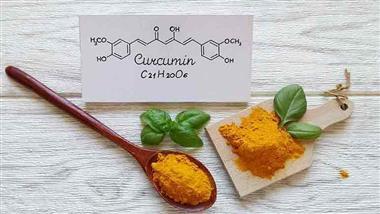
Curcumin is the major biologically active polyphenolic compound of turmeric and the compound that gives the spice its yellow color. A 2023 study1 published in the BMJ Journal finds that curcumin has yet another health benefit — it helps improve outcomes in people with functional dyspepsia.
In the past decade, researchers have discovered several health benefits from including turmeric and curcumin in your diet. As I reported in 2021, curcumin was among the top five substances researchers had found that could help improve COVID outcomes. However, on their own, turmeric and curcumin have poor bioavailability when taken orally.
Researchers have attributed this to the body’s limited ability to absorb the compound and the body’s ability to rapidly metabolize and eliminate it.2 However, research has also demonstrated that when taken with different compounds, the bioavailability can improve and therefore may help enhance the multiple health benefits that are attributed to the compound.
For example, when taken with piperine, an alkaloid found in black pepper, the bioavailability of curcumin rises by 2,000%.3 Combining curcumin with bromelain, a protease from the pineapple stem, also “substantially increases the absorption of curcumin after oral administration.”4
Curcumin Is Potentially Effective for Functional Dysplasia
In the featured paper,5 151 people completed the study. The group was broken into four groups. They either received two 250 mg capsules of curcumin four times daily, one placebo capsule, 20 mg of Prilosec (omeprazole) and two placebo pills four times daily, or turmeric plus Prilosec.
Prilosec is a proton pump inhibitor (PPI) that is commonly used to treat functional dyspepsia. Functional dyspepsia6 is a type of chronic indigestion in which you experience symptoms of feeling full or bloated during and after meals, heartburn and excessive burping.
The researchers were interested in how curcumin could affect the gastrointestinal tract, so no additional compounds were included to increase bioavailability. The study was a randomized, double-blind controlled trial that engaged participants with functional dyspepsia from university hospitals in Thailand.
The main outcome measure used was the Severity of Dyspepsia Assessment (SODA) score that was measured on Days 28 and 56 to evaluate pain, non-pain and satisfaction with treatment. Secondary outcomes measured included adverse events and severe adverse events.
At the start of the study, patients in all the groups had similar clinical characteristics and scores on the SODA. When evaluating the results, the researchers found that on Days 28 and 56, the SODA scores indicated a significant reduction in symptoms for all but the placebo group.
The improvements were greater by Day 56. The researchers reported no serious adverse events occurred during the study, but acknowledged that individuals who were overweight experienced some liver function deterioration while taking curcumin.7
The researchers acknowledged several limiting factors, including the size of the study, the short intervention and the lack of long-term data. Despite these limitations, the researchers found that “The strength of the study lies in its relevance to daily clinical practice, providing additional drug options in addition to PPIs alone, without added side effects.” and “… the new findings from our study may justify considering curcumin in clinical practice.”8
What You Eat Matters to Your Heartburn
While it might seem counterintuitive, one of the most common causes of heartburn is insufficient amounts of stomach acid. Your body uses stomach acid to properly digest food, breaking it down to absorb nutrients. Without enough stomach acid, undigested food can lead to indigestion and heartburn. Undigested food can also cause bacterial overgrowth.
Yet, if you use PPIs,9 they reduce your stomach acid even further, and over time may cause the glands in the stomach that secrete acid to stop working altogether. A 2017 study10 suggested that a Mediterranean diet that focuses on fruits, healthy fats, lean meat and vegetables could be as effective as PPIs in treating acid reflux symptoms.
The study involved 184 participants and found that after six weeks those who had changed their diet had a slightly greater reduction in reflux symptoms than those who used PPI medication. The study measured symptoms of laryngopharyngeal reflux during which stomach acid affects the tissue at the back of your throat.
Each of your dietary choices can play a role in heartburn symptoms, including beverages. For occasional symptom relief, alkaline water, also tested in the study, may help neutralize the acid and offer relief. You can add 1 teaspoon of baking soda to 4 ounces of orange juice and stir.
Because the reaction causes foaming, make sure the glass is only half full to avoid overflow. Another option is to add a squeeze of lemon or lime juice, or one-half to 1 teaspoon of baking soda in a glass of filtered water.
However, I would underscore the importance of using alkaline water only as a temporary solution and only if reflux is caused by excess stomach acid. The bottom line is that daily consumption of water that’s either too acidic or too alkaline can upset the pH balance in your gastrointestinal tract and trigger heartburn.
Save This Article for Later – Get the PDF Now
PPIs Have Serious Side Effects
PPIs are associated with several significant side effects. For example, individuals who regularly use them can develop a vitamin B12 deficiency as they reduce your body’s ability to absorb vitamin B12 from food.11 Vitamin B12 is a water-soluble vitamin that’s required for red blood cell formation, DNA synthesis, and for the development of the central nervous system.12
A 2017 study13 indicates PPIs may increase your risk for a gut infection. The study engaged a total of 564,969 PPI users and controls (188,323 PPI users and 376,646 controls) and found that those who took certain heartburn drugs had an increased risk of developing C. difficile and campylobacter bacterial infections related to the suppression of stomach acid production.
Research has also found that even short-term use of PPIs can contribute to cognitive changes and long-term use is linked to dementia. One 2015 study14 suggested PPIs were associated with clinically and statistically significant impairment in attention, executive function, visual memory and working and planning functions after just one week of use.
Finally, long-term use has also been linked to chronic kidney disease, heart disease and heart attacks and increased risk of bone fractures and events of cutaneous and systemic lupus erythematosus.15
Despite this evidence, a 2018 Iceland nationwide drug utilization study16 demonstrated a continued increase in overall use in the previous 13 years, particularly in older adults.
The researchers noted that “Patients were increasingly treated for longer durations than recommended by clinical guidelines and mainly with higher doses.”17 A 2022 study from Spain found similar results in which the researchers observed an increase in PPI use especially in a population older than 65 years, “despite the risk of cognitive decline and falls.”18
A 2023 literature review19 identified observational studies on PPI use in individuals older than 18 across several databases from 23 countries. The data indicated that of the people using PPIs, 63%, were younger than 65 years, 56% were female and roughly two-thirds were on high doses of PPIs, 25% of which for more than a year and 28% for more than three years.
After reviewing the global data, the researchers concluded, “Given the widespread use of PPIs and increasing concern regarding long-term use, this review provides a catalyst to support more rational use, particularly with unnecessary prolonged continuation.”20
Steps to Help Naturally Reduce Symptoms
As I have written before, PPIs have serious effects on your health, so it is wise to first consider non-drug alternatives to reduce your symptoms. Since the foods you eat affect your reflux and heartburn symptoms, you can begin by identifying the foods that trigger your symptoms and eliminating them from your diet.
If you are on a PPI, it is vitally important that you seek to wean from them as soon as possible with your physician. The best H2 blocker to use would be Pepcid (famotidine) which you will gradually wean from as well.
Foods that commonly increase heartburn21 include fried and processed foods, such as fast food, pizza, and potato chips or similar fried snack foods. Other foods that commonly make the list are tomato-based sauces, citrus fruits and carbonated beverages.
After you have eliminated the foods that trigger your symptoms, there are several more steps you can take. Steer clear of clothes that are tight around your waist or middle22 since it can increase the symptoms of heartburn.
When you sit down, tight clothes squeeze your abdominal area, increasing the risk your stomach contents will push through the sphincter at the top of the stomach and you’ll experience reflux.
It’s important to remember that for many people, heartburn gets worse at night after you are lying down to go to sleep.23 It’s easier for food to back up the esophagus without the push of gravity as you’re standing.
Don’t eat in the three to four hours before going to sleep at night and if you’re still having trouble, try elevating the head of your bed approximately 6 inches. Don’t simply sleep on extra pillows as that adds an extra strain to your neck and shoulders.
The angle of the pillows can also increase pressure on the abdomen, depending on the position. Instead, consider blocks sold specifically for elevating the bed, which stabilizes it, so it doesn’t move at night.
Ginger has long been known to have a gastroprotective effect. Add two to three quarter-size slices of fresh ginger root to 2 cups of hot water and let it steep for several minutes. Drink it approximately 20 minutes before eating your meal. If heartburn seems to plague you at night, try a cup of chamomile tea about an hour before going to sleep.24
- 1, 5 BMJ, 2023; doi: 10.1136/bmjebm-2022-112231
- 2, 3 Foods, 2017;6(10)
- 4 Metabolism Open, 2020; 100066
- 6 Cleveland Clinic, Functional Dyspepsia
- 7 MedicalXpress, September 12th, 2023
- 8 BMJ, 2023; doi: 10.1136/bmjebm-2022-112231 75% DTP
- 9 Cleveland Clinic, Hypochlorhydria, What Causes bullet 3 30% DTP
- 10 Journal of the American Medical Association Otolaryngology – Head & Neck Surgery, 2017;143(10)
- 11, 12 National Institutes of Health, Vitamin B12
- 13 British Journal of Clinical Pharmacology, 2017; doi: 10.1111/bcp.13205
- 14 Alzheimer’s Research and Therapy, 2015; 7
- 15 US Pharmacist, 2017; 42 (7)
- 16, 17 Therapeutic Advances in Gastroenterology, 2018; 11
- 18 BMC Public Health, 2022; 22(818)
- 19, 20 European Journal of Pharmacology, 2023;79(9)
- 21 Johns Hopkins Medicine, GERD Diet: Foods That Help With Acid Reflux
- 22 Everyday Roots, 15 Natural Remedies for Heartburn and Severe Acid Reflux #10
- 23 Everyday Roots, 15 Natural Remedies for Heartburn and Severe Acid Reflux #4
- 24 Everyday Roots, 15 Natural Remedies for Heartburn and Severe Acid Reflux #15
Goodbye Google
Reproduced from original article:
https://articles.mercola.com/sites/articles/archive/2024/03/20/boycott-google.aspx
Analysis by Dr. Joseph Mercola March 20, 2024
Goopocalypse Now from Goopocalypse Now! on Vimeo.
STORY AT-A-GLANCE
- In early April 2020, Mercola.com purposely blocked Google from indexing our articles and breaking news blog posts
- I encourage you to search every site’s privacy policy page to see if they use Google Analytics or Google Ad programs, and if they do, encourage them to stop
- Nearly every non-major website is using Google’s “free” analytics program, as well as their advertising platforms. Alas, those services are not actually free. Ultimately, YOU pay for them with your personal data, as that is the product Google sells. Collectively, all of these sites are stealing an enormous amount of your private information
- Google’s powers pose several threats to society. First of all, it’s a surveillance agency with significant yet hidden surveillance powers. It’s also a censoring agency with the ability to restrict or block access to websites across the internet, thus deciding what people can and cannot see
- Google also has the power to manipulate public opinion through search rankings and other means, and the shifts in thinking produced are both rapid and enormous
In early April 2020, Mercola.com became one of the first websites to purposely block Google from indexing our articles and breaking news blog posts. Most of you are well aware that I’ve had concerns about the surveillance capitalists, spearheaded by Google, for a number of years.
September 2017, I discussed Google’s partnership with the National Alliance on Mental Illness, and how their depression assessment quiz was in fact a drug promotion scam sponsored by the drug manufacturer Eli Lilly. No matter how you answered the questions, you were a candidate for antidepressants.
Video Link
Since then, Google and other tech companies have only gotten deeper and wider access to people’s personal medical information, and Google’s selling of this data to third parties can have real-world consequences. Higher insurance premiums or denial of employment are but two obvious examples.
Google Blocked From Interacting With Mercola.com
Most of you know that in the summer of 2019, Google removed us from coming up in any keyword search unless our name was also typed into the query. While we still received substantial traffic from people who looked very hard to find Mercola articles through Google, we finally decided to block Google from crawling or indexing any of my articles or breaking news blogs. We also stopped using the Google Analytics program in 2018.
So, everything related to Google has been removed from this site, and I hope other sites will follow suit. I encourage you to search every site’s privacy policy page to see if they use Google Analytics or Google Ad programs, and if they do, encourage them to stop.
We can be successful without the surveillance monopolies, and businesses and individuals need to unite to do everything we can to stop their dangerous privacy theft and data mining.
How You Pay for Companies’ Use of ‘Free’ Analytics
A majority of websites are using Google’s “free” analytics program, as well as their advertising platforms. Alas, those services are not actually free. Ultimately, YOU pay for them with your personal data, as that is the product Google turns around and sells to third parties. Collectively, all of these sites are stealing an enormous amount of your private information.
Google and its data-siphoning tentacles reach deep into your everyday life, collecting data on every move you make and conversation you have, whether online or in the real world.
Even if you disable location tracking on your phone, Google has ways to determine your whereabouts by tracking the addresses of nearby cellular towers that your phone connects to instead. This is one of the reasons I strongly encourage you to ditch all Android phones and use an iPhone that has better privacy policies.
I discussed this in my 2018 article, “Google — One of the Largest Monopolies in the World.” That article also includes a list of examples of the type of data collected by Google, whether you’re aware of it or not.
Save This Article for Later – Get the PDF Now
Our ‘Cognitive Liberties’ Are at Stake
As detailed in “Will Google’s Social Credit System Determine Your Future?” there are now proposals suggesting all this data, in combination with artificial intelligence-enabled analytics systems could be used for “predictive policing” as illustrated in the 2002 movie “Minority Report,” where suspected perpetrators are arrested before a crime is actually committed.
In the 2018 TED Talk above,1 legal scholar and bioethicist Nita Farahany discusses the potential ramifications of mind-reading technology, warning that such technology could easily lead to “a society where people are arrested for merely thinking about committing a crime.”
Mind you, Google claimed to have the ability to read your thoughts an entire decade ago. In 2010, Google CEO Eric Schmidt boasted, “We know where you are. We know where you’ve been. We can more or less know what you’re thinking about.”2
Fast-forward 10 years, and Google’s mind-reading capabilities have exponentially grown and been perfected to the point that their AI can predict the exact moment when a teenager is feeling insecure, lonely or vulnerable, so that an advertisement for an image-boosting product can be placed in front of them on the screen in that moment.
This and many other terrifying capabilities are detailed in the book, “The Age of Surveillance Capitalism,” written by social psychologist and Harvard professor Shoshana Zuboff. The video below features an interview I did with her about this topic.
In her TED Talk, Farahany also discusses the dangers of a world in which “private interests sell our brain data.” She believes we, as a global community, need laws protecting our rights to cognitive liberty; laws that protect our freedom of thought and self-determination.
Say Goodbye to Google
Over the years, I’ve grown exceedingly concerned about Google’s exponential data mining efforts and infiltration into every conceivable area of our everyday lives, from health care and fitness to education and finance.

The influence of Google is so vast yet so hidden, most people simply have no idea just how controlled they actually are. Most of us would vehemently deny that something as simple as Google search results can manipulate us into thinking a certain way about a topic, yet research clearly shows that this kind of subliminal influence is profoundly powerful.
Download Interview Transcript | Video Link
Robert Epstein, Ph.D., who has spent the last decade of his professional career exposing Google’s manipulative and deceptive practices as a senior research psychologist for the American Institute of Behavioral Research and Technology, has also demonstrated how easily Google can shift our political and societal landscape.
Without Google, the technocrats’ dream of a One World Government would likely never happen, as it relies on social engineering and artificial intelligence. Google is a frontrunner and expert in both, and has the ability to control entire populations. As noted by Epstein in the interview above, Google poses three unique threats to society:
• They’re a surveillance agency with significant yet hidden surveillance powers — Google Search, Google Wallet, Google Docs, Gmail, Google Drive, YouTube — all are surveillance platforms and from Google’s perspective, the value of these platforms are their ability to glean very precise data about you as an individual. Most of these platforms offer free services for the simple reason that YOU are the product being sold to third parties.
• They’re a censoring agency with the ability to restrict or block access to websites across the internet, thus deciding what people can and cannot see. While Section 230 of the 1996 Communications Decency Act makes free speech possible for everyone, it also allows Google and other online platforms to filter out and censor whatever they want.
The most crushing problem with this kind of internet censorship is that you don’t know what you don’t know. If a certain type of information is removed from search, and you don’t know it should exist somewhere, you’ll never go looking for it. And, when searching for information online, how would you know that certain websites or pages have been removed from the search results in the first place? The answer is, you don’t.
For example, Google has been investing in DNA repositories for quite a long time, and are adding DNA information to our profiles. According to Epstein, Google has taken over the national DNA repository, but articles about that — which he has cited in his own writings — have all vanished.
• They have the power to manipulate public opinion through search rankings and other means, and the shifts in thinking produced are both rapid and enormous. For example, Epstein has demonstrated that Google has the ability to shift voting preferences among undecided voters by a whopping 48% to 63%, and the power to determine 25% of global elections. What’s more, this manipulation is entirely undetectable and untraceable.
The Many Reasons to Ditch Google
As a user, there are many reasons to de-Google your life, including the following:
| Privacy concerns — Google’s services, including search, email, and maps, collect vast amounts of personal data, which can include browsing history, location data, and more. This collection is integral to their business model, which focuses on targeted advertising. Other privacy concerns include the following:
• Tracking of your whereabouts 24/7 — In 2022, four attorneys general sued Google for its deceptive practices in collecting location data, as they continue to track location data even after users disable location tracking. By tracking your Google calendar entries, combined with your location data, Google also knows what events you’ve attended, when, and for how long. • Your built-in webcam on your phone, tablet, laptop or computer can also be accessed by various apps. • A lifetime of photographic evidence — Twenty years ago, photos were a private matter, reminisced over in photo albums and displayed around the home. Today, people’s lives are on public display online, and Google captures it all. When combined with facial recognition software and other technological identification applications, including metadata detailing the time and place of each snap, your photos are a treasure trove of private information. • A lifetime of communications — Google also has every single Gmail email you’ve ever sent, received and deleted. • Censoring your email — Google can also censor your email, and we have evidence that this is happening. While about 50% of our subscribers are using Gmail accounts, the delivery rate for Gmail accounts is HALF of all the email providers like ProtonMail — far lower than any other email service. So, if you are using Gmail to receive our newsletter please change immediately. If you’re using Gmail, understand that they’re censoring your inbox, and you might not even realize it. • Deleted files and information — You probably delete files and information every now and then for the sake of safety, right? You might decide to delete that list of passwords from your phone, for example, in case you lose it or it gets hacked. Well, Google still has all of that information. |
| Market dominance and monopolistic behavior — Google’s dominant position in search, video hosting (via YouTube), and mobile operating systems (via Android) stifles competition, potentially leading to less innovation and choice for consumers. |
| Data security — Although Google claims to have strong security measures, no service is immune to data breaches or security flaws. Considering the vast amount of personal data collected by Google, a data breach could be potentially devastating. |
| Echo chamber and filter bubble effects — Google’s personalized search and news results can create a “filter bubble,” where users are more likely to see information that aligns with their past behavior, potentially limiting exposure to differing viewpoints and leading to an echo chamber effect. |
| Dependence and data lock-in — Relying heavily on Google’s ecosystem can lead to a form of lock-in, where moving to other services becomes difficult due to the vast amounts of data and integration within Google’s services. To avoid this, diversify your service providers. |
| The coming social credit system — The ability to surveil and track every conceivable metric, censor and block access to information, and the ability to manipulate opinions also makes Google an invaluable resource for the planned social credit system, and the more information they have on you, the easier they can manipulate you. |
Here’s How You Can Say Goodbye to Google Today
If you are at all concerned about Google’s data theft practices, then it’s time you stop using Google services. Sure, Google has convenience covered, but it’s not enough to overshadow its many evils.
If you’re ready to protect your privacy and break free from the manipulation of internet monopolies, here are some basic steps you can take. Also, be sure to share these tips with your family and friends.
| Swap out your browser — Uninstall Google Chrome and use Brave or Opera instead. Everything you do on Chrome is surveilled, including keystrokes and every webpage you’ve ever visited. Brave is a great alternative that takes privacy seriously. |
| Switch your search engine — Stop using Google search engines or any extension of Google, such as Bing or Yahoo, both of which draw search results from Google. Instead, use a default search engine that offers privacy, such as Presearch, Startpage, DuckDuckGo, Qwant and many others. |
| Use a secure email — Close your Gmail account and switch to a secure email service like ProtonMail. If you have children, don’t transfer their student Google account into a personal account once they’re out of school. |
| Switch to a secure document sharing service — Ditch Google Docs and use another alternative such as Zoho Office, Etherpad, CryptPad, OnlyOffice or Nuclino, all of which are recommended by NordVPN.3 |
| Delete all Google apps from your phone and purge Google hardware. Better yet, get a de-Googled phone. Several companies now offer them, including Above Phone. |
| Avoid websites that use Google Analytics — To do that, you’ll need to check the website’s privacy policy and search for “Google.” Websites are required to disclose if they use a third-party surveillance tool. If they use Google Analytics, ask them to switch! |
| Use a secure messaging system — To keep your private communications private, use a messaging tool that provides end-to-end encryption, such as Signal. |
| Use a virtual private network (VPN) such as NordVPN or Strong VPN — This is a must if you seek to preserve your online privacy. |
| Don’t use Google Home devices in your house or apartment — These devices record everything that occurs in your home, both speech and sounds such as brushing your teeth and boiling water, even when they appear to be inactive, and send that information back to Google. The same goes for Google’s home thermostat Nest and Amazon’s Alexa. |
| Don’t use an Android cellphone, as it’s owned by Google. |
| Ditch Siri, which draws all its answers from Google. |
| Don’t use Fitbit, as it was recently purchased by Google and will provide them with all your physiological information and activity levels, in addition to everything else that Google already has on you. |

Grip Strength Is a Reliable Biomarker of Biological Age
Reproduced from original article:
https://articles.mercola.com/sites/articles/archive/2024/03/15/grip-strength-biological-age-biomarker.aspx
The original Mercola article may not remain on the original site, but I will endeavor to keep it on this site as long as I deem it to be appropriate.
Analysis by Dr. Joseph Mercola March 15, 2024

STORY AT-A-GLANCE
- Grip strength appears to be well correlated with epigenetic clocks used to estimate biological age based on DNA methylation patterns. Researchers concluded that age acceleration in men and women is associated with loss of strength over time
- Chronological age is the number of months or years that you have existed on Earth, while biological age describes the age at which your cells are functioning. As your cells grow older, they’re more susceptible to a variety of age-related diseases, many of which are in the top 10 leading causes of death
- There are similar associations between grip strength and endurance, balance, mobility, immune system function, heart health, cognitive function, an increase in psychiatric conditions and dementia
- Hand grip strength is measured with a dynamometer, which you can purchase or use at your local gym. Take three measurements following the instructions and average the measurements to find your grip strength
- While important, grip strength is an indicator of overall strength, so just improving hand strength doesn’t improve health or longevity. I highly encourage you to consider KAATSU, which is a specialized form of blood flow restriction training
Research1 published in the Journal of Cachexia, Sarcopenia and Muscle demonstrated once again that grip strength is a reliable biomarker of your biological age. In case you were not aware, your biological age can be a different number than your chronological age.
Biological Age, Health Span and Legal Implications
Chronological age is the number of years you have existed on Earth, while biological age describes the age at which your cells are functioning. For some people, these numbers are the same, and for others, they are vastly different. If you throw another measurement into the mix, your health span is the amount of time in life you are free from age-related disease.
Your health span is intimately related to your biological age. This means as your body’s cells decline in function, they’re more susceptible to a variety of age-related diseases, many of which are in the top 10 leading causes of death recorded by the Centers for Disease Control and Prevention.2 These conditions include heart disease, cancer, stroke, Alzheimer’s disease, diabetes and chronic liver disease.
Researchers believe that biological age is a combination of genetics, lifestyle choices, nutrition and comorbidities.3 You have control over two factors — lifestyle and nutrition — which together influence comorbidities. In other words, you have control over a vast majority of the factors that impact your biological age, and therefore your longevity.
When you consider the world around you, a lot has changed in the last five years. Bioethicists at Harvard University4 question if the distinction between biological and chronological age is significant, should that support a legal age change? While this is a question for another time, you can see how taking control of your health today may hold many benefits later in life, no matter what time in life you begin making changes.
The featured study indicates that grip strength is a reliable biomarker of your biological age, which would indicate that measuring your grip strength can help doctors predict your probability of developing chronic disease or all-cause mortality. One writer ponders5 about the growing number of individuals in their 20s and 30s who are no longer biologically young.
He writes that over the last eight years, a variety of studies have shown that the number of people with serious chronic diseases is growing, alongside a rising infertility rate, rising rate of mental illnesses in young women, and a roughly 70% decline in male testosterone since the 1970s.
He concludes that it is “obvious just how much the quality of human life has declined in just 1-2 decades.”6 Yet, information from the featured study and many others demonstrate that simple lifestyle changes can produce significant results.
Grip Strength Is a Reliable Biomarker for Biological Age
The researchers identified a growing body of evidence that has linked muscular weakness to a host of age-related health outcomes.7 Many researchers have looked at low grip strength as a biomarker of aging. This research team sought to identify the pathways that connect grip strength to negative health consequences by looking at DNA methylation (DNAm) age acceleration.
The researchers used data from the 2006 to 2008 data collection in the Health and Retirement Study in which there were eight to 10 years of follow-up. The researchers looked at longitudinal modeling that examined a potential association between the change in grip strength and DNAm age acceleration.
The data estimated age acceleration using DunedinPoAm, PhenoAge and GrimAge clocks, which are three epigenetic clocks used to estimate biological age based on DNAm patterns.8
At the conclusion of the study, the researchers wrote that there was “a robust and independent cross-sectional association between NGS (normalized grip strength) and DNAm age acceleration for men using the DunedinPoAm, PhenoAge and GrimAge clocks and for women using the DunedinPoAm and GrimAge clocks.”9
Based on the data, the researchers concluded that there is “some initial evidence of age acceleration among men and women with lower NGS and loss of strength over time.”10 They suggest that more research is needed to understand the extent to which DNAm age is associated with grip strength and chronic disease.
This data seeks to explain what other researchers have documented, that grip strength provides evidence of your overall strength and upper limb function, as well as information about bone mineral density, nutrition, cognition, sleep and quality of life.11
Save This Article for Later – Get the PDF Now
Relationship Between Strength and Overall Health
Other researchers have also identified a similar relationship with grip strength, overall health and specific health conditions. According to geriatric medicine specialist Ardeshir Hashmi from the Cleveland Clinic, “Grip strength naturally begins to decline around age 50, and maybe even earlier. People who maintain their grip strength age more slowly. They stay healthier longer and are stronger throughout their bodies.”12
The consensus is that the stronger your grip strength, the better your health and the lower your grip strength the poorer your health. However, there is no consensus on the exact low and high measurements, and they are different based on your chronological age, weight and other factors.13
It’s estimated that grip strength is an indication of general muscle strength, which is crucial for endurance, balance and mobility. The association between hand grip strength and the strength of your immune system was the focus of a 2022 study14 that concluded measuring hand strength allows for “preliminary predictions on the current level of immunity and inflammation in the body.”
Data has also found that hand grip strength is correlated with heart health and can help predict cardiovascular problems alongside family history, blood pressure and other indicators.15 Low grip strength increases the risk of osteoporosis in postmenopausal women and a stronger grip is associated with increased functional independence.16 Grip strength can also affect your stability and increase the risk of accidents when you can’t catch yourself from falling.
Several studies have also found an association between a weaker grip, a reduction in cognitive functioning, an increase in the risk of psychiatric conditions and an increase in dementia.17 A large study published in 2022 associated poor hand grip strength in midlife with cognitive decline roughly 10 years later.18
The study19 published in JAMA Neurology used data from the U.K. Biobank Cohort Study. The researchers concluded that hand grip strength is associated with neurocognitive brain health. They believe this adds to a growing body of research indicating that increasing muscle strength in middle-aged adults may help maintain neurocognitive brain health as you age.
Another 2022 study20 published in BMC Medicine analyzed cross-sectional and longitudinal data from over 40,000 participants. The number in the cohort varied depending on the measurement being analyzed.
The researchers looked at the association between grip strength, behavioral outcomes and brain structure, finding an association between grip strength and increased gray matter volume in regional areas of the brain, as well as several measures of cognition and mental health.
How to Measure Hand Grip Strength
I have known of the correlation between grip strength and longevity for some time now, but was surprised that the instrument to measure it is inexpensive, So, I purchased one for $25 on Amazon and was delighted that my grip strength was off the charts at 129 pounds. I sincerely believe it is largely due to hanging for 90 seconds to two minutes twice a day for the last few years, a practice that I encourage nearly anyone to consider to increase their grip strength.
Researchers in the featured study used a Smedley spring-type hand dynamometer to measure grip strength.21 Grip strength measures muscle strength exerted in your hand and forearm muscles. A dynamometer is typically the tool that’s used to measure grip strength but not what’s used to improve your grip strength.
The measurement is typically given in kilograms or pounds. A digital hand dynamometer is the easiest and most reliable way of measuring your hand strength. Owning a hand dynamometer helps you keep track of your grip strength over time. To use a dynamometer be sure to follow the instructions that come with the device. Generally:22
- The grip handle should be positioned to fit your hand
- Bend your elbow at a 90-degree angle
- Apply maximum effort to squeeze the dynamometer
- Repeat a total of three times and average the three results
A 2018 study23 used data from 1,232 participants aged 18 to 85 years to extract normative reference values for hand grip strength in that age range. The researchers established ranges based on gender and dominant or non-dominant hands.
The cohort was broken into five-year age ranges and an overall range was established for each group as well as identifying those in the 10th, 25th, 50th, 75th and 90th percentiles. Examples of the measurement ranges in the dominant hand include:
| Years | Pounds |
|---|---|
| Men | |
| 18-24 | 103.6 +/- 17.9 |
| 35-39 | 103.8 +/- 26.2 |
| 50-54 | 97.0 +/- 22.7 |
| 60-64 | 84.7 +/- 22.7 |
| 70-74 | 76.5 +/- 19.8 |
| Women | |
| 18-24 | 61.9 +/- 15.7 |
| 35-39 | 64.4 +/- 13.7 |
| 50-54 | 62.2 +/- 13.9 |
| 60-64 | 52.0 +/- 14.3 |
| 70-74 | 47.4 +/- 11.2 |
Pay Close Attention to Overall Strength
As the lead researcher of the featured study, Mark D. Peterson said, “Grip strength is a proxy indicator of overall muscle strength, meaning that it is highly correlated to other measures of strength. Thus, simply increasing grip strength would not render any changes to health or longevity.”24
While grip strength is just an indicator of your overall strength, you still may want to spend some time improving your grip strength to make everyday tasks easier. Hashmi recommends25 using a racquetball or squash ball as a squeeze ball.
He notes that the size and the material of the ball are important so that you have the right resistance. A tennis ball is too large and may cause an injury while exercising. Other options can include resistance bands and grip and squeeze handles that come in different sizes and levels of resistance. He recommends using a low resistance and working your way up to higher strengths.
While you might think that traditional weightlifting is the only way to build muscle, there are several other options. If you’ve never done any strength training, it may help to begin with resistance bands that come in a variety of different strengths. These allow you to build muscle while you learn the correct form to reduce your risk of injury.
As you get stronger, I highly encourage you to consider my favorite way of strength training — KAATSU, also known as blood flow restriction training. It can help radically improve muscle growth and strength without risking injury. This makes an ideal for people who have never done strength training and for the elderly.
Strength training is vital to prevent age-related muscle loss that leads to frailty and premature death. KAATSU is not only effective in building muscle, even when you’re older, but it also generates some highly beneficial metabolic byproducts, including insulin growth factor 1, growth hormones and brain-derived neurotrophic factor (BDNF).
You can learn more about the benefits of KAATSU in “How to Optimize Health and Strength — Even if You’re Over 60,” which features my interview with Dr. Marcos de Andrade, a research physician and CEO of BIOHAXS. We met at Dave Asprey’s Biohacking Conference in June 2023, where we ended up arm wrestling. De Andrade was 38 years old and an extreme fitness buff, and I was 69. But I still beat him. So, age doesn’t have to be a determining factor or excuse for poor fitness.
- 1 Journal of Cachexia, Sarcopenia and Muscle, November 9, 2022
- 2 Centers for Disease Control and Prevention, Leading Causes of Death
- 3 Translational Oncology, 2022; 15(1) Bullet 3
- 4 Center for Bioethics, April 1, 2021
- 5, 6 Haidut, February 27, 2024 (Archived)
- 7 Journal of Cachexia, Sarcopenia and Muscle, November 9, 2022, Sentence 1 and background last sentence
- 8 Haidut, February 27, 2024, last para (Archived)
- 9 Journal of Cachexia, Sarcopenia and Muscle, November 9, 2022, Results; Conclusion for next para
- 10 Journal of Cachexia, Sarcopenia and Muscle, November 9, 2022, Conclusion
- 11 Clinical Interventions in Aging, 2019; 14
- 12 Cleveland Clinic, March 13, 2023, para 5
- 13 Cleveland Clinic, March 13, 2023, Subhead 1 para 2; Muscle strength para 1
- 14 International Journal of Environmental Research and Public Health, 2022; 19(20) quote is from last sentence abstract
- 15 British Heart Foundation, March 14, 2018
- 16 Joan Pagano, November 7, 2023
- 17 BMC Medicine, 2022;20(286) 5% down the page, Background para 1
- 18 Harvard Health Publishing, September 1, 2022 top of para 1
- 19 JAMA Neurology, 2022; 5(6) Abstract/Concl and Relevance
- 20 BMC Medicine, 2022;20(286) 45% down the page, Discussion, para 1 GMV=grey matter volume – abbreviations at the end of the article
- 21 Journal of Cachexia, Sarcopenia and Muscle, November 9, 2022, Methods/Exposures/Grip Strength para 1 15-30% Down the page
- 22 Cathe, How Strong Is Your Grip? Para 7
- 23 Journal of Orthopaedic & Sports Physical Therapy, 2018;48(9) Pop up appendix A 80% down the page
- 24 Atlanta Journal Constitution, April 17, 2023
- 25 Cleveland Clinic, March 13, 2023, Hand exercises 60% down the page
Niacin Was, Is, and Always will be Essential to Life and the Prevention of Cardiovascular Disease, Just for Starters
Reproduced from original OMNS article (OrthoMolecular News Service):
http://orthomolecular.org/
Subscribe to the free Orthomolecular Newsletter: http://orthomolecular.org/subscribe.html
Go to the OMNS Archive: http://orthomolecular.org/resources/omns/index.shtml
Orthomolecular Medicine News Service, March 9, 2024
By W. Todd Penberthy, Stephen McConnel, Robert G. Smith, Thomas Levy, Michael Passwater, and Richard Cheng
OMNS (Mar 9, 2024) Approximately 100 years ago, the niacin deficiency disease pellagra, was at its peak in the southern United States of America. Over 120,000 people would die between 1900 to 1920 due to a deficiency of the yet to be discovered niacin molecule. [1]
Then, in the 1940s after the discovery of niacin, the government made it a law that flour and rice had to be fortified to prevent pellagra, deaths, mental health issues, and overcrowding in insane asylums. [2]
This ultimately has saved countless lives ever since the mandatory fortification of niacin, and one also wonders whether it may have played a bigger role in creating a more peaceful world, no longer engaged in World Wars. [3]
Pellagra was by far the worst nutritional disaster in the history of the US, and this history speaks volumes to the sensitivity of the human body machine to niacin deficiency.
Nobody disputes that niacin fortification was one of the biggest advances in the US history of public health and this niacin fortification continues to rescue countless people even today in 2024 from excessive consumption of processed food.
So why is there now news questioning whether niacin fortification may suddenly be causing cardiovascular disease? [4,5]
Well, it gets your attention so you can watch inserted advertisements, but it started from a just published study from Stanley Hazen’s group at Cleveland Clinic. [6]
The study involves the measurement of plasma metabolites that correlate with major adverse cardiovascular events (MACE).
They identified two excreted metabolites (2PY and 4PY) as associated with MACE. Like most metabolites, they are excreted by the body for a reason.
These two plasma metabolites are produced after NAD is broken down (nicotinamide adenine dinucleotide; Vitamin B3 is taken to make NAD). This is shown in their manuscript.
However, the authors chose to label 2PY and 4PY as “niacin-associated” metabolites when in in fact these are “NAD-associated” metabolites. 2PY and 4PY are breakdown products of NAD, not niacin at all! This is clearly shown directly in figure 1 and in the last figure of their own manuscript.
Until the publication by the Cleveland Clinic, these metabolites, 2PY and 4PY, had never been associated with negative MACE or any negative outcomes. Nephrology journals have attempted to determine if these could be true uremic toxins.
However, Niacin was shown in a VA analysis of over 3.2 million, across an eight-year period, to actually reduce mortality by 11%. [7] This had an incredibly valid, P value, and analysis of all the nephrology journals related to niacin, shows a clear benefit.
Niacin has anti-protein and uric properties, improves GFR, and some studies have shown improvements in parathyroid status and FGF 23. [8] In fact, these metabolites appear to be associated with improvements in production, fibrosis, and inflammation. This contradicts what the authors claim in the Cleveland Clinic publication.
The Cleveland Clinic study did make interesting basic research observations suggesting that 2PY/4PY may have atherogenic properties. [6] However, this is an active area of research. Just last year a study evaluated 2PY in kidney disease models and actually concluded the opposite, stating that “NAD+ metabolites, such as N-Me-2PY, are not uremic toxins but are potential therapeutic agents that have anti-fibrotic effects in chronic kidney disease.” [9] Note, that these authors referred to 2PY as a “NAD+ metabolites,” which is a much more accurate description than “niacin-metabolites.”
Previously, there was a lot of focus on 2PY and 4PY in the nephrology community, given that high-dose nicotinamide was being used with great clinical success for the treatment of clinical kidney disease. [10] In these studies, it was observed that 2PY is a potent inhibitor of PARP1, which effectively helps prevent excessive depletion of NAD.
Niacin is different from the other NAD precursors (nicotinamide, NMN, nicotinamide riboside)
In fact, niacin is distinctly different from the other NAD precursors, such as nicotinamide, tryptophan, NMN, and nicotinamide riboside).
Niacin is distinguished as the only NAD precursor that consistently corrects dyslipidemia, favorably adjusting cholesterol, triglycerides, VLDL, LDL, ApoB, and Lp(a) levels in an unparalleled manner, and it has repeatedly reduced cardiovascular disease events in randomized clinical trials. [7]
Much of the uniqueness of niacin is due to the fact that it activates a separate and distinct pathway that none of the other NAD precursors activate. This is the GPR109 receptor-mediated flush-associated pathway. [11,12]
The researchers in this latest NAD-metabolite publication even took their erroneous association one grandiose step further by suggesting that an increase in niacin fortification initiated in ~1974 is what likely led to increases in MACE.
The suggestion that niacin may cause cardiovascular disease is the final straw in a string of errors, and this mistake could have potentially deadly consequences for patients.
There was no experimental niacin supplementation performed or any measures of NAD levels within the MACE population of the study. In other words, the study did not establish a direct connection with niacin at all.
Furthermore, the researchers found an association between the worst quartile of MACE patients and soluble VCAM1, which is known to be associated with atherogenesis and inflammation. They also found that the normally excreted metabolite 2PY can cause an increase in VCAM1. As a result, they concluded that niacin may be increasing VCAM1.
However, the complete opposite is true for niacin and VCAM1. It has been known for over a decade that niacin dramatically reduces VCAM1 and this has been shown in 6 independent studies. [13-18] This in direct contradiction with Dr. Hazen’s conclusions. Again, niacin administration was not even tested in this study.
Additionally, niacin decreases LpPLA2, MPO, hsCRP, ADMA, etc. An FDA indication statement: “Niacin can be used in combination with a bile acid binding agent to slow progression or regress atherosclerosis in patients with a history of CAD and hyperlipidemia.”
Plain old niacin (immediate-release niacin) is predominantly excreted through the kidneys, so these two metabolites under scrutiny do not stay in the bloodstream for any significant amount of time. Properly dosed, these metabolites are not present in the circulation for more than three or four hours a day. The authors failed to establish causality, which is the primary message here. They are putting patients at risk and confusing doctors who still use niacin.
I (SM) question whether the authors have any substantial clinical experience with niacin. I highly doubt it. If most of their day is spent doing procedures in the clinic, it is very unlikely that they have devoted any time to niacin therapy or any complex metabolic management that can be considered preventative.
Furthermore, opinions are just that, opinions. The people who have valid opinions have been using niacin for years, such as Dr. William Castelli, Dr. John Guyton, Dr. Capuzzi, and the list goes on. These are actual niacin experts. Why have they not been questioned? Why has the major media ignored any counterpoint to the Cleveland Clinic position?
Plain old grocery store available niacin still has the best outcomes for cardiovascular disease, even after nearly 90 niacin-inclusive trials attempting to improve.
The historical fact is that high-dose (≥500mg) niacin therapy has been proven to correct dyslipidemia and reduce cardiovascular disease in many independent randomized clinical trials since 1955. [7]
When niacin is assessed on its own in clinical trials, the results are that it clearly reduces the risk for strokes, acute coronary syndrome (any sudden reduced blood flow to the heart) and the likelihood for revascularization procedures, niacin clearly provides tremendous benefits in the context of cardiovascular disease. [19]
After more than 87 clinical trials using niacin, The Coronary Drug Project (CDP; 1975-) remains perhaps the only study that has ever evaluated the use of plain old grocery store-available immediate release niacin on its own compared to a placebo. [19-21]
The Coronary Drug Project (CDP; 1975-) used plain old grocery store available immediate release niacin (3g/d) daily for 5-6 years (Niacin, n=616 v Clofibrate, n=637 v placebo, n=1,587). [7]
Population was individuals with a prior myocardial infarction
11% reduction in total mortality at 15y, even after cessation of treatment at 6y
27% reduction in subsequent myocardial infarctions
25% reduction in cerebrovascular events (strokes)
This long-term benefit is remarkable and may be in part due to long-term epigenetic mechanisms of action involving niacin-NAD-Sirtuin pathways.
Most studies since the CDP have evaluated treatment groups that have either used modified forms of niacin (extended release, sustained release, other) or combinations (niacin with statins/laropiprant/other). Most of these studies compared these alternative niacin forms/combinations to statins.
In the HATS trial, niacin plus simvastatin reduced major clinical events (death, myocardial infarction, stroke or revascularization) by 90% compared to placebo (P = 0.03). [22]
For more rigorous and comprehensive explanations of niacin trials (mechanisms & meta-analysis), please see the amazing video presentations by biomedical scientist/statistician Nicolas Verhoeven, which dispel many of the misinterpretation/misinformation about niacin and clearly present in great detail the undeniable remarkably positive proven benefits of niacin in cardiovascular disease. [23-25]
You may wonder, how can there be 87 niacin-inclusive clinical trials and counting. This is because niacin remains the gold standard of cardiovascular disease dyslipidemia research.
Still plain old immediate release niacin persists as the best form of niacin, producing unbeaten positive outcomes in clinical trials with the Coronary Drug Project in spite of numerous attempts to control the flush response.
The Many Forms of Niacin: Failed Attempts to Improve
Many attempts have been made to reduce the flush by developing timed-release forms of niacin, such as extended-release niacin (ER-niacin/Niaspan) or sustained-release niacin (SR-niacin), or by adding pharmaceuticals that can inhibit the flush. These approaches did reduce the flush, but did they improve outcomes compared to common immediate-release niacin (IR-niacin)? Or could it be that the flush is actually beneficial?
While these approaches did reduce the flush response, the outcomes were never as positive as plain old IR-niacin in the CDP study (1g, 3x/d). Moreover, their safety profiles were not as good as IR-niacin. [26]
In fact, the real concerns with niacin come from its inability to be removed from the body, rather than from the flush itself. The flush may be shocking to someone who is not familiar with it, and individuals should never be given niacin without being warned about what to expect. However, with the awareness of what to expect comes comfort and unparalleled good health.
It is very clear that the flush response is desirable and has therapeutic benefits. When a flush inhibitor (laropiprant) was combined with niacin in an attempt to increase compliance in niacin-naive patients in the HPS-THRIVE trials (n>25,000), it actually prevented the positive outcome. Any basic scientist understands that this is clear evidence that the flush is desirable.
Laropiprant is a medication that was withdrawn worldwide based on recommendations from the European regulator. Despite this, niacin was still conveniently blamed. More details on this 2014 controversy tarnishing the reputation of niacin are described in my (WTP) previous OMNS piece. [8]
Other examples of the flush being therapeutic include dimethyl fumarate (Tecfidera), which is one of the most popular oral therapeutics for treating multiple sclerosis, and beta alanine, which is clinically proven to increase muscle performance. Both work by activating the same flush pathway (GPR109A activation) as niacin. However, neither of these are NAD precursors, and so dimethyl fumarate is likely inferior and Tecfidera is more expensive, while beta alanine is a precursor to vitamin B5, so it has additional benefits that have yet to be fully characterized and understood.
The data on immediate-release (standard grocery store) niacin remains an unparalleled success in the history of cardiovascular disease trial outcomes. [7,27,28]
There is no question about the benefits of plain immediate-release niacin (IRN). While extended-release niacin (ERN/Niaspan) from 1955-1998 may have drawbacks, it is therapeutically beneficial. Sustained-release niacin (SR) clearly has potential hepatic toxicity. Frankly, nearly any molecule would be toxic if it was released for more than 12-20 hours during the day, compared to the time frame of less than an hour for IRN-niacin.
Niacin vs Statins
Simple inexpensive immediate release niacin works on its own demonstrably reducing carotid intima thickness, while statins have repeatedly failed to achieve this endpoint. [7]
Niacin raises HDL more than any pharmaceutical, while lowering triglycerides, excessive cholesterol, LDL, Lp(a), ApoB, and VLDL. Statins do not achieve any of these endpoints as well and statins in fact raise Lp(a), which is actually a bad thing as Lp(a) happens to be one of the most important lipid markers of all.
Statins are well known to increase the risk for myopathy by depleting coenzyme Q (an essential part of mitochondrial respiration) [29], to increase the risk for diabetes [30], and to cause memory loss in some individuals. [31]
Statins increase Lp(a) by as much as 30% to raise the risk of major cardiovascular events (MACE) [32,33]. Statin patients with statin elevated Lp(a) is known to increase progression of calcific aortic stenosis. [34] Multiple studies have proven no benefit for statins for this indication. Niacin lowers Lp(a) to reduce MACE risk and are known to reduce carotid intimal calcifications (CIMT), while have failed to demonstrate benefits for CIMT.
Statins are known to increase the risk for new onset diabetes and the FDA has put this on their warning labels. [35,36] Statins increase the risk for hemorrhagic stroke [37],
By contrast 1g per day ER-niacin high dose niacin is actually proven to increase muscle strength [38], to reduce the most common cause of death among diabetics (heart disease; [39]), and to prevent dementia [40].
Statin clinical research has also been plagued by statistical deception as investigators make use of relative risks instead of absolute risks to make results appear more impressive and likely than they truly are. [41]
Immediate release inexpensive niacin has been used at high doses for over 70 years to correct dyslipidemia without any serious safety concerns. It costs pennies a day and continues to remain unbeaten in this regard. [26]
The Niacin Discoveries March on…
Shortly after the discovery of high dose niacin therapy for correcting elevated cholesterol in 1955, Dr. Abram Hoffer evaluated the use of high dose niacin to address schizophrenia. [42,43] He had previously been involved in determining how much niacin should be used for fortifications to Native American reservations in western Canada. After being put in charge of a mental asylum in Saskatchewan, he explored the use of high doses for schizophrenic patients. Ultimately, over several decades he would treat thousands of schizophrenic patients with great success and his legacy lives on with well-informed practicing integrative psychiatrists. [43,44]
Given the ongoing daily mass shootings in America, one wonders if we should honestly be increasing our fortification of niacin.
Niacin is the only B vitamin known to reverse chronic kidney disease by stages. [8]
We are still discovering many new uses for niacin. Four years ago it was discovered that “Niacin Cures Mitochondrial Myopathy” in a Finnish study as described a Cell Metabolism publication. [38]
One of us (WTP) personally knows of an individual that eliminated 8 years of trigeminal neuralgia after taking high dose niacin for 2 weeks. This condition is commonly called “the suicide disease” for its horrific pain. Niacin can be amazing for all things neurological.
This has now been proven in literally hundreds of basic research publications. [45,46] In this regard, basic research tends to always be 10 years ahead of what is known in clinical research due to the ethical and financial limitations of clinical research. Since the return on investment is the driving force behind most clinical research, clinical research is mostly limited to evaluating patentable xenobiotic molecules. Immediate-release niacin is not a patentable/profitable naturally occurring molecule.
Niacin is currently being evaluated in clinical trials for glioblastoma and under consideration for addressing demyelinating diseases by Dr. V. Wee Yong, Professor and Canada Research Chair of Neuroimmunology at the Hotchkiss Brain Institute and the Departments of Clinical Neurosciences and Oncology at The University of Calgary. [47,48]
His unbiased screening for small molecules led to the discovery and experimental proof that niacin is clearly extremely useful in the contexts of both cancer and demyelinating disease. With over 320 peer-reviewed publications and counting, his research is now being translated into clinical trials for the evaluation of niacin for treating glioblastoma.
Niacin has been repeatedly proven to reduce fatty liver in many studies and it is currently in clinical trials for treating Non-Alcoholic Fatty Liver Disease. [16,38,49] This stands in contrast to the common misconception that niacin exerts liver toxicity, which was a problem observed only with the previously patented sustained-release form of niacin, but not the immediate release form of niacin that is commonly available in most grocery stores.
High-dose niacin is linked to increased longevity and improved health, improved metabolic homeostasis, and antioxidant defense. [50-53]
How does niacin do so much?
Well for starters the NAD that is made from niacin is required for over 400 gene functions, which is a far greater number of genetic functions than any other vitamin. [54] Accordingly, high-dose niacin can restore good health by restoring gene function for many individuals.
Secondly, there is the flush pathway, which inherently exerts dramatic physiological effects even in the skin and brain capillaries. When combined, the benefits of niacin are too numerous to categorize and amazingly, it is completely safe. [26,55]
Again, the “niacin-associated” metabolites, 2PY and 4PY, are in fact NAD-associated excreted metabolites and they are not niacin-associated metabolites since they are not breakdown products of niacin.
Yes NAD, the hottest supplement in the past 10 years. This is shown right in their figures within the manuscript. Hardly any scientist is respecting the conclusion of their study, but unfortunately the story line is getting out.
Metabolomics technology without an appreciation of history and thorough thought, has no practical value or far worse in this case, when the conclusion is wrong. Tragically for patients, the media has taken this and ran with it, generating much misinformation disparaging a fortification that clearly saves countless lives as shown in figure 1 and despite high doses of niacin continually proven in RCTs to reduce cardiovascular disease. Every dyslipidemia cardiovascular disease scientist knows niacin remains the gold standard in their basic research for positive outcomes.
Meanwhile, Physician’s Weekly reports on the latest JAMA publication describing lower all-cause mortality in patients with higher dietary niacin intake. [56,57] This is not even patients that are taking supplements, but at least this study considered the documented niacin intake within the population of patients with NAFLD. The latest study could not even consider the niacin intake for the MACE patients.
Getting benefits from niacin can be very individualized.
Some individuals are quite sensitive to the flush from niacin, while others do not experience the flush at all. The niacin flush is always completely safe, but it can be shocking for those uninformed. Many learn to love the flush, myself (WTP) included. I know of one individual with multiple sclerosis (MS) who struggles to get a more pronounced flush response because he walks best when he experiences the flush. Moreover, clinical trials have now proven that high doses of niacin (750-1000mg) increase muscle strength, which is expected to be beneficial in the treatment of MS. [38]
There have been instances where physicians have told patients to take niacin, but did not inform them of the flush, causing panic when they experienced flushing, resulting in spiked blood pressure and falls. [58] It is important to get to know the flush on your own, starting with just 50-100mg and gradually increasing the dosage to as much as 2g at a time, typically.
One of us (RZC) includes high dose niacin (500-2,000 mg daily) as part of his integrative protocol for many chronic diseases especially for atherosclerotic cardiovascular disease, autoimmune diseases, and cancer for hundreds if not thousands of patients. He has seen significant improvement and even reversal of these diseases.
Clearly the parent molecule, nicotinic acid/niacin, has virtually, no deleterious effects. Like any medication, there are contraindications. However, it has been found to not cause diabetes or exacerbate insulin resistance, with the caveat that it needs to be dosed properly as it was before the introduction of niacin.
Taking niacin during a fasting state, as a single bolus once a day, can pose problems. These problems are all reversed when niacin is taken at mealtime. This also enables divided doses, which are easier to administer, and simplify and facilitate compliance for the patient. Smaller doses at mealtime, enable 2, 3, or 4 doses a day. The FDA still maintains an indication for the original niacin, up to 6 g per day. Very few providers are aware of this today, as most of the success of niacin was between 1955 and 1998.
It is common to build up a tolerance to higher doses of niacin. A lack of flush response is generally considered a sign of poor health. Schizophrenics on average do not flush as much or at all in response to niacin, but they often recover their ability to flush simultaneously with recovery from schizophrenia. This has led to theories about fatty acid deficiencies in schizophrenia. [59,60] In any case, niacin is completely safe and has been used by informed physicians for over 70 years and counting. [55]
In general, our suggestion is to strive for experiencing one, two, or three flushes a day with immediate release niacin (not timed, not sustained, not extended release).
This involves personal titration typically starting with 100mg for a first-time user to get to know how you respond. The range is typically 500mg-2g as an endpoint, with 500mg being the most common historically.
I (WTP) have personally taken over 1g daily for 20 years, with as much as 2g taken 3x a day more recently and always have a perfect lipid profile.
The higher doses exert a greater activity in correcting lipodystrophy and an increasing variety of yet-to-be discovered indications. [61]
It is always best to not only do niacin monotherapy but rather to always include absorbable magnesium/minerals (never the oxide form), vitamin D, zinc, and more orthomolecular or integrative basic treatments such as 500mg thiamine and 50mg vitamin B6 (pyridoxyl-5-phosphate), bowel tolerance vitamin C when indicated, etc…
Finally, sometimes elimination is the most important thing of all to solve a health issue. Eliminations may involve allergens, excessive sugar, excessive alcohol, drugs, or other toxins.
In closing, do not be scared by curious fleeting news stories. Instead, learn from history and never forget it.
Niacin is not going anywhere. It is required for life itself and higher doses are clearly safe and long-since proven to prevent cardiovascular disease just for starters.”
References
1. The Butterfly Caste: A Social History of Pellagra in the South (Contributions in American History): 9780837162768: Medicine & Health Science Books @ Amazon.Com Available online: https://www.amazon.com/Butterfly-Caste-Pellagra-Contributions-American/dp/0837162769 (accessed on 21 February 2024).
2. Park, Y.K.; Sempos, C.T.; Barton, C.N.; Vanderveen, J.E.; Yetley, E.A. Effectiveness of Food Fortification in the United States: The Case of Pellagra. Am J Public Health 2000, 90, 727-738, doi:10.2105/ajph.90.5.727. https://pubmed.ncbi.nlm.nih.gov/10800421
3. Penberthy, W. Todd Niacin Rescues Cannibalistic Hamsters The Historical Significance of 1940s Mandatory Niacin Enrichment 2017. http://orthomolecular.org/resources/omns/v13n09.shtml
4. Cleveland Clinic-Led Study Discovers Link between High Levels of Niacin – a Common B Vitamin – and Heart Disease – Cleveland Clinic Newsroom Available online: https://newsroom.clevelandclinic.org/2024/02/19/cleveland-clinic-led-study-discovers-link-between-high-levels-of-niacin-a-common-b-vitamin-and-heart-disease/ (accessed on 21 February 2024).
5. High Levels of Niacin May Increase Heart Disease Risk: What to Know about the B Vitamin Available online: https://www.nbcnews.com/health/heart-health/high-levels-niacin-may-increase-heart-disease-risk-know-b-vitamin-rcna139249 (accessed on 21 February 2024).
6. Ferrell, M.; Wang, Z.; Anderson, J.T.; Li, X.S.; Witkowski, M.; DiDonato, J.A.; Hilser, J.R.; Hartiala, J.A.; Haghikia, A.; Cajka, T.; et al. A Terminal Metabolite of Niacin Promotes Vascular Inflammation and Contributes to Cardiovascular Disease Risk. Nat Med 2024, 30, 424-434, doi:10.1038/s41591-023-02793-8. https://doi.org/10.1038/s41591-023-02793-8, https://pubmed.ncbi.nlm.nih.gov/38374343
7. Creider, J.C.; Hegele, R.A.; Joy, T.R. Niacin: Another Look at an Underutilized Lipid-Lowering Medication. Nat Rev Endocrinol 2012, 8, 517-528, doi:10.1038/nrendo.2012.22. https://pubmed.ncbi.nlm.nih.gov/22349076
8. McConnell, Stephen; Penberthy, W. Todd Reversing Chronic Kidney Disease with Niacin and Sodium Bicarbonate. Orthomolecular Medical News Service 2021. http://orthomolecular.org/resources/omns/v17n22.shtml
9. Yoshimura, N.; Yamada, K.; Ono, T.; Notoya, M.; Yukioka, H.; Takahashi, R.; Wakino, S.; Kanda, T.; Itoh, H. N-Methyl-2-Pyridone-5-Carboxamide (N-Me-2PY) Has Potent Anti-Fibrotic and Anti-Inflammatory Activity in a Fibrotic Kidney Model: Is It an Old Uremic Toxin? Clin Exp Nephrol 2023, 27, 901-911, doi:10.1007/s10157-023-02379-1. https://link.springer.com/article/10.1007/s10157-023-02379-1
10. Lenglet, A.; Liabeuf, S.; Bodeau, S.; Louvet, L.; Mary, A.; Boullier, A.; Lemaire-Hurtel, A.S.; Jonet, A.; Sonnet, P.; Kamel, S.; et al. N-Methyl-2-Pyridone-5-Carboxamide (2PY)-Major Metabolite of Nicotinamide: An Update on an Old Uremic Toxin. Toxins (Basel) 2016, 8, 339, doi:10.3390/toxins8110339. https://www.researchgate.net/publication/310432989_N-methyl-2-pyridone-5-carboxamide_2PY-Major_Metabolite_of_Nicotinamide_An_Update_on_an_Old_Uremic_Toxin
11. Penberthy, W.T. Nicotinic Acid-Mediated Activation of Both Membrane and Nuclear Receptors towards Therapeutic Glucocorticoid Mimetics for Treating Multiple Sclerosis. PPAR Res 2009, 2009, 853707, doi:10.1155/2009/853707. https://pubmed.ncbi.nlm.nih.gov/19461950
12. Taing, K.; Chen, L.; Weng, H.-R. Emerging Roles of GPR109A in Regulation of Neuroinflammation in Neurological Diseases and Pain. Neural Regen Res 2023, 18, 763-768, doi:10.4103/1673-5374.354514. https://pubmed.ncbi.nlm.nih.gov/36204834
13. Stach, K.; Zaddach, F.; Nguyen, X.D.; Elmas, E.; Kralev, S.; Weiss, C.; Borggrefe, M.; Kälsch, T. Effects of Nicotinic Acid on Endothelial Cells and Platelets. Cardiovasc Pathol 2012, 21, 89-95, doi:10.1016/j.carpath.2011.04.002. https://pubmed.ncbi.nlm.nih.gov/21632263
14. Gomaraschi, M.; Ossoli, A.; Adorni, M.P.; Damonte, E.; Niesor, E.; Veglia, F.; Franceschini, G.; Benghozi, R.; Calabresi, L. Fenofibrate and Extended-Release Niacin Improve the Endothelial Protective Effects of HDL in Patients with Metabolic Syndrome. Vascul Pharmacol 2015, 74, 80-86, doi:10.1016/j.vph.2015.06.014. https://pubmed.ncbi.nlm.nih.gov/26133666
15. Digby, J.E.; Martinez, F.; Jefferson, A.; Ruparelia, N.; Chai, J.; Wamil, M.; Greaves, D.R.; Choudhury, R.P. Anti-Inflammatory Effects of Nicotinic Acid in Human Monocytes Are Mediated by GPR109A Dependent Mechanisms. Arterioscler Thromb Vasc Biol 2012, 32, 669-676, doi:10.1161/ATVBAHA.111.241836. https://pubmed.ncbi.nlm.nih.gov/22267479
16. Ganji, S.H.; Qin, S.; Zhang, L.; Kamanna, V.S.; Kashyap, M.L. Niacin Inhibits Vascular Oxidative Stress, Redox-Sensitive Genes, and Monocyte Adhesion to Human Aortic Endothelial Cells. Atherosclerosis 2009, 202, 68-75, doi:10.1016/j.atherosclerosis.2008.04.044. https://pubmed.ncbi.nlm.nih.gov/18550065
17. Motawi, T.K.; Darwish, H.A.; Hamed, M.A.; El-Rigal, N.S.; Naser, A.F.A. A Therapeutic Insight of Niacin and Coenzyme Q10 Against Diabetic Encephalopathy in Rats. Mol Neurobiol 2017, 54, 1601-1611, doi:10.1007/s12035-016-9765-x. https://pubmed.ncbi.nlm.nih.gov/26867655
18. Wu, B.J.; Chen, K.; Barter, P.J.; Rye, K.-A. Niacin Inhibits Vascular Inflammation via the Induction of Heme Oxygenase-1. Circulation 2012, 125, 150-158, doi:10.1161/CIRCULATIONAHA.111.053108. https://pubmed.ncbi.nlm.nih.gov/22095827
19. D’Andrea, E.; Hey, S.P.; Ramirez, C.L.; Kesselheim, A.S. Assessment of the Role of Niacin in Managing Cardiovascular Disease Outcomes: A Systematic Review and Meta-Analysis. JAMA Netw Open 2019, 2, e192224, doi:10.1001/jamanetworkopen.2019.2224. https://jamanetwork.com/journals/jamanetworkopen/fullarticle/2730481
20. Schandelmaier, S.; Briel, M.; Saccilotto, R.; Olu, K.K.; Arpagaus, A.; Hemkens, L.G.; Nordmann, A.J. Niacin for Primary and Secondary Prevention of Cardiovascular Events. Cochrane Database Syst Rev 2017, 6, CD009744, doi:10.1002/14651858.CD009744.pub2. https://www.cochranelibrary.com/web/cochrane/content?templateType=information&urlTitle=%2Fcdsr%2Fdoi%2F10.1002%2F14651858.CD009744.pub2&doi=10.1002%2F14651858.CD009744.pub2&type=cdsr&contentLanguage=
21. Garg, A.; Sharma, A.; Krishnamoorthy, P.; Garg, J.; Virmani, D.; Sharma, T.; Stefanini, G.; Kostis, J.B.; Mukherjee, D.; Sikorskaya, E. Role of Niacin in Current Clinical Practice: A Systematic Review. Am J Med 2017, 130, 173-187, doi:10.1016/j.amjmed.2016.07.038. https://www.amjmed.com/article/S0002-9343(16)31058-0/fulltext
22. Vittone, F.; Chait, A.; Morse, J.S.; Fish, B.; Brown, B.G.; Zhao, X.-Q. Niacin plus Simvastatin Reduces Coronary Stenosis Progression Among Patients with Metabolic Syndrome Despite a Modest Increase in Insulin Resistance: A Subgroup Analysis of the HDL-Atherosclerosis Treatment Study (HATS). J Clin Lipidol 2007, 1, 203-210, doi:10.1016/j.jacl.2007.05.003. https://pubmed.ncbi.nlm.nih.gov/18591993/
23. Massive New Study Shows Niacin and NAD+ Cause Heart Disease?? Is This True?; 2024; https://youtu.be/xInw3F2AVTg?si=-khShvyzbhLHXezN
24. Niacin (Vitamin B3): Flushing Away Heart Disease. [4 Studies]; 2023; https://www.youtube.com/watch?v=N17cmKCVxcw
25. Can Niacin (Vitamin B3) Reduce Heart Disease? [Study 198 – 201 Analysis]; 2023; https://www.youtube.com/watch?v=p10JZ9crwXo
26. Guyton, J.R.; Bays, H.E. Safety Considerations with Niacin Therapy. Am J Cardiol 2007, 99, 22C-31C, doi:10.1016/j.amjcard.2006.11.018. https://pubmed.ncbi.nlm.nih.gov/17368274
27. Canner, P.L.; Berge, K.G.; Wenger, N.K.; Stamler, J.; Friedman, L.; Prineas, R.J.; Friedewald, W. Fifteen Year Mortality in Coronary Drug Project Patients: Long-Term Benefit with Niacin. J Am Coll Cardiol 1986, 8, 1245-1255, doi:10.1016/s0735-1097(86)80293-5. https://pubmed.ncbi.nlm.nih.gov/3782631
28. Carlson, L.A.; Rosenhamer, G. Reduction of Mortality in the Stockholm Ischaemic Heart Disease Secondary Prevention Study by Combined Treatment with Clofibrate and Nicotinic Acid. Acta Med Scand 1988, 223, 405-418, doi:10.1111/j.0954-6820.1988.tb15891.x. https://pubmed.ncbi.nlm.nih.gov/3287837
29. Tsushima, Y.; Hatipoglu, B. Statin Intolerance: A Review and Update. Endocr Pract 2023, 29, 566-571, doi:10.1016/j.eprac.2023.03.004. https://pubmed.ncbi.nlm.nih.gov/36958647/
30. Singh, H.; Sikarwar, P.; Khurana, S.; Sharma, J. Assessing the Incidence of New-Onset Diabetes Mellitus with Statin Use: A Systematic Review of the Systematic Reviews and Meta-Analyses. touchREV Endocrinol 2022, 18, 96-101, doi:10.17925/EE.2022.18.2.96. https://www.ncbi.nlm.nih.gov/pmc/articles/PMC9835812/
31. Lipitor Thief of Memory: Duane Graveline, Kilmer S. McCully, Jay S. Cohen: 9781424301621: Amazon.Com: Books Available online: https://www.amazon.com/Lipitor-Thief-Memory-Duane-Graveline/dp/1424301629 (accessed on 16 February 2021).
32. Effect of an Increase in Lp(a) Following Statin Therapy on Cardiovascular Prognosis in Secondary Prevention Population of Coronary Artery Disease – PubMed Available online: https://pubmed.ncbi.nlm.nih.gov/36348286/ (accessed on 7 March 2024).
33. Willeit, P.; Ridker, P.M.; Nestel, P.J.; Simes, J.; Tonkin, A.M.; Pedersen, T.R.; Schwartz, G.G.; Olsson, A.G.; Colhoun, H.M.; Kronenberg, F.; et al. Baseline and On-Statin Treatment Lipoprotein(a) Levels for Prediction of Cardiovascular Events: Individual Patient-Data Meta-Analysis of Statin Outcome Trials. Lancet 2018, 392, 1311-1320, doi:10.1016/S0140-6736(18)31652-0. https://pubmed.ncbi.nlm.nih.gov/30293769/
34. Marcovina, S.M.; Moriarty, P.M.; Koschinsky, M.L.; Guyton, J.R. JCL Roundtable-Lipoprotein(a): The Emerging Risk Factor. Journal of Clinical Lipidology 2018, 12, 1335-1345, doi:10.1016/j.jacl.2018.11.003. https://pubmed.ncbi.nlm.nih.gov/30527801/
35. FDA Drug Safety Communication: Important Safety Label Changes to Cholesterol-Lowering Statin Drugs | FDA Available online: https://www.fda.gov/drugs/drug-safety-and-availability/fda-drug-safety-communication-important-safety-label-changes-cholesterol-lowering-statin-drugs (accessed on 7 March 2024).
36. Zigmont, V.A.; Shoben, A.B.; Lu, B.; Kaye, G.L.; Clinton, S.K.; Harris, R.E.; Olivo-Marston, S.E. Statin Users Have an Elevated Risk of Dysglycemia and New-Onset-Diabetes. Diabetes/Metabolism Research and Reviews 2019, 35, e3189, doi:10.1002/dmrr.3189. https://onlinelibrary.wiley.com/doi/10.1002/dmrr.3189
37. Sanz-Cuesta, B.E.; Saver, J.L. Lipid-Lowering Therapy and Hemorrhagic Stroke Risk. Stroke 2021, 52, 3142-3150, doi:10.1161/STROKEAHA.121.034576. https://www.ahajournals.org/doi/10.1161/STROKEAHA.121.034576
38. Pirinen, E.; Auranen, M.; Khan, N.A.; Brilhante, V.; Urho, N.; Pessia, A.; Hakkarainen, A.; Kuula, J.; Heinonen, U.; Schmidt, M.S.; et al. Niacin Cures Systemic NAD+ Deficiency and Improves Muscle Performance in Adult-Onset Mitochondrial Myopathy. Cell Metab 2020, 31, 1078-1090.e5, doi:10.1016/j.cmet.2020.04.008. https://pubmed.ncbi.nlm.nih.gov/32386566
39. Li, S.; Wang, J.; Zhang, B.; Li, X.; Liu, Y. Diabetes Mellitus and Cause-Specific Mortality: A Population-Based Study. Diabetes Metab J 2019, 43, 319-341, doi:10.4093/dmj.2018.0060. https://pubmed.ncbi.nlm.nih.gov/31210036/
40. Gasperi, V.; Sibilano, M.; Savini, I.; Catani, M.V. Niacin in the Central Nervous System: An Update of Biological Aspects and Clinical Applications. Int J Mol Sci 2019, 20, 974, doi:10.3390/ijms20040974. https://pubmed.ncbi.nlm.nih.gov/30813414/
41. Diamond, D.M.; Ravnskov, U. How Statistical Deception Created the Appearance That Statins Are Safe and Effective in Primary and Secondary Prevention of Cardiovascular Disease. Expert Rev Clin Pharmacol 2015, 8, 201-210, doi:10.1586/17512433.2015.1012494. https://www.researchgate.net/publication/272189007_How_statistical_deception_created_the_appearance_that_statins_are_safe_and_effective_in_primary_and_secondary_prevention_of_cardiovascular_disease
42. Hoffer, A. Adventures in Psychiatry: The Scientific Memoirs of Dr. Abram Hoffer; KOS Publishing: Caledon, Ont., 2005; ISBN 978-0-9731945-6-2.
43. Hoffer, A.; Prousky, J. Successful Treatment of Schizophrenia Requires Optimal Daily Doses of Vitamin B3. Altern Med Rev 2008, 13, 287-291. https://pubmed.ncbi.nlm.nih.gov/19238764
44. Schizophrenia Is Chronic Encephalitis…and Niacin Cures It Available online: https://www.tomlevymd.com/articles/omns20231012/Schizophrenia-Is-Chronic-Encephalitis…and-Niacin-Cures-It (accessed on 21 February 2024).
45. Penberthy, W.T.; Tsunoda, I. The Importance of NAD in Multiple Sclerosis. Curr. Pharm. Des. 2009, 15, 64-99, doi:10.2174/138161209787185751. https://pubmed.ncbi.nlm.nih.gov/19149604
46. Wuerch, E.; Urgoiti, G.R.; Yong, V.W. The Promise of Niacin in Neurology. Neurotherapeutics 2023, 20, 1037-1054, doi:10.1007/s13311-023-01376-2. https://pubmed.ncbi.nlm.nih.gov/37084148
47. Sarkar, S.; Yang, R.; Mirzaei, R.; Rawji, K.; Poon, C.; Mishra, M.K.; Zemp, F.J.; Bose, P.; Kelly, J.; Dunn, J.F.; et al. Control of Brain Tumor Growth by Reactivating Myeloid Cells with Niacin. Sci Transl Med 2020, 12, eaay9924, doi:10.1126/scitranslmed.aay9924. https://pubmed.ncbi.nlm.nih.gov/32238578
48. Niacin-Mediated Rejuvenation of Macrophage/Microglia Enhances Remyelination of the Aging Central Nervous System – PubMed Available online: https://pubmed.ncbi.nlm.nih.gov/32030468/ (accessed on 22 May 2022).
49. High-Dose Niacin Is a Promising Treatment for Non-Alcoholic Fatty Liver Disease Available online: https://researchfeatures.com/high-dose-niacin-promising-treatment-non-alcoholic-fatty-liver-disease/ (accessed on 22 February 2024).
50. Jonathan Niacin, Coronary Disease and Longevity Available online: https://isom.ca/article/niacin-coronary-disease-longevity/ (accessed on 22 February 2024).
51. Mocchegiani, E.; Malavolta, M.; Muti, E.; Costarelli, L.; Cipriano, C.; Piacenza, F.; Tesei, S.; Giacconi, R.; Lattanzio, F. Zinc, Metallothioneins and Longevity: Interrelationships with Niacin and Selenium. Curr Pharm Des 2008, 14, 2719-2732, doi:10.2174/138161208786264188. https://pubmed.ncbi.nlm.nih.gov/18991691
52. Xiang, S.; Li, Y.; Li, Y.; Zhang, J.; Pan, W.; Lu, Y.; Liu, S. Increased Dietary Niacin Intake Improves Muscle Strength, Quality, and Glucose Homeostasis in Adults over 40 Years of Age. J Nutr Health Aging 2023, 27, 709-718, doi:10.1007/s12603-023-1967-0. https://pubmed.ncbi.nlm.nih.gov/37754210
53. Ganji, S.; Kamanna, S.; Kamanna, V.S.; Kashyap, M.L. Niacin Increases Human Aortic Endothelial Sirt1 Activity and Nitric Oxide: Effect on Endothelial Function and Vascular Aging. Am J Transl Res 2023, 15, 6771-6778. https://pubmed.ncbi.nlm.nih.gov/38186996
54. Penberthy, W. Todd; Kristian B. Axelsen Table of NAD-Utilizing Enzymes 2022. https://www.cmescribe.com/vitamin-dependent-gene-databases
55. Carlson, L.A. Nicotinic Acid: The Broad-Spectrum Lipid Drug. A 50th Anniversary Review. J Intern Med 2005, 258, 94-114, doi:10.1111/j.1365-2796.2005.01528.x. https://pubmed.ncbi.nlm.nih.gov/16018787
56. Pan, J.; Zhou, Y.; Pang, N.; Yang, L. Dietary Niacin Intake and Mortality Among Individuals With Nonalcoholic Fatty Liver Disease. JAMA Netw Open 2024, 7, e2354277, doi:10.1001/jamanetworkopen.2023.54277. https://jamanetwork.com/journals/jamanetworkopen/fullarticle/2814504
57. Dietary Niacin Supplementation May Reduce Mortality Risk in Patients with Non-Alcoholic Fatty Liver Disease – Physician’s Weekly Available online: https://www.physiciansweekly.com/dietary-niacin-supplementation-may-reduce-mortality-risk-in-patients-with-non-alcoholic-fatty-liver-disease/ (accessed on 4 March 2024).
58. Dr Abram Hoffer MD – Niacin Safety Pt1, No Danger (From Nicotinic Acid) But Must Warn About Flush; 2017; https://www.youtube.com/watch?v=UPfFAn7RSBg
59. Messamore, E. The Niacin Response Biomarker as a Schizophrenia Endophenotype: A Status Update. Prostaglandins Leukot Essent Fatty Acids 2018, 136, 95-97, doi:10.1016/j.plefa.2017.06.014. https://pubmed.ncbi.nlm.nih.gov/28688777
60. Orthomolecular Medicine for Everyone: Megavitamin Therapeutics for Families and Physicians : Hoffer, M.D. Ph.D. Abram, Saul, Andrew W: Amazon.Com.Au: Books Available online: https://www.amazon.com.au/Orthomolecular-Medicine-Everyone-Megavitamin-Therapeutics/dp/1681627620 (accessed on 22 February 2024).
61. Pieper, J.A. Understanding Niacin Formulations. Am J Manag Care 2002, 8, S308-314. https://pubmed.ncbi.nlm.nih.gov/12240702
Nutritional Medicine is Orthomolecular Medicine
Orthomolecular medicine uses safe, effective nutritional therapy to fight illness. For more information: http://www.orthomolecular.org
Find a Doctor
To locate an orthomolecular physician near you: http://orthomolecular.org/resources/omns/v06n09.shtml
The peer-reviewed Orthomolecular Medicine News Service is a non-profit and non-commercial informational resource.
Editorial Review Board:
Albert G. B. Amoa, MB.Ch.B, Ph.D. (Ghana)
Seth Ayettey, M.B., Ch.B., Ph.D. (Ghana)
Ilyès Baghli, M.D. (Algeria)
Barry Breger, M.D. (Canada)
Ian Brighthope, MBBS, FACNEM (Australia)
Gilbert Henri Crussol, D.M.D. (Spain)
Carolyn Dean, M.D., N.D. (USA)
Ian Dettman, Ph.D. (Australia)
Susan R. Downs, M.D., M.P.H. (USA)
Ron Ehrlich, B.D.S. (Australia)
Hugo Galindo, M.D. (Colombia)
Gary S. Goldman, Ph.D. (USA)
William B. Grant, Ph.D. (USA)
Claus Hancke, MD, FACAM (Denmark)
Patrick Holford, BSc (United Kingdom)
Ron Hunninghake, M.D. (USA)
Bo H. Jonsson, M.D., Ph.D. (Sweden)
Dwight Kalita, Ph.D. (USA)
Felix I. D. Konotey-Ahulu, M.D., FRCP (Ghana)
Peter H. Lauda, M.D. (Austria)
Fabrice Leu, N.D., (Switzerland)
Alan Lien, Ph.D. (Taiwan)
Homer Lim, M.D. (Philippines)
Stuart Lindsey, Pharm.D. (USA)
Pedro Gonzalez Lombana, M.D., Ph.D. (Colombia)
Victor A. Marcial-Vega, M.D. (Puerto Rico)
Juan Manuel Martinez, M.D. (Colombia)
Mignonne Mary, M.D. (USA)
Joseph Mercola, D.O. (USA)
Jorge R. Miranda-Massari, Pharm.D. (Puerto Rico)
Karin Munsterhjelm-Ahumada, M.D. (Finland)
Sarah Myhill, MB, BS (United Kingdom)
Tahar Naili, M.D. (Algeria)
Zhiyong Peng, M.D. (China)
Isabella Akyinbah Quakyi, Ph.D. (Ghana)
Selvam Rengasamy, MBBS, FRCOG (Malaysia)
Jeffrey A. Ruterbusch, D.O. (USA)
Gert E. Schuitemaker, Ph.D. (Netherlands)
Thomas N. Seyfried, Ph.D. (USA)
Han Ping Shi, M.D., Ph.D. (China)
T.E. Gabriel Stewart, M.B.B.CH. (Ireland)
Jagan Nathan Vamanan, M.D. (India)
Andrew W. Saul, Ph.D. (USA), Founding Editor
Richard Cheng, M.D., Ph.D. (USA), Editor-In-Chief
Associate Editor: Robert G. Smith, Ph.D. (USA)
Editor, Japanese Edition: Atsuo Yanagisawa, M.D., Ph.D. (Japan)
Editor, Chinese Edition: Richard Cheng, M.D., Ph.D. (USA)
Editor, Norwegian Edition: Dag Viljen Poleszynski, Ph.D. (Norway)
Editor, Arabic Edition: Moustafa Kamel, R.Ph, P.G.C.M (Egypt)
Editor, Korean Edition: Hyoungjoo Shin, M.D. (South Korea)
Editor, Spanish Edition: Sonia Rita Rial, PhD (Argentina)
Editor, German Edition: Bernhard Welker, M.D. (Germany)
Associate Editor, German Edition: Gerhard Dachtler, M.Eng. (Germany)
Assistant Editor: Michael Passwater (USA)
Contributing Editor: Thomas E. Levy, M.D., J.D. (USA)
Contributing Editor: Damien Downing, M.B.B.S., M.R.S.B. (United Kingdom)
Contributing Editor: W. Todd Penberthy, Ph.D. (USA)
Contributing Editor: Ken Walker, M.D. (Canada)
Contributing Editor: Michael J. Gonzalez, N.M.D., Ph.D. (Puerto Rico)
Technology Editor: Michael S. Stewart, B.Sc.C.S. (USA)
Associate Technology Editor: Robert C. Kennedy, M.S. (USA)
Legal Consultant: Jason M. Saul, JD (USA)
Riordan Clinic | Orthomolecular.org
3100 N Hillside Ave
Wichita, Kansas 67219
United States
Child Injured in COVID Jab Trial Is Ignored
Reproduced from original article:
https://articles.mercola.com/sites/articles/archive/2024/02/19/covid-vaccine-trial-injuries-ignored.aspx
The original Mercola article may not remain on the original site, but I will endeavor to keep it on this site as long as I deem it to be appropriate.
Analysis by Dr. Joseph Mercola February 19, 2024
STORY AT-A-GLANCE
- Maddie de Garay signed up to participate in Pfizer’s COVID-19 clinical trial for 12- to 15-year-olds in early 2021. Within 12 hours of her second dose, she suffered a severe systemic adverse reaction that left her wheelchair-bound and on a feeding tube
- Maddie’s severe adverse reactions have been ignored by Pfizer, the U.S. Food and Drug Administration and the Centers for Disease Control and Prevention. She’s received no help from any of them, financial or medical, and Pfizer even went so far as to lie about her status, describing it as “functional abdominal pain” in a report to the FDA
- One government official who isn’t turning a blind eye to the devastating effects of the COVID shots is Florida Surgeon General Dr. Joseph Ladapo. In a January 3, 2024, press release, Ladapo is calling for an end to the use of COVID-19 mRNA shots, citing concerns about DNA fragments in the products
- According to the FDA’s guidance on DNA in vaccines, “DNA integration could theoretically impact a human’s oncogenes — the genes which can transform a healthy cell into a cancerous cell,” and “may result in chromosomal instability”
- The FDA has not provided any evidence that DNA integration assessments have been conducted to address the health risks listed in its own guidance on DNA in vaccines, published in 2007. Consequently, the mRNA shots are “not appropriate for use in human beings,” Ladapo says
When Stephanie de Garay allowed her three children to sign up for Pfizer’s COVID-19 clinical trial for 12- to 15-year-olds, she assumed the worst that could happen was anaphylactic shock — and in that case, they’d be treated with an EpiPen and be fine. From her daughter’s perspective, the trial was a way to keep up with a close friend who had already signed up for it.
It also didn’t hurt that the trial offered monetary compensation of $119 per visit.1 This is what prompted all three of de Garay’s children to sign up for the COVID-19 shot trial, which changed the life of de Garay’s daughter Maddie. A healthy 12-year-old girl prior to the trial, Maddie loved to dance, play soccer and spend time with her friends.
She suffered a severe systemic adverse reaction to her second dose of the shot and struggled through 11 ER visits and four hospital admissions in the year and a half that followed. Injuries from the shot have left her unable to walk or eat — she receives her nutrition via a feeding tube — and suffering from constant pain, vision problems, tinnitus, allergic reactions and lack of neck control.2
As though the physical trauma weren’t enough, Maddie and her family were continually dismissed by the medical professionals put in place to help, ignored by the U.S. Food and Drug Administration and denied the care needed. Instead, the family was told Maddie’s problems were psychological, and she underwent cognitive-behavioral therapy, to no avail, as one might expect.
Broken Trust
In the January 21, 2024, “Full Measure” report above, investigative journalist Sharyl Attkisson reviews Maddie’s case. Maddie received her second dose January 20, 2021. Within 12 hours, frightful symptoms set in. Electric shocks were shooting up her spine and it felt like her heart was being “ripped out.”
She suffered chest and abdominal pains. Her toes and fingers turned white and ice cold. In short order, she lost feeling in her legs and could no longer walk. She started passing out and lost her swallow reflex. Despite what happened to Maddie, Pfizer announced the children’s trial had been a success, and that their COVID shot had a “favorable safety profile.”
According to de Garay, Pfizer and U.S. regulators refused to acknowledge that Maddie had been injured by the shot. They also failed to properly record her injuries in an apparent effort to downplay the severity of them. For example, in an April 2021 disclosure to the FDA, Pfizer described Maddie’s side effects as “functional abdominal pain,”3 even though she was wheelchair bound and couldn’t even swallow food.
Maddie has now been diagnosed with chronic inflammatory demyelinating polyneuropathy (CIDP) — a rare autoimmune disease in which the immune system attacks and destroys the myelin sheaths around nerve cells. Maddie has not received any help — financial or medical — from Pfizer, the FDA or the Centers for Disease Control and Prevention.
When asked what her daughter’s ordeal has taught her, de Garay says it has opened her eyes. She used to trust government officials, doctors and hospitals, but “What I thought they were is not what they are,” she says.
Indeed, if anything, Maddie’s story should serve as a warning to all. It shows just how callous the vaccine industry and its protectors are. You are the guinea pig, and if something goes wrong, you’re on your own. You won’t even get an apology, let alone any actual aid.
Pfizer Classified Severe Reactions as ‘Not Related’ to Shots
The FDA and Pfizer tried to hide the COVID-19 shot clinical trial data for 75 years, but the FDA was eventually ordered by the U.S. District Court for the Northern District of Texas to release trial documents on a much faster schedule. As part of the court order, 80,000 pages of documents related to the FDA’s approval of Pfizer’s COVID-19 shots were released June 1, 2022.4
Among those documents were case report forms (CRFs) revealing that deaths and severe adverse events took place during Phase 3 trials, most of which were classified as “not related” to the shot.5
Examples include a woman in her early 50s who died from a heart attack five days after she’d received the second dose of Pfizer’s experimental COVID-19 shot. Her death was listed as “not related” to the shots. The death of a teenage girl who suffered deep vein thrombosis two months after her second dose was also deemed “not related.” As reported by independent journalist Michael Nevradakis, for Children’s Health Defense:6
“The many serious adverse events — and several deaths — recorded during the Phase 3 trials are also apparent in a separate, massive document exceeding 2,500 pages, cataloging such adverse events.
This document lists a wide range of adverse events suffered by trial participants classified as toxicity level 4 — the highest and most serious such level.
However, not one of the level 4 (most severe) adverse events listed in this particular document is classified as being related to the vaccination … Similarly, only a small number of toxicity level 3 adverse events were indicated as having been ‘related’ to vaccination.”
Download this Article Before it Disappears
The FDA Ignored Maddie’s Case
Just as it ignored the many red flags in Pfizer’s clinical trial data, the FDA also ignored Maddie’s case, even when attorneys got involved. In August 2021, the de Garays reached out to ICAN’s legal team; ICAN’s Aaron Siri now represents them. According to Siri:7
“What happened to Maddie is not only the story of an injury to a child, which is heartbreaking in and of itself. But Maddie was in a clinical trial that only had 1,000 children in the age bracket of 12 to 15 years old that got the COVID-19 vaccine.
When she suffered that reaction, there should have been every medical expert at Cincinnati and at the FDA that should have descended to study what happened to Maddie, because if that could happen to one in 1,000 children, the repercussions could be really devastating, especially for an infection that doesn’t harm children anywhere near that rate.”
After ICAN’s team got Maddie’s medical records and reviewed them, they believe the causal connection to Pfizer’s COVID-19 shot is extraordinarily strong. In October 2021, they sent a letter to the FDA, including all of Maddie’s medical records and highlighting how Pfizer downplayed the condition in their disclosure, describing Pfizer’s move as “at best dishonest. To regulators, it should be criminal.”8
In February 2022, the FDA finally responded, incredulously by saying to file a VAERS report or send a letter to CISA, the Clinical Immunization Safety Assessment Project, which is run by Dr. Kathryn Edwards, who sits on the data safety monitoring board for Pfizer’s COVID-19 shot trials. In other words, they did nothing.9
Maddie’s story is ongoing and, sadly, is only one of many cases of people being seriously injured or killed by COVID-19 shots and not being taken seriously — or outright discredited — by health care providers and health officials. However, there is hope, and it comes in the form of protecting your right to informed consent and the freedom to make your own medical choices. As Siri put it:10
“The hope is that we make sure that we always have the choice to say no. As long as we can say no, that is the safeguard. That is the stopgap to all of this bad conduct. It’s not going to protect those who don’t know better to say no in certain situations, but it will protect those who do …
Freedom of speech, the ability to have individual liberties. That is what will save us … The ability to become educated, to have access to information and to make informed decisions … the ability to say no about something, or a medical procedure, that we don’t want to have on our bodies or our children’s bodies.”
Florida Surgeon General Calls for Halt to COVID Shots
One government official who isn’t turning a blind eye to the devastating effects of the COVID shots is Florida Surgeon General Dr. Joseph Ladapo. Early on in the pandemic, he published articles criticizing lockdown measures and calling for the adoption of early treatment.11
In March 2022, he recommended against COVID-19 shots for healthy children,12 making Florida the first state to break with official CDC guidance.
In February 2023, he issued an official health alert13 warning that the COVID mRNA shots were associated with a “substantial increase” in reports of adverse events in Florida, and that fall, he again broke off from the official policy by urging people under 65 to avoid further boosters.14
Now, in a January 3, 2024, press release, Ladapo is calling for an end to the use of COVID-19 mRNA shots, citing concerns about DNA fragments in the products.15
In a December 6, 2023, letter sent to the FDA and CDC, Ladapo outlined findings showing the presence of lipid nanoparticle complexes and simian virus 40 (SV40) promoter/enhancer DNA in the COVID shots. As noted in the Florida Health January 3 press release:16
“Lipid nanoparticles are an efficient vehicle for delivery of the mRNA in the COVID-19 vaccines into human cells and may therefore be an equally efficient vehicle for delivering contaminant DNA into human cells. The presence of SV40 promoter/enhancer DNA may also pose a unique and heightened risk of DNA integration into human cells.”
The presence of SV40 promoter and other DNA fragments was first reported17 by microbiologist Kevin McKernan in early April 2023. McKernan is a former researcher and team leader for the MIT Human Genome project. I wrote about these findings in “Monkey Virus DNA Found in COVID-19 Shots,” posted at the end of May 2023.
According to McKernan, “Multiple assays support DNA contamination that exceeds the European Medicines Agency (EMA) 330ng/mg requirement and the FDAs 10ng/dose requirements.” The FDA ought to be well aware of the potential hazards posed by this DNA contamination, considering its own guidance on DNA in vaccines, published in 2007, states that:18
- “DNA integration could theoretically impact a human’s oncogenes — the genes which can transform a healthy cell into a cancerous cell.
- DNA integration may result in chromosomal instability.
- The Guidance for Industry discusses biodistribution of DNA vaccines and how such integration could affect unintended parts of the body including blood, heart, brain, liver, kidney, bone marrow, ovaries/testes, lung, draining lymph nodes, spleen, the site of administration and subcutis at injection site.”
FDA Didn’t Perform DNA Integration Assessments
The FDA responded to Ladapo’s letter December 14, 2023, but provided no evidence indicating that DNA integration assessments had been conducted on mRNA COVID-19 shots to address the risks listed in its own guidance document.
As a result, Ladapo is now calling for a halt in their use:19
“The FDA’s response does not provide data or evidence that the DNA integration assessments they recommended themselves have been performed.
Instead, they pointed to genotoxicity studies — which are inadequate assessments for DNA integration risk. In addition, they obfuscated the difference between the SV40 promoter/enhancer and SV40 proteins, two elements that are distinct.
DNA integration poses a unique and elevated risk to human health and to the integrity of the human genome, including the risk that DNA integrated into sperm or egg gametes could be passed onto offspring of mRNA COVID-19 vaccine recipients.
If the risks of DNA integration have not been assessed for mRNA COVID-19 vaccines, these vaccines are not appropriate for use in human beings … It is my hope that, in regard to COVID-19, the FDA will one day seriously consider its regulatory responsibility to protect human health, including the integrity of the human genome.”
As noted by board-certified internist and cardiologist Dr. Peter McCullough, Ladapo is hardly alone in this. Tens of thousands of medical professionals and scientists around the world want to see the COVID shots withdrawn from the market:20
“The Florida State Surgeon General’s announcement today is a milestone as more government officials join a chorus calling for recall of COVID-19 vaccines including myself (US Senate, multiple State Senates, EU Parliament, UK Parliament), 17,000 physicians representing the Global COVID-19 Summit, Australian scientists, the World Council for Health, and the Association of American Physicians and Surgeons.”
Resources for Those Injured by the COVID Jab
Based on data from across the world, it’s beyond clear that the COVID shots are the most dangerous drugs ever deployed. In addition to the contamination problem, recent research also shows that flaws in the codon optimization process is causing the shots to produce off-target proteins with unknown health effects and risks.
If you already got one or more COVID jabs and are now reconsidering, you’d be wise to avoid all vaccines from here on, as you need to end the assault on your body. Even if you haven’t experienced any obvious side effects, your health may still be impacted long-term, so don’t take any more shots.
If you’re suffering from side effects, your first order of business is to eliminate the spike protein — and/or any aberrant off-target protein — that your body is producing. Two remedies shown to bind to and facilitate the removal of SARS-CoV-2 spike protein are hydroxychloroquine and ivermectin. I don’t know if these drugs will work on off-target proteins and nanolipid accumulation as well, but it probably wouldn’t hurt to try.
The Front Line COVID-19 Critical Care Alliance (FLCCC) has developed a post-vaccine treatment protocol called I-RECOVER. Since the protocol is continuously updated as more data become available, your best bet is to download the latest version straight from the FLCCC website at covid19criticalcare.com.21
For additional suggestions, check out the World Health Council’s spike protein detox guide,22 which focuses on natural substances like herbs, supplements and teas. Sauna therapy can also help eliminate toxic and misfolded proteins by stimulating autophagy.
- 1 The Highwire, Rigged: Maddie’s Story August 13, 2022, 5:56
- 2 Life Funder, Help Maddie de Garay get essential medical care
- 3 The Highwire, Rigged: Maddie’s Story August 13, 2022, 1:04
- 4 Children’s Health Defense, The Defender, February 7, 2022
- 5, 6 Children’s Health Defense, The Defender, June 21, 2022
- 7 The Highwire, Rigged: Maddie’s Story August 13, 2022, 1:18
- 8 The Highwire, Rigged: Maddie’s Story August 13, 2022, 1:22
- 9 The Highwire, Rigged: Maddie’s Story August 13, 2022, 1:31
- 10 The Highwire, Rigged: Maddie’s Story August 13, 2022, 1:34
- 11 Children’s Health Defense, The Defender, January 3, 2024
- 12 Children’s Health Defense, The Defender, March 8, 2022
- 13 Children’s Health Defense, The Defender, February 17, 2023
- 14 Politico September 13, 2023
- 15, 16, 19 Florida Health January 3, 2024
- 17 OSF Preprints April 10, 2023
- 18 FDA Guidance for Industry, Considerations for Plasmid DNA Vaccines for Infectious Disease Indications
- 20 Courageous Discourse January 4, 2024
- 21 Covid19criticalcare.com
- 22 World Council for Health Spike Protein Detox Guide November 30, 2021
Why You Should Only Take Folate and Never Folic Acid
Reproduced from original article:
https://articles.mercola.com/sites/articles/archive/2024/02/12/folate-folic-acid.aspx
The original Mercola article may not remain on the original site, but I will endeavor to keep it on this site as long as I deem it to be appropriate.
Analysis by Dr. Joseph Mercola February 12, 2024

STORY AT-A-GLANCE
- It’s extremely rare to get too much folate from foods, but it is possible to get too much folic acid, the synthetic version of folate found in supplements and fortified foods
- In pregnant mice, high levels of folic acid harmed brain development in offspring, and low levels of vitamin B12 made the damage worse
- The combination of low vitamin B12, which often occurs in people eating vegan or vegetarian diets, along with high folic acid, could be increasing neurodevelopment disorders in children
- Due to prenatal supplements and fortified foods, many people have abnormally high levels of folic acid
- Studies looking into the effects of folic acid on autism development are conflicting, with some showing a protective effect, but a growing body of evidence points to potential harms when consumed in excess
The terms folate and folic acid are often used interchangeably, but they’re not the same. Folic acid is the synthetic version of folate, or vitamin B9. While folate is found naturally in foods like leafy greens, folic acid is found in supplement form as well as in fortified foods, such as cereal and bread.
It’s extremely rare to get too much folate from foods, but it is possible to get too much folic acid,1 with potentially significant adverse effects. In pregnant mice, high levels of folic acid harmed brain development in offspring, and low levels of vitamin B12 made the damage worse.
The combination of low vitamin B12, which often occurs in people eating vegan or vegetarian diets, along with high folic acid “could potentially be driving neurodevelopment problems among children in the U.S.,” independent journalist Nina Teicholz tweeted.2
Folic Acid Food Fortification May Have a Dark Side
In the 1990s, U.S. health officials recommended that women who may become pregnant should take 400 micrograms (mcg) of folic acid daily to reduce the risk of having a baby with neural tube defects. However, since the neural tube closes early on during pregnancy — about 28 days after conception — some women may miss the vulnerable period during which folate is critical.
“For folate to be effective, it must be taken in the first few weeks after conception, often before a woman knows she is pregnant,” explains the Harvard School of Public Health.3 This is why the U.S. Food and Drug Administration started folic acid fortification in foods in 1998.4 It’s now required that folic acid be added to enriched breads, flour, cornmeal, pastas, rice and other foods made with cereal grains.5
According to the CDC, neural tube defects have decreased since the beginning of folic acid fortification, such that “about 1,300 babies are born each year without a neural tube defect who might otherwise have had a neural tube defect.”6 But while neural tube defects have declined, other health conditions — namely neurodevelopmental disorders — have risen.
“There’s no doubt the introduction of folic acid diet fortification has been beneficial, substantially lowering the incidence of neural tube defects,” Ralph Green, UC Davis professor in the Department of Pathology and Laboratory Medicine, said in a news release. “However, too much folic acid may have detrimental impacts on brain development, and that’s something we need to sort out.”7
Davis and colleagues conducted a study that found excess folic acid is associated with neurodevelopmental risks, especially in concert with vitamin B12 deficiency8 — a significant concern as folic acid intake has grown.
Many People Have Abnormally High Levels of Folic Acid
“The food industry has been adding folic acid to breakfast cereals, snack foods, and vitamins, and that has likely increased intake above recommended guidelines,” Green said. “The safe upper limit for folate is 1,000 micrograms per day. The National Health and Nutrition Examination Survey data showed that a substantial percentage of women’s diets were above that limit.”9
Many women consume folic acid not only in fortified foods but also in prenatal vitamins. The study, published in Communications Biology, noted, “[T]otal folate intake, largely in the form of FA [folic acid], has risen substantially as have blood folate levels in populations, with a considerable proportion persistently exhibiting extreme supraphysiological concentrations in their blood, as well as increases in unmetabolized folic acid (UMFA) in those taking supplements.”10
Meanwhile, both too little and too much folic acid during pregnancy may influence neurodevelopment in offspring, previous research has found, by modulating prenatal neurogenesis.11 High amounts of supplemental folic acid — 1,000 μg per day or more — during pregnancy have also been linked with impairments in neurocognitive development in 4- to 5-year-old children.12
Other research revealed that daily folic acid doses of more than 5,000 μg led to reduced psychomotor development in children compared to children whose mothers took lower doses of 400 to 1,000 μg.13,14
Download this Article Before it Disappears
Neurodevelopmental Disorders Skyrocketed Since Folic Acid Fortification
As folic acid in foods increased, so, too, have neurodevelopmental disorders. “Data collected by the Centers for Disease Control and Prevention suggest that in recent decades several neurodevelopmental disorders have seen considerable rises in prevalence, chief amongst them autism spectrum disorder (ASD), but also attention deficit hyperactivity disorder (ADHD) and epilepsy,” according to the Communications Biology study.15
CDC data show that 1 in 36 U.S. children has autism16 — up from 1 in 10,000 in the 1970s.17 The rapid rise suggests environmental factors are involved. “One environmental exposure that has increased substantially over recent decades is intake of the B vitamin folate in the synthesized, oxidized form of folic acid,” the researchers wrote.18
While studies looking into the effects of folic acid on autism development are conflicting, with some showing a protective effect, a growing body of evidence points to potential harms when consumed in excess. The scientists explained:19
“Some of the latest research in this area using data from the Boston Birth Cohort uncovered a positive association between maternal plasma folate levels and autism risk. Autism incidence was greatest in children born to mothers with the highest maternal plasma folate levels, exceeding the cutoff suggested by the WHO (>45.3 nmol/L).
Moreover, subsequent work showed that children with cord blood levels of unmetabolized FA (UMFA) in the highest, versus lowest quartile, had a greater risk for developing ASD.
Similarly, a Swedish study testing association of 62 maternal blood biomarkers during early pregnancy with later ASD diagnosis identified total folate as having the highest odds ratio at 1.7. These results are supported by epidemiological investigations from the Rochester Epidemiological Project in Rochester, MN and earlier CDC data.”
Even Moderately High Folic Acid May Harm Brain Development
For the study, researchers investigated folic acid intake in mice on brain development in their offspring, specifically the cerebral cortex, which plays a role in cognitive and emotional functions, as well as psychiatric disorders. One group of mice was fed normal levels of folic acid and B12, while four other groups were fed diets including:20
- High folic acid
- Low vitamin B12
- High folic acid and low vitamin B12
- High folinic acid, a natural folate
While the natural folate led to no changes to the developing mouse brains, changes in neural development occurred with exposure to high levels of folic acid. The most pronounced abnormalities occurred in those given high folic acid low vitamin B12. Study author Konstantinos Zarbalis, professor of pathology and laboratory medicine, explained:21
“These different dietary conditions appear to influence the way neurons arise in the developing brain. With high levels of folic acid or B12 deficiency, there was a change in neural development.
Cortical neurons that usually emerge during a later stage of brain development were produced over a longer period of time and required a longer period to settle in and assume their proper position in the developing brain. In addition, both high folic acid and B12 deficiency appear to cause many neurons to develop fewer interconnections.”
The team found that “even moderately excessive amounts” of folic acid had a detrimental effect on prenatal cortical development, which was made worse by vitamin B12 deficiency.22
The Folate Cycle Depends on Vitamin B12
The findings highlight the complex interplay that occurs between various nutrients in your body, and why proper balance is so critical to optimal health. This is particularly true for folic acid and vitamin B12. According to the Communications Biology study:23
“The folate cycle is critically dependent on the availability of the essential micronutrient, vitamin B12 (B12), which is a required cofactor for the methionine synthase reaction in which homocysteine is converted to methionine through transfer of a methyl group from N-5-methyltetrahydrofolate (CH3-THF). B12 is needed for this reaction to enable folate cycle progression and regeneration of tetrahydrofolate (THF) from CH3-THF.
In the absence of B12, folate becomes functionally trapped in the form of CH3-THF. This suggests that the effects of FA excess, which paradoxically may decrease functional folate availability, can be further exacerbated by B12 deficiency, as studies on cognitive performance of older adults have suggested.”
Vitamin B12, also known as cobalamin, is necessary for your body to make red blood cells as well as for proper nerve function and DNA synthesis. Without adequate levels, a number of physical symptoms, ranging from numbness to fatigue, can occur. Mental health can also suffer significantly, as vitamin B12 plays an important role in neurological function.
It’s been shown, for instance, that people with depression and high B12 levels have better responses to treatment,24 while up to 30% of patients hospitalized for depression may be B12 deficient.25
The only reliable and absorbable sources of vitamin B12 are animal products, which is why vegans or strict vegetarians who abstain from animal products and do not supplement their diet with vitamin B12 will often become deficient and may face increased risks of neuropsychiatric and neurological problems as a result.26
As Teicholz tweeted, “In many countries, pregnant women for decades have been told to take folic acid to prevent neural tube defects in their babies. Yet folic acid also added to refined grains (which we eat a LOT of) … sending folic acid levels [up]. Low B12 occurs with vegan/vegetarian diets,” which could be responsible for increasing neurodevelopmental disorders among U.S. children.27
Where to Find Natural Folate
While too much synthetic folic acid in fortified processed foods and supplements may be problematic, your body needs natural folate in your diet for optimal mitochondrial function,28 protein metabolism and breaking down homocysteine, which can be harmful in high amounts.29
The best way to increase your levels of this important micronutrient is to eat foods rich in natural folate, which include asparagus, avocados, Brussels sprouts, broccoli and spinach. Meanwhile, vitamin B12-rich foods include grass fed beef liver, wild rainbow trout and wild sockeye salmon. If you suspect you may be deficient, weekly B12 shots or a high-dose, daily supplement may be necessary.
- 1, 3, 5, 29 Harvard School of Public Health, The Nutrition Source, Folate (Folic Acid) — Vitamin B9
- 2, 27 X, Nina Teicholz January 7, 2024
- 4, 6 U.S. CDC, Folic Acid Fortification and Supplementation
- 7, 9, 20, 21 UC Davis Health January 4, 2024
- 8 Communications Biology volume 6, Article number: 1133 (2023)
- 10, 12, 14, 15, 17, 18, 23 Communications Biology volume 6, Article number: 1133 (2023), Intro
- 11 Communications Biology volume 6, Article number: 1133 (2023), Abstract
- 13 JAMA Pediatr. 2014 Nov;168(11):e142611. doi: 10.1001/jamapediatrics.2014.2611. Epub 2014 Nov 3
- 16 MMWR Surveillance Summaries / March 24, 2023 / 72(2);1–14
- 19, 22 Communications Biology volume 6, Article number: 1133 (2023), Discussion
- 24 Open Neurol J. 2013; 7: 44–48
- 25 Compr Psychiatry. 1997 Nov-Dec;38(6):305-14
- 26 Neurosciences (Riyadh). 2017 Jul;22(3):228-232
- 28 BitChute February 17, 2022
You’ve Been Genetically Hijacked to Produce Pfizer’s Pfrankenstein Proteins
Reproduced from original article:
https://articles.mercola.com/sites/articles/archive/2024/02/06/pfizer-pfrankenstein-proteins.aspx
The original Mercola article may not remain on the original site, but I will endeavor to keep it on this site as long as I deem it to be appropriate.
Analysis by Dr. Joseph Mercola February 06, 2024
STORY AT-A-GLANCE
- Pfizer’s mRNA COVID-19 shots instruct cells to produce additional “off-target” proteins that could pose significant health risks
- The finding was revealed by a team of U.K. researchers, who found a “glitch” occurred due to the way the COVID-19 shots were genetically modified
- According to the study, off-target cellular immune responses occur in 25% to 33% of those who have received Pfizer’s COVID-19 shot
- The “Pfrankenstein” proteins could potentially lead to health problems, including autoimmune conditions or endocrine disruption
- Pfizer’s Pfrankenstein proteins should have been detected and reduced or eliminated long before mRNA COVID-19 shots were given to millions of people
The toxic spike protein produced in your body if you receive a COVID-19 shot is not the only health concern to be aware of. Pfizer’s mRNA COVID-19 shots also instruct cells to produce additional “off-target” proteins that could pose significant health risks.
The finding was revealed by a team of U.K. researchers1 who found a “glitch” occurred due to the way the COVID-19 shots were genetically modified. As a result, unwanted proteins are produced, with unknown effects — a phenomenon that should have been detected long before the experimental shots were given to millions of people.
Modified mRNA in COVID-19 Shots Is ‘Prone to Reading Errors’
Ribosomes decode mRNA in cells, but about 8% of the time those in COVID-19 shots may misread the coded instructions, Maryanne Demasi, Ph.D., a former medical scientist with the University of Adelaide and former reporter for ABC News in Australia, explains:2
“The researchers say that ribosomes, which are responsible for decoding the mRNA in cells, can slip and misread the coded instructions about 8% of the time — known as ‘ribosomal frameshifting.’ They say the ‘glitch’ has to do with how the mRNA in the vaccine has been genetically modified.
Unlike naturally-occurring mRNA, the mRNA that exists in the vaccines has had a ‘uridine’ base replaced with a ‘N1-methyl pseudouridine’ (to stabilize it) and unfortunately, has made it prone to reading errors.”
In May 2021, I interviewed Stephanie Seneff, Ph.D., a senior research scientist at MIT for over five decades, about the likely hazards of replacing the uracil in the RNA used in the COVID shots with synthetic methylpseudouridine.3 This process of substituting letters in the genetic code is known as codon optimization, which is known to be problematic.
At the time, Seneff predicted the shots would cause a rise in prion, autoimmune and neurodegenerative diseases and, at younger ages, blood disorders and heart failure. One of the primary reasons for this is because they genetically manipulated the RNA in the shots with synthetic methylpseudouridine, which enhances RNA stability by inhibiting its breakdown.
Now, researchers at Cambridge University and the Universities of Kent, Oxford and Liverpool, have discovered4 that the use of methylpseudouridine results in a high rate of ribosomal “frameshifting,” which causes your cells to produce off-target proteins with unknown effects. In an interview with Demasi, research scientist David Wiseman explained the concerning findings:5
“They found the Pfizer vaccine can cause your cells to make proteins that they are not supposed to make — you end up with what I call ‘Pfrankenstein proteins.’ … Imagine the following three-letter English words ABE DAN TEA TON ERA TWO — the letters are like the code on the mRNA. Now instead of starting to read the sentence at the letter ‘A’ of the first word, you frameshift to the next letter — the letter ‘B.’
That means that all the other letters are shifted to the left and it will give you a new sentence with three-letter words BED ANT EAT ONE RAT etcetera. So, the new words have a completely different meaning from the original words. This is what happened in the body of some people vaccinated with Pfizer’s product. New unwanted ‘off-target’ proteins were produced, that actually led to an ‘off-target’ immune response.”
Your Body Is Being Hijacked to Produce ‘Pfrankenstein’ Proteins
According to the study, off-target cellular immune responses occur in 25% to 33% of those who have received Pfizer’s COVID-19 shot. “It means their lymphocytes had seen the proteins before — their immune system had already been primed from a prior exposure, presumably after that person had received the mRNA vaccine,” Wiseman said.6
The study authors stated there were no adverse outcomes related to the “frameshifted products,” and the media has similarly downplayed any risk of harm. However, molecular virologist David Speicher Ph.D., told Trial Site News reporter Sonia Elijah:7
“Whenever our cells create an abundance of unintended proteins or prevent production of appropriate proteins it could lead to an unintended immune response with a huge potential to cause harm.”
Wiseman was also clear in his explanation that the “Pfrankenstein” proteins could potentially lead to health problems, including autoimmune conditions or endocrine disruption. He told Demasi:8
“What you have to realize is that your body is being hijacked, not just to produce spike protein, but also to produce other, what I call, ‘Pfrankenstein’ proteins that are completely uncharacterized. We don’t know what they are, what they do, for how long they’re made or how long they last in the body, and we have no idea what their toxicity is.
From the Nature paper however, we do know that these unwanted proteins elicit immune reactions in the body.
… These researchers showed that frameshifting could create chimeric proteins. Basically, as the ribosome reads the code for the spike protein, it may slip in the middle of reading the code. So, the first half is spike protein, and the second half is a Pfrankenstein protein.
Now, just imagine one half can still attach to the ACE2 receptor on cells but on the other end, you’ve got this Pfrankenstein protein dangling outside of the cells. Your immune system is going to destroy the cell because it looks foreign, and now you’ve got something that looks like an autoimmune condition.
Or you could have a protein that turns out to be not necessarily identical, but sufficiently similar to another protein in our body like a hormone and it ends up mimicking the hormone’s activity and disturbing your endocrine system.”
Download this Article Before it Disappears
Reading Errors Could Be Reduced — So Why Weren’t They?
While claiming that frameshifted products weren’t harmful, the Nature study authors stated it was important for future mRNA technologies to reduce ribosome frameshifting events. They suggested that they could identify the garbled sites or sequences and alter the mRNA sequence to reduce such effects in the future.9
But as Wiseman pointed out, this should have been done already. “This work should’ve been done by the vaccine manufacturers and by the regulators before the product was authorized and given to billions of people. They’ve asked people to take a vaccine, and put it into children and they have no clue what is happening inside the body.”10
Further, the study authors are basing their assessment that there’s no risk posed by these ‘Pfrankenstein proteins’ on just 21 people. Wiseman continued to Demasi:11
“The authors wrote, ‘… there is no evidence that frameshifted products in humans generated from BNT162b2 vaccination are associated with adverse outcomes.’ But they only looked at 21 people who received Pfizer’s vaccine, so you cannot call that a serious safety study by any stretch of the imagination.
And how did they select these people? The volunteers were part of another government funded study and had not reported undue effects from vaccination. Since they did not study subjects who had reported adverse vaccine effects, the selection of participants was probably biased.
… What they’re trying to say now is that there have been no problems identified in 21 people, but in the future there may be problems, so we should just keep studying it. Are you kidding me? What they’re saying is that ‘we will inject you first and ask safety questions later.’ It’s not good enough.”
It’s worth noting that two of the researchers on the team have a pending patent application for mRNA technology,12 so they certainly have reason to downplay the problem and propose all we need to do is a bit of tweaking and all will be well moving forward.
Is Foreign DNA Integrating Into Human Cells?
Along with Pfizer’s Pfrankenstein proteins, there’s potential that DNA integration from COVID-19 shots could pose a risk to the human genome. Tucker Carlson spoke with Florida Surgeon General Dr. Joseph Ladapo, who has called for an end to the use of COVID-19 mRNA shots, citing concerns about DNA fragments in the products.13
“Could foreign DNA enter your cells through the mRNA COVID vax and change your DNA — and humanity itself — forever? Sounds nutty. It’s not,” Carlson tweeted. “Absolutely that could happen,” says Dr. Joseph Ladapo, the surgeon general of Florida.14 In a December 6, 2023, letter sent to the U.S. FDA and CDC, Ladapo outlined findings showing the presence of lipid nanoparticle complexes and simian virus 40 (SV40) promoter/enhancer DNA.
While there are limits on how much DNA can be in a vaccine due to concern over DNA integration, the guidelines don’t consider lipid nanoparticles and other factors in COVID-19 shots that could enhance how much DNA can enter a cell.
“Lipid nanoparticles are an efficient vehicle for delivery of the mRNA in the COVID-19 vaccines into human cells and may therefore be an equally efficient vehicle for delivering contaminant DNA into human cells. The presence of SV40 promoter/enhancer DNA may also pose a unique and heightened risk of DNA integration into human cells,” according to a news release from the Florida Department of Health (DOH).15
In a 2023 preprint study, microbiologist Kevin McKernan — a former researcher and team leader for the MIT Human Genome project16 — and colleagues assessed the nucleic acid composition of four expired vials of the Moderna and Pfizer mRNA shots. “DNA contamination that exceeds the European Medicines Agency (EMA) 330ng/mg requirement and the FDAs 10ng/dose requirements” was found.17
So, in addition to the spike protein and mRNA in COVID-19 shots, McKernan’s team discovered SV40 promoters that, for decades, have been suspected of causing cancer in humans.18 Further, according to the Florida DOH, the FDA’s own 2007 guidance states:19
- “DNA integration could theoretically impact a human’s oncogenes – the genes which can transform a healthy cell into a cancerous cell.
- DNA integration may result in chromosomal instability.
- The Guidance for Industry discusses biodistribution of DNA vaccines and how such integration could affect unintended parts of the body including blood, heart, brain, liver, kidney, bone marrow, ovaries/testes, lung, draining lymph nodes, spleen, the site of administration and subcutis at injection site.”
The FDA responded to Ladapo’s letter December 14, 2023, but provided no evidence that appropriate DNA integration assessments had been conducted. Ladapo called for a halt in their use as a result.20 “It starts at crazy but it ends at somewhere else that someone could be just so nonchalant and, frankly, willy-nilly, with something as precious and as sacred as our human DNA,” Ladapo told Carlson.21
Help for Those Suffering From COVID-19 Shot Injuries
If you’re suffering from side effects of a COVID-19 shot, your first order of business is to eliminate the spike protein — and/or any aberrant off-target protein — that your body is producing. Two remedies shown to bind to and facilitate the removal of SARS-CoV-2 spike protein are hydroxychloroquine and ivermectin. It’s unknown whether these drugs will work on off-target proteins as well, but it probably wouldn’t hurt to try.
The Front Line COVID-19 Critical Care Alliance (FLCCC) has developed a post-vaccine treatment protocol called I-RECOVER. The protocol is continuously updated as more data become available, so your best bet is to download the latest version straight from the FLCCC website at covid19criticalcare.com.22
The World Council for Health (WCH), a worldwide coalition of health-focused organizations and civil society groups, has also released a spike protein detox guide,23 which provides straightforward steps you can take to potentially lessen the effects of toxic spike protein that may be helpful. Another option is sauna therapy, which can also help eliminate toxic and misfolded proteins by stimulating autophagy.24
- 1, 4 Nature volume 625, pages 189–194 (2024)
- 2, 5, 6, 8, 10, 11 Maryanne Demasi Reports January 16, 2024
- 3 International Journal of Vaccine Theory, Practice and Research May 10, 2021; 2(1): 402-444
- 7, 12 Trial Site News December 7, 2023
- 9 Nature volume 625, pages 189–194 (2024), Main
- 13, 15, 19, 20 Florida Health January 3, 2024
- 14 Tucker Carlson January 15, 2024
- 16 The Healthcare Channel May 19, 2023
- 17 OSF Preprints April 10, 2023
- 18 Expert Rev Respir Med October 2011; 5(5): 683-697
- 21 Tucker Carlson January 15, 2024, 6:30
- 22 Covid19criticalcare.com
- 23 World Council for Health, Spike Protein Detox Guide
- 24 Journal of Applied Physiology January 5, 2021
What We’ve Learned From Hundreds of Vaccine Shedding Reports
Reproduced from original article:
https://articles.mercola.com/sites/articles/archive/2024/01/27/vaccine-shedding-reports.aspx
The original Mercola article may not remain on the original site, but I will endeavor to keep it on this site as long as I deem it to be appropriate.
Analysis by A Midwestern Doctor January 27, 2024<

Story at-a-glance
- After the COVID-19 vaccines hit the market, stories began emerging of unvaccinated individuals becoming ill after being in proximity to recently vaccinated individuals. This confused many, as the mRNA technology in theory should not be able to “shed”
- At this point, we believe this is a real phenomenon as we have seen numerous patient cases which can only be explained by mRNA shedding
- Some of the most frequent questions about shedding include: “how much do I need to consider mRNA shedding when dating?” “is vaccinated blood safe?” “how do I protect myself from shedding?” and “what are the potential mechanisms that could explain how shedding is possible?”
- In this article, we will present everything we currently know about shedding (e.g., the evidence for it, who tends to shed, who is affected by shedding, what symptoms are typically observed after shedding). Much of this has been made possible by the hundreds of individuals who have shared their shedding experiences — if you can, please share your story too
Note: This article was originally published on my Substack where, due to the public’s issue on this topic, it attracted a significant amount of attention (e.g., a tweet about it received over 500,000 views). This article takes into account the hundreds of shedding injury stories have received and the original will continue to be revised as more shedding reports are received. If you could share yours as well (e.g., on the original article or on this tweet) that would be greatly appreciated.
When doctors in this movement speak at events about the vaccines, by far the most common question they receive is “is vaccine shedding real?”
This is understandable as COVID vaccine shedding (becoming ill from vaccinated individuals) represents the one way the unvaccinated are also at risk from the vaccines and hence still need to be directly concerned about them. Simultaneously, this is a difficult question to answer for a few key reasons.
First and foremost, we believe it is critical to not publicly espouse divisive ideas (e.g., “PureBloods” vs. those who were vaccinated) that prevent the public from coming together and helping everyone. The vaccines were marketed on the basis of division (e.g., by encouraging immense discrimination against the unvaccinated), and many unvaccinated individuals thus understandably hold a lot of resentment for how the vaccinated treated them.
We do not want to perpetuate anything similar (e.g., discrimination in the other direction). Likewise, we don’t want to create any more unnecessary fear — which is an inevitable consequence of opening up a conversation about shedding.
Finally, in theory, shedding with the mRNA vaccines should be “impossible.” Because of this, stating it’s real puts anyone who does so in a very awkward position. That being said, from having looked into this extensively, I am relatively sure of the following:
- Shedding is very real.
- People’s sensitivity to it greatly varies.
- Most of the people who are highly sensitive to shedding have already figured it out, so if you do not already believe it is an issue for you, you probably don’t need to worry about it.
- There is still no agreed upon mechanism to explain why it happens.
For all of these reasons, we would greatly appreciated if you could share your shedding experiences (hundreds already have). Those stories are being collected in the comments section of this article.
The Mechanistic Trap
In the previous article (which provides important context for the ideas laid forth in this one), I discussed the habitual tendency of science to reject observations which have no mechanism that could explain how they are happening. In turn, I argued this was problematic as it results in many critically important observations being dismissed since their “mechanism” lies outside the existing scientific paradigm.
One of the most common ways this happens is for logical arguments to be put together which assert the observation cannot be real. In some cases, the argument is quite compelling, while in others (provided you understand the subject) it’s actually ridiculous.
For example, since the mRNA vaccines were an experimental gene therapy, one of the immediate fears people had about them (myself included) was that they would permanently alter your DNA.
To address this, countless articles were written which ridiculed that notion. This was done by repeating a few logical arguments which sounded nice and were deemed to be “true” because the “experts” had espoused them (e.g. consider these frequently cited pronouncements by Paul Offit and Anthony Fauci). Those arguments were as follows:
- The vaccines cannot enter the nucleus of the cell.
- mRNA from the vaccines breaks down rapidly in the cell, so it does not have time to enter the nucleus and change your DNA.
- mRNA is not DNA, and hence believing mRNA can change DNA represents a fundamental lack of knowledge of biology.
On the surface, that train of logic effectively “refutes” the DNA alteration hypothesis. However, in reality, each of the above premises was false or highly misleading (e.g., the mRNA was designed to resist being broken down so it could remain active for a prolonged period).
Note: A more detailed explanation of why those premises were wrong can be found in my contribution to this article which discussed how mRNA spike protein vaccines alters DNA. Additionally, Robert Malone recently wrote a more detailed critique of Offit doubling down on a related claim (that DNA contaminants in the vaccines cannot affect our DNA).
Conversely, I felt that since assessing genetic toxicity was both a pivotal requirement for new pharmaceutical products and it was easy to predict genetic toxicity would be one of the top concerns with the mRNA vaccines, there was no possible way it wasn’t tested for by Pfizer and Moderna at the very start.
Yet, in all the articles refuting the DNA alternation hypothesis, none of that data was ever shared and instead we simply received logical arguments with no data behind them.
Note: Leaked EMA documents likewise revealed that for some reason, the drug regulators were not provided with any genotoxicity data by Pfizer.
In my eyes, this suggested DNA alteration had been found, and that Pfizer decided its best option was to simply avoid mentioning that data while simultaneously claiming there was “no evidence of DNA alteration” (which is a common tactic industry uses to bury science which threatens its bottom line). In turn, I can’t say I was particularly surprised when independent research conducted long after the vaccine hit the market discovered the vaccine indeed can change the DNA of a cell.
Note: In a recent article, I discussed how no one has been willing to make the raw data of the health outcomes in those who were vaccinated become available. While a lot of excuses have been made for why this hasn’t happened, like many, I believe the actual reason is because that data shows the vaccines are very dangerous and were it to be made available, it would make it clear the vaccines were very dangerous and create a lot of problems for the officials who pushed the vaccine.
Likewise, it is a longstanding practice in the pharmaceutical industry to not disclose clinical trial data that makes their product look bad but simultaneously to parade anything which makes it looks good.
After the original shedding article went viral, one of the most ardent defenders of the scientific orthodoxy (a cancer doctor named David Gorski) was compelled to write a blog post debunking it.
Gorski’s post in turn “debunked” the shedding article by asserting Gorski’s belief that the “mechanistic trap” was a good thing, and that my theory had no validity since there was not a credible mechanism to support it (even though the proposed mechanisms were listed later in the article). I share this to illustrate how committed people are to the mechanistic trap, as even when you clearly point it out to them, they often still can’t stop themselves from falling into it.
Note: I think it’s good practice to review critiques of your positions from hostile parties, as while not necessarily nice, they are often extremely helpful for quickly cluing you into mistakes or oversights you made that need to be corrected.
Is Shedding Possible?
In the case of shedding, a few major points argue against it being possible.
• The design of the mRNA vaccines was that lipid nanoparticles containing mRNA were injected into the body, after which they made their way into cells and causes cells to begin producing vaccine spike protein for an unspecified amount of time.
• Because of this, there were relatively few options of what could be shed. For instance, while it is unlikely the lipid nanoparticles or the mRNA it contained could be transmitted from the vaccinated individuals to their environment, if it could be, there was very little to transmit, so it was simply not possible a single injection could contain enough vaccine material to perpetually sicken those around the vaccinated individual.
Note: Some people in the movement believe consequential unlisted contaminants may also be present in the vaccines.
• The only remaining option was that the spike protein being produced by the vaccine was the agent that “shed” (e.g., because the mRNA didn’t break down and hence produced spike indefinitely or because the mRNA had integrated into the cell genome and hence the body was producing spike indefinitely).
• Spike “shedding” didn’t make sense either because the concentration of spike protein (which is rapidly broken down in the environment) would have to be orders of magnitude higher within the vaccinated individual than in the area around them. In turn, this argues against the shedding being able to affect others if an infinitely higher concentration did not affect the vaccinated individual.
Typically, shedding occurs (e.g., from a live viral vaccine like MMR or polio) because an individual “sheds” a self replicating form of the disease. This results in the low concentration of the pathogen which the shedder expels into their environment then amplifying within the recipient and eventually reaching a comparable concentration to what was found in the “shedder.”
Since I was nonetheless seeing numerous clearcut cases of shedding occurring, this suggested to me that I was missing a huge piece of the puzzle which once known invalidated much of the above logic. Conversely, I could not help but notice that Pfizer’s protocol for testing their vaccine:
• Prohibited pregnant women or those breast feeding from receiving the vaccine (or future doses if they had already received one).
Note: Due to the thalidomide disaster, a foundational rule in medical ethics is that you do not experiment on pregnant women due to the potential danger this exposes the fetus to.
• Stated it needed to be reported if a pregnant women (e.g., a healthcare worker in the trials) was exposed to the intervention by inhalation or skin contact from someone who had been vaccinated.
• Stated it needed to be reported if someone in the previous category (not vaccinated but exposed to someone who was) then was in close proximity to their wife and their wife was pregnant.
This suggested either that Pfizer knew shedding was a real problem, or that they were following the existing standards — the FDA stipulates that gene therapies need to be evaluated for shedding before being given to humans (and furthermore be subsequently tested for shedding in humans). For context, both the FDA and the EMA classify the mRNA vaccines as a gene therapy.
Note: The first approved gene therapy, Luxturna, (which works like the J&J vaccine by using a modified virus to produce a target protein in the patient), is an eye medication which treats a rare form of genetic vision loss.
Its prescribing information specifies that Luxturna can be found in a patient’s tears after injection and it hence for the first seven days after injection, care must be taken to avoid anyone else coming in contact with those tears to prevent unintended shedding of the product.
Another similar gene therapy, Roctavian also was found to shed (e.g., into semen), and the FDA advises those who receive it to not donate semen or impregnate someone for at least 6 months after administration. Finally, Zolgensma, a gene therapy, utilizing a different virus was also found to shed for a month, and its package insert advises that during this time, to be careful of how feces from the patients are disposed of (so no one else is exposed to it).
Additionally, there is one other gene therapy on the market, but due to its design, shedding was unlikely (and hence undetected) so the FDA does not advise special precautions for its recipients. Curiously, the package insert for Pfizer’s vaccine does not mention shedding at all (despite the fact it has long since been proven), and likewise J&J’s vaccine (which is very similar to the currently approved viral gene therapies) does not have shedding mentioned in its inserts either.
In short, like the cancer issue, I suspect Pfizer had concerning data on the shedding issue but opted not to disclose it so it could be claimed there was “no evidence” of shedding.
Note: In my eyes, the most unacceptable side effect of a pharmaceutical is if it harms individuals beyond those who received it. This for instance is why the federal government eventually cracked down on opioid prescriptions, as the opioid epidemic has been devastating for the communities affected by it. Similarly, this is why I recently focused on the decades of evidence linking SSRI antidepressants to triggering psychotic violence (e.g., mass shootings).
Download this Article Before it Disappears
What Is Known About Shedding?
While I have seen many anecdotal cases suggesting “shedding is real, in my eyes, the strongest proof for shedding comes from the observations by Pierre Kory and Scott Marsland at their clinical practice which is dedicated to treating vaccine injuries (which places them in a unique position to observe and evaluate this phenomenon). They have:
| Seen more than twenty patients develop similar symptoms after a shedding exposure, particularly after a “strong” shedding exposure. Individuals appear to either develop only 1-2 of the characteristic shedding symptoms or to develop a large cluster of them. |
| Found that those symptoms resemble what is seen in other spike protein pathologies (e.g., long COVID or a mRNA vaccine injury). |
| Found those symptoms often respond to the same treatments used for treating other spike protein pathologies (e.g., ivermectin which binds the spike protein). |
| Found many patients will repeatedly have shedding symptoms emerge after the same exposure (e.g., always feeling ill when a vaccinated husband returns from a long trip away, when going to church each week, when singing with their choir, or when taking a crowded route to work). |
| Been able to determine that those they suspect are a shedder (e.g., the husband) test positive (through an antibody test) for a high spike protein levels. |
| Found that eliminating the shedder from the patient’s life or treating the (asymptomatic) shedder with a vaccine injury protocol significantly helps their patient get well. |
Note: Much of the above has also been repeatedly noted within the hundreds of comments I received.
Since mRNA shedding is such a mysterious phenomenon, a good place to start with unlocking this mystery is to see what’s currently known about it and try to discern what underlying principles could account for those observations.
Lastly, I want to note that a 2023 peer-reviewed study found that unvaccinated individuals who were around COVID-19 vaccinated individuals developed an immune response to the spike protein (which the authors hypothesized was due to antibodies being directly transferred through the breath). This in turn demonstrates that something is indeed being transferred from the vaccinated to the unvaccinated (e.g., the spike protein).
Note: Henceforth, I will not discuss the J&J (or AstraZeneca, Sputnik or Sinovac) COVID vaccines, as these are viruses vector vaccines and hence operate under different principles than the mRNA vaccines. I believe this is appropriate to do here as the majority of those vaccinated received an mRNA vaccine and I want to keep this article as short as possible.
Susceptibility to Exposure
Note: Since I will reference a lot of reader reports throughout this series to corroborate the patterns I am referencing, to save space, they will simply be designated with numbers which link to each comment (e.g., [1, 2, 3]).
Sensitivity to shedding varies immensely. At this point, I believe the majority of people who are being affected by shedding either already know it and if they don’t, they will by the time they complete this article. This is important because one of the major fears everyone who is unvaccinated has if they are “at risk” from shedders. In general, there seem to be three categories of people who are susceptible to shedding.
Note: Often they belong to more than one of these categories.
The first are the sensitive patients [e.g., 1, 2, 3, 4, 5, 6, 7, 8, 9, 10, 11]. I wrote a much longer article about this archetype, but briefly, these patients tend to:
• Be highly sensitive to toxins in their environment (hence leading to them frequently being injured by pharmaceutical products).
• Very empathetic and perceptive of subtle qualities others do not notice.
• Have an ectomorph or Sattvic constitution.
• Frequently have ligamentous laxity (e.g., Ehlers-Danlos has been correlated with being predisposed to HPV vaccine injuries and many are now reporting EDS predisposes one to a COVID vaccine injury).
Note: I recently published an article explaining why EDS patients (and other hypermobile individuals) why this happens and our approaches to treating these patients. Many readers here (after reading either that article or the earlier version of this one on shedding) remarked that the articles perfectly described their situation (e.g., they had EDS, were very sensitive and had had either a vaccine injury or mRNA shedding injury).
Due to these susceptibilities, those patients frequently have chronic illnesses such as mast cell degranulation disorder, multiple chemical sensitivities, EMF sensitivities, Lyme disease, mold toxicity and fibromyalgia. These patients were more likely to avoid the COVID vaccine (due to their previous bad experiences with pharmaceuticals) and more likely to be chronically debilitated by the COVID vaccine (or a COVID-19 infection).
Tragically, we’ve also seen many people develop these sensitivities after a COVID-19 vaccine injury, and a few people have shared spike shedding caused them to develop environmental sensitivities (e.g., this reader lost the ability to eat meat unless they addressed their shedding — something I had previously only seen after tick borne diseases). Additionally, and received a report from someone who noticed environmental EMFs worsened their sensitivities to shedding.
Note: I believe that many of these sensitivities result from the Cell Danger Response (CDR) being activated and then failing to turn off (while conversely, treating the CDR is often very beneficial to these patients).
The sensitive patients tend to be the most susceptible to shedding, and I’ve seen numerous reports of individuals (e.g., consider this report from one of Pierre Kory’s patients) who can immediately tell if they are around individuals who have been vaccinated (e.g., because they immediately feel a “toxic” presence or feel a shedder injure them). Likewise, these patients tend to become ill from “weaker” shedding exposures.
Note: I consider myself to be a sensitive individual but I have not had any issue being in close proximity to people (e.g., patients) who were recently vaccinated. Conversely, many of my sensitive female friends (who are less sensitive than me) have experienced notable effects from shedding (e.g., menstrual abnormalities), which suggests to be there is more to this picture than just having a “sensitive” constitution.
The second are patients who have been sensitized to the spike protein due to a previous vaccine injury or having long COVID. These patients in turn frequently find their symptoms worsen when they are around individuals who were vaccinated and many have reported that their sensitivity to shedding increases with time.
Note: I believe the Cell Danger Response (discussed here) provides one of the best models to explain what happens to the patients in the first two categories (as treating the CDR often greatly helps these patients). Likewise, I also find a pre-existing impairment in zeta potential (discussed in the previous article) frequently predisposes patients to these issues, while restoring the physiologic zeta potential often greatly benefits them.
Finally, since the spike protein is an allergen that is highly effective at creating autoimmunity in the body, that also can explain why successive exposures to it increase one’s sensitivity to it (likewise some of the most effective COVID-19 treatments simply used medications normally used to treat allergies).
The third are the people who cannot effectively produce antibodies to the spike protein. I was initially clued into this after I saw a study of vaccinated patients who developed myocarditis which discovered that (unlike controls) their ability to develop a neutralizing antibody for the spike protein was impaired, leading to a large amount of free spike protein circulating in their blood (whereas normally it would be bound to an antibody).
Because of this, the spike protein being produced in their body is thus able to create havoc throughout it and those patients become symptomatic after being exposed to a much lower concentration of the spike protein. It is important to note that while reactive to shedding, these patients are nowhere near as sensitive to shedding as the previously described “sensitive patients.”
Note: At the time of the disastrous smallpox campaign, many clinicians believed that those with a weakened immune system could not mount a response to the vaccine, and in turn were both more likely to be injured by it and to catch smallpox (both before and after vaccination).
This led them to argue the vaccine’s “efficacy” was an artifact of it being a proxy for a functioning immune system, and I believe the myocarditis study suggests something similar is occurring for the spike protein vaccines.
Additionally, while very rare, I have received a few compelling cases which suggest pets (cats or dogs) can also be susceptible to shedding events [e.g., 1, 2, 3, 4, 5]. If shedding did indeed happen there, it suggests (as a few readers have shared) that certain human beings are much greater shedders than others, and that the shedding agent has a mechanism of harm which is not dependent upon a human receptor (e.g., it adversely affects the physiologic zeta potential).
Characteristics of Shedders
There are two forms of shedding: primary (where someone gets ill from being around a vaccinated person — e.g., vaccinated parents making their unvaccinated children ill) and secondary (where someone gets ill from being around an unvaccinated person who was recently around vaccinated people). Primary shedding is much more common, but secondary is also sometimes reported (particularly for sensitive patients).
Secondary shedding can happen with both individuals who became ill from a shedder (more common) or from someone who was not affected by a shedder (e.g., children shedding and affecting parents after coming back home from school). Secondary shedding is one of the most confusing aspects of this phenomenon as I don’t feel many of the mechanisms I’ve proposed to explain why shedding is happening can account for secondary shedding.
Note: Pfizer’s trial protocol (mentioned above) also addressed the possibility of both primary and secondary shedding.
The most common observation with shedders is that they are dramatically more likely to shed soon after vaccination (depending on who you ask, this window ranges from three days to four weeks). However, more, sensitive patients find they are affected by a shedder indefinitely and strongly disagree with a 2-4 week cutoff.
I believe this essentially matches what has been found in numerous studies — that following vaccination, spike protein production in the blood spikes and then declines but never reaches zero and appears to continue for months afterwards (presently we don’t know how long the effect lasts for as it simply hasn’t been monitored long enough).
Additionally, quite a few people have noticed that shedding events (in the same location) are the most frequent and severe immediately following a new booster rollout, after which they gradually diminish until the next booster campaign.
It has also been observed that young and healthy people tend to shed more frequently (presumably since their body has a greater capacity to manufacture the spike), children shed the most, and that the elderly shed the least frequently. Additionally, quite a few people have observed that shedding greatly varies by the individual (e.g., “I react to specific people I see at church“). Repeatedly boosting appears to worsen shedding for three reasons:
• It causes patients to resume having high spike protein levels in their body as typically after vaccination or boosting, there is a spike and then decline of spike protein which persists at a low level for months (again, no study has yet assessed if it lasts for years).
• Successive boosting appears to increase the degree of shedding which occurs when compared to the previous injections the patient experienced.
• Quite a few holistic healers have shared that they believe the most recent boosters are more potent and hence cause greater shedding than the earlier ones (which might be explained by the boosters now containing multiple strains of mRNA to cover the new variants).
The Shedding Odor
One of the odd things quite a few people have reported is a distinct smell which emerged around them after the vaccines entered the market. For example, consider this comment from a reader:
“In terms of crowds … I too have experienced this many times. I feel unwell with flu like symptoms and can smell a unique odor around people. After feeling this way and smelling the same odor several times in company with family and friends, I confirmed the correlation with the covid vaccination.
As it transpired each has been vaccinated within the previous week. I am very sensitive to meds and in general and I swear I can smell something so now I ask and yep the link is there!”
Note: I have received a variety of similar descriptions of the smell itself [e.g., 1, 2, 3, 4, 5, 6, 7, 8, 9, 10, 11, 12, 13, 14, 15, 16, 17, 18, 19, 20, 21, 22, 23, 24, 25, 26, 27, 28, 29, 30, 31, 32], along with many more from readers who “tasted” or “felt” it. Since I can’t smell this odor, I don’t yet feel confident trying to provide a description of what the smell is.
In the second half of this series, where I explore the mysteries of the shedding phenomenon, I will provide a much more detailed description of that smell and what we think it may represent.
Routes of Exposure
There appear to be three possible routes of exposure. General proximity to the vaccinated person — this is most likely respiratory in nature and the most common form of shedding exposure reported by patients (e.g., this reader believes the shedding traveled through an air vent).
However, I have seen a few reports which suggest places which are separated by barriers (e.g., being inside a car near a crowded intersection) can also produce that exposure. Additionally, many have said they find shedding to be greatly mitigated when outdoors.
Note: Numerous people have reported long term symptoms occurring after they received a treatment session (e.g., massage, acupuncture, or chiropractic) from a vaccinated individual (especially one who had been recently vaccinated). For this reason, I am curious to see when those businesses will stop declaring their vaccination status (similarly, some of my patients became my patients because they wanted an unvaccinated doctor who would not make them ill).
Through skin to skin contact. Often patients report that they have some difficulty around vaccinated individuals, but notice things become much worse once some physical contact occurs, especially prolonged physical contact. This is thought to be due to the spike protein being “shed” in the sweat.
Note: Many people have shared that a recently vaccinated healthcare provider (e.g., a massage therapist or chiropractor) shed on them during their “treatment,” after which the individual developed permanent complications.
Likewise, numerous unvaccinated healthcare providers (e.g., an acupuncturist) have shared that they have now have great difficulty seeing vaccinated (particularly recently boosted) patients and have had to adjust their practice to accommodate for this. I in turn wonder how long it will be until the market forces those practices (particularly the holistic ones) to stop advertising (e.g., with a window sign) that all of their staff were vaccinated.
Similarly, I have a few patients who specifically sought me out because I was unvaccinated and they could no longer handle their vaccinated healthcare providers.
Additionally, I have seen a few reports where the shedding effect appeared to be transferable (e.g., someone touched an object a vaccinated person touched like a phone and then became ill).
Sadly, I have also come across multiple reports [e.g., 1, 2, 3, 4, 5] of cleaner noticing a distinct difference in areas shedders had been in (e.g., they get ill in those environments — possibly from touching surfaces that were shed on, they can smell the shedding smell, or they notice sheets the vaccinated individuals slept in have a slightly yellowish tint).
Additionally, one reader shared that they can no longer tolerate in going to public restrooms due to shedding, while another shared they got ill from sleeping in sheets a vaccinated individual slept in.
Note: Individuals I trust have stated spike is excreted in the sweat. However when I tried to find that information, I could only locate research which suggested it was (as secretions occurred in analogous situations), but I could never find a study which directly measured the presence of vaccine spike protein in sweat.
There is also some evidence shedding occurs in other secretions. This has been most clearly shown with vaccine mRNA being packaged into exosomes found in breast milk (e.g., see this study in the Lancet) but there is some evidence suggesting it applies to other secretions (e.g., sweat or saliva) as well.
Additionally, there have been concerning infant reactions to breast milk from vaccinated mothers within VAERS and far more in Pfizer’s adverse event collection system (further discussed within this excellent article), which suggest some form of toxicity is being transmitted via the breast milk. Additionally, a study published a year ago in JAMA found that 3.5% of women reported a decrease in breast milk supply and 1%-2% reported “issues with their breastmilk-fed infant after vaccination.”
Note: An excellent research paper (which, given its content, will likely never get published) discovered in multiple countries that when adults received the COVID vaccine but no one under 18 was being vaccinated, death rates significantly increased in children. While this is understandably difficult to believe (due to its troubling implications), the same pattern was also detected by another researcher in the Philippines.
Additionally, I have seen multiple reports where the region of the patient which experienced the shedding reaction (e.g., a bruise, a rash, or a cancer) was the part of the patient which was physically closest to the shedder.
Timing of Exposure
There seem to be three common variants of exposures:
• Immediate — Patients often notice this, and either feel as though some type of poison had been immediately injected into them, or that there is an oppressive presence in the area they are entering which makes them feel unwell.
Note: I presently suspect this form occurs in the most sensitive patients as the symptoms experienced in concurrence with that “oppressive presence” are often quite similar to what mold sensitive patients experience in moldy rooms and EMF sensitive patients experience in high EMF areas.
• A 6-24 hour delay — This seems to be the most common variant. In certain cases, patients have reported this occurring like clockwork (e.g., every Monday they or a relative gets ill after they had gone to church on Sunday).
• A long-term delay — This is often seen in the patients who have the most severe complications from vaccine shedding.
In each of these cases, patients will typically recover after a few days, but there were also many patients who reported a permanent (partial or debilitating) illness after the shedding exposure.
Symptoms of Exposure
Many of the symptoms of shedding appear to match what is seen in both long COVID and vaccine injuries, again suggesting this is a spike protein mediated disease (especially since the effects of a shedding exposure are often reduced once a spike protein treatment like ivermectin and to a lesser extent nattokinase are started for a patient). However, while the symptoms overlap, some are more common after vaccination while a few are more common after a shedding exposure.
All of this I believe is a testament to the fact that (as discussed in the previous article) the effects of the mRNA gene therapies are not all predictable or consistent and it was hence extremely premature to administer these highly variable injections to the general population.
Most Common Symptoms
By far the most commonly reported symptoms are gynecologic in nature. Of these, menstrual abnormalities are by far the most common (something also seen with the vaccine), and I have lost count of how many people have shared a story of a short or long term menstrual abnormality which occurred immediately after what they in hindsight realized was a textbook shedding exposure.
Since this is so frequently reported, I will not link to each example of it (as you will immediately find many once you read the comments).
Note: I suspect there is a hormonal component to this as a few women have reported measured hormonal levels changing after shedding exposures [e.g., 1, 2, 3], but I have not been able to get enough data to have a clear position on what’s happening.
The best case report I know of comes from this reader, who regularly measured her hormones and repeatedly found her estrogen spiked after a shedding exposure. Conversely, another (50 year old) woman (who is also a physician) shared that after her shedding exposure, her estrogen and progesterone dropped to 0 (while some testosterone remained).
In some cases, highly unusual menstrual abnormalities occur (e.g., profuse bleeding which sometimes is voluminous enough to create severe anemia, or massive clots they’ve never seen before being passed). Additionally, I’ve now met a few women who were in menopause (and in two cases a woman without a uterus) began having menstrual bleeding after a vaccine exposure.
Likewise, many post-menopausal women have reported that shedding caused them to either bleed or develop severe menstrual cramps [e.g., 1, 2, 3, 4, 5, 6, 7, 8, 9, 10, 11, 12, 13, 14, 15, 16, 17, 18, 19, 20].
Note: I have also come across a few cases of women becoming menopausal due to shedding [e.g., 1, 2].
In early 2021 I belonged to a large Facebook group where we actively discussed menstrual abnormalities created by the vaccine and from shedding exposures (a lot of women there observed this). Unfortunately, rather than raising a red flag to any organizations that advocate for women, the group was banned in a coordinated attempt to sweep this side effect under the rug.
I, in turn, was astounded by how many people within that group reported experiencing a decidual cast shedding (the entire lining of the uterus coming off as one piece), and since that time I’ve met one woman in real life this happened to (along with learning of a case reported to Dr. Kory and having one shared by a reader).
For context, this is a very rare condition (e.g., one paper which looked into this found prior to the vaccines, less than 40 cases of it had been reported in medical journals across the world — making the condition rare enough that it is impossible to estimate how frequent it is).
Yet, in a survey which 6049 (vaccinated and unvaccinated) women responded to, 292 (4.83% of respondents) reported a decidual cast shedding event, of whom 277 had never been vaccinated (and of those 277, most reported having been around vaccinated individuals).
Note: While I am not allowed to share all the data from that survey (as it has not been published), I can disclose that it also evaluated a variety of other commonly reported shedding effects (e.g., heavy menstrual bleeding, post-menopausal bleeding, abnormal bruising or nose bleeds) and found that many unvaccinated individuals are experiencing those symptoms and in almost all cases, they were more common in individuals who were around vaccinated individuals.
Most tragically, I have heard of a quite a cases where a shedding exposure appeared to end a pregnancy [e.g., 1, 2, 3, 4, 5, 6, 7, 8, 9], but it is still rare enough I have no idea if it’s something to be concerned about.
Note: While I am undecided on the miscarriage risk of shedding, I am relatively sure COVID vaccination can cause a miscarriage as I have seen numerous cases where this seemed to have happened. For example, in a small group I’m connected to, two of the employees had relatives who got pregnant.
They both also got vaccinated during their pregnancy and then lost their baby (e.g., one was vaccinated at 13 weeks after her OBGYN said COVID vaccination was essential and then miscarried at 16 weeks). Likewise, a few of my colleagues are now having certain vaccinated patients who are greatly struggling to conceive (and greatly contrast what my colleagues had seen prior to the vaccines).
In parallel to menstrual abnormalities being the most common shedding symptom, we have all found women are more like to experience adverse events from shedding than me (which is particularly unfortunate as medicine has a longstanding practice of gaslighting women who present with systems the doctor can’t make sense of).
Note: A recent study of 140,000 women found 42% of them reported menstrual abnormalities after vaccination. Through my network, I know that a formal study was conducted with a decent sample size which was able to demonstrate the majority of unvaccinated women studied developed menstrual abnormalities when exposed to vaccinated individuals.
However, since that article is still working its way through the peer review process, I cannot disclose anything else in it (as I do not want to derail its publication).
Presently, I am not sure if women in general are more sensitive to shedding than men, or if menstruation specifically (which only applies to women) is more sensitive to shedding than anything else, and if the other systems (e.g., the heart) are harmed at an equal rate for both genders.
Note: In men, I find the closest equivalent to menstrual issues is “groin pain” which while repeatedly reported, does not occur anywhere near as frequently as menstrual issues.
Common Symptoms
I typically associate menstrual abnormalities (e.g., those described previously) with a Chinese medicine condition known as “blood stasis” which in many ways is analogous to “impaired zeta potential.” In turn, I’ve found that many of the other symptoms commonly associated with shedding (e.g., headaches) are also viewed as a consequence of blood stasis.
For example, this reader describes a classic blood stasis headache (and a variety of other symptoms associated with blood stasis):
“Shortly after [my husband] received the vaccine, I started getting severe headaches, like nothing I had ever experienced before. It felt like a nail had been driven through my temple or eye, and my blood pressure would also spike at the same time. I have orthostatic hypotension and chronically low Bp, so this was notably unusual for me.”
Note: Hence forward, I will designate symptoms associated with blood stasis (e.g., those that can be due to impaired blood flow to the brain) with a *.
Outside of menstrual abnormalities, the most commonly reported symptoms are as follows:
• Headaches*, which are often described as migraines* [e.g., 1, 2, 3, 4, 5, 6, 7, 8, 9, 10, 11, 12, 13, 14, 15, 16, 17, 18, 19, 20, 21, 22, 23, 24, 25, 26, 27, 28, 29, 30, 31, 32, 33, 34, 35, 36, 37, 38, 39, 40, 41, 42, 43, 44, 45, 46, 47, 48, 49, 50, 51, 52, 53, 54, 55, 56, 57, 58].
• Tinnitus [e.g., 1, 2, 3, 4, 5, 6, 7, 8, 9, 10, 11, 12, 13, 14, 15, 16, 17, 18, 19, 20, 21, 22, 23, 24, 25, 26, 27], which along with nosebleeds appears to be the most noticeable symptoms of shedding.
Note: Tinnitus is a condition conventional medicine struggles with (which is unfortunate due to it being a common COVID vaccine injury), and I have not seen good results with the therapies currently being explored for that (e.g., TMS).
Presently I predominantly view tinnitus as being a result of impaired blood flow to the brain or inappropriate over-activation of the nervous system (although I occasionally see other causes like individuals being acoustically sensitive to EMFs).
This is because I’ve found using neural therapy to down-regulate the sympathetic nervous system (which I believe certain individuals like this person are “hearing”), or methods to restore blood flow to parts of the brain (e.g., precise applications of prolotherapy in the cervical spine or improving a patient’s zeta potential) frequently helps tinnitus.
Additionally, I find Chinese medicine is often quite helpful for tinnitus as the condition is well fitted to their diagnostic framework.
• Nosebleeds [e.g., 1, 2, 3, 4, 5, 6, 7, 8, 9, 10, 11, 12, 13, 14, 15, 16, 17, 18, 19, 20, 21, 22, 23, 24] — These are often profuse, frequent throughout the day and immediately follow exposure to a vaccinated individual.
Note: These reports suggest that whatever is shedding damages the lining of blood vessels.
• Painless and inexplicable bruising* [1, 2, 3, 4, 5, 6, 7, 8, 9, 10, 11, 12, 13, 14, 15, 16, 17, 18, 19, 20] is also commonly observed after a shedding exposure, although two distinctly different types are observed. Sometimes many tiny bruises spontaneously emerge, which is often indicative of an immune process destroying the platelets (e.g., see this readers account), but more frequently large painless bruises are observed.
Additionally, one reader reported that her limbs, abdomen and veins will turn consistently turn blue (which I associate with blood stasis) 4-6 hours after working with triple vaccinated patients.
Note: Bruising is one of the only symptoms I know of that is more commonly seen after shedding than vaccination (the other is nosebleeds — vision issues may be the third but I am less sure of that one). The classic way vaccines cause bruising is with ITP (what caused the previously cited reader’s tiny bruises), and while ITP is officially acknowledged as a side effect of many vaccines, it is nonetheless fairly rare (e.g., 1 in 100,000 COVID vaccine recipients).
Presently, I have a few theories to explain why these bruises are happening but I am not confident in any of them.
• Dizziness* is also frequently reported [e.g., 1, 2, 3, 4, 5, 6, 7, 8, 9, 10, 11, 12, 13, 14, 15, 16, 17, 18, 19, 20, 21, 22, 23, 24, 25, 26, 27], and in many cases occurs immediately after physical intimacy with a vaccinated partner.
In addition to the symptoms representative of blood stasis, there are three commonly reported ones that are more immunological in nature.
The first is mental cloudiness and a general feeling of being unwell (e.g., how you feel before a flu). This can include feeling as though a fog has come over them, fatigue, difficulty concentrating, joint pain or quickly coming down with symptoms similar to those experienced when the individual had COVID.
Additionally, I now have multiple cases where someone (e.g., a friend) appeared to have caught COVID from someone who was recently vaccinated that they had frequently been around but never caught COVID from before (one of which provides a very compelling argument for this correlation).
Note: Some of the above symptoms can also be associated with blood stasis, but the link is less clearcut. Additionally, since this was so frequently reported, it was difficult for me to cite all the cases of it that were reported by here.
The second is that in the same way that the COVID vaccines cause immune suppression and reactivate latent infections such as Lyme or EBV, lighter versions of latent reactivations have also been seen after shedding events (e.g., this is a compelling case history of it happening with herpes). Additionally, this immune suppression may also explain why individuals develop COVID or a COVID like illness after being exposed to a shedding event.
Note: A few readers reported shedding appearing to reactivate Lyme [e.g., 1, 2] and EBV [e.g., 1, 2, 3], although some of these cases may instead have been a reactivation of the CDR.
By far, the most common reactivation associated with the COVID vaccines is shingles, and likewise, the most commonly reported reactivation after a shedding exposure is shingles [1, 2, 3, 4, 5, 6, 7, 8, 9, 10, 11, 12, 13, 14, 15, 16, 17].
Note: In some of these cases the link between shedding to shingles is very clear, while in others it is less so. Additionally, I believe some of these cases may be a result of immune suppressed vaccinated individuals directly spreading the shingles virus rather than “shedding” activating a latent shingles infection.
The third are skin rashes* [e.g., 1, 2, 3, 4, 5, 6, 7, 8, 9, 10, 11, 12, 13, 14, 15, 16, 17, 18, 19, 20, 21, 22, 23, 24, 25, 26, 27, 28], something we also repeatedly saw in the vaccinated (e.g., at dermatology clinics — where sadly the dermatologists insisted again and again could not be linked to the vaccine). Most frequently these resemble hives, although a few people also reported psoriasis [e.g., 1, 2, 3], shingles like rashes and areas that felt like a rash but not was visible [e.g., 1, 2].
Note: There are a lot of nuances to correctly diagnosing skin conditions, which is why I am hesitant to be more specific (I have only seen the vaccinated skin rashes, and while the shedding ones sound similar, I am not sure if they are as I have not seen them with my own eyes).
Less Frequent Symptoms
Some of the less frequent symptoms I see repeatedly reported (which are also frequently seen with the vaccines) include:
| Atrial fibrillation* [e.g., 1, 2, 3, 4, 5] — Many have also reported heart palpitations or PVCs [e.g., 1, 2, 3, 4, 5, 6, 7, 8, 9], which often indicates undiagnosed atrial fibrillation.
Note: Atrial fibrillation, being a classic blood stasis condition which often responds well to restoring the physiologic zeta potential (e.g., see this reader’s comment). |
| Muscle pain* [e.g., 1, 2, 3, 4, 5, 6, 7, 8, 9, 10, 11, 12, 13, 14, 15] — This seemed to be a mix of the typical aches felt at the onset of flu like symptoms, severe or chronic cramps and tightening or pain in areas (e.g., the calves) where muscle pain was frequently reported after mRNA vaccination (e.g., this was one of the most common side effects reported by Pfizer in their original clinical trial).
One reader shedding report particularly stood out for suggesting that a pathologic process was occurring within the muscle. Note: Numerous readers also reported experiencing other types of musculoskeletal pain after shedding. |
| Seizures* [e.g., 1, 2, 3]. |
| Peripheral neuropathy [e.g., 1, 2, 3, 4] — Additionally, readers also reported other signs (e.g., numbness or pins and needles) of impaired blood flow to the peripheral nerves [e.g., 1, 2, 3, 4, 5, 6]. |
| Insomnia* [e.g., 1, 2, 3, 4, 5, 6]. |
| Hair loss* [e.g., 1, 2, 3, 4, 5, 6, 7, 8, 9, 10]. |
| Swollen lymph nodes [e.g., 1, 2, 3, 4, 5] — In many cases, individuals report this swelling immediately after a shedding exposure. |
| Severe abdominal pain* [e.g., 1, 2, 3] — These cases have made me wonder if the partner is experiencing something similar to mesenteric ischemia as a result of the microclotting in the bowels or an allergic reaction to the shedding agent (e.g., semen). |
| Sinus pressure or a copious nasal discharge [1, 2, 3, 4, 5, 6, 7, 8, 9, 10, 11, 12, 13, 14, 15, 16, 17, 18, 19, 20].
Note: This shedding symptom and even more so with the nose bleeds which immediately follow exposure to a shedder suggests that whatever is shedding travels through the air. |
| Eye issues* [e.g., 1, 2, 3, 4, 5, 6, 7, 8, 9] such as microclots to the eyes — We saw more severe forms of this with the COVID vaccines (e.g., two retinal infarctions, which traditionally affect around 0.001% of people each year), while the less severe ones appear to be more common after shedding exposures. |
Rarer Symptoms
In most cases, I find the severe vaccine side effects (e.g., a heart attack) are dramatically less likely to occur following a shedding exposure than following vaccination (which to some extent makes sense from a toxicity standpoint as they are receiving a much lower dose of the spike). Nonetheless, I have seen quite a few examples shared by readers such as:
| Multiple signs of a stroke* (e.g., drooping facial muscles and difficulty concentrating or driving). |
| Severe blood clots* [e.g., 1, 2, 3, 4, 5, 6], some of which were life threatening and resembled those seen after the vaccine. Additionally, one reader reported observing them in cats that were around a shedder. |
| Severe heart injuries in children [e.g., 1, 2]. |
| Polymyalgia rheumatica [e.g., 1, 2].
Note: PMR is a debilitating autoimmune disease repeatedly seen after COVID vaccination. |
| An individual with progressively worsening seizures (due to shedding) eventually experiencing a fatal seizure after a Thanksgiving dinner with vaccinated family members. |
| A cancer which appeared to be strongly linked to the vaccine shedding.
Note: Linking a cancer to shedding is almost impossible to prove, but I believe this case represents the closest you can get (especially since the recipient received an unusually high shedding dose from her husband). Additionally, her rare cancer was identical to the aggressive one that a Moderna vaccine trial recipient developed (and Moderna never disclosed in their trial report despite the trial participant doing everything she could to get it recognized). |
| A shaking, buzzing, or feeling as though fireworks were going off inside the body [e.g., 1, 2, 3]. Above, while discussing tinnitus, I argued that I associate these symptoms with an over-activation of the sympathetic nervous system, an assessment I in part came to after experiencing something very similar when I caught COVID which persisted until the sympathetic activation was addressed (at which point what I experienced immediately subsided). |
| One reader reported psychiatric complications from shedding (e.g., anxiety and more easily being stressed by situations). I suspect this issue is also quite common, but not something which occurred to most responders to include. |
Overall Impressions of This Data
One of David Gorski’s (predictable) critiques of the original article was that it relied upon anecdotes rather than “evidence.” While this could be argued, once this many compelling “anecdotes” exist, I would argue enough data has been compiled for it to constitute evidence of a very real phenomenon, especially given that:
• These “anecdotes” occurred in a repeatable and predictable manner.
Note: There also seemed to be an even split between individuals who had a cluster of the common spike protein injury symptoms and individuals who only had a single symptom.
• Readers here only realized they were being affected by shedding once they saw that what they had experienced matched what many others reported. This suggests they did not have a preconceived notion which caused them to hypnotize themselves into believing they were being harmed by shedding.
• Many of these symptoms were observed in the MyCycleStory survey of 6049 individuals.
• A paper working its way through peer review found exposing unvaccinated women to shedders induced menstrual abnormalities in the majority of those women.
Since this is understandably a taboo area to explore (e.g., I have no idea if the above paper will ever be accepted for publication), it has hence become necessary to bypass the scientific apparatus with articles like this one (or Pierre Kory’s series) and the MyCycleStory survey.
However, while this data looks alarming, I need to emphasize that it’s still fairly rare for me to encounter individuals who are being severely affected by shedding and the cases in here drew from a very large pool of people (I would guess somewhere between 500,000 to one million people heard of the original article which requested stories to be shared).
Presently, I consider the COVID vaccines to cause the most severe spike protein injuries and to affect the greatest number of people. Conversely while problematic, I believe the complications of long COVID are less severe than a COVID vaccine injuries, easier to treat and affect far less people (especially when you consider that many cases of vaccine injuries are being falsely attributed to “long COVID”).
In turn, I believe shedding injuries are less severe than the complications of long COVID, and likewise that they are a rarer issue as they predominantly affect the most sensitive members of the population.
Nonetheless, while I do not believe you should be greatly concerned about shedding if it has not yet affected you, I do believe those being harmed by it need to be aware of it and should be treated with compassion and respect rather than being dismissed and ridiculed.
Note: Patients with spike protein injuries frequently observe that their symptoms ebb and flow. Both I, Dr. Kory and a few of the readers here now believe that some of that is due to their shedding exposures.
Presently, I believe one of the best strategies the movement has going forward is to actively petition for a federal law to be passed which says that for a gene therapy product to enter the market it must:
• Have had studies conducted which properly evaluated all potential routes of shedding for product.
• Have those studies be made available to the public since the general public rather than just the individual who consented to receiving the therapy can be affected by the product.
• Have it be feasible for those who receive the product to prevent that shedding from occurring (e.g., Roctavian, mentioned earlier, sheds in the semen for six months, and as a result its recipients are instructed not to donate semen or impregnate someone for six months).
• Have the product be pulled from the market if either outside investigators discover the manufacturer’s data was wrong and the product does indeed shed or its discovered the typical recipient is not following the measures necessary to mitigate the gene therapy’s shedding.
Conclusion
Once the COVID vaccines hit the market, I immediately noticed many of my patients reported significant reactions to them I’d never seen with any other vaccine and I began to have numerous friends contacting me to share that their relative had had a tragic heart attack or stroke following vaccination.
While I had suspected there would be many issues with the vaccines (e.g., I’d expected something similar to the 1976 Swine Flu disaster), my expectation was for most of the issues to be chronic in nature (e.g., infertility, cancer and autoimmunity — all of what I’ve since written about).
Watching this unfold was quite shocking, especially since I could not convince my colleagues to consider that the vaccine might not be safe — even when they had a patient cancel because “they’d had a fatal heart attack from the vaccine” or a few doctors they worked with suffered severe vaccine injuries.
At the time, I felt quite powerless and decided the one thing I could do would be to document all the injuries which had occurred in my own circle so that at some point they might make it possible to provide evidence which could sway a skeptical party (as I knew no one would publish anything critical of the vaccines in the medical journals). This was incredibly time consuming to do, but I still did it because for some reason I felt strongly compelled to.
Much later (exactly two years ago), Steve Kirsch graciously agreed to promote an article I felt was important for the current moment. Unexpectedly, Kirsch felt compelled to encourage his readers to sign up for my Substack. Not sure what to do with my newfound (small) following, I published that log, which went viral, building a large reader base for me and cementing my newfound direction in life as a Substack publisher.
Looking back on it, what I found remarkable about those events was that at the time, no one else had done what I’d done — anonymously publish a large compilation of vaccine injuries they had born witness to, which I believe speaks to the fact many times things you’d expect other people to do will only actually happen if you do them.
At that time I had come across a few compelling cases of (menstrual related) vaccine shedding injuries within my own circle which were very difficult to ascribe to anything besides shedding being a real thing.
However, I felt it was best to not include those cases when I published the log as I felt I was already so far out of the accepted dialog that were I to also include the radical idea that “mRNA vaccines could shed,” it would make many who might have been open to considering the reality of the vaccine injuries listed there close their minds and write the whole thing off as “conspiracy theories.”
Fortunately, the world has changed a lot since that time, and I believe the reality of “shedding injuries” now has a similar degree of acceptance to what COVID-19 vaccine injuries had two years ago.
I regret that it’s taken this long to get to this point and I feel really bad for the people who are suffering from this (e.g., a few of my patients), as it’s almost inevitable healthcare professionals will assume they are crazy and gaslight them about shedding. For a moment, consider what some of these people are going through:
“‘My wife also experienced some reproductive difficulties as well. Neither one of us are vaccinated. The doctor told her it was in her head so we both stopped talking about it.’
‘[I experienced] shedding from a massage therapist who, while I was on the table, told me I was ‘safe’ because she just had her booster. I got terribly sick.’
‘It happened to me. This is why I haven’t gone out since 2021, even after I had covid in 2022 I still stay home. Nothing non-essential is worth disrupting my menstrual cycle again.’
‘I never got sick throughout the COVID madness. Now everytime I’m around the vaxxed in social gatherings I get sick.’
‘My unvaxxed friend had to stop going to church because the entire congregation was vaxxed and she got sick every time she went.'”
Note: It is my sincere hope that shedding phenomenon may be the thing that finally puts the nail in the coffin on the boosters, as no one really wants them now (so there is no financial incentive to defend them) and all existing reports indicate that shedding is by far the greatest issue immediately after a booster rollout.
If that does not happen, it’s likely facilities may follow in the footsteps of the Miami school, which in 2021, prohibited students from attending the school within 30 days of vaccination (and as David Gorski kindly shared, many other businesses did the same).
Given how controversial, concerning, and still relatively not understood the entire shedding phenomenon is, we have been reluctant to write anything about it despite many requests to do so. After discussing it with Dr. Kory, we all felt that it was best if he wrote the initial series on this subject and then have a followup to it appear here.
In the second half of this series (which can be viewed here) I will explore what we currently know about the mysteries behind the shedding phenomenon and attempt to answer some of the major questions on it (e.g., “what about shedding with a vaccinated sexual partner?” “what about cancer?” “what is actually causing the shedding?” “what is behind the shedding odor” “what about vaccinated blood transfusions” “how do you protect yourself from the shedding?”).
Finally, I would greatly appreciate it if you could share your shedding stories (e.g., in this comment section where these stories are being compiled or on this tweet). It has been remarkable that we have been able to shift things as far as we have on the mRNA vaccines in just three years and I sincerely thank each of you for the work you have done to make that possible.
A Note From Dr. Mercola About the Author
A Midwestern Doctor (AMD) is a board-certified physician in the Midwest and a longtime reader of Mercola.com. I appreciate his exceptional insight on a wide range of topics and I’m grateful to share them. I also respect his desire to remain anonymous as he is still on the front lines treating patients. To find more of AMD’s work, be sure to check out The Forgotten Side of Medicine on Substack.