Toxins
now browsing by category
DANGEROUS food additives and chemicals destroy children’s health, experts warn
Reproduced from original article:
https://www.naturalhealth365.com/dangerous-food-additives-3660.html
by: Edit Lang, staff writer | December 15, 2020
 (NaturalHealth365) Let’s face the harsh reality. While most people recognize that we live in a toxic world, only a few grasp the magnitude of the problem. Environmental toxins cause significant harm to people of all ages; however, children are particularly vulnerable. In fact, there is plenty of evidence revealing children’s unique patterns of exposure to human-made and natural chemicals.
Our kids are under siege by a wide array of toxic compounds, from indoor pollutants, molds, and allergens to food additives and chemicals in our food and water. As a result of such unprecedented toxic exposures, it is not surprising that today almost 50% of children suffer from at least one chronic health condition.
Children are more susceptible to the HEALTH-DESTRUCTIVE effects of toxic chemicals
Food additives and chemicals represent an ominous danger to infants’ and children’s developing systems. Researchers have linked such toxin exposures to severe adverse health effects in children such as asthma, cancer, lead poisoning, congenital, learning, and developmental disabilities.
There are several reasons why children are more susceptible to the adverse health effects triggered by these compounds:
- Children are smaller, which means that the amount of any given chemical in food will be much higher relative to their body weight.
- Children’s detoxification systems are not fully developed and, therefore, less efficient at removing toxins.
- As the main organ systems undergo substantial changes and development, they are more vulnerable to disruptions.
FLAWED LAW and weak enforcement leaves children unprotected and in harm’s way
The 1958 Food Additives Amendment to the Federal Food, Drug, and Cosmetic Act (FFDCA), allowed more than 10,000 chemicals to be added to food and food contact materials. Furthermore, as shocking as it may sound, food additives that fall under the “generally recognized as safe” (GRAS) designation are not required to go through any FDA-approval process.
This exemption gives food manufacturers a loophole to add new chemicals without FDA oversight.
Do NOT ignore the health dangers linked to toxic indoor air. These chemicals – the ‘off-gassing’ of paints, mattresses, carpets and other home/office building materials – increase your risk of headaches, dementia, heart disease and cancer.
Get the BEST indoor air purification system – at the LOWEST price, exclusively for NaturalHealth365 readers. I, personally use this system in my home AND office. Click HERE to order now – before the sale ends.
While an increasing number of chemicals are secretly added to our food supply, the evidence continues to mount, showing a connection between food additives and disease. Take potassium bromate as an example. Researchers have linked this potent oxidizer that helps bread rise to kidney and thyroid cancers in rodents.
Other countries, including several members of the European Union, have banned potassium bromate in food many years ago. But not the United States. Despite the massive backlash from experts, the FDA refuses to remove potassium bromate from the GRAS list, disregarding the evidence that proves the compound is likely unsafe.
Food additives and chemicals disrupt the body’s hormones
Scientists have confirmed that many chemicals and food additives mimic or interfere with the body’s hormones. Endocrine system disruption is of particularly great concern, especially among children. When such disturbances occur at the time organs are still developing, the effects can have lasting consequences.
The international scientific community has drawn attention to these issues in multiple landmark reports – many of them pointing out the dangers of even low doses of endocrine-disrupting chemicals.
Experts recommend avoiding these chemicals, for adults and children alike. Here are the reasons why:
- Bisphenols are in the lining of most metal cans to prevent corrosion. They have estrogen-like effects and interfere with puberty and fertility.
- Phthalates disrupt hormones and increase the risk of obesity.
- Artificial food colorings make ADHD symptoms worse. Sadly, they are prevalent in all sorts of food products, and especially those marketed for children.
- Nitrates and nitrites interfere with a host of bodily processes, including thyroid function. Researchers also linked nitrites with an increased risk of certain cancers.
Protect your children against the harmful effects of food additives and chemicals
- Educate yourself about food additives and read labels carefully.
- Avoid feeding your children processed foods that have a long list of ingredients.
- Do not microwave food or drinks in plastic containers.
- Cut back on canned foods and drinks, fast food, and processed meats.
- Serve your children plenty of fresh, raw, organic fruits, and vegetables to support their bodies’ natural defenses and ability to detoxify.
While it may feel overwhelming to make these changes all at once, you can start by identifying the biggest offender in your life. Making some simple changes can go a long way in helping you to keep your children safe.
Sources for this article include:
NIH.gov
Aappublications.org
NIH.gov
NIH.gov
Cooked or raw? The best ways to eat this superfood to reduce your risk of cancer
Reproduced from original article:
www.naturalhealth365.com/cancer-risk-lowered-with-this-superfood-3641.html
by: Edit Lang, staff writer | November 29, 2020
 (NaturalHealth365) Our diet plays a vital role in preventing cancer. Members of the Brassica family of vegetables are particularly rich in a chemical compound, sulforaphane, renowned for its cancer-fighting abilities. Of all the cruciferous vegetables, broccoli is one of the best sources of sulforaphane.
Studies confirmed that sulforaphane lowers your risk of cancer through several mechanisms. One such mechanism is that it upregulates detoxification enzymes. But whether you eat your broccoli raw or cooked makes a dramatic impact on its cancer-fighting power.
Boost your liver’s detoxification to lower your risk of cancer
Proper detoxification is central to maintaining optimum health and cutting your cancer risks. An overburdened, sluggish, or fatty liver is often at the root of chronic conditions, including several cancer types. Besides minimizing our exposure to the multitude of environmental toxins and pollutants, we can do even more by nourishing our liver with the right foods.
The best way to ensure that our bodies effectively remove the vast number of toxins we are exposed to every day is by boosting our liver’s detoxifying enzymes. Sulforaphane, the most potent natural phase 2 enzyme inducer, is abundant in cruciferous vegetables. When broccoli, cauliflower, Brussel sprouts are a regular part of our diet, we can increase our liver’s ability to remove carcinogens and heavy metals from the blood.
Cooking destroys enzyme needed for sulforaphane formation
While broccoli is an excellent sulforaphane source, there is actually none in the plant until you begin to chew it. Instead, broccoli contains a sulforaphane precursor, called glucoraphanin. When you chew or chop the broccoli, the precursor begins mixing with an enzyme called myrosinase. Once activated, the myrosinase enzymes transform glucosinolates into sulforaphane.
Although glucoraphanin is heat-resistant and can withstand cooking, the myrosinase enzyme cannot. Heat destroys it. Without the enzyme, there is no sulforaphane. The destruction of the enzyme may explain why we get significant suppression of cancer cell growth from raw broccoli, but hardly anything from when it is cooked.
Do NOT ignore the health dangers linked to toxic indoor air. These chemicals – the ‘off-gassing’ of paints, mattresses, carpets and other home/office building materials – increase your risk of headaches, dementia, heart disease and cancer.
Get the BEST indoor air purification system – at the LOWEST price, exclusively for NaturalHealth365 readers. I, personally use this system in my home AND office. Click HERE to order now – before the sale ends.
Hate raw broccoli? Here is how to cook it to preserve its sulforaphane content
If you cannot find peace with the idea of munching on raw broccoli flowerets, there may be an effective way to cook broccoli and still benefit from its cancer-protective effects. In a 2018 study, a group of researchers set out to determine broccoli’s sulforaphane stability during the stir-frying process.
First, they pulverized the broccoli, chopping it into tiny pieces to activate as much myrosinase enzyme as possible. Then they split their samples into three groups:
- One raw
- One stir-fried for four minutes immediately after chopping
- One chopped and then left alone for 90 minutes before being stir-fried for four minutes
The results showed that the third sample group, where the chopped broccoli was left alone for 90 minutes, had 2.8 times higher sulforaphane content than the sample group stir-fried immediately after chopping.
Add mustard seed to increase sulforaphane formation on cooked broccoli
Although boiling broccoli deactivates the enzyme needed for sulforaphane formation, there is something you can do to preserve its cancer-protective compounds. Researchers found that when they added powdered mustard seeds to cooked broccoli, sulforaphane formation increased.
Adding only half a teaspoon of powdered mustard seeds was enough to provide a natural source of the enzyme and boost the broccoli’s cancer-fighting compound.
Broccoli does not get enough credit for all the goodness it offers to our health. Whether we choose to eat it raw, cooked, or stir-fried, we can preserve its sulforaphane content to help protect against free radicals, improve detoxification, and help prevent cancer.
Sources for this article:
Pubmed.gov
Pubs.acs.org
NutritionFacts.org
NaturalHealth365.com
Sickening food POISON: Chlorpyrifos linked to brain damage, yet the EPA is ignoring the science
Reproduced from original article:
www.naturalhealth365.com/chlorpyrifos-brain-damage-3614.html
by: Damon Hines, staff writer | November 5, 2020
 (NaturalHealth365) There’s a good chance you’ve never heard of the pesticide chlorpyrifos. And that’s because, compared to headline-grabbing toxins like dicambia or glyphosate, it’s flown under the radar for decades!
But, believe it or not, The Dow Chemical Company introduced chlorpyrifos to homes and farm fields in 1965. And, in recent years, it has been linked to: low IQ, developmental and cognitive problems, plus brain damage in children.
So, the really big question is: why isn’t the U.S. Environmental Protection Agency (EPA) doing anything to protect us?! The answer may surprise you.
Sickening Reality EXPOSED: Chlorpyrifos is a nerve agent
In January 2020, the European Food Safety Authority banned sales of chlorpyrifos as years of research indicated that there’s no “safe” level of exposure. In the United States, some individual states – including California and Hawaii – have banned its use on farm lands. Several other states – including Massachusetts, New York, Vermont, and Oregon – have sued the EPA for not enacting a nationwide ban.
But, as you might suspect, The Dow Chemical Company lobbying efforts have “persuaded” the EPA that the toxic and potentially deadly chemical could still be used in U.S. food production. This is a terrible example of corporate greed over the need for public safety.
“Despite several years of study, peer review, and public process, the science addressing neurodevelopment effects remains unresolved.”
The above statement is the EPA’s risk assessments of chlorpyrifos, and it’s a tragedy and public health hazard that the EPA would side with corporations instead of childrens’ health. Chlorpyrifos was designed to kill insects on crop staples such as corn, wheat, soybeans, apples and citrus, and it has been sprayed on U.S. farmlands for over a century.
Do NOT ignore the health dangers linked to toxic indoor air. These chemicals – the ‘off-gassing’ of paints, mattresses, carpets and other home/office building materials – increase your risk of headaches, dementia, heart disease and cancer.
Get the BEST indoor air purification system – at the LOWEST price, exclusively for NaturalHealth365 readers. I, personally use this system in my home AND office. Click HERE to order now – before the sale ends.
The effects of the insecticide on humans and animals has been studied since the 1970s. In other words, there’s nothing that remains “unresolved” about the chemical’s toxic effect on the neurological development of children.
Prenatal exposures to chlorpyrifos has been linked to lower birth weight, loss of working memory, attention disorders, impulsive behavior, and delayed motor development. According to the American Academy of Pediatrics, “the continued use of chlorpyrifos puts developing fetuses, infants, children and pregnant women at great risk.”
How are we exposed to chlorpyrifos? The residues on food, drinking water contamination, and toxic spray drift from pesticide applications are the main culprits. In fact, USDA’s Pesticide Data Program found chlorpyrifos residue on citrus and melons even after being washed and peeled.
Take action now
When is enough data enough to enact policy? When will public health outweigh corporate profit? As a nation, these are the questions we continue to ask only to be met with silence.
The EPA needs to be held accountable. Our political and regulatory leaders need to be held accountable. Contact the policy-makers in your area and voice your concerns about the dangers of chlorpyrifos.
In the short-term, the best thing you can do to protect your family and minimize exposure to pesticides is to buy organic. Support small, local (organic) farms.
Be aware and know where your food is coming from. Remember, “an apple a day” won’t keep the doctor away if it’s covered with chlorpyrifos.
Sources for this article include:
Study Shows Significant Link Between Mercury and Autism
Reproduced from original article:
https://articles.mercola.com/sites/articles/archive/2020/10/13/is-mercury-linked-to-autism.aspx
Analysis by Dr. Joseph Mercola Fact Checked October 13, 2020

STORY AT-A-GLANCE
- A September 2020 meta-analysis concludes there is a significant relationship between autism and concentrations of lead and mercury in the body
- According to the researchers, mercury concentration is a pathogenic cause for autism, meaning it’s a causative factor
- According to a 2014 review, there is evidence of malfeasance and conflicts of interest in studies claiming that thimerosal in vaccines is safe
- Serious flaws and errors also plague studies that claim aluminum in vaccines is safe. A mathematical error found in a key FDA study has reignited concerns about the safety of aluminum in vaccines
- Glutathione is the dominant agent that binds to and helps move mercury and other heavy metals out of your tissues. Part of effective detox involves upregulating your biochemistry to facilitate the mobilization and elimination of metals
The controversy over whether mercury overexposure can trigger autism is a long-standing one. A new meta-analysis of previous studies sheds much needed light on the matter, concluding there’s a “significant relationship” between the two.
The review,1,2 published in the September 2020 issue of Pediatric Health, Medicine and Therapeutics, looked at 18 studies conducted between 1982 and 2019 that examined the relationship between concentrations of copper, lead or mercury in blood, plasma, hair or nails and the prevalence of autism. While no relationship was found between autism and copper concentrations, a high degree of correlation was found for mercury and lead.
There is … a significant relationship between mercury concentration and autism. Thus, the concentration of mercury can be listed as a pathogenic cause (disease-causing) for autism. ~ Pediatric Health, Medicine and Therapy 2020
According to the authors,3 the relationship between mercury and autism is so strong that “the concentration of mercury can be listed as a pathogenic cause (disease-causing) for autism.” This held true even when outlier studies that might unduly influence the results were removed.
Mercury Is a Causative Factor
In the introduction, the authors point out that studies carried out in this area suggest mercury and other toxins are involved in the cause of autism, which include abnormal brain development that affects social interaction and communication skills.
“Metals’ biological effects are associated with their chemical properties, suggesting that excessive metal exposure can cause brain abnormalities around the world,” the researchers state.4
“Mercury is considered as a risk factor for autism since, according to previous studies, it has been recognized as a neurotrophic toxin. Reduction in mercury content in hair and teeth of the children with autism aroused the low disposal of mercury hypothesis.
Blaurock-Bush et al found that heavy metals are effective in the development of autism disorder. The role of mercury in the pathogenesis of autism has also been proven in other studies …
According to points raised in the present study … it would be quite reasonable to advise prevention of exposure to mercury and lead in children and provision of suitable conditions during the sensitive period of mothers’ pregnancy as vital measures to prevent the disease …”
A 2017 review paper,5 “The Toxicology of Mercury: Current Research and Emerging Trends,” details the “kinetics of this metal,” including “its metabolism, interaction with other metals, distribution, internal doses and targets and reservoir organs.” The paper cites several studies linking mercury and autism among its references, noting that:6
“Autism spectrum disorder (ASD) has been demonstrated to be accompanied by distorted metal homeostasis. The degree to which people are affected by the metals seems to be largely influenced by the individual genetic makeup.
Especially Hg [mercury] exposure has become a suspected causative factor for many pathological conditions, and several sources of exposure to Hg compounds can be listed, including dental amalgam fillings, seafood, vaccines and increasingly from energy saving light bulbs as well.”

Malfeasance in Research Showing Thimerosal Safety
In the video above, the University of Calgary faculty of medicine illustrate how mercury causes neuronal degeneration in your brain. While there are many environmental sources of mercury exposure, some of the most prominent ones include high-mercury fish, dental amalgam and thimerosal-containing vaccines.
Thimerosal is a mercury-based preservative used in certain vaccines. While it has been removed from most childhood vaccines, it is still used in some multidose vials, meaning vials that contain more than a single dose of the vaccine.
Remarkably, while the fact that mercury is neurotoxic is noncontroversial, health authorities still insist injected thimerosal is perfectly safe and has never been linked to neurological dysfunction. How could that be?
In 2014, a review article7 in the BioMed Research International journal titled, “Methodological Issues and Evidence of Malfeasance in Research Purporting to Show Thimerosal in Vaccines Is Safe,” noted that:
“The studies upon which the CDC relies and over which it exerted some level of control report that there is no increased risk of autism from exposure to organic Hg in vaccines, and some of these studies even reported that exposure to Thimerosal appeared to decrease the risk of autism.
These six studies are in sharp contrast to research conducted by independent researchers over the past 75+ years that have consistently found Thimerosal to be harmful … Many studies conducted by independent investigators have found Thimerosal to be associated with neurodevelopmental disorders.
Several studies, for example, including three of the six studies covered in this review, have found Thimerosal to be a risk factor for tics. In addition, Thimerosal has been found to be a risk factor in speech delay, language delay, attention deficit disorder, and autism.
Considering that there are many studies conducted by independent researchers which show a relationship between Thimerosal and neurodevelopmental disorders, the results of the six studies examined in this review, particularly those showing the protective effects of Thimerosal, should bring into question the validity of the methodology used in the studies …
Importantly … five of the publications examined in this review were directly commissioned by the CDC, raising the possible issue of conflict of interests or research bias, since vaccine promotion is a central mission of the CDC.
Conceivably, if serious neurological disorders are found to be related to Thimerosal in vaccines, such findings could possibly be viewed as damaging to the vaccine program.”
Aluminum Is Another Neurotoxic Poison
Today, the most commonly used vaccine preservative is aluminum, not thimerosal. It’s unfortunate that the Pediatric Health, Medicine and Therapeutics review did not include it, because it’s likely that aluminum has a similar impact on autism as mercury.
According to a 2018 study,8 people with autism were found to have high amounts of aluminum in their brains.
“The mean (standard deviation) aluminium content across all 5 individuals for each lobe were 3.82(5.42), 2.30(2.00), 2.79(4.05) and 3.82(5.17) μg/g dry wt. for the occipital, frontal, temporal and parietal lobes respectively,” the researchers noted.9
The lead author on this paper was Dr. Christopher Exley, a leading expert in aluminum toxicology. He and a team of international scientists have also published a paper10 in the (preprint) December 2020 issue of the Journal of Trace Elements in Medicine and Biology.
In it, they provide evidence for their position that “the safety of aluminium-based vaccine adjuvants … must be seriously evaluated without further delay, particularly at a time when the CDC is announcing a still increasing prevalence of autism spectrum disorders, of 1 child in 54 in the USA.”
As with thimerosal above, serious flaws and errors plague studies that claim aluminum in vaccines is safe. As reported in “Major Error Found in Vaccine Aluminum Safety Calculation,” a mathematical error found in a key U.S. Food and Drug Administration study has reignited concerns about its safety.
The FDA study,11 published in 2011, compared aluminum exposure from vaccines in infants to the Agency for Toxic Substances and Disease Registry’s (ATSDR) safety limit of oral aluminum, concluding that:12
“… the body burden of aluminum from vaccines and diet throughout an infant’s first year of life is significantly less than the corresponding safe body burden of aluminum modeled using the regulatory MRL.
We conclude that episodic exposures to vaccines that contain aluminum adjuvant continue to be extremely low risk to infants and that the benefits of using vaccines containing aluminum adjuvant outweigh any theoretical concerns.”
The problem, found by Physicians for Informed Consent, is that the FDA based its calculations on 0.78% of oral aluminum being absorbed into the bloodstream instead of the value of 0.1% used by the ATSDR.
“As a result,” Physicians for Informed Consent noted,13 “the FDA paper assumed that nearly 8 (0.78%/0.1%) times more aluminum can safely enter the bloodstream, and this led the authors to incorrectly conclude that aluminum exposure from vaccines was well below the safety limit.” Christopher Shaw, a professor at the University of British Columbia who has studied the effects of injected aluminum, explained in a news release:14
“We knew that the [2011] Mitkus et al. paper modeling aluminum clearance had to be inaccurate since it was assuming that injected aluminum kinetics were the same as the kinetics of aluminum acquired through diet.
Now, in addition, we see that they did their modeling based on using the incorrect level of aluminum absorption. What is particularly striking is that despite all these errors, since 2011, Mitkus et al. is used by CDC and other entities as the basis for claiming that aluminum adjuvants are safe.”
The Dangers of Lead
Lead is a naturally occurring metal that was once commonly used in gasoline, paint and children’s toys, and is still a part of batteries, pipes, pottery, roofing materials and cosmetics. Due to environmental pollution, food and water has also become a source of this dangerous toxin.
If you live in an urban area or near a busy road, it’s probably best to assume that your soil is contaminated with lead to some extent. This is also an issue if you plan to plant a vegetable garden, as vegetables can take up lead from the soil very efficiently.
Lead damages your brain and nervous system, and has been shown to lower IQ. Even small amounts can be dangerous, as lead builds up in your body over time. Children under 6 are especially at risk, as they absorb lead more easily than adults.
As detailed in “The Heroes Who Sunk Lead,” Herbert Needleman performed much of the foundational research showing even low levels of lead were dangerous. Another crucial crusader against lead was geochemist Clair Cameron Patterson, Ph.D.
It’s thanks to Patterson’s tireless work that lead was finally removed from gasoline, thereby saving untold billions of people from serious harm.15 He’s an unsung public health hero of the 20th century that most people have never heard of.
The video below is a short summary of the evolution of leaded gas, and ultimately, its removal, which was no small feat. Unfortunately, there are many other sources of toxic metals, and unless we address them all, we’re unlikely to get a handle on the autism epidemic.
We’re Getting Mercury Out of Dentistry
As mentioned, dental mercury is one pernicious source of mercury. Here, there is good news. After years of pressure from Consumers for Dental Choice and its allies, the FDA has finally released a long-overdue safety communication on dental amalgam.16 September 24, 2020, the FDA issued a warning that mercury fillings may adversely affect:
| Pregnant women and their developing fetuses |
| Women who are planning to become pregnant |
| Nursing women and their newborns and infants |
| Children, especially those younger than 6 |
| People with pre-existing neurological disease such as multiple sclerosis, Alzheimer’s disease or Parkinson’s disease |
| People with impaired kidney function |
| People with known heightened sensitivity (allergy) to mercury or other components of dental amalgam |
While the FDA downplays the importance of its changed recommendation by stressing that the benefits of dental amalgam likely “outweigh their risks for most patients,” this update is nothing short of monumental, and opens the door, finally, for the elimination of dental mercury for all patients in the U.S., as has been done in many other countries already.
Detoxifying Heavy Metals
Heavy metal detoxification is no simple matter. As explained in “The Three Pillars of Heavy Metal Detoxification,” glutathione is the dominant agent that binds to and helps move mercury and other heavy metals out of your tissues. Part of effective detox involves upregulating your biochemistry to facilitate the mobilization and elimination of metals. In summary, the three pillars of heavy metal detox are:
- Cleanse and clear your GI tract of metals and toxins
- Optimize glutathione
- Upregulate detox genes
My mercury detox protocol is detailed in “Revised Protocol for Detoxifying Your Body from Mercury Exposure.” One way to help improve your glutathione is by taking N-acetylcysteine (NAC), which is a precursor to and rate-limiting nutrient for the formation of glutathione.
Glutathione is poorly absorbed so, in many cases, it’s easier to raise your glutathione by taking NAC instead. You can learn more about this in “Glutathione and NAC Play Crucial Roles in Health and Fitness.”
In addition to upregulating your biochemistry to mobilize and eliminate heavy metals, sauna bathing can go a long way toward eliminating mercury and other toxins from your body. You can learn more about this in “How to Achieve Superior Detoxification With Near-Infrared Light.”
In January 2020, I also interviewed Boyd Haley, Ph.D., is a chemist specializing in the development of chemicals to chelate toxic metals. Haley has developed a nontoxic chelating compound called emeramide or NBMI (brand name Irminix), which tightly binds to mercury and free iron (which is also highly toxic), and acts as a potent antioxidant, as it has two glutathione arms.
Emeramid is still under drug development but can be obtained via expanded access, named patient use, compassionate use or special use, depending on the country you’re in. An early access application and prescription, required by the EMA, is available on the company’s website, EmeraMed.com.17
In closing, the evidence strongly suggests exposure to mercury, lead and aluminum are significant risk factors for autism and other neuropathologies. The simplest answer to the autism epidemic is therefore to prevent children from these kinds of exposures. That includes banning dental amalgam and getting thimerosal and aluminum out of all vaccines.
- 1 Pediatric Health Med Ther. 2020;11:369-378
- 2 Nexus Newsfeed Large study concludes mercury can now be listed “as a cause of autism”
- 3 Pediatric Health Med Ther. 2020;11:369-378, Abstract Conclusion
- 4 Pediatric Health Med Ther. 2020;11:369-378, Introduction and Discussion
- 5 Environmental Research November 2017; 159:545-554 (PDF)
- 6 Environmental Research November 2017; 159:545-554 (PDF), Page 546
- 7 BioMed Research International June 4, 2014 Article ID 247218
- 8 Journal of Trace Elements in Medicine and Biology March 2018; 46: 76-82
- 9 Journal of Trace Elements in Medicine and Biology March 2018; 46: 76-82, Abstract
- 10 Journal of Trace Elements in Medicine and Biology December 2020; 62: 126632
- 11, 12 Vaccine. 2011 Nov 28;29(51):9538-43. doi: 10.1016/j.vaccine.2011.09.124. Epub 2011 Oct 11
- 13, 14 Physicians for Informed Consent March 6, 2020
- 15 The Better India August 21, 2017
- 16 FDA.gov September 24, 2020
- 17 EmeraMed.com
Heavy Metal WARNING for every child and adult on the planet
Reproduced from original article:
https://www.naturalhealth365.com/heavy-metal-toxicity-lead-3583.html
by:
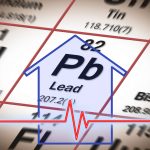 (NaturalHealth365) As most people can easily understand, children are particularly vulnerable to harmful substances in the environment. And, lead – a highly toxic heavy metal and neurotoxin – is a serious threat to children in every single country of the world.
In fact, according to a recent report from UNICEF and Pure Earth, 800 million children have dangerously high lead levels in their blood. Or, as our article title suggests (today), every third child in the world has too much lead in their body.
Heavy metal toxicity: Discover the many sources of lead exposure to avoid
Chances are the idea of childhood lead poisoning brings to mind lead paint and an infant’s curiosity and pica-like behaviors. According to the U.S. Environmental Protection Agency (EPA), nearly 90 percent of homes build before 1940 are likely to have lead, and any home built before 1978, when lead based paint was officially banned, is presumed to contain the element.
Lead based paint is the most well-documented source of lead exposure to infants and children, but it’s not the only source. Lead is everywhere. It’s in the form of dust, or chips.
Common household products such as canned food, make-up and toys contain lead. Lead is found in water pipes (Flint, Michigan) and in the soil.
Sources of environmental contamination include mining, manufacturing, and smelting. In some countries, like India and Georgia, lead chromate is added to spices to increase their weight and color. In other countries, the continued use of leaded paint and leaded gasoline have increased exposure levels.
Do NOT ignore the health dangers linked to toxic indoor air. These chemicals – the ‘off-gassing’ of paints, mattresses, carpets and other home/office building materials – increase your risk of headaches, dementia, heart disease and cancer.
Get the BEST indoor air purification system – at the LOWEST price, exclusively for NaturalHealth365 readers. I, personally use this system in my home AND office. Click HERE to order now – before the sale ends.
The biggest source of worldwide exposure, however, is the unregulated recycling of lead acid batteries from cars, trucks, and other vehicles. Due to the fact the number of motor vehicles has tripled in the past 20 years there’s been a sharp rise in lead containing batteries.
According to researchers, lead acid batteries account for roughly 85 percent of the world’s lead use.
Lead toxicity has become a “silent epidemic”
Childhood lead exposure has been linked to a host of health issues, from increased aggression to hyperactivity. Lead adversely affects the development of the brain and nervous system.
Children under 5 are at the greatest risk of suffering lifelong physical and cognitive damage, including a 3-5 point drop in scores on intelligence tests. Lead poisoning can be acute, or it can come on slowly, because lead accumulates in the body over a long period of time.
It’s not just young children who are affected by lead. Pregnant women who are exposed to high lead levels are more susceptible to miscarriage and stillbirth, premature birth and low birth weight.
Action step: How to limit lead exposure
To be clear: there is no level of exposure to lead that is known to be without harmful effects. The best we can do is limit our exposure to potential lead sources.
The EPA says that simple steps such as keeping your home clean and well maintained goes a long way to reduce heavy metal exposure. In addition, these steps will reduce your toxic load:
- Use a high quality air purifier, especially in the bedroom
- Only drink purified water or tested (safe) spring water
- Avoid buying lead-based paints, toys and processed (packaged) foods
- Stay well hydrated
- Eat bitter greens like dandelion and arugula
- Consume lots of antioxidants like, vitamin C and D to minimize cellular damage
The key to improving quality of life is through education. Share this information with family and friends. And, never underestimate the power of your purchasing dollars.
We just need to choose wisely.
Sources for this article include:
Success — FDA Finally Issues Amalgam Warning
Reproduced from original article:
https://articles.mercola.com/sites/articles/archive/2020/10/06/fda-dental-amalgam-warning.aspx
Analysis by Dr. Joseph Mercola Fact Checked October 06, 2020

STORY AT-A-GLANCE
- September 24, 2020, the U.S. Food and Drug Administration released its long-overdue safety communication on amalgam
- The FDA warns mercury fillings may adversely affect people in certain high-risk groups and should be avoided
- Groups identified as being at increased risk for harmful effects from dental mercury fillings include pregnant women and their developing fetuses, nursing women, women who are planning to become pregnant, infants and children under the age of 6, people with neurological diseases, impaired kidney function or heightened sensitivity to mercury or other amalgam components
- After years of pressure from Consumers for Dental Choice and its allies, the FDA finally agreed to reopen the amalgam issue, and now admits dental amalgam releases mercury vapor that can cause health problems in some individuals
- The FDA also advised against use of the misleading term “silver fillings,” and urges patients to discuss all dental filling options with their dentist
Just four weeks after we celebrated our 10th annual Mercury Awareness and Mercury-Free Dentistry Week, the U.S. Food and Drug Administration released a long-overdue safety communication on amalgam.
In an astounding about-face to its previous stance, the FDA issued a warning that mercury fillings may adversely affect pregnant women, children and other susceptible individuals, and should be avoided by these groups.
The safety communication1 was posted September 24, 2020, and with this, we have suddenly achieved an incredibly important goal that we’ve had our sights on for the last decade!
Goal Achieved: FDA Releases Amalgam Safety Communication
As noted in the FDA’s statement:2
“Today, the FDA is issuing updated recommendations concerning dental amalgam and potential risks to certain high-risk individuals that may be associated with these mercury-containing fillings …
The FDA has found that certain groups may be at greater risk for potential harmful health effects of mercury vapor released from the device [amalgam]. As a result, the agency is recommending certain high-risk groups avoid getting dental amalgam whenever possible and appropriate.”
Groups identified by the FDA as being at increased risk for harmful effects from dental mercury fillings include:
| Pregnant women and their developing fetuses |
| Women who are planning to become pregnant |
| Nursing women and their newborns and infants |
| Children, especially those younger than 6 |
| People with pre-existing neurological disease such as multiple sclerosis, Alzheimer’s disease or Parkinson’s disease |
| People with impaired kidney function |
| People with known heightened sensitivity (allergy) to mercury or other components of dental amalgam |
FDA Admits Amalgam Dangers
After years of pressure from Consumers for Dental Choice and its allies, the FDA finally admits the unvarnished truth about amalgam, noting3 that “Dental amalgam is a mixture of mercury and a powdered alloy made up of silver, tin and copper” that “releases small amounts of mercury vapor over time.”
The FDA has found that certain groups may be at greater risk for potential harmful health effects of mercury vapor released from the device [amalgam]. As a result, the agency is recommending certain high-risk groups avoid getting dental amalgam whenever possible and appropriate.
The agency also admits there are “uncertainties” and risks associated with this mercury vapor release, especially for the high-risk groups listed. In particular, there is “the potential for mercury in dental amalgam to convert to other mercury compounds in the body,” and mercury could potentially accumulate in body fluids and tissues, resulting in “unintended health outcomes.”
“These uncertainties in the most vulnerable patients are why today we are recommending people who may be at high risk for adverse health effects of mercury exposure use non-mercury alternatives to dental amalgam, such as composite resins and glass ionomer cement fillings,” the FDA states.4
While the FDA downplays the importance of its changed recommendation by stressing that the benefits of dental amalgam likely “outweigh their risks for most patients,” this update is nothing short of monumental, and opens the door, finally, for the elimination of dental mercury for all patients in the U.S., as has been done in many other countries already.
I want to take this opportunity to thank all of you who have supported Consumers for Dental Choice during these past 10 years, as it is this organization’s unwavering dedication that has now borne fruit.
Consumers for Dental Choice Sued FDA — and Won
The FDA is legally required to classify — that is, issue a rule for — all medical devices, including dental amalgam. But for 30 years, FDA dodged its legal duty to classify amalgam.
Consumers for Dental Choice put an end to FDA’s negligence when, in 2008, this dynamic nonprofit organization assembled plaintiffs and sued FDA, demanding that amalgam be classified. The judge agreed and told FDA to sit down with Consumers for Dental Choice to determine a deadline. FDA was compelled to commit to classifying amalgam by July 2009.
But when July 2009 came around, it was clear the FDA had not considered the science — especially the evidence of harm amalgam can cause vulnerable populations like children, pregnant women and breastfeeding mothers.
Its abysmal rule reflected this shortcoming, as it did not restrict the use of amalgam for these most vulnerable individuals. The rule did not even require that patients be told that amalgam is made of mercury. Nonetheless, FDA’s 2009 rule did acknowledge that amalgam could be harmful, and that there was no proof of safety for the populations most susceptible to this toxin.
In response, Consumers for Dental Choice challenged FDA’s rule, while simultaneously pursuing other opportunities to advance mercury-free dentistry, like defeating pro-mercury state dental boards, fighting for amalgam fact sheet laws for patients at the state level, and getting amalgam into the Minamata Convention on Mercury.
As Consumers for Dental Choice racked up win after win — regaining licenses for mercury-free dentists persecuted by state boards, gaining fact sheets to protect dental patients, achieving an amalgam reduction requirement in the Minamata Convention — the FDA’s rule was looking increasingly archaic.
Decade-Long Wait Is Over
Nearly a decade after the FDA issued its flawed amalgam rule, Consumers for Dental Choice launched a nonstop campaign focused on getting the FDA to move on amalgam.
They assembled an accomplished team of experts to approach the FDA, and in 2018, unveiled the “Chicago Declaration to End Mercury Use in the Dental Industry” at the University of Illinois School of Public Health.
This declaration, signed by more than 50 heavy-hitter environmental groups, called on the FDA “to bring its policies in line with the Federal Government as a whole and with its responsibilities under the Minamata Convention and to publicly advise a phase down of the use of mercury amalgams with the goal of phasing out entirely.”
The declaration also called for the immediate ban on amalgam use in children, pregnant women and breastfeeding mothers. Working with key signatories to the “Chicago Declaration,” Consumers for Dental Choice were able to secure meetings with top officials at the FDA, during which they were able to submit scientific studies for the FDA to review.
The first sign of progress came with the FDA’s September 2019 scientific review5 of amalgam, “Epidemiological Evidence on the Adverse Health Effects Reported in Relation to Mercury from Dental Amalgam,” which recognized that the elemental mercury in dental amalgam can convert inside the body into toxic methylmercury — the same type of mercury that the FDA warns about in fish.
The FDA also recognized bioaccumulative effects of mercury. Since patients are exposed to many sources of mercury — including high-mercury fish in their diets, occupational exposures and environmental mercury from waste incinerators — the mercury from amalgam could be the proverbial straw that breaks the camel’s back.
FDA Reverses Stance on Amalgam
Consumers for Dental Choice also organized a strong showing of public support from you. Its online petition, which had nearly 50,000 signatures, was presented to the FDA in person at its first meeting with the agency. Many of you also submitted public comments on patient preferences to the FDA.
FDA was also made aware of the changes to amalgam rules in other parts of the world, such as amalgam phase-out dates set by the Philippines, Ireland, Slovakia, Finland, Nepal, Moldova, Czech Republic and New Caledonia, and the bans on amalgam use in children issued by the European Union, Vietnam and Tanzania.
Having finally reached the top of the FDA, Consumers for Dental Choice succeeded in persuading the agency to reopen and take another in-depth look at the amalgam policy.
A scientific advisory committee meeting — which included testimonies by 16 experts from the Children’s Environmental Health Network, Tuskegee University, the International Indian Treaty Council, the Organic & Natural Health Association and the Connecticut Coalition for Environmental Justice, as well as city and county commissioners, a physician expert in environmental justice, a pharmacist specializing in toxicology and several attorneys — took place in November 2019.
You can see Consumers for Dental Choice’s team and their colleagues in action in the video below, which features highlights of the advisory panel meeting.
Ultimately, the FDA advisory committee members recommended the agency provide information to patients about the risks of dental amalgam, especially for vulnerable populations. Many even agreed that the use of amalgam needs to end, which has been the goal of Consumers for Dental Choice all along.
Final Step Ahead
Now that the FDA has finally broken its silence on the dangers of mercury for pregnant and nursing mothers, children and people with certain underlying conditions, the final step — a full ban on amalgam for all — looms near.
The American Dental Association, which has long defended amalgam’s safety, is now running out of allies. For now, however, the ADA still maintains its contrarian view.
In response to the FDA’s updated recommendations, the ADA stated6 that there was “no new scientific evidence cited as part of the FDA recommendation,” and that the ADA “reaffirms its position that dental amalgam is a durable, safe and effective cavity-filling option.”
On the upside, the ADA affirmed its support of patient decision-making, agreeing with the FDA’s statement that “all dental restorative decisions and treatment options should be made by the patient and the dentist.”
Seeing how the ADA’s ethical rules in the past were used by state dental boards to bar dentists from even informing patients about the fact that mercury is a key ingredient in amalgam, and how the ADA deceptively promoted amalgam as “silver fillings,” this shift, while small, is better than nothing.
In its September 24, 2020, safety communication on dental amalgam,7 the FDA specifically advises dentists against using the term “silver filling,” “as this may imply the filling is made solely from silver and does not accurately convey the mercury component of this restorative material.” The FDA also highlights this in its Dental Devices description page for amalgam, which received its last update September 29, 2020, noting that:8
“Dental amalgam is a mixture of metals, consisting of liquid (elemental) mercury and a powdered alloy composed of silver, tin, and copper. Approximately half (50%) of dental amalgam is elemental mercury by weight. The chemical properties of elemental mercury allow it to react with and bind together the silver/copper/tin alloy particles to form an amalgam.
Dental amalgam fillings are often referred to as ‘silver fillings’ because of their silver-like appearance, although the use of this term in not recommended because the term does not correctly explain the materials in amalgam.”
Most of us who have fought for this updated FDA amalgam policy for the past decade are still in shock that it finally happened, and without any significant forewarning. That said, it is fantastic good news, and we extend our thanks to all of you who have fought this battle with us.
The FDA’s updated recommendations change everything, because once amalgam is recognized as a hazard for specific high-risk groups, it doesn’t take much to expand that logic to include all people.
Higher risk of celiac disease EXPOSED by medical school researchers
Reproduced from original article:
www.naturalhealth365.com/celiac-disease-toxic-chemicals-3568.html
by: Joy Jensen, staff writer | September 26, 2020
 (NaturalHealth365) Unfortunately, toxic chemicals have become so commonplace that many people barely think twice about the products they use. Toxins are found in cookware, furniture, carpets, household products and – most significantly – too many of the foods we eat. But, while it’s “normal” to see a laundry list of unwanted chemicals listed on most products these days, scientists continue to discover the many ways these substances cause serious health problems.
One new study that was led by researchers from the NYU Grossman School of Medicine discovered that elevated blood levels of the toxins found in fire retardants, pesticides, and nonstick cookware all were linked to a higher risk of celiac disease in young adults and children. Published in the Environmental Research journal, the study sheds light on the serious dangers toxic chemicals pose to us and our children.
DDEs significantly increase the risk of celiac disease in young people
Researchers discovered that it was dichlorodiphenyldichlorethylenes (DDEs) – which are pesticide-related chemicals – that were linked to a higher risk of celiac disease. Young adults and children with higher levels of DDEs in their blood had double the risk of being diagnosed with celiac disease compared to those with lower levels.
Additionally, the study found that there was a gender difference in the relationship between toxic exposures and celiac disease. Among females, who are more likely to have celiac disease than men, having a higher-than-normal exposure to pesticides result in them being eight times more likely to develop gluten intolerance.
In young females who had higher levels of PFAs – nonstick chemicals found in nonstick cookware, they were five to nine times more likely to end up with celiac disease. For young men, the findings were a bit different. Boys and young males who had high levels of fire-retardant chemicals had twice the chance of being diagnosed with celiac disease.
Potential links between toxic chemicals and other autoimmune bowel diseases
Although celiac disease has long been thought to be primarily genetic, passed down to offspring from their parents, this new study is the first measurable tie-in between the disease and exposure to toxic chemicals in the environment. According to researchers, these results bring up another question: Is there a link between these chemicals like pesticides and other common autoimmune bowel diseases?
Do NOT ignore the health dangers linked to toxic indoor air. These chemicals – the ‘off-gassing’ of paints, mattresses, carpets and other home/office building materials – increase your risk of headaches, dementia, heart disease and cancer.
Get the BEST indoor air purification system – at the LOWEST price, exclusively for NaturalHealth365 readers. I, personally use this system in my home AND office. Click HERE to order now – before the sale ends.
If further studies uncover similar connections, then the evidence could support the idea that autoimmune diseases may be caused by environmental factors, too, not only genetics. More importantly, it’s apparent that we cannot continue to ignore the toxic chemicals that surround us in our everyday lives.
There’s no question: we’re paying a heavy price for them, and so are our children! For more information about the dangers of toxic environmental chemicals, listen carefully to the shocking NaturalHealth365 Podcast with Jonathan Landsman.
Sources for this article include:
NutritionReview.org
NaturalHealth365.com
Study Links Tylenol Consumption with Risk Taking
© 15th September 2020 GreenMedInfo LLC. This work is reproduced and distributed with the permission of GreenMedInfo LLC. Want to learn more from GreenMedInfo? Sign up for the newsletter here www.greenmedinfo.com/greenmed/newsletter
Reproduced from original article:
www.greenmedinfo.com/blog/study-links-tylenol-consumption-risk-taking
Posted on: Tuesday, September 15th 2020 at 9:15 am
Written By: GreenMedInfo Research Group
This article is copyrighted by GreenMedInfo LLC, 2020

The psychological side effects of acetaminophen, aka Tylenol, continue to mount, with research showing users are more likely to make risky decisions. When coupled with past research linking this supposedly safe pain reliever to blunted empathy and emotions, the widespread social effects on society could be immense
Acetaminophen, commonly known by its brand name Tylenol, is one of the most commonly used medications worldwide — and research suggests it could be causing users to engage in more risky behaviors.[1] In the U.S. alone, acetaminophen can be found in more than 600 prescription and over-the-counter drugs and is taken by 23% of — or 52 million — Americans each week.[2]
Many don’t think twice about popping a Tylenol or two to relieve a headache, reduce a fever or ease minor aches and pains or cold and allergy symptoms, but research continues to reveal that this supposedly “safe” pain reliever has more risks than many people realize. Among them are surprising effects on psychological processes such as behavior and perception, including altering willingness to take risks.
Considering that so many people take acetaminophen on a daily basis, even slight changes in risk-taking behaviors “could have important effects on society,” study co-author Baldwin Way, an associate professor of psychology at The Ohio State University, noted in a press release.[3]
Acetaminophen Makes People More Likely to Take Risks
The study involved 189 college students, who took a standard recommended adult dosage of 1,000 milligrams (mg) of acetaminophen or a placebo. They were then asked to rate the riskiness of activities such as bungee jumping, taking a skydiving class, walking home alone at night in an unsafe area and starting a new career in your mid-30s.
Those under the influence of acetaminophen rated these activities as less risky than those who took a placebo. “Acetaminophen seems to make people feel less negative emotion when they consider risky activities — they just don’t feel as scared,” Way said.[4]
In a second part of the study, 545 college students took part in a computer task intended to measure risk-taking behavior. The students had to click a button to inflate a balloon in order to earn money. The bigger the balloon, the more money they would receive, but if the balloon got too big and burst, they would lose their money.
As in the first study, those who took acetaminophen took more risk, pumping the balloons more times and earning more burst balloons, than those who took a placebo. “If you’re risk-averse, you may pump a few times and then decide to cash out because you don’t want the balloon to burst and lose your money,” Way said. “But for those who are on acetaminophen, as the balloon gets bigger, we believe they have less anxiety and less negative emotion about how big the balloon is getting and the possibility of it bursting.”[5]
It’s previously been suggested that those with increased risk-taking on these types of computer-simulated tasks may be more likely to engage in risky behaviors in real-life as well, including using drugs and alcohol, stealing and driving without a seatbelt.[6]
Acetaminophen Blunts Empathy, Positive and Negative Emotions
While potentially increasing risky behaviors, acetaminophen has also been found to blunt both positive and negative emotions. In this way, Way and colleagues revealed in 2015 that over-the-counter acetaminophen provides relief from “pain and pleasures alike,” essentially dampening users’ ability to experience emotionally pleasurable sensations.[7]
The next year, in 2016, Way and colleagues found acetaminophen to be an “empathy killer,”[8] as it reduced users’ empathy in response to others’ pain. Because empathy plays an important role in prosocial and antisocial behaviors, acetaminophen-induced alterations in empathy could be having broad social side effects.[9]
In a 2019 study, Way and colleagues again compared acetaminophen to a “social analgesic,” stating that it blunts “social pain” by reducing the activity of the anterior insula and anterior cingulate brain regions, which are associated with emotional awareness and motivation.[10] Even positive empathy was blunted by the drug.
When people were given 1,000 mg of acetaminophen, then read scenarios about uplifting experiences of other people, the acetaminophen reduced personal pleasure and empathic feelings directed toward others, once again suggesting that the widespread use of acetaminophen could be having a negative effect on prosocial behavior on a societal level.[11]
Acetaminophen has also been found to cause an “inhibition of evaluative processing,”[12] meaning it could alter your ability to make decisions and cause you to react slower or miss errors that you would spot otherwise.[13]
Acetaminophen Is ‘Not Particularly Effective’ or Safe
Acetaminophen’s reputation as a “safe and effective” painkiller is increasingly being called into question, and anyone who uses it should be aware that in addition to psychological effects, acetaminophen is linked to serious physical adverse effects.
GreenMedInfo.com has compiled 236 studies related to acetaminophen’s toxicity, and a European Journal of Hospital Pharmacy editorial concluded, “We have considerable evidence that as well as not being particularly effective, neither is it particularly safe.”[14] Some of the health risks linked to acetaminophen use include:[15]
- Increased mortality
- Cardiovascular adverse events, including heart attack, stroke and fatal coronary artery disease
- Gastrointestinal adverse events, including gastroduodenal ulcers and upper gastrointestinal hemorrhage
- Acute liver failure necessitating transplantation
- Abnormal liver function
What’s more, acetaminophen has been shown to be ineffective for treating back pain, “practically ineffective” for arthritis and “in the least effective quartile of drugs” for treating postoperative pain. It’s also only modestly effective for migraines and tension-type headaches, while no evidence shows that it works to relieve pain related to cancer, menstrual cramps, rheumatoid arthritis or the neck.[16]
Considering its significant risks — including psychological risks that are only beginning to be understood and explored–and questionable effectiveness, it makes sense to try nontoxic, natural pain relief options first — of which there are hundreds to choose from.

References
[1] Social Cognitive and Affective Neuroscience, nsaa108, https://doi.org/10.1093/scan/nsaa108, https://academic.oup.com/scan/advance-article/doi/10.1093/scan/nsaa108/5897711
[2] Consumer Healthcare Products Association, Acetaminophen https://www.chpa.org/Acetaminophen.aspx
[3] Ohio State News September 8, 2020 https://news.osu.edu/a-pain-reliever-that-alters-perceptions-of-risk/
[4] Ohio State News September 8, 2020 https://news.osu.edu/a-pain-reliever-that-alters-perceptions-of-risk/
[5] Ohio State News September 8, 2020 https://news.osu.edu/a-pain-reliever-that-alters-perceptions-of-risk/
[6] Ohio State News September 8, 2020 https://news.osu.edu/a-pain-reliever-that-alters-perceptions-of-risk/
[7] Psychological Science April 10, 2015 https://journals.sagepub.com/doi/abs/10.1177/0956797615570366
[8] Soc Cogn Affect Neurosci. 2016 Sep; 11(9): 1345-1353. https://www.ncbi.nlm.nih.gov/pmc/articles/PMC5015806/
[9] Soc Cogn Affect Neurosci. 2016 Sep; 11(9): 1345-1353. https://www.ncbi.nlm.nih.gov/pmc/articles/PMC5015806/
[10] Front Psychol. 2019; 10: 538. https://www.ncbi.nlm.nih.gov/pmc/articles/PMC6455058/
[11] Front Psychol. 2019; 10: 538. https://www.ncbi.nlm.nih.gov/pmc/articles/PMC6455058/
[12] Social Cognitive and Affective Neuroscience, Volume 11, Issue 6, June 2016, Pages 899-906, https://doi.org/10.1093/scan/nsw023, https://academic.oup.com/scan/article/11/6/899/2224073
[13] Science Alert April 12, 2016 https://www.sciencealert.com/tylenol-may-make-it-harder-for-users-to-spot-errors-says-study
[14] European Journal of Hospital Pharmacy Volume 23, Issue 4 https://ejhp.bmj.com/content/23/4/187
[15] European Journal of Hospital Pharmacy Volume 23, Issue 4 https://ejhp.bmj.com/content/23/4/187
[16] European Journal of Hospital Pharmacy Volume 23, Issue 4 https://ejhp.bmj.com/content/23/4/187
 The GMI Research Group (GMIRG) is dedicated to investigating the most important health and environmental issues of the day. Special emphasis will be placed on environmental health. Our focused and deep research will explore the many ways in which the present condition of the human body directly reflects the true state of the ambient environment.
FDA admits Sunscreens are Dangerous
Written by Brenton Wight, Health Researcher
Copyright [c] 1999-[y] Brenton Wight. All Rights Reserved.
Updated 18th September 2020
We have been told for decades:
– Sunscreen is safe
– Sunscreen protects us from Cancer
For the last 10 years, I have been advising everyone NOT to use sunscreen because of dangerous effects, while the media blindly follows standard medical advice – the “Slip, Slop, Slap” campaign that has been running for over 30 years promoting sunscreens. In that time, the incidence of relatively harmless cancers (squamous cell carcinomas and basal cell carcinomas) that rarely turn into anything serious, has reduced somewhat. However the incidence of potentially deadly melanomas has INCREASED, although now somewhat stabilised and over the last few years started to drop, not because of the stupid advertising for sunscreens, but for increasing knowledge that vitamins, especially vitamin D3, actually increase the ability to protect our skin from harmful radiation.
Governments and the Cancer institutions have been silent on the fact that more Office workers die from melanomas that Construction workers! And that many deadly melanomas start under armpits, soles of feet and other areas seldom reached by sunshine!
Dianne E. Godar, a chemist with the FDA ( Food and Drug Administration) wrote in an article: “Although outdoor workers get three to 10 times the annual UV dose that indoor workers get, they have similar or lower incidences of CMM.” CMM (Cutaneous Malignant Melanoma) is a dangerous form of melanoma that can spread if not treated.
The FDA Sunscreen Study:
-
- Avobenzone
- Oxybenzone
- Octocrylene
- Homosalate
- Octisalate
- Octinoxate
These cause hormone disruption and, ironically, skin cancer!
These six are not only toxic to our skin, but worse, the skin absorbs these chemicals into our blood, accumulating to dangerously high concentrations, far higher than the FDA’s own permitted maximum concentrations!
These ingredients have the following harmful effects:
- Mimic estrogen
- Cause hormonal imbalances
- Cause allergic reactions
- Cause skin irritations
- cause reproductive harm
- Attack body cells, causing premature aging
- Promote the onset of breast cancer
Enjoy the Sun
Natural Sunscreen with Zinc Oxide is a safer option where sunscreen is required.
Zinc oxide sits on top of the skin, reflecting and scattering UV rays without penetrating the skin’s deeper layers or entering the blood.
For more info, go here: www.leanmachine.com.au/vitamin-d3
Toxic tap water slowly destroying our gut health and most people remain uninformed
Reproduced from original article:
https://www.naturalhealth365.com/tap-water-contaminated-3433.html
by: Lori Clarkson, staff writer | June 8, 2020
 (Naturalhealth365) Breaking new research, in an extensive report released on behalf of the Society of Toxicology, reveals how toxic elements are affecting our gut microbiome. One of the toxic contaminant findings was particularly disturbing, and it’s in our tap water.
Over 286 million Americans access their tap water from a community “health” system and this should be a major public health concern. (as you’ll soon see!)
Research in the microbial bacteria field has skyrocketed over the past 10 years. We now understand more about the microorganisms in our body that outnumber our human cells by 10 to 1. This breaking research reveals the bacteria that we overproduce when drinking tap water, and what we can do to stop it from happening to us.
The toxic contaminant creating the bacteria causing cardiovascular disease
The dangers of long-term exposure to arsenic and their connection to cancer are well-researched. This comprehensive study reveals more concerning evidence being the dangers of arsenic.
The 2019 study revealed that there is a significant association with exposure to arsenic in drinking water and genus Citrobacter and IMT. Genus Citrobacter was overproduced in tap-water drinkers. This bacteria is a known contributor to a range of health issues.
To be clear: citrobacter can increase urinary tract infections, respiratory diseases, sepsis in immunocompromised patients, and inflamed gastrointestinal tracts.
Do NOT ignore the health dangers linked to toxic indoor air. These chemicals – the ‘off-gassing’ of paints, mattresses, carpets and other home/office building materials – increase your risk of headaches, dementia, heart disease and cancer.
Get the BEST indoor air purification system – at the LOWEST price, exclusively for NaturalHealth365 readers. I, personally use this system in my home AND office. Click HERE to order now – before the sale ends.
Alongside the overproduction of this harmful bacteria, IMT (vascular intima-media thickness) also increased. High IMT can lead to cardiovascular issues, the top offender being atherosclerosis. In simple terms, that’s clogged arteries from built-up plaque. With heart disease accounting of 1 in 4 American deaths, we can not afford to increase our chances of cardiovascular problems.
We have trillions of microorganisms in our gut, ingesting the right things to encourage a biodiverse culture must become a priority. Our gut bacteria are capable of altering our moods, behaviors, and food-cravings.
It’s a topic that has experienced a boom of new research in recent years. Yet, there is still much more to learn about our gut microbiome and its impact on our health.
How much exposure is too much?
These studies were undertaken in Bangladesh, where there the permissible level of arsenic in drinking water is five times higher than the acceptable level in the US. However, research has not yet discovered the cut-off point to where our gut microbiome is not affected by arsenic levels in tap water.
With arsenic even infiltrating our “safe” bottled water, when will enough be enough?
What’s more shocking is that tap water is banned in California Central Valley because of its high arsenic levels. Those living in the south-west or close to the Rockies will also likely have arsenic levels teetering on the edge of unsafe.
With only 92% of America’s drinking water deemed “safe,” how many cancer, cardiovascular, and respiratory diseases will it take to discover how much arsenic exposure affects us as a nation?
It has become normal to become complacent with our tap water. Generations have been telling us that our water is “good for us.”
Most of us who are well-versed in the natural health fields will likely already be vigilant with their purification methods. But what about our friends and family who fail to make the shift because of what we’ve been conditioned to believe about our water?
Our water standards must be held higher than they currently are by the organizations that can make a significant (positive) change for our society.
Rebuild your gut microbiome: Take action now
We cannot immediately control the minimum acceptable water standards here in the USA. But we can control our own actions with some simple steps.
Invest in a water purification system that removes arsenic. Not all water systems are created equally. In fact, many may only focus on the removal of chlorine and fluoride. Activated carbon filtration will remove arsenic up to 70%, and reverse osmosis will remove arsenic up to 90%. Either of these options will reduce the level of arsenic enormously.
Limit rice-based products. Arsenic levels in its most toxic (inorganic) form are highest in rice-based products. If rice has become somewhat of a staple in your household, you must wash your rice with purified water. Studies have proven that this will reduce arsenic levels by up to 57%. However, cooking your rice in water with high levels of arsenic will have the opposite effect!
There is much more research that we need to be made aware of in the realm of gut health. Luckily, we are now aware of the additional risk factors of arsenic consumption. Invest in your health today by limiting the unwanted effects of long-term arsenic exposure on your gut health.
Sources for this article include:
Academic.oup.com
Healthline.com
Cancer.org
NYTimes.com
Livescience.com
WHO.int
CDC.gov
NIH.gov