Toxins
now browsing by category
Chemicals found in 1,000 processed foods may harm immune system, according to new study
Reproduced from original article:
www.naturalhealth365.com/chemicals-in-processed-foods-3824.html
by: Damon Hines, staff writer | May 8, 2021
 (Naturalhealth365) You know the symptoms; we all do. Bloating, fatigue, stomach upset, and a general feeling of blah thrown in for good measure. It’s the after-effects of gorging on Doritos or indulging in a pint of ice cream. Too much fat, sugar, and salt, too much high fructose corn syrup, and we’re left with a food hangover, our bodies laden with additives and preservatives and depleted of the water and enzymes needed to process them. But the health problems associated with processed foods are far worse than bloat and a mean case of the blahs.
Processed foods account for a shocking 58% of calories in a U.S. diet. According to a study published in the Journal of the American College of Cardiology, ultra-processed food consumption is associated with an increased risk of heart disease. But that’s only the beginning. New research published in the International Journal of Environmental Research and Public Health suggests that chemicals found in over 1,000 processed foods may also harm the immune system.
TBHQ: Used by manufacturers to prolong a product’s shelf life and SHORTEN your life
Ultra-processed foods are defined as “industrial formulations made with no or minimal whole foods and produced with additives such as flavorings or preservatives.”
According to the study, the chemical preservative tert-butylhydroquinone, or (TBHQ), which is found in Pop-Tarts, Cheez-It crackers, Little Debbie Swiss Rolls, and more than 1,000 other processed foods, can negatively affect the immune system, as well as polyfluoroalkyl substances (PFAS), a group of chemicals that can leach into food from packaging.
In addition, a 2017 Trusted Source study concluded that eating foods containing additives – including processed meats – may lead to an increase in the risk of several immune conditions. The study looked at additives such as sucralose, aspartame, carboxymethylcellulose, polysorbate-80, sodium, and carrageenan.
Big Food manufacturers have no incentive to change their formulas
Additives like TBHQ were approved by the FDA decades ago. The FDA allows the food and chemical industry to determine which ingredients are safe for consumption, like asking a drug cartel to regulate its product.
Sodium Nitrate. Yellow #5. Brominated vegetable oil. TBQH. Sadly, our kitchens have become as chemically-filled as a science lab. Potentially dangerous additives need to be reviewed by the FDA, and regulatory loopholes need to be closed.
Guarding your immune system starts with choosing a carrot over a bag of industrially produced, carrot-flavored veggie puffs
Processed food makes us ill, increases the risk of heart disease, weakens the immune system, and drives the global obesity epidemic.
But if you want to improve your health and maintain a well-functioning immune system, it’s going to take more than avoiding what food journalist Michal Pollan calls “the edible food-like substances.” You’re going to have to eat right, too.
Foods that are known to provide immune-boosting benefits include citrus fruits, foods that contain zinc – such as peas, raw cheese, organically-raised chicken breast, cruciferous vegetables, garlic, and ginger.
Finally, as a consumer, be sure to read all packaging and labels carefully. Don’t let processed food take over your shopping cart. Bottom line, if you’re having a hard time reading (and understanding) a food label – don’t buy it!
Sources for this article include:
Humans Will Require Assisted Reproduction, Mechanical Wombs

Reproduced from original article:
https://articles.mercola.com/sites/articles/archive/2021/04/08/humans-will-require-assisted-reproduction-mechanical-wombs.aspx
Analysis by Dr. Joseph Mercola Fact Checked April 08, 2021

STORY AT-A-GLANCE
- Certain aspects of the modern world, especially hormone-disrupting chemicals, are not only threatening sperm counts but also altering reproductive development in males and females
- If sperm count declines continue on the current trajectory, a significant part of the global population may not be able to reproduce without technological assistance come 2050
- Environmental chemicals that interfere with hormones — known as hormone disrupters — are at the crux of the problem; phthalates, bisphenol A, atrazine and flame retardants are among the most problematic
- Scientists are already working on how to grow life outside of a human womb and, for the first time, grew a mouse embryo in a mechanical womb for a time period equal to a human embryo at 5 weeks
- The researchers hope to use the mechanical womb to grow a human embryo to 5 weeks, raising serious ethical questions
From 1973 to 2011, men experienced a 50% to 60% decline in sperm counts, according to a 2017 study by Shanna Swan, Ph.D., an environmental and reproductive epidemiologist at Icahn School of Medicine at Mount Sinai in New York, and colleagues.1
For more than two decades, Swan has been warning of an impending fertility crisis, one that’s often blamed on lifestyle or the choice to delay childbearing but which she says is being driven by environmental chemicals.
“I am not saying other factors aren’t involved. But I am saying chemicals play a major causal role,” she told The Guardian.2
Her book, “Count Down: How Our Modern World Is Threatening Sperm Counts, Altering Male and Female Reproductive Development, and Imperiling the Future of the Human Race,” goes into detail about how the modern world is not only threatening sperm counts but also altering reproductive development in males and females,3 and in so doing “imperiling the future of the human race.”4
Infertile World: By 2045, Sperm Counts Could Be Zero
According to Swan, if the curve of declining sperm counts from the 2017 study continues, by 2045 the median sperm count will be zero. “It is speculative to extrapolate, but there is also no evidence that it is tapering off. This means that most couples may have to use assisted reproduction,” she said.5
One reason why Swan believes environmental chemicals are to blame is that her research has shown younger women have experienced greater declines in the ability to have children than older women.6,7 This suggests that it’s not only aging or choosing to put off starting a family until later in life that’s involved. Miscarriage rates have also been on the rise, increasing at a relative rate of 2% per year from 1990 to 2011.8
“Count Down” brings some disturbing findings into the spotlight, like the fact that a significant part of the global population may not be able to reproduce without technological assistance come 2050.9 And, the book suggests, men today have about half the number of sperm compared to their grandfathers.
“In some parts of the world, the average twenty-something woman today is less fertile than her grandmother was at 35,” Swan wrote in her book. “The current state of reproductive affairs can’t continue much longer without threatening human survival … It’s a global existential crisis.”10
Environmental Chemicals Wreaking Havoc With Hormones
Environmental chemicals that interfere with hormones — known as hormone disrupters — are at the crux of the problem. The worst chemicals, Swan told The Guardian, are “those that can interfere with or mimic the body’s sex hormones – such as testosterone and estrogen – because these make reproduction possible. They can make the body think it has enough of a particular hormone and it doesn’t need to make any more, so production goes down.”11
Chemical exposure during pregnancy has been found to affect both masculinization and long-term fertility in males. In the wild, fish, frogs and reptiles are also increasingly being born with both ovaries and testes.12
Research published in PLOS Genetics13 also found that exposing male mice to ethinyl estradiol, a synthetic sex hormone found in birth control pills, causes developmental problems in the reproductive tract, thereby lowering sperm counts (men may be exposed to birth control pills through contaminated water and other sources).
Part of the problem is that hormone-disrupting chemicals are ubiquitous and are found in everything from food, drinking water and household goods to personal care products, cleaning products, nonstick cookware and plastics.
Much of the damage occurs in early pregnancy during crucial developmental windows, when the fetus is first forming and cells are rapidly dividing. Exposure then continues with accumulating exposures throughout life, and, worse still, the damage that occurs can be passed on to future generations.
“A female fetus, in utero,” Swan explained, “is growing the eggs that she will use to have her own children. These chemicals can make their way to those germ cells, too.”14 The PLOS Genetics study also demonstrated generational effects of hormone-disrupting chemicals, with effects worsening with each subsequent generation until, by the third generations, some of the animals could not produce any sperm.15

The 1% Effect
An alarming synergy is occurring as well, which “Count Down” dubs “the 1% effect,” because sperm count, testosterone and fertility are dropping, and testicular cancer and miscarriage are rising, all at about 1% per year.16 Erectile dysfunction and the rate of gestational surrogacy are also increasing by about 1% a year, while the global total fertility rate dropped by close to 1% from 1960 to 2018.17
All of these concerning reproductive changes occurring in unison are not a coincidence, according to Swan. “They’re just too synchronous for that to be possible,” she wrote in Scientific American.18 Male babies may be particularly vulnerable to toxic exposures that occur during the reproductive programing window in early pregnancy.
Phthalates, chemicals used to make plastic soft, are known to lower testosterone and women’s exposure to phthalates during pregnancy is linked to male babies’ anogenital distance (AGD) — the distance from the anus to the base of the penis — with higher exposure associated with shortened AGD.19 Later in life, shorter AGD is linked with a smaller penis20 and poorer semen quality, such that Swan believes AGD at birth is predictive of adult reproductive function.21
Exposure to hormone-disrupting chemicals in utero also increases the risk that male babies will be born with undescended testicles or a malformed penis, both of which increase the risk of low sperm count and testicular cancer in later life.22
Along with the dropping sperm counts, changes in sexual development pose a threat to human survival, according to Swan, who also notes that human beings already meet three of the five criteria for what makes a species endangered.23
Phthalates Among the Worst Hormone-Disrupting Chemicals
Swan cites phthalates, bisphenol A (BPA) and flame retardants as among the worst chemicals for reproductive health. Regarding phthalates, she told The Guardian:24
“They are in everybody and we are probably primarily exposed through food as we use soft plastic in food manufacture, processing and packaging. They lower testosterone and so have the strongest influences on the male side, for example diminishing sperm count, though they are bad for women, too, shown to decrease libido and increase risk of early puberty, premature ovarian failure, miscarriage and premature birth.”
An estimated 8.4 million metric tons of plasticizers, including phthalates, are used worldwide each year,25 with phthalate production amounting to about 4.9 million metric tons annually.26 The Norwegian Institute of Public Health found that 90% of those tested from 2016 to 2017 had eight different plasticizers in their urine.27
Aside from their risks to reproductive health, phthalates can also impair brain development, increasing children’s risk of learning, attention and behavioral disorders. In one example, children born to mothers that were in the highest quintile of urinary phthalate levels (specifically, DEHP metabolites) during the second trimester of pregnancy were nearly three times more likely to be diagnosed with ADHD compared to children born to mothers in the lowest quintile.28
Prenatal exposure to phthalates, especially metabolites of DBP and DEHP, has also been linked to a range of additional problem behaviors such as an increased likelihood of delinquent behaviors and more aggressive behaviors,29 along with reductions in child perceptual reasoning, lowered IQ by seven points, anxiety and poorer working memory.30
The widespread use of face masks could be accelerating the problem, as research accumulates that microplastics in masks, which may contain phthalates, are ending up discarded in the environment31 and may be inhaled by the wearer.32
BPA, Atrazine and Flame Retardants Also Problematic
BPA is another prevalent hormone-disrupting chemical used to harden plastics, line metal cans and make receipts. This toxic chemical has been found to change the timing of puberty, reduce fertility, increase body fat and affect the nervous and immune systems.33
“It is estrogen mimicking and so is a particularly bad actor on the female side, increasing risks of fertility challenges,” Swan told The Guardian, “but likewise it can affect men. Men occupationally exposed to BPA have shown decreased sperm quality, reduced libido and higher rates of erectile dysfunction.”34
The pesticide atrazine is another culprit. Early research by Tyrone Hayes, Ph.D., an integrative biologist at the University of California, Berkeley, hypothesized that atrazine turned on an enzyme (aromatase) that caused testosterone to be converted into estrogen.35 If you’re a male, this means that you won’t make sperm, but you will make estrogen, even though you shouldn’t.
Flame retardants are also notorious and ubiquitous toxins that have been linked to hormone-disrupting effects36 with serious repercussions for fertility, reproductive health and brain development.
Animals Grown in Mechanical Womb
Scientists are already working on how to grow life outside of a human womb and, for the first time, grew a mouse embryo in a mechanical womb for about half of a typical gestational term — a time period equal to a human embryo at 5 weeks.37
Growing mouse embryos “ex utero,” the researchers said, is a valuable tool to investigate embryonic development in detail,38 but it comes with serious ethical questions, including might humans be next?39
The answer is yes, as lead researcher Jacob Hanna, a developmental biologist at the Weizmann Institute of Science, already told MIT Technology Review, “This sets the stage for other species. I hope that it will allow scientists to grow human embryos until Week 5.”40
For those interested in protecting their own fertility — and that of future generations — as much as possible, avoiding hormone-disrupting chemicals is essential. Toward this end, Swan recommends some simple solutions, like eating unprocessed foods that you cook yourself as much as possible, as this will reduce your exposure to plastic food packaging. She also advises:41
“[W]hen cooking, don’t use Teflon or anything coated and don’t microwave in plastic. For personal care and household products use a minimum of simple products and try to avoid those that are scented; phthalates are added to hold scent.”
- 1 Human Reproduction Update, Volume 23, Issue 6, November-December 2017, Pages 646–659
- 2, 5, 7, 14, 24, 34, 41 The Guardian March 28, 2021
- 3, 10, 11 Children’s Health Defense March 22, 2021
- 4 ShannaSwan.com, Count Down
- 6 Family Planning Perspectives Vol. 31, No. 3 (May – Jun., 1999), pp. 156-157
- 8 Paediatr Perinat Epidemiol. 2018 Jan;32(1):19-29. doi: 10.1111/ppe.12417. Epub 2017 Oct 20
- 9, 12, 16 Sustainable Pulse February 26, 2021
- 13, 15 PLOS Genetics July 20, 2017
- 17, 18, 20, 22 Scientific American March 16, 2021
- 19 Environ Health Perspect. 2005 Aug; 113(8): 1056–1061
- 21 Environ Health Perspect. 2011 Jul 1; 119(7): 958-963
- 23 The Guardian February 26, 2021
- 25 CNN February 20, 2021
- 26, 29 American Journal of Public Health February 18, 2021
- 27 Science Norway, November 29, 2020
- 28 Environmental Health Perspectives May 10, 2018
- 30 American Journal of Public Health February 18, 2021, page e4
- 31 Mar Pollut Bull. 2020 Oct; 159: 111517
- 32 J Hazard Mater. 2021 Jun 5; 411: 124955
- 33 World Health Organization, February 19, 2013
- 35 PNAS March 9, 2010. 107 (10) 4612-4617
- 36 Int J Mol Sci. 2018 Jun; 19(6): 1647
- 37, 39 Popular Mechanics March 18, 2021
- 38 Nature March 17, 2021
- 40 MIT Technology Review March 17, 2021
Feeling the “lockdown blues?” One simple choice may have a SURPRISING effect on your emotional health
Reproduced from original article:
https://www.naturalhealth365.com/indoor-plants-benefits-3727.html
by: Sara Middleton, staff writer | February 12, 2021
 (NaturalHealth365) Does having plants in your home actually improve indoor air quality? Frequently-cited NASA-funded research from the late 1980s suggests indoor plants help remove volatile organic compounds (VOCs) from the air, such as formaldehyde and benzene. VOCs are potentially harmful compounds found in common household material, according to the Environmental Protection Agency.
But it’s worth noting that plants’ air-purifying effects have been mostly tested in controlled laboratory settings. When assessed in real home-like environments, potted plants don’t appear to improve air quality as significantly as one might hope. However, one recent study adds to years of evidence indicating that indoor plants CAN help with stress relief and supporting mental health … so don’t give up on your green thumb just yet.
Indoor plants add much more than color, may affect mental health
A team of researchers from the University of Seville’s School of Agricultural Engineering recently surveyed over 4,200 people from 46 countries. Their goal was to assess the impact of indoor plants and exposure to green spaces on people’s psychological wellbeing during the stressful COVID-19 lockdowns in March and June of 2020.
Here are a few of the key findings from the study:
- Almost 75% of survey respondents said having plants in the home positively influenced their emotional wellbeing
- More than half said they would have actually preferred to have more plants in the home during the lockdown and that they ended up spending more time than usual caring for their plants while they were stuck at home
- Notably, people who reported greater negative emotions were more likely to live in “small-sized houses with minimal natural light and deprived of plants”
Not sure you can invest the time and energy needed to bring more “green” into your home? Don’t worry. The researchers—who published their data in the November 2020 volume of Urban Forestry and Urban Greening — found that having just a few indoor plants placed in strategic positions (e.g., on an outdoor balcony) were preferred to having a high number of plants in the home.
This study only proves correlation, of course, so we’re not able to say that having houseplants will directly improve your mood. But this study is just one of a long list of studies that suggest your plants could be helping you more than you realize (air quality questions notwithstanding).
Do NOT ignore the health dangers linked to toxic indoor air. These chemicals – the ‘off-gassing’ of paints, mattresses, carpets and other home/office building materials – increase your risk of nasal congestion, fatigue, poor sleep, skin issues plus many other health issues.
Get the BEST indoor air purification system – at the LOWEST price, exclusively for NaturalHealth365 readers. I, personally use this system in my home AND office. Click HERE to order now – before the sale ends.
Indoor plants may even have THIS shocking effect on your blood pressure
A small 2015 randomized cross-over study from the Journal of Physiological Anthropology found that interacting with indoor plants was associated with reduced stress and lowered blood pressure. Amazingly, being around plants also decreased activity in the study subjects’ sympathetic nervous systems.
The sympathetic nervous system gets activated during moments of stress and is responsible for the cortisol-elevating “fight or flight” response.
In 2010, Time magazine also cited a study that showed that cardiac and pulmonary patients who sat in waiting rooms filled with plants reported increased happiness and well-being over the course of the study compared to patients who sat in plant-derived waiting rooms. Talk about a simple update to a clinical setting — or even your loved one’s hospital room — that could make a big impact on healing, health, and recovery!
Stock up on these low-maintenance plants for your home
Need some green inspiration? Here are some favorite low-maintenance houseplants that could fit well into your interior decor:
- Philodendron
- Spider plant
- Aloe vera
- English ivy
- Jade
- Yucca
- Rubber
Sources for this article include:
Eurekalert.org
Goodhousekeeping.com
NIH.gov
NIH.gov
EPA.gov
Time.com
Time.com
Nature.com
NASA.gov
Meridian.allenpress.com
ScienceDirect.com
How Safe Are the Nanoparticles in Moderna’s Vaccine?
Reproduced from original article:
https://articles.mercola.com/sites/articles/archive/2021/02/10/nanoparticles-in-moderna-vaccine.aspx
Analysis by Dr. Joseph Mercola Fact Checked February 10, 2021

STORY AT-A-GLANCE
- Moderna and Pfizer’s COVID-19 vaccines use lipid nanoparticles that contain polyethylene glycol (PEG) to deliver mRNA to your cells
- This experimental mRNA technology and its lipid nanoparticle-based delivery system have never been approved for use in a vaccine or drug
- Significant concerns have been raised over the technology, including the lipid nanoparticles, and Moderna actually abandoned it in 2017 after studies revealed a high rate of adverse effects
- Experts have questioned whether LNPs are safe, as research shows they readily enter the brain and may trigger immune reactions
- The first dose of COVID-19 vaccine may prime the body to have an immune reaction to LNPs, such that when the second dose is received, a stronger likelihood for adverse events exists
- The PEG found in both Pfizer’s and Moderna’s vaccines could also be causing allergic reactions and anaphylaxis
Both the Pfizer-BioNTech and Moderna COVID-19 vaccines are made with messenger RNA (mRNA) technology, which works by turning your body’s cells into veritable drug factories. The mRNA vaccines teach your cells to produce a protein, or piece of protein, that triggers an immune response, including the production of antibodies.1
However, because natural mRNA is easily broken down, this means the experimental gene therapy needs a special delivery system to make it to the body’s cells.
Moderna and Pfizer are using lipid nanoparticles that contain polyethylene glycol (PEG)2 for this purpose. The mRNA is wrapped in lipid nanoparticles (LNPs) that carry it to your cells, and the LNPs are “PEGylated” — that is, chemically attached to PEG molecules to increase stability.3
This experimental mRNA gene therapy and its lipid nanoparticle-based delivery system have never been approved for use in a vaccine or drug.4 This includes Pfizer’s and Moderna’s COVID-19 vaccines, which were only “authorized” for emergency use by the U.S. Food and Drug Administration — not “approved.”5
Significant concerns have been raised over the technology, including the lipid nanoparticles, and Moderna actually abandoned it in 2017 after studies revealed a high rate of adverse effects.
Moderna Abandoned mRNA Project in 2017
Moderna partnered with the National Institute of Allergy and Infectious Diseases (NIAID) headed by Dr. Anthony Fauci to create its COVID-19 vaccine. In February 2020, its stock price increased 78.1% when it announced that its messenger RNA vaccine was ready for clinical trials,6 propelling its CEO Stéphane Bancel into the billionaire’s club.
In 2016, Bancel had talked up another of the company’s up-and-coming products, a drug treatment for a rare disease called Crigler-Najjar syndrome. Those with Crigler-Najjar syndrome are missing a liver enzyme needed to break down bilirubin. Moderna’s experimental treatment used mRNA to encode for the missing enzyme, and was encased in LNPs as the delivery agent.
But, as STAT reported in 2017, the treatment was “indefinitely delayed” because it “never proved safe enough to test in humans.”7 According to STAT:8
“… mRNA is a tricky technology. Several major pharmaceutical companies have tried and abandoned the idea, struggling to get mRNA into cells without triggering nasty side effects … The indefinite delay on the Crigler-Najjar project signals persistent and troubling safety concerns for any mRNA treatment that needs to be delivered in multiple doses …
… And for its chemists, those nanoparticles created a daunting challenge: Dose too little, and you don’t get enough enzyme to affect the disease; dose too much, and the drug is too toxic for patients … Moderna could not make its therapy work, former employees and collaborators said. The safe dose was too weak, and repeat injections of a dose strong enough to be effective had troubling effects on the liver in animal studies.”
Moderna Says LNPs Could Trigger ‘Significant Adverse Events’
In their corporate prospectus9 released in 2018 at the time of their stock market launch, Moderna acknowledged that their LNPs carried risks.10 They stated:11
“No mRNA drug has been approved in this new potential category of medicines, and may never be approved as a result of efforts by others or us. mRNA drug development has substantial clinical development and regulatory risks due to the novel and unprecedented nature of this new category of medicines.”
They also laid out the many potential risks related to mRNA or its LNP delivery system. Among them:
- “Gene therapies and mRNA based medicines may activate one or more immune responses against any and all components of the drug product (e.g., the mRNA or the delivery vehicle, such as a lipid nanoparticle (LNP)) as well as against the encoded protein, giving rise to potential immune reaction related adverse events.”12
- “Most of our investigational medicines are formulated and administered in an LNP which may lead to systemic side effects related to the components of the LNP which may not have ever been tested in humans.”13
- “While we have continued to optimize our LNPs, there can be no assurance that our LNPs will not have undesired effects. Our LNPs could contribute, in whole or in part, to one or more of the following: immune reactions, infusion reactions, complement reactions, opsonation reactions, antibody reactions including IgA, IgM, IgE or IgG or some combination thereof, or reactions to the PEG from some lipids or PEG otherwise associated with the LNP.”14
- “Certain aspects of our investigational medicines may induce immune reactions from either the mRNA or the lipid as well as adverse reactions within liver pathways or degradation of the mRNA or the LNP, any of which could lead to significant adverse events in one or more of our clinical trials.”15

LNPs May Enter Your Brain
In a letter to Dr. Peter Marks,16 director of the FDA’s Center for Biologics Evaluation and Research, the Informed Consent Action Network (ICAN) questioned whether LNPs are safe, as research shows they readily enter the brain:
“A 2018 study titled Lipid Nanoparticles: A Novel Approach for Brain Targeting17 states, ‘… lipid nanoparticles are taken up readily by the brain because of their lipophilic nature. The bioacceptable and biodegradable nature of lipid nanoparticles makes them less toxic and suited for brain targeting.’ The article also states, ‘these nanostructures need to be investigated intensively to successfully reach the clinical trials stage.'”
The study’s authors suggested lipid nanoparticles like those in COVID-19 vaccines may be ideal for drug delivery systems because of their ability to bypass the blood brain barrier and “reach the target site due to their small size and ability to dodge the reticular endothelial system.”18
I recently interviewed Judy Mikovits, Ph.D., a cellular and molecular biologist, and she agreed that LNPs can enter the brain can contribute to pathologic neuroinflammation, possibly leading to adverse effects like multiple sclerosis or ALS. Additionally, these LNPs carrying the mRNA last for long periods of time, forcing your cells to continuously produce the SARS-CoV-2 spike protein. I encourage you to review my article and interview with Judy.
The mRNA vaccine triggers your body to produce antibodies against the SARS-CoV-2 spike protein, and spike proteins in turn contain syncytin-homologous proteins that are essential for various functions in your body, including the formation of the placenta in pregnant women.
“Syncytin is the name given to the endogenous gamma retrovirus envelope,” Mikovits said, “and we know if it’s expressed overtly in the body in different places … for instance, in the brain, where these lipid nanoparticles will go, then you’ve got multiple sclerosis.” She continued:
“So the expression of that gene alone enrages microglia, literally inflames, and dysregulates the communication between the brain microglia, which are critical for clearing toxins and pathogens in the brain, and the communication with the astrocytes that dysregulates not only the immune system but the endocannabinoid system …
We’ve already seen in the clinical trials … multiple sclerosis as an adverse event, and we’re being lied to. ‘Oh, those people had that.’ No, they didn’t. And we also see myalgic encephalomyelitis, inflammation of the brain and the spinal cord.”
A petition to the European Medicine Agency also called for a halt to Phase 3 clinical trials of Pfizer’s mRNA vaccine, in part due to the concern that if a woman’s immune system starts reacting against syncytin-1, there is the possibility she could become infertile.19
Immune Reactions Are Another Key Concern
According to ICAN in their letter to the FDA,20 the first dose of COVID-19 vaccine may prime the body to have an immune reaction to LNPs, such that when the second dose is received, a stronger likelihood for adverse events exists:
“An article titled Side Effects and COVID-19 Vaccines: What to Expect, published by Johns Hopkins states, ‘Side effects were more frequent after the second dose in the vaccine trials.’21
This event is demonstrated in Exogenous nanoparticles and endogenous crystalline molecules as danger signals for the NLRP3 inflammasomes, which provides support that increasingly inflammatory side-effects observed in the vaccine arm of the trial are attributable to LNPs and that they get worse with repeated injection.
This increased reactogenicity is clearly illustrated in COVID-19 Clinical Trials for both the Pfizer22 and Moderna.”23
Moderna’s report of clinical safety to the FDA’s Vaccines and Related Biological Products Advisory Committee also noted, “In Study 301, solicited local and systemic ARs [adverse reactions] were more common in participants who received mRNA-1273 compared with placebo, and systemic ARs were more common after the second injection.”24
Their data show that Grade 3 systemic adverse reactions, which are severe enough to prevent daily activities, rose from 2.9% after the first dose to 15.7% after the second dose. Grade 4 reactions, which require emergency room visits or hospitalizations, also increased, from five cases after the first injection to 14 cases after the second.25
At least eight people have also had severe allergy-like reactions to Pfizer’s COVID-19 vaccine, prompting NIAID to convene several meetings to discuss the adverse events with officials from Pfizer and Moderna, along with the FDA and independent scientists.26
Many suspect the PEG found in both Pfizer’s and Moderna’s vaccines might be the culprit causing allergic reactions and anaphylaxis. PEG has never been used in an approved vaccine, but is used in certain drugs known to cause anaphylaxis.27 According to Robert F. Kennedy Jr., “studies show that 1 in 7 Americans28 may unknowingly be at risk of experiencing an allergic reaction to PEG.”29
He believes “everyone should be screened for anti-PEG antibodies before getting the Pfizer and Moderna vaccines,” adding that “It is unconscionable that, instead, the FDA and CDC are encouraging people to go ahead and risk a life-threatening anaphylactic reaction and just assume that someone will be on hand to save them.”30
Moderna’s Vaccine Facing Legal Troubles?
It’s also worth noting that Moderna has no legal rights to a key patent for its vaccine delivery system, and company executives are among those who have dumped their stock. Both Moderna and the NIH are essentially engaged in patent infringement, as a core part of the technology — the LNP technology that is part of the vaccine delivery system — belongs to a small Canadian biotech company called Arbutus.31
Moderna sought to invalidate the patent owned by Arbutus Biopharma, but lost the challenge at the end of July 2020.32 After losing the challenge, Moderna said their LNP technology is actually far more advanced than Arbutus’ and claimed “the LNP used to make mRNA-1273, its Covid-19 vaccine candidate, is not covered by the Arbutus patent.”33
“Whatever happens on the intellectual property front, it is highly unlikely that a patent issue will get in the way of the development or distribution of a Covid-19 vaccine,” Forbes noted in July 2020.34
Indeed the vaccine has already been rolled out, but before making your decision on whether or not to receive it, be sure you’re informed about the many unanswered questions and risks surrounding it, including not only those related to LNPs but also another significant issue known as antibody‐dependent enhancement (ADE).
What to Do if You or Someone You Know Received the Vaccine
The primary reason why I wanted to interview Mikovits was to find out her recommendations for those who chose to get the vaccine and now regret it. Interestingly, what I learned is that you would use the same strategies that you would use to treat the actual SARS-CoV-2 infection.
I’ve written many articles over the past year detailing simple strategies to improve your immune system, and with a healthy immune system, you’ll get through it without incident even if you end up getting sick. Below, I’ll summarize some of the strategies you can use both to prevent COVID-19 and address any side effects you may encounter from the vaccine.
First of all, you’ll want to eat a “clean,” ideally organic diet. Avoid processed foods of all kinds, as they are loaded with damaging omega-6 linoleic acid that wrecks your mitochondrial function. Also consider nutritional ketosis and time-restricted eating, both of which will help you optimize your metabolic machinery and mitochondrial function. As noted by Mikovits:
“We have to think about detoxing metal, we have to think about glyphosate … We have to prevent inflammation in all tissue sites and we have to keep our immune system healthy … You’re going to want to be burning ketones instead [of sugar] for the neuroinflammation, so you’re going to want to get into ketosis and take the stress off the mTOR pathway.”
With regard to glyphosate, a simple way to block glyphosate uptake is to take glycine. Approximately 3 grams, about half a teaspoon, a few times a day should be sufficient, along with an organic diet, so that you’re not adding more glyphosate with each meal.
To improve detoxification, I recommend activating your natural glutathione production with molecular hydrogen tablets. All of these strategies should help improve your resilience against SARS-CoV-2, and may even help your body detoxify if you’ve made the mistake of getting this experimental gene therapy.
Another helpful strategy is to maintain a neutral pH. You want your pH to be right around 7, which you can measure with an inexpensive urine strip.
The lower your pH, the more acidic you are. A simple way to raise your pH if it’s too acidic (and most people are) is to take one-fourth teaspoon of sodium bicarbonate (baking soda) or potassium bicarbonate in water a few times a day. Improving your pH will improve the resiliency of your immune system and reduce the mineral loss from your bones, thereby reducing your risk of osteoporosis.
Helpful Supplements
Nutritional supplementation can also be helpful. Among the most important are:
| Vitamin D — Vitamin D supplements are readily available and one of the least expensive supplements on the market. All things considered, vitamin D optimization is likely the easiest and most beneficial strategy that anyone can do to minimize their risk of COVID-19 and other infections, and can strengthen your immune system in a matter of a few weeks. |
| N-acetylcysteine (NAC) — NAC is a precursor to reduced glutathione, which appears to play a crucial role in COVID-19. According to one literature analysis,35 glutathione deficiency may actually be associated with COVID-19 severity, leading the author to conclude that NAC may be useful both for its prevention and treatment. |
| Zinc — Zinc plays a very important role in your immune system’s ability to ward off viral infections. Like vitamin D, zinc helps regulate your immune function36 — and a combination of zinc with a zinc ionophore, like hydroxychloroquine or quercetin, was in 2010 shown to inhibit SARS coronavirus in vitro. In cell culture, it also blocked viral replication within minutes.37 Importantly, zinc deficiency has been shown to impair immune function.38 |
| Melatonin — Boosts immune function in a variety of ways and helps quell inflammation. Melatonin may also prevent SARS-CoV-2 infection by recharging glutathione39 and enhancing vitamin D synthesis, among other things. |
| Vitamin C — A number of studies have shown vitamin C can be very helpful in the treatment of viral illnesses, sepsis and ARDS,40 all of which are applicable to COVID-19. Its basic properties include anti-inflammatory, immunomodulatory, antioxidant, antithrombotic and antiviral activities. At high doses, it actually acts as an antiviral drug, actively inactivating viruses. Vitamin C also works synergistically with quercetin.41 |
| Quercetin — A powerful immune booster and broad-spectrum antiviral, quercetin was initially found to provide broad-spectrum protection against SARS coronavirus in the aftermath of the 2003 SARS epidemic,42,43,44 and evidence suggests it may be useful for the prevention and treatment of SARS-CoV-2 as well. |
| B vitamins — B vitamins can also influence several COVID-19-specific disease processes, including45 viral replication and invasion, cytokine storm induction, adaptive immunity and hypercoagulability. |
Mikovits also recommends Type 1 interferons.
“The type 1 [interferon] — the primary source of interferon, alpha and beta — is the plasmacyte dendritic cell. We know that’s dysregulated in people with HIV, with XMRVs, with aberrant retroviral expression. Those people can’t make interferon.
Type 1 interferons can be provided in a spray that you can spray directly into your throat, your nose, and that will give you the protection you need so that the virus doesn’t [replicate]. It degrades it right away … Should you feel cough or fever, headache, immediately up your Type 1 interferon. Take a couple of sprays of that per day prophylactically as well, and that will keep the viral load down.
We know [SARS-CoV-2] isn’t a natural virus, we know this is lab-created, but it’ll calm the expression, it’ll degrade the RNA for those who can’t degrade the RNA, and that’s the job of Type 1 interferon — to have your macrophages be these little Pac-Men that simply degrade the RNA.”
Nebulized Peroxide — My Favorite Treatment Choice
My personal choice for the treatment of COVID-19 symptoms is nebulized peroxide. It’s a home remedy I recommend everyone familiarize themselves with, as in many cases it can improve symptoms in mere hours. You can also use it as a preventive strategy if you know you’ve been exposed to someone who is ill.
Nebulizing hydrogen peroxide into your sinuses, throat and lungs is a simple, straightforward way to augment your body’s natural expression of hydrogen peroxide to combat infections and can be used both prophylactically after known exposure to COVID-19 and as a treatment for mild, moderate and even severe illness.
Dr. David Brownstein, who has successfully treated over 100 COVID-19 patients with nebulized peroxide, published a case paper46 about this treatment in the July 2020 issue of Science, Public Health Policy and The Law. He also reviews its benefits in “How Nebulized Peroxide Helps Against Respiratory Infections.”
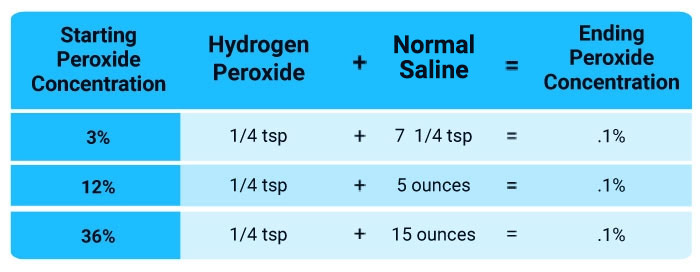
Nebulized hydrogen peroxide is extremely safe, and all you need is a desktop nebulizer and food-grade hydrogen peroxide, which you’ll need to dilute with saline to 0.1% strength. I recommend buying these items beforehand so that you have everything you need and can begin treatment at home at the first signs of a respiratory infection.
In the video above, I go over the basics of this treatment. Be sure to buy a nebulizer that plugs into an electrical outlet, as battery-driven ones are too low-powered to be truly effective. Also make sure your nebulizer comes with a face mask, not just a mouth piece. If it doesn’t come with a face mask, you can pick one up separately. Just search Amazon for “nebulizer face mask for adults.”
- 1 U.S. CDC December 18, 2020
- 2 Anthrax Vaccine January 11, 2021
- 3, 26, 27 Science December 21, 2020
- 4, 10 Children’s Health Defense August 6, 2020
- 5 Anthrax Vaccine Blog Spot January 11, 2021
- 6 Barron’s April 4, 2020
- 7, 8 STAT News January 10, 2017
- 9, 11, 12, 13, 14, 15 SEC.gov November 9, 2018
- 16, 20 ICAN Letter to Dr. Peter Marks, January 5, 2020
- 17, 18 Pharm Nanotechnol. 2018;6(2):81-93. doi: 10.2174/2211738506666180611100416
- 19 PETITION FOR ADMINISTRATIVE ACTION REGARDING CONFIRMATION OF EFFICACY END POINTS AND USE OF DATA IN CONNECTION WITH THE FOLLOWING CLINICAL TRIAL(S)
- 21 Johns Hopkins December 17, 2020
- 22 FDA Briefing Document December 10, 2020
- 23, 24, 25 FDA VRBPAC Meeting Presentation December 17, 2020
- 28 Anal. Chem. 2016, 88, 23, 11804–11812
- 29, 30 The Defender December 21, 2020
- 31, 33, 34 Forbes July 29, 2020
- 32 Reuters July 23, 2020
- 35 “Endogenous Deficiency of Glutathione as the Most Likely Cause of Serious Manifestations and Death in Patients with the Novel Coronavirus Infection”
- 36 International Journal of Infectious Disease 100 (November 2020): 343-49
- 37 PLoS Pathog. 2010 Nov 4;6(11):e1001176. doi: 10.1371/journal.ppat.1001176.
- 38 “Zinc Fact Sheet for Health Professionals,” U.S. Department of Health & Human Services, National Institutes of Health, updated July 15, 2020
- 39 Neuro Endocrinology Letters 27, no. 3 (June 2006): 365-8
- 40 JAMA 2019 Oct 1; 322(13): 1261–1270
- 41 Frontiers in Immunology June 19, 2020 DOI: 10.3389/fimmu.2020.01451
- 42 Journal of Virology Sep 2004, 78 (20) 11334-11339, Antiviral activity of an analog of luteolin
- 43 Bioorg Med Chem. 2006 Dec 15;14(24):8295-306
- 44 Maclean’s February 24, 2020
- 45 Maturitas August 15, 2020 DOI: 10.1016/j.maturitas.2020.08.007 [Epub ahead of print]
- 46 Science, Public Health Policy and The Law July 2020; 1: 4-22 (PDF)
Will this federal lawsuit succeed in FINALLY banning glyphosate?
Reproduced from original article:
https://www.naturalhealth365.com/ban-glyphosate-3708.html
by: Damon Hines, staff writer | January 26, 2021
 (NaturalHealth365) The U.S. Environmental Protection Agency (EPA) is as wishy-washy as a politician making screeching U-turns to ride the political winds. In 2015, the EPA agreed with the foremost cancer authorities in the World Health Organization and recognized that glyphosate “might cause cancer.” Today, the EPA finds the possibility “not likely,” and it’s doubling-down and reaffirming its position on the world’s most popular herbicide despite the countless lawsuits filed against agribusiness and pharmaceutical giant Bayer.
While Bayer recently paid $10.9 billion in legal settlements to 125,000 plaintiffs who claimed Roundup was responsible for their non-Hodgkin lymphoma, the active ingredient in Roundup pesticide – glyphosate – is still widely used in the U.S. But maybe that will FINALLY change. On December 17th, the Center for Food Safety (CFS), representing a broad coalition of farmers, farmworkers, and conservationists, filed opening arguments in its litigation challenging the EPA, as it seeks to ban glyphosate for use or sale because of its unlawful approval.
Since EPA defends glyphosate, who protects the people?
The Center for Food Safety’s lawsuit alleges that the EPA ignored glyphosate’s health risks, disregarded its ecological impact, and failed to consider side effects such as drift damage and the creation of glyphosate-resistant superweeds. Despite its moniker, the Environmental Protection Agency has done nothing to protect farmers, consumers, or the environment, nor has it done anything to slow the toxic spiral of herbicide use.
Glyphosate was first registered for use in 1974, and it is now an active ingredient in over 750 products. According to a study published in the Journal of the American Medical Association, levels of glyphosate in the bodies of people in some regions of the U.S. have soared 1,300% in the past 20 years. Still, while glyphosate’s public profile has been scientifically attacked and maligned over the years, it continues to be used across the U.S. and without warning labels about the potential risk of cancer.
“Day of Reckoning” for Roundup: Will the EPA finally ban the toxic chemical?
Why does the EPA continue to defend glyphosate when juries across America find it causes cancer? Why has the EPA allowed the continued marketing of the pesticide despite its failure to fully assess the harmful impacts on people and the environment? It’s politics as usual, of course. And money. Or better yet … the political winds of money.
Nevertheless, it’s positive to see the reckoning of Roundup and glyphosate might be coming soon. It’s positive to see broad coalitions of farming groups and environmentalists who believe it’s a delusion to think weed control is only possible with poison. Maybe the CFA’s lawsuit will force the EPA to finally carry out its responsibility and ban the toxic agricultural chemical.
Do NOT ignore the health dangers linked to toxic indoor air. These chemicals – the ‘off-gassing’ of paints, mattresses, carpets and other home/office building materials – increase your risk of nasal congestion, fatigue, poor sleep, skin issues plus many other health issues.
Get the BEST indoor air purification system – at the LOWEST price, exclusively for NaturalHealth365 readers. I, personally use this system in my home AND office. Click HERE to order now – before the sale ends.
Until then:
- Eat organic when you can (recent studies show an organic diet can reduce the pesticides in your body by 70%)
- Petition your legislators and rally your community for change
- Exercise your right to vote
Sources for this article include:
Could your “mystery illness” be caused by pesticide poisoning?
Reproduced from original article:
https://www.naturalhealth365.com/pesticide-poisoning-3703.html
by: Damon Hines, staff writer | January 22, 2021
 (NaturalHealth365) Imagine the following scenario: a white cloud of pesticide drifts from a nearby citrus grove and lands on your family’s new jungle gym. Your youngest child gets sick, but the doctor can’t find anything wrong and deems it a “mystery illness.”
Unintentional acute pesticide poisoning is more common than you might think, especially among global farming communities or residents near agricultural centers. But just how bad is it? According to a recent study conducted by the BMC Public Health journal, there are roughly 385 million cases of acute pesticide poisonings around the world each year. This number is up dramatically from the last global assessment in 1990, when there were an estimated 25 million cases.
WARNING: Chronic pesticide exposure linked to a host of serious long-term health challenges
Pesticide poisoning is described as a “slow death.” It has been linked to vomiting, painful skin irritations, debilitating headaches and dizziness, respiratory ailments such as asthma and bronchitis, learning problems, and attention deficit disorders. In fact, a growing body of research indicates that chronic exposure to chlorpyrifos, a controversial neurotoxic pesticide widely used in California’s Central Valley, leads to brain damage in children.
According to the BMC Public Health journal review, the greatest number of non-fatal pesticide poisoning cases occurred in Southern Asia, followed by Southwest Asia and East Africa. Moreover, it’s estimated that there are 11,000 fatalities a year from unintended pesticide poisoning, and roughly 60% of those fatalities take place in India.
While it’s shocking and shameful that pesticide poisoning has gotten worse rather than better in the last 30 years, it’s no surprise, either. As pests’ resistance to old pesticides (DDT, for example) increased, so did Big Ags effort to effectively kill those pests.
Neonics, a class of pesticides first commercialized in the 1990s and popularized by Bayer and Syngenta, not only kill insects and pests but effectively wage war on human health. Today, thanks to neonics and other potent pesticides, America’s agriculture is 48% more toxic than it was 25 years ago.
Do NOT ignore the health dangers linked to toxic indoor air. These chemicals – the ‘off-gassing’ of paints, mattresses, carpets and other home/office building materials – increase your risk of nasal congestion, fatigue, poor sleep, skin issues plus many other health issues.
Get the BEST indoor air purification system – at the LOWEST price, exclusively for NaturalHealth365 readers. I, personally use this system in my home AND office. Click HERE to order now – before the sale ends.
Gambling with lives: Pesticide poisoning is a public health crisis that must be addressed
More than 50 years ago, in her novel Silent Spring, the biologist and ecologist Rachel Carson warned that the war we are waging against nature with toxic pesticides is a war against ourselves. It’s a toxic time-lapse that’s as true now as it was then.
Global action is long overdue. While chemical company lobbying can explain much of the inaction … things can change. We need new policies and protocols. We need to push and petition for bans on dangerous pesticides.
Highly hazardous pesticides need to be phased out, and a shift to healthier and more resilient systems needs to take place. Alternative farming strategies such as agroecology, integrated pest management, bio-control, natural pesticides, and organic agriculture can effectively ensure crop production without poisoning humans or contaminating the soil and water with toxins.
For more information on sound farming practices, check out this NaturalHealth365 Podcast with Jonathan Landsman and Joel Salatin.
Sources for this article include:
1 in 4 pregnancy loss linked to poor paternal health, new study finds
Reproduced from original article:
www.naturalhealth365.com/pregnancy-miscarriage-3689.html
by: Sara Middleton, staff writer | January 10, 2021
 (NaturalHealth365) It might surprise you to hear, but estimates suggest about half of all infertility problems are related to the health of the would-be father. Unfortunately, difficulty getting pregnant isn’t the only risk that poor men’s health can cause for couples who are trying to start a family.
A recent study published in Human Reproduction reveals just how impactful the father-to-be’s health is on the outcomes of pregnancy.
Men should pay attention: Why is pregnancy loss such an issue, according to new research
Pregnancy loss is defined as the death of an unborn baby, which can occur at any point during the pregnancy. Research estimates that the unintended loss of a baby occurs as frequently as 1 out of every 4 pregnancies. (Incidentally, the nation just honored Pregnancy and Infant Loss Awareness Month this past October.)
Now, a new study offers some important insights into why pregnancy loss is so devastatingly common.
The researchers conducted a retrospective analysis of almost one million U.S. pregnancies that occurred between 2009 and 2016. They discovered that if the father was diagnosed with metabolic syndrome – a collection of health problems including obesity, high blood pressure, high cholesterol, and type 2 diabetes – there was a significantly increased risk of pregnancy loss.
Specifically, if men had just one of these components of metabolic syndrome, the risk of pregnancy loss increased by 10 percent. If they had two or three of these components, the risk increased by 15 and 19 percent, respectively.
Do NOT ignore the health dangers linked to toxic indoor air. These chemicals – the ‘off-gassing’ of paints, mattresses, carpets and other home/office building materials – increase your risk of nasal congestion, fatigue, poor sleep, skin issues plus many other health issues.
Get the BEST indoor air purification system – at the LOWEST price, exclusively for NaturalHealth365 readers. I, personally use this system in my home AND office. Click HERE to order now – before the sale ends.
Overall, well over a quarter of pregnancies are likely to end in miscarriage or stillbirth if the man has three or more of these common health issues. Moreover, female partners of unhealthy fathers are even more likely to have ectopic pregnancies – complicated and high-risk pregnancies in which the fertilized egg implants somewhere other than the uterus (90 percent of the time in the fallopian tube).
Fathers-to-be: Here are some top preconception tips for a healthy pregnancy and a healthy baby
To any men out there trying to start or grow a family, the best thing you can do for your partner and your children is to look after your own health. With this in mind, here are some of the top preconception men’s health tips according to the U.S. Centers for Disease Control and Prevention:
- Get to and maintain a healthy weight. Obesity is associated with increased male infertility as well as other long-term health complications (e.g., type 2 diabetes, heart disease, and cancer) that can threaten a man’s ability to support his family.
- Stop smoking. Did you know pregnant women exposed to secondhand smoke are 20 percent more likely to give birth to a low birth weight baby?
- While you’re at it, give up or curb your other vices, too. Excessive alcohol intake and the use of other drugs (legal or otherwise) are known to impair men’s fertility.
- Avoid exposure to common environmental toxins, which are found in things like synthetic chemicals, metals, fertilizer, bug spray, and animal feces.
- Be sure to talk to your partners about your life goals, values, and reproductive plans. Be on the same page, shore up any relationship conflicts, and work together to maintain effective communication and minimize stress.
While a lot of these tips seem to make intuitive sense, it is helpful to keep them in mind – especially since a lot of people only think about women’s health when it comes to preconception preparedness.
Sources for this article include:
Eurekalert.org
Semanticscholar.org
Pregnancybirthbaby.org.au
CDC.gov
ACOG.org
Nationalshare.org
Stanfordchildrens.org
Worried about breast cancer? Discover 9 common chemicals that increase your risk
Reproduced from original article:
www.naturalhealth365.com/common-chemicals-breast-cancer-3680.html
by: Joy Jensen, staff writer | January 2, 2021
 (NaturalHealth365) “Every woman in America has been exposed to chemicals that may increase her risk of getting breast cancer,” according to a comprehensive scientific review performed by the Silent Spring Institute and published in the journal Environmental Health Perspectives.
The study highlights 17 families of chemicals that women get exposed to on a daily basis … and provides healthy ways for women to reduce their cancer risk.
Breast cancer warning … we hope women are listening
According to co-author Julia Brody, “the link between toxic chemicals and breast cancer has largely been ignored. Reducing chemical exposures could save many, many women’s lives.”
The researchers reviewed the scientific literature and found 102 different chemicals that have been shown to cause mammary tumors in animals. Since cancer-causing substances are similar in animals and humans, the researchers believe that most of these toxic chemicals are likely to cause breast cancer in women as well.
Thankfully, the researchers found tests to measure exposure are accessible to any medical professional, for nearly 75% of all the chemicals – with many of the remaining chemicals identifiable with slight modifications to existing tests.
A closer look at the most toxic chemicals
Organohalogens or flame retardant chemicals have now been added to nearly every piece of furniture sold in the U.S. Yet, they’re untested, ineffective, and toxic to homeowners, all while driving up cancer rates for firefighters, in particular.
Do NOT ignore the health dangers linked to toxic indoor air. These chemicals – the ‘off-gassing’ of paints, mattresses, carpets and other home/office building materials – increase your risk of nasal congestion, fatigue, poor sleep, skin issues plus many other health issues.
Get the BEST indoor air purification system – at the LOWEST price, exclusively for NaturalHealth365 readers. I, personally use this system in my home AND office. Click HERE to order now – before the sale ends.
In the 1990s, Swedish scientists raised red flags when they discovered that flame-retardant compounds used widely throughout the world were building up in mothers’ breast milk.
In California, female firefighters aged 40 to 50 have breast cancer rates nearly six times the national average for that age group. That’s due to the state’s early adoption of flame retardants – which have taken root nationwide at slower rates. Any furniture with polyurethane foam contains flame retardants.
Ethylene chloride and other organic solvents were identified as causing mammary gland tumors. Uses include dry cleaning, hair spray propellant, soil fumigants, food processing, gasoline additives, and paint and spot removers.
Fortunately, many of these identifiable cancer-causing agents can be avoided and, as you keep reading, you’ll find that the solutions are easy to implement.
Phthalates and parabens, banned by the European Union in 2003, are a group of chemicals commonly used as preservatives in cosmetics and pharmaceuticals. They keep hairsprays sticky and bacteria and fungus out of things like nail polish and perfume.
Both have demonstrated themselves to be carcinogenic and particularly linked to breast cancer.
Aluminum chlorohydrate can be found in antiperspirant deodorants. Aluminum is known to have a genotoxic profile, capable of causing both DNA alterations and epigenetic effects, and this would be consistent with a potential role in the formation of tumors of the breast.
Triclosan and triclocarban are antibacterial chemicals and known endocrine disruptors found in cosmetics, soap, deodorant, sponges, toothpaste, cutting boards, shoes, towels, and clothes. According to a recent study published in the American Chemical Society’s (ACS) journal, Chemical Research in Toxicology, triclosan is linked to the growth of breast cancer cells.
Perfluorooctanoic acid (PFOA) is part of a larger class of chemicals known as perfluorinated compounds (PFCs). PFCs, and PFOA in particular, are the bases for non-stick coatings on cookware, stain guards on clothing, upholstery, and carpet, and waterproof clothing.
Waterways and groundwater near manufacturing plants tend to have high PFOA concentrations. Exposure to these compounds has been associated with delayed menstruation, later breast development, and increased incidence of breast cancer.
Zeranol, a synthetic growth hormone, has been used by the United States and Canadian beef industry since the 1950s to speed up the process of fattening animals. It is of special concern since it mimics the hormone estradiol.
Scientists recently exposed cancer cells to zeranol-treated beef, and the results showed significant increases in cancer growth. Economic and health concerns have led the European Union to ban the use of these hormones in their own meat-production systems and to ban imports of hormone-treated beef – including meat from the United States, since 1989.
Styrene can leach from polystyrene – a component of Styrofoam food trays, egg cartons, disposable cups, and carryout containers – when heated, worn, or put under pressure. Styrene is an animal mammary carcinogen and is possibly carcinogenic to humans.
Believe it or not, food processing companies use styrene as a flavoring agent in foods like ice cream and candy. In addition, Styrofoam plates and cups are used in both households and restaurants throughout the United States.
Polyvinyl chloride (PVC) is used to produce food packaging material. When PVC is made, vinyl chloride may be released into the air or wastewater. This was one of the first chemicals designated as a known human carcinogen and has been linked to increased mortality from breast cancer and liver cancer among workers involved in the manufacturing process.
Let’s focus on breast cancer prevention strategies
Obviously, you’ll want to know, “how do I reduce my exposure to these cancer-causing substances?” I’m glad you asked!
Avoid buying stain-resistant rugs and fabrics. Buy all-natural cleaning products and cosmetics. Stay clear of dry cleaners or use all-natural (“green”) dry cleaners. And, of course, limit your exposure to gasoline fumes and exhaust from diesel fuel.
Use a high-quality water purification system or a solid carbon block. One of the best on the market is a Berkey. And, best of all, you don’t need electricity for this type of purification unit.
In addition, remove your shoes before entering the house and use a vacuum with a HEPA filter. In terms of air quality, use a high-quality air filter or, if you can’t afford an air filter, surround yourself with lots of indoor house plants to purify the air. For example, you can buy a “Spider” or “Rubber Tree” plant.
Naturally, above all, look for organic – locally grown, if possible – fruits and vegetables, grass-fed animal products, and get your dairy from pasture-raised cows or goats.
Sources for this article include:
Medicalnewstoday.com
Healthline.com
NIH.gov
Real COVID RISK: Common metal found in cigarettes and fertilizers linked to increase risk of death from flu and pneumonia
Reproduced from original article:
www.naturalhealth365.com/risk-of-covid-heavy-metals-smoking-3676.html
by: Sara Middleton, staff writer | December 29, 2020
 (NaturalHealth365) If you know any cigarette smokers in your life, there is no better time than now to encourage them to quit. Why? Because even though there have yet to be specific studies looking at the impact of SARS-CoV-2 on people who smoke, plenty of prior research on other viral diseases suggests that smokers are probably at an increased risk of COVID complications and premature death.
This makes intuitive sense, of course; smoking damages your lungs and increases systemic inflammation. But, what many people might not realize is that increased heavy metal exposure is one of the significant smoking risks, too – and unfortunately, even nonsmokers may be risk of it, too.
COVID warning: Toxic heavy metal found in food and tobacco products being linked to a higher risk of death from viral respiratory illnesses
Cadmium is a naturally occurring metal. And, yes, it’s found in high concentrations within tobacco products as well as other common goods such as, batteries and fertilizer. Because of its widespread presence in the environment, cadmium can easily seep into soil and water via pollution – and therefore leech into plants and animals we eat.
Unfortunately, long-term chronic exposure to cadmium increases the risk of health problems including kidney, bone and (notably) lung disease, according to the Occupational Health and Safety Administration (OHSA).
Recently, a team of researchers from the University of Michigan School of Public Health published the results of their study in Environmental Health Perspectives. They wanted to clarify if and how heavy metal exposure could contribute to severe COVID illness.
The researchers had to look to earlier research to support their hypothesis, given the current lack of peer-reviewed studies on heavy metals and COVID-19. To do this, they assessed health data of 16,000 people who took part in the U.S. National Health and Nutrition Examination Survey from 1988-1994 or 1999-2006.
Do NOT ignore the health dangers linked to toxic indoor air. These chemicals – the ‘off-gassing’ of paints, mattresses, carpets and other home/office building materials – increase your risk of nasal congestion, fatigue, poor sleep, skin issues plus many other health issues.
Get the BEST indoor air purification system – at the LOWEST price, exclusively for NaturalHealth365 readers. I, personally use this system in my home AND office. Click HERE to order now – before the sale ends.
Specifically, the researchers looked at cadmium levels in both smokers and nonsmokers from this large sample. After adjusting for factors like age, sex, race, weight, cholesterol, and blood pressure readings, the researchers determined:
- People with 80 percent higher levels of cadmium than all others were 15 percent more likely to die of the flu or pneumonia compared to people in the bottom 20 percent of cadmium levels
- Even in nonsmokers, those with the highest levels of cadmium exposure were 27 percent more likely to die of viral infections compared to people with lower levels of the metal
Overall, their analysis confirms earlier research showing that exposure to cadmium – whether through food or cigarettes – increases the risk of serious illness or death from the flu and pneumonia. Their research supports the idea that this heavy metal could also be contributing to current pandemic deaths, and that by reducing heavy metal exposure for all people (whether they smokers or not) is an important public health measure.
Action step: Here are some of the foods most likely to absorb heavy metals, according to research
Other than not smoking, you might be able to reduce your risk of cadmium exposure by avoiding certain foods known to contain high levels of it. These foods include:
- Animal organs such as liver and kidneys
- Soybeans
- Cereals
- Rice
- Leafy veggies including spinach and lettuce
- Other veggies including carrots, radishes, and zucchini
Of course, you don’t have to swear off veggies forever. Other plants, such as cabbage and broccoli, generally have lower levels cadmium yet very high levels of protective antioxidants – so consider working these into your weekly diet more often.
The key here is to have a variety of healthy, organic plant-based foods to reduce your overall risk of exposure to heavy metals. Being well-hydrated with clean water (daily) and occasionally doing an effective detoxification program – throughout the year – is not a bad idea either.
When it comes to animal-based foods, eat only the highest quality possible from grass-fed or pasture-raised sources. Naturally, there are always pros and cons to every food choice … but, making the effort to eat (and live) better is certainly worth it.
Sources for this article include:
Studyfinds.org
NIH.gov
NIH.gov
NIH.gov
OHSA.gov
Tandfonline.com
Sciencemag.org
Crime against humanity: Toxic hog waste lagoons created by industrial farming practices
Reproduced from original article:
www.naturalhealth365.com/crime-toxic-hog-waste-3663.html
by: Damon Hines, staff writer | December 18, 2020
 (NaturalHealth365) North Carolina’s hog industry creates over 19,000 jobs and $10 billion annually for the state. But pigs are a dirty business. In fact, the state’s 9.5 million hogs produce over 10 billion gallons of waste, and the giant pink pools that dot the Tar Heel landscape – waste lagoons of untreated pig feces and urine – are not only a massive problem for the environment but a serious and life-threatening public health hazard.
Industrial waste lagoons can carry a toxic stew of E. coli, salmonella, cryptosporidium, and other dangerous bacteria. When the lagoons overflow and floodwaters become mixed with waste, bacteria can flow into the rivers and streams or contaminate groundwater, which is the main source of drinking water for over three million North Carolinians.
Instead of installing alternatives to waste lagoons or implementing safer solutions to combat waste and pollution, North Carolina’s industrial farms want to profit from hog waste under the guise of “renewable energy.”
Toxic hog waste agenda: What are they really hiding from the public?
There are roughly 4,000 pig farm waste lagoons in the state of North Carolina. Under normal conditions, these lagoons produce noxious and dangerous gases. Studies have shown that people living near these lagoons are at a greater risk of asthma, anemia, kidney disease, high-blood pressure, eye-irritation, diarrhea, depression, and certain cancers.
Now, Smithfield Foods wants to use the state’s hog waste lagoons to capture, transport, and sell the methane they produce. The proposed project, however, is a false solution, a corporate greenwash under the guise of “renewable energy.”
The $500 million joint venture with Dominion Energy, which includes creating industrial-sized biogas to cap the waste lagoons, capture the methane, and transport it through 30 miles of pipeline to a processing plant, is just another example of corporate greed at the expense of public health and the environment.
Do NOT ignore the health dangers linked to toxic indoor air. These chemicals – the ‘off-gassing’ of paints, mattresses, carpets and other home/office building materials – increase your risk of headaches, dementia, heart disease and cancer.
Get the BEST indoor air purification system – at the LOWEST price, exclusively for NaturalHealth365 readers. I, personally use this system in my home AND office. Click HERE to order now – before the sale ends.
The toxic dangers of methane capturing
Methane capturing doesn’t eliminate the health risks to nearby communities. It not only produces a host of other pollutants, but according to Ryke Longest, the co-director of the Environmental Law and Policy Clinic at Duke University, “hundreds of other air and water pollutants remain uncaptured and are emitted untreated by the lagoon and sprayfield system to the environment and the communities which surround these facilities.”
The process of methane capturing also creates excessive concentrations of ammonia, which poses a high risk to those living in the area, especially if there are severe storms or spills (14 waste lagoons flooded in 2016 when Hurricane Matthew deluged North Carolina).
At North Carolina State University researchers have found several safer waste-disposal methods, including one that converts nitrogen in waste into harmless nitrogen gas and uses another process to eliminate harmful bacteria.
So why try to capture and sell waste lagoon methane at all, especially when there are safer and less toxic solutions to North Carolina’s waste lagoon issues? Two words: corporate greed.
What can we do to combat corporate greed and the toxic crimes of industrial farming?
- Support small, local and family-owned farms
- Join community, grassroots cooperatives that support local agriculture
- And, of course, buy organic – as much as possible
Together, we can make this world a better place and – never forget – our efforts really can make a difference.
Sources for this article include: