Supplements
now browsing by category
Can Astragalus Help Slow Cellular Aging from the Inside Out?
Reproduced from original article:
https://articles.mercola.com/sites/articles/archive/2026/02/27/astragalus-benefits-anti-aging-longevity.aspx
Analysis by Dr. Joseph Mercola February 27, 2026
Story at-a-glance
- Astragalus is a traditional medicinal root that has regained scientific attention because it targets core drivers of aging such as oxidative stress, chronic inflammation, metabolic strain, and declining cellular repair, rather than masking surface-level symptoms
- Research shows astragalus supports cellular health by strengthening antioxidant defenses, calming low-grade inflammation, and stabilizing immune function, helping your cells stay resilient under ongoing biological stress
- Several studies link astragalus compounds to telomerase activity and telomere maintenance, which helps preserve your tissues’ ability to renew and repair as you age
- Animal and laboratory research suggests astragalus improves physical function, stress resistance, and internal aging markers, indicating benefits that extend beyond appearance to strength, mobility, and metabolic stability
- When used consistently alongside habits that reduce cellular damage, such as limiting seed oils and controlling blood sugar swings, astragalus supports health span by helping your body maintain function, repair capacity, and structural integrity over time
What if a root that Chinese physicians have prescribed for over 2,000 years turns out to target the exact cellular processes that modern science now identifies as the core drivers of aging? That’s the question researchers are asking about Astragalus membranaceus — and the early answers are intriguing.
Traditional Chinese medicine used astragalus, a flowering plant in the legume family, specifically for “qi deficiency” — symptoms we might now describe as fatigue, weakened immunity, and poor stress resilience. Remarkably, these are precisely the functions modern research shows astragalus supports at the cellular level.
Aging isn’t just about wrinkles or gray hair. It reflects cumulative damage at the cellular level, characterized by declining energy production, chronic low-grade inflammation, impaired tissue repair, and gradual shortening of telomeres, the protective caps at the ends of chromosomes.
Think of telomeres like the plastic tips on shoelaces — they prevent the ends from fraying. Each time a cell divides, these protective caps get slightly shorter. When they become too short, the cell can no longer divide properly, much like a shoelace that’s lost its tip and starts to unravel. You experience this as thinner skin, slower wound healing, reduced immune resilience, and a higher burden of chronic disease over time.
Astragalus has caught researchers’ attention because it doesn’t just address one symptom — it appears to influence the core processes that drive aging itself. Rather than framing aging as an inevitable decline, current astragalus research focuses on preserving function — keeping cells responsive, tissues repairable, and immune defenses steady under stress.
Astragalus Works Where Aging Starts — Inside Your Cells
A review published in Nutrients examined whether astragalus affects the biological processes that drive aging at the cellular level, not just surface-level changes.1 Instead of testing a short-term supplement plan, researchers analyzed a broad body of laboratory, animal, and limited human data to see how astragalus interacts with oxidative stress, inflammation, immune signaling, and tissue repair.
• Skin aging turned out to be a window into whole-body decline — Researchers treated skin as a visible model of internal aging, explaining that skin cells face the same stressors as the heart, brain, and immune system. Collagen loss, thinning, and slower healing on the surface often reflect deeper cellular strain throughout your body. By studying skin, the authors were able to track how astragalus influences connective tissue integrity and repair processes that extend well beyond appearance.
• Telomere protection stood out as one of the most unusual effects — Here’s where astragalus gets genuinely interesting: it appears to activate telomerase, the enzyme that rebuilds your telomeres. Most cells in your adult body have this enzyme switched off — it’s like having a repair kit you can’t access. Astragalus compounds seem to help unlock that kit, particularly in cells under stress.
• Astragalus reduced the slow burn of chronic inflammation — Low-grade inflammation quietly drives tissue breakdown as you age. The researchers reported that astragalus compounds lowered inflammatory messengers by suppressing a central inflammation switch inside cells. By calming this constant inflammatory pressure, astragalus supports healthier tissue maintenance rather than forcing your body into constant repair mode.
• Oxidative damage dropped across multiple systems — Oxidative stress refers to excess reactive oxygen molecules that damage DNA, cell membranes, and proteins over time.
Astragalus compounds boosted the activity of your body’s built-in antioxidant enzymes — your cellular cleanup crew — and reduced signs that cell membranes were being damaged by oxidative stress. When oxidative damage drops, you’re protecting the same cellular machinery that keeps your brain sharp, your energy steady, and your immune system responsive — the functions that tend to slip as birthdays accumulate.
• The real payoff was health span, not lifespan hype — Astragalus supports resilience by improving immune balance, protecting connective tissue, reducing sugar-driven protein stiffening, and easing metabolic stress. The strongest benefits appeared in aging or stressed tissues, reinforcing the idea that astragalus helps preserve function and stability as your body faces increasing biological load over time.
Traditional Herbs Reveal How Aging Cells Are Slowed at the Source
A paper published in the journal Aging explored how traditional Chinese herbs interfere with cellular senescence, the process where cells permanently stop dividing and repairing tissue.2 Senescent cells are essentially “zombie cells” — they’re not dead, but they’ve stopped doing useful work.
Worse, they release inflammatory signals that damage neighboring healthy cells, creating a domino effect of dysfunction. This is why a cut that healed in days when you were 20 now lingers for weeks. It’s why colds hit harder and last longer. It’s part of why your skin loses its bounce and your metabolism seems to have downshifted.
• Astragalus emerged as one of the most consistently protective herbs — Among many traditional herbs examined, Radix astragali, the dried root of Astragalus membranaceus, stood out for its broad effects across multiple aging pathways. Its main compounds acted on telomerase activity, oxidative stress, inflammation, mitochondrial health, metabolism, and gut balance.
• Telomere preservation was a central antiaging mechanism — The review described multiple studies showing that astragalus compounds increase telomerase activity, the enzyme that maintains telomere length.
In stressed cells exposed to high glucose, radiation, or aging signals, astragalus compounds restored telomerase activity, reduced DNA damage signaling, and delayed cell shutdown. This supports longer-lasting repair capacity in tissues that constantly renew, such as skin, blood vessels, and immune cells.
• Oxidative stress and inflammation were reduced at their control points — Aging cells produce excess reactive oxygen species, which damage DNA, proteins, and mitochondria. Astragalus compounds lowered oxidative stress markers and increased antioxidant enzymes while calming inflammatory pathways. Instead of simply blocking inflammation, astragalus improved immune balance, reducing the chronic inflammatory background that accelerates tissue breakdown as you age.
• Mitochondria, metabolism, and gut health were tightly connected — Astragalus improved mitochondrial function, restored energy production, and reduced mitochondrial damage by activating repair pathways. It also improved glucose and fat metabolism, reduced sugar-driven tissue damage, and reshaped gut bacteria toward more beneficial species that produce short-chain fatty acids (SCFAs).
These gut-derived compounds lower inflammation and oxidative stress throughout the body, linking digestion, energy, immunity, and aging into one system that astragalus helps stabilize. Together, this research shows that astragalus and related traditional herbs slow cellular aging by keeping cells functional, energized, and repair-capable, rather than letting damage accumulate unchecked.

Save This Article for Later – Get the PDF Now
Astragalus Tea-Style Extract Helped Flies Stay Stronger and Live Longer
A study published in Rejuvenation Research similarly tied astragalus to longer life and better day-to-day function.3 Researchers tested a water-based “tea-style” extract made from astragalus root for fruit flies. Because flies age fast, scientists can see lifespan and performance changes in weeks instead of decades. The team looked at survival, movement, food intake, stress resistance, and biochemical markers to map out what improved and why.
• The “sweet spot” dose extended lifespan and boosted physical performance — At 1.25 mg/mL, the astragalus extract significantly extended male flies’ lifespan in a natural aging model and improved mean, median, and maximum lifespan versus controls.
Even more relevant to your daily life, the same dose improved climbing ability, a simple but powerful proxy for strength, coordination, and nervous-system function as the flies aged. Think of climbing as the fly version of getting up from a chair, walking steadily, and having enough “get-up-and-go” to stay active.
• Stress tests showed major protection when the body is under oxidative attack — The researchers challenged flies with hydrogen peroxide and paraquat, two chemicals that sharply increase oxidative stress. With 1.25 mg/mL astragalus extract, the flies tolerated these stressors far better, with large gains in survival metrics under both challenges.
• Astragalus helped keep an aging-related signal from rising — When researchers measured how aging changed the flies’ internal chemistry, they saw clear shifts that normally happen as cells get older. Flies given astragalus showed a pattern that looked closer to younger flies rather than older ones.
One change stood out: levels of glutamate, a naturally occurring substance involved in metabolism and cell signaling, usually rise with age and cellular stress. Astragalus stopped that typical increase. In simple terms, it helped keep an internal aging marker from drifting upward over time instead of letting it steadily climb.
• The main benefit came from strengthening the body’s own cleanup defenses — Rather than acting like a single “magic” ingredient, astragalus worked by boosting the body’s built-in antioxidant systems. In lab tests, the extract neutralized harmful free radicals directly, and inside the flies it increased the activity of key protective enzymes. These enzymes act like a cleanup crew, breaking down damaging byproducts before they harm cells.
While fruit flies seem far removed from human health, their rapid aging makes them invaluable for identifying compounds that affect fundamental biological processes — processes that are remarkably conserved across species, including humans. The strength, stress resistance, and metabolic improvements seen in these studies align closely with what researchers observe when they examine astragalus effects across the full range of body systems.
Astragalus Supports Multiple Body Systems
A review published in Aging and Disease explored astragalus in terms of how it supports “health span,” meaning the years you stay functional, mobile, and resilient, not just alive.4 Instead of treating aging like one problem, the researchers map astragalus onto several well-known aging drivers — telomere shortening, oxidative stress, immune dysregulation, metabolic problems, and mitochondrial strain — then summarize experimental and clinical findings tied to those pathways.
The paper emphasizes outcomes people care about: vascular aging (how fast blood vessels stiffen), brain aging (memory and neuron protection) and cancer-related pathways, alongside broader immune and metabolic effects.
Astragalus emerged as a multitarget approach because its main compound groups — polysaccharides, flavonoids, and saponins — act on different body systems at the same time. Polysaccharides are complex carbohydrates that interact with immune cells; flavonoids are plant pigments with antioxidant properties; saponins are compounds that give some plants their bitter taste and appear to affect cell signaling.
• Oxidative stress support shows up repeatedly — Astragalus extracts support antioxidant defenses and reduce markers tied to oxidative damage in animal models of restricted blood flow affecting the heart and brain.5 Less cellular “rust” is linked to better tissue integrity as the years stack up.
• Immune remodeling is a central theme — The review describes astragalus as immunoregulatory — not just “stimulating” — with effects reported on both innate immunity (first-line defense) and acquired immunity (T cells and antibodies). One of the most intriguing highlights is a proprietary extract from astragalus root that the researchers link to “age-reversal” effects in parts of the immune system, including shifts away from senescent immune cells in certain settings.
• The paper connects astragalus to brain, vessel, and cancer pathways, with a “risk management” mindset — The authors summarize research on neurodegeneration and memory models, including findings in animals showing less memory impairment and less degeneration-related damage in the brain when astragalus extracts or compounds are used in experimental settings.
They also describe vascular-related effects (heart and circulation models) and a wide range of anticancer findings, often tied to immune regulation and signaling pathways that influence inflammation, cell survival, and abnormal growth.
How to Support Your Cellular Health with Astragalus
The research is promising, but how do you actually use astragalus effectively? The key is understanding that cellular aging speeds up when repair systems can’t keep pace with daily stress. Here’s how to give your cells the best chance to stay ahead.
1. Use astragalus as a long-term cellular support, not a quick fix — Astragalus works on slow biological processes such as telomere maintenance, antioxidant defense, and immune regulation. Its key compounds act at the level where cells divide, repair, and age. Take astragalus daily with food for at least three months before evaluating results, since telomere and mitochondrial changes happen gradually.
Track improvements in energy levels, skin texture, and recovery time from illness or exercise as practical indicators that the compound is working. Most clinical studies use between 500 milligrams (mg) and 2,000 mg of standardized astragalus root extract daily. Traditional preparations often involve simmering 9 to 30 grams of dried root slices in water for 20 to 30 minutes.
2. Strengthen your body’s antioxidant systems — Oxidative stress damages DNA, proteins, and cell membranes as you age. Astragalus polysaccharides increase the activity of natural antioxidant enzymes and glutathione-related pathways. Pair astragalus with foods rich in sulfur compounds, such as pastured eggs and grass fed beef, to give your body the raw materials for glutathione production.
Avoid seed oils and fried foods that flood your system with linoleic acid (LA) and overwhelm these protective pathways. High intake of seed oils increases the oxidative burden your cells face daily — the very burden astragalus helps your body manage.
Reducing seed oil intake while using astragalus creates a synergistic effect: you’re both lowering the assault and strengthening the defense. Consider adding astragalus tea or decoction made from dried root slices as a traditional preparation method that extracts water-soluble polysaccharides effectively.
3. Calm chronic inflammation without weakening immune defense — Persistent low-grade inflammation accelerates aging by breaking down tissues and exhausting repair capacity. Astragalus regulates immune signaling by lowering excessive inflammatory messengers while supporting protective immune function. To amplify this effect, eliminate seed oils and other LA-rich processed foods that trigger inflammatory cascades.
Get morning sunlight exposure to regulate circadian rhythms that influence immune balance. If you deal with frequent infections or autoimmune tendencies, start with lower doses and increase gradually while monitoring how your body responds.
4. Support skin and connective tissue from the inside out — Skin aging reflects deeper structural changes throughout your body. Astragalus compounds reduce enzymes that degrade collagen and support the fibroblasts that maintain tissue strength. For topical benefits, look for natural creams containing astragalus extract and apply them after cleansing. Research shows 28 days of consistent use improves hydration and elasticity.6
From the inside, ensure adequate collagen intake by consuming bone broth, which provides the raw materials that astragalus helps your body assemble and protect. Avoid sun exposure during peak hours (10 a.m. to 4 p.m.) until you have eliminated seed oils from your diet for at least six months, as high LA levels in skin increase susceptibility to sunburn.
5. Limit sugar-driven tissue stiffening through metabolic support — Glycation occurs when sugars bind to proteins like collagen and elastin, making tissues stiff and fragile. You’ve seen glycation in your kitchen — it’s the browning that happens when you caramelize onions or toast bread. The same chemical reaction happens slowly inside your body, making arteries stiffer, skin less supple, and joints creakier.
Astragalus polysaccharides improve insulin sensitivity and reduce this sugar-driven damage. Keep your carbohydrate intake targeted to your activity level and microbiome health, aiming for around 250 grams daily for most adults. Choose whole fruits and properly prepared starches rather than refined sugars. Monitor your fasting insulin and calculate your HOMA-IR score periodically to track metabolic improvements.
When blood sugar stays stable, less glycation occurs, and astragalus compounds work more effectively to protect your tissues. When astragalus is used consistently alongside habits that reduce unnecessary cellular strain, it supports repair, resilience, and structural stability, helping your body maintain function as biological stress accumulates over time.
FAQs About Astragalus
Q: What is astragalus, and why is it linked to aging research?
A: Astragalus is a flowering plant in the legume family whose dried root has been used in traditional Chinese medicine for more than 2,000 years. Modern research links astragalus to aging-related processes because its compounds interact with cellular pathways involved in oxidative stress, inflammation, immune balance, metabolism, and telomere maintenance, which are central drivers of age-related decline.
Q: Does astragalus slow aging or extend lifespan?
A: Current evidence doesn’t show that astragalus guarantees longer life. The evidence points to health span support: astragalus helps preserve the cellular functions that keep you energetic, resilient, and able to bounce back — qualities that typically erode with age.
Q: How does astragalus work inside my body?
A: Astragalus contains polysaccharides, flavonoids, and saponins that act on multiple systems at once. Research links these compounds to stronger antioxidant defenses, reduced chronic inflammation, improved metabolic regulation, healthier mitochondrial function, and support for telomerase activity, the enzyme involved in maintaining telomere length.
Q: Who may benefit most from using astragalus?
A: Studies suggest the strongest effects appear in aging or stressed systems, including declining immune function, increased oxidative stress, metabolic strain, or slower tissue repair. Astragalus is generally studied as a long-term support rather than a short-term intervention and isn’t intended to treat acute illness.
Q: Is astragalus safe, and are there situations where it should be avoided?
A: Astragalus is generally considered safe when used appropriately and has a long history of traditional use. However, very high doses may suppress immune activity. People who are pregnant, nursing, taking immune-suppressing medications, or managing autoimmune conditions should consult a qualified health care professional before using astragalus.
Black Cumin Oil’s Benefits Come with a Linoleic Acid Tradeoff
Reproduced from original article:
https://articles.mercola.com/sites/articles/archive/2026/02/09/black-cumin-seed-oil-linoleic-acid.aspx
Analysis by Dr. Joseph Mercola February 09, 2026

Story at-a-glance
- Black cumin seed oil has a long history of traditional use, and its benefits trace to thymoquinone. However, it also contains the omega-6 fat linoleic acid (LA), which exposes you to risks that may outweigh its benefits
- Thymoquinone makes up only about 0.1% to 0.9% of black cumin seed oil, so obtaining meaningful amounts through this oil requires consuming substantial quantities of LA
- Black cumin seed oil contains roughly 50% to 62% LA by weight, placing it in the same high-LA category as other vegetable oils, such as cottonseed oil
- Typical dosing of 1 to 3 teaspoons daily delivers roughly 2.5 to 7.5 grams of LA, representing a meaningful increase over an already elevated modern baseline intake
- Standardized thymoquinone extracts are a better alternative, commonly sold as 5%, 10%, or 20% formulations. These allow you to obtain benefits from a traditional remedy without the LA burden
For thousands of years, black cumin (Nigella sativa, sometimes also referred to simply as “black seed oil”) has been used across the Middle East, North Africa, South Asia, and the Mediterranean as part of traditional medical systems, particularly during periods of illness and physical strain. Modern research has identified thymoquinone as the compound responsible for many of its observed effects.1
But here’s the problem — while thymoquinone has documented therapeutic effects, delivering it through black cumin seed oil introduces a metabolic burden that may outweigh those benefits, particularly in a modern environment already saturated with metabolic stressors. Recognizing the difference between the compound and the oil is important, especially if your goal is long-term health.
What Research Shows About Thymoquinone’s Activity
Before we get into the composition of black cumin oil, let’s look at the benefits of thymoquinone itself. This bicyclic aromatic quinone comprises only 0.1% to 0.9% of black cumin oil by weight, or roughly 1 to 9 milligrams (mg) per gram of oil. Studies evaluating the effects of isolated thymoquinone have found that it has the following biological actions:2,3,4
• Antioxidant protection — Thymoquinone increases the activity of endogenous antioxidant systems that protect cells from oxidative damage. Animal and cellular studies show higher levels and activity of enzymes such as superoxide dismutase, catalase, and glutathione-related defenses following thymoquinone administration, alongside reductions in lipid peroxidation markers such as malondialdehyde.
• Modulation of inflammatory signaling — The compound inhibits nuclear factor kappa B (NF-κB) activation and reduces cyclooxygenase-2 (COX-2) expression, two molecular switches that drive chronic inflammatory responses when persistently activated. In animal models of inflammation, thymoquinone administration was also found to decrease tissue levels of proinflammatory cytokines.
• Direct antimicrobial activity — Thymoquinone disrupts bacterial cell walls and membranes, interferes with microbial reproductive cycles, and strengthens host immune defenses. Research documents effectiveness against both Gram-positive organisms (such as Staphylococcus aureus, Bacillus subtilis, and Listeria monocytogenes) and Gram-negative bacteria (such as Escherichia coli, Pseudomonas aeruginosa, and Salmonella).
• Metabolic and cellular stress responses — Thymoquinone influences systems inside your cells that help manage energy use and respond to physical stress. These systems include metabolic “sensors” that adjust how cells handle fuel when demand rises or when damage needs to be controlled.
In animal studies, thymoquinone has been associated with steadier blood sugar markers, improved control of oxidative stress, and reduced signs of tissue strain when the body is challenged by toxins, inflammation, or metabolic disruption.
• Hepatoprotective effects — Multiple animal studies demonstrate that thymoquinone reduces biochemical markers of liver injury and improves antioxidant status in models of chemically induced liver damage. These effects include normalization of liver enzymes, restoration of glutathione levels, and reduced histological signs of tissue injury, indicating direct cellular protection rather than indirect systemic effects.
• Regulation of programmed cell death in abnormal cells — In cancer-related experimental models, thymoquinone has been shown to influence apoptotic pathways by altering the balance of pro- and antiapoptotic proteins, activating enzymes called caspases that carry out this process, and affecting mitochondrial signaling. These effects have been observed across multiple cancer cell types in controlled experimental settings.
Why Black Cumin Seed Oil Raises Concern
If thymoquinone is beneficial, you may be wondering why, then, I don’t recommend black cumin seed oil as the way to obtain this compound. The explanation comes down to composition. Black cumin oil is made up of roughly 50% to 62% linoleic acid (LA) by weight, which means that more than half of every teaspoon you consume consists of LA, regardless of how the oil is produced or positioned for use.
• The oil’s LA content may vary by region, but always remains high — Analysis of black cumin oil from different geographic origins reveals LA content of approximately 58% in Chinese-sourced seeds and as high as 61% in Ethiopian varieties. This means that to obtain meaningful amounts of thymoquinone from black cumin seed oil, you will also consume substantial amounts of LA.
• Comparable to other problematic seed oils in fatty acid makeup — When placed alongside other commonly discussed seed oils, black cumin oil aligns closely with oils already recognized for their high LA content. Cottonseed oil, for example, contains approximately 50% to 55% LA. It’s one of the oils your body handles least efficiently, and research has linked it to rising rates of coronary heart disease.5
• LA from black cumin oil is metabolized the same as any other seed oil — The body does not distinguish LA from different sources. Once consumed, LA from black cumin oil enters the same inflammatory and oxidative pathways as LA from soybean, corn, or cottonseed oil. Its “natural” or “medicinal” label doesn’t change its impact on metabolism.
• Historical use does not offset biochemical reality — Discussions around black cumin oil often highlight its traditional applications or therapeutic folklore. But health outcomes are shaped by biochemical exposure, not historical narrative. The oil’s fatty acid profile is what determines how it affects the body — not its place in ancient medicine.
• Quantifying the LA burden — Supplement guidance commonly suggests 1 to 3 teaspoons of black cumin oil daily, which corresponds to approximately 5 to 15 milliliters (mL) of oil. At an LA content of around 55%, a single teaspoon, or about 5 mL, delivers roughly 2.5 grams of LA. Increasing the dose to 3 teaspoons raises that amount to approximately 7.5 grams per day.
To put those numbers into context, historical dietary data show that LA intake increased from roughly 7 grams per day to about 15 grams per day during the period preceding the rise in chronic heart disease. Adding 2.5 to 7.5 grams of LA through black cumin oil supplementation represents an increase of approximately 15% to 50% on top of existing intake.
Taken together, these figures make the classification clear. Black cumin seed oil is a high-LA seed oil by composition, exposure level, and metabolic contribution. Understanding this classification allows you to evaluate its use based on measurable intake rather than on historical reputation, setting the stage for a more informed discussion about how and when such an oil fits into a long-term health strategy.
Save This Article for Later – Get the PDF Now
How LA Undermines Your Health
LA is an omega-6 polyunsaturated fat (PUF) that played only a minor role in the human diet for most of history. Your body needs it in very small amounts — about 1% to 2% of daily calories cover biological requirements. However, LA makes up more than 15% to 25% of the typical American’s caloric intake today, largely because processed vegetable oils like soybean, corn, and canola dominate packaged foods and restaurant meals.
I consider LA the most damaging ingredient in the modern diet and have published extensively on its effects across multiple peer-reviewed publications. My landmark paper in the World Journal of Clinical Oncology detailed the mechanisms through which chronic LA exposure drives disease processes at the cellular and systemic levels.6
• Your body builds LA directly into your tissues — Unlike carbohydrates or many proteins that are quickly burned or excreted, LA becomes a structural component of cell membranes, lipoproteins, and intracellular organelles. Once incorporated, it remains biologically active for extended periods and participates in metabolic processes that influence energy production, redox balance, and cellular signaling.
• LA breaks down easily during normal metabolism — As your body uses oxygen to produce energy, LA oxidizes and forms highly reactive byproducts known as oxidized linoleic acid metabolites (OXLAMs). These include molecules such as 4-hydroxynonenal, which bind to proteins, DNA, and membrane lipids.
These reactions interfere with normal cellular operations by altering enzyme activity, damaging structural proteins, and disrupting signaling pathways that regulate growth, repair, and programmed cell death.
• Mitochondria take a direct hit from LA oxidation — Mitochondrial function relies on the electron transport chain (ETC), proteins that create ATP. When your diet is rich in LA, it becomes embedded in the inner mitochondrial membrane. LA deposited here oxidizes readily, damaging the ETC protein complexes, interfering with electron flow, and lowering ATP output. This raises cellular stress and weakens energy production at its source.
• Oxidation products spread beyond the mitochondria — These reactive compounds do not stay contained. They circulate through tissues and contribute to whole-body oxidative stress and chronic low-grade inflammation. Research shows they impair insulin signaling in fat tissue, drain antioxidant reserves like glutathione in the liver, and damage lipoproteins in ways that promote further oxidation.
• A defining feature of LA is its exceptionally long half-life in tissues — Once stored in adipose tissue and cellular membranes, LA has a half-life of approximately two years, meaning it can take several years for levels to meaningfully decline even after your intake is reduced. This is why metabolic disturbances linked to excess LA often continue long after dietary changes begin.
Because LA turns over so slowly in the body, any increase in intake adds to the existing cellular burden rather than clearing quickly. Raising LA exposure through supposed therapeutic sources like black cumin seed oil only contributes to membrane instability, mitochondrial strain, and oxidative load that isolated bioactive compounds cannot reverse.
To learn more about how LA fuels rising rates of chronic disease, I encourage you to check out my recent paper or read “Linoleic Acid and Its Links to Chronic Disease.”
Better Ways to Manage Chronic Disease
Managing chronic disease risk means choosing approaches that support repair and stability without quietly adding to the same burdens you are trying to reduce. Here’s an alternative way to obtain the benefits of thymoquinone, along with additional strategies that make chronic disease management easier:
1. Use standardized thymoquinone extracts — Thymoquinone is widely available in concentrated extract form, which allows you to obtain the compound without the LA load that comes with whole black cumin seed oil.
These extracts are produced with defined levels of standardization, making intake more predictable and avoiding the need to consume large amounts of oil to reach meaningful doses. Commercial formulations commonly include:
• 5% thymoquinone extracts, providing roughly 10 mg of thymoquinone per 200 mg capsule
• 10% thymoquinone extracts, offering higher concentrations in the same capsule size
• 20% thymoquinone extracts, which can deliver approximately 25 to 65 mg per capsule
2. Choose anti-inflammatory foods — Diets heavy in processed seed oils, refined sugars, or ultraprocessed foods place constant strain on inflammatory and metabolic systems. Shifting toward whole, minimally processed foods helps reduce this and supports the same metabolic and signaling pathways targeted by bioactive compounds like thymoquinone.
3. Vary supportive plant compounds rather than relying on a single one — Your body responds better when different plant-derived compounds are used over time instead of repeating the same input every day. Rotating herbs such as ginger, turmeric, and garlic across the week engages a wider range of antioxidant and inflammatory pathways.
4. Give your mitochondria extra support — Your cells need a steady rhythm of light, activity, and rest to stay strong. Get sunlight daily — but to protect your skin, avoid midday exposure until you’ve eliminated vegetable oils for at least six months. This not only boosts vitamin D but also helps your mitochondria create energy. Walk often, add some resistance training, and move your body every day — you don’t need to be an athlete, just consistent.
Protect your sleep as much as you protect your diet. And consider niacinamide, a simple B vitamin, at 50 milligrams three times a day. It helps your mitochondria clear out the backlog of unused fuel, restoring clean energy production. This step is inexpensive, safe, and one of the fastest ways to get your system running smoothly again.
5. Clear out everyday toxins from your food, water, and home — The chemicals you eat, drink, and breathe add up over time. Filter your water to reduce heavy metals, fluoride, and industrial contaminants. Remove plastics and synthetic chemicals that disrupt your hormones, and swap harsh cleaners and artificial fragrances for natural options. Lowering this daily burden gives your body more room to do its normal cleanup and repair work.
These steps keep your attention on the root causes of chronic disease — oxidative stress, inflammation, poor metabolic signaling, and weakened immune balance — and give you tools you can use every day to support long-term health. For more strategies, check out “Global Death Rates from Chronic Disease Decline While US Progress Stalls.”
Frequently Asked Questions (FAQs) About Black Cumin Oil
Q: Why is black cumin seed oil a health concern if it’s being promoted for health benefits?
A: Black cumin seed oil contains a beneficial compound called thymoquinone, but the oil itself is made up of about 50% to 62% linoleic acid (LA). When you take the oil to obtain thymoquinone, you also increase your LA intake, which adds to your overall metabolic burden. That matters if your goal is long-term health rather than short-term effects from a single compound.
Q: Does the body handle LA differently if it comes from a “medicinal” oil?
A: Your body processes LA based on its chemical structure, not its source or traditional use. LA from black cumin seed oil enters the same metabolic pathways as LA from soybean, corn, or cottonseed oil.
Q: How much LA do I actually get from black cumin seed oil?
A: A typical dose of 1 teaspoon of black cumin seed oil provides roughly 2.5 grams of LA. Three teaspoons provide about 7.5 grams. When you compare that to historical intake levels, this represents a significant increase on top of what you are likely already consuming from your regular diet.
Q: What makes LA such a concern for long-term health?
A: LA becomes part of your cell membranes and other tissues after you consume it. Because it turns over very slowly, it can take years for tissue levels to decline even after intake is reduced. During that time, it remains chemically active and prone to oxidation, contributing to ongoing metabolic stress and increased risk of chronic disease.
Q: Is there a way to get thymoquinone without increasing my LA intake?
A: Yes. Thymoquinone is available in standardized extract form, which delivers the compound without the LA load present in black cumin seed oil. Standardized extracts contain defined concentrations of thymoquinone, such as 5%, 10%, or 20%.
Berberine and Diabetes — How It Works, What the Studies Show, and Safe Dosing
Reproduced from original article:
https://articles.mercola.com/sites/articles/archive/2026/02/04/berberine-benefits-blood-sugar-diabetes.aspx
Analysis by Dr. Joseph Mercola February 04, 2026

Story at-a-glance
- A 2022 meta-analysis of 37 randomized trials found that berberine lowered glycated hemoglobin by 0.63% and fasting glucose by 0.82 mmol/L, with consistent results across diverse patient groups
- Earlier researchers also highlighted how berberine lowers blood sugar and harmful blood fats while also reducing liver fat and markers linked to kidney damage
- Berberine limits fat cell development and dampens inflammation as well, effects that may support weight control and improved insulin sensitivity
- In a 13-week randomized study, researchers showed that berberine’s blood sugar-lowering abilities are on par with the effects of the diabetes drug metformin
- Clinical studies support taking 500 mg of berberine with meals up to three times daily, starting with lower doses and increasing gradually; however, there are safety precautions to keep in mind
Berberine has a legacy that spans more than 2,200 years1 — this bitter, golden compound has been a cornerstone of traditional medicine across China, India, and the Middle East.2 Initially prized for its ability to combat infections and inflammation, berberine’s blood sugar-lowering effect was first noted in 500 AD, and was rediscovered in 1988 when diabetic patients given berberine to treat diarrhea experienced improved blood sugar control.3
This plant-derived alkaloid’s unique ability to impact everything from metabolic health to immune defenses has turned it into a subject of growing global interest, inspiring researchers to uncover even more of its wide-reaching benefits.
The Common Thread Behind Berberine’s Benefits
Before we look at the clinical studies, it helps to understand one well-established biological pathway that explains why berberine is so often discussed in metabolic research. In particular, alkaloids like berberine are capable of activating the AMP-activated protein kinase (AMPK) signaling pathway.4
The AMPK pathway is widely described in scientific literature as the body’s internal energy sensor. Its role is to monitor cellular energy levels and help regulate how the body uses and stores fuel. When cellular energy is low, AMPK becomes activated. Once turned on, it helps the body:
• Increase glucose (sugar) uptake into cells
• Promote fat burning over fat storage
• Reduce glucose production in the liver
• Lower inflammation and oxidative stress
This shared pathway is frequently highlighted in research on berberine and other natural compounds for their ability to support metabolic balance. If you want to know how this happens, read “The Neuroprotective Benefits of Berberine,” where I go into detail on the whole process of AMPK activation.
Berberine Safely Lowers Blood Sugar
A 2022 systematic review and meta-analysis published in Frontiers in Pharmacology examined 37 randomized controlled trials involving 3,048 patients with Type 2 diabetes to evaluate the glucose-lowering effects and safety of berberine.5 Researchers assessed berberine’s impact on fasting plasma glucose (FPG), glycated hemoglobin (HbA1c), and two-hour postprandial blood glucose (2hPBG), as well as its safety profile compared to standard oral hypoglycemic agents (OHAs).
• Berberine significantly lowered blood sugar markers — Across all studies, berberine reduced FPG by an average of 0.82 mmol/L, HbA1c by 0.63%, and 2hPBG by 1.16 mmol/L. These improvements were statistically significant and consistent across subgroups with different baseline glucose levels.
• Effectiveness linked to baseline glucose — Patients with higher starting FPG and HbA1c saw greater reductions, suggesting berberine’s benefits are most pronounced in individuals with poorly controlled diabetes.
• Safety profile was favorable — Berberine did not increase the risk of adverse events or hypoglycemia. In fact, the risk of hypoglycemia was lower compared to some conventional drugs, likely because berberine’s insulin-stimulating effect is glucose-dependent.
Save This Article for Later – Get the PDF Now
Berberine Reduces Cholesterol and Has Protective Qualities
A separate earlier review in Acta Pharmaceutica Sinica B examined how berberine helps manage Type 2 diabetes and related metabolic complications. Researchers analyzed clinical trials, animal studies, and lab experiments to uncover its effects and mechanisms.6 They reviewed data from newly diagnosed Type 2 diabetes patients, individuals with poorly controlled diabetes, and animal models of both Type 1 and 2 diabetes.
• Berberine lowers blood sugar as effectively as metformin — In clinical studies, patients taking 0.5 grams of berberine two to three times daily showed significant drops in fasting blood glucose and A1c levels.
• It also improves cholesterol and lipid profiles — Multiple trials showed berberine reduced triglycerides by up to 35%, total cholesterol by 29%, and low-density lipoprotein (LDL) cholesterol by 25%. It also decreased fat buildup in the liver, helping patients with fatty liver disease.
• Berberine reduces sugar absorption in the gut — Acting as an alpha-glucosidase inhibitor, berberine slows carbohydrate breakdown and limits sugar spikes after meals. This gut-level action further helps with post-meal blood sugar control.
• May repair damaged insulin-producing cells or islets — In early-stage diabetes, berberine lowers insulin levels by improving sensitivity. In later stages, it may help restore beta-cell function, offering hope for patients with poor insulin production.
• Protects organs and reduces complications — In animal studies, berberine improved blood flow and reduced irregular heart rhythms by increasing nitric oxide (NO) production. It also lowered markers of kidney damage, suggesting protective effects against diabetic nephropathy.
Berberine Supports Weight Management
A 2023 review published in Biology examined how berberine influences fat storage. The study details mechanisms that could explain berberine’s potential to promote healthy weight management and enhance insulin sensitivity.7
• Berberine boosts GLP-1, a hormone linked to appetite and blood sugar — This alkaloid increases levels of glucagon-like peptide-1 (GLP-1), a gut hormone that helps the pancreas release insulin after meals and may promote feelings of fullness. Higher GLP-1 levels are associated with better blood sugar control and appetite regulation.
• It blocks new fat cell formation — Berberine reduces the activity of key transcription factors that normally turn precursor cells into fat cells. By interrupting this process, berberine may help prevent excess fat buildup, especially in organs like the liver.
• Calms inflammation from visceral fat — Excess belly fat releases inflammatory signaling molecules such as tumor necrosis factor-alpha (TNF-α), interleukin-6 (IL-6), and monocyte chemoattractant protein-1 (MCP-1). These substances interfere with how insulin works. Berberine helps suppress their release, improving insulin response and metabolic balance.
• Slows fatty acid production — Berberine reduces the expression of enzymes like fatty acid synthase (FAS) and acetyl-CoA carboxylase (ACC), which are involved in making new fat. This supports healthier lipid metabolism and may also help reduce fat accumulation in the liver.
For more insights on how berberine can be a helpful tool for reducing your weight, read “Is This a Natural Option for Harmful ‘Skinny’ Injections?”
A Promising Natural Berberine Derivative
In a randomized phase 2 trial published in JAMA Network Open in March 2025, researchers tested a compound, berberine ursodeoxycholate (HTD1801), for its ability to control blood sugar in overweight or obese adults with Type 2 diabetes. The study compared two doses of HTD1801 with placebo over a 12-week period.8
• High-dose HTD1801 lowered blood sugar significantly — The participants were randomly assigned to receive either a placebo, low-dose HTD1801 (500 milligrams twice daily), or high-dose HTD1801 (1,000 mg twice daily). The researchers found that patients taking 1,000 milligrams twice daily saw HbA1c drop by 1 percentage point, fasting glucose fall by about 20 mg/dL, and after-meal glucose decrease by about 23 mg/dL.
This effect was significantly greater than placebo and approached the efficacy of common diabetes drugs like metformin.
• More patients reached treatment targets — 55.9% of patients in the high-dose group achieved A1c below 7.0%, compared with just 15.2% in the placebo group. Nearly 30% of treated patients reached below 6.5%, a target often associated with remission thresholds. The participants given HTD1801 also had better insulin sensitivity and reduced total and LDL cholesterol levels, pointing to wider metabolic benefits beyond glucose control.
• An ideal solution for patients seeking natural options — HTD1801 combines berberine with ursodeoxycholate, a bile acid that helps absorption and supports liver health. If confirmed in larger studies, it may be recommended to people who prefer plant-based therapies or can’t tolerate metformin.
Metformin vs. Berberine — Similarities and Differences
In a pilot clinical study published in Metabolism (2008), researchers from Shanghai Jiaotong University and Pennington Biomedical Research Center investigated how berberine compares to metformin, one of the most common diabetes drugs prescribed today.9 Researchers enrolled 84 adults with Type 2 diabetes: 36 who were newly diagnosed and received either berberine or metformin, and 48 whose blood sugar remained high despite existing treatments and received berberine as an add-on.
• Berberine matched metformin in lowering blood sugar — Among the newly diagnosed group, berberine led to significant improvements: HbA1c dropped from 9.5% to 7.5%, fasting glucose from 10.6 to 6.9 mmol/L, and post-meal glucose from 19.8 to 11.1 mmol/L — nearly identical to the reductions seen with metformin.
• Insulin resistance improved dramatically — In a second group of 48 patients with poorly controlled diabetes, adding berberine to their existing treatments lowered fasting insulin by 28% and improved insulin sensitivity (HOMA-IR) by 45%, suggesting berberine enhances how well the body uses insulin.
• Comparable safety profile with some GI side effects — About one-third of patients reported mild digestive issues like bloating or diarrhea, mostly in the first few weeks. No liver or kidney damage was observed. The researchers noted that reducing the dose from 500 to 300 mg per dose helped most patients tolerate it better.
• A potential new class of oral anti-diabetic agents — Unlike metformin and sulfonylureas, berberine is chemically distinct and works through different mechanisms. The authors suggest berberine may improve glucose metabolism by increasing glycolysis and reducing sugar absorption in the gut — offering a complementary or alternative approach to current drugs.
Berberine and metformin both help lower blood sugar, but they work in slightly different ways. This table breaks down how they compare — from how well they lower A1c and cholesterol, to side effects and regulatory status:
| Feature | Berberine | Metformin |
|---|---|---|
| How it works | Helps cells burn sugar and fat (AMPK); affects gut and sugar breakdown | Reduces liver sugar production; also activates AMPK and affects the gut |
| Average A1c drop | About 0.6% on average; larger drops in newly diagnosed patients | About 1.0% to 2.0%, depending on the dose |
| Cholesterol effects | Can lower triglycerides and total cholesterol in some people | Modest drops in triglycerides and LDL cholesterol |
| Digestive side effects | Some people report bloating or constipation; newer forms cause fewer issues | Nausea and diarrhea are common at first, but often improve with gradual dosing |
| Evidence strength | Many small to medium studies; new versions still in development | Backed by decades of strong clinical trials and real-world data |
Although metformin remains the most commonly prescribed oral medication for managing Type 2 diabetes today, there’s emerging research about its side effects, some of which are concerning. For example, long-term use has been associated with vitamin B12 deficiency. Recent research has also demonstrated how taking metformin can reduce the benefits of exercise.
What the Research Says So Far
Across the discussed studies, berberine has consistently showed its ability to lower blood sugar, improve insulin sensitivity, and reduce LDL cholesterol and triglycerides — benefits that rival some prescription drugs. While not yet a mainstream therapy in Western medicine, it holds strong appeal for those exploring plant-based alternatives or complementary treatments.
The table below summarizes key outcomes from five major studies evaluating berberine’s impact on blood sugar, insulin resistance, lipids, and safety profile:
| What was measured | Study type and details | Results (effect size and timeframe) | Source |
|---|---|---|---|
| HbA1c (long-term blood sugar control) | Meta-analysis of 37 RCTs (3,048 patients) | Average drop of 0.63% in HbA1c; stronger effects in people with higher baseline levels | Frontiers in Pharmacology (2022)10 |
| Fasting and post-meal blood sugar | Same meta-analysis as above | Fasting glucose dropped by 0.82 mmol/L (~15 mg/dL); post-meal sugar by 1.16 mmol/L | Frontiers in Pharmacology (2022)11 |
| Newly diagnosed Type 2 diabetes | 13-week RCT; 500 mg berberine 3x/day | HbA1c dropped by 2%; fasting glucose by 3.8 mmol/L; post-meal glucose by 8.8 mmol/L | Metabolism Journal (2008)12 |
| Berberine derivative (HTD1801) | 12-week Phase 2 RCT; 1,000 mg twice daily | HbA1c dropped by 1.0%; fasting glucose dropped ~20.5 mg/dL; improved cholesterol; fewer GI side effects | JAMA Network Open (2025)13 |
| Cholesterol and triglycerides | Clinical reviews and human trials | Triglycerides ↓ up to 35%; LDL ↓ 25%; total cholesterol ↓ 29%; less liver fat (NAFLD improvement) | Acta Pharmaceutica Sinica B14 |
How To Take Berberine
Berberine can be an effective aid for controlling blood sugar and cholesterol, but to achieve optimal results, proper intake is important. Like any supplement, the way you take it and the brand you select can significantly impact its effectiveness.
1. Don’t take it on an empty stomach — Studies recommend taking berberine three times daily with meals — breakfast, lunch, and dinner. Consuming it with food can help lessen digestive discomfort and enhance absorption.15
2. Titrate slowly for better gut tolerance — If you’re new to berberine, begin with a small dose, such as 300 to 500 mg once daily, and gradually increase to two or three times per day as tolerated.16
3. Look for third-party testing — Select supplements that show the United States Pharmacopeia (USP) or NSF International certification or provide a Certificate of Analysis (COA) from an accredited laboratory. These documents verify the product’s purity, potency, and absence of contaminants like lead and harmful bacteria.17
4. Talk to your doctor — Even though berberine is generally safe, it can interact with medications, especially those used to treat blood sugar, blood pressure, or cholesterol. If you’re currently taking prescription drugs or managing a condition like diabetes, kidney disease, or liver issues, talk to your doctor before adding berberine to your routine.18
|
4 safety tips when taking berberine |
|
Is Berberine Safe for Everyone?
Berberine can offer big benefits, but just like any supplement, it’s not one-size-fits-all. Before you add it to your daily routine, here are a few things to watch out for to make sure it’s the right fit for your body.19
• Digestive issues are the most common side effect — Many people notice common symptoms like nausea, bloating, constipation, or diarrhea when they begin.
• Avoid if pregnant, breastfeeding, or very young — Berberine isn’t recommended for pregnant or nursing women, as it may cross the placenta or enter breastmilk. It should also not be used in infants or young children, due to possible safety concerns in developing systems.
• Be careful if you take other medications — Berberine can interact with drugs like metformin, blood thinners, cyclosporine, and statins. It uses some of the same liver enzymes as these medications, which can alter their processing.
Berberine Offers Promise for Diabetes Care
Berberine may play a valuable role in supporting Type 2 diabetes, however, many trials to date have been short-term, typically lasting no longer than 12 weeks.20 To understand how berberine works over the long run, scientists are calling for larger, longer clinical trials.
Improved absorption is another research priority. Some newer formulations, such as HTD1801, combine berberine with bile acids to increase bioavailability and reduce side effects. Early trials show encouraging results, but these need confirmation in larger studies.21 Once more research has been conducted, berberine could evolve from a niche supplement into a meaningful part of Type 2 diabetes management.22
Frequently Asked Questions (FAQs) About Berberine and Diabetes
Q: Does berberine lower A1c in people with Type 2 diabetes?
A: Yes. In a 2022 meta-analysis of 37 randomized controlled trials, berberine lowered HbA1c (hemoglobin A1c) by an average of 0.63 percentage points. People with higher starting A1c saw even greater drops.
Q: How does berberine work to improve insulin resistance?
A: Berberine activates AMPK (AMP-activated protein kinase), an enzyme that helps cells burn sugar and fat for energy. It also reduces liver sugar production and improves the function of your gut and mitochondria.
Q: Berberine vs. metformin — Which is more effective for blood sugar?
A: Metformin is the most widely used diabetes medication approved by the U.S. Food and Drug Administration (FDA). It usually lowers HbA1c by 1 to 2%. Berberine may show similar results in some cases — especially in newly diagnosed patients.
Q: What dose was used in studies, and how should it be taken?
A: Most clinical trials used 500 milligrams of berberine, taken three times a day with meals. If side effects like gas or diarrhea occurred, the dose was reduced to 300 mg per meal.
Q: How quickly does berberine start working?
A: Changes in FPG and HbA1c were often seen by weeks 4 or 5. Most studies saw full benefits after 12 to 13 weeks of consistent use.
Q: Can you combine berberine with prescription diabetes drugs?
A: Some studies added berberine to existing medications and saw extra benefits. But because it can further lower blood sugar, always speak with your doctor to avoid hypoglycemia or low blood sugar.
Q: Does berberine help with weight loss or cholesterol?
A: Berberine lowered LDL, triglycerides, and total cholesterol in many studies. While weight-loss effects varied, it reduced fat buildup and inflammation in some trials.
- 1 JOID, Volume 1, No. 1, February 2025
- 2, 7 Biology (Basel). 2023 Jul 8;12(7):973
- 3, 6, 14 Acta Pharm Sin B, 2012;2(4):327-333
- 4 Front Pharmacol. 2025 Feb 3:16:1534634
- 5, 10, 11 Front Pharmacol. 2022 Nov 16:13:1015045
- 8, 13, 20, 21 JAMA Netw Open. 2025 Mar 3;8(3):e2462195
- 9, 12, 15, 22 Metabolism. 2008 May; 57(5): 712–717
- 16, 18, 19 Cleveland Clinic, June 10, 2025
- 17 Supernatural Man’s Vitality Blog, February 26, 2025
Why Herbal Supplements Are Facing Increased Scrutiny Today
Reproduced from original article:
https://articles.mercola.com/sites/articles/archive/2026/01/17/herbal-supplements-new-compliance-rules.aspx
Analysis by Dr. Joseph Mercola January 17, 2026

Story at-a-glance
- Almost 80% of Americans take supplements — and that number keeps growing. It’s no surprise supplements are everywhere. Herbal products alone bring in more than $12 billion a year
- The U.S. supplement industry is raising safety standards without banning trusted herbs. Experts advocate for clearer rules, improved testing, and consumer protection while maintaining access to beneficial natural products
- Europe is reversing course, with new European Union (EU) rules possibly requiring reformulations, restricting online sales, and limiting access to ingredients like ashwagandha
- Supplements have an exceptional, long-standing safety record, with serious adverse effects being rare compared to many medications
- In contrast to pharmaceuticals, which carry FDA-mandated “black box” warnings for known lethal risks, there has never been a confirmed death recorded as the direct result of taking a dietary supplement as intended
Over 70% of Americans take supplements today, and that number continues to rise.1 This modern trend has deep historical roots: For thousands of years, people have relied on plants and herbs for healing, with evidence stretching back at least 5,000 years in Egyptian medical texts and Ayurvedic traditions.2
Ancient remedies are reemerging in new forms as researchers examine their effects, and companies develop convenient products for daily use. The industry’s growth highlights a renewed interest in natural health. Annual sales of herbal supplements climbed past $15 billion in 2024, according to the American Botanical Council’s 2023 Herb Market Report — a $533 million increase from the previous year.3
As more consumers turn to botanicals, regulators are responding. Some countries are tightening controls, while others focus on improving safety without pulling products from shelves.
What’s Changing in the US Supplement Landscape
A panel of industry leaders featured in Nutritional Industry Executive’s (NIE) Winter 2025 Roundtable discussed the current state of the U.S. supplement industry.4 They shared recent wins, emerging risks, and how regulators and companies are shaping the future of natural health.
• The FDA reversed its nicotinamide mononucleotide (NMN) ruling after industry pushback — In September 2025, the U.S. Food and Drug Administration (FDA) reversed course on NMN, reclassifying it as a lawful dietary supplement after a two-year ban. This landmark decision followed a joint citizen petition from the Natural Products Association (NPA) and Alliance for Natural Health USA.5
“FDA has moved back to accepting NMN as a dietary supplement … NMN is now in great shape to be sold and marketed by reputable brands,” said Jim Emme, CEO of NOW Health Group.
• Industry leaders support clearer rules and guidelines — Across the board, U.S. experts favor firm but fair standards. Dr. Daniel Fabricant, president & CEO of the NPA, commented:6
“NPA is committed to supporting Secretary Kennedy’s goals while remaining wary of proposals with unintended consequences that would stymie dietary ingredient innovation, impose undue burdens on our members, or restrict access to legitimate dietary supplement products.”
• Economic pressure is reshaping ingredient sourcing — Tariffs are driving up costs and complicating long-term supply planning, especially for herbs sourced overseas. Loren Israelsen, president of the United Natural Products Alliance (UNPA), shared her thoughts:7
“It’s not a good situation. The most common concern I hear is the level of uncertainty that the tariff policy has created. We had several problems. Traditionally, the average tariff rate for natural ingredients was between 0 and 6 percent.
Today, we’re now looking at numbers ranging from 35 to 100 percent depending on the country. So, we have a tremendous increase, very suddenly. We also have a policy and procedural question of how the White House is conducting tariff and trade policy. Previously, tariff rates were a long, drawn-out process.”
• FSA and HSA reform could be a game-changer — Leaders also discussed IRS proposals that would let consumers use Flexible Spending Accounts (FSA) and Health Savings Accounts (HSA) to buy supplements without needing a doctor’s note. “It would be the single best thing we could do to help reduce the cost of products,” Israelsen said.8
• MAHA opens the door for natural health expansion — The Make America Healthy Again (MAHA) initiative, led by Secretary Robert F. Kennedy Jr., is elevating national attention to nutrition, clean ingredients, and preventive wellness. Many believe this could lead to better acceptance of natural products — as long as the reforms stay focused on access, not restriction.
• What’s next for the industry? — In the next six months, leaders expect changes to tariffs, clearer guidance from the FDA on Generally Recognized as Safe (GRAS) standards and New Dietary Ingredient (NDI) rules, and updates to ingredient approval pathways.9
Many hope for fewer restrictions to encourage innovation, while others see more scrutiny and a stronger push for clinically proven formulas. Karen Howard, CEO and executive director of the Organic & Natural Health Association (ONHA) said:10
“Realistically, our challenges remain the same, only bolstered with steroids. If the industry wants to affect true change, it needs to listen and learn from what the retailer and the customer want and need, and deliver it in full.”
The U.S. supplement industry is prioritizing quality and self-regulation by investing in testing, sustainability, and third-party verification. Industry leaders are advocating for smarter oversight that protects consumers and preserves access to trusted herbs.
Why Europe Is Taking a Harder Line on Herbal Supplements
Meanwhile, in the European Union (EU), a wave of new regulations is reshaping the supplement market. In her Substack page Einfodemic, Maia Romanowska, an infodemic expert,11 explains how the 2025 changes mark a sharp pivot toward safety-first policies, particularly targeting herbal products and natural health claims.
• Stricter labeling and health claims — Only health claims approved by the European Food Safety Authority (EFSA) can appear on packaging, and traditional herbal claims need to include a clear disclaimer: “This claim is based on traditional use and has not been evaluated by EFSA.” Labels are now required to show full ingredient details, standard dosage, usage warnings, and nutrient reference values to improve transparency and consumer trust.12
• Ingredient bans and restrictions — Several botanicals are under review for safety concerns. Alpha-lipoic acid (ALA) may face a full ban, monacolins from red yeast rice could be heavily restricted, and high-dose green tea extracts and Garcinia cambogia are flagged for liver risk.13
• Tighter oversight of botanicals — National authorities can now demand reformulation or removal of products using high-risk herbs or non-approved claims.14
• Focus on sustainability and novel foods — New ingredient applications are required to include safety, bioavailability, and sustainability data. Plant-based formats like vegan softgels, phytosomes, and eco-friendly formulations are being prioritized as the EU pushes for greener innovation in supplements.15
• Stricter rules for online and cross-border sales — Supplements sold online to EU consumers, even from outside the EU, need to meet safety and labeling laws. Under the Digital Services Act (DSA), platforms like Amazon and eBay are liable for listing banned or non-compliant products, tightening enforcement.16
• Risk of a black market — Critics warn that overly strict rules could push consumers toward unregulated websites and foreign sellers, where products may contain unsafe or mislabeled ingredients. The EU plans to counter this with stronger enforcement, consumer education, and transparency campaigns.17
• Penalties for non-compliance — Products that fail to meet 2025 standards can be recalled, seized at customs, or banned from future sales. Companies may face heavy fines, sanctions, and even legal liability for consumer harm, making compliance a top priority for manufacturers.18
• Impact on traditional systems — Natural remedies from Ayurveda or Traditional Chinese Medicine (TCM) can still be sold in the EU, but they need to comply with all safety, labeling, and claim requirements. Ingredients not used in the EU before 1997 require Novel Food approval, and all traditional-use claims are required to carry the correct disclaimer.19
The EU is moving toward a safety-first, claim-limited model that may block consumer access to popular supplements. While their intent is protection, the result could be over-regulation of low-risk herbs, such as ashwagandha.
Save This Article for Later – Get the PDF Now
How the EU’s Regulatory Crackdown Is Affecting Popular Herbal Remedies
Following these broader shifts, the RegASK 2023 to 2025 Global Regulatory Overview20 shows that Europe is already targeting herbal supplements like ashwagandha with outright bans. The data paints a picture of rising pressure and fragmented enforcement.
• Denmark lit the fuse in 2023 — In April 2023, Denmark became the first EU country to ban ashwagandha outright, forcing all products off shelves after a risk review flagged hormonal and reproductive concerns.21
Within months, other nations began weighing restrictions. France issued warnings for vulnerable groups, Germany launched ongoing safety evaluations, and Sweden and Finland signaled possible action. The U.K. took a “wait-and-see” approach, demanding more data instead of an immediate ban.22
• Poland chose limits, not bans — While Denmark pulled the plug, Poland opted for a science-based compromise: capping ashwagandha at 3 grams (g) per day for root powder and 10 milligrams (mg) per day for standardized extracts.23
• Ashwagandha isn’t alone — Regulators are also targeting kratom, Tongkat Ali, and high-dose green tea extracts, citing liver toxicity and hormonal risks. Menopause herbs such as black cohosh, red clover, and dong quai are also under review.24
• Why the crackdown? — Ashwagandha’s popularity led to bans due to complex chemistry and reports of adverse events, often from contaminated products. Critics say these bans ignore the root issue: adulteration and poor-quality manufacturing.25
• Business impact is brutal — Companies face recalls, reformulation costs, and the nightmare of managing multiple product versions for different countries. One regulatory executive summed it up: “We went from managing one European formula to juggling eight different versions. The complexity alone nearly broke our operations team.”26
• How to stay ahead — Experts recommend three strategies: build bulletproof safety documentation, use real-time regulatory intelligence to anticipate changes, and diversify formulations so you’re not dependent on a single “hero” ingredient.27
What You Need to Know About Ashwagandha
Ashwagandha (Withania somnifera) is often talked about as a stress supplement, but that label barely scratches the surface. This herb affects multiple systems in the body, which is why it shows up in research on stress, hormones, brain health, inflammation, and recovery. To understand why ashwagandha has become so popular and remains a focus of scientific research, it’s helpful to consider its actual effects within the body.
• Ashwagandha has a 3,000-year medical track record — Ashwagandha translates to “smells like a horse” — a nod to its ability to promote stamina, vigor, and strength. But its other name, somnifera, meaning “sleep-inducing,” hints at its calming, sedative effects.28
In Ayurvedic medicine, ashwagandha is classified as a rasayana, an elixir used to promote health and longevity.29 It’s been used for everything from infertility and arthritis to cognitive decline and adrenal exhaustion.30
• This adaptogen helps your body normalize stress — Unlike synthetic stimulants or sedatives, ashwagandha supports the body’s stress response by stabilizing cortisol, balancing hormones, and modulating inflammation.31
• Its traditional uses cover a wide range of health concerns — In countries where Ayurveda is widely practiced — such as India, Nepal, and Malaysia — ashwagandha is used to treat inflammation, weakness,32 and sexual health issues in both men and women. Some texts even call it beneficial for “almost all disorders that affect human health.”33 Below are just a few of its most common applications:
◦ Improving stamina and energy levels
◦ Gastric ulcers and digestive issues
◦ Parkinson’s, Huntington’s, and Alzheimer’s disease
◦ Mitochondrial health and cellular repair
◦ Chronic inflammation
◦ Rheumatoid and osteoarthritis
◦ Muscle strength and physical recovery
◦ Lowering blood sugar levels
Additional uses recorded by herbal groups like the American Botanical Council include support for:34
◦ Memory loss and brain fog
◦ Childhood emaciation and fever
◦ Nervous exhaustion
◦ Impotence, seminal debility, and uterine tone
◦ Emphysematous dysphonia
◦ Colds and chills
If you want to know more about Ashwagandha’s great benefits, check out “Ashwagandha for Cognitive Function.”
Nutritional Supplements Have a Remarkable Safety Profile
Although a balanced diet is still the best way to maintain optimal wellness, many people, especially those dealing with stress, chronic conditions, or limited diets, often need help meeting their daily nutrient requirements.35 This is where supplements come in handy.
Nutritional supplements, which include vitamins, minerals, herbs, enzymes, amino acids, and probiotics, help fill nutritional gaps or support the body during stressful and busy times. They’re available in many forms (capsules, powders, teas, and gummies)36 and, when used thoughtfully, can contribute to healthier habits and better overall well-being.
Supplements are often portrayed as risky or loosely regulated. But when you look at the actual safety data, a very different picture emerges.
• They’re linked to far fewer deaths than prescription drugs — Despite frequent warnings about supplement risks, deaths associated with dietary supplements are extraordinarily rare37,38 when compared to pharmaceutical drugs. According to a 2012 analysis by the UK-based Alliance for Natural Health International (ANHI):39
“Nutritional supplements are the safest foodstuffs available; adverse reactions to pharmaceutical drugs are 62,000 times more likely to kill you than nutritional supplements.”
The ANHI calculated that the lifetime risk of dying from an herbal product or dietary supplement is less than 1 in 10 million — roughly the same odds as being struck by lightning. By contrast, prescription medications are consistently listed among the leading causes of death in developed countries.
• There is no confirmed record of deaths caused directly by supplements — In contrast to pharmaceuticals, which carry FDA-mandated “black box” warnings40 for known lethal risks, there has never been a confirmed death recorded as the direct result of taking a dietary supplement as intended.
• Media scares about supplements have repeatedly fallen apart — One high-profile example occurred in 2015, when CBC News aired a Marketplace report41 claiming that several supplement companies failed to meet label claims. Within two months, CBC was forced to issue a retraction after independent verification showed the testing methods were flawed and unreliable.42
• Supplements are regulated like food, not drugs — A common misconception is that dietary supplements are “unregulated.”43 In reality, they are regulated under a different framework. In the U.S., the FDA oversees both supplement ingredients and finished products, while the Federal Trade Commission44 (FTC) governs marketing and advertising claims.
Supplements are classified as foods, which is why they don’t need to undergo drug-style clinical safety trials before entering the market. Supplements don’t bypass regulation; they are regulated appropriately for what they are.
If you want to gain more awareness on how the pharmaceutical industry undermines the small wins of natural supplements, read “Big Pharma Wants to Put an End to Vitamins and Supplements.”
You shouldn’t have to fight for access to something that supports your health and well-being. In a time when helpful herbs are being banned instead of being better understood, there’s real value in keeping an open mind. Exploring natural alternatives gives you more options for feeling better without drugs, harsh side effects, or invasive interventions.
Instead of restrictions, it’s time to focus on smarter regulations, the kind that protect your safety and your choices. You deserve options, clarity, and above all, the chance to care for your health in a way that feels right for you.
Frequently Asked Questions (FAQs) About Supplement Regulations
Q: Why are more people turning to supplements nowadays?
A: Nearly 80% of Americans now take supplements — and it’s not just a trend. People are looking for natural ways to manage stress, improve sleep, and boost energy. With herbal products alone generating over $12 billion a year, it’s clear that more folks are turning to nature for real, lasting support.
Q: What is the U.S. doing to regulate herbs and supplements?
A: U.S. experts prefer improving safety data, labeling, and FDA regulations over banning ingredients. Their goal is to safeguard consumers while maintaining access to trusted herbs such as ashwagandha. The consensus among leaders is that it’s about reform rather than restriction.
Q: Why is Europe trying to restrict herbal supplements?
A: European regulators are tightening rules around health claims and herbal ingredients. Ashwagandha may be limited by a lack of EU-approved data, despite its strong safety record and long history of use.
Q: Can supplements aid in achieving a healthier lifestyle?
A: Even with a balanced diet, some people need extra support — especially during stress, illness, pregnancy, or aging. Supplements offer targeted nutrients to help fill common nutritional gaps and keep you feeling your best.
Q: Do supplements have a strong safety record compared to medications?
A: Yes. Dietary supplements have one of the strongest safety profiles in health care. When used as intended, serious adverse effects are far less common than with prescription drugs, making supplements a low-risk option for long-term wellness support.
- 1 Council for Responsible Nutrition, October 5, 2023
- 2 Res. J. Pharmacognosy and Phytochem. 2021; 13(2):101-102
- 3 Nutraceuticals World, September 16, 2024
- 4, 5, 6, 7, 8, 9, 10 Nutrition Industry Executive, December 1, 2025
- 11, 12, 13, 14, 15, 16, 17, 18, 19 Einfodemic, June 21, 2025
- 20, 21, 22, 23, 24, 25, 26, 27 RegASK, December 12, 2025
- 28, 30, 32, 34 American Botanical Council, 2013 (Archived)
- 29, 31 Cent Nerv Syst Agents Med Chem. 2010 Sep 1;10(3):238-46
- 33 Prog Neuropsychopharmacol Biol Psychiatry. 2008 Jul 1;32(5):1093-105
- 35, 36 Healthline, August 1, 2025
- 37 Alliance for Natural Health USA, October 15, 2015
- 38 New Hope Network, January 20, 2016 (Archived)
- 39 NutraIngredients, July 11, 2012
- 40 UPMC HealthBeat, May 26, 2025
- 41 CBC News, November 20, 2015
- 42 CBC News, January 21, 2016
- 43 U.S. Food and Drug Administration, October 1, 2024
- 44 Federal Trade Commission, December 20, 2022
Taking Melatonin Does Not Increase Your Risk of Heart Failure
Reproduced from original article:
https://articles.mercola.com/sites/articles/archive/2025/12/19/melatonin-heart-failure-study-analysis.aspx
Analysis by Dr. Joseph Mercola December 19, 2025

Story at-a-glance
- A preliminary American Heart Association (AHA) study linked long-term melatonin use to increased heart failure risk, but a closer analysis shows serious flaws, including lack of peer review and failure to account for confounding variables
- The study found melatonin users had 90% higher heart failure rates, but data mixed together prescription-only countries with over-the-counter markets, misclassifying many actual users as non-users
- Moreover, the study failed to account for insomnia severity, psychiatric conditions, other medications, and dosing details, making it impossible to determine if melatonin caused the observed outcomes
- Decades of peer-reviewed research demonstrates melatonin’s cardioprotective effects, including reducing blood pressure, protecting heart tissue, and mitigating oxidative damage, contradicting the study’s alarming headlines
- While supplementation is unlikely to pose serious risks, there are natural ways to optimize your melatonin production, such as getting morning sunlight exposure, keeping a consistent sleep schedule, limiting evening blue light, eating earlier, and practicing stress-reduction techniques
Sleep deprivation among Americans is growing at a concerning rate. According to the latest data from the U.S. Centers for Disease Control and Prevention (CDC), 39% of adults aren’t getting enough sleep (around seven hours each day).1 Proper high-quality sleep is important because it allows your body to rest and repair, and having irregular sleep patterns increases your risk of a whopping 172 diseases.
In an effort to curb sleep deprivation, experts started recommending the public to take melatonin supplements. In fact, consumers have become so reliant on them that the industry for melatonin supplements was valued at $2.84 billion in 2024.2
Now, a preliminary study throws a wrench at the longstanding belief that taking melatonin supplements helps improve sleep quality. According to the findings, which were presented at the American Heart Association’s (AHA) Scientific Sessions 2025, long-term use of melatonin supplements was linked to an increased risk in heart failure.3 But is there any truth to this?
Does Melatonin Truly Increase Heart Risk?
According to these preliminary findings, adults with chronic insomnia who used melatonin for at least a year had worse long-term heart outcomes than those who never had melatonin listed anywhere in their medical records. However, there are problems with this research that need to be taken into account.
• How the researchers defined melatonin users vs. nonusers — The research team pulled five years of electronic health records from the TriNetX Global Research Network, covering 130,828 adults.4 The melatonin group included people whose medical charts documented at least 12 consecutive months of melatonin use. The control group had insomnia but no record of melatonin in their files. Patients with a history of heart failure or any recorded prescription for other sleep drugs were excluded.
• Why the initial results raised concern about heart failure risk — Adults with chronic insomnia who had documented long-term melatonin use showed about a 90% higher rate of new heart failure diagnoses over five years compared to nonusers (4.6% versus 2.7%).
A secondary analysis also suggested that long-term melatonin users were nearly 3.5 times more likely to be hospitalized for heart failure compared to insomnia patients who never had melatonin listed in their medical records (19.0% versus 6.6%). The study also noted an increased likelihood of death from any cause in the melatonin-recorded group compared with nonusers.
• What happened when the team used a stricter definition of long-term melatonin use — They also created a second definition of long-term use — people who had at least two melatonin prescriptions written 90 days apart. This detail matters because melatonin is only available by prescription in countries like the United Kingdom.
When the data was re-analyzed with this stricter definition, the increased risk persisted — this time with an 82% higher chance of developing heart failure over five years compared to the matched nonuser group.
• Why the dataset’s structure may have distorted the comparison — The dataset mixed countries where melatonin requires a prescription with countries, like the United States, where most people buy it over the counter (OTC). Because the research counted only people whose melatonin use appeared inside an electronic medical record, anyone using OTC melatonin in the U.S. automatically got classified as a nonuser.
If you think about it, the analysis creates a strange situation. Documented melatonin users in this dataset were officially sicker, more medicated, or more doctor-dependent than the average person who casually takes melatonin at home. This is where the cracks in the study begin to show.
• Key limitations that weaken confidence in the findings — They didn’t have access to insomnia severity, psychiatric conditions like depression or anxiety, alcohol intake, shift-work patterns, or use of other sleep-enhancing substances.
As lead author Dr. Ekenedilichukwu Nnadi explained, “Worse insomnia, depression/anxiety or the use of other sleep-enhancing medicines might be linked to both melatonin use and heart risk.”5 This means the melatonin users in the study may not have been harmed by melatonin at all — they may simply have been the sicker group at baseline.
• How hospital coding practices may have exaggerated heart failure numbers — The AHA press release noted that hospitalization codes often include a wide range of related heart-failure-like entries, which inflate hospitalization counts beyond true new heart failure episodes.
This means the 3.5-fold hospitalization increase mentioned earlier possibly reflects how hospitals enter codes, not how the heart responds to melatonin. When you’re trying to understand whether your supplement choices are safe, it’s important to dig deep into the data to discern the truth.
• What the study failed to report about melatonin dose and timing — Your melatonin experience depends heavily on dose and timing, but none of this was highlighted in the press release. A person taking 1 milligram (mg) occasionally at night is wildly different from someone taking 10 mg nightly for years, yet the database treated them as identical. This lack of detail leaves you without a clear picture of what level of use the associations reflect.
A Clearer Breakdown and Critique of the AHA Study
The press release by the AHA has grabbed the attention of many health advocates, most notably GreenMedInfo founder Sayer Ji. In a Substack post, Ji corrects the narrative created by media coverage of the AHA study.6
Ji investigates how headlines distorted the conference presentation and why this matters for consumers. Ultimately, he wants to highlight that the fear triggered by the AHA press release was the result of scientific misunderstanding — not evidence that melatonin damages the heart.
• Ji’s critique hinges on a single point — The AHA abstract was not a peer-reviewed study. He reiterates the AHA’s own words, saying “the findings are considered preliminary until published in a peer-reviewed journal.” However, mainstream media outlets treated the announcement as if it proved melatonin causes heart failure. Just look at the headlines he compiled in his Substack article:

This is an important distinction to make because preliminary abstracts are often incomplete, lack key variables, and serve as early scientific conversations, not final answers. Ji stresses that when journalists treat preliminary research as settled science, you are left with distorted health guidance.
• Mainstream media intentionally leaves out key details — Ji describes how numerous news platforms repeated the AHA’s claims verbatim, without any independent evaluation. He argues that this “media echo chamber” created widespread panic about a supplement with decades of research supporting its safety (shown later).
• Another key detail involves the way melatonin use was measured — Ji also pointed out how the AHA dataset only counted melatonin when it appeared as a prescription or documented medication in an electronic health record. It overlooks the fact that the majority of Americans buy melatonin over the counter, therefore making them invisible in the dataset.
This means the comparison between users and nonusers was fundamentally flawed — the so-called “nonuser” group almost certainly contained millions of real melatonin consumers whose use was unrecorded.
• Ji’s analysis also raises concerns about confounding variables — Specifically, he refers to factors that influence both insomnia and heart disease risk. He highlights that the AHA abstract excluded people taking benzodiazepines but did not adjust for other common sleep medications such as zolpidem (Ambien), eszopiclone (Lunesta), or trazodone. Ji notes that these drugs “carry well-documented cardiometabolic risks,” yet the abstract treated their use as irrelevant.
For anyone trying to understand whether melatonin itself is worrisome, this distinction matters. When a study fails to separate melatonin use from riskier sleep drugs, the results cannot tell you which factor caused the observed outcomes.
• Another overlooked layer involves other medications common in people with insomnia — Continuing the point above, Ji noted that the study did not account for the use of statins, selective serotonin reuptake inhibitors (SSRIs), or antihypertensives, even though all three drug classes influence cardiovascular pathology and sleep patterns.
This strengthens the argument that the data reflects the health status of medically complicated patients rather than the effects of melatonin. Once you realize this, the fearmongering generated by mainstream media makes far less sense.
• Ji brings evidence showing melatonin’s long-established cardioprotective effects — His article points to decades of peer-reviewed research demonstrating that melatonin provides three key benefits:
◦ Reduces blood pressure and improves endothelial function
◦ Protects mitochondria and heart tissue after ischemic injury
◦ Mitigates oxidative damage and inflammation across numerous organs
These points are essential. If melatonin had a track record of harming the heart, it would show up consistently in the scientific literature. Instead, we see the opposite.
• The AHA needs to be held accountable — Ji closes his critique with an argument that if the AHA wants to repair its reputation, they need to stop pushing unreviewed findings into the public without context. He emphasizes:7
“If the AHA wishes to reclaim credibility, it should insist that findings of this magnitude be fully peer-reviewed, transparently replicated, and contextualized within the broader body of evidence — rather than rushed into public consciousness as a fear-inducing soundbite.”
Save This Article for Later – Get the PDF Now
How to Address Your Melatonin Production Naturally
Ji’s arguments are sound. The AHA study is only observational — based on a deeply flawed data set — and does not show causation. Moreover, there’s plenty of evidence supporting the cardioprotective benefits of melatonin. Having said that, supplemental melatonin isn’t the ideal solution for sleeplessness as it does not address the root of the problem, which is a disrupted circadian rhythm.
If you’re having trouble sleeping properly, getting sun exposure at the right time of the day is the best way to optimize melatonin production and restore your body clock. Here are helpful recommendations to get you started:
1. Sun exposure triggers your mitochondria to make melatonin — Most of the melatonin in your body forms inside your mitochondria as part of your built-in antioxidant system. Direct sunlight on your skin — especially the near-infrared wavelengths that pass through tissue — activates the signals your cells rely on to produce mitochondrial melatonin.
Window glass blocks key wavelengths and sunscreen blocks UV, so inadequate sun exposure leaves your mitochondria without the cue they need to maintain this protective melatonin supply.
2. Calibrate your internal clock — Your body depends on early daylight to recalibrate its internal clock every morning. Make it part of your routine to go outdoors shortly after you wake up, ideally within the first hour. Aim for 10 to 15 minutes of direct sunlight each morning (skip the sunglasses during this time).
3. Stick to a steady sleep-wake routine — Try settling into a consistent pattern by going to bed and waking up around the same time daily, weekends included. If shifting your schedule feels tough, move your bedtime earlier in slow increments — about 15 minutes every few days — until it aligns with your natural rhythm. To help improve your overall sleep quality, read “Top 33 Tips to Optimize Your Sleep Routine.”
4. Minimize exposure to artificial light two hours before bedtime — Bright indoor lighting, especially blue-light from screens and light-emitting diodes (LEDs), signals your brain that it’s still daytime, shutting down melatonin production.
To support your nightly wind-down routine, dim your lights after sunset and keep screen time to a minimum as bedtime approaches. If you need to use a device, switch on night mode or wear blue-blocking glasses.
5. Align your eating pattern with daylight — Your metabolism follows daily, consistent rhythms tied to daylight, and irregular eating habits can disrupt your body clock. Try to have your main meals earlier in the day and finish dinner at least three hours before going to sleep.
6. Incorporate mindfulness practices — Your circadian rhythm is tightly linked to how your body handles stress. Techniques such as meditation, yoga, breathwork, or other mindful practices help calm the stress-response system, making it easier for your internal clock to stay in sync.
Frequently Asked Questions (FAQs) About the Connection Between Melatonin and Heart Failure
Q: Does long-term melatonin use actually increase the risk of heart failure?
A: In a preliminary study by the American Heart Association (AHA), researchers linked long-term melatonin use to a higher rate of heart failure diagnoses, hospitalizations, and all-cause mortality.
However, the data only tracked melatonin recorded in medical records. This means almost all over the counter melatonin users in the U.S. were labeled as “nonusers,” making the comparison deeply flawed. Researchers also lacked information about insomnia severity, psychiatric conditions, alcohol intake, other sleep drugs, or lifestyle factors — all of which directly influence heart risk.
Q: Why did the study show such alarming numbers if melatonin itself isn’t the problem?
A: The study’s “melatonin users” were not typical healthy supplement users. They were individuals whose melatonin use appeared in medical records, meaning they were sicker, more medicated, and more likely to be treated for complex conditions. This skewed the data, which reflected a high-risk population, not a harmful supplement.
Q: Did the mainstream media accurately report the AHA findings?
A: No. The press release clearly stated the data was “preliminary” and not peer-reviewed, but major news outlets reported it as definitive proof that melatonin causes heart failure. GreenMedInfo founder Sayer Ji highlighted that media outlets copied the AHA talking points without evaluating the study’s limitations. This created an echo chamber of fear-driven headlines despite the study’s weak design and major data gaps.
Q: What important details did the AHA study fail to include?
A: The dataset did not track melatonin dose or timing, so a person taking 1 mg occasionally was treated the same as someone taking 10 mg nightly for years. It also did not adjust for common sleep drugs (like Ambien, Lunesta, and trazodone), statins, SSRIs, or blood pressure medications — all of which influence heart function. Hospitalization counts were inflated due to broad diagnostic coding, further distorting results.
Q: Is melatonin actually harmful to the heart?
A: The broader scientific evidence does not support that conclusion. Decades of research show melatonin lowers blood pressure, protects mitochondria, reduces oxidative damage, improves endothelial function, and supports recovery after cardiac injury.
Aged Garlic Extract for Memory and Acute Stress Support — Here’s What the Research Says
Reproduced from original article:
https://articles.mercola.com/sites/articles/archive/2025/12/19/aged-garlic-extract.aspx
Analysis by Dr. Joseph Mercola December 19, 2025

Story at-a-glance
- Aged garlic extract supports healthier memory pathways in aging brains by improving recognition learning and influencing hippocampal proteins tied to focus and recall
- Long-term intake of aged garlic extract lowered stress hormones in animal studies, helping the brain shift out of “high-alert mode” and into a calmer, more resilient state
- Key compounds like S-allyl-L-cysteine and FruArg reduce oxidative stress and inflammation, giving your neurons a cleaner, more efficient environment to function
- Aged garlic extract is easier to tolerate than raw garlic because the aging process transforms strong sulfur compounds into stable, bioavailable forms while increasing the compounds that support brain and stress health
- Aged garlic extract and aged black garlic extract are not the same, and are produced via different processes
Garlic has a long history as both food and medicine, and various cultures have relied on it for centuries as a remedy for fatigue, stress, and infections. Ancient medical systems used garlic to support strength and resilience — it’s been used to help ease digestive issues, arthritis, and even heart disease.1
Today, experts are looking beyond the usual raw, pungent bulb, and are exploring the benefits of aged garlic — a more biologically active form of this whole food that delivers diverse health advantages. Emerging research shows that aged garlic extract benefits memory and emotional regulation in aging adults, offering a promising multi-target approach to support cognitive resilience during the golden years.
Does Aged Garlic Extract Improve Memory?
Findings from a recent animal study published in Biomedical Reports, conducted by researchers at the University of Missouri, looked at whether consuming aged garlic extract (AGE) improved long-term brain and behavioral outcomes in the test subjects.2,3
• Raw garlic vs. aged garlic extract: What’s the difference? Before we go into the specifics of the study, it’s best to understand what sets aged garlic extract apart from the garlic you see in markets and groceries. While both offer antioxidant and anti-inflammatory advantages, aged garlic extract takes it a notch higher. This is because the valuable sulfur compounds in garlic like S-allyl-L-cysteine (SAC) are more abundant and bioavailable in aged garlic than raw garlic.
• How is aged garlic extract made? Basically, this extract is made through a slow aging process in an alcohol-water solution, which converts its nutrients into stable, water-soluble compounds. Aside from SAC, this also includes fructosyl arginine or FruArg (more on this later). Aged garlic extract is colorless, odorless, and does not have the pungent nature of raw garlic, making it easier to consume.
• Conducting the study — The featured study involved 48 male mice that were placed under controlled environmental conditions. Following a one-week acclimation period, they were randomly assigned to receive either a standard diet or the same diet supplemented with aged garlic extract. During the course of the 40-week study, their food intake and body weight were regularly monitored.
• Evaluating the subjects — After the feeding phase, the mice were shifted to a reverse light-dark cycle and subjected to tests that assessed their sensorimotor performance, exploratory activity, response to anxiety, social interaction, recognition memory, and spatial learning abilities. Afterward, 10 mice were humanely euthanized so the researchers could study their brain proteins.
• Results show aged garlic extract benefits the brain — The researchers found that the mice that received the aged garlic extract demonstrated better thinking and memory skills. In the novel object recognition test, these mice were better at telling the difference between familiar and new objects and spent more time exploring the new one. This suggests improvements in learning and memory.
In the Barnes maze, the mice that received the extract not only found the escape box, but when the maze was changed for the reversal learning part of the test, they also identified the new location faster, especially during the early training sessions.
• These results are promising, especially for those in their senior years — Cognitive decline and neurodegenerative disorders such as Alzheimer’s disease are now common among aging populations, and these challenges stem from age-related brain changes, including hippocampal shrinkage, oxidative stress driven by reactive oxygen species, and ongoing inflammation.
The rise of natural nutraceuticals like aged garlic extract offers hope for addressing age-related brain deterioration, helping support longevity in aging adults.
“[T]he present study revealed the neuroprotective effects of dietary supplementation of AGE in improving age-related cognitive decline and anxiety-like behaviors in aging mice.
Proteomic analysis highlighted the increase in synaptogenesis and reduction in apoptotic signaling, supporting the notion of AGE supplementation as a nutraceutical to mitigate age-related cognitive decline,” the authors concluded.4
Can Aged Garlic Extract Relieve Acute Stress or Anxiety?
In the featured study, the mice that ate aged garlic extract showed no differences in how much they ate, how much they weighed, their survival, or their overall health compared with mice that did not get the supplement. Their coordination and grip strength also stayed the same. However, they did show clear improvements in fear- and anxiety-related behaviors.
For example, in the light-dark test, the mice that received the extract entered the dark area less often and spent more time in the light area, suggesting they felt less anxious. A so-called emergence test showed similar effects. Mice given the supplement not only spent less time hiding, but also explored the space more and traveled a greater distance.
They were less likely to stay still, which is a sign that they were less fearful of new environments. Previous research has also shown the benefits of garlic extract for stress:5,6
• Aged garlic affects the acute stress response — Published in the Journal of the Chinese Medical Association, the team of researchers looked at how aged garlic extract, specifically a low-temperature aged form, influences the body’s acute stress response. The mice were divided into three groups — the first group was given raw garlic, the second was given low-temperature aged garlic (LTAG) extract and the third was the control group.
The mice in this study were exposed to an acute restraint test where they were briefly but firmly restrained to trigger stress-related hormonal and neurochemical changes. Afterward, the researchers measured the mice’s stress hormones, brain monoamines (like serotonin and dopamine), and antioxidant markers.
• Mice that received either LTAG or raw garlic extract had noticeably lower levels of stress hormones — In particular, they had significantly lower levels of corticotropin-releasing factor (CRF), corticosterone, and cortisol. By lowering these hormones, garlic extract appears to help blunt the body’s stress response through the hypothalamic-pituitary-adrenal (HPA axis), the central system controlling stress.
• Garlic extract also restored neurotransmitter balance and improved antioxidant markers — Acute stress usually depletes key neurotransmitters, which are essential for mood regulation and mental clarity, in the brain. Having low levels of these brain chemicals are associated with anxiety and depression. The researchers found that both raw garlic and LTAG restored these neurotransmitters to healthier levels, suggesting that this nutraceutical may have antidepressant-like effects.
Lastly, the researchers found that LTAG improved antioxidant enzyme expression and reduced oxidative markers. This means it helps protect the brain from stress-induced damage, enhancing resilience on a cellular level.
In an editorial commentary written by Shih-Jen Tsai, chairman of the Department of Psychiatry in Taipei Veterans General Hospital, he highlights the broader significance of these findings, stressing that future research needs to explore whether LTAG also influences brain-derived neurotrophic factor (BDNF).
“[T]he protein brain-derived neurotrophic factor (BDNF), one of the major neurotrophic factors in the brain, is a main contributor for the link between stress and depression. It would be of interest to test whether LTAG can restore decreased brain BDNF levels after restraint stress. Study also needs to test whether LTAG has similar stress relief effect as anxiolytics during stress test,” he writes.
Save This Article for Later – Get the PDF Now
How Does Aged Garlic Extract Work in the Brain?
As previously mentioned, the benefits of aged garlic extract for memory and brain health lie in its sulfur-containing compounds, discussed below. Although also found in raw garlic, the aging process transforms these nutrients and makes them more bioavailable, so your body puts them to better use.
• S-allyl-L-cysteine (SAC) — S-allyl cysteine is one of the most stable compounds created through the garlic-aging process. It supports antioxidant activity, reduces oxidative stress, and influences nitric oxide pathways that aid in healthy blood flow. The researchers have also highlighted its potential in improving heart health, saying:
“AGE and its active components, such as diallyl trisulfide and SAC, could offer cardioprotective effects, including reducing myocardial damage and supporting glyco- and lipo-metabolism.”7
• Fructosyl arginine (FruArg) — FruArg is a carbohydrate that forms in garlic via the Maillard reaction during the aging process. It plays a role in lowering inflammation and oxidative injury. According to the researchers, FruArg can cross the blood-brain barrier, further contributing to its brain health benefits. It also helps calm down inflammatory pathways inside the brain.
• Aged garlic affects brain regions and pathways involved in memory formation and learning — The hippocampus, in particular, is the region most consistently affected in the aged mice that received the extract. In the featured study, broader molecular shifts were observed in this area, including changes tied to synaptic plasticity and apoptosis regulation. If you have ever experienced brain fog, sluggish thinking, or trouble recalling information, the hippocampus is often involved.
The cortex showed additional pathway shifts, though less pronounced than the hippocampus. These predicted pathway adjustments included synaptogenesis and 14-3-3 signaling.
• The researchers also linked their findings to reductions in oxidative stress and neuroinflammation — When oxidative pressure increases, brain neurons lose their efficiency and resilience. Neuroinflammation interferes with synaptic communication, neurotransmitter balance, and mitochondrial energy production.
Aged garlic extract’s compounds counter these stressors. By helping regulate redox balance and inflammatory signaling, SAC and FruArg support healthier neuroplasticity — the brain’s ability to form, reorganize, and strengthen neural connections.
Aged Garlic Extract vs. Aged Black Garlic
Aged garlic extract and aged black garlic extract are often lumped into the same category, but there are certain distinctions between these two. Although they generally offer the same antioxidant and anti-inflammatory effects, they are produced differently.
• How aged black garlic extract is made — To produce the extract, whole bulbs are placed in a warm, humid environment for several weeks, which slowly caramelizes the natural sugars inside the cloves. This turns the garlic jet-black, soft, sweet, and almost jelly-like. The process resembles slow cooking more than true aging.
• Heating at these controlled temperatures triggers the Maillard reaction — This is the same chemical process that browns roasted foods. That reaction changes the flavor, texture, color, and chemical makeup of the garlic, creating unique compounds but also breaking down others.
• How aged garlic extract is made — As opposed to black garlic, aged garlic extract is not heated. Instead, it sits in a water-alcohol solution for months, transforming the strong compounds in raw garlic into more stable, gentle, and bioavailable molecules. This slow aging process produces consistently high levels of S-allyl cysteine and FruArg.
The alcohol-water extraction also removes the strong odor and reduces digestive irritation, which is why aged garlic extract is far easier to tolerate daily than raw garlic.
What Dose Has Been Studied and for How Long?
In the featured study, the researchers delivered aged garlic extract to the mice by incorporating it directly into their daily diet rather than administering a traditional mg/kg oral dose.
• Creating the supplemented diet — The researchers mixed 2 kilograms of a 40% AGE aqueous solution with 25.2 kilograms of standard rodent diet. This produced 26 kilograms of AGE-enriched chow. Because the AGE solution contained 0.8 kilograms of AGE on a dry-weight basis, the final diet provided approximately 3% AGE by dry weight.
The mixture was dried to a 5% moisture level for stability and the mice were allowed to consume as much as they wanted rather than receiving a fixed daily amount.
• Duration of the diet — Mice began receiving this aged garlic extract dosage at 43 weeks of age and continued on this regimen for 40 weeks, allowing the researchers to assess the long-term neurological and behavioral effects of chronic AGE supplementation.
Since the featured study was conducted on animal subjects, the human equivalence cannot be completely verified, as animal metabolism, absorption, and lifespan differ from that of humans. However, there are previous studies on garlic extracts that demonstrated safe doses for people.
• A 2022 study looked at the effects of aged black garlic extract on lowering blood pressure — In this double-blind, crossover, sustained and controlled intervention study, 67 participants all consumed 250 mg per day of a combination of SAC/AGE or a placebo for six weeks. They underwent a three-week washout period and continued for the next six weeks with the opposite intervention.8
If you decide to supplement with aged garlic extract or aged black garlic extract, it’s best to consult with your physician to confirm the safe dose for you. This is particularly important if you have any existing health condition, allergy, or are taking any medication.
Is Aged Garlic Extract Safe? Who Should Avoid It?
Safety is one of the main reasons aged garlic extract attracts so much interest. The aging process breaks down the harsh, irritating sulfur compounds found in raw garlic, which is why so many people tolerate aged preparations far better. You avoid that sharp burn in your stomach, the digestive unpredictability, and the unpleasant odor that sits on your breath after raw garlic. Still, garlic has its own set of cautions that you need to understand.
• Garlic naturally carries antiplatelet effects — This means it reduces the stickiness of your blood cells and makes your blood clot less quickly.9 This can be problematic if you’re taking anticoagulant medications or antiplatelet drugs, or if you have a history of bleeding disorders.
Taking AGE can cause your blood to thin even further, which increases your risk of bleeding more easily or more heavily than expected. If you fall into any of these groups, consult with your doctor before using aged garlic extract.
• If you are preparing for a medical or dental procedure, AGE may not be advisable — During surgery, you want your blood to clot normally to avoid unnecessary bleeding, and garlic’s antiplatelet action might interfere with that.
• Allergies are another area where caution is needed — If you are allergic to garlic or other plants in the Liliaceae family, like onions, leeks, or chives, then aged garlic extract may lead to side effects.10
Aged garlic extract offers you a rare combination of safety, biological potency, and real preclinical evidence that points toward healthier memory, steadier mood, and stronger resilience under stress. While human trials are still needed, these findings provide evidence that this extract has its advantages over raw garlic and even aged black garlic.
If you decide to explore aged garlic extract, treat it as a supportive tool rather than a cure, pay attention to the safety considerations, and work with a practitioner who understands your health history. This gives you the strongest foundation as the science continues to evolve.
Frequently Asked Questions (FAQs) About Aged Garlic Extract
Q: Does aged garlic extract improve memory?
A: In animal research, yes. Mice that consumed aged garlic extract for roughly 40 weeks showed better recognition memory and stronger learning behavior, according to a recent study published in Biomedical Reports. Their brains also showed molecular changes in regions tied to memory, including the hippocampus.
Q: Can AGE help with anxiety or acute stress?
A: Animal data suggest meaningful benefits. A study published in the Journal of the Chinese Medical Association reports that aged garlic preparations lowered stress-related hormones and restored neurotransmitter balance in mice exposed to acute restraint stress. These mice behaved less anxiously and recovered from stress more efficiently. However, no human clinical trials exist, so the real-world impact for you remains unknown until those studies are completed.
Q: How long would it take to see effects?
A: In the featured animal study, improvements in learning, memory, and anxiety-related behavior appeared after long-term intake. The mice consumed the extract for about forty weeks before researchers evaluated their behavior and brain proteins. Because human research has not been done yet, no reliable timeline exists for people. Your response would depend on future human trials.
Q: What’s the active compound?
A: S-allyl-L-cysteine, often shortened to SAC, is the most studied compound in aged garlic extract. It is water-soluble, stable, and predictable in the body, which makes it different from the harsh, inconsistent sulfur compounds in raw garlic. SAC plays a major role in antioxidant activity, nitric oxide-related blood flow support, and cellular protection.
FruArg, another compound formed during the aging process, helps quiet inflammatory pathways inside the brain. Together, they drive many of the effects discussed in the research.
Q: Is aged black garlic the same as AGE?
A: No. Aged black garlic and aged garlic extract are created through entirely different processes and contain different dominant compounds. Aged black garlic is heated for weeks until it turns black and sweet, while aged garlic extract undergoes a slow, controlled aging in water-alcohol that increases SAC and FruArg. Most of the research on memory, stress, and brain pathways involves aged garlic extract — not aged black garlic — so substituting one for the other gives you different outcomes.
Q: Is AGE safe with blood thinners or antidepressants?
A: Aged garlic extract has antiplatelet activity, meaning it reduces how quickly your blood clots. If you take anticoagulants, antiplatelet drugs, or have a bleeding disorder, you need to talk to your healthcare provider before using it. This is especially important before surgery, since altered clotting increases bleeding risk. Interaction data related to antidepressants specifically is limited, so professional oversight is necessary if you take psychiatric medication.
- 1 The Journal of Nutrition, March 2001, Volume 131, Issue 3, Pages 951S-954S
- 2, 4, 7 Biomed Rep. 2025 Oct 27;24(1):2
- 3 News-Medical.net, November 16, 2025
- 5, 6, 10 Journal of the Chinese Medical Association 82(9):p 677-678, September 2019
- 8 Nutrients, 2022, 14(3), 405
- 9 Journal of Chinese Clinical Medicine, January 2009, 4(5):288-294
L-Theanine Helps Calm Your Mind and Improve Focus Naturally
Reproduced from original article:
https://articles.mercola.com/sites/articles/archive/2025/12/12/l-theanine-benefits.aspx
Analysis by Dr. Joseph Mercola December 12, 2025

Story at-a-glance
- L-theanine, an amino acid found in tea leaves, helps calm your mind without sedation by balancing neurotransmitters that regulate mood, focus, and sleep
- Studies show that taking 200 to 400 milligrams of L-theanine daily reduces stress, improves concentration, and promotes relaxation within 30 to 60 minutes of use
- Combining L-theanine with magnesium enhances both mental and physical relaxation, helping you fall asleep faster, stay asleep longer, and recover from stress more effectively
- Regular intake of L-theanine increases alpha brain wave activity, creating a state of calm alertness similar to meditation, while supporting steady energy and clear thinking
- Unlike caffeine or sedatives, L-theanine restores balance in your nervous system naturally, helping you manage anxiety, sharpen focus, and sleep more deeply without side effects
Few natural compounds are as well-known for their calming power as L-theanine, the amino acid found in tea leaves. For centuries, tea has been used to quiet the mind and sharpen awareness. Modern research explains why. L-theanine crosses your blood-brain barrier and directly influences neurotransmitters that control mood and focus.1 Unlike sedatives that dull alertness, L-theanine produces a calm, steady state by balancing your brain’s excitatory and inhibitory signals.
Green and black tea are the main sources of this compound, which works in harmony with your brain’s own rhythm, helping you stay alert without tension. Instead of dulling your senses, it fine-tunes them. Within less than an hour, most people notice a gentle shift — mental chatter slows, concentration sharpens, and your body relaxes without losing energy.
That’s why many people use it to manage anxiety, improve sleep, and stay focused under pressure. Understanding how this natural amino acid influences your brain helps explain why something as simple as a cup of tea restores calm in a chaotic world. In fact, researchers have mapped L-theanine’s pathways inside the brain, revealing why it’s so effective for relaxation and focus.
L-Theanine Rewires Your Brain’s Stress Response
A review published in Food Science and Human Wellness analyzed both animal and human trials to understand how L-theanine buffers anxiety and stress.2 Researchers examined its ability to influence neurotransmitters, your brain’s chemical messengers responsible for mood and emotional regulation. The goal was to explain why tea produces a distinct feeling of relaxation without sedation.
• Healthy adults and animal models both showed significant improvement in stress resilience — In human trials, doses between 200 and 400 milligrams (mg) daily reduced self-reported anxiety, blood pressure during mental tasks, and markers of physiological stress.
In rodent studies, L-theanine not only improved behavior linked to depression and anxiety but also normalized stress hormones controlled by the hypothalamic-pituitary-adrenal (HPA) axis, a major regulator of how your body reacts to stress.
• The benefits appeared within hours and built over time with consistent intake — Human participants experienced calmer alertness within 30 to 60 minutes after ingestion, matching the time it takes L-theanine to cross the blood-brain barrier.
Continued daily use sustained these effects, reducing long-term anxiety and improving overall mood balance. In rats, behavioral markers of depression improved after 21 days of supplementation, confirming both rapid and cumulative benefits.
• L-theanine increased alpha brain waves that promote calm alertness — Tests revealed higher alpha wave activity — brain patterns associated with relaxation and mental clarity — after subjects consumed L-theanine. These results mirror the peaceful focus people often describe after a few cups of tea. This physiological response explains why L-theanine is so effective for maintaining attention under stress without the jitteriness linked to caffeine.
• Neurotransmitter balance improved across several systems linked to mood — L-theanine increased levels of gamma-aminobutyric acid (GABA) and dopamine — key neurotransmitters that help stabilize mood and regulate sleep. It simultaneously decreased glutamate, the brain’s primary excitatory chemical that drives overstimulation.
Because its molecular structure resembles glutamate, L-theanine competes for the same receptor sites on neurons, preventing overactivation that causes tension or irritability. This dual action helps quiet racing thoughts while improving concentration.
• It also encourages your brain to grow new connections — The study described how L-theanine boosts neurogenesis — the formation of new neurons — in the hippocampus, a brain region that’s key for learning, memory, and mood. In animal models exposed to chronic stress, the compound restored brain cell growth and improved markers of resilience. This regeneration helps preserve mental flexibility and emotional balance, even under long-term strain.
L-Theanine Sharpens Focus and Lifts Mood Without Sedation
An article in The Hearty Soul reviewed several clinical studies on L-theanine’s effects on stress, mood, and concentration.3 Unlike prescription antianxiety drugs, which slow brain activity, L-theanine encourages a relaxed state while keeping you mentally sharp.
• Participants in clinical studies reported lower anxiety and better cognitive control — Adults who took 200 to 400 milligrams of L-theanine daily experienced an average 18% reduction in perceived stress and significant improvements in focus during demanding cognitive tasks.
Those struggling with racing thoughts or tension reported feeling “clear but relaxed” — a description that matched EEG data showing enhanced alpha wave activity. These brain waves are the same patterns seen during meditation and deep concentration, explaining why L-theanine feels balancing rather than sedating.
• Immune health improved in those under chronic stress — Health care workers taking daily L-theanine experienced fewer colds and flu-like symptoms compared to a placebo group.4 Stress weakens immune response by suppressing T-cell function, but L-theanine counteracts this by promoting more balanced immune activity. This means that staying calm isn’t just about mental health — it directly affects your body’s ability to fight illness.
• L-theanine improved attention span and accuracy in high-pressure situations — When tested in multitasking environments, subjects taking L-theanine showed faster reaction times and better accuracy than those given caffeine alone. In fact, pairing L-theanine with caffeine created a positive synergistic effect: focus improved without the anxiety spike common with energy drinks or strong coffee.5
• L-theanine helps you fall asleep faster and wake up feeling more refreshed — A 2025 review of 19 clinical trials with 897 people found that those who took L-theanine slept better, felt less groggy during the day, and reported higher overall sleep satisfaction.6 In other words, it helped people drift off more easily, sleep more soundly, and feel more alert in the morning — all without the side effects common with sleep medications.
L-Theanine and Magnesium Work Together to Quiet Your Mind and Restore Rest
Verywell Health summarized current findings from nutritional neuroscience, highlighting that combining L-theanine and magnesium amplifies their effects on stress, anxiety, and sleep.7 Magnesium supports more than 600 biochemical reactions in your body, including muscle relaxation and nerve transmission.8 Together, they address both the mental and physical sides of stress, giving your brain the signal to slow down and your body permission to rest.
• A clinically supported dosage range for L-theanine is 200 to 400 milligrams (mg) daily — This amount, taken for four to eight weeks, consistently reduces anxiety and stress without causing drowsiness. Each cup of green tea contains only 8 to 46 mg of L-theanine, so supplements are often used to reach therapeutic levels. Taking it during the day helps manage anxious thoughts, while nighttime use supports restful sleep.
• Magnesium complements L-theanine by calming your body’s stress response — When taken together, L-theanine and magnesium balance your brain’s excitatory and inhibitory systems — L-theanine relaxes your mind, and magnesium relaxes your body.
• Early evidence suggests a synergistic relationship — A 2022 animal study found that combining L-theanine and magnesium reduced the time it took to fall asleep and lengthened sleep duration more than either nutrient alone.9 Another small human study using a blend of L-theanine, magnesium, B vitamins, and rhodiola showed modest reductions in anxiety within two weeks.10
• L-theanine is well-tolerated and considered safe for daily use — The U.S. Food and Drug Administration classifies it as “generally recognized as safe,” and studies report minimal to no side effects at standard dosages.
Because it acts on GABA receptors, L-theanine enhances the calming effects of medications like benzodiazepines, so awareness of overlap is important. Magnesium is also safe within normal intake limits, and together, the two form a simple, low-risk strategy for easing anxiety naturally.
Simple Steps to Calm Your Mind and Strengthen Your Focus
Stress doesn’t just live in your head — it leaves fingerprints across your entire body. When your mind races, your muscles tense, your breathing quickens, and your sleep quality drops. The real solution isn’t to sedate yourself or drown your nerves in caffeine; it’s to rebalance how your brain and body communicate.
L-theanine and magnesium do exactly that. By regulating neurotransmitters, lowering cortisol, and improving brain wave patterns, they help restore equilibrium from the inside out. Here’s how you can start turning that science into everyday relief.
1. Start your day with tea — If your mornings feel chaotic, try swapping your usual coffee for a cup of matcha, green or black tea. Each cup provides a gentle dose of L-theanine that calms your nervous system while still allowing mental clarity. You’ll feel alert without the anxious buzz, and over time, your body’s stress response will grow steadier.
2. Add an L-theanine supplement when stress peaks — When you feel tension creeping in — before a presentation, after a long commute, or during an emotionally charged day — take 200 to 400 mg of L-theanine. This dosage helps lower anxiety and promote focus within an hour, helping your brain stay centered even under pressure.
3. Pair L-theanine with magnesium at night for deep rest — If racing thoughts keep you awake, combine L-theanine with magnesium about an hour before bed. Magnesium helps your muscles relax, while L-theanine quiets mental noise by stabilizing dopamine and GABA. Together they help you drift into restorative sleep and wake up clear-headed rather than groggy.
To find your ideal magnesium dose, start with magnesium citrate — it’s well absorbed but will trigger loose stools when you’ve taken too much. Slowly raise your dose until that happens, then back off slightly. That’s your personal threshold. Once you know it, switch to forms that give you the benefits without upsetting your digestion, like glycinate, malate, or L-threonate.
4. Train your body to respond calmly through breathing and timing — Your nervous system thrives on consistency. Try pairing your L-theanine or tea intake with slow, rhythmic breathing — four counts in, six counts out. This teaches your body to associate that supplement or ritual with calm focus. Over time, your brain learns to shift gears faster when you need composure.
5. Support your calm state with movement and light exposure — Your brain’s stress circuits respond to more than supplements — they’re shaped by daily rhythms. Step outside for morning sunlight and take short movement breaks throughout the day. Gentle activity such as stretching, walking, or yoga helps regulate cortisol and enhances the relaxing effects of L-theanine and magnesium.
This combination of natural light, motion, and mindful supplementation keeps your nervous system balanced and resilient.
When you give your brain the right inputs — nutrients, rest, and rhythm — it rewards you with balance. L-theanine and magnesium don’t just mask symptoms; they teach your body how to recover naturally, keeping your thoughts focused and your mood steady, even when life gets loud.
FAQs About L-Theanine
Q: What does L-theanine do for your brain and mood?
A: L-theanine promotes calm alertness by balancing neurotransmitters like GABA and dopamine — the same brain chemicals that influence mood, focus, and sleep. It lowers stress without causing drowsiness and helps you stay clear-headed under pressure.
Q: How much L-theanine should I take for anxiety or stress?
A: Many studies show benefits at doses between 200 and 400 mg per day for four to eight weeks. That’s the amount shown to reduce anxiety, improve focus, and support better sleep. For comparison, a cup of green tea provides roughly 8 to 46 mg, depending on the variety and brewing time.
Q: Can I take L-theanine and magnesium together?
A: Yes. Combining L-theanine and magnesium offers greater relaxation and sleep benefits than either alone. Magnesium relaxes your muscles and steadies your heartbeat, while L-theanine calms your mind and improves focus. Together, they help you manage stress, sleep deeply, and feel more balanced throughout the day.
Q: How long does it take to feel the effects of L-theanine?
A: You’ll typically notice a calmer, more focused state within 30 to 60 minutes of taking L-theanine. Its effects build with consistent use — daily intake via supplementation or tea strengthens stress resilience and supports long-term mood balance.
Q: Is L-theanine safe for everyday use?
A: Yes. The U.S. Food and Drug Administration classifies L-theanine as “generally recognized as safe.” It’s well tolerated at normal doses and doesn’t cause dependence or sedation. Most people find it a gentle, effective way to manage stress and improve focus naturally.
Cocoa Extract Supplement Reduces Key Marker of Inflammation and Aging, Study Finds
Reproduced from original article:https://articles.mercola.com/sites/articles/archive/2025/12/08/cocoa-extract-inflammation.aspx
Analysis by Dr. Joseph Mercola December 08, 2025

Story at-a-glance
- A new clinical analysis based on the COcoa Supplement and Multivitamin Outcomes Study (COSMOS) found that older adults taking a daily cocoa extract supplement saw an 8.4% annual drop in high-sensitivity C-reactive protein (hs-CRP), a key marker of chronic inflammation
- The supplement provided 500 milligrams of cocoa flavanols daily, including 80 milligrams of (-)-epicatechin, which is the same bioactive compound found naturally in cacao
- Researchers said this anti-inflammatory effect may help explain a 27% lower risk of cardiovascular mortality previously observed in the larger COSMOS trial
- Taking a cocoa flavanol supplement appears to support vascular and immune health by calming NF-κB signaling and improving endothelial function
- Unlike dark chocolate, standardized cocoa extract supplements are free of sugar and fat, delivering clinically studied doses in capsule form
Humanity’s connection to cacao runs deep — nearly 5,000 years deep. Long before it became the base for chocolate, cacao was revered in ancient civilizations as a “drink of the gods” and was worth more than gold.1
Today, modern science is circling back to what those early civilizations might have sensed all along: that cacao’s bitter heart carries more than flavor. It holds clues to how the body ages and heals.2
What Did the New Study Reveal About Cocoa Extract and Inflammation?
Chronic, low-grade inflammation accelerates conditions like heart disease, stroke, and diabetes. A major clinical trial called the COcoa Supplement and Multivitamin Outcomes Study (COSMOS) set out to answer a critical question: Does cocoa extract have any effects on the body’s inflammatory processes?3
• Study design and participants — Researchers from Mass General Brigham and Brigham and Women’s Hospital led a randomized, double-blind, placebo-controlled trial involving 598 adults with an average age of 70. For two years, participants received either a placebo or 500 mg of cocoa flavanols daily, including 80 mg of (−)-epicatechin, the compound believed to drive cocoa’s benefits.4
• Measured biomarkers and their roles — To understand how cocoa extract might influence inflammation and immune balance, researchers tracked five blood markers:5
◦ High-sensitivity C-reactive protein (hs-CRP) — Indicates the overall level of inflammation in the body. Elevated hs-CRP is strongly linked to heart disease and other chronic illnesses.6
◦ Interleukin-6 (IL-6) — A signaling molecule that promotes inflammation. Persistently high IL-6 levels are tied to arthritis, diabetes, and cardiovascular problems.7
◦ Tumor necrosis factor-alpha (TNF-α) — Another pro-inflammatory cytokine that can damage tissues when chronically elevated.
◦ Interleukin-10 (IL-10) — An anti-inflammatory cytokine that helps calm the immune response and prevent excessive inflammation.8
◦ Interferon-gamma (IFN-γ) — Regulates immune function and helps the body respond to infections; higher levels may reflect immune activation or modulation.
• Key findings of the study — Participants who took the cocoa extract supplement experienced an 8.4% annual reduction in hs-CRP compared with the placebo group. The other markers remained relatively stable overall, though interferon-gamma increased by about 6.8% per year, suggesting a subtle immune-modulating effect rather than broad suppression. Howard D. Sesso, ScD, MPH, one of the study authors, said:9
“Because of that, we wanted to see whether multi-year cocoa extract supplementation versus a placebo could modulate inflammaging — and the data suggests it does.”
• Broader cardiovascular link — The decrease in hs-CRP may help explain the 27% lower cardiovascular mortality previously observed in the full COSMOS trial. This connection supports the idea that cocoa flavanols could help lower long-term inflammation and improve heart health in older adults. Dr. Yanbin Dong, director of the Georgia Prevention Institute at the Medical College of Georgia and senior author of the study, said:10
“While cocoa extract is not a replacement for a healthy lifestyle, these results are encouraging and highlight its potential role in modulating inflammation as we age.”
• Why hs-CRP matters — High-sensitivity CRP is one of the most widely used tests for detecting silent, body-wide inflammation. Elevated levels can indicate a higher risk for heart disease even in people who appear healthy. A steady decline, like the one seen in this study, is considered a meaningful sign of reduced inflammatory stress.11
• Study takeaway — The findings suggest that standardized cocoa extract supplements, taken consistently over time, may help reduce key biological markers of inflammation linked to aging and cardiovascular disease. While not a replacement for healthy habits, cocoa flavanol capsules may offer an added layer of nutritional support for heart and immune health.12
Cocoa Extract vs. Dark Chocolate
Chocolate has long had a “healthy indulgence” reputation, but when it comes to science, not all cocoa products are created equal. The benefits seen in studies don’t come from candy bars — they come from standardized cocoa extract supplements, which deliver precise doses of active compounds without added sugar or fat.13
In the COSMOS study, participants took a daily 500 mg cocoa flavanol supplement. To match that dose through dark chocolate alone, you’d need to eat multiple bars a day. Here’s how the two compare:14
| Factor | Cocoa extract (standardized) | Dark chocolate |
|---|---|---|
| Flavanols | Standardized 500 mg/day (including 80 mg epicatechin)15 | Varies widely; often unlisted and degraded by processing |
| Calories per “serving” used in studies | Negligible | ~170 calories per 1 oz (28 g)16 |
| Sugar content | None | ~6.8 g per 1 oz17 |
| Standardization | Consistent and clinically tested | Inconsistent; it depends on the bean source and manufacturing |
| Practicality for study dose | Easy to achieve through daily capsules | Impractical; requires multiple ounces daily |
| Health focus | Anti-inflammatory and heart health benefits supported by trial data | Primarily sensory and comfort-based |
“This study calls for more attention to the advantage of plant-based foods for cardiovascular health, including cocoa products rich in flavanols … It reinforces the importance of a diverse, colorful, plant-based diet — especially in the context of inflammation,” said Sesso.18
So, while dark chocolate can still have a place as a mindful treat, it’s not a reliable way to reproduce the results seen in the COSMOS trial. The difference comes down to dose, consistency, and purity. Cocoa extract offers a concentrated form of what makes chocolate healthy.
Save This Article for Later – Get the PDF Now
How Do Cocoa Flavanols Help Reduce ‘Inflammaging’?
“Inflammaging” describes the slow, low-grade inflammation that builds up as we age, often silently, and contributes to heart disease, diabetes, cognitive decline, and other chronic conditions. Scientists are now studying how plant nutrients like cocoa flavanols might help ease this process.19
• What cocoa flavanols are — Cocoa flavanols are naturally occurring compounds in the cocoa bean, with (−)-epicatechin being one of the most studied. Known for their antioxidant potential, these flavanols also influence cell signaling, which is the biochemical “switches” that control inflammation and blood vessel health.20
• Supporting endothelial function — The endothelium, the thin lining inside your blood vessels, plays a vital role in circulation and inflammation control. With age, these cells lose efficiency, leading to stiffer arteries and higher cardiovascular risk. Flavanols boost nitric oxide availability, helping blood vessels relax, improving oxygen delivery, and reducing oxidative stress.21
• The NF-κB connection — NF-κB is a protein complex that regulates immune response and inflammation. When overactivated, it triggers inflammatory cytokines that accelerate tissue damage and aging. Cocoa flavanols appear to help modulate these inflammatory pathways, reducing oxidative stress and supporting immune balance.22
• A gradual, long-term effect — These benefits emerged slowly over two years, underscoring that cocoa extract is not a quick fix but a steady support for long-term resilience. Like inflammaging itself, the shift happens quietly — and consistency matters more than immediacy.23
How to Choose a Safe, Effective Cocoa Flavanol Supplement
Cocoa flavanol supplements, often labeled as cocoa extract, can differ dramatically in purity, potency, and effectiveness. While some align with clinical-grade research formulas, many don’t. This checklist guides you in identifying trustworthy products and avoiding misleading marketing or unsafe blends.
1. Look for standardized flavanol content — Choose products that list “Cocoa flavanols: ≥500 mg per serving” and, ideally, “(−)-epicatechin: ~80 mg.” Avoid any label that just says “cocoa extract” without showing the flavanol amount — that’s your most enormous red flag.
2. Check for standardization and transparency — Look for phrases like “standardized to X% cocoa flavanols” or a QR code linking to a Certificate of Analysis (COA). Brands that verify purity and potency are more trustworthy than those relying on proprietary blends or vague claims.
3. Confirm the serving math — Doses can be misleading. Check whether the listed amount is per capsule or per day. Some brands require two or more capsules to reach the 500 mg daily benchmark.24
4. Third-party testing matters — Choose supplements that display seals from the United States Pharmacopeia (USP) or NSF International, two independent organizations that set strict standards for supplement quality, purity, and safety. These certifications confirm that the product contains what the label claims, is free from harmful contaminants, and meets rigorous manufacturing standards.
If a brand publishes a Certificate of Analysis (COA) from an accredited lab, that’s another strong sign of transparency.25
5. Check for heavy metals — Cocoa plants can absorb cadmium and lead from soil, which can accumulate in cocoa products. Look for brands that test every batch and meet safety standards like California Proposition 65 and USP limits. Prop 65 requires warnings for chemicals linked to cancer or reproductive harm, while USP sets strict daily exposure limits for heavy metals (e.g., cadmium and lead) in supplements.26
6. Pay attention to stimulant content — Cocoa naturally contains small amounts of caffeine (0 to 15 mg) and theobromine (40 to 60 mg) per serving. These compounds can affect heart rate and alertness, especially if you’re sensitive or already consume other stimulants. If this concerns you, look for “decaffeinated” or “caffeine-controlled” formulas that show exact levels on the label.27
7. Cocoa extract pills vs. powder — Powders marketed as “cocoa wellness drinks” often include sugar, flavoring, or fillers that dilute flavanol content. These additives can undermine the health benefits you’re looking for. To maximize health benefits, experts recommend choosing standardized cocoa extract supplements rather than sweetened powders or mixes.28
8. Ignore vague buzzwords — Phrases like “pure cacao,” “natural chocolate extract,” or “superfood blend” sound appealing but reveal nothing about potency. Always look for specific flavanol and epicatechin values, which indicate the product aligns with clinical research standards.29
|
TL;DR — 8 fast checks for cocoa extract supplements |
|
If you want to read more about the benefits of cacao, check out my article, “Dark Chocolate Reduces Stress and Inflammation, Boosts Memory.”
Demystifying Cocoa Extract Labels
Supplement labels can look scientific but still leave out the most essential details. Understanding what the terms mean can help you avoid weak formulas, filler-heavy blends, or unsafe products. The table below summarizes what to look for when comparing cocoa extract supplements:
| Label section | What to look for | Why It matters |
|---|---|---|
| Serving size | 1 capsule, one scoop, etc. | Serving size tells you how much you’re taking. It helps you avoid overdosing and track your daily intake easily. |
| Flavanol content | 500 – 1,000 mg per serving (optimal range) | The flavanol amount is what delivers the benefits. Too little won’t help, and too much can cause side effects.30 |
| Purity | % flavanols (e.g., ≥4% or ≥7.5%) and lab verification | Purity guarantees you’re getting active compounds, not just cocoa filler. Lab testing adds trust and transparency.31 |
| Additional ingredients | Minimal fillers, no artificial additives | Fewer additives mean fewer allergens or unnecessary chemicals.32 |
| Health claims | FDA-qualified claim (with disclaimer) | Real claims show compliance with regulations. If it sounds too good to be true, it probably is.33 |
| Certifications | Organic, Non-GMO, Third-Party Tested | Certifications signal higher quality and independent checks for safety and potency. |
Using Cocoa Extract Supplements with Caution
Cocoa extract supplements are generally considered safe for most healthy adults when used at studied doses (around 500 mg cocoa flavanols per day). Still, like any bioactive compound, they aren’t for everyone. Here are some handy things to know:
• Start with a lower dose — If you’re new to cocoa extract or sensitive to caffeine, ease in with half the recommended amount. It’s like testing the waters before diving in — your body gets time to adjust, and you avoid feeling jittery or uncomfortable.34• Cocoa extract side effects — Ever taken a supplement on an empty stomach and felt queasy? Cocoa extract can do that too. Pairing it with a meal makes the experience smoother and helps your body absorb those beneficial flavanols more effectively.35
• Skip the stimulants — Cocoa naturally contains caffeine and theobromine, so taking it with energy drinks or other stimulant supplements will make you feel wired or restless.36
• Double-check your meds — If you’re on blood thinners, blood pressure meds, or stimulants, cocoa’s natural compounds can amplify their effects. A quick chat with your clinician can save you from dizziness or other surprises.
What science is now discovering about cocoa’s more profound benefits only adds another layer to what we already love about it. Used wisely, cocoa extract supplements can complement a healthy lifestyle, not replace it. Think of them as gentle, long-game support for heart and brain health — best used consistently and with mindfulness.
Frequently Asked Questions (FAQs) About Cocoa Extract Supplements
Q: Does a cocoa extract supplement reduce hs-CRP?
A: Yes. In older adults, two years of daily cocoa extract supplementation lowered high-sensitivity C-reactive protein (hs-CRP) by about 8.4% per year compared with placebo. hs-CRP is a blood marker linked to chronic, low-grade inflammation that contributes to cardiovascular and age-related disease. The finding suggests cocoa flavanols may help calm underlying inflammation associated with aging.
Q: What dose of cocoa flavanols was used in the study?
A: Participants took 500 milligrams of cocoa flavanols daily, including 80 milligrams of the bioactive compound (−)-epicatechin, for two years. This standardized dose, used in the COSMOS trial, was shown to reduce hs-CRP levels while maintaining consistency across participants safely.
Q: Is a cocoa supplement better than dark chocolate for inflammation?
A: For matching the studied flavanol dose, the results are positive. Cocoa extract capsules are standardized for purity and potency, while dark chocolate varies widely depending on processing. Most chocolate products also include added sugar and fat, which dilute the benefits. Supplements offer a precise, calorie-free way to support inflammation balance without the extras.
Q: Who should avoid cocoa extract?
A: People who are sensitive to caffeine or theobromine are advised to approach cocoa extract supplementation carefully. Individuals taking blood thinners or blood pressure medications are also recommended to seek medical guidance before using these products to avoid interactions.
Q: How long until I might see results?
A: In the study, results build gradually. Researchers tracked participants over one and two years and saw consistent, year-over-year reductions in hs-CRP, rather than rapid changes. This suggests cocoa extract supports inflammation management over time when taken consistently as part of a healthy lifestyle.
Q: Can cocoa extract support heart health in older adults?
A: Emerging research suggests it may. The COSMOS trial found that participants taking cocoa extract experienced a 27% lower rate of cardiovascular mortality compared to those taking a placebo.
Q: Are there side effects of cocoa flavanol capsules?
A: Cocoa flavanol supplements are generally well tolerated, but mild side effects such as restlessness, insomnia, or stomach upset can occur in sensitive individuals. The caffeine and theobromine content may cause jitteriness if combined with other stimulants. As with any supplement, it’s best to start slowly, follow dosage guidelines, and talk to a healthcare provider before use.
- 1 The Good Chocolate, May 22, 2024
- 2, 7, 13, 19 Medical News Today, September 21, 2025
- 3, 4, 5, 8, 12, 14, 15, 34 Age Ageing, 2025;54(9):afaf269
- 6, 9, 11, 24 Medical Xpress, September 17, 2025
- 10, 18, 23 Mass General Brigham, September 17, 2025
- 16, 17 MyFoodData, Dark Chocolate (70-85% Cocoa)
- 20 Medical News Today, July 21, 2023
- 21 EMJ, September 23, 2025
- 22 Nutrients, 2016;8(4):212
- 25 Supernatural Man’s Vitality Blog, February 26, 2025
- 26 Medical News Today, July 31, 2024
- 27 Medical News Today, December 18, 2015
- 28 VitaLibrary, August 9, 2025
- 29, 36 Medical News Today, October 25, 2023
- 30 The Organic Cacao, September 3, 2025
- 31 Chocolat Madagascar, February 26, 2024
- 32 The Straight, November 2, 2025
- 33 Double Wood Supplements, August 4, 2025
- 35 Medical News Today, July 5, 2024
Niacinamide Found to Reduce the Risk of New Skin Cancers
Reproduced from original article:
https://articles.mercola.com/sites/articles/archive/2025/11/22/niacinamide-reduce-skin-cancer-risk.aspx
Analysis by Dr. Joseph Mercola November 22, 2025

Story at-a-glance
- Skin cancer affects one in five Americans, with nonmelanoma types like basal and squamous cell carcinoma making up most cases. Niacinamide, a form of vitamin B3, is found to offer a strong preventive effect
- A recent study published in JAMA Dermatology associated niacinamide use with a 14% lower overall risk of developing additional nonmelanoma skin cancers, with the greatest benefit seen after the first cancer diagnosis
- Earlier research showed that taking 500 milligrams of niacinamide twice daily reduced new nonmelanoma skin cancers by 23% and precancerous lesions by up to 15%
- Niacinamide protects your skin by restoring NAD+ for DNA repair, reducing inflammation, supporting immune defenses, and strengthening the barrier that maintains moisture and resilience against environmental stress
- For long-term use, smaller daily doses of 50 milligrams three times per day are safe and sustainable. Combining niacinamide with sensible sun exposure habits and good nutrition strengthens skin defense naturally
Skin cancer is one of the most common cancers worldwide.1 In the United States, one in five Americans is expected to develop skin cancer during their lifetime, and roughly 9,500 people receive a diagnosis each day.2 The vast majority of these cases are nonmelanoma skin cancers, which include basal cell carcinoma (BCC) and squamous cell carcinoma (SCC).3
The incidence of nonmelanoma skin cancers is estimated to be 18 to 20 times higher than that of melanoma.4 Although often treatable when detected early, recurrence is common and remains a significant concern.5 This has led researchers to explore better ways to prevent future cases, and one compound that has been recommended by dermatologists is niacinamide, a form of vitamin B3.6
What Is Niacinamide and How Does It Protect Your Skin?
Niacinamide is one of the two main forms of vitamin B3. The other is niacin, or nicotinic acid, which is known for causing flushing due to histamine release. Niacinamide does not produce this effect, which makes it easier to tolerate and suitable for long-term use. It used to be called nicotinamide, but the term niacinamide is now preferred to prevent confusion with nicotine, an entirely unrelated compound.
• Niacinamide supports the skin at the cellular level — It does this by restoring a vital molecule called nicotinamide adenine dinucleotide (NAD+), a coenzyme that every cell relies on for energy production, DNA repair, inflammation control, and mitochondrial health.
When prolonged UV exposure, oxidative stress, or aging depletes NAD+ levels, skin cells lose the energy needed to maintain normal repair processes. Niacinamide replenishes this supply, keeping your skin’s repair systems active and resilient.
• Inside your cells, niacinamide participates in the NAD+ salvage pathway — When NAD+ breaks down during normal metabolic activity, it forms niacinamide, which the body recycles by converting it into nicotinamide mononucleotide (NMN) and then back into NAD+. This cycle allows your cells to sustain energy production and DNA repair without interruption, ensuring that repair enzymes and antioxidant systems always have the resources they need.
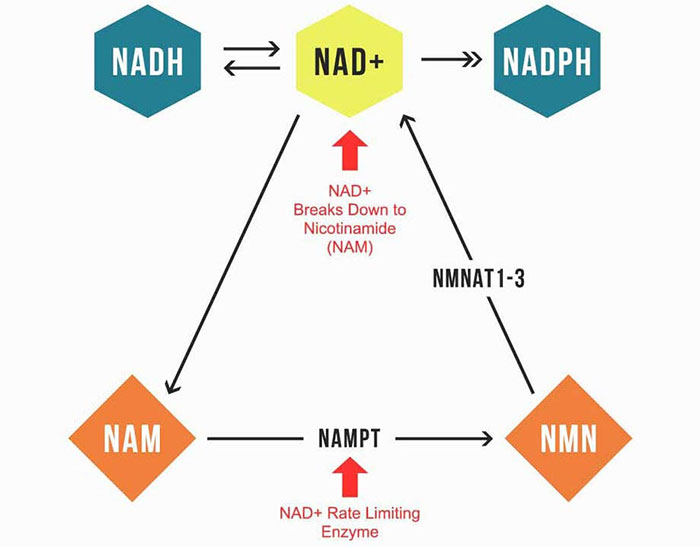
• NAD+ fuels key DNA-repair enzymes — These include poly (ADP-ribose) polymerase (PARPs) and sirtuins, which identify and repair DNA strand breaks. When NAD+ levels drop, these enzymes cannot function effectively, leading to the accumulation of damaged DNA. By maintaining NAD+ availability, niacinamide keeps these enzymes working efficiently and supports the genetic stability of your skin cells.
• Niacinamide also reinforces your skin’s structural defenses — It stimulates ceramide production, strengthening the barrier that locks in moisture and shields against environmental damage.7 Because of its effects, dermatologists have used niacinamide for decades in both topical and oral forms to manage acne, rosacea, hyperpigmentation, and photoaging.8
• Niacinamide’s influence extends far beyond skin health — Clinical studies have shown benefits in conditions linked to metabolic stress, inflammation, and mitochondrial dysfunction, including neurodegeneration,9 glaucoma,10 chronic pain,11 stress,12 and even oxidative damage linked to excessive linoleic acid (LA) intake.
To learn more about how niacinamide supports not only skin health but also your body’s broader resilience, read “The Wide-Ranging Health Benefits of Niacinamide.”
New Evidence Strengthens Niacinamide’s Role in Skin Cancer Prevention
The evidence confirming niacinamide’s protective role against skin cancer has been limited because its over-the-counter availability means most use goes unrecorded in medical databases. This is why researchers conducted a large-scale retrospective cohort study published in JAMA Dermatology, drawing on data from the Veterans Affairs (VA) Corporate Data Warehouse to examine whether niacinamide use led to a reduced risk of new skin cancers.13
• How the study was designed — The research team analyzed data from 33,822 veterans between 1999 and 2024. They identified patients who had filled prescriptions for 500 milligrams (mg) of oral nicotinamide twice daily for more than 30 days and compared them with matched controls who had not received the supplement.
In total, 12,287 niacinamide users were matched with 21,479 nonusers based on factors including age, sex, prior skin cancer history, and use of other dermatologic treatments. The primary outcome was time to the next diagnosis of BCC or cutaneous SCC (cSCC).
• Niacinamide use lowered overall skin cancer risk — Across the full study population, niacinamide use was associated with a 14% lower overall risk of developing skin cancer. The benefit was most pronounced when supplementation began after the first skin cancer diagnosis, producing a 54% reduction in new cases.
However, this preventive effect diminished when treatment was started after multiple prior cancers. Both BCC and cSCC incidence decreased, with the strongest risk reduction seen in cSCC.
• Findings in immunocompromised patients — The study also evaluated a subgroup of 1,334 patients who were immunocompromised due to organ transplants. Among these transplant recipients, no overall significant reduction in cancer risk was observed. However, early use of niacinamide after the first cancer diagnosis was linked to fewer cases of cSCC, underscoring the importance of timing in its effectiveness.
• Early use of niacinamide may redefine preventive skin cancer care — According to the study’s lead author, Dr. Lee Wheless, assistant professor of Dermatology and Medicine at Vanderbilt University Medical Center and a staff physician at VA Tennessee Valley Healthcare System:
“There are no guidelines for when to start treatment with nicotinamide for skin cancer prevention in the general population. These results would really shift our practice from starting it once patients have developed numerous skin cancers to starting it earlier. We still need to do a better job of identifying who will actually benefit, as roughly only half of patients will develop multiple skin cancers.”14
This real-world analysis builds on earlier randomized trials by confirming that niacinamide is associated with lower nonmelanoma skin cancer risk in a large, diverse population.
Save This Article for Later – Get the PDF Now
The First Clinical Evidence of Niacinamide’s Protective Effect
The protective role of niacinamide in skin cancer prevention was first confirmed in a controlled human trial published in The New England Journal of Medicine in 2015.15 The study, known as the Oral Nicotinamide to Reduce Actinic Cancer (ONTRAC) trial and conducted by researchers at the University of Sydney, showed that a simple oral supplement could lower the recurrence of common skin cancers in high-risk patients.16,17
• Study design and participants — The ONTRAC trial included 386 adults aged 30 to 91 years who had developed two or more nonmelanoma skin cancers in the past five years. Participants were randomly assigned to receive nicotinamide, 500 mg twice daily, or placebo for 12 months, with dermatologic evaluations every three months.
• What the results showed — After one year of supplementation, participants taking nicotinamide had 23% fewer new basal and squamous cell carcinomas than those taking placebo. The supplement also reduced actinic keratoses, precancerous lesions that signal future cancer risk, by 11% after three months and 15% after 12 months.
• Safety confirmed across all groups — Niacinamide was well tolerated, with no meaningful side effects. Unlike niacin, it did not cause flushing, headaches, or increased blood pressure, and no participants discontinued treatment due to adverse effects. Its clean safety profile made it an ideal option for older adults or those on multiple medications.
• Why the findings matter for high-risk patients — Lead investigator Diona Damian, MBBS, Ph.D., described niacinamide as “a new opportunity for skin cancer prevention,” noting that it is safe, inexpensive, and immediately accessible for those at greatest risk of recurrence.18
Supporting this view, Dr. Peter Paul Yu, the president of the American Society of Clinical Oncology at the time, called the results “a remarkably simple and inexpensive way to help people avoid repeat diagnoses of some of the most common skin cancers.”19
This trial established the foundation for research on niacinamide and skin cancer prevention. A survey conducted in 2021 found that nearly 77% of dermatologists who perform skin cancer surgery now recommend oral niacinamide to prevent skin cancers.20 Learn more about niacinamide’s protective role in “Niacinamide — The Best Supplement to Prevent Skin Cancer.”
How to Take Niacinamide Supplement
While clinical studies have shown that high doses can deliver therapeutic results in targeted treatments, those levels are not intended for routine use. For ongoing health and cellular support, smaller amounts taken regularly are safer and sustainable.
• Take small, evenly spaced doses throughout the day — For optimal health, I recommend taking 50 milligrams of niacinamide three times per day. You can also take it four times a day if you space out the dose evenly. Take a dose as soon as you get up, another before going to bed, and two more evenly spaced between those times.
• Higher doses can cause adverse effects — The problem with taking too much vitamin B3, whether in the form of niacin or niacinamide, is that it might backfire and contribute to cardiovascular disease and other side effects. Other potential side effects of high doses include nausea, vomiting, headache, dizziness, and fatigue.
• Make sure you’re getting all the other B vitamins — Your body relies on the full spectrum of B vitamins to maintain optimal health, especially regular niacin, riboflavin (B2), folate (B9), and pyridoxine (B6).
Vitamin B3 is found in grass fed beef, liver, wild-caught Alaskan salmon, and bananas,21 while vitamin B6 is abundant in grass fed beef, potatoes, and bananas.22 As for folate, you can obtain it in spinach, broccoli, and asparagus.23 Meanwhile, vitamin B12-rich foods include grass fed beef liver, wild rainbow trout, and wild sockeye salmon.24
5 Additional Strategies to Protect Your Skin Health
While niacinamide plays a key role in maintaining healthy skin, it works best as part of a broader foundation. Your daily lifestyle choices shape how your skin repairs, regenerates, and defends itself. The following strategies complement niacinamide’s protective effects and help lower your risk of skin cancer while supporting long-term skin vitality:
1. Optimize your vitamin D levels — Vitamin D activates receptors that regulate how your cells grow, repair, and communicate, helping reduce the risk of cancer by reducing DNA damage, improving immune surveillance, and promoting normal cell differentiation.25
A study from the University of Eastern Finland found that individuals who took vitamin D regularly had nearly 50% lower melanoma risk, even among those with high-risk skin types.26 Maintaining vitamin D levels in the 60 to 80 ng/mL (150 to 200 nmol/L) range provides the strongest protection.
While many studies discourage sun exposure, sunlight is your body’s primary and most efficient source of vitamin D. The key is to enjoy sunlight in a way that protects your skin from burning. Simple steps taken before and during sun exposure can make all the difference. For practical guidance on how to do this safely, read “Having Optimal Vitamin D Levels Helps Lower Your Risk of Melanoma.”
2. Nourish your skin from the inside out — Foods rich in antioxidants are especially valuable because they neutralize damaging free radicals. Prioritize carotenoid-rich fruits and vegetables such as carrots, sweet potatoes, tomatoes, and leafy greens. These pigments accumulate in your skin, where they act as a natural shield against oxidative damage.27
Equally important are vitamins C and E, which work together to preserve skin integrity. Vitamin C fuels collagen synthesis, accelerates tissue repair, and maintains the connective structure that keeps your skin firm and resilient.28 Good sources include bell peppers, citrus fruits, strawberries, and broccoli.29
Vitamin E shields cell membranes from lipid peroxidation, a reaction that weakens your skin’s lipid barrier and speeds visible aging.30 Pasture-raised eggs, grass fed beef liver, wild-caught fish, and leafy greens provide abundant amounts of this vitamin.
3. Improve sleep and circadian rhythm to boost skin repair — Your skin follows a daily rhythm of repair and renewal that peaks during sleep. Research shows that chronic circadian disruption not only weakens the skin barrier but also increases the risk of tumor formation by impairing clock genes that regulate cell division and DNA stability.31
Aim to get adequate, high-quality sleep nightly by creating a consistent bedtime routine, limiting blue light exposure in the evening, and getting natural sunlight in the morning to help reset your circadian rhythm. Keeping your room cool, dark, and quiet also supports deeper rest, allowing your skin the time it needs to repair and renew overnight.
4. Engage in regular physical activity — A study on melanoma shows that regular physical activity can slow tumor growth and enhance immune surveillance. Researchers also found that exercise boosts the activity of natural killer cells, improves blood flow to skin tissues, and reduces inflammatory signaling linked to tumor progression.32
You don’t need strenuous workouts to gain the benefits. Regular, moderate movements such as walking, stretching, or light resistance exercise will do. Consistent activity also helps balance blood sugar and hormones, which play a direct role in maintaining healthy and resilient skin.33
5. Be wise when it comes to sunscreen — Dermatologists often recommend daily sunscreen use to lower skin cancer risk, but many products on the market contain chemicals that can harm your health and the environment, including oxybenzone, octinoxate, homosalate, and octocrylene.34
If you choose to use a sunscreen, look for zinc oxide or titanium dioxide instead and make sure they’re not nano-sized. Lotions or creams with zinc oxide offer the most stable and broad UVA and UVB protection, while titanium dioxide is a good alternative.
Avoid high-SPF products above 50, which often create a false sense of security and don’t provide significantly better protection. SPF measures UVB defense only, not UVA, which causes the most skin damage and aging. Ultimately, sunscreen should not be your first line of defense. The healthiest approach is safe, sensible sun exposure.
Frequently Asked Questions (FAQs) About Niacinamide and Skin Cancer
Q: What is niacinamide?
A: Niacinamide is a form of vitamin B3 that supports your skin by restoring NAD+, which drives energy production and DNA repair, reducing inflammation, enhancing immune defenses, and strengthening the skin barrier by supporting ceramide production.
Q: Is niacinamide the same thing as niacin?
A: No. Niacinamide (also called nicotinamide) and niacin (nicotinic acid) are two different forms of vitamin B3. Niacin causes flushing due to histamine release, while niacinamide does not. However, excessive intake of either form can contribute to cardiovascular problems.
Q: How much niacinamide should I take for daily support?
A: Smaller doses of 50 milligrams (mg) taken three times per day are ideal for long-term use. Clinical trials that targeted skin cancer prevention used 500 mg twice daily, but that dose was studied in high-risk patients with previous skin cancers.
Q: Can I just get niacinamide from food?
A: You can get some niacinamide from foods naturally high in vitamin B3, including grass fed beef, liver, mushrooms, poultry, and salmon. You may also opt to take supplements to ensure steady support for your skin’s repair and protection processes.
Q: Does niacinamide help with other skin problems?
A: Yes. Dermatologists use niacinamide to manage acne, rosacea, uneven pigmentation, and signs of photoaging. Its anti-inflammatory, antioxidant, and barrier-strengthening effects make it a versatile nutrient for maintaining overall skin balance and resilience.
– Sources and References
- 1, 3, 4 Cancer Pathogenesis and Therapy Volume 3, Issue 2, March 2025, Pages 89-100
- 2 American Academy of Dermatology Association, Skin Cancer
- 5 Biomedicines. 2018 Jan 2;6(1):6
- 6, 14 Medical Xpress, September 18, 2025
- 7 Br J Dermatol. 2000 Sep;143(3):524-31
- 8 YouTube, Dr. Dray, The Skin Supplement You Need to Know About April 28, 2022
- 9 Clinical Trials Nicotinamide as an Early Alzheimer’s Disease Treatment (NEAT) NCT03061474
- 10 JAMA Ophthalmology 2022;140(1):11-18
- 11 Cell Reports Medicine November 8, 2023
- 12 Nutrients. 2022 Jun; 14(11): 2219
- 13 JAMA Dermatol. Published online September 17, 2025. doi: 10.1001/jamadermatol.2025.3238
- 15, 16 N Engl J Med. 2015 Oct 22;373(17):1618-26
- 17, 18, 19 Am Health Drug Benefits. 2015 Aug;8(Spec Issue):13-14
- 20 Dermatol Surg. 2021 Apr 1;47(4):452-453
- 21 NIH ODS, Niacin
- 22 My Food Data, Top 10 Foods Highest in Vitamin B6 April 25, 2024
- 23 My Food Data, Top 10 Foods Highest in Vitamin B9 (Folate) April 25, 2024
- 24 Harvard Health Publishing, The A List for Vitamin B-12 Sources (Archived)
- 25 Melanoma Manag. 2015 Feb 25;2(1):51–61
- 26 Melanoma Research 33(2):p 126-135, April 2023
- 27 Oxid Med Cell Longev. 2014 Mar 26;2014:860479
- 28 Nutrients 2017, 9(8), 866
- 29 Cleveland Clinic, April 10, 2023
- 30 Aspects of Molecular Medicine Volume 5, June 2025, 100063
- 31 Int J Mol Sci. 2021 Jun 6;22(11):6112
- 32 J Cancer. 2024 Jan 1;15(1):1-19
- 33 JMIR Dermatol. 2024 Mar 14;7:e51962
- 34 EWG.org The Trouble with Ingredients in Sunscreens
Turmeric Extract May Prevent, Even Reverse Diabetes (Type 1 and 2)
© GreenMedInfo LLC. This work is reproduced and distributed with the permission of GreenMedInfo LLC.
Want to learn more from GreenMedInfo? Sign up for the newsletter here:
www.greenmedinfo.com/greenmed/newsletter
Reproduced from original article:
https://greenmedinfo.com/blog/turmeric-extract-may-prevent-even-reverse-diabetes-type-1-and-2-1
Posted on: Friday, September 6th 2019 at 6:15 am
Written By: Sayer Ji, Founder
This article is copyrighted by GreenMedInfo LLC, 2022

What if the long sought after “cure” for diabetes was as safe, affordable, and accessible as a spice sitting in your kitchen cupboard?
“Leave your drugs in the chemist’s pot if you can cure the patient with food.” -Hippocrates, 420 BC
Slowly but surely the world is waking up to the reality that diabetes is not only a preventable but in some cases a reversible condition, and that the drug-based model of symptom suppression and disease management has fatal flaws. For instance, some of the drugs used to treat type 2 diabetes actually increase the risk of death, with a ground-breaking 2013 study showing GMO insulin given to type 2 diabetics may lead to the development of so-called “double diabetes“: type 2 and type 1 diabetes, together. Clearly, if medicine can’t at least abide by its founding principle to “do no harm,” it must seek the answer somewhere other than from the “chemist’s pot.”
As the pharmaceutically-driven medical paradigm continues to lose adherents by the droves, and the public seeks a system that identifies and resolves the root causes of disease, interest is growing in the use of natural substances and lifestyle modifications to prevent and treat blood sugar disorders. And unlike a few decades ago, where most of the evidence for “natural healing” was anecdotal, there are now tens of thousands of studies on hundreds of natural substances and therapeutic activities that may ameliorate blood sugar disorders and their complications. You can check out a good portion of the relevant research on the topic on GreenMedInfo.com’s blood sugar disorder database.
While plants like cinnamon and gymnema sylvestre have received plenty of attention for diabetes over the years, one special plant extract that is beginning to stand out from the crowd as being exceptionally valuable as an anti-diabetic agent is turmeric. There are, in fact, 21 articles on turmeric’s value in type 2 diabetes on our database alone.
Turmeric’s primary polyphenol curcumin is the main compound in the plant that has been researched for it’s blood sugar regulating properties. One particularly striking study, published in the American Diabetic Association’s own journal, Diabetes Care, found turmeric extract to be 100% effective in preventing pre-diabetics from developing type 2 diabetes — a feat of prevention that no FDA approved drug for type 2 diabetes has yet come even close to accomplishing.
Turmeric Extract May Reverse Pancreatic Damage In Type 1 Diabetes
The truth is that this extraordinary spice may be a powerful therapeutic intervention for more than just type 2 diabetics. Pre-clinical research now reveals it may have a role in reversing pancreatic damage in insulin-dependent, type 1 diabetics, who are routinely told that their condition can not be cured. Type 1 diabetics are rarely educated to the fact that the root cause of their disorder can be addressed: namely, that the deficiency and/or dysfunction of the beta cells in the pancreas responsible for producing insulin can be repaired, as well as the autoimmune issues at the heart of the problem.

In 2013, an exciting study published in the journal Diabetology & Metabolic Syndrome titled, “The effect of a novel curcumin derivative on pancreatic islet regeneration in experimental type-1 diabetes in rats (long term study),” found that diabetic rats who received a novel water-soluble, high concentrate (53.21%) curcumin derivative orally for 40 days showed an improvement of their plasma glucose, insulin and C-peptide (a marker for the health and insulin producing capability of the beta cells) levels, that began after about 4 months, and continued to improve until the 10 month mark, when their values were almost completely normalized and evidence of significant pancreatic regeneration could be observed. The researchers concluded the novel curcumin derivative (NCD): “…possesses antidiabetic actions and enhanced pancreatic islets regeneration.”
.png)

The daily dose used in this rodent study (80 mg/kg) was the body weight equivalent of 6,400 mg or 6.4 grams of curcumin for an average North American male adult (80 kilograms/176 lbs). Rodent and human physiology is, of course, radically different, but significant crossovers nonetheless do exist. In another article, titled “Why Turmeric May Be the Diseased Liver’s Best Friend,” we reviewed research indicating that turmeric may help to reverse damage in and even regenerate the diabetic liver, as well as safety literature on what is a safe human dose:
“A 2001 study in cancer patients reported that quantities of curcumin up to 8 g, administered per day for three months, were not toxic and resulted in significant anti-cancer properties in a number of those treated.[5] Considering that turmeric is only 3-4% curcumin by weight, this implies that a larger quantity of turmeric can be consumed safely, as well.”
Given that organ transplantation (pancreatic islet transplants) is exceedingly expensive and prohibitive due to a lack of donor material and the potential for rejection by the host, the notion that a safe, affordable, and non-prescription spice extract like curcumin may have significant therapeutic value and may even regenerate damaged pancreatic tissue, is truly exciting. That said, it should be noted that since curcumin is not patentable, it is unlikely the 800 million dollars or more needed to fund the requisite clinical trials needed to obtain FDA drug approval will materialize. Because the so-called “evidence” needed to justify the use of a new treatment is locked behind an insurmountably high paywall, don’t count on randomized, controlled, trials being performed on this “natural cure” in the near or distant future.
In this study, the authors surmised that the ameliorative effects curcumin treatment on type 1 diabetic rodents observed were the result of beta cell regeneration and they explained the theory behind how this works:
“Each tissue or organ is believed to contain a small sub-population of cells that is capable of self-renewal and has the ability to give rise to each mature cell type [47]. Thus, one of the most promising sources of beta cells might be pancreatic stem cells.”
The researchers theorized that curcumin likely produces,
“…a favorable systemic and pancreatic environment to foster bone marrow transplantation and islet neogenesis. Accordingly, administration of curcumin; as an established anti-inflammatory and immune modulatory drug; would likely boost and preserve the process of islet regeneration; which was evidently proven true in this study.”
Curcumin’s “immunomodulatory” benefit in type 1 diabetes, also known as autoimmune diabetes, appears to be based on it reducing the activity of the host immune system in attacking self-structures. In fact, another recent study, published in 2014 in the journal Clinical and Experimental Immunology titled, “Curcumin ameliorates autoimmune diabetes. Evidence in accelerated murine models of type 1 diabetes,” found that curcumin down-regulates the T cell response that destroys pancreatic beta cells, resulting in an improvement in autoimmune or type 1 diabetes.
It is important for the reader to know that curcumin is not a magic bullet; nor is it the only natural substance studied to have potential beta cell regenerative properties. Indeed, pancreatic regeneration has been induced experimentally for at least 23 different natural substances. We have a keyword dedicated to indexing relevant research on the topic here: beta cell regeneration. We’ve highlighted 10 of the most compelling ones in our article, “10 Natuaral Substances That Could Help Cure Type 1 Diabetes.”
As the research continues to accumulate on the value of natural substances for disease prevention and treatment, it is clear the future of medicine will rely on returning to the wisdom of the ancients, where Hippocrates’ fundamental principle that one can “cure the patient with food” is once again passionately embraced.
Are you a health professional or just a serious research geek? Interested in taking your the GreenMedInfo experience to the next level? Learn about our GMI pro membership features, which includes access to our research PDF database of over 150,000 documents. Learn More Here.
