Glutathione
now browsing by category
What You Need to Know About Melatonin
Reproduced from original article:
https://articles.mercola.com/sites/articles/archive/2022/07/31/what-you-need-to-know-about-melatonin.aspx
The original Mercola article may not remain on the original site, but I will endeavor to keep it on this site as long as I deem it to be appropriate, and will not be bullied into removing it.
Analysis by Dr. Joseph Mercola Fact Checked July 31, 2022
STORY AT-A-GLANCE
- Melatonin is one of the most important antioxidant molecules and certainly the most ancient, as it has been part of biological life for over 3 billion years. It’s present in prokaryotes, which are bacteria, and even in plants
- In the human body melatonin not only has independent direct antioxidant effects on its own, but it also stimulates the synthesis of glutathione and other important antioxidants like superoxide dismutase and catalase
- Mitochondrial melatonin production is one of the reasons why regular sun exposure is so crucial. The near-infrared spectrum, when hitting the skin, trigger the generation of melatonin in your mitochondria
- Considering melatonin’s function within the mitochondria, and the fact that mitochondrial dysfunction is a hallmark of most chronic disease, it makes sense that melatonin would be helpful against a number of different diseases, including the two most common — heart disease and cancer
- Melatonin and methylene blue belong in every emergency medical kit. In cases of an acute heart attack or stroke, melatonin can help limit the damage, while methylene blue augments cytochromes to allow the continued production of ATP even without the use of oxygen, which also helps minimize cell death and tissue damage
In this interview, Russel Reiter, Ph.D. — a world-class expert on melatonin — discusses some of the biological activities and health benefits of this important molecule. With some 1,600 papers to his credit, as well as three honorary doctor of medicine1 degrees, he’s published more studies on melatonin than anyone else alive.
Melatonin 101
Melatonin is one of the most important antioxidant molecules and certainly the most ancient, as it has been part of biological life for over 3 billion years. It’s present in prokaryotes, which are bacteria, and even in plants. In the human body — aside from having direct antioxidant effects — it also stimulates the synthesis of glutathione and other important antioxidants like superoxide dismutase and catalase. Reiter continues:
“Melatonin has been here forever … and its functions have evolved. It has learned to work successfully with other molecules during this three-billion-year evolution. One of the molecules with which it collaborates is glutathione … But the antioxidant activity of melatonin is extremely diverse.
It in fact is a very good radical scavenger. There are other radical scavengers — vitamin C, vitamin E and so forth — but melatonin is superior to those. But beyond that, it stimulates antioxidative enzymes, especially in mitochondria. Mitochondria are small organelles in the cell that generate the bulk of the free radicals.
So, it’s very important to have a good antioxidant at the level of the mitochondria and melatonin happens to be located and is, in fact, synthesized in the mitochondria. Melatonin scavenges radicals that are generated, but it also stimulates something called sirtuin-3, which activates or deacetylates super oxide dismutase (SOD), which is a very important antioxidative enzyme.
It also removes free radicals and prevents the degeneration of the mitochondria, and why this is so important is because mitochondria are really the center of the action within a cell. In other words, there’s strong evidence that aging, frailty of aging, senescence of cells as we age, relate to molecular damage at the level of the mitochondria, and melatonin seems to be very efficient at protecting mitochondria from that damage.”
Melatonin increases glutathione through a genomic effect on the enzyme that regulates the synthesis of gamma glutamylcysteine synthase, the rate limiting enzyme in glutathione synthesis. Melatonin activates that enzyme.
Glutathione tends to be found in high concentrations in cells, although some is also found, to a lesser degree, in the extracellular space and the mitochondria. Meanwhile, 95% of the melatonin in your body is concentrated within the mitochondria inside the cells.
Its antioxidant effects are quite diverse, but include preventing free radical generation by enhancing the efficiency of the electron transport chain so fewer electrons leach onto oxygen molecules to generate super oxide antiradical.
How Mitochondrial Melatonin Is Generated
Mitochondrial melatonin production is one of the reasons why regular sun exposure is so crucial. Most people understand that sun exposure on bare skin generates vitamin D, courtesy of UVB (ultraviolet B radiation). Few, however, understand that the near-infrared spectrum, when hitting your skin, triggers the generation of melatonin in your mitochondria. Reiter explains:
“Near-infrared radiation penetrates relatively easily the skin and subcutaneous tissues. Every one of those cells contains mitochondria and it appears that near-infrared radiation that is detected in fact induces melatonin production. That is important, because we now think that melatonin within mitochondria is inducible under a lot of stressful conditions.
That is not definitively proven, but it appears that under stress, all cells may upregulate their ability to produce melatonin because it’s so highly productive. And typically, under stress, free radicals are generated. That is emphasized by the [fact] that in plants … that happens.
In other words, if you expose plants to drought, heat, cold, to metal toxicity, the first thing they do is upregulate their melatonin, because all of those situations generate free radicals. And we suspect, although that has not yet been definitely proven, in animal cells as well, including human [cells].”
Identifying the specific wavelengths that trigger melatonin production can be tricky, but generally speaking, it’s likely to be the range between 800 to 1,000 nanometers (nm). This range of near-infrared is invisible, and has the ability to penetrate tissue. Visible wavelengths generally do not penetrate the skin, and therefore cannot stimulate your mitochondria.
Anytime your skin is exposed to natural sunlight, however, you can be sure you’re receiving the necessary wavelengths of near-infrared to generate melatonin in your mitochondria. Conversely, when indoors under artificial lighting, you can be certain you’re not getting any. This is because most window glass is low-e and filters out a good portion of the near-infrared, so even sitting near a window is not going to provide you with this benefit.
To compensate for time spent indoors, I use a 250-watt Photo Beam near-infrared bulb from SaunaSpace in my office. I keep it lit when I’m in my office and have my shirt off. Considering most people spend most of their days indoors, mitochondrial melatonin deficiency is likely rampant. And, since many also do not get enough sleep, they also have a deficiency in the melatonin synthesized in the pineal gland in response to darkness.
The Two Types of Melatonin
As hinted at above, there are two types of melatonin in your body: The melatonin produced in your pineal gland, which traverses into your blood, and subcellular melatonin produced inside your mitochondria.
Importantly, the melatonin that your mitochondria produces does not escape your mitochondria. It doesn’t go into your blood. So, you’re not going to directly increase your blood or serum level of melatonin by sun exposure. But, bright sun exposure around solar noon will indirectly help your pineal gland to produce melatonin during the night.
It is important to understand that your blood level of melatonin is indicative of the melatonin produced in your pineal gland, and/or oral supplementation. Conversely, the melatonin produced by your pineal gland cannot enter into the mitochondria, which is why it is so important to get regular sun exposure. Reiter explains:
“In other words, if you surgically remove the pineal gland from an animal or human, blood levels of melatonin are essentially zero. Not totally zero — I think what happens is that the mitochondria in other cells continue to produce melatonin and some of that leaks out into the blood and gives you a residual — but you have no circadian rhythm.
Melatonin production in the pineal gland is highly rhythmic, depending on the light-dark cycle. This is not true for melatonin in mitochondria. It’s not cyclic. It’s not impacted by the light dark environment. It may be affected by certain wavelengths of energy, but it’s not affected by the light dark environment.
So, blood levels are derived from the pineal gland, and this rhythm is very important for setting circadian rhythms. In other words, the function of that melatonin is quite different from the function of the mitochondrial produced melatonin. It sets the rhythm. Of course, there’s always some scavenging by that melatonin as well, but the real scavenging s involved with mitochondrial-produced melatonin.”
Oral Supplementation Neutralizes Free Radicals
Oral supplementation, however, can enter your cells and mitochondria. This is a detail I was wrong about before, and which Reiter clarifies in this interview:
“If you supplement with melatonin, it can also enter cells and get into the mitochondria as well. And that is also very important … As you age, mitochondrial melatonin diminishes. If you supplement with melatonin, it will get into your mitochondria and, in fact, do what melatonin does — neutralize free radicals and protect the mitochondria’s function.”
Melatonin Is Vital to Heart Attack and Stroke Recovery
Considering melatonin’s function within your mitochondria, and the fact that mitochondrial dysfunction is a hallmark of most chronic disease, it makes sense that melatonin would be helpful against a number of different diseases, including the two most common — heart disease and cancer.
As explained by Reiter, one of the situations that is most devastating for the heart and brain is temporary interruption of the blood supply as a result of a cardiac arrest or stroke. This deprives the tissues of oxygen, and without oxygen, they rapidly deteriorate.
When the blood vessel reopens, which is called reperfusion, and oxygen flows back into those oxygen-deprived cells, this tends to be the time of maximum damage, as loads of free radicals are generated once the blood starts flowing again.
“There’s a large host of studies, including some in humans, where if you give melatonin to induced heart attack in animals or an accidental heart attack in humans, you can preserve or reduce the amount of cardiac infarct, the amount of damage that occurs in the heart,” Reiter says.
“There’s a very famous cardiologist in the Canary Islands, professor Dominguez-Rodriguez, whom I worked with. And we, about three years ago, published a paper where we infused melatonin directly into the heart after the vessel was opened. That reduced cardiac damage by roughly 40%.
The other thing that happens in a heart attack is that cardiac cells do not regenerate. Once you lose a cardiac cell, they’re done … and are replaced by fibrous tissue. Of course, fibrous tissue is not contractile, so you get heart failure.
We just published a paper, again with this same cardiologist, showing that if people who are potentially suffering with heart failure because of a damaged heart, they survive better and longer if they are given melatonin on a regular basis. It’s a small study … but I think that would be a worthwhile field to exploit.”
Dosage Suggestions for Acute Heart Attack
In terms of dosage, it’s difficult to translate doses used in animal studies onto human subjects. In animals, doses between 5 to 10 milligrams per kilogram of bodyweight are used. In humans, however, the dose is calculated on the basis of surface area rather than on body size, and that significantly reduces the amount of melatonin that you have to give.
That said, Reiter stresses that melatonin has no known toxic threshold, so even though we don’t know what the ideal dose is, we do know it’s safe even at high doses. Additionally, the timing of the dose will be important. The first dose should be taken immediately, but subsequent melatonin dosing should follow circadian biology, so around 10 a.m., 4 p.m., and before bed.
“If I had a heart attack and I had melatonin on my person, I would take melatonin,” Reiter says. “The question is how much? … This is not a recommendation to any of your patients, but I would not be hesitant about taking 50 milligrams at the time, and some subsequently for the next 24 hours, even during the day. Because you don’t want to lose any more heart cells than is absolutely necessary …
I have suggested this a number of times. In other words, an emergency medical technician goes out, picks up a patient who has clearly a heart attack. I think on site, immediately, melatonin should be given intravenously rather than orally. It’d be difficult to give it orally. That would be my recommendation.”
Emergency Medical Kit for Acute Heart Attack or Stroke
In cases of an acute heart attack or stroke (which have virtually identical tissue damage mechanisms, just one affects the heart and the other your brain), I would also add methylene blue. Methylene blue is well-documented to be highly beneficial for reperfusion injuries,2 especially if you do it right at the beginning of the event, because it augments cytochromes to allow the continued production of ATP even without the use of oxygen.
Melatonin and methylene blue belong in every emergency medical kit. In cases of an acute heart attack or stroke, melatonin can help limit the damage, while methylene blue augments cytochromes to allow the continued production of ATP even without the use of oxygen, which also helps minimize cell death and tissue damage.
So, together, methylene blue and melatonin could act as a one-two punch if you’ve got a stroke or heart attack. They really should be part of every emergency kit.
As an interesting side note, melatonin can also be useful in people with Type 2 diabetes. Reiter notes he has diabetic colleagues who take 1 gram of melatonin daily to counteract the free radical damage caused by hyperglycemia. Keep in mind that melatonin does not treat the cause of the diabetes. It only helps to counteract the damage being caused.
Half Life and Bioavailability of Melatonin
The half life of melatonin in the blood is only about 40 minutes. Within cells, the half life varies according to the level of oxidative stress present. If oxidative stress is high, the melatonin is destroyed much faster, and oxidative stress is low, it remains within the cell much longer.
Reiter also notes that in addition to being a free radical scavenger, all of melatonin’s metabolic kin — its active metabolites, such as N-acetyl-5-methoxytryptamine — are also excellent scavengers. While quickly used up in the presence of high oxidative stress, melatonin is also rapidly taken up when used orally, hence the suggestion to take multiple doses spread out.
Ideally, you’d want to use sublingual or intravenous melatonin, because it’ll enter your bloodstream much faster. Another option is to make your own rectal suppositories. If you swallow it, it needs to pass through and be metabolized by your liver.
Melatonin Is Also a Potent Antiviral
In addition to its antioxidant potency, melatonin also has antiviral capacity. These two features combined is thought to be why it’s been so useful against COVID-19.
“I’m going to give you a very specific example,” Reiter says. “Here’s a local physician, Dr. Richard Neil, whom I have known for a number of years. When COVID-19 became common, he called me, we discussed it, he started giving 1 mg per kilogram of body weight (once a day) for about five days, at the time of diagnosis. He has now treated more than 2,000 patients, very successfully, with melatonin.
The importance of melatonin in reference to COVID is that it is not specifically for [the original Wuhan strain]. The variants, Delta, Omicron, they’re viruses we think will respond. We currently have a paper in press where we showed that in animals, Zika virus toxicity is also prevented by melatonin, and we’ve checked four different coronaviruses in pigs.
That paper also shows that melatonin prevents the damage — the consequence — of those viruses. I think [melatonin] is generally a quite good antiviral agent and should be considered as useful. When President Trump was hospitalized with COVID, one of the molecules he was given was melatonin. Obviously, the physicians treating him knew this literature.”
So, to summarize, if you have symptoms of COVID, you could consider taking oral or sublingual melatonin 30 to 45 minutes before bedtime, first thing in the morning, at 10 a.m. and again at 4 p.m. You clearly want to avoid it a few hours before and after solar noon, as taking supplementation during that time will likely impair pineal nighttime melatonin secretion.
Reiter points out that slow-release melatonin has not been widely studied, and he generally doesn’t recommend it for that reason.
Melatonin for Cancer
Melatonin can also be useful in the prevention and treatment of cancer. Reiter explains:
“Cancer cells are clever. They do everything they can to permit their continued survival. It seems counterintuitive, but what they do is they prevent pyruvate from entering the mitochondria, and that reduces ATP production. But as a consequence of doing that, they accelerate something called glycolysis and that’s very inefficient in producing ATP, but it does it very rapidly. So, then they have sufficient energy.
The importance of preventing pyruvate from entering the mitochondria, we now think is the fact that pyruvate is a precursor to something called acetyl coenzyme A. Acetyl coenzyme A is a cofactor for the enzyme that regulates melatonin production in the mitochondria.
So, by eliminating or preventing pyruvate from getting into the mitochondria, [the cancer cells] prevent or reduce melatonin production, because they don’t allow the necessary cofactor to be produced. In other words, we predicted about four years ago that, in fact, the mitochondria of cancer cells would produce less melatonin.
We have subsequently shown that in two studies, both uterine cancers. Clearly, melatonin levels and the activity of the enzymes in the mitochondria of these types of cancer cells are at least about half what they would normally be. The prevention of pyruvate into the mitochondria, that’s Warburg type metabolism.
The other thing is the pyruvate is metabolized into lactic acid. It escapes the cell and produces an acidic environment for the cancer cell, and cancer cells like that acidic environment. So, if you can reduce the Warburg type metabolism, you may be able to limit the growth of cancer cells and perhaps also the metastasis …
Some cancer cells may only be part-time cancerous because [during nighttime] when they have high melatonin, then they avoid Warburg type metabolism. The interesting thing about Warburg type metabolism [is that] … many pathological cells, inflammatory cells, cells that are affected by amyloid beta in the brain, exhibit this specific type metabolism …
And we know that inflammatory cells — M2 and M1 inflammatory cells — can be converted back and forth by melatonin. The inflammatory cells can be prevented by giving them melatonin [because of] its effect on Warburg type metabolism. So, Warburg type metabolism is common in many, many pathological cells.”
The Link Between Metabolic Flexibility, Melatonin and Cancer
One of the reasons for why cancer is so prevalent likely has to do with the fact that 93% of Americans are metabolically inflexible and cannot seamlessly transition between burning carbs and fats for fuel.3 Glucose (sugar) is one of the primary fuels that most people have. Glucose has six carbons and is metabolized into pyruvate, which is a three-carbon molecule. Pyruvate, in turn, is metabolized in the mitochondria to acetyl-CoA.
The reason the Warburg Effect works is b pecauseyruvate dehydrogenase kinase (PDK) inhibits the inflow of pyruvate into the mitochondria so it cannot be converted into acetyl-CoA, and acetyl-CoA is not only needed in the production of melatonin, but is also used to efficiently produce ATP in the mitochondria and is how glucose is used in the mitochondria.
Another source of acetyl-CoA is beta oxidation of fats, which breaks down the fat to the two carbon molecule acetyl-CoA, which enters the mitochondria an active transport molecule, courtesy of MCT (mono carboxylase transporter). My point here is that when you are metabolically inflexible, the Warburg Effect becomes massive. But if you’re cardiometabolically healthy and can burn fat, you can effectively bypass that defect.
Prior to my interview with Reiter, I certainly knew that limiting carbs and preventing the Warburg effect was important in cancer treatment, but I hadn’t realized that one of the metabolic byproducts of acetyl-CoA was needed to produce melatonin. So, being metabolically flexible not only impairs the Warburg effect, but also supplies melatonin to combat the excessive oxidative stress in cancer.
This is why I would strongly encourage each and every one of you to regularly engage in two activities the rest of your life. First, expose as much of your skin as you can to an hour of sunshine a day around solar noon.
Second, you have to eliminate all seed oils from your diet, as excess seed oils are the primary reason why most people are metabolically inflexible. While the average person’s consumption of these oils is around 25% to 30% of total daily calories, it should only be about 1% to 2% (mine is 1.5%).
Ergothioneine: The Mushroom’s Stealth Ingredient
Reproduced from original article:
https://articles.mercola.com/sites/articles/archive/2022/06/20/ergothioneine-regenerative-ag-and-human-health.aspx
The original Mercola article may not remain on the original site, but I will endeavor to keep it on this site as long as I deem it to be appropriate, and will not be bullied into removing it.
Analysis by Dr. Joseph Mercola Fact Checked June 20, 2022

STORY AT-A-GLANCE
- Mushrooms are high in ergothioneine and glutathione, both powerful antioxidants. Ergothioneine may hold the key to linking healthy soil to healthy food and therefore to healthy people
- Regenerative farming practices produce plants with higher levels of ergothioneine and livestock from regenerative farms had lower ratios of omega-6 to omega-3 fatty acid
- Although not everyone eats mushrooms, everyone has ergothioneine throughout their body, which data links to lower incidences of neurodegenerative diseases. Testing also shows crops absorb ergothioneine from fungal mycelium threads
- Regenerative farming practices avoid sewage sludge, toxic pesticides and GMO seeds, and instead practice strategies that protect soil health, reduce water usage, prevent soil erosion and reduce exposure to foodborne illness and drug-resistant disease
Mushrooms have been used in traditional medicine for decades. But it wasn’t until 1970 that mushrooms were officially distinguished from flora and recognized in their own biological kingdom.1
Researchers have discovered fungal threads that exist below the surface of the soil play a key role in promoting healthy foods.2 Those threads are called mycelium and are part of the reproductive stage of fungi. Growing mycelium can break down lignin found in plant material, improve the soil or warn plants of an imminent attack. In fact, mycelium has been described as “the internet of the forest, the wood wide web, the archetype of community.”3
Those who study fungi believe they are closer in nature to animals than they are to plants. The amino acid that has linked healthy soil to healthy people is ergothioneine, found commonly in mushrooms. According to the US Department of Agriculture,4 on average, people eat about 3 pounds of fresh mushrooms every year.
Mushrooms are rich in the antioxidants ergothioneine and glutathione. One paper in the journal Molecules wrote of the amino acid ergothioneine in the human body,5 “ET [ergothioneine] is concentrated in mitochondria, suggesting a specific role in protecting mitochondrial components, such as DNA, from oxidative damage.”
Mushrooms also contain usually high levels of glutathione,6 important for the detoxification of heavy metals and other contaminants7 and also called “the master antioxidant.”8 One researcher from Penn State Center for Plant and Mushroom Products for Health said:9
“What we found is that, without a doubt, mushrooms are the highest dietary source of these two antioxidants [ergothioneine and glutathione] taken together, and that some types are really packed with both of them.”
Researchers have been studying the relationship between mushroom consumption and a variety of health conditions. Robert Beelman, from Penn State Center for Plant and Mushroom Products for Health, points out that in countries where people have more ergothioneine in their diet, researchers have found:10
“… lower incidences of neurodegenerative diseases, while people in countries like the United States, which has low amounts of ergothioneine in the diet, have a higher probability of diseases like Parkinson’s Disease and Alzheimer’s.”
Researchers are unsure if this is correlation or causation, but the strength of the evidence is enough to suggest that ergothioneine is a necessary part of optimizing health and wellness.
Healthy Soil = Healthy Food = Healthy People
Legend has it that the founder of the Rodale Institute and promoter of organic farming once wrote “Healthy Soil = Healthy Food = Healthy People” on a chalkboard. Although the concept is logical, scientists had not made an evidentiary connection until recently.
Civil Eats11 spoke with David Montgomery, a geomorphologist from the University of Washington, and his wife Anne Biklé, who together wrote an upcoming book “What Your Food Ate.” The book delves into the science behind soil health and how it impacts the health of crops, livestock and, ultimately, the end consumer, humans.
Montgomery believes that “In some ways, science has been catching up to the idea,”12 that Rodale proposed over 50 years ago. In their research for the book, Montgomery and Biklé studied the products of nine matched pairs of regenerative and conventional farms.
Their results were published in Environmental Science, January 27, 2022.13 The team measured eight pairs of regenerative and conventional farms in eight states in the U.S. Each regenerative farm was paired with a neighboring conventional farm that planted the same crop variety. The regenerative farms combined no-till, diverse rotations and cover crops.
As you might expect, they found produce from regenerative farms was far healthier, testing for higher levels of certain minerals, vitamins and phytochemicals. A comparison of the level of unsaturated fatty acid in beef and pork raised on a regenerative farm against a conventional farm revealed the meat from a regenerative farm had higher levels of omega-3 fats and a lower ratio of omega-6 to omega-3 fat. They concluded:14
“Despite small sample sizes, all three crop comparisons show differences in micronutrient and phytochemical concentrations that suggest soil health is an under appreciated influence on nutrient density, particularly for phytochemicals not conventionally considered nutrients but nonetheless relevant to chronic disease prevention.
Likewise, regenerative grazing practices produced meat with a better fatty acid profile than conventional and regional health-promoting brands. Together these comparisons offer preliminary support for the conclusion that regenerative soil-building farming practices can enhance the nutritional profile of conventionally grown plant and animal foods.”
Could Fungi Be the Connection?
Although not everyone eats mushrooms, everyone has ergothioneine in their body.15 Importantly, mushrooms are the leading dietary source of ergothioneine. Beelman began asking the question, that if not everyone eats mushrooms, then how is everyone getting ergothioneine in their body?16
Ergothioneine is only synthesized by some bacteria and fungi. Scientists have found it in nearly all human tissue and body fluids and recognize it as a powerful antioxidant. Low levels have also been measured in some diseases, which has suggested that a deficiency may trigger some disease processes.17
Beelman and his colleagues hypothesized that ergothioneine from mushrooms was being absorbed into crops through the underground association with mycelium. Ergothioneine can be found in the fruiting body of the fungi, the mushroom, and along the mycelium.
When animals eat plants rich in ergothioneine, it gets into the meat. Beelman hypothesized that this may be how the amino acid is found throughout the human population.
They collaborated with the Rodale Institute to measure levels of ergothioneine in oats and separated the crops based on how intensely the soil had been tilled.18 Conventional farmers used tillage to help prepare the soil for planting and to kill weeds. The drawback is that it negatively affects soil health in several ways:19
- Tilling breaks up soil structure that provides a framework and prevents runoff.
- Aerating the soil increases biological activity and rapid decomposition of organic matter, which releases CO2.
- Tilling destroys the habitat of the microorganisms living within the top two inches of the soil surface, which play an important role in decomposing organic matter and nutrient cycling. This includes reducing fungal biomass.
- Tilling makes the soil more vulnerable to compaction, which in turn reduces water, air and space for plant roots and soil organisms.
The results were not surprising. The data showed oats grown on conventionally tilled land had 33% less ergothioneine than no-till grown grain. The team moved on to do a similar analysis of how tillage may affect ergothioneine levels in soybean, corn and oats. The results revealed that concentrations of ergothioneine rose as the intensity of tilling the land decreased.
In speaking to Civil Eats, Beelman believes that this demonstrates a cohesive link from soil to crop to human health. “When you till the soil, you reduce the amount of ergothioneine that gets into the crop. Nobody had actually shown a specific connection. I think this does,” he said.20
Regenerative Practices Protect Soil and Prevent Erosion
Regenerative farming practices go far beyond avoiding sewage sludge, toxic pesticides and GMO seeds. Instead, regenerative agriculture and livestock management is the next stage of organic farming and helps regenerate environmental health by paying attention to soil and animal health, the climate and rural livelihood.
Steering committee member for Regeneration International, Vandana Shiva, puts it this way: “Regenerative agriculture provides answers to the soil crisis, the food crisis, the climate crisis, and the crisis of democracy.”21
Regeneration International was founded in 2014 and announced at a press conference during a massive climate march in New York City. The goal of the organization is to fundamentally change the conversation about the climate crisis and incorporate regenerative and organic food, farming and land use into the dialogue.
Ultimately, regenerative agriculture looks at land management as a network that should nourish people and the environment. The practices can differ from region to region, but the foundational principles are built on a dynamic system that is meant to restore the earth, address inequity and leave the water, land and climate in better shape for the next generations.
Regenerative farming practices focus on improving soil health, sequestering carbon using minimal or no-till practices and planting cover crops.22 Each of these strategies helps to improve the land yield and the nutrition of the crops grown. Cover crops23 are planted to help protect the soil from erosion and inhibit weed growth. This also reduces the need for herbicides.
Cover crops primarily get planted in fields that would otherwise not have a cash crop planted. They increase biodiversity and can act as a living mulch to reduce weed growth. Other practices include crop rotation and diversity, which is a far cry from the monoculture crop planting practice by conventional farmers.
Crop rotation helps replenish the nutrients removed from the soil when you continually replant the same crop. Regenerative farms may also incorporate livestock,24 allowing them to graze on cropland when cover crops are growing. This varies the animal’s diet, increases their nutrient intake and is good for the topsoil.
Top Reasons to Support Regenerative Farming Practices
As Beelman and his colleagues have shown, the health of the soil in which your food is grown is directly related to your health. This begs the question of how the burgeoning warehouse farming market could possibly meet your nutritional needs. Some manufacturers are producing prefabricated buildings, specific LED plant lights and 20-foot towers to grow fruits and vegetables.25
The production uses sensors to optimize water, light and temperature, and the producers claim they do not use or need synthetic fertilizers, herbicides, pesticides or GMO seeds. Some claim the yields are far higher than on traditional farms. And while Successful Farming26 believes the one inefficient component is electricity use, as Beelman has demonstrated, growing crops is not only about the size of the plant that shows up above ground.
In 2014 Maria-Helena Semedo of the Food and Agriculture Organization of the United Nations warned that at the current rate of topsoil degradation, all the world’s topsoil will be gone in less than 60 years.27 At that point, growing food will become next to impossible.
The good news is there are many reasons to choose to support regenerative farmers and the crops they produce, or to choose regenerative practices in your own garden at home. The practice helps rebuild the topsoil, which is essential for growing crops.
Regenerative farming practices also help protect water sources and reduce agricultural water demand. Conventional agricultural practices promote water waste using flood irrigation and the destruction of soil quality. As a result, one-third of the largest groundwater aquifers are already nearing depletion,28,29 as we’re extracting water at a far faster pace than the aquifers can refill.
Montgomery and Biklé showed in their small sample study that animals grazing on regenerative farms produced meat with a lower omega-6 to omega 3 ratio. Another benefit is the lower risk of foodborne illness and drug-resistant disease in regenerative farm livestock. The foods associated with the greatest number of foodborne illnesses are all factory-farmed, with CAFO chicken leading the pack.
Between 2009 and 2015 there were 5,760 reported foodborne outbreaks in the U.S.,30 resulting in 100,939 illnesses, 5,699 hospitalizations and 145 deaths. Of these, chicken was responsible for 12% of all illnesses.
The reason contamination with drug-resistant microbes is common in CAFOs is the dependence on and overuse of antibiotics in the livestock.31 Organic grass fed standards, on the other hand, do not permit the use of antibiotics,32 which is why grass fed beef is less likely to be contaminated with drug-resistant bacteria.
Take Time to Move Beyond ‘Too Little, Too Late’
Regenerative agriculture prevents environmental pollution and restores damaged ecosystems, as well as benefiting the farmer and helping build sustainable local economies. Healthy soil, healthy plants, healthy animals, healthy people, healthy climate, healthy societies — our physical and economic health, our very survival as a species, are directly connected to the soil, biodiversity and the health and fertility of our food and farming systems.
Regenerative organic farming and land use can move us back into balance, back to a stable climate and a life-supporting environment.
It’s time to move beyond degenerate farming practices, land use, energy policies, politics and economics. It’s time to move beyond “too little, too late” mitigation and sustainability strategies powered by “green opportunities” to grow plants without sunlight and produce meat without animals. It’s time to inspire and mobilize a global army of regenerative farmers before it’s too late.
- 1, 3 Fungi Academy, October 14, 2021
- 2, 11, 12, 16, 18, 20 Civil Eats, May 10, 2022
- 4 U.S. Department of Agriculture, November 27, 2017
- 5 Molecules 2015;20(10):19489 Section 3.3.5
- 6, 9, 10 Penn State News, November 9, 2017
- 7 International Journal of Molecular Sciences, 2015;16(12) Abstract
- 8 Dental Research Journal, 2015;12(5)
- 13, 14 Environmental Science, January 27, 2022
- 15, 17 FEBS Letters, 2018;592(20)
- 19 USDA Natural Resources Conservation Service, Avoid Fall Tillage to Maintain Soil Productivity
- 21 Organic Consumers Association May 22, 2019
- 22, 24 The Carbon Neutral Foundation, Regenerative Agriculture
- 23 Rodale Institute, Cover Crops
- 25, 26 Successful Farming, August 21, 2018
- 27 Scientific American December 5, 2014
- 28 NASA, June 16, 2015
- 29 Huffington Post, December 6, 2017
- 30 CDC.gov Surveillance for Foodborne Disease Outbreaks — United States, 2009–2015 Results top lines
- 31 Debating Science, December 6, 2016
- 32 University of Nebraska, Meat Labeling Terms
6 Foods That Could Fix Underlying Cause of Inflammation
Reproduced from original article:
https://articles.mercola.com/sites/articles/archive/2022/04/05/msm-health-benefits.aspx
The original Mercola article may not remain on the original site, but I will endeavor to keep it on this site as long as I deem it to be appropriate, and will not be bullied into removing it.
Analysis by Dr. Joseph Mercola – Medically Reviewed by Stephanie Seneff, Ph.D. Fact Checked April 05, 2022

STORY AT-A-GLANCE
- Sulfur is the third most abundant mineral in your body and plays important roles in many bodily processes, including metabolism and detoxification
- Sulfur bonds are required for proteins to maintain their shape, and these bonds determine the biological activity of the proteins. Sulfur is also required for the proper structure and biological activity of enzymes
- Sulfur is crucial for healthy liver function and the prevention of liver disease. A derangement in sulfur amino acid metabolism is found even in mild forms of liver disease
- Excellent sources of sulfur include homemade bone broth, organic pastured eggs, grass fed meats, seafood, cruciferous vegetables and alliums like onions and garlic. Sulfur can also be obtained through supplementation with MSM and/or by taking Epsom salt baths
- MSM is widely used in the treatment of pain, especially pain associated with arthritic conditions. Research has shown it can significantly decrease pain and improve physical function in patients with osteoarthritis of the knee
This article was previously published October 14, 2019, and has been updated with new information.
Sulfur is a somewhat “forgotten” nutrient you don’t hear mentioned very often, but it’s very important for optimal body function and health. You get most of your sulfur from certain proteins in your diet, specifically the amino acids methionine, cysteine, cystine, homocysteine, homocystine and taurine.1
Of these, the two most important sources are methionine and cysteine. Methionine is an essential amino acid, which means it cannot be synthesized by your body and must be supplied through your diet. Cysteine is conditionally essential, because it can be synthesized from methionine but not from inorganic forms of sulfur.2
Neither of these primary sulfur-containing amino acids is stored in your body per se, although glutathione is a key storage form for sulfur.3 Glutathione is composed of three amino acids: cysteine, glutamate and glycine, and is your body’s most potent antioxidant.
Glutathione also keeps many other antioxidants performing at peak levels, and cysteine availability is thought to be a rate-limiting factor for glutathione synthesis.4
While sulfur is found in many foods, sulfur deficiency may still be quite common5 — in part due to sulfur deficiency in crops,6 and in part due to low consumption of sulfur-rich foods7 such as leafy greens, cruciferous veggies, alliums8 such as garlic and onions, seafood, grass fed meats and organic pastured eggs.
Frequent use of drugs that require sulfur for excretion and/or detoxification can also contribute to an inadequate sulfur status. Acetaminophen is one such example.9 A vegan diet can also put you at increased risk for sulfur deficiency, because plant-based foods contain fewer sulfur-containing amino acids than animal-based foods.10
The Importance of Sulfur
According to Stephanie Seneff, Ph.D., who has written several papers11,12,13,14 on sulfur and sulfur metabolism and its role in human disease, sulfur plays a role in many biological processes, including metabolism15 and the sulfonation of hormones,16 and deficiency appears to play a role in a wide range of health problems and diseases, including:
- Obesity
- Heart disease
- Chronic fatigue syndrome
- Alzheimer’s disease
- Autism17
Required in the creation of connective tissues such as cartilage, tendons and ligaments, sulfur is also essential for healthy joints, and deficiency has been linked to joint pain and joint-related diseases.18 Other benefits, uses and sources are also noted in the paper “Sulfur in Human Nutrition and Applications in Medicine”:19
“Methylsulfonylmethane (MSM), a volatile component in the sulfur cycle, is another source of sulfur found in the human diet … Organic sulfur, as SAAs [sulfur-containing amino acids], can be used to increase synthesis of S-adenosylmethionine (SAMe), glutathione (GSH), taurine, and N-acetylcysteine (NAC).
MSM may be effective for the treatment of allergy, pain syndromes, athletic injuries, and bladder disorders.
Other sulfur compounds such as SAMe … taurine, glucosamine or chondroitin sulfate, and reduced glutathione may also have clinical applications in the treatment of a number of conditions such as depression, fibromyalgia, arthritis, interstitial cystitis, athletic injuries, congestive heart failure, diabetes, cancer, and AIDS.”
Sulfur 101
As explained by the featured study above, sulfur is the third most abundant mineral in your body, based on percentage of total body weight.20 Sulfur bonds are required for proteins to maintain their shape, and these bonds determine the biological activity of the proteins.
For example, hair and nails consist of a tough protein called keratin, which is high in sulfur, whereas connective tissue and cartilage contain proteins with flexible sulfur bonds, giving the structure its flexibility.
With age, the flexible tissues in your body tend to lose their elasticity, leading to sagging and wrinkling of skin, stiff muscles and painful joints. A shortage of sulfur likely contributes to these age-related problems.
In addition to bonding proteins, sulfur is also required for the proper structure and biological activity of enzymes. If you don’t have sufficient amounts of sulfur in your body, enzymes cannot function properly.
A cascade of health problems may thus ensue, since your metabolic processes rely on biologically active enzymes. You can learn more about this in “Enzyme Fundamentals.” Sulfur also plays an important role in:
| Your body’s electron transport system, as part of iron/sulfur proteins in mitochondria, the energy factories of your cells21 |
| Synthesizing important metabolic intermediates, such as glutathione — one of the most important antioxidants that your body produces — SAMe, taurine and NAC22 |
| Detoxification23 — Without sulfur, glutathione (your body’s built-in detoxifier) is rendered ineffective |
| Thiamine (vitamin B1) and biotin (B7) conversion, which in turn are essential for converting carbohydrates into energy |
| Proper insulin function24 — The insulin molecule consists of two amino acid chains connected to each other by sulfur bridges, without which the insulin cannot perform its biological activity25 |
| Glucose metabolism — One hypothesis26 is that if a sufficient amount of sulfur is available, it will act as a decoy to glucose, effectively diverting it to reduce the sulfur rather than glycating and causing damage. This would have the beneficial effect of reducing chronic inflammation, as sugar (glucose) is highly inflammatory and wreaks havoc in your body |
Sulfur for Liver Health
Sulfur is also crucial for healthy liver function and the prevention of liver disease. As noted in one study,27 “a derangement in sulfur amino acid metabolism, possibly located at various steps along the trans-sulfuration pathway” is found even in mild forms of liver disease.
Part of its influence on your liver has to do with its influence over glutathione. As noted in the 2015 paper,28 “Metabolism of Sulfur-Containing Amino Acids in the Liver: A Link Between Hepatic Injury and Recovery”:
“The transsulfuration pathway is connected to the production of glutathione (GSH), which has potent antioxidant capacity in the liver. Accumulating data show that GSH depletion renders the liver vulnerable to oxidative stress and prone to progression of liver disease.”
Similarly, the journal Nutrients reports that MSM has been shown to attenuate “cytokine expression in vivo for induced colitis … and liver injury,” and that MSM has also been shown to have a beneficial effect on liver cancer.29
Another crucial nutrient for liver health and the prevention of chronic liver disease, including nonalcoholic fatty liver disease, is choline,30 detailed in “Choline Is Crucial for Liver Health.”
MSM for Osteoarthritic Knee Pain
Methylsulfonylmethane (MSM) is known as a sulfur donor, being 34% elemental sulfur by weight.31 Many of the benefits of MSM supplementation are related to its ability to reduce inflammation, regulate the balance of reactive oxygen species and antioxidant enzymes,32 and modulate your immune response.33
As a supplement, MSM is widely used in the treatment of pain, especially pain associated with arthritic conditions. One clinical trial34 found that people with osteoarthritis of the knee who took 3 grams of MSM twice a day for 12 weeks experienced significantly decreased pain and improved physical function, compared to a placebo.
Another randomized double-blind placebo-controlled study35 found patients with mild to moderate osteoarthritis benefited from oral glucosamine and MSM, both individually and in combination. Here, the treatment groups received 500 milligrams (mg) of glucosamine and/or 500 mg of MSM three times a day for 12 weeks. According to the authors:36
“Glucosamine, MSM and their combination produced an analgesic and anti-inflammatory effect in osteoarthritis. Combination therapy showed better efficacy in reducing pain and swelling and in improving the functional ability of joints than the individual agents.
All the treatments were well tolerated. The onset of analgesic and anti-inflammatory activity was found to be more rapid with the combination than with glucosamine. It can be concluded that the combination of MSM with glucosamine provides better and more rapid improvement in patients with osteoarthritis.”
Sulfur’s Role in Heart Disease
In 2011, I interviewed Seneff about the influence of sulfur on health and disease. I’ve included that interview above for your convenience. In it, Seneff discusses the crucial connections between sulfur, cholesterol and vitamin D.
Her research suggests heart disease may actually be related to cholesterol sulfate deficiency, and in the interview, she explains how elevated LDL (low-density lipoprotein) cholesterol is a sign of this deficiency.
To summarize, high levels of LDL cholesterol is your body’s way of compensating for cholesterol sulfate deficiency. When LDL is turned into plaque, blood platelets inside the plaque produce cholesterol sulfate, which your heart and brain need for optimal function.
Seneff also explains why lowering LDL with statins can lead to heart failure. Essentially, by elevating LDL, your body is protecting itself from the harmful effects of cholesterol sulfate deficiency. When you simply remove the LDL, you remove this “backup” mechanism aimed at keeping your heart going strong. As a result, heart failure becomes a distinct possibility.
That said, high LDL is correlated with cardiovascular disease, so the question then becomes: How can your body produce cholesterol sulfate without having to create harmful LDL?
Under normal, healthy conditions, your skin synthesizes both cholesterol sulfate and vitamin D3 sulfate when exposed to sunlight. These two sulfated sterols are water soluble and can travel freely in your bloodstream.
If you have sufficient amounts of cholesterol sulfate in circulation, your body does not need to produce more cholesterol-transporting LDL. This results in less plaque buildup in the arteries of the heart, because cholesterol sulfate is plentiful.
In essence, sensible sun exposure may be an important part of heart and cardiovascular health. In fact, studies have shown that those who live in countries with abundant sunlight have a lower risk to heart disease. Vitamin D3 supplements, on the other hand, are unsulfated. This is a significant drawback, as the unsulfated form needs LDL as a vehicle of transport.
Seneff believes that vitamin D is basically a signaling molecule that informs the tissues that there is an abundant supply of cholesterol sulfate, and cholesterol sulfate is the real beneficial product of sunlight exposure to the skin. Her suspicion is that the oral nonsulfated form of vitamin D is unlikely to provide the same benefits as the vitamin D created in your skin from sun exposure, since it is not accompanied by cholesterol sulfate, and therefore provides a false signal.
Sulfur Intolerance May Be a Sign of Toxicity
As mentioned earlier, sulfur-rich foods37 include leafy greens, cruciferous veggies, alliums,38 seafood, grass fed meats and organic pastured eggs. Another excellent source, and perhaps the best one, is homemade bone broth made from organically raised animals.
Either drink the broth regularly, or use it for soups and stews. Connective tissues are sulfur-rich, and when you slow-cook the bones, you dissolve these nutrients out of the bone and into the water.
If you have poor tolerance for foods high in sulfur, it may be an indication of an overgrowth of sulfur-reducing bacteria in your gut. These bacteria, such as Desulfovibrio and Bilophila wadsworthia, produce hydrogen sulfide gas from sulfur-based food sources, which can destroy the gut lining and cause gastrointestinal discomfort.
A defect in the enzyme that oxidizes sulfur to sulfate, called sulfite oxidase, will lead to an overgrowth of these sulfur-reducing bacteria, and toxic chemical exposures may disrupt sulfite oxidase.
Furthermore, these bacteria also convert mercury to a toxic organic form called methyl mercury. When sulfite oxidase is deficient, mercury cannot be converted to mercury sulfate, which is the nontoxic form of mercury that can be excreted by the body. Thus, disruption of sulfite oxidase results in impaired sulfation capacity and increased mercury toxicity.
Other food additives such as food dyes can also exacerbate problems in your phenol sulfur-transferase (PST) sulfation pathway by suppressing PST enzyme activity. Sulfation is a critical step in detoxification of toxic phenols.
To address this situation, it’s recommended you initially go on a low-sulfur diet and reduce your toxic exposure by eating organic and avoiding household toxins of all kinds.
As your toxicity level is reduced, you can start adding sulfur-rich foods back into your diet, one at a time. Next, it’s important to enhance your body’s detoxification process by supplying more sulfate, either through diet or supplementation.
How to Boost Your Sulfur Intake — Diet and Supplementation
Aside from sulfur-rich foods, sulfur can also be obtained through supplementation with MSM. You can learn more about MSM in my interview with Rod Benjamin.
Benjamin is the director of technical development for Bergstrom Nutrition, the largest producer of the highest quality MSM produced by distillation purification. In his interview, we discuss suggested dosages and how to identify a high-quality supplement.
The sulfur-containing amino acids cysteine and taurine can also be used, both of which are available in supplement form. The supplement form of cysteine is NAC.
Another excellent source of sulfur is taking regular Epsom salt baths. Epsom salt (magnesium sulfate) is made up of magnesium, sulfur and oxygen. While most of the benefits associated with Epsom salt baths relates to magnesium39 — such as improved sleep, stress reduction and reduced pain and muscle cramping — its sulfur content is also important for health.
Epsom salt baths are often preferable if you’re toxic, as the sulfur in Epsom salt is readily available to your body without having to be converted. As a general recommendation, use 1 to 2 cups of Epsom salt to a tub of water. The warmer the water, the more of the salt that will be dissolved, and the more your body will be able to absorb as the heat opens your pores.
If you experience a negative reaction, such as irritability or hyperactivity, decrease the amount used and incrementally increase the amount based on your tolerance. Alternatively, use 1 part Epsom salt to 2 parts water for a foot bath. Soak your feet for about 30 minutes.
Toxicity data shows MSM is extremely safe and can be taken at high doses. As noted in the journal Nutrients, “As a Generally Recognized As Safe (GRAS) approved substance, MSM is well-tolerated by most individuals at dosages of up to 4 grams daily,”40 although toxicity studies have reported no observed adverse effects up to a level of 5 grams per kilo per day.41
That said, potential side effects at higher doses include intestinal discomfort, ankle swelling and skin rashes. These are likely detoxifying effects that can typically be mitigated or minimized by cutting back on the initial dosage and slowly working your way up.
– Sources and References
- 1, 10, 19, 20, 22 Alternative Medicine Review 2002 Feb;7(1):22-44
- 2 Nutrition & Metabolism November 6, 2007; 4, Article number 24 (2007)
- 3, 4 Nutrition & Metabolism November 6, 2007; 4, Article number 24 (2007), Glutathione a key metabolite and storage form for sulfur
- 5 Nutrition & Metabolism November 6, 2007; 4, Article number 24 (2007), Abstract
- 6 Plants 2018 Jun; 7(2): 37, Introduction
- 7, 37 APJCN Sulphur Food Charts
- 8, 38 Mark’s Daily Apple February 7, 2012
- 9 Nutrition & Metabolism 2007; 4: 24, Factors that can reduce availability of methionine/cysteine
- 11 Entropy 2012; 14(10): 1953-1977
- 12 MIT, Could Sulfur Deficiency be a Contributing Factor in Obesity, Heart Disease, Alzheimer’s and Chronic Fatigue? (PDF)
- 13 Medical Hypotheses February 2012; 78(2): 213-217
- 14 Theoretical Biology and Medical Modelling May 27, 2015, Article Number 9 (2015)
- 15, 24, 26 The Weston A. Price Foundation July 2, 2011
- 16 Endocrine Reviews 2002 Oct;23(5):703-32
- 17 Journal of Autism and Developmental Disorders volume 50, pages 153–161 (2020)
- 18 Study.com Sulfur Deficiency
- 21 Science Direct, Iron-Sulfur Proteins
- 23 Ann Parmacother Sept. 1992 vol. 26 no. 9 1144-1147
- 25 The Sulfur of Insulin, Vincent du Vigneaud, July 1, 1927 (PDF)
- 27 The Italian Journal of Gastroenterology 1994 Jan-Feb;26(1):21
- 28 Biol Pharm Bull. 2015;38(7):971-4
- 29 Nutrients 2017 Mar; 9(3): 290, 3.8 MSM and Cancer
- 30 Mediators of Inflammation 2019, Article ID 7659509, 6. Mechanisms Where Dysbiosis Is Involved in NAFLD
- 31 MSM Guide, How MSM Works
- 32 Nutrients 2017 Mar; 9(3): 290, 2.2 Antioxidant/Free-Radical Scavenging
- 33 Nutrients 2017 Mar; 9(3): 290, 2.3 Immune Modulation
- 34 Osteoarthritis and Cartilage 2006 Mar;14(3):286-94
- 35, 36 Clinical Drug Investigation 2004;24(6):353-63
- 39 Cleveland Clinic. Epsom Salt: Potential Benfits and How to Use It. July 20, 2018
- 40 Nutrients 2017 Mar; 9(3): 290, Abstract
- 41 Nutrients 2017 Mar; 9(3): 290, 4. Safety Profile Table 1
World Council for Health Reveals Spike Protein Detox
Reproduced from original article:
https://articles.mercola.com/sites/articles/archive/2021/12/22/spike-protein-detox.aspx
The original Mercola article may not remain on the original site, but I will endeavor to keep it on this site as long as I deem it to be appropriate, and will not be bullied into removing it.
Analysis by Dr. Joseph Mercola Fact Checked December 22, 2021

STORY AT-A-GLANCE
- If you had COVID-19 or received a COVID-19 injection, you may have dangerous spike proteins circulating in your body
- Spike proteins can circulate in your body after infection or injection, causing damage to cells, tissues and organs
- The World Council for Health has released a spike protein detox guide, which provides straightforward steps you can take to potentially lessen the effects of toxic spike protein in your body
- Spike protein inhibitors and neutralizers include pine needles, ivermectin, neem, N-acetylcysteine (NAC) and glutathione
- The top 10 spike protein detox essentials include vitamin D, vitamin C, nigella seed, quercetin, zinc, curcumin, milk thistle extract, NAC, ivermectin and magnesium
Have you had COVID-19 or received a COVID-19 injection? Then you likely have dangerous spike proteins circulating in your body. While spike protein is naturally found in SARS-CoV-2, no matter the variant, it’s also produced in your body when you receive a COVID-19 shot. In its native form in SARS-CoV-2, the spike protein is responsible for the pathologies of the viral infection.
In its wild form it’s known to open the blood-brain barrier, cause cell damage (cytotoxicity) and, as Dr. Robert Malone, the inventor of the mRNA and DNA vaccine core platform technology,1 said in a commentary on News Voice, “is active in manipulating the biology of the cells that coat the inside of your blood vessels — vascular endothelial cells, in part through its interaction with ACE2, which controls contraction in the blood vessels, blood pressure and other things.”2
It’s also been revealed that the spike protein on its own is enough to cause inflammation and damage to the vascular system, even independent of a virus.3
Now, the World Council for Health (WCH), a worldwide coalition of health-focused organizations and civil society groups that seek to broaden public health knowledge, has released a spike protein detox guide,4 which provides straightforward steps you can take to potentially lessen the effects of toxic spike protein. You can view their full guide of natural remedies,5 including dosages, at the end of this article.
Why Should You Consider a Spike Protein Detox?
Spike proteins can circulate in your body after infection or injection, causing damage to cells, tissues and organs. “Spike protein is a deadly protein,” Dr. Peter McCullough, an internist, cardiologist and trained epidemiologist, says in a video.6 It may cause inflammation and clotting in any tissue in which it accumulates.7
For instance, Pfizer’s biodistribution study, which was used to determine where the injected substances end up in the body, showed the COVID spike protein from the shots accumulated in “quite high concentrations” in the ovaries.8
Further, a Japanese biodistribution study for Pfizer’s jab found that vaccine particles move from the injection site to the blood, after which circulating spike proteins are free to travel throughout the body, including to the ovaries, liver, neurological tissues and other organs.9 WCH noted:10
“The virus spike protein has been linked to adverse effects, such as: blood clots, brain fog, organizing pneumonia, and myocarditis. It is probably responsible for many of the Covid-19 [injection] side effects … Even if you have not had any symptoms, tested positive for Covid-19, or experienced adverse side effects after a jab, there may still be lingering spike proteins inside your body.
In order to clear these after the jab or an infection, doctors and holistic practitioners are suggesting a few simple actions. It is thought that cleansing the body of spike protein … as soon as possible after an infection or jab may protect against damage from remaining or circulating spike proteins.”
Spike Protein Inhibitors and Neutralizers
A group of international doctors and holistic practitioners who have experience helping people recover from COVID-19 and post-injection illness compiled natural options for helping to reduce your body’s spike protein load. The following are spike protein inhibitors, which means they inhibit the binding of the spike protein to human cells:
| Prunella vulgaris | Pine needles |
| Emodin | Neem |
| Dandelion leaf extract | Ivermectin |
Ivermectin, for example, docks to the SARS-CoV-2 spike receptor-bending domain attached to ACE2, which may interfere with its ability to attach to the human cell membrane.11 They also compiled a list of spike protein neutralizers, which render it unable to cause further damage to cells. This includes:
| N-acetylcysteine (NAC) | Glutathione |
| Fennel tea | Star anise tea |
| Pine needle tea | St. John’s wort |
| Comfrey leaf | Vitamin C |
The plant compounds in the table above contain shikimic acid, which may counteract blood clot formation and reduce some of the spike protein’s toxic effects. Nattokinase, a form of fermented soy, may also help to reduce the occurrence of blood clots.12
How to Protect Your ACE2 Receptors and Detox IL-6
Spike protein attaches to your cells’ ACE2 receptors, impairing the receptors’ normal functioning. This blockage may alter tissue functioning and could be responsible for triggering autoimmune disease or causing abnormal bleeding or clotting, including vaccine-induced thrombotic thrombocytopenia.
Ivermectin, hydroxychloroquine (with zinc), quercetin (with zinc) and fisetin (a flavonoid) are examples of substances that may naturally protect your ACE2 receptors.13 Ivermectin works in this regard by binding to ACE2 receptors, preventing the spike protein from doing so.14
Interleukin 6 (IL-6) is a proinflammatory cytokine that is expressed post-injection and levels increase in those with COVID-19. It’s for this reason that the World Health Organization recommends IL-6 inhibitors for people who are severely ill with COVID-19.15 Many natural IL-6 inhibitors, or anti-inflammatories, exist and may be useful for those seeking to detox from COVID-19 or COVID-19 injections:16
| Boswellia serrata (frankincense) | Dandelion leaf extract |
| Black cumin (Nigella sativa) | Curcumin |
| Krill oil and other fatty acids | Cinnamon |
| Fisetin | Apigenin |
| Quercetin | Resveratrol |
| Luteolin | Vitamin D3 (with vitamin K) |
| Zinc | Magnesium |
| Jasmine tea | Spices |
| Bay leaves | Black pepper |
| Nutmeg | Sage |
How to Detox From Furin and Serine Protease
To gain entry into your cells, SARS-CoV-2 must first bind to an ACE2 or CD147 receptor on the cell. Next, the spike protein subunit must be proteolytically cleaved (cut). Without this protein cleavage, the virus would simply attach to the receptor and not get any further.
“The furin site is why the virus is so transmissible, and why it invades the heart, the brain and the blood vessels,” Dr. Steven Quay, a physician and scientist, explained at a GOP House Oversight and Reform Subcommittee on Select Coronavirus Crisis hearing.17
The existence of a novel furin cleavage site on SARS-CoV-2, while other coronaviruses do not contain a single example of a furin cleavage site, is a significant reason why many believe SARS-CoV-2 was created through gain-of-function (GOF) research in a laboratory. Natural furin inhibitors, which prevent cleavage of the spike protein, can help you detox from furin and include:18
- Rutin
- Limonene
- Baicalein
- Hesperidin
Serine protease is another enzyme that’s “responsible for the proteolytic cleavage of the SARS-CoV-2 spike protein, enabling host cell fusion of the virus.”19 Inhibiting serine protease may therefore prevent spike protein activation and viral entry into cells. WCH compiled several natural serine protease inhibitors, which include:20
| Green tea | Potato tubers |
| Blue green algae | Soybeans |
| N-acetyl cysteine (NAC) | Boswellia |
Time-Restricted Eating and Healthy Diet for All
In addition to the targeted substances mentioned above, WCH was wise to note that a healthy diet is the first step to a healthy immune system. Reducing your consumption of processed foods and other proinflammatory foods, including vegetable (seed) oils, is essential for an optimal immune response.
Time-restricted eating, which means condensing your meals into a six- to eight-hour window, is also beneficial. This will improve your health in a variety of ways, primarily by improving your mitochondrial health and metabolic flexibility. It can also increase autophagy,21 which helps your body clear out damaged cells. As noted by WCH:22
“This method … is used to induce autophagy, which is essentially a recycling process that takes place in human cells, where cells degrade and recycle components. Autophagy is used by the body to eliminate damaged cell proteins and can destroy harmful viruses and bacteria post-infection.”
Another strategy to boost your health and longevity, and possibly to help detox spike protein,23 is regular sauna usage. As your body is subjected to reasonable amounts of heat stress, it gradually becomes acclimated to the heat, prompting a number of beneficial changes to occur in your body.
These adaptations include increased plasma volume and blood flow to your heart and muscles (which increase athletic endurance) along with increased muscle mass due to greater levels of heat-shock proteins and growth hormone.24 It’s a powerful detoxification method due to the sweating it promotes.
Top 10 Spike Protein Detox Essentials — and the Full Guide
Below you can find WCH’s full guide of useful substances to detox from toxic spike proteins, including recommended doses, which you can confirm with your holistic health care practitioner. If you’re not sure where to start, the following 10 compounds are the “essentials” when it comes to spike protein detox. This is a good place to begin as you work out a more comprehensive health strategy:25
| Vitamin D | Vitamin C |
| NAC | Ivermectin |
| Nigella seed | Quercetin |
| Zinc | Magnesium |
| Curcumin | Milk thistle extract |
World Council for Health’s Spike Protein Detox Guide26
| Substance | Natural Source(s) | Where to Get | Recommended Dose |
|---|---|---|---|
| Ivermectin | Soil bacteria (avermectin) | On prescription | 0.4 mg/kg weekly for 4 weeks, then monthly *Check package instructions to determine if there are contraindications prior to use |
| Hydroxychloroquine | On prescription | 200 mg weekly for 4 weeks *Check package instructions to determine if there are contraindications prior to use |
|
| Vitamin C | Citrus fruits (e.g. oranges) and vegetables (broccoli, cauliflower, brussels sprouts) | Supplement: health food stores, pharmacies, dietary supplement stores, online | 6-12 g daily (divided evenly between sodium ascorbate (several grams), liposomal vitamin C (3-6 g) & ascorbyl palmitate (1–3 g) |
| Prunella Vulgaris (commonly known as self-heal) | Self-heal plant | Supplement: health food stores, pharmacies, dietary supplement stores, online | 7 ounces (207 ml) daily |
| Pine Needles | Pine tree | Supplement: health food stores, pharmacies, dietary supplement stores, online | Consume tea 3 x daily (consume oil/resin that accumulates in the tea also) |
| Neem | Neem tree | Supplement: health food stores, pharmacies, dietary supplement stores, online | As per your practitioner’s or preparation instructions |
| Dandelion Leaf Extract | Dandelion plant | Supplement (dandelion tea, dandelion coffee, leaf tincture): natural food stores, pharmacies, dietary supplement stores, online | Tincture as per your practitioner’s or preparation instructions |
| N-Acetyl Cysteine (NAC) | High-protein foods (beans, lentils, spinach, bananas, salmon, tuna) | Supplement: health food stores, pharmacies, dietary supplement stores, online | Up to 1,200 mg daily (in divided doses) |
| Fennel Tea | Fennel plant | Supplement: health food stores, pharmacies, dietary supplement stores, online | No upper limit. Start with 1 cup and monitor body’s reaction |
| Star Anise Tea | Chinese evergreen tree (Illicium verum) | Supplement: health food stores, pharmacies, dietary supplement stores, online | No upper limit. Start with 1 cup and monitor body’s reaction |
| St John’s Wort | St John’s wort plant | Supplement: health food stores, pharmacies, dietary supplement stores, online | As directed on supplement |
| Comfrey Leaf | Symphytum plant genus | Supplement: health food stores, pharmacies, dietary supplement stores, online | As directed on supplement |
| Lumbrokinase Serrapeptidase Or Nattokinase |
Natto (Japanese soybean dish) | Supplement: health food stores, pharmacies, dietary supplement stores, online | 2-6 capsules 3-4 times a day on empty stomach one hour before or two hours after a meal |
| Boswellia serrata | Boswellia serrata tree | Supplement: health food stores, pharmacies, dietary supplement stores, online | As directed on supplement |
| Black Cumin (Nigella Sativa) | Buttercup plant family | Grocery stores, health food stores | |
| Curcumin | Turmeric | Grocery stores, health food stores | |
| Fish Oil | Fatty/oily fish | Grocery stores, health food stores | Up to 2,000 mg daily |
| Cinnamon | Cinnamomum tree genus | Grocery store | |
| Fisetin (Flavonoid) | Fruits: strawberries, apples, mangoes Vegetables: onions, nuts, wine | Supplement: health food stores, pharmacies, dietary supplement stores, online | Up to 100 mg daily Consume with fats |
| Apigenin | Fruits, veg & herbs parsley, chamomile, vine-spinach, celery, artichokes, oregano | Supplement: health food stores, pharmacies, dietary supplement stores, online | 50 mg daily |
| Quercetin (Flavonoid) | Citrus fruits, onions, parsley, red wine | Supplement: health food stores, pharmacies, dietary supplement stores, online | Up to 500 mg twice daily, Consume with zinc |
| Resveratrol | Peanuts, grapes, wine, blueberries, cocoa | Supplement: health food stores, pharmacies, dietary supplement stores, online | Up to 1,500 mg daily for up to 3 months |
| Luteolin | Vegetables: celery, parsley, onion leaves Fruits: apple skins, chrysanthemum flowers |
Supplement: health food stores, pharmacies, dietary supplement stores, online | 100-300 mg daily (Typical manufacturer recommendations) |
| Vitamin D3 | Fatty fish, fish liver oils | Supplement: health food stores, pharmacies, dietary supplement stores, online | 5,000–10,000 IU daily or whatever it takes to get to 60-80 ng/ml as tested in your blood |
| Vitamin K | Green leafy vegetables | Supplement: health food stores, pharmacies, dietary supplement stores, online | 90-120 mg daily (90 for women, 120 for men) |
| Zinc | Red meat, poultry, oysters, whole grains, milk products | Supplement: health food stores, pharmacies, dietary supplement stores, online | 11-40 mg daily |
| Magnesium | Greens, whole grains, nuts | Supplement: health food stores, pharmacies, dietary supplement stores, online | Up to 350 mg daily |
| Jasmine Tea | Leaves of common jasmine or Sampaguita plants | Grocery store, health food stores | Up to 8 cups per day |
| Spices | Grocery store | ||
| Bay Leaves | Bay leaf plants | Grocery store | |
| Black Pepper | Piper nigrum plant | Grocery store | |
| Nutmeg | Myristica fragrans tree seed | Grocery store | |
| Sage | Sage plant | Grocery store | |
| Rutin | Buckwheat, asparagus, apricots, cherries, black tea, green tea, elderflower tea | Supplement: health food stores, pharmacies, dietary supplement stores, online | 500-4,000 mg daily (consult health care provider before taking higher-end doses) |
| Limonene | Rind of citrus fruits such as lemons, oranges, and limes | Supplement: health food stores, pharmacies, dietary supplement stores, online | Up to 2,000 mg daily |
| Baicalein | Scutellaria plant genus | Supplement: health food stores, pharmacies, dietary supplement stores, online | 100-2,800 mg |
| Hesperidin | Citrus fruit | Supplement: health food stores, pharmacies, dietary supplement stores, online | Up to 150 mg twice daily |
| Green Tea | Camellia sinensis plant leaves | Grocery store | Up to 8 cups of tea a day or as directed on supplement |
| Potatoes tubers | Potatoes | Grocery store | |
| Blue Green Algae | Cyanobacteria | Supplement: health food stores, pharmacies, dietary supplement stores, online | 1-10 grams daily |
| Andrographis Paniculata | Green chiretta plant | Supplement: health food stores, pharmacies, dietary supplement stores, online | 400 mg x 2 daily *Check for contraindications |
| Milk Thistle Extract | Silymarin | Supplement; Health food stores, pharmacies, dietary supplement stores, online | 200 mg x 3 daily |
| Soybeans (organic) | Soybeans | Grocery store, health food stores |
- 1 Trial Site News May 30, 2021
- 2 Newsvoice.se July 17, 2021
- 3 Circulation Research March 31, 2021
- 4, 5, 7, 10, 12, 13, 16, 18, 20, 22, 23, 25 World Council for Health, Spike Protein Detox Guide
- 6 Rumble, Dr. Peter McCullough, Therapeutic Nihilism and Untested Novel Therapies, October 5, 2021, 6:00
- 8 Children’s Health Defense June 3, 2021
- 9 Rights and Freedoms, Confidential Pfizer Research Document
- 11, 14 In Vivo. Sep-Oct 2020;34(5):3023-3026. doi: 10.21873/invivo.12134
- 15 WHO July 6, 2021
- 17 YouTube June 29, 2021
- 19 Scientifica (Cairo). 2021; 2021: 2706789
- 21 Nutrients. 2019 Jun; 11(6): 1234
- 24 FourHourWorkweek.com April 10, 2014
- 26 World Council for Health, Spike Protein Detox Guide
Study Shows Significant Link Between Mercury and Autism
Reproduced from original article:
https://articles.mercola.com/sites/articles/archive/2021/12/09/is-mercury-linked-to-autism.aspx
The original Mercola article may not remain on the original site, but I will endeavor to keep it on this site as long as I deem it to be appropriate, and will not be bullied into removing it.
Analysis by Dr. Joseph Mercola Fact Checked December 09, 2021

STORY AT-A-GLANCE
- A September 2020 meta-analysis concludes there is a significant relationship between autism and concentrations of lead and mercury in the body
- According to the researchers, mercury concentration is a pathogenic cause for autism, meaning it’s a causative factor
- According to a 2014 review, there is evidence of malfeasance and conflicts of interest in studies claiming that thimerosal in vaccines is safe
- Serious flaws and errors also plague studies that claim aluminum in vaccines is safe. A mathematical error found in a key FDA study has reignited concerns about the safety of aluminum in vaccines
- Glutathione is the dominant agent that binds to and helps move mercury and other heavy metals out of your tissues. Part of effective detox involves upregulating your biochemistry to facilitate the mobilization and elimination of metals
This article was previously published October 13, 2020, and has been updated with new information.
The controversy over whether mercury overexposure can trigger autism is a long-standing one. A new meta-analysis of previous studies sheds much needed light on the matter, concluding there’s a “significant relationship” between the two.
The review,1,2 published in the September 2020 issue of Pediatric Health, Medicine and Therapeutics, looked at 18 studies conducted between 1982 and 2019 that examined the relationship between concentrations of copper, lead or mercury in blood, plasma, hair or nails and the prevalence of autism. While no relationship was found between autism and copper concentrations, a high degree of correlation was found for mercury and lead.
According to the authors,3 the relationship between mercury and autism is so strong that “the concentration of mercury can be listed as a pathogenic cause (disease-causing) for autism.” This held true even when outlier studies that might unduly influence the results were removed.
Mercury Is a Causative Factor
In the introduction, the authors point out that studies carried out in this area suggest mercury and other toxins are involved in the cause of autism, which include abnormal brain development that affects social interaction and communication skills.
“Metals’ biological effects are associated with their chemical properties, suggesting that excessive metal exposure can cause brain abnormalities around the world,” the researchers state.4
“Mercury is considered as a risk factor for autism since, according to previous studies, it has been recognized as a neurotrophic toxin. Reduction in mercury content in hair and teeth of the children with autism aroused the low disposal of mercury hypothesis.
Blaurock-Bush et al found that heavy metals are effective in the development of autism disorder. The role of mercury in the pathogenesis of autism has also been proven in other studies …
According to points raised in the present study … it would be quite reasonable to advise prevention of exposure to mercury and lead in children and provision of suitable conditions during the sensitive period of mothers’ pregnancy as vital measures to prevent the disease …”
A 2017 review paper,5 “The Toxicology of Mercury: Current Research and Emerging Trends,” details the “kinetics of this metal,” including “its metabolism, interaction with other metals, distribution, internal doses and targets and reservoir organs.” The paper cites several studies linking mercury and autism among its references, noting that:6
“Autism spectrum disorder (ASD) has been demonstrated to be accompanied by distorted metal homeostasis. The degree to which people are affected by the metals seems to be largely influenced by the individual genetic makeup.
Especially Hg [mercury] exposure has become a suspected causative factor for many pathological conditions, and several sources of exposure to Hg compounds can be listed, including dental amalgam fillings, seafood, vaccines and increasingly from energy saving light bulbs as well.”
Malfeasance in Research Showing Thimerosal Safety
In the video above, the University of Calgary faculty of medicine illustrates how mercury causes neuronal degeneration in your brain. While there are many environmental sources of mercury exposure, some of the most prominent ones include high-mercury fish, dental amalgam and thimerosal-containing vaccines.
Thimerosal is a mercury-based preservative used in certain vaccines. While it has been removed from most childhood vaccines, it is still used in some multidose vials, meaning vials that contain more than a single dose of the vaccine.
Remarkably, while the fact that mercury is neurotoxic is noncontroversial, health authorities still insist injected thimerosal is perfectly safe and has never been linked to neurological dysfunction. How could that be?
In 2014, a review article7 in the BioMed Research International journal titled, “Methodological Issues and Evidence of Malfeasance in Research Purporting to Show Thimerosal in Vaccines Is Safe,” noted that:
“The studies upon which the CDC relies and over which it exerted some level of control report that there is no increased risk of autism from exposure to organic Hg in vaccines, and some of these studies even reported that exposure to Thimerosal appeared to decrease the risk of autism.
These six studies are in sharp contrast to research conducted by independent researchers over the past 75+ years that have consistently found Thimerosal to be harmful … Many studies conducted by independent investigators have found Thimerosal to be associated with neurodevelopmental disorders.
Several studies, for example, including three of the six studies covered in this review, have found Thimerosal to be a risk factor for tics. In addition, Thimerosal has been found to be a risk factor in speech delay, language delay, attention deficit disorder, and autism.
Considering that there are many studies conducted by independent researchers which show a relationship between Thimerosal and neurodevelopmental disorders, the results of the six studies examined in this review, particularly those showing the protective effects of Thimerosal, should bring into question the validity of the methodology used in the studies …
Importantly … five of the publications examined in this review were directly commissioned by the CDC, raising the possible issue of conflict of interests or research bias, since vaccine promotion is a central mission of the CDC.
Conceivably, if serious neurological disorders are found to be related to Thimerosal in vaccines, such findings could possibly be viewed as damaging to the vaccine program.”
Aluminum Is Another Neurotoxic Poison
Today, the most commonly used vaccine preservative is aluminum, not thimerosal. It’s unfortunate that the Pediatric Health, Medicine and Therapeutics review did not include it, because it’s likely that aluminum has a similar impact on autism as mercury.
According to a 2018 study,8 people with autism were found to have high amounts of aluminum in their brains.
“The mean (standard deviation) aluminium content across all 5 individuals for each lobe were 3.82(5.42), 2.30(2.00), 2.79(4.05) and 3.82(5.17) μg/g dry wt. for the occipital, frontal, temporal and parietal lobes respectively,” the researchers noted.9
The lead author on this paper was Dr. Christopher Exley, a leading expert in aluminum toxicology. He and a team of international scientists have also published a paper10 in the December 2020 issue of the Journal of Trace Elements in Medicine and Biology.
In it, they provide evidence for their position that “the safety of aluminium-based vaccine adjuvants … must be seriously evaluated without further delay, particularly at a time when the CDC is announcing a still increasing prevalence of autism spectrum disorders, of 1 child in 54 in the USA.”
As with thimerosal above, serious flaws and errors plague studies that claim aluminum in vaccines is safe, including a mathematical error found in a key U.S. Food and Drug Administration study has reignited concerns about its safety.
The FDA study,11 published in 2011, compared aluminum exposure from vaccines in infants to the Agency for Toxic Substances and Disease Registry’s (ATSDR) safety limit of oral aluminum, concluding that:12
“… the body burden of aluminum from vaccines and diet throughout an infant’s first year of life is significantly less than the corresponding safe body burden of aluminum modeled using the regulatory MRL.
We conclude that episodic exposures to vaccines that contain aluminum adjuvant continue to be extremely low risk to infants and that the benefits of using vaccines containing aluminum adjuvant outweigh any theoretical concerns.”
The problem, found by Physicians for Informed Consent, is that the FDA based its calculations on 0.78% of oral aluminum being absorbed into the bloodstream instead of the value of 0.1% used by the ATSDR.
“As a result,” Physicians for Informed Consent noted,13 “the FDA paper assumed that nearly 8 (0.78%/0.1%) times more aluminum can safely enter the bloodstream, and this led the authors to incorrectly conclude that aluminum exposure from vaccines was well below the safety limit.” Christopher Shaw, a professor at the University of British Columbia who has studied the effects of injected aluminum, explained in a news release:14
“We knew that the [2011] Mitkus et al. paper modeling aluminum clearance had to be inaccurate since it was assuming that injected aluminum kinetics were the same as the kinetics of aluminum acquired through diet.
Now, in addition, we see that they did their modeling based on using the incorrect level of aluminum absorption. What is particularly striking is that despite all these errors, since 2011, Mitkus et al. is used by CDC and other entities as the basis for claiming that aluminum adjuvants are safe.”
The Dangers of Lead
Lead is a naturally occurring metal that was once commonly used in gasoline, paint and children’s toys, and is still a part of batteries, pipes, pottery, roofing materials and cosmetics. Due to environmental pollution, food and water has also become a source of this dangerous toxin.
If you live in an urban area or near a busy road, it’s probably best to assume that your soil is contaminated with lead to some extent. This is also an issue if you plan to plant a vegetable garden, as vegetables can take up lead from the soil very efficiently.
Lead damages your brain and nervous system, and has been shown to lower IQ. Even small amounts can be dangerous, as lead builds up in your body over time. Children under 6 are especially at risk, as they absorb lead more easily than adults.
Herbert Needleman was a researcher who studied neurodevelopmental damage caused by lead poisoning,15 and he performed much of the foundational research showing even low levels of lead were dangerous. Another crucial crusader against lead was geochemist Clair Cameron Patterson, Ph.D.
It’s thanks to Patterson’s tireless work that lead was finally removed from gasoline, thereby saving untold billions of people from serious harm.16 He’s an unsung public health hero of the 20th century that most people have never heard of.
The video below is a short summary of the evolution of leaded gas, and ultimately, its removal, which was no small feat. Unfortunately, there are many other sources of toxic metals, and unless we address them all, we’re unlikely to get a handle on the autism epidemic.
We’re Getting Mercury Out of Dentistry
As mentioned, dental mercury is one pernicious source of mercury. Here, there is good news. After years of pressure from Consumers for Dental Choice and its allies, the FDA has finally released a long-overdue safety communication on dental amalgam.17 September 24, 2020, the FDA issued a warning that mercury fillings may adversely affect:
| Pregnant women and their developing fetuses |
| Women who are planning to become pregnant |
| Nursing women and their newborns and infants |
| Children, especially those younger than 6 |
| People with pre-existing neurological disease such as multiple sclerosis, Alzheimer’s disease or Parkinson’s disease |
| People with impaired kidney function |
| People with known heightened sensitivity (allergy) to mercury or other components of dental amalgam |
While the FDA downplays the importance of its changed recommendation by stressing that the benefits of dental amalgam likely “outweigh their risks for most patients,” this update is nothing short of monumental, and opens the door, finally, for the elimination of dental mercury for all patients in the U.S., as has been done in many other countries already.
Detoxifying Heavy Metals
Heavy metal detoxification is no simple matter. Glutathione is the dominant agent that binds to and helps move mercury and other heavy metals out of your tissues. Part of effective detox involves upregulating your biochemistry to facilitate the mobilization and elimination of metals. In summary, the three pillars of heavy metal detox are:
- Cleanse and clear your GI tract of metals and toxins
- Optimize glutathione
- Upregulate detox genes
One way to help improve your glutathione is by taking N-acetylcysteine (NAC), which is a precursor to and rate-limiting nutrient for the formation of glutathione. Glutathione is poorly absorbed so, in many cases, it’s easier to raise your glutathione by taking NAC instead.
In addition to upregulating your biochemistry to mobilize and eliminate heavy metals, sauna bathing can also go a long way toward eliminating mercury and other toxins from your body.
In January 2020, I interviewed Boyd Haley, Ph.D., a chemist specializing in the development of chemicals to chelate toxic metals. Haley has developed a nontoxic chelating compound called emeramide or NBMI (brand name Irminix), which tightly binds to mercury and free iron (which is also highly toxic), and acts as a potent antioxidant, as it has two glutathione arms.
Emeramid is still under drug development but can be obtained via expanded access, named patient use, compassionate use or special use, depending on the country you’re in. An early access application and prescription, required by the EMA, is available on the company’s website, EmeraMed.com.18
In closing, the evidence strongly suggests exposure to mercury, lead and aluminum are significant risk factors for autism and other neuropathologies. The simplest answer to the autism epidemic is therefore to prevent children from these kinds of exposures. That includes banning dental amalgam and getting thimerosal and aluminum out of all vaccines.
- 1 Pediatric Health Med Ther. 2020;11:369-378
- 2 Nexus Newsfeed Large study concludes mercury can now be listed “as a cause of autism”
- 3 Pediatric Health Med Ther. 2020;11:369-378, Abstract Conclusion
- 4 Pediatric Health Med Ther. 2020;11:369-378, Introduction and Discussion
- 5 Environmental Research November 2017; 159:545-554 (PDF)
- 6 Environmental Research November 2017; 159:545-554 (PDF), Page 546
- 7 BioMed Research International June 4, 2014 Article ID 247218
- 8 Journal of Trace Elements in Medicine and Biology March 2018; 46: 76-82
- 9 Journal of Trace Elements in Medicine and Biology March 2018; 46: 76-82, Abstract
- 10 Journal of Trace Elements in Medicine and Biology December 2020; 62: 126632
- 11, 12 Vaccine. 2011 Nov 28;29(51):9538-43. doi: 10.1016/j.vaccine.2011.09.124. Epub 2011 Oct 11
- 13, 14 Physicians for Informed Consent March 6, 2020
- 15 NPR June 5, 2016
- 16 The Better India August 21, 2017
- 17 FDA.gov September 24, 2020
- 18 EmeraMed.com
NAC’s Crucial Role in Preventing and Treating COVID-19
Reproduced from original article:
https://articles.mercola.com/sites/articles/archive/2021/11/19/coronavirus-n-acetylcysteine.aspx
The original Mercola article may not remain on the original site, but I will endeavor to keep it on this site as long as I deem it to be appropriate, and will not be bullied into removing it.
Analysis by Dr. Joseph Mercola Fact Checked November 19, 2021
STORY AT-A-GLANCE
- N-acetylcysteine (NAC) is a precursor to reduced glutathione, which appears to play a crucial role in COVID-19. There’s evidence glutathione deficiency may worsen COVID-19 severity
- Patients with glucose 6-phosphate dehydrogenase (G6PD) deficiency are more prone to COVID-19 as it depletes glutathione. Some of these patients are also at increased risk of hemolytic anemia when given the COVID-19 drug hydroxychloroquine
- High-dose intravenous NAC may address the chain of events leading to red blood cell hemolysis in these patients, allowing them to recover from severe COVID-19
- NAC also inhibits expression of proinflammatory cytokines, improves T cell response, benefits a variety of lung problems, and inhibits the hypercoagulation that can result in stroke and/or blood clots that impair the ability to exchange oxygen in the lungs
- As the benefits of NAC against COVID-19 are starting to become known, the U.S. Food and Drug Administration is suddenly cracking down on NAC, claiming it is excluded from the definition of a dietary supplement
This article was previously published November 10, 2020, and has been updated with new information.
N-acetylcysteine (NAC) is a precursor to reduced glutathione, which appears to play a crucial role in COVID-19. According to an April 2020 literature analysis,1 glutathione deficiency may be associated with COVID-19 severity, leading the author to conclude that NAC may be useful both for its prevention and treatment.
NAC has a long history of use as a first-aid remedy for acetaminophen poisoning. It neutralizes the toxic effects of the drug by recharging glutathione, thereby preventing liver damage. But the idea that NAC can also be helpful against viral infections is not new. Previous studies2,3 have found it reduces viral replication of certain viruses, including the influenza virus.
In one such study,4 the number needed to treat (NNT) was 0.5, which means for every two people treated with NAC, one will be protected against symptomatic influenza. That’s significantly better than influenza vaccines, which have an NNV (number needed to vaccinate) of 71,5 meaning 71 people must be vaccinated to prevent a single case of confirmed influenza. It’s even better than vitamin D, which has an NNT of 33.6
In the MedCram lecture above, pulmonologist Dr. Roger Seheult reviews the latest medical literature on NAC for COVID-19, starting with a paper7 published in the October 2020 issue of Clinical Immunology titled “Therapeutic Blockade of Inflammation in Severe COVID-19 Infection With Intravenous N-acetylcysteine.”
G6PD Deficiency Worsens COVID-19 Outcomes
Previous research8 has shown NAC inhibits the expression of proinflammatory cytokines in cells infected with highly pathogenic H5N1 influenza virus. Proinflammatory cytokines also play a crucial role in COVID-19 severity.
Researchers have confirmed that in severe COVID-19 cases, cytokines such as interleukin-6 (IL6), interleukin-10 (IL10) and TNF-ɑ are all elevated.9 Once they reach excessive levels, a so-called cytokine storm develops, causing significant tissue damage. NAC may be able to inhibit this damaging cascade.
In the “Therapeutic Blockade of Inflammation in Severe COVID-19 Infection With Intravenous N-acetylcysteine” paper, the researchers focus on a specific group of patients, namely those with glucose 6-phosphate dehydrogenase (G6PD) deficiency, which has been shown to facilitate human coronavirus infection due to the fact that G6PD depletes glutathione.
G6PD deficiency10 is a genetic disorder that typically affects males and is more prevalent among Black men and those from the Mediterranean area, Africa and Asia. (Women with this genetic anomaly are carriers and can pass it on to their children but rarely display symptoms.)
G6PD is an enzyme needed for the proper function of red blood cells. It also protects your red blood cells from free radicals in your blood by limiting oxidative stress.
When your body doesn’t produce enough of this enzyme, hemolytic anemia — a condition in which red blood cells are broken down faster than they are made — can result due to unneutralized oxidative stress from insufficient amounts of NADPH being produced.
As noted in “Therapeutic Blockade of Inflammation in Severe COVID-19 Infection With Intravenous N-acetylcysteine”:11
“G6PD deficiency may especially predispose to hemolysis upon coronavirus disease-2019 (COVID-19) infection when employing pro-oxidant therapy. However, glutathione depletion is reversible by N-acetylcysteine (NAC) administration.
We describe a severe case of COVID-19 infection in a G6PD-deficient patient treated with hydroxychloroquine who benefited from intravenous (IV) NAC beyond reversal of hemolysis.
NAC blocked hemolysis and elevation of liver enzymes, C-reactive protein (CRP), and ferritin and allowed removal from respirator and veno-venous extracorporeal membrane oxygenator and full recovery of the G6PD-deficient patient.”
How G6PD Deficiency Impacts COVID-19 Disease Process
In his lecture, Seheult goes through the nitty-gritty details of how G6PD influences the COVID-19 disease process, why a deficiency in this enzyme can worsen outcomes and how NAC supplementation short-circuits this harmful chain of events.
In summary, hydrogen peroxide (H2O2), a reactive oxygen species (ROS), needs to be converted to water (H2O) as much as possible in your cells to avoid red blood cell hemolysis, i.e., the destruction of red blood cells.
As noted by Seheult, there’s concern that the drug hydroxychloroquine may increase this process in G6PD-deficient patients, thereby increasing the risk of red blood cell hemolysis.12
The evidence is not conclusive, however. One 2018 study13 looking at the incidence of hemolytic anemia in G6PD-deficient patients given hydroxychloroquine concluded the risk may be overblown, as “There were no reported episodes of hemolysis in more than 700 months of HCQ exposure among the 11 G6PDH-deficient patients.”
The enzyme responsible for the conversion of hydrogen peroxide to water is glutathione peroxidase (GPX). GPX does two things simultaneously. While reducing hydrogen peroxide into water, it also converts the reduced form of glutathione (GSH) into glutathione disulfide (GSSG), which is the oxidized form of glutathione. In other words, as GPX turns hydrogen peroxide into harmless water, glutathione becomes oxidized.
To recycle GSSG back to its reduced form, GSH, you need an enzyme called GSH reductase. The reducing agent needed for this to occur is NADPH. NADPH is also simultaneously converted into NADP+. To recycle NADP+ back to NADPH, you need G6PD.
The point here is this: Patients who have G6PD deficiency will also have lower NADPH, and therefore won’t be able to reduce the GSSG (the oxidated form of glutathione) to its reduced GSH form. This in turn leads to a buildup of hydrogen peroxide, resulting in higher levels of hemolysis.
As explained by Seheult, the two building blocks of glutathione are NAC and the amino acid glycine. Glycine is fairly abundant, whereas NAC is not, so the theory is that, if you are G6PD deficient, you may be able to bypass this detrimental spiral by supplying high levels of NAC. This will allow your body to produce its own glutathione (GSH).
This theory is what was investigated in “Therapeutic Blockade of Inflammation in Severe COVID-19 Infection With Intravenous N-acetylcysteine,”14 and the answer is yes. When given hydroxychloroquine, the G6PD-deficient patient developed severe hemolysis, which was successfully reversed by giving intravenous NAC. In the end, the patient fully recovered.
As for the dosage, the G6PD-deficient patient was given 30,000 milligrams of intravenous NAC divided into three doses over 24 hours, after which the patient began showing immediate improvement in hemolysis indices. About a week later, IV NAC was restarted at a dose of 600 mg every 12 hours for one week.
NAC Blocks Inflammation
In addition to that G6PD-deficient patient, NAC was also given to nine other COVID-19 patients who were on respirators but did not have G6PD deficiency. In these patients, “NAC elicited clinical improvement and markedly reduced CRP in all patients and ferritin in 9/10 patients.” The authors hypothesize that NAC’s mechanism of action “may involve the blockade of viral infection and the ensuing cytokine storm.”15
That said, they point out that it’s difficult to discern whether these anti-inflammatory effects were specific to the use of NAC, as steroids and other anti-inflammatory drugs were sporadically used. Still, they believe NAC does have the ability to reduce inflammation in patients with COVID-19. As explained in the paper:16
“We propose that NAC restrains the pro-inflammatory metabolic pathways that control oxidative stress and mTOR-dependent generation of cytokine storm emanating from the immune system …
IL-6, the primary cytokine that drives inflammation in COVID-19 infected patients, elicits mitochondrial oxidative stress at complex I of the mitochondrial electron transport chain (ETC). In turn, this leads to redox-dependent activation of mTORC1.
Further downstream, uncontrolled activation of mTORC1 promotes inflammation. NAC inhibits oxidative stress by serving as a cell-permeable amino acid precursor of the main intracellular antioxidant, GSH.
Acting outside the cell, NAC may break disulfide bonds within ACE2 that serves as the cellular receptor for COVID-19. NAC may also block COVID-19 binding by disrupting disulfide bind within its receptor-binding domain …
Several anti-inflammatory medications have been shown to mitigate the cytokine storm in COVID-19 infection, such as corticosteroids, colchicine, imatinib, and complement C3 inhibitor AMY-101. However, the safety of mTOR blockade stands out based on its propensity to extend overall lifespan.
IV NAC has long been used to safely treat patients with acetaminophen overdose, or ARDS [acute respiratory distress syndrome]. NAC was also found to reduce CRP levels in several controlled clinical trials. CRP elevation is a prominent risk factor for disease progression in patients infected with COVID-19.”
NAC Also Protects Against Blood Clots
Importantly, NAC may also protect against other problems associated with COVID-19, including the hypercoagulation that can result in stroke and/or blood clots17 that impair the ability to exchange oxygen in the lungs.
Many COVID-19 patients experience serious blood clots, and NAC counteracts hypercoagulation,18,19,20 as it has both anticoagulant and platelet-inhibiting properties.21 A 2017 paper22 also found NAC has potent thrombolytic effects, meaning it breaks down blood clots once they’ve formed.
This is largely thanks to the sulfur in NAC (from cysteine). The sulfur reduces the intrachain disulfide bonds by von Willebrand factors that have polymerized by dissociating the sulfur bonds holding them together, thus contributing to the clot. Once von Willebrand factor sulfur bonds are broken, the clots start to dissolve and the blood vessels open up again allowing for exchange of oxygen and carbon dioxide.
According to the authors,23 “NAC is an effective and safe alternative to currently available antithrombotic agents to restore vessel patency after arterial occlusion.” (Restoring vessel patency means the blood vessel is now unobstructed so that blood can flow freely.) Two additional papers24,25 show the same thing.
Importantly, NAC’s mechanism of action does not appear to increase bleeding disorders like heparin does, so it would likely be a safer alternative to the heparin used in the MATH+ protocol.26
NAC Also Improves Variety of Lung-Related Problems
Studies have also demonstrated that NAC helps improve a variety of lung-related problems, including pneumonia and ARDS,27 both of which are common characteristics of COVID-19. For example:
| Research28 published in 2018 found NAC reduces oxidative and inflammatory damage in patients with community-acquired pneumonia. |
| Another 2018 study29 found NAC improves post-operative lung function in patients undergoing liver transplantation. |
| A 2017 meta-analysis30 found a significant reduction in ICU stays among ARDS patients treated with NAC (although there was no significant difference in short-term mortality risk). |
| A 2007 study31 concluded NAC improves ARDS by “increasing intracellular glutathione and extracellular thiol molecules” along with general antioxidant effects. |
| A 1994 study32 found NAC enhances recovery from acute lung injury, significantly regressing patients’ lung injury score during the first 10 days of treatment, and significantly reducing the need for ventilation. After three days of treatment, only 17% of those receiving NAC needed ventilation, compared to 48% in the placebo group. |
| NAC is also a well-known mucolytic used to help clear mucus out of the airways of cystic fibrosis patients.33 Some studies also suggest NAC can help reduce symptoms of COPD and prevent exacerbation of the condition.34 |
Standard of Care for COVID-19 Should Include NAC
Considering many COVID-19 cases involve blood clots in addition to excessive oxidative stress, and NAC effectively addresses both, I believe NAC should be included in standard of care for COVID-19. As noted in “Rationale for the Use of N-acetylcysteine in Both Prevention and Adjuvant Therapy of COVID-19,” published August 11, 2020, in the FASEB Journal:35
“COVID-19 may cause pneumonia, acute respiratory distress syndrome, cardiovascular alterations, and multiple organ failure, which have been ascribed to a cytokine storm, a systemic inflammatory response, and an attack by the immune system. Moreover, an oxidative stress imbalance has been demonstrated to occur in COVID-19 patients.
N- Acetyl-L-cysteine (NAC) is a precursor of reduced glutathione (GSH). Due to its tolerability, this pleiotropic drug has been proposed not only as a mucolytic agent, but also as a preventive/therapeutic agent in a variety of disorders involving GSH depletion and oxidative stress …
Thiols block the angiotensin-converting enzyme 2 thereby hampering penetration of SARS-CoV-2 into cells. Based on a broad range of antioxidant and anti-inflammatory mechanisms … the oral administration of NAC is likely to attenuate the risk of developing COVID-19, as it was previously demonstrated for influenza and influenza-like illnesses.
Moreover, high-dose intravenous NAC may be expected to play an adjuvant role in the treatment of severe COVID-19 cases and in the control of its lethal complications … including pulmonary and cardiovascular adverse events.”
In the same vein, an even more recent paper,36 published in the October 2020 issue of Medical Hypotheses, points out that:
“T cell exhaustion, high viral load, and high levels of TNF-ɑ, IL1β, IL6, IL10 have been associated with severe SARS-CoV-2. Cytokine and antigen overstimulation are potentially responsible for poor humoral response to the virus. Lower cellular redox status, which leads to pro-inflammatory states mediated by TNF-ɑ is also potentially implicated.
In vivo, in vitro, and human clinical trials have demonstrated N-acetylcysteine (NAC) as an effective method of improving redox status, especially when under oxidative stress.
In human clinical trials, NAC has been used to replenish glutathione stores and increase the proliferative response of T cells. NAC has also been shown to inhibit the NLRP3 inflammasome pathway (IL1β and IL18) in vitro, and decrease plasma TNF-ɑ in human clinical trials.
Mediation of the viral load could occur through NAC’s ability to increase cellular redox status via maximizing the rate limiting step of glutathione synthesis, and thereby potentially decreasing the effects of virally induced oxidative stress and cell death.
We hypothesize that NAC could act as a potential therapeutic agent in the treatment of COVID-19 through a variety of potential mechanisms, including increasing glutathione, improving T cell response, and modulating inflammation.”
FDA Cracks Down on NAC and Wants to Prevent You From Using It
At present, 11 studies involving NAC for COVID-19 are listed on Clinicaltrials.gov.37 Ironically, just as we’re starting to realize its benefits against this pandemic virus, the U.S. Food and Drug Administration is suddenly cracking down on NAC, claiming it is excluded from the definition of a dietary supplement.
They point out that NAC was approved as a new drug in 1985,38 and therefore cannot be marketed as a supplement. This is not reflected in the supplement market, however. As reported by Natural Products Insider,39 there are at least 1,170 NAC-containing products in the National Institutes of Health’s Dietary Supplement Label Database.
As of yet, the FDA has not taken action against NAC due to anything related to COVID-19. They’ve primarily targeted companies that market NAC as a remedy for hangovers.40 Still, members of the Council for Responsible Nutrition have expressed concern the FDA may end up targeting NAC more widely. Hopefully, the FDA will not end up blocking access to NAC supplements in the same way hydroxychloroquine access has been stifled.
- 1 Researchgate, April 2020 [Preprint]
- 2, 4 European Respiratory Journal 1997 Jul;10(7):1535-41
- 3 Drdebe.com April 2, 2020
- 5 Cochrane Database of Systematic Reviews March 13, 2014, Main Results
- 6 BMJ 2017;356:i6583
- 7, 11, 14, 15, 16 Clinical Immunology 2020 Oct; 219: 108544
- 8 Biochemical Pharmacology 2010 Feb 1;79(3):413-20
- 9, 36 Medical Hypotheses October 2020; 143: 109862
- 10 Cedars-Sinai G6PD Deficiency
- 12 European Journal of Haematology 2020 May 7: 10.1111/ejh.13432
- 13 Arthritis Care and Research 2018 Mar;70(3):481-485
- 17, 19 Redox Biology 2018 Apr; 14: 218–228
- 18 J Med Toxicol. 2013 Mar; 9(1): 49–53
- 20, 21 Blood Coagul Fibrinolysis. 2006 Jan;17(1):29-34
- 22, 23 Circulation 2017 Aug 15;136(7):646-660
- 24 Blood Advances 2020 Jan 28;4(2):312-321
- 25 J Clin Invest. 2011 Feb 1; 121(2): 593–603
- 26 FLCCC Alliance MATH+ Protocol
- 27, 30 Experimental and Therapeutic Medicine 2017 Oct; 14(4): 2863–2868
- 28 Medicine 2018 Nov; 97(45): e13087
- 29 Bioscience Reports October 2018; 38(5): BSR20180858
- 31 Hum Exp Toxicol. 2007 Sep;26(9):697-703
- 32 Chest Journal January 1994; 105(1): 190-194
- 33 Cystic Fibrosis News Today, NAC
- 34 Multidisciplinary Respiratory Medicine 2015; 11 article number 8
- 35 FASEB Journal August 11, 2020; 10.1096/fj.202001807
- 37 Clinicaltrials.gov
- 38, 39 Natural Products Insider August 11, 2020
- 40 FDA.gov July 29, 2020
NAC Banned on Amazon, Threatened by FDA
Reproduced from original article:
https://articles.mercola.com/sites/articles/archive/2021/06/17/nac-banned-on-amazon.aspx
Analysis by Dr. Joseph Mercola Fact Checked June 17, 2021
STORY AT-A-GLANCE
- The U.S. Food and Drug Administration is suddenly cracking down on N-acetylcysteine (NAC), claiming it is excluded from the definition of a dietary supplement. As a result, Amazon has removed all listings featuring NAC-containing supplements
- The trade group for the supplement industry, the Council for Responsible Nutrition, is challenging the FDA’s position, calling it “legally invalid,” and is urging its members to continue selling NAC supplements
- NAC supplements have been sold for 57 years, and the FDA has never taken action against it — until now, when 16 clinical trials are investigating its usefulness against COVID-19
- NAC is a precursor to reduced glutathione, which appears to play a crucial role in COVID-19. There’s evidence glutathione deficiency may worsen COVID-19 severity
- NAC inhibits expression of proinflammatory cytokines that can trigger a cytokine storm, improves T cell response, benefits a variety of lung problems, and inhibits the hypercoagulation that can result in stroke and/or blood clots that impair the ability to exchange oxygen in the lungs
N-acetylcysteine (NAC), a precursor to reduced glutathione, appears to play an important role in COVID-19. According to an April 2020 literature analysis,1 glutathione deficiency may be associated with COVID-19 severity, leading the author to conclude that NAC may be useful both for its prevention and treatment.
NAC has a long history of use as a poison control remedy for acetaminophen poisoning in the emergency room. It neutralizes the toxic effects of the drug by recharging glutathione, thereby preventing liver damage. But the idea that NAC can also be helpful against viral infections is not new. Previous studies2,3 have found it reduces viral replication of certain viruses, including the influenza virus.
In one such study,4 the number needed to treat (NNT) was 0.5, which means for every two people treated with NAC, one will be protected against symptomatic influenza. That’s significantly better than influenza vaccines, which have an NNV (number needed to vaccinate) of 71,5 meaning 71 people must be vaccinated to prevent a single case of confirmed influenza. It’s even better than vitamin D, which has an NNT of 33.6
Early At-Home Treatment Is Crucial
In the video above, MedCram producer and cofounder Kyle Allred interviews Dr. Roger Seheult, a pulmonologist who has been treating COVID-19 patients since the beginning of the pandemic in 2020, about strategies that can significantly reduce your need for hospitalization should you contract this infection.
Among those strategies is the use of NAC, which used to be readily available over the counter and online. Disturbingly, as more information is coming out about the usefulness of NAC, the U.S. Food and Drug Administration is now clamping down on sales.
Since the beginning of this pandemic, global and national health authorities have done everything in their power, it seems, to discourage and prevent people from accessing any treatment that competes with the COVID jab. This appears to be yet another shameful attempt to prevent patients from helping themselves and boost the risk of infections progressing into more serious cases.
Should you come down with symptoms of COVID-19, early treatment is crucial. Not only can it significantly reduce the length of time that you’re sick, early treatment will also minimize your risk of long-hauler syndrome. A summary of the treatment strategies Seheult reviews in more detail in the video is as follows:
- Monitor your oxygen saturation status using a pulse oximeter. If your oxygen saturation drops below 94% at rest, you should seek medical treatment. Below 90%, you are hypoxic and need supplemental oxygen
- Use vitamins and other immune-boosting supplements, including vitamins C and D, quercetin, zinc and NAC, and/or medications such as monoclonal antibodies
- Use immune-boosting strategies such as sleep (melatonin can be used if you’re experiencing poor sleep) and raising your core temperature in a hot bath or sauna
- Prevent spread at home using ventilation, air filtration and isolation
Amazon Removes All NAC Products
May 6, 2021, Natural Products Insider reported7 that Amazon is removing all NAC products from the site, following warning letters being sent out by the FDA stating NAC cannot be lawfully marketed as a dietary supplement because it was first studied as a drug in 1963.8
Consequently, products containing the ingredient are excluded from the definition of a dietary supplement under section 201(ff)(3)(B)(i) of the Federal Food, Drug & Cosmetic Act (FDCA). The thing is, NAC has been sold as a supplement for 57 years, and the FDA never did a thing about it — until now, when more than a dozen studies are investigating its usefulness against COVID-19.
As reported by Natural Products Insider,9 there are at least 1,170 NAC-containing products in the National Institutes of Health’s Dietary Supplement Label Database. The FDA suddenly put NAC in its crosshairs in July 2020, when it sent out warning letters to seven companies that marketed NAC as a remedy for hangovers.10
CRN’s Legal Arguments as to Why FDA Is Wrong
In December 2020, the trade group for the supplement industry, the Council for Responsible Nutrition (CRN), challenged the FDA’s position, calling it “legally invalid.”11 CRN argued that FDA records fail to prove that the FDCA section in question actually applies to NAC.
In response to a Freedom of Information Act (FOIA) request to the FDA for information proving NAC was investigated as a drug in 1963, all they received was a handwritten letter containing “what appears to be a handwritten approval date of 1963” for an inhaled drug. According to CRN:
“This handwritten notation raises a number of questions about the reliability of this record, not the least of which is whether the approval date was actually 1963 or sometime later, why was the approval data handwritten, when was the notation made, and who made it. This is not the type of document that should be regarded as authentic.”
Moreover, an inhaled substance cannot be treated the same as an orally ingested product, hence the NAC drug approved in 1963, if valid, still would not apply to oral supplements. The FDA did approve an NAC drug for oral-only use in 2016, but by then dietary supplement companies had already been marketing NAC supplements for several decades, and therefore cannot be canceled by a new drug approval. As reported by Natural Products Insider:12
“FDA’s interpretation of section 201(ff)(3)(B)(i) in the warning letters also conflicts with ‘the presumption against statutory retroactivity,’ according to CRN. Mister and Olsen highlighted ‘a well-established canon of statutory interpretation that legislation shall not be read to have a retroactive effect on private rights unless Congress expresses a clear, unambiguous intent to the contrary.’
Section 201(ff)(3)(B)(i) was incorporated in the Dietary Supplement Health and Education Act of 1994 (DSHEA), which went into effect on Oct. 25, 1994.
According to CRN, the exclusionary provision should be not be interpreted to apply to products containing articles approved as drugs before Oct. 25, 1994 because DSHEA’s text and the provision’s legislative history suggests ‘Congress expressed no clear intent for this provision to have a retroactive effect.
Further, Congress created section 201(ff)(3)(B)(i) to protect commercial interests necessary to incentivize new drug development in the wake of DSHEA’s enactment …
A retroactive application of this section does nothing to incentivize new drug development because drugs and supplements that were both on the market prior to DSHEA’s passage already co-existed and drug companies developed these products with no expectation of DSHEA’s protections.’”
CRN further argued the FDA failed to sufficiently explain this sudden change in policy on NAC, thus “rendering it arbitrary and capricious.” According to CRN, before the seven warning letters in July 2020, “it was FDA’s longstanding policy to permit the marketing of dietary supplements containing NAC.”
Even though the agency had reviewed more than 100 notifications’ structure/function claims for NAC-containing supplements over the years, they never raised the drug exclusion clause. In one response to a petition for a qualified health claim, the FDA had even stated that NAC was considered a dietary supplement.
NAC Supplements Continue To Be Sold Elsewhere
Unfortunately, Amazon has apparently decided to side with the FDA, despite the ongoing legal controversy and, as of this writing, has already removed all NAC product listings. Since Amazon owns Whole Foods Market, NAC products may be removed from brick and mortar stores as well. But that doesn’t mean you can’t find NAC elsewhere.
“The Natural Products Association (NPA) … is advising its members to continue selling NAC-containing supplements,” Natural Products Insider writes.13 “FDA hasn’t taken final agency action on NAC, and there’s been debate on such issues as when NAC came to market as a drug …
‘Like we’ve told our members, sell it direct,’ [NPA president and CEO Dan Fabricant] added. ‘Sell it through other vendors because it’s not an unlawful ingredient. This is by no way a closed chapter with FDA on NAC.’”
NAC in COVID-19 Treatment
As mentioned, the FDA’s timing is highly suspect, considering its inaction in previous years, and considering the many studies now looking at NAC in the treatment of COVID-19. At present, ClinicalTrials.gov lists 16 clinical studies underway or completed involving NAC against COVID-19.14 That’s five more than there were in November 2020.
This includes a still-ongoing Phase 2 trial looking at NAC in patients with severe COVID-19. As noted in the trial description:15
“Recent studies suggest that the virus that causes COVID-19 may work by suppressing the immune system, which is the body’s defense against infections and other diseases.
White blood cells called lymphocytes are an important part of this defense, but recently it was found that the number of lymphocytes in a COVID-19 patient’s blood goes down as the infection gets worse and goes up as a patient gets better. N-acetylcysteine has been shown to help increase the number of lymphocytes in the blood when a virus is responsible for lowering it.”
Another recently completed trial16 used inhaled vapor of NAC in combination with diclofenac sodium, menthol and methyl salicylate in patients with mild to moderate COVID-19.
While the findings have yet to be published, they determined that “after regular inhalation of vapor with above medication, oxygen saturation level increased in the study group 384.61% in the morning and 515.79% at night comparing the control group. Furthermore, patients of study group need to stay nearly 1 day less in hospital in comparison to control group.”
Glutathione Depletion Worsens COVID-19 Outcomes
Previous research17 has shown NAC inhibits the expression of proinflammatory cytokines in cells infected with highly pathogenic H5N1 influenza virus. Proinflammatory cytokines also play a crucial role in COVID-19 severity.
Researchers have confirmed that in severe COVID-19 cases, cytokines such as interleukin-6 (IL6), interleukin-10 (IL10) and TNF-ɑ are all elevated.18 Once they reach excessive levels, a so-called cytokine storm develops, causing significant tissue damage. NAC may be able to inhibit this damaging cascade.
In one 2020 paper,19 the authors describe the case of a COVID-19 patient that had glucose 6-phosphate dehydrogenase (G6PD) deficiency, a genetic disorder that can lead to hemolytic anemia, a condition in which red blood cells are broken down faster than they are made.
G6PD deficiency has been shown to facilitate human coronavirus infection (such as the common cold) due to the fact that G6PD depletes glutathione, and some of these patients are also at increased risk of hemolytic anemia when given hydroxychloroquine. As noted in this paper:20
“G6PD deficiency may especially predispose to hemolysis upon coronavirus disease-2019 (COVID-19) infection when employing pro-oxidant therapy. However, glutathione depletion is reversible by N-acetylcysteine (NAC) administration.
We describe a severe case of COVID-19 infection in a G6PD-deficient patient treated with hydroxychloroquine who benefited from intravenous (IV) NAC beyond reversal of hemolysis.
NAC blocked hemolysis and elevation of liver enzymes, C-reactive protein (CRP), and ferritin and allowed removal from respirator and veno-venous extracorporeal membrane oxygenator and full recovery of the G6PD-deficient patient.”
In addition to that G6PD-deficient patient, NAC was also given to nine other COVID-19 patients who were on respirators but did not have G6PD deficiency. In these patients, “NAC elicited clinical improvement and markedly reduced CRP in all patients and ferritin in 9/10 patients.” The authors hypothesize that NAC’s mechanism of action “may involve the blockade of viral infection and the ensuing cytokine storm.”21
That said, they point out that it’s difficult to discern whether these anti-inflammatory effects were specific to the use of NAC, as steroids and other anti-inflammatory drugs were sporadically used. Still, they believe NAC does have the ability to reduce inflammation in patients with COVID-19.
Additional Research Findings
Other papers have also been published describing how NAC can benefit COVID-19 patients, including the following:
•An October 2020 paper22 in Medical Hypotheses cited evidence that NAC helps improve redox status, “especially when under oxidative stress,” replenish glutathione stores, increase T cells, inhibit the NLRP3 inflammasome pathway and decrease plasma TNF-ɑ.
“Mediation of the viral load could occur through NAC’s ability to increase cellular redox status via maximizing the rate limiting step of glutathione synthesis, and thereby potentially decreasing the effects of virally induced oxidative stress and cell death,” the authors wrote, adding:
“We hypothesize that NAC could act as a potential therapeutic agent in the treatment of COVID-19 through a variety of potential mechanisms, including increasing glutathione, improving T cell response, and modulating inflammation. In this article, we present evidence to support the use of NAC as a potential therapeutic agent in the treatment of COVID-19.”
•Another August 2020 paper, “Rationale for the Use of N-acetylcysteine in Both Prevention and Adjuvant Therapy of COVID-19,” published in the FASEB Journal, also explained the many potential benefits of NAC:23
“COVID-19 may cause pneumonia, acute respiratory distress syndrome, cardiovascular alterations, and multiple organ failure, which have been ascribed to a cytokine storm, a systemic inflammatory response, and an attack by the immune system. Moreover, an oxidative stress imbalance has been demonstrated to occur in COVID-19 patients.
NAC … has been proposed not only as a mucolytic agent, but also as a preventive/therapeutic agent in a variety of disorders involving GSH depletion and oxidative stress … Thiols block the angiotensin-converting enzyme 2 thereby hampering penetration of SARS-CoV-2 into cells.
Based on a broad range of antioxidant and anti-inflammatory mechanisms … the oral administration of NAC is likely to attenuate the risk of developing COVID-19, as it was previously demonstrated for influenza and influenza-like illnesses.
Moreover, high-dose intravenous NAC may be expected to play an adjuvant role in the treatment of severe COVID-19 cases and in the control of its lethal complications … including pulmonary and cardiovascular adverse events.”
•A more recent paper24 published on the preprint server ChemRxiv.org, June 1, 2021, hypothesizes NAC may be used to perturb the spike protein by reducing its solvent accessible disulfide bond, “thereby disintegrating its structural architecture.” By so doing, the virus loses its capacity to infect your cells.
Analyses have shown NAC causes a threefold weakening of the spike protein’s binding affinity with the ACE2 receptor. Other experiments have shown NAC inhibited SARS-CoV-2 replication in VEroE6 cells by 54.3%. According to the authors, “Our observed results open avenues for exploring in vivo pharmaco-preventive and therapeutic potential of NAC for COVID-19.”
NAC Shown to Improve Variety of Lung-Related Problems
Studies have also demonstrated that NAC helps improve a variety of lung-related problems, including pneumonia and ARDS,25 both of which are common characteristics of COVID-19. For example:
| Research26 published in 2018 found NAC reduces oxidative and inflammatory damage in patients with community-acquired pneumonia. |
| Another 2018 study27 found NAC improves post-operative lung function in patients undergoing liver transplantation. |
| A 2017 meta-analysis28 found a significant reduction in ICU stays among ARDS patients treated with NAC (although there was no significant difference in short-term mortality risk). |
| A 2007 study29 concluded NAC improves ARDS by “increasing intracellular glutathione and extracellular thiol molecules” along with general antioxidant effects. |
| A 1994 study30 found NAC enhances recovery from acute lung injury, significantly regressing patients’ lung injury score during the first 10 days of treatment, and significantly reducing the need for ventilation. After three days of treatment, only 17% of those receiving NAC needed ventilation, compared to 48% in the placebo group. |
| NAC is also a well-known mucolytic used to help clear mucus out of the airways of cystic fibrosis patients.31 Some studies also suggest NAC can help reduce symptoms of COPD and prevent exacerbation of the condition.32 |
NAC Also Protects Against Blood Clots
Lastly, NAC may also protect against hypercoagulation that can result in stroke and/or blood clots33 that impair the ability to exchange oxygen in the lungs. Many COVID-19 patients experience serious blood clots, and NAC counteracts hypercoagulation,34,35,36 as it has both anticoagulant and platelet-inhibiting properties.37
A 2017 paper38 also found NAC has potent thrombolytic effects, meaning it breaks down blood clots once they’ve formed. This is largely thanks to the sulfur in NAC (from cysteine). The sulfur reduces the intrachain disulfide bonds by von Willebrand factors that have polymerized by dissociating the sulfur bonds holding them together, thus contributing to the clot.
Once von Willebrand factor sulfur bonds are broken, the clots start to dissolve and the blood vessels open up again allowing for exchange of oxygen and carbon dioxide. According to the authors,39 “NAC is an effective and safe alternative to currently available antithrombotic agents to restore vessel patency after arterial occlusion.” (Restoring vessel patency means the blood vessel is now unobstructed so that blood can flow freely.)
Two additional papers40,41 show the same thing. Importantly, NAC’s mechanism of action does not appear to increase bleeding disorders like heparin does, so it would likely be a safer alternative to the heparin used in the MATH+ protocol.
- 1 Researchgate, April 2020 [Preprint]
- 2, 4 European Respiratory Journal 1997 Jul;10(7):1535-41
- 3 Drdebe.com April 2, 2020
- 5 Cochrane Database of Systematic Reviews March 13, 2014
- 6 BMJ 2017;356:i6583
- 7, 13 Natural Products Insider May 6, 2021
- 8, 9 Natural Products Insider August 11, 2020
- 10 FDA.gov July 29, 2020
- 11, 12 Natural Products Insider December 8, 2020
- 14 Clinicaltrials.gov
- 15 Cancer.gov Study of NAC in Patients with COVID19 Infection
- 16 Clinical Trials ID: NCT04900129
- 17 Biochemical Pharmacology 2010 Feb 1;79(3):413-20
- 18 Medical Hypotheses October 2020; 143: 109862
- 19, 20, 21 Clinical Immunology 2020 Oct; 219: 108544
- 22 Medical Hypotheses October 2020; 143:109862
- 23 FASEB Journal August 11, 2020; 10.1096/fj.202001807
- 24 ChemRxiv June 1, 2021
- 25, 28 Experimental and Therapeutic Medicine 2017 Oct; 14(4): 2863–2868
- 26 Medicine 2018 Nov; 97(45): e13087
- 27 Bioscience Reports October 2018; 38(5): BSR20180858
- 29 Hum Exp Toxicol. 2007 Sep;26(9):697-703
- 30 Chest Journal January 1994; 105(1): 190-194
- 31 Cystic Fibrosis News Today, NAC
- 32 Multidisciplinary Respiratory Medicine 2015
- 33, 35 Redox Biology 2018 Apr; 14: 218–228
- 34 J Med Toxicol. 2013 Mar; 9(1): 49–53
- 36, 37 Blood Coagul Fibrinolysis. 2006 Jan;17(1):29-34
- 38, 39 Circulation 2017 Aug 15;136(7):646-660
- 40 Blood Advances 2020 Jan 28;4(2):312-321
- 41 J Clin Invest. 2011 Feb 1; 121(2): 593–603
Medicinal food combats Alzheimer’s disease and dementia, new study reveals
Reproduced from original article:
www.naturalhealth365.com/alzheimers-disease-medicinal-food-3839.html
by: Lori Alton, staff writer | May 21, 2021
 (NaturalHealth365) The “graying of America” has led to soaring rates of Alzheimer’s disease, an age-related neurodegenerative condition that currently affects 6.2 million adults in the United States. And, there is worse to come. According to the Alzheimer’s Association, the incidence of Alzheimer’s disease and dementia doubles every 10 years after the age of 60 – leading experts to predict that cases of cognitive decline will skyrocket to 13.8 million by the year 2050.
Conventionally speaking, there is currently no cure for Alzheimer’s disease, characterized by deep deficiencies of memory and impaired cognitive function. And, while Western medicine attempts to ease symptoms with pharmaceutical medications such as cholinesterase inhibitors, the general ineffectiveness and side effects of these drugs have caused researchers to search for novel, natural therapies with multi-targeted potential. But, now, an exciting new review indicates that ginger combats Alzheimer’s disease. Let’s look at how this medicinal food can fight Alzheimer’s disease through multiple action methods.
BIG NEWS: Ginger constituent works against biomarkers and triggers of Alzheimer’s disease
In a sweeping new review published in January 2021 in Biomedicine and Pharmacotherapy, the authors evaluated cell, animal, and human studies involving ginger and its constituents – such as gingerols, shogaol, and borneol.
While many of ginger’s compounds have protective effects on the brain, the reviewers reported that one in particular – 6-gingerol – seemed to prevent aberrations in amyloid-beta proteins and act against cellular damage.
This is exciting news – as Alzheimer’s disease can occur when abnormal amyloid-beta proteins accumulate into “plaques,” which in turn can cause the death of brain cells (neurons). Abnormal amyloid-beta proteins are also associated with aberrations (phosphorylations) in another group of brain proteins known as tau. This can lead to the creation of snarled neurofibrillary filaments known as “tau tangles,” which can increase the risk of Alzheimer’s disease. (In fact, scientists have noted that there is a strong connection between levels of phosphorylated tau in the cerebrospinal fluid and the decline of cognitive function in Alzheimer’s disease).
Misfolded amyloid-beta proteins can have other negative effects as well. Chronic exposure induces the release of inflammatory chemicals (interleukins) associated with Alzheimer’s.
Alzheimer’s disease and other forms of dementia may also be triggered by oxidative stress, inflammation, and reductions in important antioxidants such as superoxide dismutase and glutathione.
Researchers are learning exactly how ginger combats Alzheimer’s disease
Strongly anti-inflammatory, ginger helps to inhibit pro-inflammatory cytokines and reduce chronic inflammation. Ginger’s constituents are also potent antioxidants, helping reduce harmful free radicals that can damage amyloid-beta proteins.
In addition, the researchers noted that ginger constituents increase levels of superoxide dismutase and glutathione – the body’s most important antioxidant enzymes – in the liver.
“Studies have shown that existing phenolic compounds … including gingerols and shogaols have a neuroprotective effect in conditions affecting memory and the aging process,” the authors stated.
In an earlier study published in Pharmacology and Therapeutics in 2018, the researchers came to the same conclusion, reporting that ginger and its constituents improved “cognitive function by regulating amyloid-beta plaque-induced neuronal cell death and memory impairments.”
In both reviews, the researchers concluded by endorsing ginger as a “safe nutraceutical” that can be used to combat neurodegenerative disease.
Study shows ginger improves cognitive function in healthy, older adults
There’s more good news, courtesy of an earlier study highlighted by the newest review.
In 2011, researchers in Thailand examined the benefits of ginger on cognitive function in healthy middle-aged women. Sixty female participants, with an average age of 53, were randomly assigned to receive either a placebo or a standardized ginger extract – at either 400 mg or 800 mg a day – for two months.
The team found that the ginger-treated groups enjoyed significant enhancements in working memory. The daily 800-mg amount appeared to be most effective, with researchers noting that it improved the power of attention and the speed and quality of memory. They credited 6-gingerol with the therapeutic effects, noting that it increased levels of acetylcholine, a neurotransmitter essential for learning and memory. They also suggested that the strong antioxidant effects of gingerols and shogaols played a role.
Adding that no serious adverse effects were reported, the scientists credited ginger as a potential brain tonic to enhance cognitive functioning for middle-aged women.
Significantly, ginger seemed to play a role in helping to ward off mild cognitive decline, which can be a precursor to Alzheimer’s disease.
Ginger – a respected staple of Ayurvedic and Traditional Chinese Medicine healing systems – offers POWERFUL health benefits
Botanically known as Zingiber officinale, ginger has a long and venerable history as a medicinal herb. Since antiquity, ginger root has been used in Ayurveda for infantile colic, bronchitis, indigestion, and respiratory diseases. It has been utilized in China to support heart health, treat sore throats, vanquish infectious diseases, eliminate parasites and even ward off stroke. Perhaps most significantly, ginger has a long history of use in traditional Persian medicine to treat memory impairments and dementia.
Modern-day studies have shown that ginger not only protects the neurological system but the intestinal tract and liver as well. In addition, it helps to modulate the immune system – making it a potential intervention for autoimmune diseases – helps lower blood sugar and is antioxidative, anti-inflammatory, analgesic and anticancer. In addition to its other uses, ginger is commonly advised to ease nausea, indigestion, and motion sickness.
Ginger’s piquant taste makes it an ideal addition to everyday recipes
You can add grated fresh ginger root to soups, vegetables, and salads, or juice it and use it to add a little “zing” to a smoothie. You can also steep slices of the fresh root for a flavorful tea.
Supplementary ginger extract is available in capsules, with natural healers typically recommending amounts ranging from 400 mg to 2,000 mg a day. However, consult your integrative physician before using supplementary ginger.
Alzheimer’s disease, a devastating condition that robs elderly adults of their precious memories and cognition, is currently the sixth leading cause of death in the United States. The brand-new research, showing that ginger combats Alzheimer’s, couldn’t come at a better time. Let’s hope that the good news about its amazing potential to prevent and treat dementia is not overlooked by Western medicine.
Sources for this article include:
FDA Wants to Ban NAC Now That It Combats COVID-19
Reproduced from original article:
https://articles.mercola.com/sites/articles/archive/2020/09/03/n-acetylcysteine-fda.aspx
Analysis by Dr. Joseph Mercola Fact Checked September 03, 2020
STORY AT-A-GLANCE
- N-acetylcysteine (NAC) has a long history of use as a first-aid remedy for acetaminophen poisoning. Compelling research suggests it may also be useful against COVID-19
- By raising glutathione, NAC combats oxidative stress, which is a main cause of the cytokine storm associated with COVID-19. NAC also inhibits hypercoagulation and breaks up blood clots, which is another complication seen in some COVID-19 cases
- NAC helps loosen thick mucus in the lungs and improves a variety of lung-related problems, including pneumonia and acute respiratory distress syndrome (ARDS), both of which are common characteristics of COVID-19
- NAC has been shown to inhibit replication of influenza virus
- Aside from increasing glutathione, NAC may also prevent or improve COVID-19 infection by improving T cell response and modulating inflammation
N-acetylcysteine (NAC) has a long history of use as a first-aid remedy for acetaminophen poisoning. Emergency room physicians will administer it in cases when you’ve taken an overdose of Tylenol or other acetaminophen products. The way it neutralizes the toxic effects of the drug is by recharging glutathione, thereby preventing liver damage.
Interestingly, NAC may also be useful against COVID-19, as explained by pulmonologist Dr. Roger Seheult in the MedCram lecture above. By raising glutathione, it helps combat oxidative stress, which is a main factor in the cytokine storm associated with COVID-19.
A recent literature analysis1 linked glutathione deficiency to COVID-19 disease severity, leading the author to conclude that NAC may be useful both for prevention and treatment. NAC may also combat the abnormal blood clotting seen in many cases, and helps loosen thick mucus in the lungs.
FDA Cracks Down on NAC
Interestingly, with COVID-19 treatment as a new indication, the U.S. Food and Drug Administration is now suddenly cracking down on NAC, claiming it is excluded from the definition of a dietary supplement, as it was approved as a new drug in 1985.2 As such, NAC cannot be marketed as a supplement.
You certainly would not suspect this looking at the supplement market. As reported by Natural Products Insider,3 there are no fewer than 1,170 NAC-containing products in the National Institutes of Health’s Dietary Supplement Label Database.
Be that as it may, July 29, 2020, FDA announced4 it has issued warning letters to seven companies that market NAC as a remedy for hangovers. According to the FDA:
“A hangover can occur after alcohol intoxication. Alcohol intoxication, like all poisonings, causes dose-related dysfunction and damage, ranging from mild impairments to death … The products outlined in these letters, which are labeled as dietary supplements, are unapproved new drugs and have not been evaluated by the FDA to be safe and effective for their intended use.”
Members of the Council for Responsible Nutrition have expressed concern that the warning letters may indicate the FDA is considering targeting NAC more widely.
While the FDA makes no mention of COVID-19 in its warning letter, the timing of its crackdown on NAC marketed for hangovers is interesting, seeing how news of its potential benefits against the viral infection have come into circulation, and research is now underway to assess whether it might be used in the treatment of COVID-19.
At present, seven studies involving NAC for COVID-19 are listed on Clinicaltrials.gov.5 Time will tell whether the FDA ends up trying to block access to NAC supplements, similarly to the way hydroxychloroquine access has been stifled.
NAC Inhibits Viral Replication
The idea that NAC can be helpful against viral infections is not new. Previous studies have found it reduces viral replication of certain viruses, including the influenza virus. As reported by board-certified nutritionist Joseph Debé:6
“NAC was tested in a 6-month human study7 of influenza. It was a randomized, double-blind, placebo controlled trial involving 262 people. Half of the subjects received 600 mg of NAC, the other half received placebo, twice daily for 6 months.
NAC was found to improve immune function and reduce the severity of influenza infections. Both groups had similar infection rates with A/H1N1 virus influenza. However, whereas 79% of placebo-treated people had symptomatic infections, only 25% of subjects treated with NAC were symptomatic!
There were a total of 99 flu-like episodes (symptomatic periods) that occurred in 62 people in the placebo group over the 6 month study. 48% of these were classified as mild, 47% were moderate, and 6% were severe.
In the NAC group, 46 flu-like episodes occurred in 37 subjects. 72% of these were mild, 26% were moderate and only 2% severe. There were many fewer days of being bedridden in the NAC group.”
It’s worth noting that the number needed to treat (NNT) in the study8 cited by Debé is 0.5, which means for every two people treated with NAC, one will be protected against symptomatic influenza.
That’s significantly better than influenza vaccines, which have an NNV (number needed to vaccinate) of 71,9 meaning 71 people must be vaccinated to prevent a single case of confirmed influenza. It’s even better than vitamin D, which has an NNT of 33.10 Even among those with severe vitamin D deficiency at baseline, taking vitamin D still had an NNT of 4.

NAC Inhibits Proinflammatory Cytokines
NAC has also been shown to inhibit the expression of pro-inflammatory cytokines in cells infected with highly pathogenic H5N1 influenza virus. According to the authors of such a study:11
“The antiviral and anti-inflammatory mechanisms of NAC included inhibition of activation of oxidant sensitive pathways including transcription factor NF-kappaB and mitogen activated protein kinase p38 …
NAC inhibits H5N1 replication and H5N1-induced production of pro-inflammatory molecules. Therefore, antioxidants like NAC represent a potential additional treatment option that could be considered in the case of an influenza A virus pandemic.”
Proinflammatory cytokines play a crucial role in COVID-19 severity. Researchers have confirmed that in severe cases, cytokines such as interleukin-6 (IL6), interleukin-10 (IL10) and TNF-ɑ are all elevated.12 Once they reach excessive levels, a so-called cytokine storm develops, causing significant tissue damage. NAC may be able to inhibit this damaging cascade.
NAC — Potential Therapeutic Agent for SARS-CoV-2
A paper13 published in the October 2020 issue of Medical Hypotheses reviews the potential therapeutic benefits of NAC in the battle against COVID-19 specifically. According to the authors:
“COVID-19 … continues to spread across the globe. Predisposing factors such as age, diabetes, cardiovascular disease, and lowered immune function increase the risk of disease severity.
T cell exhaustion, high viral load, and high levels of TNF-ɑ, IL1β, IL6, IL10 have been associated with severe SARS-CoV-2. Cytokine and antigen overstimulation are potentially responsible for poor humoral response to the virus.
Lower cellular redox status, which leads to pro-inflammatory states mediated by TNF-ɑ is also potentially implicated. In vivo, in vitro, and human clinical trials have demonstrated N-acetylcysteine (NAC) as an effective method of improving redox status, especially when under oxidative stress.
In human clinical trials, NAC has been used to replenish glutathione stores and increase the proliferative response of T cells. NAC has also been shown to inhibit the NLRP3 inflammasome pathway (IL1β and IL18) in vitro, and decrease plasma TNF-ɑ in human clinical trials.
Mediation of the viral load could occur through NAC’s ability to increase cellular redox status via maximizing the rate limiting step of glutathione synthesis, and thereby potentially decreasing the effects of virally induced oxidative stress and cell death.
We hypothesize that NAC could act as a potential therapeutic agent in the treatment of COVID-19 through a variety of potential mechanisms, including increasing glutathione, improving T cell response, and modulating inflammation.”
A second report14 reviewing the evidence for using NAC in the treatment of COVID-19 was published April 14, 2020, by The Centre for Evidence-Based Medicine at the University of Oxford.
How NAC May Protect Against COVID-19
To fully understand how NAC might protect against COVID-19, a short lesson in biochemistry is useful. Following is a summary of Seheult’s presentation, featured in the video above.
When you add an electron to an oxygen (O2) molecule, you get superoxide (O2), a reactive oxygen species (ROS). When you add another electron (for a total of two electrons), you get hydrogen peroxide (H2O2). An oxygen molecule with three electrons added becomes hydroxyl (O3), and oxygen with four electrons added becomes harmless water (H2O).
Not only does superoxide play a crucial role in the oxidative stress associated with the comorbidities for COVID-19, such as obesity, heart disease and diabetes, but superoxide-driven oxidative stress is also at the heart of serious COVID-19 infection. Now, your body has built-in defenses against oxidative stress. These defenses include:
•Superoxide dismutase (SOD), which converts damaging superoxide into hydrogen peroxide15
•Catalase, which converts hydrogen peroxide into oxygen and water
•Glutathione peroxidase (GSHPX), which does two things simultaneously: While reducing hydrogen peroxide into water, it also converts the reduced form of glutathione (GSH) into glutathione disulfide (GSSG), the oxidized form of glutathione.
In other words, as GSHPX turns hydrogen peroxide into harmless water, glutathione becomes oxidized. The oxidized GSSG is then “recharged” or regenerated by NADPH (the reduced form of NADP+), turning it back into GSH (the reduced form of glutathione). NADPH is also converted into NADP+ through an enzyme called GSH reductase
As noted by Seheult, serious COVID-19 infection triggers a perfect storm of superoxide-driven oxidative stress, as SARS-CoV-2 attaches to the ACE2 receptor, triggering angiotensin 2 (AT-2), which stimulates superoxide. Simultaneously, there’s a deficiency of AT-1,7, which inhibits superoxide. This deficiency allows superoxide to accumulate further.
SARS-CoV-2 also attracts polymorphonuclear leukocytes (PMNs), a type of white blood cell, which also produces superoxide in its efforts to destroy pathogens. All of that superoxide is then converted into other ROS that destroy endothelial cells.
This down-spiral can be inhibited by NAC, as it boosts GSSG. As illustrated in Seheult’s graphic below, when you add two GSH molecules and hydrogen peroxide together, you end up with oxidized glutathione and harmless water, thereby alleviating the oxidative stress.
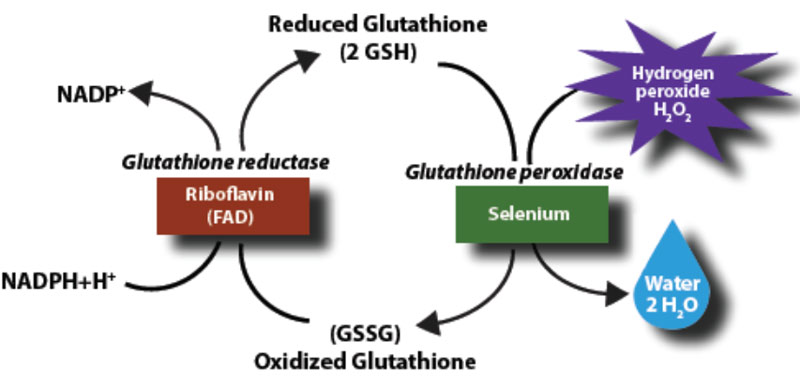
NAC Reduces Lung Injury
Previous studies have also shown NAC helps improve a variety of lung-related problems, including pneumonia and acute respiratory distress syndrome (ARDS),16 both of which are common characteristics of COVID-19. It’s also been shown to speed recovery, reduce intensive care unit (ICU) stays and reduce the need for mechanical ventilation among those with respiratory problems. Such studies include:
- A 2017 meta-analysis,17 which found a significant reduction in ICU stays among ARDS patients treated with NAC, even though there was no significant difference in short-term mortality risk.
- A 2007 study,18 which concluded that NAC improves ARDS by “increasing intracellular glutathione and extracellular thiol molecules” along with general antioxidant effects.
- Research19 published in 2018 found NAC reduces oxidative and inflammatory damage in patients with community-acquired pneumonia.
- Another 2018 study20 found NAC improves post-operative lung function in patients undergoing liver transplantation.
- A 1994 study21 found NAC enhances recovery from acute lung injury, significantly regressing patients’ lung injury score during the first 10 days of treatment, and significantly reducing the need for ventilation. After three days of treatment, only 17% of those receiving NAC needed ventilation, compared to 48% in the placebo group.
NAC Protects Against Blood Clots Too
In this MedCram video, Seheult reviews the abnormal blood clotting aspects of COVID-19. Interestingly, NAC addresses this problem too, as several studies22,23,24,25 have confirmed it counteracts hypercoagulation and reduces the risk of blood clots and stroke.
As noted in one of these studies,26 “NAC has anticoagulant and platelet-inhibiting properties.” It also has potent thrombolytic effects, meaning it breaks down blood clots that have already formed.27 According to another study,28 NAC protects against stroke in part by enhancing GSH and correcting antioxidant levels.
NAC — which recharges glutathione — not only reduces superoxide (oxidative stress) but also appears to reduce von Willebrand factors that form blood clots.
Seheult’s hypothesis for why NAC may be useful against COVID-19 can be summarized as follows: SARS-CoV-2 attaches to and reduces the ACE2 receptor, which causes AT-2 to increase and AT-1,7 to decrease. This in turn increases damaging superoxide that causes oxidative stress and endothelial cell dysfunction.
It is important to note that COVID-19 is not just a respiratory disorder, but also a vascular disorder that causes blood clots, which impair the ability to exchange oxygen in the lungs.
Fortunately, the sulfur in NAC (from cysteine) also reduces the intrachain disulfide bonds by von Willebrand factors that have polymerized by dissociating the sulfur bonds holding them together thus contributing to the clot. Once von Willebrand factor sulfur bonds are broken, the clots starts to dissolve and the blood vessels open up again allowing for exchange of oxygen and carbon dioxide.
Interestingly, NAC’s mechanism of action does not appear to increase bleeding disorders like heparin or coumadin would, and appears to provide a safer alternative to these agents. This suggests that the “H” of heparin in the MATH+ protocol could simply be replaced with NAC.
Overall, the more we learn about COVID-19, the more we come to find there may be simple and inexpensive ways to treat this perplexing illness. NAC in particular looks like a good candidate for consideration. An added boon is NAC’s excellent safety profile. As noted by Seheult, many studies have shown there are no serious adverse effects associated with its use.
- 1 Researchgate, April 2020 [Preprint]
- 2, 3 Natural Products Insider August 11, 2020
- 4 FDA.gov July 29, 2020
- 5 Clinicaltrials.gov
- 6 Drdebe.com April 2, 2020
- 7, 8 European Respiratory Journal 1997 Jul;10(7):1535-41
- 9 Cochrane Database of Systematic Reviews March 13, 2014, Main Results
- 10 BMJ 2017;356:i6583
- 11 Biochemical Pharmacology 2010 Feb 1;79(3):413-20
- 12, 13 Medical Hypotheses October 2020; 143: 109862
- 14 CEBM April 14, 2020
- 15 Alexandria Journal of Medicine December 2018; 54(4): 287-293
- 16, 17 Experimental and Therapeutic Medicine 2017 Oct; 14(4): 2863–2868
- 18 Hum Exp Toxicol. 2007 Sep;26(9):697-703
- 19 Medicine 2018 Nov; 97(45): e13087
- 20 Bioscience Reports October 2018; 38(5): BSR20180858
- 21 Chest Journal January 1994; 105(1): 190-194
- 22 J Med Toxicol. 2013 Mar; 9(1): 49–53
- 23, 28 Redox Biology 2018 Apr; 14: 218–228
- 24, 26 Blood Coagul Fibrinolysis. 2006 Jan;17(1):29-34
- 25, 27 Circulation 2017 Aug 15;136(7):646-660
What are the health risks of low glutathione levels
Reproduced from original article:
www.naturalhealth365.com/low-glutathione
by: Lori Alton, staff writer | August 18, 2020
 (NaturalHealth365) Despite advances in diagnosis and treatment, chronic disease continues to exert a lethal toll in the United States. Close to 650,000 Americans die from heart disease every year, while the CDC reports that cancer is expected to claim over 600,000 lives in 2020 alone. In addition, 5.7 million people are currently living with Alzheimer’s disease, the number one form of dementia among older adults (and the sixth leading cause of death). Now, peer-reviewed research reveals a common thread connecting these illnesses – virtually all people suffering from these health issues exhibit low levels of glutathione.
Clearly, glutathione – famously referred to as, the “master antioxidant” – plays an important role in health and longevity. Today, we’ll focus on how to renew and replenish stores of this wonderful substance.
Warning: Glutathione shortfalls linked with virtually all chronic health issues
Scientists credit glutathione with the ability to attack viruses and bacteria, neutralize harmful free radicals, boost the immune system, fight inflammation, arrest the growth of cancer cells and combat heart disease.
Unsurprisingly, having low glutathione can have serious health consequences.
In fact, there are many integrative healthcare providers that warn the public about the health dangers associated with low glutathione levels. Simply put, if you’re dealing with blood sugar imbalances, autoimmune disorders or poor brain function, being low in glutathione could be the reason for your health challenges.
In a study published in The Lancet, researchers reported that elderly people demonstrated lower glutathione levels than younger individuals. And, levels declined with age and state of health.
Do NOT ignore the health dangers linked to toxic indoor air. These chemicals – the ‘off-gassing’ of paints, mattresses, carpets and other home/office building materials – increase your risk of headaches, dementia, heart disease and cancer.
Get the BEST indoor air purification system – at the LOWEST price, exclusively for NaturalHealth365 readers. I, personally use this system in my home AND office. Click HERE to order now – before the sale ends.
In people who were both ill and elderly, levels were even lower – and were at the lowest in the hospitalized elderly.
Warning: Glutathione deficiency is a massive threat to cellular health
In a 2013 review published in the Journal of Alzheimer’s Disease, scientists concluded that Alzheimer’s disease may be triggered by oxidative stress in the brain resulting from decreased levels of glutathione.
Research has also shown that low levels of glutathione can set the stage for insulin resistance and type 2 diabetes.
A review published in PLOS One reported that diabetic patients had lower levels of glutathione when compared to a control group. And, abnormal glutathione metabolism was more pronounced in patients with microvascular complications from diabetes.
As with the Alzheimer’s disease study, the scientists concluded that glutathione plays a key role in preventing health issues and reducing oxidative stress.
Significantly, a study published in the Journal of Clinical Epidemiology found that elderly subjects with diagnoses of arthritis, diabetes or heart disease had significantly lower glutathione levels than subjects who were healthy.
Natural ways to build up your glutathione levels
Obviously, deficiencies should be avoided at all costs. But, a wide variety of factors can drain stores of precious glutathione, leaving us at risk for health problems.
Glutathione-robbing culprits include poor nutrition, exposure to environmental toxins, alcohol use, smoking, infections, sedentary lifestyle and chronic stress.
In addition, common pharmaceutical and over-the-counter drugs – including acetaminophen and antibiotics – can contribute to low glutathione.
What can we do to restore levels?
The subject of oral glutathione supplementation is somewhat controversial, as some scientists maintain that the compound is broken down too quickly in the digestive tract to be of real benefit. If you do choose to supplement with glutathione, a liposomal formulation is probably your best bet.
Natural health experts typically recommend glutathione dosages of 500 to 1,000 mg a day. As always, check with your integrative doctor before supplementing, especially if you’re not feeling well.
You can boost glutathione levels by consuming foods that are high in cysteine, one of glutathione’s “building blocks.” These include cruciferous vegetables like kale, Brussels sprouts and broccoli, as well as allium vegetables such as garlic, onions and leeks.
Other foods that can raise glutathione include asparagus, avocados and bioactive whey protein made from non-denatured proteins. In addition, in terms of helping to replish glutathione levels, you may want to consider taking milk thistle, N-acetyl cysteine, alpha lipoic acid and vitamin C.
Remember: in these challenging times, it’s important to keep antioxidant levels “fully charged.” There is no better way to accomplish this than by optimizing your glutathione levels.
Sources for this article include: