Children

now browsing by category

Children are our future, and we must protect them and teach them ways to have a long and healthy life.


97% of Countries Will Soon Be Unable to Sustain Populations as Fertility Rates Drop


Reproduced from original article:
https://articles.mercola.com/sites/articles/archive/2024/05/25/dropping-fertility-rates.aspx


Analysis by Dr. Joseph Mercola     May 25, 2024

dropping fertility rates

STORY AT-A-GLANCE

  • A report published in The Lancet predicts that by 2100, the global infertility problem will be so severe that 97% of countries will be unable to sustain their populations. According to the World Health Organization, 1 in 6 people globally are now infertile
  • Exposure to electromagnetic fields (EMFs) and radiofrequency radiation may be the most significant factor for the observed decrease in male sperm count
  • Endocrine-disrupting chemicals like phthalates and bisphenols are also a key culprit to infertility and declining sperm count rates in men
  • Several factors can compromise your ability to reproduce, but following some basic common-sense strategies and healthy lifestyle habits can help address the root of infertility

Americans are now having difficulty conceiving, with one-third of adults in the U.S. turning to fertility treatments or are acquainted with someone who has.1 According to the National Institutes of Health, 9% of men and 11% of women in the U.S. are now struggling with fertility problems, and in healthy couples below 30 years old, 40% to 60% fail to conceive in the first three months of having unprotected sex.2

But infertility isn’t just an American dilemma; it’s a worldwide crisis. According to the World Health Organization,3 1 in 6 people globally are now infertile — and it’s going to get much worse, unless we do something about it.

‘Dramatic Decline’ in Fertility Will Cause Populations to Drop in Most Countries

A report published in The Lancet4 predicts that by 2100, the global infertility problem will be so severe that 97% of countries will be unable to sustain their populations. Published in March 2024, the featured report5 estimates that there will be a dramatic decline in fertility globally, with majority of countries experiencing a significant drop in fertility rates. According to an article by Euronews Health:6

“Researchers led by the University of Washington’s Institute for Health Metrics and Evaluation (IHME) in the US found that three-quarters of countries will not have fertility rates high enough to sustain population size by 2050.

By 2100, they project that this will be the case in 97% of countries, estimating that the global total fertility rate will drop from 2.23 births per female in her lifetime in 2021 to 1.68 in 2050 and 1.57 in 2100.”

Taking into the account the margins of error, the projected fertility rates in the featured report are not far off from the United Nations projections, which state “global fertility is projected to fall from 2.3 children per woman in 2021 to 2.1 in 2050.”7 This is based on their World Population Prospects report published in 2022.8

A separate commentary9 about the featured report, also published in The Lancet, notes, “Although projections are by their nature hypothetical, they ought to offer an avenue for scrutiny, objective comparisons with other forecasts, and improvement, and should inform actions that countries could take to influence, or not, the rate of TFR [total fertility rate] declines.”

What’s Causing Fertility Rates to Decline?

Gitau Mburu, one of the authors of the commentary, reached out to Euronews Health, stating that declining fertility rates can be caused by multiple factors, including “education, contraception access, and postponing parenthood.” He also says economic reasons, such as the cost of raising children and changes in the work force, may also be to blame.10

However, I believe environmental factors, such as being exposed to toxic substances that are ubiquitous in our lives today, could play a more significant role. A 2000 study11 explored several environmental factors affecting fertility, including cigarette smoking, alcohol and exposure to chemicals and pesticides in the workplace. The authors state:

“Although infertility can be caused by many different factors, most infertility is caused by abnormal oocyte and/or sperm production, tubal defects, or endometriosis.

It is important to note, however, that a significant proportion of infertility is unexplained. Investigators hypothesize that environmental factors have the potential to alter male and female reproductive tissues and thus affect the ability of couples to conceive healthy offspring.”

Save This Article for Later – Get the PDF Now

Download PDF

Microwaves — The Invisible Factor Damaging Your Reproductive Health

One stealth factor that can make you infertile is your exposure to electromagnetic fields (EMFs) and radiofrequency radiation from wireless technologies, like cellphones and Wi-Fi. In fact, I believe this may be the most significant reason why sperm counts are dwindling today.12

According to a 2023 study published in the journal Fertility and Sterility,13 men who use their cell phones more than 20 times a day have significantly lower sperm concentrations and sperm counts than those who use their phones once a week or less.

Research by Martin Pall, Ph.D., can help explain why this occurs. Nearly a decade ago, he discovered a previously unknown mechanism of biological harm from microwave radiation. Your cell membranes contain voltage-gated calcium channels (VGCCs) which, when activated by microwaves release about 1 million calcium ions per second.

This massive excess of intracellular calcium then stimulates the release of nitric oxide (NO) inside your cell and mitochondria, which combines with superoxide to form peroxynitrite. Peroxynitrites not only cause oxidative damage, but also create hydroxyl free radicals, which are the most destructive free radicals known to man.

Hydroxyl free radicals decimate mitochondrial and nuclear DNA, their membranes and proteins, resulting in mitochondrial dysfunction. In a 2013 children’s health expert panel on cellphone and Wi-Fi exposures,14 it was noted that “The testicular barrier, that protects sperm, is the most sensitive of tissues in the body … Besides sperm count and function, the mitochondrial DNA of sperm are damaged three times more if exposed to cellphone radiation.”

Many in-vivo and in-vitro studies have also demonstrated the potential implications of EMF exposure to reproductive function. In a paper published in Clinical and Experimental Reproductive Medicine,15 researchers noted that EMFs can affect sperm motility, and the degree of damage can vary depending on the frequency, duration of exposure and strength of EMFs.

Endocrine-Disrupting Chemicals Are Also Making You Infertile

Environmental and reproductive epidemiologist Shanna Swan, Ph.D., says that sperm counts in Western men have been declining for decades, as the rates in 2011 were less than half of what they were in 1973.16 She notes another key culprit for this decline — endocrine-disrupting chemicals (EDCs).

Swan, who authored the book “Count Down: How Our Modern World Is Threatening Sperm Counts, Altering Male and Female Reproductive Development, and Imperiling the Future of the Human Race,” says that phthalates and bisphenols are one of the key culprits to infertility and declining sperm count rates in men. If the curve continues to decline, the median sperm count will be zero by 2045.17 Couples who want to have children will then have no choice but to seek fertility treatments.

Endocrine-disrupting chemicals work by adhering to hormone receptors and directly interfere with the functioning of your steroid hormones, which are crucial for pregnancy and fetal development. As a result, these chemicals can change how many receptors are present in cells, as well as affect the creation, movement, levels and breakdown of hormones in your blood.

This is a cause for concern, considering how ubiquitous EDCs are in our everyday lives. Plastics, cosmetics, personal care products, and processed and packaged foods all contain EDCs. In an article published in Salon,18 Swan comments:

“We also see declines in testosterone in several studies around the world. We see increases in erectile dysfunction. We see increases in rates of genital abnormalities … We see increases in testicular cancer rates.”

France’s national public health agency, Santé Publique France (SPF), recently released 21 health effects linked to endocrine-disrupting chemicals that they consider a priority for surveillance.19 The findings were part of the 2021 PEPS’PE study, and unsurprisingly, “infertility,” “decreased fertility” and “alteration of sperm quality” are on the list.20

‘Forever Chemicals’ Are Just as Problematic

Per- and polyfluoroalkyl chemicals (PFAS) are dubbed “forever chemicals” because aside from having the ability not to break down easily in the environment, they can also bioaccumulate in wildlife and people. When these EDCs enter your body, they can have half-lives of two to five years.21

Forever chemicals are used in food packaging, clothing, personal care products and other stain- and grease-resistant products. It can even be found in your clothes — including your children’s school uniform. A 2022 study22 notes that about 3 tons of PFAS are used in U.S. school uniforms annually, exposing children to 1.03 ng/kg bw/day of PFAS, which can be absorbed via their skin.

Over 9,000 PFAS are used today, and exposure is so widespread that 97% of Americans were found to have PFAS in their bodies.23 And just like phthalates and bisphenols, many studies24,25,26 demonstrate their potential to disrupt reproductive hormones and affect fertility.

A study published in the journal Environmental Health Perspectives,27,28 for example, notes that there’s “a statistically significant association between exposure to a mixture of PFAS in early pregnancy and lower sperm concentration and total sperm count and higher proportion of non-progressive and immotile sperm” in male offspring.

PFAS have also been linked to reproductive health issues in women. A study29 conducted by researchers in Singapore highlighted the dangers of these chemicals on women’s fertility, saying that “higher exposure to PFAS, individually and as a mixture, is associated with reduced probability for clinical pregnancy and live birth.”

The researchers also note that forever chemicals not only disrupt reproductive hormones, but they can also delay puberty, and increase the risk of endometriosis and polycystic ovary syndrome (PCOS).30

What’s on Your Dinner Plate Can Also Affect Your Fertility

It’s no secret that we’re exposed to dangerous chemicals every day from our environment. However, your food choices could be adding to your toxic load, too. For example, conventional fruits and vegetables today are sprayed with pesticides, including glyphosate, the active ingredient in Roundup. These chemicals are particularly problematic, as they are known endocrine disruptors.

High pesticide exposure from pesticide-treated fruits and vegetables has been associated with an 18% lower in-vitro fertilization (IVF) success rate in women. They were also 26% less likely to have a live birth if they did become pregnant.31 This clearly illustrates why it’s far better to opt for organic, pesticide-free produce.

And if you’re always fond of eating processed foods like frozen pizzas, pancakes and waffles, be warned – these products contain sodium aluminum phosphate, a known neurotoxin that could impact your reproductive health. Used in food products as an emulsifying agent and stabilizer, this ingredient, albeit classified as “safe to consume,”32 could have long-term damaging effects on your fertility.

According to Dr. Naomi Wolf, exposure to sodium aluminum phosphate may lead to long-term oxidative stress, DNA damage and a negative impact on blood testosterone levels and sperm production.33 For a more detailed report about this additive, you can read my article “Food Additive in Pizza, Pancakes Linked to Lower Sperm Counts.”

Vaccines Cause Low Testosterone and Miscarriage

Wolf adds that exposure to aluminum-containing products can also be a key factor in the increasing rates of depression, weight gain and sexual disinterest among young men — these may all be associated with decreased levels of testosterone.34

I’ve warned about aluminum’s serious risks for many years now, especially its role in the rising rates of autism and Alzheimer’s. You can be exposed to it in many ways, but one of the most significant sources — and potentially one of the worst — is through vaccines. Vaccines contain aluminum adjuvants, which bypass your body’s natural filtering and detoxification systems.

Particularly problematic are the mRNA shots, which are likely both ineffective and dangerous. Wolf claims that mRNA shots contain aluminum,35 and although there is no current proof the mRNA shot for COVID does, the European Medicines Agency has approved the use of other COVID vaccines using complete viruses and a dual adjuvant of aluminum hydroxide-CpG 1018. Shots against COVID-19 that contain aluminum adjuvants are also approved in other countries.

Equally alarming is the fact that vaccines can cause miscarriage in pregnant women. In 2009, women reported losing their babies hours or days after getting the H1N1 swine flu vaccine. Not surprisingly, these instances were passed off as coincidental.36

However, a 2017 paper published in the journal Vaccine37 found that women who had received a pH1N1-containing flu vaccine two years in a row were more likely to suffer miscarriage within the following 28 days.

The CDC has not made any changes to its recommendation for pregnant women to get vaccinated against influenza, and is recommending getting the vaccine “during any trimester of pregnancy.”38,39 This is reprehensible public health policy at its worst, as corporations are profiting while the health of moms and their unborn children are being sacrificed.

Progesterone Can Help Reduce Miscarriage Risk

If you’re pregnant or planning to get pregnant, I advise you to avoid vaccines, including mRNA jabs. Remember, the more mRNA shots you take, the more severe the damage to your immune system could be.

Another way to reduce your risk of a miscarriage is to consider progesterone supplementation. Dubbed the “pregnancy hormone,”40 it plays a crucial role in conception, from implantation of the embryo to delivery of the baby.

According to studies published in 2020,41 progesterone could prevent 8,450 miscarriages each year, especially when given to women with bleeding in early pregnancy. For more information, read my article “Progesterone for Miscarriage Prevention.”

More Strategies to Boost Fertility Naturally

There are indeed various factors that can compromise your ability to reproduce, but I believe following some basic common-sense strategies and healthy lifestyle habits can help address the root of infertility. Here’s a summary of my recommendations:

Minimize your exposure to toxic chemicals, including heavy metals, endocrine disruptors, pesticides and herbicides, formaldehyde, organic solvents, dry-cleaning chemicals and paint fumes.
Avoid all vaccines, particularly mRNA shots — If you’ve already had one or more COVID-19 shots, there are steps you can take to repair from the assault on your system. The Front Line COVID-19 Critical Care Alliance (FLCCC) also has a treatment protocol for post-jab injuries. It’s called I-RECOVER and can be downloaded from covid19criticalcare.com.42
Avoid drinking unfiltered tap water, as our waterways are constantly being polluted by industrial waste and byproducts.
Eat an optimal fertility diet — An optimal fertility diet is about what to avoid as much as it is about what to include. Eat REAL food, ideally organic, to avoid pesticide residues, and locally grown.

Avoid factory farmed animal products, processed seed and vegetable oils that are loaded with linoleic acid (LA) that destroys mitochondrial function, as well as unfermented soy, as soybeans contain phytoestrogens that act on hormones. Men would do well to add more sperm-enhancing foods43 to their diet, such as organic pastured eggs, bananas, asparagus, broccoli, pomegranates, garlic and all zinc-rich foods (zinc plays a key role in sperm development).

Avoid common allergens — An overactive immune system is more likely to attack its own body cells, and the link between food intolerances and anti-sperm antibodies is well established. The two most widely spread food intolerances are gluten and dairy. Factory-farmed milk can also be a source of estrogen that can harm a man’s fertility.
Minimize microwave exposure — Avoid carrying your cellphone on your body while it is on, and avoid using laptops and tablets on your lap. Turn off your Wi-Fi off at night and make your bedroom an EMF-free zone.
Get checked for sexually transmitted diseases (STDs) — Some STDs, like chlamydia, can be asymptomatic. In men, chlamydia can lead to sperm abnormalities including sperm antibodies. In women, it can lead to scarring, blocked tubes and miscarriage.
Avoid coffee, smoking and alcohol — While organic black coffee has several health benefits, fertility does not appear to be one of them. On the contrary, studies suggest it decreases fertility.44 Alcohol, smoking and recreational drugs can also adversely affect fertility, reducing the size of your testes and lowering your sperm count.
Get regular exercise — According to research,45 getting at least 30 minutes of exercise three times a week can help boost men’s sperm count.
Normalize your weight — Obesity contributes to infertility in both men and women. Normalizing weight can help improve sperm quality and quantity in men and augment a woman’s chances of getting pregnant,46 in part by normalizing menstrual cycles.47
Limit hot baths and saunas — While hot baths and saunas have a myriad of health benefits, it’s ideal to limit them during the conception phase, as the heat can take a toll on sperm. In one three-year-long study,48 5 of 11 men who quit taking hot baths were able to raise their sperm count by 491%.
Combat stress — Make sure to get sufficient amounts of sleep and/or incorporate a tool like the Emotional Freedom Techniques (EFT), yoga or meditation to address stress.
Clean up your home environment — Use natural cleaning products or make your own.
– Sources and References

Kidney Stones in Children Are Becoming More Prevalent — Here’s Why and How to Fight Them


Reproduced from original article:
https://articles.mercola.com/sites/articles/archive/2024/05/16/kidney-stones-in-children.aspx


Analysis by Dr. Joseph Mercola     
May 16, 2024

kidney stones in children

STORY AT-A-GLANCE

  • Cases of kidney stones among children are increasing, and although less common than in adults, it could become a lifelong battle
  • Oxalates, which are found in many plant foods, are a contributing factor to the rising cases of kidney stones. When these compounds bind with calcium, they form calcium oxalate crystals, which are microscopic and razor-sharp, and can cause significant tissue damage
  • By optimizing your metabolic flexibility, you can maintain a low-oxygen environment in your gut. This allows healthy obligate anaerobes, which can help metabolize and eliminate oxalates, to thrive
  • Removing high-oxalate foods from your diet is the first step to minimize their harmful effects and help heal your gut. Some strategies that can aid in eliminating oxalates are also discussed here

Kidney stones are hard masses that form from the chemicals in the urine when there’s too much waste and too little liquid. They can be as small as a grain of sand, or as big as a pebble — in some cases, they can grow as large as a golf ball. As your body works to eliminate the stone, it can lead to irritation or blockage, causing intense pain and other symptoms.1

In adults, kidney stones are a common health complaint, with 8 out of 1,000 adults being diagnosed yearly.2 Alarmingly, cases among children are increasing as well.

Is Your Child at Risk of Developing Kidney Stones?

According to an article in ABC7,3 kidney stones have become more prevalent in children over the last 20 years. Although less common than in adults, it could still be a lifelong battle. The article tells the story of Alex Zellers, a 4-year-old with a rare genetic disease called cystinuria, which caused him to develop enlarged kidney stones that had to be surgically removed.4

“One stone in his kidney was the size of a golf ball. The other, in his bladder, was the size of a lacrosse ball. ‘It’s just like a giant dense egg. It’s just a big mass,’ described Kate, Alex’s mother.”

In the article, Dr. Greg Tasian, a pediatric urologist with Children’s Hospital of Philadelphia, explains how kidney stones form, saying “Your body doesn’t absorb certain amino acids and that cystine accumulates and crystallizes in the urine forming stones early in life.”

And although Alex’s condition is rare, Tasian claims that he is seeing an increase in young patients with kidney stones and says that several lifestyle factors are to blame, such as eating more ultraprocessed foods, excessive of use antibiotics and being chronically dehydrated, especially during hot weather.5

However, there could be another more significant contributing factor, and it’s found in the foods you eat — even those that are considered healthy.

Oxalates Are Linked to Kidney Stones, but What Are They?

Oxalates are natural compounds found in many plant foods, including beans, grains, seeds and nuts, fruits, berries and herbs.6 They’re also called dicarboxylic acid, meaning they are composed of two carbon dioxide (CO2) molecules.

However, having two carboxyl groups (COOH), causes them to lose protons under physiological conditions. This leaves them with a negative charge, which then allows them to bind to positively charged ions like calcium.

Chemically, oxalate is a salt; and as with other salts, it forms crystals that your body innately has a limited capacity to process. When oxalates bind with calcium, they form calcium oxalate crystals, which are microscopic and razor-sharp and can cause significant tissue damage. And because they are not soluble, they can accumulate.

This is what causes kidney stones to form. Calcium stones are the primary type, making up 80% of kidney stones.7 But contributing to the formation of kidney stones is just one of the ways oxalates wreak havoc on your health. These compounds can affect numerous body functions and cause a wide range of symptoms.

Save This Article for Later – Get the PDF Now

Download PDF

A High-Oxalate Diet Can Lead to Joint Pain, Digestive Problems and Skin Irritation

Excessive oxalates can affect your absorption of essential nutrients and lead to mineral deficiencies. When they accumulate in your joints, they can cause crystals, similar to those in the kidneys, to form. This can trigger inflammation and joint pain, resembling symptoms of gout or arthritis.

In your urinary tract, oxalates can cause irritation, discomfort and an increased risk of urinary tract infections (UTIs). The razor-sharp crystals can also make urination painful, and contribute to irritable bladder syndrome, which is characterized by frequent, urgent and/or painful urination.

Meanwhile, bloating, gas, diarrhea and abdominal pain can arise when oxalates affect your intestinal tract, especially in people with sensitive digestive systems or who have irritable bowel syndrome (IBS).

There’s also research linking a high-oxalate diet with fibromyalgia symptoms, and while still not fully understood, the theory is that oxalate crystals may be causing inflammation in the muscles and connective tissues, causing widespread pain and fatigue.

Once your body tries to eliminate oxalates, they can be excreted through your skin, particularly if your kidneys can no longer process the excessive amounts of oxalates in your system. This can form crystalline deposits on your skin, causing irritation, rash and intense itching.

I struggled with this health problem 15 years ago, when I developed a rash that caused such intense itching it made me lose sleep. When scratched, the rash would turn into hard nodules that would last for months or years.

I tried numerous natural interventions, including icing the affected area and applying aloe gel, but could not find any long-lasting solution — it was only when I addressed the oxalates in my diet that I was able to find relief.

Oxalates Can Interfere With Your Cellular Functions

Another way that oxalates harm your health is by disrupting enzyme functions that are essential to cellular energy production. Oxalate ions can bind to the enzymes in the mitochondrial electron transport chain, which are essential for adenosine triphosphate (ATP) production.

Your mitochondria produce ATP, which is why they are called the “powerhouses” of your cells. ATP is the currency of your cellular energy and is the lifeblood of cellular processes. It powers everything, including processes like muscle contraction, nerve impulse propagation, synthesis of essential biomolecules and the maintenance of cellular homeostasis.

When oxalates disrupt ATP production, it can lead to decreased energy production and increased oxidative stress within cells. This then leads to a broader range of metabolic and physiological dysfunctions.

Avoid These High-Oxalate Foods

Everyone needs to be concerned about oxalates, not just those dealing with kidney stones or other chronic health issues, metabolic inflexibility or mineral imbalances. The first step is to identify high-oxalate foods and remove them from your diet, until your gut is healed.

I recently interviewed Sally Norton, who is an esteemed authority on oxalates. Her expertise is indeed invaluable for anyone seeking to understand this topic. In our discussion, she specified the foods that are particularly loaded with oxalates. You may be surprised, as some of these are on many people’s “healthy foods” list:

• Spinach — Their oxalate levels can be as high as 600 to 800 mg per 100 grams.

• Almonds — Almonds generally contain about 122 mg of oxalates per 100 grams. However, all nuts in general are particularly problematic, since they contain linoleic acid (LA). Even macadamia nuts can add to your toxic load, as they contain oleic acid, which could just be as bad as LA.

“These seeds from the trees are designed with all these multiple anti-nutrients to kick you in the gut. All the anti-nutrients are gut toxic. They’re all causing some degree of gut damage. Nuts are just designed to be indigestible. They’re designed to dismantle your ability to digest food. If you want a healthy gut, you don’t want nuts kicking your gut over and over again,” says Norton.

• Peanut butter — Peanut butter can have around 140 mg per 100 grams.

• Sweet potatoes — They contain about 30 mg of oxalates per 100 grams. (Although this is considered high compared to other vegetables, it’s actually much lower than spinach or nuts)

• Figs — They have approximately 40 mg per 100 grams.

In addition to spinach, high-oxalate leafy greens that are considered “superfoods” are Swiss chard and beet greens, so you may want to avoid them if you’re sensitive to oxalates or are struggling with kidney stones.

You may also want to avoid these collagen-rich protein sources until your gut is healed, as collagen breakdown can lead to oxalate production and aggravate your condition:

  • Bone broth
  • Gelatin
  • Animal skins, tendon and ligaments
  • Meat cuts with connective tissues such as oxtail, neck and shank
  • Organ meats like heart and liver

Healing Your Gut Can Help Address Oxalate Toxicity

I mentioned above that healing your gut health is crucial to help curb the effects of oxalates, but before you do that, you need to address your metabolic inflexibility. This refers to your body’s diminished ability to switch between burning fuel sources, mainly carbohydrates and fats.

When you’re metabolically inflexible, it can affect your body’s ability to produce energy. This can have a profound impact on your gut health, particularly your large intestine, as it hinders your body’s ability to maintain a low-oxygen environment in this organ.

You need a low-oxygen environment in your large intestine because not only does it help keep pathogenic bacteria in check, but it also allows healthy obligate anaerobes to thrive. These are a primitive type of bacteria that cannot survive when exposed to oxygen.

So what do obligate anaerobes have to do with oxalate toxicity? It turns out that there are obligate anaerobes that can digest oxalate crystals, called Oxalobacter formongines.8 These beneficial bacteria thrive in a low-oxygen environment and have a unique ability to efficiently metabolize oxalates.

Using specific enzymes, Oxalobacter bacteria break down oxalate crystals into formate and carbon dioxide. The carbon dioxide then helps retain the low-oxygen environment in your intestine, allowing these primitive organisms to thrive and support your health. Through simple passive diffusion, the crystals are released and wind up in your intestine where the Oxalobacter continues to digest them until the oxalate toxicity issues disappear.

To put it simply, you need to optimize your metabolic flexibility so you can maintain a low-oxygen environment in your gut and allow Oxalobacter bacteria to radically reduce the level of oxalates in your tissues.

I believe this is the ultimate cure for most kidney stones. It’s far more efficient and effective than the conventional approach for this common health condition, as it goes straight to the root cause of the problem.

Step 1 in healing your gut would be to eliminate linoleic acid (LA) from your diet, as LA precipitates the formation of peroxynitrites that ravage mitochondrial function and impede energy production, forcing your body to rely on glycolysis in the cytoplasm of your cells rather than the electron transport chain (ETC) of your mitochondria.

This, in turn, results in the impairment of your gut by allowing oxygen leakage into your gut that kills beneficial bacteria and allows pathogenic bacteria to thrive.

There’s No Quick Way to Detox Oxalates

If you or your children struggle with kidney stones or have other signs of oxalate toxicity, I encourage you to watch my interview with Norton, as we discuss many strategies and food choices that can help minimize the harmful effects of oxalates or aid in their elimination.

Aside from limiting your intake of high-oxalate foods mentioned above, here are some key recommendations to remember:

Increase your calcium intake — When you consume foods high in calcium or take calcium supplements, they can bind to oxalates in the intestines and prevent them from being absorbed. They will also help facilitate oxalate excretion through your stool. Foods rich in calcium include dairy products and leafy greens.
Stay hydrated — Drinking sufficient water will help flush out oxalates through your urine and keep kidney stones from forming.
Optimize your gut health — Promote a healthy gut microbiome by consuming probiotic-rich foods like yogurt, kefir and fermented vegetables. This will help support the growth of Oxalobacter and other beneficial bacteria.
Citrate consumption — Citrate, found in citrus fruits like lemons and oranges, can help by binding with calcium and oxalate, thereby reducing the formation of kidney stones. Avoid over-supplementation with ascorbic acid, however, as high doses can convert into oxalate. Ascorbic acid is the most common form of vitamin C used in dietary supplements.
Cook high-oxalate foods well — Cooking methods that involve boiling can help reduce oxalate content in foods as the oxalates will leach into the cooking water.
Topical calcium for oxalate-related skin irritations — Applying topical calcium can alleviate your symptoms by precipitating oxalates at the site.

Remember that healing your body takes time — don’t expect results overnight. It’s a marathon, not a sprint. In some cases, it may take two years to two-and-a-half years after following a low-oxalate diet to see the effects, and they may not be pleasant.

For example, you may suddenly get sicker, as your kidneys are finally cleaned up and can excrete oxalate more efficiently. This means your body is tapping into deeper deposits. Possible side effects can include gastritis, migraines, anxiety attacks, gout and other types of toxic reactions.

Your uric acid may also increase, as it is replacing the oxalic acid. In this instance, this means you’re clearing oxalate. You may also notice tartar buildup on your teeth, gritty stools, gritty eyes, hemorrhoids and burning stools — all these are symptoms that your body is healing itself.

Cellular Energy — The Very Essence of Life

My personal struggle with the skin irritation triggered by oxalates 15 years ago is an eye-opener. It’s what I consider the pivotal turning point in my health journey, as it is the best illustration of just how crucial it is to have a healthy, well-functioning microbiome to your overall health.

Unfortunately, virtually none of us have a healthy gut microbiome. This is a result mainly because of large multinational corporations taking advantage of us and steering us toward unnatural products that end up harming our mitochondria and ultimately our ability to create cellular energy.

I believe that your ability to produce sufficient cellular energy is the single most important factor to fuel your body’s innate repair and regeneration processes so it can recover from diseases and any type of health obstacle.

With that said, I will be releasing a new book this summer that delves into the science of cellular energy. In this book, I’ll explain in detail the biochemical pathways that provide energy to your cells, as well as also how disrupting these pathways can put you or your loved ones at risk of progressively worsening health issues.

I’ll also share practical strategies to help support your mitochondrial health and enhance your cellular energy production through healthy food choices, lifestyle changes and proper supplementation. This book is a definite must-read, as it can help you rediscover the foundational strategies to heal your body and ward off diseases, so stay tuned.

Autism and ADHD Linked to Disturbed Gut Flora Very Early in Life


Reproduced from original article:
https://articles.mercola.com/sites/articles/archive/2024/04/25/neurodevelopmental-disorders-gut-flora.aspx

Analysis by Dr. Joseph Mercola     April 25, 2024

neurodevelopmental disorders gut flora

STORY AT-A-GLANCE

  • The makeup of gut flora at birth and during the first year of life may play a key role in the development of neurodevelopmental disorders, including autism spectrum disorder, attention deficit hyperactivity disorder, communication disorders and intellectual disability
  • The research connected changes in gut bacteria in early life to neurodevelopmental disorders and identified early signs of mood and digestive problems
  • Children with three or more ear infections treated with antibiotics were more likely to develop a speech disorder, ADHD or an intellectual disability
  • Among children who developed neurodevelopmental disorders, higher levels of inflammatory Citrobacter bacteria and lower levels of beneficial Coprococcus were found in the microbiome
  • Antibiotics may be responsible for this effect, with researchers suggesting penicillin may increase Citrobacter while decreasing or eliminating Coprococcus

The makeup of gut flora at birth and during the first year of life may play a key role in the development of neurodevelopmental disorders, including autism spectrum disorder (ASD), attention deficit hyperactivity disorder (ADHD), communication disorders and intellectual disability.1 Worldwide, 3.4 billion people suffer from health conditions that affect the nervous system.2

While much remains to be discovered about how early gut microbiota affect cognition, it’s known that gut bacteria are involved in metabolism, neurological health, immune function and the health of the gastrointestinal tract. Further, gut-brain communication occurs via multiple avenues, including along the vagus nerve and through transport of short-chain fatty acids (SCAs).3

Gut microbes can also synthesize neurotransmitters, according to researchers with the University of Florida. In a study published in the journal Cell, they reveal that disruptions to gut flora in very early life may raise the risk of autism, ADHD and more.4

Gut Bacteria in Early Life Tied to Neurodevelopmental Disorders

The study tracked a group of Swedish children from birth over a 20-year period to identify factors that might influence whether they develop a neurodevelopmental disorder. Researchers collected extensive data from early in the children’s lives using detailed questionnaires about infections, antibiotic use, stress, prenatal conditions and family health history.

They also analyzed biological markers such as metabolites in umbilical cord blood and stool, types of body cell proteins and gut bacteria. Out of the 16,440 children monitored, 1,197 — or 7.3%5 — were diagnosed with a neurodevelopmental disorder, and significant links were found between certain early-life factors and the likelihood of developing NDs.

Notably, the research connected changes in gut bacteria to these disorders and identified early signs of mood and digestive problems.

“The remarkable aspect of the work is that these biomarkers are found at birth in cord blood or in the child’s stool at 1 year of age over a decade prior to the diagnosis,” study author Eric Triplett said in a news release.6 Interestingly, infants who went on to develop neurodevelopmental disorders were deficient in many bacteria known to promote gut health, including Akkermansia, Bifidobacterium, Ruminococcus and Faecalibacterium.

“Akkermansia muciniphila was associated with substances that contribute to the production of chemical signals in the brain known as neurotransmitters. These neurotransmitters play a crucial role in brain function and mood regulation,” the University of Florida reported.7

Antibiotics, Stress May Alter Microbiome, Contributing to Neurodevelopmental Damage

The study also revealed that children who had three or more ear infections treated with penicillin from the time they were born until age 5 were at increased risk of NDs compared to those in the control group. Specifically, they were:8

  • 3.89 times more likely to develop a speech disorder
  • 3.27 times more likely to develop ADHD
  • 2.44 times more likely to develop an intellectual disability

Further, among children who developed neurodevelopmental disorders, higher levels of Citrobacter bacteria, which are associated with inflammation, and lower levels of Coprococcus, which are linked to mental health benefits, were found in the microbiome. Antibiotics may be responsible for this effect, with researchers suggesting penicillin may increase Citrobacter while decreasing or eliminating Coprococcus.9

“We’re not trying to say that antibiotics are necessarily a bad thing,” lead study author Angelica Ahrens said. “But perhaps overuse can be detrimental to the microbiome, and for some children, for whatever reason, their microbiome might not recover as readily.”10

Meanwhile, both environmental and emotional stress also increased the risk of NDs. Children whose mothers smoked during pregnancy were three times more likely to develop NDs, while toddlers exposed to secondhand smoke were 4.88 times more likely to develop ADHD. Toddlers whose fathers smoked more than 15 cigarettes daily were also 3.47 times more likely to develop autism.11

Further, among children later diagnosed with autism, higher levels of PFDA (perfluorodecanoic acid) were found. PFDA is a breakdown product often found in food packaging, especially those made to be grease-resistant, such as microwave popcorn bags and fast-food wrappers.12 “These substances are known to be associated with chronic inflammation, oxidative stress, immune suppression, and possible involvement in autoimmune diseases,” the researchers noted.13

According to Ahrens, “There’s a pretty consistent pattern where it seems increased stressors — whether from emotional stress or exposure to adverse health influences — can impact the immune system and, subsequently, the microbiome — along with all its downstream effects.”14

Save This Article for Later – Get the PDF Now

Download PDF

Children Are Exposed to an ‘Enormous Burden of Stressors’

It’s rarely just one factor that triggers a neurodevelopmental disorder or other chronic disease. Typically, it’s a combination of factors — like processed food loaded with linoleic acid, childhood vaccines, antibiotic overuse and environmental pollutants — that causes gut dysfunction and other imbalances in the body.

Beth Lambert, who in 2009 founded Epidemic Answers, a research organization focused on helping children with autism and other chronic diseases, explained in our interview that it’s the total load of modern living that often adds up to chronic diseases like autism:

“It’s what we call the total load of modern living. The total load is a concept that’s been around for a very long time, especially in environmental medicine … Patricia Lemer, who wrote a book called ‘Outsmarting Autism,’ first applied the concept of total load to neurodevelopmental conditions like autism, where she would say, basically, ‘It isn’t one thing that causes autism. It’s really a perfect storm, a total load.

It’s too many stressors of modern living on a body that doesn’t have enough resources to withstand those stressors.’

Here’s an example. Why is it that two children go into a pediatrician’s office, one gets their 18-month vaccines and the other one gets their 18-month vaccines, one develops autism and the other one doesn’t? Is it genes? Is it what the child ate that day? Is it the fact that one child had a sickness and the other one didn’t?

Was it because this child was on antibiotics when he had vaccines and this one wasn’t? There are so many variables in each child and in each story. So, that’s where I think the total load concept or total load theory really stands up is because there’s so much medical literature on modern living and the ways that we live in the modern world and how it damages your health.

Inflammatory foods, processed foods, the enormous quantity of sugar that modern children consume, the number of pharmaceuticals children have, the antibiotics, for instance … Antibiotics … destroy your gut bacteria. What is the significance of that? That gut bacteria regulates everything from your immune system to your digestion of food and your metabolism.

So, all of those factors are going to impact a child, especially when they are in that critical developmental time. So, if you think about an infant and all the work they have to do to get to crawl, and walk, and talk, and relate to the humans in their lives, all of that takes an enormous amount of energy.

If their body is burdened with toxins from the laundry detergent, and from the mercury and cadmium on their toys, and from the inflammatory foods they’re eating, and their vaccines and their antibiotics and their proton pump inhibitors … that’s when you’re going to see them begin to develop symptoms, whether those are skin symptoms, like eczema, allergies, or whether it’s neurodevelopmental symptoms.

As we’re going through this developmental timeline, if you have an enormous burden of stressors, inflammation going on in your body, and you’re supposed to be developing vision or speech, your body’s too busy dealing with all those stressors, so you’re going to have an arrested, impaired, or delayed development.”

Are EMFs the No. 1 Risk Factor?

Electromagnetic fields (EMFs) are the cigarettes of the 21st century — and most people are being exposed 24 hours a day. Most of the radiation emits from cellphones, cell towers, computers, smart meters and Wi-Fi, to name just a few of the culprits.

Exposure causes serious mitochondrial dysfunction due to free radical damage. Among the most common consequences of chronic EMF exposure to your brain are chronic conditions like Alzheimer’s, anxiety, depression and autism.15

Research published in Pathophysiology suggests autism may be associated with biological disturbances that are similar to the effects of EMF and radiofrequency exposures.16 Martin Pall, Ph.D., also discovered a previously unknown mechanism of biological harm from microwaves emitted by cellphones and other wireless technologies via voltage gated calcium channels (VGCCs) embedded in your cell membranes.17

VGCCs are found in high concentrations in the brain, and research involving animals has shown that even low levels of microwave EMFs can have significant and varied effects on the brain. Studies suggest that when these VGCCs are activated by EMFs, it can lead to a range of neuropsychiatric effects.

At least 26 studies have linked EMFs to neuropsychiatric effects, and five specific criteria have been used to demonstrate that this relationship is causal, meaning EMFs can cause these effects.18 While it’s nearly impossible to avoid EMF exposure completely, there are practical ways to limit it.

Given the number of EMFs that bombard you all day long, getting educated about the negative effects of EMFs is imperative to your well-being. Particularly if you are dealing with a serious illness or neurodevelopmental disorder like autism, it is well worth your time to reduce your EMF exposure as much as possible.

One strategy is to connect your desktop computer to the internet via a wired connection and put your desktop — and cellphone — in airplane mode. Also avoid wireless keyboards, trackballs, mice, game systems, printers and house phones. Opt for the wired versions instead. If you must use Wi-Fi, shut it off when not in use, especially at night when you’re sleeping. Shutting off the electricity to your bedroom at night will also help reduce your exposure.

How to Support a Healthy Microbiome

Avoiding antibiotics, including those found in conventionally raised meat, is key to keeping your microbiome health intact. Ultraprocessed foods, artificial sweeteners, chlorinated and fluoridated water and antibacterial products are other culprits that can worsen your microbial health.

Consuming fermented foods is an important step to increase microbiome diversity as well as decreases markers of inflammation.19 If you do take antibiotics or are looking for another supportive measure for gut health, consider spore-based probiotics, or sporebiotics. These are part of a group of derivatives of the Bacillus microbe and have been shown to dramatically increase your immune tolerance.

During pregnancy and in early life, vaginal delivery (versus caesarean), breastfeeding and exposure to older siblings can help establish a healthy microbiome during these crucial periods of development.20 As noted by microbiologist Dr. Marty Blaser:21

“Before modern times, microbes were transferred from mother to child during vaginal birth, from the mother’s breast during nursing, through skin-to-skin contact, and from the mother’s mouth by kissing.

Now, widespread cesarean delivery, bottle-feeding, extensive bathing (especially with antibacterial soaps), and especially the use of antibiotics have changed the human ecology and altered transmission and maintenance of ancestral microbes, which affects the composition of the microbiota.

The microbes, both good and bad, that are usually acquired early in life are especially important, since they affect a developmentally critical stage.”

Vitamin D: A New Hope for Type 1 Diabetes Treatment?

© GreenMedInfo LLC. This work is reproduced and distributed with the permission of GreenMedInfo LLC.
Want to learn more from GreenMedInfo? Sign up for the newsletter here:
www.greenmedinfo.com/greenmed/newsletter
Reproduced from original article:
https://greenmedinfo.com/content/vitamin-d-new-hope-type-1-diabetes-treatment
Posted on: Tuesday, April 23rd 2024 at 3:00 am
Written By: GreenMedInfo Research Group
This article is copyrighted by GreenMedInfo LLC, 2024

A groundbreaking study has uncovered a simple, cost-effective way to improve the lives of millions living with Type 1 diabetes – and it all starts with a humble vitamin supplement.

Vitamin D, often called the “sunshine vitamin,” is well-known for its role in maintaining healthy bones. However, a recent study published in JAMA Network Open has shed light on its potential to revolutionize the treatment of Type 1 diabetes, especially in young people.1

The randomized, double-blind, placebo-controlled clinical trial, led by Dr. Benjamin Udoka Nwosu from Northwell Health’s Cohen Children’s Medical Center, investigated the effects of high-dose vitamin D supplementation on insulin production and the honeymoon phase in youth aged 10-21 years with newly diagnosed Type 1 diabetes.1 The honeymoon phase is a critical period following diagnosis when the body still produces some insulin, and prolonging this phase can lead to better long-term outcomes.2

Thirty-six participants were randomly assigned to receive either ergocalciferol, a form of vitamin D, or a placebo for 12 months. The ergocalciferol group received 50,000 IU per week for the first two months, followed by the same dose biweekly for the remaining ten months.1 This dosage is significantly higher than the recommended daily allowance of 600-800 IU for this age group.3

The study measured the participants’ fasting proinsulin to C-peptide ratio (PI:C) and the percent change in the area under the curve (AUC) of C-peptide, both indicators of insulin production and beta-cell function.1 C-peptide is a byproduct of insulin production and its presence signifies that the body is still making insulin.2

The results were promising. Ergocalciferol supplementation significantly decreased fasting PI:C compared to placebo (mean [SE], -0.0009 [0.0008] vs 0.0011 [0.0003]; P = .01).1 Additionally, the mean decrease in the percent change from baseline AUC for C-peptide was slower in the ergocalciferol group compared to placebo (-28.4% vs -41.5%; P = .03).1 These findings suggest that vitamin D supplementation can improve insulin production and extend the honeymoon phase in newly diagnosed Type 1 diabetes.

The study builds upon Dr. Nwosu’s previous work, which demonstrated vitamin D’s safety and efficacy in improving glucose control and prolonging the remission phase in children with Type 1 diabetes.2 The current trial’s effect size for beta-cell protection (15%) is comparable to other investigational therapies like imatinib and verapamil.1

While vitamin D supplementation shows promise, it is not a standalone treatment for Type 1 diabetes. Dr. Charles Schleien from Northwell Health noted that repurposing safe and effective supplements like vitamin D presents an opportunity to develop additional therapies needed to comprehensively treat the disease.2

The implications of this research are significant. Type 1 diabetes affects millions worldwide, and current treatment options can be costly and burdensome.2 Vitamin D supplementation offers a more affordable and accessible approach to improve the lives of those living with the condition, especially in the crucial early stages of disease management.

As with any new treatment, further research is needed to confirm these findings and determine optimal dosing strategies. However, this study provides a glimmer of hope for the millions of young people and their families navigating the challenges of Type 1 diabetes. By harnessing the power of a simple vitamin, we may be one step closer to improving outcomes and quality of life for those affected by this chronic condition.

For more information on natural substances researched to have value in Type 1 diabetes, view our article on the topic here.


References

1. Nwosu BU, Parajuli S, Sharma RB, Lee AF. Effect of Ergocalciferol on β-Cell Function in New-Onset Type 1 Diabetes: A Secondary Analysis of a Randomized Clinical Trial. JAMA Network Open. 2024;7(3):e241155. doi:10.1001/jamanetworkopen.2024.1155

2. Dahnke A. Vitamin D Could Help Treat Young People With Type 1 Diabetes, Improve Insulin Production. Published March 11, 2024. Updated March 20, 2024. https://www.verywell.com/how-vitamin-d-extends-honeymoon-phase-type-1-diabetes-6753158

3. Institute of Medicine, Food and Nutrition Board. Dietary Reference Intakes for Calcium and Vitamin D. Washington, DC: National Academy Press, 2010.

Disclaimer: This article is not intended to provide medical advice, diagnosis or treatment. Views expressed here do not necessarily reflect those of GreenMedInfo or its staff.

Critical Vaccine Studies: 400 Vital Scientific Papers Parents and Pediatricians Need To Be Aware Of


Reproduced from original article:
https://articles.mercola.com/sites/articles/archive/2024/03/24/critical-vaccine-studies.aspx


Analysis by Dr. Joseph Mercola     
March 24, 2024

STORY AT-A-GLANCE

  • Comparing vaccination rates in 34 developed nations revealed a significant correlation between infant mortality rates and the number of vaccine doses infants receive. The U.S. requires the most vaccines and has the highest infant mortality
  • Research shows the more vaccines an infant receives simultaneously, the greater their risk of being hospitalized or dying compared to those receiving fewer vaccines
  • The earlier in infancy a child is vaccinated, the greater their risk of being hospitalized or dying compared to children receiving the same vaccines at a later time

Vaccines: Are they safe? Are they effective? To help answer those questions is Neil Z. Miller,1 a medical research journalist and director of the Thinktwice Global Vaccine Institute.

Miller has investigated vaccines for three decades and written several books on the subject, including “Vaccines: Are They Really Safe and Effective?,” “Vaccine Safety Manual for Concerned Families and Health Practitioners” and “Miller’s Review of Critical Vaccine Studies: 400 Important Scientific Papers Summarized for Parents and Researchers.”

“Miller’s Review,” published in 2016, is a magnificent piece of work. In it, he reviews the concern about vaccine safety and efficacy raised by 400 peer-reviewed published studies. The book doesn’t review studies that support vaccination (almost all of which are funded by the industry and the government, by the way) as those studies are available on the CDC website.

“I got started when my own children were born … over 30 years ago … When my wife was pregnant, I felt I had to do due diligence about vaccines. I have to be honest, though. Before I even started to research vaccines, my wife and I pretty much knew intuitively that we were not going to inject our children with vaccines.

When I give lectures, I often tell people, ‘How can you expect to achieve health by injecting healthy children with toxic substances?’ I intuitively knew that … but still felt an obligation to do my due diligence and to do the research,” Miller says.

“The thing is that when I do things, I do them pretty thoroughly … I was doing my research at medical libraries. I was gathering everything and I started to collate it and coordinate it … People started to find out about the information I had organized. They were asking me about vaccines even way back then. I organized it into a booklet. I started to share that with people. Everything snowballed from that first booklet.”

Don’t Believe the ‘There’s No Evidence’ Argument

“Miller’s Review” was created in response to the common refrain that “there are no studies showing vaccines are unsafe or ineffective.”

“I hear this often,” Miller says. “Parents come to me all the time, saying, ‘My doctor told me that vaccines are safe and there are no studies that prove [otherwise].’ I’ve been doing the research for 30 years. I know of literally thousands of studies that document [concerns]. My books all document [those] studies.”

“Miller’s Review” is unique in that it summarizes 400 studies in bullet points with direct quotes from the study — with one study per page — plus citations so that you can find and read the study in full should you decide to do so. All of the studies are published in peer-reviewed journals and indexed by the National Library of Medicine.

“These are valid studies by valid researchers in many journals that people have heard about — The Lancet, New England Journal of Medicine, all the mainstream journals (and some of the smaller journals, but they’re still valid peer-reviewed studies) that show there are problems with vaccines: There are safety problems, there are efficacy problems.

They’re all in one place so that people, like doctors, can get this information all in one convenient place. This book has been very effective with medical doctors. When medical doctors who are on the fence, or who are pro-vaccine, get this book and read it, I hear back from parents that their doctor is no longer pressuring them to get the vaccines.

Their doctor is now respecting their decisions to not vaccinate or to go to some sort of alternative vaccine schedule if that’s the choice these parents make …

I am all about having uncensored, unfettered access to all of the available information out there about vaccines. Not just what your medical doctor wants you to know. Not just what the pharmaceutical companies want you to know and not just what the Centers for Disease Control and Prevention (CDC) is telling doctors to share with their patients.

I want [parents] to be absolutely free to make a decision whether or not they want to vaccinate their children … It’s really a human rights issue. It’s really about the mandatory aspect of vaccines. I think all vaccines are problematic. I think this not just based on my own feelings, but based on the evidence I’ve researched over the years.”

Uninformed Decision-Making Is Part of the Problem

Ultimately, every parent will make a decision about whether or not to vaccinate. The problem is, most of the time, it’s an uninformed decision. An issue brought up in some of his earlier books is that there’s been a deliberate misinformation campaign aimed at making you believe vaccines are far more effective than they actually are.

For example, disease incidence data is used to suggest vaccines have dramatically reduced the incidence of a given disease, when in fact the disease rate had already declined by 90%, or more in some cases, before a vaccine was ever available.

Measles has been problematic in developing nations, mostly because of malnutrition, vitamin A deficiency, lack of clean water, sanitation and quick access to medical care. As these measures are addressed, the mortality from measles declines on its own.

Vitamin A appears particularly important, and studies sponsored by the World Health Organization (WHO) have confirmed that high doses of vitamin A supplementation protect children against complications and death associated with the disease.

“By the time the measles vaccine was introduced in the United States in 1963, by the late 1950s, the mortality rate from measles had drastically dropped. This was due to the [fact] that the population had gained protection against the more dangerous ravages of the disease. This happens with a lot of different diseases.

In my book, I’ve got many different types of graphs and illustrations to help the reader understand the main points I’m making … [M]any of these graphs show that these diseases were declining significantly on their own, well before vaccines were introduced.

For example, scarlet fever. Where did scarlet fever go? Why don’t we see cases of scarlet fever when we didn’t have mass vaccinations with a scarlet fever vaccine? That’s an important point to be made.”

Save This Article for Later – Get the PDF Now

Download PDF

Many Childhood Diseases Are Protective Against Cancer

Another significant point is there are dozens of studies demonstrating that contracting certain childhood diseases actually protects you against various types of cancer later in life — everything from melanoma to leukemia.

It’s important to realize that when you have a naturally acquired infection, you’re really exercising your immune system quite profoundly, developing authentic, lifelong immunity in the process, which is radically different from the type of artificial and temporary immunity you get from a vaccine.

One of the reasons for this is because vaccines stimulate a completely different part of your immune system than does fighting off a naturally acquired infection. There’s even evidence suggesting childhood diseases help protect against future heart disease.

“[A] Japanese study … looked at over 100,000 men and women of elderly age. They looked back at their history of catching these common childhood illnesses. Did they catch chickenpox, rubella, measles and mumps? What they found was it’s actually protective against heart disease.

You’re protected against heart attacks and various types of arteriosclerotic disease of the artery systems. It’s protecting the arterial system so that you are protected not only — when you catch these diseases — from cancers, but from heart disease, heart attacks and strokes as well … There are different theories on why that takes place. But the important thing is that study after study confirms that it takes place.”

Vaccines Create Problematic Mutations

Another vaccine-related problem that many are completely unaware of is the fact that vaccines cause mutations in the disease-bearing microorganisms, much in the same way antibiotics cause bacteria to mutate. The diphtheria, tetanus and pertussis vaccine (DTaP), for example, has caused the pertussis microorganism, Bordetella pertussis, to mutate and evade the vaccine. The same thing happened with the pneumococcal vaccine and the Haemophilus influenzae type B vaccine.

“They’re finding, for example, when you’ve got a vaccine that targets only certain strains of disease where multiple strains are actually causing the disease, the vaccine is pretty effective at reducing the incidence of disease from that particular strain. But what happens is the other strains come and take their place … They come back even stronger.

That’s what [happened] with Prevnar, a vaccine for pneumococcus, pneumococcal disease. All infants that receive vaccines according to the CDC’s standard immunization schedule receive a pneumococcal vaccine at 2, 4 and 6 months of age. That vaccine only targeted seven strains. Pneumococcal has 90 different strains capable of causing pneumococcal disease.

They were pretty effective at reducing the amount of disease caused by the pneumococcal strains targeted by the vaccine. But what happened within just a few short years, the other strains became more prevalent … taking the place of the original strains [and] they became more virulent.

They came out with a new vaccine in 2010 … to deal with the vaccine losing its efficacy because of what I just explained. The new vaccine included the original seven strains plus six additional strains, the ones that were causing most of the pneumococcal disease now. Within two years of the new upgraded, updated pneumococcal vaccine, the strains had already mutated …”

Tragically, parents are being blamed and harassed for many of these vaccine failures. Parents are being told that if you don’t vaccinate your kids, you are responsible for spreading the disease. That’s the idea the CDC, the medical industry and the pharmaceutical industry are promoting. However, if you actually read the studies, you’ll find what the scientists know — the real problem is evolutionary adaptation.

Herd Immunity Cannot Be Achieved Through Immunizations

Another core argument for mass vaccinations is achieving herd immunity. Miller believes, and I agree with this belief, that herd immunity may never be achieved through vaccination because high vaccination rates encourage the evolution of more severe disease-causing agents. In a vaccinated population, the virulence increases due to selective pressure, as the pathogen is strengthened and adapts in its fight for survival against the vaccine.

Meanwhile, in an unvaccinated population, the environment actually promotes lowered virulence, as the pathogen does not want to kill its host. A wise pathogen is one that’s able to infect many hosts without killing them, because when the host dies, the pathogen loses the environment upon which its own survival depends.

However, once the disease organism mutates and becomes more virulent within the vaccinated population, it raises the stakes not only among the vaccinated but also among the unvaccinated, who are now faced with a far more virulent foe than normal.

“In terms of herd immunity, you not only have … this selective pressure that’s keeping you from being able to achieve herd immunity (because the microorganisms are always attempting to evade the vaccine), but pertussis vaccine is only 60% effective. That’s with the best estimates. And that’s only for a couple of years.

Studies show that even after three, four or five years, you’re back to almost no efficacy whatsoever, almost back to the pre-vaccine period.

How can you expect to achieve herd immunity with a vaccine that is only 60% effective? You can vaccinate 100% of the population and you cannot achieve herd immunity with a vaccine that is only 60% effective. Influenza vaccines — many years, these vaccines are not good matches for the circulating virus — so you have 0% efficacy. In the best years, you only have 30%, 40% or 50% efficacy.”

Studies Show Vaccinations Increase Infant Mortality

One of the tenets of conventional medicine is that if you vaccinate a population, everyone is going to be healthier. There will be less disease. But when you compare vaccination rates and health statistics, you find the converse is actually true. This is some of the most compelling information Miller shares in his book.

For example, when comparing vaccination rates in 34 developed nations, they found a significant correlation between infant mortality rates and the number of vaccine doses infants received. Developed nations like the United States that require the most vaccines tend to have the highest infant mortality. You can read this study here.2

“I’m the lead author on that study, actually. My co-author was Gary Goldman [Ph.D., who] worked for the CDC for seven years. He quit when he found that the CDC was not allowing anything detrimental [to get out]. Goldman found problems with the chickenpox vaccine and wanted to publish that data. The CDC said, ‘We’re not going to allow you to do that.’ That’s when Goldman quit …

Goldman and I did two peer-reviewed studies … The children in the United States are required — if they follow the CDC’s immunization schedule — to receive the most vaccines in the developed world, actually throughout the world. Globally. Twenty-six vaccines. Other developed nations require less.

Some nations only require 12 vaccines — Switzerland, Sweden, Iceland and other European nations — yet they have better infant mortality rates. That’s what our study looked at. [V]accines are promoted as being lifesaving. They’re given to children to protect them against dying from infectious diseases.

We gathered all the immunization schedules from the 34 nations [and found] the United States had the 34th worst infant mortality rate … It had the worst. Thirty-three nations in the developed world had better infant mortality rates. We did the study and we found what many people would find to be a counterintuitive relationship.

We found a statistically significant relationship. There was a direct correlation between the number of vaccines that a nation required for their infants and the infant mortality rate. The more vaccines that a nation required, the worse the infant mortality rate.”

Why Is This Not Front-Page News?

Many naïvely believe that if all of this is true, if vaccines truly were doing more harm than good, it would be front-page news. The reason you rarely if ever hear anything about studies such as this one is because the vaccine industry has an iron grip on the information being publicly disseminated. Collusion between federal regulatory agencies, the government and the industry is just one of several hurdles preventing this kind of information from being widely known.

You have individuals like Dr. Julie Gerberding, who headed up the CDC and was in charge of infectious disease recommendations for seven years before moving on to become president of Merck Vaccines, one of the largest vaccine manufacturers in the world. That’s just one of many dozens of examples of this revolving door, which in turn has led to the breakdown of true science-based medicine.

“We have a serious problem where top scientists admit that they drop data points from studies that they’ve been influenced by the people who are funding their studies to sometimes not publish the study because it didn’t come up with the results they wanted, and so on,” Miller says.

“We have a serious problem with the pharmaceutical industry controlling which studies get published. Also, there’s a serious problem because the pharmaceutical companies are controlling the advertising dollars that go out to the major media.

Mainstream media makes approximately 70% of its income from pharmaceutical ads. They do not want to publish or promote anything, even in their newscasts that would be critical of vaccines because it could compromise their potential to keep bringing in these millions of dollars they make every year from the pharmaceutical companies.”

The greatest, most serious problem we currently face is the concerted push to mandate vaccines and eliminate personal belief exemptions. For example, to go to school in California, you now have to be fully vaccinated. No exemptions are allowed, which is really a violation of human rights.

Giving Multiple Simultaneous Vaccines Is Extremely Risky, Study Shows

The second study3 Miller and Goldman published analyzed nearly 40,000 reports of infants who suffered adverse reactions after vaccines. Here, they found that infants given the most vaccines were significantly more likely to be hospitalized or die compared to those who received fewer vaccines.

It’s worth noting that this data was obtained from the vaccine adverse event reporting system (VAERS) database, a passive reporting system, and that research has confirmed passive reporting systems underreport by 50 to 1.

What this means is that when you find one report in VAERS, you have to multiply that by 50 to get closer to reality because, on average, only 1 in 50 adverse events are ever reported. Doctors have a legal obligation to report side effects to VAERS, but they don’t, and there are no ramifications for failure to make a report. Parents can also make a report to the database, and I encourage all parents to do so, should your child experience a vaccine reaction.

At present, VAERS has over 500,000 reports of adverse reactions to vaccines, and every year, more than 30,000 new reports are added to it. Miller and Goldman downloaded this database and created a program to extract all the reports involving infants. In all, they extracted the reports of 38,000 infants who experienced an adverse reaction following the receipt of one or more vaccines.

They then created a program that was able to determine the number of vaccines each infant had received before suffering an adverse reaction, and stratified the reports by the number of vaccines (anywhere from one to eight) the infants had received simultaneously before the reaction took place. They specifically honed in on serious adverse reactions requiring hospitalization or that led to death. Here’s what they found:

  • Infants who received three vaccines simultaneously were statistically and significantly more likely to be hospitalized or die after receiving their vaccines than children who received two vaccines at the same time
  • Infants who received four vaccines simultaneously were statistically and significantly more likely to be hospitalized or die than children who received three or two vaccines, and so on all the way up to eight vaccines
  • Children who received eight vaccines simultaneously were “off-the-charts” statistically and significantly more likely to be hospitalized or die after receiving those vaccines
  • Children who received vaccines at an earlier age were significantly more likely to be hospitalized or die than children who receive those vaccines at a later age

Childhood Vaccination Schedule Is Based on Convenience, Not Science or Safety

As noted by Miller:

“The industry, the CDC and Dr. Paul Offit tell us that you can take multiple vaccines. Offit said you could theoretically take 10,000 vaccines at one time; that an infant can be exposed to that many pathogens simultaneously without hurting the child. The CDC’s immunization schedule requires that children receive eight vaccines at 2 months of age, eight vaccines at 4 months of age and eight vaccines at 6 months of age.

I ask parents, ‘When did you ever take eight drugs at the same time? … If you did take eight drugs at the same time, would you think it was more likely that you would or would not have an adverse reaction?’ Because toxicologists know that the more drugs you take at the same time, the more potential for some kind of a synergistic or additive toxicity … What this study confirms is that it’s a dangerous practice to give multiple vaccines simultaneously.

The CDC has put together a schedule based on convenience. They say ‘[G]ive eight vaccines at 2 months, give eight more vaccines at 4 months and give eight more booster shots at 6 months’ because it’s convenient. They’re afraid that parents will not come to the pediatrician again and again and again if they have to keep coming back for more vaccines, so they get multiple [shots all at once].

They said, ‘We’re going to make this schedule based on convenience.’ Not based on evidence. Not based on science. There’s nothing scientific about the CDC’s recommended immunization schedule. We’ve shown it with our study …

We also showed that children who received vaccines at an earlier age are statistically significantly more likely to be hospitalized or die than children who receive it at a later age. We divided it up to children who receive their vaccines in the first 6 months of age versus children who receive their vaccines in the last six months of infancy.

Again, off-the-charts statistically significant, it’s much more dangerous to give younger infants multiple vaccines than to give older infants multiple vaccines. This makes sense because they’re giving the same dose to a newborn or a baby that might be 8, 9, 10, 11 or 12 pounds at 2 months of age versus a child who might be 15 or 17 pounds … at a later age.”

More Information

You can find “Miller’s Review of Critical Vaccine Studies: 400 Important Scientific Papers Summarized for Parents and Researchers” on ThinkTwice.com. This book is an invaluable resource for parents who want to do their due diligence before making up their mind about whether or not to vaccinate their children. On his website, you will also find his other books, along with studies and publications relating to vaccine safety and efficacy concerns.

Another resource is the National Vaccine Information Center (NVIC). NVIC is leading the charge when it comes to educating the public about efforts to impose mandatory vaccinations, and how to preserve our health freedoms on the local, state and federal levels.

Ultimately, everyone will have to make a choice about vaccinations. They key is to make it an informed one — to understand and weigh the potential risks and benefits. To do that, you need access to both sides of the debate, and Miller has done us all a great favor by making the largely hidden side of the equation more readily accessible.


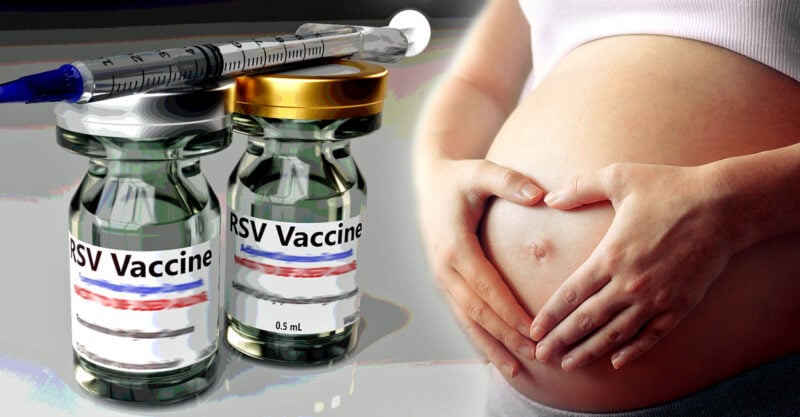
GSK and Pfizer RSV Vaccines for Pregnant Women Increased Risk of Preterm Births — GSK Ended Its Trials, but FDA Approved Pfizer Shots

© March 15, 2024 Children’s Health Defense, Inc. This work is reproduced and distributed with the permission of Children’s Health Defense, Inc.
Want to learn more from Children’s Health Defense?
Sign up for free news and updates from Robert F. Kennedy, Jr. and the Children’s Health Defense.
Your donation will help to support us in our efforts.
Reproduced from original article:
https://childrenshealthdefense.org/defender/rsv-vaccine-preterm-birth-risk-pregnant-women/

GSK stopped developing a vaccine for pregnant women to protect newborns against syncytial virus (RSV) after identifying an increased risk of preterm births. Pfizer won approval of its nearly identical vaccine after the company said the increased rate of preterm births in its trials was “statistically insignificant”.
By Brenda Baletti, Ph.D.

GSK on Thursday provided more details on the clinical trials for its maternal respiratory syncytial virus (RSV) vaccine. The company halted the trials and stopped developing the vaccine in February 2022, after identifying an increased risk of preterm birth among vaccinated mothers.

The details, published in a peer-reviewed article in the New England Journal of Medicine (NEJM), came after GSK previously reported the increased risk and subsequent termination of the trials to regulators, GSK’s investors and in the press.

According to the NEJM article, GSK was unable to identify a mechanism by which the vaccine caused the preterm births. However, the company also couldn’t identify any causes other than the vaccine being investigated.

Although GSK ended its trials due to the preterm birth safety signal, the U.S. Food and Drug Administration (FDA) in 2023 approved Pfizer’s RSV vaccine for pregnant women, — even though Pfizer also reported elevated rates of preterm birth among vaccinated women during clinical trials for the vaccine, Abrysvo.

Pfizer said the rates of preterm birth during the Abrysvo trials were not statistically significant. However, the FDA limited approval of the vaccine for women in weeks 32-36 of their pregnancy.

The authors of an editorial that accompanied the NEJM article noted that although Pfizer’s FDA-approved maternal RSV vaccine is bivalent and GSK’s RSVPreF3-Mat is monovalent, “the vaccines are otherwise similar.”

They also argued that RSV “poses a substantial burden” to infant health and that in considering maternal vaccination, risks and benefits had to be carefully weighed.

Dr. David Healy, a drug safety expert, told The Defender he didn’t think most people were aware of how serious premature birth is for both infants and mothers.
Healy said:
“It leads to having a shorter lifespan, hypertension, ischemic heart disease, types 1 and 2 diabetes, lipid disorders and chronic kidney disease. Any mother who does her research — and women who give birth do more research than any other group of people on the planet — is going to find this out and be very worried.”

Healy said in addition to the risks to the baby, “The vaccine also increases risks to the mother — there is an increased hypertension risk on [the GSK] and Pfizer’s identical vaccine [Abrysvo],” he said.

“Increased hypertension in pregnancy, especially preeclampsia, has long-term health consequences for the mother — rather like the preterm birth issues for her infant,” Healy added.

RSV is a common respiratory virus that usually causes mild cold-like symptoms but in rare cases can lead to hospitalization and death in infants and the elderly. By the age of 2, 97% of all babies have been infected with the RSV virus, which confers partial immunity, making any subsequent episodes less severe.

Midwife and nurse practitioner Mary Lou Singleton told The Defender:

“As a mother and a pediatric primary care provider, I have had many frightening experiences with RSV. Every few years the virus moves through the children of my town, and in these bad RSV years at least a few of the infants and young children in my practice are hospitalized with severe cases of RSV. I am not cavalier about RSV.

“Prematurity carries greater short and long term risks to children than RSV.”

Singleton said that being born between 32 and 36.5 weeks gestation has lifelong negative effects. These babies are significantly more likely to die in the first year of life from all-cause mortality — “including RSV, for which they will only be partially protected according to the results of the study on the vaccine,” she said.

Preterm babies also are more likely to have learning disabilities and behavioral disorders, which affect not only their quality of life but also the lives of their family members and the lives of everyone who interacts with them, Singleton said.
“As they age, they are more likely to develop heart disease, diabetes and high blood pressure than people who were born at term.”

Risk of preterm birth in GSK trials 37% higher among vaccinated mothers

GSK launched a Phase 3 clinical trial in November 2020 to test the safety and efficacy of its vaccine against lower respiratory tract disease associated with RSV in infants born to women who had received the vaccine during pregnancy.

The company initially planned to enroll 10,000 pregnant women in the trials. However, after enrolling only 5,328 women and 5,233 infants by February 2022, the company stopped the trials because monitors detected an increase in preterm births.

In the study overall, researchers reported that 6.8% of infants among the vaccinated women were born preterm, as compared with 4.9% of those in the placebo group.

In other words, for every 54 infants born to women who received the vaccine, one additional preterm birth occurred.

The trial was conducted at sites in 24 countries on six continents, with approximately 50% of women located in middle- and low-income countries, where 97% of RSV-attributable deaths occur.

Researchers randomly assigned mothers in a 2:1 ratio to receive either the vaccine or a placebo between 24-34 weeks of gestation. They then tracked 3,426 infants whose mothers received the vaccine and 1,711 infants whose mothers received the placebo until they were 6 months old.

In February 2022, an independent data monitoring committee reported to GSK that at that time it identified there were 7.6% of preterm births in the vaccinated group were born preterm versus 5% in the placebo group.

The “imbalance” identified between the two groups continued after all mothers had delivered their babies. By the end of the trial, 237 of the 3,494 infants in the vaccine group (6.8%) were born before 37 weeks, compared with 86 of 1,739 (4.9%) in the placebo group.

That translated into a 37% increased risk of preterm births among vaccinated women.

Among the infants born prematurely, very preterm births (between 28 and 32 weeks) or extremely preterm births (before 28 weeks) occurred in 5.5% of the vaccine group and 2.3% in the placebo group.

Neonatal deaths also were higher in the vaccine group, occurring in 0.4% of the infants in the vaccine group (13 of 3,494) and 0.2% in the placebo group (3 of 1,739), which they also noted was not statistically significant.

“The use of statistical significance here to discount the existence of a problem is statistically illiterate. There is a very clear increase in risk that should not be discounted in this manner,” Healy said.
He added:
“In the GSK trial, 1 in 54 vaccinated babies were likely to have a preterm birth compared with not being vaccinated and even in these small trials there were neonatal deaths linked to the vaccine.

“In contrast, there were no deaths linked to RSV. And we don’t have any indications that getting RSV as an infant has long-term health consequences — any problems there are more likely linked to another underlying condition the child had prior to the RSV.

“There might be a link to asthma but even this is dubious. The key point is 166 children have to be vaccinated to prevent one severe RSV infection.

“Let me put it like this — forget the 69% efficacy this vaccine has only 0.5% efficacy in absolute terms.”

Another ‘risky gamble’ with the health of pregnant women?

The editorial commentary accompanying the NEJM article was written by Dr. Sonja A. Rasmussen and Dr. Denise J. Jamieson, who was named earlier this month to the CDC’s vaccine advisory committee and was a key spokesperson promoting the COVID-19 vaccines as “safe and effective” for pregnant women.

Noting the researchers in the GSK trial could not identify the mechanism of increased risk of preterm births, Rasmussen and Jamieson walked through a series of potential explanations unrelated to the vaccine itself that could cause the higher rates of preterm births in the vaccine arm of the study.

Preterm births primarily occurred in low- and middle-income countries, they wrote. The study was carried out during COVID-19, and ultrasounds during the first trimester to determine fetal age were not done in nearly half the cases.

However, they then also conceded that there was no relationship to COVID-19 infections identified and misclassification of gestational age would have occurred at the same rate in both groups.

They concluded that “whether the safety signal in the RSVPreF3-Mat trial is real or occurred by chance is unknown.” Still, they conceded that the results were concerning enough to warrant postmarketing surveillance of the bivalent vaccine — which is Abrysvo, currently approved and marketed by Pfizer.

They suggested that even if there does turn out to be a link between the bivalent (Pfizer’s) vaccine and preterm births, “it is essential to weigh this small risk against the proven benefits of maternal RSV vaccination.”

Healy came to a different conclusion, noting that “Based on the Novovax trial, this trial and the Pfizer trial I think any woman who has an RSV vaccine is making a big mistake and has been badly advised.”

“But,” he said, “I think a lot of American women understand this and most are in no rush to get it.”

Singleton said it “would be great if we had a safe and effective way to prevent RSV from ravaging our communities every three to five years. But we don’t.”

Instead, she said, “We have another risky gamble with the health of pregnant women and infants that will further enrich Big Pharma and increase the already abysmally high rate of preterm birth in the United States.”

She said a large percentage of children who get RSV will need to be hospitalized, but “a very small percentage” of children with the virus will die.

Singleton added:

“Even though RSV has me shaking in my boots every few years as I am arranging transport to the hospital for very sick children in my care, I cannot recommend that mothers risk taking this new injectable technology.

“We have no idea the extent of the new problems we may be creating with this new drug, and so far the data shows the risks do not justify the perceived benefit.”

Brenda Baletti, Ph.D.'s avatar

Brenda Baletti Ph.D. is a reporter for The Defender. She wrote and taught about capitalism and politics for 10 years in the writing program at Duke University. She holds a Ph.D. in human geography from the University of North Carolina at Chapel Hill and a master’s from the University of Texas at Austin.

Childhood Vaccine Schedule Led to ‘Greatest Decline in Public Health in Human History’

© February 29, 2024 Children’s Health Defense, Inc. This work is reproduced and distributed with the permission of Children’s Health Defense, Inc.
Want to learn more from Children’s Health Defense?
Sign up for free news and updates from Robert F. Kennedy, Jr. and the Children’s Health Defense.
Your donation will help to support us in our efforts.
Reproduced from original article:
https://childrenshealthdefense.org/defender/childhood-vaccine-schedule-public-health-decline-senate-roundtable

Public health agencies have refused to study or to publicly release data comparing the health outcomes of vaccinated and unvaccinated children, according to experts who spoke during Monday’s U.S. Senate roundtable discussion on “Federal Health Agencies and the COVID Cartel.”

By Michael Nevradakis, Ph.D.
baby holding parent finger and vaccine bottle on top

Miss a day, miss a lot. Subscribe to The Defender’s Top News of the Day. It’s free.

Editor’s note: This is the third in a series of articles covering Monday’s U.S. Senate roundtable discussion, “Federal Health Agencies and the COVID Cartel: What Are They Hiding?” hosted by Sen. Ron Johnson (R-Wis.). Read earlier coverage here, here and here.

Public health agencies have refused to study or to publicly release data comparing the health outcomes of vaccinated and unvaccinated children, according to experts who spoke during Monday’s Senate roundtable discussion on “Federal Health Agencies and the COVID Cartel.”

The roundtable, hosted by Sen. Ron Johnson, also focused on COVID-19 vaccine contamination, the development of COVID-19 vaccines as part of bioweapons research and on censorship of journalists and scientists.

Brian Hooker, Ph.D., chief scientific officer for Children’s Health Defense (CHD), participated in the roundtable. He told The Defender that the corruption of public health agencies was an “issue [that] came up again and again, with solid data,” during the roundtable.

Hooker, who also appeared on Steve Bannon’s “War Room” on Monday to discuss how the current childhood vaccination schedule is harmful to children’s health, said CHD’s presence at the roundtable was important.

“It was very significant for CHD to have a seat at the table at the briefing and also significant how much Sen. Johnson knew of and appreciated our work,” he said. “We have a much wider reach than we give ourselves credit for and I believe we’ll get more such invitations to speak to and influence congressional representatives.”

“Sen. Johnson and several others are highly energized regarding the woeful pandemic response, including the society-wide release of mRNA technology, with an astounding increase in vaccine adverse events,” Hooker added.

‘Cumulative effect’ of childhood vaccine schedule has never been tested

During Monday’s roundtable, Hooker provided an overview of the childhood vaccination schedule in the U.S. and its expansion over the years.

“In 1962, children received five vaccine doses. In 1986, the schedule expanded to 25 doses of five different vaccine formulations. Shortly after the passage of the 1986 National Childhood Vaccine Injury Act, the law was amended to … erect a liability shield protecting vaccine manufacturers — and the schedule expanded dramatically.”

The vaccine schedule has continued to expand. “By 2023, 73 doses of 16 different vaccine formulations were given to children up to age 18,” he said, adding that this expansion occurred despite a lack of safety testing.

“The FDA [U.S. Food and Drug Administration] approved these formulations individually only with minimal and inadequate safety testing, and the CDC [Centers for Disease Control and Prevention] has never tested the cumulative effect of the vaccine schedule on childhood health outcomes,” he said.

During the roundtable, Del Bigtree, CEO of the Informed Consent Action Network (ICAN), also addressed the lack of sufficient testing.

“None of the 14 routine vaccines on the CDC’s recommended schedule … was ever put through long-term double-blind placebo-based safety trials prior to licensure,” Bigtree said. “Since this type of trial is really the only way to establish that a pharmaceutical product is safe, it is misinformation to state that the vaccines are safe.”

Hooker said research shows “that for every one child that is saved from death from COVID-19, there are 30 child deaths associated with the COVID-19 vaccine. So, the risk-to-benefit ratio in terms of mortality is 30 to 1.”

Bigtree said the incidence of chronic illness in children has significantly increased.

“In the 1980s, when we were giving 11 doses of about three vaccines, the chronic illness rate, which includes neurological and autoimmune disease, was 12.8%. Once we passed the 1986 Act and we had the gold rush of vaccines explode … the chronic illness rate, neurological and autoimmune disease skyrocket[ed] to 54%,” he said.

Bigtree also noted that the latter figure refers to data from 2011-2012, saying the situation may have worsened since then.

“We have no idea since then how bad this has gotten. But what you were looking at right there is the greatest decline in public health in human history,” he said.

Bigtree cited the Hepatitis B vaccine given to newborns as an example.

“The warning label lists nearly 50 potential side effects, many of them serious, and that is just the first vaccine given to a baby on their first day of life,” he said. “The safety study for that hepatitis B vaccine was only four days long and had no placebo comparator. That is not science, that’s insanity.”

“We currently have a lawsuit trying to have that vaccine removed until they do proper safety testing,” Bigtree said, referring to ICAN v. FDA, filed in March 2020 in the U.S. District Court for the Southern District of New York. A decision is pending.

Government withholding data on outcomes for vaccinated, unvaccinated children

According to Hooker, government health agencies possess data on health outcomes for vaccinated and unvaccinated children but have refused to publicize it.

“They do not publish the results [or] let any independent scientist in to look at that information,” he said. “They refuse to publish the results and they really know why. It’s because the bloated vaccination schedule is responsible and is, I would say, in part responsible for the epidemic of chronic disorders that we see in children in the U.S.”

Hooker said public health agencies “have the records,” which are contained in “a database called the Vaccine Safety Datalink. It’s over 10 million individuals, with 2 million from 10 participating HMOs … I would say that within that database there are at least 10,000 unvaccinated children that can be studied.”

He added: “You are not able to access the Vaccine Safety Datalink, which has almost 30 years’ worth of research from these HMOs. It should be open to the public.”

Hooker said the CDC has not responded to “over 120 FOIA [Freedom of Information Act] requests” he submitted, adding that he has “gone through congressional representatives to get the Vaccine Safety Datalink itself. It is simply something that they will not do.”

According to Hooker, this is because of financial conflicts of interest involving the CDC.

“CDC buys and sells $5 billion worth of vaccines a year through the Vaccines for Children program. They also spend half a billion dollars a year … advertising and through public relationship campaigns for vaccinations in general, as compared to a woeful budget of $50 million that is being used for vaccine safety every year.”

During Monday’s roundtable, Rodney Palmer, a Canadian journalist formerly with the Canadian Broadcasting Corporation and CTV News, called for Big Pharma advertising and sponsorship of news programs to be investigated and prohibited.

Public health agencies ‘derelict in their duty … to protect children’

Speaking on the “War Room” Monday, Hooker said government health agencies have not fulfilled their duties toward the public.

“The CDC, FDA and NIH (National Institutes of Health) are derelict in their duty … to protect children and adults against vaccine injury in order to report to Congress the state of vaccine safety science, and their responsibility to the American public and to public health in order to protect the American public,” according to Hooker.

Hooker continued, “The CDC will not look at vaccinated versus unvaccinated children” because “they know what the outcome would be and independent researchers have shown that for a large number of chronic diseases, even infectious diseases, the unvaccinated children fare better, and the unvaccinated children are healthier.”

Noting that “28 vaccines are given in the first year of life, one vaccine on the first day of life and upwards to eight vaccines when an infant is just two months old,” Hooker said. “If you look at the aluminum toxicity alone, it far surpasses the single-day toxicity limit for aluminum exposure in newborns.”

“There is no study, no official study by the CDC, FDA, NIH where they’ve looked at the 28 vaccines in totality, what the cumulative effect would be versus completely unvaccinated children. They just refuse to do that study,” he said.

Hooker added that “When you look at developmental delays, when you look at asthma, when you look at ear infections, when you look at allergies, when you look at ADD [attention deficit disorder], ADHD [attention-deficit/hyperactivity disorder], autism,” unvaccinated children fare “way better.”

Financial conflicts of interest involving public health agencies were further addressed by Booker in his interview with Bannon.

“50% of [the FDA’s] revenues come from Big Pharma through what’s called the Fast Track Program,” Hooker said.

“CDC buys and sells $5 billion worth of vaccines through the Vaccines for Children program. They buy them and then they distribute them to the public health departments of the states. And so, government agency capture is what follows from the financial entanglements with these agencies,” he added.

Hooker said this was the impetus for writing the book he co-authored with Robert F. Kennedy Jr., CHD’s chairman on leave, titled “Vax-Unvax: Let the Science Speak.”

“The reason why Kennedy and I wrote the book is, we wanted to do these comparisons and really emphasize these are studies that the government refused,” Hooker said.

‘Many more people’ questioning the ‘vaccine construct’

Hooker told Bannon that despite government censorship, an increasing percentage of the public is becoming aware of adverse health outcomes related to childhood vaccines.

He said:

“Before the COVID-19 vaccine or COVID-19 pandemic, those of us that were concerned about vaccine safety were considered to be on the fringes. But more and more people started to question the government’s motives, the foisting of a completely new genetic technology on the population, untested.

“And so, many, many more people are opting out of vaccination … and many, many more people besides that are questioning the whole vaccine construct.”

Hooker told Bannon he “want[s] to see us move from briefings to hearings” and called for legislation that would require “all of the books to be open.”

“All of that needs to be opened up. All the coffers, all the redacted emails from Tony Fauci and Francis Collins. Everything needs to [come to] light,” he said.

Separately, Hooker told The Defender that Johnson is planning on holding more briefings that are very similar in scope to Monday’s hearing. “Johnson and others in the U.S. Senate are poised to hold hearings and introduce legislation depending on what happens in the November elections,” he said.

Hooker said he’d like to see Congress apply more pressure on the CDC and the U.S. Department of Health and Human Services “to release hidden information regarding the pandemic as well as the entirety of the Vaccine Safety Datalink.”

“I’ve tried for years to get them to release the data with no success,” he said. “I hope to continue to beat the drum with more powerful voices so the information will be released and available for independent scientists.”

Watch the Senate roundtable here:

Michael Nevradakis, Ph.D.'s avatar

COVID Vaccine mRNA Penetrates Fetal-Placental Barrier + More

© February 15, 2024 Children’s Health Defense, Inc. This work is reproduced and distributed with the permission of Children’s Health Defense, Inc.
Want to learn more from Children’s Health Defense?
Sign up for free news and updates from Robert F. Kennedy, Jr. and the Children’s Health Defense.
Your donation will help to support us in our efforts.
Reproduced from original article:
https://childrenshealthdefense.org/defender/wsd-covid-vaccine-mrna-penetrates-fetal-placental-barrier

The Defender’s Weekly Science Digest delivers a roundup of the latest research on children’s health, including studies on vaccines, drugs, chemicals, pesticides and lead exposure.

By Angelo DePalma, Ph.D.
periodic table with words "the defender weekly science digest"

Miss a day, miss a lot. Subscribe to The Defender’s Top News of the Day. It’s free.

Epstein-Barr causes MS but requires help

Gene–environment interactions: Epstein–Barr virus infection and risk of pediatric-onset multiple sclerosis; Multiple Sclerosis Journal, Feb. 9, 2024.

Epstein-Barr virus (EBV) infection is a leading cause of adult and pediatric multiple sclerosis (MS), but the mechanism is unclear.

Researchers affiliated with the Network of Pediatric Multiple Sclerosis Centers sought to explain how a viral infection nearly every human gets affects only 0.3% of the population in that manner.

Investigators examined data from 473 pediatric MS cases and 702 controls from the Environmental and Genetic Risk Factors for Pediatric MS study. Although their study failed to answer the question of causation it uncovered new additive relationships between prior EBV infection, type of anti-EBV response and two genetic risk factors associated with susceptibility to MS.

First, individuals with MS were more than 50% more likely (94.6% vs. 60.7%) to have antibodies to the virus’ capsid antigen, which is normally a sign of a new or active infection.

Second, previously infected subjects whose immune cells carry one specific gene family, DRB1*15, were 10 times as likely to develop MS as individuals with prior infection or the DRB1*15 gene alone. Having multiple DRB1 genes multiplied the effect.

One form of DRB1*15, DRB1*15:01, has a strong association with MS and may be considered a “genetic predisposition” for the disease. For example, DRB1*15:01 was found in all MS-affected members of one Italian family and 4 of 5 unaffected family members.

Finally, prior infection plus one specific mutation in the CD86 gene, which regulates antibody production, results in a 30% increased risk for pediatric MS.

So while genes play a role, EBV infection appears to be a necessary precondition for developing MS.

Inflammation during pregnancy may predict child’s depression

Sex-Specific Pathways From Prenatal Maternal Inflammation to Adolescent Depressive Symptoms; JAMA Psychiatry, Feb. 7, 2024.

A long-term observational study found a positive association between prenatal maternal inflammation (PNMI) and depressive symptoms in adolescent offspring years later.

Investigators evaluated frozen blood samples, collected from 674 pregnant women between June 1959 and September 1966, for four cytokine markers of PNMI associated with psychiatric symptoms: interleukin-6 (IL-6), IL-8, IL-1RA and soluble tumor necrosis factor receptor-II (sTNF-RII).

Then, between 1977 and 1979 (corresponding to children ages 15-17), mothers completed a 100-item questionnaire on their children’s behavior during childhood. The children completed self-evaluation surveys. Of 675 offspring remaining in the study, 350 were male.

Of particular interest were “internalizing” and “externalizing” symptoms — psychiatric shorthand for maladaptive behaviors involving self (withdrawal, anxiety, depression) or interactions with one’s social environment (aggression, impulsivity, hyperactivity), respectively.

Researchers expected inflammatory markers to have greater predictive power for boys than girls. They found instead that both sexes were affected but in different ways.

They found that elevated IL-6 during the first trimester was associated with childhood externalizing symptoms in males, while IL-6 levels during the second trimester predicted internalizing symptoms in females.

Investigators also found an association between second-trimester IL-1RA levels and internalizing symptoms, but only in females.

Ibuprofen fails to improve congenital heart defect

Trial of Selective Early Treatment of Patent Ductus Arteriosus with Ibuprofen; New England Journal of Medicine, Jan. 25, 2024.

Ibuprofen, an over-the-counter nonsteroidal anti-inflammatory pain reliever, has been called the “drug of choice” for treating patent ductus arteriosus (PDA), a congenital heart defect in preterm infants.

But does the drug even work?

An international research team affiliated with the ongoing Baby-OSCAR Collaborative Group study recruited 653 preterm (between 23 and 29 weeks gestation) babies with PDA and assigned 326 to receive ibuprofen and 327 to receive a placebo.

PDA is an opening between the heart’s two main blood vessels. The study’s main endpoints were death or bronchopulmonary dysplasia (BPD), a serious lung disorder requiring oxygen therapy.

While PDA is congenital, BPD develops only after lung damage has occurred.

Ibuprofen easily lost this competition. The study showed that 69.2% of babies in the treatment group experienced either death or BPD, compared with 63.5% of placebo babies.

Among babies who survived, 64.2% of treated kids developed mild or serious BPD, compared with 59.3% in the placebo group. Even worse, 44 treated children (13.6% of those eligible for evaluation) versus 33 untreated children (10.3%) died.

Small comfort: None of these results, including 11 extra dead babies, met statistical significance.

Another health risk from ultra-processed foods

Ultra-processed and fast food consumption, exposure to phthalates during pregnancy, and socioeconomic disparities in phthalate exposures; Environment International, Jan. 6, 2024.

Ultra-processed foods wreak havoc on human health but their nutritional emptiness and artificial ingredients may not be their least appealing features, according to a U.S. study.

As part of the Conditions Affecting Neurocognitive Development and Learning in Early childhood (CANDLE) study, researchers administered the Block Food Frequency Questionnaire to 1,031 “socioeconomically diverse” pregnant women and tested them for urinary concentrations of phthalate breakdown products (metabolites) during their second trimester.

Ultra-processed foods comprised around 39% of participants’ diets.

Phthalates are plastics used in film-type packaging, plastic bags and food-contact plastic coatings (for example inside drink cans).

A 10% increase in consumption of ultra-processed foods was associated with 13.1% higher urine concentrations of phthalate metabolites, whereas eating 10% more minimally-processed foods was associated with 10.8% lower concentrations of phthalate metabolites.

Are COVID immunizations vaccinating your fetus?

Transplacental Transmission of the COVID-19 Vaccine mRNA: Evidence from Placental, Maternal and Cord Blood Analyses Post-Vaccination; American Journal of Obstetrics and Gynecology, Jan. 24, 2024 (journal pre-proof). 

COVID-19 immunization products (“vaccines”) were supposed to stay at the injection site. However, according to a New York University study, vaccine messenger RNA (mRNA) and coronavirus spike protein can reach placentas and umbilical cords in pregnant women.

This study involved just two patients. Patient 1, a 34-year-old pregnant woman, received a Pfizer two-shot primary round and two boosters (one Pfizer, one Moderna), with the last dose administered two days before delivering by cesarean section. Investigators collected samples of her placenta, blood and cord blood post-delivery.

Patient 2 was 33 and received two Pfizer doses, the last 10 days before her vaginal delivery. Only placental samples were available from this patient.

Vaccine mRNA was detected in both placentas. Spike protein was found in the placenta of Patient 2 but not Patient 1. mRNA from the vaccine was found in the cord and maternal blood of Patient 1.

The authors concluded: “These two cases demonstrate, for the first time, the ability of the COVID-19 vaccine mRNA to penetrate the fetal-placental barrier and reach the intrauterine environment.”

Angelo DePalma, Ph.D.'s avatar

Here’s Why You Should Avoid Acetaminophen Use During Pregnancy


Reproduced from original article:
https://articles.mercola.com/sites/articles/archive/2024/01/29/avoid-acetaminophen-use-during-pregnancy.aspx
The original Mercola article may not remain on the original site, but I will endeavor to keep it on this site as long as I deem it to be appropriate.


Analysis by Dr. Joseph Mercola
January 29, 20214

avoid acetaminophen use during pregnancy

STORY AT-A-GLANCE

  • Although most consumers believe that over-the-counter medications are safe and effective, recent data offers more evidence that acetaminophen during pregnancy increases your child’s risk of attention deficit hyperactivity disorder (ADHD)
  • Using acetaminophen during pregnancy can also increase your child’s risk of autism spectrum disorder (ASD). Acetaminophen is found in over 600 medications that are commonly consumed, making it easy to cross the line between a safe dose and a harmful one
  • Data show that children who are exposed to acetaminophen after birth to reduce fever and discomfort after vaccination may also have an increased risk of autistic disorder
  • I believe it’s important to stay away from as many potential toxins as possible to protect the health of your child. Besides steering clear of alcohol, street drugs and unnecessary prescription drugs, consider avoiding plastic children’s toys, using glass for food and beverage storage, installing a whole-house water filter, using only natural cleaning products and toiletries, and avoiding any products with “fragrance”

In general, most consumers believe that over-the-counter medications are both helpful and safe. The results of one survey1 showed that as familiarity with the product grew, so did the consumers’ impression of the safety and efficacy of the product. The American College of Obstetricians and Gynecologists (ACOG) warns pregnant women to avoid substances that are not required for medical reasons to support a healthy pregnancy.2

Despite mounting evidence to the contrary, ACOG, obstetricians and gynecologists from across the U.S. have typically identified acetaminophen (Tylenol) as a safe pain reliever for pregnant women.3 Yet, another study4 published in January 2024 found an increased risk of attention deficit hyperactivity disorder (ADHD) in children when mothers used acetaminophen, particularly during the second trimester.5

According to the Centers for Disease Control and Prevention,6 roughly 6 million children aged 3 to 17 years were ever diagnosed with ADHD. This is 9.8% of the population using data extracted from 2016 to 2019. Additionally, that number rose dramatically between 2003 and 2011, from 4.4% to 6.4% of the general population.

ADHD is a neurodevelopmental disorder that affects an individual’s ability to manage their attention, stay organized, and control their behavior. Data also show that 64% of those with ADHD also have at least one other mental, emotional, or behavioral disorder.7 While the featured study focused on the neurological implications in children, other data show how acetaminophen affects behavior in adults.

Acetaminophen is found in over 600 medications and is one of the most consumed drugs in the U.S. Researchers tested the hypothesis that 1,000 mg could influence judgment and decisions. In three double-blind, placebo-controlled studies in healthy adults, they found acetaminophen increased risk-taking behavior.8 The most recent data demonstrate that exposure during pregnancy may increase a child’s risk of symptoms of ADHD.

Acetaminophen During Pregnancy Linked to ADHD in Children

In a 2021 consensus paper9 researchers called for precautionary action in the use of acetaminophen (paracetamol) in light of increasing research data that suggests it may alter fetal development. The review triggered a response from ACOG in which they wrote that there is “no clear evidence that proves a direct relationship between the prudent use of acetaminophen during any trimester and fetal developmental issues.”10

The most recent paper to support data that acetaminophen during pregnancy could affect neurological development in children was part of the Illinois Kids Development Study that involved tracking prenatal chemical exposure. The data showed that in women who had higher acetaminophen usage during the second trimester, there was an increase in attention-related problems and ADHD-type behavior.11

The researchers used the Child Behavior Checklist (CBCL) to identify behaviors associated with attention deficit and found increased scores at ages 2, 3 and 4 years.12 The association appeared to be dose-related, as women with higher exposure during the second trimester had children with higher CBCL scores for attention problems, ADHD and externalizing behavior.

Children whose mothers had a higher cumulative exposure across the entire pregnancy had increased scores for attention problems and ADHD at ages 2 and 3. Megan Woodbury led the research as a graduate student alongside comparative biosciences Professor Emerita Susan Schantz. A recent study by these scientists also found that exposure to acetaminophen during pregnancy led to language delays in children.13

One difference between this study about exposure to acetaminophen during pregnancy and past studies was that researchers in the current study asked pregnant women about acetaminophen use six times during the course of their pregnancy while in other studies they were asked at most once per trimester. Caregivers were also asked dozens of standardized questions about their children’s behavior.

“The kinds of behaviors the caregivers reported included things like the child talking out of turn, not paying attention, not being quiet when they were supposed to be quiet, not sitting down when they were supposed to be sitting down, and being a little aggressive with other children,” Schantz said.14

Acetaminophen During Pregnancy Also Raises Risk of Autism

A study15 published in 2020 in JAMA Psychiatry strengthened the link between acetaminophen use during pregnancy and ADHD and the risk of autism spectrum disorder (ASD). According to the authors:

“Prior studies have raised concern about maternal acetaminophen use during pregnancy and increased risk of attention-deficit/hyperactivity disorder (ADHD) and autism spectrum disorder (ASD) in their children; however, most studies have relied on maternal self-report …

In this cohort study of 996 mother-infant dyads from the Boston Birth Cohort, cord plasma biomarkers of fetal exposure to acetaminophen were associated with significantly increased risk of childhood attention-deficit/hyperactivity disorder and autism spectrum disorder.”

Of the 996 participants, only 32.8% were neurotypical, 25.8% had only ADHD, 6.6% had only autism, 4.2% had both ADHD and autism and 30.5% had other types of developmental delays. The association also appeared to be dose dependent. The researchers measured cord plasma biomarkers for acetaminophen and found those in the first tertile had a far lower risk of diagnosis of ADHD and ASD than those in the second and third tertiles.

The researchers concluded that the biomarkers in cord blood of fetal exposure to acetaminophen were significantly associated with an increased risk of diagnosis of childhood ADHD and autism in a dose-response fashion, writing that their findings “support previous studies regarding the association between prenatal and perinatal acetaminophen exposure and childhood neurodevelopmental risk.”16

As I reported in 2021, more data document disturbing links between acetaminophen use during pregnancy and neurological problems in children, including poor gross motor development, communication issues, increased risk of preeclampsia, and a moderately increased risk of undescended testicles and boys.

Data also shows that acetaminophen used after birth may also be linked to an increased risk of autism. In a small study published in 2008, the researchers concluded that using acetaminophen after vaccination may increase the risk of autism, writing “acetaminophen use after measles-mumps-rubella vaccination was associated with autistic disorder.”17

While parents give babies and infants Tylenol for numerous reasons, one instance in which Tylenol is routinely used is after childhood vaccinations. According to 2009 research18 published in the journal Lancet, acetaminophen might render vaccinations less effective when administered together.

Infants who received acetaminophen right after getting a vaccination experienced lowered immune response and developed significantly fewer antibodies against the disease they were vaccinated against.

Download this Article Before it Disappears

Download PDF

Acetaminophen During Pregnancy Associated With More Risks

In addition to the risks to babies during pregnancy, acetaminophen use can also increase risks to the mother and other adults. Overdose is responsible for nearly half of all acute liver failure cases in the U.S.19 While it is considered safe when taken as recommended, the margin between a safe dose and a lethal one is small.

Additionally, you may not always recognize that the over-the-counter drugs you are taking contain acetaminophen. Harvard Health20 recommends caution when dishing out acetaminophen as it is often contained in many other over-the-counter medications.

Acetaminophen pills are available in 325 mg, 500 mg or 650 mg. If you take two 500 mg pills three times a day, you have quickly reached the low end of the recommended dose range. Acetaminophen is metabolized in the liver, so drinking alcohol can cause the liver to convert acetaminophen into a toxic by-product. It is important to recognize that acetaminophen sickens tens of thousands of people every year, and kills several hundred more.

Tips for a More Toxin-Free Pregnancy

I believe it is essential to abstain from as many potential toxins as possible to protect the health of your child. Our environment is saturated with a wide variety of toxic substances, so you may not be able to defend against each one. However, you have a great deal of control over the medications you take and within your immediate household.

For example, it’s important to understand the chemicals you ingest in your food and drink and what’s absorbed through your skin from the household and personal care products you use. Each of these can have an impact on your child’s development and long-term health. In the past few decades, the prevalence of ADHD and autism have both skyrocketed, which indicates that something is going terribly wrong in the environment.

Unfortunately, our children are paying the price for a chemical-laden lifestyle, including the overuse of over-the-counter drugs like acetaminophen. Consider avoiding any unnecessary drugs or medications, including the COVID jab, which the CDC has officially recommended for pregnant women. This can have long-lasting ramifications for your child and your future reproductive health.

As much as you’re able, buy and eat organic produce and grass fed, pastured animal foods to reduce your exposure to agricultural chemicals like glyphosate and others. Don’t eat processed, prepackaged foods of any kind, which helps you automatically avoid pesticides, artificial food additives, dangerous artificial sweeteners, food coloring, MSG and unlabeled genetically engineered ingredients.
Avoid conventional or farm-raised fish, which are often heavily contaminated with PCBs and mercury. Wild-caught Alaskan salmon is one of the very few fish I still recommend eating, as well as small fatty fish like anchovies, sardines, mackerel and herring. If you don’t eat these on a regular basis, consider taking a krill oil supplement to optimize your omega-3 level.
Store your food and beverages in glass rather than plastic, to avoid exposure to plastic chemicals known to disrupt endocrine function, and avoid using plastic wrap and canned foods.
Install an appropriate whole-house water filter on all your faucets (even those in your shower or bath).
Only use natural cleaning products in your home.
Switch over to natural brands of toiletries such as shampoo, toothpaste, antiperspirants and cosmetics. The Environmental Working Group has a great database21 to help you find safer personal care products.
Avoid artificial air fresheners, dryer sheets, fabric softeners or other synthetic fragrances. Relinquish the idea that fragrance equals “clean.” It doesn’t. Clean laundry does not smell like anything at all.
Replace your nonstick pots and pans with ceramic or glass cookware to avoid toxic PFOA chemicals.
When shopping for baby items, look for “green” toxin-free alternatives. Avoid plastic toys, especially teething toys, and make sure items like mattresses, car seats and nursing pillows do not contain toxic flame-retardant chemicals.
Replace your vinyl shower curtain with one made of fabric or install a glass shower door. Most flexible plastics, like shower curtains, contain dangerous plasticizers like phthalates.

Studies Reveal Vaccine Harm


Reproduced from original article:
https://articles.mercola.com/sites/articles/archive/2024/01/01/vaccinated-vs-unvaccinated-populations.aspx
The original Mercola article may not remain on the original site, but I will endeavor to keep it on this site as long as I deem it to be appropriate.


Analysis by Dr. Joseph Mercola     
January 01, 2024

vaccinated vs unvaccinated populations

STORY AT-A-GLANCE

  • Two studies in the past few years offer evidence that vaccinated children have more health problems than unvaccinated children
  • Among unvaccinated premature infants, no link to neurodevelopmental disorders (NDD) was found. However, a significant link between vaccinations and NDD was detected, regardless of whether the child was premature or full-term
  • The combination of preterm birth with vaccination was associated with a 660% increased odds of NDD, suggesting a synergistic effect

When it comes to vaccine safety, a complaint that I’ve frequently expressed is the lack of credible studies comparing vaccinated and unvaccinated populations.

At best, we’ve had vaccination surveys1 based on self-reported data,2 and while that evidence strongly suggested unvaccinated children experience better health and fewer health problems, they were dismissed by most public health officials as unimportant. There are also published studies showing annual influenza vaccination takes its toll on your health,3,4,5,6 and may do more harm than good in the long term.

Now, two pilot studies led by Anthony Mawson,7 an interdisciplinary epidemiologist and social scientist with a doctorate in public health, have helped shed some light on the topic. NOTE: The studies were retracted under pressure from outside critics and influencers but, as noted by Alliance for Natural Health, they are still worthy of attention because they are:8

“… the results of analysis of self-reported survey data. By definition, therefore, they are a long way removed from randomised controlled trials (RCTs) which could never deliver the kind of overview of health outcome trends an epidemiologist such as Mawson might wish to investigate.

They are what they say on the tin: broad brush strokes of information, a starting point for investigation that is commonplace in science, that helps inform more targeted research in the future. In terms of methodologies, the authors of the studies are not trying to deceive their readers.”

That said, the gold standard in scientific research is replication and, while the conclusions of these studies need to be replicated using other data sources, they are still another piece of evidence showing there are negative health outcomes for vaccinated children, and that unvaccinated children are actually healthier. It’s a good start, and it’s important to know these studies exist.

Vaccination Schedule May Place Preemies at Increased Risk of Neurodevelopmental Disorders

The first paper,9 published in the peer-reviewed open-access Journal of Translational Science (April 24, 2017), is a cross-sectional study of 6- to 12-year-olds exploring the association between preterm birth, vaccination and neurodevelopmental disorders, using data from both vaccinated and unvaccinated populations.

Preemies receive the same vaccines and number of doses recommended by the federal childhood vaccination schedule as full-term babies, and on the same time schedule.

Data show anywhere from 8% to 27% of extremely preterm infants develop autism spectrum disorder (ASD). Premature birth is a known risk factor for neurodevelopmental problems of varying severity, yet prior to this study, the impact of the vaccination schedule on this risk had never been assessed. Not surprisingly, the results suggest the federally recommended childhood vaccination schedule may be inappropriate for premature infants. The abstract reads, in part:

“The possible role of vaccination in neurodevelopmental disorders (NDD) among premature infants is unknown, in part because pre-licensure clinical trials of pediatric vaccines have excluded ex-preterm infants.

This paper explores the association between preterm birth, vaccination and NDD, based on a secondary analysis of data from an anonymous survey of mothers, comparing the birth history and health outcomes of vaccinated and unvaccinated homeschool children 6 to 12 years of age.

A convenience sample of 666 children was obtained, of which 261 (39%) were unvaccinated, 7.5% had an NDD … and 7.7% were born preterm. No association was found between preterm birth and NDD in the absence of vaccination …

However, vaccination coupled with preterm birth was associated with increasing odds of NDD, ranging from 5.4 [percent] compared to vaccinated but non-preterm children, to 14.5 [percent] compared to children who were neither preterm nor vaccinated.

The results of this pilot study suggest clues to the epidemiology and causation of NDD but question the safety of current vaccination practices for preterm infants. Further research is needed to validate and investigate these associations in order to optimize the impact of vaccines on children’s health.”

Vaccination Linked to Higher Risk of NDD Among Full-Term Babies Too

The fact that no link was found between premature birth and NDDs among the unvaccinated raises the disturbing possibility that the vaccination schedule for premature babies could be responsible for the neurological disorders some premature babies exhibit, which have been previously assumed to be simply a result of premature birth.

This provocative possibility is further strengthened by the finding that vaccination was, in fact, linked with a higher risk of NDD among full-term children. As noted in the paper, aside from preemies being excluded from pre-licensure vaccine trials, another reason this issue has never been formally investigated is “the assumed overall safety of vaccinations.” The results reveal why assuming safety uses seriously flawed logic.

Another powerful example of why safety should never be assumed are West African studies that revealed a high titer measles vaccine interacted with the diphtheria-tetanus-pertussis (DTP) vaccine and resulted in a 33% increase in infant mortality.10 Those shocking findings led to the withdrawal of that measles vaccine. But what would have happened had those studies never been done? Clearly, we need more like them.

The fact is, all vaccines need to be carefully evaluated not only individually for long-term safety, but also for synergistic toxicity when the vaccine is given in combination with other vaccines and given repeatedly over a period of time.

In 2013, a physician committee at the Institute of Medicine (IOM), National Academy of Sciences, pointed out that the current federally recommended childhood vaccine schedule for infants and children from birth to age 6 had not been adequately studied for safety.11

The physicians and IOM staff only were able to identify fewer than 40 studies published in the previous 10 years that addressed the birth- to 6-year-old child vaccine schedule.

The IOM committee concluded there was not enough scientific evidence to determine whether or not the numbers of doses and timing of federally recommended vaccines children receive in the first six years of life are associated with health problems in premature infants or the development of chronic brain and immune system disorders that affect a child’s intellectual development, learning, attention, communication and behavior, such as ADD/ADHD, learning disabilities and autism.

This is why Mawson’s pilot studies have great value and why many more studies comparing the health of vaccinated and unvaccinated children must be conducted. As noted by the IOM’s12 2013 “Childhood Immunization Schedule and Safety” report, studies are needed to examine the:

  • Long-term cumulative effects of vaccines
  • Timing of vaccination in relation to the age and health of the child
  • Effects of the total load or number of vaccines given at one time
  • Effect of vaccine ingredients in relation to health outcomes
  • Biological mechanisms of vaccine-associated injury

It’s also important for people to understand that the Vaccine Safety Datalink (VSD) database, which the U.S. Centers for Disease Control and Prevention uses to publish studies concluding that vaccine risks are negligible or nonexistent, is a database that can be difficult to navigate,13 as it can only be accessed at the National Center for Health Statistics Research Data Center (NCHS RDC),14 and then only after meeting certain criteria to view it, including the preparation of a detailed project proposal outlining what the data will be used for.15

The patient medical records data in the VSD are obtained from 13 electronic health participation sites that provide clinical, methodological and data expertise.16 In other words, VSD medical records data are not readily available to researchers, making the CDC’s conclusions difficult, if not impossible, to replicate and verify.

This simply isn’t right because it prevents independent confirmation of the CDC’s conclusions that vaccine risks are minimal and the government’s early childhood vaccine schedule is safe, thereby contributing to the poor evidence base for or against vaccine safety.

Download this Article Before it Disappears

Download PDF

Summary of Findings

The authors of a study on premature birth, vaccination and neurodevelopmental disorders summarize their findings as follows:

  • Preterm birth without vaccination was not associated with NDD
  • Term birth with vaccination was associated with a 2.7-fold (270%) increase in the odds of NDD
  • Preterm birth with vaccination was associated with a 5.4-fold increase in the odds of NDD compared to the odds of NDD given term birth and vaccination
  • Preterm birth with vaccination was associated with a 12.3-fold increased odds of NDD compared to preterm birth without vaccination (not technically significant because no child in the sample with an NDD was both preterm and unvaccinated)
  • Preterm birth with vaccination was associated with a 14.5-fold increased odds of NDD compared to being neither preterm nor vaccinated

In adjusted regression analyses, the association between vaccination and NDD remained even after taking other contributing factors into account. In the final adjusted model, the combination of preterm birth with vaccination was associated with a 660% increased odds of NDD, “suggesting a synergistic effect.”

How do the authors explain these findings? A “tentative hypothesis” for why preemies are at increased risk for NDD was associated with receipt of one or more vaccines. The authors concluded:

“Receipt of one or more vaccines could precipitate NDD in some preterm infants by exacerbating a preexisting inflammatory state associated with prematurity, leading to hepatic encephalopathy and hypoxic-ischemic brain damage. Impaired liver function is a predisposing factor for preterm birth and the latter is associated with increased risks of hypoxic-ischemic brain injury …

Consistent with this hypothesis, liver dysfunction is reported as an adverse effect of vaccination and as a feature of children with autism. Furthermore, hyperbilirubinemia is associated with hypoxic-ischemic brain damage and is a feature of the preterm infant as well as children with later-onset cognitive disorders and ASD.”

Pilot Study Compares Health of Vaccinated and Unvaccinated Children

The second paper,17 published on the same issue of the journal, was a pilot study “designed as a cross-sectional survey of homeschooling mothers on their vaccinated and unvaccinated biological children ages 6 to 12,” in which a wider range of health outcomes was evaluated. The results showed vaccinated children were:

“[S]ignificantly more likely to have been diagnosed with pneumonia, otitis media, allergies and NDD (that is, ASD, ADHD and/or a learning disability). The vaccinated were also more likely to use allergy medication, to have had myringotomies with tube placement, visited a doctor for a health problem in the previous year, and been hospitalized at some time in the past.”

More specifically, the results showed vaccinated children (whether partially or fully vaccinated) were significantly more likely than the unvaccinated to have been diagnosed with:

  • Otitis media (19.8% versus 5.8%)
  • Pneumonia (6.4% versus 1.2%)
  • Allergic rhinitis (10.4% versus 0.4%) as well as other allergies (22.2% versus 6.9%)
  • Eczema/atopic dermatitis (9.5% versus 3.6%)
  • Any chronic illness (44% versus 25%)

IOM’s Vaccine Safety Review Is Still of Massive Importance

This is a perfect time to mention the IOM’s vaccine safety review, “Adverse Effects of Vaccines: Evidence and Causality,”18 published in August 2011. Along with other reports the IOM has published on vaccine safety issues beginning in 1991, it is one of the most important scientific reviews of evidence in the medical literature that vaccines can cause injury and death.

The National Academy of Sciences (NAS) through the IOM (renamed Health and Medicine Division) historically has analyzed health policies and issued reports at the request of the U.S. government. Considered worldwide to be a prestigious scientific body, the NAS is funded not just by federal agencies, but also by pharmaceutical companies and independent philanthropic organizations and individuals.

Although vaccine safety advocates have criticized the IOM’s reports as being too conservative and minimizing the full extent of vaccine risks, no other recognized scientific authority has so clearly acknowledged that vaccines do cause harm, especially for susceptible individuals, and that there are large vaccine science knowledge gaps about safety that need to be addressed.

The first IOM reports on vaccine safety came out in 1991 (pertussis and rubella vaccines)19 and 1994 (DPT, polio, tetanus, diphtheria, measles, mumps, HIB and hepatitis B vaccines).20,21

However, the IOM’s 2011 review of medical literature at that time was significant because it was quite comprehensive. Over a period of three years, a physician committee reviewed over 1,000 vaccine studies related to safety issues. Interestingly, and importantly, they excluded studies funded by the pharmaceutical industry. The IOM review focused on eight vaccines:

Hepatitis A-hepatitis B Measles, mumps and rubella vaccine
Meningococcal vaccine Pneumococcal vaccine
Diphtheria, tetanus and acellular pertussis, also known as DTaP or Tdap Varicella zoster (chickenpox)
HPV vaccine Influenza vaccine

IOM Unable to Make Causation Conclusions for Most Vaccine-Related Adverse Health Outcomes

Perhaps the most important thing the IOM did in this review was that they looked at two categories of science:

  1. Epidemiological research (large studies comparing the health outcomes of different groups of people)
  2. Bench science (basic science research into the biological mechanisms at work in the body at the cellular and molecular level)

This is important because many of the studies the CDC relies on as evidence that vaccines don’t cause any problems are epidemiological studies and, if poor methodology is used, the conclusions of epidemiological studies can be fatally flawed. In the 2011 review, the IOM committee reviewed both kinds of science.

The most shocking conclusion of this report is that, for more than 100 adverse health outcomes reported after the eight vaccines were given, the IOM committee was unable to determine whether or not the vaccines caused a commonly reported brain or immune system disorder.

In short: The scientific evidence was insufficient to make a conclusion in most cases. So the committee was unable to confirm or deny causation for most reported poor health outcomes following receipt of certain vaccines, such as multiple sclerosis, lupus and autism.

IOM Did Not Exonerate Vaccines as Being Safe for Everyone

Why was the IOM unable to determine whether there was a direct causative link between vaccines and the many serious health outcomes evaluated in these studies? Barbara Loe Fisher, cofounder of the National Vaccine Information Center, www.NVIC.org, which is, unquestionably, the best resource for accessing referenced information on U.S. vaccine policy and law and the safety and effectiveness of vaccines, suggested four possible explanations:

  1. The studies were not available in the published literature
  2. There were too few studies showing the same link
  3. The available studies were methodologically unsound
  4. The available studies were conflicting (i.e., there was evidence both for and against)

In the video above, I interview Fisher about this important IOM report. At the time, Fisher stated:

“What I call this category is the ‘We Don’t Know’ category. When you think about it, these vaccines are mandated for children, and yet in most instances the scientific evidence [of safety] is so poor, they don’t know!

When the report came out, there were a lot of organizations like the American Academy of Pediatrics that came forth and said, ‘They didn’t find causation … so vaccines are safe.’ That’s NOT what that report said at all. I think people need to understand the significance of it … [T]he category of ‘We Don’t Know’ is a very important category.”

IOM Proposed Individual Susceptibility May Be a Cofactor

Importantly, the IOM report also discussed individual susceptibility: the fact that some people are more vulnerable to suffering vaccine reactions and injury for biological, genetic and environmental reasons.

According to the report, both epidemiologic and biological mechanism research suggests that many individuals who experience an adverse reaction to vaccines have a preexisting susceptibility. However, the report also states that in most cases physicians DO NOT KNOW what those individual susceptibilities are and cannot predict ahead of time who will be harmed by vaccination.

That said, the physician committee conducting the 2011 IOM medical literature review listed some individual susceptibilities they believe may be important, including:

  • Genetic variation
  • Age
  • Coinciding illness
  • Environmental factors

It’s a 600-page report, so it’s not light reading by any means. Still, every physician who administers vaccines really should read it. It’s part of their responsibility to be informed about what’s in the published medical literature. This report makes it clear that when a patient’s health deteriorates after vaccination, you cannot simply brush it off as a coincidence.

Doctors have a responsibility to take each instance of a health problem that follows vaccination seriously, especially emergency room visits, hospitalizations, injuries and deaths, and file a report with the federal Vaccine Adverse Event Reporting System (VAERS).

When an individual experiences a deterioration in health after vaccination, doctors also need to understand the danger of giving more vaccinations until or unless the vaccine can be conclusively exonerated as a causative or contributing factor to that health deterioration. And guess what? For over 100 adverse events, science says they do not know whether the vaccine might be a causative factor.

What this tells us is that physicians — or anyone — recommending and administering vaccines to people, particularly to vulnerable infants and children, need to apply the precautionary principle of “first do no harm.” This is critically important when the foundation of science supporting the safety of any given vaccine, alone or in combination, for any given individual is so weak.