Cancer
now browsing by category
Cancer is a word most people dread, but it only affects less than half of us. LeanMachine wants to be in the other half, and correct nutrition is the way to get there. Billions of dollars are spent on treatment drugs, but almost nothing is spent on prevention!
1.4 million cancer patients reveal the most overlooked way to beat cancer
Reproduced from original article:
https://www.naturalhealth365.com/major-cancer-research-confirms-what-the-industry-has-spent-decades-not-telling-patients.html
by: June 17, 2026

(NaturalHealth365) Cancer is the second leading cause of death in the United States. Over 600,000 Americans die from the disease every year.
As a result, the global cancer treatment market generates hundreds of billions of dollars in revenue annually. But the return on that “investment” has been really poor, to say the least.
Oddly enough, the interventions that research links to improved cancer survival, including nutrition, physical activity, immune support, and toxic burden reduction, consistently remain ignored by Western medicine. Let’s take a closer look at the facts.Loo
What 1.4 million cancer patients confirm about survival
A 2025 study in the Journal of the National Cancer Institute followed 3,742 cancer survivors for a median of 15.6 years. Survivors with the highest lifestyle scores showed a 24% lower risk of all-cause mortality. Cancer-specific mortality risk dropped by 21% as well.
Survivors who improved their habits after diagnosis showed significantly lower mortality compared to those who did nothing.
A separate 2025 meta-analysis covered 98 studies and 1,461,834 cancer patients. Lifestyle modifications consistently improved cancer-specific outcomes across multiple cancer types.
This research came from the American Cancer Society, not a supplement company. The pattern holds across nearly one and a half million patients.
The question the industry does not want asked
Consider what that evidence demands. Lifestyle and nutrition choices after a cancer diagnosis measurably extend life.
So why does the average oncology appointment not cover them? Why do most cancer patients leave with a treatment schedule but no conversation about diet, sleep quality, or toxic chemical burden?
The answer is not that oncologists are uncaring. A 2024 survey found that most lack the time, training, and institutional support to address nutrition and lifestyle with patients.
The system they operate inside was built around interventions that can be billed, insured, patented, and scaled. Food quality, sleep, and toxic burden reduction do not fit that model. Consequently, the system treats them as peripheral concerns despite mounting evidence to the contrary.
Who benefits from what cancer patients are not told
The cancer drug market alone exceeds 200 billion dollars annually. New cancer drugs routinely cost patients hundreds of thousands of dollars per treatment course. Meanwhile, the interventions with the strongest population-level evidence of survival cost almost nothing to implement and generate no revenue for treating institutions.
That financial asymmetry shapes what research gets funded, what gets promoted, and what gets mentioned in clinical appointments. Pharmaceutical companies fund trials for patentable compounds.
No one funds large-scale trials on an anti-inflammatory diet because no one profits from the results. Research that cannot generate a return tends not to get done. The resulting gaps then become justification for not changing clinical practice, a cycle that serves the industry far better than the patient.
What people facing cancer deserve to know right now
Demand the nutrition conversation your oncologist may not be trained to have. The JNCI data confirm that dietary quality after diagnosis independently predicts survival. Anti-inflammatory eating patterns centered on organic vegetables, legumes, berries, and omega-3 fatty acids from wild-caught fish reduce the chronic inflammation that drives cancer progression.
Refined sugar and ultra-processed foods fuel the metabolic environment that abnormal cells exploit. Look for holistic oncology support, rather than waiting for a referral that may never come.
Reduce total toxic burden as a direct cancer prevention strategy. Environmental chemical exposures, including pesticides, PFAS compounds, and food packaging chemicals, disrupt immune surveillance and promote epigenetic changes that allow abnormal cells to survive. Choosing organic produce, filtering drinking water, and supporting liver detoxification through cruciferous vegetables and N-acetylcysteine directly reduces this load.
Build the immune environment that makes cancer progression harder. Physical activity consistently improves immune surveillance, reduces inflammatory markers, and regulates insulin and glucose metabolism. In addition, don’t overlook the value of restorative sleep – which allows your immune system to identify and eliminate abnormal cells overnight.
The financial model that cancer patients are paying for with their lives
Jonathan Landsman created the Stop Cancer Docu-Class around one uncomfortable truth: the evidence most likely to extend lives is rarely discussed at an appointment with your conventionally trained doctor. Discover which environmental exposures carry the highest long-term cancer risk and the nutritional protocols that research links to improved survival.
Sources for this article include:
Ancient herb shown to dramatically reduce one of cancer’s most debilitating side effects
Reproduced from original article:
https://www.naturalhealth365.com/ancient-herb-shown-to-dramatically-reduce-one-of-cancers-most-debilitating-side-effects.html
by: April 17, 2026
 (NaturalHealth365) For thousands of years, healers across Asia relied on a single root to restore energy, strengthen the body’s defenses, and help the sick recover their vitality. Western medicine largely dismissed this tradition as folklore. Now, a 2025 peer-reviewed analysis is forcing a second look — and the numbers are hard to ignore.
Researchers publishing in Integrative Cancer Therapies reviewed eight randomized controlled trials examining astragalus membranaceus — known in traditional Chinese medicine as Huang Qi — in cancer patients suffering from one of the most common and least-addressed problems in natural health: debilitating, persistent fatigue. Across 804 patients, the results showed that this ancient herb delivered measurable, statistically significant relief where so many other approaches have fallen short.
The fatigue nobody talks about — and what finally helps
Most people focus on the diagnosis itself and forget that what follows often strips people of their quality of life just as completely. Cancer-related fatigue affects somewhere between 70% and 92% of people with cancer, and unlike ordinary tiredness, no amount of rest resolves it. The body simply cannot restore what is being lost. Western medicine has no approved pharmaceutical treatment for this condition; patients are often simply told to push through.
The 2025 meta-analysis found something very different when astragalus was added to care. Patients receiving astragalus were 55% more likely to experience meaningful improvement in fatigue than those who did not. Quality-of-life scores told the same story — astragalus-treated patients were 57% more likely to show measurable improvement there, too. Adverse effects across all included studies were rare and mild, resolving on their own without intervention.
What makes this root so powerful
Astragalus membranaceus is not a simple supplement. The root contains several classes of active compounds – polysaccharides, saponins, flavonoids, and a compound called astragaloside IV – each working through distinct pathways inside the body. Together, they address several of the underlying reasons why cancer and chronic illness drain energy so completely.
Research published in the Journal of Ethnopharmacology found that astragalus polysaccharides help restore the bone marrow’s ability to produce healthy blood cells, one of the key reasons people with serious illness feel so profoundly depleted. Other studies found that astragalus raises critical immune cell populations while simultaneously reducing inflammatory signals – including TNF-α and IL-1β – that silently exhaust the body’s reserves day after day.
Research published in Medical Oncology found that adding astragalus to care in patients with advanced lung cancer improved both quality of life and survival outcomes compared to care without it.
Perhaps most telling of all: Taiwan’s health authorities have officially approved an astragalus polysaccharide preparation called PG2 as a treatment for cancer-related fatigue in patients with advanced cancer, making Taiwan the only country in the world to do so, based on clinical trial evidence.
This herb has been doing this for 2,000 years — science just caught up
Astragalus has been a cornerstone of traditional Chinese medicine for over two millennia. Used specifically to tonify qi – the body’s vital energy – and build resistance to disease, large analyses of Chinese herbal medicine prescribing patterns found astragalus was the single most frequently used herb in cancer care over a 20-year span.
Practitioners across generations have observed what researchers are only now quantifying: that this root helps the body maintain its strength and defenses under conditions that would otherwise exhaust them.
The immune benefits extend well beyond fatigue. Astragalus stimulates natural killer cell activity, enhances macrophage function, and regulates the inflammatory cascade – all critical to maintaining a body environment that resists disease rather than accommodates it.
Natural solutions to rebuild your immune strength
Start with astragalus as a daily foundation, not a crisis response. The research consistently shows that astragalus works best as an adaptogen – something that builds strength over time rather than producing an overnight result. Traditional preparation involves simmering dried astragalus root in soups and broths to extract the water-soluble polysaccharides most studied for their benefits. Standardized extracts, tinctures, and capsules are also widely available; look for products that specify astragalus membranaceus and have documented polysaccharide content. Consistent daily use over weeks and months is what the evidence supports.
Layer in other well-studied immune-supporting botanicals. Medicinal mushrooms – reishi, turkey tail, and shiitake – contain beta-glucans that work alongside astragalus polysaccharides through complementary pathways. Elderberry, andrographis, and cat’s claw each bring distinct mechanisms. Building a layered approach provides more resilient immune support than relying on any single herb.
Feed your immune system through anti-inflammatory nutrition. No supplement can outwork a diet that constantly fans the flames of inflammation. Wild-caught fatty fish, organic dark leafy greens, turmeric, ginger, and extra virgin olive oil all actively support the immune environment. Removing refined seed oils, added sugars, and ultra-processed foods – which fuel the same inflammatory signaling astragalus works to calm – matters just as much as what you add.
What your immune system is really capable of
The story of astragalus is ultimately a story about what the body can do when properly supported. Across 804 cancer patients in randomized trials, a root used safely for thousands of years delivered real, measurable results for people who were told nothing could be done about their exhaustion.
Sources for this article include:
Cancer Info
by Brenton Wight Updated 4th October 2026
This is a collection of helpful data by well-known experts …
To view more or larger relevant graphics, go to the link to the original article …
To find a particular entry on a type of cancer, use control-f to search for the article.
This is for information only. Always seek info from your doctor or oncologist.
These articles may help understand how cancers grow and spread, and the more informed you are, the more likely you will be able to ask the right questions and understand the answers.
I suggest START HERE—
THE CANCER & METABOLIC LIBRARY … Paul Marik
https://paulmarik.substack.com/p/the-cancer-and-metabolic-library

Layering on Metabolic Therapy – Having A Conversation with the Oncologist … Paul Marik
Be firm, stand your ground but Don’t be confrontational
https://paulmarik.substack.com/p/layering-on-metabolic-therapy-having


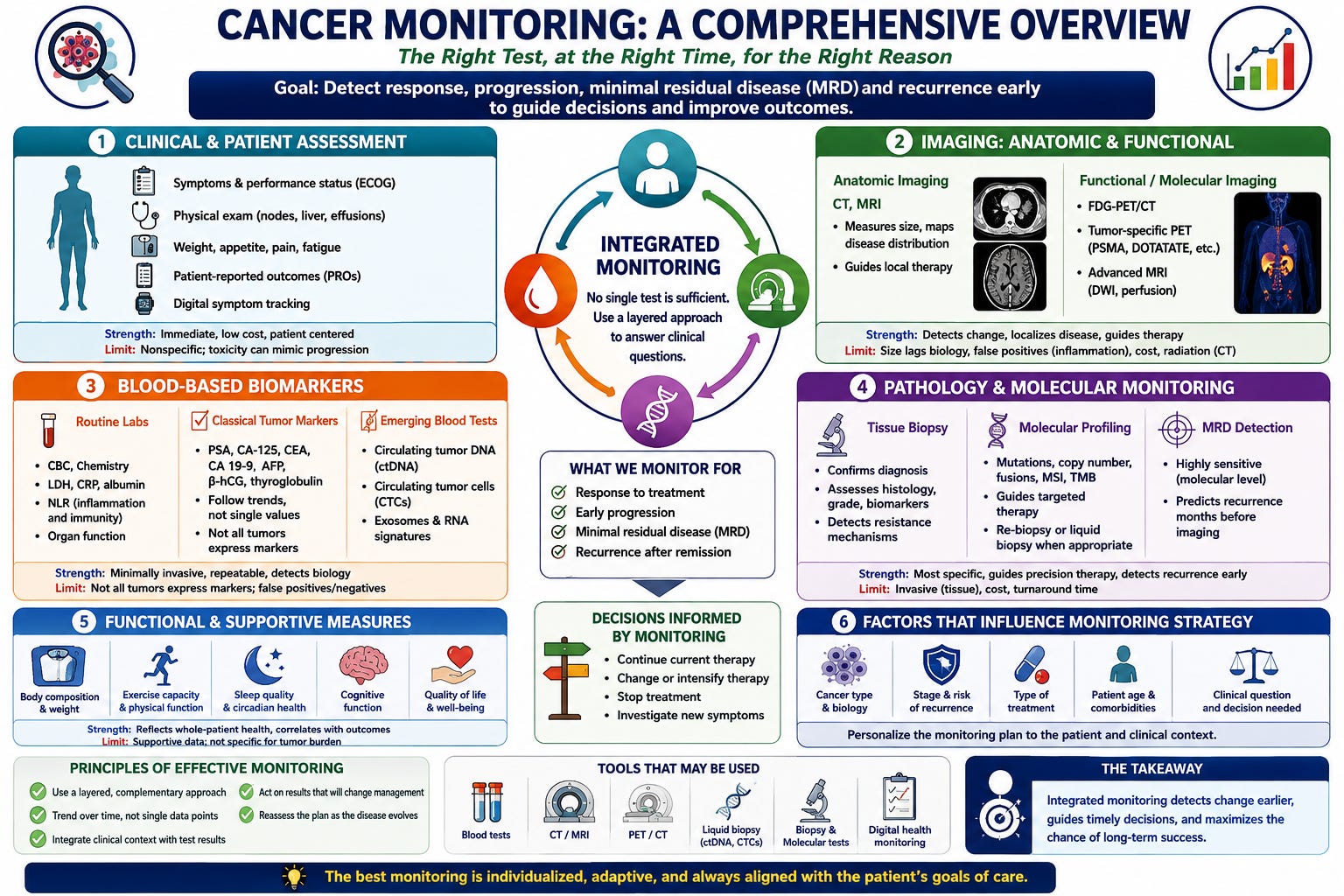
Monitoring the progression of cancer … Paul Marik
https://paulmarik.substack.com/p/monitoring-the-progression-of-cancer
Common Abbreviations Used in Cancer Care … Paul Marik
https://paulmarik.substack.com/p/common-abbreviations-used-in-cancer
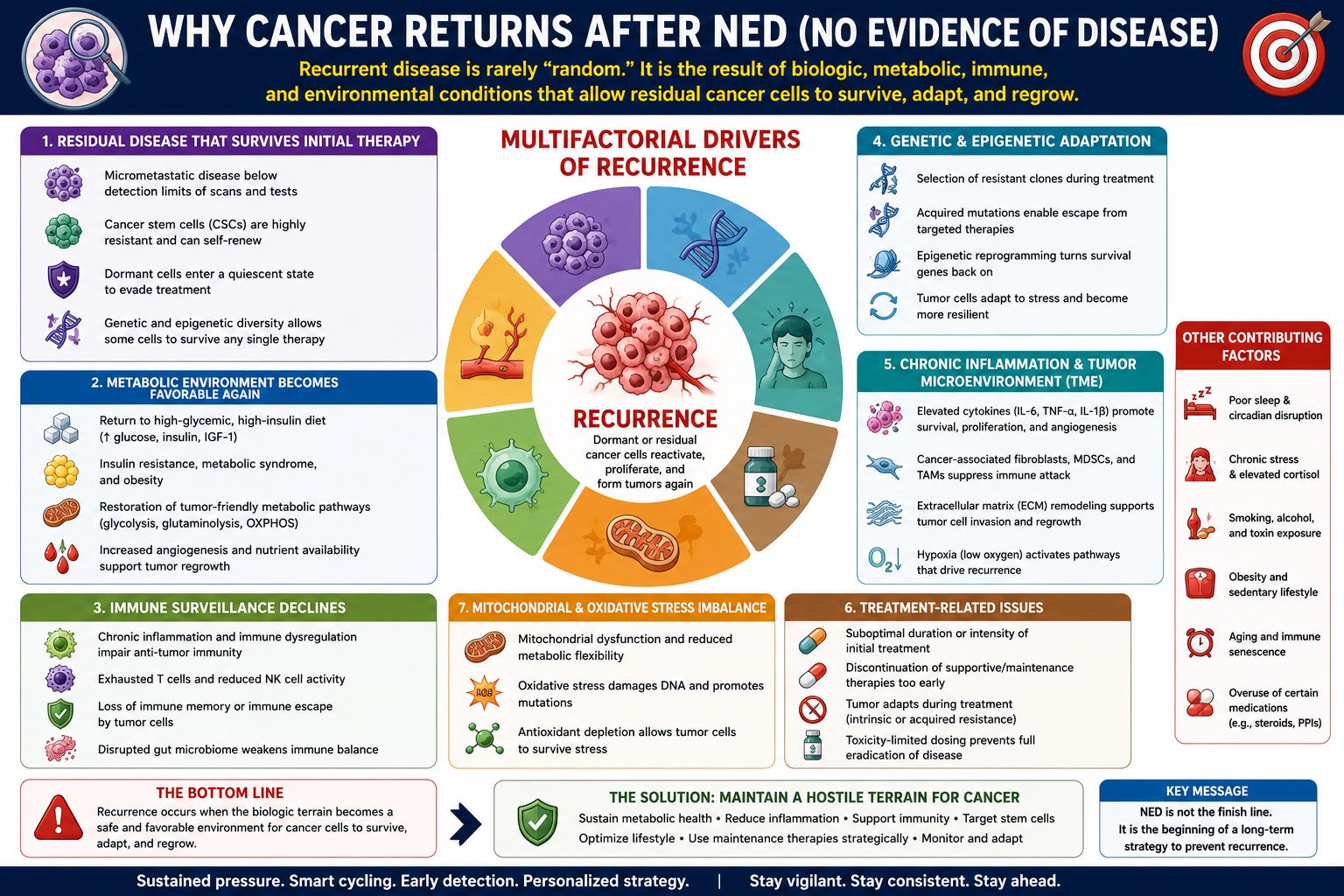
Maintenance Therapy After Achieving NED with a Multi-Axis Metabolic Approach … Paul Marik
https://paulmarik.substack.com/p/maintenance-therapy-after-achieving
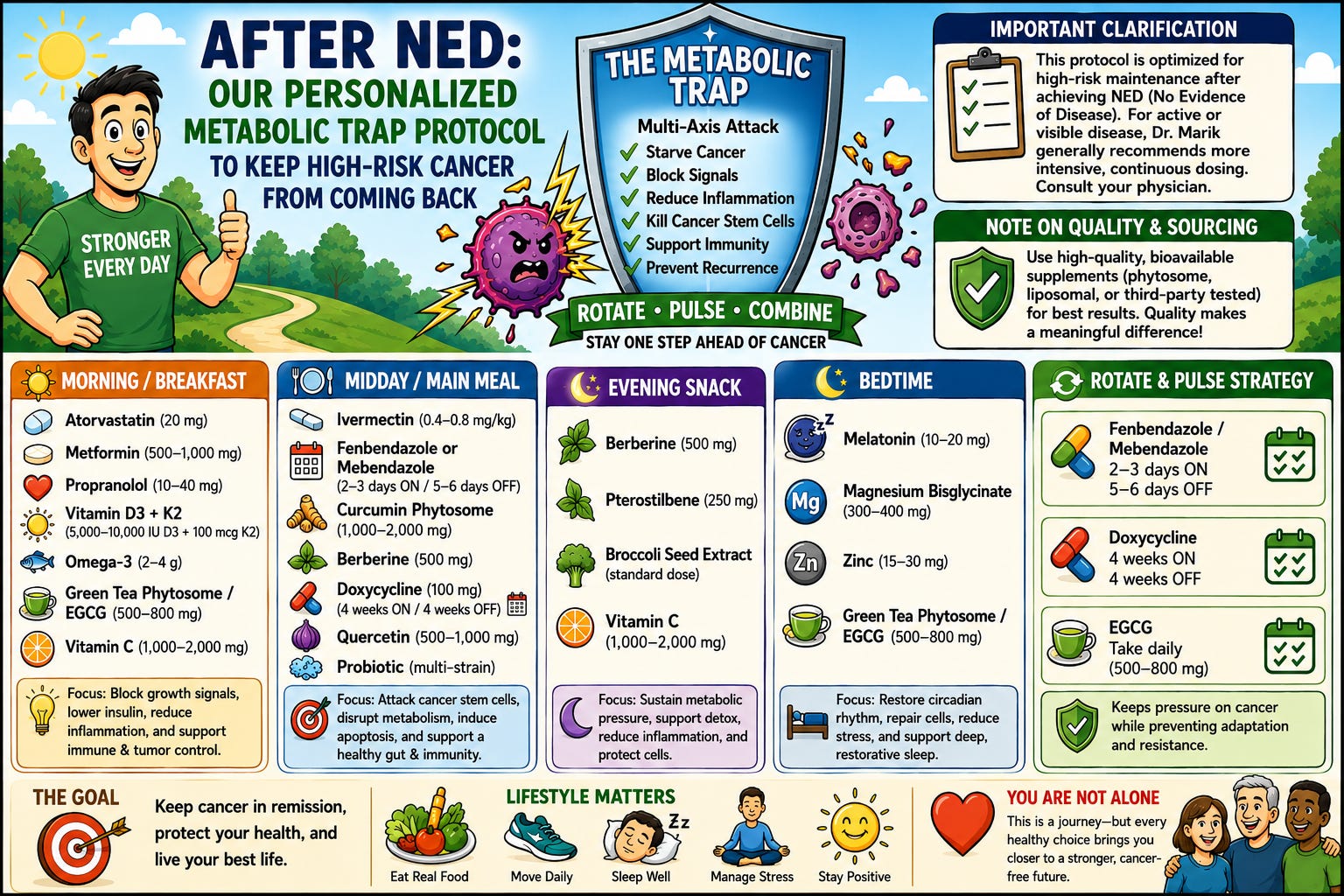
After NED: Our Personalized Metabolic Trap Protocol to Keep High-Risk Cancer from Coming Back … Paul Marik
https://paulmarik.substack.com/p/after-ned-our-personalized-metabolic
Ivermectin and Fenbendezole for Cancer … First Fact Check, Paul Marik and others
New Study – Ilyes Baghli, William Makis and Paul E Marik, et al, publish their findings
https://firstfactcheck.substack.com/p/ivermectin-and-fenbendezole-for-cancer
Europe Establishes Its First Clinical Guide for Photobiomodulation in Cancer Care — Dr Mercola
https://articles.mercola.com/sites/articles/archive/2026/09/08/photobiomodulation-europe-clinical-guide-cancer-care.aspx
Cancer often shows up in lab work before it shows up on imaging … Dr. Leigh Erin Connealy
https://substack.com/home/post/p-196459867
Luteolin: A versatile anticancer agent (and Genistein) … Pal Marik
https://paulmarik.substack.com/p/luteolin-a-versatile-anticancer-agent
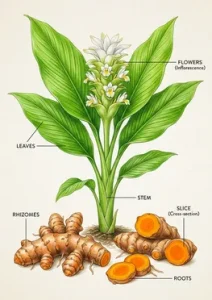
Curcumin: Nature’s Most Powerful Anti-Cancer Compound … Paul Marik
https://paulmarik.substack.com/p/curcumin-natures-most-powerful-ant
Artemisinin … Paul Marik
https://paulmarik.substack.com/p/artemisinin

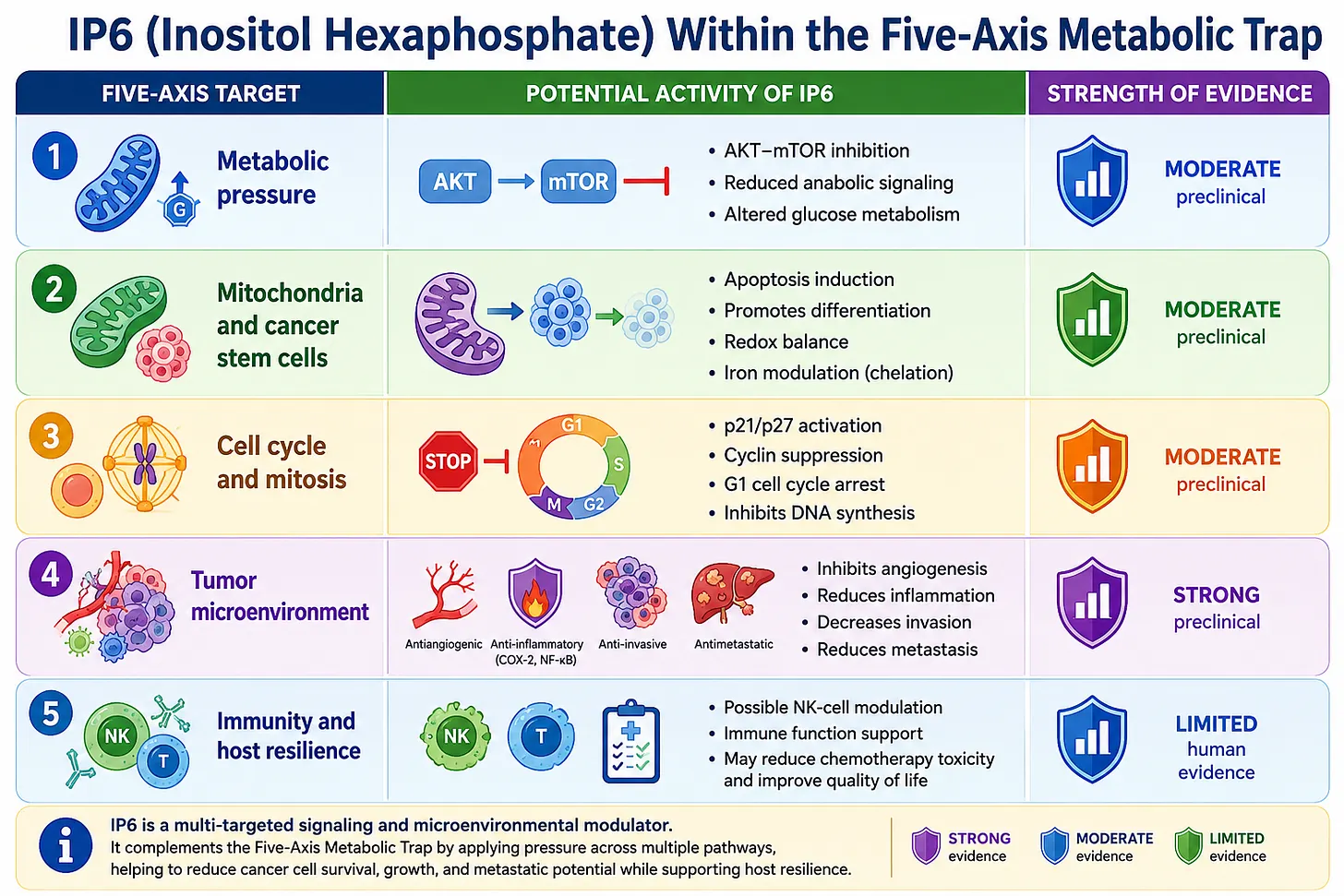
IP6 (Inositol Hexaphosphate): A Multi-Targeted Adjunct in the Five-Axis Metabolic Trap
https://paulmarik.substack.com/p/ip6-inositol-hexaphosphate-a-multi
Medicine Should Be Done With the Patient, Not To the Patient
https://paulmarik.substack.com/p/medicine-should-be-done-with-the

Preventing Melanoma (Part 1): Why This Dangerous Skin Cancer Develops … Paul Marik
https://paulmarik.substack.com/p/preventing-melanoma-part-1-why-this

Treat the Patient, Not Just the Tumor … Paul Marik
A Different Way of Thinking About Cancer
https://paulmarik.substack.com/p/treat-the-patient-not-just-the-tumor

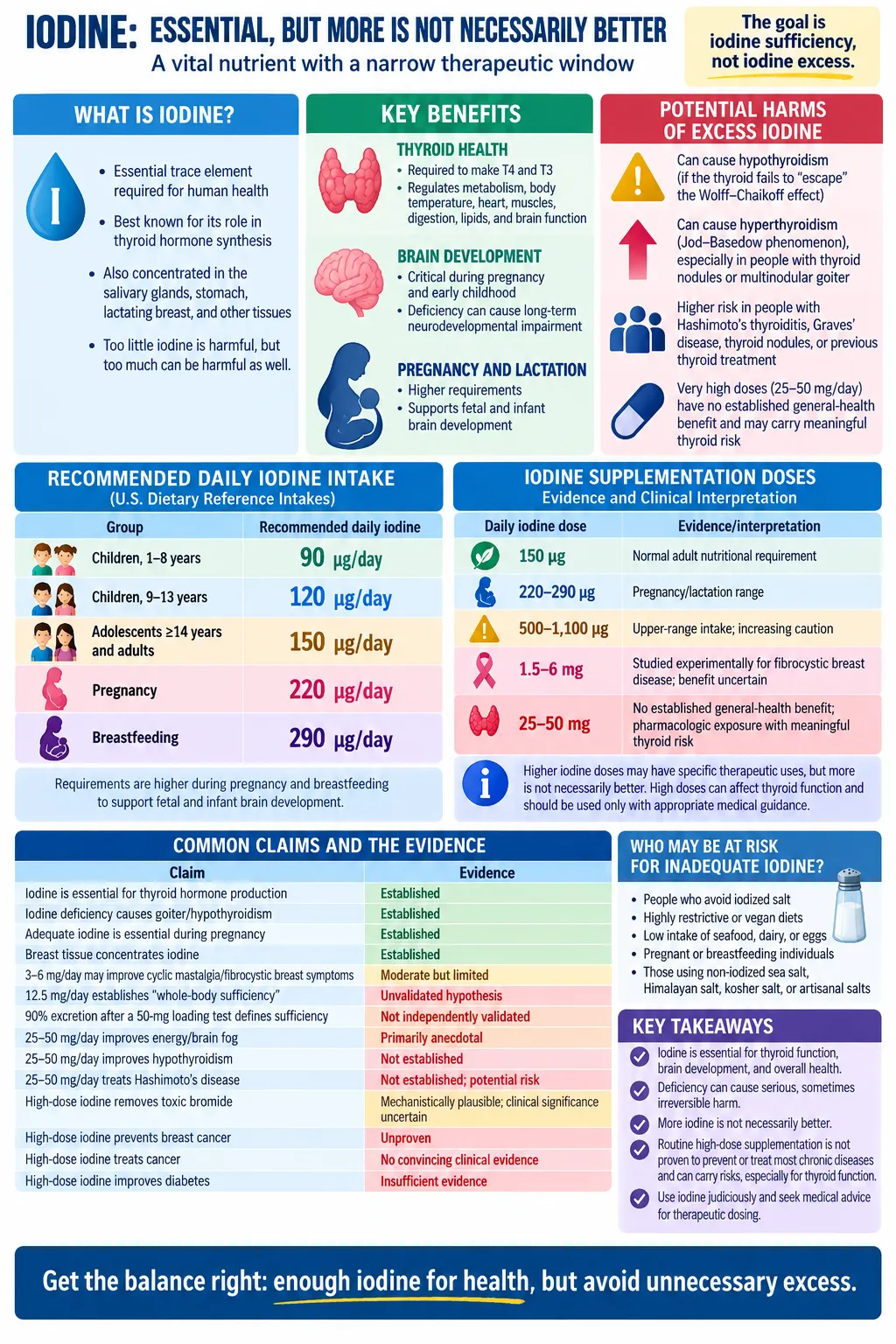
The Great Iodine Debate: From 150 Micrograms to 50 Milligrams … Paul Marik
What the Evidence Really Says About Iodine, Lugol’s Solution, “Whole-Body Sufficiency,” and High-Dose Supplementation
https://paulmarik.substack.com/p/the-great-iodine-debate-from-150
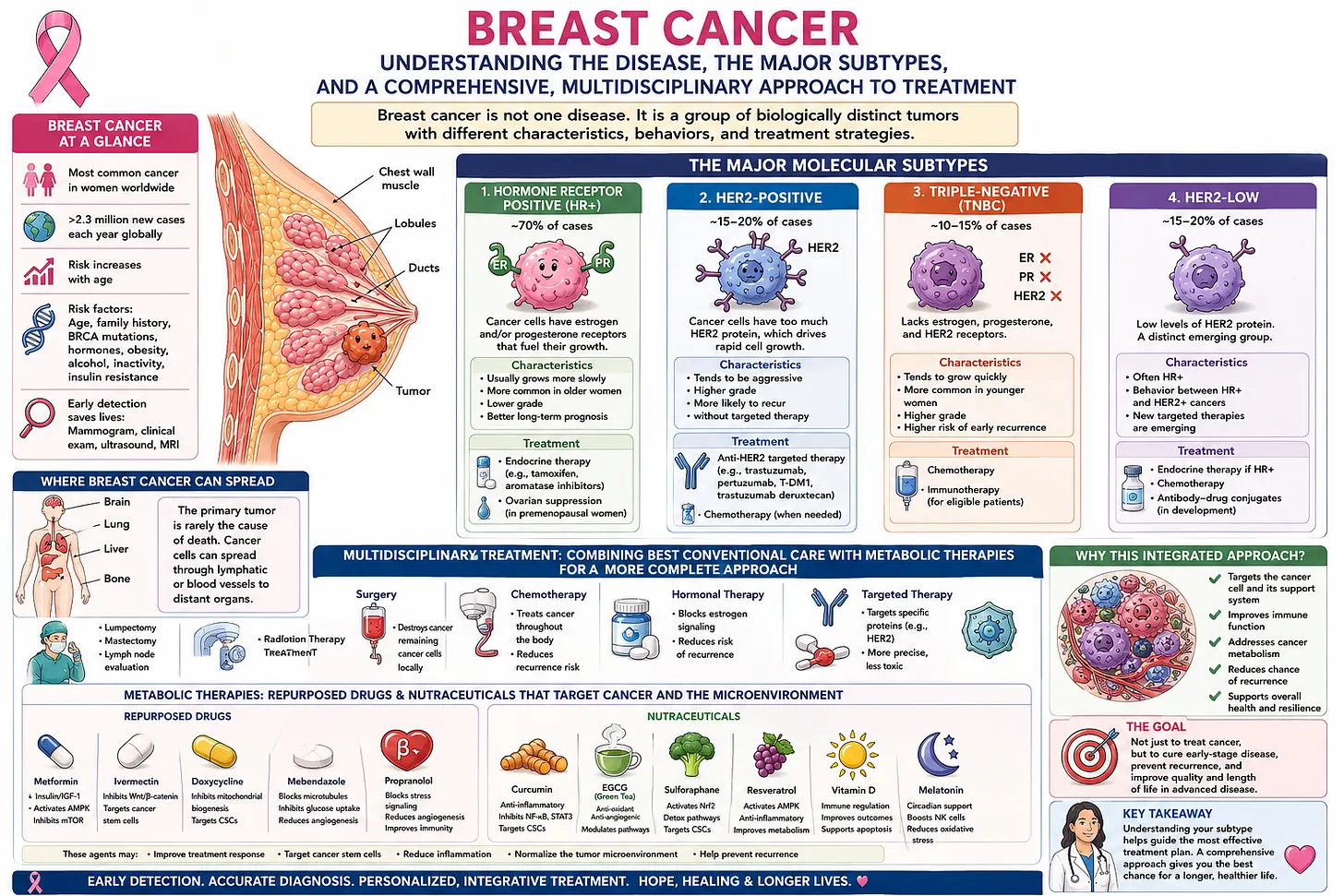
Breast Cancer: Understanding the Disease and Modern Treatment Strategies … Paul Marik
From hormones and HER2 to metabolism and the tumor microenvironment: how our understanding of breast cancer is changing—and why the future of treatment may look very different from the past.
https://paulmarik.substack.com/p/breast-cancer-understanding-the-disease
Inflammatory Breast Cancer: Why It Is Different? … Paul Marik
https://paulmarik.substack.com/p/inflammatory-breast-cancer-why-it

Colorectal Cancer: Integrating Conventional Therapy with the Five-Axis Metabolic Oncology Model … Paul Marik
https://paulmarik.substack.com/p/colorectal-cancer-integrating-conventional


Unproven Cancer Treatments: Separating Hope From Evidence Part 1 … Paul Marik
https://paulmarik.substack.com/p/unproven-cancer-treatments-separating
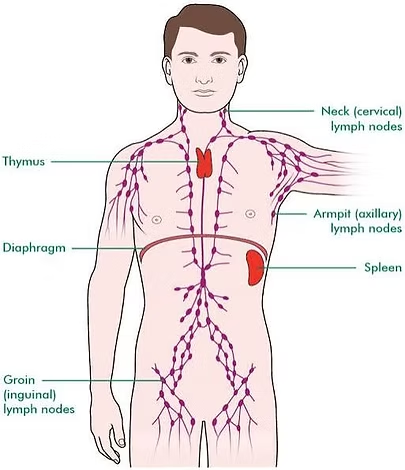
Lymphedema Awareness: What Everyone Needs to Know … Vicki Wolf
https://www.hisbreastcancer.org/single-post/lymphedema-awareness-what-everyone-needs-to-know
Understanding the causes, stages, symptoms, treatment options, and why lymphedema can develop years after surgery, cancer treatment, trauma, or injury.
When a Cancer Drug Makes Its Own Escape Route… And the Diet That Closes It … Jane McLelland
https://substack.com/@howtostarvecancer
What years of nitrate warnings got wrong about your cancer risk … LeanMachine
https://www.leanmachine.com.au/what-years-of-nitrate-warnings-got-wrong-about-your-cancer-risk/
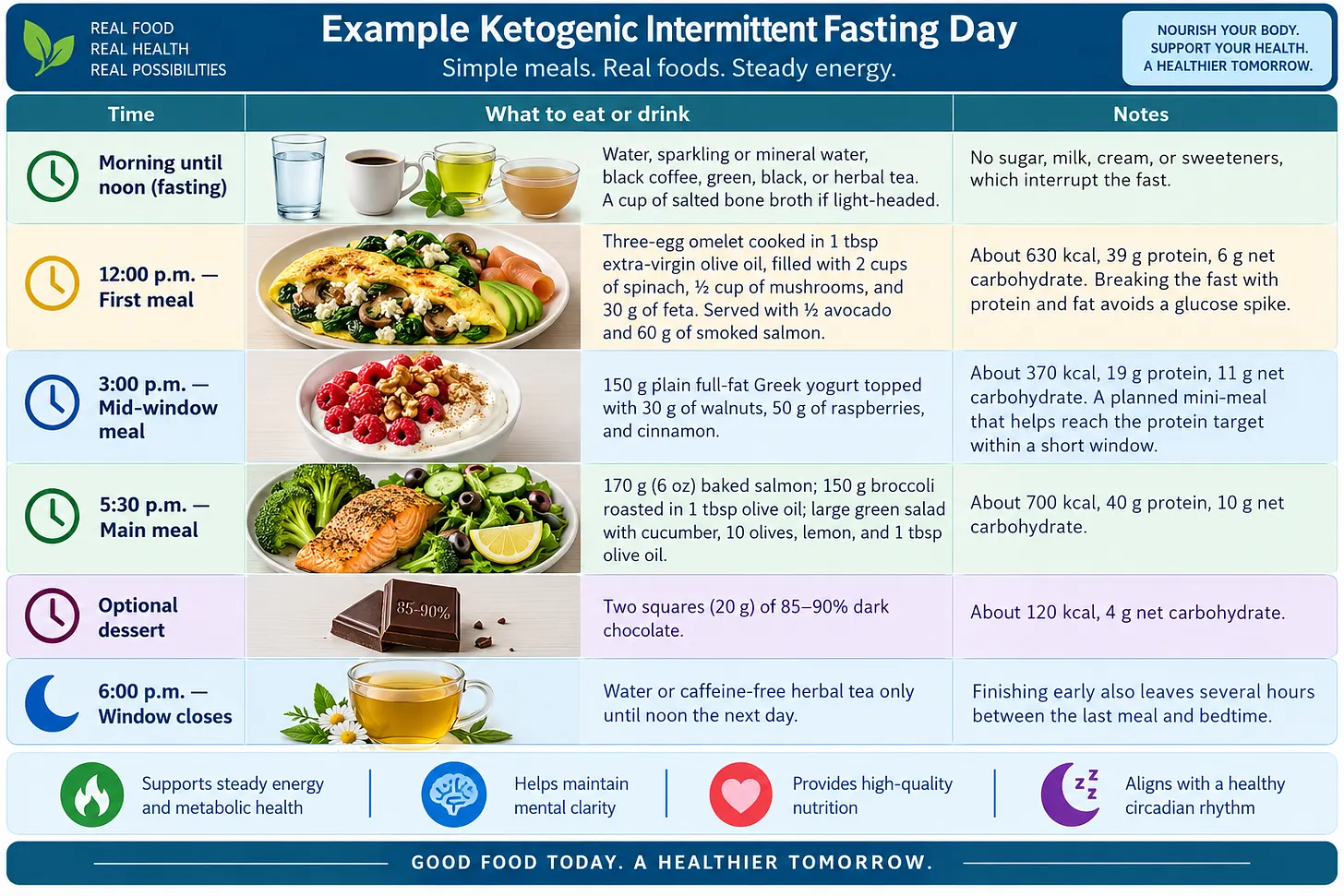
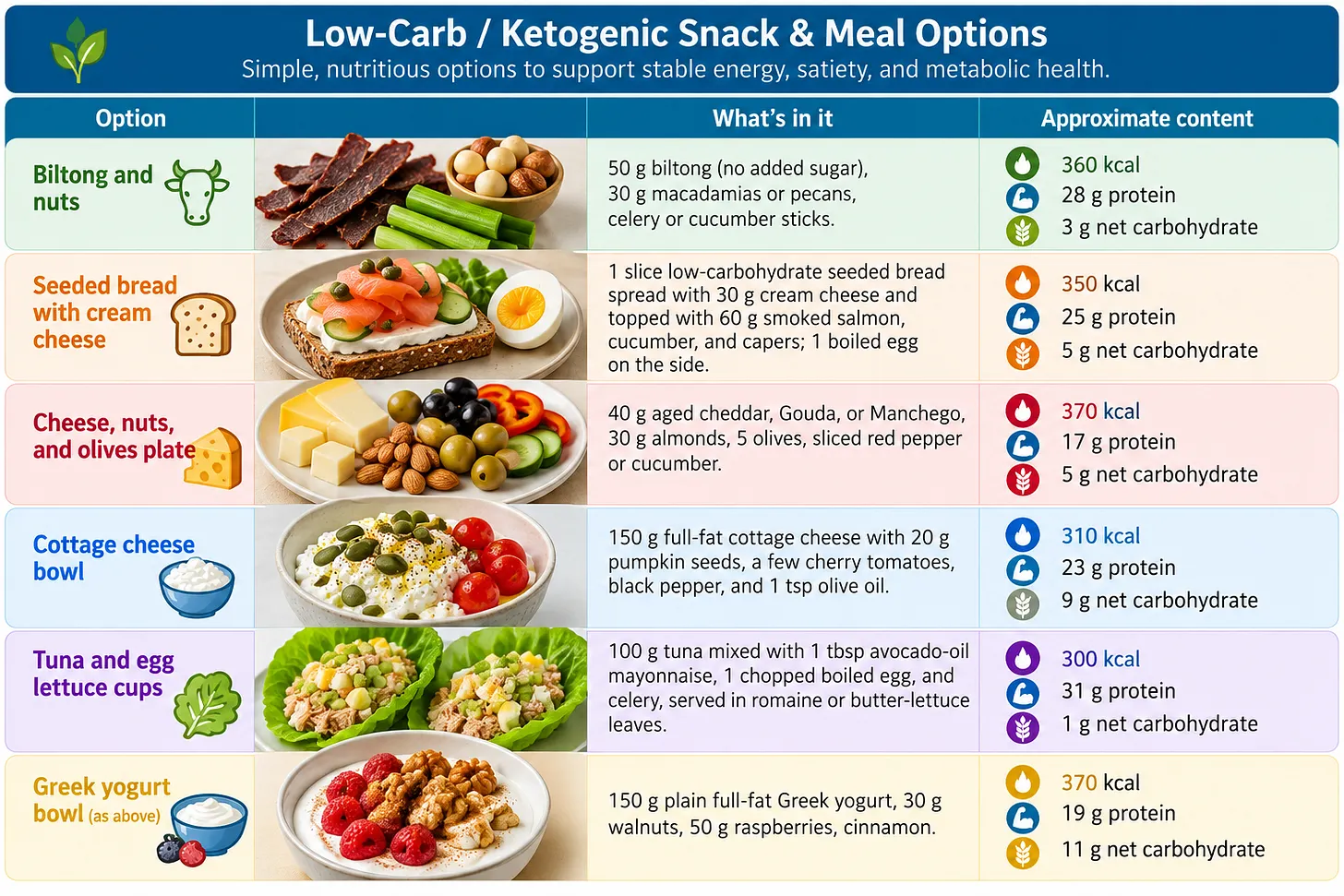
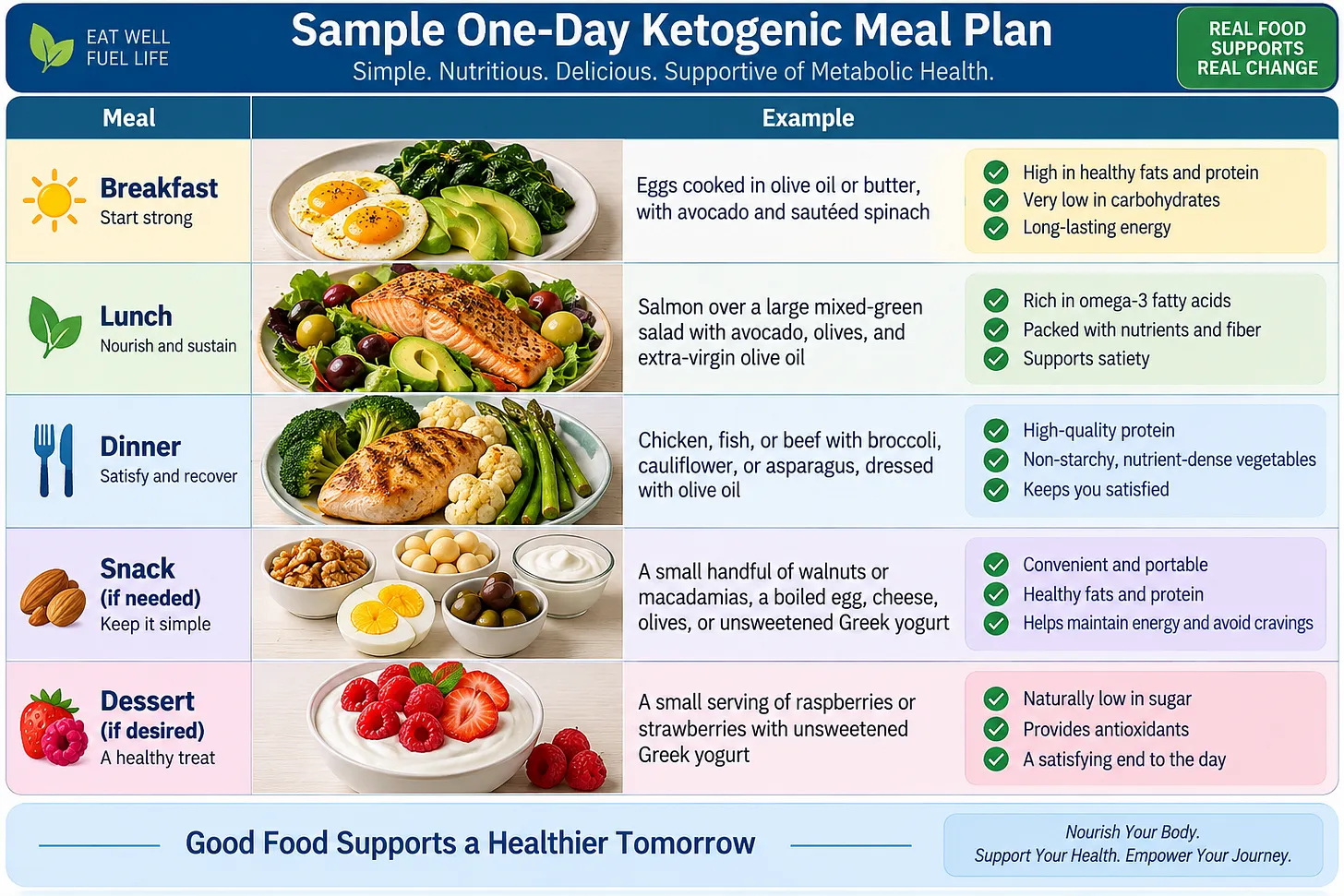
The Ketogenic Diet and Cancer: Changing the Metabolic Terrain … Paul Marik
The central dietary pillar of metabolic control in cancer — rationale, practice, and monitoring
https://paulmarik.substack.com/p/the-ketogenic-diet-and-cancer-changing



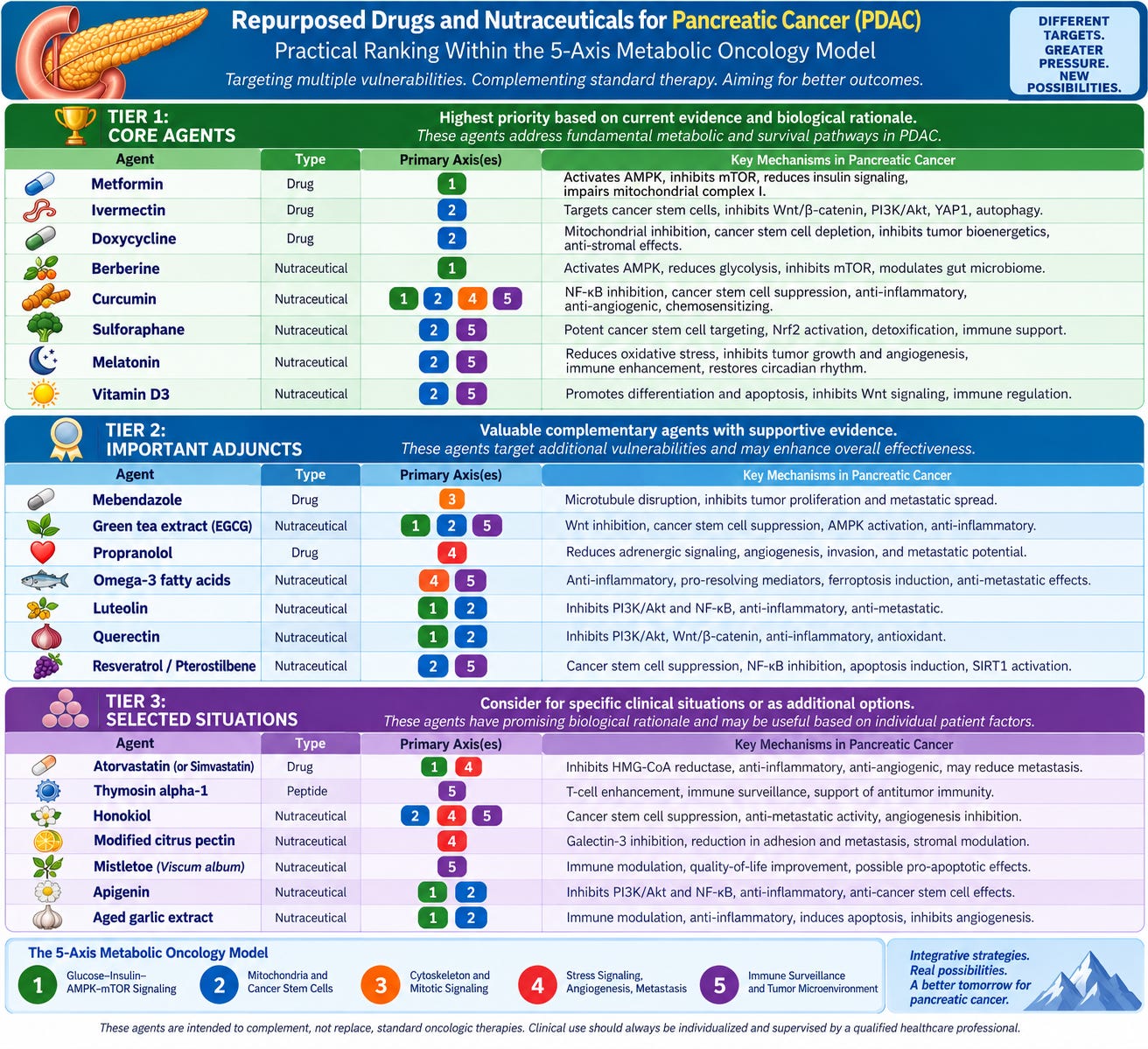
Pancreatic Cancer Through the Lens of the 5-Axis Metabolic Pressure Approach … Paul Marik
https://paulmarik.substack.com/p/pancreatic-cancer-through-the-len

Glioblastoma: Conventional Therapy Meets the Five-Axis Metabolic Trap … Paul Marik
https://paulmarik.substack.com/p/glioblastoma-conventional-therapy

Biochemical Recurrence of Prostate Cancer: What It Means and How It Should Be Managed … Paul Marik
https://paulmarik.substack.com/p/biochemical-recurrence-of-prostate

Cancer Therapies That May Be Ineffective—or Harmful – Part 2 … Paul Marik
https://paulmarik.substack.com/p/cancer-therapies-that-may-be-ineffectiveor
Lung Cancer in the Era of Precision Oncology: Epidemiology, Molecular Biology, and Therapeutic Challenges (Part 1) … Paul Marik
https://paulmarik.substack.com/p/lung-cancer-in-the-era-of-precision
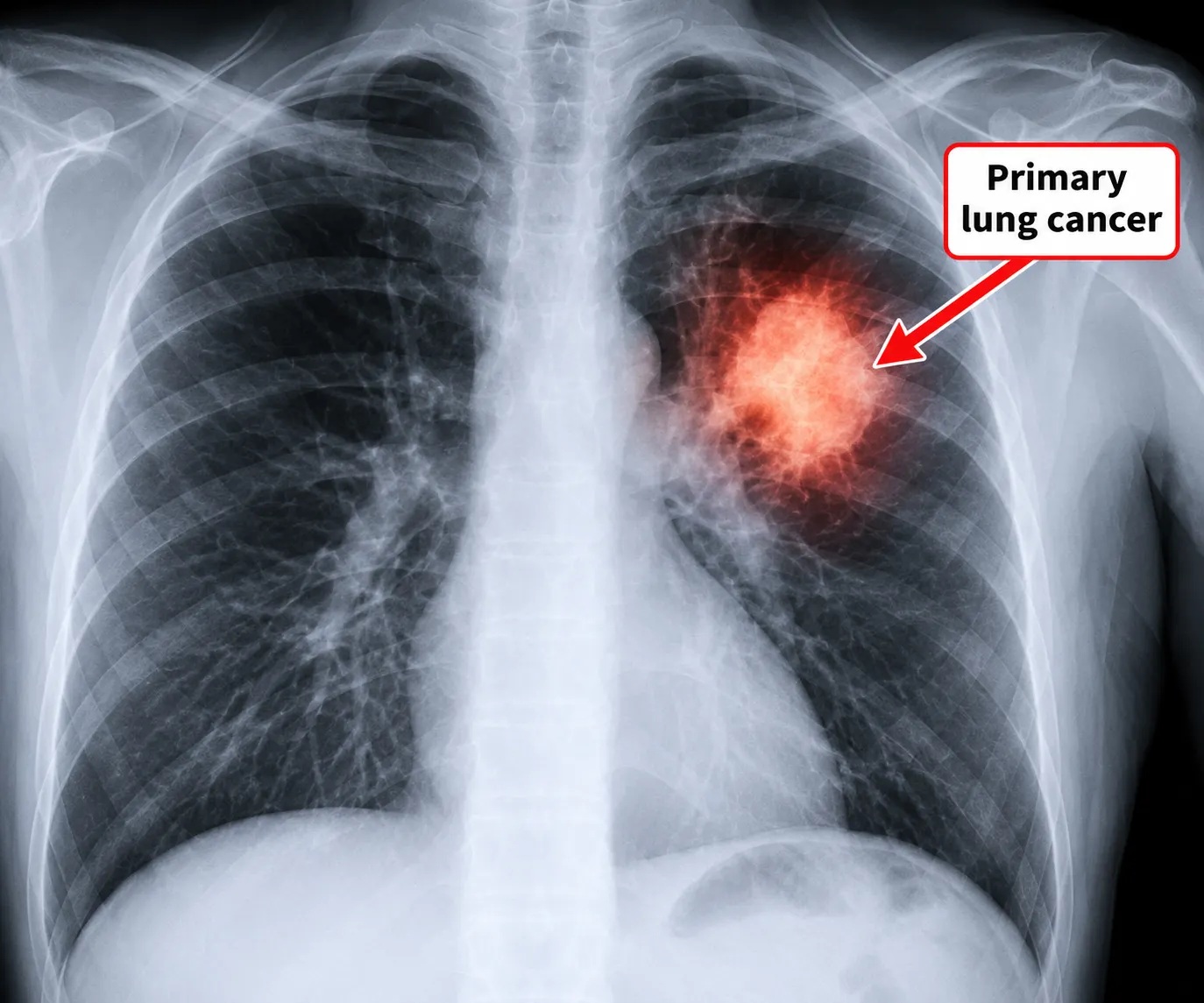

Lung Cancer Beyond Precision Oncology: The Five-Axis Metabolic Trap as a Systems Biology Framework (Part 2) … Paul Marik
https://paulmarik.substack.com/p/lung-cancer-beyond-precision-oncology
Preventing Breast Cancer … Paul Marik
https://paulmarik.substack.com/p/preventing-breast-cancer
APC and the Origins of Colorectal Cancer … Paul Marik
How One Broken Gene Opens the Door to Cancer
https://paulmarik.substack.com/p/apc-and-the-origins-of-colorectal
TP53: The Guardian of the Genome … Paul Marik
Why the World’s Most Important Tumor Suppressor Does Far More Than Prevent DNA Mutations
https://paulmarik.substack.com/p/tp53-the-guardian-of-the-genome
The Mutation trap: The Billion-Dollar Illusion of Precision Oncology … Paul Marik
https://paulmarik.substack.com/p/the-mutation-trap-the-billion-dollar
Which Comes First: Driver Mutations or the Warburg Effect? … Paul Marik
https://paulmarik.substack.com/p/which-comes-first-driver-mutations
The Gut Microbiome and Cancer: What This New Study Tells Us—and Why It Matters … Paul Marik
https://paulmarik.substack.com/p/the-gut-microbiome-and-cancer-what
EGFR: The First Great Targeted Therapy … Paul Marik
https://paulmarik.substack.com/p/egfr-the-first-great-targeted-therapy
How a Single Mutation Changed the Way We Think About Cancer
1.4 million cancer patients reveal the most overlooked way to beat cancer
https://www.leanmachine.com.au/1-4-million-cancer-patients-reveal-the-most-overlooked-way-to-beat-cancer/
Supplements with warnings for breast cancer
https://foodforbreastcancer.com/articles/supplements-with-warnings-for-breast-cancer
The Metabolic Trap
https://paulmarik.substack.com/p/the-metabolic-trap
Ivermectin: A Network Amplifier in the Metabolic Cancer Trap
https://paulmarik.substack.com/p/ivermectin-a-network-amplifier-in
High-Fat Diets Increase Breast Cancer Risk and Metastasis
https://articles.mercola.com/sites/articles/archive/2026/06/17/high-fat-diets-breast-cancer-risk-metastasis.aspx
Why Diet Is the Foundation of The Metabolic Approach to Cancer
https://paulmarik.substack.com/p/why-diet-is-the-foundation-of-the
Oncologists: Cancer Is a Metabolic Disease
https://paulmarik.substack.com/p/oncologists-its-time-to-wake-up-cancer
Reprogramming the Tumor Microenvironment: The Metabolic and Immunologic Trap
https://paulmarik.substack.com/p/reprogramming-the-tumor-microenvironment
Methylene blue has been shown to shrink cancer tumours
https://expose-news.com/2026/05/02/methylene-blue-treatment-for-cancer-tumours/
Sunlight: Medicine or Carcinogen?
https://paulmarik.substack.com/p/sunlight-medicine-or-carcinogen
Ivermectin and Cancer: Why This Nobel Prize Drug Is Forcing a Rethink of Oncology
https://paulmarik.substack.com/p/ivermectin-and-cancer-why-this-nobe
The Ivermectin and Mebendazole Dosing Question: What Is the Optimal Dose for Cancer?
https://paulmarik.substack.com/p/the-ivermectin-and-mebendazole-dosing
Prostate Cancer: The Evolution of Fuel Utilization and the Five-Axis Metabolic Pressure Model
https://paulmarik.substack.com/p/prostate-cancer-the-evolution-of
Neuroendocrine Prostate Cancer: The Deadly Escape Pathway of Modern Hormone Therapy (Part 2)
https://paulmarik.substack.com/p/neuroendocrine-prostate-cancer-the
Modified Citrus Pectin: The Anti-Metastatic Supplement Most Oncologists Ignore
https://paulmarik.substack.com/p/modified-citrus-pectin-the-anti-metastatic
Mebendazole: A Multi-Axis Metabolic Attack on Cancer
https://paulmarik.substack.com/p/mebendazole-a-multi-axis-metabolic
Staying One Step Ahead of Cancer: Strategies to Prevent Therapeutic Resistance- Part 2
https://paulmarik.substack.com/p/staying-one-step-ahead-of-cancer
A Few Helpful Labs to Run for Cancer Prevention and Metabolic Health
https://substack.com/home/post/p-196459867
Does the fact that cancers may depend on fatty acid oxidation negate the metabolic theory of cancer (Warburg Effect)
https://paulmarik.substack.com/p/does-the-fact-that-cancers-may-depend
Cancer, Warburg and Fatty Acid Oxidation: A Clearer Understanding
https://paulmarik.substack.com/p/cancer-warburg-and-fatty-acid-oxidation
How to starve cancer by Jane McLelland
https://howtostarvecancer.substack.com/
Perioperative Repurposed Drugs To Reduce Metastases … Paul Marik
https://paulmarik.substack.com/p/preoperative-repurposed-drugs-to
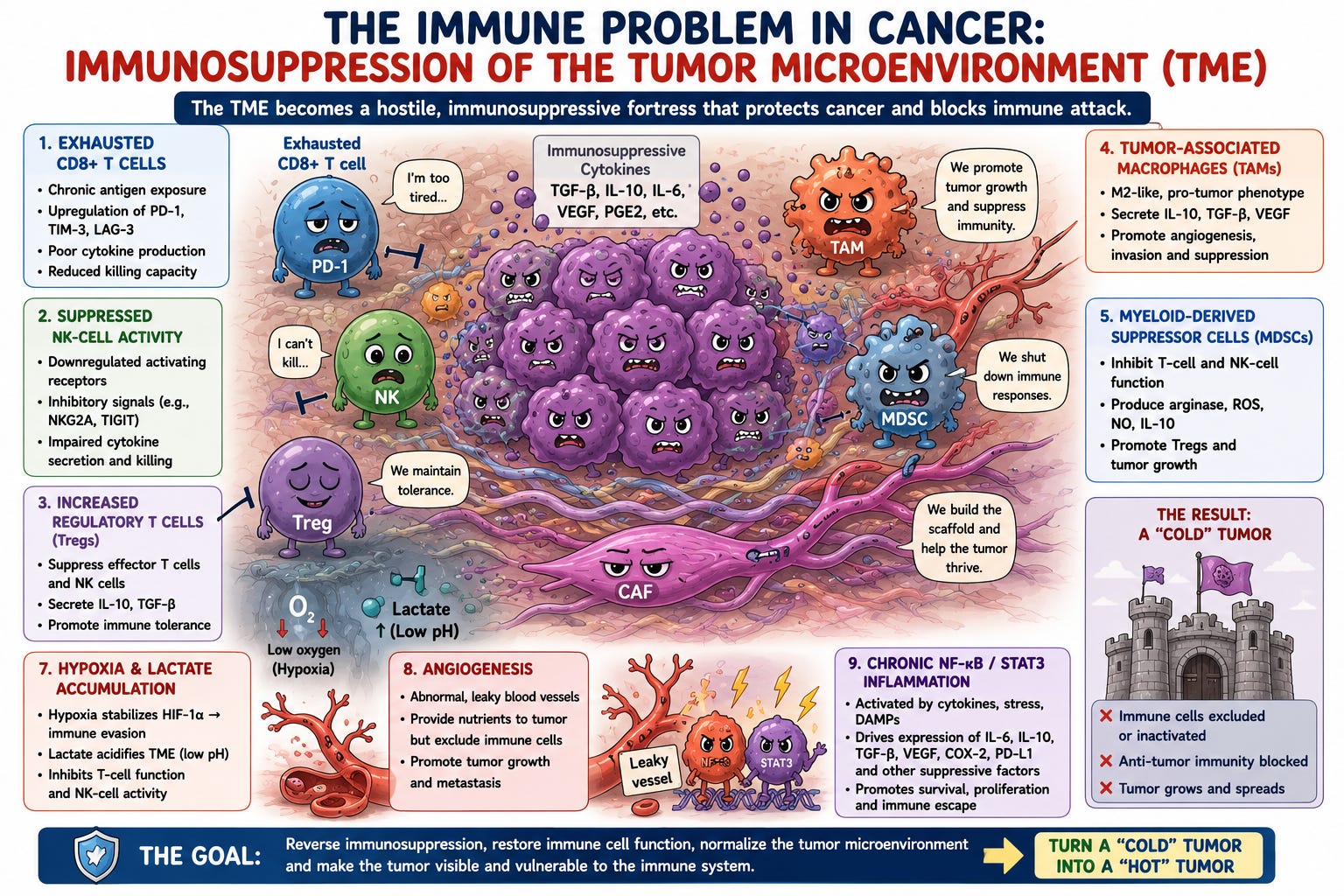
Repurposed Drugs and Nutraceuticals That Improve Systemic Immunity and the Tumor Microenvironment … Paul Marik
https://paulmarik.substack.com/p/repurposed-drugs-and-nutraceuticals-a25
What If It Was Never Cancer? The 20-Year Case That DCIS Was Misnamed — and Now the Science Is Catching Up … Sayer Ji
https://sayerji.substack.com/p/what-if-it-was-never-cancer-the-20
Metformin: The Most Important Repurposed Drug in Cancer Care … Paul Marik
https://paulmarik.substack.com/p/metformin-the-most-important-repurposed
Cancer Hates Darkness: The Remarkable Story of Melatonin … Paul Marik
https://paulmarik.substack.com/p/cancer-hates-darkness-the-remarkable
Sulforaphane … Paul Marik
The anti-cancer compound in Broccoli
https://paulmarik.substack.com/p/sulforaphane

Overview of Chemotherapy and Metronomic Dosing Integration of Metronomic chemotherapy with repurposed drugs
https://paulmarik.substack.com/p/overview-of-chemotherapy-and-metronomic
Integration of Metronomic chemotherapy with repurposed drugs … Paul Marik
https://paulmarik.substack.com/p/integration-of-metronomic-chemotherapy

The Ivermectin and Mebendazole Dosing Question: What Is the Optimal Dose for Cancer? … Paul Marik
https://paulmarik.substack.com/p/the-ivermectin-and-mebendazole-dosing
The Ivermectin and Mebendazole Dosing Question: Patient and Provider Responses … Paul Marik
https://paulmarik.substack.com/p/the-ivermectin-and-mebendazole-dosing-59d
A Patient Story: From Confusion to Clarity … Paul Marik
https://paulmarik.substack.com/p/a-patient-story-from-confusion-to

Fed a Lie — The Truth About Seed Oils
Reproduced from original article:
https://articles.mercola.com/sites/articles/archive/2026/05/23/fed-lie-truth-about-seed-oils.aspx
Analysis by Dr. Joseph Mercola May 23, 2026
Story at-a-glance
- Ultraprocessed vegetable oils have quietly become one of the most dominant and pernicious ingredients in the modern diet. They have driven a dramatic rise in linoleic acid (LA) intake over the past century
- The documentary, “Fed a Lie: The Truth About Seed Oils,” reveals how marketing, subsidies, and flawed science replaced traditional animal fats with industrially produced oils made from soy, corn, cottonseed, and other crops
- Clinical and epidemiological studies have linked seed oil consumption to increased oxidative stress, inflammation, mitochondrial damage, cancer risk, and cardiovascular dysfunction, despite being touted as “healthy” fats
- Ancestral populations thrived on diets rich in saturated fat but free from processed seed oils. This allowed for low rates of chronic disease, even with widely varying macronutrient profiles
- To reduce your exposure to seed oils and help counter the effects of excess LA, focus on avoiding processed foods, switching to traditional fats for cooking, and supporting your body’s natural defenses with nutrients like C15:0
Chronic illness has become a normal part of everyday life for many Americans. You likely know someone living with heart disease, diabetes, autoimmune issues, or ongoing mental health challenges. These problems are showing up earlier, lasting longer, and affecting more people than in the past. While many factors contribute to this trend, one of the most influential is what we eat every day.
Over the last century, the American diet has undergone a dramatic transformation. Home-cooked meals made from simple, whole ingredients have steadily given way to ultraprocessed products — foods engineered for convenience, mass production, and longer shelf life. These changes didn’t happen all at once, and most people weren’t aware they were even happening.
Today, many of the ingredients found in everyday packaged foods are far removed from anything found in a traditional kitchen. The featured documentary, “Fed a Lie: The Truth About Seed Oils,” takes a closer look at one of the most impactful shifts in our diet — how industrial seed oils became a foundation of the modern food supply and what that means for long-term health.1
The Rise of Seed Oils in the Modern Diet
The featured video lays out the historical pathway that caused the industrial seed oils to dominate the American food supply, drawing on historical records, government data, and expert interviews. These oils were later marketed as “vegetable oils” to make them sound healthy, but they are extracted from crops like soybeans, corn, and cottonseed. This change took place over the span of about a century, but its effects are still unfolding.2
• From trace amounts to a daily staple — In 1865, Americans consumed almost no seed oils. Fats came mostly from animals in the form of lard, tallow, and butter. By 2014, the average person was consuming about 65 grams of vegetable oils per day. As noted by Dr. Paul Saladino in “Fed a Lie”:
“The average American consumes 3 to 5 tablespoons of seed oils per day, and it’s in almost all ultraprocessed food — salad dressings, it’s in cookies, it’s in cakes, it’s in crackers, it’s in breads, it’s in plant milks.
To consume the equivalent of 3 to 5 tablespoons of corn oil, we would have to eat 60 to 70 ears of corn. To consume the equivalent of 3 to 5 tablespoons of soybean oil, we’re looking at more than 2 pounds of soybeans. Amounts that would never ever have encountered historically as human.
So, what we have here is a very striking discordance between what we have done for hundreds of thousands of years and what we’re eating today in our diets — incredibly evolutionary and consistent consumption of seed oils, which are just easy to consume today.”3
• Seed oils are the single most processed food on the planet — “Seeds, nuts, [and] beans can only be made into an oil in a factory. It needs to go through so many industrial steps in order to create the oil,” explains Nina Teicholz, Ph.D., the author of New York Times bestseller, “The Big Fat Surprise.”
Saladino adds that the process involves heating the oils to 500 degrees F, which causes them to become “rancid, oxidized, or rusted in the colloquial sense.” To make them palatable, they have to be deodorized before sale.
• Seed oils are industrial products by design — Cottonseed oil, which is the first of its kind, had originally been used as a lubricant for machinery during the Industrial Revolution. According to Teicholz:
“After we had hunted all the whales out of the ocean — we hunted the whales mainly for their fat — when we lost that source of fat, it had to be replaced. Cottonseed oil came in to fill that need for all kinds of machinery, for making candles and soaps, and that was it. Then, Procter & Gamble came along and said, ‘Let’s try to sell this as a food stuff.'”4
• Crisco marked the beginning of industrial oils as food — The first major shift came in 1911 with the release of Crisco, which was sold as fake lard but made entirely of vegetable oils, originally cottonseed oil. “Butter and lard, and even tallow, began to be replaced and supplanted, and this is what took off in the 20th century,” Dr. Chris Knobbe notes in the interview.
• Crisco replaced traditional fats through marketing, not merit — In 1913, two years after Crisco was introduced, a book titled “The Story of Crisco” was published to describe how quickly the product took over American kitchens. This book was written by the former vice president of the American Heart Association (AHA), with messaging that implied animal fats were harmful, despite being part of the human diet for generations.
“And so, the nation’s cookbook has been hauled out and is being revised. Upon thousands of pages the word lard and butter have been crossed out and the word Crisco written in their place,” Teicholz says. “It was the earnest aim of the makers of Crisco to produce a strictly vegetable product without adding a hard and consequently indigestible animal fat.”5
• Procter & Gamble’s donation transformed the AHA overnight — The American Heart Association was described as a small, struggling organization with little public presence and limited ability to influence health policy. Cardiologists were rare because heart disease was less common, and the group lacked the funding to operate on a national level.
That changed when Procter & Gamble gave the AHA $1.7 million (equivalent to $20 million today) in 1948. With that donation, the AHA quickly expanded its research programs and public messaging. The timing and scale of this gift marked a turning point, positioning the organization to promote dietary guidelines that aligned closely with the food industry’s interests.
• What started as an economic decision became a medical directive — American housewives had already begun switching to seed oils because they were cheaper than animal fats. But once the AHA began promoting these oils as heart-healthy, the shift accelerated. What had been a matter of cost now carried the weight of medical authority, reinforcing the idea that vegetable oils were the responsible choice for families.
• Government policy and subsidies helped entrench seed oils in the food system — Starting in the 1970s, federal dietary guidelines warned against saturated fat and encouraged the use of polyunsaturated oils (PUFAs). At the same time, farm subsidies favored crops like soy and corn, making their industrial byproducts cheap and abundant.
Food companies adopted these oils across the board because they were inexpensive and easy to use in mass production. Once seed oils became standard in processed food and institutional cooking, they were almost impossible to avoid.
What Replacing Animal Fats with Seed Oils Really Did to Public Health
The widespread adoption of vegetable oils is one of the most consequential dietary shifts in modern history, yet their impact on public health remains deeply controversial. For decades, experts have debated whether these oils are truly beneficial or if they have fueled the very diseases they were meant to prevent.6
• The Ancel Keys Hypothesis featured flawed science and cherry-picked data — One of the most influential studies supporting the diet-heart hypothesis was the Seven Countries Study, led by Ancel Keys in the 1950s,7 which suggested a correlation between saturated fat intake and heart disease.
His findings laid the foundation for dietary guidelines that demonized animal fats and promoted vegetable oils as a healthier alternative. However, the study was purely observational and could not establish causation.
As explained in the documentary, Keys “cherry-picked his countries to get the desired results that he wanted.” Countries like Switzerland, France, and Germany, where people consumed high levels of saturated fat but had low rates of heart disease, were excluded. Instead, Keys focused on countries that had been ravaged by war and were eating lower-fat diets at the time of data collection.
• Early warnings ignored: The Rose Corn Oil Trial — This is one of the earliest clinical trials to examine seed oil effects on heart health and was conducted in 1956. Participants were given 19 teaspoons of corn oil daily and followed for three years.
The study was stopped early because the group consuming corn oil experienced significantly more deaths. At the end of the study, the researchers concluded, “[U]nder the circumstances of this trial, corn oil cannot be recommended as a treatment of ischemic heart disease. It is most unlikely to be beneficial, and it is possibly harmful.”
• Clinical trials in the 1980s linked seed oils to cancer — In the early 1980s, a series of high-quality clinical trials began to show a connection between seed oil consumption and cancer, particularly colon cancer.
The documentary notes that this was in a dozen clinical trials, and the results were strong enough to prompt high-level meetings at the National Institutes of Health (NIH). Top scientists involved could not agree on an explanation for the cancer findings, but they chose to overlook them, citing the perceived benefits of cholesterol reduction.
• Toxicity concerns from animal studies were dismissed — Teicholz shared that animal research linked seed oils to liver damage and the formation of toxic oxidation products. However, these findings, like the human data on cancer, were not integrated into official guidance. Instead, institutional decision-making prioritized cholesterol reduction above all else.
• Lowering cholesterol showed no benefit — Seed oils do lower low-density lipoprotein (LDL) and total cholesterol, but that reduction has not translated into better outcomes.
“In large clinical trials, the most rigorous kind of evidence on 76,000 people, lowering your LDL cholesterol by consuming seed oils has never been shown to have any benefit for death from heart disease or death from any cause,” Teicholz notes.8
• Calls for updated research go unanswered — Despite these warning signs, high-quality studies comparing seed oils to saturated fats have not been funded. As Saladino states, “no pharmaceutical company will ever fund a study looking at saturated fat versus seed oils today.” As a result, the public is left relying on outdated and incomplete data, while the known risks continue to be downplayed or ignored.
Together, these studies and years of misguided dietary guidelines point to a deeper issue — industry influence and poor-quality science have shaped public health advice in ways that have harmed long-term health. For a closer look at how vegetable oils affect the body, check out “Vegetable Oils Wreck Your Gut.”
How Does Excess LA Impact Your Health?
The shift toward industrial seed oils has caused a sharp increase in dietary LA, now the most abundant fat in the modern diet. Understanding what happens after LA enters the body reveals how this one ingredient quietly erodes your health over time.9,10,11
• LA builds up in the body and drives oxidative damage — Unlike other fats that are quickly metabolized or excreted, LA embeds itself in body fat and cell membranes. Its chemical structure makes it highly susceptible to oxidation, and once oxidized, it generates harmful byproducts. Knobbe explains:
“These seed oil components, the omega-6 linoleic acid, accumulate in our bodies. It accumulates in our fat. It accumulates in our cell membranes. And this sets up this environment that is prooxidative, pro-inflammatory, toxic, and nutrient-deficient …
Many people know that arsenic, for example, is a very damaging molecule. It’s a very dangerous poison, and it’s dangerous because it’s a prooxidant, and if the dose is high enough, it’ll kill you very fast. But if the dose is really low, then it behaves just like vegetable oils. They’re both prooxidative. So arsenic kills us through oxidation, vegetable oils ultimately maim and kill us mostly through oxidation.”12
• LA stays in the body for years, not days — I discussed this same issue in my reviews, published in the journal Nutrients13 and Advances in Redox Research.14 As explained in these papers, the half-life of LA in the body is about 680 days, meaning it takes up to six years to replace 95% of it. Because it gets stored in adipose tissue and incorporated into the lipid bilayers of cells, its presence is long-lasting and difficult to reverse.
• Oxidized LA metabolites (OXLAMs) drive systemic oxidative stress — When LA is heated, stored, or metabolized in excess, it forms OXLAMs, damaging breakdown products that are biologically active. OXLAMs like 4-hydroxynonenal (4-HNE) are generated during lipid peroxidation and damage DNA, proteins, mitochondria, and even stem cells. These oxidized byproducts have been linked to cardiovascular disease, cancer, and neurodegenerative conditions.
• Stored LA contributes to mitochondrial injury — Mitochondria use a special fat called cardiolipin to help generate energy. As LA dominates the diet, it becomes a major building block of cardiolipin, making it fragile and prone to oxidation. The result is impaired energy production, increased oxidative stress, and higher vulnerability to chronic disease. This damage shows up in high-energy organs like the heart and brain, contributing to widespread dysfunction.
• Excess LA fuels chronic inflammation — Once oxidized, LA and its metabolites act like molecular triggers for inflammation. My papers detail how these compounds damage cell membranes and trigger inflammatory cascades that affect the liver, cardiovascular system, and nervous system. Animal models show that dietary seed oils rich in LA promote liver injury, endothelial dysfunction, and oxidative damage in the brain.
• Cardiovascular damage is amplified by LA oxidation — The oxidation of LA in LDL particles is a key step in the formation of atherosclerotic plaque. The byproduct 4-HNE, for instance, is not only a mutagen and mitochondrial toxin but also a direct contributor to foam cell formation and endothelial dysfunction.
Reducing LA intake could be one of the most powerful steps you take for long-term cardiovascular and metabolic health. Learn more in “Linoleic Acid — The Most Destructive Ingredient in Your Diet.”
Lessons We Can Learn from Ancestral Diets
Traditional societies consumed diets that were high in saturated animal fats yet showed no signs of chronic illness. The featured documentary emphasizes that populations around the world thrived on widely different diets, as long as the ingredients were traditional, minimally processed, and free from modern additives like seed oils.15
• Ancestral diets were rich in saturated fat, yet people were free of chronic disease — The Maasai of Kenya and Tanzania were documented in the 1970s as consuming a diet of milk, meat, and blood, with two-thirds of their calories coming from animal fat. In the South Pacific, the Tokelau population lived on a diet based heavily on coconut and fish, with saturated fat making up about 50% of their intake. Despite the high fat content, both groups had low rates of heart disease, diabetes, and obesity.
• LA levels in body fat have changed dramatically — The average level of LA in human adipose tissue was around 2.8% in people eating natural diets. But in the U.S., levels rose sharply to 9.1% in 1959 and climbed to 21.5% by 2008. These changes reflect how deeply industrial seed oils have altered the makeup of human tissue over just a few generations.
• Bethany Hamilton’s story highlights what’s possible without seed oils — In the documentary, professional surfer Bethany Hamilton describes the benefits she experienced after removing seed oils from her diet. She reported more consistent energy, better sleep, and stronger athletic performance. Her fourth pregnancy, which followed the dietary shift, was her healthiest yet. She also observed that her children became more emotionally stable and resilient.
Take a deeper look at how traditional diets supported long-term health in “The Ancestral Wisdom That Supported Better Health in the Past.”
How to Reduce Your LA Exposure and Mitigate Its Effects
Lowering your intake of industrial seed oils starts with knowing where they hide. Even people who avoid fried foods and fast food end up eating large amounts of LA simply because it’s in so many packaged products, often where you’d least expect it. Below are key tips from the documentary, along with some of my own recommendations, to help you reduce your LA exposure and protect yourself from its damaging effects:16
•Shop the perimeter, skip the processed center — Avoid the central aisles of the grocery store where most processed and ultraprocessed products are shelved. Items like crackers, cookies, chips, salad dressings, and plant-based milks often contain soybean, canola, sunflower, or safflower oil, even when marketed as “heart-healthy.” Instead, focus on unprocessed animal foods, fresh produce, and items that don’t come with long ingredient lists.
• Clean out your cooking oils — Many homes still stock common seed oils like canola, sunflower, and safflower. Toss them out and replace them with traditional fats such as butter, ghee, and coconut oil for cooking. They’re stable, naturally rich in fat-soluble vitamins, and don’t contribute to oxidative stress the way seed oils do.
• Skip ultraprocessed foods and restaurant meals — Many restaurant meals are loaded with seed oils, as they’re used in sauces, dressings, marinades, and other ingredients across nearly every item on the menu. Even meals that appear healthy often contain multiple sources of LA. Cooking at home gives you full control over your ingredients and makes it easier to avoid hidden oils.
The same goes for ultraprocessed meals. You don’t have to overhaul your diet overnight. Start by swapping out one food or snack at a time. Focus on finding a few reliable products made without seed oils and rebuild your pantry from there. Once LA sources are out of your kitchen and off your plate, maintaining a cleaner, more nourishing way of eating becomes far more sustainable.
• Track your LA intake with smart tools — I recommend keeping your LA intake below 5 grams per day — 2 grams or less is even better. To monitor your intake, use an online nutrition tracker like my upcoming Health Coach app, which launches in early July.
• Explore the benefits of C15:0 — This odd-chain saturated fat, found in full-fat dairy, is a metabolically protective compound. Early research suggests that C15:0 supports mitochondrial function, reduces inflammation, and helps counteract some of the cellular stress triggered by LA overload.17,18 Take pure pentadecanoic acid or high-C15:0 butter or ghee concentrate. Split the dose between meals to maintain consistent plasma levels and minimize tissue uptake.
Frequently Asked Questions (FAQs) About Seed Oils
Q: What are seed oils, and why are they harmful?
A: Seed oils (often marketed as “vegetable oils”) include soybean, corn, canola, cottonseed, sunflower, and safflower oils. They are highly processed industrial products made through chemical extraction, deodorization, and high-heat refining. These oils are rich in linoleic acid (LA), an omega-6 polyunsaturated fat that accumulates in the body and drives oxidative stress, inflammation, and cellular damage.
Q: How much LA is too much?
A: Most people consume 15 to 20 grams of LA per day, largely without realizing it. I recommend keeping intake below 5 grams per day, and ideally under 2 grams. This requires avoiding processed foods, checking ingredient labels carefully, and cooking with traditional fats.
Q: If seed oils are so harmful, why are they still used?
A: Seed oils are cheap, shelf-stable, and widely available due to decades of government subsidies and outdated dietary guidelines. They’re also profitable for food manufacturers. Most public health agencies continue to focus on cholesterol metrics rather than long-term clinical outcomes, which has delayed reform.
Q: Can I reverse the effects of LA once it’s stored in my body?
A: LA has a half-life of about 680 days, meaning it can take up to six years to replace 95% of it. The sooner you reduce your intake, the sooner your body begins offloading stored LA. Supporting your metabolism with nutrient-dense whole foods and minimizing oxidative stress help mitigate the damage over time.
Q: What fats should I use instead of seed oils?
A: Stick to traditional, stable fats like butter, ghee, tallow, and coconut oil. These fats are less prone to oxidation and have been consumed safely for generations across cultures.
- 1, 2, 3, 4, 5, 6, 8, 9, 12, 15, 16 YouTube, Heart & Soil, “The Truth About Seed Oils | FED A LIE | Full Documentary” November 23, 2024
- 7 Proceedings of the Nutrition Society. 2022;81(4):279-287
- 10, 13 Nutrients 2023, 15(14), 3129
- 11, 14 Advances in Redox Research Volume 15, June 2025, 100128
- 17 Nature. 2011 Sep 25;478(7367):110–113
- 18 Nutrients. 2023 Oct 30;15(21):4607
The Differences Between Prebiotics, Probiotics, and Postbiotics
Reproduced from original article:
https://articles.mercola.com/sites/articles/archive/2026/05/16/prebiotics-probiotics-postbiotics-differences.aspx
Analysis by Dr. Joseph Mercola May 16, 2026
Story at-a-glance
- The relationship between prebiotics, probiotics, and postbiotics is symbiotic, meaning they work together to support and maintain optimal gut health
- Prebiotics are nondigestible food components that promote the growth and activity of beneficial microorganisms in your intestines
- Probiotics are live beneficial bacteria that directly contribute to maintaining a healthy gut microbiome
- Postbiotics are bioactive compounds produced when your body digests prebiotics and probiotics; they’re also produced during the fermentation process
- Prebiotics fuel the growth of probiotics, which in turn produce postbiotics that offer additional health benefits
Among the many components that contribute to a healthy gut, prebiotics, probiotics, and postbiotics stand out as key players. These compounds play distinct yet interconnected roles in maintaining a balanced and healthy digestive system.
Prebiotics, the nondigestible fibers, serve as nourishment for beneficial bacteria. Probiotics, the live microorganisms, directly contribute to a healthy gut microbiome. Postbiotics, the bioactive compounds produced during fermentation, offer additional health benefits. Understanding the differences and functions of these three elements can help you make informed choices to optimize the health of your gut.
What Are Prebiotics?
Prebiotics are nondigestible food components that promote the growth and activity of beneficial microorganisms in your intestines. They are typically high-fiber compounds found in various plant-based foods and serve as food for probiotics and other beneficial bacteria in the gut.
According to the International Scientific Association of Probiotics and Prebiotics (ISAPP), a prebiotic is “a substrate that is selectively utilized by host microorganisms conferring a health benefit.”1 They help to ensure proper balance of gut microbiota by accelerating the growth of beneficial bacteria, such as Bifidobacteria and Lactobacilli, and suppressing growth of harmful bacteria.
Prebiotics also help increase the growth of beneficial bacteria while boosting production of short-chain fatty acids (SCFAs) like butyrate and propionate, which play a role in building the gut barrier,2 making it less permeable to disease-causing microorganisms.3 Further, butyrate has been shown to induce programmed cell death of colon cancer cells.4
In addition, prebiotics play a role in regulating immune response, controlling gene expression in bacterial cells and improving absorption of micronutrients. Research suggests prebiotics may be useful for treating multiple diseases, including:5
- Obesity
- Chronic enteritis
- Skin disease
- Autism
- Ulcerative colitis
In an animal study, dietary prebiotics were even found to have a significant effect on rapid eye movement (REM) and non-rapid eye movement (NREM) sleep cycles, which may positively affect your sleep quality.6 The study authors said:7
“Given that sufficient NREM sleep and proper nutrition can impact brain development and function, and that sleep problems are common in early life, it is possible that a diet rich in prebiotics started in early life could help improve sleep, support the gut microbiota and promote optimal brain/psychological health.”
Inulin is one type of water-soluble prebiotic fiber found in asparagus, garlic, leeks and onions. Other examples include fructo-oligosaccharides (FOS) and galacto-oligosaccharides (GOS). Common food sources of prebiotics include honey, fruits and vegetables, such as prunes and Jerusalem artichokes.
What Are Probiotics?
Many people are familiar with probiotics, or “good” bacteria in your gut. Probiotics can help restore healthy balance to your gut bacteria, which can be disrupted by factors such as antibiotics, poor diet and stress. While both probiotics and prebiotics are essential for gut health, they have distinct differences.
Probiotics are live beneficial bacteria that directly contribute to maintaining a healthy gut microbiome, while prebiotics are nondigestible food components that serve as food for the beneficial bacteria, helping them thrive and multiply. In terms of gut health, probiotics introduce beneficial bacteria into your gut, both restoring and maintaining a healthy microbial balance.
Prebiotics, on the other hand, promote the growth and activity of existing beneficial bacteria in your gut by providing them with the necessary nutrients. Traditionally fermented foods, including yogurt, kefir, sauerkraut, kimchi and miso, are naturally rich in probiotics.
Because up to 80% of your immune system is located in your gut, probiotics play a crucial role in immune system function, and a healthy gut is your first defense against disease and a major factor in helping you maintain optimal health and well-being. According to a review published in Cells:8
“Probiotic bacteria can interact and stimulate intestinal immune cells and commensal microflora to modulate specific immune functions and immune homeostasis. Growing evidence shows that probiotic bacteria present important health-promoting and immunomodulatory properties. Thus, the use of probiotics might represent a promising approach for improving immune system activities.”
Further, in addition to improving conditions like irritable bowel syndrome9 and ulcerative colitis,10 research published in JAMA Psychiatry11 adds more support to the importance of probiotics for mental health.
The study, by researchers with the Institute of Psychiatry, Psychology & Neuroscience at King’s College London, found supplementing with probiotics led to greater improvements in symptoms of depression compared to placebo, along with relieving anxiety symptoms as well.12
What Are Postbiotics?
Postbiotics are bioactive compounds produced when your body digests prebiotics and probiotics.13 They’re also produced during the fermentation process. This means that if you eat plenty of prebiotic and probiotic-rich foods, including fermented foods, you’ll likely also have higher levels of postbiotics in your gut. Examples of postbiotics include short-chain fatty acids, functional proteins, metabolites, and extracellular polysaccharides.
In my interview with Dr. Colleen Cutcliffe, a microbiome scientist, she explained, “What happens in your body naturally, if you’ve got all the right microbes, is that you eat a meal, your microbiome metabolizes that food and generates postbiotics [excretions from beneficial bacteria] like butyrate [and] a protein called P9.”
Postbiotics consist of non-living microbial products or metabolites, meaning they do not contain live bacteria. Still, they offer a range of health benefits, including antimicrobial properties that inhibit the growth of pathogenic bacteria in the gut and anti-inflammatory effects.
Postbiotics also strengthen the gut barrier by promoting the production of mucus and supporting the integrity of the intestinal lining, thereby preventing the translocation of harmful substances.
They also have anticancer potential, with researchers writing in Probiotics and Antimicrobial Proteins, “Postbiotics have recently emerged as a promising novel adjunct in breast cancer therapy, due to their immunomodulatory effects and the potential to mitigate the adverse effects of conventional treatments.”14
These beneficial compounds also have antiobesity effects. “Postbiotics are also able to prevent obesity by reducing hepatic insulin resistance and activating transcription factors that regulate glucose intolerance and adipose tissue inflammation,” according to a study published in Engineering in Life Sciences.15
Examples of postbiotics include SCFAs like butyrate, propionate and glucagon-like peptide-1 (GLP-1). In short, postbiotics are the beneficial byproducts of probiotic activity. They also offer many of the benefits of probiotics without the need for live bacteria, which can be advantageous for individuals who may not tolerate live microorganisms well, such as those who are immunocompromised.
The relationship between prebiotics, probiotics, and postbiotics is symbiotic, meaning they work together to support and maintain optimal gut health. Prebiotics fuel the growth of probiotics, which in turn produce postbiotics that offer additional health benefits.
Have You Heard of Akkermansia?
Akkermansia muciniphila is neither a prebiotic nor a conventional probiotic. Rather, it’s a specific keystone species of beneficial bacteria naturally present in the human gut. Akkermansia is not a postbiotic either, but can produce postbiotic compounds that provide additional health benefits.
Akkermansia is so beneficial that it should, ideally, constitute as much as 5% of your gut microbiome, if you’re healthy. However, DNA analyses suggest about one-third of people have few to no Akkermansia at all, and I suspect this is due to insufficient energy production (low metabolism) and resulting oxygen leakage in the gut.
Akkermansia is associated with many different health benefits, including enhanced gut barrier function, reduced inflammation and improved metabolic health.
Having higher levels of Akkermansia is also associated with lower weight, while lower levels of Akkermansia are linked to obesity. Interestingly enough, drugs like Ozempic closely mimic the effects of Akkermansia on GLP-1. Along with affecting insulin regulation, GLP-1 may influence the nervous system, leading to an appetite-reducing response. As explained by Cutcliffe:
“Some … postbiotics … signal your body to produce GLP-1. All that signaling is happening from the microbiome directly to the L cells. And so you eat a meal, your microbiome digests them, these postbiotics get created and tell your L cells, ‘Hey, go produce GLP-1,’ and then you get a spike in GLP-1 in your body.
GLP-1 stimulates your body too. It says, ‘We’ve got to metabolize the sugar in the bloodstream, release insulin.’ It also signals to your brain, ‘We just ate, we’re full, we don’t need to eat again.’ After a period of time, GLP-1 goes down — until the next time you eat a meal. Then it spikes again.
So that’s the natural way of things. There are only two strains that have been published, to date, that have been shown to be able to stimulate L cells to produce GLP-1, and one of them is Akkermansia. It actually secretes three different [postbiotics] that stimulate L cells to produce GLP-1.
So, what’s been found is that if you are low or missing Akkermansia, your body is not naturally producing as much GLP-1 as it’s supposed to be. By giving people back Akkermansia, you can now have these physiological benefits of reducing A1C and lowering blood glucose spikes.
To be clear, the natural GLP-1 you produce is different from the drug. The drug is a mimic. It’s an analog. It looks like GLP-1. It gets injected into the bloodstream directly, which means that rather than the natural spike after you eat [followed by a decline], the [drug] is keeping those levels really high all the time.
So, this signaling of ‘we got to metabolize sugar in the blood and we’re full, we just ate’ is going on constantly. That’s why people experience these incredible, amazing overnight effects because that’s how those drugs are working. But if you actually have the right microbes, you can generate your body’s natural GLP-1 and get back into this natural cycle.”
The good news is you can easily enhance the abundance of Akkermansia in your gut via dietary interventions,16 including supplementing with probiotics and prebiotics that promote Akkermansia growth in the gut.
Specific examples include Lactobacillus rhamnosus, Bifidobacterium animalis, Lactococcus lactis (probiotic) and oral fructo-oligosaccharides (a prebiotic). Eating more fiber is also important, as the short-chain fatty acids that form from fiber as it ferments in your intestines feed beneficial bacteria, including Akkermansia.
Why Mitochondrial Function Is Key to Successful Akkermansia Supplementation
When your cellular energy decreases, your body struggles to effectively eliminate oxygen from your colon. This has serious consequences for the normal inhabitants of your colon, which can be killed when oxygen levels rise. This is why Akkermansia supplementation alone is not a complete solution.
It is crucial to commit to a program designed to decrease mitochondrial toxins. This is because reduced mitochondrial function needs to be compensated for to ensure oxygen can be removed from the colon. If you fail to address this issue, even the best Akkermansia supplement with the most effective delivery system will have limited benefits. The newly introduced Akkermansia bacteria will likely be killed soon after arriving in your oxygen-rich colon environment.
This is one of the primary reasons why it’s vital to eliminate all seed oils from your diet for at least six months before starting an Akkermansia supplementation program. This preparatory period allows your body to recover mitochondrial function and create a more hospitable environment in your colon for the beneficial bacteria.
By taking these steps, you can maximize the potential benefits of Akkermansia supplementation and support overall gut health. Remember, addressing the root cause — mitochondrial function and colon oxygenation — is essential for the success of any gut health intervention.
Probiotic Potency Explained: CFU, AFU, and TFU
When evaluating the potency of probiotics, two units of measurement often come into discussion: Colony Forming Units (CFU) and Active Fluorescent Units (AFU). Understanding the distinction between these units is crucial for both consumers and healthcare professionals to assess the effectiveness and quality of probiotic supplements accurately.
• Colony Forming Units (CFU) — This is the most widely recognized and utilized metric for quantifying the number of viable bacteria or fungal cells in a probiotic product. One CFU represents a single microorganism capable of dividing and forming a colony under specific laboratory conditions. This measure is important because the therapeutic benefits of probiotics are directly related to the number of live microorganisms that reach your gut.
Probiotic manufacturers typically list CFU counts on product labels, indicating the number of live organisms per serving. Higher CFU counts are often marketed as more potent, though the optimal CFU dosage can vary depending on the specific strains and the health outcomes targeted.
It’s important to note that not all CFUs are equal; the efficacy of a probiotic also depends on the strains used and their ability to survive the acidic environment of the stomach to colonize the intestines.
• Active Fluorescent Units (AFU) — This unit is a less conventional and not widely standardized measure in the context of probiotics. While CFU shows the number of bacteria that are alive, AFU refers to the total number of bacteria present, both dead and alive. It is primarily a unit used to measure enzymatic activity.
For instance, AFU could be used to evaluate the activity levels of specific enzymes produced by probiotics, which contribute to their health benefits, such as breaking down lactose or producing vitamins. In some specialized applications, AFU is also used to assess the metabolic activity or functional potency of probiotic strains beyond mere viability.
However, because AFU is not a standardized metric in the probiotic industry, its use can lead to confusion and inconsistency in product labeling and efficacy claims.
• Total Fluorescent Units (TFU) — This unit measures the total bacterial mass including both live and dead cells through fluorescent labeling, and is typically used only for pasteurized products. Like AFU, TFU values are higher than CFU counts for the same sample since they include both viable and non-viable cells.
The primary difference between CFU, AFU and TFU lies in what they measure: CFU quantifies the number of live microorganisms; AFU assesses the functional activity of those microorganisms; and TFU measures the total bacterial mass, regardless of their functional activity.
While CFU provides a clear indicator of the potential for colonization and survival of probiotics in the gut, AFU could offer additional insights into the functional capabilities of the probiotic strains.
However, due to the lack of standardization and widespread recognition of AFU in the probiotic market, CFU remains the gold standard for assessing probiotic potency. Consumers are generally advised to focus on CFU counts and the specific strains included in a probiotic supplement to ensure they are selecting a product with proven efficacy for their health needs.
Current Akkermansia Clinical Trials: Dosages and Applications
As research advances, numerous clinical trials are underway to evaluate the efficacy and safety of Akkermansia-based interventions.17 Clinical trials investigating Akkermansia muciniphila employ a range of dosages to determine optimal therapeutic effects.
The typical dosages being tested span from 100 million to 10 billion CFUs per day. This wide range allows researchers to assess both the minimum effective dose and the potential benefits of higher bacterial concentrations.
For human trials focusing on metabolic health and obesity, a dosage of 10 billion CFU is often used.18 For example, a trial examining the impact of Akkermansia on insulin sensitivity in insulin resistant overweight and obese volunteers administered 10 billion CFUs daily.19
After three months, the treatment group had improved insulin sensitivity, reduced insulinemia and lower total cholesterol compared to the placebo group. They also lost 1.37 kilos of body fat and reduced their hip circumference by 2.63 centimeters compared to baseline measurements.
Blood markers of liver dysfunction and inflammation were also reduced, causing the researchers to concluded that “this proof-of-concept study shows that the intervention was safe and well-tolerated and that the supplementation with A. muciniphila improves several metabolic paramaters.”
Research exploring Akkermansia’s role in strengthening the gut barrier and preventing leaky gut syndrome and liver cirrhosis20 often employs a dosage of 1 billion CFUs per day.
Prebiotics, Probiotics, and Postbiotics Work Together to Promote Gut Health
Incorporating prebiotics, probiotics, and postbiotics into your daily diet can significantly enhance your gut health and overall well-being. Start by including a variety of high-fiber foods such as garlic, onions, kiwi and prunes to boost your intake of prebiotics. Add fermented foods like yogurt, kefir, sauerkraut, and kimchi to introduce beneficial probiotics.
With both anti-inflammatory and immune-modulatory properties, fermented papaya is another option that contains both prebiotics and probiotics, and may help stimulate the immune system in the colon.21
To benefit from postbiotics, continue consuming fermented foods and consider supplements that contain bioactive compounds. By integrating these elements into your diet, you can gain meaningful amounts of prebiotics, probiotics, and postbiotics to support balanced gut microbiota, strengthen your immune system and promote digestive and overall health.
- 1 ISAPP, What are prebiotics?
- 2 Int J Mol Sci. 2019 Jan 20;20(2):433
- 3 Inverse, The Science Behind Probiotics: How to Pick the One That Works Best
- 4 Factors Determining the Apoptotic Response of Colorectal Carcinoma Cells to Butyrate, a Fermentation Product Derived from Dietary Fiber (2009)
- 5 Cell Commun Signal. 2024 May 14;22:268, Prebiotics therapy
- 6, 7 Frontiers in Behavioral Neuroscience, January 10, 2017
- 8 Cells. 2023 Jan 2;12(1):184
- 9 Front Cell Infect Microbiol. 2022 Apr 1;12:859967
- 10 Cell Commun Signal. 2024 May 14;22:268
- 11, 12 JAMA Psychiatry. Published online June 14, 2023. doi: 10.1001/jamapsychiatry.2023.1817
- 13 Food Navigator May 9, 2024
- 14 Probiotics Antimicrob Proteins. 2024 May 17. doi: 10.1007/s12602-024-10288-2
- 15 Eng Life Sci. 2023 Oct 5;24(5):2300070
- 16 Nature Microbiology April 5, 2021; 6: 563-573
- 17 NutraIngredients USA, Akkermansia muciniphila: Promising new human clinical trials for probiotics, March 4, 2024
- 18 Gut Microbes November 23, 2021; 13(1)
- 19 Nat Med. 2019 Jul 1;25(7):1096–1103
- 20 NPJ Biofilms and Microbiomes volume 10, Article number: 81 (2024)
- 21 PLoS One. 2017 Jan 6;12(1):e0169240
Geranylgeraniol for Bisphosphonate-Related Osteonecrosis of the Jaw — A Second Critical Application
Reproduced from original article:
https://articles.mercola.com/sites/articles/archive/2026/05/17/geranylgeraniol-for-bronj-prevention.aspx
Analysis by Dr. Joseph Mercola May 17, 2026
Story at-a-glance
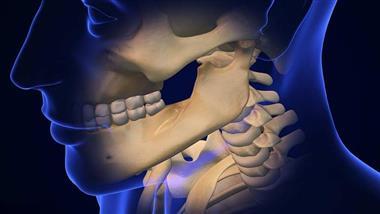
- Bisphosphonate-related osteonecrosis of the jaw (BRONJ) is a serious complication affecting patients taking osteoporosis and cancer medications like Fosamax, Boniva, and Zometa, and once the jaw bone dies, there is currently no effective treatment
- Bisphosphonates work by the same mechanism as statins — they inhibit the mevalonate pathway — which means they cause the same depletion of geranylgeraniol (GG) that leads to statin muscle problems
- Research shows that GG can reverse the negative effects of bisphosphonates on osteoblasts (bone-building cells), osteoclasts (bone-remodeling cells), fibroblasts, and endothelial cells — the key cell types involved in jaw bone health and healing
- A 2024 study demonstrated that GG incorporated into bone cement promoted osteoclast function and healing in an animal model of medication-related osteonecrosis of the jaw
- Anyone taking bisphosphonates for osteoporosis or cancer treatment should consider GG supplementation as a preventive measure, especially before dental procedures
If you’ve been following my work, you may have recently read my article on geranylgeraniol (GG) and its remarkable ability to reverse statin-induced muscle pain where CoQ10 has failed. Today, I want to share another critical application of this same compound — one that could help prevent a devastating condition that has left many patients with dead jaw bone and no effective treatment options. The condition is called bisphosphonate-related osteonecrosis of the jaw, or BRONJ for short. And the solution, once again, is GG.
What Are Bisphosphonates and Who Takes Them?
Bisphosphonates are a class of drugs prescribed primarily for osteoporosis and for preventing bone complications in cancer patients. You may know them by brand names like Fosamax (alendronate), Boniva (ibandronate), Actonel (risedronate), and Zometa or Reclast (zoledronic acid).
These drugs work by inhibiting osteoclasts, the cells responsible for breaking down old bone. By suppressing bone resorption, bisphosphonates can increase bone density and reduce fracture risk. For cancer patients with bone metastases, they can help prevent skeletal complications.
Millions of people take these medications. In fact, bisphosphonates are among the most commonly prescribed drugs for postmenopausal women with osteoporosis. But like all drugs, they come with risks, and one of the most serious is osteonecrosis of the jaw.
The Horror of Jaw Bone Death
Osteonecrosis literally means “bone death.” When it occurs in the jaw, the bone tissue dies and becomes exposed through the gums, failing to heal. Patients develop painful, exposed bone in their mouth that can become infected, lead to tooth loss, and in severe cases require surgical removal of portions of the jaw.
The condition is diagnosed when a patient has exposed jaw bone that doesn’t heal within eight weeks, has a history of taking bisphosphonates or similar medications, and has no history of radiation therapy to the jaw area.
What makes BRONJ particularly insidious is that there is currently no reliable cure. Once the jaw bone dies, treatment options are limited to managing symptoms, controlling infection, and in some cases surgical debridement or removal of dead bone. Prevention is the only truly effective strategy.
The condition often develops after dental procedures — tooth extractions, implant placement, or other invasive dental work. This is why dentists now routinely ask patients about bisphosphonate use before performing procedures, and why some recommend “drug holidays” before dental surgery.
But what if there was a way to protect the jaw bone while still taking these medications? What if the same compound that reverses statin muscle damage could also prevent bisphosphonate jaw damage?
Same Mechanism, Same Solution
Here’s the key insight that connects these two seemingly different conditions: bisphosphonates and statins work through the same biochemical pathway.
Both drug classes inhibit enzymes in the mevalonate pathway. Statins block HMG-CoA reductase at the top of the pathway. Bisphosphonates — specifically the nitrogen-containing bisphosphonates like zoledronic acid — block farnesyl pyrophosphate synthase further down the pathway.
The end result is the same: depletion of geranylgeranyl pyrophosphate (GGPP), the activated form of GG. And when GGPP is depleted, the process of protein prenylation — essential for normal cell function — is impaired.
In muscle cells, this manifests as the muscle pain, weakness, and fatigue that statin patients experience. In the jaw bone, where there’s constant remodeling activity and exposure to oral bacteria, this manifests as impaired healing and eventual bone death.
A 2022 review published in Frontiers in Pharmacology1 explained the connection clearly: “Nitrogen-containing bisphosphonates suppress osteoclastic resorption by inhibiting farnesyl pyrophosphate synthase in the mevalonate pathway, leading to deficiency of the substrate for GTPase prenylation. The bone remodeling process is uncoupled, subsequently impairing bone healing and causing ONJ.”
The review went on to note that “targeted administration of geranylgeraniol (GGOH) represents a promising approach to mitigate BRONJ because GGOH is a substrate for GTPase prenylation.”
GG Reverses Bisphosphonate Damage to Jaw Cells
Multiple studies have demonstrated that GG can reverse the cellular damage caused by bisphosphonates in exactly the cell types that are critical for jaw bone health.
A 2011 study published in Oral Oncology2 was among the first to show that GG could reverse the negative biological effects of nitrogen-containing bisphosphonates on endothelial cells (which form blood vessels), fibroblasts (which form connective tissue), and osteogenic cells (which form bone). The researchers found that GG restored the viability and migration capacity of these cells after bisphosphonate treatment.
A 2021 study published in Frontiers in Cell and Developmental Biology3 investigated the specific mechanism by which bisphosphonates cause jaw bone problems. The researchers found that zoledronic acid (a potent bisphosphonate) both promoted the death of osteocytes (bone cells) and inhibited the ability of macrophages to clear dead cells — a process called efferocytosis that’s essential for proper healing.
Critically, the study found that “supplement with geranylgeraniol (GGOH), a substrate analog for geranylgeranylation of Rac1, could restore Rac1 homeostasis and rescue macrophage efferocytosis.” Rac1 (along with a closely related protein called Rac2) acts like an on-off switch that helps immune cells move, attach to damaged tissue, and clear away dead cells so healing can occur.
These proteins need to attach to cell membranes to work properly, and they need geranylgeraniol to do that. When bisphosphonates block this process, Rac signaling breaks down and immune cells cannot clean up damaged tissue. In other words, GG restored the normal healing process that bisphosphonates had disrupted.
A 2020 study4 examined the effects of zoledronic acid and GG on angiogenic (blood vessel-forming) gene expression in human osteoclasts. The researchers found that bisphosphonate treatment altered the expression of multiple genes involved in blood vessel formation — a key factor in bone healing. Addition of GG resulted in reduction of these altered gene expressions, suggesting it could help normalize the angiogenic response.
GG in Bone Cement Promotes Healing
Perhaps most exciting is a 2024 study published in the Journal of Oral Biology and Craniofacial Research5 that tested GG in an actual model of medication-related osteonecrosis of the jaw.
Researchers incorporated GG into bone cement pellets and tested their effects both in cell culture and in animals. They found that GG released from the bone cement increased osteoclast survival and metabolic activity and promoted resorption of calcified substrate — essentially restoring normal bone remodeling function.
In the animal model, released GG “limited the effects of the bisphosphonate and promoted healing.” The researchers noted that “GGOH from the infused cement carrier stabilizes bone structure and restores the ability of osteoclasts to remodel.”
The conclusion was encouraging: “These initial findings point to GGOH in a bone cement carrier as a useful therapeutic approach to prevent or mitigate the pathogenesis of MRONJ.”
While this specific delivery method (bone cement) is a clinical application that would need to be performed by a dental surgeon, the underlying principle is clear: GG can reverse bisphosphonate-induced damage to the cells responsible for jaw bone health and healing.
The Connection to Statin Myopathy
If you read my previous article on GG for statin-induced muscle problems, you’ll recognize the pattern. Both statins and bisphosphonates:
1. Inhibit the mevalonate pathway
2. Deplete geranylgeranyl pyrophosphate (GGPP)
3. Impair protein prenylation
4. Cause tissue damage (muscle or bone) through this mechanism
5. Can be counteracted by GG supplementation
This isn’t a coincidence — it’s biochemistry. These drugs work through the same fundamental mechanism, which is why they cause related problems and why the same solution addresses both.
The research on GG for statin myopathy is more advanced, with multiple in vivo studies and meta-analyses confirming that CoQ10 doesn’t work while GG does. The research on GG for BRONJ is still developing, with most studies being in vitro (cell culture) or in animal models. But the consistency of the findings across both conditions strongly supports the underlying mechanism.
Who Should Consider GG Supplementation?
Based on the available evidence, GG supplementation makes particular sense for:
• People taking bisphosphonates for osteoporosis — If you’re on Fosamax, Boniva, Actonel, or similar medications, GG supplementation may help protect your jaw bone, especially if you need dental procedures.
• Cancer patients receiving bisphosphonate therapy — High-dose intravenous bisphosphonates like Zometa carry a higher risk of BRONJ. Supplementation with GG could provide protective benefits.
• Anyone planning dental work while on bisphosphonates — Tooth extractions and implant placement are known triggers for BRONJ. GG supplementation before, during, and after dental procedures may help support normal healing.
• People taking statins who also take bisphosphonates — Many older adults take both drug classes. Both deplete GG through the same pathway. The combined depletion makes supplementation even more important.
Practical Recommendations
The practical recommendations for GG supplementation in the context of bisphosphonate use are similar to those for statin use:
• Dosing — 150 mg to 300 mg daily appears to be the range used in research.
• Form — Trans-geranylgeraniol from annatto seeds (often sold as “GG-Gold” or similar branded forms) has been the most studied.
• Timing around dental procedures — If you’re planning dental work, consider starting GG supplementation several weeks before the procedure and continuing during healing. Discuss this with your dentist and physician.
• Duration — Unlike some supplements that are taken only when symptomatic, GG supplementation may be most valuable as ongoing support while taking bisphosphonates, given that these drugs can persist in bone tissue for years.
• Safety — GG has demonstrated an excellent safety profile in research. It does not appear to interfere with bisphosphonates’ bone-building effects, similar to how it doesn’t interfere with statins’ cholesterol-lowering effects.
A Unified Approach to Mevalonate Pathway Support
The story of geranylgeraniol is really a story about understanding biochemistry rather than just treating symptoms. When we recognize that both statins and bisphosphonates deplete the same critical compound — and that this depletion causes problems in different tissues depending on which drug you’re taking — we can adopt a unified approach to protection.
• For statin users — GG addresses the root cause of muscle symptoms that CoQ10 couldn’t solve.
• For bisphosphonate users — GG supports the jaw bone health that these drugs compromise.
• For people taking both — GG replenishes what both drug classes deplete.
This is the kind of integrative thinking that conventional medicine often misses. Rather than treating statin myopathy and bisphosphonate jaw necrosis as completely separate conditions requiring separate solutions, we can recognize their common cause and address them together.
If you’re taking either statins or bisphosphonates — or especially if you’re taking both — GG deserves serious consideration as part of your supplement regimen. The research is clear, the mechanism is understood, and the safety profile is excellent. Discuss it with a healthcare provider familiar with integrative approaches, and take control of protecting your muscles and bones from pharmaceutical side effects.
FAQ
Q: What is bisphosphonate-related osteonecrosis of the jaw (BRONJ)?
A: BRONJ is a serious condition in which sections of jaw bone lose blood supply, die, and fail to heal. It occurs in some people who take bisphosphonate drugs for osteoporosis or cancer, especially after dental procedures such as tooth extractions. Once established, there is no consistently effective treatment, which makes prevention critical.
Q: How do bisphosphonates cause jaw bone damage?
A: Bisphosphonates block enzymes in the mevalonate pathway, a metabolic pathway your body uses to produce essential compounds. This blockade depletes geranylgeranyl pyrophosphate (GGPP), which cells need for protein prenylation, a process required for normal bone remodeling, immune cleanup, blood vessel growth, and tissue repair.
Q: Why does geranylgeraniol (GG) matter in BRONJ?
A: GG replenishes GGPP, the compound depleted by bisphosphonates. Research shows GG restores normal function in osteoclasts, osteoblasts, fibroblasts, endothelial cells, and immune cells that support jaw bone healing. By correcting the underlying biochemical disruption, GG targets the root cause rather than symptoms.
Q: What does research show about GG and jaw bone healing?
A: Cell and animal studies report that GG reverses bisphosphonate-induced cell death, restores immune cell cleanup of damaged tissue, and normalizes blood vessel-related gene activity. A 2024 animal study showed GG delivered through bone cement promoted bone remodeling and healing in a model of medication-related osteonecrosis of the jaw.
Q: Who may benefit most from GG supplementation?
A: Evidence suggests GG may help people who take bisphosphonates for osteoporosis or cancer, especially if you plan dental procedures or also take statins, which deplete GG through the same pathway. Human clinical trials remain limited, so you should discuss supplementation with your dentist and physician before use.
Smart meter scam: Hidden health dangers, inaccurate readings, and legal battles exposed
Reproduced from original article:
https://www.naturalhealth365.com/smart-meter-scam-hidden-heath-dangers-inaccurate-readings-and-legal-battles-exposed.html
by: February 10, 2025
 (NaturalHealth365) Millions of so-called smart meters have already been installed in homes across the United States, and the number is increasing daily. Although some herald them as an ‘energy-efficient’ way to help consumers reduce electric bills, many public health and safety advocates are fighting to expose the grim truth: “smart” meters present a grave threat to human health and personal privacy.
Now, research reveals that these brand-new digital meters – being placed on homes worldwide – can be wildly inaccurate in their energy usage assessment, costing consumers significantly more in energy bills. Furthermore, growing legal opposition highlights additional risks.
A legal brief filed with the New Mexico Public Regulatory Commission details how smart meters negatively impact human health and wildlife due to the radiofrequency (RF) radiation they emit. The brief, submitted by New Mexicans for Utility Safety, argues that public concerns over severe health effects and environmental harm have been largely ignored in regulatory proceedings, reinforcing the urgent need for greater scrutiny of these devices.
Dutch study yields jaw-dropping results about smart meters
Just as in America, smart meters, or “static energy meters,” are replacing traditional electromechanical energy meters across the Netherlands.
In both the United States and the Netherlands, many consumers have insisted that the new electronic energy meters yield excessively high readings. In a study published in the scientific journal IEEE Electromagnetic Compatibility Magazine and conducted by the University of Twente and the Amsterdam University of Applied Sciences, researchers found that they were right.
To conduct the study, lead researcher Franz Leferink, a Professor of Electromagnetic Compatibility at the UT, tested nine different electronic meters manufactured between 2004 and 2014. The meters were connected via electric switchboard to various power-saving devices, including energy-saving light bulbs, heaters, LED bulbs, and dimmers. The team then compared actual energy consumption with the readings furnished by the electronic meters.
The results were profoundly disturbing. Five of the nine meters – more than half – gave readings higher than the actual power consumed – in some cases, a staggering 582 percent higher. Other readings were 475 percent, 566 percent, 569 percent, and 581 percent higher than actual use. This could theoretically reflect a nearly sixfold increase in a utility bill – a rip-off of outrageous proportions!
In contrast, only two of the meters gave inaccurate readings that were as much as 32 percent lower than the actual power consumed.
Incompatibility problem causes serious errors
The researchers believe they discovered a design flaw in the energy meters. This flaw became apparent when the meters were used with modern, energy-efficient switching devices, which create non-linear, fast-switching electrical loads. The greatest inconsistencies were seen when dimmers, combined with energy-saving light bulbs and LEDs, were tested in the system.
When switching devices are used, the electricity no longer exhibits a perfect waveform but develops an erratic pattern – something the designers of the new meters did not allow for. After disassembling the meters, the researchers determined that meters containing a “Rogowski coil” current sensor delivered excessive readings. In contrast, those with low readings used a “Hall effect-based” current sensor.
A way of legally protecting yourself from harm
Professor Leferink noted that consumers who feel their meters are giving faulty readings can have them tested by an accredited inspection company. However, if the inspection shows that the meter is functioning properly, the consumer will have to pay all costs involved in the inspection.
A more pressing problem is that the standardized test doesn’t account for waveform-distorting power-consuming appliances, making it unreliable for detecting false readings. The researchers advise consumers who suspect inaccurate meter readings to contact their supplier, who will pass the complaint on to the power grid operator.
However, there is another solution – you can legally refuse to have a smart meter installed.
The suppressed truth: Smart meters emit dangerous amounts of toxic radiation
Residential smart meters emit non-ionizing microwaves at 10,000 to 200,000 pulses per meter daily – a relentless bombardment that leaves the body no time to recover or repair the damage. In fact, this is the radioactive equivalent of 160 cell phones. Repeated exposure to excessive radiation can trigger migraines, neurological conditions, and various types of cancer.
The American Academy of Environmental Medicine has called for a moratorium on smart meters until the health effects can be adequately studied.
In the film Take Back Your Power, independent researcher Dr. Frank Springbob studies blood samples taken from volunteers after one minute of exposure one foot away from a smart meter and detects misshapen and clumping red blood cells – a clear sign of free radical damage.
Not surprisingly, utility companies continue to deny that smart meters emit radiofrequency radiation at a high enough level to cause illness.
Although the term “smart meters” seems to impart an aura of intelligence and trustworthiness, these sinister devices are a major part of a multi-trillion-dollar scam perpetrated in the name of “climate action” and grid modernization. The “powers that be” know this and hope they will not be called to account by informed and empowered people.
Sources for this article include:
Aspirin May Fight Cancer — But Not for the Reason You Think
Reproduced from original article:
https://articles.mercola.com/sites/articles/archive/2026/04/13/aspirin-salicylate-cancer.aspx
Analysis by Dr. Joseph Mercola April 13, 2026

Story at-a-glance
- Scientists built the biggest drug-testing dataset in history — 100 million cell measurements — and asked a question nobody had asked before: “Does this drug push cancer cells back toward being normal, healthy cells?”
- When they tested this new approach on colon cancer, the drugs already known to work best in patients rose straight to the top — proving the method works
- The biggest surprise was that plain salicylate — which is aspirin with its signature ingredient removed — was better at pushing colon cancer cells back toward normal than aspirin itself
- This is a huge clue. The part that was removed is the exact part that gives aspirin its famous anti-inflammatory power. So, aspirin’s cancer-fighting ability is coming from somewhere else entirely
- Lab studies have now figured out where: salicylate switches on your cells’ built-in energy sensor, which shuts down a key cancer-driving gene and activates your body’s own natural tumor defense system — none of which has anything to do with inflammation
I’ve written before about the many health benefits of aspirin that many people don’t hear about — from protecting your heart and preventing cancer to boosting your metabolism and balancing your hormones.
But new research is revealing something about aspirin and cancer that changes the story in ways nobody expected. It starts with a completely different way of looking at what drugs actually do to cancer cells. And it ends with a finding that turns decades of assumptions upside down.
How Cancer Drugs Have Always Been Tested — and Why It Misses So Much
For as long as modern cancer research has existed, scientists have tested drugs the same basic way. They put cancer cells in a dish, add the drug, and wait to see if the cells die. If most of them die, the drug is a winner. If they survive, the drug gets tossed.
This sounds perfectly reasonable. But stop and think about what it actually measures. It measures one thing and one thing only: death. Here’s the problem with that.
• Cancer isn’t just one thing going wrong — A cancer cell is a normal cell that has gone haywire in many ways at the same time. Think of it like a car where the engine is racing, the brakes are cut, and the steering is locked — all at once. Killing the car — running it into a wall — is one way to stop the problem. But what if you could just fix the engine, unlock the steering, reconnect the brakes, and turn the headlights back on? You would have a working car again.
• Cancer cells aren’t alien invaders — They’re your own cells running the wrong program. And a drug that could fix part of that program — slow the engine down, reconnect some of the brakes — would be completely invisible in the standard drug test, because the cells didn’t die. How many valuable drugs have been thrown in the trash because we were only looking at one thing?
Every Cell Runs a Program — Cancer Cells Are Running the Wrong One
To understand the new approach, you first need to understand one simple idea about how your cells work.
• Every cell in your body contains the same DNA, the same complete set of instructions — What makes a colon cell different from a brain cell or a skin cell is not which instructions they have, but which instructions they’re actually using. Out of roughly 20,000 genes, each cell type switches on a specific set and keeps the rest turned off. This pattern — which genes are on and which are off — is the cell’s program. It is what gives the cell its identity.
• Think of it like a massive mixing board in a recording studio — There are 20,000 sliders. A healthy colon cell has each slider set to a very specific position. The overall setting produces “healthy colon cell.” When a cell becomes cancerous, the sliders get moved. Some that should be turned down get cranked up. Others that should be up get pushed to zero.
The mixing board is still there, the sliders still work, but the overall setting now produces “cancer cell” instead of “healthy colon cell.” This is a crucial point. The cancer cell hasn’t been destroyed or replaced. It’s your cell, running the wrong settings.
A 100-Million-Cell Dataset Made a New Question Possible
Researchers at a company called Tahoe Therapeutics have built something that has never existed before.1 They measured how 1,100 different drugs changed the genetic settings in cancer cells — one cell at a time — across 50 different cancer cell lines. The result is a dataset containing 100 million individual cell measurements from 60,000 separate drug experiments. That’s 50 times more data than everything publicly available before it — combined.
• With this enormous dataset, they could finally ask the question that nobody had enough data to answer before — For every drug, does it push the cancer cell’s gene settings back toward the healthy pattern? Here’s how they did it. First, they used data from real colon cancer patients to map out exactly how the gene settings differ between healthy colon tissue and cancerous colon tissue. That gave them the “disease signature” — a precise measurement of what went wrong.
• Then, for each drug in their collection, they measured what it did to the mixing board — Did it move the sliders back toward the healthy positions? Or did it push them even further in the wrong direction? Or did it just move them to some random new pattern?
• They scored every drug with a simple number — A strong negative score meant the drug was reversing the cancer pattern — pushing the cell back toward normal. They call this “cell-state reversal.”2
The First Test: Does It Match What Doctors Already Know?
Before you trust a new method, you need to check it against reality. If drugs that are already proven to work in colon cancer patients don’t score well on this test, the whole approach is worthless. So, the researchers checked. And the results were clear.
• Top-scoring drugs matched the exact mutations driving colon cancer growth — The drugs that scored highest for pushing colon cancer cells back toward normal were exactly the ones that target the specific genetic mutations most commonly found in colon cancer — MEK inhibitors, BRAF inhibitors, KRAS inhibitors, and PI3K pathway inhibitors.
These are the drugs oncologists already use because clinical experience has shown they work. The framework figured this out on its own, from the data alone, without being told which drugs are effective in patients.
• It even caught subtleties that match real clinical practice — Among chemotherapy drugs, the ones that target DNA — like 5-fluorouracil and oxaliplatin, which are the backbone of standard colon cancer treatment — scored higher than the ones that target the cell’s internal scaffolding, called microtubule inhibitors. Microtubule inhibitors aren’t part of the standard treatment for colon cancer, and the data reflected that perfectly.
Now Here’s Where It Gets Really Interesting: The Aspirin Surprise
Among all the drugs tested, one result stood out as genuinely unexpected. It involved one of the cheapest, oldest, and most widely available medicines on Earth.
When the researchers looked at aspirin and its close chemical relatives in the dataset, they found that sodium salicylate — which is aspirin with one specific piece removed — produced stronger cancer-state reversal than aspirin itself. To understand why this is such a big deal, you need to know one thing about aspirin’s chemistry. Don’t worry — it is simpler than it sounds.
• Aspirin’s chemical name is acetylsalicylic acid — It’s made of two parts: salicylic acid, which comes from willow bark and has been used as medicine for thousands of years, and an acetyl group, which was attached to the salicylic acid by chemists at Bayer in 1897 to make it easier on the stomach.
• That acetyl group isn’t just a packaging improvement — It’s the part that gives aspirin its most famous ability — the power to shut down an enzyme called cyclooxygenase, or COX for short. COX produces inflammatory chemicals called prostaglandins. When aspirin blocks COX, inflammation goes down.
That’s how aspirin reduces pain, reduces fever, thins your blood, and — most researchers assumed — fights cancer. Here’s the catch. If aspirin’s anticancer power comes from blocking COX, then removing the acetyl group — the part that does the COX blocking — should make it worse at fighting cancer, not better.
• But the Tahoe data showed the exact opposite — Salicylate, without the acetyl group, was better at reversing the cancer cell’s genetic program than aspirin with it. That means the cancer-fighting effect isn’t coming from COX inhibition. It’s coming from the salicylate itself — through a completely different mechanism that nobody was paying attention to.
So, What Is Salicylate Actually Doing? The Answer Is Elegant
The Tahoe data showed what salicylate does to cancer gene patterns. But other research teams have been uncovering how it does it, and the picture is remarkably coherent. Your cells have an energy sensor — think of it as a fuel gauge.
It’s a protein called AMPK, which stands for AMP-activated protein kinase, but all you need to know is that AMPK is the alarm system that goes off when your cell’s energy balance changes.3 It’s one of the most powerful metabolic switches in your body. Salicylate switches AMPK on.4 When AMPK activates, it triggers a chain of events that’s devastating to cancer cells. Here’s the chain, step by step:
• Step 1: AMPK shuts down c-MYC — One of the most important genes in cancer is called c-MYC. Think of c-MYC as the gas pedal for cell growth. In a healthy cell, it’s carefully controlled. In many cancers — especially colon cancer — c-MYC is jammed to the floor, driving the cell to grow and divide nonstop. Salicylate-activated AMPK grabs c-MYC and tags it for destruction. The gas pedal gets released.
A 2025 study using a mouse model of colon cancer confirmed this. Mice given salicylate had dramatically lower c-MYC levels in their colon cells, and they developed fewer tumors.5
• Step 2: With c-MYC gone, a protective system switches on — Here’s something beautiful about your biology. You already have a built-in tumor defense system — a set of genes that suppress cancer. One of the most important is a group of tiny molecules called miR-34a and miR-34b/c.6 These are microRNAs — small pieces of genetic material that act like off-switches for cancer-promoting genes. They work by silencing specific genes that cancer cells depend on to grow and spread.
Normally, a protein called NRF2 — think of it as your cell’s fire alarm system — is supposed to activate these cancer-fighting microRNAs. But c-MYC sits on top of NRF2 and keeps it silenced. It’s like a bully sitting on the fire alarm so nobody can pull it. When salicylate removes c-MYC, NRF2 is free. It activates miR-34a and miR-34b/c. Your body’s own tumor suppression system comes back online.
• Step 3: The cancer cells lose their ability to spread — When researchers blocked miR-34a and miR-34b/c in the lab, salicylate’s ability to stop cancer cell migration and invasion largely disappeared. That tells you these microRNAs are the key weapons. Salicylate isn’t directly attacking the cancer — it’s rearming your body’s own defense system.
• And here’s the most important part — Normally, miR-34 depends on a tumor suppressor gene called p53 — often called the “guardian of the genome.” But p53 is the single most commonly broken gene in human cancer. In more than half of all cancers, p53 doesn’t work. Salicylate’s pathway bypasses p53 entirely. It activates miR-34 through NRF2 instead.
This means it could theoretically work in the very cancers that have already lost their most important natural defense, which is exactly the cancers that need help the most. None of this involves COX inhibition. None of it requires the acetyl group. This is the ancient willow bark compound doing something we are only now beginning to understand.
The Clinical Trial That Changed the Guidelines
While these laboratory discoveries were piling up, a major clinical trial was delivering results that would change how oncologists treat colon cancer. The trial used aspirin, not salicylate — but remember, your body rapidly strips the acetyl group off aspirin and converts it into salicylic acid. So, every aspirin patient in this trial was effectively being dosed with salicylate.
The ALASCCA trial, published in the New England Journal of Medicine in September 2025, was the gold standard of medical research — a double-blind, randomized, placebo-controlled trial, meaning neither the patients nor the doctors knew who was getting aspirin and who was getting a sugar pill.7
It was conducted across 33 hospitals in four countries: Sweden, Denmark, Finland, and Norway. The trial focused on patients with stage I through III colon and rectal cancer whose tumors carried mutations in something called the PI3K pathway — a growth-signaling system that, when broken, helps cancer cells multiply unchecked. You don’t need to remember that name.
What matters is that these mutations are found in more than one-third of all colorectal cancers — so this isn’t a rare subtype. It is a big chunk of patients. After surgery, patients were randomly assigned to take either 160 milligrams (mg) of aspirin or a placebo every day for three years.
• The results were remarkable — Among patients with the most common type of PI3K mutation, aspirin cut the three-year recurrence rate roughly in half — from 14.1% with placebo down to 7.7% with aspirin.
The benefit held up across every subgroup the researchers checked: men and women, all disease stages, colon and rectal cancer, and regardless of whether patients also received chemotherapy. Lead researcher Anna Martling of the Karolinska Institutet in Stockholm called it “a clear example of how we can use genetic information to personalize treatment and at the same time save both resources and suffering.”8
• The National Comprehensive Cancer Network has since updated its recommendations — This organization, which writes the treatment guidelines oncologists follow, now formally recommend genetic testing for PIK3CA mutations in stage II-III colon cancer, and for patients who carry the mutation, three years of low-dose aspirin after surgery.9 This makes aspirin one of the first dirt-cheap, widely available drugs to be officially integrated into precision cancer treatment guidelines.
Aspirin Also Helps Your Immune System See the Cancer
The ALASCCA trial proved aspirin works in patients. But there’s another dimension to the story — aspirin may also be helping your immune system do its own cancer-fighting job. A 2024 study published in the journal Cancer found that regular aspirin use was linked to activation of immune surveillance in colorectal cancer patients.10 Here’s what that means in plain English.
• Your immune system is supposed to recognize and destroy cancer cells — That’s one of its main jobs. But cancer cells are sneaky — they learn to hide from your immune system by covering up the markers that would identify them as abnormal.
• Regular aspirin use linked to less spread and stronger immune attack — The researchers found that colon cancer patients who regularly used aspirin had two things going for them. First, they had fewer cancer cells that had spread to their lymph nodes. Second, they had more immune cells infiltrating their tumors — meaning the immune system was actually showing up to fight.
• Aspirin helps cancer cells reveal themselves to immune system defenses — When they treated colon cancer cells with aspirin in the lab, they found aspirin increased the expression of a protein called CD80 on the surface of the cancer cells. CD80 is like a flag that says “I am abnormal — come get me.”
It helps cancer cells present themselves to your T cells — the soldiers of your immune system — so they can be recognized and destroyed. In simple terms, aspirin was pulling the camouflage off the cancer cells so the immune system could see them.
Aspirin’s Benefits Go Far Beyond Cancer
As I’ve detailed in previous articles, aspirin’s health benefits reach into nearly every major organ system. Here’s an updated picture based on the latest research.
• Your liver — A clinical trial found that 81 mg of aspirin daily led to a 17.3% decrease in the amount of fat stored inside liver cells over six months, while patients taking a placebo saw their liver fat increase by 30.3%.11 Aspirin also improved markers of inflammation and scarring in the liver — two key factors in the progression of fatty liver disease.
• Your blood sugar — An analysis of 16,209 adults aged 65 and older found that low-dose aspirin was associated with a 15% lower risk of developing Type 2 diabetes and a slower rise in fasting blood sugar levels over time.12
• Your survival in critical care — A large study of 146,191 intensive care unit (ICU) patients found that aspirin use during ICU stays was linked to significantly lower death rates within 28 days, particularly in patients with widespread inflammation.13
• Your brain — Research found that low-dose aspirin use for more than 10 years was associated with a 31% reduced risk of Alzheimer’s disease, a 69% reduced risk of vascular dementia, and a 54% reduced risk of dementia from any cause — particularly in patients who already had heart disease.14
• Your lungs — Aspirin has been shown to reduce the scarring process in lung tissue by switching on a cellular recycling system called autophagy — your cells’ built-in method of cleaning out damaged proteins and preventing scar tissue from building up. When researchers blocked autophagy, aspirin’s anti-scarring effects disappeared, confirming that this recycling process is how aspirin protects the lungs.15
• Your metabolism — Aspirin helps your cells burn glucose for energy, reduces the release of linoleic acid (LA) — a harmful omega-6 fat — from your fat stores, lowers your cortisol levels, and increases your metabolic rate by partially uncoupling your mitochondria.16 Think of uncoupling as your cellular engines running a bit hotter and burning more fuel, which is why aspirin may help with weight management.
What About Salicylate and Willow Bark?
The Tahoe finding — that salicylate reversed the colon cancer gene signature more strongly than aspirin — has a practical implication that’s easy to overlook. When you take aspirin, your body quickly strips off the acetyl group and converts it into salicylic acid. That is what circulates in your bloodstream. That is what your cells actually see.
• Aspirin’s lasting anticancer effects stem from its salicylate metabolite — The acetyl group does its COX-blocking work during the brief window before it gets removed, but the salicylate metabolite is what sticks around and does the long-term work.
This means the anticancer effects are most likely coming from the part of aspirin that’s identical to what you would get from willow bark — the plant medicine that humans have used for thousands of years, long before Bayer attached an acetyl group to it in 1897.
• Willow bark provides the same active compound linked to anticancer benefits — If you’re sensitive to aspirin — if it bothers your stomach or you can’t take it for other reasons — this is important news. A salicylic acid supplement or willow bark extract delivers the very compound that the largest drug-response dataset in history identified as more effective than aspirin at pushing cancer cells back toward normal.
• Standardized willow bark dosing approximates common low-dose aspirin effects — For dosage, to approximate the effects of 81 mg of aspirin, you would need 400 mg to 800 mg of willow bark extract standardized to 15% salicin. To match the effects of a full 325 mg aspirin, you would need roughly 1 to 2 grams of standardized extract.
• Immediate-release aspirin with minimal additives aligns best with research dosing — If you prefer aspirin, opt for immediate-release, uncoated versions. Avoid coated extended-release formulations because of their additives. Check the inactive ingredients list — corn starch should be the only one listed. A dosage of 81 mg to 325 mg daily, taken with your largest meal, is the range supported by the current research.
Why This Changes How We Think About Medicine
Step back for a moment and consider what’s happened here. For decades, the entire cancer drug discovery pipeline has been built around one question: does this drug kill cancer cells? Billions of dollars, thousands of clinical trials, an entire industry — all oriented around cell death as the primary measure of success.
Now, using the largest dataset of its kind ever assembled, researchers have shown that you can score drugs by a completely different measure — how well they push diseased cells back toward being healthy cells. And when they did this, the results matched known clinical reality with remarkable precision.
• More importantly, this approach revealed something that the old method couldn’t see — A simple, ancient, inexpensive compound — salicylate, the active heart of willow bark — is doing something to colon cancer cells that ranks alongside purpose-built targeted cancer drugs. Not by killing the cells. By fixing them.
• This framework applies anywhere a disease is fundamentally a cell running the wrong program — Autoimmune conditions where immune cells attack your own body. Brain diseases where neurons lose their specialized function. Scarring diseases where cells produce too much fibrous tissue.
In all of these cases, the right question is not “can we kill the cell” but “can we push the cell back toward normal.” How many other cheap, safe, widely available compounds have cancer-fighting properties that we have completely missed because we were only measuring the wrong thing? We may be about to find out.
The Bottom Line
We’ve spent decades arguing about aspirin and cancer while asking the wrong questions. We asked whether aspirin kills cancer cells. The answer was not very impressive. We asked whether aspirin’s anti-inflammatory COX inhibition reduces tumor-promoting inflammation. The evidence was mixed.
But now, using 100 million cell measurements and a fundamentally different scoring method, we can see that salicylate — the ancient compound at the heart of aspirin, the same molecule found in willow bark — is doing something far more sophisticated than anyone imagined.
It’s not just killing cancer cells or reducing inflammation. It switches on your cells’ energy sensor, shuts down a major cancer-driving gene, reactivates your body’s built-in tumor defense, and pushes cancer cells back toward normal.
And it does all of this through a pathway that has nothing to do with COX inhibition — the mechanism many people assumed was responsible. This is a common, safe, inexpensive medicine whose full power we are only now beginning to understand — and it deserves far more attention than it’s getting.
FAQs About Aspirin and Cancer
Q: Why are researchers rethinking how aspirin affects cancer?
A: A drug-testing framework analyzed about 100 million individual cell measurements to see whether drugs push cancer cells back toward a healthy state rather than simply killing them. Using this method, salicylate — aspirin without its acetyl component — ranked higher than aspirin at reversing the gene patterns associated with colon cancer, suggesting the anticancer effect works through a different mechanism than previously assumed.
Q: What part of aspirin appears responsible for the cancer-related effects?
A: Evidence indicates the salicylate portion — the same compound derived from willow bark — drives the key biological changes. After ingestion, aspirin is rapidly converted into salicylic acid in your body, which persists longer in circulation and is likely responsible for many downstream cellular effects linked to tumor suppression.
Q: How does salicylate influence cancer biology at the cellular level?
A: Research shows salicylate activates AMPK, a cellular energy sensor that suppresses the cancer-promoting gene c-MYC and enables activation of tumor-suppressive microRNAs such as miR-34. This pathway operates even when p53 — commonly impaired in cancer — is dysfunctional, which helps explain broad relevance across tumor types.
Q: What clinical evidence supports aspirin use in colorectal cancer?
A: A randomized clinical trial published in The New England Journal of Medicine found daily aspirin after surgery reduced three-year recurrence from 14.1% to 7.7% among patients with PI3K-pathway mutations.17 These findings contributed to updated guidance recommending genetic testing for PIK3CA mutations and consideration of post-surgical low-dose aspirin in eligible patients.
Q: How do aspirin and willow bark compare in practical terms?
A: Because aspirin is converted into salicylate, both aspirin and standardized willow bark extracts deliver related active compounds. Approximate equivalence described in research discussions suggests 400 to 800 mg of willow bark extract standardized to 15% salicin corresponds to typical low-dose aspirin exposure, while higher extract amounts may approximate full-strength aspirin ranges. Clinical dosing equivalence remains an area of ongoing research.
- 1 bioRxiv February 24, 2025
- 2 Tahoe February 11, 2026
- 3, 4, 6 Cell Death Dis. 2023 Oct 28;14(10):707
- 5 Cells. 2025 Feb 17;14(4):294
- 7, 17 N Engl J Med. 2025 Sep 18;393(11):1051-1064
- 8 Karolinska Institutet September 17, 2025
- 9 OncoDaily September 23, 2025
- 10 Cancer April 22, 2024
- 11 JAMA 2024;331;(11):920-929
- 12 Lancet Diabetes Endocrinol. 2024 Feb;12(2):98-106
- 13 Clin Ther. 2023 Apr;45(4):316-332
- 14 Alzheimer’s Research & Therapy May 28, 2022
- 15 Exp Gerontol. 2023 Feb:172:112085
- 16 Biochimica et Biophysica Acta – Bioenergetics February 15, 1997
How DMSO Eases Cancer’s Hidden Burdens — Chemo, Pain, and Radiation Relief
Reproduced from original article:
https://articles.mercola.com/sites/articles/archive/2026/04/15/how-dmso-eases-cancers-hidden-burdens.aspx
Analysis by A Midwestern Doctor April 15, 2026

Story at-a-glance
- Dimethyl sulfoxide (DMSO), a forgotten gem from the 1960s, effectively treats a broad spectrum of conditions, including strokes, tissue injuries, autoimmune inflammation, a myriad of skin diseases, and many challenging infections
- One of the least-known benefits of DMSO is that it also eliminates cancers (especially when combined with another therapy) and protects the body from damage created by conventional cancer therapies
- In dozens of experiments, DMSO has been shown to prevent the damage radiation does to cells, animals, and humans and to heal existing radiation injuries — something relevant not only to cancer patients but also to those receiving CT scans
- DMSO effectively prevents many of the illnesses and complications that follow chemotherapy. Likewise, it also protects patients from accidental chemotherapy injuries where the medication leaks into the tissue
- DMSO heals surgical wounds (which prevents many complications from cancer surgeries) and significantly extends the survival of patients whose tumors were surgically removed
DMSO is a remarkable naturally occurring substance that (provided it’s used correctly1) safely and rapidly improves a variety of conditions medicine struggles with — particularly chronic pain. For example, thousands of studies show DMSO treats a wide range of:
• Injuries such as sprains, concussions, burns, surgical incisions, and spinal cord injuries (discussed here).
• Strokes, paralysis, many neurological disorders (e.g., Down syndrome and dementia), and numerous circulatory disorders (e.g., Raynaud’s, varicose veins or hemorrhoids), which were discussed here.
• Chronic pain (e.g., from a bad disc, bursitis, arthritis, or complex regional pain syndrome), which was discussed here.
• Many autoimmune, protein, and contractile disorders such as scleroderma, amyloidosis, and interstitial cystitis (discussed here).
• Head conditions, such as tinnitus, vision loss, dental problems, and sinusitis (discussed here).
• Internal organ diseases such as pancreatitis, infertility, liver cirrhosis, and endometriosis (discussed here).
• A wide range of skin conditions such as burns, varicose veins, acne, hair loss, ulcers, skin cancer, and many autoimmune dermatologic diseases (discussed here).
Many challenging infections such as shingles, herpes, chronic ear or dental infections, and osteomyelitis (discussed here). In turn, since I started this series, it struck a chord, and I have received over 2000 reports of remarkable responses to DMSO, and many readers have had for a variety of “incurable conditions.”
This begs an obvious question — if a substance capable of doing all of that exists, why does almost no one know about it? Simply put, like many other promising therapies, it fell victim to a pernicious campaign by the FDA, which kept it away from America despite decades of scientific research, congressional protest, and thousands of people pleading for the FDA to reconsider its actions. Consider for example, this 60 Minutes program about DMSO that aired on March 23, 1980:
DMSO and Cancer
Since there is a longstanding tendency for any “unproven cancer therapy” to be targeted by the medical industry, once the pioneers of DMSO realized early research showed DMSO was also remarkable for cancer, a decision was made not to focus on that research as a justifiable fear existed that doing so would bury DMSO (particularly since DMSO was already in a precarious position with the FDA). As a result, there is very little knowledge of how DMSO changes the cancer paradigm. For example:
• There are hundreds of studies showing DMSO routinely transforms cancerous cells into noncancerous ones.
• DMSO directly inhibits the growth of a wide range of cancers.
• DMSO allows the immune system to regain the ability to target cancerous cells that have evaded the immune system,2 which not only eliminates cancer but also can create permanent immunity to cancers.
• DMSO makes many conventional cancer therapies much more potent, both making a cure more likely and a far lower (and thus less toxic dose) dose needed to achieve it.
• Many natural therapies become dramatically more potent when combined with DMSO (e.g., one DMSO combination ranks amongst the most effective cancer treatments I’ve ever encountered).
Furthermore, in addition to directly eliminating cancers, DMSO’s remarkable ability to heal and protect the body can also make challenging cancers far more manageable. In my eyes, the suppression of DMSO’s uses as an adjunctive cancer therapy represents the most egregious aspect of this story as in those instances, it’s not even competing with cancer treatments — it’s just reducing the suffering they cause (which if anything should be good for the cancer business).
DMSO and Radiation Therapy
Many of DMSO’s remarkable properties result from it effectively protecting cells from a variety of otherwise lethal stressors (e.g., burns,3 freezing,4 blood loss,5 asphyxiation,6 UV light,7 and soundwaves8) and it significantly accelerates healing from injuries (e.g., sprains9 or burns10).
In addition to protecting cells from other sources of injury, as early as 1961,11 DMSO was also recognized to protect cells and tissues from radiation exposure, and by 1967,12 to protect the skin. This is because DMSO prevents radiation from:
• Breaking apart chromosomes,13 DNA, RNA, proteins,14 and the mitochondria.15
• Creating damaging oxygen species16 and free radicals.17
• Triggering an immune response (e.g., by reducing IL-1, IL-6, TNF-α, and TGF-β18), chronic inflammation, fibrosis, and adhesions.
• Putting cells into senescence19 (a state of permanent growth arrest).
• Causing normal cells in the vicinity of the affected ones to die as well (e.g., when only 1% of cells are exposed to radiation, approximately 30% of non-irradiated cells will exhibit similar toxic effects too20), a fascinating phenomenon I believe is mediated through mitogenic radiation emissions.
Since cancer radiation therapy frequently creates a variety of acute and chronic injuries such as burns, fibrosis, and internal tissue adhesions (all of which DMSO treats), DMSO is incredibly valuable for cancer patients undergoing radiation therapy — particularly since DMSO not only prevents radiation damage but also rapidly heals the injuries radiation creates.21,22
Most importantly, DMSO’s protective effects are specific to normal cells. In contrast, many studies show it increases cancer cells’ susceptibility to radiation.23
Note: I believe our focus on radiation therapy ultimately resulted from mining magnate James Douglas devising a way to produce cheap radium and then giving a large donation (along with subsequent donations) to America’s premier cancer institute to create a program for developing cancer radiation therapy that then spread across the world.24,25
Radiation Exposure Studies
Studies have repeatedly shown that DMSO protects cells26 (particularly when given prophylactically27) from being damaged by (often otherwise fatal28) radiation. For example, DMSO was shown to protect skin cells from dying after exposure to gamma radiation29 and make hamster cells four times as resistant to radiation.30
These same protective properties have also been found in plants31,32,33 and many animals (e.g., mice,34,35,36,37,38,39,40,41,42,43 rats,44,45,46,47,48,49 rabbits,50 newts,51 and fruit flies52).
In animals, DMSO was repeatedly found to protect them from otherwise lethal radiation exposures53,54,55 and protect their skin,56 tails,57 oral mucosa,58 eyes,59 kidneys,60 intestines61 (which are particularly vulnerable to radiation damage), and testicles62 from radiation damage, along with protecting sperm from mutations63 and to accelerate tissue cellular regeneration following an injury.64
Finally, DMSO was shown to prevent the psychological trauma and behavioral changes rats typically experienced from radiation injuries (presumably by preventing radiation from causing injury65).
DMSO also has a remarkable ability to protect and heal the skin from injury,66 and since 1966,67 numerous Russian, German, and Japanese studies have demonstrated DMSO’s impressive ability to protect human skin (along with its collagen and mucopolysaccharides) from radiation.68,69,70,71,72,73,74,75,76,77,78,79,80
For example, DMSO has been shown to treat radiation fibrosis,81,82 radiation dermatitis,83 radiation injuries84 and other local radiation complications.85
Note: While DMSO can treat radiation injuries, it is the most effective if given immediately beforehand to prevent radiation injuries.86
DMSO has also been shown to protect tissues besides the skin. For example:
• In 80 patients who’d developed late local radiation complications (induration, ulcers) from the treatment of breast or genital cancer (or a noncancerous disease) DMSO resulted in both a high efficacy of treatment with no side effects.87
• In 22 patients with cervical cancer topical found DMSO prior to internal gamma-ray radiation therapy prevented the normally expected radiation burns and other toxic reactions to the treatment (e.g., in the bladder and rectum) seen in 59 controls and that DMSO did not protect cancerous tissue.88
• In 807 patients with cervical uterine cancer, putting 10% DMSO into the bladders an hour before receiving weekly internal irradiation therapy, dropped the radiation damage to the rectum from 19.0% to 9.5% and to the bladder from 8.8% to 7.1% (both of which dropped to 1.7% if metronidazole was also used).89
• In another study, DMSO had a 50% success rate in treating patients which chronic radiation cystitis (e.g., from prostate cancer therapy).90 Likewise, a 1979 study also used DMSO to treat radiation cystitis.91
• In 22 breast and cervical cancer patients, DMSO protected them against radiation dermatitis (e.g., erosion, blistering, itching, and pain) while also enhancing cancer sensitivity to radiation (as the DMSO treated areas showed skin reddening and exfoliation earlier) and accelerating the regrowth of normal tissues.
Additionally, when DMSO was only applied to one side, the non-applied side did worse, the hyperpigmentation that follows radiation therapy was greater in DMSO treated patients, and that only one of the 22 patients had to stop DMSO (due to having a skin eruption which may have been linked to DMSO).92
• This author detailed a case of a patient with lung cancer that was treated with three months of radiation therapy but severely damaged her lungs (making her require oxygen and leaving her unsure if she’d survive) — but after topical and oral DMSO, she had a rapid recovery.
Likewise, he also shared a case of another woman with lung cancer who was expected to have significant lung complications from the treatment (as she required a borderline lethal dose), but took topical DMSO prior to each treatment and instead had no complications and was fully healthy three years later.93
It is thus quite remarkable that all of this remains unknown. To quote the author of a 2022 study94 which found DMSO prevented testicular damage (and loss of hormonal function or fertility) following radiation therapy:
“Currently, there is no approved agent for the prevention or treatment of radiation-induced testicular injury … In summary, our findings demonstrate the radioprotective efficacy of DMSO on the male reproductive system, which warrants further studies for future application in the preservation of male fertility during conventional radiotherapy and nuclear accidents.”
Similarly, in addition to the higher doses experienced from radiation therapy, diagnostic radiation, specifically CT scans (which expose the body to much higher radiation doses than X-rays) also pose a cancer risk — particularly since the dose of radiation with CT scans can have over a 10-fold variation.95
In turn, a CT scan was found to make you 17% to 24% more likely to develop cancer,96 with the risk increasing97 the younger you were at the time of the scan and is much higher for certain types of cancers.98,99,100,101,102 A 2009 study estimated 29,000 cancers were caused by the CT scans performed in America in 2007.103
As such, I avoid CT scans, which I do not feel are essential (particularly since a detailed physical exam frequently provides more actionable information). It is my sincere hope at some point in the future, DMSO will be given in conjunction with CT scans (but unfortunately their use keeps going up, and they are viewed as a highly lucrative growth market104).
Tumor Surgery
Since DMSO rapidly accelerates the healing of tissue and addresses the neurological components of pain, many studies have found that DMSO greatly facilitates surgical recovery (e.g., by accelerating healing, improving the strength of the final scar, reducing surgical site pain and eliminating fibrosis, enlarged scars, or tissue adhesions).
As cancers are frequently treated with surgical removal, DMSO can also greatly aid the recovery from these surgeries (e.g., in dogs that required a unilateral mastectomy, giving IV DMSO 15 minutes before the surgery’s conclusion significantly reduced post-surgical inflammation105).
Likewise, studies such as a 1992 trial106 of 198 patients with Stage III colon cancer, and a 1992 trial107 of 228 patients with stomach cancer found DMSO significantly reduced the chance that those cancers would relapse.
Extravasation Injuries
Since the medical field has been extremely reluctant to consider any alternative cancer treatment that could threaten its bottom line (regardless of how much data is behind it), DMSO has essentially not been utilized in the treatment of cancer. However, there is one exception to this rule, as DMSO is able to address a challenging issue encountered with chemotherapy without threatening the existing market.
Since many chemotherapy drugs are quite toxic, they have to be administered in a tightly controlled manner. Unfortunately, in many cases however, the drug gets through the injected vein (extravasates) and leaks into the surrounding tissue.
Note: Since extravasations are often not reported, estimates widely vary on how common they are (e.g., according to one study, in 0.1% to 6% of adults who receive chemotherapy108 while another made a compelling case extravasations occur in 39% of patients109).
Due to how toxic some of the chemotherapy drugs are (particularly the anthracyclines), when that leakage occurs and the drugs concentrate in one area, it can often cause significant damage to the surrounding tissues and lead to ulceration or necrosis (tissue death).
Since the existing treatments don’t always give satisfactory results and DMSO is extremely effective at healing a wide range of tissue injuries, it eventually got used as a treatment for these injuries and quickly caught on. For example:
• A 1981 rat study of doxorubicin extravasations showed that daily topical applications of 1 ml 90% DMSO with 10% α-tocopherol significantly reduced ulcer diameter.110
• A 1982111 and 1986112 study tested numerous agents on ulcers created by applying intradermal doxorubicin to pigs and rats and found DMSO was the only agent that prevented or healed those ulcers.
• A 1984,113 1987,114 and 1994115 pig study along with a 2007 rat study116 also found DMSO treated or prevented extravasation injuries.
Likewise, in humans:
• A 1983117 case report, another 1983 case report,118 a 1989 series119 of 4 patients, a 1991 series120 of two patients, a 1994 series of two patients121 and a 2001 case report122 reported that DMSO prevented extravasations from causing ulcerations of tissue death or healed existing injuries (e.g., with “striking” improvement).
• A 1988 study gave topical DMSO for anthracycline extravasations every 6 hours for 14 days to 20 patients, which prevented all of them from developing ulcerations. In the 14 who were evaluated at 3 months, there was no sign of residual damage in six patients, while a pigmented indurated area remained in ten.123
• A 1995 study gave topical DMSO (for 8 hours a day over 7 days) alongside 3 days of intermittent cooling to every patient who experienced an extravasation over a 3.5 year period (which was either from doxorubicin, epirubicin, mitomycin, mitoxantrone, cisplatin, carboplatin, ifosfamide, or fluorouracil).
Of those 144 patients, 127 could be evaluated, of whom only 1 ultimately developed an ulceration from the extravasation, and none experienced side effects from DMSO (beyond temporary skin irritation and a breath odor).124
• A 1996 study of ten successive patients who experienced extravasation from chemotherapy were given DMSO and alpha-tocopherol, all of whom avoided ulceration or tissue death.125
• A 2004 study of 147 patients with extravasations of anthracyclines (which typically leads to 28% developing ulcerations), found 99% DMSO caused only 1% to 2% of them to develop ulcers.126
• A 2007 study explored applying DMSO and α-tocopherol as a gel rather than a liquid solution to treat extravasation injuries (which appeared to hold promise).127
Chemotherapy Injuries
In addition to addressing extravasation injuries, DMSO has also:
• Been found to prevent doxorubicin cardiac toxicity.128
• Successfully treated palmar-plantar erythrodysesthesia resulting from doxorubicin treatment.129
• Prevent the skin death that is often associated with injecting doxorubicin into the eyelid (which is done to treat eye spasms).130
• Protect against birth defects caused by hydroxyurea.131
• Reduce the carcinogenicity of chlorambucil (which often causes a secondary tumor to form after the initial treatment).132
• Decrease the lung injuries (e.g., pulmonary fibrosis) and weight loss caused by bleomycin.133,134,135
DMSO has also been found to improve many other symptoms associated with chemotherapy (e.g., DMSO is frequently used to treat hair loss from a variety of causes, including chemotherapy) since it saves normal cells on the verge of dying following chemotherapy.
Note: We find Ultraviolet Blood Irradiation following chemotherapy to be the most effective option for protecting a patient’s healthy cells from dying.
Cancer Pain
Cancer (and its treatments) are often accompanied by many other debilitating symptoms, including pain — which is so severe that opioids, rather than being restricted, are routinely used to treat it (e.g., fentanyl is often used to treat advanced cancer pain — but in 10% to 20% of patients the pain is severe enough that even the strongest opioids can’t address it136).
Since DMSO has a rather unique mechanism of treating pain, it is often able to treat a wide range of challenging pain conditions nothing else works on (e.g., I’ve now had hundreds of readers share life-changing pain improvements from topical DMSO nothing else they’d tried had ever worked on). As such, many over the years have found it provided incredible relief for metastatic cancer pain.
One of the most well-known examples was Otis Bowen MD (a popular second-term Indiana governor), who “illegally” used topical DMSO to treat his wife’s pain from terminal multiple myeloma and then publicly denounced the FDA’s absurd embargo on it at the AMA’s 1981 national meeting.137
Remarkably, a few years later, Bowen became Reagan’s Secretary of Health and Human Services. Still, even then, with this highly ethical doctor at the helm of the HSS, DMSO was unable to overcome the FDA’s prohibition of it — which helps to highlight the incredible challenge RFK Jr. is now facing (but gradually surmounting). Likewise, a few studies have shown that DMSO can treat cancer pain:
• A 1967 study included two older patients with cancer pain, one of whom had an excellent response to DMSO and one who had a good response.138
• A 1967 study found that of 7 patients with metastatic cancer pain, DMSO gave 2 full and 2 partial remission.139
• A 2011 trial gave DMSO and sodium bicarbonate to 26 patients with advanced cancers who were experiencing significant pain (even with all the available treatment options).140 This greatly improved their pain, their quality of life (e.g., chemotherapy symptoms), their blood counts, and their organ function:


Note: A 2010 paper further discusses DMSO’s ability to treat intractable cancer pain.141 It highlights that this may be due to DMSO’s ability to address membrane hyper-excitability (e.g., through suppressing NMDA and AMPA induced ion fluxes — which are linked to central pain sensitization142,143 and may explain why DMSO also effectively treats complex regional pain syndrome144).
Conclusion
DMSO’s ability to heal the body and restore its normal function transformed the practice of medicine, and had the FDA not buried DMSO sixty years ago; our medical science would be leaps beyond where it is now. In this article, I’ve tried to show how DMSO helps to address one of the most challenging decisions many will face in their lifetimes — is it worth tolerating the immense damage conventional cancer therapies will cause in return for them saving one’s life?
As such, it’s unconscionable that DMSO was never incorporated as an adjunctive therapy for conventional cancer care, particularly in the case of radiation therapy, since a vast body of literature shows simply applying it shortly beforehand can prevent most of the complications from radiation therapy and significantly increase its ability to treat cancer.
However, while it has been immensely painful to watch the unnecessary suffering created by our outdated and pathological medical practices, for the first time in my life, I am simultaneously immensely hopeful. That is because Make America Healthy Again has created the window to spark the momentum to begin revisiting many of our long accepted medical practices and have our society ask if there is actually a better (or more affordable) way to do things.
Author’s Note: This is an abridged version of a longer article that reviews how DMSO also directly treats cancer (e.g., by turning cancer cells back into normal cells or mobilizing the immune system to eliminate them) and how it greatly enhances the effectiveness of both conventional and natural cancer therapies (along with guidance for using DMSO to treat cancer and many other related conditions). That article can be read here.
A Note from Dr. Mercola About the Author
A Midwestern Doctor (AMD) is a board-certified physician from the Midwest and a longtime reader of Mercola.com. I appreciate AMD’s exceptional insight on a wide range of topics and am grateful to share it. I also respect AMD’s desire to remain anonymous since AMD is still on the front lines treating patients. To find more of AMD’s work, be sure to check out The Forgotten Side of Medicine on Substack.
Insulin Resistance Is Driving 12 Types of Cancer, Researchers Say
Reproduced from original article:
https://articles.mercola.com/sites/articles/archive/2026/04/14/insulin-resistance-cancer.aspx
Analysis by Dr. Joseph Mercola April 14, 2026
Story at-a-glance
- Machine learning research shows insulin resistance is linked to higher risk across at least 12 cancer types, positioning metabolic dysfunction as an early warning signal rather than a late-stage problem
- Insulin resistance often develops years before diabetes, meaning symptoms such as fatigue, abdominal weight gain, and unstable blood sugar reflect deeper changes that influence long-term disease risk
- Metabolic health predicts cancer risk more accurately than body weight alone, highlighting the importance of tracking markers like HOMA-IR instead of relying on the scale
- High insulin levels and chronic inflammation create conditions that favor abnormal cell growth, explaining how disrupted energy metabolism contributes to cancer development across multiple organs
- Removing seed oils, supporting steady carbohydrate intake, restoring gut health, reducing environmental stressors and tracking HOMA-IR improves insulin sensitivity and gives you measurable control over your long-term metabolic risk
Insulin resistance — a metabolic condition characterized by fatigue, abdominal weight gain, brain fog, and unstable blood sugar — now sits at the center of cancer research. Unlike a single blood test result, insulin resistance reflects how your cells respond to insulin over time.
This means glucose struggles to enter cells efficiently. Your mitochondria — the thousands of tiny power plants inside each cell that convert food into usable energy — lose their steady fuel supply, and energy production becomes erratic.
From a clinical perspective, insulin resistance often develops years before diabetes appears, which explains why many people live with symptoms without recognition. When insulin signaling breaks down, chronic inflammation and elevated insulin levels create biological signals that encourage abnormal cell growth and disrupt normal cellular repair.
Now, a large-scale analysis has used machine learning to connect this metabolic dysfunction directly to cancer incidence — revealing which cancers are most affected, why body weight alone misses the real risk, and how insulin resistance acts as an early warning signal across multiple organs.1
AI Model Reveals Insulin Resistance as a Cancer Risk Signal
For a study published in Nature Communications, researchers built a machine-learning model that predicts insulin resistance before diagnosable disease develop.2 Instead of relying on one lab test, the model looked at everyday health data — things like age, blood sugar, and triglycerides.
It calculated whether someone’s Homeostatic Model Assessment of Insulin Resistance (HOMA-IR) score crosses a level that signals meaningful insulin resistance. HOMA-IR is a simple score calculated from fasting blood sugar and insulin levels that estimates how resistant your cells have become to insulin. The model was applied to the UK Biobank, which tracks long-term health data from adults ages 40 to 69.3
Among the 372,395 people who didn’t have cancer at the start, 51,193 were diagnosed during follow-up. Individuals flagged as insulin resistant consistently showed higher rates of diabetes, heart problems, and several cancers. This tells you risk builds years before diagnosis — which means prevention is still possible.
• Certain cancers showed stronger links to insulin resistance — Researchers reported connections to 12 cancer types overall, with the largest increases seen in uterine cancer (about 134% higher risk), kidney cancer (about 56% higher risk) and esophagus cancer (about 46% higher risk).
Pancreatic cancer risk rose roughly 29%, colon cancer 18%, and breast cancer 13% — all in individuals flagged as insulin resistant. Insulin resistance was not tied to one organ — it appeared across multiple systems, shifting it from a blood sugar issue into a whole-body metabolic warning signal.
• Metabolic health mattered more than body weight alone — People with higher body weight but no insulin resistance didn’t show the same risk pattern. Meanwhile, those with insulin resistance did — even when body weight looked similar. This means your metabolic function — how your body handles energy — provides more meaningful information than the number on a scale.
The connection between insulin resistance and cancer showed up in younger adults and older adults alike. The effect also stood out in people with a history of smoking, especially former smokers, where insulin resistance amplified risk. Your past exposures and current metabolic health interact, which explains why risk looks different from one person to another.
• Insulin resistance showed clear early disease timelines — Over several years of follow-up, people flagged as insulin resistant developed diabetes far more often, with more hospital admissions related to metabolic disease. One analysis showed more than seven-fold higher odds of developing diabetes during follow-up. That timeline highlights something important: insulin resistance shows up long before major disease, giving you measurable signals to act on.
• High insulin acts like a growth signal inside your body — When cells stop responding well to insulin, your body releases more of it to compensate. Elevated insulin then interacts with growth pathways that control how cells divide and survive. When that signal stays high for years, it creates conditions where abnormal cells gain an advantage — one of the earliest steps in tumor development.
Specifically, elevated insulin activates the IGF-1 (insulin-like growth factor) signaling pathway, which tells cells to grow and divide faster — and suppresses the normal “self-destruct” signals that clear out damaged cells before they become dangerous.
• Ongoing inflammation creates a favorable environment for tumors — Insulin resistance often exists alongside chronic low-grade inflammation. This type of inflammation changes the environment around cells so damaged cells persist longer than they should. Metabolic stress and cancer risk move together because they share the same biological environment.
• Machine learning creates a practical “digital biomarker” for early action — Researchers described the concept of AI-derived insulin resistance as a digital biomarker — a single score that combines multiple metabolic signals into one risk indicator.
Instead of waiting for disease, this approach allows earlier monitoring and more targeted screening. That makes insulin resistance something visible and measurable over time, giving you a clearer way to track improvement rather than guessing about your metabolic health.
How to Remove the Drivers of Insulin Resistance
The research makes the risk clear — but it also reveals something empowering: insulin resistance is measurable and reversible. Insulin resistance develops when your cells struggle to receive glucose and mitochondria — the part of your cells responsible for producing energy — lose steady fuel. The priority is removing what blocks insulin signaling. When cellular energy production recovers, the entire disease trajectory shifts — including cancer risk.
As metabolic function improves, your cells produce more ATP (adenosine triphosphate) — the energy currency that powers virtually every cellular process — inflammatory signals drop and the reinforcing cycle between insulin resistance and mitochondrial dysfunction begins to reverse. The following steps address the root cause.
1. Remove damaged fats that disrupt insulin signaling — Vegetable oils — including soybean, corn, and canola — are loaded with linoleic acid (LA), a polyunsaturated fat that damages your mitochondria. Over time, excess LA disrupts metabolism and fuels inflammation. The biggest sources to eliminate first are vegetable oils, salad dressings, fast foods, and processed snack foods — most of which rely heavily on soybean and canola oil.
Replace those oils with stable, nourishing fats such as grass fed butter, ghee, or tallow. Aim to keep daily LA intake under 5 grams, ideally closer to 2 grams. When my Mercola Health Coach app launches, the Seed Oil Sleuth feature will help you track this down to the tenth of a gram.
2. Consume carbohydrates your gut tolerates well — Most adults need around 250 grams of carbohydrates daily to support cellular energy, and steady glucose availability reduces metabolic stress that drives insulin resistance.
However, if you’re bloated, constipated, or gassy, jumping straight into high-fiber foods feeds certain gut bacteria that release endotoxins — inflammatory fragments that slip through a weakened gut lining into your bloodstream. This increased endotoxin load triggers systemic inflammation and worsens insulin signaling. Gentle carbohydrates such as whole fruit and white rice deliver reliable glucose without overwhelming digestion.
3. Progress slowly toward microbiome-supportive carbohydrates — After digestion stabilizes, introduce resistant starch foods such as cooked-and-cooled potatoes or green bananas, then foods like onions, garlic and leeks that feed butyrate-producing bacteria. Short-chain fats such as butyrate help colon cells maintain an oxygen-free environment that supports insulin sensitivity and metabolic stability.
4. Reduce environmental stressors that block metabolic recovery — Plastics release hormone-disrupting chemicals that interfere with metabolic signaling, so shift food storage toward glass or stainless steel to lower exposure. Limiting unnecessary electromagnetic field (EMF) exposure by increasing distance from devices and turning them off when not in use reduces ongoing cellular stress.
Keep your phone out of the bedroom at night, use speaker mode for calls, avoid working with a laptop directly on your body, and turn off your home Wi-Fi at night. When these exposures decline, cells regain the stability required for efficient glucose use.
5. Use movement to clear glucose and retrain insulin response — Regular movement — especially walking and strength training — drives muscle cells to pull glucose from your bloodstream without large insulin spikes. This lowers insulin demand and improves sensitivity. Consistent movement expands mitochondrial capacity, helping break the cycle where insulin resistance and low cellular energy reinforce each other.
6. Track HOMA-IR — a simple test for insulin resistance — Recognizing insulin resistance early is essential, as it’s a warning sign for your metabolic health — one that often precedes Type 2 diabetes. The HOMA-IR test is a valuable diagnostic tool that helps assess insulin resistance through a simple blood test, so you can spot issues early and make necessary lifestyle changes.
Created in 1985, it calculates the relationship between your fasting glucose and insulin levels to evaluate how effectively your body uses insulin. Unlike other more complex tests, HOMA-IR requires just one fasting blood sample, making it both practical and accessible. The HOMA-IR formula is as follows:
HOMA-IR = (Fasting Glucose x Fasting Insulin) / 405, where
• Fasting glucose is measured in mg/dL
• Fasting insulin is measured in μIU/mL (microinternational units per milliliter)
• 405 is a constant that normalizes the values
If you’re using mmol/L for glucose instead of mg/dL, the formula changes slightly:
HOMA-IR = (Fasting Glucose x Fasting Insulin) / 22.5, where
• Fasting glucose is measured in mmol/L
• Fasting insulin is measured in μIU/mL
• 22.5 is the normalizing factor for this unit of measurement
Anything below 1.0 is considered a healthy HOMA-IR score. If you’re above that, you’re considered insulin resistant. The higher your values, the greater your insulin resistance. Conversely the lower your HOMA-IR score, the less insulin resistance you have, assuming you are not a Type 1 diabetic who makes no insulin.
Interestingly, my personal HOMA-IR score stands at a low 0.2. This low score is a testament to my body’s enhanced efficiency in burning fuel, a result of increased glucose availability. By incorporating additional carbohydrates into my diet, I provided my cells with the necessary energy to operate more effectively.
This improved cellular function has significantly boosted my metabolic health, demonstrating how strategic dietary adjustments lead to better insulin sensitivity and overall metabolic performance.
FAQs About Insulin Resistance and Cancer
Q: What is insulin resistance and why does it matter for cancer risk?
A: Insulin resistance happens when your cells stop responding well to insulin, which forces your body to release more of it. Over time, high insulin and chronic inflammation create biological signals that support abnormal cell growth. Research shows insulin resistance is linked to higher incidence of multiple cancers, making it an early metabolic warning sign.
Q: Which cancers are most strongly linked to insulin resistance?
A: The strongest links appeared with uterine, kidney, and esophagus cancers, with elevated risk also seen for pancreas, colon, and breast cancers. This shows insulin resistance affects the entire body rather than a single organ system.
Q: Why is metabolic health more important than body weight alone?
A: Body weight doesn’t fully explain risk. People with higher weight but healthy insulin sensitivity didn’t show the same risk pattern, while individuals with insulin resistance did. This means how your body handles energy provides more useful insight than the number on a scale.
Q: How does insulin resistance contribute to disease over time?
A: Insulin resistance often develops years before diabetes and other chronic diseases appear. During that time, mitochondria receive inconsistent fuel, inflammation increases, and cellular repair declines. This long timeline creates an opportunity to detect and reverse metabolic dysfunction early.
Q: What steps improve insulin sensitivity and lower long-term risk?
A: Key strategies include removing seed oils and other damaged fats, consuming carbohydrates that support steady cellular energy, restoring gut health gradually, reducing environmental stressors such as plastics and EMFs, moving regularly to clear glucose, and tracking HOMA-IR to measure progress. These steps improve mitochondrial energy production and restore healthy insulin signaling.