Brain

now browsing by category

The gut and the brain are not separate, they work together for optimal health.


Do we need vaccinations?

Written by Brenton Wight, Health Researcher
Copyright [c] 1999-[y] Brenton Wight. Some content by others, edited and revised. All Rights Reserved.
Updated 3rd November 2026

Please note:
All COVID-related vaccine info is covered in my main COVID article:
www.leanmachine.com.au/coronavirus-protection

Do not believe the WHO (World Health Organisation)

Since the USA quit funding the WHO, the main funding now comes from the big Pharmaceutical companies.

To discover how the vaccinations not only do not work, they increase risk of getting disease!

Read the whole story: https://www.leanmachine.com.au/whos-latest-prescription-for-failure/

I have not had a vaccination in over 20 years prior to writing this article, and probably never will.
I have also not had a flu, cold or anything else in 20 years.
There may be some vaccines that may help in some situations for some people, while others can be dangerous or deadly. (Yes, vaccines can kill people.)
However I am not aware of any vaccination that is proven to work by an independent organisation.
Vaccine makers claim that more people are saved by vaccines than are killed by vaccines “for the greater good”.
Of course they make these claims as they want to sell more vaccines, invariably the “studies” are fraudulent.
Some studies are so bad that even with the fraudulent methods to make a bad study look good, they are so bad that no amount of “rigging” is enough, so the entire study is trashed, never to see the light of day.
Everyone has the right to full disclosure of the risks versus benefits of anything they allow into their body.
We cannot tolerate being lied to about these risks and benefits, and lies from the Drug Industry is becoming normal in our modern world to protect their enormous profits.
We all have a choice of what food we eat, but it seems as time goes on, we are dictated to by Governments, operating on advice from money-driven drug companies, what is injected into us.
We often do not have a choice in refusing vaccinations. If we refuse such injections, it can deny us the right to the job we want, or the school we can go to. We cannot even sue the drug companies or doctors in the USA as Government legislation protects them when they make us sick or even kill us.
When the Government takes away our right to decide what goes into our bodies, the Government owns us, as they own real estate, cash and cattle. In a “free” society, this cannot be tolerated.
And there are ZERO follow-ups after vaccinations to determine what effect vaccinations have on our general health.

Retracted NZ Study Proved HPV Vaccine “Reduced Preterm Births” – By INVERTING THE DATA
When statistical sleuths questioned the data, the study was retracted, as it turned out that the findings were inverted. The story of the retraction is quite scandalous and is worth exploring!
Read more: https://www.igor-chudov.com/p/retracted-nz-study-proved-hpv-vaccine

How safe are vaccines?

Pfizer corrupted findings on their RSV vaccine trial
See https://www.leanmachine.com.au/exclusive-serious-violations-in-pfizers-maternal-rsv-vaccine-trial/

One would assume that when vaccines are tested, comparisons would be made between the health of vaccinated vs non-vaccinated people. No, drug companies perform no such studies. The typical study simply looks at whether antibodies appear in the vaccinated person within 2 to 3 weeks. If they do, then the FDA gives that vaccine the green light.
In more stringent studies, vaccinated people are compared with those vaccinated with all of the dangerous adjuncts, preservatives, etc without the “main ingredient”.
They call this a placebo when it is full of toxic ingredients that cause all sorts of problems.
Some studies determine that the placebo kills more people than the vaccine, so the vaccine manufacturer can claim “safe and effective when compared to a placebo”.
Of course, all test subjects are healthy adults. No babies or toddlers, no seniors, no people with obesity, cardiovascular disease, etc even though once approved, everyone is supposed to get the vaccine.
Let’s look at Infant mortality figures to start with, where the USA ranks 47th in the world in infant mortality rates:
One would assume that infants who were vaccinated would be healthier than those who were un-vaccinated, but the reverse is true.
A baby born in the USA has a 76% greater chance of dying before their first birthday than a baby born in any of the other top 20 wealthiest countries, in spite of the USA having the most expensive health system on the planet!
Example:
In Iceland, 1.25 per 1,000 children will die before their 5th birthday.
Infants in Iceland receive no vaccinations before 3 months from birth, and receive 9 vaccinations before their 1st birthday.
In the USA, 5.82 per 1,000 children will die before their 5th birthday.
Infants in the USA receive 26 vaccinations starting at birth, before their 1st birthday.
In Australia, I have not found accurate figures in the 0 to 5 year group, but looking at the 0 to 4 group, it would appear close to or better than the Iceland figures, with a vaccination rate somewhere in-between.
Australia, being a much sunnier country than Iceland, has people with a higher rate of Vitamin D3 levels than Iceland, which protects health much better than most vaccinations.

The Vax schedule in the USA
As of November 2023, children following the Centers for Disease Control and Prevention (CDC) recommended schedule will receive between 79 to 84 doses of vaccines by age 18.
79 doses of vaccines recommended by the CDC includes the new COVID-19 vaccines and RSV (respiratory syncytial virus) vaccines.

Note: The RSV propaganda is infuriating–monoclonal antibodies for newborns is another massive experiment, and the RSV vaccines in pregnancy cause preemies, killing more babies than they save!
Watch this presentation on Childrens Health Defense with Meryl Nass:
https://live.childrenshealthdefense.org/chd-tv/shows/doctors-and-scientists-with-brian-hooker-phd/rsv-fact-fiction-with-meryl-nass-m-d-duplicate

Eighty-four doses of vaccines include five doses the CDC recommends for when a baby is in utero.

By age six, a child could receive 67 or more vaccine doses.
Triple shots, like the MMR, DTaP and Tdap, are each three vaccine doses
Today’s CDC childhood vaccine schedule has more than tripled from what it was in 1983 when children received 24 doses by age 18.
It has more than doubled from what it was in the year 2000.
In fact, if you are over 35 years of age, you’ve received less vaccines in your lifetime than a six month old baby does today.

The Nuremberg Code

Vaccinations are technically illegal in Australia.
Australia is a signatory to the Nuremberg Code, which was developed before, during and after the Second World War, when Nazi doctors were using humans as guinea-pigs for all sorts of bizarre experiments without the consent of the subject.
The code states:

  1. Required is the voluntary, well-informed, understanding consent of the human subject in a full legal capacity.
  2. The experiment should aim at positive results for society that cannot be procured in some other way.
  3. It should be based on previous knowledge (e.g., an expectation derived from animal experiments) that justifies the experiment.
  4. The experiment should be set up in a way that avoids unnecessary physical and mental suffering and injuries.
  5. It should not be conducted when there is any reason to believe that it implies a risk of death or disabling injury.
  6. The risks of the experiment should be in proportion to (that is, not exceed) the expected humanitarian benefits.
  7. Preparations and facilities must be provided that adequately protect the subjects against the experiment’s risks.
  8. The staff who conduct or take part in the experiment must be fully trained and scientifically qualified.
  9. The human subjects must be free to immediately quit the experiment at any point when they feel physically or mentally unable to go on.
  10. Likewise, the medical staff must stop the experiment at any point when they observe that continuation would be dangerous.

Of course, ALL vaccinations are in violation of this code. There has been no vaccination produced in decades where a large, double-blind, placebo-controlled independent study has been carried out scientifically to prove the benefit and seek possible side-effects.
Governments who legislate that the refusal of a vaccination means no job, no unemployement benefit, no school, no child care, etc, are in direct violation of the code.
Many vaccinations have killed or maimed for life, many innocent babies, children and adults.
The Flu Shot Hoax
The NNT value (Number needed to treat to prevent 1 person from getting the flu is 76. Yes, if 76 people are given the flu shot, only one will be prevented from getting the flu.
Compare this with Vitamin D3, where the NNT is only 3.5, and Vitamin K2 where the NNT number is only 2.
Why is it that Governments fail to give us this information, and insist on everyone having the flu shot?
Why is it that flu shots are compulsory for all staff and residents and visitors in Nursing Homes, yet flu outbreaks are common?

Read more bout how unvaccinated children are healthier in every respect than vaccinated children…
https://www.leanmachine.com.au/big-study-finds-non-vaccinated-are-healthier-than-vaccinated

The Australian Vaccine Schedule

The link below points to the vaccination schedule in 2017. Doctors, hospitals, nurses and others are obliged to carry out vaccinations according to the schedule.
Australian Government Vaccine Schedule
Problems with this schedule:
At birth, babies must be given a Hepatitis B vaccination, but why?
We can get Hepatitis B from a dirty needle when using street drugs, or having casual, unprotected sex with multiple partners of unknown health.
How many babies, just hours old, fit this criteria?
And why give a baby, with an underdeveloped immune system, a toxic injection?
This is outrageous and criminal, and parents must refuse, before the birth, as this often happens without the knowledge or the consent of the parents, or the baby!

Lies from the CDC (Centers for Disease Control and Prevention)

The CDC in the USA is supposed to protect us from disease, or so you may think. Australia generally uses the guidelines from the USA, so we should get the same protection?
Nothing could be further from the truth, with profit greed by the big drug companies overtaking the truth.
For decades, studies have shown that there is a correlation between Autism and vaccinations, but the big drug companies and Governments have always denied any relationship. Advice from Governments has always been that vaccinations do not cause autism.
However, in May 2016, after over a hundred FOIA (Freedom of Information Act) requests, the CDC was forced to release the proof they have known for years: That a vaccine preservative CAUSES AUTISM!
The preservative is Thimerosal, which was banned for use in children in 1999, but still used in more than 60 vaccines, and proven to cause autism.
Scientists have been attempting to alert the public, but their statements have been dismissed, or even made appear foolish by the corrupt pharmaceutical industry.
Every vaccination has an adjuvant, which has dual properties: Fist as a preservative, second to cause inflammation.
Inflammation is deemed necessary, because the fever forces the body to view this injected foreign material as an invader, and build immune system antibodies to the invaders.
While this can work in the majority of cases, it often fails in cases where:

  • The patient has a compromised immune system
  • The patient has an abnormal allergy response
  • The patient has been taking Panadol (Paracetamol, or in the USA, Acetaminophen, Tylenol and others)

Vaccine Adjuvants

Why are aluminium salts effective as adjuvants and why do we use them? The latter is easily answered. They are extremely cheap, essentially they cost nothing relative to other vaccine constituents, and there are absolutely no regulations as to the use of aluminium salts, either as adjuvants or otherwise. Adjuvants, including aluminium-based, are effective because of their toxicity at the vaccine injection site. One of the most effective adjuvants is Freund’s Complete Adjuvant (a preparation of dried and inactivated mycobacteria) but this adjuvant is too toxic to be used in human vaccinations. Aluminium salts are the most widely used adjuvants because their toxicity at the injection site is deemed acceptable in the light of the advantage gained from vaccination against the particular antigen. The toxicity induced by aluminium adjuvants at injection sites is almost certainly due to the free aluminium cation, Al3+, which is released from the injected aluminium salt. The cell death which is a consequence of the toxicity results in an inflammatory response and this is the origin of the swollen red tissue at the injection site almost immediately following vaccination. The toxicity of an aluminium adjuvant depends upon the aluminium salt with aluminium hydroxyphosphate (known commercially as AdjuPhos™) being more toxic at the injection site than aluminium oxyhydroxide (known commercially as AlHydrogel™). The aluminium adjuvant used in the Gardasil HPV vaccine is a sulphated version of aluminium hydroxyphosphate and is likely, based upon what we know about aluminium chemistry, to be even more toxic. Unfortunately, Merck, the manufacturers of this adjuvant have not made it available for any independent analyses, never mind safety testing. The visual evidence of the toxicity of aluminium adjuvants at the injection site is limited by their intramuscular administration (the adjuvant is hidden away in the muscle tissue) while their actual injection site toxicity is experienced by many as significant muscular pain, and associated events, in the receiving limb which can last for hours and even days. However, the role of the injection site toxicity is to attract a variety of immune-responsive cells and these cells proceed to load up their cell cytoplasm with particles of aluminium adjuvant as well as antigen, the latter may or may not be associated with the adjuvant material. Thereafter, dogma dictates that the delivery of antigen to lymph nodes initiates antigen-specific adaptive immunity. We have recently learned that the migratory cells which populate the injection site following vaccination are capable of loading up their cell cytoplasm with particles of aluminium adjuvant without these particles having any immediate effect upon cell viability . These immune-responsive cells are subsequently found in lymph nodes but they are also capable of transporting their cargo of aluminium throughout the body including gaining access to the brain. These aluminium-loaded migratory cells remain viable in the shorter term because the particulate aluminium salt in their cytoplasm is enclosed in membrane-bound vesicles. However, these vesicles undergo a progressive acidification which in turn dissolves the enclosed aluminium salt to release biologically reactive Al3+ which will eventually cause the membrane-bound vesicle to rupture and consequently release large amounts of biologically available aluminium into the cell cytoplasm. The inevitable consequence of this is cell death and where this cell death occurs will simply depend upon the trajectory of the cells upon leaving the vaccine injection site. Theoretically at least this is a mechanism whereby a significant, indeed acute, amount of aluminium could be released into areas distant from the injection site such as brain tissue. It is undeniable that a small proportion of individuals receiving vaccines which include aluminium adjuvants experience what have been called severe adverse events and such ‘events’ include brain encephalopathies. These severe adverse events are almost certainly caused by aluminium adjuvants and recent research showing how immune-responsive cells load up their cytoplasm with particulates of aluminium now offers mechanistic insight into how aluminium adjuvants are not only always toxic at the vaccine injection site but how they can occasionally be toxic at distant sites in the body too. Why some individuals are more susceptible to toxicity due to aluminium adjuvants is the subject of ongoing research.

Dangers of Adjuvants

Adjuvants are added to vaccines to supposedly make them more effective.
Adjuvants are mixed with an antigen from a virus or bacteria to deliberately create a greater inflammatory immune response, theoretically providing a higher response of protective antibodies.

Thimerosal Adjuvant

Thimerosal is a vaccine adjuvant that contains mercury, which is a human carcinogen and:

  • Causes Autism and many other conditions affecting the brain
  • Causes Cancer
  • Is a mutagen (interferes with DNA)
  • Is a teratogen (causes birth defects)
  • Reduces immunity
  • Causes Alzheimer’s Disease and other brain issues

Thimerosal metabolises into toxic, dangerous methylmercury, then converted to inorganic mercury which is even more harmful and very hard for the body to excrete.
For those with a compromised immune system already, this destroys much of an already weakened immune system, leading to many diseases.

Aluminium Adjuvant

Most, if not all inactivated vaccines use aluminium (aluminum in the USA) as an adjuvant.
The problem with aluminium is that it is toxic to the human body, believed to cause Autism,  Alzheimer’s and other brain diseases. If aluminium is swallowed, less than 1.5% is absorbed by the body. But if injected into muscle tissue, as happens in a regular vaccination, then 100% is absorbed into the body. The high number of vaccinations given to children, plus extra aluminium from food and drink containers, antacids, antiperspirants, cooking utensils, foil food wraps, etc, causes aluminium overload.
The CDC and vaccine manufacturers continually deny the dangers of Aluminium, but evidence shows that Aluminium in vaccines passed through the blood-brain barrier.
Aluminium adjuvants are supposed to “aggravate the immune system” by causing white blood cells to rush to the injection site to pick up viral cells, mounting a response that is supposed to create immunity to the disease by producing antibodies.
In reality, the white cells pick up the aluminium and pass it throughout the body, including the brain.
Aluminium toxicity in the brain increases risk of Alzheimer’s disease. From 2000 to 2018, deaths from Alzheimer’s increased by 146% and the rates continue to rise. A 2020 study showed the link between Alzheimer’s and aluminium, exposing a genetic trait that caused aluminium to build up in the brains of familial Alzheimer’s patients.
A 2018 study examined the brains of autistic people who had donated their bodies to science.
Every autistic brain examined contained aluminum levels substantially greater than any previously recorded!
Apart from the extremely high aluminum level, the location of the aluminum was also important, found in inflammatory and non-neuronal cells, which reached the brain through blood and lymph, proving that the aluminium contaminated the brain from injections rather than ingestion.
A 15 year old autistic person had the same high aluminum levels as a 45-year-old man who died from Alzheimer’s disease.
The CDC says that in the USA, 1 in 54 children are autistic, and 1 in 3 adults will die from Alzheimer’s or other brain disease, so why are aluminium-containing vaccinations not only allowed, but enforced?

Dangers of Paracetamol

Doctors still mistakenly advise parents to give their child paracetamol (Paracetamol, Panadol) before any vaccination, which is a BIG MISTAKE.
Paracetamol reduces the fever, in turn reducing the body’s natural immune response to the vaccination, reducing the effectiveness of the production of antibodies.
Even worse, a natural enzyme in the body in combination with Paracetamol, destroys Glutathione, the body’s MASTER ANTIOXIDANT.
Destruction of Glutathione compromises our immune system makes us much more susceptible to almost any disease.
When Glutathione levels drop to around 30% of normal, liver cell death starts, and other conditions start also because of low Glutathione.
Poisoning can occur with an accidental or deliberate overdose, or even continued use at the recommended dose.
Paracetamol poisoning requires urgent hospital treatment. Symptoms often do not appear before 24 hours after ingestion, and NAC (N-Acetyl-Cysteine) is administered. NAC is available as a supplement, but do not try to treat any poisoning at home!

Cuba

In Cuba, where there is over 99% vaccination rate for children, more than most of the USA, there is an Autism rate of around 1 in 12,000 to 1 in 60,000. The data reporting in Cuba may influence the numbers, but when we compare the USA rate of 1 in 45, then clearly there is a problem in the USA. A few decades ago, Autism was almost unknown in the USA and Australia.
What is the difference? Why are USA children over a thousand times more likely to get Autism than Cuban children? Part of the answer is:
In Cuba, Paracetamol (acetaminophen) is prescription-only, where in Australia and the USA anyone can buy it almost anywhere with no prescription.
Apart from apparently causing Autism, Paracetamol also causes liver damage. Because this dangerous drug is marketed as “Safe and Effective” there is a public perception that a small overdose would not be harmful, but in fact a single pill causes harm by depleting Glutathione, and it is true to say that most of the people on the liver transplant waiting list are there because of a paracetamol overdose!
The second part of the answer:
In Cuba, there is a high vaccination rate, but the difference is that Cuba makes it’s own vaccines, there are no large drug companies seeking dollar profit only, so the quality of vaccines is higher, and the vaccine schedule is much less aggressive, with Cuban children under 5 receiving some 11 vaccinations, compared with 40 in the USA.
So with so many vaccinations in the USA, the children must be healthier, we would think?
Not so. In fact, the USA has the highest death rate of children under five, than all other developed countries in the world!

How are vaccines made?

Depends on the type of vaccine.

The Standard Flu Shot

The standard process uses 500,000 fertilized chicken eggs every day for about eight months, so hundreds of millions of fertilised eggs are used every year, “mini incubators” for cultured viruses. When the chick embryos are eleven days old, the egg white (the amniotic fluid) is injected with a drop of solution containing the virus. After a few days, the viral suspension is then centrifuged, which removes much, but not all, chicken tissue and blood. Whatever remaining egg protein and blood is included in the final vaccine. This is why those with an allergy to eggs are advised not to receive a flu shot.
Given the very large numbers of eggs required, do you think they would select only the most expensive pasture-raised free range eggs? I think not. They would buy the cheapest eggs possible – factory farmed cage eggs, where the chickens are invariably sick, never see the light of day, are loaded up with cheap antibiotics to keep them alive long enough for them to produce the eggs, and would undoubtedly be full of unknown viruses. Salmonella is rampant among factory-farmed eggs, and the different strains of Salmonella cause illnesses such as typhoid fever, paratyphoid fever, and food poisoning.
The antibiotics destroy some bacteria, but this tends to help proliferate the antibiotic-resistant bacteria, and the chickens are then even more susceptible to viruses, because antibiotics destroy beneficial gut bacteria which provide immunity in chickens as well as humans.

Cell Line Technologies

This is another vaccine manufacturing method, using cells and tissues for growing vaccine viruses, used since the 1950’s.
In June 2014, the all-clear was given to use cells from the kidney of a Cocker Spaniel dog which died in 1958 to make the Flu and other vaccines.
Cells from animals used in vaccines includes:

  • Calf lymph for Smallpox vaccines
  • Mouse brain cells for Japanese Encephalitis vaccines
  • MRC-5 and WI-38 cells from aborted human fetal tissue were developed in the 1960’s and still used for Rubella, Chickenpox, Hepatitis A and Shingles vaccines
  • African green monkey cells (AGMK cells) for polio vaccines – see below

Still want to get a flu shot?

African green monkey cells (AGMK cells) for polio vaccines caused the HIV/AIDS virus

More Lies from the CDC (Centers for Disease Control)

New science which almost certainly proves that the HIV/AIDS virus was NOT caused by Africans eating infected monkeys, but from a Polio vaccine made from African green monkey cells injected into more than one million Africans, giving them HIV/AIDS directly, which has then spread to the rest of the world via blood transfusions, anal sex, dirty needles and other methods similar to vaccinations.
These monkeys were already infected with the SIR virus which transmuted into the HIV/AIDS virus in humans.
Of course, the medical profession denied this, and published many documents claiming why this was impossible, but modern science has blown major holes in this “evidence” as an obvious cover-up.
As the drug industry changes from egg-incubation methods to animal cell incubation, how do we know the effects on humans and how the virus will transmutate and spread?
Obviously, no one knows. No one cares. All the drug companies are concerned about is making money, not healing people. If people get sick from their vaccines, the drug companies get paid to make yet more vaccines. Even in cases where they can protect people from a certain disease, who knows what other diseases they are infecting people with?

Truth about Polio

India introduced an Injectable Polio Vaccine (IPV) in the routine immunisation programme for all children under 5 years old, claiming it “will be an important step in the Polio Endgame Strategy”, This appeared to work: India has not reported a single case of polio caused by the wild polio virus (WPV) since January 2012.
FAKE NEWS – There has been around 50,000 cases of flaccid paralysis, which is exactly like polio!
It is now called “Vaccine Derived Polio Virus (VDPV)” in medical literature.
Yes, the polio vaccine causes polio, but to protect the drug manufacturers and the politicians, they call this condition “Acute Flaccid Paralysis” or AFP.
Symptoms of AFP include fever, sudden muscle weakness in one or more limbs, just like polio. Many things cause AFP, but one cause is the polio vaccine!
AFP is less common in Western countries, because of two things; better sanitation and cleaner drinking water.
According to the American journal Pediatrics, there is an undeniable link between the increase in incidence of NPAFP (non-polio AFP) and the number of Oral Polio Vaccine (OPV) doses delivered in any region. OPV contains an attenuated (weakened) vaccine-virus. The weak form of the polio virus is used to activate an immune response in the body, which then protects the child when challenged by WPV. But when a child is immunised with OPV, the weakened vaccine-virus replicates in the intestine. During this time, the vaccine-virus is also excreted. In areas of inadequate sanitation, this excreted vaccine-virus can quickly spread in the community and infect children with low immunity. This excreted vaccine undergoes genetic changes as it circulates in the community and causes VDPV.
The government states that VDPV is still comparatively rare, as it has to circulate for a long time in the community of under-immunised or poor-immune children before it can infect and cause paralysis in someone.
The government’s only strategy is the addition of Inactivated polio vaccine (IPV)
A 2005 study in the Indian Journal of Medical Research on NPAFP found that a fifth of cases of NPAFP were reported from Uttar Pradesh. Researchers found that 35.2% of children with AFP had paralysis and 8.5 per cent died, about double the rate of paralysis and death if the child had the original Polio!
The government is still basking in the glory of one of its rare public health achievements for eradicating polio, while cases of flaccid paralysis have seen a huge resurgence.
Nearly 50,000 children fall prey to polio-like flaccid paralysis every year, with over 15,000 paralysed and over 4,000 die!

Reported side effects from vaccinations

Most side effects go unreported.
If a patient sees a doctor for an illness after a vaccination, the patient usually does not make the connection, and if they do, the doctor often refuses to admit there may be a connection. Even though laws in the USA prevent doctors from being sued because of injury or death from a vaccination, they are naturally always reluctant to admit that their action caused the injury or death.
If we view studies on reported side effects, then it is likely that unreported side effects may range from double to hundreds of times the reported side effects, especially mild side-effects like a fever, rash, feeling unwell, etc which the doctor will say is “probably just a virus” or “a coincidence”.
Guillian-Barre Syndrome is a devastating condition, shown to be caused by 5 in every million vaccinations. Perhaps only a small number, but devastating if we are one of those 5.
Article here: www.greenmedinfo.com/article/risk-guillain-barr-syndrome-after-2010-2011-influenza-vaccination

The Flu vaccine causes six times more respiratory infections

We are told by Government health “experts” that: “The flu vaccine protects the very young and the very old, the groups most likely to suffer serious respiratory complications from the flu.”
And they say: “It is important everyone else get the flu vaccine to further protect these vulnerable segments of the population.”
But these statements are FALSE.
If the flu vaccine really works, then a non-vaccinated person should not be able to infect any vaccinated person, young or old.
Of course, the vaccine does NOT work.
Governments force everyone working in haspitals, schools, child care, prisons, welfare, etc to have the flu shot, but the results speak for themselves. They still get the flu just like the rest of the population, but they get it WORSE than the un-vaccinated group, who get the flu, recover, and have then a natural immunity to help prevent future attacks when the flu virus develops into a different strain, and reduce severity of future attacks.
Evidence proves the flu vaccine is a failure, ESPECIALLY in the very old, and the 2014-2015 annual flu vaccine in the USA does not cover half of the flu viruses in circulation. Even in years when the CDC (Centers for Disease Control and Prevention) does get it better, vaccination does not protect the elderly against serious flu complications. The typical success rate for seniors is claimed to be 30% (which I call a 70% failure rate), even if we can believe them. Children now do not get the flu shot because of an alarming number of cases of severe health issues after the shot.
Governments also claim that if anyone still gets the flu after being vaccinated, then their symptoms will be milder, and they will recover around one day earlier. Of course, they omit to tell us that if we have a glass of lemon juice and water every day and forget the flu shot, we are less likely to get the flu at all, and if we do, the symptoms will be milder, and we will recover at least a day earlier, and our risk of cancer and Alzheimer’s disease will be substantially reduced! And if we add vitamin C, vitamin D3, vitamin A, probiotics, and stick to a healthy diet and avoid antibiotics, we will probably NOT get the flu at all!
LeanMachine changed his lifestyle completely at age 63, and 8 years later at age 71, has not had a cold, flu, any other illness, not even a headache!
There are very few studies on preventing disease without vaccinations, as there is no money in it for the big drug companies, but LeanMachine has embodied all he has learned in 8 years of research in a one-person study, proving to himself, if no one else, that vaccinations are not necessary.

The Flu vaccine causes miscarriages

Recent studies have shown that women who have the flu shot in at least two consecutive years, have increased risk of spontaneious abortions (Miscarriages) compare to women who do not get the shot.
This means that thousands of would-be babies have never been born alive and well, a disaster for the parents involved.
The drug companies put their spin on this situation, but no matter how they manipulate the data, the results come out the same.
This study was carried out by the CDC, who are pawns to the drug industry, so an independent study would have come out even worse.

Are non-vaccinated Children Healthier?

The flu shot effect on children:

The U.S. government still refuses to carry out a single study comparing vaccinated to non-vaccinated children, because “it would be unethical to deprive any child of the vaccine.”
However, nothing can be ethical without scientific validation. It’s a good thing we have all those full-time, non-physician bioethicists guiding the government and the academic medical research complex. Maybe they should all go back to Bioethics 101.
Fortunately, in 2012, scientists in Hong Kong did conduct a scientific test of vaccination on children.
It’s probably one of the few, if not the only, true scientific study on the effectiveness of flu vaccines in children conducted in recent years, and it revealed the absurdity of vaccination “science.”
The study was a double-blind, placebo-controlled trial, the same kind designed to study drugs before they are approved.
Of course, mainstream medical researchers insist upon using this methodology to assess natural therapies too, even when it is completely inadequate and inappropriate. But in this case, the design is perfect for demonstrating the effectiveness of a vaccine, or lack thereof, as it turned out.
Researchers divided the children into two groups.
The first group received the trivalent flu vaccine (meaning the vaccine contained three strains of influenza circulating that season).
The second group received a salt solution, a genuinely inactive treatment, as the placebo.
(Curiously, most vaccine trials use active placebos, or substances already found in the vaccines, which makes the results meaningless, but this fact is almost never revealed.)
Then, they followed the children for about nine months.
At the end of the trial period, the researchers said they found no “statistically significant” difference in the risk of influenza infection between the two groups. In other words, they found NO BENEFIT from the vaccine.
But when you look at the actual numbers, it is a different story.
In fact, 116 children in the vaccinated group caught the flu. But only 88 children in the placebo group got it. In other words, nearly 25 percent more children who received the flu vaccine got the flu compared to children who didn’t get the vaccine. I would hardly call that difference “statistically insignificant.”
And another interesting point…
The vaccinated children had evidence in their blood of antibodies against the flu, as you would expect when you inject a vaccine. The study authors suggested that the presence of these antibodies provided benefits to the children. But if the children still had the same or greater risk of actually getting the flu, then what difference did it make?
Clearly, the vaccine did NOT protect the children from getting sick in other ways either. In fact, the vaccinated group ended up getting almost six times more respiratory infections. To be more specific, the vaccinated group experienced 230 cases of rhinovirus (common cold) and the non-vaccinated placebo group experienced only 59 cases. That’s 75 percent fewer cases!
Furthermore, there were 160 cases of Coxsackie/Echovirus (Enterovirus, causing bronchiolitis, bronchitis and exacerbations of asthma) in the vaccinated group, but ZERO cases in the non-vaccinated placebo group.
Among other respiratory viruses, there were 97 in the vaccinated and only 88 in the placebo.
Of course, the common cold is not a life-threatening illness. Coxsackie and Echovirus usually just cause minor respiratory symptoms, although they both can also cause hepatitis, heart disorders, meningitis, and paralysis.
But these infections certainly aren’t enjoyable for children or their parents, and often lead to parents administering dangerous medications, like acetaminophen (also called Panadol, Paracetamol, Tylenol, etc), to alleviate their child’s symptoms. So why increase a child’s chances of coming down with one of these “harmless” viruses? And if viruses are harmless, then why vaccinate in the first place?
The study authors concluded in their report that the trivalent influenza vaccine “could increase influenza immunity” even though their results showed it INCREASED actual flu cases, and clearly reduced the children’s immunity against non-influenza respiratory viruses. They blamed this “unusual” finding of increased risk on some “unknown” biological mechanism.
“Unknown”? It is NOT unknown. In fact, vaccines interfere with normal immune system responses, so interfere with the ability to fight other infections. We have known about this phenomenon in virology for more than half a century.
On the contrary, this study gives us many “known” conclusions!
First, influenza vaccines provide NO BENEFIT.
Second, they carry a huge risk of other respiratory illnesses.
Third, they likely harm the normal immune response.
But the facts are up against the alphabet soup of CDC, FDA and NIH, as well as WHO, all heavily influenced by the big drug companies.
Henri Pasteur, a true pioneer of effective vaccination, would be rolling over in his grave at the current state of affairs. Or, perhaps shouting, “Sacre bleu.”

What is in Vaccines?

Ask the doctor for a copy of the package insert for every vaccine offered to us or our children.
What’s in that vial?
We created a fictional 15-month-old baby and entered the data into Vaxcalc.org that totals the ingredients for every vaccine offered.
For this exercise, our “baby” weighs 6.8kg (15 pounds) and is getting the following shots (recommended by the CDC):

  • Hep-A (Hepatitis A)
  • Hep-B (Hepatitis B)
  • Hib (Haemophilus Influenzae type B)
  • MMR (Measles, Mumps and Rubella)
  • PCV13 (Pneumococcal Conjugate Vaccine, normally offered to adults over 65)
  • Polio
  • Varicella (Chickenpox)

A scary list: 7  shots in one visit?
In contrast, in 1968 our “baby” would have been given only 3.
If our “baby” was in Iceland, there are no vaccinations at 15 months.
At 18 months, there are only 2.
Iceland’s child under 5 mortality rate: 1.25 per 1,000 live births.
USA’s child under 5 mortality rate: 5.82 per 1,000 live births, outrageous for the most expensive health system on Earth!

So, adding up all of those 7 shots, we have:

  • 3,300 mcg of 2-Phenoxyethanol
  • 500 mcg of monosodium L-glutamate (MSG)
  • 200 mcg of Polysorbate 80
  • 158 mcg of Formaldehyde
  • 40 ng of neomycin, plus a second exposure in an unknown amount
  • 25 mcg of pertussis toxin
  • 18.3 ng of casin, plus an unknown amount
  • 12.6 mg of lactose
  • 5 mcg of Polysorbate 20
  • 2 exposures to an unknown amount of Human Fetal Cells
  • 2 exposures (in unknown amounts) of soy peptone
  • 1 exposure to Recombinant (GMO) yeast
  • An unknown amount of fetal bovine serum
  • An unknown amount of Ammonium Sulphate
  • An unknown amount of EDTA
  • An unknown amount of Glutaraldehyde
  • 1,475 mcg of Aluminum

Looking at those ingredients, we have:

Our baby is injected with 1,475 mcg of Aluminium, but the Government’s “possibly safe” amount of Aluminium is just 38 mcg when in actual fact Aluminium is a toxic substance that simply does not belong in the body at all!
This is a total disregard for health and safety.

Our baby being injected with MSG and polysorbate 80 and polysorbate 20.
All are food additives known to be unsafe when eaten, let alone injected!

Formaldehyde is a highly toxic preservative that is known to cause cancer, particularly leukemia. What a start in life for a baby!

Casein, lactose, soy, and GMO yeast are all food allergies that are rising. Could this be because these proteins are being injected into babies?

Unknown amounts of human fetal cells are a cause for concern because these are cells from babies that have died, and who knows why they died, what toxins, viruses, diseases, etc those cells have?


These toxins in a single vaccine may be small enough to be classed as “safe” but when multiplied by the number of toxins a single visit, repeated year after year, of course they can reach very dangerous levels. Most have not been researched for safety when injected, or for safety combined with other toxic ingredients, or for safety when combined with many other vaccines.

Too many vaccinations?

Children in the USA are expected to get 48 doses of 14 vaccines by the time they’re just 6 years old. By age 18, federal public health officials say they should have gotten a total of 69 doses of 16 vaccines from day of birth to age 18. This “prescription” is supposed to keep children healthy and free of disease, but, incredible as it may sound, no scientific study has ever proven this to be the case.
The cost to immunize a child in 1985 when Dr Mercola started practice was about US$80. In 2016, largely because in the increase in the number of vaccines, plus general cost increases, that cost has risen to US$2,200. This is an ENORMOUS increase, and you can begin to imagine the amount of revenue that is being generated from forcing mandatory vaccinations on the entire population.
It seems painfully obvious that in order to justify the expense and the risk of side effects inherent in the U.S. vaccination schedule, it would have to be proven that this series of shots is actually effective, safe and better than receiving no shots at all. The only way to do this would be to compare the health of vaccinated children with that of non-vaccinated children, and see which group fares better.
But such a common-sense study comparing the health of vaccinated vs. non-vaccinated children has never been done in the United States for any vaccination!
That is, until now…

Vaccinated vs. non-vaccinated: Survey Reveals Who’s Healthier

In December 2010, a survey was initiated by www.vaccineinjury.info to compare the health of vaccinated children with non-vaccinated children. To date over 7,850 surveys have been submitted, and the study is ongoing, so if you have a non-vaccinated child (or are non-vaccinated yourself) and would like to submit his or her health data, you can do so here.
Though this is obviously not a double-blind controlled study, and depends on the individuals submitting the data to give accurate information, it is still incredibly revealing.
So far, the results show:

Health Condition Prevalence in Vaccinated Children Prevalence in non-vaccinated Children
Allergies 40% report at least one allergy Less than 10%
Asthma 6% 2.5%
Hayfever 10.7% of German children 2.5%
Neurodermatitis (an autoimmune disorder) 13% of German children 7%
ADHD 8% of German children, and another nearly 6% with borderline cases 1-2%
Middle ear infections 11% of German children Less than 0.5%
Sinusitis Over 32% of German children Less than 1%
Autism Approximately 1 in 100 Only 4 cases out of 7,800+ surveys (one child tested very high for metals, and another’s mother tested very high for mercury)

In the chart below, from www.vaccineinjury.info, we can see a direct comparison of health data from the KiGGs study (The German Health Interview and Examination Survey for Children and Adolescents) versus the data from non-vaccinated children taking part in VaccineInjury.info’s survey:
Vaccine Injury Survey

There have been very few studies done on the consequences of vaccinations in the USA, but there was a 2017 study of children ages 6-12 in 4 different USA states that showed the following:

Health Condition Vaccinated Un-vaccinated
ADHD 4.7% 1.0%
Autism 4.7% 1.0%
Ear Infections 19.8% 5.8%
Pneumonia 6.4% 1.2%
Allergies 10.4% 0.4%
Eczema 9.5% 3.6%
Learning Disabilities 5.7% 1.2%
Developmental Disorders 10.5% 3.1%

Vaccines are not making children healthier!
Vaccines are making children sick!
The vaccinated children had lower rates of whooping cough (2.5%  vs 8.4%), rubella (0.3% vs 1.9%) and chickenpox (7.9% vs 25.3%).
However, these are transient diseases that resolved on their own, especially since un-vaccinated children have generally better immune systems than vaccinated children, so are more likely to quickly recover from childhood diseases without serious complications.
But autism, developmental disorders, learning disabilities, allergies etc are life-long problems. These conditions not only affect the lives of the affected children, but have a terrible impact on the parents.
The “dangerous childhood diseases” did occur less often in the vaccinated children, but they still occurred, so vaccinations do NOT “wipe out disease” and in some cases they can SPREAD disease, as in the Polio section of this article, or INCREASE RISK of disease or WORSEN didease.

Who are the “Anti-Vaxxers?

A 2004 study found which parents were refusing vaccinate children. The authors expected most to be uneducated, young, poor, idiots wearing tinfoil hats, etc, but the study found that most were sophisticated, well educated, older, and with a higher income. They had high scientific knowledge, also high level distrust of the medical system.

Vaccine Autism Connection

Although nearly every major vaccine “expert” will vehemently deny the connection between autism and vaccines, there is no question that it exists. They quote seriously flawed and biased research to support their position, and because it is published in scientific journals (which are in large part funded by the drug companies), most health care professionals and the public believe it.
However, objective analysis, like the one featured here, show what nearly every other study shows:
That the incidence of autism has increased to 1 in 100 in those that were vaccinated.
No one disagrees with this. What is fascinating is that the incidence in the non-vaccinated group was about one in 2,000 which is still more than in the past, but TWENTY times lower risk than in the vaccinated group.
Fortunately it appears that we do have a risk factor and a test that you can use that will help you understand if your child is at risk for autism.
After all, 99 kids in 100 did NOT get autism. So wouldn’t it be great to identify the risk factor BEFORE you vaccinate your child and correct it? Remember, we are all about SAFE vaccine policies and radically lowering their risk. It is up to parents to review the evidence and make the choice, but if you decide to vaccinate I could not more strongly recommend listening to the interview Dr Mercola did with Dr. McBride, and follow her screening and treatment recommendations.

Make Sure You Believe in Artificial Immunity Before You Vaccinate

It is quite clear from the data above that vaccinated children are not healthier than their non-vaccinated peers, despite what the public health agencies would like you to believe. What is not clear is why vaccinated children appear to be sicker, and although this survey does not establish cause and effect, it does suggest that the vaccinations themselves are involved.
There are numerous mechanisms by which a vaccine could potentially damage your health:
Contamination, adjuvants, and preservatives like mercury, to name just a few. But an often-overlooked component is the very way in which they are intended to build your immunity, which is artificially. The presumed intent of a vaccination is to help you build immunity to potentially harmful organisms that cause illness and disease. However, your body’s immune system is already designed to do this in response to organisms that invade your body naturally.
Most disease-causing organisms enter your body through the mucous membranes of your nose, mouth, pulmonary system or your digestive tract, NOT through an injection.
These mucous membranes have their own immune system, called the IgA immune system. It is a different system from the one activated when a vaccine is injected into the body. Our IgA immune system is our first line of defence, by fighting off invading organisms at the entry points, reducing or even eliminating the need for activation of the body’s immune system.
However, when a virus is injected into your body in a vaccine, and especially when combined with an immune adjuvant, our IgA immune system is bypassed and our body’s immune system kicks into high gear in response to the vaccination. Adjuvants can trigger unwanted immune responses, as they can cause your immune system to over-react to the introduction of the organism you’re being vaccinated against.
According to Barbara Loe Fisher, president and co-founder of the National Vaccine Information Center:
“Vaccines are supposed to fool your body’s immune system into producing antibodies to resist viral and bacterial infection in the same way that actually having the disease usually produces immunity to future infection.
But vaccines atypically introduce into the human body lab-altered live viruses and killed bacteria along with chemicals, metals, drugs and other additives such as formaldehyde, aluminum, mercury, monosodium glutamate, sodium phosphate, phenoxyethanol, gelatin, sulfites, yeast protein, antibiotics as well as unknown amounts of RNA and DNA from animal and human cell tissue cultures.
Whereas natural recovery from many infectious diseases usually stimulates lifetime immunity, vaccines only provide temporary protection and most vaccines require “booster” doses to extend vaccine-induced artificial immunity.
The fact that man-made vaccines cannot replicate the body’s natural experience with the disease is one of the key points of contention between those who insist that mankind cannot live without mass use of multiple vaccines and those who believe that mankind’s biological integrity will be severely compromised by their continued use.”

Why did Australia, Europe, and the U.S. Ban the Flu Vaccine for Children Under 5?

In 2010, Australia temporarily suspended its seasonal flu program for children under the age of five after detecting an abnormal number of side effects within 12 hours of vaccination, compared to previous years.
The vaccine in question was Fluvax, manufactured by CSL Limited. Side effects included high fevers and seizures, and one infant also lapsed into a coma.
After a three-month investigation, the Australian Department of Health resumed seasonal flu vaccinations for young children, stating that “the higher than usual occurrence of fever and febrile convulsions appears to be confined to the vaccine Fluvax” and advised parents to continue vaccinating their children with another brand. The link to this study has now disappeared…
Now, however, it’s being reported that an 18-month investigation by CSL found the reactions appear to have occurred due to the combination of swine flu and seasonal flu strains in the vaccine, a mix that had never before been concocted.
CSL reported:
“Our scientific studies indicate that the interaction between the particular virus strains used in the 2010 … vaccine contributed to the reactions, but we are still working to understand the how and why.”
The Fluvax vaccine has now been banned for children under 5 in Australia, Europe and the United States due to the increased rate of convulsions in children who received the vaccine. Meanwhile, the swine flu vaccine even on its own has been linked to unusual side effects as well. In fact, new data from Sweden, released at the end of June, show the vaccine raises the risk of narcolepsy by nearly 660 percent!
Vaccines do not cause problems for everyone who receives them, but when they do, it can be a disaster. The reaction may be acute, such as fever or swelling, or it may be chronic and show up much later, such as narcolepsy or an increased propensity for allergies and autoimmune diseases. Long-term health outcomes post-vaccination are typically not studied, so surveys like the one noted above are now offering the first real look at the potential long-term health risks of vaccination.
Remember that when you or your child is injured by a vaccine, the risks are 100 percent, and you will be left to deal with the consequences.

FluMist Worthless Against Influenza

The Washington Post wrote about why the FluMist vaccine suddenly stopped working.
This spray form of the flu vaccine was preferred over the injected form for children between 2 and 8 years old. FluMIst is a “live attenuated vaccine”, meaning it contains a live but weakened version of the flu virus.
However, a CDC advisory panel found that the nasal spray “was so ineffective that it should not be used by anyone during the 2016 to 2017 season.”
Data from the 2015 Winter showed FluMist to be only 3% effective in 2 to 17 year old children. Nearly all who received FluMist risked their health for nearly zero benefit!
MedImmune are the makers of FluMist, and have not determined why their product fails.
The Washington Post reported:
“In any given flu season, vaccine effectiveness varies. One factor is how well the vaccines match the virus that is actually prevalent. Other factors include the age and general health of the recipient. In the overall population, the CDC says studies show vaccines can reduce the risk of flu by about 50 to 60 percent when the vaccines are well matched. Now, researchers are trying to find a common factor behind FluMist’s recent incidents of poor performance.”
Researchers will attempt discover if the flu vaccine loses effectiveness when given to a child who has been previously vaccinated against influenza several times.
I consider that the vaccine makers do not know as much about their products as they say, but despite this, they insist that vaccines are beneficial and worth almost any risk to the population to protect society at large.
So – before you decide to get a flu shot, or any vaccination, for yourself or your child, remember that some vaccines can cause serious health problems, and when it comes to pandemic vaccines like the H1N1 swine flu vaccine, these risks may be magnified due to them being fast-tracked.
Further, in many cases there are far safer ways to protect your children and yourself against disease, and you just might wind up being inherently healthier for it in the future.

HPV – Gardasil – The Killer Vaccine

Colton Berrett and his mother Kathleen Berrett share his vaccine injury experience after receiving the Gardasil vaccine.
Interview by Polly Tommey, Produced by Joshua Coleman and Polly Tommey with camera and editing by Joshua Coleman.

Do not let this happen to your children!

In Waukesha, Wisconsin, a 12 year old girl (Meredith Prohaska) suddenly died, only hours after receiving the HPV Gardasil vaccine.
This was an enormous shock to the girl’s family, and local media was asking the questions: How could this happen?
Dr. Geoffrey Swain of the local health department was interviewed to give the standard CDC reply, which is similar to almost every other vaccine, stating that severe reactions like this resulting in death are “very rare,” and about “1 out of a million”.
Assuming that there is some data to back up the claim of only “1 out of a million,” how many doses of the HPV vaccine are administered every year? According to statistics (July 2014) published by the U.S. Department of Health and Human Services, over 9 million per year. So the government admits that at least 9 girls per year are killed by the HPV vaccine. How many parents know this prior to taking a doctor’s advice to administer this vaccine that is supposedly a protection against cervical cancer caused by the HPV (human papillomavirus), a sexually transmitted disease?
Since the HPV vaccinations began, almost 200 girls have died (up to around 2017), and thousands more physically maimed for life, with many of those perhaps wishing that they were the ones who have died, their injuries so severe they can never have a normal life, never bear children, never get out of a wheel chair.
After the news announcement that Meredith Prohaska had died from receiving the HPV vaccine, at least one other parent contacted a local news station to report that her 17-year-old daughter also had a serious adverse reaction to the HPV vaccine, requiring urgent care at a local hospital. The local news affiliate asked the question: “So what are the odds another local girl had a similar reaction after getting the shot?”
Here is the report:
The local news media, possibly covering the HPV vaccine for the first time, were all quick to interview and provide links to the official CDC view of the vaccine.
But here are some other facts regarding the vaccine that they failed to disclose, probably because they did not take the time to look outside of the standard government response to events like this, or their station managers did not allow them to give any other news outside of what the CDC claims.
1. There are many more reported side effects than just death from the HPV vaccine. Human papilloma virus vaccine has caused primary ovarian failure. Another problem of the autoimmune/inflammatory syndrome induced by adjuvants.
Australian pediatrician, Dr. Deirdre Little, was the first to sound the alarm over the HPV vaccine causing premature menopause when she observed it in one of her 16 year old patients in 2012. Two sisters from Wisconsin say a cervical cancer vaccine shut down their ovaries and almost certainly left them never able to get pregnant.
The Cochrane Nordic Center reported that the EMA (European Medicines Agency) ignored data showing the severe adverse events associated with the HPV vaccine. Functional disorders were shown to be caused by the vaccine or the adjuvants used in the vaccine.
The EMA’s internal 256-page report contradicts the final 40-page official report. Chochrane said “We find that the EMA’s comments are unprofessional, misleading, inappropriate and pejorative, and that the EMA’s approach involves cherry-picking, which is unscientific.”
The Uppsala centre compared reported adverse events following HPV vaccination with all other vaccines given to women, and found that the HPV vaccine has a FAR greater risk of severe side effects than ANY other vaccine!
And the EMA still claims no conclusions could be drawn from the following official data:

  • POTS reported 82 times for HPV vaccines vs only 1 time for other vaccines
  • CRPS reported 69 times for HPV vaccines vs only 16 times for other vaccines
  • Autonomic nervous system imbalance reported 77 times for HPV vaccines vs 16 times for other vaccines
  • Fibromyalgia reported 62 times for HPV vaccines versus 39 times for other vaccines

Disorders Linked to HPV Vaccine:

  • CFS (Chronic fatigue syndrome)
  • POTS (Postural Orthostatic Tachycardia Syndrome)
  • CRPS (Chronic Regional Pain Syndrome)
  • Premature menopause
  • Infertility
  • Narcolepsy and/or Cataplexy
  • Autoimmune Disorders
  • Guillain–Barré syndrome (GBS)
  • Fibromyalgia
  • Autonomic nervous system issues
  • Stroke
  • Venous thromboembolism (VTE)
  • Appendicitis
  • Seizures
  • Syncope (fainting)
  • Allergic reactions

2. Countries Outside the U.S. Are Halting HPV Vaccines: Lawsuits due to Damages are Mounting.

  • Gardasil Vaccine: Spain Joins Growing List of Countries to File Criminal Complaints
  • Supreme Court in India to Rule on Merck Fraud Regarding HPV Vaccine Deaths
  • Merck’s Former Doctor Predicts that Gardasil will Become the Greatest Medical Scandal of All Time.
  • Japan Halts HPV Vaccine and Begins Full-Scale Probe over Safety Issues.
  • Ten more young women file criminal complaints due to injuries from Gardasil Vaccine in France.
  • Israel Health Ministry considers canceling HPV vaccination due to side effects.

3. We Cannot Sue the Manufacturer of Vaccines in the U.S. because they have total legal immunity!
Most of the U.S. public is unaware that a U.S. citizen, by law, cannot sue a pharmaceutical company for damages resulting from vaccines. Congress gave them total legal immunity in 1986, and that law was upheld by the U.S. Supreme Court in 2011. There is a special “vaccine court” called the National Vaccine Injury Compensation Program that is funded through a tax on vaccines. If you are injured or killed by a vaccine, you must hire an attorney and fight tax-funded government attorneys to seek damages, as you cannot sue the drug manufacturers. It can take 10 years or longer to win your case and be compensated. The U.S. Department of Health and Human Services usually publishes a report every couple of months on settlements on their website.
So from 1986, the vaccine manufacturers saw an enormous money-pit, where they started inventing new vaccines for every disease imaginable, and why not? They did not have to advertise to get sales, they just had their puppets and shareholders at the CDC and Government mandate the vaccinations as compulsory.
They could not get sued, so it did not matter if the vaccine did not work, or if it killed or maimed people. They got away scot-free to continue doing it to this day.
4. The U.S. Government Earns Royalties from the sale of the Gardasil HPV Vaccine.
Dr. Eric Suba tried to use the Freedom of Information Act to find out how much money the National Institute of Health (NIH) earned from the sale of Gardasil, but they refused to report the amount of revenue the government earns from this vaccine (although not denying they do earn royalties).
5. Conflict of Interest.
Julie Gerberding was in charge of the CDC (Center for Disease Control) from 2002 to 2009, which includes the years the FDA approved Gardasil as a vaccine. Soon after she took over the CDC, she reportedly completely overhauled the agency’s organizational structure. Many of the CDC’s senior scientists and leaders either left or announced plans to leave. Some have claimed that almost all of the replacements Julie Gerberding appointed had ties to the vaccine industry. Gerberding resigned from the CDC on January 20, 2009, and is now the president of Merck’s Vaccine division, a 5 billion dollar a year operation, and the supplier of the largest number of vaccines the CDC recommends.
6. Black women who are vaccinated with Gardasil are vaccinated against the wrong strains.
Scientists at the Duke University School of Medicine discovered that African American women carry HPV strains not found in the Gardasil vaccine. Moshella Roberts, a 20-year-old African American woman died needlessly from the HPV vaccine.
Although some local news affiliates report deaths and injuries from the Gardasil vaccine, they do not research or present all of the facts, they simply copy what the CDC says. Many fear to raise the issue of the “Gardasil controversy” because it may jeopardize their journalistic careers, and can be forced to apologise for even suggesting the HPV vaccine is not totally safe.
So – conduct your own research before making any decisions on any vaccine, especially the HPV (Gardasil) vaccine!

Vaccine Reaction Symptoms

Symptoms may include any or many of the following, but often viewed by doctors as unrelated to the vaccine:

  • Pronounced swelling, redness, heat or hardness at the injection site
  • Body rash or hives
  • Shock
  • Collapse
  • High pitched screaming or persistent crying for hours
  • Extreme sleepiness or long periods of unresponsiveness
  • Twitching or jerking of the body, arm, leg or head
  • Crossing of eyes
  • Weakness or paralysis of any part of the body
  • Loss of ability to roll over, sit up or stand up
  • Loss of eye contact or awareness, or social withdrawal
  • Head banging or onset of repetitive movements (flapping, rubbing, rocking, spinning)
  • High fever (over 39.5 degrees C or 103 degrees F)
  • Vision or hearing loss
  • Restlessness, hyperactivity or inability to concentrate
  • Sleep disturbances that change wake/sleep pattern
  • Joint pain or muscle weakness
  • Disabling fatigue
  • Loss of memory
  • Chronic ear infections
  • Respiratory infections
  • Violent or persistent diarrhea or chronic constipation
  • Breathing problems (asthma)
  • Excessive bleeding (thrombocytopenia) or anemia

There can be many other symptoms that may indicate that you or your child has suffered a vaccine reaction.
Not all symptoms following vaccination are caused by the vaccine received, but it cannot be automatically concluded that symptoms are NOT related to the vaccine. Unfortunately, adverse reactions to vaccines are under-reported, often because mild symptoms can be vague, and many doctors would rather blame a virus rather than admit their action caused the problem. Some say only 10% are reported, while others say less than 1% are reported. It is very important that the doctor records all health problems occurring after vaccination in the patient’s permanent medical record, also to report any symptoms to the TGA in Australia, or VAERS in the USA. Any re-vaccination MUST be postponed until the issue developed after vaccination has been investigated and found absolutely unrelated to the vaccination.
Continued vaccination after serious health problems may lead to injury or death.

December 2023: Hundreds of lawsuits against Merck for HPV injuries while Merck still advertises “HPV vaccine is Safe and Effective”.
Read the article: https://www.leanmachine.com.au/watch-gardasils-hpv-vaccine-experts-weigh-in-on-risks-deceptive-ad-campaigns-and-lawsuits
Crime: Australian inventor of the HPV vaccine Ian Frazer, has received multiple awards and is claimed a hero by various cancer organisations in Australia and overseas.
A pity that none of these awards appear to have been stripped…

How to Reduce Risk of Disease Without a Vaccine

The best defense against any disease is a strong immune system, but vaccines can compromise immunity rather than build immunity.
Building the immune system naturally is essential for resistance to all disease.
Research proves that vitamin D is essential for optimal health, but Australia’s 30-year “Slip, Slop, Slap” campaign to keep everyone out of the sun has been the biggest disaster of all time, causing countless deaths from cancer and other diseases, all because of sub-optimal Vitamin D.
For more info, read my article vitamin D
Our immune system determines whether we get sick or not when we are exposed to any infectious disease. The main keys to immunity are:

  • Healthy, natural food, not processed food
  • Stress free living
  • Good sleep
  • Regular exercise
  • Sunlight and Vitamin D

For more information, the National Vaccine Information Center (NVIC) is a great resource, with objective and unbiased information.
Everyone has the right to the ability to make intelligent, informed decisions about which vaccines you may want for ourselves and our families.

The LeanMachine Experience

LeanMachine always had several bouts of cold and flu every year until the age of 63. Then came a complete change of lifestyle: Sugar, processed foods, dairy, fluoride and other toxins were removed from the diet. Supplements of minerals and vitamins (especially Vitamin D3) were added to the diet. Since then, now almost 14 years down the track at age 77:
Zero colds, flu, not even a headache, allergies disappeared, more energy, obese build now lean with a loss of 25kg.
No vaccinations of any kind.
Same goes for Mrs LeanMachine, no colds or flu and no vaccinations, yet we have both been heavily exposed to all diseases at shopping centres, meetings, etc where everyone around us is coughing, spluttering, sneezing. High blood pressure and diabetes are gone, and now zero medications.

Disclaimer

LeanMachine is not a doctor, and everyone should consult with their own health professional before taking any product or advice to ensure there is no conflict with existing prescription medication.
LeanMachine has been studying nutrition and health since 2010 and has completed many relevant studies including:
Open2Study, Australia – Food, Nutrition and Your Health
RMIT University, Australia – Foundations of Psychology
Swinburne University of Technology, Australia – Chemistry – Building Blocks of the World
University of Washington, USA – Energy, Diet and Weight
Johns Hopkins Bloomberg School of Public Health, USA – Health Issues for Aging Populations
Johns Hopkins Bloomberg School of Public Health, USA – International Nutrition
Johns Hopkins Bloomberg School of Public Health, USA – Methods in Biostatistics I
Johns Hopkins Bloomberg School of Public Health, USA – Methods in Biostatistics II
Johns Hopkins Bloomberg School of Public Health, USA – Principles of Human Nutrition
TUFTS University, USA – Nutrition and Medicine
TUFTS University, USA – Lipids/Cardiovascular Disease I and Lipids/Cardiovascular Disease II
Technical Learning College, USA – Western Herbology, Identification, Formulas
Bath University, England – Inside Cancer
WebMD Education – The Link Between Stroke and Atrial Fibrillation
WebMD Education – High Potassium: Causes and Reasons to Treat
Leiden University Medical Center, Netherlands – Anatomy of the Abdomen and Pelvis
MIT (Massachusetts Institute of Technology) – A Clinical Approach to the Human Brain
LeanMachine has now examined thousands of studies, journals and reports related to health and nutrition and this research is ongoing.

Copyright [c] 1999-[y] Brenton Wight and BJ & HJ Wight trading as Lean Machine abn 55293601285. All Rights Reserved.

Echinacea Benefits

Written by Brenton Wight, Health Researcher
Copyright [c] 1999-[y] Brenton Wight. All Rights Reserved.
Updated 10th September 2020

What is Echinacea?

Echinacea is a flowering plant in the daisy family, also known as purple coneflower.
There are nine species, however only three are normally used as supplements:

  • Echinacea purpurea
  • Echinacea angustifolia
  • Echinacea pallida

Most commonly used as an over-the-counter remedy to build immunity for colds, allergies and flu, but also  used for inflammation, pain, migraines and blood glucose.

Native to North America but cultivated almost anywhere.
Upper parts and roots are typically used in tablets, tinctures, extracts and teas.
Beneficial Compounds in Echinacea include:

  • Caffeic acid
  • Alkamides
  • Phenolic acid
  • Rosmarinic acid
  • Polyacetylenes

Suggested health benefits include:

  • Antioxidants, including flavonoids, cichoric acid and rosmarinic acid
  • Alkamides that enhance antioxidant activity
  • Immunity to infections and viruses. In studies, Echinacea lowered risk of colds by 50% and  duration by one and a half days
  • Helps blood glucose control by suppression of carbohydrate-digesting enzymes, also increased insulin sensitivity, and helps stop glucose levels plummeting in hypoglycemia
  • Shown to help lower blood pressure, probably by helping to control blood glucose
  • Reduced anxiety due to action of alkamides, rosmarinic acid and caffeic acid
  • Anti-inflammatory, via compounds that reduce inflammatory markers
  • Reduced pain, especially in those who received no benefit from standard pain relief drugs
  • Reduced swelling
  • Improved skin hydration and reduced wrinkles with Echinacea cream
  • Acne (caused by Propionibacterium) suppressed with Echinacea cream
  • Eczema symptoms reduced by Echinacea cream
  • Shown to suppress cancer cell growth and trigger cancer cell death (Apoptosis), a benefit of  the chicoric acid component
  • Shown to increase apoptosis in pancreas and colon cancer cells

Issues with cream products: Echinacea extract is difficult to incorporate into commercial skin care products due to short shelf life.

Side Effects

Echinacea has been shown safe and tolerated well for short-term use, but long-term studies have not been carried out. Rare side effects (mainly in those with allergies to daisies, chrysanthemums, marigolds, ragweed) include:

  • Stomach pain, nausea
  • Shortness of breath
  • Rashes, hives, itchy skin
  • Swelling

Those trying Echinacea for the first time should start with a tiny dose to test for any reaction.

Who should NOT consume Echinacea

Because Echinacea stimulates the immune system, those with any autoimmune disorder, or those taking immunosuppressive drugs (such as those for transplant rejection) should avoid taking Echinacea.

Dosage

No official dosage exists, partly because studies have varied in quantity and quality of the product used, and products sometimes do not contain the amount and/or strength specified, so it is wise to purchase products from trusted brands such as those recommended by LeanMachine in this article.

Studies in the immunity properties of Echinacea suggest the following doses:

Summary

Echinacea has a long and successful history of use in many countries, with rare allergy side-effects, and may help with immunity, allergies, anxiety, skin, cancer, blood pressure, pain, swelling and more.

There are many studies on Echinacea, but results are mixed, with some showing benefits and others showing none. Most studies were mouse studies, test tube studies, petri dish studies, etc and all were of short duration. However, LeanMachine suggests that the antioxidant benefits alone are worthwhile, and long-term studies are expected to show better health outcomes for seniors because their cardiovascular system should be in better shape, and their cancer risk should be lower.

Children

Generally safe for children over age 2 to take Echinacea supplements and drink Echinacea teas, and studies show benefits to children taking Echinacea.

Pregnancy

Study:
www.webmd.com/baby/news/20001128/study-shows-echinacea-safe-during-pregnancy
This study shows Echinachea is safe, but because the study involved only about 200 women, safety cannot be guaranteed absolutely.

Drug Interactions

Risk of drug interactions is relatively low, but some medications are affected by Echinacea.
Some interactions can be a life-or-death situation, so always inform the doctor if taking any herbal products, supplements, vitamins, minerals etc.

How Dietary Intervention Lifts Depression


Reproduced from original article:
https://articles.mercola.com/sites/articles/archive/2019/10/24/dietary-intervention-for-depression.aspx

Analysis by Dr. Joseph Mercola  Fact Checked
dietary intervention for depression

STORY AT-A-GLANCE

  • Research has linked sweetened beverages — both sugar- and artificially-sweetened beverages — with an increased risk of depression, the highest risk being associated with diet fruit drinks and diet soda
  • Another study found adolescents who had elevated levels of sodium and low levels of potassium in their urine — two factors indicative of a diet high in junk food and processed food — had more frequent symptoms of depression
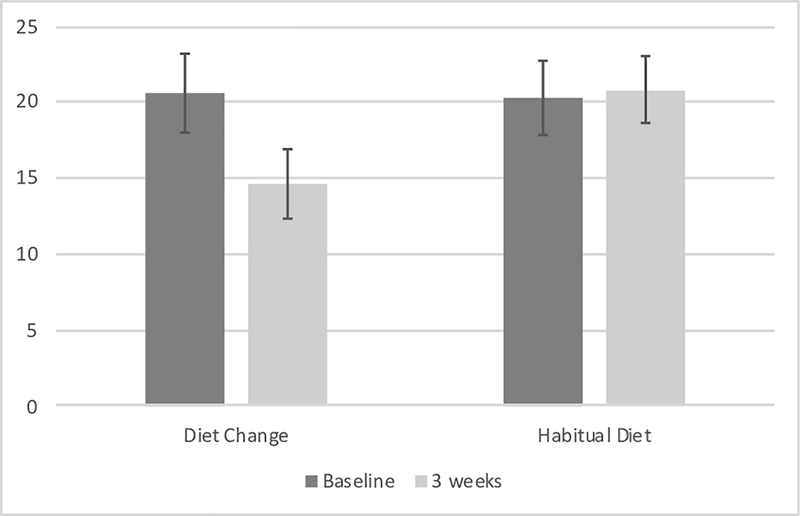
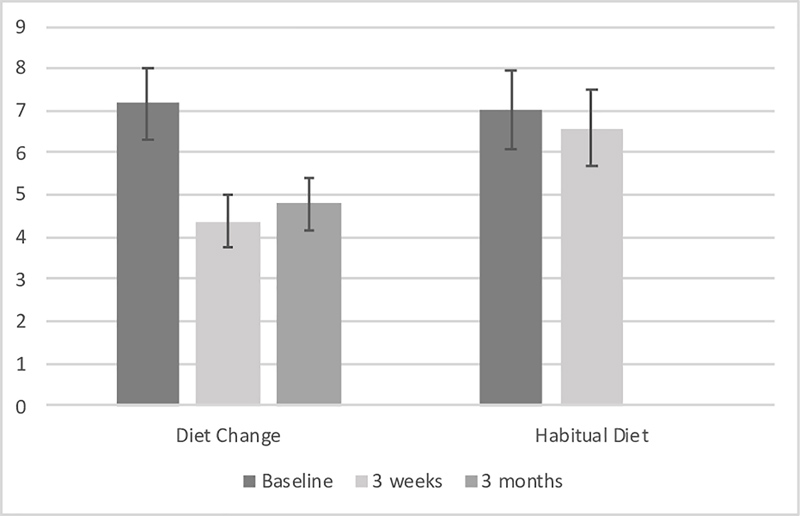
  • A 2019 study found dietary intervention can effectively treat depression in young adults. Those who ate a Mediterranean-style diet reported a significant reduction in depression symptoms after 21 days
  • A recent meta-analysis also concluded that “Dietary interventions hold promise as a novel intervention for reducing symptoms of depression across the population”
  • As a general guideline, eating a whole food diet can go a long way toward lowering your inflammation level and thus your risk of depression. A cornerstone of a healthy diet is limiting sugar of all kinds, ideally below 25 grams a day

Foods have an immense impact on your body and your brain, and eating whole foods as described in my nutrition plan is a good way to simultaneously support your mental and physical health. Avoiding sugar and artificial sweeteners is in my view, based on the evidence, a crucial aspect of preventing and/or treating depression.

Both contribute to chronic inflammation and can wreak havoc with your brain function. Recent research also shows how swapping processed junk food for a healthier diet can significantly improve depression symptoms, which really shouldn’t come as a great surprise.

The Sugar Trap

Research1,2 published in 2014 linked sweetened beverages — both sugar- and artificially-sweetened beverages — with an increased risk of depression. Those who drank more than four cans or glasses of soda had a 30% higher risk of depression compared to those who did not consume sweetened beverages of any kind.

Interestingly, fruit juices were even more hazardous. The same amount of sweetened fruit drinks (four glasses) was associated with a 38% higher risk of depression.

Overall, artificially sweetened so-called “diet” drinks were associated with the highest risks of depression, compared to beverages sweetened with sugar or high-fructose corn syrup. More specifically, compared to those who did not drink sweetened beverages:

  • Those who drank primarily diet soda were 31% more likely to suffer with depression, whereas regular soda was associated with a 22% increased risk
  • Those who drank primarily diet fruit drinks had a 51% higher risk for depression, while consuming regular fruit drinks was associated with a more modest 8% increased risk
  • Drinking primarily diet iced tea was associated with a 25% increased risk for depression, whereas those who drank regular sweetened iced tea actually had a 6% reduced risk

Similarly, recent research3 detailed in “The Link Between Fast Food and Teenage Depression” found adolescents who had elevated levels of sodium and low levels of potassium in their urine — two factors indicative of a diet high in junk food and processed food — had more frequent symptoms of depression.

According to the authors,4 “Given the substantial brain development that occurs during adolescence, individuals in this developmental period may be particularly vulnerable to the effects of diet on the neural mechanisms underlying emotion regulation and depression.”

Why Sugar Takes a Toll on Mental Health

There are at least four potential mechanisms through which refined sugar intake could exert a toxic effect on mental health:

  1. Sugar (particularly fructose) and grains contribute to insulin and leptin resistance and impaired signaling, which play a significant role in your mental health
  2. Sugar suppresses activity of a key growth hormone called brain derived neurotrophic factor (BDNF), which promotes healthy brain neurons. BDNF levels are critically low in both depression and schizophrenia, which animal models suggest might actually be causative
  3. Sugar consumption also triggers a cascade of chemical reactions in your body that promote chronic inflammation. In the long term, inflammation disrupts the normal functioning of your immune system, which is linked to a greater risk of depression5
  4. Sugar impairs the microbiome and its influence on the modulation of stress response, immune function, neurotransmission and neurogenesis

In 2004, British psychiatric researcher Malcolm Peet published a provocative cross-cultural analysis6 of the relationship between diet and mental illness. His primary finding was a strong link between high sugar consumption and the risk of both depression and schizophrenia. According to Peet:

“A higher national dietary intake of refined sugar and dairy products predicted a worse 2-year outcome of schizophrenia. A high national prevalence of depression was predicted by a low dietary intake of fish and seafood.

The dietary predictors of … prevalence of depression are similar to those that predict illnesses such as coronary heart disease and diabetes, which are more common in people with mental health problems and in which nutritional approaches are widely recommended.”

One of the key predictors of heart disease and diabetes is in fact chronic inflammation which, as Peet mentions, is also associated with poor mental health. Sugar is a primary driver of chronic inflammation in your body, so consuming excessive amounts of sugar can truly set off an avalanche of negative health events — both mental and physical.

Advertisement

Buy 2 Get 1 Box Free on Any Box of MITOMIX™ KETO Bars


Three-Week Dietary Intervention Lifts Depression

Most recently, a study7,8,9 published in the October 2019 issue of PLOS ONE said to be the first of its kind, found dietary intervention can effectively treat depression in young adults. The researchers enrolled 101 individuals aged 17 to 35, whose stress and depression scores indicated moderate to high levels of depression.

Participants were divided into two groups. One received dietary intervention while the other (controls) received no intervention. Dietary instructions were provided to the treatment group by a registered dietician via a 13-minute video, which could be revisited at will.

The dietary recommendations were based on the 2003 Australian Guide to Healthy Eating protocol “with additional recommendations to increase concordance with Mediterranean-style diets … and diet components (e.g., omega-3 fatty acids, cinnamon, turmeric) that have beneficial effects on neurological function.”10 More specifically, the treatment group was instructed to eat:

Five servings of vegetables per day
Two to three servings of fruit per day
Three servings of wholegrain cereal per day
Three servings of protein (such as lean meat, poultry, eggs or legumes) per day
Three servings of unsweetened dairy per day
Three servings of fish per week
3 tablespoons of nuts and seeds per day
2 tablespoons of olive oil per day
1 teaspoon of turmeric and cinnamon on most days

Refined carbohydrates, sugar, processed meats and soft drinks were to be avoided as much as possible. According to the authors:11

“There is strong epidemiological evidence that poor diet is associated with depression. The reverse has also been shown, namely that eating a healthy diet rich in fruit, vegetables, fish and lean meat, is associated with reduced risk of depression …

There was good compliance with the diet intervention recommendations assessed using self-report and spectrophotometry. The Diet group had significantly lower self-reported depression symptoms than the Control Group …

Reduced DASS-21 depression subscale scores were maintained on follow up phone call 3 months later. These results are the first to show that young adults with elevated depression symptoms can engage in and adhere to a diet intervention, and that this can reduce symptoms of depression.”

Dietary Intervention Significantly Lowers Depression Scores

The first graph below illustrates the difference in primary depression scores (based on Centre for Epidemiological Studies Depression Scale or CESD-R) between the two groups. The second graph illustrates the difference between the two groups based on DASS-21 depression subscale scores.

difference in primary depression scores
Source: PLOS ONE October 9, 2019, Figure 212
depression subscale scores
Source: PLOS One October 9, 2019, Figure 313

The researchers also report that the dietary intervention resulted in lower levels of anger. In the Discussion section of the paper, the authors make the following observations:14

“The results of this RCT provide support for improving diet as a useful adjunct treatment to reduce depressive symptoms … One of the most interesting findings is the fact that diet change was feasible in this population.

As the participants were young adults and university undergraduate students, we anticipated several potential barriers such as the perceived cost of the diet, the time demands of preparing food and/or reliance on others for food preparation (particularly if they lived at home).

Additionally, the participants were recruited based on self-reported symptoms of depression. We anticipated that the symptoms of depression, including low energy, reduced motivation and apathy, would present as barriers to eating well.

Despite these factors, there was a significant increase in the recommended foods and decrease in processed foods for the diet change group but not the habitual diet group.

Furthermore, within the diet change group, increase in recommended foods was associated with spectrophotometer readings. This provides objective evidence to support the participants’ self-reported compliance with the diet …

Even in the general population, adherence to diet advice is typically very poor, with over 80% of Australians reporting that they do not comply with dietary recommendations.

As a result, there is substantial nihilism regarding the ability to change people’s diets. The current study simply provided a brief 13-minute video, paper resources and minimal phone support.

The fact that this relatively low-cost intervention can result in a population of young adults adhering to diet recommendations is very promising. Furthermore, it is important to consider that participants in the current study did not need to adhere strictly to the diet recommendations to derive benefit.”

Other Studies Support Dietary Intervention for Mental Health

Another recent paper found similar results. The meta-analysis,15 published in the April 2019 issue of Psychosomatic Medicine, looked at 16 randomized controlled trials with outcome data — based on a variety of depression scores — for 45,826 participants ranging in age from 21 to 85. Interventions ranged from 10 days to three years.

While all but one examined nonclinical depression, dietary interventions were still found to significantly reduce symptoms of depression. Interestingly, women appeared to reap the greatest benefits, not only for depression but also anxiety. According to the authors, “Dietary interventions hold promise as a novel intervention for reducing symptoms of depression across the population.”

Interestingly, studies specifying the involvement of a nutritional professional had significantly better results than those in which the dietary advice was delivered without a professional’s involvement.

However, as shown in the featured PLOS ONE study, this doesn’t necessarily have to be a complicated affair. There, participants simply viewed a video in which a dietician gave the instructions.

Mechanisms of Action

In the Implications and Recommendations section of the Psychosomatic Medicine meta-analysis, the authors point out a number of possible mechanisms of action allowing depressed patients to benefit from nutritional intervention:16

“… diet may act via several pathways that are implicated in mental health. These include pathways related to oxidative stress, inflammation, and mitochondrial dysfunction, which are disrupted in people with mental disorders.

Gut microbiota dysbiosis has also been implicated because of emerging research demonstrating involvement of the microbiome in the modulation of stress response, immune function, neurotransmission, and neurogenesis. A healthy diet typically contains a wide variety of bioactive compounds that can beneficially interact with these pathways.

For example, vegetables and fruits contain, in addition to beneficial vitamins, minerals and fiber, a high concentration of various polyphenols that seem to be associated with reduced rates of depression … potentially because of their anti-inflammatory, neuroprotective, and prebiotic properties.

Furthermore, vitamins (e.g., B vitamins), fatty acids (e.g., omega 3 fatty acids), minerals (e.g., zinc, magnesium), and fiber (e.g., resistant starch) as well as other bioactive components (e.g., probiotics), which are typically abundant in healthy dietary patterns, may also be protective from mental illness.

Along with increasing the intake of beneficial nutrients, dietary interventions may also impact on mental well-being by reducing the consumption of unhealthy food associated with increased risk for depression, such as processed meats, refined carbohydrates, and other inflammatory foods.

Unhealthy diets are also high in other compounds that may negatively affect these pathways. For example, elements commonly found in processed foods such as saturated fatty acids, artificial sweeteners, and emulsifiers may alter the gut microbiome, which may activate inflammatory pathways.”

Nutritional Advice for Mental Health

Keeping inflammation in check is an important part of any effective mental health treatment plan. If you’re gluten sensitive, you will need to remove all gluten from your diet. A food sensitivity test can help ascertain this. Reducing lectins may also be a good idea.

As a general guideline, eating a whole food diet as described in my optimal nutrition plan can go a long way toward lowering your inflammation level. A cornerstone of a healthy diet is limiting sugar of all kinds, ideally to no more than 25 grams a day.

In one study,17 men consuming more than 67 grams of sugar per day were 23% more likely to develop anxiety or depression over the course of five years than those whose sugar consumption was less than 39.5 grams per day. Certain nutritional deficiencies are also notorious contributors to depression, especially:

•Marine-based omega-3 fats — Omega-3 fats have been shown to improve major depressive disorder,18 so make sure you’re getting enough omega-3s in your diet, either from wild Alaskan salmon, sardines, herring, mackerel and anchovies, or a high-quality supplement.

I recommend getting an omega-3 index test to make sure you’re getting enough. Ideally, you want your omega-3 index to be 8% or higher.

•B vitamins (including B1, B2, B3, B6, B9 and B12) — Low dietary folate can raise your risk of depression by as much as 304%.19,20 A 2017 study21,22 showing the importance of vitamin deficiencies in depression involved suicidal teens. Most turned out to be deficient in cerebral folate and all of them showed improvement after treatment with folinic acid.

•Magnesium — Magnesium supplements have been shown to improve mild-to-moderate depression in adults, with beneficial effects occurring within two weeks of treatment.23

•Vitamin D — Studies have shown vitamin D deficiency can predispose you to depression and that depression can respond favorably to optimizing your vitamin D stores,24 ideally by getting sensible sun exposure.

A double-blind randomized trial25 published in 2008 concluded that supplementing with high doses of vitamin D “seems to ameliorate [depression] symptoms indicating a possible causal relationship.” Research26 published in 2014 also linked low vitamin D levels with an increased risk for suicide.

The 2017 paper “Depression and Vitamin D Deficiency: Causality, Assessment and Clinical Practice Implications,” published in the journal of Neuropsychiatry, notes:27

“The Third National Health and Nutrition Examination Survey, which enrolled a sample of 7,970 non-institutionalized U.S. residents age 15 to 39, confirmed that people with serum vitamin D ≤50 nmol/L [20 ng/mL] are at a significantly higher risk of showing depression than individuals whose serum levels of vitamin D are greater or equal to 75 nmol/L [30 ng/mL] …

A … large cohort study28 showed an association between low vitamin D levels and both presence and severity of depression, this suggesting the possibility that hypovitaminosis D indicates an underlying biological susceptibility for depression.”

For optimal health, make sure your vitamin D level is between 60 and 80 ng/mL year-round. Ideally, get a vitamin D test at least twice a year to monitor your level.

Keeping your gut microbiome healthy also has a significant effect on your moods, emotions and brain. You can read more in my previous article, “Mental Health May Depend on the Health of Your Gut Flora.”

Helpful Supplements

A number of herbs and supplements can also be used in lieu of drugs to reduce symptoms of anxiety and depression, including the following:

  • St. John’s Wort (Hypericum perforatum) — This medicinal plant has a long historical use for depression, and is thought to work similarly to antidepressants, raising brain chemicals associated with mood such as serotonin, dopamine and noradrenaline.29
  • S-Adenosyl methionine (SAMe) — SAMe is an amino acid derivative that occurs naturally in all cells. It plays a role in many biological reactions by transferring its methyl group to DNA, proteins, phospholipids and biogenic amines. Several scientific studies indicate that SAMe may be useful in the treatment of depression.
  • 5-Hydroxytryptophan (5-HTP) — 5-HTP is another natural alternative to traditional antidepressants. When your body sets about manufacturing serotonin, it first makes 5-HTP. Taking 5-HTP as a supplement may raise serotonin levels. Evidence suggests 5-HTP outperforms a placebo when it comes to alleviating depression,30 which is more than can be said about antidepressants.
  • XingPiJieYu — This Chinese herb, available from doctors of traditional Chinese medicine, has been found to reduce the effects of “chronic, unpredictable stress,” thereby lowering your risk of depression.31

Other Helpful Treatment Options

Evidence clearly shows antidepressants are not an ideal choice for most people with depression. For more information about this, see “What Does the ‘Best Evidence’ Say About Antidepressants?”

In it, I also review a number of other treatment suggestions, such as phototherapy, cognitive behavioral therapy, the Emotional Freedom Techniques and the importance of limiting your electromagnetic field exposure.

Aside from diet, which I believe is foundational, the depression treatment with the most solid scientific backing is exercise. I discussed some of the mechanisms behind this effect in “How Exercise Treats Depression.”

I also review the evidence against antidepressants and provide a list of studies detailing the effectiveness of exercise for depression in “The Depression Pill Epidemic.”

– Sources and References

Nature’s Neuroprotective Herbal Beverage with Hundreds of Side Benefits

© 23rd October 2019 GreenMedInfo LLC. This work is reproduced and distributed with the permission of GreenMedInfo LLC. Want to learn more from GreenMedInfo? Sign up for the newsletter here www.greenmedinfo.com/greenmed/newsletter
Reproduced from original article:
https://www.greenmedinfo.health/blog/natures-neuroprotective-herbal-beverage-hundreds-side-benefits

Posted on:  Tuesday, October 8th 2019 at 11:00 am

Originating as a medicine, and evolving into one of the world’s most popular beverages, green tea is of the most well-researched natural substances in the world. New research adds to an increasingly impressive body of science showing the consumption of this herbal beverage has profoundly neuroprotective properties. 

Drinking tea holds wide-ranging benefits to human health, with over 450 distinct conditions researched in the medical literature thus far and indexed on the GreenMedInfo Green Tea database. Neuroprotection is one of its most well known benefits, as evidenced by over 50 studies which you can view and share with others here. A new study conducted by the National University of Singapore (NUS), evaluated brain imaging data of senior subjects. The researchers sought to add to the existing literature linking green tea consumption to improved brain function and found that regular tea drinkers had better organized brain regions – an established factor in healthy cognitive function – compared to non-tea drinkers.

Regular Tea Intake and Brain Organization in the Elderly

The NUS team, along with collaborators from the University of Essex and University of Cambridge, collected data on the health and lifestyles of 36 adults ages 60 and above.[1] The elderly subjects also participated in neuropsychological tests and MRI during the study, which ran from 2015 to 2018.

The results: those who consumed green tea, black tea, or oolong tea at least four times weekly for around 25 years had their brain regions interconnected more efficiently.

The researchers considered their results the first evidence of tea consumption’s positive impact on brain structure, suggesting a protective action against age-related cognitive decline.

To better understand this brain process, think of road traffic: the brain regions are the destinations, while the connections lying between those regions are the roads. A better organized road system makes for faster, more efficient movement among vehicles and pedestrians.

“Similarly, when the connections between brain regions are more structured, information processing can be performed more efficiently,” said Feng Lei, assistant professor at NUS and the group’s team leader.[2]

The team plans to conduct further research on the intricate workings between cognitive health and brain organization, such as how memory and similar functions emerge from circuits in the brain, and how cognition can therefore be better preserved during aging.

Previous Studies Echo the Brain-Related Perks

Scientific findings regularly echo what has been known for so many years about tea, which has transitioned from medicine to a beverage enjoyed by billions of people worldwide.

A 2009 study vouched for the link between tea and better cognitive performance in elderly men and women.[3] Results from more than 2,000 participants showed dose-dependent improvements in cognition among subjects who habitually consumed flavonoid-filled wine, tea, and chocolate.

In February, Japanese researchers discovered that long-term supplementation with Sunrouge, a Japanese green tea cultivar, helped prevent age-related cognitive decline in mouse subjects.[4]

Sunrouge is green tea rich in flavonoids, which are known for their antioxidant effects. A majority of green tea’s health benefits is attributed to flavonoids such as epigallocatechin gallate (EGCG) and other bioactive components such as quercetin, myricetin, cyanidin, and delphinidin.

Besides being widely studied for its ability to slow the aging process, green tea has also been found to induce programmed cell death or apoptosis in different cancer cell lines, including breast, colorectal, endometrial, skin, gastrointestinal and, unsurprisingly, brain cancers.

Black tea is oxidized green tea, retaining significant medicinal properties including powerful antioxidant activity. Like its more celebrated cousin, black tea boasts of its own lineup of evidence-based health benefits.

In a previous article written by GreenMedInfo founder, Sayer Ji, titled, “Green Tea May Have Brain Healing Properties,” an interesting mechanism was identified to account for some of the beneficial effects observed for green tea’s neurologically enhancing effects. It has been theorized that polyphenols in green tea known as catechins boost our endogenous production of brain-derived neurotrophic factor (BDNF), a so-called “neuritogenic” compound essential for the growth, maintenance and survival of neurons.

GreenMedInfo.com contains a wide range of studies on substances which have neuritogenic properties. You can see the full list here: https://www.greenmedinfo.health/pharmacological-action/neuritogenic


References

1. Junhua Li et al “Habitual tea drinking modulates brain efficiency: evidence form brain connectivity evaluation” Aging. 2019 Jun ; 11:3876-3890.

2.National University of Singapore. Retrieved October 8, 2019 from https://news.nus.edu.sg/research/drinking-tea-improves-brain-health

3. Eha Nurk et al “Intake of flavonoid-rich wine, tea, and chocolate by elderly men and women is associated with better cognitive test performance” J Nutr. 2009 Jan ;139(1):120-7. Epub 2008 Dec 3.

4. Masafumi Wasai et al “Long-term dietary supplementation with the green tea cultivar Sunrouge prevents age-related cognitive decline in the senescence-accelerated mouse Prone8” Biosci Biotechnol Biochem. 2019 Feb ;83(2):339-347. Epub 2018 Oct 8.

Disclaimer: This article is not intended to provide medical advice, diagnosis or treatment. Views expressed here do not necessarily reflect those of GreenMedInfo or its staff.

Health Benefits of MSM — A Powerful Sulfur Donor


Reproduced from original article:
https://articles.mercola.com/sites/articles/archive/2019/10/14/msm-health-benefits.aspx

Analysis by Dr. Joseph Mercola – Medically reviewed by Dr. Stephanie Seneff
Fact Checked – October 14, 2019
msm health benefits

STORY AT-A-GLANCE

  • Sulfur is the third most abundant mineral in your body and plays important roles in many bodily processes, including metabolism and detoxification
  • Sulfur bonds are required for proteins to maintain their shape, and these bonds determine the biological activity of the proteins. Sulfur is also required for the proper structure and biological activity of enzymes
  • Sulfur is crucial for healthy liver function and the prevention of liver disease. A derangement in sulfur amino acid metabolism is found even in mild forms of liver disease
  • Excellent sources of sulfur include homemade bone broth, organic pastured eggs, grass fed meats, seafood, cruciferous vegetables and alliums like onions and garlic. Sulfur can also be obtained through supplementation with MSM and/or by taking Epsom salt baths
  • MSM is widely used in the treatment of pain, especially pain associated with arthritic conditions. Research has shown it can significantly decrease pain and improve physical function in patients with osteoarthritis of the knee

Sulfur is a somewhat “forgotten” nutrient you don’t hear mentioned very often, but it’s very important for optimal body function and health. You get most of your sulfur from certain proteins in your diet, specifically the amino acids methionine, cysteine, cystine, homocysteine, homocystine and taurine.1

Of these, the two most important sources are methionine and cysteine. Methionine is an essential amino acid, which means it cannot be synthesized by your body and must be supplied through your diet. Cysteine is conditionally essential, because it can be synthesized from methionine but not from inorganic forms of sulfur.2

Neither of these primary sulfur-containing amino acids is stored in your body per se, although glutathione is a key storage form for sulfur.3 Glutathione is composed of three amino acids: cysteine, glutamate and glycine, and is your body’s most potent antioxidant.

Glutathione also keeps many other antioxidants performing at peak levels, and cysteine availability is thought to be a rate-limiting factor for glutathione synthesis.4

While sulfur is found in many foods, sulfur deficiency may still be quite common5 — in part due to sulfur deficiency in crops,6 and in part due to low consumption of sulfur-rich foods7 such as leafy greens, cruciferous veggies, alliums8 such as garlic and onions, seafood, grass fed meats and organic pastured eggs.

Frequent use of drugs that require sulfur for excretion and/or detoxification can also contribute to an inadequate sulfur status. Acetaminophen is one such example.9 A vegan diet can also put you at increased risk for sulfur deficiency, because plant-based foods contain fewer sulfur-containing amino acids than animal-based foods.10

The Importance of Sulfur

According to Stephanie Seneff, Ph.D., who has written several papers11,12,13,14 on sulfur and sulfur metabolism and its role in human disease, sulfur plays a role in many biological processes, including metabolism15 and the sulfonation of hormones,16 and deficiency appears to play a role in a wide range of health problems and diseases, including:

  • Obesity
  • Heart disease
  • Chronic fatigue syndrome
  • Alzheimer’s disease
  • Autism17

Required in the creation of connective tissues such as cartilage, tendons and ligaments, sulfur is also essential for healthy joints, and deficiency has been linked to joint pain and joint-related diseases.18 Other benefits, uses and sources are also noted in the paper “Sulfur in Human Nutrition and Applications in Medicine”:19

“Methylsulfonylmethane (MSM), a volatile component in the sulfur cycle, is another source of sulfur found in the human diet … Organic sulfur, as SAAs [sulfur-containing amino acids], can be used to increase synthesis of S-adenosylmethionine (SAMe), glutathione (GSH), taurine, and N-acetylcysteine (NAC).

MSM may be effective for the treatment of allergy, pain syndromes, athletic injuries, and bladder disorders.

Other sulfur compounds such as SAMe … taurine, glucosamine or chondroitin sulfate, and reduced glutathione may also have clinical applications in the treatment of a number of conditions such as depression, fibromyalgia, arthritis, interstitial cystitis, athletic injuries, congestive heart failure, diabetes, cancer, and AIDS.”

Advertisement

Get Over 40% Off on Select Items Daily


Sulfur 101

As explained by the featured study above, sulfur is the third most abundant mineral in your body, based on percentage of total body weight.20 Sulfur bonds are required for proteins to maintain their shape, and these bonds determine the biological activity of the proteins.

For example, hair and nails consist of a tough protein called keratin, which is high in sulfur, whereas connective tissue and cartilage contain proteins with flexible sulfur bonds, giving the structure its flexibility.

With age, the flexible tissues in your body tend to lose their elasticity, leading to sagging and wrinkling of skin, stiff muscles and painful joints. A shortage of sulfur likely contributes to these age-related problems.

In addition to bonding proteins, sulfur is also required for the proper structure and biological activity of enzymes. If you don’t have sufficient amounts of sulfur in your body, enzymes cannot function properly.

A cascade of health problems may thus ensue, since your metabolic processes rely on biologically active enzymes. You can learn more about this in “Enzyme Fundamentals.” Sulfur also plays an important role in:

Your body’s electron transport system, as part of iron/sulfur proteins in mitochondria, the energy factories of your cells21
Synthesizing important metabolic intermediates, such as glutathione — one of the most important antioxidants that your body produces — SAMe, taurine and NAC22
Detoxification23 — Without sulfur, glutathione (your body’s built-in detoxifier) is rendered ineffective
Thiamine (vitamin B1) and biotin (B7) conversion, which in turn are essential for converting carbohydrates into energy
Proper insulin function24 — The insulin molecule consists of two amino acid chains connected to each other by sulfur bridges, without which the insulin cannot perform its biological activity25
Glucose metabolism — One hypothesis26 is that if a sufficient amount of sulfur is available, it will act as a decoy to glucose, effectively diverting it to reduce the sulfur rather than glycating and causing damage. This would have the beneficial effect of reducing chronic inflammation, as sugar (glucose) is highly inflammatory and wreaks havoc in your body

Sulfur for Liver Health

Sulfur is also crucial for healthy liver function and the prevention of liver disease. As noted in one study,27 “a derangement in sulfur amino acid metabolism, possibly located at various steps along the trans-sulfuration pathway” is found even in mild forms of liver disease.

Part of its influence on your liver has to do with its influence over glutathione. As noted in the 2015 paper,28 “Metabolism of Sulfur-Containing Amino Acids in the Liver: A Link Between Hepatic Injury and Recovery”:

“The transsulfuration pathway is connected to the production of glutathione (GSH), which has potent antioxidant capacity in the liver. Accumulating data show that GSH depletion renders the liver vulnerable to oxidative stress and prone to progression of liver disease.”

Similarly, the journal Nutrients reports that MSM has been shown to attenuate “cytokine expression in vivo for induced colitis … and liver injury,” and that MSM has also been shown to have a beneficial effect on liver cancer.29

Another crucial nutrient for liver health and the prevention of chronic liver disease, including nonalcoholic fatty liver disease, is choline,30 detailed in “Choline Is Crucial for Liver Health.”

MSM for Osteoarthritic Knee Pain

Methylsulfonylmethane (MSM) is known as a sulfur donor, being 34% elemental sulfur by weight.31 Many of the benefits of MSM supplementation are related to its ability to reduce inflammation, regulate the balance of reactive oxygen species and antioxidant enzymes,32 and modulate your immune response.33

As a supplement, MSM is widely used in the treatment of pain, especially pain associated with arthritic conditions. One clinical trial34 found that people with osteoarthritis of the knee who took 3 grams of MSM twice a day for 12 weeks experienced significantly decreased pain and improved physical function, compared to a placebo.

Another randomized double-blind placebo-controlled study35 found patients with mild to moderate osteoarthritis benefited from oral glucosamine and MSM, both individually and in combination. Here, the treatment groups received 500 milligrams (mg) of glucosamine and/or 500 mg of MSM three times a day for 12 weeks. According to the authors:36

“Glucosamine, MSM and their combination produced an analgesic and anti-inflammatory effect in osteoarthritis. Combination therapy showed better efficacy in reducing pain and swelling and in improving the functional ability of joints than the individual agents.

All the treatments were well tolerated. The onset of analgesic and anti-inflammatory activity was found to be more rapid with the combination than with glucosamine. It can be concluded that the combination of MSM with glucosamine provides better and more rapid improvement in patients with osteoarthritis.”

Sulfur’s Role in Heart Disease

In 2011, I interviewed Seneff about the influence of sulfur on health and disease. I’ve included that interview above for your convenience. In it, Seneff discusses the crucial connections between sulfur, cholesterol and vitamin D.

Her research suggests heart disease may actually be related to cholesterol sulfate deficiency, and in the interview, she explains how elevated LDL (low-density lipoprotein) cholesterol is a sign of this deficiency.

To summarize, high levels of LDL cholesterol is your body’s way of compensating for cholesterol sulfate deficiency. When LDL is turned into plaque, blood platelets inside the plaque produce cholesterol sulfate, which your heart and brain need for optimal function.

Seneff also explains why lowering LDL with statins can lead to heart failure. Essentially, by elevating LDL, your body is protecting itself from the harmful effects of cholesterol sulfate deficiency. When you simply remove the LDL, you remove this “backup” mechanism aimed at keeping your heart going strong. As a result, heart failure becomes a distinct possibility.

That said, high LDL is correlated with cardiovascular disease, so the question then becomes: How can your body produce cholesterol sulfate without having to create harmful LDL?

Under normal, healthy conditions, your skin synthesizes both cholesterol sulfate and vitamin D3 sulfate when exposed to sunlight. These two sulfated sterols are water soluble and can travel freely in your bloodstream.

If you have sufficient amounts of cholesterol sulfate in circulation, your body does not need to produce more cholesterol-transporting LDL. This results in less plaque buildup in the arteries of the heart, because cholesterol sulfate is plentiful.

In essence, sensible sun exposure may be an important part of heart and cardiovascular health. In fact, studies have shown that those who live in countries with abundant sunlight have a lower risk to heart disease. Vitamin D3 supplements, on the other hand, are unsulfated. This is a significant drawback, as the unsulfated form needs LDL as a vehicle of transport.

Seneff believes that vitamin D is basically a signaling molecule that informs the tissues that there is an abundant supply of cholesterol sulfate, and cholesterol sulfate is the real beneficial product of sunlight exposure to the skin. Her suspicion is that the oral nonsulfated form of vitamin D is unlikely to provide the same benefits as the vitamin D created in your skin from sun exposure, since it is not accompanied by cholesterol sulfate, and therefore provides a false signal.

Sulfur Intolerance May Be a Sign of Toxicity

As mentioned earlier, sulfur-rich foods37 include leafy greens, cruciferous veggies, alliums,38 seafood, grass fed meats and organic pastured eggs. Another excellent source, and perhaps the best one, is homemade bone broth made from organically raised animals.

Either drink the broth regularly, or use it for soups and stews. Connective tissues are sulfur-rich, and when you slow-cook the bones, you dissolve these nutrients out of the bone and into the water.

If you have poor tolerance for foods high in sulfur, it may be an indication of an overgrowth of sulfur-reducing bacteria in your gut. These bacteria, such as Desoulfovibrio and Bilophila wadsworthia, produce hydrogen sulfide gas from sulfur-based food sources, which can destroy the gut lining and cause gastrointestinal discomfort.

A defect in the enzyme that oxidizes sulfur to sulfate, called sulfite oxidase, will lead to an overgrowth of these sulfur-reducing bacteria, and toxic chemical exposures may disrupt sulfite oxidase.

Furthermore, these bacteria also convert mercury to a toxic organic form called methyl mercury. When sulfite oxidase is deficient, mercury cannot be converted to mercury sulfate, which is the nontoxic form of mercury that can be excreted by the body. Thus, disruption of sulfite oxidase results in impaired sulfation capacity and increased mercury toxicity.

Other food additives such as food dyes can also exacerbate problems in your phenol sulfur-transferase (PST) sulfation pathway by suppressing PST enzyme activity. Sulfation is a critical step in detoxification of toxic phenols.

To address this situation, it’s recommended you initially go on a low-sulfur diet and reduce your toxic exposure by eating organic and avoiding household toxins of all kinds.

As your toxicity level is reduced, you can start adding sulfur-rich foods back into your diet, one at a time. Next, it’s important to enhance your body’s detoxification process by supplying more sulfate, either through diet or supplementation.

How to Boost Your Sulfur Intake — Diet and Supplementation

Aside from sulfur-rich foods, sulfur can also be obtained through supplementation with MSM. You can learn more about MSM in my interview with Rod Benjamin.

Benjamin is the director of technical development for Bergstrom Nutrition, the largest producer of the highest quality MSM produced by distillation purification. In his interview, we discuss suggested dosages and how to identify a high-quality supplement.

The sulfur-containing amino acids cysteine and taurine can also be used, both of which are available in supplement form. The supplement form of cysteine is NAC, the benefits of which I expounded on in “The Many Benefits of NAC — One of the Most Important Supplements You’ve Likely Never Heard Of.”

Another excellent source of sulfur is taking regular Epsom salt baths. Epsom salt (magnesium sulfate) is made up of magnesium, sulfur and oxygen. While most of the benefits associated with Epsom salt baths relates to magnesium39 — such as improved sleep, stress reduction and reduced pain and muscle cramping — its sulfur content is also important for health.

Epsom salt baths are often preferable if you’re toxic, as the sulfur in Epsom salt is readily available to your body without having to be converted. As a general recommendation, use 1 to 2 cups of Epsom salt to a tub of water. The warmer the water, the more of the salt will be dissolved, and the more your body will be able to absorb as the heat opens your pores.

If you experience a negative reaction, such as irritability or hyperactivity, decrease the amount used and incrementally increase the amount based on your tolerance. Alternatively, use 1 part Epsom salt to 2 parts water for a foot bath. Soak your feet for about 30 minutes.

Toxicity data shows MSM is extremely safe and can be taken at high doses. As noted in the journal Nutrients, “As a Generally Recognized As Safe (GRAS) approved substance, MSM is well-tolerated by most individuals at dosages of up to 4 grams daily,”40 although toxicity studies have reported no observed adverse effects up to a level of 5 grams per kilo per day.41

That said, potential side effects at higher doses include intestinal discomfort, ankle swelling and skin rashes. These are likely detoxifying effects that can typically be mitigated or minimized by cutting back on the initial dosage and slowly working your way up.

 Sources and References

Alarming report: Energy drinks have life-threatening side effects

Reproduced from original article:
https://www.naturalhealth365.com/energy-drinks-side-effects-3146.html

energy-drinks

(NaturalHealth365)  According to the National Institutes of Health, “a growing body of scientific evidence shows that energy drinks can have serious health effects, particularly in children, teenagers, and young adults.”  So, why are these products still being sold – to this day?!  After reading this report, you’ll understand why we think these products are a big mistake.

Thousands of people to date have faced serious, sometimes deadly side effects as a result of consuming energy drinks, and an alarming number of these victims have been children.  In fact, the lead author of research published in the Journal of the American Heart Association has said, ‘the public should be aware of the impact of energy drinks on their body, especially if they have other underlying health conditions.”

The severe side effects from these drinks included seizures, elevated blood pressure and irregular heartbeat.  And, the fact remains: most of these kids didn’t even know what they were consuming.  They simply found them left around the home by an adult.

The grim realities of energy drinks

To be blunt, most of these beverages are loaded with sugar and caffeine – a recipe for disaster.

However, the manufacturers also blend in other compounds such as l-carnitine, taurine, guarana, amino acids and ginseng. Despite this veritable mystery punch of ingredients, studies have not found that these drinks boost energy, focus or stamina any better than having a cup of coffee.

In truth, the marketing hype of these beverages don’t tell the whole (ugly) story.

Do NOT ignore the health dangers linked to toxic indoor air.  These chemicals – the ‘off-gassing’ of paints, mattresses, carpets and other home/office building materials – increase your risk of headaches, dementia, heart disease and cancer.

Get the BEST indoor air purification system – at the LOWEST price, exclusively for NaturalHealth365 readers.  I, personally use this system in my home AND office.  Click HERE to order now – before the sale ends.

Along with this lack of efficacy, the drinks come with very real dangers.  Dr. Steven Lipshultz and his colleagues have been examining the effects of these drinks for a number of years, and in 2011 noticed a marked surge in reported illnesses linked to their consumption.

A separate study conducted by the United States government found emergency-room visits between 2005 and 2011 that were related to energy-drink consumption surged as well. A host of alarming side effects were also reported, including seizures, liver damage, heart issues and in some cases, premature death.

Drinks with additives like plant extracts and amino acids were found to be worse for people than those with just caffeine.  Some theories hold that these assorted extracts might have components with unknown, undocumented effects, especially when combined with caffeine and other food additives.

A call for action: Why we need better labeling

A great number of the people who consume these energy drinks simply aren’t aware of their potentially dangerous side effects and their specific hazards to children. This causes adults to consume copious amounts of them while sometimes leaving the beverages unattended and accessible to young children.

Dr. Lipshultz recommends that even as these energy drinks are studied more closely, they should be affixed with a label similar to the Surgeon General warning placed on alcohol and cigarette packages. Doing so could alert adults to protect children (and themselves) from exposure to these controversial drinks.

Experts warn about the dangers of energy drinks:

The World Health Organization (WHO) says, “the full impact of the rise in popularity of energy drinks has not yet been quantified, but the aggressive marketing of energy drinks targeted at young people, combined with limited and varied regulation have created an environment where energy drinks could pose a significant threat to public health.”

The extreme level of caffeine (mixed with other suspicious ingredients) can cause palpitations, hypertension, vomiting, convulsions and in extreme cases heart failure leading to sudden death. An even greater risk is the mixture of these energy drinks with alcohol and food additives – which many younger people tend to consume in excess.

In August 2014, professor Milou-Daniel Drici, from France, gave a presentation to the European Society of Cardiology in which he said:

”So-called ‘energy drinks are popular in dance clubs and during physical exercise, with people sometimes consuming a number of drinks one after the other. This situation can lead to a number of adverse conditions including angina, cardiac arrhythmia (irregular heartbeat) and even sudden death.”

Dr. Steven Lipshultz, pediatrician-in-chief at Children’s Hospital of Michigan, in Detroit, says ‘although the target markets for energy drinks are typically teens and young adults, more than 40 percent of reports to U.S. poison control centers in a three-year period involved children under the age of 6.’

Young or old, energy drinks are putting both children and adults at risk. Regardless of age, the potential dangers are the same: seizures, heart issues, high blood pressure, and kidney problems. With coffee providing a similar benefit, it’s hard to see how the health risks are worth the chemically-induced “boost” that energy drinks provide.

Sources for this article include:

NIH.gov
Heart.org
NBCNews.com
SAMHSA.gov
Foxnews.com

Low level lead exposure killing over 400,000 Americans a year, study reveals

Reproduced from original article:
https://www.naturalhealth365.com/lead-exposure-3142.html

lead-exposure(NaturalHealth365) Heart disease, the number one cause of mortality in the United States, is currently responsible for over 800,000 deaths a year.  The primary risk factors for this potentially deadly condition are thought to include high blood pressure, lack of exercise, obesity, cigarette smoking and diabetes. But, with the results of a shocking study published in The Lancet, researchers are now pointing to another likely culprit – lead exposure.

Natural health experts have long warned that lead is a dangerous neurotoxin – for which there is no safe level of exposure.  The startling study shows that lead exposure is not only associated with cardiovascular disease – but is responsible for the premature deaths of 412,000 (close to half a million!) Americans every year.

Even more troubling, the deaths were not linked to acute exposures, but to relatively low blood levels of lead.

Lead exposure is grossly ignored as a cause of heart disease and premature death

To conduct the large-scale, long-term population study, researchers examined the connection between lead concentrations, heart disease and all-cause mortality in over 14,000 adults.

The study was the first to examine the link between low-level lead exposure (characterized as under 5 micrograms per deciliter of blood) and cardiovascular disease.  Keep in mind, according to Harvard Medical School, average levels for Americans currently hover around 1 ug/dL.

When the team specifically examined results for participants with blood lead levels between 1 ug/dL (the threshold of detection) and 5 ug/dL, they discovered that the risk of premature death increased substantially.

Do NOT ignore the health dangers linked to toxic indoor air.  These chemicals – the ‘off-gassing’ of paints, mattresses, carpets and other home/office building materials – increase your risk of headaches, dementia, heart disease and cancer.
Get the BEST indoor air purification system – at the LOWEST price, exclusively for NaturalHealth365 readers.  I, personally use this system in my home AND office.  Click HERE to order now – before the sale ends.

In addition, the team found that people with higher lead levels (6.7 ug/dL) had a 70 percent greater risk of death from heart disease – when compared to those at the low end of the scale.

But that wasn’t all.

The researchers calculated that exposure to lead caused an 18 percent higher risk of dying from any cause, which translates to 412,000 deaths a year.  Around 256,000 of those deaths occurred from heart disease, the team reported.

The researchers called low-level lead exposure an “important, but overlooked” risk factor for premature death in the U.S. – particularly for death from heart disease. The team stressed the importance of continuing efforts to reduce environmental lead exposure.

Additional studies support evidence of harm from lead exposure

Animal studies have shown that chronic, low-level lead exposure not only causes high blood pressure (a contributor to heart disease) but – by inactivating the body’s stores of beneficial nitric oxide – can also trigger atherosclerosis.

Lead exposure also contributes to atherosclerosis by inhibiting the repair of fragile, easily-damaged arterial linings.  In addition, low-level lead exposure promoted the formation of blood clots – thereby directly raising risk of stroke and heart attack.

Not surprisingly, additional studies have reflected the findings of the Lancet study, linking higher concentrations of lead with high blood pressure, peripheral arterial disease and heart disease deaths.

Significantly, these findings directly contradict the prevailing wisdom concerning levels of lead at which harm can occur.

New research is causing experts to revamp views on low level exposure

Levels of 10 ug/dL to 25 ug/dL are considered proof positive that lead exposure is occurring – with levels of 25 ug/dL to 40 ug/dL considered “elevated.”

And, levels are considered “seriously elevated” between 40 ug/dL and 80 ug/dL, while levels over 80 ug/dL are “dangerously elevated” – with irreversible damage to health likely to occur.

As recently as 2013, only lead levels of 10 ug/dL, and above, were considered cause for concern.  In fact, the National Toxicology Report previously described evidence linking blood lead levels under 10 ug/dL with heart disease-related mortality as “limited.”

Yet, participants in the recent study only had to average a modest 2.7 micrograms of lead per deciliter of blood to see their heart health and mortality affected – in a negative way.

Warning: Children are much more susceptible to damage

With smaller, still-developing systems, children under age six are much more susceptible than adults to the physical and mental effects of lead poisoning.  Sadly, symptoms may not appear – in children and adults alike – until dangerous and damaging amounts of lead have already accumulated in the body.

Signs of lead exposure in children include learning difficulties, irritability, fatigue, weight loss, vomiting and diarrhea. Pica – a craving for non-edible substances, such as paint chips or dirt – can also indicate lead poisoning in children.

Lead exposure in newborns is manifested by premature birth, lower birth weight and slow growth.

Adults exposed to lead may experience high blood pressure, joint and muscle pain, headaches, impaired concentration and memory loss – along with reproductive problems such as reduced sperm count in men and miscarriage and premature birth in women.

Of course, very high levels of exposure to lead can cause seizures, unconsciousness and premature death.

Deteriorating lead paint in older homes threatens children’s health

While lead-based paints for homes, toys and furniture have been banned since 1978, lead exposure can still occur in older homes.  The most common sources of lead poisoning in children are flakes of deteriorating lead-based paint – especially if the children nibble on them. Contaminated dust can also be released during home renovations in older buildings.

In addition, lead can persist in soil in the yards of older homes.

According to the New York State Department of Health, lead may still be found in batteries, solder pipes, pottery, bullets, roofing materials and various imported cosmetics and candies.  Adults who perform renovations on older houses – particularly involving plumbing, roofing and painting – are at greater risk for exposure, as are those who work in auto shops and with batteries.

Worth noting: If lead exposure from an older home is a concern, the Harvard School of Public Health advises employing an EPA-certified lead abatement professional to replace lead plumbing pipes.  You may also want to look into hiring a building biologist to ensure you’re living in a healthy home.

Vitamin C can effectively help to remove heavy metals from the body

Chelation, a protocol for treating lead exposure, features the use of edetate calcium disodium, or EDTA. This compound binds with and removes heavy metals, including lead, iron and copper.

There is now clinical evidence that vitamin C, a potent antioxidant, can potentiate and enhance the detoxifying effect of chelating agents.

In a recent study published in Life Sciences, researchers found that EDTA and vitamin C together are more than twice as effective as either substance given alone.  The team noted that the combination is particularly effective in removing lead from the central nervous system.

And, optimal levels of vitamin C can protect against high lead levels.

In a study conducted by University of California at San Francisco and published in the prestigious Journal of the American Medical Association, the researchers found a direct association between high levels of vitamin C and lower blood levels of lead.

Adults had blood levels reduced by 68 percent with higher vitamin C intake, while children with higher vitamin C intake fared even better. Researchers found that those in the top one-third of vitamin C levels displayed an 89 percent lowered incidence of lead toxicity.

It is important to consume enough vitamin C to protect against the effects of lead exposure – whether through vitamin C-rich foods (such as citrus fruits, bell peppers and Brussels sprouts) or supplements.

Natural health experts note that at least 1,000 mg of vitamin C a day is required to reduce lead levels and enjoy other benefits – including stronger overall immune function.

Sources for this article include:

ScienceDirect.com
HealthNY.gov
MayoClinic.org
Harvard.edu

Antidepressants – Do they help?

Written by Brenton Wight, Health Researcher
Copyright [c] 1999-[y] Brenton Wight. All Rights Reserved.
Updated 18th September 2020

If we go to a doctor when we feel upset, depressed, blue, unhappy or anxious, chances are we will be given a prescription for antidepressants.
Australians are the second highest users of antidepressants per capita in the world, only behind the USA!

SSRI (Selective Serotonin Reuptake Inhibitors)
SSRI’s are by far the most common antidepressants prescribed, typically the drug Citalopram, marketed using many different trade names.

More and more patients are demanding antidepressants from their doctors, who readily oblige, contributing to the rate doubling in the last decade.
Women are nearly three times more likely to use antidepressants as men, and women in their 40’s and 50’s are the highest group.
11% of Americans over the age of 12 take antidepressant medication, even though overwhelming evidence proves that antidepressants are no more effective than placebos. A 2014 study on antidepressants and the placebo effect noted:
“Antidepressants are supposed to work by fixing a chemical imbalance, specifically, a lack of serotonin in the brain. Indeed, their supposed effectiveness is the primary evidence for the chemical imbalance theory. But analyses of the published data and the unpublished data that were hidden by drug companies reveals that most (if not all) of the benefits are due to the placebo effect … Even the small statistical difference between antidepressants and placebos may be an enhanced placebo effect, due to the fact that most patients and doctors in clinical trials successfully ‘break blind’.”

The Main Brain Chemicals

The brain must have the chemicals below to function normally, and they must be in balance. This occurs naturally in a healthy body with a diet that includes all amino acids, vitamins, minerals, and free of toxic substances.
Unfortunately, the medical establishment focuses on serotonin only, a big mistake.

  • Dopamine / norepinephrine, for natural energy and mental focus
  • GABA (Gamma Amino Butyric Acid), for natural calming and sedative effect
  • Endorphin, our natural painkiller
  • Serotonin, our natural mood stabiliser and sleep promoter

Serotonin Theory Proven Incorrect

Research published back in 2009 proved that the low serotonin idea was wrong. Depression was found to begin further up in the chain of events in the brain, meaning that antidepressants were focusing on the symptoms instead of the cause.
Recent research into the mechanisms leading to anxiety and social phobias has again proven SSRI treatment incorrect. The research shows that mental health problems are linked to high serotonin levels in the amygdala and NOT low levels. The amygdala is the primitive emotions part of the brain, related to fear, and more serotonin in the amygdala means more anxiety and fear.
This is why many depressed people feel more anxious, fearful or paranoid after taking a serotonin-boosting antidepressant (SSRI).
Noted in the research:
“The serotonin theory is as close as any theory in the history of science to having been proved wrong. Instead of curing depression, popular antidepressants may induce a biological vulnerability making people more likely to become depressed in the future.”

The Danger of Antidepressants

Cancer, depression, suicide, violence, heart failure – all increase with antidepressants.

Cancer

We cannot prove that they actually cause cancer, but studies show that Citalopram, the drug most commonly prescribed, increases cancer risk by 70%.
Stronger anti-psycotic drugs increase cancer risk by up to 90%.
ALL antidepressants increase risk of cancer.
Who wants to get cancer? That is really something to get depressed about!

Depression

All SSRI drugs have the “funniest” side-effect of all – DEPRESSION! – the very thing they are supposed to treat!
All antidepressants carry a warning of the side effect of depression.

Thoughts of Suicide, Violence and Murder

Most anti-depressants INCREASE risk of suicide, violence, murder and deadly thoughts.
In almost every case in the USA of mass murder shootings in schools and other public places, the offender had been taking antidepressants!
Champix is a drug to help people quit smoking, but also increases risk of suicidal thoughts and actual suicide. It is unknown what happens when Champix and antidepressants are combined. If the drug companies have conducted studies, they are keeping this one very quiet…
Unfortunately, the increased risk of suicidal thoughts is most prevalent in younger patients.
Citralopram carries a suicide warning in the USA, but not in Australia. Why is this so? In Australia, lobbying by the big drug companies is more effective in bringing about increased sales with fewer warnings about the dangers. Makes one wonder just who is getting rewarded for these extra profits.

SSRI drugs cause side effects such as mania and delusions of grandeur in one of every twenty-five children taking the drugs. This is now on the Luvox warning label (Physicians’ Desk Reference).
Prozac’s manufacturer (Eli Lilly), knew it caused violence in the 1980s, but suppressed this knowledge until it was leaked a decade later to the British Medical Journal. In every murder or suicide involving women and children, 70% of the women were taking SSRI drugs. Other effects of antidepressants and SSRI drugs:

  • 2004: Emiri Padron (taking Zoloft) smothered her ten-month-old daughter with a stuffed animal and then stabbed herself
  • 1999: Eric Harris (taking Luvox) was a shooter at the Columbine High School massacre. His autopsy confirmed he was taking cough syrup (dextromethorphan) as well as Luvox, the interaction increasing risk of serotonin syndrome, a toxic reaction similar to PCP (Angel Dust) reactions
  • 1998: Kip Kinkle (taking SSRI) killed his parents and two classmates, then wounded 25 others at Thurston High School, Oregon
  • 1998: Brynn Hartmann (taking Zoloft) shot her husband, then committed suicide
  • 1998: Matthew Beck (taking Luvox and another antidepressant) killed four lottery officials, then committed suicide
  • 1997: Luke Woodham (taking SSRI) killed three people, including his mother, and wounded six others in Pearl, Mississippi
  • 2007: Seung-Hui Cho (taking antidepressants) killed 32 people, wounding another 29, then committing suicide at Virginia Tech University

These are just a few of the thousands of acts of violence caused by antidepressants.

Heart Failure

Sudden heart failure is another side-effect of antidepressants.
The British Medical Journal states that antidepressants cause 500,000 deaths worldwide every year by provoking sudden heart failure and suicide!

Types of Antidepressant drugs

There are four main antidepressant goups:

  • SSRI
  • SNRI
  • TCA
  • MAOI

Most people are initially prescribed one belonging to the SSRI group.

SSRI (Selective Serotonin Reuptake Inhibitor)

SSRI drugs are the most commonly prescribed. They work by preventing uptake of serotonmin (a neurotransmitter) by nerve cells after it has been released. Reduced uptake results in more free serotonin in the brain to stimulate nerve cells.
Citalopram (Cipromil, Celexa), fluoxetine (Prozac), paroxetine (Paxil), Lexapro and sertraline (Zoloft) are all common SSRI drugs. However, recent research has proven that imbalance of serotonin in the brain does NOT cause depression, and studies show that placebos work almost the same as the drugs, without the side-effects.
After 15 minutes from a single dose of an SSRI drug, physical changes happen in the brain: Mood swings, sexual dysfunction, hallucinations. Increased cancer risk is another problem.

Just a few of the side effects of SSRI drugs:

  • Increased risk of cancer
  • Depression, anxious, delusions, confusion, hallucinations, paranoia, mania, panic attack, impulsive, irritable, agitated, hostile, aggressive
  • Restless, hyperactive, more depressed, thoughts of suicide or self-harm, loss of sense of reality or identity
  • Mental impairment, mental disorder, seizures, memory loss, loss of normal personality
  • Blurred vision, tunnel vision, eye pain or swelling, seeing halos around lights
  • Inability to have an erection or ejaculation, low libido, sexual problems
  • Chronic insomnia, diarrhea, drowsiness, dry mouth, sweating, trembling
  • Hemorrhage, nausea, vomiting, anemia, abnormally low blood pressure, quivering
  • Fever, itching, numbness, tingling, rash, gas, indigestion, stomach cramps
  • Restlessness, frequent urination, energy loss, yawning
  • Abnormal heart rhythm, rapid heart beat, blood clots, difficulty breathing
  • Bleeding, especially if taken with aspirin, other NSAIDS or warfarin
  • Discharge of milk (men or women) when not breastfeeding
  • Period problems or absence of periods, abortion, pancreas inflammation
  • Blood pressure drop on standing, joint pain, muscle pain, migraine headaches
  • Increased saliva production, nose inflammation, nose bleeds, congestion, sinus irritation
  • Appetite loss, weight loss, weight gain, taste problems, giant hives
  • Inability to sit still, aggressive behavior, overly cheerful behavior
  • Acute kidney disease or failure, death of liver cells, cataracts, low sodium

Often these side-effects last for months or years after drug withdrawal.
Not everyone gets all side effects, but just one of the above would make anyone depressed!

SNRI (Serotonin-Norepinephrine Reuptake Inhibitors)

SNRI drugs are a more recent class of antidepressant, but often included in the SSRI class of drugs.
As well as altering serotonin levels, they also affect norepinephrine levels in the brain.
Side effects appear to be fairly similar to SSRI’s, but severe reactions when coming off the drug may be worse with SNRI’s.

TCA (Tricyclic Antidepressant)

This group is given mostly to patients who do not respond to SSRIs.
Side effects include dry mouth, irregular heartbeat and many more.

MAOI (MAO inhibitors or Monoamine Oxidase Inhibitors) and others

Because MAOIs affect brain neurotransmitters, they have many side effects, such as:

  • Sudden drop in blood pressure upon standing up (orthostatic hypotension), lack of strength, weakness, dizziness, drowsiness
  • Headache, fatigue, agitation, anxiety, change in mood or behavior, weight gain, impotence

Again, MAOIs carry warnings on the label referring to suicidal thoughts and behavior in children, adolescents, and young adults, but this can happen to anyone.
MAO inhibitors must not be taken with other antidepressants including paroxetine, fluoxetine, amitriptyline, nortriptyline, or bupropion.
Also interacts with pain medications such as methadone, tramadol, meperidine, dextromethorphan, St.Johns Wort, cyclobenzaprine, or mirtazapine.
Combinations lead to high serotonin levels, which can cause confusion, high blood pressure, tremor, hyperactivity, coma, even death.

Other risks for Seniors

In a study of 65,000 seniors taking antidepressants, risk of falls increased by 27%, fractures by 26%, strokes by 15%, hyponatremia (too little sodium in the blood) by 44 percent, epileptic seizures by 200%, dying from any cause by 66%, and suicide or self-harm by 500%.
Many of these seniors were also taking medication for heart disease or diabetes, which indicates that they are much more likely to suffer adverse effects while coping with additional drugs.

How to treat depression without Medication

Depression is an ever-increasing problem. Those most at risk include:

  • Those with poor nutrition (junk food or little food)
  • Those who do not get enough exercise
  • Those who do not get enough B-group vitamins and D3
  • Those who do not consume enough fish or fish/krill oil supplements
  • Females – Nearly three times as many women as men have depression
  • Post-menopausal women are another high-risk category

Exercise

Studies show that 65% of seniors completely eliminate depression with exercise.
Younger patients also showed dramatic improvement in symptoms.

Natural Antidepressants

Natural supplements have been proven as effective as prescription medications, and with no nasty side-effects.

Niacin Prolonged Release is very beneficial for depression and anxiety, said to be more effective than prescription medication, also helping control cholesterol, diabetes, blood glucose and blood pressure.
Big-dose niacin often causes flushing, where the skin turns red and sometimes tingles, but this is harmless, and usually passes after 30 minutes or so, and usually does not happen when taken with the largest meal of the day. This only indicates that the small blood vessels near the skin surface are expanding, allowing more blood to reach the extremities (and the brain). Also useful for Alcoholic depression and helping those addicted to alcohol, smoking, drugs, etc to kick the habit.
Niacin can also help repair peripheral nerve damage caused by chemotherapy or diabetes.
Note that women who take the occasional sleeping pill may be deficient in niacin, as this is a common side effect. Caution: High-dose Niacin may aggravate gout, a painful condition, enough to make some people depressed!

St. John’s Wort has proven benefits for mild to moderate symptoms, typical dose 300mg 1 to 3 times daily.
Usually starts working in a few days, while prescription medications can take a month.
Should not be taken with any other antidepressant, especially MAO Inhibitors.
St Johns Wort is an inhibitor of cytochrome P450 enzyme, so may interact with some prescription medications which also use this pathway, so seek medical advice if taking anything else.

SAMe (s-adenosylmethionine)
SAMe is an amino acid derivative, found naturally in every cell of the body. It is involved in many biological reactions by transferring its methyl group to DNA, proteins, phospholipids and biogenic amines.
Typical dose 400 to 1200 mg daily, and should always be taken with a Vitamin B Complex supplement.
Several scientific studies show that SAMe may be useful in depression treatment.
Vitamin B Complex is great for mental health, as deficiency allows breakdown of brain nerve coverings.

Tryptophan and 5-HTP (5-Hydroxytryptophan)
The body manufactures 5-HTP from Tryptophan before it can manufacture serotonin. 5-HTP supplements can increase serotonin levels, especially if there is a 5-HTP deficiency. Studies say 5-HTP performs better than placebos to alleviate depression, however high serotonin levels can aggravate anxiety and social phobias in some patients, while others benefit from reduced anxiety.
Researchers say that 5-HTP constricts blood vessels so would increase blood pressure, but these test were carried out in a laboratory. When they tested 5-HTP on humans, they found significant lowering of blood pressure, which they could not explain.
One study found that 5-HTP combined with GABA helped insomniacs to fall asleep sooner, stay asleep longer, and improve sleep quality, probably because 5-HTP produces melatonin as well as serotonin. Also found to reduce night terrors in children. See my article on Night Terrors.
Other studies found benefits for Fibromyalgia with reduced pain and reduced morning stiffness. 5-HTP has been shown to help control appetite.
Best taken with Vitamin B-6 for improved absorption, and https://au.iherb.com/pr/Nature-s-Plus-B-Complex-with-Rice-Bran-90-Tablets/7637?rcode=WIG164″ target=”_blank”>B-Complex vitamins also improve nerves and mental health.

DLPA (dl-phenylalanine) are other amino acid alternatives, normally taken between meals.

Safety issues are a real problem with prescription antidepressants. Often they do not work, or sometimes have the reverse effect, and can cause greater depression or even self-harm, violence or suicide.
Everyone should first attempt to eliminate any stress or other cause of depression first.
Psychologists can be a great help in this area to identify the cause and learn how to deal with the problems.
If this does not work or the stress is difficult to eliminate, natural supplements can be tried.
These options can also help in weight loss for some people.
Prescription medication should be a last resort, and in all cases, the patient should have the support of family and friends.

The Food Connection

Omega-3 fatty acids found in fish fight depression, especially the DHA (Docosahexaenoic Acid). DHA also helps protect against Alzheimers and cardiovascular problems. One of the best products I have found is Krill oil with DHA. EPA (Eicosapentaenoic Acid) is also important, but the body can make all of the EPA it needs from DHA (but not DHA from EPA).
Amsterdam researchers wanted to understand why about half the patients on SSRI’s did not respond to the medication.
They set up a study where all subjects took 20mg SSRI daily for six weeks, and not everyone responded, so they were then given a 50mg dose, yet some still did not respond.
Then researchers looked at their diet, to find that non-responders ate the least fish, and had only a 23% chance of SSRI’s working.
Subjects who ate fish at least once weekly had a 75% chance of SSRI’s working.
They concluded that fatty acid intake is associated with significantly improved SSRI response.
Further study revealed that obtaining natural omega-3 fatty acids from the diet is more effective for depression than SSRI medication, but without the side effects.
Omega-3 fatty acids reduce inflammation, so benefit brain function as well as reduce cardiovascular risk.
Steaming fish is better than cooking at high temperatures, and cold-water fish have the most omega-3.
Krill oil supplements containing Omega-3, EPA and DHA are available, better than fish oil.

Start recovery with the diet

The composition of gut bacteria affects our physical health and also our brain function and mental state. Dietary changes significantly impact gut bacteria, and so do many medications, especially antibiotics.
Decades ago, antibiotics were hailed as a modern miracle of medical science, but the age of antibiotics is over.
Antibiotics are fed to livestock animals, chickens, humans, pets at an alarming rate, causing antibiotic-resistant pathogens like MRSA.
Resistant bacteria, along with antibiotics, is washed down drains into rivers, lakes, reservoirs, underground water basins and oceans.
The only way we can survive in this age is to build a strong immune system, so our own body resources can defeat any invading pathogen.

We must have a diet similar to that which our ancestors thrived on. They had no pesticides, no toxic pollutants, but they ate real food. Nuts, berries, fruit, leaves, vegetables were the main staples for the 2 million years humans have inhabited the Earth. It was only around 20,000 years ago that humans managed to control fire and started to cook, destroying all of the enzymes in food. 10,000 years ago humans learnt to carry out agriculture and animal husbandry, and while this did give them grains to store when food was scarce, it started the demise of healthy eating.
For a healthy mind, we must have a healthy body.
We must eat real food, and avoid all processed foods which are loaded with sugar, grains, GMO (Genetically Modified to withstand spraying with Roundup), antibiotics, chemical pesticides, herbicides, insecticides, heavy metals, MSG, artificial sweeteners and other toxic chemicals.

Food for the Brain

Foods that are beneficial for the brain will benefit the rest of the body as well, resulting in excess weight loss, improved muscle strength, balance, coordination and hormones.

  • Traditionally fermented, cultured, probiotic foods like yogurt, sauerkraut, fermented vegetables, kimchee, natto and kefir
  • Foods containing vitamin B12 including all animal products and mushrooms
  • Sodium and other electrolyte deficiencies create depression-like symptoms, Use Sea salt or Himalayan salt (containing over 80 micronutrients), but NOT table salt. Salt (in moderation) is not the villain it is made out to be
  • Healthy fats are imperative for the brai. Fish, avocados, walnuts, coconut oil all help

Foods that Must be Avoided

These are some of the most dangerous foods for mental health.
Avoiding these will not only improve mental health, but also protect against cancer, diabetes, Alzheimer’s and many more.

  • Grains – especially wheat and other grains, causing the “Grain Brain” as well as damage to the intestinal tract (leaky gut syndrome), diabetes, and other modern disease
  • Sugar – the Western diet is packed with sugar and starchy carbohydrates, causing toxic glucose blood levels, excess insulin, then rapidly dropping blood glucose (hypoglycemia), causing high glutamate levels and altering dopamine levels, leading to agitation, depression, anger, anxiety, and panic attacks
  • Hydrogenated oils (e.g. Canola oil), margarine and fried foods are bad for heart disease and colon cancer, and cause brain inflammation, leading to neuromotor and neuropsychiatric disease
  • Caffeine (coffee) has health benefits, but increases cortisol levels and affects neurotransmitter balance, increasing stress and anxiety
  • Deli meats, hot dogs, processed meats contain sodium, preservatives and nitrates, increasing risk of cancer, depression, anxiety and headaches
  • Fat-free foods promise to be healthy but the reverse is true, and because 60% of the brain is fat, we need healthy fats, especially omega-3, EPA and DHA, medium chain triglycerides, to prevent mood impairment
  • Artificial sweeteners are at least as unhealthy as sugar, containing aspartame and phenylalanine (neurotoxin) which depletes serotonin levels, leading to anxiety, mood swings, paranoia and panic attacks
  • Alcohol can support heart health )from the resveratrol content) but too much too often depletes serotonin, leading to anxiety, which often leads to drinking even more, a vicious cycle, affecting neurotransmitters, with withdrawal causing even more problems

Eliminating these foods will improve general health and reduce risk of all disease as well as improve mental health.

Effectiveness of Drugs and Supplements

The American Journal of Psychiatry published a study where some vitamins and nutritional supplements increased the effectiveness of SSRI, SNRI and tricyclic antidepressants.
There were 40 clinical trials, and four supplements were found to boost medication effectiveness compared to medication only:

The most significant improvement was Fish oil, mainly EPA, one of the fatty acids in fish oil.
They also studied creatine, zinc, vitamin C, tryptophan (an amino acid) and folic acid but found mixed results.
Scientific American reported:
“By some estimates, two-thirds don’t respond to the first antidepressant they try and a third fail to get better after several treatment attempts.”
“The implications are that clinicians and the public can consider [adding] therapeutic doses of nutrients such as omega-3s as a potential low-cost approach to reducing depression in people who are non-responsive to antidepressants.”

Supplements Alone may be Responsible for Effectiveness

The study authors said:
“More patients in the studies showed an improvement in mood when prescribed omega-3 fish oil, methylfolate, vitamin D3 and SAMe supplements in combination with antidepressant medication, compared to those who took medication only.”
Missing in these studies is a comparison between supplements only, medication only, and a combination of both.
Because antidepressants have been shown no better than a placebo (or even worsen depression), patients may receive the same or better outcomes by taking supplements alone.

How do supplements work?

Supplements reduce inflammation and oxidative stress in the brain and in the gut.
Depression is often found alongside gastrointestinal inflammation, autoimmune diseases, cardiovascular diseases, neurodegenerative diseases, type 2 diabetes, and cancer.
Chronic inflammation leads to all of the conditions above, so studies suggest “depression may be a neuropsychiatric manifestation of a chronic inflammatory syndrome” and “the primary cause of inflammation may be dysfunction of the gut-brain axis”.
Many clinical studies confirm treatment of gastrointestinal inflammation with probiotics, omega-3, vitamins B and D, improve the patient by reducing inflammatory stimuli in the brain (which originate in the gut).

Omega-3, EPA, DHA

Many diets lack healthy fats, including animal-based omega-3 fats EPA (eicosapentaenoic acid) and DHA (docosahexaenoic acid). EPA and DHA are best known for cardiovascular health, but are also vital for brain health and mental health.
Fish in the diet gives good levels of omega 3, and fish oil supplements can help. However, these are not well-absorbed in the gut. Krill oil is much better absorbed, and is 200 times more resistant to oxidation (going rancid) than fish oil.
Vegans and some vegetarians can be deficient in omega-3 as well as other nutrients normally found only in animal products.
A study using 200 to 2200 mg daily of EPA in an omega-3 supplement was effective against primary depression. Omega-3 studies also show improvement in schizophrenia, psychosis and bipolar disorder.
Omega-3 comes from wild Alaskan salmon, sardines, anchovies, or fish oil or preferably Krill oil.

Vitamin D3 deficiency leads to Depression

The body has Vitamin D3 receptors in almost every one of the 60 to 100 trillion cells, including brain tissue very early in fetal growth. Activated vitamin D3 receptors increase nerve growth in the brain. Researchers conclude that optimal vitamin D3 levels increase brain important chemicals, and increase effectiveness of glial cells to repair damaged neurons.
The Vitamin D Council says:
“Exactly how vitamin D3 works in the brain isn’t fully understood. One theory is that vitamin D3 affects the amount of chemicals called monoamines, such as serotonin, and how they work in the brain. Many anti-depressant medications work by increasing the amount of monoamines in the brain. Therefore, researchers have suggested that vitamin D3 may also increase the amount of monoamines, which may help treat depression.”

Vitamin D3 studies show:

  • Seniors with the lowest vitamin D3 have eleven times the risk of depression compared to those with normal vitamin D3
  • VU University Medical Center in Amsterdam found those with depression (minor and major) had 14% less vitamin D3 compared to normal subjects
  • Another study said that those with vitamin D3 levels below 50 nmol/L (20 ng/mL) had 85% greater depression risk, compared to those with vitamin D3 levels over 75 nmol/L (30 ng/mL)
  • SAD (Seasonal Affective Disorder) has always been linked to low vitamin D3, and also associated with Fibromyalgia and depression
  • Another study in 2008 said “It appears to be a relation between serum levels of 25(OH)D (vitamin D3) and symptoms of depression. Supplementation with high doses of vitamin D3 seems to ameliorate these symptoms indicating a possible causal relationship.”

Other Supplements to reduce Depression

Folate and Methylation

Active Folate can make a huge difference. Two genes commonly associated with increased cancer risk are polymorphisms C677T and A1298C, which are also involved in methyltetrahydrofolate reductase (MTHFR) production, which is a critical part of the methylation pathway required for every cell in the body, acting as a switch, turning on or off various biological activities such as detoxification, histamine tolerance, stress management, DNA and RNA protection and repair, neurotransmitter myelination (nerve protection). Disruptions of MTHFR can increase risk of cancer.
Up to 40% of the population has some polymorhism in these genes, preventing natural folate in food or supplements to convert in the body to the active form Active Folate. However, Active Folate is available as a supplement, requiring no further conversion in the body. Ordinary folate supplements (usually Folic Acid, which is NOT folate) cannot be converted if the patient has this MTHFR problem, so are useless.
Apart from supplementation, natural methylation pathways can be improved by detoxing, stress management, adequate sleep, reducing toxin exposure, fruits and vegetables, and natural folate sources such as dark leafy greens and lentils.

Vitamin B-12

Depression can be aggravated or even caused by deficiency in vitamin B12. Low B-12 affects around 25% of the population, worse in seniors, because natural stomach acid production declines as we age, and when stomach acid drops below a threshold, B12 cannot be made in the body.
Also, B12 only comes from animal food sources (apart from mushrooms) so is even more of a problem for vegans or vegetarians or those on a calorie restricted diet or those with Celiac disease or other intestinal problems.

Exercise Deficiency

Exercise is one of the most powerful anti-depressants at our disposal, with studies showing it outperforms drug treatment for depression, and also for anxiety disorders.
Exercise helps to control insulin levels (by burning excess blood glucose) and naturally boosts the brain “feel good” hormones. Recently, researchers discovered how exercise helps eliminate kynurenine, a harmful protein associated with depression.

Inflammation

The link between inflammation and depression has been defined. Stress and inflammatory factors activate a process that can metabolise kynurenine. Exercise increases BDNF (brain-derived neurotropic factor) and is a powerful activator of mitochondrial biogenesis (increasing mitochondria, the “energy” in every cell of the body).

Overcoming Depression and Anxiety Without Drugs

Diet and lifestyle must be improved first to benefit any mental health problems. The body and mind are interrelated. Most people are not aware that the gut has neurons (and so does the heart) so when we have a “gut feeling” this is the way the gut thinks, and is sending messages to the brain and other organs.
The brain and the gut both play a part in mental health.

Coping strategies

  • Get some sunshine. Apart from Vitamin D3, many other beneficial chemicals are released during sunlight exposure, and infra-red heat helps relieve pain
  • Yoga, Tai Chi both help reduce stress and anxiety. Find a group class where interaction with others can help
  • Meditation reduces stress and anxiety. Whatever the problem, always “Let it go”
  • Reiki healing reduces stress and anxiety
  • Keep a journal. Record everything eaten, medications or supplements taken, and actions reducing or increasing stress or depression. Looking back may indicate a problem pattern
  • Exercise improves mood by creating new GABA-producing neurons, producing a calm state, and boosting serotonin, dopamine and norepinephrine, which all buffer stress
  • Get better sleep – this is the time when the body rebuilds itself and repairs the stress damage from the previous day

What NOT to do

The worst thing to do is nothing at all.
Depression has a way of blocking the “light at the end of the tunnel”, resulting in a never-ending downward spiral and a feeling of hopelessness with no way out.
I hope after reading this article, anyone depressed can now see some “light at the end of the tunnel”.
There is ALWAYS a way out, and the first thing to do is “Let it go” – whatever the problem, a personal conflict, a loss of a loved one, financial difficulty, there is ALWAYS a way out and by letting go of all that is troubling us, we can start again with a renewed perspective on life.
Diet, supplements, exercise, and talking to a professional will help most people get relief from depression.

Disclaimer

LeanMachine is not a doctor, and everyone should consult with their own health professional before taking any product to ensure there is no conflict with existing prescription medication.
LeanMachine has been researching nutrition and health since 2011 and has completed many relevant studies including:
Open2Study, Australia – Food, Nutrition and Your Health
RMIT University, Australia – Foundations of Psychology
Swinburne University of Technology, Australia – Chemistry – Building Blocks of the World
University of Washington, USA – Energy, Diet and Weight
Johns Hopkins Bloomberg School of Public Health, USA – Health Issues for Aging Populations
Johns Hopkins Bloomberg School of Public Health, USA – International Nutrition
Johns Hopkins Bloomberg School of Public Health, USA – Methods in Biostatistics I
Johns Hopkins Bloomberg School of Public Health, USA – Methods in Biostatistics II
Johns Hopkins Bloomberg School of Public Health, USA – Principles of Human Nutrition
TUFTS University, USA – Nutrition and Medicine
TUFTS University, USA – Lipids/Cardiovascular Disease I and Lipids/Cardiovascular Disease II
Technical Learning College, USA – Western Herbology, Identification, Formulas
Bath University, England – Inside Cancer
WebMD Education – The Link Between Stroke and Atrial Fibrillation
WebMD Education – High Potassium: Causes and Reasons to Treat
Leiden University Medical Center, Netherlands – Anatomy of the Abdomen and Pelvis
MIT (Massachusetts Institute of Technology) – A Clinical Approach to the Human Brain

LeanMachine has now examined thousands of studies, journals and reports related to health and nutrition and this research is ongoing.

Copyright [c] 1999-[y] Brenton Wight and BJ&HJ Wight trading as Lean Machine abn 55293601285

From Tomb To Table: Cumin’s Health Benefits Rediscovered

© 20th September 2019 GreenMedInfo LLC. This work is reproduced and distributed with the permission of GreenMedInfo LLC. Want to learn more from GreenMedInfo? Sign up for the newsletter here www.greenmedinfo.com/greenmed/newsletter
Reproduced from original article:
www.greenmedinfo.com/blog/tomb-table-cumins-health-benefits-rediscovered

Posted on: Sunday, September 22nd 2019 at 8:30 am
Written By:  Sayer Ji, Founder

Traded along spice routes separating ancient cultures by vast distances, spices like cumin were once worth their weight in gold. Has modern science now revealed why, beyond their remarkable aesthetic value, they were so highly prized?

Many spices are perfectly happy living a charmed life as seasonings, peppering things generously with flavor, and without ever arousing the suspicion that they may be capable of profound acts of healing as well.

Meet cumin, a member of the parsley family, which is to say from a well-known family of healers native to the central Mediterranean region (southern Italy, Algeria and Tunisia).

Cumin’s traditional use stretches back into prehistory, as evidenced by its presence in Egyptian tombs.  The Greeks actually used it much like we use pepper today, keeping cumin at the dining table in its own container, which is still practiced by Moroccans to this day.  It is also been used for millennia in India as a traditional ingredient of curry.

An accumulating body of research now indicates that these ancient “culinary” uses, once considered primarily aesthetic in nature, may have served more fundamental medicinal roles in these cultures.  Modern scientific investigation has revealed that cumin has a broad range of potential healing properties that, when properly applied, could profoundly alleviate human suffering by providing natural alternatives to often highly toxic pharmaceutical interventions.

For instance, research published in the journal Food Chemistry and Toxicology demonstrated that cumin has blood sugar lowering properties comparable to the drug glibenclamide (known in the US as glyburide), with the additional benefit (not conferred by pharmaceutical intervention) that it also lowered oxidative stress and inhibited the advanced glycated end products (AGE), which are implicated in the pathogenesis of diabetic microvascular complications.[i]

Remarkably, this is only the tip of cumin’s medicinal potential. There are at least 10 other potential medicinal properties of cumin now confirmed in the experimental literature:

  • Bacterial Infections:  Cumin oil has been shown effective at killing Klebsiella penumoniae bacteria, including decreasing biofilm formation (a defense mechanism of bacteria against antibiotics), as well as enhancing the antimicrobial activity of conventional antibiotic drugs like ciprofloxacin.[ii]  Even more impressive, perhaps, cumin oil has been shown to have anti-MRSA properties.[iii]
  • Candida (Yeast) Infection: Unlike conventional antibiotics which contribute to opportunistic fungal overgrowth, cumin has been shown to have considerable inhibitory activity against 3 different Candida albicans strains of yeast.[iv] It has also been studied to be effective against a wide range of other fungi and yeasts, including Aspergilli and dermatophytes (fungi that cause skin diseases).[v]
  • Cataracts: Cumin has been shown to delay the formation of diabetes-associated cataracts primarily through its anti-glycating properties, i.e. it prevents elevated blood sugar from getting “sticky” (i.e. caramelization) and subsequently damaging tissues in the body.[vi]
  • Cancers: Cumin has been shown in preclinical research to have inhibitory activity against cervical cancer[vii] and colon cancer. [viii]
  • Dental Plaque: Cumin oil has been shown effective as an anti-gingival agent alternative to the chemical chlorhexidine commonly used in mouthwashes.[ix]
  • Diabetes: As mentioned in our opening, cumin has significant anti-diabetic properties. Another 2002 study found that the treatment of diabetic rats with cumin was more effective than the drug glibenclamide, resulting in reductions in inflammation, fatty changes, tissue cholesterol, triglycerides, free fatty acids, blood glucose and glycated hemoglobin – all positive indicators. [x]
  • Food-borne Pathogens – Cumin oil has been found to work synergistically with other food preservation agents to inhibit the growth of food-borne pathogens.[xi]
  • Immune Function: Cumin has been found to effectively stimulate immune function in a way that may benefit immune-compromised individuals.[xii]
  • Fertility (Reversible Contraceptive): Cumin has been found to have potent contraceptive activities in male rats without apparent toxicity.[xiii]
  • Memory Disorders: Cumin has been found to reduce stress-induced oxidative changes in the brain, as well as improving cognition, as determined by acquisition, retention and recovery in rats, in a dose-dependent manner.[xiv]
  • Morphine Dependence/Tolerance: Cumin reduces morphine tolerance and dependence. [xv] [xvi]
  • Osteoporosis: Cumin extract has been shown effective at reversing bone loss associated with the loss of ovarian function at least as well as estradiol.[xvii]
  • Thrombosis (Clot): Cumin seed has been demonstrated to inhibit platelet aggregation, indicating it may prevent pathological blood clotting.[xviii]  [Note: of course this means that it could interact adversely with blood thinners].

The so-called “evidence-based” approach of modern medical science to understanding cumin’s medicinal value is relatively new. Only in the past two decades, but especially in the past ten years, scientific research on spices and culinary herbs has virtually exploded. While enlightening, we must remember that the approach is limited in a number of ways. For one, it relies on animal research, which is both inherently cruel (vivisection) and conveys only approximate data, as these substances often have very different effects in animals than humans.

Also, spices like cumin should not be considered in isolation, as traditional recipes passed down from generation to generation contained a vast storehouse of medically relevant information pertaining to the synergies inherent in combinations of ingredients, modes of preparation, seasonal harvesting, etc. In other words, cumin does not lend itself well to the pharmacological, drug-based model of medicine, which presumes there are monochemical “magic bullets” within complex herbs or spices that must be identified and isolated into megadoses, and which are primarily responsible for their beneficial effects.

Nonetheless, it is welcoming that increasingly science confirms traditional herbalism and culinary practice. Perhaps, as the scientific evidence continues to pour in, we will be more willing to give ourselves permission to appreciate once again the wondrous superfluity of nature, its ceaseless benevolence, and the the fact that issuing directly from her fecund soil, are powerful healing gifts, that we can enjoy sensually, viscerally and now intellectually with greater abandon.


References

  • [iv] Juergen Wanner, Stefanie Bail, Leopold Jirovetz, Gerhard Buchbauer, Erich Schmidt, Velizar Gochev, Tanya Girova, Teodora Atanasova, Albena Stoyanova. Chemical composition and antimicrobial activity of cumin oil (Cuminum cyminum, Apiaceae). Nat Prod Commun. 2010 Sep ;5(9):1355-8. PMID: 20922990

Originally published: 2012-12-04

Article published: 2019-09-22

Disclaimer: This article is not intended to provide medical advice, diagnosis or treatment. Views expressed here do not necessarily reflect those of GreenMedInfo or its staff.

Autism Spectrum Disorder

Written by Brenton Wight, Health Researcher
Copyright [c] 1999-[y] Brenton Wight. All Rights Reserved.
Updated 14th December 2020

General History and Prevalence of Autism

Doctors say they do not know what causes autism, and there is no cure, and have no idea why autism rates are sky-rocketing.
30 years ago, autistic children in the USA were just 1 in every 100,000.
In 2008 the rate was 1 in 88, and in 2013 the rate was 1 in 50 and getting worse.
Autism increased 5-fold in the 1990’s in both the UK and the USA, and increased by 78% between 2002 and 2008 in the USA while leveling off to some extent in the UK since 2004.
These figures come from CDC (Centers for Disease Control and Prevention) statistics, and are for the USA population.
Boys are around 5 times more likely than girls to suffer with autism, for “reasons unknown” according to doctors, but obviously the difference in testosterone/estrogen balance must be the main suspect.
If we add in the cases of ADD, ADHD, hyperactivity and other “brain impairment” conditions, the chances of having a child with some form of mental disability is 1 in 10!
If this increases at the same rate, by 2030 one in two babies born will get autism or some related mental condition!
I have to admit that decades ago, many of these children were simply diagnosed as “naughty” and were never diagnosed as autistic unless the cases were extreme.
However, many cases today are still not diagnosed, and lack of diagnosis can not account for the enormous rise in cases.
Of course, some children diagnosed as autistic are successful people with exceptional abilities that we “normal” individuals do not posses.
Others may be so badly behaved that it is difficult to live in today’s society, unable to communicate, dress themselves or function positively in modern society.
Asperger Syndrome was at first thought to be a mild form of autism, but has now been shown to be a different condition, even though there are similarities. In Asperger’s, speech and intelligence are fairly normal, while other symptoms are close to those in Autism.
SCD – Social Communication Disorder is yet another separately diagnosed condition, where  pragmatic communication is an issue (difficulties using verbal and non-verbal communication appropriately in social situations).

Diagnosis

There is no simple medical test that can give an official diagnosis of Autism.
Autism is diagnosed by the doctor looking at specific behavioral patterns.
Parents are often the first to notice something is wrong when they notice these signs:

  • Failing to make eye contact
  • Not responding to his/her name
  • Playing with toys in unusual, repetitive ways
  • No smiles or joyful expressions by 6 months of age
  • No back-and-forth sharing of sounds, smiles, facial expressions by 9 months
  • No babbling sounds by 12 months
  • No back-and-forth gestures such as pointing, showing, reaching or waving by 12 months
  • No words by 16 months
  • No meaningful, two-word phrases (not including imitating or repeating) by 24 months
  • Loss of speech, babbling or social skills at any age

New technologies such as neuroimaging are starting to shed some light on the cause of these disorders.
Brains of autistic people process information in a different way, but many “normal” people are also different.

  • Visual thinkers excel at visualizing objects, but are poor at algebra
  • Pattern thinkers excel at music and maths, but may be poor at reading
  • Those with excellent verbal language skills may be poor at drawing pictures
  • Auditory thinkers have fragmented visual perception

SPECT imaging has the ability to identify toxin damage in the brain, and can be important in the diagnosis of various neurological disorders. This imaging technique indicates that many cases of depression or anxiety may be symptoms of brain dysfunction, often the result of exposure to toxins. Other factors include diets lacking nutrition and lack of exercise.

What causes Autism?

There are many possible factors that increase the risk of autism.
Gut flora is paramount for the immune system. The gastrointestinal system, often referred to as our “second brain,” contains 100 million neurons.
This is more than the spinal cord or the peripheral nervous system. The gut, brain and immune system relation is complex but each part depends on the other.
As research shows most autism patients are low in vitamin D3, have damaged gut flora, and have a compromised immune system, it follows that lack of immunity may increase the risk substantially.

Sleep Disorders

About half of all autistic children have insomnia or other sleep disorders, and respond well to supplemental Melatonin.

Omega-3

Omega-3 fatty acids found in nuts, fish and other foods help brain development and brain function.
Hyperactivity and repetition symptoms are reduced, and social skills are improved.
Fish oil supplements are readily available.

Music Therapy

Tailored treatment programs designed by music therapists can stimulate positive brain responses in autistic children, and are shown to improve behaviour. If autistic children learn to play music, many brain areas used for speech, sensory perception, motor skills and focus are improved, along with reduction in aggressive behavior.
Music is non-threatening and enjoyable for the child, and uses both hemispheres of the brain, improving behavior.

Infrared Therapy

Toxins are everywhere in our modern world, and we are highly exposed to toxins from before birth in the placenta, vaccinations, junk food, insecticide, herbicides etc, and autism and other neurodevelopmental disorders have been increasing for four decades.
Far infrared saunas have gained popularity as a non-invasive autism treatment in children, and parents report a significant reduction in symptoms.
Infrared sauna work by clearing toxins, allowing improved circulation, increasing oxygen and nutrients delivery to the brain.

Vaccinations are a factor in the development of autism.
Many cases are diagnosed after a vaccination, but there is no explanation of why some children are affected and some are not.
The riskiest vaccinations appear to be those with additives such as thimerosal (mercury), aluminium, and others, proven to be toxic to mitochondria (the powerhouse in every body cell we need for energy).
See more under the heading Vaccinations.

The Panadol, Paracetamol, Tylenol, Acetaminophin, NyQuil, Percoset, Vicodin Connection

Acetaminophen, known as Panadol or Paracetamol in Australia, and Tylenol in the USA, has been marketed for decades as “safe and effective” for pain and fever.
Nothing could be further from the truth. In Australia, Panadol advertising has been changed to “Effective” and the “Safe” word has been omitted. However, decades of “Safe and Effective” have left the “Safe” imprint on the minds of many.
Other medications such as NyQuil, Percocet, and Vicodin all contain Acetominophen.
In 1978 a study was published linking aspirin to Reyes syndrome, although studies since then have found no link. Since 1978, Acetaminophen (Panadol, Paracetamol) has usually been given with vaccinations to prevent fever and pain. 1978 is also when autism cases started a serious trend upward.
A Californian study shows that autism rates elevated alarmingly when Acetaminophen was given to children instead of aspirin. Doctor William Shaw, Director of Great Plains Laboratories, looked at Cuban autism rates, finding that only 1 case in 50,000 had autism, compared to USA rates of 1 in 50, or 1000 times the rate in Cuba.
The vaccination rate for Cuba is 99% of all children, even more than the USA.
However, there are two important differences:

  1. In Cuba, Acetaminophen is a prescription-only medication, and is never given with vaccinations. Cuban doctors rightly believe that fever is a normal side effect of vaccinations, proving that the immune system is correctly responding to the vaccination. They only give medication if fever is very high or lasts too long. An elevated temperature is the way the body helps identify, destroy and eliminate foreign substances from the body, so why prevent this from happening?
  2. In Cuba, vaccinations are manufactured within Cuba itself, and one must question the ingredients used in the USA and other countries.

This difference in autism rates by a factor of 1000 to one, allowed Dr Shaw to conclude that it was not necessarily the vaccinations, but the Acetaminophen (Paracetamol), or a combination of both, causing autism in the USA and other countries like Australia that use the same products. When Dr. Shaw investigated further, he found that as Acetaminophen breaks down, several toxic metabolites are produced. The enzyme called Cytochrome p450 2E1 breaks down Acetaminophen into a very toxic metabolite called NAPQI, which attacks glutathione, the body’s predominant natural way of preventing almost every disease.
Glutathione is central to the immune system, and after the vaccination, the immune system is meant to build antibodies, but without Glutathione the immune system is severely compromised.
No wonder so many autistic children have a poor immune system, and more allergies and intestinal problems.

Further evidence comes from many children who were given Acetominophen about 5 days before the jab, and started autistic regression even before the vaccination.
Acetaminophen reduces pain by engaging cannabinoid receptors in the brain, the same receptors affected by marijuana use, producing the analgesic effect. However, this analgesic effect comes from the breakdown of Acetaminophen, and some children eliminate Acetaminophen better or worse compared to others, leading to an unintentional overdose in many children, which not only clobbers the immune system, but also impairs brain development. The particular parts of the brain affected are the neural networks which process social and emotional information and the networks that modulate inhibition. Sometimes speech is also affected. All of these brain problems relate to the typical symptoms of autistic children.

The Dosage Difference

Infants are often given Tylenol liquid in doses high enough for toxic reactions and liver damage when doses are repeated over a few days.
Liver damage from Acetaminophen is so common that about 9 out of every 10 patients on the liver transplant waiting list are there because of an overdose of Paracetamol / Panadol / Acetaminophen.
In the USA, the standard dose is 325mg per tablet with 10 tablets maximum in 24 hours (3250 mg daily), and the extra-strong versions are 500mg and up to 6 tablets (3000mg daily).
But in Australia, our regular Paracetamol / Panadol is 500mg and 8 tablets (4000mg daily) is fine, and the extra-strength versions such as Panadol Osteo is 665mg and 6 tablets (3990mg daily), many of our fine “doctors” say that 8 of these a day is OK (total dose 5320mg per day).
The USA and UK reduced dosages in 2011, but in 2013 the Australian TGA (Therapeutic Goods Administration) made a statement:

“The TGA has considered these changes and recommends that there should be no change to recommended paracetamol dosing regimens in Australia.”

It is easy to see why liver damage is so prevalent in Australia.
Yes, there are warnings on the packet about liver damage, but there is no “black box” warning where the warning is very clear: Black text on a white background with a black rectangle surrounding the warning. Typical warnings are in a thin font with low-contrast lettering, making it difficult or impossible to read for many people with poor vision.
If a person is suffering from severe pain, will they take notice of a daily limit warning? I think rarely, as they will usually assume there is a margin of safety, but with Acetaminophen / Paracetamol there is NO margin, especially in Australia where even the recommended dose for Paracetamol damages the liver and affects the brain and immunity, especially those of children.
Will the drug companies spend millions of dollars on a study to see if one of their biggest money-makers causes thousands of young and old lives to be ruined? I am not holding my breath.

Other Toxins

Microbial toxins, such as mould (from the environment or food) may also play a part.
GE (genetically engineered) food, chemicals, additives, antibiotics, sugar, inadequate nutrition and food processing methods all contribute to destruction of gut flora which is essential for immunity, brain function and development of a growing child.
Vitamin D3 deficiency has a proven link with autism. Mothers who have low vitamin D3 during pregnancy have a higher risk of having an autistic child (as well as a greater risk for Type 1 Diabetes in the child).
Vitamin D3 receptors are present in brain tissue early in the fetal development, and once activated with vitamin D3, allows normal nerve and brain development.
Vitamin D3 is also essential for the detoxification of mercury, so low vitamin D3 combined with a shot of extra mercury from a vaccination may just trigger autism.
Electromagnetic radiation from microwave ovens, cell phones, cell towers, Wi-Fi, satellites, ham radio, commercial two-way radio, emergency services radio and other sources are believed to trap mercury and other heavy metals inside nerve cells, causing toxic damage, especially when there is not enough vitamin D3.

GAPS (Gut and Psychology Syndrome)

Children learn by using sight, sound, taste, smell, touch, etc to collect environmental information which is then processed in the brain.
In children with GAPS (a term coined by Dr. Campbell-McBride), gut toxicity clogs the brain with toxicity, preventing normal processing of sensory information.
Children born with damaged gut flora have a higher risk of vaccine damage.
This may indicate why some children develop autism after receiving one or more childhood vaccinations while others do not.
Other children at risk from vaccinations are siblings of children with autism, severe hyperactivity, obsessive compulsive disorder, mental conditions, and type 1 diabetes.
The MMR vaccine does not contain thimerosal or aluminum but the measles virus in the vaccine may contribute to chronic bowel inflammation, causing harm to the brain.
Apart from autism, GAPS may cause a range of symptoms that can be diagnosed as autism, ADHD, ADD, dyslexia, dyspraxia, OCD (obsessive-compulsive disorder) or many other conditions.
GAPS can also cause digestive issues, asthma, allergies, skin problems, candida (yeast infections), autoimmune disorders, psychological or physiological issues.
Gut flora acquired during vaginal birth is dependent on the mother’s gut flora, so any pregnant woman should maintain gut health before, during and after pregnancy. Children born by Ceasarian have much poorer gut bateria than those born viganally. Sometimes Ceasarians cannot be avoided, but some women have a Ceasarian simply because they want the baby’s birthday to coincide with Grandma’s!
GAPS can be diagnosed within the first weeks of a baby’s life by analysing the stool for gut flora, then a urine test for metabolites to indicate the state of the immune system.
Dr. Campbell-McBride has a book explaining GAPS and the tests available.
Gut and Psychology Syndrome. Dr. Campbell’s website: www.GAPS.me, and blog: www.doctor-natasha.com.
There is an excellent article on the GAPS diet with some great recipes at Jen Reviews

Insecticides

In areas where annual aerial spraying of pyrethroids (larvicide that kills mosquitoes) is carried out, children have a 25 percent higher risk of autism or developmental problem, compared to children living in areas without aerial spraying.
Pregnant women exposed to pyrethroids in the third trimester are more likely to give birth to autistic children. Animal studies show damage to neurological, immune, and reproductive systems. Some pyrethroids disrupt the endocrine system by mimicking estrogen, possibly increasing risk of estrogen-sensitive cancers like breast, ovarian and prostate cancers.
Apart from aerial spraying, thousands of domestic insecticides like roach sprays, flea bombs, and dog flea or tick collars and medicated shampoos contain pyrethrins. Bifenthrin, permethrin and cypermethrin, are all pyrethroids.

Preventing Autism

Paracetamol – Never give children Paracetamol, Panadol, Acetaminophen, Tylenol, etc, especially for fever-related conditions, especially vaccine reactions.
A mild fever is the body’s way of dealing with an infection (or vaccination). One exception: If the fever is too high (over 39.4° to 40°C, or 103° to 104°F), there is a risk for seizures in young children. Most healthy children and adults can tolerate temperatures up to this level without problems.
The best way to lower a high fever to a safe level below 39.4°C (103°F) is to sit the child in a bath of cool water (not cold) and sponge the water over the body. Do drugs required, no side effects, and more effective than any drug.

Vaccinations

Research every vaccination properly, and do not be intimidated by threats of no job, no school, no child care, etc if your child remains un-vaccinated.
It is not only every parent’s right, but also their responsibility to ensure the best health outcomes for their child.
Vaccinations are technically illegal in Australia, a signatory to the Nuremberg Code, which states:

  1. Required is the voluntary, well-informed, understanding consent of the human subject in a full legal capacity. LM: Children cannot comply, as only adults have legal capacity
  2. The experiment should aim at positive results for society that cannot be procured in some other way. LM: Building immunity with vitamins and minerals means no need for vaccinations
  3. It should be based on previous knowledge (e.g., an expectation derived from animal experiments) that justifies the experiment. LM: Vaccinations have limited or no studies to prove effectiveness
  4. The experiment should be set up in a way that avoids unnecessary physical and mental suffering and injuries. LM: Vaccinations contain Mercury, Aluminium, Polysorbate 80 and other chemicals proven to damage humans
  5. It should not be conducted when there is any reason to believe that it implies a risk of death or disabling injury. LM: All vaccinations increase risk of death or injury
  6. The risks of the experiment should be in proportion to (that is, not exceed) the expected humanitarian benefits. LM: Independent Studies show that vaccinations increase risk of Alzeimer’s Disease, Allergies, Diabetes etc which can show up decades after the vaccination
  7. Preparations and facilities must be provided that adequately protect the subjects against the experiment’s risks. LM: No long-term studies exist
  8. The staff who conduct or take part in the experiment must be fully trained and scientifically qualified. LM: Generally Nurses, Lab assistants, Chemists or trainees conduct experiments and vaccinations, seldom doctors
  9. The human subjects must be free to immediately quit the experiment at any point when they feel physically or mentally unable to go on. LM: Vaccine laws are eroding the right to refuse
  10. Likewise, the medical staff must stop the experiment at any point when they observe that continuation would be dangerous. LM: The law is increasingly limiting the right to stop

Of course, ALL vaccinations are in violation of this code.
There has been no vaccination produced in decades where a double-blind, placebo-controlled study has been carried out scientifically to prove the benefit and seek possible side-effects.
Governments who legislate the refusal of a vaccination to mean no job, no unemployment benefit, no school, no child care, are in direct violation of the Nuremberg code.
Read more in my Vaccinations article.
LeanMachine does not claim that every vaccination is bad, however we should avoid multiple vaccinations at any one time, and we should ask for a data sheet listing all ingredients and possible side-effects.
If ingredients include any mercury or aluminium, we should ask for a vaccine without those ingredients.
Vaccines exist with less harmful ingredients and may cost more, but compared to a child’s death or life-long affliction – what price do we place on that?
Ask for large, double-blind, independent studies, not carried out by any drug company, proving that the product has never resulted in sickness or death. They will not be able to give you one.
Ask for a written guarantee that your child will not suffer any serious illness or death after the vaccination, and will compensate you if this happens. No one will ever sign this.
Whistleblowers in the CDC (Centre for Disease Control) admitted that the CDC knew for decades that vaccinations were causing autism, but did nothing. Most of the victims were African-American boys, and over 100,000 ended up with Autism which could have been prevented. Doctors cannot explain why African American boys were affected the most, but LeanMachine proposes that due to the darker skin colour, they have reduced Vitamin D3 levels, a well-known factor in reduced immunity and Autism risk.

Aluminium in Vaccines

Health professionals and parents alike have rallied against the addition of aluminum as an adjuvant (delivery mechanism) in vaccines for many years. The so-called “safe amount” of aluminum exposure for adult humans is 25 mcg, and just 10 mcg for infants.
In the USA, children on the recommended vaccine schedule, receive close to 5,000 mcg of Aluminium before age 2, which is nearly 500 times the safe level of aluminum for an infant.
University of British Columbia researchers published findings in 2013 showing a direct correlation between autism and pediatric vaccines containing an aluminium adjuvant. Many infants receiving vaccines have severe autoimmune and inflammatory reactions, including Autism.

The Hepatitis B Vaccine

The HepB (hepatitis B) vaccine alone, injected into babies only one day old with a still-underdeveloped immune system, gives babies about 250 mcg of aluminium, the beginning of a horrendous vaccine schedule that infants receive in the first few years of life.
This is supposed to prevent Hep B infections due to illicit drug use or sexual behavior with multiple partners. Who in their right mind would allow this in a newborn a few hours old with a still-underdeveloped immune system? The only time this may be considered is if the mother is a drug addict, and may pass a Hep-B infection to the baby. Otherwise, I know of no reason to vaccinate a one-day old baby for a disease they may only acquire from being sexually active or use illegal drugs. LeanMachine recommends that this is prevented, and your instructions must be made clear in writing before the birth, as it often happens without the mother’s knowledge or consent.
For other vaccinations, LeanMachine recommends zero vaccinations until the child is at least 4 years old. This dramatically reduces the risk of Autism to near zero. If a child reaches the age of four without signs of Autism, they are extremely unlikely to get it later.

Vitamin D3

In Australia, we have a multi-million dollar advertising campaign “Slip, Slop, Slap”.
Slipping on long sleeved clothing, Slopping on sunscreen, and Slapping on a hat. Later extended to Seek shade or shelter, Slide on some sun glasses.
This advertising campaign running for three decades, has resulted in a small reduction of less harmful skin cancers, such as Basal Cell Carcinoma and Squamous Cell Carcinoma, which have only about 1% chance of becoming something more serious, but increased the potentially deadly melanoma form of skin cancer.

From the Slip Slop Slap advertising, one would expect that outdoor workers would be far more likely to get melanomas than office workers, but the reverse is true, obviously because office workers invariably receive too little sunlight, so too little Vitamin D3.
Many people get melanomas where there has never been sun damage, such as the soles of feet or under armpits, again disproving that the sun is the enemy.
In the same time, average Vitamin D3 levels for Australians has dropped significantly due to lack of exposure to sunlight.
School children are forced to wear hats, all playgrounds are covered, parents smother them in sunscreen at the beach or sporting events, and now our children have the lowest Vitamin D3 levels since time began.
No wonder “modern” conditions like autism, Asperger’s, ADD, ADHD, Cancers, Diabetes 1 and 2, Alzheimer’s, Heart attacks, Strokes, Obesity etc have all become epidemic diseases, where a hundred years ago they almost never existed.
Mothers should get 1000 IU daily of Vitamin D3 (not D2), and 2000 IU daily if pregnant, and 5000 IU daily for anyone over 45 unless they get significant sunlight 2 or 3 times a week, on a day with a clear blue sky.
Sunlight on a cloudy day or through a glass window is damaging, as only the harmful UVA radiation hits the skin, blocking all UVB, preventing Vitamin D3 formation.
After birth, children should also take a D3 supplement as soon as they stop drinking milk of any sort.
Note that cow’s milk does contain vitamin D3, but it is poorly absorbed in the human gut after the age of two.
Baby formula is often fortified with vitamin D, but usually an artificial D2, not D3, which does not do the same job, and blocks the real D3 from sun and food from getting in.
I would suggest that in addition to supplementation of vitamin D3, an extra dose of 1000 IU daily for 2 weeks before any vaccination may be advisable.
Increased supplementation is also advisable in winter months, especially in cooler latitudes, as healthy UVB radiation is unavailable when the sun is at low altitudes or on cloudy days.
Note also that vitamin D3 from sunlight has several stages:
7-dehydrocholesterol is made in the liver from cholesterol and migrates to the skin to be altered by UVB to become pre-vitamin D, then carried back to the liver to be mediated by 25-hydroxylase to become 25-hydroxyvitamin D, then mediated again in the kidneys by 1-alpha-hydroxylase to finally become calcitriol, or the active form of vitamin D3, known as 1,25 dihydroxyvitaminD3.
Important: If we shower every day, we “wash off” most of the 7-dehydrocholesterol, preventing any pre-vitamin D from forming in the first place.
In addition, as we age, we lose the ability to synthesise Vitamin D3 from sunlight, and those on statin medications such as Lipitor, Zocor, Simvastatin etc (half the aged population) cannot make 7-dehydrocholesterol in the liver, so no Vitamin D3 results.
Also as we age, we generate less stomach acid, losing the ability to take in B12, folate, vitamin K2 and other nutrients that Vitamin D3 requires to do it’s job.
Those who dress fully covered for cultural reasons or those with dark skin always need more Vitamin D3.
Annual blood tests for Vitamin D3 are advisable. For adults, toxic levels for Vitamin D3 are not seen unless we take in some 40,000 IU daily for some months.
Supplement values vary, and the RDA (recommended Daily Allowance) of 60 IU was alarmingly too low, and changed to 400 IU, originally determined as the minimum amount to prevent rickets, but research on immunity was not carried out.
Conservative studies determine that infants less than one year old need 400 IU daily, 1 year to adolescents need 400-600 IU daily, adults need 400-600 IU daily, and adults aged over 70 years need 400-800 IU daily.
I recommend everyone past adolescents take 1000 IU daily, over 35 take 2000 IU, over 50 take 5000 IU, over 70 take 8000 IU daily.
Small doses are fine for strong bones, but for a strong immune system to ward off all disease, high doses are a must.
LeanMachine has taken 5000 IU daily for 10 years, and gets plenty of sun where possible, and has zero colds, flu or any other illness, not even a headache in 10 years, and allergies disappeared!
More info on Vitamin D3 and sunlight www.leanmachine.com.au/vitamin-d3.

Treating Autism

We must understand how autistic children process information, to better design education and activities to improve outcomes.
Children with autism invariably have low vitamin D, and this was thought to be because they spent more time indoors, which obviously could be part of the problem.
However, studies show time after time that vitamin D is essential for balance, coordination and muscle control, which are all old-age symptoms, but often appearing in afflicted children.
All items below may help:

    • Avoid the following:

      • Avoid antibiotics
      • Avoid genetically modified food, invariably contaminated with weedkiller (Glyphosate or Roundup)
      • Avoid foods high in sugar, especially fructose
      • Avoid grains containing gluten – cereals, bread, cakes, cookies, pretzels, anything made from wheat flour
      • Avoid pasta, white potatoes and other high-carbohydrate, high GI foods
      • Avoid pasteurised milk, whey, cream, yoghurt, ice cream and any additive containing casein.
      • Avoid mouldy environments and throw out any mouldy food
      • Avoid tap water or treat water with Reverse Osmosis to reduce fluoride, chlorine and heavy metals
      • Avoid pesticides, herbicides, mercury, aluminium and fluoride
      • Avoid heavy metals, aluminium, preservatives, MSG, artificial colouring, flavourings, in food, soap, shampoo, anything going into or on the body
      • Reduce exposure to electromagnetic radiation from wi-fi, mobile phones, electrical wiring, etc
      • Reduce emotional stress (difficult to do) as a violent reaction to violent behaviour trains the child to repeat that behaviour

Vitamin D3 and Cholesterol During Pregnancy

Vitamin D3 and cholesterol during pregnancy can help protect children from autism.
Cholesterol is a building block for the brain, and vitamin D3 is essential for development of the brain and the Central Nervous System.
If mothers have low vitamin D3, they cannot pass enough vitamin D3 through the placenta for correct foetal development.
Autistic and Asperger’s children have been found to have low cholesterol levels as well as low vitamin D3 levels.
Pregnant women need vitamin D3 levels above 50 ng/ml or 125 mmol/L for development of the brain and central nervous system in the foetus, which can help prevent autism.

Summary

Prevention is always better than treatment for any condition.
There is no magic bullet to cure autism, but science has been too busy looking for such a cure, science has ignored the main preventions:
Gut Health, vitamin D3, toxic environments.
These recommendations are all good for children and adults alike to maintain physical and mental health right through to very old age.

Diet for Autism

See this article and others at www.greenmadinfo.com
Children with autistic spectrum disorders require special dietary management due to their lower plasma concentration of magnesium

Disclaimer

LeanMachine is not a doctor, and everyone should consult with their own health professional before taking any product to ensure there is no conflict with existing prescription medication.
LeanMachine has been studying nutrition and health since 2011 and has completed many relevant studies including:
Open2Study, Australia – Food, Nutrition and Your Health
RMIT University, Australia – Foundations of Psychology
Swinburne University of Technology, Australia – Chemistry – Building Blocks of the World
University of Washington, USA – Energy, Diet and Weight
Johns Hopkins Bloomberg School of Public Health, USA – Health Issues for Aging Populations
Johns Hopkins Bloomberg School of Public Health, USA – International Nutrition
Johns Hopkins Bloomberg School of Public Health, USA – Methods in Biostatistics I
Johns Hopkins Bloomberg School of Public Health, USA – Methods in Biostatistics II
Johns Hopkins Bloomberg School of Public Health, USA – Principles of Human Nutrition
TUFTS University, USA – Nutrition and Medicine
TUFTS University, USA – Lipids/Cardiovascular Disease I and Lipids/Cardiovascular Disease II
Technical Learning College, USA – Western Herbology, Identification, Formulas
Bath University, England – Inside Cancer
WebMD Education – The Link Between Stroke and Atrial Fibrillation
WebMD Education – High Potassium: Causes and Reasons to Treat
Leiden University Medical Center, Netherlands – Anatomy of the Abdomen and Pelvis
MIT (Massachusetts Institute of Technology) – A Clinical Approach to the Human Brain

LeanMachine has now examined thousands of studies, journals and reports related to health and nutrition and this research is ongoing.

UCopyright © 1999-[y] Brenton Wight and BJ & HJ Wight trading as Lean Machine abn 55293601285