Nutrition
now browsing by category
“Let food be thy medicine, and medicine be thy food” ~ Hippocrates.
Doctors should be taught this in medical school, as well as “First, do no harm”.
Green Tea Helps Cystitis Sufferers and Prevents Antibiotic Resistance
© 11th October 2020 GreenMedInfo LLC. This work is reproduced and distributed with the permission of GreenMedInfo LLC. Want to learn more from GreenMedInfo? Sign up for the newsletter here www.greenmedinfo.com/greenmed/newsletter
Reproduced from original article:
https://www.greenmedinfo.com/blog/green-tea-helps-cystitis-sufferers-and-prevents-antibiotic-resistance
Posted on: Saturday, March 21st 2020 at 4:00 pm
Written By: GreenMedInfo Research Group
This article is copyrighted by GreenMedInfo LLC, 2020

If you are one of the millions of women who have suffered from a painful urinary tract infection, a common cause of cystitis, make sure you have green tea in your kitchen cabinet. Science has yielded proof that this delicious drink can help you heal faster and ensure that the antibiotics are effective
A frequently prescribed antibiotic combination, trimethoprim-sulfamethoxazole, is used to treat many types of infection, including bronchitis, middle ear infections and cystitis, a common infection of the bladder.[i] Sold under the brand names Bactrim®, Bactrim BS® and Sulfatrim Pediatric®, these antibiotics, jointly called co-trimoxazole, have proven effective against E. coli, the bacteria responsible for up to 95% of cystitis infections.[ii]
But the overuse of antibiotics worldwide has caused many bacterial strains, including E. coli, to become increasingly drug-resistant, prompting scientists to explore the use of anti-microbial herbs in combination with antibiotics in order to boost their efficacy.
Co-trimoxazole has been shown in clinical studies to have synergistic effects when combined with green tea catechins, powerful antimicrobials and active polyphenols in green tea.[iii]
Study Offers Hope in Green Tea as Aid to Cystitis Sufferers
These synergistic effects were explored by researchers at Kerman University of Medical Sciences in Kerman, Iran, in a pioneering clinical trial investigating green tea as an adjunct therapy for treatment of cystitis in women.
In this triple-blind, randomized trial, researchers selected 35 patients from a sample group of healthy, premenopausal, non-pregnant adult women between 18 and 50 years of age with acute uncomplicated cystitis.
Women with complicating factors such as diabetes, discharge or vaginitis, as well as regular green tea drinkers were excluded from consideration. Researchers hypothesized that the response rate to co-trimoxazole would be around 50%, and that this rate would rise to around 80% by adding green tea to patients’ daily intake.
To test their hypothesis, 107 patients were allocated into one of two groups, experimental or placebo (control). Participants were assigned to receive four 500-milligram (mg) capsules of green tea in the experimental group, while the control group received the same number of starch-only capsules with identical shape, color and packaging.
Both groups were dosed daily for a period of three days, while also receiving the standard course of antibiotic treatment: two 480-mg tablets of co-trimoxazole twice daily for three days.
Green Tea Has Powerful Antimicrobial Effects
Green tea is known for powerful healing properties, including the ability to fight viral infections and prevent periodontal disease. In prior studies on the antimicrobial effect of green tea for UTIs, it has been noted that effectiveness is enhanced when green tea is administered before bed due to the retention of therapeutic catechins in the bladder overnight.[iv]
Study authors noted that more than 90% of the antimicrobial agents in green tea are excreted in the first eight hours after ingestion, therefore the patients received their capsules in the evening during the study period.[v]
The presence of acute uncomplicated cystitis symptoms was recorded via urinalysis at baseline and also on the fourth day at the end of the study period. Patients were screened for symptoms during the three-day trial via phone consultation.
Patients whose symptoms were not resolved on the fourth day were referred to physicians for further treatment, and patients were asked to return to the clinic at two, four and six weeks post-commencement for physician assessment of the symptoms of recurrent uncomplicated cystitis.
Green Tea Helps Women Treat Uncomplicated Cystitis
Of the 107 eligible participants, 70 women completed the trial. Women in the green tea group showed a statistically significant decrease in the prevalence of cystitis symptoms at each time point after initiating treatment in comparison with the placebo group.
Meanwhile, the addition of the green tea resulted in a statistically significant improvement in urinalysis results (abnormal urine color, the presence of pus and bacteria in the urine), with the exception of blood in the urine (hematuria), after three days of treatment.
Regarding side effects of treatment, seven patients in the placebo group and six in the green tea group reported mild nausea that was resolved within two days. There was no statistically significant difference in the incidence of nausea between the two groups. No other significant side effects were reported.
In the placebo group, 63% of the patients remained symptomatic, 37.1% had bacteriuria and 57.1% had pyuria on urinalysis after three days of co-trimoxazole therapy, suggesting that there is a high prevalence of co-trimoxazole resistance among E. coli strains in the urinary tract for individuals in this geographic region (Kerman, Iran).
Previous in vitro studies in Iran have reported that more than 47% of the E. coli isolates from patients with UTIs were resistant to cotrimoxazole.[vi], [vii] However, in the green tea group, almost all the patients responded to the treatment.
If the response rates were related to the synergistic effects of green tea catechins, it suggests that adding green tea to co-trimoxazole therapy could be a way to decrease and control the rates of co-trimoxazole resistance among uropathogenic E. coli strains.[viii]
In their final analysis, researchers concluded that green tea was an effective adjunct to trimethoprim-sulfamethoxazole therapy for treating acute uncomplicated cystitis in women. They concluded that this result could be related to antibacterial effects of green tea catechins and its synergistic effects when taken in conjunction with standard antibiotic treatment.[ix]
Cystitis: A Common Infection for Women
Common or “uncomplicated” cystitis is a bacterial infection of the bladder that is the most prevalent type of urinary tract infection (UTI) in women,[x] spurring more than 6 million trips to the doctor every year in the U.S.[xi]
Cystitis is typically caused when E. coli bacteria enter the bladder through the urethra, although other types of bacteria can also cause cystitis.[xii] Cystitis can occur as a reaction to certain drugs or radiation treatment, or in response to irritants such as feminine hygiene sprays and spermicides.[xiii]
Health factors like having a blocked bladder or loss of bowel control create conditions where bacteria are more prevalent around the urethra. These bacteria move up the urethra and into the bladder causing cystitis, which is why illnesses requiring the use of a urinary catheter increase the likelihood of developing a UTI.[xiv]
Women generally become more susceptible to cystitis if they are older, pregnant, diabetic or confined to bed rest for long periods of time.[xv]
Signs You May Have Cystitis
Discomfort while urinating is typically the first sign of a cystitis infection. The sensation of painful, urgent or more frequent urination may accompany a sensation of bladder fullness or lower abdominal discomfort. The region around the pubic bones may become more sensitive. You may also have a low-grade fever and may even detect blood in your urine.
During the more than 6 million visits to physicians that women make each year seeking treatment for UTI, diagnostic measures generally include asking the patient to urinate into a cup for a leukocyte esterase dipstick urinalysis, aimed at detecting white blood cells in the urine, showing that infection is present. Doctors may also take a bacterial culture. Diagnostic imaging is not indicated in the diagnosis of cystitis.[xvi]
GreenMedInfo.com has identified more than 400 reasons to drink green tea. To learn more about the power of plant-based medicine, including the impressive health benefits of green tea, explore the scientifically-backed research on GreenMedInfo.com.

References
[i] Drugs.com, Treatment options, Urinary tract infection, https://www.drugs.com/mtm/sulfamethoxazole-and-trimethoprim.html
[ii] Uncomplicated Urinary Tract Infection, Hooton, Thomas M., N Engl J Med 2012; 366:1028-1037, DOI: 10.1056/NEJMcp1104429, https://www.nejm.org/doi/full/10.1056/NEJMcp1104429
[iii] Green tea as an adjunctive therapy for treatment of acute uncomplicated cystitis in women: A randomized clinical trial. Kheirabadi Z, Mehrabani M, Sarafzadeh F, Dabaghzadeh F, Ahmadinia N. Complement Ther Clin Pract. 2019 Feb;34:13-16. doi: 10.1016/j.ctcp.2018.10.018. PMID: 30712716
[iv] Antibiotic prophylaxis in pediatric urology. Song SH, Kim KS. Indian J Urol. 2008 Apr-Jun; 24(2): 145-149. doi: 10.4103/0970-1591.40605, PMID: 19468387
[v] Green tea as an adjunctive therapy for treatment of acute uncomplicated cystitis in women: A randomized clinical trial. Kheirabadi Z, Mehrabani M, Sarafzadeh F, Dabaghzadeh F, Ahmadinia N. Complement Ther Clin Pract. 2019 Feb;34:13-16. doi: 10.1016/j.ctcp.2018.10.018. PMID: 30712716
[vi] Nozarian Z, Abdollahi A. Microbial Etiology and Antimicrobial Susceptibility of Bactria Implicated in Urinary Tract Infection in Tehran, Iran. Iran J Pathol. 2015;10(1):54-60. PMID: 26516326
[vii] Antibiotic resistance profile and virulence genes of uropathogenic Escherichia coli isolates in relation to phylogeny. Adib N., et al. Trop Biomed. 2014 Mar;31(1):17-25. PMID: 24862040
[viii] Green tea as an adjunctive therapy for treatment of acute uncomplicated cystitis in women: A randomized clinical trial. Kheirabadi Z, Mehrabani M, Sarafzadeh F, Dabaghzadeh F, Ahmadinia N. Complement Ther Clin Pract. 2019 Feb;34:13-16. doi: 10.1016/j.ctcp.2018.10.018. PMID: 30712716
[ix] Green tea as an adjunctive therapy for treatment of acute uncomplicated cystitis in women: A randomized clinical trial. Kheirabadi Z, Mehrabani M, Sarafzadeh F, Dabaghzadeh F, Ahmadinia N. Complement Ther Clin Pract. 2019 Feb;34:13-16. doi: 10.1016/j.ctcp.2018.10.018. PMID: 30712716
[x] University of Rochester Medical Center, Urology, Adult Patients, Interstitial Cystitis, https://www.urmc.rochester.edu/urology/adult-patients/interstitial-cystitis.aspx
[xi] Medscape, Drugs & Diseases, Infections Diseases, Urinary Tract Infection (UTI) and Cystitis (Bladder Infection) in Females, https://emedicine.medscape.com/article/233101-overview
[xii] Medline Plus, Medical encyclopedia, Cystitis, https://medlineplus.gov/ency/article/000526.htm
[xiii] Mayo Clinic, Patient Care & Health Information, Diseases & Conditions, Cystitis, https://www.mayoclinic.org/diseases-conditions/cystitis/symptoms-causes/syc-20371306
[xiv] Medline Plus, Medical encyclopedia, Cystitis, https://medlineplus.gov/ency/article/000526.htm
[xv] Medline Plus, Medical encyclopedia, Cystitis, https://medlineplus.gov/ency/article/000526.htm
[xvi] Medscape, Drugs & Diseases, Infectious Diseases, Urinary Tract Infection (UTI) and Cystitis (Bladder Infection) in Females, https://emedicine.medscape.com/article/233101-overview
 The GMI Research Group (GMIRG) is dedicated to investigating the most important health and environmental issues of the day. Special emphasis will be placed on environmental health. Our focused and deep research will explore the many ways in which the present condition of the human body directly reflects the true state of the ambient environment.
Disclaimer: This article is not intended to provide medical advice, diagnosis or treatment. Views expressed here do not necessarily reflect those of GreenMedInfo or its staff.
Multivitamins Shortened Duration and Severity of Illness
Reproduced from original article:
https://articles.mercola.com/sites/articles/archive/2020/10/09/benefits-of-taking-multivitamins-and-minerals.aspx
Analysis by Dr. Joseph Mercola Fact Checked October 09, 2020

STORY AT-A-GLANCE
- A daily multivitamin and mineral may shorten the duration and severity of an illness in people ages 55 to 75
- More than one-third of older adults may be deficient in at least one micronutrient, and often they are low in more than one
- Multivitamins may help fill in nutritional gaps, but they cannot overcome the damage from a diet filled with processed foods
- Seek out multivitamins from trusted companies that submit to voluntary testing and certification from ConsumerLab.com, NSF International or U.S. Pharmacopoeia
In 2018, sales in the U.S. supplement market had reached $124.8 billion and are expected to top $210.3 billion by 2026.1 While that sounds like a lot of money, and it is, it pales in comparison to health care spending for prescription drugs.
In 2016, the cost of health care reached $3.3 trillion, of which $329 billion was on prescription drugs.2 The Centers for Medicare and Medicaid Services (CMS) estimates that in the next decade, the money that’s spent on prescription drugs will outpace that of other types of health care spending.3
The projected spending on retail prescription drugs matches the consistent rise in chronic diseases, such as heart disease and Type 2 diabetes. But, as spending on medications rises, more adults are also spending money on preventive care, such as vitamin supplements.
In one study, it was reported that in 2019, younger people who bought vitamins and supplements spent an average of $62.73 per trip on the products whereas people who grew up during the Great Depression spent $129.58.4
Multivitamins and Minerals in Older Adults Shortened Illness
In the 20th year that the Council for Responsible Nutrition (CRN) conducted their annual consumer survey on dietary supplements, 77% of the respondents said that they took supplements.5 Vice president of communications Nancy Weindruch commented on the results, saying:
“While the industry continues to innovate, there is no denying that these regulated products have become mainstream. More than three quarters of Americans are taking dietary supplements each year — a crystal clear trend that serves as an indicator of the vital role supplementation plays in their overall health and wellness regimens.”
To test the hypothesis that using a multivitamin and mineral supplement may support immune function in older adults,6 a research team from Oregon State University recruited 42 healthy individuals ages 55 to 75.7 The interventional study was designed to measure the effect that a multivitamin with minerals may have on immune system indicators.8
Before and after the intervention, the researchers took samples to measure the amount of minerals and vitamins in the participants’ blood as well as immune function and status. The participants were given a questionnaire in which they reported details of their health during the trial.
The data showed that the same percentage of people in each group experienced symptoms of illness or sickness, but those who took the supplement averaged three days with symptoms as compared to more than six days by members of the group taking a placebo.
Adrian Gombart from Linus Pauling Institute at the University of Oregon was a principal investigator in the study. He commented on the results that showed older adults may benefit from a multivitamin and mineral supplement, saying:9
“The observed illness differences were striking. While the study was limited to self-reported illness data and we did not design the study to answer this question, the observed differences suggest that additional larger studies designed for these outcomes are warranted — and, frankly, overdue.”

Vitamin Deficiencies Contribute to Age-Related Decline
Vitamins and minerals are also called micronutrients because they’re only required in small amounts. Your body cannot produce them and deficiencies can introduce very serious problems.
According to data from UNICEF, more than 200 million children younger than age 5 are either undernourished or overweight.10 The CDC reports that at least half of all children around the world in that age group suffer from micronutrient deficiencies.11
The World Health Organization estimates that 250 million preschool children are deficient in vitamin A, which contributes to up to 500,000 children becoming blind every year.12 Within 12 months of losing their eyesight, up to half of them will die.
The authors of one literature review write that vitamin deficiencies are a major trigger for chronic diseases worldwide. Some stages in life increase the risk for deficiency, including childhood, adolescence and old age.13
The Oregon State University researchers wrote that the risks of deficiency “contribute to age-related immune system deficiencies” and that among adults in North America and Europe, “more than one-third of older adults are deficient in at least one micronutrient, often more than one.”14 Gombart commented on the challenges people face with micronutrient deficiency:15,16
“That likely contributes to a decline in the immune system, most often characterized by increased levels of inflammation, reduced innate immune function and reduced T-cell function.
Since multiple nutrients support immune function, older adults often benefit from multivitamin and mineral supplements. These are readily available, inexpensive and generally regarded as safe.
Supplementation was associated with significantly increased circulating levels of zinc and vitamin C, and with illness symptoms that were less severe and shorter lasting. This supports findings that stretch back decades, even to the days of Linus Pauling’s work with vitamin C.
Our results suggest more and better designed research studies are needed to explore the positive role multivitamin and mineral supplementation might play in bolstering the immune system of older adults.”
Multivitamins May Help Fill Nutritional Gaps
In a survey done in 2015 on behalf of CRN, it was found that the vast majority of those they interviewed understood that multivitamins and Vitamin D supplements help fill the gaps in their daily diet but should not be used as a substitute for a nutrient-rich diet.17
More than 2,000 U.S. adults were asked questions to measure their understanding of multivitamins, vitamin D and calcium supplements. An almost equal percentage understood the roles that calcium and vitamin D play in bone health and ways in which multivitamins and mineral supplements can help fill nutritional gaps that are not addressed by their diet.
That percentage was an impressive 87% and 88%. CRN consultant Annette Dickinson, Ph.D., was one of the researchers. She commented on the results of data from other surveys in a press release, saying:18
“Surveys find that dietary supplement users tend to have better diets and adopt other healthy habits — suggesting that they view supplements as just one strategy in an array of health habits to help ensure wellness.”
The authors of a 2017 study examined data from 10,698 adults in the National Health and Nutrition Examination Survey and found that people who were using a multivitamin and mineral supplement had a lower prevalence of vitamin inadequacy in 15 out of 17 of the micronutrients analyzed.19
Using the supplement for greater than or equal to 21 out of 30 days in the month nearly eliminated inadequacies in the micronutrients that were analyzed and significantly lowered the ratio of deficiency for all biomarkers except iron. Nutrients not affected by taking a multivitamin and mineral supplement included calcium, magnesium and vitamin D.
The researchers concluded that the supplements decreased nutritional inadequacies and lowered the risk of deficiencies. Carrie Ruxton, Ph.D., from the Health and Food Supplements Information Service, commented on the results of this study:20
“This study is really important in setting the record straight on the value of multivitamins and minerals. We know these nutrients are key to our health and wellbeing and low levels have been shown to have negative health impacts.
Unfortunately, all too often it is said that you can get all the nutrition you need from a healthy, balanced diet. But this ignores how most people actually eat. A lot of people don’t consume the full-spectrum of micronutrients needed to support optimum health.”
In addition to the commentary that most people do not eat the necessary micronutrients, it’s important to recognize that while whole foods are the healthier option, the micronutrients in the food are dependent on the air and soil in which they are grown.21,22
Vitamins Help Support Heart Health and More
In one study of 8,678 adults, researchers sought to determine the effect multivitamin and mineral supplements may have on cardiovascular health and mortality in women. The data were drawn from a nationally representative sample. The initial results showed no association between heart disease mortality and those taking multivitamin and mineral supplements.
However, once the data were classified by the length of time the supplements had been used, the researchers found people who had taken the supplements for three years or more had a reduction in risk of mortality from CVD. The researchers wrote that these results were consistent “with the one available RCT [random controlled trial] in men, indicating no relation with MVM use and CVD mortality.”
The results of the study do not establish a causal (cause-and-effect) relationship, however. In other words, it does not prove that taking a multivitamin with a mineral supplement will reduce the risk of heart disease mortality. Many researchers, such as Dickinson, also consider that people who consistently take multivitamins often tend to have a healthier lifestyle, which could account for the benefits of taking supplements.
In situations of vitamin insufficiency, when a person has low levels but not low enough to trigger symptoms of deficiency, several health conditions can be ameliorated with supplements, such as:
- Vitamin D to address depression23
- Vitamin A to contribute to the prevention of blindness24
- Vitamin C to power the body’s response to connective tissue defects25
- Vitamin B12 to reduce the symptoms of dementia26
Use Supplements With a Healthy Diet
If multivitamins and mineral supplements are used, they must be taken in combination with a healthy diet because they can never replace poor nutrition from the daily intake of highly processed foods. While it’s important to choose a quality multivitamin and mineral supplement, the process of identifying one may not be straightforward. Look for a manufacturer that has checks and balances in place to ensure the quality of the product.
Some manufacturers agree to voluntary certification and testing by ConsumerLab.com, NSF International or U.S. Pharmacopoeia. These organizations help that ensure strict standards of quality are met by examining and testing the product throughout the process of production.
As with most products, vitamins have a shelf life, so check the expiration dates before using them and store them according to the manufacturer’s instructions. Choose a well-respected company and a product that is consistently evaluated and tested to be sure you’re getting exactly what’s on the label.
- 1 Global Newswire, March 25, 2019
- 2 Health Affairs, December 6, 2017
- 3 American Academy of Actuaries, March 2018
- 4 Statistica, 2019
- 5 Council for Responsible Nutrition, September 30, 2019
- 6 Nutrients, 2020;12(18)
- 7, 9, 14, 16 Oregon State University, August 18, 2020
- 8 Science Daily, August 18, 2020
- 10 UNICEF, October 2019
- 11 Centers for Disease Control and Prevention
- 12, 24 World Health Organization
- 13 Current Developments in Nutrition, 2019; 3:nzz075
- 15 Science Daily August 18, 2020
- 17, 18 EurekAlert! July 1, 2015
- 19 Nutrients, 2017;9(8) Abstract
- 20 HSIS, September 13, 2017
- 21 Politico, September 13, 2017
- 22 Journal of the American College of Nutrition, 2004;23(6)
- 23 Issues of Mental Health Nursing, 2010;31(6)
- 25 Merck Manual
- 26 Journal of Geriatric Psychiatry and Neurology, 2005;18(1)
Unique Glucosinolates Found in Moringa
Reproduced from original article:
https://articles.mercola.com/sites/articles/archive/2020/10/08/moringin.aspx
Analysis by Dr. Joseph Mercola Fact Checked October 08, 2020

STORY AT-A-GLANCE
- Glucosinolates are phytochemical compounds that are found in cruciferous vegetables and Moringa, a plant recognized for its medicinal purposes for centuries
- Glucosinolates are metabolized into bioactive isothiocyanates. The primary isothiocyanate in Moringa is moringin. Like sulforaphane in broccoli, moringin has powerful antibacterial, anti-inflammatory and anticancer effects
- Researchers recently discovered a novel type of glucosinolate in wild forms of Moringa oleifera dubbed 4GBGS. Domestic forms of Moringa oleifera, or those specifically grown for human consumption, also had some levels of 4GBGS, but in much lower concentrations
- Moringa also contains all nine essential amino acids and has been shown to lower blood pressure, modulate immune function and protect the health of your organs
- Moringa leaves are often available in a dried, powder form that you can use to make tea or add to your smoothies
Glucosinolates are sulfur-containing phytochemicals most notably found in cruciferous vegetables like broccoli, cabbage and Brussels sprouts. But research shows that Moringa, also known as the drumstick tree or the horseradish tree, is also high in these health-promoting compounds.
According to a May 2018 report published in Scientific Reports,1 Moringa not only contains high levels of glucosinolates, but also has unique glucosinolates that are responsible for many of its medicinal properties.
Glucosinolates, which are inert, are metabolized into bioactive isothiocyanates by an enzyme called myrosinase.2 The primary isothiocyanate in Moringa responsible for many of its health benefits is moringin,3 created by hydrolysis of glucomoringin.4
Moringin is also known as 4RBITC (after its chemical name, 4-(alpha-L-rhamnopyranosyloxy)benzyl isothiocyanate). Like sulforaphane in broccoli, moringin has potent anti-inflammatory and cytoprotective effects.5
According to Jed Fahey, a nutritional biochemist and assistant professor at Johns Hopkins Medical School, moringin is just as potent as sulforaphane, and in some assays actually more potent.
What Is Moringa?
Before diving into the specific health benefits of Moringa and why glucosinolates are important, it’s helpful to know what Moringa is. Moringa is a tree native to India, Pakistan, Bangladesh and Afghanistan.6
There are 14 different species of Moringa, but the most common and most widely consumed is Moringa oleifera, sometimes referred to as the “miracle vegetable.” If you live in a subtropical area and decide to plant this tree, be careful, as it is one of the fastest growing trees I have ever seen.
I planted a few to have as shrubs that I can harvest for my salad. I stopped using it when I switched to carnivore and six months later, these trees were 25 feet tall, blocking my solar panels, and the trunks had a 12-inch circumference.
For centuries, Moringa oleifera has been used in Ayurvedic and natural medicine as a remedy for inflammation, infectious diseases and chronic conditions such as heart disease, blood diseases and digestive disorders.7
While Moringa oleifera is an excellent source of vitamins, minerals and several phenolic compounds, many of the health benefits of the plant come down to its glucosinolates and the isothiocyanate moringin. Interestingly, recent research has revealed a previously unknown glucosinolate in wild Moringa.
Previously Unknown Glucosinolate Found in Moringa
Glucosinolates are a class of sulfur-containing compounds found in cruciferous vegetables, also called the Brassica family of vegetables, and Moringa, but Moringa oleifera contains several members of the glucosinolate family that aren’t found anywhere else. The most concentrated glucosinolate in Moringa oleifera is glucomoringin (GMG), which has antioxidant and anticancer benefits.
Researchers recently discovered a novel type of glucosinolate in wild forms of Moringa oleifera dubbed 4-(-L-glucopyranosyloxy)benzyl GS (4GBGS).8 Domestic forms of Moringa oleifera, or those specifically grown for human consumption, also had some levels of 4GBGS, but in much lower concentrations.
The researchers speculate that this may be due to the manufacturers’ desire to improve the naturally bitter taste of Moringa. Since glucosinolates contain sulfur, they have a distinct, sometimes off-putting flavor.
In addition to GMG and 4GBGS, Moringa oleifera also contains at least 10 other glucosinolates that work together to provide many of the health benefits of Moringa.
Moringa Has Powerful Antibiotic Effects
Moringa has also been shown to have potent antibiotic activity against a wide variety of pathogens, including Escherichia coli, Salmonella typhimurium, Candida and Helicobacter pylori (H. pylori).9 According to Scientific Reports:10
“ … (4RBITC), the isothiocyanate created by hydrolysis of ‘glucomoringin’ … from M. oleifera is a potent and selective antibiotic against H. pylori.
Other studies have shown that the antibiotic activity of 4RBITC from M. oleifera is selective and potent against other important human pathogens such as Staphylococcus aureus and Candida albicans. It also appears to be effective in controlling certain manifestations of both ALS and multiple sclerosis in mouse models.
A growing number of epidemiologic, animal, and clinical studies link dietary glucosinolates and their cognate isothiocyanates to protection against chronic diseases including a variety of cancers, diabetes, and autism spectrum disorder …”
A 2005 study11 in Planta Medica compared the effectiveness of several different isothiocyanates to see which offered the most potent protection against H. pylori. Of the isothiocyanates tested, sulforaphane and moringin (4RBITC) were the most effective.
In another study,12 researchers collected bacteria samples from fecal matter that was supplied by a hospital in Portugal. A total of 18 aerobic bacterial strains, including Enterococcus faecalis, Staphylococcus aureus, Staphylococcus saprophyticus, E. coli (two strains) and Salmonella typhi, were isolated.
The samples were then exposed to three different glucosinolates and three isothiocyanates. While the intact glucosinolates had no effect on the bacteria, the isothiocyanates, specifically SFN, BITC and PEITC, had high antimicrobial activities. In some cases, the isothiocyanates were actually more effective than antibiotics.
Moringa Contains All of the Essential Amino Acids
Moringa is also a source of high-quality protein. Just 2 teaspoons of dried Moringa powder contain 1 gram of protein13 and the total mean protein content of domesticated Moringa oleifera is 30.24%.14 Perhaps most important is the fact that Moringa contains all of the nine essential amino acids, something that many other sources of plant protein fall short on.
Amino acids are important because they’re the building blocks of protein. Conversely, when your body breaks down or digests the proteins you eat, amino acids are what’s left behind. Your body uses amino acids to make new proteins that carry out a variety of different functions, from growth and repair to wound healing to food metabolism.
There are 20 different amino acids that are classified as either essential or nonessential. Your body can make the nonessential amino acids itself, but it cannot make the essential amino acids. That’s why you need to get them from food.
The nine essential amino acids are histidine, isoleucine, leucine, lysine, methionine, phenylalanine, tryptophan, threonine and valine. Three of these essential amino acids — leucine, isoleucine and valine — are also categorized as branched-chain amino acids (BCAA) because they have a branched molecular structure.
While your liver breaks down most amino acids, it can’t break down BCAAs. Because of this, BCAAs are broken down primarily in your muscle. As such, they help improve exercise performance and reduce the breakdown of muscle.15
There aren’t a lot of plant foods that contain all of the essential amino acids, but moringa does. According to the African Journal of Biotechnology, moringa has a total of 19 amino acids,16 including all nine essential amino acids.17 As detailed in several research articles, including the journal Amino Acids, the nine essential amino acids have important biological roles, including the following:18
| Isoleucine19 — Helps stabilize your blood sugar and is required, along with leucine and valine, for muscle synthesis, repair, energy and endurance. |
| Leucine20 — Helps lower blood sugar that is elevated and triggers the production of growth hormone. Along with isoleucine and valine, leucine promotes the growth of muscle, bone and skin. |
| Valine21 — Helps maintain muscle metabolism and nitrogen balance. It’s also used in tissue repair and energy production. |
| Lysine22 — Is needed in the production of hormones, collagen, enzymes and antibodies. It also helps combat viruses and plays a role in calcium assimilation and protein construction in bones and muscle. |
| Methionine23 — Is converted into homocysteine and vice versa, based on the needs of your body. It’s also a primary source of sulfur in your body, which is required for healthy hair, skin and nails. |
| Tryptophan24 — Aids in the production of niacin (vitamin B3), which is required for serotonin and melatonin production. |
| Phenylalanine25 — Plays a role in memory formation and nervous system function and helps reduce inflammation. |
| Threonine26,27 — Important for healthy cardiovascular system, central nervous system, immune system and liver function. It also plays a role in the digestion of fats, and promotes healthy collagen, muscle tissue, skin and bones. |
| Histidine28 — Required for red and white blood cell production, and aids in tissue repair. Importantly, histidine helps protect your nerves by maintaining the myelin sheath around them. |
In addition to essential amino acids, Moringa contains beneficial fatty acids (44.57% being a-linolenic acid29), beta-carotene, phenolics, zeatin, quercetin, beta-sitosterol, kaempferol,30 flavonoids and isothiocyanates.31 Two teaspoons of dried Moringa powder also offers32 0.999 grams of fiber, 80 mg of calcium and 200 IU of vitamin C.
Other Health Benefits of Moringa
In addition to the previously mentioned health benefits, other studies report that Moringa also:
| Helps protect diabetes patients from retinopathy — Retinopathy is caused by the inflammation of the blood vessels in the eyes, which may lead to fluid leakage. If left untreated, retinopathy may advance into complete blindness.
Moringa may help stop retinopathy by regulating blood sugar in diabetes patients and protecting the retina from inflammation. This is usually attributed to moringa’s high antioxidant content.33 |
| May ease asthma — One study34 found Moringa oleifera can decrease the severity of symptoms in people with asthma and improve lung function parameters, including forced vital capacity, forced expiratory volume and peak expiratory flow, without any negative side effects. Moringa oleifera was also shown to reduce the severity of asthma attacks. |
| Helps protect liver, kidney, heart, testes and lung health35 |
| Has analgesic properties36 |
| Has antiulcer activity37 |
| Helps lower blood pressure38 |
| Protects against radiation39 |
| Helps modulate immune function40 |
| Has anti-inflammatory41 and antiviral activity, thanks to quercetin42,43,44 |
How to Include Moringa in Your Diet
Similar to matcha, most Moringa is available in powder form. The Moringa leaves are dried and then ground to form a concentrated powder that’s rich in all of the beneficial compounds, vitamins and minerals that moringa has to offer.
Consuming Moringa this way may be especially beneficial because the leaves are never cooked, only dried. Cooking can denature the myrosinase enzyme, reducing the amount of glucosinolates that get converted to the active isothiocyanates and the amount of isothiocyanates that your body absorbs.45
You can also purchase Moringa in oil or capsule form. When deciding on a source, consider one made from wild Moringa. Wild-harvested Moringa may be more bitter than domesticated versions, but ensures that you’re getting all of the beneficial glucosinolates and the health benefits that come with them.
Moringa supplements can contain a large range of Moringa leaf powder, anywhere from 500 to 2,000 mg, depending on the size of the capsule. The recommended amount for adult supplementation is two capsules per day, one in the morning and one at night.
However, it would be best that you consult a doctor or health practitioner before taking the supplement. This will ensure that the dosage is advisable for you or that the supplement will not interact with any medications you may currently be taking.
While moringa offers impressive health benefits, it’s also important to be aware of the possible side effects moringa supplementation may cause. For pregnant mothers, it’s best that you avoid the use of Moringa oleifera supplements, as there are insufficient studies that show Moringa is safe for pregnant women. There are also a few studies that suggest Moringa, when taken during the early stages of pregnancy, may cause miscarriage due to its ability to cause uterine contractions.46
You can also harvest the seeds, sow them and harvest them like microgreens, i.e., while they’re small, like sprouts. For guidance on how to grow Moringa trees in general, see my previous article, “How to Grow Moringa Tree.”
Other Sources of Glucosinolates
It’s true that Moringa contains unique glucosinolates, like glucomoringin that you can’t find anywhere else, but they’re not the only source of glucosinolates in the diet. If you want to increase your intake of these beneficial plant compounds in other ways, you can do so by including these foods:47
| Brussels sprouts | Broccoli | Watercress |
| Garden cress | Mustard greens | Turnip |
| Savoy cabbage | Kale | Turnip greens |
| Red cabbage | Horseradish | Cauliflower |
| Bok choy | Collard greens | Kohlrabi |
– Sources and References
- 1 Sci Rep. 2018;8(1):7994
- 2 Scientific Reports May 22, 2018; 8 Article number 7994
- 3, 5 Nutrients July 2019; 11(7): 1547
- 4, 9, 10 Scientific Reports May 22, 2018; 8 Article number 7994, Introduction
- 6, 7 J Mass Spectrom. 2014;49(9):900-10
- 8 Sci Rep. 2018; 8: 7994. May 22, 2018
- 11 Planta Medica 2005 Apr;71(4):326-30, Table 2
- 12 J Appl Microbiol. 2009;106(6):2086-95
- 13, 32 USDA FoodData Central. April 1, 2019
- 14 Sci Rep. 2018;8(1):7995
- 15 Nutrition and Traumatic Brain Injury. 2011
- 16, 29 African Journal of Biotechnology. 10(60): 12925-12933
- 17 Sci Rep. 2016;6:26074
- 18 Advances in Molecular Biology. 2014
- 19, 21 J Anim Sci Biotechnol. 2017;8:10
- 20 Nutr Rev. 2011;69(9):550-7
- 22 Essays Biochem. 2012;52:113-33
- 23 J Cachexia Sarcopenia Muscle. 2011;2(2):75-80
- 24 World Heart Journal. 2019;11(2):161-178
- 25 Molecules. 2017;22(12)
- 26, 27 JB JS Open Access. 2018;3(2):e0006
- 28 Front Chem. 2018;6:243
- 30 Phytother Res. 2007;21(1):17-25
- 31 Nutrients. 2018;10(3)
- 33 J Ocul Pharmacol Ther. 2013;29(4):419-26
- 34 Indian J Pharmacol. 2008;40(1):28-31
- 35, 36, 37, 38, 39, 40 Phytother Res. 2015;29(6):796-804
- 41, 42 Fitoterapia. 2015;106:256-71
- 43 Journal of Infectious Diseases and Preventative Medicine. 2014;2(2)
- 44 Viruses. 2015;8(1)
- 45 Front Nutr. 2016;3:24
- 46 Journal of Pharmaceutical Research International, 4(20), 2455-2462
- 47 Linus Pauling Institute
Curcuminoids Reduce Symptoms of Ulcerative Colitis and Improve Well-Being
© 27th September 2020 GreenMedInfo LLC. This work is reproduced and distributed with the permission of GreenMedInfo LLC. Want to learn more from GreenMedInfo? Sign up for the newsletter here www.greenmedinfo.com/greenmed/newsletter
Reproduced from original article:
https://www.greenmedinfo.com/blog/curcuminoids-reduce-symptoms-ulcerative-colitis-and-improve-well-being Posted on: Friday, February 14th 2020 at 3:00 pm
Written By: GreenMedInfo Research Group
This article is copyrighted by GreenMedInfo LLC, 2020

If you suffer from ulcerative colitis, hear this: a simple natural food supplement has been shown to significantly enhance well-being and reduce the difficulty of bathroom urgency that often comes along with ulcerative colitis
If you’re a natural lifestyle practitioner, you’ve undoubtedly heard about the tremendous health benefits of turmeric. This bright yellow, aromatic spice has long been recognized as a traditional plant medicine with many of its applications derived from potent and well-documented anti-inflammatory effects. The uses for this natural curative are so vast, the GreenMedInfo.com database currently lists more than 800 distinct potential health benefits for this ancient Indian spice.
Turmeric, scientific name Curcuma longa, is a member of the ginger plant family Zingiberaceae. Curcuminoids are active, organic chemical compounds known as polyphenols within turmeric. Curcumin is believed to be the primary curcuminoid imparting the spice’s distinctive yellow color and many of its beneficial properties.
Curcuminoids have scientifically documented anti-inflammatory properties and have been shown to improve the symptoms of several inflammatory diseases.[i] Curcuminoids also deliver antioxidant, antibacterial, chemopreventive and chemotherapeutic benefits and have been shown to aid in the management of oxidative conditions, metabolic syndromes, arthritis, anxiety and hyperlipidemia, among other chronic health problems.[ii]
Curcumin supplements are popular with active individuals for reducing exercise-induced inflammation and muscle soreness and show promising potential for illnesses where chronic inflammation is a factor. Using curcuminoids to treat diseases of the gut is of particular interest to scientists since these conditions are considered incurable and can be non-responsive to standard pharmaceutical drugs such as steroids and antibiotics. This hope has led some researchers to explore the use of turmeric and curcuminoids to improve the symptoms of inflammatory bowel disease.
Turmeric and Curcumin May Improve Gut Microbiome
Researchers have found that both turmeric and curcumin are effective at improving the gut microbiome, altering gut bacteria in a highly similar manner, suggesting that curcumin may drive the majority of observed changes in trials involving turmeric-treated subjects.[iii]
While studies of the effects of curcuminoids on human gut health are scarce, animal studies have shown that curcumin ameliorated high-fat, diet-induced metabolic endotoxemia and intestinal inflammation in rats,[iv] as well as partially restoring normal gut microbial diversity,[v] inviting further studies on human bowel diseases.
In November 2018, a multi-disciplinary team of Iranian researchers published results of a human trial evaluating the effectiveness of a nanoformulation of curcuminoids in the treatment of ulcerative colitis. Ulcerative colitis (UC) is an autoimmune condition and type of inflammatory bowel disease in which the lining of the colon becomes inflamed and develops tiny open sores, or ulcers.[vi] There is no known cure.[vii]
Conventional treatments involve moderating the immune system’s overactive response with potentially dangerous immunosuppressant drugs, and while dietary modifications can be effective for some sufferers, in some cases, partial removal of the colon is performed.[viii]
Curcuminoids Reduce Urgency, Frequency of Defecation
The potential for such severe outcomes underscores the need for safe, effective treatments for UC patients — the chief aim of the focus study. Published in the Journal of Cellular Biochemistry, the randomized, double-blinded, controlled trial was conducted on 56 adult patients who had received a diagnosis of mild to moderate ulcerative colitis according to the Simple Clinical Colitis Activity Index (SCCAI).
Patients were randomly assigned to either the treatment group or the control (placebo) group. Treatment group participants received 80 milligrams of curcuminoids three times daily by mouth, plus 3 grams daily of mesalamine, a nonsteroidal anti-inflammatory drug that is frequently prescribed to treat UC. Control group received a placebo plus 3 grams of mesalamine daily for a period of four weeks.
The severity of UC was assessed at baseline and at the end of the second and fourth weeks of treatment according to the SCCAI. Scores were recorded for urgency of defecation and number of times patients defecated, both during the day and at night, requiring them to interrupt their sleep routine. Incontinence and blood in the stool were also reported, along with several other indexes related to general well-being.
Results showed that scores for urgency of defecation reduced significantly more in the treatment group as compared with control group at the fourth week of monitoring. Patients receiving curcuminoids also experienced better general health conditions than the control group after 4 weeks of treatment. Overall, the mean SCCAI score was significantly lower in the patients who received curcuminoids plus mesalamine as compared with the group who received placebo plus mesalamine at the end of the treatment period.
Curcuminoids improved both the clinical activity index and the Ulcerative Colitis Endoscopic Index of Severity, and thus could effectively suppress the morbidity associated with ulcerative colitis as compared with mesalamine alone.
Researchers concluded that adding curcuminoids to the routine treatment protocol for patients with ulcerative colitis is associated with a significant improvement of symptoms, including reduced frequency of urgent defecation. Ingesting curcuminoids also improved patients’ self-reported well-being and reduced the overall clinical activity of ulcerative colitis.
Finally, the scientists stated in their published report that herbal treatment options such as curcumin supplementation should be taken into consideration as a serious treatment option for sufferers of UC due to its ease of availability, the rarity of side effects and low adverse reactions as compared to synthetic medications.[ix]
Learn more about the powerful health-enhancing potential of curcuminoids in the 2,617 research abstracts on the substance at GreenMedInfo.com.
References
[i] Curcumin: From ancient medicine to current clinical trials. H. Hatcher, R. Planalp, J. Cho, F. M. Torti, S. V. Torti. Cell Mol Life Sci. 2008 Jun; 65(11): 1631-1652. doi: 10.1007/s00018-008-7452-4. PMID: 18324353
[ii] Curcumin: From ancient medicine to current clinical trials. H. Hatcher, R. Planalp, J. Cho, F. M. Torti, S. V. Torti. Cell Mol Life Sci. 2008 Jun; 65(11): 1631-1652. doi: 10.1007/s00018-008-7452-4. PMID: 18324353
[iii] Effects of Turmeric and Curcumin Dietary Supplementation on Human Gut Microbiota: A Double-Blind, Randomized, Placebo-Controlled Pilot Study. Christine T. Peterson, et al. J Evid Based Integr Med. 2018; 23: 2515690X18790725. Published online 2018 Aug 8. doi: 10.1177/2515690X18790725. PMID: https://www.ncbi.nlm.nih.gov/pubmed/30088420
[iv] Feng W, Wang H, Zhang P, et al. Modulation of gut microbiota contributes to curcumin-mediated attenuation of hepatic steatosis in rats. Biochim Biophys Acta. 2017;1861:1801-1812. doi:10.1016/j.bbagen.2017.03.017. PMID: 28341485
[v] Zhang Z, Chen Y, Xiang L, Wang Z, Xiao GC, Hu J. Effect of curcumin on the diversity of gut microbiota in ovariectomized rats. Nutrients. 2017;9:E1146 doi:10.3390/nu9101146. PMID: 29048369
[vi] Crohn’s & Colitis Foundation, What is ulcerative colitis
[vii] Crohn’s & Colitis Foundation, What is ulcerative colitis, Treatment options
[viii] Crohn’s & Colitis Foundation, What is ulcerative colitis, Treatment options
[ix] The efficacy of curcuminoids in improvement of ulcerative colitis symptoms and patients’ self‐reported well‐being: A randomized double‐blind controlled trial. Masoodi M, Mahdiabadi MA, Mokhtare M, et al. J Cell Biochem. 2018;1‐8. https://doi.org/10.1002/jcb.27273
Disclaimer: This article is not intended to provide medical advice, diagnosis or treatment. Views expressed here do not necessarily reflect those of GreenMedInfo or its staff.
Great NEWS: Fruits and veggies that actually destroy cancer cells
Reproduced from original article:
www.naturalhealth365.com/reverse-cancer-veggies-3569.html
Karen Sanders, staff writer | September 27, 2020
 (NaturalHealth365) In the United States, cancer – second only to heart disease as a leading cause of death – will claim the lives of over 600,000 people, according to current statistics from the National Institutes of Health. Yet, sadly – to this day, most people remain uninformed about the true power of fruit and veggies to stop cancer cell growth and premature death.
No doubt, this will come as no surprise to anyone aware of the increase in pesticide/herbicide usage on our farm lands; the consumption of too many (heavily processed) junk foods and dangerous medications; the ever-expanding exposure to wireless (microwave) radiation; and the constant application of chemtrail toxins in the sky. Of course, the proliferation of highly-processed, sugary foods loaded with genetically-modified organisms (GMOs) is the major reason why we see so much suffering in this world.
But, let’s just say the obvious: According to many qualified healthcare providers, the vast majority of these deaths – as well as the 1.8 million new cases that will be diagnosed in 2020 – are preventable. We must do everything in our power to avoid any threat to our health and happiness.
What could be more important than that?
Where are the veggies?! It’s time to expose the “800 pound gorilla” in the room
In an article published in Pharmaceutical Research, the authors – researchers at the University of Texas M.D. Anderson Cancer Center – assert that only 5 to 10 percent of cancers can be attributed to genetic causes; lifestyle and environmental factors account for the rest. Of the factors believed to contribute to cancer, which include smoking, poor diet, environmental pollutants, sun exposure, obesity, infections, stress, alcohol and physical inactivity, diet is one of the most significant, accounting for roughly a third of many types of cancer, and up to 70 percent of colorectal cancers.
These statistics are actually cause for hope – diet is one thing over which you have complete control. To be perfectly clear, nothing can be more important for avoiding cancer cell growth than eating a healthy (organic) diet filled with locally-grown fruits and veggies.
Do NOT ignore the health dangers linked to toxic indoor air. These chemicals – the ‘off-gassing’ of paints, mattresses, carpets and other home/office building materials – increase your risk of headaches, dementia, heart disease and cancer.
Get the BEST indoor air purification system – at the LOWEST price, exclusively for NaturalHealth365 readers. I, personally use this system in my home AND office. Click HERE to order now – before the sale ends.
Bright coloration of fruits and vegetables are a tip-off to their protective qualities
Eating a good amount of fresh, organic fruits and vegetables; a modest amount of high quality animal foods and select grains like quinoa or millet and restricting overall calorie intake can help you to dramatically reduce your cancer risk. Due to their beneficial natural pigments, fruits and vegetables tend to be brightly or deeply colored – picture the brilliant orange of carrots and tangerines, the vibrant red of tomatoes, the intense green of broccoli, and the rich indigo of blueberries.
With some notable exceptions – such as onions and garlic – life-prolonging fruits and vegetables are recognizable by their eye-catching hues. Naturally, due to social pressures or ‘old’ habits, it can sometimes be a challenge to eat healthy – but the rewards are worth the effort.
Fruits and vegetables are loaded with phytochemicals to prevent cancer
Researchers tell us that there are as many as 25,000 different plant chemicals, many of which are anti-carcinogenic; carotenoids, quercetin, resveratrol, indole-3-carbinol and sulfurophane are among the most well-studied – and potent. Not only are these compounds a safe way of targeting multiple cell-signaling pathways, but they perform an important role in reducing inflammation, now acknowledged to be at the root of many life-threatening diseases, including cancer.
One of the ways phytochemicals target cancer is by blocking production of nuclear factor kappa b cells. These cells, also known as NF-kB, are an inflammatory marker; biochemists believe that incorrect regulation of NF-kB by the body is associated with the development of cancer.
What is so special about carotenoids?
Carotenoids, a group of plant pigments, are both anti-inflammatory and anticarcinogenic. Beta-carotene, found in carrots, pumpkins, sweet potatoes and beet greens, is a provitamin that the body turns into the antioxidant vitamin A. Lycopene, a carotenoid found in tomatoes, grapefruit and watermelon, has been demonstrated in animal and human studies to be a powerful cancer fighter, capable of scavenging free radicals – pumping up the body’s detoxification systems and inhibiting cancer cell proliferation.
Other carotenoids include lutein, zeaxanthin, capsanthin, crocetin and phytoene. According to a 2002 scientific review of studies published in Cancer Metastasis Review, some of these may have cancer-preventing abilities to surpass even that of beta-carotene and lycopene; research is ongoing.
How can quercetin help to prevent cancer?
A flavonoid found in citrus fruits, parsley, apples, onions, grapes, and various types of berries, quercetin is anti-inflammatory, antioxidant, and apoptopic – meaning it can induce programmed cell death in cancer cells. Quercetin also blocks NF-kB activation, and has been found in animal studies to prevent colon and lung cancer.
Onions, a particularly rich source of quercetin, have been credited by researchers with potency against squamous cell carcinoma, a common form of skin cancer. Researchers are particularly impressed with the way quercetin prevents damage to cell DNA by protecting strands from breakage.
Fruit and dark chocolate can inhibit inflammation
A polyphenolic compound found in grapes, blueberries and dark chocolate, resveratrol acts against cancers of the breast, prostate, stomach, pancreas and colon. Like quercetin, resveratrol can induce apoptosis, suppress NF-kB activation, and inhibit the growth and metastasis of cancer cells.
It also suppresses nitric oxide synthase, inhibits the inflammatory substances COX-2 and lipoxygenase, and impedes tumors by reducing their ability to grow blood vessels. In addition, resveratrol suppresses adhesion molecules, making platelets in blood less likely to clump together – thereby reducing the risk of atherosclerosis.
Researchers are currently working to create versions of resveratrol with increased bioavailability – in other words, the capacity to be absorbed and used by the body – for applications in treating cancer.
Indole-3 carbinol blocks cancer cell growth
A flavonoid found in broccoli, Brussels sprouts, cabbage and cauliflower, indole-3-carbinole fights cancer by inducing enzymes that help to metabolize carcinogens. Like other beneficial phytochemicals, this cancer-fighter modulates nuclear transcription factors.
In test tube studies, indole-3-carbinol has been shown to inhibit the invasion of normal tissue by invasive cancer cells. So, we’ve got another good reason to eat our veggies.
Concerned about cancer? Eat lots of cruciferous vegetables
Like indole-3-carbinol, sulfurophane is found in cruciferous vegetables, such as broccoli and Brussels sprouts. Cell and animal studies have attested to strong anticancer effects.
Researchers have found that sulfurophane induces phase-2 enzymes that detoxify carcinogens. In addition, sulfurophane induces apoptosis, inhibits NF-kB, and scavenges free radicals.
The bottom line: Nature has reserved the brightest colors in her palette to ornament those foods that do the most to protect us from cancer and other diseases. Unlike the protocol of traffic lights, the colors red, yellow and green – when found in fresh, organic fruits and vegetables – all signal “Go.”
Sources for this article include:
Reduce the risk of plaque buildup in the arteries with these 2 plant extracts
Reproduced from original article:
www.naturalhealth365.com/fight-atherosclerosis-naturally-3566.html
by: Lori Alton, staff writer | September 24, 2020
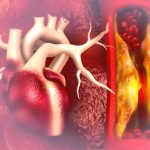 (NaturalHealth365) Atherosclerosis, the buildup of plaque in the arteries, is a major driver of heart disease. In fact, heart disease claims over 647,000 lives a year in the United States, making it the Number One cause of death in the nation. Clearly, atherosclerosis is a major health threat. And, while Western medicine attempts to “treat” the condition with stents and cholesterol-lowering drugs, these therapies often feature a wide range of unwanted side effects.
Fortunately, natural solutions exist! Scientific research (including a clinical study published just this year) has demonstrated that two plant extracts – French maritime pine bark and Centella asiatica – can fight atherosclerosis naturally and safely.
Great NEWS: You can fight atherosclerosis naturally with appropriate supplementation, proper nutrition and healthy lifestyle choices
Atherosclerosis – in which cholesterol-laden plaque constricts the flow of oxygen-rich blood – affects the medium and large-sized arteries. Atherosclerosis in the coronary artery can cause shortness of breath and angina (chest pain due to insufficient oxygen). If a complete blockage occurs, a deadly heart attack can result.
When atherosclerosis affects the carotid artery supplying blood to the brain and neck, blockages can cause a catastrophic stroke.
A growing number of integrative doctors – including world-renowned holistic cardiologist Joel Kahn, M.D. – believe that atherosclerosis is not only treatable but reversible. Dr. Kahn maintains that a routine of supplementation, nutrition and exercise can help reverse the artery-clogging effects of atherosclerosis and prevent life-threatening cardiovascular events.
Dr. Kahn has stated that he is “particularly impressed” by studies that highlight the effects of pine bark and Centella asiatica on atherosclerosis.
Do NOT ignore the health dangers linked to toxic indoor air. These chemicals – the ‘off-gassing’ of paints, mattresses, carpets and other home/office building materials – increase your risk of headaches, dementia, heart disease and cancer.
Get the BEST indoor air purification system – at the LOWEST price, exclusively for NaturalHealth365 readers. I, personally use this system in my home AND office. Click HERE to order now – before the sale ends.
Study reveals: Pine bark and Centella asiatica significantly reduced atherosclerotic plaque while improving stabilization
In a 2016 Italian study of 50 patients with high oxidative stress and plaque in the carotid arteries, participants received either a placebo or a combination of pine bark extract and Centella asiatica daily for three months.
The researchers used ultrasound imaging to determine that the extract group had less oxidative stress and arterial plaque when compared to the control group. In addition, the stability of their plaque increased.
In other words, the atherosclerotic plaques became smaller, denser and less likely to rupture – thereby reducing the chance of a blood clot and subsequent stroke or heart attack. A pretty major pay-off for simply taking two natural plant-based substances!
A year later, these encouraging results were reinforced by a larger study of longer duration.
In a four-year trial of 391 patients with atherosclerosis of the carotid or femoral arteries, one group was treated with a combination of pine bark extract and Centella asiatica and one was treated with pine bark extract alone. A third group received a placebo.
All participants received diet, exercise and lifestyle counseling as well.
While the pine bark extract group showed some reductions in markers of atherosclerosis, it was the “combination” group that enjoyed the strongest benefits. The scientists found that this group had the greatest reductions in plaque size and length – and that their incidence of angina was slashed in half.
In addition, they experienced a lower rate of heart attacks. Researchers knew they were on to something.
But, the most compelling research was yet to come.
Bombshell study: Pine bark extracts and Centella asiatica reduce risk of severe cardiovascular events in patients with atherosclerosis
In a three-year trial published in Minerva Cardioangiologica, men with progressive atherosclerosis were randomly divided into three groups. This time, researchers added aspirin (which has been shown to lessen the inflammation associated with atherosclerosis) to the mix.
One group received standard counseling on diet, exercise and lifestyle, while a second group received counseling and 100 mg of aspirin a day. A third group received a pine bark/Centella/aspirin combination along with standard counseling.
After three years, 22 percent of the patients in the counseling-only group experienced cardiovascular events requiring hospitalization. Those in the aspirin group fared better, with a rate of 12 percent.
The real standout, however, was the outcome for the “extracts plus aspirin” group: a miniscule 3.5 percent hospitalization rate.
The impressed team concluded that combined supplementation with pine bark and Centella asiatica appears to control both the progression of atherosclerosis and the occurrence of cardiological events.
Better together: Potent pair of extracts delivers a “one-two” punch against atherosclerosis
It’s not surprising that these two plant-based therapies can help fight atherosclerosis naturally. Both are rich in antioxidant constituents (such as procyanidins, asiaticosides, phenolic acids and triterpenoids), allowing them to combat the inflammation and oxidative stress that trigger arterial plaque formation.
Centella asiatica, known in Ayurveda as “gotu kola,” is available as an extract. Experts advise a formulation standardized to contain 40 percent asiaticosides and 30 percent asiatic acid, with typical amounts of 150 to 450 mg a day.
French maritime pine bark extracts are often sold under the brand name Pcynogenol, and are normally advised at levels around 200 mg a day. As an added “bonus:” Pycnogenol has been shown to increase intracellular levels of glutathione, the body’s most important antioxidant.
Of course, don’t use these plant extracts to treat atherosclerosis, or any other medical condition, without first consulting your skilled integrative doctor.
You can also fight atherosclerosis naturally by quitting smoking, getting moderate exercise, maintaining a healthy weight and consuming a plant-based diet high in antioxidant-rich fruits and vegetables and healthy monounsaturated fats.
Dr. Kahn declares that he has witnessed powerful results after recommending pine bark and gotu kola to thousands of patients – including arterial age that drops by “decades, after only a year or two of therapy.”
Obviously, this plant-based treatment is too important to ignore.
Sources for this article include:
LifeExtension.com
MayoClinic.org
MSKCC.org
NIH.gov
MerckManuals.com
Five Natural Substances to Reduce Facial Wrinkles
© 22nd September 2020 GreenMedInfo LLC. This work is reproduced and distributed with the permission of GreenMedInfo LLC. Want to learn more from GreenMedInfo? Sign up for the newsletter here www.greenmedinfo.com/greenmed/newsletter
Reproduced from original article:
www.greenmedinfo.com/blog/five-natural-substances-reduce-facial-wrinkles
Posted on: Tuesday, September 22nd 2020 at 4:30 pm
Written By: GreenMedInfo Research Group
This article is copyrighted by GreenMedInfo LLC, 2020

Food feeds your skin, and this is clearly demonstrated by how a number of natural ingredients and herbal extracts can help reduce and prevent facial wrinkles. Here are five time-tested ways to say goodbye to those deep, unnerving wrinkles
While it’s impossible to turn back the hands of time, there are natural ways that can help manage the effects of aging along with the wrinkles and age spots that come with it.
Part of combating wrinkles and other age-related spots and imperfections is understanding the story of your skin: it mirrors your body’s health from the inside out, reflecting all the toxins and chemicals in food and the environment, chronic stress, activity level and other lifestyle choices you make.
It’s worth knowing that many wrinkles are not permanent and may even be reversible. They are often a sign that your body needs to be better hydrated.
The jury is still out on what the actual fountain of youth is, but there are natural substances that can effectively slow the appearance of wrinkles and keep your skin looking radiant and youthful for a very long time.
Food, for instance, feeds your skin; what you eat can radically affect the appearance of wrinkles. A study showed that women who consumed more green and yellow vegetables had significantly fewer wrinkles.[i] Skin-friendly fats are also found in grass-fed meat and dairy, wild-caught salmon, coconut oil and olive oil, to name a few.
Even daily consumption of almonds, a healthy snack, may reduce the severity and depth of wrinkles in postmenopausal women, highlighting almonds’ potential anti-aging benefits.[ii] Further, here are additional alternatives to costly, synthetic beauty products to help zap those wrinkles away.
1. Date Palm Kernel
Research shows that the date palm kernel contains phytochemicals that can potentially rejuvenate skin.
A 2019 study, in exploring the effects of a cream containing its extract on facial wrinkle reduction and other skin parameters in healthy subjects, found that an eight-week regimen improved facial skin hydration, elasticity and melanin concentration.[iii]
It also reduced wrinkle size and depth. The cream was well-tolerated by the participants’ skin, and the effects may be attributed to the major phytochemicals and phytosterols offered by the extract.
2. Green Tea and Ginkgo
A combination of green tea and ginkgo biloba extracts was found effective in enhancing skin conditions and making it more elastic.[iv]
This was concluded by researchers in a preclinical study on hairless mice as well as a clinical study on 48 human volunteers. The green tea and ginkgo extracts combined substantially enhanced epidermis thickness and the number of cell layers, suggesting a moisturizing effect in the deeper layers of skin as well as increased cell renewal.
3. Pine Bark and Antioxidants
A multi-nutrient mixture made up of vitamin C, vitamin E, carotenoids, selenium, zinc, amino acids and glycosaminoglycans, blueberry extract and pycnogenol, which is derived from the French maritime pine tree, improved visible signs of aging in women ages 45 to 73.[v] Skin elasticity was raised by 9% after six weeks of treatment, while skin roughness was 6% lower after 12 weeks of treatment.
4. Pomegranate Cream
A study from February 2020 found that an anthocyanins-rich pomegranate cream as a topical formulation can have strong anti-aging activity.[vi] Anthocyanins are antioxidant compounds that offer pomegranate arils their color. They can protect skin from oxidant exposure, a major factor in the acceleration of aging and skin degeneration.
5. Red Ginseng
Red ginseng isn’t known as Panax for nothing, as the word means “cure for all.” It’s a fabulous herbal remedy for practically all body ailments there are.
It has also emerged as an excellent skin whitening and anti-aging product, helping suppress the production of melanin or the pigment that gives color to skin.[vii] In an experiment, it also reduced wrinkle formation, inhibited collagen degradation and enhanced the resilience, moisture and tone of skin.
Note that red ginseng is a form of unpeeled and steamed Panax ginseng, also referred to as Asian or Korean ginseng. It is believed to have “heating” action that improves circulation. Red ginseng is available in liquid extracts, tinctures, capsules and powders.
Visit the GreenMedInfo.com database for at least 157 more abstracts with aging skin research.
Also, learn about the dangers of BOTOX treatments: Botox’s Ugly ‘Side Effects’ Run Deeper Than Skin, Alter Mind & Numb Emotion

References
[i] Nagata C et al “Association of dietary fat, vegetables and antioxidant micronutrients with skin ageing in Japanese women” Br J Nutr. 2010 May;103(10):1493-8. Epub 2010 Jan 20.
[ii] Foolad N et al “Prospective randomized controlled pilot study on the effects of almond consumption on skin lipids and wrinkles” Phytother Res. 2019 Oct 1. Epub 2019 Oct 1.
[iii] Alsohaimi A et al “Assessment of the Effect of Extract Formulation of Date Palm Kernel on Facial Skin Wrinkles: Biophysical Measurements and Digital Profilometry” J Cosmet Sci. 2019 Nov/Dec;70(6):277-290.
[iv] Campos P et al “Synergistic effects of green tea and ginkgo biloba extracts on the improvement of skin barrier function and elasticity” J Drugs Dermatol. 2014 Sep ;13(9):1092-7.
[v] Segger D et al “Supplementation with Evelle improves skin smoothness and elasticity in a double-blind, placebo-controlled study with 62 women” J Dermatolog Treat. 2004 Jul;15(4):222-6.
[vi] Abdellatif A et al “Anthocyanins rich pomegranate cream as a topical formulation with anti-aging activity” J Dermatolog Treat. 2020 Feb 5:1-8. Epub 2020 Feb 5.
[vii] Saba E et al “Korean Red Ginseng extract ameliorates melanogenesis in humans and induces antiphotoaging effects in ultraviolet B-irradiated hairless mice” J Ginseng Res. 2020 May ;44(3):496-505. Epub 2019 May 15.
The GMI Research Group (GMIRG) is dedicated to investigating the most important health and environmental issues of the day. Special emphasis will be placed on environmental health. Our focused and deep research will explore the many ways in which the present condition of the human body directly reflects the true state of the ambient environment.
Disclaimer: This article is not intended to provide medical advice, diagnosis or treatment. Views expressed here do not necessarily reflect those of GreenMedInfo or its staff.
Why You Should Eat Two Apples a Day
© 16th September 2020 GreenMedInfo LLC. This work is reproduced and distributed with the permission of GreenMedInfo LLC. Want to learn more from GreenMedInfo? Sign up for the newsletter here www.greenmedinfo.com/greenmed/newsletter
Reproduced from original article:
https://www.greenmedinfo.com/blog/why-you-should-eat-two-apples-day
Posted on: Saturday, September 12th 2020 at 2:00 pm
Written By: GreenMedInfo Research Group
This article is copyrighted by GreenMedInfo LLC, 2020

A 2020 study points to apples’ ability to mediate significant gut microbial metabolic activity. All it takes: two apples a day. In light of the increasing link between gut microbiota and human wellness, this new association is worth exploring and further vouches for this fruit’s superfood and super healer status
The old saying that eating an apple a day will keep the doctor away may have some scientific basis after all, as scientific literature is packed with findings that vouch for this fruit’s healthful benefits.
Showing that the saying above goes beyond folk medicine fantasy, a study found that eating one apple a day for four weeks translated to lower blood levels of oxidized low-density lipoprotein//beta2-glycoprotein I complex, which may contribute to atherosclerosis, by 40% among healthy, middle-aged individuals.[i]
Apple consumption has also been the subject of a few studies on reducing cancer risk, including liver cancer, breast cancer and esophageal cancer.[ii] A study published in February 2020 points to apples’ ability to mediate significant gut microbial metabolic activity. All it takes: two apples a day.
Study Findings
Apples are a frequently consumed fruit and a reliable source of polyphenols and fiber, an important mediator for their health-protective effects.[iii]
Validated biomarkers of food intake (BFIs) have recently been suggested as a good tool for assessing adherence to dietary guidelines. New biomarkers have[iv] surfaced in recent decades from metabolic profiling studies for different foods, yet the number of comprehensively validated BFIs remains limited.
BFIs offer an accurate measure of intake, independent of the memory and sincerity of the subjects as well as of their knowledge about the consumed foods.[v] They overcome food intake measurement with inherent limitations, such as self-reported dietary intake questionnaires, as they objectively assess food intake without biased self-reported assessment.
The researchers sought to identify biomarkers of long-term apple consumption, exploring how the fruit affects human plasma and urine metabolite profiles. In their randomized, controlled, crossover intervention study, they recruited 40 mildly hypercholesterolemia patients and had them consume two whole apples or a sugar and energy-matched beverage daily for eight weeks.
At the end of the trial, they found 61 urine and nine plasma metabolites that were statistically significant after the whole apple intake compared to the control beverage. The metabolites included several polyphenols that could serve as BFIs.
Interestingly, the study allowed the group to explore correlations between metabolites significantly modulated by the dietary intervention and fecal microbiota species at genus level — specifically interactions shared by Granulicatella genus and phenyl-acetic acid metabolites.
“[T]he identification of polyphenol microbial metabolites suggests that apple consumption mediates significant gut microbial metabolic activity which should be further explored,” they wrote.[vi]
Gut Health Affects Your Whole Body
The link between the gut microbiota and human wellness is being increasingly recognized, where it is now well-established that healthy gut flora is a key part of your overall health.[vii]
Previous studies corroborate that the richness of the human gut microbiome correlates with metabolic markers. In a study on 123 non-obese and 169 obese Danish individuals, a group of scientists found two distinct groups displaying a difference in the number of gut microbial genes and thus the richness of gut bacteria in the two groups.[viii]
Individuals with a low bacterial richness had more marked overall adiposity and insulin resistance, for instance, compared with high bacterial richness subjects. The obese subjects among the lower bacterial richness group also tended to gain more weight over time.
A series of largely pre-clinical observations showed, too, that changes in brain-gut-microbiome communication may be involved in the pathogenesis and pathophysiology of irritable bowel syndrome, obesity and several psychiatric and neurologic disorders.[ix]
Additional Apple Benefits
More benefits of apple intake are coming out of the medical literature, confirming its superfood and super healer status that shouldn’t be missed out on.
These benefits include addressing common issues such as aging (reduced rate), allergies, alopecia or hair loss, diarrhea, insulin resistance, radiation-induced illness, and Staphylococcal infection. In the area of cancer treatment, apples have been found to both prevent and suppress mammary cancers in the animal model, while carotenoids extracted from the fruit have been found to inhibit drug-resistant cancer cell line proliferation.[x]
The GreenMedInfo.com database contains 156 abstracts with apple research, scrutinizing the health benefits of apples and their related compounds.

References
[i] Shi Zhao et al “Intakes of apples or apple polyphenols decease plasma values for oxidized low-density lipoprotein/beta2-glycoprotein I complex” J Funct Foods. 2013 Jan;5(1):493-97.
[ii] Pierini R et al “Procyanidin effects on oesophageal adenocarcinoma cells strongly depend on flavan-3-ol degree of polymerization” Mol Nutr Food Res. 2008 Dec;52(12):1399-407. PMID: 18683822
[iii] Ulaszewska M et al “Two apples a day modulate human:microbiome co-metabolic processing of polyphenols, tyrosine and tryptophan” Eur J Nutr. 2020 Feb 26. Epub 2020 Feb 26. PMID: 32103319
[iv] Picó C et al “Biomarkers of Nutrition and Health: New Tools for New Approaches” Nutrients. 2019 May; 11(5): 1092. Published online 2019 May 16.
[v] Münger L et al “Biomarker of food intake for assessing the consumption of dairy and egg products” Genes Nutr. 2018; 13: 26. Epub 2018 Sep 29.
[vi] Ulaszewska M et al “Two apples a day modulate human:microbiome co-metabolic processing of polyphenols, tyrosine and tryptophan” Eur J Nutr. 2020 Feb 26. Epub 2020 Feb 26. PMID: 32103319
[vii] Jandhyala S et al “Role of the normal gut microbiota” World J Gastroenterol. 2015 Aug 7; 21(29): 8787-8803. Epub 2015 Aug 7.
[viii] Le Chatelier E et al “Richness of human gut microbiome correlates with metabolic markers” Nature. 2013 Aug 29;500(7464):541-6.
[ix] Martin C et al “The Brain-Gut-Microbiome Axis” Cell Mol Gastroenterol Hepatol. 2018 ;6(2):133-148. Epub 2018 Apr 12.
[x] Molnár P et al “Biological activity of carotenoids in red paprika, Valencia orange and Golden delicious apple” Phytother Res. 2005 Aug;19(8):700-7.
How glutathione recycling helps support a strong immune system
Reproduced from original article:
www.naturalhealth365.com/glutathione-recycling-3542.html
by: Lori Alton, staff writer | September 4, 2020
 (NaturalHealth365) Threats to health – including exposure to environmental toxins, heavy metals, EMF radiation, bacteria and viruses – seem to be everywhere these days, highlighting the need for a strong, efficient immune system. And, with 80 percent of the immune system located in the gut, it’s easy to see that immune health and gut health are closely connected.
In fact, scientific research showcases the ability of a natural molecule, glutathione, to support the health of the immune system. But, this amazing substance must be effectively regenerated and recycled by the body before it can accomplish its life-sustaining tasks. Let’s take a closer look at this important topic.
Glutathione recycling is essential for combating oxidative stress and inflammation
Often called the body’s master antioxidant, glutathione is truly a “workhorse” when it comes to battling oxidative stress. Specifically, glutathione works with other important natural antioxidants in the body to quench the harmful effects of free radicals, which would otherwise damage cells and tissue and trigger disease.
The process involves free radicals being passed down a chain, moving from vitamin C to vitamin E to lipoic acid and finally to glutathione. In other words, when it comes to battling oxidation and inflammation, the “buck” really does stop with glutathione.
Glutathione then neutralizes the free radicals, and – for good measure – replenishes and recycles the other antioxidants. In the process, however, the glutathione “sacrifices” itself, necessitating that another protective glutathione molecule be created to take its place.
In the case of serious injury or illness, glutathione may be depleted more quickly than it can be produced, unleashing a cascade of disastrous health effects. In fact, many integrative healthcare providers warn that a deficiency is associated with virtually all chronic diseases such as, heart disease, cancer, type 2 diabetes, arthritis and Alzheimer’s disease.
Do NOT ignore the health dangers linked to toxic indoor air. These chemicals – the ‘off-gassing’ of paints, mattresses, carpets and other home/office building materials – increase your risk of headaches, dementia, heart disease and cancer.
Get the BEST indoor air purification system – at the LOWEST price, exclusively for NaturalHealth365 readers. I, personally use this system in my home AND office. Click HERE to order now – before the sale ends.
Glutathione helps to heal intestinal permeability and overall gut health issues
Also known as “leaky gut,” increased intestinal permeability occurs when the connective junctions between the cells lining the intestines become loose – which can occur as a result of poor nutrition, exposure to environmental toxins, infections, food allergies, antibiotics, NSAID drugs and aging.
This allows harmful foreign substances – such as particles of undigested food, pathogens and toxins – to enter the bloodstream, causing an inappropriate immune response and triggering a variety of ills that can include systemic inflammation, cognitive decline, skin rashes, joint pain, irritable bowel syndrome and celiac disease.
Moreover, leaky gut disrupts the balance of the gut microbiota (beneficial bacteria). Imbalances in gut bacteria have been linked with obesity, type 2 diabetes, atherosclerosis and fatty liver disease. Natural health experts maintain that glutathione helps to prevent and treat leaky gut by protecting the epithelial cells of the intestinal tract and strengthening the tight junctions between them.
And, glutathione’s three “building blocks” – the amino acids glutamine, cysteine and glycine – allow it to not only protect cells, but directly nourish them. Assorted studies show that glutamine and glycine are the preferred “fuel” for intestinal lining cells. Research bears out the remarkable ability of glutathione and its constituents to fight leaky gut.
In an influential review of studies published in 2011 in Journal of Epithelial and Biological Pharmacology, the authors credited glutamine in glutathione with playing a “vital role in the maintenance of mucosal integrity.”
Study: Glutathione caused natural killer cells to double
Glutathione combats bacteria and viruses by activating infection-fighting white blood cells, such as natural killer cells and T-cells. In one double-blind, placebo-controlled clinical trial, participants were divided into three groups and given either low amounts of glutathione (250 mg a day), higher amounts (1,000 mg a day) or a placebo.
The results were definitive – and encouraging!
After six months, the team found that the high-amount of glutathione boosted the disease-fighting effect of natural killer cells by a stunning 100 percent! By the way, scientists credit glutathione with the ability to promote both innate and adaptive immunity.
Keep in mind: innate immunity deals with non-specific threats and involves a general physical and cellular response – while adaptive immunity recognizes various microbial threats and develops a unique immune system response for each one. Obviously, both forms of immunity are essential.
Finally, in a review published in Proceedings of the Nutrition Society, the authors noted the importance of glutathione to immune health, reporting that the immune system works best when the lymphoid cells have a delicately balanced intermediate level of glutathione.
Promote glutathione recycling through natural techniques
One of the best ways to boost glutathione recycling and production is to increase your dietary intake of cruciferous vegetables, such as broccoli – and of high-cysteine foods such as cage-free eggs, grass-fed beef and organic whole grains.
As always, we recommend bioactive, non-pasteurized non-denatured whey protein as a superb source of cysteine.
Supplements that can help recycle glutathione include N-acetyl-cysteine, alpha lipoic acid, B-complex vitamins such as folate, B6 and B12. And, don’t forget the antioxidant vitamins C and E. In addition to being recycled by glutathione, they can “return the favor” and recycle glutathione themselves.
If you would like to try glutathione supplementation, liposomal glutathione is believed to be the most bioavailable form. As an added “bonus,” liposomal glutathione also contains phosphatidycholine, a highly beneficial fat molecule that can soothe intestinal inflammation.
Natural health experts typically advise glutathione supplementation of 250 to 600 mg a day. Of course, check with your integrative physician before supplementing.
With immune-boosting and detoxifying effects across the board, glutathione is clearly “good stuff” – especially during these physically (and emotionally) challenging times.
Sources for this article include:
Top Six Benefits of Selenium
© 6th September 2020 GreenMedInfo LLC. This work is reproduced and distributed with the permission of GreenMedInfo LLC. Want to learn more from GreenMedInfo? Sign up for the newsletter here www.greenmedinfo.com/greenmed/newsletter
Reproduced from original article:
www.greenmedinfo.com/blog/top-six-benefits-selenium
Posted on: Saturday, August 29th 2020 at 5:15 pm
Written By: Dr. Diane Fulton
This article is copyrighted by GreenMedInfo LLC, 2020

Did you know that selenium, an essential mineral, has the ability to protect your health in multiple ways and is abundant in Brazil nuts?
Selenium is an important mineral for your body and only a small amount is needed (the recommended daily intake is 55 micrograms (mcg)).[1] Due to poor soil,[2] taking certain pharmaceutical drugs such as statins[3],[4] and the normal aging process,[5] selenium is one of the most common mineral deficiencies in the world.
Selenium is linked to many healthy outcomes, including protection from diseases and reduction of disease symptoms. An easy way to help ensure your selenium level is optimal is to eat several Brazil nuts every day.
Six Top Benefits of Selenium
1. Antioxidant and Reduces Oxidative Stress
As an antioxidant, selenium is even more beneficial than vitamins A, C, D and E and helps to decrease oxidative stress, which is the result of an imbalance in the body between free radicals and antioxidants.[6]
Oxidative stress contributes to a variety of diseases such as diabetes, atherosclerosis (hardening of the blood vessels), inflammatory conditions, high blood pressure, heart disease, neurodegenerative diseases (such as Parkinson’s and Alzheimer’s) and cancers and contributes to aging.[7]
Supplementing with selenium was reviewed in 13 studies showing significant impact on three antioxidant markers, thus reducing oxidative stress.[8]
Eating Brazil nuts (approximately three per day for 12 weeks) was found to increase plasma selenium, increase enzymatic antioxidant activity of glutathione peroxidase and reduce oxidation in low-density lipoprotein (LDL) cholesterol in a study of 91 patients with high blood pressure and problematic lipid profiles.[9]
2. Boosts Skin Health
In a meta-analysis of 27 studies with a total of 1,315 patients and 7,181 healthy controls, selenium levels were found to be low in patients with four skin diseases: psoriasis, acne vulgaris, chloric acne and atopic dermatitis.[10]
Another research study of DNA reprogramming of inflammatory cells confirms that higher selenium levels may instill protective properties for genes important for psoriasis prevention and treatment.[11]
Selenium was also found to be beneficial in the treatment of psoriasis in a systematic review of research.[12] In addition, selenium has been related to improvements in skin aging (skin elasticity and skin roughness).[13]
Blood glutathione peroxidase (low levels indicate increased damage to cell membranes due to accumulation of free radicals and signify low selenium levels)[14] was measured in 61 healthy subjects and 506 patients with various skin disorders (i.e., psoriasis, eczema, atopic dermatitis, vasculitis, mycosis fungoides and dermatitis herpetiformis, pemphigoid, acne conglobata, polymyositis, rheumatoid arthritis, scleroderma and systemic lupus erythematodes) and supplementation with selenium and vitamin E restored the skin’s balance.[15]
3. Benefits Asthma
Asthma (a condition with breathing difficulties, coughing and sneezing) is a complicated disease to treat and is associated with increased inflammation, oxidative stress and abnormal immune system function. In a meta-analysis of 40 studies, asthma patients showed significantly lower levels of selenium compared to healthy subjects, suggesting lower selenium intake could be a risk factor for the disease.[16]
As mentioned, selenium, as an antioxidant, has been found to lower oxidative stress. This,in turn, seems to reduce allergic asthma.[17] In addition, dietary selenium as an antioxidant therapy may be important in optimizing asthma treatment and prevention.[18]
In a study of 25 asthmatic patients and 25 healthy subjects, asthmatics had lower concentrations of selenium, increased oxidative stress markers and inflammation and decreased antioxidant glutathione peroxidase activity and lung function.[19]
Nutritional supplement therapy including selenium balanced oxidant stress, inflammation and immune system responses, pulmonary function and health-related quality of life in patients with mild to moderate allergic asthma.[20]
4. Helps Prevent and Improve Thyroid Diseases
Selenium is an essential micronutrient for your body and readily found in the thyroid. As a supplement, it can help prevent immune-mediated thyroid disorders by reducing anti-thyroperoxidase antibody levels and improving thyroid ultrasound features.[21]
The prevalence of pathological thyroid conditions (hypothyroidism, subclinical hypothyroidism, autoimmune thyroiditis, enlarged thyroid) was significantly lower in the adequate-selenium group than in the low-selenium group (18% versus 30.5%) in a sample of 6,152 subjects in China.[22]
Selenium administration (200 milligrams per day) significantly improved quality of life, reduced ocular involvement and slowed progression of 159 patients with mild Graves’ orbitopathy (also called thyroid eye disease).[23]
5. Promotes Heart Health
The combination of high blood pressure, high blood sugar, obesity and high cholesterol is called metabolic syndrome and when these conditions occur together, they dramatically increase your risk of heart disease, stroke and Type 2 diabetes.[24]
In a study of 2,069 patients, dietary selenium intake had a moderate negative association with metabolic syndrome.[25] In a study of 501 British volunteers aged 60 to 74 years, supplementation with selenium (100 mcg, 200 mcg, 300 mcg) showed progressive decreases in total cholesterol profiles for those with low selenium levels, but cautions that those with already high selenium intake might be adversely affected by extra selenium supplementation.[26]
In a 12-year follow-up of a group of healthy elderly participants who were supplemented with selenium and coenzyme Q10 for four years, there was a significantly reduced risk for cardiovascular mortality in the treatment group (28.1%) compared to the placebo group (38.7%).[27]
6. Brain Boosting
Alzheimer’s disease, a devastating brain disorder, is characterized by two pathological protein deposits, the senile plaques of amyloid-β and tangles of protein tau. In addition, oxidative stress and neural signal transmission disorders also impact Alzheimer’s.
A large body of studies suggests that selenium (Se), either as Se-containing compounds or as selenoproteins, is involved in most of the molecular pathways that are important in the progression of dementia and therefore have the potential to help prevent or improve Alzheimer’s.[28]
In a mouse model, selenium yeast showed several benefits for Alzheimer’s subjects; it decreased the generation of amyloid-β and enhanced autophagic clearance (old cells are recycled and cleaned out to make room for new cells in the brain), which reduced the burden of amyloid-β accumulation.[29]
Another animal study confirmed that selenium (sodium selenite) significantly decreased tau-positive neurons and reversed Alzheimer’s-like memory and neuropsychiatric symptoms in mice with advanced dementia.[30] Additionally, selenium induced protective effects against experimental dementia-induced brain inflammation and oxidative stress by enhancing the antioxidant system in rats.[31]
In 79 Alzheimer’s patients, probiotic and selenium co-supplementation for 12 weeks improved cognitive function and some metabolic profiles such as lipid, antioxidant and insulin levels.[32] Selenium and zinc are essential trace elements and an inadequate dietary intake has been implicated in the decline of immune and cognitive functions in aged persons and influences age-related disorders, such as Alzheimer’s and Type 2 diabetes.[33]
Selenium and Health
Selenium, a widely researched essential mineral, is beneficial to your health due to its antioxidant, anti-inflammatory, neuroprotective, immunomodulatory (regulates immune functions) and cardioprotective properties. See more research about the effects of selenium deficiency and selenium supplementation on overall well-being at GreenMedInfo.com.

References
[1] Office of Dietary Supplements, National Institutes of Health, Factsheets, Selenium. https://ods.od.nih.gov/factsheets/Selenium-HealthProfessional/#en39
[2] Gerrad D. Jones, Boris Droz, Peter Greve, Pia Gottschalk, Deyan Poffet, Steve P. McGrath, Sonia I. Seneviratne, Pete Smith, Lenny H. E. Winkel. Climate change affects selenium deficiency risk Proceedings of the National Academy of Sciences Mar 2017, 114 (11) 2848-2853; doi: 10.1073/pnas.1611576114
[3] Andrea Kromer, Bernd Moosmann. Statin-induced liver injury involves cross-talk between cholesterol and selenoprotein biosynthetic pathways. Mol Pharmacol. 2009 Jun;75(6):1421-9. Epub 2009 Mar 30. PMID: 19332511
[4] Bernd Moosmann, Christian Behl. Selenoprotein synthesis and side-effects of statins. Lancet. 2004 Mar 13;363(9412):892-4. PMID: 15031036
[5] Cai, Zhonglin & Zhang, Jianzhong & Hongjun, Li. (2018). Selenium, aging and aging-related diseases. Aging Clinical and Experimental Research. doi.10.1007/s40520-018-1086-7.
[6] Best Medicine Book. info, Top 5 Health Benefits of Selenium. https://bestmedicinebook.info/top-5-health-benefits-of-selenium/
[7] Healthline.com, Health, Oxidative Stress. https://www.healthline.com/health/oxidative-stress
[8] Motahareh Hasani, Shirin Djalalinia, Maryam Khazdooz, Hamid Asayesh, Maryam Zarei, Armita Mahdavi Gorabi, Hossein Ansari, Mostafa Qorbani, Ramin Heshmat. Effect of selenium supplementation on antioxidant markers: a systematic review and meta-analysis of randomized controlled trials. Hormones (Athens). 2019 Dec ;18(4):451-462. Epub 2019 Dec 10. PMID: 31820398
[9] Grazielle V B Huguenin, Glaucia M Oliveira, Annie S B Moreira, Tatiana D Saint’Pierre, Rodrigo A Gonçalves, Alessandra R Pinheiro-Mulder, Anderson J Teodoro, Ronir R Luiz, Glorimar Rosa. Improvement of antioxidant status after Brazil nut intake in hypertensive and dyslipidemic subjects. Nutr J. 2015 ;14:54. Epub 2015 May 29. PMID: 26022214
[10] Jun Lv, Ping Ai, Shuying Lei, Faqiong Zhou, Shangzhou Chen, Yang Zhang. Selenium levels and skin diseases: systematic review and meta-analysis. J Trace Elem Med Biol. 2020 May 20 ;62:126548. Epub 2020 May 20. PMID: 32497930
[11] Hristina Kocic, Giovanni Damiani, Bojana Stamenkovic, Michael Tirant, Andrija Jovic, Danica Tiodorovic, Ketty Peris. Dietary compounds as potential modulators of microRNA expression in psoriasis. Ther Adv Chronic Dis. 2019 ; doi: 10:2040622319864805. Epub 2019 Aug 7. PMID: 31431821.
[12] Janelle R Ricketts, Marti J Rothe, Jane M Grant-Kels. Nutrition and psoriasis. Clin Dermatol. 2010 Nov-Dec;28(6):615-26. PMID: 21034986.
[13] D Segger, F Schönlau. Supplementation with Evelle improves skin smoothness and elasticity in a double-blind, placebo-controlled study with 62 women. J Dermatolog Treat. 2004 Jul;15(4):222-6. PMID: 15764035.
[14] Mayo Clinic Labs, Clinical and Interpretive. https://www.mayocliniclabs.com/test-catalog/Clinical+and+Interpretive/9765
[15] L Juhlin, L E Edqvist, L G Ekman, K Ljunghall, M Olsson. Blood glutathione-peroxidase levels in skin diseases: effect of selenium and vitamin E treatment. Acta Derm Venereol. 1982 ;62(3):211-4. PMID: 6179360
[16] Meng Chen, Yongye Sun, Yili Wu. Lower circulating zinc and selenium levels are associated with an increased risk of asthma: evidence from a meta-analysis. Public Health Nutr. 2019 Nov 5:1-8. Epub 2019 Nov 5. PMID: 31685060
[17] Norton RL, Hoffmann PR. Selenium and asthma. Mol Aspects Med. 2012 Feb;33(1):98-106. doi: 10.1016/j.mam.2011.10.003 Epub 2011 Oct 15. PMID: 22024250; PMCID: PMC3246085.
[18] Riedl MA, Nel AE. Importance of oxidative stress in the pathogenesis and treatment of asthma. Curr Opin Allergy Clin Immunol. 2008;8(1):49-56. doi: 10.1097/ACI.0b013e3282f3d913, PMID: 18188018
[19] Chih-Hung Guo, Po-Jen Liu, Simon Hsia, Chia-Ju Chuang, Pei-Chung Chen. Role of Certain Trace Minerals in Oxidative Stress, Inflammation, CD4/CD8 Lymphocyte Ratios and Lung Function in Asthmatic Patients, Ann Clin Biochem. 2011 Jul;48(Pt 4):344-51. PMID: 21546427, doi: 10.1258/acb.2011.010266. Epub 2011 May 5.
[20] Guo CH, Liu PJ, Lin KP, Chen PC. Nutritional supplement therapy improves oxidative stress, immune response, pulmonary function, and quality of life in allergic asthma patients: an open-label pilot study. Altern Med Rev. 2012 Mar;17(1):42-56. PMID: 22502622.
[21] Liliana R Santos, Celestino Neves, Miguel Melo, Paula Soares. Selenium and Selenoproteins in Immune Mediated Thyroid Disorders. Diagnostics (Basel). 2018 Oct 4 ;8(4). Epub 2018 Oct 4. PMID: 30287753
[22] Qian Wu, Margaret P Rayman, Hongjun Lv, Lutz Schomburg, Bo Cui, Chuqi Gao, Pu Chen, Guihua Zhuang, Zhenan Zhang, Xiaogang Peng, Hua Li, Yang Zhao, Xiaohong He, Gaoyuan Zeng, Fei Qin, Peng Hou, Bingying Shi. Low population selenium status is associated with increased prevalence of thyroid disease. J Clin Endocrinol Metab. 2015 Aug 25, doi: 10.1210/jc.2015-2222, Epub 2015 Aug 25. PMID: 26305620.
[23] Marcocci C, Kahaly GJ, Krassas GE, Bartalena L, Prummel M, Stahl M, et al. Selenium and the course of mild Graves’ orbitopathy. N Engl J Med 2011;364:1920-31. PMID: 21591944, doi: 10.1056/NEJMoa1012985
[24] Mayo Clinic, Diseases – Conditions, Metabolic Syndrome. https://www.mayoclinic.org/diseases-conditions/metabolic-syndrome/symptoms-causes/syc-20351916
[25] Wei J, Zeng C, Gong QY, Li XX, Lei GH, Yang TB. Associations between Dietary Antioxidant Intake and Metabolic Syndrome. PLoS One. 2015 Jun 22;10(6):e0130876. doi: 10.1371/journal.pone.0130876. PMID: 26098747; PMCID: PMC4476578.
[26] Margaret P Rayman, Saverio Stranges, Bruce A Griffin, Roberto Pastor-Barriuso, Eliseo Guallar Effect of Supplementation With High-Selenium Yeast on Plasma Lipids: A Randomized Trial. Ann Intern Med. 2011 May 17; 154(10): 656-665. DOI: 10.7326/0003-4819-154-10-201105170-00005. PMID: 21576533.
[27] Urban Alehagen, Jan Aaseth, Jan Alexander, Peter Johansson. Still reduced cardiovascular mortality 12 years after supplementation with selenium and coenzyme Q10 for four years: A validation of previous 10-year follow-up results of a prospective randomized double-blind placebo-controlled trial in elderly. PLoS One. 2018 ;13(4):e0193120. Epub 2018 Apr 11. PMID: 29641571
[28] Du Xiubo, Wang Chao, Liu Qiong. Potential Roles of Selenium and Selenoproteins in the Prevention of Alzheimer’s Disease. Curr Top Med Chem. 2015 Aug 26. Epub 2015 Aug 26. PMID: 26311427
[29] Guo-Li Song, Chen Chen, Qiu-Yan Wu, Zhong-Hao Zhang, Rui Zheng, Yao Chen, Shi-Zheng Jia, Jia-Zuan Ni. Selenium-enriched yeast inhibitedβ-amyloid production and modulated autophagy in a triple transgenic mouse model of Alzheimer’s disease. Metallomics. 2018 Jul 25. Epub 2018 Jul 25. PMID: 30043821
[30] Ann Van der Jeugd, Arnaldo Parra-Damas, Raquel Baeta-Corral, Carlos M Soto-Faguás, Tariq Ahmed, Frank M LaFerla, Lydia Giménez-Llort, Rudi D’Hooge, Carlos A Saura. Reversal of memory and neuropsychiatric symptoms and reduced tau pathology by selenium in 3xTg-AD mice. Sci Rep. 2018 Apr 24 ;8(1):6431. Epub 2018 Apr 24. PMID: 29691439
[31] Kadir Demirci, Mustafa Nazıroğlu, İshak Suat Övey, Hasan Balaban. Selenium attenuates apoptosis, inflammation and oxidative stress in the blood and brain of aged rats with scopolamine-induced dementia. Metab Brain Dis. 2016 Sep 15. Epub 2016 Sep 15. PMID: 27631101
[32] Omid Reza Tamtaji, Reza Heidari-Soureshjani, Naghmeh Mirhosseini, Ebrahim Kouchaki, Fereshteh Bahmani, Esmat Aghadavod, Maryam Tajabadi-Ebrahimi, Zatollah Asemi. Probiotic and selenium co-supplementation, and the effects on clinical, metabolic and genetic status in Alzheimer’s disease: A randomized, double-blind, controlled trial. Clin Nutr. 2018 Dec 10. Epub 2018 Dec 10. PMID: 30642737
[33] Holger Steinbrenner, Lars-Oliver Klotz. Selenium and zinc: “antioxidants” for healthy aging? Z Gerontol Geriatr. 2020 May 28. Epub 2020 May 28. PMID: 32468295
