Muscle
now browsing by category
You Can Get Stronger and Healthier as You Age!
Reproduced from original article:
https://fitness.mercola.com/sites/fitness/archive/2021/01/01/how-to-be-healthy-and-strong-in-old-age.aspx
Analysis by Dr. Joseph Mercola Fact Checked January 01, 2021

STORY AT-A-GLANCE
- Sarcopenia — age-related muscle loss — threatens a healthy lifespan. Skeletal muscle not only manages physical activity, but also plays a major role in metabolism, circulation and cognition
- Skeletal muscle acts as endocrine organ secreting myokines and transcription factors into the bloodstream, thereby regulating the function of other organs. It also has immune regulatory properties
- The loss of muscle mass with advancing age is thought to be a primary driver of insulin resistance in older adults. Declining muscle strength and reduced physical activity also contribute to metabolic dysfunction
- Four key lifestyle strategies that have allowed me to get stronger with age are time-restricted eating in combination with a cyclical ketogenic diet, exercising while fasting and adding blood flow restriction (BFR) training to my strength training routine
- While doing any one of these in isolation would likely improve your health, when done in combination, they really catalyze synergistic changes that optimize your ability to gain muscle and lose visceral fat
Some of you long-time readers may recall that both my parents passed away a few years back from frailty. My mom was 82, and passed before my dad who was 89. It was deeply saddening to see them deteriorate so rapidly, even more so that I didn’t have a simple strategy to recommend that would slow down their deterioration.
Obviously, there were many factors that contributed to their premature passing, but I sincerely believe frailty and loss of the ability to move freely played a major role. That was a primary motivation for me to avoid the fate of both of my parents through the use of regular exercise.
Your Skeletal Muscle Has Many Functions
Sarcopenia — age-related muscle loss — threatens a healthy lifespan. With society aging worldwide, the prevalence of sarcopenia increases the urgent need to establish prevention and intervention strategies. The U.S. Centers for Disease Control and Prevention now recognizes sarcopenia as an independently reportable medical condition.1
Many don’t realize that skeletal muscle not only manages physical activity, but also plays a major role in metabolism, circulation and cognition, as seen in the following figure.
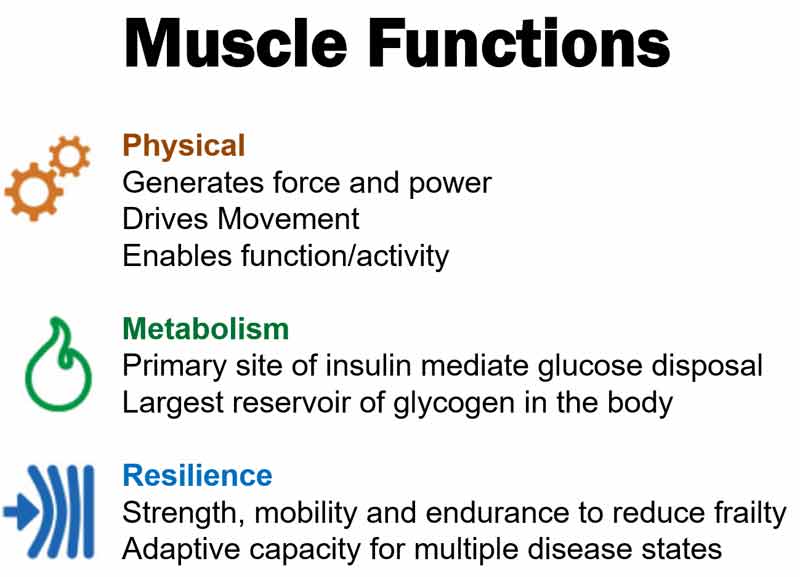
Skeletal muscle not only functions to generate force and movement, but it is now known that your muscles actually serve an important endocrine function. They secrete special cytokines (i.e. myokines) and transcription factors into the bloodstream, thereby regulating the function of other organs. Furthermore, skeletal muscle is a metabolically active tissue with an important role in the maintenance of metabolic homeostasis.
Skeletal muscle is the most abundant tissue, comprising 40% of your body mass,2 and is the primary sink of insulin-mediated glucose disposal. Muscle is also the major site for insulin-stimulated glucose uptake, as well as the main energy consumer of fat.3 After meals, about 80% of glucose is deposited in your skeletal muscle.4,5
How Sarcopenia Sabotages Your Health
The loss of muscle mass with advancing age is thought to be a primary driver of insulin resistance in older adults.6 The declining muscle strength and progressive mobility impairment with age also likely causes a reduction in daily physical activity which can contribute to metabolic dysfunction.7,8
The loss of resilience as a result of sarcopenia is underappreciated as a major factor in the ability to recover from life’s inevitable challenges. It is clear that elderly with low muscle mass experience delayed recovery,9,10 and have higher rates of complications and infections following surgery,11 greater drug toxicity12 and higher disease-specific and all-cause mortality.13
Sarcopenia also predicts both the risk for community-acquired pneumonia in the elderly,14 as well as 90-day mortality in patients suffering from aspiration pneumonia.15
Muscle is increasingly recognized as an organ with immune regulatory properties. As such, skeletal muscle cells modulate immune function by signaling through different soluble factors, cell surface molecules or cell-to-cell interactions.16 It is also speculated that sarcopenia contributes to immunosenescence — the gradual deterioration of your immune system — which is a leading cause of death in the elderly.17
Additionally, recent reviews found strong evidence that frailty due to sarcopenia18 is a risk factor for adverse outcomes, such as longer hospital stay, functional decline at discharge, and both in-hospital and medium, lower quality of life,19 and long-term mortality.20
My Strategy and Recommendation to Combat Sarcopenia
Now, I am no stranger to exercise. I have been exercising since 1968, which is 52 years. The problem is that the first 43 years were exclusively cardio, and in my case long distance running. I like to compete, so I got relatively decent and was eventually able to run a 2:50 marathon, which was good enough back then to get me on the post-graduate University of Chicago Track Club.
Unfortunately, I didn’t realize that while cardiovascular exercise can lower your risk of heart disease, it is a highly catabolic activity and will actually lower your ability to build muscle. Below is a picture of me taken during my peak running condition. As you can see by the arrow, I had a gigantic 10.5-inch arm circumference.
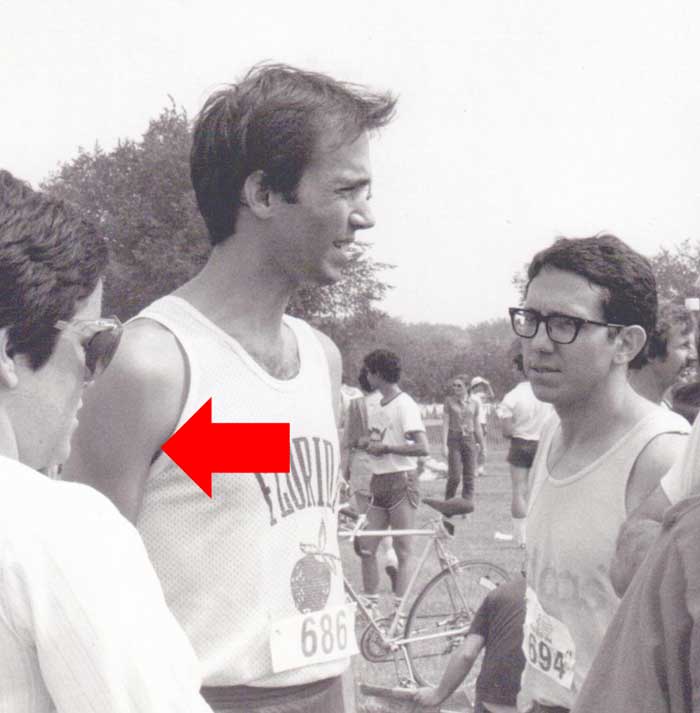
Contrast that to the picture below, taken December 8, 2020, where my arm circumference is 15 inches. I had just finished doing a PR video for the deadlift at 370 pounds. The video (below) was posted to Instagram on the same date.
The blue plates are 45 pounds each; the black ones are the same width as the blue ones, but are plastic and are 25 pounds; and the bar is 50 pounds. My team wanted me to do a story on how I did this to, hopefully, inspire you to similar, if not better, levels of strengt

What Caused the Change?
The simple answer to this question is that I ditched my cardio and started resistance training. It is important to note that these changes did not occur overnight, so please don’t expect immediate results. I was well over 50 when I first started and I’m now 66. It requires consistency and dedication; however, I will share a few tricks that should significantly cut your time to get results.
First, let’s explore the exercise changes. For the last dozen years or so, I have not run at all and have used resistance training as my primary exercise training. I probably lift weights about five hours a week, but I also spend the same amount of time in a variety of stretching and general body movement exercises, so it is a balanced program.
It is key to always have significant recovery period to allow your connective tissue and muscles to recover. That is why I only deadlift once a week or less. Although this is a fabulous total body movement, any exercise done in excess can cause you to get injured and force you to stop exercising.
I made this mistake with wide grip pullups. I used a weight belt with 25 pounds to build my strength so I could eventually do 20 pullups. Unfortunately, I was doing this six or seven times a week and never gave my body enough time to recover. So, I wound up injuring my anterior deltoid muscle, which prevented me from doing that exercise for several months.
I have a regular personal trainer who guides me through these exercises, but he occasionally leaves for a month, and with COVID-19, I didn’t see him for three months, which wasn’t a problem.
If you can’t afford a trainer, there are many GREAT free videos on YouTube that can guide you in lieu of a personal trainer. My favorite YouTube exercise channel is ATHLEAN-X, which has 11 million subscribers, but there are many excellent channels that will teach and guide you for free.
Remember that if you are doing resistance training, avoid doing the same exercise every day to allow your body time to recover and repair so you will get the benefits and avoid injuries.
Food Choices Are Vital to Get These Gains
My understanding of optimizing nutrition for health has been a greater than five-decade journey. At the beginning, I fell into the low-fat diet myth and thought I was eating healthy with my grains and margarine alternatives, but I was fooled. The key here is that I was motivated to make the right choices: I simply lacked proper mentoring and information.
That was one of the primary reasons I started this website over two decades ago. I believed that people didn’t need to make the same silly mistakes I made, and by sharing my insight I could save them needless pain and grief.
Another major mistake was the lack of appreciation of never taking time off from eating. It seemed to make sense that you need to eat around the clock, and that going without food for days could wreck your health by losing muscle mass from inadequate protein intake.
After researching this, I realized it was seriously wrong and actually highly counterproductive. Your body actually requires regular intervals where you aren’t eating and failing to do so is a prescription for metabolic disaster.
Research by Satchidananda Panda, Ph.D., suggests 90% of people are eating more than 12 hours per day, and perhaps 50% of the population eat up to 16 hours a day. There are even many that wake up in the middle of the night to eat.
This is perfectly understandable as you need fuel to run your body and most people, as I wrote extensively in my bestselling book, “Fat for Fuel,” are using carbs, not fat, as their primary fuel. Since your body has a minute supply of stored carbs relative to fats, you simply need to eat far more frequently to avoid feeling ravenously hungry and tired as your body runs out of fuel.
Time-Restricted Eating Is a Key Health Principle
One of the most important health principles is time-restricted eating (TRE), which is a form of intermittent fasting. Contrary to modern belief, your body isn’t designed to be fed throughout the day, and the near-continuous grazing that most engage in can have serious health consequences.
When you eat throughout the day and never skip a meal your body adapts to burning sugar as its primary fuel, resulting in the downregulation of enzymes that utilize and burn stored fat.21,22 As a result, you become progressively more insulin resistant and start gaining weight.
Many biological repair and rejuvenation processes also take place while you’re fasting, and this is another reason why all-day grazing triggers diseases while fasting prevents them.23
There are a number of different intermittent fasting regimes, some of which are more extreme than others, but all are based on the premise that you need to fast for periods of time. TRE is one of the easiest to follow as you simply abstain from food for 16 to 18 hours a day and eat all your meals within a window of two to eight hours. A four- to six-hour window is likely close to metabolic ideal for most.
By restricting the timing of your meals so that you’re fasting for a greater number of hours than you’re eating, your body will, over time, learn to burn fat for fuel again, rather than relying on fast-burning carbs. Eventually, you’ll also start accessing and burning stored body fat.
While TRE will shift your body from carb-burning to fat-burning by itself, it’s more effective when you’re also eating a cyclical ketogenic diet. To learn more about this, see “Why Intermittent Fasting Is More Effective Combined With Ketogenic Diet.”
Help Build Muscle by Combining TRE With Exercise
With respect to exercise, the “magic” formula is to exercise while you are fasting. For most, this means not eating at least three hours before bedtime and exercising first thing in the morning, before breakfast.
The reason you do this is because the mTOR anabolic pathway is maximally suppressed when you are fasting, and suppresses even further with exercise. The mTOR pathway can be likened to a coiled spring — you compress it, and then you eat food and it explodes into action.
mTOR is the signal your body uses to build muscle mass. It really is the key. You need to radically stimulate mTOR to build muscle tissue. You really only want to do this once a day, though, because if you are constantly activating mTOR, you will increase your risk of cancer.
The other factor that activates mTOR is branched chain amino acids. Leucine appears to be the most potent, with hydroxy methyl butyrate (HMB) — a leucine metabolite — being the most potent of all. Below is a table of foods with the grams of leucine per 100 grams of the protein:
| Food | Leucine |
|---|---|
| Whey Protein | 10-12 grams |
| Beef | 1.8 grams |
| Salmon | 1.6 grams |
| Eggs (3 eggs) | 1.4 grams |
So, immediately after your resistance exercise, you’ll want to have at least 3 grams of leucine or HMB. This will give your body the optimal anabolic stimulus to increase muscle protein synthesis to boost your muscle mass.
There are other foods that have leucine, like almonds, chicken and soy protein powder, but I don’t recommend them as they have high amounts of the omega-6 fat linoleic acid. If you are over 60 or have kidney impairment, I also don’t recommend whey protein as it is high in phosphate, which can impair kidney function.
So, it seems the safest strategy is to take a supplement. You can take branched chain amino acids, essential amino acids or simply HMB, as long as you are getting 3 grams after your workout, as that will maximally activate mTOR. Remember, more is not better, and will not stimulate it more. All you need is 3 grams.
The BEST Strategy I Know of to Increase Muscle Size
There are loads of ways to increase your muscle mass but they mostly involve moving, pushing or pulling heavy weights or resistance bands. The problem with this strategy is that if you are not in good shape, and especially if you are elderly, there is a very high likelihood that you will get injured. In most cases, it is not if you will get injured but when.
The answer to this problem is an exercise strategy known as blood flow restriction training or BFR. As the name implies, BFR involves modifying the arterial inflow and venous outflow while you’re working the muscle by placing an inflatable band around the extremity.24
I have done many things in the last 10 years to help build muscle mass, but I believe combining TRE with mTOR activation and BFR is largely responsible for producing the changes you see in my video above.
How BFR Works
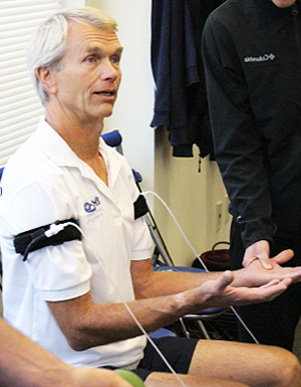
BFR’s ability to achieve such remarkable physiological benefits is directly related to slowing venous blood flow from the muscle group being engaged and creating a relatively hypoxic environment or low oxygen pressures in the exercising muscle.
Venous flow moderation is optimally achieved by wrapping the extremity being exercised with an inflatable cuff or band. The band needs to be tight enough to slow venous return to the heart, allowing venous blood to “pool” in the region of the limb that is being exercised, while loose enough to allow arterial blood to flow through.
With very light exercise, and in about 15 to 20 minutes, you get an exhaustive workout that sends a signal to your brain that says, “Hey, I’ve done something really hard here — you better help me recover and adapt to it.”
Your brain then sends out hormonal responses that cause your muscles and blood vessels to grow. Most would think that such light weights would be insufficient to provide any muscle strength improvements, but studies show a 36.2% to 40.1% increase in muscle strength after only 12 weeks, depending on your load and health.25
BFR Mimics Heavy Weight Training Without Any of the Risks
BFR training is frequently misunderstood as simply a conventional resistance training program with the addition of resistance bands. Nothing could be further from the truth.
Because the exercise is done with such low weights, there’s far less muscle fiber trauma and damage; especially relative to conventional strength training. This means you are able to recover much quicker, so you don’t have to dig yourself out of a hole the next few days. In most cases, you can exercise different body parts nearly every day and rapidly attain the metabolic and physical benefits.
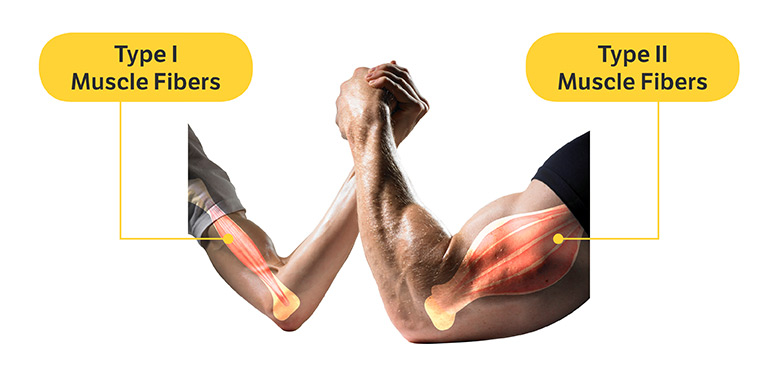
High-intensity training such as sprinting or heavy weight training have typically been recommended for increasing muscle size because they activate the fast twitch Type II muscle fibers.
In order to increase muscle mass and strength, it’s important to activate Type II muscle fibers during training, since these fibers have been shown to be more responsive to hypertrophy than Type I fibers26 and are generally much larger.
Weight training done at low weights will not activate Type II fibers — unless it’s done with BFR. The reason for this is because the Type I fibers become exhausted in the hypoxic conditions created by BFR, which then allow the Type II fibers to fire and generate high levels of lactate, which are responsible for much of the metabolic magic.
During BFR training the Type I fibers become highly fatigued during the first set, thus necessitating the recruitment of Type II fibers as the exercise progresses.27 Simply moving light weights with high repetition without BFR will not engage Type II fibers because there is plenty of oxygen for the Type I fibers to work. Hence the fast-twitch Type II fibers just aren’t called into action.
This is the type of training that not only will add solid muscle mass, but also significantly increase your strength and endurance while reducing your body fat. For most people who are not competitive athletes, it’s really the only form of resistance training they need.
Competitive athletes also seem to benefit from BFR, but they would need to combine it with conventional strength training.28 In short, BFR works on a very simple principle: It tricks your body into believing that it’s moving far heavier weights than you’re actually using, and as a result generates compensatory metabolic responses, detailed below.
Local and Systemic Effects of BFR
If you are elderly, what is really amazing is that your muscle growth with BFR is beyond what strength training with heavy weights can do. This is because you need good blood flow to your Type II muscle fiber stem cells, and virtually everyone’s microcirculation decreases with age. So, even if you send the signal to grow by doing conventional strength training, it won’t work as well if there isn’t enough capillary supply to your Type II fiber stem cells.
BFR increases your microcirculation, your capillaries and venules and arterioles that are associated with them (see image below), largely because your muscles are working in a hypoxic (low oxygen) environment.
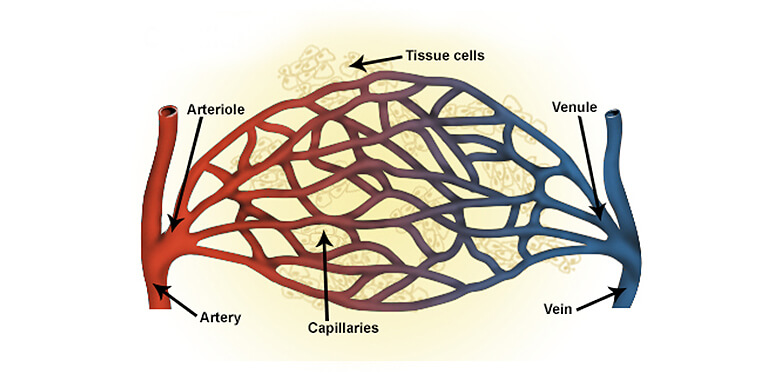 Microcirculation
BFR Increases Microcirculation
This low oxygen tension causes the release of hypoxia-inducible factor-1 alpha (HIF-1 alpha),29 that then increases the hormone vascular endothelial growth factor (VEGF), which is one of the most powerful angiogenic signals in your body. BFR has been shown to raise VEGF levels by 410% in young adults.30
Essentially it acts as “fertilizer” for growing new blood vessels and capillaries to your muscle stem cells. BFR training has been shown to increase muscle stem cells by 300% after eight days of training.31 But it gets even better, as VEGF not only increases microcirculation in your muscle stem cells but also in your brain and heart. In Japan, BFR is frequently used for stroke and cardiac rehab precisely for this purpose.
BFR also increases the production of the important regulatory free radical, nitric oxide (NO), which further contributes to an increase in VEGF.32 NO is an important signaling molecule produced at high levels in muscle by neuronal nitric oxide synthase (nNOS). BFR, by way of increasing NO, has been found to stimulate muscle satellite stem cells and proliferation.33
BFR Is a Powerful Myostatin Inhibitor
But here’s the real winner: BFR also downregulates a hormone called myostatin, which is a negative regulator of muscle growth and mass.34,35,36 In other words when your myostatin levels are high you simply are unable to grow muscle. This is important because the elderly have levels twice as high as the young.37
In the past, lactate was traditionally viewed as a metabolic waste product, but today it is understood that lactate is an important molecule that is responsible for many metabolic processes and results in many structural adaptations. It is even referred to as a pseudo-hormone.38
When you apply the bands and engorge the working muscle, the Type I muscle fibers which require oxygen, glucose and fat to create energy in the mitochondria rapidly give out and your muscle switches to Type II fibers that run on burning glucose without oxygen by the glycolysis pathway illustrated below.

The lactate that your Type II muscle fibers generate during BFR actually down-regulates the production of myostatin and helps improve skeletal muscle loss. Amazingly, BFR can decrease your myostatin levels by 41% to 45%, which has been shown to increase muscle protein synthesis.39,40,41,42
The benefits from the lactate don’t stop there. Once you release the bands, the lactate travels in your blood to your brain, where a monocarboxylate transporter shuttles it into your brain to use it for fuel,43,44 and also increases brain derived neurotropic factor (BDNF).45 BDNF is a member of brain growth factors that contributes to neuroplasticity, which greatly enhances cognitive performance.46,47
Correct Band Pressure Is Crucial

As mentioned previously, the restriction bands need to be tight enough to lower the oxygen level in the exercising muscles. Arterial occlusion pressure (AOP) is defined as the pressure needed to restrict 100% of the blood flow from the limb,48 which is essentially a tourniquet. This is a dangerous scenario and needs to be avoided.
Recent research49 has shown the pressure only needs to be 60% of the AOP. Pressures higher than this don’t seem to provide any additional benefits. The level needs to be at least 40% of AOP; otherwise, the level of muscle oxygenation and deoxygenation is not substantially different from that seen during non-BFR exercise.
Recent studies suggest that the ideal range is about 60% of AOP,50 although this is highly dependent on numerous factors such as fundamental vascular elasticity and the type of exercise being performed (e.g., anaerobic versus aerobic). There are no additional benefits of combining higher exercise intensities with higher occlusion pressures to muscle hypertrophy.
Again, the bands should not be too tight, as you definitely must avoid cutting off the arterial supply to your muscles. They need to be loose enough to supply your muscle with sufficient blood flow and oxygen.
When manually applying the bands, tighten them so your skin color becomes more pink or red compared to your normal skin tone. You may also see your veins become slightly distended (popping out a bit). They should not feel uncomfortable and your skin color must not become whiter or have a bluish or grayish tone; this means that arterial flow is being restricted.
It is important to realize that your arms will swell during the exercise, which will actually tighten the bands more. Remember, another simple way to determine good “base pressure” is to have the bands tight enough that you cannot fit two fingers under the band, but loose enough that you CAN squeeze one finger under the band.
However, if the pressure is below 40% of AOP you will not occlude your veins. This will prevent the lactic acid produced during your exercise from accumulating, and you will not get the benefits.
One of the ways you can confirm that your bands are tight enough is to measure the circumference of your limb before and after the exercise. You should notice an increase of at least one-half inch to 1 inch after your exercise, up to as much as three or four times that.
How to Confirm Proper Pressures

If the bands are too tight you can actually cause damage to your muscle. It’s important to carefully monitor your capillary refill times to confirm you are getting enough blood flow to your exercising limb. You can confirm that you have enough arterial flow by checking your capillary refill time.
When checking proper band pressure on your arm, it is most easily determined by pressing your index finger firmly into the palm of the opposite hand (on the arm that is under restriction) into the area just under your thumb, then quickly releasing and seeing how long the white blanched area takes to turn pink.
If it takes longer than three seconds, the bands are too tight. If the white spot turns pink immediately while the pneumatic bands are inflated (i.e., under one second), the band tightness is close to optimal. You can also check the capillary refill time on the tissue right above your knee while the pneumatic bands on your legs are inflated. Ideally it should be about two to three seconds.
If you have peripheral artery disease, this could affect these readings. If it is less than two seconds the bands are likely too loose; if the time is greater than three seconds the bands are likely too tight.
!Warning
To avoid any muscle damage from your limbs being deprived of oxygen, the bands are only put on the arms for 15 minutes at a time and 20 minutes on your legs.
Only put the bands on the extremities you’re actually exercising, and remove them before moving on to the next area. In other words, you must not conduct simultaneous BFR on both your arms and legs, as this could decrease your blood pressure enough that you might pass out.
Remember, whatever bands you use, KAATSU or less expensive BFR bands, the pressure that the cuff is inflated or tightened to should not be painful or cause any numbness. You will know if it is too tight as they will likely hurt. They are not supposed to shut down your arterial supply. If it is too tight you need to lower the pressure or loosen the bands.
How to Determine Your Ideal Level of Resistance
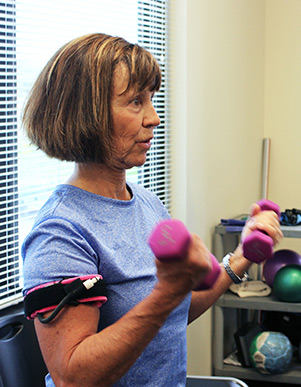
Instead of using heavy weights that can increase your risk of injury during conventional strength training, BFR is much safer, since it requires just 20% to 33% of the resistance used in conventional resistance training.
This light weight is then combined with a high volume of repetitions while externally applied compression mildly restricts blood flow to the active skeletal muscles in the legs or arms.51
As for weight, your goal is to find the “sweet” spot. If you are elderly or have not been exercising regularly, this may mean no weights at all. Ideally, you would have access to a variety of progressively increasing resistance movements to choose from, including body weight exercises. You typically won’t need to go higher than 25 pounds, though.
Once you have access to the weights you can find the heaviest weight you can do just one repetition of your planned exercise. This is your one rep max (1RM). Then you divide that weight by five (20%), four (25%) or three (33%). For example, if your max weight for a bicep curl is 25 pounds, you would select a 5-pound dumbbell to start.
If you don’t know your one rep maximum, then it is always better to start too low, especially if this is your first time, as your tissues will need time to adapt to these pressures and movements. Eventually you will want to increase your weight so you notice the following signs during your BFR session:
|
Signs That You Are Using the Correct Weight
You can measure the circumference of your limb before and after the exercise. You should notice an increase of at least one-half inch and possibly 1 inch or more — or alternatively, the muscle will most certainly feel tighter and appear more toned. Another great indication is that you will be able to do 30 reps the first set and then 15 to 20 reps the next and, most likely, are unable to do five to 10 reps in the last set because you are in muscle failure. It is important, though, to not fool yourself and stop just because it is hard. Muscle failure means that you are unable to do another rep if your life depended on it. |
Unless you are just starting (see warning box below), it is best to start by limiting your weight to only 20% of your one rep max and build up from there if your goal is muscle hypertrophy. By starting at a lighter weight, it will give your body a chance to adjust to BFR and avoid potential injuries.
An additional benefit is that if you stick with lighter weights you can train more frequently because you won’t cause as much muscle damage. For those interested in greater strength or muscle gains, you can increase to one-quarter and then to one-third the weight of your 1RM. If you are doing the exercises correctly it will likely take you about three months to progress up to 33% of your 1RM. There is no need to go any higher than this.
If you don’t know your 1 RM, then all you have to do is pick a weight you believe you can easily do 30 reps with and start there.
If you can easily do all three sets at that weight, then it’s clearly too low a weight and you would benefit from increasing the resistance, especially if you don’t notice an increase of at least one-half inch in the circumference of your biceps after the exercise. Conversely, if you are unable to complete 20 repetitions on your first set, the resistance is likely too high and needs to be decreased.
!WARNING FOR FIRST-TIME USERS
The only exception to these weight recommendations and initial pressure of the bands is when you are first starting out. It is important to realize that your tissues need time to adjust to BFR training. For the first session, you want to start with a light pressure, likely under 40%, and use only 10% of your 1 RM. Then over the next two sessions increase to the minimum recommendations.
Important: You Need to Push Hard to Get the Benefits

It is important to recognize, though, that the level of intensity you use is key. Muscle growth is highly dependent on metabolic factors, and training sets are ideally done to failure to achieve this.52,53
The number of repetitions completed during a training session is less important to cause long term changes in hypertrophy and strength than doing repetitions to failure, which likely causes greater metabolic stress.
Perceived exertion is a major element here. You really need to push hard to muscle failure. This is a very subjective determination, but I hope the featured video will give you an idea of the amount of intensity and effort one needs to put into this short exercise.
You can also notice if you are sweating and you are out of breath. Since BFR is a high intensity exercise and stimulates your sympathetic nervous system if done properly, this is precisely what you should be experiencing when you do BFR training.
A recent study in the elderly showed that physical weakness in aging may be due, at least in part, to impairments in brain and nerve function, rather than changes in the muscles themselves.54
The researchers did the study by asking participants to push to failure and once they said they had, they stimulated the muscle electrically and where still get the muscle to contract which indicated that the muscle was not at full failure. In fact, in most cases the muscle was still able to contract about 25% more.
If you are unable to push to failure, you will not receive the maximum benefits possible from BFR. Also, shorter recovery periods between exercises and sets will heighten the metabolic stimulus to enhance your body’s ability to build muscle and strength.55
Remember, you can start slowly and work your way up over time. Building muscle is a marathon, not a sprint. This is especially important if you are elderly or if you have been mostly sedentary; you likely will not need to use any weights.
You can start with just the weight of your body and gradually progress to 1- and 2-pound weights. But if you really are interested in triggering the benefits of reversing sarcopenia, then it is key to push hard — otherwise you will not achieve all the wonderful metabolic benefits that BFR has to offer you.
General BFR Workout Guidance
Although you can adapt BFR training to many types of resistance training including machines, it seems the ideal way to implement it is by using simple dumbbells. Because you are using such low weights, it is unlikely you will need weights more than 25 pounds. If you are elderly and weak you may only need a set of weights under 5 to 10 pounds.
Please be certain that you can increase weights in very small increments. You will not want to increase an exercise from 5 pounds to 10. That is a 100% increase in weight. It is far better to go up by 1 or 2 pounds.
|
Number of Repetitions in Each Set 1st set = 30 reps with 20 seconds rest for arms and legs 2nd set = 20-30 reps with 20 seconds rest for arms and legs 3rd set = 10-20 reps with 20 seconds rest for arms and legs 4th set = 1-10 reps with 20 seconds rest for arms and legs and 60 seconds maximum before moving to next exercise |
A common beginner mistake is to remove or loosen the band during the workout to allow the blood to flow back to your muscle and then tightening it again. This does not improve results, and in fact decreases your results, so it is best to leave the band on during the entire workout.
Just remember to remove the bands after 15 minutes on your arms and 20 minutes on your legs. You can reapply the bands after a minute and exercise if you want to do more exercises.
If there is pain or numbness or a whiter appearance in your skin color, of course you’ll want to remove or loosen the band at once, but that should be unusual if you have done your preparation properly and paid careful attention to these instructions.
Typically, upon starting BFR, you’ll notice a high perceived degree of difficulty. However, over a few weeks this perception of difficulty dampens as adaptation to training occurs.56 At that point, it becomes important to continue to push with the same level of intensity.
Training Frequency
One of the major advantages of BFR versus high load resistance training is that you cause far less muscle damage and this allows you to train more frequently. The frequency of training needs to be individualized as it varies widely. It can range from as little as twice a week up to three times a day, depending on your fitness and training goals.
Typically, the lower the percentage of 1RM used, the more frequently BFR can be done.57 Heart rate variability and the Oura ring can also be used to determine your ideal recovery periods. The Oura ring measures your heart rate all night and will tell you not only your lowest heart rate but also at what time it occurs. The higher your heart rate and the closer your lowest heart rate time is to awakening, the more recovery you need.
Less Expensive Alternatives
Although KAATSU was the pioneer in BFR, their units are relatively expensive. The advanced KAATSU Master unit used by professional teams, the U.S. military, hospitals and medical professionals costs up to $6,000, while their newest consumer version is available beginning at $899.
This is because they use thin, algorithm-controlled, pneumatic bands that automatically pressurize around your upper arms and legs to slow the amount of blood flowing back from the muscles in your extremities. These bands may look like very thin blood pressure cuffs but they serve an opposite function.
The major advantage of the KAATSU automated system is that it can do cycle compressions — compressing the limb for 30 seconds and then relaxing for five seconds. Over the course of eight rounds of compressions, the device will progressively increase the pressure for each cycle. The pressures can also be easily adjusted from very low to high.
If you can afford the KAATSU set, that would be ideal as it is far easier to dial in to the correct pressures. With the KAATSU system you can control the tightness in two ways. The initial tightness is after you manually tighten the bands.
This is the base pressure and typically around 10 to 25 mm/Hg for the arms and 15 to 35 mm/Hg for the legs depending on your age, vascular elasticity and physical condition. The inflation pressure is what you set the compressor to pump the cuff up to. This ranges from 80 to 400 mm/Hg for both the arms and legs.

For a limited time, you can get 10% off the KAATSU band by clicking the button below.

If the KAATSU system is outside your budget, there are a wide range of inexpensive BFR bands available. Just be aware there are many inferior versions out there. You need to be careful and make sure the material is elastic and can stretch. Additionally, make sure that the bands are only 1 1/2 inches wide for the arm bands and 2 inches for the leg bands. The ones I recommend are here.
Remember, while there are many 2-inch BFR bands for the arms for sale, these bands are too wide and may cause ischemic injury and must be avoided. Also, wider cuffs require significantly less pressure to achieve arterial occlusion pressure,58 so it’s easy to end up with excessive arterial occlusion with wider cuffs which, again, is not recommended.59
The other danger of using bands that don’t stretch or are too wide is that they will increase your blood pressure far higher. Under these circumstances BFR can be dangerous and increase your blood pressure too high and may actually cause a stroke.
Not to worry, though, because if you use the elastic stretchy bands that are the correct width (1 1/2 inches for the arms, 2 inches for the legs), there is essentially no risk of stroke. This is because correctly performed BFR will actually lower your blood pressure. It is the finest exercise I know of to release nitric oxide and is far more effective than the nitric oxide dump I used to do.
How to Perform BFR
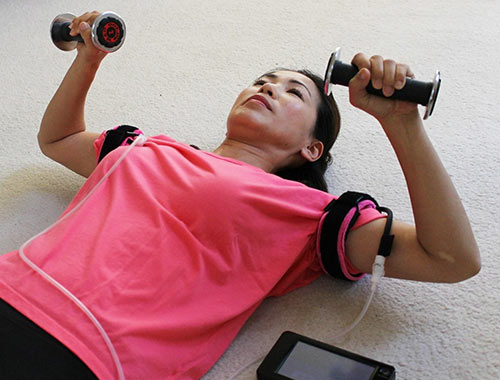
Begin by applying the bands to your upper arm, very close to your armpit, just where your bicep muscle begins and deltoid muscle ends. On your legs, you can apply them right below your hips at the top of your quads, close to your groin.
There are misconceptions that you need to put the bands close to the muscle you are seeking to focus on, but this is unnecessary and a mistake.
There is a crossover training effect and your muscles that aren’t blood flow restricted will also receive benefit once you release the bands after training. In other words, you will gain benefits in your chest muscles even though you are only restricting your arm muscles.
Also, do not put the bands over your knees or elbows, as this could cause nerve damage. Only put the bands on your body as described above because the goal of BFR is to increase your vascular elasticity and elicit a metabolic and hormonal response that ultimately leads to aesthetic and muscular improvement.
When you engage in the exercise properly, lactic acid will accumulate in the muscle, which will be associated with a burning-like pain due to the excess hydrogen ions being produced. It will clearly be uncomfortable, especially as you push to muscle fatigue. It is important to understand that this subjective sensation of discomfort will improve with time.
It will likely take four to six weeks to develop the strength and hypertrophy gains. Once achieved, a study60 in elderly participants showed that doing BFR training twice a week was sufficient to maintain the gains. When training decreased to once a week, the gains failed to be maintained.
If you are able to there is benefit to doing BFR every day. You can just vary the number of exercises you do per day. It could be as simple as applying the bands to your legs and walking for thirty minutes, or putting them on your arms and swimming. It doesn’t have to involve weights as you can also use them in your favorite sport; you just need to use the same time restrictions discussed above.
Get Stronger and Healthier With Age
In summary, the four key lifestyle strategies that have allowed me to get healthier with age are TRE in combination with a cyclical ketogenic diet; exercising while fasting; and adding in BFR to my strength training routine. While doing any one of these in isolation would likely improve your health, when done in combination, they really catalyze synergistic changes that optimize your entire system.
The best news of all is that it’s never too late to start. My transformation began in my 50s, and I feel better now at 66 than I did back then. You can transform your health and physique too. You just have to get started, and keep going!
- 1 Fed Pract 2017 Jul 9;34(7):24-32
- 2 Cell Metab 2009 Dec;10(6):507-515
- 3 Cell Biol. 2005 Oct;37(10):2047-63
- 4 Diabetes 1982 Nov; 31(11): 957-963
- 5 N Engl J Med 1990; 322:223-228
- 6 Diabetes Care 2009 Nov; 32(suppl 2): S157-S163
- 7 J. Gerontol. A Biol. Sci. Med. Sci. August 2018; 73(8): 1070-1077
- 8, 18 Redox Biol. August 2020; 35:101513
- 9 Surg Today. 2018; 48: 151–157
- 10 Ageing Research Reviews 2018 Nov;47:123-132
- 11 Liver Transpl. 2013 Dec; 19(12): 10.1002/lt.23752
- 12 Clin. Cancer Res. 2009 Apr 15;15(8):2920-2926
- 13 Cancer 2014 Sep 15;120(18):2910-2918
- 14 Arch Gerontol Geriatr. May-Jun 2019;82:100-105
- 15 J Am Geriatr Soc. 2017; 65: e18–e22
- 16 Autoimmun Rev. 2018; 17: 518–529
- 17 EBioMedicine. 2019 Nov;49:381-388
- 19 Age Ageing. 2019; 48: 16–31
- 20 Ageing Research Reviews 2019 Dec;56:100960
- 21 Cell February 8, 2018; 172(4): 731-743.E12
- 22 Medical News Today February 8, 2018
- 23 Science November 16, 2018; 362(6416): 770-775, Page 1
- 24, 51 Frontiers in Physiology 2019; 10: 533
- 25 Front Physiol. 2019; 10: 446, Discussion: Muscle Strength
- 26 J Appl Physiol. 1996;81(5):2004–12
- 27 Acta Physiologica 2019 May 20:e13302 [Epub ahead of print]
- 28 J Hum Kinet. 2018 Dec; 65: 249–26
- 29 Cell 2019 Mar 7;176(6):1248-1264
- 30 Med Sci Sports Exerc. 2012 Nov; 44(11): 2077–2083
- 31 J Physiol 2012; 590(17): 4351–4361, Myogenic stem cell content Page 4355 (PDF)
- 32 Journal of Applied Physiology May 1, 1999; 86(5): 1513–1518
- 33 Mol BiolCell. 2000;11(5):1859–97
- 34 Am. J. Physiol. Endocrinol. Metab. 2009;297:E157–E164
- 35 Acta Physiol (Oxf) 2011 Feb;201(2):255-6
- 36 Med Sci Sports Exerc. 2007;39(2):289–97
- 37 Age (Dordr). 2014 Aug; 36(4): 9699
- 38 J Exp Biol. 2005 Dec;208(Pt 24):4561-75
- 39 Journal of Strength and Conditioning Research October 2013; 27(10): 2914-2926
- 40 Am J Physiol EndocrinolMetab 2014 May 15;306(10):E1198-204
- 41 J Appl Physiol (1985). 2019 Mar 1;126(3):578-592
- 42 Med Sci Sports Exerc. 2012 Mar;44(3):406-12
- 43 Ther. Adv. Psychopharmacol. 2017 Feb;7(2):85-89
- 44 Cell Metab. 2018;27:757–785
- 45 Neurosci. Lett. 2011;488:234–237
- 46 Med. Hypotheses. 2017;106:1–5
- 47 Neurosci. Lett. 2016 Sep 6;630:247-253
- 48 Anesth Analg. 2006 Jun;102(6):1752-7
- 49, 50 Frontiers in Physiology 2019; 10: 407
- 52 Sports Medicine 2013;43:179–194
- 53 Frontiers in Physiology June 2019 (PDF)
- 54 JAMA Network Open September 25, 2019
- 55 Medical Hypotheses February 2015;84:145–149
- 56 J Sports Sci. 2019 Aug;37(16):1857-1864
- 57 Frontiers in Physiology 2019; 10: 533, BFR-RE
- 58 Frontiers in Physiology 2019; 10: 533, Cuff Width
- 59 Int J Exerc Sci. 2019; 12(3): 136–143
- 60 Proceedings of the International Conference on Sports and Exercise Science 2009. Bangkok, Thailand Pages 336-341 (PDF)
Could This Be the Answer to AFib, NAFLD and Other Diseases?
Reproduced from original article:
https://articles.mercola.com/sites/articles/archive/2020/10/22/does-ubiquinol-help-afib.aspx
Analysis by Dr. Joseph Mercola Fact Checked October 22, 2020

STORY AT-A-GLANCE
- CoQ10 is the third-most consumed supplement, after fish oil and multivitamins
- CoQ10 keeps your mitochondria healthy and plays a crucial role in the production of ATP, the cellular energy required to keep you alive
- CoQ10 deficiencies have been linked to many health problems, including migraines, heart disease and cancer
- Conversely, supplementing with CoQ10, or the natural form called ubiquinol, may help improve several chronic health conditions such as AFib, NAFLD and heart failure
Coenzyme Q10 (CoQ10) is the third-most consumed supplement,1 yet many people don’t realize how clinically effective it really is.
Although it’s not approved by the U.S. Food and Drug Administration as a treatment or preventative drug, several new studies show that taking CoQ10 supplements may help address several chronic health conditions, including atrial fibrillation (a-fib), nonalcoholic fatty liver disease (NAFLD), insulin resistance, heart failure, cancer and migraines, to name a few.
Ubiquinol — the reduced, electron-rich form of CoQ10 that your body produces naturally — plays an important role in the electron transport chain of your mitochondria, where it facilitates the conversion of energy substrates and oxygen into the biological energy (adenosine triphosphate or ATP) needed by your cells for life, repair and regeneration.
It’s a fat-soluble antioxidant, meaning it works in the fat portions of your body, such as your cell membranes, where it mops up potentially harmful byproducts of metabolism known as reactive oxygen species (ROS). As such, ubiquinol and CoQ10 supplements help protect your mitochondrial membranes from oxidative damage, and this in turn has been shown to be helpful for a number of health conditions and chronic diseases.
Why CoQ10 Is so Important
Many conditions, including heart disease and migraines — for which CoQ10 has been found beneficial — appear to be rooted in mitochondrial dysfunction.2 CoQ10 is used by every cell in your body, but especially your heart cells.
Cardiac muscle cells have about 5,000 mitochondria per cell, while liver cells have 1,000 to 2,000 mitochondria each.3 As another reference, mitochondria make up about 35% of the volume of cardiac tissue and only 3% to 8% of the volume of skeletal muscle tissue.4
About 90% or more of the ROS in your body are made by your mitochondria.5 Using the analogy of the mitochondria as an engine, the combustion (metabolism) that takes place in there creates exhaust fumes — damaging byproducts when produced in excessive amounts.
One of the functions of CoQ10, or ubiquinol, is to neutralize those byproducts.6 When ubiquinol is lacking, the byproducts remain and begin to damage the cell. Ubiquinol is particularly beneficial for your heart health. C-reactive protein (CRP) is a marker for inflammation, and when your CRP is elevated, it suggests you have a heightened risk for heart disease.7
Two other markers for inflammation are gamma-glutamyl transferase (GGT),8 which is an early marker of heart failure, and N-terminal pro b-type natriuretic peptide (NT-proBNP).9
There’s an association between the levels of these two markers and ubiquinol as well. When ubiquinol is supplemented, both these markers go down and genes associated with them are downregulated.
Low CoQ10 levels have also been detected in people with certain types of cancer,10 including lung, breast and pancreatic cancer, as well as melanoma metastasis, further strengthening the metabolic theory of cancer. The word “coenzyme” also provides a clue to its importance; it works synergistically with other enzymes to digest food, for example.
It also has the ability to increase your body’s absorption of important nutrients. More specifically, it helps recycle vitamins C and E,11,12 thereby maximizing their beneficial effects.
CoQ10 Can Help Improve Atrial Fibrillation (AFib)
AFib is an abnormal, often rapid, heart rhythm that occurs when the atria, your heart’s upper chambers, beat out of sync with the ventricles, the heart’s lower chambers. It’s a common symptom in those with heart failure or heart disease but can also occur on its own.
Oxidative stress and increased ROS can play a role in the development of AFib. Conversely, scavenging of ROS and a reduction in oxidative stress have been shown to be an essential part of keeping the heart functioning normally.13
In one study, 102 patients with AFib were divided into two groups. One group was given a CoQ10 supplement while the other group was given a placebo. After 12 months of supplementation, 12 people in the placebo group had AFib episodes compared to only three people in the CoQ10 group.14
CoQ10 Can Stop the Progression of NAFLD
NAFLD is the most common cause of chronic liver disease around the world, with a prevalence of 25%.15 Obesity and insulin resistance increase your risk of NAFLD. Mitochondrial dysfunction and oxidative stress, two hallmarks of CoQ10 deficiency, have also been shown to play a role,16 as has choline deficiency, as detailed in “Fatty Liver Disease Is Caused by Choline Deficiency.”
Currently, there are no approved medical treatments for NAFLD. Lifestyle changes, such as elimination of processed vegetable oils and processed carbs, remain the gold standard for managing NAFLD and, hopefully, preventing its progression. Since CoQ10 levels tend to be depleted in those with NAFLD, supplementation has been shown to help reduce oxidative stress and inflammation.17
In one study,18 44 patients were divided into two groups. One group was given 100 mg of CoQ10 each day, while the other was given a placebo. After four weeks of supplementation, the group taking CoQ10 dropped weight and had lower levels of serum AST, a blood marker that indicates liver disease and/or damage.
CoQ10 May Be the Answer for Several Other Conditions
In addition to helping with AFib and NAFLD, CoQ10 may be the answer to correcting several other chronic health conditions, including the following:
| High blood pressure — CoQ10 acts directly on your endothelium, dilating your blood vessels and lowering blood pressure.19,20 CoQ10 also decreases aldosterone, a hormone that makes you retain salt and water.21,22 When aldosterone goes down, excess salt and water are excreted through your kidneys, often causing your blood pressure to go down. |
| Dyslipidemia — In one study,23 101 participants with dyslipidemia were given 120 mg of Coq10 or a placebo every day for 24 weeks. Without taking any lipid-lower drugs, participants taking the CoQ10 had decreases in harmful LDL and triglycerides and increases in total antioxidant capacity. |
| Heart failure — CoQ10 deficiency is linked to poorer prognosis for those with heart failure.24 Supplementing with CoQ10 can restore normal CoQ10 levels, helping to prevent heart cell damage and significantly improving heart failure.25 |
| Chronic kidney disease — Increased oxidative stress is a major factor in chronic kidney disease and related cases of cardiovascular disease.26 Patients with chronic kidney disease tend to have decreased levels of CoQ10 in their blood. CoQ10 has been shown to improve mitochondrial function and decrease oxidative stress in chronic kidney disease patients, with and without dialysis.27 |
| Systemic inflammation — Studies28,29 show that supplementing with 60 mg to 500 mg of CoQ10 for eight to 12 weeks can significantly reduce tumor necrosis factor alpha (TNF-α), IL-6 and CRP; three measures of widespread inflammation. |
| Stroke — Systemic inflammation, oxidative stress and nerve cell damage play a role in the development of stroke. Studies30 show that supplementing with CoQ10 can reduce ischemic lesions and improve outcomes in patients who have been treated with a statin after having a stroke (statins reduce CoQ10 levels in your body). |
| Migraine — CoQ10 deficiency is a common underlying factor of idiopathic migraines. Supplementing with CoQ10 can help reduce frequency and severity of migraines and alleviate associated symptoms such as nausea and sensitivity to light.31 |
| Polycystic ovary syndrome (PCOS) — In one study,32 86 women with PCOS were given CoQ10 alone, CoQ10 with vitamin E, vitamin alone or a placebo. After eight weeks, the group taking CoQ10 alone had improved levels of sex hormones (lower levels of testosterone and luteinizing hormone) and improved insulin resistance. |
| Cancer — In one study,33 two women with breast cancer were given fatty acids, antioxidants and 300 mg to 390 mg of CoQ10. After two to three months, mammograms showed no tumors or residual tumor tissue, indicating cancer regression. A review34 in the Journal of Clinical Oncology that looked at how CoQ10 affected cancer treatment found it may help protect the heart and liver from toxicity during treatment. |
| Insulin resistance — CoQ10 levels are lower in mitochondria in insulin-resistant tissues.35 In one study,36 daily intake of 100 mg of CoQ10 improved insulin resistance and serum insulin levels in patients with markers of metabolic syndrome. |
CoQ10 Versus Ubiquinol
As mentioned, ubiquinol is the reduced version of CoQ10 (aka ubiquinone). They’re actually the same molecule, but when CoQ10 is reduced it takes on two electrons, which turns it into ubiquinol. In your body, this conversion occurs thousands of times every second inside your mitochondria.
The flipping back and forth between these two molecular forms is part of the process that transforms food into energy. Ubiquinol production ramps up from early childhood until your mid- to late 20s. By the time you hit 30, it begins to decline.37 Young people are able to use CoQ10 supplements quite well, but older people do better with ubiquinol, as it’s more readily absorbed.
How to Supplement With Ubiquinol
Your body can naturally make CoQ10, but genetic alterations in metabolism, poor diet, oxidative stress, chronic conditions and aging can all interfere with CoQ10 production and lead to CoQ10 deficiency. Statin drugs can also deplete CoQ10.
To maintain good health, an adult body should contain 0.5 to 1.5 g of CoQ1038 and sometimes it takes a supplement to keep you there. Dosing requirements will vary depending on your individual situation and needs.
As a general rule, the sicker you are, the more you need. The suggested dose is usually between 30 mg to 100 mg per day if you’re healthy, or 60 to 1,200 mg daily if you’re sick or have underlying health conditions.39
If you have an active lifestyle, exercise a lot or are under a lot of stress, you may want to increase your dose to 200 to 300 mg per day. Importantly, if you’re on a statin drug, you need at least 100 mg to 200 mg of ubiquinol or CoQ10 per day, or more. Ideally, you’ll want to work with your physician to determine your ideal dose.
- 1, 38, 39 Comprehensive Reviews in Food Science and Safety. 2020;19(2):574-594
- 2 Integr Med (Encinitas). 2014;13(4):35-43
- 3 PeerJ. 2018;6:e4790
- 4 Am J Physiol Heart Circ Physiol. 2014;307(3):H346-52
- 5 Nat Commun. 2019;10(1):1704
- 6 Redox Rep. 2018;23(1):136-145
- 7 Clinics. 2016;71(4):235-42
- 8 Nutr Metab. 2016;13:37
- 9 Clin Res Cardiol. 2010;99(7):445-52
- 10 PDQ Cancer Information Summaries. 2020
- 11 Nutrition and Dietary Supplements. 2018;10:1-11
- 12 Subcell Biochem. 1998;30:491-507
- 13, 24, 26, 35 Antioxidants (Basel). 2020;9(4)
- 14 J Investig Med. 2015;63(5):735-9
- 15 Gastroenterology. 2020;158(7):1851-1864
- 16, 17 Journal of Prescribing Practice. 2020;2(4)
- 18 Arch Med Res. 2014;45(7):589-95
- 19 Molecular Aspects of Medicine. 1994;15(1):s257-s263
- 20 Circ Res. 1989;65(1):1-21
- 21 Am J Physiol. 1965;208:1275-80
- 22 Molecular Aspects of Medicine. 1994;15(1):s265-s272
- 23 J Clin Lipidol. 2018;12(2):417-427.e5
- 25 Clin Investig. 1993;71(8 Suppl):S134-6
- 27 BMJ Open. 2019;9(5):e029053
- 28 Pharmacol Res. 2017;119:128-136
- 29 Pharmacol Res. 2019;148:104290
- 30 Nutr Neurosci. 2019;22(4):264-272
- 31 Headache. 2011;51(3):469-483
- 32 Arch Med Res. 2019;50(2):1-10
- 33 Biochem Biophys Res Commun. 1994;199(3):1504-8
- 34 J Clin Oncol. 2004;22(21):4418-24
- 36 Eur J Nutr. 2016;55(8):2357-2364
- 37 Biofactors
The 4 Laws of Muscle
Reproduced from original article:
https://fitness.mercola.com/sites/fitness/archive/2020/02/28/four-laws-of-muscle.aspx

STORY AT-A-GLANCE
- Muscle is lost far more easily and quicker than it’s built, so finding ways to continuously promote and maintain your muscle mass is really crucial, especially as you get older. Anytime you’re sick or hospitalized, having reserve muscle mass will also improve your chances of survival
- Research shows elderly subjects can add 2.9 pounds of muscle in six months by strength training and taking a twice-daily protein supplement (15 grams per serving for a total of 30 grams per day)
- However, even healthy young subjects in their 20s can lose 3.1 pounds of muscle mass in a single week of bedrest. You can lose 2.5% of your total muscle mass in the first two weeks of bedrest. By day 23, you can have lost up to 10% of your quadriceps’ muscle mass
- You break down and rebuild 1% to 2% of your muscle mass each day, so you completely rebuild yourself every two to three months. Dietary protein is an essential component to build and maintain muscle mass, and older individuals have higher protein requirements than younger people
- Exercising before you eat boosts your muscles’ sensitivity to protein signals, allowing you to optimize muscle building
While many tend to think about strength training as a form of vanity — developing a six-pack and a bulging “muscle-man” look and whatnot — building and maintaining muscle is actually a lifesaving strategy, and an imperative for a long and healthy life.
Anytime you’re sick or hospitalized, having reserve muscle mass will improve your chances of survival,1 and as I’ll discuss below, you can lose significant amounts of muscle in a single week of bedrest.
Muscle is lost far more easily and quicker than it’s built, so finding ways to continuously promote and maintain your muscle mass is really crucial, especially as you get older.
So, just how do you do that? This topic was addressed in a 2017 article2 by Alex Hutchinson in which he interviews Luc van Loon, a professor of exercise and nutrition at Maastricht University in the Netherlands.
Elderly Need More Protein to Build Muscle Mass
In 2012, van Loon published research3 showing elderly subjects (ranging in age from 77 to 79) could tack on 2.9 pounds of muscle in just six months by strength training and taking a twice-daily protein supplement (15 grams per serving for a total of 30 grams per day).
Participants that trained but didn’t take extra protein saw no improvement in lean body mass, even though they did get stronger. In conclusion, van Loon and colleagues noted that:4
“Prolonged resistance-type exercise training represents an effective strategy to improve strength and physical performance in frail elderly people. Dietary protein supplementation is required to allow muscle mass gain during exercise training in frail elderly people.”
You Lose Muscle MUCH Faster Than You Build It
Shortly thereafter, one of van Loon’s students completed a study5 showing otherwise healthy young subjects in their 20s lost 3.1 pounds of muscle mass in a single week of bedrest. As noted in this study:
“Short (<10 days) periods of muscle disuse, often necessary for recovery from illness or injury, lead to various negative health consequences … Ten healthy, young males (age: 23 ± 1 years …) were subjected to 1 week of strict bed rest …
Bed rest resulted in 1.4 ± 0.2 kg lean tissue loss and a 3.2 ± 0.9% decline in quadriceps CSA [cross-sectional area]. VO2peak and one-repetition maximum declined by 6.4 ± 2.3 and 6.9 ± 1.4% respectively.
Bed rest induced a 29 ± 5% decrease in whole-body insulin sensitivity. This was accompanied by a decline in muscle oxidative capacity, without alterations in skeletal muscle lipid content or saturation level, markers of oxidative stress, or capillary density. In conclusion, 1 week of bed rest substantially reduces skeletal muscle mass and lowers whole-body insulin sensitivity …”
Other studies have come to similar conclusions. For example, a 2015 review6 in Extreme Physiology & Medicine notes research showing you can lose 2.5% of your muscle mass in the first two weeks of bedrest. By day 23, you can have lost up to 10% of your quadriceps muscle mass. As explained in this review:7
“Skeletal muscle mass is regulated by a balance between MPS [muscle protein synthesis] and MPB [muscle protein breakdown]. In a 70-kg human, approximately 280 g of protein is synthesized and degraded each day. The two processes are linked … as facilitative or adaptive processes, whereby MPS facilitates (allows modulation of muscle mass) and MPB adapts (limiting said modulation).
When exposed to an anabolic stimulus, MPS rises. MPB rises too, but to a lesser amount, resulting in a net synthetic balance. In response to an anti-anabolic stimulus, MPS decreases and MPB decreases to a lesser degree, resulting in a net breakdown.
The interaction between critical illness and bed rest may result in greater muscle loss compared to bed rest alone. The musculoskeletal system is a highly plastic and adaptive system, responding quickly to changing demands. Relatively short periods of immobilization decrease MPS, with no effect on MPB.
Furthermore, this altered balance is relatively resistant to high dose amino acid delivery … Immobilization has significant effects on peripheral muscle aerobic capacity, contractility, insulin resistance and architecture.
Microvascular dysfunction occurring in severe sepsis is associated with immobilization and may have an additive effect on reducing MPS. In critically ill patients, MPS is reduced even with nutritional delivery, with increased MPB seen, leading to a net catabolic state and thus muscle wasting.”

Key Lessons
As noted by van Loon in the interview, “you can mess up a lot more in one week than you can improve in six months of training.”8 He now believes that understanding how we lose muscle is just as important as understanding how to build it. In 2017, van Loon presented several “key lessons” learned for how to build and prevent the loss of muscle mass, which included the following:9
•“You are what you just ate” — Research10 looking at post-prandial protein handling and amino acid absorption shows 55.3% of the dietary protein of a given meal is in circulation within five hours after eating, which significantly increases muscle protein synthesis. In other words, “you are what you just ate.” As noted by the authors:
“Ingestion of a single meal-like amount of protein allows ~55% of the protein derived amino acids to become available in the circulation, thereby improving whole-body and leg protein balance.
About 20% of the dietary protein derived amino acids released in the circulation are taken up in skeletal muscle tissue following protein ingestion, thereby stimulating muscle protein synthesis rates and providing precursors for de novo muscle protein synthesis.”
In his article, Hutchinson writes, “Overall, van Loon points out, we break down and rebuild 1 to 2 percent of our muscle each day, meaning that you completely rebuild yourself every two to three months.” The take-home message here is that protein is an essential dietary component for building muscle.
•Exercise boosts sensitivity to protein signaling — While protein-derived amino acids are building blocks for muscle, they also act as signaling molecules that trigger muscle growth. Leucine is a particularly potent signaling agent, although all of the amino acids are required to actually build the muscle.
Research11 suggests healthy young adult men “max out the protein synthesis signal from a given meal” at a dose of 0.24 grams of protein per kilogram of total bodyweight, or 0.25 grams of protein per kilogram of lean body mass, Hutchinson notes.
The current U.S.-Canadian recommended dietary protein allowance is 0.8 g/kg/d (0,36/grams/pound/day). Healthy older adults may require a greater dietary protein intake much higher than their younger peers or ~1.20 g/kg/d or .55 grams/pound/day. According to this study:
“Our data suggest that healthy older men are less sensitive to low protein intakes and require a greater relative protein intake, in a single meal, than young men to maximally stimulate postprandial rates of MPS [myofibrillar protein synthesis].
These results should be considered when developing nutritional solutions to maximize MPS for the maintenance or enhancement of muscle mass with advancing age.”
Importantly, additional research described in Hutchinson’s article12 demonstrated that exercising before you eat boosts your muscles’ sensitivity to protein signals so, in essence, “if you exercise first, you’re more of what you just ate.”
•Inactivity desensitizes protein signaling — On the flipside, your muscles lose their sensitivity to protein signaling from inactivity. It is not just about pushing more protein. That is a nearly worthless strategy for muscle building if you fail to integrate the exercise element.
I believe the best exercise strategy is one that activates the microvascular component of muscle stem cells that tends to become depleted with age. That is why I strongly recommend blood flow restriction training.
What’s more, you don’t lose muscle at a steady rate; rather, most of it is lost during short periods of significant inactivity, such as bedrest after an injury or illness. Hutchinson writes:13
“Van Loon advocates some simple fixes — like never, ever feed someone in a hospital bed unless it’s absolutely necessary. Make them get up, and ideally make them shuffle down the hallway to get food. Same for watching TV.
Even this tiny amount of muscle contraction, he says, will enhance muscle synthesis when the patient eats. Similarly, since you don’t eat as much when you’re in bed, the proportion of protein in the meal should be higher to ensure sufficient muscle synthesis signals.”
In cases where the patient is completely immobile, research14 shows the twice-daily application of neuromuscular electrical stimulation can reduce muscle loss by 3.5%. Neuromuscular electrical stimulation can also be used on comatose patients to limit muscle atrophy.15
•Properly chew your food to boost protein absorption — Research has also shown ground beef protein absorbs more rapidly and readily than steak, with 61% of the protein from ground beef going into circulation within six hours of ingestion, compared to 49% of the protein from steak. The take-home message seems to be that breaking up the meat by thoroughly chewing it before swallowing might be helpful.
Defy Aging by Improving Your Muscle Mass
In my February 2020 interview with Ben Greenfield, author of “Boundless: Upgrade Your Brain, Optimize Your Body & Defy Aging,” we discuss the importance of strength training and getting the appropriate amount of protein to build and maintain your muscle mass and optimize mitochondrial density and biogenesis.
In summary, Greenfield recommends a fitness program that includes the following types of exercise in order to target the main pathways involved in health and aging:
•High-intensity interval training once a week to boost mitochondrial density and biogenesis — Brief spurts of exercise followed by longer rest periods. Greenfield recommends a 3-to-1 or 4-to-1 rest-to-work ratio.
•Muscle endurance training two to three times a week to improve lactic acid tolerance — An example is the classic Tabata set, which has a 2-to-1 work-to-rest ratio.
•Longer training sessions twice a week to improve your VO2 max — To target and improve your VO2 max, you’ll want your training sessions to be longer, about four to six minutes in duration with four to six minutes of recovery in between, for a 1-to-1 work-to-rest ratio.
Examples include The New York Times’ seven-minute workout16 and bodyweight training done in a fast explosive manner or with a very light medicine ball, sandbag or kettle bells.
•Long walk once a week to improve your stamina — Greenfield recommends taking a 1.5- to three hour-long walk, bike ride or paddle session — anything where your body is engaged in chronic repetitive motion for a long period of time — preferably in a fasted state. Alternatively, do 20 to 30 minutes of fasted cardio followed by a cold shower.
•Super-slow weight training once or twice a week to improve muscle strength — Alternatives include elastic band training systems and blood flow restriction (BFR) training, which is my personal favorite. You can also combine BFR with super-slow training.
- 1 Curr Opin Clin Nutr Metab Care. 2012 Jan; 15(1): 7–11
- 2, 8, 9, 12, 13 Outsideonline.com November 9, 2017
- 3 J Am Med Dir Assoc. 2012 Oct;13(8):713-9
- 4 J Am Med Dir Assoc. 2012 Oct;13(8):713-9, Conclusion
- 5 Diabetes 2016 Oct;65(10):2862-75
- 6 Extreme Physiology & Medicine 2015; 4: 16
- 7 Extreme Physiology & Medicine 2015; 4: 16, The pathophysiological effect of immobilization on skeletal muscle in critical illness
- 10 PLOS ONE November 10, 2015 DOI: 10.1371/journal.pone.0141582
- 11 J Gerontol A Biol Sci Med Sci. 2015 Jan;70(1):57-62
- 14 Acta Physiol (Oxf). 2014 Mar;210(3):628-41
- 15 Clin Sci (Lond). 2015 Mar;128(6):357-65
- 16 The New York Times 7-minute workout
The Benefits of Muscle Confusion
Reproduced from original article:
https://fitness.mercola.com/sites/fitness/archive/2020/01/31/benefits-of-muscle-confusion.aspx
January 31, 2020

STORY AT-A-GLANCE
- A study sought to ascertain whether randomizing exercises and repetitions produces better results than a traditional weight training program composed of a fixed set of exercises and repetitions
- Many believe “confusing” your muscles by varying your exercises from one session to the next forces adaptation to constantly changing demands, thus improving growth and strength and allowing you to avoid training plateaus
- There was virtually no difference in strength and muscle size between the two groups. The only difference between the two groups was their motivation to work out. Those whose workouts varied from one session to the next reported greater levels of motivation, which can improve adherence
- There are instances in which you might want to limit the variety of your exercises. To maximize muscle building, a conventional, fixed training program may actually be a better bet, as too-frequent rotation of exercises can compromise muscle growth and strength
- To improve motivation when doing a fixed strength training program, consider varying your weekly cardio session and/or adding or changing some of your isolated muscle exercises. Other suggestions for improving your motivation are also reviewed
I’ve often stated that, for optimal health and fitness, you need diversity in your fitness routine — something that challenges your body in different ways. A study1 in the December 2019 issue of PLOS ONE sought to ascertain whether randomizing exercises and repetitions produces better results than a traditional weight training program comprised of a fixed set of exercises and repetitions.
The idea is that by “confusing” your muscles by varying your exercises from one session to the next, they’re forced to adapt to constantly changing demands, thus improving growth and strength, and allowing you to avoid training plateaus. As noted by the authors:2
“The term “muscle confusion” has been coined to describe the effects of constantly varying exercise selection as a means to provide a novel stimulus that enhances muscular adaptations. However, research on the topic is limited.
Fonseca et al. showed that changing lower body exercises every two weeks may elicit greater regional-specific hypertrophy of the quadriceps muscle compared to just performing the squat.
More recently, Rauch et al. demonstrated that varying exercise selection via autoregulation produced modestly greater increases in lean mass and strength compared to a fixed exercise protocol.
However, to our knowledge, no study to date has endeavored to investigate the effects of randomly undulating exercise selection as some programs advocate. It is conceivable that such frequent rotation of exercises may enhance results by continually providing a novel stimulus to muscles and/or bolstering motivation to train.”
Does ‘Muscle Confusion’ Improve Strength and Muscle Growth?
To test the hypothesis that muscle confusion will improve strength and muscle growth by forcing adaptation to a wider set of demands, the researchers recruited 19 healthy men aged 18 to 35 with at least two years of strength training experience.
None used anabolic steroids or other substances that might affect muscle growth. They also agreed to avoid supplements that might affect muscle size, such as creatine and whey protein, for the duration of the trial.
Muscle strength and leg muscle size were measured at the outset and after the completion of the trial. They were also asked about their motivation levels before and after the intervention, and meals were tracked to avoid dietary confounding. Participants were randomly divided into two groups:
1.The first group performed a conventional strength training routine composed of three sets of six fixed upper- and lower-body exercises, four times a week for eight weeks. Upper and lower exercises were done on alternate sessions. The exercises were done in the same order each week, but weights were increased at regular intervals as strength improved.
2.The second group performed randomized workouts generated by a cellphone app from a database of 80 possible exercises. While the overall number of upper- and lower-body exercises and the weight used matched that of the conventional group, their routines varied from one session to the next.
After eight weeks, strength, muscle size and workout motivation levels were reassessed. Surprisingly, there was virtually no difference in strength and muscle size between the two groups. As reported by The New York Times,3 “it is not easy to confuse a muscle” after all.

Variety Can Improve Exercise Motivation
The only thing that really differed between the two groups was their motivation to work out. Here, those whose workouts varied from one session to the next reported feeling more motivated to head to the gym, and the difference in motivation between the two groups was significant.
In fact, the conventional group’s motivation levels had “slightly declined” by the end of the eight weeks. So, by supporting motivation, varying your exercise routine can go a long way toward improving adherence which, of course, is an important component if you want to enhance or maintain your fitness. The New York Times writes:4
“What these findings suggest is that muscles are not deterred or bored by unvarying routines, says Brad Schoenfeld, an associate professor of exercise science at Lehman College in New York and a co-author of the study.
‘They adapt to load,’ he says, whether that load arrives through the same exercise or a different one each time. But minds are not muscles and could be influenced by novelty, he says. ‘The differences in motivation scores at the end were substantial,’ he says, suggesting that ‘from a purely motivational standpoint, variety matters.'”
When to Limit Exercise Variety
The authors do point out, however, that there are instances in which you might want to limit the variety of your exercises. If your goal is to maximize muscle building, then a conventional, fixed training program may actually be a better bet:
“There may be a trade-off whereby too frequent rotation of exercises somewhat compromises muscle growth and strength; thus, those who wish to maximize these outcomes may wish to limit exercise variety,” the authors note.5
“A possible solution is to keep more complex, free weight exercises (e.g. squats, deadlifts, rows, etc.) in a regular rotation throughout a training cycle and vary movements that have limited degrees of freedom and thus do not require a high degree of motor learning (e.g. leg extensions, machine press, arm curls, etc.).”
That said, it’s important to remember that building muscle requires constant challenge, so even if you adhere to a set workout plan, you still need to continue to raise the challenge level by gradually increasing the amount of weight you use, as well as the reps and intensity.
Karl Smith, who holds a master’s degree in exercise science and a Ph.D. in health education, told Men’s Journal6 he recommends switching up your reps, sets, recovery time and workout volume every six to eight weeks to avoid hitting a plateau.
Maintaining Motivation During a Fixed Weight Training Program
If the idea of doing the same strength training routine for weeks on end fills you with boredom, consider following ReInvention Fitness owner Doug Barsanti’s advice. Barsanti is a certified strength and fitness coach with a master’s in kinesiology. Men’s Journal writes:7
“Barsanti suggests switching up lower-skill exercises, such as cardio, or smaller muscle-isolation exercises. Functionally, this means following the same general-strength-training program for a full six weeks, but changing up your weekly cardio, hitting the rowing machine one day and the stair climber the next, or, while following your routine, adding or changing isolation exercises here and there.
This means continuing to work your plan for squats, lunges, deadlifts, bench press, pull-ups, and the like, but maybe you isolate your biceps, calves, or triceps a little differently each routine.”
What You Need to Know About Blood Flow Restriction Training
In my opinion, BFR is the most incredible innovation to improve your health that I have learned about in quite some time. It has the most significant potential to increase your healthful life span and help you maintain full range of your mental and physical capacities than anything that I know of.
To help you get started, I have put together a comprehensive article that outlines the benefits of this amazing technique. Click the button below to access it — absolutely FREE!

As I have discussed in many previous articles and interviews that you can see by following the link in the above graphic, I am a major fan of KAATSU and blood flow restriction training. The same principles apply here. You can certainly mix it up for muscle confusion, or use the same exercises routinely.
I personally use KAATSU every day in the cycling mode for walking and stretching exercises. I use it five days a week in training mode with no pulsed mode, just continuous compression. I only use it on my upper body and alternate between there different workouts. The other two days a week I do conventional high-resistance strength training with my personal trainer.
Different Strokes for Different Folks
You can also limit boredom and enhance adherence by making sure your fitness routine suits your personality.
A Live Science article8 published in 2010 listed recommended fitness routines based on personality traits established by psychological research, which has boiled down various psychological traits to five main components: Conscientiousness, extroversion, agreeableness, neuroticism (sensitivity) and openness to experience.
While you can’t fit the entirety of an individual into a neat little box, each person contains these five traits in various amounts, and psychologists look at these basic dimensions when ascertaining personality. As described by Live Science, taking these core traits into account when setting up a new fitness regimen can be very helpful. For example, if you are:
| Highly conscientious — Take advantage of your innate stick-to-itiveness and drive to follow the rules. Solo activities tend to work well since you don’t have to coordinate your schedule with others. |
| Noncommittal — More impulsive people who tend to avoid planning and don’t like making promises may improve their chances of success by writing down their exercise plan in detail, including the when and where. Focusing on activities that give you “a buzz or high,” can also help to make you stick to your regimen. Examples include sprinting and contact sports.
Breaking down a large goal into smaller, more manageable chunks with deadlines in the near future will also be helpful, especially if your attention span is short. |
| Extroverted — So-called “people persons” can feel bereft when having to exercise all by their lonesome, so if you’re very outgoing, consider joining a fitness class or taking up a team sport such as ultimate Frisbee to keep you going. |
| Introverted and/or highly agreeable — These personality types may be uncomfortable with highly competitive and aggressive activities. Better alternatives include yoga or tai chi, either at home by yourself or in a class setting, and golf. |
| Worried or anxious — Those who find it hard to relax can find a great friend in exercise, as exercising is a fantastic tool for releasing anxiety and providing stress relief and emotional stability.
Aside from relieving stress, people in this category also tend to be motivated by the idea of improving their physical appearance, so reminding yourself of the physical benefits you can reap can help keep you going. |
| Adventurous — Those who are open to new experiences tend to be happiest when their fitness routine takes them outdoors. Running, cycling or walking are all great options, and taking different routes can quench your need for variety, keeping each workout fresh. |
Other Motivation Factors
To learn even more about motivation — what boosts it and what can make it lag — see my previous articles, “Do You Make This Common Motivation Mistake?” and “How to Make Yourself Love Exercise.”
Active people, and women in particular, tend to focus on the intrinsic value of exercise — things like feeling successful, relaxed and happy during or after each session, rather than having a goal of losing a certain amount of weight by a certain time, or the even more nebulous goal of living longer.
So, keep in mind that your ability to adhere to a regular fitness routine may have a great deal to do with the way you frame your goals. How you think about exercise, or how you frame the idea of it, may help you change your perspective and enjoy your chosen activities.
The process of reframing an idea is an active and dynamic process occurring every day in your brain. In fact, advertisers use it to persuade you to purchase products, and you use it to construct the meaning behind your decisions. Presenting information in a different light allows you to frame the information in such a way that you may justify the decisions you make.
So, rather than thinking of exercise as an alternative or threat to enjoying your free time, socializing with friends or achieving educational or professional goals, change your perspective so that exercise becomes a way of making your desires happen instead.
- 1 PLOS ONE December 27, 2019, DOI: 10.1371/journal.pone.0226989
- 2 PLOS ONE December 27, 2019, DOI: 10.1371/journal.pone.0226989, Introduction
- 3, 4 New York Times January 8, 2020 (Archived)
- 5 PLOS ONE December 27, 2019, DOI: 10.1371/journal.pone.0226989, Practical applications
- 6, 7 Men’s Journal, What, Exactly, Is Muscle Confusion?
- 8 Live Science December 26, 2010
Excess Body Fat Can Age Your Brain Faster Than Muscle
Reproduced from original article:
https://articles.mercola.com/sites/articles/archive/2020/01/09/obesity-and-brain-health.aspx
Analysis by Dr. Joseph Mercola
January 09, 2020

STORY AT-A-GLANCE
- Increasing research shows that maintaining healthy levels of body fat and greater muscle mass has an effect on your brain health and may slow your rate of cognitive aging
- People with higher amounts of abdominal fat had worse fluid intelligence with age, while those with greater muscle mass were more protected against such declines
- Women who had greater muscle mass tended to have better scores in fluid intelligence during the study period
- Past research has linked midlife obesity with an increased risk of mild cognitive impairment, changes in short-term memory and executive functioning and dementia
- In addition to regular exercise to increase muscle mass, eating a ketogenic diet to maintain a healthy body weight and avoid obesity may support your brain health as you age
Staying fit as you age is about far more than aesthetics. Increasing research shows that maintaining healthy levels of body fat and greater muscle mass has an effect on your brain health and even your rate of cognitive aging. It’s known, for instance, that being obese in midlife and early late-life is associated with worse cognitive aging.1
What’s more, the amount of muscle and fat you have may be a more important factor in how your level of fluid intelligence decreases over time than your chronological age. Your chronological age, i.e., your age in years, is just a numerical measurement, but your real age is your biological age as dictated by your choices and habits, as well as your modifiable risk factors like levels of muscle and fat.
While many people tend to gain fat and lose muscle mass as they age, this can be largely combated by staying active and eating right — lifestyle choices that will influence your cognitive function significantly.
More Muscle, Less Fat Protects Your Brain
In a study by Iowa State researchers, data from 4,431 adults were examined to compare levels of lean muscle mass, abdominal fat and subcutaneous fat with changes in fluid intelligence — the ability to solve problems in new situations — over a six-year period.2,3
Those with higher amounts of abdominal fat had worse fluid intelligence with age, while those with greater muscle mass were more protected against such declines. In fact, women who had greater muscle mass tended to have better scores in fluid intelligence during the study period.
Study co-author Auriel Willette, assistant professor of food science and human nutrition at Iowa State University, said in a news release, “Chronological age doesn’t seem to be a factor in fluid intelligence decreasing over time. It appears to be biological age, which here is the amount of fat and muscle.”4
What’s more, the study revealed a link between the immune system and how changes in fat levels affect cognition. Previous research suggests a higher body mass index (BMI) leads to greater immune system activity in the blood, which in turn activates the immune system in the brain, with a negative outcome on cognitive function.5
The featured study also found that changes in white blood cells called lymphocytes and eosinophils explained the link between abdominal fat and worsening fluid intelligence in women. In men, basophils, another type of white blood cell, were linked to about half of the link between fat levels and fluid intelligence, the study found.6
“Lymphocytes, eosinophils, and basophils may link adiposity to cognitive outcomes,” the researchers explained.7 Similar research has revealed that overweight and obese individual have greater brain atrophy in middle-age, corresponding with an increase in brain age of 10 years.8
How Obesity Affects Your Brain
Obesity has multiple effects on the brain, including anatomically speaking. Obese individuals may have reduced gray matter in brain regions such as the hippocampus, prefrontal cortex and other subcortical regions. Atrophy in the hippocampus, in turn, has been linked to Alzheimer’s disease.9
Gray matter is the outer layer of the brain associated with high-level brain functions such as problem-solving, language, memory, personality, planning and judgment. Even in elderly people who are otherwise cognitively normal, obesity is associated with measureable deficits in brain volume in the frontal lobes, anterior cingulate gyrus, hippocampus, and thalamus compared to individuals with a normal weight.10
Further research published in Radiology found that obesity may lead to alterations in brain structure, shrinking certain regions.11 Among men, higher total body fat percentage was linked to lower brain gray matter volume. Specifically, 5.5% greater total body fat percentage was associated with 3,162 mm3 lower gray matter volume.
Among men, 5.5% greater total body fat was also associated with 27 mm3 smaller globus pallidus volume, an association also seen in women. In women, 6.6% greater total body fat percentage was associated with 11.2 mm3 smaller globus pallidus volume.
The globus pallidus is a brain region that plays a role in supporting a range of functions, including motivation, cognition and action.12 Obesity was also associated with changes in white matter microstructure, which may be related to cognitive function.13
Cognitively speaking, there’s also a strong link between obesity and deterioration in cognitive function, as well as to other brain disorders such as dementia, anxiety and depression. Further, past research has linked midlife obesity with an increased risk of mild cognitive impairment, changes in short-term memory and executive functioning and dementia.14

Obesity-Associated Health Problems Also Harm Your Brain
Obesity’s effects on brain health are also due to its associated health problems, including heart disease, diabetes and atherosclerosis, each of which can have its own deleterious effects on your brain. For instance, as noted in Frontiers in Neuroscience:15
“Obesity-derived vascular problems, such as atherosclerosis and arteriosclerosis, which are systemic diseases, are known to affect the steady blood flow of vessels that feed the brain, thus contributing to cognitive impairment or even stroke, where large areas of the brain die due to the stop in the blood flow of a major brain artery caused by a blood clot.”
In terms of diabetes, of which obesity is a key risk factor, having this condition in midlife is associated with a 19% greater cognitive decline over 20 years compared with not having the condition.16 Even those with prediabetes had significantly greater cognitive decline than those without.
Indeed, “Epidemiological studies have linked type-2 diabetes mellitus with cognitive impairment and dementia, with insulin resistance and hyperglycemia as the probable mechanistic links,” researchers noted.17
Coming full circle, eating a highly processed, junk food diet not only increases obesity risk but also can lead to normal but elevated blood sugar levels that, in turn, can lead to impaired glucose metabolism and Type 2 diabetes. Both diabetes and higher fasting glucose levels are linked with lower total brain volume.18
Impaired glucose metabolism is then associated with neurodegeneration that impairs cognitive function. This connection begins not in old age but much earlier, such that following a healthy lifestyle in young adulthood may be protective against cognitive decline later.19
The Inflammation Connection
Obesity can trigger chronic inflammation in your body, and chronic inflammation in your brain (neuroinflammation) is known to impair neurogenesis, your brain’s ability to adapt and grow new brain cells. It’s also linked to neurodegenerative disorders such as Alzheimer’s disease (AD), and it’s been suggested that “Obesity may serve as an amplifier or initiator of the chronic inflammation observed in AD patients.”20
Further, higher levels of inflammatory markers have also been associated with lower brain volume, including “greater atrophy than expected for age.”21 Excess body fat, particularly visceral fat, is also related to the release of proteins and hormones that can cause inflammation, which in turn can damage arteries and enter your liver, affecting how your body breaks down sugars and fats.
According to a study in the Annals of Neurology, “[A]dipose-tissue derived hormones, such as adiponectin, leptin, resistin or ghrelin, could also play a role in the relation between adipose tissue and brain atrophy.”22 Further, obesity may also be associated with lower volume in brain regions that regulate food-reward circuitry,23 possibly influencing overeating.
Strength Training Is Good for Your Brain
While obesity takes a toll on your brain, increased muscle mass protects it, which is likely one reason why strength training has been found to be beneficial for your brain. In other words, your body’s physical strength may serve as a marker of your brain power.
In fact, strength training is known to trigger beneficial neurobiological processes,24 leading to positive functional brain changes, including in the frontal lobe, with corresponding improvements in executive functions. One systematic review even found that strength training led to less white matter atrophy in the brain, with researchers noting:25
“Taken together, during aging processes, a substantial decline in muscular strength, especially in lower limb muscles, occurs, and accumulating evidence suggests that lower muscular strengths are linked to poorer cognitive performance.
Hence, resistance (strength) exercises (a single bout of resistance exercise, also referred to as acute exercise) and resistance (strength) training (more than one resistance exercise session, also referred to as chronic exercise … ) seem to be promising activities to ensure the preservation of physical functioning and cognitive functions with aging.”
Regular strength training, in addition to other forms of exercise and daily activity, is an important strategy for keeping your brain sharp and may help to offset some of the cognitive decline that occurs with age.
Avoid Obesity and Protect Your Brain With a Ketogenic Diet
While obesity may accelerate neurodegeneration, regular exercise to increase your muscle mass will be protective. Further, eating a ketogenic diet will help protect your brain from free radical damage and will supply the cells with preferred fuel while also helping you to lose weight and avoid obesity.
A ketogenic diet is high in healthy fats and low in net carbohydrates (total carbs minus fiber), prompting your body to start burning fat as its primary fuel, rather than sugar. This produces ketones, which not only burn efficiently but are also a superior fuel for your brain. Ketones also generate fewer reactive oxygen species (ROS) and less free-radical damage.
One of the simple strategies you can implement is to take ketone precursors like refined MCT oils of caprylic acid (C-8). The eight-chain carbon fats are readily converted to ketones. I personally use up to 5 ounces of our Ketone Energy when I have maxed out my protein and carb intake and need a source of healthy clean fat. This keeps my ketone level around 1 to 2.0 mmol/l. Just recognize that you have to build up to a high dose of MCT oil slowly or you will have problems with loose stools.
Recent studies have also demonstrated the benefits of nutritional ketosis for brain health. In one, researchers found a ketogenic diet improved neurovascular function, in part by improving your gut microbiome.26
In a second study, the researchers concluded a ketogenic diet acted as a veritable “fountain of youth” in their animal study by significantly improving neurovascular and metabolic functions, compared to the animals eating an unrestricted diet.27 Releasing ketones into your bloodstream helps preserve brain function and protects against cognitive impairment and other neurodegenerative diseases.28
KetoFasting, the program I developed and detail in my book, “KetoFast: A Step-By-Step Guide to Timing Your Ketogenic Meals,” combines a cyclical ketogenic diet and intermittent fasting with cyclical partial fasting to optimize health and longevity.
Not only can KetoFasting help you to lose weight, but your cognition typically improves thanks to the biological cleansing and regeneration that occurs throughout your body, including your brain.
- 1, 7 Brain, Behavior, and Immunity November 2019, Volume 82, Pages 396-405
- 2, 5, 6 Science Daily December 17, 2019
- 3 Brain, Behavior, and Immunity Volume 82, November 2019, Pages 396-405
- 4 Newsweek December 20, 2019
- 8 Neurobiol Aging. 2016 Nov; 47: 63–70.
- 9, 14, 15, 17, 20 Front Neurosci. 2019; 13: 513.
- 10 Hum Brain Mapp. 2010 Mar; 31(3): 353–364.
- 11, 23 Radiology. 2019 Apr 23:181012.
- 12 Front. Neuroanat., 10 April 2017
- 13 Neuroscientist. 2013 Feb; 19(1): 8–15.
- 16 Ann Intern Med. 2014;161(11):785-793
- 18 Diabetes Care. 2011 Aug;34(8):1766-70.
- 19 Frontiers in Neuroendocrinology June 6, 2019
- 21 Neurology. 2007 Mar 27;68(13):1032-8.
- 22 Ann Neurol. 2010 Aug; 68(2): 136–144.
- 24, 25 European Review of Aging and Physical Activity volume 16, Article number: 10 (2019)
- 26 Scientific Reports, 2018; 8(6670)
- 27 Front. Aging Neurosci., 26 July 2018
- 28 Neurobiol Aging. 2012 Feb; 33(2): 425.e19–425.e27
RLS – Restless Leg Syndrome
Written by Brenton Wight, Health Researcher
Copyright [c] 1999-[y] Brenton Wight. All Rights Reserved.
Updated 15th November 2021
What is restless legs syndrome (RLS)?
An uncontrollable urge to move the legs, often during attempts to fall asleep.
Restless legs syndrome is a neurological condition that may affect up to 10% of people.
Those who have RLS report uncomfortable throbbing, pulling, crawling or aching sensations in the legs that can be relieved only with movement.
This is a nervous disorder, affecting around 10% of the population, but more prevalent among middle aged or older people.
Up to 40% of women experience at least some mild symptoms during pregnancy, which usually passes at end of term.
Significantly affects more women than men, even allowing for the pregnancy factor.
Often interrupts sleep, so is also considered a sleep disorder.
Stress, pregnancy, heredity, hormonal changes, diabetes, Parkinsons disease, heart, lung, circulatory problems, arthritis and kidney failure are among the many trigger factors.
Smoking, caffeine, diet soft drinks and alcohol tend to increase symptoms.
Deficiency in iron, magnesium, folate, B-group vitamins can cause or aggravate RLS.
Problems mainly occur at night, but some patients can have symptoms at any time.
Sitting, relaxing, resting, or lying down tends to bring on symptoms, and moving, stretching, or massaging the legs tends to diminish symptoms.
Some people with RLS also have PLMD – Periodic Limb Movement Disorder. This is a sleep disorder where repetitive cramping or jerking of the legs occurs during sleep.
If the condition does not improve, most patients eventually start suffering from other chronic health issues due to lack of sleep.
People with sleep disorders have a 65% greater risk to develop cancer.
Symptoms vary between patients, which is why it is often difficult to diagnose, but can include:
- Itchy feeling
- Pins and needles sensation
- Creepy crawly feeling, as if something is crawling on or under the skin
- Prickling, tingling, tugging, burning or aching sensations
- Uncontrollable need to move legs
- Legs jumping, jerking or twitching uncontrollably
- Uncomfortable sensations deep within the legs
- Feeling like a fizzy soda is bubbling through the veins
- Feeling an itch deep within the bones
- Some symptoms occur in the arms as well as the legs
- Some patients only have symptoms after stressful events, some have it every night
Genes and Family History
Most RLS cases are Primary RLS and have no known cause, but often have a family history of RLS that develops mainly before age 40.
There are several gene variants specific to those who have RLS.
Iron Deficiency
Many people with RLS also have low iron levels in the brain.
Iron deficiency is common, and often goes un-diagnosed.
Those affected may have heavy menstrual periods, donate blood often or have kidney health problems.
Dopamine Disruption
Several studies link RLS to problems with the basal ganglia, part of the brain that controls movement by levels of dopamine, a neurochemical that is required to help move smoothly and purposefully. Disruption of the dopamine pathways that control this process may also cause RLS symptoms, similar to symptoms of Parkinson’s.Causes of RLS
Officially, the cause is unknown and there is no cure.
Possibly an imbalance of dopamine, which transmits signals between nerve cells in the brain.
Some say that abnormal iron uptake by the brain may cause or aggravate RLS.
Around 60% of sufferers have other family members with the same condition.
Those consuming diet soft drinks have greater risk of RLS because these drinks leach potassium from the body. Potassium is imperative for correct nerve function, as well as all of the other electrolytes. Food sources of potassium include bananas, avocados, spinach, sweet potato, yogurt and more.
As well as helping with restless legs, potassium will help lower blood pressure and build strong bones.
Risk Factors
- History of nerve damage, including neuropathy associated with alcoholism or diabetes
- Current pregnancy, as RLS symptoms may arise toward the third trimester and resolve shortly after birth
- Consumption of caffeine, nicotine, alcohol or diet soft drinks
- Use of certain prescription and over-the-counter medications, including some antihistamines, antidepressants, antipsychotics and antinausea drugs
- End-stage kidney disease
- Hormonal changes such as menopause
- History of spinal anesthesia such as a nerve block
- Sleep apnea
Treatment
Prescription Medication
There is no official cure, but doctors often prescribe Ropinirole, which can make symptoms better or worse, and side effects such as dizziness, fainting, severe nausea, narcolepsy, hallucinations and addictive behaviors can be very serious.
A study at Brigham and Women’s Hospital in Boston found that patients with restless leg syndrome have a 40% percent higher risk of death in the next eight years.
Some prescription drugs may mask symptoms, but side-effects may make the condition worse in the long run.
Speak to the doctor about medication.
If snoring or breathing is a problem, the doctor can organise a “sleep study” as a CPAP machine may improve health, lower blood pressure, and supply oxygen that the patient may be missing.
The doctor may simply refer patients to a sleep disorder clinic, as these specialists deal with RLS regularly.
Some doctors recommend dopaminergics, benzodiazepines, or opioids.
Medical conditions such as iron deficiency, diabetes, or nerve damage may be aggravating RLS, so treatment of the underlying problem may reduce symptoms.
If there is no underlying condition and all else fails, some prescription medication may help to reduce symptoms.
Medication works for some people, aggravates it for others, and several types may have to be tried for best results.
Prescription medications which initially work may become less effective over time.
Some side effects include nausea, headache, daytime sleepiness, and may increase risk of compulsive disorders like gambling, binge eating, shopping, etc.
Parkinsons medication may help with RLS – pramipexole (Mirapex), ropinirole (Requip), rotigotine transdermal system (Neupro), Sinemet (carbidopa/levodopa), cabergoline and pergolide.
Side effects of Parkinsons medications include nausea, lightheadedness, fatigue, and an increased risk of heart disease.
Prescription painkillers like Codeine, Oxycodone, Vicodin, Percocet, etc can provide relief in severe, unrelenting cases of RLS, but these can be addictive.
Side effects include nausea, dizziness, constipation, and can cause other problems, and the effect wears off over time, often leading the patient to over-dose.
Sleep medications and muscle relaxants such as Ambien, Sonata, Klonopin may help those whose RLS keeps them awake all night, but do not help the leg twitching, and can cause daytime drowsiness.
Anti-seizure medications such as Neurontin, Tegretol, Epitol may help painful daytime symptoms, but side effects include dizziness and drowsiness.
Obviously, pregnant women should always avoid prescription medication where possible.
Medications that can make RLS worse
The doctor should review all medications you are taking. Some prescription and over the counter drugs can aggravate RLS. Some known medications to watch out for are:
- Over-the-counter sleeping pills
- Antihistamines – found in allergy and many cold meds like Benadryl, NyQuil, Dimetapp
- Anti-nausea medications – like Antivert, Compazine, Dramamine
- Calcium channel blockers (drugs for heart and high blood pressure)
- Antidepressants such as Prozac, Effexor, Lexapro
- Antipsychotics – used for bipolar disorder and schizophrenia
The Leg Wrap Cure
This natural treatment is more effective than any drug, according to the Lake Erie Research Institute in Pennsylvania.
Researchers created a leg/foot wrap which places pressure on two foot muscles: The abductor hallucis and the flexor hallucis brevis. The wrap was used in an eight-week clinical trial of 30 moderate RLS patients, with great results. 90% of the participants using the leg wrap experienced improvement in their symptoms, while only 63% of those taking Ropinirol found improvement. Those using the leg wrap reduced sleepless nights by 82%.
The wrap is believed to be more effective in the way it targets the two muscles known to ease RLS symptoms, and because this causes the brain to release dopamine. RLS sufferers are thought to have a dopamine deficiency.
Conventional leg wraps, physiotherapy, acupuncture or massage directed at these muscles, all appear to have the same benefits.
Other treatments
- Exercise every day – walk, swim, aerobic, yoga, pilates, tai chi, but avoid very strenuous exercise
- Calf stretch – with hands against a wall, bend the right knee, step the left leg back with foot flat on the floor to stretch the calf muscle, hold for 20 seconds, switch legs and repeat
- Front thigh stretch: grab an ankle and pull toward the buttock, keeping the other leg straight, hold for 30 seconds, switch legs and repeat
- Hip stretch: place the left foot on a chair with the knee bent, keeping the back straight, press the pelvis forward to stretch the top of the right thigh, hold for 30 seconds, switch legs and repeat
- Cut back or give up caffeine, smoking and alcohol
- Wear warm socks to bed
- Wearing compression stockings to bed
- Get sunlight during the day and sleep in a pitch-black room or wear a mask – helps the circadian rhythm required for a good sleep
- Leg massage, any time through the day, but most important before bed
- Acupuncture (do not be afraid of needles – it might just work!)
- Avoid intense exercise before bedtime
- Losing excess weight will reduce symptoms – cut back on carbohydrates, processed foods and trans fats
- Change ergonomics, changes such as working from a high stool allowing legs to dangle
- Let co-workers, friends and family know why you must keep moving so they can help create a healthy environment at work and home
- Sit in an aisle seat during movies, meetings, aircraft etc, allowing periodic walking around
- Get adequate sleep – always a problem when sleep is interrupted
- Improve sleep patterns: try a consistent bed time, or sleep later in the morning
- Aromatherapy: Lavender, eucalyptus or other oils in the bedroom can help sleep
- Drink plenty of water, sipped slowly throughout the day and evenings to prevent dehydration of muscles
- Take a hot (hot as you can stand it) shower just before bed, scrubbing legs vigorously
- Have more sex! Orgasm releases natural dopamine and opioids which can help calm the legs
- Slowly slide the leg back and forth on the bed for a few minutes and repeat with the other leg. May help relieve jumping
- Leg lunge exercises at bedtime, but be careful not to overdo it. More intense lunges are better earlier in the day
- Menthol creams such as Tiger Balm or Vicks Vapor Rub, rubbed into the legs before bed
- Balance electrolytes: sodium, potassium, calcium, magnesium, chloride, phosphate. Read the electrolyte section in my Blood Tests article
- A hot soak in the bathtub with Epsom salts, apple cider vinegar or baking soda, before bed
- Relaxation, meditation, deep breathing and other stress-reducing activities
- Apply hot or cold packs to the legs. Alternating between hot and cold can help
- Sleep with a pillow between the legs to help prevent compressing leg nerves
- Keep a sleep diary for RLS symptoms – this will help determine which foods or activities aggravate symptoms
- Muscle relaxation, deep breathing and meditation at bedtime – see below
Muscle relaxation and breathing
Breathe deeply for a few minutes to oxygenate the lungs (breathing out fully is just as important as breathing in).
Tense the muscles in the feet and hold for a few seconds.
Breathe deeply again, and do the same with the calf muscles, and repeat with the thigh muscles.
Repeat with the other muscles all the way up to the neck.
The major muscle groups should now be more relaxed and oxygenated.
Lifestyle Changes
Fatigue can worsen the symptoms of RLS, so getting enough sleep is vital.
Regular exercise: If push-ups or squats do not appeal, then tennis, swimming, bowls, dancing, zumba, tai-chi, pilates, yoga, walking are a few more pleasant options.
Hit the sack at the same time every night, (or try warm baths before bed, or reading in bed) allowing plenty of time for winding down.
A warm bath with half a cup of Epsom Salts in the water can increase magnesium intake through the skin, avoiding diarrhea which can be the result of taking too much magnesium in supplement form. Magnesium also helps lower blood pressure, improve the cardiovascular system, and improve all nerve conditions.
Avoid TV, bright lights, etc for an hour or more before bed time.
Get support from family members. It will not hurt them to follow the same routine.
Reduce stress. Engage in a hobby, craft, or any pleasing activity can help calm down the nerves, and help forget the stressful events of the day, preferably something not involving sitting for long periods.
Supplements which can help RLS
- A tablespoon of apple cider vinegar in water at bedtime (or ACV capsules if the taste is a problem)
- 5-HTP before bed can help calm the legs and improve sleep quality
- Magnesium supplements 400 to 600mg daily – also helps diabetes, blood pressure, etc
- vitamin D3 also builds bones, improves immunity
- vitamin K2 to keep calcium in bones and out of blood vessels
- MSM – (Methylsulfonyl Methane) – to reduce inflammation and pain, improve nerves, increase pain tolerance
- Vitamin B-Group for nerve health
- Active Vitamin B12 for extra nerve health
- Active Folate essential for nerve function
- Iron – ONLY after a blood test showing deficiency, and NEVER overdose!
- Valerian may help get a better night’s sleep
- Vitamin E may improve symptoms
- D-ribose 5 grams powder once daily for prevention, 3 times daily for treatment
- Potassium and Iodine Potassium deficiency is not uncommon, especially in hot weather. Many prescription drugs deplete potassium
Pain Medication
Over-the-counter pain relievers may reduce symptoms temporarily, but long-term make the body more sensitive to pain.
Paracetamol (Panadol), known in the USA as Tylenol or Acetaminophen all deplete Glutathione, the body’s master antioxidant. Even small doses may damage the liver.
The recommended 8 pills per day (500mg each) has now been reduced to 6 per day, but anyone in severe pain invariably overdoses, so it is best not kept in the house!
It is estimated that 90% of those on the liver transplant waiting list are there because of Paracetamol overdose!
If you have children, note that in Cuba, where Panadol/Tylenol cannot be bought off-the-shelf, Autism cases are less than 1 in 12,000 compared to the USA at 1 in 45, and Australia becoming very close to the USA.
A few decades ago, Autism cases were 1 in 100,000. Perhaps some were not diagnosed, but the increase is still alarming. If one were to include cases of ADD, ADHD, hyperactivity, etc in with the Autism count, it is 1 in every 5 new births and predicted to be 1 in 2 if the alarming increase proceeds over the next 1 or 2 decades!
No double-blind studies have been carried out to prove or disprove the relationship, but LeanMachine requires no further evidence to make a logical conclusion.
More info at www.leanmachine.com.au/autism-spectrum-disorder
Aspirin is now proven to cause deadly side effects such as intestinal bleeding.
Supplements to NOT take
Surprisingly, Melatonin supplements (well-known for improving sleep) may aggravate leg movements in those with restless legs syndrome.
Caffeine, alcohol, SSRI antidepressants, antihistamines, and most antipsychotic and antinausea medications can potentially increase symptoms.
Also be aware that RLS can occur as a result of kidney or liver disease. People with these conditions should consult with a healthcare professional before taking supplements
Foods to avoid
Soft drinks such as Coca-Cola, Pepsi etc remove potassium from the body and are to be avoided altogether.
Low potassium is bad for many poor health outcomes as well as RLS.
Some people have died from low potassium as a result of these drinks, and daily drinkers of sodas have a 48% increase in heart attack and stroke risk compared to those who did not drink the sodas at all or did not drink them daily.
Important
All information here is for education only.
There is no intention to provide medical advice.
The information provided is completely independent. Most products can easily be purchased world-wide at health stores, chemists, supermarkets, etc.
LeanMachine cannot take responsibility for any consequences from any treatment, supplement, procedure, exercise, diet, etc resulting from reading or following this information.
This information does not replace the advice of your physician or other health care provider. It is only intended to aid the reader to arriving at a better understanding so that a better outcome with the health provider may be hopefully achieved.
The reader should seek the advice of their physician or other health care provider before undertaking any course of treatment, supplementation or medication.
Disclaimer
LeanMachine is not a doctor, and everyone should consult with their own health professional before taking any product to ensure there is no conflict with existing prescription medication.
LeanMachine has been studying nutrition and health since 2011 and has completed many relevant studies including:
Open2Study, Australia – Food, Nutrition and Your Health
RMIT University, Australia – Foundations of Psychology
Swinburne University of Technology, Australia – Chemistry – Building Blocks of the World
University of Washington, USA – Energy, Diet and Weight
Johns Hopkins Bloomberg School of Public Health, USA – Health Issues for Aging Populations
Johns Hopkins Bloomberg School of Public Health, USA – International Nutrition
Johns Hopkins Bloomberg School of Public Health, USA – Methods in Biostatistics I
Johns Hopkins Bloomberg School of Public Health, USA – Methods in Biostatistics II
Johns Hopkins Bloomberg School of Public Health, USA – Principles of Human Nutrition
TUFTS University, USA – Nutrition and Medicine
TUFTS University, USA – Lipids/Cardiovascular Disease I and Lipids/Cardiovascular Disease II
Technical Learning College, USA – Western Herbology, Identification, Formulas
Bath University, England – Inside Cancer
WebMD Education – The Link Between Stroke and Atrial Fibrillation
WebMD Education – High Potassium: Causes and Reasons to Treat
Leiden University Medical Center, Netherlands – Anatomy of the Abdomen and Pelvis
MIT (Massachusetts Institute of Technology) – A Clinical Approach to the Human Brain
LeanMachine has now examined thousands of studies, journals and reports related to health and nutrition and this research is ongoing.