Cardiovascular
now browsing by category
Without our heart, we die, so why do people insult our heart with poor nutrition?
Clogged Arteries? Five Ways Garlic Can Help
© April 30th 2021 GreenMedInfo LLC. This work is reproduced and distributed with the permission of GreenMedInfo LLC.
Want to learn more from GreenMedInfo? Sign up for the newsletter here:
www.greenmedinfo.com/greenmed/newsletter
Reproduced from original article:
www.greenmedinfo.com/blog/clogged-arteries-five-ways-garlic-can-help1
Posted on: Friday, April 30th 2021 at 4:45 pm
Written By: GreenMedInfo Research Group
This article is copyrighted by GreenMedInfo LLC, 2021

Among the famed heart-friendly benefits of garlic consumption is its ability to help prevent atherosclerosis. Here are five ways that this superfood has displayed its might against clogged arteries*
*WARNING: Those on conventional medications like blood-thinners should consult a medical herbalist or their health practitioner when using both natural and pharmaceutical medicines for artherosclerosis or any other diagnosed condition. Nothing here is intended to be used as medical advice.
Garlic is one of the most powerful foods around, and for good reason. Apart from its known antibacterial, antifungal and antimicrobial properties, garlic has been documented in studies to prevent and treat cardiovascular diseases, high blood pressure and diabetes, to name a few.[i] It is also famed for helping to unclog arteries.
Atherosclerosis is a complex disease where plaque, which is made up of fat, cholesterol, calcium and other substances, builds up inside the arteries.[ii] In the long run, plaque hardens and narrows the arteries, limiting the flow of oxygen-rich blood to the organs and the rest of the body.
The condition can lead to serious conditions such as heart attack and stroke. Here are five ways that garlic assists in treating or preventing clogged arteries.
Five Benefits of Garlic for Clogged Arteries
1. Inhibits Vascular Calcification
Aged garlic extract has been shown to reduce multiple cardiovascular risk factors such as high blood pressure. A 2004 study evaluated its ability to inhibit vascular calcification, which serves as a marker of plaque formation in coronary arteries.[iii]
In the double-blind, small pilot study conducted for a year, aged garlic extract demonstrated the ability to inhibit the rate of coronary calcification in patients on statin therapy compared to placebo.
Finding a three-fold reduced progression in coronary calcification in those taking an aged garlic supplement versus a placebo, researchers wrote that should their findings be confirmed in larger studies, garlic may prove beneficial for patients who are high-risk for future cardiovascular events.
2. Increases Vascular Elasticity and Endothelial Function
A stressful lifestyle is a known risk factor for the presence and worsening of atherosclerosis. A study probed the effect of aged garlic extract in tandem with coenzyme Q10 (CoQ10) on vascular elasticity in a group of firefighters.[iv]
The combination was linked to significant benefits to vascular elasticity as well as endothelial function among the firefighters, who experience high stress at work. The combination emerged as a potential way to prevent atherosclerosis in such individuals.
Separate research evaluated the effects of garlic and CoQ10 on coronary atherosclerosis and inflammatory biomarkers, concluding that participants taking the combination had significant improvements in their coronary artery calcium as well as C-reactive protein levels.[v] The results suggested improved heart health.
3. Inhibits Nanoplaque Formation
In a 2004 study, garlic successfully inhibited lipoprotein associated arteriosclerotic nanoplaque formation.[vi] The experiments showed that garlic extract strongly inhibited calcium ions binding to proteoheparan sulfate, resulting in the blunting of the formation of what is responsible for “nanoplaque” composition and ultimately for the arteriosclerotic plaque generation.
4. Protects Against Aortic Stiffness
A cross-sectional observational study evaluated healthy adults taking standardized garlic powder for at least two years and a control group, then measured the elastic properties of their aorta.[vii]
Blood pressure levels, heart rate and plasma lipid levels were similar in the groups. However, chronic garlic powder consumption slowed age-related increases in aortic stiffness, supporting the protective effects of garlic intake.
5. Reduces Atherosclerotic Progression
Aged garlic extract was combined with supplements to check the effects on inflammatory and oxidation biomarkers, vascular function and the progression of atherosclerosis.[viii]
In the trial, 65 subjects with intermediate risk for the disease were treated with either a placebo or a capsule containing aged garlic extract plus vitamin B12, folic acid, vitamin B6 and l-arginine, given daily for a year. The garlic and supplement mix were associated with improved oxidative biomarkers, vascular health and a reduced progression of atherosclerosis.
A related study found aged garlic extract therapy plus supplementation with vitamin B12, folic acid, vitamin B6 and L-arginine were associated with a lack of progression in coronary artery calcium, along with increased ratio of brown adipose to white adipose tissue.[ix]
These are only some ways that garlic displays therapeutic properties against calcification problems of the cardiovascular system. Find nearly 800 abstracts with clogged arteries research on the GreenMedInfo.com database.

References
[i] Banerjee S et al “Effect of garlic on cardiovascular disorders: a review” Nutr J. 2002; 1: 4. Published online 2002 Nov 19.
[ii] NIH, Atherosclerosis https://www.nhlbi.nih.gov/health-topics/atherosclerosis
[iii] Budoff M et al “Inhibiting progression of coronary calcification using Aged Garlic Extract in patients receiving statin therapy: a preliminary study” Prev Med. 2004 Nov;39(5):985-91.
[iv] Larijani V et al “Beneficial effects of aged garlic extract and coenzyme Q10 on vascular elasticity and endothelial function: The FAITH randomized clinical trial” Nutrition. 2012 Aug 1. Epub 2012 Aug 1.
[v] Zeb I et al “Aged garlic extract and coenzyme Q10 have favorable effect on inflammatory markers and coronary atherosclerosis progression: A randomized clinical trial” J Cardiovasc Dis Res. 2012 Jul-Sep; 3(3): 185-190.
[vi] Siegel G et al “Inhibition of arteriosclerotic plaque development by garlic” Wien Med Wochenschr. 2004 Nov;154(21-22):515-22.
[vii] Breithaupt-Grögler K et al “Protective effect of chronic garlic intake on elastic properties of aorta in the elderly” Circulation. 1997 Oct 21;96(8):2649-55.
[viii] Budoff M et al. “Aged garlic extract supplemented with B vitamins, folic acid and L-arginine retards the progression of subclinical atherosclerosis: a randomized clinical trial” Breast Cancer Res Treat. 2004 Feb;83(3):221-31.
[ix] Ahmadi N et al. “Aged garlic extract with supplement is associated with increase in brown adipose, decrease in white adipose tissue and predict lack of progression in coronary atherosclerosis” Int J Cardiol. 2013 Mar 1. Epub 2013 Mar 1.

Bombshell study shows cocoa can protect against stress-induced cardiac events
Reproduced from original article:
www.naturalhealth365.com/cocoa-heart-health-benefits-3805.html
by: Lori Alton, staff writer | April 21, 2021
 (NaturalHealth365) Stress might be a normal, unavoidable part of life – but that fact doesn’t lessen the harm it causes to our bodies. Mental stress can send heart rate and blood pressure soaring – even in healthy adults – while producing temporary impairments in arterial function that persist after the stressful event is over. (In fact, studies show that a single episode of stress can increase the risk of life-threatening cardiovascular events, such as heart attack and stroke!)
Now, new research reveals that a common treat can significantly reduce the risk of damage from stress. A just-published British study shows that constituents in cocoa – yes, cocoa! – can help protect against stress-related cardiac events. Let’s take a closer look at some of the remarkable protective benefits of cocoa.
Could this delicious treat have heart-protective effects? New study results may surprise
Cocoa is rich in flavanols – specialized polyphenols (plant compounds) with health benefits. Flavanols’ particular “superpowers” are their powerful antioxidative and anti-inflammatory effects, which can help scavenge destructive free radicals. And, as it turns out, cocoa contains more flavanols, ounce for ounce, than any other food on the planet.
But can cocoa and cocoa-rich chocolate really help prevent heart disease?
Peer-reviewed scientific research suggests that they can.
In a randomized, placebo-controlled study conducted at the University of Birmingham and published three weeks ago in Nutrients, researchers gave a group of healthy young men a high-flavanol cocoa beverage 90 minutes before asking them to complete an eight-minute mental stress task. The team found that the cocoa drinks promoted better blood vessel function during mental stress – and could offer some protection against stress-related cardiac events such as heart attack and stroke.
Lead author Dr. Catarina Rendeiro, a biologist with the University of Birmingham’s School of Sport, Exercise and Rehabilitation Sciences, reported, “Drinking flavanol-rich cocoa can be an effective dietary strategy to reduce temporary impairments in endothelial function following mental stress and also improve blood flow during stressful experiences.”
Although the study involved healthy participants, it built upon earlier research showing that people at risk for heart disease have poorer vascular responses to acute stress.
Stressed out? Here is how cocoa can come to the rescue
But, how exactly did cocoa accomplish this?
Scientists maintain that flavanols in cocoa improve the function of the epithelium, the fragile membrane of cells lining the heart and blood vessels. While mental stress can impair epithelial function, flavanols can help neutralize the harm. Researchers believe that cocoa flavanols can play an important role in reducing the odds of an array of serious diseases – including peripheral vascular disease, stroke, thrombosis, heart disease, diabetes, kidney failure, tumor growth, and even severe viral infectious diseases.
(Quite an impressive résumé for an ordinary – but tasty – nutrient!)
Earlier studies had shown that cocoa products containing between 30 to 1218 mg of flavanols can produce modest decreases in blood pressure. Researchers think this beneficial effect stems from the ability of flavanols to promote the production of beneficial blood pressure-lowering nitric oxide.
As if this weren’t impressive enough, flavanols can reduce levels of unhealthy LDL cholesterol in the blood. They also have an anticoagulant, blood clot-discouraging effect similar to that of aspirin. Antioxidant and anti-inflammatory properties round out cocoa’s list of gifts to the heart – and allow them to cut the risk of heart attack and stroke.
Cocoa isn’t only good for your heart. Studies find unexpected neuroprotective, mood, and metabolic benefits
Scientists have known for some time that flavanols can also improve brain function and blood flow while supporting the production of brain cells. In fact, studies performed over a decade ago revealed that high-flavanol cocoa supplementation for two weeks increased blood flow to the brain by up to 10 percent. This ability may allow flavanols in cocoa to reduce the risk of neurodegenerative diseases such as Alzheimer’s disease and Parkinson’s disease.
In addition, cocoa-rich chocolate can lift mood, promote a feeling of well-being and even reduce symptoms of depression. Scientists believe that this may be due to the conversion of tryptophan in cocoa to serotonin, a neurotransmitter necessary for a stable mood. Chocolate also contains moderate amounts of caffeine, which can have mild energizing and mood-lifting effects.
Somewhat surprisingly, there is evidence that dark chocolate (but not white chocolate or milk chocolate) can help fight obesity by reducing appetite and creating a feeling of fullness. While more study is needed, some research has shown that people who consumed chocolate more frequently had a lower BMI than people who seldom ate it. Of course, moderation should prevail. Despite its other health benefits, chocolate contains sugar and fat – and could contribute to weight gain and other health problems if eaten in excess.
Not all chocolate is created equal. Here is what natural health experts recommend
For maximum health benefits, stick to dark chocolate that contains at least 70 percent cocoa. Seek out unprocessed cocoa and chocolate, as manufacturers sometimes add alkali solutions to give the product a more “mellow” flavor. Unfortunately, these alkali compounds have the effect of decreasing flavanol content by as much as 60 percent.
Natural health experts recommend about 10 grams of high-flavanol dark chocolate, containing at least 200 mg of flavanols, a day. If you prefer cocoa, 2.5 grams of high-flavanol, non-alkalized cocoa powder a day provides the same benefits.
You can use cocoa powder in smoothies, sprinkle it over oatmeal or fruit, or make hot cocoa by mixing it with non-dairy milk, such as almond milk, coconut milk, oat milk, or rice milk.
Tip: if you don’t care for the taste of cocoa or chocolate, you can obtain flavanols from a wide variety of healthy foods. Apples, black grapes, blackberries, cherries, raspberries, and green tea are all good sources.
When you nibble at a chocolate bar or sip a cup of steaming hot cocoa, you are not only uplifting your taste buds and your mood – but supporting the health of your body and your mind. It’s truly a win/win.
Sources for this article include:
Should You Drink Lemon Water?
© April 25th 2021 GreenMedInfo LLC. This work is reproduced and distributed with the permission of GreenMedInfo LLC.
Want to learn more from GreenMedInfo? Sign up for the newsletter here:
www.greenmedinfo.com/greenmed/newsletter
Reproduced from original article:
www.greenmedinfo.com/blog/should-you-drink-lemon-water
Posted on: Wednesday, April 21st 2021 at 3:45 pm
Written By: GreenMedInfo Research Group
This article is copyrighted by GreenMedInfo LLC, 2021

Drinking lemon water is fast becoming a popular everyday trend among the health-conscious. Science vouches for this habit through a number of health benefits brought about by vitamin C and other protective agents in the citrus fruit
It’s fast becoming a familiar concept: lemon water for detox, or as a refreshing start to your day instead of a cup of joe or tea. Given lemon’s proven benefits such as being a powerful antioxidant, this drink has the potential to make meaningful changes to your health when consumed regularly.
Lemon water is simply the juice of the fruit mixed with water. The amount of lemon juice in it is mostly a personal preference, and the drink may be taken hot or cold. Some people add other components to lemon water, including mint leaf, honey, ginger, cinnamon or turmeric.
Lemons, along with other citrus fruits, are high in vitamin C, a leading antioxidant that helps protect against free radical damage.[i] According to the U.S. Department of Agriculture (USDA), 100 grams of raw lemon juice offers 38.7 milligrams (mg) of vitamin C, with the recommended daily amount for adults sitting at 65 to 90 mg.[ii]
Lemon water also helps enhance the taste and flavor of water, which remains the best beverage for hydration. This helps adults and children alike drink more every day. Here are five more compelling reasons to reach for a cup of lemon water today.
Five Reasons to Drink Lemon Water
1. Prevent Kidney Stones
Consuming certain fruit juices has been found to prevent stone formation as it increases urine volume as well as offers an abundance of potassium and citric acid.[iii]
Lemons have plenty of citric acid, where consuming just four ounces of lemon juice daily has been shown to significantly increase urine citrate levels without consequently increasing oxalate levels. Lemon water not only supplies citrate but also the water needed to flush out stones if they are already present.
2. It’s Heart-Friendly
In a 2015 study, researchers tested a lemon detox program involving a low-calorie diet supplemented with lemon juice in reducing body weight and body fat mass, thus lowering insulin resistance and other known cardiovascular risks.[iv]
After the 11-day study period — seven days with the lemon detox juice or placebo, and four days with transitioning food — the researchers noted that changes in body weight, body mass index, percentage of body fat as well as waist-hip ratio were notably greater in the group that took lemon detox juice or placebo than those who had no dietary changes.
The lemon detox program was found to slash body fat and insulin resistance due to calorie restriction, and therefore may have a potential benefit on risk factors for cardiovascular disease. In addition, those in the lemon group experienced reductions in C-reactive protein levels, a marker of inflammation. Plant compounds found in lemons, such as hesperidin, have also been found to help optimize cholesterol levels.[v]
3. Support Weight Loss
Water on its own may help you feel full longer, with research showing that drinking water with a meal may reduce hunger while increasing satiety.[vi] Low-calorie and accessible, lemon water can also promote fullness and reduce calorie intake the way regular water can.
In a study of 173 premenopausal overweight women ages 25 to 50, greater water intake translated to significant loss of body weight along with fat over time, regardless of their diet or physical exercise.[vii]
4. Antiviral and Antibacterial Properties
Lemon acts as a biocide against Vibrio cholerae, an agent responsible for cholera epidemics, and is deemed an efficient decontaminant without posing unnecessary harm to humans.[viii] Findings also point to citrate as a sound treatment against the human norovirus, a dominant cause of acute gastroenteritis worldwide.[ix] In fact, a number of norovirus disinfectants label citric acid as one of their active ingredients.
Lemon juice, along with lemongrass, has also been found to have therapeutic value in the treatment of oral thrush in HIV/AIDS patients.[x]
5. Anticancer Properties
A systematic review of 22 papers strongly corroborates the role of citrus juices and their derivative products as a potential tool against cancer.[xi] A 2000 study also suggested that intake of flavanone, a type of flavonoid, is inversely associated with esophageal cancer risk.[xii] Along with vitamin C in citrus fruits, it may account for protective effects against this kind of cancer.
To answer the question posed in the title means considering all these lemon water benefits and more and incorporating them in your daily routine. You can have a mug of warm lemon water in the morning to kick-start your day, or add a few lemon slices to your bottle or pitcher of water in the fridge for the entire day. Lemon ice cubes also come in handy for a glass of water as desired.
Lemon juice offers pro-heart, weight-friendly, antimicrobial and other holistic benefits that have been backed by science and, likely, more that are waiting to be discovered.

References
[i] Pehlivan F “Vitamin C: An Antioxidant Agent” DOI: 10.5772/intechopen.69660
[ii] USDA, Lemon Juice, Raw https://fdc.nal.usda.gov/fdc-app.html#/food-details/167747/nutrients
[iii] Gul Z et al “Medical and Dietary Therapy for Kidney Stone Prevention” Korean J Urol. 2014 Dec; 55(12): 775-779. Epub 2014 Nov 28.
[iv] Kim M et al “Lemon detox diet reduced body fat, insulin resistance, and serum hs-CRP level without hematological changes in overweight Korean women” Nutr Res. 2015 May ;35(5):409-20. Epub 2015 Apr 10.
[v] Sun Choi G et al “Evaluation of hesperetin 7-O-lauryl ether as lipid-lowering agent in high-cholesterol-fed rats” Bioorg Med Chem. 2004 Jul 1;12(13):3599-605. doi: 10.1016/j.bmc.2004.04.020.
[vi] Lappalainen R et al “Drinking water with a meal: a simple method of coping with feelings of hunger, satiety and desire to eat” Eur J Clin Nutr. 1993 Nov;47(11):815-9.
[vii] Stookey J et al “Drinking water is associated with weight loss in overweight dieting women independent of diet and activity” Obesity (Silver Spring). 2008 Nov;16(11):2481-8. Epub 2008 Sep 11.
[viii] De Castillo M et al “Bactericidal activity of lemon juice and lemon derivatives against Vibrio cholerae” Biol Pharm Bull. 2000 Oct;23(10):1235-8.
[ix] Koromyslova A et al “Treatment of norovirus particles with citrate” Virology. 2015 Aug 18 ;485:199-204. Epub 2015 Aug 18.
[x] Wright S et al “Treatment of oral thrush in HIV/AIDS patients with lemon juice and lemon grass (Cymbopogon citratus) and gentian violet” Phytomedicine. 2009 Mar;16(2-3):118-24. Epub 2008 Dec 23.
[xi] Cirmi S et al “Anticancer Potential of Citrus Juices and Their Extracts: A Systematic Review of Both Preclinical and Clinical Studies” Front Pharmacol. 2017; 8: 420. Epub 2017 Jun 30.
[xii] Rossi M et al “Flavonoids and risk of squamous cell esophageal cancer” Arch Intern Med. 2000 Apr 10;160(7):1009-13.
Five Reasons to Eat More Onions
© April 25th 2021 GreenMedInfo LLC. This work is reproduced and distributed with the permission of GreenMedInfo LLC.
Want to learn more from GreenMedInfo? Sign up for the newsletter here:
www.greenmedinfo.com/greenmed/newsletter
Reproduced from original article:
www.greenmedinfo.com/blog/five-reasons-eat-more-onions
Posted on: Wednesday, April 7th 2021 at 4:30 pm
Written By: GreenMedInfo Research Group
This article is copyrighted by GreenMedInfo LLC, 2021

Onions are an antioxidant, anti-inflammatory, anticancer and pro-heart powerhouse that come in various colors and types. Here are five of the vegetable’s important contributions to health
Vegetables are a crucial source of health and nutrition. There are, however, a few standout veggies, and onions — a staple in many American kitchens and cuisines worldwide — have offered some of the most outstanding benefits for many generations.
The type of onion may clue you in on its specific benefits. Red onions are known to be particularly rich in quercetin, a plant pigment or flavonoid present in many fruits, vegetables and grains. Found in a great variety of foods as well as beverages like tea and wine, flavonoids have antioxidant, anti-inflammatory and anti-carcinogenic properties, along with an ability to modulate cellular enzyme function.[i]
Other varieties such as green, brown and white boast their own sets of health benefits. Green onions, also commonly known as scallions, are traditionally used to treat colds, flu, abdominal pain, headache and heart disease.[ii] Let’s have a look at five impressive health benefits of onions.
1. Support Heart Health
Onions contain antioxidants that may support healthy cholesterol levels as well as help manage blood pressure, both of which may lower the risk of heart disease.
A study involving 70 overweight individuals with high blood pressure found that quercetin-rich onion extract, 162 milligrams (mg) per day in particular, notably pushed down systolic blood pressure by 3 to 6 mmHg versus a placebo.[iii]
Another study conducted in 54 patients with polycystic ovarian syndrome (PCOS) concluded that eating about 40 to 50 grams (g) per day of raw red onions (if overweight) and 50 to 60 g a day (if obese) for an eight-week period slashed total and LDL cholesterol, compared to a control group, which ate smaller amounts of onions.[iv]
2. Fight Oxidative Stress
Onions are an excellent antioxidant source, and in fact offer more than 25 different varieties of flavonoid antioxidants.[v]
Specifically, anthocyanins, which are special plant pigments that give red onions their color, have been associated with a lower likelihood of heart attacks. This was found in a study of 93,600 women with the highest intake of anthocyanin-filled foods.[vi] Additionally, anthocyanins offer protective effects against certain kinds of cancer.[vii]
In a 2012 study, quercetin displayed a protective effect against sodium fluoride-induced oxidative stress in the heart in an animal model.[viii] Consuming onion peel itself, found to contain quercetin in abundance, may also benefit obese individuals as a way to reduce oxidative stress to help prevent the onset of chronic disease.[ix]
3. Improve Skin and Hair Health
Onion extract gel may be useful for wound healing, showing promise in improving the cosmetic appearance of postsurgical scars.[x] A study showed that it significantly improved scar softness, redness, texture, as well as appearance at the excision site at weeks four, six and 10 during the research.
Applied topically, crude onion juice may assist in hair regrowth compared to tap water, potentially serving as an effective topical therapy for patchy alopecia areata.[xi]
4. Provide Anticancer Benefits
Onions contain the flavonoid antioxidant quercetin, which may inhibit the growth of tumors.[xii] In a 2006 study, a uniquely large data set from southern European populations showed an inverse association between the frequent consumption of allium vegetables, particularly onions and garlic, and the risk of several common cancers.[xiii]
Allium vegetables also surfaced in an analysis of a Northeast Chinese population and were linked to a reduced risk of colorectal cancer in both men and women.[xiv]
5. Help Fight Diabetes
Consuming onions may also bring about helpful effects on diabetics by helping lower blood sugar levels. A study in 42 Type 2 diabetics, for instance, showed that consuming 3.5 ounces of fresh red onion decreased fasting blood sugar levels by 40 mg/dl after four hours.[xv]
Quercetin, combined with hesperidin, may also play an effective role in the regulation of insulin metabolism in diabetes.[xvi] Justifying their strong antioxidant properties, garlic, white onion and purple onion display antidiabetes as well as antihypertensive properties.[xvii]
Quercetin also shows promise for preventing neurodegeneration in diabetic retinopathy, a severe complication of the disease and a leading cause of blindness in adults worldwide.[xviii] Discover additional onion health benefits and quercetin wellness benefits on GreenMedInfo.com.
References
[i] Panche A et al “Flavonoids: an overview” J Nutr Sci. 2016 Dec 29;5:e47. doi: 10.1017/jns.2016.41.
[ii] Young Sung Y et al “Aqueous and ethanolic extracts of welsh onion, Allium fistulosum, attenuate high-fat diet-induced obesity” BMC Complement Altern Med. 2018 Mar 20;18(1):105.
[iii] Brull V et al “Effects of a quercetin-rich onion skin extract on 24 h ambulatory blood pressure and endothelial function in overweight-to-obese patients with (pre-)hypertension: a randomised double-blinded placebo-controlled cross-over trial” Br J Nutr. 2015 Oct 28;114(8):1263-77. Epub 2015 Sep 2.
[iv] Ebrahimi-Mamaghani M et al “Effects of raw red onion consumption on metabolic features in overweight or obese women with polycystic ovary syndrome: a randomized controlled clinical trial” J Obstet Gynaecol Res. 2014 Apr;40(4):1067-76. Epub 2014 Mar 10.
[v] Slimestad R et al “Onions: a source of unique dietary flavonoids” J Agric Food Chem. 2007 Dec 12;55(25):10067-80. Epub 2007 Nov 13.
[vi] Cassidy A et al “High anthocyanin intake is associated with a reduced risk of myocardial infarction in young and middle-aged women” Circulation. 2013 Jan 15;127(2):188-96.
[vii] Lin B et al “Effects of anthocyanins on the prevention and treatment of cancer” Br J Pharmacol. 2017 Jun;174(11):1226-1243. Epub 2016 Oct 25.
[viii] Nabavi S et al “Protective effect of quercetin against sodium fluoride induced oxidative stress in rat’s heart” Food Funct. 2012 Feb 8. Epub 2012 Feb 8.
[ix] Kim K et al “Antioxidative Activity of Onion Peel Extract in Obese Women: A Randomized, Double-blind, Placebo Controlled Study” J Cancer Prev. 2015 Sep ;20(3):202-7.
[x] Draelos Z. “The ability of onion extract gel to improve the cosmetic appearance of postsurgical scars” J Cosmet Dermatol. 2008 Jun;7(2):101-4.
[xi] Sharquie K et al “Onion juice (Allium cepa L.), a new topical treatment for alopecia areata” J Dermatol. 2002 Jun;29(6):343-6.
[xii] Hashemzaei M et al “Anticancer and apoptosis-inducing effects of quercetin in vitro and in vivo” Oncol Rep. 2017 Aug; 38(2): 819-828.
[xiii] Galeone C et al “Onion and garlic use and human cancer” Am J Clin Nutr. 2006 Nov;84(5):1027-32.
[xiv] Wu X et al “Allium vegetables are associated with reduced risk of colorectal cancer: A hospital-based matched case-control study in China” Asia Pac J Clin Oncol. 2019 Feb 20. Epub 2019 Feb 20.
[xv] Eldin I et al “Preliminary Study of the Clinical Hypoglycemic Effects of Allium cepa (Red Onion) in Type 1 and Type 2 Diabetic Patients” Environ Health Insights. 2010; 4: 71-77. Epub 2010 Oct 14.
[xvi] Dokumacioglu E et al “The Effects of Hesperidin and Quercetin on Serum Tumor Necrosis Factor-Alpha and Interleukin-6 Levels in Streptozotocin-induced Diabetes Model” Pharmacogn Mag. 2018 Apr-Jun;14(54):167-173. Epub 2018 Apr 10.
[xvii] Oboh G et al “Inhibitory Effect of Garlic, Purple Onion, and White Onion on Key Enzymes Linked with Type 2 Diabetes and Hypertension” J Diet Suppl. 2018 Mar 9:1-14. Epub 2018 Mar 9.
[xviii] Ola M et al “Neuroprotective effects of quercetin in diabetic rat retina” Saudi J Biol Sci. 2017 Sep ;24(6):1186-1194. Epub 2016 Dec 3.
Can this berry truly protect YOU from heart disease and type 2 diabetes?
Reproduced from original article:
www.naturalhealth365.com/benefits-of-blueberries-3798.html
by: Lori Alton, staff writer | April 15, 2021
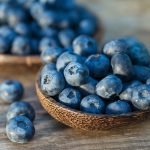 (NaturalHealth365) With their lustrous indigo color and sweet-but-tart taste, ripe blueberries are perfect little globes of flavor and juiciness. Not only are blueberries delicious, but they are generally acknowledged as a true “superfood” by nutritionists, natural health experts, and physicians alike. But can the health benefits of blueberries really be confirmed? A steadily accumulating body of scientific evidence says, “yes!”
In a March 2020 review published in Advances in Nutrition, the authors credited regular blueberry consumption with reducing the risk of a host of serious diseases – including heart disease, diabetes, obesity, and Alzheimer’s disease. Let’s take a look at some of the ways in which these succulent berries lower the odds of developing life-threatening conditions.
Blueberries “rule the roost” in anthocyanin content
Anthocyanins – natural plant pigments responsible for the deep purples, blues, and reds in fresh fruits and vegetables – are the primary active constituent of blueberries. These disease-fighting plant compounds have potent antioxidant and anti-inflammatory effects – and may even have anticancer and anti-aging properties as well.
When it comes to supplying anthocyanins, blueberries leave other fruits and vegetables “in the dust.”
Red apples, for instance, contain 12 mg of anthocyanins for every 100-gram serving (roughly half of a large apple), while 100 grams of sweet cherries contain 122 mg. By contrast, a 100-gram serving – about two-thirds of a cup – of lowbush blueberries (Vaccinium angustifolium) contains a massive 487 mg of anthocyanins. Highbush blueberries (Vaccinium corymbosum, the type most commonly cultivated in the United States) clock in somewhat lower, with a still-impressive 387 mg. Blueberries’ nearest competitor in anthocyanin content, blackberries, feature 245 mg per 100 grams.
A DELICIOUS way to avoid the threat of heart disease
The researchers evaluated over 200 studies to perform the review, including observational and epidemiological studies on humans. And, they found plenty of evidence to support their reputation as a heart-healthy food.
Anthocyanins in blueberries excel at scavenging harmful free radicals that cause oxidative stress and trigger disease. And, their anti-inflammatory effects help them act against atherosclerosis, the deposits of calcified plaque artery-clogging plaque. In addition, blueberries support the health of the endothelium – the fragile lining of arteries – and promote the production of beneficial blood pressure-lowering nitric oxide.
In a 14-year study of 87,000 participants, anthocyanin-rich berries cut the odds of developing high blood pressure – a primary risk factor for heart disease – by 10 percent. In one eight-week study, obese people who had a high risk of heart disease noted a 4 to 6 percent reduction in blood pressure after eating a two-ounce serving of blueberries a day.
In addition, a trio of different studies showed that a higher intake of anthocyanins could cut the risk of coronary artery disease by up to 25 percent. When it came to preventing heart attacks, or myocardial infarctions, blueberries did even better. In a study published in Circulation, the official journal of the American Heart Association, the team found that higher intakes of blueberries, strawberries, and total anthocyanins were associated with cutting heart attack risk by up to a third!
But wait, your brain can benefit too! Blueberries protect cognitive function and ward off Alzheimer’s disease, according to study
Blueberries’ antioxidant qualities can protect the brain from oxidative stress, which speeds the aging process and impairs brain function.
In one small but influential placebo-controlled study published in Journal of Agriculture, Food and Chemistry, older adults with mild cognitive impairment drank 8 ounces of wild blueberry juice every day for twelve weeks. They experienced improvements in markers of brain function, included paired associate learning and word list recall. As if that weren’t helpful enough, depressive symptoms were reduced. The researchers reported that anthocyanins in blueberries are associated with increased signaling between brain cells, leading to better memory function. In another study, blueberry supplementation for 90 days led to improvements in memory in healthy older adults.
Researchers believe that blueberries’ neuroprotective effects may extend to helping prevent Alzheimer’s disease and dementia as well. This is welcome news, as the incidence of Alzheimer’s disease is expected to reach 16 million cases in the United States within the next 30 years.
GREAT news: Anthocyanins can also combat type 2 diabetes
Type 2 diabetes, which currently affects over 34 million Americans, is verging on epidemic status. But blueberries may be able to help.
In a clinical placebo-controlled trial of 58 patients with type 2 diabetes, an anthocyanin extract improved insulin sensitivity and lipid profiles while reducing oxidative stress markers. In a placebo-controlled study of obese, insulin-resistant adults, six weeks of blueberry supplementation improved insulin sensitivity.
Apparently, blueberries get to work right away on discouraging type 2 diabetes. In yet another study, a single serving of anthocyanins was found to lower blood sugar!
Blueberries also act against diabetes by helping to fight obesity, a primary trigger for the disease. In a promising trial of overweight young adults, replacing 50 grams of carbohydrates with the same amount of blueberries led to favorable reductions in body weight.
Word to the wise: Blueberries are also rich in vitamins and fiber
A cup of fresh blueberries (about 150 grams) contains a healthy 4 grams of fiber, along with a quarter of the recommended daily amount for antioxidant vitamin C and over a third of the RDA for vitamin K. Impressively, blueberries offer up these valuable nutrients at a scanty 84 calories a cup — about the same caloric cost as eating seven (yes, only seven) potato chips. (Obviously, blueberries are the better choice.)
Apparently, it’s not necessary to gobble berries in massive amounts to support health. Researchers report that even modest consumption of blueberries, such as a third of a cup a day, can rack up big health benefits.
If fresh berries are expensive or inconvenient, don’t stress: you can still access many of the benefits of blueberries by using them in powder or frozen form.
And, if berries just aren’t your “thing,” anthocyanins are available as a supplement. Natural healers typically advise amounts ranging from 50 mg to 350 a day – but check with your integrative doctor before supplementing.
While the review’s authors advised more study, they were clearly enthused by the therapeutic benefits of blueberries.
“It can be widely agreed that the regular consumption of tasty, ripe blueberries can be unconditionally recommended,” the scientists declared.
What could be simpler, or more delicious, than that?
Sources for this article include:
Hype-Biscus: Trendy flavor revered for its INCREDIBLE health benefits
Reproduced from original article:
www.naturalhealth365.com/hibiscus-flowers-tea-3796.html
by: Damon Hines, staff writer | April 13, 2021
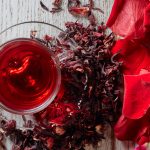 (NaturalHealth365) There are over 200 species of hibiscus around the world. Hibiscus flowers come in a variety of sizes, shapes, and colors. When they are dried and steeped, the unique, sweet-tart flavor is consumed differently across cultures – like hot tea, cold tea, or infused with aromatic spices or alcohol. While hibiscus has been popular for centuries in various tropical regions around the world, it’s become a true favorite among health food lovers in the U.S.
According to FONA International, hibiscus use has shown growth worldwide with a 78% increase in new products since 2014. The hype surrounding hibiscus is fueled, in part, by consumers’ desire for reduced sugar and low-sugar beverages. The trendy flavor is also revered for its numerous health benefits: it’s high in vitamin C and antioxidants, features antibacterial, weight loss, and diuretic properties, and has the ability to lower blood pressure and naturally absorb fat. Hibiscus flowers have long been used in traditional African medicine for their health-giving properties.
From tradition to trend: How one flower fits all
So, where did the hibiscus trend originate? For many Americans, it started in 2012, when beverage giant Starbucks introduced its first hibiscus drink – Very Berry Hibiscus. After the product launch, it was only a short time before hibiscus started showing up as a hip flavor pairing in restaurants and small-batch artisan brewers began making pink-hued hibiscus beers. With its brightly-colored petals and delicate blooms, hibiscus is as Instagrammable as it is healthy, and Instagram helps to promote the food and beverage market.
However, long before Starbucks’ co-opted hibiscus as a drink flavor, Latin America used flor de Jamaica in a diverse category of foodstuffs – from Argentinean coffee to Brazilian confectionery to Mexican street food, not to mention sweet meat sauces and ice cream. In other words, what’s trendy in the U.S. is traditional in Latin America, where hibiscus has been an essential flavor in traditional fresh waters (agua frescas) for decades.
Even beverage behemoth Coca-Cola has hibiscus blends in its global portfolio
Once a food or drink proves to be flavorful, healthy, and Instagrammable, it doesn’t take long before Big corporations want a piece of the market. In 2019, Firmenich tipped hibiscus as the “flavor of the year” because of the growing appeal of florals and botanicals in food and drink. It’s easy to forget in all the corporate jockeying and social media marketing that many cultures consider hibiscus a medicinal plant.
When the hibiscus fad fades, and food media starts obsessing over something new (one day it’s kimchi, the next it’s acai berries), hibiscus tea will still be the national drink of Senegal. Karkadeh, another type of dark red hibiscus brew, will still be used to toast wedding celebrations in Egypt and Sudan, where hibiscus is famous for its potent mix of antioxidants, vitamin C, and minerals, and not as a just “brand” ‘drink with a hip following.
If sweet, tart, tangy tea drinks aren’t your thing, consider using hibiscus in the following way:
- as a dry rub
- in a sweet sauce
- as a garnish for fish
- Chutney
- Vinaigrette
Sources or this article include:
Pomegranate: Evidence-Based Benefits of This Antioxidant Superstar
© April 13th 2021 GreenMedInfo LLC. This work is reproduced and distributed with the permission of GreenMedInfo LLC.
Want to learn more from GreenMedInfo? Sign up for the newsletter here:
www.greenmedinfo.com/greenmed/newsletter
Reproduced from original article:
www.greenmedinfo.com/blog/pomegranate-evidence-based-benefits-antioxidant-superstar
Posted on: Friday, April 9th 2021 at 12:45 pm
Written By: Dr. Diane Fulton
This article is copyrighted by GreenMedInfo LLC, 2021

Pomegranate, with its characteristic red arils, is small but mighty when it comes to substantial benefits to your health as a superfood
Pomegranate has been called an antioxidant superstar. In fact, researchers have confirmed that pomegranate has three times the antioxidant power of red wine and green tea.[i] The antioxidant impact in pomegranate comes from compounds known as polyphenols. Pomegranate includes flavonoids (catechin and anthocyanins), condensed tannins, phenolic acids, hydrolysable tannins (punicalagin), alkaloids and lignans.
From lab studies of pomegranate compounds, scientists have verified that pomegranate has beneficial antioxidant, antidiabetic, antiobesity, anti-hypertensive and anti-inflammatory properties.[ii],[iii] Isn’t it time to add pomegranate to your healthy routine?
Six Therapeutic Qualities of Pomegranate
1. Lowers Oxidative Stress
Oxidative stress refers to the imbalance between the production of reactive oxygen species (free radicals) and antioxidant defenses.[iv] This imbalance is caused by environmental stressors (i.e., ultraviolet light, exposure to radiation, pollutants, pesticides, industrial chemicals, smoking, ozone and heavy metals) and internal factors (nutrition, inflammation, lifestyle, conditions like dementia, cancer, diabetes and chronic illnesses).[v]
Accumulation of the reactive oxygen species (ROS) and oxidative damage has been linked to multiple pathologies, including neurodegenerative diseases, metabolic disorders, atherosclerosis, cardiovascular diseases,[vi] diabetes, cancer, recovery from overexercise/injuries, skin diseases and premature aging.[vii]
Pomegranate’s antioxidant superpower decreases oxidative stress, which helps to prevent and improve these oxidative related diseases and subsequent symptoms.
2. Prevents Lifestyle Diseases and Lowers Complications
Lifestyle diseases are ailments that are primarily based on the day-to-day habits of people (such as being sedentary, smoking, unhealthy diet and alcohol abuse) and include diabetes, cardiovascular diseases, chronic respiratory illnesses, stroke and cancer. Precursors can be high blood pressure, high blood sugar levels, high levels of fat in the blood, high levels of stress and obesity.[viii]
The antioxidant protection of pomegranate polyphenols helps prevent lifestyle related diseases by reducing ROS and increasing antioxidant activity.[ix] A meta-analysis of eight studies regarding pomegranate juice consumption and high blood pressure showed significant reductions in both systolic and diastolic blood pressure after taking pomegranate juice; researchers recommend including this fruit juice in your heart-healthy diet.[x]
Pomegranate was a potent antioxidant in diabetes-induced oxidative stress and fibrosis in a study of rats and partially ameliorated erectile dysfunction, a symptom caused by diabetes.[xi]
Consumption of concentrated pomegranate juice (50 grams per day) had favorable effects on two markers of inflammation (high-density lipoprotein cholesterol and IL6) and increased total antioxidant capacity by approximately 75% in a clinical study of 40 patients with Type 2 diabetes.[xii]
3. Reduces Cancer
Researchers found that pomegranate peel extract inhibited growth of prostate cancer cells, particularly in migration and invasion, which are two critical steps in prostate cancer metastasis.[xiii] In a study of hamsters, pomegranate peel extract exhibited significant antioxidant activity in their lung fibroblasts by reducing ROS by 29% to 36%.
In human breast and colon cancer cells, pomegranate extract decreased cancer cell growth both in drug-sensitive cells by 15% to 30% and in drug resistant (doxorubicin-resistant) cells by 5% to 20%, suggesting the potential usefulness of pomegranate extract in people exposed to oxidative stress and as a therapy for human cancers.[xiv]
Compared to juice, the total phenolic content and free radical scavenging potential was significantly higher in the pomegranate extract enhanced in a lab compared to its two fractions (anthocyanins and copigments) and showed the highest radical scavenging activity against galvinoxyl and DPPH radicals, oxidative stress markers in human liver cancer.
Results indicated that anthocyanins and copigments act together synergistically in reducing oxidative stress.[xv] Pomegranate was shown to improve oxidative stress levels in a jaundice-induced animal model.[xvi] Jaundice can be caused by hepatitis, gallstones, gallbladder cancer and pancreatic tumors.[xvii]
Preliminary studies show that pomegranate supplementation could prevent breast cancer by reducing two sex hormones related to breast cancer risk in a study of 64 healthy postmenopausal women who were randomly assigned to drink eight ounces of either 100% commercial pomegranate juice (intervention) or apple juice (control) for three weeks; the intervention group showed significant declines in both estrone and testosterone levels.[xviii]
A pomegranate emulsion containing various bioactive phytochemicals was found to exert substantial chemopreventive effect against induced mammary tumors in rats via antiproliferative and proapoptotic actions, which disrupted the estrogen hormone, signaling a possible breast cancer treatment for humans.[xix]
An oral capsule containing a blend of pomegranate, green tea, broccoli and turmeric, or an identical placebo, for six months was compared in 199 men with localized prostate cancer; the polyphenol food supplement group had 63% lower prostate-specific antigen (PSA) levels, a marker of progression of prostate cancer, compared to the control group.[xx]
In their comprehensive review of clinical trial studies, researchers confirmed that pomegranate plays a vital role in prevention and treatment of breast, prostate, lung, colon, skin and liver cancers.[xxi]
4. Boosts Recovery and Faster Healing of Injuries After Exercise
Consumption of pomegranate juice over three weeks improved two oxidative stress markers and thus decreased the oxidative damage caused by exercise in a study of 30 high-endurance athletes.[xxii]
Supplementation — 50 milliliters daily for two months — of pomegranate juice in a study of 19 Polish athletes found a significant strengthening of plasma antioxidant potential in the supplementing group measured by the increase of total antioxidant capacity and IL-6 levels.[xxiii]
Watermelon juice enriched with pomegranate and citrulline showed no increase in muscle damage and a significant maintenance of force during exercise and a significant decrease in the rating of perceived exertion and muscle soreness after exercise in 19 healthy men.[xxiv]
In a mice study, pomegranate red peel extract showed high antioxidant activity that significantly enhanced serum biochemical parameters and reduced oxidative stress; scientists recommended pomegranate for a daily animal diet or as a beverage for humans to gain antioxidant protective effects and improve health.[xxv]
Endurance running places substantial physiological strain on the body, which can develop into chronic inflammation and overuse injuries, but supplementation with pomegranate, curcumin and methlysulfonylmethane (MSM) reduced systemic inflammation and oxidative stress without adverse side effects in 15 marathon runners.[xxvi]
5. Improves Skin and Premature Aging
In a review of current studies, researchers found that phenolic compounds in pomegranate may have a protective effect on skin exposed to high levels of air pollution. That effect includes increasing antioxidant activity by reducing harmful ROS related to oxidative stress and lowering inflammatory markers such as cytokines and chemokines in skin diseases and decreased premature skin aging caused by particles in the air.[xxvii]
In addition, pomegranate was shown to be beneficial for reducing harmful effects of solar UVB radiation on animal skin[xxviii],[xxix] and ultraviolet (UVA and UVB) radiation on human skin.[xxx] Daily oral pomegranate consumption (eight ounces of pomegranate juice or 1,000 milligrams of pomegranate extract) enhanced protection from UV photo damage in a study of 74 women.[xxxi]
6. Decreases Inflammation
In a meta-analysis of 16 randomized controlled trials involving 572 subjects, pomegranate supplementation significantly reduced inflammation biomarkers of hs-CRP, IL-6 and TNF-α compared to the placebo group.[xxxii]
High-sensitivity C-reactive protein (hs-CRP) indicates your risk of developing coronary artery disease (narrowing of the heart’s arteries) and inflammation in your body. Coronary artery disease can lead to a heart attack.[xxxiii] Interleukin-6 (IL-6) is a protein that helps regulate immune responses and is used as a marker of immune system activation. IL-6 levels can be elevated with inflammation, infection, autoimmune disorders, cardiovascular diseases and some cancers.[xxxiv]
Tumor necrosis factor alpha (TNF- α) is a protein that contributes to inflammation as well. In healthy people, it is an essential part of the immune system, helping the body mount attacks against invading bacteria and viruses and heal damaged tissues; in those having autoimmune diseases such as arthritis, excess levels of TNF- α in the blood can lead to unnecessary inflammation and chronic pain.[xxxv]
Brain inflammation is one of the leading factors in neurological disorders like dementia, including Alzheimer’s disease. Scientists found evidence that pomegranate peel extract provides preventive and progressive benefits in neural diseases by positively affecting spatial memory and decreasing biomarkers of neuroplasticity, oxidative stress and inflammation in a mouse model of neurodegeneration.[xxxvi]
In a placebo-controlled study of 261 non-demented individuals from 50 to 75 years old, daily consumption of pomegranate juice (230 milliliters) stabilized the treated group’s ability to learn visual information over a year.[xxxvii]
A study of rats with aluminum chloride induced neurotoxicity showed that pomegranate peel extract could inhibit aluminum-induced oxidative stress and pathologies in the brain, possibly related to its anti-apoptotic and antioxidant abilities.[xxxviii]
Super Abilities of Pomegranate
Scientists are increasingly interested in the therapeutic benefits of pomegranate on diabetes, stroke recovery and clogged arteries. To learn more about pomegranate’s ability to improve your health, see GreenMedInfo.com’s article “6 Health Benefits of Pomegranate” and its database on pomegranate (the substance) and pomegranate peel.

References
[i] Gil MI, Tomás-Barberán FA, Hess-Pierce B, Holcroft DM, Kader AA. Antioxidant activity of pomegranate juice and its relationship with phenolic composition and processing. J Agric Food Chem. 2000 Oct;48(10):4581-9. doi: 10.1021/jf000404a. PMID: 11052704.
[ii] C Mayasankaravalli, K Deepika, D Esther Lydia, Reuben Agada, Dluya Thagriki, Chandramohan Govindasamy, Veeramani Chinnadurai, Othman Mohammed Othman Gatar, Ameer Khusro, Young Ock Kim, Hak-Jae Kim. Profiling the phyto-constituents offruits peel extract and accessing itsantioxidant, anti-diabetic, anti-obesity, and angiotensin-converting enzyme inhibitory properties. Saudi J Biol Sci. 2020 Dec ;27(12):3228-3234. Epub 2020 Oct 6. PMID: 33304128
[iii] Kandylis P, Kokkinomagoulos E. Food Applications and Potential Health Benefits of Pomegranate and its Derivatives. Foods. 2020; 9(2):122. https://doi.org/10.3390/foods9020122
[iv] D. John Betteridge. What is oxidative stress? Metabolism, February 01, 2000; 49 (2), Supplement 1, 3-8, DOI: 10.1016/S0026-0495(00)80077-3
[v] Medical News Today, Articles, Effects of Oxidative Stress. https://www.medicalnewstoday.com/articles/324863#effects.
[vi] Taniyama Y, Griendling KK. Reactive oxygen species in the vasculature: molecular and cellular mechanisms. Hypertension. 2003 Dec;42(6):1075-81. doi: 10.1161/01.HYP.0000100443.09293.4F. Epub 2003 Oct 27. PMID: 14581295.
[vii] Sena LA, Chandel NS. Physiological roles of mitochondrial reactive oxygen species. Mol Cell. 2012 Oct 26;48(2):158-67. doi: 10.1016/j.molcel.2012.09.025. PMID: 23102266; PMCID: PMC3484374.
[viii] Tabish SA (2017) Lifestyle Diseases: Consequences, Characteristics, Causes and Control. J Cardiol Curr Res 9(3): 00326. DOI: 10.15406/jccr.2017.09.00326
[ix] Chong Zhao, Takenori Sakaguchi, Kosuke Fujita, Hideyuki Ito, Norihisa Nishida, Akifumi Nagatomo, Yukimasa Tanaka-Azuma, Yoshinori Katakura. Pomegranate-Derived Polyphenols Reduce Reactive Oxygen Species Production via SIRT3-Mediated SOD2 Activation. Oxid Med Cell Longev. 2016 ;2016:2927131. Epub 2016 Oct 20. PMID: 27840668
[x] Amirhossein Sahebkar, Claudio Ferri, Paolo Giorgini, Simona Bo, Petr Nachtigal, Davide Grassi. Effects of pomegranate juice on blood pressure: A systematic review and meta-analysis of randomized controlled trials. Pharmacol Res. 2016 Nov 23 ;115:149-161. Epub 2016 Nov 23. PMID: 27888156
[xi] E Onal, D Yilmaz, E Kaya, T Bastaskın, N Bayatlı, S Gur. Pomegranate juice causes a partial improvement through lowering oxidative stress for erectile dysfunction in streptozotocin-diabetic rat. Int J Impot Res. 2016 Sep 1. Epub 2016 Sep 1. PMID: 27581707
[xii] Farideh Shishehbor, Majid Mohammad Shahi, Mehdi Zarei, Azadeh Saki, Mehrnoosh Zakerkish, Fatemeh Shirani, Maryam Zare. Effects of Concentrated Pomegranate Juice on Subclinical Inflammation and Cardiometabolic Risk Factors for Type 2 Diabetes: A Quasi-Experimental Study. Int J Endocrinol Metab. 2016 Jan ;14(1):e33835. Epub 2016 Jan 30. PMID: 27279834
[xiii] Deng Y, Li Y, Yang F, Zeng A, Yang S, Luo Y, Zhang Y, Xie Y, Ye T, Xia Y, Yin W. The extract from Punica granatum (pomegranate) peel induces apoptosis and impairs metastasis in prostate cancer cells. Biomed Pharmacother. 2017 Sep;93:976-984. doi: 10.1016/j.biopha.2017.07.008. Epub 2017 Jul 14. PMID: 28724216.
[xiv] Helena Moreira, Aleksandra Slezak, Anna Szyjka, Jan Oszmianski, Kazimierz Gasiorowski. Antioxidant and cancer chemopreventive activities of cistus and pomegranate polyphenols. Acta Pol Pharm. 2017 Mar ;74(2):688-698. PMID: 29624275
[xv] Tina Kostka, Johanna Josefine Ostberg-Potthoff, Karlis Briviba, Seiichi Matsugo, Peter Winterhalter, Tuba Esatbeyoglu. Pomegranate (L.) Extract and Its Anthocyanin and Copigment Fractions-Free Radical Scavenging Activity and Influence on Cellular Oxidative Stress. Foods. 2020 Nov 6 ;9(11). Epub 2020 Nov 6. PMID: 33172172
[xvi] E E Yilmaz, Z Arikanoğlu, A Turkoğlu, E Kiliç, H Yüksel, M Gümüş. The protective effects of pomegranate on liver and remote organs caused by experimental obstructive jaundice model. Eur Rev Med Pharmacol Sci. 2016 Feb ;20(4):767-72. PMID: 26957283
[xvii] My Cleveland Clinic, Health, Diseases, Adult Jaundice. https://my.clevelandclinic.org/health/diseases/15367-adult-jaundice
[xviii] Rachna Kapoor, Alayne Ronnenberg, Elaine Puleo, Robert Treat Chatterton, Joanne F Dorgan, Navindra P Seeram, Susan R Sturgeon. Effects of Pomegranate Juice on Hormonal Biomarkers of Breast Cancer Risk. Nutr Cancer. 2015 Oct ;67(7):1113-9. Epub 2015 Sep 1. PMID: 26327495
[xix] Animesh Mandal, Anupam Bishayee. Mechanism of Breast Cancer Preventive Action of Pomegranate: Disruption of Estrogen Receptor and Wnt/β-Catenin Signaling Pathways. Molecules. 2015;20(12):22315-22328. Epub 2015 Dec 12. PMID: 26703530
[xx] R Thomas, M Williams, H Sharma, A Chaudry, P Bellamy. A double-blind, placebo-controlled randomised trial evaluating the effect of a polyphenol-rich whole food supplement on PSA progression in men with prostate cancer-the UK NCRN Pomi-T study. Prostate Cancer Prostatic Dis. 2014 Mar 11. Epub 2014 Mar 11. PMID: 24614693
[xxi] Shahindokht Bassiri-Jahromi. (Pomegranate) activity in health promotion and cancer prevention. Oncol Rev. 2018 Jan 30 ;12(1):345. Epub 2018 Jan 30. PMID: 29441150
[xxii] Fuster-Muñoz E, Roche E, Funes L, Martínez-Peinado P, Sempere JM, Vicente-Salar N. Effects of pomegranate juice in circulating parameters, cytokines, and oxidative stress markers in endurance-based athletes: A randomized controlled trial. Nutrition. 2016 May;32(5):539-45. doi: 10.1016/j.nut.2015.11.002. Epub 2015 Dec 7. PMID: 26778544.
[xxiii] A Urbaniak, P Basta, K Ast, A Wołoszyn, J Kuriańska-Wołoszyn, Ewa Latour, A Skarpańska-Stejnborn. The impact of supplementation with pomegranate fruit (Punica granatum L.) juice on selected antioxidant parameters and markers of iron metabolism in rowers. J Int Soc Sports Nutr. 2018 Jul 24 ;15(1):35. Epub 2018 Jul 24. PMID: 30041701
[xxiv] Martínez-Sánchez A, Alacid F, Rubio-Arias JA, Fernández-Lobato B, Ramos-Campo DJ, Aguayo E. Consumption of Watermelon Juice Enriched in l-Citrulline and Pomegranate Ellagitannins Enhanced Metabolism during Physical Exercise. J Agric Food Chem. 2017 Jun 7;65(22):4395-4404. doi: 10.1021/acs.jafc.7b00586. Epub 2017 May 26. PMID: 28513179.
[xxv] D Aboelsoued, F A M Abo-Aziza, M H Mahmoud, K N Abdel Megeed, N M T Abu El Ezz, F M Abu-Salem. Anticryptosporidial effect of pomegranate peels water extract in experimentally infected mice with special reference to some biochemical parameters and antioxidant activity. J Parasit Dis. 2019 Jun ;43(2):215-228. Epub 2019 Jan 14. PMID: 31263326
[xxvi] Tanner EA, Gary MA, Michalik S, Davis AA, McFarlin BK. Optimized Curcumin, Pomegranate Extract, and Methylsulfonylmethane Reduce Acute, Systemic Inflammatory Response to a Half-marathon Race. Altern Ther Health Med. 2020 Jul 1:AT6137. Epub ahead of print. PMID: 32619204.
[xxvii] Yong Chool Boo. Can Plant Phenolic Compounds Protect the Skin from Airborne Particulate Matter? Antioxidants (Basel). 2019 Sep 6 ;8(9). Epub 2019 Sep 6. PMID: 31500121
[xxviii] Naghma Khan, Deeba N Syed, Harish Chandra Pal, Hasan Mukhtar, Farrukh Afaq. Pomegranate fruit extract inhibits UVB-induced inflammation and proliferation by modulating NF-κB and MAPK signaling pathways in mouse skin(†). Photochem Photobiol. 2011 Dec 19. Epub 2011 Dec 19. PMID: 22181855
[xxix] Mineka Yoshimura, Yuko Watanabe, Kouichi Kasai, Jun Yamakoshi, Takuro Koga. Inhibitory effect of an ellagic acid-rich pomegranate extract on tyrosinase activity and ultraviolet-induced pigmentation. Biosci Biotechnol Biochem. 2005 Dec;69(12):2368-73. PMID: 16377895
[xxx] Lisbeth A Pacheco-Palencia, Giuliana Noratto, Lal Hingorani, Stephen T Talcott, Susanne U Mertens-Talcott. Protective effects of standardized pomegranate (Punica granatum L.) polyphenolic extract in ultraviolet-irradiated human skin fibroblasts. J Agric Food Chem. 2008 Sep 24;56(18):8434-41. Epub 2008 Aug 22. PMID: 18717570
[xxxi] Susanne M Henning, Jieping Yang, Ru-Po Lee, Jianjun Huang, Mark Hsu, Gail Thames, Irene Gilbuena, Jianfeng Long, Yunhui Xu, Esther HaeIn Park, Chi-Hong Tseng, Jenny Kim, David Heber, Zhaoping Li. Pomegranate Juice and Extract Consumption Increases the Resistance to UVB-induced Erythema and Changes the Skin Microbiome in Healthy Women: a Randomized Controlled Trial. Sci Rep. 2019 Oct 10 ;9(1):14528. Epub 2019 Oct 10. DOI: 10.1038/s41598-019-50926-2. PMCID: PMC6787198 PMID: 31601842
[xxxii] Peng Wang, Qiang Zhang, Huijuan Hou, Zhiyong Liu, Li Wang, Reyhaneh Rasekhmagham, Hamed Kord-Varkaneh, Heitor O Santos, Guangtao Yao. The effects of pomegranate supplementation on biomarkers of inflammation and endothelial dysfunction: A meta-analysis and systematic review. Complement Ther Med. 2020 Mar ;49:102358. Epub 2020 Feb 26. PMID: 32147056
[xxxiii] Mayo Clinic, Tests- Procedures, C-Reactive Protein Test, https://www.mayoclinic.org/tests-procedures/c-reactive-protein-test/about/pac-20385228
[xxxiv] Lab Tests Online, Tests, Interleukin-6, https://labtestsonline.org/tests/interleukin-6
[xxxv] Medical News Today, Articles. https://www.medicalnewstoday.com/articles/324841
[xxxvi] Maressa Caldeira Morzelle, Jocelem Mastrodi Salgado, Milena Telles, Danilo Mourelle, Patricia Bachiega, Hudson Sousa Buck, Tania Araujo Viel. Neuroprotective Effects of Pomegranate Peel Extract after Chronic Infusion with Amyloid-β Peptide in Mice. PLoS One. 2016 ;11(11):e0166123. Epub 2016 Nov 9. PMID: 27829013
[xxxvii] Prabha Siddarth, Zhaoping Li, Karen J Miller, Linda M Ercoli, David A Merril, Susanne M Henning, David Heber, Gary W Small, Randomized placebo-controlled study of the memory effects of pomegranate juice in middle-aged and older adults, The American Journal of Clinical Nutrition, Volume 111, Issue 1, January 2020, Pages 170-177, https://doi.org/10.1093/ajcn/nqz241
[xxxviii] Ahmed E Abdel Moneim. Evaluating the potential role of pomegranate peel in aluminum-induced oxidative stress and histopathological alterations in brain of female rats. Biol Trace Elem Res. 2012 Dec ;150(1-3):328-36. Epub 2012 Sep 5. PMID: 22945624

NEW study: Eating too much of these foods raises your risk of stroke and heart disease
Reproduced from original article:
www.naturalhealth365.com/refined-grains-3764.html
by: Lori Alton, staff writer | March 16, 2021
 (NaturalHealth365) Heart disease, which claims over 655,000 lives every year in the United States, is the number one killer in the nation and the leading cause of death worldwide. While multiple factors contribute to heart disease, natural health experts and forward-thinking dietitians have long suspected that heavy consumption of refined grains plays a role.
In other words: you might want to think twice before having that doughnut. A just-published study in the British Medical Journal revealed that a higher intake of refined grains is associated with a substantially higher risk of major cardiovascular events – such as heart attack and stroke – as well as a higher risk of death from any cause. Over the past few decades, dietary intake of refined grains and added sugar has soared in countries around the globe. The bombshell study helps to “connect the dots” – and illuminates the life-shortening effects of refined foods on people worldwide.
Editor’s note: Heart disease now kills 31% of all people worldwide… and the root causes are NOT what you think! Click here to discover the truth inside the Cardiovascular Docu-Class, hosted by Jonathan Landsman, creator of NaturalHealth365
Shocking study finds 47 percent higher stroke risk with refined grains
The 16-year study, known as the Prospective Urban/Rural Epidemiology Study (PURE), involved over 137,000 participants in 21 different countries. The international team of researchers examined the diets of various populations in low-, middle- and high-income countries worldwide and categorized the daily consumption of refined grains by quantity.
The highest intake of refined grains was over 350 grams a day (about seven to ten servings), while the lowest category involved amounts under 50 grams a day.
More than seven servings a day raised the risk of stroke by a staggering 47 percent – and increased the risk of heart disease by 33 percent (compared to those in lower-consumption groups). Perhaps the most shocking finding was that more than seven servings of refined grains a day were associated with a 27 percent greater risk for early death. (Given the high proportion of refined grains in the standard American diet, it’s clear that many people in the United States meet this unhealthy mark daily!)
Do NOT ignore the health dangers linked to toxic indoor air. These chemicals – the ‘off-gassing’ of paints, mattresses, carpets and other home/office building materials – increase your risk of nasal congestion, fatigue, poor sleep, skin issues plus many other health issues.
Get the BEST indoor air purification system – at the LOWEST price, exclusively for NaturalHealth365 readers. I, personally use this system in my home AND office. Click HERE to order now – before the sale ends.
Unsurprisingly, refined grains were also associated with higher systolic blood pressure.
Warning: Refined, processed grains are stripped of micronutrients and fiber
The researchers classified the grains into three categories: refined grains, whole grains, and white rice.
Refined grains are wheat grain products in which the bran (or aleurone fiber layer) and the germ have been removed. Refined grains have lower levels of fiber, which helps protect against cancer, and lower levels of vitamins, minerals, essential fatty acids, and antioxidant plant compounds.
Refined grains are absorbed quickly from the small intestine and can lead to post-meal blood sugar spikes and increased insulin concentration. They can also stimulate appetite and food intake. (In other words, these inferior foods can actually make you hungrier). Examples of refined grains include white bread, crackers, pasta, noodles, ready-to-eat breakfast cereals, and baked goods such as croissants, cookies, and pastries.
Whole grains in the study included steel cut oats, oatmeal, cracked wheat, corn, cornmeal, bulgur wheat, barley, and products made with stone-ground whole grain flours such as wheat, maize, millet, and buckwheat. (Dark bread, such as pumpernickel bread, also made the grade because the grain still contains its original fiber).
White rice is technically a refined grain, but researchers considered it separately because it is a staple food in Asia, where 60 percent of the study population resides. In addition, between you and me, no flour product – even if it’s “stone-ground” or “organic” should ever be considered a “whole grain” product … but, that’s what conventionally-trained researchers tend to think. (unfortunately!)
Researchers: Both whole grains and white rice were “in the clear” when it comes to raising heart disease risk
Natural health experts say that white, processed rice – in which the fiber, husk, and germ have been removed – is nutritionally inferior to brown and wild rice. In fact, brown and wild rice contain much higher levels of disease-fighting nutrients, including B-complex vitamins, antioxidant vitamin E, iron, and dietary fiber.
However, in this study, at least, white rice got a clean bill of health from the researchers regarding raising the risk of major cardiovascular disease and early death.
Somewhat less surprisingly, whole grains were also found to have no adverse association with heart disease or early death.
Slashing your consumption of refined grains is a recipe for longer life and better health
The researchers reported that white bread appeared to be the biggest culprit in heart disease and early death. And they even had a formula for evaluating the harm. For every white bread-induced 200-calorie increase in the daily diet, the risk of mortality increased by 3 percent.
On the other hand, the team noted that switching to the Mediterranean diet (which involves far less bread made from refined grains) is linked with lower weight gain and less abdominal fat. They pointed out that these benefits could also occur because the antioxidant- and fiber-rich foods featured in this diet (fresh fruits and vegetables, whole grains, fish, and healthy fats) tend to have a lower glycemic index.
As natural health experts have been advising all along: the best policy is to drastically reduce or eliminate your consumption of overly-processed refined grains and strive for better-quality carbohydrates (hint: whole, unprocessed grains).
In other words: more millet or quinoa, less Danish pastries, and doughnuts.
Sources for this article include:
Hope for heart failure: Discover the lifesaving effects of hawthorn
Reproduced from original article:
https://www.naturalhealth365.com/hawthorn-extracts-heart-failure-3734.html
by: Lori Alton, staff writer | February 18, 2021
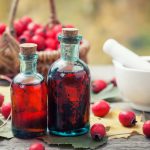 (NaturalHealth365) Heart failure – the inability of the heart to pump enough oxygen-rich blood throughout the body – is a chronic, progressive disease with a notoriously poor prognosis. Experts report that about half of all people diagnosed with this condition pass away within five years – and a tragic 90 percent of those with advanced forms of heart failure will succumb within the year.
Since Biblical times, herbal healers have used the berries, leaves, and flowers of the hawthorn plant to combat heart conditions. Now, fast forward to the 21st century, multiple scientific studies support this ancient therapy. In one particularly eye-opening study, researchers found that hawthorn extracts, when added to conventional medical treatments, could not only improve symptoms but reduce the risk of sudden death! For the roughly 6.2 million Americans currently living with heart failure, these results are great (and potentially lifesaving!) news indeed.
Editor’s note: Heart disease now kills 31% of all people worldwide… and the root causes are NOT what you think! Click here to discover the truth inside the Cardiovascular Docu-Class, hosted by Jonathan Landsman, creator of NaturalHealth365.
Adding hawthorn extracts to heart failure medication DRASTICALLY improves patient outcomes
In a study of over 2,600 adults published in the European Journal of Heart Failure (EJHF), researchers evaluated the effects of 900 mg of hawthorn extract a day on patients with class II or III heart failure. The patients also had compromised left ventricular ejection fractions.
The ejection fraction refers to the amount of blood pumped out of the left ventricle (the main pumping chamber of the heart) with each heartbeat. Ejection fractions of 55 to 70 percent are considered “normal,” while a measurement under 35 percent constitutes severe heart failure. All of the participants in the study had ejection fractions under 35 percent.
The researchers found that the hawthorn reduced cardiac mortality in one particular subgroup of patients: those with less compromised left ventricular function. Specifically, in patients with ejection fractions of over 25 percent (but less than 35 percent), the hawthorn extracts reduced death by an impressive 39.7 percent.
Do NOT ignore the health dangers linked to toxic indoor air. These chemicals – the ‘off-gassing’ of paints, mattresses, carpets and other home/office building materials – increase your risk of nasal congestion, fatigue, poor sleep, skin issues plus many other health issues.
Get the BEST indoor air purification system – at the LOWEST price, exclusively for NaturalHealth365 readers. I, personally use this system in my home AND office. Click HERE to order now – before the sale ends.
While more study is needed, this is a truly encouraging result with significant implications. By the way, the team also remarked on the lack of adverse effects and concluded that combining hawthorn with optimal heart medications was safe.
Reduce the “Big Three” symptoms of heart failure
Additional research has supported the ability of hawthorn to alleviate symptoms of heart failure.
A study of 952 people showed that hawthorn berry extracts reduced fatigue, shortness of breath, and heart palpitations – what researchers called the three “cardinal symptoms” of heart disease – when compared to a group that did not take hawthorn. In addition, the team reported that the hawthorn group required fewer synthetic chemical medications.
In several systematic reviews of existing studies, investigators also noted the benefits of hawthorn for heart failure.
In one review, which examined 14 randomized studies involving over 850 people, the authors concluded that hawthorn extracts combined with pharmaceutical medication reduced shortness of breath and fatigue while improving heart function and exercise tolerance.
Hawthorn’s flavonoids and polyphenols have potent antioxidant effects
Hawthorn berries are a rich source of antioxidants and anti-inflammatory plant compounds, which help scavenge free radicals and reduce the oxidative damage and inflammation that can trigger heart disease.
One such group of antioxidants, known as oligomeric procyanidins (OPCs), are plant pigments with the ability to act against heart disease and atherosclerosis. OPCs in hawthorn have been shown to increase ejection fraction and boost cardiac efficiency in heart failure patients while improving cholesterol profiles.
Incidentally, each 900-mg daily serving of hawthorn extract given to the participants in the landmark EJHF study contained 169 mg of OPCs.
Hawthorn extracts also benefit the heart by dilating the coronary and peripheral blood vessels, which helps to lower blood pressure. As if that weren’t beneficial enough, hawthorn extracts fight hypertension in yet another way: by inhibiting the action of angiotensin-converting enzyme (ACE), a body chemical that raises blood pressure.
Incidentally, hawthorn’s benefits are not confined to the heart. Animal studies show that hawthorn extracts reduce liver triglycerides by as much as 47 percent – a boon for those with nonalcoholic fatty liver (NAFLD), which verges on epidemic levels in the United States. Hawthorn has also been shown to have stomach-protective effects that may reduce the odds of developing an ulcer.
Improve your heart function with the help of time-honored hawthorn
While hawthorn berries are not generally available at supermarkets, you may be able to find them at farmers’ markets, health food stores, and online. The tart, refreshing berries can be nibbled “as is” for a snack; alternately, the dried berries and leaves can be brewed into a therapeutic tea. Hawthorn berries can also be utilized in jellies, jams, and marinades.
Hawthorn is also available in supplementary form, in capsules and liquid extracts. Natural health experts typically advise servings of 300 to 600 mg of hawthorn three times a day. However, never attempt to address heart failure – or any other condition – with hawthorn without first consulting with an experienced integrative doctor. Hawthorn is not meant for long-term use – and can cause interactions with certain prescribed medications.
Of course, the occurrence of heart failure symptoms – which include fatigue, shortness of breath during everyday activities, heart palpitations, and unexplained swelling in the feet, legs, or stomach – calls for a prompt visit to your doctor.
Conventionally speaking, heart failure is a serious condition with no known cure. However, proper action steps can slow the progression from one stage to the next – while improving the quality and duration of life.
Maybe it’s time for you and your doctor to discuss adding hawthorn to your daily routine. You just might find that you can breathe easier.
Sources for this article include:
LifeExtension.com
Everydayhealth.com
Healthline.com
NIH.gov
Ready to fight heart disease? Boost your heart health with these tiny seeds
Reproduced from original article:
www.naturalhealth365.com/sunflower-seeds-heart-health-3718.html
by: Karen Sanders, staff writer | February 4, 2021
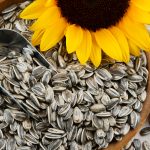 (NaturalHealth365) In spite of scientific advances, heart disease is still the leading cause of death for Americans. Yet, experts tell us, many cases of cardiovascular disease are preventable, with simple lifestyle changes – such as a clean diet – to help improve our heart health.
Do you crave “junky” foods? The seeds of a cheerful, hardy summer flower – scientifically known as Helianthus annuus – offer a tasty alternative to junk foods such as potato chips and cookies, and can help you redirect your cravings towards healthier fare.
Sunflower seeds – with their crunchy, pleasing texture and mildly sweet, buttery taste – are virtually perfect snack food. They are not only packed with essential micronutrients and antioxidants but are also rich in natural plant oils that work together to ward off heart disease.
Editor’s note: Heart disease now kills 31% of all people worldwide … and the root causes are NOT what you think! Click here to discover the truth inside the Cardiovascular Docu-Class, hosted by Jonathan Landsman, creator of NaturalHealth365.
Science-backed compounds provide POWERFUL heart health benefits
In addition to polyunsaturated linoleic acid, sunflower seeds contain oleic acid – an extremely beneficial monounsaturated acid that is also found in such heart-healthy treats as olives and avocados. Oleic acid helps to lower harmful LDL cholesterol while raising amounts of desirable HDL cholesterol.
In addition, animal studies have shown that a diet high in oleic acid can help reverse the negative effects of inflammatory cytokines. As inflammation triggers many serious health conditions – including heart disease and cancer – this bodes well for sunflower seeds’ ability to promote coronary health.
Do NOT ignore the health dangers linked to toxic indoor air. These chemicals – the ‘off-gassing’ of paints, mattresses, carpets and other home/office building materials – increase your risk of nasal congestion, fatigue, poor sleep, skin issues plus many other health issues.
Get the BEST indoor air purification system – at the LOWEST price, exclusively for NaturalHealth365 readers. I, personally use this system in my home AND office. Click HERE to order now – before the sale ends.
Can oleic acid prevent heart disease?
The simple answer is yes. In a study published in 2004 in Nutrition, omega-3 polyunsaturated acids, including oleic acid, decreased the risk of cardiovascular disease. Oleic acid also lowered unhealthy LDL cholesterol and decreased concentrations of vascular cell adhesion molecules, making cells less ‘sticky’ – and reducing the risk of atherosclerosis, strokes, blood clots, and heart disease.
But wait, there is even more good news!
Sunflower seeds are rich in amino acids, organic compounds essential to the production of protein. In addition to their role as “building blocks” of protein, amino acids can help to prevent the buildup of body fat and boost the immune system; they can also boost heart health in a variety of ways.
A mere quarter of a cup – about 35 grams – of sunflower seeds contains an impressive .70 grams of arginine – which can increase the elasticity of arteries while decreasing vascular resistance. By helping to keep blood vessels dilated, arginine enhances blood flow, helping to prevent the development of coronary artery disease.
Sunflower seeds also offer healthy amounts of tryptophan. Many people know that tryptophan can promote restful sleep and reduce anxiety and mood swings; not as well known is the fact that tryptophan is a potent antioxidant that can scavenge harmful free radicals in the body.
Glutamic acid, also found in sunflower seeds, benefits the cardiovascular system as well. In a 2009 study published in Circulation: Journal of the American Heart Association, researchers found that this amino acid can significantly lower blood pressure.
A quarter cup of sunflower seeds improves your health in more ways than you can imagine
The same quarter-cup serving of sunflower seeds contains over 80 percent of the adult daily value of antioxidant and anti-inflammatory vitamin E – which helps protect against the oxidation of cholesterol, a major factor in heart disease. Sunflower seeds are also high in selenium, a terrific antioxidant – especially when taken in conjunction with vitamin E. Sunflower seeds also contain healthy levels of magnesium – which helps to regulate blood pressure, and niacin – which boosts levels of desirable high-density lipoproteins.
With 204 calories to a quarter-cup, sunflower seeds are not a low-cal food. However, one serving offers the same amount of protein as an 8-oz. container of yogurt; sunflower seeds’ exemplary amounts of vitamins, minerals, micronutrients, and protein make them a very good caloric investment. In addition, they are naturally high in heart-healthy dietary fiber – which leads to a feeling of satiety and can help prevent overeating.
Here are some of our favorite ways to enjoy sunflower seeds
It doesn’t much matter if you buy your sunflower seeds shelled or unshelled; the important thing is that they are organic. Unshelled sunflower seeds should feel crisp and firm; avoid any that appear limp, soggy, or withered.
Shelled sunflower seeds should be grayish-white, and have a fresh, clean fragrance; if they are visibly yellowed, this could mean that they are rancid. Unshelled seeds may be stored at room temperature in an airtight container, while shelled seeds should be refrigerated.
You can use these versatile seeds to add flavor and texture to rice, pasta, tabouleh, or casserole dishes. Sprinkle them over green salads, stir them into oatmeal, or use them to enliven chicken salad. Highly portable and convenient to eat, sunflower seeds are perfect for quick energy on the hiking trail, or for an afternoon pick-me-up at your desk.
With almost every constituent working together to ward off coronary disease, it is almost as if sunflower seeds have been divinely engineered towards the goal of protecting your heart. All you have to do is nibble away and enjoy.
Sources for this article include:
AHA.Journals.org
NIH.gov
CDC.gov