Cardiovascular
now browsing by category
Without our heart, we die, so why do people insult our heart with poor nutrition?
SHOCKING report from Canada: 106 young people hospitalized due to heart inflammation after receiving mRNA jab
Reproduced from original article:
www.naturalhealth365.com/heart-inflammation-3969.html
by: Sara Middleton, staff writer | September 11, 2021
 (NaturalHealth365) With more than 54 million doses of the COVID shot administered in the country, approximately 68.6% of the Canadian population is considered “fully vaccinated,” although this could change depending on booster shot rollouts.
Now, less than a year into the controversial jab rollout and subsequent mandates, hundreds of people within the province of Ontario alone have developed a potentially dangerous and costly health condition after their Moderna or Pfizer injection.
Hundreds of Ontario residents diagnosed with heart inflammation following COVID injection, including more than 100 people under the age of 25
Public Health Ontario recently released a report titled, “Myocarditis and Pericarditis Following Vaccination with COVID-19 mRNA Vaccines in Ontario: December 13, 2020, to August 7, 2021.”
The details are as follows:
- There have been a total of 204 reported cases of myocarditis, pericarditis, pleuropericarditis, or myopericarditis (all conditions are related to inflammation in and around the heart)
- Of the total reported cases, all but 2 required an emergency room visit; 146 required hospitalization; and 3 required admissions to the ICU – fortunately, there are no reported fatalities
- 106 of these cases involved people under the age of 25; 54 of these cases involved people aged 25 to 39
- The majority of these cases occurred in males, mostly after the second dose of either mRNA jab
Currently, protests are erupting around Ontario after the provincial government announced it will be requiring COVID-19 vax passports for entrance into public places such as restaurants, gyms, and nightclubs, effective September 22.
Sadly, it’s not just Ontario residents who are experiencing this concerning adverse effect. Nova Scotia recently reported that as of July 23, 2021, 22 of its residents have suffered heart inflammation following immunization with either the Pfizer-BioNTech or Moderna shots.
In other pandemic news: Lockdowns pushing millions of people into extreme poverty, says World Bank
No long-term safety data on the COVID shots (along with thousands of reported post-jab health effects, including deaths). Possible speech and developmental impairments due to widespread, prolonged mask use in children. Loneliness and social isolation. Surging rates of childhood obesity. These aren’t the only problems associated with the global pandemic response: economic hardships triggered by government actions are leading to skyrocketing rates of poverty, as well.
According to World Bank, about a quarter of the world’s population lives on less than $3.20 per day, and nearly half of the world’s population lives on less than $5.50 per day, as of September 2020.
However, thanks to the COVID-19 pandemic, the number of people experiencing extreme poverty – living on less than $1.90 per day – is increasing. In a January 2021 article, World Bank warns: “The estimated increase in global poverty in 2020 is truly unprecedented.”
Current projections have estimated that the number of people pushed into extreme poverty – the so-called “COVID-19-induced new poor” – was between 119 and 124 million in 2020.
Along with conflict and climate change, World Bank cites “economic contraction” as a key driver of this sobering shift in global poverty.
“The deceleration in economic activity intensified by the pandemic,” World Bank explains in an October 2020 press release, “is likely to hit the poorest people especially hard, and this could lead to even lower shared prosperity indicators in coming years.”
The international financial institution also indicates an increasing number of people in urban communities are falling into extreme poverty, even though such levels of destitution have “traditionally affected people in rural areas.”
Official projections like this remind us that it could be a long, long time before we fully understand the long-reaching effects of these pandemic lockdowns, business closures, social isolation, and other COVID-19 mitigation measures.
Then again, not everyone is coming out of this by the skin of their teeth. According to Forbes, American billionaires have increased their wealth by roughly $1.2 trillion during the pandemic.
Sources for this article include:
Publichealthontario.ca
TorontoSun.com
Theglobeandmail.com
Canada.ca
NIH.gov
WorldBank.org
WorldBank.org
Forbes.com
TandFonline.com
JAMAnetwork.com
ScientificAmerican.com
CDC misleads public, fails to mention that “mild” myocarditis has lifelong consequences
Reproduced from original article:
www.naturalhealth365.com/mild-myocarditis-has-lifelong-consequences-3943.html
by: Sara Middleton, staff writer | August 19, 2021
 (NaturalHealth365) According to the U.S. Centers for Disease Control and Prevention (CDC), the new mRNA COVID shot available under Emergency Use Authorization (EUA) can cause a variety of adverse effects, including myocarditis, a type of heart inflammation. The CDC also claims these cases are typically mild.
But dismissing these cases as “mild” does not capture the whole picture. Let’s explore a recent Children’s Health Defense interview with a mother explaining her son’s struggle with myocarditis following his Pfizer injection.
Mother laments “what they didn’t explain” as she watches her teenage son struggle with heart inflammation following COVID injection
Survivorship bias: It’s something that social media influencers accuse people of when they point out that the majority of cases of COVID-19 are mild and non-deadly. Yet these influencers fail to see that the same “bias” could be applied to people who receive the COVID shot – and just because they were “fine” after receiving the injection doesn’t necessarily mean other people will be, too.
Consider the case of 14-year-old Aiden Jo. As Children’s Health Defense reports, the boy (who was previously healthy and only had asthma as a pre-existing condition) received his first Pfizer jab on May 12. A few weeks later, on June 10, Aiden woke up in the middle of the night complaining of chest pain and difficulty breathing.
His mother, Emily, rushed Aiden to the hospital where he was ultimately treated for heart inflammation. Emily was reportedly aware that this was a possible consequence of giving her child the shot, but she states she had been under the impression that the adverse effect was rare and mild.
“What they didn’t explain,” she states to Children’s Health Defense, “is that mild means hospital care and follow-up care indefinitely.” The boy now is forced to sit out of gym class, skip recess, and is unable to run around and play outside with his friends due to how easily he gets tired and how poorly his heart can handle the stress of activity. His mother also faces thousands of dollars in medical care.
“Parents need to understand that myocarditis is not covered under the National Vaccine Injury Compensation Program,” she says, “and the Countermeasures Injury Compensation Program only covers if you’re incapacitated, wheelchair-bound, or dead. We have incurred thousands and thousands of dollars in medical bills. We have insurance but they don’t pay all. It does not account for tests down the road that we still have to get.”
Emily adds: “[The CDC is] not explaining what mild myocarditis means. Aiden’s cardiologist told us no case of myocarditis is ‘mild.’ That’s like saying a heart attack is mild.”
These are the kinds of complications you can expect from myocarditis
As noted by Mayo Clinic, myocarditis reduces your heart’s ability to pump and can cause rapid or abnormal heartbeats. And other than prolonged recovery and thousands of dollars in hospital bills, severe cases of myocarditis can also lead to:
- Heart attack
- Stroke
- Heart failure
- Sudden cardiac death
Parents should be aware that signs of myocarditis in children include chest pain, breathing problems, abnormal heartbeats, rapid breathing, fever, and fainting.
Ask yourself the question: Do the benefits of getting your child inoculated clearly outweigh the risks? Does your child need an experimental jab with a list of potentially severe adverse effects for a condition that has a close to 100 percent survival rate?
Sources for this article include:
Seven Herbs and Supplements for Heart Failure
© GreenMedInfo LLC. This work is reproduced and distributed with the permission of GreenMedInfo LLC.
Want to learn more from GreenMedInfo? Sign up for the newsletter here:
www.greenmedinfo.com/greenmed/newsletter
Reproduced from original article:
www.greenmedinfo.com/blog/seven-herbs-and-supplements-heart-failure
Posted on: Friday, July 30th 2021 at 4:00 pm
Written By: GreenMedInfo Research Group
This article is copyrighted by GreenMedInfo LLC, 2021

Heart failure is a disorder affecting millions of people in the U.S., and it may be preventable by making heart-healthy dietary and lifestyle choices. Read on to learn about seven powerful herbs and supplements to strengthen a failing heart
Congestive heart failure is a disease with a misleading name; it doesn’t mean that your heart has “failed” or stopped beating. Rather, heart failure is a chronic condition that occurs when the heart muscle fails to pump an adequate supply of blood to the body, causing an increasing amount of damage as organs and tissues are deprived of oxygen and nutrients carried by the blood.
Heart failure doesn’t come on overnight; it develops gradually and is often the result of underlying health conditions that weaken the heart, like heart disease, obesity and high blood pressure. The good news is a diagnosis of congestive heart failure may be preventable by making heart-healthy choices like losing weight, exercising regularly and incorporating more organic produce and healthy fats into your diet.
If you’ve already been diagnosed, it’s important to consult your health care provider and a cardiac specialist. As part of an approved treatment regimen, diet and lifestyle modifications may help strengthen your heart and improve its function. To aid in that effort, we’ve researched the top medical journals and scientific databases to compile a shortlist of herbs and supplements that have been verified by science as effective for supporting patients with heart failure.
1. CoQ10
The efficacy of coenzyme Q10, or CoQ10, is a matter of controversy among scientists. A 2017 meta-analysis of clinical trials sought to gain clarity on the question by pooling the results of previous studies evaluating the effect of using CoQ10 to treat patients with heart failure.
Researchers combed PubMed and other top medical databases for controlled trials of CoQ10, with 14 trials and 2,149 heart failure patients meeting inclusion criteria. Endpoints for the trials were death, left heart ejection fraction (a measure of the left ventricle’s ability to pump blood), exercise capacity and a standardized measure of overall heart function after treatment.
Final analysis showed that patients with heart failure who supplemented with CoQ10 had a lower death rate and a higher exercise capacity than placebo-treated patients.[i] Other studies support CoQ10’s ability to help patients with heart failure decrease serious complications and avoid hospitalization, significant findings that were attributed to CoQ10’s ability to support mitochondrial function and provide energy to cells.[ii]
2. Ubiquinol
Ubiquinol (pronounced you-bik-win-all) is a recently developed form of CoQ10 that has only been commercially available for around 12 years. Considered the active form of CoQ10, ubiquinol is an antioxidant that plays a key role in creating cellular energy.[iii] CoQ10 comes in two forms: ubiquinone and ubiquinol, both of which are made naturally by the body. The body must convert ubiquinone into ubiquinol to create cellular energy.[iv]
Production of ubiquinol begins slowing down at around age 40, as does the body’s ability to convert ubiquinone into ubiquinol, which is better absorbed by the body.[v] Studies have shown that ubiquinol is up to 70% more bioavailable than conventional CoQ10.[vi] For this reason, older adults may choose to supplement with ubiquinol to enhance the energy available to their cells.
A clinical trial on patients with congestive heart failure noted that patients who were given supplemental ubiquinone at doses of up to 900 milligrams (mg) a day, failed to achieve adequate blood plasma levels of CoQ10. Researchers postulated that intestinal edema in these critically ill patients had prevented their bodies from being able to adequately convert the ubiquinone into active ubiquinol.[vii]
When patients were switched to ubiquinol (between 450 and 900 mg/day), plasma CoQ10 levels increased significantly and clinical improvement was noted as “remarkable.” Researchers concluded that “ubiquinol dramatically improved absorption in patients with severe heart failure” and noted that improvements in plasma CoQ10 levels correlated with both clinical improvement and better left ventricular function in the heart.[viii]
A 2019 study supports these findings. On 400 mg ubiquinol per day for three months, patients with heart failure and reduced ejection fraction had significant improvement in peripheral endothelial function compared with placebo-treated patients.[ix]
3. Omega-3 and -6 Fats
The importance of including healthy fats in your diet has gained needed attention since the flawed logic of low-fat diets became exposed. Turns out, your brain and heart need fat to function, but it’s important to choose the right kinds of fat, including heart-healthy polyunsaturated fatty acids (PUFAs), like omega-3s and certain omega-6s.
While most people consume an overabundance of omega-6 fats from processed foods, a study published in the journal Lipids in Health and Disease found that low levels of dihomo-gamma-linolenic acid (DGLA), an omega-6 PUFA, circulating in the blood were associated with higher death rates in patients with heart failure. Conversely, higher levels of DGLA in the blood were associated with higher survival rates.[x]
Another study on omega-3s found that dietary supplementation with fish oil increased plasma adiponectin, a protein that helps regulate insulin sensitivity, suppressed inflammation and prevented cardiac dysfunction.[xi] Researchers did not observe the same cardioprotective properties in patients supplementing with flaxseed oil.[xii]
4. Hawthorn
Hawthorn is a plant in the rose family that is native to the cooler Northern Hemisphere. Hawthorn (scientific name: Crataegus) has been used to make traditional medicine for hundreds, perhaps thousands, of years and has been most commonly applied in the treatment of diseases of the heart.[xiii]
In an effort to substantiate centuries of use, the European Journal of Heart Failure published a study on the efficacy and safety of hawthorn extract in patients with heart failure called the SPICE trial. Researchers performed a large-scale morbidity/mortality trial encompassing 1,442 patients in congestive heart failure.
Supplementing with Crataegus extract was found to reduce sudden cardiac death by a whopping 39.7% at month 24 of treatment in patients with less compromised left ventricular function. The treatment showed no significant adverse effects.[xiv]
5. Berberine
Berberine is another plant-based medicinal that has demonstrated impressive heart benefits. Anecdotally believed to aid in producing stronger heartbeats,[xv] berberine’s place in our herbal pantheon as a heart healer has received scientific validation.
In 2010, a berberine derivative was found to strengthen the heart by blocking calcium influx, a central cause of a failing heart, and exerting powerful antioxidant activity.[xvi] Among berberine’s heart-boosting properties is antiarrhythmic activity that has been shown to prolong the duration of ventricular action potential; in other words, create a stronger, more rhythmic heartbeat.[xvii]
A 2020 study seeking to identify the mechanism by which berberine works on the heart did not mince words: “Berberine has been verified to protect cardiac function in patients with heart failure.”[xviii] Berberine’s effect on heart health is another example of the plant world’s deep symbiosis with the human body.
6. Magnesium
The mineral salt magnesium is critical for more than 300 enzyme systems in the body, as well as the regulation of blood pressure.[xix] Research has explored the use of magnesium in patients with heart disease, with some studies focusing on the role magnesium plays on endothelial dysfunction, a hallmark of heart failure in which the blood vessels of the heart constrict instead of opening or dilating.
One such study, published in the journal Congestive Heart Failure, found that oral supplementation with 800 mg/day of magnesium oxide for three months produced improved arterial function compared to placebo in heart failure patients.[xx] The importance of lost minerals to heart health has been clearly ascertained, with low magnesium levels contributing to oxidative stress, compromised antioxidant defenses, tissue wasting and more problems linked to heart failure.[xxi]
7. Arginine
The amino acid arginine, also called L-arginine, is important for numerous bodily functions, including dilating and relaxing arteries.[xxii] Though arginine is produced endogenously, it needs to be consumed to maintain adequate levels. Foods like pastured red meat, fish, poultry and dairy products are primary sources; vegetarians can look to whole grains, nuts and seeds to boost arginine intake.
Arginine’s role in healthy heart function has been the focus of numerous studies in recent decades. Supplementation for six weeks was found to enhance exercise tolerance in heart failure patients, an important marker of heart stability.[xxiii] Adding arginine to a regimen of CoQ10 and vitamin D was found to be beneficial to both cardiac and endothelial cells that line blood vessels, due to a cooperative effect.[xxiv]
And a meta-analysis of more than 30 years’ worth of scientific studies on arginine found that oral supplementation exerts favorable effects in the prevention and treatment of a vast array of cardiovascular disorders, including mild-to-moderate heart failure.[xxv]
Before starting any herb or supplement regimen, it’s important to talk to your health care provider about possible contraindications with current medication and/or prescribed treatment protocols.
*WARNING: Always consult a medical herbalist or your health care practitioner when using both natural and pharmaceutical medicines for any diagnosed condition. This article is for informational purposes only and not intended to be used as medical advice.
References
[i] Li Lei, Yan Liu. Efficacy of coenzyme Q10 in patients with cardiac failure: a meta-analysis of clinical trials. BMC Cardiovasc Disord. 2017 Jul 24 ;17(1):196. Epub 2017 Jul 24. PMID: 28738783
[ii] C Morisco, B Trimarco, M Condorelli. Effect of coenzyme Q10 therapy in patients with congestive heart failure: a long-term multicenter randomized study. Clin Investig. 1993;71(8 Suppl):S134-6. PMID: 8241697
[iii] Ubiquinol.org, Supplement Facts, https://ubiquinol.org/ubiquinol-coq10-supplement-facts
[iv] Ubiquinol.org, Supplement Facts, https://ubiquinol.org/ubiquinol-coq10-supplement-facts
[v] Ubiquinol.org, Supplement Facts, https://ubiquinol.org/ubiquinol-coq10-supplement-facts
[vi] Ubiquinol.org, Ubiquinol Vs. CoQ10, https://ubiquinol.org/ubiquinol-vs-coq10
[vii] Peter H Langsjoen, Alena M Langsjoen. Supplemental ubiquinol in patients with advanced congestive heart failure. Biofactors. 2008;32(1-4):119-28. PMID: 19096107
[viii] Peter H Langsjoen, Alena M Langsjoen. Supplemental ubiquinol in patients with advanced congestive heart failure. Biofactors. 2008;32(1-4):119-28. PMID: 19096107
[ix] Chika Kawashima, Yasushi Matsuzawa, Masaaki Konishi, Eiichi Akiyama, Hiroyuki Suzuki, Ryosuke Sato, Hidefumi Nakahashi, Shinnosuke Kikuchi, Yuichiro Kimura, Nobuhiko Maejima, Noriaki Iwahashi, Kiyoshi Hibi, Masami Kosuge, Toshiaki Ebina, Kouichi Tamura, Kazuo Kimura. Ubiquinol Improves Endothelial Function in Patients with Heart Failure with Reduced Ejection Fraction: A Single-Center, Randomized Double-Blind Placebo-Controlled Crossover Pilot Study. Am J Cardiovasc Drugs. 2019 Nov 12. Epub 2019 Nov 12. PMID: 31713723
[x] Shohei Ouchi, Tetsuro Miyazaki, Kazunori Shimada, Yurina Sugita, Megumi Shimizu, Azusa Murata, Takao Kato, Tatsuro Aikawa, Shoko Suda, Tomoyuki Shiozawa, Masaru Hiki, Shuhei Takahashi, Takatoshi Kasai, Katsumi Miyauchi, Hiroyuki Daida. Decreased circulating dihomo-gamma-linolenic acid levels are associated with total mortality in patients with acute cardiovascular disease and acute decompensated heart failure. Lipids Health Dis. 2017 Aug 14 ;16(1):150. Epub 2017 Aug 14. PMID: 28806965
[xi] Monika K Duda, Karen M O’Shea, Anselm Tintinu, Wenhong Xu, Ramzi J Khairallah, Brian R Barrows, David J Chess, Agnes M Azimzadeh, William S Harris, Victor G Sharov, Hani N Sabbah, William C Stanley. Fish oil, but not flaxseed oil, decreases inflammation and prevents pressure overload-induced cardiac dysfunction. Immunopharmacol Immunotoxicol. 2009;31(2):209-13. PMID: 19015135
[xii] Monika K Duda, Karen M O’Shea, Anselm Tintinu, Wenhong Xu, Ramzi J Khairallah, Brian R Barrows, David J Chess, Agnes M Azimzadeh, William S Harris, Victor G Sharov, Hani N Sabbah, William C Stanley. Fish oil, but not flaxseed oil, decreases inflammation and prevents pressure overload-induced cardiac dysfunction. Immunopharmacol Immunotoxicol. 2009;31(2):209-13. PMID: 19015135
[xiii] WebMD, Vitamins & Supplements, Hawthorn, https://www.webmd.com/vitamins/ai/ingredientmono-527/hawthorn
[xiv] Christian J F Holubarsch, Wilson S Colucci, Thomas Meinertz, Wilhelm Gaus, Michal Tendera,. The efficacy and safety of Crataegus extract WS 1442 in patients with heart failure: the SPICE trial. Eur J Heart Fail. 2008 Dec;10(12):1255-63. Epub 2008 Nov 18. PMID: 19019730
[xv] WebMD, Vitamins & Supplements, Berberine, https://www.webmd.com/vitamins/ai/ingredientmono-1126/berberine
[xvi] Min-you Qi, Yu Feng, De-zai Dai, Na Li, Yu-si Cheng, Yin Dai. CPU86017, a berberine derivative, attenuates cardiac failure through normalizing calcium leakage and downregulated phospholamban and exerting antioxidant activity. Acta Pharmacol Sin. 2010 Feb;31(2):165-74. PMID: 20139899
[xvii] C W Lau, X Q Yao, Z Y Chen, W H Ko, Y Huang. Cardiovascular actions of berberine. Cardiovasc Drug Rev. 2001 Fall;19(3):234-44. PMID: 11607041
[xviii] Miyesaier Abudureyimu, Wenjun Yu, Richard Yang Cao, Yingmei Zhang, Haibo Liu, Hongchao Zheng. Berberine Promotes Cardiac Function by Upregulating PINK1/Parkin-Mediated Mitophagy in Heart Failure. Front Physiol. 2020 ;11:565751. Epub 2020 Sep 25. PMID: 33101051
[xix] NIH.gov, Office of Dietary Supplements, Health Information, Fact Sheet, Magnesium, https://ods.od.nih.gov/factsheets/Magnesium-HealthProfessional/
[xx] Johanna C Fuentes, Adrian A Salmon, Marc A Silver. Acute and chronic oral magnesium supplementation: effects on endothelial function, exercise capacity, and quality of life in patients with symptomatic heart failure. J Periodontal Res. 1996 Aug;31(6):408-13. PMID: 16470086
[xxi] Kevin P Newman, Matthew T Neal, Matthew Roberts, Kayla D Goodwin, Elizabeth A Hatcher, Syamal K Bhattacharya. The importance of lost minerals in heart failure. Cardiovasc Hematol Agents Med Chem. 2007 Oct;5(4):295-9. PMID: 17979692
[xxii] WebMD, Heart, Arginine https://www.webmd.com/heart/arginine-heart-benefits-and-side-effects
[xxiii] S Doutreleau, B Mettauer, F Piquard, O Rouyer, A Schaefer, J Lonsdorfer, B Geny. Chronic L-arginine supplementation enhances endurance exercise tolerance in heart failure patients. Int J Sports Med. 2006 Jul;27(7):567-72. PMID: 16802253
[xxiv] Claudio Molinari, Vera Morsanuto, Simona Polli, Francesca Uberti. Cooperative Effects of Q10, Vitamin D3, and L-Arginine on Cardiac and Endothelial Cells. J Vasc Res. 2018 ;55(1):47-60. Epub 2018 Jan 5. PMID: 29301117
[xxv] E Z Fisman, A Tenenbaum, I Shapira, A Pines, M Motro. The nitric oxide pathway: is L-arginine a gate to the new millennium medicine? A meta-analysis of L-arginine effects. J Med. 1999;30(3-4):131-48. PMID: 17312667
 The GMI Research Group (GMIRG) is dedicated to investigating the most important health and environmental issues of the day. Special emphasis will be placed on environmental health. Our focused and deep research will explore the many ways in which the present condition of the human body directly reflects the true state of the ambient environment.
Doctor claims: Heart failure from mRNA Jabs “will kill most people”
Reproduced from original article:
https://www.naturalhealth365.com/heart-failure-from-mrna-jabs-3910.html
by: Sara Middleton, staff writer | July 21, 2021
 (NaturalHealth365) After dozens of alarming cases of heart inflammation were reported following the COVID mRNA injection – especially after the second dose – pharmaceutical companies Pfizer and Moderna were forced to list heart inflammation as a possible adverse effect of their experimental and highly profitable drugs.
Public health officials were quick to ensure people that these cases of heart inflammation are rare and generally not serious. But one Canadian doctor recently shared insights into the COVID shots that foretell serious health issues for jab recipients – such as heart failure – even if they do not experience heart inflammation in the short term.
Spike proteins produced by the body in response to mRNA jabs will damage blood vessel walls and lead to “inevitable” blood clots, warns Canadian doctor
Dr. Charles Hoffee is a practicing family physician from British Columbia. In a recently released video, he makes a dire warning about the long-term outcomes of people who have received the experimental mRNA jabs.
It may help to remember that the COVID-19 virus gets into cells via small spike-like structures on its surface named, aptly, spike proteins. As Dr. Hoffe explains in his interview, the experimental mRNA injections trigger cells in the body to produce “trillions and trillions of these spike proteins.”
The body’s immune system recognizes these proteins as foreign and creates antibodies against them. Now, the injected person is supposedly protected against COVID-19, because if they ever come across SARS-CoV-2 (the so-called virus that causes the pandemic illness), they will already have antibodies against the virus’s spike proteins and their body will therefore be able to launch a faster attack.
Of course, we’ve been told the spike proteins produced by our bodies in response to the mRNA jabs are “harmless.” But this isn’t the case, Dr. Hoffe argues.
Here’s the thing:
Spike protein production is intended to occur in muscle cells near where the injections are administered. But according to Dr. Hoffe, this isn’t what’s happening.
“Only 25 percent of the ‘[injection]’ injected into a person’s arm actually stays in your arm,” he says. “The other 75 percent is collected by your lymphatic system and literally fed into your circulation.” As a result, trillions of these “little packages” of messenger RNA get absorbed into cells inside the blood vessels, Dr. Hoffe says, including endothelial cells found in capillaries.
It is here, in endothelial cells lining the body’s tiniest blood vessels, that the mRNA molecules go to work, using genetic instructions to force cells to manufacture the infamous spike proteins.
Unfortunately, these spike proteins become embedded into the cell walls (just as they are embedded into the surface of the virus itself), turning your normally smooth endothelial cells into cells with damaged, spiky surfaces. And because of this, Dr. Hoffe says, it is “inevitable” that people who have received the mRNA jabs will eventually suffer from blood clots and even possible heart failure.
Here is why Dr. Hoffe predicts mRNA jabs will inevitably lead to blood clots – and that “the worst is yet to come”
It comes down to blood platelets.
Platelets circulate throughout your blood vessels. Their main job is to detect damaged vessels and stop bleeding – by forming clots. “So, when the platelet comes through the capillary it suddenly hits all these COVID spikes,” Dr. Hoffe says, “… it becomes absolutely inevitable that blood clots will form to block that vessel.”
These are not the large blood clots that can be seen on medical imaging, the doctor adds, but rather microscopic ones that are only detectable with certain tests, such as a D-dimer test. (D-dimer is a protein made by your body when clots are broken down. High D-dimer levels suggest the presence of abnormal clot formation.)
Dr. Hoffe himself has begun detecting elevated D-dimer levels in over 60 percent of his patients who have received Pfizer or Moderna shots.
Overall, Dr. Hoffe predicts people who have received mRNA jabs are at risk of fatal heart failure within a matter of years because of this spike protein effect. Given that we have no data on the long-term effects of these drugs, it is a concerning prediction, indeed.
For more information, you can watch the 8-minute video here:
Sources for this article include:
Principa-scientific.com
BBC.com
Nebraskamed.com
Medlineplus.gov
BREAKING: Male soldiers suffer “Acute Chest Pain” after mRNA jabs, new study reveals
Reproduced from original article:
www.naturalhealth365.com/soldiers-suffer-heart-inflammation-after-mrna-jabs-3897.html
by:
 (NaturalHealth365) After announcing that the effectiveness of its controversial and highly profitable COVID shot declines six months after injection, pharmaceutical company Pfizer now states it will be seeking Emergency Use Authorization (EUA) from the U.S. Food and Drug Administration (FDA) for a third “booster” shot in August.
Will this booster shot – which may as well be considered a euphemism for “the first doses didn’t work” – also be heavily pushed or, in some cases, mandated … even when we continue to hear frightening reports of heart inflammation among otherwise healthy young adults?
New peer-reviewed study reveals DOZENS of U.S. military members experienced heart inflammation following mRNA jabs
In June, JAMA Cardiology published a paper investigating a string of concerning cases of myocarditis – a potentially deadly form of heart inflammation – among U.S. military members who had received the mRNA jabs.
The findings from the report are as follows:
- Between January and April 2021, study investigators observed 23 male service members – all but one of whom were “previously healthy” – who presented to medical personnel with complaints of chest pain within 4 days of being jabbed with the experimental mRNA drug
- Most (20) of these men experienced chest pain and related symptoms following the second dose of their shots
- All males had significantly elevated levels of troponin – a type of protein that indicates heart damage
For context, the U.S. military administered a total of 2.8 million doses of mRNA injections during the same study observation period. However, the study’s authors acknowledge that these cases were gleaned from only a “brief period of observation” and that the “true incidence of this adverse event is unknown at this time.”
“Passive surveillance, even when stimulated by global attention on [COVID shot] safety, may not identify all cases,” the authors explain.
Another major limitation of this study is that this report is “unable to describe longer-term outcomes among these patients.” In other words: how many other U.S. military members and American civilians have suffered heart inflammation at the hands of the experimental mRNA drugs? And how long might these people have to suffer the unintended consequences of their decision (coerced or otherwise) to take this drug?
True rates of “rare” adverse events from COVID jabs are not known, may not show up until millions of people subjected to these experimental drugs
In case you’re wondering, Pfizer’s pre-EUA clinical trials did not identify myocarditis, which the authors of this study argue is “understandable” given that “fewer than 20,000 participants received an [injection].”
It’s long been accepted that rare and potentially serious adverse events might only be later recognized once experimental drugs are doled out to the public. “When millions of people receive an [injection],” the U.S. Centers for Disease Control and Prevention (CDC) says on its website, “the less common side effects that were not identified earlier may show up.”
Meanwhile, the CDC, Pfizer, and political leaders continue to claim that these injections are “safe and effective” for virtually everyone over the age of 12.
So, if these drugs truly are to be considered safe until proven otherwise … what happens when an increasing amount of evidence suggests otherwise?
Sources for this article include:
CNN.com
JAMANetwork.com
Reuters.com
Zerohedge.com
Childrenshealthdefense.org
CDC.gov
Athlete Who Recovered From COVID Facing ‘Very Different Future’ After Second Dose of Pfizer Vaccine Triggers Myocarditis
© GreenMedInfo LLC. This work is reproduced and distributed with the permission of GreenMedInfo LLC.
Want to learn more from GreenMedInfo? Sign up for the newsletter here:
www.greenmedinfo.com/greenmed/newsletter
Reproduced from original article:
www.greenmedinfo.com/blog/athlete-who-recovered-covid-facing-very-different-future-after-second-dose-pfizer
Posted on: Monday, June 21st 2021 at 4:30 pm
Written By: Children’s Health Defense

Originally published on www.childrenshealthdefense.org by Megan Redshaw
In an interview with The Defender, Marie Follmer said no one warned her that her 19-year-old son — a healthy, elite athlete who had recovered from COVID — shouldn’t get the Pfizer vaccine because it would put him at greater risk of developing myocarditis
Greyson Follmer, an Ohio State University (OSU) student, was an elite athlete and member of the university’s chapter of the Reserve Officers’ Training Corps (ROTC).
But, according to his mother, the 19-year-old from Ohio is looking at a very different future now, after he developed severe heart complications following his second dose of Pfizer’s COVID vaccine.
In an exclusive interview with The Defender, Marie Follmer said nobody warned her about the potential for increased risks of COVID vaccine-related adverse events for people like her son, who already had COVID and had acquired natural immunity.
Greyson has played sports since he was 4 years old. He was an athlete who played in the state soccer championship in high school and then went on to OSU and started college during the COVID pandemic. He also joined ROTC his freshman year and was very active — running several miles every day with heavy packs on his back.
Greyson was perfectly healthy and had no underlying conditions except for asthma — which didn’t affect his athletic abilities — and food allergies.
Like most students early on in the year, Greyson and his friends got COVID. Though most had no symptoms, Greyson experienced mild flu symptoms — though they were nothing like his post-vaccine symptoms, Follmer explained.
The university required students who had COVID to quarantine. It also required them to get a heart MRI before they could return to school. Follmer thought that was strange, but she made sure her son got one.
When the cardiac MRI came back it showed Greyson’s heart was enlarged with slight inflammation. The cardiologist thought it could be related to being an elite athlete, and signed a release for Greyson to return to school.
“He wasn’t 100%, but he was recovering. He was able to go skiing, return to ROTC and went on spring break,” Follmer said.
Follmer and her husband got vaccinated first with Moderna. When a friend of Follmer secured appointments for the kids to be vaccinated, she drove to OSU, picked up Greyson and told him he was going to get vaccinated.
Greyson received his first dose of Pfizer on April 16, and a second dose on May 7. After the first dose Greyson experienced minor symptoms, but his mother didn’t connect them to the COVID vaccine.
It was after his second dose that things really changed, Follmer said. Greyson experienced significant symptoms shortly after his second dose. Three times he was taken to Nationwide Children’s Emergency Hospital.
“My son feels like he’s having a heart attack 24/7,” Follmer said. “He now has high blood pressure, severe chest pains, back pain, elevated kidney levels, hypothyroidism, inflamed lymph nodes in different areas of his body, and he can’t work or exercise.”
Follmer said Greyson feels like he’s dying and has to sleep all the time. He likely won’t be able to go back to ROTC and doesn’t know if he will be able to return to school in August. Greyson experienced broken feet from soccer and said nothing compares to the chest pain he feels now.
“A perfectly healthy kid has gone downhill,” his mom said.
Doctors initially attributed the heart problems Greyson experienced in May, after the vaccine, to the COVID he had in September 2020. Believing he was a “long-hauler,” they referred her son to the Ohio COVID Clinic.
According to the Harvard Gazette, “COVID long-haulers” is a term used to describe those who continue to feel symptoms of COVID long after the expected recovery time. Patients tend to be younger, and in some cases, initially experienced only mild symptoms.
On June 15, Greyson was taken by emergency medicine services to Ohio Health. Follmer said she knew her son’s symptoms were connected to the Pfizer vaccine, but nobody knew how to help him.
Greyson has seen numerous doctors and specialists. His family has spent more than $12,000 in one month. Lab work is covered by insurance but his other treatments are not. Greyson is doing stem cell treatments, taking Ivermectin and numerous supplements to support his condition.
Doctors project it will take him two years to fully recover, though there’s no research or information on how to treat myocarditis brought on by a COVID vaccine.
In the meantime, Greyson can’t mow the grass, work or go to school. He walks around holding his chest and is in counseling to cope with the effects this has had on his life, his mother said.
Follmer said she’s not an anti-vaccine person, especially because she has a young daughter who could get sick. None of her children had ever had reactions to vaccines.
Follmer’s 11-year-old daughter is immunocompromised. Even though all of her children had been exposed to COVID, she thought she was protecting her daughter by having her son vaccinated.
Follmer explained:
“I think what’s frustrating to me right now is that nobody told me that if you have an enlarged heart or heart inflammation, don’t get the shot. Not one person ever told us this. I never would have thought in a million years my kid would get sick.
“I was ready to give my daughter the vaccine — she is going to be 12 in August and has one lung and a reconstructive airway. There is no way on this planet I would give her the vaccine now. Greyson’s twin brother will also not be getting the vaccine after seeing what his brother has gone through.”
Follmer said no one told her about reporting her son’s adverse reaction to the Centers for Disease Control and Prevention’s (CDC) Vaccine Adverse Events Reporting System (VAERS). “If I hadn’t put it on Facebook and someone hadn’t told me to put it in VAERS, I would have never known to do it.”
Follmer said she has since reported her son’s adverse reaction to VAERS (ID1395886), but no one has followed up on her son’s case nor has the report been added to the system. She also tried calling the CDC to see if someone there could help them.
“I just want him better. That’s the bottom line,” Follmer said. I just want everyone to know — don’t be naive like I was and think that this can’t happen to your kids.”
Cardiothoracic surgeon warns against vaccinating people who’ve already had COVID
Dr. Hooman Noorchashm, a surgeon, immunologist and patient safety advocate, wrote several letters to the U.S. Food and Drug Administration (FDA) shortly after the agency granted Pfizer and Moderna Emergency Use Authorization for their COVID vaccines.
In his letters, Noorchashm urged the FDA to require pre-screening for SARS-CoV-2 viral proteins in order to reduce COVID vaccine injuries and deaths.
Noorchashm also called on Pfizer and Modern to institute “clear recommendations to clinicians that they delay immunization in anyone recently recovering from COVID, as well as any known symptomatic or asymptomatic carriers — and to actively screen as many patients with high cardiovascular risk as is reasonably possible, in order to detect the presence of SARS-CoV-2, prior to vaccinating them.”
According to Noorchashm, it is scientifically established that once a person is naturally infected by a virus, antigens from that virus persist in the body for a long time after viral replication has stopped and clinical signs of infection have resolved.
When a vaccine reactivates an immune response in a recently infected person, the tissues harboring the persisting viral antigen are targeted, inflamed and damaged by the immune response.
“In the case of SARS-CoV-2, we know the virus naturally infects the heart, the inner lining of blood vessels, the lungs and the brain,” explained Noorchashm. “So these are likely to be some of the critical organs that will contain persistent viral antigens in the recently infected. Following reactivation of the immune system by a vaccine, these tissues can be expected to be targeted and damaged.”
In an interview with The Defender, Noorchashm said Greyson’s case reminded him of Everest Romney — the all-American basketball player who was hospitalized after his second dose of Pfizer for blood clots in his brain.

According to Noorchasm, both Romney and Greyson had acquired natural immunity because they’d been infected with COVID, and they likely did not stand to gain any benefit from a COVID vaccine.
Noorchashm explained:
“It’s a colossal error to vaccinate people who have had prior infections, and this is totally avoidable harm we are causing. Why are we rushing to vaccinate people who we know are immune and don’t stand to gain any benefit? If I do anything medically unnecessary to someone as a doctor, I’m opening them up to potential harm. If you’ve had a recent infection and you have viral antigens in your tissues, you can literally and immunologically cause tissue damage.”
Medical necessity is on the ground floor of everything doctors do in regards to safety, Noorchasm said. “If you want to be a safe hospital, doctor, practitioner or health agency you would not do anything that’s not necessary to people or fundamentally not beneficial. There’s only a probability of harm if there’s no medical necessity,” he said.
When asked specifically about myocarditis, Noorchashm said this is the original prediction and prognostication he made to the FDA.
Noorchashm said:
“We know that natural SARS CoV-2 virus can affect the heart. It can cause blood clots that can lead to heart attacks and strokes and myocarditis. The virus can trigger an immune response or inflammation to the heart. Anywhere the virus goes the immune system will target that tissue and cause problems. If you’ve had a prior infection and you have antigens in the tissues where the virus goes, like the heart, and you activate the immune response [with a vaccine], you’re going to activate damage.”
Noorchashm, who is pro-vaccine, said shots need to be spread out for people who are not immune and want to be vaccinated, and the FDA and CDC should think carefully about limiting the shot to one dose, especially in young people, or increasing the duration between first and second doses.
In his letter to the FDA, Noorchashm recommended actively screening as many patients with high cardiovascular risk as is reasonably possible, in order to detect the presence of SARS-CoV-2, prior to vaccinating them.
“If someone has a known history of COVID, there should not be any rush to get them vaccinated,” Noorchashm said. “That should be our national policy. If you’ve either had COVID, or you have laboratory evidence of immunity, you shouldn’t rush into getting vaccinated.

Hold the fries! Fried foods increase the risk of MULTIPLE chronic diseases, lead to deadly heart disease
Reproduced from original article:
www.naturalhealth365.com/fried-foods-3842.html
by: Lori Alton, staff writer | May 23, 2021
 (NaturalHealth365) Whether served as buckets of fried chicken, piles of French fries, bags of potato chips, or platters of breaded fish and shrimp, there’s no denying that fried foods have a prominent place in the diets of many Americans. But a new 2021 meta-analysis published in Heart may make fried foods seem a little less palatable – by linking them with an increased risk of life-threatening chronic diseases.
The CDC reports that about 655,000 Americans lose their lives to heart disease every year. Nutritionists have long identified the Standard American Diet – low in fruits, vegetables, and fiber and high in unhealthy fats, refined carbs, and sugar – as a major contributor to this grim toll. (It’s fitting that this destructive diet is abbreviated as SAD.) The new review goes a step further, evaluating the specific effects of fried foods on heart health – and on the incidence of heart attack and stroke. The jaw-dropping results may make you think twice about ordering that double serving of fries.
Multiple studies confirm the link between fried foods and cardiovascular disease
Researchers evaluated data from 17 different studies spanning 9.5 years and involving 754,873 participants to conduct the review.
The team found that the group with the highest intake of fried foods increased their risk of major cardiovascular events by 28 percent and their risk of coronary heart disease by 22 percent. The most eye-opening increase was in the risk of heart failure, which rose by an alarming 37 percent. Heart failure – which occurs when the heart can’t pump enough blood to meet the body’s needs – features a notoriously poor five-year survival rate.
Earlier studies also pointed to the ill effects of fried food. In a 2019 study of 155,000 military veterans published in Clinical Nutrition, the researchers noted that eating fried foods one to three times a week raised the risk of heart attack and stroke by 7 percent (compared to consuming these foods less than once a week). Eating fried food daily – reported by about 5 percent of the participants – caused the risk of these major cardiovascular events to soar 14 percent higher.
Nutritional NIGHTMARE: Levels of toxic fat and calories skyrocket in fried foods
Fried foods, which lose water and absorb fat in the cooking process, are much higher in calories and fat than their baked counterparts. For example, a 3.5-ounce serving of baked potatoes contains under 100 calories – and zero grams of fat. But, the calories in a 3.5-ounce serving of French-fried potatoes clock in at a hefty 319 – while fat content swells to a stunning 17 grams.
Clearly, fried foods can contribute to obesity, which is a primary risk factor for heart disease. And, fried foods don’t do your heart any favors when it comes to lipid profiles, either. Studies have suggested that they decrease levels of beneficial HDL cholesterol – while increasing blood pressure, to boot.
Fried foods from fast food and chain restaurants can be particularly problematic. Experts say they are a source of unhealthy “trans fats,” generated from the hydrogenated vegetable oils restaurants use for frying. These fats are difficult for the body to break down and are linked to heart disease, cancer, obesity, and type 2 diabetes. Re-using oil is particularly harmful, as the trans fats increase every time the oil is heated. Finally, fried fast food tends to be loaded with sodium and is often served with sugar-laden drinks – thereby forming the very definition of a “nutritional disaster.”
Good news: The Mediterranean diet is linked with longevity and improved heart health
In addition to avoiding processed, fried, fast foods and junk foods, you can promote heart health with the Mediterranean diet. This healthy way of eating features generous amounts of fruits, vegetables, and whole grains, a moderate to high intake of fish, a low intake of saturated fats (such as butter), and a high intake of healthy monounsaturated fats from olive oil, avocados, and nuts. Dairy products and meat are consumed in relatively low amounts. Some proponents of the diet recommend very modest consumption of red wine with meals.
Multiple studies have attested to the ability of the Mediterranean diet to help prevent chronic diseases. In fact, a University of Athens Medical School study of 74,607 European adults over age 60 showed that the Mediterranean diet could prolong life, with participants adhering most consistently to the diet living up to 14 percent longer than those who did not follow it closely.
Word to the wise: Watch out for “unidentified frying objects”
According to Dr. Eugenia Gianos, director of Women’s Heart Health at Lenox Hill Hospital in New York City, people often associate fried foods with crispy breading and batters. Yet, some fried foods – think chicken wings, potato chips, or doughnuts – don’t have external breading. Still, like fried foods, they have the same negative health impact.
Does the research mean that you should ban fried foods from your diet in the interests of heart health? Or is it still permissible to enjoy a few golden French fries?
Registered dietitian Dana Angelo White, an associate professor at Quinnipiac College in Hamden, Conn., puts it this way.
“Eating small amounts … (of fried food) isn’t the end of the world,” Dr. Gianos commented. “But,” she added, “the more you eat of fried foods, the worse it is for you.”
Maybe it’s time to start bypassing harmful frying with baking, steaming, grilling, roasting, or broiling. Your heart will thank you!
Sources for this article include:
ScienceDaily.com
BritishMedicalJournal.com
BBC.Co.uk
CDC.gov
Healthline.com
Spike Protein Damages Vascular Cells

Reproduced from original article:
https://articles.mercola.com/sites/articles/archive/2021/05/25/spike-protein-coronavirus.aspx
Analysis by Dr. Joseph Mercola Fact Checked May 25, 2021
Sorry, YouTube have banned this video because it tells the truth.
STORY AT-A-GLANCE
- Researchers used a pseudo virus made of a cell surrounded by spike proteins but without a viral component to demonstrate the spike proteins can damage human cells and alter mitochondrial function
- Many of the long-haul symptoms attributed to COVID-19 may be the result of endothelial damage that triggers poor flow through the capillaries, inflammation and tissue hypoxia
- Data show up to 10% of all people who contracted COVID experienced long-haul symptoms, but none of Dr. Vladimir Zelenko’s patients who were treated within the first five days of infection developed persistent symptoms
- As researchers are seeking another target for future vaccine development, French authorities announced five people developed myocarditis after receiving the Pfizer vaccine. Twelve VAERS reports in the U.S. listed myocarditis
During 2020, many people learned more about coronaviruses, and specifically the SARS-CoV-2 virus that causes COVID-19. Pictures of the spiked virus have been plastered across the news media.
The image is reminiscent of a chain mace, or flail. This was a medieval weapon with a spiked steel ball at the end of a chain or leather strap. The image may be frightening. It turns out researchers believe the spikes are responsible for significant vascular damage leading to severe disease.1
Most people will be infected at least one time in their lives by some type of coronavirus. If the COVID-19 pandemic is the first time you’ve heard about coronaviruses, you should know the first one was discovered in chickens in 1930.2 A few decades later the first human coronavirus was identified.3
Currently, scientists have identified four types of coronaviruses that are endemic and can cause up to 15% of common colds.4 Interestingly, if all coronaviruses have originated in the wild, the rate at which the virus is mutating has accelerated dramatically in 20 years.
In the last two decades, three new coronaviruses have emerged: SARS in November 2002;5 MERS in September 2012;6 and SARS-CoV-2 in December 2019.7 The symptoms of COVID-19 from an infection with SARS-CoV-2 can vary to a great extent.
Some people carrying the virus have had no symptoms. Others report fever, headache, body aches, dry cough, loss of appetite and loss of smell.8 In others, more severe symptoms can develop that affect the respiratory tract and lead to pneumonia.
Approximately 36% of individuals have experienced gastrointestinal symptoms or neurological symptoms, either with or without respiratory symptoms.9 A recent paper published in Circulation Research10 revealed it is the spiked proteins on the virus that play a key role in your symptoms.
Spiked SARS-CoV-2 Damages More Than Your Lungs
A team of researchers including scientists from the University of California San Diego evaluated the effects of the SARS-CoV-2 virus in animals. The researchers were not surprised by the clinical findings, but the data revealed a detailed explanation of how the spike (S) protein triggers damage to the vascular system.11
The researchers created a pseudo virus, or cell surrounded by the spike proteins that did not contain a virus.12 Using an animal model, the researchers administered the pseudo virus into the lungs and found the virus was not necessary to create damage. Instead, the spike protein was enough to cause inflammation.
The experiment was then replicated in the lab using cell cultures. The team exposed healthy endothelial cells that line your arteries to the spiked pseudo virus. Past studies had demonstrated that exposure to the SARS-CoV-2 virus elicited damage to the cells by binding to angiotensin converting enzyme 2 (ACE2).
However, the team found the cells responded in a similar way when exposed to the pseudo virus. When the S protein attached to the ACE2 receptor it disrupted signaling to the mitochondria and caused damage and fragmentation. The alterations in mitochondrial function were confirmed as part of the inhibition of ACE2 signaling in the lab.
The results also revealed that the virus could induce endothelial cell inflammation and endotheliitis. The protein reportedly decreased ACE2 levels and impaired nitric oxide bioavailability.13 Co-senior author of the study, Uri Manor, explained in a press release from Salk Institute:14
“If you remove the replicating capabilities of the virus, it still has a major damaging effect on the vascular cells, simply by virtue of its ability to bind to this ACE2 receptor, the S protein receptor, now famous thanks to COVID. Further studies with mutant spike proteins will also provide new insight towards the infectivity and severity of mutant SARS-CoV-2 viruses.”

Long Haul Symptoms May Be Related to Vascular Damage
Some of the symptoms from COVID-19 that last weeks or months for some people may be the result of vascular damage. People who have had these symptoms have been given the name “long haulers.”15
In theory, they have recovered from the worst symptoms of the illness and test negative. Yet, they continue to have symptoms without an active infection. According to a paper in JAMA,16 approximately 10% of people who have had COVID-19 may experience long haul symptoms.
The Centers for Disease Control and Prevention17 report that a combination of the following symptoms without an active COVID infection can appear weeks after the infection and last for months. Symptoms may worsen after physical or mental activity.
| Brain fog described as difficulty thinking or concentrating | Chest pain |
| Cough and difficulty breathing | Depression or anxiety |
| Dizziness when first standing | Fast beating heart or pounding heart |
| Fatigue | Fever |
| Headache | Joint or muscle pain |
| Loss of smell or taste | Shortness of breath |
The predominant pathophysiology of COVID-19 includes endothelial damage and microvascular injury, stimulation of hyperinflammation and hypercoagulability.18 A recent review in Physiological Reports19 examined how the capillary damage and inflammation from endotheliitis triggered by COVID-19 could contribute to the persistent symptoms by interfering with tissue oxygenation.
The combined effects of capillary damage in multiple key organs may accelerate hypoxia related inflammation and lead to long haul symptoms. Although exercise temporarily worsens long haul symptoms and some have rejected high-intensity interval training (HIIT) as an option, one paper published in Frontiers in Cardiovascular Medicine from Denmark suggests the opposite.20
The authors of this study argue that the pathophysiology of COVID-19 may be overcome by the physiological effects of HIIT and it should be considered as one of the rehabilitation choices to potentially reverse these symptoms. They propose that exercise could increase viral clearance and modulate TNF-alpha and interleukin-1 beta signaling.
This may in turn reduce vascular inflammation. They acknowledge that HIIT is the most controversial type of exercise intervention to be prescribed after COVID-19, due to the risk of sudden cardiac arrest secondary to cardiovascular damage.
Several experts21,22 recommend even those accustomed to high intensity exercise should first complete a cardiovascular exam and approach their return to physical activity gradually. They cite a small retrospective study of 28 people with a history of COVID-19 in which the researchers concluded that “comprehensive cardiopulmonary rehabilitation after COVID-19 is safe, feasible, and effective.”23
Early Treatment May Reduce the Number of Long Haulers
In my interview with Dr. Vladimir Zelenko in March 2021, we discussed the treatment of COVID-19 with hydroxychloroquine. At that point, Zelenko had treated 3,000 patients with symptoms of COVID-19 and only three of his high-risk patients had subsequently succumbed to the disease.
While the focus of the interview was on treatment protocols and the use of the antimalarial drug hydroxychloroquine, Zelenko shared an interesting statistic about his protocol. In the early months of COVID-19, Zelenko decided to treat his high-risk patients as early as possible, without waiting for severe symptoms. This turned out to be one key to his significant success.
Without waiting for test results that often took five days, by which time high-risk patients were exhibiting more severe symptoms, he started treatment immediately. His understanding of the mechanism behind hydroxychloroquine and zinc led to using the combination alongside azithromycin, to prevent bacterial pneumonia and other bacterial infections common with COVID.
What is interesting are the statistics for Zelenko’s patients with long haul symptoms. As I’ve discussed, approximately 10% of the population that is infected with COVID-19 will go on to experience persistent symptoms.24 However, Zelenko has treated 3,000 patients and none who received treatment within the first five days went on to develop long-haul symptoms.
While he has had patients with persistent symptoms from COVID-19, they sought medical care after the first five days of symptoms, which meant the inflammatory process had advanced. From his experience, and the experience of the patients he treated, early intervention with the protocol nearly eliminated the risk of persistent symptoms.
Researchers Find Another Vaccine Target
During vaccine development, researchers and pharmaceutical companies have focused on the spike protein that surrounds the virus. It appears that this is how the virus enters the cells and it seemed reasonable if the virus could not replicate inside the cells, the infection could be stopped.
However, as has been discovered, the virus has more than just a single spike protein.25 There are four proteins that form the structure surrounding the RNA. There is an envelope (E), a membrane (M) and a nucleocapsid (N), in addition to the spike (S). Your immune system recognizes all four of these proteins. Researchers have discovered humans make more antibodies to the N protein than the S protein.26
However, it seemed counterintuitive to address the N protein since this is found inside the structure with the viral RNA. Therefore, any antibodies your body makes against the N protein will not block the virus from entering the cells.27 New information has revealed that once the N protein antibodies get inside the cell they are recognized by an antibiotic receptor, TRIM21.
This antibody receptor shreds the N protein, which then reaches the surface of an infected cell. Your body’s T cells recognize the fragments and kill the cell along with any virus. This has suggested to researchers that inducing N protein antibodies may be another way of stimulating the immune response against SARS-CoV-2.
Another benefit of focusing on the N protein is that it has a lower mutation rate.28 In other words, as the virus mutates in the wild the current vaccine may no longer have any effectiveness against it, in much the same way that the flu vaccine must be altered each year to address influenza variants. The sequence in the N protein is more stable, so researchers postulate that a vaccine may be effective for a longer period.
List of Current Vaccine Side Effects Is Growing
Early in May 2021, reports from France indicated five cases of myocarditis were found in those who had taken the Pfizer BioNTech vaccine. Myocarditis is an inflammation of the heart muscle that can have lifelong effects as it weakens the muscle and creates scar tissue.29
The national medicines safety agency (ANSM) released their weekly vaccine update, saying “five cases have been declared in France.”30 The agency didn’t feel there was enough information to conclude the vaccine had played a role but would continue to monitor reports.
Over 13.5 million doses of COVID vaccines have been administered in France since April 22, 2021. The ANSM reports 16,030 adverse events from those who had been vaccinated. Israel has also reported several cases of myocarditis after people receive their second dose.
A review of the U.S. Vaccine Adverse Event Reporting System (VAERS) shows 12 reports of myocarditis were recorded in the U.S. by April 30, 2021. According to Our World in Data,31 by April 30, 2021, 30.32% of the population in the U.S. had been fully vaccinated. VAERS also showed there were 157,277 adverse events reported by April 30, 2021.32
These numbers are likely far lower than the actual number of people who have experienced adverse events from the vaccines. Research data33 show health care providers identify and report vaccine adverse events in woefully low numbers. In fact, the Johnson & Johnson COVID-19 vaccine was recently paused to teach doctors how to report vaccine injuries.34 The pause has since been lifted in the U.S.
It is crucial to report a vaccine injury or side effect to VAERS, as the data are essential in helping individuals, doctors and researchers make informed decisions. You can make your own report online or using a PDF by going to the Vaccine Adverse Event Reporting System.35 You’ll find more information about adverse events and how vaccines affect your health at the National Vaccine Information Center.36
- 1, 11, 14 Salk, April 30, 2021
- 2 Journal of the American Veterinary Medical Association, 1931;78:413
- 3 The Pediatric Infectious Disease Journal, 2005;24(11)
- 4 The Pediatric Infectious Disease Journal, 2005;24(11) para 2 under figure 1
- 5 Centers for Disease Control and Prevention, SARS Timeline
- 6 Centers for Disease Control and Prevention, Middle East Respiratory Syndrome
- 7 World Health Organization, April 27, 2020
- 8 Centers for Disease Control and Prevention, Symptoms of COVID-19
- 9 Inflammatory Bowel Disease, 2020; doi.org/10.1093/ibd/iza131
- 10, 12, 13 Circulation Research, 2021; 128:1326
- 15, 16, 24 JAMA, 2020;324(14)
- 17 Centers for Disease Control and Prevention, Post COVID Conditions
- 18 Nature Medicine, 2021;27:601 Pathophysiology
- 19 Physiological Reports, 2021; doi.org/10.14814/phy2.14726
- 20 Frontiers in Cardiovascular Medicine, 2021; doi.org/10.3389/fcvm.2021.643626
- 21 European Journal of Preventive Cardiology, 2020;27(12)
- 22 Netherlands Heart Journal, 2020;28:391
- 23 American Journal of Physical Medicine and Rehabilitation, 2020;99(10)
- 25 C&EN, April 1, 2020, Image of the spiked virus
- 26 Technology Networks, September 10, 2020
- 27, 28 Discover, January 4, 2021
- 29 Myocarditis Foundation
- 30 Brussels Times, May 1, 2021
- 31 Our World in Data, Coronavirus Vaccinations
- 32 OpenVAERS, Covid Data
- 33 Vaccine, 2013;31(24)
- 34 Twitter, Good Morning America, April 14, 2021
- 35 VAERS
- 36 National Vaccine Information Center
The dangers of magnesium deficiency
Reproduced from original article:
https://www.naturalhealth365.com/magnesium-deficiency-dr-levy-3607.html
by: Thomas E. Levy, MD, JD | October 30, 2020
 (NaturalHealth365) Probably the single most important property of magnesium in the body is its ability to act as a natural biological antagonist to calcium. As most adults have excess calcium throughout their bodies, it is this reciprocal relationship between magnesium and calcium that makes most people in need of regular magnesium supplementation.
In fact, the more you have of one, the less you have of the other. When calcium levels are high in the cells and the extracellular fluids, as they are in most adults, magnesium levels are corresponding low. And, because of this unique relationship, taking regular sizeable doses of supplemental magnesium works to mobilize and excrete calcium – which is one of the healthiest effects that can result to the typical body overloaded with calcium.
The medical myth surrounding calcium and the importance of getting enough magnesium
Deficiency of calcium is common in aged bone, but, in contrast to what is believed by many doctors and supplement takers, there really is no such thing as a body-wide deficiency of calcium, only normalcy, which is rare, and excess, which is very common.
So what does magnesium do for us?
Just like the class of prescription drugs known as calcium channel blockers, magnesium appears to have the ability to block calcium channels. This ability to block these channels that extend across the cell membranes results in a limitation of the calcium quantity that would otherwise be taken up by the cells – effectively lowering the intracellular concentrations of calcium in the cells throughout the body.
Largely because of this effect on excess calcium inside the cells of the body, supplemental magnesium has been documented to be beneficial in asthma, eclampsia, migraines, hypertension, convulsive disorders, stroke, atherosclerosis, acute myocardial infarction, and inflammation in general.
Increased smooth muscle tone is one common denominator among these conditions, and magnesium, like a prescription calcium channel blocker, can very effectively bring down elevated blood pressures.
Do you suffer with osteoporosis? (Read this)
Because of its unique relationship to calcium, along with its ability to largely normalize calcium metabolism when present in sufficient amounts, magnesium is a very effective anti-osteoporosis agent.
As a monotherapy, it has demonstrated the ability to increase bone density and to decrease fracture incidence. In addition, magnesium can dissolve abnormal calcium deposits outside of the bone and keep them in solution until re-utilized in normal calcium metabolism or excreted in the urine.
It has also been documented to decrease elevated intracellular levels of calcium – a very important component of all chronic degenerative diseases, including cancer. The ‘flip side,’ a magnesium deficiency, has been documented to promote abnormal calcium deposition, increase the calcium levels inside cells, initiate the pathology of osteoporosis, and even promote the growth of cancer cells.
What are the other biological effects?
Magnesium has been documented to be a important player in the regulation of insulin action in the body. It has been found to have anti-atherosclerotic effects, and some studies have indicated it plays a role in improving brain function and learning.
Its role as an essential enzymatic cofactor is enormous, as its presence is required in more than 300 different enzymatic reactions. Basically, adequate magnesium levels, within the body, will decrease the chance of dying from anything.
In large studies, magnesium has been documented to decrease all-cause mortality. This means that the effect of magnesium is so important in the body that its deficiency makes all diseased cells sicker, while its restoration improves the health of all those compromised cells.
Although a large body of work has looked at the effect of magnesium in lessening the chances of death from coronary heart disease, some of these studies have also shown, seemingly unintentionally, that it decreases the chances of death from anything.
The very powerful effects of supplementation were demonstrated exceptionally well in two such studies. Both studies looked at the effects of a continuous magnesium infusion over either a 24 or a 48-hour period, in patients with suspected or established heart attacks.
A total of 22 grams of magnesium sulfate was given in the patients treated for 48 hours. In both studies, the treated patients had a decreased all-cause mortality rate for a full 5 years following the studies.
Few, if any, other medicines, nutrients, or other beneficial agents administered for the general support of good health can be given in any dose for only a period of 1 to 2 days and have such a profoundly positive impact for such an extended period of time.
The best magnesium for human consumption
While there is much more significant information on the positive effects of magnesium supplementation, it is beyond the scope of this brief article. When supplementing any mineral like magnesium, you want to have a supplement form that supplies both a desirable anion along with the cation, in this case magnesium. While not the only good supplemental form of magnesium, my recommendation is magnesium glycinate – which also is supplementing an amino acid that is needed in abundance by the body.
Large amounts of magnesium in any oral form can cause diarrhea, and the individual needs to determine what their bowel tolerance is for the supplementation form that they take. While any amount of magnesium supplementation is good, if the bowels allow it, a desirable supplementation amount would be between 300 to 500 mg.
There is nothing wrong with taking more if you tolerate it, but having the guidance of a knowledgeable doctor would be a good idea – if you want to go higher. And, if you can only tolerate 100 mg, – then still go ahead and take that amount.
About the author: Thomas E. Levy, MD, JD is a board-certified internist and cardiologist. He is also bar-certified for the practice of law. He has written extensively on the importance of eliminating toxins while bolstering antioxidant defenses in the body, with particular focus on vitamin C. His book entitled Magnesium: Reversing Disease is now available at amazon.com or medfoxpub.com. For more information about Dr. Levy – visit: PeakEnergy.com
Sources for this article include:
Promote your heart health by eating more of THESE vegetables
Reproduced from original article:
https://www.naturalhealth365.com/nitrate-rich-vegetables-heart-health-3832.html
by: Damon Hines, staff writer | May 15, 2021
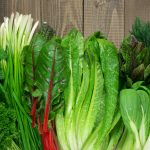 (NaturalHealth365) When it comes to vegetables, springtime is best described as a rhapsody in green. Asparagus, pea pods, freshly foraged ramps, sorrel, toddler carrots, yardsticks of rhubarb … Farmers’ markets and market stalls overflow with mineral crunch, reminding customers long full of winter’s starch and iron that it’s time to gorge on the green. “Eat your vegetables” is common advice parents give their children, but it appears that while all vegetables are created edible, not all are created equal when it comes to nitrate-richness and promoting heart health.
According to research conducted at New Edith Cowan University (ECU), just one cup of nitrate-rich vegetables each day can lower blood pressure and significantly reduce the risk of heart disease. The study, which took place in Denmark, analyzed the dietary habits and health of more than 50,000 people over a 23-year period.
Make space on your plate for THESE veggies to improve your heart health
So what vegetables are rich in nitrates? Leafy greens such as spinach, lettuce, arugula, and Chinese cabbage are high in nitrates, and non-leafy vegetables like radishes, celery, beet, carrots, and fennel also have a strong nitrate content.
While a cup of “raw” vegetables is recommended to encourage heart health, researchers estimate that cooking vegetables reduces the nitrate content by 50%, which is still enough to promote a wide range of cardiovascular benefits.
According to lead researcher, Dr. Catherine Bondonno, “the greatest reduction in risk was for peripheral artery disease (26 percent), a type of heart disease characterized by the narrowing of blood vessels of the legs. However, we also found people had a lower risk of heart attacks, strokes, and heart failure.”
Don’t be fooled: The difference between all-natural nitrates and added nitrates is night and day
Nitrate is a confusing word. Chances are you’ve been warned to steer clear of nitrates in food, but that’s a blanket statement that needs deconstruction.
Yes, synthetic nitrates such as potassium nitrate may cause health problems. These are the chemicals added as preservatives to processed foods like deli meat, cured meat, bacon, sausage, and hot dogs. According to the Environmental Working Group, when you consume synthetic nitrates or nitrites, your body breaks them down into a compound called nitrosamines, which have been linked to an increased risk of cancer.
Vegetables and fruit, on the other hand, acquire nitrates and nitrites from the soil they grow in. Nitrates are part of natural mineral deposits, while nitrites are formed by soil microorganisms that break down animal matter. Vegetables and fruits are protein-rich and contain protective components like vitamin C, polyphenols, and fiber, which have all been shown to reduce nitrosamine formation.
Load up on nitrate-rich vegetables to protect your heart
Globally, a staggering 17.9 million people die of heart disease each year. In the U.S., where heart disease is the leading cause of death for men, women, and most racial and ethnic groups, 655,000 people die per year.
The numbers tell us one thing:
It’s time to embrace the greens. If you want to promote heart health, eat a widely varied diet with plenty of nitrate-rich vegetables and avoid excessive amounts of processed meat.
Sources for this article include: