Toxins
now browsing by category
COVID Jab ALERT: Moderna patents reveal presence of wireless nanosensors in shots, claims naturopathic doctor
Reproduced from original article:
https://www.naturalhealth365.com/moderna-patent-reveals-wireless-nanosensors-3481.html
by: Sara Middleton, staff writer | December 18, 2021
 (NaturalHealth365) Science fiction or terrifyingly true? Some health professionals are now making the astounding claim that the COVID shot made by Moderna contains wireless nanosensors.
These nanosensors, it is argued, could be used as bioweapons of global control – or as part of a social credit score system, similar to what is currently being used in communist China.
Does the patent for Moderna COVID shots actually reveal that these jabs contain wireless nanotechnology?
In a December 3, 2021 interview on the Stew Peters Show, a Naturopathic Doctor named Dr. Ariyana Love claims she’s uncovered evidence from the Moderna patents which shows that the pharmaceutical company’s COVID jabs contain so-called “wireless nanosensors” that are partly made up of a compound known as graphene oxide.
Earlier this year, a Spanish doctor and University of Almeria biotechnology professor by the name of Dr. Pablo Campra reportedly tested samples of the mRNA COVID shots and claimed to have detected graphene oxide, which is proven to be toxic in humans and animals. Of course, this claim has been labeled false by Reuters and other “fact-checking” websites.
But Dr. Love disagrees. She says the nanosensors found in Moderna’s COVID shots are called “biochips,” and “they’re in more than one [Moderna COVID vaccine] patent, so yeah, they exist.”
She continues: “[The biochips] are made from graphene oxide, which also proves graphene oxide is listed in the patents … We have now proof that there’s graphene oxide, graphene hydroxide, and other graphene variants in these shots, and that [proof] comes from, so far, seven scientific research teams and scientists, including the University of Almeria.”
On her website, Dr. Love describes herself as the founder of Meta Nutrients, “an international foundation pioneering harmonized medicine,” as well as a second-generation Naturopathic Doctor, researcher, and writer.
You can hear her interview here and decide for yourself whether her claims sound plausible or not:
Canceling the Spike Protein, Striking Visual Evidence
Reproduced from original OMNS article (OrthoMolecular News Service):
http://orthomolecular.org/resources/omns/v17n24.shtml
Subscribe to the free Orthomolecular Newsletter: http://orthomolecular.org/subscribe.html
Go to the OMNS Archive: http://orthomolecular.org/resources/omns/index.shtml
Editorial by Thomas E. Levy, MD, JD
OMNS (Oct. 18, 2021) No issue in the history of medicine has been as strident and polarized as that of the risk/benefit profiles of the various COVID vaccines being administered around the world. This article does not seek to clarify this issue to the satisfaction of either the pro-vaccine or the anti-vaccine advocates. However, all parties should realize that some toxicity does result in some vaccinated individuals some of the time, and that such toxicity can sometimes be unequivocally attributed to the preceding administration of the vaccine. Whether this toxicity occurs often enough and with great enough severity in vaccinated persons to be of greater concern than dealing with the contraction and evolution of COVID infections remains the question for many people.
Practically speaking, it does not matter whether an adverse event that occurs after a vaccination gets “blamed” on the vaccination. Such a matter may never get resolved. The issue of greatest concern is whether that adverse event can be clinically resolved if not effectively prevented, and whether any long-term damage to the body can be prevented once an adverse event is recognized. The remainder of this article will address the etiologies of such damage along with measures that can mitigate or even resolve such damage.
Toxins and Oxidative Stress
All toxins ultimately inflict their damage by directly oxidizing biomolecules, or by indirectly resulting in the oxidation of those biomolecules (proteins, sugars, fats, enzymes, etc.). When biomolecules becomes oxidized (lose electrons) they can no longer perform their normal chemical or metabolic functions. No toxin can cause any clinical toxicity unless biomolecules end up becoming oxidized. The unique array of biomolecules that become oxidized determines the nature of the clinical condition resulting from a given toxin exposure. There is no “disease” present in a cell involved in a given medical condition beyond the distribution and degree of biomolecules that are oxidized. Rather than “causing” disease, the state of oxidation in a grouping of biomolecules IS the disease.
When antioxidants can donate electrons back to oxidized biomolecules (reduction), the normal function of these biomolecules is restored (Levy, 2019). This is the reason why sufficient antioxidant therapy, such as can be achieved by highly-dosed intravenous vitamin C, has proven to be so profoundly effective in blocking and even reversing the negative clinical impact of any toxin or poison. There exists no toxin against which vitamin C has been tested that has not been effectively neutralized (Levy, 2002). There is no better way to save a patient clinically poisoned by any agent than by immediately administering a sizeable intravenous infusion of sodium ascorbate. The addition of magnesium chloride to the infusion is also important to protect against sudden life-threatening arrhythmias that can occur before a sufficient number of the newly-oxidized biomolecules can be reduced and any remaining toxin is neutralized and excreted.
Abnormal Blood Clotting
Both the COVID vaccine and the COVID infection have been documented to provoke increased blood clotting [thrombosis] (Biswas et al., 2021; Lundstrom et al., 2021). Viral infections in general have been found to cause coagulopathies resulting in abnormal blood clotting (Subramaniam and Scharrer, 2018). Critically ill COVID ICU patients demonstrated elevated D-dimer levels roughly 60% of the time (Iba et al., 2020). An elevated D-dimer test result is almost an absolute confirmation of abnormal blood clotting taking place somewhere in the body. Such clots can be microscopic, at the capillary level, or much larger, even involving the thrombosis of large blood vessels. Higher D-dimer levels that persist in COVID patients appear to directly correlate with significantly increased morbidity and mortality (Naymagon et al., 2020; Paliogiannis et al., 2020; Rostami and Mansouritorghabeh, 2020).
Platelets, the elements of the blood that can get sticky and both initiate and help grow the size of blood clots, will generally demonstrate declining levels in the blood at the same time D-dimer levels are increasing, since their stores are being actively depleted. A post-vaccination syndrome known as vaccine-induced prothrombotic immune thrombocytopenia (VIPIT) with these very findings has been described (Favaloro, 2021; Iba et al., 2021; Scully et al., 2021; Thaler et al., 2021). Vaccinations have also been documented to cause bleeding syndromes due to autoimmune reactions resulting in low platelet levels (Perricone et al., 2014).
This can create some confusion clinically, as chronically low platelet levels by themselves can promote clinical syndromes of increased bleeding rather than increased blood clotting. As such, some primary low platelet disorders require pro-coagulation measures to stop bleeding, while other conditions featuring primary increased thrombosis with the secondary rapid consumption of platelet stores end up needing anticoagulation measures to stop that continued consumption of platelets (Perry et al., 2021). Significant thrombosis post-vaccination in the absence of an elevated D-dimer level or low platelet count has also been described (Carli et al., 2021). In platelets taken from COVID patients, platelet stickiness predisposing to thrombosis has been shown to result from spike protein binding to ACE2 receptors on the platelets (Zhang et al., 2021).
Of note, a D-dimer test that is elevated due to increased blood clotting will usually only stay elevated for a few days after the underlying pathology provoking the blood clotting has been resolved. Chronic, or “long-haul” COVID infections, often demonstrate persistent evidence of blood clotting pathology. In one study, 25% of convalescent COVID patients who were four months past their acute COVID infections demonstrated increased D-dimer levels. Interestingly, these D-dimer elevations were often present when the other common laboratory parameters of abnormal blood clotting had returned to normal. These other tests included prothrombin time, partial thromboplastin time, fibrinogen level, and platelet count. Inflammation parameters, including C-reactive protein and interleukin-6, typically also had returned to normal (Townsend et al., 2021).
Persistent evidence of blood clotting (increased D-dimer levels) in chronic COVID patients might be a reliable way to determine the persistent presence/production of the COVID spike protein. Another way, discussed below, might be dark field microscopy to look for rouleaux formation of the red blood cells (RBCs). At the time of the writing of this article, the correlation between an increased D-dimer level and rouleaux formation of the RBCs remains to be determined. Certainly, the presence of both should trigger the greatest of concern for the development of significant chronic COVID and post-COVID vaccination complications.
Is Persistent Spike Protein the Culprit?
Spike proteins are the spear-like appendages attached to and completely surrounding the central core of the COVID virus, giving the virion somewhat of a porcupine-like appearance. Upon binding to the angiotensin converting enzyme 2 (ACE2) receptors on the cell membranes of the target cells, dissolving enzymes are released that then permit entry of the complete COVID virus into the cytoplasm, where replication of the virus can ensue (Belouzard et al., 2012; Shang et al., 2020).
Concern has been raised regarding the dissemination of the spike protein throughout the body after vaccination. Rather than staying localized at the injection site in order to provoke the immune response and nothing more, spike protein presence has been detected throughout the body of some vaccinated individuals. Furthermore, it appears that some of the circulating spike proteins simply bind the ACE2 receptors without entering the cell, inducing an autoimmune response to the entire cell-spike protein entity. Depending on the cell type that binds the spike protein, any of a number of autoimmune medical conditions can result.
While the underlying pathology remains to be completely defined, one explanation for the problems with thrombotic tendencies and other symptomatology seen with chronic COVID and post-vaccination patients relates directly to the persistent presence of the spike protein part of the coronavirus. Some reports assert that the spike protein can continue to be produced after the initial binding to the ACE2 receptors and entry into some of the cells that it initially targets. The clinical pictures of chronic COVID and post-vaccine toxicity appear very similar, and both are likely due to this continued presence, and body-wide dissemination, of the spike protein (Mendelson et al., 2020; Aucott and Rebman, 2021; Levy, 2021; Raveendran, 2021).
Although they are found on many different types of cells throughout the body, the ACE2 receptors on the epithelial cells lining the airways are the first targets of the COVID virus upon initial encounter when inhaled (Hoffman et al., 2020). Furthermore, the concentration of these receptors is especially high on lung alveolar epithelial cells, further causing the lung tissue to be disproportionately targeted by the virus (Alifano et al., 2020). Unchecked, this avid receptor binding and subsequent viral replication inside the lung cells leads directly to low blood oxygen levels and the adult respiratory distress syndrome [ARDS] (Batah and Fabro, 2021). Eventually there is a surge of intracellular oxidation known as the cytokine storm, and death from respiratory failure results (Perrotta et al., 2020; Saponaro et al., 2020; Hu et al., 2021).
COVID, Vaccination, and Oxidative Stress
Although some people have prompt and clear-cut negative side effects after COVID vaccination, many appear to do well and feel completely fine after their vaccinations. Is this an assurance that no harm was done, or will be done, by the vaccine in such individuals? Some striking anecdotal evidence suggests otherwise, while also indicating that there exist good options for optimal protection against side effects in both the short- and long-term.
Under conditions of inflammation and systemically increased oxidative stress, RBCs can aggregate to varying degrees, sometimes sticking together like stacks of coins with branching of the stacks seen when the stickiness is maximal. This is known as rouleaux formation of the RBCs (Samsel and Perelson, 1984). When this rouleaux formation is pronounced, increased blood viscosity (thickness) is seen, and there is increased resistance to the normal, unimpeded flow of blood, especially in the microcirculation (Sevick and Jain, 1989; Kesmarky et al., 2008; Barshtein et al., 2020; Sloop et al., 2020).
With regard to the smallest capillaries through which the blood must pass, it needs to be noted that individual RBCs literally need to fold slightly to pass from the arterial to the venous side, as the capillary diameter at its narrowest point is actually less than the diameter of a normal RBC, or erythrocyte. It is clear that any aggregation of the RBCs, as is seen with rouleaux formation, will increase resistance to normal blood flow, and it will be more pronounced as the caliber of the blood vessel decreases. Not surprisingly, rouleaux formation of the RBCs is also associated with an impaired ability of the blood to optimally transport oxygen, which notably is another feature of COVID spike protein impact (Cicco and Pirrelli, 1999). Increased RBC aggregation has been observed in a number of different microcirculatory disorders, and it appears to be linked to the pathophysiology in these disorders.
Rouleaux formation is easily visualized directly with dark field microscopy. When available, feedback is immediate, and there is no need to wait for a laboratory to process a test specimen. It is a reliable indicator of abnormal RBC stickiness and increased blood viscosity, typically elevating the erythrocyte sedimentation test (ESR), an acute phase reactant test that consistently elevates along with C-reactive protein in a setting of generalized increased oxidative stress throughout the body (Lewi and Clarke, 1954; Ramsay and Lerman, 2015). As such, it can never be dismissed as an incidental and insignificant finding, especially in the setting of a symptom-free individual post-vaccination appearing to be normal and presumably free of body-wide increased inflammation and oxidative stress. States of advanced degrees of increased systemic oxidative stress, as is often seen in cancer patients, can also display rouleaux formation among circulating neoplastic cells and not just the RBCs (Cho, 2011).
Rouleaux Formation Post-COVID Vaccination
The dark field blood examinations seen below come from a 62-year-old female who had received the COVID vaccination roughly 60 days earlier. The first picture reveals mild rouleaux formation of the blood. After a sequence of six autohemotherapy ozone passes, the second picture shows a completely normal appearance of the RBCs.
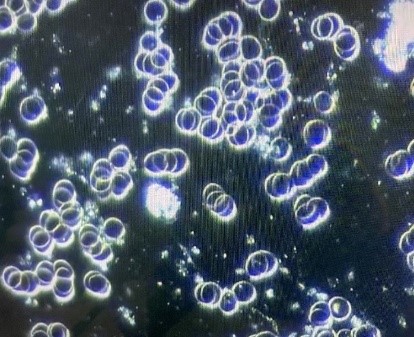

A second patient, a young adult male who received his vaccination 15 days earlier without any side effects noted and feeling completely well at the time, had the dark field examination of his blood performed. This first examination seen below revealed severe rouleaux formations of the RBCs with extensive branching, appearing to literally involve all of the RBCs visualized in an extensive review of multiple different microscopic fields. He then received one 400 ml ozonated saline infusion followed by a 15,000 mg infusion of vitamin C. The second picture reveals a complete and immediate resolution of the rouleaux formation seen on the first examination. Furthermore, the normal appearance of the RBCs was still seen 15 days later, giving some reassurance that the therapeutic infusions had some durability, and possibly permanency, in their positive impact.

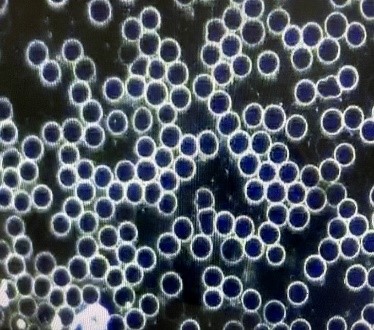
A third adult who received the vaccination 30 days earlier also had severe rouleaux formation on her dark field examination, and this was also completely resolved after the ozonated saline infusion followed by the vitamin C infusion. Of note, similar abnormal dark field microscopy findings were found in other individuals following Pfizer, Moderna, or Johnson & Johnson COVID vaccinations.
Preventing and Treating Chronic COVID and COVID Vaccine Complications
In addition to the mechanisms already discussed by which the spike protein can inflict damage, it appears the spike protein itself is significantly toxic. Such intrinsic toxicity (ability to cause the oxidation of biomolecules) combined with the apparent ability of the spike protein to replicate itself like a complete virus greatly increases the amount of toxic damage that can potentially be inflicted. A potent toxin is bad enough, but one that can replicate and increase its quantity inside the body after the initial encounter represents a unique challenge among toxins. And if the mechanism of replication can be sustained indefinitely, the long-term challenge to staying healthy can eventually become insurmountable. Nevertheless, this toxicity also allows it to be effectively targeted by high enough doses of the ultimate antitoxin, vitamin C, as discussed above. And even the continued production of spike protein can be neutralized by a daily multi-gram dosing of vitamin C, which is an excellent way to support optimal long-term health, anyway.
As was noted in an earlier article (Levy, 2021), there appear to be multiple ways to deal with spike protein effectively. The approaches to preventing and treating chronic COVID and COVID vaccine complications are similar, except that it would appear that a completely normal D-dimer blood test combined with a completely normal dark field examination of the blood could give the reassurance that the therapeutic goal has been achieved.
Until more data is accumulated on these approaches, it is probably advisable, if possible, to periodically reconfirm the normalcy of both the D-dimer blood test and the dark field blood examination to help assure that no new spike protein synthesis has resumed. This is particularly important since some patients who are clinically normal and symptom-free following COVID infection have been found to have the COVID virus persist in the fecal matter for an extended period of time (Chen et al., 2020; Patel et al., 2020; Zuo et al., 2020). Any significant immune challenge or new pathogen exposure facilitating a renewed surge of COVID virus replication could result in a return of COVID symptoms in such persons if the virus cannot be completely eliminated from the body.
Suggested Protocol (to be coordinated with the guidance of your chosen health care provider):
- For individuals who are post-vaccination or symptomatic with chronic COVID, vitamin C should be optimally dosed, and it should be kept at a high but lesser dose daily indefinitely.
- Ideally, an initial intravenous administration of 25 to 75 grams of vitamin C should be given depending on body size. Although one infusion would likely resolve the symptoms and abnormal blood examination, several more infusions can be given if feasible over the next few days.
- An option that would likely prove to be sufficient and would be much more readily available to larger numbers of patients would be one or more rounds of vitamin C given as a 7.5 gram IV push over roughly 10 minutes, avoiding the need for a complete intravenous infusion setup, a prolonged time in a clinic, and substantially greater expense (Riordan-Clinic-IVC-Push-Protocol, 10.16.14.pdf).
- Additionally, or alternatively if IV is not available, 5 grams of liposome-encapsulated vitamin C (LivOn Labs) can be given daily for at least a week.
- When none of the above three options are readily available, a comparable positive clinical impact will be seen with the proper supplementation of regular forms of oral vitamin C as sodium ascorbate or ascorbic acid. Either of these can be taken daily in three divided doses approaching bowel tolerance after the individual determines their own unique needs (additional information, see Levy, vitamin C Guide in References; Cathcart, 1981).
- An excellent way to support any or all of the above measures for improving vitamin C levels in the body is now available and very beneficial clinically. A supplemental polyphenol that appears to help many to overcome the epigenetic defect preventing the internal synthesis of vitamin C in the liver can be taken once daily. This supplement also appears to provide the individual with the ability to produce and release even greater amounts of vitamin C directly into the blood in the face of infection and other sources of oxidative stress (www.formula216.com).
- Hydrogen peroxide (HP) nebulization (Levy, 2021, free eBook) is an antiviral and synergistic partner with vitamin C, and it is especially important in dealing with acute or chronic COVID, or with post-COVID vaccination issues. As noted above, the COVID virus can persist in the stool. In such cases, a chronic pathogen colonization (CPC) of COVID in the throat continually supplying virus that is swallowed into the gut is likely present as well, even when the patient seems to be clinically normal. This will commonly be the case when specific viral eradication measures were not taken during the clinical course of the COVID infection. HP nebulization will clear out this CPC, which will stop the continued seeding of the COVID virus in the gut and stool as well. Different nebulization approaches are discussed in the eBook.
- When available, ozonated saline and/or ozone autohemotherapy infusions are excellent. Conceivably, this approach alone might suffice to knock out the spike protein presence, but the vitamin C and HP nebulization approaches will also improve and maintain health in general. Ultraviolet blood irradiation and hyperbaric oxygen therapy will likely achieve the same therapeutic effect if available.
- Ivermectin, hydroxychloroquine, and chloroquine are especially important in preventing new binding of the spike protein to the ACE2 receptors that need to be bound in order for either the spike protein alone or for the entire virus to gain entry into the target cells (Lehrer and Rheinstein, 2020; Wang et al., 2020; Eweas et al., 2021). These agents also appear to have the ability to directly bind up any circulating spike protein before it binds any ACE2 receptors (Fantini et al., 2020; Sehailia and Chemat, 2020; Saha and Raihan, 2021). When the ACE2 receptors are already bound, the COVID virus cannot enter the cell (Pillay, 2020). These three agents also serve as ionophores that promote intracellular accumulation of zinc that is needed to kill/inactivate any intact virus particles that might still be present.
- Many other positive nutrients, vitamins, and minerals are supportive of defeating the spike protein, but they should not be used to the exclusion of the above, especially the combination of highly-dosed vitamin C and HP nebulization.
Recap
As the pandemic continues, there is an increasing number of chronic COVID patients and patients post-COVID vaccination with a number of different symptoms. Furthermore, there is increasing number of vaccinated individuals who still end up contracting a COVID infection. This is resulting in a substantial amount of morbidity and mortality around the world. The presence and persistence of the COVID spike protein, along with the chronic colonization of the COVID virus itself in the aerodigestive tract as well as in the lower gut, appear to be major reasons for illness in this group of patients.
Persistent elevation of D-dimer protein in the blood and the presence of rouleaux formation of the RBCs, especially when advanced in degree, appear to be reliable markers of persistent spike protein-related illness. The measures noted above, particular the vitamin C and HP nebulization, should result in the disappearance of the D-dimer in the blood while normalizing the appearance of the RBCs examined with dark field microscopy. Even though new research is taking place daily that may modify therapeutic recommendations, it appears that taking the measures to eliminate D-dimer from the blood and to maintain a consistently normal morphological appearance of the blood is a very practical and efficient way to curtail the ongoing morbidity and mortality secondary to the persistent spike protein presence seen in chronic COVID and in post-COVID vaccination patients.
There are many vaccinated individuals who feel well yet remain cautious about potential future side effects, and who really have no easy access to D-dimer testing or dark field examination of their blood. Such persons can follow a broad-spectrum supplementation regimen featuring vitamin C, magnesium chloride, vitamin D, zinc, and a good multivitamin/multimineral supplement free of iron, copper, and calcium. Periodic but regular HP nebulization should be included as well. This regimen will offer good spike protein protection while optimizing long-term health. Furthermore, such a long-term supplementation regimen is advisable regardless of how much of the protocol discussed above is followed.
(OMNS Contributing Editor Dr. Thomas E. Levy is board certified in internal medicine and cardiology. He is also an attorney, admitted to the bar in Colorado and in the District of Columbia. The views presented in this article are the author’s and not necessarily those of all members of the Orthomolecular Medicine News Service Editorial Review Board.)
References
Alifano M, Alifano P, Forgez P, Iannelli A (2020) Renin-angiotensin system at the heart of the COVID-19 pandemic. Biochemie 174:30-33. PMID: 32305506
Aucott J, Rebman A (2021) Long-haul COVID: heed the lessons from other infection-triggered illnesses. Lancet 397:967-968. PMID: 33684352
Barshtein G, Waynblum D, Yedgar S (2020) Kinetics of linear rouleaux formation studied by visual monitoring of red cell dynamic organization. Biophysical Journal 78:2470-2474. PMID: 10777743
Batah S, Fabro A (2021) Pulmonary pathology of ARDS in COVID-19: a pathological review for clinicians. Respiratory Medicine 176:106239. PMID: 33246294
Belouzard S, Millet J, Licitra B, Whittaker G (2012) Mechanisms of coronavirus cell entry mediated by the viral spike protein. Viruses 4:1011-1033. PMID: 22816037
Biswas S, Thakur V, Kaur P et al. (2021) Blood clots in COVID-19 patients: simplifying the curious mystery. Medical Hypotheses 146:110371. PMID: 33223324
Carli G, Nichele I, Ruggeri M, Barra S, Tosetto A (2021) Deep vein thrombosis (DVT) occurring shortly after the second dose of mRNA SARS-CoV-2 vaccine. Internal and Emergency Medicine 16:803-804. PMID: 336876791
Cathcart R (1981) Vitamin C, titrating to bowel tolerance, anascorbemia, and acute induced scurvy. Medical Hypotheses 7:1359-1376. PMID: 7321921
Chen Y, Chen L, Deng Q et al. (2020) The presence of SARS-CoV-2 RNA I the feces of COVID-19 patients. Journal of Medical Virology 92:833-840. PMID: 32243607
Cho S (2011) Plasma cell leukemia with rouleaux formation involving neoplastic cells and RBC. The Korean Journal of Hematology 46:152. PMID: 22065968
Cicci G, Pirrelli A (1999) Red blood cell (RBC) deformability, RBC aggregability and tissue oxygenation in hypertension. Clinical Hemorheology and Microcirculation 21:169-177. PMID: 10711739
Eweas A, Alhossary A, Abdel-Moneim A (2021) Molecular docking reveals ivermectin and remdesivir as potential repurposed drugs against SARS-CoV-2. Frontiers in Microbiology 11:592908. PMID: 33746908
Fantini J, Di Scala C, Chahinian H, Yahi N (2020) Structural and molecular modelling studies reveal a new mechanism of action of chloroquine and hydroxychloroquine against SARS-CoV-2 infection. International Journal of Antimicrobial Agents 55:105960. PMID: 32251731
Favaloro E (2021) Laboratory testing for suspected COVID-19 vaccine-induced (immune) thrombotic thrombocytopenia. International Journal of Laboratory Hematology 43:559-570. PMID: 34138513
Hoffman M, Kleine-Weber H, Schroeder S et al. (2020) SARS-CoV-2 entry depends on ACE 2 and TMPRSS2 and is blocked by a clinically proven protease inhibitor. Cell 181:271-280. PMID: 32142651
Hu B, Huang S, Yin L (2021) The cytokine storm and COVID-19. Journal of Medical Virology 93:250-256. PMID: 32592501
Iba T, Levy J, Levi M et al. (2020) Coagulopathy of coronavirus disease 2019. Critical Care Medicine 48:1358-1364. PMID: 32467443
Iba T, Levy J, Warkentin T (2021) Recognizing vaccine-induced immune thrombotic thrombocytopenia. Critical Care Medicine [Online ahead of print]. PMID: 34259661
Kesmarky G, Kenyeres P, Rabai M, Toth K (2008) Plasma viscosity: a forgotten variable. Clinical Hemorheology and Microcirculation 39:243-246. PMID: 18503132
Lehrer S, Rheinstein P (2020) Ivermectin docks to the SARS-CoV-2 spike receptor-binding domain attached to ACE 2. In Vivo 34:3023-3026. PMID: 32871846
Levy T Guide-to-Optimal-Admin-of-IVC-10-18-2021.pdf
Levy T (2002) Curing the Incurable. Vitamin C, Infectious Diseases, and Toxins Henderson, NV: MedFox Publishing
Levy T (2019) Magnesium, Reversing Disease Chapter 12, Henderson, NV: MedFox Publishing
Levy T (2021) Resolving “Long-Haul COVID” and vaccine toxicity: neutralizing the spike protein. Orthomolecular Medicine News Service, June 21, 2021. http://orthomolecular.org/resources/omns/v17n15.shtml
Levy T (2021) Rapid Virus Recovery: No need to live in fear! Henderson, NV: MedFox Publishing. Free eBook download (English or Spanish) available at https://rvr.medfoxpub.com/
Lewi S, Clarke K (1954) Rouleaux formation intensity and E.S.R. British Medical Journal 2:336-338. PMID: 13182211
Lundstrom K, Barh D, Uhal B et al. (2021) COVID-19 vaccines and thrombosis-roadblock or dead-end street? Biomolecules 11:1020. PMID: 34356644
Mendelson M, Nel J, Blumberg L et al. (2020) Long-COVID: an evolving problem with an extensive impact. South African Medical Journal 111:10-12. PMID: 33403997
Naymagon L, Zubizarreta N, Feld J et al. (2020) Admission D-dimer levels, D-dimer trends, and outcomes in COVID-19. Thrombosis Research 196:99-105. PMID: 32853982
Paliogiannis P, Mangoni A, Dettori P et al. (2020) D-dimer concentrations and COVID-19 severity: a systematic review and meta-analysis. Frontiers in Public Health 8:432. PMID: 32903841
Patel K, Patel P, Vunnam R et al. (2020) Gastrointestinal, hepatobiliary, and pancreatic manifestations of COVID-19. Journal of Clinical Virology 128:104386. PMID: 32388469
Perricone C, Ceccarelli F, Nesher G et al. (2014) Immune thrombocytopenic purpura (ITP) associated with vaccinations: a review of reported cases. Immunologic Research 60:226-235. PMID: 25427992
Perrotta F, Matera M, Cazzola M, Bianco A (2020) Severe respiratory SARS-CoV2 infection: does ACE2 receptor matter? Respiratory Medicine 168:105996. PMID: 32364961
Perry R, Tamborska A, Singh B et al. (2021) Cerebral venous thrombosis after vaccination against COVID-19 in the UK: a multicentre cohort study. Lancet Aug 6. Online ahead of print. PMID: 34370972
Pillay T (2020) Gene of the month: the 2019-nCoV/SARS-CoV-2 novel coronavirus spike protein. Journal of Clinical Pathology 73:366-369. PMID: 32376714
Ramsay E, Lerman M (2015) How to use the erythrocyte sedimentation rate in paediatrics. Archives of Disease in Childhood. Education and Practice Edition 100:30-36. PMID: 25205237
Raveendran A (2021) Long COVID-19: Challenges in the diagnosis and proposed diagnostic criteria. Diabetes & Metabolic Syndrome: Clinical Research & Reviews 15:145-146. PMID: 33341598
Rostami M, Mansouritorghabeh H (2020) D-dimer level in COVID-19 infection: a systematic review. Expert Review of Hematology 13:1265-1275. PMID: 32997543
Saha J, Raihan M (2021) The binding mechanism of ivermectin and levosalbutamol with spike protein of SARS-CoV-2. Structural Chemistry Apr 12. Online ahead of print. PMID: 33867777
Samsel R, Perelson A (1984) Kinetics of rouleau formation. II. Reversible reactions. Biophysical Journal 45:805-824. PMID: 6426540
Saponaro F, Rutigliano G, Sestito S et al. (2020) ACE 2 in the era of SARS-CoV-2: controversies and novel perspectives. Frontiers in Molecular Biosciences 7:588618. PMID: 33195436
Scully M, Singh D, Lown R et al. (2021) Pathologic antibodies to platelet factor 4 after ChAdOx1 nCoV-19 vaccination. The New England Journal of Medicine 384:2202-2211. PMID: 33861525
Sehailia M, Chemat S (2021) Antimalarial-agent artemisinin and derivatives portray more potent binding of Lys353 and Lys31-binding hotspots of SARS-CoV-2 spike protein than hydroxychloroquine: potential repurposing of artenimol for COVID-19. Journal of Biomolecular Structure & Dynamics 39:6184-6194. PMID: 32696720
Sevick E, Jain R (1989) Viscous resistance to blood flow in solid tumors: effect of hemocrit on intratumor blood viscosity. Cancer Research 49:3513-3519. PMID: 2731173
Shang J, Wan Y, Luo C et al. (2020) Cell entry mechanisms of SARS-CoV-2. Proceedings of the National Academy of Sciences of the United States of America 117:11727-11734. PMID: 32376634
Sloop G, De Mast Q, Pop G et al. (2020) The role of blood viscosity in infectious diseases. Cureus 12:e7090. PMID: 32226691
Subramaniam S, Scharrer I (2018) Procoagulant activity during viral infections. Frontiers in Bioscience 23:1060-1081. PMID: 28930589
Thaler J, Ay C, Gleixner K et al. (2021) Successful treatment of vaccine-induced prothrombotic immune thrombocytopenia (VIPIT). Journal of Thrombosis and Haemostasis 19:1819-1822. PMID: 33877735
Townsend L, Fogarty H, Dyer A et al. (2021) Prolonged elevation of D-dimer levels in convalescent COVID-19 patients is independent of the acute phase response. Journal of Thrombosis and Haemostasis 19:1064-1070. PMID: 33587810
Wang N, Han S, Liu R et al. (2020) Chloroquine and hydroxychloroquine as ACE2 blockers to inhibit viropexis of 2019-nCoV spike pseudotyped virus. Phytomedicine: International Journal of Phytotherapy and Phytopharmacology 79:153333. PMID: 32920291
Zhang S, Liu Y, Want X et al. (2021) SARS-Cov-2 binds platelet ACE2 to enhance thrombosis in COVID-19. Journal of Hematology & Oncology 13:120. PMID: 32887634
Zuo T, Zhang F, Lui G et al. (2020) Alterations in gut microbiota of patients with COVID-19 during time of hospitalization. Gastroenterology 159:944-955. PMID: 32442562
Nutritional Medicine is Orthomolecular Medicine
Orthomolecular medicine uses safe, effective nutritional therapy to fight illness. For more information: http://www.orthomolecular.org
Find a Doctor
To locate an orthomolecular physician near you: http://orthomolecular.org/resources/omns/v06n09.shtml
The peer-reviewed Orthomolecular Medicine News Service is a non-profit and non-commercial informational resource.
Editorial Review Board:
Albert G. B. Amoa, MB.Ch.B, Ph.D. (Ghana)
Seth Ayettey, M.B., Ch.B., Ph.D. (Ghana)
Ilyès Baghli, M.D. (Algeria)
Ian Brighthope, MBBS, FACNEM (Australia)
Gilbert Henri Crussol, D.M.D. (Spain)
Carolyn Dean, M.D., N.D. (USA)
Ian Dettman, Ph.D. (Australia)
Damien Downing, M.B.B.S., M.R.S.B. (United Kingdom)
Susan R. Downs, M.D., M.P.H. (USA)
Ron Ehrlich, B.D.S. (Australia)
Hugo Galindo, M.D. (Colombia)
Martin P. Gallagher, M.D., D.C. (USA)
Michael J. Gonzalez, N.M.D., D.Sc., Ph.D. (Puerto Rico)
William B. Grant, Ph.D. (USA)
Claus Hancke, MD, FACAM (Denmark)
Tonya S. Heyman, M.D. (USA)
Suzanne Humphries, M.D. (USA)
Ron Hunninghake, M.D. (USA)
Bo H. Jonsson, M.D., Ph.D. (Sweden)
Dwight Kalita, Ph.D. (USA)
Felix I. D. Konotey-Ahulu, MD, FRCP, DTMH (Ghana)
Jeffrey J. Kotulski, D.O. (USA)
Peter H. Lauda, M.D. (Austria)
Alan Lien, Ph.D. (Taiwan)
Homer Lim, M.D. (Philippines)
Stuart Lindsey, Pharm.D. (USA)
Victor A. Marcial-Vega, M.D. (Puerto Rico)
Charles C. Mary, Jr., M.D. (USA)
Mignonne Mary, M.D. (USA)
Jun Matsuyama, M.D., Ph.D. (Japan)
Joseph Mercola, D.O. (USA)
Jorge R. Miranda-Massari, Pharm.D. (Puerto Rico)
Karin Munsterhjelm-Ahumada, M.D. (Finland)
Tahar Naili, M.D. (Algeria)
W. Todd Penberthy, Ph.D. (USA)
Zhiyong Peng, M.D. (China)
Isabella Akyinbah Quakyi, Ph.D. (Ghana)
Selvam Rengasamy, MBBS, FRCOG (Malaysia)
Jeffrey A. Ruterbusch, D.O. (USA)
Gert E. Schuitemaker, Ph.D. (Netherlands)
T.E. Gabriel Stewart, M.B.B.CH. (Ireland)
Thomas L. Taxman, M.D. (USA)
Jagan Nathan Vamanan, M.D. (India)
Garry Vickar, M.D. (USA)
Ken Walker, M.D. (Canada)
Raymond Yuen, MBBS, MMed (Singapore)
Anne Zauderer, D.C. (USA)
Andrew W. Saul, Ph.D. (USA), Editor-In-Chief
Associate Editor: Robert G. Smith, Ph.D. (USA)
Editor, Japanese Edition: Atsuo Yanagisawa, M.D., Ph.D. (Japan)
Editor, Chinese Edition: Richard Cheng, M.D., Ph.D. (USA)
Editor, French Edition: Vladimir Arianoff, M.D. (Belgium)
Editor, Norwegian Edition: Dag Viljen Poleszynski, Ph.D. (Norway)
Editor, Arabic Edition: Moustafa Kamel, R.Ph, P.G.C.M (Egypt)
Editor, Korean Edition: Hyoungjoo Shin, M.D. (South Korea)
Editor, Spanish Edition: Sonia Rita Rial, PhD (Argentina)
Contributing Editor: Thomas E. Levy, M.D., J.D. (USA)
Assistant Editor: Helen Saul Case, M.S. (USA)
Technology Editor: Michael S. Stewart, B.Sc.C.S. (USA)
Associate Technology Editor: Robert C. Kennedy, M.S. (USA)
Legal Consultant: Jason M. Saul, JD (USA)
Comments and media contact: drsaul@doctoryourself.com OMNS welcomes but is unable to respond to individual reader emails. Reader comments become the property of OMNS and may or may not be used for publication.
Fast food DISASTER: Industrial chemicals found inside many samples, NEW study
Reproduced from original article:
https://www.naturalhealth365.com/industrial-chemicals-fast-food-3442.html
by: Stephanie Woods | November 14, 2021
 (NaturalHealth365) If you love fast food like nearly 37% of the United States population who eat it a day, you may be consuming industrial chemicals. That is exactly what a study published by George Washington University recently found.
The study examined the top fast food chains in the country by purchasing 64 fast food items from establishments in the San Antonio, Texas area, including Chipotle, McDonald’s, Domino’s, Burger King, Taco Bell, and Pizza Hut.
Upon testing their samples, the researchers found small amounts of harmful chemicals called phthalates in most food samples.
Phthalates, anyone? Toxic plasticizer is found in a host of products, even in your fast food
Phthalates are a group of chemicals that are commonly referred to as plasticizers. They are commonly used to make plastics soft or more durable. Some are used to dissolve certain materials. These chemicals can be found in all sorts of products, including:
- Lubricating oil
- Plastic packaging
- Hair spray
- Vinyl flooring
- Medical tubing
- Shampoo
- Garden hoses
- Soap
It is not uncommon for humans to come in contact with phthalates by touching products that contain the chemicals or by eating or drinking foods that have been in contact with other products, such as packaging, which contains phthalates. Particles of the chemicals can also be breathed into the body.
Sadly, in fast foods, they are being consumed by millions of people – every day.
How do phthalates affect human health?
There are some concerning health issues that are linked to phthalates in humans. Some types have caused problems with the reproductive system in humans and animals. There is not enough research to determine how low levels of phthalate exposure affect humans, but some conditions are believed to be linked to it.
These chemicals have also been linked to learning disorders and behavioral and attention disorders during childhood. They have also been found to disrupt the endocrine system and are linked to other health problems, including cancer and autoimmune disorders.
Shocking findings indicate industrial chemicals in over 80 percent of food samples
Some of the foods contained higher levels than others, and certain chemicals were more prevalent than others. But, overall, the breakdown was eye-opening:
- DnBP (DI-n-Butyl Phthalate) was found in 81% of the samples, and DEHP Di(2-ethylhexyl)phthalate was found in 70% of the samples. These are linked to reproductive and fertility problems in humans and an increased risk of behavioral, attention, and learning disorders during childhood.
- DEHT (Di-2-ethylhexyl-terephtalate) was found in 86% of the samples. There is no solid research yet to determine just how it affects human health.
Fast food meats like chicken burritos and cheeseburgers had the highest levels of phthalates and the highest DEHT levels. In addition, the gloves that were used for food handling at the restaurants also contained DEHT.
Of all the foods tested, cheese pizza had the lowest levels of the majority of the chemicals.
Reality check: Government agencies fail to protect the public from dangerous chemicals in the food supply
At this time, the U.S. Food and Drug Administration (FDA) does not have any legal thresholds that limit how much phthalates can be in our food. The Environmental Protection Agency (EPA) does have certain guidelines in place regarding thresholds for phthalate levels but what was found in the samples fell below that mark.
The FDA has agreed to review the study and consider it a portion of the body of scientific evidence. The chemicals have been banned from certain products, including toys, but are still used to make industrial tubing, rubber gloves, and conveyor belts – all used in factories that produce or process foods for fast food companies. They are also found in the packaging of those products and the foods.
So what can you do to protect your family against these harmful chemicals?
The best thing you can do is eat as fresh (and organic) as possible. This would include buying local when possible and preparing your food at home.
Never underestimate the value of shopping at your local farmers market and eating unprocessed, locally-grown (organic) food. It’s the best!
If you’re looking to “indulge” a bit: you can prepare your own ‘fast foods’ like pizza (made from glyphosate-free flour and organic ingredients) or 100% grass fed beef burgers ahead of time, freeze them, and cook them whenever you’re ready. This would be one way to accomplish the time-saving convenience of fast food without the dangers associated with conventional fast food meals.
After all, who really wants industrial chemicals with every meal?
Sources for this article include:
News.Yahoo.com
MediaRelations.GWU.edu
PublicHealth.GWU.edu
CDC.gov
The Pandemic Cause No One Wants to Talk About
Reproduced from original article:
https://articles.mercola.com/sites/articles/archive/2021/10/02/toxic-stressor-exposure.aspx
Analysis by Dr. Joseph Mercola Fact Checked October 02, 2021

STORY AT-A-GLANCE
- Toxic stressor exposures, which can be chemical, physical, biological or psychological in nature, hinder your immune system’s ability to fight off viruses, and they deserve greater recognition in the fight against COVID-19 and future pandemics
- Most (95%) of COVID-19 deaths have other comorbidities and underlying conditions that contributed to the death, such as heart disease, high blood pressure, obesity, cancer or diabetes
- Many of these underlying conditions that increase the risk of severe COVID-19 and death are caused by toxic exposures, such as poor diet, environmental chemicals, inactivity and stress
- The COVID-19 pandemic response has focused on short-term emergency measures like quarantines, lockdowns and injections, which do nothing to address the long-term outlook for helping humans fight pathogenic viral diseases
- The reason that SARS-CoV-2 was singled out as the only toxic stressor to target, according to the study, has to do with political and financial reasons, not scientific ones, protecting major production and consumption stakeholders like the pharmaceutical industry, food industry and biotech industry
- In order to protect the public in the long-term, a “quarantine” from toxins like ultraprocessed foods, environmental chemicals, wireless radiation and much more would be far more effective than quarantining from one virus
The COVID-19 pandemic has focused on a singular target — SARS-CoV-2 — and how to neutralize it using an injection. But the issue of viral illness is so much larger than a single virus or one pandemic. Humans and viruses coexist. It’s a daily reality that you’ll be exposed to one or more of them, but not everyone will get sick.
What determines how you fare when exposed to any given virus is a complex mix of genetics and toxic stressors that degrade your immune system. Those “toxic stressor exposures,” which can be chemical, physical, biological or psychological in nature, hinder your immune system’s ability to fight off viruses,1 and they deserve greater recognition in the fight against COVID-19 and future pandemics.
As noted by a team of researchers in the journal Food and Chemical Toxicology, the role of toxic substance exposures is under-reported in the COVID-19 pandemic:2
“Coronavirus disease 2019 (COVID-19) and previous pandemics have been viewed almost exclusively as virology problems, with toxicology problems mostly being ignored.
This perspective is not supported by the evolution of COVID-19, where the impact of real-life exposures to multiple toxic stressors degrading the immune system is followed by the SARS-CoV-2 virus exploiting the degraded immune system to trigger a chain of events ultimately leading to COVID-19.”
Viruses Won’t Be Going Away
The notion of injecting our way out of viral illness ignores the crucial fact that viruses are all around us, and it’s impossible to develop an injection for every one that’s dangerous. Currently, there are about 263 viruses from 25 viral families known to infect humans.3 But this is just the tip of the iceberg. More than 1,100 viruses have been identified in animals and humans, but even this doesn’t give the full picture of how many viruses are circulating around us.
The Global Virome Project revealed that about 1.67 million viral species may have yet to be discovered in mammals and birds, and up to 827,000 of them have zoonotic potential, meaning they’re capable of being transmitted from animals to humans.4 It should be noted that viruses aren’t all bad.
Some of them may offer beneficial effects, like helping to regulate gut microbiota and to protect against noninfectious diseases. Further, the very exposure to viruses is a necessary evil, one that primes, maintains and strengthens your optimal immune response:5
“The mammalian virome includes diverse commensal and pathogenic viruses that evoke a broad range of immune responses from the host. A subset of the virome (in particular, zoonotic viruses that appear to be pathogenic in humans) challenges the immune system continually.
This process appears to be a dual-edged sword. Healthy immune systems respond optimally to viral challenges and are further strengthened by the continual challenges, offering additional protection against other viral challenges.”
Chronic Conditions Linked to COVID-19 Severity, Death
According to data from the U.S. Centers for Disease Control and Prevention, only about 5% of COVID-19 deaths list only COVID-19 on the death certificate.6 The other 95% have other comorbidities and underlying conditions that contributed to the death, such as heart disease, high blood pressure, obesity, cancer or diabetes.
Many of these underlying conditions that increase the risk of severe COVID-19 and death are caused by toxic exposures, such as poor diet, environmental chemicals, inactivity and stress.
“In short, it is the pervasive, constant exposure to toxic stressors in our environment, in combination with genetic factors, that cause us to develop diseases that impair our immune systems and make us susceptible to serious COVID-19 infection,” reported the Alliance for Natural Health. As the researchers noted, this includes factors such as:7
- Lifestyle — This includes physical inactivity, smoking, excessive alcohol consumption, poor diet including ultraprocessed foods and refined grains and chronic sleep deprivation.
- Pharmaceuticals and other iatrogenic causes — Among adults 65 and older, 54% take four or more prescription drugs.8,9 Immunosuppressants, nonsteroidal anti-inflammatory drugs (NSAIDs), acetaminophen, surgical stress, anesthesia, antidepressants, antibiotics, nanomedicine products, adjuvanted vaccines and ionizing radiation therapy can all degrade the immune system.
- Biotoxins and biomaterials — These refer to mold including aflatoxin, as well as viruses and bacteria.
- Occupational and environmental exposures — This type of exposure can include endocrine disrupting chemicals, microplastics, heavy metals, pesticides, air pollution, radiation, cell phones and Wi-Fi, heavy metals, PFAS, fine particulate matter, disinfection byproducts and more.
- Psychosocial and socioeconomic factors — From depression to chronic stress, social isolation, stressful life events and childhood adversity, these issues can also contribute to poor health.
For instance, researchers from the Alma Mater Studiorum University of Bologna in Italy analyzed 482 COVID-19 patients hospitalized between March 1, 2020, and April 20, 2020.10 “Obesity is a strong, independent risk factor for respiratory failure, admission to the ICU and death among COVID-19 patients,” they wrote, and the extent of risk was tied to a person’s level of obesity.
Even patients with mild obesity had a 2.5 times greater risk of respiratory failure and a five times greater risk of being admitted to an ICU compared to non-obese patients. Those with a BMI of 35 and over — moderate or severe obesity — were also 12 times more likely to die from COVID-19.11
Also, as with many viral infections, COVID-19 appears to have a nutritional component, by which you may lower your risk of severe outcomes by using vitamins and minerals therapeutically, but nutrient deficiencies continue to be ignored as official risk factors for COVID-19. COVID-19 patients given a combination of vitamin D, magnesium and vitamin B12, for instance, were significantly less likely to require oxygen therapy or ICU care compared to patients who did not.12
Focusing Only on Virology Misses the Importance of Toxicology
The COVID-19 pandemic response has focused on short-term emergency measures like quarantines, lockdowns and injections, which do nothing to address the long-term outlook for helping humans fight pathogenic viral diseases. Strategies that focus on boosting the immune system, however, are inexpensive, numerous and readily available, and could save lives now and in future pandemics:13
“There are strong misconceptions about the role played by SARS-CoV-2 in the emergence of COVID-19, especially the severity of COVID-19 in selected demographic groups. These misconceptions result in treatments focused on virology without any consideration of toxicology: containing/attenuating SARS-CoV-2 exposure/viral loads rather than intrinsically strengthening the immune system.
These virology-based actions do not address the underlying toxicology-based problems that must be addressed properly in order to decrease human vulnerability to infectious diseases, including COVID-19.”
Infectious diseases like COVID-19, SARS and influenza have a lot in common, including that only a small fraction who are exposed develop symptoms and, of them, an even smaller percentage die from the infection, often due to pneumonia or acute respiratory distress syndrome.14
Those most likely to die from these infectious diseases include the elderly with underlying conditions. Having a comorbidity such as heart disease, chronic respiratory disease, cancer, obesity or diabetes is a more reliable indicator of impaired immunity than even chronological age among older adults, the Food and Chemical Toxicology researchers explained.
Toxic stressor exposures contribute not only to these underlying conditions but also to metabolic stress and, with chronic conditions often comes elevated baseline inflammation, which further increases the risk of dying when exposed to a virus like SARS-CoV-2. All of these factors add up to increased vulnerability to infectious disease — vulnerability that likely could be prevented:15
“The most severe consequences from COVID-19 and influenza stem from a degraded/dysfunctional immune system, and the exploitation of the degraded immune system by the virus. For a healthy immune system, the virus would be unable to overcome its strong defenses, and would be neutralized.”
The Public Should ‘Quarantine’ From Toxic Stressors
The study used a hypothetical scenario that it would take exposure to four hazardous elements during the COVID-19 pandemic to result in fatal pneumonia. These might be pesticides, poor diet, wireless radiation and SARS-CoV-2. “Assume that any combination of three of the four hazardous elements would not be sufficient to result in pneumonia, and would result in no symptoms,” they noted.16
Yet, public health officials targeted only one potential hazard, SARS-CoV-2, ignoring the myriad other toxic stressors that, together, have a much greater presence and impact on public health. “The key concept here is that the virus-toxic stressors combination nexus is determining the ultimate health outcome, not necessarily any one of the constituents in isolation,” they said.17
The reason that SARS-CoV-2 was singled out as the only toxic stressor to target, according to the study, has to do with political and financial reasons, not scientific ones, protecting major production and consumption stakeholders like the pharmaceutical industry, food industry and biotech industry.
In order to protect the public, however, a “quarantine” from the toxins listed above — ultraprocessed foods, environmental chemicals, wireless radiation and much more — would be far more effective than quarantining from one virus:18
“Assigning responsibility for the pandemic to Mother Nature rather than to those who bear the major responsibility for laying the pandemic groundwork ensures that these harmful practices and their associated pandemics (including the annual deaths of the most vulnerable demographic related to the so-called influenza epidemics/pandemics) will continue unabated.
Why are not any of the other constituents of the virus-toxic stressors combination nexus being placed under effective ‘quarantine’ from the public? Why are not smoking, or air pollution, or excess alcohol, or wireless radiation, or agrochemicals, or industrial chemicals, being placed under quarantine?
There is no lack of evidence of linkages between these environmental pollutants and immune-related diseases.”
Rather than waiting for “official” advice to make common sense, positive changes in your life that will bolster your immune response, let this be your motivation. The more you avoid toxic exposures like unhealthy food, chemicals, unnecessary pharmaceuticals, social isolation, inactivity and pesticides, the better your immune system will function, and the healthier you’ll be in the event of any viral exposure that may come your way.
For long-term pandemic prevention, the researchers believe, and I would strongly agree, that toxicology-based approaches should be given priority over virology-based approaches. They added:19
“Since current COVID-19 treatments globally ignore the toxicology component almost completely, only limited benefits can be expected from these treatments.
… A more protective quarantine (for the current pandemic and against future pandemics) would be to impose effective ‘quarantines’ for the public against the intrinsically toxic constituents of the virus-toxic stressors combination nexus (e.g., pesticides, PFOS, PCBs, nerve agents, wireless radiation, etc.).
… If such a strategy had been followed consistently in the past, it could have prevented/minimized the incidence and outcome of COVID-19.”
- 1, 9 Alliance for Natural Health, September 2, 2021
- 2, 3, 4, 5, 7, 13, 14, 15, 16, 17, 18, 19 Food and Chemical Toxicology, August 14, 2020
- 6 U.S. CDC, COVID-19 Provisional Counts
- 8 KFF August 9, 2019
- 10 Eur J Endocrinol. 2020 Jul 1;EJE-20-0541.R2. doi: 10.1530/EJE-20-0541. Online ahead of print
- 11 U.S. News & World Report July 23, 2020
- 12 medRxiv June 10, 2020
What’s in the Pfizer jab? Toxic ingredient EXPOSED
Reproduced from original article:
https://www.naturalhealth365.com/toxic-covid-jab-ingredient-exposed-3963.html
by: Sara Middleton, staff writer | September 6, 2021
 (NaturalHealth365) Are you curious about the ingredients in the COVID shot? Ever wondered whether these ingredients had been fully evaluated for their potential to cause harm or increase the risk of DNA mutation, cancer, or reproductive toxicity?
The short answer is no – not all of them, at least. And you might be surprised to learn that one of the key ingredients in the Pfizer injection is not intended for use in humans or animals, according to its Safety Data Sheet (SDS).
“Not for human or veterinary use” – what is this toxic substance found in the Pfizer COVID shot?
2-Distearoyl-sn-glycero-3-phosphocholine is one of the key components of the lipid nanoparticles found inside the Pfizer shot. According to the SDS from Cayman Chemical, this ingredient is “not for human or veterinary use.” The substance is an irritant to mucous membranes and the upper respiratory tract. Additionally, a person is advised to seek medical attention if they inhale, ingest, or experience skin or eye exposure to it.
Another SDS for this ingredient, published by Santa Cruz Biotechnology, states that 2-Distearoyl-sn-glycero-3-phosphocholine is “[f]or research use only. Not intended for diagnostic or therapeutic use.” In addition, “100% of the mixture consists of ingredient(s) of unknown toxicity.”
Based on this evidence, the claim that the COVID shot is overwhelmingly “safe and effective” is misleading. Safety Data Sheets about the shot’s ingredients indicate that nobody has enough information to make such a claim.
Even Pfizer CEO admits to nearly 300 “highly specialized raw materials” involved in the production of his company’s COVID shot – but what ARE these materials?
It’s important to know that 2-Distearoyl-sn-glycero-3-phosphocholin and the other lipid nanoparticles contained with the new Pfizer COVID shot are all made synthetically in a process that is considered proprietary. This raises an important question:
How could someone fully consent to take a medical product if they don’t know what exactly is in it or what was used to make it?
Pfizer CEO Albert Bourla added to the mystery surrounding his profitable injection in May 2021 when he admonished the Biden Administration for waiving COVID shot patents.
In his letter, published on LinkedIn, Bourla writes there is a “scarcity of highly specialized raw materials needed to produce our vaccine.”
280 raw materials, to be exact.
Bourla continues: “Right now, virtually every single gram of raw material produced is shipped immediately into our manufacturing facilities and is converted immediately and reliably to vaccines …. The proposed waiver for COVID-19 vaccines threatens to disrupt the flow of raw materials …. Entities with little or no experience in manufacturing vaccines are likely to chase the very raw materials we require to scale our production, putting the safety and security of all at risk.”
Now, according to the U.S. Food and Drug Administration (FDA), only 11 ingredients are found in both the Pfizer COVID shot and the COMIRNATY shot (another glaring reminder, by the way, that the COVID shot which just received FDA approval is different, legally, from the COVID shot currently available under Emergency Use Authorization from Pfizer). These 11 ingredients are:
- mRNA
- 4 types of lipid nanoparticles (including 2-Distearoyl-sn-glycero-3-phosphocholine as described above)
- Potassium chloride
- Monobasic potassium phosphate
- Sodium chloride
- Dibasic sodium phosphate dihydrate
- Sucrose
Only 11 ingredients are listed. Yet Pfizer CEO admits to using nearly 300 materials that are “converted” into his company’s infamous jab.
What are these materials? Do any of these materials potentially violate a person’s religious beliefs or medical needs? How would we know? How can informed consent be provided when this information is withheld from the public?
When it comes to our own healthcare decisions, whatever happened to informed consent and freedom to choose?
Sources for this article include:
Thetruthaboutvaccines.com
SCBT.com
Caymanchem.com
MedChemExpress.com
Independent.co.uk
LinkedIn.com
MedChemExpress.com
Moderna COVID shots halted in Japan, 1.6 million doses contaminated
Reproduced from original article:
www.naturalhealth365.com/moderna-shots-halted-in-japan-3960.html
by: Sara Middleton, staff writer | September 3, 2021
 (NaturalHealth365) It’s not uncommon to hear about major drug recalls due to concerns over contamination. Just three years ago we reported on a major recall by the U.S. Food and Drug Administration (FDA) over a high blood pressure medication found to be tainted with a cancer-causing chemical called NDEA.
In breaking news, drug contamination is the reason for a recent Japan recall of a batch of COVID shots, although regulators in the European Union (EU) are still allowing production to continue at the plant where these shots originated from.
COVID SHOT CONTAMINATION: Japanese officials halt 1.6 million doses of Moderna shots due to presence of metal in product
On August 26, Japanese officials halted the use of 1.63 million doses of the Moderna COVID shot that were sent to over 860 jab centers across the nation. This suspension occurred more than a week after the Japanese distributor Takeda Pharmaceutical found evidence of metal contaminants within many of the shot vials.
According to Japanese health ministry officials, the contaminant found within the botched shots was shown to react to magnets – a finding which certainly calls into question the media’s blanket dismissal of numerous accounts of people showing that their bodies were unusually magnetized following their COVID jab.
Moderna, meanwhile, insists these metal contaminants are “particulate matter” from manufacturing or production, and do not pose any safety or efficacy issue.
The contaminated shots distributed across Japan originally came from a plant in Spain run by pharmaceutical firm Rovi. Interestingly, drug regulators from the European Union are not going to require the plant to halt production at this time, despite the fact that the investigation over the contamination is still ongoing.
Setting aside what shouldn’t be in Moderna jab – here’s at least one ingredient that comes with possible health concerns
Unknowingly putting metals into the body can have a variety of harmful health effects. But it’s not just what shouldn’t be in these drugs that are concerning some.
For example, information from Moderna reveals that their COVID shot – which is now called Spikevax in the EU – contains an ingredient called polyethylene glycol/macrogol (PEG).
According to the PEG Safety Data Sheet, there is no information available on this chemical’s carcinogenic effects, mutagenic effects, endocrine-disrupting effects, teratogenicity effects, reproductive effects, OR developmental effects. In other words, there isn’t enough evidence to prove that this chemical is safe for human consumption – yet it’s found in common household items including cleaners, baby wipes, and cosmetics.
There is some evidence pointing to PEG’s potential health hazards, however. According to MadeSafe.org, PEG is often produced using another chemical called ethylene oxide, which causes cancer. For this reason, it’s possible that PEG can be unintentionally contaminated with ethylene oxide. (Chemicals made with ethylene oxide can also be contaminated with another carcinogen called 1,4-dioxane.)
As a “penetration enhancer,” PEG also makes it easier for other substances – both toxic and non-toxic to pass through the skin and enter the body.
It’s an eye-opening experience to look up the Safety Data Sheet information of each COVID shot ingredient. For example, another compound found in the Moderna shot called Sodium Acetate Trihydrate has known mutagenic effects in animals (meaning it has shown to be able to mutate DNA).
Consider researching these ingredients yourself as you make informed decisions about your health.
Sources for this article include:
KHN.org
Madesafe.org
ModernaCOVID19global.com
NIH.gov
Reuters.com
Fishersci.com
Fishersci.com
URGENT: Toxic substance found inside Pfizer COVID shot, according to Spanish researchers
Reproduced from original article:
www.naturalhealth365.com/mrna-jabs-content-3898.html
by: Sara Middleton, staff writer | July 11, 2021
 (NaturalHealth365) Since at least April 2021, officials (including the Pfizer CEO himself) have hinted at the eventual need for a COVID shot booster, thanks to so-called virus variants and the waning effectiveness of these experimental drugs.
But as Pfizer prepares to seek Emergency Use Authorization (EUA) for its booster mRNA jab, a stunning revelation from a team of Spanish researchers sheds a worrisome light on these jabs’ true ingredients. So what have millions of people been unknowingly exposed to as a result of this massive drug trial?
URGENT: mRNA jabs contain high levels of toxic chemical called graphene oxide, says diverse team of Spanish researchers
According to its official EUA fact sheet, the Pfizer shot contains the following ingredients: mRNA, lipids ((4-hydroxybutyl)azanediyl)bis(hexane-6,1-diyl)bis(2-hexyldecanoate), 2 [(polyethylene glycol)-2000]-N,N-ditetradecylacetamide, 1,2-Distearoyl-sn-glycero-3- phosphocholine, and cholesterol), potassium chloride, monobasic potassium phosphate, sodium chloride, dibasic sodium phosphate dihydrate, and sucrose.
But there is something else not listed on this ingredients list: a toxic compound called graphene oxide.
A team of researchers from Spain recently used spectroscopy and electron microscope analysis to assess the contents of the COVID shot vials. Inside, they found “enormous doses” of this nanoparticle. Graphene oxide was identified in samples from all the major Big Pharma players, including AstraZeneca, Pfizer, Moderna, Sinovac, Janssen, and Johnson & Johnson. Certain COVID shot vials contained as much as 99% graphene oxide and not much else.
It’s not just the shots, either. In their research, the Spanish team also discovered graphene oxide in the swabs used in PCR and antigen tests. Graphene is even found in many conventional face masks.
It’s worth noting that in April 2021, the government of Canada explicitly urged people not to wear masks containing graphene due to the possibility that inhaling these nanoparticles “may pose health risks.” Graphene, says Canadian health officials, has been shown to cause lung toxicity in animals.
With so much concern surrounding this toxic compound, why is it being foisted upon the public en masse?
According to its safety data sheet, there is “no data available” on the various toxicological effects of graphene oxide, including acute toxicity, carcinogenicity, reproductive toxicity, and skin and eye damage. However, 2012 research published in the peer-reviewed journal ACS Nano concludes that inhaling these nanoparticles can cause lung inflammation and lead to lung cancer and pneumonia.
The Spanish researchers who discovered graphene oxide in COVID shots also note that this toxic compound can also:
- Promote thrombus formation (blood clots)
- Damage red blood cells
- Damage the immune system
- Inflame mucous membranes and contribute to a loss of taste or smell – or even lead to an unusual metallic taste in the mouth, which has been reported
- Exert magnetic properties once inside an organism – which may explain the bizarre footage of people holding magnetic objects to their arms following their jabs
One reason why graphene oxide has such devastating effects on human health, explain the researchers, is that it depletes a natural antioxidant in the body called glutathione. Interestingly, numerous studies, including a comprehensive review published last year in Therapeutics and Clinical Risk Management, reveal that N-acetylcysteine (NAC), a precursor to glutathione, may help people with breathing problems.
We continue to be told repeatedly that the “benefits” of these COVID shots outweigh the risks, yet breaking news like this calls this propagandized assertion into question. What’s your opinion: do the benefits outweigh the risks of a COVID shot for you and your loved ones?
Sources for this article include:
Globalresearch.ca
GoodRx.com
AAFP.org
ACS.org
Chemistryviews.org
NIH.gov
Lewrockell.com
Technistro.com
Health.com
Orwell.city
UCHealth.com
ACSmaterial.com
Healthycanadians.ga.gov
FDA.gov
Materialstoday.com
CNBC.com
SHOCKING revelation: Who is really in control of what you eat and how to take back control?
Reproduced from original article:
www.naturalhealth365.com/who-is-in-control-of-what-you-eat-3872.html
by: Damon Hines, staff writer | June 18, 2021
 (NaturalHealth365) America’s food injustice has deep roots. Dig beneath the surface of a chicken nugget, chocolate bar, tuna sandwich, or apple pie, and chances are you’ll find exploitation, poverty, corrupt profit, and a conspiracy to fix prices. Generally speaking, the nation’s food system is controlled too much by Big Food monopolies … and this concentration of power and money decides what (and how) food is produced, where and by whom, and who gets to eat it.
For example, according to recent research published in the European Review of Agricultural Economics, the consolidation of food producers correlate with higher food prices. How? It’s actually quite simple: in a strategic effort to fleece consumers, these short list of companies simply match each other’s price increases rather than competing with them. And that’s just the appetizer to the main course, so to speak.
At each stage of the food chain, only a handful of players dominate, not just in primary agriculture but in food manufacturing and retailing. According to Oxfam, a global organization working to end the injustice of poverty, these dominant players “extract much of the value along the chain, while costs and risks cascade down on to the weakest participants, generally the farmers and laborers at the bottom.”
In truth, this is just the beginning of how big food producers threaten our health. Keep reading, for the (truly) “shocking” revelation – that many corporate food producers don’t want you to ever know.
When did our food system go so terribly wrong? Care to answer that … Big Food?
According to the United Nation’s food price index, global food prices rose for the 12th month in a row, with the sharpest monthly rise in over a decade occurring from April to May, with food prices spiking 4.8%
This is bad news for the 35 million Americans the U.S. Department of Agricultural has deemed “food insecure,” not to mention a significant blow to low-income countries around the world.
While the sharp rise of global food prices has been attributed to a variety of causes – from drought in Brazil’s sugar-growing regions to slowed vegetable oil production in Southeast Asia – the corporate consolidation of food production, processing, and distribution and the monopolistic practices exhibited by these corporations is the main reason. Simply put, less competition equals higher prices.
Mega-mergers and acquisitions have made food retailer Wal-Mart, food processor Nestle, and seed/chemical firm Bayer the feudal lords of the American food system, while the ABCD group of multinationals (ADM, Bunge, Cargill, and (Louis) Dreyfus) dominate global trade.
How to take back control of our food
So, what’s the (truly) “shocking” revelation about our food supply? Well, I truly believe – as we reach critical mass – that we (the people) have the power to change this for better … very fast! The power lies in our purchasing power. The best way to take control back from the Big Food cartels is to STOP buying into their horrible system that produces terrible food for our health. (Watch how fast they change … if enough people can appreciate what we’re saying here.)
Let’s just say the obvious: fast food companies make a multi-million dollar effort to deceive the public on a daily basis … and poison us with their terrible food ingredients. “Finger lickin good?” (KFC) “Happy Meal?” (McDonald’s) “Together Tastes Better?” (Coca-Cola) Are you kidding me?!
It’s time to get involved and take back our food supply. Research indicates that over the past 50 years, communities around the U.S. have established more than 1,900 urban farms. In addition, community-owned food co-ops are on the rise. And, of course, the growing popularity of locally-run, farmers markets are greatly improving the quality of the food we have access to. Generally speaking, decentralizing our food system provides a much more secure delivery system and it’s a great way to make new friends by locally purchasing higher quality (organic) food for your family. These are all positive steps.
More locally sourced food with shorter and less-centralized supply chains are what the world needs to create a more resilient food system, along with more locally-sourced farm programs, extensive state and federal incentives, better workers’ rights, and stronger antitrust policies. But, it all begins (and ends) with how we the people spend our hard earned money.
So, let’s do this together. Buy better quality (organic) food on a daily basis. Avoid the middle of the supermarket – which is filled with too many unhealthy (overly-processed) foods that damage our health. And, buy from local farms, as much as possible. These people work so hard to produce great quality food and they deserve our support.
As we make better food choices – one person at a time – watch how fast our world will change for the better. What are your thoughts?
Sources for this article include:
Childrenshealthdefense.org
CNN.com
Theguardian.com
Baby bust: Here is what’s driving the rapidly declining birth rates and reduced fertility, according to recent study
Reproduced from original article:
https://www.naturalhealth365.com/industrial-chemicals-reduce-fertility-3871.html
by: Sara Middleton, staff writer | June 17, 2021
 (NaturalHealth365) Birth rates are declining around the world, including here in the United States. According to the U.S. Centers for Disease Control and Prevention (CDC), the nation’s birth rate fell by roughly 4 percent in 2020; experts also project roughly 300,000 fewer American births than usual in 2021.
But this isn’t just a matter of women choosing to delay pregnancy, data suggests. The proliferation of industrial chemicals and environmental toxins linked to fertility problems also appears to harm women’s health and reproduction.
Hundreds of common industrial chemicals linked to declining egg quantity, infertility issues among women
The Pew Research Center calls it a looming “baby bust.” Birth rates are declining in some parts of the world so significantly that they are falling below repopulation levels, which refers to the number of children per woman needed to maintain population stability.
In the United States, says Pew Research Center, the fertility rate hit a record low in 2019 (pre-pandemic), marking the fifth year in a row that fertility rates went down. They cite factors like delays in marriage, increased pursuit of higher education, and “lingering effects of the Great Recession” as reasons why these rates fall so precipitously. But as Children’s Health Defense explains, no conversation about female fertility can happen without also talking about women’s exposure to environmental chemicals.
The truth is, women are exposed to several thousand environmental chemicals – many of which are known toxicants – over the course of their lifetimes. The cumulative effects of these toxins contribute to growing concerns over reduced egg quality and quantity, infertility, and child health problems, research says.
In a 2019 review published in Fertility and Sterility, a pair of researchers from the Center for Reproductive Health at the University of California, San Francisco, highlight the damaging health effects of a number of common environmental toxins, including:
- Mercury
- Cadmium
- Lead
- Pesticides
- Endocrine-disrupting chemicals, including bisphenol A, phthalates, PBDEs
Found in over 90 percent of the human population, these chemicals are linked to everything from birth defects and pregnancy loss to early puberty in female children, emotional issues in male children, and abnormal fetal neurodevelopment.
Children’s Health Defense also cited a recent study of theirs in which they assessed the egg quantity of 60 women undergoing cesarean sections. Their research revealed, “significant connections” between lower egg count and higher concentrations of PBDE (a flame retardant), PCB (found in coolants), and DDE (a DDT by-product). This connection persisted even after accounting for the natural age-related decline in egg quantity, suggesting that environmental toxin exposure is a health risk women of all ages must be aware of.
What can be done? Here are simple ways to decrease your toxic exposure and support fertility
Given the sheer amount of air pollution, conventional agricultural practices, and other environmental threats we face, it’s virtually impossible to completely eliminate our exposure to toxins. But if you’re a woman who is pregnant, trying to conceive, or may get pregnant someday, there are a few simple strategies you can follow to minimize your exposure as much as possible:
- Remove your shoes before entering your home
- Buy organic fruits and vegetables when possible and wash produce thoroughly before eating
- Avoid processed and canned foods
- Never microwave plastic food containers nor put them in the dishwasher – better yet, get rid of plastic food containers altogether and replace them with glass or stainless steel options
- Avoid touching cash register receipts
- Take a hard look at all your household and cosmetic products, and replace them with safer options (look for key phrases like “phthalate-free” and “fragrance-free”)
- Avoid buying new furniture, curtains, and rugs while pregnant, and always ask if they contain flame retardants
- Use a high-quality HEPA filter for your home
Sources for this article include:
Childrenshealthdefense.org
Europa.eu
Pewresearch.org
Fertstert.org
CDC.gov
DISASTER in the making: Pesticides are damaging vital soil organisms, new study suggests
Reproduced from original article:
www.naturalhealth365.com/pesticides-damage-soil-organisms-3841.html
by: Damon Hines, staff writer | May 22, 2021
 (NaturalHealth365) Global soils are the source of all life on land. They produce food, store carbon, and purify water. If topsoil is lost through “bad treatment,” it takes thousands of years until the soil is produced again. Pesticides and chemical poisons qualify as “bad treatment,” and without urgent action to halt the degradation caused by pesticides, pollution, and intensive farming, the future of global soils is bleak.
The pesticides and chemical poisons applied to agricultural soil are causing widespread damage to the vital organisms and microbial life that help keep soils healthy. According to research published in Frontiers in Environmental Science, “negative effects are evident in both lab and field studies, across all studied pesticide classes, and in a wide variety of soil organisms and endpoints.” Scientists found 71% of the tested parameters showed negative effects from pesticide exposure, including earthworms, beetles, springtails, and other organisms.
It’s time to stop treating soil like dirt
The numbers are staggering.
A third of the Earth’s land is severely degraded, and fertile soil is being lost at the rate of 24 billion tons a year. According to soil scientist Dr. Rattan Lal, 135 billion tons of soil have been lost from farmland since the Industrial Revolution. If that rate of degradation continues, researchers say the world’s topsoil could be gone in 60 years, which is a grim projection considering topsoil is where 95% of the planet’s food is grown.
Out of sight, out mind … but the damage is being done
It’s easy to overlook that vital soil organisms play a crucial role in the food web.
While toxic pesticides lurk in up to 70% of the produce in the U.S., contaminate groundwater in rural areas, and have been found to concentrate in the milk and meat of farmed animals through contaminated feed, researchers warn that soil organisms aren’t often considered when accessing the impact of pesticides and toxic farm chemicals.
For example, why is it that the U.S. tests chemicals on honeybees – insects that may never come into contact with soil – but not invertebrates?
According to Professor Nico Eisenhauer of Leipzig University, microbial species are essential for turning waste into nutrients, but 99% of them have yet to be studied by scientists. In fact, a quarter of all the animal species on Earth live beneath our feet -out of sight, out of mind -and provide the nutrients for our food. One teaspoon of healthy soil can contain up to a billion bacteria and more than 1km of fungi, algae, and other microfauna.
How to tackle the decline in biodiversity
Protecting soil structure needs to be included in the modern farming system. While the UN continually stresses the importance of soils to future food security, “soil awareness” and the impact toxic pesticides have on vital organisms doesn’t get the big headlines like, say, Roundup cancer lawsuits or the increasing threat of dicamba drift.
It’s time to work with the natural system and not fight against it. Raising awareness is the first step — the next step: better land regulation, improved farming efficiency, and EPA regulations on agricultural pesticides.
Sources for this article include: