Protein
now browsing by category
Can These Nutrients Help Prevent Muscle Wasting?
Reproduced from original article:
https://articles.mercola.com/sites/articles/archive/2022/11/25/how-to-prevent-sarcopenia.aspx
The original Mercola article may not remain on the original site, but I will endeavor to keep it on this site as long as I deem it to be appropriate.
Analysis by Dr. Joseph Mercola Fact Checked November 25, 2022<
STORY AT-A-GLANCE
- Age-related muscle loss, also called sarcopenia, begins at age 30 and affects at least half of the people over age 80; omega-3 fatty acids, the amino acid leucine, and the probiotic Lactobacillus paracasei PS23 help counteract sarcopenia
- Whey protein is high in leucine and has long been known as an excellent source of protein that is easily digested and absorbed. Leucine may regulate muscle protein turnover and is an effective way to optimize muscle growth when combined with resistance training
- Nicotinamide adenine dinucleotide (NAD+) is a substrate for important enzymes and impacts age-related amyloid protein aggregates in the muscle that affects muscle aging. Boost your levels through exercise, sauna bathing, fasting, and minimizing EMF exposure
- A Harvard study showed consuming protein is not enough to protect muscle mass, participants must also include strength training, which also improves basal blood flow in the lower extremities. This helps protect against functional impairment and metabolic syndrome
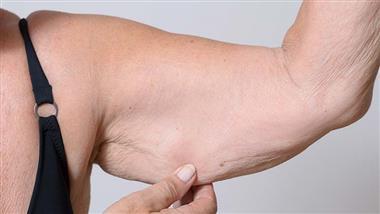
As you age, your body naturally tends to lose muscle. This condition is known as sarcopenia or muscle wasting. A 2022 study published in the journal Nutrients1 found increasing certain nutrients could lower your risk of sarcopenia as you age.
If you are not proactive, you can expect to lose approximately 15% of your muscle mass between your 30s and your 80s.2 An estimated3 10% to 25% of older adults under age 70 and half of those over age 80 have sarcopenia.
Even when you’re younger, if you are forced to stay in bed it can have a dramatic impact on your muscle mass. In one 2015 review,4 researchers found you could lose 5.2% of your muscle mass in the first two weeks of bed rest and by Day 23, you could have lost up to 10% of your quadriceps muscle mass. Strong muscles are required for mobility, balance and the ability to live independently.
Sarcopenia5 can increase the risk of falls and fractures, which ultimately can lead to hospitalization and surgery. It is important to know that sarcopenia is not related to your body mass. In other words, individuals who are obese can also lose muscle mass, which increases their risk for complications.
One meta-analysis6 of 35 studies and 58,404 people demonstrated the global prevalence of sarcopenia is 10% in men and women. Scientists understand the importance of muscle wasting as it relates to longevity and health. This led the Centers for Disease Control and Prevention7 to recognize it as an independently reportable medical condition.
When you have a reserve of muscle mass, it minimizes the challenges that result from muscle wasting8 if you become sick or hospitalized. Because muscle is lost far more easily and quickly than it’s built, it’s crucial to find ways to continuously promote and maintain muscle mass.
Nutritional Treatment Helps Counteract Sarcopenia
Researchers in the featured study9 knew that a variety of nutrients have shown effectiveness in supporting muscle. The randomized clinical trial was developed to analyze how effective two months of food high in omega-3 fats, leucine and probiotic Lactobacillus paracasei PS23 (LPPS23) would be on appendicular lean mass, inflammatory status, amino acid profile and muscle performance in people who were diagnosed with sarcopenia.
The researchers enrolled 60 participants who were within 4.8 years of 79.7 years and split them into an intervention or placebo group. The researchers prepared a customized diet schedule for both groups that provided 1.5 grams of protein per kilogram of body weight each day.10 Each group also received a dietary plan that consisted of approximately 30% lipids and 55% carbohydrates.
The researchers measured weight loss as compared to the individual’s weight history in the six months before their baseline visit. The subjects were questioned about how well they had followed their diet plan and physical activity recommendations. They also filled out a 24-hour dietary recall once a month.
The group that received the intervention took a supplement containing 500 mg of omega-3 fatty acid, 2.5 g of leucine and an LPPS23 probiotic. The control group received an isocaloric placebo. At the end of the study, the researchers measured body composition, physical performance, mood, blood pressure, muscle strength and functional status.
They concluded from the measurements that the intervention appeared to be a “valid strategy to counteract the progression of sarcopenia and sarcopenic-defining parameters in older adults.”11
Whey Protein Another Tool to Prevent Sarcopenia
As the featured study demonstrated, your diet plays a significant role in muscle development since your muscles need enough protein to stay viable. A 2011 paper12 published in the American Journal of Nutrition noted that the differences in digestion and absorption of dietary protein can modulate muscle growth.
So, while you need protein to build and maintain muscle, some proteins are more easily digested and absorbed than others. When you eat the right kind of protein it can make a difference in the potential risk for sarcopenia. The researchers in the featured study13 included the amino acid leucine in the intervention, which is also found in high concentrations in whey protein.14
Whey is a byproduct of cheese production and has long been acknowledged as an excellent source of protein. In the 2011 study, whey protein was compared to casein and casein hydrolysate, and was found to stimulate muscle protein growth the best, likely because of the leucine content.
One of the reasons that leucine is so important to prevent sarcopenia is that it helps regulate the turnover of protein in your muscle. A 1975 paper15 in the Journal of Clinical Investigation said leucine may also “play a pivotal role in the protein-sparing effect of amino acids.”
A more recent 2017 study16 explained the most effective way to optimize muscle building is to use a combination of resistance training followed by a protein meal, with leucine-rich whey being one of the most efficient proteins that can be used. However, a Harvard study demonstrated that simply taking leucine will likely be ineffective.17
Two groups of men over age 65 consumed either 0.8 grams of protein per kilo per day or 1.3 g of protein per kilo per day. The researchers found the high protein group did not experience an increase in lean muscle mass, or improve physical function or muscle strength, greater than the low protein group, most likely because they were not exercising.
Whey protein also contains glutathione, another important component in promoting and protecting muscle mass. It is thought to play an important role in muscle wasting, specifically in helping to modulate higher levels of oxidative stress18 often found in patients with sarcopenia. As noted in a 2012 review:19
“It has been suggested that oral antioxidant supplementation may contribute at reducing indices of oxidative stress both in animal and human models by reinforcing the natural endogenous defenses …
Antioxidants are substances able to inhibit the rate of oxidation. Mainly, antioxidant enzymes (e.g., catalase, superoxide dismutase (SOD), glutathione peroxidase, glutathione reductase) work to maintain a state of balance preventing the transformation of ROS and to convert them into more stable molecules (like water and molecular oxygen).”
NAD+ Combats Age-Related Muscle Deterioration
Studies have also proposed that mitochondrial dysfunction in the motor neurons may drive the development of sarcopenia. A 2021 paper20 published in Cell Reports compared the similarities between muscle aging and degenerative muscle diseases. The data revealed that protein aggregates deposit in skeletal muscle, which is a feature of muscle aging.
The researchers identified an amyloid-like protein that impairs mitochondrial function. While researchers have known that aggregated proteins could contribute to brain aging, this was the first time that data had shown it could contribute to muscle aging and directly damage the mitochondria.
The researchers first used a substance in worms and found it could reduce age-related amyloid protein aggregates.21 They found the same results in human muscle tissue from older subjects. They then went on to test nicotinamide adenine dinucleotide (NAD+) boosting nicotinamide riboside in aged mice and found it reduced the number and size of the amyloid aggregates within the skeletal muscle tissue.
NAD+ is a substrate for several important enzymes and is essential in metabolic processes, such as creating ATP in the mitochondria. A 2020 paper22 published in Endocrinology and Metabolism demonstrated that when the NAD+ salvage pathways in muscle are impaired, mitochondrial dysfunction and decreased muscle mass ensue.
If your NAD+ level is low, some simple lifestyle strategies can help. For example, exercise, fasting, minimizing electromagnetic field (EMF) exposure and sauna bathing can help improve your NAD+ levels. Exercise, heat exposure and fasting address low NAD+ because they are catabolic stressors that activate AMP protein kinase (AMPK).
This in turn activates an enzyme called NAMPT, which governs the NAD+ salvage pathway. Oxidative stress and inflammation can also deplete NAD+. Exercise, sauna and fasting can help reduce oxidative stress and inflammation, and as a result, less NAD+ is depleted.
The best way to increase NAD+ levels is to optimize your circadian rhythm by going to bed around 9 and getting up around 5 AM. The further you veer from these hours the more you challenge your circadian rhythm. It is also important to avoid blue light from screens and home lights after sunset and before sunrise.
Then you want to make sure you are doing regular strength training exercises. The best time to do them would be in the AM while you are fasting. You can also take niacinamide 50 mg powder three times a day. More is not better and will be counterproductive by inhibiting your longevity proteins (sirtuins). You can see my interview with Nichola Conlon for more details.
Strength Training Helps Preserve Muscle Mass and Heart Health
As the Harvard study23 demonstrated, consuming protein is not enough to protect your muscle mass. One study24 from the University of Michigan School of Public Health found those with lower muscle strength did not live as long as their peers with stronger muscles. After adjusting for confounding factors, the data continue to show those with low muscle strength had a 50% greater risk of dying early.
The data was pulled from a study of 8,326 men and women aged 65 and older. A loss of muscle in older adults may also be a primary driver of insulin resistance25 and declining strength may impact a reduction in daily physical activity, which also contributes to metabolic dysfunction.26
Researchers from the National Institute of Health and Nutrition in Tokyo, Japan,27 tested the hypothesis that a reduction in leg blood flow would be absent or minimal in people who regularly perform strength training exercises. They engaged a group of 104 men ages of 20 to 34 and 35 to 65 to compare whole-leg blood flow and vascular conductance between the groups.
The data showed no notable differences in the two age groups in those who used resistance training. However, there was a significant difference in the sedentary middle-aged group leading the team to conclude that a reduction in basal whole leg blood flow may be absent in men who routinely engage in resistance training.
The researchers suggested that resistance training could favorably influence leg perfusion. Lower levels of basal leg blood flow are associated with developing metabolic syndrome and functional impairment.28
I have been exercising for over 50 years. In the first 43 years, I exclusively used aerobic exercise. I didn’t realize that while it lowered the risk of heart disease, it is highly catabolic and eventually lowers the ability to build muscle. At the height of my running career, my upper arm circumference was 10.5 in.
However, contrast that with my arm circumference in December 2020 when it measured 15 inches. I stopped long-distance running and started resistance training. The results didn’t happen overnight, and I was well over 50 when I first began using resistance training.
The key to my success has been allowing time for significant recovery so the connective tissue and muscle can rebuild. I work with a trainer, but if you cannot afford a trainer, there are many great videos.
When you use resistance training and add the nutritional elements your body needs to grow muscles, you’ll reap the benefits. Remember to avoid doing the same exercise every day to allow the body to recover and repair so you get the benefits and avoid injuries.
- 1, 13 Nutrients, 2022;14(21)
- 2 Journals of Gerontology, 1995;50(5-8)
- 3 Journals of Gerontology, 2003; 58(10)
- 4 Extreme Physiology & Medicine 2015;4:16
- 5 Aging in Motion, What Is Sarcopenia?
- 6 Journal of Diabetes and Metabolic Disorders, 2017; 16
- 7 Federal Practitioner, 2017;34(7)
- 8 Current Opinions in Clinical Nutrition and Metabolic Care 2012; 15(1)
- 9 Nutrients, 2022;14(21) Abstract
- 10 Nutra-Ingredients, November 2, 2022
- 11 Nutrients, 2022;14(21) 5
- 12, 14 American Journal of Nutrition, 2011; 93(5): 997-1005
- 15 Journal of Clinical Investigation, 1975;56(5)
- 16 Journal of the International Society of Sports Nutrition, 2017, 43(14)
- 17, 23 JAMA Internal Medicine, 2018; 178(4)
- 18 Maturitas 2018;109
- 19 Journal of Aging Research, 2012;2012(316943)
- 20 Cell Reports, 2021;34(3)
- 21 Science Daily, January 20, 2021
- 22 Endocrinology and Metabolism, 2020;35(4) Section Mitochondrial dysfunction
- 24 University of Michigan School of Public Health, August 22, 2018
- 25 Diabetes Care, 2009;32(2)
- 26 Journals of Gerontology, 2018;73(8)
- 27, 28 Journal of Applied Physiology, October 1, 2005; doi.org/10.1152/japplphysiol.00061.2005
Case Study Reveals How Cognitive Decline Can Be Reversed
Reproduced from original article:
https://articles.mercola.com/sites/articles/archive/2022/11/20/recode-protocol.aspx
The original Mercola article may not remain on the original site, but I will endeavor to keep it on this site as long as I deem it to be appropriate.
Analysis by Dr. Joseph Mercola Fact Checked November 20, 2022
STORY AT-A-GLANCE
- A case report of 100 patients diagnosed with cognitive decline using the ReCODE protocol showed both subjective and objective improvements in all participants
- The ReCODE protocol, which involves identifying the drivers of cognitive decline (such as pathogens, toxins and metabolic changes), then targeting those in a personalized program that includes dietary and lifestyle changes, allows your brain to create and maintain synapses again, thereby treating the root of the problem
- A hallmark of neurodegenerative diseases such as Alzheimer’s is that proteins are aggregated and are typically misfolded
- By inducing ketosis, improving insulin sensitivity and supporting the mitochondria, you can often regain the ability to refold or proteolyze misfolded proteins
- Electromagnetic field exposures, such as that from cellphones and Wi-Fi, may play an important role in Alzheimer’s, as it triggers high amounts of oxidative stress and damage to proteins and DNA
Alzheimer’s disease, which is the most common form of dementia, eventually leads to the inability to carry out even the most basic of bodily functions, such as swallowing or walking. It is ultimately fatal, as conventional treatment options are few and universally ineffective.
Like autism among children, Alzheimer’s among seniors has reached epidemic proportions, with no slowdown in sight. On the contrary, evidence suggests the trend is worsening. In 2022, Alzheimer’s affects more than 6 million Americans,1 and 1 in 3 seniors dies with dementia or other demention. By 2050, Alzheimer’s diagnoses are projected to reach 13.8 million.2,3
While the U.S. Centers for Disease Control and Prevention lists the disease as the seventh leading cause of death in the U.S.,4,5 statistics published in the journal Neurology in 2014 revealed Alzheimer’s is vastly underreported on death certificates. In reality, the disease likely killed 503,400 American seniors in 2010,6 making it the third leading cause of death, right behind heart disease and cancer.7
The good news is that contrary to conventional claims, there are ways to prevent and even treat this tragic disease — not by drugs, but by diet and other lifestyle changes.
Dr. Dale Bredesen, professor of molecular and medical pharmacology at the University of California, Los Angeles School of Medicine, and author of “The End of Alzheimer’s: The First Program to Prevent and Reverse Cognitive Decline,” has identified a number of molecular mechanisms at work in Alzheimer’s, and created a novel program called ReCODE to treat and reverse it.8
100-Patient Case Report Sheds Light on Treatment Options
One of Bredesen’s publications is a case report9,10 of 100 patients using the ReCODE protocol. He had previously published three case reports, each involving just 10 patients. This fourth case report contains 100 patients treated at 15 different clinics across the U.S., all of which have documented pre- and post-cognitive testing.
Not only did all show improvement in symptoms, some of them also showed improvement in their quantitative electroencephalographs (EEGs). Others who underwent magnetic resonance imaging (MRI) with volumetrics also showed objective improvement.
“By all the criteria, these people showed improvement, subjective and objective,” Bredesen says. This is no small thing, as there is no conventional treatment that can reverse Alzheimer’s. There have been many drug trials to date, but all have failed to reverse the disease. As noted by Bredesen:
“There are a couple of medications, Aricept, Namenda … but these have a very, very modest impact. The most important thing is their improvement is not sustained. They don’t change the outcome of the disease. You get a little bump in improvement, then you go right back to declining.
The most important part of the [ReCODE] protocol … is that the improvement is sustained. You’re actually going after the root cause of what is causing the cognitive decline. That’s a big difference.”
Alzheimer’s Is a Protective Response to Inflammation
If one were to summarize Bredesen’s approach in one sentence, it would be “to improve the ratio between synaptoblastic and synaptoclastic activity, which is the brain’s ability to create new synapses versus destroying them.” In other words, the treatment allows your brain to create and maintain synapses again. Bredesen explains:
“The molecular biology of this disease shows that what we call Alzheimer’s disease is actually a protective response. It’s essentially a scorched-earth retreat.
You’re pulling back and saying, ‘We’re not going to let this insult kill us, so we’re going to scorch the earth so it (whether it’s bacteria or something else) cannot take advantage … of what’s there.’ You’re literally downsizing [your synapses]. As long as those insults are going on, you will be downsized.”
Beta-amyloid is a protein that is highly correlated with Alzheimer’s. However, all attempts at removing it have failed to improve the condition. Clearly, beta-amyloid in and of itself is not the primary cause, so simply getting rid of it is not the answer.
In Bredesen’s paper, he discusses the role of beta-amyloid as an antimicrobial peptide (AMP). Importantly, AMPs are critically important for host immunity. They target organisms such as bacteria, mycobacteria, viruses, fungi and protozoa. He explains:
“Here is the trick. It turns out amyloid beta is really part of the innate immune system. Its antimicrobial effect was first discovered and published by professor Robert Moir and professor Rudy Tanzi at Harvard.
This thing actually has, again, a protective response. Not only is it an AMP, but it also binds some toxins. For example, mercury, other divalent metals like iron and things like that. [Amyloid beta] has multiple effects. It is part of your response to insult.
When you take that into account, you realize it’s fine to remove amyloid, but please don’t do it before you remove all the insults. We’ve seen numerous people now who have had the amyloid reduced and gotten worse because the ongoing insults are still there.”
In 2019, the drug company Biogen halted its Phase II clinical trial for aducanumab, a drug designed to remove beta-amyloid, and this is the typical story for these kinds of drugs. And then a major trial of yet another approach to amyloid removal, the BACE inhibitor CNP520, was halted because the drug was associated with increased cognitive decline and brain atrophy.11
The Protein Refolding Process Is Impaired in Alzheimer’s
About one-third of the proteins your body makes on any given day are misfolded. Thankfully, your body has a mechanism by which those misfolded proteins are refolded. Heat-shock proteins play a central role in this process, and if the misfolding is too severe, the heat-shock proteins help remove them altogether.
In fact, heat-shock proteins are a corollary of autophagy, the process by which your body cleans out damaged organelles. This relates to Alzheimer’s, because the refolding process is one of several factors that need to work in order for your brain to function. As noted by Bredesen:
“In all of these different neurodegenerative diseases, whether you’re talking about Alzheimer’s, Huntington’s, Lou Gehrig’s disease, Parkinson’s disease or Lewy body, they all feature proteins that are aggregated and that are typically misfolded. They are not degraded appropriately.
You lose not only the ability to fold but the ability to degrade these proteins. That is a critical piece. In fact, just recently, an article came out on a common neurodegenerative condition, newly described, which is called LATE, which is limbic-predominant, age-related TDP-43 encephalopathy.
In other words, this is a little bit like Alzheimer’s … [LATE] features TDP-43, which is a protein that is involved in numerous things, including protein folding … We lose that [protein-folding] ability as we start to downsize [synapses], as you don’t have an appropriate energy, you don’t have the appropriate trophic support.
You don’t have the appropriate hormonal and nutritional support … When we target ketosis, when we target insulin sensitivity, when we target mitochondrial support, that typically allows you to generate the appropriate ability to refold misfolded proteins …
You can induce the heat-shock response … by doing this combination of sauna and then [going] into the cold and then back to the sauna and then back to the cold …
You are recurrently activating this critical response [by doing that]. There’s no question it is going to be important, especially in ALS, but likely in all of the neurodegenerative conditions.”
The Link Between Protein Folding and Cell Death
As noted by Bredesen, there are three kinds of autophagy: macro-autophagy, micro-autophagy and chaperone-mediated autophagy. Each offers a slightly different way to repair, remove or recycle damaged organelles within the cell.
Specific proteins, for example, can be targeted for chaperone-mediated autophagy. Bredesen recounts findings of research he did to ascertain the linkage between protein folding and programmed cell death (apoptosis, where the entire cell is killed off and removed):
“If you fail to reform these [misfolded proteins], you literally activate an entire system that initially stops producing more protein. It’s basically saying, ‘We’re not keeping up with this. We’re going to shut this down.’ It attempts to refold. Then it attempts to destroy the proteins if it can’t refold them.
Then ultimately, if it cannot … keep up … it literally activates programmed cell death through specific caspases … This is something where you want to intervene upstream; understand why this is happening. And then if you’re unable to keep up with this, now, at least increase your heat-shock proteins so that you can refold. In this case, you prevent the induction of programmed cell death.”
Unfortunately, a vast majority of people do not have well-functioning autophagy, for the simple reason that they’re insulin-resistant. If you’re insulin-resistant, you cannot increase your adenosine 5′ monophosphate-activated protein kinase (AMPK) level, which prevents the inhibition of mammalian target of rapamycin (mTOR), and mTOR inhibition is one of the primary drivers of autophagy.
The Case for Cyclical Fasting
While autophagy is clearly of critical importance, you don’t want to be in continuous autophagy. You also need to cycle through the rebuilding phase. One of the ways in which you can control this is through cyclical fasting. Bredesen typically recommends an intermittent fasting approach.
“You want to use appropriate fasting and an appropriate diet to activate this autophagy,” Bredesen says. “We recommend … 12 to 14 hours [of fasting] if you are apolipoprotein E4-negative (ApoE4-negative) … If you are ApoE4-positive, you’d want to go longer — 14 to 16 hours. There’s nothing wrong with doing a longer fast …
The reason we suggest longer for the ApoE4-positives [is because] if you are ApoE4-positive, you are better at absorbing fat. It tends to take longer to enter autophagy …
Typically, we recommend it about once a week. But again, a longer fast once a month is a good idea. It depends a lot on your body mass index (BMI). What we found is people who have higher BMIs respond better to this fasting early on. They’re able to generate the ketones.
If you lose both the carbohydrates and the ketones, you end up [feeling] completely out of energy … We are very careful when people are down below 20 on their BMI, especially the ones 18 or below. We want to be very careful to make sure to cycle them [in and out of ketosis] once or twice a week …
These are the ones where, often, exogenous ketones can be very helpful early on … Measure your ketones. It’s simple to do. We want to get you into, ultimately, the 1.5 to 4.0 millimolar [range for] betahydroxybutyrate. That is the goal.”
Test Your Ketones
So, to recap, while dementia patients with excess weight tend to respond favorably to cyclical fasting, at least initially, underweight patients may experience cognitive decline, as they’re simply too underweight to produce ketones in response to the fasting. For those who are underweight, Bredesen recommends using a ketone supplement such as medium-chain triglycerides (MCT) oil.
If that doesn’t bring you into the desired ketone level (1.5 to 4.0 mmol), or if it’s adversely affecting your low-density lipoprotein (LDL) particle number, he might recommend exogenous ketones — either ketone esters or salts. “We’d like to look at your LDL particle number and use that to titrate, to make sure that your LDL particle number is not too high,” he says.
To test your ketones, I recommend KetoCoachX.12 It’s one of the least expensive testing devices on the market right now. Another good one is KetoMojo. KetoCoach, however, is less expensive, the strips are individually packed and the device is about half as thick as KetoMojo’s, making it easier to travel with.
Energy Demands Are Not Met in Neurodegenerative Diseases
Nutritional ketosis, in which your body produces endogenous ketones (water-soluble fats), is important for all neurodegenerative diseases, but it’s not a complete cure-all. Bredesen explains:
“What we’ve come to realize from the research over the years is that neurodegenerative diseases, whether Alzheimer’s … macular degeneration … Lewy body, Parkinson’s or ALS, they all have one thing in common. They are related to specific subdomains of the nervous system.
Each of these has a unique requirement for nutrients, hormones, trophic factors, et cetera … In each case, there is a mismatch between the supply and the demand. For most of your life, you’re keeping up with that demand. With all of these diseases, you have a repeated or a chronic mismatch between the support and the requirement.
In Parkinson’s disease, it’s quite clear. You can create Parkinson’s disease simply by inhibiting mitochondrial Complex I. That specific subdomain of motor modulation, which is what Parkinson’s is all about, is the thing that is the most sensitive to reductions in mitochondrial Complex I support.
Therefore, when people have this, you need to bring the supply back in line with the demand. A critical way to do that is to supply the appropriate ketosis — the appropriate energy.
Now, if the person is continuing to be exposed to whatever chemicals are inhibiting Complex I — and it’s typically … mold-related biotoxins or organic toxins such as paraquat or glyphosate — as long as these are ongoing, you’re going to get very temporary relief.
The goal here is both to get rid of what is inhibiting Complex I and to flood the system, to help the system by giving appropriate support for the energetics … With Alzheimer’s, we’re really talking about a mismatch in trophic support. You’ve got this ongoing need as you’re making neuroplasticity.”
Why Late-Night Eating Is Ill Advised
Although I am not ApoE4-positive, I prefer fasting for 16 hours a day, essentially narrowing my eating window to just four to six hours. I also make sure to eat my last meal three to six hours before bedtime. One of the reasons for this advice is because avoiding late-night eating will increase your nicotinamide adenine dinucleotide (NAD+) levels, which are important for a variety of bodily functions.
Importantly, it will also reduce nicotinamide adenine dinucleotide phosphate (NADPH), which is essentially the true cellular battery of your cell and has the reductive potential to recharge your antioxidants. The largest consumer of NADPH is the creation of fatty acids.
If you’re eating close to bedtime, then you’re not going to be able to use the NADPH to burn those calories as energy. Instead, they must be stored some way. To store them, you have to create fat, so you’re basically radically lowering your NADPH levels when you eat late at night because they are being consumed to store your extra calories by creating fat.
Bredesen’s protocol includes this strategy as well. He calls his approach “KetoFlex 12/3,” because it generates mild ketosis and is flexible diet-wise. It can be done whether you’re a vegetarian or not. The 12/3 stands for a 12-hour minimum fast each day, and eating the last meal three hours before bedtime.
Certain supplements, including berberine, resveratrol, curcumin, quercetin and fisetin also boost autophagy, and can be used in addition to the nutritional timing. Bredesen explains:
“Sirtuin-1 (SIRT1) was identified as a critical molecule, both for longevity and has been studied extensively for its effects on longevity, but also for its effects on Alzheimer’s disease …
ApoE4 actually enters the nucleus and downregulates the production of this critical molecule, so you can see one of its many effects on Alzheimer’s disease. Well, when SIRT1 is made, it is actually made in an autoinhibitory fashion. It’s just like having a gun in a holster. It’s not active … NAD activates the SIRT1.
So does resveratrol. This is why people take resveratrol [or] nicotinamide riboside. These are both activating this program, which is moving you from … more of a pro-inflammatory approach to a longevity approach — a change in your metabolic pattern. That includes activating things like autophagy and also having an anti-Alzheimer’s and a pro-longevity effect …
[Q]uercetin also has an interesting impact on senescent cells … I think that that’s going to turn out to be an important way to impact a number of age-related conditions, including neurodegeneration.”
The drawback, and the reason you cannot rely on supplements alone, is that the bioabsorption of these polyphenols, like quercetin for example, is quite low. Oftentimes, you cannot absorb enough to get the full benefits.
Limit Electromagnetic Field Exposures
There’s also convincing evidence showing electromagnetic field exposures (EMFs) such as that from cellphones and Wi-Fi play an important role. Bredesen agrees, and recommends his patients limit such exposures. In summary, EMFs activate your voltage-gated calcium channels, allowing the release of excess nitric oxide and superoxide in the cell, resulting in the creation of peroxynitrite.
Peroxynitrite causes similar damage to your DNA as ionizing radiation. It also damages your stem cells, mitochondria, proteins and cell membranes. Poly-ADP ribose polymerase helps repair DNA damage by extracting an adenosine diphosphate (ADP) molecule from NAD. Approximately 100 to 150 NAD are required to repair a single DNA break.
While this process works quite well, problems arise when continuous DNA damage requiring continuous PARP activation occurs, as this ends up decimating your NAD+ level. Bredesen adds:
“This is a critical area. The big problem we’ve had with this so far is that we can measure your NF-κB activation; we can measure your status of hormones, nutrients, magnesium, on and on and on. Typically, with our approach, we measure 150 different variables.
There is no simple way to measure the effect of EMF on a given person’s nervous system. I look forward to the day when we can do a test and say, ‘Aha. This person has 27.2 on their effects on their voltage-gated calcium channels because of EMFs.’ Because then we’ll really be able to alter that.
For now, the best we can say is — just as we go after biotoxins and chemotoxins — [EMF] is a physical toxin. The best we can say is, ‘Minimize that to the extent you can.’ You can certainly measure the exposure. We just don’t have a good way yet to measure its effect on your brain.”
More Information
There’s no decline in sight for Alzheimer’s, at least in the foreseeable future, so it would behoove most people to just assume you’re headed for it and take action now, regardless of your age, to prevent it. When it comes to Alzheimer’s, prevention is surely far easier than trying to treat it once it has set in. As noted by Bredesen:
“This is all about prevention and early reversal. Those are the people where we see virtually 100% response. This is why I think there needs to be a global effort to decrease the burden of dementia. We’re just now starting a clinical trial. We’ve been trying to get institutional review board (IRB) approval for years …
It has finally been approved, so we’re starting a trial with Dr. Ann Hathaway, Dr. Deborah Gordon and Dr. Kat Toups, who are all seeing patients. We’re very excited to see what the trial will show with this approach. Because certainly, anecdotally, we’re hearing it all the time.
As you mentioned, we just published a paper a few months ago on 100 patients who showed documented improvement … I’m convinced we could, today, if everyone got an appropriate prevention, make this a very rare disease.”
Bredesen’s case report13 is open access, so you can download and read the full study. His book, “The End of Alzheimer’s: The First Program to Prevent and Reverse Cognitive Decline,” also provides the details, and would be a valuable reference in anyone’s health library.
You can also learn more about Bredesen and his work by following him on Facebook, Twitter or visit his website, drbredesen.com. Last but not least, read his book, “The First Survivors of Alzheimer’s: How Patients Recovered Life and Hope in Their Own Words,” which features first-person accounts from patients diagnosed with Alzheimer’s who beat the odds and improved.
- 1, 5 Alzheimer’s Association. Facts and Figures
- 2 CNN June 8, 2015
- 3 Nature 2014: 20; 415-418
- 4, 7 CDC.gov Leading causes of death in the US
- 6 Neurology March 5, 2014; 82(12)
- 8 AHNP Precision Health ReCODE, The Bredesen Protocol
- 9, 13 Journal of Alzheimers Disease & Parkinsonism 2018; 8(5): 450
- 10 Rezilir Health LLC, 100 Case reports for the reversal of cognitive decline
- 11 Alzforum July 12, 2019
- 12 KetoCoachX.com
Near-Infrared Sauna Therapy — A Key Biohack for Health
Reproduced from original article:
https://articles.mercola.com/sites/articles/archive/2022/10/16/near-infrared-sauna-therapy.aspx
The original Mercola article may not remain on the original site, but I will endeavor to keep it on this site as long as I deem it to be appropriate, and will not be bullied into removing it.
Analysis by Dr. Joseph Mercola Fact Checked October 16, 2022
STORY AT-A-GLANCE
- Near-infrared saunas provide benefits you simply can’t get from a conventional sauna or even far-infrared sauna
- For all its benefits, a downside of the traditional Finnish sauna is that it offers little or no clinically insignificant amounts of infrared exposure. Conventional electrical sauna heaters and far-infrared saunas are also plagued by high EMF
- Far-infrared saunas claiming to be low-EMF or EMF-free typically have very high electric fields; only the magnetic fields have been mediated. Electric fields are a potent oxidative stressor
- Photobiomodulation (PBM) refers to the use of near-infrared light to heal and repair degenerate and damaged tissue and cells, and also optimize healthy tissue. Additionally, far-infrared has no PBM benefits
- Near-infrared exposure produces melatonin — a potent antioxidant — in your mitochondria, where it is most needed. Near-infrared also structures the water around your cells, and penetrates several inches into your body, far deeper than far-infrared
Sauna therapy is one of my absolute favorite biohacks, as it provides so many crucial health benefits. I detailed many of them in “The Stunning Health Benefits of Sauna Therapy,” so I won’t dive too deep into that here.
Instead, this discussion with repeat guest Brian Richards, founder of SaunaSpace, will focus on the differences between traditional Finnish saunas, conventional infrared saunas and near-infrared saunas, and why near-infrared exposure is so important.
Traditional Finnish saunas are wood lined rooms with heaters filled with rocks over which water may be poured. The basis of the traditional Finnish sauna, which has been extensively studied, is a room that has a heater of some sort that can reach air temperatures of 170 degrees Fahrenheit. The next-gen infrared saunas that SaunaSpace produces include high amounts of near-infrared, which provides benefits you can’t get from a conventional sauna or even far-infrared sauna.
The first near-infrared electric sauna was invented in 1891, shortly after the advent of the incandescent light bulb in 1887. Dr. John Harvey Kellogg invented what’s called the electric incandescent light bath. He used a Victorian style cabinet decked out with an array of incandescent light bulbs.
He knew there was something special about the light, and was convinced it might produce a better sauna. Today, scientists have confirmed the photobiomodulation benefits Kellogg intuited.
The Drawbacks of Most Commercial Saunas
For all its benefits, a downside of the traditional Finnish sauna is that it offers little or no clinically insignificant amounts of infrared exposure. Richards explains:
“The sun is 43% near-infrared, and from a photons-per-second perspective, it’s like 70% photons per second of near-infrared. So, if you’re not somewhere close to that, you’re not in that ancestral context of what’s biologically relevant and what we’ve evolved to get. There is a little bit from these lower energy infrared sources, but not nearly what you get from the incandescent bulb.”
Another problem with conventional electrical sauna heaters is the presence of electromagnetic fields (EMFs), especially electric fields. Electric fields in any unsealed wiring are significant, and when you’re talking about an electrical heater that uses 20 or 30 amps, that’s a lot of voltage in an unshielded scenario.
Electric fields travel through water, humidity and air, which is why they’re so pervasive in homes. When these fields reach your body, they increase your body’s voltage. Most far-infrared saunas are also plagued by high EMF.
“In my personal testing of those, they all tend to be high electric field and high magnetic field, especially how you sit in those,” Richards says. “Your back is usually a very close proximity to the ceramic heater itself. You’re within that magnetic field. Then, without using shielded technology, you are exposing yourself to electric fields — both in the Finnish electric hot rock sauna, and in the traditional far infrared sauna.”
‘EMF-Free’ Is Usually a Lie
If you’ve been shopping for a sauna, you’ve probably come across some that claim to be low-EMF or EMF-free. However, this is a half-truth at best. While many sauna makers have effectively mitigated the magnetic fields, bringing them within biologically reasonable levels, they’ve not mitigated the electric fields.
“I’ve measured many brands over time, and you’re right. The far-infrared style of sauna comes in a couple different forms. The most obvious one is the cabinet style that looks like a traditional Finnish sauna, but there’s ceramic tub emitters, or black carbon panels in the walls. All the ones I’ve seen have high magnetic fields and high electric fields.
There is one company that I measured with Brian Hoyer. We were together at a conference, and it was low in magnetic field, which was great. But the electric fields were through the roof. They were hundreds of millivolts into the volts range. It was like 10 volts. That’s a lot. So that’s my experience too, especially with the style that’s a little more portable, where your head sticks out.
So, they all have issues. Even the ones where they’ve managed to minimize the amount of magnetic field, they all seem to have electric field issues. Furthermore, they don’t offer any protection from the ambient electromagnetic stress that’s in the environment.
That’s why, for example, one of the products that I offer has a Faraday liner system that protects you from the ambient electric field. I worked really hard to provide that sort of solution. You don’t see that in any of these infrared products, or Finnish saunas either, but I don’t like to disparage any companies. I think there are some great products out there.
At the end of the day, I think if you sweat, and you get that sweat response, you get that elevated core temperature increase, you’re getting great benefit. But to be exposed to the oxidative stress of EMF during the session, for me, it’s not ideal. That would be like meditating in a polluted environment.”
The Benefits of Photobiomodulation
Photobiomodulation (PBM) is a fancy term for ascribing the biological benefits of light exposure to the human body and optimizing that. Richards further defines PBM as “the use of near-infrared light to heal and repair degenerate and damaged tissue and cells, and also optimize healthy tissue.”
The reason this is so important is because most people in the West spend woefully little time outside in the sun, and when they do, they typically wear shirts and pants. There is no doubt in my mind that this is a prescription for health disaster. You cannot violate one of our most pervasive ancestral practices, which is being outside regularly for long periods of time, without significant biological consequences.
To get photobiomodulation benefits from your sauna, it needs to use incandescent heat lamps that produce the majority of the heat as near- and mid-infrared, and a significant percentage of near- and mid-infrared frequencies, which is what SaunaSpace provides.
Near-Infrared Produces Subcellular Melatonin
As mentioned, 43% of the light coming from the sun is near-infrared, and a key benefit of near-infrared is that it increases melatonin in your mitochondria (subcellular melatonin). In the past, we thought almost all melatonin was produced in your pineal gland, but that’s actually only 5% of your body’s melatonin production; 95% of it occurs in your mitochondria, in response to near-infrared.
Not only are you getting the detox and heat shock proteins that you get from any sauna, but a near-infrared sauna will also boost your mitochondrial function and energy level, and decrease damage to your cells, DNA, cell membranes, proteins and stem cells.
I believe this is the biggest benefit of using a PBM-capable sauna, as it will radically decrease oxidative stress, thereby lowering your risk of most chronic diseases. So, not only are you getting the detox and heat shock proteins that you get from any sauna, but a near-infrared sauna will also boost your mitochondrial function and energy level, and decrease damage to your cells, DNA, cell membranes, proteins and stem cells.
In addition to being a direct scavenger of free radicals, melatonin also catalyzes the production of other antioxidants, such as glutathione peroxidase, glutathione reductase, catalase and superoxide dismutase, all of which quench oxidative free radicals in your mitochondria. As discussed in the interview, near-infrared also structures the water around your cells, which is another phenomenal benefit. Richards adds:
“It’s a question of more bang for your buck. It’s the dual therapy together. We don’t have to belabor necessarily the benefit of sauna. It’s essentially increasing your health span. [It] increases the years of your life that you’re really healthy and it reduces your risk of dying of all things. So, it’s really great, and everybody should be doing sauna.
But then if you look at photobiomodulation … you’re using [near-infrared] light to heal damage and also optimize what’s there. If you look at the spectrum of the sun, 43% is near-infrared. If you add in red, over 50% is in this photobiomodulation range. That photobiomodulation is light controlling biology, but in this case, it’s all about near-infrared light activating healing and repair biology in the body …
It’s repairing damaged tissue. It’s improving protein function. It has antiaging effects in the cells in the DNA and the epigenetics, and it’s boosting and modulating the immune system. People are using it for inflammation reduction, for inflammation reduction.
So, if you look at the list of photobiomodulation [benefits] and the list of sauna [benefits], there’s so much overlap that it’s like, wow, these are probably the two most powerful things you could do for your health.
Especially here in the Northern hemisphere in the Western culture, we have the highest incident of cardiovascular disease, cancer … neurodegenerative diseases like MS, Alzheimer’s and dementia. Both of these therapies, this near-infrared therapy and the sauna therapy, appear to be quite beneficial for neurodegenerative diseases … So, why would you not do sauna that way?
It comes down to the form of the light. A couple other things to note about sunlight: It’s not just that a majority is near-infrared. It’s also not so much far-infrared. If you look at the spectrum of the sun, it’s only about 3% far-infrared. So, we don’t have much historical exposure to it.
One could argue, maybe from an evolutionary perspective, that’s why our mitochondria have not evolved to harness that. They’re designed to harness the No. 1 stimulus, which is the near-infrared portion.”
The SaunaSpace Light Spectrum
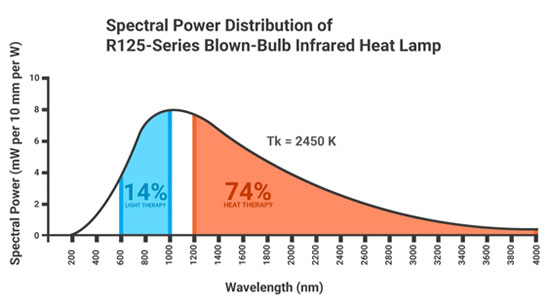
The bulbs used in the SaunaSpace saunas are 250 watt incandescent thermal light bulbs that put out 39% near-infrared, which is close but not identical to what you get from sunlight. There’s no blue light, no ultraviolet and very little red. So, most of the light is in the near-infrared and mid-infrared (about 40% each), plus 15% far-infrared.
Near-Infrared Penetrates Far Deeper Into Your Body
While one of the selling points of infrared saunas is that far-infrared penetrates deeper into your body, this actually isn’t the case. Near-infrared has far greater penetration power. Richards explains:
“The radiant heat benefits come from the body absorbing light through water absorption. Water absorption starts in near-infrared at 980 nanometers at the first overton of water, but then increases very quickly, so that once you’re into the mid-infrared spectrum, 1,500 to 3,000 nanometers or so, you’re getting strong water absorption. That’s a really effective way to radiantly heat the body …
Infrared A, aka, near-infrared, is much better for heating biological tissue because of tissue penetration. That’s because water begins to absorb light in the near-infrared region, but not a 100%. As you proceed into the mid-infrared and the far-infrared, water absorption increases. One of the protective mechanisms of our body is the chromophore, that is, water. It absorbs light in different ways.
Near-infrared light tends to penetrate several inches into the body. There’s actually one NASA study that showed water-filtered near-infrared penetrated like 20 centimeters into the body — 5, 6 or 7 inches. But on average, it’s several inches of penetration.
Once you get out to this long wavelength, low energy infrared called far-infrared, which starts at about 3,000 and greater nanometers, the tissue penetration is a fraction of an inch. It’s a millimeter or a few millimeters.
We’re talking about the average photons that go into the body. So, with near-infrared, on average, there are some photons that are absorbed by water in the skin, but then others go in and get absorbed by water in the liver, deep in the body. Others hit the mitochondrial light receptor protein and activate photobiomodulation.
So, every second that you’re exposed to millions of near-infrared photons, you’re getting a radiant, deeper penetrating heat that heats you from within and raises core body temperature more quickly. Because you’re not just relying on the hot air around you.
The most effective way to heat biological tissue is using a near-infrared centric light source … and using light to heat the body via radiant heating will always be more efficient than using just hot air or contact with water, like a hot tub or a bath … And, I would say you don’t get photobiomodulation from far-infrared wavelengths, period. There’s no photobiomodulation effect. It’s just heat.”
Basic Recommendations
Classical Finnish saunas are typically heated to 170 degrees F. or higher. An infrared sauna will rarely get that high, however, which means you may need to stay in a bit longer in order to get a good sweat.
A benefit of SaunaSpace’s near- and mid-infrared bulbs is that you’re heating up from deeper within, so the air temperature doesn’t need to be as high as a traditional sauna in order for you to sweat. Richards recommends starting out with a four-bulb system and build up from there with an additional two-, three- or four-bulb panel as you acclimate.
“The core panel is four 250-watt bulbs. That’s 1,000 watts. We’re bringing back a three-bulb system which would make it 1750 watts when combined with the four-bulb system. This is about 14.5 amps. It’s just under the 15-amp threshold for the standard household breaker. So, the seven-bulb system can be plugged in anywhere, more or less, in any standard home electrical circuit.
You could potentially use an eight-bulb system, but it requires a 20-amp dedicated circuit. That’s not so common throughout homes. You see that in kitchens and baths. You can swap [the circuit] out … but again, it’s also something that you can achieve through just staying in a little longer.”
Two ways to check whether your sauna is hot enough are:
- Measure your water loss by weighing yourself, naked, before and after the sauna. A 1- to 2-pound loss is normal
- Take your oral temperature right after your sauna. A 3- to 5-degree increase from baseline is good, or somewhere in the 101- to 103-degree range
Richards recommends staying in the sauna for 20 to 30 minutes, or until you reach subjective fatigue, which is a sign that you’ve maxed out the benefits you’re going to get. It’s not about reaching a point of suffering — just that point where you’re feeling mildly anxious and tired and want to get out.
As for the frequency, research has consistently shown that it’s dose-dependent, so the more often you do it, the greater the benefits. The sweet-spot seems to be right around four times a week, because you’ll also be losing minerals along with toxins. So, you need to rehydrate and replenish those minerals.
How to Make Your Own Sauna
If you already have an infrared sauna, you can turn it into a near-infrared one by removing the bench and installing the SaunaSpace bulb panels. I described how to do this in “The Stunning Health Benefits of Sauna Therapy.”
“You can also do that in any enclosed space, such as a small closet,” Richards says. “We offer a shower conversion kit. It really doesn’t matter what the enclosure is. It is just a space that needs to be enclosed, the smaller, the better, as long as it’s big enough to allow for the 2-foot clearance from the bulbs and, ideally, the ability to rotate.
Our panels are about 9 inches deep plus 2 feet of clearance from the chest to the panel. So, you need something that’s at least 4 feet deep at the minimum.
That’s why it’s really nice to take the bench out in the standard far infrared sauna and either get one of our stools or purchase a seat of your own, and do the near-infrared sauna protocol, which is a quarter turn rotation about every five minutes.”
To learn more about the health benefits of sauna, the SaunaSpace light technology and the dangers of EMF, check out SaunaSpace.com‘s learning space and research archive.
Gluten-free “super seed” gives INCREDIBLE nutritional bang for your buck
Reproduced from original article:
www.naturalhealth365.com/teff-seeds-nutritional-benefits-3833.html
by: Lori Alton, staff writer | May 16, 2021
 (NaturalHealth365) Clearly, the demand for healthful, gluten-free foods has never been greater. The Centers for Disease Control and Prevention (CDC) estimates that at least 3 million Americans live with celiac disease – an autoimmune condition triggered by gluten in wheat, barley, and rye. (Celiac disease not only interferes with the absorption of essential nutrients but can lead to other serious conditions, including neurological problems, infertility, osteoporosis, and cancer). In addition, BeyondCeliac.org reports that a surprising 18 million Americans are “gluten sensitive” – meaning they experience adverse effects from gluten despite testing negative for celiac disease.
While many people turn to gluten-free alternatives such as quinoa and amaranth, nutritionists maintain that these ancient grains, while healthy fare, still leave much to be desired when it comes to delivering hefty amounts of essential vitamins and minerals. The solution? Some researchers say that it’s high time to “say hello” to teff seeds – and their remarkable assets. Recent research has shown that these tiny little packets of gluten-free nutrition carry oversized health benefits.
Cultivated for over 3,000 years, teff seeds have become the protein-rich fuel of champions
Botanically known as Eragrostis tef, teff is technically a seed and not a grain. Teff seeds and teff flour are derived from a North African grass known as Williams’ lovegrass (aptly named, as teff offers much for health-conscious consumers to love).
Researchers report that citizens of Ethiopia, where teff has been cultivated for over 3,000 years, obtain about two-thirds of their daily protein from teff. The seeds are traditionally ground into flour and used to make a sourdough flatbread known as injera. Ethiopia, of course, has given the world a disproportionate amount of champion marathon runners and Olympian gold medalists – a fact not lost on American athletes, who are increasingly adopting teff as a training food.
While Ethiopia grows 90 percent of the world’s teff, the Ethiopian government forbids its export. Because of this law, teff consumed in North America is typically grown in such locales as Idaho, India, Australia, and the Netherlands.
What makes teff seeds so special?
One of the most remarkable attributes of teff is its sky-high amount of protein, with a 150-gram serving of teff flour providing a generous 25 percent of the body’s daily needs. Teff seeds and flour are also an excellent source of lysine, an amino acid that is an important precursor to protein.
In addition, teff is loaded with essential minerals.
The same 150-gram serving of teff provides almost 70 percent of the recommended daily value of magnesium, essential for regulating blood pressure. It also contains 10 percent of the daily value of zinc – indispensable for immune system function and wound healing – and healthy amounts of easily absorbable iron. In fact, a Cornell University study published just last October in Nutrition revealed that teff enhances absorption of iron and zinc – and may be the reason that dietary iron and zinc deficiencies are less prevalent in Ethiopia than in neighboring countries, where teff is not as popular. Incidentally, study lead author Elad Tako, an associate professor of food science, praised teff grain as “extremely valuable”.
Finally, teff seeds are composed of a whopping 20 to 40 percent resistant starch, a beneficial dietary fiber that has been shown to help prevent colon cancer and manage blood sugar.
Teff’s nutritional value outshines other grains at every turn
The Cornell study is not the only recent research to showcase the benefits of teff. A 2020 review published in the Journal of Food Quality highlighted teff’s nutritional superiority to other cereal grains, including wheat, maize, barley, and sorghum.
The researchers added that while quinoa and amaranth are gluten-free, they “cannot meet the recommended daily nutrient intake of celiac disease patients.” (Translation: these grains can’t hold a candle to teff grains when it comes to providing micronutrients for celiac disease sufferers!)
According to the authors, teff is not only a great solution to this problem – but can actually help prevent and treat celiac disease.
And additional research supports this theory. In an earlier study involving over 1,800 celiac disease patients and published in the Scandinavian Journal of Gastroenterology, the scientists noted that teff helped significantly lessen celiac symptoms.
By the way, the new Cornell study also showed that teff improves the composition and function of the gut microbiome, the community of beneficial bacteria in the intestinal tract. A healthy, well-balanced gut microbiome is essential for digestive health.
Excellent news for diabetics: Low-glycemic and nutrient-dense teff seeds help prevent and improve the disease
Type 2 diabetes, characterized by increased blood sugar levels and abnormal insulin regulation, verges on epidemic status in the United States – with over 30 million Americans suffering from the condition. Driven by poor nutrition, obesity, and a sedentary lifestyle, type 2 diabetes can lead to eye and kidney damage, peripheral neuropathy, and increased risk of heart disease. Fortunately, researchers have found that foods with a low glycemic index can reduce diabetes risk – and teff seeds, with a low score of 35, fill the bill neatly.
In addition, teff contains a whopping 123 mg of calcium per cup. This high concentration of calcium means that teff may prevent the onset of disorders that set the stage for type 2 diabetes, including weight gain, accumulation of abdominal fat, and osteoporosis. The impressed authors of the 2020 review ended with a bold prediction: that teff-based foods will make “outstanding” contributions to the prevention and amelioration of type 2 diabetes.
And that isn’t all.
The scientists noted that dietary iron deficiency causes the production of insufficient red blood cells, which causes problems with the transport of oxygen. While supplements can increase iron intake, they may carry digestive side effects such as nausea, diarrhea, and constipation. The reviewers noted that consumption of teff is a “safer strategy” to address anemia caused by iron deficiency. Because heart failure, a life-threatening condition, is linked to iron deficiency, teff can clearly lead to improvements in cardiovascular health.
Discover a tasty alternative to wheat flour
Use teff flour to make muffins, pancakes, cookies – or add it to stews and stuffings for extra nutritional value. Teff flour can also be mixed with other gluten-free flours such as amaranth and almond flour.
Or, prepare the seeds as a side dish by cooking a cup with 3 cups of water, then seasoning to taste with cinnamon, ginger, basil, cumin, or cardamom.
With a pleasant, nutty flavor, teff is available in both brown and white varieties. While brown teff contains higher amounts of amino acids, both types offer substantial health benefits.
Teff isn’t a supermarket staple (yet) but can be purchased in health food stores and online.
Tiny but mighty teff seeds and teff flour offer a bonanza of health benefits for those looking to eliminate or cut back on gluten, which – according to a survey conducted by the Consumer Reports National Research Center – describes up to a third of all Americans. Clearly, teff is taking its place in the spotlight as a healthful alternative.
Sources for this article include:
ScienceDaily.com
LifeExtension.com
Schaer.com
NIH.gov
Hindawi.com
BeyondCeliac.org