Liver
now browsing by category
Hawthorn Berries Can Benefit Your Heart, Liver and Skin

Reproduced from original article:
https://articles.mercola.com/sites/articles/archive/2021/03/08/hawthorn-berry-health-benefits.aspx
Analysis by Dr. Joseph Mercola Fact Checked March 08, 2021

STORY AT-A-GLANCE
- Hawthorn berries have been used as far back as 659 AD to support heart health. Research demonstrates the extract has anti-atherosclerotic effects and antioxidation, anti-inflammatory and endothelial protective properties
- The berries have traditionally been used for digestive issues. In animal studies, they have reduced the effects of nonalcoholic fatty liver disease (NAFLD) and improved liver function
- The antiaging and photoprotective properties may be associated with the high polyphenol content. Hawthorn extract has demonstrated improvement in skin characteristics such as density, roughness and elasticity
- The plant is native to North America, growing wild and as a cultivated ornamental plant. Although most of the plant is edible, the seeds produce deadly hydrogen cyanide in your intestines
The rich flavonoid content found in hawthorn berries (genus Crataegus) has helped reverse the effects of cardiovascular disease, improve skin and support digestion and liver metabolism.1
Nearly 6 in every 10 adults living in the U.S. have at least one chronic disease and 4 of every 10 have two or more, which are the leading causes of death and disability.2 You can make a difference in your overall health and reduce your risk of many chronic diseases through lifestyle choices. In some cases, you’ll choose to stop something, and in others, you’ll choose to start.
According to the American Heart Association,3 nearly 50% of all adults living in the U.S. are affected by cardiovascular disease. This umbrella term includes several conditions, including heart disease, atherosclerosis, stroke, heart failure, high blood pressure and cardiac arrhythmias.4
Cardiovascular diseases affect the heart and supportive tissues that deliver blood, oxygen and nutrients throughout your body. According to the Centers for Disease Control and Prevention,5 heart disease is the leading cause of death in the U.S. and stroke is No. 5. Atherosclerosis is a significant factor associated with cardiovascular disease.
Yet, there are choices you can make that have an impact on your health, even after chronic diseases have developed. Consuming hawthorn berries or their extract may be one of those choices.
Hawthorn Berries Are Good for Your Heart
The medicinal use of hawthorn berries dates back to 659 AD in China.6 By the early 1800s, doctors in the U.S. were using it to treat heart conditions, including high blood pressure, heart failure and atherosclerosis.7
Modern research studies have found hawthorn berry extract demonstrates anti-atherosclerotic effects that may be related to signaling pathways affecting inflammation and apoptosis.8 Scientists have discovered four principal pathways in which hawthorn berries influence the cardiovascular system.9 These include antioxidation, anti-inflammatory, endothelial protection and lipid-lowering properties.
A review of the literature found the flavones in hawthorn demonstrated the ability to mitigate endothelial impairment following a coronary bypass graft operation. Hawthorn extract has also demonstrated the ability to maintain normal endothelial function in the lab and in vivo.
The extract helps reduce lipid retention and vascular plaque formation. This starts a process that ultimately reduces the production of inflammatory cytokines and reactive oxygen species (ROS). In turn, this helps maintain normal function and protect the vascular system from infiltration of circulating macrophages and monocytes, thus continuing to reduce inflammation.
Several human trials have demonstrated that participants taking hawthorn extract could increase their working capacity and reduce the symptoms of congestive heart failure.10 In one study11 of 952 patients with documented heart failure, researchers found those who received hawthorn as an add-on therapy for two years demonstrated significantly fewer symptoms of congestive heart failure — fatigue, dyspnea and palpitations.
Vascular protection also includes the ability to support calcium signaling activity in the heart and blood vessels.12 Several animal studies have shown that hawthorn acts as a vasodilator,13 including acting to raise levels of nitric oxide.14,15
In one 16-week study16 of individuals with Type 2 diabetes and high blood pressure, participants took 1,200 milligrams (mg) of hawthorn extract each day or a placebo. Those taking the extract demonstrated greater improvements in blood pressure over the placebo group. The researchers reported no interactions with the drugs the patients were already taking and there were only minor health complaints in both groups.

Liver Metabolism Benefits From Hawthorn Berries
Hawthorn berries also have traditionally been used to treat digestive issues, including constipation. The berries contain fiber that acts as a prebiotic to feed your healthy gut bacteria. In one animal study, those treated with hawthorn extract reduced the transit time of food in the digestive tract.17
In another animal study using rats with stomach ulcers, the extract showed protective effects on the stomach lining similar to those of an anti-ulcer medication.18 Hawthorn extract has also demonstrated the ability to lessen fat accumulation within the liver in animals fed a high-fat diet.
Fat accumulation in the liver that occurs without alcohol use is called nonalcoholic fatty liver disease (NAFLD).19 A more severe form is called nonalcoholic steatohepatitis (NASH), which triggers swelling and permanent damage to the organ.
Liver diseases are emerging as a global health concern, and NAFLD and alcoholic liver disease are the two most common.20 Although there is a wide variation found from country to country, the pooled prevalence globally is 25.24% of the population.
The highest prevalence has been found in the Middle East and South American countries, and the lowest prevalence is found in Africa. In the U.S. and North America, the prevalence is between 21% and 24.7%. In one animal study,21 researchers found that hawthorn leaf flavonoids, the most bioactive extracts found in hawthorn leaves, had a positive influence over diet-induced hepatic steatosis.
They also discovered the supplementation lowered the animals’ body weight and liver weight, and improved serum parameters and liver function. It appeared this was the result of increasing circulating adiponectin levels, which is a hormone involved in the regulation of glucose and fatty acid breakdown.
In addition, it activated AMPK. This led the researchers to conclude that hawthorn leaf extract helps ameliorate “hepatic steatosis by enhancing the adiponectin/AMPK pathway in the liver of HFD [high fat diet] induced NAFLD rats.”22
Antiaging Benefits Include Protection Against Wrinkles
Polyphenols have long been studied for the contribution they make helping to protect your skin from ultraviolet light and modulating skin characteristics. While hawthorn berry is rich in flavonoids, it is highest in proanthocyanidins, oligomeric proanthocyanidin (OPCs) or procyanidolic oligomers (PCOs).23 An analysis of hawthorn extract using high-performance liquid chromatography showed it was also high in epicatechins.24
The combination of chlorogenic acid, proanthocyanidins B2 and epicatechins accounted for 51.4% of the total amount of polyphenols in the fruit. These compounds are strong antioxidants. Like other areas of your body, the connective tissue in your skin is subject to the damaging effects of chronic inflammation and reactive oxygen species.25
Studies have demonstrated the powerful effects that epicatechins and proanthocyanidins have on photoprotection and the structure and function of your skin. One study26 evaluated the effect hawthorn extract has on skin aging triggered by UVB light that increases matrix metalloproteinase (MMP) production and the degradation of collagen.
This combination of damage from UVB light leads to the formation of wrinkles. Using an animal model, the researchers found treatments reversed epidermal thickening and damage caused by UVB light, which “suppressed MMP expression and stimulated the production of type I procollagen.”27 This suggested to the researchers that hawthorn extract may help “prevent UVB radiation-induced skin photoaging.”28
Another review of the literature29 found PCO and quercetin are specific bioflavonoids that are beneficial to connective tissue as they are associated with increased local circulation and promote the development of a strong collagen matrix.
Catechins are also strong antioxidants that have demonstrated anti-inflammatory and antimicrobial properties. In one study30 using green tea polyphenols, researchers engaged 60 women in a 12-week, double-blind, placebo-controlled study. The intervention group drank a beverage with 1,402 mg of total catechins per day.
Their skin structure, function and photoprotection were measured throughout the study. After exposure to a solar simulator, researchers found that those drinking the polyphenol beverage had better oxygen delivery and blood flow to the skin. The structural characteristics of the skin that were positively affected in the experimental group included density, elasticity, roughness and scaling.
What Is Hawthorn Berry?
The hawthorn plant is native to Northern temperate zones and commonly found in North America. It grows wild and is also cultivated as a garden ornamental.31 It’s commonly called a thornapple in reference to the apple-like fruit and thorns that protect the plant. They are sometimes planted as a thorny hedged barrier against livestock.
The plant is a member of the rose family. In the early spring, the plant has white or pink flowers that are followed by small apple-like fruit, which can range in color from red to black. Although the fruit can vary in flavor and texture, depending on the hawthorn plant, they are edible and, as I already mentioned, often used as herbal medicine.
Depending on the species, the plants can grow as a shorter rounded bush or a tree, reaching up to 25 feet tall. You’ll find hawthorn trees at nurseries as either seedlings or grafted trees.32 The plants enjoy full or partial sun and are susceptible to a number of diseases.33
If you decide to plant one in your garden, look for a variety that is disease-resistant. If you’re not using it as a barrier, avoid planting a tree with thorns as the thorns can grow up to 3 inches long. Although the trees don’t need much pruning, it’s wise to remove the suckers that come from the base of the trunk as they increase the size and density of the plant as it ages.
At one time, the hawthorn tree was known as the “bread and cheese tree” since the flowers, berries and leaves are safe to eat and it was a lifesaver during times of famine.34 The berries are also sometimes used to make wine, jam or syrup.
Easy Steps to Add Hawthorn to Your Diet
Hawthorn berries are likely going to be difficult to find at your local grocery store. However, you may find them sold at farmers markets, online or at specialty health food stores. There are several different ways you can incorporate them into your diet. The raw berries have a slightly sweet, yet tart taste and make a great snack.35
However, while the berries are not poisonous, the seeds are. The seeds contain amygdalin, which converts to deadly hydrogen cyanide in your small intestines.36 An adult may tolerate one or two seeds, but even this small amount in a child may be lethal.
You can also find hawthorn tea made with leaves or berries, or you can dry them and make your own tea at home.37 Hawthorn supplements are also available. According to a paper in the Journal of the American College of Cardiology38 from the Foundation Task Force on Clinical Expert Consensus Documents, the minimum effective dose of hawthorn extract for cardiac performance is 300 mg per day.
The authors found that the maximum benefit in most of the trials they reviewed was found after six to eight weeks of taking the supplement. Improved exercise tolerance in individuals with congestive heart failure was demonstrated in several studies they reviewed. The preparation was also found to be “well-tolerated and safe.”39
- 1 Wellness Resources, February 22, 2021
- 2 Centers for Disease Control and Prevention, Chronic Diseases in America
- 3 American Heart Association, January 31, 2019
- 4 American Heart Association, What Is Cardiovascular Disease?
- 5 Centers for Disease Control and Prevention, Leading Causes of Death
- 6, 9 Frontiers in Pharmacology, 2020;11:118
- 7 Mount Sinai Hospital, Hawthorn
- 8 Chinese Journal of Integrative Medicine, 2018;25(2)
- 10 Preventive Cardiology, 2007; doi.org/10.1111/j.1520-037X.2000.80355.x
- 11 Multicenter Study Forsch Komplementarmed Klass Naturheilkd, 2004;11(Supp 1): 36
- 12 Journal of Molecular and Cellular Cardiology, 2012;53(4):567
- 13 Cardiovascular Drugs and Therapy, 2006;20(3)
- 14 Life Sciences, 2000;67(2)
- 15 Life Sciences, 1998;63(22)
- 16 British Journal of General Practice, 2006;56:527
- 17 Food Chemistry, 2018;246:41
- 18 Journal of Agricultural and Food Chemistry, 2008;56(17)
- 19 American Liver Foundation, Nonalcoholic Fatty Liver Disease
- 20 Translational Gastroenterology and Hepatology, 2020;5:16
- 21, 22 International Journal of Clinical and Experimental Medicine, 2015;8(10)
- 23 Kaiser Permanente, Proanthocyanidins
- 24, 26, 27, 28 Journal of Agricultural and Food Chemistry, 2018;66(32):8537
- 25 Journal of Orthopaedic & Sports Physical Therapy, 2002; 32(7):357
- 29 Journal of Orthopaedic & Sports Physical Therapy, 2002; 32(7):357 Conclusion Para 1
- 30 Journal of Nutrition, 2011;141(6)
- 31 Britannica, Hawthorn
- 32 Gardening Channel, How to Grow Hawthorn Trees, Planting Hawthorn Trees
- 33 Gardening Know How, Types of Hawthorn Trees
- 34 The Epoch Times, January 28, 2016
- 35 One Acre Farm, November 3, 2013
- 36 Reference, March 24, 2020
- 37 SustainableYum, 4 Simples Ways to Harness the Healing Power of Hawthorn
- 38, 39 Journal of the American College of Cardiology, 2005;46(1)
Why the Most Essential Vitamin B Was Renamed
Reproduced from original article:
https://articles.mercola.com/sites/articles/archive/2020/12/07/why-the-most-essential-vitamin-b-was-renamed.aspx
Analysis by Dr. Joseph Mercola Fact Checked December 07, 2020

STORY AT-A-GLANCE
- Choline plays a crucial role in cognitive function and liver health. It was once known as vitamin B4 and wasn’t recognized as an essential nutrient until 1998
- Choline is important in physical performance as it supports muscle function. Krill oil may help retain serum concentrations of choline during and after intense physical activity
- Evidence suggests people with higher levels of serum choline have better survival rates from hepatocellular carcinoma (liver cancer)
- Krill oil may lead to higher levels of important metabolites than choline bitartrate salt commonly used in choline supplements
- Foods rich in choline include egg yolks, grass fed beef liver, roe fish eggs and wild-caught Alaskan salmon
Choline is an essential nutrient, but it is not usually classified as a vitamin. According to Biology Online, a vitamin is “a low molecular weight organic compound that is essential for normal growth and metabolic processes and is required in trace amounts.”1 Since your body can produce some choline in the liver, it is not classified as a vitamin.
Your body needs fat-soluble and water-soluble vitamins to function optimally. Fat-soluble vitamins are stored in fatty tissue and the liver.2 They include vitamins A, D, E and K. Water-soluble vitamins are not easily stored and the excess is normally flushed out of your body in the urine. Water-soluble vitamins include vitamin C and all the B vitamins.
Choline is found in fat-soluble and water-soluble compounds in your food.3 Enzymes in your body free the choline from the compounds in your food where it’s absorbed in the small intestines and moved to the liver. Choline is then sent around your body to help make cell membranes.
Your body does not naturally produce enough choline to meet your needs. Therefore, you must get some from the food you eat.4 Choline levels are not routinely measured, but most people in the U.S. eat less than the recommended amount of foods containing choline.
While symptoms of a frank deficiency in healthy children and adults are rare, insufficient choline may be linked to health conditions including neurological degeneration and liver disease. Choline functions in the body overlap those of B vitamins, which in part may explain how choline was originally called vitamin B4.
Choline Was Once Considered a Vitamin
The earliest recorded information about choline occurred in 1862 when Adolph Strecker found that when lecithin was heated it generated a new chemical.5 He named that chemical choline. Three years later Oscar Liebreich identified a new molecule in the human brain that he named “neurine” and which later turned out to be identical to choline.
Nearly 100 years later in 1954, Eugene Kennedy described a pathway the body uses to incorporate choline into phosphatidylcholine. By this time scientists had identified many of the B complex vitamins.6
It wasn’t until 1998, though, that the Nutrition Board of the National Academies of Medicine recognized choline as an essential nutrient.7 In the fall of 2020, Elena Gagliardi from the ambulatory nutrition services department at Santa Clara Valley Medical Center spoke with a reporter from U.S. News & World Report and explained that choline is not a vitamin.8
Instead, it is “a chemical compound vital for its many roles in the body.”9 Adenine is a chemical constituent of flavin adenine dinucleotide (FAD), which helps convert choline in the mitochondrial matrix.10
There is a close relationship between adenine and choline — so much so that some also refer to adenine as vitamin B411 and others use the terms interchangeably.12 However, it doesn’t matter what term is used, choline is a crucial nutrient for health and wellness.
Choline Is Crucial to Cognitive Function and Liver Health
According to a paper in Nutrition Today, the adequate intake (AI) for choline was calculated when the population levels of it were relatively unknown. Rather than being calculated based on experimental determinations or estimations of intake, it was calculated in part based on a study of adult men who developed liver damage after becoming deficient in it.13
The AI levels for others were then extrapolated based on standard reference weights. However, recent analysis has shown nearly 90% of people living in the U.S. do not eat enough choline-rich foods. Added to this, the 2015 to 2020 dietary guidelines for Americans did not recommend sufficient choline-rich foods to meet your needs.
A deficiency in choline can have wide-ranging effects. For example, there are indications that cholinergic dysfunction impacts the development of dementia. Studies and reviews of the literature supported the hypothesis that cholinergic dysfunction contributes to Alzheimer’s disease.14,15
Subsequently, it was discovered acetylcholine plays a central role in the nervous system, which requires an enzyme to synthesize it from acetyl-CoA and choline.16 The enzyme is called acetyltransferase. This connection likely explains, at least in part, the effect that anticholinergic drugs have on short-term cognitive impairment in the elderly.17
The medications act on acetylcholine, which sends messages that affect muscle contraction and the part of the brain that handles memory and learning. In one study, 347 participants who had experienced a stroke were given citicoline for 12 months. This is a supplemental combination of choline and cytidine.18
At the end of 12 months, the researchers found the supplement improved cognitive decline in the participants and “appears to be a promising agent to improve recovery after stroke.” Choline may also be a key factor in nonalcoholic fatty liver disease (NAFLD), which is one of the most common forms of liver disease in the U.S.19
In part, NAFLD is triggered by obesity and insulin resistance, which scientists find leads to fibrosis and then cirrhosis or liver cancer. There are two forms that are not associated with alcohol consumption. The first is simple fatty liver or nonalcoholic fatty liver (NAFL) and the second is called nonalcoholic steatohepatitis (NASH).
NAFL involves little inflammation or cellular damage, while NASH can lead to fibrosis, cirrhosis or liver cancer. In one study published in the Journal of Nutrition, researchers found women of normal weight who had the highest dietary intake of choline had a lower risk of nonalcoholic fatty liver disease.20
Choline Has a Significant Impact on More Body Systems
According to Chris Masterjohn, Ph.D., choline deficiency may be more significant in the development of NAFLD than consuming too much fructose. His degree is in nutritional science and he believes the rise in fatty liver conditions is largely due to dietary changes.
In his review of the medical literature, Masterjohn found a link between choline and fatty liver, which was initially discovered in research into Type 1 diabetes. He describes the relationship:21
“In 1949, however, researchers showed that sucrose and ethanol had equal potential to cause fatty liver and the resulting inflammatory damage, and that increases in dietary protein, extra methionine, and extra choline could all completely protect against this effect.
Conversely, much more recent research has shown that sucrose is a requirement for the development of fatty liver disease in a methionine- and choline-deficient (MCD) model. The MCD model of fatty liver disease is the oldest and most widely used dietary model.
The MCD model produces not only the accumulation of liver fat, but massive inflammation similar to the worst forms of fatty liver disease seen in humans. What no one ever mentions about this diet is that it is primarily composed of sucrose and its fat is composed entirely of corn oil!
The picture that is clearly emerging from all of these studies is that fat, or anything from which fat is made in the liver, such as fructose and ethanol, are required for the development of fatty liver. But in addition to this [same] factor — overwhelmingly, it appears to be choline deficiency — must deprive the liver of its ability to export that fat.”
In one study published in the journal Nutrition & Metabolism, researchers enrolled 866 patients with newly diagnosed hepatocellular carcinoma to test survival rates as compared to serum choline levels.22 The data showed patients with higher serum choline levels had better survival rates from liver cancer than those with lower levels.
Choline is a building block of acetylcholine and phosphatidylcholine, a component of very low density lipoproteins.23 The brain uses phosphatidylcholine to make acetylcholine, which affects cognitive function. Phosphatidylcholine is also used in the treatment of several health conditions, including gallbladder disease, premenstrual syndrome and hepatitis.24
Krill Oil Supports Choline Levels and Physical Performance
Donald Layman, Ph.D., from the department of food science and human nutrition at the University of Illinois, talked about the relationship between exercise performance and choline, saying:25
“Exercise increases energy expenditure, helps maintain body composition, and controls body weight. We all know that routine daily exercise is important, but we often forget that good nutrition choices are essential for optimal muscle performance.
Specifically, choline is part of the neurotransmitter acetylcholine—the signal that stimulates muscle contraction, which supports muscle movement and performance. We also know that choline losses occur after exercise of only an hour, with a long run, cycling or a competitive tennis match.”
Choline plays a role in maintaining muscle function. Serum concentrations may be depleted during high-intensity exercise. In one study, researchers engaged 47 triathletes from age 25 to 61 from Ironman distance and Olympic distance triathlons. The group was split into two: 24 received daily krill supplements for five weeks before the race and 23 received a daily placebo of mixed vegetable oils.26
The athletes’ blood was tested before the race, immediately after and the following day. The researchers were analyzing serum choline levels and its metabolites. The data showed serum concentrations decreased significantly in all the races, but those receiving krill oil maintained more of their serum choline than those getting the placebo.
In one lab analysis, researchers found 69 choline-containing phospholipids in krill oil, which confirmed “the complexity of the phospholipid composition of krill oil.”27 The choline composition of krill oil may also be more bioavailable since “It has been suggested that 60% of choline in inorganic salts is lost to conversion to trimethylamine (TMA) by intestinal bacteria.”28
Enzymes may then turn TMA into trimethylamine-N-oxide (TMAO), a potential biomarker for insulin resistance and heart problems. As noted by the researchers, “Choline in the form of PC is considerably less converted to TMA as demonstrated in a single-dose study with krill oil, potentially resulting in more efficient delivery of choline.”29
For example, evidence has shown that 28 days of krill oil supplementation increased choline levels in healthy young adults.30 Additionally, the researchers in this study noted: “no adverse effects on plasma levels of TMAO and carnitine were found.”
How to Get More Choline
In a study comparing phosphatidylcholine, present in krill oil, and choline bitartrate salt, it was found that the krill oil led to higher levels of the important metabolites betaine and dimethylglycine (DMG) along with lower levels of TMAO, which can lead to health issues, compared to the other choline sources.31
Krill oil also offers more nutrients, including eicosapentaenoic acid (EPA) and docosahexaenoic acid (DHA), which are beneficial for heart health and have been shown to improve blood pressure,32 reduce overall inflammation, reduce the effects of rheumatoid arthritis33 and depression34 and help slow the progression of Alzheimer’s disease.35
Egg yolks are another excellent choline source. Among egg consumers, approximately 57% met the adequate intake levels for choline, compared to just 2.4% of people who consumed no eggs.36
In fact, the researchers in this same analysis concluded that it’s “extremely difficult” to get enough choline unless you eat eggs or take a dietary supplement, though it’s preferable to get nutrients from dietary sources whenever possible. Other dietary sources of choline include:37,38
| Grass fed beef liver | Organic pasture raised chicken | Wild-caught Alaskan salmon |
| Roe fish eggs | Atlantic cod | Kidney beans |
| Quinoa | Brussels sprouts | Broccoli |
| Shiitake mushroom | Cauliflower | Sunflower seeds |
- 1 Biology Online, Vitamin
- 2 Medline Plus, Definition of Health Terms: Vitamins
- 3, 4 National Institutes of Health, Choline
- 5 Annals of Nutrition and Metabolism, 2012;61(3)
- 6 ACS Axial, Celebrating the History of B Vitamin Research with ACS
- 7, 13 Nutrition Today, 2018;53(6)
- 8, 9 USA News, September 9, 2020
- 10 Oregon State University, Choline
- 11 Canadian Academy of Sports Nutrition, Vitamin B4 (Adenine)
- 12 Online Holistic Health, Vitamin B4 (Choline)
- 14 Journal of Neurology, Neurosurgery & Psychiatry 1999;66(2):137
- 15 Expert Review of Neurotherapeutics, 2008;8(11):1703
- 16 Current Neuropharmacology, 2016;14(1):101
- 17 JAMA Internal Medicine, 2019;179(8)
- 18 Cerebrovascular Disease, 2013;35(2)
- 19 National Institute of Diabetes and Digestive and Kidney Diseases
- 20 Journal of Nutrition, 2014;144(12)
- 21 Chris Masterjohn, November 23, 2010
- 22 Nutrition & Metabolism, 2020;17:25
- 23 American Journal of Clinical Nutrition, 2005;82(1)
- 24 RxList, Phosphatidylcholine, what is phosphatidylcholine?
- 25 PRNewswire, September 1, 2015
- 26, 28, 29 Frontiers in Nutrition, 2020;7:133
- 27 Lipids, 2011;46(1)
- 30 Lipids in Health and Disease, 2015;14:163
- 31 Nutrients. 2019 Oct; 11(10): 2548
- 32 American Journal of Hypertension, 2014;27(7)
- 33 Global Journal of Health Science, 2016;8(7)
- 34 Translational Psychiatry, 2019;9(190)
- 35 BioMed Research International, 2015;2015:172801
- 36 Nutrients, 2017;9(8)
- 37 National Institutes of Health Office of Dietary Supplements
- 38 My Food Data, Top 10 Foods Highest in Choline
Cooked or raw? The best ways to eat this superfood to reduce your risk of cancer
Reproduced from original article:
www.naturalhealth365.com/cancer-risk-lowered-with-this-superfood-3641.html
by: Edit Lang, staff writer | November 29, 2020
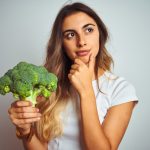 (NaturalHealth365) Our diet plays a vital role in preventing cancer. Members of the Brassica family of vegetables are particularly rich in a chemical compound, sulforaphane, renowned for its cancer-fighting abilities. Of all the cruciferous vegetables, broccoli is one of the best sources of sulforaphane.
Studies confirmed that sulforaphane lowers your risk of cancer through several mechanisms. One such mechanism is that it upregulates detoxification enzymes. But whether you eat your broccoli raw or cooked makes a dramatic impact on its cancer-fighting power.
Boost your liver’s detoxification to lower your risk of cancer
Proper detoxification is central to maintaining optimum health and cutting your cancer risks. An overburdened, sluggish, or fatty liver is often at the root of chronic conditions, including several cancer types. Besides minimizing our exposure to the multitude of environmental toxins and pollutants, we can do even more by nourishing our liver with the right foods.
The best way to ensure that our bodies effectively remove the vast number of toxins we are exposed to every day is by boosting our liver’s detoxifying enzymes. Sulforaphane, the most potent natural phase 2 enzyme inducer, is abundant in cruciferous vegetables. When broccoli, cauliflower, Brussel sprouts are a regular part of our diet, we can increase our liver’s ability to remove carcinogens and heavy metals from the blood.
Cooking destroys enzyme needed for sulforaphane formation
While broccoli is an excellent sulforaphane source, there is actually none in the plant until you begin to chew it. Instead, broccoli contains a sulforaphane precursor, called glucoraphanin. When you chew or chop the broccoli, the precursor begins mixing with an enzyme called myrosinase. Once activated, the myrosinase enzymes transform glucosinolates into sulforaphane.
Although glucoraphanin is heat-resistant and can withstand cooking, the myrosinase enzyme cannot. Heat destroys it. Without the enzyme, there is no sulforaphane. The destruction of the enzyme may explain why we get significant suppression of cancer cell growth from raw broccoli, but hardly anything from when it is cooked.
Do NOT ignore the health dangers linked to toxic indoor air. These chemicals – the ‘off-gassing’ of paints, mattresses, carpets and other home/office building materials – increase your risk of headaches, dementia, heart disease and cancer.
Get the BEST indoor air purification system – at the LOWEST price, exclusively for NaturalHealth365 readers. I, personally use this system in my home AND office. Click HERE to order now – before the sale ends.
Hate raw broccoli? Here is how to cook it to preserve its sulforaphane content
If you cannot find peace with the idea of munching on raw broccoli flowerets, there may be an effective way to cook broccoli and still benefit from its cancer-protective effects. In a 2018 study, a group of researchers set out to determine broccoli’s sulforaphane stability during the stir-frying process.
First, they pulverized the broccoli, chopping it into tiny pieces to activate as much myrosinase enzyme as possible. Then they split their samples into three groups:
- One raw
- One stir-fried for four minutes immediately after chopping
- One chopped and then left alone for 90 minutes before being stir-fried for four minutes
The results showed that the third sample group, where the chopped broccoli was left alone for 90 minutes, had 2.8 times higher sulforaphane content than the sample group stir-fried immediately after chopping.
Add mustard seed to increase sulforaphane formation on cooked broccoli
Although boiling broccoli deactivates the enzyme needed for sulforaphane formation, there is something you can do to preserve its cancer-protective compounds. Researchers found that when they added powdered mustard seeds to cooked broccoli, sulforaphane formation increased.
Adding only half a teaspoon of powdered mustard seeds was enough to provide a natural source of the enzyme and boost the broccoli’s cancer-fighting compound.
Broccoli does not get enough credit for all the goodness it offers to our health. Whether we choose to eat it raw, cooked, or stir-fried, we can preserve its sulforaphane content to help protect against free radicals, improve detoxification, and help prevent cancer.
Sources for this article:
Pubmed.gov
Pubs.acs.org
NutritionFacts.org
NaturalHealth365.com
Study: Sweetened and Artificially Sweetened Drinks Are Bad
Reproduced from original article:
https://articles.mercola.com/sites/articles/archive/2020/11/20/sweetened-and-artificially-sweetened-drinks-are-bad.aspx
Analysis by Dr. Joseph Mercola Fact Checked November 20, 2020

STORY AT-A-GLANCE
- Less than one can a day of regular or diet soft drinks raises your risk of cardiovascular disease
- People who drank 6.26 ounces or more per day of regular, sugar-sweetened soda had a much higher risk of cardiovascular events over a median 6.6 years of follow-up
- Those who drank 5.97 ounces of artificially sweetened beverages per day similarly experienced an increased risk of cardiovascular disease
- Sugar-sweetened and artificially sweetened beverages feed an imbalance in your gut microbiome, raising the inflammatory response and impacting the regulation of epithelial integrity of the gut
- The American Beverage Association keeps careful watch over negative media coverage of the beverage industry, insisting the products are safe and an effective weight loss tool despite years of evidence to the contrary
Many people make the mistake of believing artificially sweetened beverages and products are healthier since they have fewer calories and no sugar. Yet, a study revealed that both sugar-sweetened and artificially sweetened beverages are harmful to your heart, even if you only drink about half a can a day.
The study was led by a group of scientists from Sorbonne Paris Nord University and published in the Journal of the American College of Cardiology.1 It followed years of research linking sugar sweetened and artificially sweetened beverages to obesity, a risk factor for cardiovascular disease.2,3
Many experts believe the rising rates of obesity and cardiovascular disease can be attributed in large part to junk food, of which sugary beverages and soft drinks are contributing factors.4 According to a report from Healthy Food America, the majority of people in the U.S. drink at least one sugary beverage each day.
Although consumption has decreased since a peak in 2000, industry sales data have not shown a recent decline.5 At the time of the report, nearly half of all added sugars were coming from sugary drinks.
However, this may have recently changed with COVID-19. If sugary beverage consumption is following alcohol use during the pandemic, the numbers are rising, which could have serious implications on heart health — even if sugary beverages are swapped for diet versions.6
Regular or Diet Soda Raises Risk of Cardiovascular Disease
Over the years, there has been an increasing number of studies demonstrating the risk of artificial sweeteners. A recent study from France, however, finds about half a can of soda, sweetened with sugar or artificially sweetened, increased the risk a person would experience a cardiovascular event compared to those who drank none.7
The researchers adjusted for compounding factors including alcohol, whole grains, legumes and overall calorie count. The analysis also accounted for other comorbidities that affect cardiovascular diseases, such as high blood pressure and Type 2 diabetes. The endpoint of the study was first-time cases of cardiovascular diseases such as heart attack, stroke, acute coronary syndrome and a transient ischemic attack.
The data revealed people who drank 6.26 ounces or more per day of regular, sugar-sweetened soda had much higher risk of cardiovascular events over a median 6.6 years of follow-up. Those who drank 5.97 ounces of artificially sweetened beverages per day similarly experienced an increased risk of cardiovascular disease.
People who drank 1.58 ounces or less per day did not experience any negative events. This meant people who drank one can of soda every eight days had no negative effects, but people who drank one or more cans every two days were at high risk.
There were 104,760 people who volunteered for the study and kept a 24-hour dietary record every six months. An average of 5.7 records were collected for every person during the follow-up. The scientists acknowledged there were limitations to the study, including potential confounding factors that had not been included in the adjustments.
Soft Drinks Raise the Risk of All-Cause Mortality
These results were similar to another 20-year study involving 451,743 people from 10 European countries.8 The data revealed there was higher all-cause mortality in people who drank two or more glasses of soft drinks per day, whether those drinks were sugar-sweetened or artificially sweetened.
In this study, there was an association between artificially sweetened soft drinks and circulatory diseases, as well as a link between sugar-sweetened beverages and digestive diseases. It is important to note that one glass in the study was equivalent to 250 milliliters (8.4 ounces), which is less than the standard soft drink can in the U.S., which contains 355 milliliters (12 ounces).9
In other words, one can of soda is nearly 1.5 times one serving, and two cans would be well over what was measured in the study. The results of both studies also suggest that policies aimed at cutting sugar consumption by reformulating products with artificial sweeteners may likely have disastrous consequences.
More Children Have Fatty Liver Disease
Before 2006, the prevalence of fatty liver disease in children was relatively unknown. Following a retrospective review of 742 autopsies in children ages 2 to 19 years, the results revealed fatty liver was present in 13% of the children and showed the highest rate in obese children at 38%.10 It’s possible that consumption of sugary beverages is playing a role in these increases.11
Nonalcoholic fatty liver disease (NAFLD) is also found in adults. When excess fat is stored in the liver it can result in one of two types of NAFLD: the more serious nonalcoholic steatohepatitis and simple fatty liver.12 These are two different conditions and children will typically have one or the other.
Experts estimate with rising obesity in children, NAFLD has become more common, and one study found 23% of those examined had excess fat in their liver. The condition can be found in children of all races and ethnicities, but is more commonly found in Hispanic and Asian American children.
Risk factors include insulin resistance, obesity, diabetes or prediabetes and abnormal cholesterol and triglyceride levels.13 There are often no symptoms until serious scarring in the liver has happened. The condition is reversible when people make lifestyle changes, including weight management and routine physical activity.
PepsiCo ranks second in sales behind the Coca-Cola Co., which garnered 43.7% of the market.14 Despite years of scientific evidence demonstrating the link between high fructose corn syrup (HFCS), obesity and NAFLD,15,16,17 PepsiCo continues the campaign to justify HFCS in their products:18
“Despite its name, HFCS is not high in fructose. HFCS and table sugar contain about the same amount of fructose and neither has been shown to be harmful when consumed at typical levels.
HFCS and table sugar have the same calories and sweetness so the decision to use one or the other is based on a variety of other factors. For example, HFCS is an easier ingredient to work with because it is a liquid. It also costs less than table sugar which helps us keep the cost of our products down for consumers.”
In the face of an obesity epidemic, internal documents from Coca-Cola have revealed the company’s effort at targeting teenage customers. The Washington Post reported on the public relations campaign called “Movement Is Happiness,” which was “to increase Coke brand health scores with teens” and “cement credibility in the health and well-being space.”19
The information was produced by Australia’s Deakin University in collaboration with U.S. Right to Know (USRTK), a nonprofit public health group. After a review of thousands of pages, Gary Ruskin, co-director of USRTK, found a theme emerging. He spoke with a reporter from The Washington Post about his concerns that the conglomerate is targeting vulnerable populations:20
“Even though the health problems are quite severe in the U.S., we live under de facto corporate control; the food industry is incredibly powerful in the U.S. What’s insidious here is a health campaign that is using tobacco’s tactics, promoting alternative science in a way that advances the notion that sugary sodas aren’t really so bad for people’s health.”
Sweeteners Alter Gut Bacteria
Your gut bacteria are important to overall health, including your immune system. Negatively altering your gut microbiome may also increase your risk of obesity. This is one mechanism through which sugar and artificially sweetened beverages work to expand your waistline.
The risks associated with metabolic and cardiovascular diseases are mediated in part by your gut microbiome. The composition and functionality of your gut microbiota is impacted by your dietary intake. Studies have demonstrated a high intake of sugar increases the abundance of proteobacteria and decreases the populations of Bacteroidetes.21
This alteration creates an imbalance in the microbiota and increases inflammatory response, decreasing the regulation of epithelial integrity leading to leaky gut. By modulating the microbiota, sugar creates systemic inflammation and metabolic dysregulation.
Research has also demonstrated that artificial sweeteners that have been approved and deemed safe by the U.S. Food and Drug Administration cause DNA damage in, and interfere with the normal and healthy activity of, gut microbiota.22
Business Insider reported the research team concluded that all the sweeteners tested “had a toxic, stressing effect, making it difficult for gut microbes to grow and reproduce.”23 While the authors do not directly refer to them as having antibiotic effects, when something is killing bacteria, that’s essentially what’s happening. The tested artificial sweeteners included:
| Aspartame | NutraSweet, Spoonful, Canderel, Equal, NatraTaste Blue |
| Sucralose | Splenda, Zerocal, Sukrana, SucraPlus, Candys, Cukren and Nevella |
| Saccharin | Sweet ‘N Low, Sweet Twin, Sugar Twin, Necta Sweet |
| Neotame | Newtame |
| Advantame | (No brand names) |
| Acesulfame potassium-k | Sunnette, Sweet One, ACE, ACE K, Sweet ‘N Safe |
Zero Calorie Doesn’t Mean Zero Impact on Your Health
The lure of artificial sweeteners started with reduced calories. Yet, years of exposure to them have demonstrated it has not made a positive impact on the obesity epidemic. In fact, the impact has been decidedly the opposite.
Since the 1980s, the prevalence of obesity has continued to rise among adults. Data from the 2019 report from The State of Obesity showed that in 2012 no state in the U.S. had an obesity rate greater than 35%, yet the most recent statistics revealed there are currently nine states with obesity rates over 35% and only one state where the obesity rate is less than 25%.24
In an effort to lower the number of artificially sweetened and sugar-sweetened beverages sold in Philadelphia, a beverage excise tax was levied in 2017. One study compared the changes in prices and sales following the tax as compared to Baltimore, which served as a control city without tax.25
They found the tax was associated with a substantial decline in the number of beverages sold. However, that volume was partially offset by rising sales in the neighboring areas. A second study demonstrated the positive impact employers could have by banning sales of sugar-sweetened beverages in the workplace.26
The before-and-after study with 214 adults found a reduction in waist circumference without a change in body mass or insulin sensitivity. However, the ban existed only during work hours and employees were free to drink as they wished outside of work. This meant reducing sugar sweetened beverages for eight to 10 hours, five days a week was enough to impact the employees’ waistlines.
American Beverage Association Protecting Profits
To protect profits, the American Beverage Association (ABA), the trade Association representing the nonalcoholic beverage industry, pushes back against the media and science. In the same article in which Fox Business reported on the study demonstrating the negative effects of soft drinks across 10 European countries,27 a spokesperson for the ABA, William Dermody, told the Fox reporter:28
“Soft drinks are safe to consume as part of a balanced diet and the authors of this study acknowledge their research does not indicate otherwise. America’s Beverage Companies are committed to innovation and working to reduce the sugar people get from beverages by introducing more options than ever before with less sugar and zero sugar.”
The ABA has released similar statements in the past when research regarding low-calorie artificial sweeteners was published. In 2013, the organization published a press release to address what they called an opinion piece published in Trends in Endocrinology & Metabolism.29
The report included charts, a glossary and 54 citations to past published studies supporting the assertion that artificial sweeteners induced metabolic derangements. The ABA wrote:30
“This is an opinion piece not a scientific study. Low-calorie sweeteners are some of the most studied and reviewed ingredients in the food supply today. They are safe and an effective tool in weight loss and weight management, according to decades of scientific research and regulatory agencies around the globe.”
USRTK has summarized some of the past work of the ABA.31 They wrote the ABA defends the use of flame retardant chemicals in soda, excusing the toxic load by claiming water is polluted as well. They have downplayed the risks associated with benzene after it was discovered in soft drinks and refer to questions about artificial sweeteners as “internet myths.”
While the advertising for clean, pure water may not be as enticing, the health benefits are life-giving. If you enjoy flavored water, make your own by adding a slice of lemon or lime. Carry your own water in a glass bottle and avoid the multiple problems associated with plastic containers as well.
- 1 Journal of the American College of Cardiology, 2020;76(18)
- 2 American Journal of Clinical Nutrition, 2006;84(2)
- 3 QJM: An International Journal of Medicine, 2017; 110(8)
- 4 Harvard The Nutrition Source, Sugary Drinks, Sugary drink supersizing and the obesity epidemic
- 5 Healthy Food America, Sugary Drinks in America: Who’s Drinking What and How Much?
- 6 JAMA Network, 2020;3(9)
- 7 MedPage Today, October 27, 2020
- 8, 27 JAMA Internal Medicine, 2019;179(11)
- 9 Find Any Answer, February 21, 2020, How big is a can of Pepsi?
- 10 Pediatrics, 2006;118(4)
- 11 Clinical Trials, Healthy Eating Through Reduction of Excess Sugar
- 12 National Institute of Diabetes and Digestive and Kidney Diseases, Definition & Facts of NAFLD & NASH in Children, What is NAFLD?
- 13 Children’s Health, Fatty Liver Disease in Children is on the Rise, Sections: Risk factors and What are the dangers
- 14 Statista, Leading U.S. CSD companies 2019
- 15 Princeton University, March 22, 2010
- 16 Diabetes Care, 2013;36(1)
- 17 UC Davis, September 17, 2020
- 18 Pepsico Beverage Facts, Sweeteners, HFCS vs Sugar
- 19, 20 Washington Post, December 18, 2019
- 21 Nutrients, 2020;12(5)
- 22 Molecules, 2018;23(10)
- 23 Business Insider, October 2, 2018
- 24 Trust for America’s Health, State of Obesity 2019, Executive Summary and Map
- 25 JAMA, 2019;321(18)
- 26 JAMA Network, 2020;180(1)
- 28 Fox Business, September 4, 2019
- 29 Trends in Endocrinology & Metabolism, 2013;24,(9):431
- 30 American Beverage Association, July 10, 2013
- 31 USRTK, American Beverage Association, January 13, 2015 Bullet 3, 5,6
Why alpha lipoic acid may be a miracle nutrient for liver health
Reproduced from original article:
https://www.naturalhealth365.com/alpha-lipoic-acid-liver-health-2334.html
by: Lori Alton, staff writer | October 27, 2017

(NaturalHealth365) According to the Mayo Clinic, non-alcoholic fatty liver disease (NAFLD) is currently the most common liver ailment in the country. Affecting between 80 and 100 million people, NAFLD constitutes over 75 percent of all chronic liver disease in the United States – a likely byproduct of the increasing national incidence of obesity and type 2 diabetes. But, here comes alpha lipoic acid to the rescue.
Powerful nutrition news: exciting new studies on the liver-protective effects of alpha lipoic acid, a natural nutrient and antioxidant compound, are giving rise to hopes that this disturbing trend can be reversed – without resorting to toxic medications.
NAFLD can set the stage for life-threatening liver disease
As the name indicates, NAFLD is simply the accumulation of excess fats in the liver – in the absence of heavy drinking. Although fatty liver disease used to be associated almost exclusively with excessive alcohol intake, the presence of the condition in non- drinkers or light drinkers is becoming increasingly widespread.
NAFLD is closely linked to metabolic syndrome – a cluster of harmful conditions such as high blood pressure, high blood sugar, abdominal fat, elevated fats in the blood and low levels of beneficial HDL cholesterol. It most commonly affects people in their 40s and 50s.
There are two forms of NAFLD. In steatosis, the milder – and reversible – form, the deposits of fat haven’t yet caused inflammation or tissue damage. In the more serious form, non-alcoholic steatohepatitis or NASH, inflammation and liver scarring are present.
In severe cases, NASH can progress to liver failure and cirrhosis.
Do NOT ignore the health dangers linked to toxic indoor air. These chemicals – the ‘off-gassing’ of paints, mattresses, carpets and other home/office building materials – increase your risk of headaches, dementia, heart disease and cancer.
Get the BEST indoor air purification system – at the LOWEST price, exclusively for NaturalHealth365 readers. I, personally use this system in my home AND office. Click HERE to order now – before the sale ends.
Alpha lipoic acid benefits the liver with multiple methods of action
Alpha lipoic acid (ALA), an organosulfur compound produced naturally by the body, is responsible for turning nutrients into energy. It also protects fragile cell mitochondria, increases cellular energy and promotes efficient metabolism.
ALA is a potent antioxidant that can neutralize harmful free radicals. And, it has a unique “superpower” – it is both water-soluble and fat-soluble. This means it is readily biologically available, and can penetrate – and benefit – every cell in the body.
ALA recharges and regenerates other liver-protective antioxidants, including vitamins C and E, glutathione and coQ10. In addition, it binds to and detoxifies heavy metals such as mercury and lead.
Burton Berkson, MD, PhD, an expert consultant on ALA for the Centers for Disease Control, is one of the world’s foremost authorities on the use of ALA for liver disease. Dr. Berkson reports that alpha lipoic acid lowers liver enzymes, reduces viral loads and alleviates symptoms of liver disease.
Over the past two decades, Dr. Berkson has used ALA to treat a variety of liver disorders, including NAFLD, hepatitis B and C, autoimmune hepatitis and primary biliary cirrhosis.
The research is in: Alpha lipoic acid can help REVERSE NAFLD
In several recent animal and laboratory studies, researchers were able to confirm the therapeutic effects of ALA, and to discover something of the nuts and bolts of how it works.
In a study published in Obesity, ALA supplementation prevented the accumulation of triglycerides in the liver. Researchers reported that ALA accomplished this by activating specific AMPK pathways, while stimulating the SIRT1 and SIRT3 genes. The team suggested that ALA could be particularly useful in preventing NAFLD in obese individuals with insulin resistance.
In another eye-opening study published in The Journal of Nutritional Biochemistry, researchers discovered that ALA can actually prevent non-alcoholic steatosis brought on by excessive intake of fats. As a bonus: alpha lipoic acid also helped to prevent weight gain.
And, in research published in Nutrition, the team confirmed ALA’s potent antioxidant benefits – which were especially effective when it came to alleviating oxidative stress associated with a high-fat diet.
Finally, an extremely promising 2014 animal study, published in Journal of Medicinal Foods, examined the effects of ALA on diet-induced NAFLD. Researchers found that ALA cut levels of malondialdehyde, a biomarker of oxidative stress, and improved the liver’s antioxidant capacity by increasing the activity of superoxide dismutase, manganese, and glutathione.
The scientists also found increased amounts of DHA, or docosahexaenoic acid – a beneficial substance that works with ALA as an anti-inflammatory and antioxidant agent to alleviate liver disease.
How should I take ALA for liver health?
Although ALA is produced naturally in the body – and exists in virtually all foods – experts say that levels decline steadily with age.
In fact, Dr. Berkson recommends ALA supplementation for everyone over 45, whether liver ailments are present or not. Many integrative physicians advise ALA intake in the range of 25 to 50 mgs a day for general antioxidant benefits, with higher dosages for liver problems.
Dr. Berkson recommends what he calls “triple therapy,” which features 600 mg of ALA, 900 mg of silymarin – derived from milk thistle – and 400 mcg of selenium – an essential mineral. The combination should be taken in divided doses, twice a day.
If you are interested in supplementing with ALA, discuss the matter with a trusted, healthcare provider – who can advise you on correct dosages. If you think you may have liver disease, (obviously) seek medical help.
Of course, the encouraging studies (above) shouldn’t be taken as a license to take ALA and then consume excessive fats while miraculously avoiding any damage. The takeaway of the research is that a safe, inexpensive natural nutrient can help to actively prevent fatty liver disease, and NASH from developing and worsening.
Editor’s note: The NaturalHealth365 Store offers the finest quality nutritional supplements on the market. Click here to shop today!
Sources for this article include:
WhitakerWellness.com
LiverSupport.com
NIH.gov
NIH.gov
ScienceDirect.com
Milk thistle protects against nonalcoholic fatty liver disease
Reproduced from original article:
www.naturalhealth365.com/milk-thistle-liver-health-1942.html
by: Lori Alton, staff writer | August 20, 2016
(NaturalHealth365) Nonalcoholic fatty liver disease (NAFLD) is exactly what it sounds like – an accumulation of fat in the liver, along with a history of little or no drinking of alcoholic beverages. NAFLD is extremely common – some experts estimate its prevalence as up to 45 percent of the population in industrialized North America and Europe – and can be quite mild, with no noticeable symptoms. So let’s see how milk thistle, a natural herb, can help to prevent liver damage.
In severe cases, NAFLD is the start of a deadly progression that begins with excess fat in the liver, develops to non-alcoholic steatohepatitis – which involves liver inflammation and fibrosis – and ultimately results in such life-threatening complications as cirrhosis of the liver, liver cancer and liver failure.
Can milk thistle reduce the threat of NAFLD?
Milk thistle, scientifically known as Silybum marianum, has long been prized by herbalists and naturopaths as a tonic to help combat chronic liver and kidney problems. Now, animal and human studies have begun to reveal the extent of milk thistle’s healing powers and its multiple mechanisms of action – and supported its use as a safe and extremely promising treatment for NAFLD and its complications.
Metabolic syndrome is a leading cause of NAFLD; milk thistle’s mechanisms seem designed to guard against both conditions.
What is metabolic syndrome and how can milk thistle help protect the liver?
Metabolic syndrome is the overarching term for a laundry list of unhealthy conditions, which include abdominal obesity, high blood pressure, inadequate blood sugar control and excess fat in the bloodstream. Metabolic syndrome is particularly harmful to the liver – as your system’s first line of defense against toxins, your liver bears the brunt of the impact of damaging substances such as fats, sugars, free radicals and medications.
Simply put, milk thistle improves liver function across the board. More specifically, it detoxifies the liver, reduces the harm caused by oxidative stress, regulates the metabolism of fats and helps to clear the blood of toxins – thereby suppressing insulin resistance, inflammation and obesity that contribute to both metabolic syndrome and its likely consequence: NAFLD.
Do NOT ignore the health dangers linked to toxic indoor air. These chemicals – the ‘off-gassing’ of paints, mattresses, carpets and other home/office building materials – increase your risk of headaches, dementia, heart disease and cancer.
Get the BEST indoor air purification system – at the LOWEST price, exclusively for NaturalHealth365 readers. I, personally use this system in my home AND office. Click HERE to order now – before the sale ends.
In fact, in one animal study, silybin – a flavonoid found in milk thistle – was found to be more effective than the pharmaceutical antidiabetic medication rosiglitazone at stabilizing the energy-handling metabolism of liver cells.
Milk thistle extracts are capable of changing the very structure of liver cells in order to boost cell defense mechanisms – including increasing the amount and function of mitochondria in liver cells.
It is because of this cell-changing property that many researchers are crediting milk thistle with the ability to prevent liver fibrosis and the subsequent progression to cirrhosis.
I see references to both silybin and silymarin as milk thistle extracts, and the terms seem to be used interchangeably. Naturally, many people wonder ‘are they the same substance?’
Although silybin and silymarin are sometimes used as if they are synonymous, they are not quite the same thing. Silybin, which constitutes about 50 to 70 percent of silymarin extract, is one of 7 constituents that make up silymarin. An extremely strong antioxidant, silybin is considered the most active ingredient in silymarin.
What other studies support milk thistle extracts’ ability to treat NAFLD and its complications?
In a 2013 clinical study published in World Journal of Hepatology, the research team concluded that silybin is effective in reducing the biochemical, inflammatory and ultrasonic indices of fatty liver.
In an eight-week 2014 study published in Caspian Journal of Internal Medicine, patients with non alcoholic steatohepatitis were divided into two groups. All participants were given recommendations for lifestyle changes of diet and exercise, but only one group was given silybin, at the dosage of 210 mg per day. The silybin group had significantly greater reductions in serum enzymes overall than a control group that didn’t receive the extract.
Researchers recognized that silybin is a “useful” herbal treatment, and noted its safety and lack of adverse effects.
What’s the best way to use milk thistle extracts?
Look for non-GMO, non-irradiated milk thistle products that are standardized to contain 70 to 80 percent silymarin – usually available in dosages of 120 to 140 milligrams. Because silymarin and its constituents don’t dissolve well in water, look for silymarin-phosphatydalcholine complex; the lipid boosts absorption of the silymarin for maximum health benefits.
References:
https://www.ncbi.nlm.nih.gov/pubmed/25617046
https://umm.edu/health/medical/altmed/herb/milk-thistle
https://www.ncbi.nlm.nih.gov/pmc/articles/PMC3612568
https://www.ncbi.nlm.nih.gov/pmc/articles/PMC3098397
Study Links Tylenol Consumption with Risk Taking
© 15th September 2020 GreenMedInfo LLC. This work is reproduced and distributed with the permission of GreenMedInfo LLC. Want to learn more from GreenMedInfo? Sign up for the newsletter here www.greenmedinfo.com/greenmed/newsletter
Reproduced from original article:
www.greenmedinfo.com/blog/study-links-tylenol-consumption-risk-taking
Posted on: Tuesday, September 15th 2020 at 9:15 am
Written By: GreenMedInfo Research Group
This article is copyrighted by GreenMedInfo LLC, 2020

The psychological side effects of acetaminophen, aka Tylenol, continue to mount, with research showing users are more likely to make risky decisions. When coupled with past research linking this supposedly safe pain reliever to blunted empathy and emotions, the widespread social effects on society could be immense
Acetaminophen, commonly known by its brand name Tylenol, is one of the most commonly used medications worldwide — and research suggests it could be causing users to engage in more risky behaviors.[1] In the U.S. alone, acetaminophen can be found in more than 600 prescription and over-the-counter drugs and is taken by 23% of — or 52 million — Americans each week.[2]
Many don’t think twice about popping a Tylenol or two to relieve a headache, reduce a fever or ease minor aches and pains or cold and allergy symptoms, but research continues to reveal that this supposedly “safe” pain reliever has more risks than many people realize. Among them are surprising effects on psychological processes such as behavior and perception, including altering willingness to take risks.
Considering that so many people take acetaminophen on a daily basis, even slight changes in risk-taking behaviors “could have important effects on society,” study co-author Baldwin Way, an associate professor of psychology at The Ohio State University, noted in a press release.[3]
Acetaminophen Makes People More Likely to Take Risks
The study involved 189 college students, who took a standard recommended adult dosage of 1,000 milligrams (mg) of acetaminophen or a placebo. They were then asked to rate the riskiness of activities such as bungee jumping, taking a skydiving class, walking home alone at night in an unsafe area and starting a new career in your mid-30s.
Those under the influence of acetaminophen rated these activities as less risky than those who took a placebo. “Acetaminophen seems to make people feel less negative emotion when they consider risky activities — they just don’t feel as scared,” Way said.[4]
In a second part of the study, 545 college students took part in a computer task intended to measure risk-taking behavior. The students had to click a button to inflate a balloon in order to earn money. The bigger the balloon, the more money they would receive, but if the balloon got too big and burst, they would lose their money.
As in the first study, those who took acetaminophen took more risk, pumping the balloons more times and earning more burst balloons, than those who took a placebo. “If you’re risk-averse, you may pump a few times and then decide to cash out because you don’t want the balloon to burst and lose your money,” Way said. “But for those who are on acetaminophen, as the balloon gets bigger, we believe they have less anxiety and less negative emotion about how big the balloon is getting and the possibility of it bursting.”[5]
It’s previously been suggested that those with increased risk-taking on these types of computer-simulated tasks may be more likely to engage in risky behaviors in real-life as well, including using drugs and alcohol, stealing and driving without a seatbelt.[6]
Acetaminophen Blunts Empathy, Positive and Negative Emotions
While potentially increasing risky behaviors, acetaminophen has also been found to blunt both positive and negative emotions. In this way, Way and colleagues revealed in 2015 that over-the-counter acetaminophen provides relief from “pain and pleasures alike,” essentially dampening users’ ability to experience emotionally pleasurable sensations.[7]
The next year, in 2016, Way and colleagues found acetaminophen to be an “empathy killer,”[8] as it reduced users’ empathy in response to others’ pain. Because empathy plays an important role in prosocial and antisocial behaviors, acetaminophen-induced alterations in empathy could be having broad social side effects.[9]
In a 2019 study, Way and colleagues again compared acetaminophen to a “social analgesic,” stating that it blunts “social pain” by reducing the activity of the anterior insula and anterior cingulate brain regions, which are associated with emotional awareness and motivation.[10] Even positive empathy was blunted by the drug.
When people were given 1,000 mg of acetaminophen, then read scenarios about uplifting experiences of other people, the acetaminophen reduced personal pleasure and empathic feelings directed toward others, once again suggesting that the widespread use of acetaminophen could be having a negative effect on prosocial behavior on a societal level.[11]
Acetaminophen has also been found to cause an “inhibition of evaluative processing,”[12] meaning it could alter your ability to make decisions and cause you to react slower or miss errors that you would spot otherwise.[13]
Acetaminophen Is ‘Not Particularly Effective’ or Safe
Acetaminophen’s reputation as a “safe and effective” painkiller is increasingly being called into question, and anyone who uses it should be aware that in addition to psychological effects, acetaminophen is linked to serious physical adverse effects.
GreenMedInfo.com has compiled 236 studies related to acetaminophen’s toxicity, and a European Journal of Hospital Pharmacy editorial concluded, “We have considerable evidence that as well as not being particularly effective, neither is it particularly safe.”[14] Some of the health risks linked to acetaminophen use include:[15]
- Increased mortality
- Cardiovascular adverse events, including heart attack, stroke and fatal coronary artery disease
- Gastrointestinal adverse events, including gastroduodenal ulcers and upper gastrointestinal hemorrhage
- Acute liver failure necessitating transplantation
- Abnormal liver function
What’s more, acetaminophen has been shown to be ineffective for treating back pain, “practically ineffective” for arthritis and “in the least effective quartile of drugs” for treating postoperative pain. It’s also only modestly effective for migraines and tension-type headaches, while no evidence shows that it works to relieve pain related to cancer, menstrual cramps, rheumatoid arthritis or the neck.[16]
Considering its significant risks — including psychological risks that are only beginning to be understood and explored–and questionable effectiveness, it makes sense to try nontoxic, natural pain relief options first — of which there are hundreds to choose from.

References
[1] Social Cognitive and Affective Neuroscience, nsaa108, https://doi.org/10.1093/scan/nsaa108, https://academic.oup.com/scan/advance-article/doi/10.1093/scan/nsaa108/5897711
[2] Consumer Healthcare Products Association, Acetaminophen https://www.chpa.org/Acetaminophen.aspx
[3] Ohio State News September 8, 2020 https://news.osu.edu/a-pain-reliever-that-alters-perceptions-of-risk/
[4] Ohio State News September 8, 2020 https://news.osu.edu/a-pain-reliever-that-alters-perceptions-of-risk/
[5] Ohio State News September 8, 2020 https://news.osu.edu/a-pain-reliever-that-alters-perceptions-of-risk/
[6] Ohio State News September 8, 2020 https://news.osu.edu/a-pain-reliever-that-alters-perceptions-of-risk/
[7] Psychological Science April 10, 2015 https://journals.sagepub.com/doi/abs/10.1177/0956797615570366
[8] Soc Cogn Affect Neurosci. 2016 Sep; 11(9): 1345-1353. https://www.ncbi.nlm.nih.gov/pmc/articles/PMC5015806/
[9] Soc Cogn Affect Neurosci. 2016 Sep; 11(9): 1345-1353. https://www.ncbi.nlm.nih.gov/pmc/articles/PMC5015806/
[10] Front Psychol. 2019; 10: 538. https://www.ncbi.nlm.nih.gov/pmc/articles/PMC6455058/
[11] Front Psychol. 2019; 10: 538. https://www.ncbi.nlm.nih.gov/pmc/articles/PMC6455058/
[12] Social Cognitive and Affective Neuroscience, Volume 11, Issue 6, June 2016, Pages 899-906, https://doi.org/10.1093/scan/nsw023, https://academic.oup.com/scan/article/11/6/899/2224073
[13] Science Alert April 12, 2016 https://www.sciencealert.com/tylenol-may-make-it-harder-for-users-to-spot-errors-says-study
[14] European Journal of Hospital Pharmacy Volume 23, Issue 4 https://ejhp.bmj.com/content/23/4/187
[15] European Journal of Hospital Pharmacy Volume 23, Issue 4 https://ejhp.bmj.com/content/23/4/187
[16] European Journal of Hospital Pharmacy Volume 23, Issue 4 https://ejhp.bmj.com/content/23/4/187
 The GMI Research Group (GMIRG) is dedicated to investigating the most important health and environmental issues of the day. Special emphasis will be placed on environmental health. Our focused and deep research will explore the many ways in which the present condition of the human body directly reflects the true state of the ambient environment.
Why You Should Eat Two Apples a Day
© 16th September 2020 GreenMedInfo LLC. This work is reproduced and distributed with the permission of GreenMedInfo LLC. Want to learn more from GreenMedInfo? Sign up for the newsletter here www.greenmedinfo.com/greenmed/newsletter
Reproduced from original article:
https://www.greenmedinfo.com/blog/why-you-should-eat-two-apples-day
Posted on: Saturday, September 12th 2020 at 2:00 pm
Written By: GreenMedInfo Research Group
This article is copyrighted by GreenMedInfo LLC, 2020

A 2020 study points to apples’ ability to mediate significant gut microbial metabolic activity. All it takes: two apples a day. In light of the increasing link between gut microbiota and human wellness, this new association is worth exploring and further vouches for this fruit’s superfood and super healer status
The old saying that eating an apple a day will keep the doctor away may have some scientific basis after all, as scientific literature is packed with findings that vouch for this fruit’s healthful benefits.
Showing that the saying above goes beyond folk medicine fantasy, a study found that eating one apple a day for four weeks translated to lower blood levels of oxidized low-density lipoprotein//beta2-glycoprotein I complex, which may contribute to atherosclerosis, by 40% among healthy, middle-aged individuals.[i]
Apple consumption has also been the subject of a few studies on reducing cancer risk, including liver cancer, breast cancer and esophageal cancer.[ii] A study published in February 2020 points to apples’ ability to mediate significant gut microbial metabolic activity. All it takes: two apples a day.
Study Findings
Apples are a frequently consumed fruit and a reliable source of polyphenols and fiber, an important mediator for their health-protective effects.[iii]
Validated biomarkers of food intake (BFIs) have recently been suggested as a good tool for assessing adherence to dietary guidelines. New biomarkers have[iv] surfaced in recent decades from metabolic profiling studies for different foods, yet the number of comprehensively validated BFIs remains limited.
BFIs offer an accurate measure of intake, independent of the memory and sincerity of the subjects as well as of their knowledge about the consumed foods.[v] They overcome food intake measurement with inherent limitations, such as self-reported dietary intake questionnaires, as they objectively assess food intake without biased self-reported assessment.
The researchers sought to identify biomarkers of long-term apple consumption, exploring how the fruit affects human plasma and urine metabolite profiles. In their randomized, controlled, crossover intervention study, they recruited 40 mildly hypercholesterolemia patients and had them consume two whole apples or a sugar and energy-matched beverage daily for eight weeks.
At the end of the trial, they found 61 urine and nine plasma metabolites that were statistically significant after the whole apple intake compared to the control beverage. The metabolites included several polyphenols that could serve as BFIs.
Interestingly, the study allowed the group to explore correlations between metabolites significantly modulated by the dietary intervention and fecal microbiota species at genus level — specifically interactions shared by Granulicatella genus and phenyl-acetic acid metabolites.
“[T]he identification of polyphenol microbial metabolites suggests that apple consumption mediates significant gut microbial metabolic activity which should be further explored,” they wrote.[vi]
Gut Health Affects Your Whole Body
The link between the gut microbiota and human wellness is being increasingly recognized, where it is now well-established that healthy gut flora is a key part of your overall health.[vii]
Previous studies corroborate that the richness of the human gut microbiome correlates with metabolic markers. In a study on 123 non-obese and 169 obese Danish individuals, a group of scientists found two distinct groups displaying a difference in the number of gut microbial genes and thus the richness of gut bacteria in the two groups.[viii]
Individuals with a low bacterial richness had more marked overall adiposity and insulin resistance, for instance, compared with high bacterial richness subjects. The obese subjects among the lower bacterial richness group also tended to gain more weight over time.
A series of largely pre-clinical observations showed, too, that changes in brain-gut-microbiome communication may be involved in the pathogenesis and pathophysiology of irritable bowel syndrome, obesity and several psychiatric and neurologic disorders.[ix]
Additional Apple Benefits
More benefits of apple intake are coming out of the medical literature, confirming its superfood and super healer status that shouldn’t be missed out on.
These benefits include addressing common issues such as aging (reduced rate), allergies, alopecia or hair loss, diarrhea, insulin resistance, radiation-induced illness, and Staphylococcal infection. In the area of cancer treatment, apples have been found to both prevent and suppress mammary cancers in the animal model, while carotenoids extracted from the fruit have been found to inhibit drug-resistant cancer cell line proliferation.[x]
The GreenMedInfo.com database contains 156 abstracts with apple research, scrutinizing the health benefits of apples and their related compounds.

References
[i] Shi Zhao et al “Intakes of apples or apple polyphenols decease plasma values for oxidized low-density lipoprotein/beta2-glycoprotein I complex” J Funct Foods. 2013 Jan;5(1):493-97.
[ii] Pierini R et al “Procyanidin effects on oesophageal adenocarcinoma cells strongly depend on flavan-3-ol degree of polymerization” Mol Nutr Food Res. 2008 Dec;52(12):1399-407. PMID: 18683822
[iii] Ulaszewska M et al “Two apples a day modulate human:microbiome co-metabolic processing of polyphenols, tyrosine and tryptophan” Eur J Nutr. 2020 Feb 26. Epub 2020 Feb 26. PMID: 32103319
[iv] Picó C et al “Biomarkers of Nutrition and Health: New Tools for New Approaches” Nutrients. 2019 May; 11(5): 1092. Published online 2019 May 16.
[v] Münger L et al “Biomarker of food intake for assessing the consumption of dairy and egg products” Genes Nutr. 2018; 13: 26. Epub 2018 Sep 29.
[vi] Ulaszewska M et al “Two apples a day modulate human:microbiome co-metabolic processing of polyphenols, tyrosine and tryptophan” Eur J Nutr. 2020 Feb 26. Epub 2020 Feb 26. PMID: 32103319
[vii] Jandhyala S et al “Role of the normal gut microbiota” World J Gastroenterol. 2015 Aug 7; 21(29): 8787-8803. Epub 2015 Aug 7.
[viii] Le Chatelier E et al “Richness of human gut microbiome correlates with metabolic markers” Nature. 2013 Aug 29;500(7464):541-6.
[ix] Martin C et al “The Brain-Gut-Microbiome Axis” Cell Mol Gastroenterol Hepatol. 2018 ;6(2):133-148. Epub 2018 Apr 12.
[x] Molnár P et al “Biological activity of carotenoids in red paprika, Valencia orange and Golden delicious apple” Phytother Res. 2005 Aug;19(8):700-7.
Fatty liver disease dramatically increases your risk of hospitalization with coronavirus, NEW study reveals
Reproduced from original article:
www.naturalhealth365.com/fatty-liver-disease-covid-3456.html
by: Joy Jensen, staff writer | June 27, 2020
 (NaturalHealth365) We already know that around 30% of Americans are affected by nonalcoholic fatty liver disease (NAFLD), a condition that’s become a major epidemic within the United States. Unfortunately, not only does this disease result in a $32 billion per year burden on the healthcare system, but being one of the one in four individuals affected by NAFLD now means that you may have a higher risk of being hospitalized with coronavirus, too.
A new study, done by Perspectum and UK BioBank, discovered that fatty liver was a major risk factor for being hospitalized with COVID-19. For the 30% of Americans who have a fatty liver – many without knowing it – that’s a serious consideration.
High levels of liver fat linked to higher risk of COVID-19-related hospitalization
According to this joint study, people who had over 10 percent fat in their liver had twice the chance of being hospitalized with coronavirus than those with healthier levels of fat within the liver. The study looked at over 42,000 liver scans from volunteers at the UK Bio Bank, as well as 397 patients who were hospitalized with coronavirus.
Researchers discovered that obesity alone didn’t increase the risk of COVID-related complications, but fatty liver did. As long as individuals who were overweight or obese had liver fat in a healthy range, they had no additional risk of developing complications due to the coronavirus.
On the other hand, individuals who were obese with fatty liver were two-and-a-half times more likely to end up in the hospital due to the coronavirus infection.
We already knew that NAFLD can progress to serious health consequences, but this new study shows the health risks that fatty liver poses, even before it progresses to complications like liver scarring and inflammation.
Preventing the silent disease of fatty liver
The key author of this new research, Dr. Matt Kelley – who is the Chief Innovation Officer at Perspectum – noted that fatty liver is a silent disease, and if we had a better idea of who had it, healthcare professionals could keep a closer eye on these patients. It’s one more reminder that it’s critical for the medical field to do a better job at screening patients for this type of liver disease.
However, since diet and lifestyle are key risk factors in fatty liver, it’s possible to prevent the silent disease, reducing your risk for complications due to coronavirus infection. Eliminating refined carbohydrates (simple, processed sugars), toxic (conventionally-produced) fats, and alcohol from your diet can help.
Of course, a diet free from pesticides and GMOs is also critical to preventing liver damage.
In addition to avoiding certain destructive foods, adding healing or detoxifying items to your diet can help you to prevent liver disease. For example, try eating more cruciferous vegetables like, kale, broccoli, cauliflower and Brussels sprouts. Plus, don’t forget to pick out some iron-rich foods like cilantro, arugula, and parsley.
In terms of supplementation, milk thistle extract has been shown to reduce the inflammatory markers associated with fatty liver disease, and it may even help rejuvenate or repair liver cells. If you are dealing with a serious liver health problem, be sure to seek out the advice of an experienced (integrative) healthcare provider. But, don’t wait any longer, because a healthy life needs a healthy liver.
Sources for this article include:
Can glutathione help combat fatty liver disease?
Reproduced from original article:
www.naturalhealth365.com/glutathione-liver-disease-3311.html
 (NaturalHealth365) Glutathione – a powerful antioxidant that’s found within every cell of the body – is made up of amino acids. This antioxidant contributes to a variety of important bodily functions, including vitamin regeneration, breaking down free radicals, immune system support, helping the liver to handle fats, making DNA, and even the creation of sperm cells. But, unlike many other antioxidants, the body is actually able to make this substance in your liver.
Researchers have previously found links between certain diseases and low glutathione levels. Since the antioxidant plays an important role in the antioxidant and detoxification systems of cells, scientists hypothesized that glutathione supplementation would help combat fatty liver disease. And in a fairly recent study, researchers investigated oral supplementation in individuals with nonalcoholic fatty liver disease (NAFLD) with positive results.
The proper amount of glutathione proves to be beneficial for people with fatty liver disease
The study involved 34 patients with nonalcoholic fatty liver disease, all of whom had been diagnosed via ultrasonography. First, patients underwent lifestyle interventions, such as diet and exercise changes for a period of three months.
Then, patients were treated with 300 mg per day of glutathione. Clinical parameters like liver fat, liver fibrosis, and alanine aminotransferase (ALT – a blood test that checks for liver damage) levels were all checked both before and after treatment with glutathione.
Among the patients who finished this protocol, a significant decrease in ALT levels were seen after treatment with glutathione. Patients also so decreases in ferritin, triglyceride, and non-esterified fatty acid levels.
Overall, the study demonstrated that oral supplementation of glutathione does offer some significant potential therapeutic effects for patients with fatty liver disease, although study authors note that larger-scale clinical trials should be done for verification.
Do NOT ignore the health dangers linked to toxic indoor air. These chemicals – the ‘off-gassing’ of paints, mattresses, carpets and other home/office building materials – increase your risk of headaches, dementia, heart disease and cancer.
Get the BEST indoor air purification system – at the LOWEST price, exclusively for NaturalHealth365 readers. I, personally use this system in my home AND office. Click HERE to order now – before the sale ends.
Powerful antioxidant offers additional health benefits
Beyond this new study showing the benefits of glutathione for individuals with liver disease, the powerful antioxidant offers a number of additional health benefits as well.
Benefits include:
- Counteracting free radicals: As an antioxidant, it helps fight free radicals, protecting your body from their damaging and aging effects.
- Improves insulin sensitivity: One study showed that individuals who have insulin resistance often have low glutathione levels.
- Combating cancer: Some research shows glutathione may help prevent cancer progression as well.
- Alleviate symptoms of Parkinson’s: Research shows that maintaining healthy levels of glutathione may help alleviate or at least reduce symptoms associated with Parkinson’s disease.
- Boosting the immune system: By protecting cell mitochondria and reducing inflammation, glutathione helps boost the immune system.
Although glutathione offers a number of proven health benefits, as you grow older, levels of glutathione decrease. Injury, stress, and illness can all affect glutathione stores, as well.
Therefore, eating an organic diet, reducing or eliminating smoking and alcohol consumption, and avoiding exposure to environmental toxins can help prevent glutathione depletion. Naturally, adding a glutathione supplement to your diet in the amount of 200 – 500 mg per day may also prove helpful, although you should always talk to your integrative physician before making any changes to your diet or supplement routine.
Sources for this article include: