Cardiovascular
now browsing by category
Without our heart, we die, so why do people insult our heart with poor nutrition?
Broccoli sprout extracts may help treat type 2 diabetes
Reproduced from original article:
www.naturalhealth365.com/broccoli-sprouts-diabetes-3626.html
by: Lori Alton, staff writer | November 16, 2020
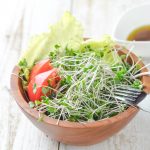 (NaturalHealth365) Type 2 diabetes, which occurs when the body’s supply of insulin is insufficient to control blood sugar, affects over 30 million Americans. In addition to raising the risk of heart disease and stroke, type 2 diabetes can cause nerve damage and kidney disease. And, while Western medicine attempts to control diabetes with medications such as metformin, these can cause toxic side effects, including kidney damage. Clearly, there is a pressing need for safer treatments – and research shows that broccoli sprouts just might fill the bill.
As it turns out, these slender little sprouts may even help fight the disease at the genetic level – a truly exciting development. Let’s take a look at an innovative new study showcasing the effects of broccoli sprouts against diabetes.
Discover the “secret weapon” inside broccoli sprouts
Despite their small size and unremarkable appearance, broccoli sprouts are true heavyweights when it comes to their content of sulphoraphane – a powerful antioxidant and anti-inflammatory plant compound found in cruciferous vegetables. When it comes to glucoraphanin – which is a vital precursor to sulphoraphane – broccoli sprouts contain 10 to 100 times more than their larger counterparts, including cabbage, kale, mature broccoli flowerets and Brussels sprouts.
Because of their rich sulphoraphane content, broccoli sprouts are currently being evaluated by researchers for their potential against nonalcoholic fatty liver disease, autoimmune disease, autism and cancer – particularly of the breast, bladder, prostate and lungs. Incidentally, sulphoraphane even inhibits the growth of H. pylori bacteria, a common culprit in stomach ulcers.
And, of course, a growing body of research supports the use of broccoli sprouts against diabetes. In fact, these little greens have shown so much promise against type 2 diabetes that many forward-thinking integrative doctors currently consider them supplementary treatments.
Study compares diabetes-fighting genetic profiles and ranks sulphoraphane at the top of the list
In a study conducted at the Lund University Diabetes Center in Sweden, scientists first created a “genetic signature” for type 2 diabetes, involving 50 different genes associated with the disease. They then compared this with the gene signatures for various compounds, hoping for one that could counteract the effects of diabetes.
Do NOT ignore the health dangers linked to toxic indoor air. These chemicals – the ‘off-gassing’ of paints, mattresses, carpets and other home/office building materials – increase your risk of headaches, dementia, heart disease and cancer.
Get the BEST indoor air purification system – at the LOWEST price, exclusively for NaturalHealth365 readers. I, personally use this system in my home AND office. Click HERE to order now – before the sale ends.
The most promising of all the candidates was sulphoraphane, which researchers said altered the expression of certain liver genes in a way that could benefit type 2 diabetes. In earlier studies, sulphoraphane had been shown to reduce amounts of glucose (blood sugar) produced by liver cells.
In addition, animal studies revealed that it was also able to improve both glucose tolerance and the expression of genes associated with type 2 diabetes. To conduct the latest study, which was published in Science Translational Medicine, 97 participants with type 2 diabetes were given either a placebo or a broccoli sprout extract for 12 weeks.
According to study leader Dr. Annika Axelsson, sulphoraphane led to “significant improvements” in fasting glucose levels, when used by obese participants with poorly controlled blood sugar. In other words, the compound did not reduce fasting glucose in patients whose diabetes was well controlled.
Encouragingly, the team noted that sulphoraphane decreased the production of key enzymes in gluconeogenesis – the production of new blood sugar.
Earlier studies agree: Broccoli sprouts fight diabetes by multiple mechanisms
While this study was the first to explore the genetic signature of sulphoraphane, it built upon previous research on the effects of broccoli sprouts against diabetes.
In a 2013 review published in Journal of Medicinal Foods, the authors reported that sulphoraphane increases antioxidant response while inactivating pro-inflammatory molecules, such as NF-kB and C-reactive protein. This means it can strike at the heart of the oxidative stress and inflammation that trigger diabetes.
They also credited sulphoraphane with the ability to combat dangerous complications from diabetes, stating that it “could prevent nephropathy (kidney damage), diabetes-induced fibrosis (scarring) and vascular complications.”
As if this weren’t enough, sulphoraphane from broccoli sprouts helps to lower triglycerides (fats) in the blood and reduce harmful LDL cholesterol, potentially allowing it to help prevent the heart disease that can result from type 2 diabetes.
Improve your mood with this nutrient-packed “superfood”
High in fiber, low in calories and packed with antioxidant vitamins C and A, broccoli sprouts also supply calcium and iron. Use broccoli sprouts to add texture and flavor to salads. Or you can layer them into sandwiches – or serve them on the side as a refreshing accent to cooked dishes.
For maximum benefit, broccoli sprouts should be eaten uncooked, and chewed thoroughly. The act of chewing releases myrosinase, a compound needed to unleash beneficial sulphoraphane.
As an added benefit: eating broccoli sprouts may even help your mood. Sulphoraphane has been shown in studies to reduce glutamate, an amino acid which has been linked to depression and other mental health issues.
Broccoli sprouts are generally available at health food stores, and at some supermarkets. If they are hard to come by, no problem: you can sprout your own. You can get information on “DIY” broccoli sprouts here.
Finally, broccoli sprouts are available as an extract.
Other helpful supplements for type 2 diabetes include ginseng, cinnamon and bitter melon. In addition, there is strong evidence that alpha lipoic acid (ALA) supplements can improve insulin resistance and reduce the pain of neuropathy.
Typically, ALA dosages are 600 mg a day, but – as always – consult your integrative doctor before supplementing with these natural nutrients for type 2 diabetes. Naturally, proper nutrition plays an important role in the control of type 2 diabetes, as well.
Diabetes-friendly foods include fatty fish, dark leafy greens, avocados, eggs, legumes, chia seeds, Greek yogurt and nuts. Naturally, it’s wise to banish processed foods, GMOs, refined sugars, fried foods and trans fats from your diet.
Bottom line: this exciting new research shows that sulphoraphane-packed broccoli sprouts can help score a “direct hit” against type 2 diabetes and its health consequences.
Sources for this article include:
Could This Be the Answer to AFib, NAFLD and Other Diseases?
Reproduced from original article:
https://articles.mercola.com/sites/articles/archive/2020/10/22/does-ubiquinol-help-afib.aspx
Analysis by Dr. Joseph Mercola Fact Checked October 22, 2020

STORY AT-A-GLANCE
- CoQ10 is the third-most consumed supplement, after fish oil and multivitamins
- CoQ10 keeps your mitochondria healthy and plays a crucial role in the production of ATP, the cellular energy required to keep you alive
- CoQ10 deficiencies have been linked to many health problems, including migraines, heart disease and cancer
- Conversely, supplementing with CoQ10, or the natural form called ubiquinol, may help improve several chronic health conditions such as AFib, NAFLD and heart failure
Coenzyme Q10 (CoQ10) is the third-most consumed supplement,1 yet many people don’t realize how clinically effective it really is.
Although it’s not approved by the U.S. Food and Drug Administration as a treatment or preventative drug, several new studies show that taking CoQ10 supplements may help address several chronic health conditions, including atrial fibrillation (a-fib), nonalcoholic fatty liver disease (NAFLD), insulin resistance, heart failure, cancer and migraines, to name a few.
Ubiquinol — the reduced, electron-rich form of CoQ10 that your body produces naturally — plays an important role in the electron transport chain of your mitochondria, where it facilitates the conversion of energy substrates and oxygen into the biological energy (adenosine triphosphate or ATP) needed by your cells for life, repair and regeneration.
It’s a fat-soluble antioxidant, meaning it works in the fat portions of your body, such as your cell membranes, where it mops up potentially harmful byproducts of metabolism known as reactive oxygen species (ROS). As such, ubiquinol and CoQ10 supplements help protect your mitochondrial membranes from oxidative damage, and this in turn has been shown to be helpful for a number of health conditions and chronic diseases.
Why CoQ10 Is so Important
Many conditions, including heart disease and migraines — for which CoQ10 has been found beneficial — appear to be rooted in mitochondrial dysfunction.2 CoQ10 is used by every cell in your body, but especially your heart cells.
Cardiac muscle cells have about 5,000 mitochondria per cell, while liver cells have 1,000 to 2,000 mitochondria each.3 As another reference, mitochondria make up about 35% of the volume of cardiac tissue and only 3% to 8% of the volume of skeletal muscle tissue.4
About 90% or more of the ROS in your body are made by your mitochondria.5 Using the analogy of the mitochondria as an engine, the combustion (metabolism) that takes place in there creates exhaust fumes — damaging byproducts when produced in excessive amounts.
One of the functions of CoQ10, or ubiquinol, is to neutralize those byproducts.6 When ubiquinol is lacking, the byproducts remain and begin to damage the cell. Ubiquinol is particularly beneficial for your heart health. C-reactive protein (CRP) is a marker for inflammation, and when your CRP is elevated, it suggests you have a heightened risk for heart disease.7
Two other markers for inflammation are gamma-glutamyl transferase (GGT),8 which is an early marker of heart failure, and N-terminal pro b-type natriuretic peptide (NT-proBNP).9
There’s an association between the levels of these two markers and ubiquinol as well. When ubiquinol is supplemented, both these markers go down and genes associated with them are downregulated.
Low CoQ10 levels have also been detected in people with certain types of cancer,10 including lung, breast and pancreatic cancer, as well as melanoma metastasis, further strengthening the metabolic theory of cancer. The word “coenzyme” also provides a clue to its importance; it works synergistically with other enzymes to digest food, for example.
It also has the ability to increase your body’s absorption of important nutrients. More specifically, it helps recycle vitamins C and E,11,12 thereby maximizing their beneficial effects.
CoQ10 Can Help Improve Atrial Fibrillation (AFib)
AFib is an abnormal, often rapid, heart rhythm that occurs when the atria, your heart’s upper chambers, beat out of sync with the ventricles, the heart’s lower chambers. It’s a common symptom in those with heart failure or heart disease but can also occur on its own.
Oxidative stress and increased ROS can play a role in the development of AFib. Conversely, scavenging of ROS and a reduction in oxidative stress have been shown to be an essential part of keeping the heart functioning normally.13
In one study, 102 patients with AFib were divided into two groups. One group was given a CoQ10 supplement while the other group was given a placebo. After 12 months of supplementation, 12 people in the placebo group had AFib episodes compared to only three people in the CoQ10 group.14
CoQ10 Can Stop the Progression of NAFLD
NAFLD is the most common cause of chronic liver disease around the world, with a prevalence of 25%.15 Obesity and insulin resistance increase your risk of NAFLD. Mitochondrial dysfunction and oxidative stress, two hallmarks of CoQ10 deficiency, have also been shown to play a role,16 as has choline deficiency, as detailed in “Fatty Liver Disease Is Caused by Choline Deficiency.”
Currently, there are no approved medical treatments for NAFLD. Lifestyle changes, such as elimination of processed vegetable oils and processed carbs, remain the gold standard for managing NAFLD and, hopefully, preventing its progression. Since CoQ10 levels tend to be depleted in those with NAFLD, supplementation has been shown to help reduce oxidative stress and inflammation.17
In one study,18 44 patients were divided into two groups. One group was given 100 mg of CoQ10 each day, while the other was given a placebo. After four weeks of supplementation, the group taking CoQ10 dropped weight and had lower levels of serum AST, a blood marker that indicates liver disease and/or damage.
CoQ10 May Be the Answer for Several Other Conditions
In addition to helping with AFib and NAFLD, CoQ10 may be the answer to correcting several other chronic health conditions, including the following:
| High blood pressure — CoQ10 acts directly on your endothelium, dilating your blood vessels and lowering blood pressure.19,20 CoQ10 also decreases aldosterone, a hormone that makes you retain salt and water.21,22 When aldosterone goes down, excess salt and water are excreted through your kidneys, often causing your blood pressure to go down. |
| Dyslipidemia — In one study,23 101 participants with dyslipidemia were given 120 mg of Coq10 or a placebo every day for 24 weeks. Without taking any lipid-lower drugs, participants taking the CoQ10 had decreases in harmful LDL and triglycerides and increases in total antioxidant capacity. |
| Heart failure — CoQ10 deficiency is linked to poorer prognosis for those with heart failure.24 Supplementing with CoQ10 can restore normal CoQ10 levels, helping to prevent heart cell damage and significantly improving heart failure.25 |
| Chronic kidney disease — Increased oxidative stress is a major factor in chronic kidney disease and related cases of cardiovascular disease.26 Patients with chronic kidney disease tend to have decreased levels of CoQ10 in their blood. CoQ10 has been shown to improve mitochondrial function and decrease oxidative stress in chronic kidney disease patients, with and without dialysis.27 |
| Systemic inflammation — Studies28,29 show that supplementing with 60 mg to 500 mg of CoQ10 for eight to 12 weeks can significantly reduce tumor necrosis factor alpha (TNF-α), IL-6 and CRP; three measures of widespread inflammation. |
| Stroke — Systemic inflammation, oxidative stress and nerve cell damage play a role in the development of stroke. Studies30 show that supplementing with CoQ10 can reduce ischemic lesions and improve outcomes in patients who have been treated with a statin after having a stroke (statins reduce CoQ10 levels in your body). |
| Migraine — CoQ10 deficiency is a common underlying factor of idiopathic migraines. Supplementing with CoQ10 can help reduce frequency and severity of migraines and alleviate associated symptoms such as nausea and sensitivity to light.31 |
| Polycystic ovary syndrome (PCOS) — In one study,32 86 women with PCOS were given CoQ10 alone, CoQ10 with vitamin E, vitamin alone or a placebo. After eight weeks, the group taking CoQ10 alone had improved levels of sex hormones (lower levels of testosterone and luteinizing hormone) and improved insulin resistance. |
| Cancer — In one study,33 two women with breast cancer were given fatty acids, antioxidants and 300 mg to 390 mg of CoQ10. After two to three months, mammograms showed no tumors or residual tumor tissue, indicating cancer regression. A review34 in the Journal of Clinical Oncology that looked at how CoQ10 affected cancer treatment found it may help protect the heart and liver from toxicity during treatment. |
| Insulin resistance — CoQ10 levels are lower in mitochondria in insulin-resistant tissues.35 In one study,36 daily intake of 100 mg of CoQ10 improved insulin resistance and serum insulin levels in patients with markers of metabolic syndrome. |
CoQ10 Versus Ubiquinol
As mentioned, ubiquinol is the reduced version of CoQ10 (aka ubiquinone). They’re actually the same molecule, but when CoQ10 is reduced it takes on two electrons, which turns it into ubiquinol. In your body, this conversion occurs thousands of times every second inside your mitochondria.
The flipping back and forth between these two molecular forms is part of the process that transforms food into energy. Ubiquinol production ramps up from early childhood until your mid- to late 20s. By the time you hit 30, it begins to decline.37 Young people are able to use CoQ10 supplements quite well, but older people do better with ubiquinol, as it’s more readily absorbed.
How to Supplement With Ubiquinol
Your body can naturally make CoQ10, but genetic alterations in metabolism, poor diet, oxidative stress, chronic conditions and aging can all interfere with CoQ10 production and lead to CoQ10 deficiency. Statin drugs can also deplete CoQ10.
To maintain good health, an adult body should contain 0.5 to 1.5 g of CoQ1038 and sometimes it takes a supplement to keep you there. Dosing requirements will vary depending on your individual situation and needs.
As a general rule, the sicker you are, the more you need. The suggested dose is usually between 30 mg to 100 mg per day if you’re healthy, or 60 to 1,200 mg daily if you’re sick or have underlying health conditions.39
If you have an active lifestyle, exercise a lot or are under a lot of stress, you may want to increase your dose to 200 to 300 mg per day. Importantly, if you’re on a statin drug, you need at least 100 mg to 200 mg of ubiquinol or CoQ10 per day, or more. Ideally, you’ll want to work with your physician to determine your ideal dose.
- 1, 38, 39 Comprehensive Reviews in Food Science and Safety. 2020;19(2):574-594
- 2 Integr Med (Encinitas). 2014;13(4):35-43
- 3 PeerJ. 2018;6:e4790
- 4 Am J Physiol Heart Circ Physiol. 2014;307(3):H346-52
- 5 Nat Commun. 2019;10(1):1704
- 6 Redox Rep. 2018;23(1):136-145
- 7 Clinics. 2016;71(4):235-42
- 8 Nutr Metab. 2016;13:37
- 9 Clin Res Cardiol. 2010;99(7):445-52
- 10 PDQ Cancer Information Summaries. 2020
- 11 Nutrition and Dietary Supplements. 2018;10:1-11
- 12 Subcell Biochem. 1998;30:491-507
- 13, 24, 26, 35 Antioxidants (Basel). 2020;9(4)
- 14 J Investig Med. 2015;63(5):735-9
- 15 Gastroenterology. 2020;158(7):1851-1864
- 16, 17 Journal of Prescribing Practice. 2020;2(4)
- 18 Arch Med Res. 2014;45(7):589-95
- 19 Molecular Aspects of Medicine. 1994;15(1):s257-s263
- 20 Circ Res. 1989;65(1):1-21
- 21 Am J Physiol. 1965;208:1275-80
- 22 Molecular Aspects of Medicine. 1994;15(1):s265-s272
- 23 J Clin Lipidol. 2018;12(2):417-427.e5
- 25 Clin Investig. 1993;71(8 Suppl):S134-6
- 27 BMJ Open. 2019;9(5):e029053
- 28 Pharmacol Res. 2017;119:128-136
- 29 Pharmacol Res. 2019;148:104290
- 30 Nutr Neurosci. 2019;22(4):264-272
- 31 Headache. 2011;51(3):469-483
- 32 Arch Med Res. 2019;50(2):1-10
- 33 Biochem Biophys Res Commun. 1994;199(3):1504-8
- 34 J Clin Oncol. 2004;22(21):4418-24
- 36 Eur J Nutr. 2016;55(8):2357-2364
- 37 Biofactors
Yikes! Aspirin warning will shock many cancer and heart disease patients, NEW study
Reproduced from original article:
www.naturalhealth365.com/baby-aspirin-cancer-3589.html
by:
 (NaturalHealth365) For many years, we’ve been told that taking a small amount of aspirin – also known as acetylsalicylic acid (ASA) – can help to prevent heart events like a heart attack or stroke. In fact, many physicians recommend that their patients over age 65 take a “baby” aspirin daily. But, it turns out that taking aspirin daily may have serious consequences.
A new study published in the Journal of the National Cancer Institute found that taking a low dose of this medication (daily) may actually speed up the spread and progression of cancer cell growth in adults over the age of 65. And previous studies have found that along with some serious health risks, that baby aspirin may not even offer protection against chronic disease conditions.
Aspirin linked to faster cancer cell growth and premature death in older adults
Researchers looked at the daily use of 100 mg of aspirin in 2,411 U.S (65 years old and older) and 16,703 Australian participants (70 years old and older). Participants in the study were free from heart disease, dementia, and other physical disabilities.
Among the group taking aspirin daily, there were 981 cancer events, while only 952 events occurred within the group taking a placebo. Deaths were especially high among those with an advanced case of cancer who were taking aspirin.
Not only did researchers find a link between taking aspirin daily and the occurrence of metastasis or the progression of cancer to a stage 4 diagnosis, but patients had a higher risk of dying if they had cancer that was presented at stage 3. According to the study’s authors, they believe that aspirin could suppress the immune or antitumor inflammatory responses essential to controlling the spread and growth of later-stage cancers.
This effect may be more pronounced among aging adults who already may have an antitumor immunity that’s compromised.
Do NOT ignore the health dangers linked to toxic indoor air. These chemicals – the ‘off-gassing’ of paints, mattresses, carpets and other home/office building materials – increase your risk of headaches, dementia, heart disease and cancer.
Get the BEST indoor air purification system – at the LOWEST price, exclusively for NaturalHealth365 readers. I, personally use this system in my home AND office. Click HERE to order now – before the sale ends.
Bad advice: You are NOT really being protected from disease symptoms
This isn’t the first time that the recommendation of taking a baby aspirin daily has been called into question. The Aspirin in Reducing Events in the Elderly (ASPREE) study previously found that the rates of heart disease, stroke, and dementia were similar among those taking this pain reducing medication and those who did not, which means that taking this commonly used drug doesn’t appear to offer much protection against disease, particularly in older adults.
Along with a lack of protection, data showed that bleeding incidents happened more frequently among those taking even a small amount of aspirin, leaving individuals at a greater risk for brain, stomach, and intestinal bleeding.
If you’re not taking aspirin, think twice before starting to take it daily. Eating a healthier (organic) diet, being physically active and making sure you get plenty of vitamin C, D and omega-3 fatty acids from foods and supplements are safe measures you can take to reduce your risk of heart disease.
For those already on a daily dose of pain relieving drugs, talk to an integrative physician about the potential dangers, and discuss the less risky options available for your medical situation.
Sources for this article include:
Medicalxpress.com
Drugs.com
Physiciansweekly.com
NaturalHealth365.com
This One Thing Is Connected With Almost Every Cardiac Death
Reproduced from original article:
https://articles.mercola.com/sites/articles/archive/2020/10/08/lack-of-quality-sleep-associated-with-cardiac-morbidity.aspx
Analysis by Dr. Joseph Mercola Fact Checked October 08, 2020

STORY AT-A-GLANCE
- A lack of quality sleep may be associated with nearly every heart-related death, and also may be associated with heart failure, stroke, diabetes and worsening obesity
- The pandemic has had an influence on sleep quality; results from a survey show that 71.8% of people with disrupted sleep patterns use technology just before bed
- Sleep deprivation is associated with several other health conditions, including atherosclerosis, diabetes, obesity, Alzheimer’s disease and other neurodegenerative conditions
- In one survey, it was reported that the average person got just 5.5 hours of sleep each night; sleep quality is impacted by light and EMF pollution, which you can improve
According to the World Health Organization, ischemic heart disease and stroke were the top two causes of death across the world in 2016.1 Although there have been dramatic declines in cardiovascular diseases (CVDs), ailments in this category continue to remain major causes of loss of health and life.2
In the U.S., the CDC’s Division for Heart Disease and Stroke Prevention reports that 1 in every 3 deaths is from heart disease and $1 of every $6 is spent on CVD.3
While the statistics are disturbing, cardiovascular disease can also lead to nonlethal stroke, heart attack, disability, serious illness and a lower quality of life. These conditions can trigger fatigue, depression and related problems.
The American Heart Association tracks seven key health factors and behaviors they believe increase your risk for heart disease and stroke.4 They call these “Life’s Simple 7,” which they measure to track progress toward their goal of improving the cardiovascular health of people in the U.S.
While each of Life’s Simple 7 behaviors and risk factors are important to overall health, they do not address problems with sleep as contributing factors.
Pandemic Interfering With Sleep Hours and Quality
In an interview with KYW radio, Dr. Zeeshan Khan, pulmonologist from the Deborah Heart and Lung Center, talked about sleep disorders and the relationship they have with CVD, especially in the midst of the current pandemic.5 He told the reporter that the International Classification of Sleep Disorders identifies at least 60 diagnoses in seven categories.6
The two most common are insomnia and obstructive sleep apnea. With sustained poor sleep, a person may experience altered judgment, mood swings and impaired cognition. Khan also listed problems with the cardiovascular system and immunity in people who chronically get less than seven hours of sleep each night.
He warned that lack of sleep can lead to problems with a person’s general health. He recommends that on average, people should get seven hours of sleep each night, but he also shared that in America, about 35% of the people get less than that. “We are kind of a sleep-deprived nation,” he said.
Symptoms of disrupted sleep or insomnia can vary depending on the person. Although you may take a 30-minute power nap in the early afternoon, it doesn’t get rid of sleep debt. It may help you feel better in the immediate moment, but it doesn’t impact the effect of sleep debt on your overall health.
Lack of Quality Sleep Is Associated With Cardiac Morbidity
When asked about how long it should take to fall asleep, Khan said the average amount of time is 15 to 20 minutes. However, the time it takes to fall asleep is extended when people take their smartphone or computer to bed with them. Using these devices can disrupt sleep in several ways, including by engaging your mind at a time when it should be slowing down.
Khan advises people to first use nonpharmacological treatments to help them sleep, such as cognitive behavioral therapy, mindfulness, a consistent sleep routine and meditation. He also recommends steering clear of medications as they can be addictive and they only treat the symptom of sleep disruption, not the reason behind it.
Additionally, he recommends steering clear of having a nightcap to help you relax and fall asleep. This is because drinking alcohol before bed may help you fall asleep faster, but in the long term it can have a negative effect on your sleep patterns. He stresses the importance of using a routine to go to sleep to cue your biological clock.
He went on to discuss the problems with sleep apnea, which often overlap with snoring. During snoring the upper airway narrows, which causes vibrations in the membranes. Although most people with sleep apnea snore, not all people who snore have sleep apnea.
When people with diabetes, heart disease or other problems also snore, they should be evaluated for sleep apnea, especially if they start having problems during the day. Sleep apnea lowers the amount of oxygen delivered to the brain, heart and other organs during sleep. According to Khan:7
“Almost every cardiac morbidity you can think of has been linked to sleep apnea. Heart disease, heart failure, arrhythmias, strokes … inflammatory issues like diabetes, worsening obesity — the list can go on and on.”

Sleep Disorders Associated With Using Technology at Night
In a recent study in Sleep Standards, researchers evaluated the results from a survey of 1,062 people across the U.S.8 The objective was to gain an understanding of how technology may have a relationship with sleep disorders.
One key finding was that 71.8% of the respondents who reported a disruption in sleep pattern also used technology just before bed. The researchers separated the participants into five age groups, which represented the total number in the survey. They were:
- Generation Z (under 25) — 22.3%
- Millennials (26 to 40) — 44.8%
- Generation X (41 to 55) — 23.8%
- Baby Boomers (56 to 76) — 8.9%
- Silent Generation (older than 76) — 0.2%
They also found that those under age 25 were the most likely to have sleep disorders. People who had a sleep disorder averaged five hours of sleep per night and spent up to 20 hours in front of a bright screen each day.9 The participants also reported that they used their technology devices within 30 minutes of bedtime: 70.2% watched television; 59.4% checked social media; 31.8% checked email; and 32.9% played video games.10
Of all the participants, 57.8% said they used cell phones, which was higher than television use at 18.5% or computer use at 14.2%. The highest percentage of participants in the survey had insomnia at 64.3%.
Although sleep apnea was the second most common disorder, it ran a far second at 14%. Other disorders reported in the survey included sleep paralysis, parasomnias, restless leg syndrome and narcolepsy. Although many experts such as Khan recommend steering clear of pharmaceutical remedies to treat insomnia, 51.2% of those surveyed reported using sleeping pills and 47.5% had tried other medications.
Sleep Deprivation Associated With More Health Conditions
Fragmented or disturbed sleep happens when you fall asleep easily but awaken during the night. This may happen frequently, and you go back to sleep easily, or you awaken and have a hard time going back to sleep. This type of sleep pattern can trigger chronic inflammation that contributes to mental health issues and neurological disorders.11
Lack of sleep also affects your immune system by reducing the number of protective cytokines available.12 In addition, it is associated with atherosclerosis, which is the buildup of plaque in the arteries. This may be called “clogged” or “hardened” arteries and can lead to lethal heart disease.
The exact mechanism of poor sleep in inducing atherosclerosis may have been clarified in a study published by UC Berkeley sleep scientists, who found that an increase in neutrophil and monocyte levels during fragmented sleep had an impact on the pathology of atherosclerosis. They wrote:13
“… these findings affirm a pathway in which the quality of human sleep, specifically the degree of fragmentation, raises inflammatory-related white blood cells, thereby conferring increased risk for atherosclerosis. This was true of sleep fragmentation assessed across a week or across a single night, which predicted increasingly higher CAC [Coronary Artery Calcification] score through a mediating association with increased neutrophils.”
Sleep deprivation is also linked to the development of Alzheimer’s disease and other neurodegenerative conditions. A recent animal study from Marche Polytechnic University in Italy revealed that astrocytes in the brain will start to break down healthy nerve synapses when you are chronically sleep deprived.14 They wrote that the results suggested:
“… that like many other stressors, extended sleep disruption may lead to a state of sustained microglia activation, perhaps increasing the brain’s susceptibility to other forms of damage.”
Average Number of Sleep Hours Dropping
For several years Mattress Firm has commissioned a survey on sleep habits and the number of hours people are sleeping each night. The 2019 results show Americans are sleeping less and less. They asked 3,000 adults about their sleep habits, how satisfied they were with their sleep and about the frequency of sleeping and naps. They compared those results to those from 2018.15
What they found was a sad commentary on the speed at which modern society has chosen to live. It seems that getting at least six hours has become more challenging with each passing year. In 2018, results from the survey showed the average person was sleeping six hours and 17 minutes each night, but by 2019 that had dropped to 5.5 hours.16
Experts currently recommend adults from 18 to 65 years sleep consistently from seven to nine hours each night.17 In other words, most people are sleeping at least 1.5 hours less each night than the minimum that experts think is important for optimal health.
While the number of hours you sleep is important, so is the quality. So, it’s even more disheartening to read that 25% of the respondents reported they also “consistently slept poorly in 2019.”18
Since the amount of quality sleep at night was on the decline, it makes sense that respondents reported they took more naps in 2019 than 2018. But, while more were taken, survey findings indicate there were many planned naps that didn’t get taken.
The survey defined a “great night’s sleep” as “quickly falling asleep and staying that way until morning.” There were about 120 nights fitting that criteria. Americans are so desperate for a good night of sleep they said they were willing to “pay $316.61 for just one night of perfect sleep.” This was $26.16 more than in 2018.
Interestingly, the people who reported the best sleep were those who slept on their back or slept with a pet in their bed. While side sleeping was the more common position reported in the survey, these were the same respondents who had the most difficult time getting to sleep.
EMF Pollution Associated With Sleep Hours and Quality
As I’ve written before, your sleep quality may be impacted by several factors, including your sleep pattern, the number of hours you spend sleeping and by the light and electromagnetic pollution in your area. If you’ve ever gone camping, you may have noticed a change in your sleep quality. Chances are you had a deeper sleep and awakened more rested.
Two factors that influence sleeping better outdoors are the drastic reduction in artificial lights and the reduction in electromagnetic fields (EMF). Your circadian clock is affected by your melatonin levels, which in turn are affected by exposure to light at night. You might enjoy the same restful sleep if you install blackout blinds, use a sleep mask and get rid of any light-emitting source in your bedroom.
Electromagnetic fields also may impair sleep quality19 and produce oxidative damage during sleep.20 Consider shutting off all your electronic devices and your Wi-Fi modem and router at night to reduce your exposure and improve your sleep quality. For more tips on improving the number of hours you sleep and the quality of your sleep, see “Top 33 Tips to Optimize Your Sleep Routine.”
- 1 World Health Organization, May 24, 2018
- 2 Journal of the American College of Cardiology, 2017;70(1)
- 3 Centers for Disease Control and Prevention
- 4 American Heart Association
- 5, 7 KYW, September 18, 2020
- 6 Chest, 2014;146(5)
- 8, 10 Sleep Standards
- 9 Digital Journal, September 17, 2020
- 11 Berkeley News June 4, 2020
- 12 Mayo Clinic
- 13 PLOS Biology, June 4, 2020
- 14 Journal of Neuroscience, 2017;37(21)
- 15 Mattress Firm
- 16, 18 Study Finds, January 20, 2020
- 17 Sleep Health – Journal of the National Sleep Foundation, 2015;1(1):40
- 19 Journal of Sleep Research 1999;8:77
- 20 The Journal of Microscopy and Ultrastructure, 2017;5(4):167
Reduce the risk of plaque buildup in the arteries with these 2 plant extracts
Reproduced from original article:
www.naturalhealth365.com/fight-atherosclerosis-naturally-3566.html
by: Lori Alton, staff writer | September 24, 2020
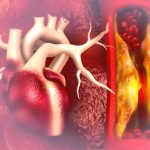 (NaturalHealth365) Atherosclerosis, the buildup of plaque in the arteries, is a major driver of heart disease. In fact, heart disease claims over 647,000 lives a year in the United States, making it the Number One cause of death in the nation. Clearly, atherosclerosis is a major health threat. And, while Western medicine attempts to “treat” the condition with stents and cholesterol-lowering drugs, these therapies often feature a wide range of unwanted side effects.
Fortunately, natural solutions exist! Scientific research (including a clinical study published just this year) has demonstrated that two plant extracts – French maritime pine bark and Centella asiatica – can fight atherosclerosis naturally and safely.
Great NEWS: You can fight atherosclerosis naturally with appropriate supplementation, proper nutrition and healthy lifestyle choices
Atherosclerosis – in which cholesterol-laden plaque constricts the flow of oxygen-rich blood – affects the medium and large-sized arteries. Atherosclerosis in the coronary artery can cause shortness of breath and angina (chest pain due to insufficient oxygen). If a complete blockage occurs, a deadly heart attack can result.
When atherosclerosis affects the carotid artery supplying blood to the brain and neck, blockages can cause a catastrophic stroke.
A growing number of integrative doctors – including world-renowned holistic cardiologist Joel Kahn, M.D. – believe that atherosclerosis is not only treatable but reversible. Dr. Kahn maintains that a routine of supplementation, nutrition and exercise can help reverse the artery-clogging effects of atherosclerosis and prevent life-threatening cardiovascular events.
Dr. Kahn has stated that he is “particularly impressed” by studies that highlight the effects of pine bark and Centella asiatica on atherosclerosis.
Do NOT ignore the health dangers linked to toxic indoor air. These chemicals – the ‘off-gassing’ of paints, mattresses, carpets and other home/office building materials – increase your risk of headaches, dementia, heart disease and cancer.
Get the BEST indoor air purification system – at the LOWEST price, exclusively for NaturalHealth365 readers. I, personally use this system in my home AND office. Click HERE to order now – before the sale ends.
Study reveals: Pine bark and Centella asiatica significantly reduced atherosclerotic plaque while improving stabilization
In a 2016 Italian study of 50 patients with high oxidative stress and plaque in the carotid arteries, participants received either a placebo or a combination of pine bark extract and Centella asiatica daily for three months.
The researchers used ultrasound imaging to determine that the extract group had less oxidative stress and arterial plaque when compared to the control group. In addition, the stability of their plaque increased.
In other words, the atherosclerotic plaques became smaller, denser and less likely to rupture – thereby reducing the chance of a blood clot and subsequent stroke or heart attack. A pretty major pay-off for simply taking two natural plant-based substances!
A year later, these encouraging results were reinforced by a larger study of longer duration.
In a four-year trial of 391 patients with atherosclerosis of the carotid or femoral arteries, one group was treated with a combination of pine bark extract and Centella asiatica and one was treated with pine bark extract alone. A third group received a placebo.
All participants received diet, exercise and lifestyle counseling as well.
While the pine bark extract group showed some reductions in markers of atherosclerosis, it was the “combination” group that enjoyed the strongest benefits. The scientists found that this group had the greatest reductions in plaque size and length – and that their incidence of angina was slashed in half.
In addition, they experienced a lower rate of heart attacks. Researchers knew they were on to something.
But, the most compelling research was yet to come.
Bombshell study: Pine bark extracts and Centella asiatica reduce risk of severe cardiovascular events in patients with atherosclerosis
In a three-year trial published in Minerva Cardioangiologica, men with progressive atherosclerosis were randomly divided into three groups. This time, researchers added aspirin (which has been shown to lessen the inflammation associated with atherosclerosis) to the mix.
One group received standard counseling on diet, exercise and lifestyle, while a second group received counseling and 100 mg of aspirin a day. A third group received a pine bark/Centella/aspirin combination along with standard counseling.
After three years, 22 percent of the patients in the counseling-only group experienced cardiovascular events requiring hospitalization. Those in the aspirin group fared better, with a rate of 12 percent.
The real standout, however, was the outcome for the “extracts plus aspirin” group: a miniscule 3.5 percent hospitalization rate.
The impressed team concluded that combined supplementation with pine bark and Centella asiatica appears to control both the progression of atherosclerosis and the occurrence of cardiological events.
Better together: Potent pair of extracts delivers a “one-two” punch against atherosclerosis
It’s not surprising that these two plant-based therapies can help fight atherosclerosis naturally. Both are rich in antioxidant constituents (such as procyanidins, asiaticosides, phenolic acids and triterpenoids), allowing them to combat the inflammation and oxidative stress that trigger arterial plaque formation.
Centella asiatica, known in Ayurveda as “gotu kola,” is available as an extract. Experts advise a formulation standardized to contain 40 percent asiaticosides and 30 percent asiatic acid, with typical amounts of 150 to 450 mg a day.
French maritime pine bark extracts are often sold under the brand name Pcynogenol, and are normally advised at levels around 200 mg a day. As an added “bonus:” Pycnogenol has been shown to increase intracellular levels of glutathione, the body’s most important antioxidant.
Of course, don’t use these plant extracts to treat atherosclerosis, or any other medical condition, without first consulting your skilled integrative doctor.
You can also fight atherosclerosis naturally by quitting smoking, getting moderate exercise, maintaining a healthy weight and consuming a plant-based diet high in antioxidant-rich fruits and vegetables and healthy monounsaturated fats.
Dr. Kahn declares that he has witnessed powerful results after recommending pine bark and gotu kola to thousands of patients – including arterial age that drops by “decades, after only a year or two of therapy.”
Obviously, this plant-based treatment is too important to ignore.
Sources for this article include:
LifeExtension.com
MayoClinic.org
MSKCC.org
NIH.gov
MerckManuals.com
Mexico Tackles COVID-19 Pandemic With Junk Food Bans
Reproduced from original article:
https://articles.mercola.com/sites/articles/archive/2020/09/24/mexican-junk-food-ban.aspx
Analysis by Dr. Joseph Mercola Fact Checked September 24, 2020

STORY AT-A-GLANCE
- Underlying health conditions like obesity, heart disease and diabetes have emerged as key factors in COVID-19 severity and fatalities. Obesity doubles your risk of being hospitalized for COVID-19 and raises your risk of death anywhere from 3.68 times to 12 times depending on your level of obesity
- More than a dozen states in Mexico have decided to combat the pandemic by banning the sale of junk food to minors
- Two-thirds of Mexicans who died from COVID-19 related complications had underlying medical conditions such as obesity, diabetes, hypertension and cardiovascular problems. Officials say dietary changes are necessary to protect youth from developing comorbidities that increase COVID-19 severity and risk of death
- Research shows that among 18- to 49-year-olds hospitalized due to COVID-19, obesity is the most prevalent underlying condition. Processed foods, junk foods and soft drinks are key culprits in the development of obesity
- In Huntington, New York, town officials have urged residents to “go on a diet because [with] COVID-19, you’re twice as likely to have a poor outcome if you’re obese.” The U.K. has also vowed to target obesity as part of the country’s coronavirus prevention strategy by restricting junk food ads
While most mainstream media pundits and American health authorities remain mum about the influence of nutrition and lifestyle on the risks of COVID-19 and its prognosis, more than a dozen states in Mexico have decided to combat the pandemic by banning the sale of junk food to minors.
Mexico Bans Junk Food to Curtail COVID-19 Death Toll
As reported by NPR, September 14, 2020:1
“First Oaxaca’s state legislature passed a ban on selling or giving out high-calorie packaged foods and sugar-sweetened drinks to minors on Aug. 5. Less than two weeks later, Tabasco state approved a prohibition, too. Now at least a dozen other states are considering similar legislation.
‘I know it can sound a bit drastic but we had to take action now,’ says Magaly López, a lawmaker in Oaxaca’s Congress who spearheaded the ban. More than 70,000 Mexicans have died from COVID-19, the world’s fourth-highest recorded death toll, according to tracking by Johns Hopkins University.
Two-thirds of those who died in Mexico had an underlying medical condition such as obesity, diabetes, hypertension and cardiovascular problems, according to Health Department officials. That has led to a new urgency to change diets so that the younger generation doesn’t suffer those ailments.”
Adults are also urged to cut back their consumption of junk food to curtail their risk of COVID-19 and other health issues. This includes the consumption of soda, which assistant health secretary Hugo López-Gatell has referred to as “bottled poison.”2,3
Legislators are still pondering how to enforce the ban, but according to NPR, punishment for sale of junk food to minors could potentially include fines or even jail time.
López-Gatell is reportedly considering making the ban a permanent law in order to protect the health and well-being of Mexican youth moving forward. This would be no easy task, he admits, considering the powerful commercial interests at play. Critics also point out that, in all likelihood, the ban will simply shift business from grocery stores to unregulated street vendors.
Interestingly, when NPR interviewed teenagers around Mexico City and Oaxaca state, they found most “knew about health problems related to junk food” and seemed receptive to the ban. One 16-year-old girl said, “I’d be frustrated at first if I couldn’t buy a Coke, but I’d adapt. And maybe I’d think twice and buy fruit or something healthy instead.”
Nutrition Plays an Important Role in COVID-19 Susceptibility
As reported in “Junk Food Companies Responsible for COVID-19 Susceptibility,” underlying health conditions such as obesity, heart disease and diabetes have emerged as key factors in COVID-19 fatalities.
In one study,4,5 more than 99% of people who died from COVID-19-related complications had underlying medical conditions. Among those fatalities, 76.1% had high blood pressure, 35.5% had diabetes and 33% had heart disease.
Another study6 revealed that among 18- to 49-year-olds hospitalized due to COVID-19, obesity was the most prevalent underlying condition, just ahead of hypertension. Processed foods, junk foods and soft drinks are key culprits in the development of these chronic diseases, and therefore have a key role to play in COVID-19 hospitalizations and deaths.
[SARS-CoV-2] doesn’t distinguish who it infects. But it does distinguish who it kills. ~ Dr. Robert Lustig
London-based cardiologist Dr. Aseem Malhotra has been among those warning that poor diet can increase your risk of dying from COVID-19. He told BBC that ultraprocessed foods make up more than half the calories consumed by the British, and if you suffer from obesity, Type 2 diabetes and high blood pressure — all of which are linked to poor diet — your risk of mortality from COVID-19 increases tenfold.7
Malhotra also noted8 that eating nutritious foods for even one month could help you lose weight, put Type 2 diabetes into remission and improve your health considerably, thereby improving your chance of survival should you contract COVID-19.
Dr. Robert Lustig, Emeritus Professor of pediatrics in the division of endocrinology at the University of California, San Francisco, has also been outspoken about the connection between diet and COVID-19 risks, stating:9
“I’ve heard COVID-19 referred to a beast, because it doesn’t distinguish. In point of fact, it doesn’t distinguish who it infects. But it does distinguish who it kills.
Other than the elderly, it’s those who are Black, obese, and/or have pre-existing conditions. What distinguished these three demographics? Ultra-processed food. Because ultra-processed food sets you up for inflammation, which COVID-19 is happy to exploit … Time to rethink your menu.”

Even Mild Obesity Increases Risk for COVID-19 Complications
Importantly, even mild obesity can have significant implications for COVID-19. According to Italian researchers who analyzed10 data from 482 COVID-19 patients, “Obesity is a strong, independent risk factor for respiratory failure, admission to the ICU and death among COVID-19 patients,” and the extent of risk is dependent on your level of obesity. In a press release, lead author Dr. Matteo Rottoli stated:11
“Health care practitioners should be aware that people with any grade of obesity, not just the severely obese, are a population at risk. Extra caution should be used for hospitalized COVID-19 patients with obesity, as they are likely to experience a quick deterioration towards respiratory failure, and to require intensive care admission.”
Specifically, patients with mild obesity had a 2.5 times greater risk of respiratory failure and a five times greater risk of being admitted to an ICU compared to nonobese patients. Those with a BMI of 35 and over were also 12 times more likely to die from COVID-19.12
British Report Links Obesity to COVID-19 Severity and Death
Similarly, a July 2020 report13 by Public Health England described the results of two systematic reviews,14 one of which showed that excess weight worsened COVID-19 severity, and the other that obese patients were more likely to die from the disease compared to nonobese patients. Here too, the risk of hospitalization, intensive care treatment and death all progressively increased along with BMI. Compared to healthy weight patients, patients with a BMI above 25 kg/m2 were:
- 2.03 times more likely to suffer critical illness
- 6.98 times more likely to need respiratory support
- 3.68 times more likely to die
Yet another study15,16 published May 2, 2020, on the preprint server medRxiv found obesity doubles your risk of being hospitalized for COVID-19. According to the authors:17
“These findings suggest that modification of lifestyle may help to reduce the risk of COVID-19 and could be a useful adjunct to other interventions, such as social distancing and shielding of high risk.”
Pandemic Has Highlighted Role of Junk Food in Health
In an editorial18 published in the BMJ, three researchers cited the role of the food industry in driving up rates of obesity and ultimately causing more COVID-19 deaths. According to the authors, “It is now clear that the food industry shares the blame not only for the obesity pandemic but also for the severity of COVID-19 disease and its devastating consequences.”
They not only called on the food industry to stop promoting unhealthy food and drinks immediately, but also called on governments to force reformulation of junk foods to better support health.
As noted by Bill Maher in the video above, obesity has always killed us, albeit slowly. “Mixed with COVID, it kills you fast,” he says. So far, Mexico appears to be the only nation that has taken the matter seriously enough to actually implement an all-out ban on junk food for children and teens.
Other noteworthy exceptions include the town of Huntington, New York, where town officials have urged residents to “go on a diet because [with] COVID-19, you’re twice as likely to have a poor outcome if you’re obese.”
The U.K. is also targeting obesity as part of the country’s coronavirus prevention strategy by restricting junk food ads.19 July 23, 2020, Prime Minister Boris Johnson announced he intends to ban TV junk food advertising before 9 p.m. and limit in-store promotions. Online ads for unhealthy foods may also be banned.20
Studies Stress Nutrition in Fight Against COVID-19
Two additional studies are worthy of note. The first, published in the May 2020 issue of Pakistan Journal of Medical Sciences,21 points out that “Optimal nutrition and dietary nutrient intake impact the immune system, therefore the only sustainable way to survive in current context is to strengthen the immune system,” and that “A proper diet can ensure that the body is in proper state to defeat the virus.”
To optimize your chances of surviving COVID-19 and minimizing its symptoms, the authors provide both dietary guidelines and good food practices to minimize the risk of food contaminants. Included in the dietary guidelines are recommendations to:
- Eat four servings of fruit such as guava, apple, banana, strawberry, cantaloupe melon, grapefruit, pineapple, papaya, orange, Longman fruit, blackcurrant and pummelo daily
- Eat five servings of fresh vegetables daily and avoid overcooking them to prevent loss of nutrients
- Include nuts and coconut in your diet
- Include animal foods such as red meat, poultry, fish, eggs and milk
- Avoid soda and other sweetened beverages and drink pure water instead
Unfortunately, the guidelines include the recommendation to avoid healthy saturated fats such as butter, coconut oil, cheese, ghee and cream, and to use unsaturated fats only. While some unsaturated fat sources are perfectly healthy, such as avocados, fish and nuts, others really should be avoided.
Industrially processed seed oils are fats to be diligently avoided and this includes oils like soybean oil, canola oil and corn oil. The second study, published in the July 2020 issue of Brain, Behavior and Immunity, notes that:22
“The high rate of consumption of diets high in saturated fats, sugars, and refined carbohydrates (collectively called Western diet, WD) worldwide, contribute to the prevalence of obesity and type 2 diabetes, and could place these populations at an increased risk for severe COVID-19 pathology and mortality.
WD consumption activates the innate immune system and impairs adaptive immunity, leading to chronic inflammation and impaired host defense against viruses.
Furthermore, peripheral inflammation caused by COVID-19 may have long-term consequences in those that recover, leading to chronic medical conditions such as dementia and neurodegenerative disease, likely through neuroinflammatory mechanisms that can be compounded by an unhealthy diet.
Thus, now more than ever, wider access to healthy foods should be a top priority and individuals should be mindful of healthy eating habits to reduce susceptibility to and long-term complications from COVID-19.”
My Dietary Recommendations
It really did not take long before it became apparent that the COVID-19 pandemic was illustrative of a far more widespread pandemic, namely that of insulin resistance.
All of the comorbidities that dramatically increase your COVID-19 risks (including your risk of symptomatic COVID-19 illness, hospitalization and complications resulting in death) are rooted in insulin resistance. Remove the insulin resistance, along with vitamin D deficiency, and very few people — except for very old and frail individuals — would be at significant risk from SARS-CoV-2 infection.
So, it really is high time to start looking at how we can improve our health in general, and avoid insulin resistance in particular. A healthy population simply isn’t going to be as vulnerable to infectious diseases like COVID-19.
Aside from the general dietary recommendations listed above (with the exception of the recommendation to replace saturated fats with soy, canola and corn oils), I recommend:
•Adopting a cyclical ketogenic diet, which involves radically limiting carbs (replacing them with healthy fats and moderate amounts of protein) until you’re close to or at your ideal weight.
This includes avoiding all ultraprocessed foods and also limiting added sugars to a maximum of 25 grams per day (15 grams a day if you’re insulin resistant or diabetic). This will allow your body to start burning fat rather than carbohydrates as its primary fuel and increase the sensitivity of your insulin receptors.
Once you have regained your ideal body weight, then you can cycle carbs back in a few times a week. One of the best books written on this subject is my classic “Fat for Fuel.”
•Restricting your eating window to six to eight hours each day, making sure to eat your last meal at least three hours before bedtime. This is known as time-restricted eating or intermittent fasting, and is a powerful intervention to reduce insulin resistance and restore metabolic flexibility.
Additionally, get regular exercise each week and increase physical movement throughout your waking hours, with the goal of sitting less than three hours a day. Making sure you’re getting sufficient sleep (typically eight hours for most adults) and tending to your emotional health are also important factors that can influence your weight, general health and immune function.
- 1 NPR September 14, 2020
- 2 Gob.mx July 20, 2020
- 3 USA Today August 23, 2020
- 4 The Istituto Superiore di Sanità Marcy 17, 2020
- 5 New York Post March 18, 2020
- 6 MMWR April 17, 2020 / 69(15);458–464
- 7, 8, 9 Food Navigator April 22, 2020
- 10 Eur J Endocrinol. 2020 Jul 1;EJE-20-0541.R2. doi: 10.1530/EJE-20-0541. Online ahead of print
- 11, 12 U.S. News & World Report July 23, 2020
- 13, 14 Public Health England, Excess Weight and COVID-19 (PDF)
- 15 The Times May 7, 2020
- 16, 17 Medrxiv May 2, 2020
- 18 BMJ 2020;369:m2237 doi: 10.1136/bmj.m2237
- 19 The Times May 15, 2020
- 20 The Independent July 23, 2020
- 21 Pakistan Journal of Medical Sciences 2020 May; 36(COVID19-S4): S121–S123
- 22 Brain, Behavior and Immunity 2020 Jul; 87: 53–54
Study Links Tylenol Consumption with Risk Taking
© 15th September 2020 GreenMedInfo LLC. This work is reproduced and distributed with the permission of GreenMedInfo LLC. Want to learn more from GreenMedInfo? Sign up for the newsletter here www.greenmedinfo.com/greenmed/newsletter
Reproduced from original article:
www.greenmedinfo.com/blog/study-links-tylenol-consumption-risk-taking
Posted on: Tuesday, September 15th 2020 at 9:15 am
Written By: GreenMedInfo Research Group
This article is copyrighted by GreenMedInfo LLC, 2020

The psychological side effects of acetaminophen, aka Tylenol, continue to mount, with research showing users are more likely to make risky decisions. When coupled with past research linking this supposedly safe pain reliever to blunted empathy and emotions, the widespread social effects on society could be immense
Acetaminophen, commonly known by its brand name Tylenol, is one of the most commonly used medications worldwide — and research suggests it could be causing users to engage in more risky behaviors.[1] In the U.S. alone, acetaminophen can be found in more than 600 prescription and over-the-counter drugs and is taken by 23% of — or 52 million — Americans each week.[2]
Many don’t think twice about popping a Tylenol or two to relieve a headache, reduce a fever or ease minor aches and pains or cold and allergy symptoms, but research continues to reveal that this supposedly “safe” pain reliever has more risks than many people realize. Among them are surprising effects on psychological processes such as behavior and perception, including altering willingness to take risks.
Considering that so many people take acetaminophen on a daily basis, even slight changes in risk-taking behaviors “could have important effects on society,” study co-author Baldwin Way, an associate professor of psychology at The Ohio State University, noted in a press release.[3]
Acetaminophen Makes People More Likely to Take Risks
The study involved 189 college students, who took a standard recommended adult dosage of 1,000 milligrams (mg) of acetaminophen or a placebo. They were then asked to rate the riskiness of activities such as bungee jumping, taking a skydiving class, walking home alone at night in an unsafe area and starting a new career in your mid-30s.
Those under the influence of acetaminophen rated these activities as less risky than those who took a placebo. “Acetaminophen seems to make people feel less negative emotion when they consider risky activities — they just don’t feel as scared,” Way said.[4]
In a second part of the study, 545 college students took part in a computer task intended to measure risk-taking behavior. The students had to click a button to inflate a balloon in order to earn money. The bigger the balloon, the more money they would receive, but if the balloon got too big and burst, they would lose their money.
As in the first study, those who took acetaminophen took more risk, pumping the balloons more times and earning more burst balloons, than those who took a placebo. “If you’re risk-averse, you may pump a few times and then decide to cash out because you don’t want the balloon to burst and lose your money,” Way said. “But for those who are on acetaminophen, as the balloon gets bigger, we believe they have less anxiety and less negative emotion about how big the balloon is getting and the possibility of it bursting.”[5]
It’s previously been suggested that those with increased risk-taking on these types of computer-simulated tasks may be more likely to engage in risky behaviors in real-life as well, including using drugs and alcohol, stealing and driving without a seatbelt.[6]
Acetaminophen Blunts Empathy, Positive and Negative Emotions
While potentially increasing risky behaviors, acetaminophen has also been found to blunt both positive and negative emotions. In this way, Way and colleagues revealed in 2015 that over-the-counter acetaminophen provides relief from “pain and pleasures alike,” essentially dampening users’ ability to experience emotionally pleasurable sensations.[7]
The next year, in 2016, Way and colleagues found acetaminophen to be an “empathy killer,”[8] as it reduced users’ empathy in response to others’ pain. Because empathy plays an important role in prosocial and antisocial behaviors, acetaminophen-induced alterations in empathy could be having broad social side effects.[9]
In a 2019 study, Way and colleagues again compared acetaminophen to a “social analgesic,” stating that it blunts “social pain” by reducing the activity of the anterior insula and anterior cingulate brain regions, which are associated with emotional awareness and motivation.[10] Even positive empathy was blunted by the drug.
When people were given 1,000 mg of acetaminophen, then read scenarios about uplifting experiences of other people, the acetaminophen reduced personal pleasure and empathic feelings directed toward others, once again suggesting that the widespread use of acetaminophen could be having a negative effect on prosocial behavior on a societal level.[11]
Acetaminophen has also been found to cause an “inhibition of evaluative processing,”[12] meaning it could alter your ability to make decisions and cause you to react slower or miss errors that you would spot otherwise.[13]
Acetaminophen Is ‘Not Particularly Effective’ or Safe
Acetaminophen’s reputation as a “safe and effective” painkiller is increasingly being called into question, and anyone who uses it should be aware that in addition to psychological effects, acetaminophen is linked to serious physical adverse effects.
GreenMedInfo.com has compiled 236 studies related to acetaminophen’s toxicity, and a European Journal of Hospital Pharmacy editorial concluded, “We have considerable evidence that as well as not being particularly effective, neither is it particularly safe.”[14] Some of the health risks linked to acetaminophen use include:[15]
- Increased mortality
- Cardiovascular adverse events, including heart attack, stroke and fatal coronary artery disease
- Gastrointestinal adverse events, including gastroduodenal ulcers and upper gastrointestinal hemorrhage
- Acute liver failure necessitating transplantation
- Abnormal liver function
What’s more, acetaminophen has been shown to be ineffective for treating back pain, “practically ineffective” for arthritis and “in the least effective quartile of drugs” for treating postoperative pain. It’s also only modestly effective for migraines and tension-type headaches, while no evidence shows that it works to relieve pain related to cancer, menstrual cramps, rheumatoid arthritis or the neck.[16]
Considering its significant risks — including psychological risks that are only beginning to be understood and explored–and questionable effectiveness, it makes sense to try nontoxic, natural pain relief options first — of which there are hundreds to choose from.

References
[1] Social Cognitive and Affective Neuroscience, nsaa108, https://doi.org/10.1093/scan/nsaa108, https://academic.oup.com/scan/advance-article/doi/10.1093/scan/nsaa108/5897711
[2] Consumer Healthcare Products Association, Acetaminophen https://www.chpa.org/Acetaminophen.aspx
[3] Ohio State News September 8, 2020 https://news.osu.edu/a-pain-reliever-that-alters-perceptions-of-risk/
[4] Ohio State News September 8, 2020 https://news.osu.edu/a-pain-reliever-that-alters-perceptions-of-risk/
[5] Ohio State News September 8, 2020 https://news.osu.edu/a-pain-reliever-that-alters-perceptions-of-risk/
[6] Ohio State News September 8, 2020 https://news.osu.edu/a-pain-reliever-that-alters-perceptions-of-risk/
[7] Psychological Science April 10, 2015 https://journals.sagepub.com/doi/abs/10.1177/0956797615570366
[8] Soc Cogn Affect Neurosci. 2016 Sep; 11(9): 1345-1353. https://www.ncbi.nlm.nih.gov/pmc/articles/PMC5015806/
[9] Soc Cogn Affect Neurosci. 2016 Sep; 11(9): 1345-1353. https://www.ncbi.nlm.nih.gov/pmc/articles/PMC5015806/
[10] Front Psychol. 2019; 10: 538. https://www.ncbi.nlm.nih.gov/pmc/articles/PMC6455058/
[11] Front Psychol. 2019; 10: 538. https://www.ncbi.nlm.nih.gov/pmc/articles/PMC6455058/
[12] Social Cognitive and Affective Neuroscience, Volume 11, Issue 6, June 2016, Pages 899-906, https://doi.org/10.1093/scan/nsw023, https://academic.oup.com/scan/article/11/6/899/2224073
[13] Science Alert April 12, 2016 https://www.sciencealert.com/tylenol-may-make-it-harder-for-users-to-spot-errors-says-study
[14] European Journal of Hospital Pharmacy Volume 23, Issue 4 https://ejhp.bmj.com/content/23/4/187
[15] European Journal of Hospital Pharmacy Volume 23, Issue 4 https://ejhp.bmj.com/content/23/4/187
[16] European Journal of Hospital Pharmacy Volume 23, Issue 4 https://ejhp.bmj.com/content/23/4/187
 The GMI Research Group (GMIRG) is dedicated to investigating the most important health and environmental issues of the day. Special emphasis will be placed on environmental health. Our focused and deep research will explore the many ways in which the present condition of the human body directly reflects the true state of the ambient environment.
Study of Heart Attack Victims Showed Most Had Normal LDLs
Reproduced from original article:
https://articles.mercola.com/sites/articles/archive/2020/08/26/cholesterol-levels-in-people-who-had-heart-attacks.aspx
Analysis by Dr. Joseph Mercola Fact Checked August 26, 2020

STORY AT-A-GLANCE
- A review of information on 136,905 people who had a heart attack showed that 72.1% had LDL cholesterol levels within the normal range
- The theory that cholesterol increases heart attack risk may be the work of pharmaceutical companies chasing a bigger return on statin drugs
- Vegetable oils have been promoted in place of saturated animal fat, which has been vilified. Righting this wrong is a powerful way of reversing chronic disease
- Cholesterol levels are not as reliable as the omega-3 index, cholesterol ratios, fasting insulin levels and fasting blood sugar levels in predicting risk
Cardiovascular disease (CVD), or heart disease, is a term that refers to several types of heart conditions. Many of the problems associated with heart disease are related to atherosclerosis. This term refers to a condition in which there’s a buildup of plaque along the walls of the artery, making it more difficult for blood to flow and for oxygen to reach the muscles, including the heart.
This can be the underlying problem in cases of heart attack, stroke and heart failure. Other types of CVD happen when the valves in the heart are affected or there’s an abnormal heart rhythm.1
Heart disease is the leading cause of death in the U.S. and it contributes to other leading causes including stroke, diabetes and kidney disease.2 It also ranks as the No. 1 cause of death around the world: Four out of five deaths are from heart attack or stroke.3
Heart disease accounts for 25% of deaths in the U.S. with a $219 billion price tag, based on data from 2014 to 2015.4 Scientists believe some of the key contributing factors are high blood pressure, smoking, diabetes, physical inactivity and excessive alcohol use.
Cholesterol Levels in People Who Had Heart Attacks
There is ongoing disagreement over the levels at which cholesterol presents a risk for heart disease and stroke. Added to this, many doctors and scientists continue to recommend lowering fat consumption and using medications to lower cholesterol levels.
A national study from the University of California Los Angeles showed that 72.1% of the people who had a heart attack did not have low-density (LDL) cholesterol levels, which would have indicated they were at risk for CVD. Their LDL cholesterol was within national guidelines and nearly half were within optimal levels.5
In fact, half the patients admitted with a heart attack who had CVD had LDL levels lower than 100 milligrams (mg), which is considered optimal; 17.6% had levels below 70 mg, which is the level recommended for people with moderate risk for heart disease.6
However, more than half the patients who were hospitalized with a heart attack had high-density lipoproteins (HDL) in the poor range, based on a comparison to national guidelines.
The team used a national database with information on 136,905 people who received services from 541 hospitals across the U.S. They were admitted between 2000 and 2006 and, while they had their blood drawn upon arrival, only 59% had their lipid levels checked at that time.
Of those who were checked, out of everyone who was admitted with a heart attack but didn’t have CVD or Type 2 diabetes, 72.1% had LDL levels less than 130 mg/dL, which was the recommended level at the time of the study (2009).
In addition to this, researchers found the levels of HDL cholesterol (the “good” kind) had dropped compared to statistics from earlier years, with 54.6% having levels below 40 mg/dL.7 The desirable level for HDL is 60 mg/dL or higher.8
The findings led researchers to suggest that the guidelines for prescribing cholesterol medication should be adjusted — to lower the number at which drugs should be administered. In other words, they are suggesting that more people be put on cholesterol drugs. As explained by Dr. Gregg C. Fonarow, lead investigator:9
“Almost 75 percent of heart attack patients fell within recommended targets for LDL cholesterol, demonstrating that the current guidelines may not be low enough to cut heart attack risk in most who could benefit.”
The study was sponsored by the Get with the Guidelines program that’s supported by the American Heart Association, which promotes the use of statins for lowering LDL cholesterol.10 Fonarow has done research for GlaxoSmithKline and Pfizer, and has consulted for, and received honoraria from Merck, AstraZeneca, GlaxoSmithKline and Abbott — all of which manufacture cholesterol drugs, including statins.

Cholesterol Myth May Be Kept Alive by Big Pharma
While scientists and physicians continue to investigate the level of cholesterol that may affect heart attack risk, the theory that dietary cholesterol is a contributor has long been proven false. In the 1960s it may have been a conclusion that researchers made based on the available science, but decades later the evidence does not support the hypothesis.11
Yet, as some researchers have pointed out, the move toward removing dietary cholesterol limits has been slow. In the past 10 years, some have modified recommendations to address certain negative consequences of limiting dietary cholesterol, such as the risk of having inadequate levels of choline. Unfortunately, others have continued to promote low-fat diets and that could have hazardous results.
Whether discussing cholesterol intake or serum cholesterol levels, the data do not support the hypothesis that it relates to heart disease. I believe it appears that the evidence supporting the use of cholesterol-lowering statin drugs is likely little more than the manufactured work of pharmaceutical companies.
This also appears to be the conclusion of the authors of a scientific review published in the Expert Review of Clinical Pharmacology.12 The team identified significant flaws in three recent studies: “… large reviews recently published by statin advocates have attempted to validate the current dogma. This article delineates the serious errors in these three reviews as well as other obvious falsifications of the cholesterol hypothesis.”
The authors present substantial evidence that total cholesterol and LDL cholesterol are not indicators of heart disease risk. In addition, statin treatment is doubtful as a form of primary prevention. In their analysis, they point out that if high cholesterol levels were a major cause of atherosclerosis, patients with high total cholesterol whose levels were lowered the most by statin drugs should see the greatest benefit. However, evidence does not show that to be the case.
In another review of statin trials and other studies in which cholesterol was linked to heart disease, researchers could not find a correlation between cholesterol and the degree of coronary atherosclerosis, coronary calcification or peripheral atherosclerosis. They found no exposure response in which those with the highest level of cholesterol enjoyed the greatest benefit from reduction.13
These researchers propose the link between high LDL or total cholesterol and heart disease may be secondary to other factors that promote CVD, such as:14
“… lack of physical activity, mental stress, smoking, and obesity. It is generally assumed that their effect on cardiovascular disease is mediated through the high cholesterol, but this may be a secondary phenomenon.
Physical activity may benefit the cardiovascular system by improving endothelial function, or by stimulating the formation of collateral vessels; mental stress may have a harmful influence on adrenal hormone secretion, smoking increases the oxidant burden; in these all situations the high cholesterol may be an epiphenomenal indicator that something is wrong.”
Saturated Fat Is Crucial but Vegetable Oil Is Deadly
One of the reasons so many people are sick is that we’re constantly told that animal fats are unhealthy and industrial vegetable oils are not, and people believe it. The authors of a recent paper in the Journal of the American College of Cardiology admits the long-standing nutritional guideline to limit saturated fat is incorrect.
This is a tremendous step forward in righting a dietary wrong that started with Ancel Keys’ flawed hypothesis15 and has since had a significant impact on health and wellness. As the researchers note in the abstract:16
“The recommendation to limit dietary saturated fatty acid (SFA) intake has persisted despite mounting evidence to the contrary. Most recent meta-analyses of randomized trials and observational studies found no beneficial effects of reducing SFA intake on cardiovascular disease (CVD) and total mortality, and instead found protective effects against stroke.
Although SFAs increase low-density lipoprotein (LDL) cholesterol, in most individuals, this is not due to increasing levels of small, dense LDL particles, but rather larger LDL particles, which are much less strongly related to CVD risk. It is also apparent that the health effects of foods cannot be predicted by their content in any nutrient group without considering the overall macronutrient distribution.
Whole-fat dairy, unprocessed meat, and dark chocolate are SFA-rich foods with a complex matrix that are not associated with increased risk of CVD. The totality of available evidence does not support further limiting the intake of such foods.”
In a recent speech at the Sheraton Denver Downtown Hotel, titled “Diseases of Civilization: Are Seed Oil Excesses the Unifying Mechanism?” Dr. Chris Knobbe revealed evidence that seed oils, so prevalent in modern diets, are the reason for most of today’s chronic diseases.17
His research charges the high consumption of omega-6 seed oil in everyday diets as the major unifying driver of the chronic degenerative diseases so prevalent in modern civilization.
He calls the inundation of Western diets with harmful seeds oils “a global human experiment … without informed consent.” You’ll find more, including a video of his presentation in “Are Seed Oils Behind the Majority of Diseases This Century?”
Your Omega-3 Index Is More Predictive Than Cholesterol
The combination of a diet high in omega-6 fats commonly found in vegetable oils and low in omega-3 fats, commonly found in fatty fish, is yet another risk factor for coronary heart disease. As the National Institutes of Health describes:18
“The three main omega-3 fatty acids are alpha-linolenic acid (ALA), eicosapentaenoic acid (EPA) and docosahexaenoic acid (DHA). ALA is found mainly in plant oils such as flaxseed, soybean and canola oils. DHA and EPA are found in fish and other seafood.”
Each of the three fats plays a unique role in cellular health. The authors of one study analyzed the risk of a cardiovascular event while taking icosapent ethyl.19 The medication is a “highly purified omega-3 fatty acid” that is “a synthetic derivative of the omega-3 fatty acid eicosapentaenoic acid (EPA).”20
Those who took the medication had a significantly lower number of ischemic events than those taking the placebo. An omega-3 deficiency leaves you vulnerable to chronic disease and lifelong challenges. The best way to determine if you’re getting enough is to be tested, as it’s a good predictor of all-cause mortality.21
The omega-3 index is a measure of the amount of EPA and DHA in red blood cell membranes. This has been validated as a stable and long-term marker because it reflects your tissue levels. An index greater than 8% is associated with the lowest risk of death, while an index lower than 4% places you at the highest risk of heart disease-related mortality.22
Your best sources of fatty fish are wild-caught Alaskan salmon, herring, mackerel and anchovies. The larger predatory fish, such as tuna, have much higher amounts of mercury and other toxins. It’s important to realize your body can’t convert enough plant-based omega-3 to meet your needs. That means that if you’re a vegan, you must figure out a way to compensate for the lack of marine or grass fed animal products in your diet.
If your test results are low, and you are considering a supplement, compare the advantages and disadvantages of fish oil and krill oil. Krill are wild-caught and sustainable, more potent than fish oil and less prone to oxidation. You’ll find more about the benefits of maintaining adequate levels of omega-3 fats in “Omega-3 Index More Predictive Than Cholesterol Levels.”
Know Your Cholesterol Ratios
The cholesterol myth has been a boon to the pharmaceutical industry since cholesterol-lowering statins have become some of the more frequently prescribed and used drugs. In a report by the U.S. Preventive Services Task Force published in JAMA, evidence showed that 250 people need to take a statin drug for one to six years to prevent one death from any cause.23
When measuring cardiovascular death specifically, 500 would have to take a statin drug for two to six years to prevent even one death. As the evidence mounts that statin drugs are not the answer and simple cholesterol levels may not help you understand your risk of heart disease, it’s time to use other risk assessments.
In addition to an omega-3 index, you can get a more accurate idea of your risk of heart disease using an HDL/total cholesterol ratio, triglyceride/HDL ratio, fasting insulin level, fasting blood sugar level and iron level. You’ll find a discussion of the tests and measurements in “Cholesterol Does Not Cause Heart Disease.”
- 1 American Heart Association
- 2 Center for Disease Control and Prevention
- 3 World Health Organization
- 4 Centers for Disease Control and Prevention
- 5, 7, 9 Science Daily, January 13, 2009
- 6 UCLA Health News, January 12, 2009
- 8 Mayo Clinic
- 10 American Heart Association December 10, 2018
- 11 Proceedings of the Nutrition Society, 2014;72:161
- 12 Expert Review Clinical Pharmacology, 2018;11(10)
- 13, 14 QJM, 2002;95(6)
- 15 Seven Countries Study
- 16 Journal of the American College of Cardiology, 2020;76(7)
- 17 Youtube, June 13, 2020
- 18 National Institutes of Health
- 19 New England Journal of Medicine, 2019;380:11
- 20 PubChem
- 21 EurekAlert! March 15, 2018
- 22 Omega Quant
- 23 JAMA 2016;316(19):2008-2024
New Research Confirms Statins Are Colossal Waste of Money
Reproduced from original article:
https://articles.mercola.com/sites/articles/archive/2020/08/26/have-statins-reduced-heart-disease.aspx
Analysis by Dr. Joseph Mercola Fact Checked August 26, 2020
STORY AT-A-GLANCE
- The food industry shifted away from saturated fat and cholesterol to improve public health, and the medical industry has massively promoted the use of cholesterol-lowering statin drugs for the same reason. Despite that, the rate of heart disease deaths has steadily risen
- Research has found that the more LDL (so-called “bad”) cholesterol is lowered, the greater the risk of heart attacks and strokes
- The Minnesota Coronary Experiment, published in 2016, found replacing saturated fat with vegetable oil increased mortality and cardiovascular events, even though total cholesterol was lowered by 13.8%. For each 30 mg/dL reduction in serum cholesterol, the death risk rose by 22%
- Since the commercialization of statin drugs in the late ‘80s, total sales have reached nearly $1 trillion. Lipitor is the most profitable drug in the history of medicine. Yet these drugs have done nothing to derail the rising trend of heart disease
- While there are studies claiming to show statins lower your risk of heart attack, many involve misleading plays on statistics. Statins also have many serious side effects
The lecturer in the featured video, Maryanne Demasi, Ph.D., produced the 2014 Australian Catalyst documentary, “Heart of the Matter: Dietary Villains,” which exposed the cholesterol/saturated fat myths behind the statin fad and the financial links which lurk underneath.
The documentary was so thorough that vested interests actually convinced ABC TV to rescind the two-part series.1 The Australian Heart Foundation, the three largest statin makers (Pfizer, AstraZeneca and Merck Sharp & Dohme) and Medicines Australia, Australia’s drug lobby group, complained2 and got the documentary expunged from ABC TV.
Cholesterol and saturated fat have been the villains of heart disease for the past four decades, despite the many studies showing neither has an adverse effect on heart health.
The entire food industry shifted away from saturated fat and cholesterol, ostensibly to improve public health, and the medical industry has massively promoted the use of cholesterol-lowering statin drugs for the same reason. Despite all of that, the rate of heart disease deaths continues to be high.3 That really should tell us something.
Statins Are a Colossal Waste of Money
Since the release of Demasi’s documentary, the evidence against the cholesterol theory and statins has only grown. As noted in an August 4, 2020, op-ed by Dr. Malcolm Kendrick, a general practitioner with the British National Health Service:4
“New research shows that the most widely prescribed type of drug in the history of medicine is a waste of money. One major study found that the more ‘bad’ cholesterol was lowered, the greater the risk of heart attacks and strokes.
In the midst of the COVID-19 pandemic, almost every other medical condition has been shoved onto the sidelines. However, in the UK last year, heart attacks and strokes (CVD) killed well over 100,000 people — which is at least twice as many as have died from COVID-19.
CVD will kill just as many this year, which makes it significantly more important than COVID-19, even if no one is paying much attention to it right now.”
According to a scientific review5 published online August 4, 2020, in BMJ Evidence-Based Medicine, lowering LDL is not going to lower your risk of heart disease and stroke. “Decades of research has failed to show any consistent benefit for this approach,” the authors note.
Since the commercialization of statin drugs in the late ’80s (lovastatin being the first one, gaining approval in 19876), total sales have reached nearly $1 trillion.7,8 Lipitor — which is just one of several brand name statin drugs — was named the most profitable drug in the history of medicine.9,10 Yet these drugs have done nothing to derail the rising trend of heart disease.
Lowering Cholesterol Does Not Show a Beneficial Impact
According to a press release announcing the BMJ Evidence-Based Medicine review, the analysis found that:11
“… over three quarters of all the trials reported no positive impact on the risk of death and nearly half reported no positive impact on risk of future cardiovascular disease.
And the amount of LDL cholesterol reduction achieved didn’t correspond to the size of the resulting benefits, with even very small changes in LDL cholesterol sometimes associated with larger reductions in risk of death or cardiovascular ‘events,’ and vice versa. Thirteen of the clinical trials met the LDL cholesterol reduction target, but only one reported a positive impact on risk of death …”
In their paper,12 the study authors argue that since dozens of randomized controlled trials looking at LDL-cholesterol reduction “have failed to demonstrate a consistent benefit, we should question the validity of this theory.”
In most fields of science the existence of contradictory evidence usually leads to a paradigm shift or modification of the theory in question, but in this case the contradictory evidence has been largely ignored, simply because it doesn’t fit the prevailing paradigm.
They also cite the Minnesota Coronary Experiment,13 a double-blind randomized controlled trial involving 9,423 subjects that sought to determine whether replacing saturated fat with omega-6 rich vegetable oil (corn oil and margarine) would reduce the death rate from heart disease by lowering cholesterol.
It didn’t. Mortality and cardiovascular events increased even though total cholesterol was lowered by 13.8%. For each 30 mg/dL reduction in serum cholesterol, the death risk rose by 22%. In conclusion, the Evidence-Based Medicine study authors note that:14
“In most fields of science the existence of contradictory evidence usually leads to a paradigm shift or modification of the theory in question, but in this case the contradictory evidence has been largely ignored, simply because it doesn’t fit the prevailing paradigm.”
Deception Through Statistics
If lowering cholesterol doesn’t reduce mortality or cardiovascular events, there’s little reason to use them, considering they come with a long list of adverse side effects. Sure, there are studies claiming to show benefit, but many involve misleading plays on statistics.
One common statistic used to promote statins is that they lower your risk of heart attack by about 36%.15 This statistic is derived from a 2008 study16 in the European Heart Journal. One of the authors on this study is Rory Collins, who heads up the CTT Collaboration (Cholesterol Treatment Trialists’ Collaboration), a group of doctors and scientists who analyze study data17 and report their findings to regulators and policymakers.
Table 4 in this study shows the rate of heart attack in the placebo group was 3.1% while the statin group’s rate was 2% — a 36% reduction in relative risk. However, the absolute risk reduction — the actual difference between the two groups, i.e., 3.1% minus 2% — is only 1.1%, which really isn’t very impressive.
In other words, in the real world, if you take a statin, your chance of a heart attack is only 1.1% lower than if you’re not taking it. At the end of the day, what really matters is what your risk of death is the absolute risk. The study, however, only stresses the relative risk (36%), not the absolute risk (1.1%).
As noted in the review18 “How Statistical Deception Created the Appearance That Statins Are Safe and Effective in Primary and Secondary Prevention of Cardiovascular Disease,” it’s very easy to confuse and mislead people with relative risks.
You can learn more about absolute and relative risk in my 2015 interview with David Diamond, Ph.D., who co-wrote that paper. Research questioning the veracity of oft-cited statin trials is also reviewed in “Statins’ Flawed Studies and Flawed Advertising.”
Statins Sabotage Your Health
A stunning review of statin trials published in 2015 found that in primary prevention trials, the median postponement of death in those taking statins was a mere 3.2 days. While potentially extending life span by 3.2 days, those taking statins are also at increased risk for:
| Diabetes (if taken for more than two years, your risk for diabetes triples) | Dementia, neurodegenerative diseases and psychiatric problems such as depression, anxiety and aggression |
| Musculoskeletal disorders | Osteoporosis |
| Cataracts | Heart disease |
| Liver damage | Immune system suppression |
Oftentimes statins do not have any immediate side effects, and they are quite effective, capable of lowering cholesterol levels by 50 points or more. This is often viewed as evidence that your health is improving. Side effects that develop over time are frequently misinterpreted as brand-new, separate health problems.
Crimes Against Humanity
The harm perpetuated by the promotion of the low-fat, low-cholesterol myth is so significant, it could easily be described as a crime against humanity. Ancel Keys’ 1963 “Seven Countries Study” was instrumental in creating the saturated fat myth.19,20
He claimed to have found a correlation between total cholesterol concentration and heart disease, but in reality this was the result of cherry picking data. When data from 16 excluded countries are added back in, the association between saturated fat consumption and mortality vanishes.
In fact, the full data set suggests that those who eat the most saturated animal fat tend to have a lower incidence of heart disease, which is precisely what other, more recent studies have concluded.
Procter & Gamble Co.21 (the maker of Crisco22), the American Heart Association and the Center for Science in the Public Interest (CSPI) all promoted the fallacy for decades, despite mounting evidence that Keys had gotten it all wrong.
The AHA was issuing stern warnings against butter, steak and coconut oil as recently as 2017.23 That same year, Procter & Gamble partnered with University Hospitals Harrington Heart & Vascular Institute to promote heart health by lowering cholesterol.24
CSPI was also instrumental in driving heart disease skyward with its wildly successful pro-trans fat campaign. It was largely the result of CSPI’s campaign that fast-food restaurants replace beef tallow, palm oil and coconut oil with partially hydrogenated vegetable oils, which are high in synthetic trans fats linked to heart disease and other chronic diseases.
As late as 1988, CSPI praised trans fats, saying “there is little good evidence that trans fats cause any more harm than other fats” and that “much of the anxiety over trans fats stems from their reputation as ‘unnatural.'”25
CSPI and AHA Omit Their Role in Heart Disease Epidemic
Today, you’ll have to dig deep to unearth CSPI’s devastating public health campaign. In an act of deception, they erased it from their history to make people believe they’ve been doing the right thing all along. Their historical timeline26 of trans fat starts at 1993 — the year CSPI decided to change course and start supporting the elimination of the same trans fat they’d spent years promoting.
Similarly, the AHA conveniently omits saturated fat and cholesterol from its history of “lifesaving” breakthroughs and achievements.27 It makes sense, though, considering the AHA’s and CSPI’s recommendations to swap saturated fat for vegetable oils and synthetic trans fat never resulted in anything but an epidemic of heart disease.
The idea that the harms of trans fats were unknown until the 1990s is simply a lie. The late Dr. Fred Kummerow started publishing evidence showing trans fat, not saturated fat, was the cause of heart disease in 1957. He also linked trans fat to Type 2 diabetes. You can click on this link to watch my interview with him. I traveled to his home in Urbana, Illinois, shortly before he passed away.
The Truth About Saturated Fat
In addition to the more recent studies mentioned earlier, many others have also debunked the idea that cholesterol and/or saturated fat impacts your risk of heart disease. For example:
•In a 1992 editorial published in the Archives of Internal Medicine,28 Dr. William Castelli, a former director of the Framingham Heart study, stated:
“In Framingham, Mass., the more saturated fat one ate, the more cholesterol one ate, the more calories one ate, the lower the person’s serum cholesterol. The opposite of what … Keys et al [said] …”
•A 2010 meta-analysis,29 which pooled data from 21 studies and included 347,747 adults, found no difference in the risks of heart disease and stroke between people with the lowest and highest intakes of saturated fat.
•Another 2010 study30 published in the American Journal of Clinical Nutrition found that a reduction in saturated fat intake must be evaluated in the context of replacement by other macronutrients, such as carbohydrates.
When you replace saturated fat with a higher carbohydrate intake, particularly refined carbohydrate, you exacerbate insulin resistance and obesity, increase triglycerides and small LDL particles, and reduce beneficial HDL cholesterol. According to the authors, dietary efforts to improve your cardiovascular disease risk should primarily emphasize the limitation of refined carbohydrate intake, and weight reduction.
•A 2014 meta-analysis31 of 76 studies by researchers at Cambridge University found no basis for guidelines that advise low saturated fat consumption to lower your cardiac risk, calling into question all of the standard nutritional guidelines related to heart health. According to the authors:
“Current evidence does not clearly support cardiovascular guidelines that encourage high consumption of polyunsaturated fatty acids and low consumption of total saturated fats.”
Will Saturated Fat Myth Soon Be Upended?
To learn more, be sure to listen to Dr. Paul Saladino’s interview with Nina Teicholz, previously featured in “Why Chicken Is Killing You and Saturated Fat Is Your Friend.”
Teicholz, a science journalist, adjunct professor at NYU’s Wagner Graduate School of Public Service and the executive director of The Nutrition Coalition, is also the author of “The Big Fat Surprise: Why Butter, Meat and Cheese Belong in a Healthy Diet,” which reviews the many myths surrounding saturated fat and cholesterol.
In the interview, Saladino and Teicholz review the history of the demonization of saturated fat and cholesterol, starting with Keys, and how the introduction of the first Dietary Guidelines for Americans in 1980 (which recommended limiting saturated fat and cholesterol) coincided with a rapid rise in obesity and chronic diseases such as heart disease.
Teicholz also reviews a paper32 in the Journal of the American College of Cardiology, published online June 17, 2020, which actually admits the long-standing nutritional guideline to limit saturated fat has been incorrect. This is a rather stunning admission, and a huge step forward. As noted in the abstract:
“The recommendation to limit dietary saturated fatty acid (SFA) intake has persisted despite mounting evidence to the contrary. Most recent meta-analyses of randomized trials and observational studies found no beneficial effects of reducing SFA intake on cardiovascular disease (CVD) and total mortality, and instead found protective effects against stroke.
Although SFAs increase low-density lipoprotein (LDL)-cholesterol, in most individuals, this is not due to increasing levels of small, dense LDL particles, but rather larger LDL which are much less strongly related to CVD risk.
It is also apparent that the health effects of foods cannot be predicted by their content in any nutrient group, without considering the overall macronutrient distribution.
Whole-fat dairy, unprocessed meat, eggs and dark chocolate are SFA-rich foods with a complex matrix that are not associated with increased risk of CVD. The totality of available evidence does not support further limiting the intake of such foods.”
- 1 Highstreaks May 21, 2014
- 2 YouTube Dr. Maryanne Demasi: My Experience of Exposing the Statin Con
- 3 Cardiovascular Business August 27, 2019
- 4, 7 RT August 4, 2020
- 5, 12, 14 BMJ Evidence-Based Medicine August 4, 2020 DOI: 10.1136/bmjebm-2020-111413
- 6 News-Medical.net History of Statins
- 8 BMJ January 21, 2018
- 9 Youtube.com Maryanne Demasi, Statin Wars: Have We Been Misled by the Evidence?, 1:40 minutes
- 10 Kiplinger December 1, 2017
- 11 Medical Xpress August 3, 2020
- 13 BMJ 2016;353:i1246
- 15 Youtube.com Maryanne Demasi, Statin Wars: Have We Been Misled by the Evidence?, 14:40 minutes
- 16 European Heart Journal February 1, 2008; 29(4): 499-508
- 17 CTT Collaboration, About
- 18 Expert Review of Clinical Pharmacology March 2015:8(2); 201-210
- 19 Carnivore Aurelius June 16, 2019
- 20 Institute for Science in Society April 13, 2015
- 21 The Atlantic April 26, 2012
- 22 Weston A. Price February 23, 2009
- 23 Los Angeles Times July 23, 2017
- 24 UH Hospitals August 17, 2017
- 25 The Free Library, The Truth About Trans Fat, CSPI 1988
- 26 CSPI Timeline for Trans Fat
- 27 Heart.org Our Lifesaving History
- 28 Archives of Internal Medicine 1992 Jul;152(7):1371-2
- 29 American Journal of Clinical Nutrition 2010 Mar;91(3):535-46
- 30 American Journal of Clinical Nutrition March 2010: 91(3); 502-509
- 31 Annals of Internal Medicine March 18, 2014
- 32 Journal of the American College of Cardiology June 17, 2020 [Epub ahead of print]
Heart attack risk linked to unhealthy teeth and gums
Reproduced from original article:
www.naturalhealth365.com/heart-attack-healthy-gums-3008.html
by: Robert Kulacz, DDS | June 11, 2019
 (NaturalHealth365) Heart disease – including a heart attack – is the number one cause of death in the United States. Although there are many contributing factors to the development of cardiovascular disease – inflammation is the critical factor.Inflammation drives the progression of atherosclerotic plaque within the arteries and is the critical factor in plaque rupture that leads to clot formation and a heart attack. In addition, contrary to popular belief, the root cause of a heart attack is not just cholesterol.
What really causes a heart attack?
Everybody knows that high cholesterol can cause a heart attack, right? Well, no – and yes. It is not that simple. Let’s look at the development of arterial plaque.
Atherosclerosis begins as fatty streaks on the lining of the endothelium. (Endothelium is the cell layer lining the inside of the artery). Damage occurs to the endothelium of the artery due to conditions such high blood pressure, free radical oxidative stress, bacterial toxins, diabetes and inflammation.
Inflammation causes adhesion molecules to bind to the endothelium lining the inside of the artery making it sticky. Then, white blood cells become trapped in the damaged and sticky endothelium. The white blood cells then penetrate the endothelium and move inside the blood vessel.
Naturally, LDL cholesterol that floats by gets taken up by the white blood and forms the fatty streaks. Continuous progression of this process leads to larger and larger plaque within the artery.
Do NOT ignore the health dangers linked to toxic indoor air. These chemicals – the ‘off-gassing’ of paints, mattresses, carpets and other home/office building materials – increase your risk of headaches, dementia, heart disease and cancer.
Get the BEST indoor air purification system – at the LOWEST price, exclusively for NaturalHealth365 readers. I, personally use this system in my home AND office. Click HERE to order now – before the sale ends.
The less popular truth about LDL cholesterol
Without endothelial damage caused by conditions such as insulin resistance, high blood pressure, free radicals, and infections, LDL cholesterol just floats through the artery and doesn’t get deposited to form arterial plaque.
In most cases, a heart attack occurs when this plaque ruptures and breaks through the endothelium into the lumen of the artery. The subsequent blood clot that forms in response to this plaque rupture and tear in the endothelium is the actual cause of the heart attack.
Keep in mind, the plaque ruptures because it is inflamed. These “hot” plaques are the root cause of most all heart attacks. Bottom line, plaque ruptures cannot occur without inflammation.
Did you know that stable arterial plaque does NOT cause a heart attack?
Contrary to popular belief, most heart attacks don’t occur because the plaque completely blocks the coronary artery. In fact, 68 percent of heart attacks occur when the coronary artery is only 50% blocked.
Therefore, it is not the complete blockage of the artery by the plaque that causes a heart attack but rather the rupture of the inflamed plaque within the arterial wall, and the subsequent formation of a blood clot that occludes the coronary artery and causes a heart attack.
If high cholesterol were the sole cause of heart disease, then everybody who has had a heart attack should have high cholesterol. That is simply not the case. The truth is that many heart attack patients have perfectly normal cholesterol levels.
I will discuss the other risk factors that cause heart disease in future articles. For now, let’s focus on the main player in this disease process, and that is inflammation.
Periodontal disease and root canal treated teeth are a primary source of toxins and inflammation
Systemic inflammation increases due to: infection, obesity, lack of exercise, poor diet, smoking, stress, insulin resistance and, low vitamin C levels. One prime source of chronic infection is periodontal disease.
Periodontal disease is a chronic infection of the gums. It should be noted that over 400 species of bacteria populate the human mouth and some of those bacteria are pathogenic.
These bacteria form colonies in periodontal the sulcus (the space between the gum tissue and the tooth) and cause both inflammation of the gum tissue and eventual destruction of the supporting bone around the teeth.
Periodontal disease causes a rise in inflammatory mediators throughout the entire body including the endothelium of the coronary arteries and the developed plaque already inside the arteries. Unless the periodontal disease is controlled, and the inflammation in the gums reduced or eliminated, this continual assault of inflammatory mediators will fuel the development of arterial plaque as well as make the plaque already in the artery “hot” and prone to rupture, resulting in a heart attack.
Don’t ignore the dangers of gum disease
The inflammation in the gums also makes the gums permeable to bacteria to enter the blood stream and travel to distant sites in the body. These pathogenic periodontal bacteria travel from the mouth to the plaque inside the coronary arteries, essentially infecting the plaque.
DNA analysis of bacteria found within coronary artery plaque has confirmed this focal infection of dental origin. These bacteria not only increase inflammation, but they contain endotoxins and exotoxins that damage the blood vessel lining making the endothelium “leaky.” Furthermore, this increased permeability of the arterial wall allows more white blood cells and LDL cholesterol inside the artery wall increasing the formation of plaque.
To make matters worse, some strains of oral bacteria make blood more prone to clotting, which is exactly what you don’t want happening inside a coronary artery.
Dentists should be physicians of the mouth
Many dentists continue to claim that oral infection only shows a correlation to heart disease, not causation. One remark I read recently from a dentist commenting on the link between periodontal disease and heart disease: “people with bad hearts often have bad teeth too, therefore no causative link between the two. I bet they all drink water, take showers and drink coffee…doesn’t mean much.”
Comments like that are disturbing coming from a health professional. To superficially dismiss the causal mechanism of inflammation and oral bacteria on the progression of atherosclerosis shows a failure of reasoning using first principles.
When distilled to the fundamental truths of cardiovascular disease progression, the negative effect of periodontal disease and root canal teeth becomes self-evident and cannot be ignored.
Learn how to put out the ‘fire’ in the mouth
Optimal oral health is vital to reduce your risk for cardiovascular disease. This means regular visits to your dentist for cleanings to keep the gum tissue healthy as well as early detection and treatment of any developing cavities. Extraction of root canal-treated teeth should also be considered.
Good oral home care is the key to keep chronic oral infection and inflammation form gingivitis and periodontal disease in check. Of course, brushing a minimum of twice per day with a soft brush is a must. I suggest an electric or sonic toothbrush.
Brush for a minimum of two minutes, with four minutes being ideal. Angle the brush towards the gum-line so that the bristles work their way under the gum-line where the disease causing bacteria live. If using an electric or sonic toothbrush, let the toothbrush do the work. Slowly move the brush around the entire mouth, cleaning both the front and back of the teeth.
Most people hate flossing but it does have benefit. Pulling the floss between the teeth helps clean the contact area between adjacent teeth that a toothbrush cannot get to. This helps to prevent cavities from forming in between the teeth.
Rub the floss against the tooth to manually clean the tooth root of sticky tooth plaque that is adhering to it and to also remove debris from the periodontal sulcus.
The main reason why you should be using an ‘oral irrigation’ device
The primary goals of a good home care programs is the disruption of the bacterial colonies under the gum line, removal of any food remnants, and the reduction of the bacterial load. My favorite home care device is water pic with an antimicrobial agent such as hydrogen peroxide or a non-alcohol containing mouthwash added to the water reservoir.
The pulsating stream of water directed under the gum-line is an effective way to accomplish this goal.
Since many of the pathogenic bacteria are anaerobic and cannot live in the presence of a high oxygen content environment, the addition of hydrogen peroxide to the water reservoir is a potent antibacterial, especially to the anaerobic bacteria. The pulsating stream of water breaks up the bacterial colonies and flushes away many of the bacteria along with any remaining food particles.
Fill the reservoir of the water pic with warm water about 3/4 full. Fill the remaining ¼ of the reservoir with hydrogen peroxide or your favorite non-alcohol containing mouthwash.
After thoroughly brushing your teeth, use the water pic by aiming it in between the teeth and under the gum. First time users should set the power to ¼ power. After about a week of use you can increase the power setting to 50 percent. You will be amazed at what comes out of your mouth even after you have brushed your teeth.
Don’t be alarmed if you see blood in the sink. Blood is an indicator of inflammation and the continued use of the above brushing technique, water pick, and frequent dental cleanings should eliminate any bleeding in a short time.
When you no longer see any blood, in the sink, when using the water pic that is an indication that the inflammation has been reduced or eliminated. Not only will your teeth and gums be healthier but your heart will thank you as well.
In addition, I advise measuring the level of C-reactive protein (CRP) by getting a high sensitivity CRP blood test. CRP is a measure of systemic inflammation and is a major risk factor for heart disease.
Treating active periodontal is beneficial to both dental health and overall systemic health.
Keep in mind, periodontal disease always raises systemic inflammation. But, the decision to have a root canal or extract existing root canal teeth is not an easy on to make. Although all root canal teeth remain infected and release toxins, not all root canal teeth raise systemic inflammation.
Please be advised: I am not saying avoid root canal procedures or to extract all existing root canal-treated teeth. What I am saying is that this decision should be made only after becoming informed of all the possible systemic risks. Putting out the inflammation fire in the gums, along with the removal of offending root canal-treated teeth, will significantly reduce your risk of cardiovascular disease, and help prevent a heart attack.
About the author: Dr. Kulacz had extensive training in implant dentistry through the Brookdale Hospital implant training mini residency and placed many implants during the first half of his private practice career. The second half of his career was entirely devoted to the surgical treatment of root canal extractions and cavitations. Dr. Kulacz continues to do research on the oral/systemic connection. His website is Coletrex.com. His latest book, The Toxic Tooth: How a Root Canal Could Be Making You Sick, co-authored with Thomas E. Levy, MD is available here.
Sources for this article include:
The Toxic Tooth, Robert Kulacz, DDS, Thomas E. Levy, MD. 2014. ISBN: 978-0-9837728-2-8
Beat The Heart Attack Gene, Bradley Bale, MD, Amy Doneen, ARNP, with Lisa Collier. 2014. ISBN: 978-1-118-45429-9
Microbial Composition of Atherosclerotic Plaques. Calandrini, CA, Ribeiro, AC, Gonelli AC, Ota-Tsuzuki C, Rangel LP, Saba-Chujfi E, Mayer MP Oral Dis, 2014 Apr;20(3):e128-34. Doi: 10.1111/odi. 12205
Microbial Diversity Similarities in Periodontal Pockets and Atheromatous Plaques of Cardiovascular Disease Patients, Serra e Silva Filho W, Casarin RC, Nicoleta EL Jr, Passos HM, Sallum, AW, Goncalves RB PLos One 2014 Oct 16;9(10):e109761. Doi: 10.1371/journal.pone.0109761
Stop America’s #1 Killer! Proof That the Origin of All Coronary Heart Disease is a Clearly Reversible Arterial Scurvy Levy, Thomas E. 2006 MedFox Publishing. ISBN: 0-9779520-1-0