- 1 Amazon.com, iGen: Why Today’s Super-Connected Kids Are Growing up Less Rebellious, More Tolerant, Less Happy —and Completely Unprepared for Adulthood
- 2, 15, 18, 19 The Atlantic September 2017
- 3, 5, 7 Youtube.com CBC News November 3, 2017
- 4, 8 CBC News November 3, 2017
- 6 Moment app
- 9 Cyberpsychology, Behavior and Social Networking 2014;17(12):755
- 10 United Nations Office on Drugs and Crime, World Drug Report 2014, Page 1, Figure 1 (PDF)
- 11 Frontiers in Psychiatry, 2016; 7:175
- 12 Rev Environ Health. 2015;30(2):99-116
- 13 Journal of Chemical Neuroanatomy September 2016; 75 Part B: 43-51
- 14 EMFs.info, EMF and Depression Abstracts
- 16 Teen Mental Health, Keegan Targeman, Psy.D. (PDF)
- 17 Childmind.org Smartphones and Social Media, The Bad
- 20 Cyberpsychology, Behavior and Social Networking 2014 Dec 1; 17(12): 755–760, Introduction
- 21, 22, 23 Psycom.net, Internet Addiction Disorder
- 24 Social Psychology 2014, DOI: 10.1027/1864-9335/a000216 (PDF)
- 25 Time, December 4, 2014
Depression
now browsing by category
Echinacea Benefits
Written by Brenton Wight, Health Researcher
Copyright [c] 1999-[y] Brenton Wight. All Rights Reserved.
Updated 10th September 2020
What is Echinacea?
Echinacea is a flowering plant in the daisy family, also known as purple coneflower.
There are nine species, however only three are normally used as supplements:
- Echinacea purpurea
- Echinacea angustifolia
- Echinacea pallida
Most commonly used as an over-the-counter remedy to build immunity for colds, allergies and flu, but also used for inflammation, pain, migraines and blood glucose.

Native to North America but cultivated almost anywhere.
Upper parts and roots are typically used in tablets, tinctures, extracts and teas.
Beneficial Compounds in Echinacea include:
- Caffeic acid
- Alkamides
- Phenolic acid
- Rosmarinic acid
- Polyacetylenes
Suggested health benefits include:
- Antioxidants, including flavonoids, cichoric acid and rosmarinic acid
- Alkamides that enhance antioxidant activity
- Immunity to infections and viruses. In studies, Echinacea lowered risk of colds by 50% and duration by one and a half days
- Helps blood glucose control by suppression of carbohydrate-digesting enzymes, also increased insulin sensitivity, and helps stop glucose levels plummeting in hypoglycemia
- Shown to help lower blood pressure, probably by helping to control blood glucose
- Reduced anxiety due to action of alkamides, rosmarinic acid and caffeic acid
- Anti-inflammatory, via compounds that reduce inflammatory markers
- Reduced pain, especially in those who received no benefit from standard pain relief drugs
- Reduced swelling
- Improved skin hydration and reduced wrinkles with Echinacea cream
- Acne (caused by Propionibacterium) suppressed with Echinacea cream
- Eczema symptoms reduced by Echinacea cream
- Shown to suppress cancer cell growth and trigger cancer cell death (Apoptosis), a benefit of the chicoric acid component
- Shown to increase apoptosis in pancreas and colon cancer cells
Issues with cream products: Echinacea extract is difficult to incorporate into commercial skin care products due to short shelf life.
Side Effects
Echinacea has been shown safe and tolerated well for short-term use, but long-term studies have not been carried out. Rare side effects (mainly in those with allergies to daisies, chrysanthemums, marigolds, ragweed) include:
- Stomach pain, nausea
- Shortness of breath
- Rashes, hives, itchy skin
- Swelling
Those trying Echinacea for the first time should start with a tiny dose to test for any reaction.
Who should NOT consume Echinacea
Because Echinacea stimulates the immune system, those with any autoimmune disorder, or those taking immunosuppressive drugs (such as those for transplant rejection) should avoid taking Echinacea.
Dosage
No official dosage exists, partly because studies have varied in quantity and quality of the product used, and products sometimes do not contain the amount and/or strength specified, so it is wise to purchase products from trusted brands such as those recommended by LeanMachine in this article.
Studies in the immunity properties of Echinacea suggest the following doses:
- Herb used as a tea, 1 teaspoon in a cup of hot water, up to 3 times daily

- Whole powder capsules 400mg, one or more times daily

- Liquid extract tincture 2 ml, three times daily, or up to 10 ml daily

Summary
Echinacea has a long and successful history of use in many countries, with rare allergy side-effects, and may help with immunity, allergies, anxiety, skin, cancer, blood pressure, pain, swelling and more.
There are many studies on Echinacea, but results are mixed, with some showing benefits and others showing none. Most studies were mouse studies, test tube studies, petri dish studies, etc and all were of short duration. However, LeanMachine suggests that the antioxidant benefits alone are worthwhile, and long-term studies are expected to show better health outcomes for seniors because their cardiovascular system should be in better shape, and their cancer risk should be lower.
Children
Generally safe for children over age 2 to take Echinacea supplements and drink Echinacea teas, and studies show benefits to children taking Echinacea.
Pregnancy
Study:
www.webmd.com/baby/news/20001128/study-shows-echinacea-safe-during-pregnancy
This study shows Echinachea is safe, but because the study involved only about 200 women, safety cannot be guaranteed absolutely.
Drug Interactions
Risk of drug interactions is relatively low, but some medications are affected by Echinacea.
Some interactions can be a life-or-death situation, so always inform the doctor if taking any herbal products, supplements, vitamins, minerals etc.
How Dietary Intervention Lifts Depression
Reproduced from original article:
https://articles.mercola.com/sites/articles/archive/2019/10/24/dietary-intervention-for-depression.aspx

STORY AT-A-GLANCE
- Research has linked sweetened beverages — both sugar- and artificially-sweetened beverages — with an increased risk of depression, the highest risk being associated with diet fruit drinks and diet soda
- Another study found adolescents who had elevated levels of sodium and low levels of potassium in their urine — two factors indicative of a diet high in junk food and processed food — had more frequent symptoms of depression
- A 2019 study found dietary intervention can effectively treat depression in young adults. Those who ate a Mediterranean-style diet reported a significant reduction in depression symptoms after 21 days
- A recent meta-analysis also concluded that “Dietary interventions hold promise as a novel intervention for reducing symptoms of depression across the population”
- As a general guideline, eating a whole food diet can go a long way toward lowering your inflammation level and thus your risk of depression. A cornerstone of a healthy diet is limiting sugar of all kinds, ideally below 25 grams a day
Foods have an immense impact on your body and your brain, and eating whole foods as described in my nutrition plan is a good way to simultaneously support your mental and physical health. Avoiding sugar and artificial sweeteners is in my view, based on the evidence, a crucial aspect of preventing and/or treating depression.
Both contribute to chronic inflammation and can wreak havoc with your brain function. Recent research also shows how swapping processed junk food for a healthier diet can significantly improve depression symptoms, which really shouldn’t come as a great surprise.
The Sugar Trap
Research1,2 published in 2014 linked sweetened beverages — both sugar- and artificially-sweetened beverages — with an increased risk of depression. Those who drank more than four cans or glasses of soda had a 30% higher risk of depression compared to those who did not consume sweetened beverages of any kind.
Interestingly, fruit juices were even more hazardous. The same amount of sweetened fruit drinks (four glasses) was associated with a 38% higher risk of depression.
Overall, artificially sweetened so-called “diet” drinks were associated with the highest risks of depression, compared to beverages sweetened with sugar or high-fructose corn syrup. More specifically, compared to those who did not drink sweetened beverages:
- Those who drank primarily diet soda were 31% more likely to suffer with depression, whereas regular soda was associated with a 22% increased risk
- Those who drank primarily diet fruit drinks had a 51% higher risk for depression, while consuming regular fruit drinks was associated with a more modest 8% increased risk
- Drinking primarily diet iced tea was associated with a 25% increased risk for depression, whereas those who drank regular sweetened iced tea actually had a 6% reduced risk
Similarly, recent research3 detailed in “The Link Between Fast Food and Teenage Depression” found adolescents who had elevated levels of sodium and low levels of potassium in their urine — two factors indicative of a diet high in junk food and processed food — had more frequent symptoms of depression.
According to the authors,4 “Given the substantial brain development that occurs during adolescence, individuals in this developmental period may be particularly vulnerable to the effects of diet on the neural mechanisms underlying emotion regulation and depression.”
Why Sugar Takes a Toll on Mental Health
There are at least four potential mechanisms through which refined sugar intake could exert a toxic effect on mental health:
- Sugar (particularly fructose) and grains contribute to insulin and leptin resistance and impaired signaling, which play a significant role in your mental health
- Sugar suppresses activity of a key growth hormone called brain derived neurotrophic factor (BDNF), which promotes healthy brain neurons. BDNF levels are critically low in both depression and schizophrenia, which animal models suggest might actually be causative
- Sugar consumption also triggers a cascade of chemical reactions in your body that promote chronic inflammation. In the long term, inflammation disrupts the normal functioning of your immune system, which is linked to a greater risk of depression5
- Sugar impairs the microbiome and its influence on the modulation of stress response, immune function, neurotransmission and neurogenesis
In 2004, British psychiatric researcher Malcolm Peet published a provocative cross-cultural analysis6 of the relationship between diet and mental illness. His primary finding was a strong link between high sugar consumption and the risk of both depression and schizophrenia. According to Peet:
“A higher national dietary intake of refined sugar and dairy products predicted a worse 2-year outcome of schizophrenia. A high national prevalence of depression was predicted by a low dietary intake of fish and seafood.
The dietary predictors of … prevalence of depression are similar to those that predict illnesses such as coronary heart disease and diabetes, which are more common in people with mental health problems and in which nutritional approaches are widely recommended.”
One of the key predictors of heart disease and diabetes is in fact chronic inflammation which, as Peet mentions, is also associated with poor mental health. Sugar is a primary driver of chronic inflammation in your body, so consuming excessive amounts of sugar can truly set off an avalanche of negative health events — both mental and physical.
Three-Week Dietary Intervention Lifts Depression
Most recently, a study7,8,9 published in the October 2019 issue of PLOS ONE said to be the first of its kind, found dietary intervention can effectively treat depression in young adults. The researchers enrolled 101 individuals aged 17 to 35, whose stress and depression scores indicated moderate to high levels of depression.
Participants were divided into two groups. One received dietary intervention while the other (controls) received no intervention. Dietary instructions were provided to the treatment group by a registered dietician via a 13-minute video, which could be revisited at will.
The dietary recommendations were based on the 2003 Australian Guide to Healthy Eating protocol “with additional recommendations to increase concordance with Mediterranean-style diets … and diet components (e.g., omega-3 fatty acids, cinnamon, turmeric) that have beneficial effects on neurological function.”10 More specifically, the treatment group was instructed to eat:
| Five servings of vegetables per day |
| Two to three servings of fruit per day |
| Three servings of wholegrain cereal per day |
| Three servings of protein (such as lean meat, poultry, eggs or legumes) per day |
| Three servings of unsweetened dairy per day |
| Three servings of fish per week |
| 3 tablespoons of nuts and seeds per day |
| 2 tablespoons of olive oil per day |
| 1 teaspoon of turmeric and cinnamon on most days |
Refined carbohydrates, sugar, processed meats and soft drinks were to be avoided as much as possible. According to the authors:11
“There is strong epidemiological evidence that poor diet is associated with depression. The reverse has also been shown, namely that eating a healthy diet rich in fruit, vegetables, fish and lean meat, is associated with reduced risk of depression …
There was good compliance with the diet intervention recommendations assessed using self-report and spectrophotometry. The Diet group had significantly lower self-reported depression symptoms than the Control Group …
Reduced DASS-21 depression subscale scores were maintained on follow up phone call 3 months later. These results are the first to show that young adults with elevated depression symptoms can engage in and adhere to a diet intervention, and that this can reduce symptoms of depression.”
Dietary Intervention Significantly Lowers Depression Scores
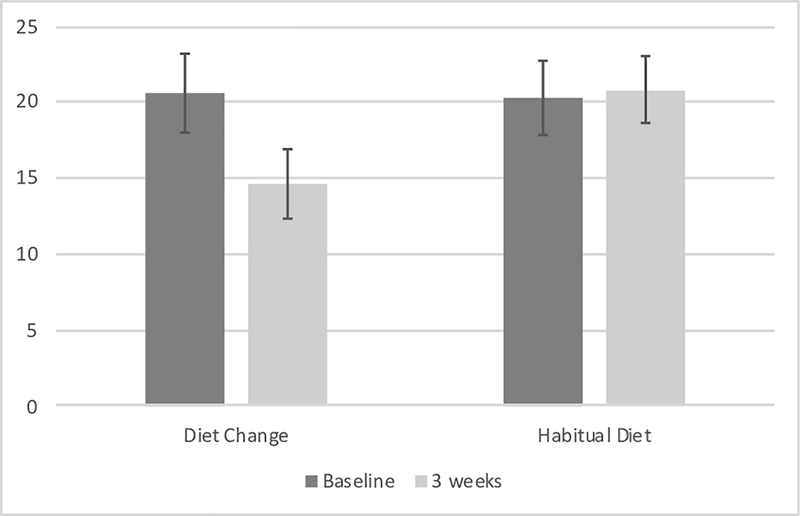
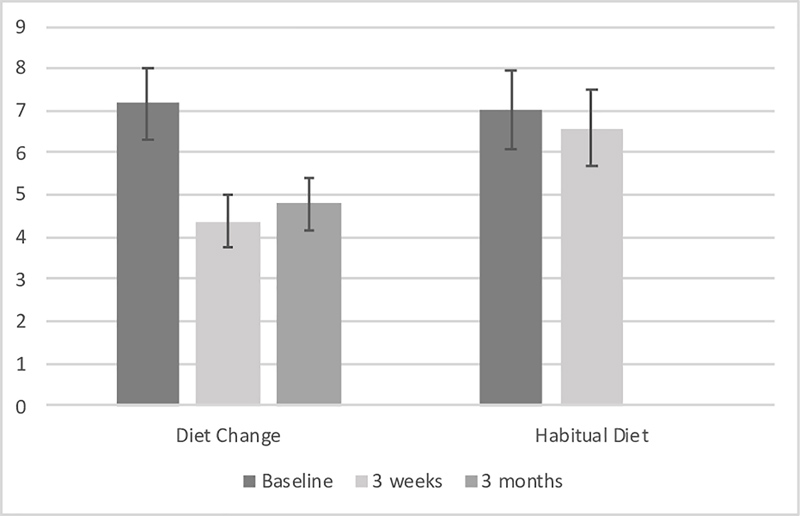
The first graph below illustrates the difference in primary depression scores (based on Centre for Epidemiological Studies Depression Scale or CESD-R) between the two groups. The second graph illustrates the difference between the two groups based on DASS-21 depression subscale scores.


The researchers also report that the dietary intervention resulted in lower levels of anger. In the Discussion section of the paper, the authors make the following observations:14
“The results of this RCT provide support for improving diet as a useful adjunct treatment to reduce depressive symptoms … One of the most interesting findings is the fact that diet change was feasible in this population.
As the participants were young adults and university undergraduate students, we anticipated several potential barriers such as the perceived cost of the diet, the time demands of preparing food and/or reliance on others for food preparation (particularly if they lived at home).
Additionally, the participants were recruited based on self-reported symptoms of depression. We anticipated that the symptoms of depression, including low energy, reduced motivation and apathy, would present as barriers to eating well.
Despite these factors, there was a significant increase in the recommended foods and decrease in processed foods for the diet change group but not the habitual diet group.
Furthermore, within the diet change group, increase in recommended foods was associated with spectrophotometer readings. This provides objective evidence to support the participants’ self-reported compliance with the diet …
Even in the general population, adherence to diet advice is typically very poor, with over 80% of Australians reporting that they do not comply with dietary recommendations.
As a result, there is substantial nihilism regarding the ability to change people’s diets. The current study simply provided a brief 13-minute video, paper resources and minimal phone support.
The fact that this relatively low-cost intervention can result in a population of young adults adhering to diet recommendations is very promising. Furthermore, it is important to consider that participants in the current study did not need to adhere strictly to the diet recommendations to derive benefit.”
Other Studies Support Dietary Intervention for Mental Health
Another recent paper found similar results. The meta-analysis,15 published in the April 2019 issue of Psychosomatic Medicine, looked at 16 randomized controlled trials with outcome data — based on a variety of depression scores — for 45,826 participants ranging in age from 21 to 85. Interventions ranged from 10 days to three years.
While all but one examined nonclinical depression, dietary interventions were still found to significantly reduce symptoms of depression. Interestingly, women appeared to reap the greatest benefits, not only for depression but also anxiety. According to the authors, “Dietary interventions hold promise as a novel intervention for reducing symptoms of depression across the population.”
Interestingly, studies specifying the involvement of a nutritional professional had significantly better results than those in which the dietary advice was delivered without a professional’s involvement.
However, as shown in the featured PLOS ONE study, this doesn’t necessarily have to be a complicated affair. There, participants simply viewed a video in which a dietician gave the instructions.
Mechanisms of Action
In the Implications and Recommendations section of the Psychosomatic Medicine meta-analysis, the authors point out a number of possible mechanisms of action allowing depressed patients to benefit from nutritional intervention:16
“… diet may act via several pathways that are implicated in mental health. These include pathways related to oxidative stress, inflammation, and mitochondrial dysfunction, which are disrupted in people with mental disorders.
Gut microbiota dysbiosis has also been implicated because of emerging research demonstrating involvement of the microbiome in the modulation of stress response, immune function, neurotransmission, and neurogenesis. A healthy diet typically contains a wide variety of bioactive compounds that can beneficially interact with these pathways.
For example, vegetables and fruits contain, in addition to beneficial vitamins, minerals and fiber, a high concentration of various polyphenols that seem to be associated with reduced rates of depression … potentially because of their anti-inflammatory, neuroprotective, and prebiotic properties.
Furthermore, vitamins (e.g., B vitamins), fatty acids (e.g., omega 3 fatty acids), minerals (e.g., zinc, magnesium), and fiber (e.g., resistant starch) as well as other bioactive components (e.g., probiotics), which are typically abundant in healthy dietary patterns, may also be protective from mental illness.
Along with increasing the intake of beneficial nutrients, dietary interventions may also impact on mental well-being by reducing the consumption of unhealthy food associated with increased risk for depression, such as processed meats, refined carbohydrates, and other inflammatory foods.
Unhealthy diets are also high in other compounds that may negatively affect these pathways. For example, elements commonly found in processed foods such as saturated fatty acids, artificial sweeteners, and emulsifiers may alter the gut microbiome, which may activate inflammatory pathways.”
Nutritional Advice for Mental Health
Keeping inflammation in check is an important part of any effective mental health treatment plan. If you’re gluten sensitive, you will need to remove all gluten from your diet. A food sensitivity test can help ascertain this. Reducing lectins may also be a good idea.
As a general guideline, eating a whole food diet as described in my optimal nutrition plan can go a long way toward lowering your inflammation level. A cornerstone of a healthy diet is limiting sugar of all kinds, ideally to no more than 25 grams a day.
In one study,17 men consuming more than 67 grams of sugar per day were 23% more likely to develop anxiety or depression over the course of five years than those whose sugar consumption was less than 39.5 grams per day. Certain nutritional deficiencies are also notorious contributors to depression, especially:
•Marine-based omega-3 fats — Omega-3 fats have been shown to improve major depressive disorder,18 so make sure you’re getting enough omega-3s in your diet, either from wild Alaskan salmon, sardines, herring, mackerel and anchovies, or a high-quality supplement.
I recommend getting an omega-3 index test to make sure you’re getting enough. Ideally, you want your omega-3 index to be 8% or higher.
•B vitamins (including B1, B2, B3, B6, B9 and B12) — Low dietary folate can raise your risk of depression by as much as 304%.19,20 A 2017 study21,22 showing the importance of vitamin deficiencies in depression involved suicidal teens. Most turned out to be deficient in cerebral folate and all of them showed improvement after treatment with folinic acid.
•Magnesium — Magnesium supplements have been shown to improve mild-to-moderate depression in adults, with beneficial effects occurring within two weeks of treatment.23
•Vitamin D — Studies have shown vitamin D deficiency can predispose you to depression and that depression can respond favorably to optimizing your vitamin D stores,24 ideally by getting sensible sun exposure.
A double-blind randomized trial25 published in 2008 concluded that supplementing with high doses of vitamin D “seems to ameliorate [depression] symptoms indicating a possible causal relationship.” Research26 published in 2014 also linked low vitamin D levels with an increased risk for suicide.
The 2017 paper “Depression and Vitamin D Deficiency: Causality, Assessment and Clinical Practice Implications,” published in the journal of Neuropsychiatry, notes:27
“The Third National Health and Nutrition Examination Survey, which enrolled a sample of 7,970 non-institutionalized U.S. residents age 15 to 39, confirmed that people with serum vitamin D ≤50 nmol/L [20 ng/mL] are at a significantly higher risk of showing depression than individuals whose serum levels of vitamin D are greater or equal to 75 nmol/L [30 ng/mL] …
A … large cohort study28 showed an association between low vitamin D levels and both presence and severity of depression, this suggesting the possibility that hypovitaminosis D indicates an underlying biological susceptibility for depression.”
For optimal health, make sure your vitamin D level is between 60 and 80 ng/mL year-round. Ideally, get a vitamin D test at least twice a year to monitor your level.
Keeping your gut microbiome healthy also has a significant effect on your moods, emotions and brain. You can read more in my previous article, “Mental Health May Depend on the Health of Your Gut Flora.”
Helpful Supplements
A number of herbs and supplements can also be used in lieu of drugs to reduce symptoms of anxiety and depression, including the following:
- St. John’s Wort (Hypericum perforatum) — This medicinal plant has a long historical use for depression, and is thought to work similarly to antidepressants, raising brain chemicals associated with mood such as serotonin, dopamine and noradrenaline.29
- S-Adenosyl methionine (SAMe) — SAMe is an amino acid derivative that occurs naturally in all cells. It plays a role in many biological reactions by transferring its methyl group to DNA, proteins, phospholipids and biogenic amines. Several scientific studies indicate that SAMe may be useful in the treatment of depression.
- 5-Hydroxytryptophan (5-HTP) — 5-HTP is another natural alternative to traditional antidepressants. When your body sets about manufacturing serotonin, it first makes 5-HTP. Taking 5-HTP as a supplement may raise serotonin levels. Evidence suggests 5-HTP outperforms a placebo when it comes to alleviating depression,30 which is more than can be said about antidepressants.
- XingPiJieYu — This Chinese herb, available from doctors of traditional Chinese medicine, has been found to reduce the effects of “chronic, unpredictable stress,” thereby lowering your risk of depression.31
Other Helpful Treatment Options
Evidence clearly shows antidepressants are not an ideal choice for most people with depression. For more information about this, see “What Does the ‘Best Evidence’ Say About Antidepressants?”
In it, I also review a number of other treatment suggestions, such as phototherapy, cognitive behavioral therapy, the Emotional Freedom Techniques and the importance of limiting your electromagnetic field exposure.
Aside from diet, which I believe is foundational, the depression treatment with the most solid scientific backing is exercise. I discussed some of the mechanisms behind this effect in “How Exercise Treats Depression.”
I also review the evidence against antidepressants and provide a list of studies detailing the effectiveness of exercise for depression in “The Depression Pill Epidemic.”
- 1 PLOS ONE April 17, 2014 DOI: 10.1371/journal.pone.0094715
- 2 WebMD January 8, 2013
- 3 Physiological Reports August 23, 2019
- 4 Physiological Reports August 23, 2019, Discussion
- 5, 6 British Journal of Psychiatry 2004 May;184:404-8.
- 7 PLOS ONE October 9, 2019 DOI: 10.1371/journal.pone.0222768
- 8 Reuters October 10, 2019
- 9 NPR October 9, 2019
- 10 PLOS ONE October 9, 2019 DOI: 10.1371/journal.pone.0222768, Intervention
- 11 PLOS ONE October 9, 2019 DOI: 10.1371/journal.pone.0222768, Abstract
- 12 PLOS ONE October 9, 2019 DOI: 10.1371/journal.pone.0222768, Figure 2
- 13 PLOS ONE October 9, 2019 DOI: 10.1371/journal.pone.0222768, Figure 3
- 14 PLOS ONE October 9, 2019 DOI: 10.1371/journal.pone.0222768, Discussion
- 15 Psychosomatic Medicine April 2019; 81(3): 265-280
- 16 Psychosomatic Medicine April 2019; 81(3): 265-280, Implications and Recommendations
- 17 Scientific Reports July 27, 2017; 7, Article Number: 6287
- 18 Translational Psychiatry 2016; 6: e756
- 19 Psychother Psychosom. 2004 Nov-Dec;73(6):334-9
- 20 Nutritionfacts.org March 30, 2017
- 21 American Journal of Psychiatry January 1, 2017; 174(1): 42-50
- 22 Vice August 9, 2017
- 23 PLOS ONE June 27, 2017 DOI: 10.1371/journal.pone.0180067
- 24 The Journal of Nutrition, Health & Aging 1999, 3(1):5-7
- 25 Journal of Internal Medicine 264(6); 599-609
- 26 Psychoneuroendocrinology 2014 Dec;50:210-9
- 27 Neuropsychiatry 2017; 7(5)
- 28 Molecular Psychiatry 2014 Apr;19(4):444-51
- 29 Nutrition Review, St. John’s Wort
- 30 Orvosi Hetilap 2011 Sep 11;152(37):1477-85
- 31 BMC Complement Altern Med. 2017; 17: 73.
Antidepressants – Do they help?
Written by Brenton Wight, Health Researcher
Copyright [c] 1999-[y] Brenton Wight. All Rights Reserved.
Updated 18th September 2020

If we go to a doctor when we feel upset, depressed, blue, unhappy or anxious, chances are we will be given a prescription for antidepressants.
Australians are the second highest users of antidepressants per capita in the world, only behind the USA!
SSRI (Selective Serotonin Reuptake Inhibitors)
SSRI’s are by far the most common antidepressants prescribed, typically the drug Citalopram, marketed using many different trade names.
More and more patients are demanding antidepressants from their doctors, who readily oblige, contributing to the rate doubling in the last decade.
Women are nearly three times more likely to use antidepressants as men, and women in their 40’s and 50’s are the highest group.
11% of Americans over the age of 12 take antidepressant medication, even though overwhelming evidence proves that antidepressants are no more effective than placebos. A 2014 study on antidepressants and the placebo effect noted:
“Antidepressants are supposed to work by fixing a chemical imbalance, specifically, a lack of serotonin in the brain. Indeed, their supposed effectiveness is the primary evidence for the chemical imbalance theory. But analyses of the published data and the unpublished data that were hidden by drug companies reveals that most (if not all) of the benefits are due to the placebo effect … Even the small statistical difference between antidepressants and placebos may be an enhanced placebo effect, due to the fact that most patients and doctors in clinical trials successfully ‘break blind’.”
The Main Brain Chemicals
The brain must have the chemicals below to function normally, and they must be in balance. This occurs naturally in a healthy body with a diet that includes all amino acids, vitamins, minerals, and free of toxic substances.
Unfortunately, the medical establishment focuses on serotonin only, a big mistake.
- Dopamine / norepinephrine, for natural energy and mental focus
- GABA (Gamma Amino Butyric Acid), for natural calming and sedative effect
- Endorphin, our natural painkiller
- Serotonin, our natural mood stabiliser and sleep promoter
Serotonin Theory Proven Incorrect
Research published back in 2009 proved that the low serotonin idea was wrong. Depression was found to begin further up in the chain of events in the brain, meaning that antidepressants were focusing on the symptoms instead of the cause.
Recent research into the mechanisms leading to anxiety and social phobias has again proven SSRI treatment incorrect. The research shows that mental health problems are linked to high serotonin levels in the amygdala and NOT low levels. The amygdala is the primitive emotions part of the brain, related to fear, and more serotonin in the amygdala means more anxiety and fear.
This is why many depressed people feel more anxious, fearful or paranoid after taking a serotonin-boosting antidepressant (SSRI).
Noted in the research:
“The serotonin theory is as close as any theory in the history of science to having been proved wrong. Instead of curing depression, popular antidepressants may induce a biological vulnerability making people more likely to become depressed in the future.”
The Danger of Antidepressants
Cancer, depression, suicide, violence, heart failure – all increase with antidepressants.
Cancer
We cannot prove that they actually cause cancer, but studies show that Citalopram, the drug most commonly prescribed, increases cancer risk by 70%.
Stronger anti-psycotic drugs increase cancer risk by up to 90%.
ALL antidepressants increase risk of cancer.
Who wants to get cancer? That is really something to get depressed about!
Depression
All SSRI drugs have the “funniest” side-effect of all – DEPRESSION! – the very thing they are supposed to treat!
All antidepressants carry a warning of the side effect of depression.
Thoughts of Suicide, Violence and Murder
Most anti-depressants INCREASE risk of suicide, violence, murder and deadly thoughts.
In almost every case in the USA of mass murder shootings in schools and other public places, the offender had been taking antidepressants!
Champix is a drug to help people quit smoking, but also increases risk of suicidal thoughts and actual suicide. It is unknown what happens when Champix and antidepressants are combined. If the drug companies have conducted studies, they are keeping this one very quiet…
Unfortunately, the increased risk of suicidal thoughts is most prevalent in younger patients.
Citralopram carries a suicide warning in the USA, but not in Australia. Why is this so? In Australia, lobbying by the big drug companies is more effective in bringing about increased sales with fewer warnings about the dangers. Makes one wonder just who is getting rewarded for these extra profits.
SSRI drugs cause side effects such as mania and delusions of grandeur in one of every twenty-five children taking the drugs. This is now on the Luvox warning label (Physicians’ Desk Reference).
Prozac’s manufacturer (Eli Lilly), knew it caused violence in the 1980s, but suppressed this knowledge until it was leaked a decade later to the British Medical Journal. In every murder or suicide involving women and children, 70% of the women were taking SSRI drugs. Other effects of antidepressants and SSRI drugs:
- 2004: Emiri Padron (taking Zoloft) smothered her ten-month-old daughter with a stuffed animal and then stabbed herself
- 1999: Eric Harris (taking Luvox) was a shooter at the Columbine High School massacre. His autopsy confirmed he was taking cough syrup (dextromethorphan) as well as Luvox, the interaction increasing risk of serotonin syndrome, a toxic reaction similar to PCP (Angel Dust) reactions
- 1998: Kip Kinkle (taking SSRI) killed his parents and two classmates, then wounded 25 others at Thurston High School, Oregon
- 1998: Brynn Hartmann (taking Zoloft) shot her husband, then committed suicide
- 1998: Matthew Beck (taking Luvox and another antidepressant) killed four lottery officials, then committed suicide
- 1997: Luke Woodham (taking SSRI) killed three people, including his mother, and wounded six others in Pearl, Mississippi
- 2007: Seung-Hui Cho (taking antidepressants) killed 32 people, wounding another 29, then committing suicide at Virginia Tech University
These are just a few of the thousands of acts of violence caused by antidepressants.
Heart Failure
Sudden heart failure is another side-effect of antidepressants.
The British Medical Journal states that antidepressants cause 500,000 deaths worldwide every year by provoking sudden heart failure and suicide!
Types of Antidepressant drugs
There are four main antidepressant goups:
- SSRI
- SNRI
- TCA
- MAOI
Most people are initially prescribed one belonging to the SSRI group.
SSRI (Selective Serotonin Reuptake Inhibitor)
SSRI drugs are the most commonly prescribed. They work by preventing uptake of serotonmin (a neurotransmitter) by nerve cells after it has been released. Reduced uptake results in more free serotonin in the brain to stimulate nerve cells.
Citalopram (Cipromil, Celexa), fluoxetine (Prozac), paroxetine (Paxil), Lexapro and sertraline (Zoloft) are all common SSRI drugs. However, recent research has proven that imbalance of serotonin in the brain does NOT cause depression, and studies show that placebos work almost the same as the drugs, without the side-effects.
After 15 minutes from a single dose of an SSRI drug, physical changes happen in the brain: Mood swings, sexual dysfunction, hallucinations. Increased cancer risk is another problem.
Just a few of the side effects of SSRI drugs:
- Increased risk of cancer
- Depression, anxious, delusions, confusion, hallucinations, paranoia, mania, panic attack, impulsive, irritable, agitated, hostile, aggressive
- Restless, hyperactive, more depressed, thoughts of suicide or self-harm, loss of sense of reality or identity
- Mental impairment, mental disorder, seizures, memory loss, loss of normal personality
- Blurred vision, tunnel vision, eye pain or swelling, seeing halos around lights
- Inability to have an erection or ejaculation, low libido, sexual problems
- Chronic insomnia, diarrhea, drowsiness, dry mouth, sweating, trembling
- Hemorrhage, nausea, vomiting, anemia, abnormally low blood pressure, quivering
- Fever, itching, numbness, tingling, rash, gas, indigestion, stomach cramps
- Restlessness, frequent urination, energy loss, yawning
- Abnormal heart rhythm, rapid heart beat, blood clots, difficulty breathing
- Bleeding, especially if taken with aspirin, other NSAIDS or warfarin
- Discharge of milk (men or women) when not breastfeeding
- Period problems or absence of periods, abortion, pancreas inflammation
- Blood pressure drop on standing, joint pain, muscle pain, migraine headaches
- Increased saliva production, nose inflammation, nose bleeds, congestion, sinus irritation
- Appetite loss, weight loss, weight gain, taste problems, giant hives
- Inability to sit still, aggressive behavior, overly cheerful behavior
- Acute kidney disease or failure, death of liver cells, cataracts, low sodium
Often these side-effects last for months or years after drug withdrawal.
Not everyone gets all side effects, but just one of the above would make anyone depressed!
SNRI (Serotonin-Norepinephrine Reuptake Inhibitors)
SNRI drugs are a more recent class of antidepressant, but often included in the SSRI class of drugs.
As well as altering serotonin levels, they also affect norepinephrine levels in the brain.
Side effects appear to be fairly similar to SSRI’s, but severe reactions when coming off the drug may be worse with SNRI’s.
TCA (Tricyclic Antidepressant)
This group is given mostly to patients who do not respond to SSRIs.
Side effects include dry mouth, irregular heartbeat and many more.
MAOI (MAO inhibitors or Monoamine Oxidase Inhibitors) and others
Because MAOIs affect brain neurotransmitters, they have many side effects, such as:
- Sudden drop in blood pressure upon standing up (orthostatic hypotension), lack of strength, weakness, dizziness, drowsiness
- Headache, fatigue, agitation, anxiety, change in mood or behavior, weight gain, impotence
Again, MAOIs carry warnings on the label referring to suicidal thoughts and behavior in children, adolescents, and young adults, but this can happen to anyone.
MAO inhibitors must not be taken with other antidepressants including paroxetine, fluoxetine, amitriptyline, nortriptyline, or bupropion.
Also interacts with pain medications such as methadone, tramadol, meperidine, dextromethorphan, St.Johns Wort, cyclobenzaprine, or mirtazapine.
Combinations lead to high serotonin levels, which can cause confusion, high blood pressure, tremor, hyperactivity, coma, even death.
Other risks for Seniors
In a study of 65,000 seniors taking antidepressants, risk of falls increased by 27%, fractures by 26%, strokes by 15%, hyponatremia (too little sodium in the blood) by 44 percent, epileptic seizures by 200%, dying from any cause by 66%, and suicide or self-harm by 500%.
Many of these seniors were also taking medication for heart disease or diabetes, which indicates that they are much more likely to suffer adverse effects while coping with additional drugs.
How to treat depression without Medication
Depression is an ever-increasing problem. Those most at risk include:
- Those with poor nutrition (junk food or little food)
- Those who do not get enough exercise
- Those who do not get enough B-group vitamins and D3
- Those who do not consume enough fish or fish/krill oil supplements
- Females – Nearly three times as many women as men have depression
- Post-menopausal women are another high-risk category
Exercise
Studies show that 65% of seniors completely eliminate depression with exercise.
Younger patients also showed dramatic improvement in symptoms.
Natural Antidepressants
Natural supplements have been proven as effective as prescription medications, and with no nasty side-effects.
Niacin Prolonged Release is very beneficial for depression and anxiety, said to be more effective than prescription medication, also helping control cholesterol, diabetes, blood glucose and blood pressure.
Big-dose niacin often causes flushing, where the skin turns red and sometimes tingles, but this is harmless, and usually passes after 30 minutes or so, and usually does not happen when taken with the largest meal of the day. This only indicates that the small blood vessels near the skin surface are expanding, allowing more blood to reach the extremities (and the brain). Also useful for Alcoholic depression and helping those addicted to alcohol, smoking, drugs, etc to kick the habit.
Niacin can also help repair peripheral nerve damage caused by chemotherapy or diabetes.
Note that women who take the occasional sleeping pill may be deficient in niacin, as this is a common side effect. Caution: High-dose Niacin may aggravate gout, a painful condition, enough to make some people depressed!
St. John’s Wort has proven benefits for mild to moderate symptoms, typical dose 300mg 1 to 3 times daily.
Usually starts working in a few days, while prescription medications can take a month.
Should not be taken with any other antidepressant, especially MAO Inhibitors.
St Johns Wort is an inhibitor of cytochrome P450 enzyme, so may interact with some prescription medications which also use this pathway, so seek medical advice if taking anything else.
SAMe (s-adenosylmethionine)
SAMe is an amino acid derivative, found naturally in every cell of the body. It is involved in many biological reactions by transferring its methyl group to DNA, proteins, phospholipids and biogenic amines.
Typical dose 400 to 1200 mg daily, and should always be taken with a Vitamin B Complex supplement.
Several scientific studies show that SAMe may be useful in depression treatment.
Vitamin B Complex is great for mental health, as deficiency allows breakdown of brain nerve coverings.
Tryptophan and 5-HTP (5-Hydroxytryptophan)
The body manufactures 5-HTP from Tryptophan before it can manufacture serotonin. 5-HTP supplements can increase serotonin levels, especially if there is a 5-HTP deficiency. Studies say 5-HTP performs better than placebos to alleviate depression, however high serotonin levels can aggravate anxiety and social phobias in some patients, while others benefit from reduced anxiety.
Researchers say that 5-HTP constricts blood vessels so would increase blood pressure, but these test were carried out in a laboratory. When they tested 5-HTP on humans, they found significant lowering of blood pressure, which they could not explain.
One study found that 5-HTP combined with GABA helped insomniacs to fall asleep sooner, stay asleep longer, and improve sleep quality, probably because 5-HTP produces melatonin as well as serotonin. Also found to reduce night terrors in children. See my article on Night Terrors.
Other studies found benefits for Fibromyalgia with reduced pain and reduced morning stiffness. 5-HTP has been shown to help control appetite.
Best taken with Vitamin B-6 for improved absorption, and https://au.iherb.com/pr/Nature-s-Plus-B-Complex-with-Rice-Bran-90-Tablets/7637?rcode=WIG164″ target=”_blank”>B-Complex vitamins also improve nerves and mental health.
DLPA (dl-phenylalanine) are other amino acid alternatives, normally taken between meals.
Safety issues are a real problem with prescription antidepressants. Often they do not work, or sometimes have the reverse effect, and can cause greater depression or even self-harm, violence or suicide.
Everyone should first attempt to eliminate any stress or other cause of depression first.
Psychologists can be a great help in this area to identify the cause and learn how to deal with the problems.
If this does not work or the stress is difficult to eliminate, natural supplements can be tried.
These options can also help in weight loss for some people.
Prescription medication should be a last resort, and in all cases, the patient should have the support of family and friends.
The Food Connection
Omega-3 fatty acids found in fish fight depression, especially the DHA (Docosahexaenoic Acid). DHA also helps protect against Alzheimers and cardiovascular problems. One of the best products I have found is Krill oil with DHA. EPA (Eicosapentaenoic Acid) is also important, but the body can make all of the EPA it needs from DHA (but not DHA from EPA).
Amsterdam researchers wanted to understand why about half the patients on SSRI’s did not respond to the medication.
They set up a study where all subjects took 20mg SSRI daily for six weeks, and not everyone responded, so they were then given a 50mg dose, yet some still did not respond.
Then researchers looked at their diet, to find that non-responders ate the least fish, and had only a 23% chance of SSRI’s working.
Subjects who ate fish at least once weekly had a 75% chance of SSRI’s working.
They concluded that fatty acid intake is associated with significantly improved SSRI response.
Further study revealed that obtaining natural omega-3 fatty acids from the diet is more effective for depression than SSRI medication, but without the side effects.
Omega-3 fatty acids reduce inflammation, so benefit brain function as well as reduce cardiovascular risk.
Steaming fish is better than cooking at high temperatures, and cold-water fish have the most omega-3.
Krill oil supplements containing Omega-3, EPA and DHA are available, better than fish oil.
Start recovery with the diet
The composition of gut bacteria affects our physical health and also our brain function and mental state. Dietary changes significantly impact gut bacteria, and so do many medications, especially antibiotics.
Decades ago, antibiotics were hailed as a modern miracle of medical science, but the age of antibiotics is over.
Antibiotics are fed to livestock animals, chickens, humans, pets at an alarming rate, causing antibiotic-resistant pathogens like MRSA.
Resistant bacteria, along with antibiotics, is washed down drains into rivers, lakes, reservoirs, underground water basins and oceans.
The only way we can survive in this age is to build a strong immune system, so our own body resources can defeat any invading pathogen.
We must have a diet similar to that which our ancestors thrived on. They had no pesticides, no toxic pollutants, but they ate real food. Nuts, berries, fruit, leaves, vegetables were the main staples for the 2 million years humans have inhabited the Earth. It was only around 20,000 years ago that humans managed to control fire and started to cook, destroying all of the enzymes in food. 10,000 years ago humans learnt to carry out agriculture and animal husbandry, and while this did give them grains to store when food was scarce, it started the demise of healthy eating.
For a healthy mind, we must have a healthy body.
We must eat real food, and avoid all processed foods which are loaded with sugar, grains, GMO (Genetically Modified to withstand spraying with Roundup), antibiotics, chemical pesticides, herbicides, insecticides, heavy metals, MSG, artificial sweeteners and other toxic chemicals.
Food for the Brain
Foods that are beneficial for the brain will benefit the rest of the body as well, resulting in excess weight loss, improved muscle strength, balance, coordination and hormones.
- Traditionally fermented, cultured, probiotic foods like yogurt, sauerkraut, fermented vegetables, kimchee, natto and kefir
- Foods containing vitamin B12 including all animal products and mushrooms
- Sodium and other electrolyte deficiencies create depression-like symptoms, Use Sea salt or Himalayan salt (containing over 80 micronutrients), but NOT table salt. Salt (in moderation) is not the villain it is made out to be
- Healthy fats are imperative for the brai. Fish, avocados, walnuts, coconut oil all help
Foods that Must be Avoided
These are some of the most dangerous foods for mental health.
Avoiding these will not only improve mental health, but also protect against cancer, diabetes, Alzheimer’s and many more.
- Grains – especially wheat and other grains, causing the “Grain Brain” as well as damage to the intestinal tract (leaky gut syndrome), diabetes, and other modern disease
- Sugar – the Western diet is packed with sugar and starchy carbohydrates, causing toxic glucose blood levels, excess insulin, then rapidly dropping blood glucose (hypoglycemia), causing high glutamate levels and altering dopamine levels, leading to agitation, depression, anger, anxiety, and panic attacks
- Hydrogenated oils (e.g. Canola oil), margarine and fried foods are bad for heart disease and colon cancer, and cause brain inflammation, leading to neuromotor and neuropsychiatric disease
- Caffeine (coffee) has health benefits, but increases cortisol levels and affects neurotransmitter balance, increasing stress and anxiety
- Deli meats, hot dogs, processed meats contain sodium, preservatives and nitrates, increasing risk of cancer, depression, anxiety and headaches
- Fat-free foods promise to be healthy but the reverse is true, and because 60% of the brain is fat, we need healthy fats, especially omega-3, EPA and DHA, medium chain triglycerides, to prevent mood impairment
- Artificial sweeteners are at least as unhealthy as sugar, containing aspartame and phenylalanine (neurotoxin) which depletes serotonin levels, leading to anxiety, mood swings, paranoia and panic attacks
- Alcohol can support heart health )from the resveratrol content) but too much too often depletes serotonin, leading to anxiety, which often leads to drinking even more, a vicious cycle, affecting neurotransmitters, with withdrawal causing even more problems
Eliminating these foods will improve general health and reduce risk of all disease as well as improve mental health.
Effectiveness of Drugs and Supplements
The American Journal of Psychiatry published a study where some vitamins and nutritional supplements increased the effectiveness of SSRI, SNRI and tricyclic antidepressants.
There were 40 clinical trials, and four supplements were found to boost medication effectiveness compared to medication only:
The most significant improvement was Fish oil, mainly EPA, one of the fatty acids in fish oil.
They also studied creatine, zinc, vitamin C, tryptophan (an amino acid) and folic acid but found mixed results.
Scientific American reported:
“By some estimates, two-thirds don’t respond to the first antidepressant they try and a third fail to get better after several treatment attempts.”
“The implications are that clinicians and the public can consider [adding] therapeutic doses of nutrients such as omega-3s as a potential low-cost approach to reducing depression in people who are non-responsive to antidepressants.”
Supplements Alone may be Responsible for Effectiveness
The study authors said:
“More patients in the studies showed an improvement in mood when prescribed omega-3 fish oil, methylfolate, vitamin D3 and SAMe supplements in combination with antidepressant medication, compared to those who took medication only.”
Missing in these studies is a comparison between supplements only, medication only, and a combination of both.
Because antidepressants have been shown no better than a placebo (or even worsen depression), patients may receive the same or better outcomes by taking supplements alone.
How do supplements work?
Supplements reduce inflammation and oxidative stress in the brain and in the gut.
Depression is often found alongside gastrointestinal inflammation, autoimmune diseases, cardiovascular diseases, neurodegenerative diseases, type 2 diabetes, and cancer.
Chronic inflammation leads to all of the conditions above, so studies suggest “depression may be a neuropsychiatric manifestation of a chronic inflammatory syndrome” and “the primary cause of inflammation may be dysfunction of the gut-brain axis”.
Many clinical studies confirm treatment of gastrointestinal inflammation with probiotics, omega-3, vitamins B and D, improve the patient by reducing inflammatory stimuli in the brain (which originate in the gut).
Omega-3, EPA, DHA
Many diets lack healthy fats, including animal-based omega-3 fats EPA (eicosapentaenoic acid) and DHA (docosahexaenoic acid). EPA and DHA are best known for cardiovascular health, but are also vital for brain health and mental health.
Fish in the diet gives good levels of omega 3, and fish oil supplements can help. However, these are not well-absorbed in the gut. Krill oil is much better absorbed, and is 200 times more resistant to oxidation (going rancid) than fish oil.
Vegans and some vegetarians can be deficient in omega-3 as well as other nutrients normally found only in animal products.
A study using 200 to 2200 mg daily of EPA in an omega-3 supplement was effective against primary depression. Omega-3 studies also show improvement in schizophrenia, psychosis and bipolar disorder.
Omega-3 comes from wild Alaskan salmon, sardines, anchovies, or fish oil or preferably Krill oil.
Vitamin D3 deficiency leads to Depression
The body has Vitamin D3 receptors in almost every one of the 60 to 100 trillion cells, including brain tissue very early in fetal growth. Activated vitamin D3 receptors increase nerve growth in the brain. Researchers conclude that optimal vitamin D3 levels increase brain important chemicals, and increase effectiveness of glial cells to repair damaged neurons.
The Vitamin D Council says:
“Exactly how vitamin D3 works in the brain isn’t fully understood. One theory is that vitamin D3 affects the amount of chemicals called monoamines, such as serotonin, and how they work in the brain. Many anti-depressant medications work by increasing the amount of monoamines in the brain. Therefore, researchers have suggested that vitamin D3 may also increase the amount of monoamines, which may help treat depression.”
Vitamin D3 studies show:
- Seniors with the lowest vitamin D3 have eleven times the risk of depression compared to those with normal vitamin D3
- VU University Medical Center in Amsterdam found those with depression (minor and major) had 14% less vitamin D3 compared to normal subjects
- Another study said that those with vitamin D3 levels below 50 nmol/L (20 ng/mL) had 85% greater depression risk, compared to those with vitamin D3 levels over 75 nmol/L (30 ng/mL)
- SAD (Seasonal Affective Disorder) has always been linked to low vitamin D3, and also associated with Fibromyalgia and depression
- Another study in 2008 said “It appears to be a relation between serum levels of 25(OH)D (vitamin D3) and symptoms of depression. Supplementation with high doses of vitamin D3 seems to ameliorate these symptoms indicating a possible causal relationship.”
Other Supplements to reduce Depression
Folate and Methylation
Active Folate can make a huge difference. Two genes commonly associated with increased cancer risk are polymorphisms C677T and A1298C, which are also involved in methyltetrahydrofolate reductase (MTHFR) production, which is a critical part of the methylation pathway required for every cell in the body, acting as a switch, turning on or off various biological activities such as detoxification, histamine tolerance, stress management, DNA and RNA protection and repair, neurotransmitter myelination (nerve protection). Disruptions of MTHFR can increase risk of cancer.
Up to 40% of the population has some polymorhism in these genes, preventing natural folate in food or supplements to convert in the body to the active form Active Folate. However, Active Folate is available as a supplement, requiring no further conversion in the body. Ordinary folate supplements (usually Folic Acid, which is NOT folate) cannot be converted if the patient has this MTHFR problem, so are useless.
Apart from supplementation, natural methylation pathways can be improved by detoxing, stress management, adequate sleep, reducing toxin exposure, fruits and vegetables, and natural folate sources such as dark leafy greens and lentils.
Vitamin B-12
Depression can be aggravated or even caused by deficiency in vitamin B12. Low B-12 affects around 25% of the population, worse in seniors, because natural stomach acid production declines as we age, and when stomach acid drops below a threshold, B12 cannot be made in the body.
Also, B12 only comes from animal food sources (apart from mushrooms) so is even more of a problem for vegans or vegetarians or those on a calorie restricted diet or those with Celiac disease or other intestinal problems.
Exercise Deficiency
Exercise is one of the most powerful anti-depressants at our disposal, with studies showing it outperforms drug treatment for depression, and also for anxiety disorders.
Exercise helps to control insulin levels (by burning excess blood glucose) and naturally boosts the brain “feel good” hormones. Recently, researchers discovered how exercise helps eliminate kynurenine, a harmful protein associated with depression.
Inflammation
The link between inflammation and depression has been defined. Stress and inflammatory factors activate a process that can metabolise kynurenine. Exercise increases BDNF (brain-derived neurotropic factor) and is a powerful activator of mitochondrial biogenesis (increasing mitochondria, the “energy” in every cell of the body).
Overcoming Depression and Anxiety Without Drugs
Diet and lifestyle must be improved first to benefit any mental health problems. The body and mind are interrelated. Most people are not aware that the gut has neurons (and so does the heart) so when we have a “gut feeling” this is the way the gut thinks, and is sending messages to the brain and other organs.
The brain and the gut both play a part in mental health.
Coping strategies
- Get some sunshine. Apart from Vitamin D3, many other beneficial chemicals are released during sunlight exposure, and infra-red heat helps relieve pain
- Yoga, Tai Chi both help reduce stress and anxiety. Find a group class where interaction with others can help
- Meditation reduces stress and anxiety. Whatever the problem, always “Let it go”
- Reiki healing reduces stress and anxiety
- Keep a journal. Record everything eaten, medications or supplements taken, and actions reducing or increasing stress or depression. Looking back may indicate a problem pattern
- Exercise improves mood by creating new GABA-producing neurons, producing a calm state, and boosting serotonin, dopamine and norepinephrine, which all buffer stress
- Get better sleep – this is the time when the body rebuilds itself and repairs the stress damage from the previous day
What NOT to do
The worst thing to do is nothing at all.
Depression has a way of blocking the “light at the end of the tunnel”, resulting in a never-ending downward spiral and a feeling of hopelessness with no way out.
I hope after reading this article, anyone depressed can now see some “light at the end of the tunnel”.
There is ALWAYS a way out, and the first thing to do is “Let it go” – whatever the problem, a personal conflict, a loss of a loved one, financial difficulty, there is ALWAYS a way out and by letting go of all that is troubling us, we can start again with a renewed perspective on life.
Diet, supplements, exercise, and talking to a professional will help most people get relief from depression.
Disclaimer
LeanMachine is not a doctor, and everyone should consult with their own health professional before taking any product to ensure there is no conflict with existing prescription medication.
LeanMachine has been researching nutrition and health since 2011 and has completed many relevant studies including:
Open2Study, Australia – Food, Nutrition and Your Health
RMIT University, Australia – Foundations of Psychology
Swinburne University of Technology, Australia – Chemistry – Building Blocks of the World
University of Washington, USA – Energy, Diet and Weight
Johns Hopkins Bloomberg School of Public Health, USA – Health Issues for Aging Populations
Johns Hopkins Bloomberg School of Public Health, USA – International Nutrition
Johns Hopkins Bloomberg School of Public Health, USA – Methods in Biostatistics I
Johns Hopkins Bloomberg School of Public Health, USA – Methods in Biostatistics II
Johns Hopkins Bloomberg School of Public Health, USA – Principles of Human Nutrition
TUFTS University, USA – Nutrition and Medicine
TUFTS University, USA – Lipids/Cardiovascular Disease I and Lipids/Cardiovascular Disease II
Technical Learning College, USA – Western Herbology, Identification, Formulas
Bath University, England – Inside Cancer
WebMD Education – The Link Between Stroke and Atrial Fibrillation
WebMD Education – High Potassium: Causes and Reasons to Treat
Leiden University Medical Center, Netherlands – Anatomy of the Abdomen and Pelvis
MIT (Massachusetts Institute of Technology) – A Clinical Approach to the Human Brain
LeanMachine has now examined thousands of studies, journals and reports related to health and nutrition and this research is ongoing.
Copyright [c] 1999-[y] Brenton Wight and BJ&HJ Wight trading as Lean Machine abn 55293601285
Why we need B12, B6, Active Folate and TMG
Written by Brenton Wight – LeanMachine, Health Researcher
Updated 16th January 2021, Copyright © 1999-[y] Brenton Wight and BJ & HJ Wight trading as Lean Machine abn 55293601285
Vitamin B12
Vitamin B12, or Cobalamin, is part of the B group of vitamins, but is different in three respects:
- The B12 molecule is the largest and most complex vitamin known.
- B12, like the rest of the B-group vitamins, is water-soluble, but B12 is the ONLY water-soluble vitamin which can be stored in the liver for months, or even years
- B12 is generally formed in the high-acid stomach, but those with low acid levels cannot form B12.
Benefits of B12
- Protects brain cells, improves nerve growth and conduction, increasing speed of messages to and from the brain
- Protects the myelin sheath surrounding nerve cells.
- Protects against Alzheimer’s and other brain-degenerative diseases
- Mental clarity, concentration, memory, nervous system
- Circulation
- Aids in turning food carbohydrates into glucose for energy
- Fat metabolism, digestion
- Helps produce DNA and RNA, the genetic material in our cells
- Increases iron utilisation to build red blood cells, preventing anemia
- With B9 (folate), helps the manufacture of S-adenosylmethionine to reduce depression and boost the immune system
- With B9 (folate) and B6, B-12 inhibits homocysteine production, an amino acid linked to heart disease.
- Adrenal hormone function
- Energy – physical, emotional, mental
B12 is only found in animal products, apart from mushrooms, which are the only vegetable (actually a fungus) containing B12, but the B12 exists only in the skin of the mushroom which is often peeled off and discarded, and in any case, this is a poor food source of B12.
This is why vegetarians, and especially vegans should take additional B12 supplements.
The elderly are also at risk for B12 deficiency, because as we age, the level of stomach acid tends to drop, and once it drops below a certain point, this ends the conversion process that generates the B12 that can be absorbed.
Many diets recommend that we limit protein from animal products, but this is very wrong. LeanMachine has been a vegetarian for over 40 years, but regularly eats eggs and fish for B12 intake. Even so, B12 levels were low the first time they were checked at around age 64. Since then, daily B12 supplements have built B12 levels to around five times the normal amount. We cannot overdose on B12, unlike Folate and other vitamins.
Unfortunately many doctors never test for B12, and if we are deficient in B12, doctors typically misdiagnose this deficiency, resulting in prescribing drugs that do not help the condition, but may even create side effects that only make us feel worse!
Some PPI (Proton Pump Inhibitor) medications such as Nexium, prescribed for reflux, heartburn and other digestive issues, deliberately lower stomach acid, and there are many off-the-shelf antacids which do the same, and all result in knocking out our Vitamin B12. Note also that microwaving food also knocks out all B12.
Symptoms of B12 deficiency
- Anaemia
- Macrocytosis (larger than normal red blood cells)
- Hypersegmented neutrophils (Nuetrophil blood cells with more lobes than normal)
- Fatigue, lack of energy
- Weak legs
- Forgetfulness, mental fogginess
- Mood swings, lack of motivation
- Depression, paranoia, delusions
- Yellow colour
- Feelings of apathy
- Loss of appetite
- Hair loss
- Rapid heart rate (Tachycardia)
- Shallow breathing, short of breath
- Unintended weight loss
- Bleeding or bruising more than normal
- Persistent constipation or diarrhea
- Dizziness
- Incontinence
- Loss of taste and smell
- Sore tongue or mouth
- Bones which easily break, even if a DEXA scan says they are dense
- Tingling in fingers or toes
- Strange nerve sensations
- Muscle Tenderness
Untreated, a severe B12 deficiency may lead to permanent nerve damage.
Not everyone with low B12 will have all symptoms, but having a few of these suggests testing for B12 and Folate.
Who is at Risk?
- Those aged over 50
- Vegans, vegetarians
- Those taking antacids
- Those on PPI (Proton Pump Inhibotor) medications, e.g. Nexium
- Diabetics taking Metformin (Diabex)
- Those having surgery where part of the stomach is removed
- Those with Ceoliac Disease
- Those with bacterial overgrowth, stomach and intestines
- Alcoholics
- Those taking some anti-seizure medications
- Those drinking too much water
Research suggests that in the over-50 age group, more than 20% of the population are low in B12, and a fifth of those are seriously deficient.
Recommended Daily Allowance for B12
Official recommended dietary amounts (RDAs) are:
- Infants 0-6 months, 0.4 mcg
- Infants 7-12 months, 0.5 mcg
- Children 1-3 years, 0.9 mcg
- Children 4-8 years, 1.2 mcg
- Children 9-13 years, 1.8 mcg
- Adults: 2.4 mcg daily for ages 14 years and older
- Pregnant Females: 2.6 mcg daily
- Breastfeeding Females: 2.8 mcg daily
- Adults over 50 years old: 20 mcg daily
However, LeanMachine has the opinion that these amounts are way too low. If anyone has any symptoms of deficiency, testing and subsequent supplementation may be required, but beware of cheap supplements containing cyanocobalamin (a totally artificial chemical made from cyanide) and only use methylcobalamin which is the natural, active form of Vitamin B12. Even though the cyanide in cheap B12 is fairly harmless, and easily excreted into urine, the methyl version can be used directly by the body without conversion, and contributes to the important methylation process, which occurs over a billion times per second in the body.
LeanMachine recommends Methyl B12. Always ask for Methyl B12 or Active B12. Plain B12 is usually the cyanide-containing version, which is eliminated from the body much faster than the true B12. The Methyl B12 I recommend is a lozenge, used under the tongue until dissolved, entering the blood directly through the mucous lining and skin, rather than a regular pill that can be partly lost in the digestive system.
Testing Vitamin B12
It is important to test Folate at the same time as B12, because out of range levels in one can mask a deficiency in the other.
Blood Test for B12 deficiency:
For a long time, the reference range in Australia has been 135 to 650 pmol/L (pica moles per litre) but this is way too low.
In the 1980’s, Japan lifted their low end of the range to 500, and for those people with the defective MTHFR gene (up to 40% of the population), even this can be too low.
LeanMachine recommends 750 to 1500 as a more desirable range. LeanMachine uses Methyl B12 supplements, and tests at the top end of this range.
However, a high B12 reading does not always mean a satisfactory level.
When B12 is low, two enzyme substrates will increase: tHcy (total homocysteine) and MMA (methylmalonic acid). If deficiency symptoms do not go away, these should also be tested.
Treating Low Vitamin B12
Memory loss is a significant symptom, and if diet and/or supplementation is improved within one to two years, full memory can often be restored, but after two years, permanent memory damage may have occurred.
Ideally, we should look at the diet first, and if this does not improve B12, then B12 supplements are essential. If deficiency symptoms are severe, immediate supplementation or a B12 injection is advised.
Because B12 can be stored in the body, B12 injections are only required every 3 months to maintain healthy levels.
Here are some food sources of vitamin B12, arranged from highest to lowest:
| Type of Food | mcg of B12/serving | % of RDA |
| Shellfish (Clams) 85g/3oz | 84 | 1400 |
| Liver, beef 85g/3oz | 70.0 | 1178 |
| Shellfish (Oysters) 85g/3oz | 84 | 408 |
| Crab, raw, 85g/3oz | 9.8 | 163 |
| Trout, rainbow, wild, cooked, 85g/3oz | 5.4 | 90 |
| Salmon, sockeye, cooked, 85g/3oz | 4.9 | 80 |
| Red Meat (Beef) 85g/3oz | 5.1 | 85 |
| Yogurt, plain, 1 cup | 1.4 | 25 |
| Haddock, cooked, 85g/3oz | 1.2 | 20 |
| Egg (chicken), one extra-large | 0.5 | 20 |
Chicken is missing from the table above, because one egg has as much B12 as nearly half a chicken. Another case for the egg coming before the chicken!
Who should NOT take Vitamin B12
In those with Leber’s Disease (Leber Hereditary Optic Neuropathy, or LHON, a rare eye disease affecting less than 1 in 50,000) B12 can seriously damage the optic nerve, so B12 should never be taken.
Homocysteine – an inflammatory marker
Homocysteine levels in the blood are a marker of inflammation and cardiovascular disease, and low levels of Vitamin B12 and Folate can raise Homocysteine levels.
High homocysteine levels usually lead to cognitive decline in advancing years, cardiovascular disease, Alzheimer’s disease and many other ageing-related diseases.
Homocysteine is produced in the body as a result of demethylation of methionine utilisation of fats and proteins.
In Australia, doctors seldom order a Homocysteine blood test unless we ask for it. This test can also check for a rare inherited disorder called homocystinurina. The risk for homocystinurina is low, but it is best to rule it out.
If there is a family history of high homocysteine, children should be tested from birth.
The main purpose of the Homocysteine test is to determine if you have increased risk for heart attack or stroke, and a deficiency in B12 and Folate, and all should be tested at the same time.
What is Homocysteine?
Homocysteine is an amino acid, one of the building blocks of proteins. We can not get homocysteine from the diet.
Homocysteine can only be made from methionine, another amino acid that is found in meat, fish, and dairy products, and this reaction can only happen with enough Vitamin B6 (pyridoxine), Vitamin B12 and folate.
Foods containing methionine are transformed into homocysteine in the blood, and then Vitamin B6 helps convert homocysteine to cysteine. Vitamin B12 related enzymes can also recycle homocysteine back into methionine.
Cysteine is a very important protein, involved in how proteins in cells are folded, maintain their shape, and link to each other, and cysteine is a source of sulfide, taking part in metabolism of iron, zinc, copper and other important minerals. Cysteine also acts as an anti-oxidant. If homocysteine cannot be converted into cysteine or returned to the methionine form, levels of homocysteine in the body increase. Elevated homocysteine levels have been associated with heart attack, stroke, blood clot formation, and perhaps the development of Alzheimer’s disease.
Homocysteine Test
Laboratories generally say that normal homocysteine serum levels are between 4 and 15 micromoles per litre, with anything above 15 considered high.
However, the OPTIMAL level of homocysteine is less than 10 or 12 in good labs, but many doctors will ignore readings unless they are flagged on the report (above 15).
CRP (c-Reactive Protein)
C-Reactive Protein is another important marker for inflammation and risk for strokes, and should be tested if homocysteine results are inconclusive.
Healthy people should ask for the High-Sensitivity test, hs-CRP.
Those in poor health should ask for the regular CRP test, which is not as sensitive, but has a much wider range of values.
Folate, Folic Acid, Folinic Acid, Active Folate, Methyl Folate
These all sound similar, but most forms have to be converted in the body to the active form that the body can use: MTHF or (6S)-5-MethylTetraHydroFolate, commonly called Methyl Folate or Active Folate.
Up to 40% of the population have a MTHFR gene polymorphism. The MTHFR gene helps make methylenetetrahydrofolate reductase, an enzyme involved in processing amino acids, the building blocks of proteins.
Unfortunately, consumption of Folic Acid can aggravate this MTHFR gene polymorphism, making the problem worse, blocking the real folate, increasing cancer risk and causing other health problems.
Treating High Homocysteine
Because homocysteine is missing CH3 (the methyl group), the best way to lower homocysteine is to add a methyl donor, which will aid the breakdown of homocysteine into methionine.
The following are all methyl donors:
- TMG 1000 mg, 100 capsules
- Active B12 1500 mcg 60 vcaps
- Vitamin B6 100mg 250 capsules
- Active Folate 400mg 90 tablets
Studies
In a 2-year study of people aged over 70 with elevated Homocysteine levels over 11.3 micromoles/litre, patients were given either a placebo or Folic Acid 800mcg, Vitamin B12 500mcg, and Vitamin B6 20mg daily.
Most of those on the placebo showed distinct cognitive decline. Those on the supplements showed no decline or much more moderate decline.
- A 2-year study of people aged 60 to 74 with symptoms of depression using smaller doses and only Folic Acid 400mcg and Vitamin B12 100mcg taken twice daily, showed small but significant improvements in short-term and long-term memory
- An 8-year study of several hundred people in their seventies showed that those having the lowest levels of B12 in their blood (under 257 pmol/l), 40% of the group, had the highest rates of cognitive decline. Formerly, the official danger point for B12 was set at 148 pmol/l (picomoles per litre), but this study confirms that this level is too low, and that most people aged 50 or over should either consume foods fortified with B12 or take supplements
- A 2-year study showed that B12 and Folic Acid supplements significantly reduced the risk of Alzheimer’s Disease
- A study found that although bone density remained the same in the B12 and Folate group as well as the placebo group, the number of bone fractures was 80% less in the supplement group.
It appears that high homocysteine levels interfere with the way collagen works to strengthen bone
Food Sources of B Vitamins
All B-group vitamins come primarily in meat and eggs, the only exception being mushrooms as the only “vegetable” with B-group vitamins).
ALL vegetarians and especially vegans should supplement with Active B12 and Active Folate.
Almost all seniors need B12 because of reduced stomach acid as we age, and anyone taking statin drugs (e.g. Simvastatin, Lipitor, etc for Cholesterol) or heartburn medication (Nexium) (or off-the-shelf remedies) MUST supplement with B12 because stomach acid will not be strong enough for the body to produce any B12 at all.
As we age, we also lose our ability to absorb B12, B6 and Folate from foods, so most people over 50 should supplement.
Many younger people are also deficient in B-group vitamins due to diet, health, lifestyle, genetic makeup or illness, so annual blood tests are recommended for everyone.
Around 20% of the population suffer from Folate deficiency, but too much Folate (over 1000mcg or 1mg daily) can be toxic to the liver.
However, we cannot overdose on B6 or B12. No side-effects have ever been observed at extremely high doses.
TMG – TriMethylGlycine
The TMG molecule consists of three methyl groups (CH3) and one glycine group (C2H5NO2).
The advantage of TMG is that it can donate all three methyl groups, leaving pure glycine.
Glycine is very important for body functions, including:
- Build lean muscle mass
- Preventing sarcopenia (muscle loss, muscle wasting)
- Producing human growth hormone
- Improving memory and mental performance
- Reducing risk of strokes and seizures
- Protecting skin from aging and cell mutations
- Increasing collagen in joints, reducing joint pain
- Improving flexibility and range of motion
- Lowering blood glucose, reducing risk of type 2 diabetes
- Improving sleep quality
- Reducing inflammation and free radical damage
- Increasing glutathione production
- Reducing risk for some cancers
- Building gastrointestinal tract lining
- Producing bile salts and digestive enzymes
- Reducing allergic and autoimmune reactions
- Increasing energy levels, fighting fatigue
- Increasing red blood cell production
- Reducing stress, anxiety
- Controlling symptoms: seizures, schizophrenia, mental disorders
The following are my recommended supplements:
- TMG 1000 mg, 100 capsules
- Active Folate 400mg 90 tablets
- Active B12 1500 mcg 60 vcaps
- Vitamin B6 100mg 250 capsules
- Vitamin C, pure pharmaceutical grade Ascorbic Acid 1kg tub
Disclaimer
LeanMachine is not a doctor, and everyone should consult with their own health professional before taking any product to ensure there is no conflict with existing prescription medication.
LeanMachine has been studying nutrition and health since 2011 and has completed many relevant studies including:
Open2Study, Australia – Food, Nutrition and Your Health
RMIT University, Australia – Foundations of Psychology
Swinburne University of Technology, Australia – Chemistry – Building Blocks of the World
University of Washington, USA – Energy, Diet and Weight
Johns Hopkins Bloomberg School of Public Health, USA – Health Issues for Aging Populations
Johns Hopkins Bloomberg School of Public Health, USA – International Nutrition
Johns Hopkins Bloomberg School of Public Health, USA – Methods in Biostatistics I
Johns Hopkins Bloomberg School of Public Health, USA – Methods in Biostatistics II
Johns Hopkins Bloomberg School of Public Health, USA – Principles of Human Nutrition
TUFTS University, USA – Nutrition and Medicine
TUFTS University, USA – Lipids/Cardiovascular Disease I and Lipids/Cardiovascular Disease II
Technical Learning College, USA – Western Herbology, Identification, Formulas
Bath University, England – Inside Cancer
WebMD Education – The Link Between Stroke and Atrial Fibrillation
WebMD Education – High Potassium: Causes and Reasons to Treat
Leiden University Medical Center, Netherlands – Anatomy of the Abdomen and Pelvis
MIT (Massachusetts Institute of Technology) – A Clinical Approach to the Human Brain
LeanMachine has now examined thousands of studies, journals and reports related to health and nutrition and this research is ongoing.
Copyright © 1999-[y] Brenton Wight and BJ & HJ Wight trading as Lean Machine abn 55293601285
Why you’re addicted to your cellphone
https://articles.mercola.com/sites/articles/archive/2019/08/24/addicted-to-cellphones.aspx
STORY AT-A-GLANCE
- The featured CBC Marketplace program, “Why You’re Addicted to Your Smartphone,” goes behind the scenes, talking to tech insiders about how cellphone addiction is manufactured, and the effects thereof
- Internet addiction — the inability to unplug — has been shown to take a toll on cognition and focus, as it’s a constant source of distraction
- The “Moment” app tracks the amount of time you spend on any given app, allowing you to see just how much of your life you’re frittering away
- Silicon Valley companies use artificial intelligence and neuroscience to create more engaging and persuasive apps, maximizing the addictive potential of your smartphone
- Commonly used habit-forming tools include pleasure hooks, variable awards, “the infinite scroll” and loss aversion techniques
This article will focus on the social addiction issue of cellphone use and does nothing to address the electromagnetic field (EMF) exposures, which I cover carefully in my next book “EMF’d,” slated for publication in early 2020.
As a lover of technology, it pains me to see what technological advancements are doing to the psychological health of so many, especially our youth. Children today cannot even fathom a life pre-internet — a life where school work involved library visits and phone calls required you to stay in one spot (since the telephone was attached to the wall).
Children and parents alike now spend an inordinate amount of time on their smartphones, communicating with friends (and possibly strangers) via text, on Twitter and Facebook, and work to keep up their Snapstreaks on Snapchat.
Even many toddlers are proficient in navigating their way around a wireless tablet these days. Smartphones have changed the way people interact socially, especially teens, and this has significant ramifications for their psychological health.
This is a topic covered in-depth in Jean Twenge’s book “iGen: Why Today’s Super-Connected Kids Are Growing up Less Rebellious, More Tolerant, Less Happy — and Completely Unprepared for Adulthood — and What That Means for the Rest of Us.”1
A majority of teens’ social life is carried out in the solitude of their bedroom via their smartphones, Twenge points out in a 2017 article2 adaptation of her book, published in The Atlantic, and this lack of face-to-face interaction has a steep psychological price: loneliness. Internet addiction — the inability to unplug — has also been shown to take a toll on cognition and focus, as it’s a constant source of distraction.
Your cellphone — A necessity or a convenience?
The featured CBC Marketplace program, “Why You’re Addicted to Your Smartphone,”3 goes behind the scenes, talking to tech insiders about how cellphone addiction is manufactured, and the effects thereof.
According to Marketplace, people use their cellphones for an average of three hours a day, and as shown in the footage, many are in the habit of perusing their cellphones while walking — completely oblivious to their surroundings.
Over their lifetime, teens will spend “nearly a decade of their life staring at a smartphone,” CBC reporter Virginia Smart writes in an accompanying article.4 If you frequently feel you don’t have enough time in the day to get more productive things done, perhaps your cellphone usage is part of the problem, siphoning off valuable time from each day.
Still, most agree their phone has become a “necessity” rather than a convenience. Forgetting their phone at home, or losing it, is frequently described as a disaster.
“My entire life is on my phone,” one man says.5 “I don’t know where I’d be [without it].” Just how did we get to this point? “It’s part of a plan you didn’t even know you signed up for,” CBC correspondent David Common says.
Variable rewards and other mind tricks
To investigate real-world usage, CBC Marketplace enlists an Ontario family of five in an experiment: An app on their phone will track each family member’s usage over a two-month period. The app, called “Moment,”6 tracks the amount of time you spend on any given app, allowing you to see just how much of your life you’re frittering away.
Tracking the usage of all users, everywhere, is also being done by Silicon Valley companies in an effort to figure out how to make us use their apps even more. One of them is Dopamine Labs, founded by Ramsay Brown, which uses “artificial intelligence and neuroscience to track your usage, loyalty and revenue.”7
As explained by Brown, they use AI and the science of the mind to “make apps more engaging and persuasive.” In other words, they use science to maximize the addictive potential of your smartphone.
The secret is rather simple. Apps that trigger pleasure become addictive. As noted by CBC Marketplace, it’s rather telling that the two leading creators of the smartphone revolution, Bill Gates and Steve Jobs, both admitted limiting their children’s use of their revolutionary devices — probably because they knew something the rest of us didn’t.
We’re not really designing software anymore,” Brown says. “We’re designing minds.” Just how is this done? Some of the most commonly used habit-forming tools include:8
•Pleasure hooks — This could be a notification of “Congrats!” or “Good job!” or a high-five icon after you’ve completed an action, for example. On social media platforms, getting “Likes” accomplishes the same thing. The ability to collect followers is yet another hook.
•Variable rewards — As explained by Marketplace, a key method used to trick your mind into addictive behavior is known as “variable rewards.” In a nutshell, it means you’re never sure what you’re going to get. How many “Likes” will your post garner? How many followers or points can you get? How long can you maintain a streak?
As with other types of gambling, this uncertainty coupled with the prospect of a pleasure reward is what feeds the compulsion to keep going.
•The infinite scroll — Another “hook” perfected by social media is that never-ending stream of content and commentary that can keep you going indefinitely.
•Loss aversion — While starting out as a pleasurable activity, at a certain point, your continued usage morphs into a prison of your own making — you “can’t” stop using the app, or you’ll experience let-down and disappointment. Snapchat’s snapstreak is a perfect example of how apps cash in on loss aversion.
“Brain hacking” techniques such as these have led to 6% of the global population now struggling with internet addiction, according to a 2014 study,9 rivaling that of illicit drug use.10
The problems with overuse and abuse of cellphones lead to sleep disturbances, anxiety, stress and depression,11 as well as an increased exposure to electromagnetic field radiation, which also places your health12,13 and mental14 well-being at risk.
Internet addiction is on the rise
Marketplace interviews Lisa Pont, a social worker at the Canadian Centre for Addiction and Mental Health, where people are now coming into the program because their smartphone usage has become a problem.
“Research is starting to show that technology has an impact on memory, concentration, mood, [causing] anxiety and depression; it has an impact on sleep, it has an impact on overall well-being,” Pont says.
Children, Pont stresses, are particularly vulnerable due to their innate lack of self-control, and really need parental guidance and limits on their device usage. “It’s too tempting at that age to mitigate their own use,” Pont says, pointing out that children’s brains are not fully developed, hence they lack impulse control and the ability to foresee the consequences of their behavior.
Cellphone use and depression
As noted by Twenge in her article15 “Have Smartphones Destroyed a Generation?” rates of teen depression and suicide have dramatically risen since 2011, and data suggest spending three hours or more each day on electronic devices can raise a teen’s suicide risk by as much as 35%.16
Spending 10 or more hours on social media each week is also associated with a 56% higher risk of feeling unhappy, compared to those who use social media less, and heavy social media users have a 27% higher risk of depression.17
“It’s not an exaggeration to describe iGen as being on the brink of the worst mental-health crisis in decades,” Twenge writes,18 adding that “Much of this deterioration can be traced to their phones …
There is compelling evidence that the devices we’ve placed in young people’s hands are having profound effects on their lives — and making them seriously unhappy.”
How much time are you spending on your phone?
After tracking Jackson, age 8, for two months, his average daily screen time came out to five hours and 32 minutes, but on some days, he spends nearly 11 hours on his tablet — basically the whole entire day. At his current pace, his projected lifetime screen time amounts to a whopping 15 years.
His mother admits being worries about her young son’s screen time, especially as she’s noticed he typically prefers spending time on his tablet over all other social interactions and activities. Meanwhile, the family’s 16-year old, Emily, trades her sleep for social media. She admits getting caught up in the infinite scroll; before she knows it, hours may have passed.
As noted by in Twenge’s Atlantic article,19 sleep deprivation among teenagers rose by 57% between 1991 and 2015. Many do not even get seven hours of sleep on a regular basis, while science reveals they need a minimum of eight and as much as 10 hours to maintain their health. Twenge writes about the habits of the teens she interviewed:
“Their phone was the last thing they saw before they went to sleep and the first thing they saw when they woke up … Some used the language of addiction.
‘I know I shouldn’t, but I just can’t help it,’ one said about looking at her phone while in bed. Others saw their phone as an extension of their body — or even like a lover: ‘Having my phone closer to me while I’m sleeping is a comfort.’”
Emily is no different, admitting that checking her phone is part of her morning and evening routines. It’s the first thing she does upon waking, and the last thing she does before bed. For Emily, a large part of her day revolves around Snapchat. She uses the app continuously to keep in touch with her friends — even when they’re sitting right next to her.
As mentioned, Snapchat uses a technique known as “loss aversion” to keep their users using. Emily has a Snapchat streak that has been going for nearly two years, and now she feels compelled to not break it, which is what loss aversion is all about.
On many days, Emily’s phone stays in use for nearly 7.5 hours. The Moment app clocked her picking up her phone up to 100 times a day during the monitoring period. On average, she spends 30% of her waking hours on her phone. Her parents are not far behind, each averaging about 21%.
Symptoms of internet addiction
Symptoms of internet or cellphone addiction are similar to other types of addiction, but are more socially acceptable. As noted in one study, internet addiction (IA) is:20
“[G]enerally regarded as a disorder of concern because the neural abnormalities (e.g., atrophies in dorsolateral prefrontal cortex) and cognitive dysfunctions (e.g., impaired working memory) associated with IA mimic those related to substance and behavioral addiction. Moreover, IA is often comorbid with mental disorders, such as attention deficit hyperactivity disorder and depression.”
According to Psycom.net, conditions that can increase your risk of internet addiction or compulsion include anxiety, depression, other addictions and social isolation or awkwardness.21 Common emotional symptoms of internet addiction include:22
| Boredom with routine tasks | Dishonesty and defensiveness | Feelings of guilt, fear or anxiety; mood swings |
| Experiencing euphoria while online | Procrastination; inability to prioritize tasks or keep schedules | Avoidance of work |
Physical symptoms of internet addiction disorder can include:23
| Backache, headache, neck pain | Carpal tunnel syndrome | Dry eyes and other vision problems |
| Insomnia | Poor nutrition; weight gain or weight loss | Poor personal hygiene |
Notifications take a significant toll on your cognition
If you’re like most, you probably have an array of notifications set on your phone. According to Marketplace, these notifications concern experts, who warn the constant pinging, beeping and buzzing actually has significant consequences for your cognition.
Marketplace correspondent Commons visits Western University, where a lot of cognition research is being conducted. He participates in a test to evaluate his ability to focus, and to see how distractions from his phone affects his attention and cognition.
First, Commons performs the attention test without his phone. For the next round of testing, his phone is left on, nearby. And, while he can’t see it, he can hear it — incoming phone calls, texts and the pinging of incoming social media notifications.
For the third part of the test, Commons has to recall numbers being texted to him. “It reflects how we normally interact with our phones,” the researcher explains. You might text details to a coworker, for example, or your spouse might ask you to buy milk on the way home.
Commons admits the distractions caused by his phone significantly interfere with his ability to concentrate on the task at hand. Even vibration without sound causes problems. Just how big of a problem? Commons’ verbal comprehension declined by nearly 20% when phone distractions were allowed.
One simple step that can eliminate many of these distractions is to simply turn off all notifications. Still, simply having your phone nearby can be enough to take your mind off what you’re doing.
A study24,25 using a group of more than 50 college students found that performance in complex tasks was worse when the participant could see a cellphone present, whether it was the study leader’s phone or their own, as compared to the performance of tasks when no cellphone was visible.
As noted by Brown, smartphones are here to stay, and app developers are getting increasingly sophisticated at capturing your attention. Smartphone users therefore need to become savvier, and learn to make conscious choices about how they use their devices.
The question is, “Who do we want to be?” Brown says. Modern technology really requires you to shape yourself (or be shaped by software developers), and to use your devices in a way that helps you rather than hinders you from living your best life.