CDC

now browsing by category


MORE parents have concerns over childhood immunization, research suggests

Reproduced from original article:
https://www.naturalhealth365.com/more-parents-have-concerns-over-childhood-immunization-research-suggests.html


by:  | 

concerns-over-childhood-immunizations-rise(NaturalHealth365)  If you are hesitant or unsure about childhood vaccines, you should know that you are NOT alone.  Many parents share your concerns.

In fact, the number of parents who are starting to question, delay, modify, or forgo “the schedule” for children is increasing rapidly – no matter how much mainstream media outlets and so-called health “experts” want to deny this reality.

New federally-backed research report reveals more parents are questioning childhood shot schedules than ever before

A new research report out of Canada, conducted by Ekos Research Associates and commissioned by the Canadian federal government, offers revelatory findings about how parents truly feel about mandated childhood shots.

The report, Childhood Vaccination Marketing Campaign Survey 2022, collected data from 1,228 Canadians, “including 1,035 parents with children 0 to 6 years of age, and 193 individuals who are currently pregnant or planning a pregnancy within the next 12 months,” according to the report.

Of the respondents, only about 4 in 10 (39 percent) “said they accept all recommended vaccines and have no doubts or concerns about vaccinating their child.”  That’s nearly a 10 percentage point drop from 48 percent in 2017.

The report also found that 1 in 3 parents have “minor doubts and concerns” about government-recommended shots, and another five percent say they have “many doubts and concerns,” even though they accept these shots for their children.  Conversely, 3 percent of respondents have opted out of all shots, and nearly 1 in 5 (19 percent) have declined or delayed at least some shots.

This is NOTEWORTHY data.  Here’s why:

  • It indicates a growing interest in medical freedom and bodily autonomy – and highlights the atrocious impact of medical discrimination
  • It indicates that people are becoming more empowered to think for themselves
  • It stands with our belief that we should all want FULLY informed consent about any medical intervention – and that we all deserve the right to choose when and whether to consent to said intervention without coercion, propagandized shame, or threat of loss (loss of access to education, work, public places, etc.)

In other breaking news: Yet ANOTHER state approves religious exemptions for shtos in school-aged children

The COVID-19 pandemic certainly spawned a LOT of conversation around medical freedom in Canada, America, and elsewhere and caused many people to come to the conclusion that forcing adults and children to consume imperfect medical products that come with a laundry list of adverse effects is ethically bankrupt.  Could we be seeing the tides turning as a result of this cultural shift?

Case in point:

In April 2023, a federal judge struck down a decades-long ban on religious exemptions to childhood shot requirements for public or private school attendance in the state of Mississippi.  Effective July 2023, the ruling means that parents in the state can now opt out of injecting their children based on their religious beliefs and still be permitted to send their children to school.

Religious exemption used to be allowed in the state but was struck down in 1979 by the Mississippi Supreme Court.  This reversal is truly a victory in the fight for bodily autonomy – although we would argue that any parent should be free to opt out of injecting their children for medical, religious, or philosophical/personal reasons.

Unsurprisingly, mainstream media outlets are trying to paint this federal ruling as a reason for concern, claiming that unvaxxed kids are a danger to themselves and their community.  Never mind that:

  • Plenty of fully-vaxxed kids end up sick with the disease that shots are supposed to prevent – for example, did you know that at least 40 percent of American kids who got pertussis in 2022 were fully vaxxed against it, according to the U.S. Centers for Disease Control and Prevention (CDC)?
  • Kids who recently received a live MMR, chicken pox or intranasal flu shot are a potential danger to others (including immunocompromised and vax-free children) due to the well-established phenomenon of vax shedding – yet these kids are allowed to be in school, no hesitation!
  • Unvaxxed does NOT automatically equal infected (just like vaxxed does NOT automatically equal uninfected) – in other words, how can a healthy child spread a disease they don’t have?

Mainstream media outlets also decry the decline in childhood shots that has occurred since the COVID-19 pandemic.  According to an April 22, 2022 Morbidity and Mortality Weekly Report (MMWR) from the CDC, the exemption rate for the 2020-21 school year was “low” at 2.2%, while vax coverage was one percent lower than the previous school year (though still high, at 94%).  The CDC blames things like school closures and delayed doctor visits … could it also be that parents are becoming more curious about “the schedule”?

Of course, there’s no question that there will be a push for catch-up vaccine schedules in the wake of the pandemic.  We can only hope we do not start to see a sharp rise in vax injuries and sick kids in the coming months and years … and if we do, we can only hope public health officials will be transparent and honest about what’s going on.

Sources for this article include:

Epe.bac-lac.gc.ca
Mississippifreepress.org
CDC.gov
Zerohedge.com

COVID’s Link to a Sharp Increase in POTS


Reproduced from original article:
https://articles.mercola.com/sites/articles/archive/2023/04/18/covid-and-pots.aspx
The original Mercola article may not remain on the original site, but I will endeavor to keep it on this site as long as I deem it to be appropriate.


Analysis by Dr. Joseph Mercola
     Fact Checked     April 18, 2023

covid and pots

STORY AT-A-GLANCE

  • Postural orthostatic tachycardia syndrome (POTS) is not a new diagnosis, but experts believe there are at least 1 million new patients with the condition as a result of COVID and the shots
  • The condition is a result of poor synchronization between several bodily systems. The primary symptoms are orthostatic intolerance, triggering low or high blood pressure, lightheadedness, fainting and trouble focusing
  • The debilitating autonomic nervous system symptoms are long-lasting, life-changing and can mimic anxiety, which makes getting an accurate diagnosis and treatment challenging
  • A group of leading critical care specialists started the Front Line COVID-19 Critical Care Alliance (FLCCC) and have developed an effective treatment protocol for COVID long-haul symptoms after infection and adverse events after the shot

Long COVID, also known as long-haul COVID, chronic COVID or long-haul syndrome, refers to symptoms that persist for four or more weeks after an initial COVID-19 infection.1 Signs and symptoms of long COVID include2 fatigue, shortness of breath, joint pain, memory, concentration or sleep problems, fast or pounding heartbeat, dizziness and depression or anxiety.

These symptoms result from damage to your lungs, immune system, mitochondria, heart and nervous system.

According to board-certified internist and cardiologist Dr. Peter McCullough, a paper presented by Dr. Bruce Patterson at the International COVID Summit in Rome, Italy, September 12 to 14, 2021, showed that in “individuals who’ve had significant COVID illness, 15 months later the s1 segment of the spike protein is recoverable from human monocytes.” He added:3

“That means the body literally has been sprayed with the virus and it spends 15 months, in a sense, trying to clean out the spike protein from our tissues. No wonder people have long COVID syndrome.”

Another symptom of long-haul COVID-19 is postural orthostatic tachycardia syndrome (POTS) for which there is no cure and one- to two-year waiting lists to see physicians who have experience treating the condition.4

POTS Is Not a New Diagnosis

In a paper5 published in March 2021, just one year after the World Health Organization declared the COVID-19 pandemic, scientists recognized that the number of doctors with experience caring for patients with POTS was insufficient for the patient volume that existed before COVID-19.

At that time, the waiting lists could be as long as 12 months or longer and integrated multidisciplinary care was rarely available. Lauren Stiles, president of Dysautonomia International, spoke with a reporter from The Washington Post,6 estimating that the number of people with POTS had at least doubled since March 2020, yet the number of physicians with experience treating the condition had stayed the same.

“They were overwhelmed and flooded long before COVID. We need to increase the amount of experts in this because it wasn’t enough before COVID, and it’s certainly not enough now,” she told the Post.

Incidence of POTS Rises Significantly After Infection

According to McCullough, the disorder is the result of poor synchronization between several systems in the body that triggers a variety of symptoms.7 Before COVID-19, doctors knew that POTS could be triggered by other conditions, most commonly Type 2 diabetes.8

Other conditions that increase the risk of secondary POTS include amyloidosis, sarcoidosis, lupus, chemotherapy, alcoholism and heavy metal poisoning. The primary symptom is orthostatic intolerance. When an individual has been lying down or sitting and rises to stand there is a lower volume of blood that returns to the heart, which results in lightheadedness or fainting.9

The condition affects mostly women and, according to the National Institute of Neurological Disorders and Stroke, the cause is still unknown. The symptoms are not limited to lightheadedness and fainting and in many cases are initially confused with anxiety.10,11

Brain fog or trouble focusing Heart palpitations
Racing heart rate Severe or long-lasting exhaustion or fatigue
Nervousness or anxiety Nausea and vomiting
Shakiness Excessing sweating
Shortness of breath Headaches
Feeling sick Exercise intolerance
Pale face and purple discoloration to limbs lower than the level of the heart Chest pain
Bloating Disrupted sleep

These autonomic nervous system symptoms are long-lasting and life changing. As cardiologist and POTS specialist at Rochester Regional Health, Dr. David R Fries, described to The Washington Post, “When the autonomic nervous system is not functioning properly, any or all of those things can go a little haywire.”12

“There’s an element of dismissiveness and misogyny in the room. The POTS demographic is women who, for the most part, look pretty well,” said Satish Raj, a cardiac sciences professor and POTS expert at the Libin Cardiovascular Institute at the University of Calgary.13 “They complain that their heart is racing, and I think that gets dismissed as anxiety a lot.”

Cardiologist and professor of medicine at UC San Diego School of Medicine, Pam Taub, is researching post-COVID POTS for the National Institutes of Health. She believes there are at least 1 million or more new patients because of COVID.14 Although the condition has been recognized for the last two decades, there is little funding from the National Institutes of Health.

An analysis15 published before COVID-19 found, on average, POTS received $1.5 million for research each year while other conditions commonly found in women received much more. For example, multiple sclerosis received $118 million, and lupus received $127 million in research dollars.

Download this Article Before it Disappears

Download PDF

Study Shows Vaccination Also Increases Risk of POTS

A study16 published in Nature Cardiovascular Research in December 2022 demonstrated that the spike protein from the COVID-19 jab can also increase the risk of POTS. The researchers began with the understanding that POTS had been described after infection with SARS-CoV-2, but there was limited data on the relationship between POTS and the COVID-19 shot.

The researchers studied a cohort of 284,592 individuals who had been vaccinated and found that the odds of the participants developing symptoms of POTS were higher in the 90 days after receiving the experimental shot than in the 90 days before exposure.

In a second cohort of 12,460 people who had documented SARS-CoV-2 infection, data showed that the incidence of POTS was five times higher after infection than after receiving the COVID-19 jab.17 Although the incidence of POTS was lower after vaccination than after infection, in the cohort that received the shot, researchers found it was the third highest adverse event after the shot.

These adverse events included, in descending order, myocarditis, dysautonomia, POTS, Mast Cell Activation Syndrome and urinary tract infection. The data showed 62% of the participants received the Pfizer-BioNTech shot, 31% received Moderna and 6.9% received Johnson & Johnson. Less than 0.1% received other vaccines including Novavax and AstraZeneca.

In the vaccinated cohort of 284,592 individuals, 1,924 developed POTS-associated diagnoses. The data showed these patients had a similar demographic and shot types when compared to the overall population. In those that received a POTS-associated diagnosis, 59% received the Pfizer vaccine, 35% received Moderna and 6% received Johnson & Johnson. McCullough noted:18

“The spike protein on SARS-CoV-2 and flooding the system after vaccination damages neurological tissue, the adrenal glands, and the heart. The end result can be inappropriately elevated heart rate and either low or high blood pressure causing dizziness. I have seen cases of syncope with facial trauma as a result of this bothersome condition.

Since most children and adults in the US have recovered from COVID-19, there is no reason to take additional vaccines and risk POTS, myocarditis, or both.”

Athletes Sidelined and Told They Suffer From Anxiety

Even though the diagnosis has been recognized for nearly two decades, many health care providers are still unaware and dismiss the symptoms as anxiety. Unfortunately, the number of patients whose symptoms have been dismissed and who have not been heard has only grown in the last two years as the number of people with POTS has exploded.

Most visible are the elite athletes who have suffered from adverse events and permanent damage following the COVID-19 shot. In June 2021,19 professional mountain bike racer Kyle Warner was 29 years old and at the peak of his career when he received his second dose of Pfizer’s COVID-19 injection. The reaction was so severe that by October he was still spending most of his days in bed, overwhelmed by mental and physical exertion.

Warner shared the details20 of his experience with John Campbell, a retired nurse educator based in England. In November 2021, he headed to Washington to get the word out that people are being misled, and the COVID shots are not as safe as people have been led to believe. In his 20s and in peak physical form, he was severely harmed.

“I believe where there is risk, there needs to be choice,” he said. “People are being coerced into making a decision based on lack of information versus being convinced of a decision based on total information and transparency.”

His symptoms began after the second shot, including a heart rate spike to 160 beats per minute, which didn’t come down. Also experiencing weakness and nausea, he went to the emergency room and expressed concern about myocarditis as a side effect of the MRNA injection. Instead, he was told he was having an anxiety attack.

After waiting for 3.5 hours, he was given a shot of nonsteroidal anti-inflammatory drugs to treat reactive arthritis. His heart rate had dropped to 110 beats per minute, nearly double his average heart rate. However, the doctor told him he was doing better and referred him to a psychiatrist for a “psychotic episode.”

Warner is not the only athlete to suffer injury. There have been a slew of professional and amateur athletes that have collapsed and died on the field, yet mainstream media appear to take it in stride as if what is happening is completely normal.

But, as described by sports commentator Matt Le Tissier, this is far from normal. Le Tissier was a soccer legend21 (a sport called football in the U.K.). His prowess on the field earned him the nickname “Le God” before leaving the sport to become a sports commentator, most recently with Sky Sports.

As he describes in an interview, he lost that job for speaking out and bringing attention to the large number of unexplained sudden cardiac deaths happening to professional and amateur athletes around the world.22 They are opinions that one of his colleagues says are “better left unsaid.”

Jeremy Chardy is a 34-year-old professional tennis player who also had a severe reaction to the COVID-19 shot. Unable to engage in training and intense activity, he expressed his frustration to The COVID World, saying:23

“It’s frustrating because I started the year really well. I was playing very good and then I went to the Olympic Games where I also felt very good. It’s frustrating, especially that I don’t have ten years left to play. I regret having the vaccine, but I could not have known that this would happen.”

While health officials remain silent about COVID-19 injection reactions, the growing number of reports of adverse reactions cannot be silenced forever. Websites like C19 Vax Reactions,24 started by former Green Bay Packers offensive lineman Ken Ruettgers, whose wife Sheryl suffered a severe neurological reaction to Moderna’s COVID-19 shot, exist online for people to share their stories.

Tips to Help Recover From Spike Protein Injury

One group of leading critical care specialists started the Front Line COVID-19 Critical Care Alliance (FLCCC) in March 2020 to help prevent and treat COVID-19 as well as help patients take control of other areas of their health.25 As part of that mandate, they developed the I-Recover program to help patients recover from long haul COVID symptoms and damage from the COVID shots.

According to the FLCCC, up to 80% of patients can experience prolonged illness after infection and many of those same symptoms are common in people who are injured by the vaccine. Both long-haul symptoms from the infection and vaccine injury “are considered manifestations of “spike protein-related disease,” with a significant overlap in symptoms, pathogenesis, and treatment.”26

Unfortunately, the combination of the COVID-19 shot and infection complicates the issue since the symptoms of injury are exacerbated by an acute infection. According to the FLCCC,27 treatment for post-vaccine syndrome is complex and should be individualized to the presenting symptoms and disease syndromes.

Early treatment is essential and not all people will respond equally to the same intervention. If treatment is delayed, the response can be weaker. Because there are no published reports detailing treatment, the approach developed by the FLCCC is based on principles of pharmacology, clinical observations and feedback from patients. The approach is constantly being updated as new data emerges.

The core issue is long-lasting immune dysregulation, so the goal is to restore a healthy immune system and help the body to heal itself. The program for post-vaccine treatment is based on autophagy to help rid the cells of the spike protein and interventions that limit the pathogenicity of the protein. The FLCC website28 has information to help, including the treatment protocol and a list of doctors who use it and can help guide you through this journey.

7 Children Paralyzed by Polio Virus Derived From New Gates-Funded Polio Vaccine

© March 17, 2023 Children’s Health Defense, Inc. This work is reproduced and distributed with the permission of Children’s Health Defense, Inc.
Want to learn more from Children’s Health Defense?
Sign up for free news and updates from Robert F. Kennedy, Jr. and the Children’s Health Defense.
Your donation will help to support us in our efforts.
Reproduced from original article:
https://childrenshealthdefense.org/defender/polio-vaccine-gates-funded

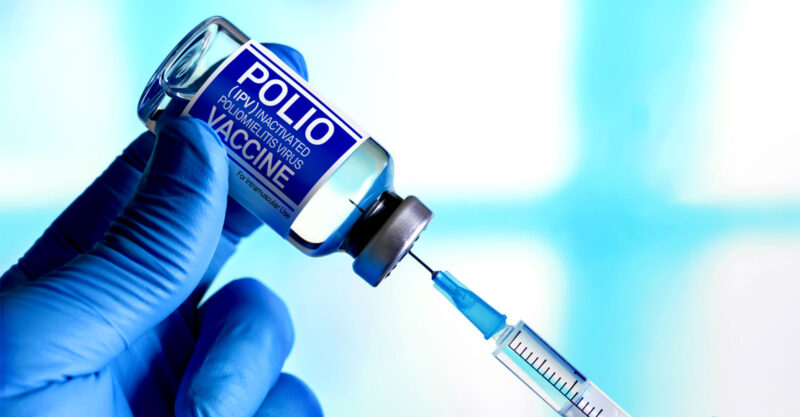
Seven children were paralyzed by vaccine-derived polio linked to the new nOPV2 polio vaccine developed by the Bill & Melinda Gates Foundation, according to health officials in the Democratic Republic of the Congo and Burundi and the Global Polio Eradication Initiative (GPEI), which on Thursday announced the news.

By Brenda Baletti, Ph.D.

Miss a day, miss a lot. Subscribe to The Defender’s Top News of the Day. It’s free.

Seven children were paralyzed by vaccine-derived polio linked to the new nOPV2 polio vaccine developed by the Bill & Melinda Gates Foundation, according to health officials in the Democratic Republic of the Congo and Burundi and the Global Polio Eradication Initiative (GPEI), which on Thursday announced the news.

The Bill & Melinda Gates Foundation, a GPEI partner, funded the development and clinical trials for the nOPV2 vaccine.

Burundi declared a national emergency after confirming eight cases of the virus and five samples from environmental surveillance of wastewater, the World Health Organization (WHO) said in a statement.

The country plans to implement a polio vaccination campaign in the coming weeks, aiming to vaccinate all eligible children, ages 0 to 7, against the virus.

Burundi health authorities also plan to work with the WHO and GPEI to do risk assessments to determine the extent of the outbreak of the vaccine-derived virus.

And they are increasing polio surveillance, with WHO employees collecting additional water samples and possibly opening new environmental surveillance sites.

“We are disappointed,” said Dr. Ananda Bandyopadhyay, deputy director for technology, research and analytics on the Gates Foundation polio team. “Any such outbreak is disappointing,” he said, according to a Stat News report.

Vaccine-derived polio outbreaks are not a surprise with the nOPV2 vaccine, GPEI said. “While detection of these outbreaks is a tragedy for the families and communities affected, it is not unexpected with wider use of the vaccine,” it said on its website.

The oral vaccines, administered in much of Africa, the Middle East and parts of Asia, contain a live-but-weakened form of the polio virus modified to minimize its ability to paralyze.

Children vaccinated with the live oral vaccines shed the virus in their stool, which eventually ends up in sewage wastewater. Particularly in places where sanitation is poor, the virus can move from child to child, which, GPEI said, is actually the point.

The viruses can move from person to person and “actually help protect the community” it says on its website.

However, as it continues to circulate over the course of 12 to 18 months, the attenuated virus in the live oral vaccine strains can revert to virulence, circulate, infect and paralyze “in places with low immunization rates.”

These viruses are called circulating vaccine-derived poliovirus, or cVDPV.

Afghanistan and Pakistan now report more cases of paralysis from vaccine-derived polio than from the wild virus, and there have been several outbreaks of vaccine-derived infections across Africa, with more than 1,000 children paralyzed in 2020 alone, according to a study in the BMJ.

In 2022, 800 children developed paralytic polio from the vaccines.

Why live virus vaccines?

The oral polio vaccines (OPV) used in much of the developing world are different from those given in the U.S. and some western countries, which use the inactivated (dead) polio vaccine (IPV) developed by Dr. Jonas Salk and first used in 1955, when polio became a global concern.

According to the WHO, it’s only in “very rare cases,” that the administration of OPV results in vaccine-derived paralytic polio.

In addition to causing vaccine-associated paralytic polio, vaccine strains have the capacity to cause disease of the nervous system and to transmit from person to person, resulting in infectious poliomyelitis, The Defender reported.

The U.S. stopped using OPV in 2000 because it caused paralytic polio.

Albert Sabin developed the OPV in 1962. The ease of administering the oral vaccine made it the “ideal candidate for mass vaccination campaigns,” according to the WHO. It also stops virus transmission, which the IPV vaccine does not.

As GPEI’s global campaign to eradicate polio, begun in 1988, has progressed, the use of the oral vaccine has created many incidents of the spread of the vaccine-derived viruses.

Of the three original strains of wild polio, types 2 and 3 were declared eradicated and only type 1 has not. The portion of the Sabin vaccines targeting type 2 viruses triggers the vast majority of vaccine-derived polio cases.

This problem and the fact that type 2 polio hasn’t been seen since 1999, led the polio program to stop using trivalent vaccines (targeting three types of polio) in all 155 countries administering OPV vaccines 2016, replacing them with bivalent OPVs.

But that decision, called “the switch,” made children more susceptible to vaccine-derived polio viruses — and the numbers of children infected with those viruses began to grow.

GPEI responded by creating a new monovalent OPV vaccine that targets type 2 polio viruses and administering them in places where the virus is circulating.

Instead of resolving the problem, the number of type 2 vaccine-derived outbreaks in Africa almost tripled from 2018 to 2019, and fear of outbreaks around the world grew because so many children were not immune to type 2 polio.

Simultaneously, GPEI/Gates rushed to develop new OPVs that would make the virus less prone to the mutations that created problems, The Defender reported.

The new nOPV2 vaccine that caused the recent outbreaks was granted Emergency Use Listing by the WHO in November 2020, and the Strategic Advisory Group of Experts on Immunization (SAGE) recommended Gates’ nOPV2 become the “vaccine of choice” for responding to type 2 polio outbreaks caused by OPV.

But the nOPV2 also now is associated with vaccine-related polio outbreaks.

Vaccines nOPV for types 1 and 3 poliovirus, called nOPV1 and nOPV3, are in clinical trials, according to EPGI.

In an email to The Defender, Dr. Brian Hooker, Ph.D., P.E., Children’s Health Defense chief scientific officer and professor of biology at Simpson University said:

“It is tragic but not unexpected that the use of live virus Sabin vaccines would cause the spread of vaccine-derived polio given the propensity of these viruses to back-mutate into their paralytic form.

“It is even more alarming that the paralytic form is now circulating among the population of the Congo’s and Burundi’s children.”

GPEI said 600 million doses of the new vaccine were administered in 28 countries since March 2021, and reiterated that the vaccine was “safe and effective.”

Gates’ and Polio

The Gates Foundation is the topmost funder of polio initiatives worldwide. In April 2013, Bill Gates said that eradicating polio was his “top priority,” — even though there had only been 19 cases worldwide that entire year at that point.

Since Gates made that commitment, billions of dollars worldwide have been poured into the cause.

The Gates Foundation is one of several partners in the GPEI public-private partnership that also includes the WHO, UNICEF, the United Nations Children’s Fund, the Centers for Disease Control and Prevention, Gavi and Rotary International.

The Gates Foundation, in addition to funding the nPOV2 vaccine, GPEI and the WHO, also funds Rotary International, UNICEF, Gavi and the CDC Foundation.

As The Defender reported:

“In essence, the Gates Foundation funded the creation, development and clinical trials for the new nPOV2 polio vaccine, funds the organizations that administered millions of doses to be given under EUL without any long-term data, funds the organizations implementing its roll-out and surveillance and funds the entity monitoring adverse events associated with nPOV2’s use.

“The Gates Foundation is also a funder of NPR and NPR’s blog, which have published numerous articles on VDPV2 and paved the way for Gates’ nPOV2 vaccine as the solution.”

Critics, including sociologist Linsey McGoey and many scientists working in low-income settings have noted that as money is lavished on polio, millions of children are left vulnerable to a slew of often deadly, preventable diseases.

That’s because Gates funding not only funnels money into this single issue — or whatever single issue the foundation is interested in at any given time — but the terms of its grants often require commitments of funding, personnel and other resources from recipient nations.

As a result, the continued focus on polio is disproportionate to the need, diverting resources from other health issues and diseases, according to Robert Fortner, freelance science journalist, writing in the BMJ.

For example, Dr. Oliver Razum, an epidemiologist at the University of Bielefeld, Germany pointed to India, where the “sheer number of [Gates-funded polio] doses that had to be distributed,” twice a year, literally left no space in refrigerators for other vaccines against diseases such as measles.

Fortner also reported that polio funds from the Gates Foundation have led to local “brain drains,” with doctors, researchers and practitioners moved into eradication and away from local and locally funded health priorities.

Even The Lancet published a similar critique of Gates back in 2009.

Dr. Richard Horton, editor-in-chief wrote in an editorial that, “Grants made by the Foundation do not reflect the burden of disease endured by those in deepest poverty,” and there is an “alarmingly poor correlation between the Foundation’s funding and childhood disease priorities.”

“Important health programmes are being distorted by large grants from the Gates Foundation,” Horton said, adding, “There is also a serious anxiety about the transparency of the Foundation’s operation.”

In the wake of the Gates Foundation’s role in the COVID-19 epidemic, many more people express similar concerns today.

What’s Driving the Sudden Increase of Bell’s Palsy?


Reproduced from original article:
https://articles.mercola.com/sites/articles/archive/2023/03/07/bells-palsy-and-covid-vaccination.aspx
The original Mercola article may not remain on the original site, but I will endeavor to keep it on this site as long as I deem it to be appropriate.


Analysis by Dr. Joseph Mercola
     Fact Checked     March 07, 2023

bells palsy and covid vaccination

STORY AT-A-GLANCE

  • Bell’s palsy diagnoses increased 8.6% among those who had COVID-19, while the incidence of Bell’s palsy also rose 6.8% among those who received a COVID-19 shot
  • Bell’s palsy has previously been noted as a complication of meningococcal, hepatitis B, smallpox and influenza (seasonal and H1N1) vaccinations
  • During two phase 3 COVID-19 shot trials involving 73,898 people, eight cases of Bell’s palsy were detected — seven among the shot groups and one among the placebo groups
  • According to one analysis, the observed incidence of Bell’s palsy among those who received COVID-19 shots is between 3.5 times and seven times higher than would be expected in the general population
  • The Pfizer and Moderna COVID-19 shots are most commonly involved in Bell’s palsy cases; the time between receiving the shot and onset of facial weakness ranges from one to 48 days

Bell’s palsy, a neurological disorder that causes paralysis or weakness of facial muscles, typically affects about 40,000 people in the U.S. annually.1 But since the COVID-19 pandemic, Bell’s palsy diagnoses have been skyrocketing, with close to 50 million more people affected worldwide than before COVID.2

While it’s clear this condition is on the rise, what’s driving the increase remains a mystery, as does effective treatment for the millions affected.

Incidence of Bell’s Palsy on the Rise

Using data collected from 41 health care organizations around the world, researchers with Case Western Reserve University School of Medicine in Ohio identified 348,088 patients diagnosed with COVID-19, with or without a Bell’s palsy diagnosis within eight weeks of the COVID-19 diagnosis.3 They also matched 63,551 patients with COVID-19 who didn’t get the jab with people who did get the jab but had no history of COVID-19.

An analysis of the data revealed Bell’s palsy diagnoses increased 8.6% among those who had COVID-19, compared to before the pandemic started. The incidence of Bell’s palsy also rose 6.8% among those who received a COVID-19 shot, although it’s unclear how “vaccinated” was defined in this study.4

While the exact underlying cause of Bell’s palsy is unclear, and it can affect people of any age, it’s most common in those aged 15 to 45. People who are pregnant or have preeclampsia, obesity, high blood pressure, diabetes or upper respiratory ailments may be at increased risk.5 According to the National Institute of Neurological Disorders and Stroke, triggers of Bell’s palsy may include:

  • An existing (dormant) viral infection
  • Impaired immunity from stress, sleep deprivation, physical trauma, minor illness or autoimmune syndromes
  • Infection of a facial nerve and resulting inflammation
  • Damage to the myelin sheath, a fatty covering on nerve fibers

Is Molecular Mimicry Involved?

In terms of COVID-19, however, the researchers explained, “The mechanism of paralysis is thought to be viral, ischemic and/or immune mediated. The hypothetical mechanism of COVID-19 associated with BP [Bell’s palsy] is thought to be molecular mimicry attributable to a neuroimmunologic process between microbial and nerve antigens.”6

Molecular mimicry has also been suggested as the reason why mRNA COVID-19 injections are causing a range of autoimmune conditions.7 It occurs when similarities between different antigens confuse the immune system.

There are often significant similarities between elements in the vaccine and human proteins, which can lead to immune crossreactivity. When this occurs, researchers explained in Cellular & Molecular Immunology, “the reaction of the immune system towards the pathogenic antigens may harm the similar human proteins, essentially causing autoimmune disease.”8

In relation to COVID-19 shots, specifically, researchers wrote in the Journal of Autoimmunity, “Indeed, antibodies against the spike protein S1 of SARS-CoV-2 had a high affinity against some human tissue proteins. As vaccine mRNA codes the same viral protein, they can trigger autoimmune diseases in predisposed patients.”9

A significantly increased risk of Bell’s palsy has also been found with the meningococcal vaccine, when it was given along with another vaccination. The risk of Bell’s palsy increased 2.9-fold in the 12 weeks after vaccination among those administered concomitant vaccines.

Bell’s palsy has previously been noted as a complication of hepatitis B,10 smallpox and influenza (seasonal and H1N1) vaccination as well.11 Research published in Human Vaccines & Immunotherapeutics also revealed an increased risk of cranial nerve palsies following vaccination, especially combinations of vaccines.12

In 59% of the cases, the palsies were identified as serious, which suggests, the authors noted, “that a cranial nerve palsy may sometimes be the harbinger of a broader and more ominous clinical entity, such as a stroke or encephalomyelitis [inflammation of the brain and spinal cord].”13

Another theory suggests COVID shots may trigger autoimmune phenomenon like Bell’s palsy via the production of interferon, a substance typically used by the body to fight infection. According to a comment published in The Lancet Infectious Diseases:14

“[D]iscussion between members of the FDA’s Vaccines and Related Biologic Products Advisory Committee and a sponsor (Pfizer) raised the possibility that the vaccine might induce innate immune activation from a combined effect of mRNA and lipids, potentially including interferon production. Such interferon production could transiently break peripheral tolerance, a hypothetical phenomenon invoked in several case reports.”

Download this Article Before it Disappears

Download PDF

Bell’s Palsy 3.5- to 7-Fold Higher in COVID Shot Recipients

During two phase 3 COVID-19 shot trials involving 73,898 people, eight cases of Bell’s palsy were detected — seven among the shot groups and one among the placebo groups.

This “translates to an incidence of 19 per 100,000,” the University Hospitals Cleveland Medical Center researchers noted. Yet, at the time, “The FDA cited insufficient evidence to determine a causal association between COVID-19 vaccinations and BP. This area warrants continued surveillance,” they explained.15

However, while the media and the FDA brushed off the Bell’s palsy cases as what would be expected in the general population, the Lancet Infectious Diseases commentary said this was based on a misconception and “inaccurate reporting”:16

“The FDA briefing on the Pfizer-BioNTech trial stated ‘observed frequency of reported Bell’s palsy in the vaccine group is consistent with the expected background rate in the general population,’ although this statement was removed from the subsequent FDA briefing on the Moderna trial. However, this reporting is based on a misconception, driven by a subtle distinction between rates and proportions, that has persisted in the lay media.

The estimated incidence rate of Bell’s palsy in the general population ranges from 15 to 30 cases per 100,000 person-years.

Since the 40,000 vaccine arm participants were followed for a median of 2 months, the combined safety population receiving vaccine across the two trials represents roughly 6,700 person-years of observation time for an expected incidence of Bell’s palsy of one to two cases, in line with the single observed case in the combined placebo arms.

Therefore, the observed incidence of Bell’s palsy in the vaccine arms is between 3·5-times and 7-times higher than would be expected in the general population. This finding signals a potential safety phenomenon and suggests inaccurate reporting of basic epidemiological context to the public.”

CDC Monitoring Bell’s Palsy as Potential Safety Signal

The indications are that Bell’s palsy is potentially a “safety signal,” which is an adverse event that may need further investigation, as there is information to suggest it’s caused by the administration of a medication or vaccine.17

In September 2022, The Epoch Times asked the U.S. Centers for Disease Control and Prevention to release its Proportional Reporting Ratio (PRR) data mining results. PRR18 measures how common an adverse event is for a specific drug compared to all the other drugs in the database.

According to the standard operating procedures19 for the Vaccine Adverse Event Reporting System (VAERS), which is run jointly by the CDC and the Food and Drug Administration, the CDC is required to perform these data mining analyses.

Initially, the CDC refused to release the data and even provided false information — twice — in response to The Epoch Times’ questions about the monitoring being performed. As reported by The Epoch Times in September 2022, the CDC initially claimed PRR analyses were “outside the agency’s purview” and that no monitoring was being done by them.20

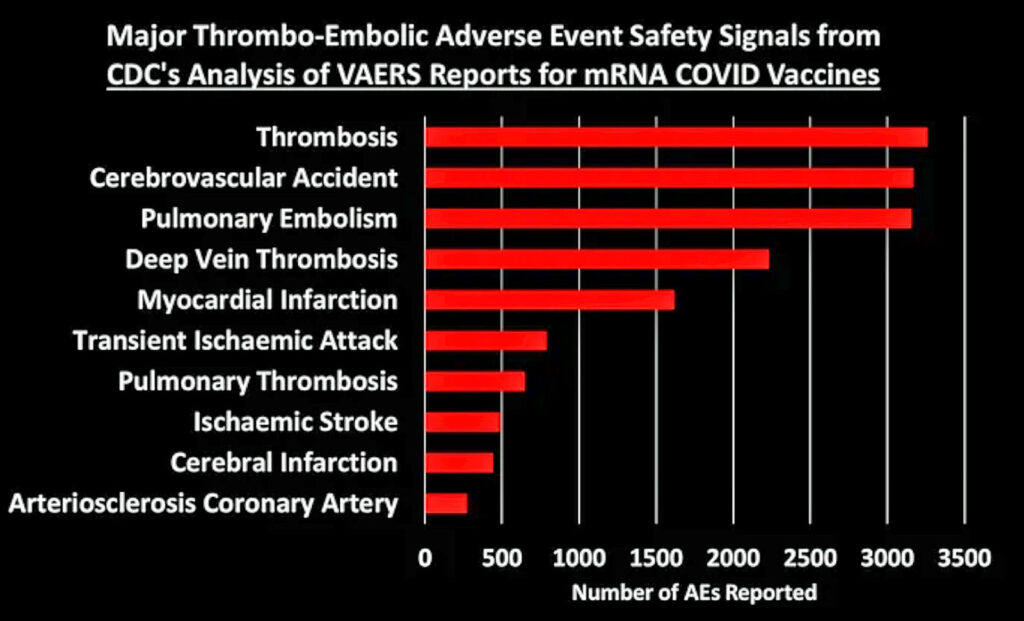
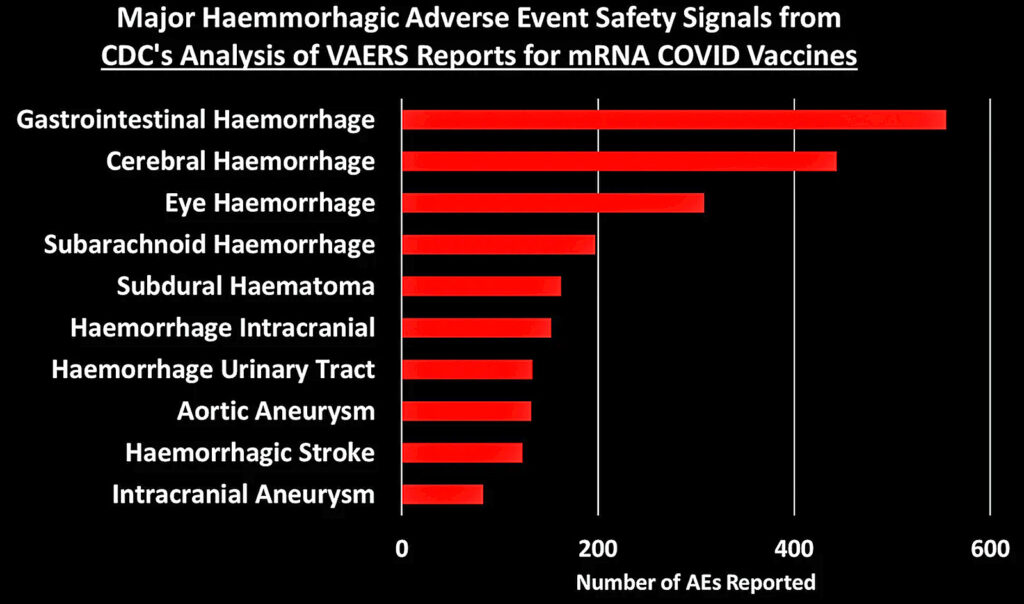
In reality, however, the CDC’s PRR monitoring revealed HUNDREDS of safety signals, including Bell’s palsy, along with blood clots, pulmonary embolism and death, which, according to the rules, require thorough investigation to either confirm or rule out a possible link to the shots.21

Anecdotal and Case Reports of Bell’s Palsy After COVID Shots

Former professional footballer Matthew Lloyd, who was diagnosed with Bell’s palsy, stated in 2022, “Heart issues and Bell’s palsy have gone through the roof since the boosters and Covid issues.”22 He’s not alone. As of February 10, 2023, there were 16,728 reports of Bell’s palsy following COVID-19 shots in VAERS23 — and VAERS data are notoriously underreported.24

In another example, a 61-year-old man developed unilateral Bell’s palsy shortly after receiving both his first and second doses of the Pfizer-BioNTech COVID-19 shot.25 The man developed Bell’s palsy the first time five hours after the first dose was administered. Six weeks later he took the second dose and developed Bell’s palsy two days later.

In both cases, the unilateral facial paralysis occurred on the left side of his face. Although this was a case report, the researchers concluded, “The occurrence of the episodes immediately after each vaccine dose strongly suggests that Bell’s palsy was attributed to the Pfizer-BioNTech vaccine, although a causal relationship cannot be established.”26

A systematic review also looked into reported cases of Bell’s palsy following COVID-19 shots, finding that the Pfizer and Moderna COVID-19 shots were most commonly involved, and left-sided paralysis was reported more often.

Further, the time between receiving the shot and onset of facial weakness ranged from one to 48 days.27 “Further studies with larger sample sizes are necessary to assess the association between Bell’s palsy and the dose-response of the COVID-19 vaccine,” the researchers concluded.28

Help for Bell’s Palsy

Bell’s palsy may occur as part of long COVID or post-vaccine syndrome, complex conditions being increasingly seen among people who have recovered from COVID-19 or received COVID-19 shots.

The Front Line COVID-19 Critical Care Working Group’s (FLCCC) I-RECOVER29 protocol can be downloaded in full,30 giving you step-by-step instructions on how to treat long COVID31 and/or reactions from COVID-19 injections.32 In particular, for Bell’s palsy or facial paresthesia, FLCCC recommends:33

  • Low dose naltrexone. Begin with 1 mg/day and increase to 4.5 mg/day as required. May take two to three months for full effect.34
  • Low dose corticosteroid: 10 to 15 mg/day prednisone for three weeks. Taper to 10 mg/day and then 5 mg/day as tolerated.
  • Reduced workload, stress and light exercises for a couple of months.

Additional alternative treatments may increase the potential for a favorable outcome. For instance, acupuncture is a “strongly recommended” treatment modality35 that may lead to complete recovery in as few as five courses of treatment.36 Facial exercise therapy may also help, especially when started early on in the recovery period.37

Safety Data for Hep B Vax for Newborns Exposed


Reproduced from original article:
https://articles.mercola.com/sites/articles/archive/2023/02/28/safety-data-hep-b-vaccine-newborns.aspx
The original Mercola article may not remain on the original site, but I will endeavor to keep it on this site as long as I deem it to be appropriate.


Analysis by Dr. Joseph Mercola
     Fact Checked     February 28, 2023

STORY AT-A-GLANCE

  • The safety data on Recombivax HB, the hepatitis B vaccine for newborns, are sadly lacking, as the FDA approved the shot based on clinical trials performed on only 147 infants and children and followed for only five days
  • There are four hepatitis B vaccines, two of which are approved for infants; the second approved for infants is Engerix-B, and clinical safety data show infants and children were followed for only four days in these trials
  • Most infants are not at high risk for hepatitis B. It makes better financial and health sense to test mothers before birth and vaccinate only those infants born to mothers with an active or chronic hepatitis B infection, putting off vaccination in other infants until they are older
  • The current childhood vaccination schedule includes 19 potential doses of vaccines and one mRNA experimental injection by the time an infant is 6 months old. Many of these contain aluminum, which raises a child’s risk of persistent asthma in childhood

As the pandemic years have made abundantly obvious, the results of politically and financially driven public health policies can be devastating. And, as more and more vaccines get added to both child and adult schedules, it’s becoming clear there needs to be an open and rational discussion about how vaccines fit into public health policy and what they offer in protection against infectious diseases.

One thing that is certain is we all want our children to be healthy and safe from unnecessary harm. However, as lead attorney for Informed Consent Action Network (ICAN), Aaron Siri explains,1 just one example of the negligence in regulations is the sadly lacking safety data on the hepatitis B vaccine for newborns.

Newborns Given Hepatitis B Vax Without Proper Safety Data

Before a newborn leaves the hospital, they’re given one vaccine for hepatitis B, even though the safety data for it is scant, if that. According to Siri,2 the clinical trials designed to protect newborns included only 434 doses of Recombivax HB given to 147 healthy infants and children up to 10 years of age, and these children were monitored for only five days after each dose.3

In other words, the testing was done not only on infants, but also on older children whose immune system is vastly different than a newborn’s. Additionally, there were only 147 infants and children, total, involved in three clinical studies, which means there were far fewer infants who received the shot before it was released and approved in the childhood vaccine schedule.

If you’d like a closer look at the clinical trials and information on all vaccines, you can search “FDA vaccines licensed for use in the United States.” That will bring you to a page4 on the FDA website with a list of all the product names and the trade name. When you click on a specific vaccine link it will take you to the FDA’s page for the vaccine on which you’ll find a link for the package insert.

As Siri describes, section 6.1 of each package insert includes information about clinical trials the FDA used to approve a vaccine. In total there are four hepatitis B vaccines approved for use, but only two are approved for use in infants — Recombivax HB made by Merck and Engerix-B made by GlaxoSmithKline Biologicals.

According to the package insert, the most frequently reported adverse reactions included a fever of over 101 Fahrenheit, diarrhea, fatigue and weakness, diminished appetite and rhinitis.

Siri also notes, there is no indication there was a control group in the studies. He compares the paucity of data in the clinical trials for Recombivax HB given to newborns to the warp speed COVID jab.5 Comparatively, the studies on the COVID jab, which we know were not adequate, would appear admirable.

For example, Siri notes the COVID jab had six months of safety data while the Recombivax HB shot followed children for just five days. Pfizer’s COVID trials6 enrolled 46,331 participants in a Phase 3 clinical trial while Recombivax HB tested just 147 infants and children.

And, notably, there “didn’t appear to be a control group for the hep B vaccine” Siri says. “And even if there was, what are you going to do with 147 kids’ data?”7

Believing this may have been an error, Siri’s group submitted a Freedom of Information Act request for the studies the FDA used to approve Recombivax HB. The data confirmed that safety monitoring only occurred for five days after injections were given to newborns, 1-month-old and 6-month-old babies. GlaxoSmithKline Biologicals was even worse, as the Engerix-B shot only tracked safety data for four days:

“These are the only two shots that a newborn can get in America,” Siri says. “That’s the first shot they get in life. So, I’d say ridiculous might be too soft of an adjective to describe that safety review period.”

On behalf of ICAN, Siri’s firm has filed a petition with the FDA requesting either a proper clinical trial to ascertain side effects and efficacy or withdrawing the licensure from Merck. By law, the FDA has six months to respond to such a request which, according to Siri, has expired. Having not received a formal response from the FDA, the plan is to sue the FDA in federal court over this issue.

Most Infants Are Not at High Risk for Hepatitis B

According to the CDC,8 the leading means of transmission include spread when infected blood, semen or other bodily fluids are transferred to an uninfected person. This happens through shared needles or other drug equipment, sexual contact, or from mother to baby at birth.

In other words, the likelihood of a child contracting hepatitis B except at birth is extremely low. For many people, it’s a short-term Illness, but it can become chronic and lead to liver cirrhosis or liver cancer. There is a simple blood test9 that detects the presence of the virus, called the surface antigen. If that test is positive, further testing is necessary to determine if the infection is acute or chronic.

The surface antigen test costs between $24 and $69.99 depending on the area of the country and the lab that draws the test.10 In comparison,11 each hepatitis vaccine for infants costs the provider (pediatrician) between $26 and $27 per shot — but the markup they charge is well over four times their cost. You may pay from $11812 to $14013 per shot depending on your provider.

Data14 show that the risk of an unvaccinated infant acquiring hepatitis B during birth can be up to 100% when they’re born to a hepatitis B antigen-positive mother. However, since a newborn’s immune system doesn’t function in the same way as an older child’s or an adult’s, wouldn’t it make more sense to spend $25 to test mothers before birth and vaccinate only those infants whose mothers have an acute or chronic hepatitis B infection?

Download this Article Before it Disappears

Download PDF

Childhood Shot Schedule: 20 Shots Before 6 Months

In the precious early months of life, when an infant’s brain and immune system are continuing to grow, most receive up to 20 injections of vaccines that parents are told will protect their child.15 Beyond the hepatitis B newborn shot, at 2 months old they get six vaccine doses including a second hepatitis B, diphtheria, tetanus, pertussis, Haemophilus influenzae type b, pneumococcal conjugate and inactivated poliovirus.

Some are repeated at 4 months and 6 months, when they also receive their first flu and COVID-19 shot. All told, there are potentially 19 doses of vaccine and one dose of an experimental mRNA injection an infant could receive by 6 months of age.

According to every vaccine’s package insert in Section 6.1, the clinical trial data don’t offer parents a strong indication of what could happen when their newborn and infant receives these doses:16

“Because clinical trials are conducted under widely varying conditions, adverse reaction rates observed in the clinical trials of a vaccine cannot be directly compared with rates in the clinical trials of another vaccine and may not reflect the rates observed in practice.”

Aluminum in the Hepatitis Vaccine Exacerbates Asthma

According to the CDC, one cost of following the childhood vaccination schedule is persistent asthma linked to aluminum exposure. Aluminum is the most common vaccine adjuvant, and the hepatitis B vaccine is one that contains it.17,18 Despite its neurotoxicity,19 manufacturers add aluminum to vaccines to create an enhanced inflammatory response that theoretically generates higher protective antibodies.

However, an increasing number of parents say that repeated exposure to vaccines with aluminum may be harming their children. Indeed, previous animal studies demonstrated that aluminum increases the risk of allergy by inducing a T helper 2 cell-biased immune response.20

In other words, the aluminum causes the T cells to be overactivated, which then exacerbates allergic responses.21 This is known to affect airway inflammation and the hyperresponsiveness that occurs in children with allergic asthma.

In a January 2023 study with 326,991 children born from 2008 to 2014, they set out to assess “the association between cumulative aluminum exposure from vaccines before age 24 months and persistent asthma at age 24 to 59 months.”22

They found there was a 1.26- and 1.19-times higher risk of persistent asthma for each additional milligram of vaccine-related aluminum exposure. The observational study stopped short of saying that it proves a link between aluminum-containing vaccines and asthma.

The CDC also stated that it has no intention of altering its vaccine recommendations based on this study alone.23 However, the researchers pointed out that rates of asthma in U.S. children steadily increased in the 1980s and 1990s, then remained steady since 2001.

The 2001 date is significant, as most aluminum-containing vaccines were added to the childhood vaccine schedule before 2001. This includes, for example, diphtheria, tetanus, and acellular pertussis (DTaP), hepatitis B, some formulations of Haemophilus influenzae type b (Hib) and pneumococcal conjugate vaccines.

It’s Time for Rational Discussions on Vaccine Safety

Unofficial surveys24,25 have suggested that highly vaccinated children may have more chronic health problems than unvaccinated children, and that unvaccinated children have a far lower incidence rate of autism. A 2014 study26 published in the Journal of Public Health and Epidemiology found that increases in autistic disorder correspond with the introduction of vaccines using human fetal cell lines and retroviral contaminants.27

When you also consider that the U.S. was the first country to grant emergency use authorization (EUA) for COVID jabs to children as young as 6 months,28 and that the CDC Advisory Committee on Immunization Practices just added them to the child vaccine schedule29 even though children have the lowest risk of COVID and therefore the least need for the shots,30 it’s clear that it’s time for some rational dialogue on vaccine safety.

But to have rational discussions, we cannot ignore signs that mandatory use of multiple vaccinations in early childhood is NOT a safe preventive strategy, especially since we have no idea how many children’s lives are sacrificed in the name of “the greater good.”

From my point of view, there’s little doubt we need to review the safety and effectiveness of the current vaccination program, especially since there has never been a large, prospective, well-designed study to evaluate whether children who are unvaccinated or who received fewer vaccines are more or less healthy than children who receive all federally recommended vaccines.

These discussions must include methodologically sound investigative studies that are not compromised by conflicts of interest within industry and government. The good news is that there is much more historical data available today about the vaccine program and the effect it has on children and families. Just one study comparing the health outcomes of vaccinated versus unvaccinated children could shed light on the childhood vaccine schedule.

COVID Jab Added to Secure Indemnification

In yet another display of sacrificing children for Big Pharma and profits, the U.S. became the first country in the world to grant emergency use authorization (EUA) for Pfizer’s and Moderna’s COVID jabs to toddlers and children as young as 6 months. The FDA issued the EUA on June 17, 2022,31 and the next day the CDC recommended all toddlers get the shot as soon as possible.32

However, as with the Hepatitis B vaccine, the pediatric EUA was based on extremely weak evidence, even after the FDA lowered the efficacy requirements for the pediatric population and even though children have the lowest risk of COVID and therefore have the least need for the shots.33

The addition of the unlicensed COVID-19 shots to the child, adolescent and adult vaccine schedules was approved in a unanimous 15-0 vote at the CDC Advisory Committee on Immunization Practices (ACIP).34

Dr. Robert Malone, inventor of the mRNA and DNA vaccine core platform technology said the move was likely to shatter whatever remaining trust Americans had in the CDC, “as it should. I am shocked by the malfeasance. I have no trust left at all in our public health system. It is broken,” he said.

“Why the Rush for Toddler Vaccines?” asks Wall Street Journal editorial board member Allysia Finley in a July 4, 2022, op-ed.35 Indeed, asked that same question, and I’m glad the legacy media’s WSJ had the courage to print it.

The stark truth is that the FDA and CDC are no longer in the business of protecting public health. They are securing profits for the drug industry, and the EUA for infants and young children was the first crucial step toward securing permanent legal indemnity for the drug makers.

By adding the shots to the vaccine schedule, it paves the way for U.S. schools to require them for attendance. The shots were also added to the Vaccine for Children (VFC) program, which provides vaccines to children at no or low cost using federal funding.36

Pfizer and Moderna, the shots’ makers, will also be granted permanent legal indemnity, which otherwise would have disappeared once COVID-19 shots were no longer protected under emergency use authorization (EUA).37

You can learn more about this indemnification process in “The Real Reason They Want to Give COVID Jabs to Kids,” which features my interview with Alix Mayer, board president of the Children’s Health Defense’s California chapter.

So, the reason the FDA and CDC have acted and continue to act so irrationally and ignore safety signals is that they are not working to protect you. They’re working for the drug industry, and they’ve just sold out our children.

– Sources and References

Autopsies Confirm COVID Jab Hazards in Youth


Reproduced from original article:
https://articles.mercola.com/sites/articles/archive/2023/02/23/autopsies-confirm-covid-jab-hazards-in-youth.aspx
The original Mercola article may not remain on the original site, but I will endeavor to keep it on this site as long as I deem it to be appropriate.


Analysis by Dr. Joseph Mercola
     Fact Checked     February 23, 2023

autopsies confirm covid jab hazards in youth

STORY AT-A-GLANCE

  • When the COVID shots were first introduced, the U.S. Centers for Disease Control and Prevention made several claims about them that have since been proven completely false, including the claim that the mRNA would remain in the injection site, and that both the mRNA and resulting spike protein would rapidly be eliminated from your body
  • The mRNA goes everywhere and can remain intact for a month of more. Ditto for the spike protein your cells produce
  • Spike protein has been found in the brains of people with encephalitis (brain inflammation) and in jab-induced shingles lesions. Both mRNA and spike protein have been found in lymph nodes more than 60 days post-jab. Full-length mRNA has also been shown to circulate in people’s blood for up to 28 days post-injection, and it’s been detected in breastmilk
  • Research shows the primary difference between those who developed symptoms of myocarditis and those who didn’t was that symptomatic patients had markedly elevated levels of full-length spike protein unbound by antibodies in their plasma. Those who remained asymptomatic had no free spike protein in their blood. This would suggest that free-floating spike protein is a problem
  • Autopsies of two teenage boys found dead in their beds three and four days after their second dose of Pfizer concluded jab-induced heart damage was to blame. The myocarditis described in these instances did not have the typical histopathology of myocarditis. Instead, both cases resemble catecholamine-induced injury, similar to the cytokine storm experienced in severe SARS-CoV-2 infection

When the COVID shots were first introduced, the U.S. Centers for Disease Control and Prevention made several claims about them that have since been proven completely false.

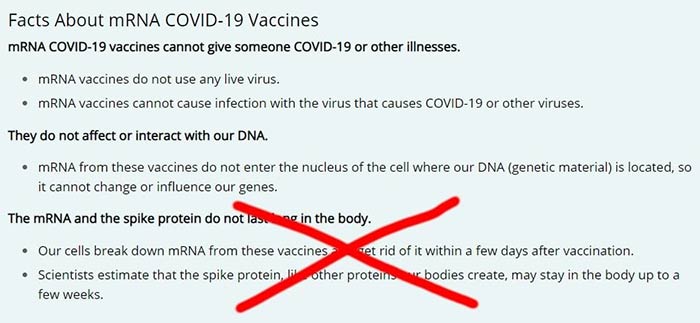
They claimed the mRNA in the shot would remain in and only affect the cells around the injection site. They also claimed the mRNA and resulting spike protein wouldn’t last long in your body. The mRNA, they said, would vanish within “a few days,” and the spike protein produced by your cells would be eliminated within “a few weeks.”

As it turns out, virtually every cell in your body is exposed to the mRNA and can remain intact for a month or more. Ditto for the spike protein your cells produce. Spike protein has been found in the brains of people with encephalitis (brain inflammation)1 and in jab-induced shingles lesions.2 It can bioaccumulate in several organs,3,4 including reproductive organs.

Both mRNA and spike protein have been found in lymph nodes more than 60 days post-jab.5 Full-length mRNA has also been shown to circulate in people’s blood6 for up to 28 days post-injection,7 and it’s been detected in breastmilk.8

In early August 2022, the CDC suddenly deleted those statements from its website — probably because they realized their lies were catching up to them. The cleanup effort was caught, however. Disclose TV exposed the deletion on its Twitter account,9 with an archived link showing the CDC’s original webpage.

mrna covid-19 vaccine facts

Free Spike Protein Linked to Jab-Induced Myocarditis

From the get-go, physicians and scientists warned that the SARS-CoV-2 spike protein was the most toxic part of the virus, and hence making your cells produce it for an undetermined amount of time could be an unmitigated disaster. Their warnings were “debunked” and censored, but mounting evidence now proves their concerns were valid — and should have been shared to prevent the loss of life.

We now have case reports, studies and autopsy findings showing that people suffering from post-jab myocarditis have mRNA-induced spike proteins in their hearts and blood.

Interestingly, a January 2023 study10 in the journal Circulation found “extensive antibody profiling and T-cell responses” both in those who developed post-jab myocarditis and asymptomatic jabbed controls.

The primary difference between those who developed symptoms of myocarditis and those who didn’t was that symptomatic patients had “markedly elevated levels of full-length spike protein unbound by antibodies” in their plasma. Those who remained asymptomatic had no free spike protein in their blood. This would suggest that free-floating spike protein is a profoundly serious problem. As concluded by the authors:

“Immunoprofiling of vaccinated adolescents and young adults revealed that the mRNA vaccine-induced immune responses did not differ between individuals who developed myocarditis and individuals who did not.

However, free spike antigen was detected in the blood of adolescents and young adults who developed post-mRNA vaccine myocarditis, advancing insight into its potential underlying cause.”

Autopsy Reports Confirm Jab-Related Myocarditis

mRNA programming the heart cells to produce spike protein is also profoundly bad news. A case report11 published in September 2022 describes the case of a 55-year-old man who died from acute myocardial infarction and lymphocytic myocarditis four months after a dose of Pfizer. As his first dose, he’d received the AstraZeneca shot. According to the author:

“SARS-CoV-2 Spike protein, but not nucleocapsid protein was sporadically detected in vessel walls by immunohistochemical assay … These findings indicate that myocarditis, as well as thrombo-embolic events following injection of spike-inducing gene-based vaccines, are causally associated with a injurious immunological response to the encoded agent.

Because of the fact that the immune response to a first gene-based vaccination is very low in comparison with the immune response to the second vaccination, the found adverse events has rather to be attributed to the mRNA-based second vaccination as to the initial vector-based one.”

A Korean report12 published in July 2021 describes the case of a 22-year-old healthy male military recruit who developed chest pain five days after his first Pfizer dose and died just seven hours later. The primary cause of death was determined to be “myocarditis, causally associated with the BNT162b2 vaccine.” Here, the primary autopsy findings were:

  1. Myocarditis predominantly involving the atrial wall, with neutrophil and histiocyte predominance
  2. Noninflammatory single-cell necrosis
  3. Diffuse contraction band necrosis (CBN) throughout the myocardium, predominantly in the left ventricle. CBN is a type of uncontrolled cell death that can occur during reperfusion (reoxygenation). Basically, the tissue is damaged when the blood returns into the tissue after a period of ischemia or lack of oxygen
  4. Enlargement of the heart

The myocarditis was determined to be “histologically different from viral or immune-mediated myocarditis in that the inflammatory infiltrates were predominantly neutrophils and histiocytes, rather than lymphocytes.”

Neutrophils are a type of white blood cells that act as your immune system’s first line of defense. Histocytes are immune cells normally found in many areas of your body, but when they move into tissues where they don’t belong, such as your heart, they damage those tissues, which is what appears to have happened here.

A November 2022 paper describing the autopsy findings from five people who “died suddenly” within seven days of their COVID jabs concluded that most of the deaths were caused by acute arrhythmogenic cardiac failure. “Thus, myocarditis can be a potentially lethal complication following mRNA-based anti-SARS-CoV-2 vaccination,” the authors concluded.

Download this Article Before it Disappears

Download PDF

Teenage Boys Killed by COVID Jab

A report13 detailing the autopsies of two teenage boys found dead in their beds three and four days after their second dose of Pfizer also concluded jab-induced heart damage was to blame.

The autopsies primarily sought to determine whether the myocarditis described in these instances had the typical histopathology of myocarditis. It did not. Instead, both cases more closely resembled a catecholamine-induced injury. As described by the authors:

“The myocardial injury seen in these postvaccine hearts is different from typical myocarditis and has an appearance most closely resembling a catecholamine-mediated stress (toxic) cardiomyopathy …

The microscopic findings are not the alterations seen with typical myocarditis. This suggest a role for cytokine storm, which may occur with an excessive inflammatory response, as there also is a feedback loop between catecholamines and cytokines.”

As in the case of the Korean military man, both boys had evidence of CBN which, as explained earlier, is cell death that typically occurs during reperfusion, when blood flow temporarily ceases and then returns. The actual damage occurs when blood reenters the tissue. As described in this report:14

“Both teenage boys had similar clinical presentations with no obvious cardiac symptoms. Their histopathology did not demonstrate a typical myocarditis. In those instances, one sees lymphocytic (or giant cell) infiltrates with adjacent myocyte necrosis; changes such as hypereosinophilic myocytes and contraction bands are absent.

In these two postvaccination instances, there are areas of contraction bands and hypereosinophilic myocytes distinct from the inflammation.

This injury pattern is instead similar to what is seen in the myocardium of patients who are clinically diagnosed with Takotsubo, toxic, or stress cardiomyopathy, which is a temporary myocardial injury that can develop in patients with extreme physical, chemical, or sometimes emotional stressors.

Stress cardiomyopathy is a catecholamine-mediated ischemic process seen in high catecholamine states in the absence of coronary artery disease or spasm. It has also been called ‘neurogenic myocardial injury’ and ‘broken heart syndrome.’

Surges in catecholamines may have several triggers (fight/flight response, adrenal pathology, etc). Proposed mechanisms for catecholamine-mediated stunning in stress cardiomyopathy include epicardial spasm, microvascular dysfunction, hyperdynamic contractility with midventricular or outflow tract obstruction, and direct effects of catecholamines on cardiomyocytes.

Catecholamine-mediated myocardial stunning may be due to direct myocyte injury, as elevated catecholamines decrease the viability of myocytes through cyclic adenosine monophosphate–mediated calcium overload.

Catecholamines also are a potential source of oxygen-derived free radicals, which can interfere with sodium and calcium transporters, possibly resulting in myocyte dysfunction through increased transsarcolemmal calcium influx and cellular calcium overload …

We suspect that the acute cardiac changes seen in these two boys are the result of epinephrine-mediated effects on cardiomyocytes … This postvaccine reaction may represent an overly exuberant immune response, with the myocardial injury mediated by similar immune mechanisms to those described with SARS-CoV-2 and multisystem inflammatory syndrome cytokine storms …

These two clinical histories support the etiology of the acute myocardial injury as a primary factor, not a secondary agonal or postresuscitative artifact … Cytokine storm has been described with an excessive and uncontrolled inflammatory response, and there is a feedback loop between catecholamines and cytokines.

Clinical complications may include cardiac compromise, respiratory distress, and hypercoagulation. The myocardial injury seen in these postvaccine hearts has a similar histologic appearance to catecholamine-mediated stress cardiomyopathy and severe SARS-CoV-2 infection, including myocarditis, which is associated with cytokine release syndrome.

Recognition that these instances are different from typical myocarditis and that cytokine storm has a known feedback loop with catecholamines may help guide screening, diagnosis, and therapy.”

Myocarditis — New Top Cause of Death Among COVID-Jabbed

Have our federal health agencies destroyed the hearts of tens of thousands of young Americans by pushing and mandating these shots?  The preponderance of evidence suggests this is most likely. A recent survey15 by Steve Kirsch suggests myocarditis and sudden death are now two of the top causes of death in the U.S., but only among those who got the COVID jab.

In early October 2022, Florida Surgeon General Dr. Joseph Ladapo issued updated COVID jab guidance,16,17 recommending men between the ages of 18 and 39 abstain from getting any more shots, as data show an 84% increase in heart-related death within 28 days of injection. Men over the age of 60 have a 10% increased risk of cardiac-related death within 28 days.

The mass injection campaign has already shaved more than three years off the U.S. life expectancy, and in the future, I predict we’ll see even further drops as jab-related heart problems continue to take their toll.

As reported by Edward Dowd in his book “Cause Unknown: The Epidemic of Sudden Deaths in 2021 and 2022,” excess death rates began to skyrocket in the 26- to 41-year-old group shortly after the COVID jabs were rolled out.18 Between February 2021 and March 2022 alone, millennials experienced the equivalent of a Vietnam war with more than 60,000 excess deaths. Mass injection is the only thing that can account for this sudden rise in mortality in this age group.

When young people are killed off en masse like this, the overall life expectancy will drop rather massively, and if the systemic damage caused by these shots continue for years on end, we could be facing a rather noticeable depopulation event.

Sudden deaths among high-performance athletes have also skyrocketed by nearly 1,700%,19 and COVID jab mandates is the only novel factor that’s come into play. Approximately 1,148 professional and amateur athletes suffered a lethal cardiac event in 2021 and 2022, giving us an annual average death rate of 574 for those years.20,21,22,23,24,25 Meanwhile, the historical annual average has been between 2826 and 29.27

When young people are killed off en masse like this, the overall life expectancy will drop rather massively, and if the systemic damage caused by these shots continues for years on end, we could be facing a rather noticeable depopulation event.

Resources for Those Injured by the COVID Jab

If you got one or more jabs and suffered an injury, first and foremost, never ever take another COVID booster, another mRNA gene therapy shot or regular vaccine. You need to end the assault on your body.

The same goes for anyone who has taken one or more COVID jabs and had the good fortune of not experiencing debilitating side effects. Your health may still be impacted long-term, so don’t take any more shots.

When it comes to treatment, there are still more questions than answers, and most doctors are beyond clueless about what to do — in part because they never agreed or bothered to provide early treatment for COVID and therefore don’t understand how different medicines and supplements impact the spike protein.

So far, it seems like many of the treatments that worked against severe COVID-19 infection also help ameliorate adverse effects from the jab. This makes sense, as the toxic, most damaging part of the virus is the spike protein, and that’s what your whole body is producing if you got the jab.

So, eliminating the spike protein your body is continuously producing is a primary task to prevent and/or address post-jab injuries. The two preferred remedies for this are hydroxychloroquine and ivermectin. Both of these drugs bind and thereby facilitate the removal of spike protein.

The Front Line COVID-19 Critical Care Alliance (FLCCC) has developed a post-vaccine treatment protocol called I-RECOVER. Since the protocol is continuously updated as more data become available, your best bet is to download the latest version straight from the FLCCC website at covid19criticalcare.com28 (hyperlink to the correct page provided above).

The World Health Council has also published lists of remedies that can help inhibit, neutralize and eliminate spike protein. Natural substances that prevent spike protein from binding to your cells include Prunella vulgaris, pine needle tea, emodin, neem and dandelion extract.

Spike protein neutralizers, which prevent the spike from damaging cells, include N-acetylcysteine (NAC), glutathione, fennel tea, star anise tea, pine needle tea, St. John’s wort, comfrey tea and vitamin C. A March 2022 review paper29 suggests combating the neurotoxic effects of the spike protein using luteolin and quercetin.

Time-restricted eating (TRE) and/or sauna therapy can also help eliminate toxic proteins by stimulating autophagy. Several additional detox remedies can be found in “World Council for Health Reveals Spike Protein Detox.”

Other Helpful Treatments and Remedies

Other treatments and remedies that may be helpful for COVID jab injuries include:

• Hyperbaric oxygen therapy, especially in cases involving stroke, heart attack, autoimmune diseases and/or neurodegenerative disorders. To learn more, see “Hyperbaric Therapy — A Vastly Underused Treatment Modality.”

• Lower your omega-6 intake. Linoleic acid is consumed in amounts ten times of ideal in well over 95% of the population and contributes to massive oxidative stress that impairs your immune response. Seed oils and processed foods need to be diligently avoided. You can review my previous post for more information.

• Pharmaceutical grade methylene blue, which improves mitochondrial respiration and aid in mitochondrial repair. It’s actually the parent molecule for hydroxychloroquine. A dose of 15 to 80 milligrams a day could go a long way toward resolving some of the fatigue many suffer post-jab.

It may also be helpful in acute strokes. The primary contraindication is if you have a G6PD deficiency (a hereditary genetic condition), in which case you should not use methylene blue at all. To learn more, see “The Surprising Health Benefits of Methylene Blue.”

• Near-infrared light, as it triggers production of melatonin in your mitochondria30 where you need it most. By mopping up reactive oxygen species, it too helps improve mitochondrial function and repair. Natural sunlight is 54.3% infrared radiation,31 so this treatment is available for free. For more information, see “What You Need to Know About Melatonin.”

• Lumbrokinase and serrapeptidase are both fibrinolytic enzymes taken on an empty stomach one hour before or two hours after to help reduce the risk of blood clots.

CDC Aware of Hundreds of Safety Signals for COVID Jab


Reproduced from original article:

The original Mercola article may not remain on the original site, but I will endeavor to keep it on this site as long as I deem it to be appropriate.


Analysis by Dr. Joseph Mercola
     Fact Checked    January 23, 2023

STORY AT-A-GLANCE

  • In September 2022, The Epoch Times asked the U.S. Centers for Disease Control and Prevention to release its Proportional Reporting Ratio (PRR) data mining results. The CDC refused. A Freedom of Information Act (FOIA) request has now forced the release of these data, and they are stunning
  • The CDC’s PRR monitoring has identified several hundred safety signals, including for Bell’s palsy, blood clots, pulmonary embolism and death. In individuals aged 18 and older, there are 770 safety signals for different adverse events, and more than 500 of them have a stronger safety signal than myocarditis and pericarditis
  • In the 12- to 17-year-old age group there are 96 safety signals, and in the 5- to 11-year-old group there are 66, including myocarditis, pericarditis, ventricular dysfunction, cardiac valve incompetency, pericardial and pleural effusion, chest pain, appendicitis and appendectomies, Kawasaki’s disease and vitiligo
  • The proportions of deaths, which were only provided for the 18-plus age group, was 14% for the COVID jabs compared to 4.7% for all other vaccines
  • The FDA is also required to perform safety monitoring, using empirical Bayesian data mining. The Epoch Times asked the FDA to release its monitoring results in July 2022 but, like the CDC, the FDA refused, only to admit in December 2022 they’d confirmed the Pfizer shot was linked to pulmonary embolism

In September 2022, The Epoch Times asked the U.S. Centers for Disease Control and Prevention to release its Proportional Reporting Ratio (PRR) data mining results. PRR1 measures how common an adverse event is for a specific drug compared to all the other drugs in the database.

According to the standard operating procedures2,3 for the Vaccine Adverse Event Reporting System (VAERS), which is run jointly by the CDC and the Food and Drug Administration, the CDC is required to perform these data mining analyses.

Not only did the CDC refuse to release the data, but it also provided false information — twice — in response to The Epoch Times’ questions about the monitoring being performed. As reported by The Epoch Times back in September 2022,4 the CDC initially claimed PRR analyses were “outside the agency’s purview” and that no monitoring was being done by them.

Eventually, the agency admitted it was doing PRRs, starting in February 2021, only to later claim they didn’t perform any PRRs until March 2022. The Epoch Times also cited several papers in which the FDA and/or CDC claimed their data mining efforts had come up empty handed.5 Now, we find that was all a pack of lies.

CDC Monitoring Reveals Hundreds of Safety Signals

In reality, the CDC’s PRR monitoring reveals HUNDREDS of safety signals, including Bell’s palsy, blood clots, pulmonary embolism and death — all of which, according to the rules, require thorough investigation to either confirm or rule out a possible link to the shots. As reported by The Epoch Times in early January 2023:6

“The CDC analysis was conducted on adverse events reported from Dec. 14, 2020, to July 29, 2022. The Epoch Times obtained the results through a Freedom of Information Act request after the CDC refused to make the results public …

PRR involves comparing the incidence of a specific adverse event after a specific vaccine to the incidence after all other vaccines. A signal is triggered when three thresholds are met, according to the CDC: a PRR of at least 2, a chi-squared statistic of at least 4, and three or more cases of the event following receipt of the vaccine being analyzed. Chi-squared tests are a form of statistical analysis used to examine data.

The results obtained by The Epoch Times show that there are hundreds of adverse events (AEs) that meet the definition, including serious conditions such as blood clotting in the lungs, intermenstrual bleeding, a lack of oxygen to the heart, and even death. The high numbers, particularly the chi-squared figures, concerned experts.

For many of the events, ‘the chi-squared is so high that, from a Bayesian perspective, the probability that the true rate of the AE of the COVID vaccines is not higher than that of the non-COVID vaccines is essentially zero,’ Norman Fenton, a professor of risk management at Queen Mary University of London, told The Epoch Times in an email after running the numbers through a Bayesian model that provides probabilities based on available information.”

Myopericarditis Is Far From the Only Problem

One of the few side effects of the COVID jabs that the CDC has actually acknowledged is myocarditis (heart inflammation), and a related condition called pericarditis (inflammation of the heart sack). Alas, the PRR monitoring results reveal there are more than 500 other adverse events that have stronger warning signals than either of those conditions.

The proportions of reported deaths was 14% for the COVID jabs compared to 4.7% for all other vaccines.

Josh Guetzkow, an Israeli professor trained in statistics at Princeton University told The Epoch Times:7

“We know that the signal for myocarditis is associated with something that is caused by the mRNA vaccines, so it’s more than reasonable to say that anything with a signal larger than myocarditis/pericarditis should be taken seriously and investigated.”

Guetzkow expanded on his commentary in a January 4, 2023, Substack article.8 Below is a summary list of some of the key findings from the CDC’s PRR analysis. Guetzkow goes deeper in his article, so for more details, I suggest reading it in its entirety.

For even more analyses and commentary, see Fenton’s Substack article, “The CDC’s Data on COVID Vaccine Safety Signals.”9 If you want to investigate the PRR data for yourself, you can download them from The Epoch Times’ January 3, 2023, article.10 You can also find them here.11

In individuals aged 18 and older, there are safety signals for 770 different adverse events, and two-thirds of them (more than 500) have a stronger safety signal than myocarditis and pericarditis. Of those 770 signals, 12 are brand-new conditions that have not been reported following other vaccines.

Topping the list of safety signals are cardiovascular conditions, followed by neurological conditions. In third and fourth place are thromboembolic conditions and pulmonary conditions. Death is sixth on the list and cancer is 11th. Considering the uptick we’ve seen in aggressive cancers, the fact that death tops cancer really says something.

The number of serious adverse events reported between mid-December 2020 and the end of July 2022 (just over 19 months) for the COVID jabs is 5.5 times greater than all serious reports for vaccines given to adults in the U.S. over the last 13 years (approximately 73,000 versus 13,000).
Twice as many COVID jab reports were classified as serious compared to all other vaccines given to adults (11% vs. 5.5%), which meets the definition of a safety signal.
The proportions of reported deaths, which was only provided for the 18+ age group, was 14% for the COVID jabs compared to 4.7% for all other vaccines. As noted by Fenton,12 “If the CDC wish [sic] to claim that the probability a COVID vaccine adverse event results in death is not significantly higher than that of other vaccines the onus is on them to come up with some other causal explanation for this difference.”
In the 12- to 17-year-old age group, there are 96 safety signals, including myocarditis, pericarditis, Bell’s Palsy, genital ulcerations, high blood pressure, menstrual irregularities, cardiac valve incompetency, pulmonary embolism, cardiac arrhythmia, thrombosis, pericardial and pleural effusion, appendicitis and perforated appendix, immune thrombocytopenia, chest pain and increased troponin levels (indicative of heart damage).
In the 5- to 11-year-old group, there are 66 safety signals, including myocarditis, pericarditis, ventricular dysfunction, cardiac valve incompetency, pericardial and pleural effusion, chest pain, appendicitis and appendectomies, Kawasaki’s disease, menstrual irregularities and vitiligo.

It’s worth noting that the CDC didn’t perform its first safety signal analysis until March 25, 2022 — 15 months after the shots were rolled out. Why the long wait — especially since the CDC had announced it would begin monitoring in early 2021? Just consider, for a moment, how many lives have been lost because the CDC failed to properly monitor safety, and still drags its feet when it comes to warning people about the risks involved.

FDA Still Refuses to Share Safety Data

The FDA is also required to perform safety monitoring using another technique called Empirical Bayesian data mining. The Epoch Times first asked the FDA to release its monitoring results back in July 2022,13,14 but like the CDC, the FDA refused and insisted the data showed no evidence of serious adverse effects. In other words, “Just trust us. We’re experts.”

According to the FDA, the only potential signal they’d found through April 16, 2021, was for raised body temperature.15 Then, in mid-December 2022 — just four months after The Epoch Times tried to get these data — the FDA announced that pulmonary embolism (blood clots that block blood flow in the lungs) had met the threshold for a statistical signal, and continued to meet the criteria after in-depth evaluation, but it was only linked to the Pfizer jab.16

As noted by The Epoch Times,17 pulmonary embolism is also identified as a signal in the CDC’s PRR analysis for individuals as young as 12, which really ought to strengthen concerns.

The FDA also admitted it had already evaluated three other warning signals: lack of oxygen to the heart, immune thrombocytopenia (a blood platelet disorder) and intravascular coagulation (a type of blood clotting), but none of these continued to meet the threshold after analysis.

If the FDA was evaluating four warning signals, why did they tell The Epoch Times there was no evidence of ill effects, and why did they claim the only potential signal they’d found was slight fever? Are we to believe they discovered these signals after The Epoch Times asked for the monitoring results and then completed four in-depth investigations in four months?

Whatever the truth, it’s clear that both the CDC and FDA are not being transparent. Worse, they’ve hidden data, knowing it could mean the difference between life and death for hundreds of thousands of people.

CDC Has Ignored Clear ‘Death’ Signal

The CDC ignoring a clear signal for death is probably the most egregious example of its failures as a public health institution. As early as July 2021, Matthew Crawford published a three-part series18,19,20 detailing how the CDC was hiding safety signals by using a flawed formula. In August that year, Steve Kirsch informed the agency of these problems, but was ignored.

Then, in an October 3, 2022, article,21 Kirsch went on to show how “death” should have triggered a signal even when using the CDC’s flawed formula (which is described in its VAERS standard operating procedures manual22). Here’s an excerpt:23

“The formula the CDC uses for generating safety signals is fundamentally flawed; a ‘bad’ vaccine with lots of adverse events will ‘mask’ large numbers of important safety signals … Let me summarize the key points for you in a nutshell: PRR [proportional reporting ratio] is defined on page 16 in the CDC document24 as follows …

proportional reporting ratio calculation

A ‘safety signal’ is defined on page 16 in the CDC document as a PRR of at least 2, chi-squared statistic of at least 4, and 3 or more cases of the AE [adverse event] following receipt of the specific vaccine of interest. This is the famous ‘and clause.’ Here it is from the document:

proportional reporting ratio

Only someone who is incompetent or is deliberately trying to make the vaccines look safe would use the word ‘and’ in the definition of a safety signal.

Using ‘and’ means that if any one of the conditions isn’t satisfied, no safety signal will be generated. As noted below, the PRR will rarely trigger which virtually guarantees that most events generated by an unsafe vaccine will never get flagged.

The PRR value for the COVID vaccines will rarely exceed 1 because there are so many adverse events from the COVID vaccine because it is so dangerous (i.e., B in the formula is a huge number) so the numerator is always near zero. Hence, the ‘safety signal’ is rarely triggered because the vaccine is so dangerous.”

A Fictitious Example

Using a fictitious vaccine as the example, Kirsch explained how an exceptionally dangerous vaccine will fly under the radar and not get flagged, thanks to this flawed formula:25

“Suppose we have the world’s most dangerous vaccine that causes adverse events in everyone who gets it and generates 25,000 different adverse events, and each adverse event has 1,000 instances.

That means that the numerator is 1,000/25,000,000 which is just 40 events per million reported events. Now let’s look at actuals for something like deaths. For all other vaccines, there are 6,200 deaths and 1 million adverse events total.

Since 40 per million is less than 6,200 deaths per million, we are not even close to generating a safety signal for deaths from our hypothetical vaccine which killed 1,000 people in a year … The point is that a dangerous vaccine can look very ‘safe’ using the PRR formula.”

Calculating Death Signal for the COVID Jab

Next, Kirsch calculates the PRR for death for the COVID jab — using VAERS data and the CDC’s definitions and formula. As of December 31, 2019, there were 6,157 deaths and 918,717 adverse events total for all vaccines other than the COVID shot. As of September 23, 2022, there were 31,214 deaths and 1.4 million adverse events total for the COVID jabs. Here’s the formula as explained by Kirsch:26

“PRR = (31,214/1.4e6) / (6,157/918,717) = 3.32, which exceeds the required threshold of 2. In other words, the COVID vaccine is so deadly that even with all the adverse events generated by the vaccine, the death signal did not get drowned out!

But there is still the chi-square test. Chi-square test results were 18,549 for ‘death,’ which greatly exceeds the required threshold of 4. The CDC chi-square test is clearly satisfied for the COVID vaccine. Because the death signal is so huge, it even survived the PRR test.

This means that even using the CDCs own erroneous … formula, all three criteria were satisfied:

1.PRR>2 [PRR greater than 2]: It was 3.32

2.Chi-square>2 [Chi-square greater than 2]: It was 18,549

3.3 or more reports: There were over 31,214 death reports received by VAERS … which is more than 3

A safety signal should have been generated but wasn’t. Why not? … Hundreds of thousands of American lives have been lost due to the inability of the CDC to deploy their own flawed safety signal analysis … It’s been known since at least 2004 that using reporting odds ratio (ROR) is a better estimate of relative risk than PRR.27 I don’t know why the CDC doesn’t use it.”

The CDC is also hiding the severity of side effects in other ways. As explained by Fenton,28 the way side effects are categorized by the CDC help obfuscate the scale of certain problems. For example, “cardiac failure acute,” “cardiac failure,” “infarction,” “myocardial strain” and “myocardial fibrosis” are listed as separate categories, even though in real life they’re all potential effects of myocarditis.

By separating them, you end up with fewer frequency counts per category, thereby giving you an underpowered chi-square test so that a warning signal is not triggered. If related categories were merged, far stronger safety signals would likely emerge.

CDC Has No Reasonable Defense

The CDC is responsible for monitoring both VAERS and V-Safe, and between these two databases, there’s no possible way they could ever say they didn’t know the shots were harming and killing millions of Americans.

The CDC also has access to other databases, including the Defense Medical Epidemiology Database (DMED), which (before it was intentionally altered29) showed massive increases in debilitating and lethal conditions, including a tripling of cancer cases.30

The findings in these databases have never been brought forward during any of the CDC’s Advisory Committee on Immunization Practices (ACIP) meetings or the FDA’s Vaccines and Related Biological Products Advisory Committee (VRBPAC) meetings, at which members have repeatedly voted to authorize the jabs to people of all ages, including infants and pregnant women.

They even added these toxic shots to the childhood vaccine schedule — which allows states to mandate them for school attendance — without addressing any of the 66 safety signals found in the CDC’s PRR analysis. The fact of the matter is that the CDC has known about these risks all along, and there’s no excuse for not sharing and acting on these data.

Help Spread the Word

Mainstream media are ignoring all of this, so help spread the word. Everyone needs to know what the CDC’s safety data reveal. To that end, here are a few suggestions for how you can help:

  • Write or call your members of Congress and ask them to investigate the CDC’s safety monitoring — We cannot have a public safety agency that is incapable of monitoring safety and taking appropriate action when problems are found, be it correcting a flawed formula or announcing that a safety signal has been detected. Of course, they must also publish their findings once an investigation has been made.
  • Contact your local newspaper and urge them to investigate and report on the CDC’s failure to act on safety signals.
  • Share the data on social media and ask why no one in the media, Congress, academia or medical community is investigating these matters.
  • Share this information with your doctor and members of the medical community.
  • Also share it with university administrators, and ask them to explain how and why, in light of these data, they are still mandating COVID shots.

The Truth About HPV Vaccination, Part 1: How Safe Is It, Really?

© January 19, 2023 Children’s Health Defense, Inc. This work is reproduced and distributed with the permission of Children’s Health Defense, Inc.
Want to learn more from Children’s Health Defense?
Sign up for free news and updates from Robert F. Kennedy, Jr. and the Children’s Health Defense.
Your donation will help to support us in our efforts.
Reproduced from original article:
https://childrenshealthdefense.org/defender/hpv-vaccine-safety-concerns-part-1-et

This first installment in a multi-part series about the human papillomavirus, or HPV, vaccine explores peer-reviewed scientific literature that reveals serious safety concerns about a vaccine widely regarded as safe.
By The Epoch Times

Why Is the Associated Press Lying About Gene Therapy Shots?


The original Mercola article may not remain on the original site, but I will endeavor to keep it on this site as long as I deem it to be appropriate.


Analysis by Dr. Joseph Mercola     Fact Checked     January 11, 2023

STORY AT-A-GLANCE

  • The notion that the COVID shots are a form of gene therapy is so risky for Big Pharma’s bottom line, they’re going to great lengths to make sure people don’t think of them that way
  • The Associated Press published a “fact check” in which they argued that COVID shots are not gene therapy because they do not alter your genes
  • The AP misled readers by focusing on just one part of the FDA’s definition of a gene therapy — the part about modifying expression of a gene. But the full definition also includes the words “or to alter the biological properties of living cells,” which is precisely what the COVID shots do
  • When the mRNA shots were rolled out in 2021, they did not meet the U.S. Centers for Disease Control and Prevention’s definition of a vaccine. They only met the FDA’s definition of a gene therapy
  • The only reason COVID shots meet the CDC’s definition of a vaccine now is because they changed the definition to prevent “COVID-19 deniers” from saying that “COVID-19 vaccines are not vaccines per CDC’s own definition”

While the COVID-19 shots are referred to as “vaccines,” they do not meet the classical definition of a vaccine. Health authorities actually had to change the definition to accommodate the COVID shots and shut down the argument that, as experimental gene therapies, they may be riskier than traditional vaccines.

Meanwhile, based on the U.S. Food and Drug Administration’s definition of “gene therapy” they’re clearly gene therapies, and both Moderna and BioNTech acknowledge this. Despite that, the notion that the COVID shots are a form of gene therapy is so risky for Big Pharma’s bottom line,1 they’re going to great lengths to make sure people don’t think of them that way.

Most recently, The Associated Press (AP) tried to debunk the idea that COVID shots are gene therapy, but as you’ll see, they’re either lying to protect the industry, or have gotten so inept they don’t know how to do investigative journalism anymore. Either way, it doesn’t reflect well on their credibility.

AP Lies About COVID Shots Not Being Gene Therapy

AP, at the end of December 2022, published a “fact check” titled “No, COVID-19 Vaccines Aren’t Gene Therapy,” in which they argued:2

“The COVID-19 vaccines do not change a person’s genes, as gene therapy does … The shots from Pfizer and Moderna use messenger RNA, or mRNA, to instruct the body to create a protein from the coronavirus. The Johnson & Johnson vaccine, meanwhile, uses a modified adenovirus to trigger an immune response …

In recent days, social media posts have shared a claim that the vaccines are ‘gene therapy’ — which involves modifying a person’s genes to treat or cure a disease, according to the U.S. Food and Drug Administration.”3

The Definition of Gene Therapy

The FDA defined gene therapy in July 2018 and has not changed it since. Per the FDA’s website as of this writing:4

“Human gene therapy seeks to modify or manipulate the expression of a gene or to alter the biological properties of living cells for therapeutic use. Gene therapy is a technique that modifies a person’s genes to treat or cure disease …”

Here’s where AP went wrong. They only used ONE part of the FDA’s definition of a gene therapy — the part about modifying expression of a gene — in its debunking attempt. But the full definition also includes the words “or to alter the biological properties of living cells,” which is precisely what the COVID shots do.

The mRNA in the COVID jab are molecules that contain genetic instructions for making various proteins. mRNA COVID shots deliver synthetic mRNA with a genetic code that instructs your cells to produce a modified form of the SARS-CoV-2 spike protein.

In other words, they “alter the biological properties of living cells for therapeutic use.” Whether they modify your DNA is irrelevant. Note the word “or” in the FDA’s definition. It means it can be one OR the other. They don’t have to alter gene expression in order to still qualify as gene therapy, at least not per the FDA’s definition.

Yes, the COVID Jabs Are Gene Therapies Per Definition

Moderna’s November 2018 Securities and Exchange Commission (SEC) registration statement5 also confirms that its mRNA injections are defined as gene therapy, clearly stating that “mRNA is considered a gene therapy product by the FDA.”

[In] the United States, and in the European Union, mRNA therapies have been classified as gene therapy medicinal products … ~ BioNTech SEC Registration

The September 2019 SEC filing for BioNTech (its mRNA technology is used in the Pfizer vaccine) is equally clear, stating on page 21:6

“… in the United States, and in the European Union, mRNA therapies have been classified as gene therapy medicinal products …”

So, in the U.S. and Europe, mRNA therapies, as a group, are classified as “gene therapy medicinal products.”7 There’s simply no way around this. Yet to this day, mainstream media tries to “debunk” the reality of the COVID jab.

Definition of Vaccine Was Changed to Fool You

In 2018, Moderna acknowledged that mRNA technology was of a “novel and unprecedented nature,”8 yet for the past three years, we’ve been told that it’s just a newer, faster way to make vaccines.

The fact of the matter is that when the mRNA shots were rolled out in early 2021, they didn’t meet the U.S. Centers for Disease Control and Prevention’s definition of a vaccine. They only met the FDA’s definition of a gene therapy. And the only reason they meet the CDC’s definition of a vaccine now is because the CDC changed their definition.9

All the way up until the end of October 2021, the CDC defined a vaccine as “a product that stimulates a person’s immune system to produce immunity to a specific disease, protecting the person from that disease.” Immunity, in turn, was defined as “Protection from an infectious disease,” meaning that “If you are immune to a disease, you can be exposed to it without becoming infected.”

The new definition10 of “vaccine” is: “A preparation that is used to stimulate the body’s immune response against diseases.” So, a “vaccine” went from being something that produces protective immunity, to simply stimulating an immune response. The key words “to produce immunity” were eliminated from the equation.

This makes the COVID shots fit the description, as they do not make you immune against COVID-19 and weren’t designed to prevent infection in the first place.

Internal CDC correspondence11 obtained through Freedom of Information Act (FOIA) requests also conclusively prove the reason for the change was simply to shut down arguments by “right-wing COVID-19 pandemic deniers” that “COVID-19 vaccines are not vaccines per CDC’s own definition.”

FDA Knew COVID Jabs Were Risky Territory

The FDA’s guidance for the human gene therapy products industry,12 published in January 2020, also classified mRNA injections as gene therapy. Importantly, in this document the FDA stressed that gene therapy products that carry microRNA or cytokines can have “unknown pleotropic effects, including altered expression of host (human) genes that could result in unpredictable and undesirable outcomes.”

While the COVID jab certainly produces undesirable outcomes, negative consequences were not unpredicted. Early on, a number of scientists who had looked into the shots’ mechanisms of action warned about the possibility of severe adverse outcomes, including impairment of the immune system, neurological dysfunction and cancer. Today, a wide array of data and statistics prove those early concerns were valid.

Risk-Benefit Analysis Decimates Safety Claims

For example, a risk-benefit analysis13 looking at the impact of booster mandates for university students concluded that between 22,000 and 30,000 previously uninfected adults (aged 18 to 29) must be boosted to prevent one COVID-19 hospitalization.

Meanwhile, for each hospitalization prevented, the jab will cause 18 to 98 serious adverse events, including 1.7 to 3 “booster-associated myocarditis cases in males, and 1,373 to 3,234 cases of grade ≥3 reactogenicity which interferes with daily activities.” According to the authors, mandating a third COVID shot for university students will result in “a net expected harm.”

The authors also stress that “Given the high prevalence of post-infection immunity, this risk-benefit profile is even less favorable.” They go on to state that “University booster mandates are unethical because:”14

“1) no formal risk-benefit assessment exists for this age group;

2) vaccine mandates may result in a net expected harm to individual young people;

3) mandates are not proportionate: expected harms are not outweighed by public health benefits given the modest and transient effectiveness of vaccines against transmission;

4) U.S. mandates violate the reciprocity principle because rare serious vaccine-related harms will not be reliably compensated due to gaps in current vaccine injury schemes; and

5) mandates create wider social harms. We consider counter-arguments such as a desire for socialization and safety and show that such arguments lack scientific and/or ethical support.”

Government Study Also Highlights COVID Jab Problems

A small observational study15,16 led by neurology researchers at the National Institutes of Health brought equally bad news, as they found “a variety of neuropathic symptoms” occurring within three to four weeks of COVID injection:

“We studied 23 patients (92% female; median age 40 years) reporting new neuropathic symptoms beginning within 1 month after SARS-CoV-2 vaccination. 100% reported sensory symptoms comprising severe face and/or limb paresthesias, and 61% had orthostasis, heat intolerance and palpitations …

Together, 52% (12/23) of patients had objective evidence of small-fiber peripheral neuropathy … This observational study suggests that a variety of neuropathic symptoms may manifest after SARS-CoV-2 vaccinations and in some patients might be an immune-mediated process.”

FDA and CDC Refuse to Release Key Safety Analyses

Isn’t it curious that the FDA, CDC, NIH and mainstream media refuse to admit there are risks, even though the NIH’s own research shows it? In all likelihood, the FDA’s and CDC’s data collection on the shots also reveal there are significant problems, as both agencies are stonewalling attempts to get key safety analyses released. As reported by The Epoch Times back in the summer of 2022:17

“According to operating procedures laid out by the agency and its partner in January 202118 and February 2022,19 the FDA would perform data mining ‘at least biweekly’ to identify adverse events ‘reported more frequently than expected following vaccination with COVID-19 vaccines.’ The agency would perform the mining on data from the Vaccine Adverse Event Reporting System (VAERS).

In a recent response, the FDA records office told The Epoch Times that it would not provide any of the analyses, even in redacted form. The agency cited an exemption to the Freedom of Information Act that lets the government withhold inter-agency and intra-agency memorandums and letters ‘that would not be available by law to a party other than an agency in litigation with the agency.’

The agency also pointed to the Code of Federal Regulations, which says that ‘all communications within the Executive Branch of the Federal government which are in written form or which are subsequently reduced to writing may be withheld from public disclosure except that factual information which is reasonably segregable …’

It’s not clear why the FDA could not produce copies of the analyses with non-factual information redacted.”

According to the VAERS standard operating procedures cited above, the CDC is also required to perform data mining analyses using Proportional Reporting Ratio (PRR) data mining. PRR20 measures how common an adverse event is for a specific drug compared to all the other drugs in the database.

When The Epoch Times asked the CDC to release its results, it too refused. According to The Epoch Times,21 the CDC “has also twice provided false information when responding to questions.” First, they claimed that no PRR analyses were done and that data mining was outside their purview.

Some time later, they admitted the agency did perform PRRs starting in February 2021, only to later backtrack, saying they only started doing PRRs in March 2022. The Epoch Times cites several papers in which the FDA and/or CDC claim their data mining efforts have come up empty handed.

But if that’s true, why the reluctance to release the data? Don’t they want us to be reassured that these shots are as safe as they claim them to be? Why sit on exculpatory evidence? Unless, of course, the data proves the FDA and CDC are lying.

Was No-Test Drug Approval the Plan All Along?

While I cannot prove it, I suspect Operation Warp Speed — devised in the spring of 2020 by a dozen top officials from then-President Trump’s health and defense departments to expedite the development of a COVID 19 vaccine22 — may have been intended to normalize the approval of gene therapy drugs without the proper testing.

Before the COVID shots were given emergency use authorization, no mRNA gene therapy had ever made it to market, despite more than 20 years’ worth of research and development. That tells you something about how difficult it is to get these products right, to make sure they work and are safe.

With the FDA’s implementation of a “Future Framework” scheme in June 2022 to speed up the delivery of COVID boosters,23 the regulatory obstacles for gene therapies, especially the stringent safety requirements, were brushed aside. Now, the FDA can and will authorize reformulated COVID shots without human trials.24,25,26

The FDA basically rewrote the rules on the fly, deciding that mRNA gene therapies are equivalent to conventional influenza vaccines and can be updated and released without testing.

The idea is that the safety of the mRNA COVID shots has already been proven by the original shots, which they claim have harmed or killed no one. Hence, safety is a given, and the effectiveness of reformulated boosters can be assessed simply by checking the antibody levels in a few mice, which is what Pfizer and Moderna did.

In reality, however, millions of people around the world have been harmed and killed by the original shots, the human trials for those shots were riddled with fraud, antibody levels tell us nothing about the jab’s ability to protect against infection, and the two technologies (conventional flu vaccines and mRNA gene therapy) have no common ground.

Beware of Future mRNA Injections

I have no doubt this “Future Framework” will also, over time, be widened to include other vaccines and drugs that drug makers may want to tinker with. Already, there are mRNA shots in the pipeline against herpes, malaria, influenza, respiratory syncytial virus (RSV), sickle cell disease, HIV, Epstein-Barr and cancer,27,28 and vaccine makers have received fast-track approval designation for at least some of these shots.29

Eventually, this fast-tracking trend may even lower standards for drug trials in general, which historically have required at least 10 years of multiphase testing.30 The dangers of this trend really cannot be overstated — especially when we’re talking about gene-based products.

So, to circle back to where we started, hopefully you can now see how the AP and other media are misleading you in their “fact checks” by focusing on just one aspect of the FDA’s gene therapy definition (the DNA-altering part), while ignoring the fact that COVID shots DO meet the complete definition, and ARE classified as gene therapy, as acknowledged by BioNTech and Moderna in their SEC filings.


Here’s the COVID Vaccine Injury Report CDC Was Forced to Release

© January 5, 2023 Children’s Health Defense, Inc. This work is reproduced and distributed with the permission of Children’s Health Defense, Inc.
Want to learn more from Children’s Health Defense?
Sign up for free news and updates from Robert F. Kennedy, Jr. and the Children’s Health Defense.
Your donation will help to support us in our efforts.
Reproduced from original article:
https://childrenshealthdefense.org/defender/cdc-vaers-covid-vaccines-serious-injuries

Centers for Disease Control and Prevention’s Vaccine Adverse Event Reporting System safety signal analysis for mRNA COVID-19 vaccines shows clear safety signals for death and a range of highly concerning thrombo-embolic, cardiac, neurological, hemorrhagic, hematological, immune-system and menstrual adverse events among U.S. adults.

By Josh Guetzkow, Ph.D.

cdc vaers serious injuries covid vaccines feature

Miss a day, miss a lot. Subscribe to The Defender’s Top News of the Day. It’s free.

Summary

  • Centers for Disease Control and Prevention’s (CDC) Vaccine Adverse Event Reporting System (VAERS) safety signal analysis based on reports from Dec. 14, 2020 – July 29, 2022, for mRNA COVID-19 vaccines shows clear safety signals for death and a range of highly concerning thrombo-embolic, cardiac, neurological, hemorrhagic, hematological, immune-system and menstrual adverse events (AEs) among U.S. adults.
  • There were 770 different types of adverse events that showed safety signals in ages 18+, of which more than 500 (or 2/3) had a larger safety signal than myocarditis/pericarditis.
  • The CDC analysis shows that the number of serious adverse events reported in less than two years for mRNA COVID-19 vaccines is 5.5 times greater than all serious reports for vaccines given to adults in the U.S. since 2009 (~73,000 vs. ~13,000).
  • Twice as many mRNA COVID-19 vaccine reports were classified as serious compared to all other vaccines given to adults (11% vs. 5.5%). This meets the CDC definition of a safety signal.
  • There are 96 safety signals for 12-17 year-olds, which include: myocarditis, pericarditis, Bell’s Palsy, genital ulcerations, high blood pressure and heart rate, menstrual irregularities, cardiac valve incompetencies, pulmonary embolism, cardiac arrhythmias, thromboses, pericardial and pleural effusion, appendicitis and perforated appendix, immune thrombocytopenia, chest pain, increased troponin levels, being in intensive care and having anticoagulant therapy.
  • There are 66 safety signals for 5-11 year-olds, which include: myocarditis, pericarditis, ventricular dysfunction and cardiac valve incompetencies, pericardial and pleural effusion, chest pain, appendicitis and appendectomies, Kawasaki’s disease, menstrual irregularities, vitiligo and vaccine breakthrough infection.
  • The safety signals cannot be dismissed as due to “stimulated,” exaggerated, fraudulent or otherwise artificially inflated reporting, nor can they be dismissed due to the huge number of COVID-19 vaccines administered.

There are several reasons why, but the simplest one is this: the safety signal analysis does not depend on the number of reports, but whether or not some AEs are reported at a higher rate for these vaccines than for other non-COVID vaccines. Other reasons are discussed in the full post below.

  • In August 2022, the CDC told The Epoch Times that the results of their safety signal analysis “were generally consistent with EB [Empirical Bayesian] data mining [conducted by the U.S. Food and Drug Administration (FDA)], revealing no additional unexpected safety signals.”

So either the FDA’s data mining was consistent with the CDC’s method — meaning they “generally” found the same large number of highly alarming safety signals — or the signals they did find were expected. Or they were lying. We may never know because the FDA has refused to release their data mining results.

Introduction

Finally! Zachary Stieber at The Epoch Times managed to get the CDC to release the results of its VAERS safety signal monitoring for COVID-19 vaccines, and they paint a very alarming picture.

The analyses cover VAERS reports for mRNA COVID-19 vaccines from the period from the vaccine rollout on Dec. 14, 2020, through to the end of July 2022.

The CDC admitted to only having started its safety signal analysis on March 25, 2022 (coincidentally three days after a lawyer at Children’s Health Defense wrote to them reminding them about our Freedom of Information Act [FOIA] request for it).

Like me, you might be wondering why the CDC waited more than 15 months before doing its first safety signal analysis of VAERS, despite having said in a document posted to its website that it would begin in early 2021 — especially since VAERS is touted as our early warning vaccine safety system.

You might also wonder how they could insist all the while that the COVID-19 vaccines are being subjected to the most rigorous safety monitoring the world has ever known.

I’ll come back to that later. First I’m going to give a little background information on the analysis they did (which you can skip if you’re up to speed) and then describe what they found.

Background on safety signal analysis

Back in June 2022, the CDC replied to a FOIA request for the safety signal monitoring of the VAERS — the one it had said it was going to do weekly beginning in early 2021.

Their response was: we never did it. Then a little later they said they had been doing it from early on.

But by August 2022, they had finally gotten their story straight, saying that they actually did do it, but only from March 25, 2022, through the end of July. You can get up to speed on that here.

The analysis they were supposed to do uses what’s called proportional reporting ratios (PRRs). This is a type of disproportionality analysis commonly used in pharmacovigilance (meaning the monitoring of adverse events after drugs/vaccines go to market).

The basic idea of disproportionality analysis is to take a new drug and compare it to one or more existing drugs generally considered safe.

We look for disproportionality in the number of adverse events (AEs) reported for a specific AE out of the total number of AEs reported (since we generally don’t know how many people take a given drug).

We then compare to existing drugs considered safe to see if there is a higher proportion of particular adverse events reported for the new drug compared to existing ones. (In this case, they are looking at vaccines, but they still use PRR even though they generally have a much better sense of how many vaccines were administered.)

There are many ways to do disproportionality analysis. The PRR is one of the oldest. Empirical Bayesian data mining, which was supposed to be done on VAERS by the FDA, is another.

The PRR is calculated by taking the number of reports for a given adverse event divided by the total number of events reported for the new vaccine or the total number of reports. It then divides that by the same ratio for one or more existing drugs/vaccines considered safe. Here is a simple formula:

1 prr covid vaccines

So for example, if half of all adverse events reported for COVID-19 vaccines and the comparator vaccine(s) are for myocarditis, then the PRR is 0.5/0.5 = 1.

If one quarter of all AEs for the comparator vaccine are for myocarditis, then the PRR is 0.5/0.25 = 2.

Traditionally, for a PRR to count as a safety signal, the PRR has to be 2 or greater, have a Chi-square value of 4 or greater (meaning it is statistically significant) and there has to be at least 3 events reported for a given AE. (This also means that if there are tons of different AEs reported for COVID-19 vaccines that have never been reported for any other vaccine, it will not count as a safety signal. I found more than 6,000 of those in my safety signal analysis from 2021.

Of course, a safety signal does not necessarily mean there is a problem or that the vaccine caused the adverse event. But it is supposed to set off alarm bells to prompt closer inspection, as in this CDC pamphlet:
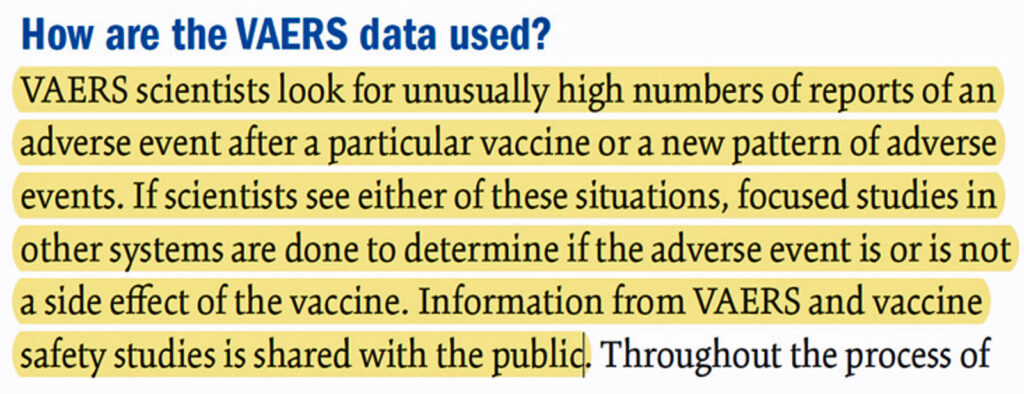
2 vaers data Ah yes, shared with the public — after first refusing to share the results and months of foot-dragging following repeated FOIA requests! We will see that the CDC has not done a more focused study on almost any of adverse events with “new patterns” (AKA safety signals).

So what did the CDC actually do?

The Epoch Times obtained 3 weeks of safety signal analyses from the CDC for VAERS data updated on July 15, 2022 and 29, 2022. Here I will focus on the last one since there is very little difference between them and it is more complete.

The safety signal analysis compares adverse events reported to VAERS for mRNA COVID-19 vaccines from Dec. 14, 2020, through July 29, 2022, to reports for all non-COVID vaccines from Jan. 1, 2009, through July 29, 2022.

[To be precise, the “adverse events” are for “preferred terms” which is a type/level of classification used in the Medical Dictionary for Regulatory Activities, which is the classification system used by VAERS and in other pharmacovigilance systems and clinical research for coding reported adverse events. Not all preferred terms are a symptom or adverse event per se. Some refer to a specific diagnostic test that was done or a treatment that was given.]

PRRs are calculated separately for 5-11 year-olds, 12-15 year-olds and 18+ separately.

For each age group, there are separate tables for AEs from all reports, AEs from reports marked serious and AEs from reports not marked as serious.

[It’s not entirely clear how they divided these up, since there are clearly AEs that should be considered serious that don’t show up in the serious Excel table — though maybe they don’t come up simply because they are looking within serious reports. I believe that they just filtered the reports to include only serious reports or non-serious reports, then did the safety signal analysis on all the AE’s coded in those reports. The reason I think this is that I used the MedAlerts Wayback Machine, selected just the serious COVID-19 vaccine reports, and the numbers of total reports was very close to the one in the table provided by the CDC (MedAlerts actually had a bit less). The files obtained by The Epoch Times do not include much in the way of a description as to how the analyses were done, so I had to infer some details, which might be incorrect. I will try to note when I am drawing an inference about how the analysis was done.]

Recall that a serious report is one that involves death, a life-threatening event, new or prolonged hospitalization, disability or permanent damage, or a congenital anomaly. I will focus on the reports for all AE’s.

They also have a table that calculates PRRs by comparing reports for the Pfizer COVID-19 vaccine to reports for the Moderna vaccine and vice versa, again for all reports, serious reports only and non-serious reports. There were no remarkable findings in those tables, so I will not discuss them.

This isn’t that surprising since both vaccines are very similar and so should present relatively similar adverse events when compared to each other, and any differences are likely not large enough to be picked up by a PRR analysis.

The CDC seems to have calculated PRRs for every different type of adverse event reported for all the COVID-19 vaccines examined — though it’s possible they only analyzed a subset. What seems clear is that among the AEs they examined, the only ones included in the tables satisfy at least one of two conditions: a PRR value of at least 2 and a Chi-square value of at least 4 (Chi is the Greek letter χ and is pronounced like ‘kai’).

When both conditions were met, they highlighted the adverse event in yellow, which appears to indicate a safety signal. There were no COVID-19 vaccine AEs listed with fewer than 3 reported events, though for non-COVID vaccines there were many AEs listed that had only 1 or 2 reported since 2009.

The CDC tables still include these and highlight them in yellow when the PRR is greater than 2 and the Chi-square value is great than 4, indicating these events are counted as safety signals.


What safety signals did the CDC find?

I’m going to divide this up by age groups and the Pfizer v. Moderna comparison. Let’s start with the 18+ group.

There are 772 AEs that appear on the list. Of these, 770 are marked in yellow and have PRR and Chi-square values that qualify them as safety signals. Some of these are new COVID-19-related codes, and we would expect those to trigger a signal since they didn’t exist in prior years to be reported by other vaccines.

So if we take those off, we are left with 758 different types of non-COVID adverse events that showed safety signals.

I grouped these 758 safety signals into different categories. The figure below shows the total number of AEs reported for each of the major categories of safety signals:
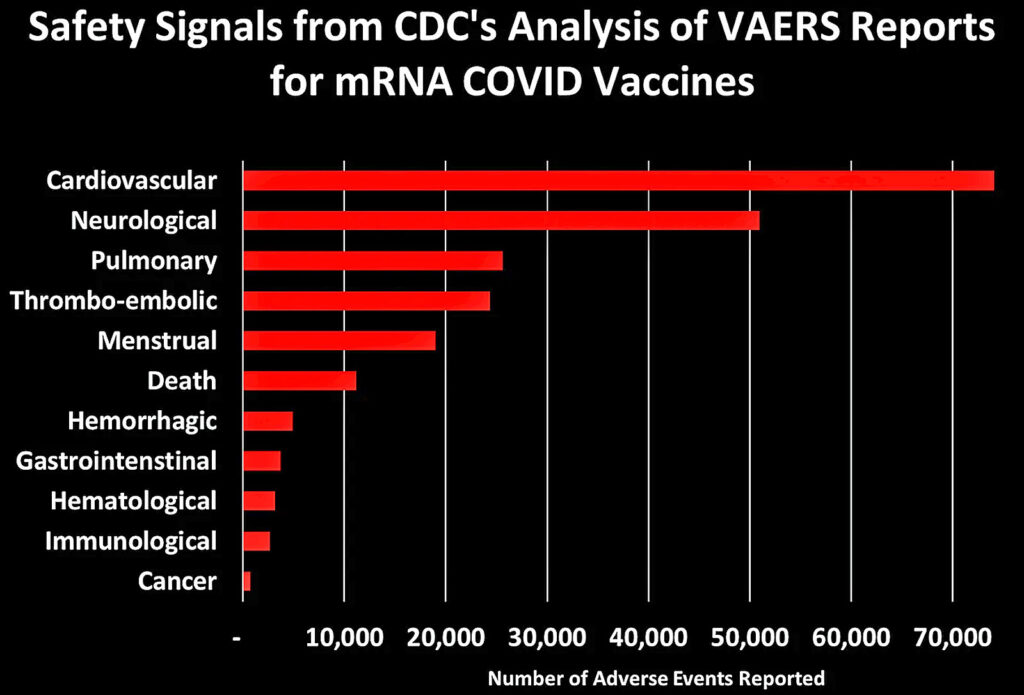
3 safety signals cdc vaers covid vaccines

Let’s dig into some of these categories to look at what types of AEs generated the most number of reports:

[Generally speaking, these figures show the top 10 AEs in each category. In some cases I combined AEs that indicated the same thing, such as combining “heart rate irregular” with “arrythmia.”]
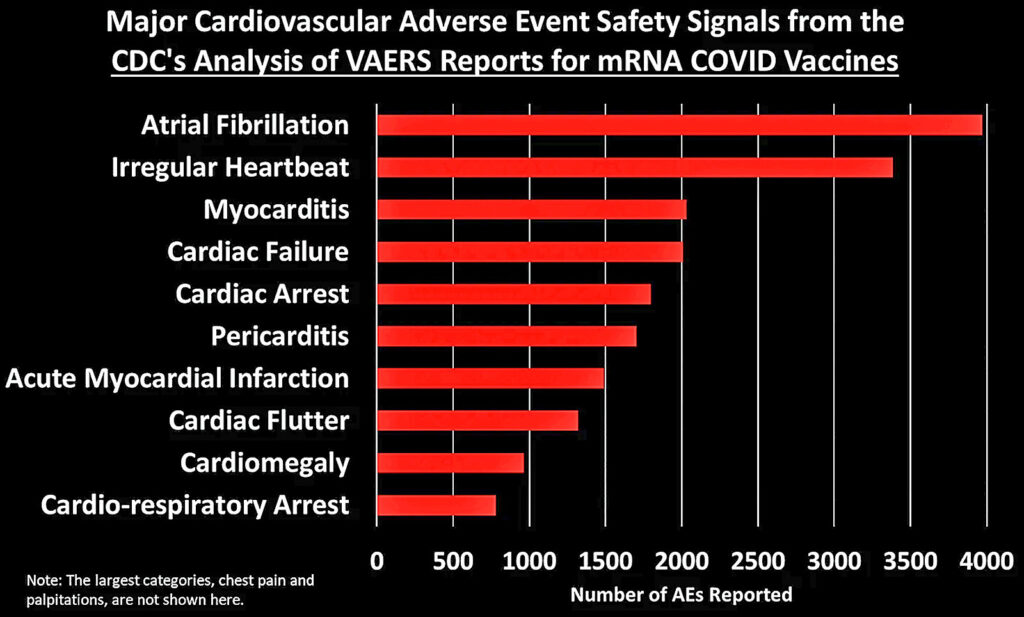
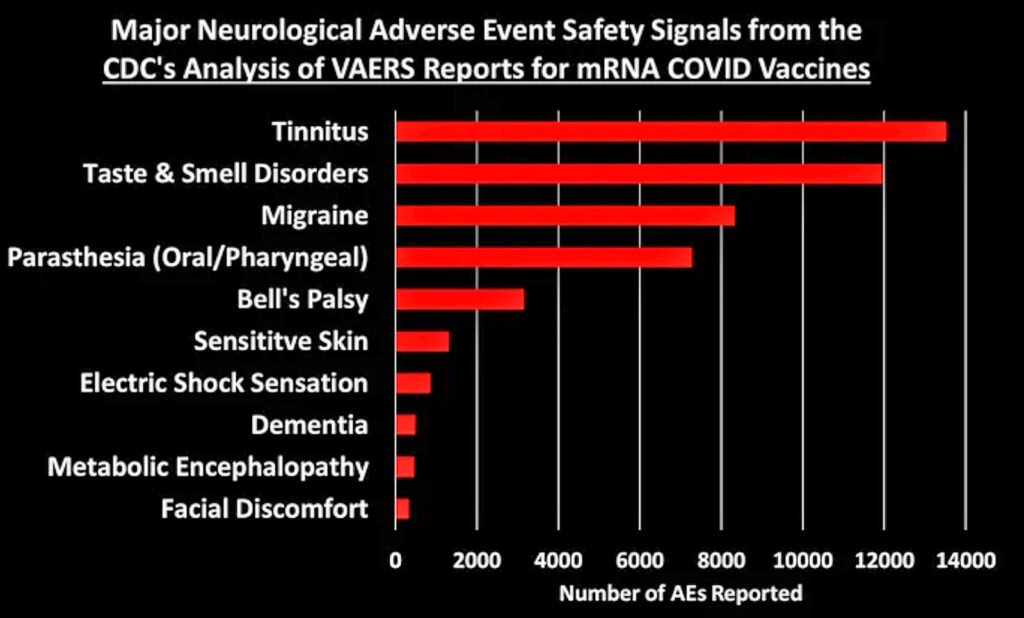
4 cardiovascular adverse event

5 major neurological adverse event

6 major thrombo embolic adverse event

7 haemmorhagic adverse event

8 major gastrointestinal adverse event

You can peruse the adverse events using the Excel tables provided by the CDC, which were posted by The Epoch Times and Children’s Health Defense at the links at the top of this post.

What about the children?

If there is anything that looks remotely like a bright spot in all of this is that the list of safety signals for 12-17 and 5-11 year-olds is much shorter than for 18+.

There are 96 AEs that qualify as a safety signal for the 12-17 group and 67 for the 5-11. When we take out the new COVID-19-era AEs, there are 92 safety signals for 12-17 year-olds and 65 for 5-11 year-olds. Here are the most alarming ones:
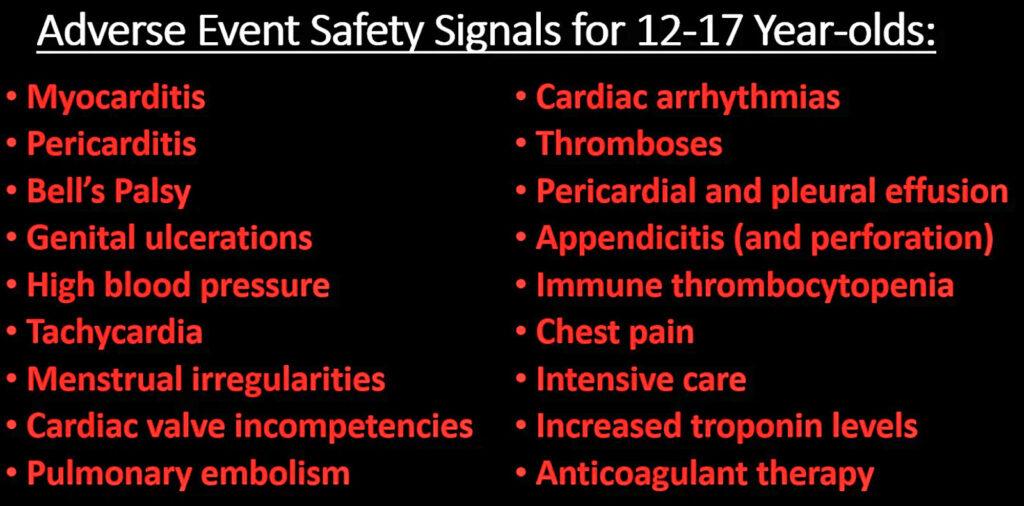
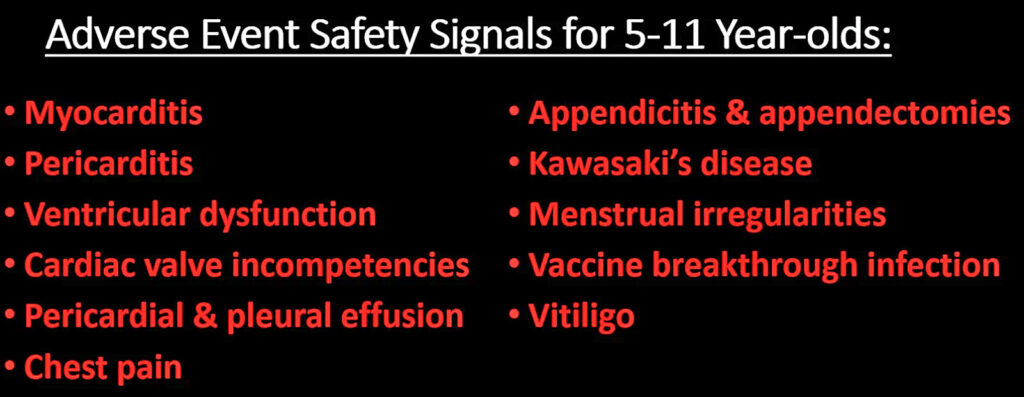
9 adverse event 12-17 year-olds

10 adverse event 5-11 year-olds

I don’t know why the list of AE’s is so much shorter for these age groups. It could be that the list of AE’s for other vaccines for these age groups is much shorter, so in a case where AEs have been reported for the mRNA COVID-19 vaccines but not for other vaccines, it will not be counted as a safety signal by definition.

Comparisons to myocarditis and pericarditis

We are told that the existence of a safety signal doesn’t necessarily mean the AE is caused by the vaccine and I accept that premise. But the current practice seems to be to ignore safety signals, dismiss them as noise without any evidence and stall any investigation into them as long as possible.

The precautionary principle, however, dictates we should presume that a safety signal indicates causality until proven otherwise.

Since it has been acknowledged that the mRNA COVID-19 vaccines can cause myocarditis and pericarditis (often referred to as myo-pericarditis), we can take those AEs as a kind of benchmark and propose that, at minimum, any AE with a signal of equal or greater size should be considered potentially causal and investigated more thoroughly.

[Note that using the myopericarditis signal as a yardstick doesn’t mean that these are the only signals that matter. To give one example, anaphylactic reactions don’t even show up in the list of safety signals, even though that was one of the very first risk of the vaccine that became apparent from day one of the vaccine rollout. One potential objection to this benchmark is that it is too low of a bar, since myo-pericarditis appears to disproportionately affect younger men and so a proper safety signal should be stratified by age and gender then compared with myocarditis similarly stratified. I agree, and it is the CDC’s job to do that. But the fact is that any adverse reaction might disproportionately affect some subgroup of people, in which case the safety signal for that group would be similarly faint or diluted when we look at everyone together. So objection overruled.]

After dropping the new COVID-19-era AEs, there are 503 AEs with PRRs larger than myocarditis (PRR=3.09) and 552 with PRRs larger than pericarditis (PRR=2.82).

[In their Standard Operation Procedures document, the CDC said they would combine these and related codes together to assess a safety signal, but never mind — at least they finally got around to doing something.]

This means that 66.4% of the AEs had a bigger safety signal than myocarditis and 77.3% were larger than pericarditis.

You can see what those were by using this Excel file provided by the CDC and sorting the 18+ tab by the 12/14-07/29 PRR column (Column E). Then just look at which AEs have PRRs larger than the ones for pericarditis and myocarditis.

For 12-17 year-olds, there is 1 safety signal larger than myocarditis (it’s ‘troponin increased’) and 14 safety signals larger than pericarditis (excluding myocarditis), which include: mitral valve incompetence, bell’s palsy, heavy menstrual bleeding, genital ulceration, vaccine breakthrough infection and a range of indicators of cardiac abnormalities.

For 5-11 year-olds, the comparison to myo/pericarditis is less germane, as they seem to suffer less from this side effect. But we can still make the comparison: there are 7 safety signals larger than pericarditis, including bell’s palsy, left ventricular dysfunction, mitral valve incompetence and ‘drug ineffective’ (presumably meaning they still got COVID-19).

There are 16 safety signals larger than myocarditis (excluding pericarditis), which in addition to those listed above also include: pericardial effusion, diastolic blood pressure increase, tricuspid valve incompetence and vitiligo. Sinus tachycardia (high heart rate), appendicitis and menstrual disorder come in just below myocarditis.

Now if we think of a safety signal as having both strength and clarity, then the PRR can be thought of as an indicator of how strong the signal is, while the Chi-square is a measure of how clear or unambiguous the signal is because it gives us a sense of how likely the signal is due to chance alone: the larger the Chi-square value, the less likely the signal is due to chance.

A Chi-square of 4 means there is only a 5% chance the observed signal is due to chance. A Chi-square of 8 means there is only a 0.5% chance of it being due to chance.

[In this context, the Chi-square is largely driven by the sheer number of adverse events: the more adverse events reported, including for the comparator vaccine, the larger the Chi-square. For example, the PRR for pericarditis and subdural haematoma is the same (2.82), but there were 1,701 incidents of pericarditis reported for mRNA COVID-19 vaccines versus 221 for the comparator vaccines, with Chi-square of 229.5. For subdural haematoma, these numbers are 162 verus 21, for a Chi-square of 21.2.]

For the 18+ group, there are 57 AEs with a Chi-square larger than myocarditis (Chi-square=303.8) and 68 with a Chi-square larger than pericarditis (Chi-square=229.5). Again, you can see what these are by going to the Excel file linked above and sorting on Column D.

For the 12-17 group, there are 4 AEs with a larger Chi-square than myocarditis (Chi-square=681.5) and 6 larger than pericarditis (Chi-square=175.4).

For the 5-11 group, there are 22 AEs with a Chi-square larger than myocarditis (Chi-square=30.42) and 34 AEs with a Chi-square larger than pericarditis (Chi-square=18.86).

Responding to objections

Let’s dispense with some of the criticisms used to dismiss VAERS data, which will undoubtedly be raised if you try to bring the CDC’s analysis to people’s attention.

1. Objection: Anybody can report to VAERS.

The reports are unreliable. Anti-vaxxers made lots of fraudulent reports. Nobody was aware of VAERS in the past, but now they are. So many people were afraid of the vaccine so they blamed all their health problems on it. Health workers were required by law to report certain adverse events, like deaths and anaphylaxis. Etc. Etc.

All of these objections ultimately rely on the notion that VAERS reports for COVID-19 vaccines have been artificially inflated over previous years for one reason or another. The thing of it is, though, that the CDC has a method for distinguishing between artificial inflation and real signal.

The idea is simple: if adverse events are artificially inflated, they should be artificially inflated to the same degree. Meaning, the PRRs for all of these safety signals should be about the same. But even a casual glance at the PRRs in the Excel file shows they vary widely, from as low at 2 to as high as 105 for vaccine breakthrough infection or 74 for cerebral thrombosis.

This method does not on the number of reports, but the rate of reporting for certain events out of all events reported. If anything, this method would tend to hide safety signals in a situation where a new vaccine generates a very large number of reports.

The CDC has even done us the favor of calculating upper and lower confidence intervals, meaning that we can be at least 95% confident that two PRRs are truly different if their confidence intervals don’t overlap. So for example the lower confidence interval for pulmonary thrombosis is 19.7, which is higher than the upper confidence interval for 543 other signals. Artificially inflated reporting cannot explain why so many different adverse events have large PRRs that are statistically distinct from one another.

2. Objection: The safety signals are due to the huge number of COVID vaccines given out.

Never before have we given out so many vaccine doses. By the end of July, the US had administered something like 600 million vaccine doses to people aged 18+. But the CDC analysis compares VAERS reports for these doses to all doses for all other vaccines for this age group since Jan. 1, 2009.

But from 2015-2020 there were over 100 million flu doses administered annually to this age group alone. In previous work, I estimated 538 million doses of flu given to people 18+ from July 2015-June 2020.

The number of flu and other non-COVID-19 vaccines for this age group administered from Jan 1., 2009 through July 29, 2022, must be well over double this number, meaning VAERS reports for COVID-19 vaccines are being compared to reports for at least double the number of doses for other vaccines.

In addition to this, as already noted, the PRR methodology does not depend, strictly speaking, on the number of doses, but rather the rate of reporting of a specific AE out of all AEs for that vaccine.

3. Objection: the vaccines are mainly being given to older people who tend to have health problems, whereas other vaccines are given to younger people.

This objection is dealt with since the analyses are stratified by age groups. It might still be somewhat valid for the 18+ group, except that in the safety signal analysis I did in the fall of 2021, I stratified by smaller age bands and still found safety signals. In any case, this objection is not enough to dismiss the safety signal analysis out of hand but rather calls for better and more refined research.

4. Objection: The VAERS data is not verified and cannot be trusted.

I’ll be the first person to agree that VAERS is not high-quality data, but if it is completely untrustworthy, then how is it that the CDC uses these data to publish in the best medical journals such as JAMA and The Lancet?

If the data were worthless, then these journals shouldn’t accept these papers. In that JAMA paper, they reported that 80% of the myocarditis reports met their definition of myocarditis and were included in the analysis.

Many other reports simply needed more details for validation. Furthermore, the CDC has the ability and budget to follow up on every report VAERS receives to get more details and even medical records to verify the report.

So if myocarditis shows a clear signal in the CDC’s analysis, and 80% of those reports were apparently high quality enough to be included in a paper published in one of the world’s top medical journals, how is it possible that all the rest of the reports are junk?

That all of the other safety signals are meaningless? Answer: it isn’t.

And since we’re on the topic of safety signals that turned out to be real, it’s instructive to find appendicitis turns up as a safety signal in all 3 age groups since a study published in NEJM based on medical records of over a million adult Israelis found an increased risk of appendicitis in the 42 days following Pfizer vaccination (but not following a positive SARS-CoV-2 PCR test).

That study also found an increase in lymphadenopathy (swollen lymph nodes) after vaccination, but not after positive COVID-19 test. Lymphadenopathy was another safety signal.

5. And that brings us to our last objection to be dispensed with: all of these AEs were due to COVID-19.

There was an epidemic and so people were falling ill due to COVID-19 and having all of these problems that were then blamed on the vaccine.

Well to begin with, as we just saw, at least two of them (appendicitis and lymphadenopathy) do not appear to have increased risk ratios following a positive SARS-CoV-2 test, and we know that the mRNA vaccines increase risk of myo/pericarditis independent of infections.

So how can we assume the rest of these are and dismiss them with the wave of a hand? We can’t.

At minimum, they need further investigation. Furthermore, in the safety signal analysis I did in 2021, I dropped all VAERS reports where any sign of a SARS-CoV-2 exposure or infection was indicated on the report and I still found large, significant safety signals.

Putting it all into perspective

The Epoch Times article quotes my esteemed colleague and friend, Norman Fenton, professor of risk management and a world-renowned expert in Bayesian statistical analysis:

“From a Bayesian perspective, the probability that the true rate of the AE of the COVID-19 vaccines is not higher than that of the non-COVID-19 vaccines is essentially zero….

“The onus is on the regulators to come up with some other causal explanation for this difference if they wish to claim that the probability a COVID-19 vaccine AE results in death is not significantly higher than that of other vaccines.” (See his post on the CDC analysis here.) The same is true for all the safety signals they found.

The CDC’s VAERS SOP analysis document lists 18 Adverse Events of Special Interest. The agency says it is going to pay close attention to these.

In their 2021 JAMA paper (and similar presentations to the Advisory Committee on Immunization Practices), the researchers responsible for analyzing the millions of medical records in the CDC’s Vaccine Safety Datalink using the ‘rapid cycle analysis’ only studied 23 outcomes.

A similar analysis in NEJM from Israeli researchers focused on only 25 outcomes.

Compare this to over 700 safety signals found by the CDC when they finally decided to look — and that’s not even counting all the adverse events that have never been reported for other vaccines so cannot ever show a safety signal by definition.

How can the CDC say that these safety signals are meaningless if almost none of them have been studied any further? And yet we are assured that these vaccines have undergone the most intensive safety monitoring effort in history.

It’s complete and utter hogwash!

Originally published on Josh Guetzkow’s Jackanapes Junction Substack page.
The views and opinions expressed in this article are those of the authors and do not necessarily reflect the views of Children’s Health Defense.