Amino Acids

now browsing by category


Lysine Therapy Interrupts Replication of Virus


Reproduced from original article:
https://articles.mercola.com/sites/articles/archive/2021/10/18/lysine-therapy.aspx


Analysis by Dr. Joseph Mercola      Fact Checked      October 18, 2021

lysine therapy

STORY AT-A-GLANCE

  • Lysine is an essential amino acid that has demonstrated positive results in the treatment of COVID-19, decreasing symptoms of infection in 80% of patients by 70% in the first 48 hours
  • Treatment used an average dose of 2,000 mg with an arginine-restricted diet and no coffee or caffeine. Several of the patients had a negative PCR test within 3 days of treatment and small group showed reduction in fever from 4 to 18 hours
  • Lysine has been well-studied and utilized against herpes simplex virus types 1 and 2; the best results were seen in patients who also restricted their arginine-rich foods
  • More benefits of lysine include a reduction in anxiety, reduced vascular calcification, faster wound repair and lower blood pressure in people with lysine deficient diets
  • The best way to balance your lysine and arginine levels is through dietary changes. If you supplement during a viral illness, the researchers caution to avoid zinc or calcium supplements, start with low doses if you are medically fragile and do frequent monitoring for those who have a pacemaker

Evidence suggests that lysine, an essential amino acid your body uses in the production of protein,1 may help prevent or treat viral infections.2,3 Virologists have also suggested lysine could help prevent or treat COVID-19.4

In the past months it’s become obvious that COVID-19 can no longer be called a major public health threat. The virus is now endemic, in much the way that the seasonal flu or common cold is. Yet, to continue to implement the Great Reset to “build back better,” fearmongers need this crisis to continue.

Just as influenza mutates and creates new variants, SARS-CoV-2 will continue to mutate in the environment. Thankfully, as viruses mutate within a population, they also tend to become more benign.5

One strategy to continue a high level of fear in a population is to censor any successful treatment modalities. Without successful treatments, society would be forced to focus on a vaccine. And yet, as I have written in the past months, there are several strategies you can use to reduce your risk of getting infected or to be treated if you are infected.

These strategies include optimal levels of vitamin D, quercetin and zinc, and use of hydroxychloroquine and ivermectin.6 Without knowledge of successful treatments, you could be vulnerable to the Chicken Little warnings that the sky is continuing to fall.

The first warnings were about the number of deaths that we could experience from COVID-19. When this did not materialize, the next step was to publicize the rising number of “cases” that appeared to confirm dire predictions and sparked widespread panic.

However, those caseloads were supported by erroneous PCR testing methodology with threshold counts set so high that even healthy, uninfected people tested positive. This sparked lockdowns, masking and business shutdowns. But even with all the shutdowns and other contagion-containment measures, next came the Delta variant, which appears to be affecting both the vaccinated and the unvaccinated.7,8

The sky still has not fallen, but experts are promising that unless we comply with vaccine mandates, social distancing and scheduled testing, the world will surely come to an end. Let’s consider how one amino acid may help stop the replication of the virus and add to the growing number of strategies you can use to prevent or treat COVID-19.9

Amino Acid Stops Replication of Virus

A small study10 was undertaken by Bio-Virus Research Inc. and preprint published in September 2020. The company11 works on both vaccines and therapeutic approaches to illness. In this paper they report on results they had using L-lysine against COVID-19.12

The treatment was built on a report published in 201613 in which researchers used L-lysine against MERS-CoV in vitro. Since L-lysine works universally on all herpes variants, the researchers believed it would be reasonable to expect that it would have the same effect on this viral family.14

The effectiveness of Lysine was evaluated in approximately 140 patients, eight of whom were living in the U.S. The majority of the patients were in the Dominican Republic and ranged in age from 16 to 77. According to the researchers, approximately 80% of participants with acute symptoms showed a minimum of 70% reduction in the first 48 hours.

Patients who had been in the hospital were discharged on an average of three days after treatment started. The writers stressed that lysine is a treatment for the condition and not a cure. Instead, it is dependent on the individual’s immune response. In their observation of the participants there was an “incredibly short time to eliminate/reduce fever presumably due to extinguishing the associated cytokine storm.”15

The treatment used a dose range between 1,000 milligram (mg) to 4,000 mg. However, the average dose was 2,000 mg. The scientists said they “rarely” gave 4,000 mg, and they do not recommend exceeding 3,000 mg, since this could trigger a bradykinin build up and increased coughing. The participants in this study took 1,000 mg twice a day on Day 1 and if needed increase that by 500 mg to 1,000 mg on Day 2 and forward.

The researchers administered the lysine in staggered increments, beginning one hour before breakfast and again at 3 p.m. on Day 1. The second dose could be moved up on Day 2, which allowed for a third dose at 9 p.m. if needed.

Antiviral Actions of Lysine Dependent on Arginine

The researchers recommend that lysine should be taken a minimum of one hour before a meal with 2 cups of water. The reasoning for 2 cups of water was to aid in absorption, anticoagulation and to dampen the appetite of the participant and thus help reduce the intake of arginine.16

Lysine and arginine work in concert in the body. The ratio between lysine and arginine influences viruses and your immune system. The researcher’s intent was to lower the amount of arginine in the body by restricting foods high in arginine while raising levels of lysine using supplementation.

While the lysine and arginine amount in brewed coffee is nearly identical,17 the researchers completely restricted coffee and other caffeinated drinks as they triggered a return of symptoms.

The researchers reference one study18 that showed lysine suppresses RNA and DNA viruses, potentially by interfering with the incorporation of arginine into the virus. Lysine also inhibits the absorption of arginine. The researchers propose there is also a more complex pathway that lysine uses with respect to inhibiting SARS-CoV-2.19

A newer study20 published in 2021 evaluated the effects of lysine and arginine and their ester derivatives on influenza A and SARS-CoV-2. The researchers found that in the lab study, lysine and the ester derivative could efficiently block infection and arginine boosts viral infection of both viruses. These findings have suggested:21

“… lysine supplementation and the reduction of arginine-rich food intake can be considered as prophylactic and therapeutic regimens against these viruses while also providing a paradigm for the development of broad-spectrum antivirals.”

Amazingly, several of the inpatients in the study using lysine were PCR negative for SARS-CoV-2 by Day 3.22 The researchers also found that the five patients who were not eating due to a lack of appetite had a significant reduction in the time it took to reduce their symptoms. The assumption the researchers made was that the participants were not consuming arginine, which sped the response time.

This small group of people demonstrated a significant reduction in fever and nonfebrile symptoms from four to 18 hours. While symptoms appeared to rapidly decline, D-dimer levels were high in some participants. In the participants, only a small percentage continue to have fever after 24 hours. The researchers found it was the combination of lysine supplementation and arginine restriction that offered the best results.

The researchers wrote of past evidence demonstrating that lysine influences interleukin-10, interleukin-6, tumor necrosis factor and interleukin-1 beta that are all implicated in fever. Data demonstrate that lysine has an inhibitory effect on interleukin-6 and increases interleukin-10 anti-inflammatory cytokines.

The researchers also wrote of evidence demonstrating lysine decreases production of nitric oxide, which limits the pathogenesis of inflammation and reduces proinflammatory cytokines. This suggests that independent of its role in suppressing arginine, lysine may also suppress viral replication.

Lysine Effective Against Herpes Cold Sores

The researchers23 wrote that in 1974, a researcher from the Bio-Virus Research team proposed in an article published in the Lancet24 that lysine could be effective against the herpes virus. Four years later a clinical follow-up study confirmed the effectiveness25 and another study in 198126 demonstrated that lysine inhibited arginine in vitro.

In 2016, experts estimated that 13.2% of the world aged 15 to 49 years were living with herpes simplex virus type 2.27 Data from the 2005-2010 NHANES survey show people aged 14 to 49 had a prevalence of 53.9% of herpes simplex virus type-1 and 15.7% of herpes simplex virus type 2 during that time period.28

A literature search published in 201729 concluded that without a low-arginine diet, supplementation with lysine at 1 gram per day was not effective. Studies using 3 grams per day appeared to reduce the number of herpes outbreaks.

The effectiveness of lysine with herpes virus is related to the herpes virus dependency on arginine to replicate.30 Direct application of lysine to cold sores can also reduce the length of the outbreak.

Balance Your Lysine and Arginine Intake

Your body needs a balance between lysine and arginine to function optimally. Foods that are rich in lysine31 include lean meat, tuna, low-fat ricotta cheese and milk. Foods that are rich in arginine include soy-based flour, seed flours, seeds, nuts, egg and chocolate.32 Many people’s diets are richer in arginine than they are in lysine.

Benefits of lysine are not limited to your immune system. For example, studies have demonstrated that lysine can reduce anxiety levels33,34 and reduces vascular calcification.35 Animal research shows that lysine is necessary for wound repair36 and helps the formation of collagen.37

One of the symptoms of lysine deficiency is high blood pressure. In one study38 of 50 adults with lysine-deficient diets and high blood pressure, supplementation produced a significant reduction in blood pressure. Of course, women who are pregnant or nursing should consult with their doctor before taking a lysine supplement.

One of the best ways to balance your lysine and arginine levels is through diet modification. However, during a viral illness lysine supplementation at levels lower than 3 grams per day may help shorten the length of your illness. If you choose to use a lysine supplement, the researchers from the featured lysine study had several cautionary notes:39

  • Patients who are medically fragile or asymptomatic for over one month should exercise caution in using lysine and start with a low dose for the initial days.
  • Patients with COVID-19 should avoid coffee, exercise, arginine-rich foods and marijuana.
  • Since lysine can raise zinc and calcium levels, supplementation with zinc or calcium should be avoided while taking lysine.
  • Lysine can also increase cardiac output and pulmonary resistance so patients using a pacemaker should be under close clinical observation.

Moringa Contains All Essential Amino Acids Your Body Needs


Reproduced from original article:
https://articles.mercola.com/sites/articles/archive/2020/03/02/moringa-amino-acid-composition.aspx

Analysis by Dr. Joseph Mercola      March 02, 2020
moringa amino acid composition

STORY AT-A-GLANCE

  • There are 20 basic amino acids that make up the proteins in your body. Nine of them — histidine, isoleucine, leucine, lysine, methionine, phenylalanine, tryptophan, threonine and valine — are considered “essential” as none of them are made by your body and therefore must be obtained from your diet
  • Moringa (Moringa oleifera), also known as horseradish tree or drumstick tree, is an excellent protein source, containing 30.3% crude protein and 19 amino acids in total, including all nine essential amino acids
  • Virtually every part of the Moringa plant is edible and has medicinal qualities, and most parts can be consumed either raw or cooked. You can also harvest the plant as a microgreen
  • Moringa leaves, roots, seed, bark, fruit and flowers have antitumor, antiepileptic, anti-inflammatory, antiulcer, antispasmodic, diuretic, antihypertensive, cholesterol lowering, antioxidant, antidiabetic, hepatoprotective, antibacterial and antiviral activities
  • Moringa has potent antibiotic activity against a wide variety of pathogens, including Escherichia coli, Salmonella typhimurium, Candida and Helicobacter pylori

There are 20 basic amino acids that make up the proteins in your body.1,2 In other words, amino acids are the building blocks of proteins. Conversely, when your body breaks down or digests proteins, amino acids are what’s left behind.

Nine of these — histidine, isoleucine, leucine, lysine, methionine, phenylalanine, tryptophan, threonine and valine — are considered “essential” as none of them are made by your body and therefore must be obtained from your diet.

Three of these essential amino acids — leucine, isoleucine and valine — are known as branched-chain amino acids (BCAA) because they have a branched molecular structure. While most amino acids are broken down in your liver, BCAAs are broken down primarily in your muscle. As such, they help improve exercise performance and reduce the breakdown of muscle.

Beef is one dietary protein source, containing 18 different amino acids, including the nine essential ones.3 Eggs are another excellent source of all nine essential amino acids, plus another nine nonessential amino acids.4

However, protein is also found in plant foods. Moringa (Moringa oleifera), also known as horseradish tree or drumstick tree, is an excellent protein source, containing 30.3% crude protein and, according to the African Journal of Biotechnology, 19 amino acids,5 including all nine essential amino acids.6

Moringa also contains beneficial fatty acids (44.57% being a-linolenic acid7), beta-carotene, phenolics, zeatin, quercetin, beta-sitosterol, kaempferol,8 flavonoids and isothiocyanates.9

Many of the health benefits of Moringa — which include the prevention and treatment of inflammatory diseases, neurodysfunctional diseases, diabetes and cancer — are attributed to its glucosinolate10 and isothiocyanate11 content. The isothiocyanate moringin,12 for example, has been shown to have potent anti-inflammatory and cytoprotective effects.13

Health Effects of Essential Amino Acids

As detailed in several research articles including the journal Amino Acids, the nine essential amino acids — all of which are found in Moringa — have important biological roles, including the following:14

Isoleucine15 — Helps stabilize your blood sugar and is required, along with leucine and valine, for muscle synthesis, repair, energy and endurance.
Leucine16 — Helps lower blood sugar that is elevated and triggers the production of growth hormone. Along with isoleucine and valine, leucine promotes the growth of muscle, bone and skin.
Valine17 — Helps maintain muscle metabolism and nitrogen balance. It’s also used in tissue repair and energy production.
Lysine18 — Is needed in the production of hormones, collagen, enzymes and antibodies. It also helps combat viruses and plays a role in calcium assimilation and protein construction in bones and muscle.
Methionine19 — Is converted into cysteine and vice versa, based on the needs of your body. It’s also a primary source of sulfur in your body, which is required for healthy hair, skin and nails.
Tryptophan20 — Aids in the production of niacin (vitamin B3), which is required for serotonin and melatonin production.
Phenylalanine21 — Plays a role in memory formation and nervous system function, and helps reduce inflammation.
Threonine22,23 — Important for healthy cardiovascular system, central nervous system, immune system and liver function. It also plays a role in the digestion of fats, and promotes healthy collagen, muscle tissue, skin and bones.
Histidine24 — Required for red and white blood cell production, and aids in tissue repair. Importantly, histidine helps protect your nerves by maintaining the myelin sheath around them.

Certain amino acids also help improve the antioxidant properties of peptides.25 Peptides are strings of amino acids that are shorter than those making up proteins. Due to their smaller size, peptides are broken down more easily than proteins, and have been shown to have antioxidant activity.26,27

As described in the paper “Amino acid composition and antioxidant properties of Moringa oleifera seed protein isolate and enzymatic hydrolysates:”28

“Some of these amino acids, especially Tyr [tyrosine], Met [methionine], His [histidine] and Lys [lysine] have been shown to play specific roles in improving antioxidant properties of peptides.

Besides, aromatic amino acids with a large side group such as His … and Trp [tryptophan] … contribute to the antioxidant potency of peptides because they act as hydrogen donors.

According to Sarmadi, the interaction of peptides with lipids or entry into target organs can be enhanced by the hydrophobic properties, which helps in promoting the antioxidant effects of peptides.”

Advertisement

Regenerative Food & Farming Week 2020


Moringa — A Powerful Multipurpose Plant

Moringa may be one of the most important yet vastly underutilized plants available. Virtually every part of it is edible and has medicinal qualities, and most parts can be consumed either raw or cooked. Globally, the leaves, roots, pods and flowers are most typically consumed.29

You can also harvest the plant as a microgreen. As noted in the mini-review “Health Benefits of Moringa Oleifera,” published in the Asian Pacific Journal of Cancer Prevention (APJCP) in 2014:30

“Moringa oleifera is a multi-purpose herbal plant used as human food and an alternative for medicinal purposes worldwide. It has been identified by researchers as a plant with numerous health benefits including nutritional and medicinal advantages.

Moringa oleifera contains essential amino acids, carotenoids in leaves, and components with nutraceutical properties … An important factor that accounts for the medicinal uses of Moringa oleifera is its very wide range of vital antioxidants, antibiotics and nutrients including vitamins and minerals. Almost all parts from Moringa can be used as a source for nutrition with other useful values.”

Health Benefits of Moringa

According to a 2011 paper31 on the nutritional composition of Moringa leaves, “The values of amino acids, fatty acids, minerals and vitamin profiles reflect a desirable nutritional balance.” A 2007 paper in Phytotherapy Research also describes Moringa’s benefits, noting that:32

“… [T]he leaves, roots, seed, bark, fruit, flowers and immature pods act as cardiac and circulatory stimulants, possess antitumor, antipyretic, antiepileptic, antiinflammatory, antiulcer, antispasmodic, diuretic, antihypertensive, cholesterol lowering, antioxidant, antidiabetic, hepatoprotective, antibacterial and antifungal activities, and are being employed for the treatment of different ailments in the indigenous system of medicine …”

Other studies report Moringa:

Helps protect liver, kidney, heart, testes and lung health33
Has analgesic properties34
Has antiulcer activity35
Helps lower blood pressure36
Protects against radiation37
Helps modulate immune function38
Has potent antibiotic activity against a wide variety of pathogens, including Escherichia coli, Salmonella typhimurium, Candida albicans and Helicobacter pylori (H. pylori)39,40
Has anti-inflammatory41 and antiviral activity, thanks to quercetin42,43,44

Moringa Is an Inexpensive Way to Optimize Your Nutrition

Moringa offers many of the same medicinal benefits as broccoli. Both also contain all the essential amino acids. Moringa, however, is far more economical to grow. It’s extremely hardy and drought resistant, making it an attractive alternative — particularly in underserved populations worldwide where health care and Western medicines are hard to come by.45

The fact that you can eat more or less the whole tree in a variety of different ways also makes it an attractive option. The long seed pods, colloquially known as Moringa drumsticks, are a common staple in Indian cuisine. For information and a few sample recipes, see NDTV Food’s website.46

You can also harvest these seeds, sow them, and harvest them like microgreens, i.e., while they’re small like sprouts. For a quick review of how to do this, see the video above. For guidance on how to grow Moringa trees in general, see my previous article, “How to Grow Moringa Tree.”

Last but not least, research has confirmed Moringa has a very high degree of safety,47 although high doses of seed extracts, specifically, may have toxic effects.48

– Sources and References

So Where Are the Bodies THIS Year?

© 1st February 2020 GreenMedInfo LLC. This work is reproduced and distributed with the permission of GreenMedInfo LLC. Want to learn more from GreenMedInfo? Sign up for the newsletter here www.greenmedinfo.com/greenmed/newsletter
Reproduced from original article:
www.greenmedinfo.com/blog/so-where-are-bodies-year

Watermelon Benefits

Written by Brenton Wight, Health Researcher, LeanMachine
Copyright © 1999-[y] Brenton Wight, LeanMachine
Updated 17th August 2020, Copyright © 1999-[y] Brenton Wight and BJ & HJ Wight trading as Lean Machine

For many people, watermelon is great on a hot Summer day, but I eat Watermelon year-round for it’s exceptional benefits.
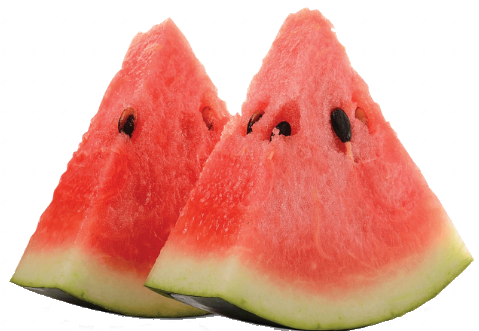
Some claim that watermelon has little benefit because it is mainly water, but the truth is that even though Watermelons contain about 90% water, they also contain:

  • Lycopene
  • Vitamin A
  • Vitamin B6
  • Vitamin C
  • Antioxidants
  • Citrulline
  • Minerals
  • Potassium
  • Magnesium
  • Cucurbitacin E
  • Low Calories (46 in a cup)

Lycopene

Like tomatoes, watermelon has a lot of Lycopene, the bright red carotenoid that has anti-inflammatory and antioxidant properties, and benefits the cardiovascular system, bones, skin, brain, and has cancer protective properties as well.
Diabetes: Although Watermelon has some fructose content, Lycopene has been shown to reduce blood glucose levels and should be helpful for diabetics. Most people do not eat too much Watermelon at once because it is very filling, due to the high water content and high fibre content, so  the glycemic load (GI) is actually fairly low.
The diabetes damage done to the cardiovascular system may be prevented or reduced by consuming Watermelon.
Cancer: Lycopene is helpful to prevent many cancers, especially the estrogen-driven caners, breast cancer in women and prostate cancer in men.

Citrulline, Arginine and Nitric Oxide

Citrulline is a natural amino acid, and the highest levels in any plant are found in Watermelon.
The body then converts Citrulline into L-Arginine, another amino acid.
L-Arginine then creates Nitric Oxide (NO), famous for lowering blood pressure by relaxing, widening and protecting blood vessels, reducing blood pressure and allowing more oxygen to every part of the body.
Cardiovascular: Endothelial cells line blood vessel walls, and Nitric Oxide reduces damage to blood vessel walls, reducing stiffness and allowing the walls to relax and widen, allowing greater blood flow and reducing blood pressure. The damage, normally caused by junk foods and processed oils containing trans fats, is why the body attempts to repair blood vessels by building clots on the damaged area. Clots are made from calcium and cholesterol, wrapped in fibrin to hold them together. Doctors prescribe statin drugs to reduce cholesterol, but it makes more sense to protect the blood vessels first to stop the need for clots, also to eliminate poor quality calcium supplements like calcium carbonate (limestone), common in cheap supplements. Vitamin D3 increases calcium absorption, but we also need Vitamin K2 MK7 to help remove excess calcium from the blood and deposit in the bones and teeth where it belongs, also Magnesium to improve effectiveness of Vitamin D3.
We also need to INCREASE HDL (the “good” cholesterol) to improve cardiovascular health.
Weight Loss: Arginine blocks an enzyme that stores fat, helping to prevent excess accumulation of fat in fat cells. Arginine is available as a supplement, but much is lost through the digestive system, so AKG is a better choice, giving greater Nitric Oxide in the blood. Of course Watermelon is cheap and has many other health benefits.
Erectile dysfunction: In a similar way that Viagra works, Nitric Oxide can improve erectile dysfunction in men.
One would have to consume a lot of watermelon for the same effect as Viagra, but older men are still advised to eat Watermelon for the many benefits.

Cucurbitacin E

Watermelons contain Cucurbitacin E (C32H44O8) which is a natural compound found in the Cucurbitaceae family, Citrullus genus that prevents disease, and has cytotoxic, anti-tumour, hepatoprotective (liver health), anti-inflammation, antimicrobial, anthelmintic (anti-helminths: parasites), cardiovascular and anti-diabetic properties.
The tripterpenoid content helps block pain and inflammation similar to the action of NSAID’s like ibuprofen and aspirin, but without the side-effects.

Erectile Dysfunction

Common among older men, Erectile Dysfunction can be treated with Watermelon, a safe way to increase Citrulline, Arginine and Nitric Oxide to increase blood flow and oxygen where it is needed, unlike the little blue pill that can be dangerous.

Skin

Lycopene protects our skin from harmful Ultra-Violet light from the Sun, reducing risk of skin cancers. LeanMachine has never worn sunscreen in his life, and gets plenty of sunshine year-round as well as taking Vitamin D3, and has never had a Melanoma, while friends working primarily in offices and wearing hats and sunscreen have died or had serious surgery to remove Melanomas. More office workers die from Melanoma than construction workers!

Cholesterol

Doctors prescribe Statin drugs like lollies, but Watermelon is one of several foods that beat Statin drugs, without the debilitating side-effects of Statins which include Cognitive decline, Cancer, Muscle breakdown, Kidney damage, Heart damage, Diabetes, Sexual dysfunction, Cataracts and more, while clobbering Vitamin D, Cholesterol Sulfate, Co-Enzyme Q10 and other essential substances.

Carotenoids

Lycopene is a Carotenoid (powerful antioxidant), protecting us from many common conditions.
In a study of 13,000 adults, low levels of carotenoids were a key predictor of early death.
Other studies show the strong link between levels of lycopene and heart disease, and yet more studies showed a 39% decrease in stroke risk in men with the highest blood levels of lycopene.

Cancer

10 studies in a 2014 meta-analysis showed Lycopene to be protective against ovarian cancers, as well as brain tumors and breast tumors.
Several other studies showed that higher intakes of Lycopene was associated with a 50% decreased risk of prostate cancer, especially the more lethal kind of prostate cancer, due to by inhibition of neoangiogenesis that occurs in tumor development.
Further studies show benefits for lung cancer, esophageal, stomach, pancreatic, colorectal, and cervical cancers.

Rehydration

Watermelons get their from the fact that they are 90% water, which is full of electrolytes and potassium,  helping us to stay hydrated or to rehydrate especially  after a hard, sweaty workout, and also helps reduce muscle soreness, mainly eaten before an intense workout.

Eat the Seeds and the Rind from Ripe Watermelons

When Watermelon is Reddest and Ripest, Lycopene content is at the highest level.
The green rind is also full of chlorophyll and even more citrulline than the red flesh. Hard to eat, but in a blender with a whole lemon or lime makes a healthy slushy treat.
Black Watermelon seeds are edible and contain iron, zinc, fibre and protein.
Seedless Watermelon is the only option at many supermarkets, but is still alright to eat because they are NOT genetically modified, simply a hybrid form, bred for no-seed content.

Pick the Best Watermelon

The best Watermelons have a pale, butter-colored yellow spot underneath, not white or green.  Select the heaviest for its size, and thump to listen for the best hollow bass sound.

References

www.drugs.com/npp/lycopene.html
Watermelon Study, University of Florida
Lycopene as effective as-statins for artery health
The Great Cholesterol Myth
FDA Consumer Updates
Heirloom Tomatoes
What You Have Not Been Told About Statin Drugs
Physicians Health Study – Stroke Risk
https://www.ahajournals.org/doi/full/10.1161/01.str.0000132197.67350.bd

How Leucine in Whey Helps Prevent Muscle Loss


Reproduced from original article:
https://articles.mercola.com/sites/articles/archive/2019/10/28/leucine-sarcopenia.aspx

Analysis by Dr. Joseph Mercola  – Fact Checked
October 28, 2019
leucine sarcopenia

STORY AT-A-GLANCE

  • The loss of muscle mass that occurs with age is known as sarcopenia, the most obvious cause of which is inactivity
  • Your muscles need sufficient amounts of protein. Poor digestion can impede your ability to absorb protein, thereby contributing to sarcopenia
  • Whey protein has been shown to stimulate muscle protein accretion and stave off sarcopenia the best, in part due to its higher leucine content, which helps regulate the turnover of protein in your muscle
  • Whey protein also contains the master antioxidant glutathione. Glutathione is thought to play an important role in sarcopenia specifically, as patients with sarcopenia tend to have higher levels of oxidative stress
  • The type of exercise you do can also make a big difference. Blood flow restriction (BFR) training is one of the best ways to prevent sarcopenia, and is the safest form of strength training for those who are frail and elderly

The loss of muscle mass that occurs with age is known as sarcopenia, the most obvious cause of which is inactivity. Sarcopenia can progress at a rate of approximately 0.8% skeletal muscle loss per year from the fifth decade in adult life.1 It has an estimated prevalence of 10% in adults older than 60 years,2 rising to more than 50% in adults older than 80 years.3,4

Your diet also plays a role, as your muscles need sufficient amounts of protein to stay viable, as does your ability to digest and absorb protein. As noted in a 2011 paper5 in the American Journal of Nutrition:

“Sarcopenia has been attributed to a diminished muscle protein synthetic response to food intake. Differences in digestion and absorption kinetics of dietary protein, its amino acid composition, or both have been suggested to modulate postprandial muscle protein accretion.”

In other words, while you need protein to build and maintain muscle, some protein is more easily digested and absorbed than others, so eating the right kind of protein can make a difference in your risk for sarcopenia.

Whey protein, a byproduct of cheese production, has long been acknowledged as an excellent source of protein. In this 2011 study, in which whey protein was compared to casein and casein hydrolysate, whey protein was found to stimulate muscle protein accretion (and hence stave off sarcopenia) the best — in part due to its higher leucine content.

The type of exercise you do can also make a big difference. I now believe blood flow restriction (BFR) training is one of the best ways to prevent sarcopenia. Taken together, leucine supplementation through whey and BFR can go a long way toward protecting your muscles as you age.

Leucine Regulates Protein Turnover in Muscle

One of the reasons why leucine is so important for the prevention of sarcopenia is because it helps regulate the turnover of protein in your muscle. According to a 1975 paper6 in The Journal of Clinical Investigation, leucine may also “play a pivotal role in the protein-sparing effect of amino acids.” As explained in a more recent study,7 published in 2017:

“Protein ingestion produces a strong anabolic stimulus that elevates muscle protein synthesis. The ability of a serving of protein to stimulate muscle protein synthesis (MPS) is dependent on absorption and blood kinetics of amino acids, amount of protein ingested, and the amino acid composition of the protein source.

Only the essential amino acids (EAA), especially leucine, initiate an immediate increase in MPS. Being a rapidly digested protein with a high leucine content, whey has been shown to stimulate MPS more than equal amounts of casein and soy in the first hours after exercise …

At the molecular level the mechanistic target of rapamycin complex 1 (mTORC1) and its substrates … are believed to largely be responsible for the protein synthetic response to resistance exercise and protein intake, with resistance exercise potentiating the effect of protein ingestion.”

In other words, the most effective way to optimize muscle building is to use a combination of resistance training followed by a protein meal, with leucine-rich whey being one of the most efficient.

Ori Hofmekler, author of “Unlock Your Muscle Gene: Trigger the Biological Mechanisms That Transform Your Body and Extend Your Life,” is an expert on how to use food to build muscle and improve your health, and we have previously discussed the profound benefits of whey protein for muscle building in particular.

It is important to understand, though, that simply taking leucine is likely to be ineffective, as demonstrated by a recent Harvard study.8 In it, men over the age of 65 with a daily intake of 0.8 grams of protein per kilo per day were compared to men receiving 1.3 grams of protein per kilo per day. They found the higher protein group did not increase lean body mass, muscle strength or physical function, most likely because they were not exercising.

Advertisement

Get Up to 32% Off on Linen & Towels


The Importance of Glutathione for Prevention of Sarcopenia

Whey protein also contains another really important health component: glutathione. While many whole foods contain glutathione or its precursors, organic grass fed whey protein is one of the richest sources of this “master antioxidant.”

Glutathione is found in every cell of your body. It protects your cells from free radical damage, and is especially important for liver health. It differs from other antioxidants in that its intracellular and has the unique ability to optimize the activity of all other antioxidants.

It plays a crucial role in detoxification, and protects your cells form the damaging effects of radiation, chemicals and environmental pollutants. It’s also an essential factor in energy utilization and healthy immune function, and glutathione deficiency has been linked to a wide range of health problems, including Alzheimer’s9 and Parkinson’s,10 heart disease,11 autoimmune diseases,12 inflammatory conditions13 and mitochondrial dysfunction.14

Glutathione is thought to play an important role in sarcopenia specifically, as patients with sarcopenia tend to have higher levels of oxidative stress.15 As noted in the 2012 review,16 “Rationale for Antioxidant Supplementation in Sarcopenia:”

“Sarcopenia is an age-related clinical condition characterized by the progressive loss of motor units and wasting of muscle fibers resulting in decreased muscle function.

The molecular mechanisms leading to sarcopenia are not completely identified, but the increased oxidative damage occurring in muscle cells during the course of aging represents one of the most accepted underlying pathways.

In fact, skeletal muscle is a highly oxygenated tissue and the generation of reactive oxygen species is particularly enhanced in both contracting and at rest conditions.

It has been suggested that oral antioxidant supplementation may contribute at reducing indices of oxidative stress both in animal and human models by reinforcing the natural endogenous defenses …

Antioxidants are substances able to inhibit the rate of oxidation. Mainly, antioxidant enzymes (e.g., catalase, superoxide dismutase (SOD), glutathione peroxidase, glutathione reductase) work to maintain a state of balance preventing the transformation of ROS and to convert them into more stable molecules (like water and molecular oxygen).”

Prevent Muscle Wasting With BFR

While high-quality protein intake is important, to effectively build and maintain muscle you also need strength training. Unfortunately, many elderly individuals shy away from resistance training for fear of injury.

BFR is ideal in such situations, as the amount of weight you use is so low that your risk for injury is minimal. For a more detailed discussion of BFR and how it’d done, see “Build Muscle Faster, Safer and Easier With BFR Training.”

Please understand, though, that this article is a mere teaser. I will be providing a comprehensive report within the next month about how to do BFR, its history and instructional videos. I have been working on this for nearly six months now and it is nearly ready.

In the meantime it is important to know that BRF involves exercising your muscles while partially restricting arterial inflow and fully restricting venous outflow in either both proximal arms or legs.17 Venous flow restriction is achieved by using thin elastic bands on the extremity being exercised.

By restricting the venous blood flow, you create a relatively hypoxic (low oxygen) environment in the exercising muscle, which in turn triggers a number of physiological benefits, including the production of hormones such as growth hormone and IGF-1, commonly referred to as “the fitness hormones.”18

It also increases vascular endothelial growth factor (VEGF), which acts as “fertilizer” for growing more blood vessels and improving their lining (endothelium).

I believe BRF is one of the best strategies available to address the epidemic of sarcopenia,19 and for most people who are not competitive athletes it may be the only form of resistance training they need.

It’s important to realize that sarcopenia is not just cosmetic, and it’s not just about frailty. Your muscle tissue, which makes up about half of your body’s tissues, is a metabolic organ, an endocrine organ. Your muscle tissue makes cytokines and myokines, and is a sink for glucose.

Insulin resistance and Type 2 diabetes accelerate sarcopenia, and research shows glucose fluctuations are independently associated with this condition. As noted in one 2019 study,20 “glucose fluctuations were significantly associated with a low muscle mass, low grip strength, and slow walking speed.”

BFR Effectively Counteracts Sarcopenia

The effectiveness of BFR for the prevention and reversal of muscle wasting is directly addressed in an April 2019 study21 in the Journal of Cachexia, Sarcopenia and Muscle:

“Muscle wasting leads to significant decrements in muscle strength, cardiorespiratory, and functional capacity, which increase mortality rates. As a consequence, different interventions have been tested to minimize muscle wasting.

In this regard, blood flow restriction (BFR) has been used as a novel therapeutic approach to mitigate the burden associated with muscle waste conditions.

Evidence has shown that BFR per se can counteract muscle wasting during immobilization or bed rest. Moreover, BFR has also been applied while performing low intensity resistance and endurance exercises and produced increases in muscle strength and mass.

Endurance training with BFR has also been proved to increase cardiorespiratory fitness. Thus, frail patients can benefit from exercising with BFR due to the lower cardiovascular and join stress compared with traditional high intensity exercises.

Therefore, low intensity resistance and endurance training combined with BFR may be considered as a novel and attractive intervention to counteract muscle wasting and to decrease the burden associated with this condition.”

Leucine Dosage and Timing

As mentioned, leucine is a branched-chain amino acid that serves multiple functions, one of which is signaling the mTOR mechanism, which causes protein to be created and builds your muscle. However, according to Hofmekler, for optimal results you need far higher amounts of leucine than the recommended daily allowance.

The reason for this is because most of the leucine is used up as an energy substrate or building block rather than an anabolic agent. The typical requirement for leucine to maintain body protein is 1 to 3 grams daily. However, to optimize its anabolic pathway, Hofmekler insists (and research shows22) you need somewhere between 8 to 16 grams of leucine per day, in divided doses.23,24

Getting that amount of leucine from your regular diet could be pretty difficult. For example, 4.6 eggs will provide you with 2.5 grams of leucine,25 which means you’d have to eat nearly 15 eggs to reach the 8-gram minimum.

For most, that simply wouldn’t be possible and would overdose you on protein (105 grams of protein from the eggs alone). High-quality whey, on the other hand, contains about 10% leucine (10 grams of leucine per 100 grams of protein).26 So, 80 grams of whey protein will give you 8 grams of leucine.

Ideally you’ll want to consume the whey about 30 to 60 minutes before exercise, and again about an hour after your workout. This will help increase both fat burning and muscle building.

A 2010 study27 found that consuming whey protein (20 grams of protein per serving) 30 minutes before resistance training boosts your body’s metabolism for as much as 24 hours after your workout.

Other Health Benefits of Whey Protein

Whey protein has undergone extensive study, revealing an impressive array of benefits over and above its ability to support healthy muscle growth. For example, studies show whey consumption may also:

  • Help lower blood pressure and improve vascular function if you’re overweight and/or have high blood pressure28
  • Support normal blood sugar levels and boost insulin sensitivity in Type 2 diabetics29
  • Reduce inflammation,30 including inflammation associated with inflammatory bowel disease (IBD)31 — In the case of IBD, researchers have suggested its protective actions may be the due to its ability to stimulate intestinal mucin synthesis and modify the composition of the gut microbiome
  • Help normalize your weight — Not only is whey protein very filling, thereby reducing hunger pangs32,33,34 it also boosts metabolism35 (allowing you to burn more calories) and helps maintain lean muscle mass while shedding excess fat stores36

Guidelines for Buying High-Quality Whey

Whey derived from cheese manufacturing that uses raw grass fed milk is the highest quality whey you can possibly find today. One of the most important components of the whey is glycomacropeptides (GMP), which have amazing immuno components that are critically important for your gut flora.

However, only whey produced from raw milk cheese contains GMP. Other varieties do not. Whey isolate is a clearly inferior form of whey that should be avoided, because once the fat has been removed, you lose some of the most important components of its immunological properties. So, to ensure you’re getting a high-quality product, make sure the whey you’re buying is:

Organic (no hormones or genetically engineered ingredients) Grass fed Made from unpasteurized (raw) milk
Cold processed (as heat destroys whey’s fragile molecular structure) Minimally processed Full of rich, creamy flavor
Water soluble Sweetened naturally, not artificially Highly digestible — Look for medium chain fatty acids (MCTs), not long chain fatty acids

Sarcopenia Is Not an Inevitable Outcome of Aging

While muscle loss occurs with age, it’s not an inevitable outcome — provided you take proactive measures. To summarize, the way you prevent it is by regularly engaging in some form of resistance training, and BFR has many advantages that makes it an ideal choice.

This is especially true for those who are older, frail or struggling with a condition that makes regular strength training difficult or potentially dangerous. In addition to that, you’ll want to make sure you’re getting enough high-quality protein.

Organic grass fed whey protein is ideal, as it provides high amounts of both leucine and glutathione, both of which are important for muscle growth and maintenance.

– Sources and References

How to diminish, dissolve and reverse arterial plaque

Re-posted from original article: www.naturalhealth365.com/plaque-atherosclerosis-3037.html

How to diminish, dissolve and reverse arterial plaque(NaturalHealth365) As you probably know, it’s not cancer, Alzheimer’s disease, diabetes or auto accidents that make ups the conditions most likely to threaten the lives of American adults – it’s cardiovascular disease.  In fact, according to statistics published by the CDC, heart disease currently kills nearly 650,000 people – every year – in the United States.  And a primary factor in heart disease is arterial plaque – artery-clogging deposits of fat and calcium that can lead to angina, heart attack and stroke.

The grim figures on the consequences of arterial plaque – also known as atherosclerosis – continue to accumulate.  Every year, about 735,000 Americans experience a heart attack, while another 795,000 suffer a stroke.  Isn’t it time to learn how to reduce your odds – and prolong your life?

Breaking NEWS about plaque: Doctors don’t want you to know this truth about heart disease

Unlike most other animals, humans (along with primates, bats and guinea pigs) lack the ability to produce vitamin C in the body – a condition that is due to a long-ago genetic variation.  This means that vitamin C must be obtained through dietary means – and the consequences for failing to consume sufficient amounts can be dire.

According to the Pauling/Rath Unified Theory of Cardiovascular Disease – a theory developed by Nobel Prize-winning scientist Dr. Linus Pauling, in conjunction with German doctor Mathias Rath – the lion’s share of cardiovascular problems are really caused by shortages in vitamin C.

Having insufficient levels of this indispensable nutrient causes arteries to become brittle and vulnerable to cracks and fissures.  In addition, vitamin C shortages can elevate cholesterol levels – particularly that of lipoprotein A or Lp(a), a type of LDL cholesterol with “sticky,” adhesive qualities.

Lp(a) is believed to be the primary culprit in the formation of arterial plaque and the constriction of arteries.  This belief was reinforced in 1989, when researchers evaluating the clogged aortas of heart attack victims noted that they were finding only the Lp(a) type of cholesterol in the deposits.

Do NOT ignore the health dangers linked to toxic indoor air.  These chemicals – the ‘off-gassing’ of paints, mattresses, carpets and other home/office building materials – increase your risk of headaches, dementia, heart disease and cancer.

As arteries develop ruptures, the body attempts to repair the damage by sending cholesterol to the site.

But the “down side” is that this reparative cholesterol begins to accumulate and form plaque deposits, inhibiting the flow of oxygen-rich blood and triggering strokes and heart attacks.

Simple, yet revolutionary, these natural nutrients help to REDUCE the risk of plaque buildup

The key to preventing and treating heart disease, as set forth in the Pauling Therapy, is the administration of high doses of vitamin C, along with the amino acid lysine.

High doses of vitamin C serve to strengthen arteries and make them less susceptible to breakage, while supplementary lysine can stop Lp(a) from sticking to artery walls.  A later protocol developed by Dr. Rath calls for the addition of the amino acid proline.

Like lysine, proline can act as a sort of ‘teflon’ in the arteries, discouraging sticky Lp(a) and promoting better circulation of blood.  When given in sufficient dosages, this therapy can inhibit formation of atherosclerotic deposits – and even help to remove and dissolve existing plaques.

Proponents of the Pauling Therapy maintain that the protocol can also lower cholesterol, relieve the pain of angina pectoris, increase heart strength, improve natural immunity and promote overall health.

Address and prevent heart disease with simple lifestyle and dietary recommendations

According to Dr. Pauling, every person at risk for heart disease should take at least 5 g (5,000 mg) of vitamin C and at least 2 grams of lysine a day.

To address atherosclerosis, Dr. Pauling recommended daily dosages of 6,000 to 18,000 mg of vitamin C in divided doses, along with 2,000 to 6,000 mg of lysine.

Enhancements to the protocol can include 800 IU a day of vitamin E – which helps to make blood less “sticky” and likely to clot – and 100 to 300 mg a day of coenzyme Q10 – which helps the heart to pump blood more efficiently.

Note: it is particularly important to supplement with CoQ10 if you take statin medications to lower cholesterol. These can deplete the body’s store of this important nutrient.

The amino acids carnitine, taurine and arginine also benefit heart function, while vitamin K – found in leafy greens – has antioxidant properties and can help slow the deposit of plaque.  Note: if you are taking anticoagulant medication, talk to your medical doctor before consuming any food or supplement with vitamin K.

And supplementary DHEA – a hormone created naturally in the body – has been linked with reductions in atherosclerosis and clogged arteries, along with decreased mortality from heart disease.

Bonus health tip: DHEA can lower levels of disease-promoting inflammation, and can even help protect against the formation of harmful visceral fat around the abdomen.

As always, consult with a trusted integrative healthcare provider before trying the Pauling Therapy – or adding any supplements to your diet.  And, never reduce or eliminated prescribed heart medications unless specifically advised to do so by your doctor.

The Pauling Therapy also advises eliminating trans fats and refined sugar from the diet – while getting sufficient exercise and drinking plenty of pure, filtered water. A heart-healthy organic diet, rich in beneficial omega-3 oils, can also help reduce the risk of arterial plaque.

Hitting big  pharma in the pocketbook: The Pauling Therapy has the potential to bankrupt drug-based medicine

If the conventionally-trained medical community seems to be distinctly unenthused by the Pauling Therapy, it’s not hard to determine why.

Many natural health experts and advocates have observed that this low-cost regimen – for which no prescription is needed – has the potential to bring the medical and pharmaceutical industries to financial ruin.

Sound extreme?

Not when you consider the fact that heart-related surgical procedures can bring in more money to metropolitan hospitals than any other procedure – in many cases accounting for a stunning 30 to 40 percent of a hospital’s total income.

Clearly, the concept of patients becoming responsible for their own health – and employing natural vitamins, minerals and amino acids in order to combat and eliminate heart disease – is terrifying for big pharma!

Renowned scientist Dr. Pauling insisted that the proper use of vitamin C and lysine can prevent, and even cure, heart disease. Although the protocol has never been taken seriously (or properly studied) by conventional medical authorities, many patients have discovered the efficacy of the therapy – and its lifesaving benefits – for themselves.

Sources for this article include:

HeartTechnology.com
PaulingTherapy.com
CDC.com