Herbs

now browsing by category

Herbs can heal or poison. LeanMachine sorts out the difference.


Mistletoe and the Emerging Future of Integrative Oncology


Reproduced from original article:
https://articles.mercola.com/sites/articles/archive/2022/06/12/mistletoe.aspx
The original Mercola article may not remain on the original site, but I will endeavor to keep it on this site as long as I deem it to be appropriate, and will not be bullied into removing it.


Analysis by Dr. Joseph Mercola     Fact Checked    June 12, 2022

STORY AT-A-GLANCE

  • Mistletoe, a semi-parasitic plant that grows in the branches of trees all over the world, has been used in herbal medicine for thousands of years for conditions such as epilepsy, spleen disorders, pain and rheumatic conditions
  • In 1917, Rudolf Steiner, a philosopher with keen observation skills, noticed that mistletoe looks a lot like a tumor, and proposed it might have anticancer properties. Dr. Ita Wegman confirmed Steiner’s suspicion, and the plant has since enjoyed over 100 years of consistent application in oncology, both standalone and as adjuvant support
  • Intravenous or subcutaneous mistletoe appears beneficial as an adjunct therapy for all cancers, and there are no drug or health contraindications. Even the most toxic treatments work better and with fewer adverse effects when combined with mistletoe
  • Mistletoe is the most studied integrative oncology therapy in the world, and it is utilized in upward of 60% to 80% of all cancer patients in Europe
  • Your immune system and metabolic function are both integral parts of addressing cancer, and mistletoe works on both

In this interview, Dr. Nasha Winters, coauthor of “Mistletoe and the Emerging Future of Integrative Oncology,” reviews some of the benefits of this ancient herb in the modern world of oncology. Winters is herself a cancer survivor, so this topic is close to her heart.

“I’m coming on 30 years out of a death sentence, a terminal cancer diagnosis,” she says, “and still to this day get met with so much resistance to what I’ve learned for myself, and for thousands, if not tens of thousands, of other patients directly, as well as way more than that, indirectly, through the training of their physicians …

My crazy controversy is that I focus more on the human organism and the health of that terrain versus the condition, the disease or the label that overlays that person.”

Mistletoe Has a 100-Year Oncological History

Mistletoe, a semi-parasitic plant that grows in the branches of trees all over the world, has been used as a herbal medicine for thousands of years for conditions such as epilepsy, spleen disorders, pain and rheumatic conditions.

Just over 100 years ago, in 1917, Rudolf Steiner, a philosopher with incredibly keen observation skills, noticed the mistletoe looks a lot like a tumor, and proposed it might have anticancer properties. Many vitalistic medical practices, such as Ayurveda, Chinese medicine, naturopathy and homeopathy, for example, use the doctrine of signatures, which is what Steiner was suggesting.

“For instance, you look at a walnut and it kind of looks like a brain and we think, I wonder if that’s any good for the brain? And sure enough, we find some significance in how it impacts the brain. Or things like lungwort. When you look at it, it looks like a lung and we’ve learned that this herbal medicine is very helpful for lung conditions,” Winters says.

A Swiss doctor named Ita Wegman applied Steiner’s observation of mistletoe to see how it would impact a patient with cancer, and the plant has since enjoyed over 100 years of consistent application in oncology, both standalone and as adjuvant support.

“Interestingly enough … Steiner understood that you needed to harvest different components of the plant — berries that bloom in the winter, which is very abnormal, and the leaves that grow in the summer … and grow inward.

It has a very interesting behavior compared to other plants, and that was an observation of how cancer works as well. It goes against the rhythm. It grows out of sync with the organism. That is very much what he recognized.

And as such, he harvested the plant and aspects of the plant at different times, blended it, and then took a particular extract from it. He also noted that it needed to be injected, because you need to remember, 100 years ago we didn’t know about lectins, we didn’t know about viscotoxins, yet somehow, he understood that you needed to inject it to get the anticancer benefit.

You could take the full tincture. You could take it in other ways, and it has a lot of other medicinal impacts, but then it doesn’t have the anticancer impacts, the reason being, we’ve learned — or at least we suspect, because we’re still learning — is that those lectins and things get broken down in our GI tract and they don’t get into the bloodstream; they don’t access the immune system in the way they need to …”

Mistletoe Can Be Used as an Adjunct for All Cancers

According to Winters, mistletoe is likely to be useful as an adjunct therapy for all cancers, and she, along with several other doctors, has been training physicians on how to use mistletoe for several years now.

“One of our physicians has been using mistletoe for 45 years in his practice, and what we’ve seen clinically, and what the research suggests, is that this therapy, it has always been about using it with others. It plays very well with others.

It was never really developed to be a standalone therapy, though believe me, we’ve seen impact with that as well. And it has virtually no contraindications with any of our standard of care therapies. So, we can literally inject this into a patient the morning before they go into a surgery, or they can start on this therapy the very day they’re going to start a round of chemotherapy or radiation.

It bypasses first phase detox pathways of the liver, so it doesn’t interact, intervene, speed up or slow down detox processes that could otherwise cause some adverse events, or change the desired effect of a certain medication, herbal intervention or dietary intervention.”

Mistletoe Is a Key Cancer Treatment Adjunct

In fact, mistletoe has been shown to enhance other interventions. Even the most toxic treatments seemingly work better and with fewer adverse effects when combined with mistletoe.

“This should be utilized, in my personal opinion, with every patient going through a standard of care approach to just enhance their experience with treatment,” she says.

“There are a lot of things that we kind of have to be careful with … but mistletoe, in my experience, and that of my colleagues, is that this is probably the least harmful and least contraindicated substance and therapy I’ve ever had the privilege of working with. It’s pretty extraordinary and rare to find something that is this applicable to the masses …

As I said, it has over 100 years of continuous use, and has over 250 very good randomized studies … It just completed a Phase 1 clinical trial at John’s Hopkins in the United States as an IV application for solid tumors, and is getting ready to be moved into a Phase 2 clinical trial.

It is the most studied integrative oncology therapy in the world, and it is utilized in upwards of 60% to 80% of all cancer patients in Europe. In parts of South and Central America, all over Southeast Asia and India, in different parts of Europe, this is just part of their medical system … It’s just in the United States where we have a little bit of resistance to embracing it into our conventional medical system …

As a naturopathic physician who’s been practicing integrative oncology for some time and who has teachers, mentors, colleagues from all over the world, some of the most powerful anticancer therapies I’ve seen that are beneficial even to the standard of care model of treatment — things like artesunate, curcumin, quercetin, green tea extract, all of those in intravenous forms — have been taken out of our ability to use here in the United States.

Do my colleagues still find workarounds to get access to these very important medicines? Absolutely they do, but they have to tread very carefully and very lightly. But again, you go north of the border or south of the border and you have no problem accessing these therapies. Or go to Europe — and this is what I’ve been doing for the last two years.

These treatments that we’ve had great success with have been plucked out of our ability to access easily, readily, legally, so we’re now having to send our patients abroad for them to actually get good cancer care.

That’s what’s really devastating to me. So, another part of my purpose and mission is to build an in-house residential research institute and integrative cancer hospital right here on our soil so we don’t lose access and patients don’t lose access [to helpful remedies].”

Arizona Research Facility

Winters is currently building that research institute in Arizona, which will be funded entirely by private donations and research grants. Thousands of patients are anxiously waiting for the doors to open. When asked if she isn’t worried our pro-pharma agencies might shut them down, she replies:

“We will be doing all of our due diligence to let people know that these are not FDA approved therapies, that people are coming into a research environment. They’re either paying cash or they’re getting grants based on their financial ability to help them cover this care.

We’re doing it in a pretty open-minded medical state; Arizona has one of the broadest scopes of practice in the country. And we’re also very close to our southern border with Mexico, so that if we do come up against someone shutting down one of our therapies for a bit, we are able to take our patients across the border to a little sister clinic to keep the continuity of care.

We don’t anticipate that happening because people are coming as a buyer beware. They’re coming being well-informed about who we are and what we’re about. And frankly, we get thousands of inquiries a month from all over the world looking for this approach. The patients will drive this home.

It’s a mighty David versus Goliath story, especially now, but I also think the time is now because we have these acts, like the Right to Try Act, and because we do have more and more patients facing this diagnosis with grim outcomes.

And, a study that came out in the last year that looked at 17 years’ worth of conventional cancer treatments found that, overall, of the 96 different drugs they looked at, the average survival rate was 2.4 months. That is the reality and this is what’s driving the clinical oncologists from around the world to sign up and take my course …

So, there is this massive kind of underground movement that’s starting to sprout and come above ground. That’s happening. And frankly, mistletoe is one of the vehicles for that to happen … Instead of trying to fix the model, we’re just creating a new one.”

Another potential “back door” is to convince insurance companies that this is in their best interest. Mistletoe is a natural remedy and therefore cannot be patented, so there’s no incentive for the drug companies to pursue it. But insurance companies may support its use once they realize how much money they can save on hospitalizations, drug coverage and everything else.

Mistletoe Modulates Immune Function

Your immune system and metabolic function are both integral parts of addressing cancer, and mistletoe works on both. It’s important to recognize, however, that it’s not a magic bullet. If you’re eating a standard American diet and are metabolically dysfunctional, mistletoe is not going to be as effective as for someone who is also eating a healthy whole food diet and supporting their health in other ways.

That said, mistletoe is an immunomodulator. Immune therapies are all the rage right now, with a majority of research dollars being funneled into them. Yet the effectiveness rate for these therapies is less than 20%. In other words, they’re hardly a cure.

“A lot of folks have heard of Jimmy Carter’s melanoma story that had metastasized to his brain. He took this immune drug, Keytruda. That’s a checkpoint inhibitor. The most common drugs you’ll hear about are things like Opdivo, Keytruda, PD-1, PDL1 inhibitors, those are checkpoint inhibitors, or CTLA-4 inhibitors, also a type of checkpoint inhibitor.

These are drugs that kind of pull the breaks off your immune system to go hog wild in treating the cancer. Now that seems like a great idea — unless you have underlying metabolic dysfunction, right? Hello! And then, if you have an underlying autoimmune condition, you are also someone who’s likely going to have a not so positive response to these medications.

What I love about mistletoe is it comes in and it modulates that teeter-totter. It doesn’t take the breaks off and make it go hog wild, and it doesn’t suppress. It’s … kind of adaptogenic in some ways. So, it behaves a little bit like a smart drug, in that it can sort of match itself to the individual.

It is not a protocol, it’s a patient-driven process in that we look at the person’s gender, we look at the tumor type, the tumor stage, the general condition of the patient, and then we consider the most appropriate host tree. The most common are the pine, the fir, and the apple tree hosts. Mistletoe [from these trees] tends to have the highest lectin content that have the highest anti-cancer content.

Then we look at the dosing frequency, and if we’re going to do it subcutaneous, intravenous, intratumoral, intraperitoneal, et cetera, depending on where you live in the world and how we’re going to pair it with other therapies, if at all. So, it is based totally on the individual and the individual’s response.

We want the patient to have a little local reaction if they’re injecting it. We want it to get a little redness, irritation and itchiness and maybe tenderness. We want it to raise the body’s temperature a little bit … The point is, we want to create this cytokine release at a very low-grade level. Whereas when we bring on an immune drug like Keytruda, it creates a cytokine release at an explosive level that can sometimes be fatal for patients.”

Other Mechanisms of Action and Synergies

Similar to drugs, mistletoe also has a systemic effect. It doesn’t target a specific receptor site. Instead, it’s a systemic terrain-centric approach. In its mechanisms of action, it’s engaging with B-cells, T-cells, natural killer (NK) cells.

It will basically calm those that are acting overzealous, to prevent an excessive immune reaction, and activate those that are dormant or underperforming. Mistletoe also reduces inflammation, lowering your levels of C-reactive protein, interleukin-6, homocysteine, liver enzymes and more.

It also lowers vascular endothelial growth factor (VEGF), which can be important for certain cancers, and it lowers blood sugar and insulin. Winters also suspects mistletoe may be upregulating both the endorphin and the endocannabinoid system, so you’re getting stress modulation as well.

“So, it’s hitting all of what we call ‘The Terrain 10,’ from my previous book, ‘The Metabolic Approach to Cancer.’ I find that mistletoe tends to hit every one of those … including epigenetic expression … clean up of DNA.

We use it for people who’ve gone through radiation. We’ll use it as a DNA stabilizer. We’ll use it if people have taken a course of Cipro [and other fluoroquinolones] to help clean up the metabolic mayhem, the DNA damage that they cause. We know that it has some impact on insulin and IGF-1.

In our book, we have hundreds of references to all of the different mechanisms of action. My colleague, Dr. Paul Faust, [has written] a beautiful chapter on its direct impact on the immune system and all the nuances of that.

That chapter alone will illuminate for so many people why this therapeutic support and this therapeutic intervention is so helpful for the cancer patient, for prevention of cancer, for cleanup after cancer treatment …

And the synergy, when you pair mistletoe with hyperthermia, like so many of my colleagues in Europe have been doing for the past 50 years, talk about the biggest bang for your buck. We see some pretty extraordinary outcomes.

I’ve had patients go to Europe with Stage 4 [cancer], metastatic disease everywhere, getting IV mistletoe along with local, regional and whole body high-heat hyperthermia that have put their cancer into complete remission in many cases, but at the very least, turning it back into a manageable disease process, and even more interesting, increasing the responsivity to other therapies again.”

More Information

The good news is the number of doctors trained in this therapy is growing, and the treatment itself is only between $200 and $300 a month, so it’s highly affordable while also being highly effective. I think it would be beyond irrational not to integrate this into any cancer therapy you’re considering.

Again, for cancer, oral supplementation is ineffective, as the lectins responsible for the anticancer effects are broken down in your GI tract and therefore can’t enter your bloodstream.

The Physicians’ Association for Anthroposophic Medicine (PAAM) sponsors Winters’ mistletoe trainings. While most are held in person, there’s now also a course available online for licensed physicians. There are plans to take a group of physicians to Europe for immersive in-hospital training in the fall of 2023. Here’s a list of resources where you can find more information:

• AnthrosophicMedicine.org offers articles, research, books, webinars and more. To locate a clinician trained in the proper administration of mistletoe, see PAAM’s health provider directory.

• Clinicians interested in training, visit the education section of PAAM’s website. The next annual training conference will be held in Loveland, Colorado, April 29 through May 6, 2023.

• Metabolic Terrain Institute of Health (MTIH) is the not-for-profit association cofounded by Winters that is building a research hospital in Arizona. MTIH also offers a master course for practitioners, and grants to help patients access these therapies. Certified practitioners can be found on terrain.network.

These practitioners include medical doctors and oncologists who have been taught Winters’ methodology of testing, assessing and treating cancer (which includes but is not limited to mistletoe therapy). MTIH certified practitioners are also listed on DrNasha.com.

• Mistletoe-therapy.org is a European website that offers helpful information for patients and scientific papers directed at clinicians.

• A load of resources are found on the book’s website: www.themistletoebook.com. Proceeds from this book go to fund clinical research and contribute to physician training.

Last but certainly not least, you’ll want to pick up a copy of “Mistletoe and the Emerging Future of Integrative Oncology.” It’s an excellent book.

6 Natural Ibuprofen Alternatives Backed by Clinical Research

© GreenMedInfo LLC. This work is reproduced and distributed with the permission of GreenMedInfo LLC.
Want to learn more from GreenMedInfo? Sign up for the newsletter here:
www.greenmedinfo.com/greenmed/newsletter
Reproduced from original article:
www.greenmedinfo.com/blog/6-natural-ibuprofen-alternatives-backed-clinical-research3
Posted on: Thursday, February 24th 2022 at 4:30 am
Written By: Sayer Ji, Founder
This article is copyrighted by GreenMedInfo LLC, 2022

With the public’s growing awareness of the deadly side effects associated with the regular use of synthetic painkillers like ibuprofen, the need for natural, evidence-based alternatives has never been greater.

People generally think that over-the-counter drugs are safer than physician-prescribed ones. Unfortunately that does not hold true for drugs like ibuprofen, consumed at a rate of billions of doses, annually, and responsible for thousands of cardiovascular disease-related deaths each year.

Did you know that Merck’s blockbuster drug Vioxx caused more than 27,000 deaths and heart attacks between 1999 and 2003? In fact, it was the FDA’s own drug safety researcher, David Graham, who blew the whistle on the agency in 2004 at a Congressional hearing, estimating that over 60,000 Americans died as a result of its use, and the FDA’s inaction around their well-known side effects.

What does this have to do with ibuprofen? Researchers have known that ibuprofen is at least as dangerous as Vioxx for at least six years. But millions continue to take this drug, daily, without receiving adequate warning, while heart disease and cardiac mortality statistics continue to expand unabated.

For further background on the severe and still underreported dangers of ibuprofen, consult the following articles:

You can also view our ibuprofen database which presently collates the peer-reviewed research on the link between ibuprofen use and over 30 different conditions.

Considering the veritable nightmare of adverse effects associated with ibuprofen use — the “pain killer” that that is ‘so effective’ it permanently cures pain by killing the patient — it behooves both the medical profession and the health consumer to find safer alternatives, even if that means going back to the time-tested, multi-culturally validated tradition of herbal medicine.


Here are a 5 clinically validated, natural alternatives worth considering:

  1. Arnica: a 2007 study found that arnica, applied topically, was as effective as ibuprofen for relieving symptoms associated with osteoarthritis of the wrist, and with less side effects.

  2. Ginger: a 2009 study found that ginger was effective as ibuprofen for pain symptoms associated with difficult menstrual cycles (dysmenorrhea).

  3. Turmeric: a 2014 study found that turmeric extracts were as effective as ibuprofen for relieving symptoms of knee osteoarthritis.

  4. Thyme: 2004 study found that an extract of thyme was as effective as ibuprofen in reducing pain and spasm symptoms associated with difficult menstrual cycles (dysmenorrhea).

  5. Omega-3 fatty acids: a 2006 study found that omega-3 fatty acid supplementation with fish oil helped neurosurgery patients reduce their need for medications, and experienced results consistent with previous research indicating palliative effects at least as effective as ibuprofen.

  6. Cinnamon: a 2015 study found that cinnamon was as effective as ibuprofen for pain associated with difficult menstrual cycles (dysmenorrhea).

For related research, use the GreenMedInfo databases on natural anti-inflammatories and analgesics. Consider also that ibuprofen is not the only NSAID with debilitating and even lethal side effects. Learn more about the dangers of this chemical class, including aspirin, on our NSAID database.

Disclaimer: This article is not intended to provide medical advice, diagnosis or treatment. Views expressed here do not necessarily reflect those of GreenMedInfo or its staff.

How Herbal Tea Changed My Life

© GreenMedInfo LLC. This work is reproduced and distributed with the permission of GreenMedInfo LLC.
Want to learn more from GreenMedInfo? Sign up for the newsletter here:
www.greenmedinfo.com/greenmed/newsletter
Reproduced from original article:
https://www.greenmedinfo.com/blog/how-herbal-tea-changed-my-life222
Posted on: Wednesday, February 23rd 2022 at 4:00 am

Posted By: GMI Reporter


Originally published on www.kauaifarmacy.com

Doug Wolkon, owner of Kauai Farmacy shares his personal healing journey drinking fresh Kauai-grown herbal tea

Ten years ago my wife Genna and I moved into a rental house in Kilauea, Kauai with our three-year old son. He was running circles around me during the day; and at night, I would fall asleep to his bedtime story. As a competitive high school athlete, I never imagined losing my youthful movements by age 35. I’d spent the last 15 years hecticly traversing the country while working nonstop hours on the phone and computer. Nightly I would “unwind” to steak and wine dinners. The compounded effects were beginning to show. My neck and waist were both inflamed and numb. I desperately needed an interceptor.

At the time, if you were to open up my supplement closet, bottles of powders, tinctures and capsules, would probably come falling out, for I was a supplement connoisseur. And I would try anything; including a $300, 2-ounce “rare” ginseng tincture.

The evening we moved into that rental was quite memorable. The landlord, Carol, gave me an epic tour of her quaint medicinal herb garden by pointing out the names, a short history of the plants, and usage of each particular herb. The diverse, yet humble 10 x 20-foot garden consisted of approximately 12-15 different plants including: rosemary, sage, valerian, holy basil, nettles, thyme, lemon balm, and mint.

After the garden tour I asked Carol how she used these herbs. She quickly responded that she really didn’t have much time for using the herbs in her lifestyle at the moment, but if she were to use them, she would brew them in a tea or use them for culinary purposes. I immediately thought to myself, “Great, I was already familiar with making fresh herbal tea from the Noni Leaf, a Polynesian superherb that we began brewing since moving to Kauai years before, so this will integrate perfectly into my existing tea practice.”

That very same evening, I enthusiastically began researching the properties of the individual herbs I had just met in our new garden. I remember staying up all hours of the night researching Tulsi or Holy Basil. I could not believe that the revered adaptogenic herb, Tulsi, otherwise known as “The Elixir of Life”, was growing in our very own garden; and alongside so many other powerhouse tonic herbs used for cleansing, circulation, clarity, calming, inflammation, detoxing, restoration and so much more. I remember my excitement-like a kid in a candy store.

So, the very next morning when I awoke, I grabbed some scissors and a basket; and made my first batch of home-brewed fresh herbal tea, consisting of Tulsi, Mint, Lemon Balm, and Sage. I remember taking 5-20 leaves off each plant, basing my harvest amounts on what each plant had to offer; and somehow fully trusting in my intuition in crafting my very own medicinal brew. I brewed the tea in a pot and steeped it in a half gallon jug that I proceeded to drink throughout the next day or two.

The tea was delicious, extremely medicinal, and alive. I could immediately feel the authentic, alkalizing effects of intentionally grown, harvested and crafted herbal medicine. Over the next few weeks, as I continued to craft and drink more and more tea, I noticed a profound shift in my diet, attitude and circulation levels.

It was honestly a bit confusing to suddenly have stumbled upon this new vital energy for my body, mind and spirit; yet it was a practice that had been revered by billions of people for thousands of years. I couldn’t help but think to myself, “But where does one get a variety of truly fresh medicinal herbs?” In fact, where in the world could I even find a fresh cup of herbal tea grown, crafted and brewed with intention to heal? I remember reading all about the medicinal powers of herbal tea throughout history. But where in the world does one get truly fresh herbs?

I remembered my general aversion to and lack of trust in the powers of natural or herbal medicine during my childhood. I soon realized that the difference was, those herbs and spices were old, stale, fertilized with chemicals, and processed at super high temperatures that collectively rid the herbs of their intention to heal. It became clear to me why herbal tea was not being appreciated in the West for its medicinal nature, and how it had unfortunately vanished from our cultural practices for so many generations.

And slowly but surely, as I drank the tea, I began to develop a true relationship with these notorious healing plants. The self-awareness that the fresh Tulsi is revered for started to trickle into my consciousness; the profound flavor and cooling effects of fresh mint began to bring more smiles to my face; the gentle nature of fresh Lemon Balm helped calm my nervous system; and the restorative nature of fresh Sage, “The Queen of Herbs”, sparked a new sense of well-being and vitality.

Over the next 6 months, I proceeded to drink a half to full gallon of herbal tea every day. I would actually leave the fresh herbs in the jar to make sure I got all the medicine. How could I not? My body began to move. My numb hips began doing the hula, and my stiff neck started to trim out and regain its swivel motion (that I didn’t even realize I had lost).

I now understood that for years I had been unconsciously eating as a habitual and cultural practice only, instead of seeking true conscious alkaline nourishment. The acidic foods like meat, dairy, gluten and highly processed and synthetic sugars instantly became less attractive, and my mind and body began to crave more fruits, veggies, nuts and seeds. I could feel my blood becoming cleaner and more alkaline; I was actually eating larger portions of food, while shedding acidic toxic weight at the same time (I lost about 30 pounds!)

I was sold! So much so that I began to empty my supplement closet; a closet filled with bottles and jars that I had no idea how and where they were grown, how old they were, or how they were crafted. It was quite the eye opener.

As my body, mind and spirit were coming alive; I felt less fascinated by the nutritional value of the supplements, in terms of specific vitamins and minerals; because I was undoubtedly experiencing a higher level of healing. A level of healing that reconnected me to my intuition, willpower and self-awareness. The detoxing effects of the fresh herbal tea were clawing and scratching at acidic blockages in the body that had been accumulated over a lifetime of poor eating and drinking. Years of childhood sodas, candy, white bread, and animal products began to gently cleanse from the body with consistent trips to the bathroom; resulting in increased circulation that activated various tools in my body that otherwise laid dormant throughout my lifetime. The self-empowering nature of these fresh herbs were undeniable. My wife and I both felt it. We were excited to share our experience and this information with the world.

In 2011, Genna and I had the opportunity to steward a horse ranch on the north shore of Kauai in the town of Kilauea with 15 fruit trees, including Noni, and a patch of lemongrass. We started planting with a single Tulsi plant from a cutting taken from our previous rental house; and the grand vision of creating a biodynamic herbal medicinal tea farm had officially begun. In the past 8 years, we have collected over 70 different types of genetics to round out our diverse herbal medicine cabinet. We have used the plants to provide our family, friends and customers with the finest and freshest Kauai grown herbal medicine has to offer; often cured, crafted, packaged, and sold within the week of harvest. Our herbs are grown in our organic gardens by humble and loving farmers, crafted with the ultimate of intention to heal by our artisanal herbalists, and sold to you directly from our farm – as FRESH & PURE as possible!

So here I am 10 years later. Still drinking fresh herbal tea like my life depends on it; because I believe it does. I hope and pray that more of you grow your own medicine gardens, or seek out fresh mint, sage and lemon balm from your neighbor or local farmer to brew a fresh batch of herbal tea. Drinking fresh herbal tea has changed my life. I feel so strongly about the powers of these plants to heal the people and the planet, that I live every day to help make it a cultural phenomenon!

SPECIAL OFFER

As a GreenMedInfo subscriber, they’re offering 15% OFF your order. Simply enter in the coupon code GreenMed2022 to take advantage of this special offer while limited supplies last!

For more on the wonderful health benefits of tea, visit the GreenMedInfo database. 

Disclaimer: This article is not intended to provide medical advice, diagnosis or treatment. Views expressed here do not necessarily reflect those of GreenMedInfo or its staff.

Cinnamon Helps Reduce High Blood Pressure

© GreenMedInfo LLC. This work is reproduced and distributed with the permission of GreenMedInfo LLC.
Want to learn more from GreenMedInfo? Sign up for the newsletter here:
www.greenmedinfo.com/greenmed/newsletter
Reproduced from original article:
www.greenmedinfo.com/blog/cinnamon-helps-reduce-high-blood-pressure
Posted on: Wednesday, April 29th 2020 at 4:15 pm
Written By: GreenMedInfo Research Group

This article is copyrighted by GreenMedInfo LLC, 2020

1 out of 3 Americans suffer from high blood pressure, a precursor to many forms of cardiovascular disease. Researchers believe cinnamon may be a novel and therapeutic approach to the management of high blood pressure

Cinnamon has been used for centuries for its fragrant and flavoring properties, in addition to medicinal benefits.[i] Cinnamon’s reported health benefits include cognition enhancement, antimicrobial and antioxidant properties, anti-inflammatory effects and the prevention of diabetic complications.[ii]

There are four main types of cinnamon, including Ceylon cinnamon (also called true cinnamon), Indonesian cinnamon, Vietnamese cinnamon and cassia cinnamon, with various compounds available from each type and derived from the leaves, bark, fruit and flowers of each plant.[iii],[iv]

Cinnamon’s ability to regulate glucose levels in the body has been one of the main sources of interest for many researchers, but many scientists are also interested in cinnamon’s ability to reduce both diastolic and systolic blood pressure.[v],[vi]

Cinnamon Reduces Systolic and Diastolic Blood Pressure

A study found a significant reduction in both systolic and diastolic blood pressure in adults with high blood pressure after the use of oral cinnamon supplementation.[vii]

It’s not the first study to find cinnamon useful in the control of blood pressure — several studies have produced similar findings in both rats with high blood pressure and subjects with Type 2 diabetes or prediabetes, and researchers have now determined that cinnamon supplements are a possible hypotensive supplement.[viii],[ix],[x],[xi]

Cinnamon’s capability to lower blood pressure seems to stem from its antioxidant and anti-inflammatory properties. Metabolic syndrome, in particular, is often caused by free radicals and oxidative stress, and oxidative stress can also lead to insulin resistance, a precursor of high blood pressure, diabetes and obesity.[xii]

Cinnamon has strong free-radical-scavenging capabilities, as well as 65.3% antioxidant activity thanks to the phenolic compounds found in almost every part of the cinnamon plant.[xiii],[xiv] Additionally, both local inflammation and a rise in pro-inflammatory cytokines are common characteristics of high blood pressure.[xv]

Compounds in cinnamon called trans-cinnamaldehyde and p-cymene produce anti-inflammatory effects by blocking the production of inflammatory biomarkers, effectively stopping inflammation before it occurs and possibly playing a preventative role in the development of high blood pressure.[xvi],[xvii] Given these benefits, it’s no wonder that researchers believe cinnamon may be one natural solution to treating high blood pressure.

Blood Pressure Management Costs US Citizens Billions Each Year

High blood pressure is a significant health problem and a contributing factor to the development of cardiovascular disease, affecting approximately 1 out of 3 adults in the U.S.[xviii],[xix]

Because reducing elevated blood pressure can reduce the risk of heart attack, heart failure and stroke, researchers are eager to find novel and affordable approaches for controlling high blood pressure, and many scientists are looking to natural substances.[xx]

In 2009, the approximate cost of U.S. expenditure on high blood pressure drugs was $15 billion, roughly 10% of the total amount spent on drugs that year.[xxi] However, this  drug expenditure doesn’t seem to be leading to any real progress in the reduction of adult blood pressure levels.

Additionally, many of the current drug therapies, while effective, come with adverse side effects and a second medication is often needed to control these side effects. Further, many patients may need two or more high blood pressure drugs to adequately control blood pressure levels.[xxii] It’s no surprise that many patients and physicians alike are eager to find a more affordable and natural solution.

Additional Health Benefits of Cinnamon Supplementation

Beyond its anti-inflammatory and antioxidant properties, cinnamon has been studied for its effects on a myriad of health problems. Benefits of cinnamon include the following:[xxiii],[xxiv]

  • Lowers cholesterol. In addition to lowering blood pressure and insulin levels, cinnamon shows significant cholesterol-lowering activity in adults with elevated blood glucose.[xxv]
  • Antimicrobial properties. The antibacterial properties of cinnamon oil are so strong that it has been deemed a safe alternative cleaning agent in hospital environments.[xxvi]

Additional studies have shown that cinnamon oil may be effective against multi-drug resistant bacteria and could be useful in reducing the minimum effective dosage of those drugs, reducing cost of care and adverse side effects of conventional drug therapies.[xxvii]

  • Antitumor properties. Cinnamon has profound antitumor and anticarcinogenic effects, as determined by cinnamon’s ability to induce tumor death by enhancing pro-apoptotic activity and by modifying multiple oncogenic targets.[xxviii],[xxix]
  • Neuroprotective properties. Cinnamon exhibits neuroprotective properties by suppressing inflammation and oxidative stress, may play a therapeutic role in the development of dementia, and may help to prevent diseases such as Alzheimer’s.[xxx],[xxxi]

Cinnamon’s therapeutic potential is vast. For more information about the research being done to study its health benefits, please visit the GreenMedInfo.com research pages on cinnamon and cinnamaldehyde, the primary compound in cinnamon that gives it its flavor and color and boasts numerous health properties.


References:
[i] Pharmacognosy Res. 2015 Jun; 7(Suppl 1): S1-S6.
[ii] Pharmacognosy Res. 2015 Jun; 7(Suppl 1): S1-S6.
[iii] Crit Rev Food Sci Nutr. 2011 Jul;51(6):547-62. doi: 10.1080/10408391003699550.
[iv]  Pharmacognosy Res. 2015 Jun; 7(Suppl 1): S1-S6.
[v] N Engl J Med. 1993 Jul 29;329(5):304-9.
[vi] Pharmacognosy Res. 2015 Jun; 7(Suppl 1): S1-S6.
[vii] Crit Rev Food Sci Nutr. 2019 Oct 16:1-11. doi: 10.1080/10408398.2019.1678012.
[viii] J Med Food. 2011 Dec;14(12):1505-10. doi: 10.1089/jmf.2010.0300. Epub 2011 Aug 23.
[ix] J Am Coll Nutr. 2006 Apr;25(2):144-50.
[x] Crit Rev Food Sci Nutr. 2019 Oct 16:1-11. doi: 10.1080/10408398.2019.1678012.
[xi] Nutrition. 2013 Oct;29(10):1192-6. doi: 10.1016/j.nut.2013.03.007. Epub 2013 Jul 16.
[xii] J Diabetes Sci Technol. 2010 May; 4(3): 685-693.
[xiii]  J Diabetes Sci Technol. 2010 May; 4(3): 685-693.
[xiv] Iran J Basic Med Sci. 2016 Dec; 19(12): 1258-1270. [xv] Iran J Basic Med Sci. 2016 Dec; 19(12): 1258-1270.
[xvi] Food Funct. 2018 Nov 14;9(11):5950-5964. doi: 10.1039/c8fo01286e.
[xvii] Phytother Res. 2017 Jul; 31(7): 1034-1038.
[xviii] Version 1. F1000Res. 2017; 6: 80.
[xix] Am Health Drug Benefits. 2010 Jan-Feb; 3(1): 47-56
[xx] Version 1. F1000Res. 2017; 6: 80.
[xxi] Am Health Drug Benefits. 2010 Jan-Feb; 3(1): 47-56
[xxii] Am Health Drug Benefits. 2010 Jan-Feb; 3(1): 47-56
[xxiii] Crit Rev Food Sci Nutr. 2010 Oct;50(9):822-34. doi: 10.1080/10408390902773052.
[xxiv] Evid Based Complement Alternat Med. 2014; 2014: 642942.
[xxv] J Tradit Complement Med. 2016 Oct; 6(4): 332-336.
[xxvi] Med Dosw Mikrobiol. 2014;66(2):131-41.
[xxvii] J Adv Pharm Technol Res. 2019 Apr-Jun; 10(2): 63-67 [xxviii] BMC Cancer. 2010 Jul 24;10:392. doi: 10.1186/1471-2407-10-392.
[xxix] J Toxicol. 2018; 2018: 8978731. [xxx] Neural Regen Res. 2019 Aug; 14(8): 1372-1373.
[xxxi] Adv Exp Med Biol. 2016;929:1-24

Disclaimer: This article is not intended to provide medical advice, diagnosis or treatment. Views expressed here do not necessarily reflect those of GreenMedInfo or its staff.

Top Three Reasons to Try Holy Basil

© GreenMedInfo LLC. This work is reproduced and distributed with the permission of GreenMedInfo LLC.
Want to learn more from GreenMedInfo? Sign up for the newsletter here:
www.greenmedinfo.com/greenmed/newsletter
Reproduced from original article:
https://www.greenmedinfo.com/blog/top-three-reasons-try-holy-basil
Posted on: Monday, November 29th 2021 at 3:45 pm
Written By: GreenMedInfo Research Group

From fighting bad breath or gum disease without the use of chemical mouthwash to pushing glucose levels down, holy basil — also known as tulsi — can be your powerful tool for great health

Holy basil, also known as tulsi, is an aromatic herb that is widely celebrated in India within Ayurvedic medicine. According to the ancient wellness system, it’s an “elixir of life” for its many flexible health uses and benefits. In the modern world, holy basil is an “herb for all reasons” for its ability to address physical, chemical, metabolic and psychological stress via a range of pharmacological actions.[i]

Part of the Lamiaceae family, Ocimum sanctum is believed to originate in north central India and today grows in the eastern tropics. It is a known potent adaptogen, believed to help with adaptation to stress and promote homeostasis in the body. Here are three powerful reasons to try holy basil and make it part of your wellness arsenal.

1. Oral Health

Chlorhexidine is an antimicrobial agent that remains the conventional standard for addressing bacteria present in the mouth. It is also often prescribed as an antimicrobial oral wash for the beginnings of gum disease, helping to prevent gingivitis.

This drug, however, is not without side effects, such as greater likelihood of teeth staining and altered taste sensation with prolonged use.[ii] There’s also growing recognition that using harsh antimicrobials in your mouth negatively alters your oral microbiome.[iii]

Holy basil is considered a natural alternative to chemical mouthwash. A double-blind randomized trial randomly assigned 60 patients to three groups: those using holy basil, another using aloe vera and the third using chlorhexidine mouthwash.[iv]

All subjects were treated with scaling and asked to rinse with their assigned mouthwash twice daily for a month. Results indicated that holy basil was as effective as chlorhexidine in reducing plaque, gingivitis and bleeding at 30-day intervals. Like aloe vera’s, its benefit may stand for the long term.

In a study published in the Journal of Clinical and Experimental Dentistry, 30 individuals used holy basil mouthwash, chlorhexidine mouthwash or a sterile water rinse twice every day for four days.[v] Holy basil acted effectively against P. intermedia and F. nucleatum, two pathogens known to cause gum infection. It also demonstrated an antiplaque effect, with no significant difference from chlorhexidine’s action.

In tackling the potential causes of bad breath and related oral health woes, there is a wealth of natural options that are worth exploring besides commercial, chemical-based mouthwash products.

2. Stress and Anxiety Fighter

The current and emerging science on holy basil as a potent adaptogen reinforces Ayurvedic wisdom, which suggests that the herb is an effective tonic for the body, mind and spirit.[vi] One of its benefits is helping reduce stress and anxiety, a problem afflicting millions worldwide.

In a study, fresh leaves of holy basil were tested for antistress activity against experimentally induced oxidative stress in animal models.[vii] The subjects received 2 grams (g) of fresh leaves each for 30 days.

According to the results, holy basil had potential antistress action that can be partially attributed to its antioxidant properties. This antioxidant effect was found in other studies to back many of its pharmacological actions, with phenolic compounds including eugenol, circilineol, isothymusin, isothymonin, rosmarinic acid and zinc, an antioxidant mineral.[viii]

A separate study concluded that holy basil was effective in managing the effects of stress by inhibiting the release of cortisol and other stress-inducing processes in the body.[ix]

These psychotherapeutic properties of holy basil were deemed comparable to diazepam as well as antidepressant drugs.[x] Animal studies further revealed memory and cognitive enhancement, alongside memory protection during aging.

3. Antidiabetes Action

Virtually all parts of the plant can help reduce blood sugar, particularly in those who have prediabetes or Type 2 diabetes.[xi],[xii] Holy basil may also be effective against weight gain, hyperinsulinemia, insulin resistance and high cholesterol.

Findings of a 2020 study showed that the active crude extract of holy basil leaves and its active fractions, namely ethyl acetate/butanol, could provide significant glucose-lowering effects because of the presence of polyphenols.[xiii] “In conclusion, isolation of the active components … may pave the way to the development of new agents for the treatment of diabetes and its complications,” the researchers wrote.

To use holy basil and incorporate it into your daily regimen, keep some tea bags handy especially during travels. You may consume it every four to six hours while on the move, preferably starting and ending the day with it.

Organic tulsi capsules are also available: 1 g a day as a preventative or 2 g a day if already feeling unwell, or as directed by your doctor. Learn more about this medicinal food via the holy basil scientific research available on the GreenMedInfo.com database.


References

[i] Cohen M. “Tulsi – Ocimum sanctum: A herb for all reasons” J Ayurveda Integr Med. 2014 Oct-Dec; 5(4): 251-259.

[ii] Manipal S et al. “The Mouthwash War – Chlorhexidine vs. Herbal Mouth Rinses: A Meta-Analysis” J Clin Diagn Res. 2016 May; 10(5): ZC81-ZC83. Epub 2016 May 1. [iii] Scientific Reports March 24, 2020 https://www.nature.com/articles/s41598-020-61912-4 [iv] Penmetsa G et al. “Efficacy of,and chlorhexidine mouthwash on gingivitis: A randomized controlled comparative clinical study” Ayu. 2019 Jan-Mar;40(1):23-26. [v] Hosamane M et al. “Evaluation of holy basil mouthwash as an adjunctive plaque control agent in a four day plaque regrowth model” J Clin Exp Dent. 2014 Dec; 6(5): e491-e496. Epub 2014 Dec 1. [vi] Cohen M. “Tulsi – Ocimum sanctum: A herb for all reasons” J Ayurveda Integr Med. 2014 Oct-Dec; 5(4): 251-259. [vii] Jyoti S et al. “Antistressor activity of Ocimum sanctum (Tulsi) against experimentally induced oxidative stress in rabbits” Methods Find Exp Clin Pharmacol. 2007 Jul-Aug;29(6):411-6. [viii] Wangcharoen W et al. “Antioxidant capacity and phenolic content of holy basil” Songklanakarin J Sci Technol. 2007;29:1407-15. [ix] Richard E et al. “Anti-stress Activity of Ocimum sanctum: Possible Effects on Hypothalamic-Pituitary-Adrenal Axis” Phytother Res. 2016 May ;30(5):805-14. Epub 2016 Feb 22. [x] Cohen M. “Tulsi – Ocimum sanctum: A herb for all reasons” J Ayurveda Integr Med. 2014 Oct-Dec; 5(4): 251-259. [xi] Vats V et al. “Ethanolic extract of Ocimum sanctum leaves partially attenuates streptozotocin-induced alterations in glycogen content and carbohydrate metabolism in rats” J Ethnopharmacol. 2004 Jan;90(1):155-60. [xii] Jamshidi M et al. “The Clinical Efficacy and Safety of Tulsi in Humans: A Systematic Review of the Literature” Evid Based Complement Alternat Med. 2017; 2017: 9217567. Epub 2017 Mar 16. [xiii] Mousavi L et al. “Antidiabetic andEnzyme Inhibition Studies of Methanol Extract ofLinn Leaves and Its Fractions” Trop Life Sci Res. 2020 Apr ;31(1):141-158. Epub 2020 Apr 7.

Disclaimer: This article is not intended to provide medical advice, diagnosis or treatment. Views expressed here do not necessarily reflect those of GreenMedInfo or its staff.

Herbs Can Help Lower Blood Pressure


Reproduced from original article:
https://articles.mercola.com/sites/articles/archive/2021/11/26/herbs-and-spices-lower-blood-pressure.aspx
The original Mercola article may not remain on the original site, but I will endeavor to keep it on this site as long as I deem it to be appropriate, and will not be bullied into removing it.


Analysis by Dr. Joseph Mercola     Fact Checked     November 26, 2021

herbs and spices lower blood pressure

STORY AT-A-GLANCE

  • A controlled feeding study of people with known risk factors for heart disease showed eating 6.5 grams of 24 herbs and spices each day lowered systolic blood pressure
  • Heart disease has ranked No. 1 in the top 10 leading causes of death in the U.S. for years; the number of deaths has jumped 9% in just six short years
  • Vitamin D deficiency has been associated with high blood pressure in adults, and low levels in infants and children are predictive of high blood pressure in later childhood and teen years
  • Salt has been vilified as a primary cause of high blood pressure. Yet, evidence shows it is the sodium/potassium ratio that has a greater impact on blood pressure
  • Additional strategies that help lower blood pressure include exercise, stress reduction, inspiratory muscle strength training, meditation and sauna bathing

Heart disease has ranked No. 1 in the top 10 leading causes of death in the U.S. for years. In 2020,1 690,882 people died from heart disease. This is compared to 633,842 who died in 2015, which represents a 9% jump in six short years. One of the key risk factors for heart disease is high blood pressure.2 New data show a diet rich in herbs and spices may help reduce high blood pressure.3

Blood pressure measurements are expressed as two numbers.4 The top number is called the systolic number and the bottom is called the diastolic number. These numbers represent the pressure measured in millimeters of mercury (mmHg) required to move blood through your arteries. The top number is how much pressure is on the artery as the heart beats and the diastolic number is how much pressure remains in the artery between heart beats.

In 2017, the American College of Cardiology,5 in collaboration with the American Heart Association,6 published new guidelines that defined high blood pressure. This moved the measurement to diagnose high blood pressure from 140/90 to 130/80 mmHg.7

Researchers had been noticing a rise in heart disease in individuals whose blood pressure was previously thought to be within normal limits. With the changed guidelines, the American Heart Association8 estimated more than 100 million Americans have high blood pressure.

High blood pressure increases the risk of heart attack, kidney disease, vision loss, stroke and damaged blood vessels.9 New data published in the American Journal of Clinical Nutrition demonstrate how closely associated your diet is to your blood pressure measurement.10

24 Herbs and Spices Over Four Weeks Lowered Blood Pressure

Researchers at Pennsylvania State University11 sought to understand the effect that eating herbs and spices would have on cardiovascular disease. According to the researchers,12 this was the first controlled feeding study to evaluate mixed herbs and spices in a traditional U.S. diet against the risk factors for heart disease.

The researchers recruited 71 people with known risk factors for heart disease. Of those, 63 participants completed the controlled feeding study. The researchers used blood samples and blood pressure to gauge the effect of a low (0.5 grams), moderate (3.2 grams) and high (6.5 grams) intake of herbs and spices.

The participants consumed each diet in random order for a period of four weeks with a two-week washout between each diet.13 The remainder of the diet was based on the average American intake. The herbs and spices included basil, thyme, cinnamon and turmeric.

The researchers discovered that those consuming the diet high in herbs and spices had lower systolic blood pressure then those who consumed the diet with medium or low-dose herbs and spices. The participants wore a blood pressure monitor for 24 hours at the start of the study and at the end of each treatment period.

The researchers were excited by the results because the study did not specifically change the diet to be heart healthy. The only difference was in the number of herbs and spices consumed by the participants. Penny M. Kris-Etherton, professor of nutritional sciences at Penn State Evan Pugh University,14 said in a press release:15

“I think it’s really significant that participants consumed an average American diet throughout the study and we still found these results. We didn’t decrease sodium, we didn’t increase fruits and vegetables, we just added herbs and spices. It begs the next question that if we did alter the diet in these ways, how much better would the results be?”

Vitamin D Deficiency May Be Linked to High Blood Pressure

Several important factors influence your blood pressure, and your vitamin D level is one of them.16 Researchers have found vitamin D insufficiency and deficiency are associated with high blood pressure in adults and now find that low levels in infants and children can increase the risk of high blood pressure later in childhood and during the teen years.17

Vitamin D plays a significant role in several health conditions, and it may be one of the simplest solutions to a wide range of problems. Optimally, you’ll want to obtain vitamin D through sun exposure. However, since many dermatologists and other agencies18,19,20 began telling people to avoid the sun and use liberal amounts of sunscreen, vitamin D deficiency has reached epidemic proportions.21,22,23

In the U.K., the optimal level of vitamin D is 20 ng/mL (50 nmol/L) and higher.24 However, in the U.S., sufficient levels are between 30 ng/mL (75 nmol/L) and 60 ng/mL (150 nmol/L)25 or from 40 ng/mL (100 nmol/L) to 60 ng/mL (150 nmol/L).26 One study27 published in 2018 found 39.92% of the people had a vitamin D level of 20 ng/mL or less and 60.08% had levels of 20 ng/mL or greater.

Since the lowest sufficient level is 30 ng/mL, at least 40% of the population surveyed were deficient in vitamin D, and likely higher. Evidence suggests that low levels are associated with high blood pressure. One literature review28 of 30 randomized clinical trials and 4,744 participants found that vitamin D3 could help reduce systolic and diastolic blood pressure. The effect appeared dependent on the dose, duration and population.

A second review29 of 17 trials with 1,687 participants found supplementation with vitamin D had a statistically significant difference in reducing systolic and diastolic pressure in people who were vitamin D deficient and had high blood pressure.

Low levels of vitamin D also appear to have a predictive value in children. Researchers30 followed 775 children in ages ranging from birth to age 18 from 2005 to 2012 to investigate the effect vitamin D had on the development of high systolic blood pressure. Low vitamin D status was defined as less than 11 ng/mL at birth and less than 25 ng/mL during early childhood.

The researchers31 compared those with low levels of vitamin D to children who were born with adequate levels. They found that children with low levels had about a 60% higher risk of elevated systolic blood pressure from ages 6 to 18. Children who experienced persistently low levels throughout childhood were at double the risk of elevated systolic blood pressure between ages 3 and 18.32

Take Care With Your Sodium/Potassium Ratio

In the U.S. and many other developed countries, salt has been vilified as a primary cause of high blood pressure.33 The idea is with more salt, your body retains more fluid and therefore increases the work of the heart. According to research presented at the American Heart Association meeting in 2013,34 excessive salt contributed to 2.3 million heart-related deaths worldwide in 2010.

However, it is important to understand that sodium and potassium work together to affect your blood pressure. The average reported intake of potassium from food is about half35 of the 4,700 mg recommended.36 Research has demonstrated these low levels of potassium may have a significant impact on blood pressure,37,38,39 especially as it relates to the amount of salt normally found in the Western diet.

Potassium works to relax the walls of your arteries, which keeps your muscles from cramping and lowers your blood pressure.40 Reduction in blood pressure with added potassium has also been associated with a reduced risk of stroke and all-cause mortality.41

It’s recommended that you consume in the range of two to three times more potassium than sodium, depending on whether you currently have a heart condition or diabetes.42,43 But most Americans consume more sodium than potassium.

If researchers are looking only at sodium levels and not the ratio, which is more important than the overall salt intake,44 then it may appear as if salt is driving high blood pressure. Therefore, by lowering your salt intake you automatically improve the ratio.

More Strategies to Help Control Blood Pressure

There are many factors that can positively or negatively affect your blood pressure. As discussed, your diet plays an important role in the nutrients supplied to your arterial system. Several other strategies you may consider include:

Exercise more — The American Heart Association45 recommends activity and exercise to help manage blood pressure. Studies have also demonstrated the effectiveness of exercise, including as a preventive strategy.46 Regular activity47 can lower blood pressure, reduce heart rest and prevent remodeling from high blood pressure that is pathological and increases the risk of heart failure and mortality.
Reduce stress — The American Heart Association48 also recommends managing your stress to help control high blood pressure. Stress stimulates the nervous system to produce hormones that cause vasoconstriction.49 This may cause short-term increases in blood pressure.50

Chronic stress can also affect sleep patterns,51 dietary habits52 and motivation to exercise,53 all of which are key factors in raising blood pressure.54 Acute stress is also associated with broken heart syndrome, which is a potentially life-threatening condition that mimics a heart attack.55

Try inspiratory muscle strength training — One study56 showed using high resistance inspiratory muscle strength training (IMST) could reduce blood pressure measurements as well as aerobic exercise or meditation. IMST was originally developed for critically ill patients with respiratory diseases. The strategy uses a handheld device that provides resistance to the user as they inhale vigorously, thus strengthening muscles.
Incorporate meditation — Mind-body practices that trigger your body’s relaxation response,57 such as meditation, play an important role in lowering blood pressure by favorably influencing a recently identified set of genes and biological pathways.58 As the relaxation response is elicited, biochemical changes occur, including decreased oxygen consumption, blood pressure, heart and respiratory rate.59
Use intermittent fasting — This is a form of time restricted eating during which you typically fast for 16 to 18 hours with a window of six to eight hours to eat. Evidence shows that there are several benefits to the cardiovascular system, including lowering blood pressure.60 A recent study61 from Baylor College of Medicine suggested that fasting may help normalize blood pressure by impacting the gut microbiota.
Sauna bathing — Sometimes some of the simplest strategies can have a tremendous impact. Sweating in a sauna can help expel toxins, improve blood circulation and improve mitochondrial function. In a video lecture by Rhonda Patrick, Ph.D.,62 she reviews how sauna bathing can be used as an exercise mimetic to increase your longevity.

In this lecture she notes that just a single sauna session has been shown to lower blood pressure, improve heart rate variability, and improve arterial compliance. Some of the positive benefits of the sauna on heart health may have to do with similar physiological changes that also occur during physical exercise.

Check your magnesium — Magnesium deficiency can contribute to a significant number of health problems since it is involved in hundreds of biochemical reactions in the body.63 One scientific review64 suggested that low magnesium may be the greatest predictor of heart disease and another65 suggested subclinical deficiency can compromise cardiovascular health.

Low magnesium levels have been linked to a high risk of high blood pressure,66 stroke67 and sudden cardiac death.68 The best way to determine your status is to do an RBC magnesium test. This measures the amount of magnesium in your red blood cells.

There are several reasons why you may have insufficient or deficient levels of magnesium, including not getting enough from your diet, sweating, stress and lack of sleep. Seek to eat more magnesium-rich foods and consider high-quality magnesium supplements if necessary. Another way of effectively boosting your level is to use an Epsom salt bath as the magnesium is effectively absorbed through your skin.

– Sources and References

Thyme Extract Helps Treat COVID-19


Reproduced from original article:
https://articles.mercola.com/sites/articles/archive/2021/02/15/thyme-extract-helps-treat-covid-19.aspx

Analysis by Dr. Joseph Mercola      Fact Checked      February 15, 2021

thyme essential oil

STORY AT-A-GLANCE

  • Venezuela announced they have had encouraging results treating COVID-19 patients with Carvativir, an oral solution made from extracts of thyme and oregano
  • Historically, thyme has been used to treat coughs and upper respiratory infections, with evidence it also is effective against herpes and other viruses
  • Media outlets are quoting skeptics before the data have even been published, following closely in the footsteps of the hydroxychloroquine precedent
  • Officials are pushing a gene-based injection with an unknown track record over effective preventive strategies and at-home treatments, such as vitamins D and C, and zinc, nebulized hydrogen peroxide or drugs with low side effect profiles like hydroxychloroquine and ivermectin

Venezuelan President Nicolas Maduro made the news when he began promoting Carvativir, an oral solution made from extracts of thyme and oregano, for the treatment of COVID-19.1 Long before placebo-controlled, randomized studies were the gold standard for clinical trials, people relied on results from small groups of people.

If a traditional medicine had positive results in a community, it was used. Without statistical analysis or comparing p-values, people had to rely on the proximate results. This meant a traditional medicine that was only nominally better than doing nothing may not have been adopted by indigenous people as the effects would not have been as obvious.

Through testing and experimentation, this served communities well in treating infections and other health conditions where treatment success could be measured quickly, such as using ginger for an upset stomach. One such traditional medicine is wild thyme (Thymus serpyllum), long used in the treatment of respiratory and digestive issues.2

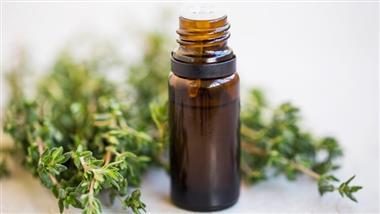
Many of the benefits of thyme are from the essential oils made from Thymus vulgaris,3 which include potent compounds like thymol, camphene, linalool, and carvacrol. Thymol is the most active constituent of thyme essential oil. Levels can vary depending on the climate, extraction method and production practice, ranging from 3% to 80%.4

While thyme has a long history in traditional medicine, more recent scientific analysis and clinical studies have demonstrated another powerful effect the essential oil has on health.

Venezuela Reports Encouraging Results Using Carvativir

Reuters wrote that Maduro is promoting a “miracle” medication derived from thyme called Carvativir that he said neutralizes COVID-19 with no side effects, although some doctors say it is not backed by science.”5 According to the report, Maduro said the solution was tested on people who were being treated at emergency medical facilities and at a Caracas hospital.

During a televised broadcast, he claimed Carvativir had been through nine months of study and clinical application on people who had been “very sick” and “intubated,” yet had subsequently recovered.

In another statement, Venezuela’s National Academy of Medicine confirmed the solution has therapeutic potential against coronavirus, but cautions it may be prudent to “wait for more data from the Carvativir tests … to consider it a candidate for an anti-COVID-19 medication.”6

While doctors have also acknowledged that thyme essential oils have been used for centuries on infections but have not been established against COVID-19, Venezuelan scientists, including Hector Rangel, a virologist who led studies on COVID-19 vaccines, assured the media that Carvativir has demonstrated activity against cells infected with SARS-CoV-2 in vitro.7

Maduro has promised studies will be published demonstrating Carvativir’s effectiveness. Due to the “tremendous controversy” generated over his initial comments, he now calls the medication “complementary” in the treatment against COVID-19.8

Headlines and Media Outlets May Not Tell the Whole Story

It becomes difficult to isolate evidence and data when headlines and articles are not impartial, such as “A Traditional Herb Created By Catholic Holy Doctors Criticized By World Health Experts”9 and “Doctors Skeptical As Venezuela’s Maduro Touts Coronavirus ‘Miracle’ Drug.”10 Instead of preparing arguments based on data, the media appear to be crafting their own narrative.

This has recent historical precedent when the fight over using hydroxychloroquine in the treatment of COVID-19 was highly politicized and covered by the media, in a role that can be likened to genocide.

It’s impossible to estimate how many lives may have been saved had journalists done their due diligence and reported on the science truthfully as opposed to taking their lead from businesses that spend the most on advertising, namely drug companies.

Carvativir may or may not be effective or complementary in the treatment of COVID-19, yet before the data can be released, the drug is labeled as quackery. As most in the holistic field have been aware, there is an undercurrent of censorship used to mislead people that ultimately lines the pockets of the pharmaceutical industry.

During the COVID-19 pandemic, many conventional doctors have also gotten a taste of what it’s like to have potentially life-saving treatments censored. July 23, 2020,11 Dr. Harvey A. Risch, professor of epidemiology at Yale School of Public Health, published an op-ed in Newsweek in which he expressed his dismay and frustration on this topic as it pertains to hydroxychloroquine.12

“I have authored over 300 peer-reviewed publications and currently hold senior positions on the editorial boards of several leading journals.

I am usually accustomed to advocating for positions within the mainstream of medicine, so have been flummoxed to find that, in the midst of a crisis, I am fighting for a treatment that the data fully support but which, for reasons having nothing to do with a correct understanding of the science, has been pushed to the sidelines.

As a result, tens of thousands of patients with COVID-19 are dying unnecessarily … I am referring, of course, to the medication hydroxychloroquine.

When this inexpensive oral medication is given very early in the course of illness, before the virus has had time to multiply beyond control, it has shown to be highly effective, especially when given in combination with the antibiotics azithromycin or doxycycline and the nutritional supplement zinc.

Physicians who have been using these medications in the face of widespread skepticism have been truly heroic. They have done what the science shows is best for their patients, often at great personal risk.

I myself know of two doctors who have saved the lives of hundreds of patients with these medications but are now fighting state medical boards to save their licenses and reputations. The cases against them are completely without scientific merit.”

Click here to learn more

Thyme Has Demonstrated Antiviral Activity

The Venezuelan Minister for Science and Technology, Gabriela Jiménez, confirmed that the active ingredient in Carvativir is isothymol isolated from oregano and thyme.13 While the essential oils from thyme have not been scientifically proven against COVID-19, there is scientific evidence they have antiviral and antibacterial properties.

Historically, thyme has been used to help control cough associated with upper respiratory infection. One tested combination14 used with upper respiratory infections is thyme and primrose in combination with thymol, which was shown to alleviate cough and shortness of breath and to shorten the length of the infection.

Evidence has also shown thyme is active against herpes15 and other viruses, likely by interfering with the protein envelope that surrounds virulent viruses, such as SARS-CoV-2. One study16 published in 2017 showed thymol was highly selective and a promising candidate against herpes infections.

Research from the University of Ahvaz17 showed extracts from thyme provided protection against the Newcastle virus that causes illness and death in birds and is transmissible to humans. Another analysis18 showed essential oil from Thymus transcaspicus, a variety of thyme, had moderate antimicrobial and antiviral activity.

Thyme has also been evaluated against the influenza virus as antiviral resistant strains continue to emerge. Essential oils have been tested in experimental conditions, but one study19 tested essential oils from eucalyptus, Citrus bergamia and Thymus vulgaris in vapor form.

Vaporized essential oils from thyme, among others, displayed 100% inhibitory activity without adverse effects on the epithelial layers, suggesting they could be “potentially useful in influenza therapy.”20

Officials Push Vaccine Over Prevention and Treatment

Carvativir is not the first cost-effective potential treatment to be ridiculed in the media in favor of sitting and waiting until an unproven genetic experiment can be unleashed on the public under the guise of Operation Warp Speed and a COVID-19 vaccine.

While the results on Carvativir are not yet published as of this writing, there are other effective and long-standing preventive measures and treatments for this virus. Although the recently released shot is being called a vaccine, by medical definition it’s more accurately an experimental gene therapy that could prematurely kill many people.

As I discussed in “How COVID ‘Vaccines’ May Destroy the Lives of Millions,” the way in which the messenger RNA (mRNA) vaccines are produced may increase the risk of anaphylaxis. Additionally, free mRNA can fuel chronic, long-term inflammatory diseases.

As I also wrote in the article linked above, equally shocking are the personal videos sharing the severe side effects people are experiencing — videos which are quickly removed by social media platforms, ostensibly for violating some term of service. It’s hard to fathom how a personal experience can be considered “false information.”

Whether you choose to take the vaccine or not, it is important to remember that it does not stop you from getting COVID-19 and may not be effective against the virus as it naturally mutates in the environment. It is essential you take steps to protect your overall health and be aware of the strategies you can use to prevent infection and be treated early at home to reduce your risk of severe disease.

Recently, doctors have returned to basic supportive care and treatments and have experienced better survival rates and patient outcomes. As the pandemic has progressed, doctors have also recognized the need for early outpatient treatment in order to halt the progression and lower the risk of severe disease.

Consider These Steps to Reduce Your Risk

One of those outpatient treatments that has been maligned in the media is a combination of hydroxychloroquine and zinc. Hydroxychloroquine acts as a zinc ionophore, helping to move zinc into the cells. Zinc helps prevent the replication of viruses inside the cell, which is why it has had such good results in shortening the common cold.

Evidence has also suggested that people admitted to the hospital with low zinc levels have a higher likelihood of dying from COVID-19.21 Low levels of vitamin D have also been associated with an increased risk of severe COVID-19 disease. Vitamin D optimization may help prevent infection and reduce the risk of severe symptoms.

In June 2020, I launched an information campaign about vitamin D that included a downloadable scientific report detailing the science behind vitamin D. A randomized double-blind study, published December 2020,22 demonstrated that giving critically ill patients with COVID-19 high doses of vitamin D could significantly reduce the number of days they spend in intensive care and reduce their need for ventilation.

A mathematical reanalysis of data from an earlier trial concluded there’s a “strong role for vitamin D in reducing ICU admission of hospitalized COVID-19 patients.”23 Ivermectin is another drug that’s been found to be useful in all stages of the infection. However, the real strength appears to be as a preventive.

As I reported in “Can Ivermectin Help Prevent COVID-19 Deaths?,” two states in India with high population rates are reporting24 the lowest and second-lowest fatality rates in all of India after having added ivermectin to their treatment protocols.

As reported in Trial Site News, health officials in India had recognized urgency in treating and preventing the illness, but, “Such urgency is in short supply in the U.S., where the single-minded focus is on vaccination.”25

Two other treatments for COVID-19 that have shown significant positive results are vitamin C and the MATH+ protocol. As reported in Nutrients, “Vitamin C’s antioxidant, anti-inflammatory and immunomodulating effects make it a potential therapeutic candidate, both for the prevention and amelioration of COVID-19 infection, and as an adjunctive therapy in the critical care of COVID-19.”26

In response to this landmark review the Alliance for Natural Health launched an international vitamin C campaign.27 Founder and scientific director Rob Verkerk, Ph.D., noted there are several reasons to take supplemental vitamin C:28

  • Your body cannot make it.
  • Most people do not get enough from their diet.
  • Your body’s requirement for vitamin C can increase 10-fold during an infection, disease or physical trauma.

Vitamin C is also a part of the MATH+ protocol developed by the Front Line COVID-19 Critical Care Working Group (FLCCC). You can read more about this protocol, which has been successfully used to treat COVID-19, in “Quercetin and Vitamin C: Synergistic Therapy for COVID-19.”

Consider These Steps to Take Control of Your Health

My personal choice for treating upper respiratory illnesses, including COVID-19, is nebulized hydrogen peroxide. In the video above I demonstrate how the solution should be mixed and administered for the best results.

It’s a home remedy I recommend everyone familiarize themselves with, as in many cases it can improve symptoms in mere hours. You can also use it as a preventive strategy if you know you’ve been exposed to someone who is ill.

The recent events over the past year have aptly demonstrated how crucial it is for you to take control of your health. In the past year there have been a rising number of suicides,29 drug overdoses30 and mental health conditions,31 many of which may have stemmed from fear. It is important to remember you do not have to be afraid and that fear is what is being used to manipulate your behavior.

Take the time to gather the necessary tools you’ll need to protect your health, reduce your risk of infection and hasten healing if you are infected. Then take a few minutes to share this important information with your friends and family members.

Many of the effective preventive and at-home treatment strategies are not shared by the media, as most are advocating you wait with bated breath for a vaccine. You can improve your health and make a difference in others’ lives.

Herbal RELIEF: Lower blood pressure with these 3 ancient remedies, science confirms

Reproduced from original article:
https://www.naturalhealth365.com/high-blood-pressure-relief-3658.html

by:  | December 14, 2020

blood-pressure-remedy(NaturalHealth365) High blood pressure, a major trigger for heart attacks, heart failure and stroke, affects a stunning 45 percent of the adult population in the United States. Unfortunately, high blood pressure medications such as beta blockers and ACE inhibitors come with a long list of possible side effects, including dizziness, fatigue and weight gain. In fact, some have even been linked with an elevated risk of stomach, pancreatic and liver cancer.

Many people turn to botanical remedies – such as fennel seeds, lavender oil and German chamomile – to help lower blood pressure.  In a published scientific study, researchers examined the molecular “nuts and bolts” behind the blood pressure-lowering properties of these herbs – with impressive results.  Let’s take a closer look at the surprising findings.

Study confirms effects of traditional herbal high blood pressure remedies – with a new twist

Also known as hypertension, high blood pressure is considered present when readings rise above 130 mm/hG in the top measurement and 80 in the bottom.

By the way, the condition has been with humanity a very long time.  In fact, records show that high blood pressure – which used to be known as “hard pulse disease” – was being diagnosed and treated as  early as 2600 BC!

A variety of herbs used in folk medicine, Ayurvedic healing systems and traditional Chinese medicine have been shown in both human and animal studies to lower blood pressure.  Recently, a team of scientists at University of California, Irvine, set out to evaluate some of them.

In a study newly published in Proceedings of the National Academy of Sciences, the researchers found that certain herbs can activate a specific potassium channel in blood vessels. This channel, known as KCNQ5, has the effect of relaxing the blood vessels, thereby lowering blood pressure.

Do NOT ignore the health dangers linked to toxic indoor air.  These chemicals – the ‘off-gassing’ of paints, mattresses, carpets and other home/office building materials – increase your risk of headaches, dementia, heart disease and cancer.

Get the BEST indoor air purification system – at the LOWEST price, exclusively for NaturalHealth365 readers.  I, personally use this system in my home AND office.  Click HERE to order now – before the sale ends.

In addition, the team was able to identify an alkaloid, aloperine, as the active artery-relaxing molecule.  The team also examined the channel-activating ability of other herbs – such as spearmint, tarragon and wheatgrass – with no known effects on blood pressure.

Sure enough, they found that these had no effect on the potassium channel.  Yet, the traditional hypotensive herbs, which are used across a spectrum of diverse cultures and geographic areas, all shared the identical ability to open the KCNQ5 channel – a finding that the scientists called “striking.”

They praised lavender, fennel seed extract and German chamomile as particularly effective in opening the channel.  According to study leader Geoff Abbott, Ph.D., a professor of physiology and biophysics in the School of Medicine at University of California, Irvine, the findings of the study could enable the potential development of new therapeutic drugs.

Fennel seeds: potent powers in a tiny package

Used in recipes for their piquant, licorice-like flavor, fennel seeds (Foeniculum vulgare) are also valued in Ayurvedic and Traditional Chinese Medicine as a remedy for coughs, digestive problems and liver disease.

Strongly anti-inflammatory, antibacterial, antiviral, and antioxidant, fennel seeds are currently being investigated for their potential anticancer effects.  In addition to displaying the potassium channel-activating powers investigated in the study, fennel seeds are rich in the minerals potassium, calcium and magnesium – which naturally regulate blood pressure.  They also contain dietary nitrates, which also lower blood pressure and protect the heart – as well as the beneficial flavonoids quercetin, rosmarinic acid, apigenin and anethole.

Natural healers typically advise amounts of 400 mg of fennel seed extract a day.  However, consult your own integrative doctor before adding fennel seeds or fennel extracts to your health routine.

Lavender: More than just a pretty scent

This purple-flowered, fragrant member of the mint family is a trusted herbal remedy for anxiety, which can cause sudden spikes in blood pressure.  Science confirms lavender’s calming effects, with solid studies backing lavender essential oil’s anxiety-reducing and mood-lifting properties.

Incidentally, the new study was not the first to investigate lavender’s blood pressure-lowering effects. A study published in the Iranian Journal of Pharmaceutical Research showed that lavender essential oil lowered blood pressure and heart rate in patients who had undergone open-heart surgery.

To use lavender essential oil, dilute 3 drops in 9 drops of olive or coconut oil and apply to the back of the neck. You can also inhale the fragrance of lavender oil through an aromatherapy diffuser. However, lavender essential oil is not to be taken internally.

Lavender, which is botanically known as Lavandula angustifolia, is also available in capsule form. Natural healers typically advise amounts of 80 milligrams a day.  Again, naturally, it’s best to check with your integrative physician before supplementing with lavender.

German chamomile: Time-honored, calming remedy supported by science

German chamomile, scientifically known as Matricaria chamomilla, has long been used by natural healers to treat a variety of ills, including indigestion, nausea, and skin rashes. The active principle in this time-honored herb is a powerful antioxidant known as chamazulene.

Like fennel, German chamomile also contains the flavonoids apigenin and quercetin.  Research has shown that German chamomile has mild sedative effects. This means that – like lavender – it can help to ease the anxiety that can cause sudden spikes in blood pressure.

German chamomile is available in capsules and may also be brewed into a tea.  You can also use chamomile essential oil, either through an aromatherapy diffuser or applied to the skin after dilution with a carrier oil.  And, like many essential oils, chamomile oil should not be taken orally.

One important note: don’t use chamomile in any form, if you are allergic to any members of the aster family – which includes ragweed and chrysanthemums.

Typical chamomile amounts can range from 300 mg to 1,000 mg a day.  And, you guessed it: before trying chamomile … get the “thumbs-up” from your own doctor.

Of course, it’s always good to say the obvious: never eliminate or reduce prescribed blood pressure medications unless advised to do so by your own healthcare provider.  Other steps you can take to manage blood pressure naturally include getting sufficient physical exercise, maintaining a healthy weight, eating a nutritious (organic) diet, and avoiding processed (denatured) salt.

As the latest study shows, these three trusted herbal remedies all activate sophisticated molecular mechanisms to help lower blood pressure – and science continues to confirm ancient wisdom.

Sources for this article include:

ScienceDaily.com
MedicalNewsToday.com
Healthline.com
EverydayHealth.com
Healthline.com
CDC.gov


Eliminate ulcerative colitis naturally

Reproduced from original article:
www.naturalhealth365.com/ulcerative-colitis-ibd-3654.html
by: | December 10, 2020

ulcerative-colitis(NaturalHealth365) With inflammatory bowel disease on the rise in the United States, the tab for treating this condition is rising as well.  In fact, according to the U.S. Centers for Disease Control and Prevention (CDC), ‘those with IBD are more likely to have certain chronic health conditions that include: cardiovascular disease, respiratory disease and cancer.’

These conditions – which are obviously life-threatening – have no known (conventional) medical cure, and doctors aren’t even sure what causes them, although integrative healthcare providers believe our increasingly toxic environment does play a role.  Just consider how serious this is: 3 out of 4 Crohn’s disease sufferers will eventually need surgery; and for ulcerative colitis, the estimate is 1 out of 4.

When will Western medicine wake up?  Toxic drugs will NEVER solve the underlying cause of ulcerative colitis

Conventionally-trained doctors tend to treat symptoms with drugs such as aminosalicylates and steroids, but these medications can cause a host of serious side effects, including high blood pressure, osteoporosis, diabetes, glaucoma, inability to absorb certain nutrients, and increased risk of infection.

Given these bleak facts, wouldn’t it be wonderful if there were a safe, natural way of reducing the inflammation that lies at the heart of these conditions?

Herbal medicine can help to eliminate digestive disorders

Boswellia serrata, also called “Indian frankincense” and Salai guggul, has been prized in Ayurvedic medicine for thousands of years as a remedy for digestive disorders, respiratory problems and inflammatory diseases. Over the last few decades, conventional medical authorities and institutions have begun to acknowledge what boswellia can do.

Boswellia resin, which is obtained from plant’s thick, flexible bark, contains triterpenes known as boswellic acids; scientists think these are the key to the plant’s anti-inflammatory effects.  Boswellia resin also contains essential oils which are rich in alpha-thujene – a pungent monoterpene – and p-cymene, an aromatic compound also found in beneficial herbs such as thyme.

Do NOT ignore the health dangers linked to toxic indoor air.  These chemicals – the ‘off-gassing’ of paints, mattresses, carpets and other home/office building materials – increase your risk of headaches, dementia, heart disease and cancer.

Get the BEST indoor air purification system – at the LOWEST price, exclusively for NaturalHealth365 readers.  I, personally use this system in my home AND office.  Click HERE to order now – before the sale ends.

The University of Maryland Medical Center (UMMC) reports boswellic acids inhibit a specific enzyme that is vital in the biosynthesis of leukotrienes – inflammatory molecules believed to contribute to ulcerative colitis and other inflammatory diseases.

Is boswellia better than conventional drugs?

Although boswellia is not commonly recommended by conventional doctors to treat IBD, its ability to treat ulcerative colitis and Crohn’s disease – and do it more effectively and safely than prescription drugs – has been supported by close to 20 years of research. UMMC cites a 1997 clinical study in which boswellia’s therapeutic effects were equal to those of sulfasalazine, a pharmaceutical IBD treatment.

The study, published in European Journal of Medical Research, explored the effects of boswellia on patients diagnosed with grade II and grade III ulcerative colitis. Subjects were given 350 milligrams of boswellia extracts three times a day for 6 weeks, after which researchers used microscopies of rectal biopsies and examined relevant blood parameters – including levels of leukocytes and esinophils – to determine the results.

They found that the boswellia group showed improvement in all parameters, with 82 percent going into remission, as compared to 75 percent for the sulfasalazine group.  In other words, boswellia outperformed the pharmaceutical drug.

Four years later, a 2001 study published in Planta Medica showed an even wider divide between boswellia and sulfasalazine’s effects. Thirty patients with chronic colitis were given either 900 milligrams of boswellia or 3000 milligrams of sulfasalazine daily for six weeks.

Ninety percent of the boswellia patients showed improvement in symptoms, as compared to 60 percent of the sulfasalazine group. The study’s author concluded that boswellia could be used to effectively treat colitis with minimal side effects.

Finally, in a review published in 2001 in Gastroenterology, boswellia was found to be as exactly as effective as the pharmaceutical drug mesalamine in treating acute Crohn’s disease.

Don’t you wish these studies were required reading for all gastroenterologists?

Some conventionally-trained physicians support the use of boswellia

Another “plus” for boswellia is that fact that it doesn’t damage the digestive tract.  According to Memorial Sloan-Kettering Cancer Center, boswellia – unlike current non-steroidal anti-inflammatory drugs – does not cause gastric ulcers, another testament to this remarkable herb’s safety and efficacy.

Boswellia attacks inflammation on many fronts.

In a German review, presented by the Institute of Pharmaceutical Sciences at University of Tuebingen and published in 2010 in Phytomedicine, the authors reviewed the method of action of boswellic acids. They noted the acids affect cellular defense while exhibiting action in the immune system.

Boswellic acids also down regulate inflammatory cytokines, cut production of leukotrienes and demonstrate antioxidant activity while inhibiting the formation of free radicals. Given these activities, the authors of the review called boswellia’s therapeutic effects on ulcerative colitis and Crohn’s disease “not surprising.” They called for further studies in order to explore optimal dosages.

How can I take boswellia?

Boswellia, usually standardized to contain between 37.5 and 65 percent boswellic acid, is available in resin, pill and cream form. UMMC notes that the standard boswellia amount for ulcerative colitis is 550 milligrams, 3 times a day for up to six weeks.

Of course, you should consult with a trusted doctor before using boswellia for any digestive issues; and your doctor can advise you as to the proper amount, and how long to continue taking boswellia.

Keep in mind, boswellia can stimulate blood flow in the uterus and could induce miscarriage – so, do not take it if you are pregnant.  Side effects of boswellia can include digestive discomfort; as with any substance, an allergy to boswellia is possible.

Sources for this article include:

CDC.gov
MSKCC.org
NIH.gov
NIH.gov

Unique Glucosinolates Found in Moringa


Reproduced from original article:
https://articles.mercola.com/sites/articles/archive/2020/10/08/moringin.aspx
Analysis by Dr. Joseph Mercola     Fact Checked     October 08, 2020

moringin

STORY AT-A-GLANCE

  • Glucosinolates are phytochemical compounds that are found in cruciferous vegetables and Moringa, a plant recognized for its medicinal purposes for centuries
  • Glucosinolates are metabolized into bioactive isothiocyanates. The primary isothiocyanate in Moringa is moringin. Like sulforaphane in broccoli, moringin has powerful antibacterial, anti-inflammatory and anticancer effects
  • Researchers recently discovered a novel type of glucosinolate in wild forms of Moringa oleifera dubbed 4GBGS. Domestic forms of Moringa oleifera, or those specifically grown for human consumption, also had some levels of 4GBGS, but in much lower concentrations
  • Moringa also contains all nine essential amino acids and has been shown to lower blood pressure, modulate immune function and protect the health of your organs
  • Moringa leaves are often available in a dried, powder form that you can use to make tea or add to your smoothies

Glucosinolates are sulfur-containing phytochemicals most notably found in cruciferous vegetables like broccoli, cabbage and Brussels sprouts. But research shows that Moringa, also known as the drumstick tree or the horseradish tree, is also high in these health-promoting compounds.

According to a May 2018 report published in Scientific Reports,1 Moringa not only contains high levels of glucosinolates, but also has unique glucosinolates that are responsible for many of its medicinal properties.

Glucosinolates, which are inert, are metabolized into bioactive isothiocyanates by an enzyme called myrosinase.2 The primary isothiocyanate in Moringa responsible for many of its health benefits is moringin,3 created by hydrolysis of glucomoringin.4

Moringin is also known as 4RBITC (after its chemical name, 4-(alpha-L-rhamnopyranosyloxy)benzyl isothiocyanate). Like sulforaphane in broccoli, moringin has potent anti-inflammatory and cytoprotective effects.5

According to Jed Fahey, a nutritional biochemist and assistant professor at Johns Hopkins Medical School, moringin is just as potent as sulforaphane, and in some assays actually more potent.

What Is Moringa?

Before diving into the specific health benefits of Moringa and why glucosinolates are important, it’s helpful to know what Moringa is. Moringa is a tree native to India, Pakistan, Bangladesh and Afghanistan.6

There are 14 different species of Moringa, but the most common and most widely consumed is Moringa oleifera, sometimes referred to as the “miracle vegetable.” If you live in a subtropical area and decide to plant this tree, be careful, as it is one of the fastest growing trees I have ever seen.

I planted a few to have as shrubs that I can harvest for my salad. I stopped using it when I switched to carnivore and six months later, these trees were 25 feet tall, blocking my solar panels, and the trunks had a 12-inch circumference.

For centuries, Moringa oleifera has been used in Ayurvedic and natural medicine as a remedy for inflammation, infectious diseases and chronic conditions such as heart disease, blood diseases and digestive disorders.7

While Moringa oleifera is an excellent source of vitamins, minerals and several phenolic compounds, many of the health benefits of the plant come down to its glucosinolates and the isothiocyanate moringin. Interestingly, recent research has revealed a previously unknown glucosinolate in wild Moringa.

Previously Unknown Glucosinolate Found in Moringa

Glucosinolates are a class of sulfur-containing compounds found in cruciferous vegetables, also called the Brassica family of vegetables, and Moringa, but Moringa oleifera contains several members of the glucosinolate family that aren’t found anywhere else. The most concentrated glucosinolate in Moringa oleifera is glucomoringin (GMG), which has antioxidant and anticancer benefits.

Researchers recently discovered a novel type of glucosinolate in wild forms of Moringa oleifera dubbed 4-(-L-glucopyranosyloxy)benzyl GS (4GBGS).8 Domestic forms of Moringa oleifera, or those specifically grown for human consumption, also had some levels of 4GBGS, but in much lower concentrations.

The researchers speculate that this may be due to the manufacturers’ desire to improve the naturally bitter taste of Moringa. Since glucosinolates contain sulfur, they have a distinct, sometimes off-putting flavor.

In addition to GMG and 4GBGS, Moringa oleifera also contains at least 10 other glucosinolates that work together to provide many of the health benefits of Moringa.

Click here to read more

Moringa Has Powerful Antibiotic Effects

Moringa has also been shown to have potent antibiotic activity against a wide variety of pathogens, including Escherichia coli, Salmonella typhimurium, Candida and Helicobacter pylori (H. pylori).9 According to Scientific Reports:10

“ … (4RBITC), the isothiocyanate created by hydrolysis of ‘glucomoringin’ … from M. oleifera is a potent and selective antibiotic against H. pylori.

Other studies have shown that the antibiotic activity of 4RBITC from M. oleifera is selective and potent against other important human pathogens such as Staphylococcus aureus and Candida albicans. It also appears to be effective in controlling certain manifestations of both ALS and multiple sclerosis in mouse models.

A growing number of epidemiologic, animal, and clinical studies link dietary glucosinolates and their cognate isothiocyanates to protection against chronic diseases including a variety of cancers, diabetes, and autism spectrum disorder …”

A 2005 study11 in Planta Medica compared the effectiveness of several different isothiocyanates to see which offered the most potent protection against H. pylori. Of the isothiocyanates tested, sulforaphane and moringin (4RBITC) were the most effective.

In another study,12 researchers collected bacteria samples from fecal matter that was supplied by a hospital in Portugal. A total of 18 aerobic bacterial strains, including Enterococcus faecalis, Staphylococcus aureus, Staphylococcus saprophyticus, E. coli (two strains) and Salmonella typhi, were isolated.

The samples were then exposed to three different glucosinolates and three isothiocyanates. While the intact glucosinolates had no effect on the bacteria, the isothiocyanates, specifically SFN, BITC and PEITC, had high antimicrobial activities. In some cases, the isothiocyanates were actually more effective than antibiotics.

Moringa Contains All of the Essential Amino Acids

Moringa is also a source of high-quality protein. Just 2 teaspoons of dried Moringa powder contain 1 gram of protein13 and the total mean protein content of domesticated Moringa oleifera is 30.24%.14 Perhaps most important is the fact that Moringa contains all of the nine essential amino acids, something that many other sources of plant protein fall short on.

Amino acids are important because they’re the building blocks of protein. Conversely, when your body breaks down or digests the proteins you eat, amino acids are what’s left behind. Your body uses amino acids to make new proteins that carry out a variety of different functions, from growth and repair to wound healing to food metabolism.

There are 20 different amino acids that are classified as either essential or nonessential. Your body can make the nonessential amino acids itself, but it cannot make the essential amino acids. That’s why you need to get them from food.

The nine essential amino acids are histidine, isoleucine, leucine, lysine, methionine, phenylalanine, tryptophan, threonine and valine. Three of these essential amino acids — leucine, isoleucine and valine — are also categorized as branched-chain amino acids (BCAA) because they have a branched molecular structure.

While your liver breaks down most amino acids, it can’t break down BCAAs. Because of this, BCAAs are broken down primarily in your muscle. As such, they help improve exercise performance and reduce the breakdown of muscle.15

There aren’t a lot of plant foods that contain all of the essential amino acids, but moringa does. According to the African Journal of Biotechnology, moringa has a total of 19 amino acids,16 including all nine essential amino acids.17 As detailed in several research articles, including the journal Amino Acids, the nine essential amino acids have important biological roles, including the following:18

Isoleucine19 — Helps stabilize your blood sugar and is required, along with leucine and valine, for muscle synthesis, repair, energy and endurance.
Leucine20 — Helps lower blood sugar that is elevated and triggers the production of growth hormone. Along with isoleucine and valine, leucine promotes the growth of muscle, bone and skin.
Valine21 — Helps maintain muscle metabolism and nitrogen balance. It’s also used in tissue repair and energy production.
Lysine22 — Is needed in the production of hormones, collagen, enzymes and antibodies. It also helps combat viruses and plays a role in calcium assimilation and protein construction in bones and muscle.
Methionine23 — Is converted into homocysteine and vice versa, based on the needs of your body. It’s also a primary source of sulfur in your body, which is required for healthy hair, skin and nails.
Tryptophan24 — Aids in the production of niacin (vitamin B3), which is required for serotonin and melatonin production.
Phenylalanine25 — Plays a role in memory formation and nervous system function and helps reduce inflammation.
Threonine26,27 — Important for healthy cardiovascular system, central nervous system, immune system and liver function. It also plays a role in the digestion of fats, and promotes healthy collagen, muscle tissue, skin and bones.
Histidine28 — Required for red and white blood cell production, and aids in tissue repair. Importantly, histidine helps protect your nerves by maintaining the myelin sheath around them.

In addition to essential amino acids, Moringa contains beneficial fatty acids (44.57% being a-linolenic acid29), beta-carotene, phenolics, zeatin, quercetin, beta-sitosterol, kaempferol,30 flavonoids and isothiocyanates.31 Two teaspoons of dried Moringa powder also offers32 0.999 grams of fiber, 80 mg of calcium and 200 IU of vitamin C.

Other Health Benefits of Moringa

In addition to the previously mentioned health benefits, other studies report that Moringa also:

Helps protect diabetes patients from retinopathy — Retinopathy is caused by the inflammation of the blood vessels in the eyes, which may lead to fluid leakage. If left untreated, retinopathy may advance into complete blindness.

Moringa may help stop retinopathy by regulating blood sugar in diabetes patients and protecting the retina from inflammation. This is usually attributed to moringa’s high antioxidant content.33

May ease asthma — One study34 found Moringa oleifera can decrease the severity of symptoms in people with asthma and improve lung function parameters, including forced vital capacity, forced expiratory volume and peak expiratory flow, without any negative side effects. Moringa oleifera was also shown to reduce the severity of asthma attacks.
Helps protect liver, kidney, heart, testes and lung health35
Has analgesic properties36
Has antiulcer activity37
Helps lower blood pressure38
Protects against radiation39
Helps modulate immune function40
Has anti-inflammatory41 and antiviral activity, thanks to quercetin42,43,44

How to Include Moringa in Your Diet

Similar to matcha, most Moringa is available in powder form. The Moringa leaves are dried and then ground to form a concentrated powder that’s rich in all of the beneficial compounds, vitamins and minerals that moringa has to offer.

Consuming Moringa this way may be especially beneficial because the leaves are never cooked, only dried. Cooking can denature the myrosinase enzyme, reducing the amount of glucosinolates that get converted to the active isothiocyanates and the amount of isothiocyanates that your body absorbs.45

You can also purchase Moringa in oil or capsule form. When deciding on a source, consider one made from wild Moringa. Wild-harvested Moringa may be more bitter than domesticated versions, but ensures that you’re getting all of the beneficial glucosinolates and the health benefits that come with them.

Moringa supplements can contain a large range of Moringa leaf powder, anywhere from 500 to 2,000 mg, depending on the size of the capsule. The recommended amount for adult supplementation is two capsules per day, one in the morning and one at night.

However, it would be best that you consult a doctor or health practitioner before taking the supplement. This will ensure that the dosage is advisable for you or that the supplement will not interact with any medications you may currently be taking.

While moringa offers impressive health benefits, it’s also important to be aware of the possible side effects moringa supplementation may cause. For pregnant mothers, it’s best that you avoid the use of Moringa oleifera supplements, as there are insufficient studies that show Moringa is safe for pregnant women. There are also a few studies that suggest Moringa, when taken during the early stages of pregnancy, may cause miscarriage due to its ability to cause uterine contractions.46

You can also harvest the seeds, sow them and harvest them like microgreens, i.e., while they’re small, like sprouts. For guidance on how to grow Moringa trees in general, see my previous article, “How to Grow Moringa Tree.”

Other Sources of Glucosinolates

It’s true that Moringa contains unique glucosinolates, like glucomoringin that you can’t find anywhere else, but they’re not the only source of glucosinolates in the diet. If you want to increase your intake of these beneficial plant compounds in other ways, you can do so by including these foods:47

Brussels sprouts Broccoli Watercress
Garden cress Mustard greens Turnip
Savoy cabbage Kale Turnip greens
Red cabbage Horseradish Cauliflower
Bok choy Collard greens Kohlrabi

– Sources and References