Apoptosis
now browsing by category
How blue and purple plant pigments battle cancer, heart disease, and stroke
Reproduced from original article:
https://www.naturalhealth365.com/how-blue-and-purple-plant-pigments-battle-cancer-heart-disease-and-stroke.html
by: March 25, 2024
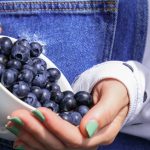 (NaturalHealth365) The ketogenic diet, the “Paleo” diet, the Mediterranean diet, the DASH diet – it seems there is no end to the head-spinning variety of diets, all touted to support well-being and longevity. However, regardless of which diet they favor, scientists, nutritionists, conventionally trained physicians, and holistic doctors generally acknowledge that multiple studies link higher intakes of “colorful” foods (mainly fruits and vegetables) with lower rates of life-threatening cancers and heart disease.
It turns out that the natural plant pigments in fruits and vegetables contribute more than an attractive “pop” of color. Multiple studies and reviews attest that plant pigments have antioxidant and anti-inflammatory capacities that can help sustain health and even prevent cancer. In addition, according to a new study published in the peer-reviewed Journal of Nutrition, a group of pigments known as anthocyanins is linked with lower rates of ischemic stroke. Read on to discover what’s behind their new place in the scientific spotlight.
Antioxidant benefits found in hundreds of varieties of THIS natural plant compound
Simply put, anthocyanins are natural plant compounds that contribute to red, orange, violet, and blue coloration. They can be found in purple grapes, dark cherries, and blueberries – and in less obvious foods such as black beans, Russet potatoes, and red onions.
And when it comes to studying anthocyanins, researchers have their work cut out for them. Recent reviews have revealed over 500 different types, with delphinidin, cyanidin, and pelargonidin among the most significant. In addition to appearing naturally in many “superfoods,” anthocyanins are currently used in the food industry instead of artificial synthetic colorants.
Anthocyanins help ward off breast cancer
The number one killer of female cancer patients, breast cancer, claimed the lives of over 42,000 Americans in 2020 (the last year for which statistics were available). While the causes of cancer can be complex, scientists say that roughly 35 percent of all cancer-related mortality is dependent on lifestyle – meaning that diet can play an important role.
It appears that anthocyanins’ antioxidant and anti-inflammatory qualities can pay off in anticancer health dividends. In a review published in 2022 in Nutrition Research, the authors reported: “Managing inflammation and reducing amounts of dangerous free radicals through antioxidant-rich fruits and vegetables can be a strategy to prevent the onset of breast cancer.”
And, it is not only breast cancer risk that may be lowered. A recent study published in Food Research International shows that higher intakes of dietary anthocyanins are associated with a lower rate of colorectal cancer.
Anthocyanins target cancer cells through multiple mechanisms
While human studies are limited, cell and animal studies have illustrated the anticancer effects of anthocyanins. Studies have suggested that these beneficial compounds help to inhibit matrix metalloproteinases, enzymes that make it easier for cancer to spread. They also suppress cancer cell growth and even encourage apoptosis, the pre-programmed “suicide” of cancer cells.
In addition, anthocyanins increase the activity of natural detoxification enzymes, such as glutathione and superoxide dismutase, and help to discourage the growth of blood vessels that carry life-sustaining oxygen to tumors. Of course, many of these studies used highly concentrated amounts of anthocyanins. Ongoing research focuses on making anthocyanins more biologically available – in other words, delivering them in such a way that the body can access their full benefits.
Protective effects for the heart and brain
Studies show that anthocyanins can increase flow-mediated dilation, the ability of blood vessels to widen, and promote efficient circulation. In one twelve-week study published in the European Journal of Nutrition, older adults with mild to moderate dementia were given six ounces of cherry juice a day. This intervention appeared to improve verbal fluency, cognition, and long-term memory and significantly lowered systolic and diastolic blood pressure.
In a recent review in Frontiers in Pharmacology, researchers found that higher intake of anthocyanins substantially lowered the risk of heart attack and heart disease-related death in young and middle-aged women. The research also suggested that a diet rich in anthocyanins can lower LDL cholesterol and have beneficial antiobesity effects.
In addition to dark cherries, black beans, and purple grapes, other good sources of dietary anthocyanins include mulberries, elderberries, and blue corn. And don’t forget lustrous, blue-black eggplants! For maximum benefit, eat organic fruit and vegetables to avoid unwanted chemicals and, of course, be sure to wash your food well before eating.
While scientists aren’t claiming that dietary natural plant pigments can treat or cure cancer and other chronic diseases, the latest cutting-edge research suggests that a diet high in anthocyanins can help prevent them. In the long run, this proves just as valuable. The takeaway? It makes good sense to “eat the rainbow!” where a “jackpot” of health benefits awaits.
Sources for this article include:
Sciencedirect.com
Sciencedirect.com
MDPI.com
NIH.gov
Healthline.com
NIH.gov
Six ways astaxanthin targets cancer cells for destruction
Reproduced from original article:
https://www.naturalhealth365.com/astaxanthin-cancer-cells-2669.html
by: January 1, 2024
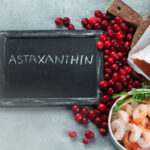 (NaturalHealth365) The American Cancer Society (ACS) estimates 1,958,310 new cancer cases in 2023 in the United States. It’s a disturbing statistic that gives a compelling sense of urgency to the ongoing search for better prevention methods. Although, one thing is certain, don’t expect the ACS to tell you why astaxanthin should be considered a smart way to avoid cancer cell growth.
In fact, based on new studies, astaxanthin (a natural plant compound) can target cancer cells by interfering with, disrupting, and even destroying them at every stage of development – while leaving normal cells unharmed. But the question remains: how does this natural compound work? Let’s take a closer look.
What exactly is astaxanthin?
Astaxanthin is a fat-soluble natural pigment, or carotenoid, responsible for the pinkish-orange hue of salmon, krill, and Arctic shrimp. Technically speaking, only plants produce it, but animals can acquire it through the foods they eat – as in the case of flamingos, which obtain their eye-catching coloration from their menu of shrimp (which feed on astaxanthin-rich algae.)
However, this substance does a lot more than provide accents of color and beauty to the natural world. Like other carotenoids (such as beta-carotene), astaxanthin has potent disease-fighting powers.
Scientists say that the health benefits include anti-diabetic, anti-obesity, anti-inflammatory, anti-aging, and immune system-enhancing properties, and natural healers may advise it to improve vision, ease joint pain, enhance heart health, and even minimize facial wrinkles.
The sworn enemy of chronic inflammation
Let’s not forget: inflammation – which scientists say is at the root of chronic diseases such as diabetes, cardiovascular disease, arthritis, and cancer – is implicated in promoting cancer cell growth and survival.
Animal studies have shown that when you consume this natural compound, you can help to reduce inflammation in mucosal ulcers – thereby helping to prevent adenocarcinoma.
In a study involving human lymphoma cells, astaxanthin interfered with the production of pro-inflammatory cytokines such as tumor necrosis factor-alpha – a substantial benefit.
How to naturally defeat oxidative stress
Researchers have found that oxidative stress – caused by potentially toxic free radicals – promotes the growth and spread of some cancers. A cell study of human lymphoma cancer cells revealed that astaxanthin halted the production of harmful reactive oxygen species and protected against oxidative stress.
Scientists have estimated the outstanding antioxidant capacity of astaxanthin to be 6,000 times more powerful than vitamin C, 800 times more powerful than the enzyme CoQ10, and 150 times more powerful than anthocyanins, the beneficial bluish-purple pigments found in blueberries.
A great way to improve cellular communication
Individual cells in organs and tissues communicate with each other by way of gap-junction channels between cells, an important function for maintaining health. In fact, disruption in this communication can set the stage for inflammation, cellular damage – and cancer.
Astaxanthin enhances gap-junction channels and improves the vital ability of healthy cells to communicate with each other – an essential function in inhibiting cancer development.
Encourage the death of malignant cancer cells
Apoptosis is the programmed destruction of damaged or dysfunctional cells. However, cancer can elude this beneficial process – meaning that its cells can survive and multiply unaffected by apoptosis.
Reinstating the mechanism for apoptosis is a valuable technique for fighting cancer – and it’s one that astaxanthin can help with. Studies have shown that astaxanthin promotes apoptosis in both oral and liver cancer cells.
In one study involving human hepatocellular carcinoma cells (liver cancer tumor cells), researchers found that astaxanthin induced a high level of cell death – causing them to identify it as a potential therapy for liver cancer.
This research is especially encouraging in light of the fact that liver cancer is notoriously difficult to treat and features a high recurrence rate.
Halt the spread of cancer cells and reduce tumor size
Studies support the ability of astaxanthin to selectively stop the proliferation – or multiplication – of cancer cells.
In animal studies, scientists noted that the plant pigment seemed to decrease the proliferation of liver, breast, and lung cancer cells – while leaving normal, healthy cells unharmed.
Of several cancer-fighting carotenoids tested – including beta-carotene and capsanthin – astaxanthin was found to be the most effective at preventing the reproduction of human leukemia cells.
In a study published in Marine Drugs, researchers studied astaxanthin’s effects on tumor initiation and progression.
After 31 days, researchers found that tumor volume and weight in the high-dose astaxanthin group decreased by roughly 40 percent – an impressive result.
Significantly, the group that received no astaxanthin experienced no shrinkage in tumors. Benefits weren’t seen in the low-dose astaxanthin group either – highlighting the importance of sufficient dosages of astaxanthin.
Limit cancer formation, progression, and invasion
Metastasis, the invasion of cancer cells into organs, tissues, and bones, is an important (unwanted) step in cancer progression – and this potentially deadly process is helped along by enzymes known as matrix metalloproteinases, or MMPs.
But – almost as if saying, “Not on my watch!” – astaxanthin battles the production of MMPs, inhibiting it at every turn.
And it doesn’t stop there. Researchers found that astaxanthin also reduces angiogenesis – the ability of tumors to create new blood vessels to obtain essential oxygen and nutrients.
In addition, a study showed that the signaling pathways involved in the growth and spread of oral cancer were significantly inhibited by astaxanthin.
There is also evidence that astaxanthin can make conventional cancer drugs work more effectively. In a study of lung cancer cells, a combination of astaxanthin and pemetrexed, a chemotherapy drug, was more effective in inhibiting cancer cell growth than pemetrexed alone.
Important dietary suggestions
You can increase dietary amounts of astaxanthin by eating wild-caught Pacific sockeye salmon, which delivers 3.2 mg of astaxanthin per 3-ounce serving.
Red trout and Coho salmon are also high in astaxanthin, while other good sources include lobster, shrimp, crayfish, crabs, and salmon roe. However, experts advise limiting your seafood and shellfish consumption – due to possible mercury contamination, especially with regard to seafood deep below or at the bottom of the ocean.
Astaxanthin – derived from microalgae – is available in supplementary form and may be a better bet. To avoid the possibility of heavy metal contamination, opt for reputable, high-quality brands like Nutrex Hawaii.
Before supplementing with astaxanthin, consult with a trusted holistic healthcare provider – especially if you have a serious health condition.
It turns out that astaxanthin may have more to offer than just its visually pleasing color. As cell and animal studies seem to indicate, pinkish-orange astaxanthin could very well take its place in the pantheon of natural anticancer therapies – and become synonymous with the color of healing.
Sources for this article include:
NIH.gov
Wiley.com
LifeExtension.com
PLOS.org
NIH.gov
NIH.gov