Women
now browsing by category
Are the COVID jabs causing cancer? One doctor finds 20-fold increase since jab rollout
Reproduced from original article:
https://www.naturalhealth365.com/covid-jabs-may-cause-cancer-3989.html
by: Sara Middleton, staff writer | September 29, 2021
 (NaturalHealth365) The U.S. Centers for Disease Control and Prevention (CDC) recently acknowledged that childhood obesity rates in America have surged during the pandemic. But some doctors are noticing a concerning cancer increase, as well – specifically among people who have gotten any of the COVID jabs.
Now, as more states and employers look to a shot mandate, one board-certified physician from Idaho is speaking out.
“I’ve never seen this many endometrial cancers before,” doctor shocked by alarming cancer increase since COVID shot rollout
Ryan Cole, MD, is a board-certified dermatopathologist who owns a diagnostics laboratory in Garden City, ID. Recently, Dr. Cole was interviewed about what he describes as a significant “uptick” in cases of cancers and autoimmune diseases among COVID shot recipients.
In the interview, which you can see in part below, Dr. Cole reports: “Since January 1, in the laboratory, I’m seeing a 20 times increase of endometrial cancers over what I see on an annual basis.”
Could there be a scientific explanation for the rising rates of cancer post-COVID shot? Dr. Cole suggests that following the jab, people are experiencing a decrease in key immune cells called killer T cells (aka CD8 cells), which are needed to protect a person against illness and infection. This could explain why in addition to endometrial cancer, Dr. Cole is also seeing a dramatic increase in other women’s health-related concerns such as melanomas, herpes, shingles, mono, and HPV (human papillomavirus).
In other pandemic health news: If you’re worried about your kids’ weight, keep these no-nonsense tips in mind
The rising cancer rates observed by Dr. Cole and other medical providers are deeply concerning – and highlight the fact that there is so much still unknown about the long-term effects of these COVID shots.
There is some long-term data we do have; however: children who are overweight are significantly more likely to be overweight as adults, thereby increasing their risk of obesity-related health conditions like heart disease, diabetes, and yes – cancer.
And we’ve learned, American children are becoming overweight and obese at alarming rates since the pandemic. In their Morbidity and Mortality Weekly Report (MMWR) dated September 17, 2021, the CDC cites “school closures, disrupted routines, increased stress, and less opportunity for physical activity and proper nutrition” as key drivers of this massive pandemic-related weight gain among children and teens.
If you’re concerned about your child’s health and waistline, we encourage you to keep these strategies in mind:
- Model healthy eating habits and physical activity yourself.
- Minimize the number of unhealthy snack foods in your home, and store them where they are difficult to reach. Instead, put healthier food options in easy-to-reach places (e.g., fill the “snack drawer” in your fridge with organic fruits, veggies, and nuts).
- Help your kids listen to their bodies and stop eating when they are full by not forcing them to eat all the food on their plates.
- Do not use food as a reward or punishment.
- Sit down together for family meals. Make them fun!
- Cook at home more often. Let children join in on the meal prep and cooking – find age-appropriate tasks for them to do.
- Find ways to get active as a whole family – hikes, games in the yard, yard work, etc.
Sources for this article include:
BMJ.com
Clevelandclinic.org
Independentdocsid.com
GreatgameIndia.com
CDC.gov
Medlineplus.gov
Frankincense Superior to Chemotherapy in Killing Late-Stage Ovarian Cancer Cells
© GreenMedInfo LLC. This work is reproduced and distributed with the permission of GreenMedInfo LLC.
Want to learn more from GreenMedInfo? Sign up for the newsletter here:
www.greenmedinfo.com/greenmed/newsletter
Reproduced from original article:
www.greenmedinfo.com/blog/frankincense-superior-chemotherapy-killing-late-stage-ovarian-cancer-cells
Posted on: Saturday, December 21st 2013 at 6:00 am
Written By: Sinfully Wholesome
This article is copyrighted by GreenMedInfo LLC, 2017

Like the Magi, carrying myrrh, frankincense, and gold, researchers from the University of Leicester have, for the first time, demonstrated the potential of treating ovarian cancer using the Christmas gift frankincense.
The origins of frankincense can be traced to the Arabian Peninsula. According to Herodotus (5th century BC):
“Arabia is the only country which produces frankincense, myrrh, cassia, and cinnamon.. the trees bearing the frankincense are guarded by winged serpents of small size and various colors. (See this GreenMedInfo Summary).”
Frankincense, along with gold and myrrh, is one of the most famous Christmas presents in history, and is a fragrant plant resin extracted from the Boswellia sacra tree found across Africa and Arabia. Using the compound AKBA (acetyl-11-keto-beta-boswellic acid) derived from the resin, the research has successfully shown its potential effectiveness in targeting ovarian cancer.
More specifically, they have been able to demonstrate the ability of AKBA to combat cancer cells in late-stage ovarian cancer.
Lead researcher Kamla Al-Salmani, PhD student from the University’s Department of Cancer Studies and Molecular Medicine explained:
“After a year of studying the AKBA compound with ovarian cancer cell lines in vitro, we have been able to show it is effective at killing the cancer cells. Frankincense is taken by many people with no known side effects. This finding has enormous potential to be taken to a clinical trial in the future and developed into an additional treatment for ovarian cancer.”
Frankincense has been used as a folk medicine for centuries due to its anti-inflammatory properties, making it a viable treatment for asthma, skin conditions and gastroenteritis among others. Previous studies have also successfully linked AKBA as a potential treatment for many other cancers, including colon, breast and prostate cancer; however this is the first study to demonstrate its potential in combating ovarian cancer.
The researchers have shown that this frankincense compound is effective at killing ovarian cancer cells at realistic concentrations. What has been most surprising is that the cells we have tested which are resistant to chemotherapy have shown to be more sensitive to this compound, suggesting frankincense may indeed be able to help overcome drug resistance, and lead to an improved survival rate for patients with late-stage ovarian cancer.
Additional reading:
- Human bladder cancer cells and immortalized normal bladder cells were studied using Frankincense oil; Frankincense oil appears to distinguish cancerous from normal bladder cells and suppress cancer cell viability
- This study compares Boswellia sacra essential oil hydrodistilled at 100 °C vs 78 °C in inducing cancer cell death in cultured breast cancer cells; the oil prepared at 100 °C was more potent in inducing breast cancer cell-specific cytotoxicity
- Essential oil hand massage was used with hospice patients with terminal cancer with a positive effect on pain and depression
- Boswellia contains a compound (AKBA) which has inhibitory properties in meningioma cells
- Boswellia contains a compound which suppresses proliferation and induces programmed cell death in meningioma cells
Baby bust: Here is what’s driving the rapidly declining birth rates and reduced fertility, according to recent study
Reproduced from original article:
https://www.naturalhealth365.com/industrial-chemicals-reduce-fertility-3871.html
by: Sara Middleton, staff writer | June 17, 2021
 (NaturalHealth365) Birth rates are declining around the world, including here in the United States. According to the U.S. Centers for Disease Control and Prevention (CDC), the nation’s birth rate fell by roughly 4 percent in 2020; experts also project roughly 300,000 fewer American births than usual in 2021.
But this isn’t just a matter of women choosing to delay pregnancy, data suggests. The proliferation of industrial chemicals and environmental toxins linked to fertility problems also appears to harm women’s health and reproduction.
Hundreds of common industrial chemicals linked to declining egg quantity, infertility issues among women
The Pew Research Center calls it a looming “baby bust.” Birth rates are declining in some parts of the world so significantly that they are falling below repopulation levels, which refers to the number of children per woman needed to maintain population stability.
In the United States, says Pew Research Center, the fertility rate hit a record low in 2019 (pre-pandemic), marking the fifth year in a row that fertility rates went down. They cite factors like delays in marriage, increased pursuit of higher education, and “lingering effects of the Great Recession” as reasons why these rates fall so precipitously. But as Children’s Health Defense explains, no conversation about female fertility can happen without also talking about women’s exposure to environmental chemicals.
The truth is, women are exposed to several thousand environmental chemicals – many of which are known toxicants – over the course of their lifetimes. The cumulative effects of these toxins contribute to growing concerns over reduced egg quality and quantity, infertility, and child health problems, research says.
In a 2019 review published in Fertility and Sterility, a pair of researchers from the Center for Reproductive Health at the University of California, San Francisco, highlight the damaging health effects of a number of common environmental toxins, including:
- Mercury
- Cadmium
- Lead
- Pesticides
- Endocrine-disrupting chemicals, including bisphenol A, phthalates, PBDEs
Found in over 90 percent of the human population, these chemicals are linked to everything from birth defects and pregnancy loss to early puberty in female children, emotional issues in male children, and abnormal fetal neurodevelopment.
Children’s Health Defense also cited a recent study of theirs in which they assessed the egg quantity of 60 women undergoing cesarean sections. Their research revealed, “significant connections” between lower egg count and higher concentrations of PBDE (a flame retardant), PCB (found in coolants), and DDE (a DDT by-product). This connection persisted even after accounting for the natural age-related decline in egg quantity, suggesting that environmental toxin exposure is a health risk women of all ages must be aware of.
What can be done? Here are simple ways to decrease your toxic exposure and support fertility
Given the sheer amount of air pollution, conventional agricultural practices, and other environmental threats we face, it’s virtually impossible to completely eliminate our exposure to toxins. But if you’re a woman who is pregnant, trying to conceive, or may get pregnant someday, there are a few simple strategies you can follow to minimize your exposure as much as possible:
- Remove your shoes before entering your home
- Buy organic fruits and vegetables when possible and wash produce thoroughly before eating
- Avoid processed and canned foods
- Never microwave plastic food containers nor put them in the dishwasher – better yet, get rid of plastic food containers altogether and replace them with glass or stainless steel options
- Avoid touching cash register receipts
- Take a hard look at all your household and cosmetic products, and replace them with safer options (look for key phrases like “phthalate-free” and “fragrance-free”)
- Avoid buying new furniture, curtains, and rugs while pregnant, and always ask if they contain flame retardants
- Use a high-quality HEPA filter for your home
Sources for this article include:
Childrenshealthdefense.org
Europa.eu
Pewresearch.org
Fertstert.org
CDC.gov
The ‘design flaw’ that can cause UTIs in women
Published with the permission of Jean Hailes for Women’s Health 27 APR 2021
That burning sensation as you pee – it could be a sign that you have a urinary tract infection (UTI). Unfortunately, UTIs are very common in women – one in three women in Australia before the age of 24 will have at least one that needs treatment with antibiotics, and one in two will experience at least one in their lifetime.
UTIs are often described as ‘honeymoon cystitis’; that is because frequent penetrative sex increases the risk of bacteria moving around the genital area, entering the urethra, and triggering an infection. There are many causes of UTIs but according to Jean Hailes Women’s Health GP, Dr Kerryn Rae, the main issue is a “design flaw” in women.
“Basically, the urethra is too short,” she explains.
The length of the female urethra is about 4cm, while the male urethra is around 20cm. A woman’s urethra sits in front of the vagina and is very close to the bowel. For women, this means it’s a very short journey for bacteria to travel into a woman’s urinary tract.

What causes them?
UTIs are usually caused by bacteria. The most common one is E coli (Escherichia coli), and there are a number of ways these clever bugs can enter the urinary tract. Sex is an obvious way, but they can also be introduced by wiping from back to front after peeing (urinating) or pooing (having a bowel movement). It’s important for women and girls to always wipe from front to back after going to the toilet.
A UTI can affect the bladder, kidneys or urethra. In addition to a stinging sensation while peeing, other symptoms include a need to pee more often than normal and feeling pressure low in the belly over the bladder. Other telltale signs of infection are blood in the pee (urine), and smelly pee.
If the infection moves into the kidneys, symptoms can be more serious and can include shivers, back pain, fever, vomiting and a feeling of being very unwell.
Who is at risk?
All of us – women, men, children, even babies – can get UTIs. Diabetes or a family history of these infections, including a history of childhood UTIs, put women at increased risk.
Pregnant women are vulnerable. Their smooth muscles, which are located throughout the urinary tract, relax during pregnancy and this makes it easier for bacteria to enter the urinary tract.
Menopausal women are at risk too, due to the falling oestrogen levels that accompany menopause. As oestrogen decreases, the vaginal and urinary tract tissue begins to thin, making it more vulnerable to bacterial infection.
As women grow older, they are also less likely to present with any symptoms at all. They can be asymptomatic. “Someone in a nursing home may get confused and a UTI may be the cause,” says Dr Rae.
Some sexually transmissible infections (STIs) such as chlamydia or herpes may also cause UTI symptoms such as pain when peeing. “This is why it’s important for women to be up to date with their STI screening,” says Dr Rae.
Honeymoon cystitis is also real, she adds. It is generally more common over summer because women can forget to stay well hydrated.
Diagnosis
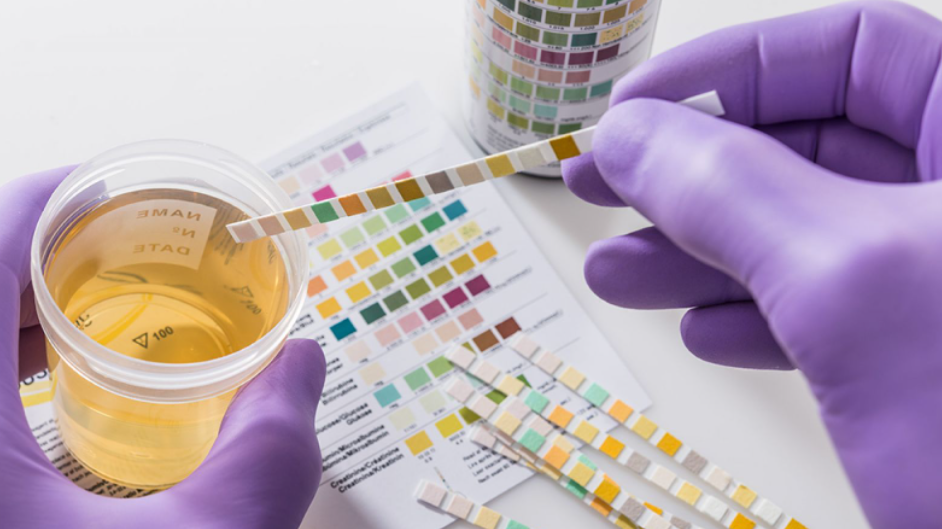
A rapid dipstick test, also known as a urine test strip, will be done by the GP, who will then probably prescribe an antibiotic to stop the infection from spreading further up the urinary tract to the bladder or kidneys.
However, the GP will also probably ask the woman to give a urine sample, which will then be tested in a laboratory to identify the bug that is causing the infection. This will make it easier for the doctor to ensure the correct antibiotic has been prescribed. While the bacteria can be successfully treated with one antibiotic, they can be resistant to another.
Dr Rae suggests that if women do not see an improvement in their condition after three days, they need to go back to their doctor.
Recurrent UTIs
About 20% of women will suffer from recurrent UTIs. This means they will experience two or more infections in six months, or three or more in a year. If this happens, it’s important to see your doctor to find out why this is happening.
An investigation might involve an ultrasound of the bladder and urethra. If any abnormalities are found, the GP would then refer the woman to a urologist or urogynaecologist, consultants who specialise in the treatment of these sorts of issues.
As a preventative treatment, women with recurrent UTIs are often treated with a low-dose antibiotic that might be taken for up to three months. Dr Rae says antibiotics can also be prescribed after intercourse for women vulnerable to UTIs.
Cranberry capsules and Hiprex capsules are also used for chronic or recurrent UTIs.
Sepsis
This is rare in young women, but older women need to be aware of sepsis. Also known as blood poisoning, it can be life-threatening, and it can be triggered by an infection, including a UTI.
When the body detects an infection, our immune system kicks in to fight it. However, the immune system can sometimes stop fighting the infection and instead turn on itself, damaging tissue and organs. This is the start of sepsis.
Reducing your risk of a UTI
Tips to reduce your risk of UTIs include:
- never ignore symptoms – see your doctor
- stay hydrated so you can pee regularly. This helps to flush out bacteria
- pee after sex to flush out any bacteria
- always wipe from front to back after peeing or pooing
- avoid douching (washing inside the vagina) and spermicides, as they can upset the balance of the normal vaginal bacteria.
Where to go for more information
Find more information on UTIs.
Pregnant Women Should Not Get a COVID Vaccine

Reproduced from original article:
https://articles.mercola.com/sites/articles/archive/2021/04/21/pregnant-women-covid-vaccine.aspx
Analysis by Dr. Joseph Mercola Fact Checked April 21, 2021
STORY AT-A-GLANCE
- Women of childbearing age have virtually no risk of dying from COVID-19, their fatality risk being a mere 0.01%, so they are unlikely to reap any significant benefit from a COVID-19 vaccine, which does not prevent you from contracting and spreading SARS-CoV-2
- As of April 1, 2021, VAERS had received 56,869 reports of adverse events following COVID-19 vaccination, including 110 reports of miscarriage or premature birth among pregnant women. In all, 379 pregnant women reported some sort of adverse event
- Side effects hinting at reproductive side effects are being reported, such as heavier than normal menstrual flow, uterine bleeding or restarting their period for the first time in years
- Doctors at Cleveland University Hospital system are seeing swollen lymph nodes — one sign of breast cancer — in the mammograms of women who have had a COVID vaccine, and typically on the side where the vaccine was given
- A vaccination safety monitoring program led by the CDC called V-Safe currently has 2,000 pregnant patients enrolled, but fewer than 300 had completed their pregnancies by the end of March 2021, so safety data is still extremely limited
By injecting pregnant women with novel COVID-19 mRNA gene technologies, the medical establishment has thrown away one of the most fundamental safety edicts of medicine, which is that you do not experiment on pregnant women.
None of the COVID-19 vaccines on the market are licensed. They’ve only received emergency use authorization, as basic efficacy and safety studies are still ongoing. Yet pregnant women are urged to get vaccinated, and are lining up to get the shot — probably while at the same time being careful about avoiding second-hand smoke, alcohol and drugs with known or suspected toxicity.
In my view, giving these vaccines to pregnant women is beyond reprehensible. This experimentation is doubly unforgivable seeing how women of childbearing age have virtually no risk of dying from COVID-19, their fatality risk being a mere 0.01%.1
Contrast this dramatic downside to the potential benefits of the vaccine. You can still contract the virus if immunized and you can still spread it to others.2 All it is designed to do is lessen your symptoms if or when you get infected. Pregnant women simply do not need this vaccine, and therefore any risk is likely excessive.
It seems like the choice is obvious, unless you are an unethical pharmaceutical company that has been previously convicted of criminal felonies that resulted in billions of dollars in judgments and is seeking to create tens of billions of dollars of revenue.
Abnormal Periods and Miscarriage Reported
As reported by The Defender,3 as of April 1, 2021, VAERS had received 56,869 adverse events following COVID-19 vaccination, including 7,971 serious injuries and 2,342 deaths. Of those deaths, 28% occurred within 48 hours of vaccination. The youngest person to die was just 18 years old.
There were also 110 reports of miscarriage or premature birth among pregnant women. In all, 379 pregnant women reported some sort of adverse event. In the U.K., the Medicines and Healthcare Products Regulatory Agency (MHRA) Yellow Card reporting site that collects COVID-19 vaccine side effects had, as of March 28, 2021, 40 miscarriages listed for Pfizer’s vaccine4 and 15 for AstraZeneca’s.5
Stephanie Seneff, Ph.D., sent me a 2006 study6 that could explain this, as it showed sperm can take up foreign mRNA, convert it into DNA, and release it as little pellets (plasmids) in the medium around the fertilized egg. The embryo then takes up these plasmids and carries them (sustains and clones them into many of the daughter cells) throughout its life, even passing them on to future generations.
It is possible that the pseudo-exosomes that are the mRNA contents would be perfect for supplying the sperm with mRNA for the spike protein. So, potentially, a vaccinated woman who gets pregnant with an embryo that can (via the sperms’ plasmids) synthesize the spike protein according to the instructions in the vaccine, would have an immune capacity to attack that embryo because of the “foreign” protein it displays on its cells. This then would cause a miscarriage.
If there were, truly, a public health authority in the U.S., the criminals that are recommending this would be put in prison for reprehensible criminal negligence for the unnecessary damages they are causing to pregnant women and the deaths of their unborn children.
Even among non-pregnant women, side effects hinting at reproductive side effects are being reported, such as heavier than normal menstrual flow, uterine bleeding or restarting their period for the first time in years.7,8
While no one knows what might be causing the heavier flow, it may be worth looking into the parallels between the blood clotting disorders reported, both in some COVID-19 cases and post-COVID-19 vaccination, and Von Willebrand disease, a chronic condition that prevents normal blood clotting, thus resulting in excessively heavy periods.

Rare and Lethal Blood Disorder Reported
Several individuals have rapidly developed immune thrombocytopenia9,10 (ITP), a rare autoimmune disease, following COVID-19 vaccination.11 The condition, which is often lethal, causes your immune system to destroy your platelets (cells that help blood clot), resulting in hemorrhaging. Despite the loss of platelets, serious blood clots are also occurring at the same time.
One example is the 58-year-old Florida doctor who got the Pfizer vaccine and died from sudden onset of ITP two weeks later. Dr. Jerry L. Spivak, an expert on blood disorders at Johns Hopkins University, told The New York Times “it is a medical certainty” that Pfizer’s COVID-19 vaccine caused the man’s death.12,13 Pfizer, of course, denies any connection.
At least two papers have been published on the condition, as scientists search for clues as to how the vaccines might be causing this unusual reaction. As reported by The Defender:14
“Two teams of researchers have published detailed observations of patients who developed thrombotic thrombocytopenia after receiving the AstraZeneca vaccine and have speculated about a possible mechanism.
Both groups suggest that the development of serious blood clots alongside falling levels of platelets is an immune response that resembles a rare reaction to the drug heparin, called heparin-induced thrombocytopenia. The researchers have labelled the syndrome vaccine-induced immune thrombotic thrombocytopenia.”15,16
It’s unclear, however, where the platelet-antagonistic antibodies come from. They might form against the spike antigen, or perhaps it’s a response triggered by some other immune response factor. Either way, doctors at Oslo University Hospital recently announced the blood clotting disorders experienced by some recipients of the AstraZeneca vaccine are caused by the vaccine:17
“Our theory that this is a powerful immune response most likely triggered by the vaccine, has been confirmed … In collaboration with experts in the field from the University Hospital of North Norway HF, we have found specific antibodies against blood platelets that can cause these reactions …
We have the reason. Nothing but the vaccine can explain why these individuals had this immune response. There is nothing in the patient history of these individuals that can give such a powerful immune response. I am confident that the antibodies that we have found are the cause, and I see no other explanation than it being the vaccine which triggers it.”
Several European countries have halted use of the AstraZeneca vaccine due to blood clots in the past several weeks, and in the U.S., the FDA and CDC have agreed to temporarily halt use of Johnson & Johnson’s vaccine while they review six reports of blood clots in combination with low platelet counts. So far, one has died. Another is in serious condition. The announcement was made April 13, 2021.18
Another Novel Hypothesis
Other potential mechanisms of action also exist. For example, as noted by freelance medical writer and neurobiology postgrad Shin Jie Yong in a March 19, 2021, Medium article,19 Dr. Goh Kiang Hua, a consultant general surgeon and Fellow of the Royal College of Surgeons, has suggested a novel hypothesis to explain the loss of platelets seen in some COVID-19 vaccine recipients.
He believes the lipid-coated nanoparticles, which transport the mRNA, may be carrying that mRNA into the megakaryocytes in your bone marrow. Megakaryocytes are cells that produce platelets. According to this hypothesis, once the mRNA enters your bone marrow, the megakaryocytes would then begin to express the SARS-CoV-2 spike protein, which would tag them for destruction by cytotoxic T-cells.
“Platelets then become deficient, causing thrombocytopenia,” Yong writes, adding, “Of course, he emphasized that these are just speculations.” In my view, Hua may well be onto something. If correct, it would be an elegant explanation.
Breast Cancer Symptoms
Many also report developing swollen lymph nodes after their COVID-19 vaccination and, as reported by Fox 8 News Cleveland,20 doctors at Cleveland University Hospital system are seeing swollen lymph nodes in the mammograms of women who have had a COVID vaccine, and typically on the side where the vaccine was given.
Swollen lymph nodes on a mammogram are one sign of breast cancer. University Hospital’s breast imaging department also reported that they are fielding calls from patients who are concerned about finding swollen nodes under their arms.
According to the news report, data from the U.S. Centers for Disease Control and Prevention shows over 11% of vaccine recipients have swollen lymph nodes after the first dose of COVID-19 vaccine and 16% after the second dose. The swelling typically begins two to four days post-vaccination, and can persist for up to four weeks.
Lymph nodes that remain engorged beyond the four-week mark need to be evaluated by your doctor, Dr. Holly Marshall with University Hospitals told Fox 8 News.
Scarcity of Controlled Trials in Pregnant Women
Getting back to vaccination during pregnancy, it’s important to realize that this is a time during which experimentation can be the most hazardous of all, as you’re not only dealing with potential repercussions for the mother but also for the child. Any number of things can go wrong when you introduce drugs, chemicals or foreign substances during fetal development.
According to the Mayo Clinic,21 30,000 pregnant women have been “successfully” vaccinated against COVID-19 in the U.S. with either Pfizer’s or Moderna’s mRNA vaccines. They don’t mention anything about reported side effects, but as mentioned earlier, 379 VAERS reports had been filed by pregnant women as of April 1, 2021.
A recent BBC article22 sought to make light of post-vaccination miscarriages, saying, “Data showing a miscarriage occurred after a vaccine does not mean that the two events are linked.” Meanwhile, people dying from heart attacks, cancer and other longstanding diseases who tested positive for SARS-CoV-2 were counted as COVID-19 deaths, no questions asked. There was no difficulty in linking those data points to drive up COVID-19 fatality statistics.
The BBC also notes that miscarriage is “very common,” with 1 in 8 pregnancies (12.5%) ending in miscarriage. The U.K. MHRA, in an effort to put a lid on concerns about miscarriages, claim they occur in “about 1 in 4 pregnancies,”23 or 25%, which strikes me as an exaggeration.
Other sources24 reviewing statistical data stress that the risk of miscarriage drops from an overall, average risk rate of 21.3% for the duration of the pregnancy as a whole, to 5% between Weeks 6 and 7, all the way down to 1% between Weeks 14 and 20. One way to assess whether miscarriages are in fact increasing after vaccination could be to compare miscarriage rates during the second and third trimester, when spontaneous losses are at their lowest under normal circumstances.
A vaccination safety monitoring program led by the CDC called V-Safe currently has 2,000 pregnant patients enrolled, but fewer than 300 had completed their pregnancies by the end of March 2021.25 Their babies will be evaluated for side effects until they’re 3 months old.26
These are not significant numbers. It’s also a very short follow-up for the babies. So, while COVID-19 vaccines are hailed as safe for pregnant women and their babies alike, they seem to be basing such claims on extremely limited data.
On the whole, injecting pregnant women with novel gene therapy technology that can trigger systemic inflammation, cardiac effects and bleeding disorders (among other things), isn’t a good idea in my view, and violates both the Hippocratic Oath that admonishes doctors to “First, do no harm,” and the precautionary principle that, historically, has governed health care for pregnant women.
Report All COVID-19 Vaccine Side Effects
If you or someone you love has received a COVID-19 vaccine and are experiencing side effects, be sure to report it, preferably to all three of these locations:27
- If you live in the U.S., file a report on VAERS
- Report the injury on VaxxTracker.com, which is a nongovernmental adverse event tracker (you can file anonymously if you like)
- Report the injury on the Children’s Health Defense website
- 1 Annals of Internal Medicine September 2, 2020 DOI: 10.7326/M20-5352
- 2 The Defender April 6, 2021
- 3 The Defender April 9, 2021
- 4 UK Gov Yellow Card Report for Pfizer, March 28, 2021 (PDF)
- 5 UK Gov Yellow Card Report for AstraZeneca, March 28, 2021 (PDF)
- 6 Molecular Reproduction and Development 73(10):1239-46
- 7 MSN April 10, 2021
- 8 UK Gov Yellow Card Report Unspecified Brand March 28, 2021 (PDF)
- 9 Hopkins Medicine ITP
- 10, 14 The Defender April 13, 2021
- 11 The Defender February 9, 2021
- 12 New York Times January 12, 2021
- 13 The Defender January 13, 2021
- 15 NEJM April 9, 2021 DOI: 10.1056/NEJMoa2104882
- 16 NEJM April 9, 2021 DOI: 10.1056/NEJMoa2104840
- 17 Science Norway March 18, 2021
- 18 NBC News April 13, 2021
- 19 Medium March 19, 2021
- 20 Fox 8 Cleveland February 2021
- 21, 25, 26 Mayo Clinic March 29, 2021
- 22 BBC April 11, 2021
- 23 Reuters March 31, 2021
- 24 Medical News Today January 12, 2020
- 27 The Defender January 25, 2021
Humans Will Require Assisted Reproduction, Mechanical Wombs

Reproduced from original article:
https://articles.mercola.com/sites/articles/archive/2021/04/08/humans-will-require-assisted-reproduction-mechanical-wombs.aspx
Analysis by Dr. Joseph Mercola Fact Checked April 08, 2021

STORY AT-A-GLANCE
- Certain aspects of the modern world, especially hormone-disrupting chemicals, are not only threatening sperm counts but also altering reproductive development in males and females
- If sperm count declines continue on the current trajectory, a significant part of the global population may not be able to reproduce without technological assistance come 2050
- Environmental chemicals that interfere with hormones — known as hormone disrupters — are at the crux of the problem; phthalates, bisphenol A, atrazine and flame retardants are among the most problematic
- Scientists are already working on how to grow life outside of a human womb and, for the first time, grew a mouse embryo in a mechanical womb for a time period equal to a human embryo at 5 weeks
- The researchers hope to use the mechanical womb to grow a human embryo to 5 weeks, raising serious ethical questions
From 1973 to 2011, men experienced a 50% to 60% decline in sperm counts, according to a 2017 study by Shanna Swan, Ph.D., an environmental and reproductive epidemiologist at Icahn School of Medicine at Mount Sinai in New York, and colleagues.1
For more than two decades, Swan has been warning of an impending fertility crisis, one that’s often blamed on lifestyle or the choice to delay childbearing but which she says is being driven by environmental chemicals.
“I am not saying other factors aren’t involved. But I am saying chemicals play a major causal role,” she told The Guardian.2
Her book, “Count Down: How Our Modern World Is Threatening Sperm Counts, Altering Male and Female Reproductive Development, and Imperiling the Future of the Human Race,” goes into detail about how the modern world is not only threatening sperm counts but also altering reproductive development in males and females,3 and in so doing “imperiling the future of the human race.”4
Infertile World: By 2045, Sperm Counts Could Be Zero
According to Swan, if the curve of declining sperm counts from the 2017 study continues, by 2045 the median sperm count will be zero. “It is speculative to extrapolate, but there is also no evidence that it is tapering off. This means that most couples may have to use assisted reproduction,” she said.5
One reason why Swan believes environmental chemicals are to blame is that her research has shown younger women have experienced greater declines in the ability to have children than older women.6,7 This suggests that it’s not only aging or choosing to put off starting a family until later in life that’s involved. Miscarriage rates have also been on the rise, increasing at a relative rate of 2% per year from 1990 to 2011.8
“Count Down” brings some disturbing findings into the spotlight, like the fact that a significant part of the global population may not be able to reproduce without technological assistance come 2050.9 And, the book suggests, men today have about half the number of sperm compared to their grandfathers.
“In some parts of the world, the average twenty-something woman today is less fertile than her grandmother was at 35,” Swan wrote in her book. “The current state of reproductive affairs can’t continue much longer without threatening human survival … It’s a global existential crisis.”10
Environmental Chemicals Wreaking Havoc With Hormones
Environmental chemicals that interfere with hormones — known as hormone disrupters — are at the crux of the problem. The worst chemicals, Swan told The Guardian, are “those that can interfere with or mimic the body’s sex hormones – such as testosterone and estrogen – because these make reproduction possible. They can make the body think it has enough of a particular hormone and it doesn’t need to make any more, so production goes down.”11
Chemical exposure during pregnancy has been found to affect both masculinization and long-term fertility in males. In the wild, fish, frogs and reptiles are also increasingly being born with both ovaries and testes.12
Research published in PLOS Genetics13 also found that exposing male mice to ethinyl estradiol, a synthetic sex hormone found in birth control pills, causes developmental problems in the reproductive tract, thereby lowering sperm counts (men may be exposed to birth control pills through contaminated water and other sources).
Part of the problem is that hormone-disrupting chemicals are ubiquitous and are found in everything from food, drinking water and household goods to personal care products, cleaning products, nonstick cookware and plastics.
Much of the damage occurs in early pregnancy during crucial developmental windows, when the fetus is first forming and cells are rapidly dividing. Exposure then continues with accumulating exposures throughout life, and, worse still, the damage that occurs can be passed on to future generations.
“A female fetus, in utero,” Swan explained, “is growing the eggs that she will use to have her own children. These chemicals can make their way to those germ cells, too.”14 The PLOS Genetics study also demonstrated generational effects of hormone-disrupting chemicals, with effects worsening with each subsequent generation until, by the third generations, some of the animals could not produce any sperm.15

The 1% Effect
An alarming synergy is occurring as well, which “Count Down” dubs “the 1% effect,” because sperm count, testosterone and fertility are dropping, and testicular cancer and miscarriage are rising, all at about 1% per year.16 Erectile dysfunction and the rate of gestational surrogacy are also increasing by about 1% a year, while the global total fertility rate dropped by close to 1% from 1960 to 2018.17
All of these concerning reproductive changes occurring in unison are not a coincidence, according to Swan. “They’re just too synchronous for that to be possible,” she wrote in Scientific American.18 Male babies may be particularly vulnerable to toxic exposures that occur during the reproductive programing window in early pregnancy.
Phthalates, chemicals used to make plastic soft, are known to lower testosterone and women’s exposure to phthalates during pregnancy is linked to male babies’ anogenital distance (AGD) — the distance from the anus to the base of the penis — with higher exposure associated with shortened AGD.19 Later in life, shorter AGD is linked with a smaller penis20 and poorer semen quality, such that Swan believes AGD at birth is predictive of adult reproductive function.21
Exposure to hormone-disrupting chemicals in utero also increases the risk that male babies will be born with undescended testicles or a malformed penis, both of which increase the risk of low sperm count and testicular cancer in later life.22
Along with the dropping sperm counts, changes in sexual development pose a threat to human survival, according to Swan, who also notes that human beings already meet three of the five criteria for what makes a species endangered.23
Phthalates Among the Worst Hormone-Disrupting Chemicals
Swan cites phthalates, bisphenol A (BPA) and flame retardants as among the worst chemicals for reproductive health. Regarding phthalates, she told The Guardian:24
“They are in everybody and we are probably primarily exposed through food as we use soft plastic in food manufacture, processing and packaging. They lower testosterone and so have the strongest influences on the male side, for example diminishing sperm count, though they are bad for women, too, shown to decrease libido and increase risk of early puberty, premature ovarian failure, miscarriage and premature birth.”
An estimated 8.4 million metric tons of plasticizers, including phthalates, are used worldwide each year,25 with phthalate production amounting to about 4.9 million metric tons annually.26 The Norwegian Institute of Public Health found that 90% of those tested from 2016 to 2017 had eight different plasticizers in their urine.27
Aside from their risks to reproductive health, phthalates can also impair brain development, increasing children’s risk of learning, attention and behavioral disorders. In one example, children born to mothers that were in the highest quintile of urinary phthalate levels (specifically, DEHP metabolites) during the second trimester of pregnancy were nearly three times more likely to be diagnosed with ADHD compared to children born to mothers in the lowest quintile.28
Prenatal exposure to phthalates, especially metabolites of DBP and DEHP, has also been linked to a range of additional problem behaviors such as an increased likelihood of delinquent behaviors and more aggressive behaviors,29 along with reductions in child perceptual reasoning, lowered IQ by seven points, anxiety and poorer working memory.30
The widespread use of face masks could be accelerating the problem, as research accumulates that microplastics in masks, which may contain phthalates, are ending up discarded in the environment31 and may be inhaled by the wearer.32
BPA, Atrazine and Flame Retardants Also Problematic
BPA is another prevalent hormone-disrupting chemical used to harden plastics, line metal cans and make receipts. This toxic chemical has been found to change the timing of puberty, reduce fertility, increase body fat and affect the nervous and immune systems.33
“It is estrogen mimicking and so is a particularly bad actor on the female side, increasing risks of fertility challenges,” Swan told The Guardian, “but likewise it can affect men. Men occupationally exposed to BPA have shown decreased sperm quality, reduced libido and higher rates of erectile dysfunction.”34
The pesticide atrazine is another culprit. Early research by Tyrone Hayes, Ph.D., an integrative biologist at the University of California, Berkeley, hypothesized that atrazine turned on an enzyme (aromatase) that caused testosterone to be converted into estrogen.35 If you’re a male, this means that you won’t make sperm, but you will make estrogen, even though you shouldn’t.
Flame retardants are also notorious and ubiquitous toxins that have been linked to hormone-disrupting effects36 with serious repercussions for fertility, reproductive health and brain development.
Animals Grown in Mechanical Womb
Scientists are already working on how to grow life outside of a human womb and, for the first time, grew a mouse embryo in a mechanical womb for about half of a typical gestational term — a time period equal to a human embryo at 5 weeks.37
Growing mouse embryos “ex utero,” the researchers said, is a valuable tool to investigate embryonic development in detail,38 but it comes with serious ethical questions, including might humans be next?39
The answer is yes, as lead researcher Jacob Hanna, a developmental biologist at the Weizmann Institute of Science, already told MIT Technology Review, “This sets the stage for other species. I hope that it will allow scientists to grow human embryos until Week 5.”40
For those interested in protecting their own fertility — and that of future generations — as much as possible, avoiding hormone-disrupting chemicals is essential. Toward this end, Swan recommends some simple solutions, like eating unprocessed foods that you cook yourself as much as possible, as this will reduce your exposure to plastic food packaging. She also advises:41
“[W]hen cooking, don’t use Teflon or anything coated and don’t microwave in plastic. For personal care and household products use a minimum of simple products and try to avoid those that are scented; phthalates are added to hold scent.”
- 1 Human Reproduction Update, Volume 23, Issue 6, November-December 2017, Pages 646–659
- 2, 5, 7, 14, 24, 34, 41 The Guardian March 28, 2021
- 3, 10, 11 Children’s Health Defense March 22, 2021
- 4 ShannaSwan.com, Count Down
- 6 Family Planning Perspectives Vol. 31, No. 3 (May – Jun., 1999), pp. 156-157
- 8 Paediatr Perinat Epidemiol. 2018 Jan;32(1):19-29. doi: 10.1111/ppe.12417. Epub 2017 Oct 20
- 9, 12, 16 Sustainable Pulse February 26, 2021
- 13, 15 PLOS Genetics July 20, 2017
- 17, 18, 20, 22 Scientific American March 16, 2021
- 19 Environ Health Perspect. 2005 Aug; 113(8): 1056–1061
- 21 Environ Health Perspect. 2011 Jul 1; 119(7): 958-963
- 23 The Guardian February 26, 2021
- 25 CNN February 20, 2021
- 26, 29 American Journal of Public Health February 18, 2021
- 27 Science Norway, November 29, 2020
- 28 Environmental Health Perspectives May 10, 2018
- 30 American Journal of Public Health February 18, 2021, page e4
- 31 Mar Pollut Bull. 2020 Oct; 159: 111517
- 32 J Hazard Mater. 2021 Jun 5; 411: 124955
- 33 World Health Organization, February 19, 2013
- 35 PNAS March 9, 2010. 107 (10) 4612-4617
- 36 Int J Mol Sci. 2018 Jun; 19(6): 1647
- 37, 39 Popular Mechanics March 18, 2021
- 38 Nature March 17, 2021
- 40 MIT Technology Review March 17, 2021
How to Radically Transform Your Life with Natural Medicine
© January 20th 2021 GreenMedInfo LLC. This work is reproduced and distributed with the permission of GreenMedInfo LLC.
Want to learn more from GreenMedInfo? Sign up for the newsletter here:
www.greenmedinfo.com/greenmed/newsletter
Reproduced from original article:
https://www.greenmedinfo.com/blog/how-radically-transform-your-life-natural-medicine
Posted on: Wednesday, January 20th 2021 at 3:00 pm
Written By: Isa Herrera
This article is copyrighted by GreenMedInfo LLC, 2021

As women, we’re often taught that we’re not enough.
From a very young age, society has shown us that we should be waiting for someone to come and save us. Sure, we continue to make strides — but only 46 years ago single women couldn’t get a credit card without a male cosigner!
These kinds of inequalities have had their subtle and not-so-subtle effects on how women see themselves.
For the most part, we don’t realize it.
It’s just how things “are.”
But after treating thousands of women in my clinic and many more in my online programs, I notice it more than most.
I see women when they are in a very vulnerable state…and I often have to remind them of the power they hold within to heal.
They’ve been broken by a medical system that was never made for them to begin with.
They’ve been let down by treatments that don’t work or even make things worse — like mesh surgeries, bladder slings, injections, or pain pills. (1,2,3)
It’s so easy for me to see the possibilities and promise you hold within you, beautiful Queen.
But I want you to just as easily see that magic for yourself.
We Can’t Count On Doctors To Save Us
I have great respect for medicine and science…but in many ways, the system has flat out failed women. Especially when it comes to pelvic floor dysfunction. It’s a system built not on consent and care but one of dismissal and intimidation.
We’re taught that we’re meant to walk into a sterile, completely white environment, take the elevator and do whatever the man in the lab coat tells you to do while he examines you under the glare of a dozen fluorescent lights.
Is that really how the female body was meant to be treated?
Frankly, the whole experience of seeking answers to your pelvic floor disorder within the framework of the traditional medical system is pretty much folly. Their pills, potions, and surgeries really don’t work.
We’ve got no choice but to take our bodies and our healing into our own hands.
But the whole experience leaves us feeling powerless and confused.
Which makes finding our strength and sovereignty that much harder.
You Have The Power Within To Heal
When you’re looking at a system that repeatedly conveys to you that you’re not enough it can be easy to look for other external sources of healing when the medical establishment fails you.
We turn to Dr. Google.
Or Nurse YouTube.
We hide away behind our computer, endlessly searching for the answers. All alone.
But here’s the thing…you don’t actually need the advice on the internet.
You have everything you need within you to heal.
>> You just need a clear plan and ideally, other women to support you in your quest. <<
When you can push past the negativity that’s shoved at you, find your voice, and embrace your power inside — there’s nothing you can’t accomplish, Queen.
Harnessing The Power Of Natural Medicine
Over the years, I’ve seen countless women ditch their pills, build up the courage to refuse surgery, and heal themselves.
And that’s what I want for you too.
Instead of external modalities like medications and injections, let’s talk about what *actually* works to heal pelvic floor dysfunction.
Kegels
They aren’t right for everyone or every pelvic problem, but when done the right way, Kegels are extremely effective. (4,5)
There are actually a dozen different types of Kegels — did you know that? I’m a fan of each kind, but chances are good that you’re not doing these pelvic power moves 100% correctly if a professional pelvic floor therapist hasn’t taught you the ropes.
Here’s what’s amazing about Kegels — and don’t let anyone with their Kegel devices tell you differently — the only thing you need to improve your pelvic floor with them is YOU. Some mindful commitment to activating and connecting with your pelvic muscles is the only thing you need to start healing.
Massage
This *might* be a tad bit uncomfortable to talk about. Why?
Well, women, and their reproductive body parts, are still something we aren’t supposed to discuss. And because we’ve been shamed for thousands of years, it’s become embedded in our psyche that vaginas are an off-limit topic in polite conversation.
Heck, most women that I’ve seen in my career spanning 20+ years have never seen their own vagina, let alone massaged it.
But when we connect with our divine feminine power and simply massage our muscles (just like we might do with a back muscle or leg muscle) amazing things can happen in the healing process.
Core Work
The pelvic floor is the center of our power and the center of the body. It’s the foundation of our entire core.
When we strengthen our core, we help relieve some of the strain on our pelvic floor muscles. (6)
And it’s completely natural and simple to do — you can make massive progress in just a few minutes each day with nothing but your body weight.
Let’s Go Deeper
Has this article awakened something in you?
Did you feel even a little bit connected to these truths in a way you can’t quite explain?
Then let me show you in even greater detail the healing modalities I’ve talked about here.
I can only do so much in one short blog post.
And to be honest, teaching live is my superpower.
Which is why I want you to join me on February 10th, 11th, or 12th for my Happy Lady Parts Masterclass.
If you’ve never attended one of my free masterclasses before — prepare to have your feminine power awakened and get ready to learn more about the pelvic floor than most gynecologists on the planet.
We’ll talk about specific ways you can tap into your body’s natural healing center and banish leaking, prolapse, or pelvic pain for good.
You can sign up to save your seat here…and hurry, these usually fill up to capacity pretty quickly.
References
1. “Urogynecologic Surgical Mesh Implants | FDA.” 16 Apr. 2019, https://www.fda.gov/medical-devices/implants-and-prosthetics/urogynecologic-surgical-mesh-implants.
2. “Bladder Sling Complications | Pain, Mesh Erosion & Perforation.” https://www.drugwatch.com/transvaginal-mesh/bladder-sling/.
3. “Patterns of Prescription Opioid Use in Women With ….” https://journals.lww.com/greenjournal/Fulltext/2019/06000/Patterns_of_Prescription_Opioid_Use_in_Women_With.8.aspx.
4. “Kegel Exercises – StatPearls – NCBI Bookshelf.” 29 May. 2020, https://www.ncbi.nlm.nih.gov/books/NBK555898/.
5. “The impact of pelvic floor muscle training on the quality of life ….” 17 May. 2018, https://www.ncbi.nlm.nih.gov/pmc/articles/PMC5962309/.
6. “Effect of diaphragm and abdominal muscle training … – Nature.” 16 Dec. 2019, https://www.nature.com/articles/s41598-019-55724-4.

1 in 4 pregnancy loss linked to poor paternal health, new study finds
Reproduced from original article:
www.naturalhealth365.com/pregnancy-miscarriage-3689.html
by: Sara Middleton, staff writer | January 10, 2021
 (NaturalHealth365) It might surprise you to hear, but estimates suggest about half of all infertility problems are related to the health of the would-be father. Unfortunately, difficulty getting pregnant isn’t the only risk that poor men’s health can cause for couples who are trying to start a family.
A recent study published in Human Reproduction reveals just how impactful the father-to-be’s health is on the outcomes of pregnancy.
Men should pay attention: Why is pregnancy loss such an issue, according to new research
Pregnancy loss is defined as the death of an unborn baby, which can occur at any point during the pregnancy. Research estimates that the unintended loss of a baby occurs as frequently as 1 out of every 4 pregnancies. (Incidentally, the nation just honored Pregnancy and Infant Loss Awareness Month this past October.)
Now, a new study offers some important insights into why pregnancy loss is so devastatingly common.
The researchers conducted a retrospective analysis of almost one million U.S. pregnancies that occurred between 2009 and 2016. They discovered that if the father was diagnosed with metabolic syndrome – a collection of health problems including obesity, high blood pressure, high cholesterol, and type 2 diabetes – there was a significantly increased risk of pregnancy loss.
Specifically, if men had just one of these components of metabolic syndrome, the risk of pregnancy loss increased by 10 percent. If they had two or three of these components, the risk increased by 15 and 19 percent, respectively.
Do NOT ignore the health dangers linked to toxic indoor air. These chemicals – the ‘off-gassing’ of paints, mattresses, carpets and other home/office building materials – increase your risk of nasal congestion, fatigue, poor sleep, skin issues plus many other health issues.
Get the BEST indoor air purification system – at the LOWEST price, exclusively for NaturalHealth365 readers. I, personally use this system in my home AND office. Click HERE to order now – before the sale ends.
Overall, well over a quarter of pregnancies are likely to end in miscarriage or stillbirth if the man has three or more of these common health issues. Moreover, female partners of unhealthy fathers are even more likely to have ectopic pregnancies – complicated and high-risk pregnancies in which the fertilized egg implants somewhere other than the uterus (90 percent of the time in the fallopian tube).
Fathers-to-be: Here are some top preconception tips for a healthy pregnancy and a healthy baby
To any men out there trying to start or grow a family, the best thing you can do for your partner and your children is to look after your own health. With this in mind, here are some of the top preconception men’s health tips according to the U.S. Centers for Disease Control and Prevention:
- Get to and maintain a healthy weight. Obesity is associated with increased male infertility as well as other long-term health complications (e.g., type 2 diabetes, heart disease, and cancer) that can threaten a man’s ability to support his family.
- Stop smoking. Did you know pregnant women exposed to secondhand smoke are 20 percent more likely to give birth to a low birth weight baby?
- While you’re at it, give up or curb your other vices, too. Excessive alcohol intake and the use of other drugs (legal or otherwise) are known to impair men’s fertility.
- Avoid exposure to common environmental toxins, which are found in things like synthetic chemicals, metals, fertilizer, bug spray, and animal feces.
- Be sure to talk to your partners about your life goals, values, and reproductive plans. Be on the same page, shore up any relationship conflicts, and work together to maintain effective communication and minimize stress.
While a lot of these tips seem to make intuitive sense, it is helpful to keep them in mind – especially since a lot of people only think about women’s health when it comes to preconception preparedness.
Sources for this article include:
Eurekalert.org
Semanticscholar.org
Pregnancybirthbaby.org.au
CDC.gov
ACOG.org
Nationalshare.org
Stanfordchildrens.org
Millions of Unnecessary Pelvic Exams Performed in Teens
© 19th October 2020 GreenMedInfo LLC. This work is reproduced and distributed with the permission of GreenMedInfo LLC. Want to learn more from GreenMedInfo? Sign up for the newsletter here www.greenmedinfo.com/greenmed/newsletter
Reproduced from original article:
https://www.greenmedinfo.com/blog/millions-unnecessary-pelvic-exams-performed-teens
Posted on: Saturday, March 21st 2020 at 2:30 pm
Written By: GreenMedInfo Research Group
This article is copyrighted by GreenMedInfo LLC, 2020

Millions of unnecessary pelvic exams and Pap tests have been performed in women prior to the U.S. recommended screening age of 21, despite concerns of adverse effects
A study published in the Journal of the American Medical Association found that 54.4% of pelvic exams and 71.9% of Pap smears conducted in teen girls in the U.S. are potentially unnecessary and may expose women to preventable harm.[i]
While it’s clear that pelvic exams are an important screening procedure for cervical cancer, the U.S. Preventive Services Task Force (USPSTF) and the American Cancer Society both recommend that these screenings do not take place before the age of 21 unless a patient has symptoms of cervical cancer.[ii],[iii]
Yet many gynecologists continue to perform these exams at yearly wellness exams in asymptomatic patients, despite increased reports of anxiety, pain and feelings of disempowerment in women who undergo these examinations.
Pap Tests and Pelvic Exams
A bimanual pelvic exam (BPE) is a physical examination of outer and inner female reproductive and urinary organs. Papanicolaou tests (or Pap smears) are diagnostic procedures used to screen for cervical cancer.
In the U.S., pelvic exams and Pap tests are recommended annual procedures after the age of 21, while in other countries, the tests are performed far less frequently and in a less invasive manner, with similar prevention rates and fewer side effects.[iv]
During a bimanual pelvic exam, a doctor uses lubricated, gloved fingers inserted into the vagina to examine the size and shape of the uterus, and uses a speculum to observe the vaginal walls and cervix. If conducting a Pap test, the doctor swabs the cervix to collect cervical cells for testing.
The examination typically takes less than 10 minutes, but many women find the experience uncomfortable or painful. Additional adverse effects linked to BPE and Pap tests include:
|
Increased urinary frequency the month following an exam |
Emotional distress |
Dysuria (pain or discomfort when urinating)[v] |
|
Fear of pain |
Urinary tract infections, which are more likely in the seven weeks following a Pap smear[vi] |
Vaginisms (painful spasms of the vaginal muscles)[vii] |
|
Unnecessary medical costs |
Overdiagnoses[viii] |
Anxiety |
Both types of exams are invasive and becoming controversial as women increasingly report feeling disempowered or anxious before and during the procedures. Yet despite the prevalence of these adverse effects and the ability to screen using alternative methods, the default decision is often to screen via pelvic examination.[ix]
Unnecessary Exams in Elderly and Post-Hysterectomy Women
Similar studies have found a high rate of unnecessary pelvic examinations among elderly women who may have erroneous beliefs about the purposes of the exam.[x] Other studies confirm that many women who have had hysterectomies have unnecessary Pap smears, despite recommendations from the USPSTF to avoid screening women with hysterectomies who have no history of cervical cancer.[xi],[xii]
In a study of all women receiving Pap smears, researchers concluded that lack of education around recommended screening ages or necessity of the procedure may partially drive these clinically unnecessary examinations:
“We conclude that women may potentially receive Pap tests even if they are not at risk for cervical cancer, and may not be adequately informed about the need for screenings. We recommend strategies to disseminate recommendations and information to patients, their families, and care providers.”[xiii]
Pelvic Exams Performed Without Consent
In 2011, an American medical student named Shawn Barnes in his third year of medical school was shocked when his medical trainers instructed him to perform unauthorized pelvic exams on anesthetized and unconscious women. For Barnes, it was a moral and ethical dilemma, and he went on to write a paper exposing the practice.[xiv]
While the practice is now illegal in Hawaii, California, Illinois, Virginia and Oregon, this medical training is still practiced in the remaining states and is covered in detail in the film “At Your Cervix,” a documentary exposing the disrespectful and disempowering practice.
Lack of Educations Leads to Unnecessary Examinations
Researchers believe the problems lie in a lack of education among women and practitioners. Many women are unaware that pelvic exams are not recommended after the age of 65, after a hysterectomy or before the age of 21.
In fact, the U.S. guidelines recommend exams every three years between the ages of 21 and 30, yet the majority of women continue to have annual Pap smears and pelvic examinations long after the age of 30, despite a lack of qualifying symptoms, because they believe yearly exams reduce cervical cancer mortality.[xv],[xvi],[xvii]
Additionally, physicians continue with the practice even in asymptomatic patients, although there are other ways to test for vaginitis and sexually transmitted diseases, such as urine tests and vaginal swabs (pelvic exams are still necessary for diagnosing pelvic inflammatory disease.)[xviii]
Yet feelings of disempowerment or anxiety are prevalent during these exams, and physicians who do not adhere to national guidelines are putting vulnerable populations at risk. Protection of patients’ rights, better education around the purpose and necessity of pelvic exams, and clearer consent forms are needed to provide sexual empowerment to women in the examination room.
References
[i] JAMA Intern Med. Published online January 6, 2020
[ii] American Cancer Society. Cancer Prevention & Early Detection Facts & Figures 2019-2020. Atlanta, Ga: American Cancer Society; 2019.
[iii] Draft Recommendation Statement: Cervical Cancer: Screening. U.S. Preventive Services Task Force. August 2018.
[iv] Int J Cancer. 2017 Mar 1; 140(5): 1215–1222.
[v] J Am Board Fam Med. 2011 May-Jun;24(3):290-5. doi: 10.3122/jabfm.2011.03.100209.
[vi] J Am Board Fam Med. 2011 May-Jun;24(3):296-303. doi: 10.3122/jabfm.2011.03.110009.
[vii] J Gen Intern Med. 2011 Jun; 26(6): 651–657.
[viii] JAMA Intern Med. Published online January 6, 2020. doi:10.1001/jamainternmed.2019.5727
[ix] Millions of Unnecessary Teen Pelvic Exams, Pap Tests Performed
[x] Womens Health Issues. 2007 Nov-Dec;17(6):351-9. Epub 2007 Oct 22.
[xi] Draft Recommendation Statement: Cervical Cancer: Screening. U.S. Preventive Services Task Force. August 2018.
[xii] Am J Public Health. 2016 November; 106(11): 2005–2011.
[xiii] J Prev Med Public Health. 2018 Jul; 51(4): 181–187.
[xiv] Obstet Gynecol. 2012 Oct;120(4):941-3.
[xv] J Gen Intern Med. 2004 Mar; 19(3): 243–250.
[xvi] The American Cancer Society Cervical Cancer Screening Guidelines
[xvii] Ann Fam Med. 2003 Nov; 1(4): 203–208.
[xviii] J Pediatr Adolesc Gynecol. 2003 Feb;16(1):25-30.

Endometriosis
Written by Brenton Wight, Health Researcher
Copyright [c] 1999-[y] Brenton Wight. All Rights Reserved.
This site is non-profit, existing only to help people improve health
Updated 17th October 2020
What is Endometriosis?
Endometriosis is a chronic and usually painful condition where the endometrium (uterus lining) escapes the uterus, proliferates and adheres to the surroundings, forming adhesions. These adhesions can thicken and bleed as they would in the uterus. They can form on the fallopian tubes, ovaries, other organs, pelvic lining, and can sometimes spread outside the pelvic area.
It is fairly common, affecting some 5 million women in North America alone, most diagnosed their 20 to 35 age group.
In one study of 46 women, 12 GP’s, and 1 gynecologist, women reported that healthcare providers may dismiss symptoms, lack essential knowledge and provide inconsistent advice, and treatments are seldom successful or without adverse side-effects. GP’s admitted limitations in expertise and challenges in achieving best practice.
Symptoms
Painful periods, pelvic pain, constipation, nausea, diarrhea, fatigue, bloating, cramping and/or excessive bleeding during menstruation, sometimes for days before and after a period, sometimes even between periods, and sometimes during ovulation, intercourse, urination or bowel movements.
Pain can sometimes occur in the lower abdomen and/or the lower back, occasionally also causing sciatica (shooting or burning nerve pain in the legs).
It is also associated with infertility – see below.
Research and Risk Factors
Excess body fat is linked to an increase in estrogen. Estrogen is mainly produced in the ovaries, but also in every fat cell in the body. Overweight or obese women have a much higher risk of infertility, endometriosis, diabetes, blood pressure, cardiovascular events, kidney disease, and cancer. These are all diseases that were almost non-existent a hundred years ago, but now becoming rampant, all more than likely caused by inflammation, which itself is caused by processed foods and toxins in the diet, water and the environment.
Recent research at Brigham and Women’s Hospital in Boston, Massachusetts, shows that those with endometriosis may have a higher risk of cardiovascular disease, especially in women under 40. 120,000 women were tracked for 20 years, and almost 12,000 (or 10%) were diagnosed with endometriosis. Heart disease rate for all patients under 40 was 21 per 100,000 women, but for the group with endometriosis, heart disease tripled to 65 per 100,000 women.
Endometriosis patients had a 52% higher risk of heart attack, 91% higher risk of angina (chest pain related to heart disease), and 35% higher risk of requiring a stent surgically placed to clear blocked arteries. A Brazilian study showed that a hallmark of endometriosis is systemic inflammation, which is a factor in heart disease development. However, it is not clear if one condition develops first, increasing the risk of the other disease, or if inflammation starts first, leading to the development of both endometriosis and cardiovascular disease. LeanMachine strongly believes that scrapping junk food and eating real, natural, unprocessed food, is the first step in avoiding inflammation and all of the “modern” diseases that follow.
Reproductive disorder
Women with endometriosis can have reproductive problems as well as issues during and after pregnancy. The adhesions formed can trap the egg, preventing the normal passage. These women are three times more likely to have an ectopic pregnancy, where a fertilized egg implants itself outside of the uterine wall, and develops unsustainably. It is vital that ectopic pregnancy is diagnosed and treated early to avoid physical damage to the fallopian tubes. Any subsequent pregnancy requires close monitoring, as the risk of another ectopic pregnancy is higher.
There is also a higher risk of miscarriage, pre-term births, problems relating to the successful implantation and development of the placenta, and hemorrhaging before or after birth, requiring closer monitoring throughout the pregnancy.
Women with endometriosis and these risks should be under the care of a Gynecologist from start to finish of the pregnancy.
Being overweight is an important risk factor for reproduction.
Traditional Treatment
There is no “medical” cure for endometriosis.
Doctors may recommend surgery to remove uterine growths that have migrated to other parts of the pelvic region (and sometimes beyond). Although normally performed with a laparoscopic procedure, (through small incisions), still a major procedure requiring anesthesia, with risks such as infection, bleeding, scar tissue and organ damage. Surgery may relieve some endometriosis symptoms, but does not address the cause, so recurrence and further surgery is likely.
Doctors will also offer pain relief, with the first option invariably Paracetamol (Panadol) in Australia, called Acetimophen (Tylenol) in the USA. This is a dangerous practice. Not only does Paracetamol damage the liver, even at the recommended dose, but an enzyme in the body works with Paracetamol to destroy the body’s reserves of L-Glutathione, which is the body’s most powerful agent to fight inflammation and disease.
Natural Treatment
There is no natural cure either, but medical examination should be the first step to rule out other possibilities.
Once diagnosed, usually after an ultrasound examination, there are things which can help reduce symptoms, which will also reduce risk of cardiovascular disease:
- Reduce excess weight
- Exercise more
- Eat only healthy, natural food
- Avoid environmental estrogens – see below
- Remove BPA and other toxins from the environment
- Avoid Canola oil, margarine and other bad fats
- Avoid trans fats (hydrogenated vegetable oil – most things fried in canola oil)
- Consume healthy fats such as coconut, walnut, avocado, flaxseed oils
- Avoid sugar, replace with Xylitol or preferably Stevia, or lose the sweet-tooth
- Avoid refined grains – bread, pasta, cakes, biscuits
- Avoid MSG (in many processed foods)
Estrogen Dominance (not just Women)
Exposure to fake estrogen chemicals is a significant factor in endometriosis as well as cancers, fibrocystic breast disease and many other “modern” diseases which were almost non-existent a hundred years ago. Fake estrogens also cause food cravings, bloating, weight gain, fatigue, hair loss, mood swings, depression, migraine headaches, poor libido, and menstrual issues such as cramps, short cycles, heavy bleeding and fibroids.
Fake estrogens are found in herbicides, pesticides, and petrochemicals and include dioxins, BPA (bisphenol A), and PCB’s (polychlorinated biphenyl’s), and are used in cosmetics, glue, plastics, upholstery, carpets, and thousands more products.
Food containers should always be glass where possible. BPA-free plastic sounds good, but these containers usually have BPS instead. BPS is not absorbed by the body as readily as BPA, but once absorbed, it is much harder for the body to eliminate, so is capable of building up to even higher concentrations, so “BPA-free” products are no better. Go for Glass.
Excess estrogens
Estrogens come in over 15 forms naturally created in a woman’s body, including the three main types:
- E1 (Estrone)
- E2 (Estradiol)
- E3 (Estriol)
We also have metabolites of estrogen including 16-alpha-hydroxyestrone which can aggravate endometriosis as well as many types of cancer, especially breast cancers and endometrial cancers, while other estrogens such as the 2-hydroxyestrone metabolites actually prevent cancers and may improve endometriosis.
One supplement known to help this estrogen ratio is Calcium D-Glucarate (tetrahydrate form), which helps the body excrete cancer-causing 16-alpha-hydroxyestrones and other toxins, and promote liver, prostate, and breast health, while retaining and promoting the cancer-preventing 2-hydroxy-estrones.
Aromatase Inhibitors
Aromatase is an enzyme required to make estrogen, part of a complex manufacturing process in the body where hormones are built from other hormones in a long conversion series. Aromatase converts androgens (testosterone) to estrogen, and exists at high levels in breast cancer tissue compared to healthy tissue. Fat Cells contain the aromatase enzyme, so we should strive to reduce fat cells. The leaner we become, the less aromatase we have to deal with, and the less our risk of endometriosis, cancers and other diseases. For men, the same applies for prostate cancer which is generally estrogen-driven, and men too can develop breast cancer, so weight loss and aromatase inhibitors are vital for good health.
Insulin promotes weight gain, fat accumulation, and the aromatase enzyme, and the best thing we can do to prevent excess insulin is to eliminate all sugar, all refined carbohydrate, and all MSG (monosodium glucomate) from the diet.
There are prescription (synthetic) aromatase inhibitors, which bring their own side-effects (like impotency for men) but we can also reduce aromatase naturally, with chrysin, flavonoids, flavones, flavanones, isoflavones, resveratrol, oleuropein and CLA (Conjugated Linoleic Acid), all beneficial for breast and other cancers as well as other hormone-sensitive conditions. Generally, colourful foods are great, so “eating the rainbow” is a healthy decision.
Foods containing natural aromatase inhibitors are:
Flavones (plant chemicals which can inhibit aromatase), like celery, parsley, fenugreek.
Cruciferous vegetables: Broccoli, cauliflower, cabbage, brussels sprouts, kale, all contain indoles, which improve estrogen metabolism and reduce cancer risk. DIM (diindolylmethane) is derived in the body from indoles. This product also contains Calcium D-Glucarate and Chlorophyll, both beneficial. Just one DIM capsule a day gives us the same cancer-fighting benefit as a kilogram of cabbage, so this is one of LeanMachine’s preferred supplements. It’s not that I don’t like cabbage – I just think I would have trouble eating a kilogram every day…
Plastics
Plastics usually contain many chemicals, usually derived from petro-chemicals. Many plastic containers have a number on them signifying some of the main ingredients:
- #1 is PET (or sometimes PETE, actually polyethylene terephthalate)
PET is mostly used for water and other drink bottles, and containers for TV dinners and many other food items. PET uses antimony (a toxic metal) in manufacturing, which leaches into food, especially when storing food for a long time, exposing to sunlight, heating to high temperatures such as a microwave, which causes much greater leaching. The pH (acidity level) of the contents also affects the leaching. Microwaved TV dinners leach 100 times more antimony and other chemicals. Antimony in the body can cause pneumoconiosis, gastrointestinal problems, antimony spots on skin, respiratory irritation, depression, dizziness, headaches, vomiting, kidney or liver damage, and Adams-Stokes syndrome. Antimony trioxide is believed to be carcinogenic (causes cancer).
Brominated compounds can leach into PET containers, displacing iodine, causing paranoia from depression of the CNS (Central Nervous System). PET is considered safe by Government agencies, but it is NOT safe - #2 is HDPE (high-density polyethylene)
HDPE is used in shampoo bottles, food box liners, grocery bags and many food containers. Shown to release estrogenic chemicals, but still considered a low-toxin plastic. One study showed that 95% of every plastic product tested positive for estrogenic activity, meaning they disrupt hormones and change cell development, so children have even higher risk. PET is NOT safe - #3 is PVC (polyvinyl chloride)
Used in bottles, wrappers, shrink wrap, sandwich baggies, plastic toys, lunch boxes, table cloths, blister packs for medications, shoes, jackets, furniture, vinyl flooring, water pipes. Contains lead and phthalates. Phthalates cause males to become more female in humans, animals, fish, etc by disruption of the endocrine system, causing testicular cancer, allergies, asthma, autism, genital deformation, low sperm counts and infertility. Possibly the worst health and environmental offender, but still considered safe by Government Health Agencies. PVC is NOT safe! - #4 is LDPE (low-density polyethylene)
Used in food bags, squeezable bottles, coated paper milk cartons, beverage cups. Does not contain BPA but will leach estrogenic chemicals. Take-away coffee cups are often styrofoam, with a paper lining coated with polyethylene that makes the paper water-tight. Next time you order a coffee to go, forget that LDPE container, as the very hot water will leach a hundred times more LDPE into the coffee. Instead, sit down in the Cafe and have your coffee in a regular porcelain cup. Relax and enjoy it - #5 is PP (polypropylene)
Used in straws, food containers, and medicine bottles. A study found that polypropylene plastic products leached at least two chemicals, but is considered a low-toxin plastic, tolerant of heat, and safe. Again, it is NOT safe! - #6 is PS (polystyrene)
Commonly known as Styrofoam. Used in many disposable plates, cups, bowls, take-away containers, coffee cups, meat trays, packing materials. Polystyrene leaches styrene and other toxins when heated, so never use them in the microwave. Styrene is a probable nerve toxin and carcinogen, and NOT safe - #7 is Other – all other plastics
Products made from other plastics not listed above, or those being a combination of plastics. There are many types of #7 plastics, commonly used for very large water bottles, baby bottles and other polycarbonate plastics. Number 7 plastics vary considerably, but mostly they are polycarbonates containing BPA (Bisphenol-A) or BPS (Bisphenol-S). BPA and BPS both disrupt hormones, affecting growth, development, metabolism, mood, sexual function and reproductive ability. More than 2.6 million tons of BPA are manufactured every year, and studies show that 93% of American people over the age of 6 have BPA in their urine and bloodstream, and this exposure may lead to chromosomal errors, spontaneous miscarriages, genetic damage, decreased sperm quality, early puberty, stimulation of mammary gland development in males as well as females, disrupted reproductive cycles and ovarian dysfunction, cancer, heart disease, obesity, insulin resistance, and other chronic diseases - BPA Free plastics? Manufacturers are heeding the growing public concern about BPA in food and drink containers, so they are now marketing their products as “BPA Free”. However, when they take out BPA, they replace it with BPS. True, BPS is not absorbed by the body as much as BPA, but when BPS is absorbed, the body has trouble excreting it, so keeps building up in the body, eventually reaching toxic levels. The only way to be safe from plastics is:
- Buy fresh food, nothing processed. This avoids plastics and a host of chemicals added to processed foods
- Grow your own veggies
- Use glass containers to store food
HRT – Hormone Replacement Therapy
HRT causes estrogen dominance and endometriosis. The hormones used are not natural human hormones. HRT Estrogen is made from the urine of pregnant horses. Progesterone is an incomplete synthetic copy, doing more harm than good, and typically testosterone, the most important, is missing altogether. Women need testosterone as much as men, but are more sensitive to it and do not need as much.
HRT got such a bad name, it is now called HT (Hormone Therapy) which is an attempt to fool people into thinking it is something new, but it is the same thing.Bio-Identical Hormone Therapy is a different case. These hormones are normally prescribed by a doctor conversant with hormones. These doctors are very rare, but if you search hard enough, you will find them in most cities. Bio-Identical hormones are just that – hormones absolutely identical to those found in the human body, and normally individually adjusted after blood and/or saliva tests and consultation with the patient. Bio-identical hormones are normally made to order by compounding chemists and not available from regular chemists.
Doing the Detox
Detoxing receives a lot of publicity and advertising, but it is not something to once a year like spring cleaning the house. We must detox all the time by eating non-toxic foods, drinking non-toxic water, and living in a non-toxic environment. The body has an amazing ability to get rid of toxic elements, except when our overworked liver and kidneys eventually give up due to toxic overload.
Toxic Water
In Adelaide, Australia, and most other Australian cities, we are forced by stupid Governments to drink water where toxic Fluoride has been added. Fluoride gets in the way of Iodine absorption, which is essential for correct Thyroid function. Other halides such as Chlorine and Bromides are also toxic. Chlorine is added to water to destroy pathogens, but it can react with organic matter in the water to form dangerous, carcinogenic Trihalomethanes. Drinking water should always be from a reverse-osmosis system, which can remove most fluoride, chlorine, arsenic, lead, aluminium and parasites.
Toxic Food
Many toxins are fat-soluble and accumulate in animal fat, and eating animal fats can cause significant exposure. Studies prove the animal fat link, and also show that fruit and vegetables have a reduced risk. Dioxons are prevalent in some oceans, contaminating fish. Where I live in South Australia, we are fortunate in having relatively clean water from the Southern Ocean. Be careful of fish coming from the polluted Northern Oceans of the world, and from fish farms, where fish are fed grains instead of natural food from the ocean.
Foods which can help with Endometriosis
- Lignans and fibre from flaxseeds also benefit estrogen conditions.
- Foods to limit estrogens: cabbage, kale, brussels sprouts, onions and garlic, apples, parsley, tea, olives, olive oil, grapes, black currants, cranberries, all dark berries like blueberries, blackberries, bilberries, raspberries and cherries, and red wine (in moderation).
- Naringenin helps, and comes from all citrus fruits: lemon, orange, lime, tangerine. Also in grapefruit, but this is NOT recommended as it inhibits the cytochrome P450 isoform, an enzyme which we need to break down excess estrogens and remove toxins.
- Apigenin helps, and comes from chamomile, thyme, parsley, celery, artichokes, basil, peppermint, gingo biloba, horsetail herb, lemon balm herb, perilla herb, vervain herb, and yarrow.
- Genistein helps, and is an isoflavone from red clover, parsley, sage, green vegetables, fruits and especially legumes like chick peas, beans, and soy, BUT the fake estrogens (phytoestrogens) in soy compete with our natural estrogens, messing up our endocrine system. We should never consume soy, especially the GMO kind, although the fermented kinds consumed in Asian countries is not as bad. Soy is used as a cheap “filler” ingredient in thousands of processed foods, so fresh, real, unprocessed food is the only way we can eliminate it from the diet.
- Diadzein is another isoflavone from soy foods, but the dangers from soy outweigh any benefit of diadzein.
- Oleuropein is helpful, and comes from olive oil and the leaves of the olive tree.
- Resveratrol is from the seeds and skin of red grapes and all black and red berries.
- Linolenic and Linoleic Acid comes in multiple forms, all helpful:
- GLA (Gamma Linolenic Acid) in Borage Oil, an omega-6 fatty acid, found in mushrooms, vegetables, fruits, nuts, grains, seeds, oils of safflower, sunflower, corn, soya, evening primrose, pumpkin, olives and wheat germ
- ALA (Alpha-Linolenic Acid), an omega-3 fatty acid. Chia seed is an excellent source. The body cannot easily make these fatty acids, so they must come from the diet. Suppresses the enzyme 5-alpha reductase, reducing excess estrogens.
- CLA (Conjugated Linoleic Acid) comes from red meat (grass fed, preferably wild such as kangaroo), eggs (free range, not grain fed) and dairy, so supplementation is even more important for vegetarians and vegans. Reduces fat, increases muscle, fights cancer, and excretes bad estrogens
Supplements which can help Endometriosis
- Calcium D-Glucarate helps the liver eliminate harmful toxins and cancer-causing 16-alpha-hydroxyestrones
- DIM (Diindolyl Methane) helps flush toxins and bad estrogen metabolites from the body
- Quercetin and Bromelain. Quercetin works even better in conjunction with the digestive enzyme bromelain, found in pineapples
- Chrysin is a flavonoid from passion flower, bee pollen and raw honey. Best used as a cream rubbed into the skin, available from compounding chemists in Australia. Oral supplements have less bioavailability, but this can be improved with piperine (from black pepper, preferably freshly ground)
- Resveratrol Complex supplements provide the most benefit. Eating red grapes also gives the complete polyphenol group, with improved function working together. We could also drink red wine, but we would have to drink 15 glasses of wine every day to receive benefit from resveratrol, and this would obviously not benefit our health, so supplements or grapes are a preferred option. Eat the grape skin as well, that contains the most resveratrol
- Zinc is nature’s best mineral, involved in many enzymatic reactions, the immune system and fertility. Most of the zinc in a woman is in the ovaries, and in men, the testicles. Foods containing zinc include oysters, liver, meat, sesame seeds, sunflower seeds, pumpkin seeds, pecan nuts, brazil nuts, spinach, mushrooms and other vegetables
- Omega-3 from Fish Oil, or much better from Krill oil with extra DHA. Studies show benefits of omega-3 for endometriosis sufferers, as growth of endometrioal tissue is reduced, and omega 3’s can reduce prostaglandin E2, an inflammatory chemical in the body. Good sources of Omega-3 fatty acids include salmon, mackerel, sardines, anchovies, most deep-sea cold-water fish, walnuts, avocados and coconut oil
- Astaxanthin is up to 550 times stronger than vitamin E and 6,000 times stronger than vitamin C. Shown to protect skin from sun damage without blocking vitamin D absorption, and helps prevent other hormones from converting to bad estrogens
- Ginger can sometimes help to ease nausea, which is a common symptom of endometriosis
Avoid Chronic Stress
Stress is good for us from time to time. A body in stress produces the hormone Cortisol, also known as the “fight or flight” hormone. High cortisol increases blood flow to the muscles so we can fight well or run fast, reduces blood flow to the extremities in case of wounding, and affects organs and other areas. This is fine for short bursts of energy when we need it, but chronic stress will kill us. Cortisol levels are typically much higher in women with severe endometriosis compared to healthy women. Modern society is full of stress. A nasty boss, traffic lights, running late, deadlines, family issues, money problems, screaming children, noise, scary movies, terrorism, spiders, all can cause stress, and the stress triggers can be different for each of us. The danger is that CHRONIC STRESS, or continual stress with no relief, causes many problems in the body due to the permanently high cortisol levels. Too much cortisol reduces progesterone, causing a hormonal imbalance, and increasing the risk of endometriosis.
The first thing to do is de-stress the mind and the body. Meditation for a few minutes a day in a quiet, dimly lit corner can be of great benefit, as can a Yoga or Tai-Chi class, or reading a book instead of watching TV.
Supplements can also help with stress reduction:- Ashwaghandha
- Passion Flower Herb (Passiflora incarnata)
- B-group Complex Vitamins
- Zinc
- Magnesium
- Vitamin C (Ascorbic Acid)
Meditation
Meditation, deep breathing through the diaphragm, relaxation, all can help.
Nature
Spending trime in nature – a park or other green area, can reduce stress levels, even if only for a few minutes a day.
Hobbies
Spend some time doing things you like – hobbies, sport, dancing, volunteering, community groups, any activity away from the stress triggers.
Avoid Loneliness
Feeling lonesome? Join a group, go out and meet people, call an old friend to meet for a coffee.
Shrink
Many people resist going to a Psychologist, Counselor, etc, but often talking to a professional can help us use mental tools to ease our problems.
Yoga or Tai-Chi
Gentle exercise can also help deal with stress.
Hydrotherapy – running Hot and Cold
Some therapists recommend a “contrast sitz bath”, although this may help relieve pain rather than treat the actual condition. A similar method using hot and cold showers is often used to relieve migraine headaches, very successfully for some people. Contrast Sitz treatment involves sitting in a bath of hot water for three minutes, then sitting in a cold-water bath for one minute, then repeating the process three times. Usually not carried out during menstruation. The method for migraines is to shower in the hottest water we can stand for two minutes, then turn off the hot tap and stand in cold water for two minutes, repeating the process several times. I think the shower method is the simplest, as not many people have two bathtubs handy. In both cases, I thought originally that the benefit may be that it is so uncomfortable that one forgets about the original pain, but it seems to work, presumably by de-sensitising our nerves, reducing our reaction to pain, as well as perhaps alternately stimulating and reducing blood flow to our extremities, and inversely to our internal organs.
Prescription Medication
Progesterone is an excellent aromatase inhibitor, so can be very beneficial for Endometriosis, and can also inhibit growth and even cause cell death of breast cancer tissue, by affecting p53 and Bcl-2 gene expression, but ONLY natural bio-identical progesterone should be used. High doses of progestin (synthetic progesterone) is an incomplete artificial copy of real progesterone, and can have the reverse effect by stimulating breast cancer cells. This is the main reason why conventional HRT causes increased cancer. Progesterone can sometimes slow abnormal growth of endometrial tissue, and although not a cure, may help relieve period pain and pelvic pain. Seek a supplier of bio-identical hormones. In Australia you will still need a prescription for a compounding pharmacy. Many doctors have no understanding of the difference, so always seek a specialist in hormones. Some naturopaths recommend wild yam cream, which is similar to natural Progesterone, but unless processed in a laboratory, the body cannot convert it to true progesterone. Bio-Identical Progesterone is normally supplied as a cream, which is rubbed into thin areas of skin, where it is absorbed into the blood directly. It cannot be taken orally, as it will not survive past the stomach acid, enzymes, etc. Avoid other methods, like surgically implanting a pill just below the skin, as this gives a varying amount over several months as the pill breaks down at different rates, and the dose cannot be controlled without surgical removal. Patches and injections are other methods, but the cream is generally easier and more acceptable for most people. Progesterone levels should be monitored with regular blood tests. Too much may cause depression, fluid retention, weight gain, mood changes, abnormal (or sometimes absent) menstrual bleeding.
Many doctors prescribe Tamoxifen to reduce estrogens, but this has nasty side effects including stroke, blood clots, uterine cancer, and cataracts. A better natural alternative is Calcium D-Glucarate which one study showed that is just as effective as Tamoxifen, and was able to reduce the number of estrogen receptors by 48%, and to lower serum estrogen levels by 23%.
This works for men as well, helping to reduce man-boobs (Gynecomastia), excess body fat and risk of prostate cancer by reducing estrogen.Many doctors will recommend anti-depressants, even if we are not suffering from stress!
This is a big mistake, as the disadvantages (like double the risk of suicide) far outweigh any benefits, and the benefits are poor anyway. Some say that the feel-good benefit of an extra teaspoon of sugar is about equal to that of taking an anti-depressant. I am not saying we need sugar, far from it, I am simply illustrating the poor benefit of anti-depressants. For more info, read my article on Antidepressants