Virus
now browsing by category
Another Reason to Add Quercetin to Your Daily Supplements
Reproduced from original article:
https://articles.mercola.com/sites/articles/archive/2020/07/24/coronavirus-prevention-quercetin.aspx
Analysis by Dr. Joseph Mercola Fact Checked
July 24, 2020

STORY AT-A-GLANCE
- Researchers recommend administering quercetin with vitamin C, because vitamin C helps recycle oxidized quercetin, thereby producing a synergistic effect and enhancing quercetin’s antiviral capability
- Quercetin promotes SIRT2, thereby inhibiting the NLRP3 inflammasome assembly involved with COVID-19 infection. It also transports zinc across cellular membranes
- Quercetin binds to the spike protein of SARS-CoV (the virus responsible for SARS), thereby inhibiting its ability to infect host cells. It has also been identified as one of several molecules most likely to inhibit the SARS-CoV-2 spike protein from interacting with human cells
- Quercetin also inhibits platelet aggregation, and many COVID-19 patients suffer abnormal blood clotting
- Turkish researchers are currently conducting a nonrandomized trial on quercetin. COVID-19 patients are receiving 1,000 mg of quercetin per day as an active treatment, while front-line health care workers are receiving 500-mg doses as a prophylaxis
I’ve previously reviewed the similarities between the flavonoid quercetin and the drug hydroxychloroquine, discussing the possibility of using quercetin in lieu of the drug against COVID-19. We’re now also starting to see quercetin mentioned more often in the scientific literature on COVID-19.
Quercetin Highlighted in COVID-19 Medical Literature
For example, a review article1 published in the June 19, 2020, issue of Frontiers in Immunology highlights quercetin’s usefulness as a COVID-19 treatment, especially in conjunction with vitamin C. Quercetin is also featured in a review2 of emerging COVID-19 research published in the Integrative Medicine journal. As reported by MedPage Today:3
“Quercetin … promotes SIRT2, which then inhibits the NLRP3 inflammasome assembly involved with COVID-19 infection, said Samuel F. Yanuck, DC, of the Program on Integrative Medicine at the University of North Carolina Chapel Hill School of Medicine, who co-authored a review4 of emerging research on the subject. It also plays a role in facilitating zinc transportation across lipid membranes, Yanuck said.
‘It’s not a bizarre or experimental substance and given it has these potential important biological roles, I think it’s worth being considered as part of an overall strategy,’ Yanuck told MedPage Today, adding that quercetin would need to be one part of a multifactorial treatment regimen …
COVID-19 has been associated with high levels of interleukin-6, depleted levels of interferons, and a cytokine storm that damages the body and is related to respiratory failure, said Ruben Colunga Biancatelli, MD, of Old Dominion University in Norfolk, Virginia, and first author of a paper on quercetin and vitamin C as a potential therapy for treating SARS-CoV-2 in Frontiers in Immunology.5
Using this rationale, researchers are postulating that vitamin C should be administered with quercetin because it can recycle oxidized quercetin, producing a synergistic effect and enhancing quercetin’s antiviral capability, Biancatelli added.”
Why Quercetin May Offer Hope Against COVID-19
There are solid reasons to suspect quercetin can be effective against SARS-CoV-2, the virus that causes COVID-19 disease. For example, quercetin has been shown to:
| Bind to the spike protein of SARS-CoV (the virus responsible for severe acute respiratory syndrome or SARS), thereby inhibiting its ability to infect host cells.6 Using the supercomputer SUMMIT, researchers at Oak Ridge National Lab also identified quercetin as one of the molecules that might inhibit the SARS-CoV-2 spike protein from interacting with human cells.7,8 |
| Inhibit lipopolysaccharide (LPS)-induced tumor necrosis factor α (TNF-α) production in macrophages.9 (TNF-α is a cytokine involved in systemic inflammation, secreted by activated macrophages, a type of immune cell that digests foreign substances, microbes and other harmful or damaged components.) |
| Inhibit the release of proinflammatory cytokines and histamine by modulating calcium influx into the cell.10 |
| Stabilize mast cells and regulate the basic functional properties of immune cells, thereby allowing it to inhibit “a huge panoply of molecular targets in the micromolar concentration range, either by down-regulating or suppressing many inflammatory pathways and functions.”11 |
| Act as a zinc ionophore, i.e., a compound that shuttles zinc into your cells.12 This is one of the mechanisms that can account for the effectiveness seen with hydroxychloroquine, which is also a zinc ionophore. |
| Boost interferon response to viruses, including SARS-CoV-2, by inhibiting the expression of casein kinase II (CK2)13 — CK2 is an enzyme that is fundamental to controlling homeostasis at the cellular level. There is evidence that it down-regulates the ability a cell has to generate Type 1 interferon when attacked by a virus.
It does this by inhibiting retinoic acid-inducible gene I (RIG-I),14 which has protein sensors that signal genetic expression of type 1 interferon by identifying the replication of RNA viruses, such as SARS-CoV-2. Quercetin inhibits the expression of CK2, which slows the replication of RNA viruses.15 Interferons are a subset of cytokines discovered in 1957.16 These cells are often the initial defense against viruses. There are two types and three forms of interferon. Within Type 1 interferon, there are alpha and beta. Type 2 interferon has the gamma form.17 The different types are based on the function of the cytokine. Type 1 interferons help cells resist viruses. Type 2 aids in responding to infections and cancer growth. The name “interferon” came from the ability of Type 1 to interfere with the virus’s ability to duplicate. A cell secretes interferons when a foreign substance, like a virus, is detected. However, the interferon does not function by attacking the virus. Instead, it tells the infected cell and the cells that surround the infected cell to make proteins that stop viral replication. In a nutshell, quercetin stops CK2 from interfering with the action of Type 1 interferon so cells receive the signal to stop viral replication. |
| Modulate the NLRP3 inflammasome, an immune system component involved in the uncontrolled release of proinflammatory cytokines that occurs during a cytokine storm.18 |
| Prevent a wide variety of dangerous viruses from entering cells, including Ebola.19 |
Exert a direct antiviral activity against SARS-CoV20,21,22 — Quercetin’s general antiviral capacity has been attributed to three primary mechanisms of action:
|
| Inhibit the SARS-CoV-2 main protease.23 |

Quercetin Studied as COVID-19 Treatment and Prophylaxis
As reported by MedPage Today,24 Dr. Hasan Önal is currently conducting an open-label nonrandomized trial25 on quercetin in Turkey. COVID-19 patients are given 1,000 milligram (mg) of quercetin per day as an active treatment, while front-line health care workers are receiving 500-mg doses as a prophylaxis. As noted by the researchers:26
“Quercetin is reported to be effective on treatment and prophylaxis of other SARS like coronavirus infections, as a strong antioxidant and scavenger flavonoid without any adverse events. Upon this data, the investigators hypothesize that quercetin can be effective on both prophylaxis and treatment of COVID-19 cases. Therefore, the aim of this study to evaluate the possible role of quercetin on prophylaxis and treatment of COVID-19.”
Vitamin C Enhances Quercetin’s Efficacy
Vitamin C has been shown to enhance plasma quercetin levels,27,28 and the duo is the subject of the Frontiers in Immunology review article,29 “Quercetin and Vitamin C: An Experimental, Synergistic Therapy for the Prevention and Treatment of SARS-CoV-2 Related Disease (COVID-19),” mentioned earlier.
That review, by the way, was co-written by Dr. Paul Marik, who in 2017 discovered a highly effective vitamin C-based sepsis treatment. In “Quercetin and Vitamin C,” Marik and co-authors point out that:30
“Ascorbic acid is a crucial vitamin necessary for the correct functioning of the immune system. It plays a role in stress response and has shown promising results when administered to the critically ill.
Quercetin is a well-known flavonoid whose antiviral properties have been investigated in numerous studies. There is evidence that vitamin C and quercetin co-administration exerts a synergistic antiviral action due to overlapping antiviral and immunomodulatory properties and the capacity of ascorbate to recycle quercetin, increasing its efficacy.
Safe, cheap interventions which have a sound biological rationale should be prioritized for experimental use in the current context of a global health pandemic.
We present the current evidence for the use of vitamin C and quercetin both for prophylaxis in high-risk populations and for the treatment of COVID-19 patients as an adjunct to promising pharmacological agents such as Remdesivir or convalescent plasma.”
Vitamin C and Quercetin Both Provide Antiviral Protection
In summary, aside from having direct viricidal effects, vitamin C:31
| Supports lymphocyte activity | Increases interferon-alpha production |
| Modulates cytokines | Reduces inflammation |
| Improves endothelial dysfunction | Restores mitochondrial function |
All of these effects contribute to vitamin C’s antiviral effects. Like vitamin C, quercetin also has antioxidant, anti-inflammatory, antiviral, immunoprotective and immunomodulatory properties. According to Marik’s review paper, many of quercetin’s antiviral effects are attributable to its inhibition of:32
- Polymerases
- Proteases
- Reverse transcriptase
- DNA gyrase
- Viral capsid proteins
Quercetin also inhibits platelet aggregation,33 which is pertinent with regard to COVID-19, seeing how many patients suffer abnormal blood clotting. It also has powerful anti-inflammatory effects, inhibiting lipid peroxidation and proinflammatory mediators.34
Quercetin and Vitamin C Work Synergistically
Marik’s paper goes on to explain the synergistic antiviral action of the two compounds together:35
“Quercetin spontaneously oxidizes to form O-semiquinone and O-quinone/quinone methide (QQ), which can bind protein thiols forming toxic compounds. This process of both anti- and pro-oxidant effects has been named the “quercetin paradox.”
However, QQ can be recycled into quercetin by electron donors like NADPH or ascorbate, or form together, with glutathione either 6-glutathionyl-quercetin or 8-glutathionyl-quercetin (GSQs).
Importantly, if ascorbate or glutathione levels are insufficient, quercetin may be shunted to QQ and exert prooxidant effects. Therefore, we stress the importance for its co-administration with vitamin C …
Even though QQ exhibits a higher affinity for glutathione than for vitamin C, the methylated metabolites of quercetin show a higher preference for ascorbate than for thiols, suggesting a cycling of activity which will exert anti-oxidant effects …
The supraphysiological concentrations of ascorbate achieved with intravenous administration (i.v. 3 gr q6) are capable of free radical scavenging and electron donation, preventing either quercetin or glutathione oxidation.
In this scenario, ascorbate may exert antioxidant and immunoprotective effects, quercetin and its metabolites exert a concurrent antiviral response and, if quercetin-oxidized compounds are formed, they can be partially recycled by ascorbate and transported by glutathione, thus preventing their possible toxicity.
A multi-drug approach with quercetin and vitamin C may disrupt virus entry, replication, enzyme activity and assembly, and concurrently fortify the immune response promoting early IFNs production, modulating interleukins, promoting T cell maturation, and phagocytic activity.
Quercetin and ascorbic acid co-administration represents an experimental strategy for prophylaxis and treatment of several respiratory viruses, such as SARS-CoV-2.”
Optimal Dosing
According to “Quercetin and Vitamin C,”36 both vitamin C and quercetin have excellent safety profiles, and oral supplementation with quercetin at doses up to 1 gram (1,000 mg) per day for three months has not resulted in any significant side effects.
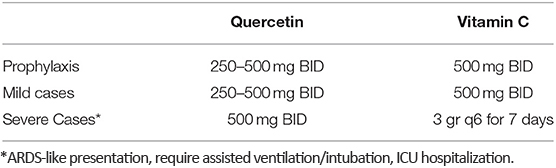
“Only higher intravenously administered doses up to 51.3 mg/Kg (around 3,591 mg per individual) were associated with renal toxicity,” the paper notes. The following table shows the proposed dosages for concurrent use of vitamin C and quercetin, either as a prophylactic for high-risk groups, and/or treatment for mild to severe COVID-19 disease.
The Importance of Zinc
While Marik’s paper does not address the use of zinc, it seems reasonable to recommend oral zinc supplementation as well, especially if you’re older. In fact, two oft-noted early symptoms of COVID-19 — the loss of taste and smell — are both symptoms of zinc deficiency.
As noted in the Integrative Medicine journal’s review37 of emerging COVID-19 research, “Zinc plays a crucial role in the function of essentially all immune cells,” and “Deficiency of this critical element has a profound impact on immune response, increasing susceptibility to a variety of infections.” Like quercetin and vitamin C, zinc also has well-known antiviral properties in its own right. As noted in the Integrative Medicine journal’s review:38
“Increasing intracellular zinc concentrations in cell culture impairs the replication of a variety of RNA viruses including SARS-CoV-1 … In vivo evidence for zinc’s antiviral role comes from a Cochrane review that found zinc intake was associated with a significant reduction in the duration of the common cold.
Many of the studies showing benefit when taken during the course of an infection were in the form of a zinc lozenge. It makes sense to utilize this mode of delivery during the acute infection phase …
Anosmia (loss of smell) and dysgeusia (distorted sense of taste) are commonly being reported in patients at every phase of COVID-19. These are also classic symptoms of zinc deficiency.
It is too early in the discovery process to determine if this is cause or effect, nonetheless zinc deficiency greatly impairs immune function, especially resistance to viral infections. Notably, inadequate dietary consumption of zinc is found in almost half the older population.”
My Personal Take on This and Strong Recommendations
I am a huge fan of zinc, quercetin and vitamin C, but it is important to understand some very basic principles before using them. It is clear in my mind that quercetin is far less expensive, is safer and is likely equally effective to hydroxychloroquine at driving zinc into the cell, where it does its job of inhibiting viral replication, and unlike hydroxychloroquine, it reduces inflammatory cytokines and also increases interferon.
However, it is important to understand that if this excellent strategy is going to be optimally effective it needs to be administered early in the disease phase — the earlier the better. Using quercetin and zinc would be best done if you were recently exposed to the virus. This way you can inhibit viral replication and keep the viral load low while your innate immune system does its work in clearing the virus.
With respect to vitamin C, it is my perception that there is major confusion in this area. It can be used in low doses of several hundred milligrams to meet nutritional requirements and support your immune system in the early phase of the illness.
However, if you’re really sick and have shortness of breath, and are considering being hospitalized or are already in the hospital, then you need very high doses of vitamin C in the 10 gram to 100 gram-dose per day, either through liposomal or IV administration.
I don’t recommend taking high doses of vitamin C unless you are acutely sick. The bulk of the literature reviewed here is promoting the use of vitamin C to regenerate quercetin, but I believe there are far more powerful approaches. What might that be?
It seems obvious to me that quercetin is best taken at night (with zinc) before you go to bed and you haven’t eaten for at least three to four hours. You will sleep for eight hours, and if you are metabolically flexible, this is the time that you will dive into nutritional ketosis. Ketosis will increase your NADPH levels, which is FAR superior to vitamin C at recycling antioxidants like quercetin.
The other benefit of taking quercetin at night is to take advantage of its senolytic action to remove senescent cells, which are similar to nonreplicating cancer cells that secrete powerful proinflammatory cytokines that destroy your health. You can optimize quercetin’s senolytic properties if you take it while you are fasting.
- 1, 5, 29, 30, 31, 36 Frontiers in Immunology June 19, 2020 DOI: 10.3389/firmmu.2020.01451
- 2, 4, 37, 38 Integrative Medicine 2020; 19(S1) [Epub ahead of print] (PDF)
- 3, 24 MedPage Today July 1, 2020
- 6 Journal of Virology 2004 Oct;78(20):11334-9
- 7 ChemRxiv.org March 11, 2020 (PDF full study), Table 3
- 8 Greenstarsproject.org March 27, 2020
- 9, 11 Nutrients 2016 Mar; 8(3): 167, 5.1.2 Mechanism of Action
- 10 Nutrients 2016 Mar; 8(3): 167, Table 1: Mast cell
- 12 Journal of Agricultural and Food Chemistry 2014, 62, 32, 8085-8093
- 13, 15 Medical Hypothesis, 2020;142(109800)
- 14 Frontiers in Immunology, 2019; doi.org/10.3389/fimmu.2019.01586
- 16 Journal of Biological Chemistry, 2007; doi.org/10.1074/jbc.R700004200
- 17 Britannica
- 18 Mediators of Inflammation 2016; 2016, Article ID 5460302
- 19 Antimicrobial Agents and Chemotherapy 2016 Sep; 60(9): 5182–5188
- 20 Journal of Virology October 2004: 11334-11339 (PDF)
- 21 Biotechnology Letters February 15, 2012; 34: 831-838
- 22 Bioorg Med Chem 2010 Nov 15;18(22):7940-7
- 23 Preprints.org March 12, 2020
- 25, 26 ClinicalTrials.gov Identifier: NCT04377789, Effect of Quercetin on Prophylaxis and Treatment of COVID-19
- 27 Journal of the American Dietetic Association 2011 Apr;111(4):542-9
- 28 Journal of Infectious Diseases and Preventive Medicine May 24, 2014; 2: 111
- 32 Frontiers in Immunology June 19, 2020 DOI: 10.3389/firmmu.2020.01451, Introduction
- 33, 34 Frontiers in Immunology June 19, 2020 DOI: 10.3389/firmmu.2020.01451, Biology of Quercetin
- 35 Frontiers in Immunology June 19, 2020 DOI: 10.3389/firmmu.2020.01451, Synergistic Antiviral Action
UV Radiation Protects Against Coronavirus
Reproduced from original article:
https://articles.mercola.com/sites/articles/archive/2020/07/21/coronavirus-uv-radiation.aspx
Analysis by Dr. Joseph Mercola Fact Checked
July 21, 2020

STORY AT-A-GLANCE
- Research suggests ultraviolet (UV) radiation exposure lowers COVID-19 mortality rates even when the exposure is insufficient to produce vitamin D
- UVA measures and COVID-19 death statistics were obtained for 2,474 U.S. counties, 6,755 Italian municipalities and 6,274 areas in England between the months of January and April 2020, which is when vitamin D production due to low sun exposure tend to be minimal
- Researchers hypothesize UV irradiation may have a direct effect on the viability of SARS-CoV-2 virus in airborne droplets, as well as the virus’ ability to stay viable on various surfaces, thus reducing overall infection rates
- UVA radiation also triggers release of nitric oxide, which lowers blood pressure. Nitric oxide also mitigates endothelial damage, improves immune function, thins your blood and decreases platelet aggregation (thus reducing clotting risk), and inhibits replication of the SARS virus
- Since high blood pressure and cardiometabolic disease increase COVID-19 mortality risk, nitric oxide can help explain how UV exposure lowers COVID-19 mortality even in the absence of vitamin D production
According to a British observational study1 posted July 6, 2020, on the preprint server medRxiv, ultraviolet (UV) radiation exposure appears to lower COVID-19 mortality rates.
As reported by News Medical Life Sciences,2 environmental factors such as temperature, humidity and UV irradiation are known to play a role in other infectious diseases, including seasonal influenza, so it shouldn’t come as a surprise that SARS-CoV-2 — the virus responsible for COVID-19 — can be affected in a similar manner.
UV Radiation Lowers COVID-19 Mortality
I’ve written extensively about the importance of vitamin D and its influence on COVID-19 specifically, but this research suggests there are other benefits to sun exposure besides vitamin D production.
The researchers looked at UVA measures and COVID-19 death statistics in 2,474 U.S. counties, 6,755 Italian municipalities and 6,274 areas in England between the months of January and April 2020, which is when vitamin D production due to low sun exposure tend to be minimal. According to the authors:3
“Our fully adjusted model showed an inverse correlation between UVA and COVID-19 mortality with a Mortality Risk Ratio (MRR) of 0.73 … per 100KJ/m2 increase UVA in the USA, 0.81 … in Italy and 0.51 … in England. Pooled MRR was 0.68 …
This represents a halving of the average risk of death across the lower and narrower range of UVA experienced across England and across the higher and wider range across Italy and the USA …
Our analysis suggests that higher ambient UVA exposure is associated with lower COVID-19 specific mortality. This effect was independent of temperature and UV within the vitamin D action spectrum.
Relatively higher UVA, across a country experiencing lower average levels of UVA during and immediately preceding the pandemic (England), is associated with greater falls in mortality risk compared to countries (Italy and the USA) with a higher average level suggesting an exposure tolerance effect …
We have been able to show a possible benefit from UV at wavelengths that do not cause synthesis of vitamin D. this suggests that explanations for seasonal and geographic variations in COVID-19 prevalence need to consider mechanisms other than just vitamin D.”
Mechanisms of Action
The researchers hypothesize UV exposure “may have a direct effect on the viability of SARS-CoV-2 virus in airborne droplets,” as well as the virus’ ability to stay viable on various surfaces, thus reducing overall infection rates and lowering the initial inoculation load in those infected, which in turn might reduce the risk of severe illness.
Another mechanism of action may involve nitric oxide. UVA radiation triggers the release of nitric oxide in your skin, mobilizing it into your circulation. This lowers blood pressure by causing your blood vessels to expand. This, the researchers say, is one important metabolic benefit of UV exposure that does not involve vitamin D.
“As cardio-metabolic disease and possibly hypertension increase the risk of death from COVID-19, any UV driven improvements in these risk factors would be expected to reduce mortality,” the researchers note.
What’s more, nitric oxide may help mitigate the endothelial damage seen in severe COVID-19 infection that leads to organ failure. While not mentioned in this study, nitric oxide also improves your immune function, thins your blood and decreases blood viscosity, which in turn decreases platelet aggregation. As such, nitric oxide helps reduce your risk of developing a life-threatening blood clot.
Previous research has also found nitric oxide inhibits replication of the SARS virus (SARS-CoV), and the researchers hypothesize that, since the spike proteins of the two viruses are similar, nitric oxide may have a similar effect on SARS-CoV-2. If correct, this could be yet another mechanism of action by which nitric oxide helps reduce disease transmission and severity.
So, to summarize, not only does exposure to sunlight lower COVID-19 mortality, but just about any strategy that boosts nitric oxide production may also have a similar effect. Examples of such strategies include the Nitric Oxide Dump workout and consuming nitrate-rich foods such as beetroot juice, arugula and cilantro.

Are Stay-At-Home Orders Increasing COVID-19 Mortality?
In related news, another study4 posted on medRxiv, July 2, 2020, asks whether lockdown orders might do more harm than good by decreasing the protective role of UVB radiation — the kind that triggers vitamin D production in your skin — which has also been shown to lower COVID-19 mortality rates. As noted by the authors:
“Recent studies indicate that measures such as lockdowns may have slowed down the growth of COVID-19. However, in addition to substantial economic and social costs, these measures also limit the exposure to Ultraviolet-B radiation (UVB).
Emerging observational evidence indicate the protective role of UVB and vitamin D in reducing the severity and mortality of COVID-19 … In this observational study, we empirically outline the independent protective roles of lockdown and UVB exposure as measured by ultraviolet index (UVI), whilst also examining whether the severity of lockdown is associated with a reduction in the protective role.”
According to their calculations, mortality rates could have been reduced by an average of 21% had lockdown orders been accompanied by instructions to get regular sun exposure.
Vitamin D Lowers All COVID-19 Related Risks
As reviewed in several previous articles, vitamin D appears to impact virtually all COVID-19 related risks, including your risk of testing positive for active infection, disease severity and your risk of death. For example:
| Research5 posted on the preprint server medRxiv, May 13, 2020, found low vitamin D status at the time of COVID-19 testing was a risk factor for a positive result. Compared to those with sufficient vitamin D levels, those with deficient levels were nearly twice as likely to test positive for COVID-19 (21.6% versus 12.2%). |
| A study6 from the Philippines found that for each standard deviation increase in serum vitamin D, the odds of experiencing only mild disease rather than severe illness was 7.94 times greater, and the odds of having a mild clinical outcome rather than a critical outcome was 19.61 times greater. |
| Research7,8 posted on the preprint server MedRxiv June 10, 2020, reports a combination of vitamin D3, magnesium and B12 inhibited the progression of COVID-19 in patients over the age of 50, resulting in “a significant reduction in proportion of patients with clinical deterioration requiring oxygen support and/or intensive care support.” |
| A study9 from Indonesia found COVID-19 patients with a vitamin D level between 20 ng/mL (50 nmol/L) and 30 ng/mL (75 nmol/L) had a sevenfold higher risk of death than those with a level above 30 ng/mL. Having a level below 20 ng/mL was associated with a 12 times higher risk of death. |
| A study10 that looked at data from 20 European countries found that “the probability of developing COVID-19, and of dying from it, is negatively correlated with mean population vitamin D status, with both probabilities reaching zero above about 75 nmol/L,” (30 ng/mL). |
| A paper11,12 posted on the preprint portal medRxiv May 18, 2020, found a strong correlation between severe vitamin D deficiency and higher mortality rates in countries across the globe.
The researchers attribute this to a connection between low vitamin D and high risk for cytokine storms. The analysis suggests higher vitamin D levels among the general population could cut mortality in half by reducing complications.13 |
Higher Vitamin D Lowers All-Cause Mortality Risk
COVID-19 certainly isn’t the only disease influenced by vitamin D. As noted in a study14 published July 4, 2020, in the Journal of Clinical Endocrinology and Metabolism, higher vitamin D levels are “non-linearly linked to lower risk of all-cause, [cardiovascular disease] CVD, and cancer mortality.”
Interestingly enough, this study found the risk for CVD and all-cause deaths tapered off at a vitamin D level of just 24 ng/mL (60 nmol/L). Cancer deaths leveled off at a mere18 ng/mL (45 nmol/L).
This is surprisingly low, considering large-scale studies suggest the cutoff for optimal cancer protection is around 40 ng/mL (100 nmol/L), with a level of 60 ng/mL to 80 ng/mL (150 nmol/L to 200 nmol/L) being ideal for health and disease prevention. You can learn more about this in “For Optimal Health, Make Sure You Have a Vitamin D Level of 60 ng/mL.”
Magnesium Optimizes Vitamin D Supplementation
According to a scientific review15,16 published in 2018, as many as 50% of Americans taking vitamin D supplements may not get significant benefit as the vitamin D simply gets stored in its inactive form, and the reason for this is because they have insufficient magnesium levels, and magnesium is required in the conversion of vitamin D into its active form.
Research17 published in 2013 also highlighted this issue, concluding that higher magnesium intake helps reduce your risk of vitamin D deficiency by activating more of it.
More recently, research18 by GrassrootsHealth reveals you need 146% more vitamin D to achieve a blood level of 40 ng/ml (100 nmol/L) if you do not take supplemental magnesium, compared to taking your vitamin D with at least 400 mg of magnesium per day.
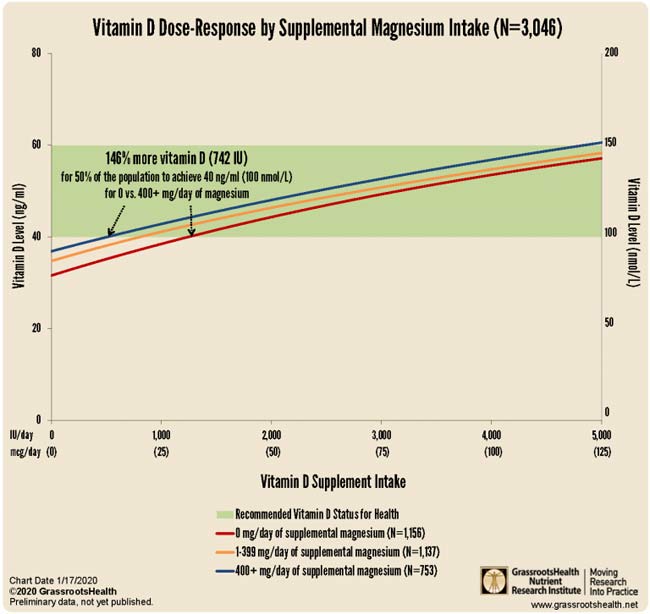
You can cut your need for oral vitamin D even further — by as much as 244% — by taking it concurrently with both magnesium and vitamin K2, as reported in “Magnesium and K2 Optimize Your Vitamin D Supplementation.”
Optimize Your Vitamin D Level to Minimize COVID-19 Risks
While oral vitamin D supplementation may be a good idea for most people, it’s important to remember to get your vitamin D level tested first. The reason for this is because you cannot rely on blanket dosing recommendations. The crucial factor here is your blood level, not the dose, as the dose you need is dependent on several individual factors, including your baseline blood level.
I recently published two vitamin D reports, a comprehensive scientific review and a shorter summary, in which I detail vitamin D’s mechanisms of action and how to ensure optimal levels. I recommend downloading and sharing those reports with everyone you know.

Here’s a condensed summary of the key steps to optimizing your vitamin D:
1.First, measure your vitamin D level — One of the easiest and most cost-effective ways of measuring your vitamin D level is to participate in the GrassrootsHealth’s personalized nutrition project, which includes a vitamin D testing kit. You also have the option of testing vitamin D in conjunction with magnesium and omega-3.
Once you know what your blood level is, you can assess the dose needed to maintain or improve your level. If you cannot get enough vitamin D from the sun (you can use the DMinder app19 to see how much vitamin D your body can make depending on your location and other individual factors), then you’ll need an oral supplement.
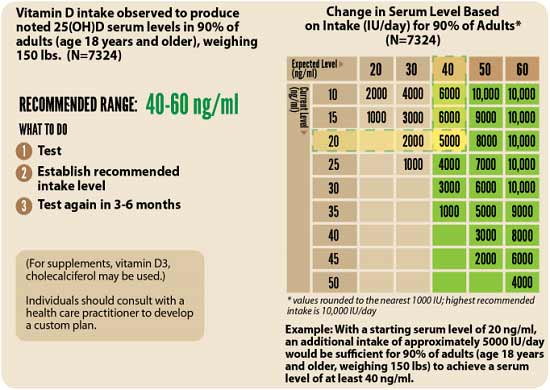
2.Assess your individualized vitamin D dosage — To do that, you can either use the chart below, or use GrassrootsHealth’s Vitamin D*calculator. To convert ng/mL into the European measurement (nmol/L), simply multiply the ng/mL measurement by 2.5.
To calculate how much vitamin D you may be getting from regular sun exposure in addition to your supplemental intake, use the DMinder app.20 Remember, you won’t need as much oral vitamin D if you also take magnesium and vitamin K2, as discussed above.
3.Retest in three to six months — Lastly, you’ll need to remeasure your vitamin D level in three to six months, to evaluate how your sun exposure and/or supplement dose is working for you.
- 1 medRxiv July 6, 2020, DOI: 10.1101/2020.07.03.20145912
- 2 News Medical Life Sciences July 8, 2020
- 3 medRxiv July 6, 2020, DOI: 10.1101/2020.07.03.20145912, Preview PDF. Abstract, Results and Discussion
- 4 medRxiv July 2, 2020 DOI: 10.1101/2020.06.30.20143586
- 5 MedRxiv DOI 10.1101/2020.05.08.20095893
- 6 SSRN April 9, 2020
- 7 MedRxiv June 10, 2020 DOI: 10.1101/2020.06.01.20112334
- 8 News Medical Life Sciences June 4, 2020
- 9 Emerginnova.com June 4, 2020
- 10 Infectious Diseases April 8, 2020 DOI: 10.21203/rs.3.rs-21211/v1
- 11 Medrxiv May 18, 2020 DOI: 10.1101/2020.04.08.20058578
- 12, 13 Northwestern McCormick School of Engineering May 7, 2020
- 14 Journal of Clinical Endocrinology and Metabolism July 4, 2020; dgaa432
- 15 Journal of the American Osteopathic Association March 2018; 118: 181-189
- 16 Science Daily February 2018
- 17 BMC Medicine 2013; 11: 187
- 18 GrassrootsHealth Is Supplemental Magnesium Important for Vitamin D Levels?
- 19, 20 DMinder app
Conclusive Proof — Masks Do Not Inhibit Viral Spread
Reproduced from original article:
https://articles.mercola.com/sites/articles/archive/2020/07/19/are-face-masks-effective.aspx
Analysis by Dr. Joseph Mercola Fact Checked
July 19, 2020
Sorry, this video not available on this site. To view video, go to original article above.
STORY AT-A-GLANCE
- Not a single randomized controlled trial with verified outcome has been able to detect a statistically significant advantage of wearing a mask versus not wearing a mask, when it comes to preventing infectious viral illness
- If there were any significant advantage to wearing a mask to reduce infection risk to either the wearer or others in the vicinity, then it would have been detected in at least one of these trials, yet there’s no sign of such a benefit
- There is no evidence that masks are of any utility for preventing infection by either stopping the aerosol particles from coming out, or from going in. You’re not helping the people around you by wearing a mask, and you’re not helping yourself avoid the disease by wearing a mask
- Infectious viral respiratory diseases primarily spread via very fine aerosol particles that are in suspension in the air. Any mask that allows you to breathe therefore allows for transmission of aerosolized viruses
- All-cause mortality data are not affected by reporting bias. A detailed study of the current data of all-cause mortality shows the all-cause mortality this past winter was no different, statistically, from previous decades. COVID-19 is not a killer disease, and this pandemic has not brought anything out of the ordinary in terms of death toll
Denis Rancourt, Ph.D., a former full professor of physics, is a researcher with the Ontario Civil Liberties Association in Canada. He’s held that volunteer position since 2014, which has given him the opportunity to dig into scientific issues that impact civil rights. He also did postdoctoral work in chemistry.
Here, we discuss the controversial topic of face masks. Should you wear one? When and where? Does it protect you or not? There’s a wide range of opinions on this even within the natural health community.
Early on in the COVID-19 pandemic, I endorsed the use of face masks based on the experience of some of the Eastern European countries. The rationale of it seemed to make sense at the time. Since then, however, I’ve started to question their use.
Unfortunately, the mainstream propaganda and government orders in many states in recent weeks have reverted back toward mask wearing just about everywhere. You’re not allowed into stores; you cannot fly or take a cab, Uber or Lyft without one; you must wear one everywhere you go, even outdoors, and if you don’t you’re vilified, sometimes aggressively attacked.
There’s No Scientific Support for Mask-Wearing
Rancourt’s investigation into mask wearing was part of his research for the Ontario Civil Liberties Association. He did a thorough study of the scientific literature on masks, concentrating on evidence showing masks can reduce infection risk, especially viral respiratory diseases.
“What I found when I looked at all the randomized controlled trials with verified outcome, meaning you actually measure whether or not the person was infected … NONE of these well-designed studies that are intended to remove observational bias … found there was a statistically significant advantage of wearing a mask versus not wearing a mask.
Likewise, there was no detectable difference between respirators and surgical masks. That to me was a clear sign that the science was telling us they could not detect a positive utility of masks in this application.
We’re talking many really [high-]quality trials. What this means — and this is very important — is that if there was any significant advantage to wearing a mask to reduce this [infection] risk, then you would have detected that in at least one of these trials, [yet] there’s no sign of it.
That to me is a firm scientific conclusion: There is no evidence that masks are of any utility either preventing the aerosol particles from coming out or from going in. You’re not helping the people around you by wearing a mask, and you’re not helping yourself preventing the disease by wearing a mask.
This science is unambiguous in that such a positive effect cannot be detected. So, that was the first thing I publicized. I wrote a large review1,2 of the scientific literature about that.
But then I asked myself, as a physicist and as a scientist, why would that be? Why would masks not work at all? And so, I looked into the biology and physics of how these diseases are transmitted.”

The Importance of All-Cause Mortality Statistics
When trying to tease out whether an intervention works against COVID-19 or not, it’s important to look at death statistics. The number of deaths is really what’s important, not the number of infected individuals, as many may not even exhibit symptoms.
The problem is that assigning the cause of death in a situation where a viral infection taxes the immune system and is confounded by comorbidities is tricky business. As noted by Rancourt, epidemiologists have long known that you cannot reliably assign cause of death during a viral pandemic such as this. There’s tremendous bias involved.
To get around those problems, you have to look at all-cause mortality. The reason for this is because all-cause mortality data are not affected by reporting bias.
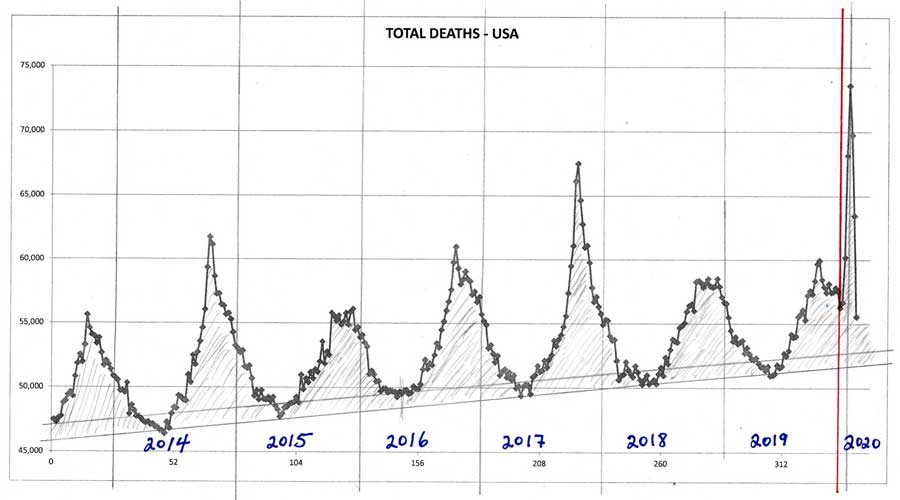
So, Rancourt did a detailed study of the current data of all-cause mortality, showing that the all-cause mortality this past winter was no different, statistically, from previous decades. In other words, COVID-19 is not a killer disease, and this pandemic has not brought anything out of the ordinary in terms of death toll.
Government Lockdown Orders Fueled Death Toll
He published this data in the paper,3 “All-Cause Mortality During COVID-19: No Plague and a Likely Signature of Mass Homicide by Government Response.” Rancourt explains:
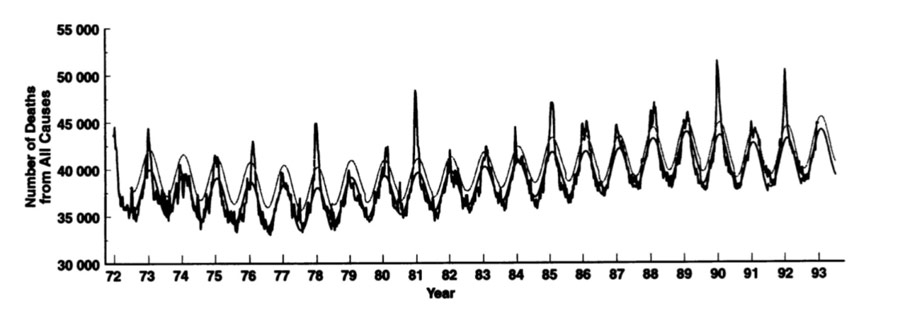
“It turns out that these curves, which show the winter burden deaths as humps every winter, some of them, in some jurisdictions, have an additional very sharp peak. It doesn’t represent a … huge amount of deaths by comparison to the total winter burden because it’s a very sharp peak, but it’s an anomalous peak. It’s not a natural peak.
And it happened in exact coincidence and time everywhere. In every jurisdiction that sees this anomalous, unnatural peak … the peak started exactly when the pandemic was declared by the World Health Organization. And the World Health Organization at that time recommended states prepare their hospitals for a huge influx of people with critical conditions.
So, the government response to that World Health Organization recommendation is what killed people, what accelerated the deaths. You can see that in the data, and you can also understand it in terms of how immune-vulnerable people are affected by these kinds of diseases.
What they did is they closed people into their institutional places of residence, they didn’t allow visitors. So, they isolated the most vulnerable parts of society that already had comorbidity conditions who were in a fragile state.
So, they ensured that many people that were locked into these institutions would die from this particular seasonal virus that causes the respiratory disease.
But the virus itself is not more virulent than other viruses. The total winter burden deaths is not greater, but there is a signature of a sharp feature that lasts the full width at half maximum. This feature is three or four or five weeks, which is extraordinarily rapid, never been seen before. And it happens very late in the winter burdens season.
A sharp peak like this has never been seen this late in the season before, and it’s happening [synchronistically] everywhere, on every continent, at the same time in direct immediacy after the declaration of the pandemic. To my eye, there is no doubt that there was an acceleration of deaths of vulnerable people due to government responses …
What really matters is the hard data, and the hard data is all-cause mortality in any jurisdiction that you want to look at. And it has not been anomalous, statistically speaking, no matter how you slice it.”
The two graphs below show the number of deaths from all causes from 1972 until 1993, and 2014 until present time in 2020.
Why Government Response Was Ill Advised
Rancourt goes on to qualify some of this data based on the mechanism of viral transmission, which also helps explain why government responses have been ill advised, as they actually worsen transmission rather than inhibit it. Infectious respiratory diseases primarily spread via very fine aerosol particles that are in suspension in the air.
“We’re talking about the small size fraction of aerosols, so typically smaller than 2 micrometers,” Rancourt explains. “There are water droplets that bear these virions, the virus particles, and there can be dozens or hundreds of these virions per very small droplet of this size.
Those are the droplets we’re talking about. When you get down to those sizes, gravitational outtake is very inefficient and they basically stay in suspension. And, as soon as you have currents or flow of air, [the particles] are carried.”
The aerosol particles stay in suspension when the absolute humidity is low. This is why influenza outbreaks occur during the winter. Once absolute humidity rises, the aerosol particles become unstable. They agglomerate, drop out of suspension and cease to be transmissible. “This is well known,” Rancourt says. “It’s been known for a decade. It’s been extraordinarily well-demonstrated by top scientists.”
The mid-latitude band is where you find the dry weather and the temperature ideal for transmitting viral respiratory diseases. Viral infections typically spread during the winter in the northern hemisphere, and in the summer in the southern hemisphere.
“You see it in both hemispheres, but inverted,” Rancourt says. “That is why, when you move down towards the equator, transmission drops. You don’t get transmission.
Likewise, if you go too far North, it also does not transmit, and that is not well understood. I’m an expert in environmental nanoparticles and how they charge and what they do, so I have some ideas about why that is, but it hasn’t been studied in detail.
The point is the transmission band is very narrow. It’s across Europe and North America where you have temperatures between about zero and 10 degrees Celsius, and you have low absolute humidity. That’s where these aerosol particles that are the vector of transmission are completely suspended as part of the fluid air.
They’re really part of the fluid air, so any air that gets through, [the viral particles are also] going to come through. That’s why masks don’t work. And these particles are in suspension in the air and get trapped indoors.
That’s why centers where you have sick people and you’re not controlling the air environment are centers of transmission. We’re talking about old folks’ homes, hospitals, even people’s homes. This entire class of diseases, this is how they’re transmitted.”
Why Masks Are Used During Surgery
Many firmly believe wearing a mask in public will protect themselves and/or others, and one of the reasons for this is because they appear to work in some circumstances, such as operating rooms. If they don’t work, why do surgical staff and many health care workers use them on a regular basis?
As explained by Rancourt, the reason surgical masks are worn in the operating room is to prevent spittle from accidentally falling into an open wound, which could lead to infection. Surgical masks have been shown to be important in that respect.
Preventing microbes and bacteria from falling into an open wound is very different from preventing the spread of viral particles, however. Not only are viruses much smaller than bacteria and many other microbes found in saliva, they are, again, airborne. They’re aerosolized and part of the fluid air. Therefore, if air can penetrate the mask, these aerosol particles can also get through.
“The best randomized controlled trials with verified outcome — in other words, the only scientifically designed studies that remove observational bias and that are valid and rigorous — are [done] in clinical environments.
So, they’re looking at health care workers treating people that potentially have a viral respiratory infection, or treating people they know have such an infection and they’re doing something that will potentially generate a lot of aerosol particles by the treatment. Many, many trials have been done in that environment and none of them find any advantage to the health care workers,” Rancourt says.
Mask Wearing Does Not Protect Others Either
The video below is from Patrick Bet David, who has a very popular YouTube channel that I enjoy watching. His message below is broken down into very simple terms and he presents valid arguments and good questions. I encourage you to view it if you believe in wearing masks.
Now, one view is that, even though a mask may not protect the wearer against contracting an infection, it will still protect others that the mask-wearer comes into contact with. But that’s not what the science shows. The measured outcome in most rigorous studies on this is the infection rate. Did anyone involved get infected?
Comparisons are made between health care workers wearing masks, respirators or nothing at all. While this does not allow you to discern who is being protected — the mask wearer or others — the studies show mask wearing does neither.
Since everyone is in close proximity to each other, and no differences in infection rates are found regardless of what type of mask is worn, or none at all, it tells us that mask wearing protects no one from viral infections.
“It makes no difference if everybody in your team is wearing a mask; it makes no difference if one is and others aren’t,” Rancourt says. “Wearing a mask or being in an environment where masks are being worn or not worn, there’s no difference in terms of your risk of being infected by the viral respiratory disease.
There’s no reduction, period. There are no exceptions. All the studies that have been tabulated, looked at, published, I was not able to find any exceptions, if you constrain yourself to verified outcomes.”
What’s more, the results are the same for both N95 respirators and surgical masks. Respirators offer no protective advantage when it comes to viral infections.
“In one of the randomized control trials, a big one that compared masks and N95 respirators among health care workers, the only statistically significant outcome they discovered and reported on was that the health care workers who wore the N95 respirators were much more likely to suffer from headaches,” Rancourt says.
“Now, if you’ve got a bunch of health care workers, which you’re forcing to get headaches, how good is the healthcare going to be?”
Why Masks Don’t Prevent Viral Infections
As noted by Rancourt, it’s important to separate scientific findings from possible mechanics that might explain a certain outcome. Studies have conclusively proven masks do not prevent viral infections. Why, is another question.
“I think it’s important to recognize that no matter how clever your explanation is, it may not be right,” he says. That said, one commonsense explanation put forth by Rancourt is that masks don’t work for this application for the simple fact that they allow airflow:
“I’ve come to the conclusion that the most prominent vector of transmission is these fine aerosol particles. Those fine aerosol particles will follow the fluid air. In a surgical mask, there is no way you’re blocking the fluid air. When you breathe wearing a surgical mask, the lowest impedance of airflow is through the sides and tops and bottoms of the mask.
In other words, very little of the airflow is going to be through the actual mask. The mask is only designed and intended to stop your spitballs from coming out and hitting someone … If the flow of air is through the sides, whatever molecules or small particles are carried in the air, are going to flow that way as well, and that’s how you get infected.
If you’re not stopping [the viral particles] coming in, you’re not stopping them from coming out either. They follow the flow, period. That’s the way it is. So that’s why there’s an equivalence between ‘It doesn’t protect you and it doesn’t protect anyone else either.’”
Ironically, some masks are even designed with out-vents, to facilitate breathing, which completely negate the claim that mask-wearers are protecting others.
Why Masks Have No Impact on Viral Load
Rancourt also dismisses the argument that masks can reduce the total viral load by catching your spit. The theory is that by minimizing the viral load someone is exposed to, their chances of the infection taking hold are minimized.
“The large droplets drop to the floor immediately and are not breathed in. So, they’re not part of the transmission mechanism. You can do a scientific study that demonstrates that viruses survive a fairly long time on a surface … These are called fomites, these surfaces where viruses can live and stay active.
That does not mean that transmission occurs through surfaces. It only means that a scientist was able to establish that a virus can survive a long time on a surface. It doesn’t tell you anything about the likely transmission mechanism of the disease. So, there are a lot of studies like this that are basically irrelevant in terms of transmission mechanism.
[Infectious respiratory diseases] are transmitted by these fine aerosol particles that are in suspension in the air. In a case like that, will a mask, will something that is preventing spitballs from coming out, protect you or protect others? And the answer is no, it makes no measurable difference.
There are many studies that show how difficult it is to actually infect someone when you’re just trying to put something like a fluid or something you know is bearing the virus into their eye or into their nose. It’s hard to do this. That’s what the studies show.
But if you take a fine aerosol and you breathe it in deeply, that’s where the infection starts and that’s where the virus has evolved to be most effective. So, by breathing in aerosols laden with these viruses, you’re going to be infected. Try to do anything else, and it’s going to be difficult [to spread infection].
The most recent randomized controlled trial [published] this year basically concluded they could find no evidence that masks, hand-washing and distancing, in terms of reducing the risk of these types of diseases, were of any use. [They] didn’t help.
So, there’s this dissonance between what the science actually tells you when you measure correctly, and what the health authorities tell you to do. They want you to be convinced that you’re in this dangerous environment and that if you follow their directives, you’ll be safe.
Their purpose is to control your life and to give you directives, and you’re going to accept that. That’s part of how they convince you that you absolutely need the state to save your life. I think that’s what’s going on.”
Mask-Wearing Is Not Without Its Risks
We’ve already mentioned that certain masks can increase your likelihood of headaches. Others believe masks can cause lower partial pressure of oxygen, which could cause serious health problems. In the video above, Peggy Hall with TheHealthyAmerican.org claims certain masks can result in low oxygen levels, thus violating OSHA rules on oxygen requirements.
“There are many admitted dangers to wearing masks,” Rancourt says. “The World Health Organization in its June 5 memo,4 where they reversed their position and decided that it was a good idea to recommend mask use in the general population, in that document, they actually say you have to consider the potential harms, and they list what they consider are all the potential harms.
They missed a lot. But one of the top ones is you’re concentrating the pathogen laden material onto this material near your face, nose, eyes and so on. And you’re touching the mask all the time, you’re touching yourself, you’re touching others.
It’s not a controlled clinical environment, so there’s potential for transmission in that way. You might wear the mask more than once, you might store it at home and then wear it again. You might do all kinds of things …
What I find extraordinary is that they also have a list of what they call potential advantages. And when I compare the two lists, the potential dangers far outweigh the potential advantages. So, you have to ask yourself, what the heck are you doing?
How can you make these two columns and compare the advantages and disadvantages and have one clearly outweigh the other and then conclude that therefore we recommend masks? This is just nonsense. It’s irrational. So, my association added our list5 of things that they weren’t even considering.
We went into the civil liberties aspect of it as well, because I think this is very important. One of the fundamental aspects of a free and democratic society is that the individual is entitled to evaluate the personal risk to themselves when they act in the world.”
As noted by Rancourt, risk evaluation is a very personal thing. It involves your personality, your judgment, your knowledge, your experience and your culture. It’s a very personal thing that you’re entitled to do for yourself. If the state is forcing you to accept their evaluation of risk, then this fundamental precept is violated. What’s worse, they’re currently forcing you to accept an evaluation of risk that cannot be scientifically justified.
Mask Mandates Are Indicative of Rising Totalitarianism
In its letter6 to the WHO, the Ontario Civil Liberties Association also addressed the issue of mask mandates as an instrument of totalitarianism.
“In our letter, we put it this way. There’s a recent scientific study7 that came out in 2019. The first author is the executive director of the Ontario Civil Liberties Association that I do research for, and he’s a physicist also. He wrote an article with another physicist.
They looked at the conditions under which a society will gradually degrade towards a more totalitarian state. What they found was that there were two major control parameters that characterize the society that will tell you if that is likely to happen or not.
One of those control parameters is authoritarianism in the society. What they mean by that is, how successful can an individual be to refuse something, like to refuse to wear a mask if they protest? What is the chance that they’ll succeed if they refuse? That would be related to the degree of authoritarianism.
The other important parameter is the degree of violence in the society. How violent is the repression if you disobey? So how big is the fine? Can you go to jail? How much punishment will you be subjected to if you disobey a particular rule, for example, wearing of a mask?
Those two parameters, they were able to establish what we call a phase diagram of societies … And what they found is that in present society, if you would estimate the average value of those two parameters for United States or Canada, we’re in a state right now where the society is very gradually evolving towards totalitarianism.
The way to slow that and prevent it is for people to object and to scale it back. As soon as you agree with an irrational order, an irrational command that is not science-based, then you are doing nothing to bring back society towards the free and democratic society that we should have. You are allowing this slow march towards totalitarianism. That’s how I would explain the importance of objecting to this.”
Mask Mandates Allow Government to Shirk Responsibility
Rancourt also points out that when government and health institutions convince people that masks are the solution, they are effectively removing their duty of care toward you, because they’re saying all you need to do is wear a mask. This allows them to avoid the responsibility of actually preventing transmission in the primary centers of transmission, such as hospitals, nursing homes and elsewhere.8
“We don’t have to manage the air in such a way that immune-vulnerable in this establishment will not be at risk of dying and so on. They remove their duty of care responsibilities by saying, ‘Well, we’re just not going to allow visitors, and we’re going to force everyone to wear masks.’
You need to look at, scientifically, what is happening here. Why are people at risk? What is immune-vulnerability due to? What can you do about it? And then you have to do something about it if you’re serious about your duty of care towards these people. So it has that side effect of letting them get away with not taking care of the people that they’re responsible for.”
Calls for Peaceful Civil Disobedience Are Growing
The Ontario Civil Liberties Association has issued a press release9 calling for peaceful civil disobedience against mandatory masking. The U.S. nonprofit Stand for Health Freedom is also calling for civil disobedience, and has a widget you can use to contact your government representatives to let them know wearing a mask must be a personal choice.
“In the memo that was put out, we explain how best to perform that civil disobedience. We explain that you should be calm and confident and not get into arguments and not try to convince the authorities.
Just express your disobedience regarding this rule. And then we explain that they may want to trespass you, they may want to give you a fine, that you can anticipate fighting that fine in court. We go through the steps so that people can visualize how to do this.
We explain that some of their core shoppers or core citizens will be angry and aggressive, and to not get into a fight and not to get into a war of words. Do not try to convince them. Just stick to that you are not going to comply. Be very calm. This kind of civil disobedience has been successful at various times in North American history.
There are risks involved, but it’s often worth it to the individual to have that civil disobedience because there are many individuals that don’t know what to do that are very angry because they’re being forced to wear masks and they see it as absurd and a constraint. So, we try to give them a view of a venue on how to resist this …
We also recommend when people are practicing this kind of civil disobedience that they not be isolated, that they try to form a grassroots group of support and that they don’t do it alone. Try to bring at least one person, one supporter, with them. Record the interaction with the authorities and report back on social media and to their groups with details of what happened and so on.
We hope to create kind of a smoother messaging that a lot of people, or at least some people, do not believe this mask story and do not believe that they are at risk and are willing to practice civil disobedience to make that point.”
- 1 Vixra.org June 5, 2020
- 2 COVID Censorship at ResearchGate: Things Scientists Cannot Say
- 3 Technical Report June 2020 DOI: 10.13140/RG.2.24350.77125
- 4 WHO.int, Advice on the use of masks in the context of COVID-19 June 5, 2020 (PDF)
- 5, 6 OCLA.ca June 21, 2020
- 7 PLOS ONE January 29, 2019 DOI: 10.1371/journal.pone.0211403
- 8 Clinical Infectious Diseases July 6, 2020; ciaa939
- 9 Ontario Civil Liberties Association Press release: Civil disobedience against mandatory masking (PDF)
Are they serious? Reports suggest a flu virus with “pandemic potential”
Reproduced from original article:
www.naturalhealth365.com/newly-discovered-flu-virus-3473.html
by: Sara Middleton, staff writer | July 10, 2020
 (NaturalHealth365) While the COVID pandemic isn’t owning the headlines quite as forcefully as it was in the first half of the year, it’s still a major issue on many people’s minds. But just when some of us felt a lull in the media’s fear-mongering campaign, we’re now hearing reports of yet another newly discovered flu virus that is able to jump from animals to humans – the same route of transmission we saw with SARS-CoV-2, the virus that causes COVID-19.
According to the BBC, breaking news out of China suggests that the new flu virus emerging in pigs has the potential to launch yet another pandemic in the near future. The big question is how the public will respond to this latest global health concern.
What should we do with this latest flu virus concern?
On June 29, 2020, the Proceedings of the National Academy of Sciences published an article written by a team of researchers from Beijing, China. The paper announced that a new “Eurasian avian-like H1N1 swine influenza virus with 2009 pandemic viral genes” has been identified in pigs. In other words, the virus is similar to the one which caused the 2009 swine flu epidemic, but has some genetic differences.
Pigs, the researchers note, “are are considered as important hosts or ‘mixing vessels’ for the generation of pandemic influenza viruses.” It’s a sad statement that brings to mind the kind of animal cruelty practices observed in the now-infamous wet markets throughout Asia.
This virus, which the Chinese researchers refer to as G4 EA H1N1, can and indeed has already appeared to infect humans. After analyzing the blood work of 338 swine workers who have “occupational exposure”, the scientists determined that 10.4 percent of them tested positive for it. Workers aged 18 to 35 had the highest infection rate, with 9 out of 44 of them from the sample testing positive.
As the BBC notes, the researchers are worried this virus could continue to mutate in such a way that it could spread easily from person to person and lead to a new global outbreak. At this time, officials say that the newly discovered H1N1 virus is not of immediate concern, but that it exhibits classic indicators of being highly adaptable and therefore will need to be closely monitored.
Do NOT ignore the health dangers linked to toxic indoor air. These chemicals – the ‘off-gassing’ of paints, mattresses, carpets and other home/office building materials – increase your risk of headaches, dementia, heart disease and cancer.
Get the BEST indoor air purification system – at the LOWEST price, exclusively for NaturalHealth365 readers. I, personally use this system in my home AND office. Click HERE to order now – before the sale ends.
As possibility of future pandemics loom, many feel there is more to be concerned about than just newly emerging viruses – including control hungry global leaders and public health officials
Positive reinforcement 101: if you get rewarded for doing something, you’re more likely to do it again.
The “reward” in this case, at least for government officials, is mass control over the public, fueled by hysteria and the idea that you can “shame” people into complying with your demands to wear masks, close down your businesses, and get vaccinated – because if you don’t, you’re “selfish” and putting innocent lives at risk, right?
We say this tongue and cheek, of course. But we certainly will be a bit more hypervigilant and closely watching as this news story develops over the coming weeks, and will be looking out to see if and how public health officials use this as another opportunity to implement heavy-handed control measures.
Sources for this article include:
Daily dose of baking soda may help combat autoimmune disease
Reproduced from original article:
www.naturalhealth365.com/autoimmune-disease-baking-soda-3415.html
by: Lori Alton, staff writer | May 25, 2020
 (NaturalHealth365) According to the National Institutes of Health, over 23 million Americans currently live with some type of autoimmune disease – which can encompass such potentially debilitating conditions as rheumatic arthritis, lupus, irritable bowel disease, type 1 diabetes, psoriasis, multiple sclerosis and Hashimoto’s thyroiditis. Autoimmune diseases – which arise when the immune system mistakenly attacks the body’s own organs, tissues and cells – are notoriously complex and difficult to treat.
But encouraging research shows that a common, familiar household staple – baking soda – can function as a potent weapon against them.
A recent study not only revealed baking soda’s ability to fight autoimmune disease – but showcased its ability to work at the cellular and molecular level. For a lowly cooking ingredient, baking soda seems to have some highly sophisticated and powerful effects!
Can baking soda help those suffering with autoimmune disease?
Baking soda, also known as bicarbonate of soda, has a variety of household and medical uses.
It has long been used as a natural toothpaste, a non-toxic deodorant and a cheap, quick-acting antacid to treat heartburn. In addition, some nephrologists advise small daily doses of baking soda to slow the progression of chronic kidney disease.
After clinical studies affirmed baking soda’s beneficial effects on chronic kidney disease, researchers wondered what other conditions it could improve. And they soon had their answer.
Do NOT ignore the health dangers linked to toxic indoor air. These chemicals – the ‘off-gassing’ of paints, mattresses, carpets and other home/office building materials – increase your risk of headaches, dementia, heart disease and cancer.
Get the BEST indoor air purification system – at the LOWEST price, exclusively for NaturalHealth365 readers. I, personally use this system in my home AND office. Click HERE to order now – before the sale ends.
In a study conducted by scientists at Medical College of Georgia at Augusta University and published in April 2018 in Journal of Immunology, the team found that drinking baking soda in water every day for two weeks helped to reduce the destructive inflammation of autoimmune disorders.
The key to baking soda’s action was the way it affected mesothelial cells on the exterior of the spleen. These specialized immune cells have microvilli that sense the environment and warn when an immune response is needed in order to defend against invading pathogens.
But in autoimmune disorders, this response can be inappropriate, excessive and damaging.
Baking soda helped the cells to convey the message that a protective immune response need not be triggered. In the words of study co-author Dr. Paul O’Connor, the compound helped reassure the immune system that there was no pathogen to be fought. “It’s most likely a hamburger, not a bacterial infection,” explained Dr. O’Connor.
It’s official: Baking soda reduces the inflammatory actions of cells
Bicarbonate of soda also affects the population of immune cells called macrophages, which engulf and destroy pathogens. The scientists found that it shifted the macrophage population to a higher percentage of anti-inflammatory M2 macrophages, while decreasing pro-inflammatory M1 macrophages.
Although the initial research was conducted on rats, the researchers studied healthy human volunteers as well. And these human participants also experienced an anti-inflammatory response from the baking soda.
In addition, the group who took baking soda had more inflammation-regulating T cells, which discourage the immune system from attacking tissue.
The researchers concluded that baking soda was a “cheap, relatively safe, effective and … noninvasive method to activate cholinergic anti-inflammatory pathways, which may be of benefit to patients suffering from a multitude of inflammatory disease states.”
In a separate study published in Proceedings of the National Academy of Sciences, researchers found that baking soda could specifically benefit rheumatoid arthritis – an autoimmune condition. The scientists concluded that baking soda and water helped reduce inflammation and disease severity.
Baking soda’s antiviral effects are currently being studied
Scientists have found that certain pH-dependent viruses – which happen to include some influenza viruses and coronaviruses – are most able to replicate and spread under acid conditions (pH6.0) and are deactivated completely at pH 8.0.
Baking soda raises acidic pH to higher alkaline levels – a fact with exciting implications for possibly slowing the spread of COVID-19 and other viral infections. While clinical studies have yet to be performed, cell and animal studies attest to the effects of alkalinity on viruses.
In fact, baking soda has been used to fight a pandemic in the past. In 1918 and 1919, Dr. Edward R. Hays – a physician with the U.S. Health Department – utilized baking soda against the Spanish flu, claiming that it could lead to a resolution of symptoms within 36 hours.
In addition to antiviral and inflammation-fighting effects, baking soda can improve general health in myriad other ways. According to noted doctor and author Dr. Eddy Bettermann, baking soda increases bicarbonates in the blood – in turn increasing carbon dioxide and helping with oxygenation of body organs.
And Dr. Lynda Frassetto of the University of California notes that baking soda can reduce acidic wastes in the body – which show up as cholesterol, fatty acids, uric acid, phosphate and kidney stones.
How much baking soda should I take?
While the University of Georgia scientists did not reveal the daily amount of baking soda used in the study, many natural health experts recommend half a teaspoon of baking soda dissolved in a cup or two of water a day.
Of course, check with your doctor before using baking soda to treat kidney disease, autoimmune disorders or any other medical condition. It is especially important to seek your physician’s guidance if you have high blood pressure, as baking soda is very high in sodium.
Health warning: To avoid possible gastric rupture, don’t take baking soda when your stomach is excessively full – such as after a huge meal.
While autoimmune disease can be a formidable foe, the simple, old-fashioned remedy of baking soda in water may emerge as a front-line defense against it.
Sources for this article include:
Can Your Blood Type Predict Your Risk of Virus Infection?
Reproduced from original article:
https://articles.mercola.com/sites/articles/archive/2020/06/27/can-blood-type-predict-virus-infection-risk.aspx
Analysis by Dr. Joseph Mercola Fact Checked
June 27th 2020

STORY AT-A-GLANCE
- The results from three studies show that blood type O has some protective effect against COVID-19; one scientist believes the factor is small compared to comorbidities
- The authors of one study tested genetic variants and found the gene responsible for overreaction of the immune system was near the gene for blood type
- Some have used at-home DNA testing to track genealogy or learn about medical risks; while helpful for this, using consumer labs is not risk-free
- Your blood type is likely not the most important factor; instead, optimize your vitamin D level, improve your metabolic sensitivity and reduce insulin resistance with intermittent fasting
Not soon after China revealed the discovery of SARS-CoV-2 in their country, scientists around the world began acting. This was a different type of coronavirus than had been studied since at least 1980.1
One difference is the gain of function potential capabilities the virus is believed to have2 that have been used in lab settings to alter the function of cells “as powerful tools to understand basic bacterial and viral biology and pathogen-host interactions.”3 The U.S. had banned this research in 2014, but in 2017 it was quietly lifted and4
“… the US National Institutes of Health (NIH) announced that they would resume funding gain-of-function experiments involving influenza, Middle East respiratory syndrome coronavirus, and severe acute respiratory syndrome coronavirus [SARS].”
The novel coronavirus appeared to trigger a wide range of symptoms in people. Some had only a mild affliction; others were sick for weeks and still others suffered such serious respiratory debilitation that they required the assistance of a ventilator.5
Your Blood Type May Reveal Risk Profile
After the SARS outbreak of 2003, researchers found that one specific blood type, Type O, had a potential protective effect against that strain of the coronavirus.6 Scientists have also been looking at what genetic factors may impact infection and its severity for people exposed to SARS-CoV-2.
The home-based genetic testing company 23andMe released preliminary results from a study they conducted using the information of more than 750,000 people.7 Their early results suggest that a person’s blood type has an influence on their susceptibility to the virus.
In addition to the information they used from among the millions who have sent their DNA to the company,8 they want to add data from 10,000 hospitalized patients who are not already part of their database.9
The company reported that the percentage who tested positive for COVID-19 by blood type was 4.1% for blood group AB.10 The differences reported in the study showed that those with type O had a 9% or 18% lower potential for testing positive for the virus when compared to those with blood types A, B or AB.11
In a separate study, researchers found that individuals with blood type O Rh positive had the best protection.12 23andMe did not find any differences between the two RH factors, positive or negative.13 It’s important to note that data were collected from self-reported information, which may reduce the validity of this study.14
In an investigation from China, researchers compared the blood types of 2,173 patients who tested positive for SARS-CoV-2.15 The results demonstrated that those with blood type O had a lower risk of infection and those with blood type A had a higher risk. The results of this study are early, and the researchers warn they should be used only as a guide.
A different group of researchers evaluated the health information of people who had respiratory failure; in addition to reviewing the data from a control group, they studied individuals who were patients at seven hospitals in Italy and Spain.16 In the final analysis, 835 people from Italy and 775 people from Spain who tested positive for the virus were included.
The researchers analyzed 8.5 million single-nucleotide polymorphisms, which are genetic variations.17 They found statistically significant genetic differences in blood groups. They also found a higher risk for individuals who have A-positive blood and a lower risk for those with blood type O.
It’s important to remember that the results do not demonstrate there is absolute protection or risk with blood type, only that those with blood type O may have a lower risk and those with blood type A may have a slightly higher risk. The results from Italy and Spain add to a growing body of evidence indicating that blood type has some impact on a person’s susceptibility to the SARS-CoV-2 infection.18
Laura Cooling from the University of Michigan said that the current data don’t match the epidemiology of the disease pattern in the U.S.19 She pointed out that blood type O is more prevalent in the population of African-Americans, who are experiencing a disproportionately higher number of infections.
This suggests that blood type may be less of a risk factor compared to others, such as comorbidities known to increase the risk of severe conditions and disease such as vitamin D deficiency, obesity, diabetes and cardiovascular diseases.20

What’s Important About Blood Type?
Blood type has an impact on emergency care and transfusion; a successful transfusion requires that the person receiving the blood gets the same type from a donor.
Your blood type is determined by the presence or absence of antigens on the surface of every red blood cell. These give your blood specific characteristics, including blood type. The four major types that are determined by two specific antigens, A and B, include A, B, AB and O. Another factor, Rh, may also be present.
The most common blood types are O-positive and A-positive. The approximate distribution of blood types ranges from type O-positive at 38% of the population to type AB-negative at 1% of the population.21
At this time, it’s not understood how blood type may play a role in susceptibility to COVID-19. Professor Andre Franke from the University of Kiel is an author of the study from Italy and Spain.22 He found the gene to type blood is near a gene that controls a protein for a strong immune response.
The overreaction of the immune system, called a cytokine storm, is primarily what causes a massive inflammatory response and lung damage with COVID-19. Theoretically, this genetic variation may have an influence over the immune system and explain the link to blood type.
Consider These Risks Before Taking a Home DNA Test
The number of people using at-home DNA tests to track their ancestry, confirm their heritage or get information on blood type grew through 2019, as demonstrated by the large population that 23andMe used in their study.23,24
Although 23andMe.com saw recent growth, that company, along with Ancestry.com, which also collects your DNA, began losing sales in 2019. However, these tests are not risk-free. They still hold the data on everyone who’s sent them information, however.25 The potential use for DNA ranges from mapping your family tree and helping find genetic indicators to identifying health conditions and solving crimes.
The last two are usually done in highly regulated labs, while DNA to identify your family tree is not. The at-home test kit allows you to check your results online.26 In so doing, you have to give the company permission to store your information in their database. This is the same database 23andMe used to perform the recent comparison of blood type and COVID-19 infection.
Information may also be used in other ways, depending on the rules of the company. With some, your use of their services allows them to sell your genetic data to third parties without your consent and without profit sharing. Pharmaceutical companies, as an example, need large DNA data sets to develop new drugs.
These data are typically sold for millions of dollars, but those who provide the data realize none of the profits.27 That irony is compounded by the fact that consumers have to pay about $99 to get their DNA tested, which then becomes freely available for corporate use and profiteering, among other things, over which the donors have no control.
Your DNA is your most personal set of information, which can be used and manipulated in several ways. In an era when companies have difficulty keeping your usernames and passwords safe, it isn’t unrealistic to think your DNA data may also be at risk.
In 2013 researchers published a paper demonstrating that it was possible to identify people participating in genetic research studies by cross-referencing their data with information freely available on the internet.28,29 Scientists are excited about the potential information that may be gleaned from large DNA databases, but it poses a problem for your privacy.
Direct-to-consumer DNA testing companies are not bound by HIPAA regulations, which means your personal health information is not protected.30 Even if there is no leak, your genetic information may be used by employers, life insurance organizations and health insurance companies. In fact, in 2013, 23andMe admitted that the goal of their company was to collect massive amounts of DNA data to use without donors’ consent.31
Steps to Optimize Your Health and Support Your Immune System
It is helpful to know your blood type, but that is likely not a strong factor in your ability to withstand a viral infection. The number of people who are dying from COVID-19 lies somewhere between the World Health Organization’s estimate of 3.4%32 and a study in Nature Medicine indicating 1.4%.33
With many cases going unreported or untested, many of the mild and asymptomatic cases are likely not included in the figures. This means the death rate would be lower. In a study from Italy’s national health authority, 99% of the deaths in Italy were in people who had underlying medical conditions.34
Of those reported, 48.5% had 3 or more comorbidities.35 This points to the importance of addressing any underlying conditions you may have. It’s important that you work to optimize your health in ways that don’t also result in unwanted side effects or conditions related to taking a drug.
Comorbid conditions with higher rates of death and severity are cardiovascular disease, diabetes, high blood pressure, chronic respiratory diseases and cancer.36 Of the five conditions in this list, four are significantly affected by metabolic dysfunction. The common denominator is insulin resistance, which is triggered by a diet of high amounts of carbohydrates and processed foods.
When your body is insulin resistant it is also not metabolically flexible. As Dr. Sandra Weber, president of the American Association of Clinical Endocrinologists, noted:37
“We know that if you do not have good glucose control, you’re at high risk for infection, including viruses and presumably this one [COVID-19] as well … [improving glucose control] would put you in a situation where you would have better immune function.”
What and when you eat has a strong influence on your ability to beat insulin resistance. Intermittent fasting promotes insulin sensitivity and improves blood sugar management. This strategy helps to resolve Type 2 diabetes, high blood pressure, obesity and other conditions affected by metabolic dysfunction. To read more about how intermittent fasting affects insulin sensitivity, see “Intermittent Fasting Instead of Insulin for Type 2 Diabetes.”
Researchers have also found compelling evidence that maintaining optimal levels of vitamin D helps to lower your risk of severe disease. Since scientists anticipate a second wave of illness in the fall, you have a known “deadline” to raise your vitamin D level to at least 60 ng/mL and up to 80 ng/mL by that time.
Importantly, research published April 28, 2020 showed vitamin D insufficiency is prevalent in severe cases of COVID-19.38 They also found 100% of people under age 75 admitted to the intensive care unit had vitamin D insufficiency. For a more in depth discussion of how your vitamin D level will impact your risk and how to optimize your levels see “Your Vitamin D Level Must Reach 60ng/mL Before the Second Wave.”
So, how do you go about optimizing your vitamin D level? First, you need to find out what your base level is, which is done using a simple blood test. An easy and cost-effective way of doing this is to order GrassrootsHealth’s vitamin D testing kit.
Once you know what your blood level is, you can assess the dose needed to maintain or improve your level. Again, the ideal level you’re looking for is above 40 ng/mL, and ideally between 60 ng/mL and 80 ng/mL (European measurement: 100 nmol/L or, ideally, 150 nmol/L to 200 nmol/L).
Next, you can fine-tune your dosage further by taking into account your baseline vitamin D level. To do that, you can either use the chart below, or use GrassrootsHealth’s Vitamin D*calculator. To convert ng/mL into the European measurement (nmol/L), simply multiply the ng/mL measurement by 2.5.
Along with intermittent fasting and optimizing your vitamin D levels, you’ll find a list of more strategies you can simply incorporate into your daily routine at “Want to Defeat Coronavirus? Address Diabetes and Hypertension.”
- 1 PennMedicine News, March 5, 2020
- 2 Salon, April 24, 2020
- 3 The Journal of Infectious Disease, 2016;213:1364
- 4 The Lancet, 2018;18 (2)
- 5 Mayo Clinic
- 6 Glycobiology, 2008;18(12)
- 7, 9, 13 23andMe, June 8, 2020
- 8 23andMe, April 6, 2020
- 10, 14 Technology News, June 9, 2020
- 11 Bloomberg, June 8, 2020
- 12 medRxiv, April 11, 2020; doi.org/10.1101/2020.04.08.20058073
- 15 medRxiv, 2020; doi.org/10.1101/2020.03.11.20031096
- 16 medRxiv, 2020; doi.org/10.1101/2020.05.31.20114991
- 17 Genetics Home Reference
- 18 Forbes, June 10, 2020
- 19 Chemical and Engineering News, June 11, 2020
- 20 News Medical Life Sciences, June 3, 2020
- 21 ZME Science, May 2, 2018
- 22 The New York Times, June 3, 2020
- 23 Technology Review, February 12, 2018
- 24 Technology Review, February 11, 2019
- 25 Medium, February 7, 2020
- 26 PC Magazine, March 27, 2018
- 27 Business Insider, July 25, 2018
- 28 Nature, May 8, 2013
- 29 Science, 18 Jan 2013: Vol. 339, Issue 6117, pp. 321-324, DOI: 10.1126/science.1229566
- 30 Harvard Law Bill of Health, November 22, 2016
- 31 Scientific American, November 27, 2013
- 32 World Health Organization March 3, 2020
- 33 Nature Medicine March 19, 2020 Abstract
- 34 Bloomberg, March 18, 2020
- 35 The Istituto Superiore di Sanità Marcy 17, 2020
- 36 WHO-China Joint Mission on COVID-19 February 2020
- 37 The New York Times March 12, 2020
- 38 Medrxiv April 28, 2020 DOI: 10.1101/2020.04.24.20075838
Newborns To Be Separated From Parents for COVID-19 Testing
Reproduced from original article:
https://articles.mercola.com/sites/articles/archive/2020/06/09/newborns-and-coronavirus.aspx

STORY AT-A-GLANCE
- In an April 30, 2020, GatesNotes post, Bill Gates states he suspects “the COVID-19 vaccine will become part of the routine newborn immunization schedule”
- The U.S. Centers for Disease Control and Prevention is recommending newborns be tested for COVID-19 twice within the first 48 hours, and separated from mothers with confirmed or suspected SARS-CoV-2 infection
- Only three pediatric deaths from alleged COVID-19 illness have been reported in the U.S. as of April 2, 2020
- Early separation has been proven to cause emotional and neurobiological problems well into adulthood
- Phase 1 human trials have begun for a few different COVID-19 vaccines. In the Moderna trial, one of the subjects developed a fever “of more than 103 degrees” Fahrenheit, fainted, and reported feeling “more sick than he ever has before” after his second dose
The Bill & Melinda Gates Foundation is the biggest funder of vaccines in the entire world and, according to Gates, its COVID-19 vaccination effort “dwarfs anything we’ve ever worked on before.”1 Indeed, Gates push for mandatory COVID-19 vaccination — and investment in those vaccines — is historically unprecedented.
In an April 30, 2020, GatesNotes post,2,3 Gates even states he “suspect[s] the COVID-19 vaccine will become part of the routine newborn immunization schedule.” In other words, a novel vaccine that alters your DNA and RNA — turning your body into an antigen-producing factory — will be given to newborns, if Gates has his way.
What could possibly go wrong? If history tells us anything, we know that just about anything could or will go wrong if the CDC mandates the COVID-19 mRNA vaccine on the newborn vaccine schedule.
Considering the vast majority of COVID-19 deaths occur in the elderly, why would babies, who are the absolutely lowest at-risk age group, need mandatory vaccination against COVID-19 in the first place? There’s absolutely no evidence to suggest vaccinating babies would prevent them from spreading the virus if infected, or develop lifelong immunity.
Newborns To Be Tested and Separated From Infected Mothers
In related, beyond ludicrous news,4 the U.S. Centers for Disease Control and Prevention is now recommending5 newborns be tested for COVID-19 — not just once, but twice — and separated from mothers with confirmed or suspected SARS-CoV-2 infection. As reported by CBSN Pittsburgh May 26, 2020:6
“’The recommendation is the baby be tested sometime around 24 hours after birth. And if the test is negative, they’re recommending a second test at 48 hours,’ says Dr. Paul Weinbaum, an obstetrician at the Allegheny Health Network. And these babies must be kept apart.
‘The baby should not only be separated from other babies but perhaps separated from the mother if that’s feasible,’ he said … If the baby’s tests are negative, the separation is over. But what happens if a baby tests positive? ‘They don’t recommend keeping these babies in the hospital,’ says Dr. Weinbaum.”
Early Separation Can Have Lasting Psychological Effects
If you ask me, separating newborns from their mothers due to SARS-CoV-2 infection (especially if it’s only “suspected”) appears not only unnecessary at best but foolhardy and cruel at worst — especially in light of the fact that only three pediatric deaths from alleged COVID-19 illness have been reported7 in the U.S., and the fact that such separation has been proven to cause emotional and neurobiological problems well into adulthood. As stated in a 2018 article in Psychological Science:8
“The attachment bond between a mother and her child is first formed in the womb, where fetuses have been found to develop preferential responses to maternal scents and sounds that persist after birth …
These rapid early-learning processes continue during the newborn stage of development, in which children begin to recognize their mothers’ faces and voices.
From this point on, early maternal separation can result in a series of traumatic emotional reactions during which the child engages in an anxious period of calling and active search behavior followed by a period of declining behavioral responsiveness.
In a study of infant rats, [Sackler Institute for Developmental Psychology director Myron] Hofer found that this behavior was largely a response to the loss of warmth a child receives through bodily contact, nutrients, and other physiological interactions with its mother …
The research suggests that withdrawing maternal support early in a child’s life can have a number of physiological and behavioral consequences that may contribute to a complex, changing pattern of vulnerability over the life span …”
Such findings are not entirely new. According to a 2011 study9 published in Biological Psychiatry, evidence shows “separating infants from their mother is stressful to the baby.” As reported by Science Daily:10
“Researchers measured heart rate variability in 2-day-old sleeping babies for one hour each during skin-to-skin contact with mother and alone in a cot next to mother’s bed. Neonatal autonomic activity was 176% higher and quiet sleep 86% lower during maternal separation compared to skin-to-skin contact.
Dr. John Krystal, Editor of Biological Psychiatry, commented on the study’s findings: ‘This paper highlights the profound impact of maternal separation on the infant. We knew that this was stressful, but the current study suggests that this is major physiologic stressor for the infant.’”
While that 2011 study claimed to be one of the first providing evidence that separation causes undue stress, other studies have been published since then, showing the same thing.
Examples include another 2011 study,11 which found “mother-child separation of a week or longer within the first two years of life was related to higher levels of child negativity (at age 3) and aggression (at ages 3 and 5),” and that “the effects of separation on children’s aggressive behavior are early and persistent.”
Similarly, a 2012 study that looked at “physical and emotional closeness between the preterm infant and parent in the neonatal intensive care unit” found physical and emotional closeness are “crucial to the physical, emotional and social well-being of both the infant and the parent,” and that such closeness is an important part of healthy infant brain development.
COVID-19 Vaccine Likely To Be Riskier Than Most
The COVID-19 vaccine is the most fast-tracked vaccine ever created in history, and some companies are skipping previously required safety testing steps, such as animal testing.12,13
Phase 1 human trials have already begun for a few different COVID-19 vaccines within weeks of the infection hitting the U.S. In the Moderna trial of an experimental coronavirus vaccine,14 one of the subjects developed a fever “of more than 103 degrees” Fahrenheit, fainted, and reported feeling “more sick than he ever has before” after his second dose.15
Moderna and several other competitor vaccine manufacturers are using messenger RNA (mRNA) technology to make their vaccines rather than live or attenuated (inactivated) viruses grown in animal cells.16 (The GlaxoSmithKline and Sanofi COVID-19 vaccines, on the other hand, will be produced in insect cells with the dangerous squalene oil adjuvant.17) As explained by The New York Times:18
“… messenger RNA … carries the instructions for cells to make proteins. By injecting a specially designed messenger RNA into the body, the vaccine could potentially tell cells how to make the spike protein of the coronavirus without actually making a person sick.
Because the virus typically uses this protein as a key to unlock and take over lung cells, the vaccine could train a healthy immune system to produce antibodies to fight off an infection … But no vaccine made with this technology for other viruses has ever reached the global market.”
So, not only are we dealing with a novel virus, the mechanics of which are still under debate (some experts are now saying it appears to be a genetically engineered virus that attacks the blood19 more so than the lungs, for example), they’re also fast-tracking experimental RNA-based vaccines that have never been licensed or used in humans before.
As explained in “Fast-Tracked COVID-19 Vaccine — What Could Go Wrong?” previous attempts to create coronavirus vaccines have failed due to coronaviruses triggering production of two different types of antibodies: one that fights disease, and one that triggers paradoxical immune enhancement that often results in very serious disease and/or death when the patient is exposed to the wild virus.
Based on the historical failures to defend against coronaviruses with a vaccine, this could become one of the biggest public health disasters in the history of the world. And, not one of those involved would face any repercussions. Instead, they will all profit from it.
COVID-19 Vaccine Will Alter Your RNA and DNA
I recently interviewed Barbara Loe Fisher, co-founder and president of the nonprofit National Vaccine Information Center (NVIC), about these fast-tracked vaccines and the simultaneous push to make them mandatory for travel, if not for work and social life in general.
As noted by Fisher, the mRNA vaccines being developed against COVID-19 will alter your RNA and DNA, which is of tremendous concern. As mentioned, the idea behind them is to turn your body into an antigen-manufacturing plant, and if your immune system is hypersensitive, it could overreact, causing severe problems. Considering how many people have autoimmune diseases and allergies, these vaccines could have devastating effects for many.
“When you try to stimulate strong inflammatory responses in the body … what is this going to do to people who don’t resolve inflammation in the body and become chronically inflamed and chronically ill and disabled?” Fisher said.
“This is what vaccines do. They stimulate inflammation in the body. They have to in order to provoke an antibody response, but this is atypical. When you’re trying to do this in the body, this is not a normal way that the body mounts an inflammatory response to a microbe.
They’ve turned everything upside down and we are just accepting it. Why are we not thinking critically? Why do people think that they shouldn’t really do the research and look at the science and look at what’s being done before they take a pharmaceutical product or a vaccine? This is what I don’t understand. We’ve totally given up our critical thinking ability …
I think … you need to get educated, you need to get the accurate facts. Mercola.com and nvic.org, we do our research. We reference all of our information because we want you to have accurate information, and you need to share that information with your family, friends, community leaders and legislators, because the only way that we’re going to be able to change government is by electing people who are going to reflect our values and beliefs.”
Does the State Own Your Baby?
As reported in “Children Taken From Parents Who Refuse Vitamin K Shots,” an increasing number of parents question the routine practice of injecting their newborns with vitamin K1, and some hospitals have started harassing and even removing newborns from their parents, calling parents’ refusal of the shot “medical neglect.”20
While vitamin K1 is necessary for newborns, the painful (and potentially toxic) injection is not. You can safely and noninvasively normalize your baby’s vitamin K1 level with oral drops.
In his 1999 paper, “Babies Don’t Feel Pain: A Century of Denial in Medicine,” David B. Chamberlain, Ph.D., a psychologist and co-founder of the Association of Pre-and Perinatal Psychology and Health, wrote:21
“The earlier an infant is subjected to pain, the greater the potential for harm … We must alert the medical community to the psychological hazards of early pain and call for the removal of all man-made pain surrounding birth.”
A 2004 study22 found that very early pain or stress experiences have long-lasting adverse consequences for newborns, including changes in the central nervous system and changes in responsiveness of the neuroendocrine and immune systems at maturity. Similar findings were also published in 2008.23
In 2019, several Illinois families who experienced harassment and investigation by the Division of Children and Families Services over refusal of the vitamin K shot have filed a class action lawsuit against local hospitals (Silver Cross Hospital, Advocate Christ Medical Center and the University of Chicago Medical Center), the American Academy of Pediatrics, DCFS and several pediatricians.24
The fact that doctors, nurses, DCFS workers and state health officials are trying to circumvent parents’ rights to make medical decisions for their children is disturbing in the extreme.
Chances are, the fight over who really has control over your children is likely to heat up once again if or when a COVID-19 vaccine becomes available and is added to the federally recommended childhood vaccination schedule, which is being turned into state law in most states. Before the time comes when a COVID-19 vaccine is mandated not only for all children but for all adults, too, I hope you all join us in the fight for freedom of choice.
To prepare, I urge you to sign up for the National Vaccine Information Center’s online Advocacy Portal, a tool you can use to communicate with your elected representatives. This free service monitors vaccine-related state legislation throughout the U.S. and alerts you when proposed bills are moving in your state.
NVIC also provides you with fact-based talking points you can share with your legislators to educate them about the need to protect the legal right to make voluntary decisions about vaccination for yourself and your children.

- 1, 2 GatesNotes April 30, 2020
- 3 BGR May 1, 2020
- 4, 6 CBSN Pittsburgh May 26, 2020
- 5 CDC.gov Evaluation and Management Considerations for Neonates at Risk for COVID-19
- 7 CDC.gov MMWR April 10, 2020; 69(14);422–426
- 8 Psychological Science June 20, 2018
- 9 Biological Psychiatry 2011; 70 (9): 817
- 10 Science Daily November 2, 2011
- 11 Attach Hum Dev. 2011 Jan; 13(1): 5–26
- 12 STAT News March 11, 2020
- 13, 18 New York Times May 5, 2020 (Archived)
- 14 Moderna May 18, 2020
- 15 Stat News May 26, 2020
- 16 The Vaccine Reaction May 3, 2020
- 17 The Vaccine Reaction May 4, 2020
- 19 Chemrxiv.org April 27, 2020 COVID-19:Attacks the 1-Beta Chain of Hemoglobin and Captures the Porphyrin to Inhibit Human Heme Metabolism
- 20 Chicago Tribune September 24, 2019
- 21 Journal of Prenatal & Perinatal Psychology & Health, Babies Don’t Feel Pain: A Century of Denial in Medicine
- 22 The Journal of Perinatal Education 2004 Summer; 13(3): 10–17
- 23 CMAJ 2008 Jul 1; 179(1): 11–12
- 24 CBS September 24, 2019
CNN Spreads Deadly Lies About Vitamin D for COVID-19
Reproduced from original article:
https://articles.mercola.com/sites/articles/archive/2020/06/08/cnn-coronavirus-vitamin-d.aspx

STORY AT-A-GLANCE
- May 27, CNN published an article that could have deadly consequences if believed. It claims taking vitamin D supplements “can hurt a lot,” as “too much vitamin D can lead to a toxic buildup of calcium in your blood, causing confusion, disorientation and problems with heart rhythm, as well as bone pain, kidney damage and painful kidney stones.” CNN does not specify what “too much” vitamin D actually is
- Hypercalcemia (calcium buildup) is caused by insufficient vitamin K2 in relation to vitamin D, not vitamin D per se. Vitamin K2 deficiency is what causes “vitamin D toxicity” symptoms, but CNN does not explain this known fact
- Reviews of published trials have demonstrated there are no toxicity symptoms — including hypercalcemia — at dosages up to 10,000 IU of vitamin D3 per day, even when used long-term
- Case histories of patients with hypercalcemia and vitamin D toxicity reveal they were taking between 3.6 million IUs and 210 million IUs over the course of one to four months. That means taking 30,000 IUs of vitamin D per day for 120 days on the lowest end, or 7 million IUs a day for 30 days on the extreme upper end
- CNN also cites a British expert saying “there’s no evidence that very high vitamin D levels are protective against COVID-19.” This, despite several recent reports showing vitamin D levels appear to play an important role in your risk of testing positive for COVID-19, as well as your risk of severe infection and death
May 31, 2020, I posted an interview with three vitamin D experts in which we discuss the importance of vitamin D for preventing COVID-19 infection. A few days earlier, May 27, CNN published a report1 that could have deadly consequences if believed, claiming taking vitamin D supplements “can hurt a lot.”
The article was written by Sandee LaMotte — a medical producer and writer for CNN and executive producer of video at pharma-biased WebMD. Three other CNN reporters, Emma Reynolds, Shelby Lin Erdman and Rob Picheta, also contributed to the story.
The article quotes Robin May, director of the British Institute of Microbiology and Infection as saying:2 “To date, there is no evidence that very high vitamin D levels are protective against COVID-19 and consequently medical guidance is that people should not be supplementing their vitamin D levels beyond those which are currently recommended by published medical advice.”
CNN Cites Vitamin D Recommendations Known To Be Incorrect
LaMotte cites dosing recommendations from the Institute of Medicine’s National Academies’ Food and Nutrition Board — a nongovernmental organization — which advises a daily dose of just 600 IUs for anyone over the age of 4, and 800 IUs for those over 70. In the U.K., the daily dose is a meager 400 IUs a day.
Nowhere does the article mention that the IOM’s dosage recommendations are based on the levels thought to be adequate only for bone health.3 They do not take into account the amount of vitamin D you need to prevent influenza, heart- or liver- disease, respiratory infections, cancer, or any of the many other diseases that have a clearly documented link to vitamin D deficiency.
LaMotte also fails to mention that the IOMs recommendations are off by a factor of 10 due to a mathematical error, as reported by Science Daily4 in 2015. Two papers5,6 confronting this issue have been published in the journal Nutrients, both of which call for the IOM to correct its mistake, lest public health suffer.
So, if IOM were to simply go back and correct this egregious mistake, the “conventional medical advice” would be to take 6,000 IUs a day, or 8,000 IUs if you’re over 70. These dosages are quite close to the so-called “high-dose” recommendations suggested by many vitamin D researchers.
The statement that there is “no evidence that very high vitamin D levels are protective against COVID-19” is equally misleading, considering a number of reports from COVID-19 researchers now show that vitamin D appears to play a significant role in this infectious disease.
Similarly, researchers demonstrated that the age-specific case fatality rate of COVID-19 was highest in Italy, Spain and France — European countries with the highest incidence of severe vitamin D deficiency.7
In the video below, published May 11, 2020, on Medscape.com, Dr. JoAnn E. Manson, professor of medicine and chief of division of preventive medicine at Harvard Medical School, discusses the protective role of vitamin D against COVID-19.
Vitamin D Deficiency Increases Risk of Positive COVID-19 Test
A May 2020 paper8 published on the preprint server MedRxiv (which means it’s still awaiting peer-review) presents evidence that vitamin D deficiency increases the risk of testing positive for COVID-19 infection. As reported by News Medical Life Sciences:9
“The study by researchers at the University of Chicago looked at over 4,300 patients with COVID-19 of whom 499 had been tested for vitamin D levels in the previous year. Based on this, they were divided into likely deficient (25%), likely adequate (58%), and uncertain (16%).
Vitamin D deficiency was diagnosed by ‘the most recent 25-hydroxycholecalciferol <20ng/ml or 1,25-dihydroxycholecalciferol <18pg/ml within one year before COVID-19 testing.’
Multiple variables were analyzed in this study. The researchers found that people with vitamin D deficiency at the last testing, and who did not receive higher doses of vitamin D (keeping them deficient in all probability), are much more likely to be infected with the virus than those with probably sufficient levels. The corresponding rates of infection were 22% vs. 12%.”
Similarly, a May 6, 2020, report10 in the journal Nutrients pointed out that vitamin D concentrations are lower in patients with positive PCR (polymerase chain reaction) tests for SARS-CoV-2. As noted in this report, which retrospectively investigated the vitamin D levels obtained from a cohort of patients in Switzerland:11
“In this cohort, significantly lower 25(OH)D levels were found in PCR-positive for SARS-CoV-2 (median value 11.1 ng/mL) patients compared with negative patients (24.6 ng/mL); this was also confirmed by stratifying patients according to age >70 years. On the basis of this preliminary observation, vitamin D supplementation might be a useful measure to reduce the risk of infection.”
Low Vitamin D Boosts Risk of Serious COVID-19 Infection
According to an editorial review12,13 by Irish researchers, people with vitamin D deficiency appear to be far more prone to severe COVID-19 infections. According to the authors:14
“When mortality per million is plotted against latitude, it can be seen that all countries that lie below 35 degrees North have relatively low mortality. Thirty‐five degrees North also happens to be the latitude above which people do not receive sufficient sunlight to retain adequate vitamin D levels during winter. This suggests a possible role for vitamin D in determining outcomes from COVID‐19 …
There are considerable experimental data showing that vitamin D is important in regulating and suppressing the inflammatory cytokine response of respiratory epithelial cells and macrophages to various pathogens including respiratory viruses …
It is important to note that the hypothesis is not that vitamin D would protect against SARS‐CoV‐2 infection but that it could be very important in preventing the cytokine storm and subsequent acute respiratory distress syndrome that is commonly the cause of mortality …
The evidence supporting a protective effect of vitamin D against severe COVID‐19 disease is very suggestive, a substantial proportion of the population in the Northern Hemisphere will currently be vitamin D deficient, and supplements, for example, 1,000 international units (25 micrograms) per day are very safe.
It is time for governments to strengthen recommendations for vitamin D intake and supplementation, particularly when under lock‐down.”
Similarly, Mark Alipio with GrassrootsHealth conducted a retrospective multicenter study15,16 involving 212 patients in Southeast Asia who had COVID-19. He too found a strong correlation between vitamin D levels and disease severity. Those with the mildest disease had the highest vitamin D levels, and vice versa.
Normal vitamin D levels were defined as greater than 30 ng/ml; insufficient levels were defined as 21 to 29 ng/ml; anything below 20 ng/mL was considered deficient. While Grassroots Health research has determined that 40 ng/mL is the lower edge of optimal, with 60 ng/mL to 80 ng/mL being ideal for health and disease prevention, the benefit of having a vitamin D level above 30 ng/mL was clear.
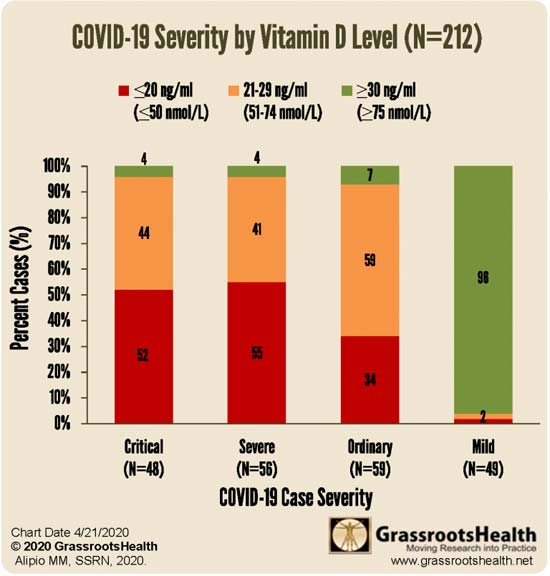
Low Vitamin D Levels Linked to Increased COVID-19 Mortality
The epidemiology of COVID-19 provides evidence that vitamin D might be helpful in reducing risk associated with COVID-19 deaths.17 A May 6, 2020, report18 published in Aging Clinical and Experimental Research (its prepublication featured in the Daily Mail May 119) found that countries with lower vitamin D levels also have higher mortality rates from COVID-19. According to the authors:20
“The Seneca study showed a mean serum vitamin D level of 26 nmol/L in Spain, 28 nmol/L in Italy and 45 nmol/L in the Nordic countries, in older people. In Switzerland, mean vitamin D level is 23 nmol/L in nursing homes and in Italy 76% of women over 70 years of age have been found to have circulating levels below 30 nmol/L.
These are the countries with high number of cases of COVID-19 and the aging people is the group with the highest risk for morbidity and mortality with SARS-CoV2.”
In the preprint version21 of this paper, the authors concluded: “We believe that we can advise vitamin D supplementation to protect against SARS-CoV2 infection.” In the final version,22 they toned down the recommendation to: “We hypothesize that vitamin D may play a protective role for COVID-19.”
Another study,23,24 which looked at data from 780 hospital patients in Indonesia, found those with a vitamin D level between 20 ng/mL and 30 ng/mL had a sevenfold higher risk of death than those with a level above 30 ng/mL, and having a level below 20 ng/mL was associated with a 12 times higher risk of death.
Vitamin D Is a Simple Strategy That Can Save Lives
In a May 18, 2020, letter25 to the Federal Chancellor of Germany, Angela Merkel, retired biochemist Bernd Glauner and Lorenz Borsche highlight these and other studies26 and ask whether a nationwide supply of vitamin D has been considered in Germany.
“Until a vaccine is available, vitamin D supplementation could be a preventive measure that should be discussed to reduce the lethality of covid-19. The available studies also suggest that vitamin D shock treatment may protect patients already infected and hospitalized with Covid-19 from lethal sepsis,” they write.
The following graph is included in the letter.
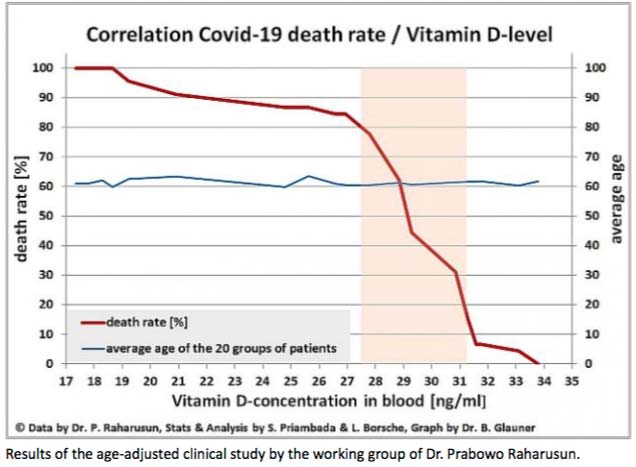
Glauner and Borsche continue:27
“… Scientific and clinical studies suggesting an alternative treatment option are apparently ignored. One of these promising approaches is the treatment with vitamin D. The available studies on Covid-19 patients suggest that a large proportion of deaths could possibly be prevented and severe courses could be reduced to milder ones …
This way would be easy and does not cause high costs. It would be sufficient to measure the vitamin D level in Covid-19 infected persons, hospital staff and risk patients and, if necessary, to raise it to healthy levels well above 35 ng/ml. In any case, no comparison to the enormous costs of the lockdown. This could possibly save us another lockdown and many more Covid-19 fatalities.”
No, Vitamin D Supplementation Is Not Dangerous
The CNN article is just another propaganda COVID-19 narrative of mainstream media. This egregious behavior is similar to the hydroxychloroquine paper published in The Lancet that the WHO has used to discredit and stop using hydroxychloroquine for COVID-19. Over 100 scientists question the ethics and standards of this incredibly shoddy study.28
Probably the most serious mistake in LaMotte’s CNN article are her claims that vitamin D supplementation “can hurt a lot.” She claims “too much vitamin D can lead to a toxic buildup of calcium in your blood, causing confusion, disorientation and problems with heart rhythm, as well as bone pain, kidney damage and painful kidney stones.”
She makes those claims without a) citing or referencing any supporting evidence, b) clarifying that the “toxic buildup of calcium” (hypercalcemia) is caused by insufficient vitamin K2 in relation to vitamin D, not vitamin D per se (a fact that is now well-established) and c) without specifying what “too much” actually might be.
A review29 of published trials have demonstrated there are no toxicity symptoms — including hypercalcemia — at dosages up to 10,000 IU of vitamin D3 per day, even when used long-term. A more recent paper found that Intakes of vitamin D up to 15,000 IU/day are safe.30
In my search for horror stories, I discovered a case paper31 published in 2011, which presented the cases of 10 adult patients diagnosed with hypercalcemia in relation to vitamin D supplementation.
Symptoms listed in this paper include vomiting, polyuria (excessive urination), polydipsia (excessive thirst), hypercalcemia (excessive calcium levels), encephalopathy (brain damage or disease causing memory loss, personality changes or seizures, for example) and kidney dysfunction.
It sounds scary, but when you consider that these patients were taking MILLIONS of units of vitamin D — specifically, 3,600,000 (3.6 million) IUs and 210,000,000 (210 million) IUs over the course of one to four months (median two months) — you start to see just how wrong it is to warn people off vitamin D supplements.
For example, the dosages these people were getting would be like taking 30,000 IUs of vitamin D per day for 120 days on the lowest end, or 7 million IUs a day for 30 days on the extreme upper end. No one is recommending you take these kinds of dosages, especially not for extended periods of time.
Many may need 10,000 IUs a day — which is safe — to get their level above 60 ng/mL. The maintenance dose, however, is typically lower. To determine your ideal dose, you need to get your blood tested, ideally twice a year. The level you’re looking for is between 60 ng/mL and 80 ng/mL. As of right now, there does not appear to be any significant benefit to levels higher than 80 ng/mL.
REALLY IMPORTANT: Optimize Your Vitamin D Level Before Fall!
Experts are already warning that SARS-CoV-2 may reemerge in the fall when temperatures and humidity levels drop, thereby increasing the virus’ transmissibility.
I am in the process of writing an even more comprehensive and detailed report on vitamin D in the prevention of COVID-19 and I hope to enlist ALL of you to participate as an army to go out and tell all your friends and family and get them on board to get their vitamin levels optimized.
Once you have done that, the next step is to encourage pastors of black churches to get their congregations on board. It will also be important to reach out to mangers of nursing homes and assisted living facilities as both of these populations have notoriously low vitamin D levels that put them at greater risk of COVID-19.
You now have a known “deadline” for optimizing your vitamin D level. Historically, December typically has highest flu activity in the U.S.,32 but it would probably be good to aim for October, or maybe even earlier depending on your location.
To improve your immune function and lower your risk of viral infections, you’ll want to raise your vitamin D to a level between 60 nanograms per milliliter (ng/mL) and 80 ng/mL by fall. In Europe, the measurements you’re looking for are 150 nanomoles per liter (nmol/L) and 200 nmol/L.
Again, optimizing your vitamin D is particularly important if you have darker skin, as darker skin places you at higher risk for vitamin D deficiency — and serious COVID-19 infection. What’s more, the elderly tend to lose the ability to synthesize vitamin D from sun exposure, and therefore tend to have suboptimal levels even if they spend plenty of time outdoors.
One of the easiest and most cost-effective ways of measuring your vitamin D level is to participate in the GrassrootsHealth’s personalized nutrition project, which includes a vitamin D testing kit, either alone or in combination with the omega-3 test. This is done in the convenience of your home.
You’ll learn your nutrient levels, how effective your health actions are, and you’ll be able to see thousands of other data sets that allow you to compare health outcomes important to you. Knowledge is empowerment, and that is particularly true during this pandemic. To make sure your immune system has a chance to work optimally, follow these three steps.
Step 1: Measure Your Vitamin D
First, find out what your base level is. This is done with a simple blood test. An easy and cost-effective way of doing this is to order GrassrootsHealth’s vitamin D testing kit.
Once you know what your blood level is, you can assess the dose needed to maintain or improve your level. Again, the ideal level you’re looking for is above 40 ng/mL, and ideally between 60 ng/mL and 80 ng/mL (European measurement: 100 nmol/L or, ideally, 150 nmol/L to 200 nmol/L).
The easiest way to raise your level is by getting regular, safe sun exposure, but if you’re very dark-skinned, you may need to spend about 1.5 hours a day in the sun to have any noticeable effect.
Those with very light skin may only need 15 minutes a day, which is far easier to achieve. Still, they too will typically struggle to maintain ideal levels during the winter. So, depending on your situation, you may need to use an oral vitamin D3 supplement. The next question then becomes, how much do you need?
Step 2: Assess Your Individualized Vitamin D3 Dosage
The following chart can provide you with a basic starting point:
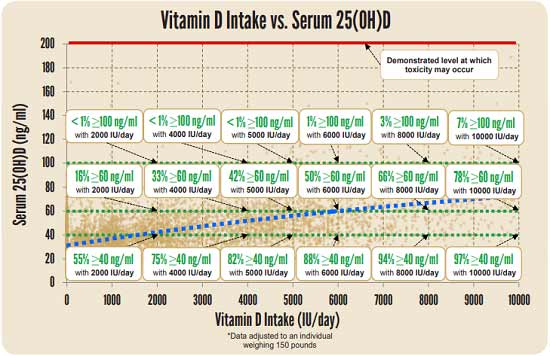
You can fine-tune your dosage further by taking into account your baseline vitamin D level. To do that, you can either use the chart below, or use GrassrootsHealth’s Vitamin D*calculator. To convert ng/mL into the European measurement (nmol/L), simply multiply the ng/mL measurement by 2.5.
How to Calculate Your Vitamin D From Sun Exposure
To calculate how much vitamin D you may be getting from regular sun exposure in addition to your supplemental intake, consider using the DMinder app,33 created by Dr. Michael Holick, author of “The Vitamin D Solution: A Three-Step Strategy to Cure Our Most Common Health Problems.” The free app is available for iPhone and android in the Apple store and Google play respectively. As explained by imedicalapps.com:34
“The app attempts to calculate a patients’ vitamin D level based on demographics imputed when first opening the app and then updates the level based on either actual lab draws or data from the app. The app even uses the phone’s GPS and clock to determine the ‘best’ time of day for a patient to get the required sun exposure for vitamin D skin conversion.”
Step 3: Retest
Lastly, you’ll need to remeasure your vitamin D level in three to six months, to evaluate how your sun exposure and/or supplement dose is working for you. Not only will optimizing your vitamin D be an important strategy for you and your family, but it would be really helpful to start thinking about your community as well.
If you can, speak to pastors in churches with large congregations of people of color and help them start a program getting people on vitamin D. Doing so could save far more lives than any vaccine program.
If you have a family member or know anyone who is in an assisted living facility you could meet with the director of the program and encourage them to get everyone tested or at least start them on vitamin D.
- 1, 2 CNN May 27, 2020
- 3 American Society for Bone and Mineral Research March 2011; 26(3): 455-457 (PDF)
- 4 Science Daily March 17, 2015
- 5 Nutrients October 2014; 6(10): 4472-4475
- 6 Nutrients March 2015; 7(3): 1688–1690
- 7 MedRxiv 2020, DOI: 10.1101/2020.04.08.20058578
- 8 MedRxiv DOI 10.1101/2020.05.08.20095893
- 9 News Medical Life Sciences May 14, 2020
- 10, 11 Nutrients May 9, 2020; 12(5): 1359
- 12 Pharmacol Ther. 2020 May 13. doi: 10.1111/apt.15820
- 13 NutraIngredients.com April 28, 2020
- 14 Alimentary Pharmacology & Therapeutics April 20, 2020, Early review
- 15 GrassrootsHealth, Letter Preprint, April 9, 2020 (PDF)
- 16 GrassrootsHealth, First Data to Be Published on COVID-19 Severity and Vitamin D Levels
- 17 MedRxiv preprint May 12, 2020 DOI: 10.1101/2020.05.06.20093419
- 18 Aging Clinical and Experimental Research 2020, doi: 10.1007/s40520-020-01570-8
- 19 Daily Mail May 1, 2020
- 20 Aging Clinical and Experimental Research 2020, doi: 10.1007/s40520-020-01570-8, Discussions
- 21 Aging Clinical and Experimental Research 2020, Preprint, DOI: 10.21203/rs.3.rs-21211/v1
- 22 Aging Clinical and Experimental Research 2020, doi: 10.1007/s40520-020-01570-8, Background/Aims
- 23 SSRN April 30, 2020
- 24 JoanneNova.com.au May 2020
- 25 Letter to Dr. Angela Merkel from Bernd Glauner and Lorenz Borsche, May 18, 2020 (PDF)
- 26 Selected Publications on the Role of Vitamin D Regarding the Mortality of COVID-19 Patients (PDF)
- 27 Letter to Dr. Angela Merkel from Bernd Glauner and Lorenz Borsche, May 18, 2020, Current State of Knowledge (PDF)
- 28 New York Times May 29, 2020
- 29 American Journal of Clinical Nutrition January 2007; 85(1):6-18
- 30 Dermatoendocrinol. April 13, 2017; 9(1):e1300213
- 31 Oman Medical Journal May 2011; 26(3): 201-204
- 32 Duquesne University Peak Flu Activity
- 33 DMinder app
- 34 imedicalapps.com, DMinder app
Rhonda Patrick on Vitamin C
Reproduced from original article:
https://articles.mercola.com/sites/articles/archive/2020/06/06/rhonda-patrick-vitamin-c.aspx
Analysis by Dr. Joseph Mercola Fact Checked
June 06, 2020
STORY AT-A-GLANCE
- Rhonda Patrick, Ph.D., discusses vitamin C in-depth, covering everything from its effects on immune function and viral infections to the bioavailability of different vitamin C forms and administrations, such as oral or intravenous — plus much more
- Vitamin C, even in small quantities, protects proteins, lipids and even DNA and RNA in your body from reactive oxygen species that are generated during normal metabolism as well as due to toxin exposure
- Vitamin C also acts as an antioxidant within your cells, helping to protect immune cells from incurring damage, and may promote the production of interferon, which helps defend against viruses
- Vitamin C’s anti-cold effects are among its most-studied uses, and research suggests that using vitamin C prophylactically as well as therapeutically at the onset of cold symptoms may reduce symptoms and cold duration
- Due to vitamin C’s antioxidant properties, it may help decrease the risk of neurodegenerative conditions like Alzheimer’s disease, Parkinson’s disease, Huntington’s disease and multiple sclerosis because it reduces oxidative damage
- Bioavailability of vitamin C varies by form; intravenous is most bioavailable, but liposomal vitamin C, in which vitamin C is encapsulated in a lipid particle, may increase bioavailability of oral vitamin C considerably
Vitamin C, a water-soluble vitamin found in abundance in fruits and vegetables, is an essential nutrient that humans must get from their diet or supplements. Also known as ascorbic acid, vitamin C is perhaps most well-known for its antioxidant properties — properties it maintains because of an ability to donate electrons to oxidized molecules.
In the video above, Rhonda Patrick, Ph.D., discusses vitamin C in-depth, covering everything from its effects on immune function and viral infections to the bioavailability of different vitamin C forms and administrations, such as oral or intravenous — plus much more. If you have any interest in learning how vitamin C can benefit your health, this video is a must-see.
Vitamin C’s Many Roles in Your Health
Vitamin C, even in small quantities, protects proteins, lipids and even DNA and RNA in your body from reactive oxygen species that are generated during normal metabolism as well as due to toxin exposure (such as to cigarette smoke and air pollution).
Vitamin C is also involved in the biosynthesis of collagen, carnitine and catecholamines, according to Patrick, and as such, “vitamin C participates in immune function, wound healing, fatty acid metabolism, neurotransmitter production, and blood vessel formation, as well as other key processes and pathways.”1
Intravenous (IV) vitamin C has also shown promise in helping to treat viral infections and cancer, while vitamin C is also involved in the way your body processes other vitamins, such as vitamin E, which it regenerates from its oxidized form. Vitamin C also makes iron from dietary sources more bioavailable because it enhances gut absorption of nonheme iron.2
Vitamin C and Immune Function
Vitamin C’s role in immune function is worthy of attention. “It stimulates the production of white blood cells, especially neutrophils, lymphocytes and phagocytes, and promotes the cells’ normal functions, such as their ability to detect, move toward and engulf pathogens,” according to Patrick.3
Vitamin C also acts as an antioxidant within your cells, helping to protect immune cells from incurring damage, and may promote the production of interferon, which helps defend against viruses.
There’s also evidence that vitamin C may help in some cases of exercise-induced immune dysfunction. While exercise is generally beneficial for immune function, over-exercise or repeated high-intensity training can take a toll on the immune system. In the case of marathon runners, skiers and soldiers, for instance, those who used supplemental vitamin C had 50% fewer colds.4
Vitamin C’s anti-cold effects are among its most-studied uses, and research suggests that using vitamin C prophylactically as well as therapeutically at the onset of cold symptoms may reduce symptoms and cold duration.5 It may also be useful against COVID-19.
In my March 17, 2020 interview with Dr. Andrew Saul, editor-in-chief of the Orthomolecular Medicine News Service, he mentions being in contact with a South Korean medical doctor who is giving patients and medical staff an injection of 100,000 IUs of vitamin D along with as much as 24,000 mg (24 grams) of IV vitamin C. “He’s reporting that these people are getting well in a matter of days,” Saul says.
As explained by Saul, vitamin C at extremely high doses acts as an antiviral drug, actually killing viruses. While it does have anti-inflammatory activity, which helps prevent the massive cytokine cascade associated with severe SARS-CoV-2 infection, its antiviral capacity likely has more to do with it being a non-rate-limited free radical scavenger.
Patrick also noted that vitamin C may be protective against respiratory diseases. In one study, people with the highest vitamin C levels were 15% less likely to develop respiratory conditions and 46% less likely to die of lung cancer compared to those with the lowest levels.6
Further, vitamin C is well known for helping with lung defense, which takes on renewed meaning in the midst of the COVID-19 pandemic. According to Patrick:7
“The innate immune system of the lungs is an integral component of the body’s defense system, protecting the body against exposure to inhaled oxidants and pathogens … Vitamin C’s lung defense capacity is evidenced by robust data suggesting that vitamin C intake protects against chronic obstructive pulmonary disease, pulmonary fibrosis, and other respiratory illnesses, including lung cancer.
But this characteristic takes on special relevance in light of recent concerns about complications associated with COVID-19, such as pneumonia and acute lung injury, which often necessitate mechanical ventilation support.
Epidemiological and observational data indicate that higher vitamin C intake is associated with a lower risk of developing pneumonia, and the vitamin has also proven to be effective at decreasing the duration for which patients are kept on mechanical ventilation, especially among patients who require more than 24 hours of breathing support.”
Vitamin C and Cancer
Another exciting area of vitamin C research involves cancer. Research suggests that IV vitamin C may extend survival compared to chemotherapy alone, even for pancreatic and ovarian cancers, which are among the deadliest. Patrick mentions two studies in patients with pancreatic cancer, which found intravenous vitamin C helped reduce tumor size and promote longer progression-free survival.8
Vitamin C also leads to improved quality of life for cancer patients. In one study of 39 patients diagnosed with terminal cancer, IV vitamin C led to improvements in physical, emotional and cognitive status as well as reductions in fatigue, nausea, vomiting, pain and appetite loss.9
Since conventional cancer therapies often lead to significant side effects, including physical, emotional, cognitive and sexual impairments, using vitamin C as an adjunct to improve quality of life can be a significant improvement.
Vitamin C for Heart and Brain Health
Patrick’s video also goes into the role vitamin C plays as a cardioprotective agent, as well as a mediator of brain health. For starters, vitamin C is known to protect against high blood pressure, as well as reduce blood pressure in people with high blood pressure or prehypertension.10
Vitamin C also shows promise as a treatment for ischemia and perfusion injury, which can occur following a heart attack or stroke, leading to increased inflammation and oxidative damage. “Vitamin C might be effective at reducing myocardial injury in part by mitigating oxidative stress,” Patrick explained.11 In your brain, vitamin C is also essential. According to Patrick:12
“Vitamin C is found in high concentrations in the brain, especially in the hippocampus and frontal cortex regions – areas involved in memory consolidation, learning, and aspects of executive function.
In fact, in a classic example of the body triaging resources based on needs, the brain retains vitamin C during times of deficiency at the expense of other tissues. This is critical to our survival: Evidence suggests that vitamin C plays roles in the brain throughout the lifespan from development through older age.”
Due to vitamin C’s antioxidant properties, it may help decrease the risk of neurodegenerative conditions like Alzheimer’s disease, Parkinson’s disease, Huntington’s disease and multiple sclerosis because it reduces oxidative damage. “Vitamin C is also important for the regulation of neurotransmitters, the formation of neural circuits, and many other key brain functions,” Patrick says.13
Vitamin C as a ‘Cure-All’
Patrick describes double Nobel Prize laureate Dr. Linus Pauling’s 1970 publication on vitamin C and the common cold as the impetus that brought vitamin C into the realm of a cure-all in the minds of the general public. While this is an exaggeration — vitamin C can’t cure everything — it’s truly remarkable how many different conditions appear to be benefited by vitamin C. Aside from being an antioxidant and anti-infective agent, Patrick describes vitamin C’s benefits for:
| Pneumonia | Asthma | Exercise-induced bronchoconstriction |
| Fatty acid oxidation | Sepsis | Myocarditis in children |
| Herpes | Epstein-Barr virus infection | Fertility and reproduction |
| Inflammation | Lung cancer | Common cold and other respiratory diseases |
Vitamin C Bioavailability Varies by Form
There are differences in the bioavailability of vitamin C depending on its form. Both frequency and dose of vitamin C will affect your levels, but so too will taking it in oral or IV form.
“For example, oral vitamin C is absorbed in the small intestine via specialized transporters that are subject to saturation, but intravenous vitamin C bypasses the gut, achieving blood and tissue concentrations that are markedly higher than those achieved with the oral form,” Patrick explains.14
IV vitamin C may lead to blood concentrations up to 70 times higher than an equivalent oral dose.15 That being said, liposomal vitamin C, in which vitamin C is encapsulated in a lipid particle, may increase bioavailability of oral vitamin C considerably.
“A few studies suggest that oral bioavailability of vitamin C can be increased when consumed in liposomal form, which exerts a unique profile of oral bioavailability,” Patrick says, citing a study of 20 people who were given a 10-gram dose of free oral vitamin C or liposomal vitamin C.16
“The average peak plasma concentration of vitamin C in the participants who took the free form was approximately 180 micromoles per liter of blood. However, among those who took the liposomal form, the average peak plasma concentration was 300 micromoles per liter of blood, a 70 percent difference,” she said.17
I strongly believe that liposomal vitamin C is a must for your medicine kit to be pulled out for acute viral illnesses. If I were to become acutely ill, I would take 4 grams of liposomal vitamin C every hour until feeling better, then start decreasing the dosage slowly over a few days once symptoms improve.
Best Food Sources of Vitamin C
I personally only take 100 milligrams (mg) of vitamin C supplement and only when I don’t have regular access to fresh acerola cherries. I have several trees on my property that usually have a harvest every few weeks for nine months of the year. Each cherry has 80 mg of vitamin C, so I can easily get up to 10 grams on days that I eat the cherries.
A wide variety of foods are high in vitamin C, including red pepper, parsley, broccoli, kiwi, strawberries, guava, tomato and all citrus fruits. You can get significant amounts of vitamin C from your diet if you eat these foods on a daily basis.
Keep in mind, however, that cooking destroys about 25% of the vitamin C present in foods.18 Fortunately, many vitamin C-rich foods are commonly eaten raw. If you’re healthy, or have only mild illness, you can certainly use these types of whole foods, and they may even be preferable, but if you want to treat illness, your best bet is to use vitamin C in supplement form, either liposomal or IV. Further, according to Patrick:19
“It is noteworthy that some scientists believe that compelling evidence supports increasing the RDA for vitamin C to 200 milligrams per day for adults. Whereas the goal of the current recommendations is to reduce the risk of scurvy, higher intake could saturate tissue levels, potentially reducing the risk of chronic conditions such as heart disease, stroke, cancer, and metabolic dysfunction.”
Certain populations, including people who smoke, consume alcohol or have inflammatory bowel disease, may need increased intake of vitamin C, but some research suggests vitamin C deficiency may be more common than realized.
“Interestingly, a population-based cross-sectional study of nearly 150 patients admitted to a large teaching hospital in Canada found that 60 percent of the patients had suboptimal plasma vitamin C levels and 19 percent were deficient, with levels approaching those associated with scurvy,” Patrick noted.20 It’s clear that vitamin C is one nutrient everyone should be sure to get enough of, but if you’re acutely ill, vitamin C becomes even more important.
“Vitamin C might be especially beneficial for critically ill people, particularly those with viral infections, who commonly have lower blood levels of vitamin C compared to healthy people,” Patrick says. So in addition to eating plenty of vitamin C-rich foods daily, keep vitamin C in mind during times of illness. Fortunately, Patrick adds, “With some exceptions, oral and intravenous vitamin C supplementation have been shown to be safe, well-tolerated, and have low toxicity.”21
- 1, 2, 3, 8, 11, 17, 18, 19, 20, 21 Found My Fitness, Vitamin C
- 4 Cochrane Systematic Review October 18, 2004
- 5 BioMed Research International July 5, 2018
- 6 European Journal of Clinical Nutrition volume 73, pages1492–1500(2019)
- 7, 12, 13, 14, 15 Found My Fitness May 12, 2020
- 9 Journal of Korean Medical Science February 28, 2007
- 10 Blood Pressure Monitoring June 2016, Volume 21, Issue 3, p 160-167
- 16 Journal of Liposome Research July 2, 2019
One in Every 16 Irish Boys has Autism: Crisis Worse than COVID-19 and Nobody Cares
© 28th May 2020 Children’s Health Defense, Inc. This work is reproduced and distributed with the permission of Children’s Health Defense, Inc.
Want to learn more from Children’s Health Defense? Sign up for free news and updates from Robert F. Kennedy, Jr. and the Children’s Health Defense.
Your donation will help to support us in our efforts.
Reproduced from original article:
childrenshealthdefense.org/news/one-in-every-16-irish-boys-has-autism-crisis-worse-than-covid-19-and-nobody-cares

According to National Health data released last week, autism incidence among Irish children is now at 4.3%, an 82% rise in five years. One in 16 boys is affected. US rates trail Ireland’s slightly only because CDC lies to minimize the crisis.
In 2016, Judith Pinborough-Zimmerman, CDC’s Utah Principal Investigator for the Autism and Developmental Disabilities Monitoring Network (ADDM) filed a federal whistleblower lawsuit after reporting research fraud and intentional data manipulation by the CDC. The CDC routinely uses multiple strategies to hide the Autism Pandemic. “The autism explosion is an acute embarrassment to the CDC as they have totally failed to address environmental factors involved in causality.”
The autism crisis dwarfs COVID-19. Bill Gates’ Institute for Health Metrics predicts 81,766 deaths from COVID. The average age of death is 75. In contrast, autism attacks infants presaging a lifetime of nightmarish agony. Half will never go on a date, write a poem, hit a baseball, join the military, pay taxes, cast a vote, run for office, speak, or use a toilet. Their cost of care is over 1/4 trillion U.S. dollars annually and rising.
… children receiving the Hep B vaccine in their first 30 days had an 1135% increased risk for an autism diagnosis.
EPA scientists say the epidemic began in 1989, the year the CDC dramatically expanded the childhood vaccine schedule, multiplying infant exposures to neurotoxins like mercury and aluminum. CDC’s massive 1999 study of the VSD—America’s largest medical database—showed that children receiving the Hep B vaccine in their first 30 days had an 1135% increased risk for an autism diagnosis. CDC and Pharma knew at that moment that vaccines were causing the epidemic.
They hid the VSD study, closed the database to independent scientists and commissioned a sketchy cabal of tobacco scientists, grifters, felons and Pharma biostitutes to gin up dozens of fraudulent vaccine studies purporting to “prove that vaccines don’t cause autism.” They blocked studies of all vaccines given to children under six months. Tony Fauci played a key role in the cover up. Fauci distributes $5 billion annually in research grants and assured that studies of autism’s environmental causes never get funded. When in 2008 NIH’s Autism Coordinating Committee voted $16 million to study the links between autism and vaccines, Tom Insel killed those studies. Fauci and Insel have committed some of the most consequential criminal conspiracies in history. Children’s Health Defense will bring these criminals to justice.