


Immunity

now browsing by category


Top Six Benefits of Selenium

© 6th September 2020 GreenMedInfo LLC. This work is reproduced and distributed with the permission of GreenMedInfo LLC. Want to learn more from GreenMedInfo? Sign up for the newsletter here www.greenmedinfo.com/greenmed/newsletter
Reproduced from original article:
www.greenmedinfo.com/blog/top-six-benefits-selenium
Posted on: Saturday, August 29th 2020 at 5:15 pm
Written By: Dr. Diane Fulton
This article is copyrighted by GreenMedInfo LLC, 2020

Did you know that selenium, an essential mineral, has the ability to protect your health in multiple ways and is abundant in Brazil nuts?

Selenium is an important mineral for your body and only a small amount is needed (the recommended daily intake is 55 micrograms (mcg)).[1] Due to poor soil,[2] taking certain pharmaceutical drugs such as statins[3],[4] and the normal aging process,[5] selenium is one of the most common mineral deficiencies in the world.

Selenium is linked to many healthy outcomes, including protection from diseases and reduction of disease symptoms. An easy way to help ensure your selenium level is optimal is to eat several Brazil nuts every day.

Six Top Benefits of Selenium

1. Antioxidant and Reduces Oxidative Stress

As an antioxidant, selenium is even more beneficial than vitamins A, C, D and E and helps to decrease oxidative stress, which is the result of an imbalance in the body between free radicals and antioxidants.[6]

Oxidative stress contributes to a variety of diseases such as diabetes, atherosclerosis (hardening of the blood vessels), inflammatory conditions, high blood pressure, heart disease, neurodegenerative diseases (such as Parkinson’s and Alzheimer’s) and cancers and contributes to aging.[7]

Supplementing with selenium was reviewed in 13 studies showing significant impact on three antioxidant markers, thus reducing oxidative stress.[8]

Eating Brazil nuts (approximately three per day for 12 weeks) was found to increase plasma selenium, increase enzymatic antioxidant activity of glutathione peroxidase and reduce oxidation in low-density lipoprotein (LDL) cholesterol in a study of 91 patients with high blood pressure and problematic lipid profiles.[9]

2. Boosts Skin Health

In a meta-analysis of 27 studies with a total of 1,315 patients and 7,181 healthy controls, selenium levels were found to be low in patients with four skin diseases: psoriasis, acne vulgaris, chloric acne and atopic dermatitis.[10]

Another research study of DNA reprogramming  of inflammatory cells confirms that higher selenium levels may instill protective properties for genes important for psoriasis prevention and treatment.[11]

Selenium was also found to be beneficial in the treatment of psoriasis in a systematic review of research.[12] In addition, selenium has been related to improvements in skin aging (skin elasticity and skin roughness).[13]

Blood glutathione peroxidase (low levels indicate increased damage to cell membranes due to accumulation of free radicals and signify low selenium levels)[14] was measured in 61 healthy subjects and 506 patients with various skin disorders (i.e., psoriasis, eczema, atopic dermatitis, vasculitis, mycosis fungoides and dermatitis herpetiformis, pemphigoid, acne conglobata, polymyositis, rheumatoid arthritis, scleroderma and systemic lupus erythematodes) and supplementation with selenium and vitamin E restored the skin’s balance.[15]

3. Benefits Asthma

Asthma (a condition with breathing difficulties, coughing and sneezing) is a complicated disease to treat and is associated with increased inflammation, oxidative stress and abnormal immune system function. In a meta-analysis of 40 studies, asthma patients showed significantly lower levels of selenium compared to healthy subjects, suggesting lower selenium intake could be a risk factor for the disease.[16]

As mentioned, selenium, as an antioxidant, has been found to lower oxidative stress. This,in turn, seems to reduce allergic asthma.[17] In addition, dietary selenium as an antioxidant therapy may be important in optimizing asthma treatment and prevention.[18]

In a study of 25 asthmatic patients and 25 healthy subjects, asthmatics had lower concentrations of selenium, increased oxidative stress markers and inflammation and decreased antioxidant glutathione peroxidase activity and lung function.[19]

Nutritional supplement therapy including selenium balanced oxidant stress, inflammation and immune system responses, pulmonary function and health-related quality of life in patients with mild to moderate allergic asthma.[20]

4. Helps Prevent and Improve Thyroid Diseases

Selenium is an essential micronutrient for your body and readily found in the thyroid. As a supplement, it can help prevent immune-mediated thyroid disorders by reducing anti-thyroperoxidase antibody levels and improving thyroid ultrasound features.[21]

The prevalence of pathological thyroid conditions (hypothyroidism, subclinical hypothyroidism, autoimmune thyroiditis, enlarged thyroid) was significantly lower in the adequate-selenium group than in the low-selenium group (18% versus 30.5%) in a sample of 6,152 subjects in China.[22]

Selenium administration (200 milligrams per day) significantly improved quality of life, reduced ocular involvement and slowed progression of 159 patients with mild Graves’ orbitopathy (also called thyroid eye disease).[23]

5. Promotes Heart Health

The combination of high blood pressure, high blood sugar, obesity and high cholesterol is called metabolic syndrome and when these conditions occur together, they dramatically increase your risk of heart disease, stroke and Type 2 diabetes.[24]

In a study of 2,069 patients, dietary selenium intake had a moderate negative association with metabolic syndrome.[25] In a study of 501 British volunteers aged 60 to 74 years, supplementation with selenium (100 mcg, 200 mcg, 300 mcg) showed progressive decreases in total cholesterol profiles for those with low selenium levels, but cautions that those with already high selenium intake might be adversely affected by extra selenium supplementation.[26]

In a 12-year follow-up of a group of healthy elderly participants who were supplemented with selenium and coenzyme Q10 for four years, there was a significantly reduced risk for cardiovascular mortality in the treatment group (28.1%) compared to the placebo group (38.7%).[27]

6. Brain Boosting

Alzheimer’s disease, a devastating brain disorder, is characterized by two pathological protein deposits, the senile plaques of amyloid-β and tangles of protein tau. In addition, oxidative stress and neural signal transmission disorders also impact Alzheimer’s.

A large body of studies suggests that selenium (Se), either as Se-containing compounds or as selenoproteins, is involved in most of the molecular pathways that are important in the progression of dementia and therefore have the potential to help prevent or improve Alzheimer’s.[28]

In a mouse model, selenium yeast showed several benefits for Alzheimer’s subjects; it decreased the generation of amyloid-β and enhanced autophagic clearance (old cells are recycled and cleaned out to make room for new cells in the brain), which reduced the burden of amyloid-β accumulation.[29]

Another animal study confirmed that selenium (sodium selenite) significantly decreased tau-positive neurons and reversed Alzheimer’s-like memory and neuropsychiatric symptoms in mice with advanced dementia.[30] Additionally, selenium induced protective effects against experimental dementia-induced brain inflammation and oxidative stress by enhancing the antioxidant system in rats.[31]

In 79 Alzheimer’s patients, probiotic and selenium co-supplementation for 12 weeks improved cognitive function and some metabolic profiles such as lipid, antioxidant and insulin levels.[32]  Selenium and zinc are essential trace elements and an inadequate dietary intake has been implicated in the decline of immune and cognitive functions in aged persons and influences age-related disorders, such as Alzheimer’s and Type 2 diabetes.[33]

Selenium and Health

Selenium, a widely researched essential mineral, is beneficial to your health due to its antioxidant, anti-inflammatory, neuroprotective, immunomodulatory (regulates immune functions) and cardioprotective properties. See more research about the effects of selenium deficiency and selenium supplementation on overall well-being at GreenMedInfo.com.


References

[1]  Office of Dietary Supplements, National Institutes of Health, Factsheets, Selenium.  https://ods.od.nih.gov/factsheets/Selenium-HealthProfessional/#en39

[2] Gerrad D. Jones, Boris Droz, Peter Greve, Pia Gottschalk, Deyan Poffet, Steve P. McGrath, Sonia I. Seneviratne, Pete Smith, Lenny H. E. Winkel. Climate change affects selenium deficiency risk Proceedings of the National Academy of Sciences Mar 2017, 114 (11) 2848-2853; doi: 10.1073/pnas.1611576114

[3] Andrea Kromer, Bernd Moosmann. Statin-induced liver injury involves cross-talk between cholesterol and selenoprotein biosynthetic pathways. Mol Pharmacol. 2009 Jun;75(6):1421-9. Epub 2009 Mar 30. PMID: 19332511

[4] Bernd Moosmann, Christian Behl. Selenoprotein synthesis and side-effects of statins. Lancet. 2004 Mar 13;363(9412):892-4. PMID: 15031036

[5] Cai, Zhonglin & Zhang, Jianzhong & Hongjun, Li. (2018). Selenium, aging and aging-related diseases. Aging Clinical and Experimental Research. doi.10.1007/s40520-018-1086-7.

[6] Best Medicine Book. info, Top 5 Health Benefits of Selenium. https://bestmedicinebook.info/top-5-health-benefits-of-selenium/

[7]  Healthline.com, Health, Oxidative Stress. https://www.healthline.com/health/oxidative-stress

[8] Motahareh Hasani, Shirin Djalalinia, Maryam Khazdooz, Hamid Asayesh, Maryam Zarei, Armita Mahdavi Gorabi, Hossein Ansari, Mostafa Qorbani, Ramin Heshmat. Effect of selenium supplementation on antioxidant markers: a systematic review and meta-analysis of randomized controlled trials. Hormones (Athens). 2019 Dec ;18(4):451-462. Epub 2019 Dec 10. PMID: 31820398

[9] Grazielle V B Huguenin, Glaucia M Oliveira, Annie S B Moreira, Tatiana D Saint’Pierre, Rodrigo A Gonçalves, Alessandra R Pinheiro-Mulder, Anderson J Teodoro, Ronir R Luiz, Glorimar Rosa. Improvement of antioxidant status after Brazil nut intake in hypertensive and dyslipidemic subjects.  Nutr J. 2015 ;14:54. Epub 2015 May 29. PMID: 26022214

[10] Jun Lv, Ping Ai, Shuying Lei, Faqiong Zhou, Shangzhou Chen, Yang Zhang. Selenium levels and skin diseases: systematic review and meta-analysis. J Trace Elem Med Biol. 2020 May 20 ;62:126548. Epub 2020 May 20. PMID: 32497930

[11] Hristina Kocic, Giovanni Damiani, Bojana Stamenkovic, Michael Tirant, Andrija Jovic, Danica Tiodorovic, Ketty Peris. Dietary compounds as potential modulators of microRNA expression in psoriasis. Ther Adv Chronic Dis. 2019 ; doi: 10:2040622319864805. Epub 2019 Aug 7. PMID: 31431821.

[12] Janelle R Ricketts, Marti J Rothe, Jane M Grant-Kels. Nutrition and psoriasis. Clin Dermatol. 2010 Nov-Dec;28(6):615-26. PMID: 21034986.

[13] D Segger, F Schönlau. Supplementation with Evelle improves skin smoothness and elasticity in a double-blind, placebo-controlled study with 62 women. J Dermatolog Treat. 2004 Jul;15(4):222-6. PMID: 15764035.

[14] Mayo Clinic Labs, Clinical and Interpretive. https://www.mayocliniclabs.com/test-catalog/Clinical+and+Interpretive/9765

[15] L Juhlin, L E Edqvist, L G Ekman, K Ljunghall, M Olsson. Blood glutathione-peroxidase levels in skin diseases: effect of selenium and vitamin E treatment. Acta Derm Venereol. 1982 ;62(3):211-4. PMID: 6179360

[16] Meng Chen, Yongye Sun, Yili Wu. Lower circulating zinc and selenium levels are associated with an increased risk of asthma: evidence from a meta-analysis. Public Health Nutr. 2019 Nov 5:1-8. Epub 2019 Nov 5. PMID: 31685060

[17] Norton RL, Hoffmann PR. Selenium and asthma. Mol Aspects Med. 2012 Feb;33(1):98-106. doi: 10.1016/j.mam.2011.10.003 Epub 2011 Oct 15. PMID: 22024250; PMCID: PMC3246085.

[18] Riedl MA, Nel AE. Importance of oxidative stress in the pathogenesis and treatment of asthma. Curr Opin Allergy Clin Immunol. 2008;8(1):49-56. doi: 10.1097/ACI.0b013e3282f3d913, PMID: 18188018

[19] Chih-Hung Guo, Po-Jen Liu, Simon Hsia, Chia-Ju Chuang, Pei-Chung Chen. Role of Certain Trace Minerals in Oxidative Stress, Inflammation, CD4/CD8 Lymphocyte Ratios and Lung Function in Asthmatic Patients, Ann Clin Biochem. 2011 Jul;48(Pt 4):344-51. PMID: 21546427, doi: 10.1258/acb.2011.010266. Epub 2011 May 5.

[20] Guo CH, Liu PJ, Lin KP, Chen PC. Nutritional supplement therapy improves oxidative stress, immune response, pulmonary function, and quality of life in allergic asthma patients: an open-label pilot study. Altern Med Rev. 2012 Mar;17(1):42-56. PMID: 22502622.

[21] Liliana R Santos, Celestino Neves, Miguel Melo, Paula Soares. Selenium and Selenoproteins in Immune Mediated Thyroid Disorders. Diagnostics (Basel). 2018 Oct 4 ;8(4). Epub 2018 Oct 4. PMID: 30287753

[22] Qian Wu, Margaret P Rayman, Hongjun Lv, Lutz Schomburg, Bo Cui, Chuqi Gao, Pu Chen, Guihua Zhuang, Zhenan Zhang, Xiaogang Peng, Hua Li, Yang Zhao, Xiaohong He, Gaoyuan Zeng, Fei Qin, Peng Hou, Bingying Shi. Low population selenium status is associated with increased prevalence of thyroid disease. J Clin Endocrinol Metab. 2015 Aug 25, doi: 10.1210/jc.2015-2222, Epub 2015 Aug 25. PMID: 26305620.

[23] Marcocci C, Kahaly GJ, Krassas GE, Bartalena L, Prummel M, Stahl M, et al. Selenium and the course of mild Graves’ orbitopathy. N Engl J Med 2011;364:1920-31. PMID: 21591944, doi: 10.1056/NEJMoa1012985

[24]  Mayo Clinic, Diseases – Conditions, Metabolic Syndrome. https://www.mayoclinic.org/diseases-conditions/metabolic-syndrome/symptoms-causes/syc-20351916

[25] Wei J, Zeng C, Gong QY, Li XX, Lei GH, Yang TB. Associations between Dietary Antioxidant Intake and Metabolic Syndrome. PLoS One. 2015 Jun 22;10(6):e0130876. doi: 10.1371/journal.pone.0130876. PMID: 26098747; PMCID: PMC4476578.

[26] Margaret P Rayman, Saverio Stranges, Bruce A Griffin, Roberto Pastor-Barriuso, Eliseo Guallar Effect of Supplementation With High-Selenium Yeast on Plasma Lipids: A Randomized Trial. Ann Intern Med. 2011 May 17; 154(10): 656-665. DOI: 10.7326/0003-4819-154-10-201105170-00005. PMID: 21576533.

[27] Urban Alehagen, Jan Aaseth, Jan Alexander, Peter Johansson. Still reduced cardiovascular mortality 12 years after supplementation with selenium and coenzyme Q10 for four years: A validation of previous 10-year follow-up results of a prospective randomized double-blind placebo-controlled trial in elderly. PLoS One. 2018 ;13(4):e0193120. Epub 2018 Apr 11. PMID: 29641571

[28] Du Xiubo, Wang Chao, Liu Qiong. Potential Roles of Selenium and Selenoproteins in the Prevention of Alzheimer’s Disease. Curr Top Med Chem. 2015 Aug 26. Epub 2015 Aug 26. PMID: 26311427

[29] Guo-Li Song, Chen Chen, Qiu-Yan Wu, Zhong-Hao Zhang, Rui Zheng, Yao Chen, Shi-Zheng Jia, Jia-Zuan Ni. Selenium-enriched yeast inhibitedβ-amyloid production and modulated autophagy in a triple transgenic mouse model of Alzheimer’s disease. Metallomics. 2018 Jul 25. Epub 2018 Jul 25. PMID: 30043821

[30] Ann Van der Jeugd, Arnaldo Parra-Damas, Raquel Baeta-Corral, Carlos M Soto-Faguás, Tariq Ahmed, Frank M LaFerla, Lydia Giménez-Llort, Rudi D’Hooge, Carlos A Saura. Reversal of memory and neuropsychiatric symptoms and reduced tau pathology by selenium in 3xTg-AD mice. Sci Rep. 2018 Apr 24 ;8(1):6431. Epub 2018 Apr 24. PMID: 29691439

[31] Kadir Demirci, Mustafa Nazıroğlu, İshak Suat Övey, Hasan Balaban. Selenium attenuates apoptosis, inflammation and oxidative stress in the blood and brain of aged rats with scopolamine-induced dementia. Metab Brain Dis. 2016 Sep 15. Epub 2016 Sep 15. PMID: 27631101

[32] Omid Reza Tamtaji, Reza Heidari-Soureshjani, Naghmeh Mirhosseini, Ebrahim Kouchaki, Fereshteh Bahmani, Esmat Aghadavod, Maryam Tajabadi-Ebrahimi, Zatollah Asemi. Probiotic and selenium co-supplementation, and the effects on clinical, metabolic and genetic status in Alzheimer’s disease: A randomized, double-blind, controlled trial. Clin Nutr. 2018 Dec 10. Epub 2018 Dec 10. PMID: 30642737

[33] Holger Steinbrenner, Lars-Oliver Klotz. Selenium and zinc: “antioxidants” for healthy aging? Z Gerontol Geriatr. 2020 May 28. Epub 2020 May 28. PMID: 32468295

DianeFulton

Disclaimer: This article is not intended to provide medical advice, diagnosis or treatment. Views expressed here do not necessarily reflect those of GreenMedInfo or its staff.

What are the health risks of low glutathione levels

Reproduced from original article:
www.naturalhealth365.com/low-glutathione
by: | August 18, 2020

health-issues(NaturalHealth365) Despite advances in diagnosis and treatment, chronic disease continues to exert a lethal toll in the United States. Close to 650,000 Americans die from heart disease every year, while the CDC reports that cancer is expected to claim over 600,000 lives in 2020 alone. In addition, 5.7 million people are currently living with Alzheimer’s disease, the number one form of dementia among older adults (and the sixth leading cause of death). Now, peer-reviewed research reveals a common thread connecting these illnesses – virtually all people suffering from these health issues exhibit low levels of glutathione.

Clearly, glutathione – famously referred to as, the “master antioxidant” – plays an important role in health and longevity.  Today, we’ll focus on how to renew and replenish stores of this wonderful substance.

Warning: Glutathione shortfalls linked with virtually all chronic health issues

Scientists credit glutathione with the ability to attack viruses and bacteria, neutralize harmful free radicals, boost the immune system, fight inflammation, arrest the growth of cancer cells and combat heart disease.

Unsurprisingly, having low glutathione can have serious health consequences.

In fact, there are many integrative healthcare providers that warn the public about the health dangers associated with low glutathione levels.  Simply put, if you’re dealing with blood sugar imbalances, autoimmune disorders or poor brain function, being low in glutathione could be the reason for your health challenges.

In a study published in The Lancet, researchers reported that elderly people demonstrated lower glutathione levels than younger individuals.  And, levels declined with age and state of health.

Do NOT ignore the health dangers linked to toxic indoor air.  These chemicals – the ‘off-gassing’ of paints, mattresses, carpets and other home/office building materials – increase your risk of headaches, dementia, heart disease and cancer.

Get the BEST indoor air purification system – at the LOWEST price, exclusively for NaturalHealth365 readers.  I, personally use this system in my home AND office.  Click HERE to order now – before the sale ends.

In people who were both ill and elderly, levels were even lower – and were at the lowest in the hospitalized elderly.

Warning: Glutathione deficiency is a massive threat to cellular health

In a 2013 review published in the Journal of Alzheimer’s Disease, scientists concluded that Alzheimer’s disease may be triggered by oxidative stress in the brain resulting from decreased levels of glutathione.

Research has also shown that low levels of glutathione can set the stage for insulin resistance and type 2 diabetes.

A review published in PLOS One reported that diabetic patients had lower levels of glutathione when compared to a control group. And, abnormal glutathione metabolism was more pronounced in patients with microvascular complications from diabetes.

As with the Alzheimer’s disease study, the scientists concluded that glutathione plays a key role in preventing health issues and reducing oxidative stress.

Significantly, a study published in the Journal of Clinical Epidemiology found that elderly subjects with diagnoses of arthritis, diabetes or heart disease had significantly lower glutathione levels than subjects who were healthy.

Natural ways to build up your glutathione levels

Obviously, deficiencies should be avoided at all costs.  But, a wide variety of factors can drain stores of precious glutathione, leaving us at risk for health problems.

Glutathione-robbing culprits include poor nutrition, exposure to environmental toxins, alcohol use, smoking, infections, sedentary lifestyle and chronic stress.

In addition, common pharmaceutical and over-the-counter drugs – including acetaminophen and antibiotics – can contribute to low glutathione.

What can we do to restore levels?

The subject of oral glutathione supplementation is somewhat controversial, as some scientists maintain that the compound is broken down too quickly in the digestive tract to be of real benefit. If you do choose to supplement with glutathione, a liposomal formulation is probably your best bet.

Natural health experts typically recommend glutathione dosages of 500 to 1,000 mg a day. As always, check with your integrative doctor before supplementing, especially if you’re not feeling well.

You can boost glutathione levels by consuming foods that are high in cysteine, one of glutathione’s “building blocks.”  These include cruciferous vegetables like kale, Brussels sprouts and broccoli, as well as allium vegetables such as garlic, onions and leeks.

Other foods that can raise glutathione include asparagus, avocados and bioactive whey protein made from non-denatured proteins.  In addition, in terms of helping to replish glutathione levels, you may want to consider taking milk thistle, N-acetyl cysteine, alpha lipoic acid and vitamin C.

Remember: in these challenging times, it’s important to keep antioxidant levels “fully charged.”  There is no better way to accomplish this than by optimizing your glutathione levels.

Sources for this article include:

NIH.gov
MedicalNewsToday.com
IOSPress.com

Common Cold May Trigger Positive COVID-19 Antibody Test


Reproduced from original article:
https://articles.mercola.com/sites/articles/archive/2020/07/30/coronavirus-antibody-test-common-cold.aspx
Analysis by Dr. Joseph Mercola      Fact Checked
July 30, 2020

coronavirus antibody test common cold

STORY AT-A-GLANCE

  • There are three types of COVID-19 tests: molecular, antigen and antibody. Molecular and antigen tests detect active infections, whereas the antibody test will tell you if you’ve developed antibodies in response to a previous SARS-CoV-2 infection
  • There are seven different coronaviruses known to cause respiratory illness in humans. The antibodies created by these different coronaviruses appear very similar, and recovering from the common cold may trigger a positive antibody test for COVID-19, even if you were never infected with SARS-CoV-2 specifically
  • While experts at the Mayo Clinic claim cross-reactive antibody tests were an early problem that has been corrected and eliminated, the CDC has not confirmed this
  • A Singaporean study found common colds caused by the betacoronaviruses OC43 and HKU1 appear to make you more resistant to SARS-CoV-2 infection, and that the resulting immunity might last as long as 17 years
  • Other studies suggest immunity after COVID-19 infection may only last between two and 12 months

Right now, there are three types of COVID-19 tests:1

  • Molecular — Also known as a PCR (polymerase chain reaction) test, this test detects whether genetic material of the virus is present in the sample collected from your throat or sputum (the back of your sinuses)
  • Antigen — This test, sometimes referred to as “rapid test,” detects viral proteins
  • Antibody — Also known as a serology test, it detects the presence of antibodies in your blood

The first two, molecular and antigen, are so-called “viral tests” that detect active infections, whereas the antibody test will tell you if you’ve developed antibodies in response to a previous coronavirus infection. It typically takes your body one to three weeks after an infection clears to start making antibodies against the virus in question.

Common Cold Can Trigger Positive COVID-19 Antibody Test

Each of these COVID-19 tests have their issues and controversies. The problem with antibody testing is that there are seven different coronaviruses known to cause respiratory illness in humans.2 Four of them cause symptoms associated with the common cold:

  • 229E
  • NL63
  • OC43
  • HKU1

In addition to the common cold, OC43 and HKU1 — two of the most commonly encountered betacoronaviruses3 — are also known to cause bronchitis, acute exacerbation of chronic obstructive pulmonary disease and pneumonia in all age groups.4 The other three human coronaviruses — which are capable of causing more serious respiratory illness — are:

  • SARS-CoV
  • MERS-CoV
  • SARS-CoV-2

The tricky part is that the antibodies created by these different coronaviruses appear very similar, and the U.S. Centers for Disease Control and Prevention admits recovering from the common cold can trigger a positive antibody test for COVID-19, even if you were never infected with SARS-CoV-2 specifically. As explained on the CDC’s “Test for Past Infection” web page:5

“Antibody tests check your blood by looking for antibodies, which may tell you if you had a past infection with the virus that causes COVID-19. Antibodies are proteins that help fight off infections and can provide protection against getting that disease again (immunity). Antibodies are disease specific … 

A positive test result shows you may have antibodies from an infection with the virus that causes COVID-19. However, there is a chance a positive result means that you have antibodies from an infection with a virus from the same family of viruses (called coronaviruses), such as the one that causes the common cold.”

Unclear if Cross-Reactive Antibody Tests Are Still Being Used

In a July 10, 2020, interview with KTTC news, Mayo Clinic chair of clinical microbiology, Dr. Bobbi Pritt, said:6

“Early on we had labs using tests that have not received that [U.S. Food and Drug Administration] review and some of those tests … may have given you a false positive and detected the normal coronavirus that circulates and causes the common cold. I would say the vast majority have been extensively tested to show that they do not cross react and give you false positives due to the common cold [anymore].”

While experts at the Mayo Clinic claim these cross-reactive antibody tests were an early problem that has since been corrected and eliminated, the CDC does not confirm or deny the accuracy of this statement on its “Test for Past Infection” web page.7

So, it’s unclear whether the antibody tests manufactured and used today are still capable of delivering a positive result if you were recently exposed and recovered from the common cold virus.

Back on April 29, 2020, infectious disease specialist and CNN medical analyst Dr. Kent Sepkowitz noted that “deciphering between the common cold antibody and the COVID-19 antibody is a real challenge scientifically,”8 but that doesn’t mean it cannot or hasn’t been done.

On a side note, labs are now reporting a shortage of chemicals and disposable pipette tips required to perform COVID-19 tests, which means longer wait times — again. As Scott Shone, director of the North Carolina State Laboratory of Public Health, told The New York Times,9,10 July 23, 2020, “It’s like Groundhog Day. I feel like I lived this day four or five months ago,” referring back to the early days of the pandemic when test supplies were in short supply.

Some Coronaviruses May Impart Resilience Against COVID-19

While the CDC warns it’s still uncertain whether COVID-19 antibodies prevents reinfection, or if it does, for how long, researchers in Singapore have presented evidence11,12,13 suggesting the immunity is likely to be long-lasting.

They discovered common colds caused by the betacoronaviruses OC43 and HKU1 appear to make you more resistant to SARS-CoV-2 infection, and that the resulting immunity might last as long as 17 years.

The authors suggest that if you’ve beat a common cold caused by a OC43 or HKU1 betacoronavirus in the past, you may have a 50/50 chance of having defensive T-cells that can recognize and help defend against SARS-CoV-2. As reported by the Daily Mail:14

“Scientists have found evidence that some immunity may be present for many years due to the body’s ‘memory’ T-cells from attacks by previous viruses with a similar genetic make-up — even among people who have had no known exposure to Covid-19 or SARS …

Blood was taken from 24 patients who had recovered from COVID-19, 23 who had become ill from SARS and 18 who had never been exposed to either SARS or COVID-19 …

Half of patients in the group with no exposure to either Covid-19 or SARS possessed T-cells which showed immune response to the animal betacoronaviruses, COVID-19 and SARS. This suggested patients’ immunity developed after exposure to common colds caused by betacoronavirus or possibly from other as yet unknown pathogens.”

According to the researchers, their findings demonstrate that:15

“Virus-specific memory T-cells induced by betacoronavirus infection are long-lasting, which supports the notion that COVID-19 patients would develop long-term T-cell immunity. Our findings also raise the intriguing possibility that infection with related viruses can also protect from or modify the pathology caused by SARS-Cov-2.”

Added support for these conclusions were published May 14, 2020, in the journal Cell. This study16 found that not only did 70% of samples obtained from recovered COVID-19 patients have resistance to SARS-CoV-2 on the T-cell level but so did 40% to 60% of people who had not been exposed to the virus. According to the authors, this suggests there’s “cross-reactive T cell recognition between circulating ‘common cold’ coronaviruses and SARS-CoV-2.”

Other Researchers Report Low Immunity Post-Recovery

The immunity issue isn’t entirely cut and dry, though. Other research, which looked at antibody levels in recovered COVID-19 patients in Germany, found they lost their antibodies after two to three months.

“Clemens Wendtner, a chief physician at the hospital, tested COVID-19 patients for immunity after they had been treated for the disease at the end of January 2020. The tests showed a significant decrease in the number of antibodies,” DW reported in a July 14, 2020, article.17

“Wendtner says ‘neutralizing’ antibodies, which stop a viral attack, fell in four out of nine of the patients who were tested, within two to three months. Those findings coincide with a similar investigation done in China.

That study also found that antibodies in COVID-19 patients do not persist in the blood. Further research is still required. But these initial findings suggest that a second infection is possible …”

However, it is important to realize that loss of the ability to determine antibody levels may not necessarily reflect lack of immune protection, as there may be innate cell mediated immunity that provides protection that is not being measured by the humoral antibody production.

Will COVID-19 Behave Like the Common Cold?

If reinfection is possible, then COVID-19 would behave much like the common cold and seasonal influenza, which can strike more than once — if not in a single season, then certainly in any given year. If that’s the case, then “immunity passports” and most other COVID-19 interventions, such as school closings and business shutdowns, become even more questionable than they already are.

“If the novel coronavirus behaves like common cold viruses, then talk of “immunity passports” and herd immunization is pointless.”

If SARS-CoV-2 ends up behaving like other human coronaviruses that cause the common cold, immunity may only last six to 12 months, a European study18 says. Here, they did not look at SARS-CoV-2 antibodies but, rather, antibodies against the other four coronaviruses that cause the common cold, none of which were long-lasting. According to BGR, which reported the findings:19

“‘Frequent reinfections at 12 months post-infection and substantial reduction in antibody levels as soon as 6 months post-infection’ were observed for those viruses.

If the novel coronavirus behaves the same way, then talk of ‘immunity passports’ and herd immunization is pointless. A person who recovered from COVID-19 could get it again in six to 12 months without another vaccine shot …

The researchers note that the human coronaviruses are ‘biologically dissimilar’ and ‘have little in common, apart from causing the common cold.’ But SARS-CoV-2 doesn’t have to be similar to any of them to follow the same immunity pattern.”

Is Herd Immunity Against COVID-19 Possible?

The issue of reinfection also raises questions about whether herd immunity is ever going to be possible. Studies cited by The Daily Mail20 claim herd immunity against COVID-19 could be achieved if just 10% to 43% of people develop lasting immunity.

This is a far cry from the percentages typically required for vaccine-induced “herd immunity” (which is really a misnomer, as vaccine-induced immunity doesn’t work like natural immunity, and herd immunity is really only achieved when enough people recover from the illness in question). According to The Daily Mail:21

“The concept of herd immunity hinges on people only being affected once, so that when a certain number of people have been infected with the virus already it can’t spread any more.

It remains a mystery as to whether this is the case for COVID-19 but, if it is, then herd immunity could offer some protection during a second wave of the disease …

Researchers now say it could work to some extent if only one or two out of 10 people have been infected naturally and become immune to the disease … Another study has taken a similar line and suggested herd immunity could develop at around 43 percent of the population getting infected … Immunity among the most socially active people, scientists say, could protect those who come into contact with fewer others.”

Optimizing Vitamin D May Be Your Best Bet

Considering the many questions surrounding the possibility of reinfection and herd immunity, I believe one of your best bets is to address an underlying weakness that can have a significant impact on your COVID-19 risk, namely vitamin D insufficiency.

Rather than waiting for a likely harmful vaccine, get proactive and start optimizing your vitamin D level. You can learn more about this in “The Most Important Paper Dr. Mercola Has Ever Written” and “How to Fix the COVID-19 Crisis in 30 Days.” Also start working on reversing any underlying comorbidities such as insulin resistance and obesity.

When Should You Get Tested?

As for testing, I do not recommend getting a viral test (which checks for active infection) unless you have COVID-19 symptoms and need it to guide your treatment. Swabbing the back of your nasal cavity has its risks, and can actually introduce an infection or, some speculate, even some more nefarious agents.

Getting tested just for the heck of it doesn’t really make sense. Even if you test negative, you can get infected at any point after leaving the test site. If you have to get tested in order to travel or return to work, an antibody test may be more appropriate. Even if your antibodies wane with time, you’re still going to be immune for a while.

The best test are your clinical symptoms. If you have symptoms suggestive of coronavirus infection, then my best recommendation is to start nebulizing food grade hydrogen peroxide at 0.1% as suggested in the video below and discussed in my article on the topic.

I would also make sure that your vitamin D levels are adequate, as discussed in my paper on the topic. If you don’t know your vitamin D level and have not been in the sun or taken over 5,000 units of vitamin D a day, it would likely help to take one bolus dose of 100,000 units, and make sure you are taking plenty of magnesium, which helps convert the vitamin D to its active immune modulating form.

Another great option that is less expensive, easier to get and likely more effective than hydroxychloroquine, would be quercetin with zinc as discussed in my recent article on the subject.

Are they serious? Reports suggest a flu virus with “pandemic potential”

Reproduced from original article:
www.naturalhealth365.com/newly-discovered-flu-virus-3473.html
by:  | July 10, 2020

pig-flu-virus(NaturalHealth365) While the COVID pandemic isn’t owning the headlines quite as forcefully as it was in the first half of the year, it’s still a major issue on many people’s minds. But just when some of us felt a lull in the media’s fear-mongering campaign, we’re now hearing reports of yet another newly discovered flu virus that is able to jump from animals to humans – the same route of transmission we saw with SARS-CoV-2, the virus that causes COVID-19.

According to the BBC, breaking news out of China suggests that the new flu virus emerging in pigs has the potential to launch yet another pandemic in the near future.  The big question is how the public will respond to this latest global health concern.

What should we do with this latest flu virus concern?

On June 29, 2020, the Proceedings of the National Academy of Sciences published an article written by a team of researchers from Beijing, China. The paper announced that a new “Eurasian avian-like H1N1 swine influenza virus with 2009 pandemic viral genes” has been identified in pigs. In other words, the virus is similar to the one which caused the 2009 swine flu epidemic, but has some genetic differences.

Pigs, the researchers note, “are are considered as important hosts or ‘mixing vessels’ for the generation of pandemic influenza viruses.” It’s a sad statement that brings to mind the kind of animal cruelty practices observed in the now-infamous wet markets throughout Asia.

This virus, which the Chinese researchers refer to as G4 EA H1N1, can and indeed has already appeared to infect humans. After analyzing the blood work of 338 swine workers who have “occupational exposure”, the scientists determined that 10.4 percent of them tested positive for it.  Workers aged 18 to 35 had the highest infection rate, with 9 out of 44 of them from the sample testing positive.

As the BBC notes, the researchers are worried this virus could continue to mutate in such a way that it could spread easily from person to person and lead to a new global outbreak.  At this time, officials say that the newly discovered H1N1 virus is not of immediate concern, but that it exhibits classic indicators of being highly adaptable and therefore will need to be closely monitored.

Do NOT ignore the health dangers linked to toxic indoor air.  These chemicals – the ‘off-gassing’ of paints, mattresses, carpets and other home/office building materials – increase your risk of headaches, dementia, heart disease and cancer.
Get the BEST indoor air purification system – at the LOWEST price, exclusively for NaturalHealth365 readers.  I, personally use this system in my home AND office.  Click HERE to order now – before the sale ends.

As possibility of future pandemics loom, many feel there is more to be concerned about than just newly emerging viruses – including control hungry global leaders and public health officials

Positive reinforcement 101: if you get rewarded for doing something, you’re more likely to do it again.

The “reward” in this case, at least for government officials, is mass control over the public, fueled by hysteria and the idea that you can “shame” people into complying with your demands to wear masks, close down your businesses, and get vaccinated – because if you don’t, you’re “selfish” and putting innocent lives at risk, right?

We say this tongue and cheek, of course. But we certainly will be a bit more hypervigilant and closely watching as this news story develops over the coming weeks, and will be looking out to see if and how public health officials use this as another opportunity to implement heavy-handed control measures.

Sources for this article include:

BBC.com
BGR.com
PNAS.org

Security ALERT: Immunity passport technology gaining traction and raising serious ethical concerns

Reproduced from original article:
www.naturalhealth365.com/immunity-mass-tracking-3470.html
by:  | July 7, 2020

immunity-passport(NaturalHealth365) Is the Orwellian future really here? We are seeing the frightening spread of technology that will allow businesses and officials to ask people for “proof” of immunity from COVID and “other relevant health information.” While a dream for the likes of Bill Gates and other proponents of mass vaccinations, it’s sounds like nothing more than the beginning of a nightmare for the general public.

As many as 15 countries so far are preparing to adopt this baffling “show me your papers” type of mass tracking and surveillance under the guise of public health and safety. The question is: how far will officials go to control individuals’ liberty … and at what point will the public finally stand up against this insane violation of privacy?

Will your rights be violated with this NEW immunity passport?

A British cybersecurity company recently launched a new patented technology called COVI-PASS™. Their claimed objective is to promote a safer “return to work and social interactions” in the wake of a global pandemic.

Here’s some more information from their website:

“COVI-PASS™ is a secure Digital Health Passport which displays your COVID-19 test history and immunoresponse and other relevant health information … this ensures confident return to work and life.” It appears to function like a smartphone app.

Reading between the lines here, we can easily infer that this type of technology will also be used to prevent you from being able to go anywhere or do anything if you are not able to “prove” that you have antibodies against the novel coronavirus, whether by a prior infection or a vaccine (both of which are yet to be proven to offer immunity, according to officials).

Do NOT ignore the health dangers linked to toxic indoor air.  These chemicals – the ‘off-gassing’ of paints, mattresses, carpets and other home/office building materials – increase your risk of headaches, dementia, heart disease and cancer.

Get the BEST indoor air purification system – at the LOWEST price, exclusively for NaturalHealth365 readers.  I, personally use this system in my home AND office.  Click HERE to order now – before the sale ends.

In other words:

If you’re unwilling to comply with mass tracking measures, you may need to prepare yourself for serious infringements of your rights, such as not being able to get on a plane, go to a restaurant, or even work at your job. All is within the realm of possibility if this type of technology is made widely available.

Buckle to the pressure, or lose your freedom. Many fear this is the future we are facing.

Officials poised to lull public with the promise that immunity passports will be “optional” … but, can we really believe this in the long run?

Remember that saying, “If you give them an inch, they’ll take a mile?”  It’s hard to think of a more appropriate aphorism for this sobering news. And there’s no question that these apps and “ePassports” will be first sold to us as a “voluntary” idea.

But, how long can we expect that to last?

Like many other critics, our main contention with these immunity passport advances is the extremely dangerous precedent they set.  What is to stop this technology from threatening an individual’s right to privacy and liberty?

There are so many questions.  For example, what will stop people from “purposefully” getting COVID-19 or finding a way to “buy” proof of immunity?

What is to happen if and when hackers and cyber-criminals steal this kind of protected health information?  Will health officials move the goal posts and start grasping for even more control over our rights, all in the name of “safety?”

It’s not alarmist to ask these kinds of questions. With greater advancements in technology comes greater areas of vulnerability and opportunities for malfeasence.  And given the preponderence of drastic measures already taken in the COVID-19 pandemic – from contact tracing and forced quarantine to mandated mask use even while walking outside in some states – it’s not a huge stretch of the imagination to envision this type of draconian enforcement.

Bottom line: Immunity passports and other similar technology cannot and should not be normalized. It is wrong for anyone to demand access to your protected health information lest you wish to be prohibited to work, travel, or seek medical care.

We’re hopeful it won’t come to this, ever, and encourage individuals to contact their political representatives and make their voices heard.

Sources for this article include:

COVIPass.com
Mintpressnews.com
GatesNotes.com
CDC.gov

Magnesium and K2 Optimize Your Vitamin D Supplementation

Analysis by Dr. Joseph Mercola Fact Checked

  • June 15, 2020
vitamin d3 k2 and magnesium

STORY AT-A-GLANCE

  • If you take supplemental vitamin D3, you also need to be mindful of taking extra vitamin K2 and magnesium
  • It’s important to increase your vitamin K2 intake when taking high-dose supplemental vitamin D to avoid complications associated with excessive arterial calcification
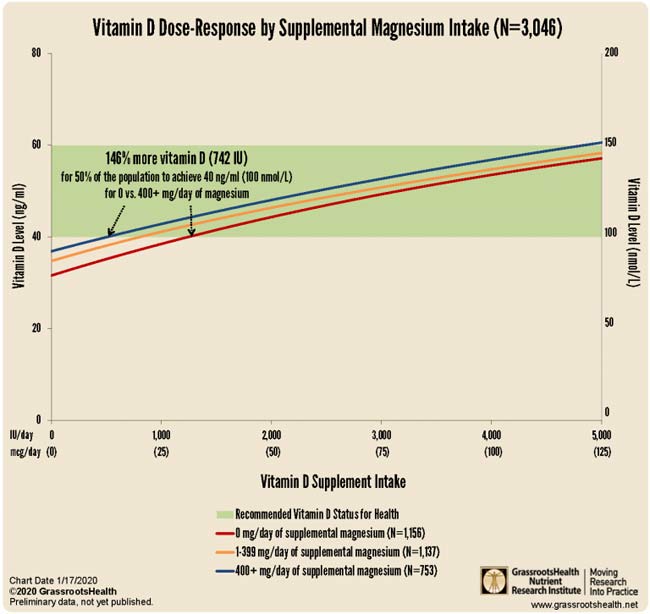
  • You need 146% more vitamin D to achieve a blood level of 40 ng/ml (100 nmol/L) if you do not take supplemental magnesium, compared to taking your vitamin D with at least 400 mg of magnesium per day
  • Vitamin D improves magnesium absorption, but taking large doses of vitamin D can deplete magnesium, as magnesium is required in the conversion of vitamin D into its active form
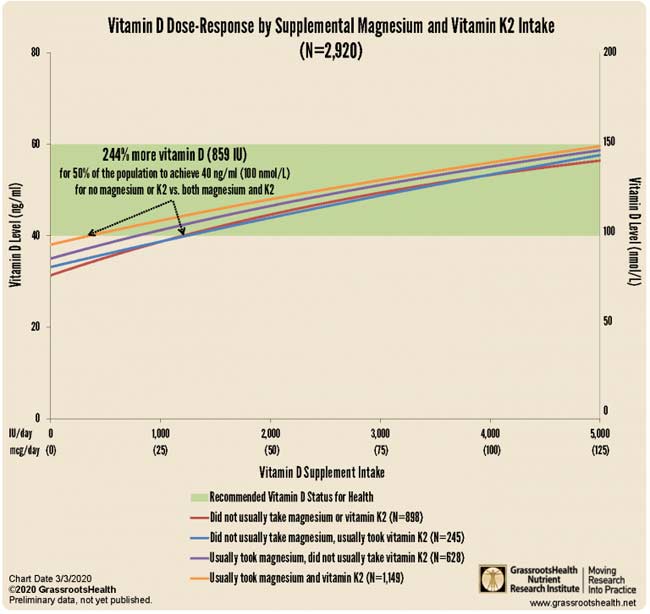
  • Combined intake of both supplemental magnesium and vitamin K2 has a greater effect on vitamin D levels than either individually. You need 244% more oral vitamin D if you’re not concomitantly taking magnesium and vitamin K2

Optimizing your vitamin D level is ideally done through sensible sun exposure. However, many simply are unable to obtain sufficient levels from the sun alone and need supplemental vitamin D. In this case, nutritional synergies become an important factor.

According to research by GrassrootsHealth,1 “combined intake of both supplemental magnesium and vitamin K2 has a greater effect on vitamin D levels than either individually,” and “those taking both supplemental magnesium and vitamin K2 have a higher vitamin D level for any given vitamin D intake amount than those taking either supplemental magnesium or vitamin K2 or neither.”

You Need 2.5 Times More D if Not Taking Magnesium and K2

GrassrootsHealth is a nonprofit, independent public health research institute that has been conducting large-scale population-based nutrient research since 2007.2 While a significant focus is on vitamin D, the organization has also branched into other nutrients.

Its D*action project includes a global cohort of over 10,000 self-subscribed individuals who, anonymously, provide information about their supplement use and overall health status.

GrassrootsHealth research shows blood levels in the range of 40 nanograms per milliliter to 60 ng/ml (100 nanomoles per liter to 150 nmol/L) are safe, effective and will lower overall disease incidence and health care costs.3

That said, other nutrients have been shown to work synergistically with vitamin D, and being deficient in them can significantly influence your vitamin D status as well. Importantly, data from nearly 3,000 individuals reveal you need 244% more oral vitamin D if you’re not also taking magnesium and vitamin K2. As reported by GrassrootsHealth:4

“… 244% more supplemental vitamin D was needed for 50% of the population to achieve 40 ng/ml (100 nmol/L) for those not taking supplemental magnesium or vitamin K2 compared to those who usually took both supplemental magnesium and vitamin K2.”

What this means in practical terms is that if you take all three supplements in combination, you need far less oral vitamin D in order to achieve a healthy vitamin D level.

Vitamin D Dose-Response

How Magnesium Affects Vitamin D

I’ve previously written about the importance of taking vitamin K2 when you’re taking high-dose supplemental vitamin D to avoid complications associated with excessive calcification in your arteries. In fact, relative vitamin K2 deficiency is typically what produces symptoms of “vitamin D toxicity.”

That said, magnesium is also a crucial part of the equation, as it is a component necessary for the activation of vitamin D. Without sufficient amounts of it, your body cannot properly utilize the vitamin D you’re taking.5,6,7,8

This actually helps explain why many need rather high doses of vitamin D to optimize their levels — it could be that they simply have insufficient amounts of magnesium in their system to activate the vitamin D. As noted by Mohammed Razzaque, professor of pathology at Lake Erie College of Osteopathic Medicine in Pennsylvania:9

“People are taking vitamin D supplements but don’t realize how it gets metabolized. Without magnesium, vitamin D is not really useful. By consuming an optimal amount of magnesium, one may be able to lower the risks of vitamin D deficiency, and reduce the dependency on vitamin D supplements.”

According to a scientific review10,11 published in 2018, as many as 50% of Americans taking vitamin D supplements may not get significant benefit as the vitamin D simply gets stored in its inactive form, and the reason for this is because they have insufficient magnesium levels.

Research published in 2013 also highlighted this issue, concluding that higher magnesium intake helps reduce your risk of vitamin D deficiency by activating more of it. As noted by the authors:12

“High intake of total, dietary or supplemental magnesium was independently associated with significantly reduced risks of vitamin D deficiency and insufficiency respectively.

Intake of magnesium significantly interacted with intake of vitamin D in relation to risk of both vitamin D deficiency and insufficiency … Our preliminary findings indicate it is possible that magnesium intake alone or its interaction with vitamin D intake may contribute to vitamin D status.” 

Similarly, GrassrootsHealth has found13 you need 146% more vitamin D to achieve a blood level of 40 ng/ml (100 nmol/L) if you do not take supplemental magnesium, compared to taking your vitamin D with at least 400 mg of magnesium per day.

Vitamin D Dose-Response by Supplemental Magnesium Intake

The interplay between magnesium and vitamin D isn’t a one-way street, though. It goes both ways. Interestingly, while vitamin D improves magnesium absorption,14 taking large doses of vitamin D can also deplete magnesium.15 Again, the reason for that is because magnesium is required in the conversion of vitamin D into its active form.

Advertisement

Click here to learn Dr. Mercola's ultimate guide to combating coronavirus


Vitamins D, B12 and Magnesium May Affect COVID-19 Outcomes

While vitamin D and magnesium are important for overall health year-round, they may be of particular importance right now, as we’re still dealing with the COVID-19 pandemic in many areas of the world, and a second wave is expected in the fall.

According to preliminary research,16,17 that is still undergoing peer review, older COVID-19 patients given a combination of vitamin D, magnesium and vitamin B12 fared significantly better than those who did not receive the supplements:

“Between 15 January and 15 April 2020, 43 consecutive COVID-19 patients aged ≥50 were identified. 17 patients received DMB [vitamin D, magnesium and B12] and 26 patients did not. Baseline demographic characteristics between the two groups were similar.

Significantly fewer DMB patients than controls required initiation of oxygen therapy subsequently throughout their hospitalization (17.6% vs 61.5%). DMB exposure was associated with odds ratios of 0.13 … and 0.15 … for oxygen therapy need and/or intensive care support on univariate and multivariate analyses respectively.

Conclusions: DMB combination in older COVID-19 patients was associated with a significant reduction in proportion of patients with clinical deterioration requiring oxygen support and/or intensive care support. This study supports further larger randomized control trials to ascertain the full benefit of DMB in ameliorating COVID-19 severity.”

Signs of Vitamin D Deficiency

The idea that vitamin D might play a role in COVID-19 severity makes sense considering its importance in infections, including viral infections, in general. Vitamin D helps regulate your immune function, and deficiency is associated with more frequent infections and inflammation-related illnesses of all types. Other common signs and symptoms of vitamin D deficiency include:18

  • Muscle weakness and fatigue
  • Bone and joint pain, as well as fractures
  • Depression
  • Impaired cognition and headaches
  • Slow wound healing

Long-term deficiency can also contribute to more chronic health problems, including rickets, cardiovascular disease and autoimmune disease.19 Risk factors for vitamin D deficiency include:

  • Rarely spending time outdoors and/or always wearing sunscreen
  • Having darker skin
  • Being over the age of 50
  • Obesity
  • Having gastrointestinal problems

Optimize Your Vitamin D Before Fall

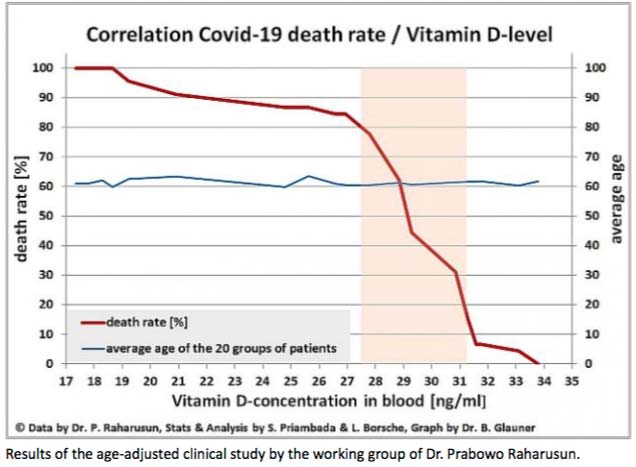
Aside from age and comorbidities such as diabetes, obesity and heart disease, vitamin D deficiency has also been identified as an underlying factor that significantly impacts COVID-19 severity and mortality. I discuss this in “Vitamin D Is Directly Correlated to COVID-19 Outcome.”

The following graph is from a May 18, 2020, letter20 to the Federal Chancellor of Germany, Angela Merkel, from retired biochemist Bernd Glauner and Lorenz Borsche, in which they highlight studies21 showing a clear correlation between COVID-19 mortality and vitamin D levels.

correlation covid 19 death rate

It’s important to note that experts are already warning SARS-CoV-2 may reemerge in the fall when temperatures and humidity levels drop, thereby increasing the virus’ transmissibility.

To improve your immune function and lower your risk of viral infections, you’ll want to raise your vitamin D to a level between 60 ng/mL and 80 ng/mL by fall. In Europe, the measurements you’re looking for are 150 nmol/L and 200 nmol/L. Optimizing your vitamin D is particularly important if you are older or have darker skin.

One of the easiest and most cost-effective ways of measuring your vitamin D level is to participate in the GrassrootsHealth’s personalized nutrition project, which includes a vitamin D testing kit, either alone or in combination with the omega-3 test. This is done in the convenience of your home.

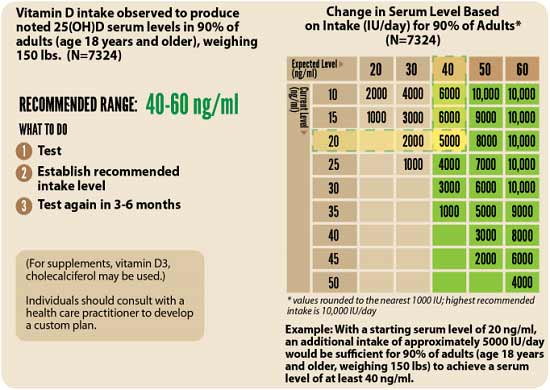
To make sure your vitamin D level and immune system function are optimized, follow these three steps:

1.First, measure your vitamin D level — Once you know what your blood level is, you can assess the dose needed to maintain or improve your level. The easiest way to raise your level is by getting regular, safe sun exposure, but if you’re very dark-skinned, you may need to spend about 1.5 hours a day in the sun to have any noticeable effect.

Those with very light skin may need only 15 minutes a day, which is far easier to achieve. Still, they too will typically struggle to maintain ideal levels during the winter. So, depending on your situation, you may need to use an oral vitamin D3 supplement. The next question then becomes, how much do you need?

2.Assess your individualized vitamin D dosage — To do that, you can either use the chart below, or use GrassrootsHealth’s Vitamin D*calculator. To convert ng/mL into the European measurement (nmol/L), simply multiply the ng/mL measurement by 2.5. To calculate how much vitamin D you may be getting from regular sun exposure in addition to your supplemental intake, consider using the DMinder app.22

Vitamin D - Serum Level

3.Retest in three to six months — Lastly, you’ll need to remeasure your vitamin D level in three to six months, to evaluate how your sun exposure and/or supplement dose is working for you.

Not only will optimizing your vitamin D be an important strategy for you and your family, but it would be really helpful to start thinking about your community as well.

If you can, speak to pastors in churches with large congregations of people of color and help them start a program getting their congregation on vitamin D, and if you have a family member or know anyone who is in an assisted living facility, meet with the director of the program and encourage them to get everyone tested or at least start them on vitamin D.

I am currently in the process of writing a comprehensive resource book to help you in this effort. We really need an army of people to make a difference and build up the immune resiliency of the population before the next wave hits in the fall. This will work FAR better than any unsafe and untested vaccine that will most likely never be ready by the fall anyway.

Why take glutathione and vitamin C together?

Reproduced from original article:
www.naturalhealth365.com/glutathione-vitamin-c-3438.html

by:  | June 13, 2020

glutathione-and-vitamin-c(NaturalHealth365) According to the National Health Council, a troubling 50 percent of American adults suffer greatly with their health.  Thankfully, recent research has shown that a pair of natural substances – glutathione and vitamin C – can help to increase the body’s natural antioxidant defense system.  This, in turn, helps to reduce the risk of excess oxidative stress – which leads to a diminished quality of life.

Researchers have found that these natural compounds work in concert, with each helping to replenish and recycle the other. Let’s take a closer look at the health benefits that are obtained by taking these two natural substances together.

Glutathione and vitamin C: Two “superstar” antioxidants join forces

Glutathione – one of the most powerful antioxidants in the body – is also its premier detoxifying molecule, working to neutralize pathogens, environmental toxins and carcinogens.  In addition, it boosts the immune system, increases strength and endurance and encourages the body to form lean muscle rather than fat.

In fact, so strongly tied is glutathione to health and well-being that scientists can use glutathione levels to predict longevity – quite a testament to its influence in the body!

Unfortunately, glutathione levels can be threatened by toxic drugs, environmental toxins and chronic stress – as well as by normal aging.  Unsurprisingly, healthy young people have the highest levels of glutathione, while elderly, hospitalized patients have the very lowest.

Do NOT ignore the health dangers linked to toxic indoor air.  These chemicals – the ‘off-gassing’ of paints, mattresses, carpets and other home/office building materials – increase your risk of headaches, dementia, heart disease and cancer.

Get the BEST indoor air purification system – at the LOWEST price, exclusively for NaturalHealth365 readers.  I, personally use this system in my home AND office.  Click HERE to order now – before the sale ends.

Like glutathione, vitamin C can help to boost immune system function.  In fact, studies have shown that vitamin C increases production of life protective antibodies and promotes the function of phagocytes, the body’s scavenger cells.

In addition, vitamin C – which has potent antioxidant, antiviral and anti-inflammatory properties – can protect fragile cell membranes and prevent damage to cell DNA, as well as to important proteins and enzymes (including glutathione).  It is also a cofactor in the production of collagen – which is essential to arterial and heart health.

So, it’s clear to see: insufficient stores of glutathione and vitamin C can cause serious health issues.

Stronger together: Glutathione and vitamin C empower each other

Together, these two antioxidants neutralize harmful free radicals.  This is important, because free radicals cause the unhealthy peroxidation of cell membrane lipids, leading to eventual cell death and increased likelihood of sickness.

Noted functional physician and author Dr. Mark Hyman uses the “hot potato” analogy to explain the antioxidant actions of glutathione and vitamin C.  Free radicals get bounced like a “hot potato” from one antioxidant to another, shuttling from vitamin C to vitamin E – then on to lipoic acid, and finally, glutathione.

Glutathione “cools off” the free radicals while recycling the other antioxidants, sacrificing itself in the process. However, the process ends with the regeneration of more glutathione.  In other words, glutathione and vitamin C function as a “buddy act,” in which each has the other’s back.

Vitamin C also helps to protect glutathione in the tissues, while glutathione coverts worn-out vitamin C (dehydroascorbic acid) back into its active form.  In fact, a study published in the American Journal of Clinical Nutrition demonstrated that glutathione can actually alleviate vitamin C deficiency.

Research sheds light on the effects of glutathione and vitamin C on oxidative stress

In one study involving 200 healthy young adults and published in Preventive Nutrition and Food Science, the team found that low dietary intake of vitamin C caused increased oxidative stress, while reducing levels of glutathione.

Even though the subjects were young and relatively healthy, only 38 percent of them had sufficient intake of vitamin C.  Significantly, the low intake group had higher levels of markers of oxidative stress, such as malondialdehyde, nitrites and nitrates. The higher-intake group had fewer markers of oxidative stress, and more life protective antioxidant capacity.

A separate study yielded evidence of the benefits of combining quercetin and vitamin C.

In a placebo-controlled study conducted in 2012, a group of healthy young men were given either 250 mg a day of vitamin C, 500 mg of quercetin, vitamin C and quercetin together, or a placebo for eight weeks.

And the results were eye-opening.

The researchers found that the most pronounced improvements to inflammation levels and cell health occurred in the group that took both supplements. Participants experienced a dramatic 50 percent decrease in levels of the inflammatory marker C-reactive protein – compared to 35 percent in the vitamin C-only group and the quercetin-only group.

Other research has demonstrated vitamin C’s ability to promote the creation of glutathione in the body.

Another study published in the American Journal of Clinical Nutrition showed that two weeks of supplementation with vitamin C, in amounts ranging from 500 mg to 2,000 mg, increased glutathione production by 50 percent – significantly more than increases conferred by high-dose N-acetyl-cysteine.

This is impressive, because NAC has such potent glutathione-restoring abilities that it is used in hospitals to replenish depleted glutathione in the liver resulting from acetaminophen overdose.

Boost glutathione and vitamin C with diet and proper supplementation

You can help your body increase its glutathione production by eating sulfur-rich foods, such as garlic, onions and cruciferous vegetables including Brussels sprouts, cabbage, cauliflower and arugula.

And, bioactive non-denatured whey protein is rich in cysteine, one of the “building blocks” of glutathione.  Supplements such as N-acetyl-cysteine, milk thistle and alpha-lipoic acid help the body produce, recycle and replenish glutathione.

When it comes to ramping up vitamin C intake, red bell peppers, kiwi fruit, strawberries and citrus fruits are among the best sources.

If you would like to take glutathione in supplementary form, many natural health experts advise liposomal glutathione as the most bioactive.  Integrative healthcare providers typically recommend between 250 mg and 500 mg of glutathione a day – but check first with your own doctor before making any changes to your supplement routine.

While the National Institutes of Health lists 65 to 90 mg per day of vitamin C as the recommended daily amount, most experienced healthcare providers will suggest much greater amounts to obtain true health protective results.  Your integrative doctor can help advise an amount that is right for you.

Bottom line: when it comes to protecting your health, glutathione and vitamin C are “on the job.” Maybe it’s time to put this dynamic duo to work for you?

Sources for this article include:

Academic.oup.com
NIH.gov
NIH.gov
NationalHealthCouncil.org

Eight Reasons to Consume Bee Propolis

© 11th June 2020 GreenMedInfo LLC. This work is reproduced and distributed with the permission of GreenMedInfo LLC. Want to learn more from GreenMedInfo? Sign up for the newsletter here www.greenmedinfo.com/greenmed/newsletter
Reproduced from original article:
www.greenmedinfo.com/blog/eight-reasons-consume-bee-propolis

Posted on: Saturday, June 6th 2020 at 3:45 pm

Bee propolis, a natural resin sourced from honeybees, hosts numerous health benefits thanks to its antiseptic, antimicrobial, antiviral and anti-inflammatory properties. Here, we’ve outlined eight of the main benefits of consuming bee propolis

Bee propolis, a kind of “bee glue” or resinous substance used by bees to protect against fungus and seal holes or cracks in the hive, is garnering more attention in the health and wellness community thanks to a growing body of research highlighting its therapeutic benefits.[i],[ii]

Composed mainly of resin and wax, bee propolis is full of phenolic compounds, esters and 12 different kinds of flavonoids that contribute to its anti-inflammatory, antibacterial, antifungal and antioxidant properties.[iii] If you’ve never tried bee propolis, here are eight excellent examples of why you should consider adding bee propolis products into your routine and diet:

1. Bee Propolis Protects Against the Common Cold

Research has shown that due to the antimicrobial properties of bee propolis, it may be useful in relieving symptoms and shortening the duration of the common cold.[iv] Additionally, parents may use propolis as a supplement for preventing colds and flu-like illnesses in children, as it has immune-activating properties and has been shown to reduce the likelihood of colds in children.[v],[vi],[vii]

2. Bee Propolis Fights Upper Respiratory Infections in Children and Adults

The antimicrobial effects of propolis have been shown to effectively fight several strains of bacteria in patients with upper respiratory infections.[viii] Researchers believe that bee propolis could be used as a natural antibacterial therapy to prevent upper respiratory infections in both children and adults.[ix]

3. Bee Propolis Has Antifungal Properties

Researchers have studied the antifungal effects of propolis on onychomycosis, a common nail infection caused by fungus that causes nails to weaken and become brittle or ragged.[x],[xi]

Conventional treatment methods for onychomycosis include medications that often cause severe side effects or interact with other medications, causing the patient to stop treatment.[xii] Because researchers have demonstrated the effective topical antifungal properties of bee propolis, many believe that it could be used as a less expensive remedy for onychomycosis without adverse effects.[xiii]

Researchers have also studied the effects of propolis against 40 yeast strains of the Candida fungus, demonstrating that propolis is effective in inhibiting the growth of these common fungi.[xiv] Common candida infections include oral thrush and vaginal yeast infections, both of which have been shown to benefit from propolis-based topical treatments.[xv],[xvi],[xvii]

4. Bee Propolis May Protect Against Cancer

Propolis contains a substance called caffeic acid phenethyl ester (CAPE), which activates DNA damage signaling in cancer cells, making it a potent antitumor therapy in the treatment and prevention of cancer.[xviii],[xix]

In fact, some researchers believe propolis may be as effective as chemotherapy or conventional chemopreventative drugs, without the adverse side effects associated with chemotherapy.[xx]

5. Antidiabetic Properties of Bee Propolis

A heterogeneous disease caused by insulin secretion or action defects, diabetes mellitus is one of the more common chronic diseases affecting Americans today.[xxi] In various studies, bee propolis extract effectively reduced hyperglycemic and oxidative stress associated with hyperglycemia and had ameliorating effects on cardiovascular health in diabetic subjects.[xxii],[xxiii]

Royal jelly, a healing secretion of bees intended for their nourishment, also has potent anti-diabetic qualities and significantly lowers blood sugar levels and oxidative stress caused by hyperglycemia.[xxiv]

6. Bee Propolis Offers Neuroprotective Benefits

Propolis has inhibitory effects against neuronal cell death, possibly preventing the onset of several neurodegenerative and ischemic disorders.[xxv] This may be due to propolis’ effects on oxidative stress, which is believed to be the underlying pathogenesis of several neurodegenerative diseases, including Alzheimer’s and other forms of dementia.[xxvi],[xxvii]

7. Bee Propolis as a Potential Gastrointestinal Treatment

The cytotoxic and cytostatic effects of CAPE, an ester contained in bee propolis, make it an excellent potential therapy in the treatment and prevention of gastric cancers.[xxviii] Additional gastrointestinal benefits of propolis include treatment and prevention of ulcerative colitis, probably due to its antioxidant, antiulcer and anti-inflammatory properties.[xxix]

8. Bee Propolis for Dermatology and Skin Care

Bee propolis has been studied for its topical effects on a variety of skin conditions, including burn treatment, wound healing, insect bites, UV-induced photodamage, oral infections and sores, and the antibacterial and anti-inflammatory nature of bee propolis makes it a popular ingredient in many natural cosmetic products.[xxx],[xxxi],[xxxii],[xxxiii],[xxxiv]

Propolis has also been tested for its effects on acne. Conventional antibiotic treatments for this follicular skin disease have become less effective due to the rise of antibiotic-resistant strains of Propionibacterium acnes, but researchers have demonstrated that natural antimicrobial extracts such as propolis seem to effectively reduce redness and lessen scarring.[xxxv]

Safety Concerns Associated With Bee Propolis

Oral or topical use of bee propolis can cause allergic reactions, especially in individuals allergic to honey bee or other bee stings or to asthmatic individuals, with allergies presenting as contact dermatitis or oral mucositis.[xxxvi],[xxxvii]

Nevertheless, researchers believe that while there is a chance for allergic reaction and the exact dosage of propolis has yet to be determined, there is vast potential for the use of this natural and promising substance for those without allergies.[xxxviii],[xxxix]

For more information and additional research studies, please visit the GreenMedInfo.com research database on bee propolis and other bee products such as honey and bee venom


References

[i] Oxid Med Cell Longev. 2017; 2017: 1259510.

[ii] J Intercult Ethnopharmacol. 2016 Jun-Aug; 5(3): 308-311.

[iii] Oxid Med Cell Longev. 2017; 2017: 1259510.

[iv] Adv Pharmacol Sci. 2013; 2013: 308249.

[v] Rom J Virol. 1995 Jul-Dec;46(3-4):115-33.

[vi] J Intercult Ethnopharmacol. 2016 Jun-Aug; 5(3): 308-311.

[vii] Am J Chin Med. 2005;33(2):231-40.

[viii] Arzneimittelforschung. 1993 Aug;43(8):921-3.

[ix] J Chemother. 2006 Apr;18(2):164-71.

[x] Version 1. F1000Res. 2019; 8: F1000 Faculty Rev-968.

[xi] Front Microbiol. 2018; 9: 779.

[xii] Front Microbiol. 2018; 9: 779.

[xiii] Front Microbiol. 2018; 9: 779.

[xiv] J Med Food. 2011 Jan-Feb;14(1-2):128-34. doi: 10.1089/jmf.2009.0296. Epub 2010 Dec 4.

[xv] Evid Based Complement Alternat Med. 2015; 2015: 287693.

[xvi] Int J Gynaecol Obstet. 2005 May;89(2):127-32.

[xvii] Evid Based Complement Alternat Med. 2013; 2013: 351062.

[xviii] Integr Cancer Ther. 2018 Sep; 17(3): 867-873.

[xix] Folia Histochem Cytobiol. 2012 Apr 24;50(1):25-37. doi: 10.2478/18693.

[xx] Integr Cancer Ther. 2018 Sep;17(3):867-873. doi: 10.1177/1534735417753545. Epub 2018 Feb 2.

[xxi] Evid Based Complement Alternat Med. 2017; 2017: 5439645.

[xxii] Clin Biochem. 2005 Feb;38(2):191-6.

[xxiii] Evid Based Complement Alternat Med. 2017; 2017: 5439645.

[xxiv] Masataka Nomura, Naomi Maruo, Yoshito Zamami, Shingo Takatori, Shima Doi, Hiromu Kawasaki. [Effect of long-term treatment with royal jelly on insulin resistance in Otsuka Long-Evans Tokushima Fatty (OLETF) rats]. Yakugaku Zasshi. 2007 Nov ;127(11):1877-82. PMID: 17978564

[xxv] J Agric Food Chem. 2008 Oct 8;56(19):8944-53. doi: 10.1021/jf8014206. Epub 2008 Sep 12.

[xxvi] Oxid Med Cell Longev. 2017; 2017: 7984327.

[xxvii] Oxid Med Cell Longev. 2018; 2018: 7074209.

[xxviii] Evid Based Complement Alternat Med. 2018; 2018: 2035820.

[xxix] Evid Based Complement Alternat Med. 2018; 2018: 2035820.

[xxx] Evid Based Complement Alternat Med. 2016; 2016: 8473937.

[xxxi] Oxid Med Cell Longev. 2017; 2017: 1259510.

[xxxii] Antioxidants (Basel). 2019 May; 8(5): 125.

[xxxiii] Burns Trauma. 2015; 3: 9.

[xxxiv] Molecules. 2020 Jan 28;25(3). pii: E556. doi: 10.3390/molecules25030556.

[xxxv] Clin Pharmacol. 2018; 10: 175-181.

[xxxvi] Drug Saf. 2008;31(5):419-23.

[xxxvii] J Pharm Bioallied Sci. 2011 Oct-Dec; 3(4): 479-495.

[xxxviii] Adv Pharmacol Sci. 2013; 2013: 308249.

[xxxix] Oxid Med Cell Longev. 2017; 2017: 1259510.

Disclaimer: This article is not intended to provide medical advice, diagnosis or treatment. Views expressed here do not necessarily reflect those of GreenMedInfo or its staff.

“Gag order” given to doctor over his advice to help improve immunity

Reproduced from original article:
www.naturalhealth365.com/doctor-gag-order-3428.html

doctor-censored(NaturalHealth365) Wear a mask. Get a COVID-19 vaccine. Spray down your entire house with powerful disinfectants. Assume everyone you meet in public is infected with SARS-CoV-2.  It seems like our natural immunity to dis-ease is no match against this current pandemic.

These tips to slow the spread from the Centers for Disease Control and Prevention (CDC) aren’t necessarily “intended” to inspire fear and paranoia, but it’s not hard to see how this is exactly what’s happening as a result.

So, one doctor tried to offer an “alternative” and got in trouble for it.

Of course, what we hear a lot less about from the mainstream media is arguably the most important thing you can do to keep yourself and your family healthy: strengthen your immune system.  Yet for some reason, doctors who promote natural ways to boost immune health are being censored by the government.

Is this simply a no-holds-barred attempt to protect Big Pharma’s profitable COVID-19 drugs and vaccines coming down the pipeline?

“The Crackdown” is here: Medical doctor attempting to share natural health benefits of immune boosting compounds silenced by government health agency

David Brownstein, MD is a popular holistic medicine practitioner who has been freely sharing information with his community about his success with natural remedies that can support immune health during COVID-19. These remedies include many that our NaturalHealth365 readers know about, but we’re not allowed to say, according to the Federal Trade Commission – including the use of a nebulizer.

Do NOT ignore the health dangers linked to toxic indoor air.  These chemicals – the ‘off-gassing’ of paints, mattresses, carpets and other home/office building materials – increase your risk of headaches, dementia, heart disease and cancer.

Get the BEST indoor air purification system – at the LOWEST price, exclusively for NaturalHealth365 readers.  I, personally use this system in my home AND office.  Click HERE to order now – before the sale ends.

Sadly, censorship isn’t anything new, especially during a worldwide pandemic when those in power are likely tempted to take even more control. And on May 15, Dr. Brownstein was told by the Federal Trade Commission (FTC) to stay quiet. Backed by politicians such as Senator Chuck Schumer, the FTC sent a letter to Dr. Brownstein containing this warning:

“It is unlawful under the FTC Act, 15 U.S.C Sec. 41 et seq. to advertise that a product or service can prevent, treat, or cure human disease unless you possess competent and reliable scientific evidence, including, when appropriate, well-controlled human clinical studies, substantiating that the claims are true at the time they are made. For COVID-19, no such study is currently known to exist for the products or services identified above. Thus, any Coronavirus-related prevention or treatment claims regarding such products or services are not supported by competent and reliable scientific evidence. You must immediately cease making all such claims.”

Meanwhile, research is continuing to clarify the link between deficiencies in many vitamins and severe COVID-19 infections, with doctors and hospitals around the world trialing vitamin supplementation for many of their sickest patients.

Yet for some reason, a licensed doctor who is sharing his patients’ success stories with similar remedies is in the “wrong?” (what is this world coming to?!)

While we agree that no one should ever make a claim that they can “cure or prevent” COVID-19 without legitimate evidence, we think it’s wrong to deny people the right to explore alternative options that can boost their immune health. After all, relying on just cleaning supplies and medications to clean up the COVID-19 mess is just going to lead to a lot of unintended consequences.

Cleaning craze: Parents should be aware of the unexpected risks linked to excessive use of disinfectants

Popular home cleaning brand Lysol probably doesn’t mind the recent worldwide obsession with disinfecting everything. The company has enjoyed through-the-roof demand, although they have been tripped up by some supply chain problems. But just how far is too far when it comes to spraying all the surfaces inside your home?

Nobody is suggesting not to practice good hygiene and cleanliness – such basic life skills are necessary whether there’s a global pandemic or not. But health experts have long been wary of worrisome parents and caregivers trying to turn their homes into close approximations of sterile environments.

For example, depriving children of exposure to normal everyday microorganisms may lead to unintended health consequences, according to a 2014 study published in The Journal of Allergy and Clinical Immunology.  The study found that children who are raised in overly clean homes appear more likely to have health problems like asthma and allergies.

The evidence-based theory, also known as the hygiene hypothesis (alternative: the microbe deprivation hypothesis), says that some amount of exposure to bacteria and other organisms actually primes a developing child’s immune system and helps it become stronger. This doesn’t negate the need for cleanliness – but it should remind parents that dousing their home in disinfectants is not only unnecessary but potentially harmful, as well.

The takeaway is clear: In addition to reinforcing good hygiene habits within your family, remember to look for natural ways to stay healthier, including holistic methods to boost your immune system.  For much more detail: check out the Immune Defense Summit, hosted by Jonathan Landsman.

Click here to sign a petition expressing your disapproval of this form of censorship (USA only).

Sources for this article include:

NIH.gov
NIH.gov
ScienceDaily.com
Forbes.com
JACIonline.org
DrBrownstein.com
Newsday.com

Truth be told: How a low-carb diet prevented polio

Reproduced from original article:
https://www.naturalhealth365.com/low-carb-diet-polio-3418.html
by:  | May 28, 2020
low-carb-diet(NaturalHealth365) Although COVID-19 may feel uniquely terrifying, the truth is: the novel coronavirus is only the latest in a series of pandemics and epidemics that have threatened human health.  Remember, in 1948, polio was raging across the United States, taking a particularly heavy toll in North Carolina and in the city of Asheville. Against the spread of this infectious illness stood Dr. Benjamin P. Sandler, a visionary physician who endorsed a low-carb diet to ward off infection.

While some of Dr. Sandler’s assertions remain controversial to this day, he was certainly “ahead of his time” in endorsing a high-protein, low-starch, low-sugar diet. To learn more about this forward-thinking physician – and how his nutritional regimen helped to combat a crippling pathogen –read on.

A sugar-free, low-carb diet may strengthen resistance to infections within a day

In a nutshell, Dr. Sandler believed that a high-sugar, high-starch diet set the stage for polio.  Keep in mind, “starch” is considered a carbohydrate.  This means that Dr. Sandler’s “low-carb” nutritional recommendations are consistent with the best advice given by nutritionists today.

His dietary regimen, which he confidently offered “without reservation,” was simple, safe and easily applicable: avoid foods containing sugar or starch.

Significantly, Dr. Sandler advocated for a diet rich in beneficial high-fiber vegetables and nourishing, high-quality protein – such as lean meat, dairy products and fish.  Noting the prevalence of polio in warm weather, Dr. Sandler also warned against the consumption of “cooling beverages.”

Why did Dr. Sandler object to these drinks?

Pointing out that polio epidemics occur only in countries with high per capita sugar consumption, Dr. Sandler realized that the popular beverages of the day were disastrously high in sugar.

Do NOT ignore the health dangers linked to toxic indoor air.  These chemicals – the ‘off-gassing’ of paints, mattresses, carpets and other home/office building materials – increase your risk of headaches, dementia, heart disease and cancer.

Get the BEST indoor air purification system – at the LOWEST price, exclusively for NaturalHealth365 readers.  I, personally use this system in my home AND office.  Click HERE to order now – before the sale ends.

However, Dr. Sandler maintained the body could quickly recover from the damaging effects of sugar and starches.  In just 24 hours of following his nutritional recommendations, reported Dr. Sandler, the body could build up sufficient resistance to the polio virus to prevent infection.

Warning: Low blood sugar raises vulnerability to infectious diseases

According to Dr. Sandler, maintaining normal blood sugar was of paramount importance in avoiding polio.  In fact, consuming excessive sugar can cause a rise in production of insulin – which triggers the well-known “sugar crash.”

Medically known as hypoglycemia, this condition can cause headache, dizziness, weakness, fatigue, nervousness, sweating, palpitations and fainting.  As Dr. Sandler intuited, another effect of hypoglycemia is poor resistance to infection -hence the increased susceptibility to polio, as well as to influenza and colds.

While blood sugar levels falling too low (from 55 to 75 mg/dL) could lead to polio, individuals with normal blood sugar would “never” contract the disease, Dr. Sandler explained.

“If blood sugar never fell below 80 mg, polio could never result,” declared Dr. Sandler.

Low-carb dietary habits helped to “flatten the curve” of polio

In 1948, Dr. Sandler – who had assisted the research staff at Willard Parker Hospital in New York City during the 1931 polio epidemic – was on staff as a nutritional expert at Oteen Veterans Hospital in Asheville.

Proponents say that his dietary recommendations had a “significant effect” on the number of polio cases in North Carolina – as well as in neighboring states.  In fact, the city of Asheville experienced a reduction in the number of polio cases between 1948 and 1949 – and many give Dr. Sandler the credit.

And, this occurred in spite of the fact that Asheville is located in North Carolina, which had the second highest case rate in the country in 1948.  At its height, the polio epidemic affected 58,000 American children.  Over 3,000 children eventually died from the disease, with an additional 20,000 left paralyzed.

In 1951, Dr. Sandler wrote his book “Diet Prevents Polio.” He also published six scientific papers on the relationship between diet and disease.

Insight from animals: Vulnerability to polio linked with low blood sugar

Dr. Sandler’s theory was supported by animal studies.  Researchers working at Columbia University and Cornell University had shown that the only laboratory animal that could contract polio by experimental inoculation was the rhesus monkey.

And they thought they knew why.  Like humans, monkeys sometimes experience subnormal blood sugar levels.

While blood sugar in monkeys could fall as low as 50 mg/dL, the levels of rabbits never seemed to fall below 100 mg/dL. As a result, rabbits are impervious to polio – until low blood sugar levels are experimentally induced.

In a groundbreaking study published in American Journal of Pathology, the team showed that rabbits could be infected with polio if their blood sugar levels were lowered with insulin.

Stabilize blood sugar levels with a low-carb diet

Dr. Sandler’s regimen called for the elimination of soft drinks, sugary fruit juices, baked goods, ice cream, cakes, pastries and candies.

These recommendations may have seemed drastic to some – yet we know now that they make good nutritional sense.  After all, baked goods and candies have been described as “nutritional disasters,” laden with refined sugar, preservatives, chemicals and trans fats.

Dr. Sandler also advised sharply reducing consumption of white bread, rolls, pancakes, potatoes, rice, corn, cereals and grits.  While some of these foods, particularly corn and potatoes, can offer certain benefits when properly prepared and eaten in moderation, Dr. Sandler correctly spoke out about over-reliance on carbohydrates.

In addition, Dr. Sandler recommended a technique of replacing “starchy” foods with nutritionally-superior choices, many of which are now recognized as “superfoods.”

He suggested antioxidant-rich fresh vegetables, including tomatoes, beets, cucumbers, dark leafy greens (a treasure trove of cancer-fighting polyphenols) and onions (high in the beneficial flavonoid quercetin).

These foods are packed with healthy fiber, carotenoids and – perhaps most importantly – cancer-fighting sulforaphanes and isothiocyanates. These powerful plant chemicals, found in humble Brussels sprouts and un-glamorous cabbage, can be your best friends in maintaining optimal health and fighting infections and cancer.

Dr. Sandler also called for eating healthy amounts of “protein protective foods.”  Cage-free eggs, grass-fed beef and wild-caught cold-water fish are all good sources of high-quality protein.

While not all physicians agree that consumption of sweets was linked to the polio epidemic, there is no doubt that Dr. Sandler’s recommendations represent a far healthier way of eating.  Simply put, the contributions of this courageous scientist should not go unrecognized.

Sources for this article include:

SeleneRiverPress.com
Healthline.com